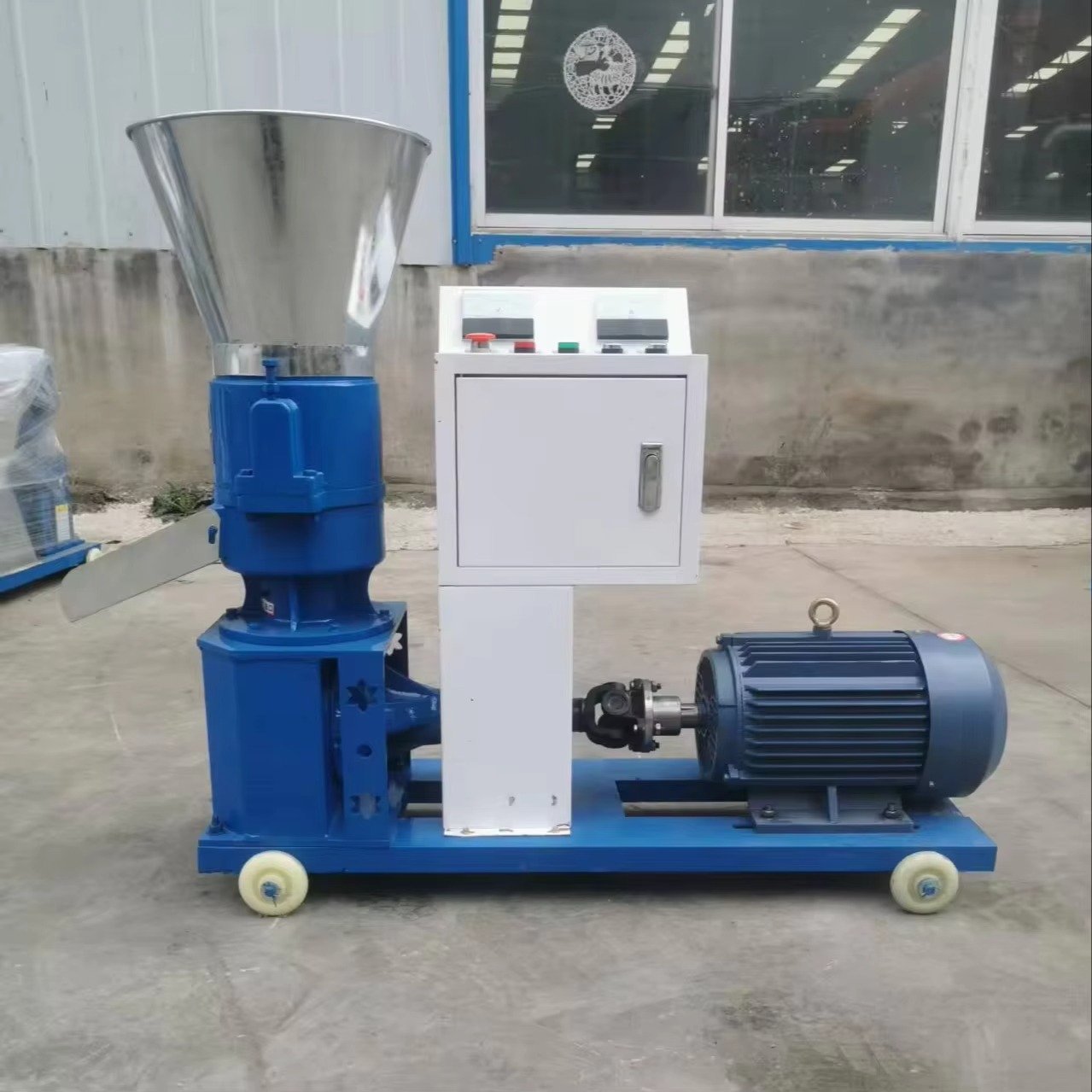
 We manufacture manual pellet machines here at MAIKONG with one specific goal in mind. We want Philippine farmers, feed mill operators, and agriculture investors to access the same quality equipment that large commercial operations use, but at a scale and price point that makes sense for your operation. Whether you’re raising 500 chickens or running a commercial fish farm with 20 ponds, we have a manual pellet machine solution that fits your exact needs.
What Is a Manual Pellet Machine and Why Philippine Farms Need One
A manual pellet machine transforms your powdered feed ingredients into uniform, dense pellets that your animals can digest more efficiently. The process seems simple on the surface. You pour mixed feed powder into the hopper, and the machine compresses it through a die with small holes, creating cylindrical pellets.
But here’s what makes this transformation so valuable for your operation. When you feed chickens loose mash or powder, they pick through it. They eat the parts they like and waste the rest. You lose 10-15% of your feed to spillage and selective feeding.
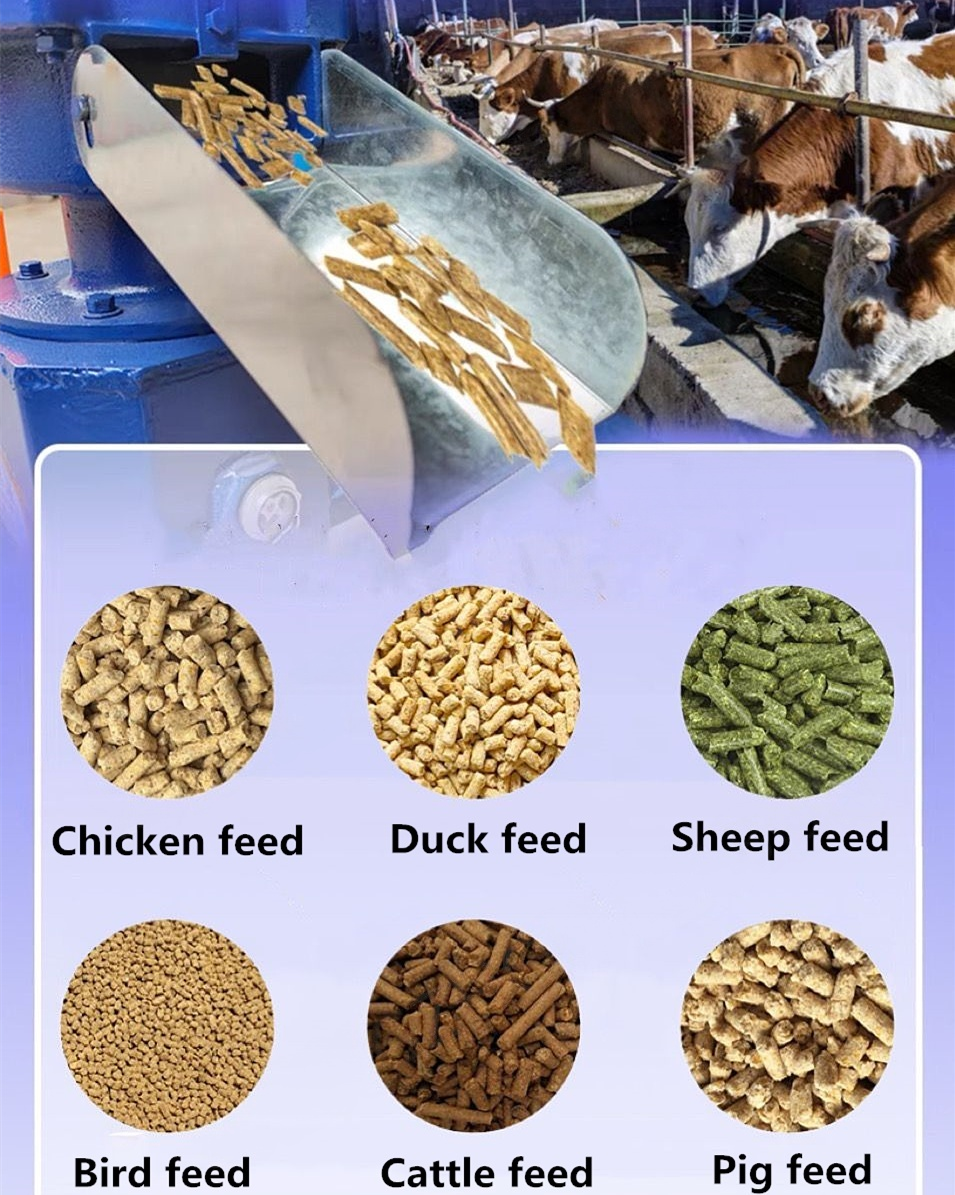
Pellets eliminate that problem entirely. Every pellet contains the exact same nutritional profile. Your birds or fish can’t pick out just the corn and leave the vitamins. They consume complete nutrition with every bite, which means faster growth rates and better feed conversion ratios.
The “manual” designation means these machines work without requiring fully automated systems. You control the feeding rate. You monitor the pellet formation. You adjust the moisture and die selection based on what you’re producing. This hands-on approach gives you remarkable flexibility while keeping the equipment cost and maintenance requirements far below fully automated production lines.
Need Help Selecting the Right Manual Pellet Machine?
Our technical team has helped over 500 Philippine operations choose the perfect pellet machine capacity and configuration. Let’s discuss your specific livestock, daily feed requirements, and budget.
How Manual Pellet Making Machines Work: The Complete Pelleting Process
Understanding the pelleting process helps you optimize your feed production from the very first day. We’ve refined this process over 30 years of manufacturing, and I want to share exactly how it works so you can make the most informed decision.
Raw Material Preparation Stage
Before anything enters your manual pellet machine, you need properly prepared ingredients. This means grinding your corn, rice bran, fish meal, or other components into a consistent particle size. We recommend a hammer mill for this initial grinding stage.
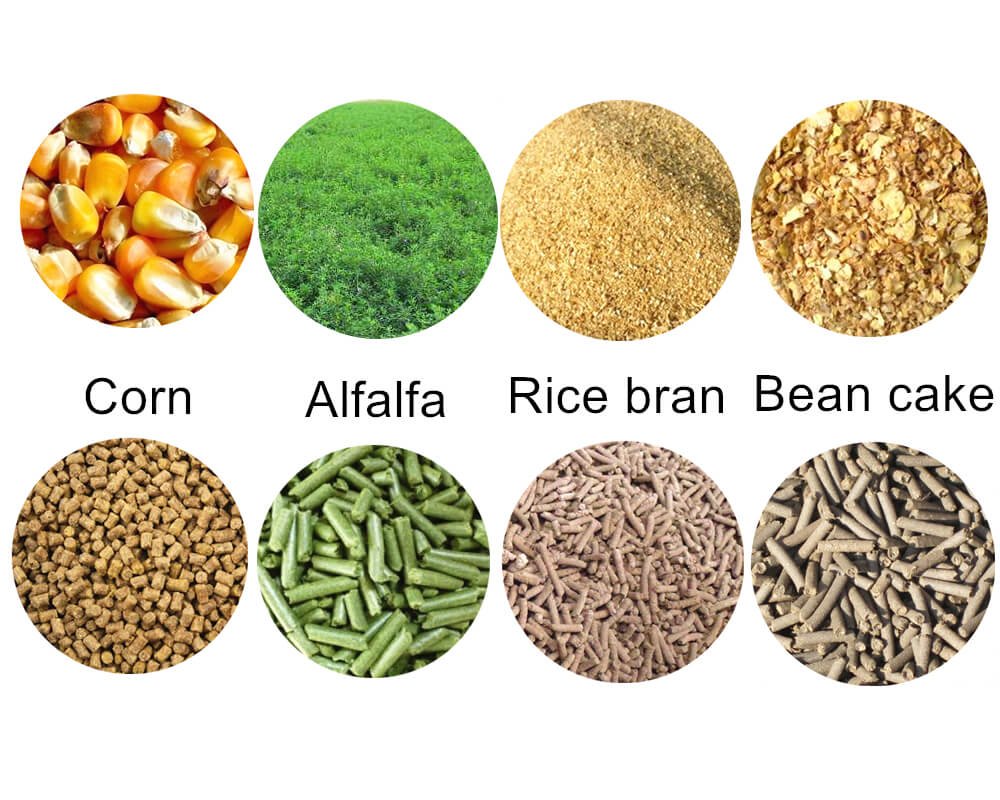
The particle size matters tremendously. If your ingredients are too coarse, they won’t compress properly in the die. If they’re too fine, they’ll create excessive dust and may overheat during pelleting. We’ve found that particles passing through a 1.5-2.0mm screen deliver optimal results across most feed formulations.
Mixing and Conditioning Phase
Your ground ingredients need thorough mixing before pelleting. This is where you combine your energy sources, protein sources, vitamins, minerals, and any medication or supplements. The mixing uniformity should reach at least 95% homogeneity.
Moisture content requires careful attention during this phase. Most feed formulations pelletize best at 12-16% moisture. If your ingredients are too dry, add water or steam during mixing. If they’re too wet, the pellets will be soft and may harbor mold growth during storage.
Pellet Formation Through Die Compression
This is where your manual pellet machine performs its core function. The conditioned feed enters the pelleting chamber where a rotating roller presses it against a stationary die. The die contains hundreds of small holes, typically ranging from 2mm to 12mm in diameter depending on what size pellets you need.

Die Compression Specifications
The compression force generated inside the pelleting chamber typically ranges from 3,000 to 6,000 PSI depending on your machine model and die configuration. This intense pressure serves multiple purposes beyond just shaping the pellets.
First, it gelatinizes starches in your grain components, making them more digestible. Second, it raises the temperature to 75-85°C, which partially sterilizes the feed and destroys anti-nutritional factors. Third, it binds the particles together so your finished pellets maintain their shape during handling, transport, and storage.
Pellet Cutting and Cooling
As the compressed feed emerges from the die holes, a cutting knife shears it into individual pellets. You control the pellet length by adjusting the knife position and rotation speed. Most operations produce pellets between 5-15mm in length.
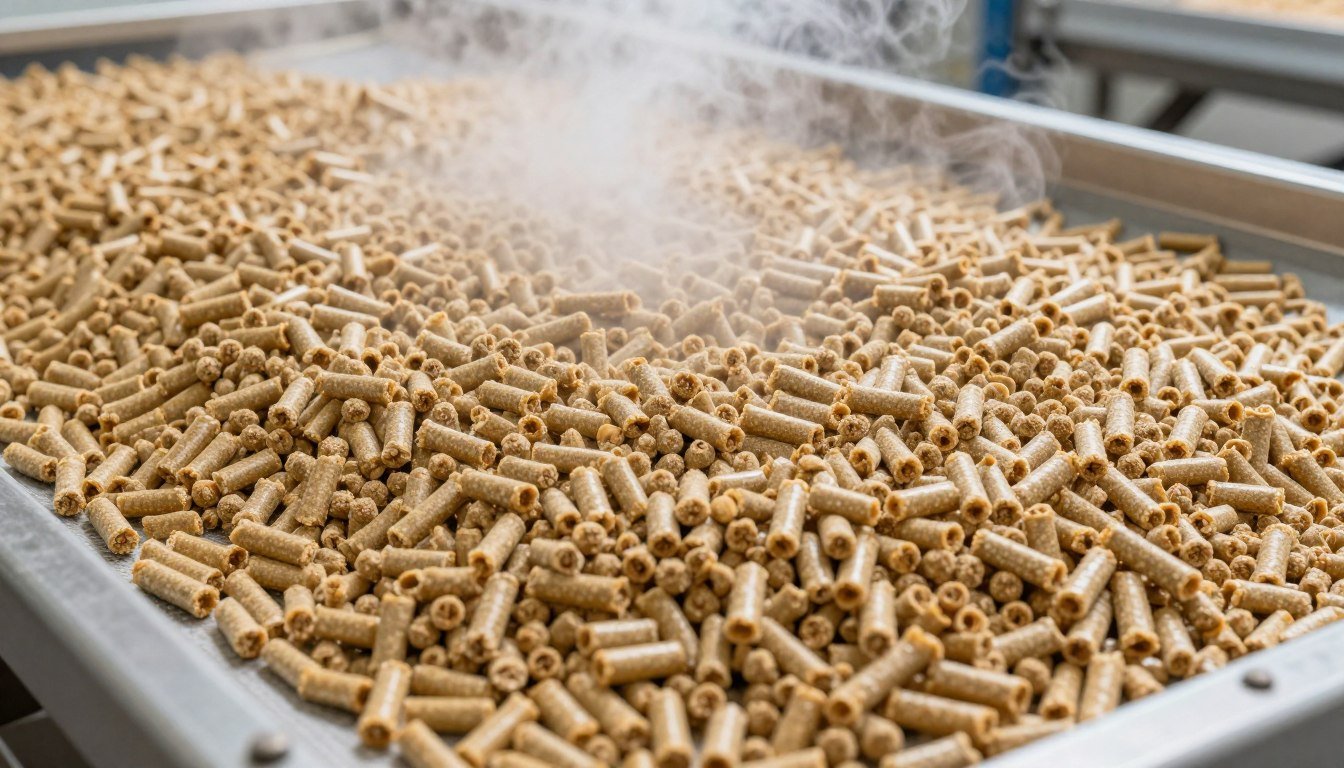
Fresh pellets coming off the machine are hot and somewhat soft. They need cooling to room temperature and moisture reduction to about 12% for safe storage. A simple cooling system uses ambient air blown across the pellets spread on a screen or mesh surface.
Manual Pellet Machine vs Automatic Systems: Which Philippine Operations Need Each Type
I get this question almost every day from farm owners trying to make their first pellet machine purchase. Should you invest in a manual pellet making machine or jump straight to a fully automated production line? The answer depends entirely on your current scale and growth plans.
Manual Pellet Machine Advantages
Lower Initial Investment
Manual pellet machines start at just a fraction of automated system costs. This makes them accessible for small to medium operations that can’t justify 2-5 million peso investments in production equipment.
- Entry-level models from $7,000-$15,000
- Medium capacity units $15,000-$35,000
- No need for extensive facility modifications
- Faster return on investment timeline
Operational Flexibility
With manual operation, you can easily switch between different feed formulations, pellet sizes, and production schedules without complex programming or setup changes.
- Change dies in 15-30 minutes
- Run small batches economically
- Test new formulations quickly
- Adjust production to demand fluctuations
Simpler Maintenance Requirements
Manual pellet machines have fewer electronic components and automated systems that can malfunction. Your local technician can handle most maintenance and repair needs.
- Minimal specialized training needed
- Parts readily available in Philippines
- Lower annual maintenance costs
- Less downtime from technical issues
Perfect for Learning
Starting with a manual system lets you master the pelleting process before scaling up. You understand the variables that affect pellet quality and can train your team effectively.
- Hands-on process understanding
- Easier troubleshooting
- Better quality control initially
- Smooth transition to automation later
When Automatic Systems Make More Sense
Fully automated pellet production lines become cost-effective when you’re producing more than 3-5 tons of feed per hour on a continuous basis. Large commercial feed mills, major poultry integrators, and aquaculture operations with thousands of tons of monthly feed requirements benefit from automation’s consistency and labor cost savings.
But here’s what most people don’t realize. Even large operations often maintain manual pellet machines for specialty products, small batch runs, and backup capacity. The flexibility of manual operation remains valuable at any scale.
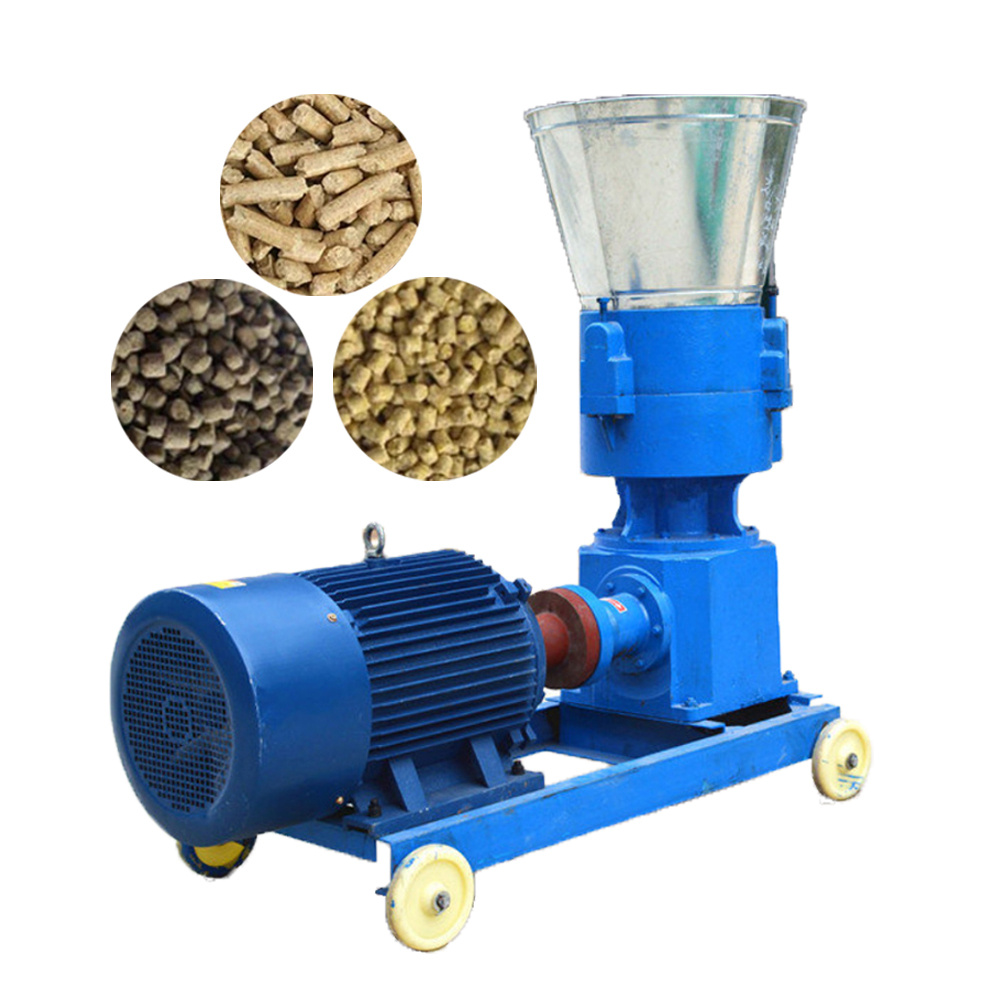
Manual Pellet Machine Models and Capacity Options for Philippine Markets
We manufacture manual pellet machines across a comprehensive range of capacities because Philippine operations vary tremendously in their production needs. A backyard layer operation with 200 birds has completely different requirements than a commercial broiler farm with 20,000 birds per cycle.
Small-Scale Manual Pellet Machines (200-500 kg/hr)
These compact units suit small farms, research stations, and operations just starting to produce their own feed. They handle daily production needs for up to 2,000 laying hens or 1,000 broilers.
| Model | Capacity | Motor Power | Die Diameter | Pellet Size | Weight |
| MKPM-200 | 200-300 kg/hr | 7.5 kW | 200mm | 2-8mm | 280 kg |
| MKPM-300 | 300-400 kg/hr | 11 kW | 250mm | 2-10mm | 350 kg |
| MKPM-400 | 400-500 kg/hr | 15 kW | 300mm | 2-12mm | 420 kg |
Medium-Capacity Manual Pellet Making Machines (500-1500 kg/hr)
This capacity range serves most commercial farms in the Philippines. You can produce enough feed for 5,000-15,000 broilers or supply a multi-pond fish farm operation efficiently.
| Model | Capacity | Motor Power | Die Diameter | Pellet Size | Voltage Options |
| MKPM-600 | 600-800 kg/hr | 22 kW | 350mm | 2-12mm | 220V/380V/440V |
| MKPM-1000 | 1000-1200 kg/hr | 37 kW | 420mm | 2-12mm | 220V/380V/440V |
| MKPM-1500 | 1500-1600 kg/hr | 55 kW | 508mm | 2-12mm | 380V/440V |
Large-Scale Manual Pellet Machines (1500-3000+ kg/hr)
Feed mill operators, cooperative facilities, and large integrated farms choose these higher-capacity manual pellet machines. They combine manual operational control with production volumes that approach automated systems.
| Model | Capacity | Motor Power | Die Diameter | Applications |
| MKPM-2000 | 2000-2200 kg/hr | 75 kW | 558mm | Large poultry farms, commercial feed mills |
| MKPM-3000 | 3000-3300 kg/hr | 110 kW | 678mm | Feed cooperatives, integrated livestock operations |
| MKPM-4000 | 3800-4000 kg/hr | 132 kW | 768mm | Regional feed mills, aquaculture feed producers |
Not Sure Which Capacity Matches Your Operation?
Send us your daily feed requirements, livestock types, and production schedule. We’ll recommend the optimal manual pellet machine model with exact specifications and pricing for delivery to your Philippine location.
Manual Pellet Machine Applications for Different Philippine Livestock Operations
The beauty of manual pellet making machines lies in their versatility. The same equipment that produces broiler starter pellets in the morning can make fish feed in the afternoon and cattle supplement pellets in the evening. You just change the die and adjust your formulation.
Poultry Feed Pellet Production
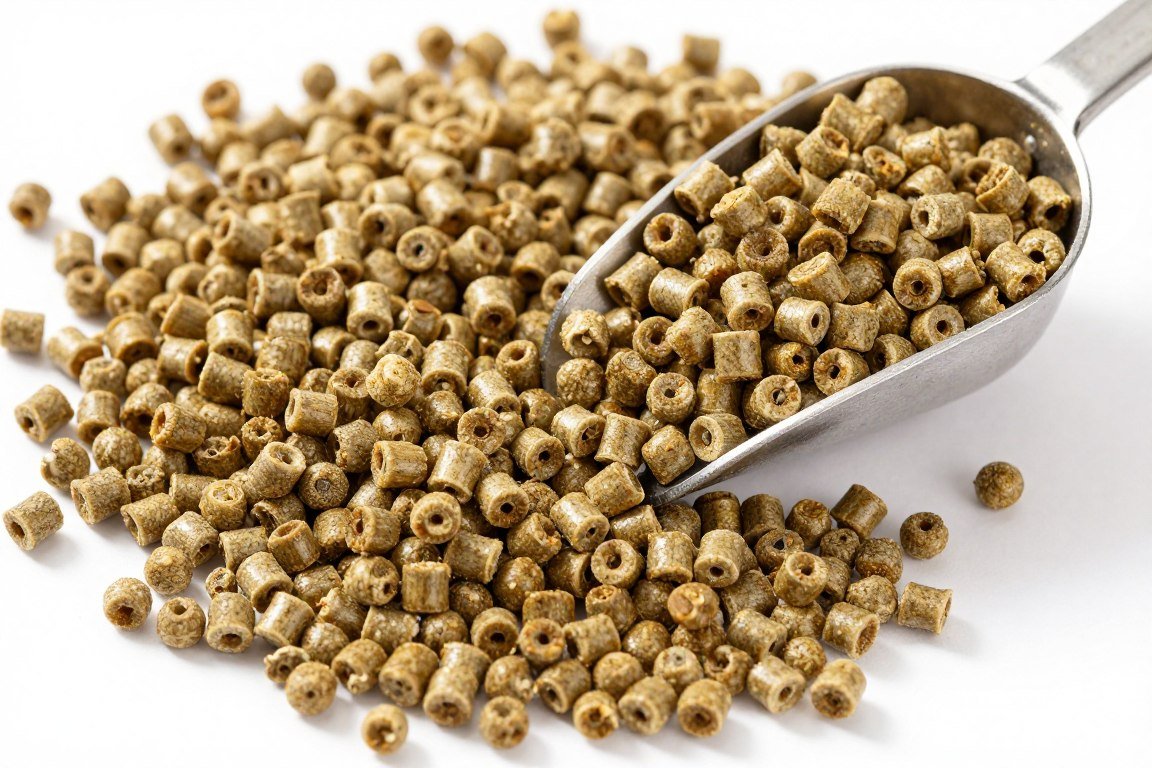
Chicken operations consume more pelleted feed than any other livestock sector in the Philippines. Whether you raise layers for egg production or broilers for meat, pellets deliver superior results compared to mash feeding.
Broiler Chicken Feed Requirements
Broiler production demands high-energy, high-protein feed delivered in forms that maximize growth rates. We recommend 3mm pellets for starter phase (0-14 days), 4mm pellets for grower phase (15-28 days), and 5mm pellets for finisher phase (29 days to market).
Your manual pellet machine handles the frequent formulation changes that broiler production requires. Starter feeds typically contain 22-24% protein with 3100-3200 kcal/kg metabolizable energy. Finisher feeds drop to 18-20% protein but maintain high energy density.
Layer Hen Feed Specifications
Laying hens need consistent nutrition with elevated calcium levels for strong eggshells. Standard layer pellets measure 3-4mm in diameter and contain 16-18% protein with 3.5-4.0% calcium from limestone or oyster shell.
The pelleting process you control with your manual pellet machine actually improves calcium availability. The heat and pressure help integrate calcium particles into the pellet matrix, ensuring hens consume adequate calcium with every bite rather than selectively eating preferred ingredients.
Producing poultry feed? Let’s discuss pellet sizes and formulation optimization for your flock.
Fish and Aquaculture Feed Pellets
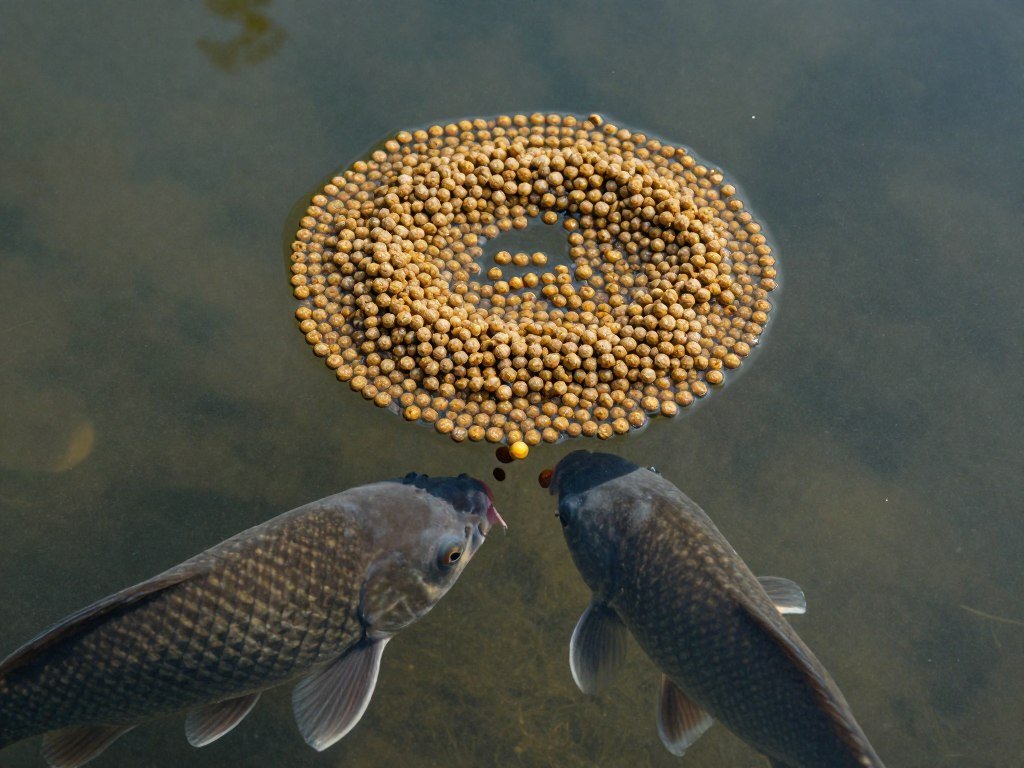
Philippine aquaculture represents one of the fastest-growing agricultural sectors, and feed costs dominate production economics. Producing your own fish feed pellets with a manual pellet machine can reduce your feed costs by 35-45% compared to commercial feeds.
Tilapia Feed Production
Tilapia farming dominates Philippine freshwater aquaculture. Your manual pellet making machine can produce both floating and sinking pellets depending on your die selection and formulation moisture content.
Floating pellets work best for tilapia because you can observe feeding behavior and prevent overfeeding. These require slightly lower moisture content (10-12%) and benefit from a brief steam conditioning step before pelleting. Pellet sizes range from 2mm for fingerlings to 6mm for market-size fish.
Bangus (Milkfish) and Marine Species
Saltwater species like bangus require higher protein levels, typically 28-32% depending on growth stage. Your manual pellet machine handles the fishmeal-heavy formulations these species need without the clogging problems that plague some automatic systems.
We recommend water-stable pellets for marine species since fish may take several minutes to consume pellets. The compression force in your manual pellet machine, combined with proper starch content in your formulation, creates pellets that maintain integrity in saltwater for 30-45 minutes.
Livestock Feed Applications
Cattle and Carabao Supplement Pellets
Large ruminants don’t typically consume 100% pelleted diets in the Philippines, but supplement pellets serve important nutritional functions. These contain concentrated protein, minerals, and vitamins to complement grass or silage-based diets.
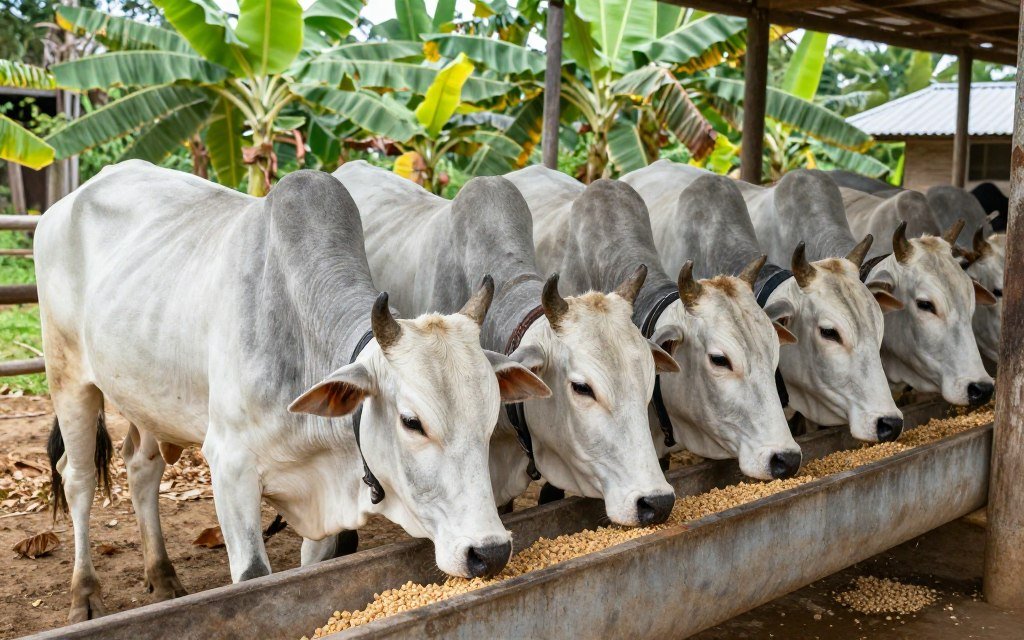
Cattle supplement pellets typically measure 8-10mm in diameter for easy consumption. Your manual pellet machine equipped with the appropriate die produces these larger pellets efficiently from formulations containing copra meal, rice bran, molasses, urea, and mineral premixes.
Pig Feed Pellet Production
Swine operations achieve remarkable improvements in feed conversion when switching from mash to pellets. We’ve documented feed conversion ratio improvements of 8-12% consistently across commercial piggery operations that started producing their own pellets.
Pig feed pellets should match the animal’s age and size. Piglets need 3mm pellets, growing pigs do well with 5mm pellets, and finishing hogs can handle 6-8mm pellets. Your manual pellet making machine accommodates all these sizes with simple die changes.
Specialty Applications
Duck and Native Chicken Feed
Heritage breed chickens and duck operations represent growing market segments in the Philippines. These birds often perform better on slightly larger pellet sizes (4-5mm) and benefit from formulations that include higher fiber levels than commercial hybrids.
Rabbit and Small Animal Feeds
Rabbit farming for meat production is expanding across Philippine provinces. Rabbit pellets require specific characteristics – 3-4mm diameter, high fiber content (18-22%), and excellent durability since rabbits tend to manipulate pellets before consuming them.
Technical Specifications and Configuration Options for Manual Pellet Machines
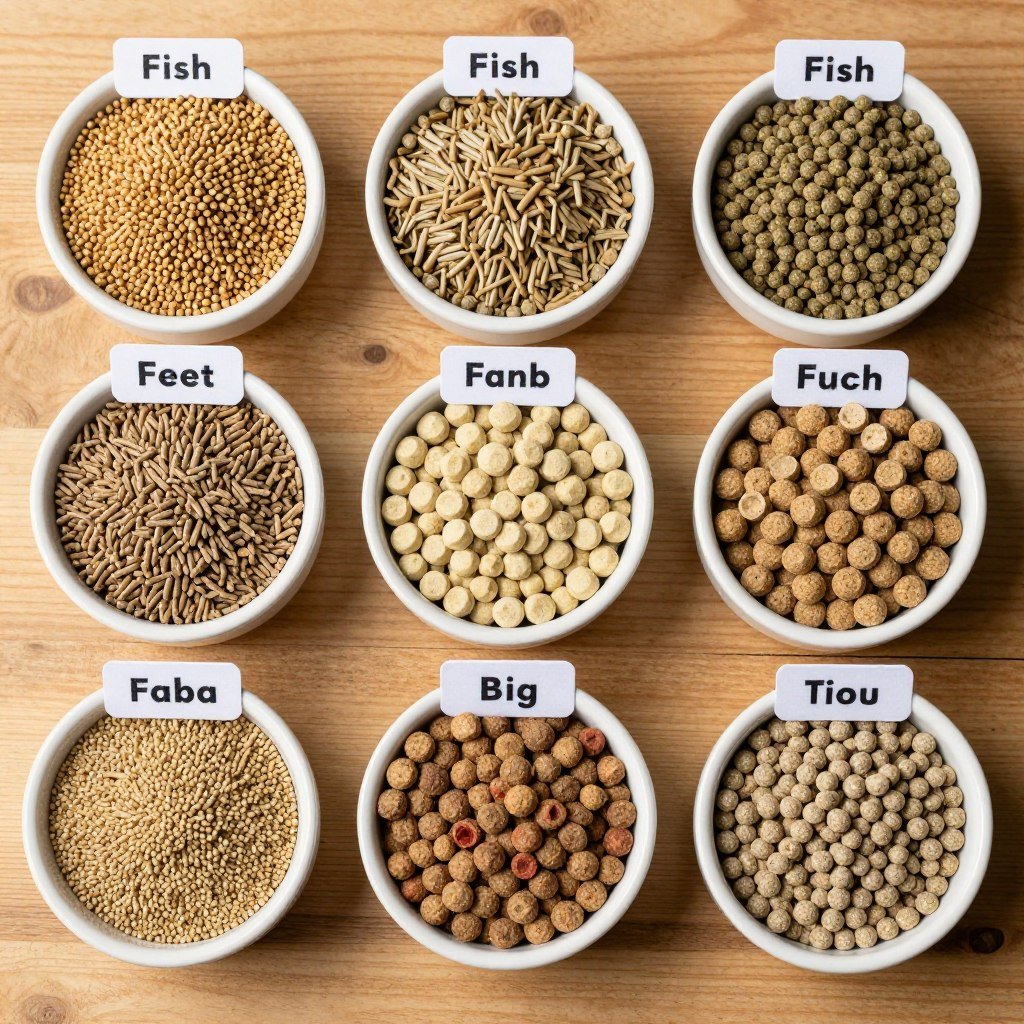
Understanding the technical specifications helps you make informed purchasing decisions and operate your manual pellet machine at peak efficiency. Let me walk you through the critical specifications and what they mean for your operation.
Ring Die vs Flat Die Manual Pellet Machines
Two fundamental designs dominate the manual pellet machine market. Each offers distinct advantages for different applications and production scales.
Flat Die Pellet Mills
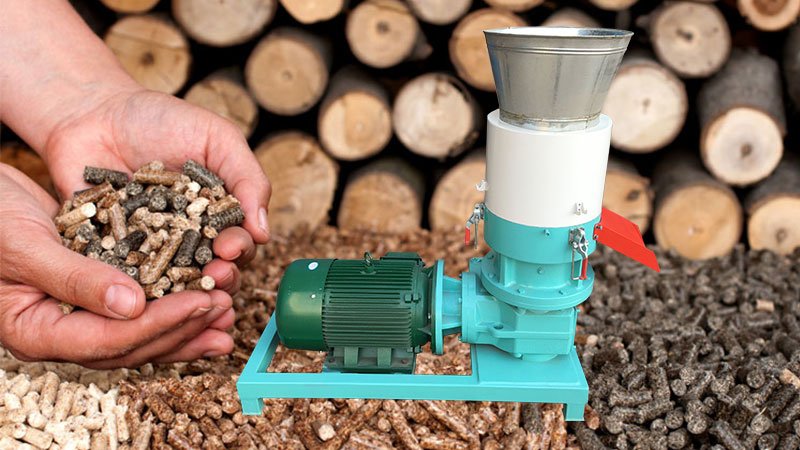
Flat die machines feature a horizontal die with rollers rotating across its surface. Feed material is pressed down through the die holes, and pellets emerge from the bottom.
These machines excel at small-scale production (200-800 kg/hr) and work exceptionally well for feeds containing fibrous materials like grass, alfalfa, or high-fiber livestock rations. The flat die design allows easier die changes and simpler maintenance procedures.
Most flat die pellet mills operate as true manual pellet machines with direct operator control over feed rate, roller pressure, and die rotation speed. They’re ideal for farms producing multiple feed types in small batches.
Ring die pellet machines feature a vertical cylindrical die with rollers inside. Feed material is pressed outward through the die holes, creating pellets around the ring’s exterior.
This design handles higher production capacities (800-4000+ kg/hr) more efficiently and produces more uniform pellets with better durability. The ring die configuration works better for high-energy, low-fiber feeds typical in poultry and fish production.
We manufacture our manual pellet machines primarily as ring die models because they deliver the production capacity and pellet quality that commercial Philippine operations require. The “manual” designation refers to operator control of feeding and processing parameters, not to the die configuration.
Ring Die Pellet Mills
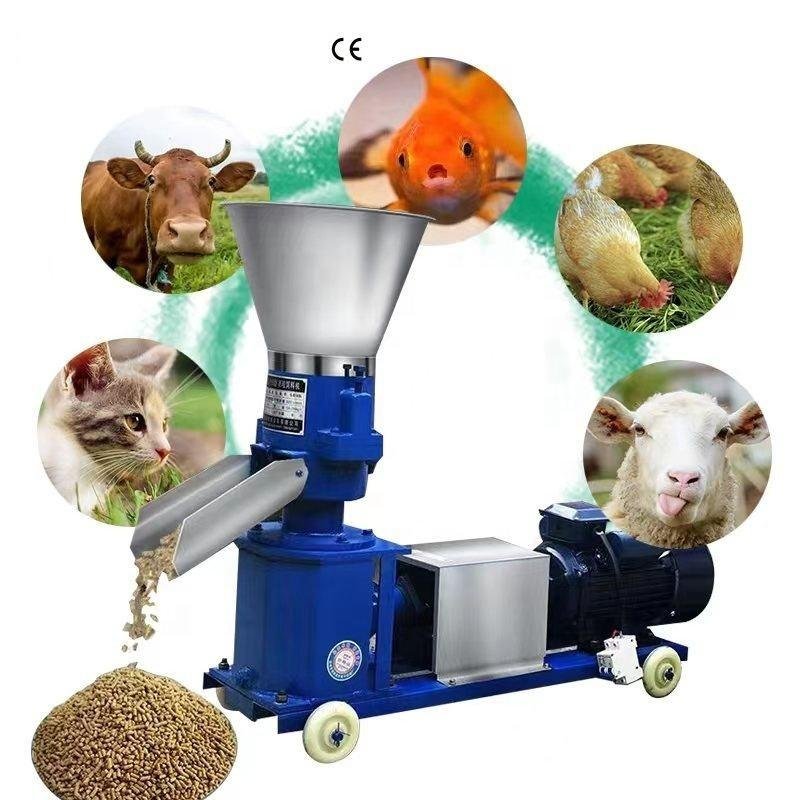
Motor Power and Electrical Requirements
Motor specifications directly correlate with production capacity and the types of materials your manual pellet machine can process efficiently.
| Capacity Range | Motor Power | Voltage Options | Phase | Recommended Applications |
| 200-500 kg/hr | 7.5-15 kW | 220V / 380V | 3-Phase | Small farms, backyard operations |
| 500-1000 kg/hr | 22-37 kW | 380V / 440V | 3-Phase | Commercial farms, small feed mills |
| 1000-2000 kg/hr | 55-75 kW | 380V / 440V | 3-Phase | Medium feed mills, cooperatives |
| 2000-4000 kg/hr | 110-132 kW | 440V | 3-Phase | Large feed mills, integrated operations |
We configure every manual pellet machine for your specific Philippine electrical supply. Standard voltage in the Philippines is 220V single-phase for residential and 380V or 440V three-phase for commercial and industrial applications. Specify your available voltage when requesting a quotation so we deliver equipment ready to connect to your power supply.
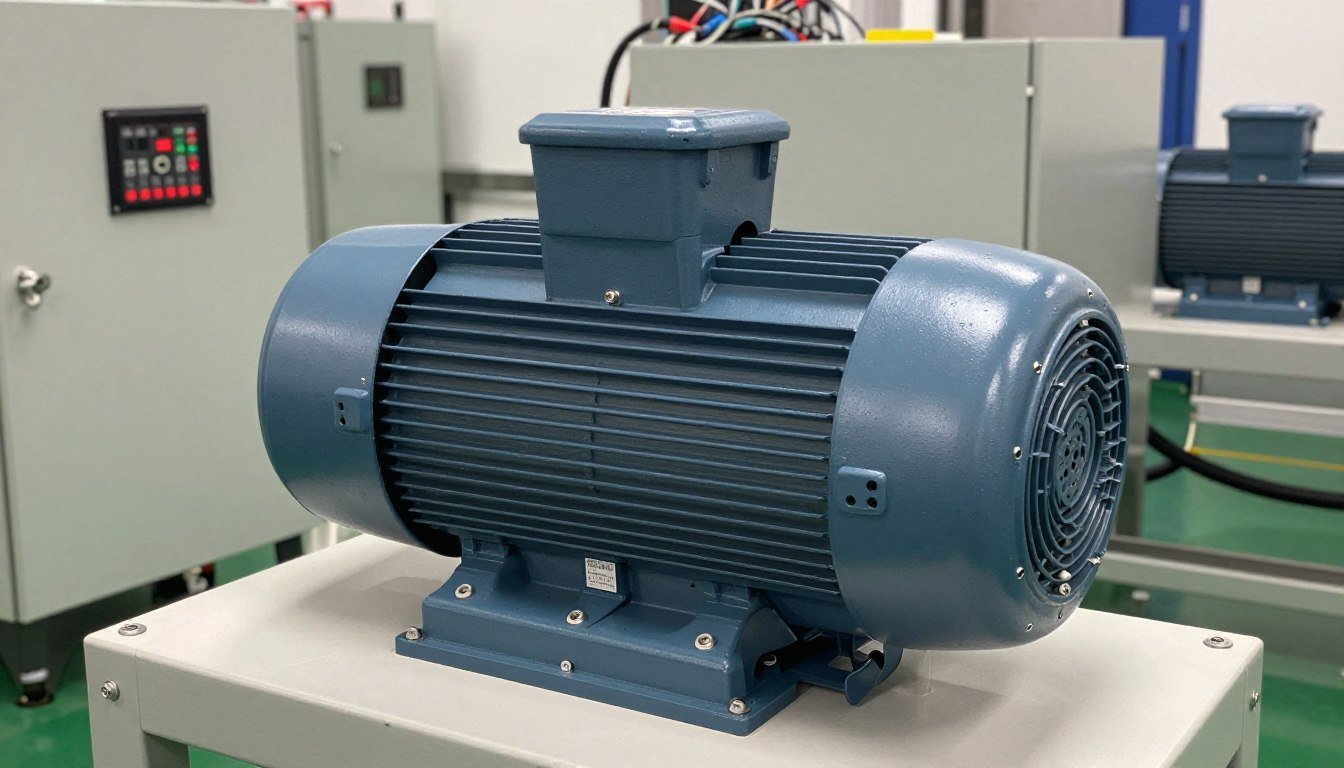
Die Specifications and Pellet Size Options
The die represents the most critical component affecting pellet size, production rate, and pellet quality. We manufacture dies in comprehensive size ranges to match any feed application.
| Die Diameter | Hole Diameter Range | Die Material | Typical Life Expectancy | Best Applications |
| 200-300mm | 2-8mm | Alloy Steel / Stainless Steel | 1200-1500 hours | Poultry starter, fish fingerling feed |
| 350-420mm | 3-10mm | Alloy Steel / Stainless Steel | 1500-2000 hours | General poultry, pig feed, fish grow-out |
| 508-678mm | 4-12mm | Alloy Steel / Stainless Steel | 2000-3000 hours | Cattle supplements, large fish feed |
We offer both alloy steel and stainless steel die options. Stainless steel dies cost approximately 40% more but last 50-70% longer and resist corrosion from salt-containing fish feed formulations. For most poultry and livestock applications, alloy steel dies provide excellent durability at lower cost.
Construction Materials and Durability Features
We build MAIKONG manual pellet machines to withstand the demanding conditions of Philippine feed production environments. Every component receives careful material selection and surface treatment to maximize operational life.
Standard Components
- Main frame: High-tensile structural steel with anti-corrosion coating
- Feed hopper: 3mm stainless steel (SUS304)
- Pelleting chamber: 6mm stainless steel (SUS304)
- Feed chute: 3mm stainless steel (SUS304)
- Discharge chute: Stainless steel construction
Drive Components
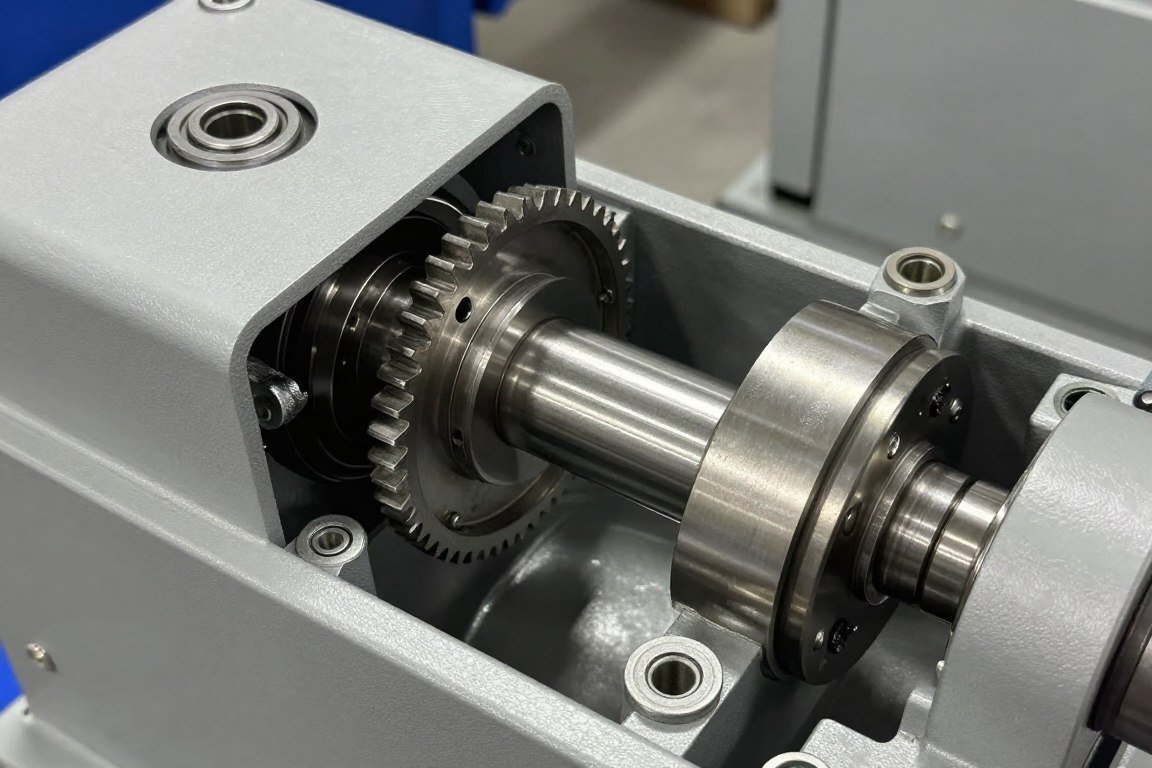
- Gearbox: HT250 cast iron housing with precision-ground gears
- Main gear: 42CrMo alloy steel, heat-treated
- Main shaft: 42CrMo alloy steel with precision machining
- Coupling: Serpentine spring design for shock absorption
- Bearings: Imported NSK or SKF bearings throughout
Safety Features
- Overload protection: Mechanical safety pin system
- Emergency stop: Easily accessible button
- Door interlock: Automatic motor cutoff when opened
- Safety guards: Complete enclosure of rotating parts
- Electrical protection: Proper grounding and circuit protection
Manual Pellet Machine Price Philippines: Investment Analysis and ROI
The price of manual pelleting machines varies significantly based on capacity, configuration, and features. Understanding the complete investment picture helps you make decisions that deliver the best value for your specific situation.
Base Equipment Pricing Structure
We price our manual pellet machines transparently based on production capacity and specifications. Here are the typical price ranges for different capacity levels, FOB from our Shenzhen facility.
| Capacity Range | Base Price (USD) | With Conditioner | With Cooler | Complete System |
| 200-500 kg/hr | $7,000-$15,000 | $9,000-$18,000 | $11,000-$22,000 | $15,000-$28,000 |
| 500-1000 kg/hr | $15,000-$28,000 | $19,000-$35,000 | $23,000-$42,000 | $30,000-$55,000 |
| 1000-2000 kg/hr | $28,000-$50,000 | $35,000-$62,000 | $42,000-$72,000 | $55,000-$90,000 |
| 2000-4000 kg/hr | $50,000-$85,000 | $62,000-$98,000 | $72,000-$110,000 | $90,000-$140,000 |
Factors Affecting Manual Pellet Machine Price
Several variables influence the final quotation you receive for a manual pellet making machine. Understanding these factors helps you specify exactly what you need without paying for unnecessary features.
Production Capacity and Motor Size
Larger capacity machines cost more due to bigger motors, larger dies, heavier structural components, and more robust drive systems. A 400 kg/hr machine might cost $12,000 while a 2000 kg/hr unit costs $55,000 – the price doesn’t scale linearly with capacity.
Ring Die Material and Specifications
Stainless steel dies add $800-$2,500 to equipment cost depending on die size, but they last significantly longer in corrosive environments. If you’re producing fish feed with salt content or working in high-humidity coastal areas, stainless dies justify their premium price through extended service life.
Conditioning System Configuration
Adding a steam conditioner increases pellet quality and production capacity by 15-25% but adds $2,000-$8,000 to system cost. The conditioner pre-heats and moisturizes feed before pelleting, improving starch gelatinization and pellet binding.
We offer single-layer, double-layer, and triple-layer conditioner options. Most Philippine operations achieve excellent results with a single-layer conditioner. Double and triple-layer configurations benefit specialized applications like floating fish feed or high-fat poultry feeds.
Electrical Customization
Standard 380V three-phase configuration comes at base price. Custom voltage specifications (220V, 440V, or special frequencies) may add $300-$1,000 depending on motor size and control system modifications required.
Additional Equipment Integration
Complete feed production systems include hammer mills for grinding, mixers for formulation blending, conveyors for material handling, coolers for pellet temperature reduction, and packaging equipment. Each component adds to total investment but improves overall production efficiency.
Total Cost of Ownership Analysis
Smart buyers look beyond purchase price to evaluate total ownership costs over the equipment’s operational life. This comprehensive view reveals the true value proposition.
| Cost Category | Annual Cost (500 kg/hr) | Annual Cost (1500 kg/hr) | Notes |
| Electrical Power | $2,400-$3,200 | $7,200-$9,600 | Based on ₱10/kWh, 8 hrs/day operation |
| Die Replacement | $600-$900 | $1,200-$1,800 | 1500-2000 hour die life |
| Bearing Replacement | $200-$350 | $400-$650 | Annual replacement schedule |
| Roller & Shaft Maintenance | $300-$500 | $600-$1,000 | Periodic resurfacing and replacement |
| Lubrication & Consumables | $180-$250 | $350-$500 | Oil, grease, filters, cleaning supplies |
| Labor (Operation) | $3,600-$4,800 | $7,200-$9,600 | 1 operator, Philippine wage rates |
Return on Investment Calculation
The compelling economic case for owning a manual pellet machine becomes clear when you calculate feed cost savings. Let me show you a real-world example based on a typical Philippine broiler operation.
Commercial Feed Scenario
Operation: 5,000 broiler chickens per cycle
Feed consumption: 8 tons per cycle (45 days)
Cycles per year: 6.5 cycles
Annual feed requirement: 52 tons
Commercial feed price: ₱28-32 per kg
Annual feed cost: ₱1,456,000-₱1,664,000
Own Production Scenario
Raw material cost: ₱18-20 per kg finished pellets
Production cost: ₱2-3 per kg (power, labor, maintenance)
Total cost per kg: ₱20-23 per kg
Annual feed cost: ₱1,040,000-₱1,196,000
Annual savings: ₱416,000-₱468,000
ROI period: 8-12 months for ₱800,000 system
This calculation demonstrates why Philippine farm owners consistently achieve payback periods under one year when they invest in appropriate-capacity manual pellet machines. Your specific ROI depends on your feed volume, ingredient sourcing, and commercial feed prices in your region.

Request Your Custom ROI Analysis and Quotation
Send us your current feed costs, monthly volume, and livestock details. We’ll prepare a detailed quotation with shipping costs to your Philippine location, customs guidance, payment terms, and a customized ROI analysis showing your specific payback timeline.
Installation, Operation, and Maintenance of Manual Pellet Machines
Getting your manual pellet machine up and running smoothly requires proper installation, operator training, and consistent maintenance practices. We’ve supported hundreds of Philippine installations, and I want to share the critical success factors we’ve identified.
Site Preparation and Installation Requirements
Before your manual pellet making machine arrives, prepare your facility to ensure smooth installation and optimal operation.
Foundation and Floor Requirements
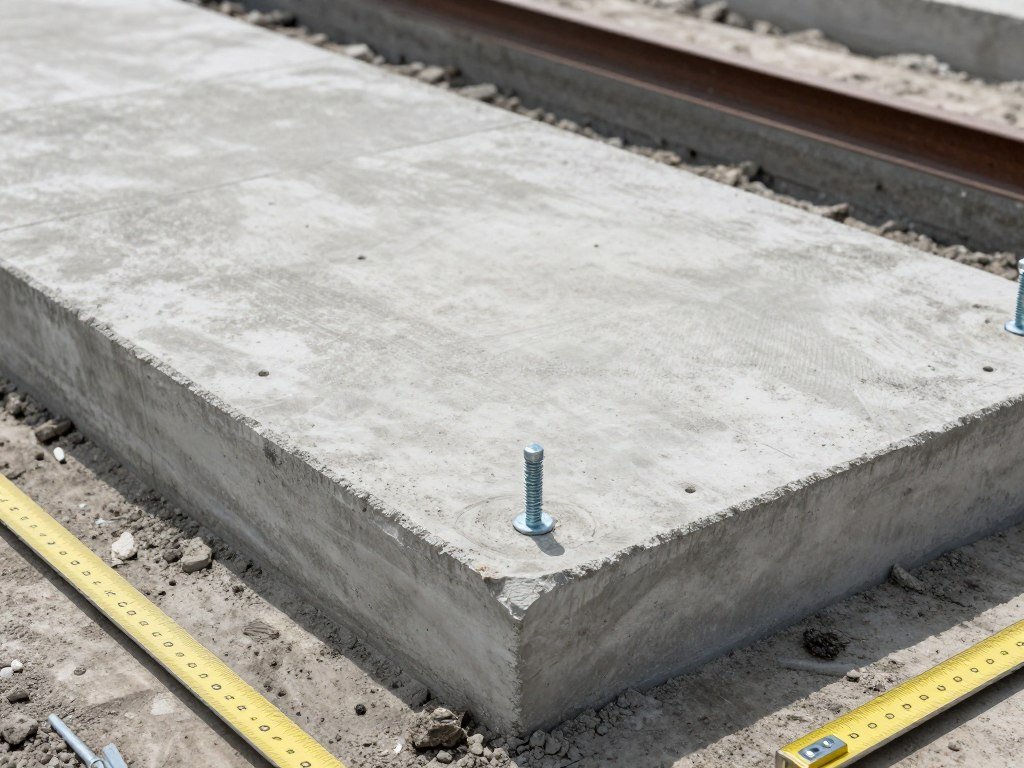
Manual pellet machines generate vibration during operation, so they need solid foundation support. We recommend a reinforced concrete pad at least 150mm thick for machines under 1000 kg/hr capacity and 200mm thick for larger units.
The foundation should extend 300-500mm beyond the machine footprint on all sides. Allow the concrete to cure for at least 14 days before installing equipment to achieve full strength.
Electrical Supply Preparation
Ensure your electrical supply matches the machine specifications. Most manual pellet machines require three-phase power with adequate amperage for the motor size plus 20% safety margin.
Install a dedicated circuit breaker rated for your specific motor. A 22kW motor requires approximately 45-50 amp capacity at 380V. Include proper grounding to prevent electrical hazards and equipment damage.
Space and Layout Considerations
Allow adequate clearance around your manual pellet machine for operation, maintenance, and material flow. We recommend these minimum clearances:
- Front (feed hopper side): 2.5-3 meters for material loading
- Rear (drive side): 2 meters for maintenance access
- Sides: 1.5 meters minimum for safety and airflow
- Overhead: 3 meters clearance for die changing and maintenance
Initial Setup and Commissioning
We provide detailed commissioning support for every manual pellet machine we sell to Philippine customers. The process typically takes 2-3 days for standard installations.
Mechanical Installation Steps
- Position machine on prepared foundation using precision leveling equipment
- Install anchor bolts and grouting to secure machine to foundation
- Connect drive motor and verify rotation direction matches specifications
- Install safety guards and access panels according to safety requirements
- Connect feed hopper and material handling equipment if applicable
- Verify all mechanical connections are tight and properly aligned
Electrical Connection and Testing
- Connect three-phase power supply to motor starter according to wiring diagram
- Verify voltage matches motor specifications (380V or 440V typically)
- Test rotation direction by briefly energizing motor without load
- Install and test emergency stop system and safety interlocks
- Verify all electrical connections meet local electrical code requirements
Operating Procedures for Optimal Performance
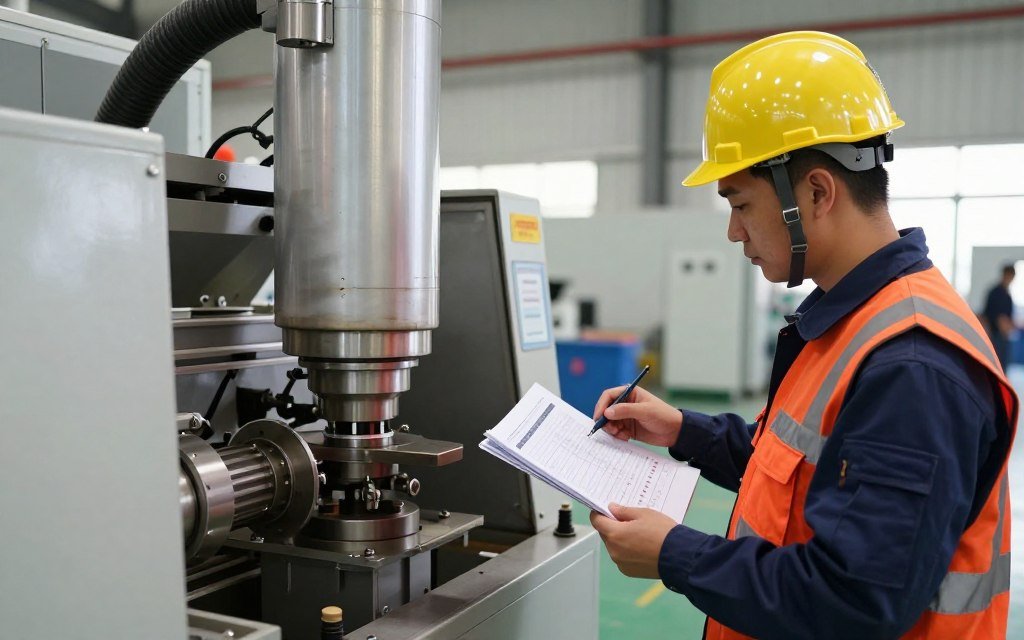
Proper operation maximizes production, pellet quality, and equipment life. We train operators on these critical procedures during commissioning.
Pre-Operation Checklist
- Verify all guards and safety devices are in place and functional
- Check lubrication levels in gearbox and bearing housings
- Inspect die for damage or excessive wear
- Ensure feed hopper contains no foreign objects or contaminants
- Verify emergency stop button operates correctly
- Check that discharge area is clear and ready to receive pellets
Startup Sequence
- Start main motor and allow it to reach full speed (30-60 seconds)
- Begin feeding material slowly, monitoring motor amperage
- Gradually increase feed rate to achieve desired production level
- Monitor pellet quality and make adjustments as needed
- Watch for unusual noises, vibrations, or temperature increases
Shutdown Procedures
- Stop feeding new material into hopper
- Allow machine to run until all material clears from pelleting chamber
- Stop main motor
- Clean out any remaining material from hopper and pelleting chamber
- Record production quantities, operating hours, and any issues observed
Maintenance Schedule and Procedures
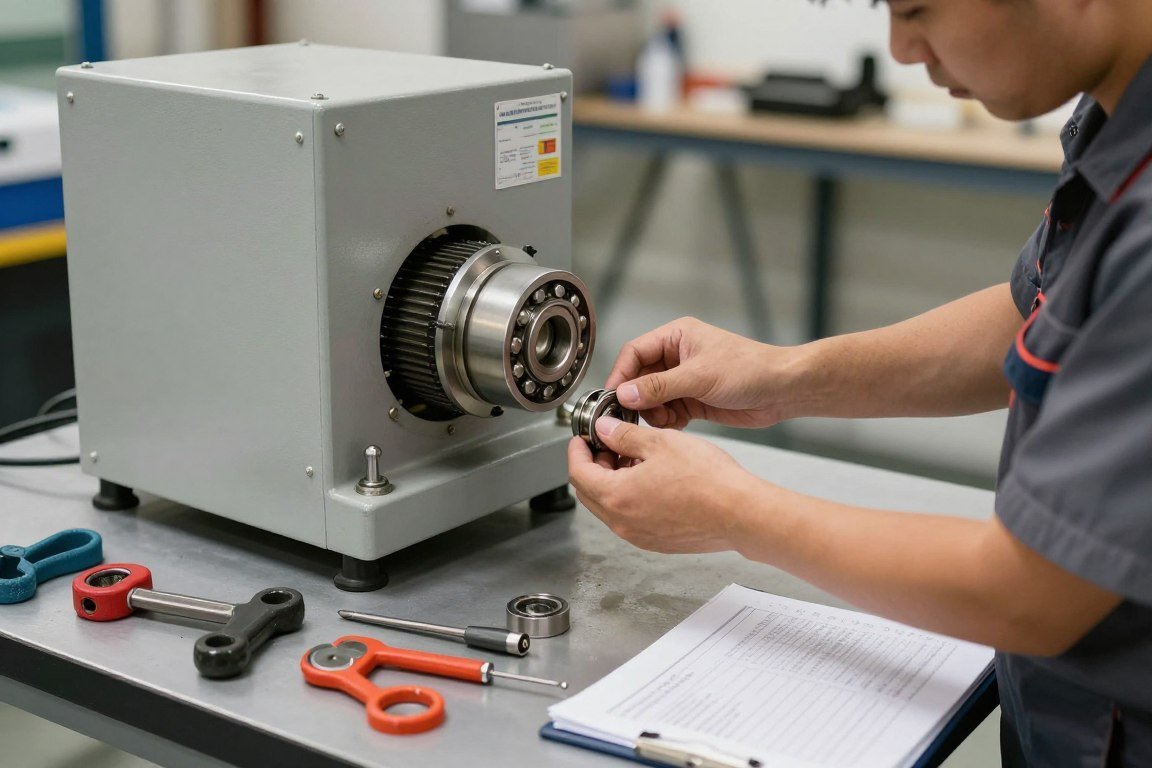
Consistent maintenance prevents unexpected breakdowns and extends equipment life. We provide comprehensive maintenance schedules with every manual pellet machine.
| Frequency | Maintenance Task | Time Required | Importance |
| Daily | Clean hopper and pelleting chamber, check lubrication levels, inspect pellet quality | 15-20 minutes | Critical |
| Weekly | Inspect die for wear, check belt tension, clean cooling fans and air intakes | 45-60 minutes | Critical |
| Monthly | Lubricate all grease points, inspect roller surface, check electrical connections | 2-3 hours | High |
| Quarterly | Change gearbox oil, inspect bearings, check alignment, clean and adjust cutters | 4-6 hours | High |
| Annually | Complete inspection, replace worn bearings, resurface or replace rollers if needed | 8-12 hours | Critical |
Common Operating Issues and Solutions
Pellets Are Too Soft or Crumbling
Causes: Insufficient moisture in feed material, die temperature too low, inappropriate die hole length-to-diameter ratio for your formulation.
Solutions: Add 1-2% moisture to feed material, allow machine to run longer to reach proper operating temperature (75-85°C), or change to a die with longer holes (typically 40-50mm length for 4-5mm diameter holes).
Low Production Rate
Causes: Feed material particle size too coarse, die holes partially blocked, insufficient motor power, material moisture content too low.
Solutions: Re-grind feed ingredients to finer particle size (1.5-2.0mm), clean or replace die, verify motor is reaching full RPM under load, increase material moisture to 13-15%.
Excessive Motor Load or Overheating
Causes: Feeding rate too high, die holes partially blocked reducing pellet flow, roller/die gap incorrect, material too dry creating excessive friction.
Solutions: Reduce feed rate by 20-30% and gradually increase while monitoring amperage, clean die thoroughly, adjust roller-to-die gap per specifications (typically 0.1-0.3mm), add moisture to material.
Inconsistent Pellet Length
Causes: Cutter blades dull or damaged, cutter speed incorrect, die surface uneven from wear.
Solutions: Sharpen or replace cutter blades, adjust cutter rotation speed (typically 200-300 RPM depending on die diameter), resurface or replace die if wear is excessive.
Need technical support for your manual pellet machine? Our team provides remote troubleshooting and can arrange on-site service in the Philippines.
Why Choose MAIKONG Manual Pellet Machines for Your Philippine Operation
I want to be transparent about what makes MAIKONG different from the dozens of Chinese pellet machine manufacturers competing for your business. We’ve built our reputation on specific advantages that matter to Philippine customers.
Direct Manufacturer Benefits
We manufacture every component of our manual pellet machines in our Shenzhen facility. This isn’t assembly of purchased parts – we control quality from raw steel to finished machine.
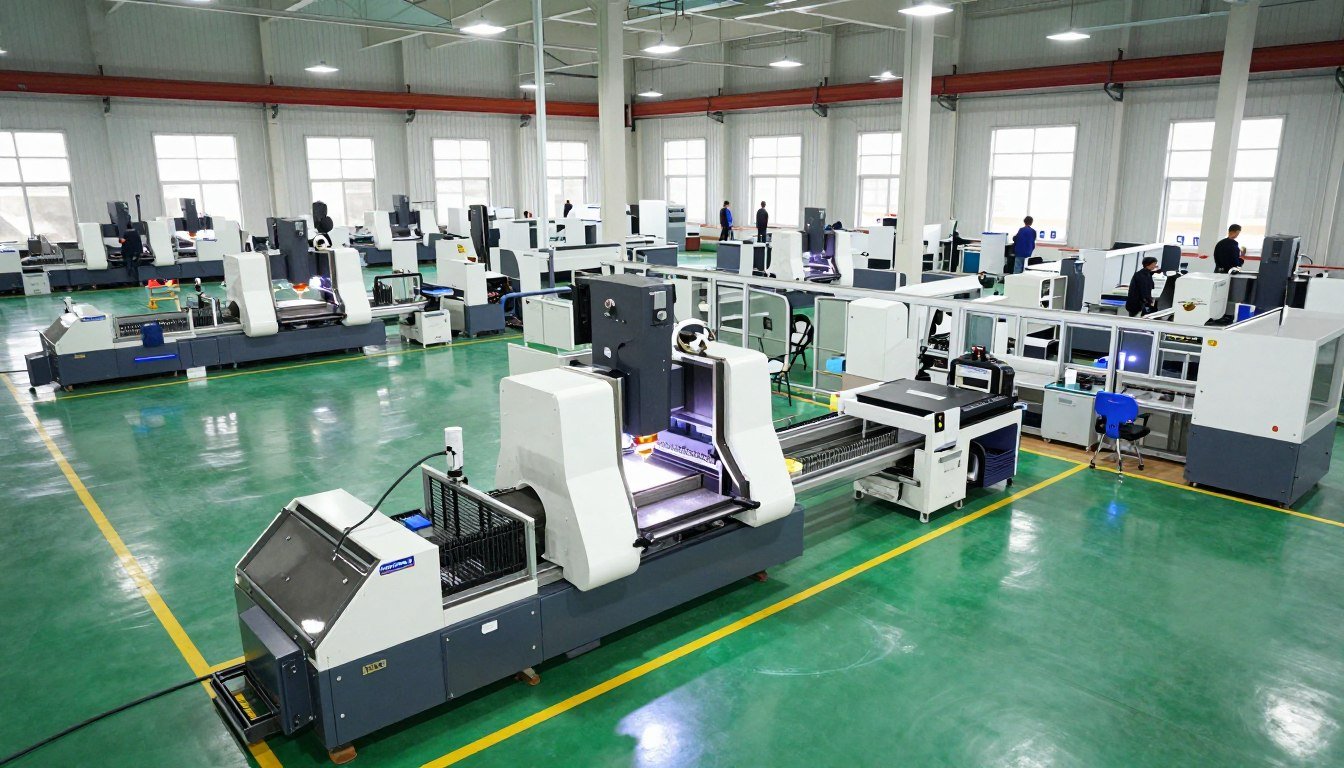
Direct manufacturing eliminates middleman markups. You pay factory prices, not distributor prices. This typically saves Philippine buyers 20-35% compared to purchasing through importers or local dealers.
Philippine Market Specialization
We’ve supplied over 150 manual pellet machines to Philippine customers across 12 years. This experience taught us exactly what Philippine operations need.
- Standard configuration for 220V/380V Philippine electrical supply
- Stainless steel construction options for high-humidity coastal environments
- Die sizes optimized for Philippine feed formulations and livestock breeds
- Documentation and technical support in clear English
- Understanding of Philippine customs procedures and import requirements
Customization Capabilities
Every farm has unique requirements. We customize manual pellet machines to match your exact specifications without the premium prices other manufacturers charge.
Standard Customizations (No Extra Cost)
- Voltage configuration (220V, 380V, 440V)
- Die hole pattern for specific pellet sizes
- Hopper capacity sized for your batch production
- Control panel labels in English
- Paint color matching your facility
Advanced Customizations (Modest Fee)
- Specialized die materials for abrasive ingredients
- Explosion-proof motors for dusty environments
- Automated feeding systems integration
- Custom conveyor and material handling equipment
- Complete production line design and integration
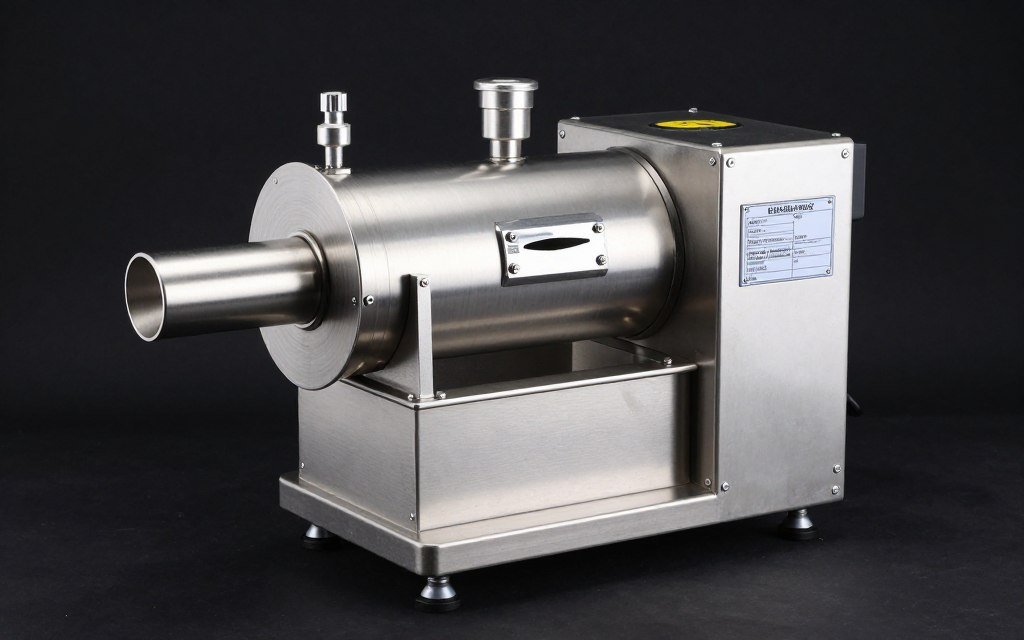
Quality Component Selection
We use premium components throughout our manual pellet machines because we understand long-term value matters more than initial purchase price.
Motors – Siemens
- Genuine Siemens motors, not copies
- 15-20% more efficient than economy motors
- 50,000+ hour service life expectancy
- Thermal protection prevents overheating damage
- Available worldwide service and parts support
Bearings – NSK/SKF
- Imported precision bearings throughout
- Sealed design protects against dust and moisture
- Extended lubrication intervals reduce maintenance
- 2-3x longer life than economy bearings
- Quieter operation with less vibration
Gears – 42CrMo Alloy
- Heat-treated alloy steel construction
- Precision ground tooth profiles
- Carburized surface for wear resistance
- Quiet operation under load
- Designed for 50,000+ operating hours
Comprehensive After-Sales Support
Your relationship with us starts when you place an order, but our commitment continues throughout your equipment’s entire operational life.
Technical Support Services
- Email and WhatsApp support responded to within 4 hours during business hours
- Video call troubleshooting for complex technical issues
- Detailed operation and maintenance manuals in clear English
- Access to technical documentation and spare parts diagrams
- Formulation assistance for optimizing pellet quality with your specific ingredients
Spare Parts Availability
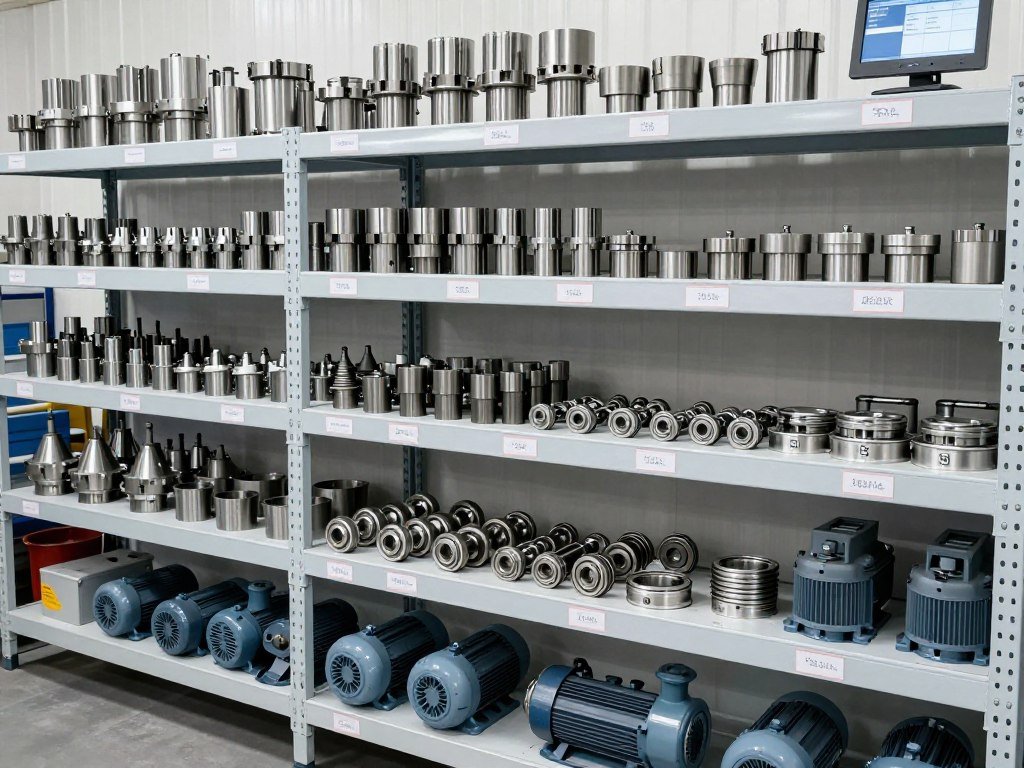
We maintain comprehensive spare parts inventory for every manual pellet machine model we’ve manufactured in the past 15 years. Critical wear parts ship from Shenzhen within 24-48 hours of your order.
Our parts pricing remains competitive even for machines 10+ years old. We don’t inflate spare parts prices to compensate for competitive equipment pricing.
Warranty and Quality Guarantee
Every MAIKONG manual pellet machine includes a comprehensive 12-month warranty covering materials and workmanship. This warranty covers:
- Motor replacement if manufacturing defects occur
- Bearing replacement for premature failure
- Gear and shaft replacement for material or manufacturing defects
- Die replacement if defects appear within first 500 operating hours
- Free technical support for installation and commissioning issues
Normal wear items (dies after 500 hours, bearings after 2000 hours, etc.) aren’t covered by warranty but we provide these at cost-effective prices throughout your machine’s operational life.
Complete Feed Pellet Production Lines for Philippine Operations
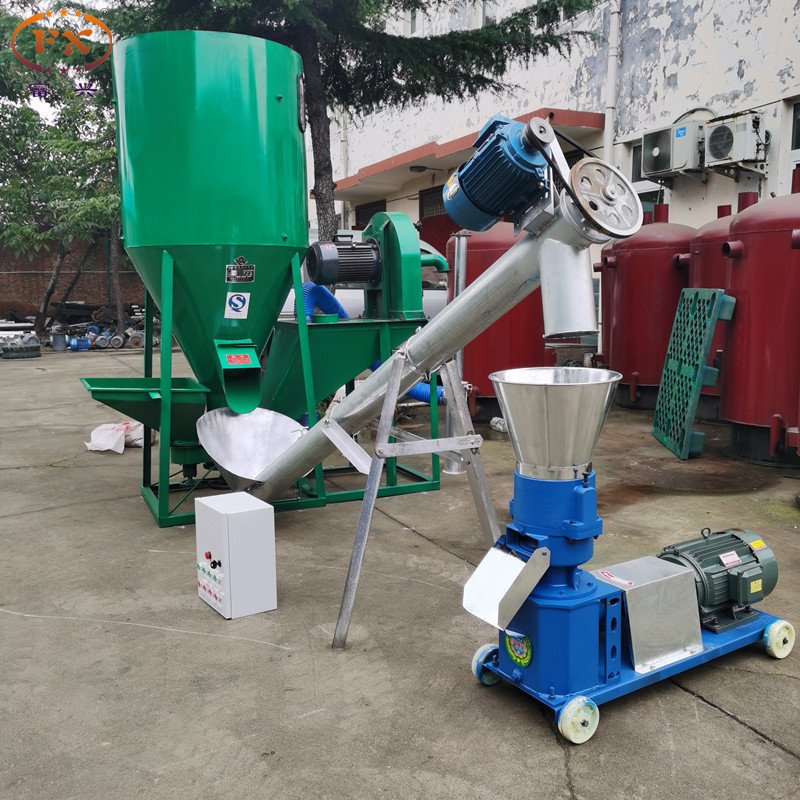
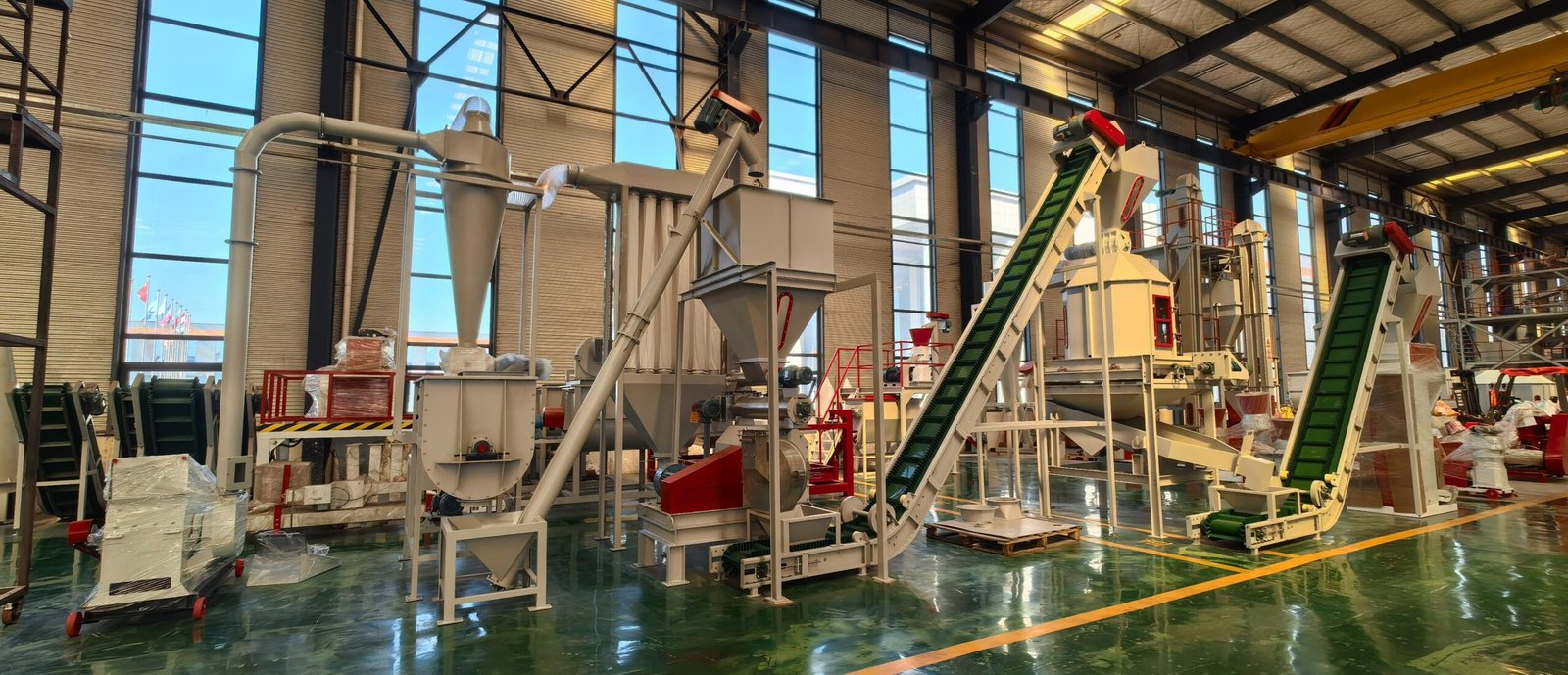
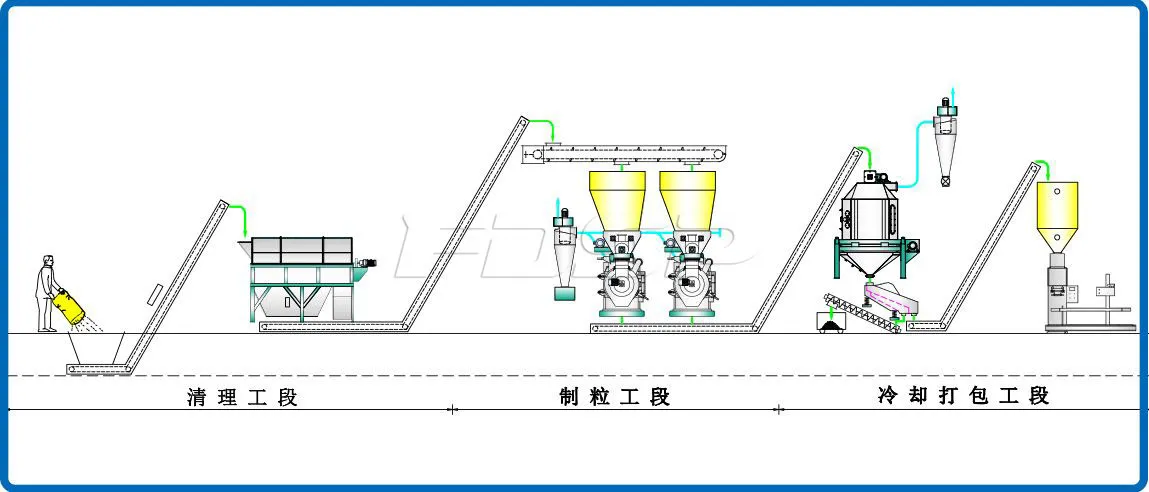
While a manual pellet machine serves as the core equipment, complete feed production requires supporting systems for material handling, mixing, cooling, and packaging. We design and supply integrated production lines from 200 kg/hr to 4000+ kg/hr capacity.
Production Line Components and Configuration
A complete feed production system includes several interconnected components working together to transform raw ingredients into finished pelletized feed ready for storage or sale.
Raw Material Preparation Equipment
Before pelleting, your ingredients need grinding and mixing to create a homogeneous formulation with proper particle size.
Hammer Mill
Grinds corn, grains, and other coarse ingredients to 1.5-2.0mm particle size. We offer hammer mills from 200 kg/hr to 5000 kg/hr capacity with screen sizes from 1.0mm to 3.0mm.
Multi-stage hammer mills with classification systems produce more uniform particle size distribution, improving pellet quality.
Batch or Continuous Mixer
Blends ground ingredients with protein sources, vitamins, minerals, and additives to achieve 95%+ mixing uniformity.
Batch mixers suit operations producing multiple formulations in smaller quantities. Continuous mixers work better for high-volume single-formulation production.
Post-Pelleting Equipment
Fresh pellets need cooling, screening, and often coating before packaging or storage.
Counterflow Cooler
Reduces pellet temperature from 75-85°C down to within 5°C of ambient temperature. This cooling prevents moisture condensation in storage bags and extends shelf life.
Counterflow design forces cool air upward through descending pellets, achieving efficient heat exchange in compact footprint.
Rotary Screening System
Separates fines (broken pellets and dust) from finished pellets. Fines typically represent 2-5% of production and can be recycled back into the mixer.
Multi-deck screens can simultaneously grade pellets by size if you’re producing multiple pellet sizes.
Material Handling and Conveyors
Efficient material flow between equipment reduces labor requirements and prevents production bottlenecks. We design conveyor systems specific to your facility layout and production volume.
- Bucket elevators for vertical transport of ingredients and finished pellets
- Screw conveyors for horizontal movement of powdered ingredients
- Belt conveyors for gentle handling of finished pellets
- Pneumatic conveying systems for dusty materials and longer distances
Packaging and Bagging Systems
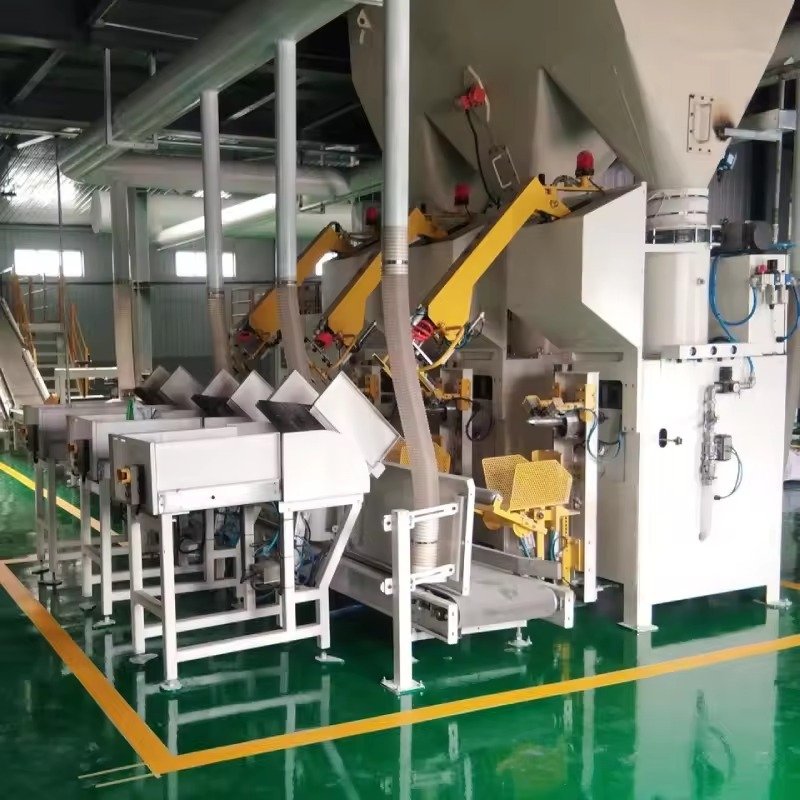
Finished pellets need packaging for sale to other farms or storage for your own livestock feeding. We offer packaging solutions from simple manual bagging scales to fully automated weighing and bagging lines.
| System Type | Capacity | Labor Required | Accuracy | Best For |
| Manual Platform Scale | 60-100 bags/hour | 2 persons | ±0.2% | Small operations, occasional bagging |
| Semi-Automatic Bagger | 150-250 bags/hour | 1 person | ±0.1% | Medium production, consistent bagging |
| Automatic Weighing & Bagging | 400-600 bags/hour | 1 person (supervision) | ±0.05% | High volume, commercial feed sales |
Complete Production Line Investment Examples
Understanding complete system costs helps you plan your full investment and operational budget.
1 Ton/Hour Complete Line
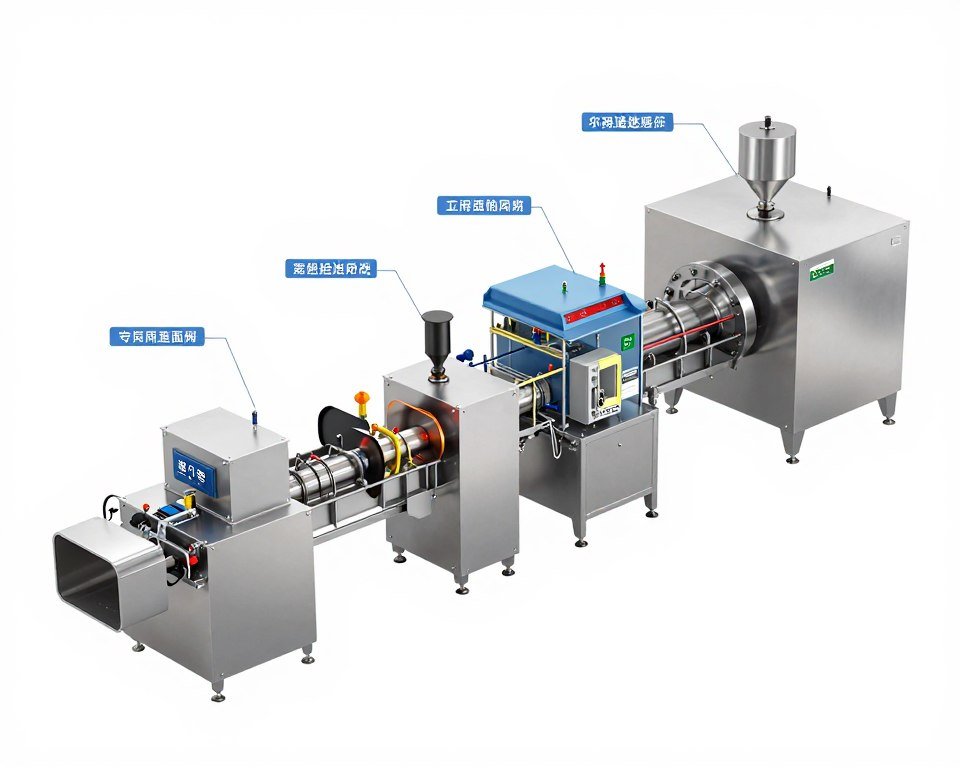
- 500kg/hr hammer mill
- 500kg batch mixer
- 1000kg/hr manual pellet machine
- 1.5 ton/hr counterflow cooler
- Bucket elevators and conveyors
- Semi-automatic bagging scale
Total Investment: $45,000-$65,000
Space Required: 120-150 m²
Power Requirement: 80-100 kW
3 Ton/Hour Complete Line
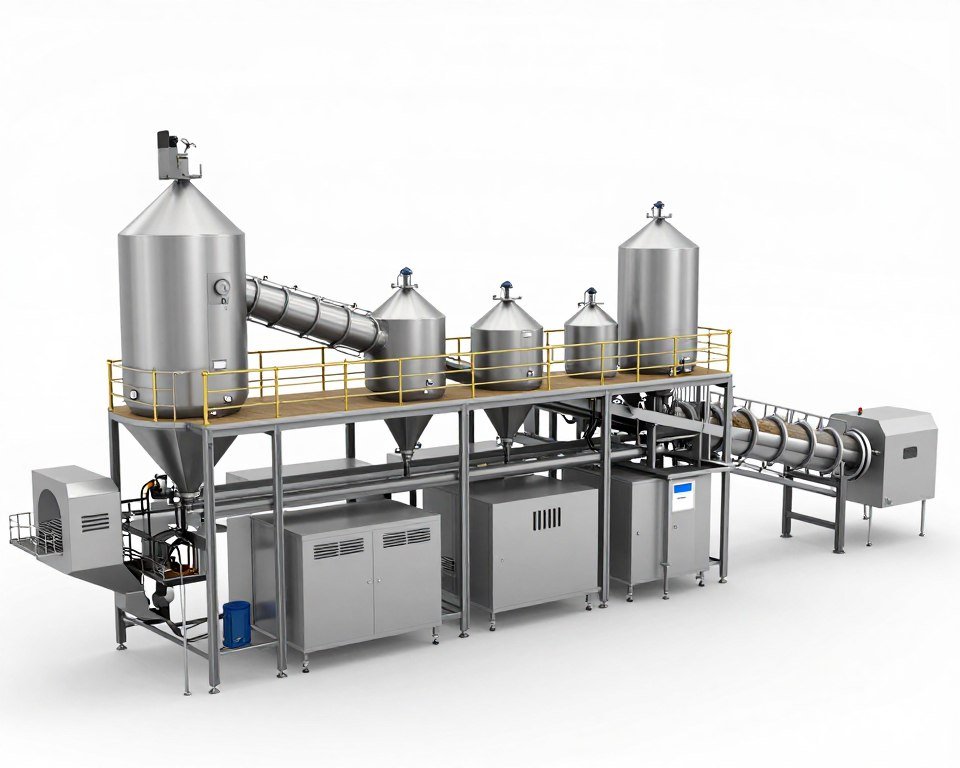
- 2000kg/hr hammer mill with classifier
- 2000kg continuous mixer
- 3000kg/hr manual pellet machine
- 5 ton/hr counterflow cooler
- Complete conveying system
- Automatic bagging line
- Dust collection system
Total Investment: $95,000-$135,000
Space Required: 300-400 m²
Power Requirement: 180-220 kW
5 Ton/Hour Complete Line
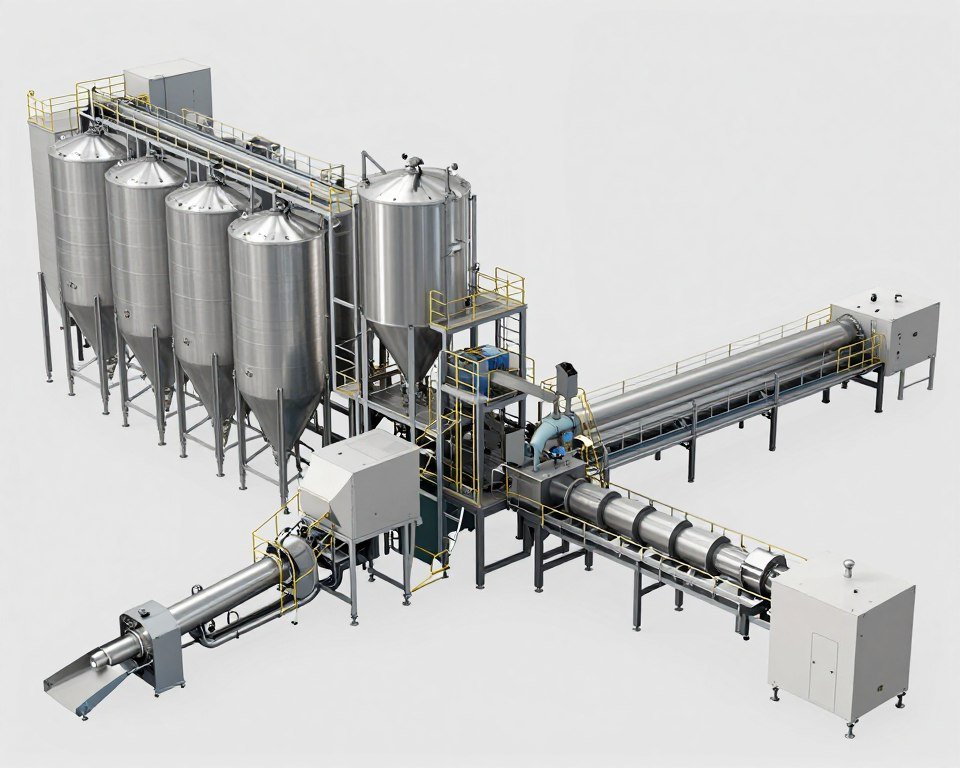
- 3000kg/hr hammer mill system
- 3000kg continuous mixer with liquid addition
- 5000kg/hr manual pellet machine
- 8 ton/hr counterflow cooler
- Automated raw material receiving
- Complete bagging and palletizing line
- Central dust collection
- PLC control system
Total Investment: $165,000-$225,000
Space Required: 500-700 m²
Power Requirement: 280-350 kW
Related MAIKONG Feed Production Equipment
Beyond manual pellet machines, we manufacture a complete range of feed processing equipment to meet every aspect of Philippine livestock and aquaculture feed production needs.
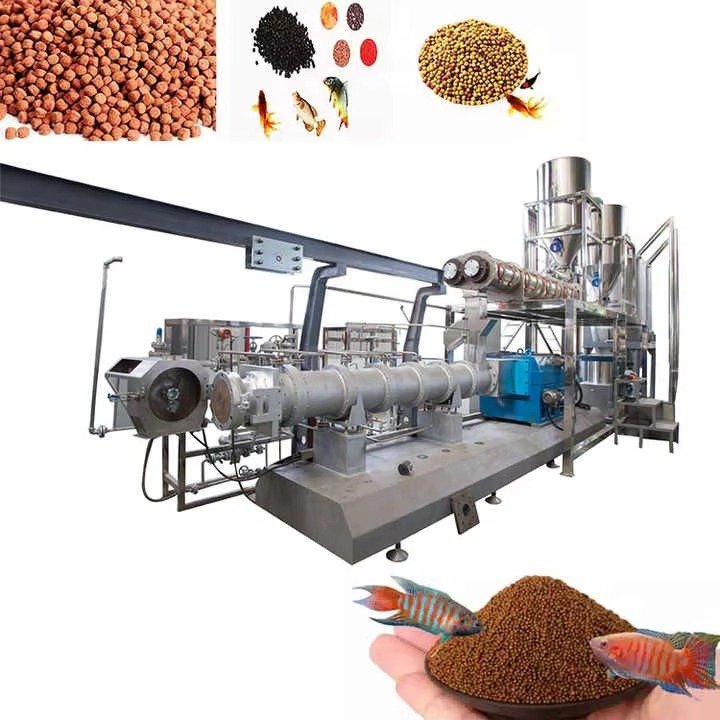
Fish Feed Pellet Machine
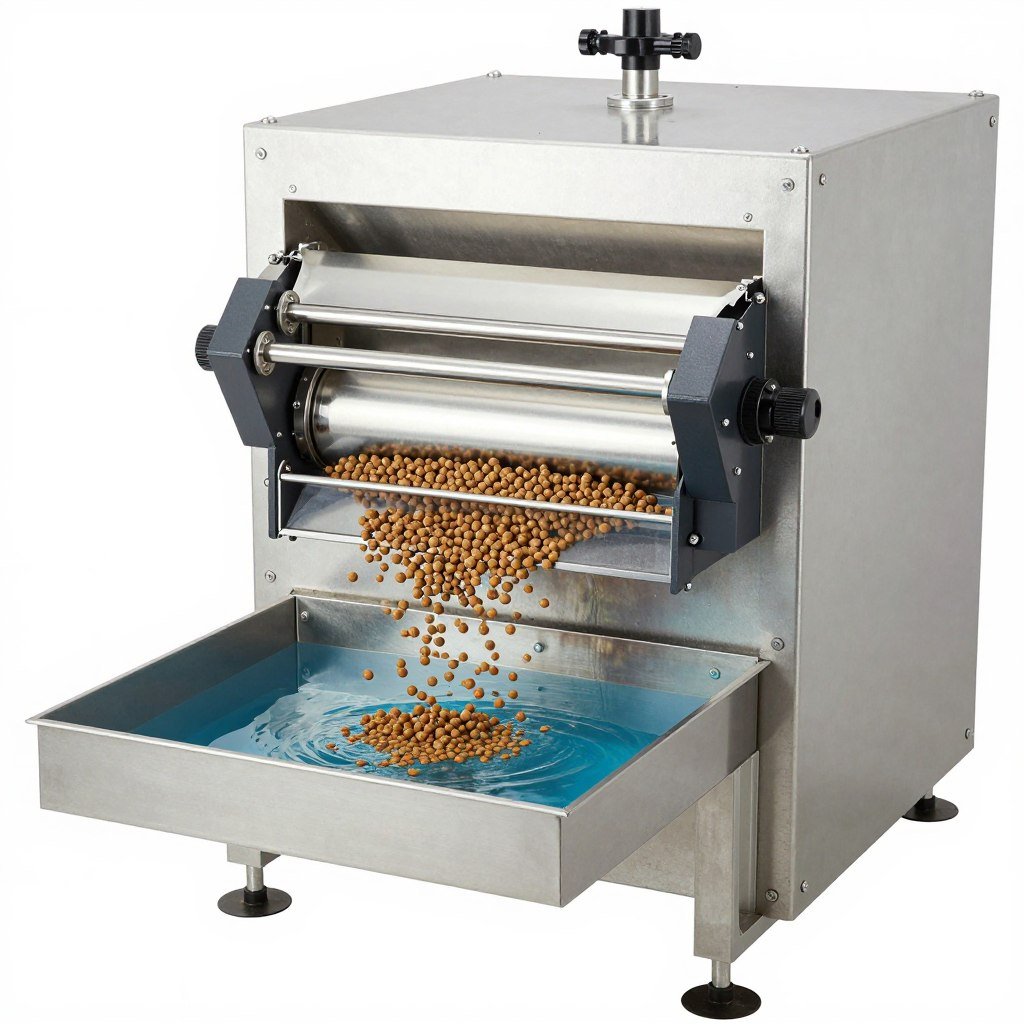
Specialized pellet machines designed for aquaculture feeds. Produces both floating and sinking pellets for tilapia, bangus, and other Philippine fish species. High water stability ensures minimal feed loss.
Cattle Feed Pellet Machine
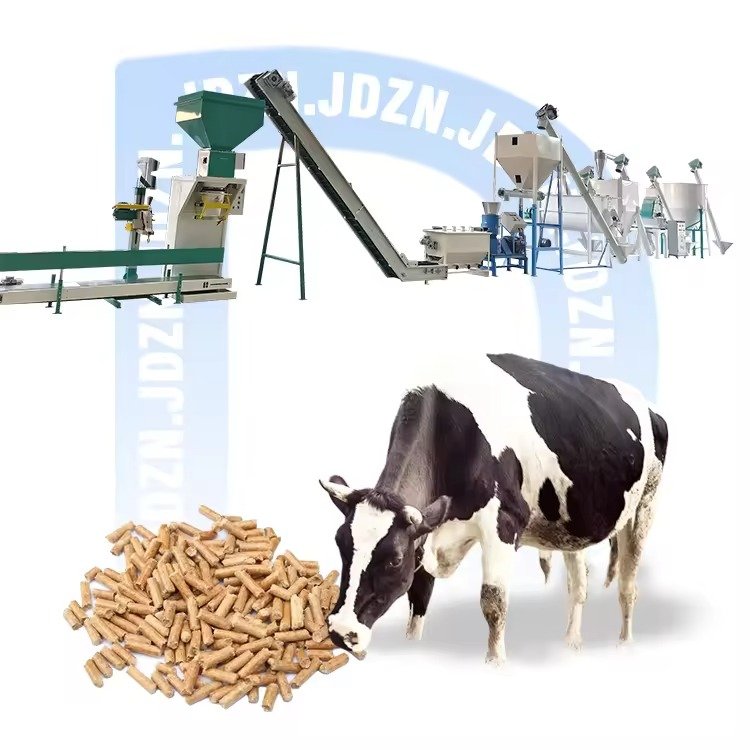
Designed for producing large-diameter supplement pellets for cattle and carabao. Handles high-fiber formulations with molasses and urea. Produces durable pellets that withstand handling and outdoor feeding.
Animal Feed Pellet Machine
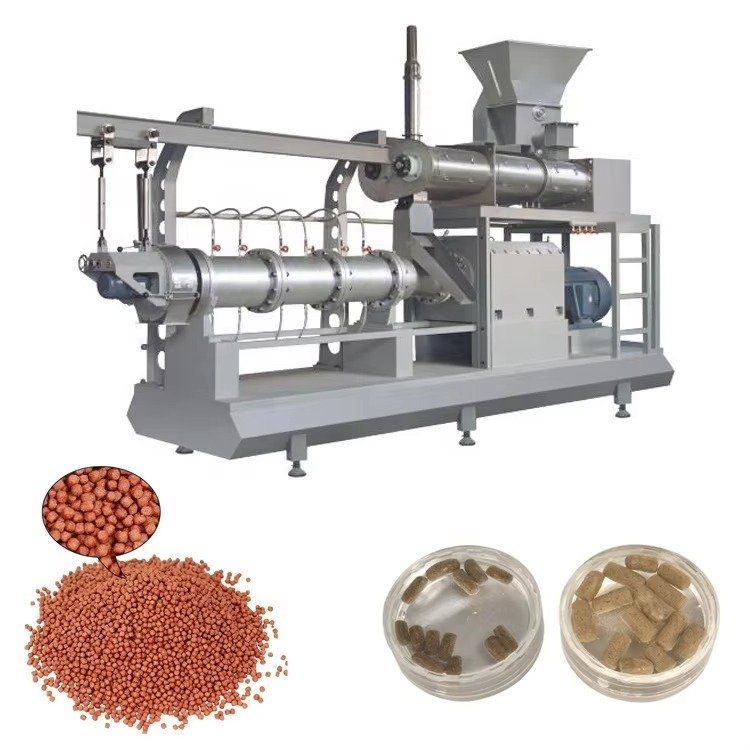
Versatile pellet machines suitable for all livestock species. Quick die changes allow production of different pellet sizes and formulations. Perfect for multi-species farm operations.
Fertilizer Pellet Machine
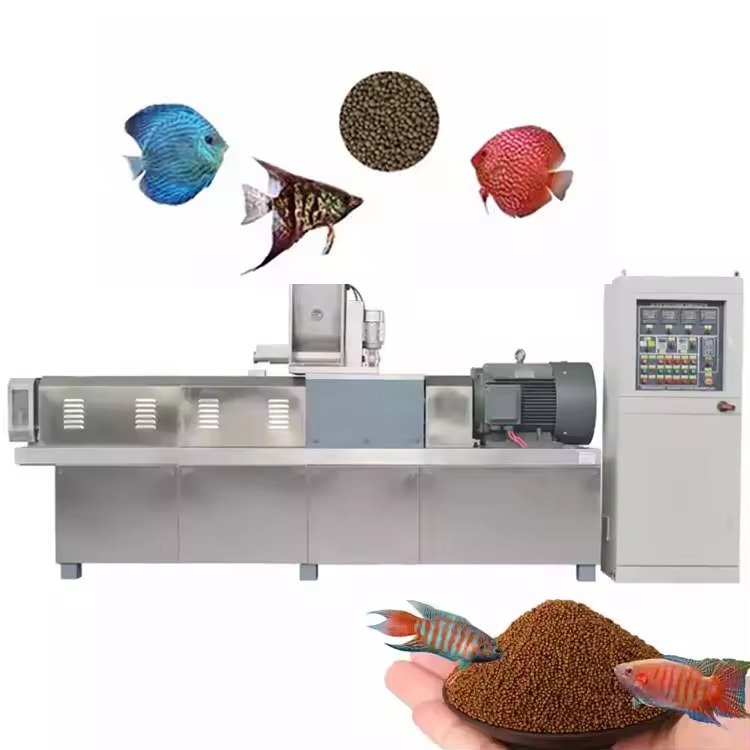
Produces organic fertilizer pellets from agricultural waste, chicken manure, and composted materials. Adds value to farm waste while creating revenue from fertilizer sales.
Complete Feed Production Lines
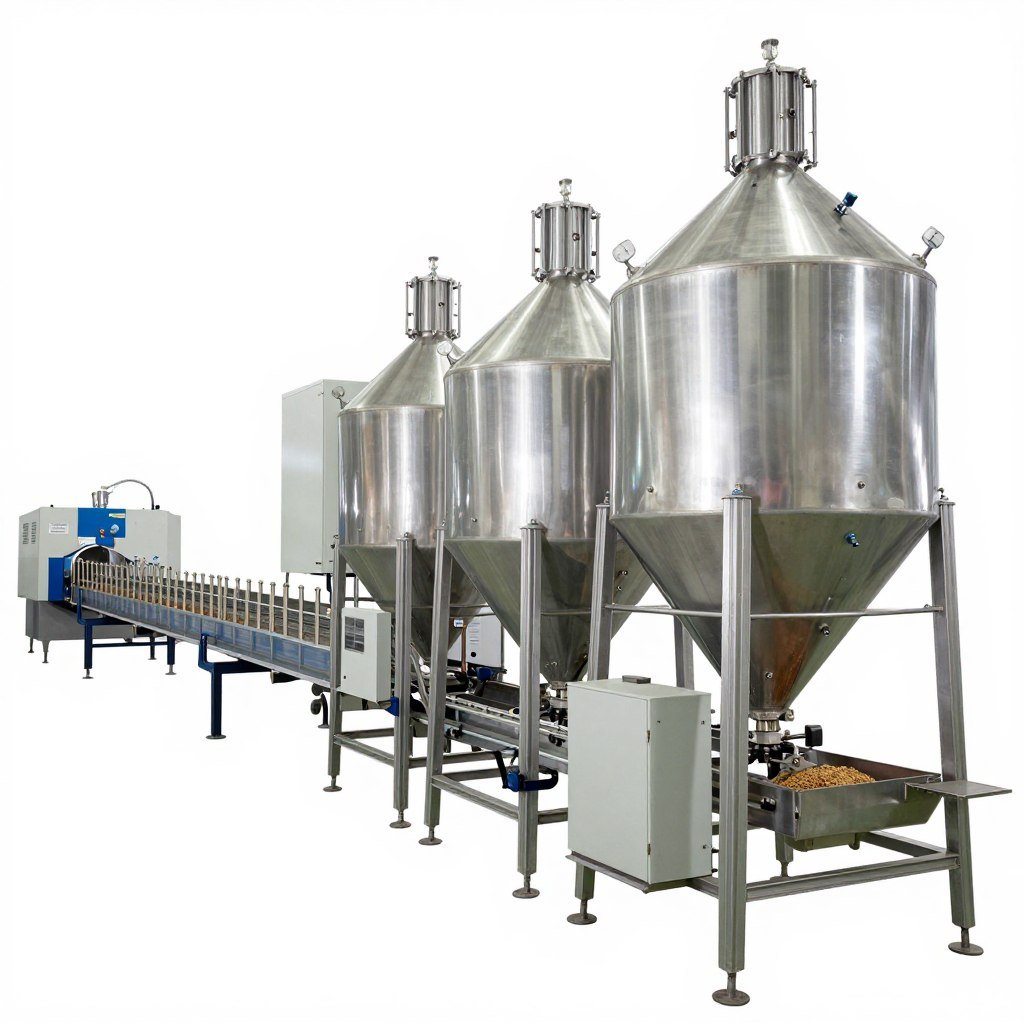
Turnkey feed production systems from 200 kg/hr to 20+ tons/hr. Includes all equipment from raw material receiving through packaging. Complete design, installation, and commissioning services.
Chicken Feed Production Line
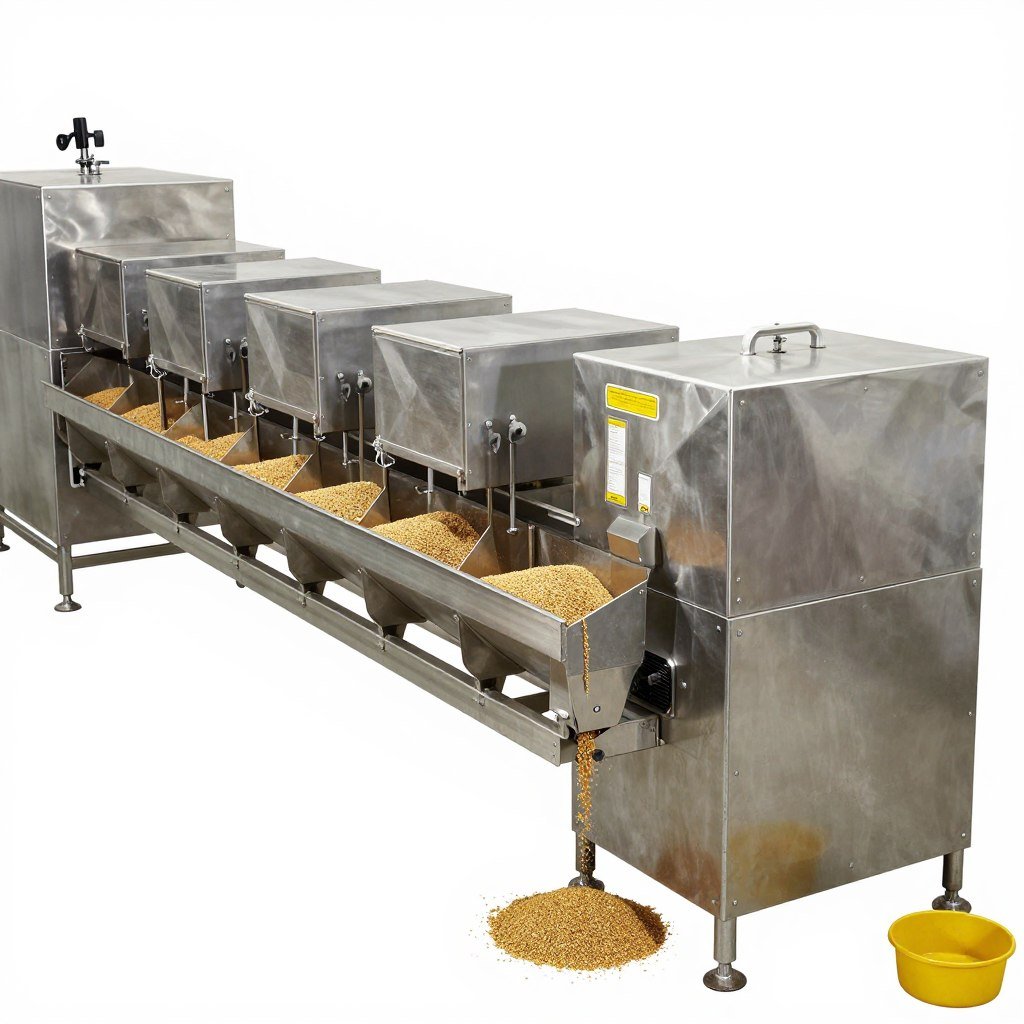
Specialized production lines optimized for layer and broiler feed formulations. Includes premix systems for precise vitamin and mineral addition. Produces high-quality poultry pellets efficiently.
Become a MAIKONG Distributor or Agent in the Philippines
We’re actively building our Philippine distributor network. If you’re involved in agricultural equipment sales, feed mill operations, or serve the livestock industry, we want to discuss partnership opportunities with you.

Distributor Benefits and Support
MAIKONG provides comprehensive support to make your distributorship profitable from day one.
Financial Benefits
- Competitive distributor pricing with attractive margins
- Volume-based discount tiers as your sales grow
- Flexible payment terms for established partners
- Demo unit programs to support sales efforts
- Shared marketing development funds
Technical and Sales Support
- Complete product training for your sales team
- Technical training for service technicians
- Marketing materials in English for Philippine market
- Pre-sales technical support from factory engineers
- After-sales support coordination
Ideal Partner Profile
We seek partners who understand Philippine agriculture and can provide local presence and support our customers need.
- Existing business serving livestock, aquaculture, or agricultural sectors
- Technical capability to provide basic installation and service support
- Sales team familiar with farm equipment or feed mill equipment
- Financial stability to maintain inventory and support customer financing
- Commitment to representing MAIKONG brand professionally
Protected Territory Opportunities
We offer exclusive territories to qualified distributors based on geographic regions and market segments. Current opportunities include:
Luzon Regions
Separate territories available for Northern Luzon, Central Luzon, and Southern Luzon / Bicol regions. Major opportunities in poultry-concentrated areas.
Visayas Regions
Western Visayas, Central Visayas, and Eastern Visayas territories. Strong aquaculture focus in coastal areas with feed mill opportunities.
Mindanao Regions
Northern, Central, and Southern Mindanao opportunities. Fastest-growing livestock sector with expanding commercial farm development.
Ready to Join MAIKONG’s Philippine Partner Network?
Contact us to discuss distributor opportunities, territory availability, pricing structure, and support programs. We’ll schedule a video call to review partnership terms and answer all your questions.
Learn more about MAIKONG: About MAIKONG | Contact Us
Take Control of Your Feed Costs with MAIKONG Manual Pellet Machines
Feed represents your largest operational expense whether you raise chickens, fish, pigs, or cattle. Commercial feed prices continue climbing while your selling prices remain pressured by market competition. This squeeze threatens the viability of small and medium farms across the Philippines.
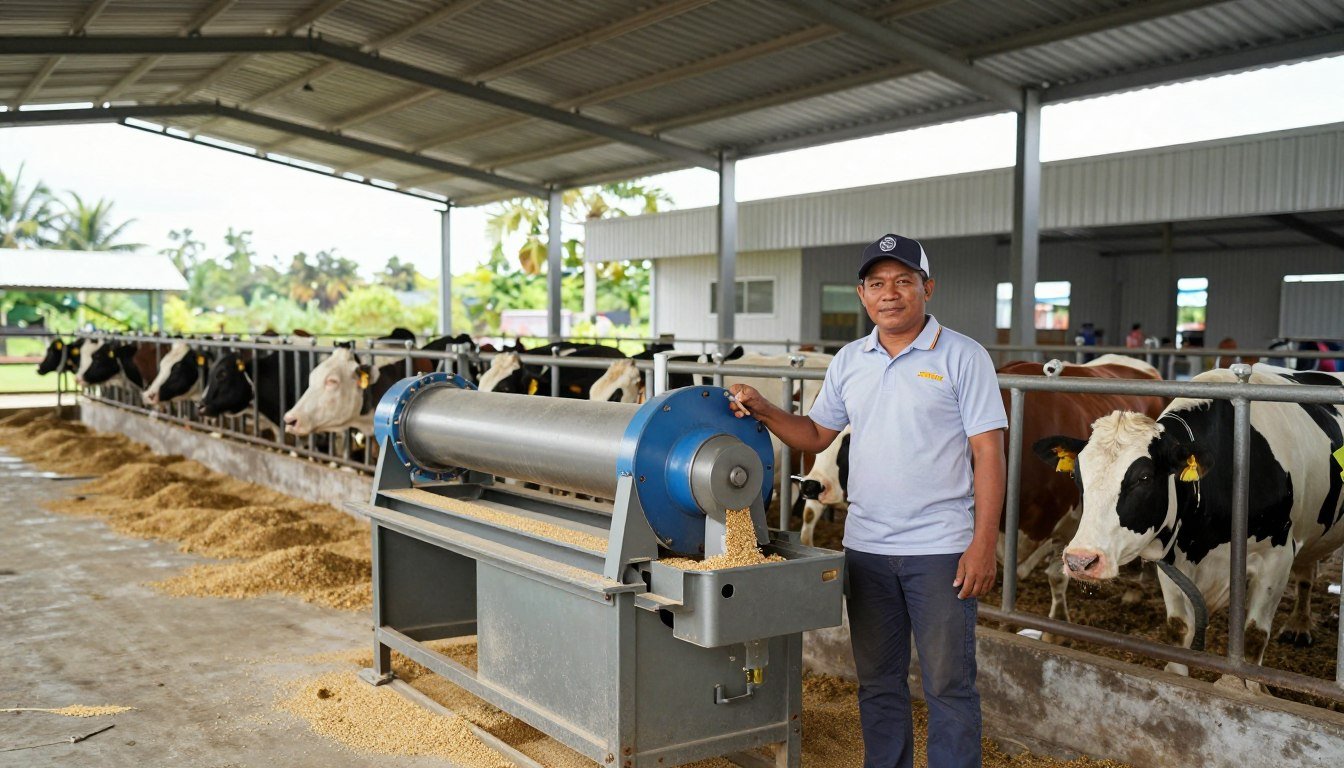
A manual pellet machine from MAIKONG gives you control. You determine your feed formulations. You source ingredients at competitive prices. You produce pellets when you need them in the quantities you need. The 30-45% cost savings we consistently document translate directly to your bottom line.
We’ve supported Philippine farm operations for over a decade because we understand your challenges. Our equipment works in tropical conditions. Our voltage configurations match Philippine electrical standards. Our technical support communicates clearly in English. Our spare parts reach you quickly when you need them.
Whether you need a small 200 kg/hr unit for a backyard operation or a 3000 kg/hr system for a commercial feed mill, we manufacture manual pellet machines specifically configured for your requirements. Our customization capabilities ensure you get exactly what you need without paying for features you don’t.
The farm owners, feed mill operators, and agriculture investors who contact us today start saving money within months. Your investment pays back through feed cost reduction, typically within the first year of operation. Those savings continue year after year, improving your profitability and competitive position.
Beyond selling equipment, we’re interested in building long-term partnerships. We support your success through technical consultation, formulation assistance, spare parts supply, and ongoing technical support. When you succeed, we succeed through your continued partnership and referrals to other operations.
Start Your Feed Cost Reduction Journey Today
Contact Lucy at MAIKONG to discuss your specific operation, daily feed requirements, and livestock types. We’ll recommend the optimal manual pellet machine configuration and provide a detailed quotation including equipment price, shipping to your Philippine location, estimated customs duties, and projected ROI based on your current feed costs.
MAIKONG – Your Partner in Philippine Feed Production Excellence Since 1995