
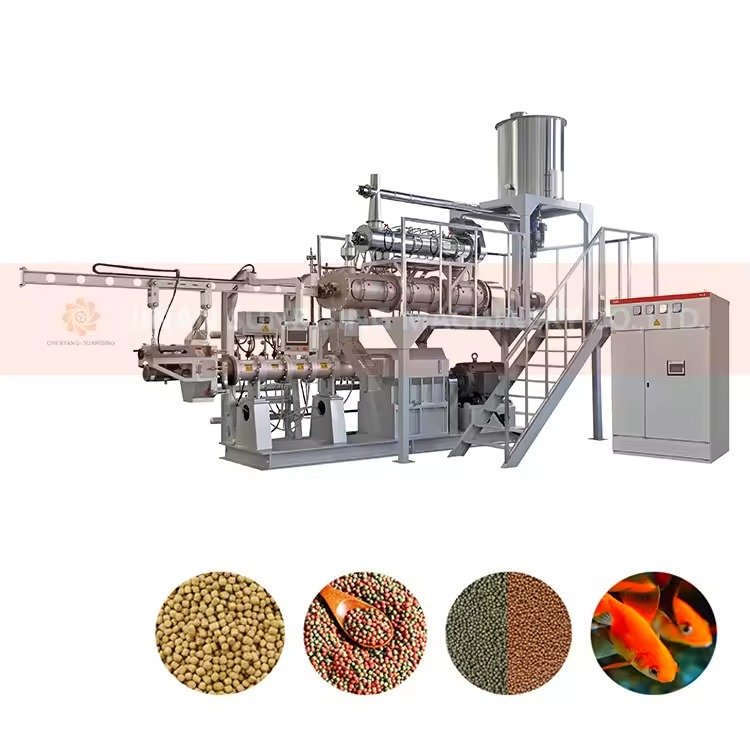
Get Your Custom Philippines Feed Pellet Solution
Direct factory pricing • 220V/380V customization • Free production line design • 30-day delivery
What Is a Feed Pellet Machine and Why Philippines Farms Need One
A feed pellet machine transforms powdered raw materials into compact cylindrical pellets. This process improves feed digestibility, reduces waste, and creates uniform nutrition for your animals. Our machines handle corn, rice bran, fish meal, soybean cake, and other ingredients common to Philippines agriculture.
The pelleting process uses mechanical pressure and heat. Raw materials enter through the feeding system, pass through a conditioning chamber where steam adds moisture and heat, then get forced through a rotating ring die. Rollers compress the material through die holes, forming dense pellets that a cutting knife slices to your desired length.
Traditional Powder Feed Problems
- Animals pick through feed, wasting 15-20% of nutrients
- Dust causes respiratory issues in enclosed barns
- Ingredients separate during transport and storage
- Moisture absorption leads to mold growth
- Difficult to add medications or supplements evenly
Pellet Feed Advantages
- Waste reduced to under 5% with uniform pellets
- Dust-free environment improves animal health
- Ingredients stay mixed throughout handling
- Heat treatment extends shelf life to 3-6 months
- Medications distribute evenly in every pellet
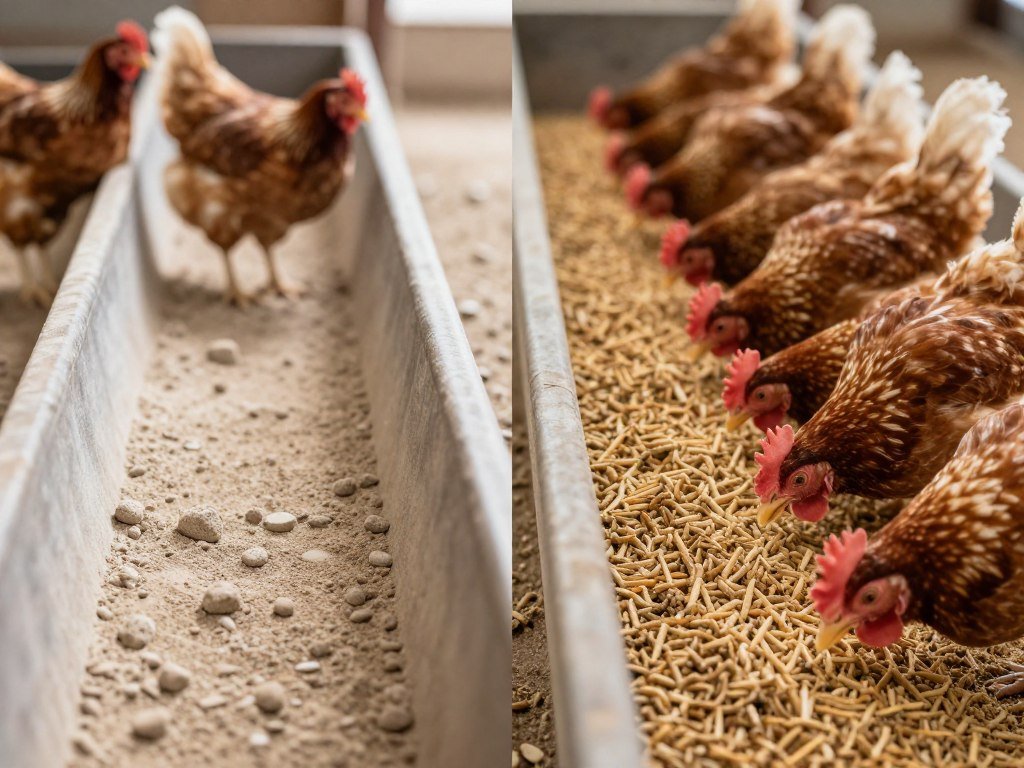
Philippines operations specifically benefit from pellet feed during the rainy season. Our humid climate accelerates spoilage in powder feeds. Pellets resist moisture penetration better than loose materials. The heat generated during pelleting also eliminates common pathogens like Salmonella and E. coli that threaten flock health.
Feed Pellet Machine Process Explained
Understanding the feed pellet machine process helps you optimize production and troubleshoot issues. The complete cycle takes raw ingredients through seven distinct stages.
- Material Receiving: Raw ingredients arrive in bulk and get stored in silos or warehouses. Our systems handle materials with moisture content from 8% to 14%.
- Cleaning and Screening: Magnets remove metal contaminants while vibrating screens eliminate stones, dirt, and oversized particles that could damage the mill.
- Grinding: Hammer mills reduce particle size to pass through 1.5-2.0mm screens. Finer grinding improves pellet quality but increases energy costs.
- Batching and Mixing: Computer-controlled systems weigh each ingredient accurately. High-efficiency mixers blend materials to achieve uniformity coefficients under 5%.
- Conditioning: Steam injection raises material temperature to 75-85°C and adds moisture to 15-16%. This activates starches and improves binding.
- Pelleting: The feed pellet machine compresses conditioned material through die holes under tremendous pressure, forming hot pellets at 80-90°C.
- Cooling and Screening: Counter-flow coolers reduce pellet temperature to ambient plus 5°C. Screens separate fines for reprocessing and finished pellets for packaging.
We design our MAIKONG feed pelletizer machine philippines systems to handle this entire process efficiently. Your specific requirements determine equipment selection for each stage.
MAIKONG Feed Pellet Machine Models: From Small Farms to Industrial Scale
We manufacture eight main pellet mill models covering output capacities from 1 ton to 40 tons per hour. Each model features different motor power, ring die diameter, and physical dimensions to match your production requirements.
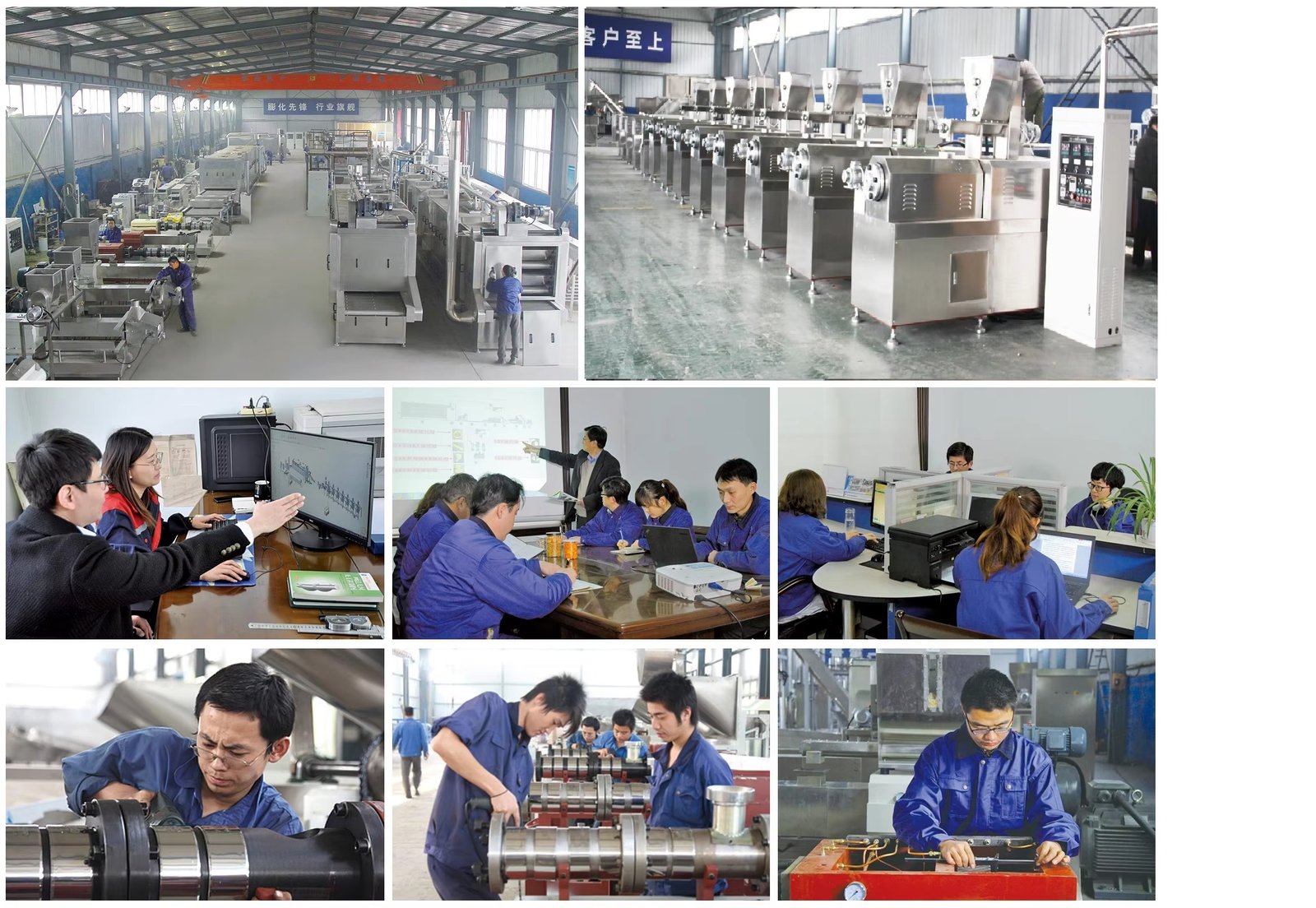
| Model | Output (t/h) | Main Motor (kW) | Ring Die Ø (mm) | Pellet Size (mm) | Price Range (USD) |
| SZLH250 | 1-1.5 | 22 | 250 | 2-12 | 7,000-12,000 |
| SZLH320 | 3-4 | 37 | 320 | 2-12 | 12,000-18,000 |
| SZLH350 | 5-6 | 55 | 350 | 2-12 | 18,000-25,000 |
| SZLH420 | 10-12 | 110 | 420 | 2-12 | 28,000-38,000 |
| SZLH508 | 15-16 | 160 | 508 | 2-12 | 42,000-55,000 |
| SZLH558 | 20-22 | 185 | 558 | 2-12 | 58,000-72,000 |
| SZLH678 | 30-33 | 250 | 673 | 2-12 | 78,000-92,000 |
| SZLH768 | 38-40 | 315 | 762 | 2-12 | 95,000-115,000 |
All models include Siemens motors, stainless steel contact surfaces, and overload protection systems. We configure each machine for Philippines electrical standards at 220V single-phase or 380V three-phase based on your facility requirements.
Find Your Perfect Capacity Match
Tell us your daily production target and animal types. Our engineers will recommend the optimal model configuration and calculate your ROI.
Standard Equipment Configuration
Every MAIKONG feed pellet machine includes these critical components regardless of model size. We source premium materials and proven designs that withstand the demands of continuous feed production.
| Component | Material/Brand | Function | Service Life |
| Ring Die | Stainless Steel 304 | Forms pellets through compression holes | 2000-3000 hours |
| Main Motor | Siemens | Provides rotating power | 50,000+ hours |
| Gearbox | HT250 Cast Iron | Reduces speed and increases torque | 30,000+ hours |
| Main Gear | 42CrMo Alloy Steel | Transmits power to die shaft | 25,000+ hours |
| Bearings | SKF/NSK Import | Supports rotating shafts | 15,000+ hours |
| Conditioner | 304 Stainless Steel | Adds steam and mixes material | 8,000+ hours |
| Feed Auger | 304 Stainless Steel | Controls material flow into die chamber | 10,000+ hours |
| Safety Pin | Alloy Steel | Breaks under overload to protect motor | Single-use (replaceable) |
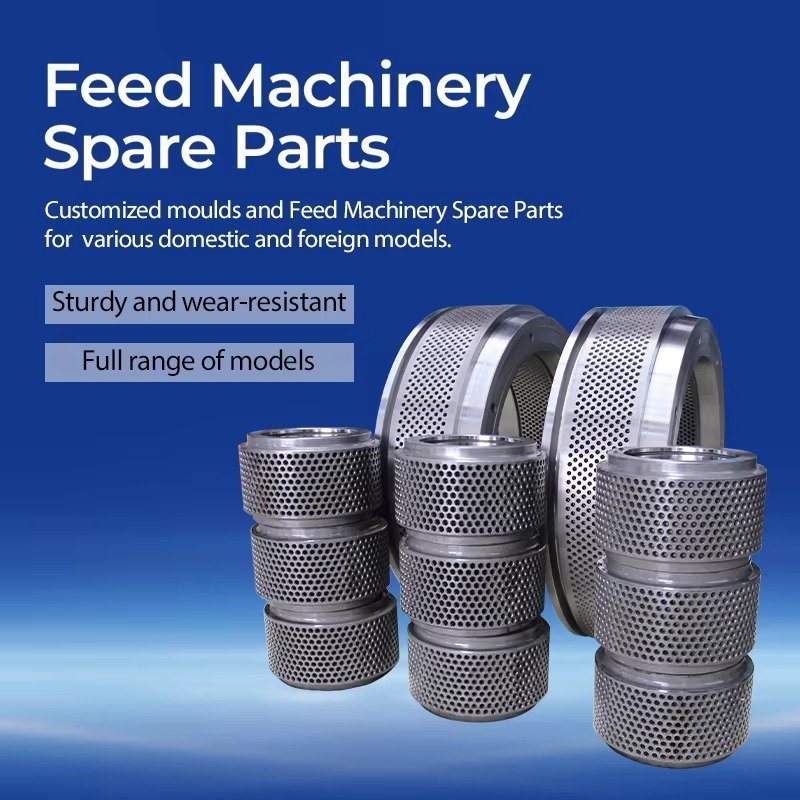
Custom Feed Pellet Machine Configurations for Philippines Operations
We customize every aspect of your feed pellet machine for sale philippines to match your specific production needs. Our engineering team modifies voltage requirements, die specifications, automation levels, and auxiliary equipment based on what you produce and how you operate.
Animal-Specific Customizations
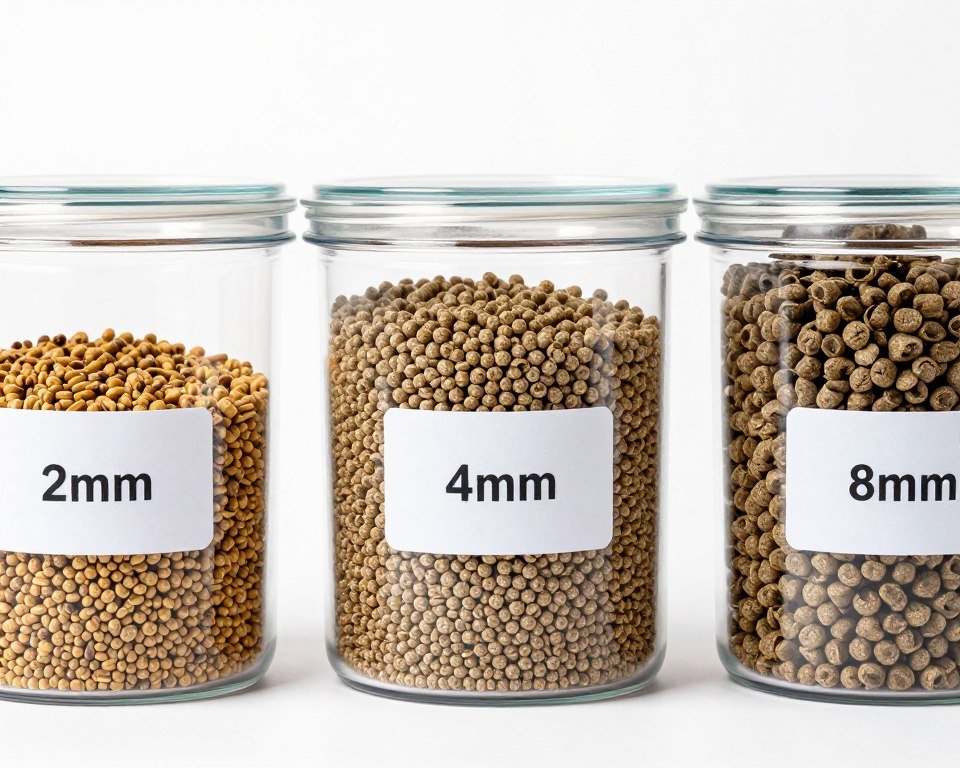
Different animals require different pellet characteristics. We adjust die hole diameter, compression ratio, and conditioning parameters to produce optimal feed for your livestock or aquaculture operation.
Poultry Feed Pellets
Chickens, Ducks, Quails
- Pellet diameter: 2-4mm
- Length: 5-8mm
- Conditioning: 75-80°C
- Die thickness: 35-45mm
- Compression ratio: 1:10 to 1:13
Smaller pellets prevent choking in young birds. We recommend crumbles for day-old chicks and 2.5mm pellets for growers.
Aquaculture Feed Pellets
Tilapia, Bangus, Shrimp
- Pellet diameter: 2-6mm
- Length: 8-15mm
- Water stability: 2-24 hours
- Conditioning: 85-95°C
- Compression ratio: 1:8 to 1:10
Higher conditioning temperatures gelatinize starches for water stability. Floating or sinking pellets based on species feeding behavior.
Livestock Feed Pellets
Cattle, Pigs, Goats
- Pellet diameter: 4-8mm
- Length: 10-20mm
- Conditioning: 70-75°C
- Die thickness: 55-75mm
- Compression ratio: 1:12 to 1:15
Larger animals consume bigger pellets more efficiently. Ruminants benefit from moderate conditioning that preserves fiber structure.
Philippines Electrical Standards Compliance
We configure all motors, control panels, and automation systems to match Philippines voltage and frequency specifications. Most farms use 220V single-phase while commercial facilities operate at 380V three-phase power.
Available Voltage Configurations
- 220V / Single Phase / 60Hz – Small farms, up to SZLH320 model
- 380V / Three Phase / 60Hz – Commercial operations, all models
- 440V / Three Phase / 60Hz – Industrial facilities with heavy equipment
Control System Options
- Manual start/stop with basic monitoring
- Semi-automatic with PLC control and touchscreen
- Fully automatic with remote monitoring and data logging
Voltage conversion at your facility costs more than ordering correct specifications from our factory. Specify your electrical requirements when requesting your quotation.
Design Your Custom Production Line Today
Our engineers create detailed CAD layouts showing equipment placement, workflow optimization, and utility requirements. This free service ensures your facility operates at peak efficiency.
Complete Feed Pellet Production Line Solutions
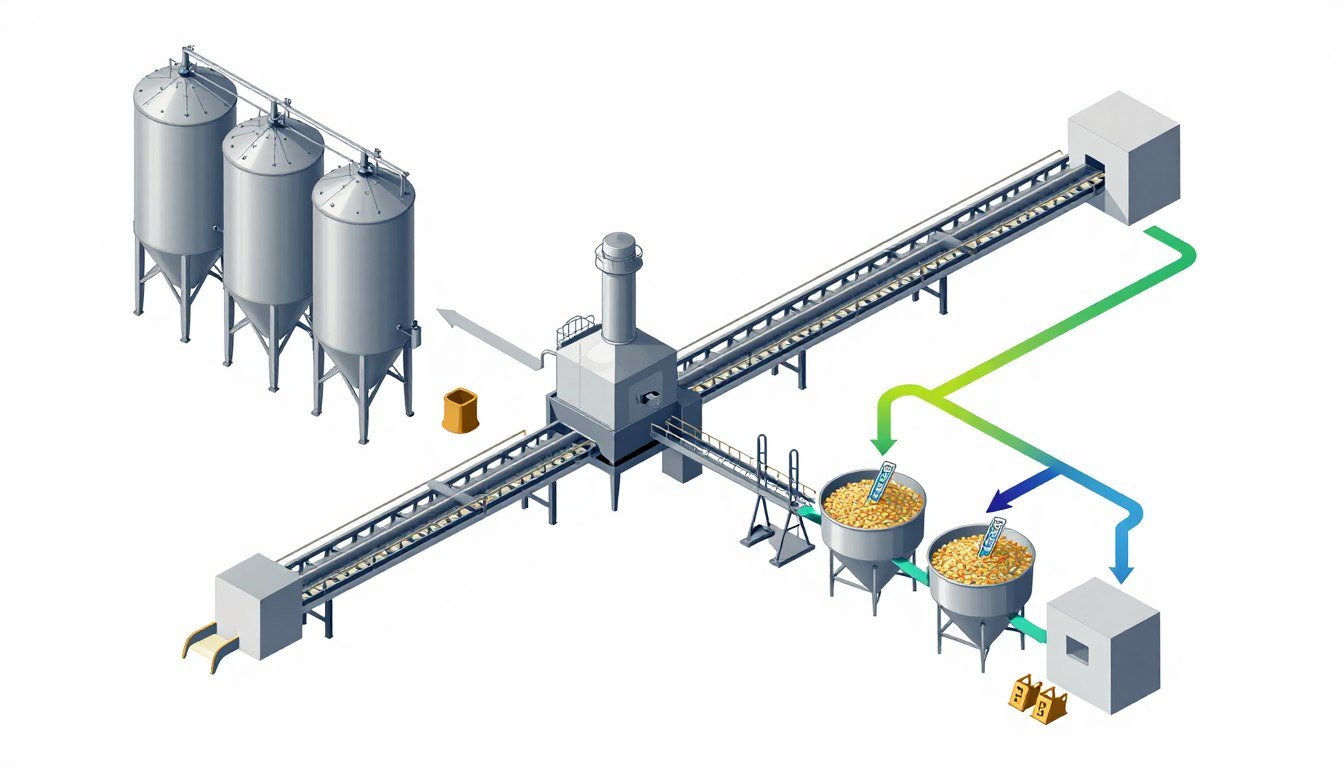
Most Philippines operations need more than just the pellet mill. We design integrated production lines that handle everything from raw material receiving through finished product packaging. Our complete systems include material handling, processing equipment, quality control instruments, and dust collection.
Production Line Scale Options
We configure production lines for every operation size. Small farm systems process 200-500 kg/hour while large commercial mills reach 40,000 kg/hour or more.
| Scale | Capacity | Total Power | Space Required | Installation Time | Investment Range (USD) |
| Small Farm | 1-2 T/H | 47-75 kW | 300-500 m² | 7-15 Days | 15,000-50,000 |
| Medium Farm | 3-4 T/H | 53-165 kW | 300-700 m² | 15-20 Days | 50,000-120,000 |
| Commercial Mill | 5-7 T/H | 68-259 kW | 400-800 m² | 20-40 Days | 70,000-250,000 |
| Large Mill | 8-10 T/H | 125-410 kW | 800-2000 m² | 45-60 Days | 150,000-300,000 |
| Industrial Mill | 15-20 T/H | 358-620 kW | 1500-3000 m² | 60-90 Days | 250,000-580,000 |
Essential Production Line Components
A functional feed production line requires multiple processing stages. We integrate these components into an efficient workflow that minimizes labor while maximizing output quality.
- Raw Material Reception: Truck unloading systems with augers or pneumatic conveyors transfer ingredients to storage silos. We design systems for both bulk deliveries and bagged materials.
- Cleaning Equipment: Permanent magnets remove metal contamination. Vibrating screens eliminate dust, stones, and foreign objects. This protects downstream equipment from damage.
- Grinding Mills: Hammer mills reduce particle size for optimal pelleting. We select motor power and screen mesh based on your raw materials and desired fineness.
- Batching and Mixing: Computerized batching systems weigh ingredients accurately. Ribbon or paddle mixers blend materials to achieve uniformity. Mixing cycle takes 3-8 minutes depending on batch size.
- Pelleting System: The feed pellet machine forms pellets from conditioned material. Includes the main pellet mill, conditioner, and steam system for temperature control.
- Cooling and Screening: Counter-flow coolers reduce pellet temperature to safe storage levels. Vibrating screens separate fines from finished pellets. Fines return for reprocessing.
- Finished Product Handling: Bucket elevators lift cooled pellets to storage bins. Automatic bagging scales package product into 25kg or 50kg bags. Bulk loading systems fill delivery trucks.
- Dust Collection: Pulse jet bag filters capture airborne dust at transfer points. This improves working conditions and prevents product loss.
We also offer specialized equipment for specific production requirements. Liquid coating systems apply oils or molasses to finished pellets. Crumbling machines break large pellets into smaller particles for young animals. Fat spraying systems add energy-dense ingredients after pelleting.
Why MAIKONG Feed Pelletizer Machine Philippines Outperforms Competitors
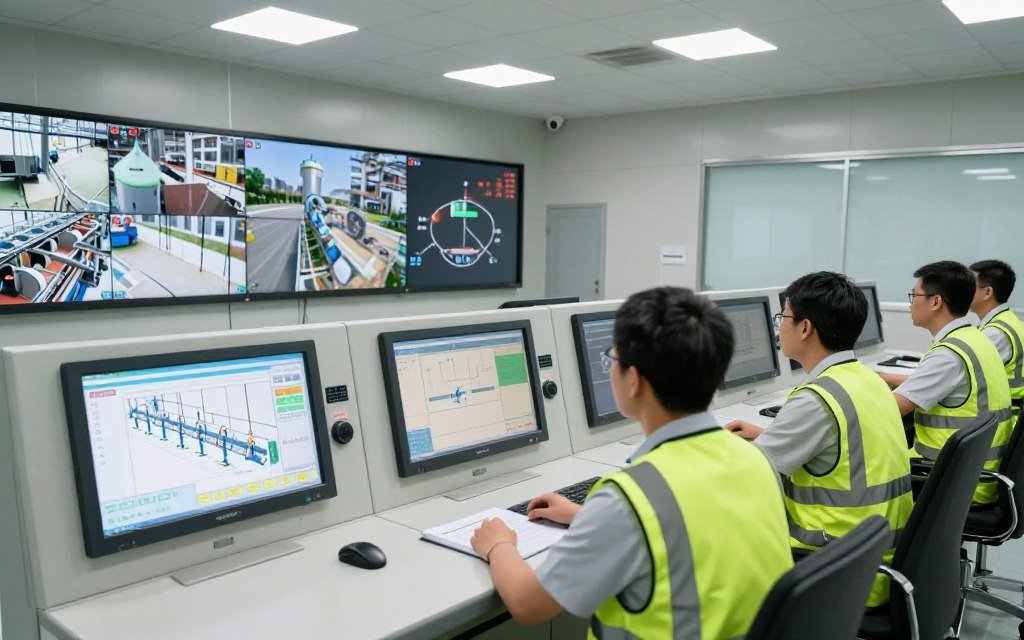
We engineer specific technical advantages into every machine. These features deliver better performance, longer service life, and lower operating costs compared to competing equipment.
Gear Transmission vs Belt Drive
Our main transmission uses precision-ground gears instead of belts. This fundamental design choice provides multiple performance benefits that directly impact your bottom line.
MAIKONG Gear Transmission
- Efficiency: 95-97% power transfer
- Output: 15% higher than belt systems
- Maintenance: Oil changes every 3000 hours
- Noise: 75-80 dB during operation
- Service life: 25,000+ hours
- Overload capacity: 200% of rated power
Competitor Belt Drive
- Efficiency: 85-90% power transfer
- Output: Lower capacity per motor size
- Maintenance: Belt replacement every 800 hours
- Noise: 85-90 dB during operation
- Service life: 8,000-12,000 hours
- Overload capacity: 120% of rated power
Gear transmission costs more initially but saves money through reduced maintenance and higher efficiency. Your monthly electricity bills drop by 10-15% compared to belt-driven machines producing the same output.
Ring Die Quality and Longevity
The ring die is the most critical wearing component in your pellet mill. We manufacture dies from premium stainless steel using precise drilling and heat treatment processes.
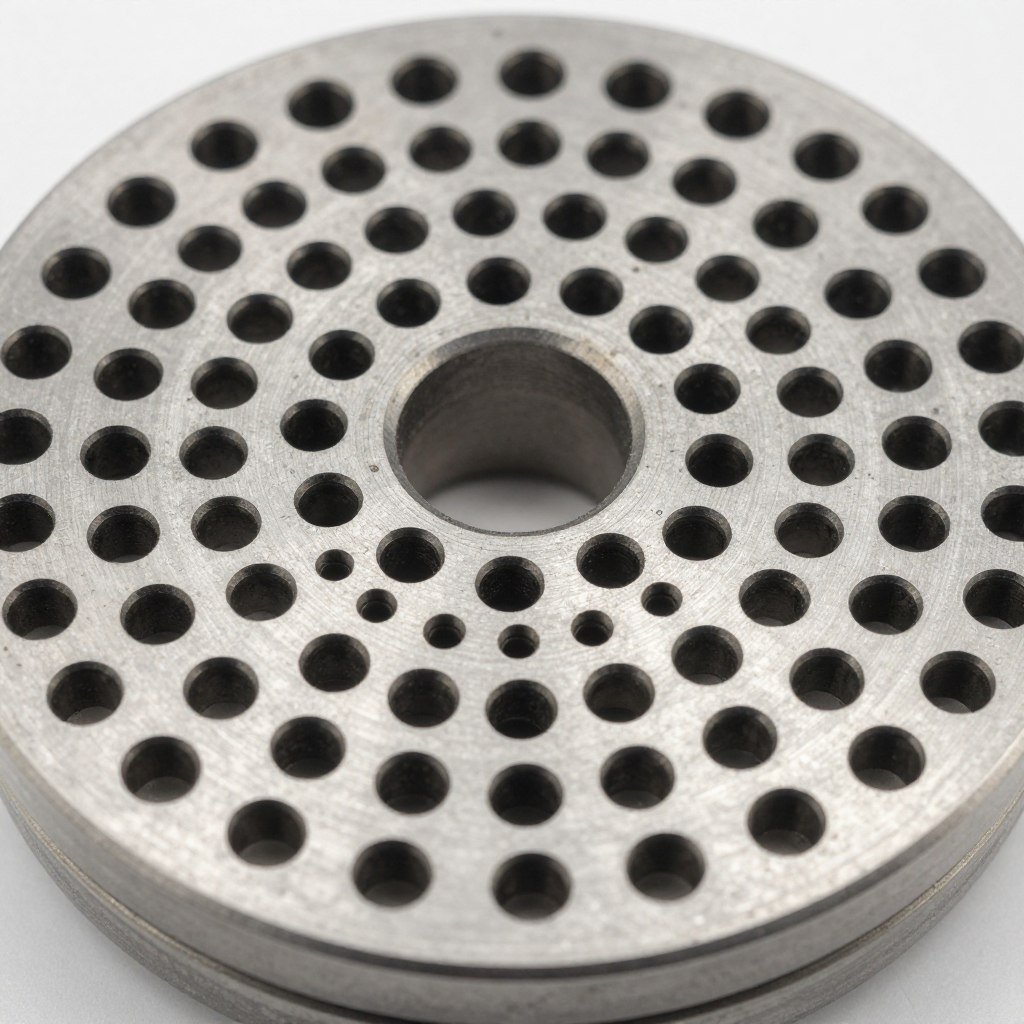
Our 304 stainless steel dies resist corrosion from feed ingredients. Dies maintain hole diameter and compression ratio longer than carbon steel alternatives. Typical service life reaches 2000-3000 hours before reconditioning becomes necessary.
We stock dies with hole diameters from 2mm to 12mm. Compression ratios range from 1:8 to 1:15 depending on your formula ingredients. Custom die specifications are available for unusual feed types or special requirements.
Safety and Protection Systems
We build multiple safety features into every machine. These protect both operators and equipment from damage during normal operation and fault conditions.
- Overload Protection: Alloy steel safety pins shear under excessive load, stopping the drive train before motor or gear damage occurs. Pins cost $15 to replace versus $3,000 for motor repairs.
- Door Interlock: Microswitch automatically cuts main motor power when the die chamber door opens. This prevents serious injury during maintenance or inspection.
- Bearing Temperature Monitoring: Thermal sensors shut down the machine if bearing temperature exceeds safe limits. This prevents bearing failure and subsequent shaft damage.
- Emergency Stop: Large red mushroom buttons at multiple locations enable immediate shutdown from any position around the machine.
- Guarding: All rotating components are enclosed in steel guards. Access requires tools, ensuring guards stay in place during operation.
Maintenance-Friendly Design
We design machines for easy maintenance by farm mechanics without specialized training. Quick-change components and accessible service points minimize downtime during routine maintenance.
Daily Maintenance
5 minutes per day
- Check bearing temperatures
- Inspect safety pin condition
- Clean die holes if needed
- Verify proper feeding
Weekly Maintenance
30 minutes per week
- Lubricate gear box
- Inspect belt tensions
- Clean conditioning chamber
- Check electrical connections
Monthly Maintenance
2-3 hours per month
- Change gearbox oil
- Inspect die wear patterns
- Check roller clearances
- Test safety systems
Proper maintenance extends equipment life significantly. We’ve seen well-maintained MAIKONG machines operate reliably for 15+ years in commercial feed mills.
Feed Pellet Machine for Sale Philippines: Market Insights and Local Support
We’ve served the Philippines feed industry since 1995. This experience taught us the specific challenges Philippines producers face and how to address them effectively.
Philippines Feed Industry Challenges
Your operating environment differs from other markets. We customize equipment and support services to overcome these specific obstacles.
Climate Considerations
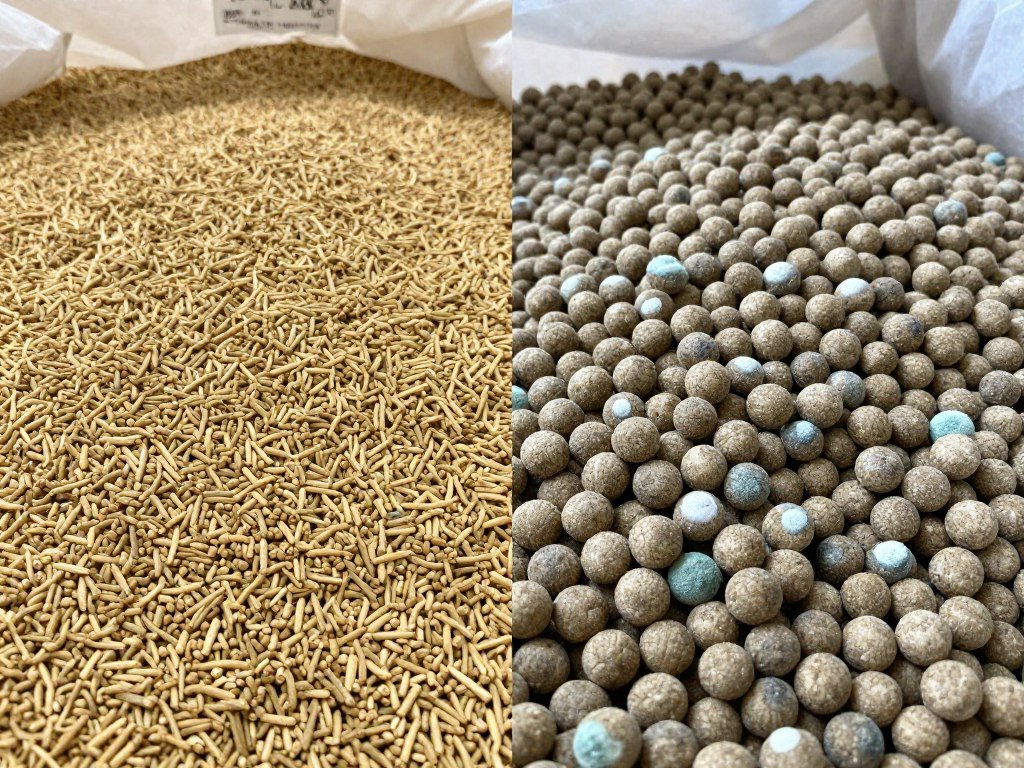
Philippines’ tropical climate affects both raw materials and finished feed. High humidity causes ingredients to absorb moisture rapidly. This impacts pelleting quality and storage stability.
Our machines compensate through precise moisture control during conditioning. We recommend cooling pellets to ambient temperature plus 3-5°C rather than the standard 5-8°C. This prevents condensation during packaging in humid conditions.
Raw Material Variability
Philippines feed producers work with diverse ingredient sources. Quality varies between suppliers and seasons. Rice bran from different mills shows different moisture and oil content. Copra meal changes depending on processing methods.
We configure our feed pellet machine process to handle this variability. Wider conditioning chamber designs accommodate fluctuating ingredient properties. Variable frequency drives on feeders let you adjust flow rates for different formulations without mechanical changes.
Power Supply Reliability
Many rural areas experience voltage fluctuations and occasional outages. These electrical issues can damage sensitive control systems and motors.
We include voltage stabilizers and surge protection in all Philippines installations. Automatic restart logic safely resumes operation after brief power interruptions. For areas with frequent outages, we recommend backup generators sized to match your production line power requirements.
Local Parts and Service Network
Equipment downtime costs you money every hour your mill sits idle. We maintain spare parts inventory in the Philippines and partner with local service providers for rapid response.
Join 200+ Philippines Feed Producers Using MAIKONG
Our Philippines customers report 25-40% cost savings compared to imported feeds. Equipment typically pays for itself within 18-24 months through reduced feed costs.
Common Spare Parts We Stock
| Part Name | Typical Life | Price Range (USD) | Delivery to Philippines |
| Ring Die (250mm) | 2000-3000 hours | 800-1,200 | 7-10 days |
| Pressure Rollers (pair) | 3000-4000 hours | 400-600 | 7-10 days |
| Safety Pin (10 pack) | Single use | 120-150 | 3-5 days |
| Main Bearings (set) | 15,000+ hours | 350-500 | 5-7 days |
| Feed Auger | 10,000+ hours | 200-300 | 7-10 days |
| Cutter Blades (set of 4) | 1500-2000 hours | 80-120 | 3-5 days |
We ship parts via air freight for urgent requirements or sea freight for routine restocking. Emergency parts typically arrive within 72 hours to Manila.
Feed Pellet Machine Price and Return on Investment
Understanding total cost of ownership helps you make informed investment decisions. The purchase price is only part of your total expense. Operating costs, maintenance, and productivity determine real profitability.
Transparent Pricing Structure
We publish price ranges to help you budget accurately. Our pelletizing machine price philippines depends on model size, customization requirements, and auxiliary equipment.
Base machine prices range from $7,000 USD for the SZLH250 small farm model to $100,000 USD for the SZLH768 industrial mill. This FOB Shenzhen pricing includes:
- Complete pellet mill with standard configuration
- Siemens motor configured for Philippines voltage
- One set of ring dies in your specified diameter
- Standard pressure rollers and cutter assembly
- English operation and maintenance manual
- One-year warranty on mechanical components
- Remote technical support via video call
Additional costs you should budget for include:
- International shipping to Philippines port: $800-3,500 depending on machine size
- Customs duties and clearance: Approximately 10% of declared value
- Inland transport to your facility: $200-800 depending on location
- Installation and commissioning: $1,500-5,000 depending on line complexity
- Operator training: Usually included with installation service
- Spare parts initial stock: $1,000-3,000 recommended
Operating Cost Analysis
Monthly operating expenses include electricity, labor, maintenance, and spare parts. We calculate realistic costs for a typical 5 ton/hour operation running one shift.
| Cost Category | Monthly Amount (USD) | Per Ton Cost (USD) | Notes |
| Electricity (55kW motor) | 660 | 0.55 | Based on ₱5.50/kWh Philippines rate |
| Labor (2 operators) | 800 | 0.67 | ₱20,000/month per operator |
| Maintenance supplies | 150 | 0.13 | Lubricants, cleaning materials |
| Spare parts reserve | 200 | 0.17 | Die replacement fund |
| Total Operating Cost | 1,810 | 1.52 | For 1,200 tons monthly production |
These operating costs are significantly lower than purchasing commercial feed. Philippines commercial poultry feed sells for ₱25-30 per kilogram ($0.45-0.54/kg or $450-540/ton). Your raw ingredient costs typically run ₱18-22 per kilogram ($0.32-0.39/kg or $320-390/ton).
Operating your own feed pellet machine for sale saves $60-150 per ton compared to buying commercial feed. A 5-ton/hour mill producing 1,200 tons monthly saves $72,000-180,000 annually in feed costs.
Payback Period Calculation
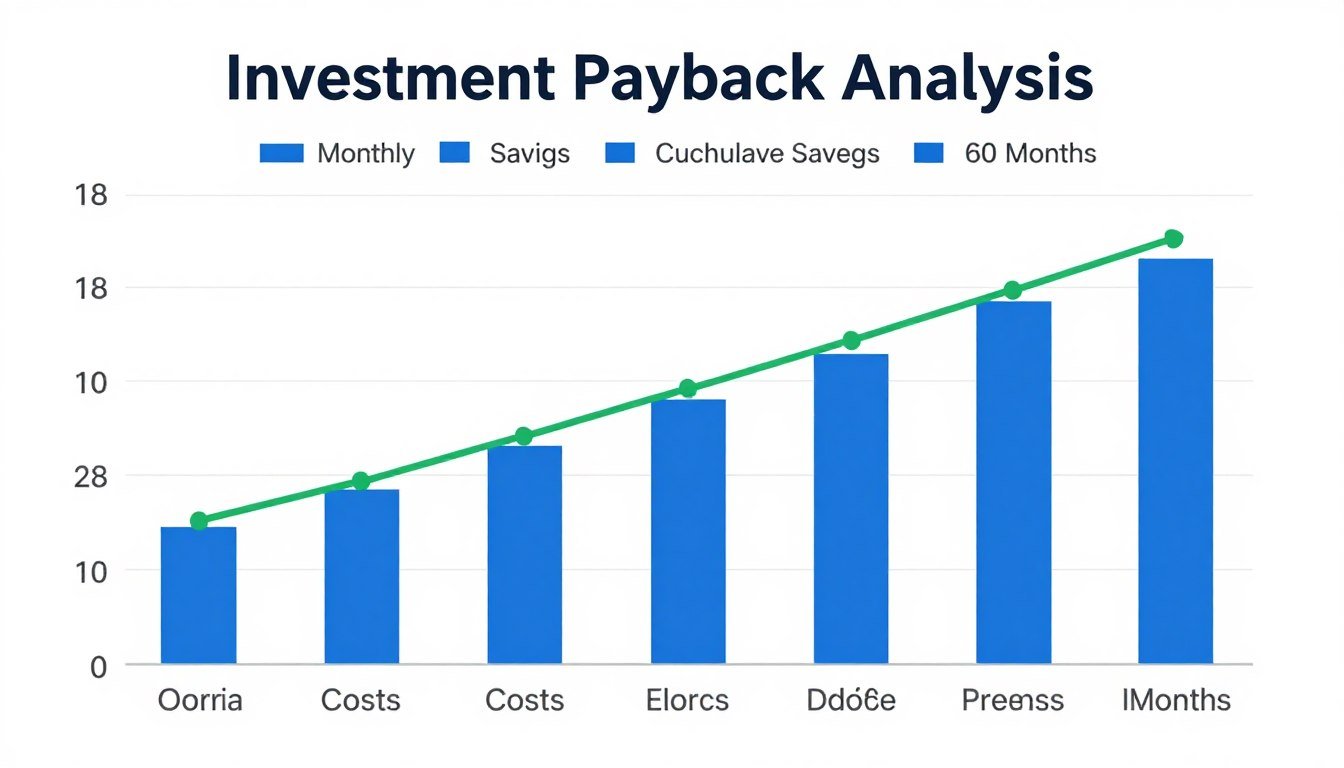
Most installations pay for themselves within 18-24 months through feed cost savings alone. This analysis shows typical payback for a medium-scale poultry operation.
Example: 5000-Bird Layer Farm Payback Analysis
Current Situation: Buying commercial layer feed at ₱28/kg
Monthly feed consumption: 30 tons (6 kg per bird per month)
Monthly commercial feed cost: ₱840,000 ($15,000 USD)
With MAIKONG Feed Pellet Machine:
Equipment investment: SZLH350 model + auxiliary equipment = $45,000 USD
Raw ingredient cost: ₱20/kg average
Monthly ingredient cost: ₱600,000 ($10,700 USD)
Monthly operating cost: $1,800 USD
Total monthly cost: $12,500 USD
Monthly savings: $15,000 – $12,500 = $2,500 USD
Payback period: $45,000 ÷ $2,500 = 18 months
5-year total savings: $2,500 × 60 months – $45,000 = $105,000 USD
This calculation demonstrates why serious poultry producers invest in their own feed pellet machine philippines. The cost savings fund expansion, improve profitability, and provide competitive advantages.
Quality Certifications and Manufacturing Standards
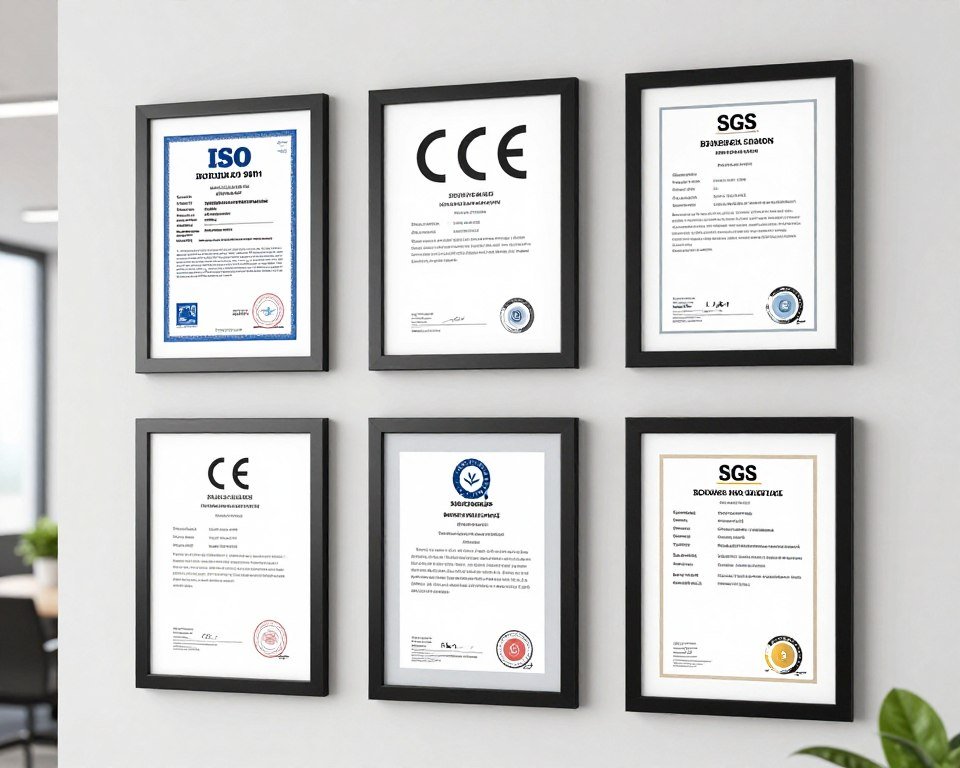
We maintain international quality certifications that validate our manufacturing processes and product reliability. These certifications matter when you’re investing significant capital in production equipment.
Our Quality Credentials
- ISO 9001:2015: Quality management systems certification covering design, manufacturing, and service processes
- CE Certification: European conformity marking for safety and environmental standards
- SGS Inspection: Third-party verification of manufacturing quality and specifications
- Patent Certificates: Proprietary designs for improved efficiency and reliability
Quality Control Process
Every machine undergoes rigorous testing before shipment. Our quality control procedures catch defects before they reach your facility.
- Incoming Material Inspection: All steel, castings, and components meet specifications before entering production
- In-Process Monitoring: Critical dimensions checked during machining and assembly
- Component Testing: Gears tested for hardness, bearings checked for clearances
- Trial Run: Complete machine operated under load for 4 hours minimum
- Final Inspection: Visual inspection, noise measurement, temperature monitoring
- Documentation: Test reports and quality certificates accompany each machine
This quality system ensures consistent performance across all machines we manufacture. You receive the same high quality whether you order one machine or an entire production line.
Installation, Training, and After-Sales Support
We don’t just ship equipment and disappear. Our support continues through installation, operator training, and ongoing technical assistance throughout your machine’s service life.
Installation Services
Our technicians travel to Philippines sites to supervise installation and commissioning. This ensures your equipment operates correctly from day one.
Installation service includes:
- Foundation review and anchor bolt verification
- Equipment positioning and alignment
- Electrical connection supervision
- Lubrication system setup
- Trial operation with your raw materials
- Performance verification against specifications
- Final adjustments and optimization
Installation typically requires 3-7 days depending on line complexity. We coordinate with your construction team and electrical contractors to minimize delays.
Operator Training Program
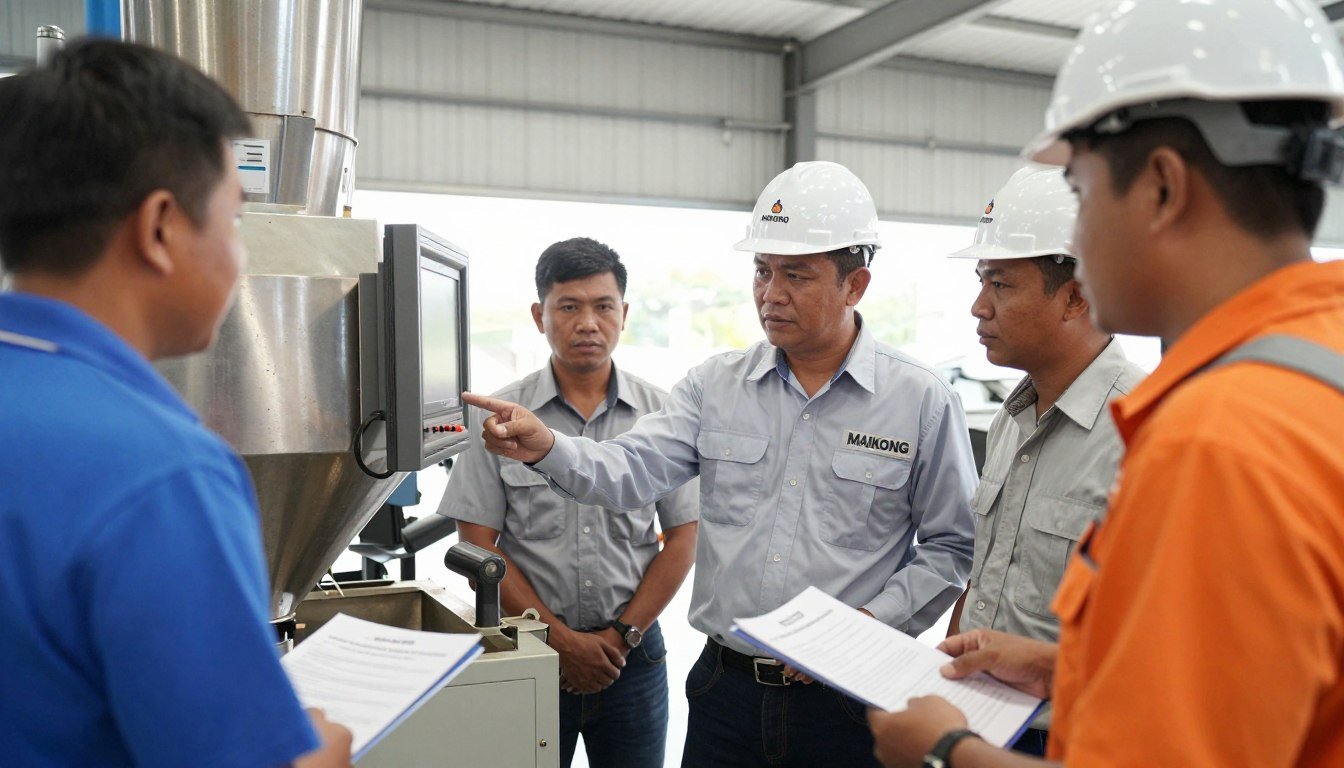
We train your operators and maintenance staff during commissioning. This hands-on training covers operation, troubleshooting, and routine maintenance procedures.
Operations Training
- Startup and shutdown procedures
- Normal operation monitoring
- Quality control checks
- Parameter adjustments
- Emergency procedures
- Production record keeping
Maintenance Training
- Daily inspection routine
- Lubrication schedule
- Die replacement procedure
- Roller adjustment
- Bearing maintenance
- Spare parts inventory
Troubleshooting Training
- Common problems identification
- Diagnostic procedures
- Corrective actions
- When to call support
- Safety protocols
- Documentation requirements
Remote Technical Support
After installation, we remain available for technical questions and troubleshooting assistance. Multiple support channels ensure you get help when needed.
Our technical team responds to inquiries within 4 hours during business days. For urgent production issues, we provide immediate phone support. Video calls let us diagnose problems remotely and guide your team through corrective actions.
Warranty Coverage
All MAIKONG feed pellet machines include comprehensive warranty protection covering defects in materials and workmanship.
Standard Warranty Terms
- Mechanical Components: 12 months from commissioning date
- Electrical Components: 12 months from commissioning date
- Wearing Parts: Not covered (ring dies, rollers, cutters)
- Coverage: Free replacement parts shipped to Philippines
- Labor: Remote support included, on-site visits quoted separately
Extended Warranty Options
- 24-Month Coverage: Add 15% to equipment price
- 36-Month Coverage: Add 25% to equipment price
- Includes: All mechanical and electrical components
- Benefits: Priority parts shipping, extended phone support
- Conditions: Requires maintenance log documentation
Warranty claims require photos or video documentation of the problem. We ship replacement parts via express courier once we verify warranty coverage. Most parts arrive within 5-7 days to Philippines locations.
Frequently Asked Questions About Feed Pellet Machines
Can I make floating fish feed pellets with your machine?
Yes, but you need an extruder rather than a standard pellet mill. Our fish feed pellet machine uses twin-screw extrusion technology that cooks starch under high temperature and pressure. This process creates the air pockets that make pellets float. Standard ring die pellet mills produce sinking pellets only. We manufacture both types and help you choose the right technology for your target species.
What size pellets should I make for chickens at different ages?
Pellet size changes as chickens grow. Day-old to 2-week chicks need crumbles (1-2mm crushed pellets). Growing chickens from 2-6 weeks eat 2.5-3mm pellets. Adult layers and broilers consume 3-4mm pellets. Our ring dies come in all these sizes. Many customers buy multiple dies to produce different pellet sizes from the same machine. We recommend the 3mm die as your primary size since it works for most production stages.
How much does it cost to produce one ton of feed pellets?
Production costs vary based on ingredient prices, but typical Philippines costs include: Raw ingredients ₱18,000-22,000 per ton ($320-390), Electricity ₱120-180 per ton ($2.15-3.20), Labor ₱50-80 per ton ($0.90-1.45), Maintenance ₱30-50 per ton ($0.55-0.90), Total: ₱18,200-22,310 per ton ($324-396). This compares to ₱25,000-30,000 per ton ($445-535) for commercial feed, saving you ₱6,700-7,700 per ton ($120-137).
Do I need a steam boiler for the conditioning process?
Steam significantly improves pellet quality and production capacity. Steam heating activates starches that bind ingredients together. This creates stronger pellets with less breakage. Steam also increases die life by reducing friction. However, small operations can start without steam using dry pelleting. Production capacity drops by 30-40% and pellet durability decreases, but you can still make usable feed. We recommend planning for steam addition when you scale up production.
Can your machine process high-fiber ingredients like rice straw?
Standard feed pellet mills handle formulas with up to 15% fiber content. Higher fiber ingredients like rice straw, grass, or alfalfa require specialized flat die machines or modified ring die configurations. Our cattle feed pellet machine models include design modifications for high-fiber formulas. These machines use lower compression ratios, larger die holes, and more aggressive roller surfaces. Describe your formula composition when requesting a quote so we can recommend the correct machine configuration.
How often do I need to replace the ring die?
Ring die life depends on several factors: ingredient abrasiveness, pellet size, operating hours, and maintenance. Typical service life ranges from 2,000 to 3,000 hours of operation. Abrasive ingredients like rice hulls or mineral supplements accelerate wear. Smaller pellet sizes wear dies faster than larger sizes. You’ll notice decreasing production capacity and poor pellet quality as the die wears. We recommend keeping one spare die in inventory so production doesn’t stop when replacement becomes necessary.
What maintenance does the feed pellet machine require?
Daily maintenance takes about 5 minutes: check bearing temperatures, inspect safety pin condition, and verify proper feeding. Weekly tasks include lubricating the gearbox and inspecting belt tensions, requiring 30 minutes. Monthly maintenance involves changing gearbox oil, inspecting die wear, and checking roller clearances, taking 2-3 hours. This schedule prevents unexpected breakdowns and extends equipment life. We provide detailed maintenance checklists and training during installation.
Can I use 220V single-phase power for my feed mill?
Single-phase 220V works for smaller machines up to the SZLH320 model (3-4 ton/hour). Larger models require 380V three-phase power due to motor size. Single-phase motors cost more and have lower efficiency than three-phase motors of equivalent power. If you’re planning significant production, consider installing three-phase service to your facility. This provides better motor performance, lower electricity costs, and more equipment options. We configure all motors to match your available power supply.
What happens if I accidentally feed metal into the machine?
Permanent magnets in the intake system catch most metal contamination before it reaches the pellet mill. If metal pieces get past the magnets, the overload protection safety pin will shear, stopping the drive train immediately. This protects your expensive motor, gearbox, and die from damage. Replacing a safety pin costs $15 and takes 15 minutes. Repairing motor or die damage costs thousands of dollars. Always use the magnetic separator and inspect the safety pin regularly.
How long does shipping to Philippines take?
Sea freight from Shenzhen to Manila takes 7-10 days. Container clearance and inland transport add another 5-7 days. Total delivery time runs 15-20 days from when we load your container. Air freight is available for urgent orders, reducing delivery to 3-5 days but increasing shipping costs significantly. We provide tracking information so you can monitor your shipment progress. Plan installation scheduling based on confirmed arrival dates to avoid delays.
Become MAIKONG’s Exclusive Philippines Partner
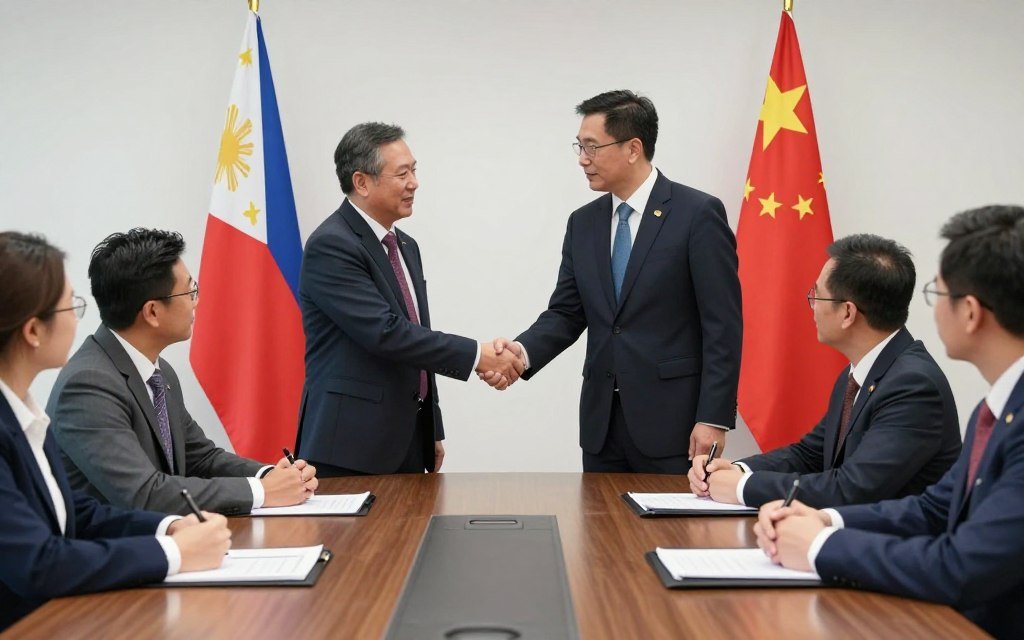
We’re expanding our Philippines distribution network. This presents a significant business opportunity for established feed equipment dealers, agriculture supply companies, and farm equipment importers.
Distributor Benefits and Support
MAIKONG distributors receive comprehensive support that makes selling and servicing feed pellet equipment profitable and sustainable.
Business Support
- Exclusive Territory: Protected geographical areas prevent distributor competition
- Attractive Margins: 25-35% profit margins on equipment sales
- Parts Revenue: Additional ongoing income from spare parts
- Installation Fees: Charge for setup and commissioning services
- Service Contracts: Annual maintenance agreements with customers
- Volume Incentives: Quarterly bonuses for meeting sales targets
Marketing Support
- Product Literature: Professional catalogs and technical documentation
- Sample Machine: Demo unit for customer trials
- Trade Show Support: Co-op advertising funds for exhibitions
- Lead Generation: Website inquiries directed to local distributors
- Social Media Assets: Professional photos and videos for promotion
- Customer References: Case studies from Philippines installations
Ideal Distributor Profile
We seek partners with established presence in Philippines agriculture markets. Successful distributors typically demonstrate these characteristics:
- Existing customer relationships in poultry, aquaculture, or livestock sectors
- Technical service capabilities with trained mechanics
- Warehouse facilities for equipment and spare parts inventory
- Financial capacity to stock demonstration equipment
- Sales team experience with capital equipment
- Commitment to customer service and after-sales support
Training and Certification Program
We invest in distributor development through comprehensive training programs. Your team gains the technical knowledge and sales skills needed to succeed.
Sales Training
- Product specifications and positioning
- Competitive advantages
- ROI calculation methods
- Proposal development
- Customer objection handling
Technical Training
- Installation procedures
- Commissioning protocols
- Maintenance requirements
- Troubleshooting diagnostics
- Parts replacement methods
Business Training
- Inventory management
- Warranty administration
- Customer documentation
- Service contract creation
- Financial reporting
Training combines factory visits to our Shenzhen facility with in-Philippines field training at customer sites. We certify your technical staff to perform warranty work and maintenance services.
Apply for MAIKONG Philippines Distributorship
Join our growing network of successful equipment distributors. We’re currently accepting applications for exclusive territory partnerships in key Philippines regions.
Start Your Feed Production Success Story Today
We’ve manufactured feed pellet machines for nearly three decades. Our experience spans small farm operations to large commercial mills across 140 countries. This global perspective combined with Philippines market knowledge positions us as your ideal equipment partner.
MAIKONG feed pellet machines deliver proven reliability, superior performance, and attractive economics. Our direct factory relationship eliminates middleman costs while maintaining premium quality standards. Customization options ensure your equipment matches Philippines electrical requirements, climate conditions, and production objectives.
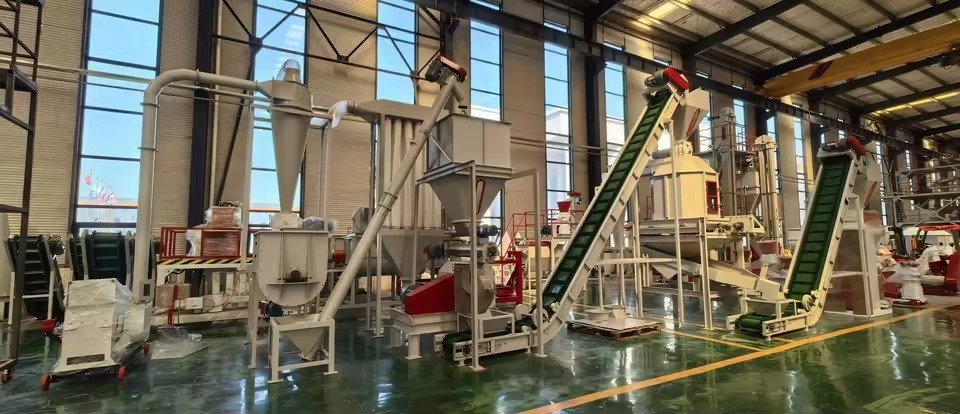
Whether you’re starting a small farm feed operation or expanding an existing commercial mill, we have the equipment and expertise to support your success. Our team stands ready to answer your questions, design your production line, and support your operation throughout the equipment lifecycle.
Next Steps to Get Started
- Contact Our Team: Reach out via WhatsApp, email, or phone to discuss your requirements
- Provide Details: Share information about your animals, production targets, and facility
- Receive Proposal: We’ll design a custom solution with detailed specifications and pricing
- Review Options: Compare different configurations and capacity levels
- Place Order: Finalize specifications and arrange payment and shipping
- Track Delivery: Monitor your shipment from our factory to your facility
- Installation: Our technicians commission equipment and train your operators
- Start Production: Begin producing high-quality feed pellets for your operation
Get Your Custom Quote Today
Tell us about your operation. We’ll respond within 24 hours with equipment recommendations and pricing tailored to your specific needs.
Contact Information
- WhatsApp/Phone: +86-135-1090-7401
- Email: Lucy@pelletmachine.ph
- Website: pelletmachine.ph
- Factory Location: Shenzhen, Guangdong, China
- Business Hours: Monday-Saturday, 8:00 AM – 6:00 PM (GMT+8)
We look forward to partnering with you to build a successful feed production operation. Contact us today to start the conversation.