Philippines Pellet Machine Manufacturer | OEM Feed Pellet Line Supplier
Pellet Machine Distributor Wanted in Philippines | MAIKONG Feed Machinery

» pellet machine
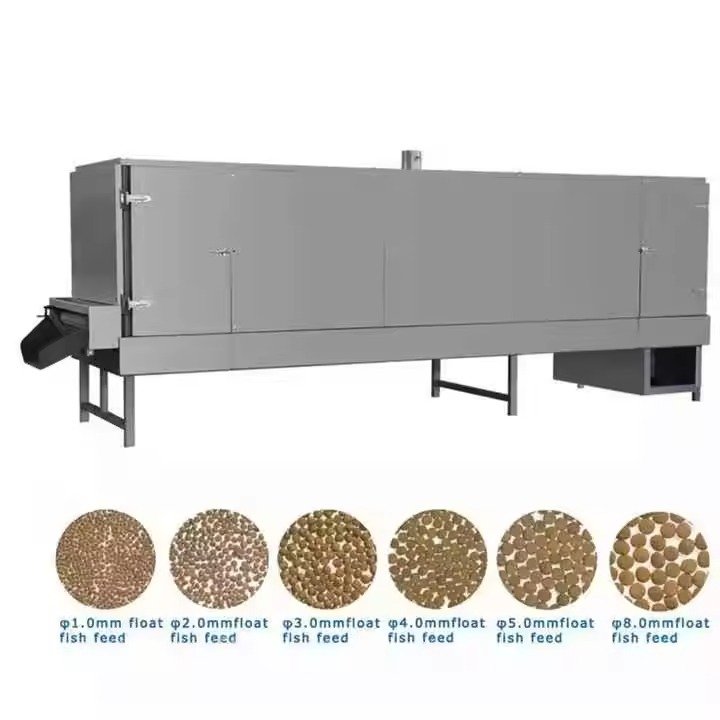 We manufacture pellet machines that solve these problems. Our equipment turns raw ingredients into custom feed pellets, giving you complete control over nutrition, quality, and cost. From 200-kilogram per hour mini operations to 200-ton industrial feed mills, our machines serve every scale of Philippine agriculture.
Start Your Custom Feed Production Today
Our engineering team will help you select the perfect pellet machine for your Philippine operation. Free consultation on capacity, voltage requirements, and pellet specifications for your livestock or aquaculture needs.
Why Philippine Farms Need Professional Pellet Machines
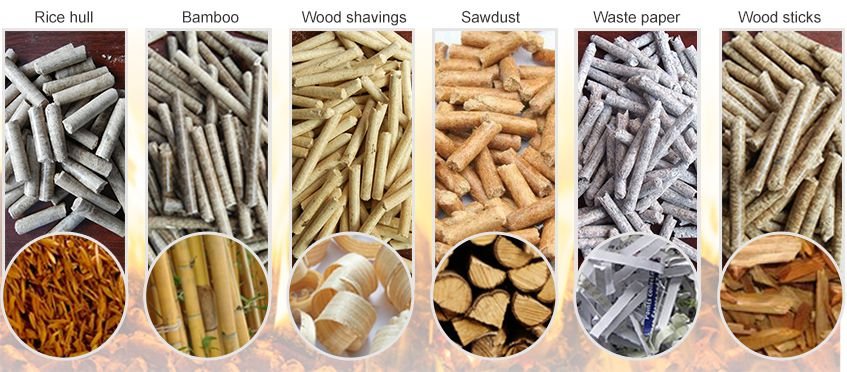
Most small to medium Philippine farms still mix loose grains or buy expensive commercial feeds. Both approaches cost you money and limit your control over animal nutrition.
The Hidden Costs of Traditional Feeding Methods
Loose grain feeding leads to selective eating. Chickens pick out corn and leave essential minerals. Fish consume only floating particles and ignore sinking nutrients. This selective feeding creates nutritional imbalances that slow growth rates.
Feed waste reaches 10-15% with powdered or loose feeds. Wind scatters lightweight particles. Animals trample feed into dirt and bedding. Moisture ruins stored materials. Every wasted kilogram directly reduces your profit margin.
Problems with Loose Feed
- Animals select preferred ingredients only
- Nutritional imbalance affects growth rates
- 10-15% waste from scattering and trampling
- Moisture damage during storage
- Difficult to measure exact portions
- Takes longer feeding time daily
Benefits of Pellet Feed
- Complete nutrition in every pellet
- Waste reduced to less than 5%
- Better feed conversion ratios
- Extended shelf life up to 6 months
- Precise portion control
- Faster feeding reduces labor costs
How Pellet Machines Improve Feed Conversion Rates
The pelleting process applies heat and pressure that changes feed at a molecular level. Starches gelatinize and become more digestible. Anti-nutritional factors in raw ingredients break down. Harmful bacteria die during the high-temperature compression.
Our customers report feed conversion rate improvements of 8-15% after switching to pelleted feed. A broiler farm in Bulacan reduced their feed-to-meat ratio from 1.9 to 1.65 within three months. That difference means 15% less feed cost for the same meat production.
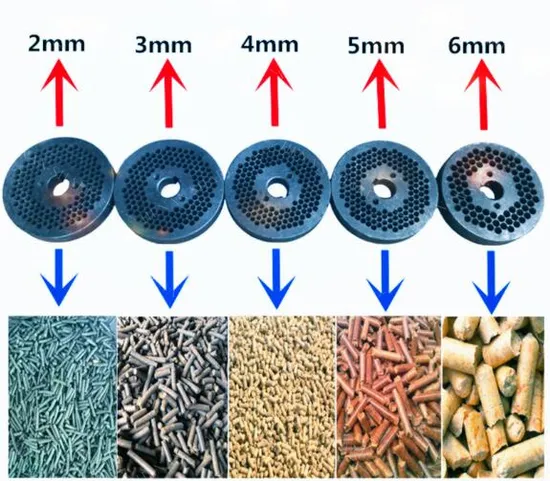
Understanding Different Types of Pellet Machines
Not all pellet machines work the same way. The design differences between flat die and ring die machines affect which one suits your operation best.
Flat Die vs Ring Die Pellet Mills
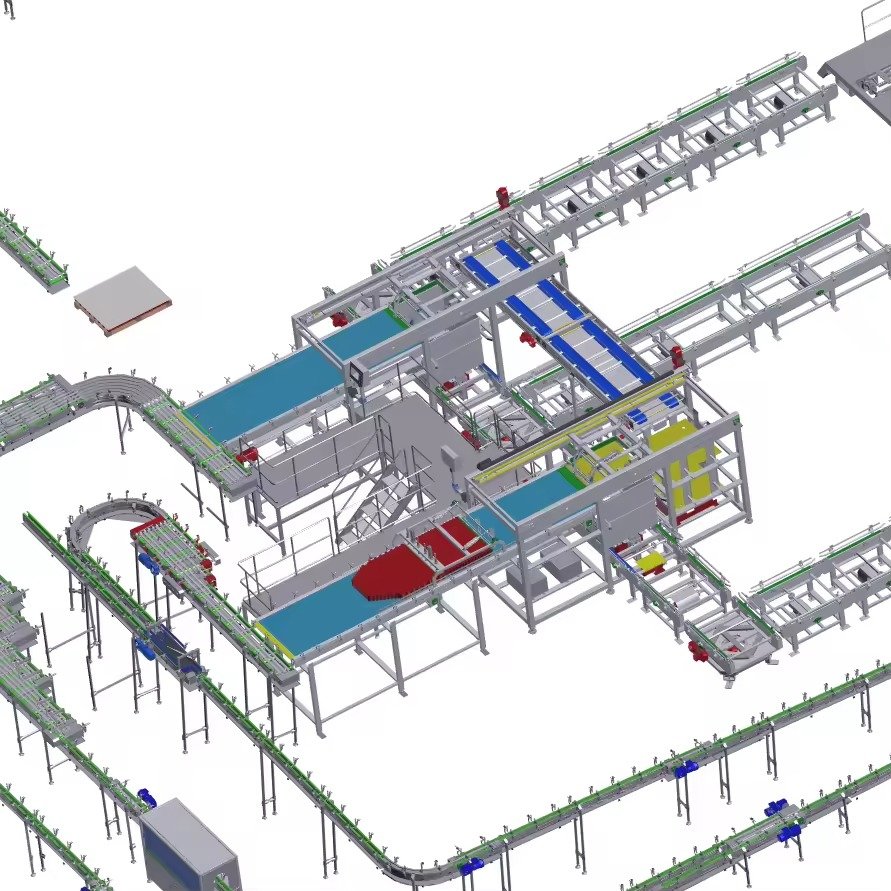
Flat die machines work well for small-scale operations under 500 kilograms per hour. The flat die sits horizontal while rollers press material through the holes from above. These machines cost less initially and need simpler maintenance.
Ring die pellet machines dominate commercial feed production for good reasons. The vertical ring die rotates while internal rollers press material outward through the die holes. This design handles higher capacities from 1 ton per hour to 40 tons per hour. We manufacture exclusively ring die machines because they deliver the reliability and output our Philippine customers need.
| Feature | Flat Die Machine | Ring Die Machine |
| Capacity Range | 100-500 kg/hour | 1,000-40,000 kg/hour |
| Power Consumption | Higher per kilogram | Lower per kilogram |
| Pellet Quality | Acceptable for basic feeds | Superior uniformity and durability |
| Initial Investment | Lower cost | Higher initial cost |
| Operating Cost | Higher long-term | Lower long-term |
| Die Replacement | More frequent | Less frequent |
| Best Application | Home farms, experiments | Commercial production |
Key Components That Define Pellet Machine Quality
Five critical components determine whether a pellet machine performs reliably or breaks down frequently. We design every MAIKONG machine with premium materials in these areas.
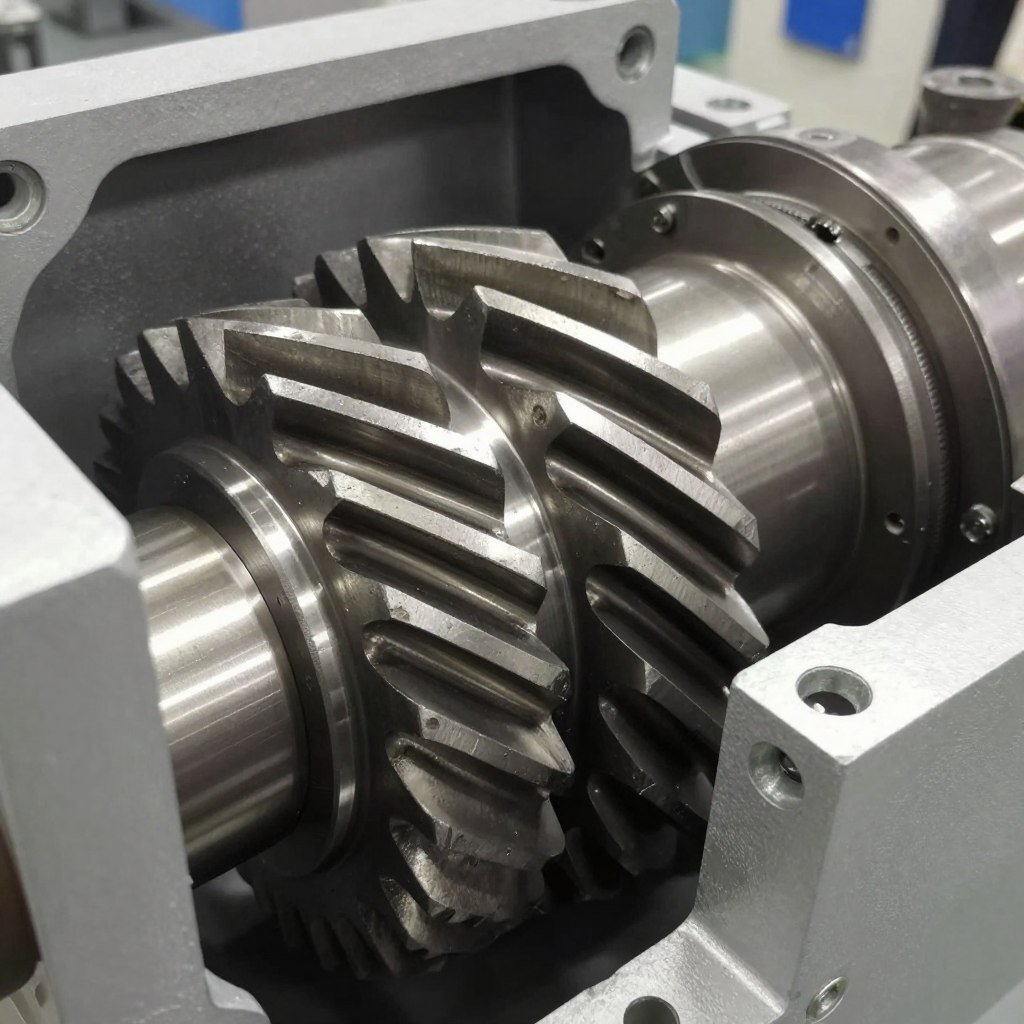
Gear Transmission System
Our gear-driven transmission delivers 15% higher output compared to belt-drive systems. High-precision aviation-grade gear grinding technology ensures smooth operation and minimal noise. The 42CrMo material used in our gears provides exceptional durability even under continuous operation.
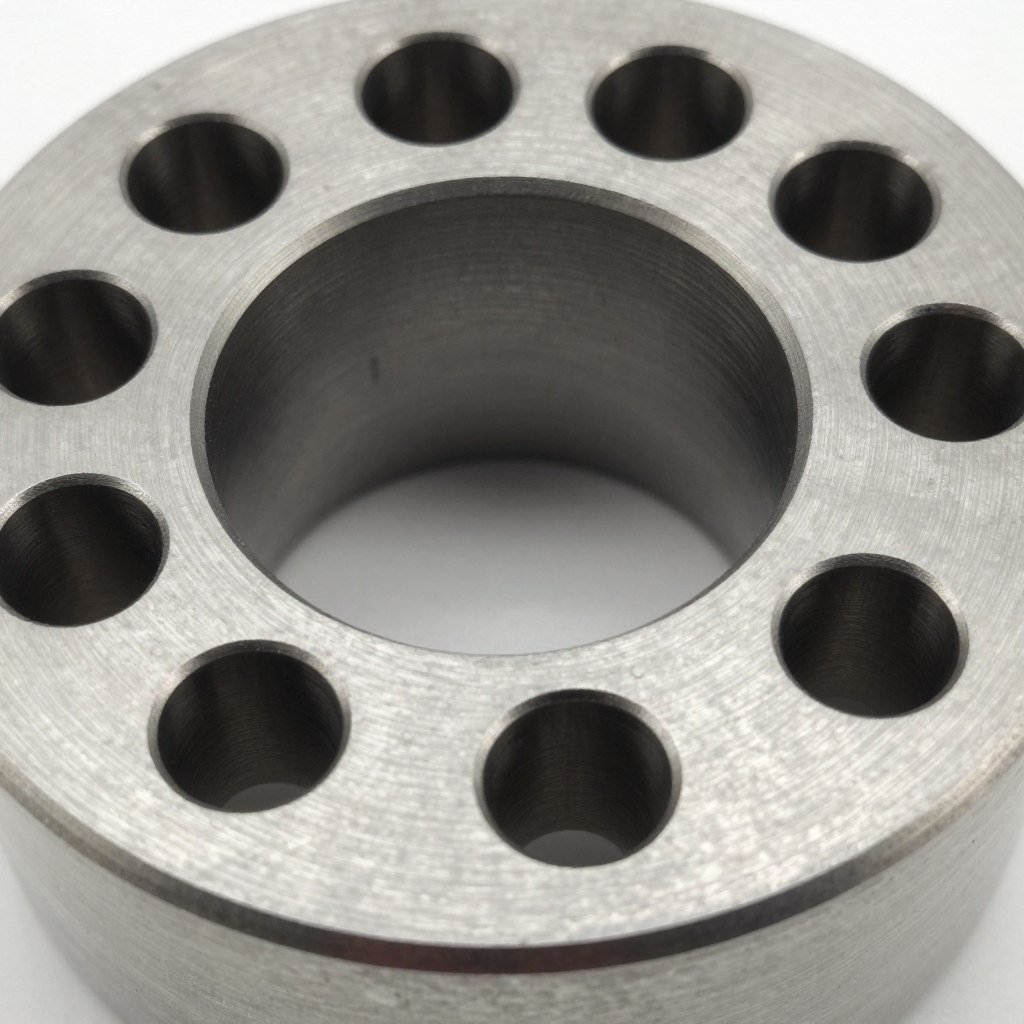
Ring Die Quality
We manufacture ring dies in stainless steel with diameters from 250mm to 762mm. The die material and hole configuration directly affect pellet quality and production rates. Each die undergoes heat treatment to extend working life beyond 800 operating hours.
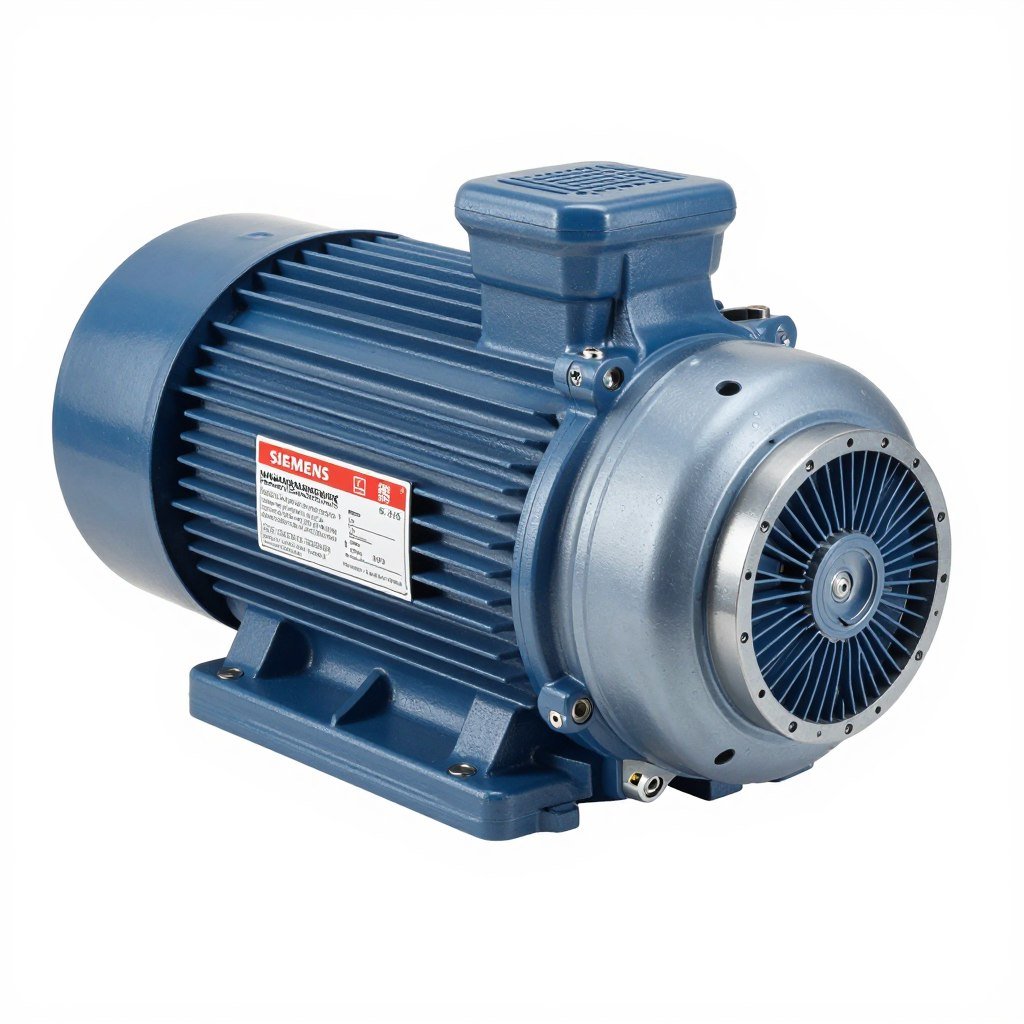
Motor Specification
Every MAIKONG pellet machine uses genuine Siemens motors. These motors provide consistent power delivery with lower electricity consumption compared to generic alternatives. The 4-pole design offers the perfect balance between torque and efficiency for pelletizing applications.
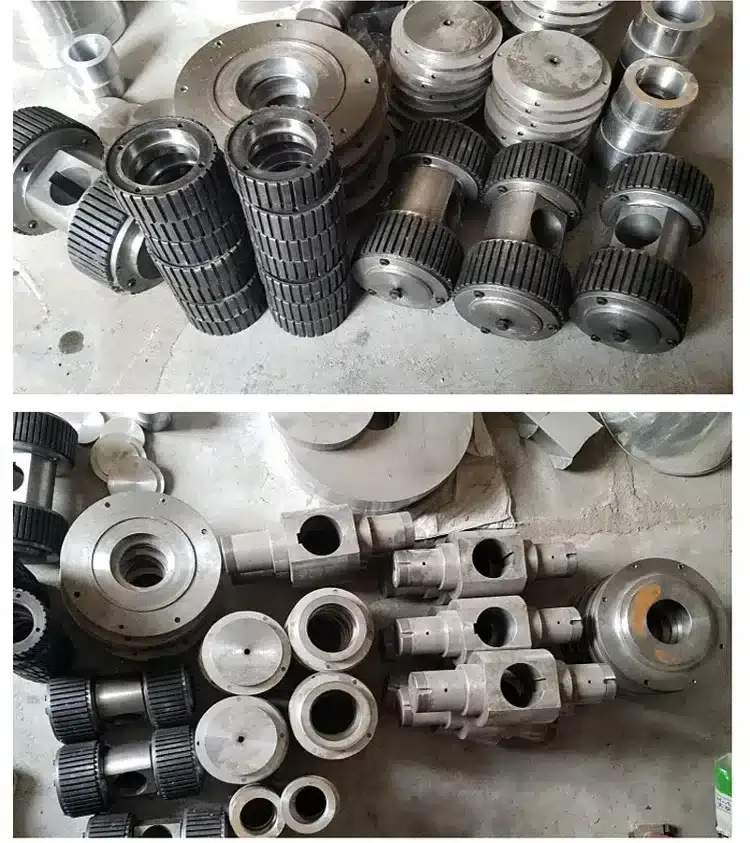
Conditioner Options
The conditioner pre-treats raw material before pelleting. We offer single-layer, double-layer, three-layer, and dual-axis differential conditioners. Steam injection at this stage increases pellet binding and kills harmful bacteria through heat treatment.
Bearing Quality
We import all bearings from trusted manufacturers. Bearing failure causes most pellet machine downtime. Our bearing selection considers the extreme radial and thrust loads created during the pelleting process to prevent premature wear.
Safety Systems
Mechanical overload protection uses a safety pin that breaks when motor load exceeds safe limits. This simple system prevents catastrophic damage to gears and dies. The door cover includes a travel switch that automatically cuts power when opened.
Get Detailed Specifications for Your Requirements
Send us your production capacity needs, raw material types, and pellet size preferences. We will recommend the optimal machine configuration and provide a detailed technical specification document within 24 hours.
MAIKONG Pellet Machine Models and Specifications
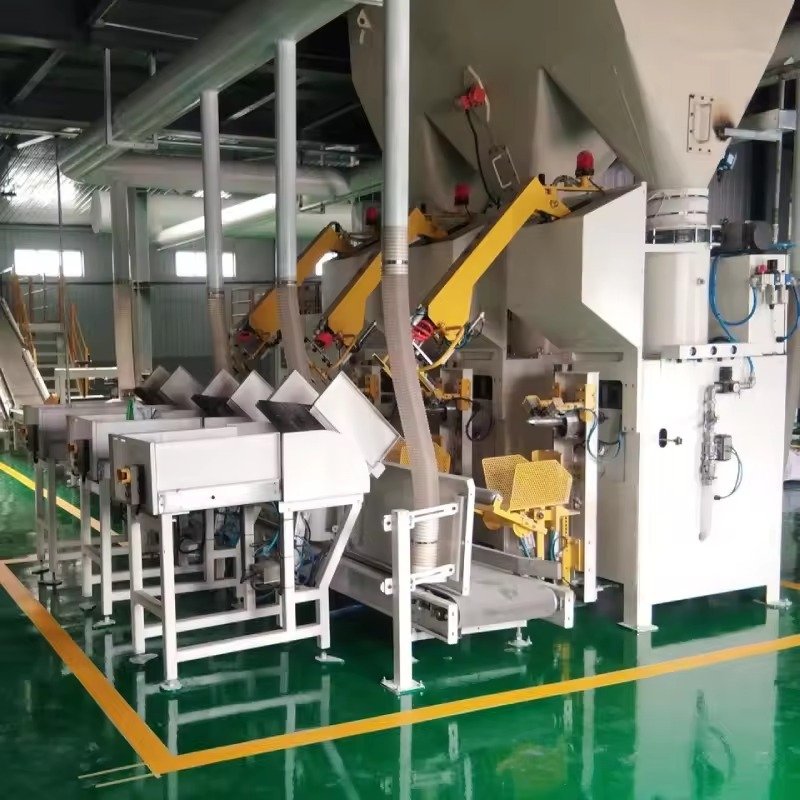
We manufacture eight different models to match every production scale from small farm operations to large commercial feed mills. Each model shares the same quality construction standards while offering different capacity ranges.
Small to Medium Capacity Models
Our SZLH250 and SZLH320 models serve small farm operations, local feed shops, and startup feed businesses throughout the Philippines. These machines deliver commercial-grade quality at entry-level investment.
| Specification | SZLH250 | SZLH320 | SZLH350 |
| Output Capacity | 1-1.5 tons/hour | 3-4 tons/hour | 5-6 tons/hour |
| Main Motor Power | 22 kW | 37 kW | 55 kW |
| Ring Die Diameter | 250 mm | 320 mm | 350 mm |
| Feeder Power | 1.1 kW | 1.5 kW | 1.5 kW |
| Conditioner Power | 1.5 kW | 2.2 kW | 3 kW |
| Pellet Diameter Range | 2-12 mm | 2-12 mm | 2-12 mm |
| Best For | Small poultry farms, fish hatcheries | Medium farms, local feed shops | Growing operations, cooperatives |
| Recommended Daily Operation | 8-16 hours | 8-20 hours | 16-24 hours |
Medium to Large Capacity Industrial Models
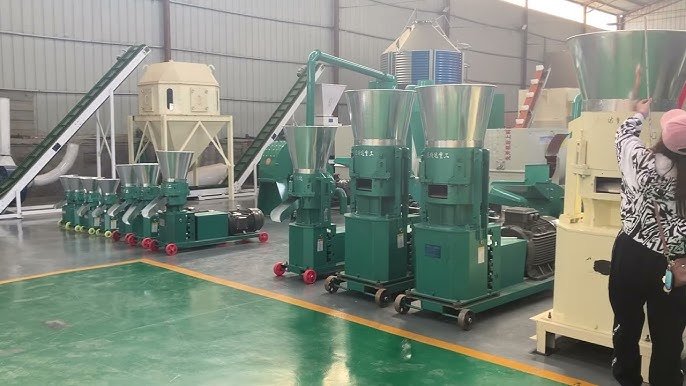
Feed mill operations, large-scale farms, and commercial feed producers choose our SZLH420 through SZLH558 models. These machines run continuously for 24-hour production schedules.
| Specification | SZLH420 | SZLH508 | SZLH558 |
| Output Capacity | 10-12 tons/hour | 15-16 tons/hour | 20-22 tons/hour |
| Main Motor Power | 110 kW | 160 kW | 185 kW |
| Ring Die Diameter | 420 mm | 508 mm | 558 mm |
| Feeder Power | 1.5 kW | 2.2 kW | 2.2 kW |
| Conditioner Power | 7.5 kW | 11 kW | 11 kW |
| Best For | Commercial feed mills, large farms | Regional feed distributors | Major feed production facilities |
| Production Per Day (24hrs) | 240-288 tons | 360-384 tons | 480-528 tons |
High-Capacity Industrial Production Models
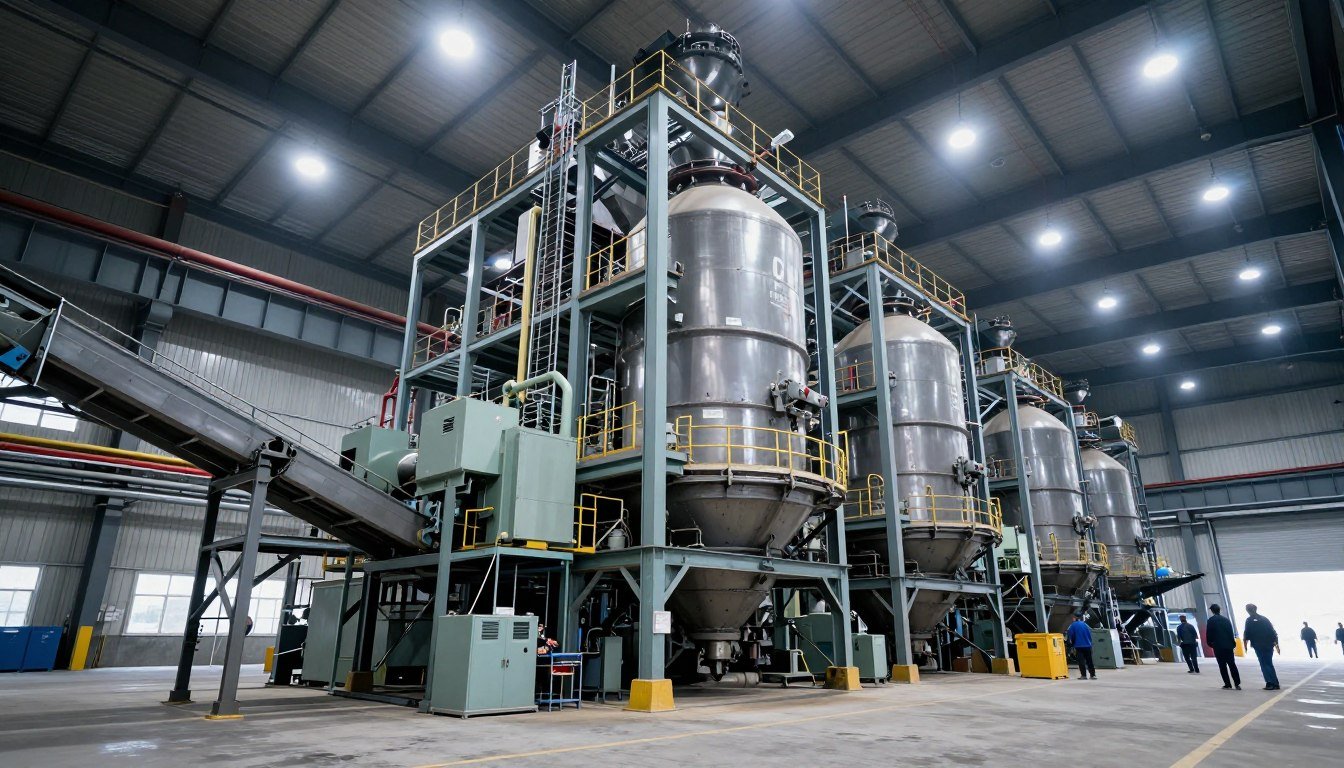
Our largest models serve major feed corporations, government agricultural programs, and export-oriented feed manufacturers. The SZLH678 and SZLH768 represent the peak of feed pelleting technology.
| Specification | SZLH678 | SZLH768 |
| Output Capacity | 30-33 tons/hour | 38-40 tons/hour |
| Main Motor Power | 250 kW | 315 kW |
| Ring Die Diameter | 673 mm | 762 mm |
| Feeder Power | 2.2 kW | 2.2 kW |
| Conditioner Power | 11 kW | 11 kW |
| Best For | Large-scale commercial production | Maximum capacity feed plants |
| Production Per Day (24hrs) | 720-792 tons | 912-960 tons |
| Floor Space Required | Approximately 8-10 square meters | Approximately 10-12 square meters |
Custom Pellet Machine Configuration for Your Operation
Every farm and feed mill has unique requirements. We customize voltage (220V/380V/415V), motor specifications, die hole sizes, conditioner types, and production capacity to match your exact needs. Our engineers have configured machines for over 140 countries worldwide.
Pellet Machine Applications for Philippine Agriculture
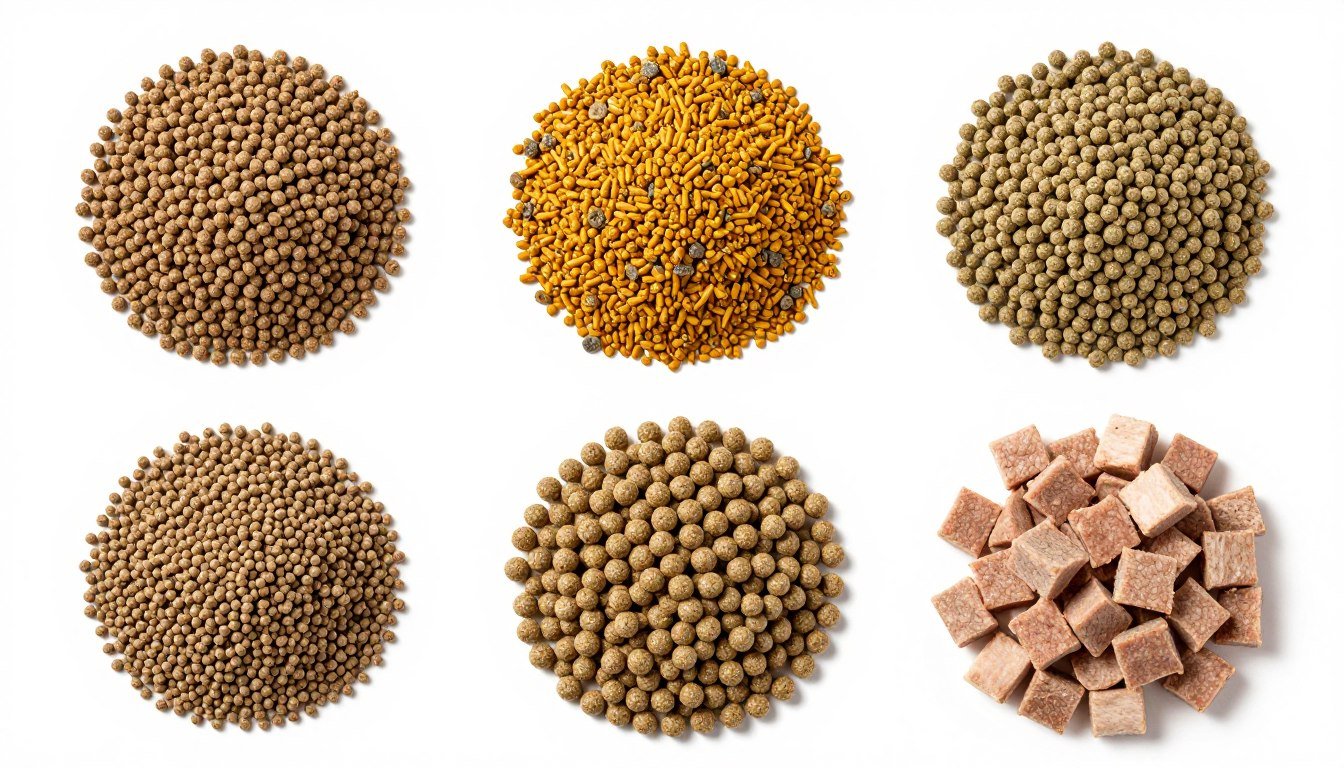
The same pellet machine technology adapts to completely different industries by changing the die specifications and formula inputs. We serve six major agricultural sectors in the Philippines.
Poultry Feed Production
Chicken farms represent our largest customer segment in the Philippines. Chicken feed production lines require pellet sizes from 2mm for day-old chicks to 5mm for adult layers and broilers.
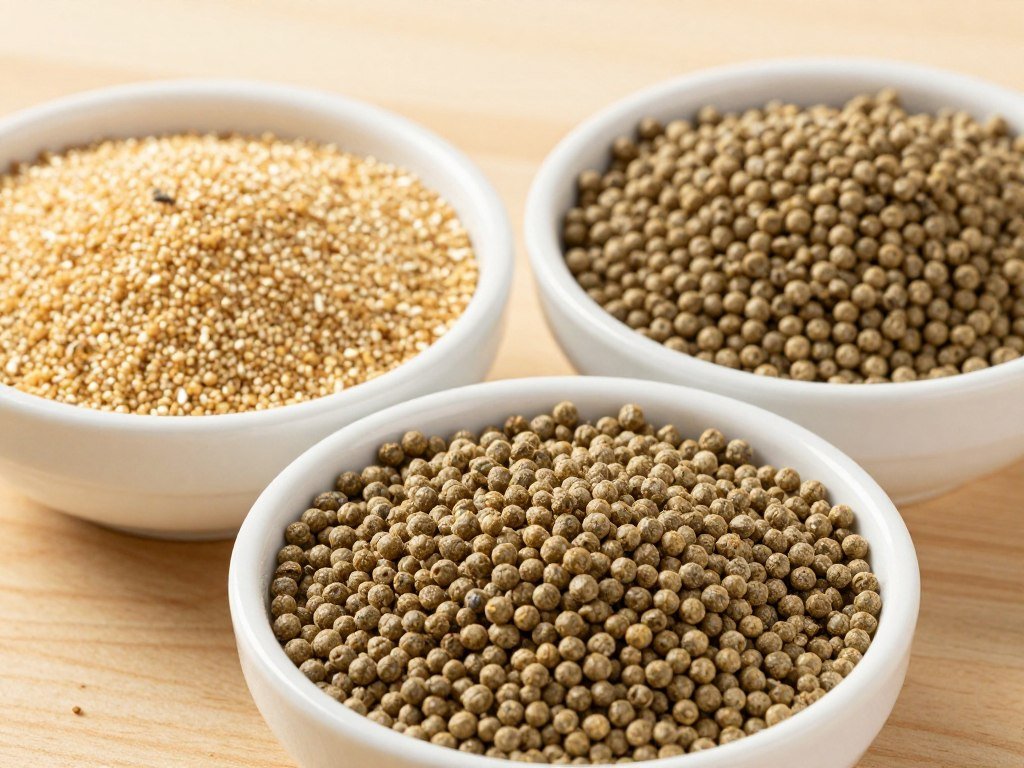
Broiler Feed Formulations
Broiler chickens need high-protein feed that promotes rapid weight gain. Our pellet machines process corn, soybean meal, fish meal, vitamins, and minerals into uniform pellets. The high-temperature pelleting process improves starch digestibility and protein availability.
A 3-4 ton per hour machine produces enough feed for approximately 50,000 broiler chickens from hatching to market weight. The SZLH320 model fits this capacity perfectly for medium-scale integrators in Luzon and Mindanao.
Layer Feed Requirements
Laying hens need calcium-rich pellets for strong eggshells. We customize poultry feed production lines with formulation flexibility that adjusts calcium levels based on hen age and production stage.
The pelleting process helps prevent ingredient separation. Calcium supplements stay evenly distributed throughout each pellet instead of settling to the bottom of mixed feeds. This ensures consistent nutrition with every peck.
“We switched to MAIKONG pellet machines two years ago. Our egg production increased by 12% and shell quality problems decreased by 40%. The investment paid for itself in 14 months.”
Aquaculture Feed Manufacturing
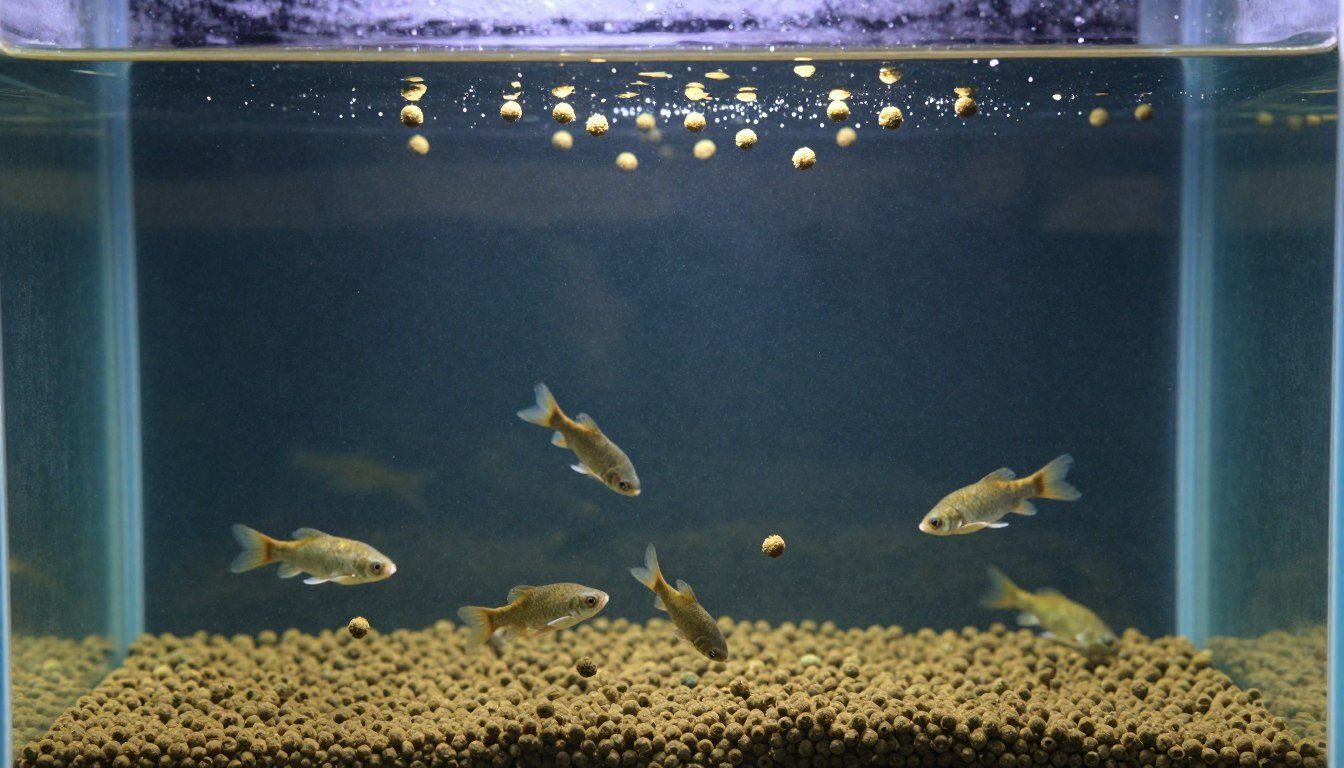
Fish and shrimp farming dominates coastal Philippine agriculture. Fish feed production lines require water-stable pellets that sink at controlled rates and resist dissolution.
Tilapia and Bangus Feed
These popular fish species need pellets between 3-6mm diameter depending on fish size. The feed must maintain integrity for at least 2 hours in water without significant dissolution. Our machines produce pellets with water stability exceeding 4 hours through optimal compression and binding.
We work with several aqua feed production line operators who serve fish cage farms throughout Laguna de Bay and Taal Lake. Their feedback directly influences our die design improvements.
Shrimp and Prawn Feed
Crustacean feeds demand even higher water stability than fish feeds. Shrimp are slow eaters that nibble pellets over hours. A shrimp feed production line requires specialized die configurations and higher compression forces.
The SZLH350 or larger models work best for shrimp feed due to the pressure requirements. Smaller machines struggle to achieve the density needed for long water stability in tropical conditions.
Livestock Feed for Cattle and Swine
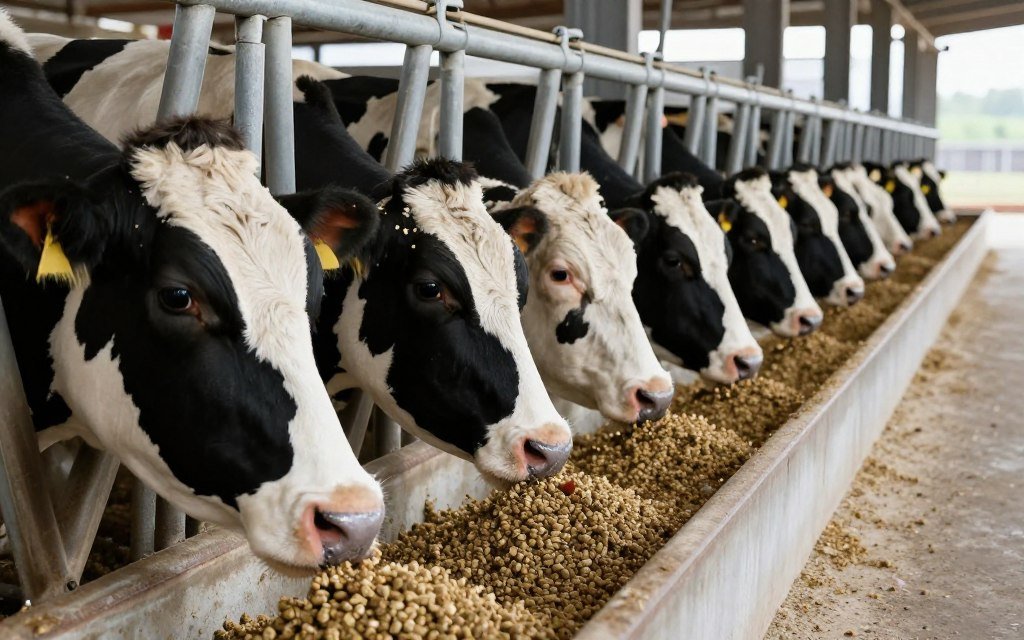
Large animals consume massive quantities of feed daily. Cattle feed pellet production lines and pig feed production lines typically operate at higher capacities than poultry systems.
Cattle and Carabao Feed
Ruminants benefit from larger pellets between 6-12mm diameter. These animals have powerful jaws and larger digestive systems that process bigger feed particles efficiently. Cattle feed pellet machines compress grass meals, rice straw, corn silage, and protein supplements into dense pellets that reduce feeding time.
Swine Nutrition
Pig farmers choose pellet sizes based on animal age. Piglets need 3mm pellets while finishing hogs eat 5-6mm pellets comfortably. The pelleting process breaks down fiber in ingredients like copra meal and rice bran, making them more digestible for monogastric animals.
Goat and Sheep Feed
Small ruminants thrive on 4-6mm pellets combining forage meals with grain concentrates. Pelletized feed prevents selective eating and ensures these animals receive balanced nutrition even when grazing conditions are poor during dry seasons.
Pet Food and Specialty Feed
The growing pet industry in Metro Manila, Cebu, and Davao creates demand for locally-produced pet food. Pet feed production lines allow entrepreneurs to compete with imported brands using local ingredients.
Dog and cat food requires smaller pellet sizes (2-4mm) with precise nutrition profiles. We help pet food startups configure machines that meet PAFRA (Philippine Animal Feed Regulatory Authority) standards for commercial pet food manufacturing.
Specialty Agricultural Applications
Beyond animal feed, our pellet machines process agricultural by-products into valuable products:
- Fertilizer pellet machines convert composted manure and agricultural waste into organic fertilizer pellets
- Biomass pellet machines process rice husks and coconut shells into fuel pellets for industrial boilers
- Alfalfa pellet machines compress dried forage into convenient storage and transport form
- Wood pellet machines turn sawdust and wood waste into renewable energy pellets
Find the Perfect Solution for Your Industry
Each agricultural sector has unique feed requirements. Tell us about your animals, production scale, and raw materials. We will recommend the optimal pellet machine configuration and die specifications for your specific application.
How Pellet Machines Work: The Complete Process
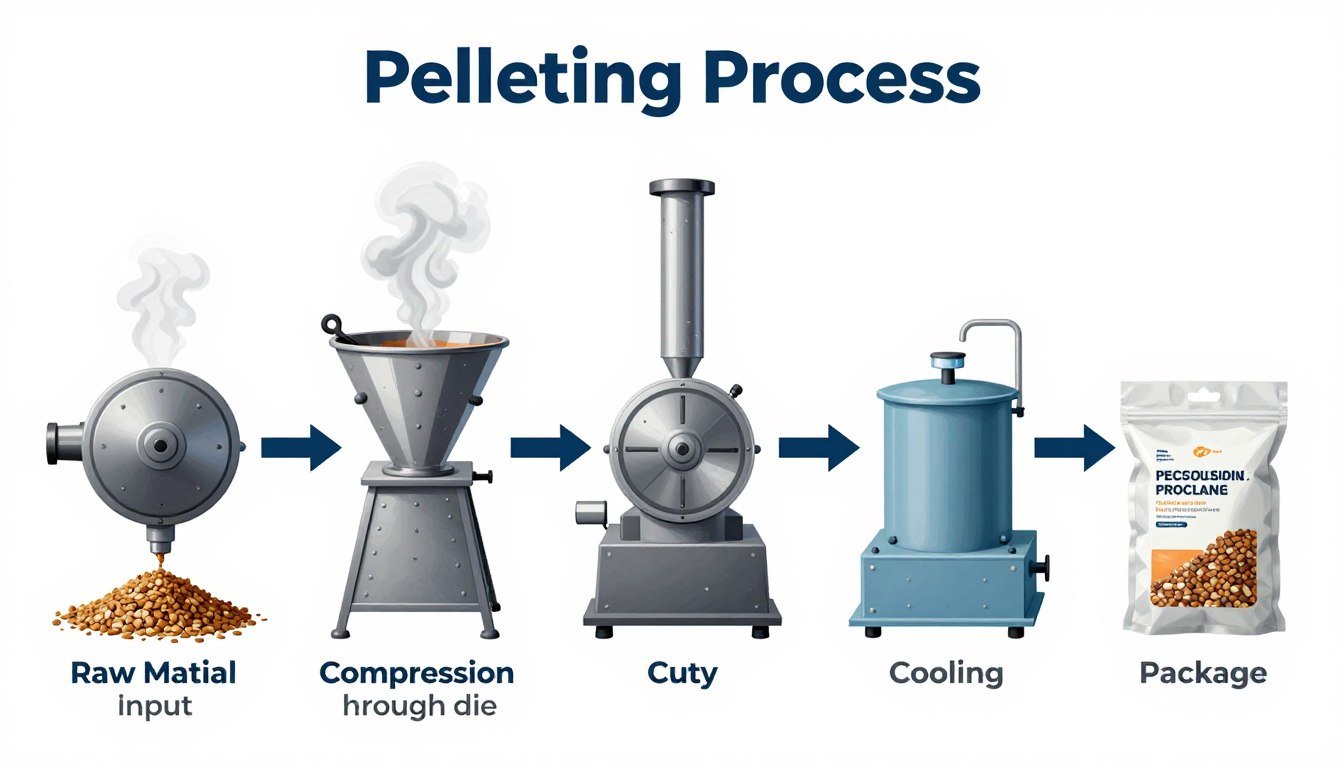
Understanding the pelleting process helps you optimize your operation and troubleshoot problems. The journey from raw powder to finished pellet involves six distinct stages.
Stage One: Raw Material Preparation
Feed formulation starts with grinding raw ingredients to appropriate particle sizes. Corn, grains, and large materials pass through a hammer mill that reduces particle size to 1.5-2.0mm. This grinding ensures uniform mixing and proper pelleting.
Ingredient moisture content must fall between 12-14% for optimal pelleting. Material that is too dry produces weak pellets that crumble easily. Excess moisture creates sticky material that clogs the die holes. We test moisture levels at our factory and teach proper moisture management to all customers.
Stage Two: Precise Batching and Mixing
A batching system weighs each ingredient according to the formula recipe. Accuracy matters because nutritional claims depend on precise ingredient ratios. Our recommended mixing systems achieve coefficient of variation below 5%, meaning nutrients distribute uniformly throughout the batch.
Pro Tip: Always add liquid ingredients like oils and molasses after dry mixing completes. Adding liquids too early causes ingredients to ball up instead of mixing evenly. Spray liquids onto the mixed powder in the final 60 seconds of mixing time.
Stage Three: Steam Conditioning
The conditioner adds steam and moisture to the mixed feed before pelleting. Steam heat reaches 75-110°C depending on the formula. This heating serves four purposes:
- Gelatinizes starch molecules, making them sticky binders that hold pellets together
- Denatures protein structures, improving digestibility for animals
- Kills harmful bacteria like Salmonella and E. coli through heat treatment
- Softens fiber particles, allowing better compression through the die
Single-layer conditioners work for basic feeds. Double-layer or triple-layer conditioners provide longer retention time for formulas with high fiber content or special ingredients that need more heat exposure. We help customers select the right conditioner based on their formula complexity.
Stage Four: Compression Through the Ring Die
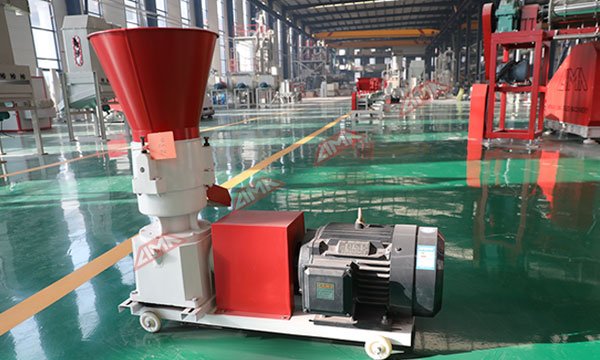
Conditioned material flows into the pelleting chamber where the magic happens. The rotating ring die spins at specific RPM while pressure rollers press material outward through the die holes. Pressure reaches several tons per square centimeter during this compression.
Material forced through the die holes undergoes intense compression and friction. This generates additional heat (often reaching 85-95°C at the die surface) that further cooks the feed and activates natural binders. The material emerges from the die holes as continuous strands of hot, compressed pellets.
Stage Five: Cutting to Length
Fixed knives positioned outside the ring die cut the pellet strands to desired lengths as they emerge. Most animal feeds use pellet lengths between 6-15mm. Longer pellets reduce fines but may be difficult for small animals to consume. Shorter pellets produce more dust but work better for young animals.
Our machines include two adjustable cutters that allow precise length control. Replace cutting blades every 800-1000 operating hours to maintain clean cuts and minimize pellet dust generation.
Stage Six: Cooling and Screening
Fresh pellets exit the machine at 75-85°C with moisture content around 15-17%. Immediate cooling is essential. Hot pellets are soft and will deform or break if stored immediately. High moisture content promotes mold growth during storage.
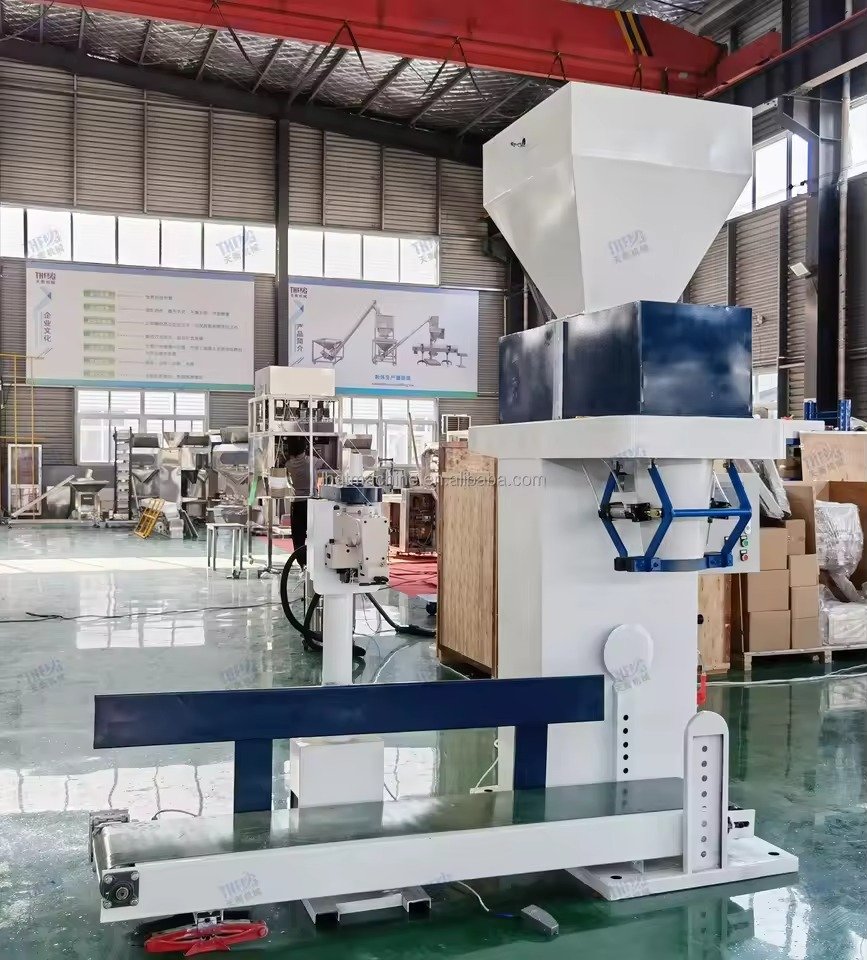
A counter-flow cooler passes ambient air through the pellet bed, reducing temperature to within 5°C of room temperature and lowering moisture to 12-13%. Properly cooled pellets achieve maximum hardness and durability for transport and storage.
After cooling, a vibrating screen removes fines and broken pellets. These fines return to the mixing system for re-pelleting. Quality pellet production maintains fines below 5% of total output.
Pellet Machine Price Guide for Philippine Buyers
Understanding pellet machine pricing helps you budget correctly and compare offers fairly. Multiple factors influence the final pelletizing machine price in the Philippines.
Base Equipment Pricing Structure
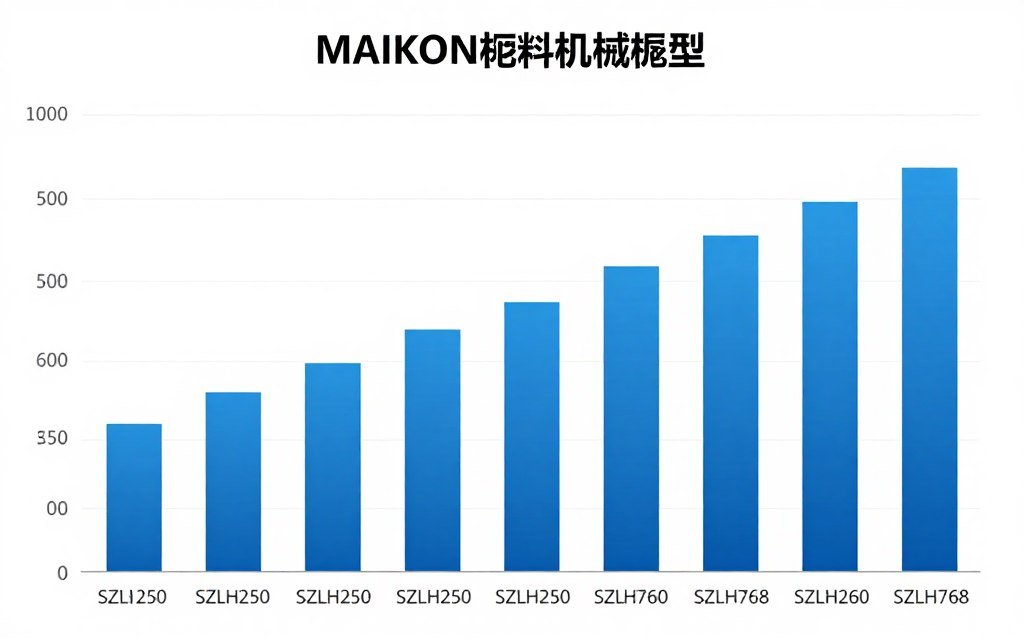
Our pellet machine price ranges from FOB USD 7,000 for the smallest SZLH250 model to USD 100,000 for the largest SZLH768 configuration. These are factory-direct prices from our Shenzhen manufacturing facility.
| Model | Capacity | Base Price Range (USD FOB) | Best Value For |
| SZLH250 | 1-1.5 t/h | 7,000 – 12,000 | Startup farms, testing formulas |
| SZLH320 | 3-4 t/h | 15,000 – 22,000 | Growing operations |
| SZLH350 | 5-6 t/h | 22,000 – 32,000 | Established medium farms |
| SZLH420 | 10-12 t/h | 38,000 – 52,000 | Commercial feed mills |
| SZLH508 | 15-16 t/h | 52,000 – 68,000 | Regional distributors |
| SZLH558 | 20-22 t/h | 68,000 – 82,000 | Large-scale production |
| SZLH678 | 30-33 t/h | 82,000 – 95,000 | Major feed corporations |
| SZLH768 | 38-40 t/h | 95,000 – 100,000+ | Maximum capacity facilities |
Factors Affecting Your Final Investment
The base machine price represents only part of your total investment. Several variables adjust the final cost up or down based on your specific requirements.
Configuration Customization
Standard machines use 380V/50Hz three-phase power suitable for most Philippine industrial locations. Voltage customization to 220V or 415V adds minimal cost. Changing to 60Hz frequency for compatibility with specific generator systems requires motor modifications.
Conditioner selection impacts price. Single-layer conditioners come standard. Upgrading to double-layer conditioning adds approximately 8-12% to base price. Triple-layer conditioning for specialized feeds adds 15-20%.
Die and Wear Part Options
Stainless steel ring dies cost 30-40% more than standard carbon steel dies but last twice as long in corrosive environments. Fish feed and organic fertilizer production benefits from stainless steel dies. Poultry and livestock feed works fine with carbon steel.
Die hole diameter and configuration affect cost slightly. Standard dies include holes from 2mm to 12mm. Custom die patterns for unusual pellet shapes may require special manufacturing that adds 5-8% to die cost.
Complete Production Line Investment
Most customers need more than just the pellet machine itself. A complete feed pellet production line includes material handling, mixing, conditioning, pelleting, cooling, and packaging equipment.
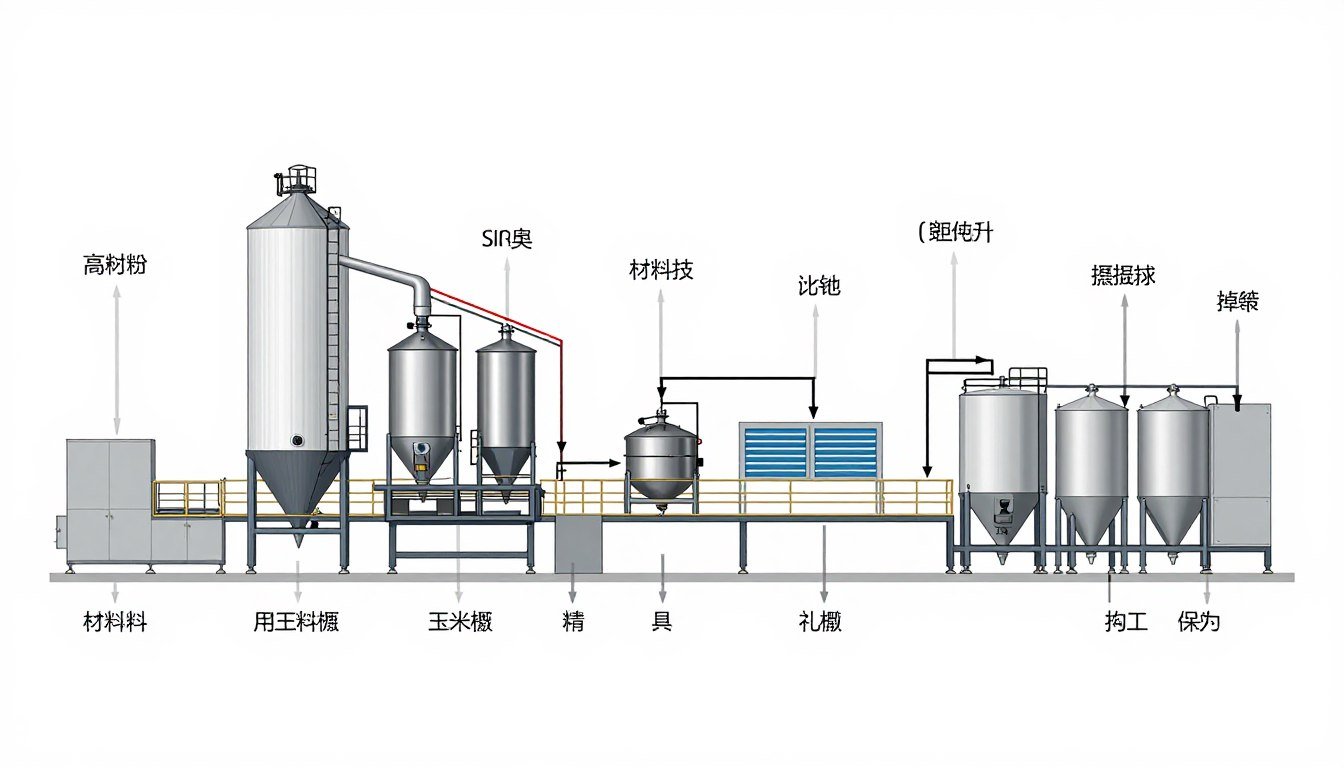
| Production Scale | Equipment Included | Total Investment Range (USD) | Space Requirements |
| 1-2 tons/hour | Hammer mill, mixer, SZLH250, cooler, packing | 25,000 – 45,000 | 300-500 m² |
| 3-5 tons/hour | Full line with dust collection system | 65,000 – 110,000 | 400-800 m² |
| 8-10 tons/hour | Automated batching, full processing line | 180,000 – 280,000 | 800-2000 m² |
| 15-20 tons/hour | Computer control, silos, full automation | 350,000 – 550,000 | 1500-3000 m² |
Why MAIKONG Offers Better Value Than Competitors
Price comparisons must consider total cost of ownership, not just initial purchase price. Three factors make MAIKONG pellet machines a superior value proposition:
Lower Operating Costs
Our gear-driven transmission uses 15% less electricity than belt-driven competitors. Over 10 years of operation, this saves thousands of dollars in power bills. Longer-lasting components reduce maintenance expenses and downtime costs.
Higher Actual Output
Many manufacturers rate capacity under ideal laboratory conditions. Our specifications reflect real-world production with typical raw materials. Customers regularly achieve 95-98% of rated capacity during normal operations.
Complete After-Sales Support
We maintain spare parts inventory for immediate shipping to the Philippines. English-speaking technical support answers questions within 24 hours. Our machines come with detailed operation manuals and training videos specific to Philippine conditions.
Get Your Detailed Quotation with ROI Analysis
Send us your production requirements and we will provide a complete quotation including equipment costs, shipping to the Philippines, recommended spare parts, and projected return on investment based on your local feed prices. Most quotations delivered within 24 hours.
Essential Pellet Machine Parts and Maintenance
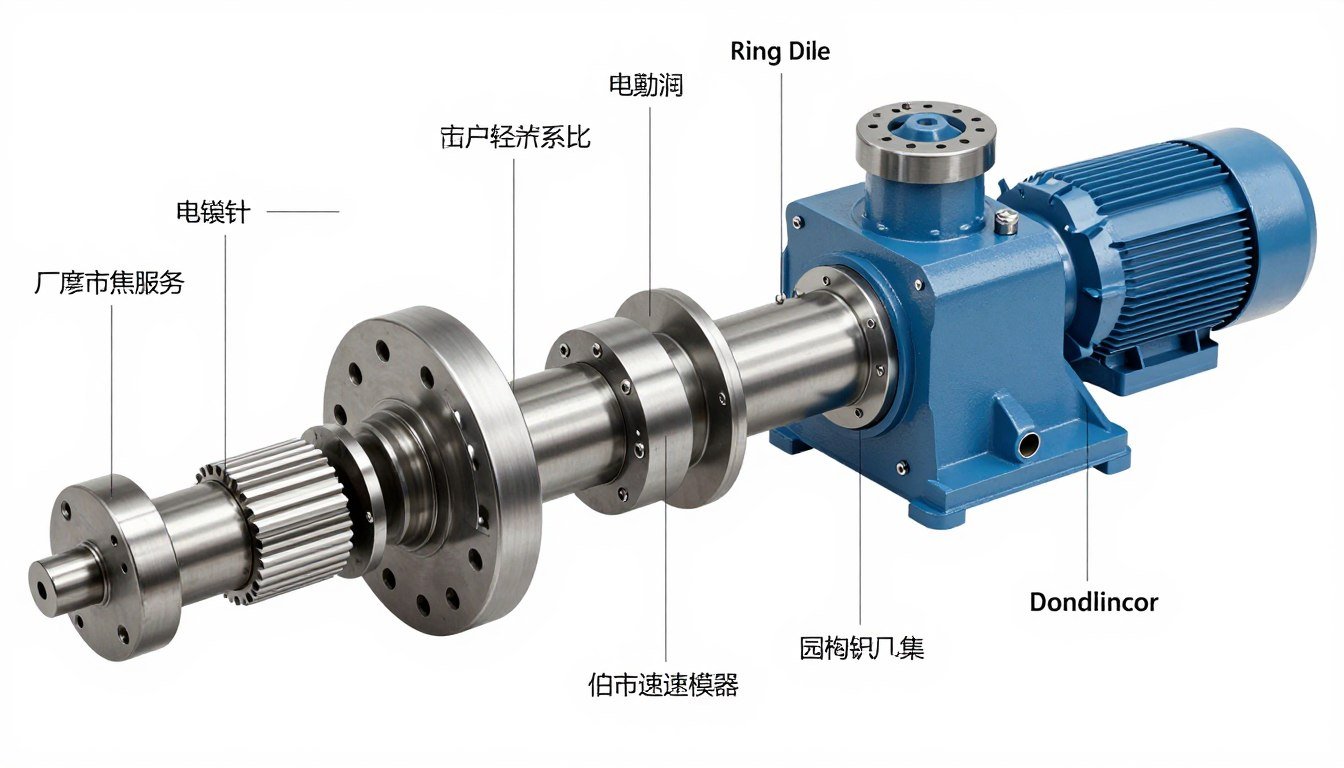
Reliable pellet mill operation depends on understanding critical parts of pelletizer machine components and implementing proper maintenance schedules. We designed MAIKONG machines for easy maintenance that farm operators can perform without specialized tools.
Critical Wear Components
Five components experience the most wear during normal operation. Maintaining spare inventory of these parts prevents expensive production downtime.
| Component | Expected Life (Hours) | Replacement Cost Range | Warning Signs |
| Ring Die | 800-1200 hours | $800-$3,500 depending on size | Decreased output, increased power draw, poor pellet quality |
| Pressure Rollers | 1000-1500 hours | $400-$1,800 per set | Uneven wear pattern, squealing noise, vibration |
| Bearings | 3000-5000 hours | $200-$800 depending on position | Temperature increase, unusual noise, excessive play |
| Cutter Blades | 800-1000 hours | $80-$250 per set | Increased fines percentage, ragged pellet ends |
| Safety Pins | Single use (breaks during overload) | $15-$35 each | Sudden machine stop, loud snapping sound |
Daily Maintenance Procedures
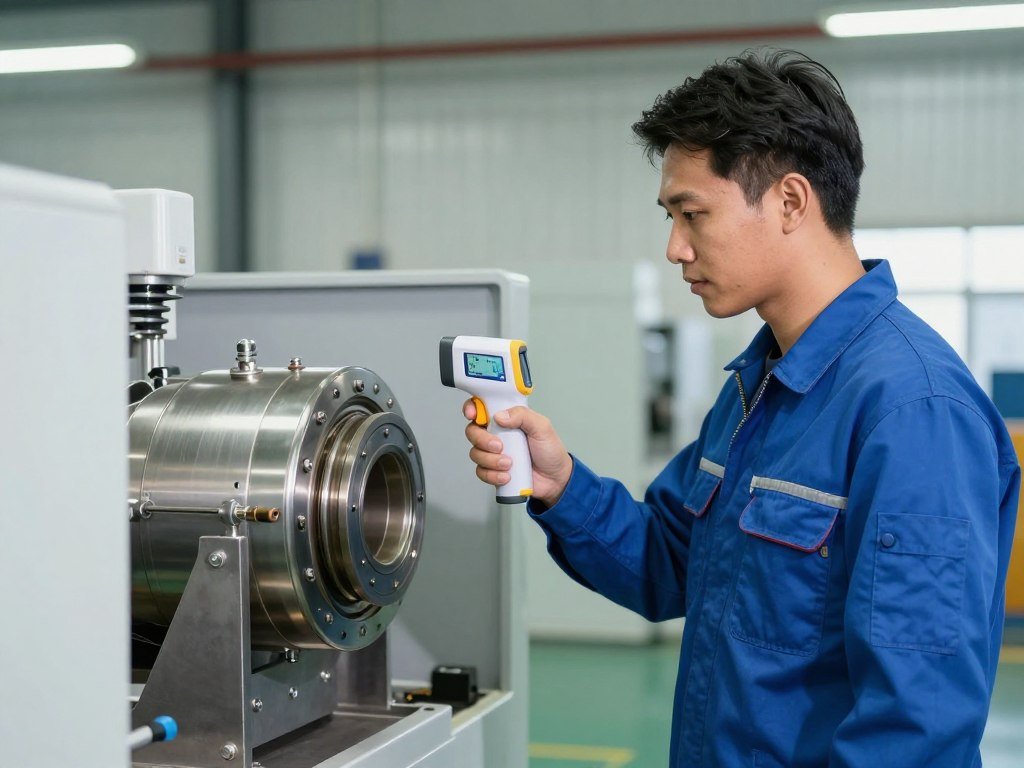
Spending 15 minutes on daily checks prevents 95% of unexpected breakdowns. We train all customers on this simple routine during installation.
- Check gear oil level through sight glass before startup. Top up if below minimum mark.
- Inspect safety devices including emergency stop button and door interlock switch.
- Listen for unusual noises during first 5 minutes of operation that might indicate bearing problems.
- Monitor motor current draw throughout production run. Sudden increases signal die blockage or wear.
- Examine pellet quality every 2 hours. Changes in appearance, hardness, or size indicate adjustment needs.
- Clean dust from motor cooling vents and electrical panels at end of shift.
Weekly and Monthly Maintenance Tasks
Weekly Tasks (1-2 Hours)
- Grease all bearing points according to lubrication chart
- Inspect die condition for cracks or unusual wear patterns
- Check roller shell condition and gap adjustment
- Clean conditioner paddles and steam nozzles
- Verify feeder operation and adjust speed if needed
- Tighten all accessible bolts and fasteners
Monthly Tasks (3-4 Hours)
- Change gearbox oil (first change at 100 hours, then every 1000 hours)
- Deep clean entire pelleting chamber and remove buildup
- Inspect electrical connections for looseness or corrosion
- Check belt tension on all auxiliary equipment
- Calibrate batching scales if production line includes them
- Review production logs and plan upcoming parts replacement
Troubleshooting Common Problems
Why is my pellet machine producing excessive fines?
Excessive fines (over 5% of production) usually indicate one of four problems: worn die holes that no longer compress material properly, dull cutter blades that tear instead of cut cleanly, improper conditioning that leaves material too dry, or incorrect roller-to-die gap that prevents adequate compression. Check die condition first, then blade sharpness, then conditioning temperature and moisture.
What causes the motor to overload and trip?
Motor overload protection activates when current draw exceeds safe limits. This happens from die blockage (material packed in holes), roller gap set too tight, material moisture too high creating sticky conditions, or worn die requiring more force to push material through. Start by checking material moisture content, then inspect die holes for blockage, then verify roller gap setting matches specification.
Why are my pellets coming out soft and crumbly?
Soft pellets indicate insufficient binding. Increase conditioning temperature to gelatinize more starch. Check that steam quality is dry (not excessive water condensation). Verify material particle size is fine enough (under 2mm). Some formulas with high fiber content may need binder additives like bentonite clay or lignosulfonate. Cooling too quickly before pellets fully set can also cause softness.
Why Choose MAIKONG for Your Pellet Machine Investment
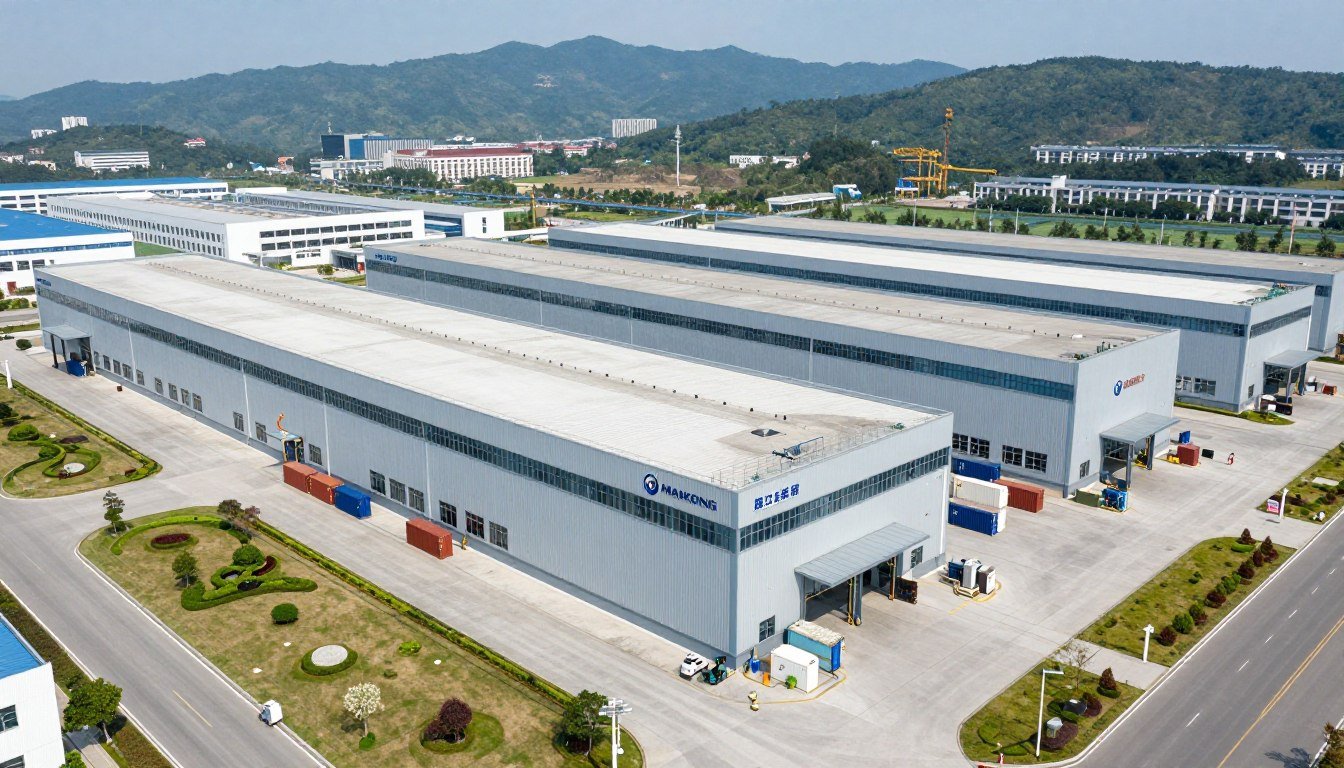
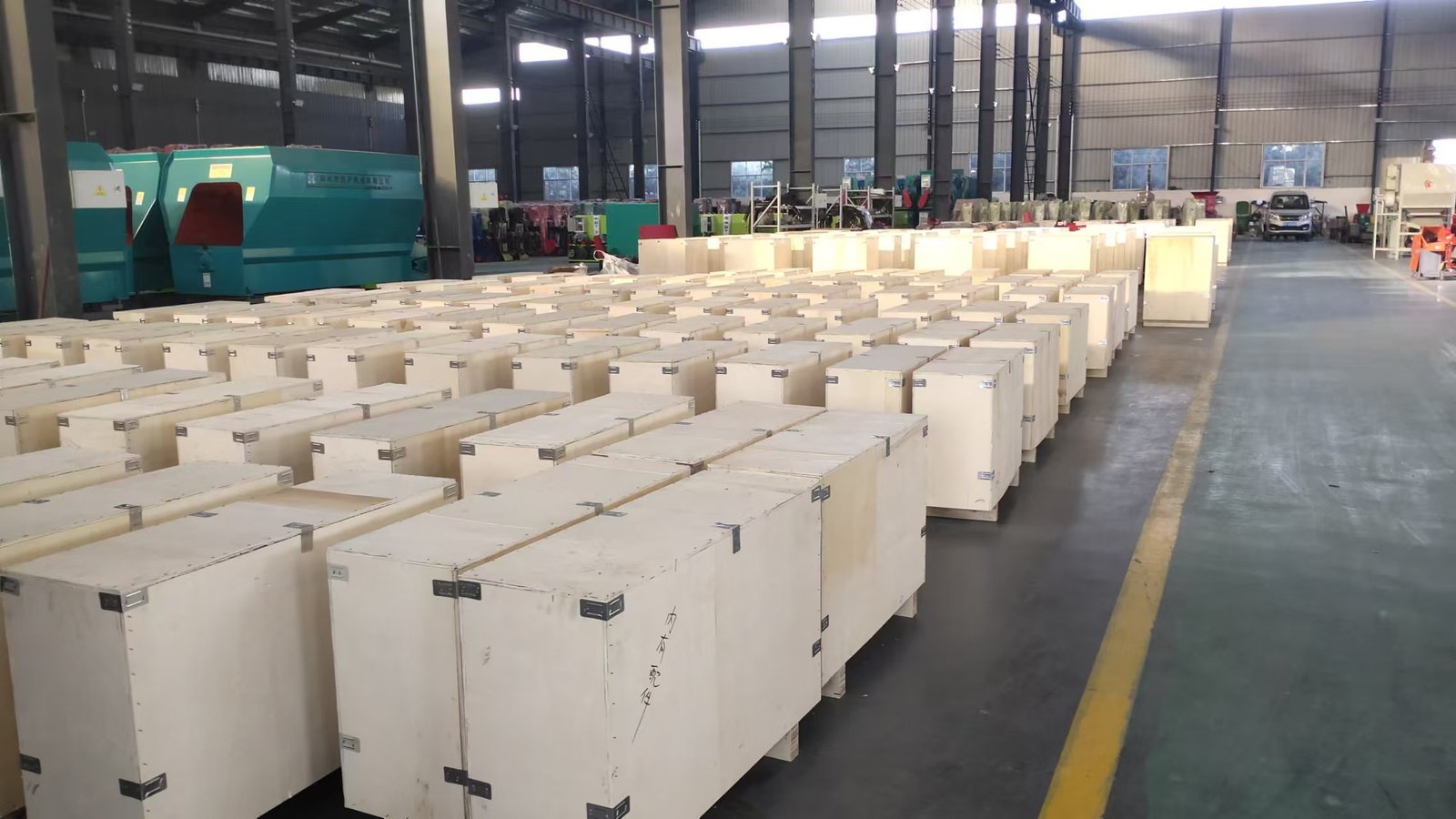
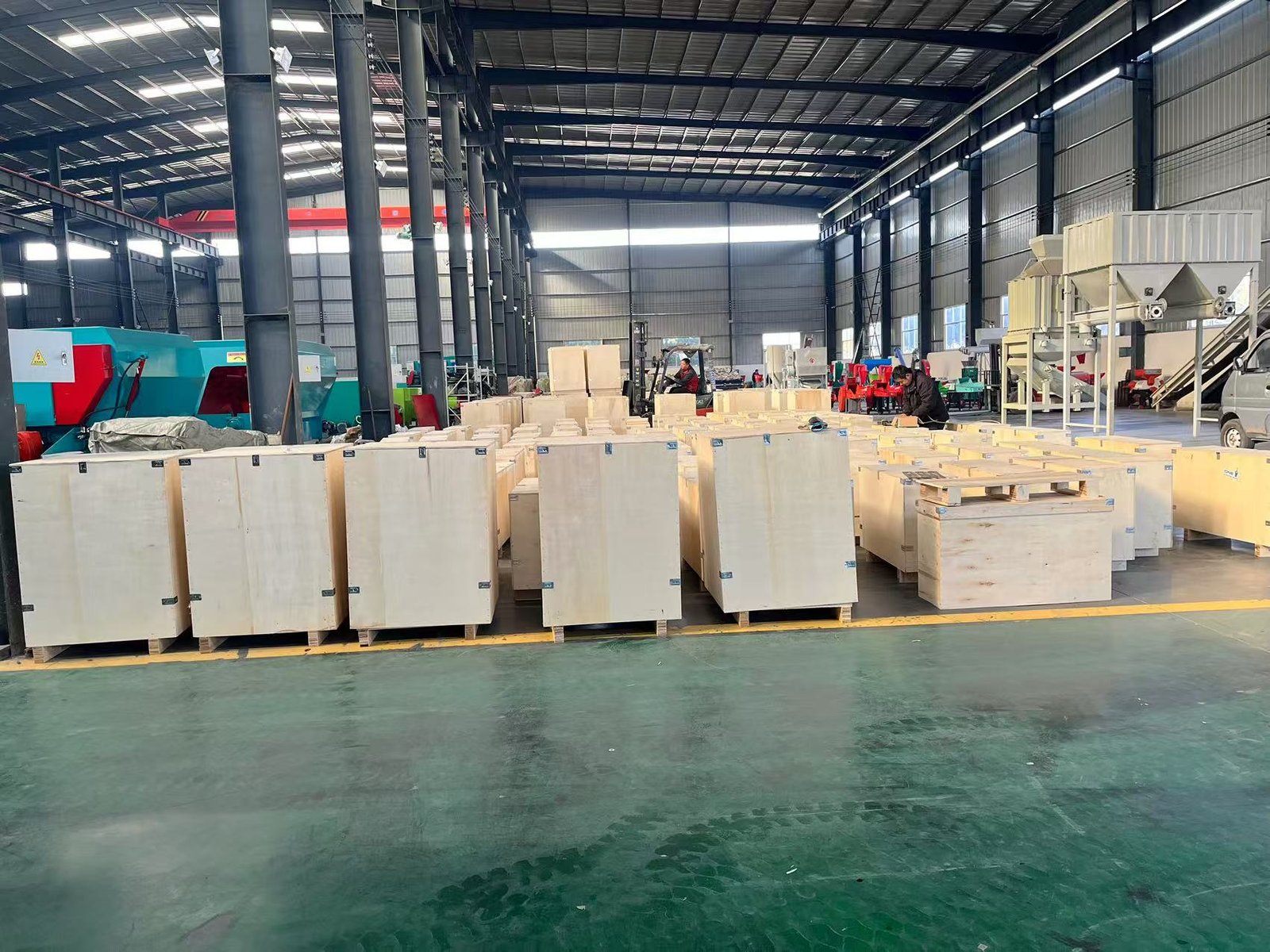
We built MAIKONG on a foundation of manufacturing excellence and customer success. Our Shenzhen facility produces pellet machines and feed production lines that operate in 140 countries across six continents.
Manufacturing Excellence Since 1995
We started as a small workshop repairing imported feed equipment. Filipino farmers and feed mill operators struggled with machines that nobody could fix locally. Parts took months to arrive. Technical support spoke languages nobody understood.
That frustration drove us to manufacture better equipment with better support. Nearly 30 years later, we operate a 45,000 square meter facility employing 280 skilled workers and engineers. But we never forgot those early lessons about what farmers actually need.
International Quality Standards
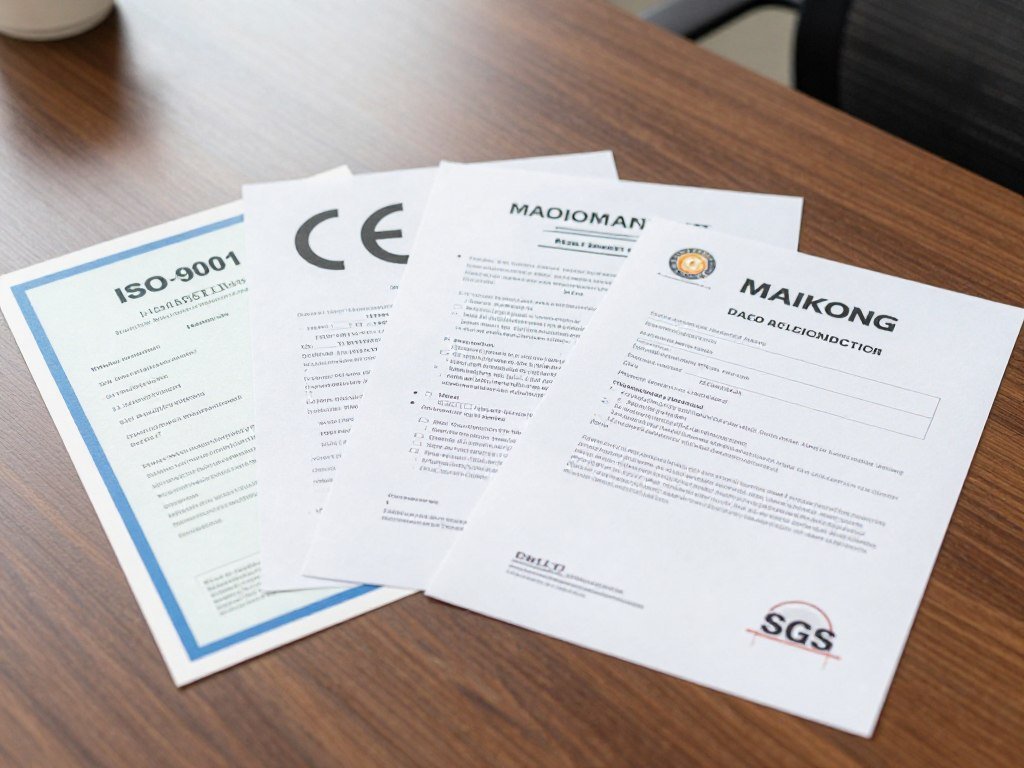
Every MAIKONG pellet machine carries ISO 9001:2000 certification for quality management systems. CE marking confirms compliance with European safety standards. SGS inspection certificates verify materials and manufacturing processes.
These certifications matter because they represent independent verification of our quality claims. Government feed mill projects and international development programs require certified equipment. Large farming corporations purchasing equipment for multiple sites need assurance of consistent quality.
Research and Development Focus
We invest 5% of annual revenue into research and development. Our engineering team includes specialists in mechanical design, materials science, and animal nutrition. This combination creates machines optimized for both mechanical reliability and feed quality outcomes.
Recent innovations include improved die materials that last 40% longer, vibration-dampening motor mounts that reduce noise by 15 decibels, and intelligent feeding systems that automatically adjust to material density variations.
“MAIKONG helped us transition from imported feeds to own production. Their engineers customized the formulas for our local ingredients and trained our staff. Three years later, we are now supplying five other farms in our province.”
Comprehensive Support for Philippine Customers
Buying equipment from China worries many Philippine businesses. Language barriers create misunderstandings. Time zone differences delay responses. Shipping complexity adds stress.
We solved these problems specifically for the Philippine market:
English Technical Support
Our customer service team includes English-fluent engineers who understand Philippine agricultural conditions. We know your climate challenges, common raw materials, and local farming practices. Questions get answered in language you understand, with context that makes sense for your situation.
Fast Parts Delivery
We maintain spare parts inventory specifically for Philippine customers. Critical components ship within 48 hours via express courier. Regular maintenance parts ship economically via sea freight on our monthly consolidation container to Manila.
Local Partnership Network
We actively develop authorized dealer and service partnerships throughout the Philippines. Our goal is having qualified service providers within 200 kilometers of every customer. Partners receive factory training, technical documentation, and priority parts pricing.
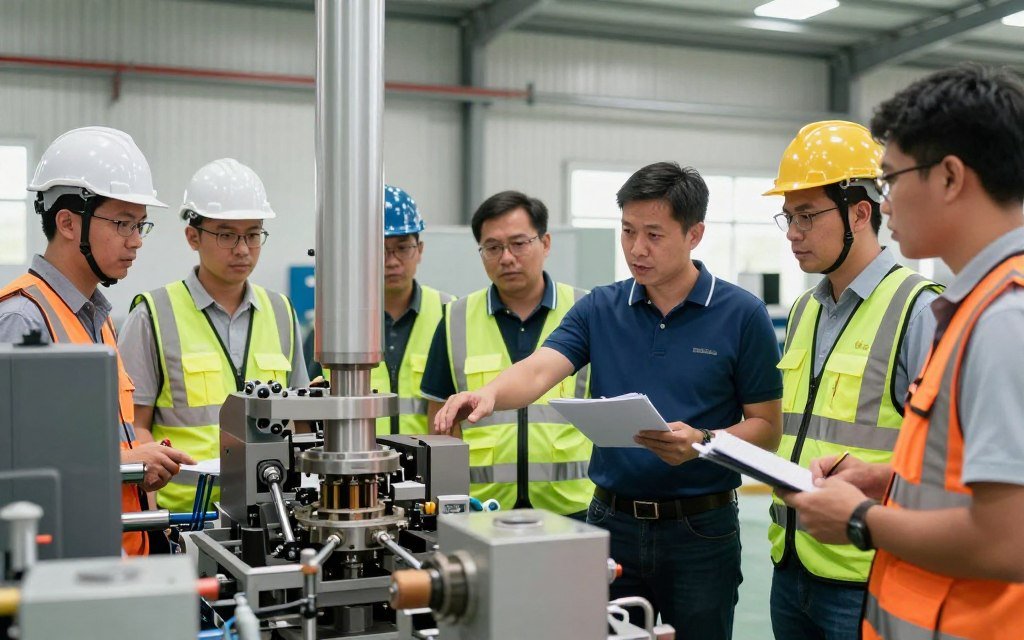
Complete Project Support From Start to Finish
Large-scale feed mill projects require more than just equipment supply. We provide comprehensive project services that take customers from initial concept to profitable operation.
- Feasibility Analysis: We evaluate your business plan, market conditions, and financial projections to confirm project viability before you commit funds.
- Layout Design: Our engineers create optimized facility layouts that minimize material handling distances, reduce labor requirements, and allow future expansion.
- Equipment Selection: We recommend specific models and capacities based on your production goals, not on pushing our most expensive equipment.
- Installation Supervision: Experienced technicians travel to the Philippines to supervise installation and commissioning, ensuring everything works correctly from day one.
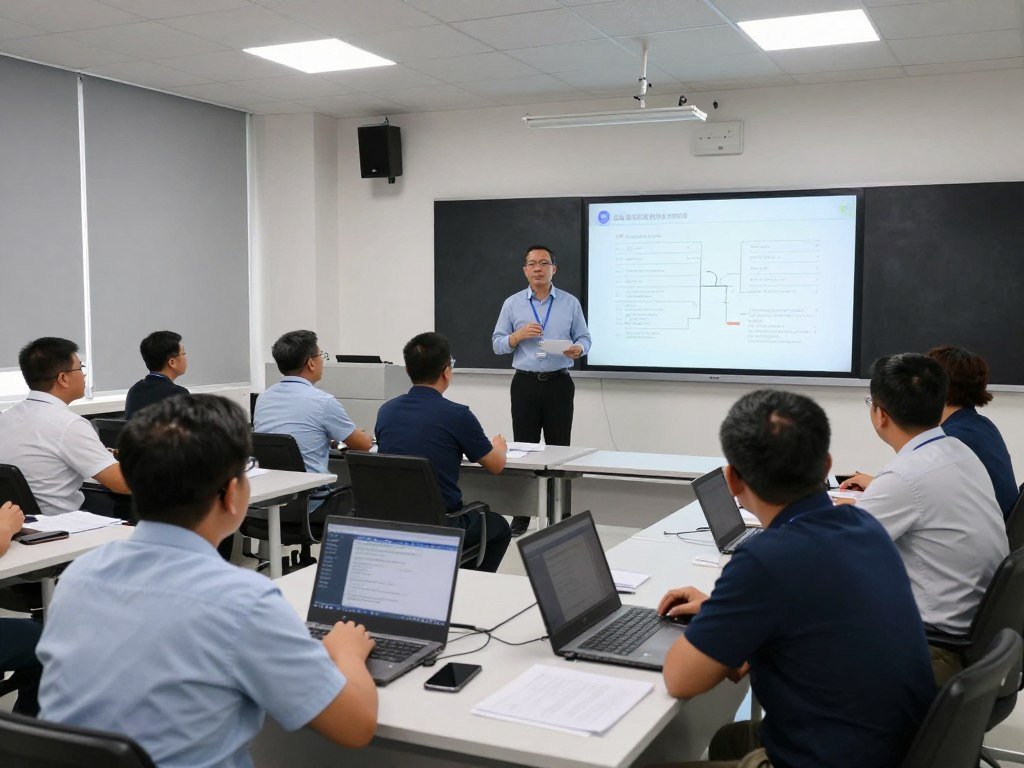
- Operator Training: We train your staff on operation, maintenance, troubleshooting, and safety procedures through hands-on instruction in Tagalog or English.
- Formula Development: Our nutritionists help develop feed formulas using locally available ingredients that meet your animals’ nutritional requirements.
- Ongoing Optimization: Regular follow-up helps fine-tune operations, reduce costs, and improve efficiency as your team gains experience.
Become a MAIKONG Authorized Dealer in the Philippines
The Philippine feed industry grows 8-12% annually. Small and medium farms increasingly recognize the value of on-site feed production. This creates exceptional opportunities for equipment dealers who can provide quality machines and knowledgeable support.
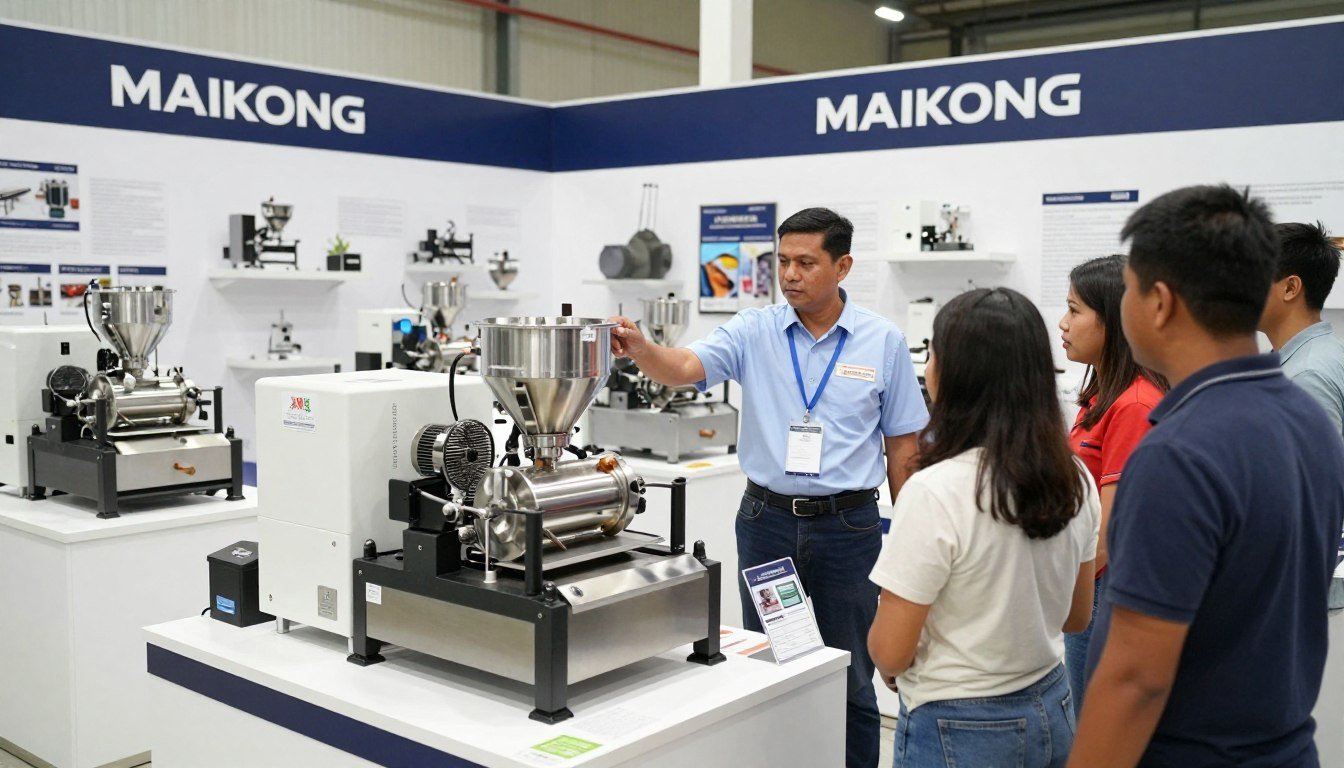
Why Partner with MAIKONG?
Equipment dealers face constant pressure between customer demands and manufacturer support. Customers need machines that work reliably and companies that stand behind their products. Manufacturers often prioritize large orders over dealer support.
MAIKONG takes a different approach. We view dealers as long-term partners, not just sales channels. Your success directly determines our success in the Philippine market.
Attractive Profit Margins
Dealer margins range from 15-25% depending on order volume and support level provided. Consumable parts like dies and rollers offer 30-40% margins with faster turnover. Installation and maintenance services generate additional recurring revenue.
A dealer selling just two machines per month plus parts and services can generate USD 8,000-15,000 monthly profit depending on models and market positioning.
Protected Territory Rights
Authorized dealers receive exclusive territory protection for their province or region. We do not compete with dealers by selling directly to customers in protected territories. This ensures your investment in market development pays off.
Territory size scales based on population density and agricultural intensity. High-density areas like Central Luzon may be smaller provinces while Mindanao territories cover wider areas.
What We Provide Authorized Dealers
- Factory-direct pricing with volume discounts that increase as sales grow
- Marketing materials including brochures, videos, and digital content in English and Tagalog
- Technical training at our Shenzhen factory for dealer technical staff (travel and accommodation included)
- Demo machine program allowing dealers to showcase equipment at customer sites
- Co-op advertising funding for local promotional activities and trade show participation
- Lead generation support through our website and digital marketing driving customers to authorized dealers
- Priority parts allocation ensuring dealer customers never wait for critical components
- 24-hour engineering support hotline connecting dealers to factory experts
Ideal Dealer Profile
We seek partners who share our commitment to customer success and quality service. Ideal dealer candidates include:
Agricultural Equipment Dealers
Existing dealers who sell tractors, irrigation equipment, or other farm machinery can expand into feed production equipment. Your existing customer relationships and agricultural knowledge provide strong foundation for pellet machine sales.
Feed Mill Operators
Successful feed mill owners understand the equipment intimately and can demonstrate real results to potential customers. Your operating experience becomes powerful sales credibility. Many of our best dealers started as customers.
Agricultural Consultants
Consultants advising farms on operations and profitability can add equipment sales to their service portfolio. Your trusted advisor position with clients makes equipment recommendations highly effective.
Start Your MAIKONG Dealer Partnership Journey
Join our network of successful dealers throughout Asia, Africa, and Latin America. We provide everything you need to build a profitable feed equipment business in your territory. Schedule a call with our partnership development team to discuss exclusive dealer opportunities in your province.
Contact MAIKONG for Your Pellet Machine Requirements
Whether you need a single machine for your farm or a complete feed production line for commercial operations, our team is ready to help you succeed. We respond to all inquiries within 24 hours with specific answers to your questions.
Direct Contact Channels
Email: Lucy@pelletmachine.ph
Website: https://pelletmachine.ph/
Learn About Us: About MAIKONG
Get in Touch: Contact Form
What to Include in Your Inquiry
- Type of animals or feed you will produce
- Desired production capacity (tons per hour or per day)
- Primary raw materials you will use
- Your location in the Philippines
- Power supply voltage available at your facility
- Timeline for purchase and installation
- Budget range or financing requirements
The more details you provide, the more accurately we can recommend the right equipment configuration and provide exact pricing.

Your Success Starts with the Right Equipment Choice
Philippine agriculture stands at a transformation point. Feed costs continue rising. Commercial feed quality remains inconsistent. Import dependency creates vulnerability to global price shocks.
On-site feed production using professional pellet machines solves all three problems. You control costs by buying raw ingredients instead of finished feeds. You control quality through precise formulation for your specific animals. You control supply by eliminating dependence on distributors and importers.
MAIKONG provides more than just equipment. We provide the complete package of machinery, knowledge, support, and partnership that transforms your agricultural operation from feed purchaser to feed producer.
The question is not whether you should invest in pellet production. The question is when you will start capturing the 20-35% cost savings and quality improvements that our customers achieve.
Take the first step today. Contact our team to discuss your specific requirements. We will provide honest recommendations based on your situation, not aggressive sales tactics. Your success determines our success in the Philippine market.
Copy©2026-2030