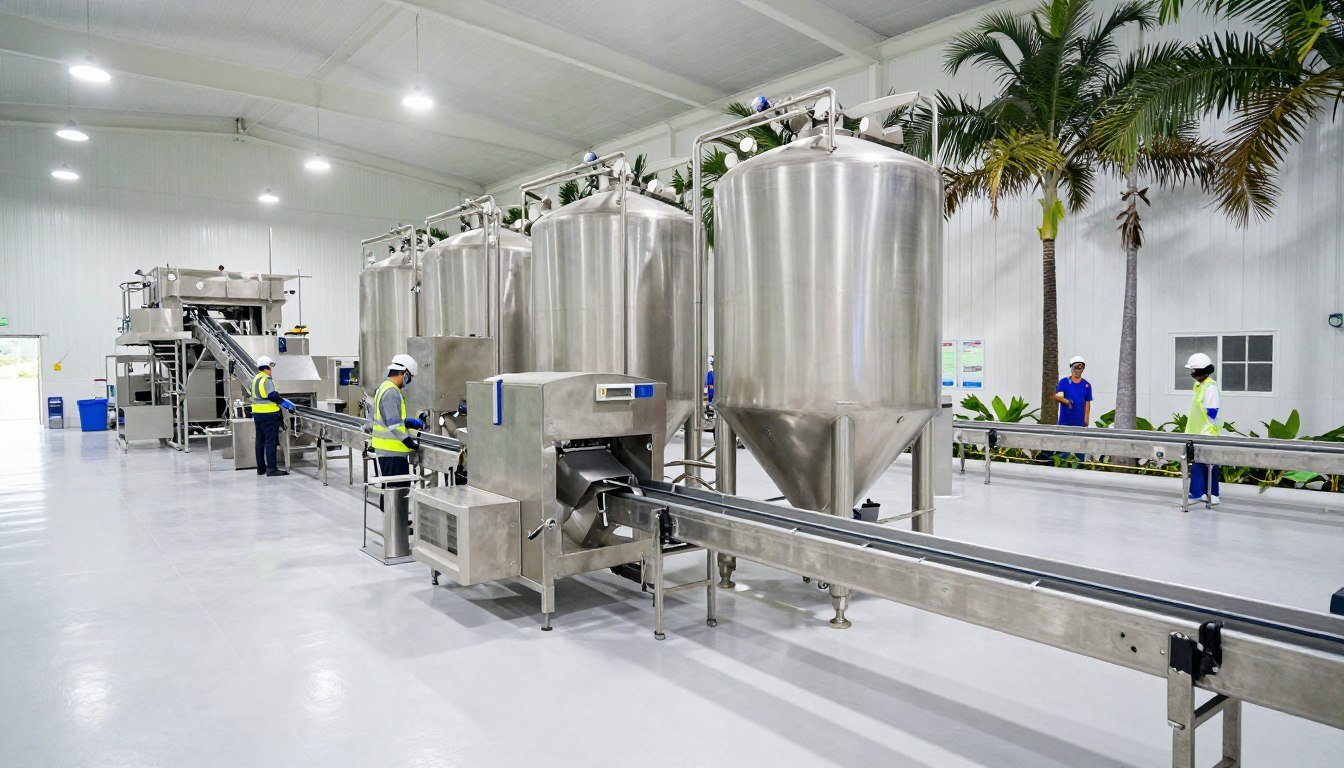
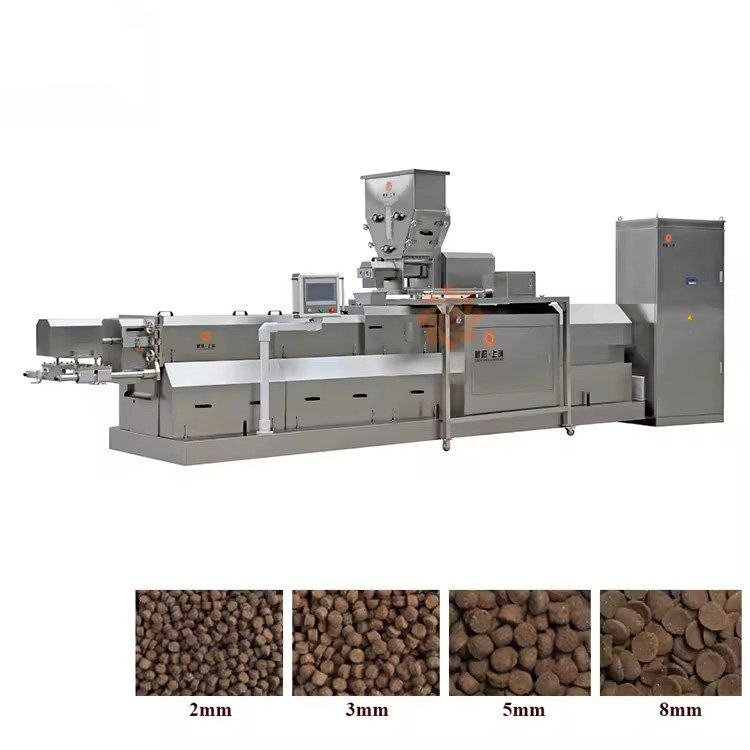
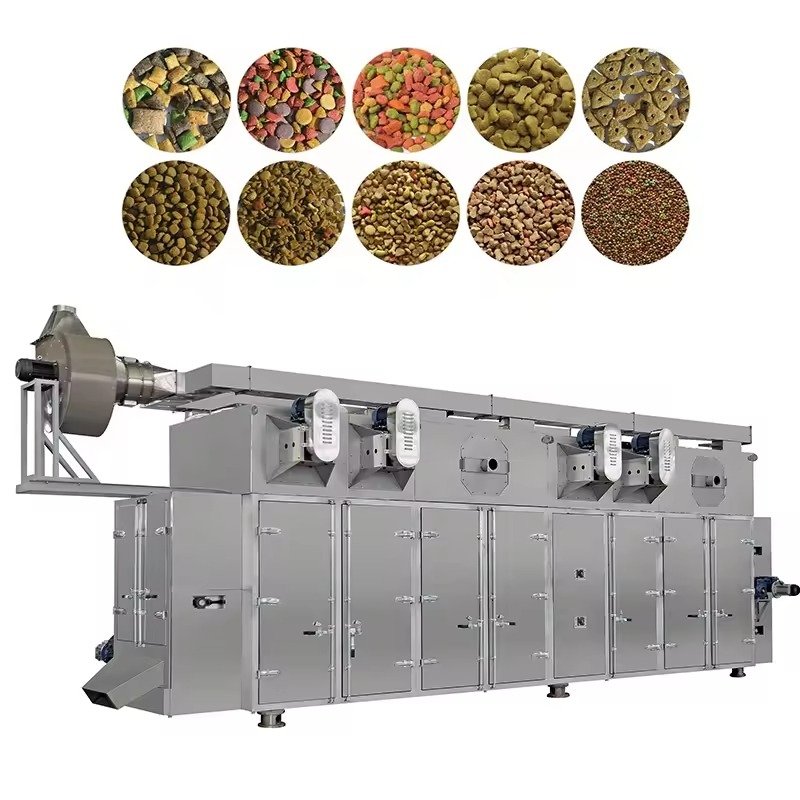
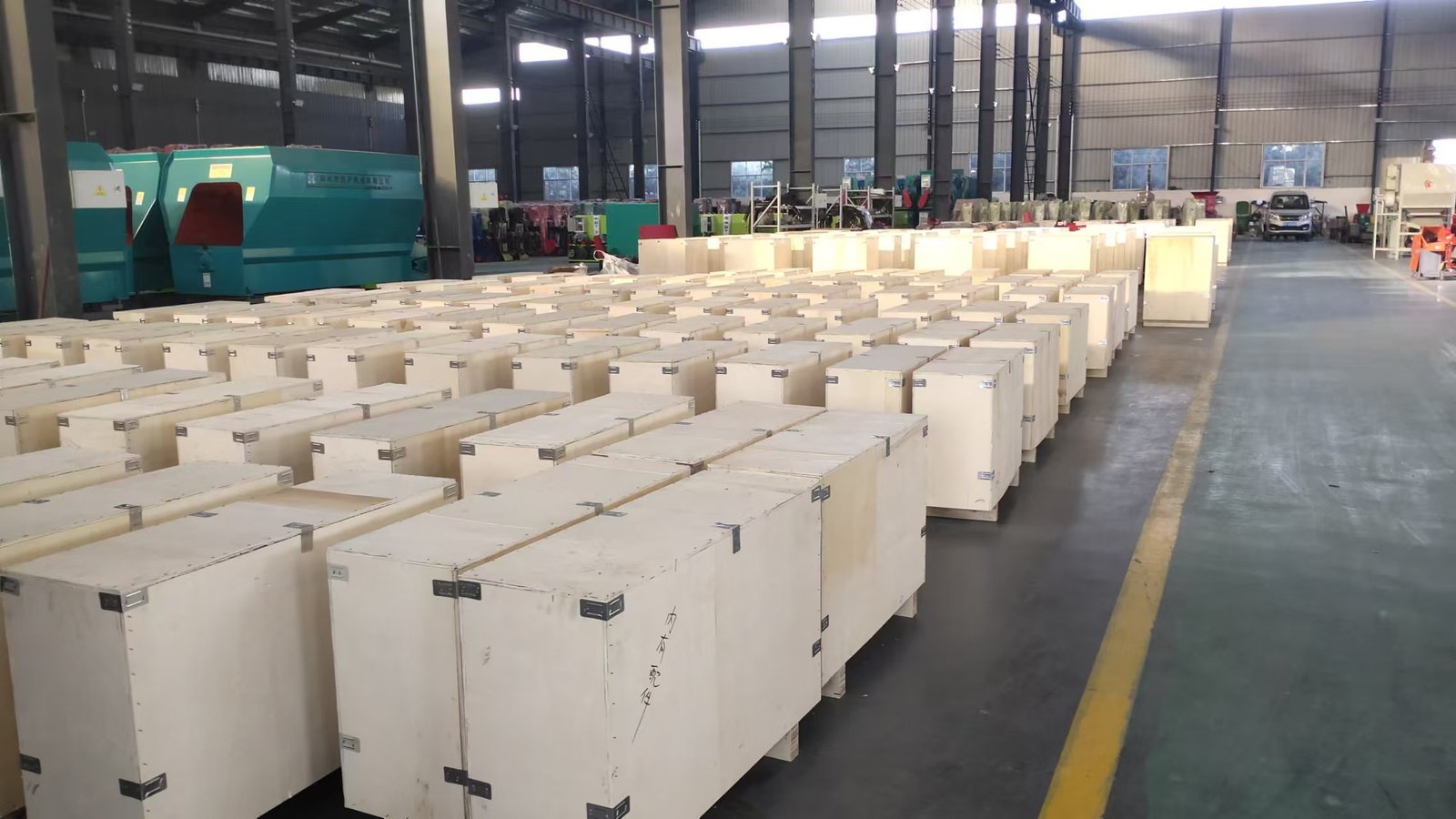
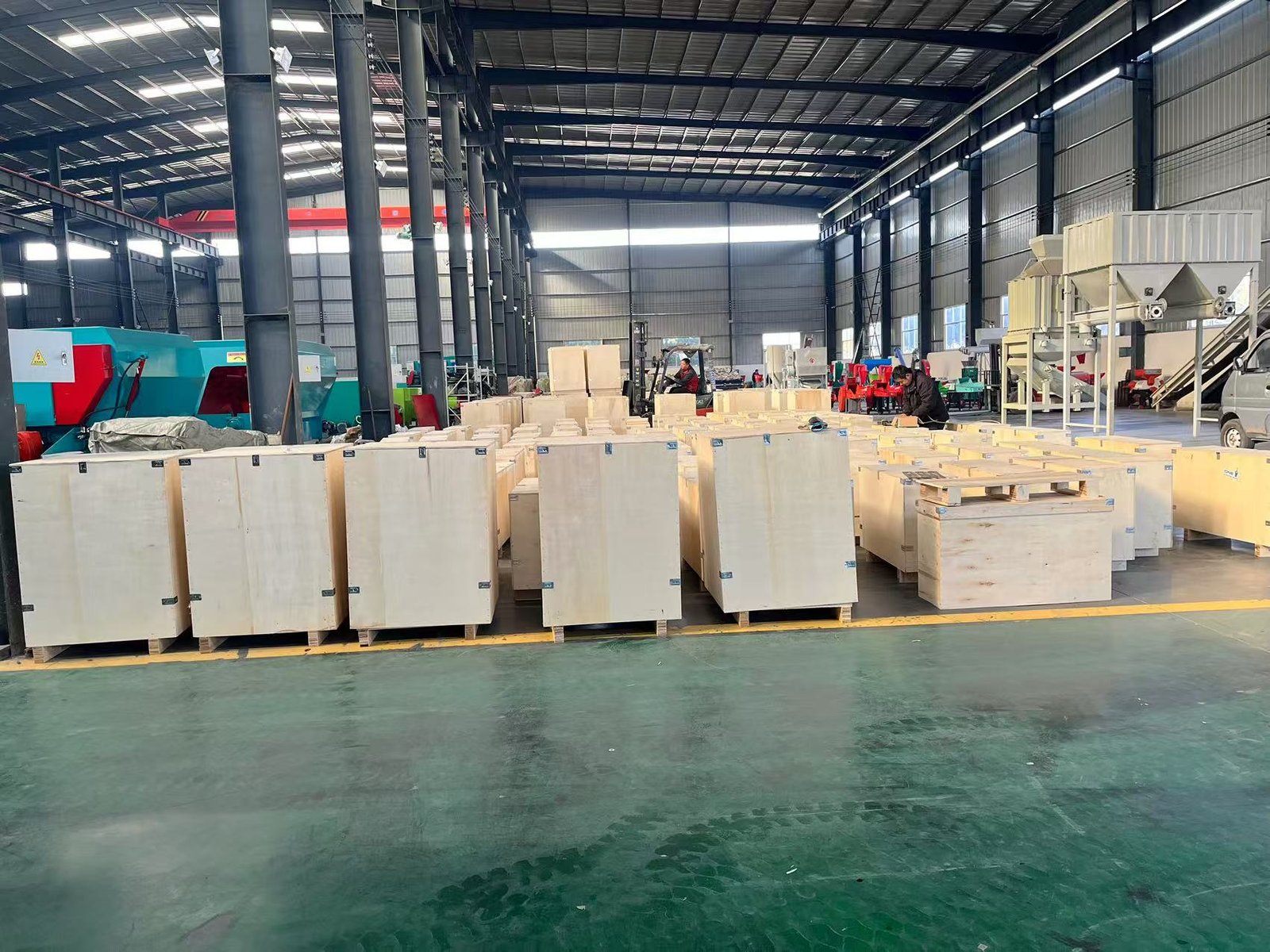
 MAIKONG, we’ve spent over fifteen years manufacturing fish feed production lines specifically designed for operations like yours. Our facility in SZ, GD produces equipment that ranges from small 200kg/hour systems perfect for growing fish farms to massive 100-ton installations for commercial feed mills. What sets us apart is our commitment to customization and our genuine interest in supporting Philippine aquaculture growth through local partnerships.
Fish Feed Production Line Requirements in Philippines
Market-Specific Challenges
The Philippine aquaculture sector faces distinct challenges that generic imported equipment cannot adequately address. Your tropical climate creates unique storage and processing conditions. High humidity affects raw material handling, while temperature variations impact pellet quality and equipment performance.
Voltage standardization presents another critical factor. Most Chinese manufacturers export equipment configured for different electrical specifications. We customize every fish feed production line for Philippine 220V/380V requirements before shipping. This attention to detail prevents costly modifications and ensures smooth installation.
Species-Specific Feed Requirements
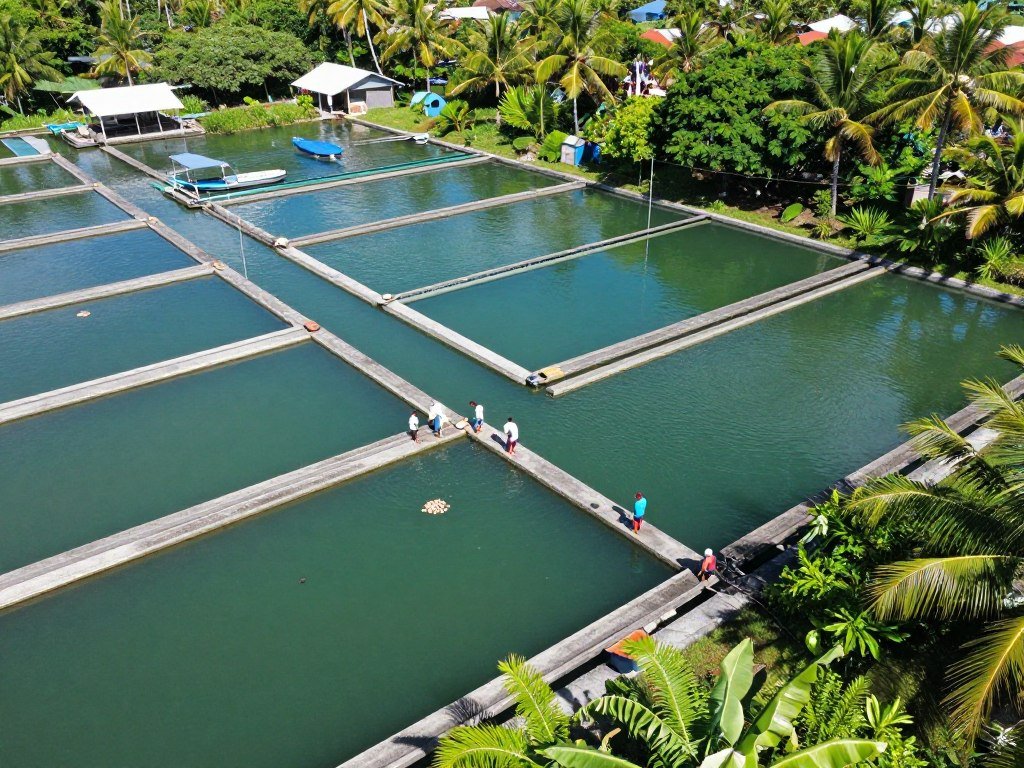
Philippine fish farmers cultivate diverse species, each requiring specific pellet characteristics. Tilapia operations need floating pellets that remain stable on water surfaces for extended periods. Milkfish farming demands sinking pellets with controlled descent rates. Catfish production requires high-protein formulations with specific pellet densities.
Our fish feed production line configurations accommodate these varied requirements. A single production line can manufacture multiple pellet types through simple die changes and formulation adjustments. This flexibility maximizes your return on investment while serving broader market segments.
- Floating fish feed for tilapia, bangus surface feeders
- Sinking fish feed for catfish, grouper bottom feeders
- Slow-sinking pellets for shrimp, prawn aquaculture
- Specialized formulations for ornamental fish markets
MAIKONG Fish Feed Production Line Capacity Options
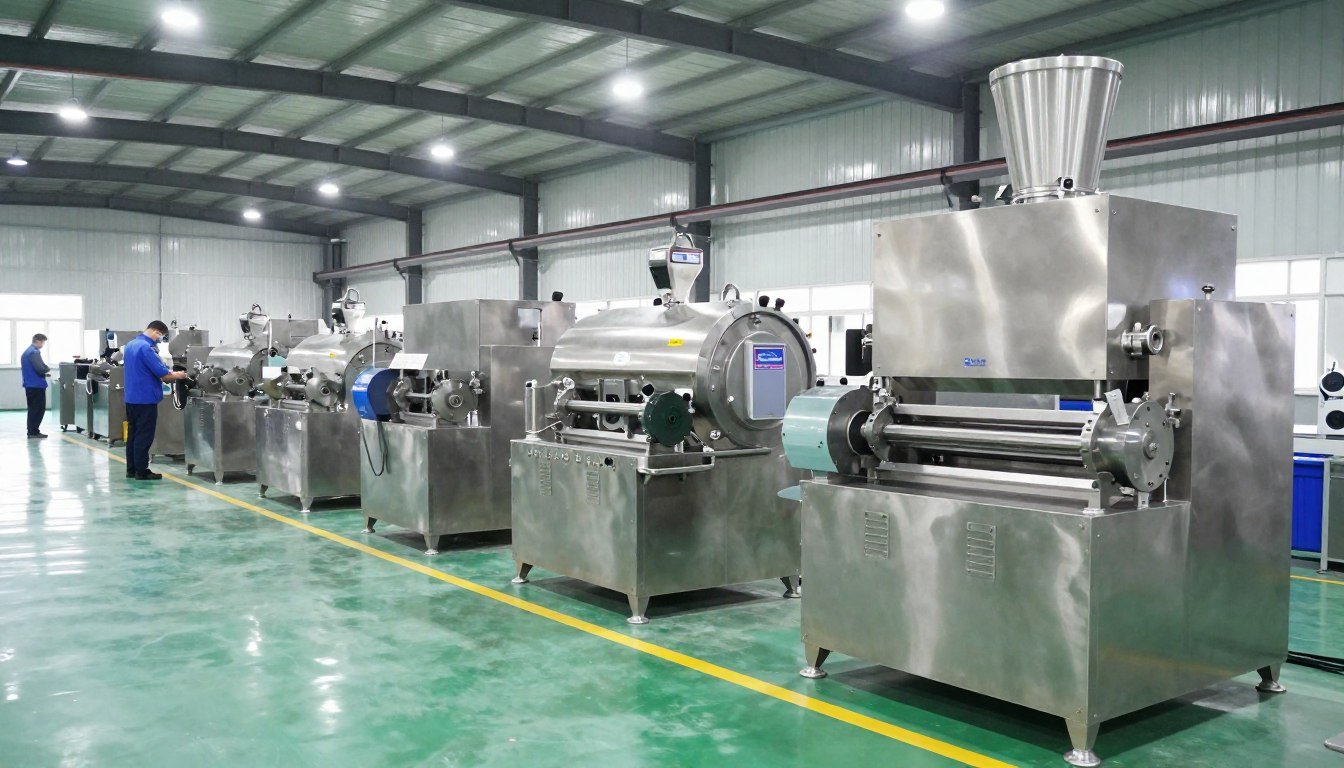
Production capacity represents the single most important specification when selecting a fish feed production line. I’ve observed many Philippine operators either over-invest in excessive capacity or constrain growth with undersized systems. Let me walk you through our capacity ranges and help you identify the right fit.
| Capacity Range | Hourly Output | Target Operations | Power Requirement | Site Area | Investment Range (USD) |
| Small Scale | 200-500 kg/h | Individual fish farms, startup feed businesses | 35-50 KW | 150-300 m² | $15,000-$35,000 |
| Medium Scale | 1-3 T/H | Commercial fish farms, small feed mills | 75-165 KW | 400-800 m² | $45,000-$95,000 |
| Large Scale | 5-10 T/H | Regional feed distributors, farming cooperatives | 250-450 KW | 1,000-2,500 m² | $120,000-$280,000 |
| Industrial Scale | 15-100 T/H | Major feed manufacturers, export operations | 500-1,800 KW | 3,000-15,000 m² | $350,000-$2,500,000 |
Calculating Your Optimal Capacity
Determining the right capacity requires analyzing your current demand and projected growth. I recommend this practical calculation method that has served our Philippine clients well. First, assess your daily feed requirement across all current operations. A medium-sized tilapia farm typically consumes 2-4 tons of feed daily.
Add a growth buffer of thirty to fifty percent to accommodate expansion over the next three years. Factor in potential contract manufacturing opportunities for neighboring farms. Many successful Philippine feed mill operators generate additional revenue by producing feeds for smaller operations lacking their own production lines.
Need Help Determining Your Ideal Capacity?
Our technical team will analyze your specific requirements and recommend the most cost-effective fish feed production line configuration for your Philippine operation. We provide detailed ROI calculations based on your local market conditions.
Complete Fish Feed Production Line Equipment Components
A professional fish feed production line consists of integrated equipment working in coordinated sequence. Understanding each component helps you evaluate supplier proposals and ensure complete system functionality. Let me explain the essential machinery we include in every MAIKONG installation.
Raw Material Handling System
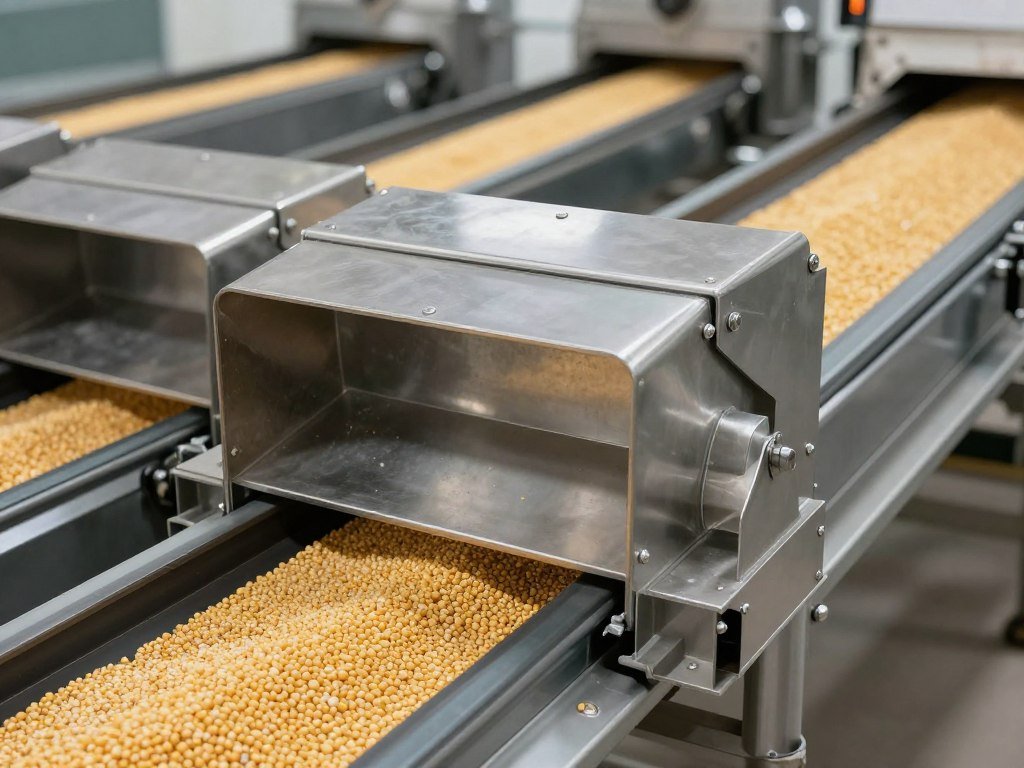
The production process begins with proper raw material reception and preparation. Our receiving systems include magnetic separators removing metal contaminants, vibrating screens eliminating oversized particles, and bucket elevators transporting materials to storage silos.
Proper material handling prevents equipment damage and ensures consistent feed quality. We design storage capacity based on your procurement cycles, typically recommending seven to fourteen days of raw material inventory.
Grinding and Mixing Equipment
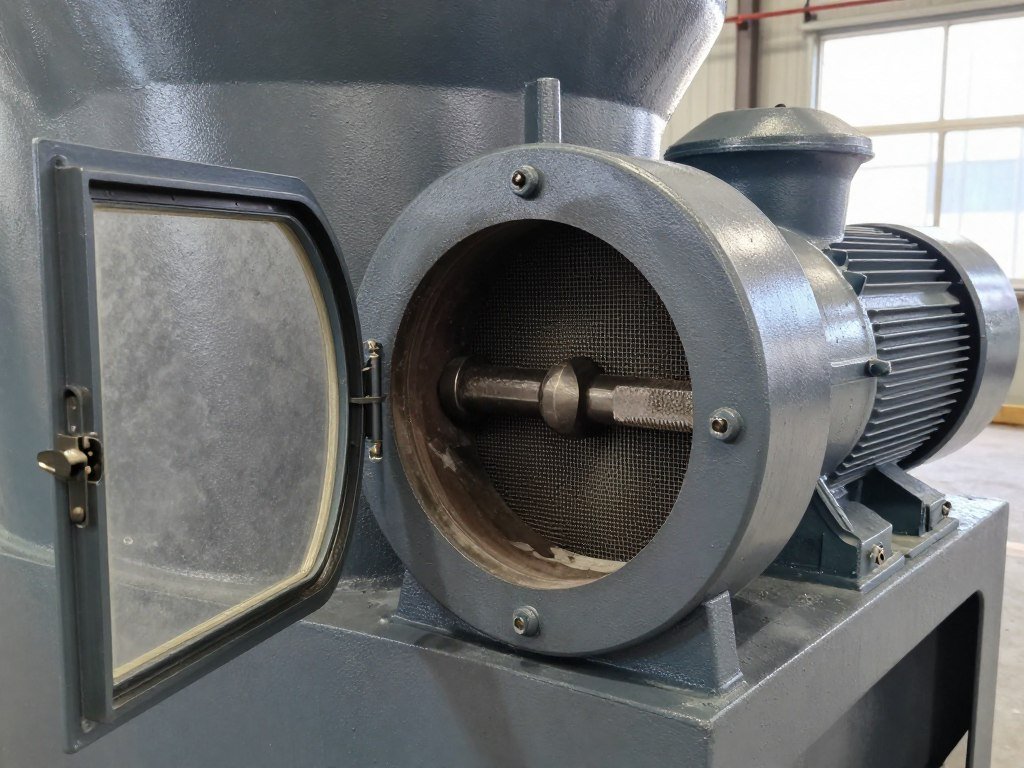
Particle size directly affects pellet quality and fish digestion. Our hammer mills reduce raw materials to precise specifications, with screen sizes ranging from 1.5mm to 5mm depending on target fish species and pellet formulation.
The mixing stage ensures uniform nutrient distribution throughout the batch. MAIKONG ribbon mixers achieve 95% homogeneity in under eight minutes, with special attention to delicate ingredients like vitamins and amino acids that require gentle handling.
Pelleting and Extrusion System
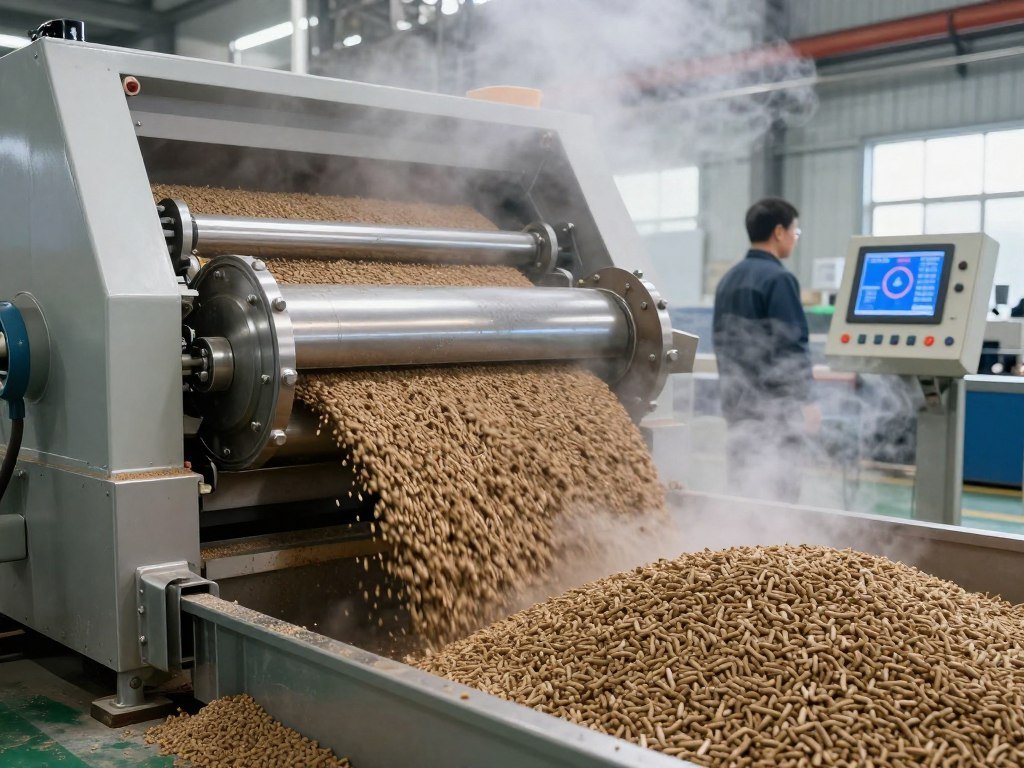
The heart of any fish feed production line is the pelleting system. We offer two primary technologies. Traditional pellet mills produce sinking feed through compression and heat. Extruders create floating fish feed through high-temperature, high-pressure cooking that gelatinizes starches and creates buoyant pellets.
For Philippine markets, we typically recommend dual-capability systems. This allows production of both floating pellets for milkfish and tilapia, plus sinking pellets for catfish and grouper operations, maximizing market reach and production flexibility.
Cooling, Drying, and Finishing Equipment
Freshly produced pellets emerge from the extruder at high temperatures with elevated moisture content. Immediate cooling prevents pellet deformation and extends shelf life. Our counterflow coolers reduce pellet temperature to ambient plus five degrees Celsius within twelve minutes.
Screening equipment separates finished pellets from fines, which can be recycled back into production. Coating systems apply oils, vitamins, and attractants that enhance palatability and nutritional value. These finishing touches differentiate premium feeds commanding higher market prices.
Packaging System Options
- Manual bagging stations for small operations
- Semi-automatic weighing and filling systems
- Fully automatic bagging lines with sewers and palletizers
- Bulk loading systems for large commercial deliveries
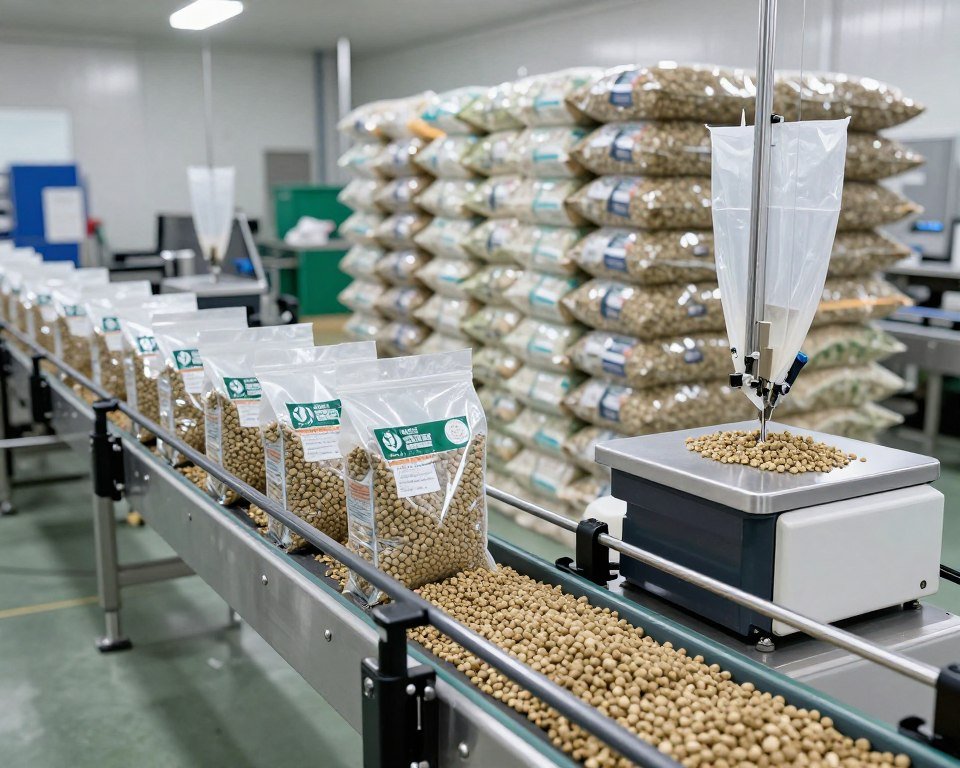
We configure packaging systems based on your distribution model. Direct farm sales typically require 25kg bags for ease of handling. Feed mill operators supplying retailers may prefer 50kg industrial bags. Export operations often need specialized packaging meeting international shipping requirements.
Request Detailed Equipment Specifications
Download our comprehensive fish feed production line equipment catalog with technical specifications, performance data, and configuration options specifically prepared for Philippine market requirements.
Fish Feed Production Process and Technology
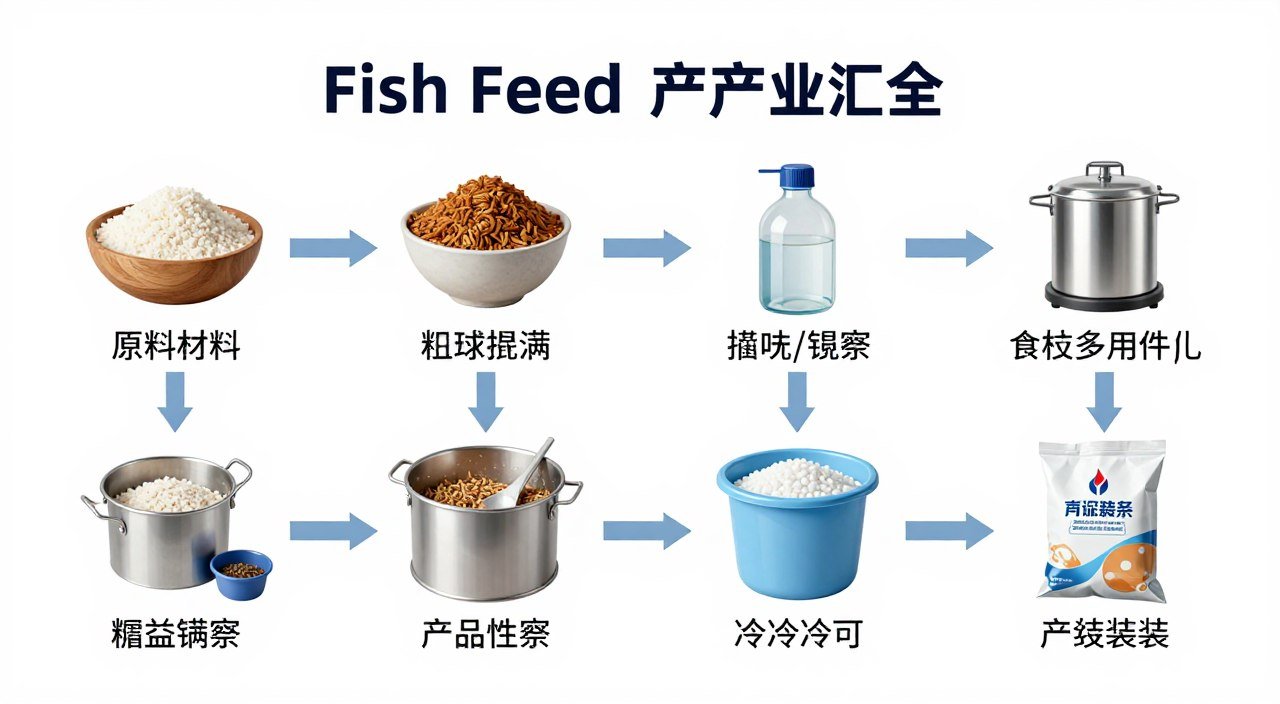
Understanding the complete production process helps optimize operations and troubleshoot quality issues. I’ll walk you through each stage of fish feed manufacturing using MAIKONG production lines, highlighting critical control points that determine final product quality.
Stage 1: Formula Development
Every quality fish feed begins with precise nutritional formulation. Different fish species at various life stages require specific protein levels, fat content, and micronutrients. Tilapia fingerlings need 35-40% protein, while adult fish thrive on 28-32% protein diets.
We provide MAIKONG clients with our proprietary formulation software, available in eleven languages including Filipino. The program calculates optimal ingredient ratios based on nutritional targets and local ingredient costs, maximizing profitability while ensuring fish health.
Stage 2: Ingredient Batching
Accurate batching determines feed consistency and cost control. Our automated batching systems weigh ingredients with 0.2% precision. The system controls up to twelve ingredient bins simultaneously, ideal for complex formulations incorporating fish meal, soybean meal, corn, wheat, vitamins, and minerals.
Manual batching works for small operations but introduces human error affecting feed quality. We recommend automated systems for any operation exceeding one ton hourly production, where consistency directly impacts commercial reputation.
Stage 3: Grinding and Conditioning
Proper particle size improves pellet binding and nutrient availability. Our hammer mills achieve consistent grinding with adjustable screens. Finer grinding increases pellet durability but consumes more energy. We typically recommend 2.5-3mm particle size for optimal balance.
Conditioning adds steam and moisture, gelatinizing starches and improving pellet formation. Temperature reaches 75-85 degrees Celsius, partially cooking ingredients and destroying harmful bacteria while preserving heat-sensitive vitamins through our controlled conditioning system.
Stage 4: Pelleting or Extrusion
This critical stage transforms mixed ingredients into finished pellets. Sinking fish feed uses traditional pelleting, forcing material through dies under pressure. The process generates heat through friction, creating durable pellets that sink immediately when entering water.
Floating fish feed requires extrusion technology. High temperature and pressure cook ingredients while creating air pockets within the pellet structure. When pressure releases at the die exit, steam expansion creates the characteristic floating property essential for surface-feeding fish species.
Stage 5: Drying and Cooling
Pellets exit the extruder containing 18-22% moisture at temperatures exceeding 90 degrees Celsius. Immediate cooling prevents mold growth and extends shelf life. Our counterflow coolers reduce moisture to 10-12% and temperature to ambient levels within fifteen minutes.
Proper cooling proves especially critical in Philippine tropical conditions where ambient temperatures and humidity challenge feed storage. Inadequate cooling leads to rapid deterioration, aflatoxin development, and complete batch losses.
Stage 6: Quality Control and Packaging
Final screening removes broken pellets and fines, ensuring uniform product appearance. Quality control testing checks pellet durability, water stability duration, and nutritional content. We equip Philippine clients with simple testing protocols meeting international feed standards.
Packaging protects finished feed from moisture absorption and contamination. We recommend multi-layer paper bags with inner polyethylene liners for tropical climates. Proper packaging extends shelf life from three months to nine months under typical Philippine storage conditions.
Process Automation and Control Systems
Modern fish feed production lines incorporate sophisticated automation improving consistency while reducing labor costs. Our MAIKONG control systems operate in multiple languages, with Filipino interface options specifically added for Philippine market support.
| Control Mode | Automation Level | Operator Requirements | Recommended Capacity | Cost Premium |
| Manual | Basic switches and manual adjustment | 3-4 operators | Under 1 T/H | Base price |
| Semi-Automatic | PLC control with manual batching | 2-3 operators | 1-5 T/H | +15-20% |
| Fully Automatic | Complete PLC/SCADA system | 1-2 supervisors | 5 T/H and above | +30-40% |
Our control software runs on Windows XP through Windows 11, ensuring compatibility with existing computer infrastructure. The system generates production reports tracking raw material consumption, output quantities, batch formulations, and equipment performance metrics essential for managing profitable feed manufacturing operations.
Customization for Philippine Market Requirements
Generic imported fish feed production lines often fail in Philippine conditions because manufacturers ignore local requirements. At MAIKONG, customization represents our core strength. Every system we ship to the Philippines receives specific modifications ensuring optimal performance in your unique operating environment.
Electrical System Adaptation
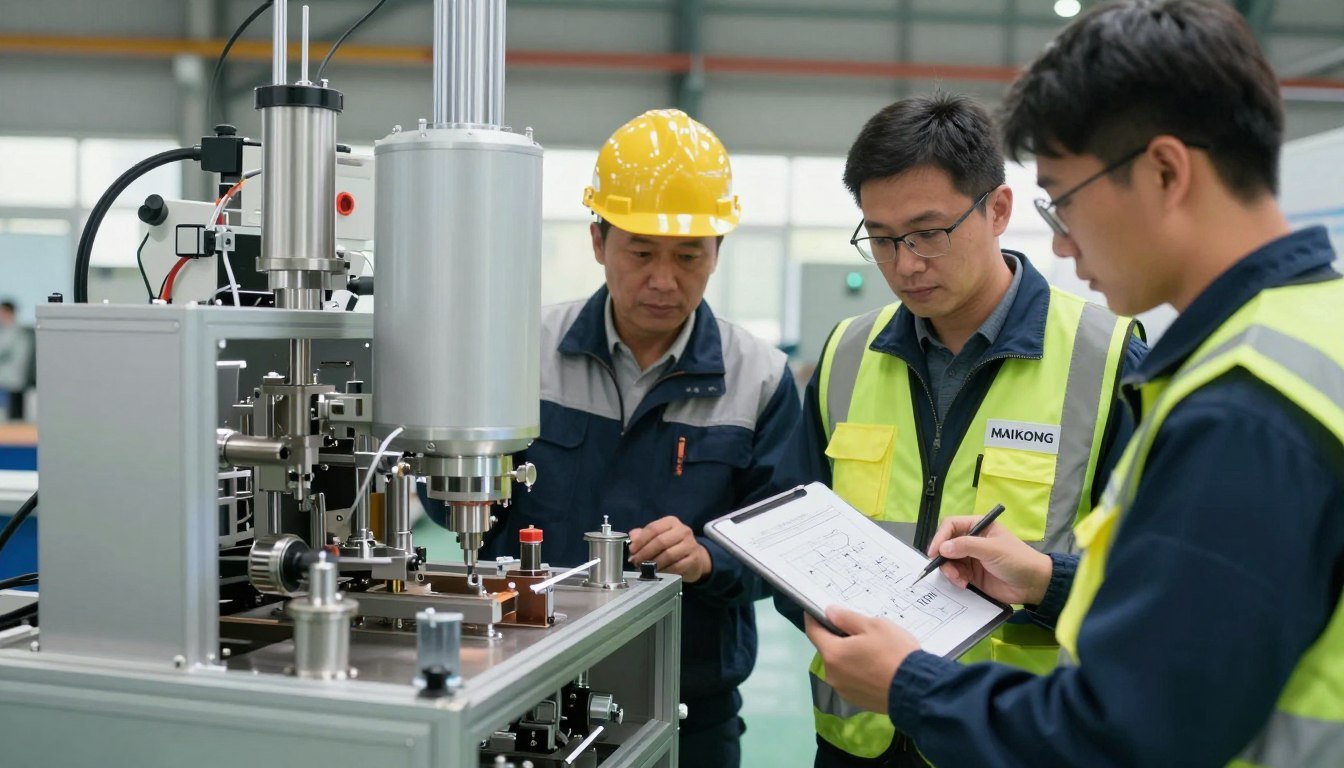
The Philippines operates on 220V single-phase and 380V three-phase electrical systems. Standard Chinese equipment uses different voltage configurations requiring expensive transformers or complete motor replacements after arrival. We eliminate this problem by configuring all motors, control panels, and electrical components to Philippine specifications before shipping.
Our electrical engineers verify compatibility with Philippine electrical codes and safety standards. Every installation includes proper grounding, circuit protection, and emergency shutdown systems meeting local regulatory requirements, smoothing permit approval and ensuring safe operation.
Climate-Specific Features
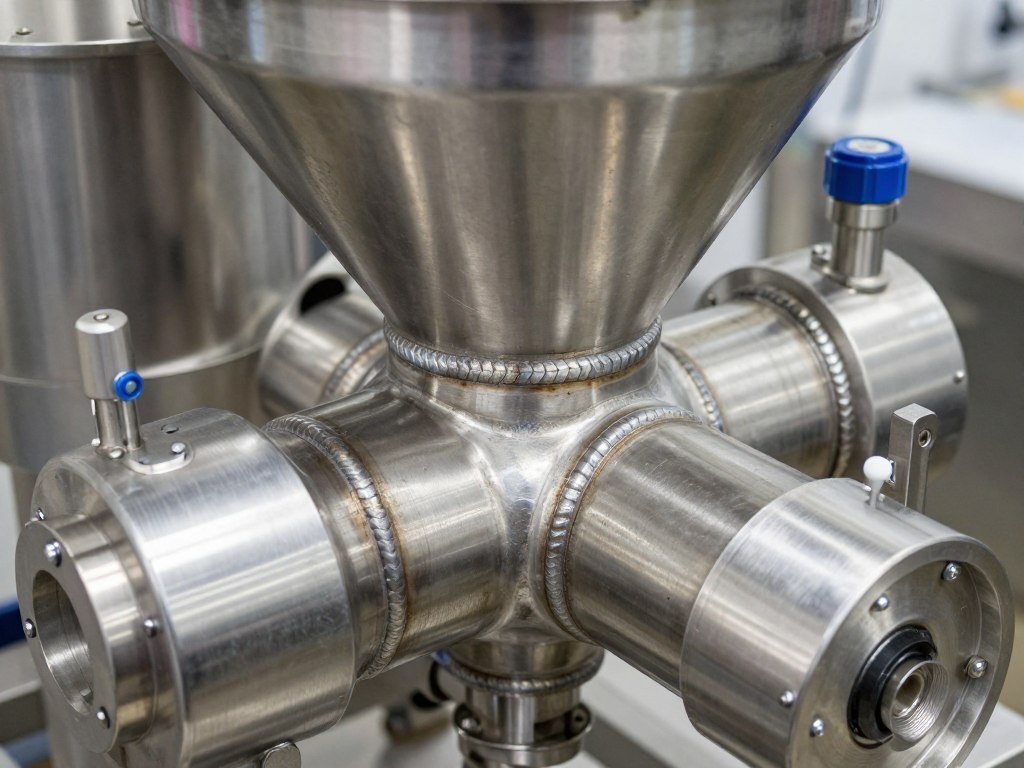
Tropical humidity presents unique challenges for fish feed production equipment. Metal components corrode rapidly without proper protection. We apply specialized corrosion-resistant coatings to all equipment surfaces. Stainless steel construction upgrades are available for critical components contacting feed materials.
High ambient temperatures affect motor performance and bearing life. MAIKONG fish feed production lines destined for Philippines include oversized cooling fans, upgraded bearing systems, and thermal protection circuits preventing heat-related failures that plague standard equipment in tropical environments.
Species-Specific Die Configurations
Philippine aquaculture focuses on specific fish species requiring particular pellet characteristics. We maintain extensive die inventories for popular species. Tilapia operations receive 2-4mm floating pellet dies. Milkfish farmers get specialized dies producing 3-5mm slow-sinking pellets. Catfish and grouper operations receive 4-6mm sinking pellet configurations.
Die changes take less than thirty minutes with our quick-change systems, allowing single production lines to manufacture multiple products daily. This flexibility proves especially valuable for feed mills serving diverse customer bases or operating contract manufacturing arrangements.
Floating Fish Feed Dies
- 2mm diameter – tilapia fingerlings
- 3mm diameter – juvenile milkfish
- 4mm diameter – adult tilapia
- 5mm diameter – large bangus
- Custom sizes available
Sinking Fish Feed Dies
- 3mm diameter – catfish juveniles
- 4mm diameter – adult catfish
- 5mm diameter – grouper grow-out
- 6mm diameter – large carnivorous fish
- Specialized shrimp feed dies
Specialty Feed Dies
- Micro-pellets for fish larvae
- Crumble configurations
- Medicated feed formulations
- High-oil content diets
- Ornamental fish varieties
Software Language and Support
Language barriers create operational challenges and safety concerns. Every MAIKONG fish feed production line includes our multi-language control software with full Filipino translation. Operators work in their native language, reducing training time and preventing costly operational errors.
Our software supports these languages: Simplified Chinese, Traditional Chinese, English, German, Filipino, Persian, French, Malay, Japanese, Korean, and Portuguese. The interface allows instant language switching, valuable for operations employing multilingual workforces or training new operators from different regions.
Discuss Your Specific Customization Needs
Every Philippine operation faces unique requirements. Our engineering team will develop a customized fish feed production line solution addressing your specific fish species, production capacity, site constraints, and budget parameters. We provide detailed customization proposals with transparent pricing.
Investment Analysis and Cost Considerations
Understanding the complete investment required for a fish feed production line helps you make informed decisions and secure appropriate financing. The equipment purchase represents only one component of total project costs. Let me break down the complete investment picture based on numerous Philippine installations we’ve supported.
Direct Equipment Costs
Equipment pricing varies significantly based on capacity, automation level, and customization requirements. A basic 1-ton per hour semi-automatic line suitable for a medium-sized fish farm starts around $45,000 USD. A complete 5-ton per hour fully automatic system for a commercial feed mill ranges from $120,000 to $180,000 USD depending on specifications.
| System Component | 1 T/H Line | 3 T/H Line | 5 T/H Line | 10 T/H Line |
| Raw material handling | $5,000 | $12,000 | $18,000 | $35,000 |
| Grinding equipment | $6,000 | $15,000 | $22,000 | $45,000 |
| Mixing system | $4,000 | $9,000 | $14,000 | $28,000 |
| Pelleting/extrusion | $18,000 | $38,000 | $52,000 | $95,000 |
| Cooling and drying | $5,000 | $11,000 | $16,000 | $32,000 |
| Packaging system | $3,000 | $7,000 | $12,000 | $25,000 |
| Control system | $4,000 | $8,000 | $14,000 | $28,000 |
| Total Equipment Cost | $45,000 | $100,000 | $148,000 | $288,000 |
Additional Project Costs
Smart investors budget for complete project implementation, not just equipment purchase. Shipping to Philippine ports typically adds 8-12% to equipment costs depending on destination and current freight rates. Customs duties, taxes, and import processing fees add another 10-15% for most fish feed production line equipment categories.
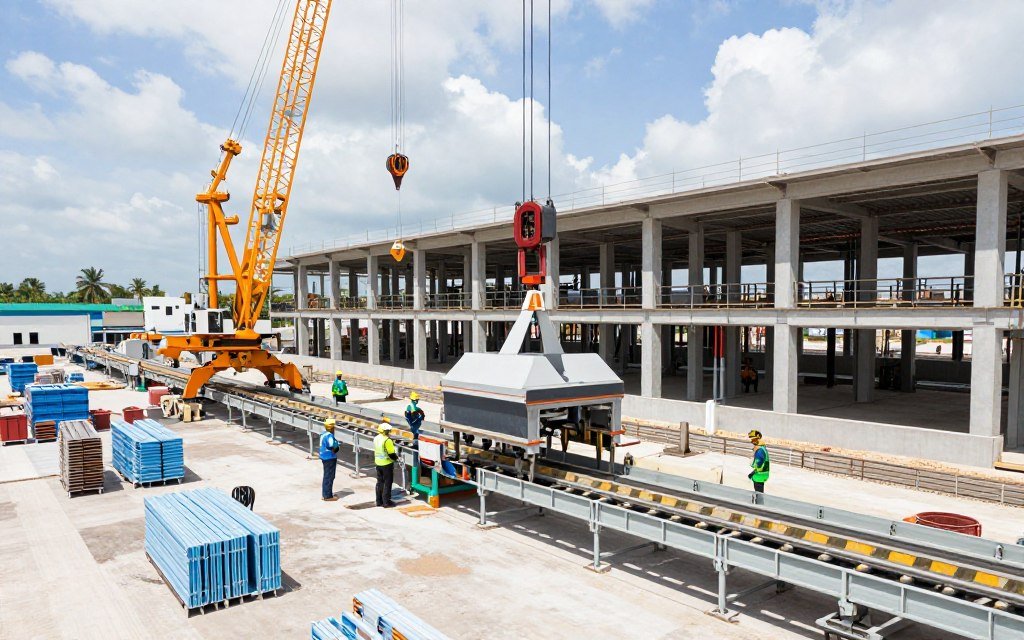
Site preparation and building construction represent significant expenses often underestimated by first-time feed mill builders. A proper production facility requires concrete foundations, structural steel, electrical infrastructure, and weather protection. Budget approximately $150-300 per square meter for basic industrial construction in Philippine provinces, more in Metro Manila.
Installation and Commissioning
Professional installation ensures optimal equipment performance and longevity. MAIKONG provides installation supervision and commissioning services for all Philippine projects. Our technical team typically spends two to three weeks on-site for complete system installation and operator training.
Installation costs vary by project complexity and location accessibility. We typically quote $8,000-15,000 USD for complete installation services on standard configurations, including round-trip airfare, accommodation, and daily technical support during the commissioning period.
Working Capital Requirements
Many Philippine feed mill startups fail due to insufficient working capital despite having excellent equipment. You need funds for raw material inventory, packaging supplies, utilities deposits, and initial staffing before revenue generation begins.
I recommend maintaining working capital equal to three months of projected operational expenses. For a 3-ton hourly operation, this typically means $40,000-60,000 USD in accessible working capital beyond equipment investment, ensuring smooth operations through the initial growth phase.
Return on Investment Analysis
Fish feed production offers attractive returns when properly managed. Philippine retail fish feed prices range from 45-65 pesos per kilogram depending on quality and protein content. Production costs using MAIKONG equipment typically range 28-38 pesos per kilogram including raw materials, labor, utilities, and depreciation.
A 3-ton hourly fish feed production line operating two shifts daily, five days weekly produces approximately 120 tons monthly. At conservative 15 peso per kilogram margins, monthly gross profit reaches 1.8 million pesos or approximately $32,000 USD. Most Philippine operations achieve full equipment cost recovery within 24-36 months while building valuable ongoing business assets.
Get Detailed ROI Projection for Your Project
We’ll prepare a comprehensive financial analysis for your specific fish feed production line project, including equipment costs, installation expenses, operating projections, and realistic return on investment timelines based on current Philippine market conditions and your local competitive environment.
Why Choose MAIKONG for Your Fish Feed Production Line
Selecting the right equipment manufacturer determines your fish feed business success more than any other single decision. I’ve watched Philippine operations thrive with quality equipment and proper support, while others struggle with cheap imports lacking backup. Let me explain what makes MAIKONG different and why we’ve become a trusted partner for serious feed manufacturers across Southeast Asia.
Manufacturing Excellence and Quality Control
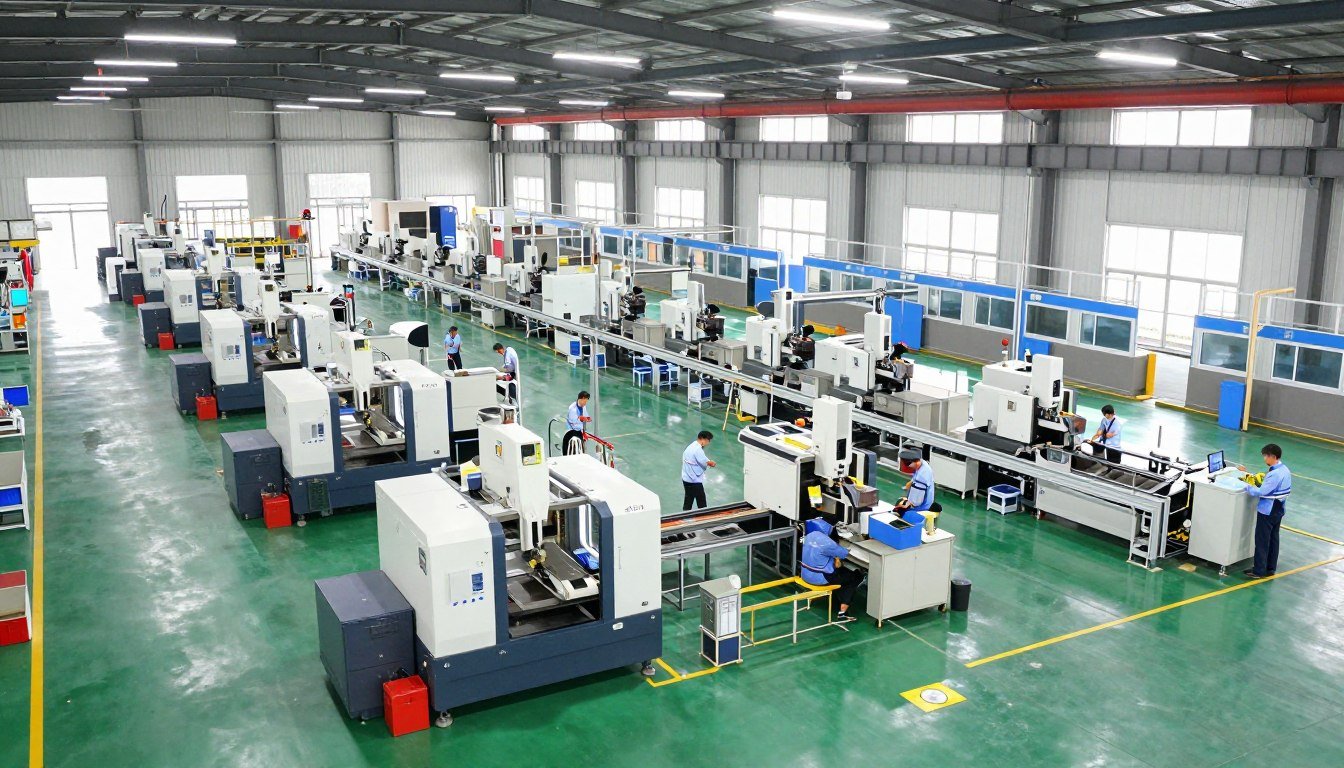
Our SZ, GD facility operates under strict quality management systems. Every fish feed production line component undergoes multiple inspection stages during manufacturing. Critical parts like pellet dies receive precision machining on CNC equipment with tolerances measured in hundredths of millimeters. This precision ensures consistent pellet quality and extended equipment life.
We use premium materials throughout our equipment. Main frames utilize heavy-gauge steel with professional welding that withstands decades of continuous operation. Motors come from recognized manufacturers with tropical-rated insulation systems. Bearings meet international standards for load capacity and operational life. These quality fundamentals explain why MAIKONG equipment consistently outlasts cheaper alternatives.
Comprehensive Testing Protocol
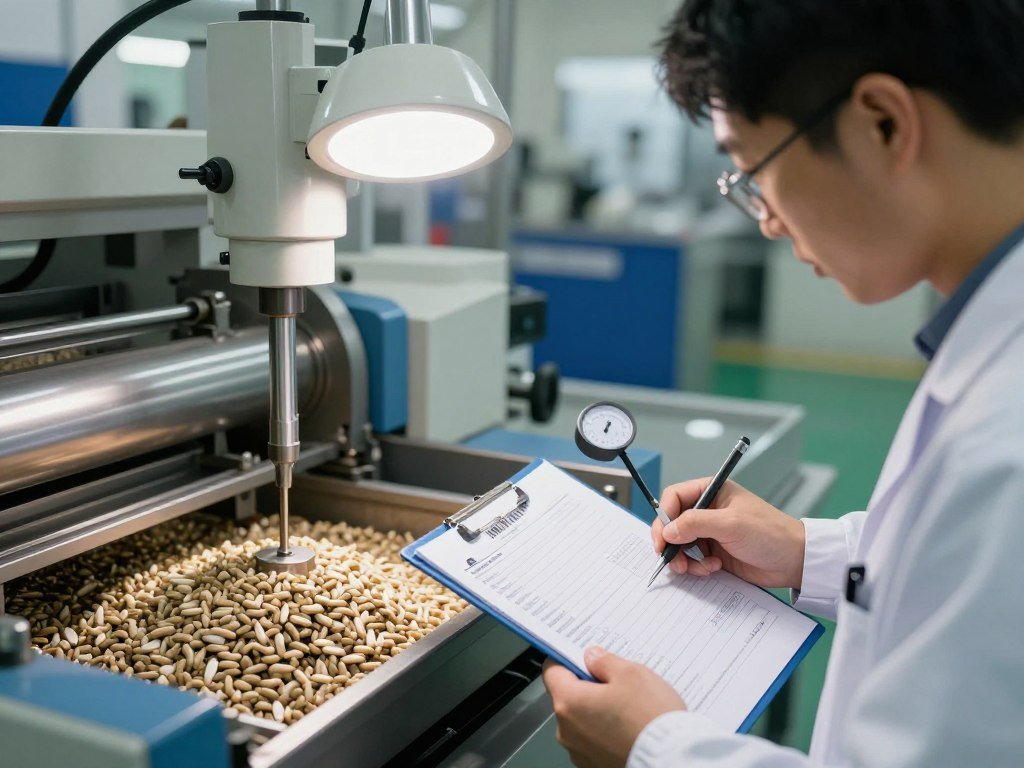
Every complete fish feed production line undergoes full-load testing before shipment. We run actual production trials using fish feed formulations, verifying output capacity, pellet quality, and system integration. This testing identifies and corrects issues in our controlled facility rather than at your site after expensive shipping.
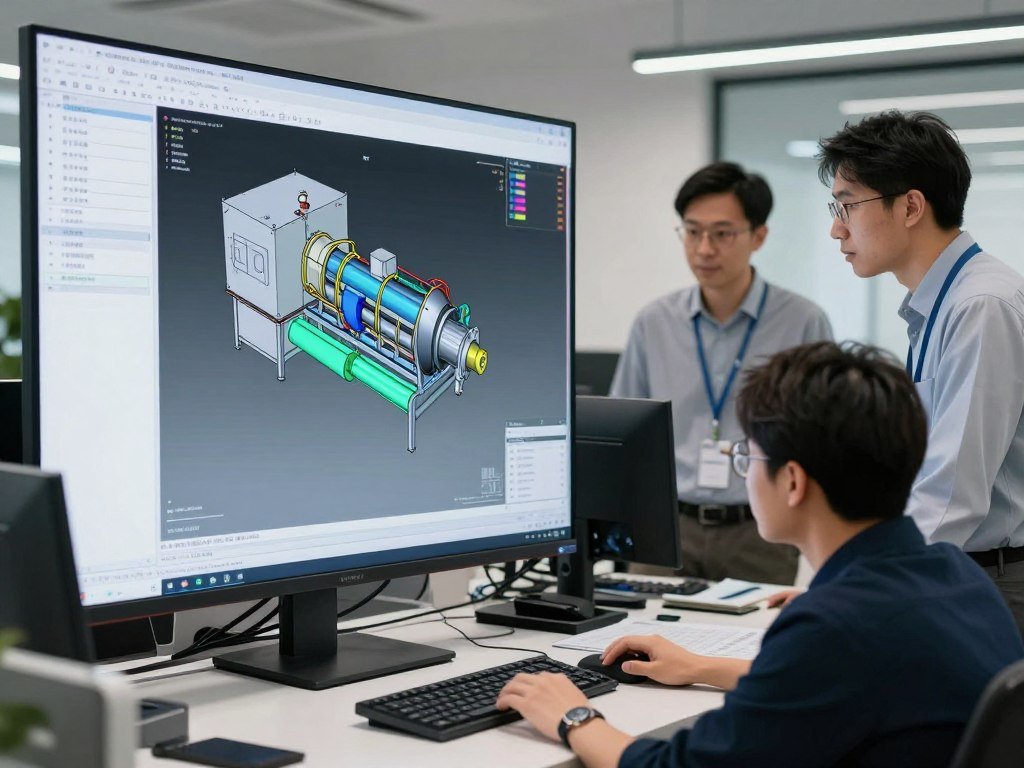
Engineering Expertise
Our technical team includes mechanical engineers, electrical specialists, and food processing experts with combined experience exceeding 200 years. This knowledge base allows us to solve complex customization challenges and optimize fish feed production line configurations for specific applications that generic manufacturers cannot address.
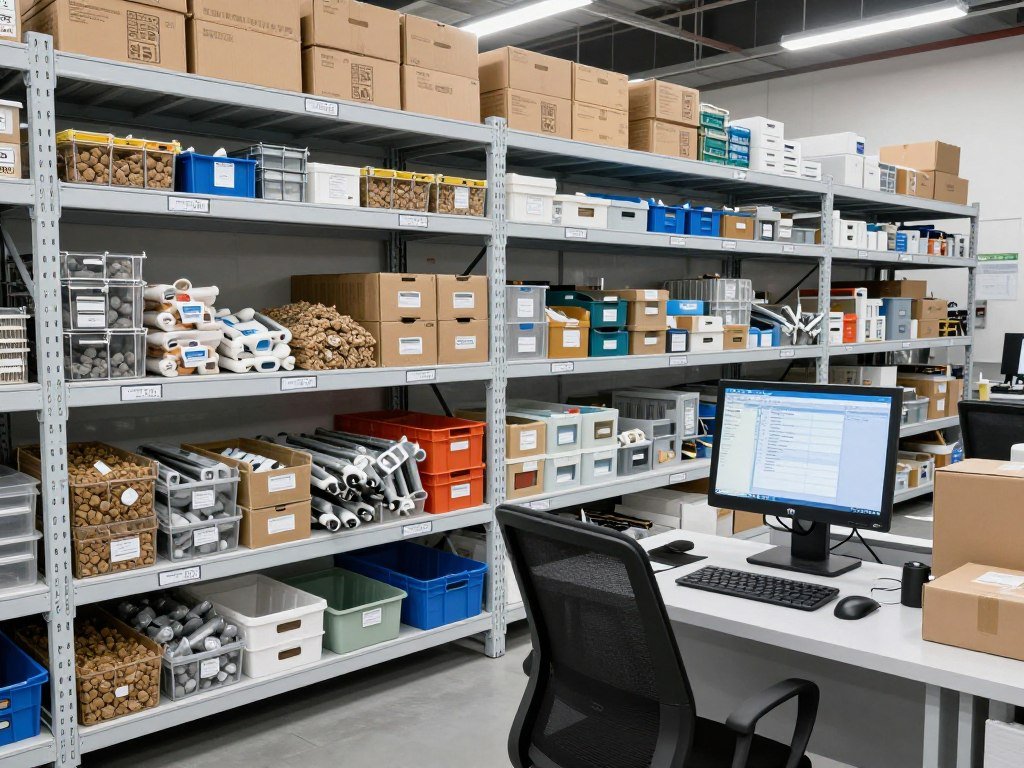
Parts and Support Infrastructure
We maintain comprehensive spare parts inventories supporting rapid replacement of wear components. Common parts like screens, hammers, and dies ship within 48 hours of order. Our technical support operates via phone, email, and video conferencing, providing troubleshooting assistance in your time zone and language.
Philippine Market Experience and Local Understanding
MAIKONG has supplied fish feed production lines to seventeen Philippine operations over the past eight years. This experience taught us the specific requirements of your market. We understand your climate challenges, electrical infrastructure limitations, available raw materials, target fish species, and competitive market dynamics.
Our equipment arrives pre-configured for Philippine conditions. You receive a fish feed production line ready for installation without expensive modifications or compatibility surprises. Documentation arrives in English with Filipino translations available. Our installation teams have worked extensively in Philippine conditions and understand local construction practices, permitting requirements, and operational challenges.
Transparent Pricing and Business Practices
We provide detailed quotations breaking down every cost component. No hidden fees or surprise charges appear during project execution. Our contracts clearly specify equipment included, services provided, payment terms, delivery schedules, and warranty coverage. This transparency builds trust and allows accurate budget planning.
Payment terms accommodate Philippine business practices. We accept bank transfers, letters of credit, and can structure payments around project milestones. Deposits typically range 30-40%, with balances due upon shipping or after successful commissioning depending on project size and customer relationship.
Partnership Opportunities for Philippine Distributors and Agents
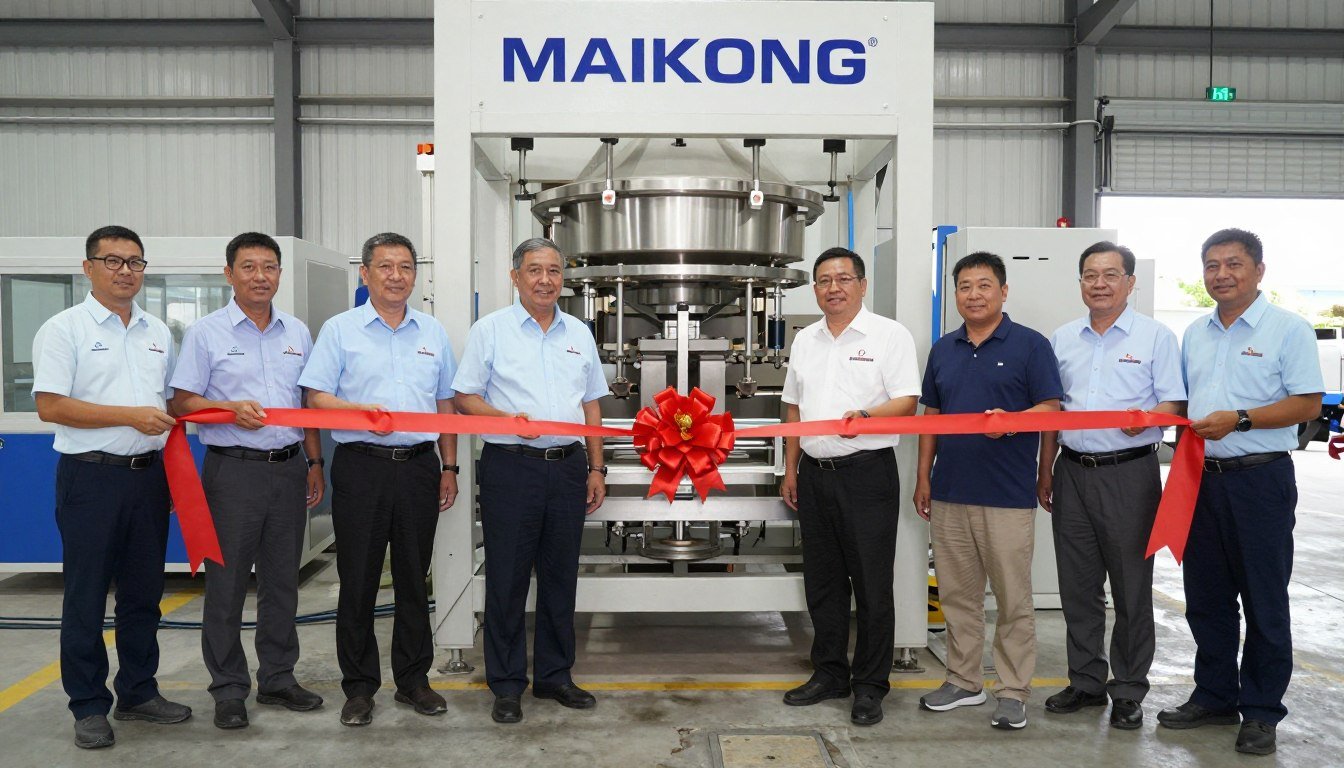
MAIKONG actively seeks qualified partners to represent our fish feed production line equipment throughout the Philippines. We believe local representation provides better customer service and market development than direct sales from China. If you’re an established equipment importer, agricultural products distributor, or entrepreneurial individual with feed industry connections, I invite you to explore partnership with MAIKONG.
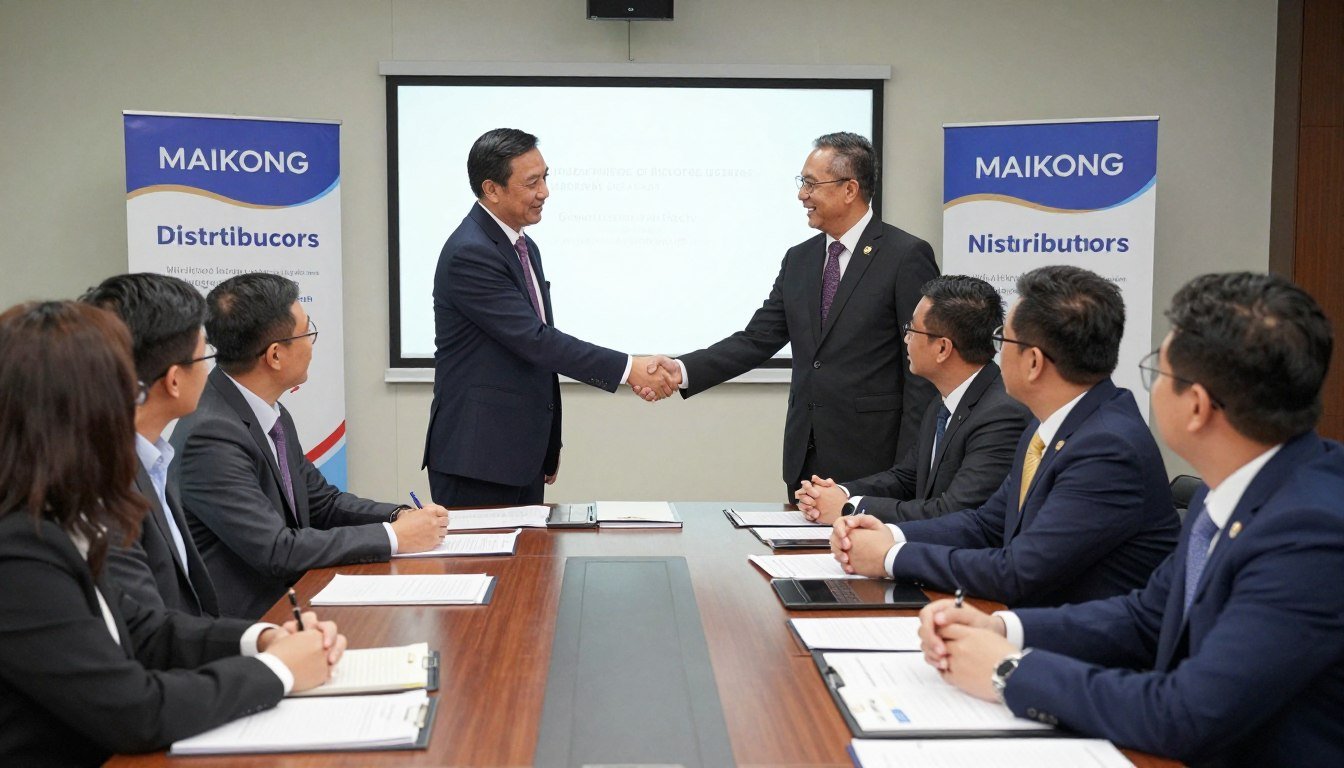
Why Partner with MAIKONG?
The Philippine aquaculture and livestock sectors continue expanding rapidly. Government initiatives promote food security through increased domestic feed production. This creates sustained demand for quality fish feed production line equipment. As a MAIKONG partner, you position yourself at the center of this growth industry.
We offer attractive commercial terms for qualified distributors. Volume-based pricing provides healthy margins while keeping your offerings competitive. Exclusive territory rights prevent internal competition, allowing you to build customer relationships and market presence without concern about direct factory sales undercutting your efforts.
Technical training ensures you can properly represent our products. We provide comprehensive product training, installation procedures, troubleshooting guidance, and sales support materials. Your team gains the knowledge needed to confidently specify equipment, prepare quotations, and support customers through their purchasing journey.
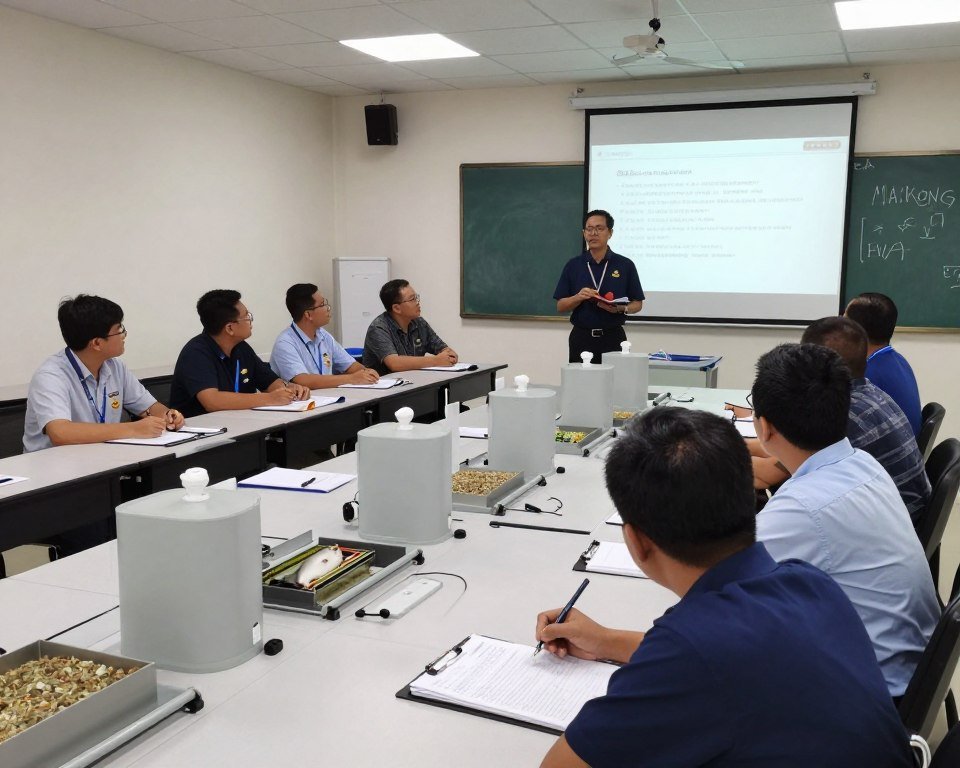
What We Seek in Partners
Ideal MAIKONG distributors demonstrate commitment to customer service and long-term business development. We prefer partners with existing agricultural or industrial equipment experience, though motivated entrepreneurs with strong business networks also interest us. Financial stability and ability to maintain demonstration equipment and parts inventory are important considerations.
We expect partners to actively promote MAIKONG products through professional marketing, customer visits, and industry engagement. Partners should maintain technical competency to provide first-level customer support, with factory backup for complex issues. Most importantly, we seek partners sharing our values of honest business practices, transparent dealing, and genuine concern for customer success.
Distributor Benefits and Support
- Exclusive territory rights for serious partners meeting performance targets
- Competitive wholesale pricing with volume incentives and growth bonuses
- Comprehensive technical training at our SZ factory with ongoing support
- Marketing materials, product catalogs, and sales tools in English and Filipino
- Demo equipment programs for established distributors serving major markets
- Direct factory support for large projects and custom engineering requirements
- Priority spare parts supply ensuring customer equipment uptime
- Joint customer visits and project development for significant opportunities
Application Process
Interested parties should contact us with information about their business background, current product lines, market coverage area, and proposed approach to representing MAIKONG fish feed production line equipment in the Philippines. We review applications confidentially and respond within one week.
Serious candidates proceed to detailed discussions about territory definitions, commercial terms, support requirements, and business planning. We may request business references, financial information, and facility visits to ensure mutual suitability. Once terms are agreed, we execute formal distributor agreements and begin the partnership relationship.
Getting Started with Your Fish Feed Production Line Project
You’ve learned about fish feed production line technology, investment requirements, and MAIKONG capabilities. Now let’s discuss practical next steps to move your project forward. Whether you’re a fish farmer seeking to control feed costs, an entrepreneur entering the feed business, or an investor exploring opportunities, the path forward follows a clear process.
Initial Consultation and Requirement Analysis
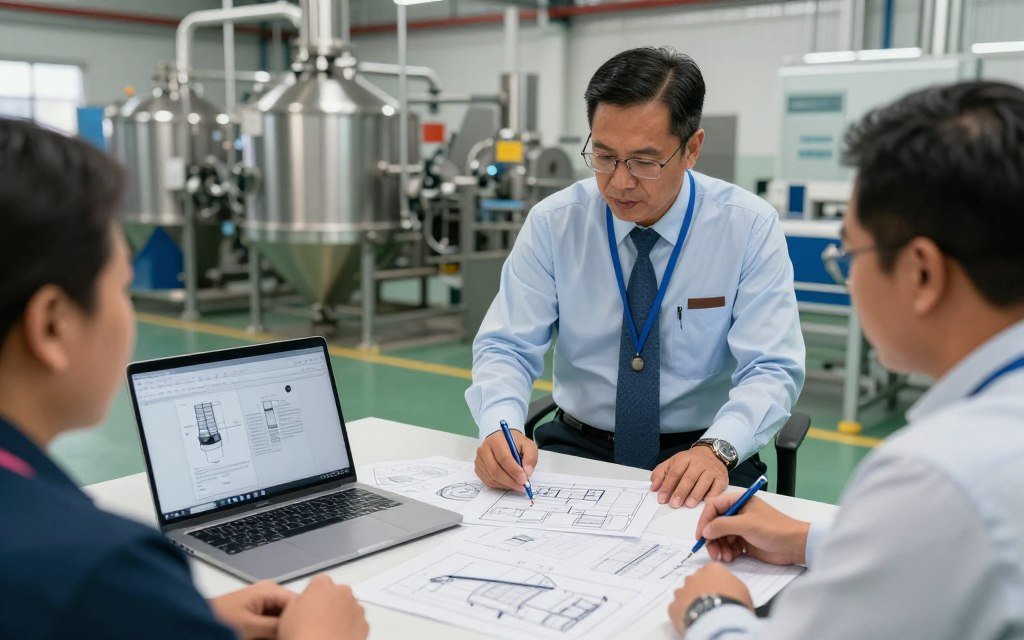
Contact MAIKONG to schedule a detailed consultation. We’ll discuss your specific situation including target production capacity, fish species served, available site area, budget parameters, and timeline requirements. This conversation helps us understand your needs and recommend appropriate fish feed production line configurations.
Be prepared to share information about your raw material sources, target customers, distribution plans, and any technical constraints. The more details you provide, the better we can tailor our recommendations. Don’t worry if you lack some information initially. We’ll guide you through the planning process and help develop a comprehensive project approach.
Proposal Development and Technical Review
Based on our consultation, we prepare a detailed proposal including recommended equipment configuration, technical specifications, layout drawings, cost breakdown, and implementation timeline. This document becomes your roadmap for project evaluation and decision-making.
Review the proposal carefully with your team. We encourage questions and discussion. Our engineers can adjust configurations, explore alternatives, and optimize the design based on your feedback. This collaborative process ensures the final fish feed production line perfectly matches your requirements.
Pre-Project Preparation
Smart preparation accelerates project execution and prevents costly delays:
- Secure appropriate site with utilities access
- Obtain necessary permits and regulatory approvals
- Arrange financing and confirm payment capability
- Identify key personnel for training
- Develop initial raw material sourcing relationships
Manufacturing and Delivery
Once you confirm the order, we begin equipment manufacturing:
- Production typically requires 45-75 days depending on complexity
- Regular progress updates keep you informed
- Pre-shipment inspection verifies quality and completeness
- Shipping to Philippines takes 15-25 days ocean freight
- Complete documentation supports smooth customs clearance
Installation and Commissioning
Our technical team supports successful startup:
- Equipment positioning and mechanical installation
- Electrical connection and control system setup
- System testing and optimization
- Operator training on all equipment and procedures
- Production trials with your actual formulations
Ongoing Support
MAIKONG remains your partner after installation:
- Technical support via phone, email, and video
- Spare parts supply and maintenance guidance
- Production optimization consultation
- Equipment upgrades and capacity expansion support
- Annual maintenance programs for major installations
Financial Considerations and Payment Terms
We structure payment terms to balance our manufacturing requirements with your cash flow needs. Standard terms involve 30-40% deposit upon order confirmation, supporting material procurement and production startup. The remaining balance becomes due upon shipment or after successful commissioning depending on project size and customer relationship.
For established business partners or larger projects, we can discuss extended payment terms, progress billing, or letter of credit arrangements. Our goal is facilitating your project success, and we demonstrate flexibility when it makes business sense for both parties.
Take the Next Step Today
Ready to discuss your fish feed production line project with MAIKONG? Our technical team is standing by to answer your questions, provide detailed information, and help you develop a comprehensive project plan. Contact us now for a free consultation and detailed proposal customized to your specific Philippine market requirements.
Your Partner in Feed Production Success
The Philippine aquaculture and livestock industries stand at an exciting crossroads. Growing domestic demand, export opportunities, and government support create ideal conditions for feed manufacturing businesses. Quality fish feed production line equipment from MAIKONG provides the foundation for building a successful, profitable operation serving this expanding market.
We’ve discussed the complete landscape of fish feed manufacturing including technology options, equipment requirements, customization possibilities, investment considerations, and partnership opportunities. This information empowers you to make informed decisions about your project and select the right equipment supplier.
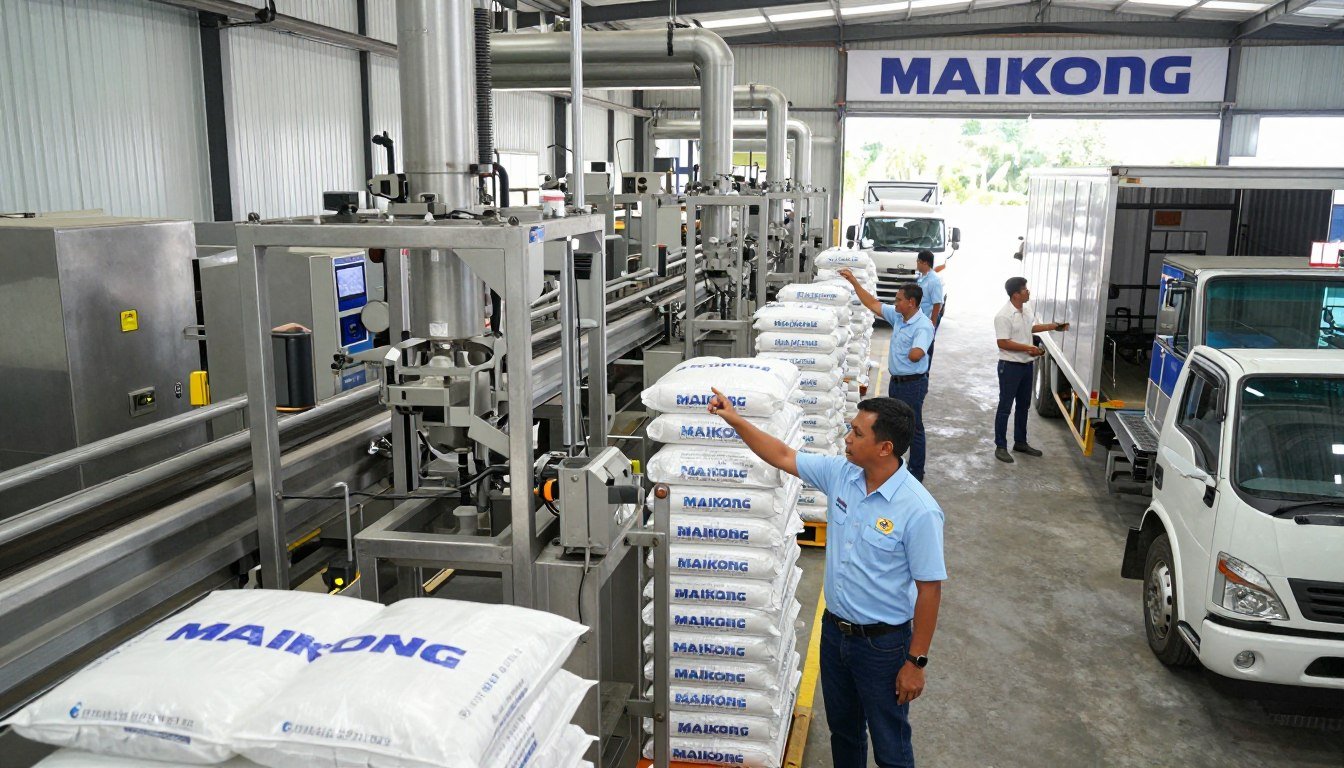
MAIKONG brings fifteen years of manufacturing excellence, comprehensive technical support, and genuine commitment to customer success. Our fish feed production lines operate successfully across the Philippines and throughout Southeast Asia, helping businesses like yours achieve their production goals and financial objectives.
Whether you’re planning a modest fish farm feed system or a major commercial feed mill, we have the equipment, expertise, and support infrastructure to make your project successful. Our customization capabilities ensure your fish feed production line perfectly matches Philippine requirements, from electrical specifications to tropical climate adaptation to species-specific pellet production.
For serious business partners seeking to establish feed equipment distribution operations, MAIKONG offers attractive partnership opportunities with exclusive territories, competitive pricing, comprehensive training, and ongoing support. We’re actively building our Philippine distributor network and welcome inquiries from qualified candidates.
The time to act is now. Philippine feed demand continues growing while competitive advantages favor early market entrants. Contact MAIKONG today to begin your fish feed production line project. Our team is ready to provide the information, guidance, and equipment you need to build a thriving feed manufacturing business.
Start Your Fish Feed Production Success Story with MAIKONG
Join the growing network of successful Philippine feed manufacturers who chose MAIKONG equipment. Contact us today for your free consultation, detailed proposal, and partnership discussion. Let’s work together to build your feed production business and contribute to Philippine aquaculture growth.
Email: lucy@mkgranulatorfuraje.ro
MAIKONG – Your Trusted Partner for Fish Feed Production Line Solutions in the Philippines