
Complete Fish Feed Production Line Systems
A fish feed production line is not a single machine—it’s an integrated system of specialized equipment working together to transform raw ingredients into nutritionally balanced, properly sized feed pellets. For tilapia farming operations in the Philippines, this system provides independence from commercial feed suppliers while ensuring consistent quality tailored to your specific fish population.
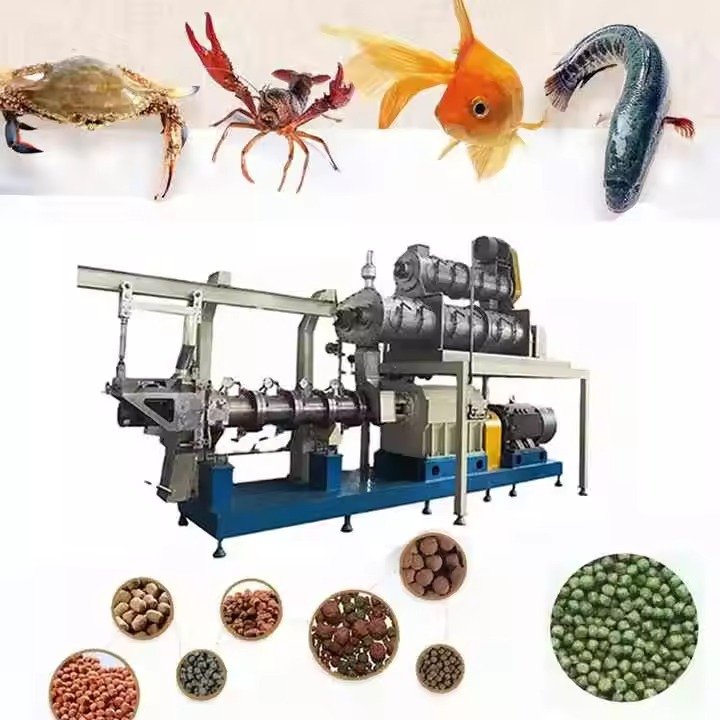
Core Components of Professional Feed Production Systems
Every complete fish feed production line includes several essential stages. Raw materials first enter through receiving and pre-cleaning systems that remove contaminants like stones, metal fragments, and organic debris. This initial quality control prevents equipment damage and ensures feed purity.
The crushing section reduces particle size using hammer mills or grinder machines. Smaller particles increase digestibility and improve nutrient absorption in tilapia. Philippine operations typically need crushers handling corn, rice bran, fishmeal, soybean meal, and copra meal—common local ingredients.
Primary Production Equipment
- Raw material receiving hoppers with capacity sensors
- Vibrating pre-cleaning screens for contamination removal
- High-capacity hammer mills for particle size reduction
- Precision batching scales for ingredient proportioning
- Horizontal ribbon mixers ensuring ingredient uniformity
- Steam conditioners for heat treatment and moisture control
Secondary Processing Equipment
- Ring die pellet mills forming compressed feed pellets
- Counter-flow coolers removing excess heat and moisture
- Crumblers breaking pellets into appropriate sizes
- Multi-deck vibrating screens separating finished products
- Automatic bagging and weighing systems
- Dust collection systems maintaining air quality
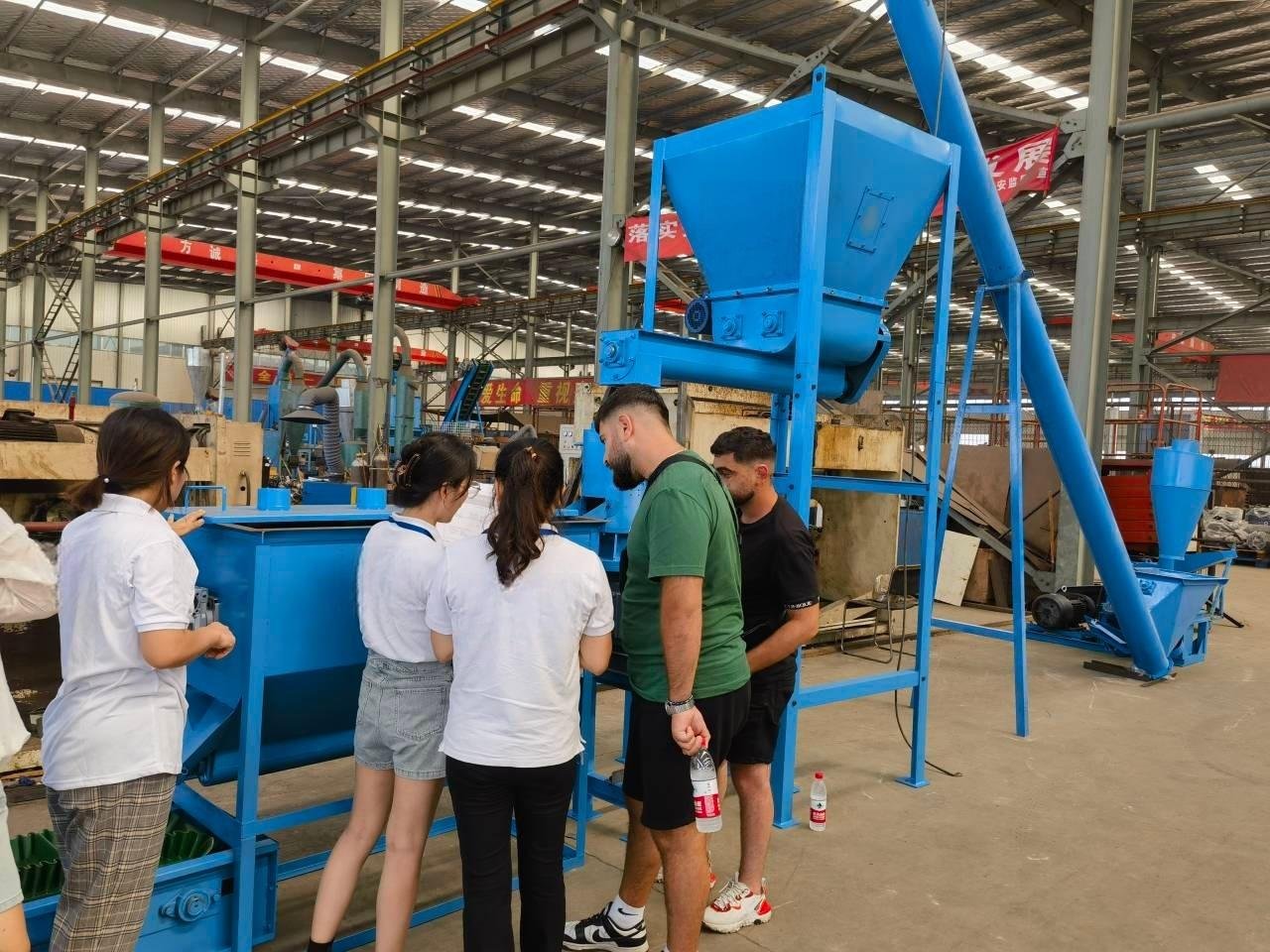
Floating Fish Feed Production Line vs Sinking Feed Systems
Philippine tilapia farmers face an important decision: floating fish feed production line equipment or sinking pellet systems. This choice impacts feeding efficiency, waste management, and production costs.
Floating fish feed pellets remain on the water surface for 15-30 minutes, allowing farmers to observe consumption rates and adjust feeding amounts accordingly. This visibility reduces waste and prevents water quality deterioration from uneaten feed. Floating pellets require extrusion technology with higher temperature and pressure, creating expanded, buoyant structures.
Sinking fish feed pellets drop to pond bottoms where bottom-feeding fish consume them. These pellets use simpler compression pelleting technology with lower equipment costs. However, monitoring consumption becomes difficult, potentially leading to overfeeding and water quality issues.
Need Help Choosing Between Floating and Sinking Systems?
Our aquaculture engineers provide free consultation to match equipment specifications with your tilapia farming operation’s specific requirements, water depth, and feeding management practices.
Production Capacity Planning for Philippine Tilapia Operations
Selecting appropriate production capacity determines equipment investment, operational efficiency, and business scalability. Philippine tilapia farms range from small-scale family operations to large commercial enterprises, each requiring different feed pellet production line configurations.
Small-Scale Systems: 200KG to 2 Tons Per Hour
Family-owned tilapia ponds typically maintain 5,000 to 20,000 fish across 1-3 hectares. These operations benefit from compact fish feed production line systems producing 200KG to 2 tons hourly. MAIKONG’s Model MK-L001 serves this market segment with space-efficient design and affordable pricing between 10,000 to 50,000 USD depending on automation level.
Small-scale systems occupy 300-500 square meters and complete installation within 7-15 days. Power requirements range from 47-75KW, compatible with standard Philippine electrical infrastructure. These lines typically produce 2-4mm pellets suitable for fingerling to harvest-size tilapia.
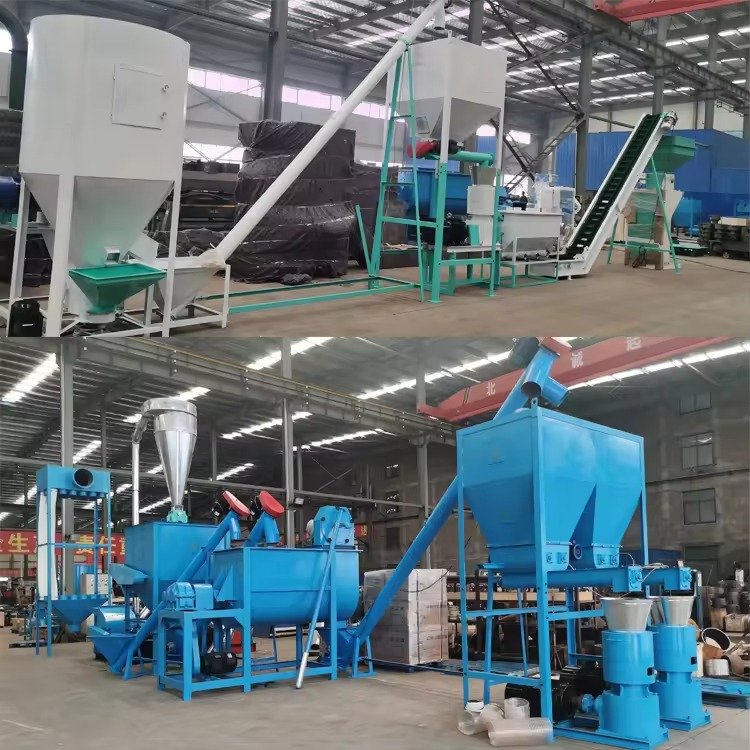
Medium-Scale Systems: 3 to 10 Tons Per Hour
Growing commercial farms maintaining 50,000 to 200,000 fish across 5-15 hectares require medium-capacity feed pellet production systems. These configurations produce 3-10 tons hourly, supporting multiple pond cycles and potentially supplying neighboring smaller farms.
Investment ranges from 50,000 to 300,000 USD for complete turnkey installations. Facility requirements expand to 400-2,000 square meters with 53-410KW power capacity. Installation timelines extend to 20-60 days including equipment setup, electrical integration, and operator training.
| Capacity Range | Suitable Farm Size | Investment (USD) | Space Required | Power Need | Installation Time |
| 200KG-2T/H | 1-3 hectares | 10,000-50,000 | 300-500m² | 47-75KW | 7-15 days |
| 3-4T/H | 3-7 hectares | 50,000-120,000 | 300-700m² | 53-165KW | 15-20 days |
| 5-7T/H | 7-12 hectares | 70,000-250,000 | 400-800m² | 68-259KW | 20-40 days |
| 8-10T/H | 12-20 hectares | 150,000-300,000 | 800-2,000m² | 125-410KW | 45-60 days |
| 12-20T/H | 20-40 hectares | 250,000-580,000 | 1,500-3,000m² | 358-620KW | 60-90 days |
| 25-40T/H | 40-80 hectares | 450,000-850,000 | 2,000-4,000m² | 545-870KW | 90-120 days |
Large-Scale Industrial Systems: 20 to 100 Tons Per Hour
Major commercial operations, feed mill businesses, and regional cooperatives require industrial-capacity aqua fish feed production line systems. These installations produce 20-100 tons hourly, supporting extensive farming operations or commercial feed distribution networks across multiple provinces.
Investment scales from 250,000 to 2,800,000 USD for complete facilities. These plants occupy 1,500-20,000 square meters and require 358-1,700KW electrical capacity. Full commissioning takes 60-190 days including civil works, equipment installation, and comprehensive staff training programs.
Technical Specifications: MAIKONG Model MK-L001 Fish Feed Production Line
MAIKONG’s flagship Model MK-L001 represents 22 years of manufacturing refinement specifically adapted for Southeast Asian aquaculture markets. This versatile system accommodates small to medium Philippine tilapia operations while maintaining professional manufacturing standards.
Complete System Specifications
- Model Designation: MK-L001
- Production Capacity: 1-5 tons per hour (adjustable)
- Control Mode: Automatic/Semi-Automatic/Manual selectable
- Feed Type Output: Floating or sinking pellets
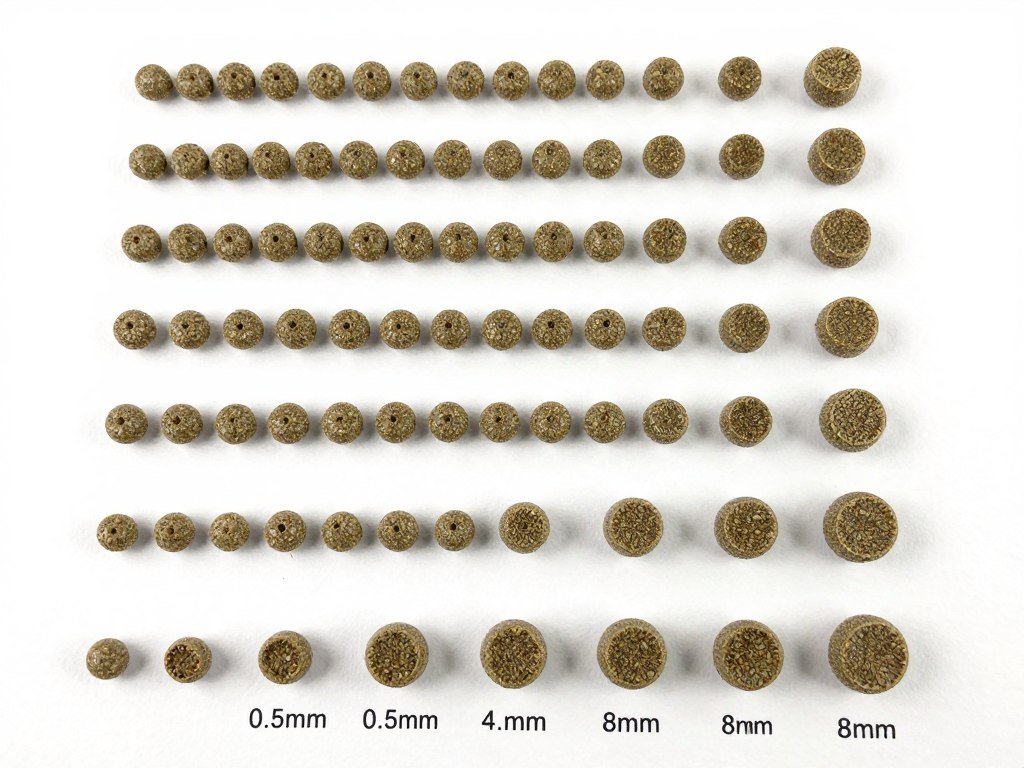
- Pellet Size Range: 0.5mm to 8mm diameter
- Raw Material Compatibility: Corn, soybean meal, fishmeal, rice bran, wheat, copra meal, cassava
- Power Supply: 220V/380V/440V (Philippine voltage compatible)
- Total Power Consumption: 68-165KW
- Material Construction: Food-grade stainless steel (contact surfaces), ABS polymer (control panels)
- Overall Dimensions: 15m (L) × 4m (W) × 5.5m (H)
- System Weight: 4,200 kilograms
- Installation Space: Minimum 400m² recommended
- Color Options: Industrial gray, white, custom colors available
- Noise Level:
- Certification: ISO 9001, CE certified components
- Warranty Period: 2 years comprehensive coverage
- Expected Lifespan: 15-20 years with proper maintenance
- Stock Availability: Ready for shipment within 15-30 days
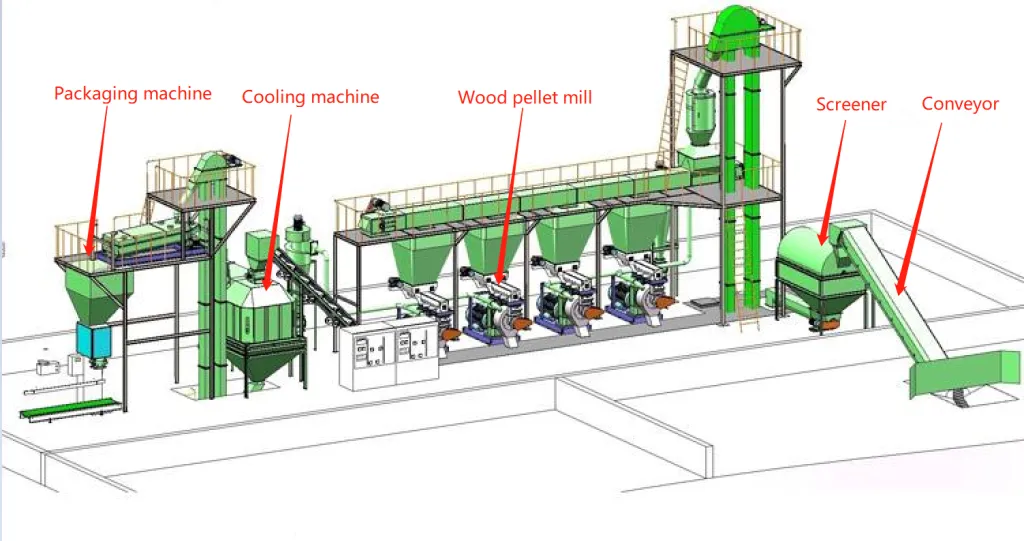
Production Process Flow and Equipment Integration
The Model MK-L001 integrates eight critical production stages into a continuous, automated workflow. Raw materials enter through a 2-ton capacity receiving hopper equipped with automatic level sensors preventing overfeeding or material shortages.
Pre-cleaning screens remove physical contaminants before materials advance to the crushing stage. The integrated hammer mill features replaceable screens allowing particle size adjustment from coarse (5mm) to fine (1mm) depending on fish life stage requirements.
After crushing, materials move to precision batching scales. The computerized weighing system maintains ingredient ratios within ±0.2% accuracy, critical for consistent nutritional profiles. Philippine tilapia formulations typically combine corn (40-45%), soybean meal (20-25%), fishmeal (10-15%), rice bran (10-15%), and vitamin-mineral premix (2-3%).
The horizontal ribbon mixer ensures complete ingredient uniformity within 5-8 minutes. Mixing paddles create continuous material flow preventing stratification or incomplete blending. For aqua feed production, liquid ingredients like fish oil enter through spray nozzles during mixing.
Calculate Your Feed Production Costs and ROI
Get a detailed cost analysis comparing commercial feed purchase versus on-site production with MAIKONG equipment. Our team provides customized calculations based on your farm size, current feed consumption, and local ingredient prices.
Pelleting Technology: The System Core
The Model MK-L001 fish feed pellet machine employs ring-die technology with steam conditioning. Mixed materials receive 2-5 bar steam injection at 80-90°C, gelatinizing starches and improving pellet binding. This conditioning step increases pellet water stability—critical for preventing nutrient leaching in tilapia ponds.
The pelleting chamber forces conditioned material through die holes using rotating rollers. Die hole diameter determines final pellet size. MAIKONG provides interchangeable dies for 0.5mm (larval feed) through 8mm (broodstock feed) production without equipment changes.
For floating fish feed production line operation, the system includes an extruder attachment. High-temperature, high-pressure extrusion expands pellet structure creating buoyancy. Floating pellets remain stable on water surfaces for 20-30 minutes, ideal for monitoring tilapia feeding behavior.
Post-Pelleting Processing: Cooling, Crumbling, and Packaging
Freshly formed pellets exit the pelletizer at 75-85°C with 15-18% moisture content. Without proper cooling and drying, pellets degrade rapidly through mold growth and nutrient oxidation. The Model MK-L001 counter-flow cooler addresses this critical requirement.
Counter-Flow Cooling Technology
The integrated counter flow cooler uses ambient air circulation moving opposite to pellet flow direction. This counter-current design maximizes heat transfer efficiency while preventing pellet cracking from rapid temperature changes. Cooling duration typically requires 10-15 minutes, reducing pellet temperature to within 5°C of ambient and moisture to 10-12%.
Philippine operations benefit from this cooling technology particularly during hot, humid seasons when ambient temperatures exceed 32°C. Properly cooled pellets maintain storage stability for 30-45 days in tropical conditions when stored in dry, ventilated warehouses.
Crumbling and Size Classification
Tilapia fingerlings require smaller feed particles than grow-out fish. The system’s crumbling section breaks cooled pellets into precise size ranges. Adjustable gap settings control particle size from fine crumbles (0.5-1.5mm) for fry through coarse pellets (6-8mm) for market-size fish.
Multi-deck vibrating screens separate crumbled material into uniform size classifications. Oversized particles return to the crumbler for reprocessing. Undersized fines either remix into the next production batch or package separately as nursery feed. This closed-loop system achieves 98% material utilization with minimal waste.
Cooling System Benefits
- Extends feed shelf life from 7-10 days to 30-45 days
- Prevents mold growth in tropical humidity
- Maintains vitamin and amino acid stability
- Reduces pellet breakage during handling
- Improves water stability when feeding
- Energy-efficient air circulation design
Size Classification Advantages
- Single production batch serves multiple fish sizes
- Reduces ingredient waste through fines recycling
- Consistent particle size improves feeding efficiency
- Automated screening reduces labor requirements
- Adjustable classification for species-specific needs
- Quality control through precise size separation
Automated Packaging Solutions
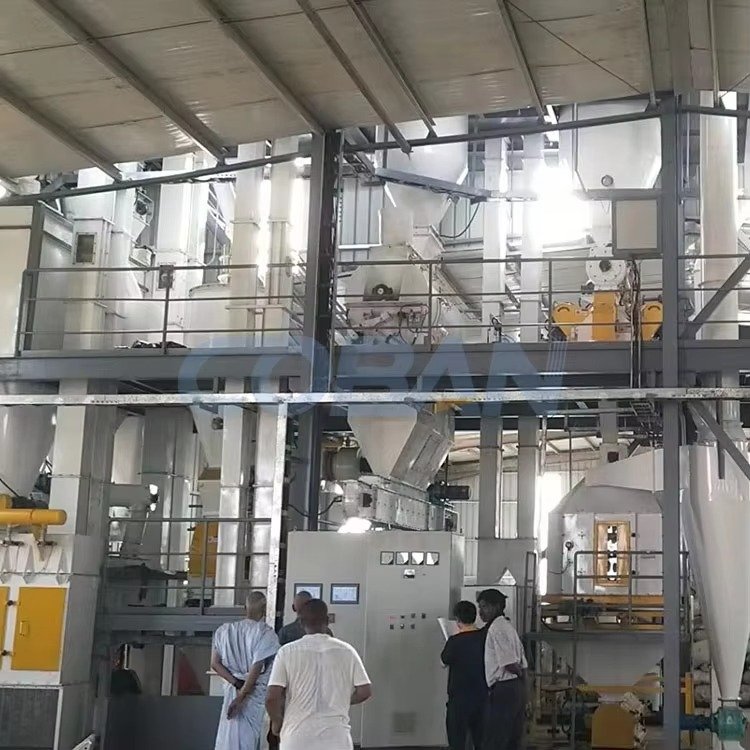
The final production stage employs automatic bagging and weighing systems. The Model MK-L001 packing machine fills bags at 6-12 bags per minute depending on bag size. Typical Philippine operations use 25kg or 50kg bag configurations for convenient handling and storage.
Electronic scales maintain ±50-gram accuracy across repeated fillings. Automatic bag sewing or heat-sealing options prevent moisture infiltration and preserve feed freshness. The system accommodates various bag materials including woven polypropylene, paper-poly laminates, or moisture-barrier bags for extended storage requirements.
Customization Options for Philippine Aquaculture Requirements
MAIKONG’s 22-year manufacturing experience enables extensive fish feed production line customization matching specific Philippine market needs. Our OEM/ODM capabilities address voltage compatibility, ingredient availability, species-specific formulations, and space constraints unique to Filipino aquaculture operations.
Electrical System Adaptation
Philippine electrical infrastructure varies significantly between urban and rural areas. MAIKONG configures equipment for 220V single-phase (small-scale operations), 380V three-phase (medium operations), or 440V three-phase (industrial facilities). Voltage regulators and surge protection integrate into control panels preventing equipment damage from power fluctuations common in provincial areas.
Generator backup integration allows continuous operation during power interruptions. The system’s power management features include soft-start technology reducing initial power draw and preventing circuit overloads when multiple components activate simultaneously.
Species-Specific Production Configurations
While this article focuses on tilapia, Philippine aquaculture encompasses diverse species requiring different feed characteristics. MAIKONG customizes aqua fish feed production line equipment for:
Freshwater Species
- Tilapia (Oreochromis niloticus) – 2-6mm floating pellets
- Catfish (Clarias batrachus) – 3-8mm sinking pellets
- Carp species – 2-5mm semi-floating pellets
- Milkfish/Bangus (Chanos chanos) – 1-4mm pellets
Brackish/Marine Species
- White shrimp (Litopenaeus vannamei) – 0.5-2mm sinking pellets
- Tiger prawn (Penaeus monodon) – 1-3mm high-stability pellets
- Mud crab (Scylla serrata) – 4-8mm moist pellets
- Grouper – 3-6mm slow-sinking pellets
Integrated Farming
- Combined fish-poultry feed production
- Multi-species formulation flexibility
- Shared ingredient processing equipment
- Alternating production schedules
Each species configuration adjusts pellet density, water stability duration, protein content capacity, and ingredient processing parameters. Die configurations, extrusion settings, and cooling profiles modify to match specific biological requirements and feeding behaviors.
Discuss Your Species-Specific Requirements:
Space-Optimized Layouts
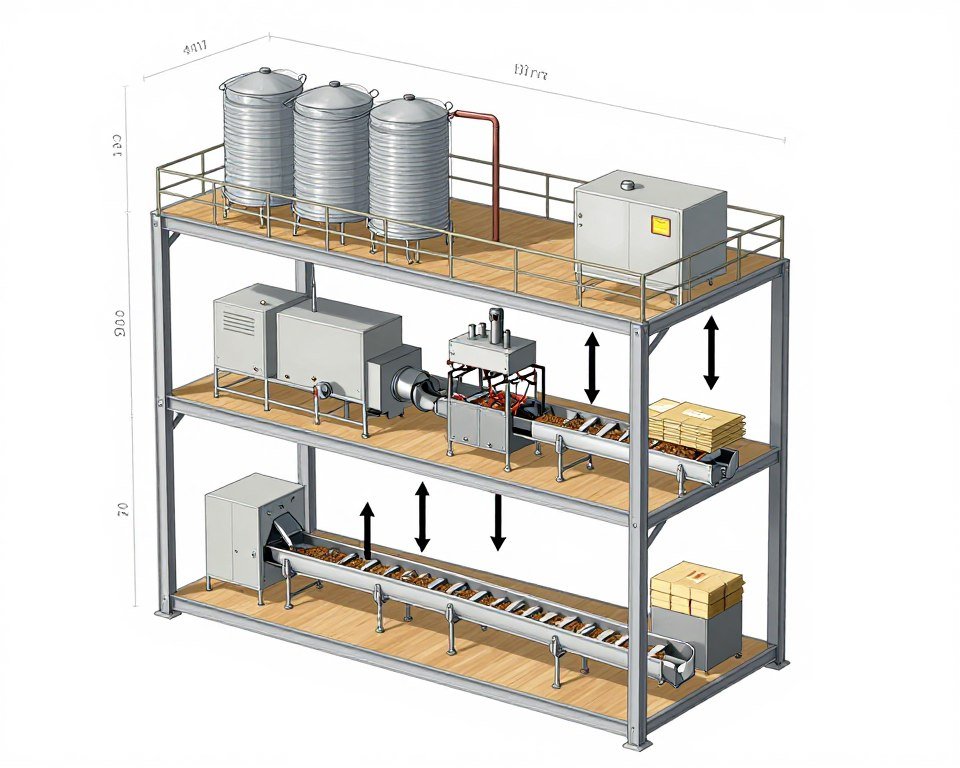
Philippine aquaculture facilities often face space limitations, particularly in densely populated provinces. MAIKONG engineers design vertical or compact horizontal configurations maximizing production capacity within restricted footprints.
Vertical designs utilize multi-story equipment arrangements with bucket elevators and screw conveyors moving materials between floors. These configurations occupy 40-60% less floor space compared to traditional horizontal layouts while maintaining equivalent production capacity.
Compact horizontal designs optimize equipment placement and material flow paths. Computer-aided design (CAD) planning creates custom layouts fitting existing building dimensions, structural limitations, and access requirements. This customization eliminates costly facility modifications or expansion projects.
Operational Efficiency and Cost Analysis for Philippine Tilapia Farms
Understanding true operational costs determines whether on-site feed production delivers profitability advantages over purchasing commercial feed. Multiple factors influence this calculation including ingredient sourcing, labor requirements, energy consumption, and equipment maintenance.
Ingredient Cost Comparison: Commercial vs. Self-Production
Commercial tilapia feed in Philippine markets typically costs ₱28-45 per kilogram depending on protein level, brand reputation, and purchase volume. A 1-hectare tilapia farm producing 10 tons per harvest cycle consumes approximately 15-18 tons of feed, creating ₱420,000-810,000 in feed expenses per cycle.
Self-produced feed using MAIKONG equipment and locally sourced ingredients reduces per-kilogram costs to ₱18-26. The same farm operation spending ₱270,000-468,000 per cycle saves ₱150,000-342,000—a 35-42% cost reduction.
| Cost Component | Commercial Feed (per kg) | Self-Produced Feed (per kg) | Savings |
| Raw ingredients | ₱18-22 | ₱12-16 | ₱6-6 (33%) |
| Processing & packaging | ₱5-8 | ₱2-4 | ₱3-4 (50%) |
| Distribution markup | ₱3-6 | ₱0 | ₱3-6 (100%) |
| Labor (allocated) | Included | ₱2-3 | Variable |
| Energy consumption | Included | ₱1-2 | Variable |
| Equipment depreciation | Included | ₱1-1.5 | Variable |
| Total Cost per kg | ₱28-45 | ₱18-26 | ₱10-19 (36%) |
Return on Investment Timeline
Equipment investment recovery depends on production volume and cost savings magnitude. Small-scale operations investing ₱560,000-2,800,000 (10,000-50,000 USD) typically achieve ROI within 18-36 months through accumulated feed cost savings.
Medium-scale operations with ₱2,800,000-6,720,000 (50,000-120,000 USD) investments recover costs within 12-24 months. Larger production volumes accelerate payback periods while simultaneously improving feed freshness and quality control capabilities.
Labor and Training Requirements
Operating a complete fish feed production line requires trained personnel managing equipment, monitoring quality, and maintaining systems. Small-scale operations function effectively with 2-3 workers per shift. Medium-scale facilities employ 4-6 operators plus maintenance staff.
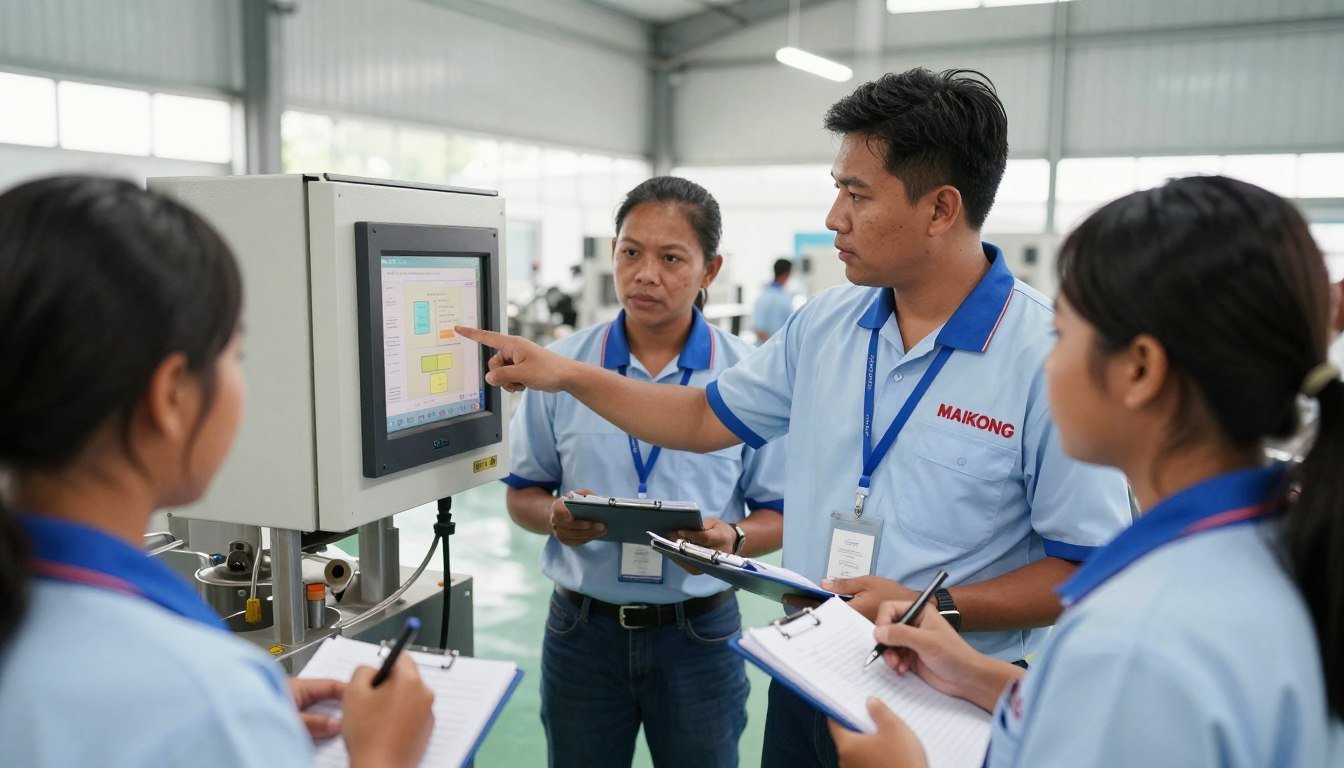
MAIKONG provides comprehensive training programs during installation. Philippine customers receive 5-10 days of on-site training covering equipment operation, safety protocols, basic troubleshooting, and preventive maintenance procedures. Follow-up technical support continues through phone, email, and video consultation.
Training topics include:
- Raw material quality assessment and storage management
- Equipment start-up, operation, and shutdown procedures
- Production parameter adjustment for different formulations
- Quality control testing and documentation
- Routine maintenance schedules and lubrication protocols
- Basic troubleshooting and component replacement
- Safety equipment usage and emergency procedures
- Production record keeping and inventory management
Successful Implementations: Philippine and Asian Case Studies
MAIKONG has supplied fish feed production line equipment to over 130 countries with significant installations across Southeast Asia. Philippine success stories demonstrate equipment performance, ROI achievement, and operational reliability in tropical aquaculture environments.
Case Study 1: Batangas Tilapia Cooperative – 3T/H System
A tilapia farming cooperative in Tanauan, Batangas province installed a 3-ton hourly MAIKONG production line in March 2022. The cooperative represents 47 member farms collectively managing 125 hectares of tilapia production.
Implementation Details: The cooperative invested ₱4,200,000 (75,000 USD) for complete equipment including installation, training, and first-month ingredient inventory. Installation completed within 18 days in a newly constructed 450m² facility.
Results After 18 Months: The cooperative produces 720 tons of feed annually serving member farms and selling surplus to neighboring operations. Per-kilogram production costs average ₱21 compared to ₱38 commercial feed pricing—a ₱17 savings per kilogram. Annual feed cost savings across member farms total ₱12,240,000, achieving full ROI within 14 months.
Additional Benefits: Members report improved fish growth rates due to fresher feed and customized protein levels. Feed consistency eliminates variations affecting fish health. The cooperative now employs 8 full-time workers operating two shifts daily.
Case Study 2: Pampanga Commercial Farm – 8T/H System
A commercial tilapia operation in Candaba, Pampanga manages 38 hectares of intensive pond culture producing 280 tons of market-size tilapia annually. In June 2021, the farm commissioned an 8-ton hourly MAIKONG aqua feed production line.
Implementation Details: Total investment reached ₱11,760,000 (210,000 USD) for equipment, facility construction, and auxiliary systems. The installation occupied 1,200m² within the farm’s existing warehouse complex. Commissioning required 52 days including civil works and electrical upgrades.
Results After 24 Months: The farm produces all required feed plus 400 tons annually sold to regional farms. Production costs settled at ₱19 per kilogram versus ₱42 purchased feed pricing. Annual savings exceed ₱6,440,000 from internal consumption alone, with commercial sales generating ₱3,200,000 additional revenue.
Operational Insights: The farm’s production manager notes feed freshness significantly improved fish appetite and growth uniformity. Custom formulations optimized for different growth stages reduced feed conversion ratios from 1.8:1 to 1.5:1, further improving profitability.
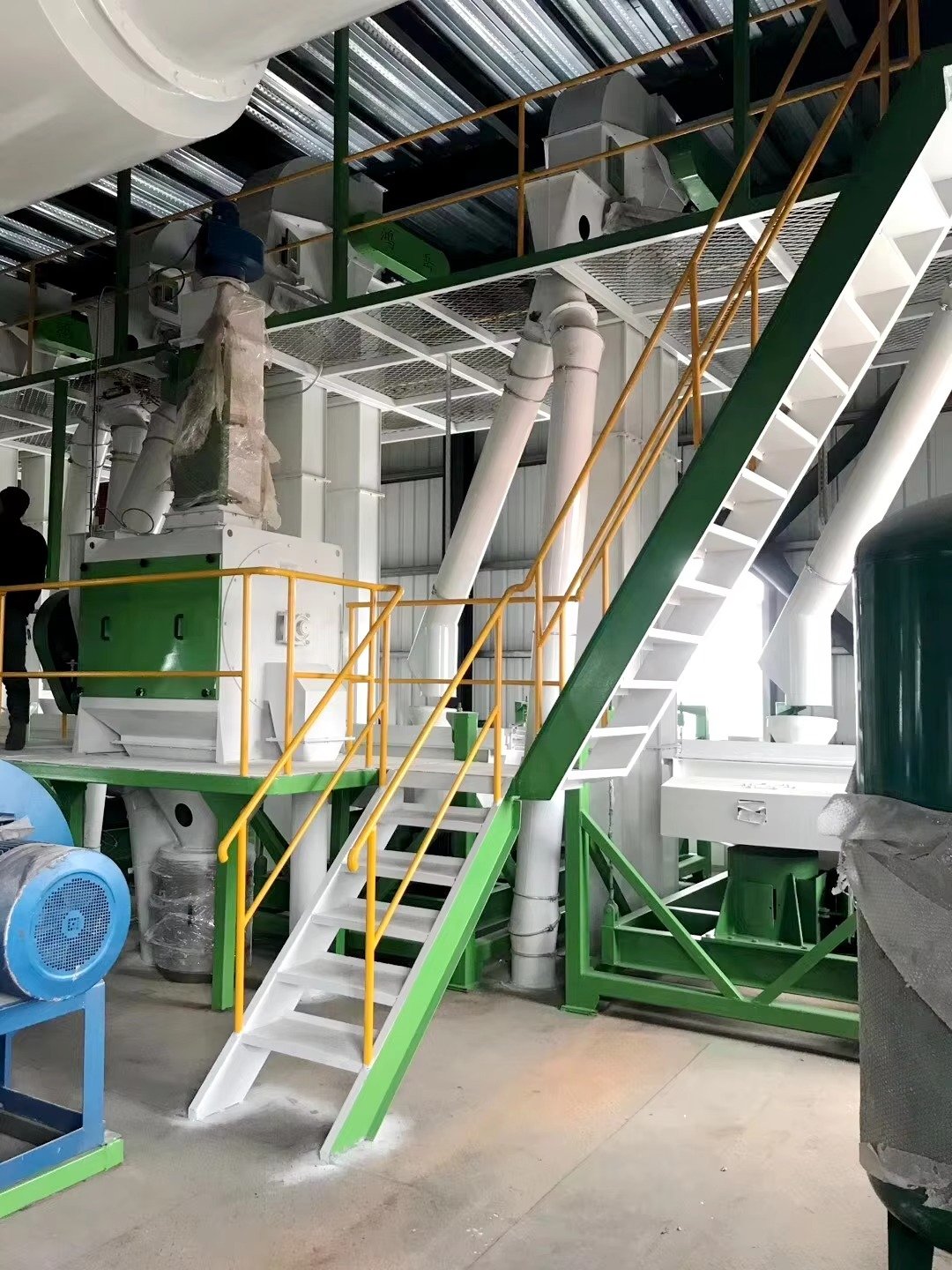
Regional Success: Thailand Shrimp Feed Producer – 15T/H System
Expanding beyond Philippine borders demonstrates MAIKONG equipment performance across diverse Asian markets. A Thailand-based shrimp feed production line operator installed a 15-ton hourly system in Chachoengsao Province during 2020.
Implementation Details: This specialized installation produces high-protein, water-stable pellets for white shrimp farming. Investment totaled $380,000 USD with installation completed in 75 days. The facility produces both slow-sinking pellets for pond culture and extruded floating pellets for biofloc systems.
Performance Results: The facility operates 20 hours daily producing 10,800 tons annually. Product consistency and water stability exceed imported feed brands while maintaining 28% lower costs. The operation now supplies 140+ shrimp farms across three provinces and exports to Cambodia.
Success Factors Across Implementations
Common success elements across Philippine and regional installations include:
Technical Success Factors
- Proper ingredient quality control and storage
- Consistent equipment maintenance schedules
- Trained operators following standard procedures
- Regular calibration of weighing and mixing systems
- Adequate electrical supply and backup power
Business Success Factors
- Realistic capacity planning matching actual demand
- Reliable ingredient supplier relationships
- Quality control testing protocols
- Accurate production cost tracking
- Market development for surplus production
Join Philippine Aquaculture Operators Achieving Feed Independence
MAIKONG has helped 50+ Philippine tilapia farms, cooperatives, and commercial operations reduce feed costs by 35-45% while improving fish health and growth rates. See how our equipment fits your operation’s specific requirements.
Installation and Commissioning Process for Philippine Operations
Successful feed pellet production line implementation requires systematic planning, proper facility preparation, and methodical equipment commissioning. MAIKONG’s turnkey installation approach ensures Philippine customers achieve operational readiness with minimal delays or complications.
Pre-Installation Planning Phase
Installation begins weeks before equipment arrival through detailed site assessment and preparation planning. MAIKONG engineers review facility layouts, electrical infrastructure, material flow logistics, and structural requirements. This remote assessment uses photographs, videos, and measurements provided by customers supplemented by video consultations.
Site preparation requirements include:
- Reinforced concrete foundation pads sized for specific equipment weights and vibration loads
- Electrical service upgrades ensuring adequate power capacity and proper grounding
- Material handling infrastructure including elevated hoppers, conveyor supports, and access platforms
- Adequate ventilation systems for dust control and worker comfort
- Water supply connections for steam generation and equipment cleaning
- Storage areas for raw ingredients with moisture protection and pest control
- Finished product storage with appropriate environmental controls
MAIKONG provides detailed foundation drawings, electrical specifications, and preparation checklists ensuring customers complete necessary work before equipment delivery. This preparation phase typically requires 2-4 weeks for small systems and 6-10 weeks for larger installations.
Equipment Delivery and Installation
Equipment ships from MAIKONG’s manufacturing facility in GD Province to Philippine ports via container freight. Typical shipping duration requires 7-12 days to Manila or 10-15 days to regional ports like Cebu, Davao, or Iloilo. Complete systems occupy 1-4 standard containers depending on capacity and configuration.
MAIKONG coordinates with Philippine customs brokers and freight forwarders ensuring smooth import clearance. Required documentation includes commercial invoices, packing lists, certificates of origin, and equipment specifications. Import duties and taxes apply according to Philippine customs regulations for industrial machinery.
Installation teams typically include 2-4 MAIKONG technicians supported by local contractors for civil works, electrical connections, and material handling. Installation phases proceed systematically:
- Equipment Positioning: Cranes or forklifts place major components on prepared foundations following layout drawings
- Mechanical Assembly: Technicians connect equipment modules, align conveyors, and install material transfer systems
- Electrical Integration: Licensed electricians complete power connections, control wiring, and safety systems
- Pneumatic Systems: Air compressor connections and distribution lines for automated controls
- Testing and Calibration: Individual equipment testing, system integration verification, and control programming
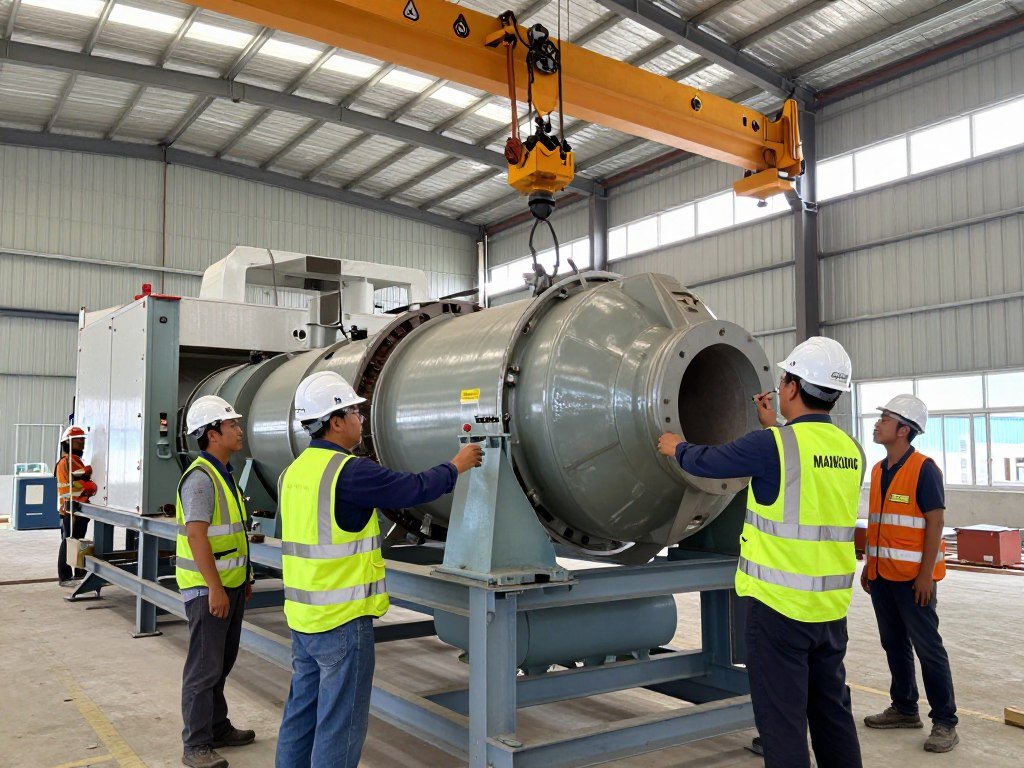
Commissioning and Trial Production
After mechanical installation completes, commissioning begins with systematic startup procedures. This critical phase ensures all equipment operates correctly, safety systems function properly, and production parameters meet specifications.
Commissioning includes:
- Empty equipment testing verifying mechanical operation without materials
- Calibration of weighing systems, flow controls, and temperature sensors
- Initial material runs using test batches to verify processing parameters
- Production rate verification at various operating speeds
- Quality testing of finished pellets for size, durability, water stability
- Safety system verification including emergency stops and interlocks
- Operator training during actual production conditions
- Documentation of operating procedures and maintenance requirements
Trial production typically continues 3-5 days, producing feed used for customer’s own operations while simultaneously training personnel and refining parameters. MAIKONG technicians remain on-site throughout commissioning providing guidance, troubleshooting, and documentation.
Handover and Ongoing Support
Formal equipment handover occurs after successful trial production demonstrating all specifications meet contractual requirements. Customers receive complete documentation packages including:
- Operating manuals in English
- Maintenance schedules and procedures
- Electrical and mechanical drawings
- Parts lists with identification codes
- Troubleshooting guides
- Safety protocols and procedures
- Warranty documentation and terms
- Recommended spare parts inventory
- Supplier contact information
- Quality control procedures
- Production record templates
- Training certificates for operators
Post-installation support continues through MAIKONG’s Philippine technical service network. Customers access support through multiple channels:
24/7 Technical Support Available:
📱 WhatsApp/Call: +86 135-1090-7401
Email Support: Lucy@pelletmachine.ph
Maintenance Requirements and Equipment Longevity
Proper maintenance directly impacts fish feed production line reliability, operating costs, and equipment lifespan. MAIKONG designs systems for 15-20 year operational life when following recommended maintenance schedules. Philippine tropical climate conditions require particular attention to corrosion prevention, dust control, and lubrication management.
Preventive Maintenance Schedule
Systematic maintenance prevents unexpected failures, reduces downtime, and preserves equipment performance. MAIKONG provides detailed maintenance schedules categorizing tasks by frequency:
| Frequency | Maintenance Tasks | Estimated Time | Skills Required |
| Daily | Visual inspection, cleaning external surfaces, checking lubrication levels, emptying dust collectors, verifying safety systems | 30-45 minutes | Operator level |
| Weekly | Detailed cleaning, belt tension adjustment, screen inspection and cleaning, bearing temperature checks, control system verification | 2-3 hours | Operator level |
| Monthly | Complete lubrication service, wear part inspection, electrical connection tightening, calibration verification, detailed documentation | 4-6 hours | Technician level |
| Quarterly | Die and roller inspection, motor and drive system service, sensor calibration, structural integrity assessment, spare parts inventory | 8-12 hours | Technician level |
| Annual | Complete system overhaul, wear part replacement, recalibration, electrical testing, documentation update, operator retraining | 3-5 days | Specialist level |
Critical Wear Components and Replacement Cycles
Several components experience predictable wear requiring periodic replacement. MAIKONG recommends maintaining spare parts inventory for critical items minimizing production interruptions when replacements become necessary.
Typical replacement cycles include:
- Hammer mill screens: 500-800 operating hours depending on ingredient hardness
- Hammer mill hammers: 1,000-1,500 hours with proper material selection
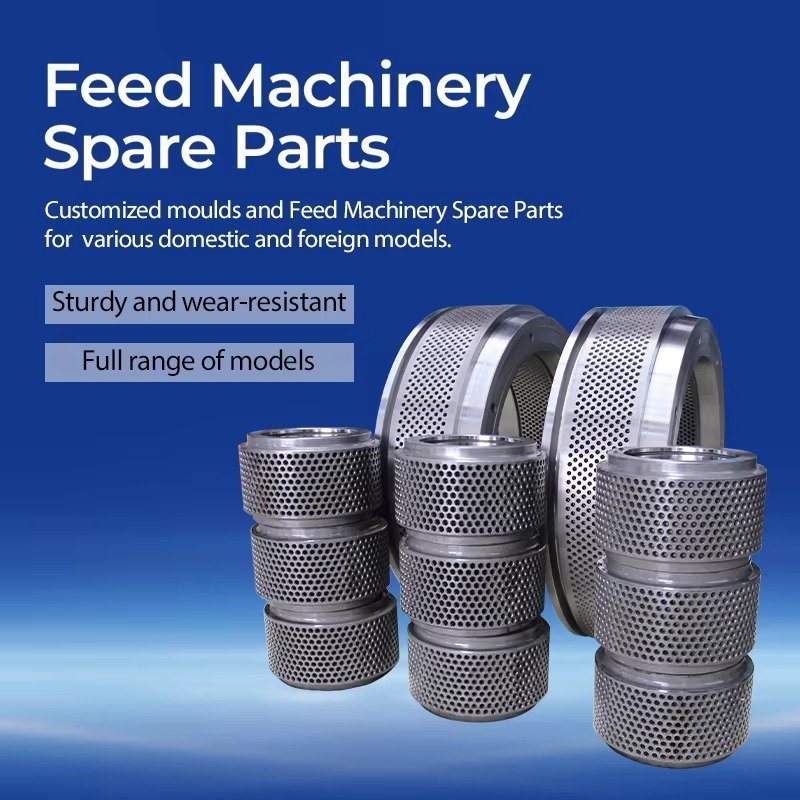
- Pelleting dies: 2,000-3,000 hours based on production tonnage and formulation abrasiveness
- Pelleting rollers: 4,000-6,000 hours with regular conditioning adjustment
- Belt conveyors: 8,000-12,000 hours depending on loading and environmental conditions
- Bearings: 15,000-20,000 hours with proper lubrication maintenance
- Seals and gaskets: Annual replacement during preventive overhaul
MAIKONG supplies genuine replacement parts through our Philippine distribution network. Parts availability typically requires 5-10 days for standard components and 15-30 days for specialized items. Maintaining recommended spare parts inventory ensures immediate availability when replacements become necessary.
Common Issues and Troubleshooting
Experienced operators quickly identify and resolve minor operational issues preventing them from escalating into major problems. MAIKONG’s comprehensive troubleshooting guide addresses common situations:
Low pellet production rate despite adequate power
Possible causes: Worn die or rollers reducing compression efficiency; incorrect material moisture content affecting flowability; feed formulation issues creating bridging in conditioning chamber.
Solutions: Inspect die and rollers for wear indicators; verify material moisture at 12-14%; adjust steam addition rates; check formulation for excessive fines; ensure consistent ingredient particle size from crushing.
Pellets crumbling excessively or poor durability
Possible causes: Insufficient conditioning temperature or time; incorrect moisture content; formulation lacking adequate binders; rapid cooling causing thermal stress.
Solutions: Increase steam pressure to achieve 80-85°C conditioning temperature; extend retention time by adjusting feed rates; verify formulation includes adequate starch content for binding; adjust cooler airflow preventing rapid temperature changes.
Excessive dust generation throughout system
Possible causes: Over-grinding in crushing stage; excessive material drying; dust collection system malfunction; formulation with high fines percentage.
Solutions: Adjust crusher screens to larger openings; verify ingredient moisture levels before processing; inspect dust collector filters and replace if clogged; modify formulation reducing fine particle ingredients; check and seal air leaks in material transfer points.
Uneven mixing causing ingredient separation
Possible causes: Insufficient mixing time; improper mixing paddle clearances; ingredient addition sequence issues; mixer overloading.
Solutions: Extend mixing cycle to minimum 5 minutes for dry ingredients; adjust paddle clearances to manufacturer specifications; add liquids during mixing rather than before; reduce batch size to rated mixer capacity; ensure all ingredients enter mixer before starting paddle rotation.
Feed Formulation Guidelines Using Philippine Ingredients
Successful fish feed production depends equally on equipment capability and nutritional formulation knowledge. Philippine aquaculture benefits from abundant local ingredients providing cost-effective, high-quality feed components when properly balanced and processed.
Core Ingredient Categories for Tilapia Feed
Tilapia are omnivorous fish accepting diverse ingredient sources. Commercial formulations balance protein sources, energy sources, vitamins, minerals, and functional additives creating nutritionally complete diets supporting optimal growth, health, and feed conversion efficiency.
Protein Sources (25-35% of formula)
- Fishmeal (local catch or imported)
- Soybean meal (imported or locally processed)
- Copra meal (abundant Philippine source)
- Rice bran (widely available, economical)
- Shrimp meal (processing waste utilization)
- Meat and bone meal (poultry processing byproducts)
Energy Sources (40-50% of formula)
- Yellow corn (primary carbohydrate source)
- Wheat flour (pellet binding properties)
- Cassava meal (economical energy source)
- Rice bran (dual protein-energy function)
- Molasses (liquid energy, pellet binder)
- Palm oil (high energy density)
Supplements & Additives (2-5% of formula)
- Vitamin premix (A, D, E, K, B-complex)
- Mineral premix (calcium, phosphorus, trace minerals)
- Amino acids (lysine, methionine supplementation)
- Probiotics (gut health promotion)
- Antioxidants (vitamin E, ethoxyquin)
- Pellet binders (bentonite, lignin sulfonate)
Sample Formulations by Growth Stage
Tilapia nutritional requirements change significantly through different life stages. Successful operations adjust formulations matching fish developmental needs, optimizing growth rates while controlling costs.
| Ingredient | Fry (0-1g) | Fingerling (1-10g) | Juvenile (10-50g) | Grow-out (50-300g) |
| Fishmeal | 25% | 18% | 12% | 8% |
| Soybean meal | 20% | 25% | 28% | 30% |
| Yellow corn | 30% | 35% | 38% | 42% |
| Rice bran | 10% | 12% | 13% | 14% |
| Wheat flour | 8% | 5% | 4% | 3% |
| Fish oil | 4% | 3% | 2.5% | 1.5% |
| Vitamin/mineral premix | 3% | 2% | 2.5% | 1.5% |
| Crude protein | 40-42% | 35-38% | 32-35% | 28-30% |
| Pellet size | 0.5-1mm | 1-2mm | 2-4mm | 4-6mm |
These formulations serve as starting points requiring adjustment based on specific ingredient quality, local availability, seasonal price variations, and observed fish performance. Regular monitoring of feed conversion ratios, growth rates, and fish health indicators guides formulation optimization.
Ingredient Sourcing in Philippine Markets
Successful feed production requires reliable ingredient suppliers maintaining consistent quality and competitive pricing. Philippine aquaculture operators typically source ingredients through multiple channels:
- Agricultural cooperatives: Direct corn and rice bran purchases from farmer groups
- Feed ingredient traders: Specialized distributors handling soybean meal, fishmeal, premixes
- Import suppliers: Specialized ingredients not available locally (certain amino acids, vitamins)
- Processing industry byproducts: Copra meal from coconut processing, shrimp meal from seafood plants
- Direct mill purchases: Rice mills for bran, corn mills for meal
Establishing multiple supplier relationships for critical ingredients prevents production disruptions when individual suppliers face shortages or quality issues. Ingredient storage facilities maintaining proper temperature and humidity control preserve quality and prevent waste from spoilage or pest damage.
Business Opportunities: MAIKONG Dealer and Distributor Network in Philippines
MAIKONG actively expands our Philippine presence through authorized dealer and distributor partnerships. We seek entrepreneurial businesses and individuals positioned to serve local aquaculture, agriculture, and feed production industries with high-quality equipment and technical support.
Why Partner with MAIKONG?
MAIKONG brings 22 years of manufacturing expertise, proven equipment performance, and comprehensive support systems enabling dealer success. Our partnership model balances dealer independence with factory backing ensuring competitive advantages in local markets.
Dealer Benefits
- Exclusive territorial rights protecting investment
- Competitive dealer pricing with attractive margins
- Comprehensive technical training programs
- Marketing materials and sales support resources
- Factory-direct spare parts access
- Installation and commissioning assistance
- Customer referral programs
- Growing market demand in expanding aquaculture sector
Ideal Dealer Profile
- Established business in agricultural equipment, aquaculture supplies, or related industries
- Technical capability for equipment installation and service
- Sales network reaching target customer segments
- Financial capacity for inventory investment
- Commitment to customer service excellence
- Understanding of local aquaculture practices and needs
- Warehouse and demonstration facility access
- Long-term growth orientation in feed production market
Target Market Segments for Philippine Dealers
Philippine aquaculture continues expanding with government support through programs promoting food security and rural development. Multiple market segments present opportunities for feed pellet production line equipment sales:
- Small-scale fish farmers: Family operations seeking feed cost reduction and quality control
- Fishing cooperatives: Multi-member organizations centralizing feed production for member benefits
- Commercial fish farms: Medium to large operations optimizing costs through vertical integration
- Feed mill startups: Entrepreneurs establishing commercial feed production businesses
- Existing feed mills: Upgrading aging equipment or expanding capacity
- Integrated operations: Combined poultry-fish farming operations requiring multi-purpose equipment
- Government projects: Agricultural development programs and cooperative support initiatives
- Educational institutions: Aquaculture training centers and demonstration farms
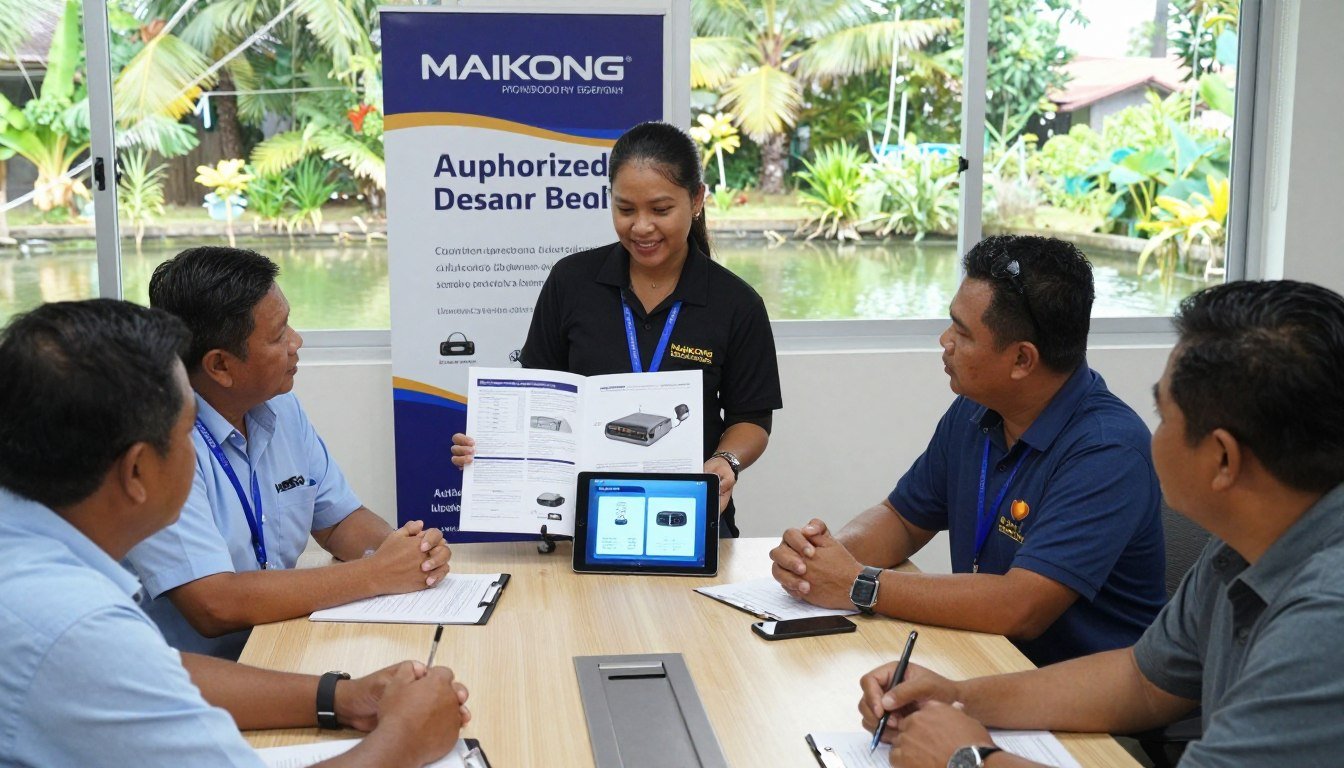
Dealer Support and Training Programs
MAIKONG provides comprehensive dealer enablement ensuring partners possess knowledge, skills, and resources necessary for market success. Support begins with initial partnership establishment and continues throughout the relationship.
Initial Training: New dealers receive 2-week training at our manufacturing facility covering equipment technology, installation procedures, maintenance requirements, and sales methodologies. Training combines classroom instruction with hands-on equipment operation experience.
Technical Support: Ongoing technical assistance helps dealers resolve customer issues, answer specification questions, and handle complex installations. Support channels include phone, email, video consultation, and on-site visits for major projects.
Marketing Support: MAIKONG supplies marketing materials including brochures, specification sheets, case studies, and digital assets for dealer websites and social media. Co-op marketing programs assist with local advertising and trade show participation.
Sales Tools: Dealers receive quotation software, ROI calculators, proposal templates, and customer presentation materials professionally designed for Philippine market conditions.
Exclusive Dealer Territories Still Available in Select Philippine Regions
Join MAIKONG’s growing Philippine dealer network and capitalize on expanding aquaculture industry demand for reliable, cost-effective feed production equipment. We offer comprehensive support, competitive terms, and protected territories.
Contact our Partnership Team:
📧 Email: Lucy@pelletmachine.ph
📱 WhatsApp/Phone: +86 135-1090-7401
🌐 Website: pelletmachine.ph
Frequently Asked Questions About Fish Feed Production Line Equipment
What production capacity do I need for my tilapia farm size?
Capacity requirements depend on your fish population, feeding rates, and production cycles. As a general guideline:
- 1-3 hectare farms: 200KG-1T/H capacity sufficient
- 3-7 hectare farms: 1-3T/H capacity recommended
- 7-15 hectare farms: 3-5T/H capacity appropriate
- 15+ hectare farms: 5-10T/H or larger capacity needed
Consider planning for 20-30% excess capacity accommodating farm expansion and potential commercial feed sales to neighboring operations. MAIKONG engineers provide specific capacity recommendations based on your detailed farm information.
Can MAIKONG equipment produce feed for different fish species?
Yes, MAIKONG fish feed production line equipment handles diverse aquaculture species including tilapia, catfish, milkfish/bangus, carp, shrimp, prawns, and marine fish. The system accommodates different formulations, pellet sizes, and physical characteristics required by various species through adjustable processing parameters and interchangeable dies.
Many Philippine customers operate mixed species farms using single production lines for multiple feed types by scheduling production batches and changing dies between runs. This flexibility maximizes equipment utilization and investment return.
What electrical requirements exist for MAIKONG equipment?
MAIKONG equipment configures for standard Philippine electrical systems including 220V single-phase (small systems), 380V three-phase, or 440V three-phase (larger systems). Total power requirements range from 47KW (smallest systems) to 1,700KW (industrial installations).
We recommend backup generator capacity for continuous operation during power interruptions common in some Philippine regions. Voltage regulators protect sensitive control systems from power fluctuations. Our engineers assess your specific electrical infrastructure during planning and recommend necessary upgrades or protection systems.
How long does equipment installation take?
Installation timelines vary by system size and complexity:
- Small systems (200KG-2T/H): 7-15 days
- Medium systems (3-7T/H): 15-40 days
- Large systems (8-20T/H): 45-90 days
- Industrial systems (20T/H+): 90-190 days
These timelines assume facility preparation completes before equipment arrival. MAIKONG provides detailed preparation checklists ensuring foundations, electrical systems, and building modifications finish before installation begins, preventing delays.
What warranty and technical support does MAIKONG provide?
MAIKONG offers comprehensive 2-year warranty covering manufacturing defects, material failures, and workmanship issues. Warranty includes replacement parts and technical guidance for repairs. Normal wear items like dies, rollers, and screens have separate replacement schedules outside warranty coverage.
Technical support continues beyond warranty through phone, email, WhatsApp, and video consultation channels. Our Philippine support network provides local assistance for installations, training, troubleshooting, and maintenance guidance. Emergency support available 24/7 for critical production issues.
Can I start with small capacity and expand later?
Yes, MAIKONG designs modular systems allowing phased expansion. Starting with smaller capacity minimizes initial investment while you develop operational experience and market demand. When expanding, additional equipment integrates with existing systems rather than requiring complete replacement.
Common expansion paths include adding parallel production lines increasing total capacity, upgrading individual components like larger pellet mills or mixers, or adding specialized equipment for new product types. We recommend planning facility space accommodating future expansion during initial design.
What financing or payment options exist for equipment purchase?
MAIKONG offers flexible payment terms for qualified customers including deposit-balance arrangements, progress payments during installation, and extended payment schedules for larger projects. Specific terms negotiate based on project size, customer financial position, and local banking relationships.
Philippine customers may explore financing through agricultural development banks, cooperative lending programs, or government equipment financing initiatives. MAIKONG provides necessary documentation supporting loan applications including equipment specifications, pricing, and performance guarantees.
How do I calculate return on investment for feed production equipment?
ROI calculation compares equipment investment against accumulated feed cost savings over time. Key factors include:
- Current commercial feed costs per kilogram
- Self-production costs including ingredients, labor, energy, and depreciation
- Monthly or annual feed consumption volume
- Equipment purchase price and installation costs
Most Philippine operations achieve 18-36 month payback periods depending on production volume. MAIKONG provides customized ROI calculations using your specific farm data, local ingredient prices, and commercial feed costs. Contact our team for detailed financial analysis supporting your investment decision.
Taking the Next Step Toward Feed Production Independence
Philippine tilapia farming success increasingly depends on controlling feed costs while maintaining quality standards supporting healthy fish growth and optimal feed conversion. A properly selected and operated fish feed production line from MAIKONG provides the foundation for achieving these critical objectives.
Whether you manage a small family pond operation considering your first feed production equipment or operate a large commercial farm evaluating capacity expansion, MAIKONG’s 22 years of manufacturing experience and comprehensive support services position you for success in the dynamic Philippine aquaculture industry.
Key Advantages of MAIKONG Fish Feed Production Systems:
- 35-45% feed cost reduction compared to commercial products
- Complete quality control over ingredient selection and formulation
- Customization flexibility for multiple species and growth stages
- Proven reliability in tropical Philippine operating conditions
- Comprehensive technical support and training programs
- Modular design allowing future expansion
- Strong ROI typically achieved within 18-36 months
- Established dealer network providing local support
The journey toward feed production independence begins with understanding your specific requirements, evaluating equipment options, and partnering with manufacturers committed to your long-term success. MAIKONG stands ready to guide Philippine aquaculture operators through this process with transparent information, realistic expectations, and dependable equipment performance.
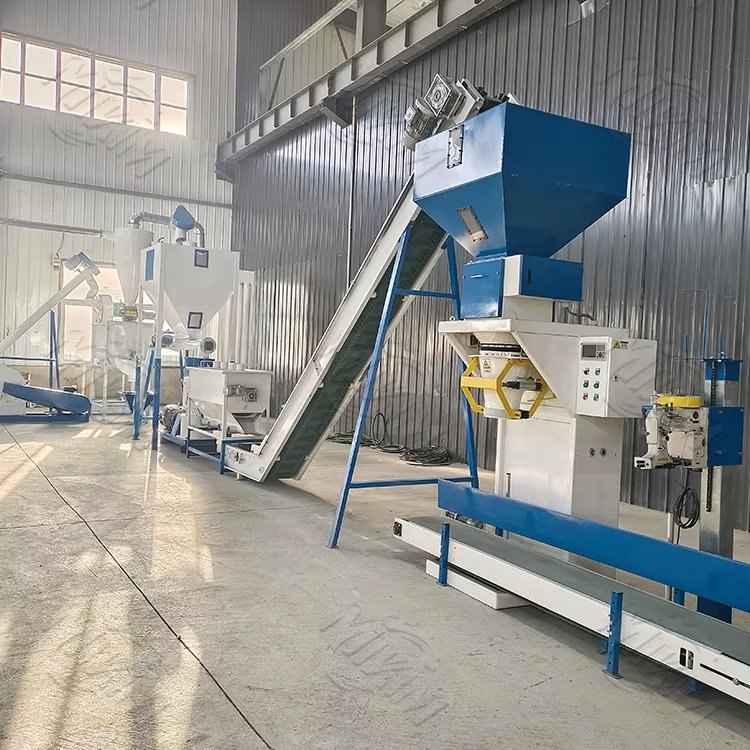
Start Your Feed Production Journey with MAIKONG Today
Contact our Philippine aquaculture equipment specialists for personalized consultation addressing your specific farm requirements, capacity needs, and investment objectives. We provide honest assessments, detailed proposals, and comprehensive support from initial inquiry through years of successful operation.
MAIKONG Philippines Contact Information
📧 Email: Lucy@pelletmachine.ph
📱 WhatsApp/Phone: +86 135-1090-7401
🌐 Website: pelletmachine.ph
🏢 Factory Location: GD Province, SZ City
⏰ Support Hours: 24/7 technical assistance available
Join over 50 successful Philippine aquaculture operations that have transformed their businesses through MAIKONG fish feed production line systems. Your tilapia farming success story begins with a simple conversation—reach out today.