
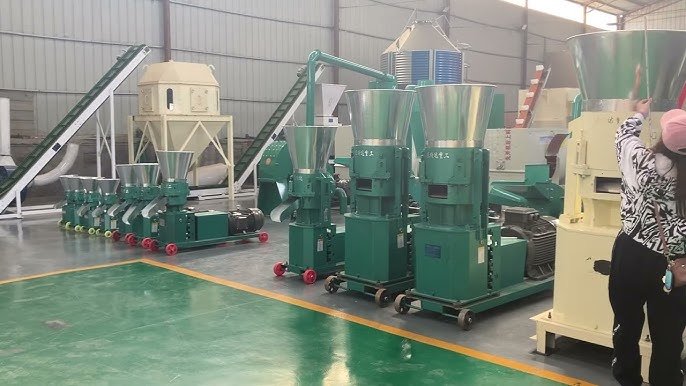
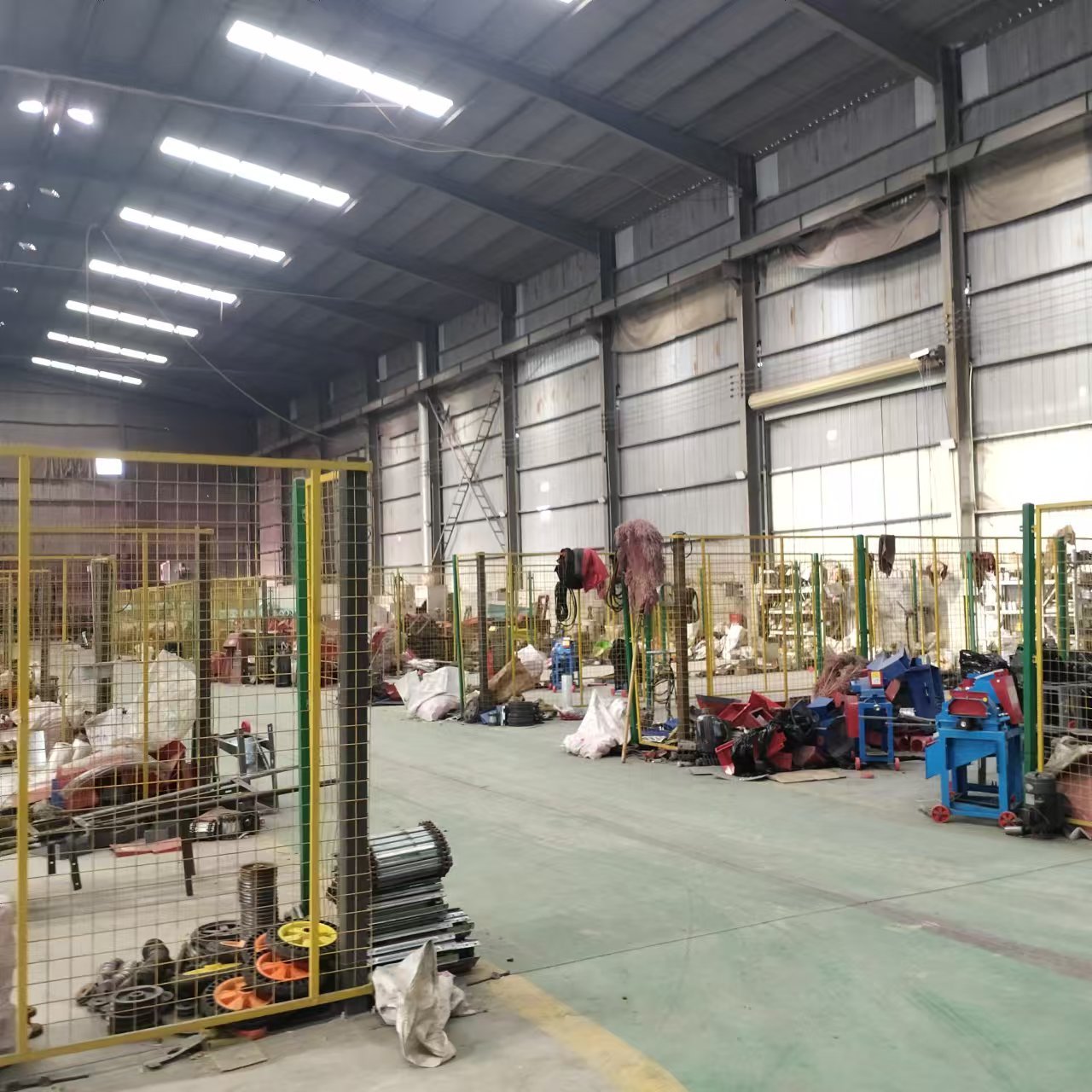
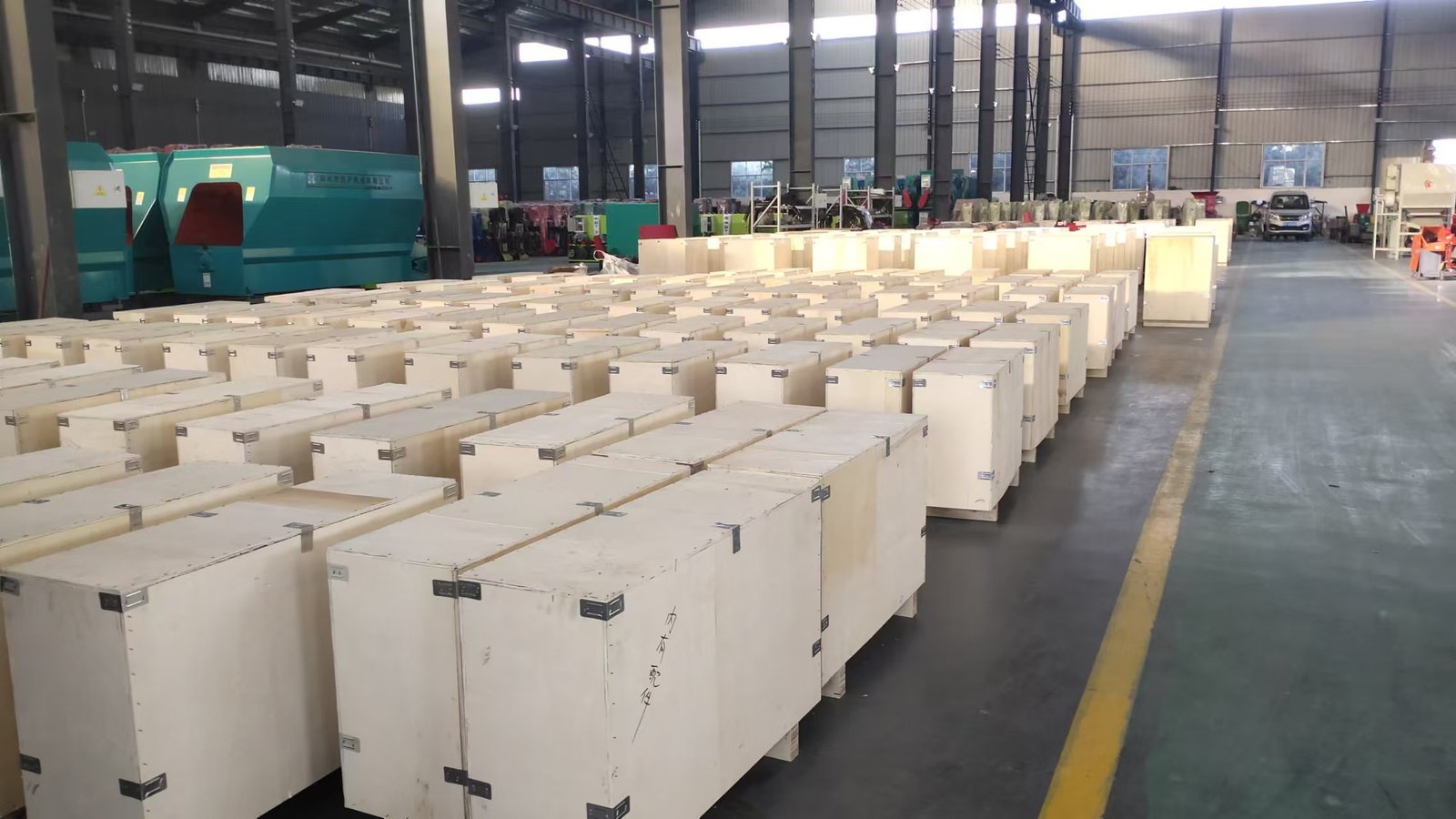
Running a catfish farm in the Philippines presents unique challenges. Feed costs account for nearly 65% of total production expenses. Many farm owners struggle with inconsistent commercial feed quality and rising prices. A dedicated catfish feed production line changes this equation completely.
This comprehensive guide walks you through setting up your own feed manufacturing system. We cover equipment selection, capacity planning, and cost analysis specifically for Philippine conditions. Whether you operate a 500-square-meter pond or manage multiple hectares, understanding fish feed production fundamentals helps you make informed decisions.
MAIKONG brings 22 years of manufacturing expertise to the Philippine aquaculture sector. Our systems range from compact 200kg-per-hour units suitable for family farms to industrial 200-ton operations. Each feed production line can be customized for your specific voltage requirements, space constraints, and target output.
Ready to Cut Your Feed Costs?
Connect with our Philippine aquaculture specialists for a free production assessment
Understanding Catfish Feed Production Line Basics
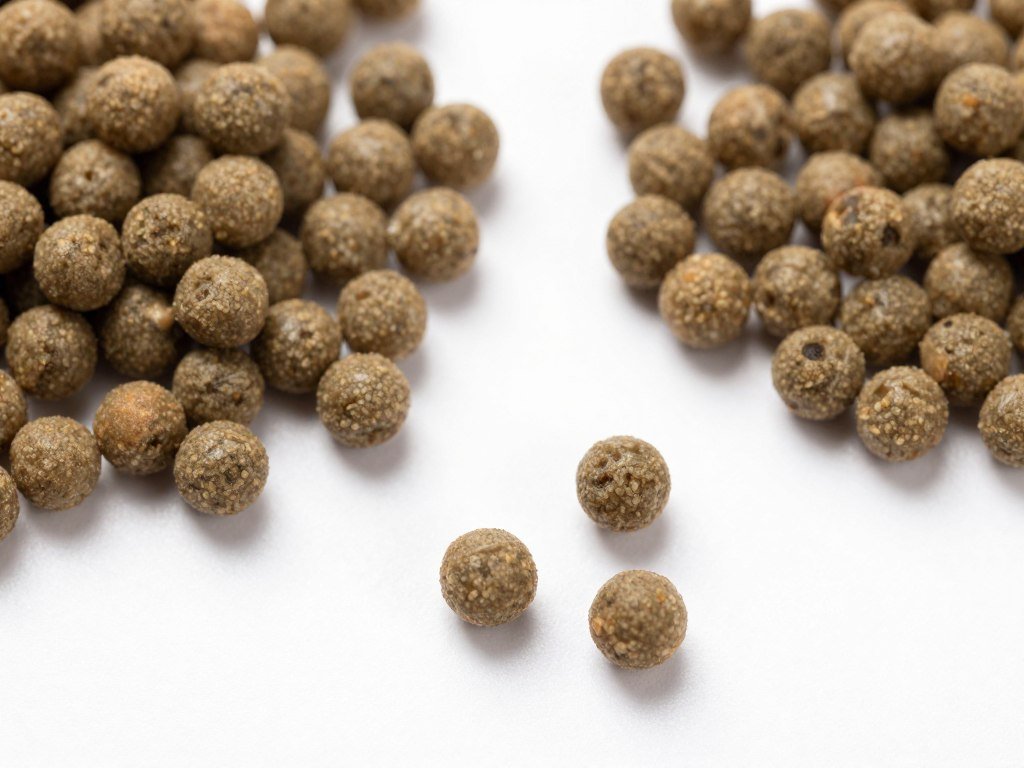
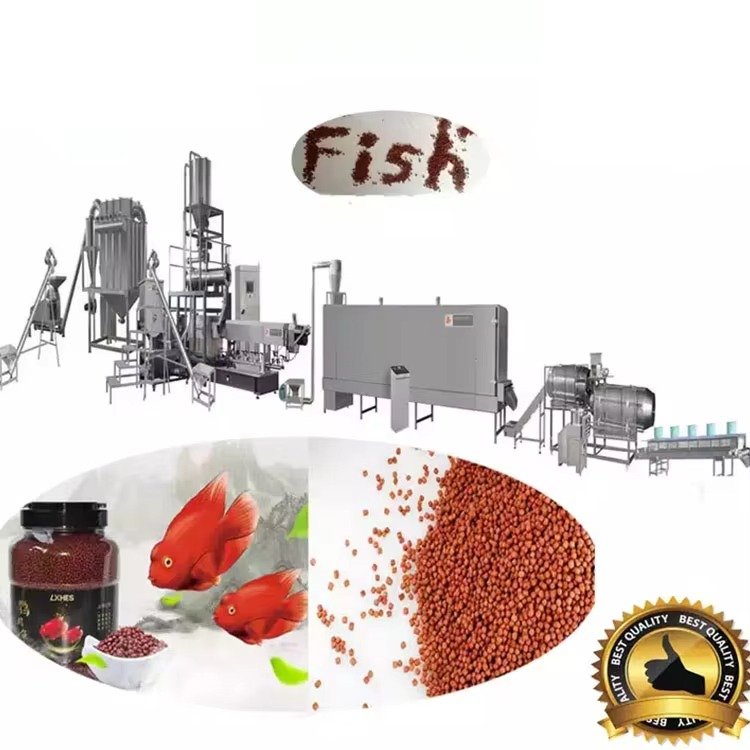
A complete fish feed production line transforms raw ingredients into nutritionally balanced pellets. The process involves five essential stages: crushing raw materials, precise mixing, pelleting, cooling, and packaging. Each stage plays a critical role in final product quality.
The system starts with a hammer mill that reduces corn, soybean meal, and fish meal into uniform particles. Particle size directly affects pellet binding and nutrient availability. Most catfish feeds require grinding to 2-3mm consistency for optimal digestibility.
Core Components of Your Production System
Primary Processing Equipment
- Feed hammer mill for raw material crushing
- Batch mixer ensuring ingredient uniformity
- Pellet extruder creating shaped feed
- Counterflow cooler reducing moisture
Supporting Infrastructure
- Conveyor systems for material transport
- Dust collection preventing contamination
- Control panels managing automation
- Packaging scales for finished product
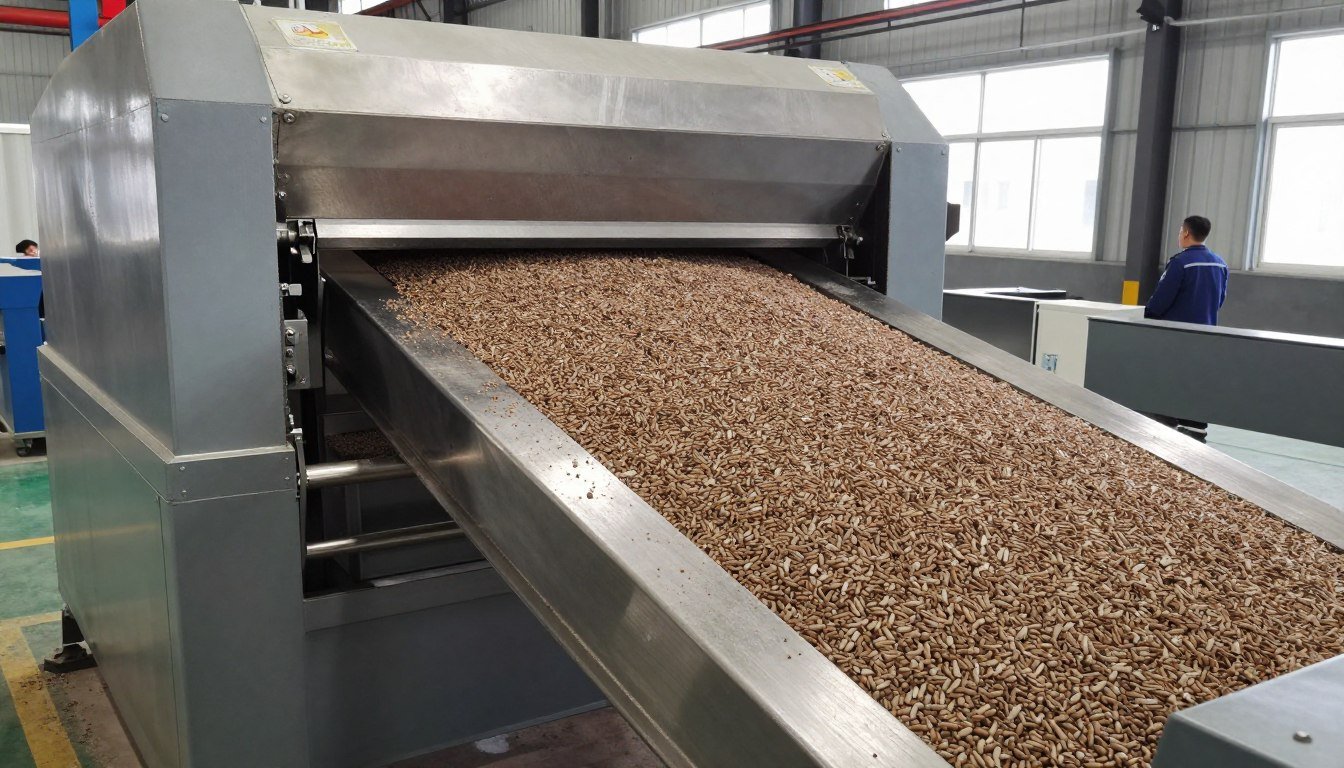
The fish feed pellet machine forms the heart of any production line. This equipment uses heat, moisture, and pressure to create durable pellets. For catfish, floating pellets prove most efficient because they allow feeding observation and reduce waste.
Floating vs Sinking Feed Production
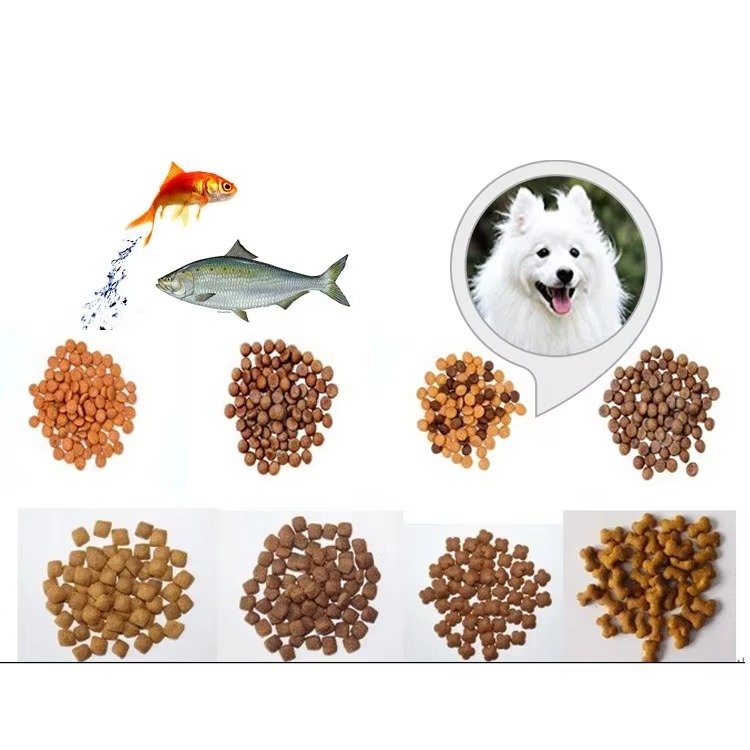
Philippine catfish farmers typically prefer floating fish feed for several practical reasons. Floating pellets remain visible on the water surface for 15-20 minutes. This visibility allows farmers to gauge feeding response and adjust portions accordingly. Uneaten floating feed can be removed before water quality deteriorates.
Sinking fish feed serves different purposes in catfish operations. Bottom-dwelling catfish naturally forage along pond floors. Sinking pellets better match this feeding behavior for larger fish. Production requires different extrusion parameters and often includes higher density ingredients.
| Feed Type | Water Stability | Observation Time | Waste Reduction | Best For |
| Floating Pellets | 15-20 minutes | Excellent | High | Fingerlings, intensive systems |
| Sinking Pellets | 2-3 hours | Limited | Moderate | Adult fish, extensive ponds |
| Slow-Sinking | 5-8 minutes | Good | High | Mixed-size populations |
Choosing the Right Capacity for Your Farm
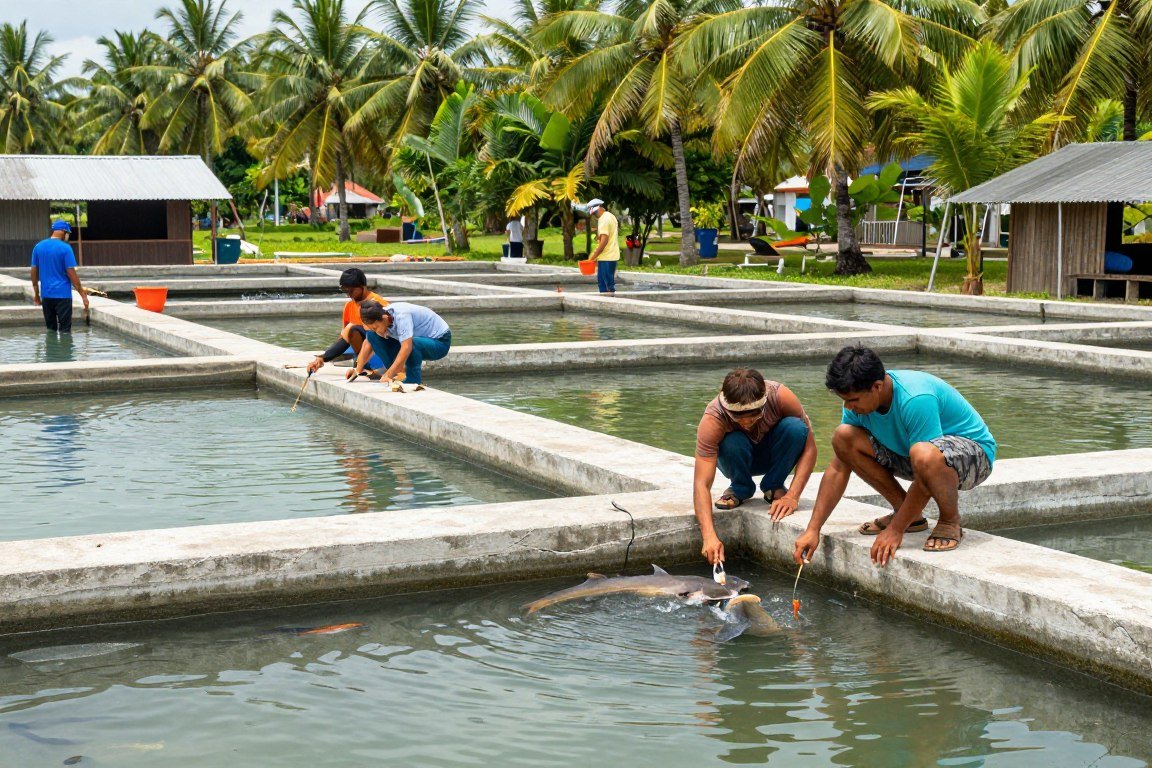
Capacity selection determines your production line’s economic viability. Calculate your daily feed requirement first. A 1-hectare catfish pond stocked at 50,000 fingerlings per hectare consumes approximately 150-200kg of feed daily during peak growth. This consumption increases as fish reach market size.
Most Philippine small-scale farmers operate 2-5 hectares of ponds. This scale typically requires 500-1,000kg of daily feed production. A catfish feed production line producing 500kg per hour operates just 2-3 hours daily to meet these needs. This approach maximizes equipment efficiency while minimizing power consumption.
Small-Scale Solutions: 200-500kg Per Hour
Entry-level systems suit family farms and startup operations. The MAIKONG MK-L001 model provides an excellent starting point. This compact fish feed production line fits within a 50-square-meter workspace. Power requirements remain modest at 220V single-phase or three-phase connection.
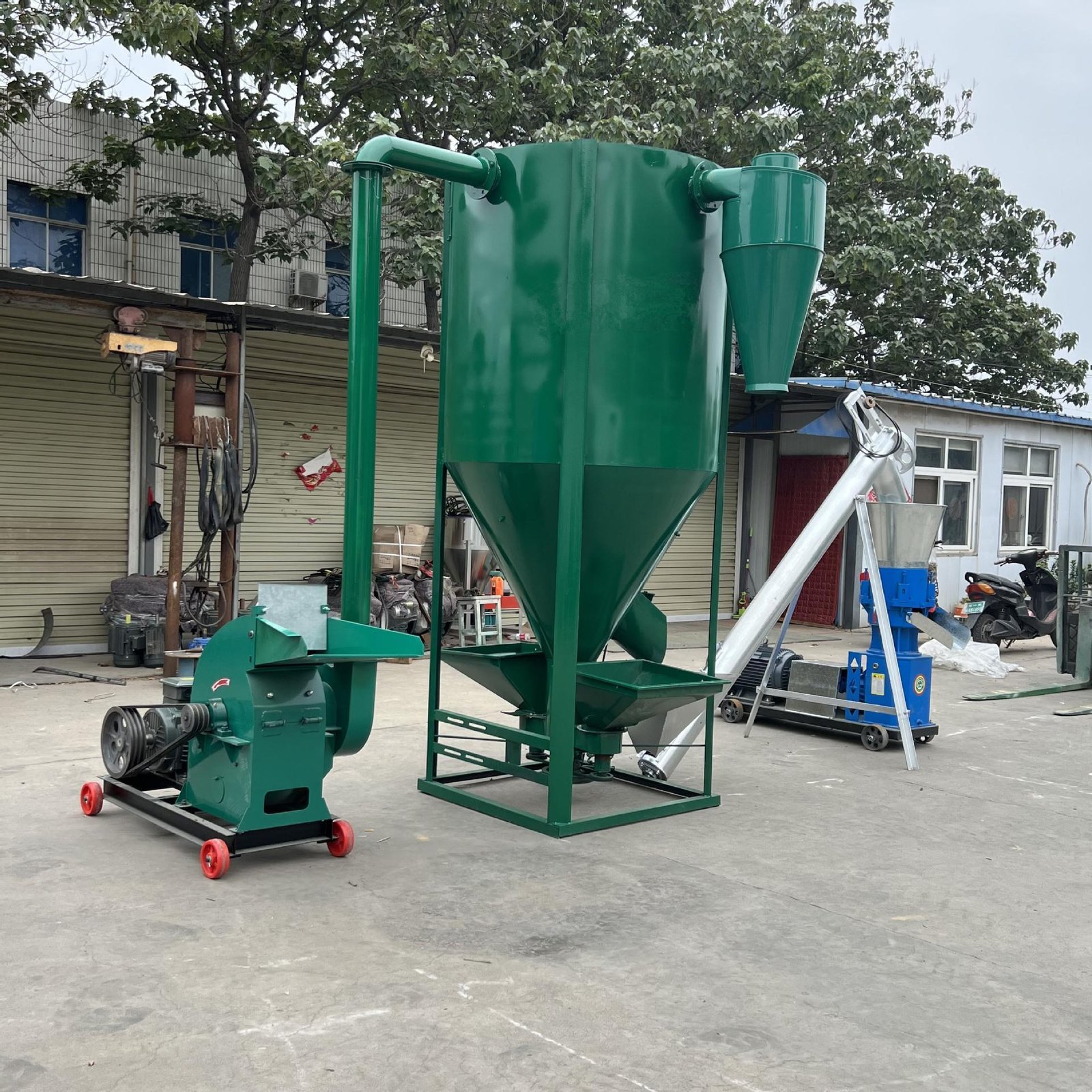
- Produces 200-500kg finished pellets hourly
- Processes corn, soybean, fish meal, rice bran
- Creates 2mm to 8mm diameter pellets
- Requires 2-3 operators for full production
- Investment returns within 8-12 months typically
The system includes a 15kW hammer mill, 250kg batch mixer, pellet extruder with 22kW motor, and air-cooling conveyor. Total installed power draws approximately 45kW. Daily production costs including electricity and labor range from ₱2,500 to ₱3,500 depending on local utility rates.
Medium-Scale Solutions: 1-5 Tons Per Hour
Commercial catfish operations benefit from increased capacity. Medium-scale aqua feed production lines serve multiple farms or cooperative groups. These systems enable feed sales to neighboring producers, creating additional revenue streams beyond your own farm production.
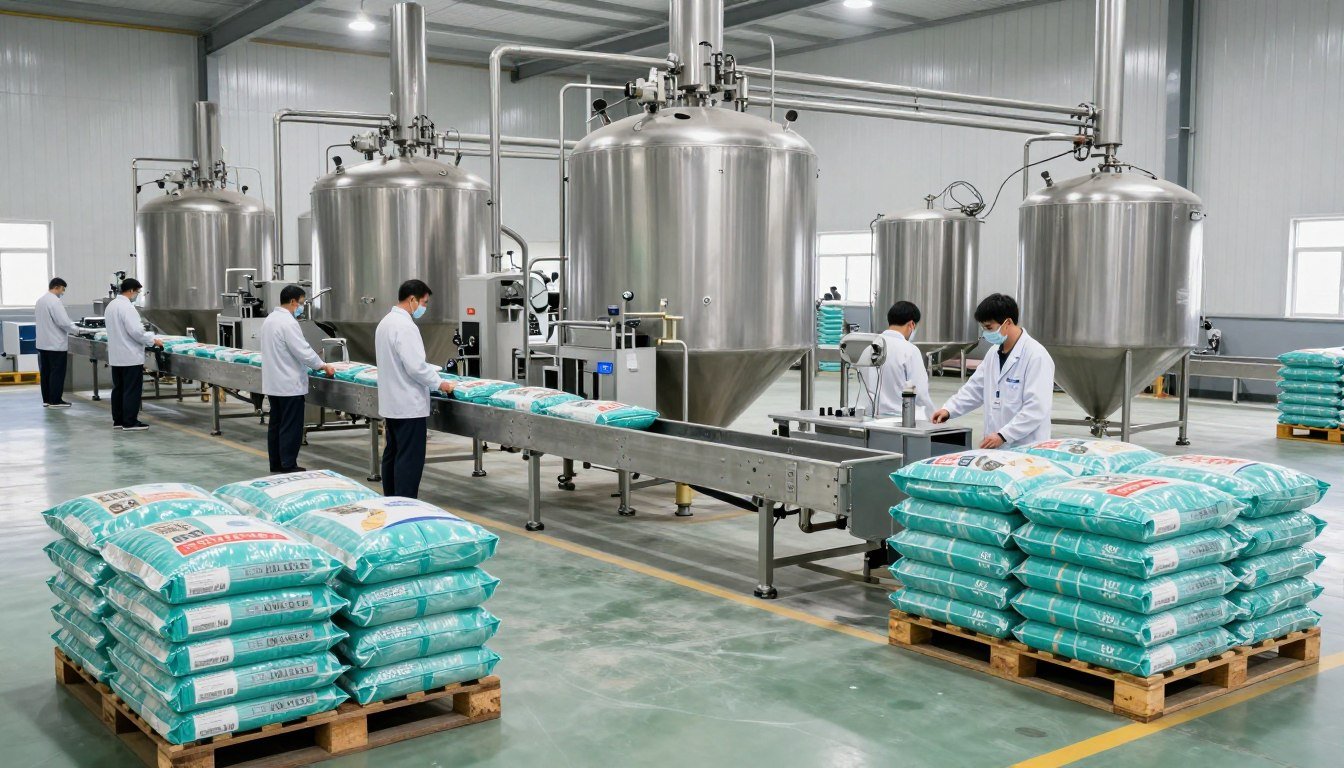
A 2-ton-per-hour system produces enough feed for 50-100 hectares of intensive catfish culture. The expanded capacity requires approximately 150-200 square meters of production space. Automation increases significantly at this level. Automatic batching systems ensure precise ingredient ratios every production run.
Need Help Sizing Your System?
Our engineers calculate exact capacity requirements based on your pond size, stocking density, and growth targets
Key Equipment in Catfish Feed Production Line
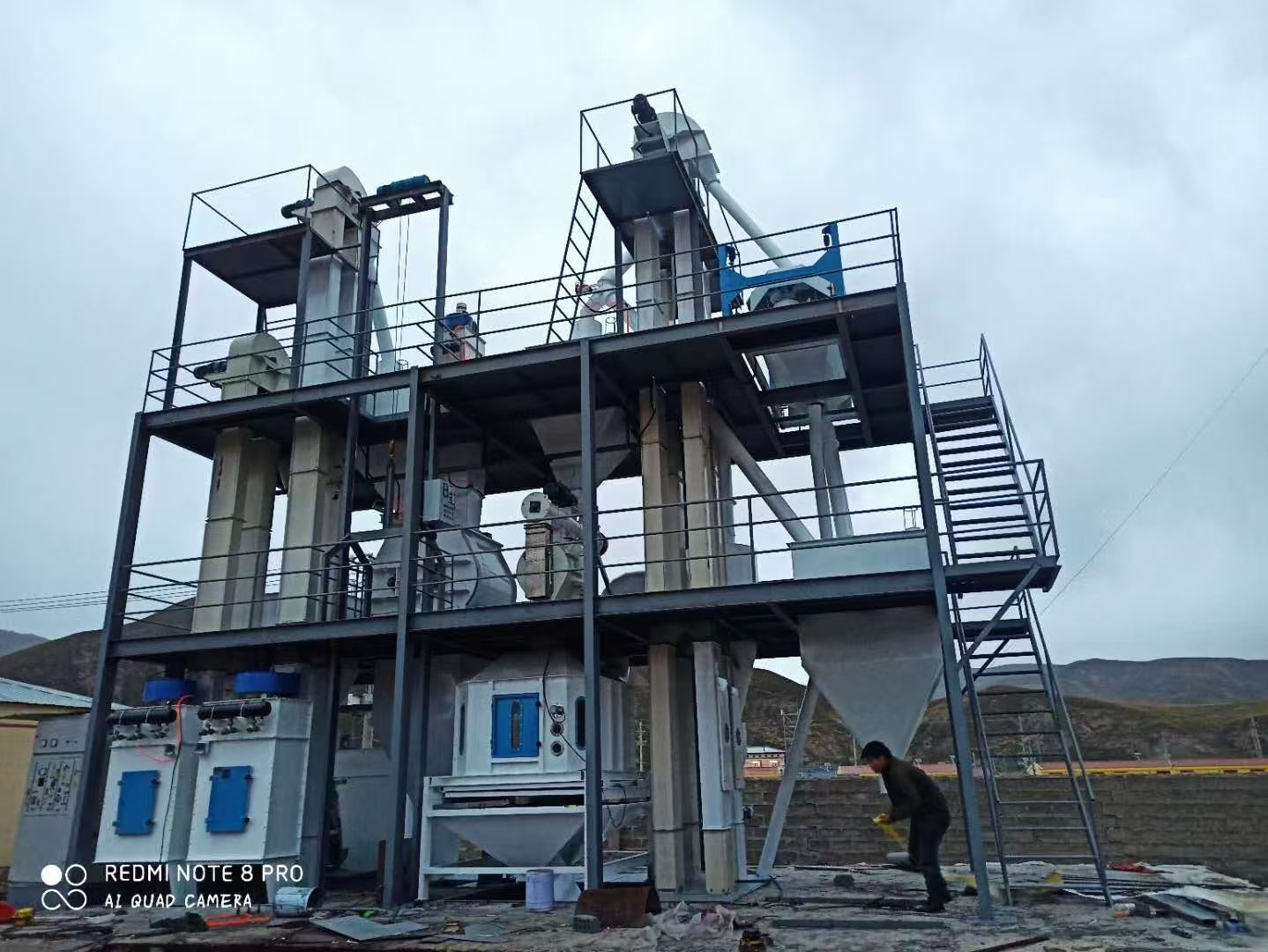
Feed Hammer Mill: Foundation of Quality
The hammer mill determines your feed’s digestibility and pellet quality. This machine reduces whole grains, oilseed meals, and other ingredients to specified particle sizes. Catfish feed production typically requires 2.5mm to 3.5mm particles for optimal pellet formation.
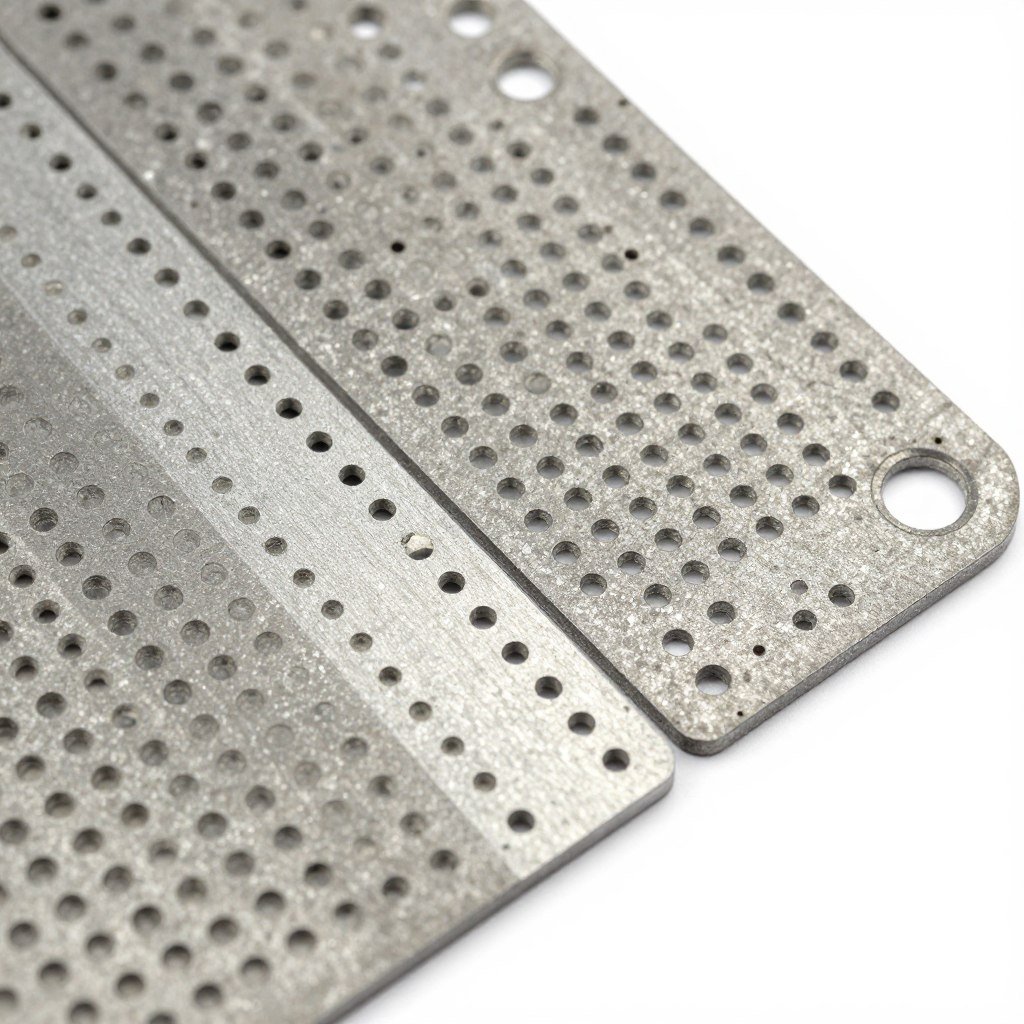
MAIKONG hammer mills feature replaceable screen plates in various perforation sizes. Switching screens takes approximately 20 minutes. This quick-change capability allows production of different pellet grades without extended downtime. Models range from 15kW units processing 300kg hourly to 75kW systems handling 3 tons per hour.
Critical Hammer Mill Specifications
- Rotor speed: 2,800-3,200 RPM for feed grinding
- Screen hole diameter: 2mm to 6mm options
- Hammer tip speed: 80-100 meters per second
- Discharge capacity: matched to pellet mill intake
- Dust collection efficiency: 99.5% minimum
Feed Mixer: Achieving Nutritional Uniformity
Mixing ensures every pellet contains the correct nutrient balance. Poor mixing creates pellets with inconsistent protein, vitamin, and mineral levels. This inconsistency results in uneven fish growth within your population. The MAIKONG ribbon mixer achieves 95%+ uniformity in just 5-7 minutes per batch.
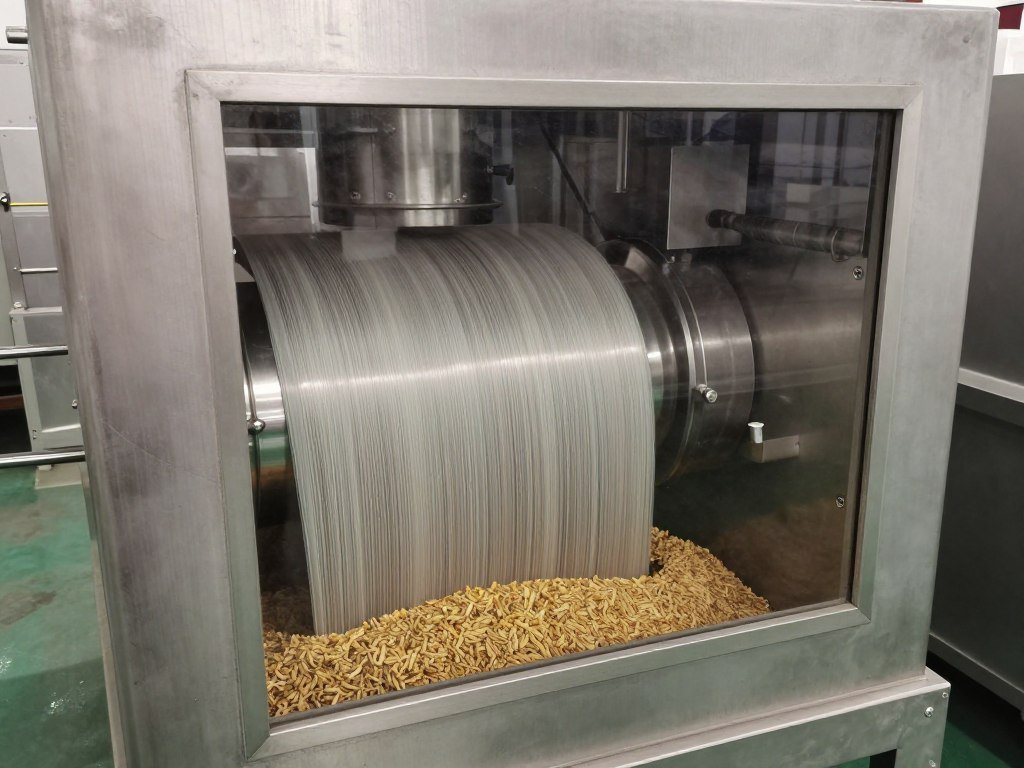
Batch mixers suit small to medium operations. These units process 250kg to 2,000kg per batch. Continuous mixers serve high-capacity lines producing over 5 tons hourly. The mixing chamber incorporates spray nozzles for adding liquid ingredients. Oil addition at this stage improves pellet binding and increases energy density.
Pellet Extruder: Creating the Final Product
The feed pellet machine combines ground ingredients under heat and pressure. This process gelatinizes starches, creating pellets that hold together in water. Floating fish feed production requires specific extrusion parameters. Higher temperatures (120-140°C) and shorter die lengths create the desired buoyancy.
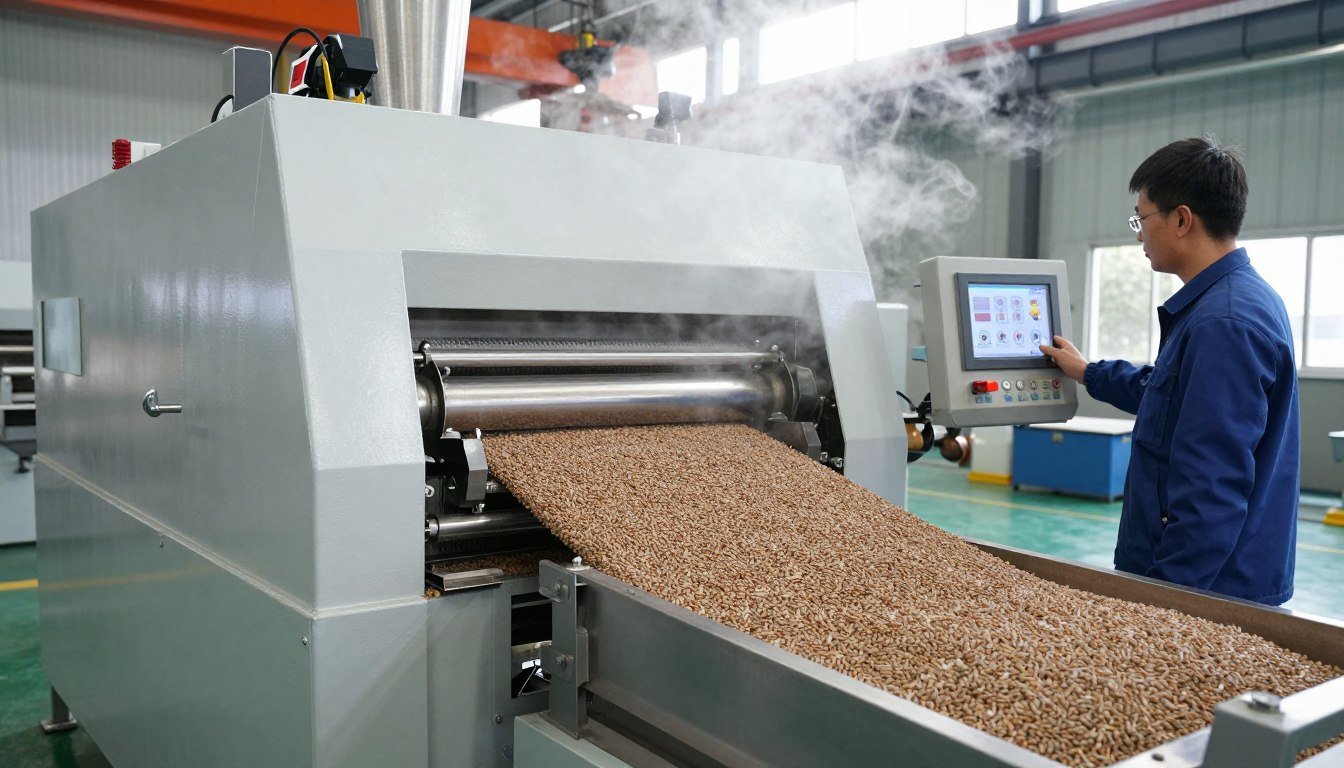
Extruder Die Configuration
- Die diameter: 2mm to 12mm holes
- Die thickness: 40-65mm standard
- Hole quantity: 180-400 per die
- Material: stainless steel 304
Operating Parameters
- Barrel temperature: 115-145°C
- Screw speed: 280-420 RPM
- Conditioning time: 30-45 seconds
- Moisture content: 18-22%
Production Specifications
- Pellet length: 3-15mm adjustable
- Bulk density: 350-580 kg/m³
- Water stability: 12+ hours
- Durability index: 95%+ PDI
Cooling and Packaging Systems
Fresh pellets emerge from the extruder at 85-95°C with 22-25% moisture. Immediate cooling prevents mold growth and extends shelf life. Counterflow coolers reduce pellet temperature to within 5°C of ambient in 10-15 minutes. Air flows upward through descending pellets, removing heat and excess moisture.
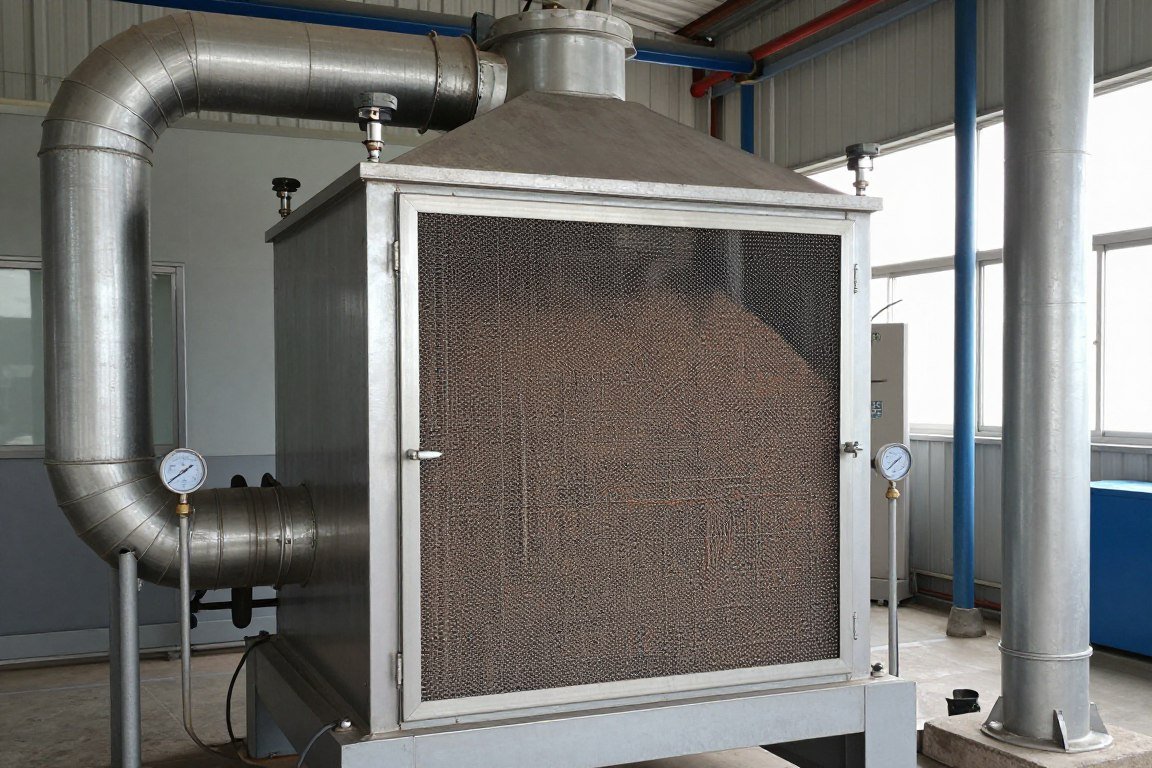
Final moisture content should reach 10-12% for optimal storage. Packaging options include manual bagging, semi-automatic scales, or fully automatic systems. The MAIKONG packaging line fills 25kg or 50kg bags at rates up to 8 bags per minute. Heat sealing or stitching secures each bag for transport and storage.
Customize Your Complete Production Line
Every component tailored to your space, power supply, and production targets
Catfish Feed Production Line Cost Analysis
Understanding total investment requirements helps you plan financing and project returns. A complete feed production line includes equipment, installation, and initial working capital. Philippine operations face unique considerations including import duties, voltage compatibility, and tropical climate requirements.
Equipment Investment Breakdown
| System Capacity | Core Equipment Cost | Installation & Setup | Working Capital | Total Investment (USD) |
| 200-300 kg/hr | $18,000 – $25,000 | $3,000 – $5,000 | $5,000 – $8,000 | $26,000 – $38,000 |
| 500-800 kg/hr | $35,000 – $48,000 | $6,000 – $9,000 | $10,000 – $15,000 | $51,000 – $72,000 |
| 1-2 ton/hr | $65,000 – $95,000 | $12,000 – $18,000 | $20,000 – $30,000 | $97,000 – $143,000 |
| 3-5 ton/hr | $140,000 – $210,000 | $25,000 – $38,000 | $40,000 – $60,000 | $205,000 – $308,000 |
Working capital covers raw material inventory, initial labor, and utility deposits. Most operations maintain 30-45 days of ingredient inventory. This buffer prevents production interruptions when ingredient markets fluctuate. The MAIKONG team assists with supplier connections throughout the Philippines and Southeast Asia.
Operating Cost Structure
Daily production costs vary based on capacity utilization and ingredient prices. A 500kg-per-hour line operating 4 hours daily incurs specific recurring expenses. Understanding these costs helps price your finished feed competitively while maintaining healthy margins.
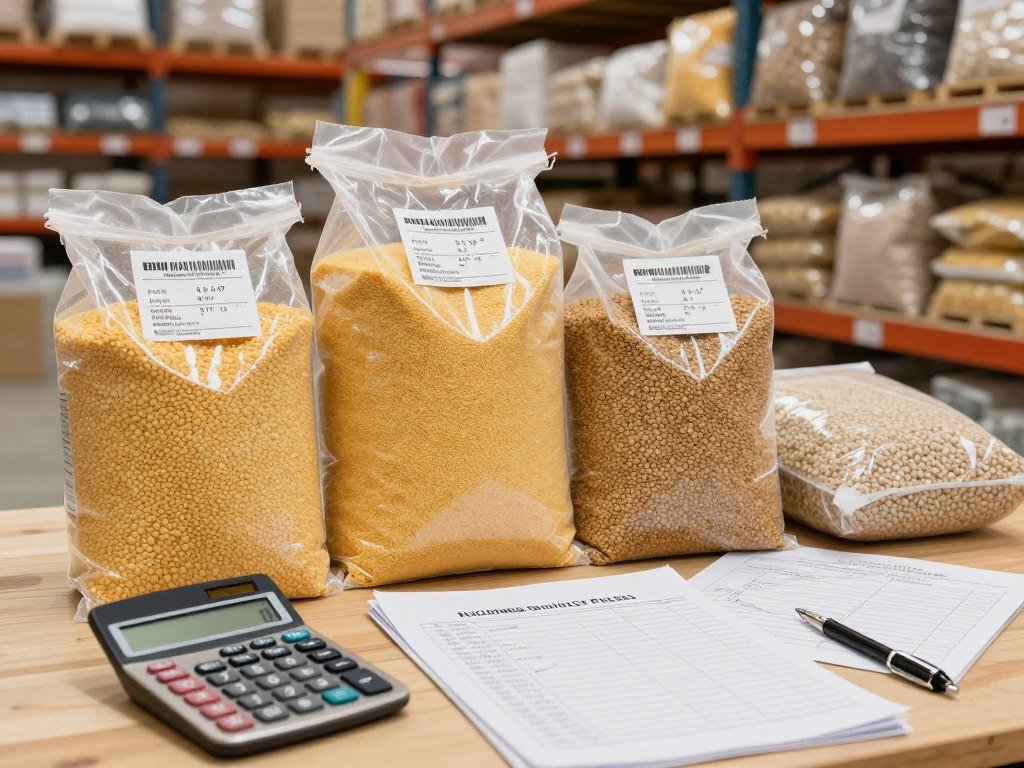
Variable Costs Per Ton
Costs directly related to production volume and ingredient procurement
- Raw materials: $320-$420 (corn, soybean, fish meal, supplements)
- Electricity: $12-$18 (based on ₱9-12 per kWh rates)
- Labor: $25-$35 (2-3 operators per shift)
- Packaging materials: $8-$12 (bags, labels, thread)
Fixed Monthly Costs
Regular expenses independent of production volume
- Equipment maintenance: $300-$500
- Facility rent/mortgage: $400-$800
- Insurance: $150-$300
- Administrative overhead: $200-$400
Profit Margins
Typical margins in Philippine catfish feed market
- Own-farm consumption: 35-45% savings vs commercial feed
- Wholesale to other farms: 15-22% net margin
- Retail small quantities: 28-38% net margin
- Premium formulations: 40-55% net margin
Break-Even Timeline
Typical return on investment scenarios
- Small systems (200-500kg/hr): 10-14 months
- Medium systems (1-2 ton/hr): 14-18 months
- With external sales: 8-12 months
- Premium positioning: 6-10 months
Commercial catfish feed in Philippines sells for ₱45-₱65 per kilogram depending on protein level and brand. Self-produced feed typically costs ₱28-₱38 per kilogram including all expenses. This ₱17-₱27 per kilogram savings accumulates quickly. A 5-hectare farm consuming 800kg daily saves ₱13,600-₱21,600 daily, or ₱408,000-₱648,000 monthly.
Calculate Your Specific ROI
Get a detailed cost analysis and payback projection for your farm size and production goals
Why Choose MAIKONG for Your Fish Feed Production Line
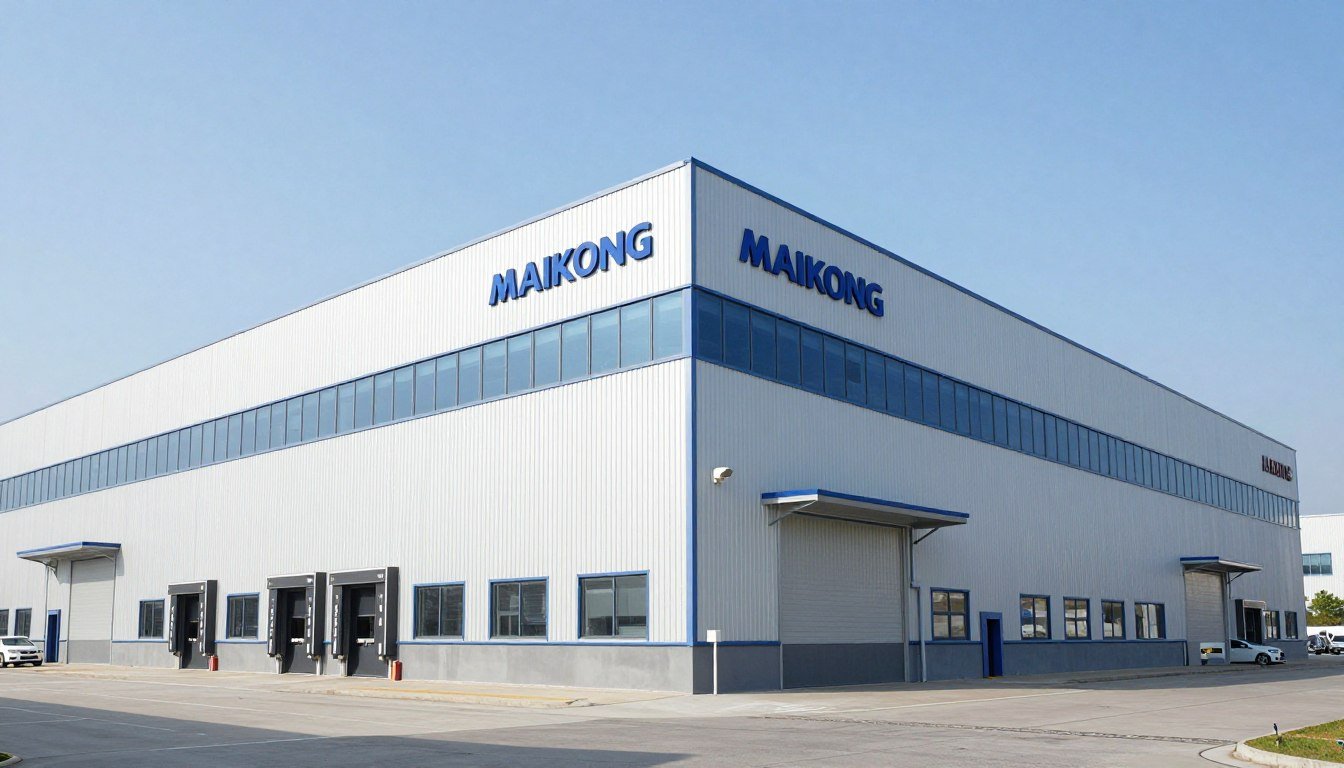
MAIKONG established operations in GD province, SZ city in 2002. Over 22 years, we have delivered fish feed production lines to customers across 47 countries. Our Philippine clients include commercial farms in Pampanga, Bulacan, Nueva Ecija, and Pangasinan provinces.
Complete Customization Capabilities
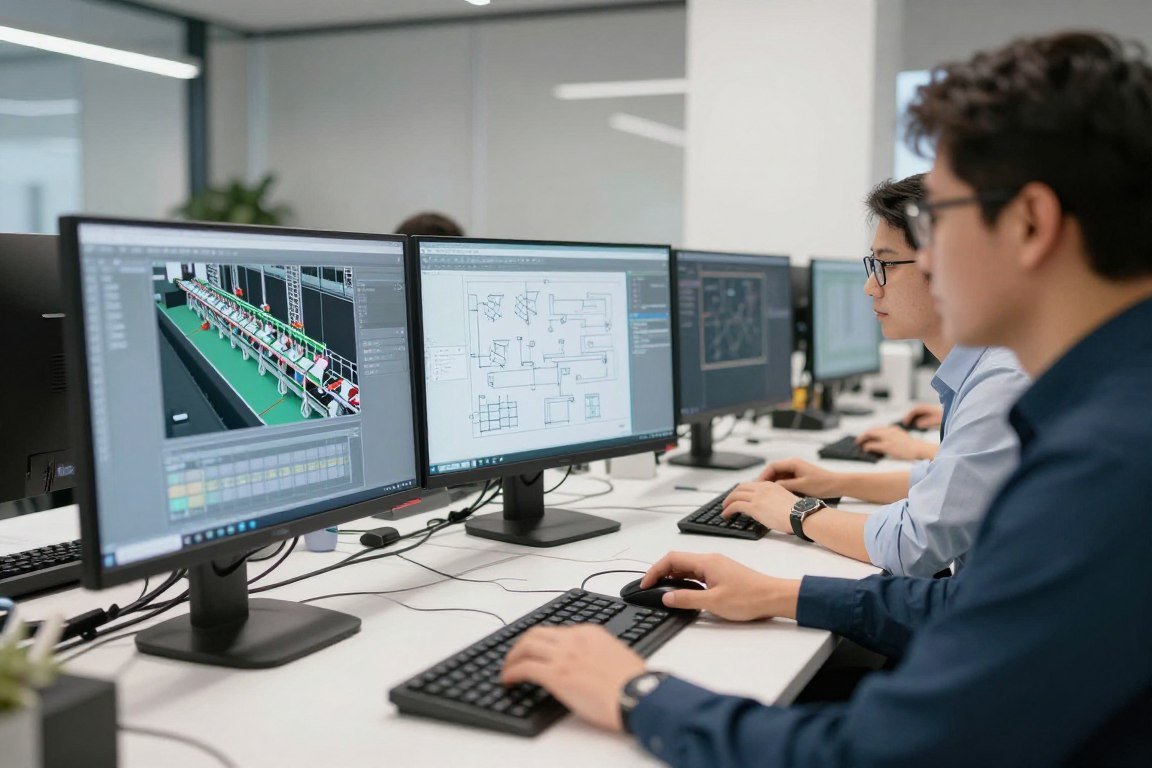
Every farm operates under unique constraints. Space limitations, power availability, target fish species, and budget all influence system design. MAIKONG engineering teams customize each catfish feed production line to match your specific situation. We adjust equipment dimensions, configure voltage requirements, and select appropriate automation levels.
Equipment Customization
- Voltage: 220V, 380V, 415V configurations
- Capacity: 200kg to 200,000kg per hour
- Pellet sizes: 0.5mm to 20mm diameter
- Space optimization: compact or modular layouts
- Climate adaptation: tropical-rated components
Species-Specific Formulation Support
- Catfish fingerling feeds (40-45% protein)
- Grower stage formulations (32-36% protein)
- Finisher feeds (28-32% protein)
- Tilapia, bangus cross-compatible systems
- Shrimp feed capabilities with modifications
After-Sales Support
- Installation supervision and commissioning
- Operator training programs (3-5 days)
- Spare parts inventory in Philippines
- Remote technical support via video call
- Annual maintenance service contracts
Philippine Market Success Stories
Our Philippine installations demonstrate proven performance across various scales. A 2-hectare farm in Bulacan operates a 300kg-per-hour system. The owner reports 42% feed cost reduction and improved fish health. Growth rates increased 15% compared to commercial feed periods.
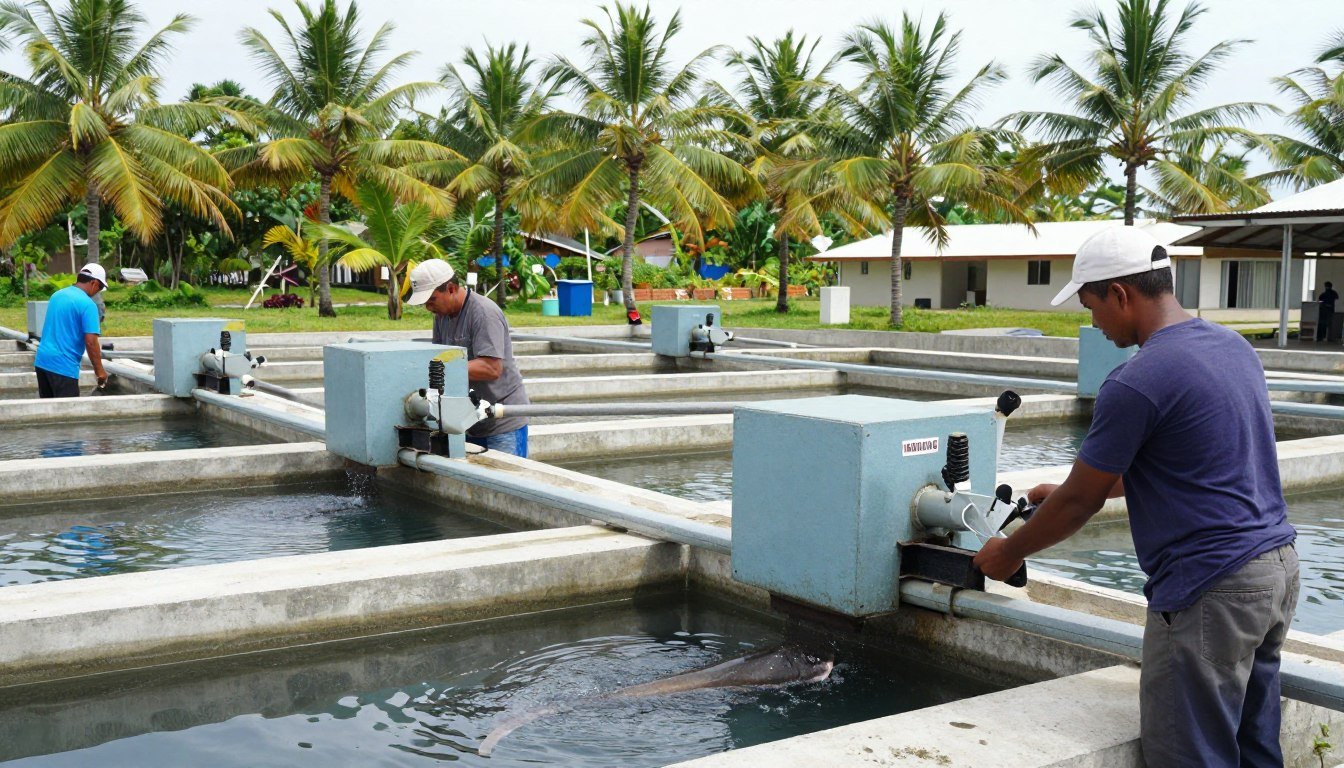
A cooperative of 12 farmers in Pampanga invested in a 2-ton-per-hour line. The group produces feed for member farms and sells surplus to regional growers. Monthly production reaches 120 tons. The operation achieved full investment recovery in 11 months. Now in its third year, the cooperative generates ₱2.8 million monthly revenue.
Global Manufacturing Excellence
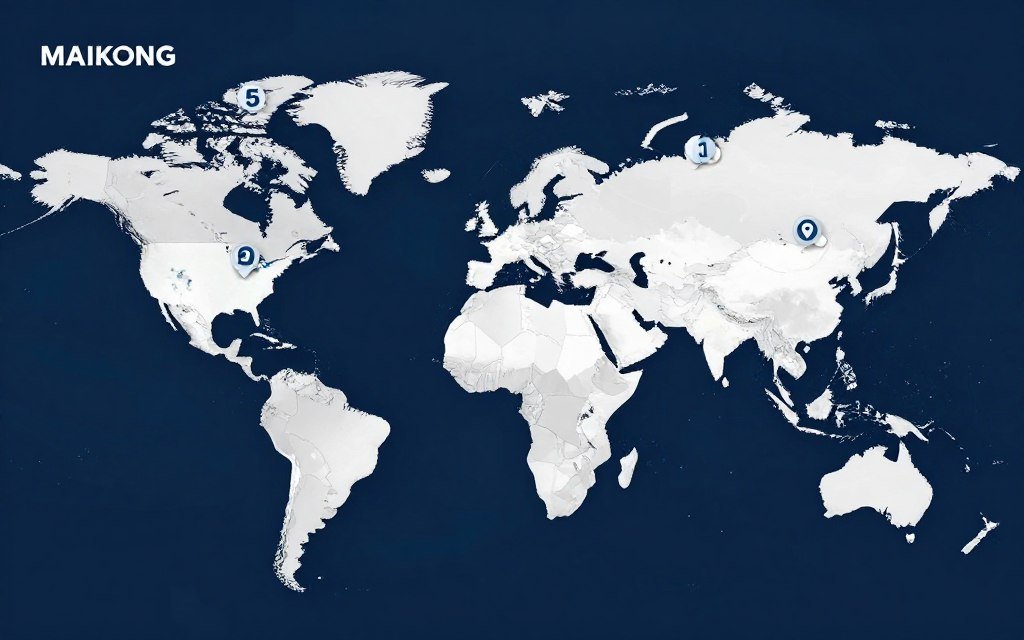
Beyond the Philippines, MAIKONG systems operate in diverse markets. Asian installations include Thailand, Vietnam, Indonesia, Malaysia, and Bangladesh. We maintain active projects in Nigeria, Kenya, and Tanzania serving the African aquaculture sector. South American clients in Brazil and Ecuador rely on our shrimp feed production lines.
European operations focus on specialty feeds and organic production. Our German and Dutch installations meet strict EU equipment standards. Middle Eastern clients in Saudi Arabia and UAE utilize our systems for desert-climate aquaculture projects. Each region presents unique challenges that refine our engineering capabilities.
Become a MAIKONG Dealer in the Philippines

The Philippine aquaculture sector grows rapidly. Fish consumption increases 4-6% annually. Feed demand rises correspondingly, creating substantial market opportunities. MAIKONG seeks qualified partners to expand our Philippine distribution network.
Dealer Partnership Benefits
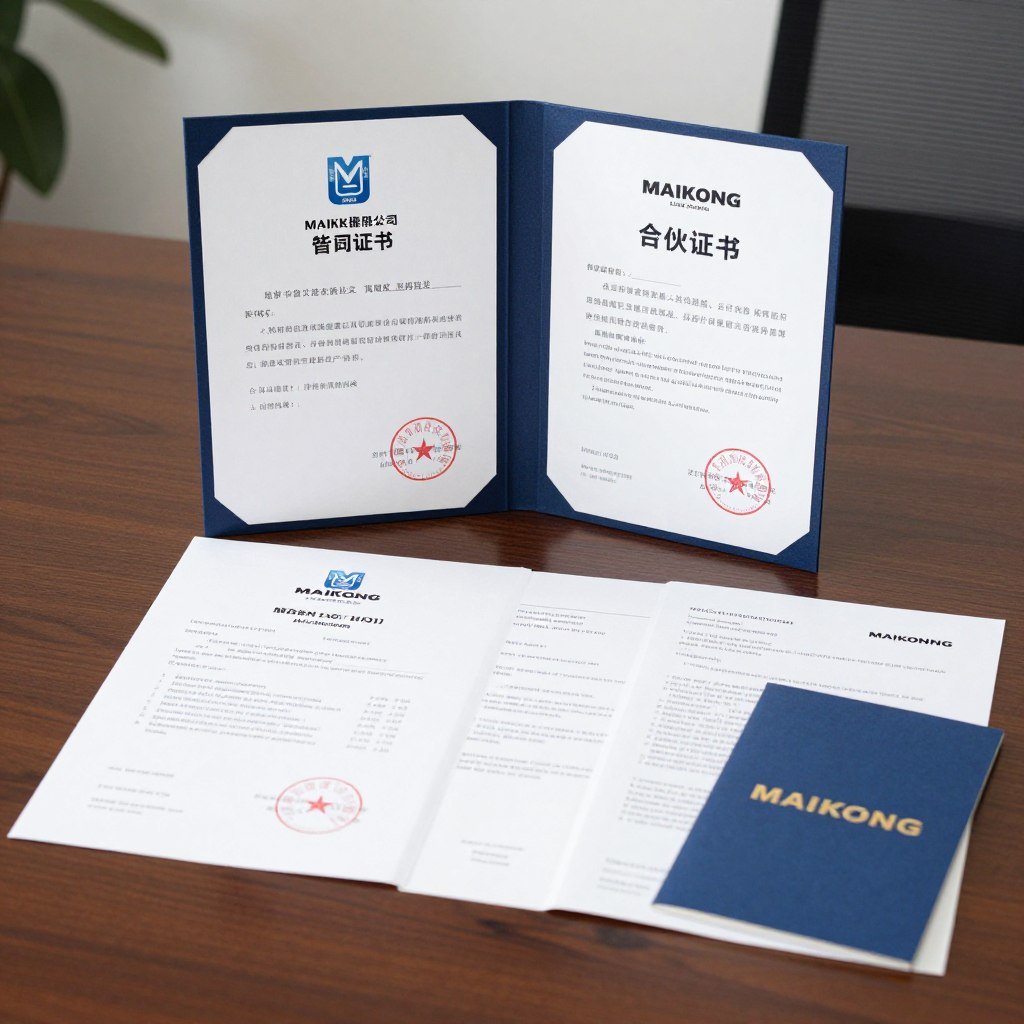
Exclusive territorial rights protect your market investment. Dealers receive preferential pricing structures enabling competitive positioning. Technical training ensures your team masters installation, operation, and troubleshooting. Marketing support includes product literature, demonstration units, and co-op advertising funds.
The OEM/ODM program allows private labeling for established feed brands. We manufacture to your specifications while maintaining MAIKONG quality standards. Minimum order quantities remain accessible for emerging businesses. Payment terms accommodate various financial situations including LC, TT, and installment arrangements for qualified partners.
Ideal Partner Profile
- Established presence in Philippine aquaculture or agricultural equipment sectors
- Technical service capabilities or willingness to develop them
- Financial capacity for inventory investment (typically $30,000-$80,000 initial stock)
- Coverage area serving multiple provinces or regions
- Commitment to customer support and relationship building
- Understanding of local farming practices and market dynamics
Current dealer territories include Metro Manila, Central Luzon, and parts of Mindanao. Available territories offer significant potential in Visayas, Southern Luzon, and northern Mindanao regions. We provide detailed market analysis helping you assess opportunity size and competition levels.
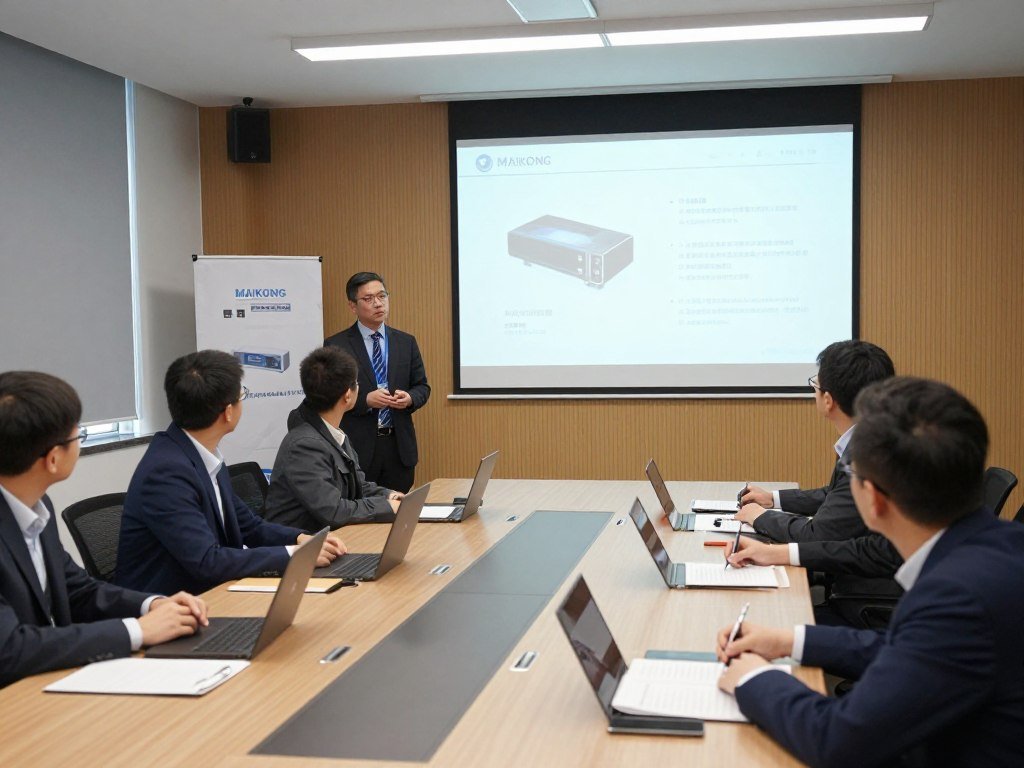
Start Your Catfish Feed Production Journey Today
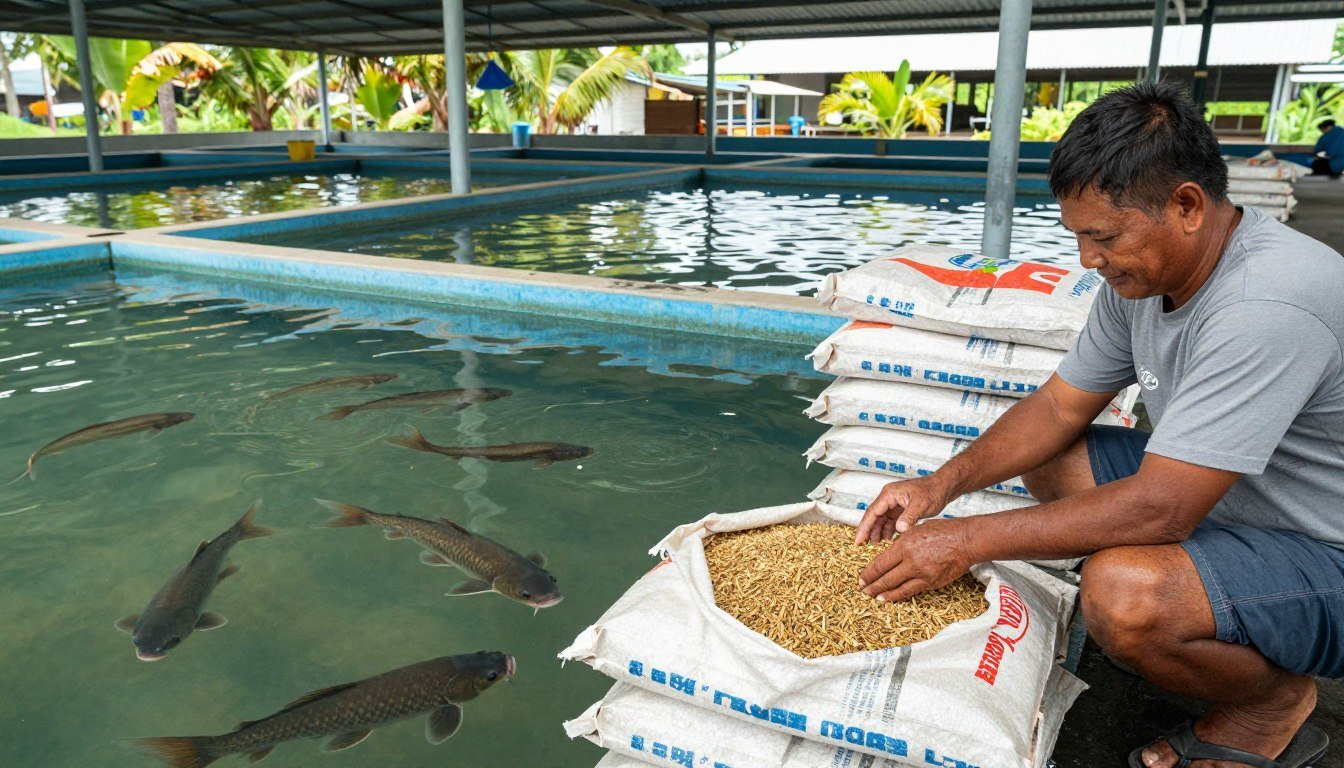
A dedicated catfish feed production line transforms your farm economics. Reduced feed costs, improved fish health, and potential external sales create multiple value streams. The initial investment generates returns through both direct savings and revenue opportunities.
MAIKONG provides complete solutions from initial consultation through long-term operation. Our 22 years of manufacturing expertise ensures reliable equipment performance. Philippine-specific customization addresses your exact voltage, space, and capacity requirements. Comprehensive training prepares your team for confident operation.
Whether you operate a family farm seeking cost control or plan a commercial feed business, the right production system exists for your situation. Our capacity range from 200kg to 200 tons per hour accommodates every scale. Flexible financing, OEM/ODM capabilities, and dealer opportunities create multiple paths to involvement.
Take the First Step Toward Feed Independence
Connect with MAIKONG Philippines representatives for detailed consultation, site assessment, and customized proposal

Multiple Contact Channels Available
WhatsApp/Telephone: +63-13-5109-0701 – Direct line to technical specialists
Email: Lucy@pelletmachine.ph – Detailed inquiries and documentation requests
Website: pelletmachine.ph – Complete product specifications and resources
Office Hours: Monday-Saturday, 8:00 AM – 6:00 PM Philippine Time
Emergency Support: 24/7 technical assistance for existing installations
Join hundreds of satisfied Philippine aquaculture professionals who have transformed their operations with MAIKONG feed production systems. Your journey toward feed cost independence, improved fish performance, and potential business expansion starts with a simple conversation. Contact us today.