
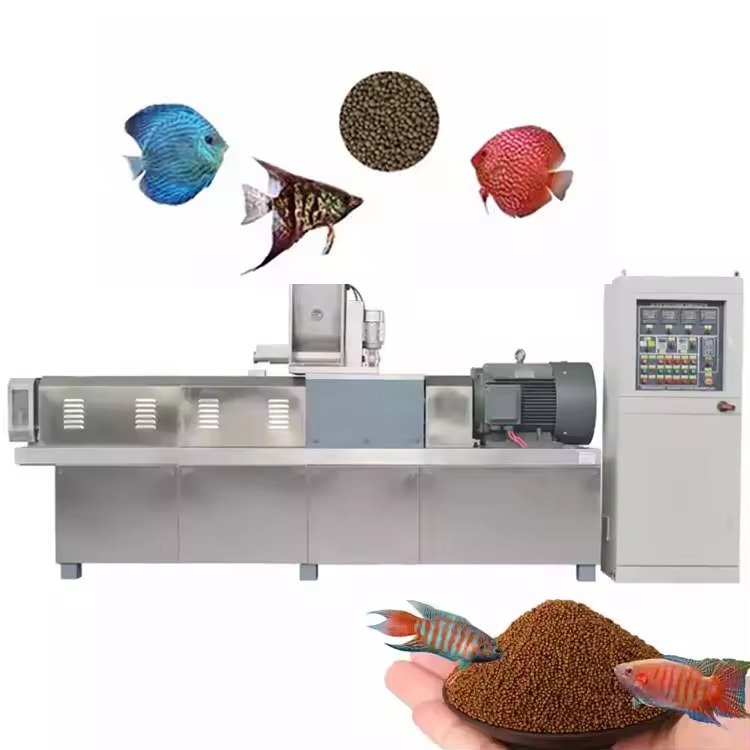
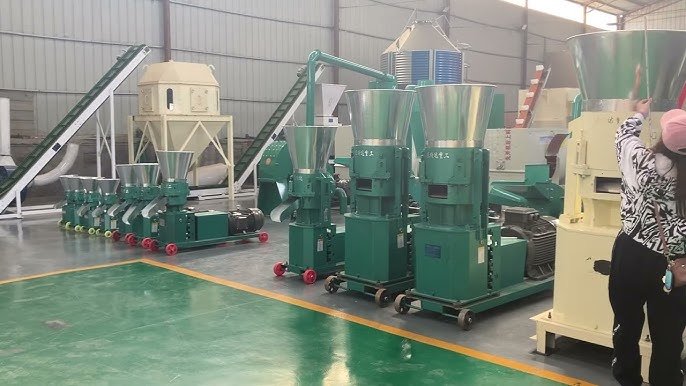
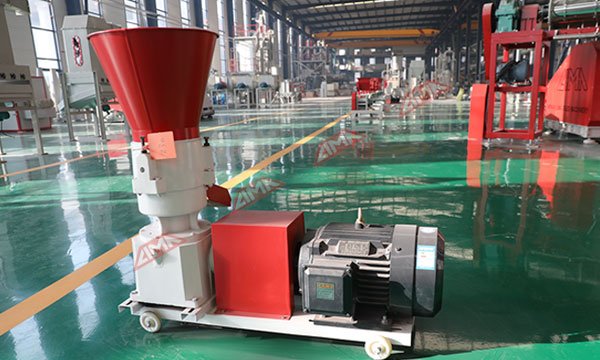
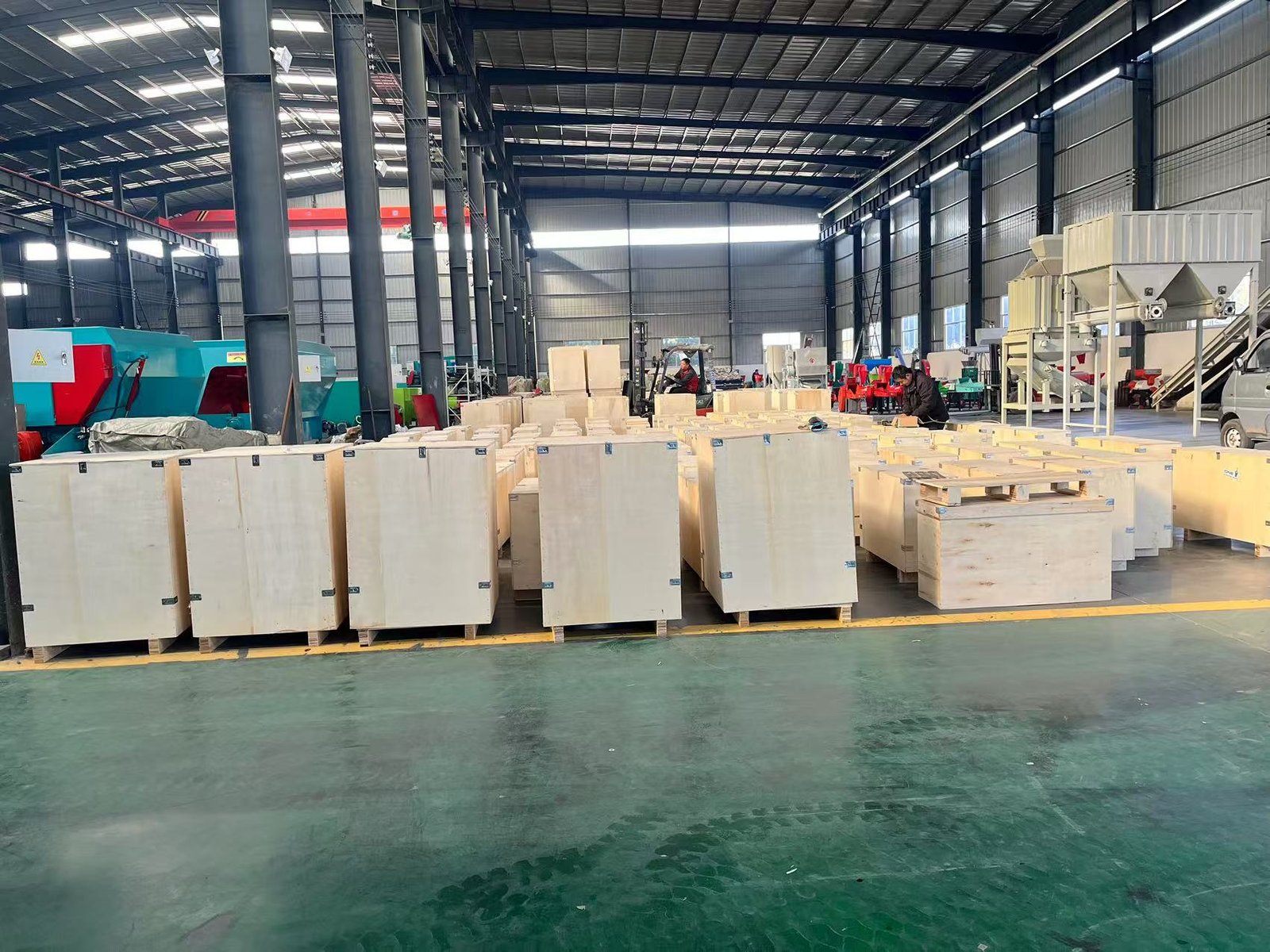
An aqua fish feed production line transforms raw materials into nutritious pellets. These specialized systems help you control feed quality, reduce costs, and improve fish growth rates. Whether you operate a small family farm or manage a commercial aquaculture business, understanding production line basics becomes essential.
This comprehensive guide explains everything beginners need to know. You will learn about production line components, capacity options, and customization possibilities. MAIKONG brings 22 years of manufacturing experience to help Philippines aquaculture operators succeed.
Start Your Aqua Feed Production Journey
Our technical team has helped hundreds of Philippines aquaculture businesses design optimal production solutions. Get free consultation to avoid costly mistakes and choose the right equipment for your capacity needs.
What Is an Aqua Fish Feed Production Line?
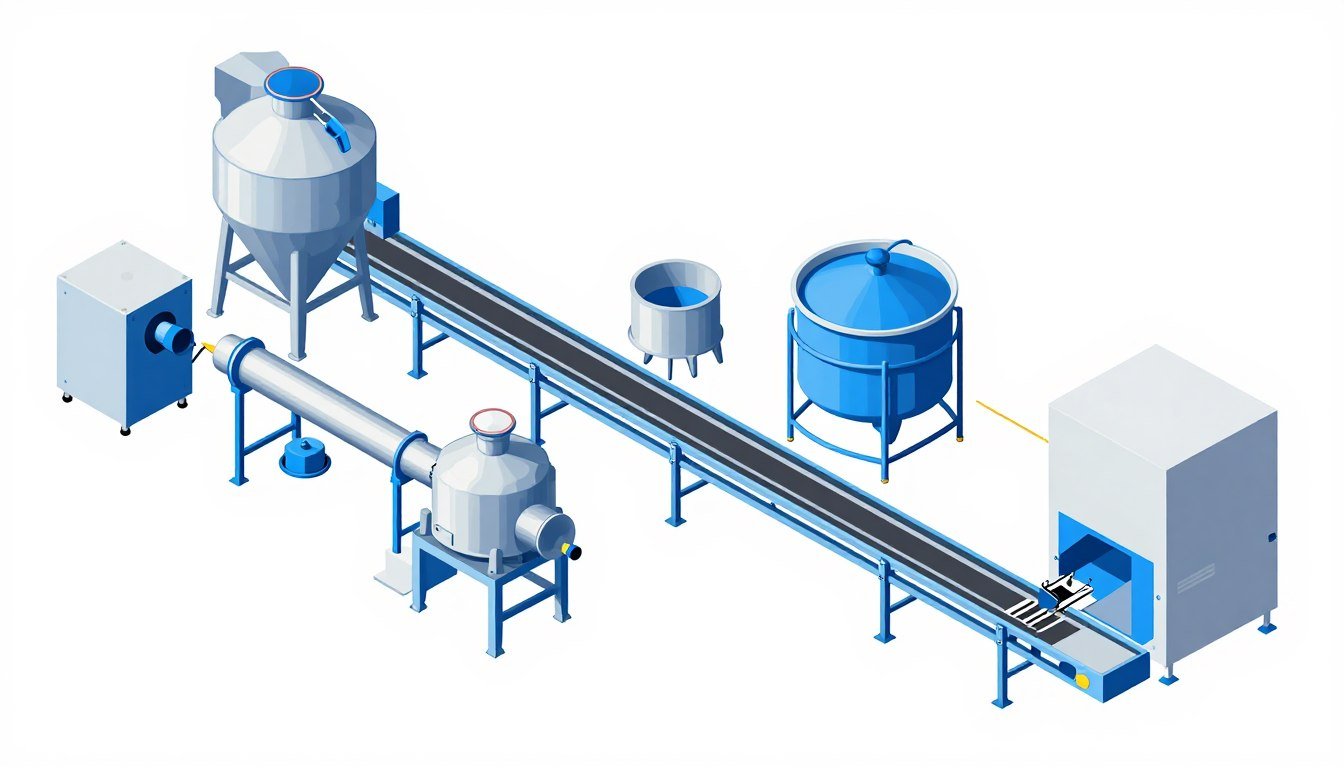
An aqua fish feed production line consists of interconnected machines that process raw materials into finished feed pellets. This automated system handles everything from ingredient preparation to final packaging. The production line transforms corn, soybean meal, fish meal, and other ingredients into uniform, nutritious pellets.
Core Components of Fish Feed Production Line
Every fish feed production line includes several essential machines. Each component performs a specific function in the manufacturing process. Understanding these elements helps you make informed equipment decisions.
- Crushing system reduces raw materials to appropriate particle sizes
- Mixing equipment blends ingredients according to precise formulations
- Pellet machine compresses mixture into dense, uniform pellets
- Cooling system removes excess heat and moisture from fresh pellets
- Screening device separates finished product from fines and oversized pieces
- Packaging equipment weighs and seals feed into bags or bulk containers
How Aqua Feed Production Line Differs from Other Feed Systems
Aqua feed production line equipment must meet unique requirements. Fish and shrimp need pellets that float or sink appropriately. Water stability becomes critical since aquatic feed cannot dissolve quickly. These specialized needs require different machinery than chicken or cattle feed lines.
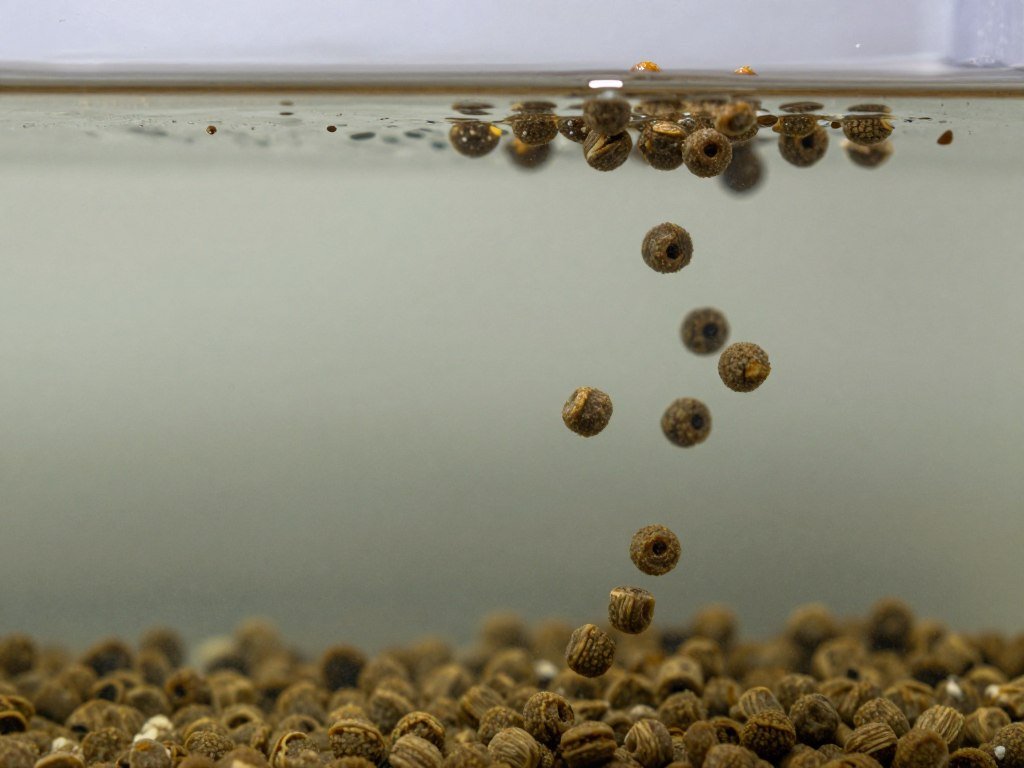
Floating Fish Feed Production Line
Floating pellets remain on water surface for extended periods. This design allows farmers to monitor feeding behavior easily. Extruder technology creates pellets with internal air pockets. These pockets provide buoyancy while maintaining nutritional integrity.
- Reduces feed waste significantly
- Enables visual feeding monitoring
- Suits surface-feeding species
- Requires extruder equipment
Sinking Fish Feed Production Line
Sinking pellets work better for bottom-feeding species. Catfish, shrimp, and some carp varieties prefer feed that descends to tank floors. Standard pellet mills produce sinking feed without extrusion. This process costs less than floating pellet production.
- Lower equipment investment
- Ideal for bottom feeders
- Simpler production process
- Effective for pond culture
Types of Aqua Fish Feed Production Line Systems
Fish feed production line configurations vary based on capacity, automation level, and output requirements. Selecting the right system depends on your farm size, budget, and growth plans. MAIKONG offers solutions ranging from small-scale operations to large industrial facilities.
By Production Capacity
| Capacity Range | Farm Size | Typical Application | Investment Level |
| 200KG – 500KG/Hour | Small Family Farms | 5-10 tons monthly production | Entry Level |
| 1-2 Tons/Hour | Medium Aquaculture Operations | 20-40 tons monthly production | Moderate |
| 3-5 Tons/Hour | Commercial Feed Mills | 60-100 tons monthly production | Substantial |
| 10-20 Tons/Hour | Large Industrial Facilities | 200+ tons monthly production | Major Investment |
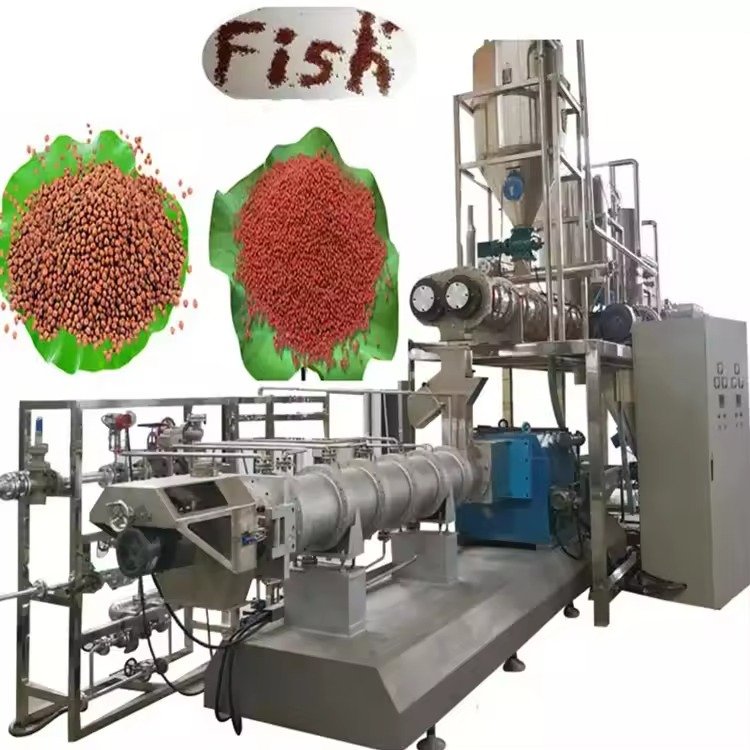
By Automation Level
Feed pellet production line automation directly impacts labor requirements and operational efficiency. Your choice depends on available workforce, technical expertise, and quality consistency needs.
Manual Operation
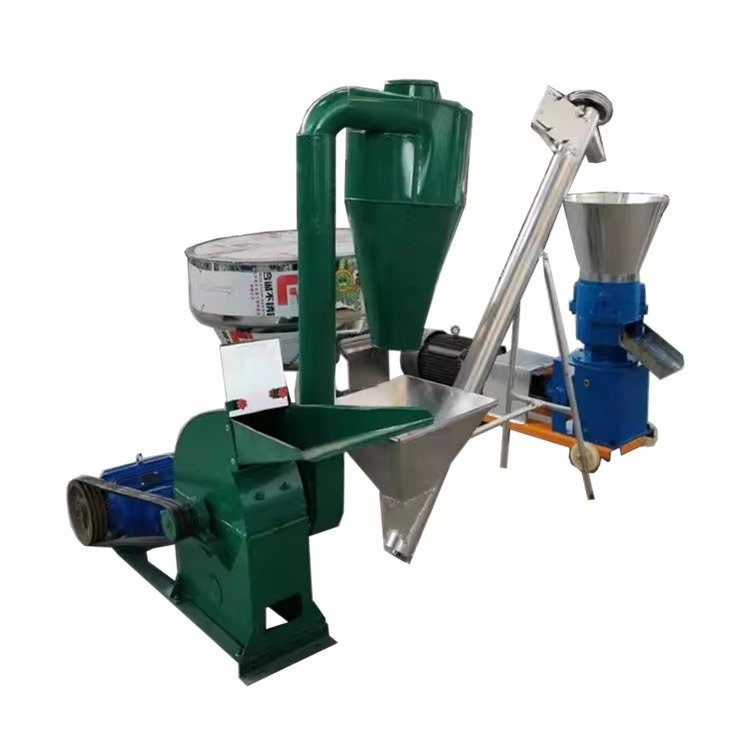
Operators control each production step manually. This approach requires more labor but costs less initially. Small farms with limited budgets often start here. Manual systems work well for producing 200-500KG per hour.
- Lowest initial investment
- Simple maintenance needs
- Flexible operation schedule
- Higher labor requirements
Semi-Automatic Systems
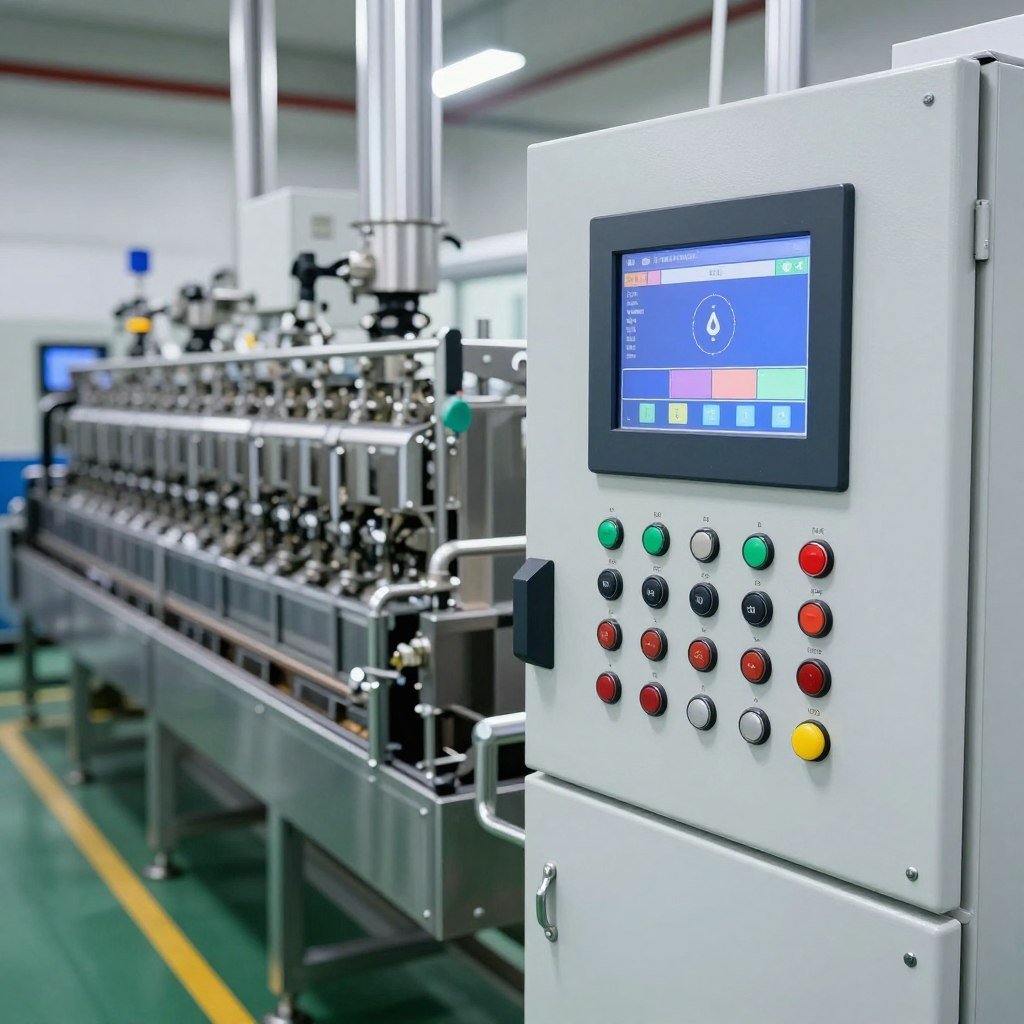
These lines automate key processes while requiring operator supervision. Raw material feeding and packaging may still need manual input. Production runs more consistently than fully manual operations. Capacity typically ranges from 1-5 tons per hour.
- Balanced automation level
- Improved consistency
- Moderate labor needs
- Reasonable investment
Fully Automatic Lines
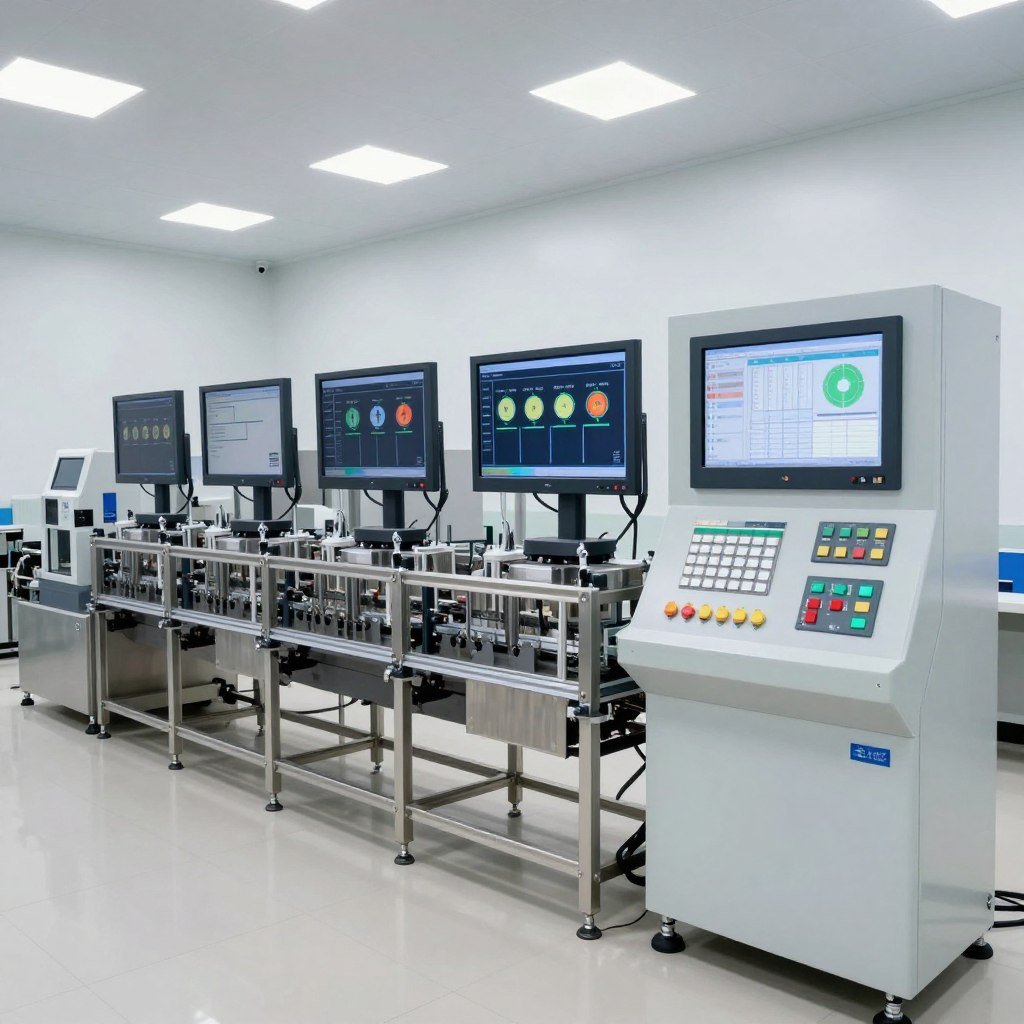
Computer systems control the entire feed pellet production line. PLC controllers monitor temperatures, flow rates, and mixing times. These systems maximize output quality and minimize waste. Large commercial operations require this level of automation.
- Maximum efficiency
- Consistent quality
- Minimal labor needs
- Highest investment
By Feed Type Specialization
Different aquatic species require specific feed characteristics. Aqua feed production line equipment can be customized for various applications. MAIKONG designs systems for tilapia, catfish, shrimp, and multi-species operations.
Essential Equipment in Fish Feed Production Line
Understanding each machine’s function helps you evaluate production line proposals. Quality equipment determines output consistency, operational costs, and maintenance requirements. Let’s examine the critical components that make up a complete aqua fish feed production line.
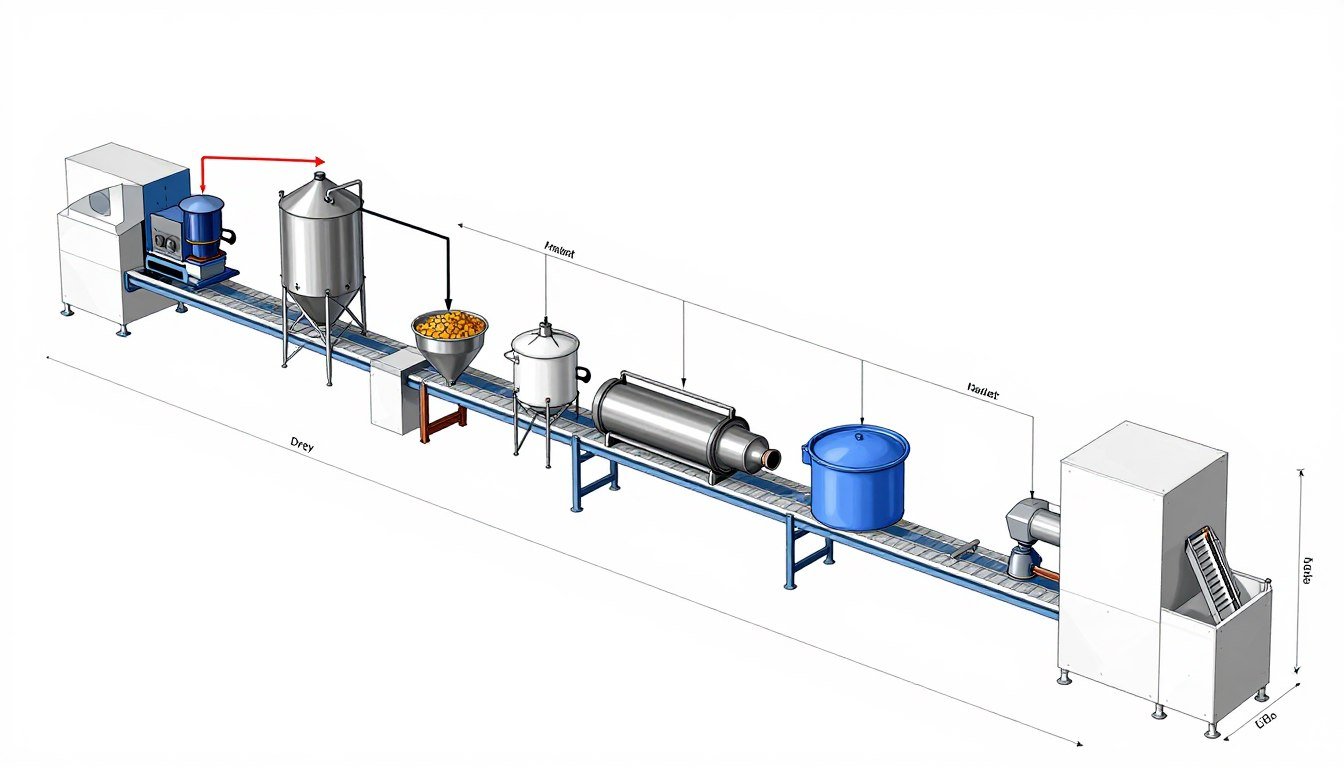
Feed Crusher Machine
The crusher begins the production process by reducing raw material particle size. Corn, wheat, and other grains must be ground to specific dimensions. Proper grinding improves mixing quality and pellet formation. MAIKONG hammer mill crushers handle various ingredient types efficiently.
Crusher Performance Factors
- Screen mesh size determines final particle dimensions
- Motor power affects throughput capacity
- Hammer design impacts grinding efficiency
- Dust collection systems improve workplace safety
- Maintenance access simplifies routine servicing
Model MK-L001 includes crushers sized appropriately for your capacity requirements. Philippines electrical standards (220V/380V) can be accommodated through customization.
Feed Mixing Machine
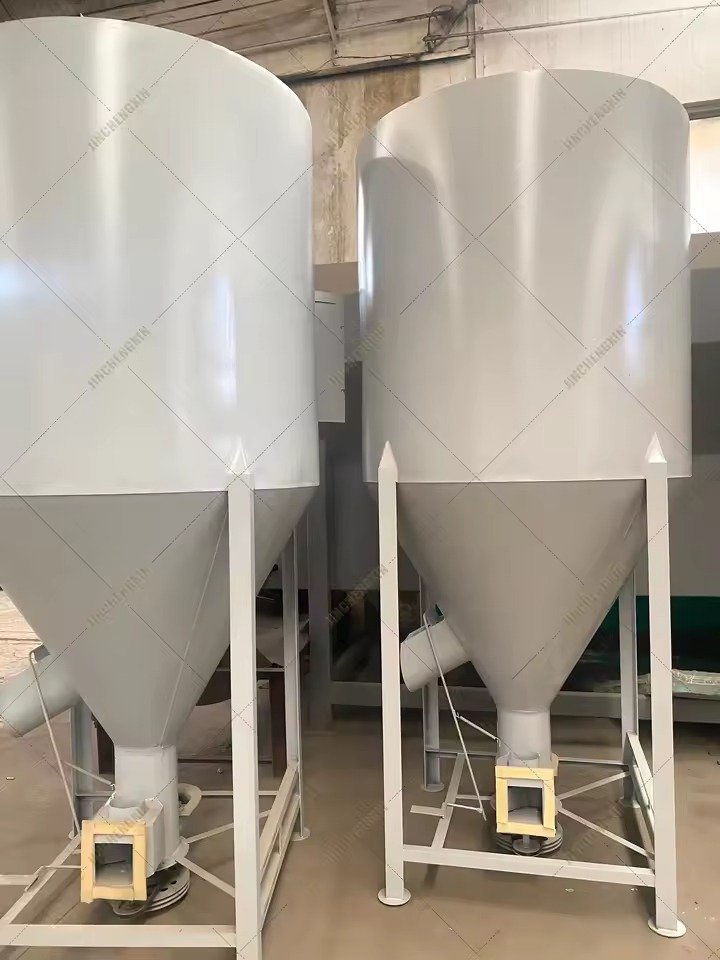
Uniform ingredient distribution ensures consistent nutrition in every pellet. Mixing equipment blends proteins, carbohydrates, vitamins, and minerals thoroughly. Poor mixing creates nutritional variations that affect fish growth rates. MAIKONG ribbon mixers achieve homogeneity levels exceeding 95%.
Horizontal Ribbon Mixer
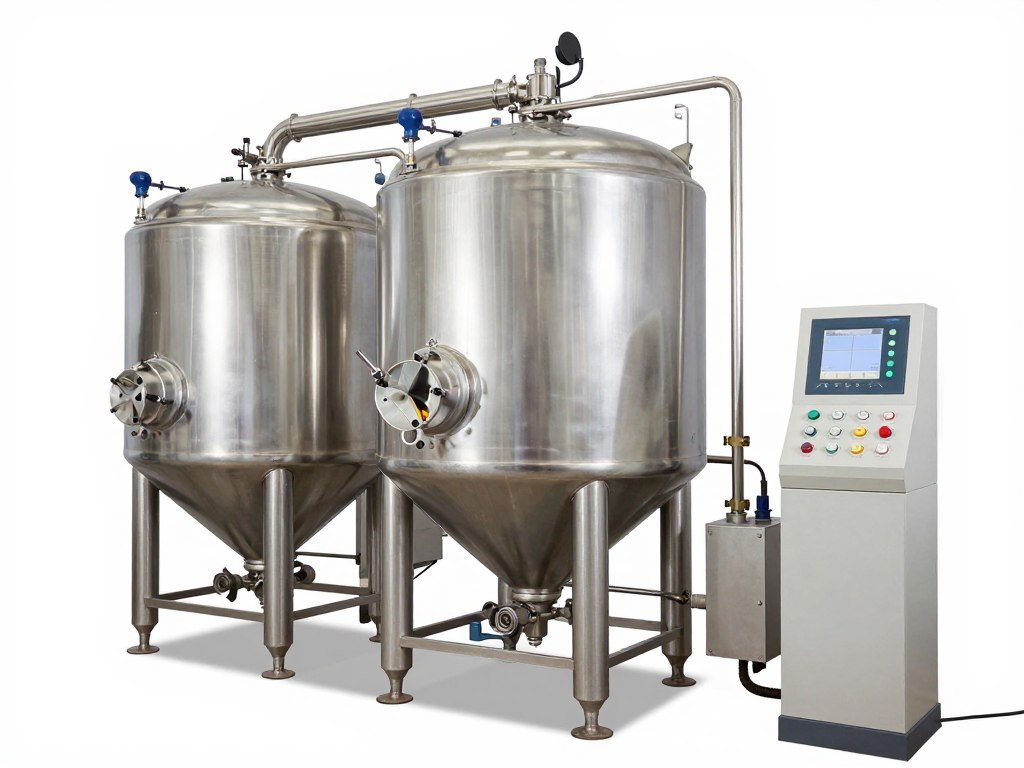
Twin ribbon agitators move material in opposite directions. This creates three-dimensional mixing action. Horizontal mixers work well for powder and small particle ingredients. Discharge doors at the bottom enable quick batch changes.
Vertical Mixer
Vertical designs occupy less floor space than horizontal models. Ingredients enter from the top and blend through auger action. These mixers suit operations with limited production area. Smaller batches process quickly in vertical configurations.
Continuous Mixer
High-capacity lines require continuous mixing systems. These units receive ingredients constantly and output mixed material without stopping. Continuous mixers integrate with automated weighing systems. Large commercial operations benefit from this technology.
Fish Feed Pellet Machine
The pellet machine represents the heart of any aqua feed production line. This equipment compresses mixed ingredients through die holes under extreme pressure. Heat generated during compression partially cooks the feed mixture. Proper pelleting ensures water stability and optimal nutrient retention.
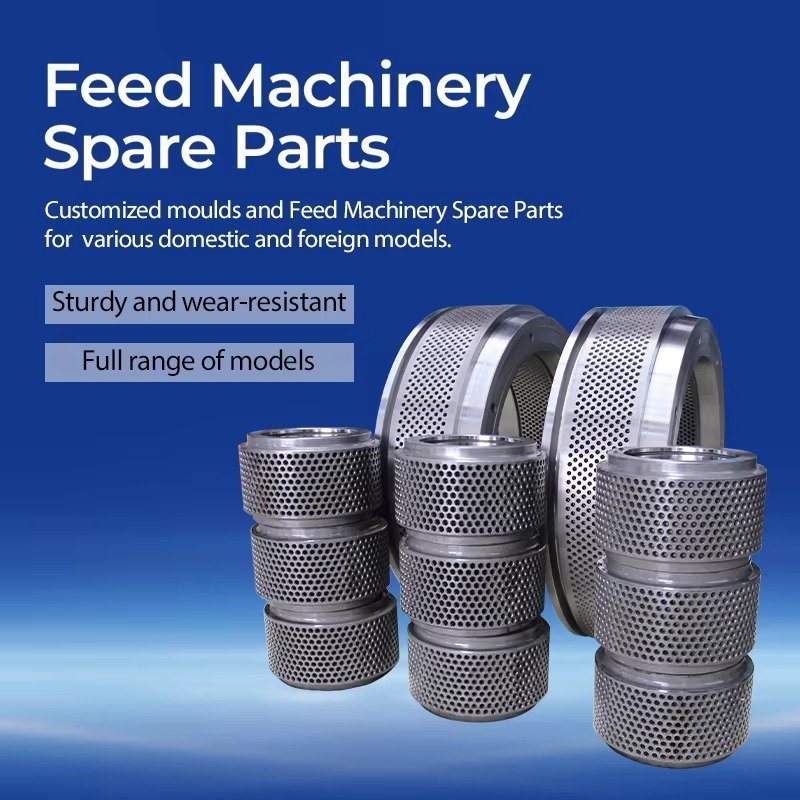
Ring Die Pellet Mill vs Flat Die Pellet Mill
Ring Die Design
Ring die pellet machines dominate commercial feed production line operations. The die rotates while stationary rollers press material through holes. This configuration handles high capacities efficiently. Output ranges from 1 ton to 20+ tons per hour.
MAIKONG ring die machines feature:
- Heavy-duty gear drive systems
- Quick die change mechanisms
- Automatic lubrication
- Overload protection
Flat Die Design
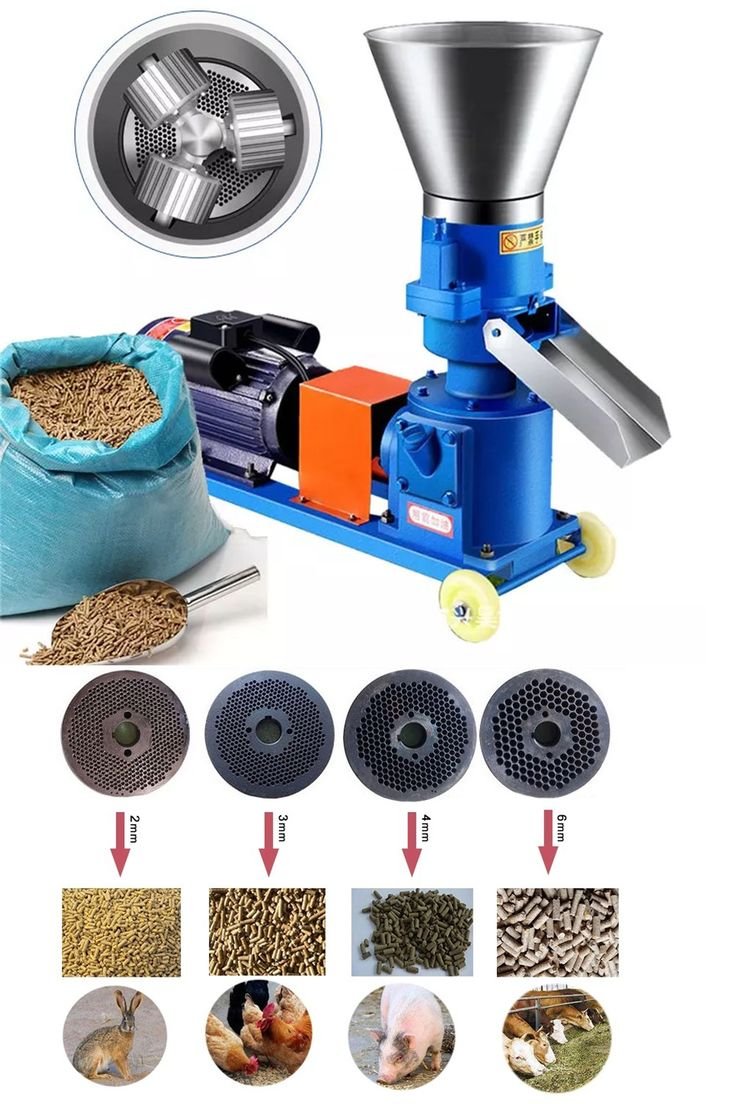
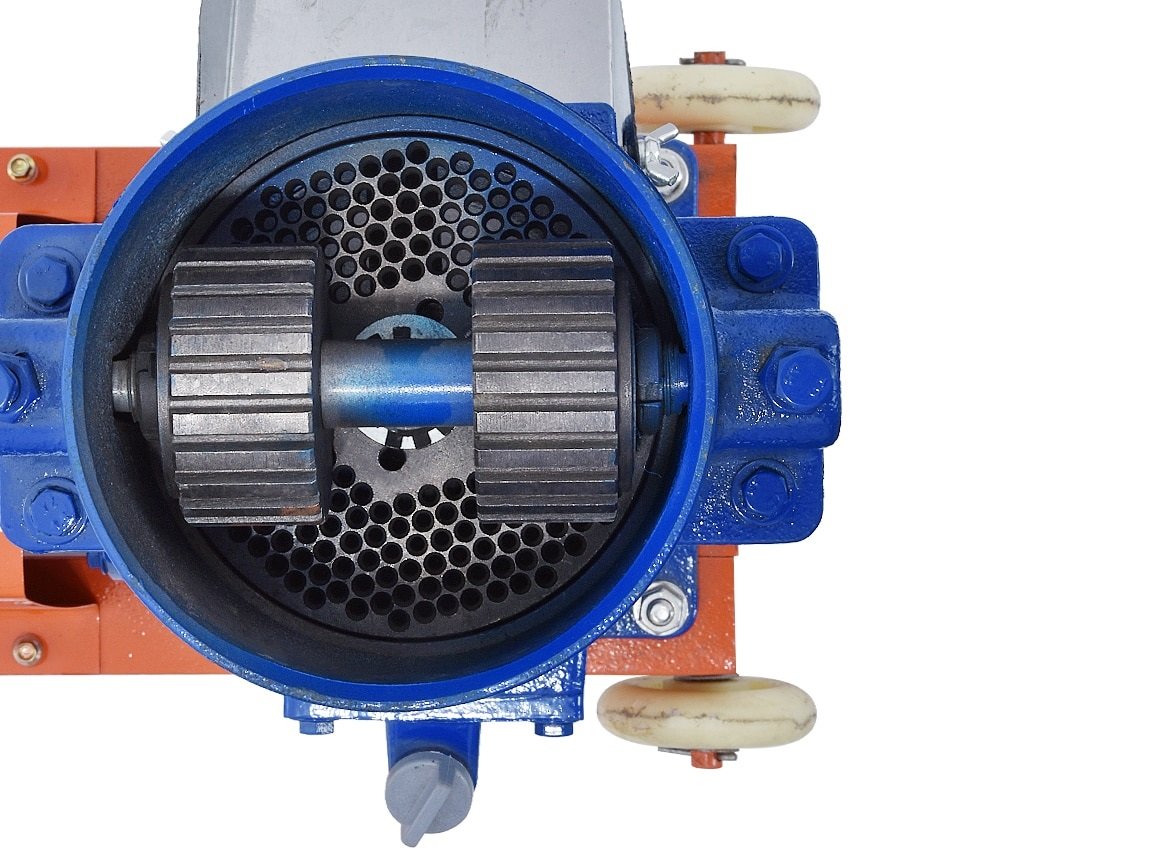
Flat die pellet mills work well for small-scale production. The die remains stationary while rollers rotate and compress material. These machines cost less initially and require simpler maintenance. Capacity typically reaches 200-500KG per hour.
Flat die advantages include:
- Lower investment cost
- Easy die replacement
- Simple operation
- Compact footprint
Extruder for Floating Fish Feed Production Line
Creating floating pellets requires extrusion technology instead of standard pelleting. Twin-screw extruders cook ingredients under high temperature and pressure. Rapid pressure release at the die exit causes expansion. This expansion creates air pockets that provide buoyancy.
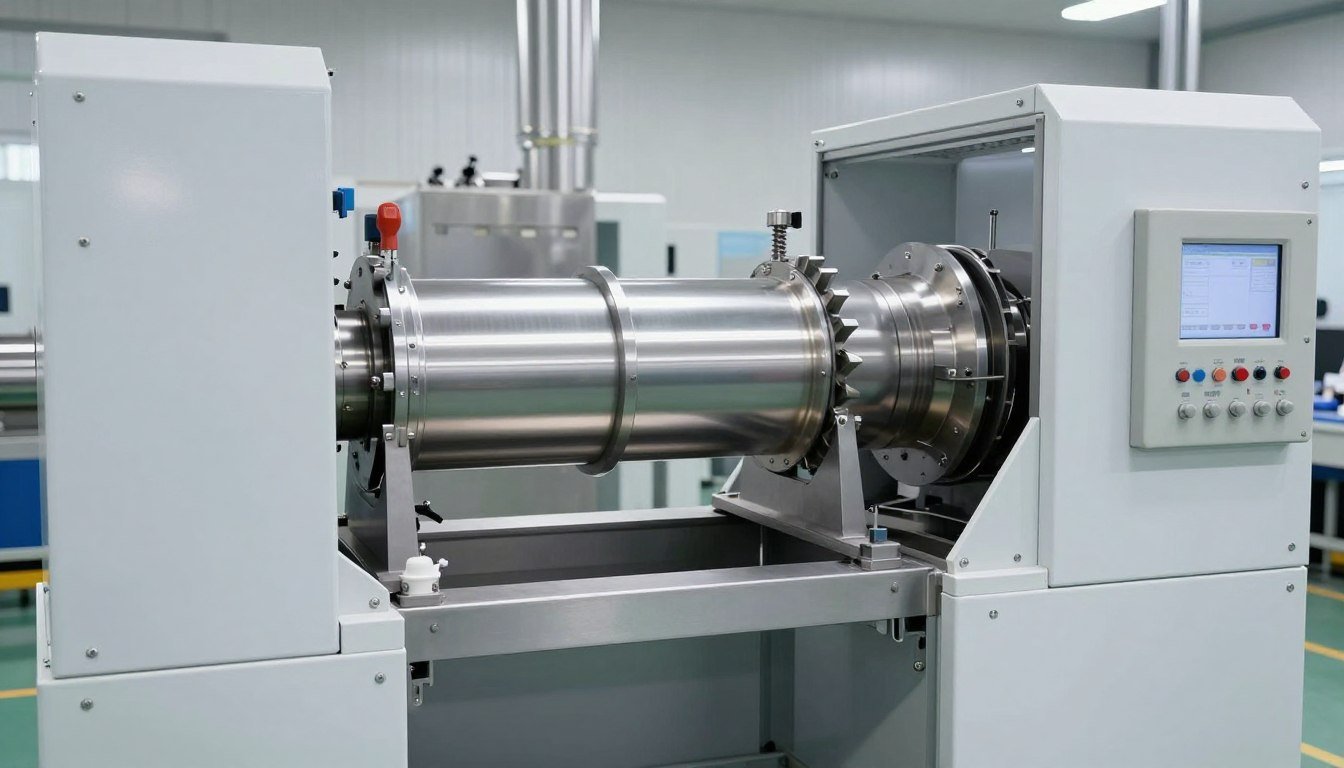
Extruder fish feed production line systems cost more than standard pellet lines. However, floating feed reduces waste significantly. Surface feeding allows better growth monitoring. Many Philippines tilapia and bangus farmers prefer floating pellets despite higher production costs.
Pellet Cooler Equipment
Fresh pellets exit the pellet machine or extruder at 75-85°C with 15-18% moisture. Cooling reduces temperature to ambient levels and moisture to 12% or less. Proper cooling prevents mold growth during storage. Counterflow coolers work most efficiently for fish feed production.
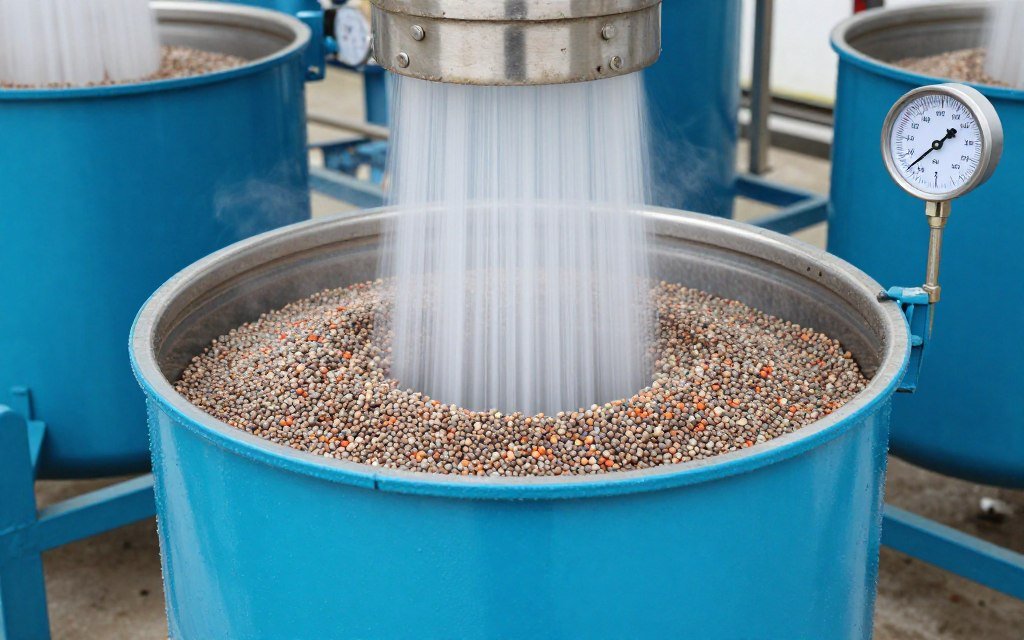
Cooling Process Details: Ambient air enters at the bottom and flows upward through descending pellets. This counterflow design maximizes heat exchange efficiency. Properly cooled pellets maintain quality during storage and transportation. Philippines’ tropical climate makes effective cooling especially important.
Screening and Grading System
Not all pellets exit equipment at perfect size. Some break during cooling or handling. Others may be oversized. Vibrating screens separate finished product from fines and oversized pieces. Fines return to the mixer for reprocessing. This system ensures uniform pellet size reaches packaging.
Packaging Equipment
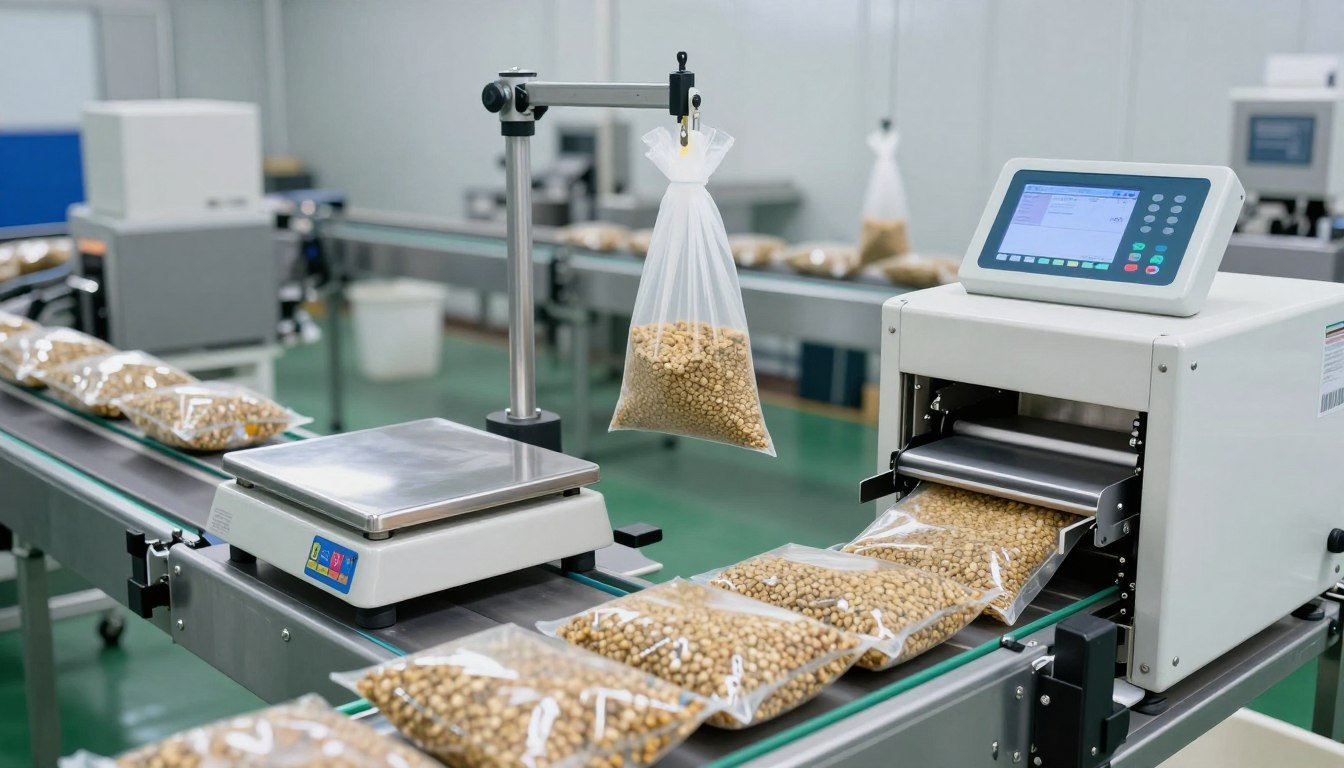
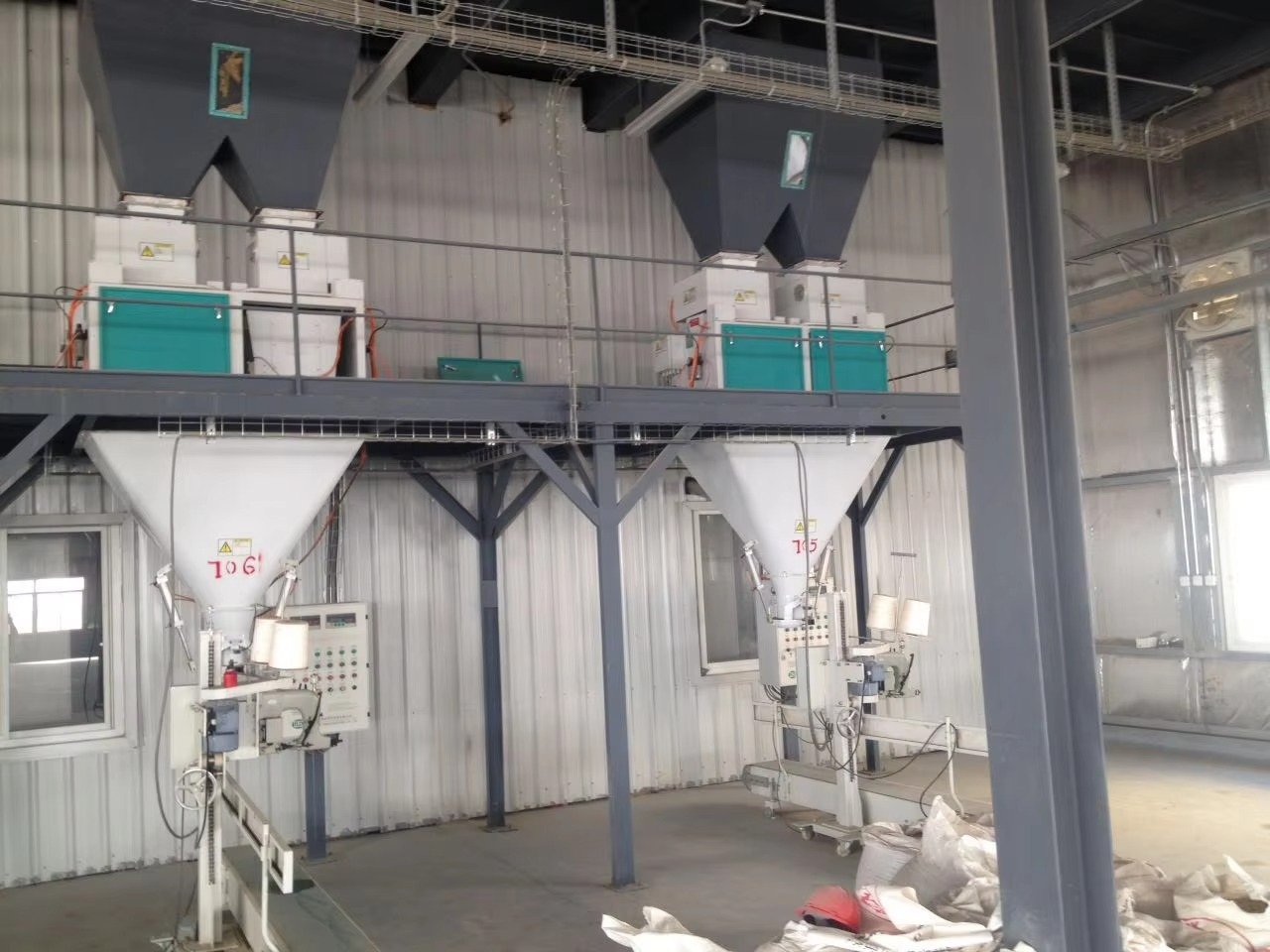
Automated packaging systems weigh feed accurately and seal bags efficiently. Electronic scales ensure consistent bag weights. Sewing machines or heat sealers close bags securely. High-capacity lines may include palletizing equipment for warehouse efficiency.
Need Help Selecting Equipment?
MAIKONG technical specialists can recommend the optimal equipment configuration for your production goals. We consider your capacity requirements, available space, budget, and feed types to design the ideal solution.
Fish Feed Production Line Process Flow
Understanding the complete production sequence helps you plan operations and identify potential bottlenecks. Each step contributes to final product quality. Let’s walk through the entire aqua feed production line process from raw material arrival to packaged feed shipment.
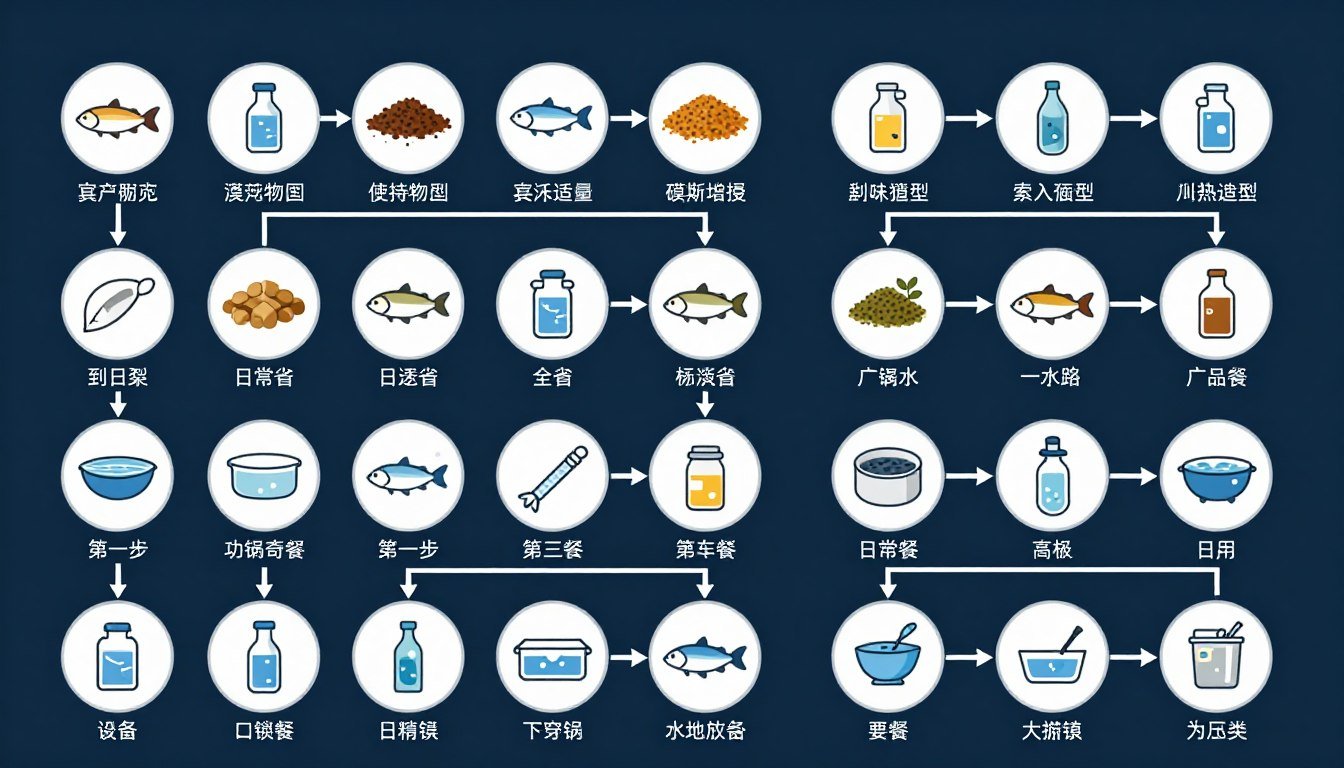
Step 1: Raw Material Receiving and Storage
Quality ingredients create quality feed. Raw materials arrive at your facility by truck or container. Proper storage prevents spoilage and contamination. Separate bins for different ingredients maintain formulation accuracy.
- Corn and grain storage in ventilated silos
- Fish meal and protein sources in climate-controlled areas
- Vitamin and mineral premixes in sealed containers
- Regular inventory monitoring prevents stockouts
Step 2: Ingredient Weighing and Batching
Accurate weighing ensures nutritional consistency. Automated batching systems improve precision compared to manual methods. Computer-controlled scales measure each ingredient according to your formulation. This step critically impacts feed quality.
Step 3: Grinding Raw Materials
The crusher reduces particle size to specifications required by your pellet machine. Fine grinding improves pellet quality but increases energy costs. Most aqua fish feed production line operations grind to 2-3mm particle size. This dimension balances pellet integrity with production efficiency.
Step 4: Mixing Ingredients
Thorough mixing distributes nutrients evenly throughout the batch. Mixing time varies from 5-15 minutes depending on equipment and ingredient characteristics. Liquid ingredients like fish oil add during the final mixing minutes. Proper mixing prevents nutritional segregation during handling and storage.
Step 5: Conditioning (Pre-Pellet Treatment)
Steam conditioning occurs before pelleting or extrusion. Steam adds heat and moisture to the feed mixture. This treatment:
- Partially gelatinizes starches for better digestibility
- Reduces harmful bacteria through heat treatment
- Improves pellet durability and water stability
- Enhances binding between ingredients
Conditioning temperature typically reaches 75-85°C for fish feed production. Steam quality significantly affects pellet quality. MAIKONG systems include conditioning chambers sized appropriately for your capacity.
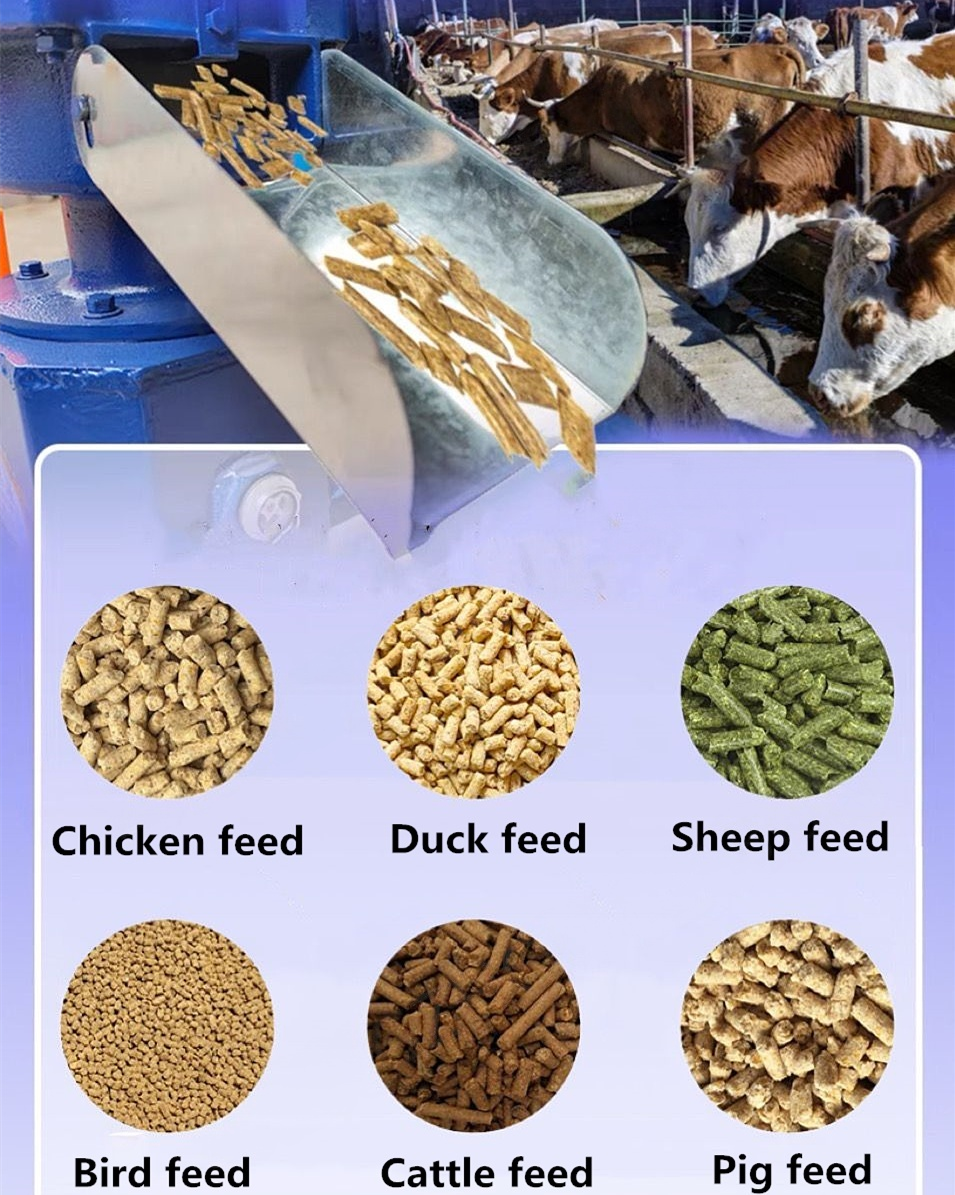
Step 6: Pelleting or Extrusion
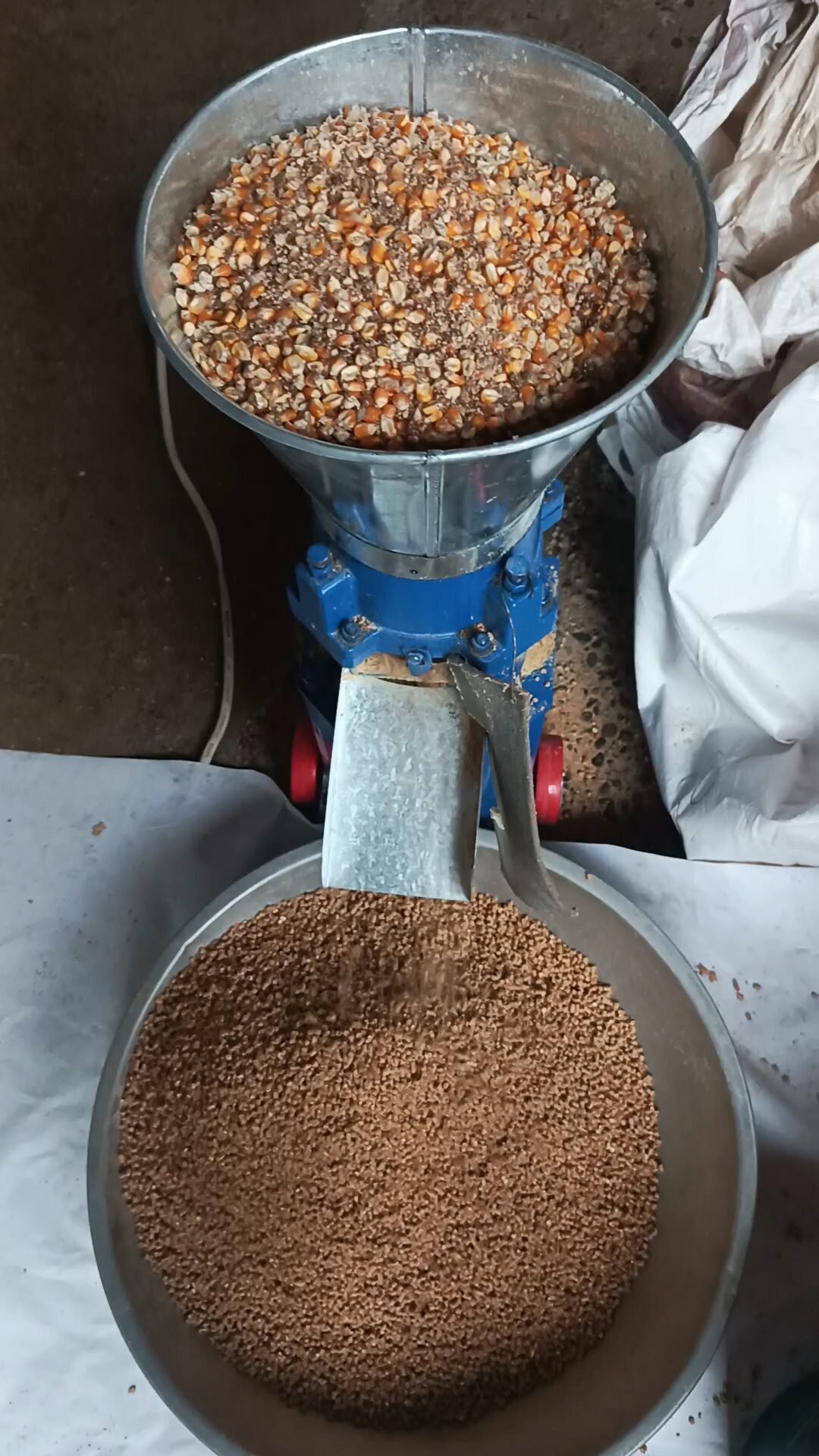
Conditioned material enters the pellet machine or extruder. Extreme pressure forces mixture through die holes. For standard sinking pellets, material exits as continuous strands. Rotating knives cut strands to desired lengths. Floating pellet production requires extrusion with its expansion process.
Sinking Fish Feed Production Line
Ring die pellet mills compress material through die holes. Friction and pressure generate additional heat. Pellets exit hot and soft. They harden during cooling. This process creates dense pellets that sink quickly.
Pellet characteristics:
- Density: 550-650 kg/m³
- Water stability: 2-4 hours
- Production cost: Lower
- Suitable for: Catfish, shrimp, bottom feeders
Floating Fish Feed Production Line
Extruders cook feed under higher temperature and pressure. Rapid pressure drop at die exit causes expansion. Steam flashes to vapor, creating porous structure. These air pockets provide buoyancy.
Pellet characteristics:
- Density: 300-450 kg/m³
- Floating time: Several hours
- Production cost: Higher
- Suitable for: Tilapia, bangus, surface feeders
Step 7: Drying (for Extruded Feed)
Floating fish feed production line operations require additional drying. Extruded pellets contain too much moisture for storage stability. Multi-layer dryers reduce moisture from 25-30% down to 10-12%. Hot air flows through pellet layers. Proper drying prevents mold and extends shelf life.
Step 8: Cooling
All pellets need cooling regardless of production method. Hot pellets would damage packaging materials and promote spoilage. Counterflow coolers work most efficiently. Pellets descend through rising cool air. Temperature drops to within 5°C of ambient conditions.
Step 9: Screening and Quality Control
Vibrating screens separate finished product from fines and oversized pieces. Quality control staff sample pellets regularly. They check:
- Pellet size uniformity
- Moisture content
- Durability and hardness
- Water stability (for aqua feed)
- Nutritional analysis (periodic testing)
Step 10: Packaging and Storage
Finished pellets flow to packaging equipment. Automated scales fill bags to precise weights. Heat sealers or sewing machines close bags securely. Proper labeling identifies product type, production date, and nutritional content. Packaged feed moves to warehouse storage or loads directly onto delivery vehicles.
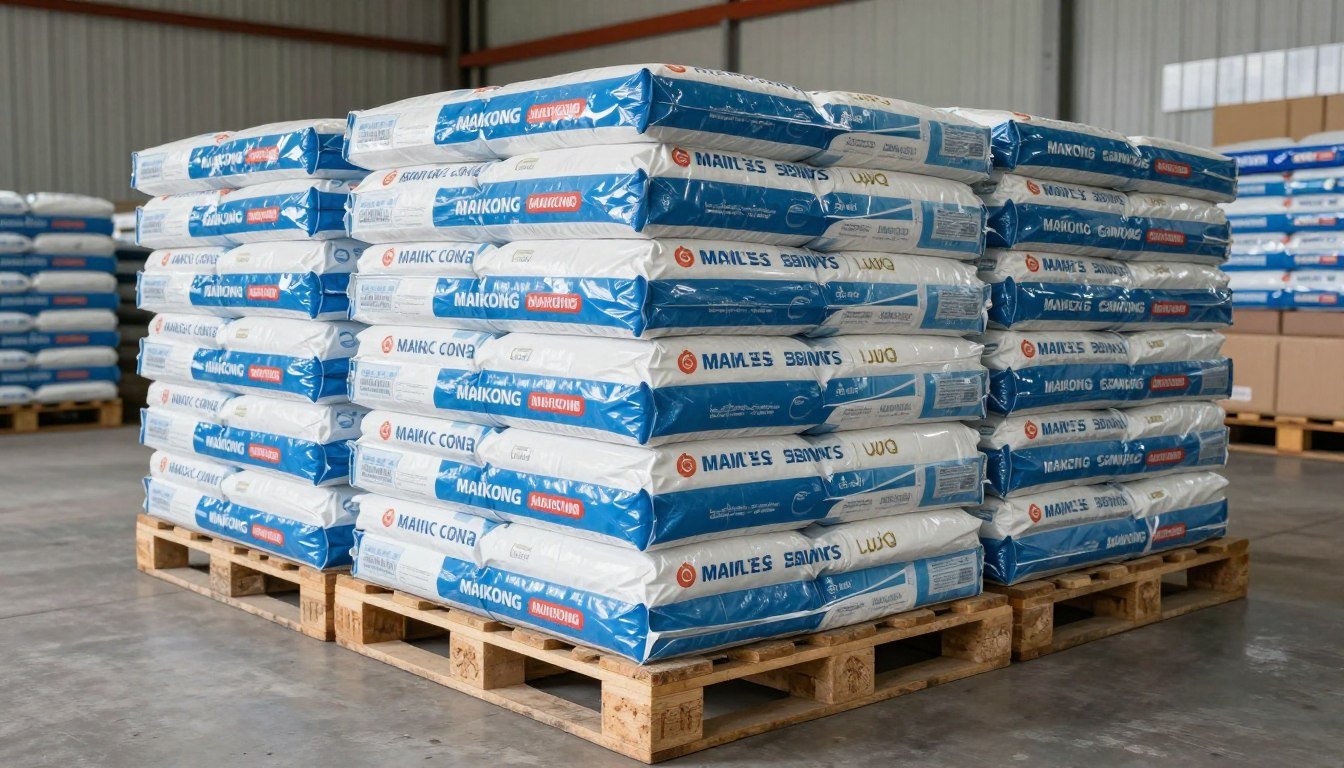
Production Efficiency Tips: Maintain consistent raw material quality. Keep equipment properly maintained. Train operators thoroughly. Monitor critical control points like mixing time and conditioning temperature. Document production parameters for quality assurance. These practices ensure your feed pellet production line operates at peak efficiency.
Customization Options for Philippines Market
Every aquaculture operation has unique requirements. MAIKONG specializes in customizing aqua fish feed production line systems for specific applications. Our 22 years of manufacturing experience enables us to adapt equipment to your exact needs. Philippines customers benefit from customization that addresses local conditions.
Capacity Customization
Production capacity should match your current needs with room for growth. Oversized equipment wastes energy and capital. Undersized systems cannot meet demand. MAIKONG offers fish feed production line solutions from 200KG per hour to 200 tons per hour.
| Hourly Capacity | Daily Output (8hr) | Monthly Output | Recommended For |
| 200-500 KG | 1.6-4 Tons | 35-90 Tons | Small farms, startup operations |
| 1-2 Tons | 8-16 Tons | 175-350 Tons | Medium commercial farms |
| 3-5 Tons | 24-40 Tons | 525-875 Tons | Large aquaculture operations |
| 10-20 Tons | 80-160 Tons | 1,750-3,500 Tons | Commercial feed mills, cooperatives |
Voltage and Power Customization
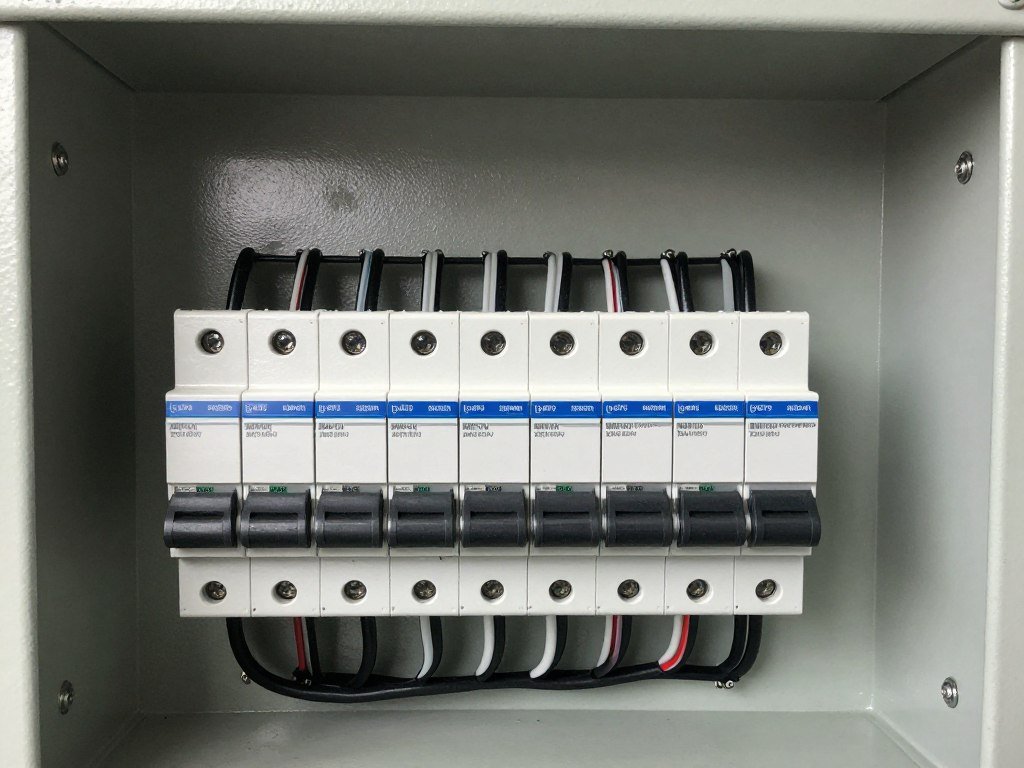
Philippines electrical systems typically run on 220V single phase or 380V three phase power. MAIKONG motors and control systems can be configured for these specifications. We also accommodate areas with unstable power supply through appropriate motor protection.
Feed Type Specialization
Different aquatic species require specific pellet characteristics. MAIKONG can optimize your aqua feed production line for:
Tilapia Feed
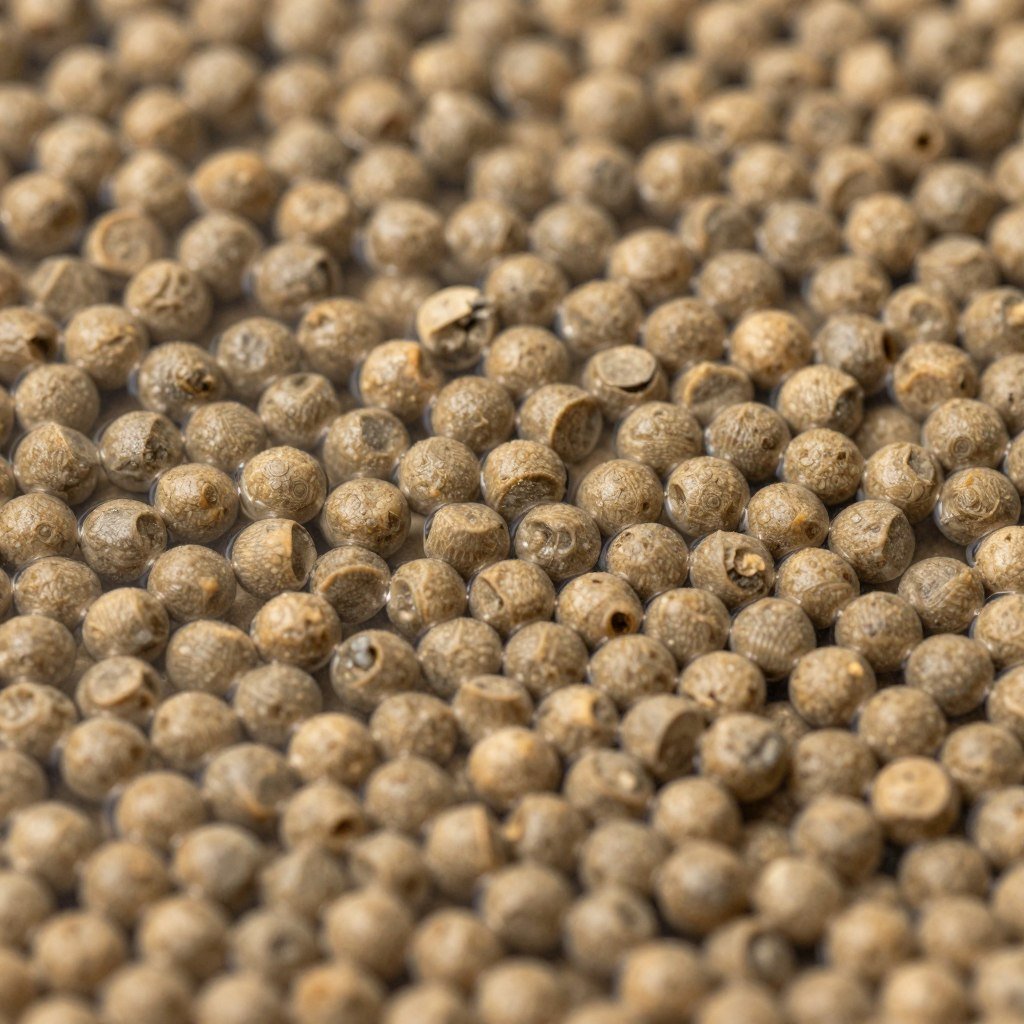
Floating pellets sized 2-6mm depending on fish age. High protein content for fast growth. Water stability exceeding 4 hours.
Catfish Feed
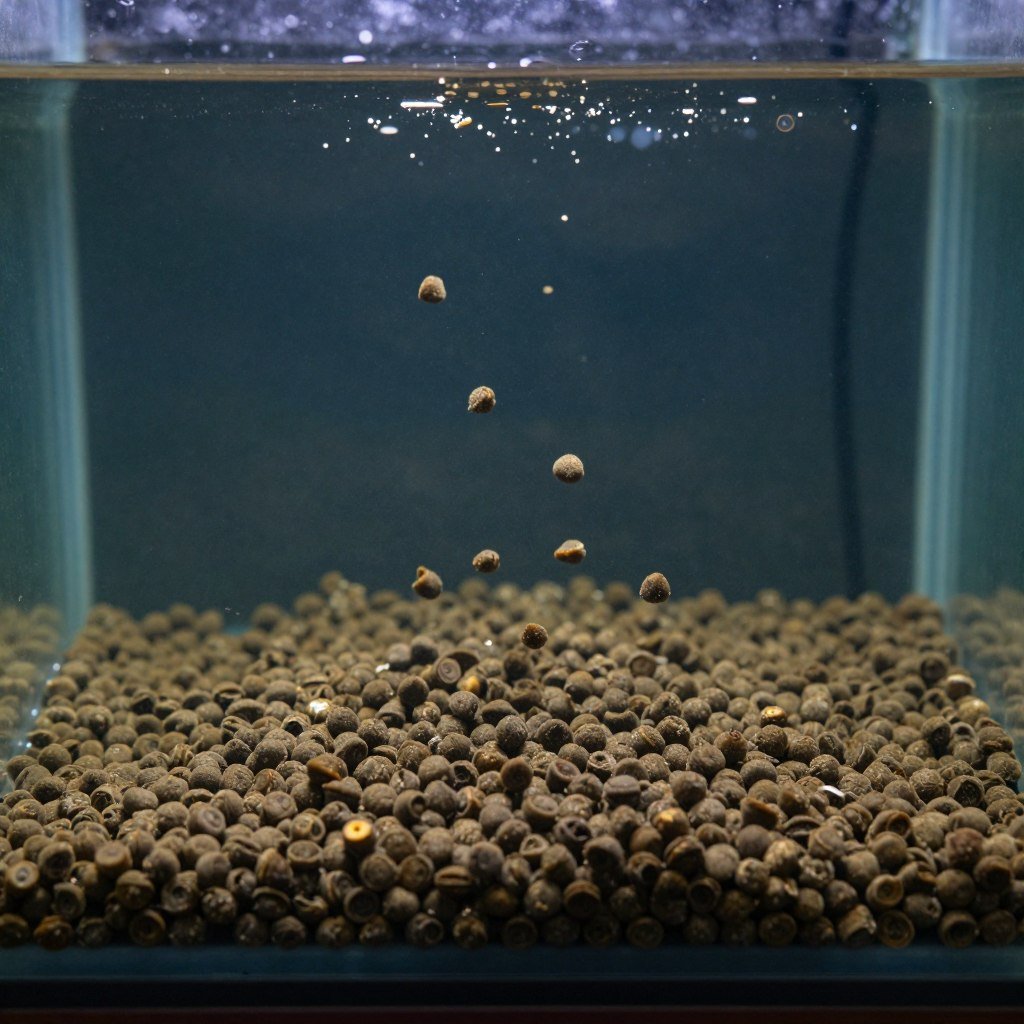
Sinking pellets for bottom-feeding behavior. Formulations emphasizing amino acid balance. Sizes from 3-8mm for different growth stages.
Shrimp Feed
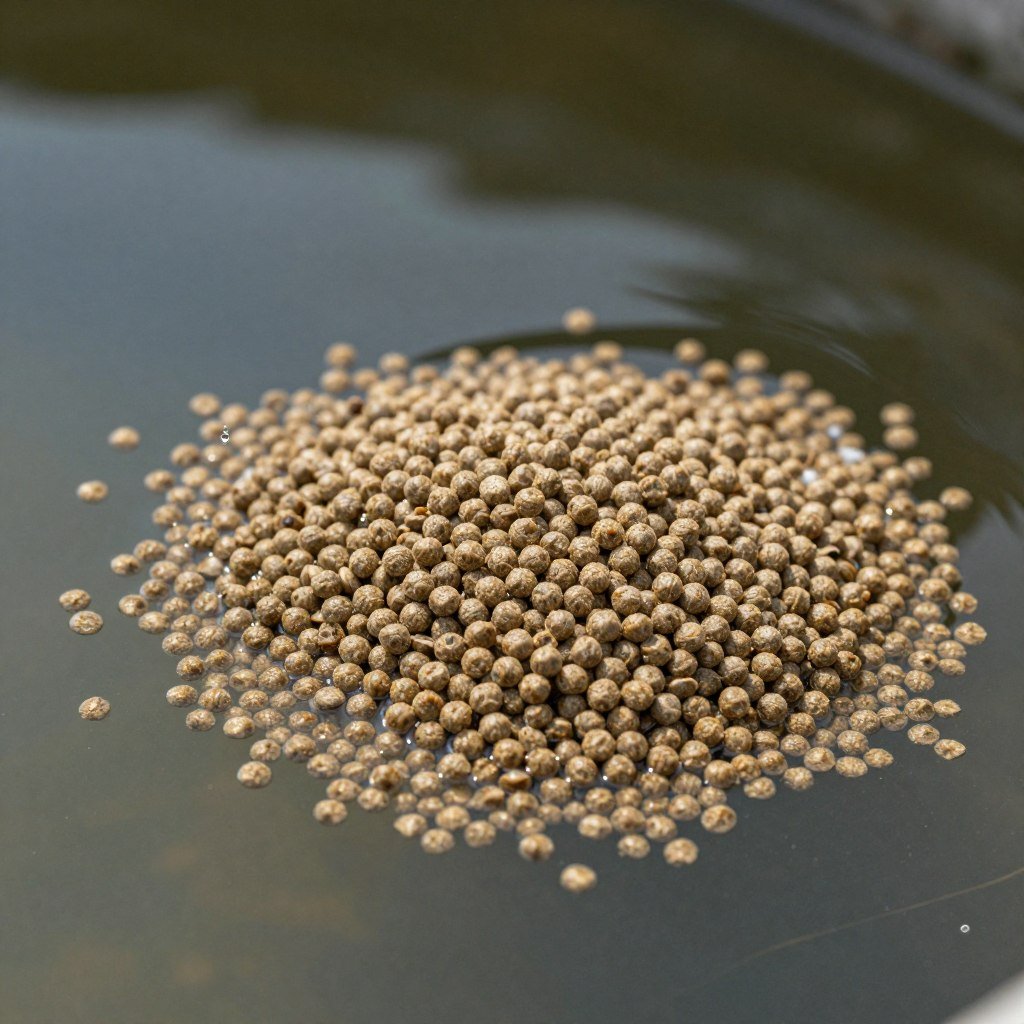
Slow-sinking pellets with exceptional water stability. Small diameter (1.5-3mm) for shrimp consumption. Enhanced attractants for feeding stimulation.
Pellet Size Customization
Fish size determines appropriate pellet diameter. Young fish cannot consume large pellets. Mature fish need bigger pellets to satisfy appetite. Die hole sizes determine pellet diameter. MAIKONG provides dies in various specifications.
- 1.5-2mm: Fry and fingerlings
- 2-3mm: Juvenile fish (50-100g)
- 3-5mm: Growing fish (100-300g)
- 5-8mm: Market-size fish (300g+)
Material and Construction Options
Equipment durability depends on construction materials. Standard carbon steel costs less initially. Stainless steel resists corrosion better in humid Philippines conditions. MAIKONG offers both options with recommendations based on your budget and environment.
Layout Design Customization
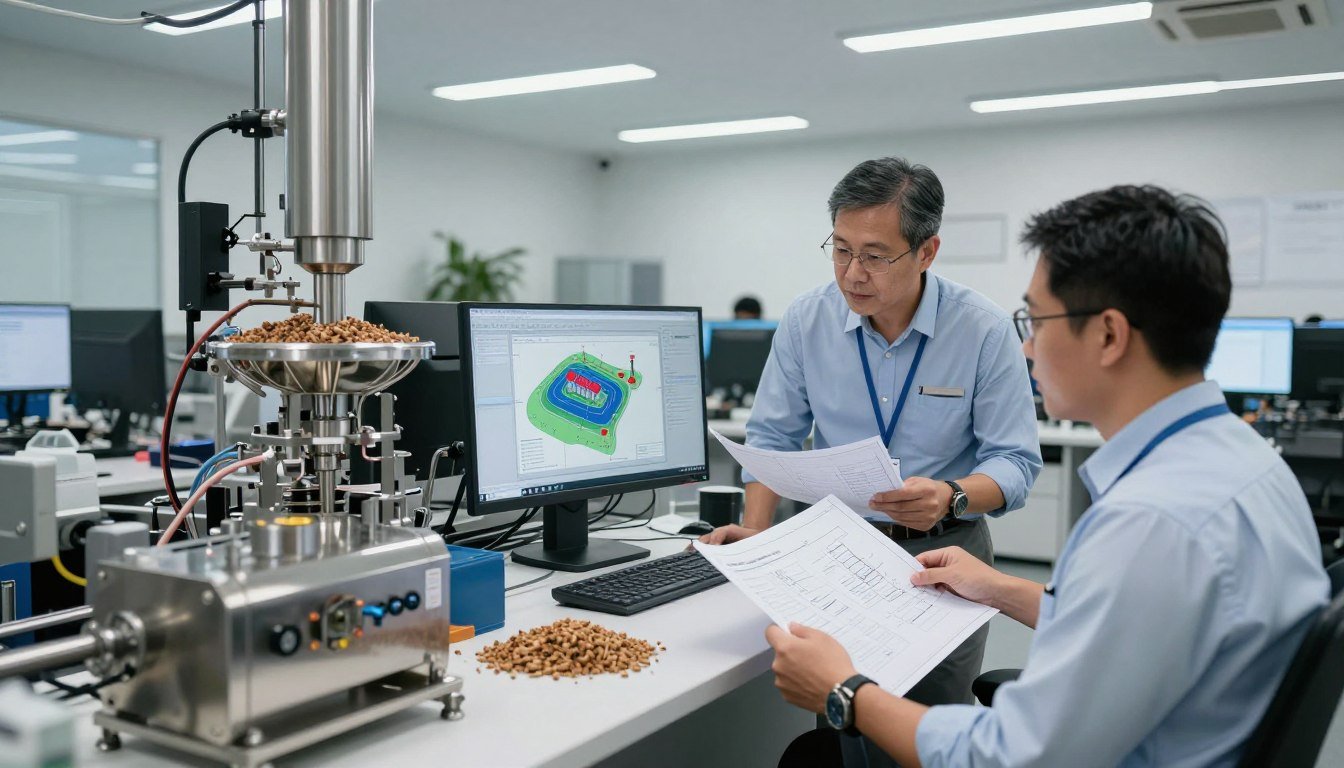
Production line layout must fit your available space. Vertical designs minimize floor space requirements. Horizontal layouts simplify maintenance access. MAIKONG engineers create 3D layouts before equipment fabrication. This ensures optimal workflow and future expansion capability.
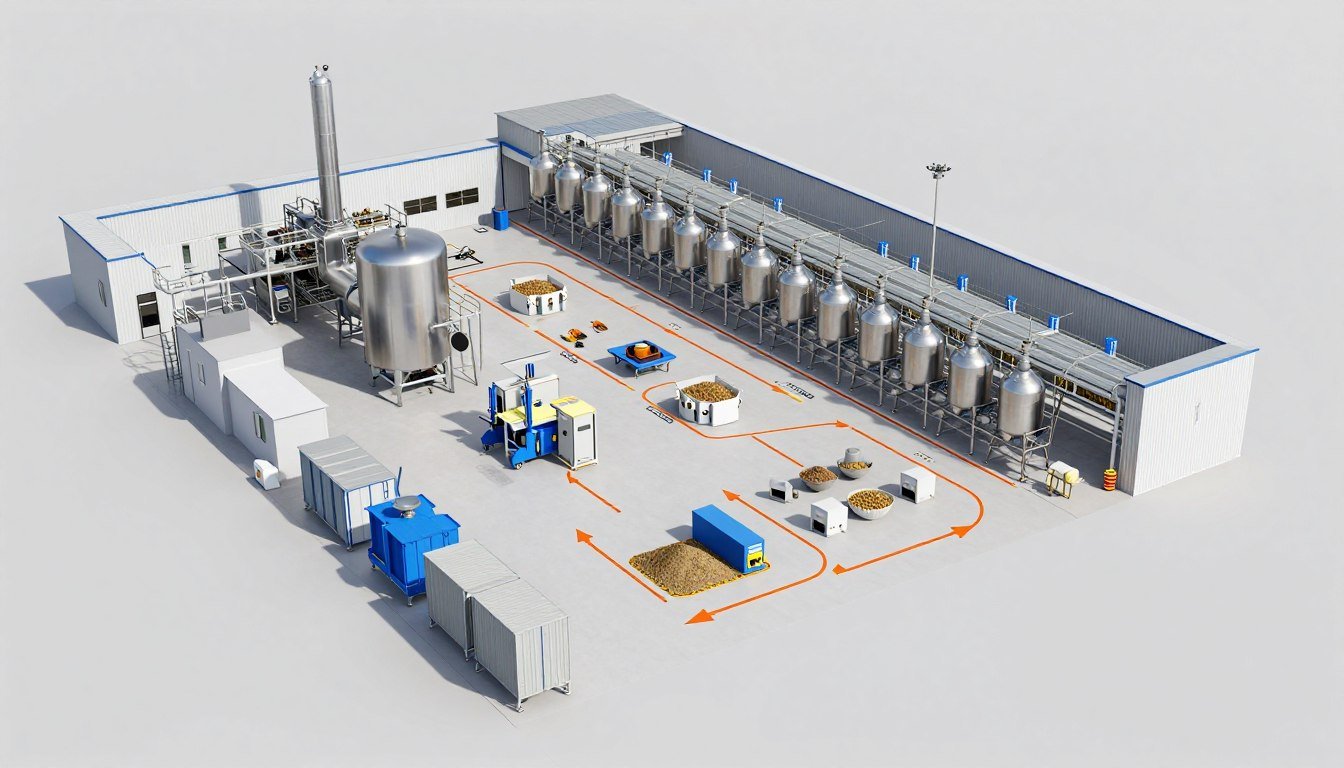
Design Your Custom Aqua Feed Production Line
Share your capacity requirements, feed types, and space constraints. MAIKONG technical team will create a customized production line proposal specifically for your operation. We accommodate Philippines voltage standards, tropical climate considerations, and local business practices.
Aqua Fish Feed Production Line Price and Investment Analysis
Understanding production line costs helps you plan financing and calculate return on investment. Fish feed production line prices vary significantly based on capacity, automation level, and equipment quality. Let’s break down the investment components and operating costs.
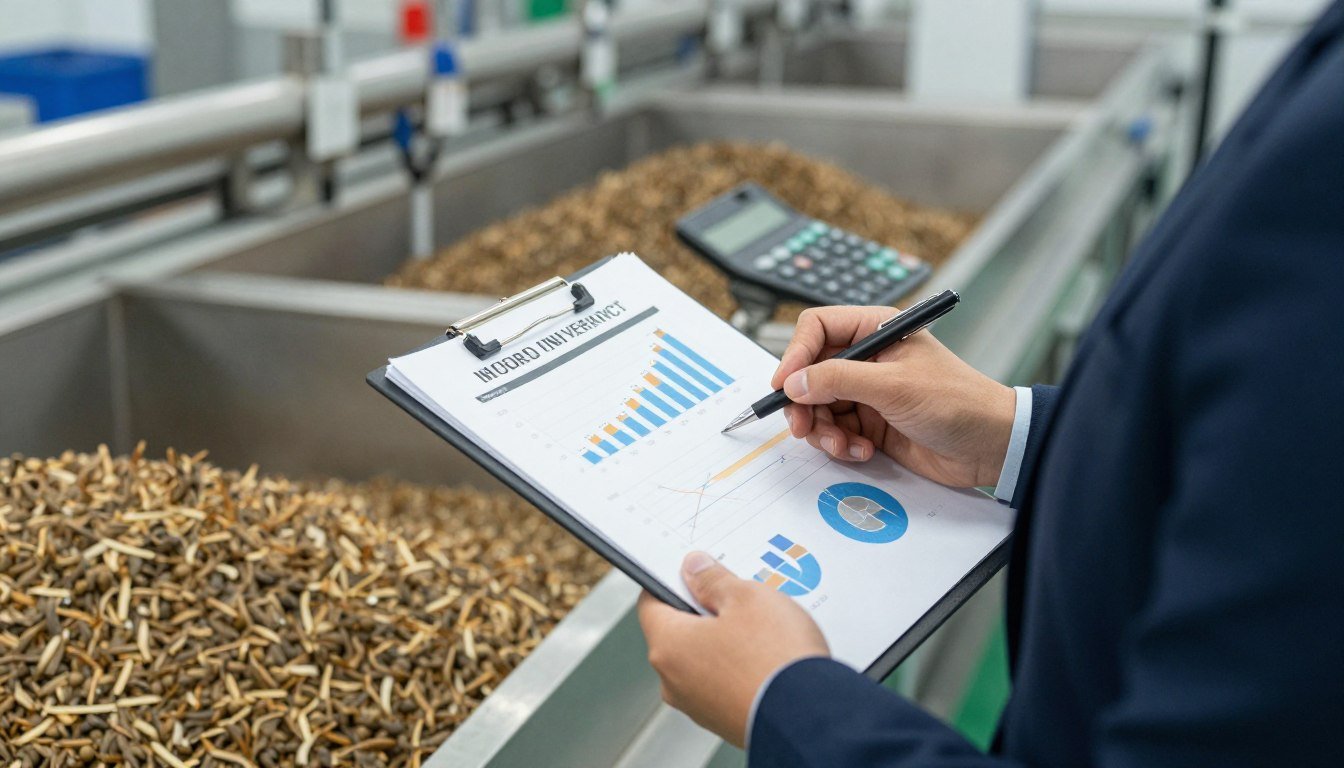
Initial Equipment Investment
Equipment represents the largest upfront cost. Aqua fish feed production line manufacturers offer systems at various price points. Quality equipment may cost more initially but delivers better reliability and lower operating expenses over time.
| Production Capacity | System Type | Estimated Investment (USD) | Key Components |
| 200-500 KG/Hour | Basic Sinking Feed Line | $15,000 – $35,000 | Crusher, mixer, flat die pellet mill, cooler, basic packaging |
| 500-1000 KG/Hour | Semi-Automatic Line | $35,000 – $75,000 | All components plus automation controls, improved capacity |
| 1-2 Tons/Hour | Complete Ring Die System | $75,000 – $150,000 | Industrial-grade equipment, full automation, quality cooler |
| 1-2 Tons/Hour | Floating Fish Feed Production Line | $120,000 – $200,000 | Twin-screw extruder, dryer, complete processing line |
| 3-5 Tons/Hour | Commercial Feed Mill | $200,000 – $400,000 | High-capacity equipment, full automation, advanced controls |
Additional Setup Costs
Beyond equipment purchase, consider these investment requirements:
- Building construction or renovation: $20,000-$100,000 depending on size
- Electrical installation and power supply upgrades: $5,000-$20,000
- Raw material storage silos: $10,000-$50,000 for adequate capacity
- Initial raw material inventory: $15,000-$50,000 depending on production scale
- Shipping and installation: 8-15% of equipment cost
- Spare parts inventory: $3,000-$15,000 recommended
- Training and commissioning: Usually included with MAIKONG equipment
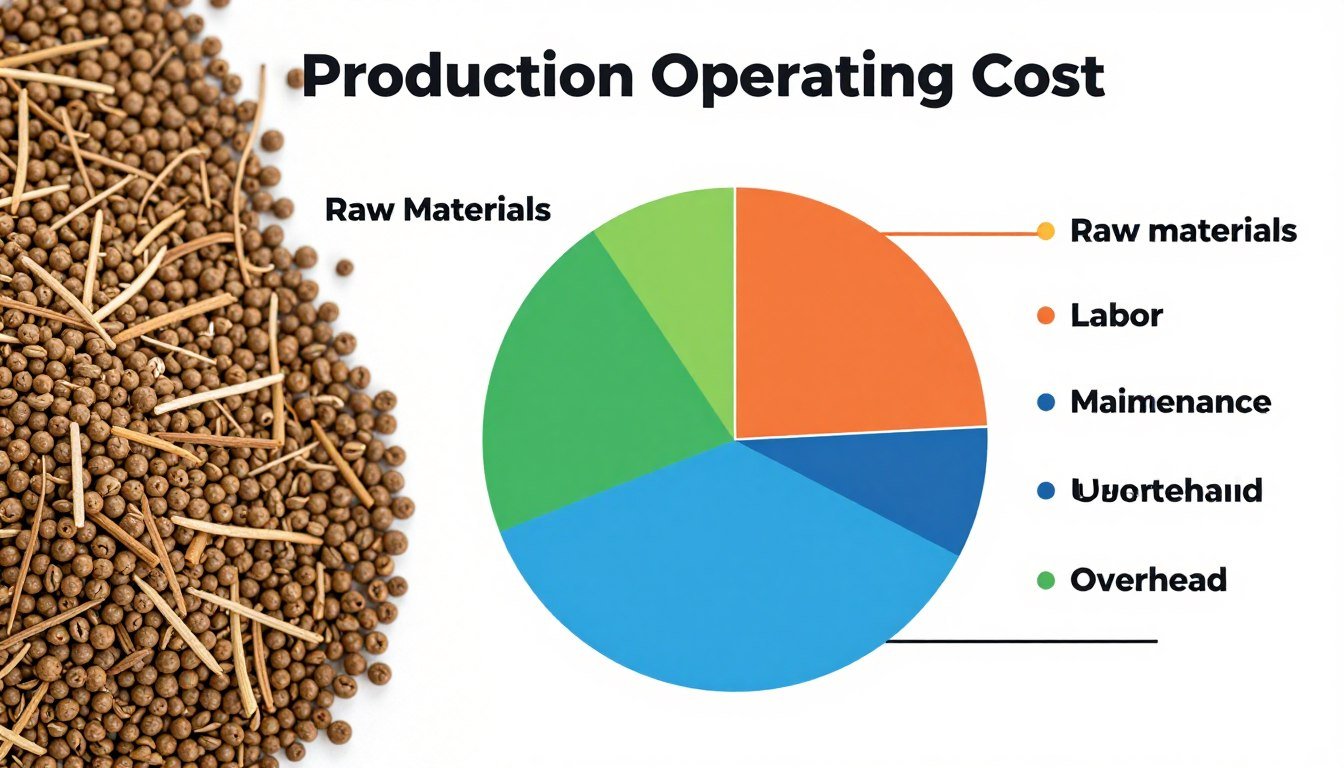
Operating Cost Analysis
Monthly operating expenses directly impact profitability. Accurate cost projections help you price feed competitively while maintaining healthy margins.
Raw Material Costs
Ingredients typically represent 70-80% of total feed production cost. Philippines prices vary seasonally and by region. Sample cost structure per ton of fish feed:
| Ingredient | Percentage | Cost per KG (PHP) | Cost per Ton (PHP) |
| Corn/Rice Bran | 40% | ₱18-22 | ₱7,200-8,800 |
| Soybean Meal | 25% | ₱35-45 | ₱8,750-11,250 |
| Fish Meal | 15% | ₱60-80 | ₱9,000-12,000 |
| Wheat Bran | 10% | ₱15-20 | ₱1,500-2,000 |
| Vitamins/Minerals | 5% | ₱80-120 | ₱4,000-6,000 |
| Fish Oil | 5% | ₱100-140 | ₱5,000-7,000 |
| Total Raw Material Cost | 100% | ₱35,450-47,050 |
Energy Costs
Electricity consumption varies by equipment efficiency and production volume. Feed pellet production line power requirements depend on capacity:
- 500 KG/Hour line: 45-60 KW total power, ₱300-400 per hour electrical cost
- 1-2 Ton/Hour line: 120-180 KW total power, ₱800-1,200 per hour
- 3-5 Ton/Hour line: 250-400 KW total power, ₱1,700-2,700 per hour
Labor Costs
Staffing needs depend on automation level and production scale. Typical requirements:
- Small manual line (500KG/hour): 3-4 workers
- Semi-automatic line (1-2 tons/hour): 4-6 workers
- Automated line (3-5 tons/hour): 6-8 workers plus supervisor
Philippines labor costs vary by region. Factor ₱400-600 per day per worker for production staff.
Maintenance and Repairs
Budget 2-4% of equipment value annually for routine maintenance. This covers:
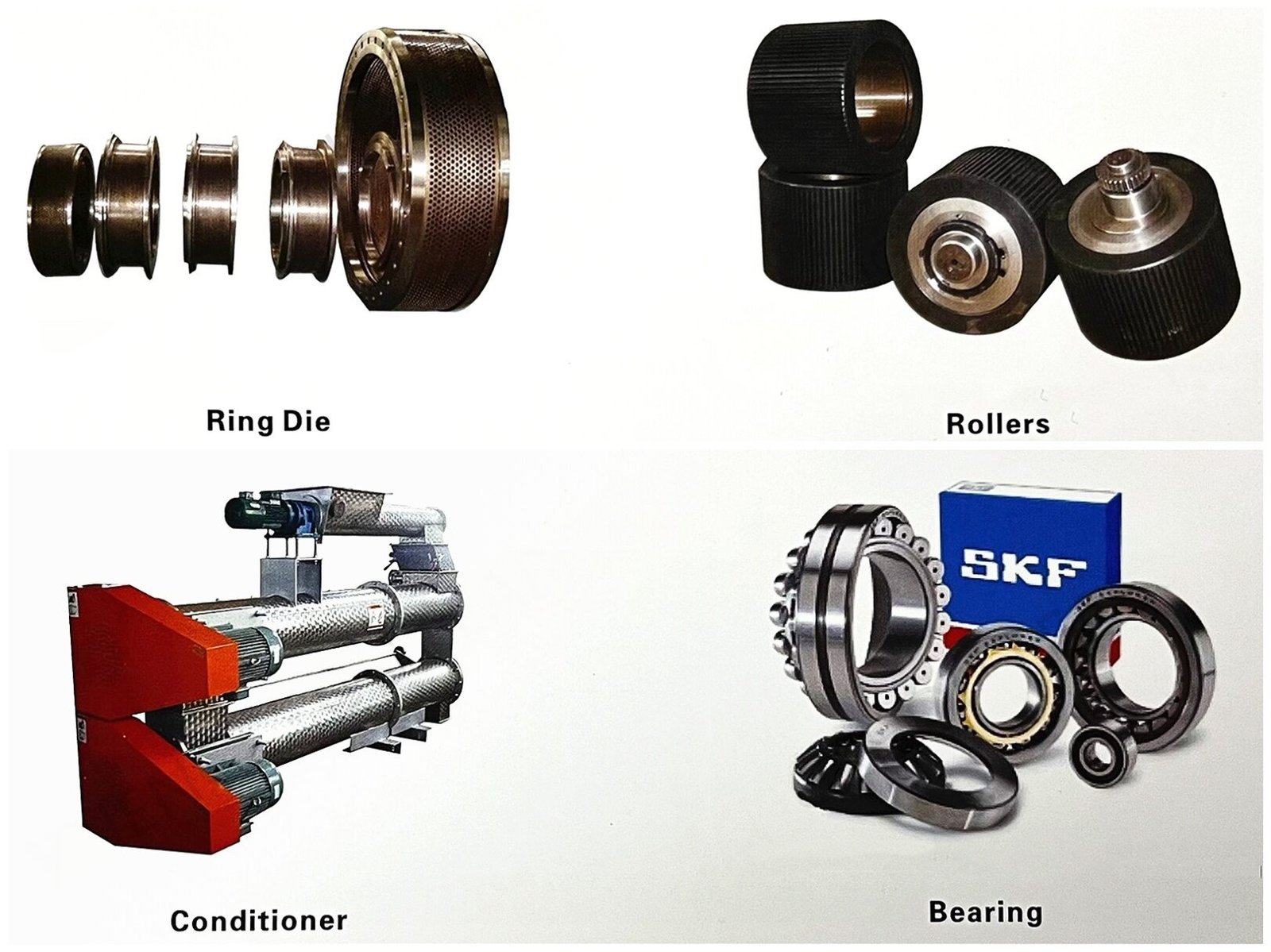
- Die and roller replacement in pellet machines
- Bearing lubrication and replacement
- Screen mesh replacement
- Belt and chain maintenance
- Regular oil changes
Return on Investment Calculation
Feed production profitability depends on several factors. Market feed prices, raw material costs, and production efficiency all affect ROI. Sample calculation for 1-ton/hour sinking fish feed production line:
Example ROI Analysis
Initial Investment: $100,000 (equipment) + $30,000 (setup) = $130,000
Monthly Production: 200 tons (8 hours/day, 25 days/month)
Production Cost per Ton: ₱38,000 (materials) + ₱600 (energy) + ₱500 (labor) = ₱39,100
Selling Price: ₱45,000 per ton
Gross Profit per Ton: ₱5,900
Monthly Gross Profit: 200 tons × ₱5,900 = ₱1,180,000 ($21,000)
Annual Gross Profit: ₱14,160,000 ($252,000)
Payback Period: Approximately 7-9 months (excluding fixed costs)
These calculations demonstrate why many Philippines aquaculture operations invest in their own feed production line. Cost savings and quality control benefits justify the initial investment for operations using 50+ tons of feed monthly.
How to Choose Aqua Fish Feed Production Line Suppliers
Selecting the right equipment supplier significantly impacts your operation’s success. Quality manufacturers provide reliable equipment, technical support, and fair pricing. Poor supplier choices lead to production problems, expensive repairs, and lost profitability. Consider these factors when evaluating aqua fish feed production line manufacturers.
Manufacturing Experience and Expertise
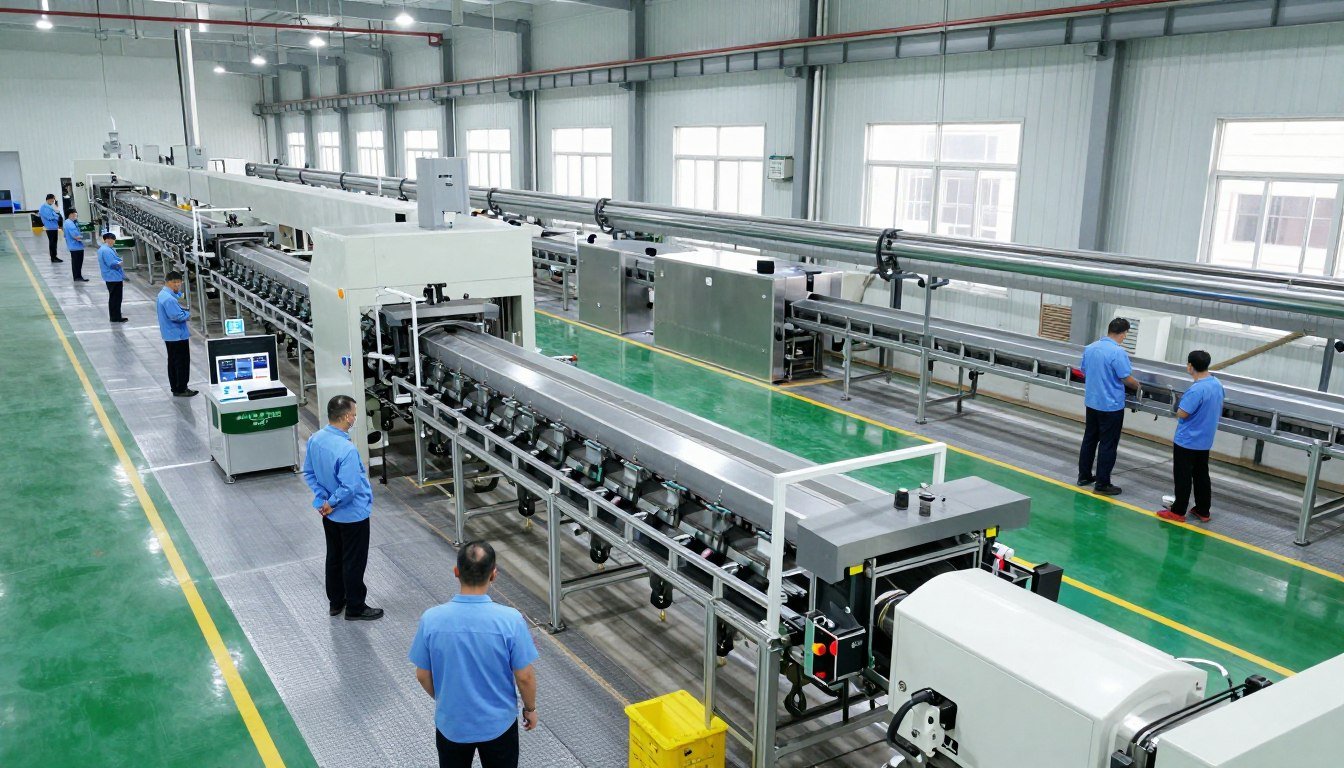
Experience matters significantly in feed equipment manufacturing. Established companies understand feed production nuances better than new entrants. MAIKONG’s 22 years in the industry demonstrates proven expertise. Look for suppliers with:
- Decade or more in feed equipment manufacturing
- Specific experience with aqua feed production line systems
- Engineering team capable of customization
- Research and development capabilities
- Portfolio of successful installations
Product Quality and Certifications
Equipment quality determines operational reliability and maintenance costs. Superior components justify higher initial prices through lower lifetime costs. Examine:
Quality Indicators
- ISO 9001 quality management certification
- CE marking for international standards compliance
- Material specifications (stainless steel grades, motor brands)
- Welding quality and surface finishing
- Component brand reputation (bearings, motors, gearboxes)
Testing and Validation
- Factory testing before shipment
- Performance guarantee documentation
- Quality inspection reports
- Sample pellet production demonstrations
- Reference customer contacts
Customization Capability
Standard equipment rarely fits all applications perfectly. Suppliers should adapt designs to your requirements. MAIKONG specializes in customizing fish feed production line systems for Philippines market needs including voltage adaptation, capacity optimization, and layout design.
After-Sales Service and Support
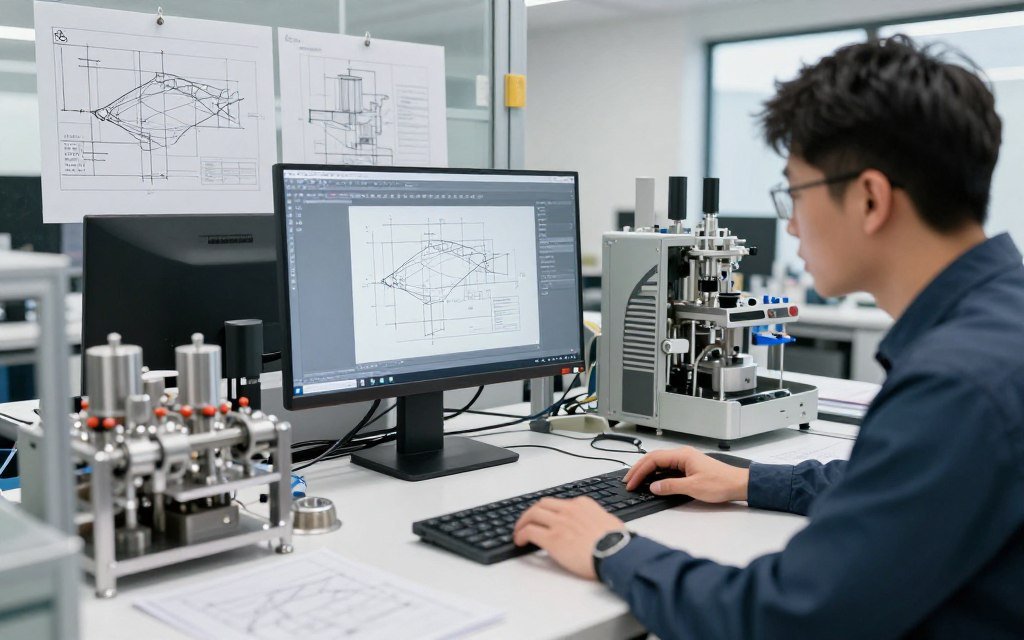
Equipment problems inevitably occur during operations. Responsive technical support minimizes downtime and lost production. Evaluate supplier support capabilities:
- Installation and commissioning services
- Operator training programs (both technical and operational)
- Technical documentation quality (manuals, drawings, parts lists)
- Spare parts availability and delivery speed
- Remote troubleshooting capabilities
- Local service presence or authorized representatives
- Warranty coverage and terms
Customer References and Case Studies
Successful installations demonstrate supplier capability. Request references from customers operating similar capacity systems. Ask about:
- Equipment reliability and uptime
- Actual production capacity versus specifications
- Service response quality
- Parts availability experiences
- Overall satisfaction levels
Price Competitiveness and Value
Aqua fish feed production line price should reflect quality and service value. Extremely low prices often indicate inferior components or inadequate support. Compare proposals based on:
Value Indicators
- Detailed technical specifications
- Quality component brands specified
- Comprehensive warranty coverage
- Training and support included
- Reasonable payment terms
- Clear delivery schedules
Warning Signs
- Vague specifications or quality details
- Unusually low pricing
- Limited or no warranty
- Poor communication responsiveness
- Lack of reference customers
- Pressure tactics or rush decisions
Philippines Market Understanding
Suppliers serving Philippines customers should understand local conditions. Consider whether the manufacturer:
- Provides equipment compatible with Philippines electrical standards
- Understands local aquaculture species and requirements
- Offers reasonable shipping and import handling
- Provides documentation suitable for Philippines customs
- Maintains relationships with Philippines dealers or distributors
Why Choose MAIKONG as Your Aqua Fish Feed Production Line Partner
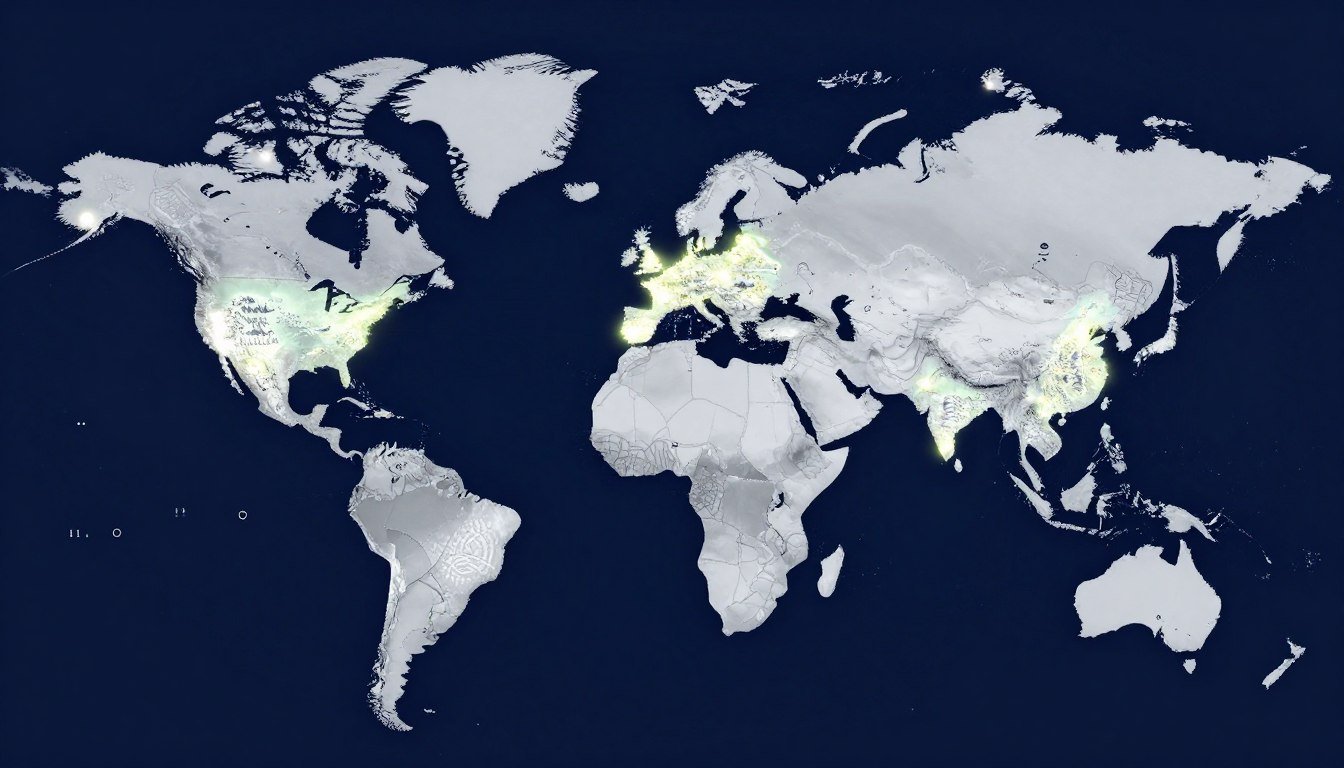
MAIKONG has served aquaculture operations across Asia, Americas, Europe, Africa, and the Middle East for over two decades. We understand Philippines market requirements and customize solutions specifically for local conditions. Our equipment operates successfully in tropical climates with reliable performance.
MAIKONG Success Stories: Fish Feed Production Line Worldwide
MAIKONG aqua feed production line systems operate successfully across multiple continents. Our equipment serves diverse aquaculture operations from small family farms to large commercial feed mills. These installations demonstrate our technical expertise and commitment to customer success.
Asia-Pacific Installations
Asia represents our largest market with hundreds of successful installations. Philippines customers particularly value our understanding of tropical aquaculture requirements. Recent projects include:
Philippines Tilapia Farm
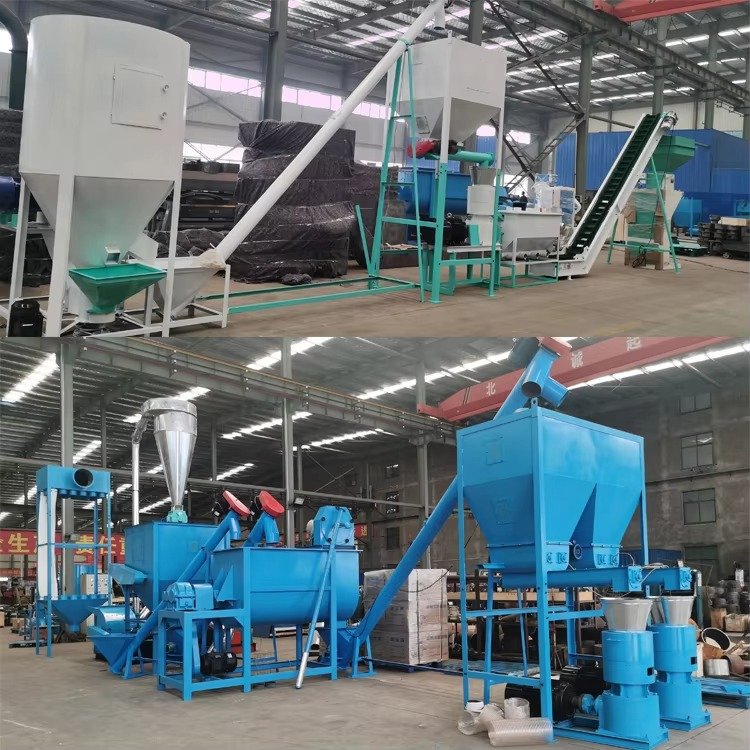
Capacity: 2 tons/hour floating feed line
Application: Tilapia grow-out operations
Results: 30% feed cost reduction, improved FCR from 1.8 to 1.5, payback achieved in 8 months
Thailand Shrimp Producer
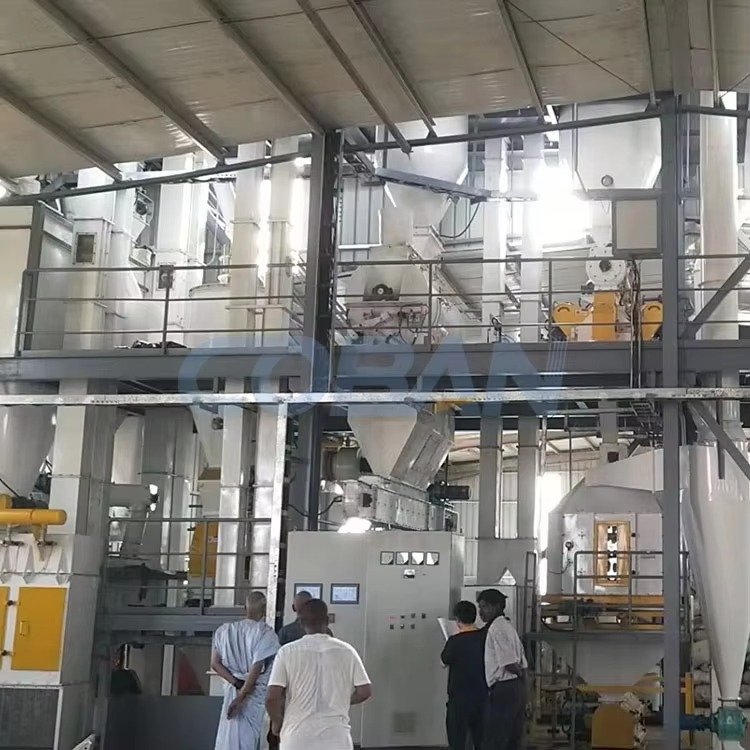
Capacity: 1 ton/hour specialized shrimp feed
Application: Vannamei shrimp cultivation
Results: Enhanced water stability, reduced waste, improved shrimp survival rates by 12%
Indonesia Catfish Cooperative
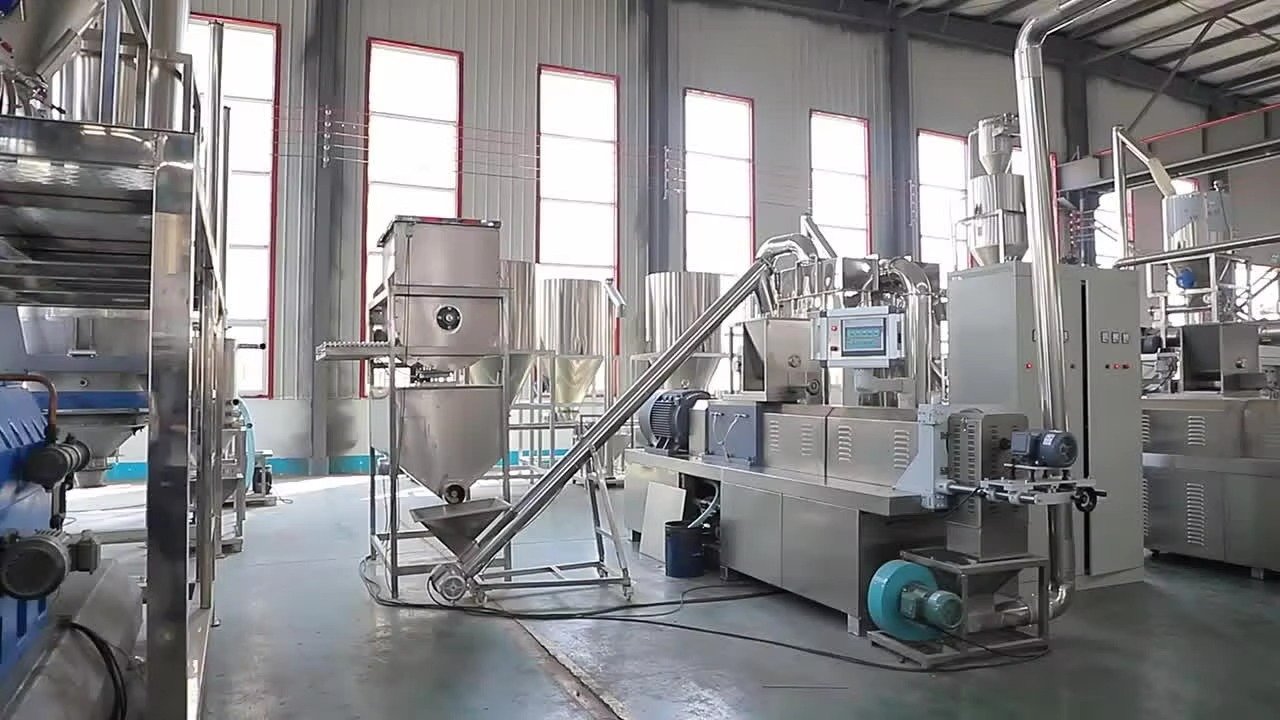
Capacity: 5 tons/hour sinking feed
Application: Serving 150+ member farms
Results: Consistent quality supply, member cost savings averaging 25%, cooperative profitability
Middle East Projects
Desert aquaculture presents unique challenges. High temperatures and limited water availability require specialized feed solutions. MAIKONG equipment operates reliably in extreme conditions:
- Saudi Arabia: 3-ton/hour line producing feed for indoor RAS systems
- UAE: Floating feed production for ornamental fish breeding operations
- Egypt: Large 10-ton/hour line serving Nile Delta tilapia farms
African Installations
African aquaculture growth creates increasing demand for local feed production. MAIKONG supports this development with appropriately-scaled equipment:
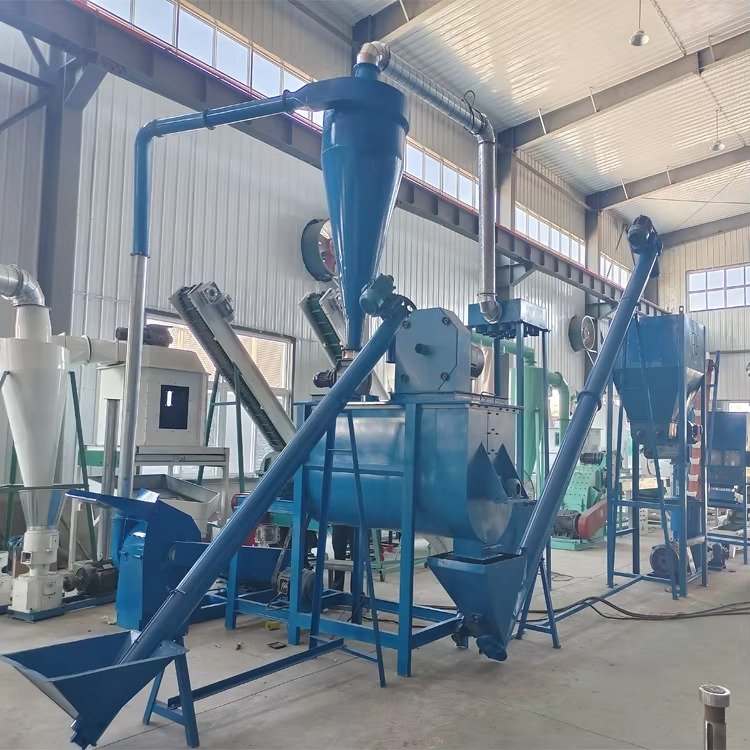
- Nigeria: Multiple installations serving catfish farming boom
- Kenya: Tilapia feed production for Lake Victoria region
- Tanzania: Small-scale lines empowering rural cooperatives
- Uganda: Technical training programs building local expertise
Americas Market
Both North and South American customers rely on MAIKONG technology. Trout, salmon, and tropical species operations benefit from our equipment:
- Brazil: Large 15-ton/hour line producing tilapia and pangasius feed
- Ecuador: Shrimp feed production supporting major export industry
- USA: Specialty feed lines for research institutions
- Canada: Cold-water species feed production systems
European Operations
European customers demand the highest quality and environmental standards. MAIKONG equipment meets stringent EU requirements:
- Netherlands: Advanced automated systems for intensive aquaculture
- Norway: Salmon feed production with strict sustainability standards
- Greece: Mediterranean species feed manufacturing
- Spain: Seabass and seabream feed production lines
Common Success Factors: Across all regions, successful MAIKONG installations share key characteristics. Customers received thorough technical training. Equipment specifications matched actual requirements accurately. Responsive technical support resolved issues quickly. Regular maintenance kept systems operating efficiently. Local or regional parts availability minimized downtime. These factors enable our customers to achieve their production and profitability goals.
Become MAIKONG’s Philippines Partner
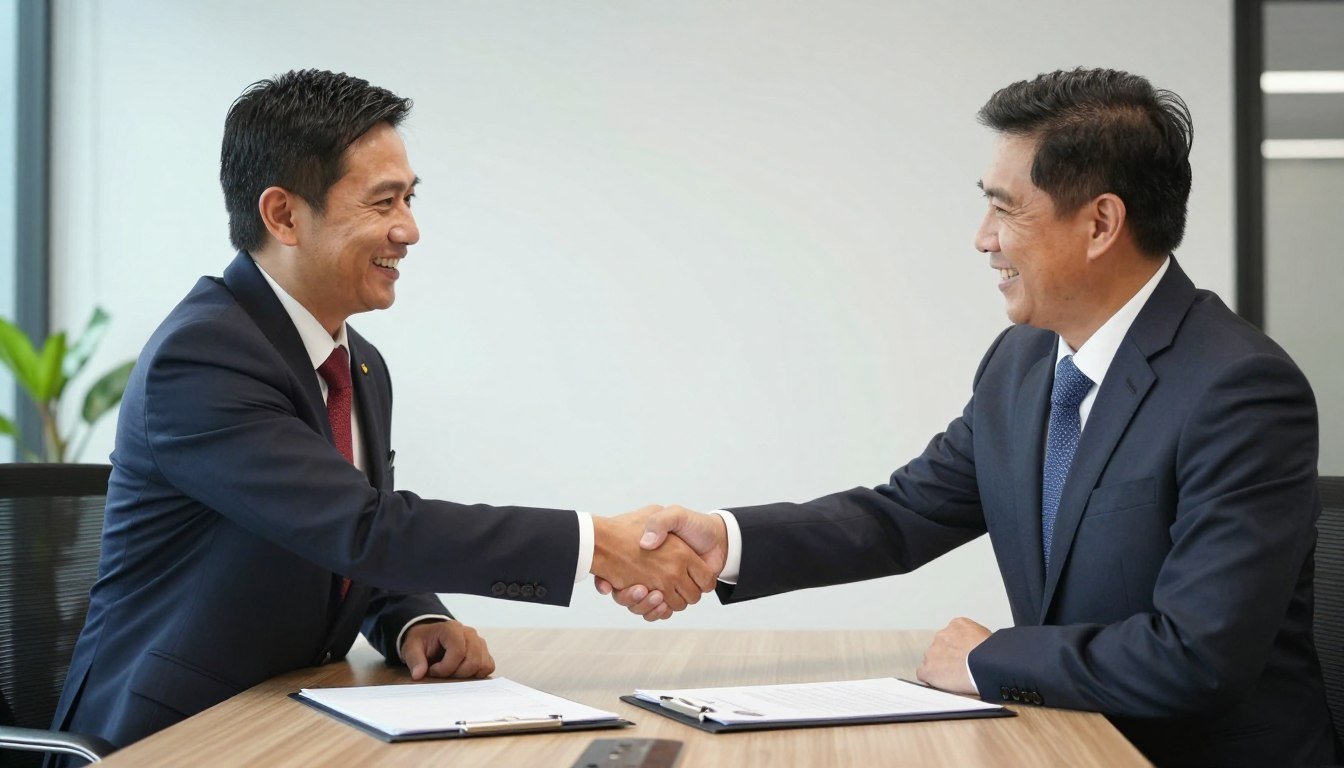
MAIKONG seeks qualified dealers, distributors, and agents throughout the Philippines. We offer attractive partnership opportunities for businesses serving the aquaculture and feed manufacturing industries. Our dealer program provides competitive advantages in this growing market.
Why Partner with MAIKONG?
Manufacturing Strength
- 22 years industry experience and expertise
- Complete product lineup from small to large capacity
- OEM/ODM customization capabilities
- Modern manufacturing facility in GD province
- Rigorous quality control standards
- Continuous product development
Partner Support
- Competitive dealer pricing structure
- Technical training programs
- Marketing materials and support
- Lead generation assistance
- Exclusive territory options
- Responsive factory support team
Ideal Partner Profile
MAIKONG seeks partners with:
- Existing presence in aquaculture, agriculture, or industrial equipment sectors
- Understanding of Philippines aquaculture industry and customer needs
- Technical sales capability and customer service orientation
- Financial capacity to maintain inventory and provide customer financing
- After-sales service infrastructure or capability
- Commitment to building long-term market presence
Product Portfolio for Partners
MAIKONG dealers represent our complete equipment lineup:
Feed Production Equipment
- Fish feed production line (complete systems)
- Aqua feed production line (specialized)
- Chicken feed production line
- Poultry feed production line
- Animal feed production line
- Pet feed production line
Individual Machines
- Pellet machine (various capacities)
- Fish feed pellet machine
- Feed pellet machine
- Animal feed pellet machine
- Cattle feed pellet machine
- Mini pellet machine philippines
Specialized Equipment
- Biomass pellet machine
- Wood pellet machine
- Fertilizer pellet machine
- Alfalfa pellet machine
- Crushers, mixers, coolers (standalone units)
- Spare parts and accessories
Partnership Benefits
- Access to proven, reliable equipment trusted worldwide
- Competitive pricing enabling healthy profit margins
- Technical training ensuring proper customer support
- Marketing collateral customized with your branding
- Factory-direct communication for quotes and technical questions
- Exclusive territory protection (where applicable)
- Participation in trade shows and industry events
- Ongoing product training as new models launch
Join MAIKONG’s Growing Philippines Network
Partner with an established industry leader serving customers worldwide. MAIKONG provides the products, training, and support you need to succeed in the expanding Philippines aquaculture equipment market. Contact us today to discuss dealer opportunities in your region.
Why Choose MAIKONG for Your Aqua Fish Feed Production Line
Selecting the right equipment supplier determines your operation’s long-term success. MAIKONG combines manufacturing expertise, quality products, and customer support to deliver exceptional value. Our commitment to Philippines aquaculture industry sets us apart from competitors.
Proven Manufacturing Excellence
Comprehensive Product Range
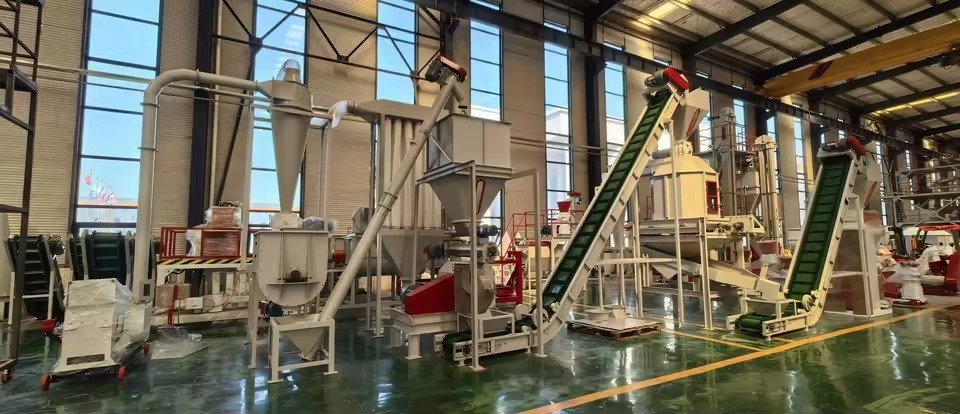
MAIKONG manufactures complete feed production line solutions. From small 200KG/hour systems to large 200-ton/hour industrial plants, we offer appropriate equipment for every scale. Our product lineup includes:
- Complete turnkey production lines with all components integrated
- Individual machines for system expansion or replacement
- Crushing, mixing, pelleting, cooling, and packaging equipment
- Both sinking and floating fish feed production line technologies
- Specialized equipment for shrimp, catfish, tilapia, and other species
- Spare parts and wearing components readily available
Customization Expertise
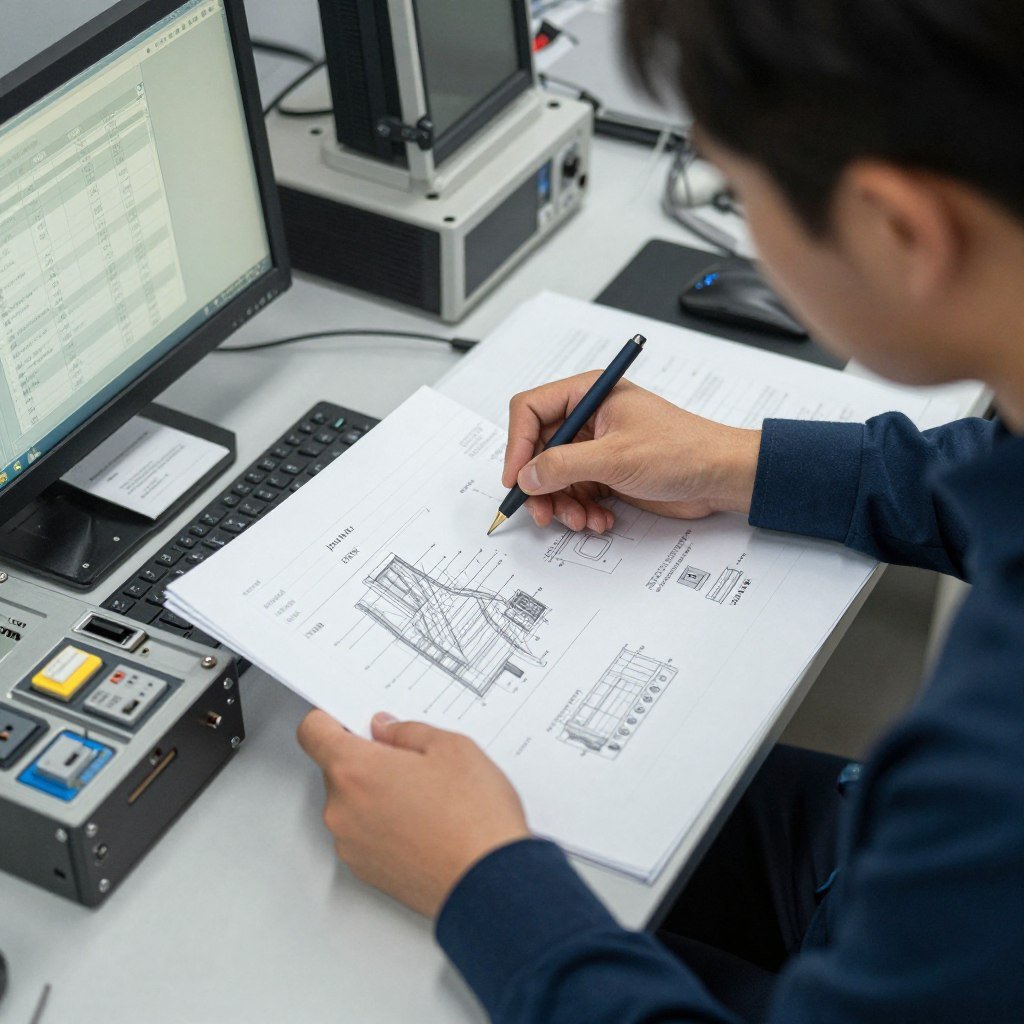
Standard equipment rarely provides perfect solutions. MAIKONG excels at adapting designs to specific requirements. Our engineering team creates custom configurations for:
Technical Customization
- Philippines voltage standards (220V/380V)
- Tropical climate considerations
- Capacity optimization
- Space-efficient layouts
Product Customization
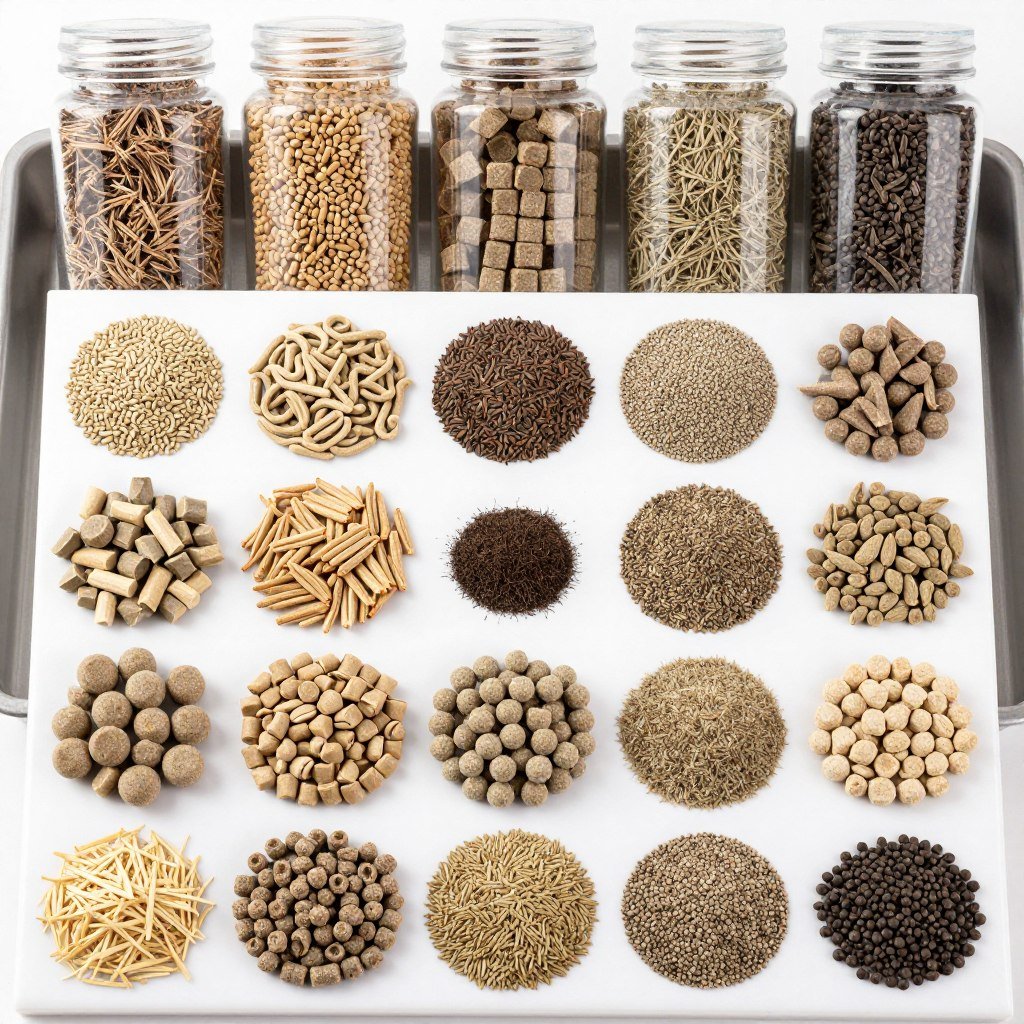
- Pellet size variations
- Floating vs sinking feed
- Species-specific formulations
- Specialized additives
Business Customization
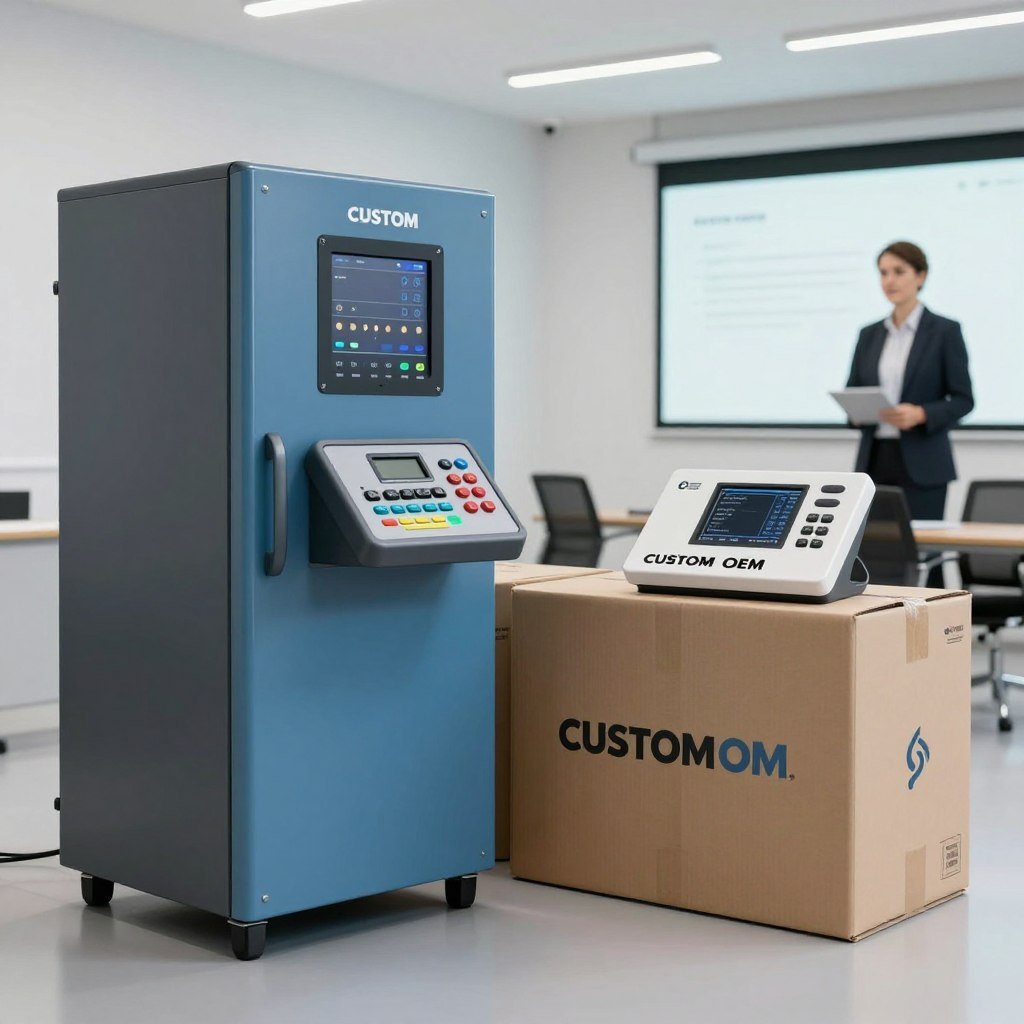
- OEM branding options
- ODM development projects
- Flexible payment terms
- Phased installation
Superior Technical Support
Equipment purchases represent long-term partnerships. MAIKONG provides comprehensive support throughout your equipment lifetime:
Pre-Purchase Support
- Free consultation on capacity planning and equipment selection
- Detailed technical proposals with specifications
- 3D layout drawings showing equipment placement
- Return-on-investment analysis and cost projections
- Sample pellet production at factory (when possible)
Installation and Commissioning
- Professional installation team or detailed guidance
- Equipment commissioning and test runs
- Operator training (technical and practical)
- Maintenance training for key staff
- Initial production run supervision
Ongoing Support
- Technical hotline for troubleshooting assistance
- WhatsApp support for Philippines customers (8613-51090-74-01)
- Email support (Lucy@pelletmachine.ph)
- Spare parts availability and fast shipping
- Regular follow-up to ensure satisfaction
- Equipment upgrade and expansion consulting

Quality Manufacturing Standards
MAIKONG maintains strict quality control throughout production. Our GD province, SZ city facility employs modern manufacturing practices:
- ISO 9001 certified quality management system
- CE compliance for international safety standards
- Premium component sourcing from reliable suppliers
- Comprehensive testing before shipment
- Quality documentation with each system
- Continuous improvement programs
Competitive Pricing
Direct factory pricing eliminates distributor markups. MAIKONG offers competitive aqua fish feed production line price without compromising quality. Our value proposition includes:
- Transparent pricing with detailed quotations
- No hidden costs or surprise charges
- Flexible payment terms for qualified buyers
- Package deals for complete systems
- Price matching considerations
- Long-term cost savings through reliability
MAIKONG Model MK-L001 Specifications
Our popular MK-L001 aqua fish feed production line suits medium-scale operations perfectly. This configuration provides excellent value for Philippines aquaculture businesses:
| Specification | Details |
| Model Number | MK-L001 |
| Production Capacity | 1-2 Tons/Hour |
| Total Power | 120-150 KW |
| Voltage | 380V (customizable to Philippines standards) |
| Main Components | Crusher, Mixer, Pellet Machine, Cooler, Screener, Packaging Scale |
| Pellet Size Range | 2-8mm (customizable dies) |
| Material | Carbon steel with stainless steel contact parts (ABS components where appropriate) |
| Dimensions (L×W×H) | 25m × 8m × 6m (approximate layout) |
| Weight (Total System) | Approximately 12,000 KG |
| Control System | Semi-automatic with manual override options |
| Warranty | 12 months parts and technical support |
| Delivery Time | 45-60 days from order confirmation |
| Stock Availability | Key components in stock, full systems made to order |
| Color Options | Industrial blue (standard), custom colors available |
| Suitable Applications | Tilapia, catfish, general aquaculture feed production |
Contact MAIKONG for Your Aqua Fish Feed Production Line Solution
Ready to start producing your own high-quality fish feed? MAIKONG technical team stands ready to help you design the perfect production solution. Whether you need a complete turnkey system or want to discuss specific equipment requirements, we provide expert guidance.

Multiple Ways to Reach Us
Direct Contact Information
Call or WhatsApp our technical team directly. We respond quickly to inquiries and provide detailed information about equipment options, pricing, and customization possibilities.
Email Inquiries
Send detailed questions or project specifications to our technical email. We provide comprehensive responses including technical proposals, quotations, and reference materials.
Email: Lucy@pelletmachine.ph
Response time: Within 24 hours for standard inquiries
Website Resources
Visit our comprehensive website for additional product information, technical specifications, and company details.
Website: pelletmachine.ph
Request Your Custom Proposal
Complete the form below to receive a detailed proposal tailored to your specific requirements. Our engineering team will design an optimal solution for your capacity needs, available space, and budget.
What Happens After You Contact Us?
- Initial Response: Within 24 hours, our team acknowledges your inquiry and requests any additional information needed.
- Needs Assessment: We discuss your specific requirements, capacity needs, budget, and timeline in detail.
- Custom Proposal: Our engineers create a detailed proposal including equipment specifications, layout drawings, and pricing.
- Proposal Review: We walk you through the proposal, answer questions, and make any necessary adjustments.
- Order Processing: Once you approve the proposal, we process your order and begin equipment fabrication.
- Progress Updates: Regular updates keep you informed about manufacturing progress and delivery schedule.
- Delivery & Installation: Equipment ships to Philippines with full installation support and operator training.
- Ongoing Support: Long-term technical support ensures your continued success.
Philippines Customers – Special Considerations: MAIKONG understands Philippines import procedures, voltage requirements, and tropical climate considerations. We customize equipment for local conditions and provide documentation suitable for Philippines customs clearance. Our growing network of Philippines dealers can also provide local support.
Start Your Aqua Fish Feed Production Journey Today
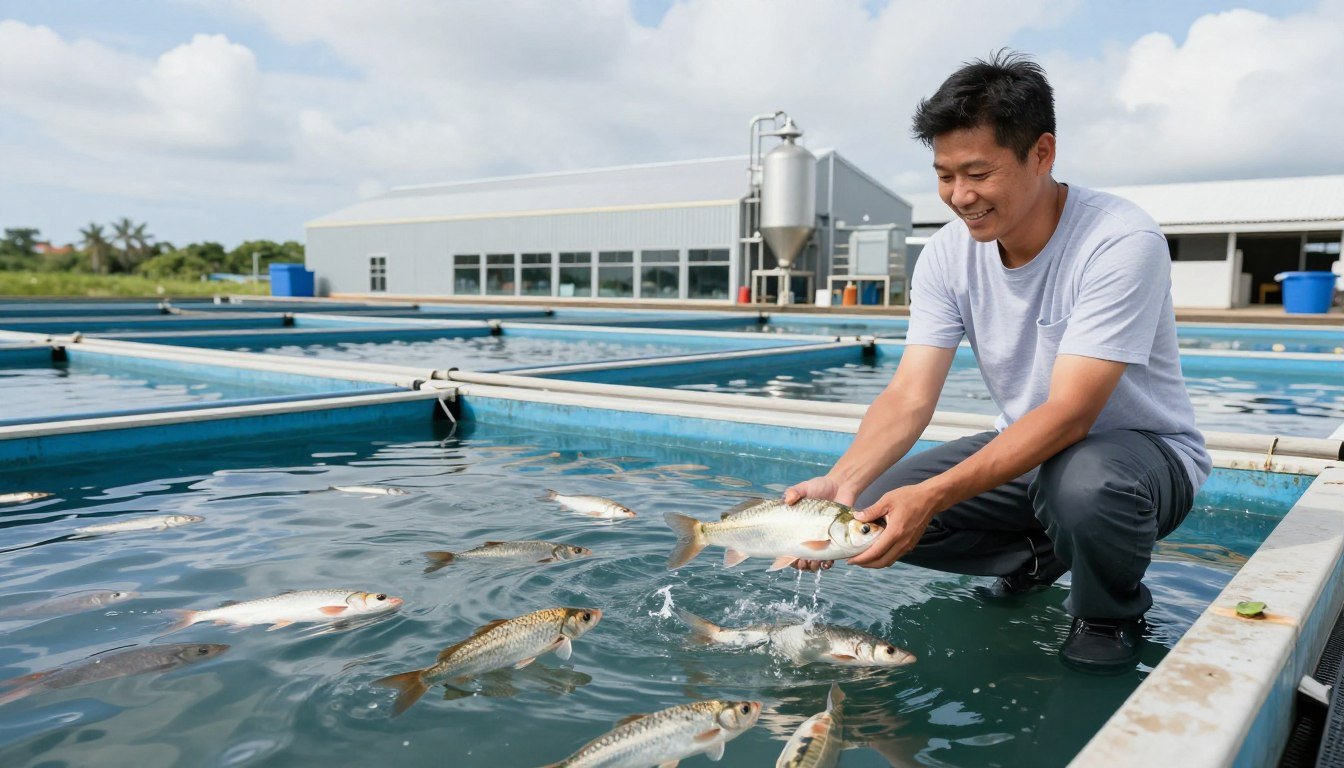
Producing your own fish feed transforms aquaculture economics. Feed costs decrease significantly while quality improves. You control ingredients, formulations, and production schedules. Aqua fish feed production line investment pays for itself through cost savings and improved fish growth rates.
MAIKONG brings 22 years of manufacturing expertise to your operation. Our equipment operates successfully worldwide across diverse conditions and applications. Philippines aquaculture businesses trust our technology to deliver consistent results and reliable performance.
Whether you operate a small family farm or manage a large commercial operation, MAIKONG has the right solution. Our team designs systems specifically for your capacity requirements, available space, and budget constraints. From 200KG per hour to 200 tons per hour, we offer proven technology at competitive prices.
Take the Next Step
Success starts with proper planning and expert guidance. Contact MAIKONG today to discuss your fish feed production line requirements. Our technical specialists provide free consultation to help you make informed decisions. We answer your questions, explain options, and recommend optimal solutions for your situation.
Get Your Free Production Line Consultation
Connect with MAIKONG technical experts who understand Philippines aquaculture needs. We’ll help you design a production system that delivers quality feed, reduces costs, and supports your growth plans. Whether you’re ready to order or just starting research, we’re here to help.
Join hundreds of successful aquaculture operations worldwide who trust MAIKONG equipment. Our commitment to quality, service, and customer success makes us the preferred choice for aqua fish feed production line solutions. Let’s work together to build your feed production capability and grow your aquaculture business.
MAIKONG – 22 Years of Feed Equipment Excellence | Serving Philippines Aquaculture Industry