
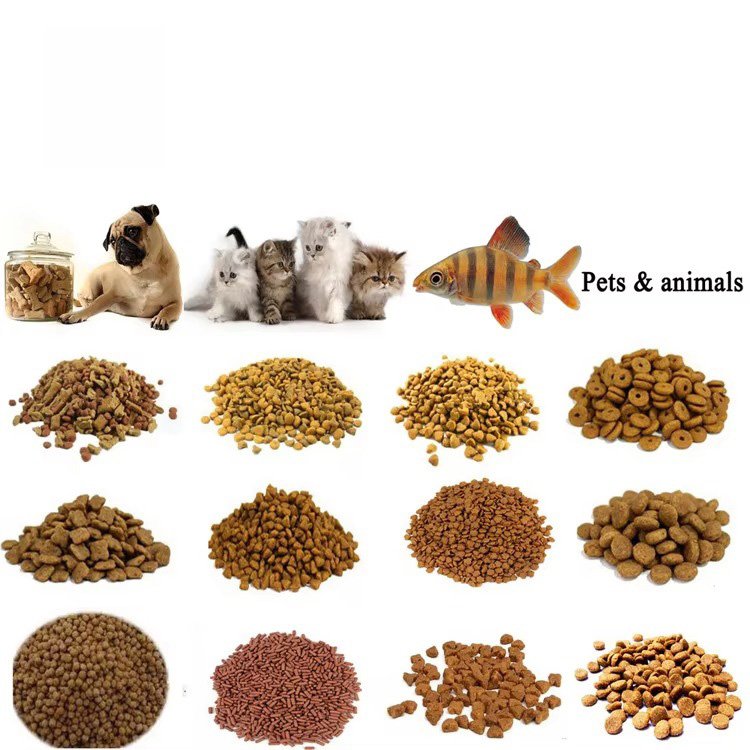
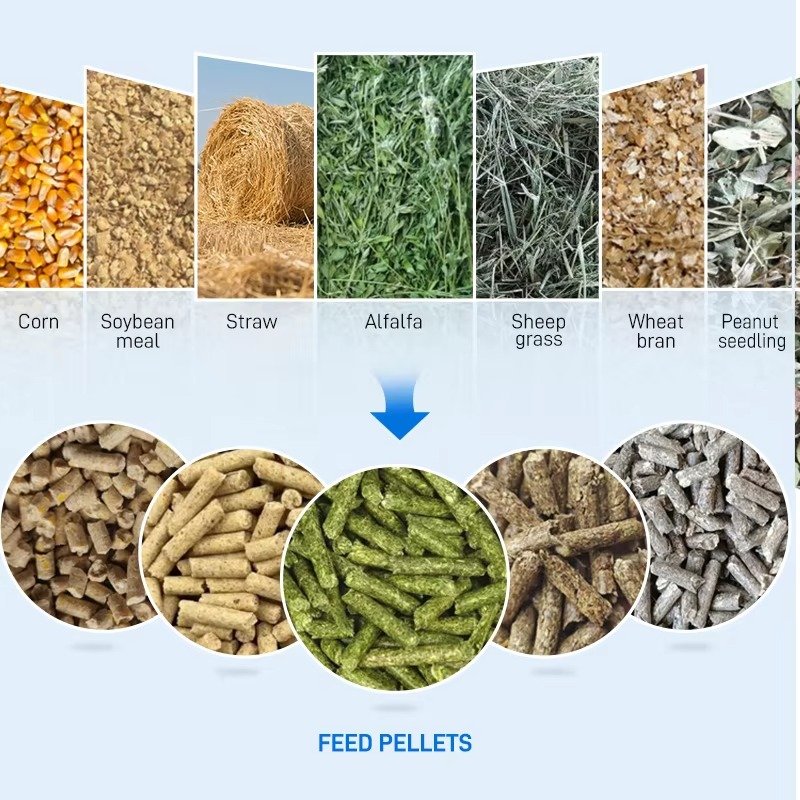
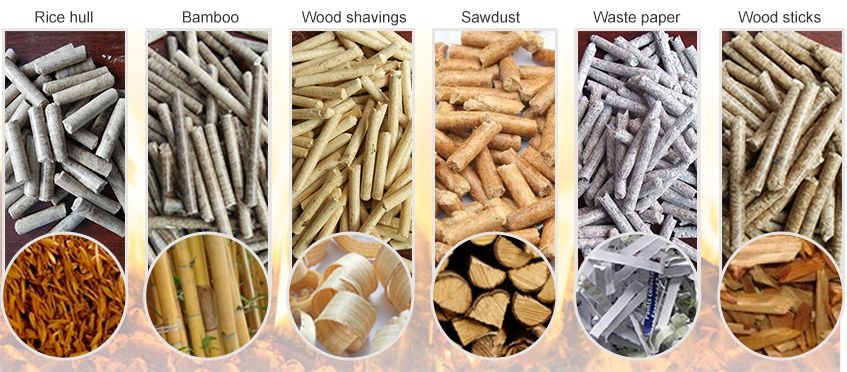
The cost of imported fish feed continues to rise across the Philippines. Many aquaculture operators spend over 60% of their operational budget on commercial feed alone. This creates a serious challenge for tilapia farmers, catfish growers, and milkfish producers trying to maintain profitability.
Building your own fish feed production line offers a practical solution. You gain control over feed quality and ingredients. Production costs decrease significantly once equipment investments are recovered. Most importantly, you can customize pellet sizes and nutritional formulas to match your specific fish species requirements.
This comprehensive guide walks you through every stage of establishing a complete fish feed production line. We cover equipment selection, capacity planning, installation procedures, and operational considerations specifically for the Philippine market.
Understanding Fish Feed Production Line Components
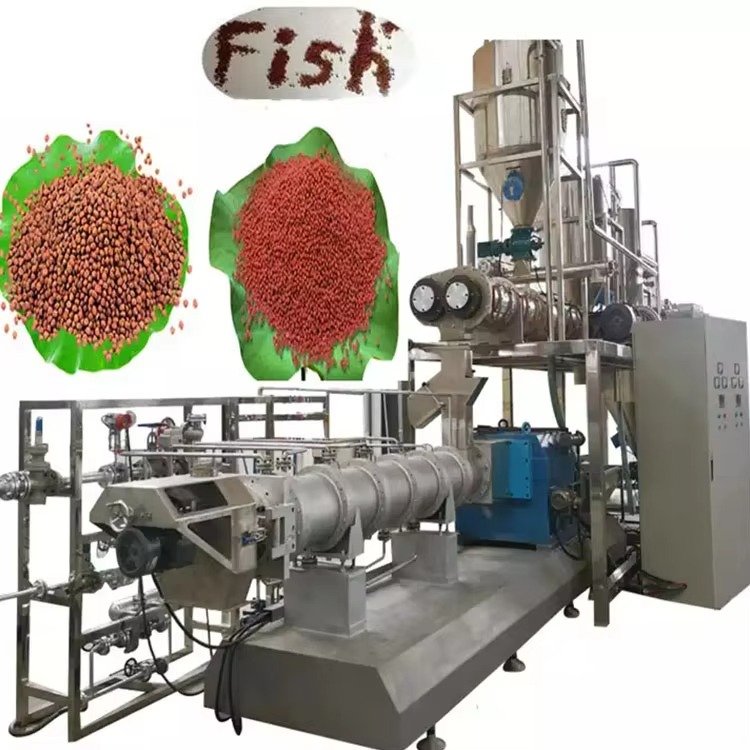
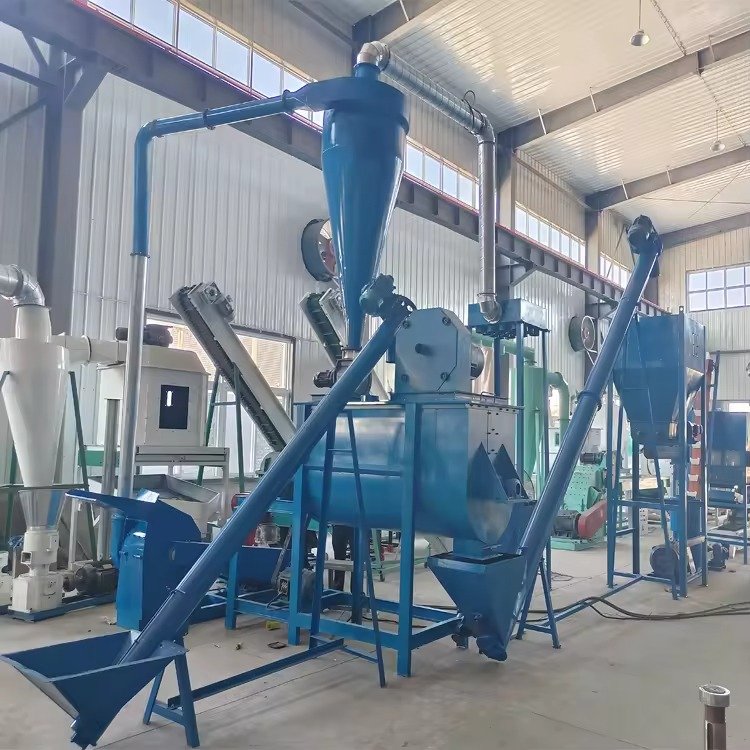
A complete fish feed production line consists of multiple interconnected machines. Each piece of equipment performs a specific function in transforming raw ingredients into finished feed pellets. Understanding these components helps you make informed purchasing decisions.
Essential Equipment Overview
The production process requires seven main equipment categories. These work together in sequence to produce high-quality fish feed pellets.
Raw Material Handling
Initial processing equipment prepares ingredients for the production cycle.
- Reception systems receive bulk raw materials
- Cleaning screens remove foreign objects and debris
- Storage silos maintain ingredient freshness
- Conveying systems transport materials between stations
Size Reduction Systems
Crushing equipment breaks down ingredients to optimal particle sizes.
- Hammer mills pulverize grains and oilseeds
- Crushing capacity ranges from 3 to 25 tons hourly
- Screen sizes control final particle dimensions
- Dust collection systems maintain clean air quality
Mixing Technology
Blending equipment ensures uniform ingredient distribution throughout the feed.
- Paddle mixers achieve homogeneous blends
- Batch capacities range from 250kg to 2000kg
- Liquid addition systems incorporate oils and vitamins
- Mix times typically complete within 5-8 minutes
Pelleting Systems
Core machinery transforms mixed powder into durable pellets.
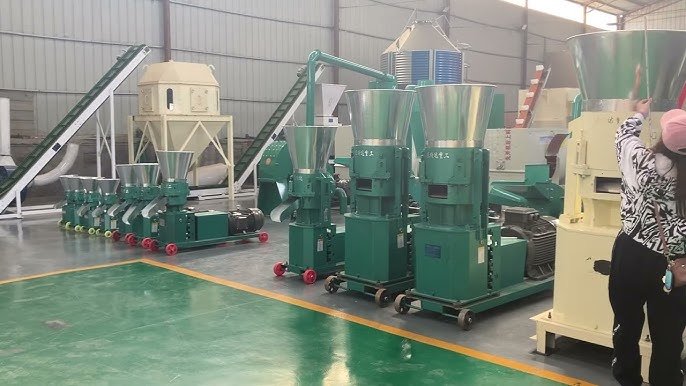
- Ring die pellet mills compress material into pellets
- Die sizes determine final pellet diameter
- Steam conditioning improves pellet durability
- Production rates span from 1 to 42 tons per hour
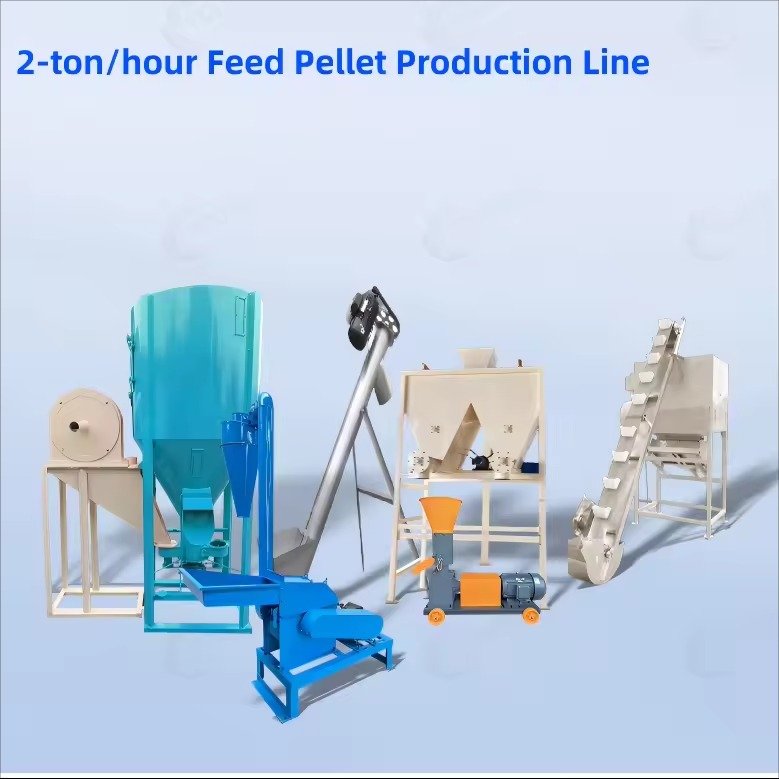
MAIKONG MK-L001 Production Line Specifications
MAIKONG offers the MK-L001 model as a versatile solution for medium-scale operations. This feed pellet production line handles capacities from 1 to 5 tons per hour.
| Specification | Details | Application |
| Model Number | MK-L001 | Standard configuration |
| Production Capacity | 1-5 tons/hour | Medium farms, feed mills |
| Power Requirements | 220V/380V customizable | Philippine electrical standards |
| Footprint Dimensions | 15m × 8m × 6m (L×W×H) | Facility planning |
| Total Weight | 8,500 kg | Foundation requirements |
| Primary Materials | Steel frame, ABS components | Durability, corrosion resistance |
| Control System | Automatic/Semi-automatic/Manual | Operational flexibility |
| Pellet Size Range | 2mm – 8mm diameter | All fish growth stages |
Need Custom Capacity Configuration?
MAIKONG engineers can design a fish feed production line matching your exact output requirements from 200KG to 200 tons per hour. We customize voltage, pellet sizes, and automation levels for Philippine operations.
Floating vs Sinking Feed Production
Different fish species require different feed types. Your fish feed production line configuration depends on whether you produce floating fish feed or sinking fish feed.
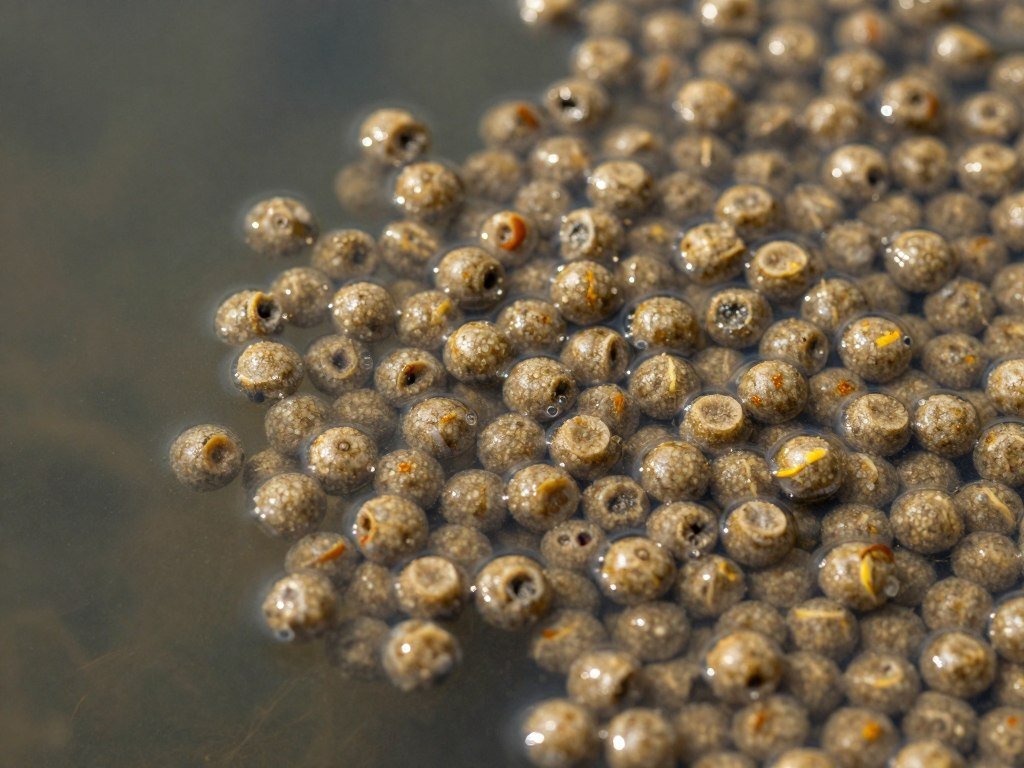
Floating Fish Feed Lines
These systems use extrusion technology to create buoyant pellets. The fish feed extruder machine applies high temperature and pressure to gelatinize starches.
- Operates at temperatures between 120-180°C
- Creates expanded pellets with air pockets
- Ideal for tilapia, catfish, and ornamental fish
- Allows observation of feeding behavior
- Reduces water pollution from uneaten feed
- Typically costs 15-25% more than sinking lines
Sinking Fish Feed Lines
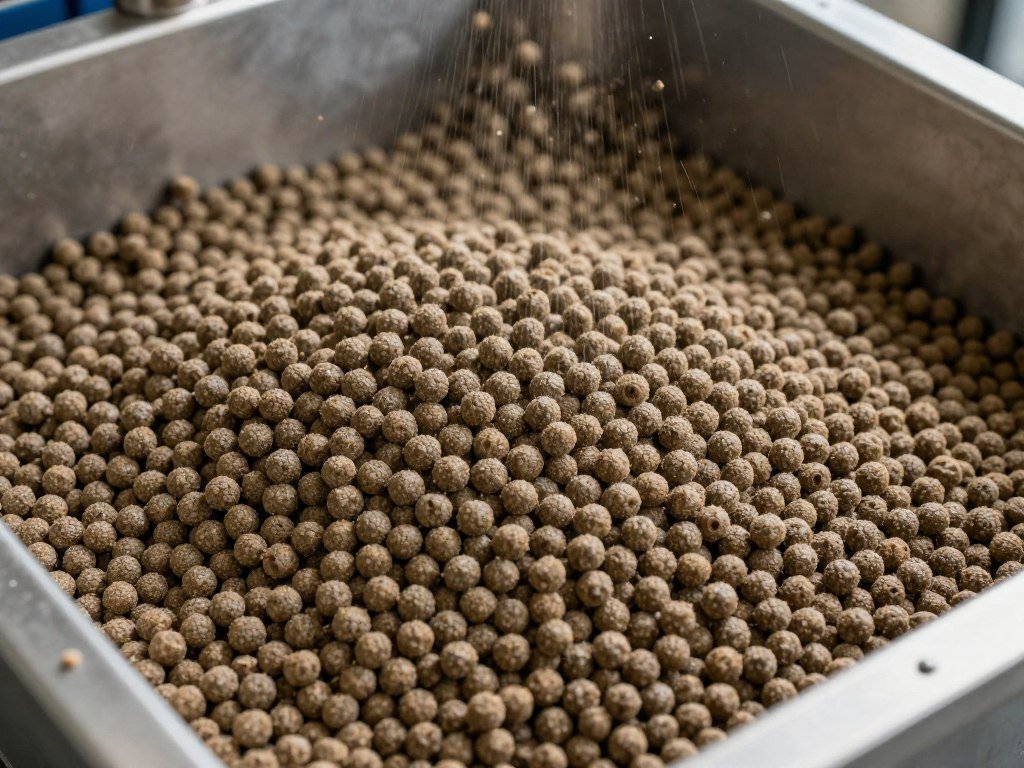
Traditional pelleting machines produce denser pellets that sink quickly. This sinking fish feed production line requires less sophisticated equipment.
- Uses standard ring die pellet mills
- Operates at lower temperatures (80-95°C)
- Suitable for bottom feeders like shrimp and prawns
- Lower equipment investment required
- Higher production capacity for same power input
- Common choice for commercial shrimp feed production lines
Planning Your Fish Feed Production Line Setup
Proper planning prevents costly mistakes during installation. You need to consider facility requirements, capacity decisions, and operational logistics before purchasing equipment.
Capacity Determination
Choose production capacity based on current needs and growth projections. MAIKONG offers feed pellet production line solutions across a wide range.
| Capacity Range | Suitable For | Equipment Cost (USD) | Power Requirement | Facility Size |
| 200-500 kg/hour | Small fish farms, family operations | $8,000 – $15,000 | 25-40 KW | 150-250 m² |
| 1-2 tons/hour | Medium farms, cooperative groups | $10,000 – $50,000 | 47-75 KW | 300-500 m² |
| 3-5 tons/hour | Large farms, commercial feed mills | $50,000 – $120,000 | 68-165 KW | 400-800 m² |
| 8-10 tons/hour | Regional feed distributors | $150,000 – $300,000 | 125-410 KW | 800-2000 m² |
| 20+ tons/hour | Major feed corporations | $450,000 – $2,800,000 | 545-1700 KW | 2000-20000 m² |
Calculate your required capacity by considering daily production needs. Factor in operating hours, maintenance downtime, and seasonal demand fluctuations. Most operators choose equipment with 20-30% excess capacity for flexibility.
Facility Requirements
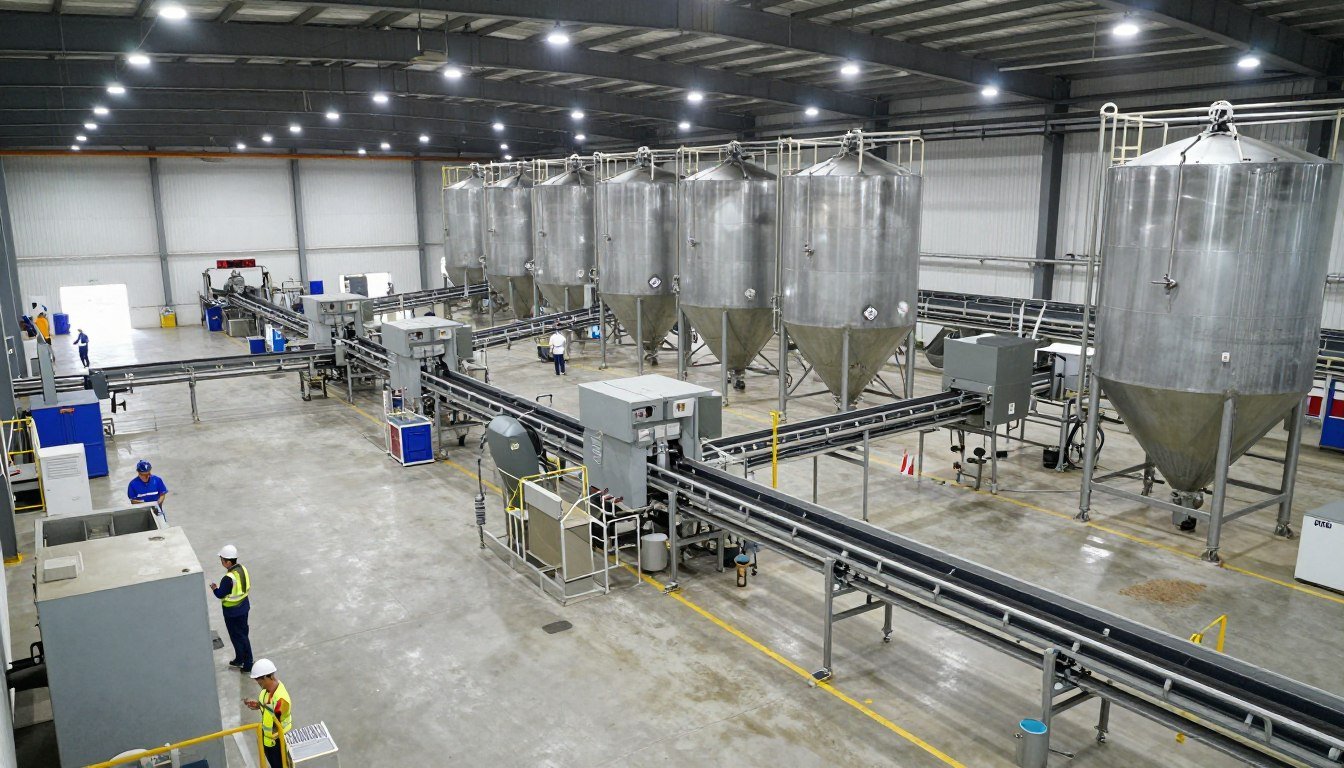
Your building must accommodate equipment dimensions and operational workflows. Consider these essential facility elements.
- Ceiling height minimum 5 meters for elevator systems
- Concrete floor load capacity 500 kg per square meter
- Three-phase electrical service with proper grounding
- Adequate ventilation for dust control and heat dissipation
- Raw material storage area separate from finished product
- Loading dock access for delivery trucks
- Water supply for steam generation and cleaning
- Drainage system for equipment washing
Process Flow Design
Efficient layout minimizes material handling and reduces labor requirements. The standard fish feed production line follows this sequence.
- Material Reception and Storage: Raw ingredients arrive in bulk bags or trucks. Storage silos protect materials from moisture and pests. Inventory management systems track ingredient quantities.
- Pre-cleaning and Screening: Magnets remove metal contaminants. Vibrating screens eliminate oversized particles and foreign objects. This protects downstream equipment from damage.
- Crushing and Grinding: Hammer mills reduce particle size to powder consistency. Most fish feed pellet machines require ingredients ground to 2-3mm diameter for optimal pelleting.
- Batching and Weighing: Automated scales measure precise ingredient quantities. Computer-controlled systems follow nutritional formulas. Accuracy within 0.5% ensures consistent feed quality.
- Mixing and Blending: Paddle mixers combine dry ingredients uniformly. Liquid additives inject during mixing. Complete homogeneity requires 5-8 minutes of mixing time.
- Steam Conditioning: Steam injection raises material temperature to 80-95°C. Moisture content increases to 15-17%. This gelatinizes starches and improves pellet durability.
- Pelleting: Ring die pellet mills compress conditioned material through die holes. Rotating knives cut pellets to desired length. Die temperature reaches 85-100°C during operation.
- Cooling: Counterflow coolers reduce pellet temperature to ambient plus 5°C. Airflow removes excess moisture. Cooled pellets contain 10-12% moisture for stable storage.
- Screening and Grading: Vibrating screens separate fines and oversized pieces. Uniform pellets advance to packaging. Fines return to mixing for reprocessing.
- Packaging: Automatic bagging machines fill 25kg or 50kg bags. Heat sealers close bags securely. Palletizers stack bags for warehouse storage.
Talk to a MAIKONG application engineer about optimizing your facility layout:
Step-by-Step Equipment Installation Process
Proper installation ensures reliable operation and maximizes equipment lifespan. MAIKONG provides comprehensive installation support for all fish feed production line projects in the Philippines.
Pre-Installation Preparation
Complete these tasks before equipment arrives at your facility. Advance preparation reduces installation time and prevents delays.
Foundation Work
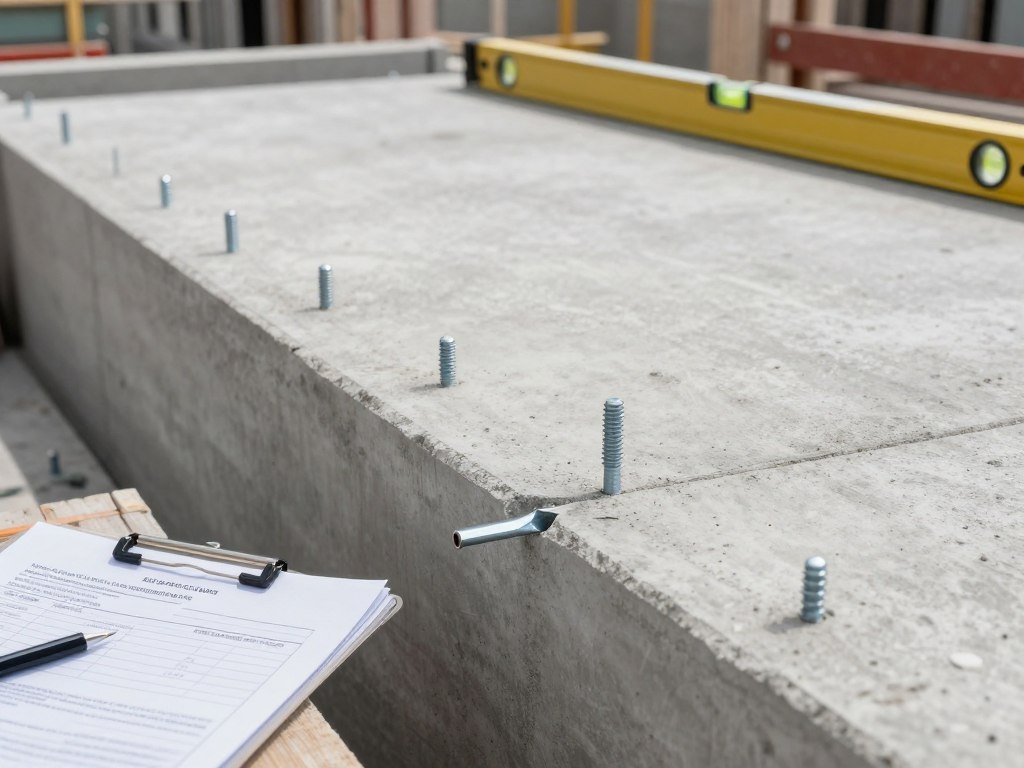
Pour concrete foundations according to MAIKONG specifications. Anchor bolts must cure for minimum 14 days before equipment mounting. Foundation depth varies by machine weight from 300mm to 800mm.
Electrical Infrastructure
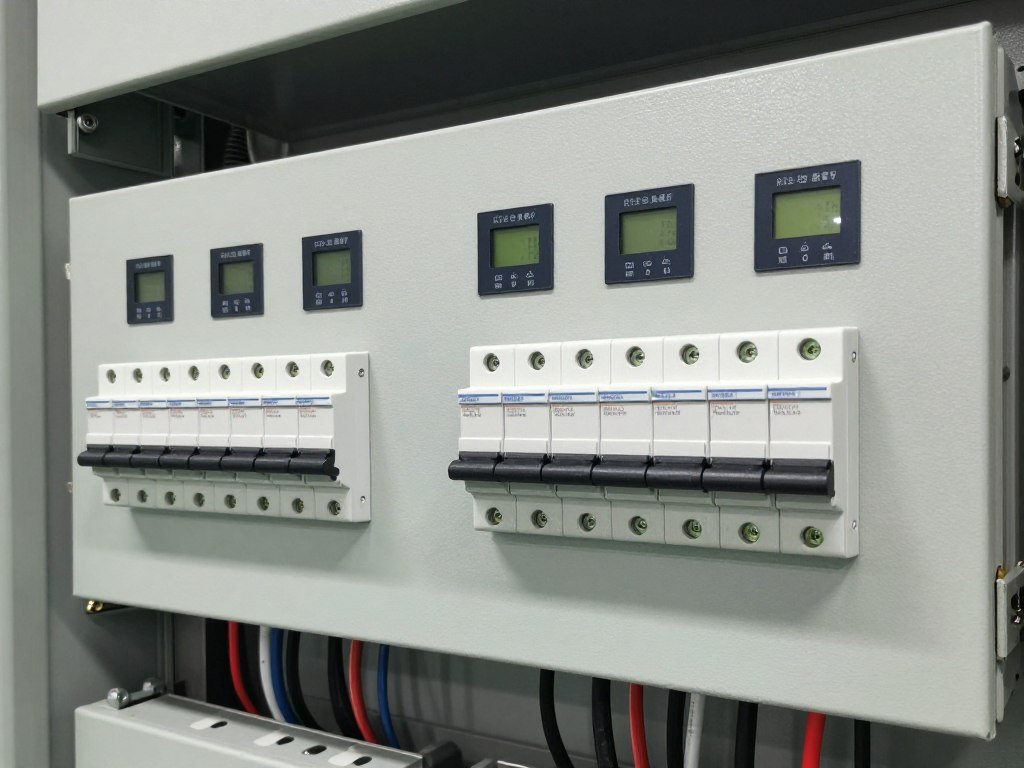
Install main electrical panels with proper circuit protection. Philippine standard voltage is 220V single-phase or 380V three-phase. MAIKONG equipment accepts both specifications with minor modifications.
Utility Connections
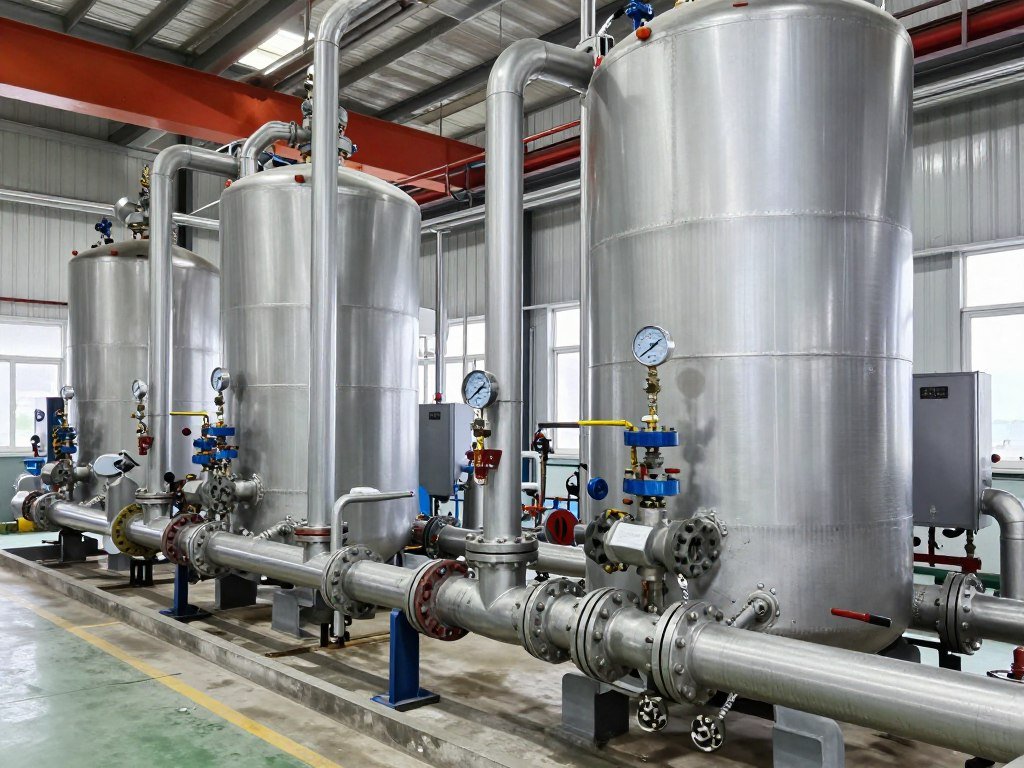
Steam boilers require gas or diesel fuel supply. Water lines need 2-inch diameter minimum for adequate flow. Compressed air systems supply 6-8 bar pressure for pneumatic actuators and cleaning.
Equipment Installation Sequence
MAIKONG installation teams follow a systematic approach. Each component installs in the correct order to maintain proper workflow.
Week 1-2: Primary Equipment
Installation begins with the largest, heaviest components. These anchor to foundations first.
- Position crusher and hammer mill at line beginning
- Mount mixer on load cells for accurate batching
- Install main pellet mill on reinforced foundation
- Set cooler unit with adequate clearance for maintenance
- Connect dust collection system to all powder handling points
Week 3: Conveying Systems
Material transport equipment links primary machines together. Proper alignment prevents jamming and spillage.
- Install bucket elevators at correct vertical positions
- Mount screw conveyors with slight incline for gravity assist
- Connect pneumatic conveying pipes with smooth transitions
- Test all material flow paths before proceeding
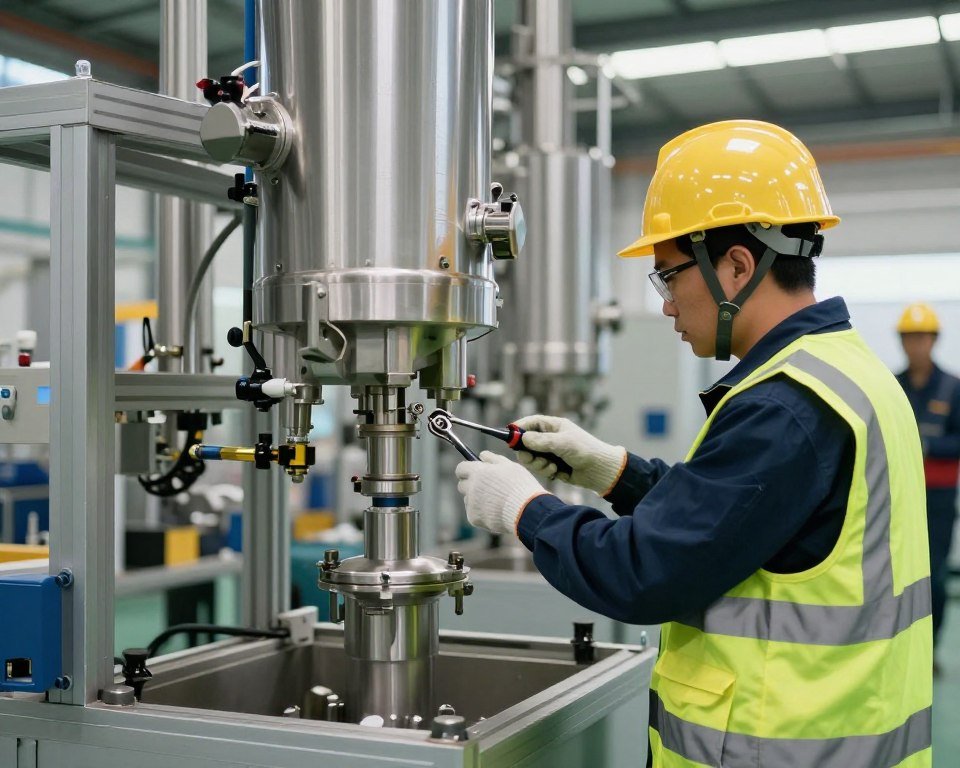
System Integration and Testing
After mechanical installation completes, electrical and control systems require integration. This critical phase ensures all components communicate properly.
Mechanical Testing
- Check all bolt torques to specification
- Verify belt tensions and chain alignments
- Test bearings for smooth rotation
- Confirm all safety guards install correctly
- Inspect lubrication systems function properly
Electrical Verification
- Measure voltage and current at all motors
- Test emergency stop circuits activate correctly
- Verify interlock systems prevent unsafe operation
- Confirm sensors read accurate values
- Check control panel displays show proper information
Process Validation
- Run empty equipment to check for vibration
- Feed small test batches through complete line
- Measure pellet quality parameters
- Verify production capacity meets specifications
- Train operators on proper equipment procedures
Operating Your Fish Feed Production Line Efficiently
Successful feed production requires more than just equipment. Operational knowledge, quality control, and maintenance practices determine your profitability.
Raw Material Selection
Feed quality begins with ingredient selection. Philippine fish farmers have access to various local and imported materials for fish feed production.
| Ingredient Category | Common Sources | Typical Inclusion Rate | Nutritional Purpose |
| Energy Sources | Corn, wheat, rice bran, cassava | 30-45% | Carbohydrates for energy |
| Protein Meals | Soybean meal, fish meal, copra meal | 25-35% | Essential amino acids for growth |
| Fat Sources | Fish oil, palm oil, soybean oil | 5-12% | Energy density, essential fatty acids |
| Minerals | Limestone, dicalcium phosphate, salt | 2-4% | Bone development, metabolism |
| Vitamins | Premix supplements | 0.5-1% | Immune function, growth regulation |
| Binders | Wheat gluten, tapioca starch | 2-5% | Pellet durability in water |
Store ingredients in dry, ventilated warehouses. Moisture content above 14% promotes mold growth and reduces shelf life. Rotate stock using first-in-first-out principles.
Production Parameters
Optimal operating parameters vary by formulation and equipment model. These ranges work for most fish feed pellets produced on MAIKONG lines.
Critical Process Parameters
- Grinding Fineness: 80% of particles should pass through 2mm screen for good pellet formation
- Mixing Time: 5-8 minutes ensures coefficient of variation below 5%
- Conditioning Temperature: 80-95°C for sinking feed, 120-180°C for floating fish feed
- Conditioning Time: 30-60 seconds residence time in conditioner
- Die Temperature: Maintain 85-100°C during pelleting for optimal starch gelatinization
- Pellet Moisture: Target 10-12% after cooling for stable storage
- Pellet Durability Index: Aim for 95% or higher to minimize fines
- Water Stability: Pellets should maintain integrity for minimum 30 minutes in water
Quality Control Procedures
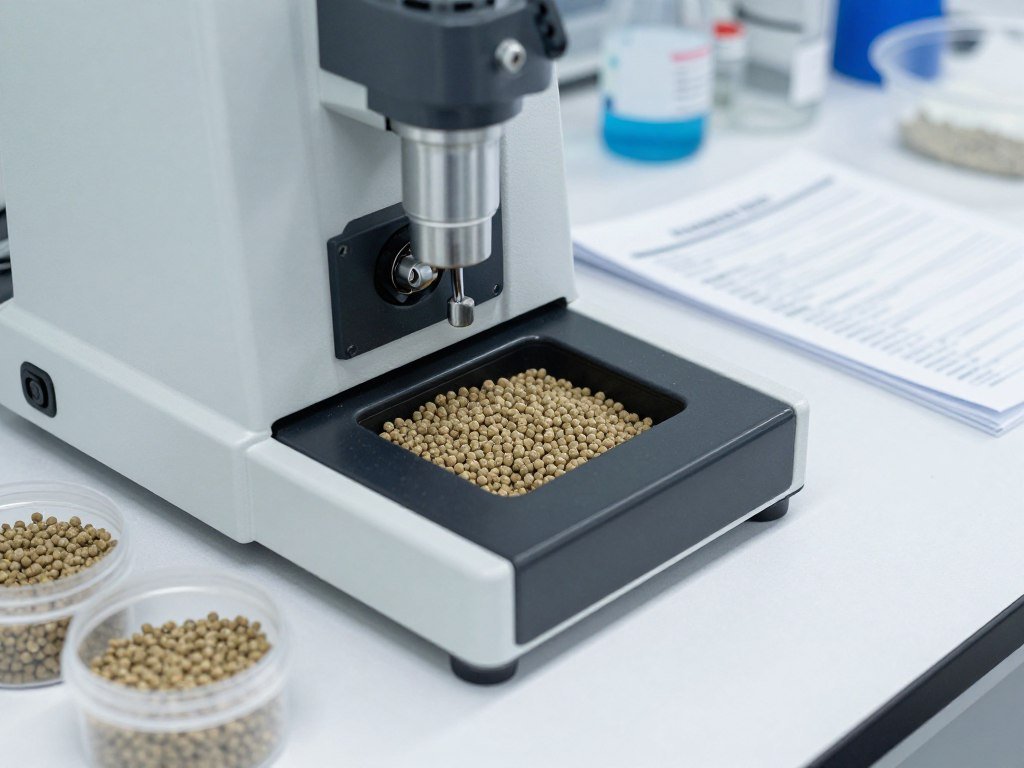
Implement systematic testing to maintain consistent feed quality. Regular monitoring prevents problems before they affect fish health.
Hourly Checks
- Visual pellet appearance inspection
- Pellet size and length measurements
- Die temperature monitoring
- Production rate verification
- Fines percentage calculation
Daily Analysis
- Pellet durability index testing
- Moisture content determination
- Bulk density measurement
- Water stability evaluation
- Production efficiency reporting
Weekly Testing
- Proximate analysis (protein, fat, fiber)
- Ingredient quality verification
- Equipment calibration checks
- Maintenance schedule reviews
- Safety system inspections
Monthly Evaluation
- Complete nutritional analysis
- Feeding trial results review
- Cost analysis and optimization
- Equipment performance assessment
- Training program updates
Preventive Maintenance for Maximum Uptime
Regular maintenance extends equipment life and prevents expensive breakdowns. MAIKONG recommends a structured maintenance program for all fish feed production line installations.
Daily Maintenance Tasks
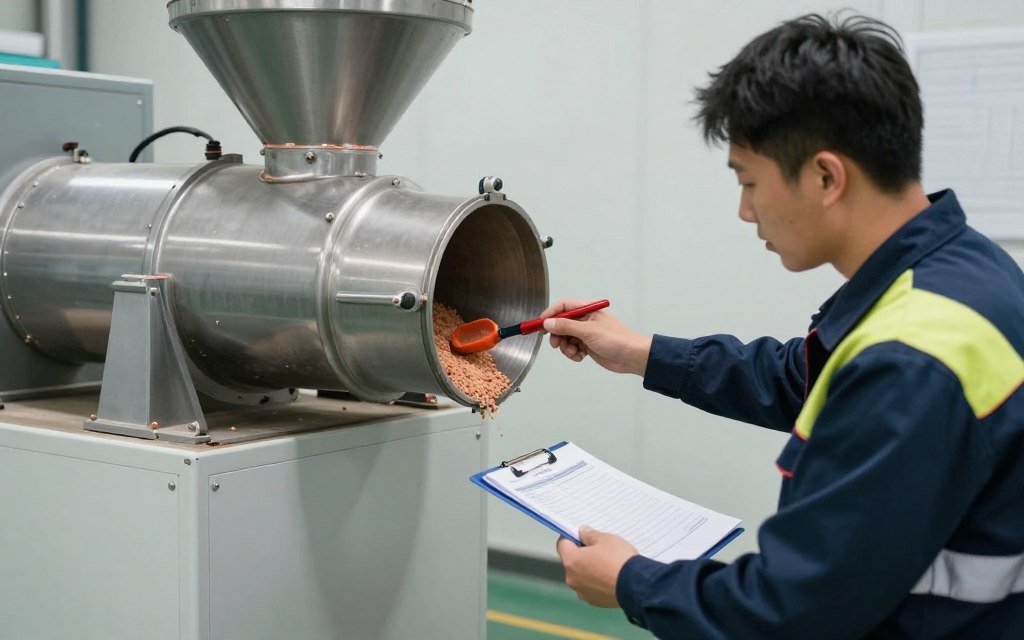
Operators should perform these quick checks at shift start and end. These tasks take 15-30 minutes but prevent major problems.
- Inspect all safety guards remain securely fastened
- Check oil levels in gearboxes and bearings
- Listen for unusual noises indicating wear or misalignment
- Clean material buildup from hoppers and chutes
- Verify all emergency stop buttons function correctly
- Record operating temperatures and pressures
- Remove dust accumulation from motors and electrical panels
Weekly Maintenance Schedule
Dedicated maintenance staff should complete these tasks during planned downtime. Schedule these during non-production periods.
Crusher Maintenance
Examine hammer tips for wear. Replace hammers when thickness reduces by 30%. Check screen condition and replace if holes enlarge or tear. Tighten rotor mounting bolts to specification.
Mixer Inspection
Verify paddle wear and clearance to mixer walls. Maximum clearance should not exceed 10mm. Check shaft seals for leakage. Confirm discharge gate operates smoothly without material bridging.
Pellet Mill Care
Inspect die working surface for wear and cracks. Check roller shell condition and gap to die. Lubricate main shaft bearings. Verify feed screw functions without material backup.
Cooler System
Clean air intake filters and replace if dirty. Check fan belt tension and alignment. Inspect discharge gate for material leakage. Verify temperature sensors read accurately.
Conveyor Systems
Examine bucket elevator belts for wear and tears. Adjust chain tension on drag conveyors. Lubricate screw conveyor bearings. Check all material level sensors function properly.
Packaging Equipment
Calibrate weighing scales using certified weights. Clean bag filling spouts and dust collection. Check heat sealer temperature and pressure. Verify bag detection sensors alignment.
Critical Spare Parts Inventory
Stock essential spare parts to minimize downtime. MAIKONG provides complete spare parts packages with every animal feed production line installation.
| Component | Typical Lifespan | Recommended Stock | Criticality |
| Hammer Mill Hammers | 300-500 hours | 1 complete set | High |
| Hammer Mill Screens | 500-800 hours | 2 pieces | High |
| Mixer Paddles | 2000-3000 hours | 1 set | Medium |
| Pellet Mill Die | 500-1000 hours | 1 piece | Critical |
| Pellet Mill Rollers | 1000-1500 hours | 1 set | Critical |
| Drive Belts | 1500-2500 hours | 1 piece each size | High |
| Bearings | 3000-5000 hours | 2 pieces each type | High |
| Electrical Contactors | 10000-15000 cycles | 2 pieces each rating | Medium |
MAIKONG Spare Parts Support
We maintain spare parts inventory in GD province for fast delivery throughout the Philippines. Our engineers provide remote diagnostics and on-site support for complex repairs.
MAIKONG Fish Feed Production Line Success Stories
MAIKONG has installed over 1,200 fish feed production lines across five continents since 2002. These case studies demonstrate real-world results achieved by our customers.
Asian Market Installations
Thailand Tilapia Operation
A 500-hectare tilapia farm in Nakhon Pathom installed a 5-ton per hour floating fish feed production line in 2021. The MK-L001 configuration produces pellets ranging from 2mm to 6mm diameter.
- Feed cost reduced by 35% compared to commercial feed
- Production capacity meets 100% of farm requirements
- Payback period achieved in 18 months
- Currently producing 8 tons daily across two shifts
Vietnam Catfish Cooperative
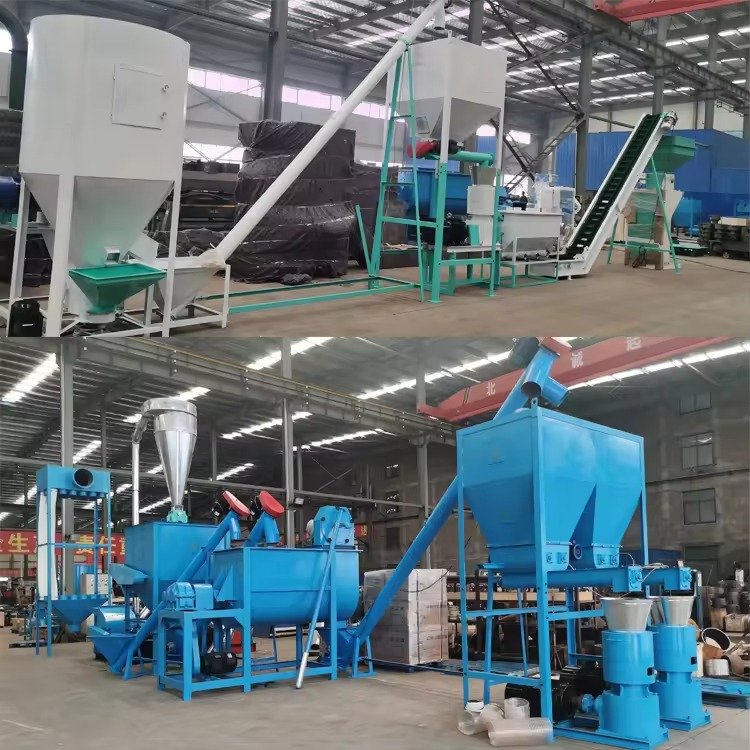
Twenty-three catfish farmers formed a cooperative in Mekong Delta. They jointly invested in a 3-ton per hour sinking fish feed production line to supply member farms.
- Supplies feed to 450 hectares of catfish ponds
- Members save 28% on feed costs versus suppliers
- Cooperative sells excess production to outside farmers
- Created 12 permanent jobs in rural community
Indonesia Shrimp Feed Mill
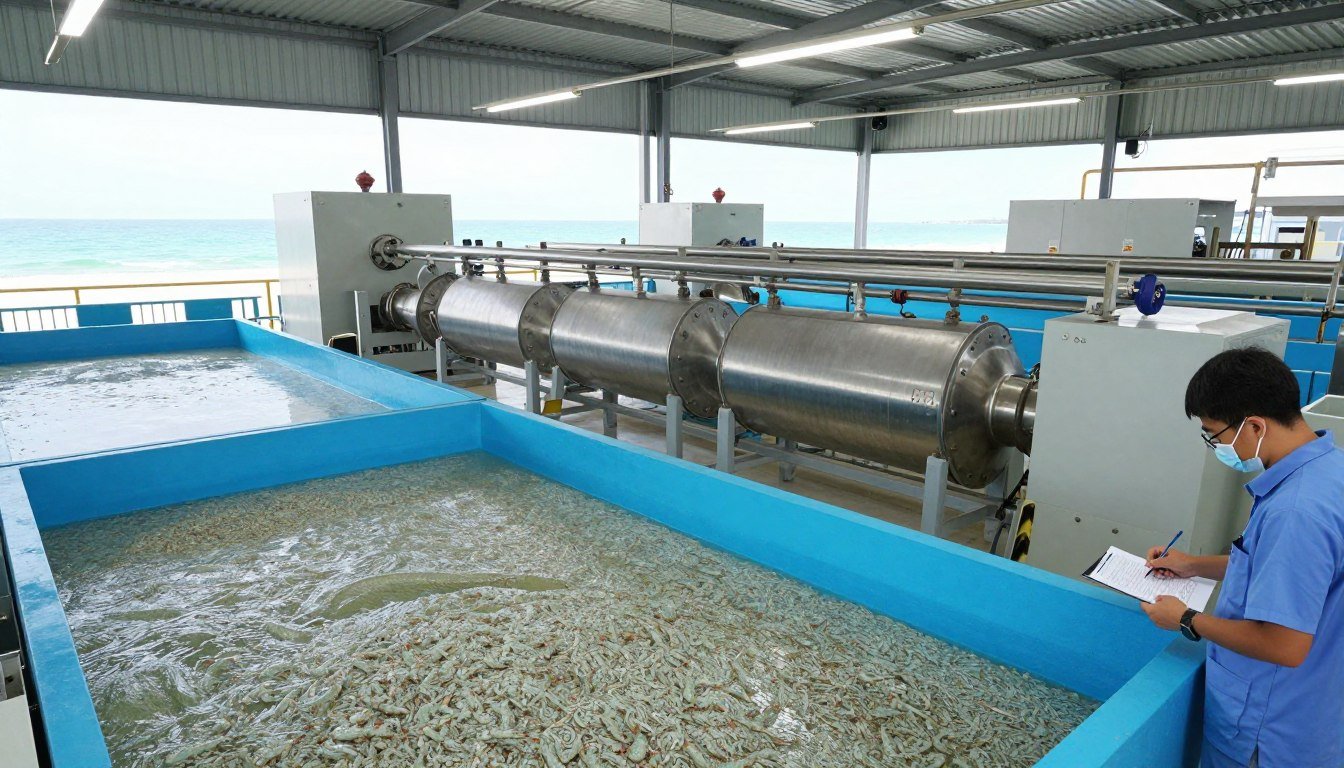
A commercial feed mill in Lampung produces specialized shrimp feed using MAIKONG’s 8-ton per hour aqua feed production line. They supply over 300 shrimp farms across Sumatra.
- Processes 160 tons daily on double shift operation
- Produces four pellet sizes from 0.8mm to 3mm
- Maintains 98% pellet durability index consistently
- Export sales to neighboring countries started in 2023
European Customer Experience
A Norwegian salmon farm integrated MAIKONG equipment into their existing facility. The 2-ton per hour system produces specialized marine feed with high oil content for cold-water species. Operating since 2020, the line maintains 99.2% uptime with minimal maintenance requirements.
African Market Growth
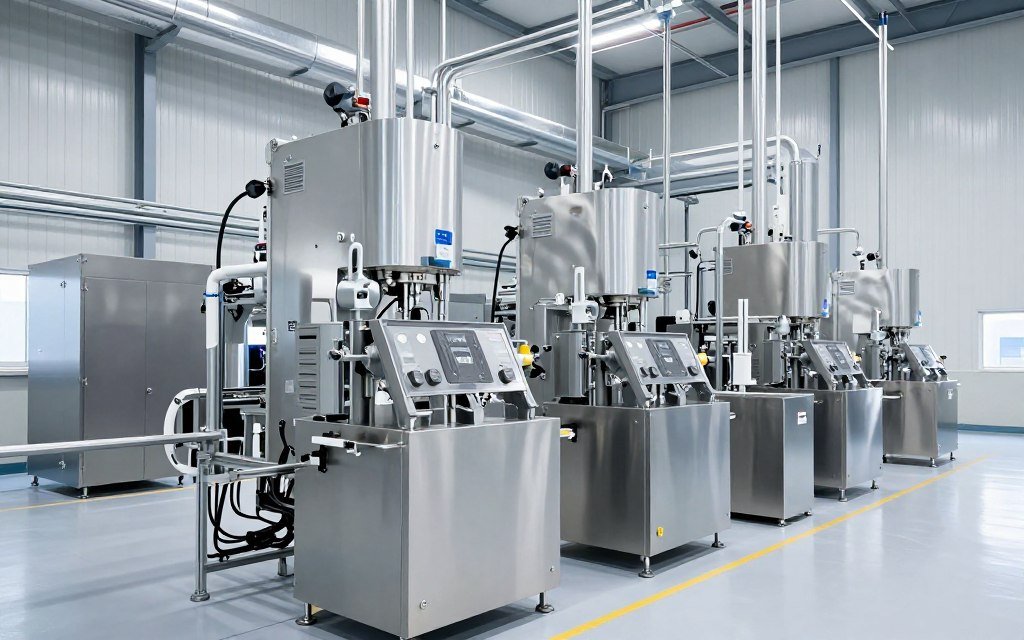
MAIKONG has supplied fifteen fish feed production lines to Nigeria since 2018. Local entrepreneurs recognized the opportunity as aquaculture expanded rapidly. Most installations range from 1 to 3 tons per hour capacity. These operations transformed local feed availability and reduced dependency on imports.
Why Choose MAIKONG for Your Fish Feed Production Line
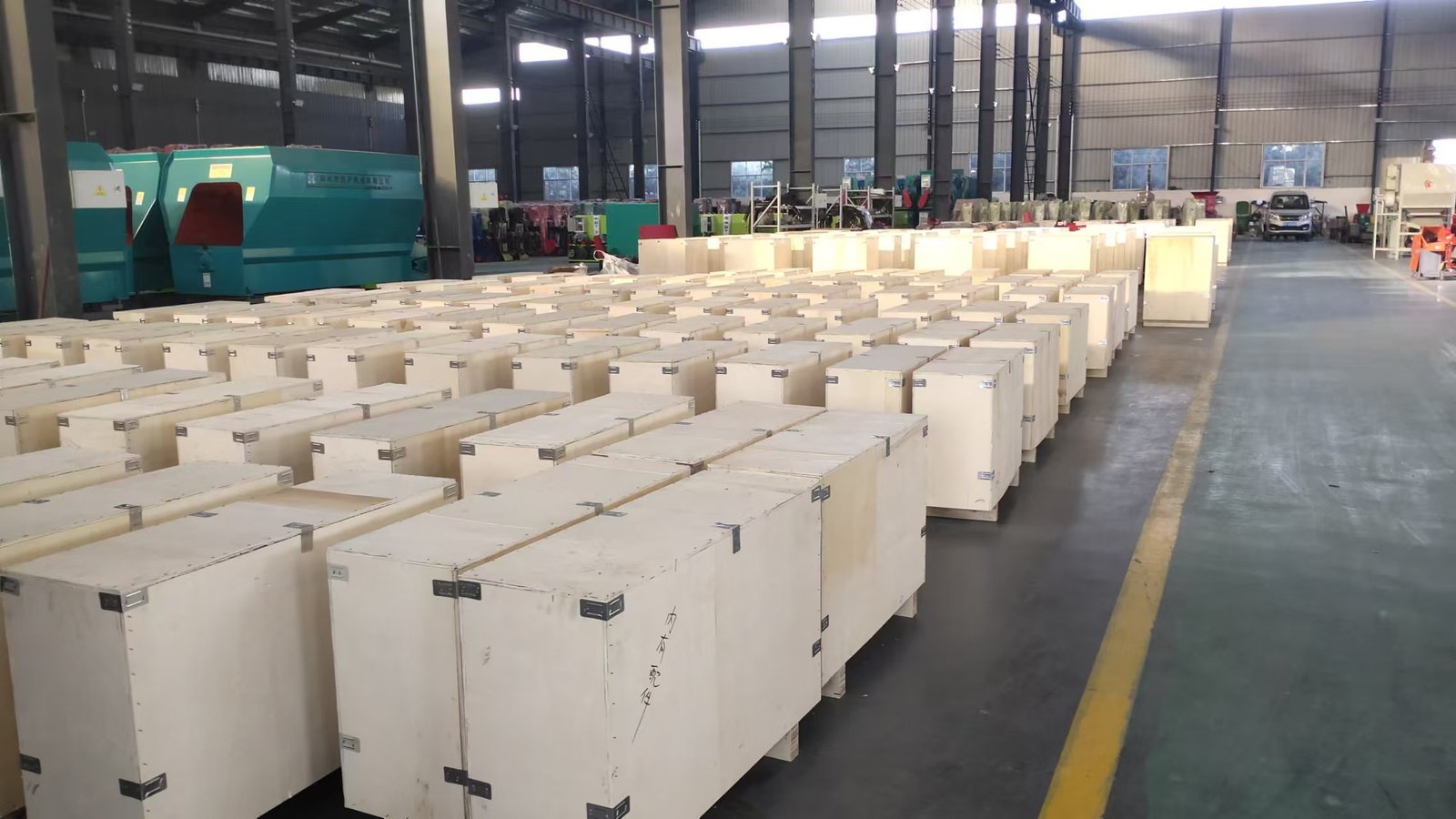
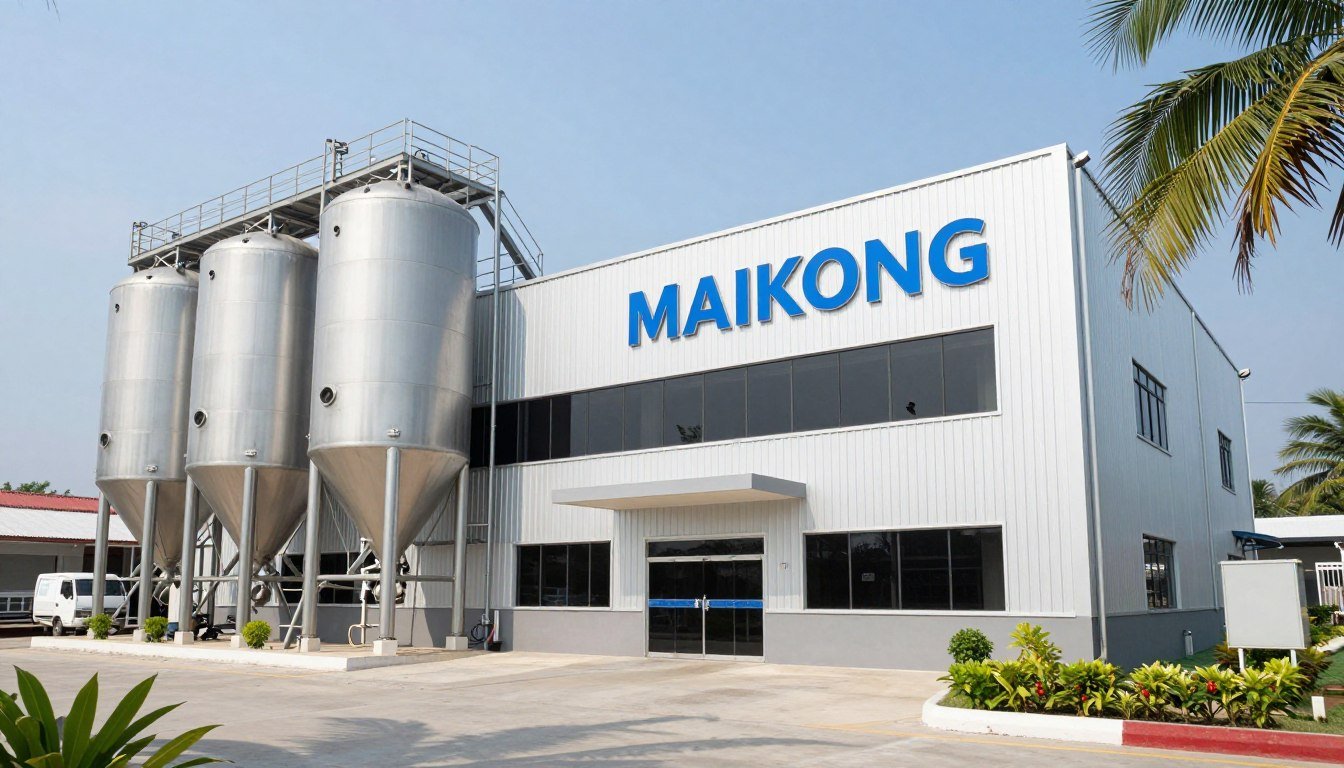
MAIKONG brings 22 years of specialized experience in feed production equipment manufacturing. Our factory in GD province, SZ city operates one of Asia’s largest pellet machine production facilities.
Company Strengths
Manufacturing Excellence
Our 45,000 square meter facility employs advanced CNC machining centers and automated welding systems. Quality control procedures follow ISO 9001:2015 standards throughout production.
- Complete in-house manufacturing reduces costs and delivery times
- Vertical integration from raw materials to finished machines
- Annual production capacity exceeds 800 complete production lines
- Research and development team of 28 engineers
- Testing facility replicates actual production conditions
Philippine Market Focus
MAIKONG understands the unique requirements of Philippine aquaculture operations. We customize solutions for local conditions.
- Equipment accepts 220V or 380V power configurations
- Tropical climate design prevents moisture and corrosion issues
- Formulations developed for local fish species
- English language manuals and Filipino technical support
- Spare parts warehoused in Manila for fast delivery
Comprehensive Support Services
Equipment purchase is just the beginning of our relationship. MAIKONG provides complete support throughout your fish feed production line operational life.
Pre-Sale Services
- Free facility layout design
- Formula development assistance
- Equipment selection consulting
- Financial planning support
- Government permit guidance
Installation Services
- Factory acceptance testing
- Equipment shipping and logistics
- On-site installation supervision
- System commissioning and startup
- Operator training programs
After-Sale Support
- 24-hour technical hotline
- Remote diagnostics capability
- Preventive maintenance planning
- Spare parts availability
- Periodic performance optimization
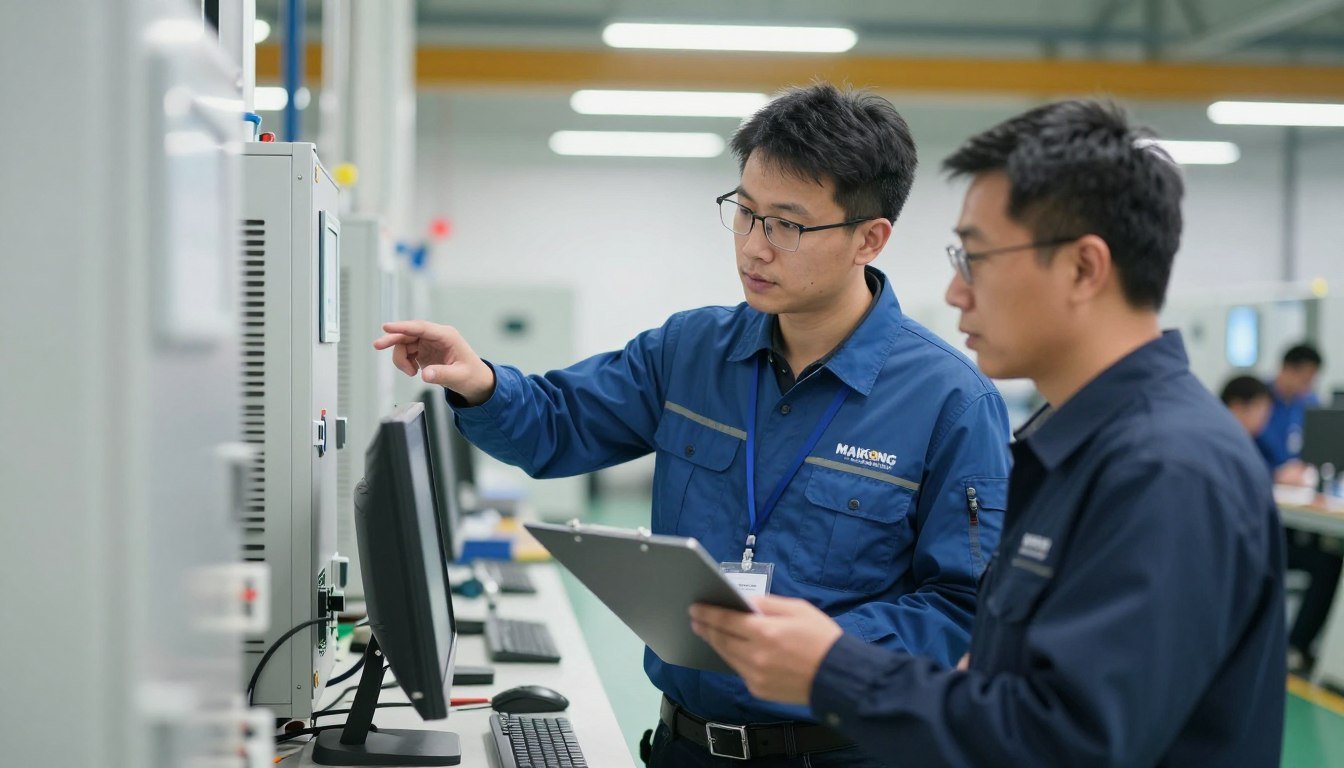
OEM and ODM Capabilities
MAIKONG offers complete customization for businesses requiring branded equipment or specialized configurations. Our OEM/ODM services support distributors, large farms, and feed companies building their own brands.
OEM Services Include
- Custom color schemes and branding
- Modified control panel layouts
- Specialized safety features
- Regional electrical certifications
- Unique packaging and documentation
- Private labeling on all components
Minimum Order Requirements
- Complete production lines: 1 unit minimum
- Single machines: 3 units minimum
- Custom components: negotiable based on complexity
- Lead time: 45-90 days depending on specifications
MAIKONG Distributor Opportunity in the Philippines
The Philippine aquaculture industry grows at 8% annually. Feed production equipment demand increases as farmers seek cost reduction and quality control. MAIKONG actively recruits qualified distributors to serve this expanding market.
Distributor Benefits and Support
MAIKONG provides comprehensive support to help distributors succeed in their territories. We invest in long-term partnerships built on mutual growth.
Competitive Margins
Distributor pricing provides attractive margins while remaining competitive in the Philippine market. Volume discounts available for qualified partners moving multiple units annually.
Technical Training
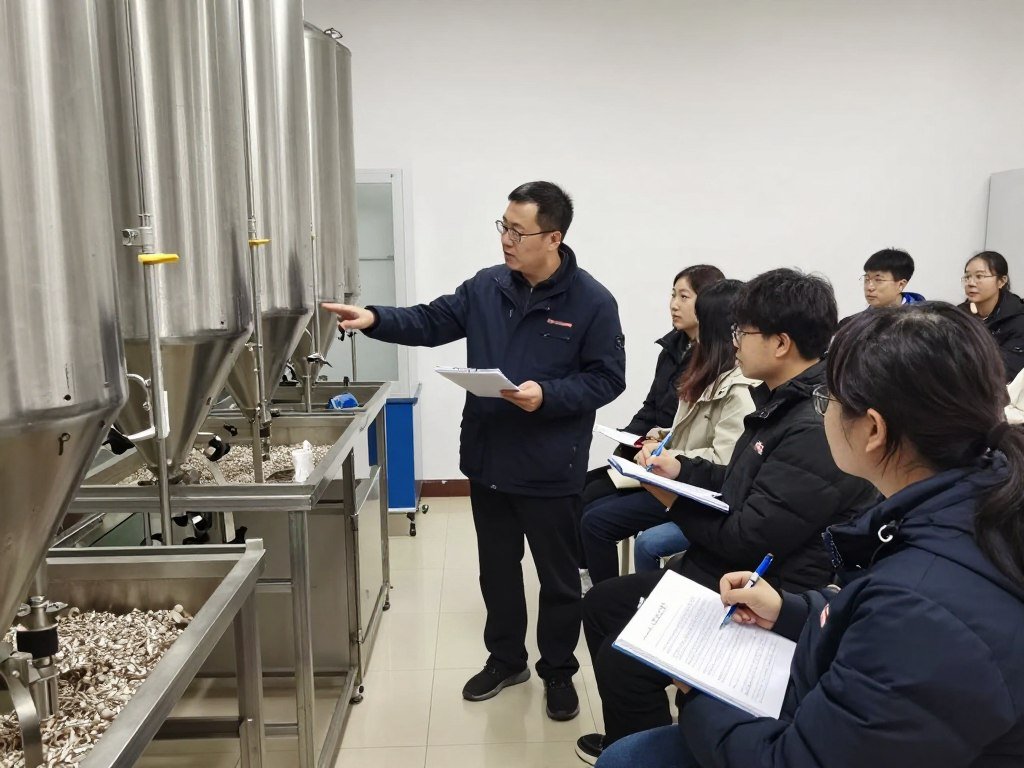
Comprehensive training programs cover equipment operation, maintenance, troubleshooting, and sales techniques. Training conducted at our factory or your location.
Marketing Materials
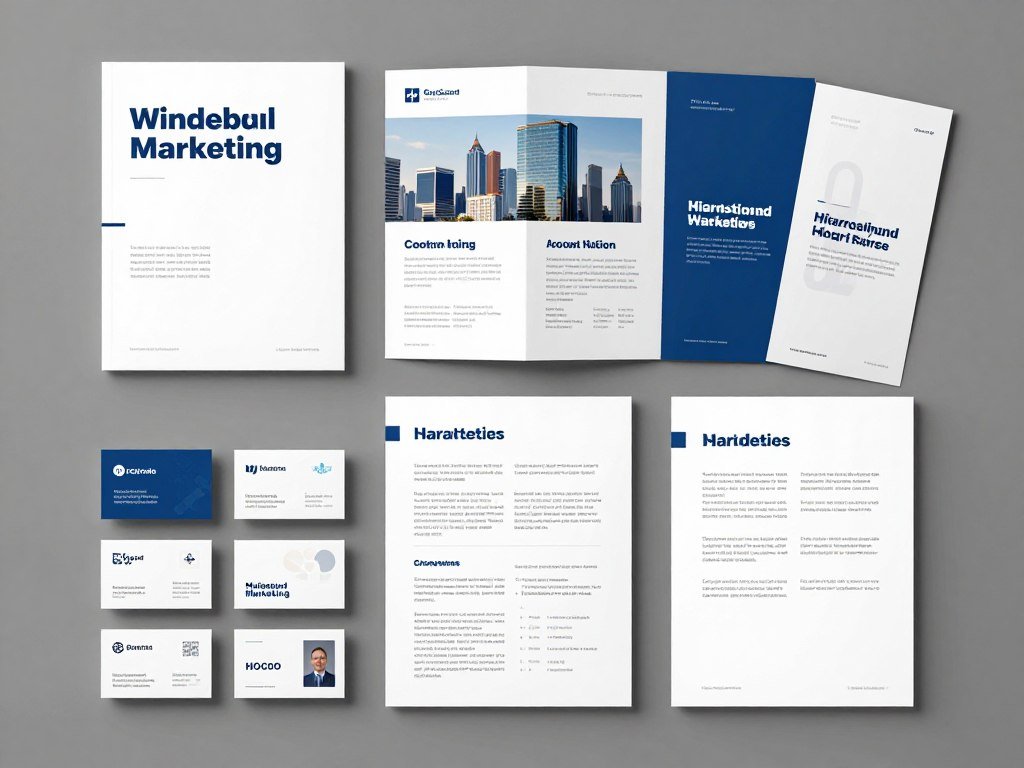
Complete marketing collateral including brochures, technical specifications, case studies, and digital assets. Customizable materials with your company information.
Demonstration Equipment
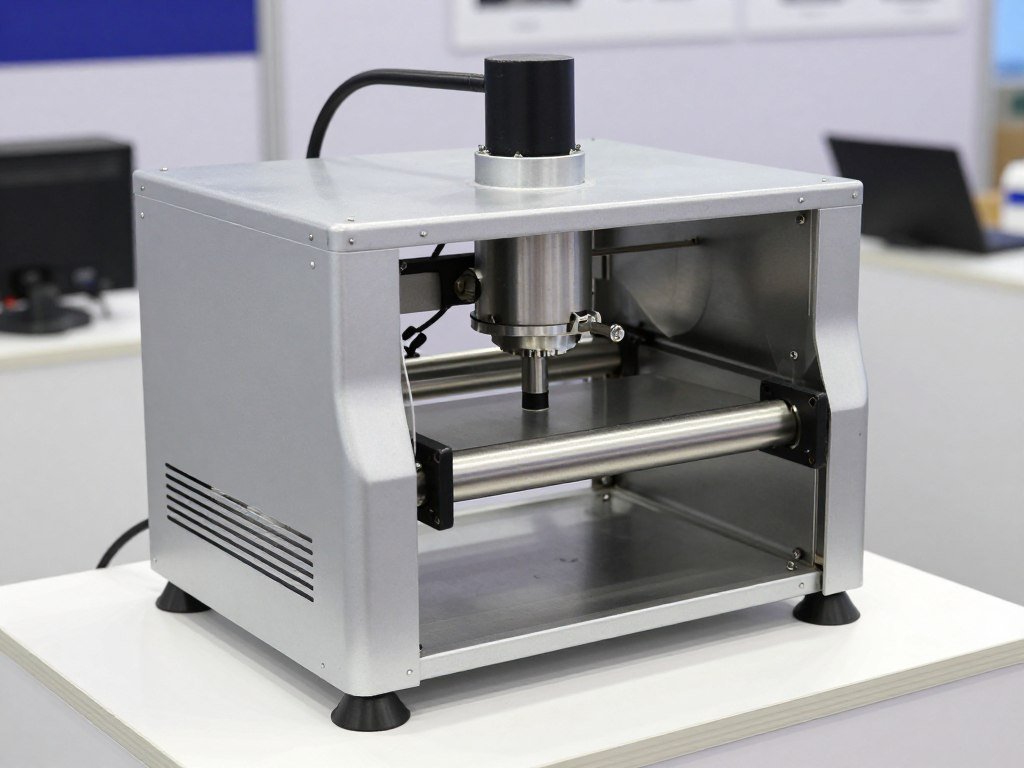
Demo units available for customer presentations and trial productions. Show prospects actual equipment performance before they commit to purchase.
Lead Generation Support
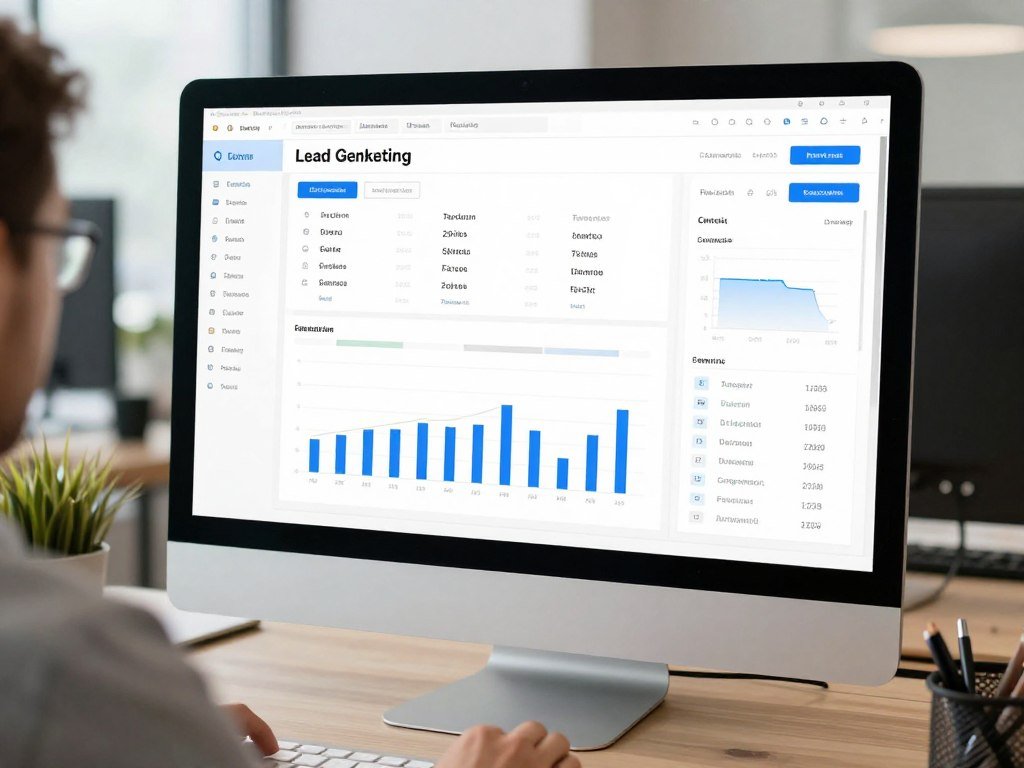
MAIKONG channels qualified inquiries from the Philippines directly to authorized distributors. Benefit from our international marketing efforts.
Warranty Support
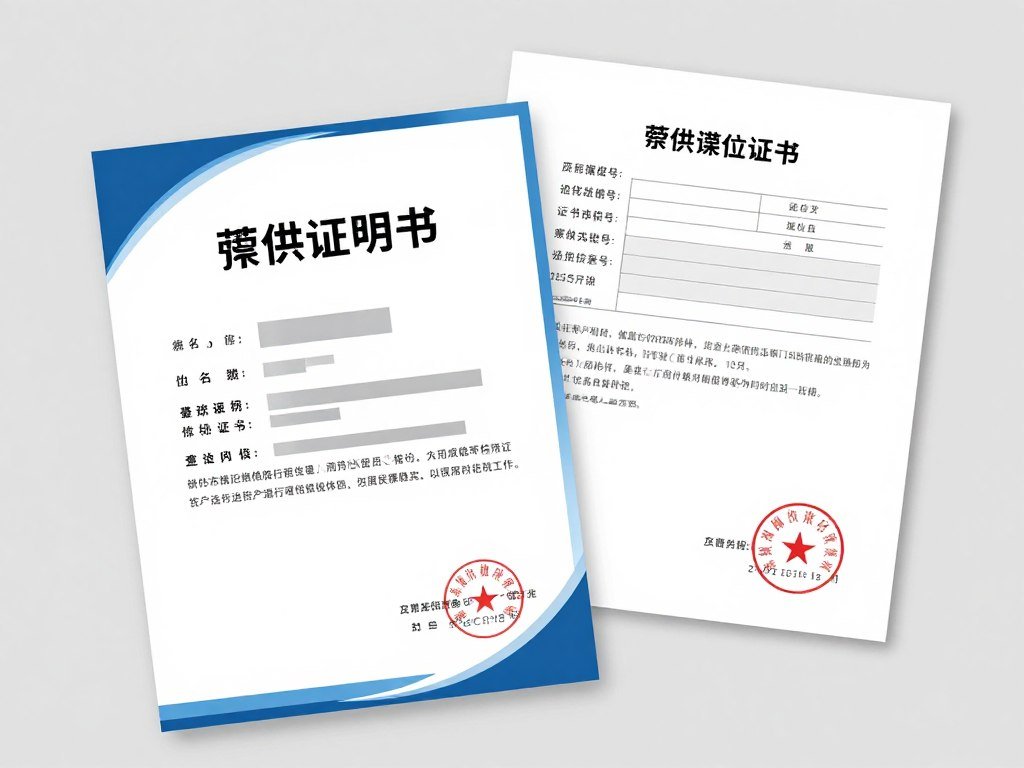
MAIKONG backs all equipment with comprehensive warranties. We support distributors in honoring warranty claims and maintaining customer satisfaction.
Ideal Distributor Profile
MAIKONG seeks partners with complementary strengths who can effectively serve Philippine aquaculture customers.
Required Qualifications
- Registered business in the Philippines
- Experience in agricultural equipment or aquaculture supplies
- Technical staff capable of equipment support
- Warehouse facilities for inventory and parts
- Service vehicles for customer site visits
- Financial capacity for initial inventory investment
Preferred Characteristics
- Existing customer base in aquaculture sector
- Multi-province sales and service coverage
- Established relationships with large farms and cooperatives
- After-sales service capability and reputation
- Marketing and business development expertise
- Long-term growth orientation versus quick profit focus
Apply to Become a MAIKONG Distributor
Submit your distributor application to join our growing network across the Philippines. Our partnership development team reviews applications and responds within 48 hours to qualified candidates.
Frequently Asked Questions About Fish Feed Production Lines
What capacity should I choose for my operation?
Calculate your daily feed requirement first. If you need 2 tons of feed daily and plan to operate 8 hours, you need minimum 250kg per hour capacity. Always add 20-30% buffer for equipment downtime and future growth. A 1-ton per hour line would serve this operation well.
How long does installation and commissioning take?
Installation timeline depends on line capacity. Small systems under 2 tons per hour require 15-20 days. Medium capacity lines from 3-5 tons per hour need 30-45 days. Large installations above 10 tons per hour take 60-90 days. This includes equipment setup, system integration, testing, and operator training.
Can I produce both floating and sinking feed on the same line?
Traditional pellet mills produce only sinking feed. Floating feed requires an extruder machine which operates differently. However, MAIKONG offers combination systems where you can switch between floating and sinking production by changing the pelleting equipment. This provides maximum flexibility for operations serving multiple fish species.
What is the typical payback period for a fish feed production line?
Most Philippine customers recover their investment within 18-30 months. Payback depends on several factors including feed cost savings, production volume, and whether you sell excess production. Operations producing at full capacity typically achieve faster payback. Feed cost reduction of 25-40% compared to commercial feed is common.
How much power does a fish feed production line consume?
Power consumption varies by capacity. A 1-ton per hour line uses approximately 50-75 KW. A 5-ton per hour system requires 150-200 KW. Calculate your hourly power cost and multiply by operating hours to estimate energy expenses. Most operators find power costs represent only 8-12% of total production cost per ton of feed.
What maintenance is required?
Daily maintenance includes visual inspections, cleaning, and lubrication taking 15-30 minutes. Weekly maintenance involves detailed equipment checks requiring 2-3 hours. Major maintenance occurs quarterly and takes 1-2 days. MAIKONG provides detailed maintenance schedules and training. Following the program ensures 98%+ uptime.
Can I customize formulas for different fish species?
Yes, complete formula flexibility is a major advantage of owning your feed pellet machine. Adjust protein levels, fat content, vitamin premixes, and other ingredients to match specific species requirements. MAIKONG nutritionists can help develop formulas for tilapia, catfish, milkfish, grouper, and other species raised in the Philippines.
What warranty does MAIKONG provide?
All MAIKONG equipment includes a 12-month warranty covering manufacturing defects and component failures. Wearing parts like hammers, screens, and dies have separate wear-life guarantees. Extended warranty packages up to 24 months are available. Warranty includes remote technical support and on-site service if needed.
How do I source raw materials in the Philippines?
The Philippines has excellent availability of feed ingredients. Corn and rice bran come from local agriculture. Fishmeal imports arrive from Peru and Thailand. Soybean meal ships from US and South America. MAIKONG can introduce you to reliable ingredient suppliers serving other Philippine customers. Building relationships with multiple suppliers ensures consistent material availability.
Do I need special permits to operate a feed mill?
Yes, Philippine regulations require registration with the Bureau of Animal Industry (BAI). You need a Certificate of Product Registration for each feed formula. Environmental compliance certificate comes from DENR. Local business permits from your municipality also apply. MAIKONG can guide you through the documentation process based on our experience with other Philippine customers.
Start Your Fish Feed Production Line Journey Today
Building your own feed production capability represents a strategic investment in your aquaculture operation. You gain control over feed quality, reduce long-term costs, and ensure consistent supply regardless of market conditions.
Next Steps to Move Forward
MAIKONG makes the process straightforward from initial inquiry through production startup. Follow these steps to begin your project.
- Initial Consultation: Contact MAIKONG to discuss your requirements, production goals, and budget parameters. We can conduct this via WhatsApp, email, or phone based on your preference.
- Needs Assessment: Provide details about your fish farm size, species raised, current feed consumption, and facility space available. This helps our engineers design the optimal solution.
- Custom Proposal: Receive a detailed proposal including equipment specifications, layout drawings, production capacity analysis, investment requirements, and projected ROI.
- Formula Development: Work with MAIKONG nutritionists to develop feed formulas matching your fish species and growth stages. We can replicate your current feed or develop improved formulations.
- Site Preparation: Prepare your facility following MAIKONG specifications. We provide detailed drawings for foundations, electrical, and utility installations.
- Equipment Manufacture: Your fish feed production line enters production after order confirmation. Manufacturing takes 30-60 days depending on capacity and customization.
- Shipping and Delivery: Equipment ships via container to Philippine ports. We handle export documentation and can arrange domestic transport to your facility.
- Installation and Training: MAIKONG technicians supervise installation, conduct system testing, and train your operators. This typically requires 2-4 weeks on site.
- Production Startup: Begin producing feed under MAIKONG supervision. We optimize settings and troubleshoot any issues during the initial production runs.
- Ongoing Support: Maintain contact with MAIKONG technical support for questions, maintenance guidance, and process optimization throughout your equipment lifetime.
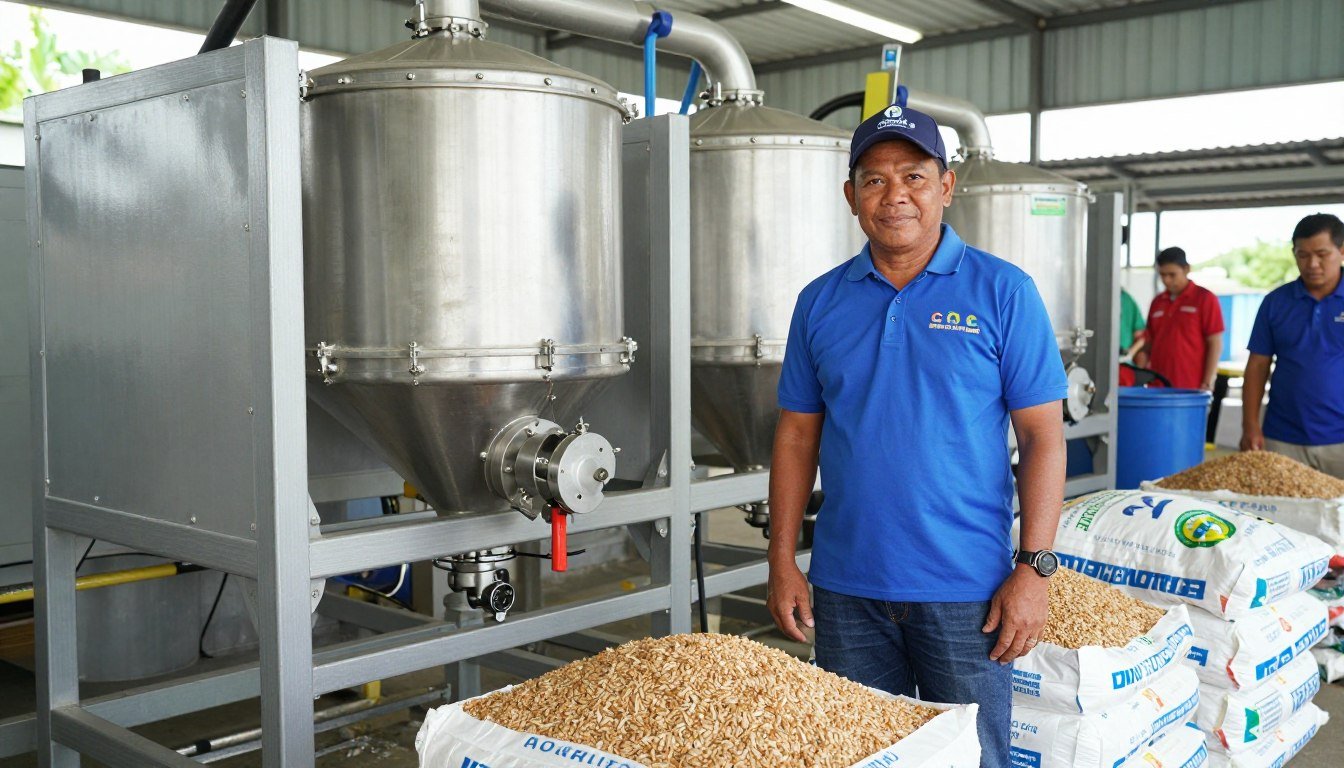
Investment Protection
MAIKONG understands that purchasing a fish feed production line represents significant capital investment. We protect your investment through multiple measures.
- Factory acceptance testing before shipment verifies all equipment meets specifications
- Comprehensive insurance coverage during international shipping
- Performance guarantees on production capacity and feed quality
- Extended warranty options for additional peace of mind
- Spare parts availability committed for minimum 10 years
- Technical support continues throughout equipment operational life
- Equipment holds resale value if your business needs change
Financing Considerations
Several financing options exist for fish feed production line purchases in the Philippines.
Bank Financing
Many Philippine banks offer equipment financing for agricultural projects. Landbank and Development Bank of the Philippines have specific programs for aquaculture development.
- Typical terms: 3-7 years repayment
- Interest rates: 8-12% annually
- Down payment: 20-30% required
- Collateral: Equipment and/or property
Government Programs
Department of Agriculture offers financial assistance for feed mill development. BFAR provides subsidies for aquaculture infrastructure improvements.
- Grant programs cover 30-50% of costs
- Low-interest loans available in some regions
- Cooperative financing for group purchases
- Technical assistance bundled with financial support
Vendor Financing
MAIKONG offers flexible payment terms for qualified customers in the Philippines.
- Partial payment before shipping
- Balance after installation and testing
- Extended terms for large orders
- Distributor financing programs available
Cooperative Purchasing
Multiple farmers can jointly invest in a shared fish feed production line to reduce individual costs.
- Spread investment across multiple participants
- Schedule production runs for each member
- Sell excess capacity to recover costs faster
- Share maintenance and labor expenses
Transform Your Aquaculture Business With MAIKONG
The Philippine aquaculture industry stands at an important crossroads. Rising feed costs threaten profitability for many operators. Import dependency creates supply uncertainty. Quality inconsistency affects fish health and growth rates.
Owning your fish feed production line solves these challenges permanently. You control your largest operating expense. Feed quality improves because you select ingredients carefully. Production schedules match your farm needs exactly. Most importantly, your business becomes more resilient and profitable.
MAIKONG has supported over 1,200 customers worldwide in building successful feed production operations. Our equipment operates reliably in tropical climates from Southeast Asia to West Africa. Technical support continues long after installation completes. We invest in your success because satisfied customers become our best advocates.
The Philippine market offers tremendous opportunity for feed production entrepreneurs. Growing demand for aquaculture products ensures strong markets for years ahead. Government support for food security initiatives creates favorable conditions for investment.
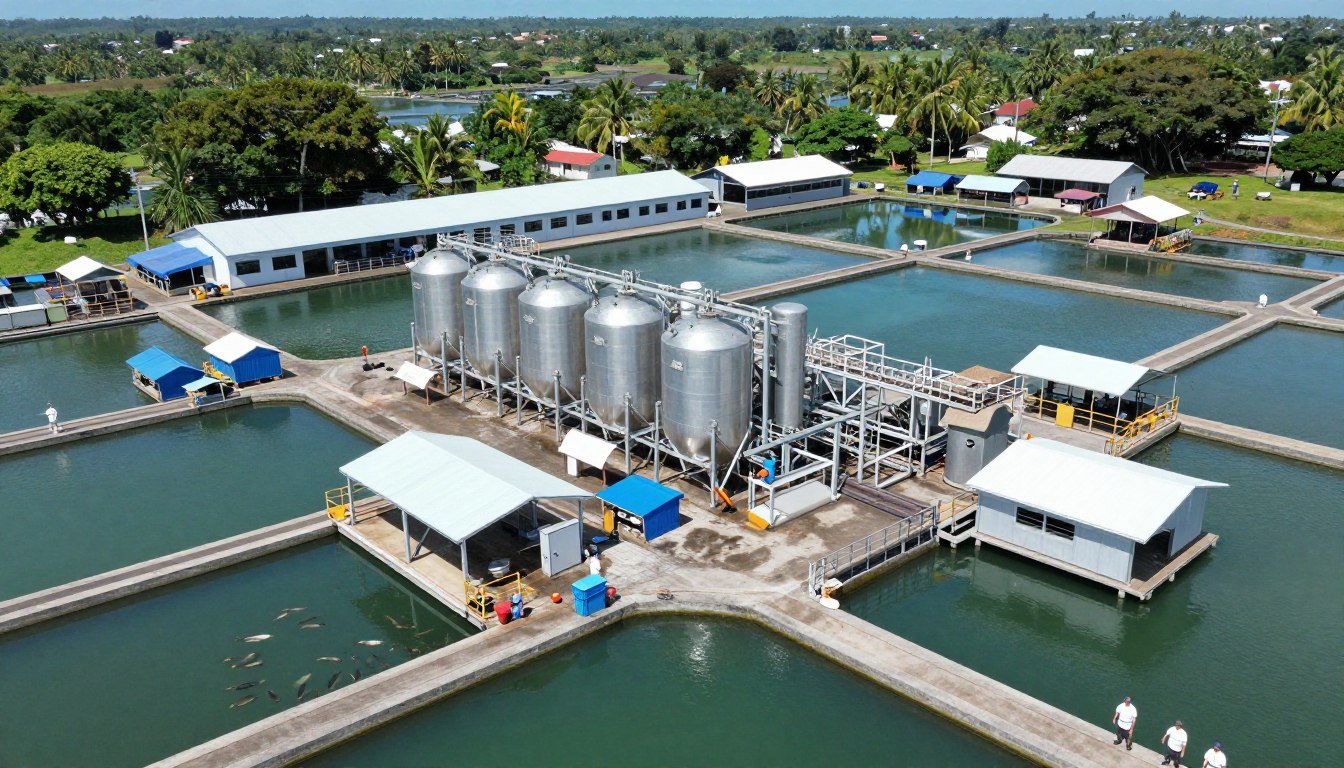
Whether you operate a family fish farm, manage a large commercial operation, or plan to enter feed distribution, MAIKONG offers solutions matching your scale and ambitions. From 200 kilogram per hour starter lines to 200-ton per hour industrial facilities, we design and build systems that deliver results.
Our 22 years of experience translate into equipment that works reliably, produces quality feed consistently, and costs less to operate than comparable alternatives. Philippine customers benefit from our understanding of local conditions, electrical standards, and business practices.
Take the next step toward feed independence for your aquaculture operation. Contact MAIKONG today to discuss your specific requirements. Our team stands ready to answer questions, provide guidance, and help you build a fish feed production line that transforms your business.
Contact MAIKONG Philippines
Get your custom fish feed production line quotation within 24 hours. Our engineers are available to discuss your project requirements and answer all your questions. Start building your feed independence today.
Become a MAIKONG Distributor
Are you an equipment distributor, agricultural supply company, or entrepreneur seeking business opportunities in the Philippine aquaculture sector? MAIKONG actively recruits qualified distributors to serve growing market demand.
Distributor benefits include attractive margins, technical training, marketing support, and qualified lead generation. We seek partners with aquaculture industry experience, technical service capability, and long-term growth orientation.
Submit your distributor application to Lucy@pelletmachine.ph to join our expanding Philippines network. Our partnership development team reviews applications and responds to qualified candidates within 48 hours.
MAIKONG – Building Better Feed Production Solutions for Philippine Aquaculture Since 2002.