
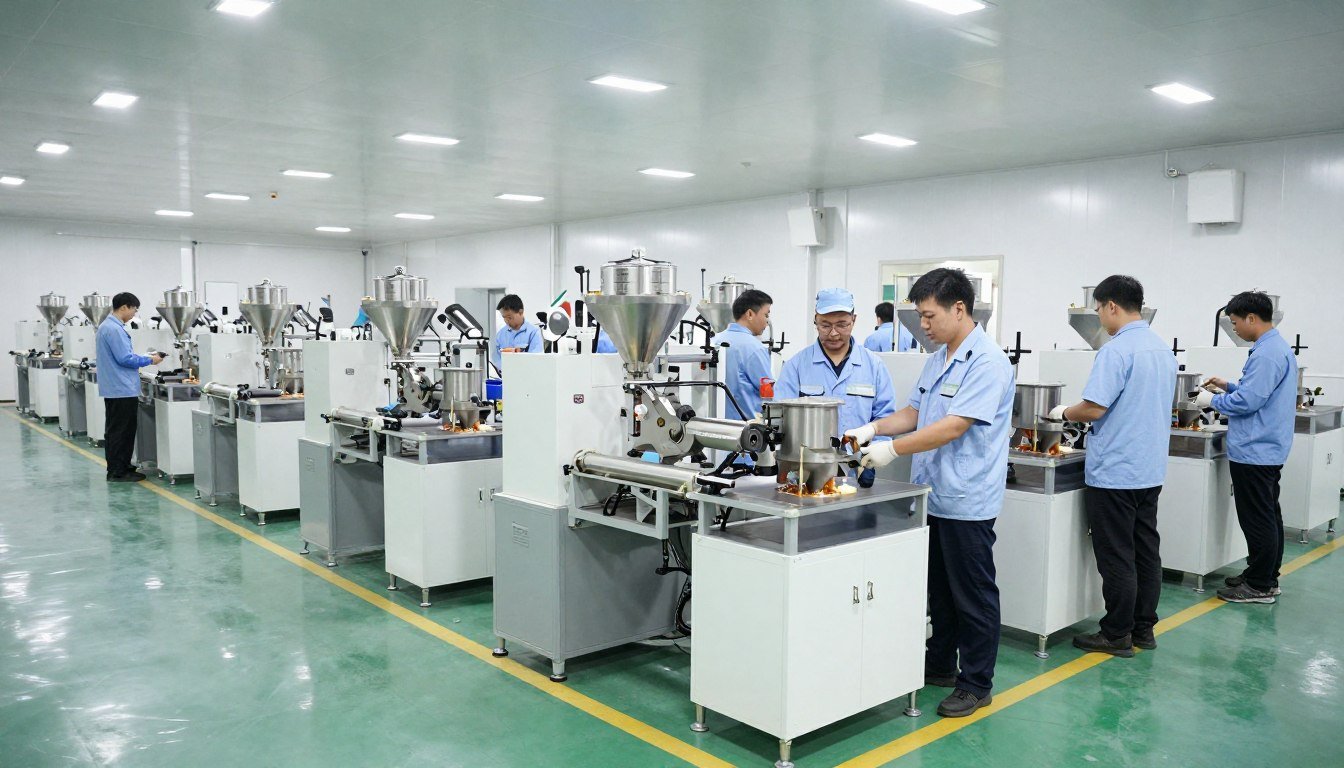
 That’s exactly why we at MAIKONG started manufacturing mini pellet machine philippines solutions over 25 years ago. We saw farmers and feed mill operators struggling with expensive imported feed and limited control over their feed quality.I’ve personally worked with operations ranging from small backyard poultry farms in Cavite to large commercial fish feed operations in Mindanao. Each one needed something different. A 200-kilogram-per-hour small feed pellet machine for a startup tilapia farm. A 5-ton-per-hour system for a growing broiler operation. Custom voltage configurations for areas with unstable power.
Get Your Free Consultation for Philippine Feed Solutions
Our technical team understands Philippine farming conditions, raw materials, and power requirements. Let us help you design the perfect pellet machine system for your operation.
What Exactly is a Mini Pellet Machine and Why Philippine Farms Need One
A mini pellet machine philippines system transforms your raw feed ingredients into uniform, dense pellets. Think of it as taking powder and loose grains and compressing them into small cylinders that animals can easily eat and digest.
The Core Process
Our pellet machine mini systems work through a simple but precise process. Raw materials enter a conditioning chamber where steam and heat prepare them. Then a ring die with small holes compresses the material under extreme pressure. The result emerges as hot pellets that cool and harden into the feed you need.
For Philippine operations, this matters because you can use local materials. Rice bran from your neighbor’s mill. Fish waste from processing plants. Copra meal that’s abundant and affordable. Instead of paying premium prices for commercial feed shipped from Manila or imported from other countries, you control your feed production.
Why Pellets Beat Mash Feed
- Animals can’t pick and choose ingredients, ensuring balanced nutrition
- Reduced feed waste by up to 15% compared to powder or mash
- Easier storage without separation of ingredients
- Lower transportation costs due to higher density
- Extended shelf life (3-6 months vs 1 month for mash)
- Better feed conversion ratios mean faster animal growth
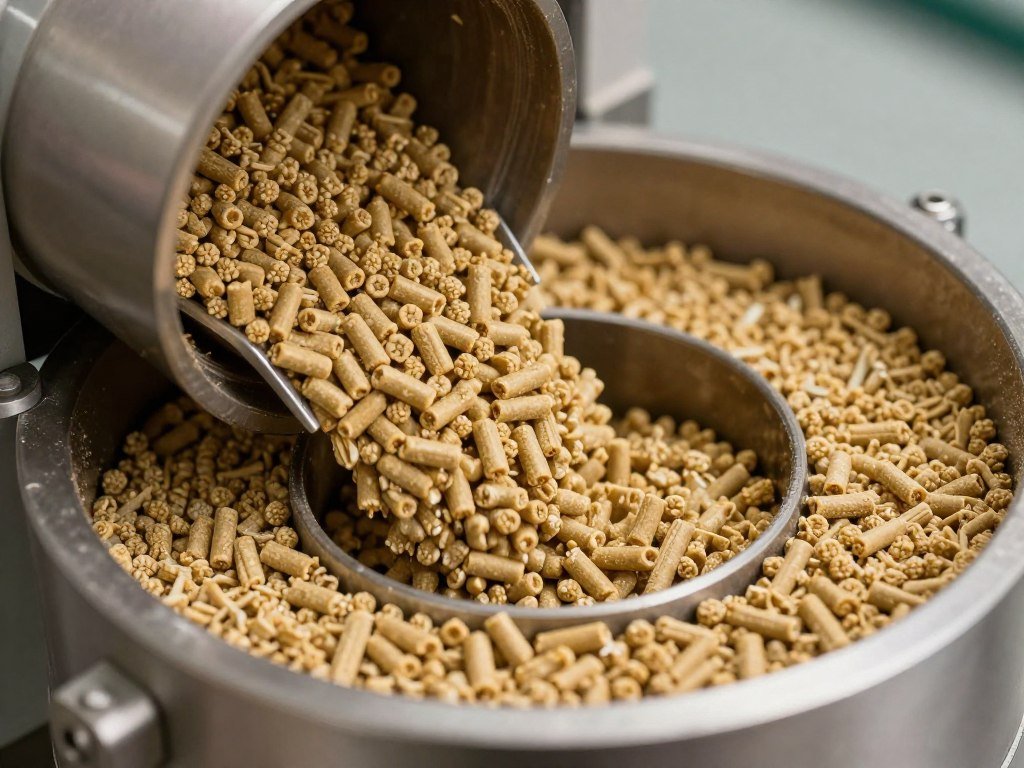
Common Raw Materials We Process in Philippine Applications
Grain Based Materials
- Corn meal (widely available)
- Rice bran (abundant, affordable)
- Wheat bran
- Sorghum
- Broken rice
Protein Sources
- Fish meal
- Soybean meal
- Copra meal
- Blood meal
- Meat and bone meal
Fiber & By-products
- Cassava residue
- Coconut peat
- Vegetable waste
- Brewery waste
- Sugar mill residue
We’ve processed all these materials and hundreds of combinations in our test facility. When you contact us, we can tell you exactly how your specific raw materials will perform and what adjustments your small scale pelleting machine might need.
Choosing the Right Capacity Mini Pellet Machine for Your Philippine Operation
The biggest mistake I see farm owners make is either buying too small (and immediately needing to upgrade) or too large (wasting capacity and electricity). Let me walk you through how we match capacity to operation size based on our 25 years serving Philippine farms.
Small Scale Operations: 200kg to 500kg Per Hour
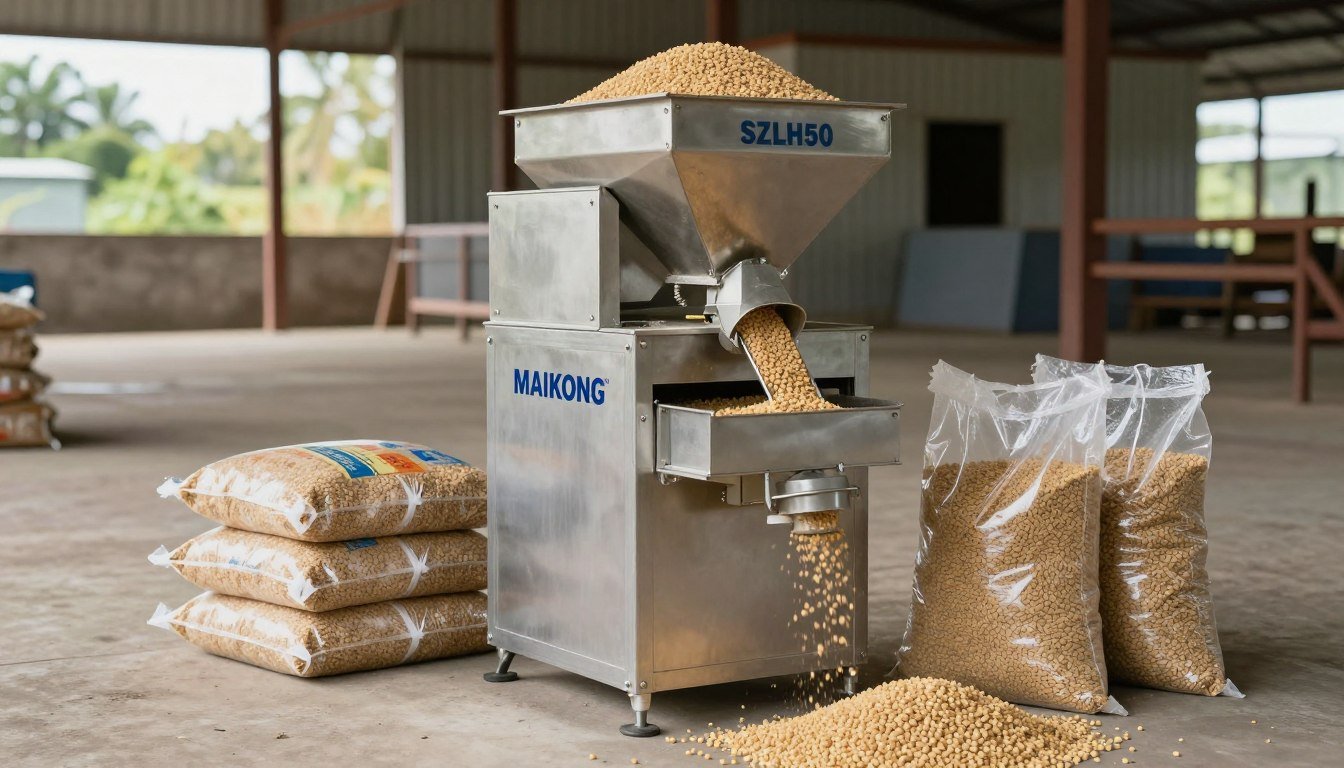
Our SZLH250 model serves as the entry point for serious feed production. This small feed pellet machine produces 200 to 500 kilograms every hour, perfect for operations just getting started or medium-sized farms.
Ideal For These Operations:
- Poultry farms with 500-2,000 birds
- Fish farms with 2-5 ponds
- Small livestock operations (20-50 pigs or goats)
- Rabbit farms
- Starting pet food producers
- Farm cooperatives serving 5-10 members
Technical Specifications SZLH250:
- Output: 200-500 kg/hour
- Main motor: 22 kW
- Power requirement: 220V or 380V (your choice)
- Pellet diameter: 2-12mm adjustable
- Footprint: 2m × 1.5m × 2m
- Weight: Approximately 850kg
Running a small to medium farm? Contact us for detailed specifications and pricing on our 200-500kg/hr models perfect for Philippine startup operations.
Medium Scale Production: 1 to 5 Tons Per Hour
This range represents the sweet spot for established commercial farms and small feed mills. Our SZLH320, SZLH350, and SZLH420 models serve this segment, and they’re our best-selling units in the Philippines.
| Model | Output (tons/hour) | Main Motor (kW) | Suitable Operation Size | Typical Philippine Use |
| SZLH320 | 1.0 – 1.5 | 37 | 3,000-8,000 birds or 10-15 fish ponds | Layer farms, tilapia operations |
| SZLH350 | 1.5 – 2.5 | 55 | 8,000-15,000 birds or 15-25 ponds | Broiler farms, mixed livestock |
| SZLH420 | 3.0 – 4.5 | 110 | 15,000-30,000 birds or large aquaculture | Commercial farms, small feed mills |
These models use ring die technology that gives you consistent pellet quality even with variable raw material moisture content—a common challenge in Philippine humidity conditions. The gear transmission system requires minimal maintenance, important when you’re in provincial areas far from technical support.
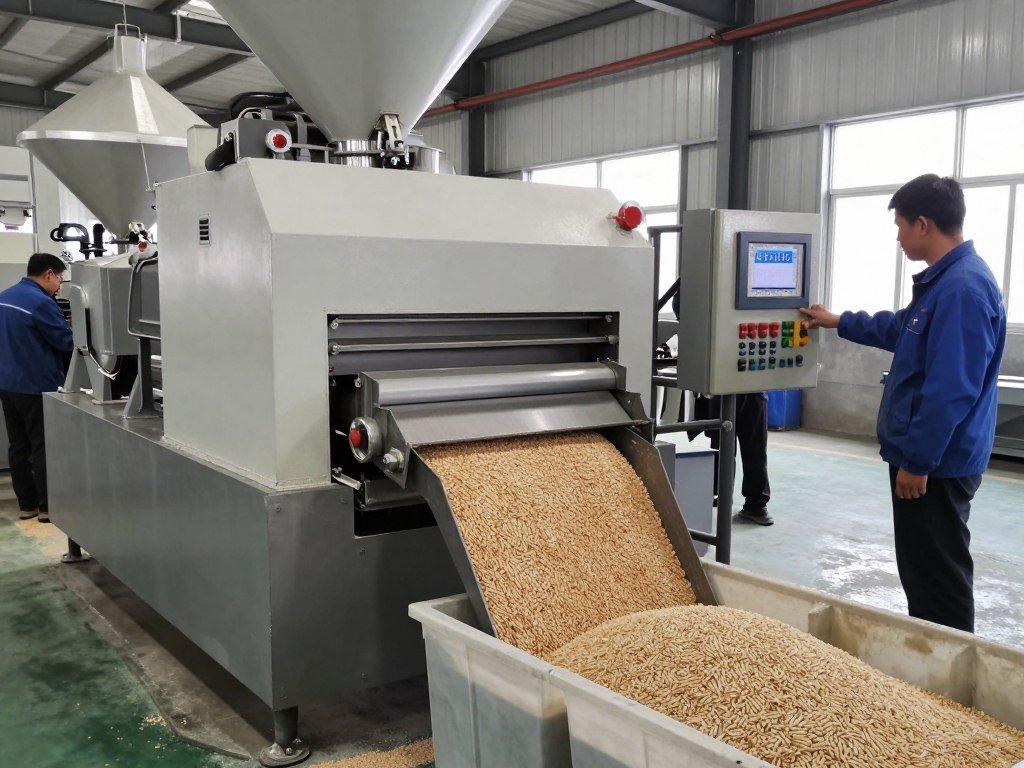
Real Cost-Benefit Example: 2-Ton Per Hour System
Let me show you actual numbers from a broiler farm in Bulacan that switched to on-site pellet production with our SZLH350 model:
Before (Buying Commercial Feed):
- Feed cost: ₱28 per kilogram
- Monthly consumption: 45 tons
- Monthly feed expense: ₱1,260,000
- No control over ingredients
- Supply interruptions during shortages
After (Making Own Pellets):
- Raw material cost: ₱16 per kg (buying bulk local ingredients)
- Electricity & labor: ₱2 per kg
- Total production cost: ₱18 per kg
- Monthly feed expense: ₱810,000
- Monthly savings: ₱450,000
The machine cost ₱2,850,000. They recovered the investment in 6.3 months. After two years, they’ve saved over ₱10 million and have better control over feed quality.
Need Help Calculating Your ROI?
Send us your current feed costs and consumption. Our team will prepare a detailed cost-benefit analysis specific to your operation, showing exact payback period and 5-year savings.
Large Scale Industrial Systems: 5 to 40 Tons Per Hour
For commercial feed mills, large integrator operations, or cooperative processing facilities, our SZLH508 through SZLH768 models deliver industrial-scale production. These are complete pellet production line systems, not just standalone machines.
| Model | Capacity Range | Power | Ring Die Diameter | Investment Range (USD) |
| SZLH508 | 5-8 tons/hour | 160 kW | 508mm | $45,000 – $65,000 |
| SZLH558 | 8-12 tons/hour | 185 kW | 558mm | $55,000 – $75,000 |
| SZLH678 | 15-20 tons/hour | 250 kW | 673mm | $70,000 – $95,000 |
| SZLH768 | 25-40 tons/hour | 315 kW | 762mm | $90,000 – $125,000 |
These systems require proper facility planning. You need adequate space for raw material storage, production area, cooling and packaging, and finished product warehouse. Our team provides complete layout design as part of the project.
Important for Philippine Installations: Large systems require stable three-phase power (380V). In areas with unreliable electricity, we recommend including a backup generator in your project budget. We can specify exactly what generator capacity you’ll need based on your chosen model.
Customizing Your Mini Pellet Machine for Philippine Conditions
Every farming operation faces unique challenges. Your raw materials differ from the next farm. Your power supply might be unstable. Your target animals have specific nutritional needs. That’s why we built MAIKONG around customization rather than selling one-size-fits-all equipment.
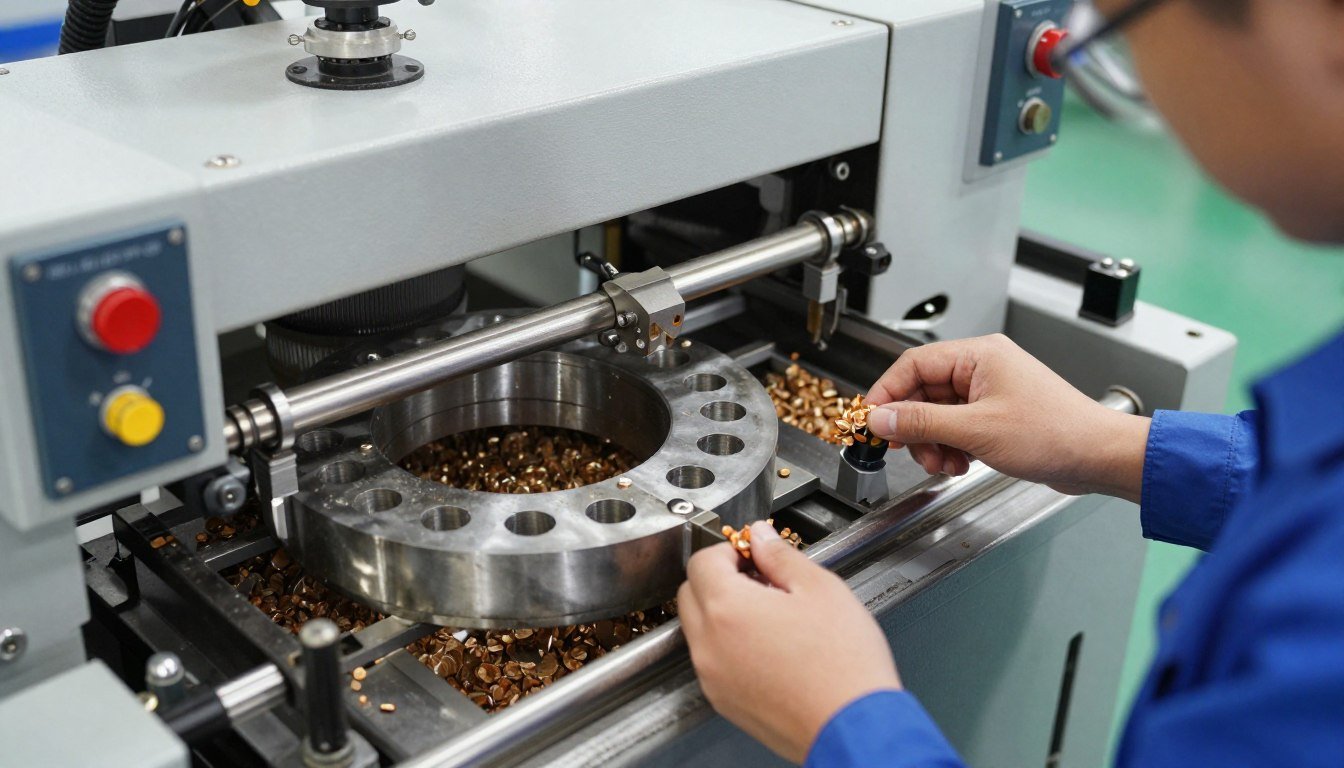
Pellet Size Customization for Different Animals
The diameter of your feed pellets directly affects how well your animals can eat and digest the feed. Our ring dies come with holes ranging from 1.5mm to 12mm. Here’s how we match pellet size to Philippine livestock and aquaculture species:
| Animal Type | Growth Stage | Recommended Pellet Diameter | Die Configuration |
| Tilapia / Bangus | Fingerlings | 1.5 – 2.0mm | Fine mesh die |
| Tilapia / Bangus | Growing | 3.0 – 4.0mm | Standard aqua die |
| Shrimp | All stages | 1.5 – 2.5mm | Water-stable die |
| Chickens (Broiler) | Chicks (0-2 weeks) | 2.0 – 2.5mm (crumbled) | Standard + crumbler |
| Chickens (Broiler) | Growing (2-6 weeks) | 3.0 – 4.0mm | Standard poultry die |
| Chickens (Layers) | Production period | 3.5 – 4.5mm | Layer-specific die |
| Ducks | All stages | 4.0 – 5.0mm | Waterfowl die |
| Pigs | Piglets | 3.0 – 4.0mm | Fine swine die |
| Pigs | Growers/Finishers | 5.0 – 6.0mm | Standard swine die |
| Cattle / Carabao | All stages | 6.0 – 8.0mm | Large ruminant die |
| Goats / Sheep | All stages | 4.0 – 6.0mm | Small ruminant die |
| Rabbits | All stages | 3.0 – 4.0mm | Rabbit-specific die |
| Dogs / Cats | Pet food | 4.0 – 8.0mm | Pet food die (shape options) |
We don’t just tell you what size to use. When you order, we ask about your specific animals, their ages, and your feeding practices. Then we recommend the exact die configuration and can supply multiple dies if you’re producing for different animal types or growth stages.
Voltage and Power Configuration
Philippine electrical systems vary significantly. Urban Manila might have stable 380V three-phase power. Rural Mindanao might only have 220V single phase with frequent brownouts. We configure your small scale pelleting machine philippines to match your actual power conditions.
220V Single Phase Configuration
Suitable for our smaller models (SZLH250, small SZLH320) in areas with limited power infrastructure. We modify the motor and electrical system to run efficiently on standard household-style power.
- Works with standard outlets and wiring
- Lower installation cost
- More common in rural areas
- Limited to smaller capacity machines
- May require voltage stabilizer in unstable areas
380V Three Phase Configuration
Standard for medium to large systems (SZLH350 and above). Provides more power, more efficient operation, and handles sustained production better.
- Higher power capacity for larger machines
- More efficient energy use
- Better for continuous operation
- Requires industrial power connection
- Lower electricity cost per ton produced
Power Planning Tip: Before ordering, check with your local electric cooperative about power availability and connection requirements. Send us photos of your electrical panel and tell us about brownout frequency. We’ll specify exactly what electrical upgrades (if any) you’ll need and can recommend generator backup systems if necessary.
Raw Material-Specific Adjustments
Philippine farmers have access to diverse local raw materials. But not all materials process the same way. We adjust your machine’s conditioning system, die specifications, and compression parameters based on what you’ll actually be feeding into the machine.
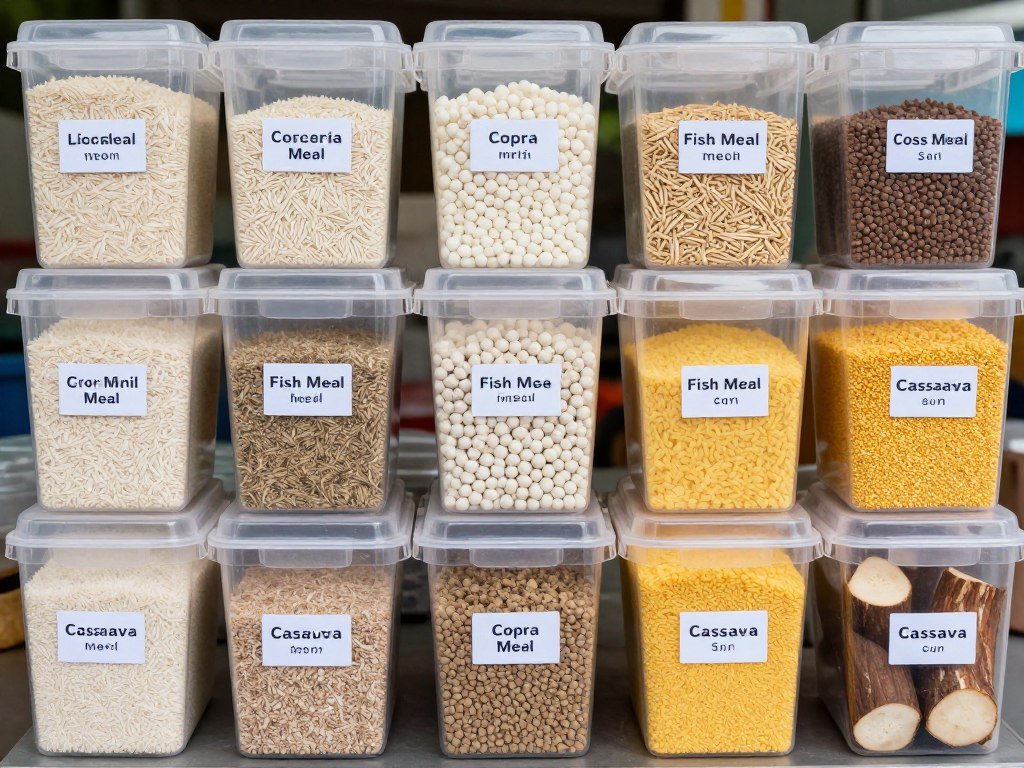
Common Philippine Material Challenges We Address:
High-Moisture Materials
- Fresh cassava residue
- Wet brewery waste
- Green vegetable waste
- Fresh fish waste
- Solution: Enhanced conditioning with longer retention time, higher temperature settings
High-Fiber Materials
- Coconut peat
- Rice husks
- Copra meal
- Corn stalks
- Solution: Modified die with larger holes, stronger compression rollers
Oily/Fatty Materials
- Full-fat soybean
- Fish oil additives
- Coconut oil residue
- Animal fat supplements
- Solution: Special die coatings, adjusted compression pressure, cooling modifications
When you contact Lucy at Lucy@pelletmachine.ph, tell us what raw materials you plan to use. Include approximate percentages if you have a formula in mind. We’ll tell you if your materials will work well together and suggest any formula adjustments that might improve pellet quality or machine longevity.
Production Capacity Flexibility
Your needs might change. You start with 2,000 chickens and plan to expand to 5,000. Or you begin focusing on fish feed but want to add poultry feed production later. We design systems with upgrade paths built in.
Modular System Approach
Instead of replacing your entire setup when you expand, our pelletizing machine for feed of 40 ton hr systems use modular components. You can add a second pelletizer, expand your conditioning system, or increase cooling capacity without starting over.
A cooperative in Nueva Ecija started with a single SZLH350 making 2 tons per hour. Within three years, they added a second SZLH350 and expanded their cooling system. Total expansion cost was 60% less than buying a whole new 4-ton system.
Upgrade Path Example
- Year 1: SZLH350 system with single conditioner (2 tons/hr)
- Year 2: Add second cooling unit, expand storage (still 2 tons/hr but longer run times)
- Year 3: Add second SZLH350 pelletizer (4 tons/hr total)
- Year 4: Add automated batching system (4 tons/hr with less labor)
- Year 5: Expand to third pelletizer or upgrade to single SZLH508 (5-8 tons/hr)
Tell Us About Your Specific Requirements
Every customization starts with understanding your operation. Raw materials you’ll use. Animals you’re feeding. Power supply conditions. Current capacity and expansion plans. The more details you share, the better we can engineer your perfect solution.
Complete Technical Specifications: MAIKONG Mini Pellet Machine Range
Technical buyers need detailed specifications before making investment decisions. Here’s our complete model range with specifications that matter for Philippine applications. All models use Siemens motors, high-grade gear transmission, and stainless steel contact surfaces to meet international food safety standards.
Full Model Comparison Table
| Specification | SZLH250 | SZLH320 | SZLH350 | SZLH420 | SZLH508 |
| Capacity Range (tons/hour) | 0.2 – 0.5 | 1.0 – 1.5 | 1.5 – 2.5 | 3.0 – 4.5 | 5.0 – 8.0 |
| Main Motor Power (kW) | 22 | 37 | 55 | 110 | 160 |
| Feeder Motor (kW) | 1.1 | 1.5 | 1.5 | 1.5 | 2.2 |
| Conditioner Power (kW) | 1.5 | 2.2 | 3.0 | 7.5 | 11 |
| Ring Die Diameter (mm) | 250 | 320 | 350 | 420 | 508 |
| Pellet Diameter Range (mm) | 2.0 – 12.0 (all models, die-dependent) | ||||
| Voltage Options | 220V / 380V | 220V / 380V | 380V (220V available) | 380V | 380V |
| Approximate Weight (kg) | 850 | 1,200 | 1,650 | 2,800 | 4,200 |
| Machine Dimensions (L×W×H m) | 2.0×1.5×2.0 | 2.2×1.7×2.2 | 2.5×1.8×2.4 | 3.0×2.0×2.8 | 3.5×2.2×3.2 |
| FOB Price Range (USD) | 7,000 – 12,000 | 15,000 – 22,000 | 25,000 – 35,000 | 40,000 – 55,000 | 55,000 – 75,000 |
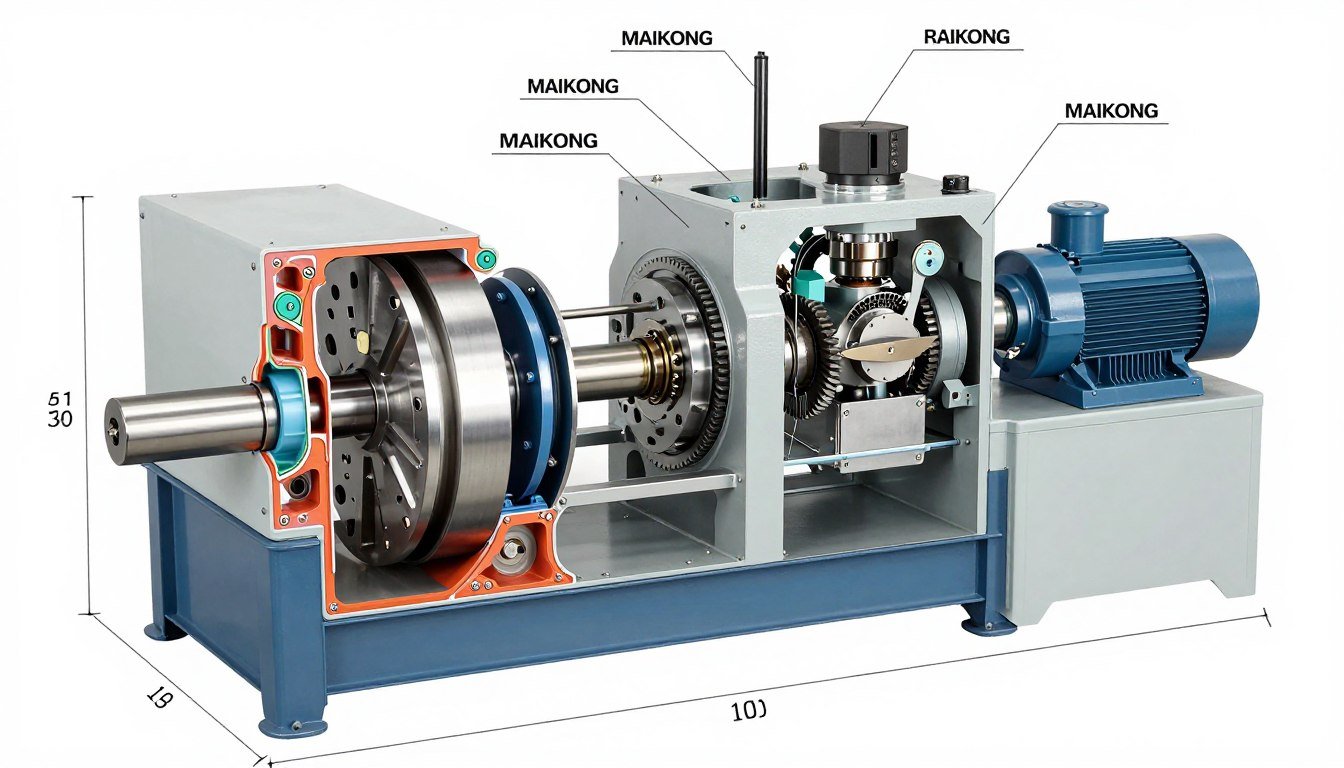
Standard Equipment Configuration (All Models)
Every MAIKONG mini pellet machine includes these features as standard. Competitors often charge extra for components we include in base price.
| Component | Specification | Purpose |
| Ring Die Material | Stainless Steel 304 | Food-grade safety, corrosion resistance in Philippine humidity |
| Door Cover (Pellet Chamber) | 6mm SUS304 stainless steel | Prevents contamination, easy cleaning, long life |
| Feed Chute | 3mm SUS304 stainless steel | Smooth material flow, no rust contamination |
| Gear Box | HT250 cast iron | High strength, quiet operation, minimal maintenance |
| Transmission Gears | 42CrMo alloy steel | Withstands high torque, long service life (10+ years) |
| Main Shaft | 42CrMo precision-machined | Handles pressure without bending or wearing |
| Bearings | Imported (SKF or equivalent) | Smooth operation, low heat, extended life |
| Oil Seals | German or Taiwan manufacture | Prevents lubrication leaks, keeps internals clean |
| Motor Brand | Siemens (genuine) | Reliable power, energy efficient, long warranty |
| Overload Protection | Safety shear pin system | Protects motor and gears from damage if blockage occurs |
| Drive Coupling | Serpentine spring type | Absorbs vibration, smooth power transmission |
| Feeding System Control | Variable frequency drive (VFD) | Precise feed rate control, energy savings |
| Pellet Cutter | Dual blade system | Consistent pellet length, easy adjustment |
Optional Upgrades and Accessories
Based on your specific needs, we offer these optional enhancements. Many Philippine customers choose upgraded conditioning systems for better pellet quality with local raw materials.
Conditioning System Upgrades
- Double-layer conditioner: Better for high-fiber materials like copra meal
- Three-layer conditioner: Ideal for mixed formulations with varying particle sizes
- Dual-axis differential conditioner: Superior mixing for complex formulas
Price addition: $2,000 – $8,000 depending on type
Automation Additions
- Automatic batching system: Pre-weighs ingredients, reduces labor
- PLC control panel: Recipe storage, automatic process control
- Remote monitoring: Check production from phone or computer
Price addition: $5,000 – $20,000 for full automation
Auxiliary Equipment
- Hammer mill: For crushing raw materials to proper size
- Mixer: Ensures uniform ingredient distribution
- Cooler: Rapidly cools pellets to prevent degradation
- Screener: Removes fines and oversize particles
- Packaging system: Automatic weighing and bagging
Price range: $3,000 – $25,000 per component
Need Detailed Specifications or Custom Configuration Quote?
Request our complete technical manual with engineering drawings, electrical specifications, foundation requirements, and customization worksheets. We’ll also provide formal quotation with your specific configuration and optional equipment.
Feed Pellet Applications Across Philippine Agriculture
Our mini pellet machines serve every major livestock and aquaculture sector in the Philippines. Let me show you specific applications and formula recommendations we’ve developed over decades of working with Philippine farmers.
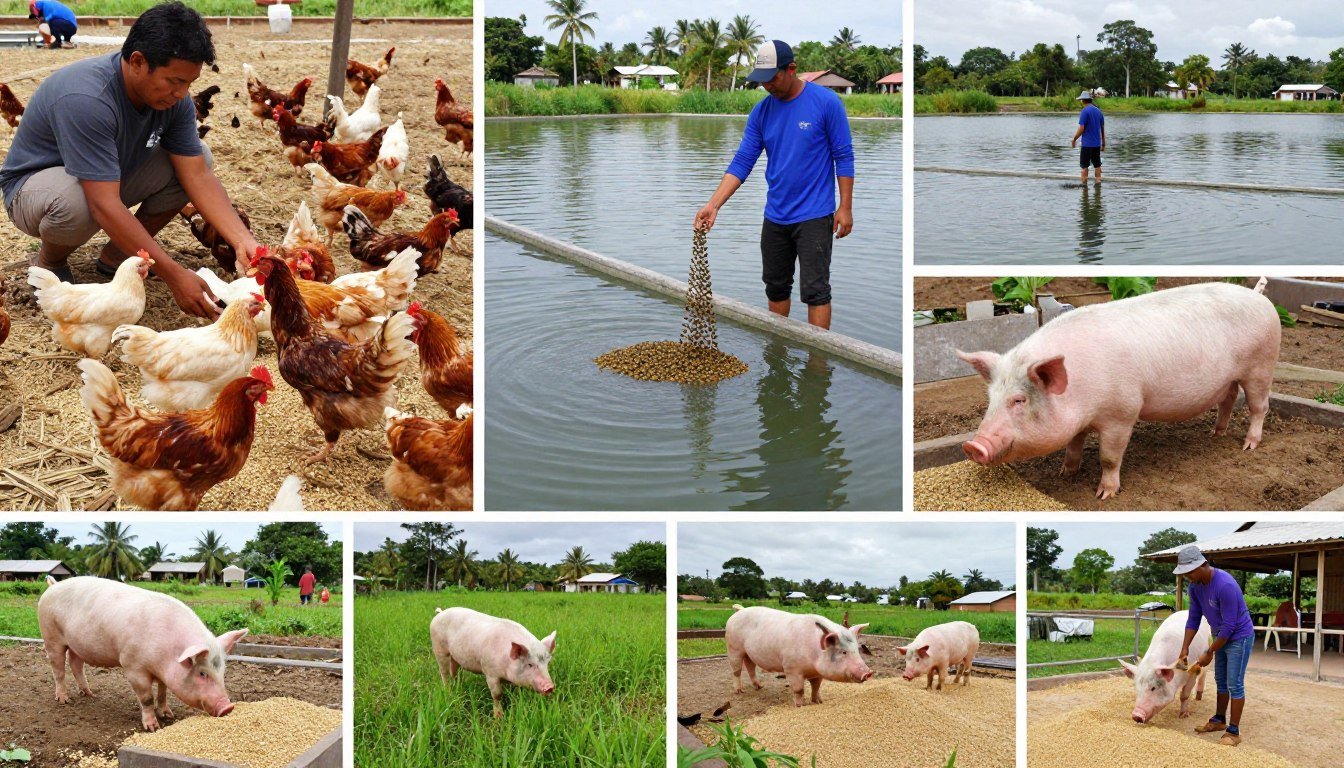
Poultry Feed Production
Poultry farming represents our largest customer segment in the Philippines. From backyard operations in Cavite to major integrators in Pampanga, we supply poultry feed production line equipment for every scale.
Broiler (Meat Chicken) Feed Formulations
| Ingredient | Starter (0-14 days) % | Grower (15-28 days) % | Finisher (29-42 days) % |
| Corn (yellow) | 52 | 55 | 60 |
| Soybean meal | 35 | 30 | 25 |
| Fish meal | 8 | 6 | 4 |
| Rice bran | 0 | 4 | 6 |
| Limestone | 1.5 | 1.5 | 1.5 |
| Dicalcium phosphate | 1.8 | 1.8 | 1.8 |
| Salt | 0.3 | 0.3 | 0.3 |
| Vitamin-mineral premix | 0.5 | 0.5 | 0.5 |
| DL-Methionine | 0.2 | 0.2 | 0.2 |
| L-Lysine | 0.2 | 0.2 | 0.2 |
| Vegetable oil | 0.5 | 0.5 | 0.5 |
Recommended pellet size: 2-2.5mm (crumbled) for starter, 3-4mm for grower and finisher
Conditioning temperature: 75-85°C
Production rate on SZLH350: 1.8-2.2 tons/hour
Layer (Egg Production) Feed
Layer hens need higher calcium for strong eggshells. Our chicken feed production line systems handle the calcium-rich formulas without excessive die wear—a problem with cheaper machines.
Key formula adjustments for layers: 3.5-4.0% calcium content, added oyster shell or limestone, 16-18% protein (lower than broilers), enhanced with vitamins A, D, E for egg quality.
Pellet size: 3.5-4.5mm
Tip from Philippine Layer Farms: Many customers add 2-3% local malunggay (moringa) leaf powder to layer feed. It enhances egg yolk color naturally. Our machines handle this fibrous addition well with standard die configuration.
Aquaculture Feed Production
The Philippines has massive aquaculture industry—tilapia, bangus (milkfish), shrimp. Feed represents 50-60% of production costs in fish farming. Making your own feed with our fish feed production line equipment cuts costs significantly.
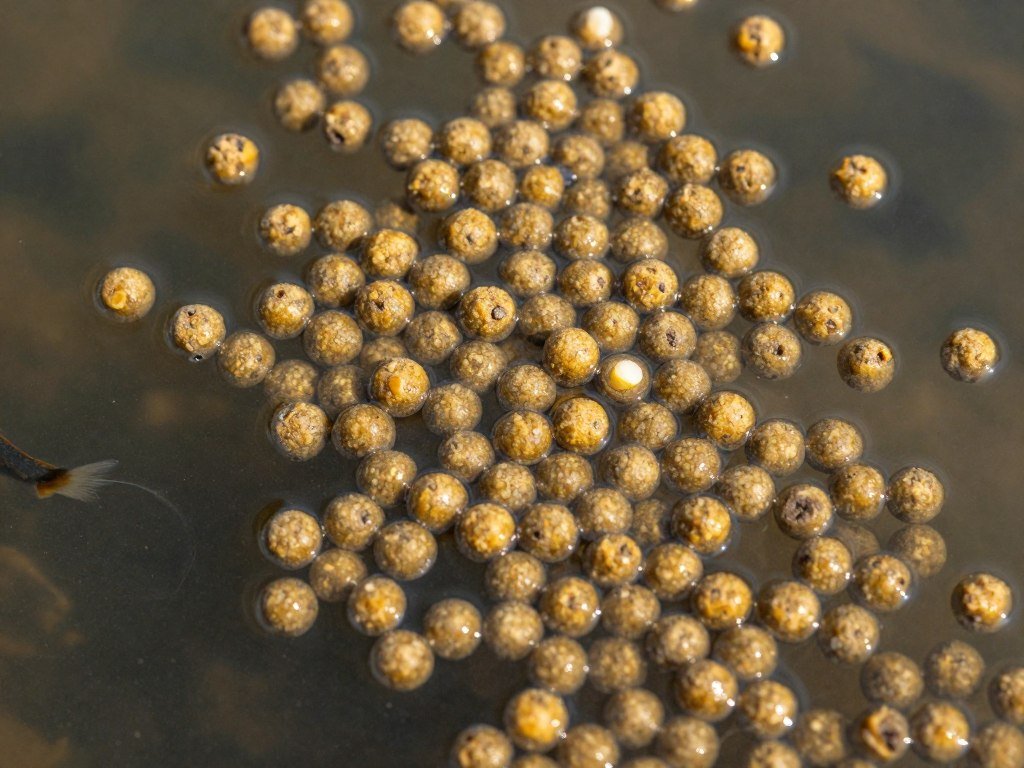
Tilapia Feed Formula (Growing Stage)
Ingredients (Percentage):
- Fish meal: 15%
- Soybean meal: 25%
- Corn meal: 30%
- Rice bran: 20%
- Wheat bran: 5%
- Fish oil: 2%
- Vitamin-mineral mix: 1%
- Binder (cassava starch): 2%
Processing Parameters:
- Crude protein target: 28-32%
- Pellet size progression: 2mm (fingerlings) → 3mm (juveniles) → 4-5mm (market size)
- Water stability requirement: Must stay intact for 2+ hours
- Conditioning temp: 85-95°C
- Recommended machine: SZLH320 or SZLH350
Why Fish Feed Needs Special Considerations
Fish feed pellets must float (so you can see fish eating and avoid waste) and stay intact in water for extended periods. This requires:
- Higher conditioning temperature: 85-100°C creates expanded structure for floating
- Starch binder addition: 2-5% cassava or wheat starch improves water stability
- Lower fat content during pelleting: Add fish oil after pelleting via spray coating for better pellet integrity
- Specialized die holes: Slightly larger and with specific depth-to-diameter ratio
We configure your small scale pelleting machine philippines specifically for aqua feed if that’s your primary application. The modifications cost the same as standard configuration but deliver much better results for fish feed.
Running a fish farm? Send us your pond size, fish species, and current feed costs. We’ll calculate your savings with on-site production and recommend the right capacity machine for your operation.
Swine Feed Production
Pig farming in the Philippines continues growing, especially after ASF recovery. Pig feed formulas vary significantly by growth stage, and our machines handle the full range from pre-starter to finisher feeds.
Typical Grower Pig Formula (20-50kg body weight):
| Ingredient | Percentage | Purpose |
| Corn | 60% | Energy source |
| Soybean meal | 20% | Protein source |
| Fish meal | 5% | High-quality protein, palatability |
| Rice bran | 8% | Fiber, B vitamins |
| Copra meal | 3% | Additional protein, energy |
| Dicalcium phosphate | 1.5% | Calcium and phosphorus for bone growth |
| Limestone | 1% | Calcium supplement |
| Salt | 0.5% | Electrolyte balance |
| Premix (vitamins/minerals) | 0.5% | Micronutrient fortification |
| L-Lysine | 0.3% | Essential amino acid |
| DL-Methionine | 0.2% | Essential amino acid |
Pellet size: 4-5mm for growers, 5-6mm for finishers
Crude protein: 16-18% for growers
Production capacity: SZLH350 produces 1.8-2.3 tons/hour of quality pig feed
Cattle and Large Ruminant Feed
Cattle, carabao, goats raised for dairy or meat benefit from pelleted total mixed rations (TMR). Our cattle feed pellet machine models handle fibrous forage materials that would jam lesser equipment.
Benefits of Pelleted Ruminant Feed:
Advantages
- Reduces selective feeding (animals can’t pick out favorite ingredients)
- Easier storage than loose hay or silage
- Lower waste during feeding
- Can include urea and other supplements uniformly
- Better for transport to distant grazing areas
- Consistent nutrition improves milk production and weight gain
Considerations
- Larger pellets needed (6-8mm) require bigger dies
- More conditioning time for fibrous materials
- May need hammer mill pre-processing for long fiber
- Higher power consumption due to fiber resistance
Typical cattle pellet formula (dairy cows): Ground corn 30%, copra meal 25%, rice bran 20%, molasses 8%, urea 2%, mineral mix 2%, hay (chopped fine) 13%
Recommended equipment: SZLH420 or larger with enhanced conditioning and heavy-duty die configuration.
Pet Food Production
The Philippine pet food market grows rapidly as more families own dogs and cats. Small entrepreneurs start pet feed production line businesses targeting local markets with fresh, preservative-free alternatives to imported brands.
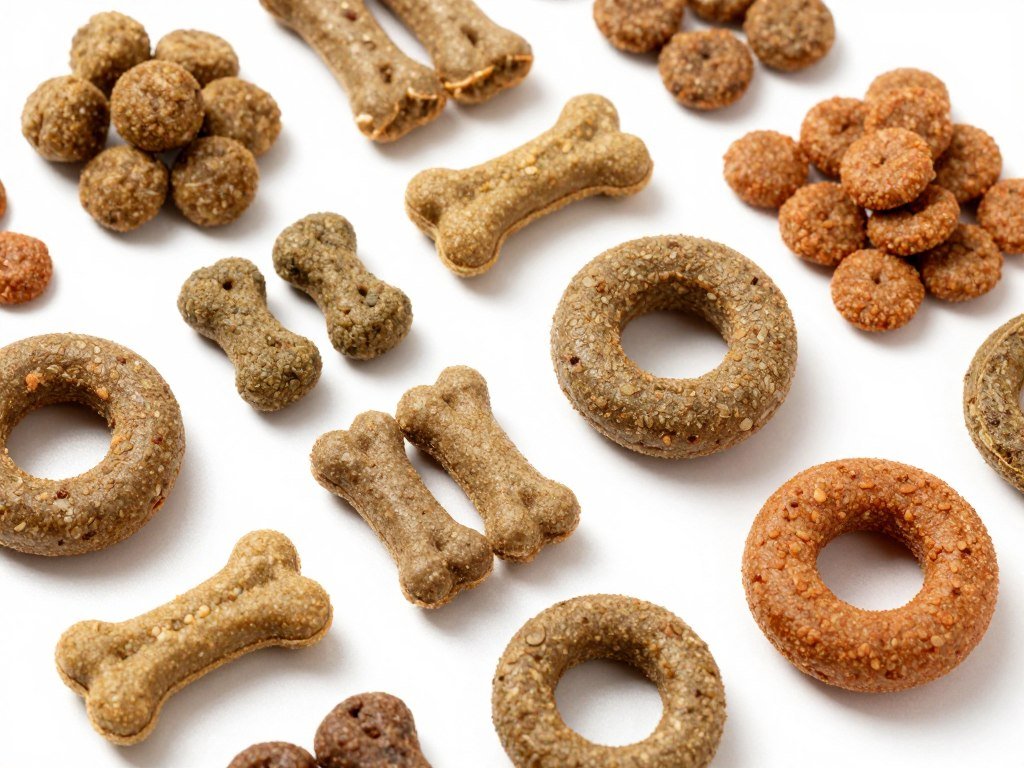
Dog Food Formula (Adult Maintenance):
- Chicken meal or fish meal: 25%
- Corn meal: 35%
- Rice (broken rice): 15%
- Soybean meal: 10%
- Wheat bran: 8%
- Chicken fat or fish oil: 4%
- Vitamin-mineral premix: 2%
- Salt: 0.5%
- Flavor enhancer (natural): 0.5%
Processing Notes:
Pet food requires attractive appearance—many customers want specific shapes (bones, rings, etc.). Our dies can be customized with shaped holes for unique pellet appearance.
Pellet size: 6-10mm for dogs (size varies by breed), 4-6mm for cats
Machine recommendation: SZLH250 or SZLH320 suitable for small pet food production businesses
Business Opportunity: Several of our Philippine customers started small-scale pet food businesses, selling locally-made fresh pet food to neighbors and through social media. Initial investment under ₱500,000 including SZLH250 machine and first month’s raw materials. Monthly profit potential ₱80,000-150,000 after reaching steady customers.
Specialty Applications
Rabbit Feed Production
Rabbit farming gains popularity in the Philippines. Rabbits need high-fiber, low-protein pellets. Formula typically includes alfalfa hay (if available), dried grass, copra meal, rice bran, vegetables, with 14-16% protein target. Pellet size 3-4mm works best.
Duck and Waterfowl Feed
Ducks require higher niacin levels and can tolerate higher fiber than chickens. We help customers formulate duck-specific feeds using abundant local ingredients like golden snail meal (a pest in rice fields turned into protein source). Pellet size 4-5mm recommended.
Quail Feed
Quail operations need small pellets (2-3mm) with high protein (24-28% for layers). Our SZLH250 with fine-mesh die serves quail farmers perfectly.
Investment Costs and Pricing for Mini Pellet Machine Philippines
Let’s discuss actual costs transparently. I know Filipino buyers need clear pricing to make decisions and secure financing. Here’s our complete pricing structure with nothing hidden.
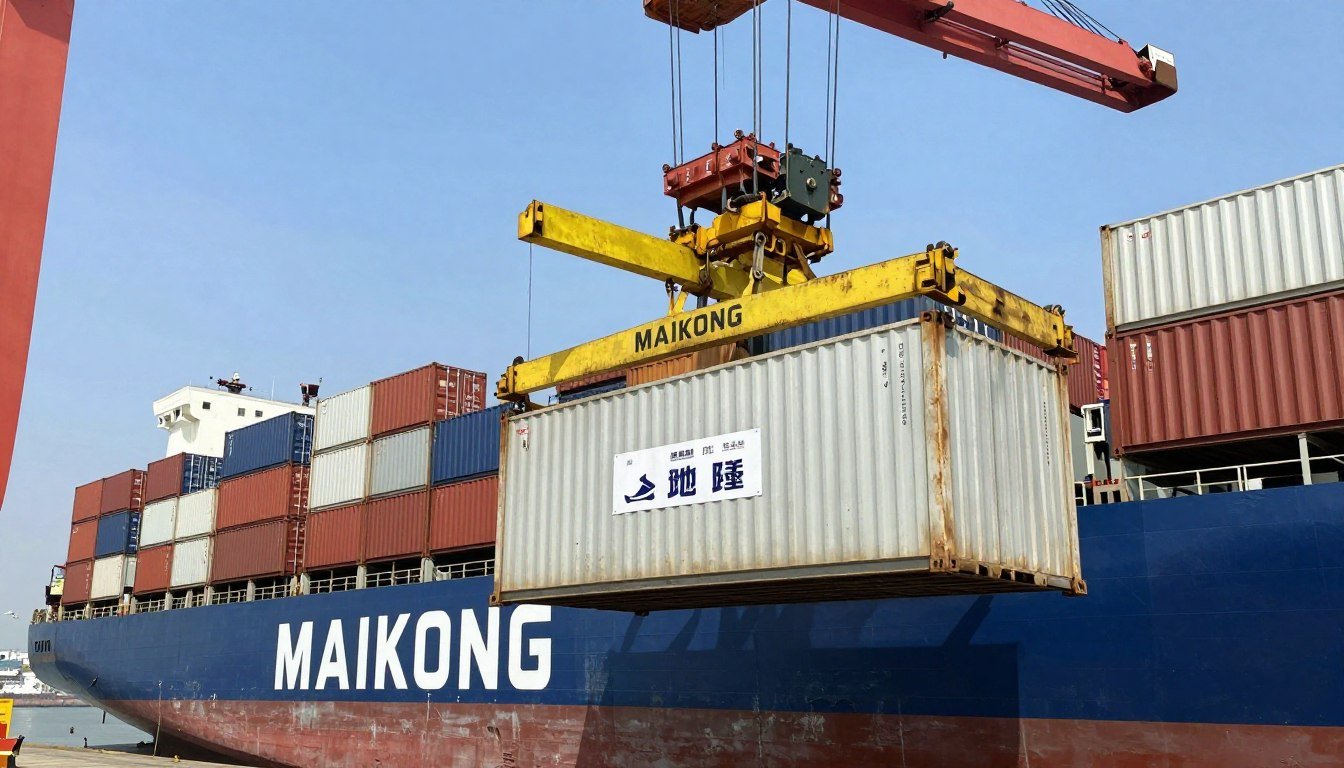
Machine Purchase Prices (FOB Shenzhen, China)
FOB means “Free On Board”—the price includes the machine loaded onto a ship in Shenzhen port. You arrange and pay for shipping to Philippines, customs clearance, and delivery to your location.
| Model | Capacity Range | Standard Configuration FOB Price (USD) | With Automation FOB Price (USD) |
| SZLH250 | 200-500 kg/hr | $7,000 – $12,000 | $10,000 – $16,000 |
| SZLH320 | 1.0-1.5 ton/hr | $15,000 – $22,000 | $20,000 – $30,000 |
| SZLH350 | 1.5-2.5 ton/hr | $25,000 – $35,000 | $32,000 – $45,000 |
| SZLH420 | 3.0-4.5 ton/hr | $40,000 – $55,000 | $52,000 – $70,000 |
| SZLH508 | 5.0-8.0 ton/hr | $55,000 – $75,000 | $70,000 – $95,000 |
| SZLH558 | 8-12 ton/hr | $65,000 – $85,000 | $85,000 – $110,000 |
Complete Landed Cost Estimation
The machine price represents only part of your total investment. Here’s what you’ll actually spend to get a working system in your facility in the Philippines:
Cost Breakdown Example: SZLH350 System (2 ton/hr)
| Cost Component | Amount (USD) | Amount (PHP approx) | Notes |
| Base Machine FOB | $30,000 | ₱1,680,000 | Standard SZLH350 configuration |
| Shipping (sea freight) | $2,500 | ₱140,000 | Shenzhen to Manila, 20ft container |
| Insurance (marine cargo) | $450 | ₱25,200 | 1.5% of cargo value |
| Customs Duties & Taxes | $3,900 | ₱218,400 | ~12% (duties + VAT combined) |
| Customs Broker Fee | $300 | ₱16,800 | Port clearance processing |
| Port Handling & Trucking | $800 | ₱44,800 | Manila port to your location (Luzon) |
| Installation Materials | $1,200 | ₱67,200 | Foundation bolts, electrical connections |
| Electrician & Installation Labor | $600 | ₱33,600 | 3-4 days local labor |
| Initial Spare Parts Kit | $800 | ₱44,800 | Extra dies, belts, basic wear parts |
| Training & Commissioning | $0 | ₱0 | Remote video training included free |
| TOTAL LANDED COST | $40,550 | ₱2,270,800 | Complete system ready to operate |
This example uses ₱56 per USD exchange rate. Actual costs vary based on current exchange rates, your specific location in Philippines, and any customization you request.
Import Duty Classification: Feed pellet machines typically fall under HS Code 8436.21.00 (Poultry-keeping machinery) with preferential ASEAN-China duty rates around 3-5%, plus 12% VAT. Total tax burden approximately 15-17%. We provide complete HS code documentation to minimize your customs costs.
Complete Production Line Costs
If you’re setting up a complete feed pellet production line rather than just a standalone pelletizer, your investment includes multiple pieces of equipment. Here are typical complete line costs:
| Capacity | Equipment Included | FOB Equipment Cost (USD) | Estimated Total Landed Cost (USD) |
| 1-2 ton/hr | Hammer mill, mixer, SZLH320 pelletizer, cooler, screener, simple batching | $30,000 – $50,000 | $45,000 – $70,000 |
| 3-5 ton/hr | Auto batching, hammer mill, mixer, SZLH420 pelletizer, dual cooler, screener, conveying | $70,000 – $120,000 | $95,000 – $160,000 |
| 5-10 ton/hr | Full automation, double pelletizers, complete conveying system, packaging | $150,000 – $300,000 | $200,000 – $400,000 |
| 10-20 ton/hr | Industrial system, PLC control, multiple lines, central control room | $300,000 – $580,000 | $400,000 – $750,000 |
Operating Costs Analysis
Beyond purchase price, you need to know daily operating costs. Here’s realistic cost analysis for SZLH350 producing 2 tons per hour, operating 6 hours daily (12 tons production):
Daily Operating Costs
- Electricity: 55kW motor + auxiliary = 65kW total × 6 hours = 390 kWh/day
- At ₱12/kWh: ₱4,680 per day
- Per ton produced: ₱390
- Labor (2 workers): ₱1,200/day total
- Per ton: ₱100
- Maintenance/wear (dies, belts): ₱50/ton
- TOTAL OPERATING COST: ₱540 per ton
Cost Comparison
Buying commercial feed: ₱28,000 per ton average
Making your own feed:
- Raw materials: ₱16,000/ton
- Operating cost: ₱540/ton
- Total: ₱16,540/ton
Savings: ₱11,460 per ton
Daily savings (12 tons): ₱137,520
Monthly savings: ₱4,125,600
Return on Investment Timeline
Using the SZLH350 example above with complete landed cost of ₱2,270,800 and monthly savings of ₱4,125,600:
Payback period = ₱2,270,800 ÷ ₱4,125,600 = 0.55 months
You recover your complete investment in under 7 months. After that, every month represents pure savings or additional profit.
Conservative ROI Scenario: Even if your savings are only half of this example (₱2 million monthly instead of ₱4 million), you still recover investment in 13-14 months. Compare this to other farm equipment investments that might take 3-5 years to pay back.
Want Detailed Pricing and ROI Analysis for Your Specific Operation?
Send us your details: current feed consumption per month, types of animals, location in Philippines, current feed costs. We’ll prepare complete investment analysis showing exact costs, savings, and payback period for your situation.
Why Choose MAIKONG for Your Mini Pellet Machine Philippines Investment
You have options when buying pellet equipment. Local suppliers, other Chinese manufacturers, European brands. Let me explain honestly why we believe MAIKONG offers the best value for Philippine buyers.
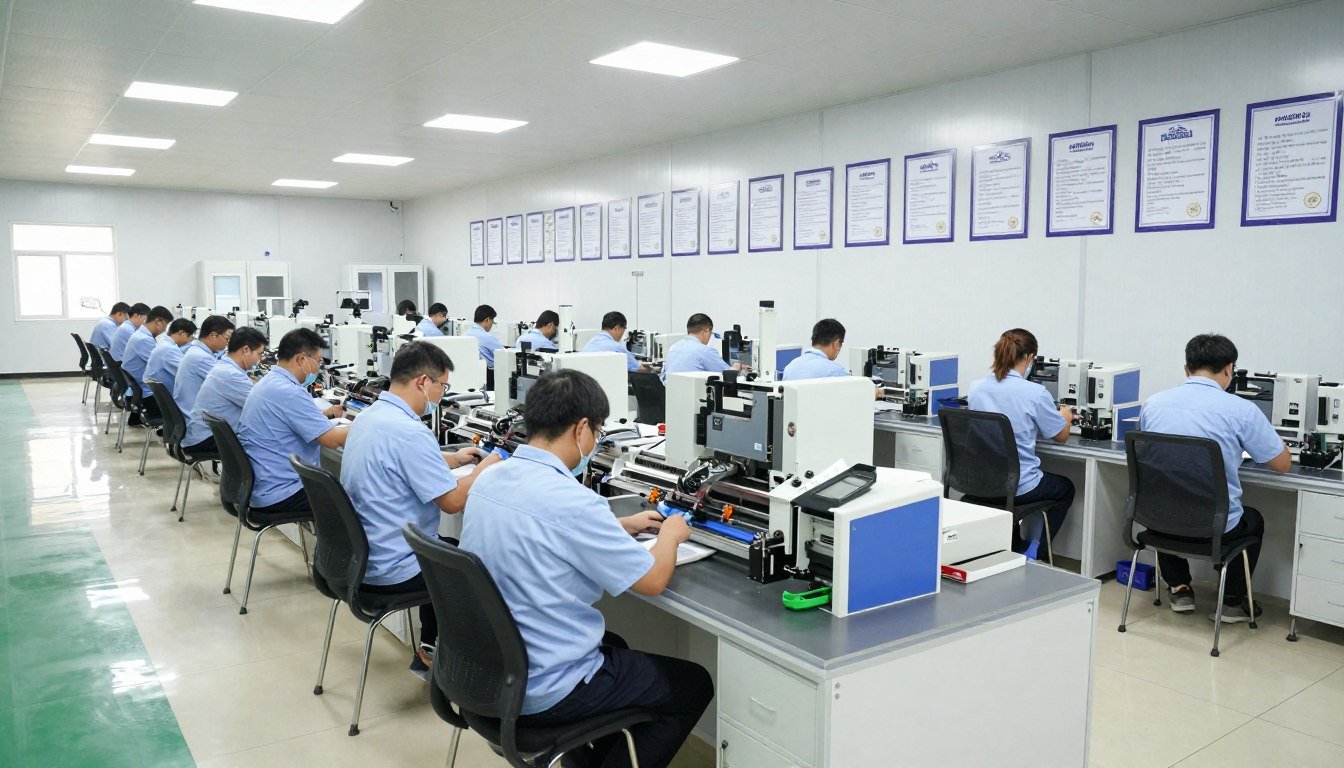
Manufacturing Experience Since 1995
MAIKONG started manufacturing pellet equipment in 1995—nearly 30 years ago. We’re not a trading company that buys machines and resells them. We design, engineer, and manufacture everything in our Shenzhen facility.
What This Experience Means for You:
- We’ve seen every possible operating condition and problem
- Our engineers have solved thousands of application challenges
- We continuously improve designs based on real-world feedback
- We maintain detailed documentation of what works in different conditions
- We have stable supplier relationships for components (no quality variations)
- We know exactly what Philippine operations need because we’ve served hundreds of customers there
Our Track Record:
- 2,000+ complete installations across 140 countries
- 500+ Philippine installations from Luzon to Mindanao
- Systems operating in climates from Arctic to tropical
- Processing materials from wood to fish waste to grains
- Serving operations from 200kg/hr to 40 tons/hr
- Customers include small family farms to Fortune 500 corporations
Quality Components and Certifications
We don’t compete on price alone. MAIKONG positions as mid-to-high quality—better than cheap Chinese machines, more affordable than European brands, with better support than either.
Certifications We Hold
- ISO 9001:2015 – Quality management system
- CE Certification – European safety standards
- SGS Verification – Third-party quality audit
- All certifications available for inspection
Component Quality
- Siemens motors (genuine, not copies)
- SKF bearings (imported)
- German/Taiwan oil seals
- Food-grade stainless steel (SUS304) for all feed contact surfaces
- Hardened alloy steel (42CrMo) for high-wear components
Testing Standards
- 48-hour continuous operation test before shipping
- Load testing at 110% rated capacity
- Vibration and noise testing
- Electrical safety verification
- Final quality inspection by senior engineer
Direct Factory Pricing – No Middlemen
When you buy from MAIKONG, you’re buying directly from the manufacturer. We don’t have layers of distributors, agents, and importers each adding their markup. This saves you 20-30% compared to buying through distribution channels.
| Purchase Method | Price Structure | Support Quality | Customization Flexibility |
| Through Local Distributor | Factory cost + 25-35% markup + distributor margin | Depends on distributor knowledge (often limited) | Restricted to distributor’s standard offerings |
| Through Trading Company | Factory cost + 15-25% trading margin | Trading company can’t provide technical depth | Must relay requests to factory (slow) |
| Direct from MAIKONG | Factory cost only (direct pricing) | Engineers and technicians directly available | Full flexibility, discuss directly with engineering team |
English-Language Support and Communication
Unlike many Chinese manufacturers where communication challenges cause problems, MAIKONG maintains English-speaking technical and sales teams. Our contact Lucy at Lucy@pelletmachine.ph communicates fluently in English and understands Philippine business culture.
Communication Channels We Provide:
- Email: Response within 24 hours (usually faster)
- WhatsApp: Quick questions and video calls
- Phone: Direct line to technical team
- Video consultations: Show us your raw materials, we give immediate advice
- Written documentation: All manuals, instructions in clear English
Technical Support Process:
- Contact us describing issue or question
- Initial response within 4 hours (during business hours)
- Video call scheduled if needed to see problem
- Solution provided with step-by-step instructions
- Follow-up to confirm resolution
- All interactions documented for future reference
Comprehensive Warranty and After-Sales Support
We provide industry-leading warranty coverage because we’re confident in our quality. Many customers never need to use the warranty, but it provides peace of mind.
MAIKONG Standard Warranty: 1 year or 7,200 operating hours (whichever comes first) covering all manufacturing defects. Motor warranty: 2 years. Wear parts (dies, rollers) covered for first 90 days.
What’s Covered Under Warranty:
Covered (Free Replacement)
- Manufacturing defects in welding, machining
- Component failures due to material defects
- Motor or electrical system failures
- Gear or bearing failures under normal operation
- Control system malfunctions
- Structural issues or frame problems
Not Covered (Customer Cost)
- Normal wear parts (dies wear naturally with use)
- Damage from improper operation
- Modifications made by unauthorized persons
- Electrical damage from power surges
- Damage during customer transportation
- Use beyond rated capacity or specifications
Spare Parts Availability:
We maintain inventory of all common spare parts and can ship to Philippines within 3-5 days. For emergency situations, we can air ship critical components within 48 hours.
| Part Category | Typical Lifespan | Replacement Cost | Shipping Time to Philippines |
| Ring Die | 1,500-2,500 hours | $800-$2,500 (size dependent) | 5-7 days sea, 2-3 days air |
| Pressure Rollers | 2,000-3,000 hours | $400-$1,200 per set | 5-7 days sea, 2-3 days air |
| Bearings | 8,000-10,000 hours | $150-$600 per set | 3-5 days courier |
| V-Belts | 3,000-4,000 hours | $80-$200 | 3-5 days courier |
| Electrical Components | 5,000+ hours | $50-$500 (component dependent) | 3-5 days courier |

Installation and Training Support
Getting your machine installed correctly and training your operators determines long-term success. We provide comprehensive support even though we can’t send engineers to every installation (cost prohibitive for smaller systems).
Installation Support Package (Included Free):
- Pre-installation consultation: Review your facility layout, electrical supply, foundation requirements before shipping
- Detailed installation manual: Step-by-step instructions with photos and diagrams in English
- Installation video library: Watch our engineers install identical equipment, follow along
- Live video support: Schedule video calls during installation, we guide you through each step
- Foundation drawings: Exact specifications for concrete base and anchor bolts
- Electrical schematics: Complete wiring diagrams for your electrician
- Commissioning checklist: Ensure everything installed correctly before first operation
On-Site Installation (Optional):
For larger systems (SZLH420 and above) or complete production lines, we can send installation engineer to Philippines.
Cost: $200/day + airfare + hotel
Duration: Typically 5-10 days
Includes: Complete installation supervision, training, commissioning, final adjustments
Operator Training Program:
Even with simple machines, proper training prevents problems and maximizes productivity. We provide training through multiple methods.
Video Training (Free)
- Basic operation procedures
- Daily maintenance tasks
- Common troubleshooting
- Safety protocols
- Quality control checks
All videos in English, subtitled if needed
Live Remote Training (Free)
- 2-3 video call sessions
- Watch your operators, provide feedback
- Answer specific questions
- Adjust procedures for your materials
- Ongoing support as needed
Factory Training (Optional)
- Visit Shenzhen factory
- Hands-on training 3-5 days
- See production process
- Meet engineering team
- Learn maintenance procedures
Customer pays travel costs only
Proven Performance in Philippine Conditions
We’ve been supplying Philippines since 2005. We understand the specific challenges Philippine operations face and engineer solutions for them.
Philippine-Specific Challenges We Address:
High Humidity Issues
Problem: Philippines’ 70-90% humidity causes rust, electrical problems, material bridging
Our solutions:
- Stainless steel for all vulnerable surfaces
- Sealed electrical enclosures with proper ratings
- Anti-corrosion coatings on painted surfaces
- Proper ventilation design to prevent condensation
Unstable Power Supply
Problem: Voltage fluctuations and brownouts damage motors and electronics
Our solutions:
- Wide voltage tolerance motors (±15%)
- Optional voltage stabilizer specifications
- Surge protection on control systems
- Recommendations for backup generator sizing
Variable Raw Material Quality
Problem: Philippine raw materials vary in moisture content, particle size, contamination
Our solutions:
- Enhanced conditioning systems handle moisture range
- Robust dies tolerate some contamination
- Adjustable compression for different materials
- Formula guidance for your specific ingredients
Remote Location Support
Problem: Provincial locations far from technical support
Our solutions:
- Extra thorough training before operation
- Larger initial spare parts kit included
- Detailed troubleshooting guides
- Remote diagnosis via photos and video
Become a MAIKONG Distributor or Dealer in the Philippines
Here’s where MAIKONG differs dramatically from competitors. We actively seek partnerships with qualified Filipino businesses to become exclusive distributors and dealers in their regions. This represents a significant business opportunity beyond just buying equipment for your own use.
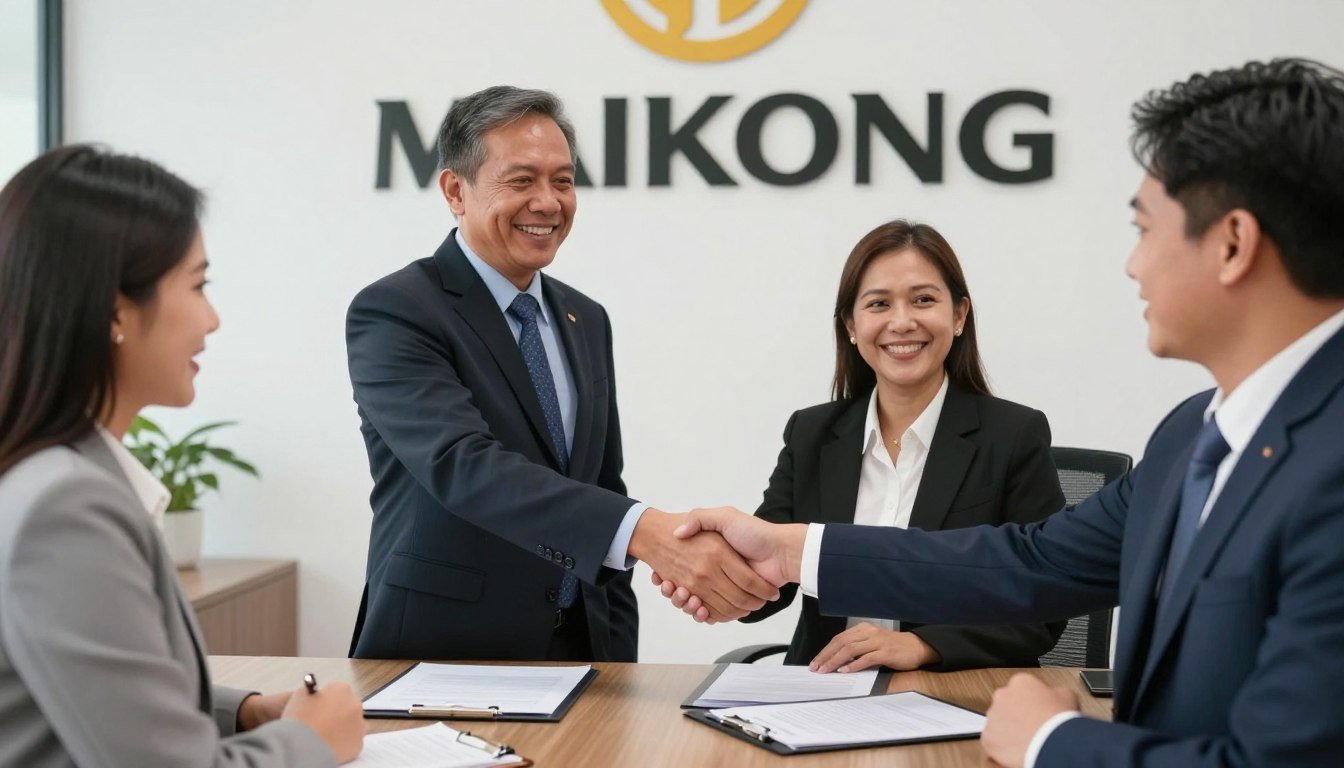
Why Consider MAIKONG Distributorship?
The Philippine agricultural market continues expanding. Government programs push self-sufficiency in food production. More farmers professionalize their operations. Feed costs remain the biggest expense in livestock and aquaculture businesses. This creates massive demand for feed pellet equipment.
Market Opportunity Data:
- Poultry industry: Growing 6-8% annually, needs feed equipment
- Aquaculture expansion: Government-supported, high equipment demand
- Current imports: Most equipment imported at high prices
- Local competition: Limited quality local manufacturing
- Price sensitivity: Filipino buyers need good value (MAIKONG’s positioning)
- Support requirement: Buyers prefer local service availability (your advantage as distributor)
What This Means for You:
As a MAIKONG distributor, you’re not just reselling machines. You’re providing solutions to a rapidly growing market with limited quality options. You have manufacturer backing, competitive pricing, quality products, and growing demand.
Several of our existing distributors in Southeast Asia (Thailand, Indonesia, Vietnam) started small and now operate multi-million dollar businesses exclusively selling MAIKONG products and providing related services.
Distributor Benefits and Support
We structure partnerships to ensure distributor success. You’re not on your own—we provide comprehensive support infrastructure.
| Benefit Category | What MAIKONG Provides | Your Advantage |
| Pricing Structure | • Distributor pricing 25-35% below retail • Volume discounts for larger orders • Exclusive territory pricing protection |
High profit margins while staying competitive in market |
| Territory Protection | • Exclusive rights for your region (province or region) • We won’t sell direct in your territory • No competing MAIKONG distributors |
Build business without MAIKONG undercutting you |
| Technical Training | • Free training at Shenzhen factory (your travel cost) • Ongoing product training for new models • Technical support from our engineers |
Become genuine expert, answer customer questions confidently |
| Marketing Support | • Product brochures and catalogs (English) • Technical specification sheets • Photos and videos for your marketing • Co-branded materials with your company name |
Professional marketing without creating everything yourself |
| Sales Support | • Lead referrals from direct inquiries in your area • Technical sales assistance for complex projects • Custom engineering for special applications |
Close more sales with factory backing on complex deals |
| After-Sales Support | • Technical support for your customers • Warranty claim processing • Spare parts at distributor pricing • Training materials for your service team |
Provide excellent customer service without huge overhead |
| Flexible Terms | • Reasonable minimum order requirements • Payment terms for established distributors • Consignment options for demo units |
Start business without massive inventory investment |
Distributor Requirements and Qualifications
We seek serious business partners, not casual resellers. Here’s what we look for in distributors:
Business Requirements
- Registered business entity in Philippines
- Minimum 2 years operation (prefer established businesses)
- Good business reputation
- Financial stability to maintain inventory
- Ability to provide customer credit if needed
Market Presence
- Existing customer base in agriculture or related industry (preferred but not mandatory)
- Sales team or ability to build one
- Physical location for product display
- Service capability or willingness to develop it
Commitment Level
- Minimum annual purchase commitment (negotiable based on territory)
- Active market development (not passive order-taking)
- Participation in MAIKONG training programs
- Feedback on market needs and competition
Financial Opportunity Analysis
Let me show you realistic numbers for what a MAIKONG distributorship can generate in revenue and profit.
Conservative Scenario: Small Regional Distributor (Single Province)
Sales target: 2 units per month average (mix of sizes)
Average unit price to customer: ₱2,000,000
Your cost from MAIKONG: ₱1,400,000 (30% margin)
Monthly revenue: 2 units × ₱2,000,000 = ₱4,000,000
Monthly gross profit: 2 units × ₱600,000 = ₱1,200,000
Monthly operating costs: ₱400,000 (office, salaries, marketing, vehicle)
Monthly net profit: ₱800,000
Annual net profit: ₱9,600,000
Growth Scenario: Multi-Province Distributor (After 2-3 Years)
Sales volume: 8-10 units monthly
Additional revenue streams: Spare parts sales, installation services, maintenance contracts, feed formula consulting
Estimated monthly revenue: ₱18,000,000 – ₱25,000,000
Estimated annual net profit: ₱30,000,000 – ₱50,000,000
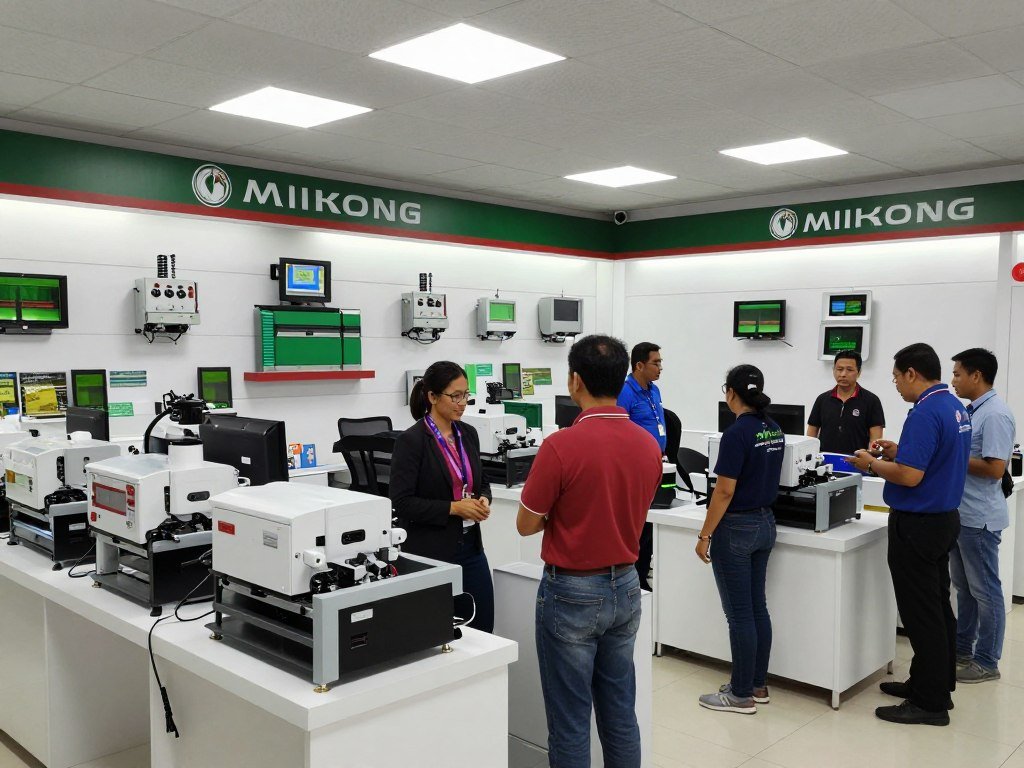
Types of Distributor Partnerships Available
We offer different partnership levels depending on your capability and market coverage goals.
| Partnership Level | Territory | Minimum Annual Commitment | Support Level |
| Dealer | City or municipality | ₱15-30 million sales annually | Basic marketing materials, technical backup, standard pricing |
| Provincial Distributor | Single province exclusive | ₱40-80 million sales annually | Full marketing support, protected territory, dealer pricing, demo unit support |
| Regional Distributor | Multiple provinces or island group | ₱150-300 million sales annually | Maximum support level, lowest pricing tier, co-marketing programs, dedicated account manager |
| Master Distributor | Nationwide Philippines | Negotiable (₱500M+ annually) | Full partnership level, sub-distributor recruitment rights, custom product development, shared market investment |
Additional Revenue Opportunities Beyond Equipment Sales
Smart distributors develop multiple revenue streams around the core equipment business.
Spare Parts
Ongoing revenue from dies, rollers, belts, and other consumables. Profit margins 40-50% on parts.
Installation Services
Charge ₱30,000-100,000 for professional installation depending on system size.
Maintenance Contracts
Annual maintenance agreements with customers provide predictable recurring revenue.
Training Services
Operator training courses for new equipment buyers or upgrades.
Formula Consulting
Help customers optimize feed formulas for their specific animals and raw materials.
Auxiliary Equipment
Sell complementary equipment (mixers, hammer mills, coolers) alongside pellet machines.
Financing Facilitation
Partner with financing companies, earn referral fees on equipment loans.
Used Equipment
Trade-in and resell used equipment when customers upgrade.
How to Apply for MAIKONG Distributorship
If you’re interested in exploring distributorship opportunities, here’s our evaluation process:
Application Process:
- Initial Inquiry: Contact Lucy at Lucy@pelletmachine.ph expressing interest in distributorship. Provide basic information about your business and target market.
- Information Exchange: We’ll send distributor information package. You submit formal application with business documents, financial statements, market analysis for your proposed territory.
- Discussion and Negotiation: Video calls or meetings to discuss territory, commitments, support needs, pricing structure.
- Reference and Credit Check: We verify your business credentials and reputation in market.
- Agreement Drafting: Legal team prepares distributor agreement covering territory, pricing, commitments, support.
- Training and Launch: Initial training (in Shenzhen or remotely), first inventory order, market launch support.
What to Include in Your Inquiry:
- Your business name, location, years in operation
- Current business activities and product lines
- Existing customer base in agriculture sector
- Geographic area you want to cover
- Current annual revenue range
- Why you’re interested in MAIKONG products
- Your vision for building this business
- Estimated first year sales potential
- Questions about partnership structure
Timeline: Application to approved distributor typically 4-8 weeks depending on territory size and due diligence requirements.
Interested in MAIKONG Distributor Partnership in the Philippines?
Whether you’re an established agricultural equipment dealer looking to add quality pellet machines to your product line, or an entrepreneur seeing opportunity in the growing feed production market, we want to talk with you. MAIKONG offers comprehensive support, competitive pricing, quality products, and protected territories to serious business partners.
How to Order Your Mini Pellet Machine from MAIKONG
Let me walk you through exactly how the ordering, payment, shipping, and installation process works when you buy from MAIKONG. We’ve refined this over thousands of international orders to make it as smooth as possible.
Step-by-Step Ordering Process
| Step | What Happens | Typical Timeline | Your Action Required |
| 1. Initial Inquiry | Contact us via email, WhatsApp, or phone. Tell us your requirements – capacity needs, animal types, raw materials, location. | Same day | Provide detailed information about your operation |
| 2. Needs Assessment | Our technical team reviews your requirements. We may ask clarifying questions about raw materials, power supply, facility layout. | 1-2 days | Answer technical questions, provide photos if needed |
| 3. Solution Proposal | We send detailed proposal including recommended model, specifications, customization options, pricing, delivery timeline. | 2-3 days | Review proposal, ask questions, request modifications |
| 4. Quotation Refinement | We adjust proposal based on your feedback. Finalize exact configuration, optional equipment, delivery terms. | 1-2 days | Approve final configuration and pricing |
| 5. Proforma Invoice | We issue formal proforma invoice with complete details, payment terms, delivery schedule. | 1 day | Review and approve for payment |
| 6. Down Payment | You transfer 30-40% deposit via bank wire transfer. We provide banking details. | 1-3 days | Process bank transfer, send payment confirmation |
| 7. Production Start | Once deposit received, we schedule production. For standard models, may have stock. For custom configurations, begin manufacturing. | Immediate after payment confirmation | None – we keep you updated on progress |
| 8. Manufacturing | Machine manufactured and assembled. Quality testing conducted. We send progress photos and videos. | 10-30 days (model dependent) | Review progress updates, confirm shipping details |
| 9. Pre-Shipment Inspection | Final testing and inspection. Video of machine running sent to you for approval. Packaging prepared. | 2-3 days | Approve machine or request adjustments |
| 10. Balance Payment | You pay remaining 60-70% balance before shipment. | 1-3 days | Process final payment, confirm shipping details |
| 11. Shipping Arrangement | We arrange transportation to Shenzhen port, container loading, booking shipping. Provide all export documentation. | 3-5 days | Coordinate with your customs broker or freight forwarder |
| 12. Ocean Transit | Machine ships from Shenzhen to Manila (or other Philippine port). We provide tracking information. | 7-12 days | Monitor shipment, prepare for customs clearance |
| 13. Customs Clearance | Your customs broker clears machine through Philippine customs using documents we provided. | 3-7 days | Work with broker, pay duties and taxes |
| 14. Delivery to Site | Machine transported from port to your facility. Unloading arranged. | 1-3 days | Prepare receiving area, provide unloading equipment |
| 15. Installation & Commissioning | You install machine following our guidance (video support provided). We assist with commissioning and initial operation. | 3-7 days | Install according to manual, conduct test runs with our support |
| 16. Training & Optimization | Remote training for your operators. Adjustment of parameters for your specific raw materials. Performance verification. | 5-10 days | Participate in training, test with your actual materials |
| 17. Warranty Activation | Warranty officially starts after successful commissioning. Registration in our system for support tracking. | Immediate | Confirm satisfaction with installation and operation |
Total timeline from order to production: Typically 30-60 days depending on model, customization requirements, and shipping variables.
Payment Terms and Methods
We offer flexible payment arrangements for qualified buyers while protecting both parties.
Standard Payment Terms:
- 30% deposit upon order confirmation
- 70% balance before shipment
- Payment method: International bank wire transfer (T/T)
- Currency: USD preferred (PHP or CNY possible)
Alternative Terms (For Qualified Buyers):
- 40/60 split: 40% deposit, 60% before shipment
- Letter of Credit (L/C): Accepted from major banks
- Extended terms: For established customers or large orders
Banking Details:
We provide complete banking information with proforma invoice including:
- Beneficiary bank name and address
- SWIFT code
- Account number
- Beneficiary name (MAIKONG company name)
- Reference number for your payment
Payment Processing:
International wire transfers typically take 2-3 business days. We confirm receipt immediately upon arrival in our account. Production or shipping begins only after payment confirmation.
Shipping and Logistics
For Philippine destinations, we use experienced freight forwarders who specialize in agricultural equipment shipments to Philippines.
| Shipping Option | Transit Time | Cost Range (Example) | Best For |
| Sea Freight (LCL) | 12-18 days | $1,500-$2,500 | Smaller machines (SZLH250, SZLH320) |
| Sea Freight (FCL 20ft) | 10-14 days | $2,200-$3,000 | Medium machines (SZLH350, SZLH420) |
| Sea Freight (FCL 40ft) | 10-14 days | $3,500-$4,500 | Large machines or multiple units |
| Air Freight | 3-5 days | $8,000-$15,000+ | Urgent shipments only (rarely used for full machines) |
Note: Shipping costs vary based on fuel prices, season, and specific routing. We provide exact quote during order process.
Documentation We Provide:
Commercial Documents:
- Commercial Invoice
- Packing List
- Contract or Proforma Invoice
Shipping Documents:
- Bill of Lading (B/L)
- Container Loading Report
- Shipping Notification
Technical Documents:
- Certificate of Origin
- Quality Certificates
- HS Code Classification
- Equipment Manuals
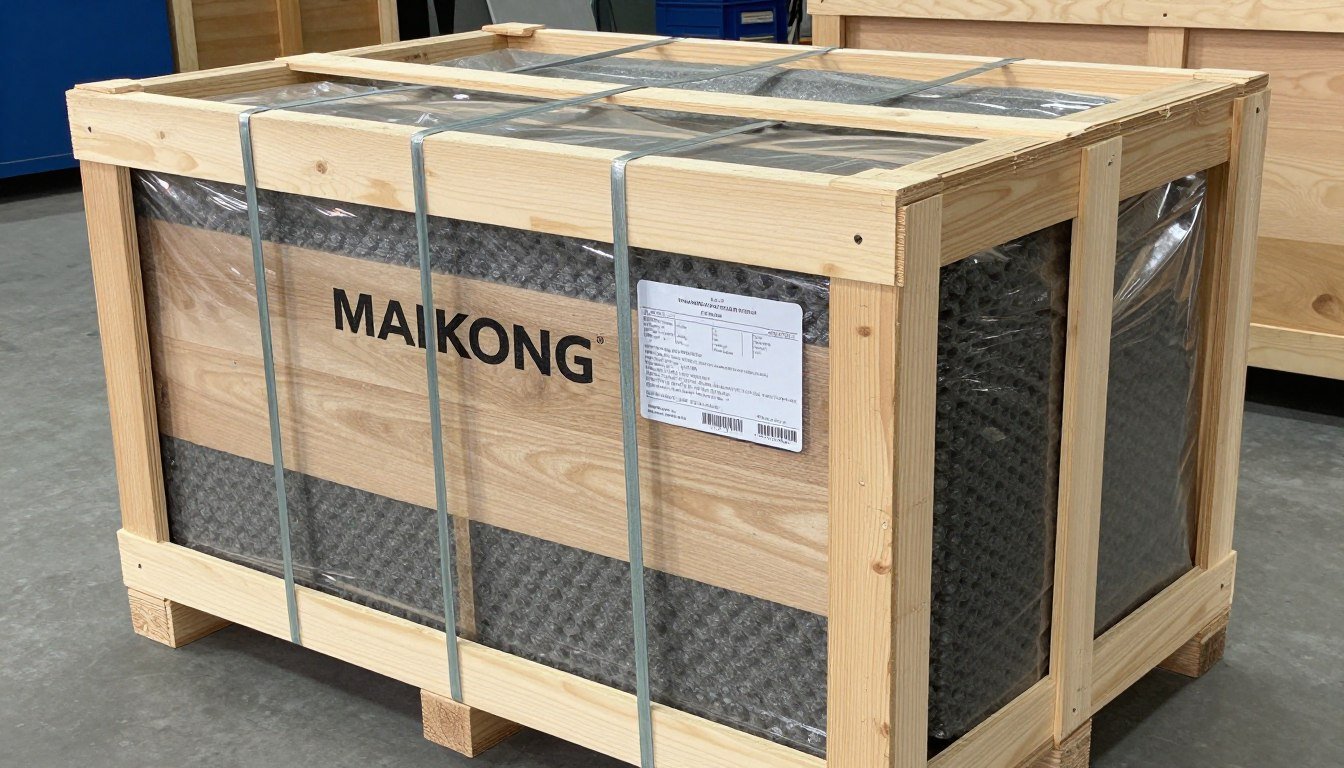
Installation Preparation Checklist
Before your machine arrives, prepare your facility properly. This ensures smooth installation and immediate productivity.
Site Preparation:
- Foundation: Concrete pad per our specifications (we provide drawings), minimum 200mm thick, reinforced, level within 2mm
- Anchor bolts: Embedded in concrete per template we provide
- Floor space: Machine footprint + 2 meters clearance on all sides for access
- Overhead clearance: Minimum 4 meters for material loading and maintenance access
- Ventilation: Adequate air flow, heat and dust extraction if enclosed space
Electrical Preparation:
- Power supply: Verified voltage and phase matching machine requirements
- Circuit breaker: Properly sized for motor load + 20% safety margin
- Cable sizing: Per electrical specifications we provide
- Grounding: Proper earth ground connection for safety
- Control panel location: Protected from weather and dust, accessible to operator
Material Handling:
- Unloading equipment: Forklift or crane capable of lifting machine weight + crate
- Transportation path: Clear route from delivery truck to installation location
- Storage area: If not installing immediately, protected storage for crated machine
Support Infrastructure:
- Raw material storage: Dry storage for ingredients near machine
- Finished product handling: Cooling area, bagging station, warehouse
- Tools and equipment: Basic hand tools for assembly, torque wrench, levels
- Safety equipment: PPE for operators (safety glasses, gloves, ear protection)
We send detailed installation manual 2-3 weeks before expected delivery, giving you time to complete all preparations. We’re available to answer preparation questions via WhatsApp or email anytime.
Frequently Asked Questions About Mini Pellet Machine Philippines
After serving hundreds of Philippine customers, I’ve learned which questions come up most often. Here are detailed answers to help you make informed decisions.
Can the machine work with Philippine voltage (220V) or do I need 380V?
We can configure smaller models (SZLH250, small SZLH320) to operate on 220V single-phase power, which is standard in most Philippine locations. However, for optimal performance and longevity, we recommend 380V three-phase power for SZLH320 and all larger models.
If you only have 220V available and need a larger machine, you have three options: install a phase converter (cost around ₱30,000-60,000), upgrade your electrical service to three-phase if available in your area, or use a generator that provides three-phase output.
We’ll help you evaluate the most cost-effective solution based on your location and planned capacity.
What happens if the machine breaks down? How fast can you get spare parts to the Philippines?
For emergency spare parts, we can air-ship critical components to Manila within 48 hours (door-to-door typically 4-5 days). Standard spare parts orders ship by sea (10-15 days transit).
Most “breakdowns” are actually minor issues resolvable via video call troubleshooting – we can often get you running again within hours without any parts. Our machines include overload protection that prevents catastrophic damage.
We also recommend ordering a spare parts kit with your initial machine purchase. This includes commonly needed items (belts, basic wear parts, fuses) that you keep on hand, eliminating downtime for minor issues.
During warranty period, we cover shipping costs for warranty parts. After warranty, you pay actual shipping cost.
I have copra meal, rice bran, and fish waste available locally. Will these make good pellets?
Yes, all three are excellent pellet ingredients commonly used in Philippine feed formulas. However, each has specific considerations:
Copra meal: High fiber content means you’ll need proper die configuration. Works best when mixed with higher-protein ingredients. Can comprise 20-30% of formula for most applications.
Rice bran: Excellent binder, helps pellet formation. High in phosphorus and B vitamins. Can be 15-25% of formula. One caution: can go rancid if stored too long due to fat content, so use fresh.
Fish waste: Needs proper processing first (cooking, drying, grinding). Excellent protein source for both fish feed and poultry feed. Usually 5-15% of formula depending on application.
We’ll help you develop complete balanced formulas using your available local materials plus some purchased ingredients (corn, soybean meal, supplements) to hit nutritional targets.
How much electricity does the machine use per ton of pellets produced?
Power consumption varies by model and material type, but here are typical figures:
SZLH250 (0.5 ton/hr): 22kW motor uses approximately 25-28 kWh per ton produced (₱300-340 electricity cost at ₱12/kWh)
SZLH320 (1.5 ton/hr): 37kW motor uses approximately 28-32 kWh per ton (₱340-390 per ton)
SZLH350 (2.0 ton/hr): 55kW motor uses approximately 30-35 kWh per ton (₱360-420 per ton)
These figures include the pelletizer motor plus auxiliary equipment (feeder, conditioner). Actual consumption depends on raw material characteristics – harder materials require more power than softer ones.
Compare this to the ₱11,000+ you typically save per ton by making your own feed versus buying commercial feed. Electricity is a minor cost factor in the overall savings.
Do I need special training to operate the pellet machine, or can my existing farm workers learn it?
Your existing farm workers can definitely learn to operate the machine. It doesn’t require advanced technical education – we’ve trained operators who had only basic education and no mechanical experience.
Key skills needed: ability to follow procedures, basic mechanical awareness (similar to operating a tractor or other farm equipment), attention to safety, willingness to learn.
We provide comprehensive training including video tutorials, written manuals in English, and live remote training sessions. Typical learning curve: day one they understand basic operation, by day three they’re comfortable, within two weeks they’re proficient.
The most important factor is having at least two people trained, so you have backup if someone is sick or leaves employment.
Can I start with a small machine and upgrade later as my farm expands?
Absolutely, this is a common and smart approach. Many successful customers started with an SZLH250 or SZLH320, proved the concept and calculated savings, then expanded capacity later.
Two expansion strategies work well: Add capacity: Buy a second machine of the same size. Advantage is redundancy – if one needs maintenance, you still have production capacity. Upgrade size: Sell your smaller machine (used equipment holds value well) and buy a larger model.
As a MAIKONG customer, when you’re ready to expand, we offer preferential pricing on additional equipment. Also, because you’re already familiar with operation and maintenance, the learning curve on new equipment is minimal.
Start with capacity slightly above your current needs (don’t buy exactly what you need today), allowing for 20-30% growth without immediately needing to expand equipment.
What’s the difference between a flat die and ring die pellet mill? Which should I choose?
All MAIKONG models we recommend for commercial feed production use ring die technology. Let me explain why:
Flat die machines: Lower capacity (usually under 500kg/hr), simpler design, lower cost, suitable only for small hobby farms or very limited production. Not recommended for serious commercial operations.
Ring die machines (what we supply): Higher capacity, more consistent pellet quality, longer die life, better for continuous operation, industry standard for commercial feed production.
For Philippine farm applications, ring die is the right choice unless you’re truly a small backyard operation making just a few kilograms per day. Even for small commercial farms (2,000 chickens or 5 fish ponds), start with our smallest ring die model (SZLH250) rather than any flat die machine.
How long do the dies last before needing replacement?
Die lifespan depends heavily on what materials you’re processing and how well you maintain the machine. Typical ranges:
Soft materials (ground corn, wheat, clean soybean meal): 2,000-2,500 operating hours. At 6 hours daily operation, this is about 1 year.
Mixed materials (typical feed formulas): 1,500-2,000 hours, about 8-10 months with daily use.
Abrasive materials (high ash content, mineral supplements, recycled materials): 800-1,200 hours, about 5-6 months.
Die replacement is normal maintenance, not a breakdown. Cost of replacement die is ₱40,000-120,000 depending on machine size. This typically works out to ₱50-150 per ton produced over die life – still far less than savings from making your own feed.
We’ll teach you how to maximize die life through proper conditioning, maintaining correct moisture content, and avoiding contamination with rocks or metal.
Can one machine make different pellet sizes for different animals, or do I need separate machines?
One machine can make different pellet sizes by changing the die. For example, use a 3mm die for young chickens, then swap to a 5mm die for pigs. Die changeover takes about 1-2 hours once you’re experienced.
Practical consideration: most customers settle on one or two standard sizes that work for their main animals, rather than frequently changing. If you need multiple sizes regularly (like if you’re running commercial feed mill serving different customers), better to have separate machines or schedule production runs (make all 3mm pellets for a week, then change die and make 5mm for next week).
Cost of additional dies: ₱40,000-120,000 each depending on machine size. So having 2-3 dies on hand for different applications is affordable.
What’s included in the standard machine price, and what costs extra?
Standard price includes: Complete pellet mill machine with motor, one ring die (your choice of hole size), standard conditioning system, electrical control panel, basic operation manual, video training materials, remote installation support, one-year warranty.
Costs extra (optional): Upgraded conditioning systems (double or triple layer), automation and PLC controls, auxiliary equipment (mixer, hammer mill, cooler, packaging), on-site installation engineer visit, extended warranty, additional spare dies, factory training visit to Shenzhen.
Always separate costs: Shipping to Philippines, customs duties and taxes, local delivery from port, electrical installation and connections, foundation and installation materials, raw material inventory.
We provide complete transparent pricing showing exactly what’s included and what’s optional so you can make informed decisions about your investment.
I’m in a remote area of Mindanao with unreliable internet. Can I still get technical support?
Yes, we’ve successfully supported customers in very remote locations. Here’s how we adapt:
Phone support: Technical assistance via regular phone calls when internet isn’t available for video. We can troubleshoot most issues just by describing what you’re experiencing.
Text/SMS communication: Send photos via WhatsApp when you do have internet connection, we analyze and respond.
Comprehensive printed manuals: Detailed troubleshooting guides you can reference without internet access.
Extra training: For remote locations, we provide more thorough initial training so you’re more self-sufficient.
Local support network: As we build more customers in Philippines, we’re developing network where experienced customers can help newer ones in same region.
Don’t let remote location prevent you from improving your farm profitability. We’ve made it work for customers in very isolated areas of Papua New Guinea, Solomon Islands, and rural Africa.
Ready to Transform Your Feed Production with MAIKONG Mini Pellet Machine Philippines?
Throughout this comprehensive guide, I’ve shared everything we’ve learned serving Philippine farms over nearly two decades. From small backyard poultry operations to large commercial feed mills, the opportunity to reduce costs and improve feed quality through on-site pellet production is proven and powerful.
The numbers are compelling. Typical savings of ₱10,000+ per ton of feed produced. Investment payback periods under one year. Control over feed quality and formulation. Independence from commercial feed suppliers and their price increases.
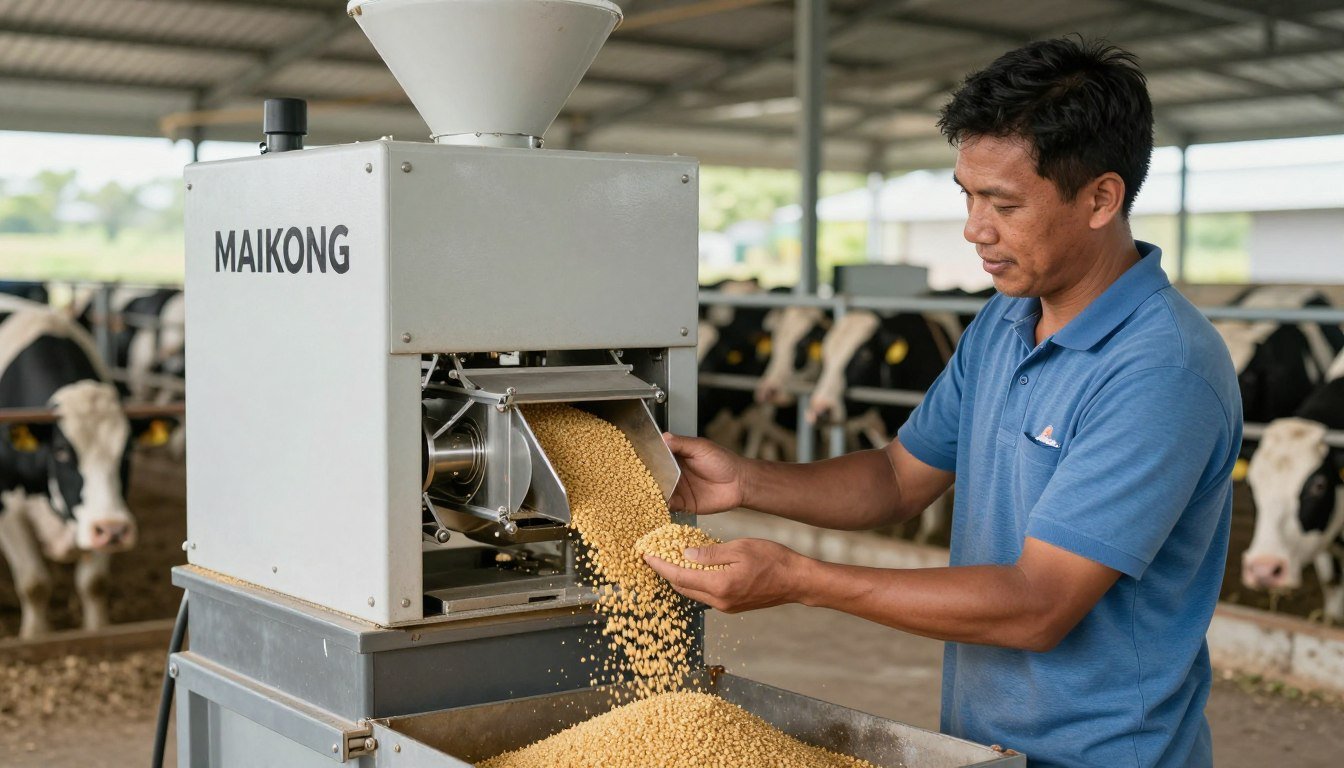
What Makes MAIKONG the Right Choice for Philippine Buyers
We’re not the cheapest option – there are always lower-priced machines available. We’re also not the most expensive – European brands cost significantly more. We position deliberately in the middle: quality equipment at fair prices with excellent support.
For Philippine buyers, this combination is ideal. You need equipment that works reliably in tropical conditions with sometimes variable power supply and local raw materials. You need a supplier who communicates clearly in English and understands your business realities. You need real technical support, not just a sales transaction.
MAIKONG delivers this complete package. Nearly 30 years manufacturing experience. Certifications and quality components. Direct factory pricing. English-language support. Comprehensive warranty. Proven track record across 140 countries including hundreds of successful Philippine installations.
Most importantly, we’re building long-term relationships, not just making one-time sales. Your success with our equipment leads to referrals, repeat purchases, and possible distributor partnerships. We have every incentive to ensure you succeed.
Three Ways to Move Forward
Option 1: Purchase Equipment for Your Operation
If you’re a farm owner, feed mill operator, or agricultural investor looking to reduce feed costs and improve quality, we’ll help you select the right capacity machine, customize it for your specific needs, and support you through installation and operation.
First step: Email Lucy@pelletmachine.ph with details about your operation – animals you’re feeding, current feed consumption, location, and any questions. We’ll prepare a detailed proposal within 48 hours.
Option 2: Explore Distributor Partnership
If you’re an established business in agricultural equipment, feed, or related industries, becoming a MAIKONG distributor represents significant business opportunity. Protected territories, healthy margins, comprehensive support, and growing market create foundation for profitable business.
First step: Contact Lucy@pelletmachine.ph with subject “Distributor Inquiry” and tell us about your business, target market, and vision. We’ll send distributor information package and schedule discussion.
Option 3: Request More Information
If you’re still researching and not ready to make a decision, that’s perfectly fine. Request our complete information package including technical specifications, case studies, customer testimonials, and detailed guides for feed formulation and production line design.
First step: Email requesting information package, or call us to discuss your situation. No pressure, just helpful information to support your decision-making.
Contact MAIKONG Philippines Team Today
Whether you’re ready to order, exploring partnership opportunities, or still gathering information, we’re here to help. Our team responds quickly (usually within 4 hours during business hours) with detailed, helpful information tailored to your specific situation.
Visit our website for more information: pelletmachine.ph
Check out our complete company information and certifications or visit our contact page for additional ways to reach us.
We look forward to helping you achieve greater profitability and control in your feed production operations. Hundreds of Philippine farmers, feed mill operators, and agricultural businesses have already made the transition to on-site pellet production with MAIKONG equipment. Join them in building a more efficient, profitable future.
Thank you for taking the time to read this comprehensive guide. Whatever you decide, I hope it’s provided valuable information for your business planning.
Lucy Chen
International Sales Manager
MAIKONG Pellet Machinery
Shenzhen, China