Philippines Pellet Machine Manufacturer | OEM Feed Pellet Line Supplier
Pellet Machine Distributor Wanted in Philippines | MAIKONG Feed Machinery

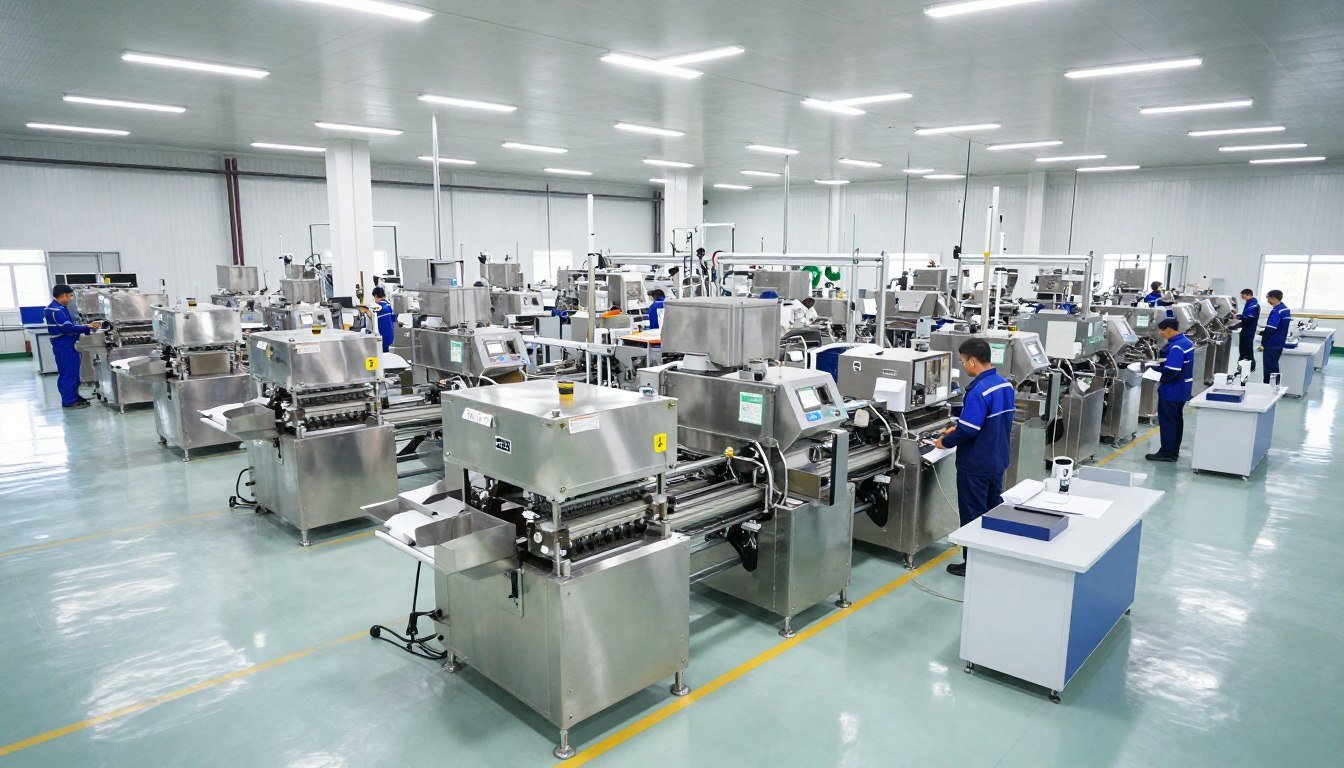
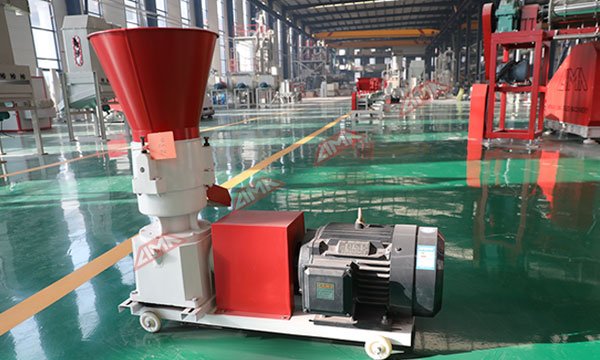
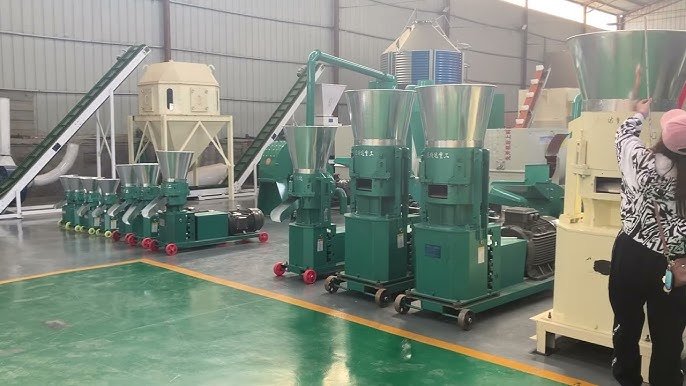
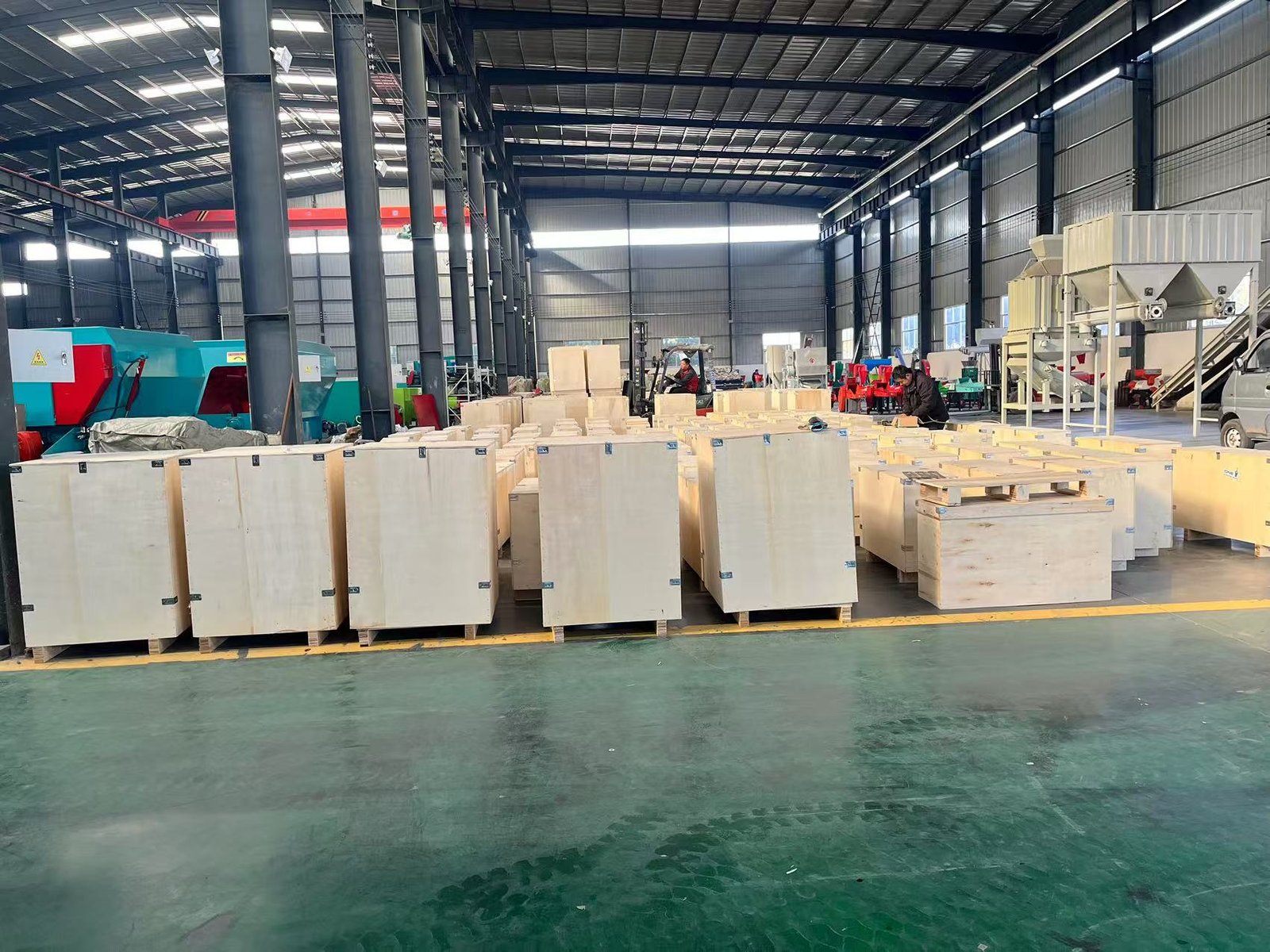
 My name is Lucy from MAIKONG, and I’ve spent years helping farm owners and feed producers across the Philippines solve these exact problems. We’re not just another pellet machine manufacturer. We’re a Shenzhen-based company that designs complete feed production solutions tailored to your needs.Whether you operate a small poultry farm or manage a large feed mill, I can customize a solution that fits your budget and production goals. Our systems work with Philippine voltage standards. They produce pellets for fish, chickens, cattle, pigs, rabbits, pets, and more. You choose the capacity—from 200 kilograms per hour to 200 tons per hour.
This guide explains everything about our services. You’ll learn how we customize production lines. You’ll see real specifications. You’ll discover why Philippine farm owners trust MAIKONG for their feed production needs. Let’s start with what makes our approach different.
Why Philippine Farms Choose MAIKONG Feed Pellet Production Services
Most equipment suppliers sell you machines and disappear. I take a different approach. My team designs your entire production system before you spend a single peso. We consider your farm size, animal types, budget, available space, and power supply.
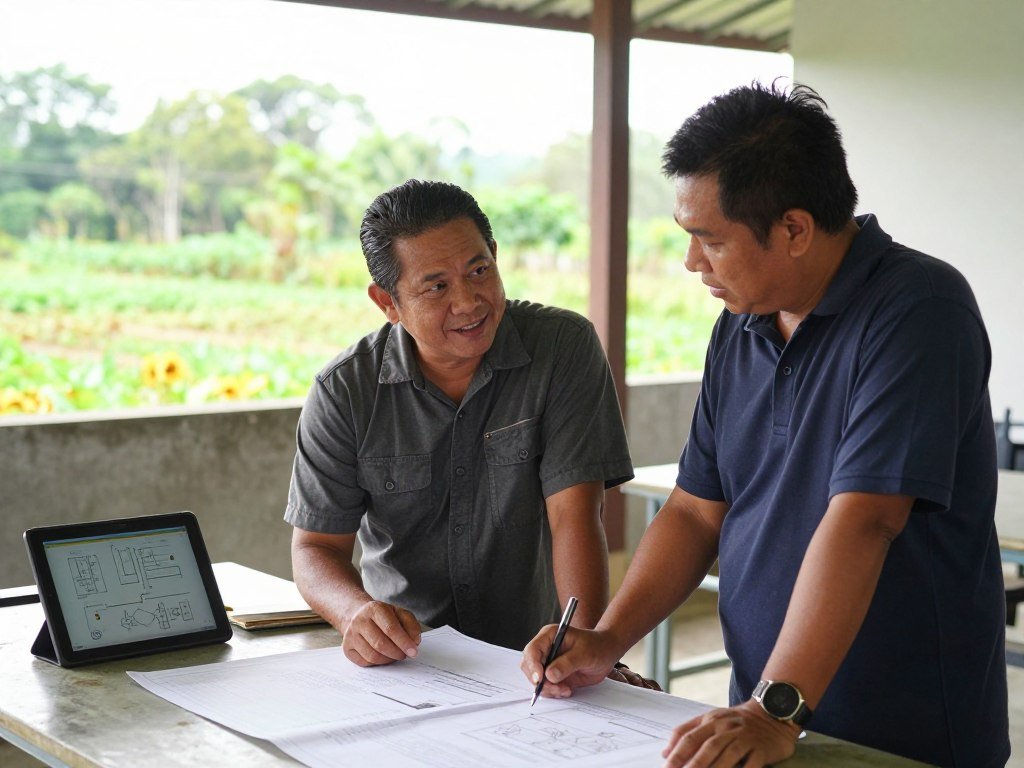
Here’s what sets us apart. We manufacture in Shenzhen, giving us access to China’s best supply chains and advanced production equipment. This means high-quality machines at prices that make sense for your business. Every pellet machine and feed production line component comes from our own facility. We control quality at every step.
Our Service Philosophy
I believe in partnership, not transactions. When you work with MAIKONG, you get a technical consultant who understands Philippine farming. We speak your language—literally. Our software supports Filipino, along with 10 other languages. Our systems run on Windows XP through Windows 11.
Your voltage requirements matter. Whether you need 220V or 380V configurations, we adapt our equipment. Tropical climate considerations get built into every recommendation. We know how humidity and temperature affect feed storage and pellet quality.
Complete Service Package
- Free production line design consultation
- Custom capacity specifications (200kg to 200 tons/hour)
- Philippine voltage adaptation (220V/380V)
- Installation and commissioning support
- Operator training in English or Filipino
- Ongoing technical assistance via WhatsApp
- Spare parts availability through dealer network
- Software in 11 languages including Filipino
Let me be clear about pricing. A feed pellet machine price ranges from $7,000 to $100,000 depending on capacity and customization. Complete feed pellet production line costs vary from $10,000 to $2.8 million. I provide detailed quotations based on your exact requirements. No hidden fees. No surprises.
Ready to Partner with MAIKONG in the Philippines?
I’m actively building our dealer and distributor network across the Philippines. Join successful partners who earn substantial profits while providing essential equipment to local farmers. Get exclusive territory rights, technical training, marketing support, and competitive dealer pricing.
Custom Fish Feed Pellet Machine and Production Line Services
Fish farming demands specialized feed. Your pellets must float or sink based on fish species. Size matters—tiny pellets for tilapia fry, larger ones for mature bangus. Nutrient density affects growth rates and water quality. Generic solutions waste your money and harm your fish.
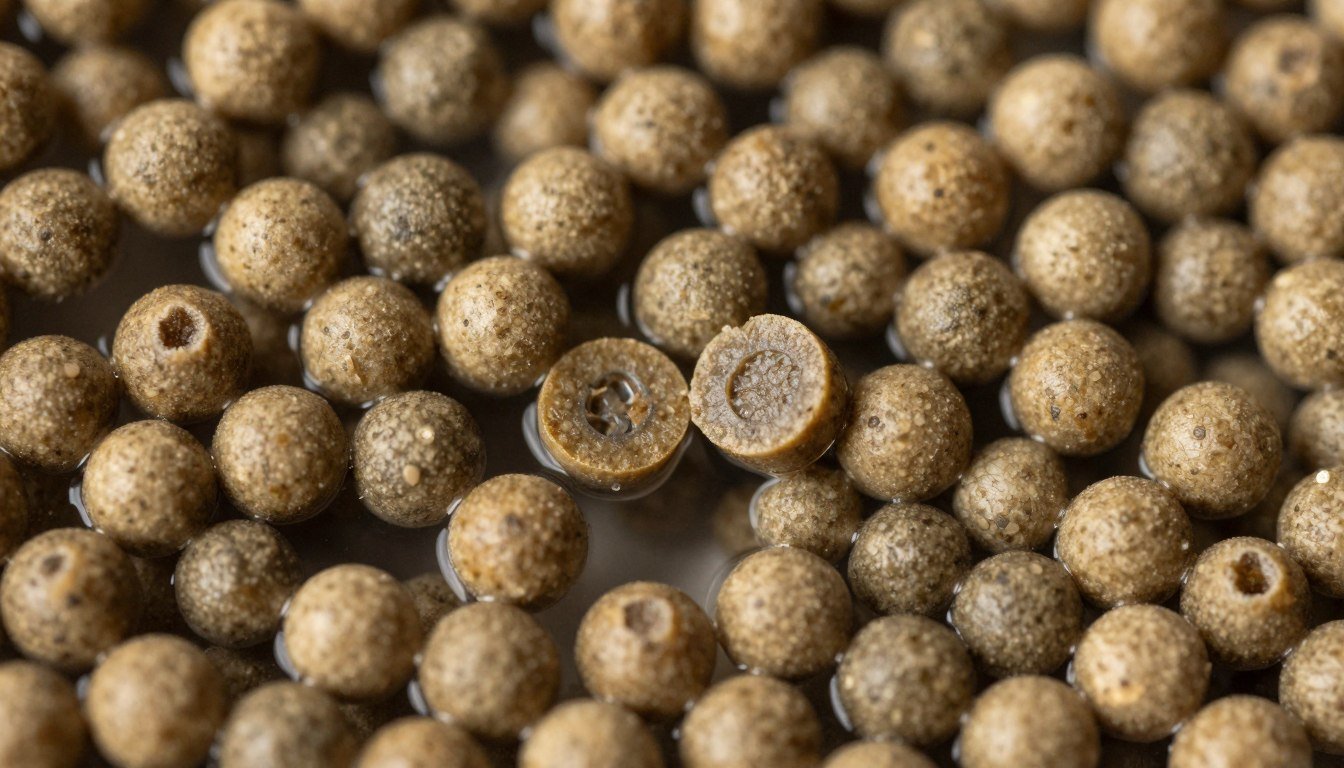
I design fish feed pellet machine systems specifically for Philippine aquaculture. Our fish feed pellet machine produces floating or sinking pellets from 1.5mm to 12mm diameter. You control density, expansion rate, and water stability. The extruder technology creates the perfect texture for optimal digestibility.
Aqua Feed Production Line Customization
Let me explain how we build your fish feed production line. First, we analyze your fish species, production volume, and available ingredients. Then I configure each component to match your needs.
Small-Scale Fish Feed Systems (200kg – 2 tons/hour)
Perfect for small fish farms and cooperatives. These systems fit in compact spaces. They run on standard 220V power. Setup takes one to two weeks. Total investment starts around $15,000 to $80,000.
Components include raw material receiving, hammer mill for grinding, mixer for nutrient blending, twin-screw extruder for pelletizing, dryer for moisture control, and cooling system. The pellets come out ready for feeding or bagging.
Large-Scale Aqua Feed Production (10 – 60 tons/hour)
Commercial feed mills need industrial capacity. Our large systems include automated controls, multiple production lines, and quality assurance equipment. These installations require 2,000 to 8,000 square meters. Investment ranges from $250,000 to $1.8 million.
Advanced features include ingredient micro-dosing, steam conditioning, twin-screw extrusion with precise temperature control, multi-stage drying, automatic screening, and computerized batching. Everything integrates through our multilingual software interface.
| Fish Feed Line Capacity | Power Requirement | Space Needed | Installation Time | Investment Range (USD) |
| 200kg – 500kg/hour | 30-50 KW (220V) | 150-300 m² | 7-10 days | $15,000 – $35,000 |
| 1 – 2 tons/hour | 75-120 KW (380V) | 300-600 m² | 15-20 days | $50,000 – $120,000 |
| 5 – 7 tons/hour | 200-300 KW (380V) | 800-1,500 m² | 30-45 days | $180,000 – $380,000 |
| 10 – 15 tons/hour | 400-550 KW (380V) | 1,500-3,000 m² | 60-75 days | $450,000 – $850,000 |
| 25 – 40 tons/hour | 700-900 KW (380V) | 3,000-5,000 m² | 90-120 days | $900,000 – $1,500,000 |
| 50 – 60 tons/hour | 1,000-1,200 KW (380V) | 5,000-8,000 m² | 130-160 days | $1,600,000 – $2,200,000 |
Shrimp and Aqua Feed Specialization
Shrimp farming requires even more precision. Our shrimp feed production line creates slow-sinking pellets that minimize water pollution. The twin-screw extruder ensures high water stability—pellets hold together for 8-12 hours in water without dissolving.
I customize protein content, pellet density, and particle size for different shrimp growth stages. Post-larval shrimp need micro-pellets under 1mm. Juvenile shrimp thrive on 1.5-2.5mm pellets. Adult shrimp require 3-4mm sizes. Your aqua feed production line can produce all these specifications by changing the die and adjusting processing parameters.
Design Your Custom Fish Feed Solution Today
Tell me about your fish species, daily feeding volume, and available budget. I’ll design a complete feed pellet production line tailored to your Philippine aquaculture operation. Get free technical consultation and detailed quotation within 24 hours.

Poultry Feed Pellet Machine and Chicken Feed Production Services
Chicken farming dominates Philippine agriculture. You need affordable, efficient feed production to stay profitable. Broilers grow faster with properly formulated pellets. Layers produce more eggs when nutrition is consistent. Feed waste eats your margins—pelletized feed reduces waste by up to 30% compared to mash.
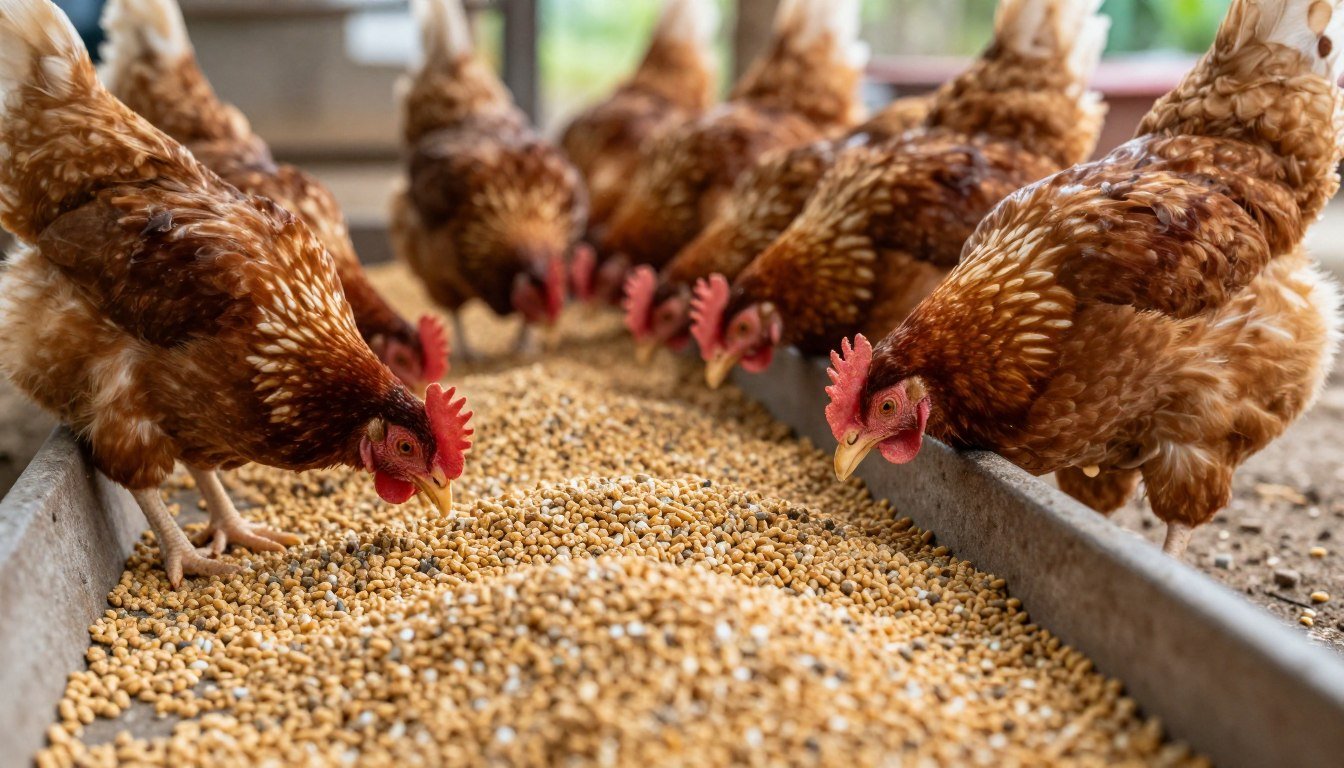
I design chicken feed production line systems for operations of any size. A small backyard operation with 500 chickens needs different equipment than a 50,000-bird commercial farm. Let me explain the options.
Small Poultry Feed Pellet Systems (200kg – 1 ton/hour)
Your small farm deserves professional equipment. These compact systems fit in 200-400 square meters. They run on 220V power available at most Philippine locations. Total investment starts at $10,000 to $50,000.
The setup includes a small hammer mill to grind corn and other grains. A vertical mixer blends ingredients uniformly. The ring die pellet mill compresses mixture into durable pellets. A cooling system stabilizes pellets for storage. Finally, a screening unit removes fines and undersized pieces.
Ring Die Pellet Mill Specifications
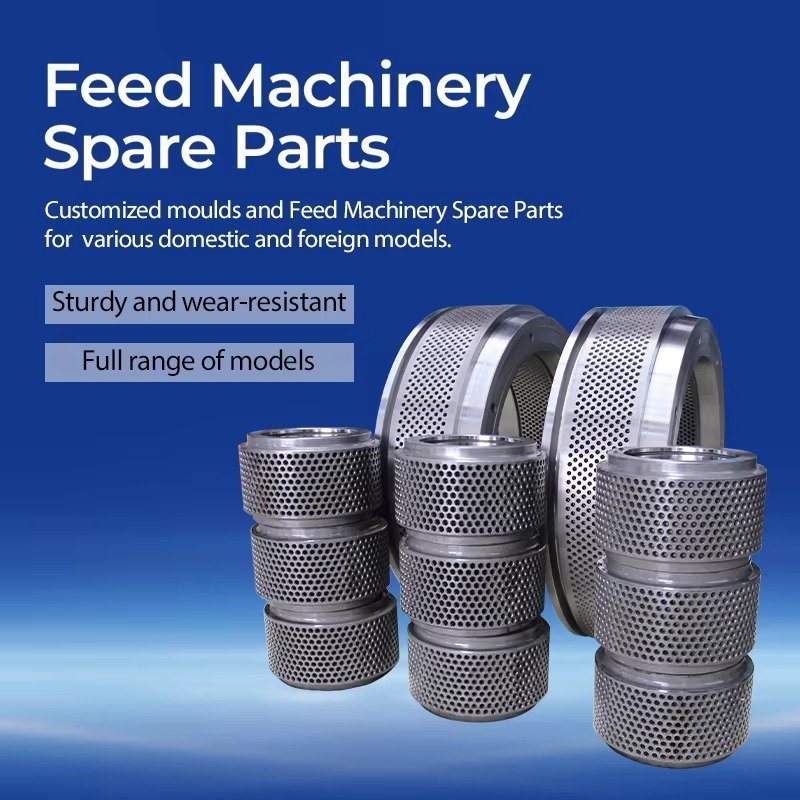
Our feed pellet machine uses ring die technology. This design delivers 15% higher output than belt-driven alternatives. The precision-ground gears ensure smooth operation and low noise. Aviation-grade gear grinding technology extends equipment life.
You get ring dies with apertures from 1.5mm to 12mm. Change dies in 30 minutes to produce different pellet sizes. Chick starter requires 2mm pellets. Grower feed uses 3-4mm. Layer feed pellets measure 3-5mm. Broiler finisher pellets can reach 5-6mm for maximum intake.
The door cover includes a safety interlock. If you open it during operation, power cuts automatically. This protects your workers. All transmission parts are enclosed for additional safety. These features matter when you have employees operating equipment daily.
Commercial Poultry Feed Production Lines (5 – 40 tons/hour)
Large farms and commercial feed mills need industrial capacity. I design poultry feed production line installations that run 16-24 hours daily. These systems include automated controls that reduce labor costs and ensure consistency.
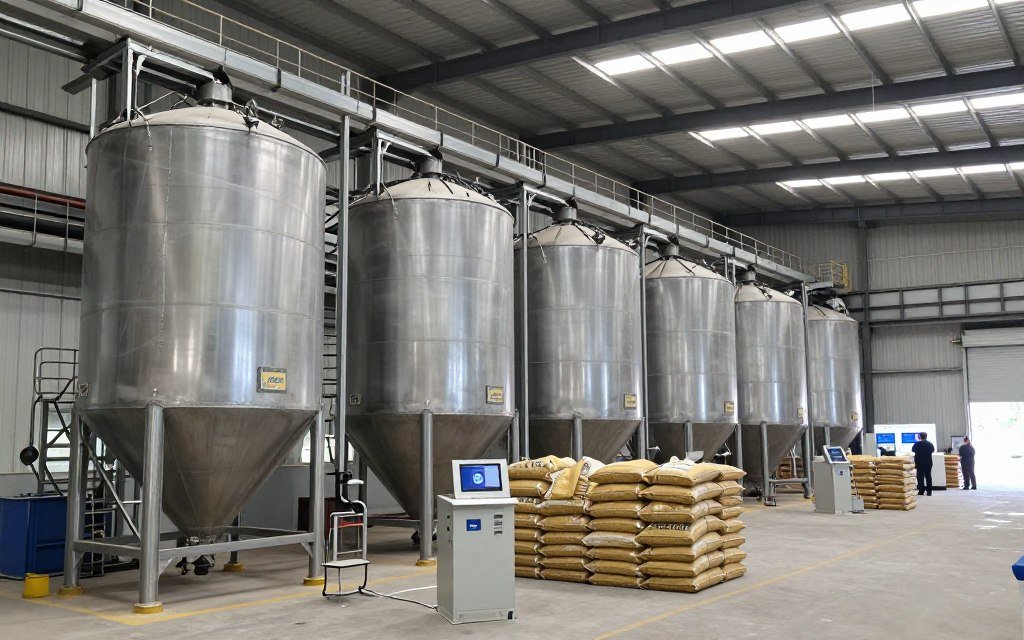
A typical 10-ton-per-hour system includes these components. Raw material receiving with truck scales. Automated cleaning screens remove stones and metal. Multiple grinding units process different ingredients simultaneously. Large mixer ensures thorough blending. Steam conditioning prepares material for pelleting. The main pellet mill compresses feed. Cooler reduces pellet temperature and moisture. Screening separates fines for reprocessing. Bagging system fills and seals bags automatically.
| Model | Capacity (tons/hour) | Main Motor (KW) | Ring Die Diameter (mm) | Pellet Size Range (mm) |
| SZLH250 | 1 – 1.5 | 22 | 250 | 2 – 12 |
| SZLH320 | 3 – 4 | 37 | 320 | 2 – 12 |
| SZLH350 | 5 – 6 | 55 | 350 | 2 – 12 |
| SZLH420 | 10 – 12 | 110 | 420 | 2 – 12 |
| SZLH508 | 15 – 16 | 160 | 508 | 2 – 12 |
| SZLH558 | 20 – 22 | 185 | 558 | 2 – 12 |
| SZLH678 | 30 – 33 | 250 | 673 | 2 – 12 |
| SZLH768 | 38 – 40 | 315 | 762 | 2 – 12 |
Duck and Turkey Feed Customization
Different poultry species need different pellet characteristics. Ducks require harder pellets with higher fat content. Turkeys need larger pellets as they mature. Quail demand tiny pellets similar to chick starter. I adjust the formulation, die specifications, and conditioning parameters for each species.
The feed conditioner plays a crucial role. Steam injection at 75-110°C partially cooks the feed material. This improves digestibility and pellet durability. It also eliminates harmful bacteria like salmonella. You can choose single-layer, double-layer, or triple-layer conditioners based on desired pellet quality and throughput.
Talk to a poultry feed specialist now:
Livestock and Animal Feed Pellet Production Services
Cattle, pigs, goats, rabbits, and other livestock each have unique nutritional needs. Ruminants like cattle benefit from fiber-rich pellets. Pigs need high-protein, energy-dense feed. Rabbits require specific fiber content for digestive health. Generic feed formulations compromise animal health and growth rates.
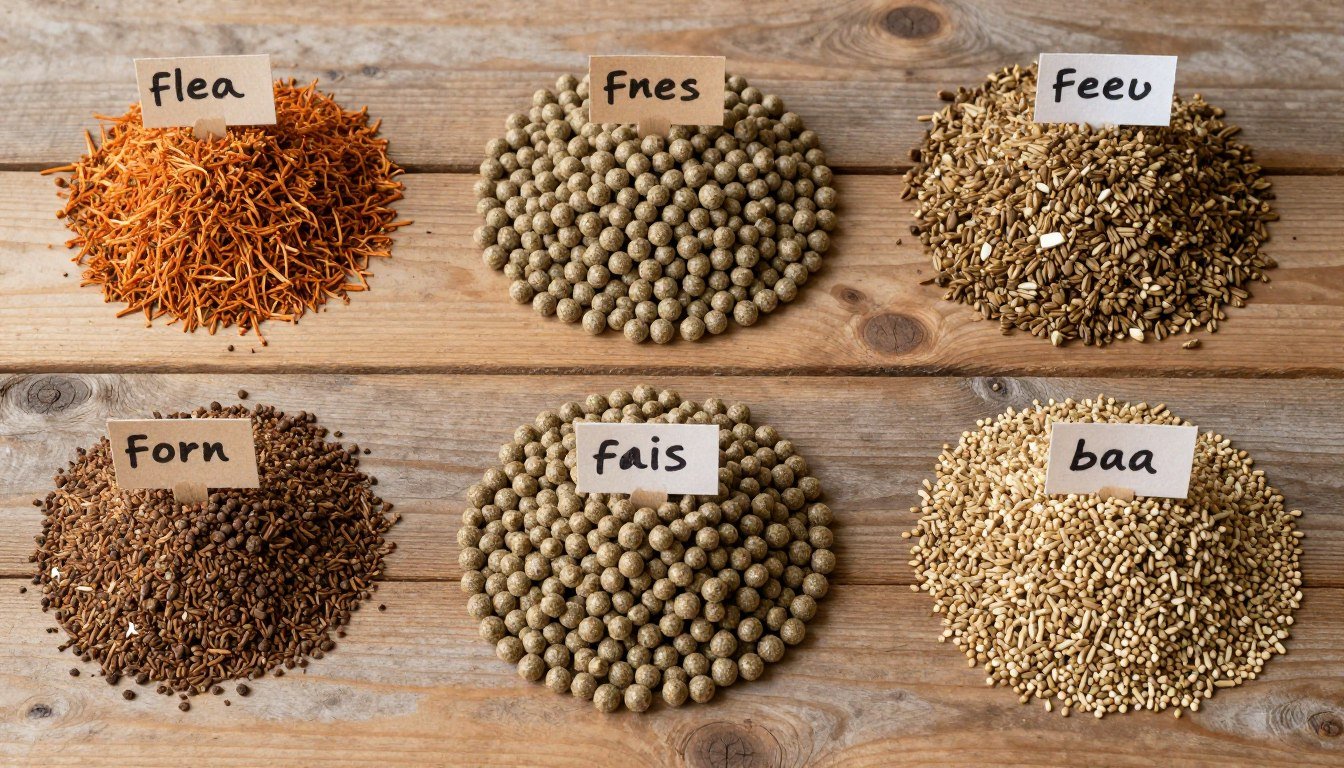
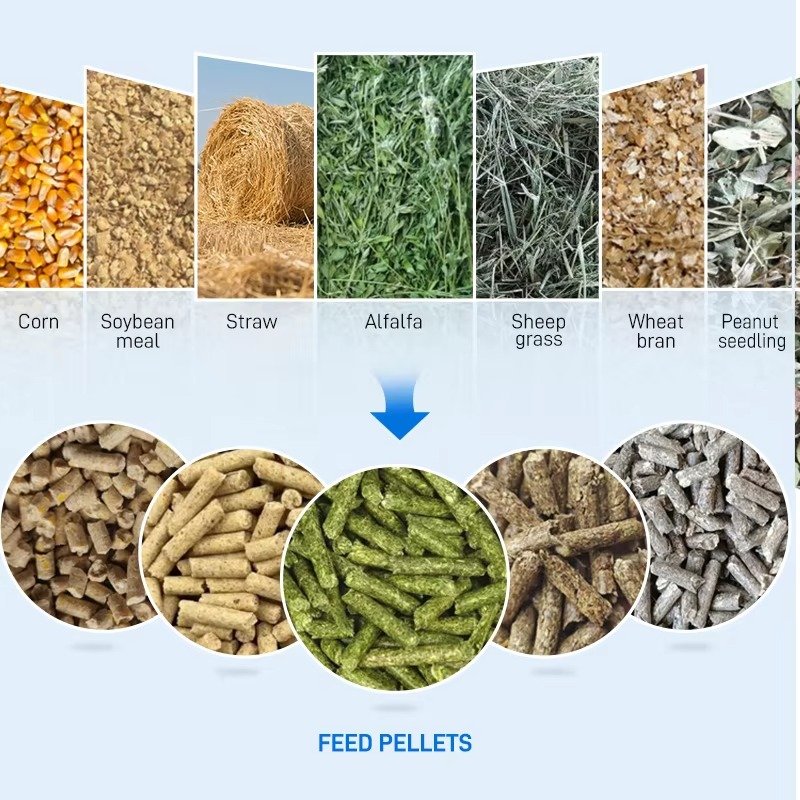
I design animal feed production line systems that handle diverse ingredients. Grass, hay, corn stalks, wheat bran, soybean meal, molasses, mineral premixes—all get processed into nutritious, easy-to-feed pellets. The result reduces waste, improves feed conversion ratios, and simplifies feeding operations.
Cattle and Ruminant Feed Systems
Cattle farmers face a challenge. Forage quality varies by season. Dry season means poor grass. Pelletized feed provides consistent nutrition year-round. Our cattle feed pellet machine processes roughage into dense, digestible pellets.
Flat Die Pellet Mill for Roughage
Cattle feed often includes bulky materials like grass, alfalfa, and corn stalks. Flat die pellet mills excel at processing these fibrous materials. The design allows larger particle sizes to feed smoothly. Vertical or horizontal configurations fit different space requirements.
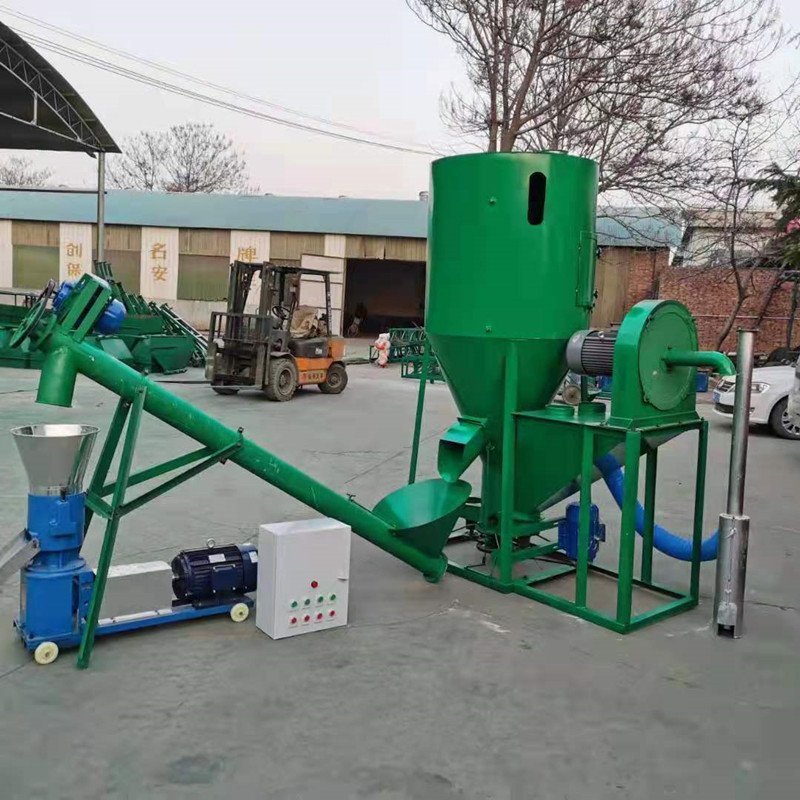
Capacity ranges from 200kg to 2 tons per hour for on-farm production. Larger operations benefit from ring die systems rated at 5-20 tons per hour. I recommend flat die machines for farms producing their own feed. Commercial mills serving multiple farms need ring die capacity and efficiency.
Complete Cattle Feed Line Design
A cattle feed pellet production line starts with forage preparation. Chopping reduces large materials to uniform size. Drying equipment removes excess moisture—wet grass won’t pelletize properly. Grinding creates optimal particle size distribution.
After grinding, ingredients move to mixing. Molasses, minerals, and additives get blended uniformly. The conditioner adds steam and moisture. Then pelleting compresses everything into durable cylinders. Cooling and screening complete the process. Bagging prepares feed for storage or sale.
Pig Feed Production Customization
Pig farming requires multiple feed formulations. Piglets need highly digestible starter feed. Growing pigs require balanced grower rations. Finishing pigs need energy-dense feed for rapid weight gain. Breeding stock has specific nutritional demands.
Our pig feed production line produces all these formulations efficiently. Computer-controlled batching ensures precise ingredient dosing. This matters because even small formulation errors affect growth rates and profitability. Mistakes are costly when you’re feeding hundreds or thousands of pigs.
The pelleting process improves feed conversion ratios by 8-12% compared to mash feed. Pigs eat pellets faster with less waste. The heat during pelleting also improves nutrient availability. Starch gelatinization increases energy digestibility. Protein becomes more accessible to digestive enzymes.
Rabbit, Goat, and Small Livestock Feed
Smaller livestock operations still deserve quality equipment. A rabbit farm with 500 does needs consistent feed production. Goat herds benefit from pelletized feed during dry seasons. Small ruminants like sheep thrive on supplemental pellets.
I offer compact systems perfect for these applications. Models producing 200-500 kg per hour fit in small spaces. They run on single-phase 220V power. Investment starts around $8,000 to $25,000 for a basic setup. This includes grinding, mixing, and pelleting capacity for a small but productive feed mill.
Get Your Custom Livestock Feed Solution
Share details about your livestock type, herd size, and feeding goals. I’ll design a feed pellet production line that maximizes your animals’ growth and health while minimizing your feed costs. Free technical consultation and quotation provided within 24 hours.
Pet Food Pellet Production Services and Equipment
The pet food market grows rapidly in the Philippines. Dog and cat owners demand quality nutrition for their animals. Small-scale producers and large manufacturers both need reliable equipment to create nutritious, appealing pet food products.
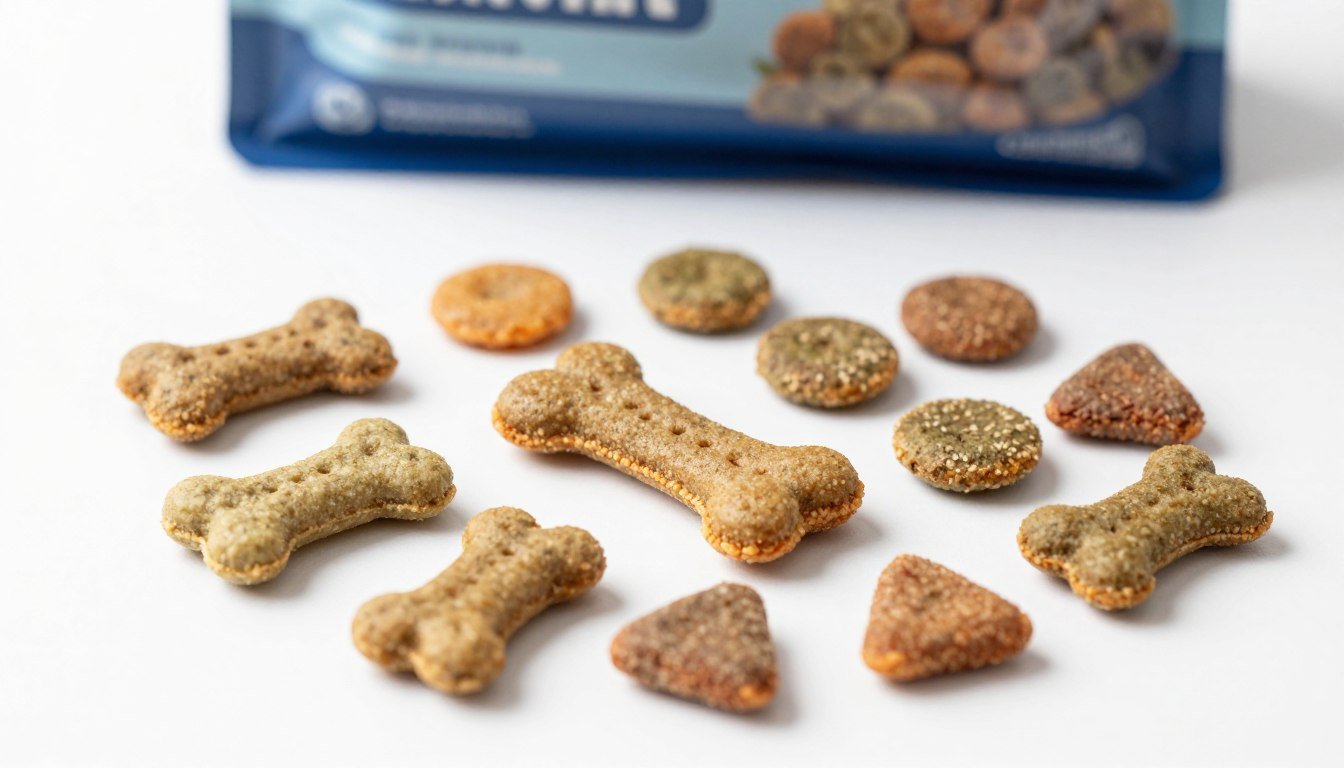
I design pet feed production line systems that create dry extruded pet food. The twin-screw extruder technology allows precise control over texture, density, and shape. You can produce bone-shaped treats, round kibble, or custom shapes that appeal to pet owners.
Pet Food Extruder Technology
Pet food manufacturing differs from livestock feed production. Pets—especially dogs and cats—are picky eaters. Appearance, texture, and palatability matter immensely. The extrusion process cooks ingredients under high temperature and pressure. This creates the expanded, crunchy texture pets prefer.
Our twin-screw extruders offer advantages over single-screw designs. Better ingredient mixing ensures uniform nutrition in every piece. Precise temperature control prevents burning or undercooking. Variable density control lets you create floating treats for training or sinking food for normal feeding. Shape variety keeps products interesting.
Small to Medium Pet Food Production
Starting a pet food brand requires manageable investment. Systems producing 200-500 kg per hour suit small manufacturers testing the market. These installations fit in 300-600 square meters. Total investment ranges from $50,000 to $150,000.
The process includes ingredient preparation, precise batching, twin-screw extrusion, drying to target moisture, cooling to room temperature, fat/flavor coating, and packaging. You control every aspect of the final product. Protein content, fat levels, vitamin fortification, and flavor profiles all get customized to your formulations.
Commercial Pet Food Manufacturing
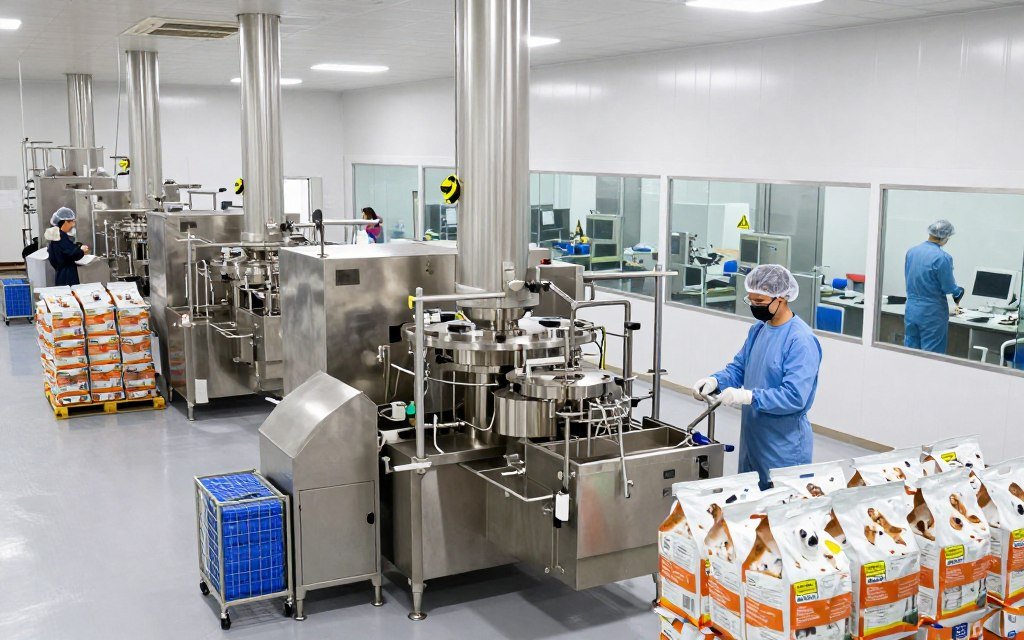
Large-scale pet food production demands industrial capacity and automation. Systems producing 2-10 tons per hour serve regional distribution. These installations include automated ingredient storage, computerized batching, continuous extrusion, multi-stage drying, coating systems, and high-speed packaging lines.
Investment for commercial pet food plants ranges from $300,000 to $2 million depending on capacity and automation level. The return on investment comes from lower per-unit costs, consistent product quality, and ability to supply retail chains. Many Philippine entrepreneurs see pet food manufacturing as a high-growth opportunity.
Launch Your Pet Food Production Business
Pet food manufacturing offers excellent profit margins and growing demand. Let me design a complete production system tailored to your budget and business goals. Get technical consultation, detailed equipment specifications, and project timeline estimate.
Feed Pellet Machine Technical Specifications and Components
Understanding equipment specifications helps you make informed decisions. Let me explain the key technical parameters that affect performance, capacity, and suitability for your operation.
Core Components and Materials
Quality components determine equipment longevity and reliability. I use specific materials for each critical part. The gear box uses HT250 cast iron for durability. Gears are manufactured from 42CrMo alloy steel—this material withstands enormous pressures and resists wear. The gear shaft uses 20CrMnTi steel with precise heat treatment.
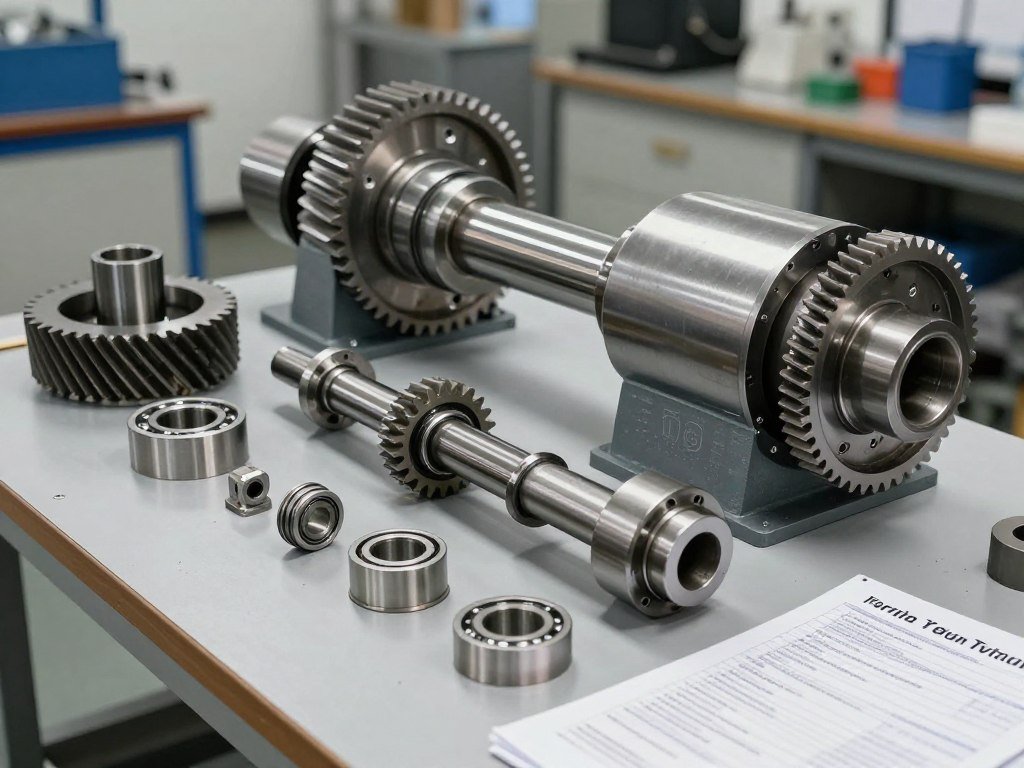
The main spindle uses 42CrMo steel for maximum strength. Bearings come from international suppliers—SKF, FAG, or equivalent quality. These bearings handle radial and axial loads during operation. Cheap bearings fail prematurely, causing expensive downtime. I only install premium bearings in MAIKONG equipment.
Oil seals sourced from Germany and Taiwan prevent lubricant leakage. The ring die material is stainless steel for corrosion resistance and easy cleaning. Door covers use 6mm SUS304 stainless steel. Feed chutes are 3mm SUS304. These stainless components prevent contamination and extend service life in humid Philippine conditions.
Ring Die Specifications
Ring dies determine pellet size and production efficiency. Diameter affects capacity—larger dies produce more pellets. Die thickness influences pellet length and durability. Hole diameter controls pellet diameter.
Available ring die diameters range from 250mm to 768mm. Smaller dies (250-350mm) suit 1-6 ton per hour capacity. Medium dies (420-558mm) handle 10-22 tons per hour. Large dies (678-768mm) reach 30-40 tons per hour. Hole diameters range from 1.5mm to 12mm to accommodate different pellet sizes.
Motor and Power Systems
We install Siemens motors as standard equipment. These motors deliver consistent power with minimal maintenance. Power ratings range from 22KW for small mills to 315KW for large production units.
Four-pole motors provide optimal speed and torque characteristics for pelleting. Variable frequency drives allow speed adjustment on some models. This flexibility helps optimize output for different formulations. Philippine voltage specifications (220V or 380V three-phase) get configured at the factory.
Safety and Control Features
Worker safety is paramount. Every pellet mill includes a safety pin for overload protection. If the main motor exceeds design limits, the pin breaks intentionally. This prevents catastrophic damage to gears and bearings. Replacing a safety pin costs a few dollars. Replacing a destroyed gearbox costs thousands.
Door interlocks cut power when covers open during operation. This prevents injuries from rotating parts. All transmission components are enclosed in protective housings. Emergency stop buttons are positioned for easy access. These features comply with international safety standards.
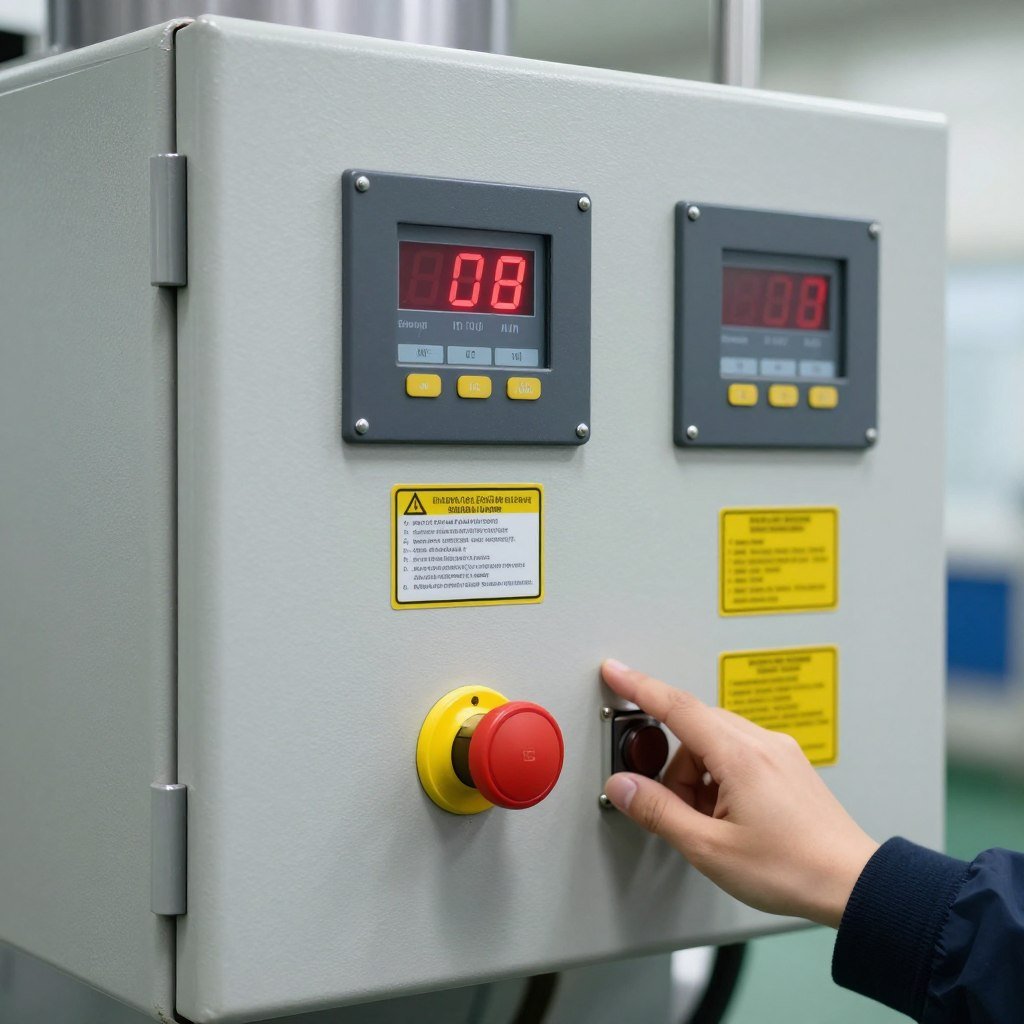
Control systems range from basic manual controls to fully automated PLC systems. Manual controls suit small operations where operators adjust settings based on experience. PLC automation benefits large installations where consistent operation and data logging matter. The PLC interfaces connect to our multilingual software.
Maintenance and Service Life
Proper maintenance extends equipment life dramatically. Ring dies last 800-1,500 hours depending on materials processed. Abrasive materials like minerals wear dies faster. Soft grains extend die life. I provide maintenance schedules with every installation.
Rollers require inspection every 500 operating hours. Bearings need greasing every 200 hours. Gear oil changes happen every 2,000 hours or annually. These maintenance tasks take minimal time but prevent expensive breakdowns. Neglecting maintenance voids warranties and causes premature failures.
Replacement parts availability matters. I maintain stock of critical wear parts in our Shenzhen facility. Dies, rollers, and bearings ship within 3 days of order. Our Philippines dealer network also stocks common parts for faster service. This minimizes downtime when maintenance is needed.
Complete Feed Pellet Production Line Design and Customization
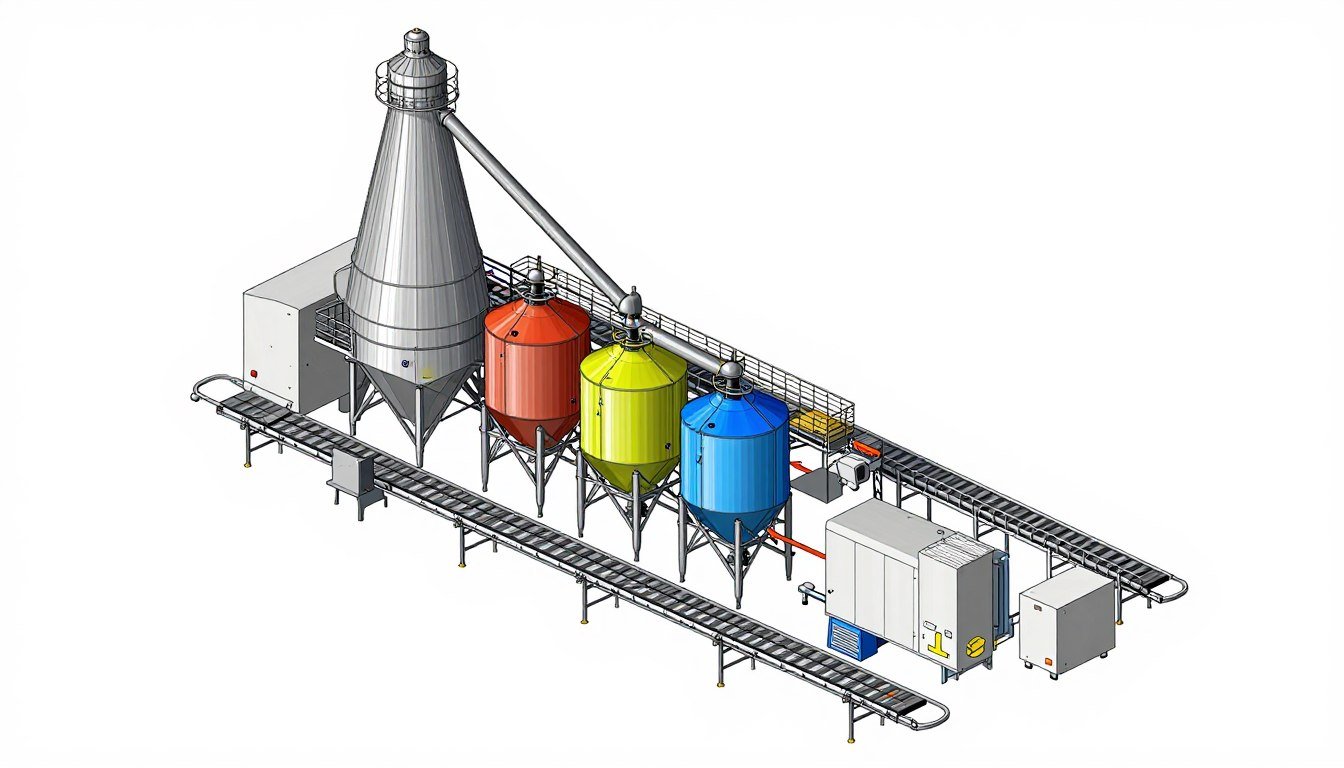
A complete feed pellet production line includes multiple machines working together. Understanding each component helps you appreciate the system’s complexity and efficiency. Let me walk you through the entire process.
Raw Material Receiving and Storage
Every production line starts with ingredient handling. Truck scales weigh incoming materials for inventory control. Pneumatic or mechanical conveyors transfer grains to storage silos. Large operations need multiple silos for different ingredients—corn, soybean meal, wheat, additives, and supplements each require separate storage.
Cleaning equipment removes stones, metal, and other contaminants before processing. Magnetic separators catch metal fragments that would damage grinders. Screening removes oversized particles and debris. Clean ingredients ensure equipment longevity and product safety.
Grinding and Size Reduction
The hammer mill reduces particle size for optimal pelleting. Grains enter the grinding chamber where high-speed hammers pulverize them. Screen size determines final particle size—smaller screens produce finer powder. Typical screen sizes range from 1.5mm to 4mm depending on pellet application.
Grinding capacity must match overall line capacity. Undersized hammer mills create bottlenecks. Oversized mills waste energy. I calculate precise hammer mill specifications based on ingredient types and production targets. Multiple grinding units run in parallel for large systems—this provides redundancy and maintains production if one mill needs maintenance.
Some ingredients don’t require grinding. Premade premixes, liquid molasses, and fine additives bypass the hammer mill. Ingredient-specific routing optimizes processing efficiency and reduces energy consumption.
Batching and Mixing Systems
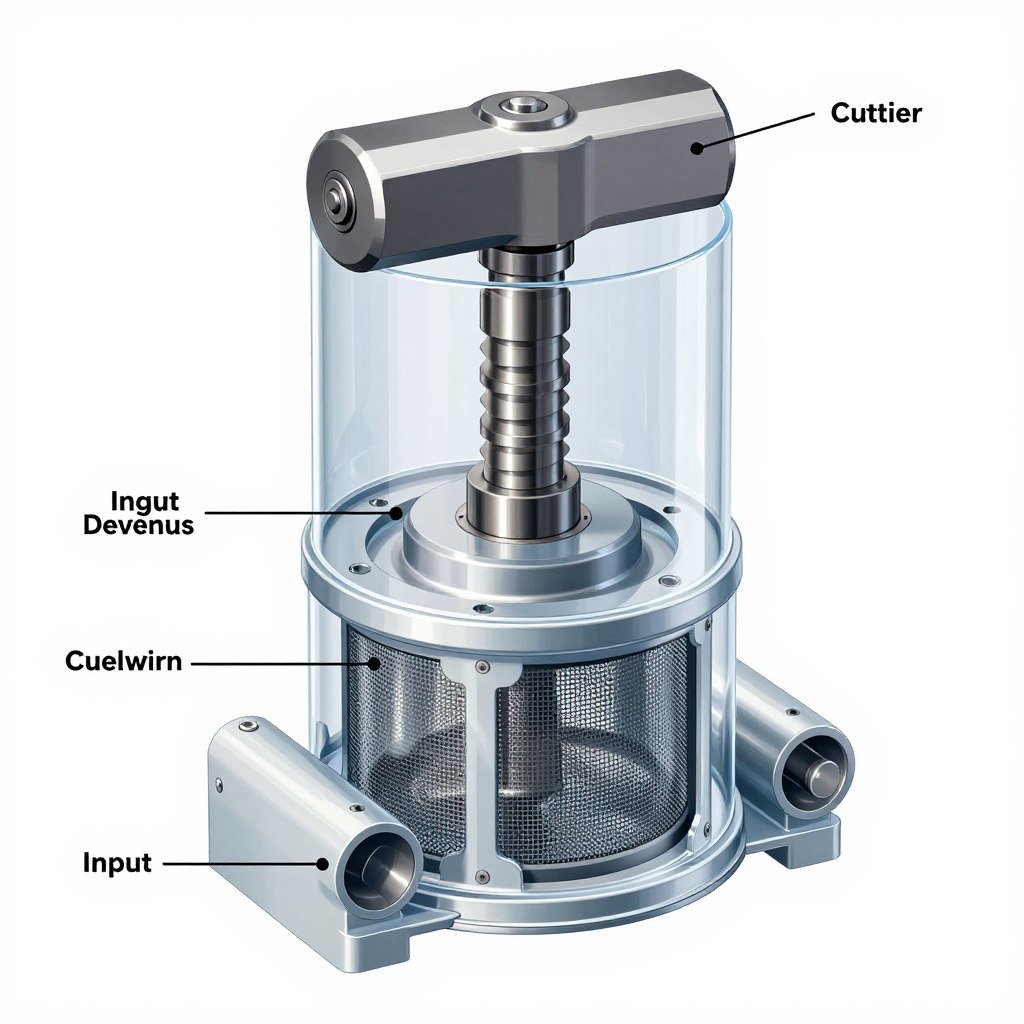
Accurate batching ensures consistent nutrition in every batch. Manual systems work for small operations—operators weigh ingredients and add them sequentially. Large installations need automated batching. Computer-controlled systems measure ingredients from silos, achieving accuracy within 0.5-1%.
After batching, materials enter the mixer. Paddle mixers or ribbon mixers blend ingredients uniformly. Mixing time ranges from 3-8 minutes depending on mixer design and ingredient characteristics. Proper mixing ensures every pellet contains the correct nutrient profile. Poor mixing creates hot spots of concentrated vitamins or minerals—this wastes expensive additives and harms animals.
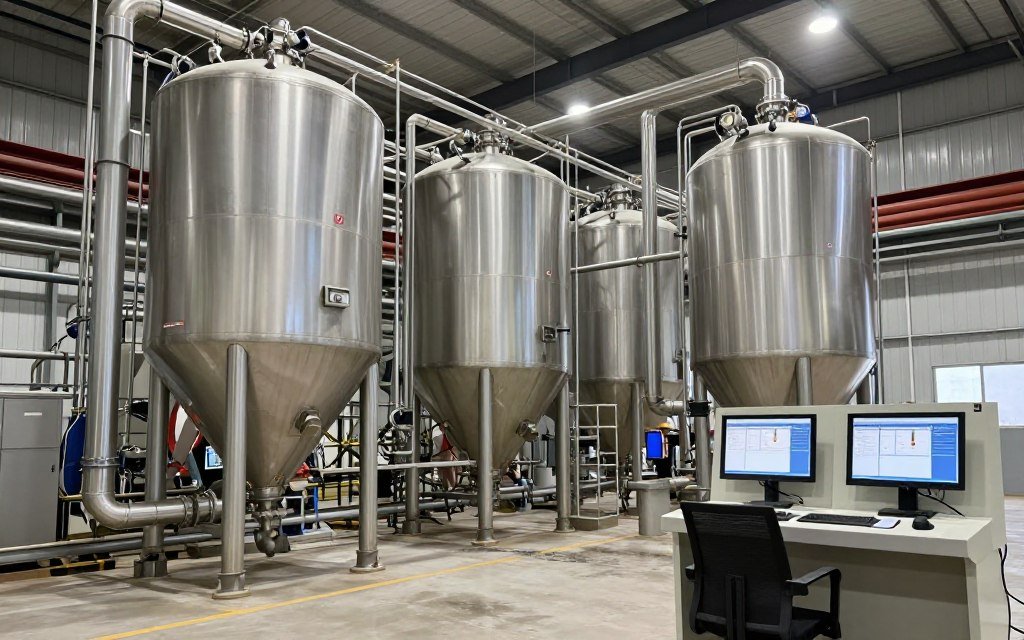
Liquid addition systems inject molasses, fats, or liquid vitamins during mixing. Spray nozzles distribute liquids evenly throughout the batch. This technology allows higher liquid inclusion rates without creating sticky, unpelletable mixtures.
Conditioning, Pelleting, and Finishing
The conditioner prepares mixed feed for pelleting. Steam injection adds moisture and heat. This partial cooking gelatinizes starches, improves digestibility, and makes the material more plastic for compression. Conditioning temperature ranges from 75°C to 110°C depending on formulation. Higher temperatures suit high-starch materials. Lower temperatures work for heat-sensitive ingredients like vitamins.
Conditioned material flows to the pellet mill. Rollers press material through the ring die holes. This compression generates additional heat through friction—die surface temperatures reach 85-95°C. The combination of heat, moisture, and pressure creates durable pellets that resist breakage during handling.
Fresh pellets exit the die at high temperature and moisture. The cooler reduces temperature to ambient and removes excess moisture. Counter-flow coolers work efficiently—cool air enters the bottom, hot pellets enter the top. As pellets descend, air flows upward removing heat and moisture. Properly cooled pellets resist mold growth during storage.
| Production Line Capacity | Total Power Required | Facility Space Needed | Installation Timeline | Investment Range (USD) |
| 1-2 tons/hour | 47-75 KW | 300-500 m² | 7-15 days | $10,000 – $50,000 |
| 3-4 tons/hour | 53-165 KW | 300-700 m² | 15-20 days | $50,000 – $120,000 |
| 5-7 tons/hour | 68-259 KW | 400-800 m² | 20-40 days | $70,000 – $250,000 |
| 8-10 tons/hour | 125-410 KW | 800-2,000 m² | 45-60 days | $150,000 – $300,000 |
| 12-20 tons/hour | 358-620 KW | 1,500-3,000 m² | 60-90 days | $250,000 – $580,000 |
| 25-40 tons/hour | 545-870 KW | 2,000-4,000 m² | 90-120 days | $450,000 – $850,000 |
| 50-60 tons/hour | 710-1,120 KW | 3,000-5,000 m² | 100-140 days | $900,000 – $1,400,000 |
| 60-80 tons/hour | 815-1,370 KW | 5,000-8,000 m² | 130-160 days | $1,450,000 – $1,800,000 |
| 80-100 tons/hour | 1,230-1,700 KW | 8,000-20,000 m² | 160-190 days | $2,000,000 – $2,800,000 |
Screening, Packaging, and Quality Control
Cooled pellets pass through screening equipment. Oversized pellets get crushed and returned for repelleting. Undersized particles (fines) either return to the mixer or get packaged separately as crumbles. The goal is uniformly sized pellets meeting customer specifications.
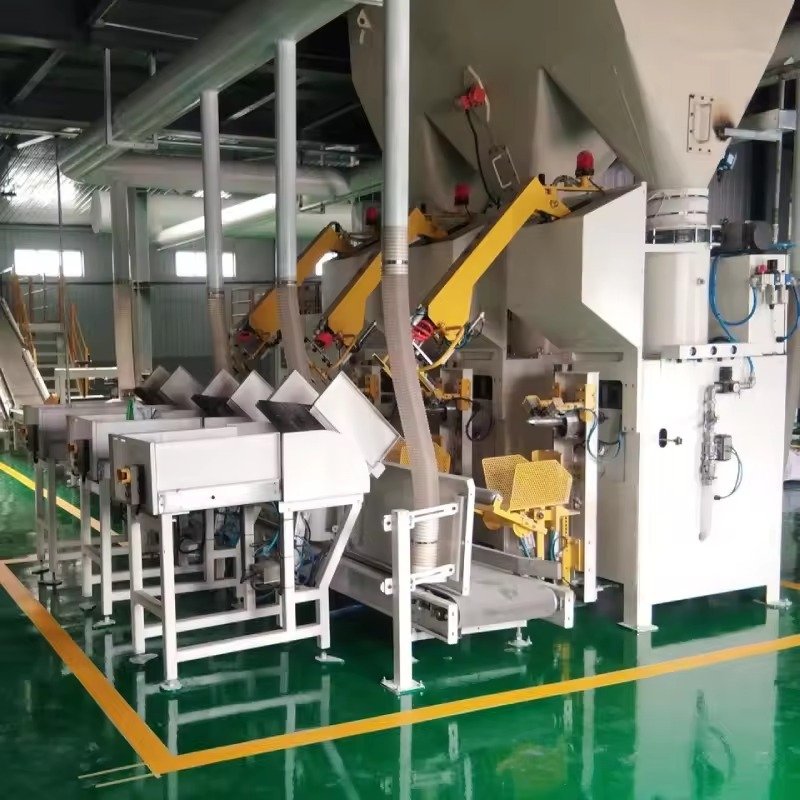
Packaging systems fill bags automatically. Electronic scales ensure accurate weights—typically 25kg or 50kg bags for commercial feed. Bag sewing or heat sealing closes packages. Automated systems stack filled bags on pallets for warehouse storage or truck loading.
Quality control testing happens throughout production. Samples get checked for pellet durability index (PDI), moisture content, particle size distribution, and visual appearance. High PDI values (above 95%) indicate durable pellets that resist breakage. Moisture below 12% prevents mold growth. Meeting these standards ensures customer satisfaction.
Design Your Complete Production Line Solution
Every feed mill has unique requirements based on capacity needs, ingredient sources, product types, and budget. I provide complete production line design services including equipment selection, facility layout, process optimization, and installation planning. Get a comprehensive project proposal tailored to your Philippines operation.
Software Control Systems and Multi-Language Support
Modern feed production relies on sophisticated control systems. I provide comprehensive software solutions that manage your entire operation. The system coordinates all equipment, monitors production parameters, generates reports, and maintains quality records.
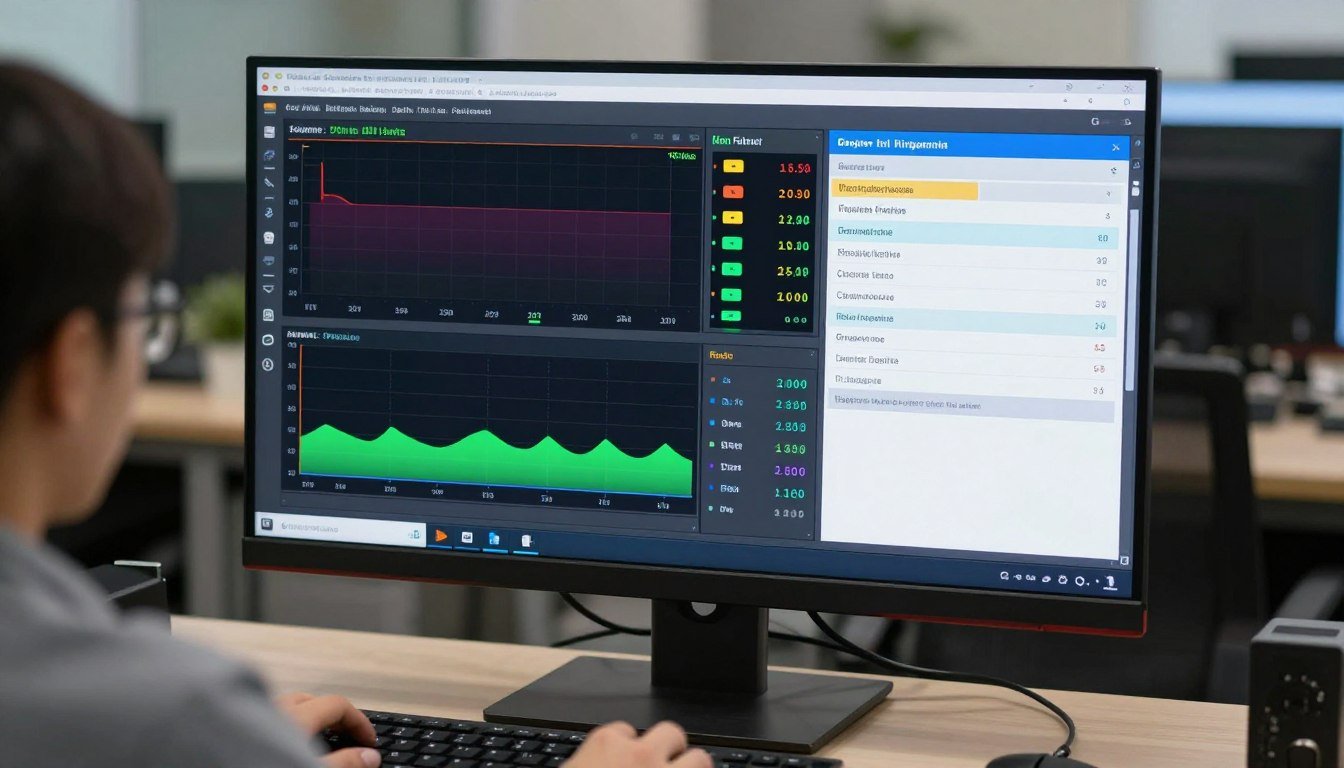
Operating System Compatibility
Our control software runs on all Windows versions. Support includes Windows XP, Windows Vista, Windows 7, Windows 8, Windows 10, and Windows 11. Both 32-bit and 64-bit systems work perfectly. This flexibility means you don’t need expensive new computers. Your existing equipment works fine.
Installation is straightforward. Our technicians set up the software during commissioning. They train your operators on all features. The intuitive interface requires minimal computer skills. Most operators become proficient within a few days.
Multi-Language Interface
Language barriers shouldn’t limit equipment usability. Our software supports 11 languages. This includes Simplified Chinese, Traditional Chinese, English, German, Filipino, Persian, French, Malay, Japanese, Korean, and Portuguese. Switch languages instantly through the settings menu.
Key Software Features
- Recipe management and storage (unlimited formulations)
- Automated batching control with precision dosing
- Real-time equipment monitoring and alerts
- Production reporting and data logging
- Quality control tracking and analysis
- Maintenance scheduling and reminders
- User access levels and security controls
- Remote monitoring capabilities (optional)
Reporting Capabilities
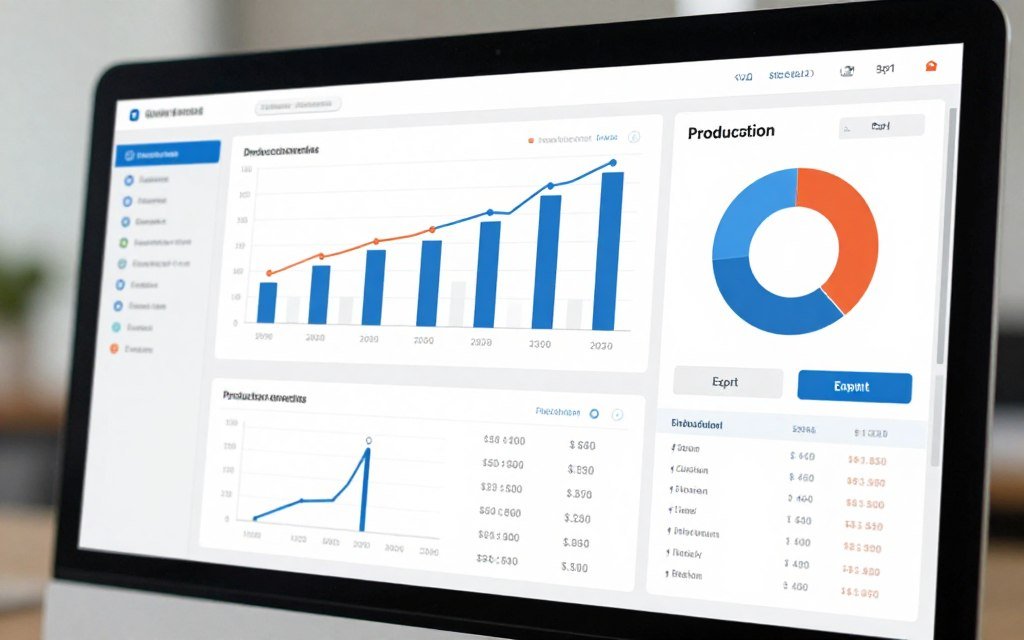
The system generates multiple report types. Production reports show daily, weekly, and monthly output. Ingredient usage reports track consumption and inventory. Quality reports document pellet durability, moisture content, and testing results. Maintenance logs record service activities and part replacements.
All reports export to Excel or PDF formats. This makes sharing with management, accountants, or customers simple. Historical data helps identify trends and optimize operations over time.
Customization and Integration
Every feed mill operates differently. I customize the software to match your specific processes. If you use unique ingredient codes or have special reporting needs, we modify the system accordingly. Integration with existing accounting or ERP systems is possible for large operations.
Technical support continues after installation. Software updates arrive free for the first two years. Bug fixes and security patches get applied promptly. Our support team responds to questions via email, phone, or WhatsApp within 24 hours.
Fertilizer Pellet Machine Services and Organic Fertilizer Production
Agricultural sustainability increasingly relies on organic fertilizers. Chicken manure, cow dung, compost, and agricultural waste all become valuable fertilizer pellets through proper processing. These pellets improve soil health, provide slow-release nutrients, and support organic farming practices.
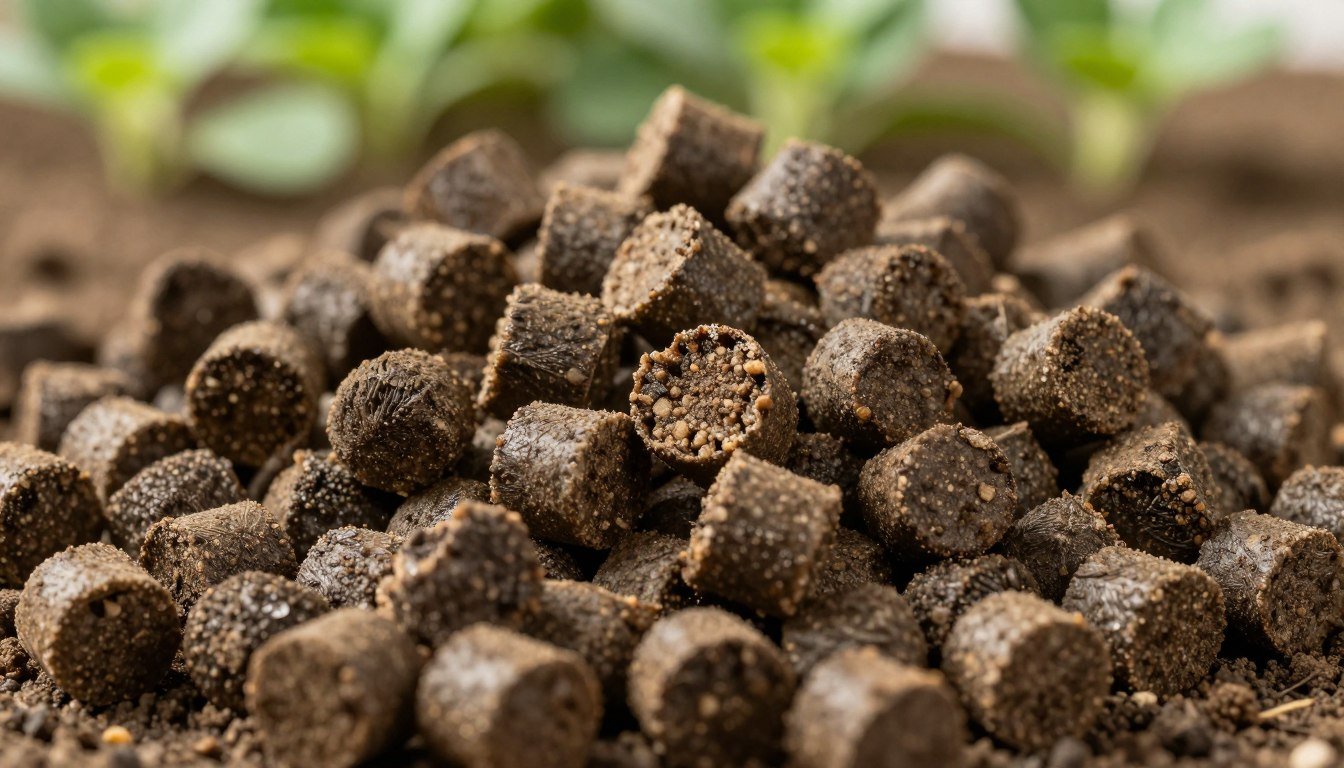
I design fertilizer production systems for farms producing excess animal waste and commercial fertilizer manufacturers. The process converts wet, difficult-to-handle organic materials into dry, easy-to-transport pellets. These pellets store indefinitely without odor or fly problems. They’re easy to apply with standard spreading equipment.
Organic Waste Processing Systems
Fertilizer production differs from feed production. Raw materials have high moisture content—often 60-80%. They may contain contaminants like bedding material, feathers, or undigested feed. Processing requires specialized equipment designed for these challenging conditions.
The process starts with dewatering. Solid-liquid separators remove excess moisture. This reduces drying costs dramatically. The separated liquid becomes liquid fertilizer or undergoes further treatment. Solid material moves to fermentation or composting to eliminate pathogens and reduce odor.
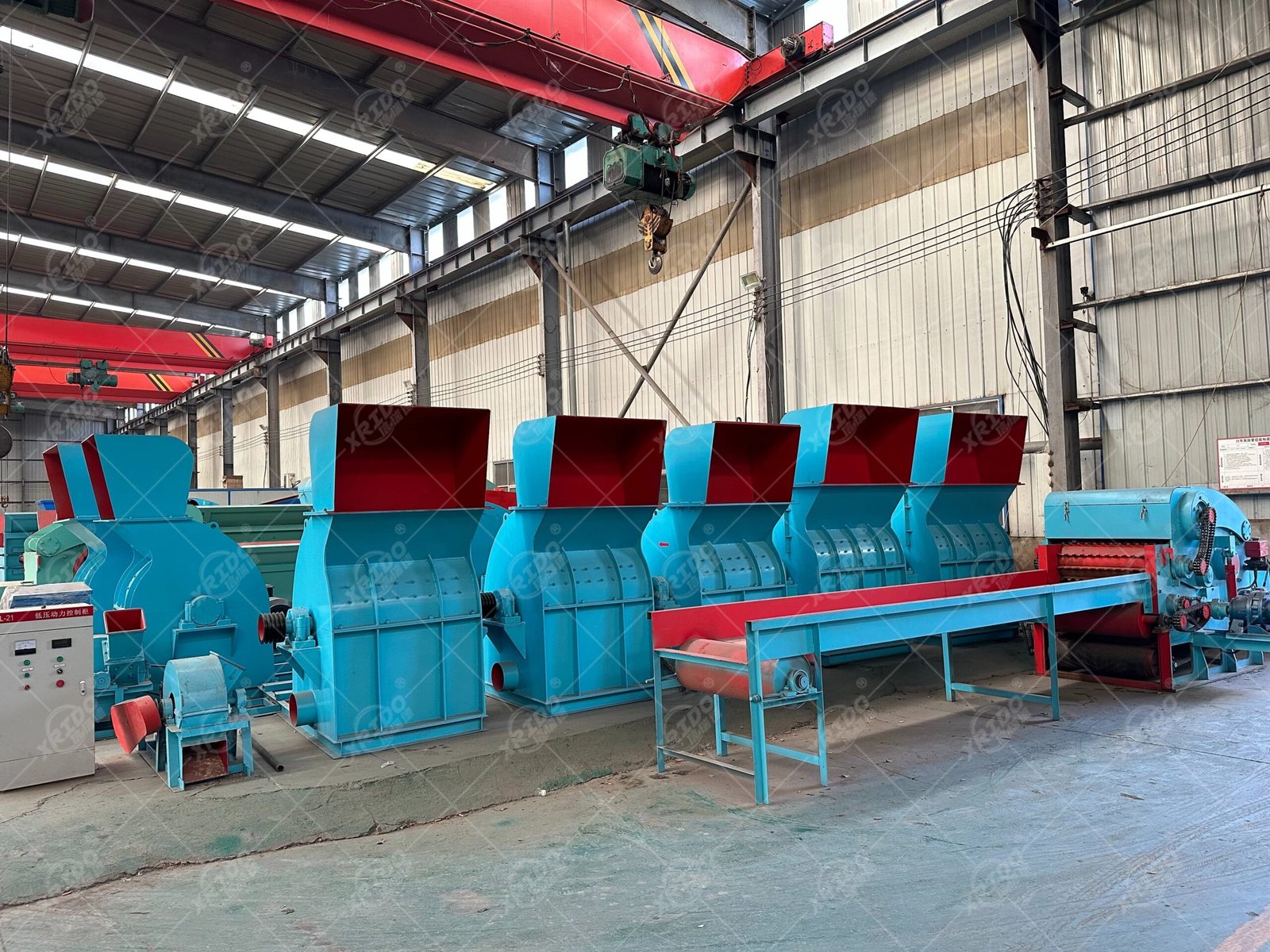
Drying and Pelleting
After fermentation, material still contains 30-40% moisture. Rotary dryers reduce this to 12-15%—optimal for pelleting. Hot air flows through the drum, evaporating water. Dried material exits ready for final processing.
Fertilizer pellet mills handle abrasive, fibrous materials. Ring die construction uses hardened alloy steel. Dies are thicker than feed pellet dies for extended life. The pelleting process creates dense, durable fertilizer pellets that resist breakage during handling and application.
Complete Organic Fertilizer Production Lines
Commercial fertilizer production requires comprehensive systems. Capacity ranges from 1 ton per hour for farm-scale operations to 20+ tons per hour for commercial plants. Investment scales accordingly—$50,000 to $1.5 million depending on capacity and automation level.
A complete system includes raw material receiving, dewatering equipment, fermentation system (optional), drying equipment, grinding and screening, pelleting equipment, cooling system, screening and grading, packaging machines, and dust collection. Each component is sized to match overall production targets.
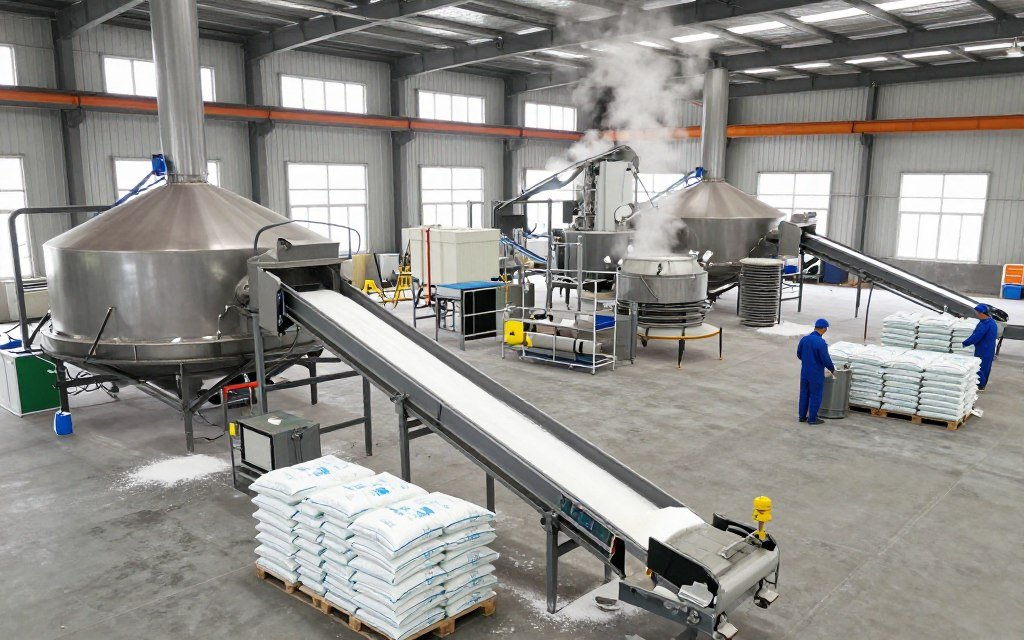
Environmental compliance matters. Odor control systems use biofilters or chemical scrubbers. Dust collection equipment keeps work areas clean and protects worker health. Wastewater treatment ensures discharge meets local standards. I design systems that satisfy Philippine environmental regulations.
Start Profitable Organic Fertilizer Production
Convert animal waste into revenue. Get a complete fertilizer production system designed for your farm or commercial operation. Free feasibility analysis and project quotation available. Contact our fertilizer systems specialist today.
Pelletizing Machine Price Philippines: Investment Analysis and ROI
Understanding equipment costs helps you plan budgets and evaluate return on investment. Let me break down pelletizing machine price Philippines considerations and explain what affects total project costs.

Single Machine vs Complete Production Line Costs
A standalone feed pellet machine costs $7,000 to $100,000. This wide range reflects capacity differences, automation levels, and component quality. Small farm units (200-500 kg/hour) start around $7,000-$15,000. Mid-size commercial machines (3-6 tons/hour) range from $25,000-$60,000. Large industrial pellet mills (15-40 tons/hour) cost $80,000-$100,000.
Complete production lines cost significantly more because they include multiple machines. A basic 1-2 ton per hour system costs $10,000-$50,000. Mid-capacity lines (5-10 tons/hour) range from $70,000-$300,000. Large commercial installations (20-100 tons/hour) require $450,000-$2,800,000 investment.
| Equipment Type | Capacity Range | Price Range (USD) | Suitable For |
| Small Pellet Mill (flat die) | 200-800 kg/hour | $7,000 – $18,000 | Small farms, on-farm production |
| Medium Ring Die Mill | 1-6 tons/hour | $20,000 – $65,000 | Medium farms, small feed mills |
| Large Ring Die Mill | 10-40 tons/hour | $75,000 – $100,000 | Commercial feed mills |
| Small Production Line | 1-2 tons/hour | $10,000 – $50,000 | Small commercial operations |
| Medium Production Line | 5-10 tons/hour | $70,000 – $300,000 | Regional feed suppliers |
| Large Production Line | 20-60 tons/hour | $450,000 – $1,800,000 | Major feed manufacturers |
| Industrial Complex | 80-100 tons/hour | $2,000,000 – $2,800,000 | Large-scale industrial production |
Factors Affecting Pelletizing Machine Price
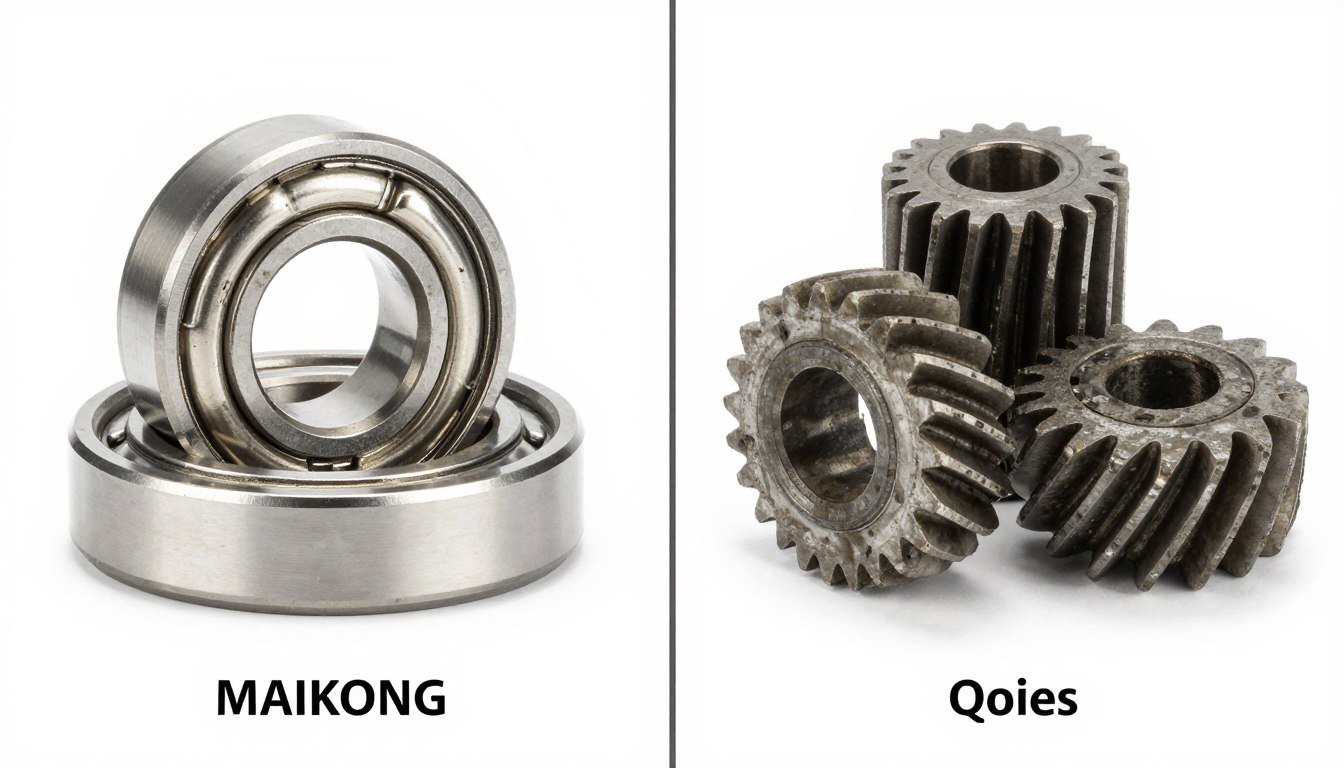
Several variables influence final equipment costs. Production capacity is the primary factor—higher capacity means larger components, more powerful motors, and heavier construction. Material quality matters enormously. Cheap machines use inferior steel and bearings. They fail frequently and require constant repairs. MAIKONG uses premium materials that cost more initially but deliver years of reliable service.
Automation level affects price. Manual controls cost less but require skilled operators. PLC automation costs more but ensures consistency and reduces labor needs. The right choice depends on your operation size and technical capabilities.
Customization adds costs but delivers value. Standard voltage is 380V three-phase in China. Adapting to 220V single-phase or specific Philippine voltage requirements requires transformer integration or motor substitution. Custom ring dies for unusual pellet sizes add manufacturing costs. Special coatings for corrosive materials increase prices. These customizations ensure equipment matches your exact needs.
Return on Investment Calculations
Smart buyers evaluate ROI, not just purchase price. Let me show you a typical calculation for a 5-ton-per-hour poultry feed line costing $180,000.
Annual Production Value
- Operating 8 hours daily, 300 days yearly
- Total production: 12,000 tons annually
- Feed selling price: $400 per ton average
- Gross revenue: $4,800,000 per year
- Ingredient costs: $3,600,000 (75% of revenue)
- Operating costs: $600,000 (labor, power, maintenance)
- Net profit: $600,000 annually
- ROI period: 4-5 months
Cost Savings on Farms
Farm-scale production offers different benefits. A 500-chicken farm spending $2,000 monthly on commercial feed can produce the same feed for $1,400 using a small pellet mill. Monthly savings: $600. A $15,000 equipment investment pays back in 25 months. After payback, savings continue indefinitely.
Additional benefits include feed quality control, ability to use local ingredients, and flexibility to adjust formulations based on growth stages. These advantages justify equipment investment even with longer payback periods.
Financing and Payment Options
Large equipment purchases strain cash flow. I offer flexible payment terms to qualified buyers. Standard terms require 40% deposit when you sign the contract. The remaining 60% gets paid before shipment or through letter of credit.
For established businesses or repeat customers, extended payment terms may be available. Equipment leasing through third-party finance companies is another option. These arrangements spread costs over 2-5 years, preserving working capital for operations and growth.
Discuss pricing and payment options with our team:
Call/WhatsApp: +86 135 1090 7401
Email: Lucy@pelletmachine.ph
Installation, Training, and Technical Support Services
Equipment purchase is just the beginning. Successful feed production requires proper installation, operator training, and ongoing technical support. MAIKONG provides comprehensive services that ensure your success from day one.
Installation and Commissioning Services
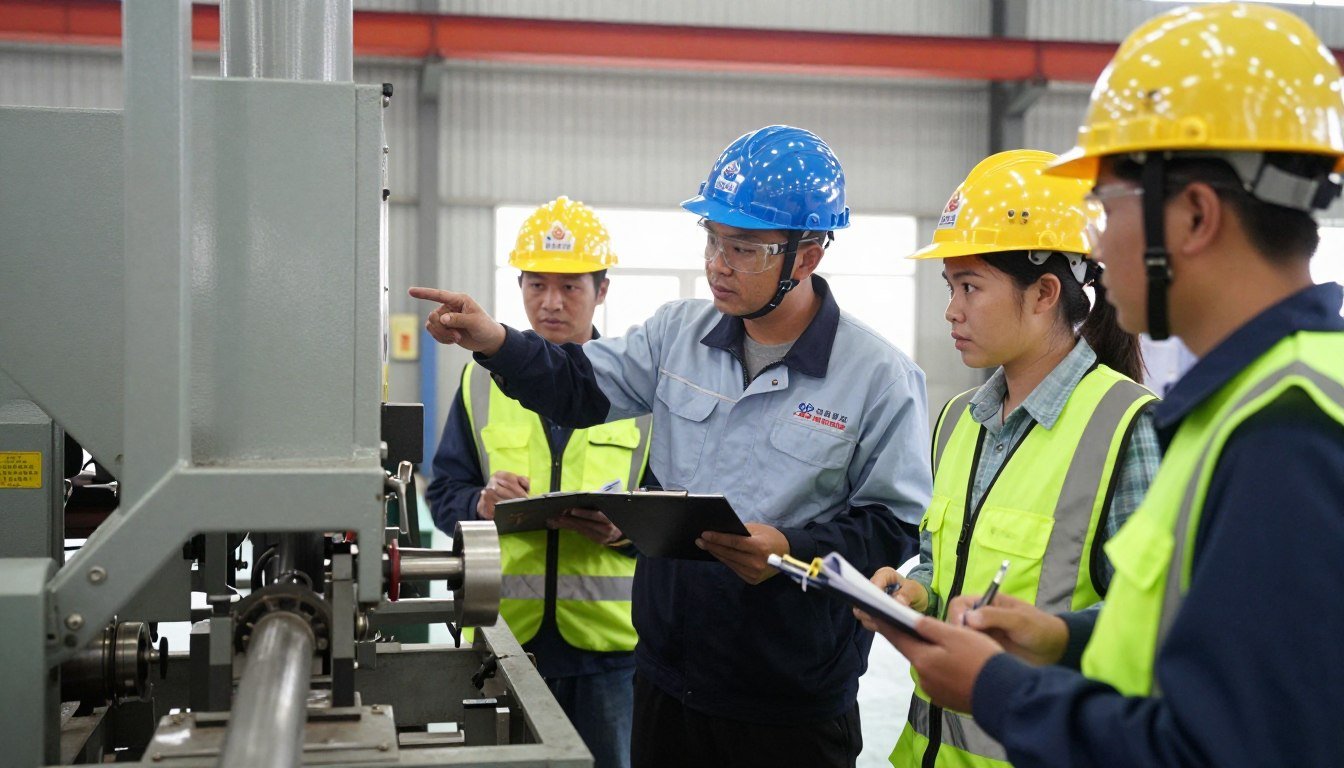
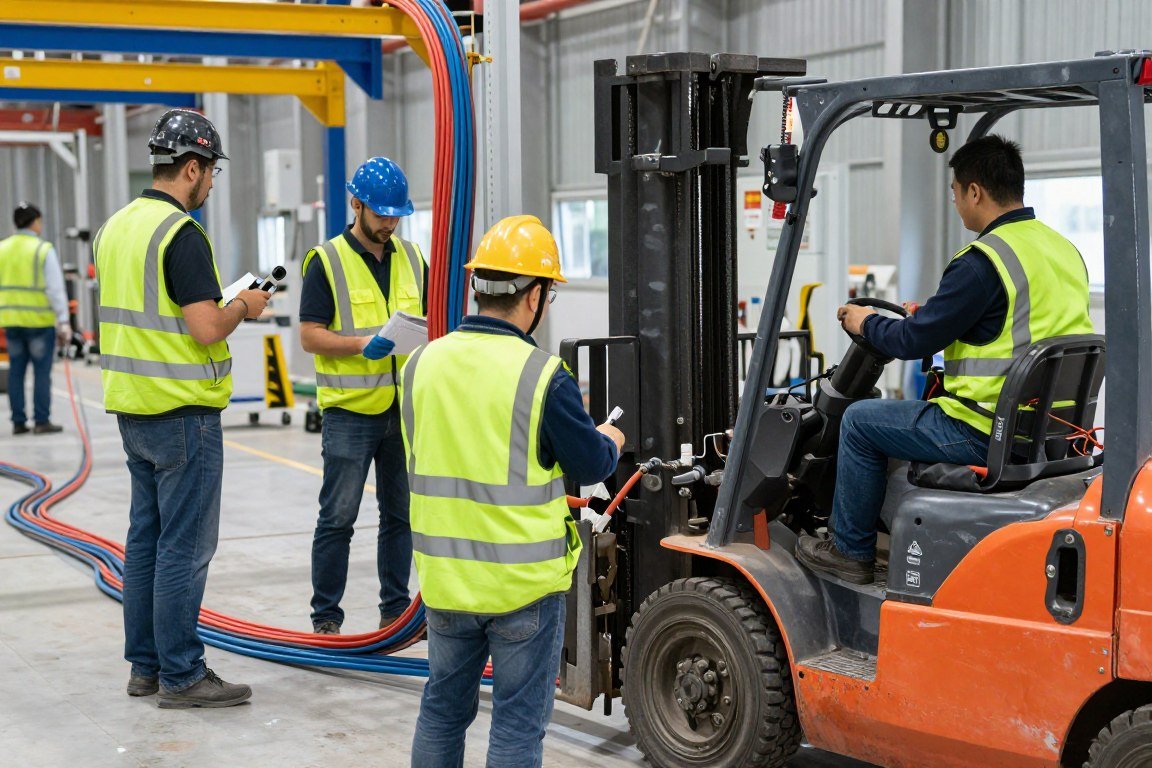
Our technical team handles complete installation. This includes equipment positioning, foundation work verification, electrical connections, piping installation, and system integration. We test every component individually before running the complete system.
Commissioning involves running the production line with actual ingredients. We adjust settings to optimize output and pellet quality. This process typically takes 2-5 days depending on system complexity. Your operators observe and learn during commissioning. By the time we leave, your team can run the system confidently.
Installation Timeline by System Size
Small systems (1-2 tons/hour) install in 7-15 days. Medium systems (5-10 tons/hour) require 20-60 days. Large industrial installations (25-100 tons/hour) take 90-190 days from start to full operation.
These timelines assume your facility is ready. Site preparation is your responsibility. We provide detailed foundation drawings and utility requirements months before equipment arrives. This allows you to prepare properly and avoid installation delays.
Operator Training Programs
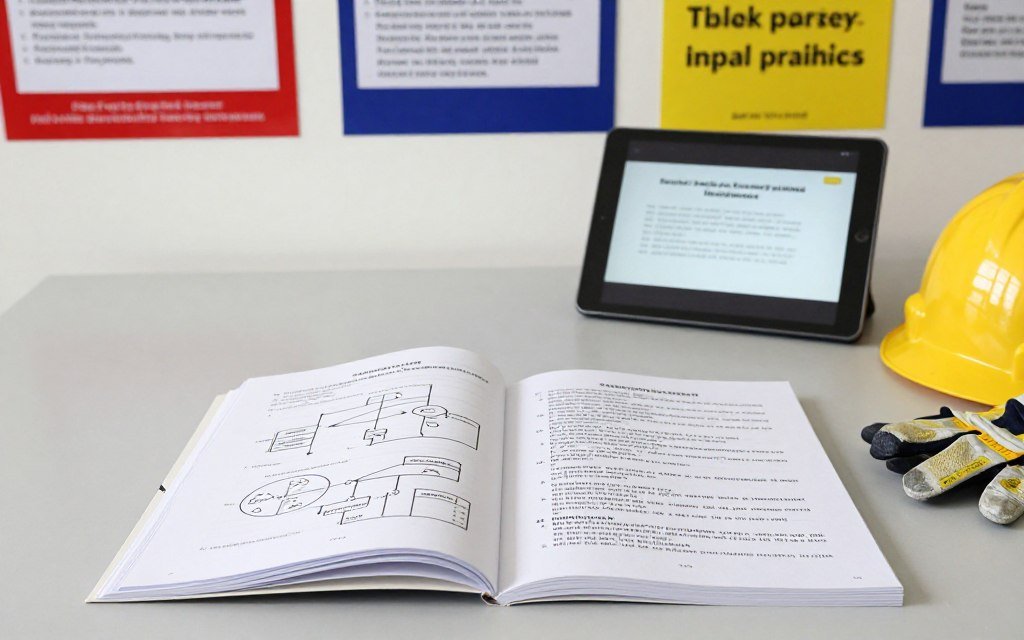
Comprehensive training ensures your team can operate, maintain, and troubleshoot equipment effectively. Training covers equipment operation procedures, safety protocols, quality control procedures, routine maintenance tasks, and basic troubleshooting. Advanced training includes recipe formulation, production optimization, and preventive maintenance planning.
Training happens at your facility during installation and commissioning. Hands-on practice with actual production runs provides real experience. We also provide detailed operation manuals in English or Filipino. Video training materials supplement written documentation.
Ongoing Technical Support
Technical assistance continues long after installation. Our support team responds to questions via WhatsApp, email, or phone within 24 hours. Most issues get resolved remotely through troubleshooting guidance. For complex problems, we can access your system remotely (if you have internet-connected controls) to diagnose issues.
When parts need replacement, we ship them quickly. Critical wear parts ship via air freight for 5-7 day delivery to Philippines. Standard parts ship by sea freight. Our dealer network in Philippines will stock common parts locally, reducing delivery time to 1-3 days.
Warranty and Service Agreements
Standard warranty covers equipment for one year or 7,200 operating hours, whichever comes first. This warranty includes parts and labor for manufacturing defects. Wear items like dies, rollers, and screens are excluded—they’re consumables that require periodic replacement.
Extended warranty and service contracts are available. These agreements provide priority support, regular maintenance visits, parts discounts, and guaranteed response times. Large commercial operations often choose service contracts for peace of mind and predictable maintenance budgets.
Get Complete Installation and Support Services
Your equipment investment deserves professional installation and expert training. I provide turnkey services that take you from empty building to full production. Get detailed service quotations and support packages tailored to your project size and location in Philippines.
About MAIKONG: Company Profile and Certifications
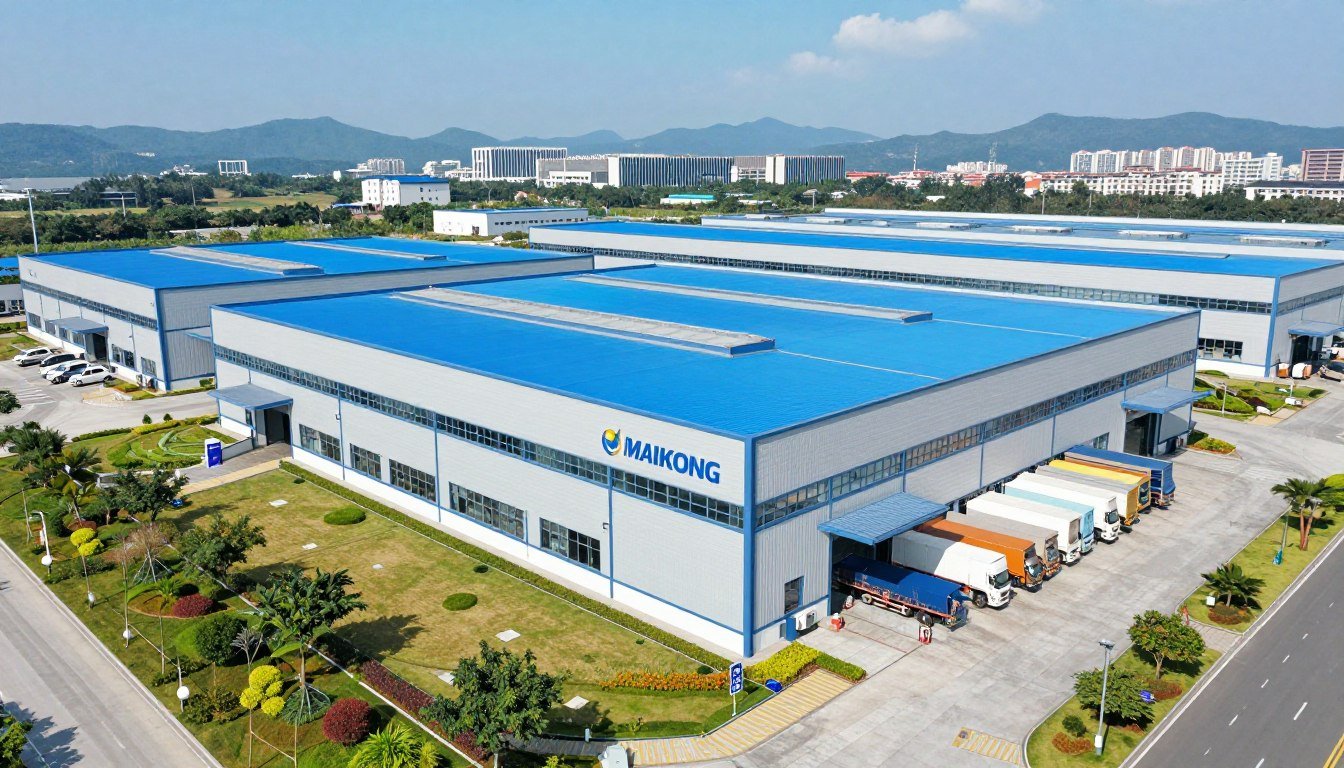
MAIKONG was founded in 1995 in Shenzhen, China. Nearly 30 years of experience have made us experts in pellet production technology. We’ve designed, manufactured, and installed over 2,000 complete feed mills across 140 countries. This global experience gives us unique insights into diverse applications and operating conditions.
Manufacturing Capabilities and Quality Control
Our Shenzhen facility spans 15,000 square meters of production space. Advanced CNC machining centers ensure precision manufacturing. We control critical processes in-house—gear cutting, heat treatment, assembly, and testing all happen at our facility. This vertical integration ensures quality and allows rapid customization.
Quality control starts with raw materials. We source steel from certified suppliers and test incoming materials. During manufacturing, dimensional inspections verify tolerances. Heat treatment gets verified through hardness testing. Finished components undergo functional testing before assembly. Complete machines run for 8 hours minimum before shipping to verify performance.
International Certifications
- ISO 9001:2015 Quality Management certification
- CE certification for European safety standards
- SGS inspection and verification certification
- Multiple utility patents for innovations
- Export licenses for international trade
Global Project Experience
We’ve completed projects throughout Asia, Africa, Europe, Americas, and Oceania. Notable installations include 25-ton-per-hour poultry feed mills in Mexico, 20-ton-per-hour animal feed plants in Pakistan, 50,000-ton annual capacity facilities in China, and numerous small to medium installations across Southeast Asia including Philippines.
Research and Development
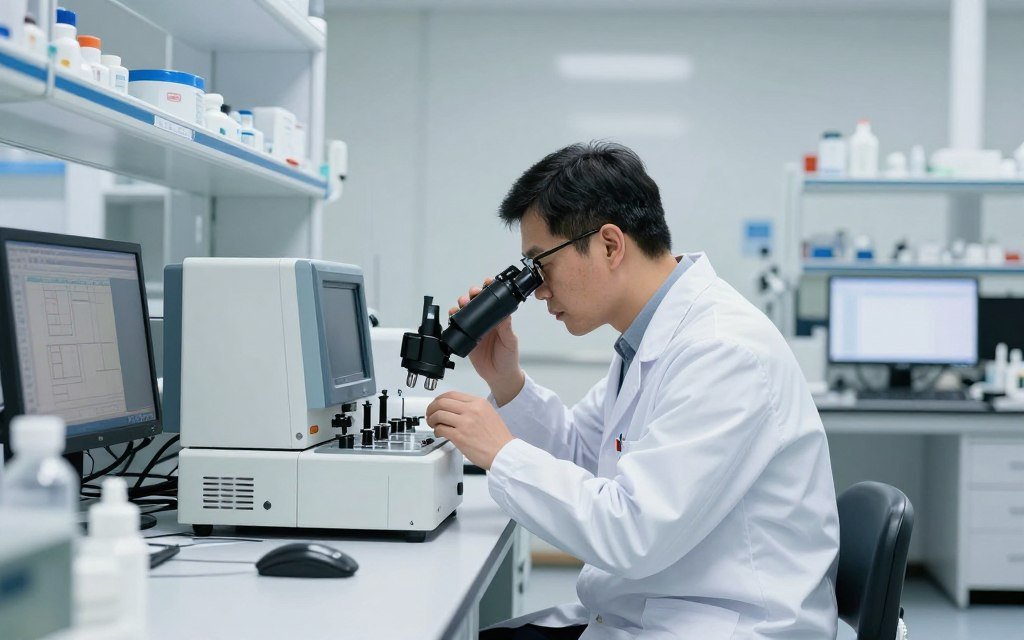
Our R&D team continuously improves equipment designs. Recent innovations include high-efficiency conditioning systems that improve pellet quality, energy-saving motor drives that reduce operating costs, automated die-changing systems that minimize downtime, and improved sealing systems for tropical environments.
We work closely with feed nutritionists and livestock experts. This collaboration ensures our equipment meets real-world production needs. Your feedback and requirements drive our innovation. I welcome suggestions for improvements or new features.
Why Philippine Operations Choose MAIKONG
Several factors make MAIKONG equipment ideal for Philippine operations. We understand tropical conditions—humidity, temperature swings, and power quality issues. Our designs account for these challenges. Voltage compatibility gets built in from the start. Component selection prioritizes corrosion resistance and reliability in humid environments.
Service and support matter. I’m building a strong dealer network throughout Philippines. Local parts availability, technical support in English or Filipino, and fast response times ensure your operation runs smoothly. Many Chinese suppliers struggle with after-sales service. I prioritize long-term relationships over quick sales.
Join MAIKONG’s Philippines Dealer and Distributor Network
I’m actively recruiting partners across the Philippines to build a comprehensive sales and service network. This partnership opportunity offers substantial income potential for qualified businesses and entrepreneurs. Let me explain what being a MAIKONG dealer means.

Dealer Benefits and Support
MAIKONG dealers receive exclusive territory rights. Once we appoint a dealer for a region, we don’t sell directly in that area. All local inquiries get referred to you. This protection ensures you capture local market opportunities without competition from us.
Financial Benefits
- Attractive dealer margins on equipment sales (20-35%)
- Additional income from installation services
- Ongoing revenue from spare parts sales
- Service contract commissions
- Performance bonuses for meeting targets
- Exclusive territory protection
Business Support
- Comprehensive technical training in Shenzhen
- Marketing materials and sales tools
- Demo equipment for customer visits
- Co-op advertising support
- Lead generation assistance
- Technical support for your customers
Ideal Dealer Profile
Successful dealers typically have existing businesses in related industries. Agricultural equipment dealers, feed suppliers, farm supply companies, and import/distribution businesses make excellent partners. You need sales capability, technical aptitude, and commitment to customer service.
Financial stability matters. Initial investment requirements include demo equipment, spare parts inventory, and working capital. Total investment ranges from $30,000 to $150,000 depending on territory size and business model. This investment returns quickly through equipment sales and service revenue.
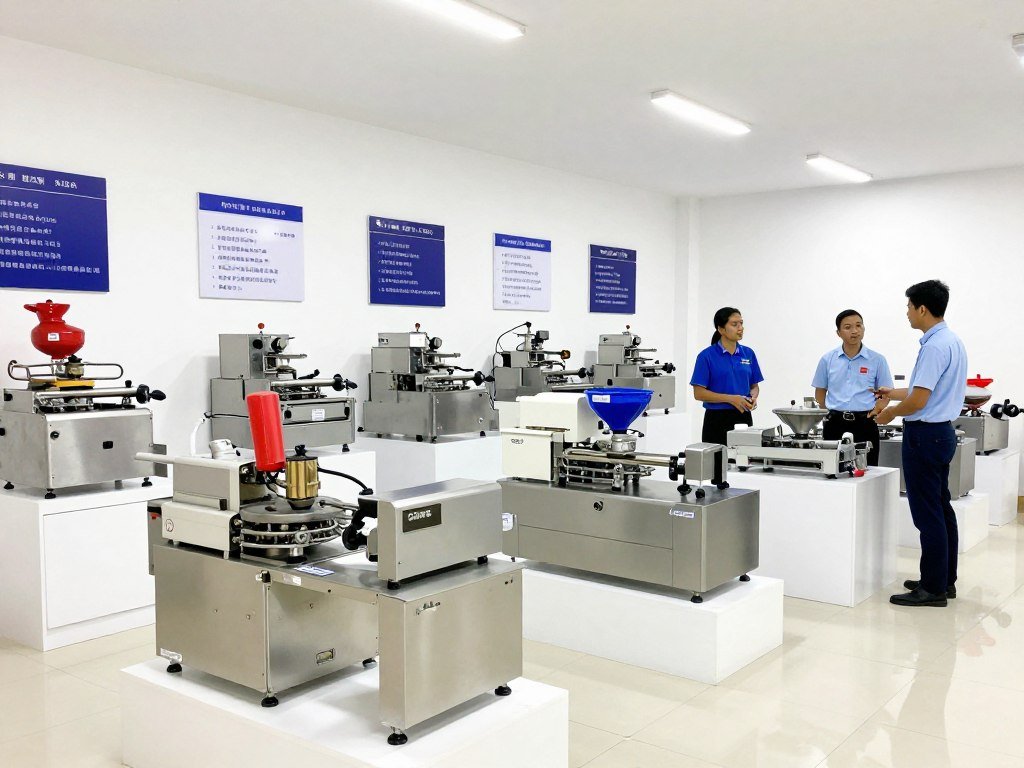
Training and Ongoing Education
New dealers receive comprehensive training at our Shenzhen facility. The program covers product knowledge (all equipment models and applications), technical skills (installation, maintenance, troubleshooting), sales techniques and customer consultation, business processes and order management, and warranty and service procedures.
Training lasts 2-3 weeks depending on your technical background. We cover travel and accommodation costs for initial training. Ongoing education happens through webinars, updated product documentation, annual dealer conferences, and field support visits.
Success Stories from Our Dealer Network
Current dealers report strong business growth and customer satisfaction. A Vietnam dealer started with small farm equipment. Within three years, they became the leading feed equipment supplier in their region. Annual revenue exceeded $2 million from MAIKONG products alone.
A Pakistan distributor specialized in poultry equipment. Adding MAIKONG feed production lines provided their customers complete solutions. This integration increased customer retention and opened new market segments. They now operate three sales offices covering major agricultural regions.
These success stories can happen in Philippines too. The market is growing. Farmers increasingly recognize pelletized feed benefits. Government programs encourage agricultural modernization. This creates tremendous opportunities for partners who act now.
Become MAIKONG’s Partner in the Philippines
This is your opportunity to build a profitable business distributing world-class feed production equipment. Join our successful dealer network and capture growing demand in your territory. Limited territories available—contact me today to discuss exclusive partnership opportunities.
Email: Lucy@pelletmachine.ph
Frequently Asked Questions About Feed Pellet Machines and Services
I receive many questions about equipment selection, customization, and operation. Here are detailed answers to the most common inquiries.
What capacity feed pellet machine do I need for my farm?
Capacity depends on your daily feed consumption. Calculate your animals’ total feed requirements and divide by available production hours. Add 20% margin for flexibility. For example, 5,000 chickens eating 100kg feed daily need 500kg daily production. If you operate 8 hours, you need a 63kg/hour machine minimum. I’d recommend a 100-200kg/hour unit for comfortable operation with room for growth.
Can your equipment work with Philippine voltage (220V)?
Yes, absolutely. We configure motors and electrical components for Philippine voltage standards. Small machines (under 2 tons/hour) can run on 220V single-phase. Larger systems require 380V three-phase power. If three-phase isn’t available at your location, we can provide phase converter solutions. Always specify your voltage requirements when ordering.
How long does equipment delivery take to Philippines?
Production time is 15-45 days depending on equipment complexity and current order volume. Sea freight from Shenzhen to Manila takes 7-14 days. Customs clearance adds 3-7 days. Total time from order confirmation to delivery at your facility is typically 30-75 days. Rush production is available for urgent projects with expedited fees. Air freight reduces shipping time to 5-7 days but costs significantly more.
What raw materials can I use in feed pellet production?
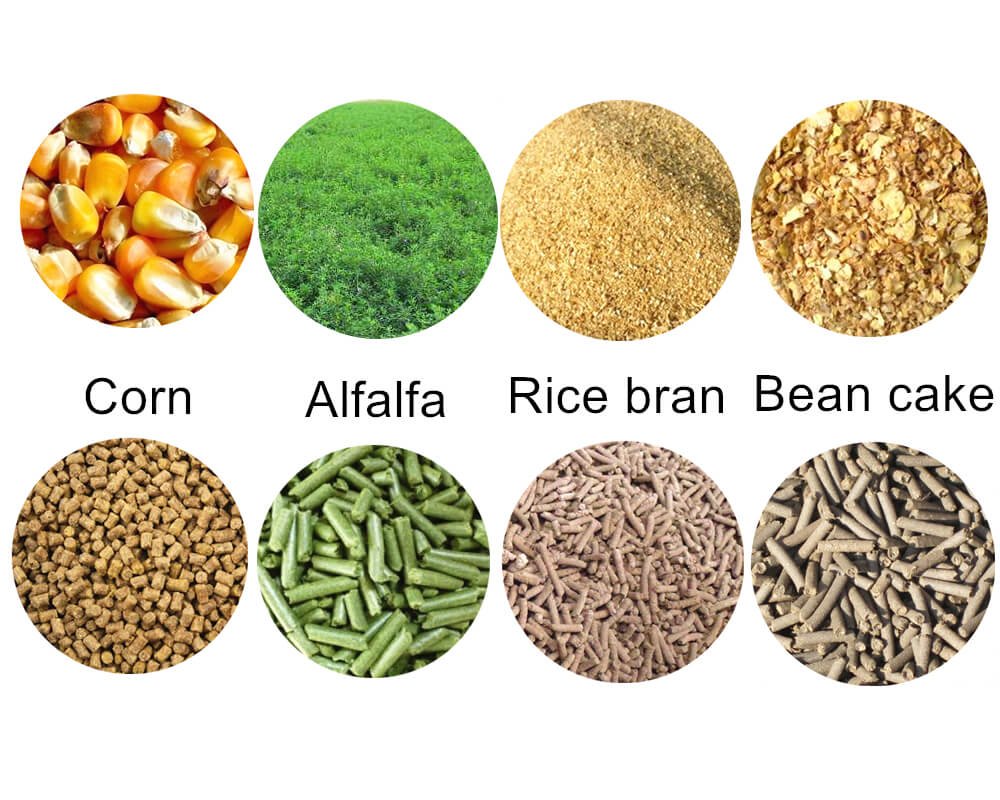
Our equipment processes virtually any feed ingredient. Common materials include corn, wheat, rice, sorghum, soybean meal, fishmeal, wheat bran, alfalfa, grass, molasses, and vitamin/mineral premixes. Moisture content should be 12-15% for optimal pelleting. Very dry materials may need moisture addition. Very wet materials require drying first. Particle size after grinding should be 1-3mm for best results. I can provide specific guidance based on your available ingredients.
How much electricity does a feed pellet mill consume?
Power consumption depends on capacity and system configuration. A 1-ton-per-hour system uses approximately 50-75 KW total (including grinding, mixing, and pelleting). Operating 8 hours daily consumes 400-600 KWh. At typical Philippine electricity rates of 8-10 pesos per KWh, daily power cost is 3,200-6,000 pesos. Larger systems have better efficiency per ton produced. Energy-saving variable frequency drives reduce consumption by 15-20%.
What maintenance does feed pellet equipment require?
Daily maintenance includes cleaning pellet dies and inspecting pellet quality. Weekly tasks involve checking bearing temperatures and greasing points. Monthly maintenance includes detailed inspection of wear parts, oil level checks, and belt tension adjustment. Ring dies last 800-1,500 hours depending on materials processed. Rollers need inspection every 500 hours. Following the maintenance schedule prevents breakdowns and extends equipment life by years. I provide detailed maintenance manuals with every installation.
Can I produce both floating and sinking fish feed pellets?
Yes, but they require different equipment. Standard ring die pellet mills produce sinking pellets suitable for bottom-feeding fish. Floating feed requires twin-screw extruder technology. The extrusion process creates expanded pellets that float. Some fish species need floating feed, others prefer sinking. I recommend extruders for tilapia, catfish, and surface-feeding species. Ring die mills work fine for milkfish, carp, and bottom feeders. For maximum flexibility, some operations install both types.
Do you provide spare parts and how quickly can I get them?
Yes, spare parts availability is a priority. Our Shenzhen warehouse stocks all common wear parts. Critical parts ship via air freight—arrival in Philippines within 5-7 days. Standard parts ship by sea freight taking 2-3 weeks. Through our developing Philippines dealer network, common parts will be stocked locally for same-day or next-day availability. When ordering equipment, I recommend purchasing a spare parts kit including extra dies, rollers, belts, and other consumables. This ensures you have parts on hand when needed.
What certifications do your feed pellet machines have?
MAIKONG equipment holds ISO 9001:2015 quality management certification, CE certification for European safety standards, and SGS third-party inspection verification. We also hold multiple Chinese utility patents for design innovations. These certifications ensure our equipment meets international quality and safety standards. Documentation is provided with every machine for your records and any regulatory requirements in Philippines.
Can you customize production lines for specific requirements?
Absolutely. Customization is a core service. We modify equipment for special ingredients, unusual pellet sizes, specific capacity requirements, space constraints, automation preferences, and integration with existing equipment. Some customers need unique features like explosion-proof electrical systems for dust hazard areas or special coatings for corrosive ingredients. We design solutions for these requirements. The key is discussing your needs early in the design process. Custom features typically add 2-4 weeks to production time and 10-30% to equipment costs depending on complexity.

Contact MAIKONG to Start Your Feed Production Project
Whether you’re planning a small on-farm feed mill or a large commercial production facility, I’m here to help. My team provides free consultation to understand your requirements and recommend optimal solutions. There’s no obligation—just expert guidance to help you make informed decisions.

Multiple Ways to Reach Us
I offer convenient communication options suited to your preferences. WhatsApp is fastest for quick questions and photo sharing. Many Philippine customers prefer WhatsApp because it works well on mobile devices with limited data. You can send photos of your facility, ask quick questions, and get rapid responses.
Contact Information
WhatsApp / Phone:
+86 135 1090 7401
Email:
Lucy@pelletmachine.ph
Website:
https://pelletmachine.ph/
Business Hours:
Monday – Saturday: 8:00 AM – 8:00 PM Philippine Time
Sunday: 9:00 AM – 6:00 PM Philippine Time
Response Time:
WhatsApp/Phone: Within 2 hours during business hours
Email: Within 24 hours
Weekends/Holidays: Within 48 hours
What to Include in Your Inquiry
- Type of feed you want to produce (fish, poultry, livestock, pet food)
- Daily or monthly production targets
- Available raw materials and ingredient sources
- Current operation size (number of animals or existing production)
- Available facility space and dimensions
- Power supply specifications (voltage, phase)
- Budget range for equipment investment
- Timeline for project completion
- Any special requirements or concerns
The more information you provide, the more accurately I can design your solution and prepare quotations. Don’t worry if you don’t know all details yet—we can discuss and determine requirements together.
What Happens After You Contact Us
First contact starts a consultation process. I’ll ask questions to understand your operation, goals, and constraints. This typically takes 30-60 minutes via phone or several email exchanges. Based on this discussion, I’ll prepare preliminary recommendations including equipment suggestions, capacity calculations, and budget estimates.
If recommendations match your needs, I’ll develop a detailed proposal. This includes specific equipment models, technical specifications, production line layout drawings, itemized pricing, delivery timeline, and payment terms. Proposal preparation takes 3-5 business days for standard projects, longer for complex custom installations.
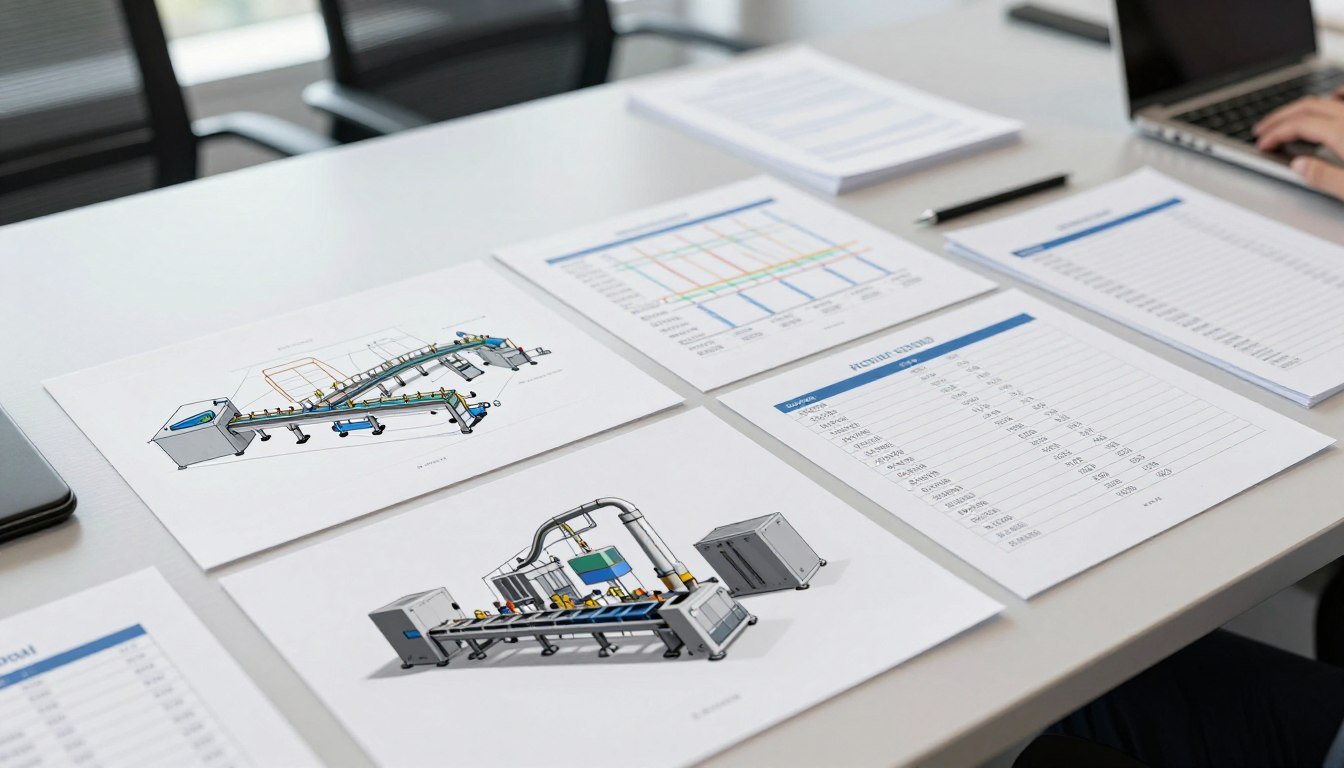
After proposal review, we’ll refine details based on your feedback. Maybe you need capacity adjustment, want different payment terms, or have questions about specifications. I’ll work with you until the proposal perfectly matches your requirements. Only then do we proceed to contract and order.
Visit Our Website for More Information
Our website pelletmachine.ph contains extensive information about products and services. You can explore detailed specifications for specific machines, view completed project case studies, download technical brochures and catalogs, watch equipment operation videos, and read customer testimonials and reviews.
The site includes links to specialized equipment pages. If you’re interested in specific applications, visit our dedicated pages:
- Fish Feed Pellet Machine – Aquaculture feed solutions
- Animal Feed Pellet Machine – Livestock feed equipment
- Chicken Feed Production Line – Poultry feed systems
- Feed Pellet Production Line – Complete mill solutions
- Fertilizer Pellet Machine – Organic fertilizer production
- About MAIKONG – Company background and capabilities
Start Your Feed Production Journey with MAIKONG Today
Transform your farm or launch your feed business with expert guidance and quality equipment. Contact me now for free consultation, detailed technical proposals, and competitive quotations. Let’s build your success together in the Philippines feed production industry.
Visit our website: https://pelletmachine.ph/
Building Your Feed Production Success with MAIKONG
Feed production transforms farms and creates businesses. I’ve seen small chicken farmers grow into regional feed suppliers. I’ve watched entrepreneurs build profitable pet food brands. I’ve helped cooperatives reduce costs and improve member profitability. These successes share common elements—quality equipment, proper planning, and committed support.
MAIKONG provides all three. Our equipment combines Chinese manufacturing efficiency with international quality standards. Nearly 30 years of experience means we understand what works and what fails. Over 2,000 installations across 140 countries prove our designs work in diverse conditions. Our commitment extends beyond equipment sales to long-term partnerships.
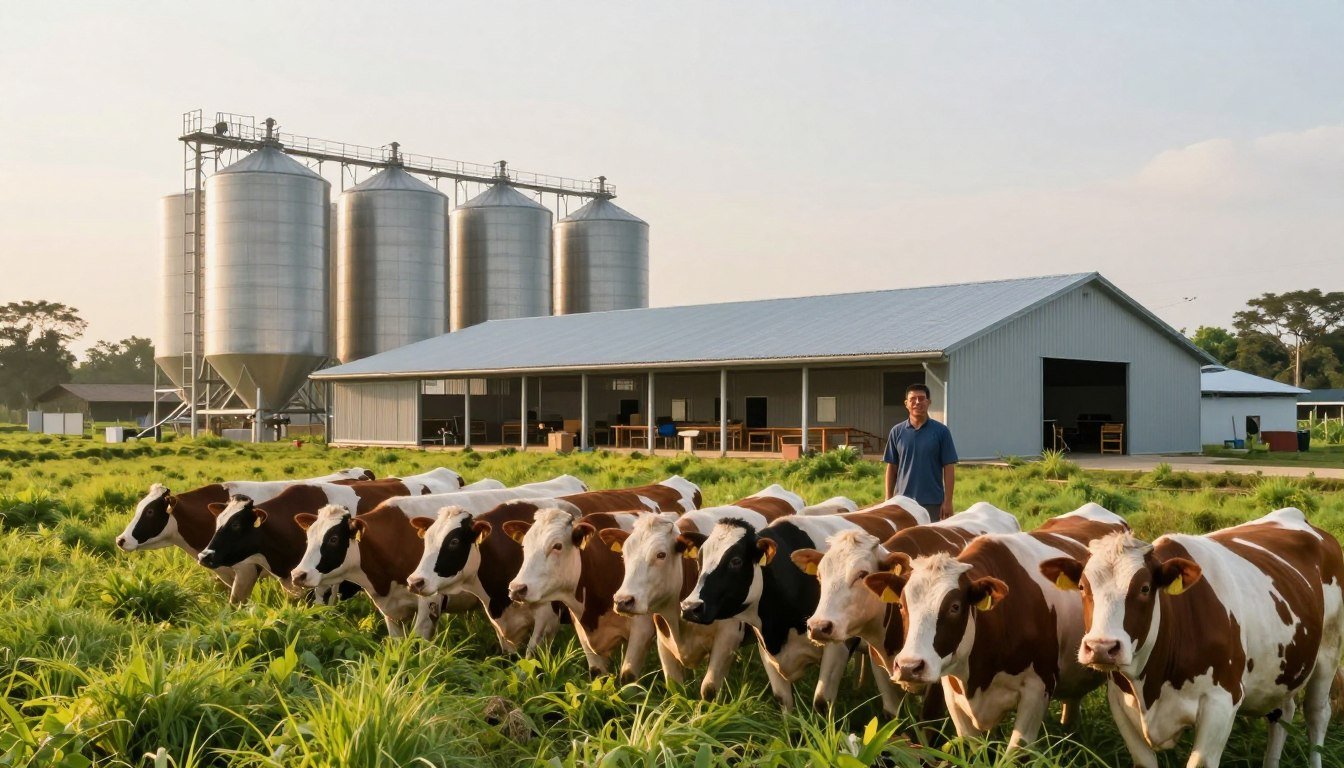
Philippines agriculture has tremendous potential. Growing population increases food demand. Rising incomes drive consumption of meat, fish, and processed foods. Modern feed production gives you advantages—cost control, quality consistency, and flexibility that generic commercial feed cannot match. Whether you farm, manufacture feed commercially, or want to become a MAIKONG dealer, opportunities await.
I invite you to contact me today. Let’s discuss your goals and design solutions that match your vision. Free consultation costs you nothing but time. The insights you gain help make better decisions regardless of equipment choice. Most customers who contact me proceed to orders because our approach focuses on their success, not our sales targets.
The feed production industry grows daily. Competitors enter markets. Technologies advance. Customer expectations rise. Delaying decisions means missed opportunities. Contact MAIKONG now to start your journey toward more profitable, efficient feed production. I look forward to working with you and contributing to your success in the Philippines.
Take the first step—contact Lucy at MAIKONG today:
Email: Lucy@pelletmachine.ph
Website: https://pelletmachine.ph/
Copy©2026-2030