
This guide helps Philippine aquaculture businesses select the right production equipment. We cover capacity planning, technical specifications, cost analysis, and supplier evaluation. You will learn what to look for in a fish feed production line that matches your business needs.
Fish Feed Production Systems for Philippines Aquaculture
The Philippine fish feed market serves diverse species. Tilapia farms need floating pellets. Bangus operations require specific pellet sizes. Shrimp farms demand sinking feeds with precise nutrient profiles.
Two main technologies dominate feed production: pellet mills and extruders. Each serves different purposes in the aqua feed production line market.
Pellet Mill vs Extrusion Technology
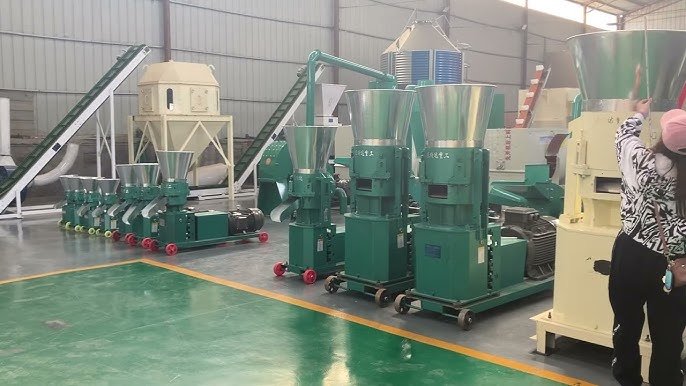
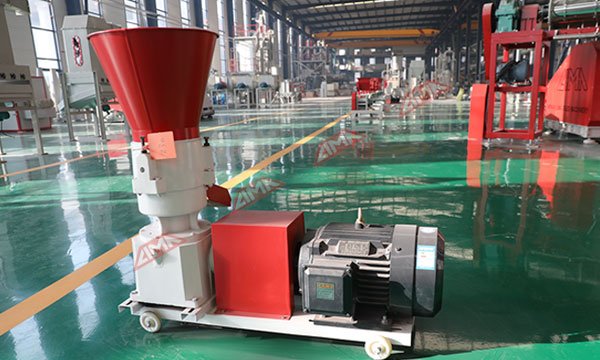
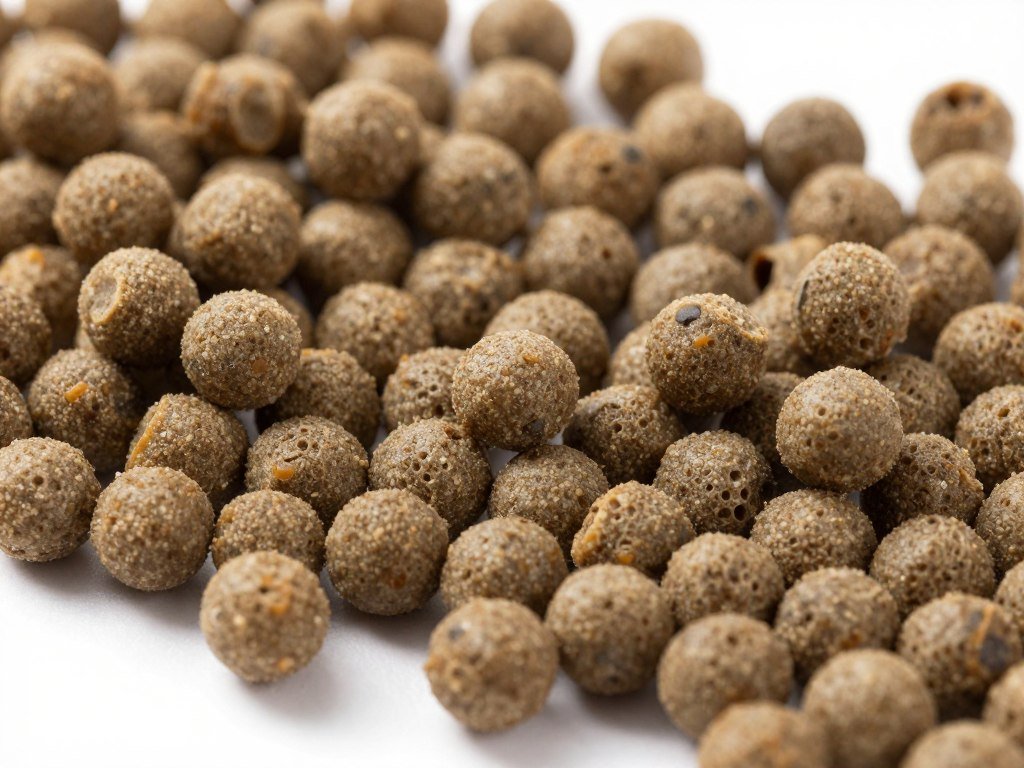
Traditional pellet mill systems compress raw materials through dies using mechanical pressure. These produce sinking pellets suitable for bottom-feeding species. The process operates at lower temperatures and costs less to run.
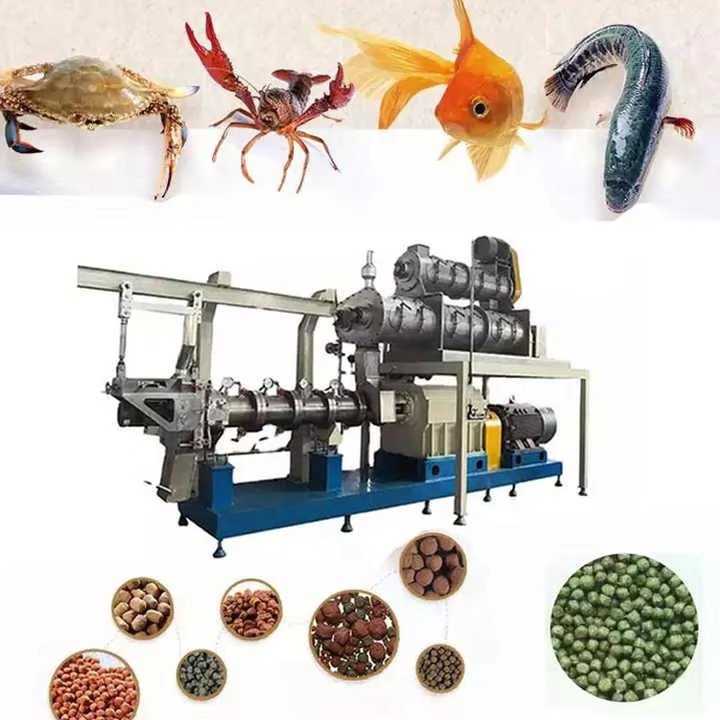
Extrusion technology works differently. It uses heat, pressure, and mechanical shear to cook ingredients. The extrusion process creates floating feed pellets through steam expansion. This method offers better nutrient digestibility and water stability.
Pellet Mill Advantages
- Lower initial investment cost
- Simpler operation and maintenance
- Less power consumption
- Suitable for sinking feed production
- Good for catfish and bottom feeders
Extrusion Benefits
- Produces floating fish feed pellets
- Better starch gelatinization
- Improved feed quality and digestibility
- Higher water stability (4-8 hours)
- Suitable for tilapia and surface feeders
Complete Production Line Components
A full fish feed production line includes multiple integrated machines. Understanding each component helps you evaluate system completeness when comparing suppliers.
- Raw Material Receiving: Storage silos, pneumatic conveyors, and pre-cleaning screens remove unwanted materials
- Grinding & Mixing: Hammer mills reduce particle size while mixers ensure uniform ingredient distribution
- Pelleting/Extrusion: The core manufacturing stage where pellets form through compression or expansion
- Cooling & Drying: Counter-flow coolers remove excess heat and moisture for storage stability
- Screening & Packaging: Vibrating screens remove fines while automated packers ensure consistent bag weights
MAIKONG fish feed production line systems integrate all these components. Our engineers design layouts that optimize workflow and minimize manual handling. Each machine connects seamlessly for continuous operation.
Capacity Planning for the Philippines Aquaculture Market
Choosing the right production capacity determines your business success. Too small limits growth potential. Oversized systems waste capital and operating resources.
Philippine aquaculture operations vary widely. Small family farms may need 200-500 kg/hour capacity. Medium cooperatives require 1-5 tons/hour systems. Large commercial operations demand 10-50 tons/hour production capability.
Calculating Your Required Output
Start with your current and projected farming scale. A 5-hectare tilapia farm typically consumes 15-20 tons of feed monthly. Calculate based on stocking density, feeding rates, and growth cycles.
Consider these factors when sizing your aqua fish feed production line:
Production Volume Factors
Your daily feed needs multiply by safety margin and growth projection:
- Current farm feed consumption
- 3-year expansion plans
- Neighboring farm supply potential
- Seasonal demand fluctuations
Operating Schedule
Running time directly impacts capacity selection decisions:
- Single shift vs multiple shifts
- Days per week operation
- Maintenance downtime allowance
- Peak season production needs
Product Variety
Multiple feed types reduce effective throughput rates:
- Different species requirements
- Various pellet sizes (2-8mm)
- Floating vs sinking feed
- Changeover time between batches
Market Opportunities
External sales add revenue while justifying larger capacity:
- Local cooperative members
- Commercial feed sales potential
- Contract manufacturing opportunities
- Regional distribution capability
MAIKONG Capacity Range Options
MAIKONG offers fish feed production line configurations from 200 kg/hour to 200 tons/hour. This range covers all Philippine market segments. Each system can be customized for voltage (220V/380V), pellet size, and ingredient specifications.
| Capacity Range | Target Market | Power Requirement | Typical Investment (USD) | Operating Crew |
| 200-500 kg/h | Small farms, fish ponds | 15-30 kW | $8,000-$15,000 | 1-2 workers |
| 1-2 T/H | Cooperative groups | 47-75 kW | $10,000-$50,000 | 2-3 workers |
| 3-5 T/H | Medium feed mills | 53-165 kW | $50,000-$120,000 | 3-5 workers |
| 8-10 T/H | Regional suppliers | 125-410 kW | $150,000-$300,000 | 5-8 workers |
| 20-50 T/H | Commercial operations | 358-870 kW | $450,000-$850,000 | 8-15 workers |
Get Custom Capacity Recommendation
Our engineers analyze your specific needs and recommend the optimal fish feed production line configuration. Free consultation includes capacity calculation, layout planning, and ROI projection for your Philippine operation.
Key Technical Specifications for Philippine Fish Feed Production
Technical specifications directly impact feed quality, operating costs, and production efficiency. Philippine conditions require specific considerations for voltage, humidity control, and material compatibility.
Pellet Quality Parameters
Different fish species need specific pellet characteristics. Tilapia fingerlings require 1-2mm crumbles. Adult tilapia perform best with 3-5mm floating pellets. Catfish need sinking pellets with high density.
- Pellet Size Range: Adjustable dies from 1.5mm to 10mm diameter for different growth stages
- Water Stability: Floating feed should maintain integrity for 6-8 hours in tropical conditions
- Pellet Durability Index (PDI): Minimum 85% to reduce fines and waste during handling
- Bulk Density: 550-650 kg/m³ for optimal storage and handling characteristics
- Moisture Content: Final product 10-12% for shelf stability in humid Philippine climate
Power and Utility Requirements
Philippine electrical infrastructure typically provides 220V single-phase or 380V three-phase power. MAIKONG feed pellet machine systems accommodate both standards. Custom voltage configuration prevents compatibility issues.
Extruder fish feed production line 500kg capacity typically requires 55-75 kW total power. This includes the main extruder, conditioner, dryer, and auxiliary equipment. Factor in 20-30% additional capacity for peak loads and future expansion.
Important: Calculate total power demand including auxiliary systems. Cooling equipment, conveyors, and dust collection add 15-25% to main machine power requirements. Ensure your electrical service can handle continuous operation at rated capacity.
Automation and Control Systems
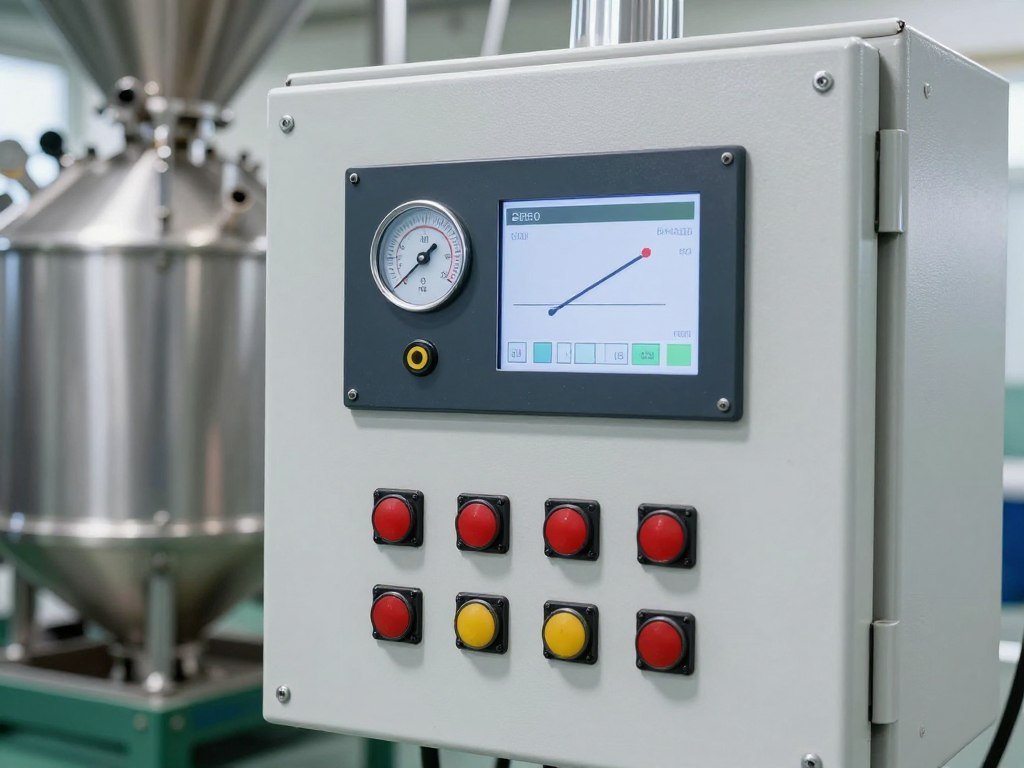
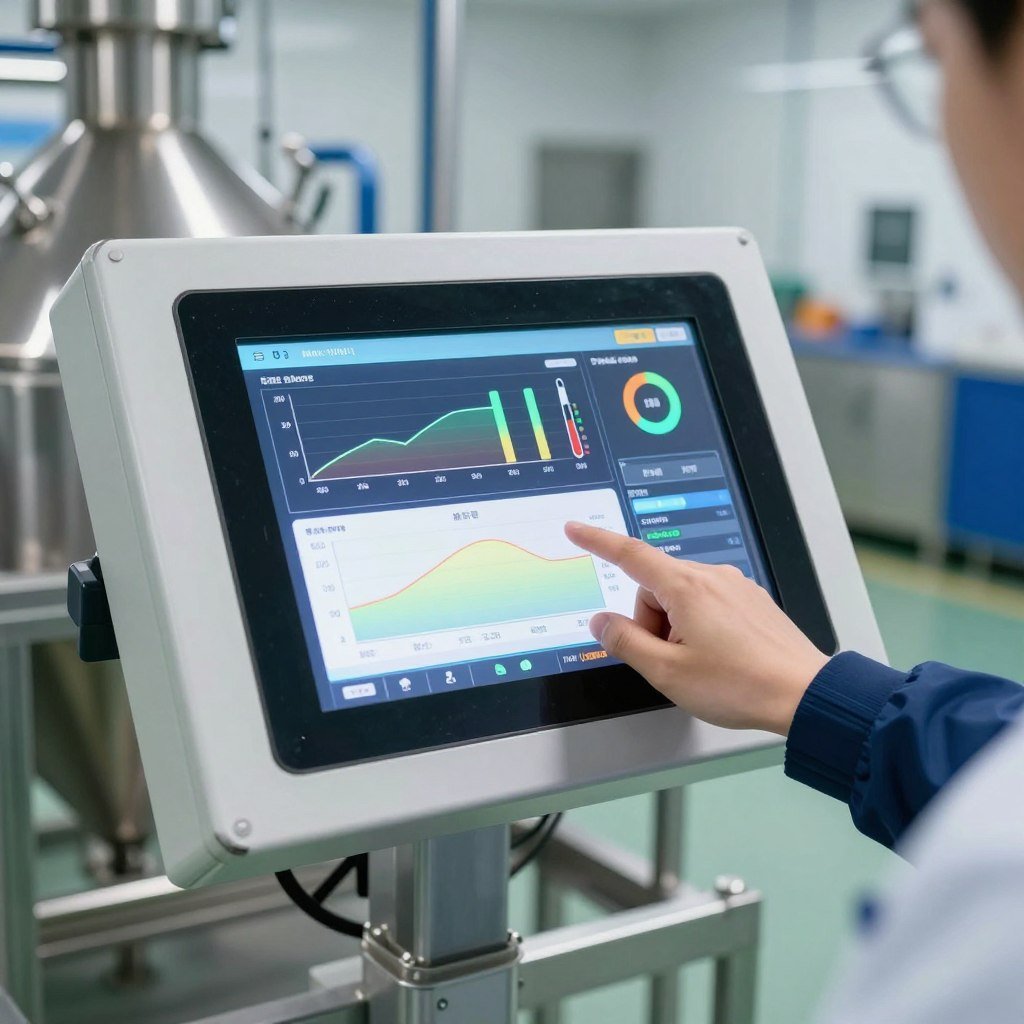
Modern fish feed production lines offer varying automation levels. Basic systems use manual batching and monitoring. Semi-automatic lines incorporate PLC control for key parameters. Fully automated systems manage the entire process with minimal operator intervention.
For Philippine operations, semi-automatic systems provide the best balance. They reduce labor costs while maintaining operator control over quality. Key automation features include:
Essential Automated Functions
- Temperature monitoring and control in conditioner and dryer
- Automatic ingredient batching with load cells
- Variable speed drives on main motors
- Emergency stop systems and safety interlocks
- Production counter and batch recording
Raw Material Selection and Processing for Philippines Fish Feed
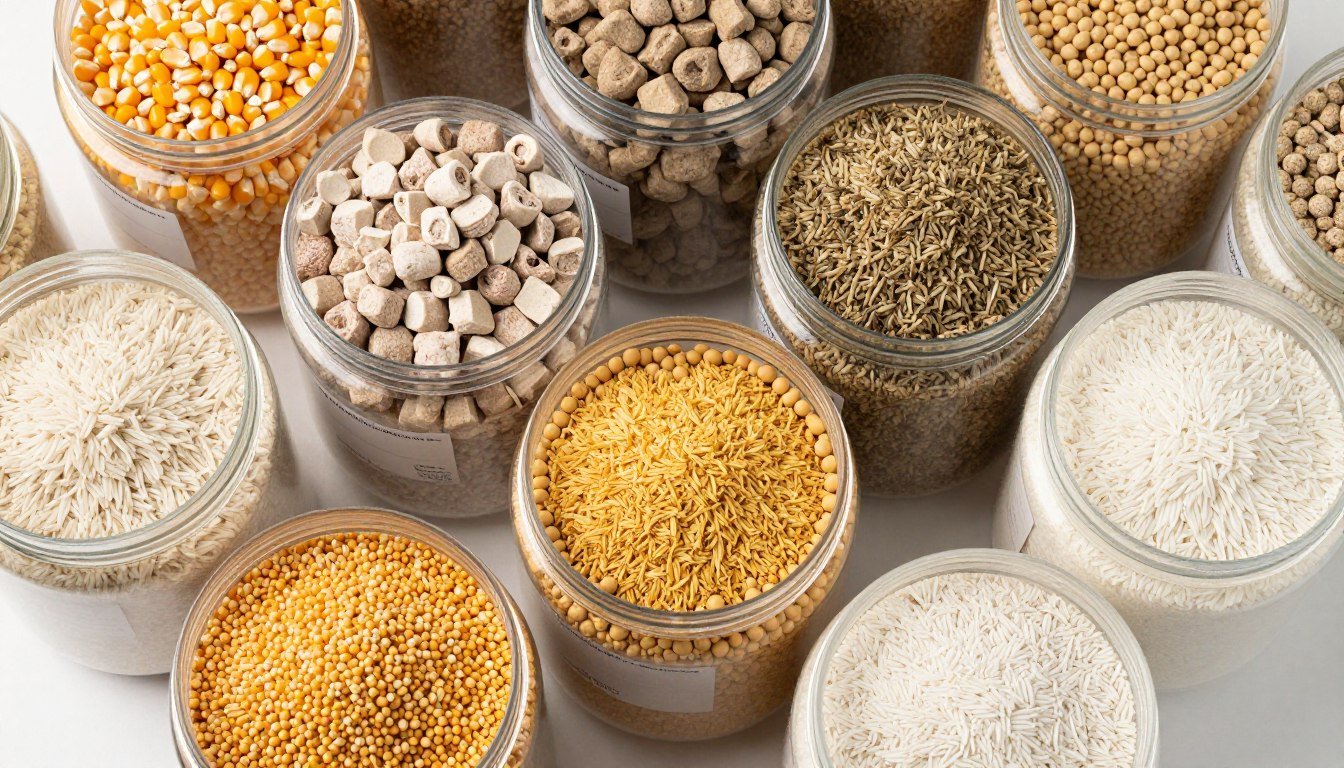
The Philippines offers excellent local raw materials for fish feed manufacturing. Rice bran, copra meal, and fish meal are readily available. Proper ingredient selection reduces cost while maintaining nutrient profiles.
Your fish feed production line must handle these local ingredients effectively. Different raw materials have varying moisture content, particle size, and flow characteristics. Machine design should accommodate this diversity.
Common Philippine Feed Ingredients
Formulating cost-effective fish feed requires balancing nutrition with local availability. These ingredients form the foundation of most Philippine aqua fish feed production line formulations:
| Ingredient | Protein Content | Primary Function | Typical Inclusion Rate | Local Availability |
| Fish Meal | 60-65% | Protein source | 10-25% | Good (coastal areas) |
| Soybean Meal | 44-48% | Plant protein | 15-30% | Imported |
| Rice Bran | 12-15% | Filler, fiber | 10-20% | Excellent |
| Copra Meal | 18-22% | Energy, protein | 5-15% | Excellent |
| Corn/Maize | 8-10% | Energy source | 20-40% | Good |
| Vitamins & Minerals | N/A | Nutrient balance | 1-3% | Imported |
Grinding and Particle Size Control
Raw material particle size significantly affects pellet quality. Too coarse creates weak pellets. Too fine causes excessive dust and reduced throughput. The grinding mixing stage determines final product consistency.
MAIKONG hammer mills provide adjustable screen sizes from 1.5mm to 10mm. This flexibility lets you optimize particle size for different formulations. Finer grinding improves digestibility but increases energy consumption. Balance these factors based on your target species.
The mixing step ensures uniform nutrient distribution. Ribbon mixers or paddle mixers work for most applications. Mixing time typically ranges from 3-8 minutes depending on batch size and ingredient characteristics.
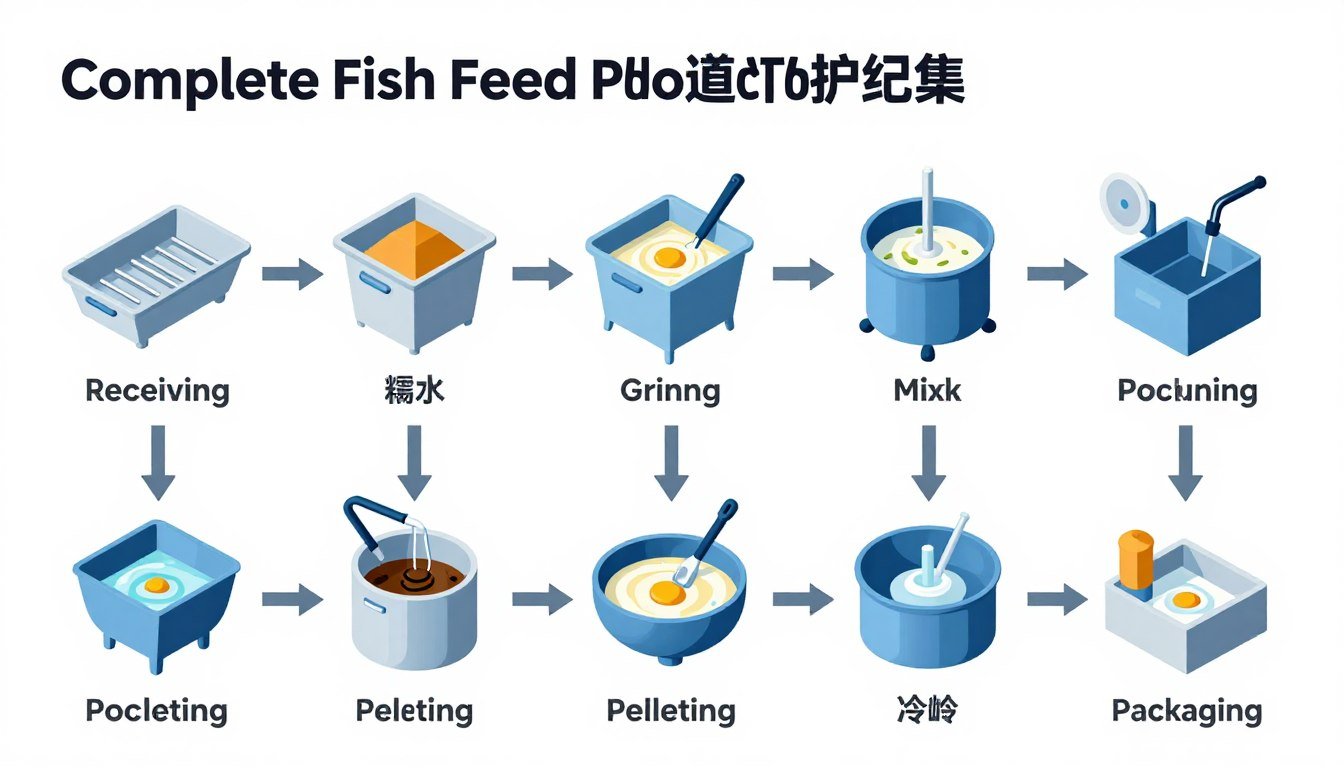
Complete Fish Feed Production Process Workflow
Understanding the complete process helps you evaluate system completeness. Each step affects final feed quality and production efficiency. Missing or undersized components create bottlenecks that limit overall output.
Step-by-Step Production Sequence
- Raw Material Receiving and Storage: Bulk ingredients arrive by truck and transfer to storage silos. Pneumatic conveyors or bucket elevators move materials. Pre-cleaning screens remove foreign objects and debris. Proper storage prevents moisture absorption and quality degradation in humid Philippine climate.
- Weighing and Batching: Automated or manual batching systems measure each ingredient according to formula specifications. Load cells ensure accuracy within 0.5-1% tolerance. Batch size typically equals 5-15 minutes of mixer capacity to maintain workflow continuity.
- Grinding and Size Reduction: Hammer mills pulverize coarse ingredients to specified particle size. Screen selection determines final fineness. Multiple passes may be needed for very hard materials. Dust collection systems capture fines for reintroduction.
- Mixing and Blending: All ingredients combine in horizontal or vertical mixers. Liquid ingredients like oils and vitamins add during this stage. Proper mixing ensures every pellet contains correct nutrient proportions. Coefficient of variation should be below 5% for quality feed.
- Conditioning: Steam injection heats and moisturizes the mash before pelleting or extrusion. This improves starch gelatinization and pellet durability. Conditioning time ranges from 30-90 seconds at 75-85°C temperature.
- Pelleting or Extrusion: The core transformation stage where mash becomes pellets. Pellet machines compress material through dies. Extruders cook and expand material through heat and pressure. Die size and configuration determine final pellet diameter and length.
- Drying and Cooling: Hot pellets exit the machine at 80-95°C with 18-22% moisture. Counter-flow coolers reduce temperature to ambient plus 3-5°C. Dryers remove excess moisture to 10-12% for storage stability. The drying cooling phase typically takes 10-15 minutes.
- Screening and Grading: Vibrating screens separate properly sized pellets from fines and oversized pieces. Fines return to the mixer for reprocessing. This ensures uniform pellet size for consistent feeding behavior.
- Coating (Optional): Oil or fat coating improves palatability and adds energy density. Spray systems apply 2-5% coating by weight. This step also reduces dust formation during handling.
- Packaging and Storage: Automatic bagging scales fill 25kg or 50kg bags. Sewing or heat-sealing closes bags. Finished feed stores in dry, ventilated warehouses. Shelf life reaches 3-6 months under proper conditions.
Critical Control Points for Quality
Monitoring specific parameters ensures consistent output. These checkpoints require regular measurement and adjustment:
Temperature Control: Conditioning chamber should maintain 75-85°C. Extruder barrel reaches 120-150°C depending on formulation. Excessive heat destroys heat-sensitive vitamins. Insufficient heat reduces starch cooking and pellet stability.
Moisture Management: Track moisture at conditioning (16-18%), after pelleting (18-22%), and final product (10-12%). High final moisture causes mold growth. Low moisture creates brittle pellets that crumble during handling.
Production Rate: Monitor actual throughput versus rated capacity. Low rates indicate worn dies, improper formulation, or mechanical issues. Maintaining 85-95% of rated capacity ensures economical operation.
Cost Analysis and Investment Planning for Philippine Operations
Initial capital investment represents one decision factor. Operating costs, maintenance expenses, and revenue potential determine actual profitability. A complete financial analysis prevents costly mistakes.
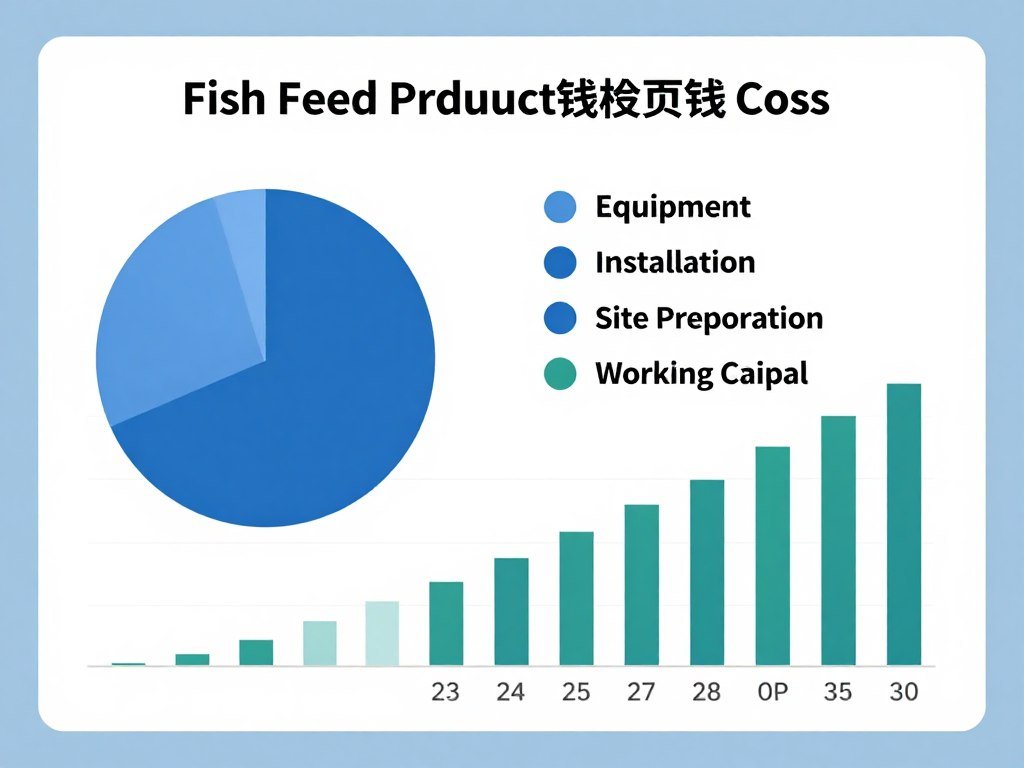
Initial Investment Breakdown
Total project cost includes more than equipment purchase price. Budget for site preparation, installation, training, and working capital. Philippine operations face specific considerations for customs, local permits, and utility connections.
| Cost Category | Percentage of Total | 1-2 T/H System | 5-7 T/H System | 20-40 T/H System |
| Equipment Purchase | 50-60% | $10,000-$50,000 | $70,000-$250,000 | $450,000-$850,000 |
| Shipping & Import | 8-12% | $2,000-$6,000 | $8,000-$30,000 | $50,000-$100,000 |
| Site Preparation | 10-15% | $3,000-$8,000 | $12,000-$40,000 | $60,000-$130,000 |
| Installation | 5-8% | $1,500-$4,000 | $6,000-$20,000 | $30,000-$70,000 |
| Commissioning & Training | 3-5% | $800-$2,500 | $4,000-$12,000 | $18,000-$42,000 |
| Working Capital | 15-20% | $4,000-$10,000 | $18,000-$50,000 | $90,000-$170,000 |
Operating Cost Considerations
Monthly operating expenses determine profitability. Philippine labor costs remain competitive compared to imported feed. Energy costs vary by region and power source. Raw material prices fluctuate seasonally.
A 3-5 ton/hour catfish feed production line typically incurs these monthly costs for 20 working days:
- Labor: 3-5 operators at ₱15,000-₱25,000 monthly = ₱45,000-₱125,000
- Electricity: 165 kW × 8 hours × 20 days × ₱8/kWh = ₱211,200
- Raw Materials: Variable based on formulation, typically ₱18-₱28 per kg finished feed
- Maintenance: 2-3% of equipment value annually = ₱10,000-₱20,000 monthly
- Overhead: Rent, insurance, administration = ₱30,000-₱80,000
Return on Investment Analysis
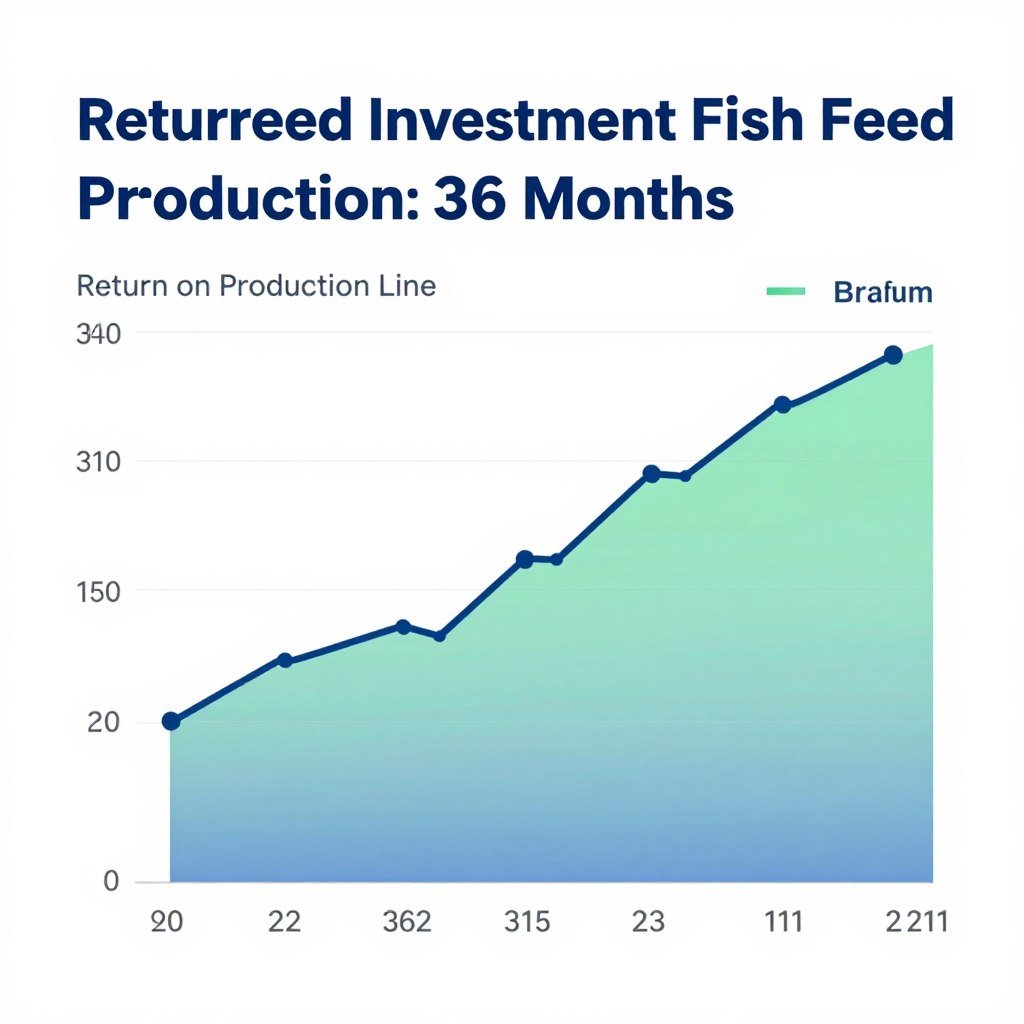
Payback period depends on production volume and market pricing. Self-consumption scenarios differ from commercial feed sales. Most Philippine operations achieve ROI within 18-36 months through combined own-use savings and external sales.
Example calculation for a 5 T/H chicken feed production line (applicable to fish feed with adjustments):
Revenue Scenario: Operating 8 hours daily, 20 days monthly produces 800 tons. Selling at ₱28/kg wholesale generates ₱22.4 million monthly revenue. Production cost averages ₱20/kg including all expenses, leaving ₱8/kg margin or ₱6.4 million monthly gross profit.
Investment Recovery: With total project cost of ₱7 million (approximately $125,000), break-even occurs in 13-15 months of commercial operation. Conservative scenarios extending to 24 months still provide excellent returns.
Own-Use Savings: Farms producing their own feed typically save ₱8-₱12 per kg versus commercial feed purchase. A 10-hectare tilapia operation consuming 30 tons monthly saves ₱240,000-₱360,000, recovering investment in 20-30 months.
Request Detailed Financial Projection
MAIKONG provides customized ROI analysis based on your specific situation. We calculate exact costs, revenue potential, and payback period for your Philippine location. This complimentary service helps you make confident investment decisions.
Evaluating China Fish Feed Production Line Suppliers
The Philippines imports most fish feed production equipment from China. China aqua fish feed production line manufacturers offer competitive pricing and established technology. However, supplier selection requires careful evaluation beyond initial price.
Manufacturing Experience and Track Record
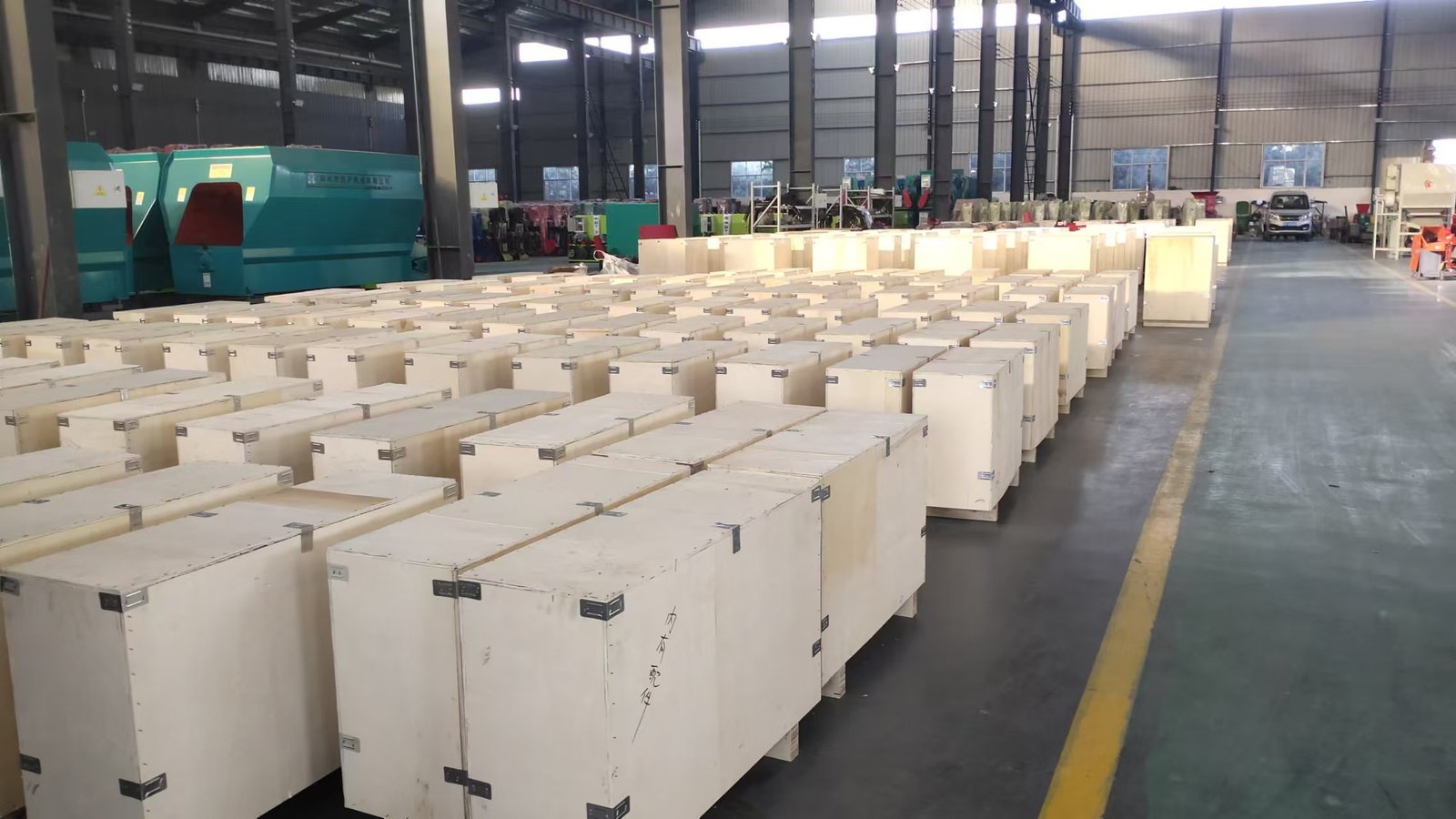
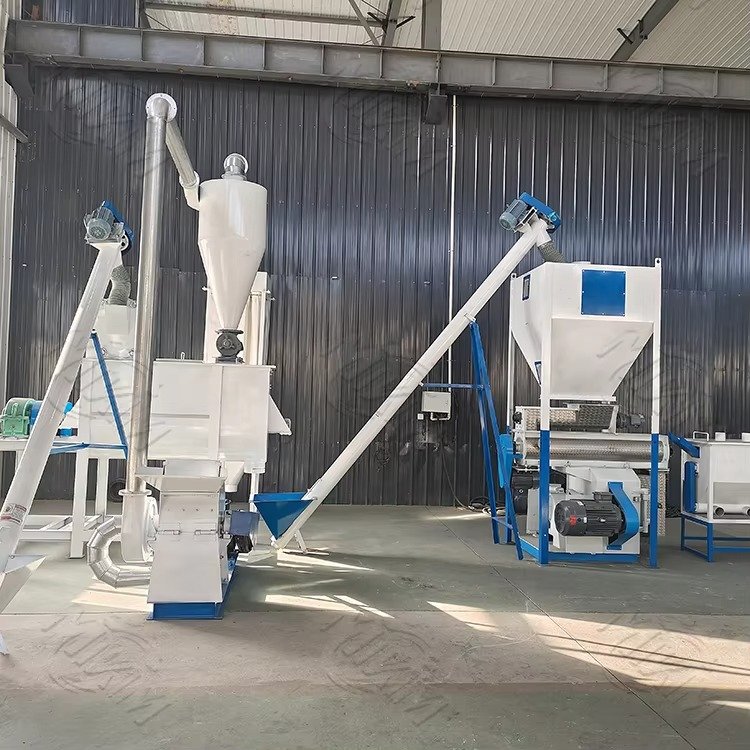
MAIKONG brings 22 years of specialized experience in feed pellet production line manufacturing. Our factory in SZ, GD Province produces complete systems for global markets. We have successfully installed over 2,000 fish feed production lines across Asia, Americas, Europe, Africa, and Middle East.
Verify these credentials when evaluating any china sinking fish feed production line supplier:
- Years in Business: Minimum 10 years indicates stability and accumulated expertise
- Production Capacity: Established manufacturers maintain 50+ units monthly output capability
- Quality Certifications: ISO 9001, CE marking demonstrate systematic quality control
- Reference Projects: Request contact information for 5-10 operating installations in similar markets
- Technical Publications: Legitimate manufacturers publish case studies, technical papers, and application guides
After-Sales Support and Spare Parts
Equipment longevity depends on maintenance support. China sinking fish feed production line systems require periodic parts replacement. Pellet dies, rollers, and screens are consumable items needing regular renewal.
MAIKONG maintains comprehensive spare parts inventory in our Philippines service network. Common wear items ship within 48 hours. Critical components arrive within 5-7 days. We stock parts for machines supplied 15+ years ago, ensuring long-term operational continuity.
Essential Support Services
- 24/7 technical helpline in English and Filipino
- Remote diagnostics and troubleshooting
- Annual maintenance training programs
- On-site repair services when needed
- Preventive maintenance schedules
Spare Parts Availability
- Wear parts (dies, rollers) – stock in Philippines
- Common components – 48-hour delivery
- Specialized parts – 5-7 day delivery
- Emergency air freight options available
- Parts catalog with pricing transparency
Customization and Technical Support
Standard configurations rarely match exact requirements. Voltage differences, space constraints, and specific formulation needs require adaptation. Quality suppliers offer engineering support for customization.
MAIKONG provides comprehensive OEM/ODM services. We customize animal feed production line systems for unique Philippine applications. Our engineers design solutions for space-limited facilities, special voltage requirements, and multi-species production needs.
Contact our technical team at Lucy@pelletmachine.ph for customization consultation. Describe your specific requirements and receive detailed proposals within 2-3 business days.
Successful Fish Feed Production Line Installations Worldwide
MAIKONG systems operate successfully across diverse markets. These installations demonstrate proven reliability under various conditions. Philippine buyers benefit from reviewing comparable installations in similar climates and markets.
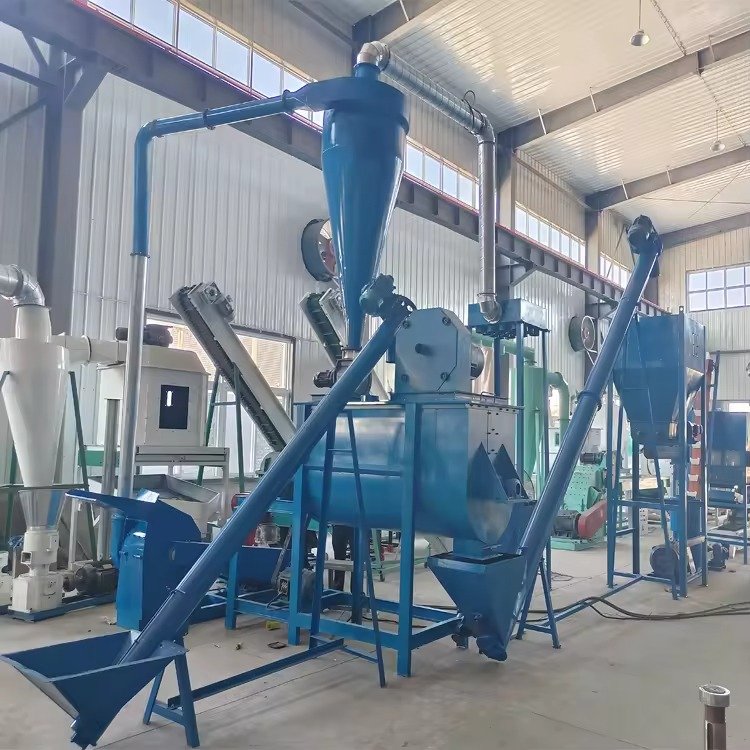
Asia-Pacific Regional Success
Our largest market concentration serves Asian aquaculture. These installations share similar climate conditions, raw material availability, and operational challenges with Philippine operations.
Indonesia – 8 T/H Tilapia Feed Line
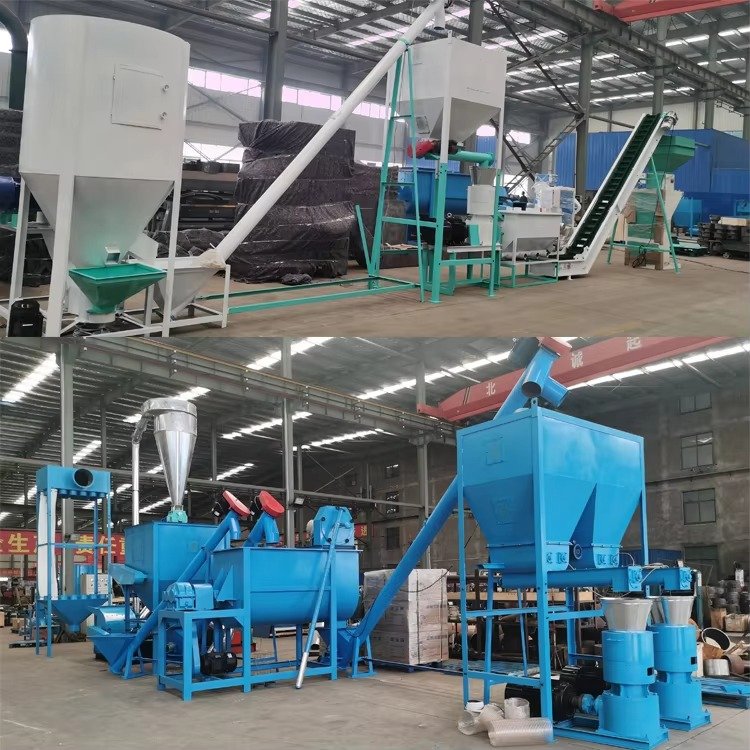
Central Java cooperative serves 200+ member farms. MAIKONG Model MK-L001 system produces floating tilapia feed and sinking feed for catfish. Operating since 2019 with 94% uptime.
- Capacity: 8 tons/hour
- Products: 3mm-6mm pellets
- Power: 380V customized
- ROI achieved: 22 months
Thailand – 15 T/H Shrimp Feed Production Line
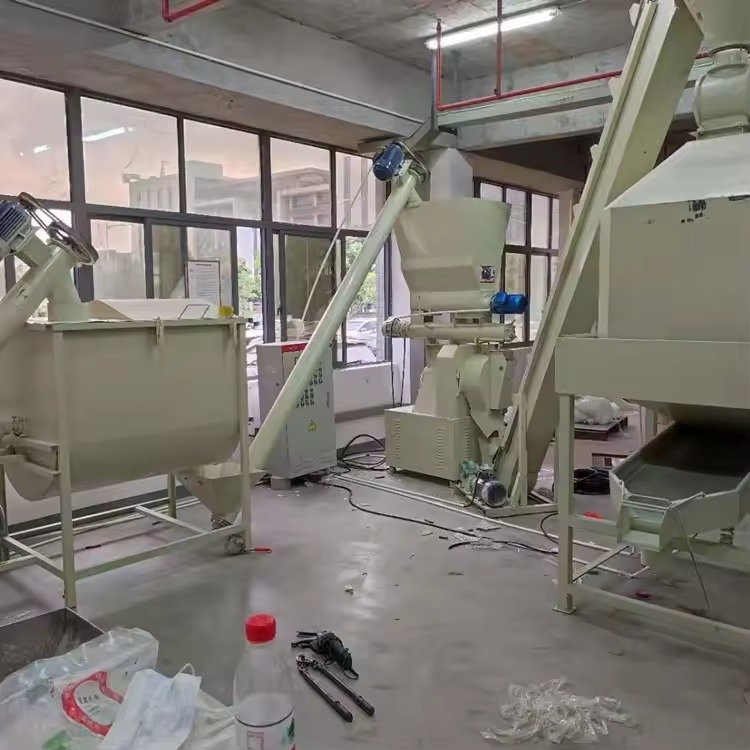
Commercial feed mill supplies regional shrimp farms. Specialized shrimp feed production line with twin-screw extruder produces premium sinking pellets.
- Capacity: 15 tons/hour
- Products: 0.8mm-3.5mm pellets
- Water stability: 8+ hours
- Serves: 80+ shrimp farms
Malaysia – 5 T/H Multi-Species Line
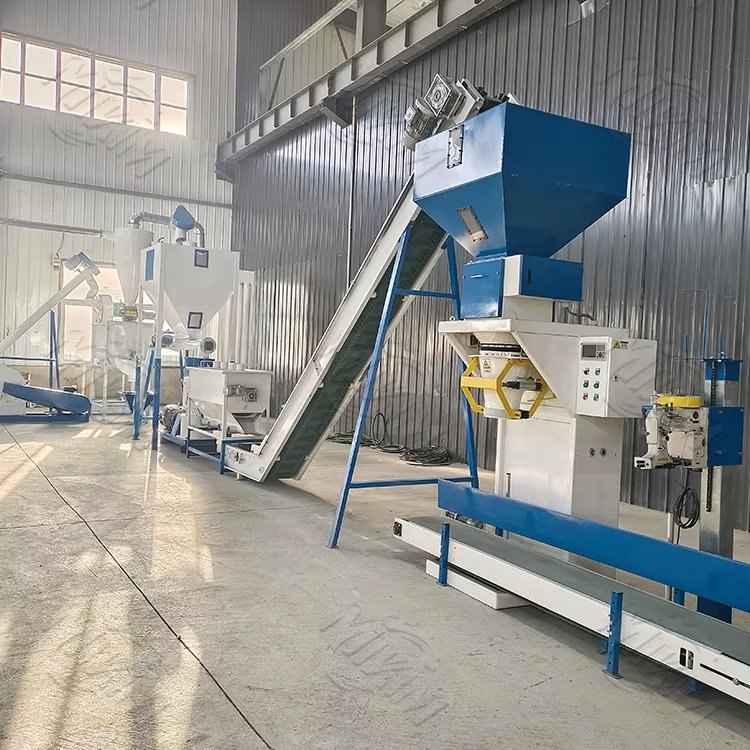
Family-owned operation produces fish feed, poultry feed, and cattle feed. Flexible system handles varied formulations efficiently.
- Capacity: 5 tons/hour
- Products: Multiple species
- Changeover: 15 minutes
- Investment: $95,000 USD
Global Installation Experience
MAIKONG extruder fish feed production line 500kg to 200-ton systems operate on six continents. This global footprint proves adaptability to different conditions, regulations, and operator skill levels.
Americas
- Brazil – Large-scale tilapia operations
- USA – Specialty ornamental fish feed
- Argentina – Integrated fish-poultry systems
- Mexico – Coastal shrimp feed production
Africa
- Algeria – Government aquaculture projects
- Tanzania – Lake fisheries cooperatives
- South Africa – Commercial feed mills
- Zimbabwe – Small-scale fish farming
Middle East
- Saudi Arabia – Indoor aquaculture facilities
- Iran – Caspian Sea fisheries support
- UAE – Premium ornamental feed
MAIKONG Philippines Dealer and Distributor Opportunity
The Philippine aquaculture sector continues rapid expansion. Rising domestic fish consumption drives demand for efficient local feed production. This creates substantial business opportunities for equipment dealers and distributors.
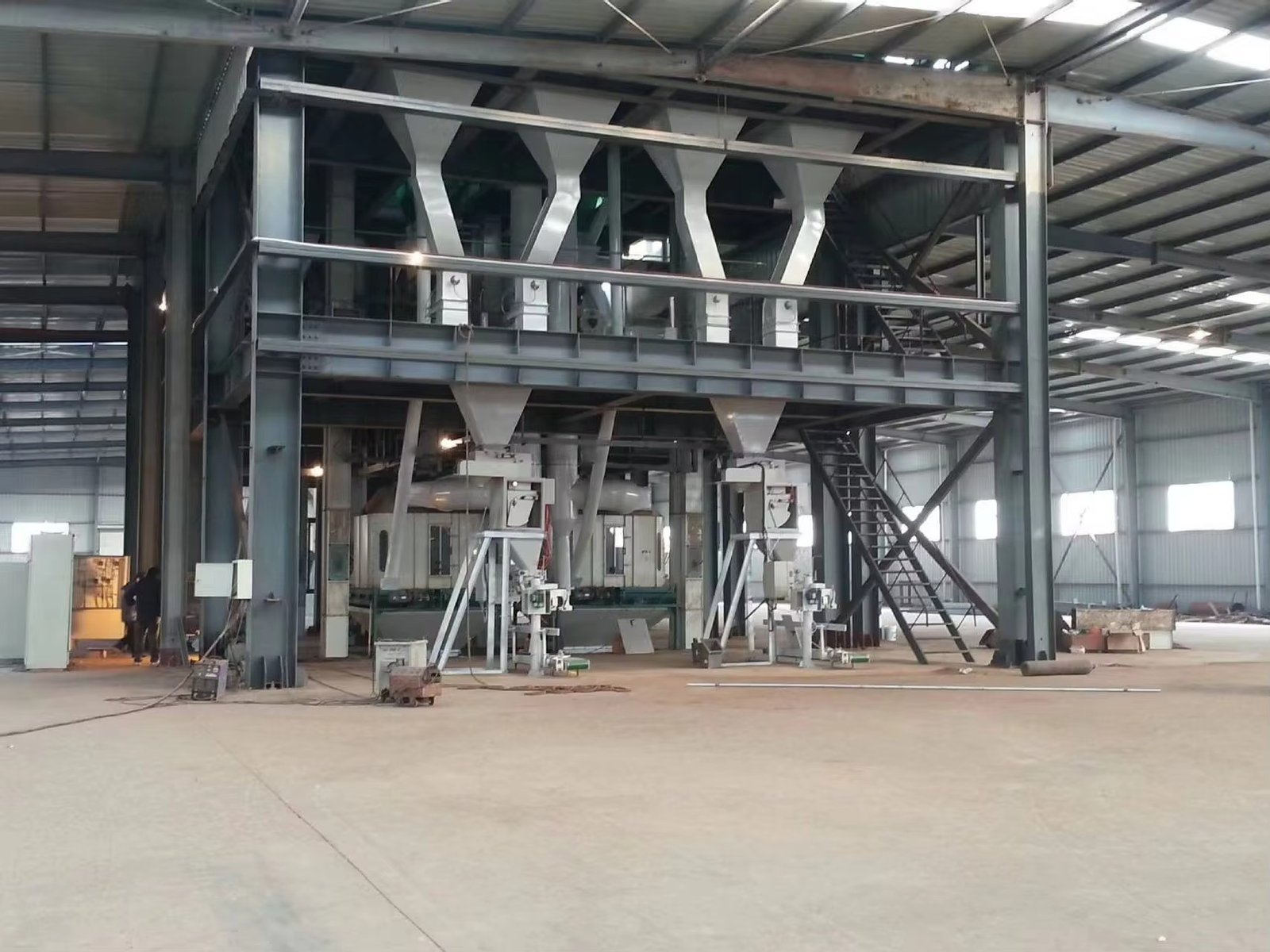
Why Partner with MAIKONG
Our 22-year manufacturing heritage provides dealers with proven, reliable products. Comprehensive technical support ensures customer satisfaction and repeat business. Competitive dealer pricing delivers healthy profit margins on both equipment sales and spare parts.
Dealer Benefits Package
- Exclusive Territory Rights: Protected market areas prevent internal competition
- Technical Training: 5-day intensive program covers installation, operation, maintenance
- Marketing Support: Co-branded materials, trade show assistance, digital marketing resources
- Competitive Margins: 25-35% dealer markup on equipment, 40-50% on spare parts
- Installation Support: MAIKONG technicians assist with first 2-3 installations
- Spare Parts Consignment: Stock critical parts without upfront investment
- Demo Unit Program: Discounted demonstration equipment for your facility
- Customer Financing Assistance: Help arrange customer payment terms
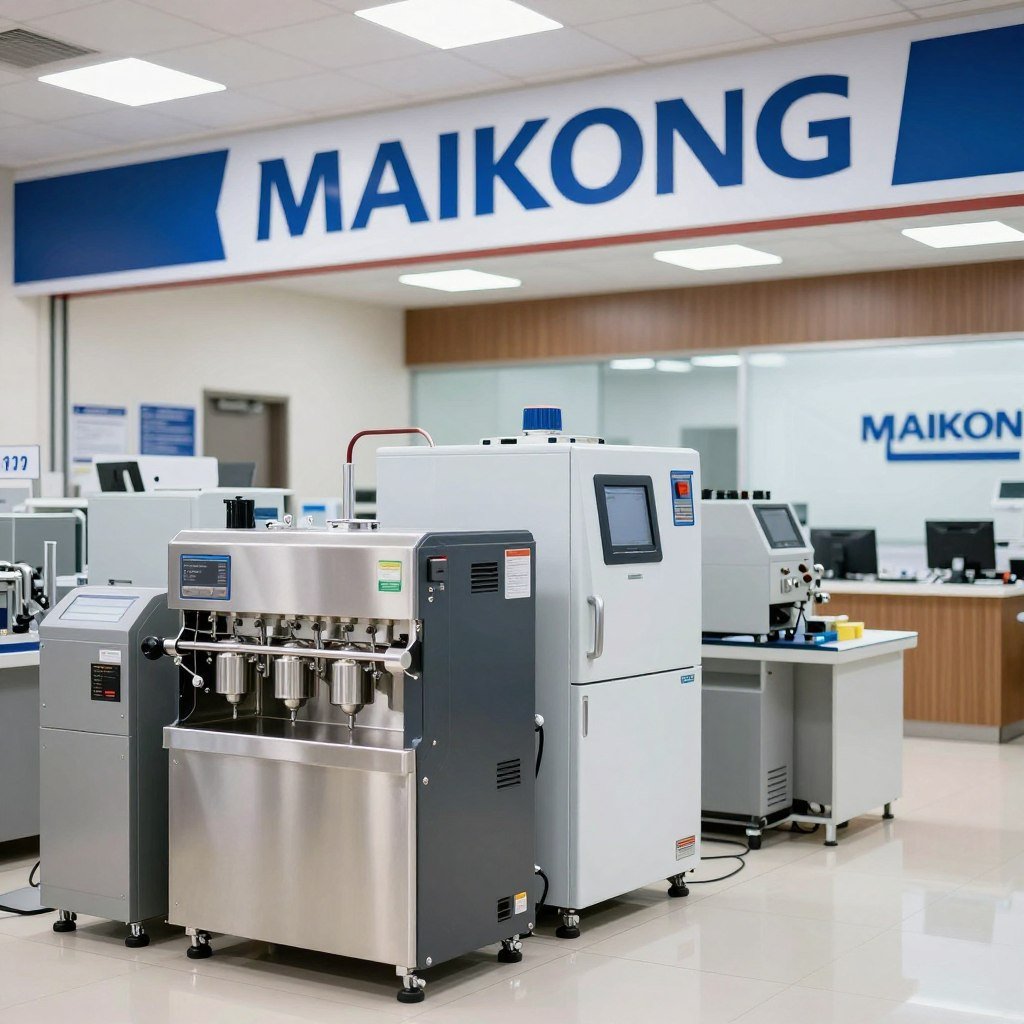
Ideal Dealer Profile
We seek established businesses with aquaculture, agricultural, or industrial equipment experience. Technical capability and customer service commitment matter more than company size. Start-up operations with strong market knowledge and financing also qualify.
Preferred qualifications include:
Business Requirements
- Registered Philippine business entity
- Minimum 2 years operating history
- Service facility or workshop space
- 2-3 technical staff or willingness to hire
- Financial capacity for initial inventory
Market Knowledge
- Aquaculture industry connections
- Understanding of feed mill operations
- Existing customer relationships
- Regional market presence
- Commitment to long-term partnership
Application Process
Starting a dealership relationship with MAIKONG follows a straightforward process. We evaluate each application individually to ensure mutual success potential.
- Initial Inquiry: Contact us via email at Lucy@pelletmachine.ph or WhatsApp at +86 135-1090-7401. Describe your company background, market coverage area, and business objectives.
- Information Exchange: We provide detailed dealer program information, pricing structure, and territory availability. You submit company registration, financial references, and facility photos.
- Video Conference: Schedule online meeting to discuss partnership terms, expectations, and support programs. Meet our Philippines support team and ask detailed questions.
- Agreement Finalization: Review and sign dealer agreement specifying territory, pricing, support terms, and performance targets. Receive dealer welcome package with training schedule.
- Training and Launch: Attend 5-day training program at our facility or Philippines location. Receive initial marketing materials and demo unit. Begin active dealer operations with our support.
Start Your MAIKONG Dealer Application Today
Join a global network of successful fish feed production line dealers. MAIKONG provides everything you need to build a profitable business serving the growing Philippine aquaculture market. Limited territories available – apply now to secure your preferred coverage area.
Frequently Asked Questions About Fish Feed Production Lines
What is the minimum capacity fish feed production line suitable for a small Philippine fish farm?
Small-scale fish farmers operating 1-3 hectare ponds typically need 200-500 kg/hour capacity. MAIKONG offers mini pellet machine philippines models starting at $8,000-$15,000 USD. These systems produce 1.6-4 tons daily in single-shift operation, sufficient for 50-150 tons monthly consumption. The Model MK-L001 base configuration includes hammer mill, mixer, pellet machine, and cooler in a compact footprint requiring only 50-80 square meters.
Can a single fish feed production line produce both floating feed and sinking feed?
Standard pellet mill systems produce only sinking pellets. Extruder-based systems create floating pellets through steam expansion during the extrusion process. For operations requiring both types, we recommend extruder systems with adjustable parameters. By modifying temperature, moisture, and die configuration, you can produce semi-floating or sinking pellets from the same extruder. However, truly dense sinking pellets for bottom-feeders work better from dedicated pellet mill equipment. Multi-product operations often benefit from combined systems.
What power supply requirements do MAIKONG fish feed production lines need in the Philippines?
Philippine electrical systems typically provide 220V single-phase or 380V three-phase power. MAIKONG customizes all motors and control systems to match your available voltage. Small systems (200-500 kg/h) operate on 220V single-phase with 15-30 kW total demand. Medium capacity lines (1-5 T/H) require 380V three-phase service at 50-165 kW. Large commercial systems need industrial three-phase power at 200-800 kW depending on configuration. We provide complete electrical specifications during quotation to verify your facility capability before purchase.
How long does installation and commissioning take for a complete fish feed production line?
Installation duration varies by system size and site preparation. Small systems (1-2 T/H) typically install in 7-15 days with proper foundation and electrical preparation. Medium lines (3-7 T/H) require 15-20 days for mechanical installation plus 3-5 days commissioning. Large facilities (20+ T/H) need 60-90 days for complete installation including silos, conveyors, and automation systems. MAIKONG provides detailed installation timeline during project planning. We recommend completing civil works (foundations, electrical, compressed air) before equipment arrival to minimize total project time. Our technicians supervise installation and conduct 2-3 days operator training before final acceptance.
What is the typical lifespan of a fish feed production line and its major components?
Properly maintained MAIKONG systems operate 15-20 years with periodic component replacement. Main structural elements (frames, mixers, elevators) last the entire system life. Pellet dies and rollers are consumable items requiring replacement every 500-2000 operating hours depending on formulation abrasiveness. Hammer mill screens last 1000-3000 hours. Motors and gearboxes run 5-10 years before rebuild. Bearings need replacement every 2-4 years under continuous operation. We provide detailed maintenance schedules and component life expectancy data with each system. Proper lubrication, regular inspection, and timely parts replacement ensure decades of reliable service.
Can I start with a basic system and expand capacity later?
Yes, MAIKONG designs modular fish feed production lines for staged expansion. Start with core components (grinder, mixer, pellet machine, cooler) and add capacity through parallel lines or larger machines. We recommend initially installing oversized raw material handling and storage to accommodate future growth. Electrical service and building space should also plan for 50-100% expansion capability. Adding a second identical pellet machine doubles output with minimal additional investment. Upgrading to larger capacity machines requires planning new foundations and potentially enhanced power supply. Discuss expansion plans during initial system design to ensure compatibility.
What training and technical support does MAIKONG provide to Philippine customers?
Every fish feed production line purchase includes comprehensive training and support. Initial 3-5 day on-site training covers operation, maintenance, troubleshooting, and quality control. Operators learn proper startup procedures, parameter adjustment, routine maintenance, and basic repairs. We provide English operation manuals, maintenance checklists, and video tutorials. Post-installation support includes 24/7 technical hotline, remote diagnostics, and annual refresher training. Spare parts ship from our Philippines inventory with 48-hour delivery for stock items. For complex issues, our technicians travel to your site within 3-5 days. Dealer partners receive additional 5-day intensive technical training at our facility.
How do I obtain financing for a fish feed production line investment in the Philippines?
Several financing options serve Philippine aquaculture equipment buyers. Development Bank of the Philippines (DBP) and Land Bank offer agricultural equipment loans at favorable rates. Many commercial banks provide machinery financing with 20-30% down payment and 3-7 year terms. Government programs through the Department of Agriculture sometimes include subsidies or low-interest loans for feed mill development. MAIKONG assists customers with financing applications by providing detailed quotations, technical specifications, and ROI projections banks require. We can also arrange supplier financing for qualified buyers with extended payment terms. Contact us early in your planning process to discuss financing structures that match your capability.
Take the Next Step Toward Philippine Fish Feed Independence
Choosing the right fish feed production line transforms your aquaculture operation. Lower feed costs improve profitability. Controlled quality enhances fish growth performance. Local production eliminates import dependency and supply uncertainty.
The Philippine market offers substantial opportunity. Rising fish consumption, expanding aquaculture sector, and government support create favorable conditions. Whether you operate fish farms, plan commercial feed production, or seek dealer opportunities, now is the ideal time to act.
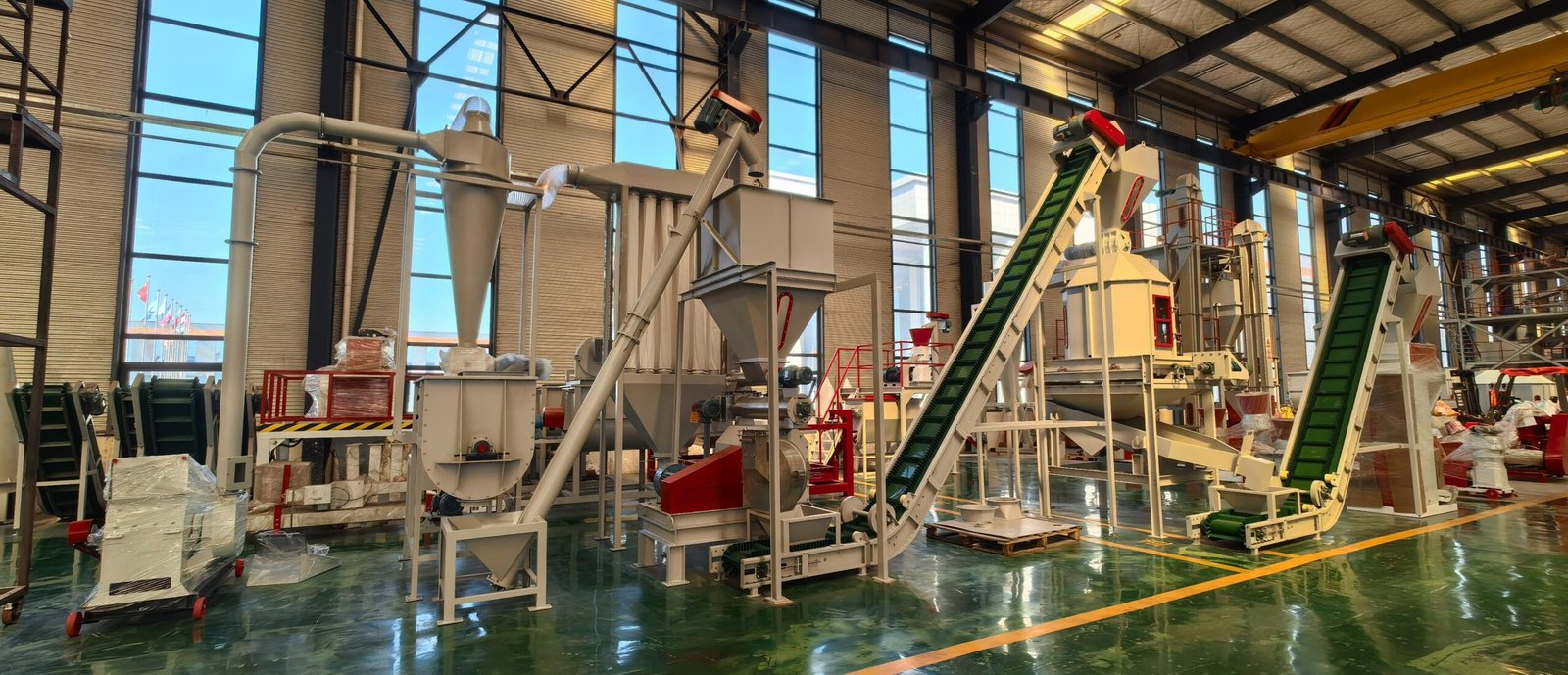
MAIKONG provides complete solutions from initial consultation through long-term operation. Our 22 years manufacturing experience ensures reliable, efficient systems. Global installation base proves our technology works across diverse conditions. Comprehensive support network in the Philippines delivers responsive local service.
Multiple Ways to Get Started
Fish Farmers & Cooperatives
Reduce your feed costs by 30-40% through own production. Request capacity analysis and ROI projection for your specific operation.
Feed Mill Investors
Capture growing market demand with commercial fish feed production. Get complete project planning including site design and financial projections.
Dealer Applicants
Build profitable business distributing proven equipment. Join our growing Philippines dealer network with exclusive territory protection.
Contact MAIKONG Philippines Today
Our experienced team stands ready to answer your questions and provide detailed information. Whether you need technical specifications, pricing quotations, or dealer program details, we respond promptly with comprehensive answers.
Connect With MAIKONG Fish Feed Production Line Specialists
Discuss your specific requirements with our technical experts. We provide free consultation, custom system design, and detailed quotations. Over 2,000 satisfied customers worldwide trust MAIKONG for their feed production needs. Become our next success story.
Email: Lucy@pelletmachine.ph
Website: pelletmachine.ph
Office Hours: Monday-Saturday, 8:00 AM – 6:00 PM (Philippine Time)
The journey to feed independence and improved profitability starts with a simple conversation. Contact MAIKONG today and discover how the right fish feed production line transforms your Philippine aquaculture business.
Learn more about our complete product range: About MAIKONG | Fish Feed Pellet Machine | Pet Feed Production Line