
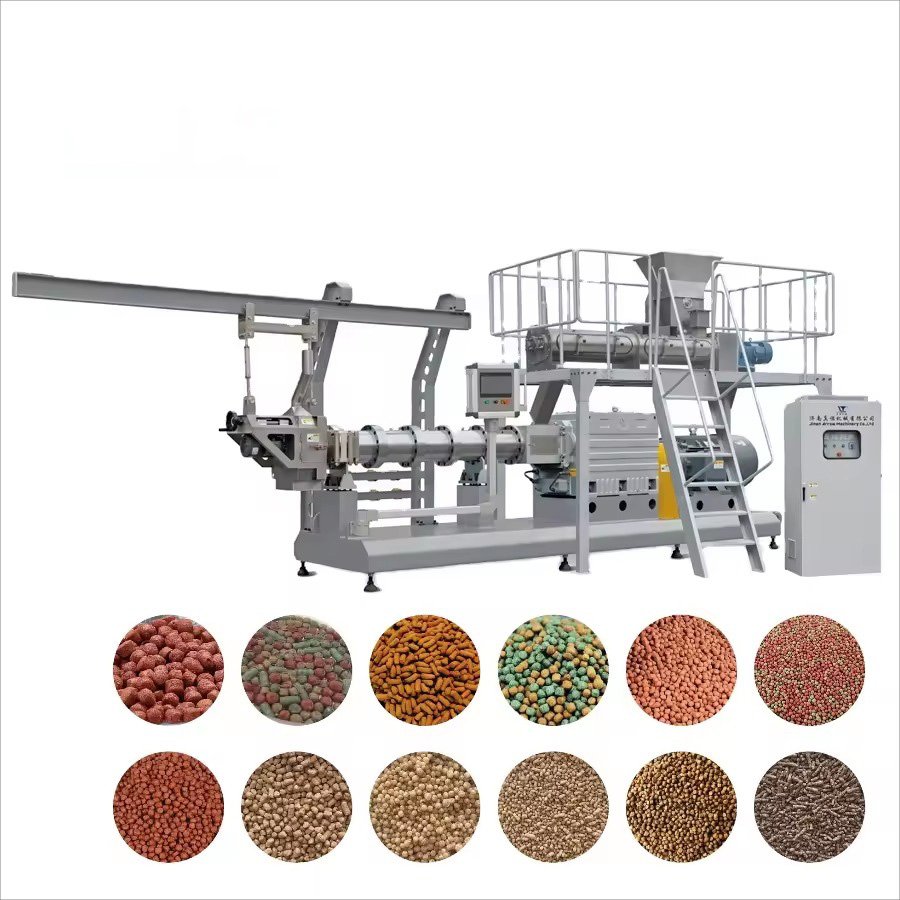
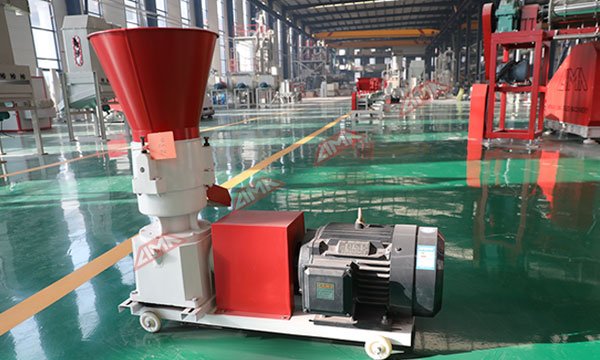
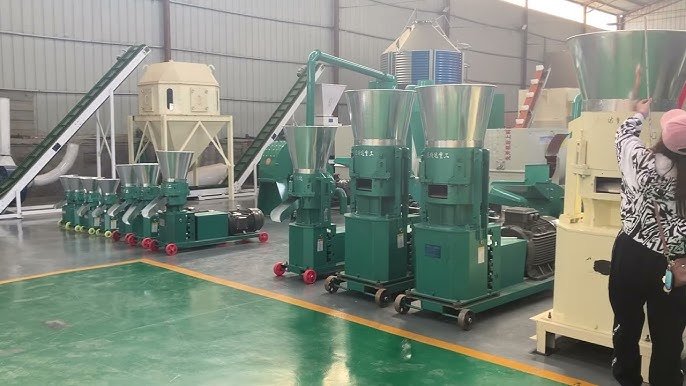
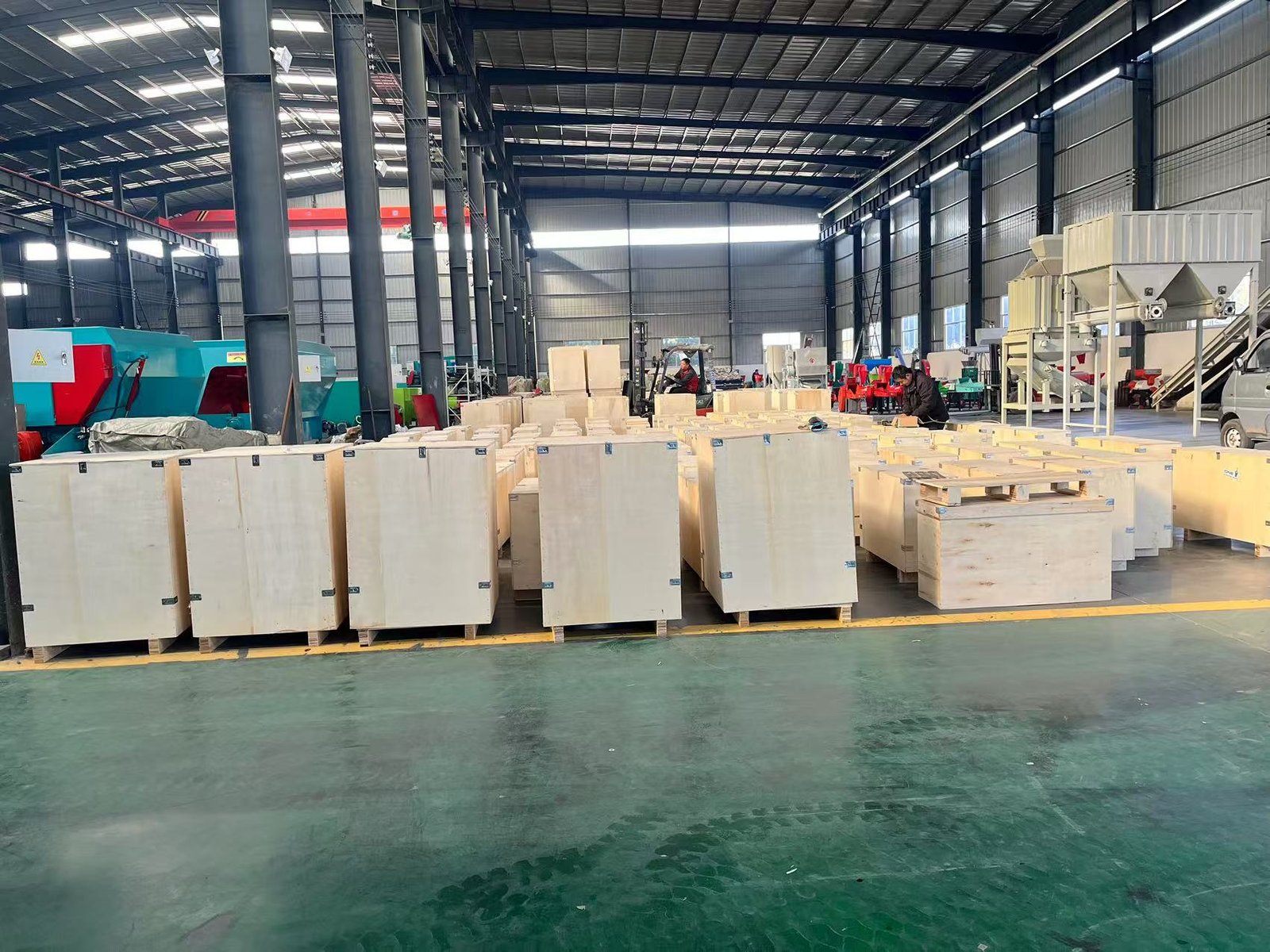
 I work with MAIKONG, a feed equipment manufacturer based in Shenzhen, China. Over the past 30 years, we have helped more than 2,000 farming operations and feed mills across 140 countries solve this exact problem. Our animal feed pellet machine systems transform raw ingredients into uniform, nutritious pellets that animals actually want to eat.Many Philippine farm owners tell us they waste 10 to 15 percent of their powdered feed because chickens scratch it around or fish ignore floating powder. Pellets solve this. They also let you control exactly what nutrition goes into each pellet. This means you can formulate feed for specific growth stages, whether you need high-protein broiler starter or calcium-rich layer feed for better eggs.
Why Philippine Farms Are Switching to Pellet Feed Production
Walk into any commercial poultry farm in Luzon or fish hatchery in Visayas, and you will notice they all use pelleted feed now. This shift happened for practical business reasons. Let me explain the main benefits based on what our Philippine customers report after installing our equipment.
Better Feed Conversion Ratio
Pelleted feed improves your feed conversion ratio by 10 to 15 percent compared to mash feed. This means your broilers reach market weight faster using less feed. Your cost per kilo of meat or fish drops significantly.
Heat from the pelleting process also kills harmful bacteria and breaks down anti-nutritional factors in raw ingredients like soybean meal. Your animals digest the feed more completely and grow more consistently.
Less Waste and Easier Handling
Powdered feed creates dust and gets scattered easily. Pellets stay intact during transport and feeding. Our customers report waste drops from 15 percent down to under 5 percent after switching to pellets.
Pellets also store longer without spoiling. The compression process reduces moisture content and creates a protective outer layer. In humid Philippine weather, this extra shelf life makes a real difference to your feed quality.
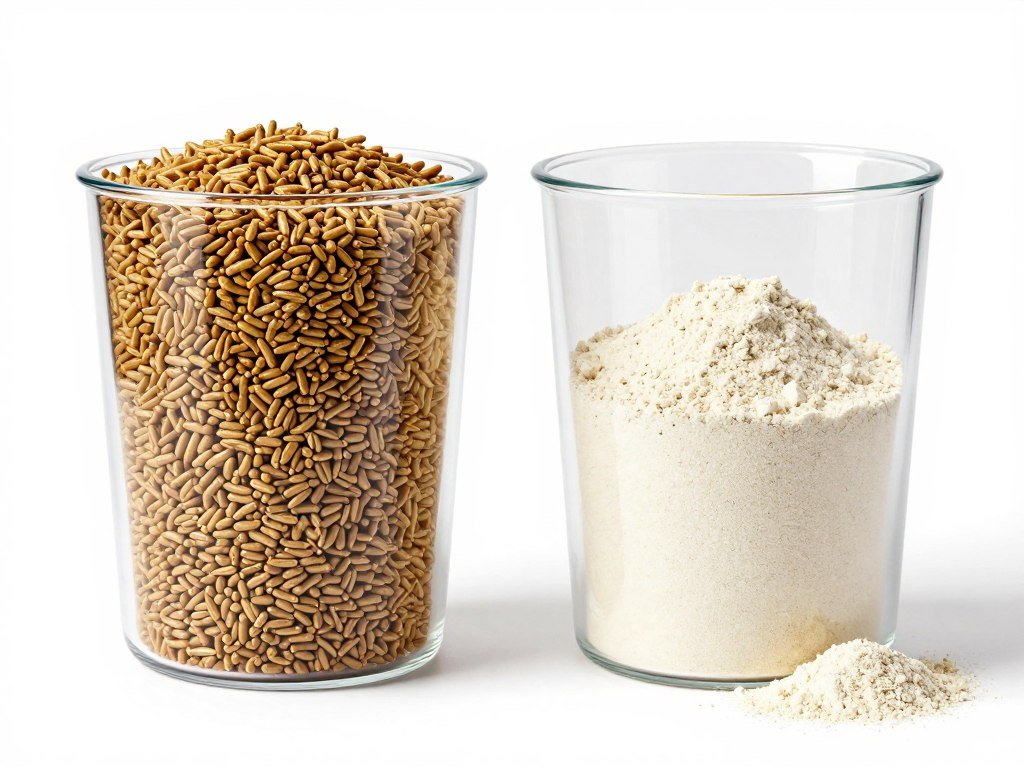
Custom Nutrition for Each Animal Type
Different animals need different feed. Day-old chicks require smaller 2mm pellets with high protein. Mature cattle need larger 8mm pellets with more fiber. Our animal feed pellet machine lets you produce multiple pellet sizes by changing the ring die.
You can also add specific ingredients for each species. Fish farmers mix in fish meal and shrimp waste for aqua feed. Cattle ranchers include molasses and copra meal. Pet food producers blend chicken meal with vegetables. One machine handles all these formulations.
How Our Animal Feed Pelleting Machine Systems Work
Many farm owners ask me to explain the actual process before they invest in equipment. The technology is straightforward but engineered precisely. Let me walk you through each step.
Raw Material Preparation
You start with ground ingredients. Most operations use a hammer mill to grind corn, rice bran, copra meal, and other materials to 1.5 to 2mm particle size. The finer the grind, the better the pellet quality. Some ingredients like fish meal come pre-ground from suppliers.
Next comes mixing. A batch mixer blends all your ingredients according to your formula. This ensures every pellet contains the same nutrition. Good mixing takes 5 to 8 minutes depending on your batch size. Our technical team can recommend mixer capacity based on your production volume.
Conditioning and Pelleting
The mixed material enters our conditioning chamber. Here, we add steam and moisture to soften the material and activate natural binders in the grain starches. This conditioning typically raises the temperature to 75 to 85 degrees Celsius and adds 2 to 4 percent moisture.
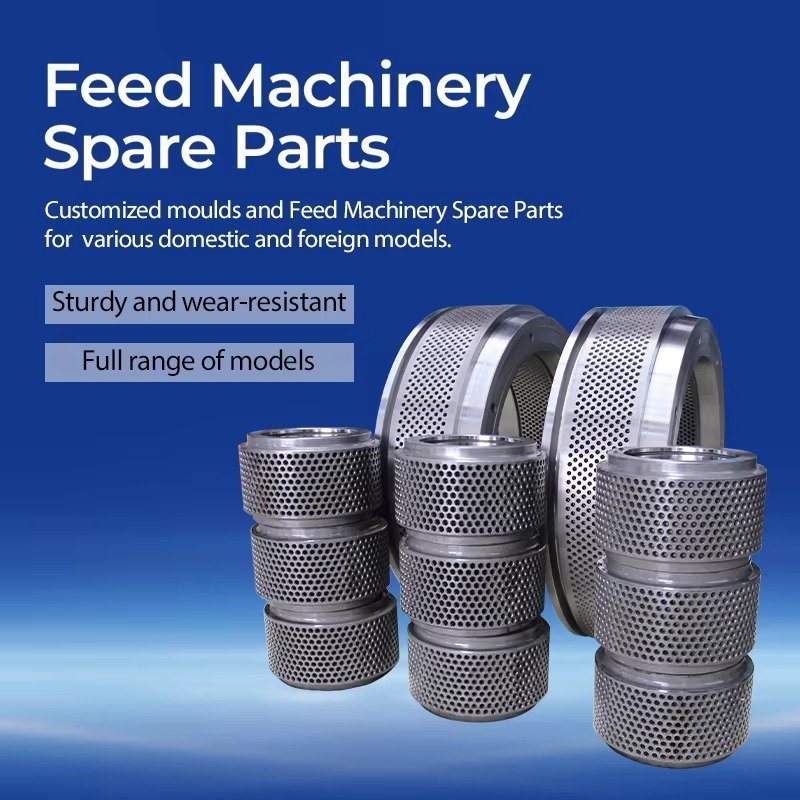
Conditioned material then feeds into the pelleting chamber. Our ring die pellet machine uses a circular die with thousands of small holes. Pressure rollers force the soft material through these holes at high pressure. As it exits, a cutting knife slices the continuous strands into pellets of your desired length.
The compression generates additional heat from friction. This heat gelatinizes starches and creates firm pellets. Different materials need different pressure settings. Our experienced operators learn these adjustments quickly during our installation training.
Cooling and Screening
Fresh pellets come out hot and soft. A counter-flow cooler reduces temperature back to near ambient while removing excess moisture. Cool air flows through the pellet layer for 8 to 12 minutes.
Finally, a vibrating screen separates perfect pellets from fine dust and broken pieces. Perfect pellets go to your packaging line. Fines return to the mixer for reprocessing.
Quality Control
Good pellet quality means hard enough to resist breaking during handling but not so hard that animals struggle to eat them. We measure pellet durability index or PDI.
Target PDI is 85 to 95 percent depending on your feed type. Poultry feed pellets need PDI around 90. Aqua feed pellets need 95 or higher for water stability. Our machines consistently produce pellets in these ranges when operated correctly.
Technical Features of MAIKONG Feed Pellet Machines
We design our equipment for reliability in tropical conditions like the Philippines. High humidity, dust, and long operating hours demand robust construction. Here are the key features that make MAIKONG pellet machines different from cheaper alternatives.
Gear Transmission System
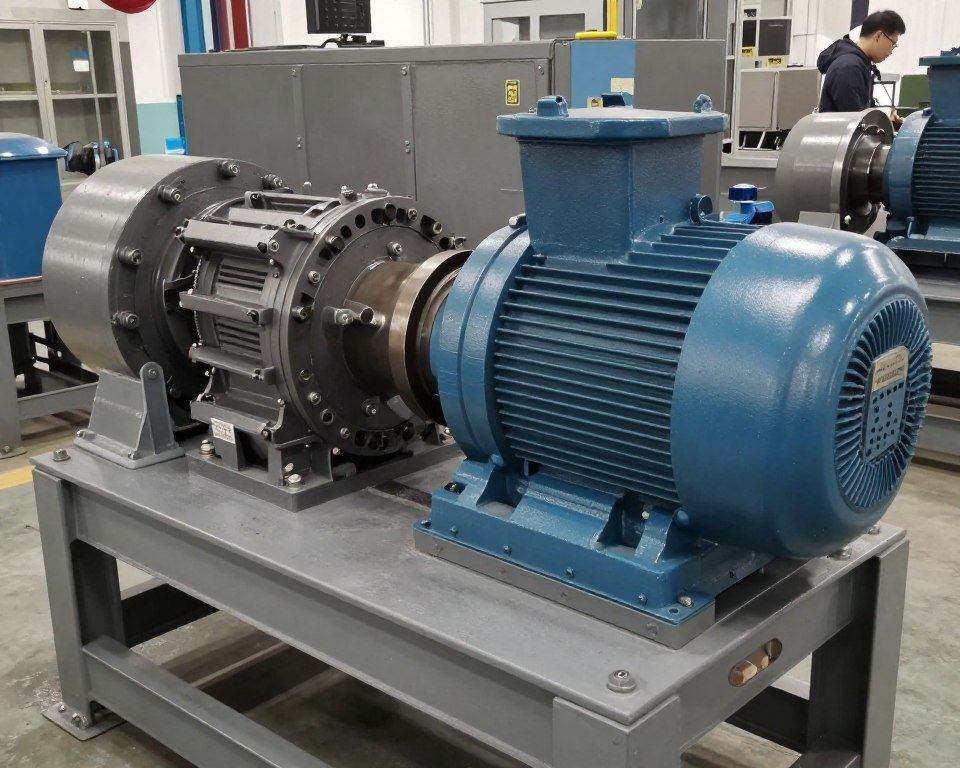
Many budget machines use belt drives. Belts slip, stretch, and break under heavy loads. We use precision-ground gears made from 42CrMo alloy steel. This gear transmission delivers 15 percent more power to your ring die compared to belt systems.
Our gear teeth undergo heat treatment to Rockwell hardness 58-62. This prevents wear even when processing abrasive materials like sand in fish feed or high-fiber cattle feed. Expect 8 to 10 years of operation before you need to replace gears with normal maintenance.
Ring Die Quality and Options
The ring die is the heart of your pellet machine. We manufacture our dies from stainless steel 304 grade or carbon steel depending on your application. Stainless works best for aqua feed because it resists corrosion from salt water ingredients.
We stock dies from 250mm to 768mm diameter with hole sizes from 2mm to 12mm. Each die can produce pellets of one size. Most feed production operations keep 2-3 dies on hand to switch between products. A die change takes about 30 minutes once your team learns the process.
Die lifespan depends on your formula abrasiveness. Soft grain formulas give 1,500 to 2,000 hours of production per die. Formulas with high mineral content or fish bone meal reduce this to 800 to 1,200 hours. We maintain spare dies inventory in our Philippine partner warehouses for fast replacement.
| Model | Output (t/h) | Main Motor Power (kw) | Ring Die Diameter (mm) | Pellet Diameter (mm) |
| SZLH250 | 1-1.5 | 22 | 250 | 2-12 |
| SZLH320 | 3-4 | 37 | 320 | 2-12 |
| SZLH350 | 5-6 | 55 | 350 | 2-12 |
| SZLH420 | 10-12 | 110 | 420 | 2-12 |
| SZLH508 | 15-16 | 160 | 508 | 2-12 |
| SZLH558 | 20-22 | 185 | 558 | 2-12 |
| SZLH678 | 30-33 | 250 | 673 | 2-12 |
| SZLH768 | 38-40 | 315 | 762 | 2-12 |
Siemens Motor and Electrical Components
We install Siemens 4-pole motors on all our units. These motors handle voltage fluctuations common in provincial Philippine areas better than Chinese-made alternatives. Siemens motors also run cooler and quieter.
Our electrical panels use Schneider contactors and overload protection. Philippine electrical inspectors recognize these international brands during permitting inspections. Cheaper manufacturers use no-name components that fail within 6 months in dusty mill environments.
Get Your Customized Solution
Every farming operation is unique. Tell us your capacity needs, feed type, and power requirements. Our engineers will design the perfect pellet machine configuration for your Philippine operation.
Safety and Maintenance Features
Our machines include multiple safety systems required by Philippine DOLE regulations. A door interlock switch cuts power if you open the pelleting chamber during operation. This prevents serious injuries from rotating parts.
We also install shear pin protection on the main shaft. If a metal object enters the die chamber, the pin breaks instead of the expensive gears or shaft. You replace a 50-peso pin instead of a 50,000-peso shaft. This single feature saves our customers significant repair costs.
For maintenance, we design for easy access. Major components like the conditioner, die, and rollers can be removed without specialized tools. Your maintenance team learns routine cleaning and inspection procedures during our 5-day installation training.
Applications: Feed Pellet Solutions for Every Animal
Philippine farms raise diverse species. Each type needs feed formulated for their specific digestive system and nutritional requirements. Our animal feed pellet machine handles all these applications with simple die changes.
Poultry Feed Production
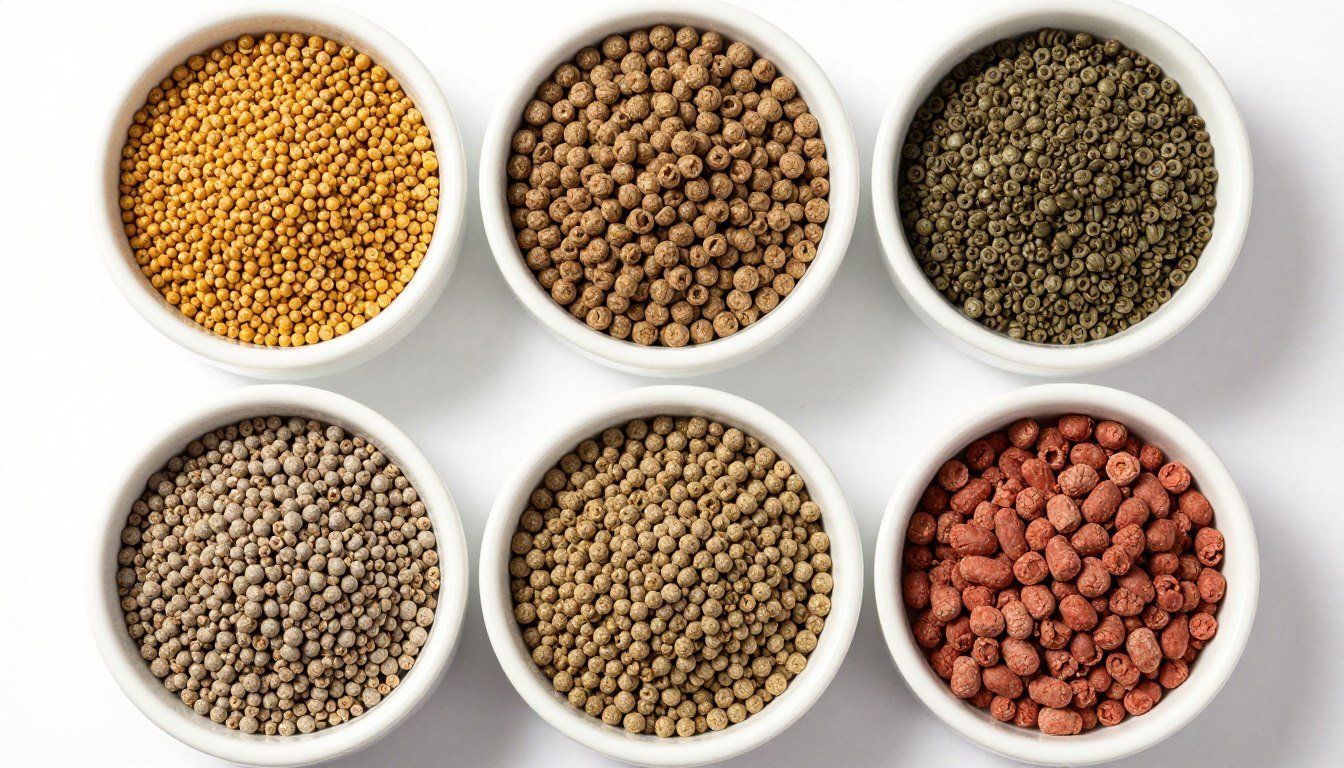
Chicken farms are our largest customer segment in the Philippines. Whether you raise broilers for meat or layers for eggs, you need consistent pellet quality. Broiler starter feed uses 2mm pellets with 22% protein. Grower feed steps up to 3mm pellets. Finisher feed uses 4mm pellets with added fat for rapid weight gain.
Layer feed needs calcium supplementation for strong eggshells. We recommend adding oyster shell or limestone at 3.5% to 4% of the formula. Our chicken feed production line integrates a micro-doser for precise mineral addition.
Duck and quail farmers follow similar formulations but adjust pellet size for the smaller birds. Our SZLH250 model works perfectly for small to medium quail farms producing 1 to 1.5 tons per hour.
Fish Feed and Aquaculture Applications
Philippine aquaculture grows rapidly, especially bangus and tilapia. Fish feed pellets need water stability – they must float or sink slowly without dissolving fast. This requires higher compression than poultry feed.
We typically add 8-10% fish meal to the formula for protein and binding. Some customers also include shrimp head waste from processing plants. Our fish feed pellet machine models use stainless steel dies that resist saltwater corrosion.
For marine fish like grouper or pompano, you need sinking pellets with higher fat content. We adjust die compression and add fish oil after pelleting using our coating drum. This creates slow-sinking pellets that fish can pursue naturally.
Livestock and Cattle Feed
Cattle and carabao need larger pellets with high fiber content. We use 6-8mm dies for ruminant feed. The formula includes corn, copra meal, rice bran, and molasses for energy. Some ranchers add urea for additional nitrogen.
Pig feed falls between poultry and cattle in pellet size – typically 4-5mm diameter. Hog grower formulas need careful amino acid balance. Our cattle feed pellet machine systems handle both ruminant and monogastric formulations.

Pet Food and Specialty Feeds
Urban areas drive growing demand for dog and cat food manufactured locally. Pet food formulas use meat meal, bone meal, and grain blends. Quality control is stricter for pet products since owners are more particular.
Rabbit farmers need smaller 3-4mm pellets with very high fiber from grass meal and vegetable waste. Our manual pellet machine option works well for small rabbit operations under 200kg per hour capacity.
Customization for Philippine Operating Conditions
We configure every machine for your specific situation. Philippine electrical supply varies by region. Manila has stable 3-phase 230V power. Provincial areas often struggle with voltage swings and single-phase supply only. We accommodate these differences.
Voltage and Power Configuration
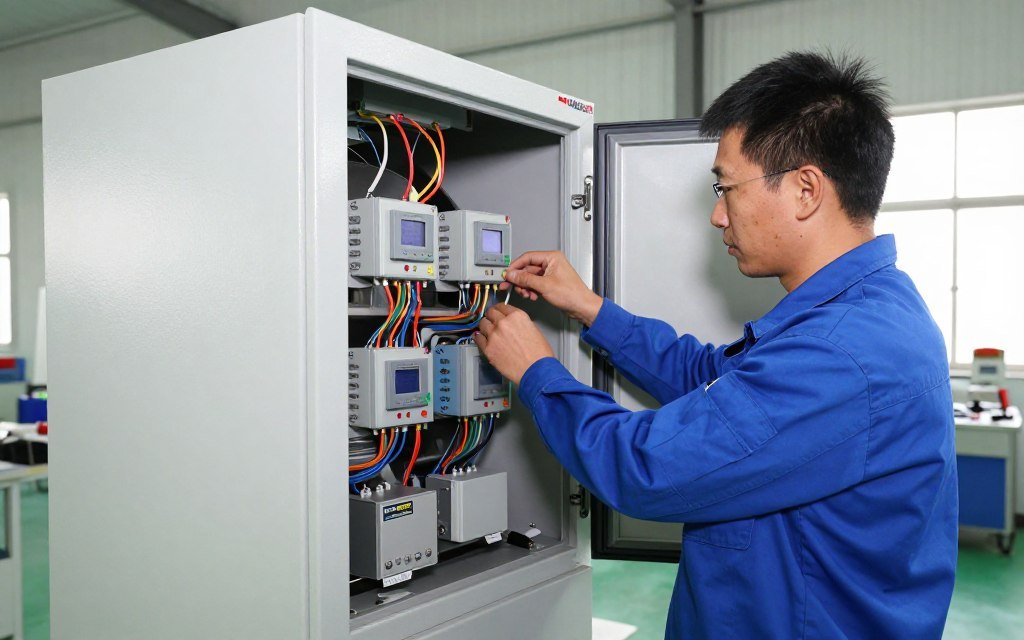
Our standard motors run on 3-phase 380V or 3-phase 220V depending on your supply. If you only have single-phase 220V available, we can configure smaller models up to SZLH320 to run on single-phase with some capacity reduction.
For areas with unreliable grid power, many customers add a generator. We recommend oversizing your generator by 20% above the motor rating. This accounts for starting current and other equipment running simultaneously. Our electrical engineers provide exact generator sizing during the planning phase.
Production Capacity Range
Small farms need different solutions than commercial feed mills. We offer capacity from 200 kilograms per hour up to 40 tons per hour with our largest model. Let me explain how to choose the right size.
Calculate your daily feed requirement first. A 5,000-bird broiler farm consumes approximately 500kg of feed daily during peak growth. If you want to produce 3 days of feed per batch, you need 1,500kg capacity. Running 8 hours per day means you need 200kg per hour minimum capacity. Our SZLH250 model produces 1,000-1,500kg per hour – more than adequate.
Commercial operations producing for multiple farms or selling bagged feed require much higher capacity. Our SZLH678 model outputs 30 tons per hour. This suits feed mills supplying 20-30 large farms or distributors selling to smaller farms across a region.
Small Farm Package (1-2 t/h)
- Perfect for 5,000-10,000 bird operations
- Single-phase 220V available on some models
- Minimal space requirement – 300-500 sqm
- Can operate with 2-3 trained workers
- Investment: 10,000-50,000 USD complete
Medium Commercial (5-10 t/h)
- Serves multiple farms or small feed mill
- 3-phase 220V or 380V power required
- 400-2,000 sqm facility space needed
- Staff of 5-8 for full shifts
- Investment: 70,000-300,000 USD
Large Industrial (20-40 t/h)
- Regional feed mill serving 50+ farms
- 3-phase 380V high-capacity supply
- 2,000-5,000 sqm production facility
- Teams of 15-20 across shifts
- Investment: 450,000-850,000 USD
Pellet Size and Formula Flexibility
Most customers produce 2-3 different feed types. You might make layer feed, broiler feed, and fish feed. Each needs different pellet sizes. We help you determine which ring die sizes to purchase initially based on your primary products.
Switching between formulas requires cleaning the mixer and pellet chamber. This takes 30-45 minutes. Plan your production schedule to minimize formula changes – perhaps producing a full day of one type before switching. This maximizes your actual output time.
Factory-Direct Pricing for Philippine Buyers
No middleman markups. No hidden fees. Get transparent, competitive pricing direct from our Shenzhen manufacturing facility. MAIKONG supplies feed mills across 140 countries with honest pricing and reliable equipment.
Feed Pellet Production Line Complete Systems
Most serious operations need more than just the pellet machine. You need material handling, grinding, mixing, cooling, and packaging equipment to create a complete system. We design and install these complete production lines based on your space and capacity requirements.
Material Handling and Storage
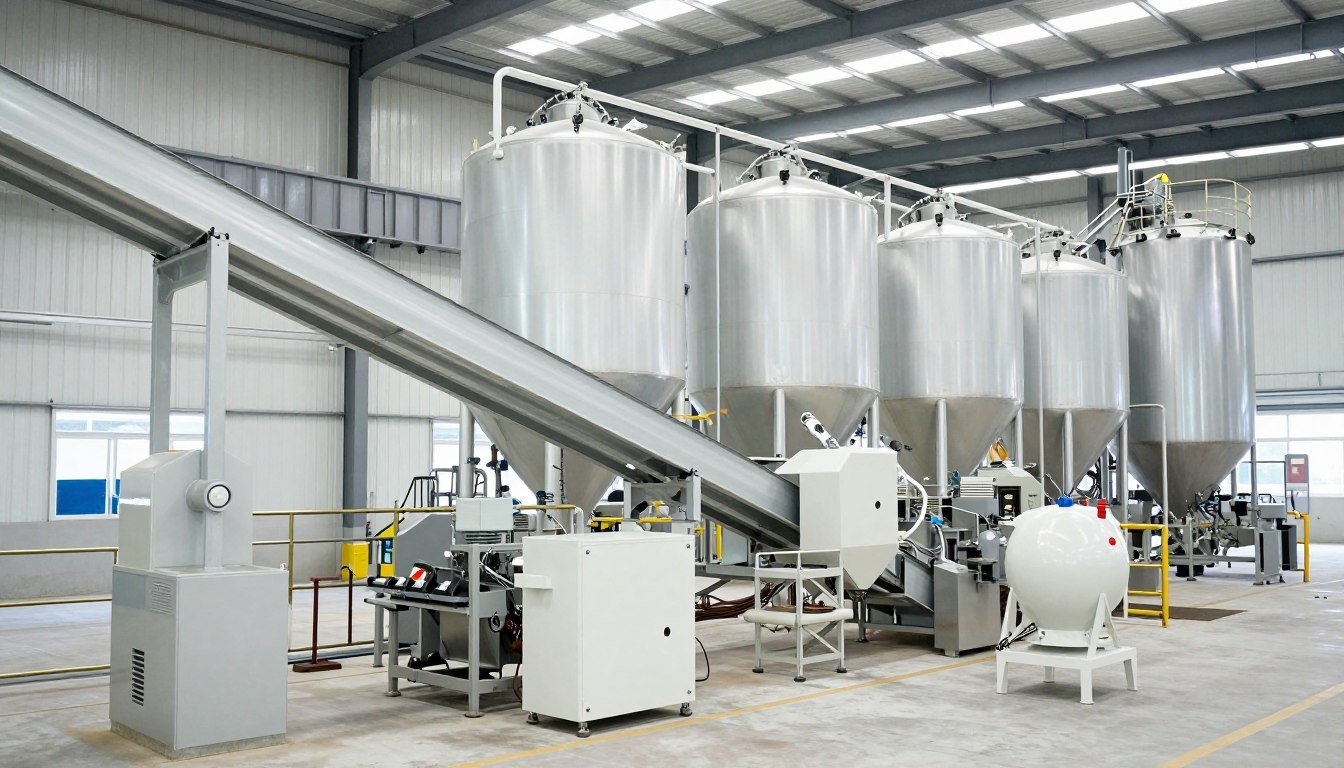
Raw ingredients arrive in 50kg bags or bulk trucks. We typically include receiving hoppers with screw conveyors or bucket elevators to move material to storage bins. Most Philippine mills use elevated steel bins for dry ingredient storage with slide gates for dosing.
Bulk storage capacity depends on your ingredient sourcing frequency. If suppliers deliver weekly, you need storage for 1.5 to 2 weeks of ingredients as buffer. Our engineers calculate bin sizes based on your formula and production volume.
Grinding and Mixing Systems
A hammer mill grinds whole grains to proper particle size. We use screen sizes from 1.5mm to 3mm depending on your final pellet size and ingredient types. Smaller screens give finer powder but require more grinding energy.
After grinding, ingredients go to a batch mixer. Horizontal ribbon mixers work best for feed applications. A 1-ton mixer provides good batch size for operations making 3-5 tons per hour. Mix time is typically 5-8 minutes for uniform blending.
Some formulas need liquid ingredients like molasses or oil added. We install liquid spray systems in the mixer for these applications. This works better than trying to add liquids in the pellet chamber.
Pelleting and Post-Pelleting Equipment
The pellet machine is the heart of the system but only one component. After pelleting, hot pellets go to a counter-flow cooler. Cool air removes heat and moisture to stabilize the pellets. Without proper cooling, your bags will steam and pellets will mold.
A crumbler breaks apart any oversized clumps. Then a vibrating screen separates finished pellets from fines. Fines either return to the mixer for reprocessing or bag separately for sale to farms wanting cheaper mash feed.
Finally, a packaging system fills bags to your desired weight – typically 25kg or 50kg bags for Philippine market. Semi-automatic bag fillers work well for operations under 5 tons per hour. Larger facilities need fully automatic systems with conveyors and palletizers.
| Scale | Total Power | Site Requirements | Installation Cycle | Feed Mill Cost (USD) |
| 1-2 T/H | 47-75 KW | 300-500 sqm | 7-15 Days | 10,000-50,000 |
| 3-4 T/H | 53-165 KW | 300-700 sqm | 15-20 Days | 50,000-120,000 |
| 5-7 T/H | 68-259 KW | 400-800 sqm | 20-40 Days | 70,000-250,000 |
| 8-10 T/H | 125-410 KW | 800-2,000 sqm | 45-60 Days | 150,000-300,000 |
| 12-20 T/H | 358-620 KW | 1,500-3,000 sqm | 60-90 Days | 250,000-580,000 |
Automation and Control Systems
Modern feed production uses PLC control systems to automate the entire line. An operator monitors screens showing ingredient weights, mixer status, pellet temperature, and cooler operation. The system automatically sequences each step.
For Philippine operations, we recommend keeping manual overrides on all equipment. Power outages and voltage problems sometimes require manual operation. Our control systems include both automatic and manual modes.
Why Philippine Buyers Choose MAIKONG
Many Chinese manufacturers sell feed equipment. Some Philippine importers bring in used machines from Taiwan or Thailand. Here is why we believe MAIKONG offers better value for your investment, explained honestly.
Direct Factory Relationship
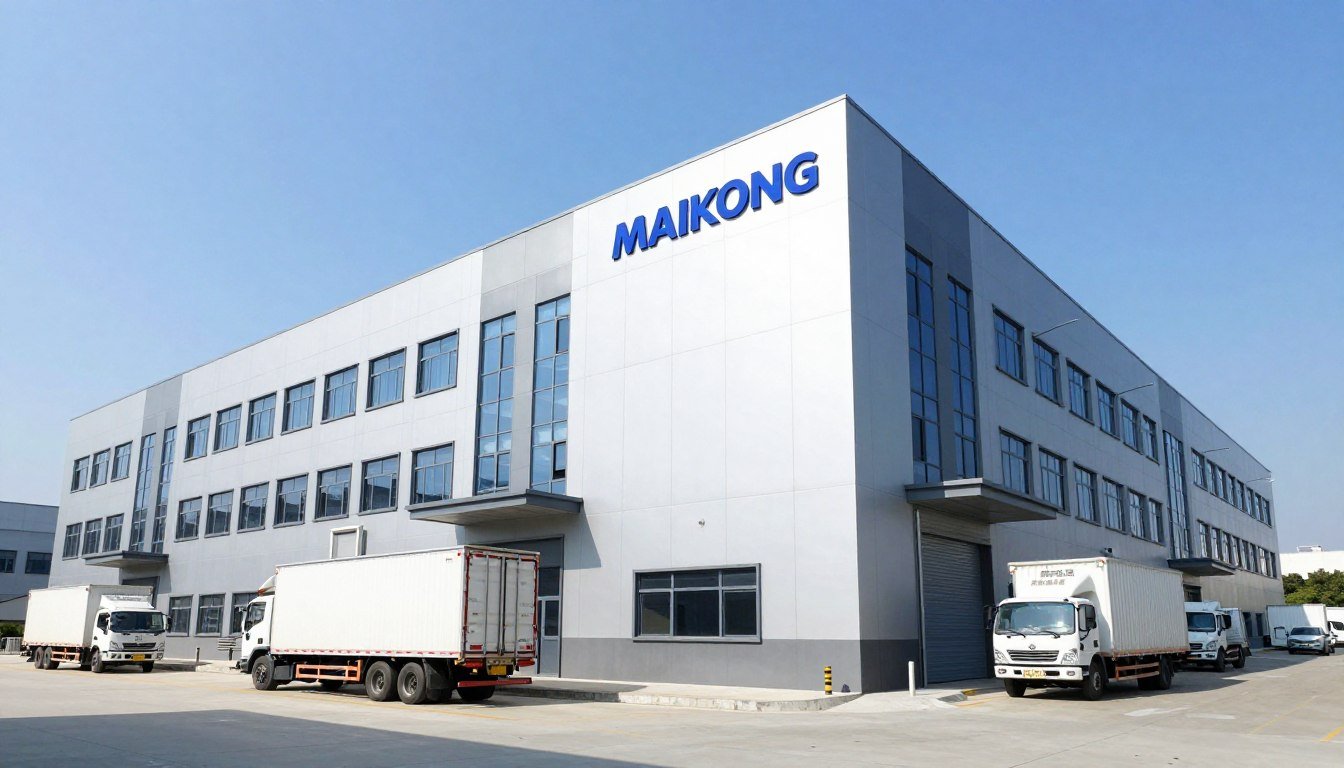
We manufacture in our own 15,000 square meter facility in Shenzhen. This means you deal directly with the factory, not a trading company adding margin. When you need spare parts, they ship from our warehouse at factory cost.
Many sellers in the Philippines are actually just importers marking up equipment from various Chinese factories. They cannot provide real technical support because they did not build the machines. When something breaks, they need to contact China and wait weeks for answers.
We have our own technical team. When you email Lucy@pelletmachine.ph with a question, you get answers from engineers who designed your specific model. Response time is usually within 24 hours, including weekends for urgent production problems.
Quality Components and Certifications
We use international brand components where they matter most – Siemens motors, Schneider electrical parts, SKF bearings, and German or Taiwan oil seals. These parts cost more but last longer in the harsh conditions of feed processing.
Our machines carry ISO9001-2000, CE, and SGS certifications. Philippine customs and safety inspectors recognize these. Some customers need these certificates for bank financing or government tenders. We provide certified copies with each machine.
Chinese factories without certifications might offer cheaper prices. But your machine could face problems at customs or fail safety inspections. You save money initially then lose more fixing compliance issues later.
Installation and Training Support
We send a technical team to your location for installation and training. This typically takes 5 to 15 days depending on system complexity. Your team learns operation, routine maintenance, and basic troubleshooting.
After installation, we provide phone and video support. Most issues can be resolved remotely. For major problems requiring parts replacement, we either send a technician or guide your maintenance team through repairs via video call.
We also maintain relationships with several Philippine equipment suppliers for common spare parts like bearings and belts. This means faster replacement when you need standard components, without waiting for China shipping.
Not sure which model fits your production scale? Our team has configured over 2,000 feed mills worldwide.
Proven Track Record in Philippine Market
We have installed systems in Luzon, Visayas, and Mindanao regions. Our customers range from 1,000-bird backyard operations to commercial mills producing 50 tons daily. This experience means we understand Philippine farming practices and local feed formulas.
We know that Filipinos prefer smaller pellets for native chickens compared to commercial broilers. We understand that bangus farmers want floating pellets while tilapia farmers prefer slow-sinking feed. Our technical recommendations come from real Philippine customer experience, not just textbook technology.
Many competitors have never visited the Philippines. They sell generic machines without considering local conditions. Then customers face problems these suppliers never anticipated because they lack regional experience.
Investment Costs and Return Analysis
Farm owners always ask about pricing first. Let me explain our pricing structure and help you calculate your payback period honestly. These numbers come from actual Philippine customer data.
Machine Pricing Factors
Our basic animal feed pellet machine prices range from 7,000 USD to 100,000 USD FOB China depending on model and capacity. The SZLH250 starter model costs approximately 12,000-15,000 USD. The large SZLH678 industrial model runs 75,000-85,000 USD.
These base prices include standard configuration with carbon steel ring die, standard motor, and basic controls. Customizations affect final price. Stainless steel components add 10-15% to cost. Automation upgrades add another 8-12%. Special voltage configurations might add 5%.
A complete production line costs more than just the pellet machine. A 3-ton per hour line including grinder, mixer, pellet machine, cooler, and packaging runs approximately 60,000-80,000 USD for Chinese-manufactured equipment. European equipment costs 2-3 times more for similar capacity.
Operating Costs
Power consumption depends on your capacity and formula. Our SZLH350 model drawing 55kW typically uses 40-45kW under normal operation making poultry feed. At Philippine industrial rates of 7-9 pesos per kWh, this costs approximately 280-405 pesos per hour of operation.
For 5 tons per hour production, this equals 56-81 pesos per ton electricity cost. Labor, maintenance, and consumables add another 200-300 pesos per ton depending on your wage rates and management efficiency.
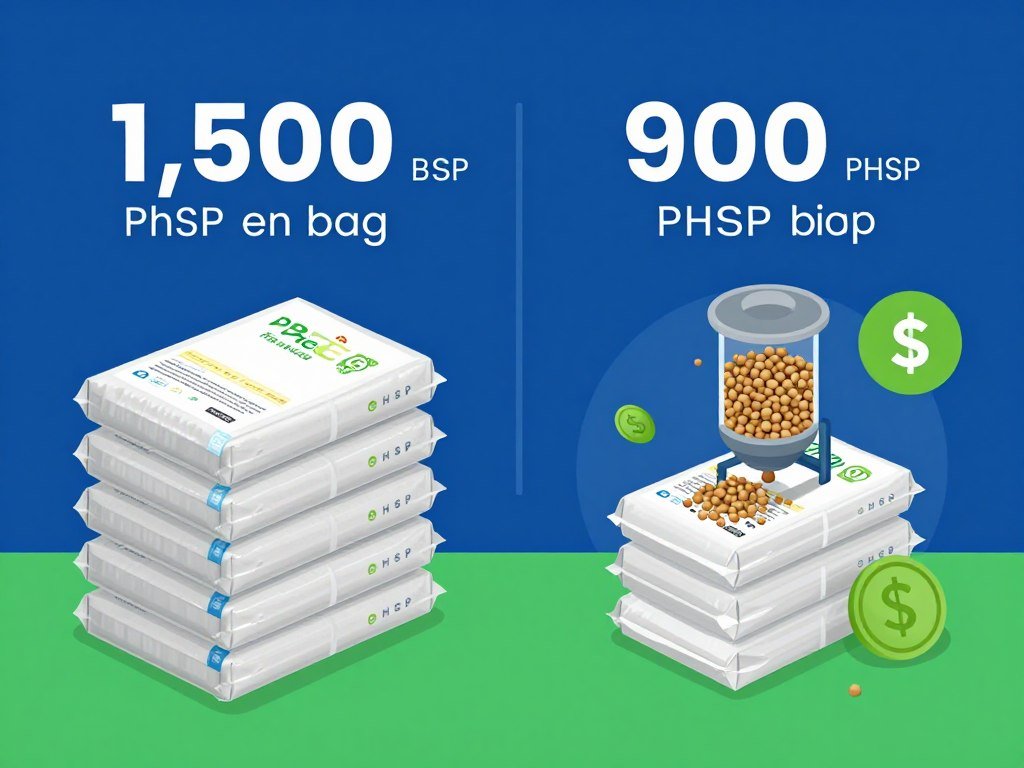
Compare this to purchasing commercial feed. Most bagged feed costs 1,200-1,500 pesos per 50kg bag or 24-30 pesos per kilogram. You can produce similar quality feed for 15-18 pesos per kilogram including all costs. The 7-12 peso per kilo savings pays back your equipment investment quickly.
Return on Investment Timeline
Let me show you real numbers from a customer running 5,000 broilers per flock with 6 flocks per year. Each bird consumes approximately 3.5kg feed from chick to market weight. Total annual feed need is 105,000 kilograms.
Buying commercial feed at 26 pesos per kilo costs 2,730,000 pesos per year. Producing your own feed at 17 pesos per kilo costs 1,785,000 pesos for materials and operation. Annual savings equals 945,000 pesos.
A complete small production line costs approximately 2,500,000 pesos including shipping and installation. Your payback period is 2.5-3 years. After that, you save 945,000 pesos every year. Over 10 years, you save 9,450,000 pesos minus equipment cost – a net gain of nearly 7 million pesos.
Larger operations see faster payback. A 20-ton per hour commercial mill supplying multiple farms can recover investment in 18-24 months through production margin.
Important Note: These calculations assume you source ingredients at competitive prices and maintain consistent production. Poor ingredient buying or low utilization extends payback period. We recommend starting with one formula and scaling up as you gain experience operating the equipment.
Dealership and Distribution Opportunities in Philippines
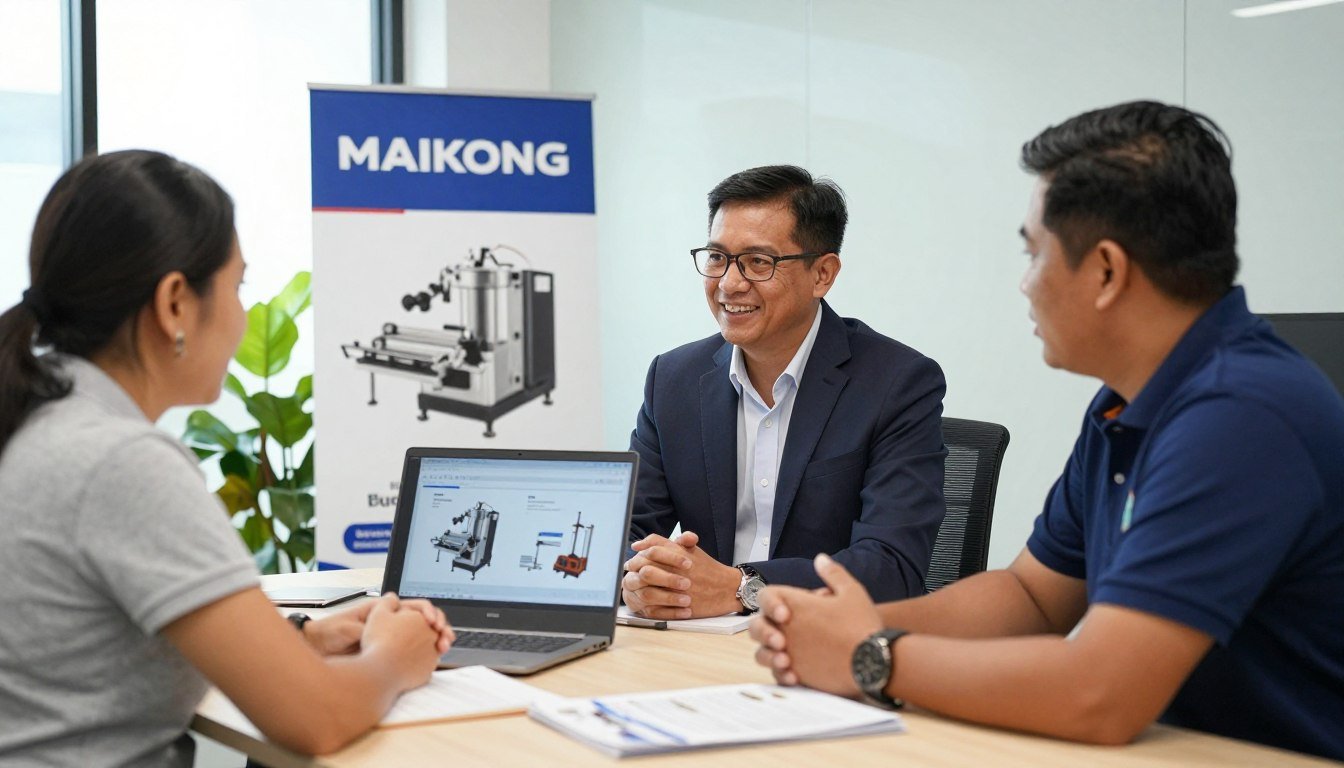
Beyond selling equipment to end users, we actively seek distribution partners throughout the Philippines. If you have experience in farming equipment, construction machinery, or agricultural supply, the MAIKONG dealer opportunity might interest you.
What We Offer Distributors
Authorized MAIKONG dealers receive exclusive territory rights. This means we will not sell directly to customers in your region or appoint competing dealers. Your territory might cover one province or several depending on population and farming density.
You receive dealer pricing that provides healthy profit margin. Typical dealer margin ranges from 15-25% depending on model and services you provide. Higher margin applies if you provide installation and after-sales service locally. Lower margin applies for orders you simply refer to us.
We supply marketing materials in English and can help translate to Tagalog or local languages. This includes product brochures, technical specifications, operation videos, and customer case studies. You can customize these materials with your company information.
Technical training is included. We bring your sales and service team to our Shenzhen facility for 5-7 days of comprehensive training. This covers product knowledge, installation procedures, troubleshooting, and parts replacement. You return ready to support customers confidently.
Dealer Requirements and Expectations
We look for partners with existing business infrastructure in the agricultural sector. You should have office space, storage for spare parts inventory, and ability to provide basic service support to customers. Some dealers are equipment importers, others are large farm supply stores, some are engineers with manufacturing experience.
Initial inventory commitment varies by territory size. Smaller regions might start with demo units and spare parts inventory worth 20,000-30,000 USD. Larger territories covering multiple provinces need more inventory and might require 50,000-80,000 USD commitment.
You provide first-level customer support – answering questions, conducting site surveys, and handling routine service issues. For complex technical problems, you coordinate with our China-based engineers. This support structure allows you to serve customers quickly while leveraging our deep technical expertise.
Become MAIKONG’s Exclusive Philippine Distributor
Join our network of successful distributors in 140 countries. MAIKONG offers exclusive territory rights for your region, factory-direct pricing with healthy profit margins, complete technical training and installation support, marketing materials and local language support, and fast shipping with parts inventory. We are expanding in the Philippines and seeking partners who understand the local feed industry.
Success Stories from Philippine Dealers
Our most successful Philippine dealer started three years ago as a construction equipment supplier in Central Luzon. He noticed many of his farm customers struggling with high feed costs. After researching options, he approached us about dealership.
He started by installing a demo unit in his own small chicken farm. This allowed him to show working equipment to prospects and speak from real operating experience. In his first year, he sold 8 small systems. Second year grew to 15 units. Last year he sold 23 systems ranging from small farm units to a 10-ton per hour commercial mill.
His business now generates annual revenue exceeding 15 million pesos with margins around 20%. He employs two full-time service technicians and handles installation for customers across three provinces. He tells us the business practically runs itself now with referrals from satisfied customers.
Common Questions About Animal Feed Pellet Machines
What raw materials can I use in your pellet machine?
You can process virtually any agricultural material. Common ingredients include corn, rice bran, copra meal, soybean meal, fish meal, wheat, cassava, molasses, and vegetable waste. The material should be ground to 1.5-3mm particle size before pelleting. Moisture content should be 12-15% for best results.
Some materials with very high oil content like full-fat soybean may need special handling. Contact us if your formula includes unusual ingredients – we can advise on processing parameters.
Will this work with Philippine 220V single-phase power?
Our smaller models up to SZLH320 can be configured for single-phase 220V operation with some capacity reduction. Larger models require 3-phase power due to motor size requirements. If you have single-phase supply, we recommend the SZLH250 model which handles 1-1.5 tons per hour on single-phase power. Alternatively, you can install a phase converter or small generator for 3-phase models.
How long does a ring die last before replacement?
Die lifespan varies by formula abrasiveness. Soft grain formulas give 1,500-2,000 hours of production. Formulas with high mineral content, sand, or bone meal reduce this to 800-1,200 hours. Most operations replace dies every 3-6 months with normal use. We keep common die sizes in stock for fast replacement. A spare die costs 15-20% of the machine price depending on size.
Do you provide installation and training?
Yes. We send a technical team to your location for installation and training. This takes 5-15 days depending on system complexity. Your team learns operation, maintenance, and troubleshooting. Training covers safety procedures, routine inspection, die changes, and basic repairs. After installation, we provide ongoing phone and video support.
What is delivery time to Philippines?
Standard machines ship within 10-30 working days after order confirmation. Customized machines need 30-45 days for manufacturing. Sea freight from China to Manila takes 5-7 days. To Cebu or Davao adds 2-3 days. Total time from order to delivery is typically 4-7 weeks. We work with experienced freight forwarders who handle customs clearance smoothly.
What warranty do you provide?
We provide 12-month warranty on all major components including motor, gearbox, shaft, and main frame. Wearing parts like ring dies, rollers, and belts are not covered as they are consumables. During warranty period, we replace defective parts free of charge. You pay shipping costs for replacement parts. After warranty, we continue to supply parts at our cost plus shipping.
Can I see a working machine before ordering?
Yes. We can arrange visits to operating installations near your location. We have customers in Luzon, Visayas, and Mindanao who allow prospective buyers to visit. You can also visit our Shenzhen factory to see production and testing facilities. Many customers visit China, inspect the factory, and order after seeing our manufacturing quality firsthand.
What ongoing maintenance is required?
Daily maintenance includes checking bearing temperatures, inspecting belt tension, and cleaning feed residue. Weekly lubrication of bearings takes 15-20 minutes. Monthly detailed inspection covers die condition, roller wear, and electrical connections. Annual overhaul includes bearing replacement and gear inspection. Total maintenance time is approximately 2-3 hours per week for normal operation. We provide detailed maintenance checklists during training.
Still Have Questions?
Our technical advisors are here to help you make the right choice for your operation.
Start Your Feed Production Journey with MAIKONG
After reading this guide, you understand how animal feed pellet machines work and why thousands of Philippine farms now produce their own feed instead of buying commercial products. The cost savings are real. The quality control benefits matter. The flexibility to formulate exactly what your animals need makes better farming sense.
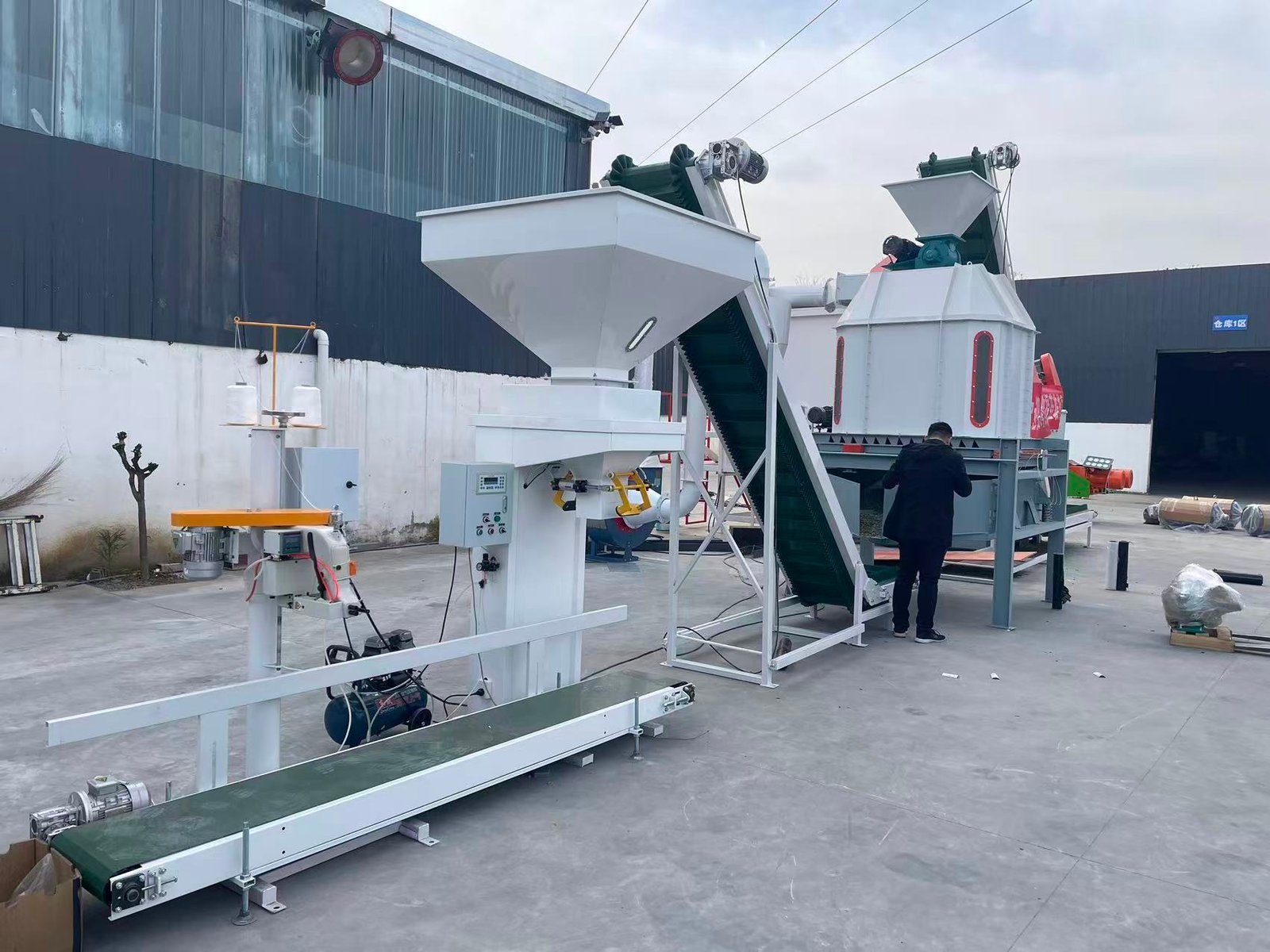
Whether you manage a 2,000-bird backyard operation or plan to build a commercial mill serving multiple farms, MAIKONG has solutions that fit your scale and budget. We have installed systems throughout the Philippines from small islands to major cities. Every installation teaches us more about Philippine farming needs.
The decision to invest in feed production equipment feels big. You wonder about reliability, service support, and whether you can really achieve the savings calculations suggest. These concerns are normal. Let me address them directly.
Our equipment works. We have 30 years of manufacturing experience and over 2,000 installations worldwide. The technology is proven. The components are international brands. The design follows industry standards developed over decades.
Service support is real. We answer emails within 24 hours. Our WhatsApp line connects you to engineers who built your specific model. We maintain spare parts inventory and have relationships with Philippine suppliers for standard components. You are not buying a machine and being abandoned.
The savings are achievable. Hundreds of Philippine customers report exactly the cost reductions we described. Some save even more by sourcing ingredients cleverly or selling excess production to neighboring farms. The financial benefits are consistent across small and large operations.
Ready to Transform Your Feed Production?
Whether you are starting a new feed mill, upgrading existing equipment, or exploring distribution opportunities, MAIKONG is your partner for success in the Philippine market.
For Equipment Buyers: Get customized quotes for pellet machines from 200KG to 200-ton capacity. Configured for Philippine voltage, climate, and feed types.
For Potential Dealers: Secure your exclusive territory as MAIKONG distributor. High-margin opportunity in growing Philippine feed industry.
Contact us today:
Email: Lucy@pelletmachine.ph
Phone: +86 135 1090 7401
Website: pelletmachine.ph
Our team stands ready to discuss your specific situation. Tell us about your farm size, animals you raise, current feed costs, and your production goals. We will design a solution that makes economic sense for your operation.
The Philippine farming industry grows stronger when farmers control their own feed supply. You improve your profit margins. You ensure quality nutrition for your livestock. You build a more sustainable business that is not dependent on commercial feed suppliers.
Join the hundreds of Philippine farmers and feed mills who already trust MAIKONG equipment. Let us help you achieve the same success they enjoy. Contact us today to start the conversation about your feed production future.