
 Many fish farm owners search for practical solutions. Feed expenses represent 60-70% of total production costs. Reducing this burden becomes essential for business survival.
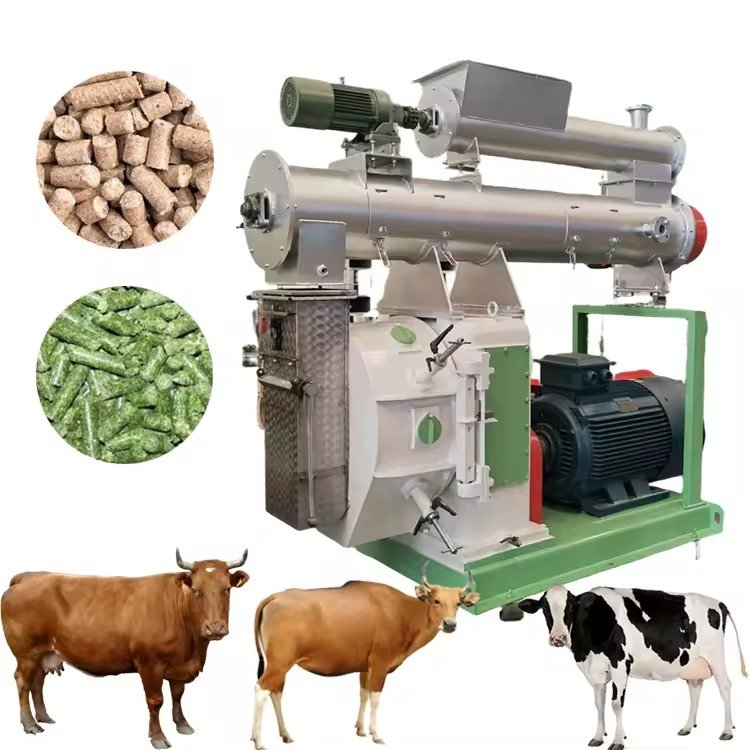
A fish feed pellet machine transforms raw ingredients into nutritious pellets. Farm owners control formulation, quality, and costs. We manufacture solutions ranging from small 200-kilogram manual operations to automated 200-ton production lines.
This guide explores how pelletizing technology reduces expenses while improving fish growth rates. Technical specifications, customization options, and real applications in Philippine farms provide actionable insights.
Calculate Your Potential Feed Cost Savings
Discover how much your fish farm can save with in-house pellet production. Our technical team provides free cost analysis customized for Philippine operations.
What Is a Fish Feed Pellet Machine and Why Philippine Farmers Need One
A fish feed pellet machine compresses raw materials into dense cylindrical shapes. Heat and pressure cook the ingredients while forming them into pellets. Different designs accommodate various production scales and fish species requirements.
Core Components That Power Pellet Production
Feeding System
The feeding mechanism controls material flow into the machine. Variable frequency drives adjust speed based on production demand. Consistent feeding prevents blockages and ensures uniform pellet quality.
Stainless steel construction resists corrosion from fish oils and moisture. The auger design moves materials efficiently without separation.
Conditioning Chamber
Steam injection occurs in the conditioning chamber. Moisture and heat activate starches in the formulation. This pre-cooking step improves pellet binding and digestibility.
Temperature reaches 75-85°C for sinking pellets. Floating feed production requires higher temperatures of 110-120°C.
Pelleting Chamber
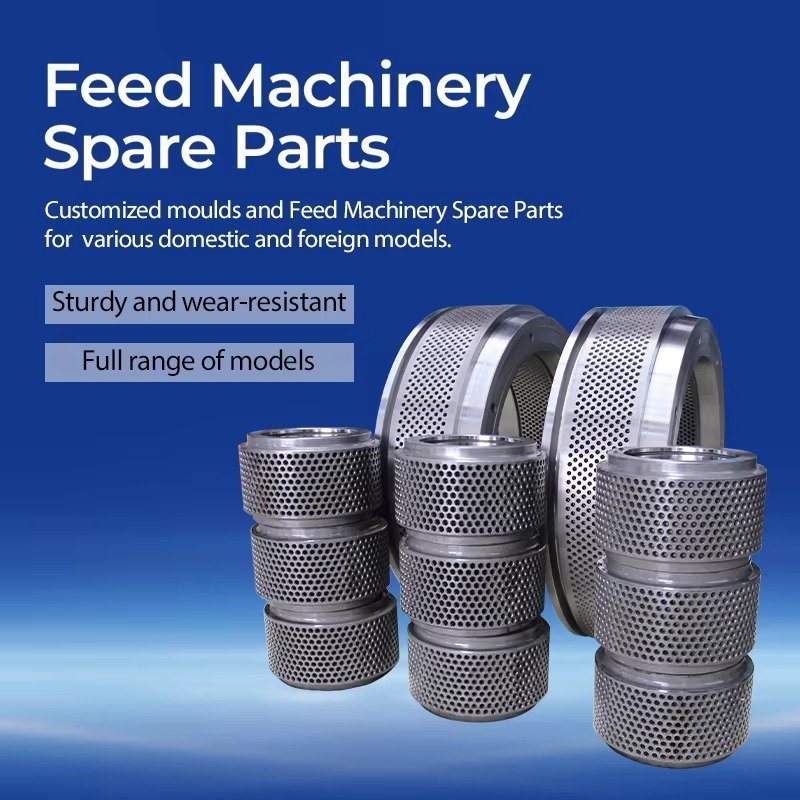
The ring die and pressure rollers form the heart of the machine. Rotating dies contain holes that determine pellet diameter. Rollers press material through die openings under high pressure.
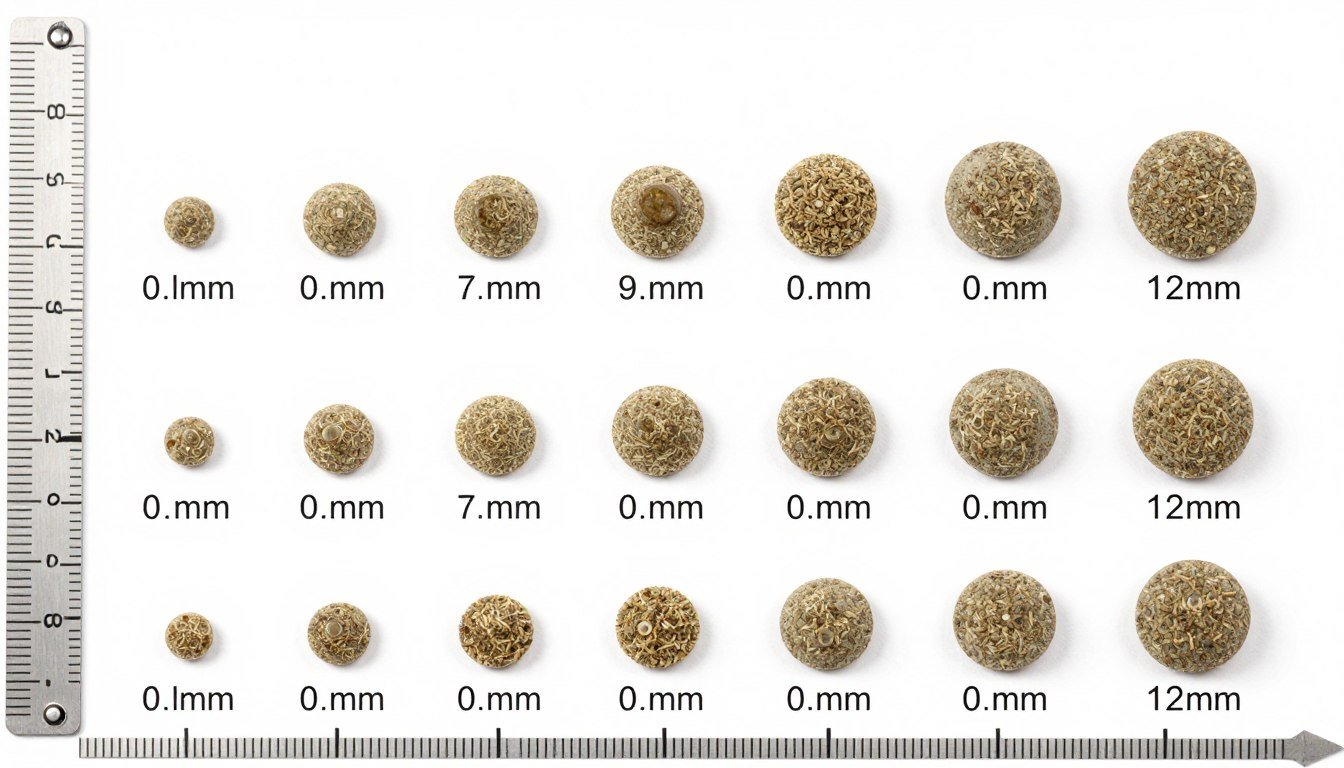
Die specifications range from 2mm to 12mm diameter. Smaller holes produce pellets for fingerlings. Larger openings create feed for mature fish.
Cutting and Cooling
Adjustable knives slice pellets to desired length. Most fish feed pellets measure 2-8mm long. The cutting system maintains consistent dimensions throughout production runs.
Cooling systems reduce pellet temperature and moisture. Proper cooling extends shelf life to 3-6 months under Philippine climate conditions.
Manual vs. Motorized Fish Feed Pellet Machines
Manual fish feed pellet machine models suit small-scale operations. Hand-cranked designs produce 50-100 kilograms per hour. Farm workers control production speed through physical effort.
These machines cost less initially. Maintenance requirements stay minimal. Small tilapia ponds under 1000 square meters often benefit from manual operations.
Motorized equipment delivers consistent production rates. Electric motors provide steady power regardless of operator fatigue. Production scales from 200 kilograms to multiple tons per hour.
The choice depends on farm size and expansion plans. Complete production lines integrate multiple machines for automated processing.
Want to discuss which type fits your operation? Our technical team understands the specific challenges facing Philippine aquaculture. Message us on WhatsApp or call +86 135-1090-7401 during business hours.
How Pellet Machines Reduce Feed Costs in Philippine Conditions
Commercial fish feed prices include manufacturing costs, packaging, distribution, and retailer margins. Direct production eliminates these intermediary expenses. Raw material costs typically represent only 45-55% of finished feed prices.
A 5-hectare tilapia farm consuming 2 tons of feed daily spends approximately ₱100,000-130,000 per week on commercial feed. In-house production reduces this to ₱45,000-60,000 for equivalent nutrition.
Additional savings come from utilizing locally available ingredients. Rice bran, copra meal, and fish meal remain abundant in Philippines. Formulation flexibility allows farms to purchase ingredients at seasonal low prices.
Storage challenges exist but proper pelletization extends ingredient shelf life. Pellets resist moisture better than mash feeds under humid conditions.
Cost Savings Example:
- Commercial feed cost: ₱55/kg
- Raw material cost: ₱25/kg
- Production cost: ₱5/kg (electricity, labor, maintenance)
- Total in-house cost: ₱30/kg
- Savings per kg: ₱25 (45% reduction)
- Monthly savings (2 tons/day): ₱1,500,000
Fish Feed Pellet Machine Technical Specifications and Models
MAIKONG manufactures eight standard models covering different production requirements. Each machine offers specific capacity ranges and power configurations. Technical parameters match various farm scales from backyard operations to commercial feed mills.
Complete Model Range with Detailed Parameters
| Model | Capacity (kg/h) | Main Motor (kW) | Ring Die (mm) | Pellet Size (mm) | Weight (kg) | Dimensions (mm) |
| MKFD-120 | 80-100 | 3 | 120 | 2-8 | 85 | 800×400×750 |
| MKFD-150 | 120-150 | 4 | 150 | 2-8 | 125 | 900×450×850 |
| MKFD-200 | 180-250 | 7.5 | 200 | 2-10 | 320 | 1100×500×1100 |
| MKFD-250 | 300-400 | 15 | 250 | 2-12 | 580 | 1300×650×1400 |
| MKFD-300 | 500-700 | 22 | 300 | 2-12 | 950 | 1500×750×1600 |
| MKFD-350 | 800-1000 | 30 | 350 | 2-12 | 1280 | 1800×850×1800 |
| MKFD-400 | 1200-1500 | 37 | 400 | 3-12 | 1850 | 2000×950×2000 |
| MKFD-450 | 1800-2200 | 45 | 450 | 3-12 | 2400 | 2200×1050×2200 |
Standard Equipment Configuration
All MAIKONG fish feed pellet machines include essential components for immediate operation. Standard packages contain items necessary for basic production.
| Component | Specification | Purpose |
| Main Motor | Siemens/equivalent, IP54 protection | Primary drive system for pellet formation |
| Ring Die | Stainless steel 304, 1 size included | Forms pellets through pressure extrusion |
| Pressure Rollers | Alloy steel, heat-treated surface | Apply compression force to material |
| Feeder System | Variable speed drive, SS304 construction | Controls material flow into machine |
| Conditioner | Single-layer steam injection | Pre-cooks and moistens ingredients |
| Cutting System | 2 adjustable knives | Controls pellet length |
| Control Panel | Digital display, emergency stop | Operation monitoring and safety |
| Safety Pin | Overload protection mechanism | Prevents motor damage from blockages |
Optional Accessories for Enhanced Production
Additional equipment expands capability or improves efficiency. These accessories address specific requirements common in Philippine aquaculture operations.
| Accessory | Function | Recommended For |
| Additional Ring Dies (various sizes) | Enable production of different pellet diameters | Multi-species farms requiring varied feed sizes |
| Double-Layer Conditioner | Improved steam mixing and cooking | Floating feed production requiring higher temperatures |
| Pellet Cooler | Reduces temperature and moisture content | Extended storage needs in humid conditions |
| Crumbler | Breaks pellets into smaller particles | Fry and fingerling feeding requirements |
| Oil Sprayer | Applies fish oil coating to finished pellets | Enhanced palatability and nutrition enrichment |
| Auto-bagging System | Weighs and packages pellets automatically | Commercial operations or dealer supply |
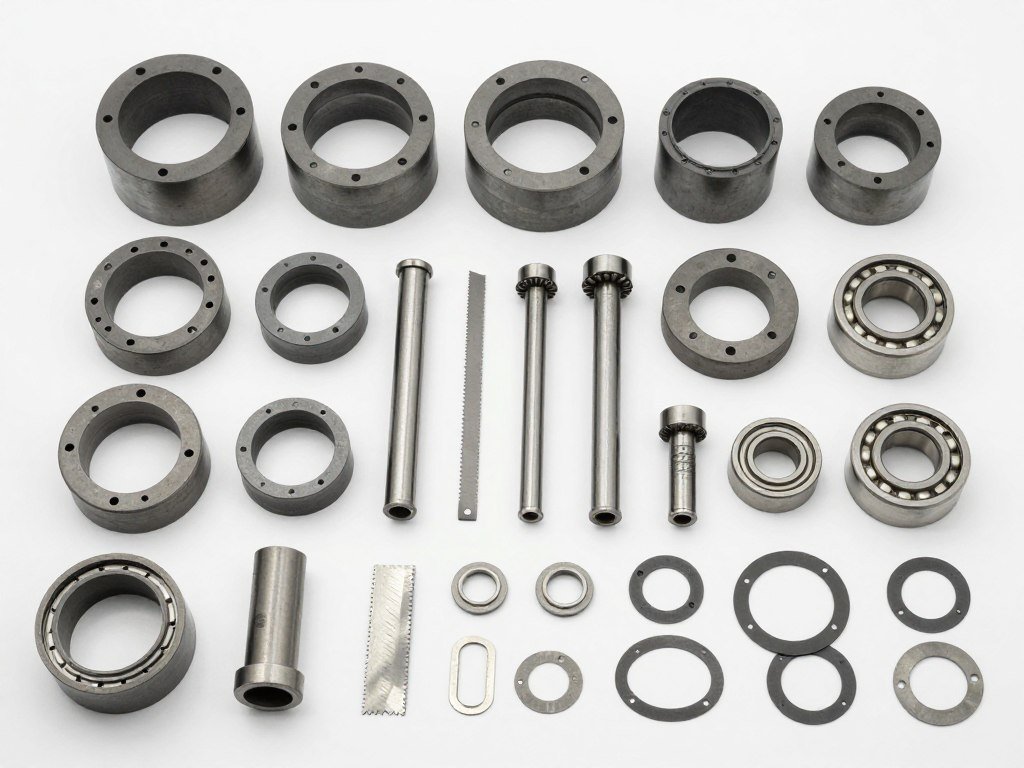
| Spare Parts Kit | Common wear items for maintenance | Remote locations requiring backup components |
Download Complete Technical Specifications
Access detailed technical drawings, electrical requirements, and installation guidelines for all MAIKONG fish feed pellet machine models. PDF specifications include capacity charts and customization options.
Electrical Requirements for Philippine Installation
Standard machines operate on 380V three-phase power. Many Philippine farms use 220V single-phase systems. MAIKONG customizes motors and control systems to match available electrical infrastructure.
Voltage conversion adds minimal cost but prevents operational problems. Our technical team verifies electrical compatibility before shipment. This customization eliminates expensive local modifications after delivery.
Single-Phase Options
Smaller models (MKFD-120 through MKFD-200) adapt easily to 220V single-phase power. These configurations suit farms without three-phase electrical service.
Motor efficiency remains high despite voltage conversion. Production capacity stays identical to three-phase versions.
Three-Phase Standard
Larger models require three-phase power for optimal performance. Most commercial feed mills and large farms already have three-phase service available.
Three-phase motors deliver better efficiency. Power consumption per kilogram of pellets decreases as production scale increases.
Fish Feed Applications: Matching Machines to Philippine Aquaculture Species
Different fish species require specific pellet characteristics. Size, density, and nutritional profile vary by species and growth stage. Understanding these requirements ensures proper machine selection and die specification.
Tilapia Feed Production Requirements
Tilapia farming dominates Philippine freshwater aquaculture. Commercial operations range from small fish ponds to intensive cage culture systems. Feed represents the single largest operating expense.
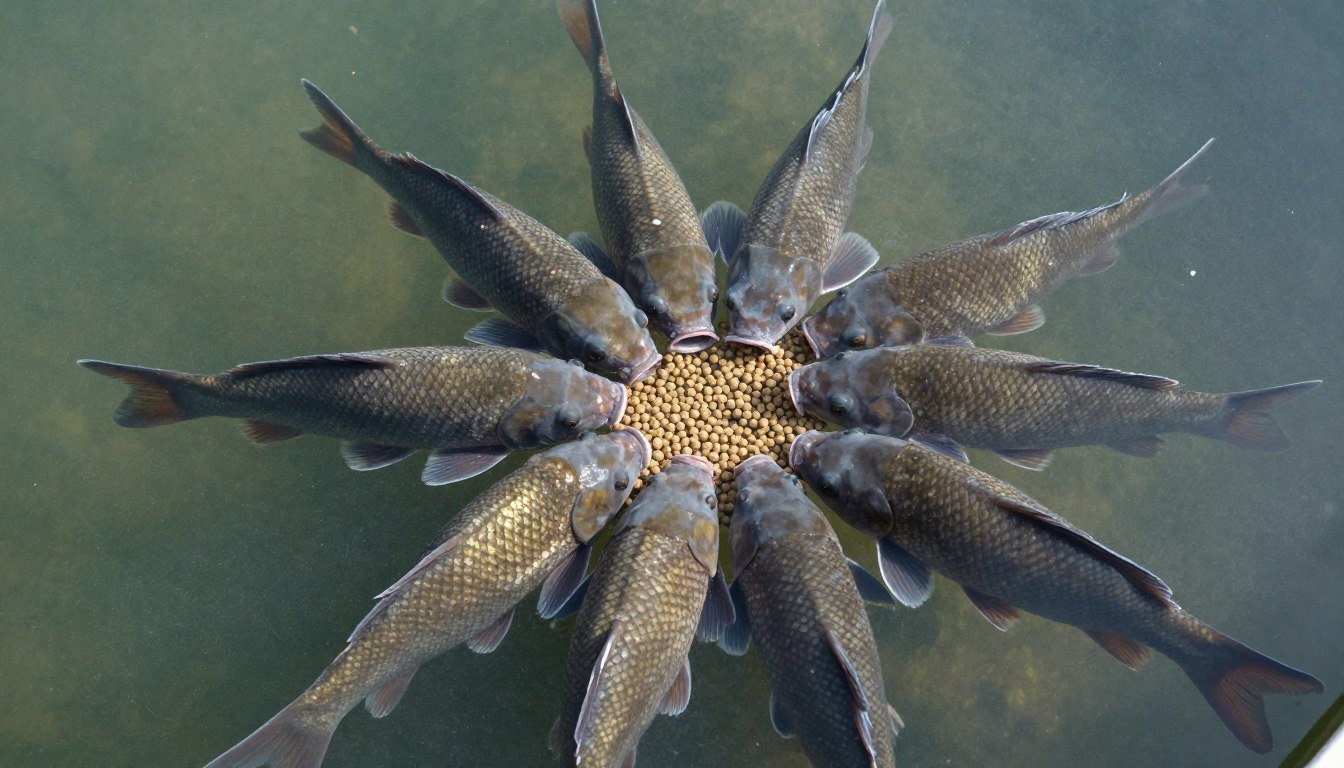
Fingerling tilapia (5-20 grams) require 1.5-2.0mm pellets. The small size matches fish mouth dimensions. Protein content typically reaches 32-35% during this rapid growth phase.
Grower tilapia (20-100 grams) transition to 2.5-3.5mm pellets. Feed conversion ratios improve with proper pellet size matching. This stage represents the longest feeding period and highest feed volume.
Market-size tilapia (100-300 grams) consume 4-6mm pellets efficiently. Larger pellets reduce feed dust and water pollution. Protein requirements decrease to 28-30% as fish approach harvest size.
Tilapia Feed Formula Example:
- Fish meal: 15%
- Soybean meal: 25%
- Rice bran: 20%
- Corn meal: 25%
- Copra meal: 10%
- Vitamin premix: 2%
- Mineral premix: 2%
- Binder: 1%
Crude protein: 30-32%
Crude fat: 6-8%
Moisture: 10-12%
Most tilapia operations use floating pellets. Water stability exceeds 4 hours without significant disintegration. Farmers monitor feeding response and adjust quantities daily.
MAIKONG pellet machines produce both sinking and floating feeds. Temperature control during conditioning determines pellet buoyancy characteristics.
Recommended models for tilapia operations:
- 1-3 hectare ponds: MKFD-200 or MKFD-250
- 3-10 hectare ponds: MKFD-300 or MKFD-350
- Commercial feed mills: MKFD-400 or larger
Bangus (Milkfish) Feed Pelletizing
Bangus cultivation remains culturally and economically significant across Philippines. Traditional farming methods relied on natural productivity. Modern intensive culture demands supplementary feeding.
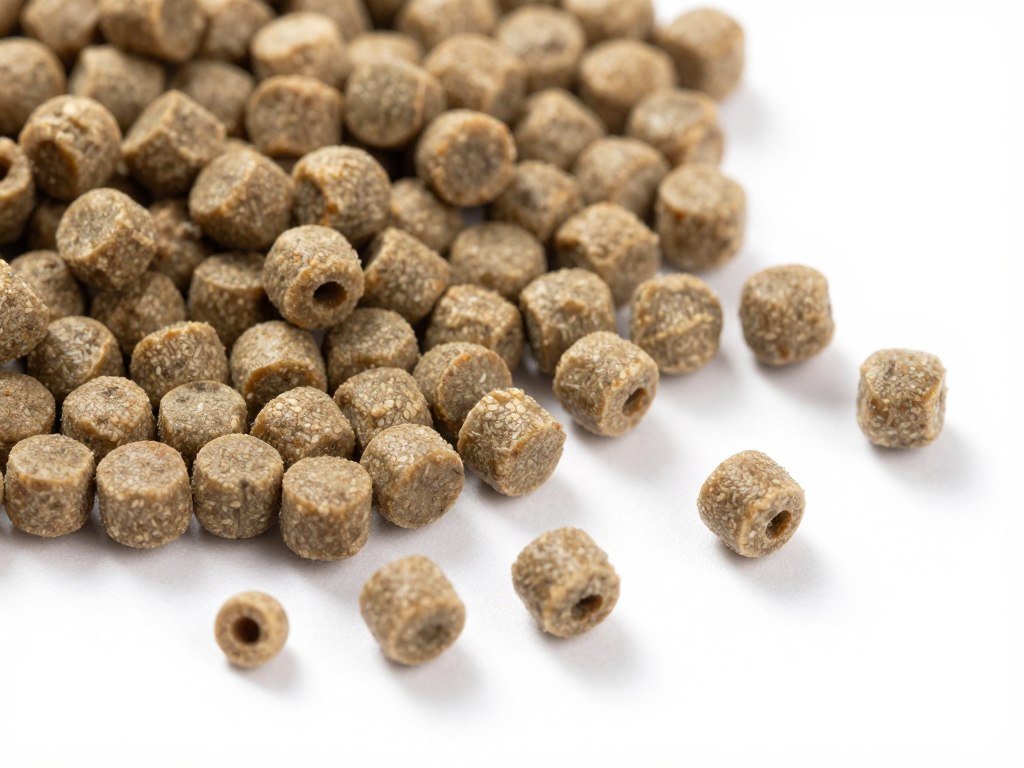
Bangus feed formulations differ from tilapia due to dietary preferences. Lower protein requirements (24-28%) reduce formula costs. Pellet size ranges from 2mm for fry to 6mm for market fish.
Sinking pellets suit traditional pond culture. Floating pellets benefit cage culture in coastal areas. Machine die selection determines pellet density and floating characteristics.
Catfish and Native Species Feed Production
Catfish (hito) farming grows steadily in Luzon provinces. These hardy fish tolerate varied conditions but respond well to quality feed. Pellet requirements resemble tilapia specifications.
Native species like ayungin and martiniko gain commercial interest. Small-scale farmers often cultivate these alongside tilapia. Multi-species operations benefit from adjustable pellet machines.
Die changes take 30-45 minutes with proper tools. Farms producing multiple feed types maintain several ring dies. This flexibility maximizes machine utilization across species.
Shrimp Feed Pellet Production
Shrimp farming requires highly specialized feed formulations. Protein content reaches 35-40% using marine ingredients. Pellet water stability must exceed 6 hours without nutrient leaching.
Pellet size stays small, typically 1.5-3.0mm diameter. Shrimp feed slowly compared to finfish. Extended water stability prevents waste and maintains water quality.
Standard fish feed pellet machines produce acceptable shrimp feed with modifications. Enhanced conditioning and proper binder selection improve pellet durability.
Specialized shrimp feed production lines incorporate additional processing steps. These systems suit large commercial operations exclusively producing crustacean feeds.
Shrimp Feed Considerations:
Water stability testing verifies pellet quality. Place pellets in water and observe disintegration over 6+ hours. Quality pellets maintain shape and release minimal fines.
Smaller die holes (1.5-2.0mm) require more frequent cleaning. Production rates decrease compared to larger diameter pellets.
Ornamental Fish Feed Applications
Ornamental fish breeding generates significant revenue in Philippine aquaculture. Goldfish, koi, guppies, and cichlids each require specific nutrition profiles.
Pellet sizes range from 0.5mm micro-pellets for fry to 3mm for adult ornamental fish. Color-enhancing additives like spirulina and astaxanthin improve fish appearance.
Small-batch production suits ornamental fish needs. Manual or small electric pellet machines (MKFD-120 or MKFD-150) provide sufficient capacity. These models enable hobby breeders to produce custom formulations economically.
Production Capacity Options: Scaling from Backyard to Commercial Operations
Philippine aquaculture encompasses diverse scales. Backyard fish ponds measure a few hundred square meters. Commercial operations span multiple hectares with tens of thousands of fish. Feed production equipment must match operational requirements.
Small-Scale Production (200-500 kg/hour)
Small tilapia or catfish ponds benefit from entry-level pellet machines. A 2000-square-meter pond stocked with 10,000 fish consumes approximately 50-80 kilograms of feed daily.
The MKFD-200 model produces enough feed in 2-3 hours of operation. Farmers manufacture fresh pellets several times weekly. This approach eliminates long-term storage concerns.
Typical Small Operation Profile:
- Pond area: 1,000-3,000 m²
- Fish population: 5,000-15,000 tilapia
- Daily feed requirement: 40-100 kg
- Weekly production: 300-700 kg
- Recommended model: MKFD-200
- Production time: 2-4 hours per batch
- Operator requirement: 1 person
Labor requirements stay minimal. One trained operator manages the entire process from raw material mixing through pellet production and storage. Family members often assist during production sessions.
Medium-Scale Commercial Production (500-2000 kg/hour)
Expanding farms or small cooperative operations require greater capacity. Multiple ponds or cage systems demand consistent daily feed supply. Medium-scale equipment bridges the gap between small and industrial operations.
Models MKFD-300 and MKFD-350 serve this market segment effectively. A 10-hectare tilapia farm stocked at commercial densities consumes 800-1200 kilograms daily.
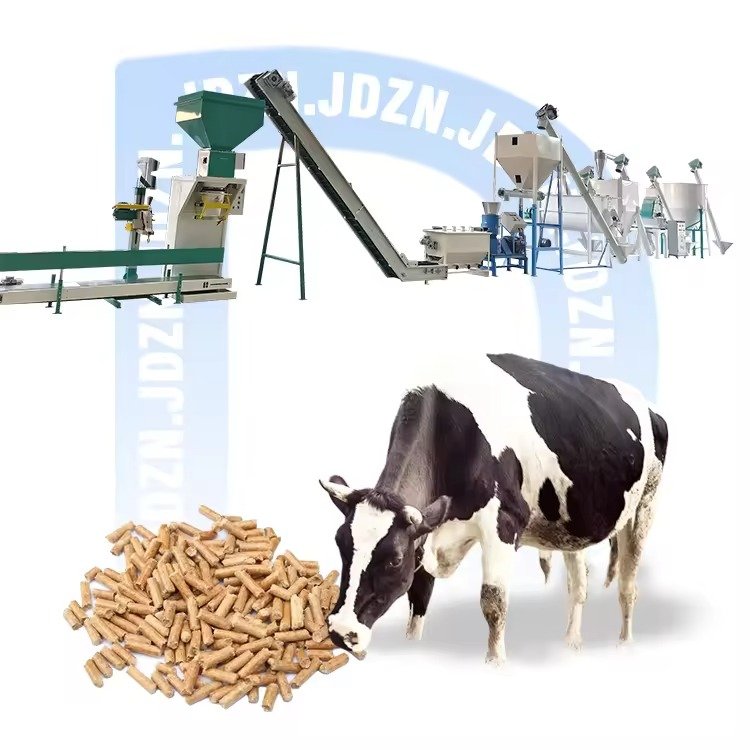
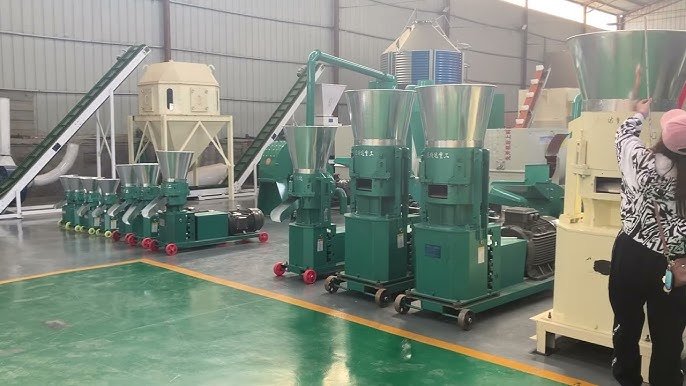
Semi-automated systems reduce labor intensity. Mechanical conveyors move materials between processing stages. One operator monitors multiple machines simultaneously.
Medium Operation Investment Breakdown:
- Main pellet machine: ₱800,000-1,200,000
- Hammer mill (raw material grinding): ₱150,000-250,000
- Mixer: ₱100,000-180,000
- Cooler and screener: ₱200,000-350,000
- Conveying equipment: ₱150,000-250,000
- Installation and training: ₱100,000-150,000
Total investment: ₱1,500,000-2,430,000
Monthly feed production capacity: 18-36 tons
Cost savings vs commercial feed: ₱450,000-900,000
Payback period: 2-4 months
Production efficiency improves dramatically at this scale. Equipment utilization reaches 6-8 hours daily during peak seasons. Farms often produce excess capacity for sale to neighboring operations.
Quality control becomes systematic. Regular testing ensures consistent nutritional content and physical quality. Some medium-scale operations supply local fish farmers as a secondary business.
The flexibility to adjust formulations provides competitive advantages. Seasonal ingredient availability influences formula economics. Operators substitute ingredients maintaining nutritional targets while minimizing costs.
Large Commercial and Industrial Production (2000+ kg/hour)
Feed mill operations and large integrated aquaculture companies require industrial-scale equipment. Production runs continuously during operating hours. Automation minimizes labor while maximizing output consistency.
MAIKONG offers models producing up to 2200 kilograms hourly (MKFD-450). Multiple machines in parallel configurations achieve even higher capacities. Some Philippine feed mills operate 24-hour production schedules.
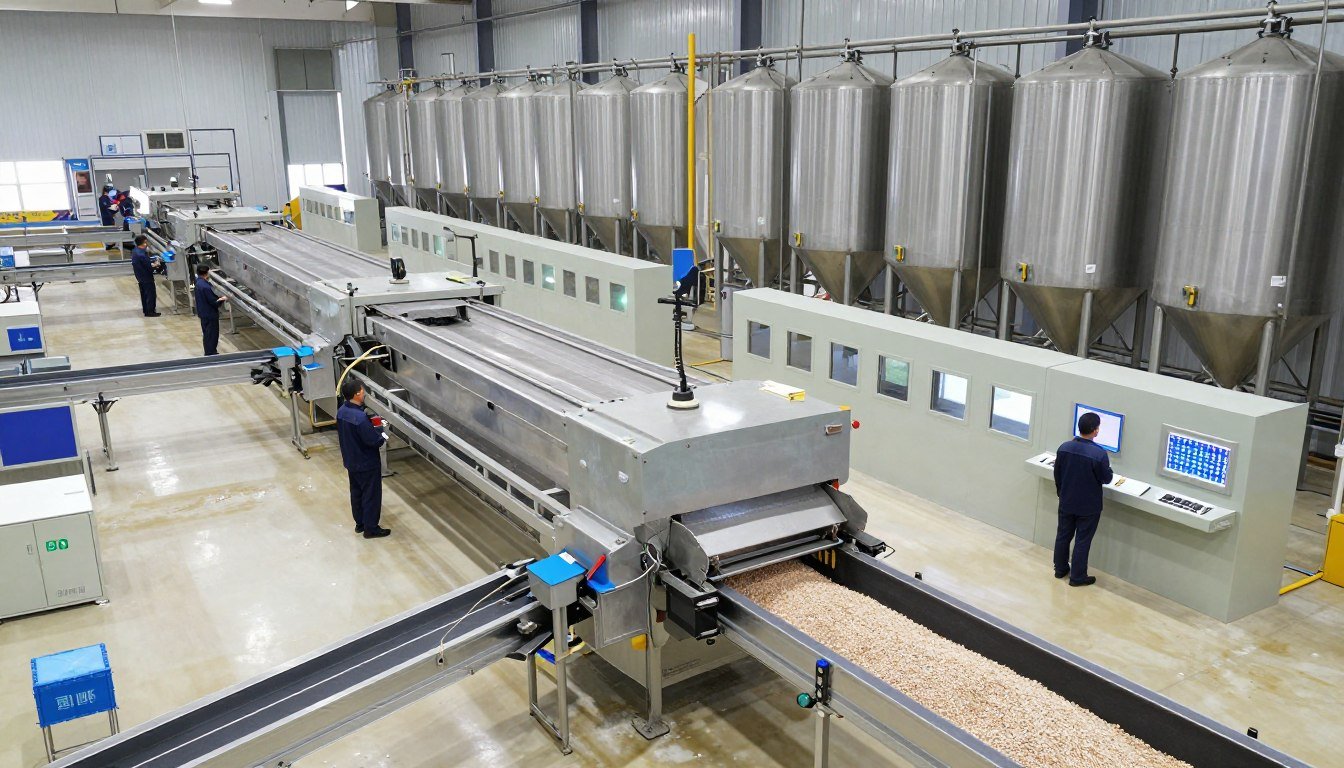
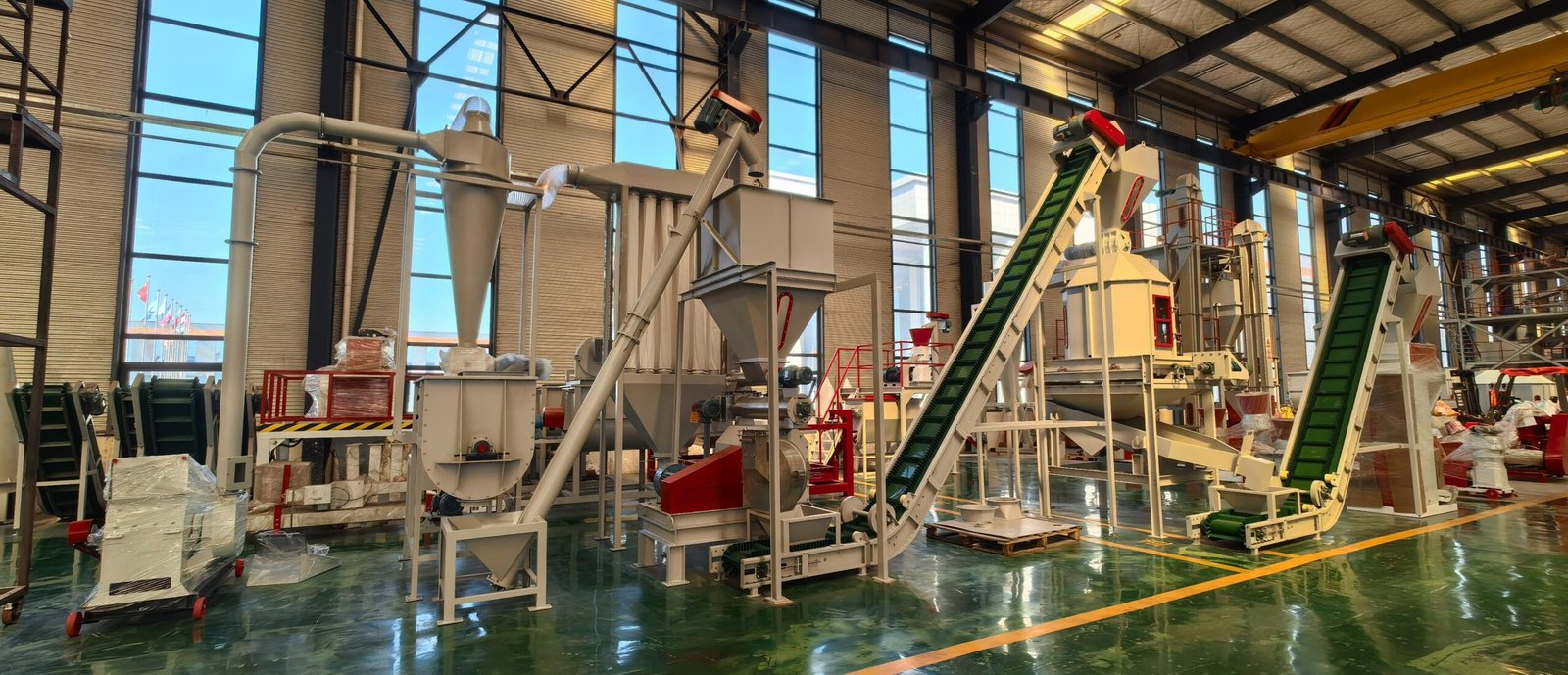
Complete feed pellet production lines integrate numerous machines. Raw material reception, cleaning, grinding, batching, mixing, conditioning, pelleting, cooling, screening, and packaging occur in continuous flow.
Industrial Scale Capabilities:
- Production: 5-20 tons per hour
- Operating schedule: 16-24 hours daily
- Daily output: 80-480 tons
- Staff requirement: 8-15 personnel per shift
- Computer-controlled batching and processing
- Automated quality control testing
- Multiple product lines simultaneously
Target Customers:
- Commercial feed manufacturers
- Large aquaculture corporations
- Agricultural cooperatives
- Feed distributors
- Government aquaculture programs
- Export-oriented feed producers
MAIKONG provides complete turnkey solutions for industrial operations. Engineering teams design facilities matching client requirements. Installation, commissioning, and operator training ensure successful startup.
Customization for Philippine Conditions
Standard specifications serve as starting points. Most Philippine installations require specific adaptations. MAIKONG engineering teams customize equipment to local requirements.
Electrical Customization
Motor voltage adjustment for 220V single-phase or 380V three-phase systems. Control panels adapted for Philippine electrical codes and safety standards.
Surge protection and voltage stabilization prevent damage from irregular power supply common in rural areas.
Climate Adaptation
Corrosion-resistant coatings protect against high humidity and salt air in coastal locations. Dust protection systems accommodate dry-season conditions.
Enhanced cooling systems compensate for elevated ambient temperatures typical in Philippines.
Raw Material Flexibility
Die specifications match locally available ingredients. Philippine farms commonly use rice bran, copra meal, and regional fish meal varieties.
Conditioning systems optimize for tropical ingredient moisture characteristics.
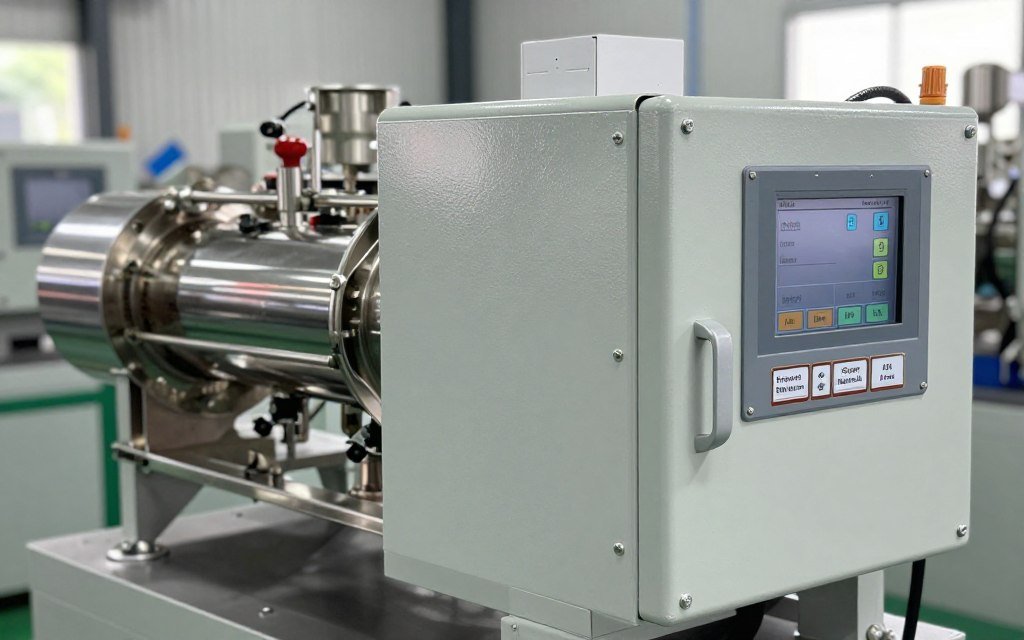
Planning an expansion or new feed production facility? Our technical team provides free production planning consultations. Call +86 135-1090-7401 to discuss your specific capacity requirements and site conditions.
MAIKONG: Your Trusted Partner in Feed Production Equipment
MAIKONG began manufacturing pellet equipment in 1995 in Shenzhen, China. Nearly three decades of experience shaped our understanding of aquaculture and livestock feed production. We serve customers in over 140 countries across six continents.
Manufacturing Excellence and Quality Assurance
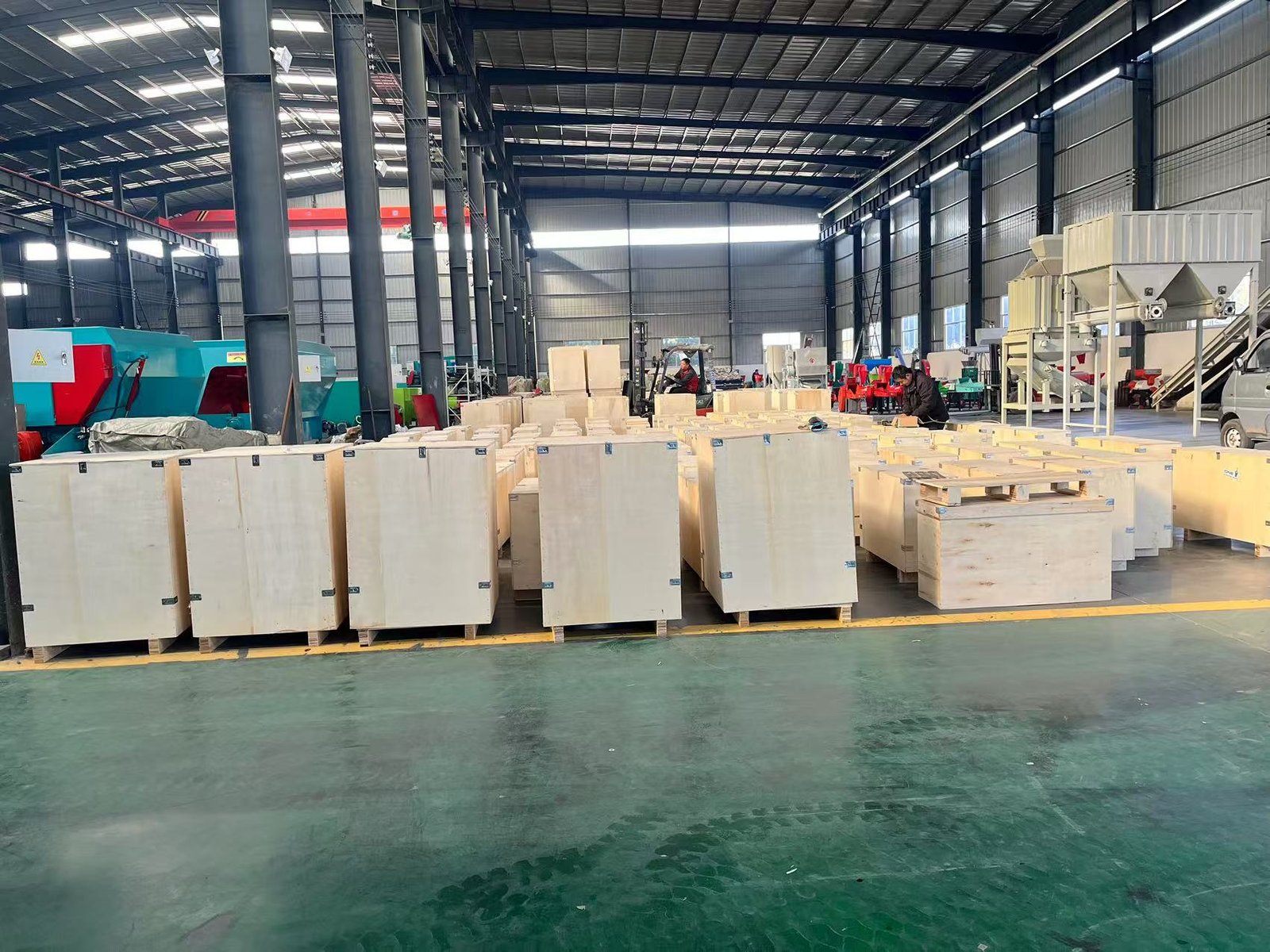
Our Shenzhen facility encompasses 28,000 square meters of manufacturing space. Modern CNC machining centers ensure precise component fabrication. Each machine undergoes comprehensive testing before shipment.
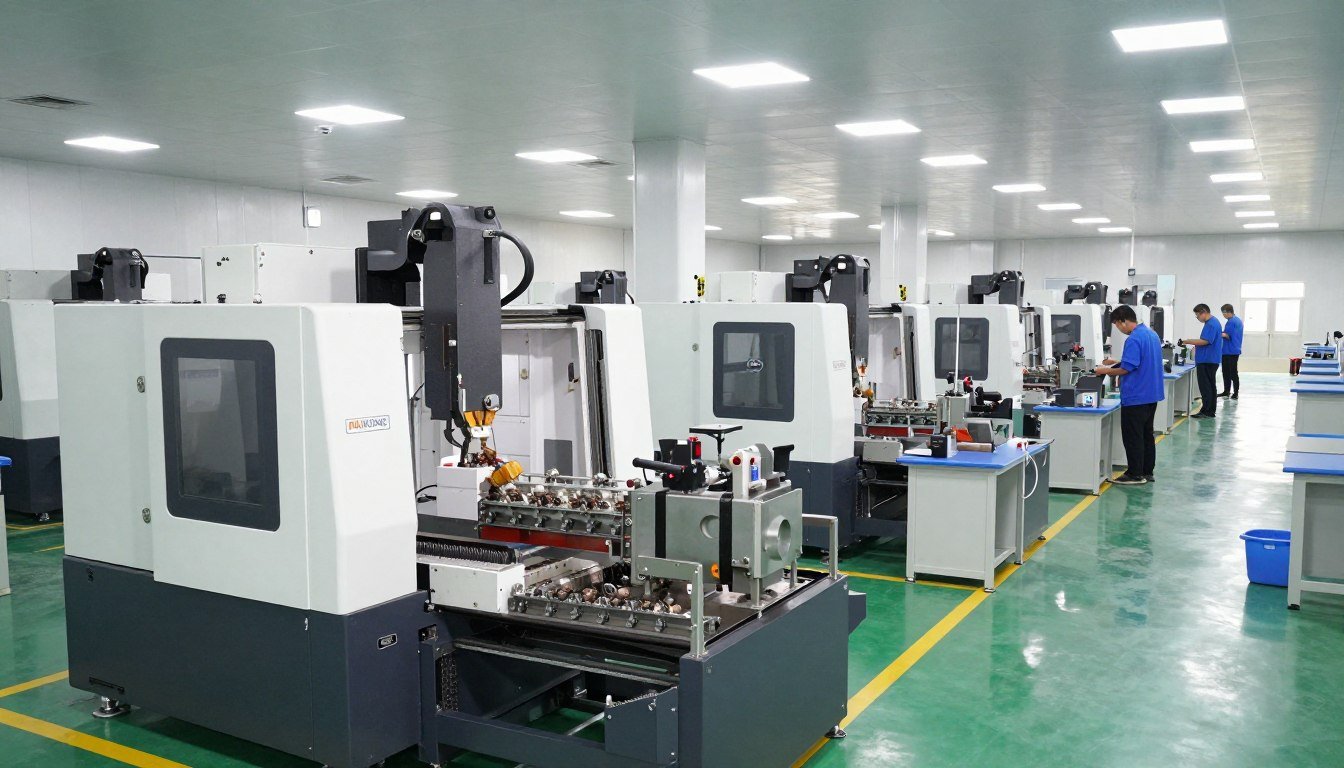
Quality control protocols follow ISO 9001:2015 standards. Critical components undergo dimensional verification and material hardness testing. Assembly technicians have minimum five years experience with pellet machinery.
Core Manufacturing Capabilities:
- Precision metal fabrication and welding
- Heat treatment for wear-resistant components
- Stainless steel processing and finishing
- Electrical system assembly and testing
- Hydraulic and pneumatic system integration
- Complete machine assembly and commissioning
- Custom engineering and prototype development
Quality Certifications:
- ISO 9001:2015 Quality Management
- CE Equipment Safety Certification
- SGS Factory Audit Approval
- Multiple utility patents for innovations
- Export licensing for international trade
Why Philippine Customers Choose MAIKONG
Several factors make MAIKONG particularly suitable for Philippine market requirements. Understanding these advantages helps customers make informed equipment decisions.
Direct Factory Pricing
Purchasing directly from MAIKONG eliminates distributor markups. Philippine importers typically add 30-40% to equipment costs. Direct sales reduce total investment by ₱200,000-800,000 depending on model.
We handle export documentation, shipping arrangements, and customs clearance support. Delivered prices remain competitive despite international shipping costs.
Customization Without Premium Pricing
Most European and American manufacturers charge 15-25% extra for customization. MAIKONG includes basic customization (voltage, die sizes, control language) in base pricing.
Our engineering team works directly with customers to optimize equipment for specific requirements. This personalized approach suits diverse Philippine aquaculture operations.
Proven Performance in Tropical Conditions
Extensive experience in Southeast Asian markets informs our design decisions. MAIKONG equipment operates reliably in hot, humid coastal environments common in Philippines.
Corrosion protection, dust sealing, and cooling capacity all reflect tropical operating conditions. These details prevent premature failures experienced with equipment designed for temperate climates.
Comprehensive Technical Support
English-speaking technical staff provide support through email, phone, and WhatsApp. Time zone proximity to Philippines (both GMT+8) facilitates real-time communication.
Installation guidance, operator training materials, and troubleshooting assistance ensure successful equipment operation. Video consultations resolve most technical questions quickly.
Spare Parts Availability
Common wear items ship from Shenzhen to Manila in 5-7 days. Emergency air freight delivers critical components in 2-3 days when necessary.
Comprehensive spare parts inventory prevents extended downtime. Competitive parts pricing reduces long-term operating costs compared to proprietary European components.
Growing Philippine Dealer Network
MAIKONG actively develops distribution partnerships across Philippines. Local dealers provide installation services, operator training, and ongoing maintenance support.
This growing network makes MAIKONG equipment increasingly accessible. Customers benefit from both factory-direct purchasing and local service availability.

Technical Innovation and Continuous Improvement
MAIKONG invests significantly in research and development. Our engineering team continuously refines designs based on customer feedback and emerging technologies.
Recent innovations include improved die materials extending service life by 40%, enhanced conditioning systems for better pellet quality, and energy-efficient motors reducing electricity consumption by 15-20%.
Recent Technical Advances:
- Advanced alloy dies with 2000+ hour service life
- Dual-shaft conditioners for floating feed production
- Variable frequency drive integration for energy savings
- Modular designs simplifying maintenance
- Enhanced safety interlocks and emergency systems
- IoT connectivity for remote monitoring (optional)
These improvements benefit Philippine customers directly. Longer component life reduces maintenance costs. Energy efficiency decreases operating expenses. Enhanced safety features protect operators.
Customer input shapes development priorities. Philippine aquaculture operators have requested specific features now incorporated into standard designs. This collaborative approach ensures equipment evolves meeting real-world needs.
Commitment to Customer Success
MAIKONG views equipment sales as the beginning of long-term partnerships. Customer success directly correlates with our business growth. We actively support customers throughout equipment ownership.
Our company philosophy emphasizes mutual success. Helping Philippine aquaculture operations become more profitable strengthens their ability to expand and purchase additional equipment. This long-term perspective guides business decisions.
Investment Considerations and Pricing for Philippine Buyers
Fish feed pellet machine pricing reflects multiple factors. Understanding these variables helps buyers make informed purchasing decisions. Total cost of ownership extends beyond initial equipment price.
Base Equipment Pricing Structure
MAIKONG fish feed pellet machines range from FOB $7,000 to $100,000 depending on model and configuration. Smaller manual units start at the lower end. Large industrial systems reach upper price ranges.
| Model | Capacity | FOB Price Range (USD) | Delivered Manila Estimate |
| MKFD-120 | 80-100 kg/h | $7,000-9,000 | ₱420,000-550,000 |
| MKFD-150 | 120-150 kg/h | $9,500-12,000 | ₱580,000-750,000 |
| MKFD-200 | 180-250 kg/h | $12,500-16,000 | ₱780,000-1,000,000 |
| MKFD-250 | 300-400 kg/h | $18,000-23,000 | ₱1,150,000-1,450,000 |
| MKFD-300 | 500-700 kg/h | $25,000-32,000 | ₱1,600,000-2,050,000 |
| MKFD-350 | 800-1000 kg/h | $35,000-45,000 | ₱2,250,000-2,900,000 |
Note: Delivered prices include shipping, insurance, and basic import duties. Exchange rate: $1 = ₱62. Prices valid as of 2024 and subject to change based on steel costs and exchange rates.
Factors Affecting Final Price
Several variables influence total equipment cost. Buyers should consider these when requesting quotations.
Production Capacity
Higher capacity models cost proportionally more. However, cost per kilogram of production capacity decreases with larger machines.
A machine producing 1000 kg/hour costs less than twice the price of a 500 kg/hour model. Economies of scale favor larger operations.
Ring Die Specifications
Standard carbon steel dies include in base pricing. Stainless steel dies add 15-20% to ring die cost but last significantly longer.
Multiple die sizes for producing various pellet diameters increase initial investment. Most farms order 2-3 die sizes initially.
Motor and Drive System
Siemens motors represent premium quality. Equivalent Chinese motors reduce price by 8-12% while maintaining good reliability.
Variable frequency drives add $800-2,000 depending on motor size. These devices improve energy efficiency and operational control.
Conditioning System
Single-layer conditioners suffice for most applications. Double-layer systems required for floating feed cost an additional $2,000-4,000.
Steam generation equipment adds to total system cost. Most Philippines installations require separate steam boilers.
Complete System Investment Beyond Pellet Machine
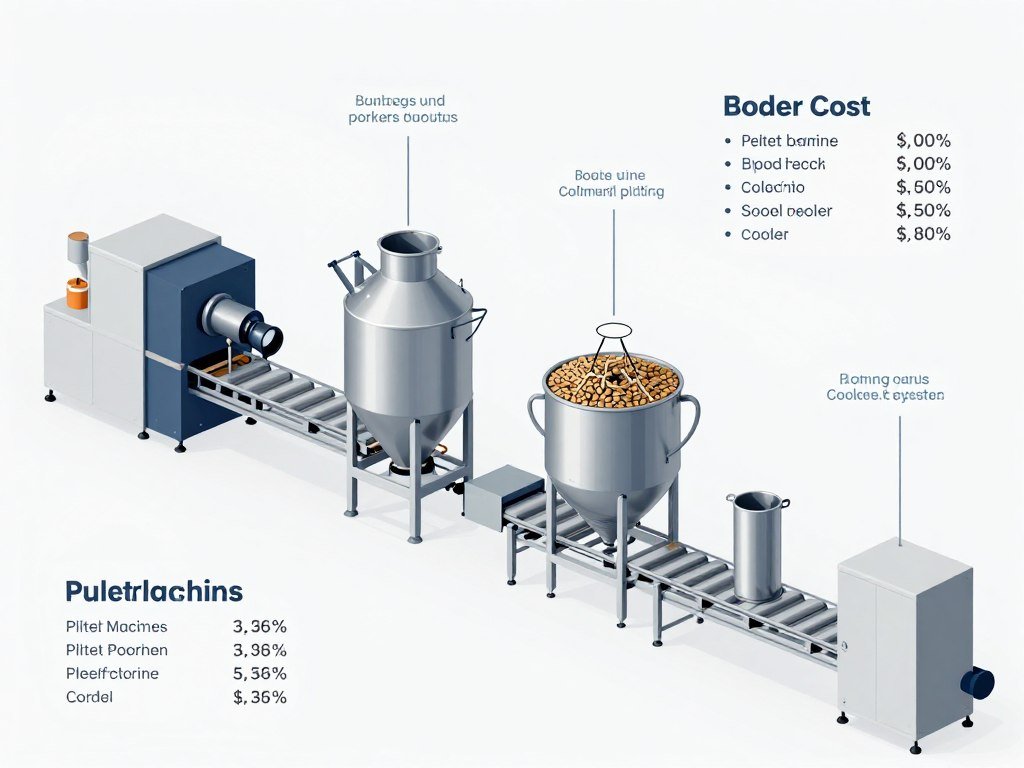
A functional feed production system requires more than just the pellet machine. Supporting equipment ensures proper operation and pellet quality.
| Equipment Component | Purpose | Estimated Cost |
| Hammer Mill | Grind raw materials to proper particle size | ₱150,000-350,000 |
| Feed Mixer | Homogenize ingredients before pelleting | ₱100,000-250,000 |
| Pellet Cooler | Reduce pellet temperature and moisture | ₱180,000-400,000 |
| Screening Equipment | Separate fines and oversized pellets | ₱80,000-180,000 |
| Bucket Elevator | Vertical material transport | ₱120,000-250,000 |
| Screw Conveyor | Horizontal material transport | ₱60,000-150,000 |
| Storage Bins | Raw material and finished pellet storage | ₱80,000-200,000 |
| Dust Collection | Air quality and cleanliness | ₱100,000-250,000 |
Complete turnkey systems including all components range from ₱2,000,000 for small operations to ₱15,000,000+ for commercial feed mills. MAIKONG designs integrated solutions matching customer requirements and budgets.
Return on Investment Analysis
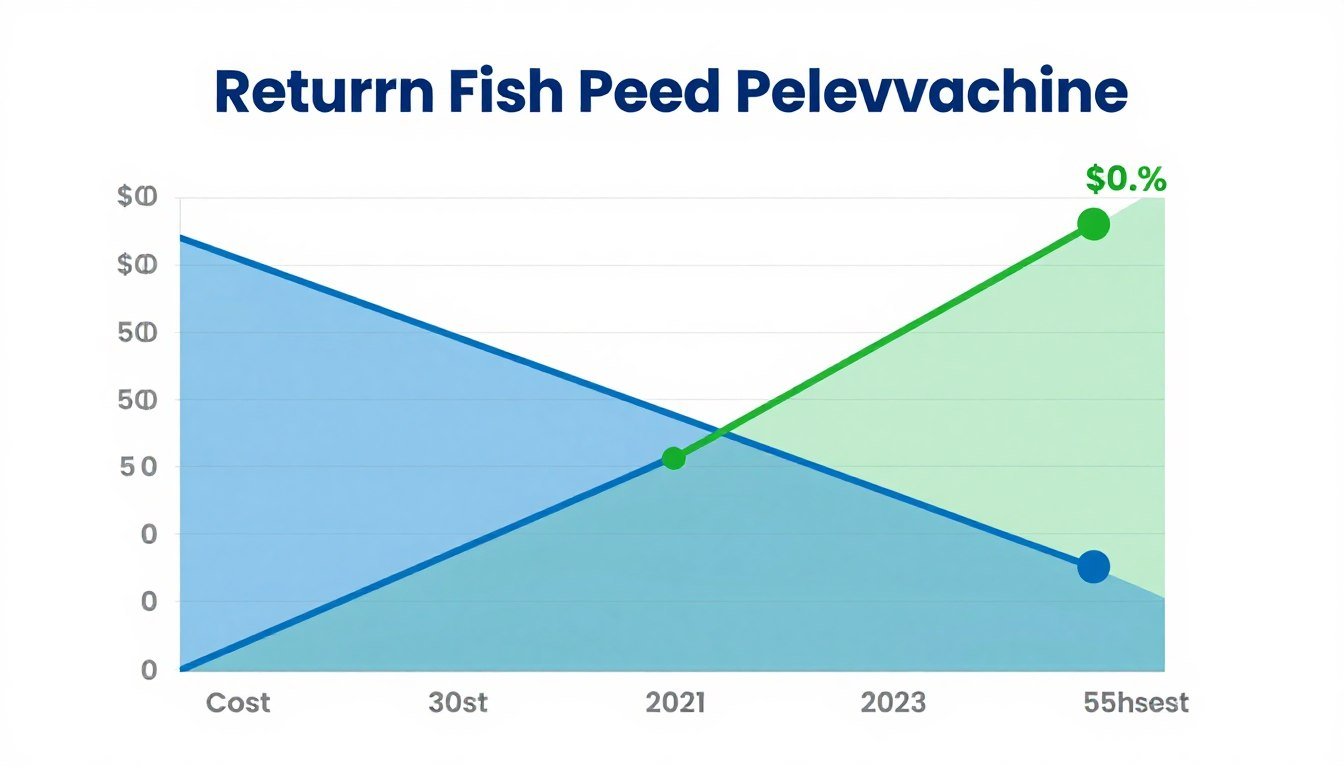
Understanding payback periods helps justify equipment investment. Most Philippine aquaculture operations recover pellet machine costs within 3-8 months of operation.
Example ROI Calculation: 5-Hectare Tilapia Farm
Current Situation (Buying Commercial Feed):
- Daily feed consumption: 500 kg
- Commercial feed cost: ₱55/kg
- Daily feed expense: ₱27,500
- Monthly feed cost: ₱825,000
- Annual feed cost: ₱9,900,000
With MAIKONG Pellet Machine (MKFD-300):
- Equipment investment: ₱1,800,000
- Raw material cost: ₱25/kg
- Production cost (electricity, labor): ₱5/kg
- Total production cost: ₱30/kg
- Daily feed cost: ₱15,000
- Monthly feed cost: ₱450,000
- Annual feed cost: ₱5,400,000
Savings Analysis:
- Monthly savings: ₱375,000
- Annual savings: ₱4,500,000
- Equipment payback period: 4.8 months
- 5-year total savings: ₱22,500,000
- Return on investment: 1,150% over 5 years
Conclusion: The equipment pays for itself in less than 5 months. Subsequent months represent pure cost savings and improved profit margins.
Financing and Payment Options
MAIKONG offers flexible payment terms accommodating different buyer situations. Standard payment structure requires 30% deposit upon order confirmation and 70% balance before shipment.
Letter of Credit (L/C) transactions accommodate larger orders. This payment method provides security for both buyer and seller during international transactions.
Philippine banks increasingly recognize aquaculture equipment as eligible for agricultural loans. Government programs through Department of Agriculture sometimes subsidize aquaculture equipment purchases. Buyers should investigate local financing options.
Request Detailed Quotation for Your Operation
Receive customized pricing based on your specific requirements including production capacity, fish species, raw materials, site conditions, and budget. Our sales team prepares comprehensive quotations within 24 hours.
Frequently Asked Questions About Fish Feed Pellet Machines
How long does a fish feed pellet machine last with proper maintenance?
MAIKONG pellet machines typically operate for 15-20 years with proper maintenance. The main frame and housing last indefinitely. Wear components require periodic replacement.
Ring dies last 1500-2500 hours depending on raw material abrasiveness. Pressure rollers need replacement every 2000-3000 hours. Bearings typically last 8,000-10,000 operating hours.
Regular maintenance dramatically extends equipment life. Daily cleaning, weekly lubrication, and monthly inspections prevent premature failures. Most breakdowns result from neglected maintenance rather than equipment defects.
Can one machine produce both floating and sinking pellets?
Yes, the same pellet machine produces both types with appropriate processing adjustments. Sinking pellets require lower conditioning temperature (75-85°C). Floating pellets need higher temperature (110-120°C) and sometimes require steam extrusion.
Switching between floating and sinking production takes approximately 30 minutes for temperature stabilization. Most farms choose one type primarily based on fish species preferences.
Tilapia and catfish accept both floating and sinking feeds. Floating pellets allow better feeding observation. Sinking pellets suit bottom-feeding species and some traditional farming practices.
What raw materials work best for fish feed pellets in Philippines?
Philippine fish feed typically includes rice bran (20-30%), fish meal (10-20%), soybean meal or copra meal (20-30%), corn meal (20-30%), and vitamin-mineral premixes (2-5%).
Local availability influences ingredient selection. Coastal areas access fish meal easily. Rice-producing regions have abundant rice bran. Copra meal availability varies by season and region.
Successful formulations balance nutrition, cost, and ingredient availability. MAIKONG provides basic formulation guidance, but local aquaculture nutritionists optimize recipes for specific conditions and fish species.
How much electricity does a fish feed pelletizer machine consume?
Electricity consumption depends on model size and production rate. The MKFD-200 (250 kg/hour) uses approximately 7.5 kW during operation. Actual consumption averages 6-7 kW accounting for loading variations.
Producing one ton of pellets typically consumes 25-35 kWh of electricity. At Philippine average electricity rates of ₱10-12 per kWh, energy cost per ton ranges from ₱250-420.
Larger machines demonstrate better energy efficiency per kilogram produced. A 1000 kg/hour machine uses 30 kW but produces four times the output, reducing per-kilogram energy cost by approximately 30%.
Do I need special training to operate a pellet machine?
Basic operation requires minimal training. Most operators become proficient within 2-3 days of hands-on practice. MAIKONG provides comprehensive operation manuals in English.
Initial training covers machine startup and shutdown procedures, basic adjustments, safety protocols, routine maintenance, and simple troubleshooting. Video training materials supplement written documentation.
Advanced operation including die changes, formulation adjustments, and component replacement requires additional training. Experienced operators master these skills within 2-3 weeks of regular operation.
What warranty coverage does MAIKONG provide?
MAIKONG offers a standard 12-month warranty covering manufacturing defects and component failures under normal operating conditions. Warranty period begins from equipment delivery date.
Warranty includes replacement parts for defective components. Shipping costs for warranty parts to Philippines are covered by MAIKONG. Labor for installation of replacement parts remains customer responsibility.
Wear components (ring dies, rollers, knives) are excluded from warranty as consumables. Damage from improper operation, inadequate maintenance, or unauthorized modifications voids warranty coverage.
Extended warranty options available for purchase provide 24-month or 36-month coverage at additional cost. Many commercial operations choose extended warranties for budget predictability.
How difficult is it to import a pellet machine from China to Philippines?
MAIKONG handles most import procedures, simplifying the process for Philippine buyers. We arrange shipping, provide export documentation, and guide customers through customs clearance.
Typical import timeline spans 30-45 days from order to delivery at your location. This includes 7-10 days manufacturing, 15-20 days sea freight, and 5-10 days customs clearance and inland transport.
Required documentation includes commercial invoice, packing list, bill of lading, certificate of origin, and equipment specifications. MAIKONG provides all necessary documents properly prepared.
Import duties for feed processing equipment typically range 3-7% depending on specific classification. Value Added Tax (VAT) applies at standard rates. Our team provides accurate landed cost estimates before purchase commitment.
Can I produce other types of pellets besides fish feed?
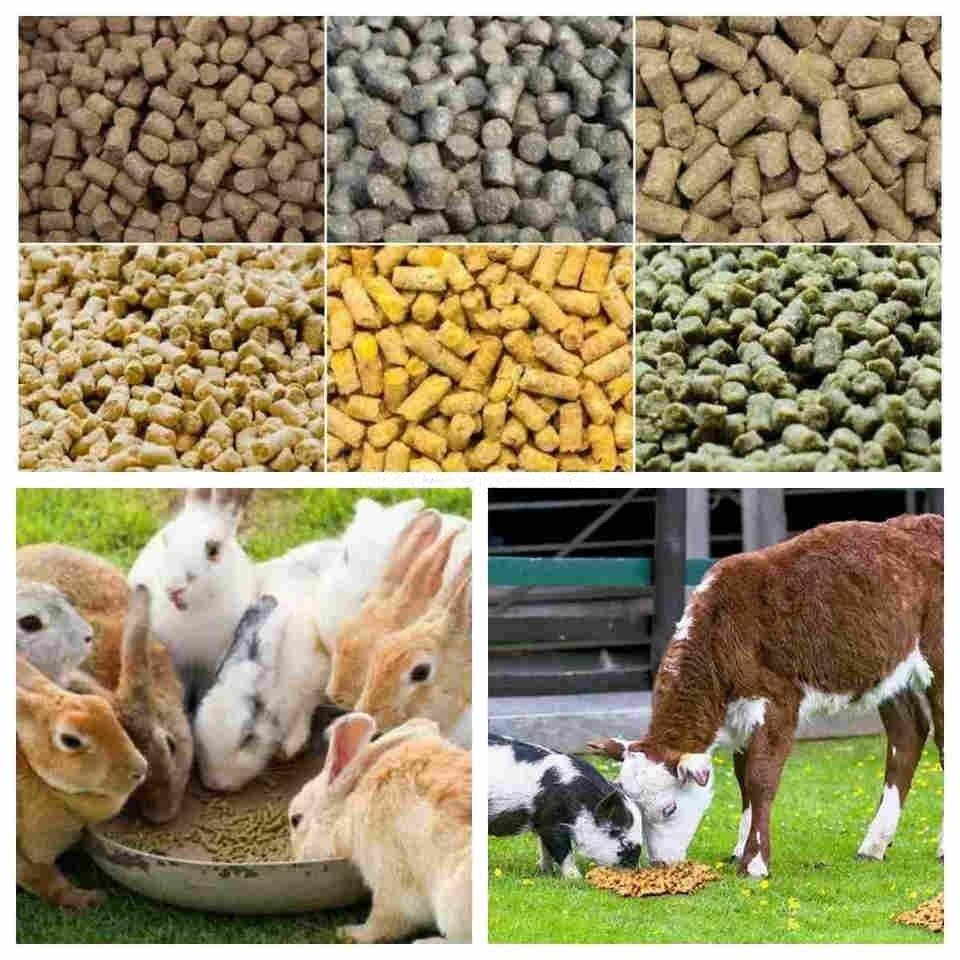
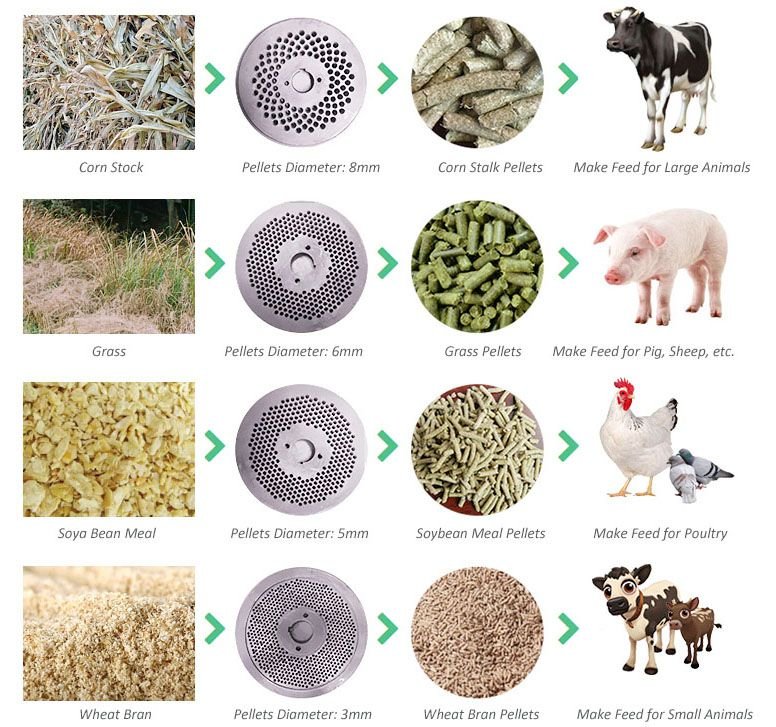
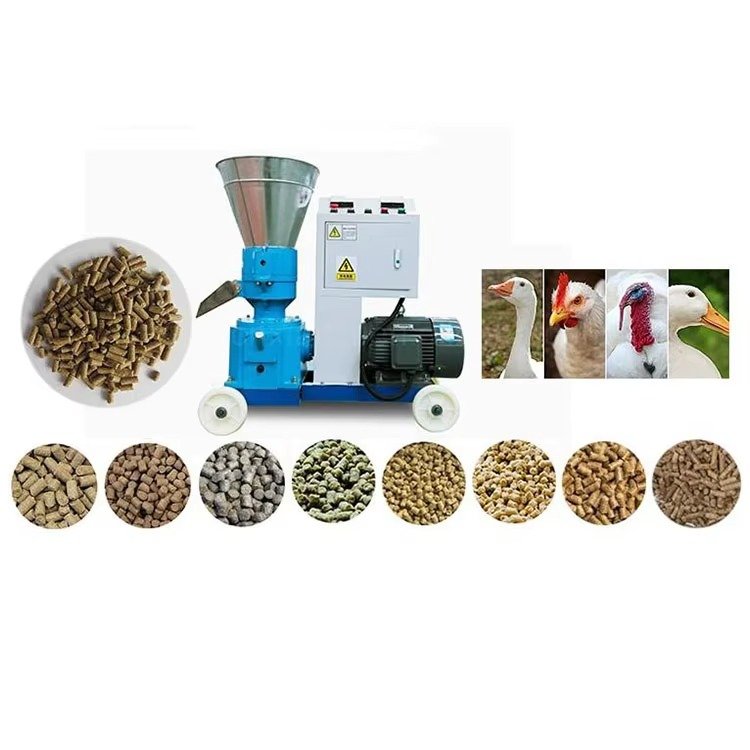
MAIKONG pellet machines demonstrate excellent versatility. The same equipment produces chicken feed, pig feed, cattle feed, pet food, and even organic fertilizer pellets with appropriate die and formulation adjustments.
This flexibility maximizes equipment utilization. Fish farms often produce supplementary income manufacturing feed for neighboring livestock operations or selling pellets to local feed stores.
Different products may require dedicated ring dies optimized for specific formulations. Most multi-product operations maintain 3-5 different die sizes covering various applications.
Learn more about producing different feed types at our animal feed pellet machine page or fertilizer pellet production information.
What happens if I need spare parts after purchase?
MAIKONG maintains comprehensive spare parts inventory in Shenzhen. Common wear items ship to Philippines within 5-7 days via standard courier services.
Emergency shipments via air freight arrive in Manila within 2-3 days when operations depend on rapid parts delivery. We stock high-turnover items like ring dies, pressure rollers, bearings, and cutting knives.
Spare parts pricing remains competitive compared to European manufacturers. Chinese manufacturing costs typically run 40-60% less than Western equivalents while maintaining acceptable quality levels.
Local MAIKONG dealers stock common replacement parts, further reducing delivery times. As our Philippine dealer network expands, parts availability continues improving.
Is it possible to visit the MAIKONG factory before purchasing?
Yes, factory visits are welcomed and encouraged for significant purchases. Our Shenzhen facility operates Monday through Friday, 8:30 AM to 5:30 PM China time.
Visitors observe manufacturing processes, inspect quality control procedures, see machines undergoing testing, and discuss requirements directly with engineering staff. Most visitors spend 4-6 hours touring and discussing technical details.
Schedule visits at least one week in advance to ensure appropriate staff availability. MAIKONG provides assistance arranging airport pickup and local accommodation recommendations.
For customers unable to travel, comprehensive video factory tours via WhatsApp or other video platforms provide similar visibility into manufacturing operations and capabilities.
Partner With MAIKONG: Building Profitable Feed Equipment Business in Philippines
The Philippine aquaculture industry grows steadily. Feed production equipment demand increases alongside fish farming expansion. MAIKONG seeks qualified partners to represent our brand across Philippine provinces.
Dealer and Distributor Opportunities
We offer exclusive territory partnerships to qualified businesses. Ideal dealer candidates possess aquaculture knowledge, technical capability, and established customer networks.
Dealer Benefits Include:
- Exclusive territory protection in designated regions
- Competitive dealer pricing with attractive margins
- Technical training for sales and service staff
- Marketing materials and sales support
- Priority spare parts allocation
- Co-branded promotional campaigns
- Factory-direct technical support channel
- Performance incentives and volume bonuses
Ideal Dealer Qualifications:
- Established business in agricultural equipment or aquaculture
- Technical service capability or willingness to develop
- Financial stability for inventory investment
- Showroom or display space for equipment
- Minimum annual purchase commitment
- Customer service orientation and responsiveness
- Provincial or regional market presence
Why Become a MAIKONG Dealer?
Feed pellet machine distribution offers substantial profit potential. Equipment sales generate immediate revenue. Ongoing spare parts and service work create recurring income streams.
MAIKONG’s competitive factory-direct pricing enables healthy dealer margins while remaining price-competitive against established brands. Quality equipment and reliable support build customer loyalty and referral business.
Growing Market Opportunity
Philippine aquaculture production increases 5-8% annually. Government programs encourage feed mill development. Rising fish consumption drives industry expansion.
Equipment needs span all scales from small farms to commercial operations. Total addressable market exceeds 50,000 potential customers nationwide.

Attractive Profit Margins
Equipment sales margins typically range 20-35% depending on model and services included. Installation and training services add 10-15% additional revenue.
Spare parts distribution provides 30-50% margins with minimal investment. Service contracts generate predictable recurring revenue.

Comprehensive Support System
MAIKONG provides ongoing training, technical support, and marketing assistance. Dealers receive factory-direct engineering consultation for customer projects.
Regular product updates and new model introductions keep dealers competitive. Annual dealer conferences facilitate knowledge sharing and relationship building.
Current Dealer Territory Availability
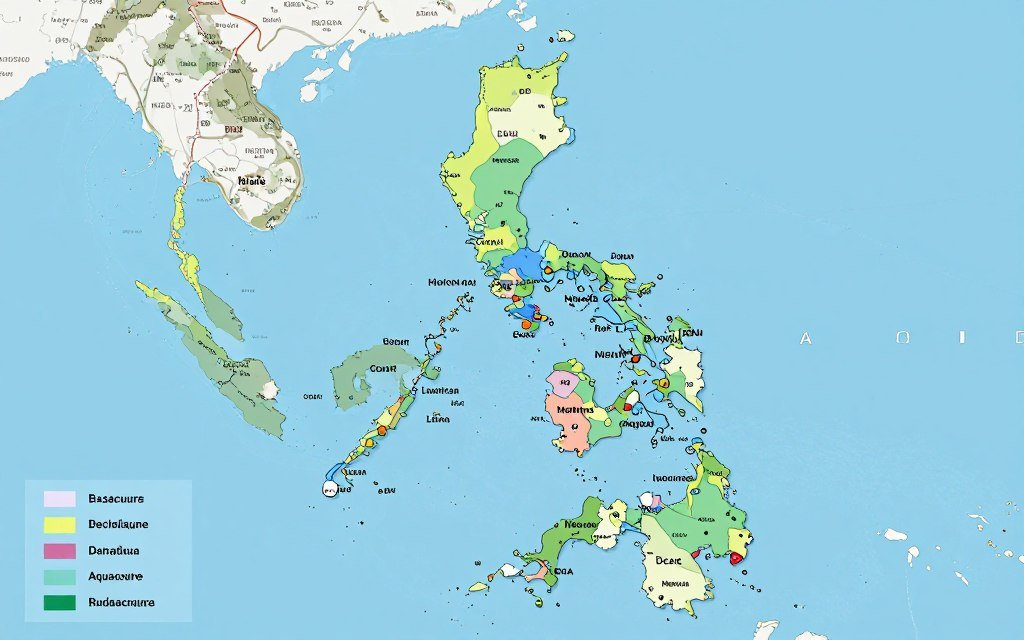
MAIKONG actively seeks partners in the following Philippine regions:
Priority Markets:
- Central Luzon: Pampanga, Bulacan, Nueva Ecija (tilapia production centers)
- Southern Luzon: Batangas, Laguna, Quezon (mixed aquaculture)
- Western Visayas: Iloilo, Negros Occidental (bangus and tilapia)
- Central Visayas: Cebu, Bohol (diversified aquaculture)
- Mindanao: Davao, Zamboanga, Cagayan de Oro (emerging markets)
Selected regions already have dealer representation. However, qualified partners in all Philippine provinces receive consideration. Market size and growth potential guide territory allocation decisions.
Multi-province territories suit larger, well-established distributors. Single-province exclusive territories work for smaller operations focused on local markets.
Explore MAIKONG Dealer Partnership Opportunities
Join our growing network of successful Philippine dealers. Build a profitable equipment distribution business supported by quality products, competitive pricing, and comprehensive factory support. Limited exclusive territories available.
Direct Purchase for End Users
Fish farm owners and feed mill operators purchase directly from MAIKONG even without local dealer presence. Factory-direct sales ensure best pricing and personalized technical support.
Our customer service team assists with equipment selection, customization specifications, shipping arrangements, and installation guidance. English-speaking technical staff ensure clear communication throughout the process.
Most customers start with initial consultations discussing production requirements, site conditions, electrical availability, raw materials, and budget parameters. These conversations inform accurate equipment recommendations and quotations.
Transform Your Aquaculture Operation With MAIKONG Equipment
Fish feed costs directly impact aquaculture profitability. Commercial feed prices continue rising while fish market prices remain relatively stable. This squeeze pressures farm margins and threatens business viability.
In-house feed production provides the most effective solution to this challenge. MAIKONG fish feed pellet machines enable farms to produce nutritious pellets at 40-50% less cost than commercial alternatives.
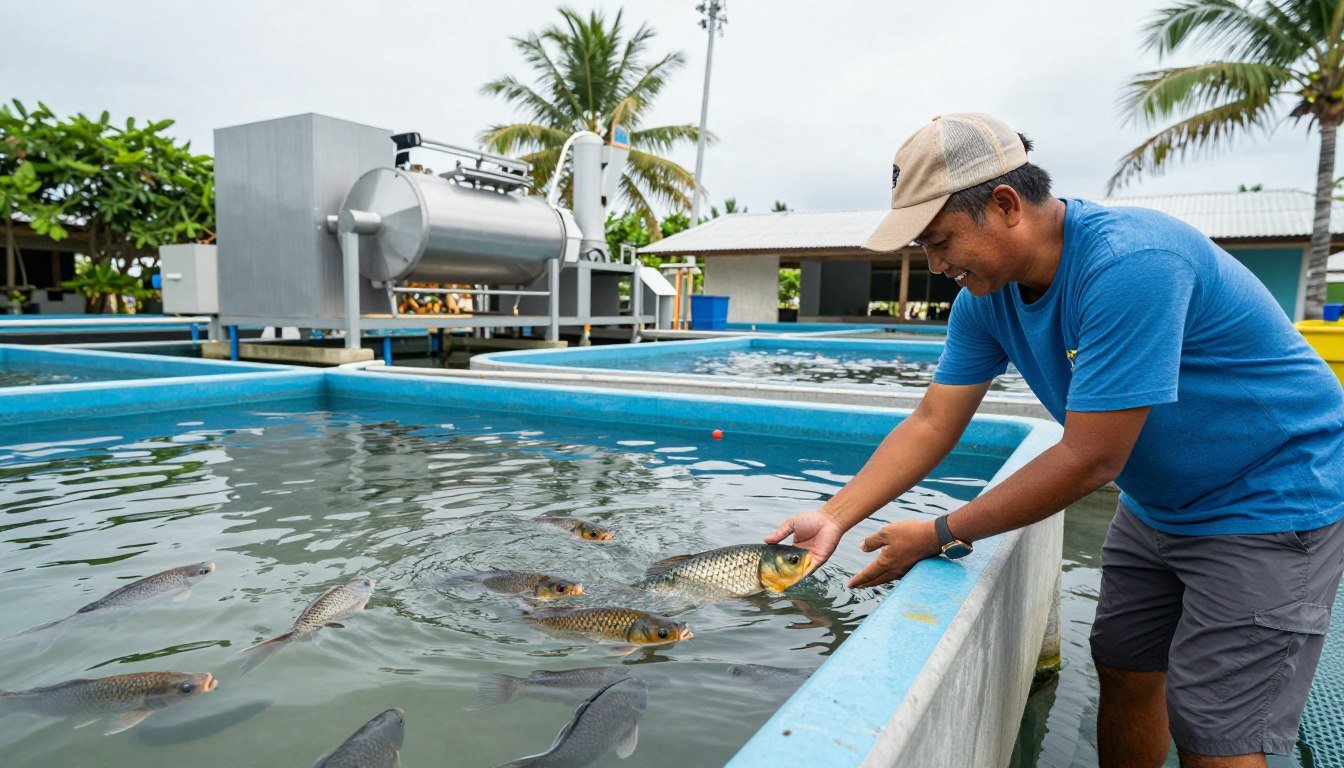
Equipment investment returns quickly through reduced feed expenses. Most operations recover costs within 3-8 months. Subsequent savings directly increase profit margins or enable competitive fish pricing.
Beyond cost reduction, control over feed formulation improves fish health and growth rates. Farmers adjust nutrition to specific requirements, seasonal availability, and cost opportunities. This flexibility proves impossible with commercial feeds.
Taking the Next Step
Evaluating pellet machine investment requires gathering specific information. Technical specifications, pricing details, and customization options all influence purchasing decisions.
MAIKONG technical consultants help Philippine aquaculture operators assess requirements and identify optimal solutions. These consultations carry no obligation and provide valuable operational insights regardless of immediate purchase intentions.
Our approach emphasizes long-term partnership over transactional sales. Your success directly benefits MAIKONG through repeat purchases, referrals, and expanded market reputation. This alignment of interests ensures we recommend genuinely appropriate equipment rather than maximizing individual sale value.
Ready to Reduce Feed Costs?
Contact MAIKONG today to discuss your fish feed production requirements. Our team provides:
- Free production cost analysis
- Equipment recommendations for your scale
- Detailed technical specifications
- Accurate pricing and delivery timelines
- Customization options for your conditions
- Financing and payment term options
- Installation and training planning
Contact Information:
Phone/WhatsApp:
+86 135-1090-7401
Email:
Lucy@pelletmachine.ph
Website:
https://pelletmachine.ph/
Company Information:
Learn more about MAIKONG
Philippines represents a strategic growth market for MAIKONG. We commit to supporting Philippine aquaculture development through quality equipment, competitive pricing, and reliable technical support. Your success in fish farming directly contributes to our reputation and business growth.
Whether you operate a small backyard pond or manage a commercial feed mill, MAIKONG offers solutions matching your requirements and budget. From manual fish feed pellet machine units to complete automated production lines, our equipment range serves all scales of operation.
Join hundreds of successful Philippine fish farmers and feed producers already benefiting from MAIKONG equipment. Contact us today to start your journey toward reduced feed costs and improved aquaculture profitability.
Start Your Feed Cost Reduction Journey Today
Contact MAIKONG for personalized consultation on fish feed pellet production equipment. Our Philippine-focused team understands local market conditions, raw material availability, and operational challenges. Receive expert guidance tailored to your specific aquaculture operation.