

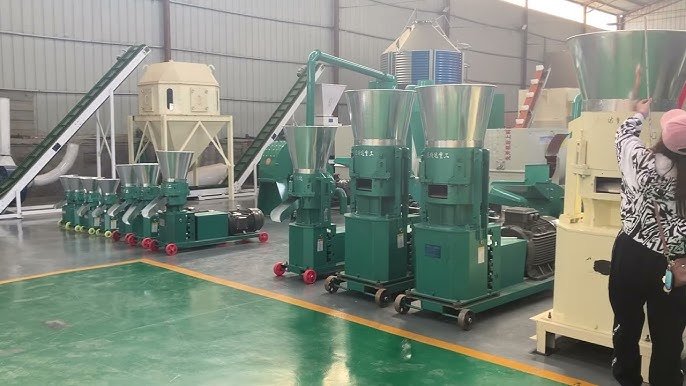
 This guide shows you exactly how our alfalfa pellet machine technology helps farms and feed mills across the Philippines reduce waste, improve animal health, and increase profitability. You will discover technical specifications, real production data, and practical advice based on nearly three decades of manufacturing experience.
What is an Alfalfa Pellet Machine
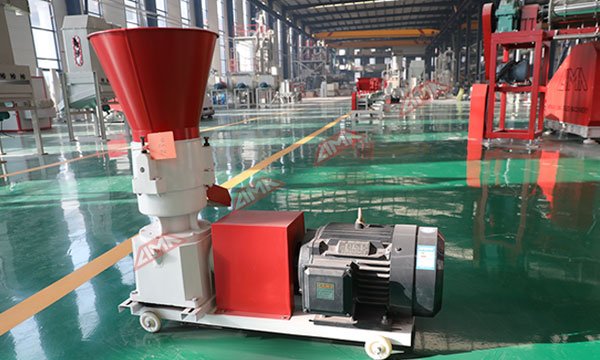
An alfalfa pellet machine transforms loose alfalfa hay into dense, uniform pellets through high-pressure compression. The equipment takes dried alfalfa grass and pushes it through specially designed dies to create cylindrical pellets typically ranging from 2mm to 12mm in diameter.
Our machines at MAIKONG use ring die technology for commercial production. This differs from small manual pellet machine options that work for home use but cannot handle the volumes Philippine feed mills require.
Core Components of Professional Alfalfa Pellet Mills
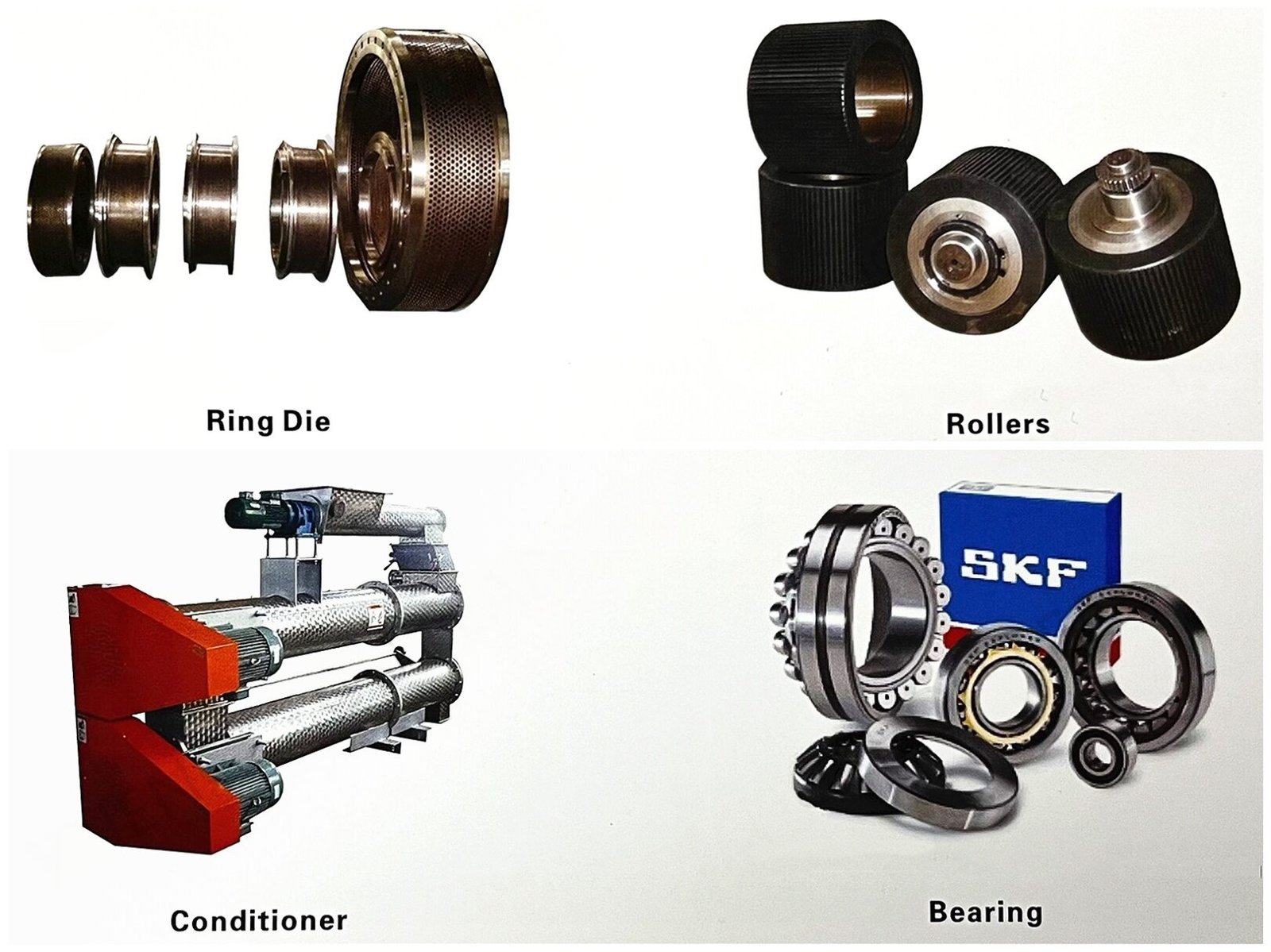
The pelletizing system consists of several critical parts working together. The main motor provides power through a gear transmission system, which offers 15% higher efficiency compared to belt-driven designs.
A conditioner pre-treats the raw material before pelletizing. Steam injection here raises the temperature to 75-110°C. This activates natural binders in alfalfa and improves pellet durability.
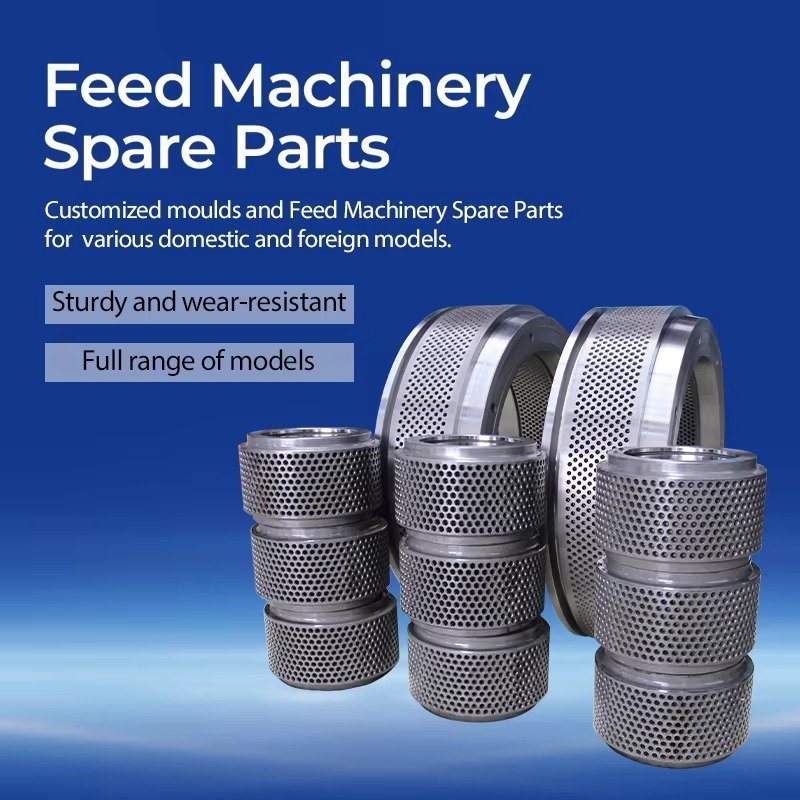
The ring die and pressure roller assembly form the heart of the machine. Precision-ground rollers press material through the die with tremendous force. Our equipment uses 42CrMo steel for these components, ensuring they withstand the demanding production environment.
Key Machine Elements
- Siemens motor with variable frequency drive for stable power delivery
- High-precision aviation-grade gears manufactured with CNC grinding technology
- Stainless steel feeder and conditioner to prevent material contamination
- Adjustable cutter device controlling finished pellet length
- Overload protection through replaceable safety pins
How the Pelletizing Process Works
Raw alfalfa material enters through the feeding system. The stepless frequency motor lets operators adjust feed speed based on moisture content and throughput requirements.
Material moves into the conditioner where steam treatment occurs. Proper conditioning proves essential for quality pellets. We recommend 12-15% moisture content for optimal results with alfalfa.
The conditioned material then enters the pelletizing chamber. Rotating rollers compress it through the ring die holes. Friction during this process generates additional heat, further binding the pellet structure.
Freshly formed pellets exit at temperatures around 80-90°C. They pass through a cooling system to bring temperature down to within 5°C of ambient conditions. This prevents moisture condensation during storage.
MAIKONG Alfalfa Pellet Machine Specifications
Choosing the right capacity machine determines your operation’s success. We manufacture eight standard models ranging from small farm operations to large commercial feed mills. Each model addresses specific production requirements.
Production Capacity and Power Requirements
Our smallest commercial unit, the SZLH250, produces 1-1.5 tons per hour. This works well for medium-sized livestock farms producing their own feed. The flagship SZLH768 reaches 38-40 tons hourly, serving large feed mill factories supplying multiple farms.
Power consumption scales with capacity. The entry-level model uses a 22kW main motor, while the largest requires 315kW. Philippine operators should verify their electrical infrastructure can support the selected model before purchasing.
| Model | Output (t/h) | Main Motor (kW) | Ring Die Diameter (mm) | Pellet Diameter (mm) |
| SZLH250 | 1-1.5 | 22 | 250 | 2-12 |
| SZLH320 | 3-4 | 37 | 320 | 2-12 |
| SZLH350 | 5-6 | 55 | 350 | 2-12 |
| SZLH420 | 10-12 | 110 | 420 | 2-12 |
| SZLH508 | 15-16 | 160 | 508 | 2-12 |
| SZLH558 | 20-22 | 185 | 558 | 2-12 |
| SZLH678 | 30-33 | 250 | 673 | 2-12 |
| SZLH768 | 38-40 | 315 | 762 | 2-12 |
Ring Die Options and Material Selection
We offer ring dies in various hole configurations. Alfalfa pellets for cattle typically use 6-8mm diameter dies. Smaller livestock like rabbits need 2-4mm pellets for easier consumption.
Die material matters significantly for lifespan. Standard carbon steel dies last 800-1000 production hours with alfalfa. Our stainless steel dies extend this to 1500-2000 hours, though they cost approximately 40% more upfront.
Auxiliary Equipment Requirements
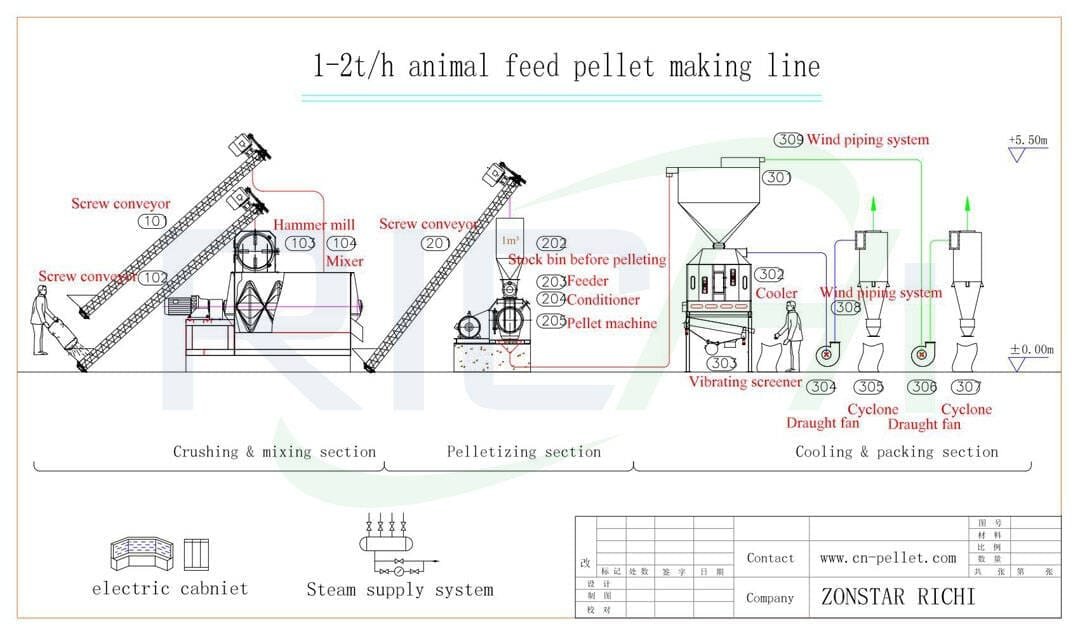
A complete alfalfa pellet production line needs more than just the pellet mill. Most operations require a hammer mill for grinding raw alfalfa hay to appropriate particle size. We recommend a screen size of 1.5-2.0mm for optimal pellet formation.
After pelletizing, a counter-flow cooler reduces pellet temperature and moisture. This prevents spoilage during storage. A 10 ton-per-hour pellet line typically needs a cooler with 15-20 ton hourly capacity for adequate residence time.
Get Your Customized Production Line Quote
Tell us your daily production target and raw material specifications. Our engineering team will design the perfect alfalfa pellet system for your Philippine operation within 24 hours.
Voltage and Electrical Specifications for Philippines
Philippine industrial power runs at 380V/60Hz three-phase or 220V/60Hz single-phase. Our standard machines ship configured for 380V/50Hz Chinese standards. We modify motor specifications and control panels to match Philippine electrical requirements at no additional cost when you order.
Voltage fluctuation protection is critical in many Philippine locations. We include automatic voltage regulators in our control systems to prevent motor damage from unstable power supply.
Applications and Benefits of Alfalfa Pellets
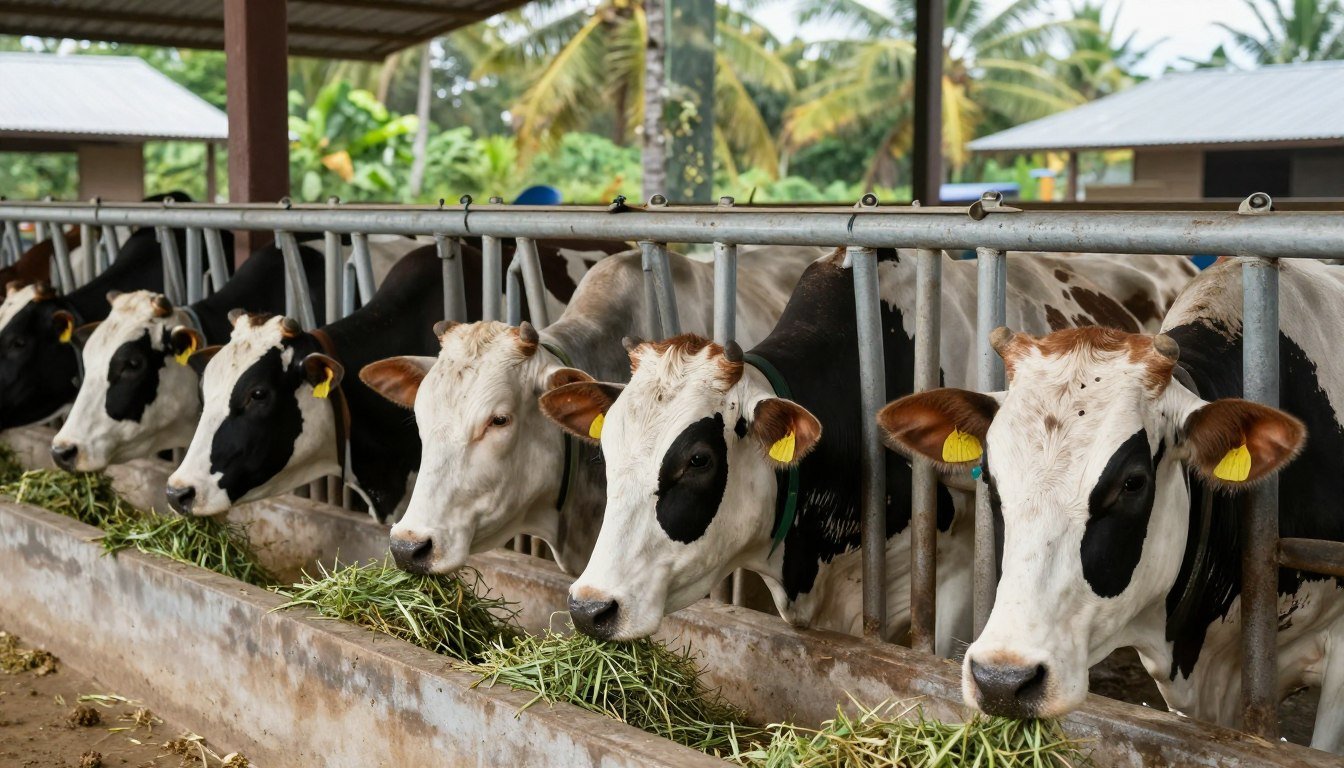
Alfalfa pellets serve multiple purposes in Philippine agriculture. The most common application involves livestock feed for cattle and sheep operations. The pelleting process preserves nutrients while creating a convenient feed form.
Livestock Feed Applications
Dairy cattle require high-quality protein sources for milk production. Alfalfa provides 15-22% crude protein depending on cutting time and processing. Pelleted form prevents selective feeding where animals pick out preferred feed components.
Beef cattle operations use alfalfa pellets during finishing stages. Adding 20-30% alfalfa pellets to grain-based rations improves rumen health and reduces digestive issues. This translates to better feed conversion ratios.
Sheep and goat farmers find pellets particularly useful. Small ruminants waste less feed when eating pellets compared to long hay. Our data shows pellet feeding reduces feed waste from 15-20% down to under 5%.
Dairy Cattle Benefits
- Higher milk production from quality protein intake
- Consistent nutrient delivery across the herd
- Reduced feed waste saves money daily
- Easier automated feeding systems integration
Small Ruminant Advantages
- Perfect portion control for sheep and goats
- Eliminates selective feeding behavior
- Compact storage requires less space
- Extended shelf life up to 6 months
Alternative Uses Beyond Animal Feed
Some Philippine entrepreneurs discovered profitable alternative markets for alfalfa pellets. Horse owners pay premium prices for quality alfalfa products. Equestrian facilities need consistent supply of dust-free feed.
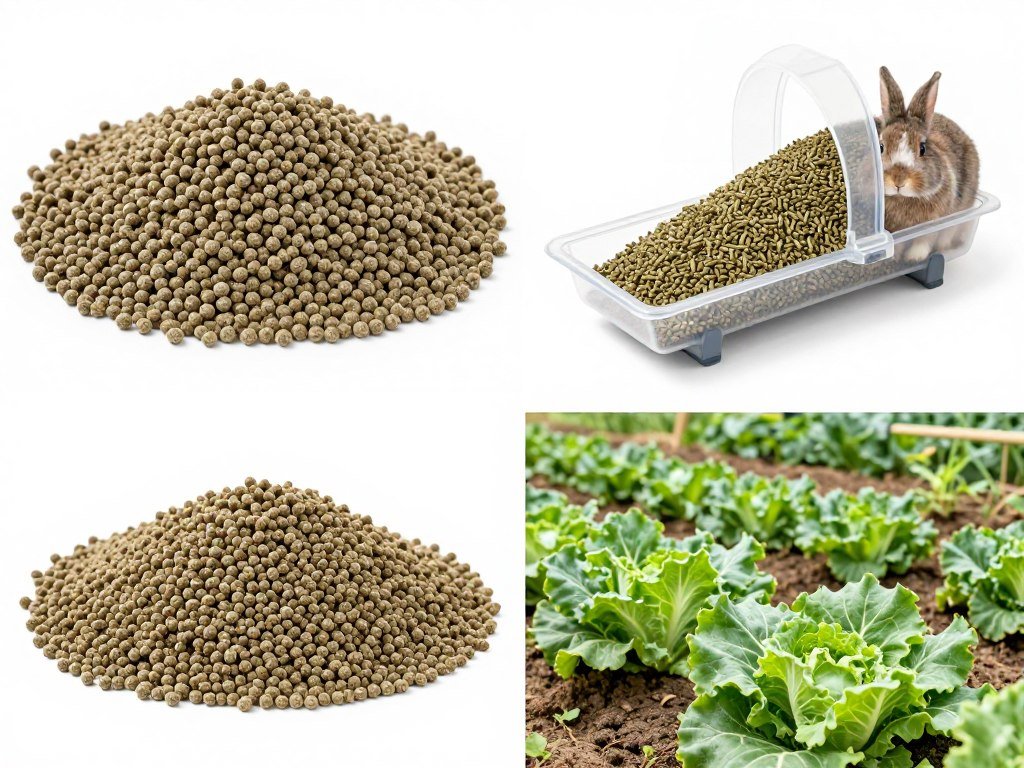
Rabbit farming continues growing in the Philippines. Alfalfa pellets with 2-3mm diameter work perfectly for commercial rabbit operations. The pellets provide complete nutrition while minimizing waste in cage systems.
A few innovative farmers even explored using alfalfa pellets as organic fertilizer base. The nitrogen content makes pellets valuable for vegetable production. Pelletized form allows precise application and slow nutrient release.
Economic Benefits for Feed Mills and Farms
Operating cost reduction represents the primary benefit most customers report. Pelleted feed costs less to transport due to higher density. One truck carries 2-3 times more pellets compared to loose hay by volume.
Storage requirements decrease significantly. Pellets stack efficiently and resist moisture damage better than loose material. Philippine climate poses storage challenges with high humidity, but properly dried pellets maintain quality for months.
Labor savings add up quickly. Automated feeding systems work seamlessly with pellets but struggle with loose hay. Feed mills report 40-60% reduction in handling labor after switching to pellet production.
Real Philippine Case Study: A 500-head cattle operation in Nueva Ecija switched from imported hay to locally-produced alfalfa pellets in 2022. Their feed costs dropped by 28% while milk production increased 12%. The farm recovered their MAIKONG pellet mill investment in just 14 months.
Free Production Line Assessment
Our engineers will analyze your raw materials, production targets, and available space. Receive a detailed recommendation on equipment configuration and expected ROI within 48 hours.
Nutritional Advantages of Pelleted Alfalfa
The pelleting process itself offers nutritional benefits. Heat treatment during compression reduces anti-nutritional factors found in raw alfalfa. This improves digestibility and nutrient absorption.
Vitamin retention remains high when processing parameters stay correct. We recommend pellet temperatures not exceed 90°C to preserve heat-sensitive vitamins. Our conditioning systems provide precise temperature control.
Animals consume pelleted feed more uniformly throughout the day. This steady intake pattern improves rumen fermentation efficiency in cattle. Better fermentation means more energy extracted from the same amount of feed.
Raw Material Preparation for Alfalfa Pellet Production
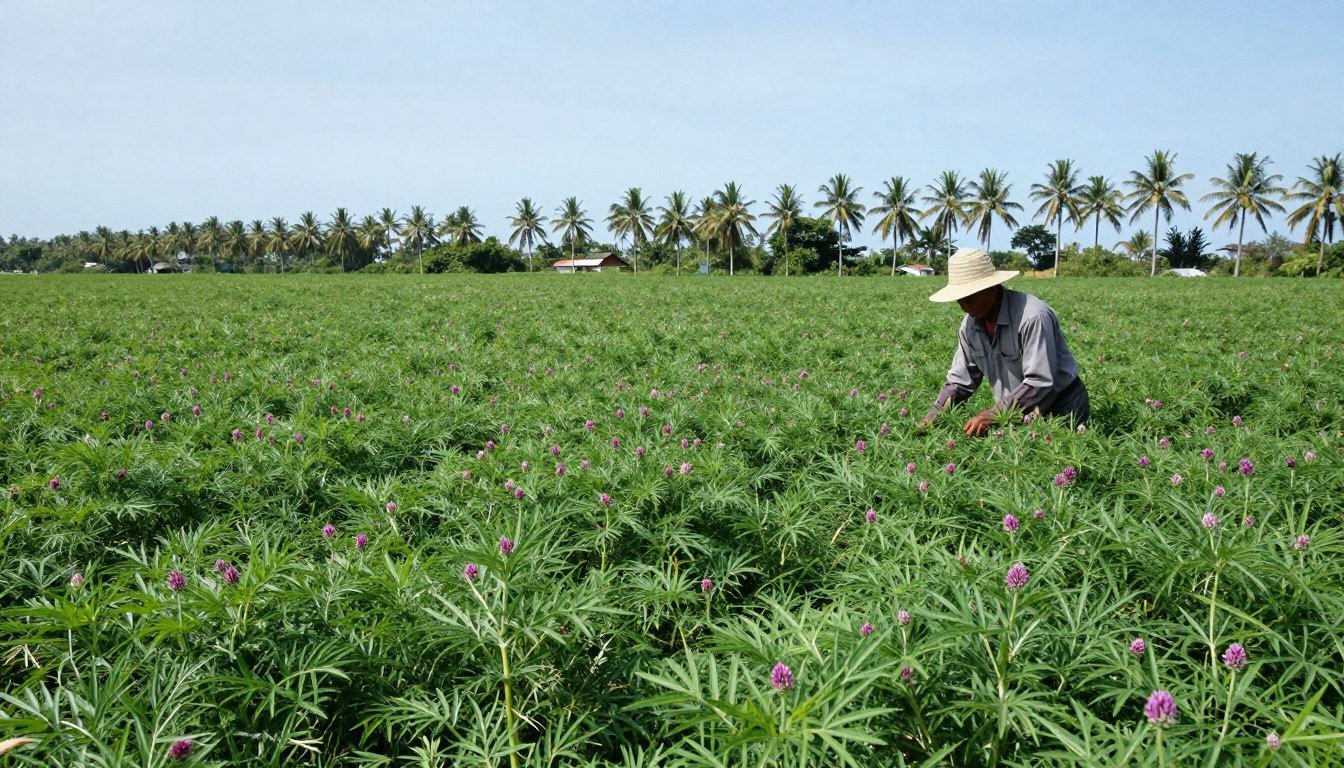
Quality pellets start with quality raw materials. Alfalfa harvested at the proper growth stage contains optimal nutrient levels. We recommend cutting when alfalfa reaches 10% bloom for best protein content.
Moisture Content Management
Moisture content critically affects pellet quality and machine performance. Alfalfa entering the pellet mill should contain 12-15% moisture. Material too dry produces weak pellets that crumble. Excess moisture causes pellets to expand and crack during cooling.
Philippine climate often means dealing with high ambient humidity. Proper drying systems prove essential. We recommend rotary dryers for large operations processing wet alfalfa hay. Smaller farms can use sun drying with covered storage.
Testing moisture requires simple equipment. A digital moisture meter costs around PHP 3,000-5,000 and pays for itself quickly by preventing production problems. Check moisture in multiple locations within your hay supply since variation occurs.
Particle Size Grinding Requirements
Alfalfa needs grinding before pelletizing. Our hammer mills reduce hay to 1.5-2.0mm particle size. This size range allows proper material flow through the die while creating strong pellet structure.
Grinding too fine wastes energy and reduces pellet durability. Particles smaller than 1mm create excessive dust and reduce production capacity. Screen selection in your hammer mill controls final particle size.
| Raw Material Parameter | Optimal Range | Impact if Outside Range |
| Moisture Content | 12-15% | Weak pellets or machine blocking |
| Particle Size | 1.5-2.0mm | Reduced capacity or poor quality |
| Protein Content | 15-22% | Lower feed value for customers |
| Foreign Material | Under 2% | Die damage and contamination |
| Ash Content | Under 11% | Excessive die wear |
Cleaning and Contamination Control
Stones, metal pieces, and other foreign objects damage pellet mill dies. A magnetic separator removes metal contamination before grinding. This simple device prevents costly die replacement from metal damage.
Screening equipment removes oversized material and debris. Philippine alfalfa often contains soil contamination from harvest. Excessive ash content from dirt accelerates die wear dramatically.
Seasonal Considerations in the Philippines
Philippine seasons affect alfalfa availability and quality. Dry season from November to April provides best growing conditions. Wet season production faces challenges from excess moisture and disease pressure.
Plan your raw material inventory accordingly. Many successful operations stock 2-3 months of dried alfalfa during peak harvest season. This ensures consistent production year-round despite seasonal variations.
Some Philippine feed mills supplement locally-grown alfalfa with imported material during shortages. Our pellet machines handle both domestic and imported alfalfa equally well once moisture and particle size meet specifications.
Complete Alfalfa Pellet Production Line Design
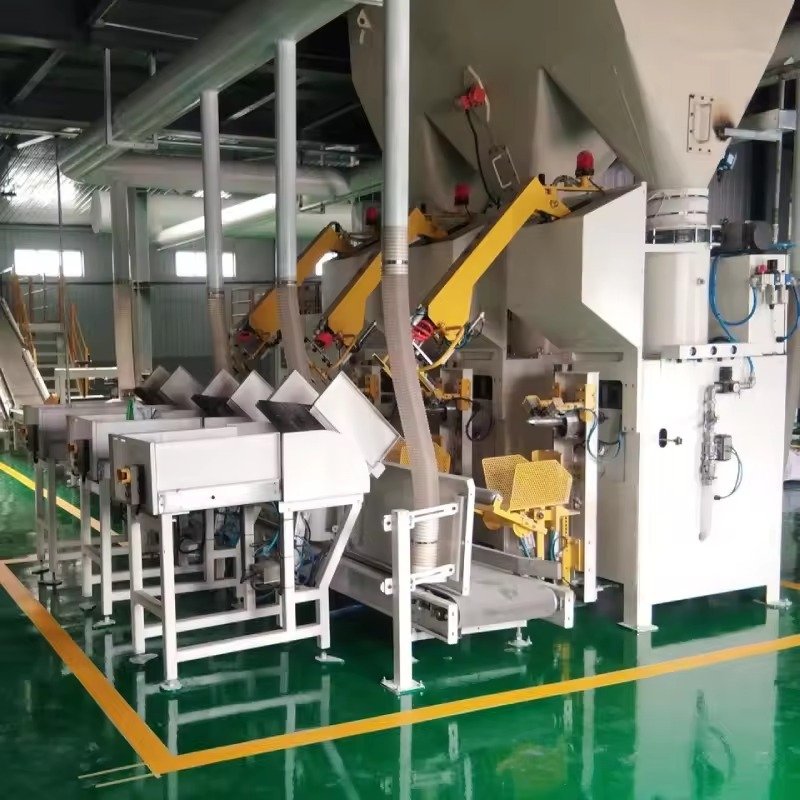
Single pellet mills work for some operations, but most Philippine feed businesses need complete integrated systems. A full production line handles material from receiving through packaged finished product.
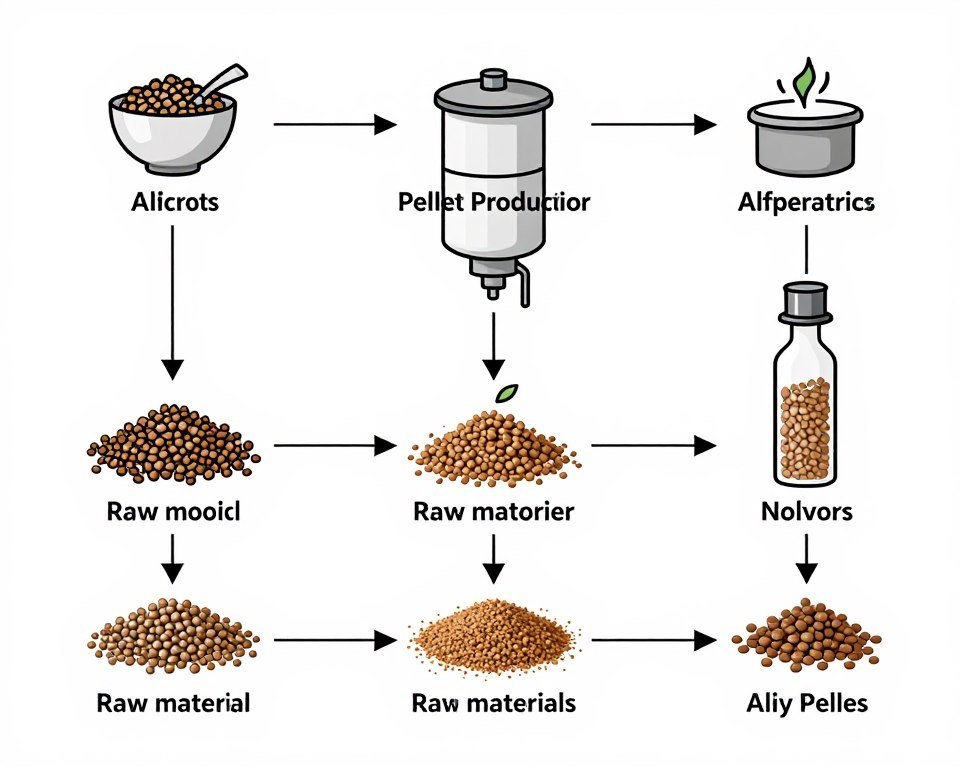
Production Line Components and Flow
Material flow starts at the receiving area. Alfalfa hay arrives in bales requiring initial processing. A bale breaker opens compressed bales and feeds material onto conveyors.
The grinding section reduces particle size. For a 5 ton-per-hour line, we typically install a 75-90kW hammer mill. This provides adequate capacity with some safety margin during peak operation.
Ground material moves to the mixing section if you add supplements. Many operations blend 5-10% molasses or grain by-products to improve palatability and binding. A ribbon mixer ensures uniform distribution.
Pelletizing comes next with the ring die pellet machine as centerpiece. Hot pellets discharge into the cooling system. Counter-flow coolers provide most efficient temperature reduction.
Cooled pellets pass through screening to remove fines and oversized particles. Fines typically return to the mixer for reprocessing. Final product moves to bulk storage or packaging depending on your sales model.
Essential Processing Stages
- Raw material reception and storage
- Cleaning and metal detection
- Grinding to proper particle size
- Optional mixing with additives
- Steam conditioning
- Pelletizing through ring die
- Cooling to ambient temperature
- Screening and fines removal
- Final product packaging or bulk storage
Space Requirements and Layout Planning
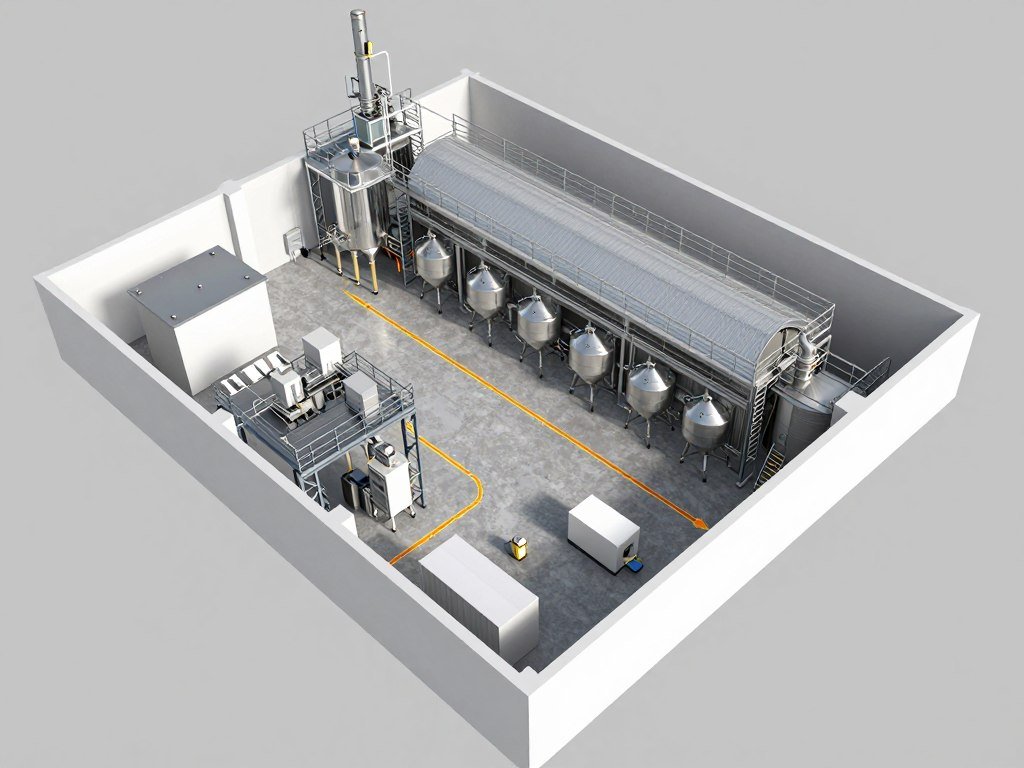
A 5-ton-per-hour alfalfa pellet line needs approximately 400-800 square meters of floor space. This includes raw material storage, processing area, and finished product storage. Ceiling height should reach at least 6 meters for proper equipment installation.
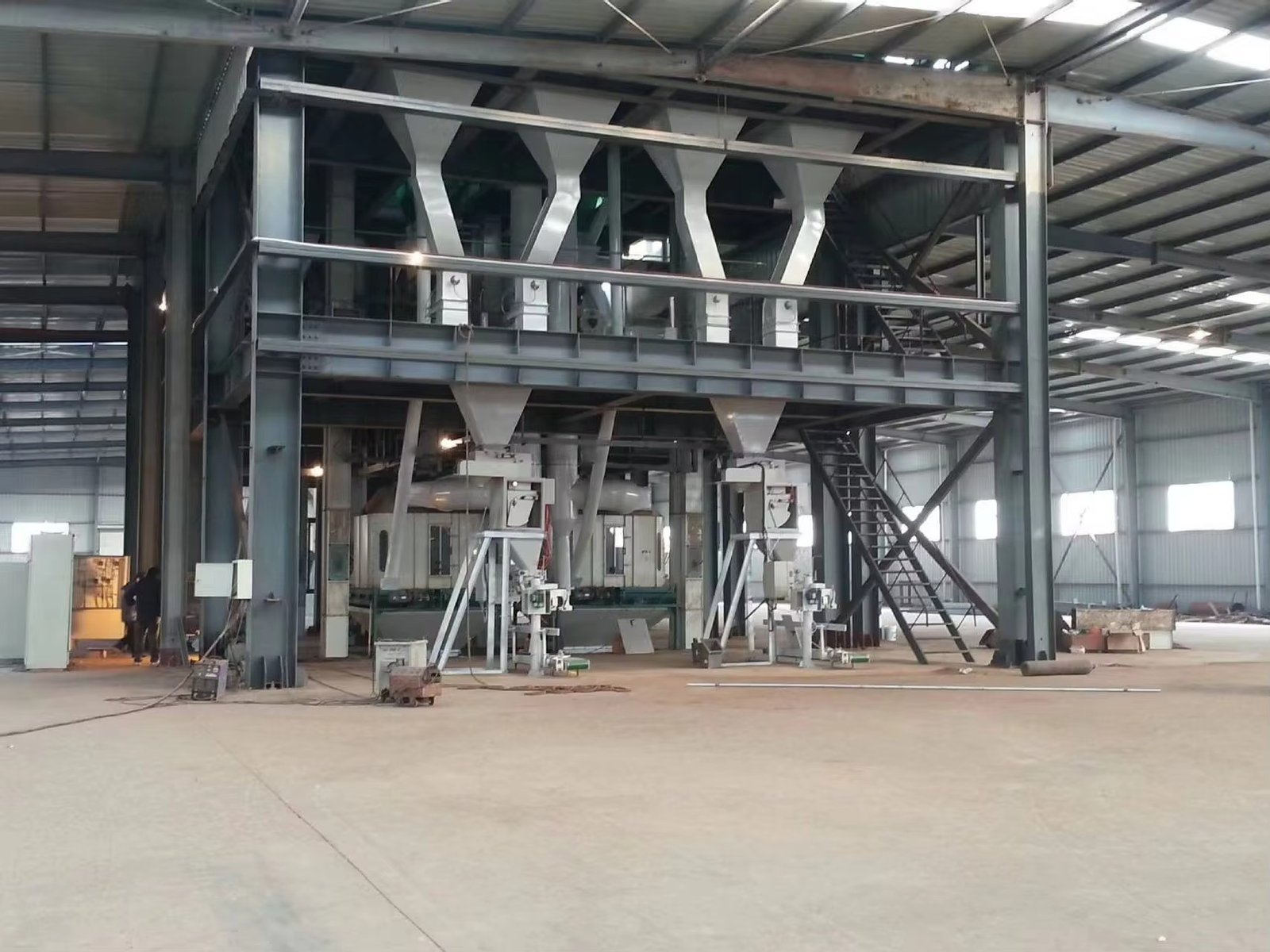
Vertical arrangement saves floor space compared to horizontal layouts. We design systems with mezzanine levels placing mixers and surge bins above pellet mills. Material flows by gravity, reducing energy consumption.
Allow adequate space for maintenance access. Pellet mill dies require regular changing, typically every 800-1500 hours. Our technicians need clear access to remove and install ring dies safely.
Automation and Control Systems
Modern production lines incorporate PLC control systems. Automation reduces labor costs while improving consistency. Our control panels monitor motor loads, temperatures, and production rates continuously.
Basic automation includes automatic start/stop sequencing. The system starts equipment in proper order and shuts down safely if problems occur. This prevents material backups and equipment damage.
Advanced systems track production data in real-time. You can monitor daily output, downtime causes, and efficiency metrics. This data helps identify improvement opportunities and plan maintenance schedules.
Installation Timeline and Commissioning
A complete 5-ton-per-hour line requires 20-40 days for installation after equipment arrives in the Philippines. This includes foundation work, equipment assembly, electrical connections, and testing.
We send experienced technicians from our Shenzhen facility to supervise installation. They work with your local contractors to ensure proper assembly. Safety compliance with Philippine regulations receives priority attention.
Commissioning involves testing each component individually before running integrated trials. We process actual alfalfa material and make adjustments for optimal performance. Your operators receive hands-on training during commissioning.
Speak with Our Philippine Market Specialist
Discuss your specific production goals, available space, and budget. Our team has completed over 40 installations across the Philippines and understands local requirements.
Why Choose MAIKONG for Your Alfalfa Pellet Machine
We established MAIKONG in 1995 in Shenzhen, China. Nearly three decades of manufacturing experience taught us what works in real-world feed production. Our engineering team includes specialists who previously worked for European pellet mill manufacturers.
Manufacturing Quality and Certifications
Quality control starts with component selection. We use Siemens motors for main drives, known for reliability in demanding applications. Bearing suppliers include SKF and NSK, premium brands that extend equipment life.
Our gear manufacturing employs aviation-grade grinding technology. This precision ensures smooth power transmission and reduces noise levels. Customers frequently comment on how quietly our machines run compared to competitors.
MAIKONG holds ISO 9001-2000 certification for quality management systems. Our products carry CE certification for European safety standards. SGS third-party inspections verify manufacturing quality before shipment.
Component Quality Standards
- Motors: Siemens brand with IP55 protection
- Bearings: SKF or NSK imported bearings throughout
- Gears: 42CrMo steel with precision grinding
- Dies: Stainless steel or hardened alloy options
- Conditioner: SUS304 stainless steel construction
Testing and Inspection
- 100% component inspection before assembly
- Load testing of every pellet mill produced
- Trial runs with actual material samples
- Vibration and noise level verification
- Final quality audit before shipping
Technical Support for Philippine Customers
Philippine operations receive dedicated support from our regional team. We maintain spare parts inventory in Manila for critical components. Common wear parts like dies and rollers ship within 72 hours of ordering.
Technical support operates through multiple channels. WhatsApp provides fastest response for quick questions. Our engineers typically reply within 2-4 hours during business hours. Email support at Lucy@pelletmachine.ph handles detailed technical inquiries.
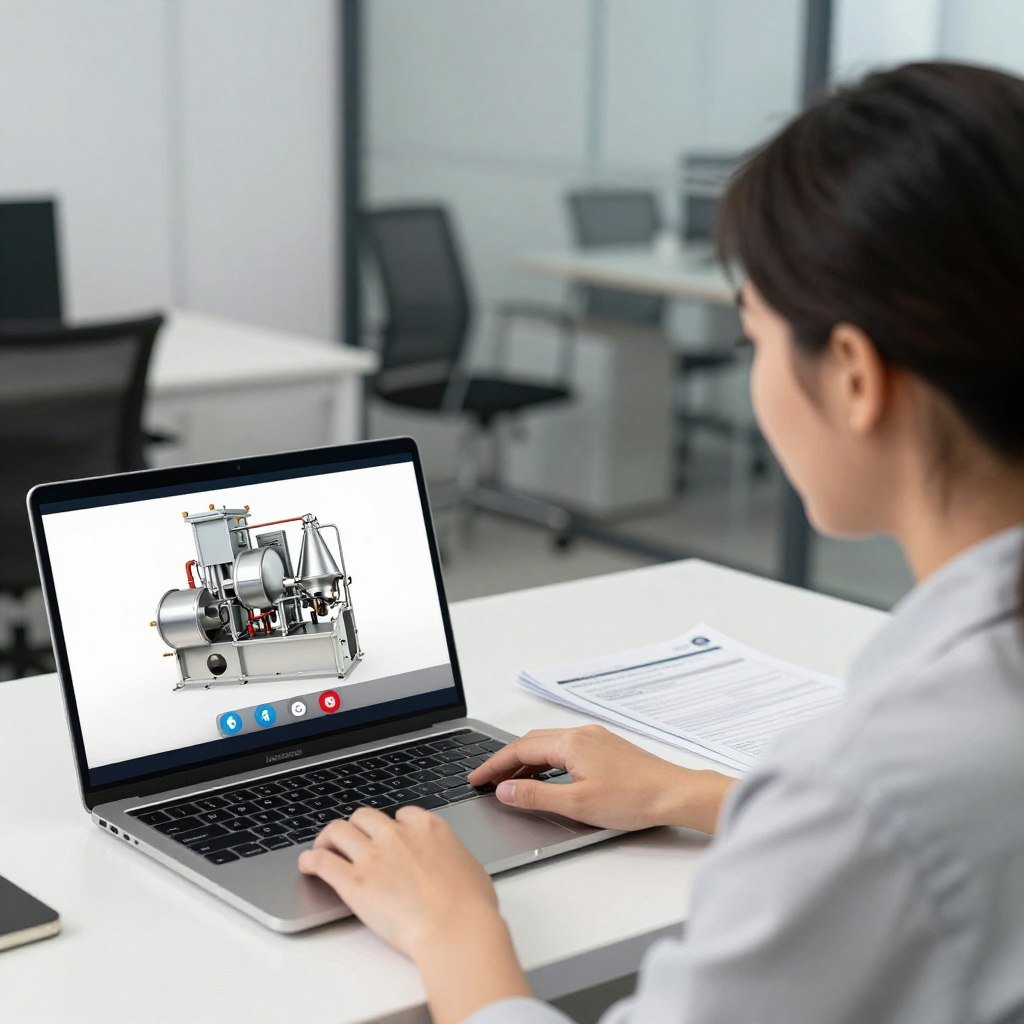
Remote diagnostic capabilities help solve problems quickly. Many issues resolve through video calls where our technicians can see your equipment running. This saves time and travel costs compared to waiting for on-site visits.
Customization Capabilities
Standard equipment serves many applications well, but some operations need modifications. We customize machines for Philippine voltage standards at no extra charge. Special die configurations for unique pellet specifications also come standard.
Larger customizations include special housing materials for corrosive environments or explosion-proof motors for hazardous areas. Our engineering team reviews custom requirements and provides detailed proposals within one week.
One Philippine customer needed equipment suitable for very high humidity coastal location. We modified the control panel enclosure to IP65 rating and used stainless steel extensively. The machines have operated flawlessly for over three years in this challenging environment.
Experience Serving Philippine Market
We have completed over 200 installations across the Philippines since 2010. Our equipment operates in Luzon, Visayas, and Mindanao regions. This broad experience means we understand local conditions and requirements.
Philippine customers face unique challenges different from other Southeast Asian markets. Power supply stability varies significantly between regions. We design our control systems to handle voltage fluctuations common in provincial areas.
Successful Philippine installations include major feed mills producing chicken feed production line products, cattle farms making their own feed, and commercial alfalfa pellet producers supplying equestrian facilities. Each application taught us valuable lessons we apply to new projects.
Investment and Pricing for Alfalfa Pellet Equipment
Equipment investment represents a significant decision for any operation. Our alfalfa pellet machine prices range from USD 7,000 for basic single machines to USD 100,000 for large complete production lines.
Factors Affecting Equipment Cost
Production capacity determines base price. A 1-ton-per-hour pellet mill costs substantially less than a 10-ton model. However, price per ton of capacity decreases as size increases, making larger units more economical for high-volume production.
Component selection affects pricing. Stainless steel dies cost 40% more than standard alloy dies but last nearly twice as long. Premium Siemens motors add approximately 15% to equipment cost compared to domestic Chinese alternatives.
Customization adds variable costs depending on complexity. Simple modifications like special painting or different voltage settings typically add 2-5% to base price. Extensive customization for unique applications may increase costs by 15-25%.
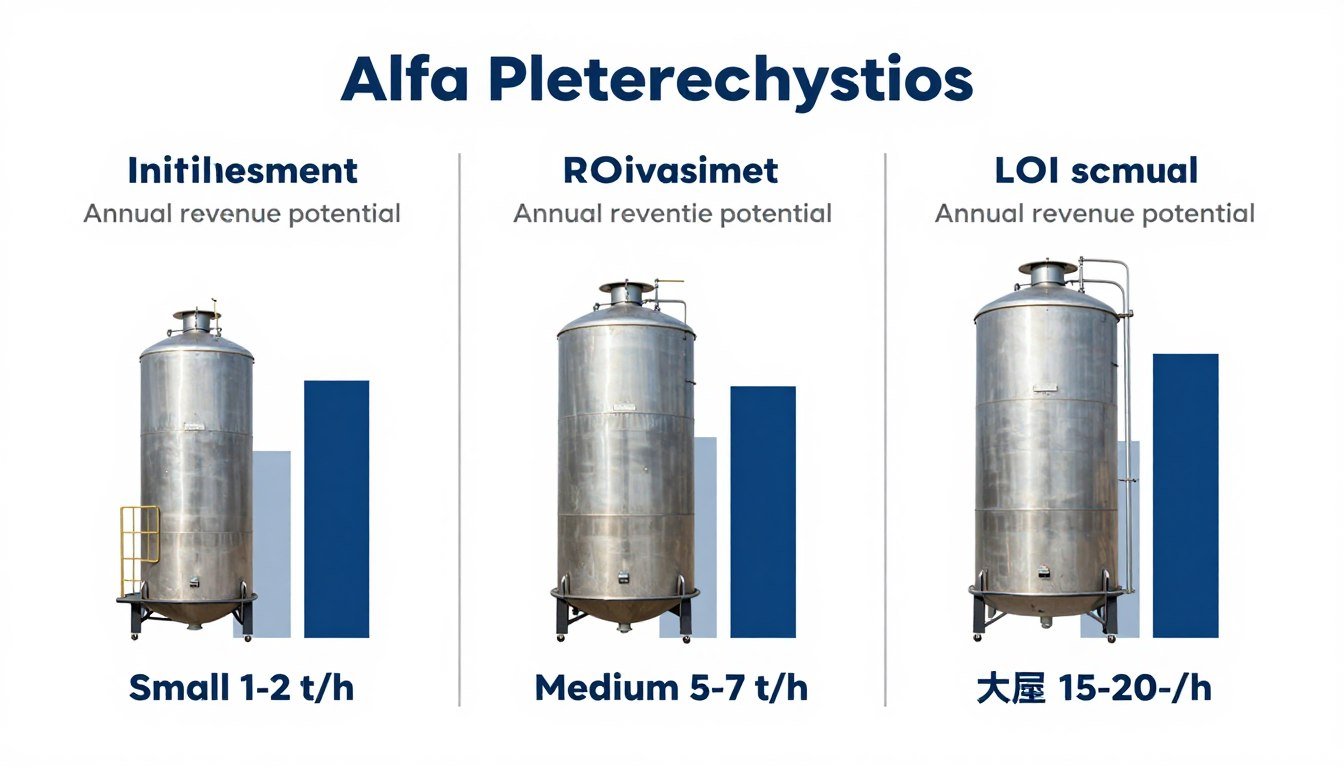
| Production Scale | Equipment Investment (USD) | Monthly Production Capacity | Typical Payback Period |
| Small Farm (1-2 t/h) | 10,000-50,000 | 200-400 tons | 12-18 months |
| Medium Operation (5-7 t/h) | 70,000-150,000 | 1,000-1,400 tons | 14-24 months |
| Large Feed Mill (15-20 t/h) | 250,000-450,000 | 3,000-4,000 tons | 18-30 months |
Operating Cost Considerations
Power consumption represents ongoing expense. A 5-ton-per-hour line consumes approximately 68-80 kWh of electricity. Philippine electricity rates average PHP 9-12 per kWh, making energy costs significant.
Maintenance costs include die replacement, bearing changes, and general wear parts. Budget approximately 3-5% of equipment value annually for maintenance. Regular maintenance prevents expensive breakdowns and extends equipment life.
Labor requirements vary by automation level. A basic 5-ton-per-hour line needs 3-4 operators per shift. Fully automated systems can operate with just 2 workers due to reduced manual handling.
Financing Options for Philippine Buyers
We work with several Philippine banks offering equipment financing. Many customers secure loans covering 60-80% of equipment cost with repayment terms of 3-5 years. Interest rates currently range from 8-12% depending on creditworthiness.
Leasing arrangements provide another option for qualified buyers. Operating leases allow businesses to use equipment without large upfront investment. This preserves working capital for raw materials and operations.
Some government programs support agricultural equipment investment. The Department of Agriculture occasionally offers grants or subsidized loans for feed processing equipment. We assist customers with documentation for these programs.
Return on Investment Projections
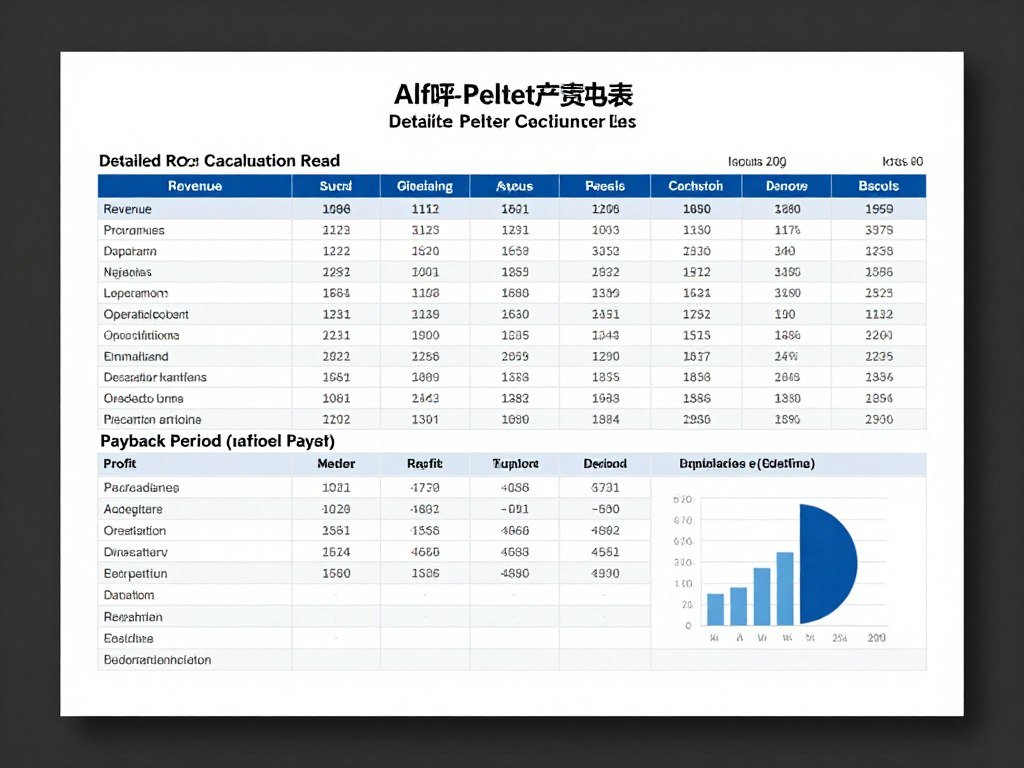
ROI depends heavily on local market conditions and raw material costs. Philippine alfalfa pellets typically sell for PHP 25-35 per kilogram to livestock farmers. Production costs including materials, power, and labor average PHP 18-24 per kilogram.
A 5-ton-per-hour operation running single shift (8 hours daily, 25 days monthly) produces 1,000 tons per month. With PHP 8 per kilogram margin, monthly profit reaches PHP 8,000,000 before fixed costs and depreciation.
Most Philippine customers recover their equipment investment within 18-30 months depending on capacity utilization and market pricing. Operations serving niche markets like horse feed often achieve faster payback due to premium pricing.
Operating and Maintaining Your Pellet Production System
Proper operation extends equipment life and maintains production efficiency. We provide comprehensive training for your staff during installation. Understanding daily operating procedures prevents common problems.
Daily Operating Procedures
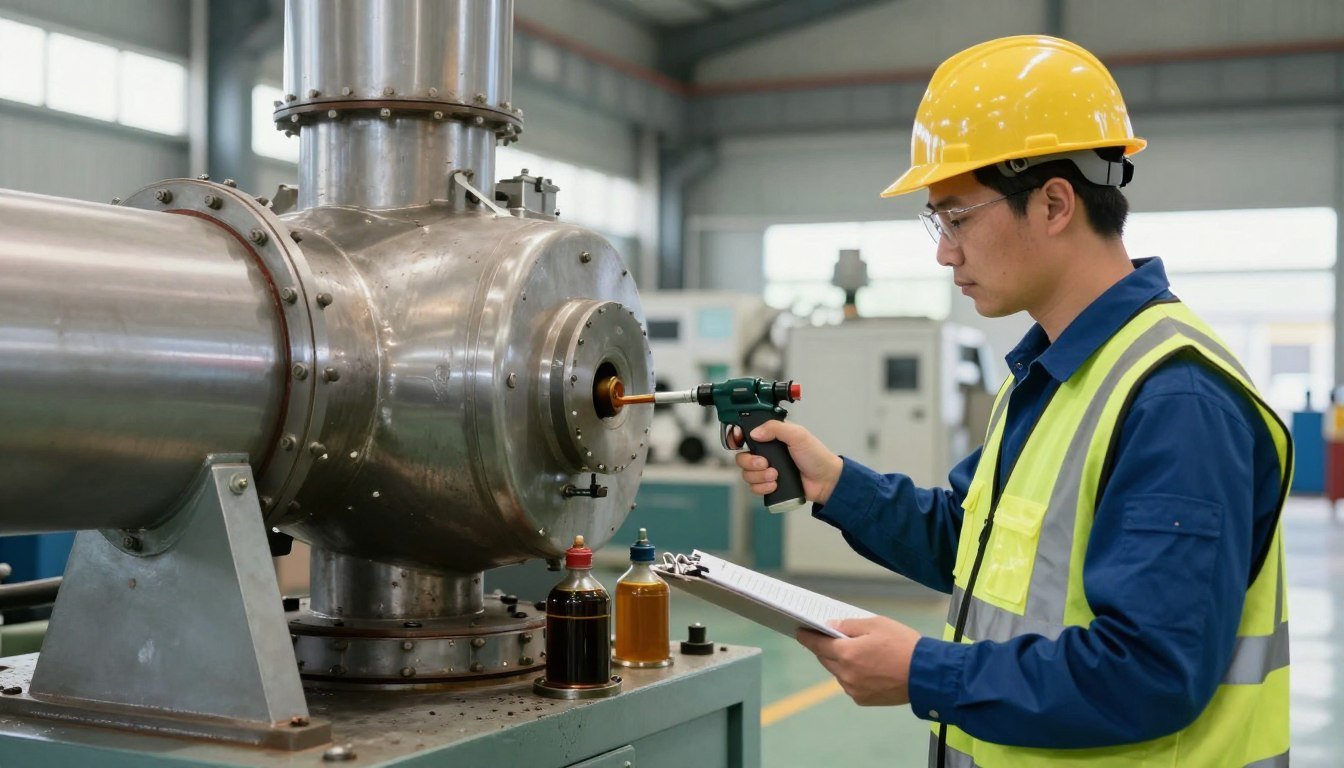
Start each production day with equipment inspection. Check lubrication levels in gearbox and bearing points. Our machines use standard industrial grease available throughout the Philippines.
Verify material moisture content before starting production. Quick moisture checks take just minutes but prevent hours of production problems. Keep records of moisture readings to identify trends.
Monitor pellet quality throughout production runs. Check pellet durability by dropping samples from 2 meters height. Good alfalfa pellets should remain mostly intact. Excessive breakage indicates adjustment needs.
Pre-Start Checklist
- Verify all safety guards in place
- Check gearbox oil level
- Inspect die and rollers for damage
- Test emergency stop function
- Confirm proper raw material moisture
- Clear all material from previous run
During Production Monitoring
- Watch amperage on main motor
- Monitor pellet temperature at discharge
- Check pellet appearance and consistency
- Listen for unusual noises or vibration
- Verify proper cooling system operation
- Track production rate hourly
Preventive Maintenance Schedule
Scheduled maintenance prevents expensive breakdowns. We recommend different service intervals based on component type and operating hours.
Daily maintenance takes 30-45 minutes. Lubricate bearing points and clean inspection windows. Remove accumulation of dust and material from around equipment.
Weekly service includes thorough cleaning of the entire pellet mill. Inspect die and rollers for wear patterns. Check belt tensions on auxiliary equipment like elevators and conveyors.
Monthly maintenance involves detailed inspections. Measure die hole diameter to track wear progression. Check gear oil quality and change if contaminated. Inspect electrical connections for tightness.
| Maintenance Task | Frequency | Time Required | Critical Level |
| Bearing lubrication | Daily | 15 minutes | High |
| Die and roller inspection | Weekly | 30 minutes | High |
| Gearbox oil check | Weekly | 10 minutes | Medium |
| Belt tension adjustment | Monthly | 45 minutes | Medium |
| Electrical connection inspection | Monthly | 60 minutes | High |
| Complete gearbox oil change | Every 2000 hours | 2 hours | High |
Common Issues and Troubleshooting
Low pellet production often stems from worn dies or rollers. As clearance between roller and die increases, compression efficiency decreases. We recommend die replacement when production drops 15-20% from new equipment baseline.
Pellets that crumble easily indicate moisture problems or inadequate conditioning. Verify raw material moisture falls within 12-15% range. Check steam pressure in conditioner reaches manufacturer specifications.
Excessive power consumption suggests material too dry or die partially blocked. Increase moisture slightly or clean die holes thoroughly. Blocked holes prevent material flow and overload the motor.
Spare Parts Management
Maintaining adequate spare parts inventory prevents extended downtime. Critical parts include ring dies, roller shells, and main motor bearings. We recommend keeping at least one spare die on hand always.
Dies and rollers represent consumable items requiring periodic replacement. A ring die processing alfalfa typically lasts 800-1,500 production hours depending on material characteristics and operating conditions.
We stock common spare parts in Manila for fast Philippine delivery. Emergency orders ship within 72 hours. Planned replacement parts can be scheduled with equipment from China for cost savings.
Recommended Spare Parts Inventory: New operations should stock one complete spare die set, one set of roller shells, motor drive belts, common bearings, and standard wear parts like feeder screws. This inventory typically costs 8-12% of pellet mill price but prevents costly production stoppages.
About MAIKONG – Your Pellet Equipment Partner
MAIKONG started in Shenzhen in 1995 with a vision to make quality pellet production accessible worldwide. Our founder worked in European feed equipment companies for 15 years before establishing MAIKONG. He saw opportunities to provide comparable quality at more competitive prices.
Manufacturing Capabilities and Facilities
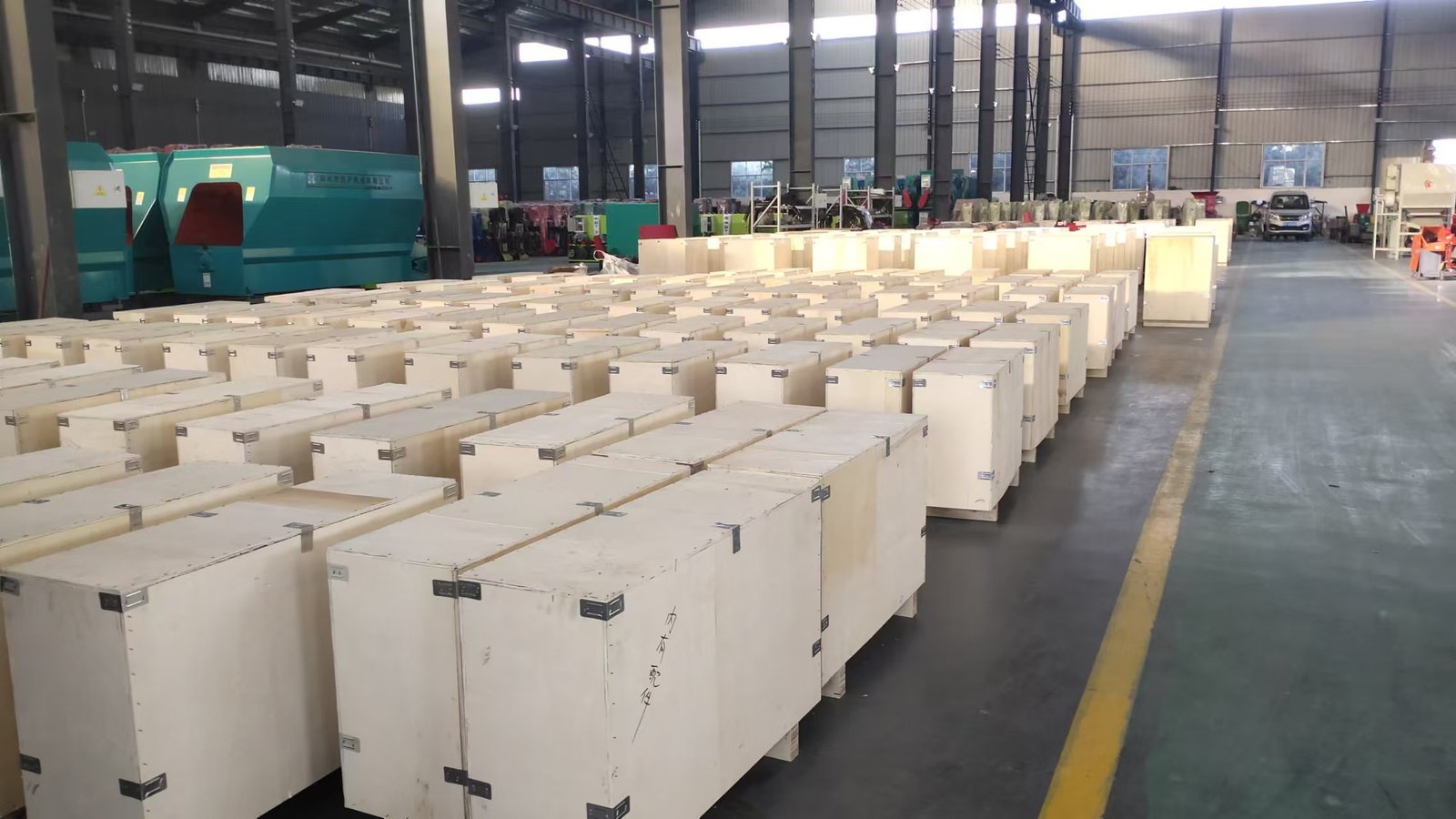
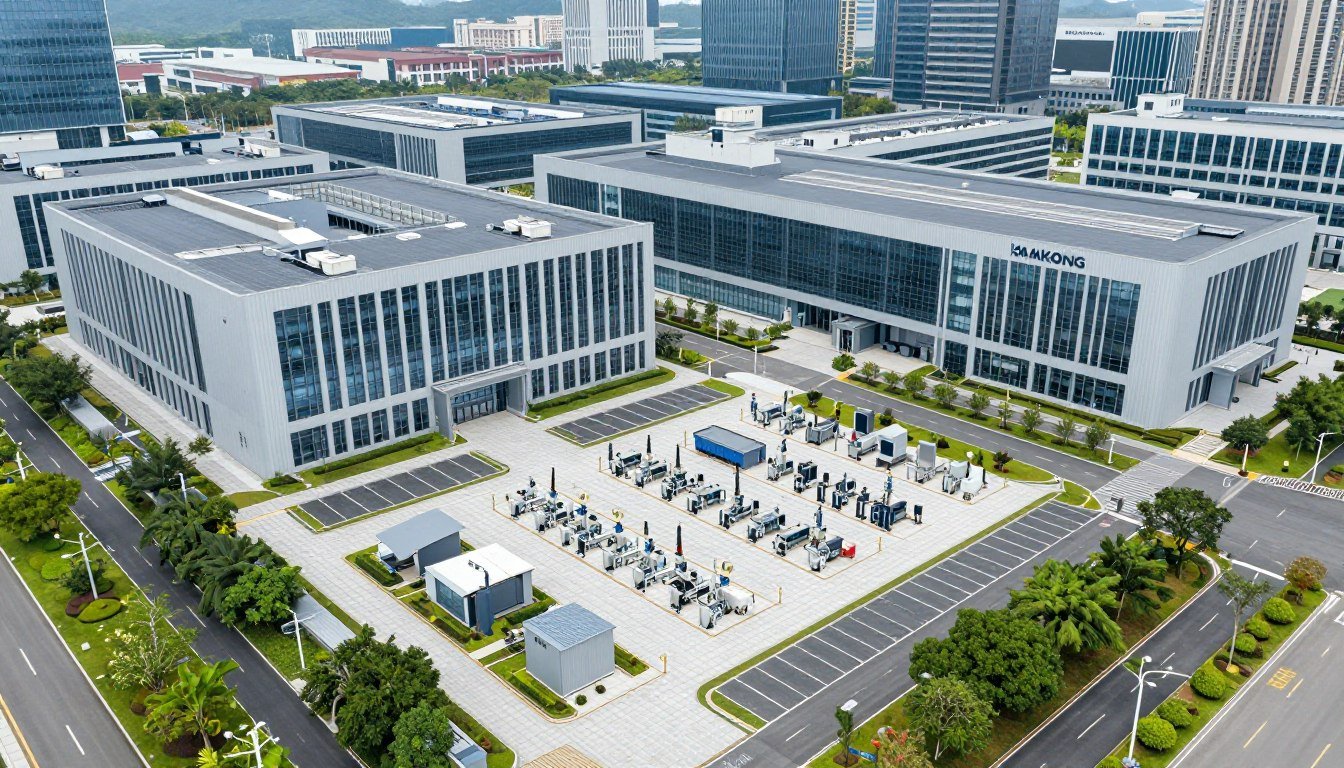
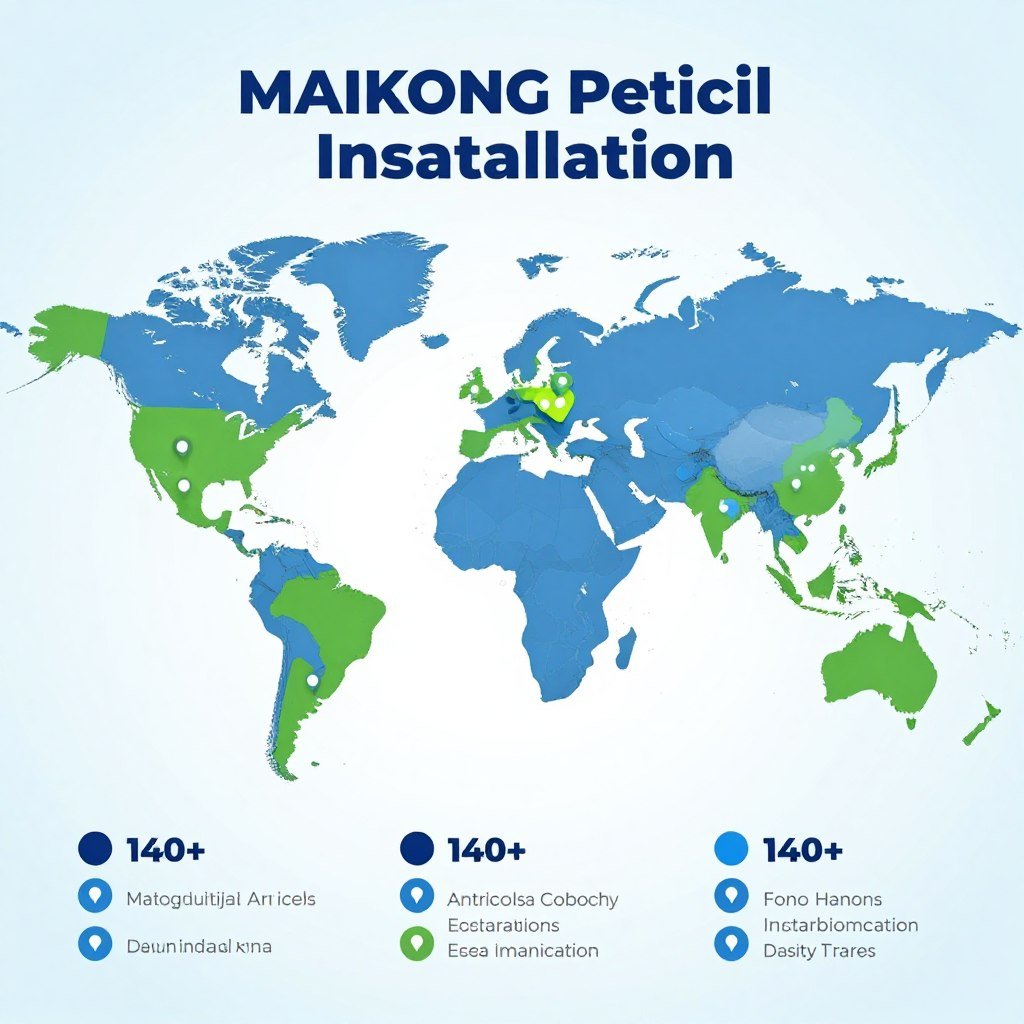
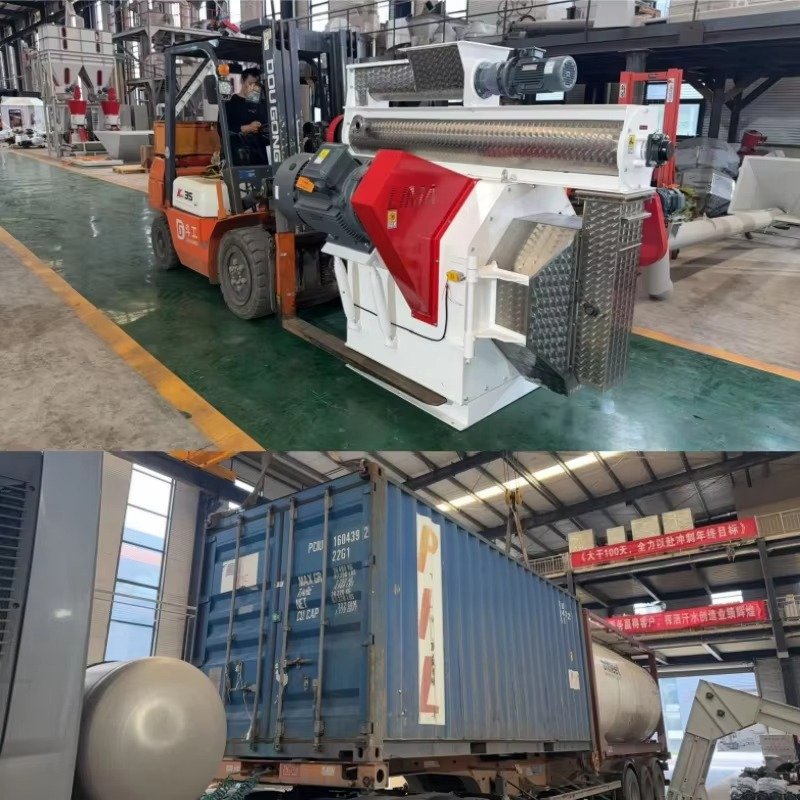
Our Shenzhen facility occupies 45,000 square meters with modern CNC machining centers. We manufacture over 2,000 pellet mills annually serving customers in 140+ countries. Production capacity allows us to maintain inventory while providing customization.
Quality control employs advanced testing equipment. CMM (Coordinate Measuring Machine) verification ensures gear tolerances meet aviation standards. Load testing runs every pellet mill before shipment to verify performance specifications.
Research and development continues improving our designs. Our engineering team includes 12 specialists with backgrounds in mechanical engineering, materials science, and agricultural processing. They file 3-4 patents annually for process improvements.
Our Global Reach
MAIKONG equipment operates across six continents. Major markets include Southeast Asia, Africa, South America, and Eastern Europe. Each region teaches us about different raw materials and operating conditions.
Philippine installations started in 2010 with a 10-ton-per-hour cattle feed mill in Pampanga. That customer recently ordered their third expansion, now operating 40 tons per hour capacity. Success stories like this built our Philippine reputation.
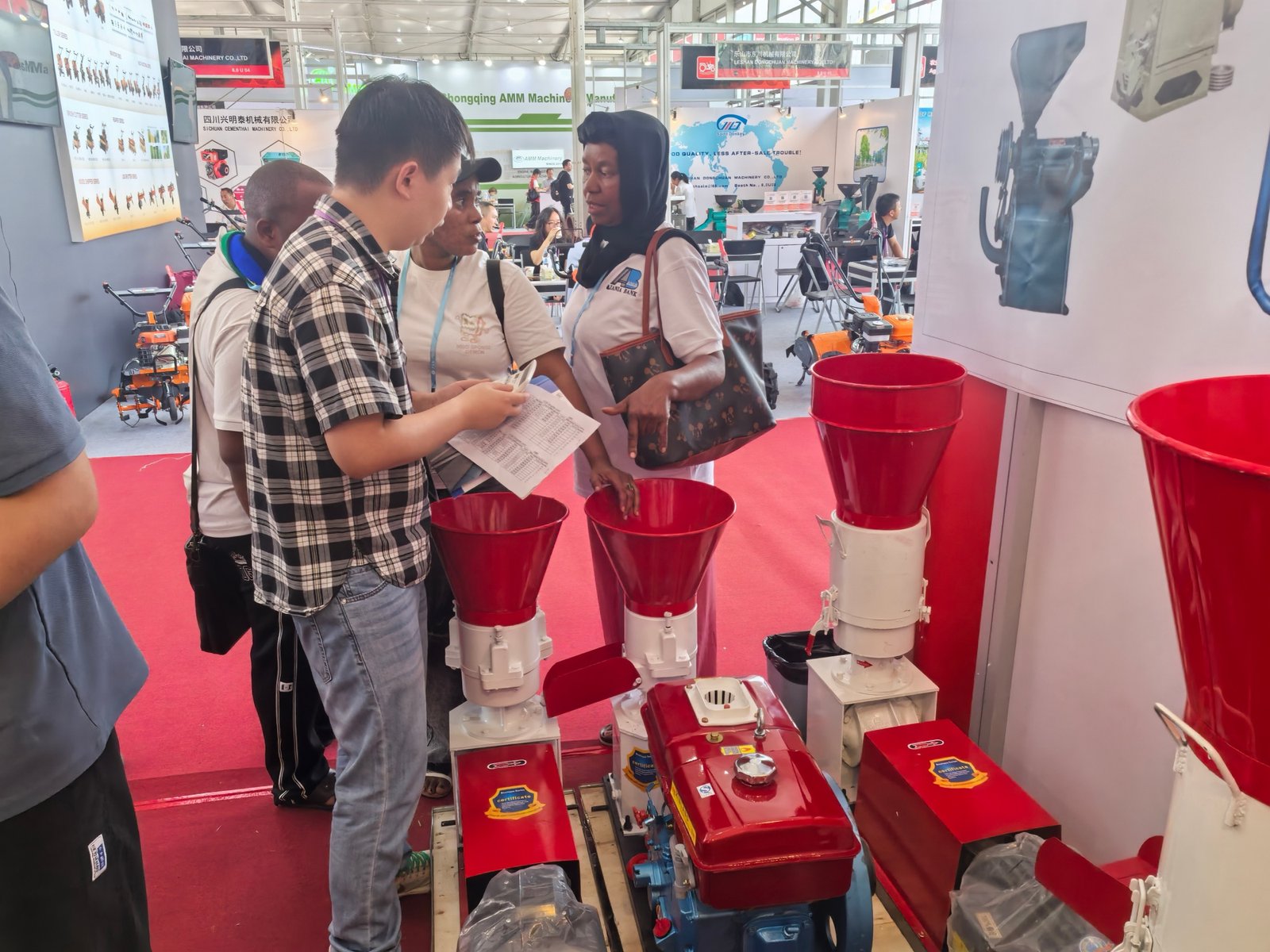
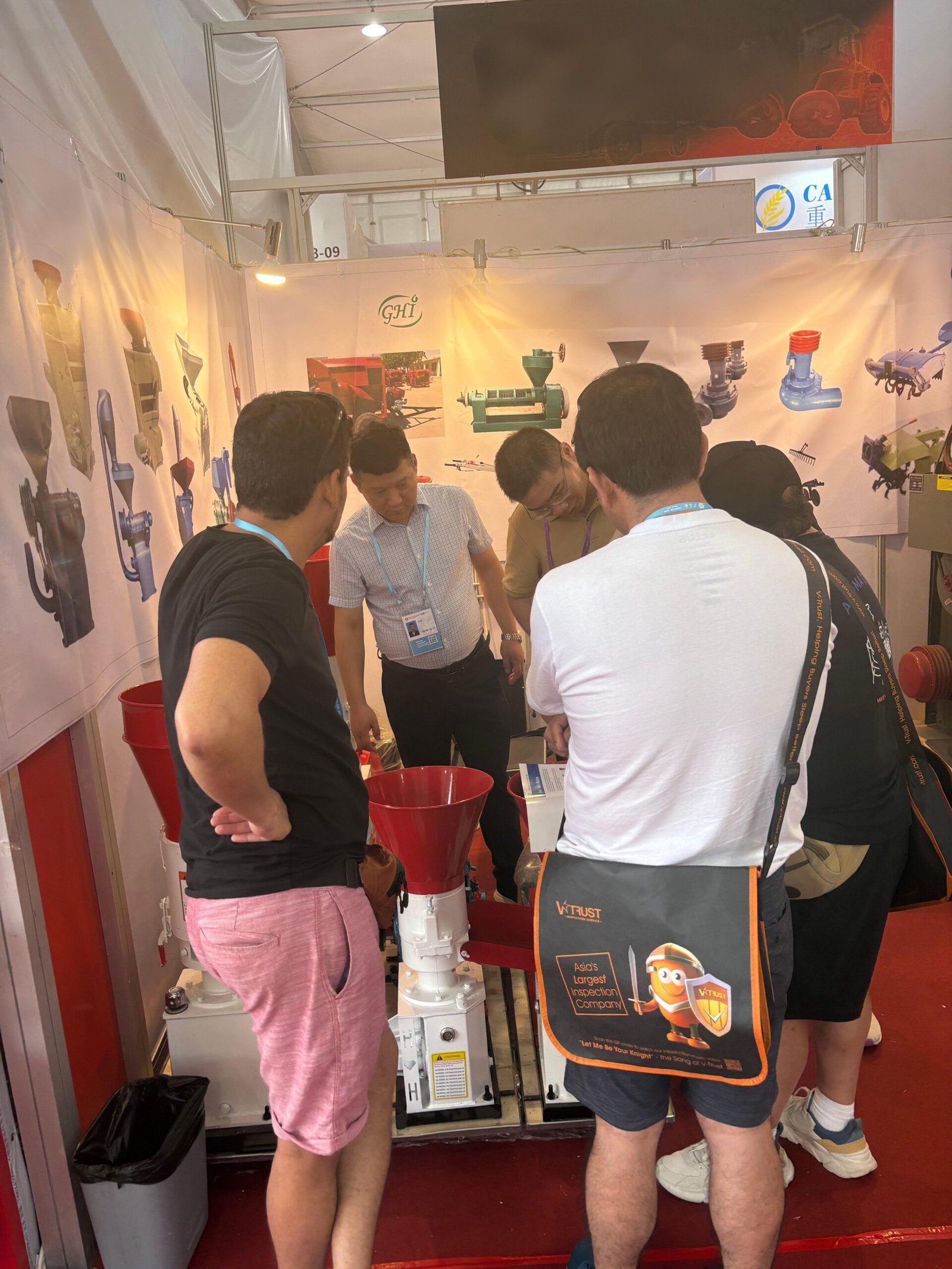
We participate in major agricultural equipment exhibitions worldwide. Regular attendance at Philippine agricultural shows lets us meet customers face-to-face and understand local market needs better.
Product Range Beyond Alfalfa Equipment
While alfalfa pellet machines represent important product line, MAIKONG manufactures complete range of pelleting solutions. Our fish feed pellet machine serves aquaculture operations throughout coastal Philippines.
Biomass pellet equipment converts agricultural waste into fuel pellets. Rice hull pellets from Philippine rice mills provide sustainable energy alternative. Our biomass pellet machine equipment processes various agricultural residues efficiently.
Fertilizer pellet production represents growing market segment. Organic fertilizer pellets from composted materials offer premium products for vegetable farmers. We supply fertilizer pellet machine systems to several Philippine organic fertilizer producers.
Commitment to Philippine Market Development
We recognize the Philippines’ agricultural potential and invest accordingly. Local technical support staff received training at our Shenzhen headquarters for six months. They understand both equipment technology and Philippine farming practices.
Partnerships with Philippine agricultural universities support research into local raw materials. We have collaborated on projects optimizing pellet formulations for Philippine-grown ingredients like copra meal and rice bran.
Our goal extends beyond equipment sales. We aim to support Philippine agricultural development through technology transfer and knowledge sharing. Successful customers become our best advertisement and drive our continued investment.
MAIKONG Philippines Milestone: In 2023, we completed our 200th Philippine installation – a 25-ton-per-hour poultry feed production line in Mindanao. This facility now supplies feed to over 150 small farms, demonstrating how our equipment supports agricultural communities.
Quality Certifications and Standards
MAIKONG holds multiple international certifications validating our quality systems. ISO 9001-2000 certification confirms our manufacturing processes meet global standards. Annual audits verify continued compliance.
CE certification allows equipment sales throughout Europe. The rigorous testing required for CE marking demonstrates our commitment to safety. Philippine customers benefit from this higher safety standard.
SGS conducts third-party inspections on exported equipment. These independent verifications provide additional assurance of quality. Inspection reports are available to customers before shipment acceptance.
Our warranty program reflects confidence in product quality. Standard coverage includes one year or 7,200 operating hours on major components. Extended warranties are available for premium equipment packages.
Dealer and Distributor Partnership Opportunities
MAIKONG seeks qualified partners to expand our Philippine market presence. We look for established businesses with agricultural equipment experience or strong farming community connections.
Benefits of MAIKONG Partnership
Dealers receive exclusive territory rights protecting their market investment. We limit dealers to one per major region ensuring adequate customer base. Territory boundaries follow provincial divisions for clarity.
Competitive wholesale pricing allows healthy dealer margins. Our direct manufacturing relationship eliminates middlemen costs. Dealers typically earn 15-25% margins on equipment sales plus additional revenue from installation and service.
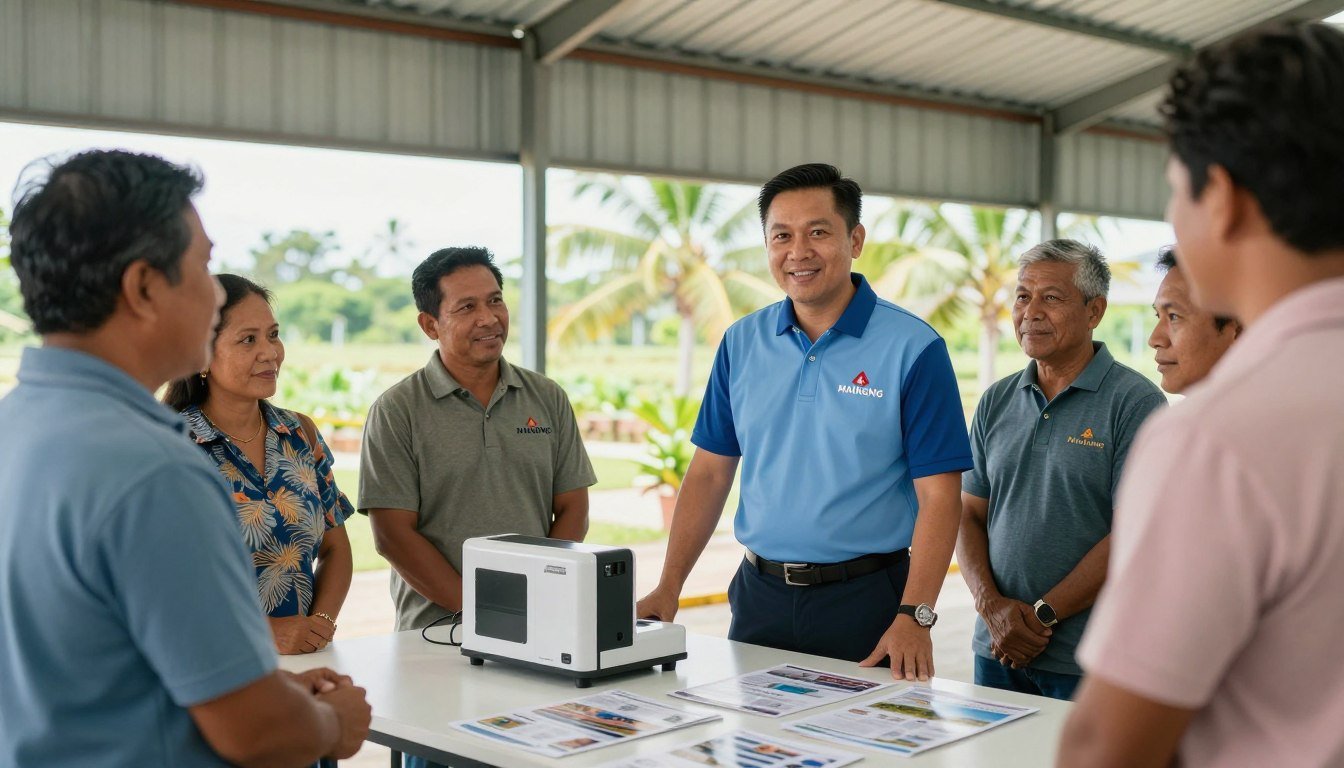
Marketing support includes product brochures, technical specifications, and demonstration videos. We provide high-quality marketing materials in English and Filipino. Co-op advertising programs help dealers promote locally.
Technical training ensures dealers can support customers effectively. New dealer staff receive one-week training at our facility or in the Philippines. Ongoing training updates keep dealers current on new products and technologies.
Dealer Advantages
- Exclusive territory protection
- Factory-direct wholesale pricing
- Comprehensive technical training
- Marketing and sales support materials
- Access to spare parts inventory
- Commission on extended warranties
- Priority equipment allocation
Dealer Requirements
- Established business with good reputation
- Showroom or office space for displays
- Technical staff for customer support
- Initial inventory investment capability
- Commitment to annual sales targets
- Participation in regional trade shows
- Regular market feedback to MAIKONG
Agent Opportunities for Smaller Markets
Not every region can support full dealership operations. We work with individual agents in smaller markets who refer customers and support sales. Agent commissions provide attractive income without large capital investment.
Agricultural consultants make excellent MAIKONG agents. Your existing client relationships in farming communities provide natural sales opportunities. We support your recommendations with technical expertise and competitive pricing.
Equipment importers already serving Philippine agricultural markets can easily add MAIKONG products. Our equipment complements existing product lines rather than competing directly. Container shipment terms allow flexible ordering.
Service Partner Program
Mechanical workshops and agricultural equipment service businesses can become MAIKONG service partners. This program allows you to earn revenue from installation, maintenance, and repair services without sales responsibilities.
Service partners receive technical training and access to genuine spare parts at wholesale prices. Standard service rates provide good margins on labor while ensuring customers receive quality support.
Growing demand for pellet equipment creates expanding service market. Many operations prefer outsourcing maintenance to specialists rather than employing full-time mechanics. This creates ongoing revenue opportunities.
How to Apply for Partnership
Interested parties should contact us with business background information. We review applications based on market coverage needs and applicant qualifications. The process typically takes 2-4 weeks from application to partnership agreement.
Initial discussions cover territory scope, sales targets, and support requirements. We work together to develop realistic business plans ensuring mutual success. Flexibility in arrangements accommodates different business situations.
Successful partnerships benefit both parties long-term. We have dealer relationships continuing over 15 years in some markets. These mature partnerships demonstrate commitment to mutual growth.
Become a MAIKONG Partner in the Philippines
Join our growing network of successful dealers and agents across the Philippines. Exclusive territories still available in select regions. Contact us today to discuss partnership opportunities in your area.
Frequently Asked Questions About Alfalfa Pellet Machines
What is the minimum production capacity pellet mill MAIKONG offers?
Our smallest commercial ring die pellet machine produces 1-1.5 tons per hour (SZLH250 model). This capacity suits medium-sized livestock farms producing their own feed. For smaller requirements under 500 kg/hour, we recommend our mini pellet machine philippines designed for farm-scale operations.
Can the equipment process other materials besides alfalfa?
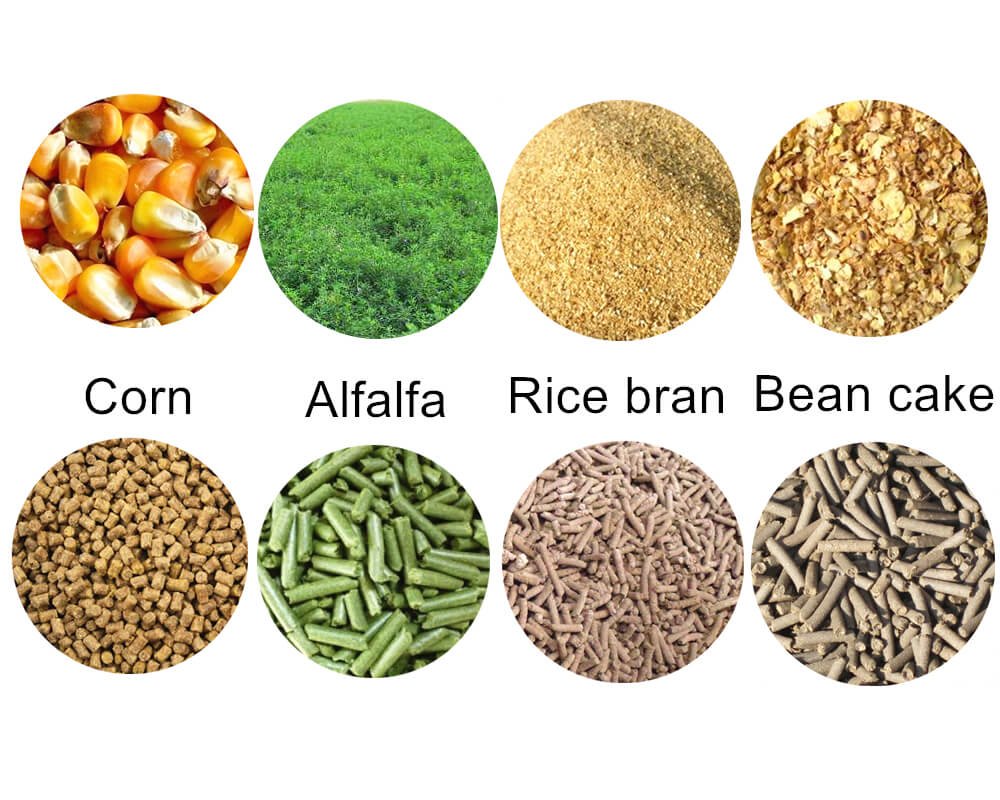
Yes, our pellet mills handle various materials with simple die changes. Common Philippine applications include corn, rice bran, copra meal, and mixed feed formulations. The same machine that produces alfalfa pellets can make cattle feed pellet machine products or poultry feed by changing the formulation and die size.
How long does equipment delivery take to the Philippines?
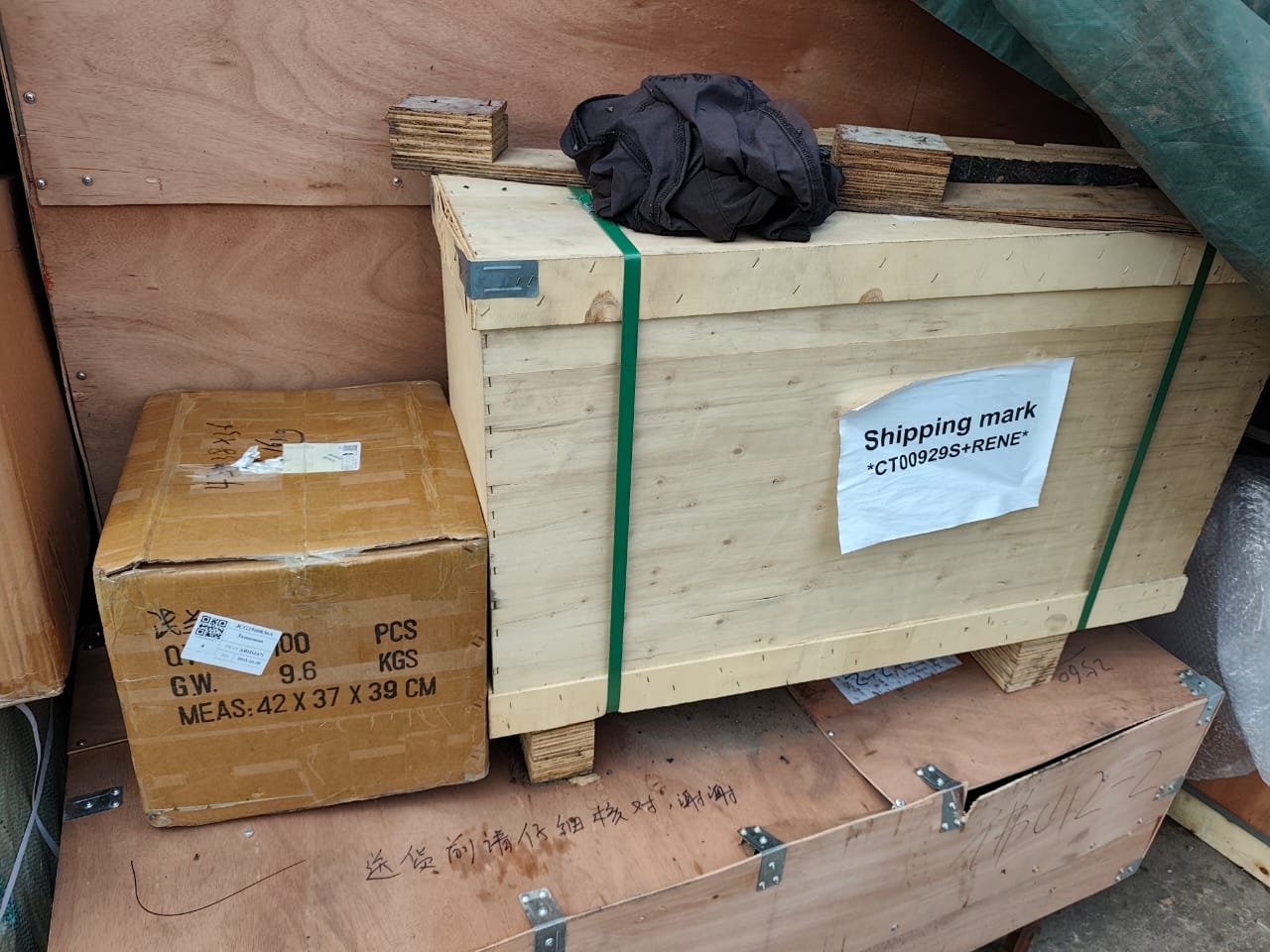
Standard equipment ships within 10-30 working days after order confirmation. Sea freight from Shenzhen to Manila takes approximately 7-10 days. Custom modifications may extend manufacturing time to 30-45 days. We arrange all export documentation and can assist with Philippine customs clearance.
What power supply do the machines require?
We configure equipment for Philippine electrical standards at no additional cost. Most commercial pellet mills require 380V/60Hz three-phase power. Smaller models can operate on 220V/60Hz single-phase. All motors include automatic voltage regulation to protect against power fluctuations common in some Philippine areas.
Is training included with equipment purchase?
Yes, comprehensive training comes standard with every complete production line. Our technicians spend 3-5 days on-site during installation and commissioning. Training covers operation, routine maintenance, troubleshooting, and safety procedures. Written operating manuals in English are also provided.
What warranty coverage does MAIKONG provide?
Standard warranty covers one year or 7,200 operating hours on major components including motors, gearboxes, and structural elements. Wear parts like dies and rollers are excluded as consumables. Extended warranty options up to three years are available. We maintain spare parts inventory in Manila for quick warranty service.
Can I visit the factory before purchasing?
Absolutely. We welcome customer visits to our Shenzhen facility. Many Philippine customers visit before major purchases to see manufacturing capabilities and test equipment. We can arrange factory tours and product demonstrations. Contact us at least two weeks in advance to schedule your visit and we can assist with travel arrangements.
What financing options are available for Philippine buyers?
We work with several Philippine banks offering equipment financing. Typical terms include 60-80% financing with 3-5 year repayment periods. Interest rates vary based on creditworthiness but generally range 8-12%. We provide all necessary documentation for loan applications including equipment specifications and quotations.
Start Your Alfalfa Pellet Production Journey
Quality feed production begins with quality equipment. Our alfalfa pellet machines combine proven technology with reliable manufacturing to deliver results Philippine farmers and feed mills need. Nearly three decades of experience taught us how to build equipment that works in real-world conditions.
We have shown you the technical specifications, application possibilities, and business considerations for alfalfa pellet production. The next step involves discussing your specific requirements and designing a solution that fits your operation perfectly.
Whether you operate a livestock farm seeking feed self-sufficiency, a feed mill expanding product lines, or an entrepreneur entering the agricultural processing business, MAIKONG can support your success. Our equipment, training, and ongoing support provide everything needed to establish profitable pellet production.
Many successful Philippine operations started exactly where you are now – researching options and planning their investment. The difference between planning and profiting is taking that next step to discuss your project with our team.
Ready to Transform Your Feed Production?
Connect with MAIKONG today. Our Philippine market specialists understand your local challenges and opportunities. Let’s discuss how our alfalfa pellet machine technology can help you achieve your agricultural business goals.
Visit our website: pelletmachine.ph
Learn more about MAIKONG: About MAIKONG
We look forward to partnering with you to build successful, sustainable feed production in the Philippines. Your success represents our success, and we commit to supporting you every step of the way.