Why Philippine Aquaculture Operators Need Reliable Feed Production Equipment
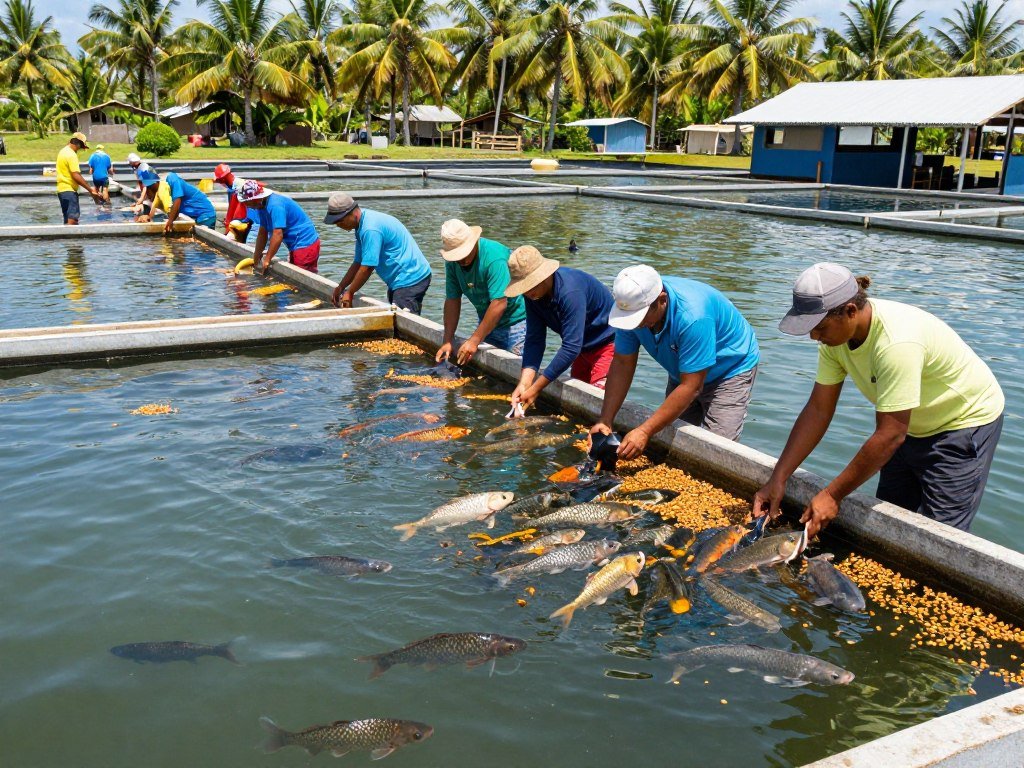
Feed represents 60-70% of total aquaculture production costs in the Philippines. This single expense determines whether fish farming operations remain profitable or struggle financially. Imported feed prices jumped 35% over the past two years according to Bureau of Fisheries data.
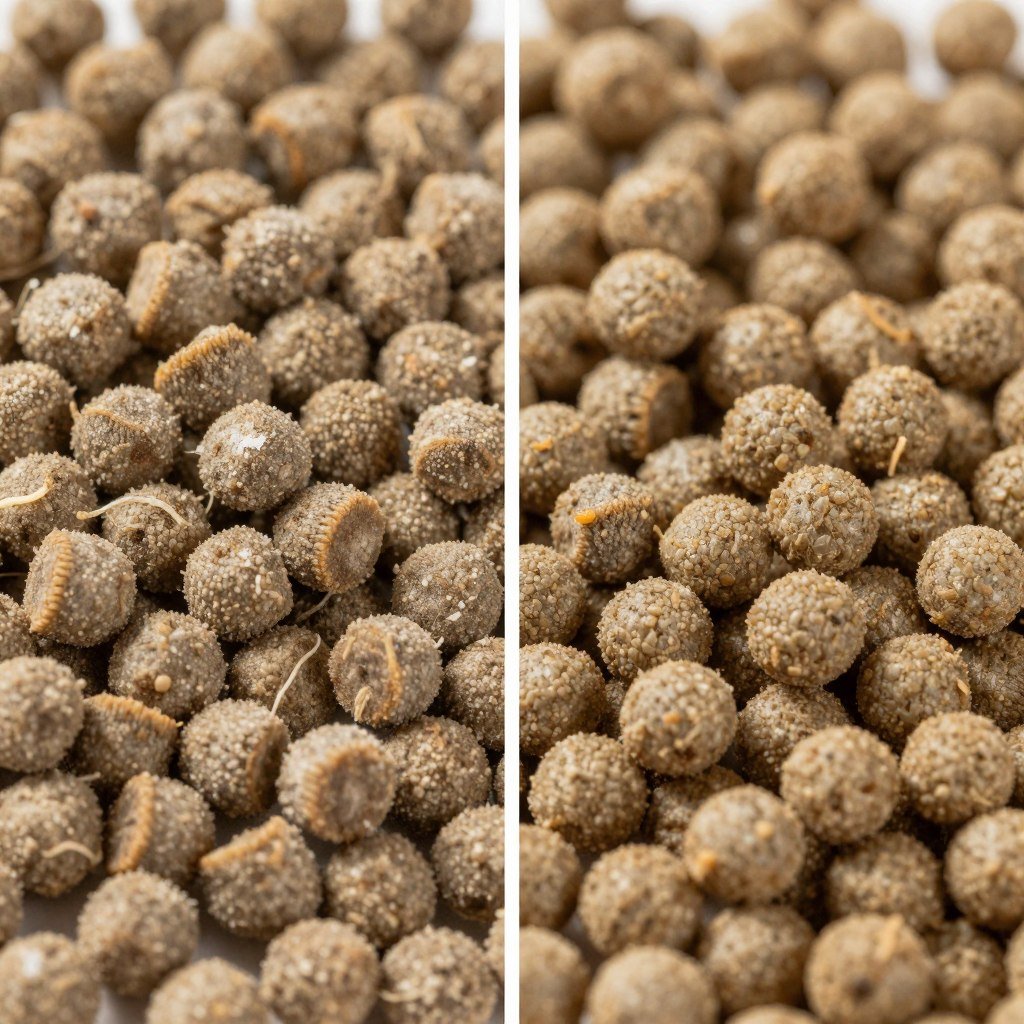
Many Filipino fish farmers told me they want to produce their own feed. This gives them control over ingredient quality and reduces dependence on commercial suppliers. However, manual feed production methods produce inconsistent pellet quality. Fish reject poorly formed pellets, leading to waste and poor growth rates.
Common Feed Quality Problems Without Proper Equipment
- Pellets dissolve too quickly in water, causing nutrient loss
- Inconsistent pellet size means smaller fish cannot eat properly
- Poor binding creates excessive dust and waste
- Uneven mixing leaves some pellets nutrient-deficient
- Manual processes cannot maintain consistent moisture content
- Variable density affects floating or sinking characteristics
Professional aqua feed production line equipment solves these challenges through precise control systems. Automated processes ensure every pellet batch meets exact specifications for size, density, nutritional content, and water stability. This consistency directly improves fish health and growth performance.
Philippine aquaculture operations installing proper feed production lines typically see 25-40% cost reduction compared to purchasing commercial feed. The initial equipment investment pays back within 18-30 months depending on farm size and production volume.
MAIKONG: Three Decades of Feed Machinery Innovation in Shenzhen
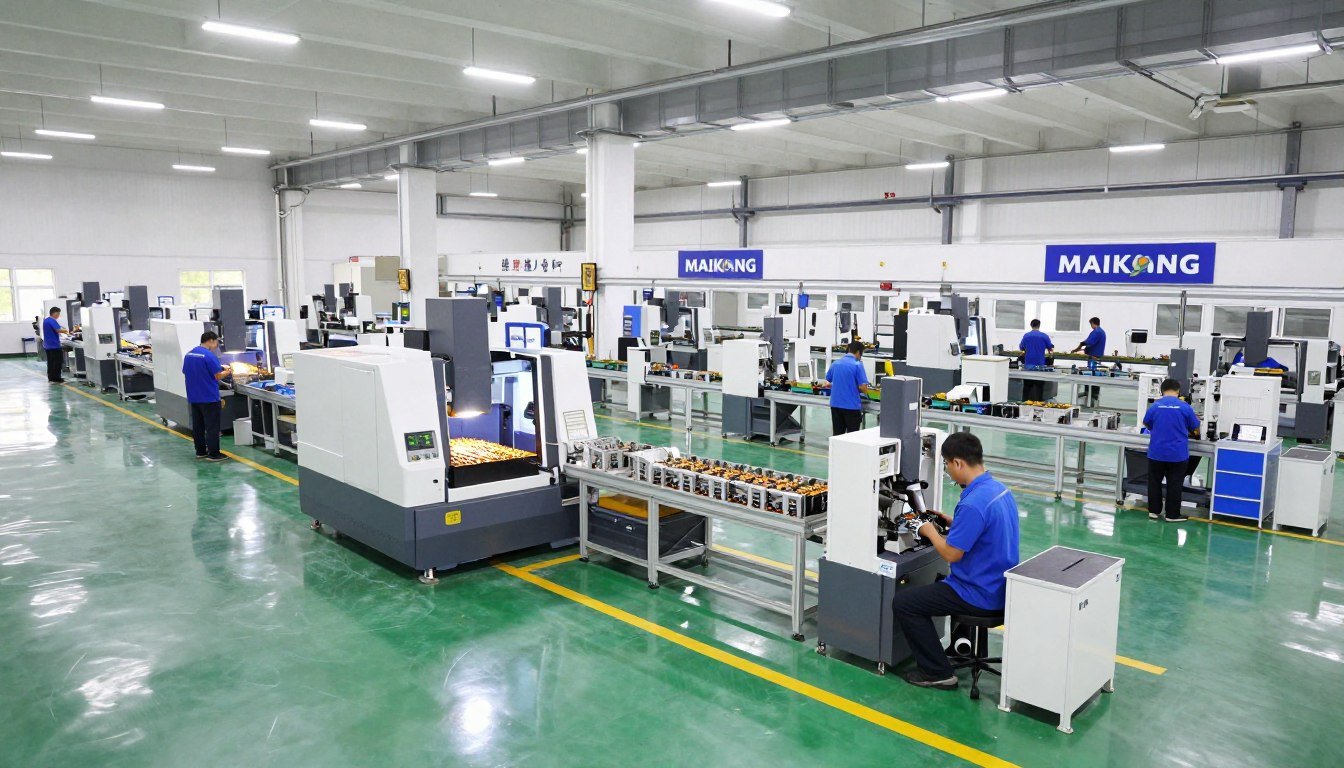
Our journey began in 1994 when we opened a small workshop in Shenzhen producing simple feed pellet mills. The Chinese aquaculture boom was just starting. Farmers needed affordable equipment to process feed locally.
We learned quickly that fish feed requires different technology than poultry or livestock feed. Aquatic feed pellets must resist water longer. They need specific floating or sinking properties. Fish digestive systems process nutrients differently than land animals.
These insights drove us to develop specialized twin-screw extrusion technology. By 2005, MAIKONG became the first Chinese manufacturer to export aquatic feed extruders to Southeast Asia. Our machines processed shrimp feed for Vietnamese farms and tilapia feed for Indonesian operations.
Quality Manufacturing Standards
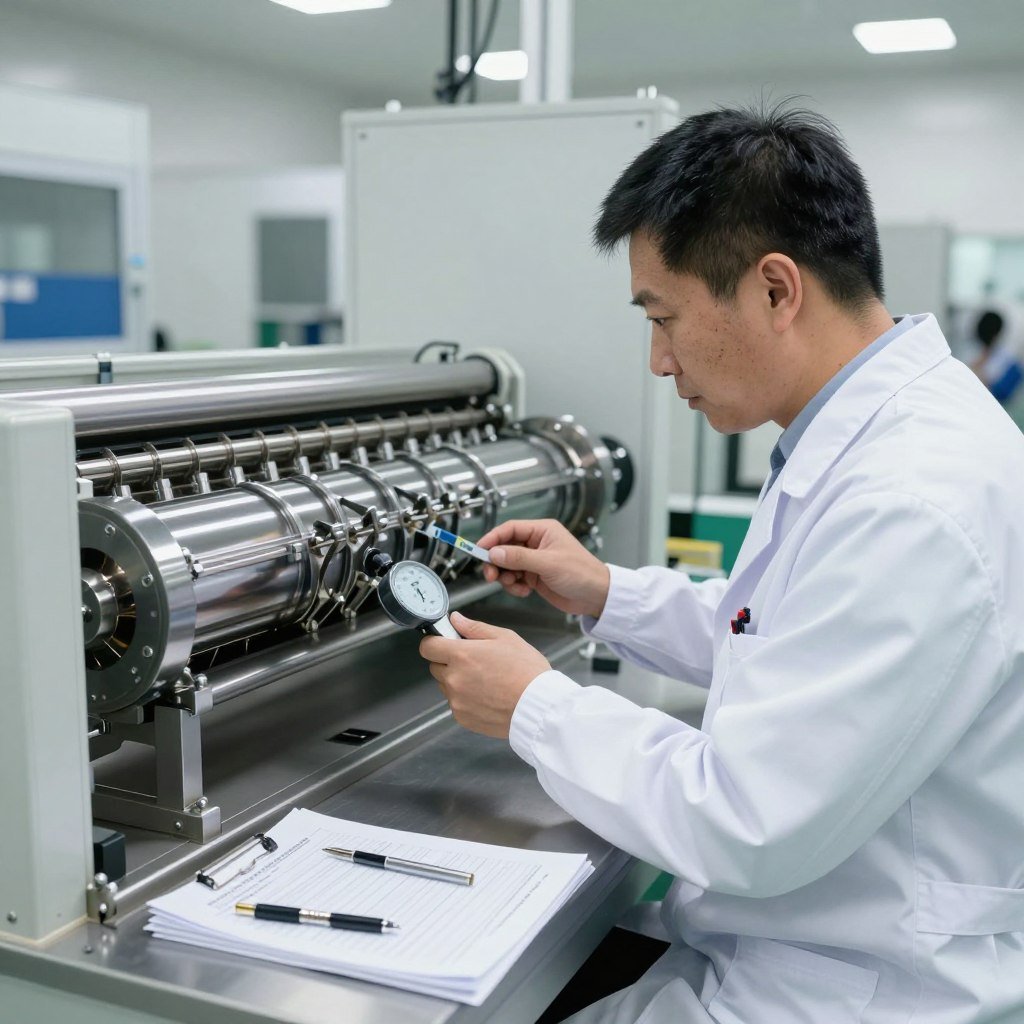
Every machine component undergoes five-stage quality inspection. Our workshop uses CNC precision equipment maintaining 0.01mm tolerances. Stainless steel parts meet food-grade certification requirements.
Custom Engineering Capability
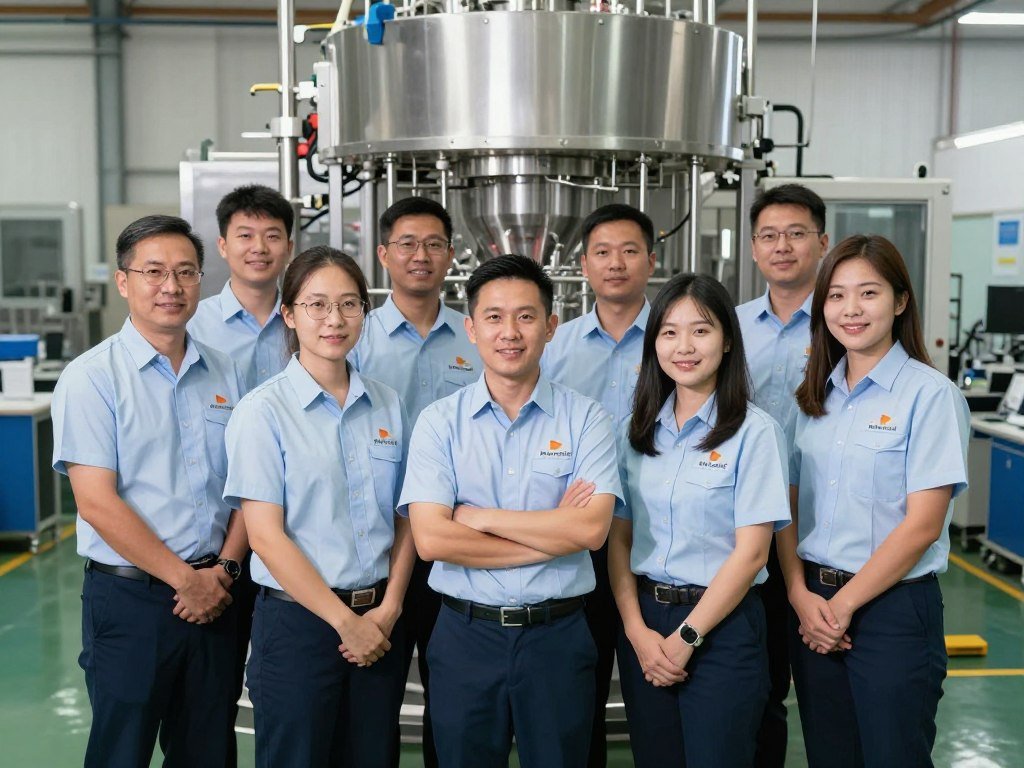
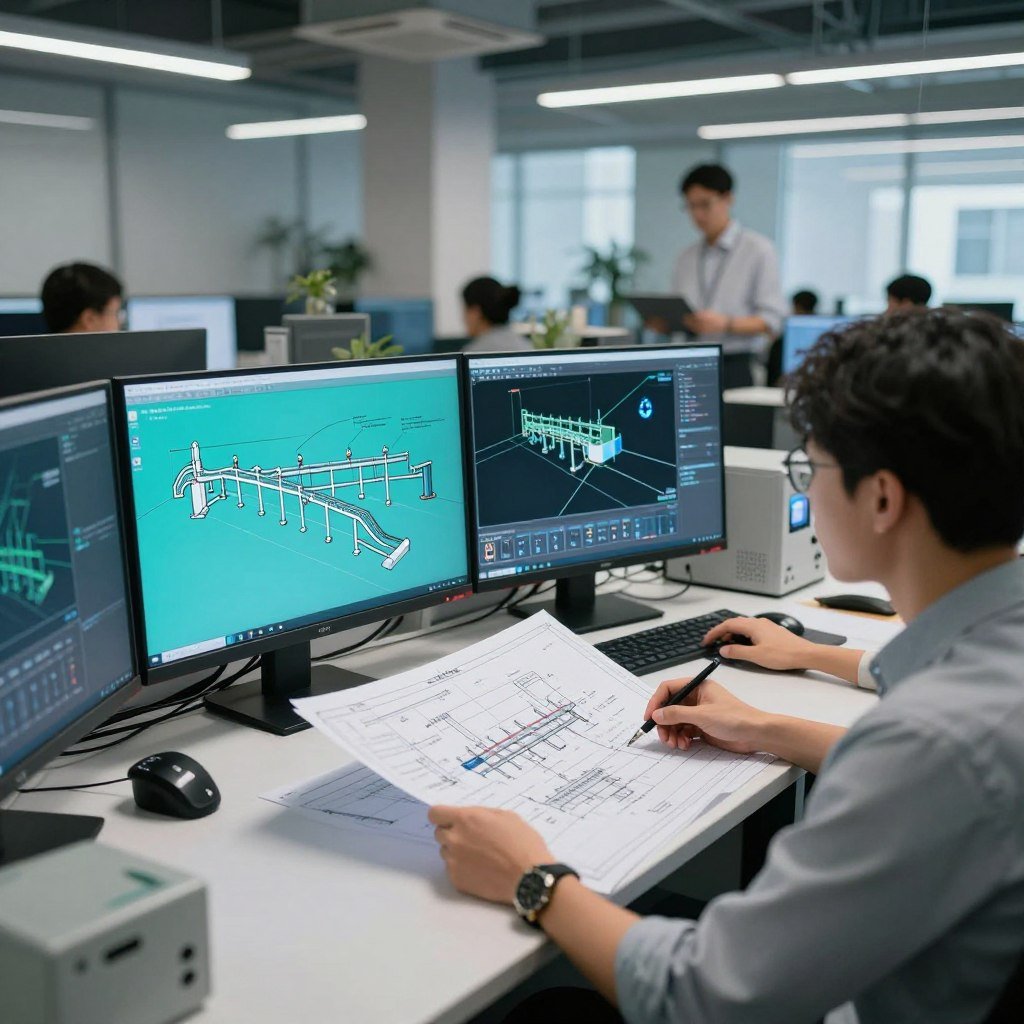
Our 28-person technical team includes aquaculture nutrition specialists and mechanical engineers. We design production lines matching specific fish species requirements and local raw material availability in Philippines.
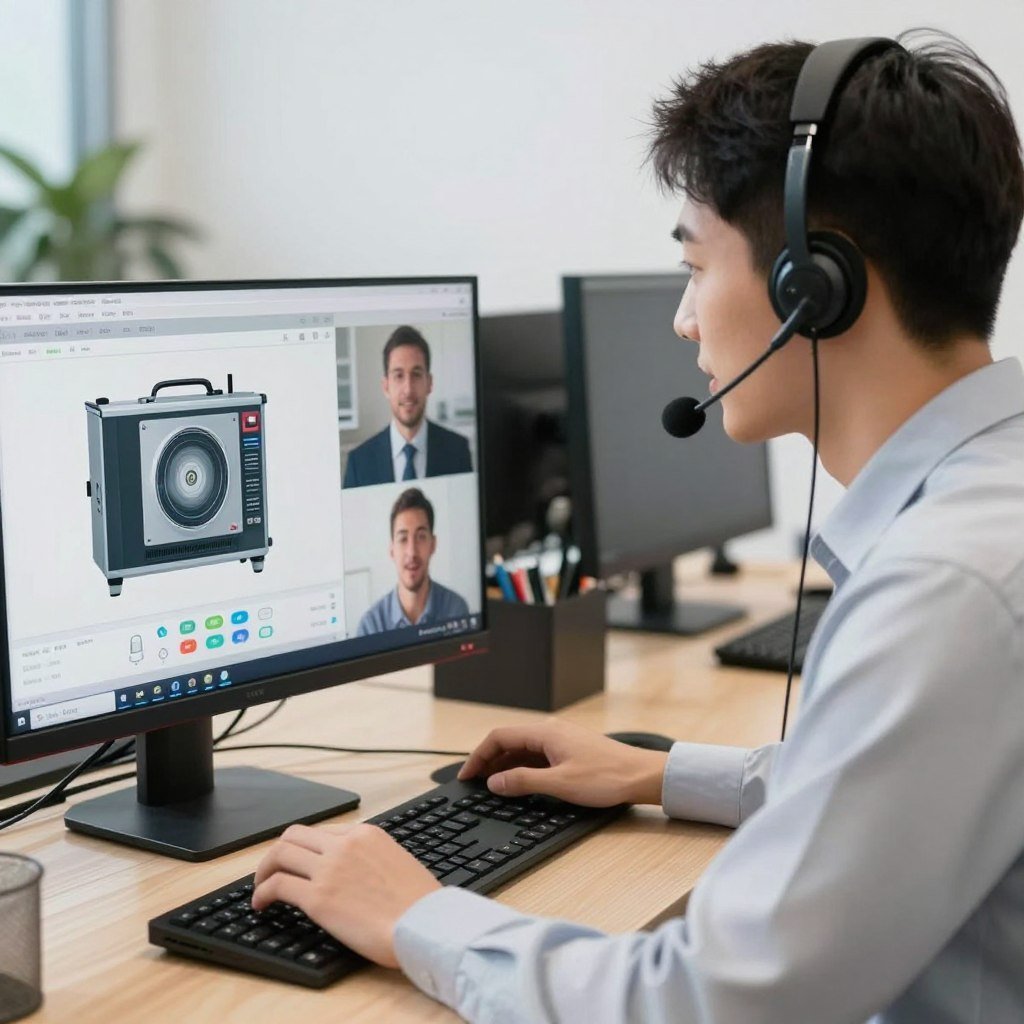
Comprehensive After-Sales Support
We provide installation supervision, operator training, and ongoing technical assistance. Our service network includes spare parts warehousing and remote diagnostics capability for quick problem resolution.
Why Philippine Clients Choose MAIKONG
We’ve completed 120+ aquatic feed production line projects globally. Fifteen installations operate successfully in the Philippines currently. These range from 500 kg/hour village cooperative mills to 10-ton commercial facilities.
MAIKONG Advantages
- Factory-direct pricing eliminates middleman markups
- Customization for Philippine voltage and species needs
- Full documentation in English and Filipino languages
- Remote technical support via WhatsApp and video call
- Modular design allows future capacity expansion
- Energy-efficient motors reduce operating costs
- 304/316 stainless steel construction for tropical climate
Common Competitor Limitations
- Higher prices through distributor networks
- Standard designs not optimized for local conditions
- Limited language support creates communication barriers
- Slow response times for technical questions
- Rigid configurations difficult to modify later
- Older motor technology increases electricity consumption
- Carbon steel components rust quickly in humidity
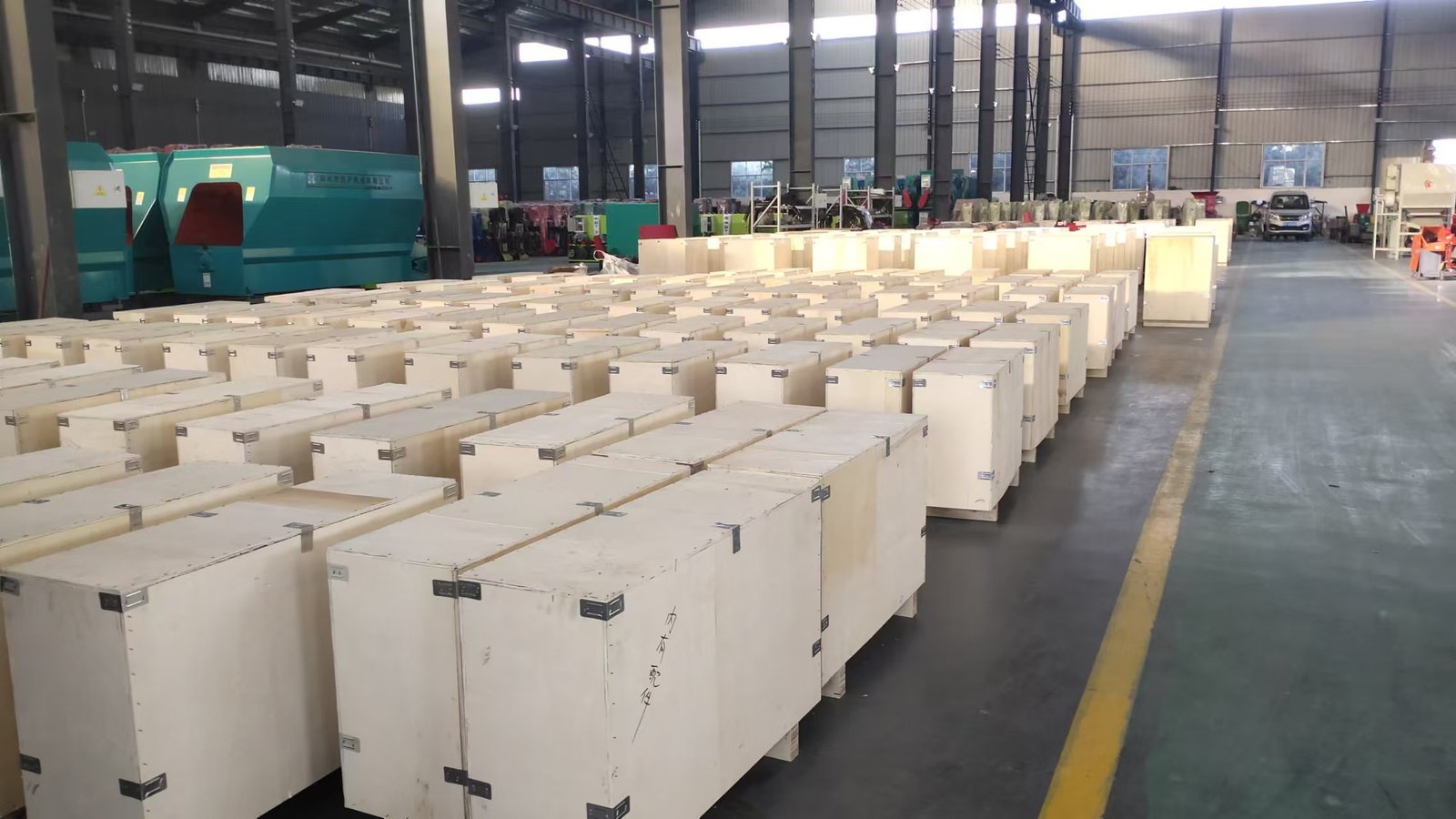
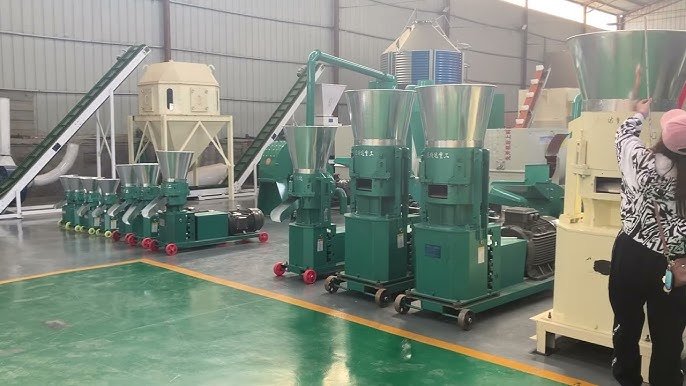
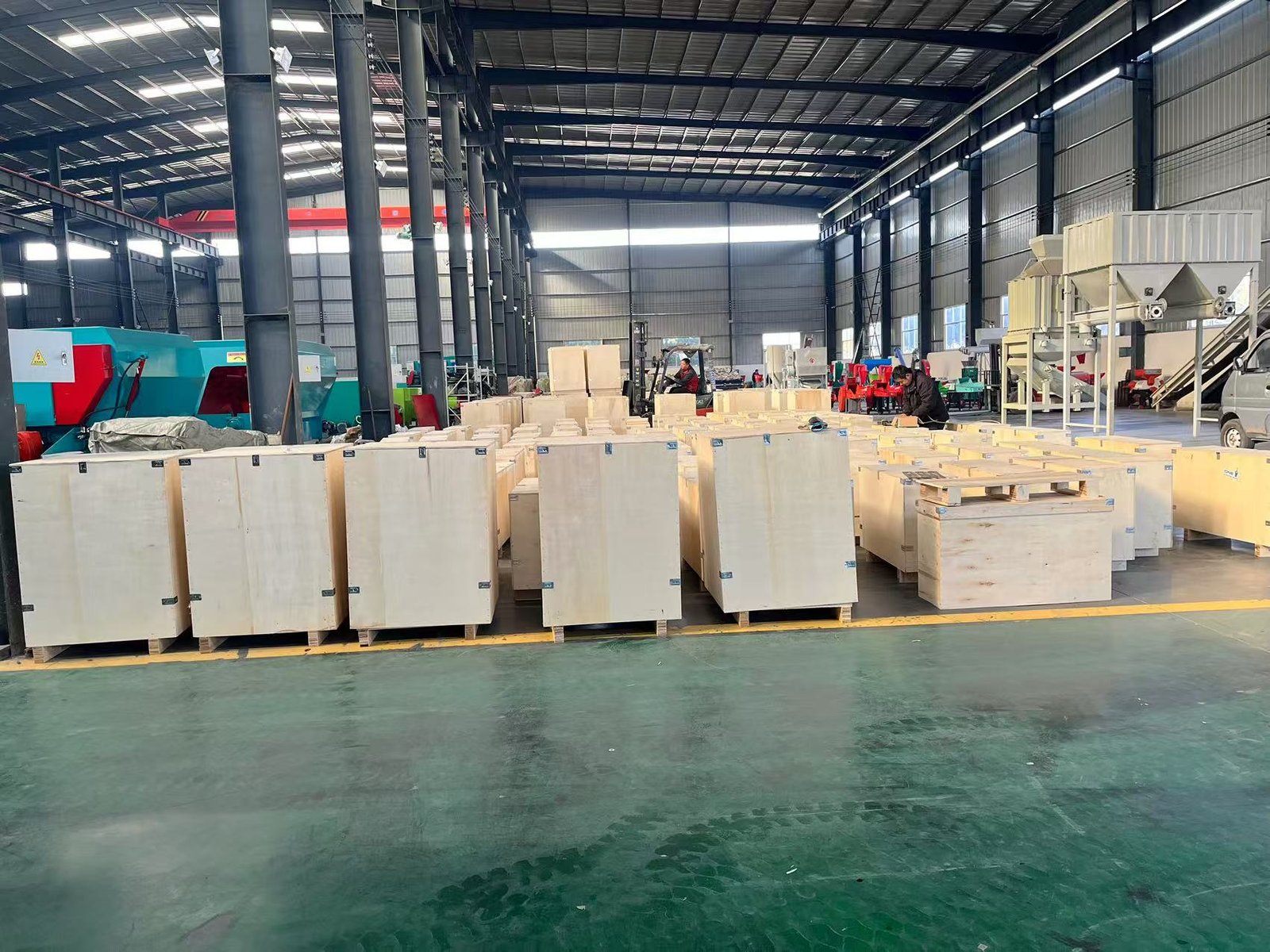
Our Shenzhen factory maintains ISO 9001 quality certification and CE safety compliance. We export to 50+ countries across Asia, Africa, and Latin America. The manufacturing facility spans 12,000 square meters with dedicated aquatic feed equipment production lines.
Ready to Build Your Feed Production Capability?
Our Philippine market specialists understand local aquaculture conditions and business requirements. We’ll design a complete production line solution matching your capacity needs, species mix, and investment budget. Get detailed technical proposals and quotations within 24 hours.
Complete Range of Aquatic Feed Types for Philippine Species
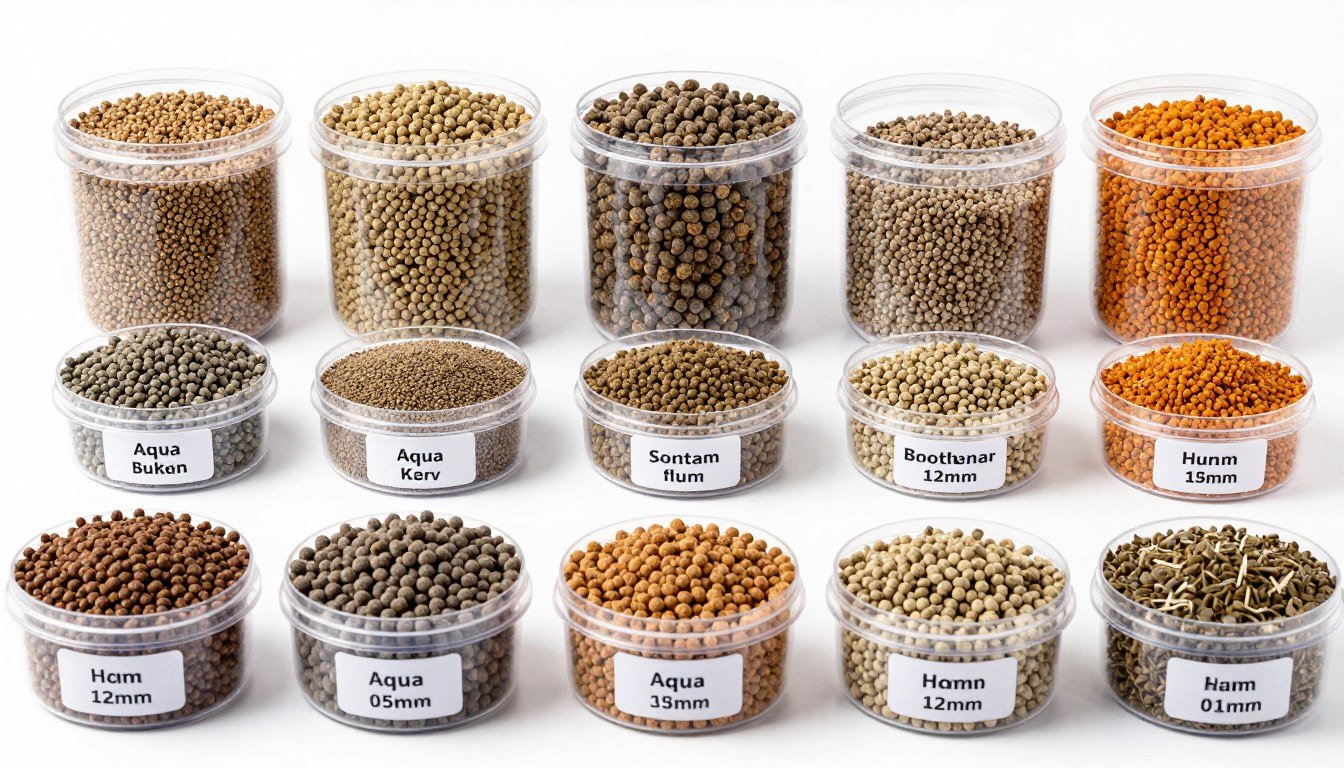
Philippine aquaculture includes diverse species with different nutritional and feeding behavior requirements. Tilapia feed floats on the surface. Grouper feed must sink immediately. Bangus fry need micro-pellets smaller than 1 millimeter.
MAIKONG aqua feed production line equipment produces all common feed types through process adjustments and die changes. A single production line can manufacture multiple feed varieties for different species on your farm.
Floating Extruded Feed Production
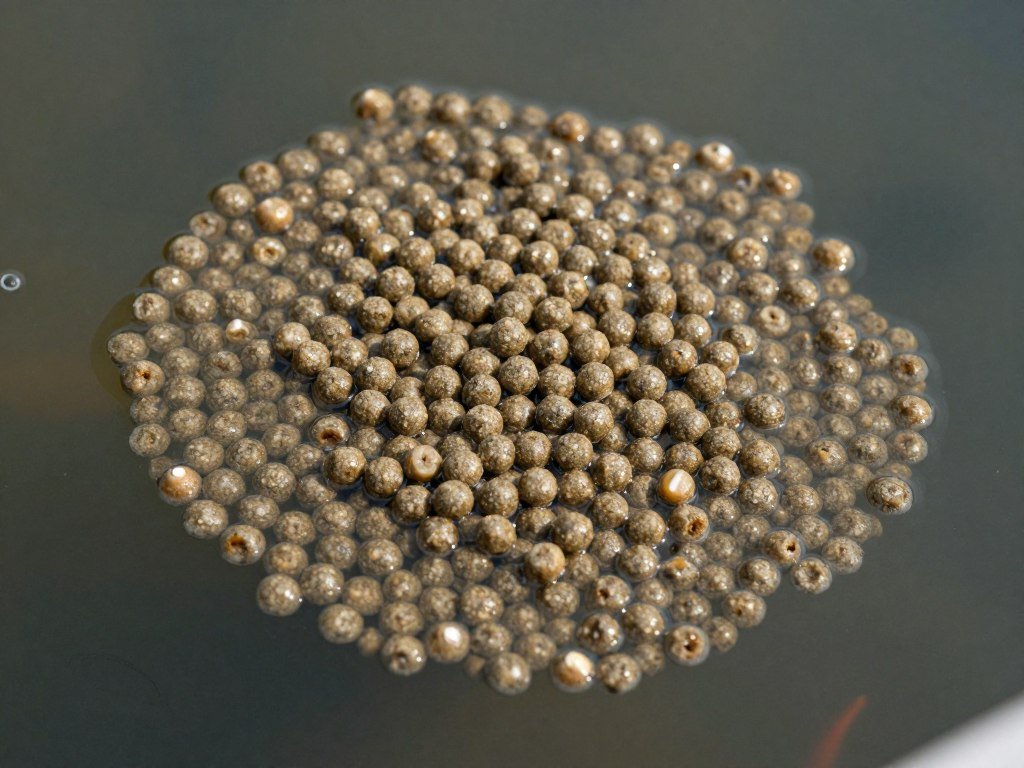
Our twin-screw extruders produce expanded floating feed for surface-feeding fish. The high-temperature extrusion process gelatinizes starches, creating air pockets that provide buoyancy. Floating feed remains stable on water for 12+ hours without dissolving.
This feed type suits tilapia, milkfish, carp, and ornamental fish species. Farmers can observe fish feeding behavior easily. Uneaten feed is visible, preventing overfeeding waste. The expansion process also improves digestibility compared to pelleted feed.
Pellet sizes range from 1.5mm for fingerlings to 8mm for market-size fish. We adjust die specifications, barrel temperature (120-150°C), and screw speed to control expansion ratio and density precisely.
Sinking Pellet Feed Production
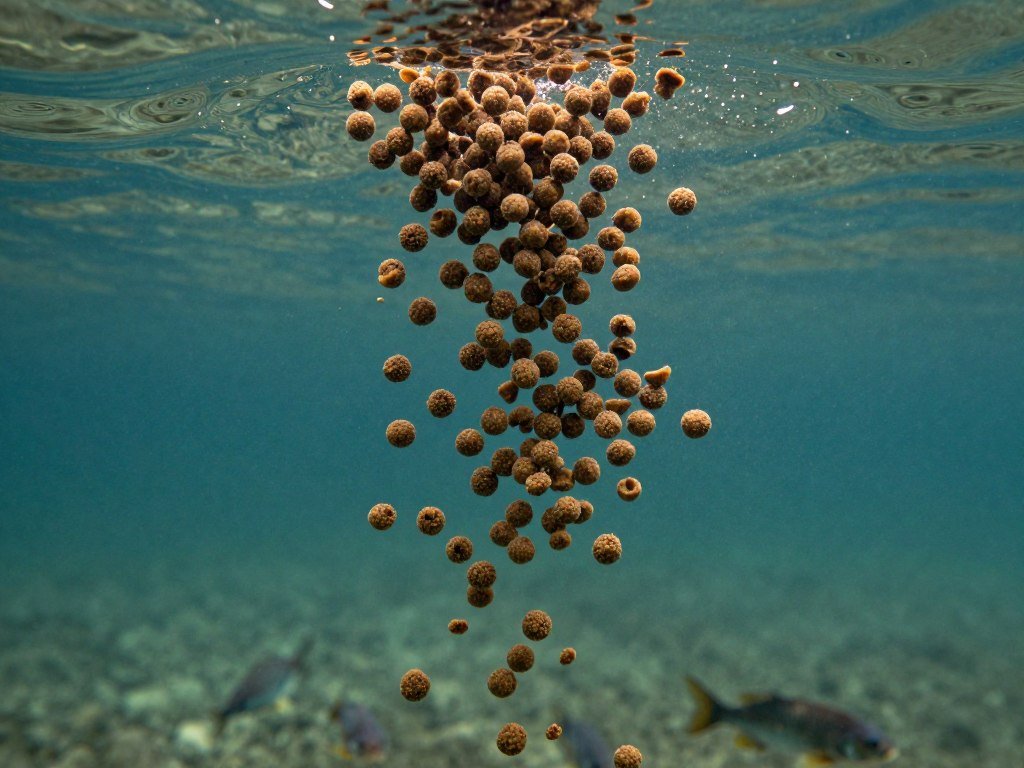
Ring-die pellet mills create dense sinking feed for bottom-feeding species. The pelleting process compresses raw materials under high pressure without expansion. These pellets sink rapidly and remain intact underwater for extended periods.
Sinking feed works perfectly for grouper, sea bass, catfish, shrimp, and crab culture. The pellets settle on pond or tank bottoms where these species naturally feed. Water stability exceeds 2 hours even in flowing water systems.
Our pellet mills produce sizes from 0.8mm micro-pellets to 6mm granules. Die hole diameter, raw material moisture content (12-15%), and conditioning temperature affect final pellet hardness and water resistance.
Specialized Feed Products
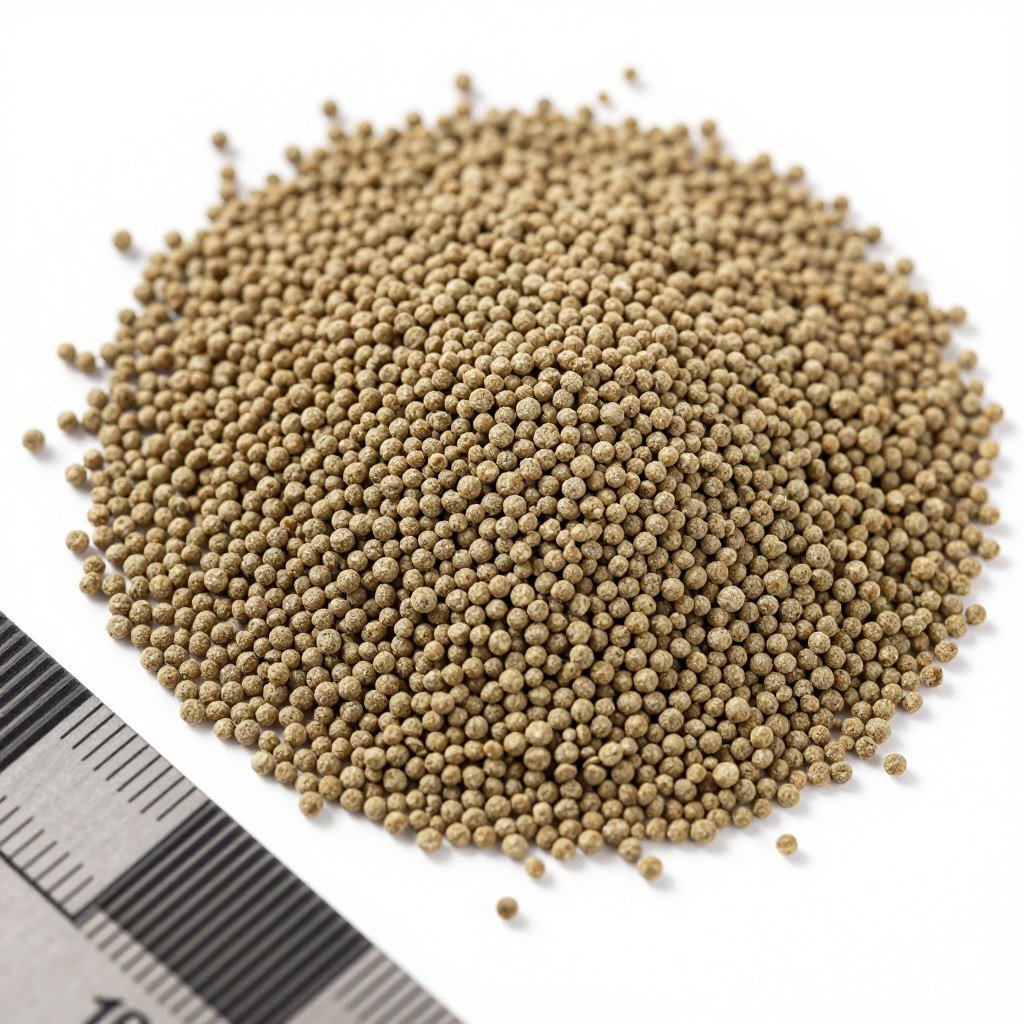
Micro-Pellet Starter Feed
Particle sizes 0.1-1.0mm for fry and larvae. Special grinding and sieving systems produce uniform tiny pellets. Essential for hatchery operations and nursery ponds feeding newly hatched fish.
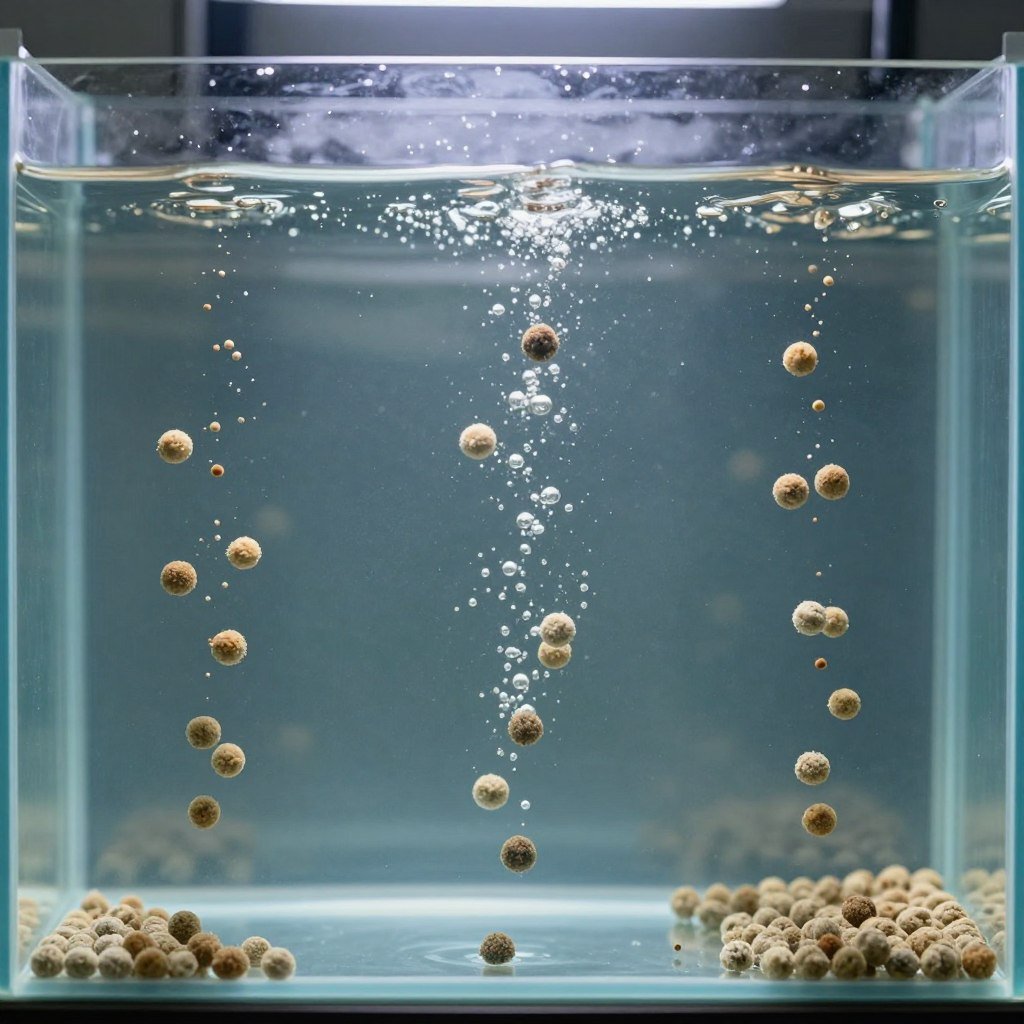
Slow-Sinking Feed
Controlled-density pellets that sink gradually. Ideal for fish feeding at mid-water levels. Extrusion parameters adjusted to create specific gravity slightly above water. Used for snapper and some ornamental species.
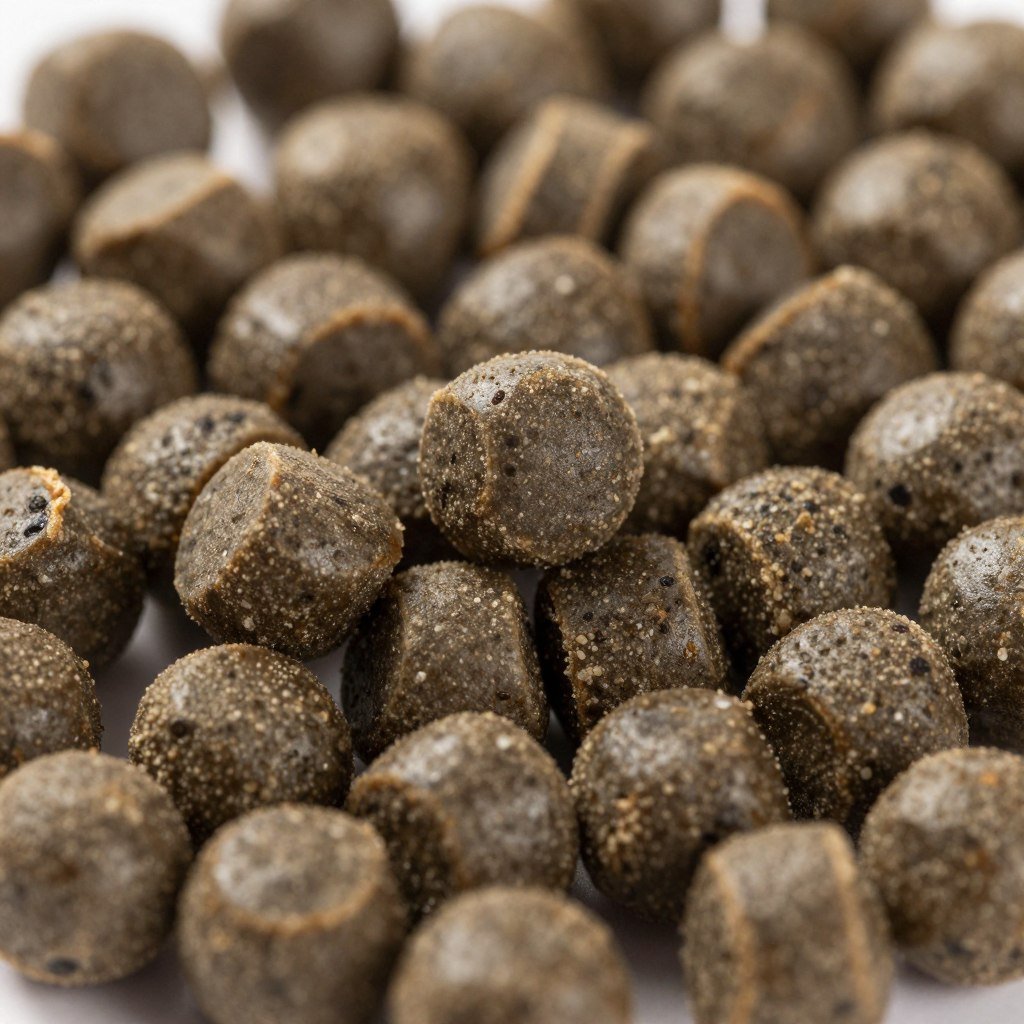
Shrimp Feed Pellets
High-protein formulations (38-42%) with excellent water stability. Small diameter 1.5-2.5mm pellets sink quickly. Special binders maintain pellet integrity for 3+ hours underwater. Attractants improve consumption rates.
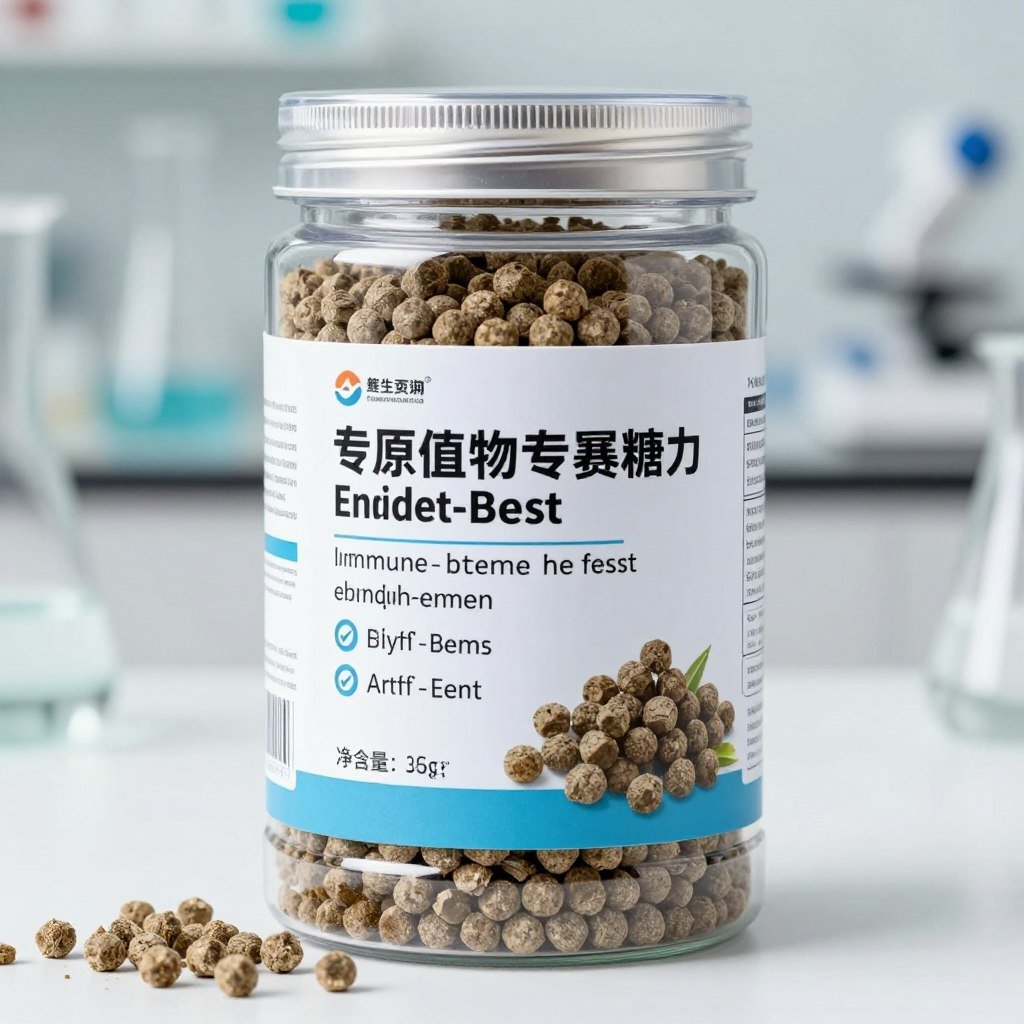
Functional Feed Formulas
Enhanced nutrition including immune boosters, probiotics, and growth promoters. Vitamin and mineral premix coating applied after extrusion. Disease resistance improvement documented in farm trials. Premium segment feed production.
Each feed type requires specific equipment configuration and process parameters. Our engineering team will recommend the optimal production line setup based on which species you farm and what feed varieties you plan to manufacture. Most clients start with one primary feed type then expand capabilities later through equipment additions.
Flexible Production Capacity from Small Farms to Commercial Mills
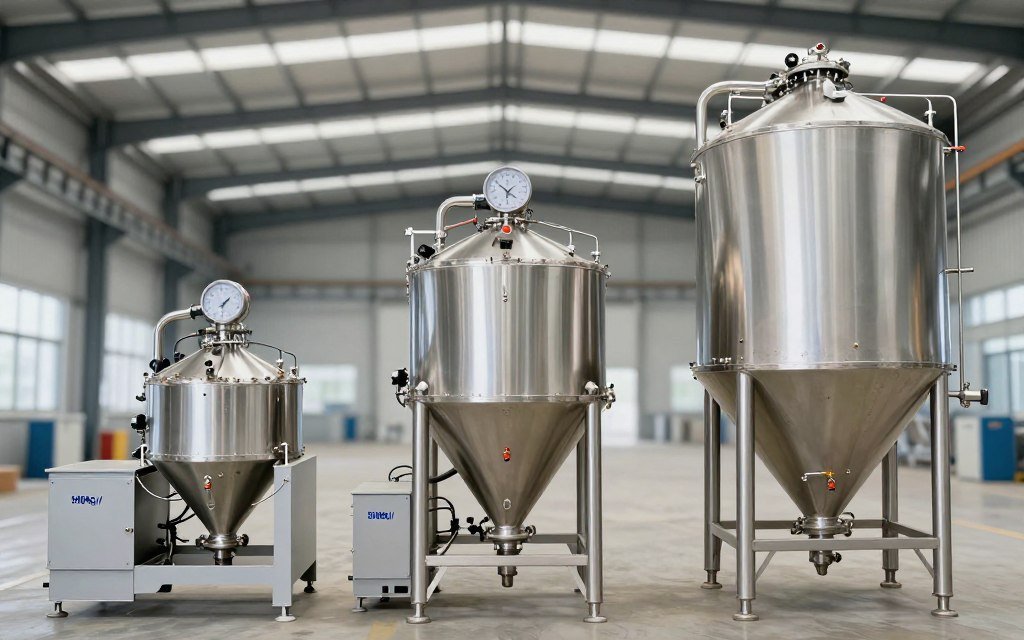
We design production lines matching actual Philippine farm and mill operation scales. A 500-kilogram per hour system serves a medium-sized fish farm producing feed for own use. A 10-ton per hour facility supplies commercial feed to multiple farms across a region.
Starting with appropriate capacity prevents over-investment in excessive equipment. However, modular design allows future expansion when production demands increase. Many clients begin with basic configurations then add processing stages gradually.
MAIKONG Aqua Feed Production Line Capacity Options
| Production Capacity |
Recommended Application |
Typical Investment Range |
Power Requirement |
Space Needed |
| 200-400 kg/hour |
Small fish farms, cooperatives, trial production |
$15,000 – $28,000 |
35-55 kW |
80-120 m² |
| 500-600 kg/hour |
Medium farms, village feed mills |
$28,000 – $42,000 |
55-75 kW |
120-180 m² |
| 800 kg – 1 ton/hour |
Large farms, small commercial mills |
$42,000 – $65,000 |
75-110 kW |
180-250 m² |
| 1.5-2 tons/hour |
Regional feed suppliers, integrated farms |
$65,000 – $95,000 |
110-160 kW |
250-350 m² |
| 3-4 tons/hour |
Provincial feed mills, multi-species production |
$95,000 – $145,000 |
160-240 kW |
350-500 m² |
| 5-6 tons/hour |
Major commercial operations, export-oriented |
$145,000 – $210,000 |
240-320 kW |
500-700 m² |
| 8-10 tons/hour |
Major feed manufacturers, diverse product lines |
$210,000 – $320,000 |
320-450 kW |
700-1000 m² |
| 15-20 tons/hour |
Industrial-scale production, multi-shift operation |
$350,000 – $580,000 |
500-700 kW |
1000-1500 m² |
Investment figures include complete processing line from raw material intake to finished product packaging. Actual costs vary based on automation level, equipment material specifications, and included auxiliary systems. Building construction and raw material inventory represent additional expenses not included in these estimates.
Capacity Planning Tip: Calculate required production capacity based on your daily feed consumption multiplied by 1.3-1.5 safety margin. For example, if fish farms consume 5 tons daily, install 6.5-7.5 ton capacity allowing maintenance time and demand growth.
Production Efficiency and Operating Costs
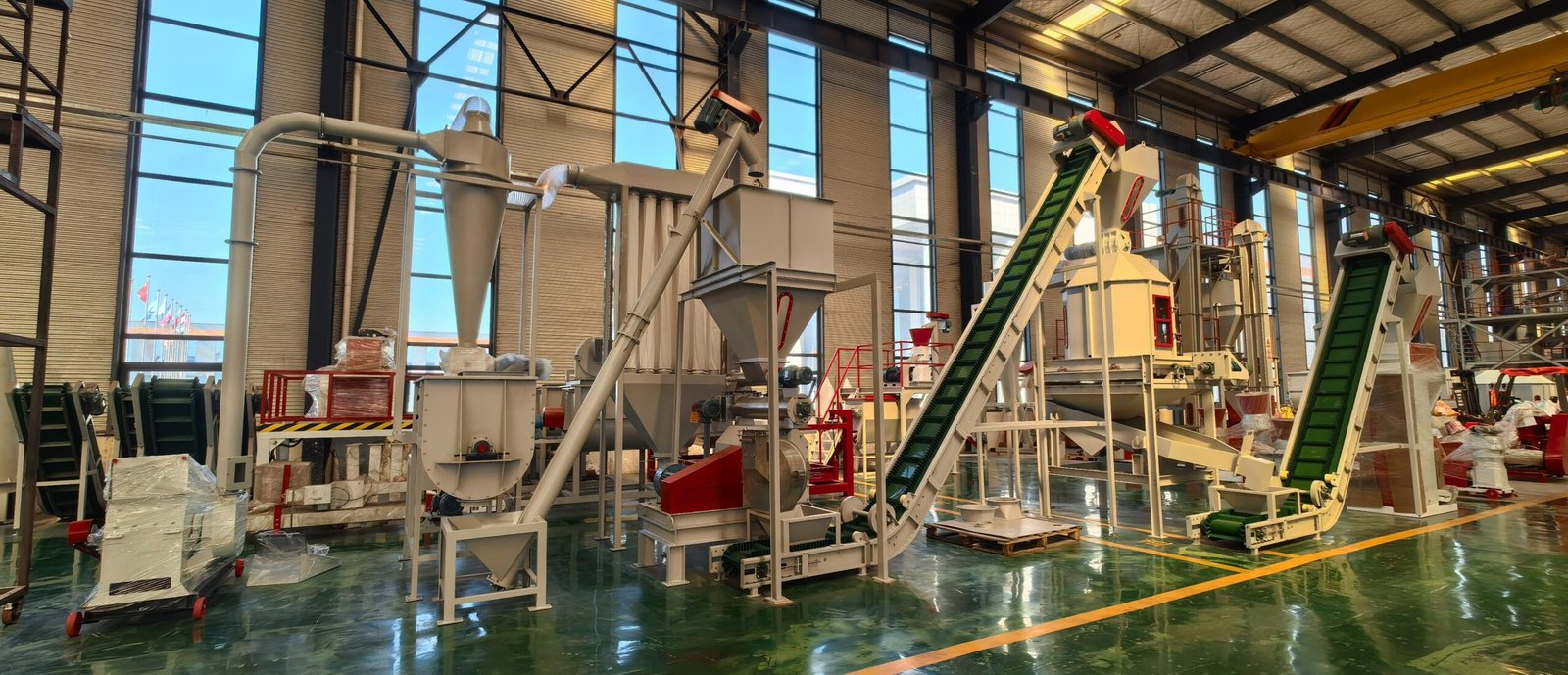
Modern aquatic feed production lines operate with minimal labor requirements. A 2-ton per hour system typically needs 3-4 operators per shift. Automation handles material weighing, mixing, extrusion parameter control, and packaging.
Electrical power represents the largest operating expense. Our energy-efficient extruder designs consume 45-55 kWh per ton of finished feed produced. This compares favorably against older equipment consuming 70-80 kWh per ton. Annual electricity savings can reach $8,000-$12,000 for medium-capacity operations.
Typical Operating Costs Per Ton (2T/H System)
- Electricity: $18-$22 (based on PHP 8.5/kWh average)
- Labor: $12-$15 (3 operators, one shift)
- Maintenance & spare parts: $4-$6
- Packaging materials: $8-$12
- Miscellaneous: $3-$5
- Total processing cost: $45-$60 per ton
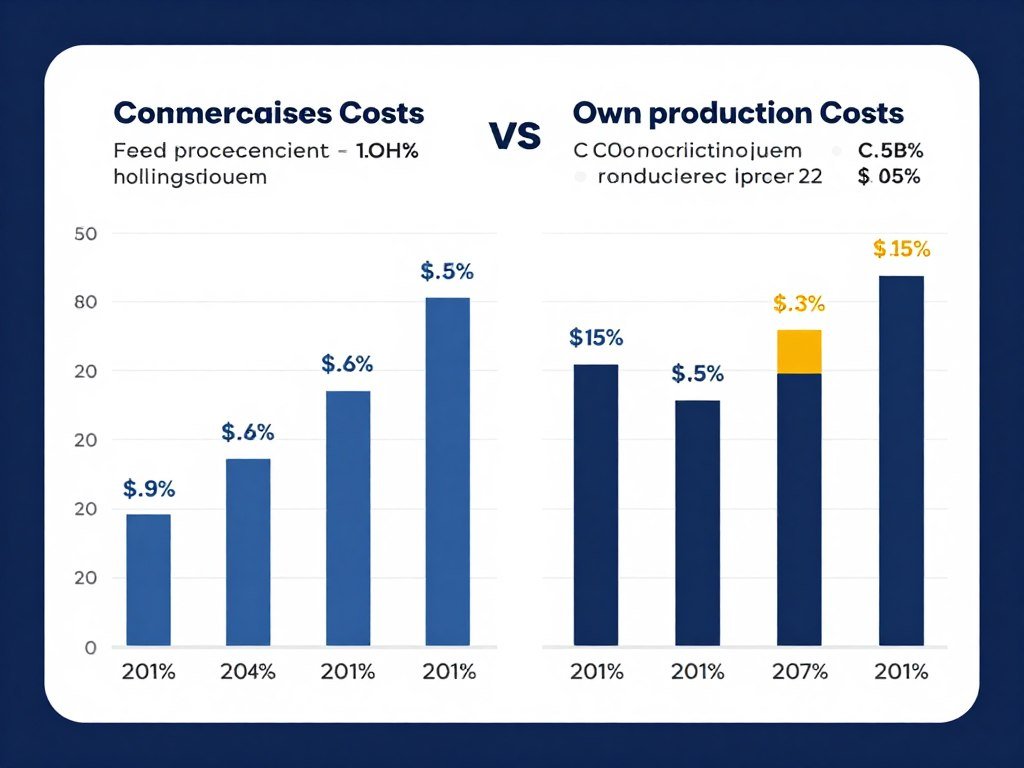
Commercial aqua feed in Philippines typically costs $420-$580 per ton depending on protein level and brand. Own production using quality ingredients costs $280-$360 per ton including processing expenses. This $120-$180 per ton savings directly improves farm profitability. A medium farm using 1,200 tons annually saves $144,000-$216,000 compared to purchasing commercial feed.
Aqua Feed Production Process and Technology
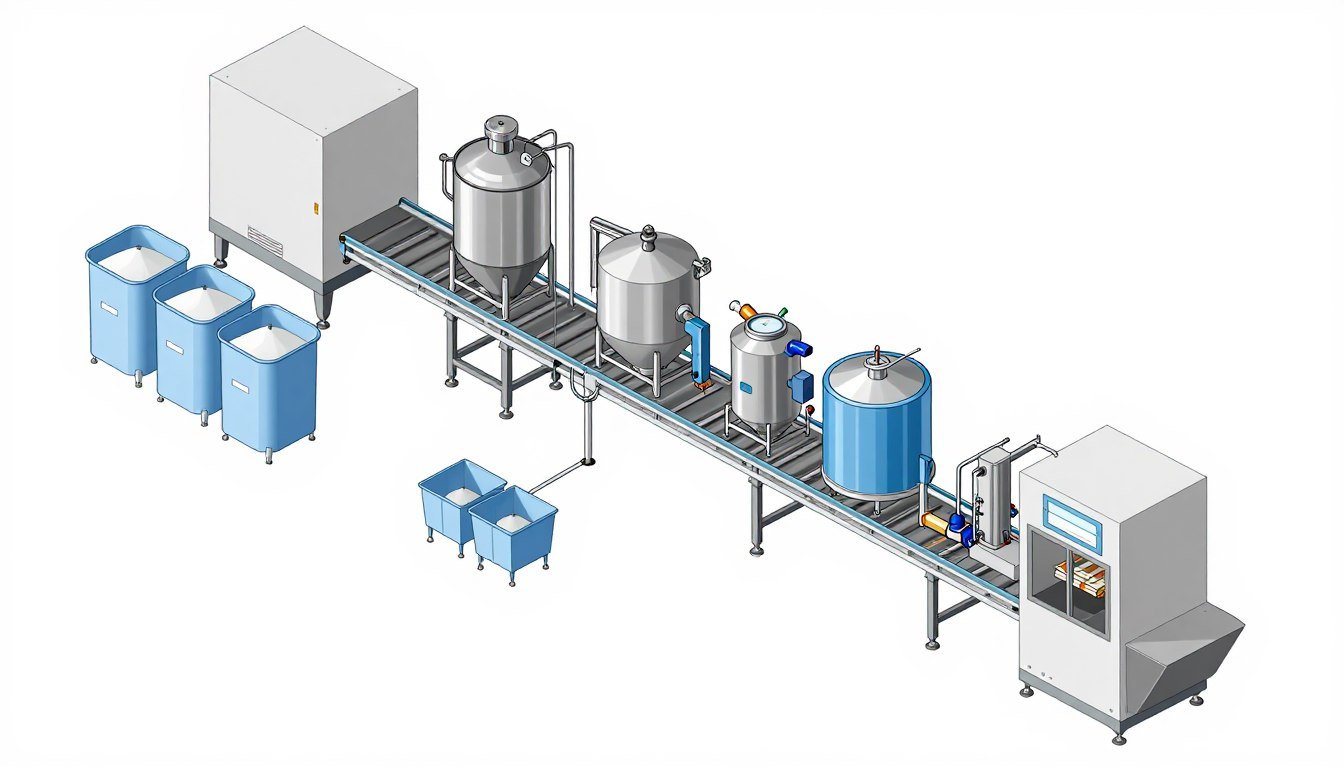
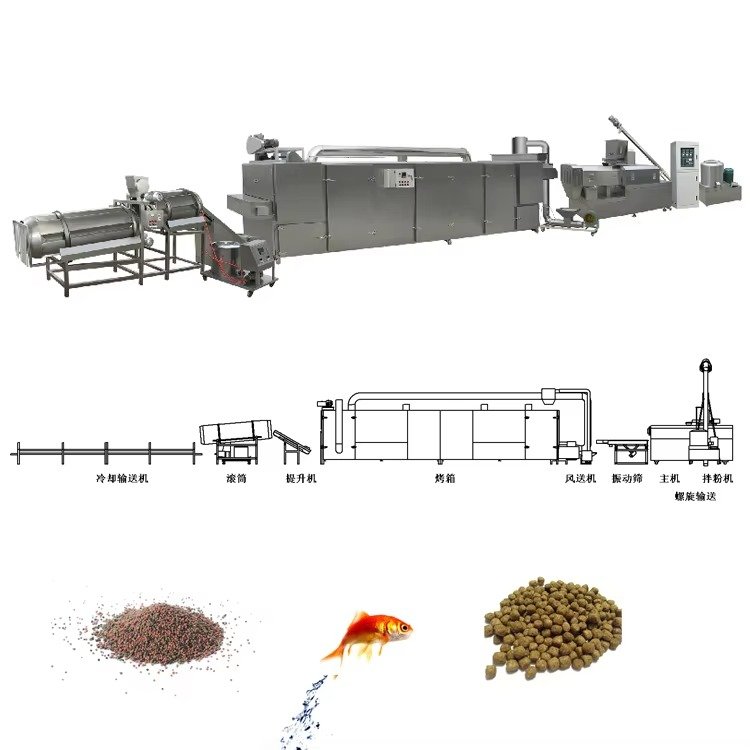
Understanding the production process helps you make informed equipment decisions. Each processing stage serves specific purposes in creating quality aquatic feed. The complete production line integrates multiple machines working in coordinated sequence.
Standard Aqua Feed Manufacturing Process Flow
- Raw Material Reception and Storage – Ingredients arrive by truck and transfer to classified storage silos. Separate bins hold fish meal, soybean meal, wheat flour, corn, rice bran, and vitamin premixes. Moisture-controlled storage prevents spoilage.
- Grinding and Size Reduction – Hammer mills pulverize raw materials to pass through 1.0-1.5mm screens. Uniform particle size ensures consistent mixing and extrusion. Our SFSP series grinders process 1-10 tons per hour depending on model.
- Ingredient Weighing and Batching – Computer-controlled automatic weighing systems measure each ingredient according to formula specifications. Accuracy reaches ±0.2% ensuring nutritional consistency batch-to-batch.
- Mixing and Blending – Twin-shaft paddle mixers combine ingredients thoroughly. Liquid addition systems inject fish oil, soybean oil, and liquid nutrients. Mixing time 4-8 minutes achieves CV ≤5% uniformity coefficient.
- Conditioning Treatment – Steam conditioning or direct steam injection raises material temperature to 75-95°C. This gelatinizes starches, improves pellet binding, and sterilizes ingredients partially. Moisture content adjusts to 18-25%.
- Extrusion or Pelleting – Twin-screw extruders process material at 120-150°C under 20-30 bar pressure. High shear forces cook ingredients completely while forming expanded pellets. Ring-die pellet mills compress material through dies creating dense sinking feed.
- Drying Treatment – Multi-layer belt dryers or fluid bed dryers reduce moisture to 10-12% final level. Temperature-controlled drying (65-85°C) prevents nutrient degradation. Drying time varies 15-45 minutes based on pellet size.
- Cooling Process – Counterflow coolers bring pellet temperature down to ambient +3-5°C. This prevents condensation during packaging and extends storage stability. Cooling also hardens pellets improving physical durability.
- Oil and Vitamin Spraying – Vacuum coating systems apply heat-sensitive ingredients after drying. Fish oil, vitamins, and attractants coat pellet surfaces. Coating improves palatability and adds nutrients that degrade at high temperatures.
- Screening and Classification – Vibrating screens separate pellets by size. Oversized and broken pellets recirculate to grinder. Final products meet strict size uniformity specifications with ≤2% variation.
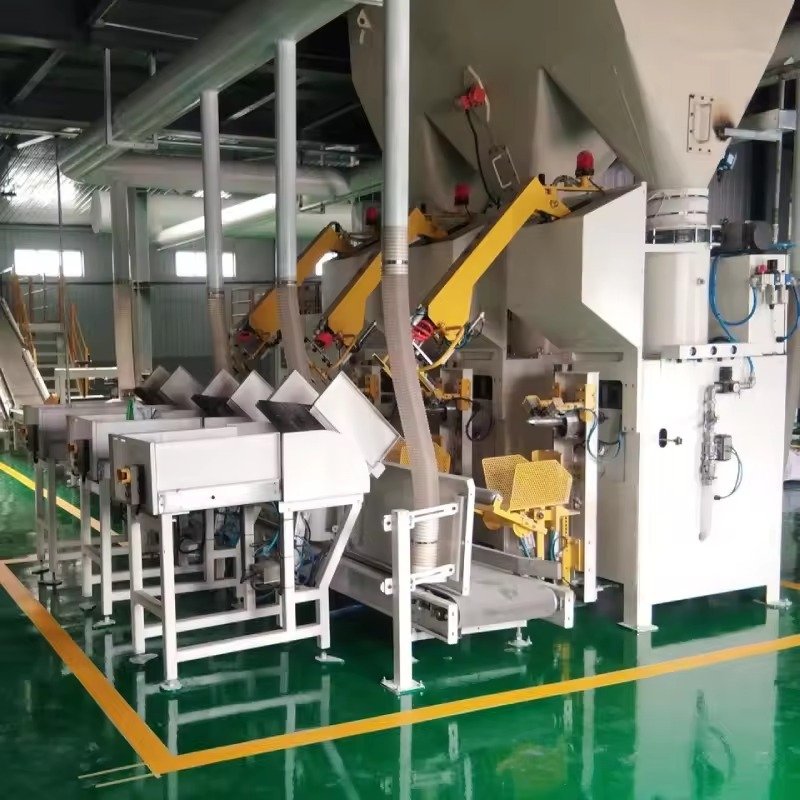
- Packaging and Storage – Automatic weighing and bagging machines fill 15kg, 25kg, or bulk bags. Date coding and lot number tracking enable quality traceability. Finished feed stores in dry warehouses maintaining 65% relative humidity.
Critical Process Parameters for Quality Control
Precise parameter control distinguishes professional production lines from basic equipment. MAIKONG systems include PLC automation monitoring and adjusting these variables continuously.
| Process Stage |
Key Parameters |
Control Range |
Impact on Feed Quality |
| Grinding |
Screen size, hammer mill speed |
0.8-1.5mm screens, 2800-3600 RPM |
Particle uniformity affects mixing consistency and extrusion efficiency |
| Mixing |
Mixing time, batch size |
4-8 minutes, 80-95% capacity |
Uniformity coefficient CV ≤5% ensures nutritional consistency |
| Conditioning |
Temperature, moisture addition |
75-95°C, 18-25% moisture |
Starch gelatinization improves pellet binding and digestibility |
| Extrusion |
Barrel temperature, screw speed, die pressure |
120-150°C, 280-450 RPM, 20-35 bar |
Controls expansion ratio, density, and water stability |
| Drying |
Air temperature, drying time |
65-85°C, 15-45 minutes |
Final moisture 10-12% prevents mold growth during storage |
| Cooling |
Airflow rate, residence time |
2000-3500 m³/h, 8-12 minutes |
Pellet hardening and temperature reduction prevent packaging condensation |
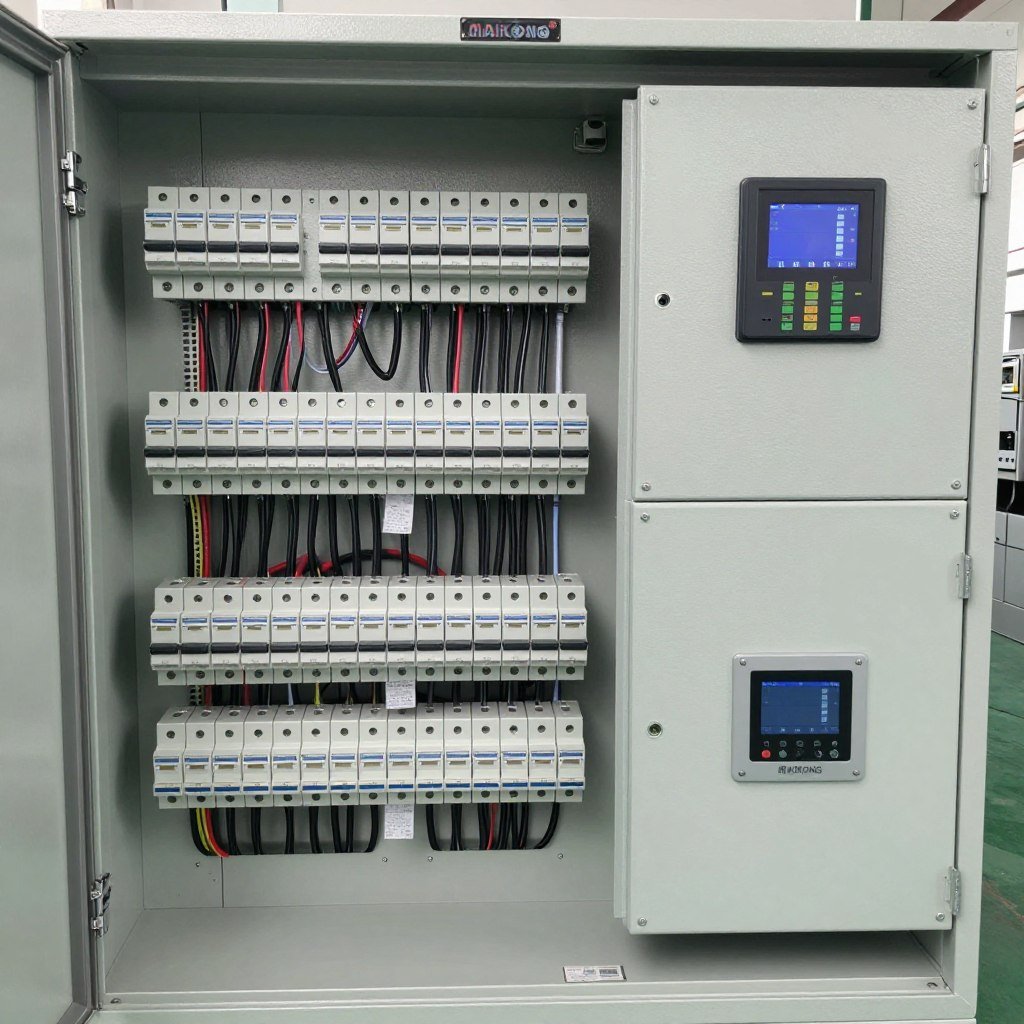
Our production lines include automated control systems displaying real-time parameters. Operators monitor touchscreen interfaces showing temperatures, pressures, motor loads, and production rates. Alarm systems alert staff immediately when parameters drift outside acceptable ranges.
Need detailed technical specifications for your specific feed formulation?
📞 008613510907401
Main Equipment Components and Technical Specifications
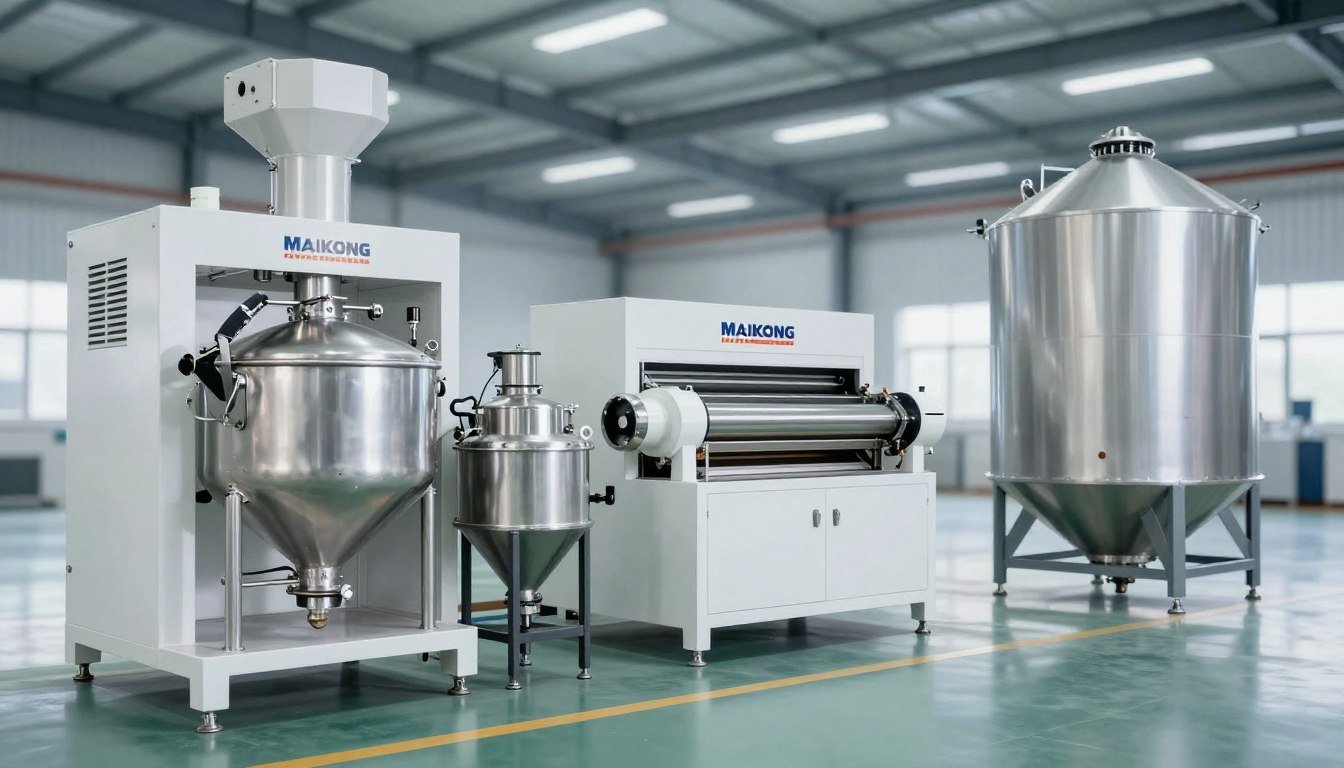
Each aqua feed production line comprises multiple interconnected machines. Understanding main equipment components helps you evaluate different supplier offerings and make informed purchasing decisions.
Primary Processing Equipment
SFSP Series Hammer Mill Grinder
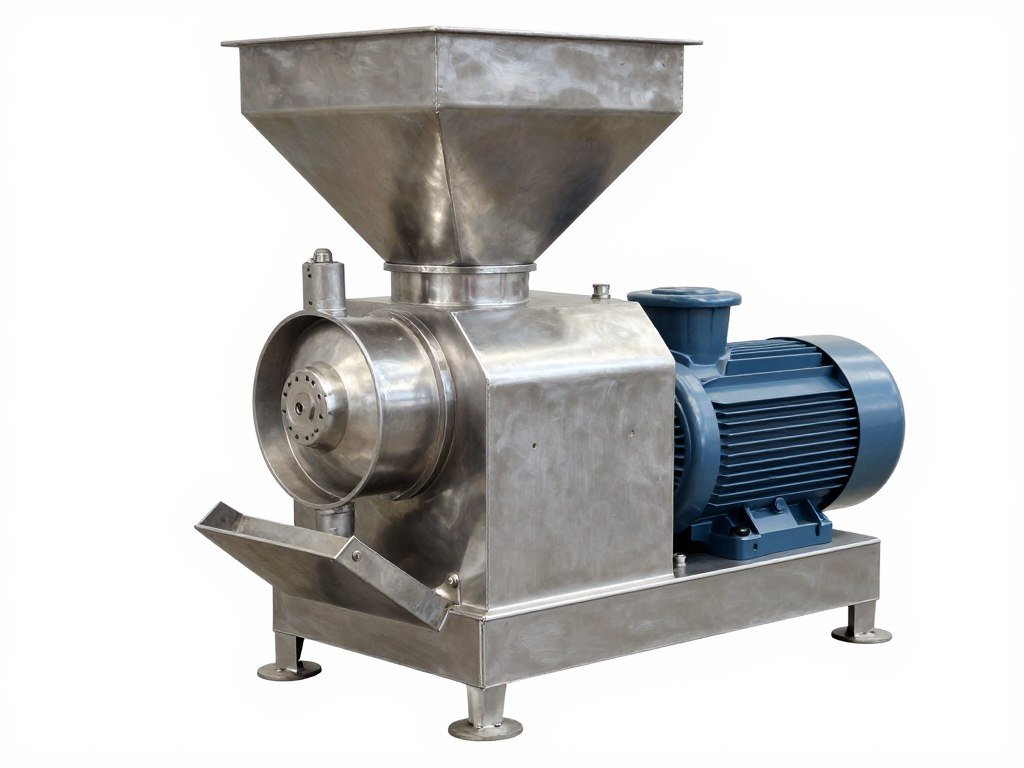
High-efficiency hammer mills reduce raw materials to required fineness. Multiple hammer arrangements and screen sizes accommodate different ingredients from fish meal to whole grains.
Key Features:
- Capacity range: 1-10 tons per hour
- Screen sizes: 0.8mm, 1.0mm, 1.2mm, 1.5mm options
- Alloy steel hammers with 800+ hour service life
- Dust collection system integration
- Power consumption: 18-90 kW depending on capacity
SSHJ Series Twin-Shaft Paddle Mixer
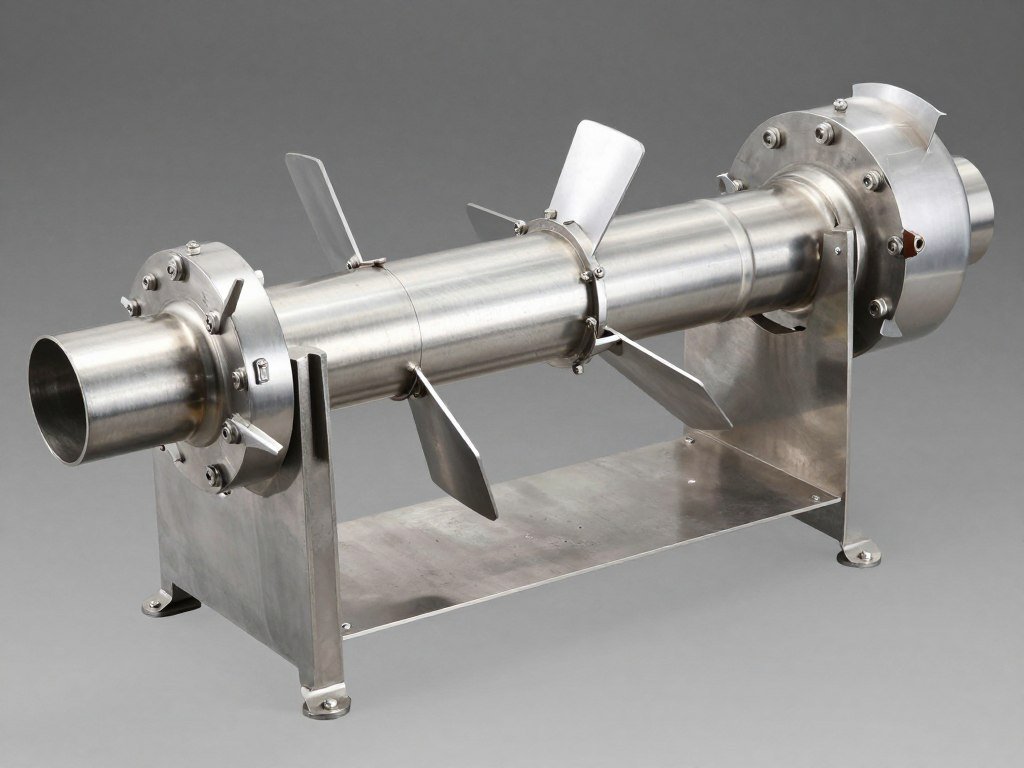
Precise mixing ensures every pellet contains correct nutrient proportions. Twin opposing shafts with overlapping paddles create thorough blending action in short cycle times.
Key Features:
- Batch capacity: 250kg to 3000kg models
- Mixing uniformity: CV ≤5%
- Mixing cycle: 4-8 minutes per batch
- Liquid addition system: 0-10% capacity
- 304 stainless steel contact surfaces
TSE Series Twin-Screw Extruder
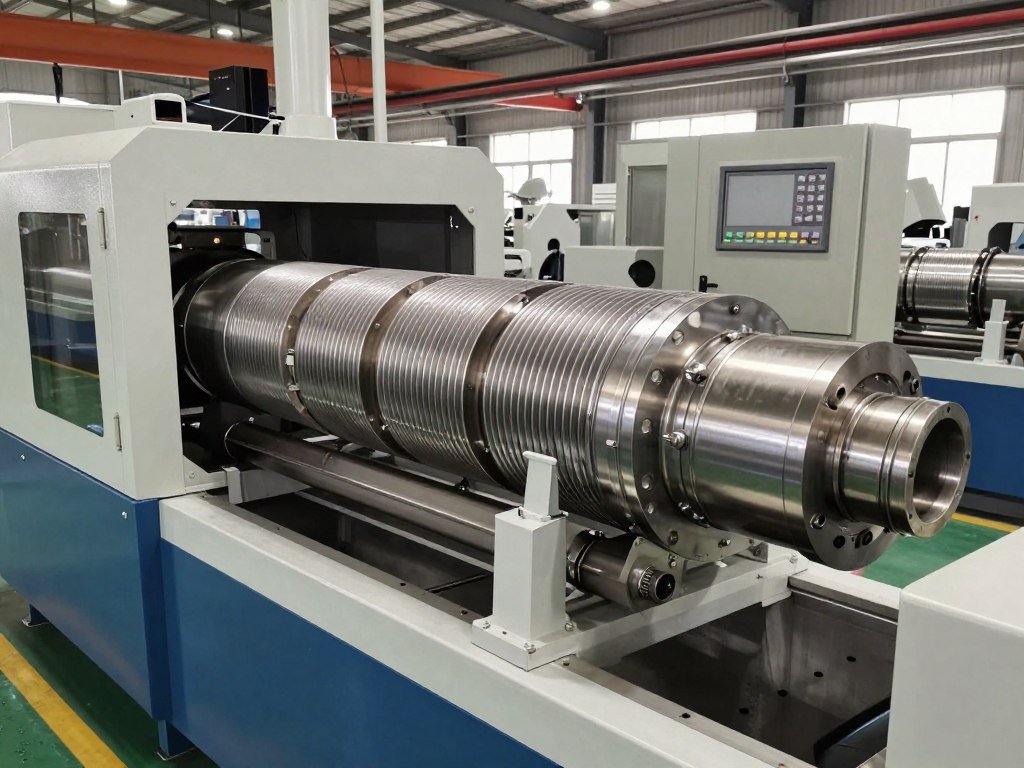
High-performance extrusion technology produces floating feed with controlled density and expansion. Co-rotating twin screws provide superior mixing and conveying compared to single-screw designs.
Key Features:
- Capacity range: 200kg/h to 6000kg/h models
- Barrel sections: 7-13 zones with individual temperature control
- Screw diameter: 65mm, 75mm, 90mm, 120mm options
- L/D ratio: 28:1 to 40:1 (length to diameter)
- Die hole sizes: 1.5mm to 12mm interchangeable
- Main motor: 37kW to 220kW variable frequency drive
SZLH Series Ring-Die Pellet Mill
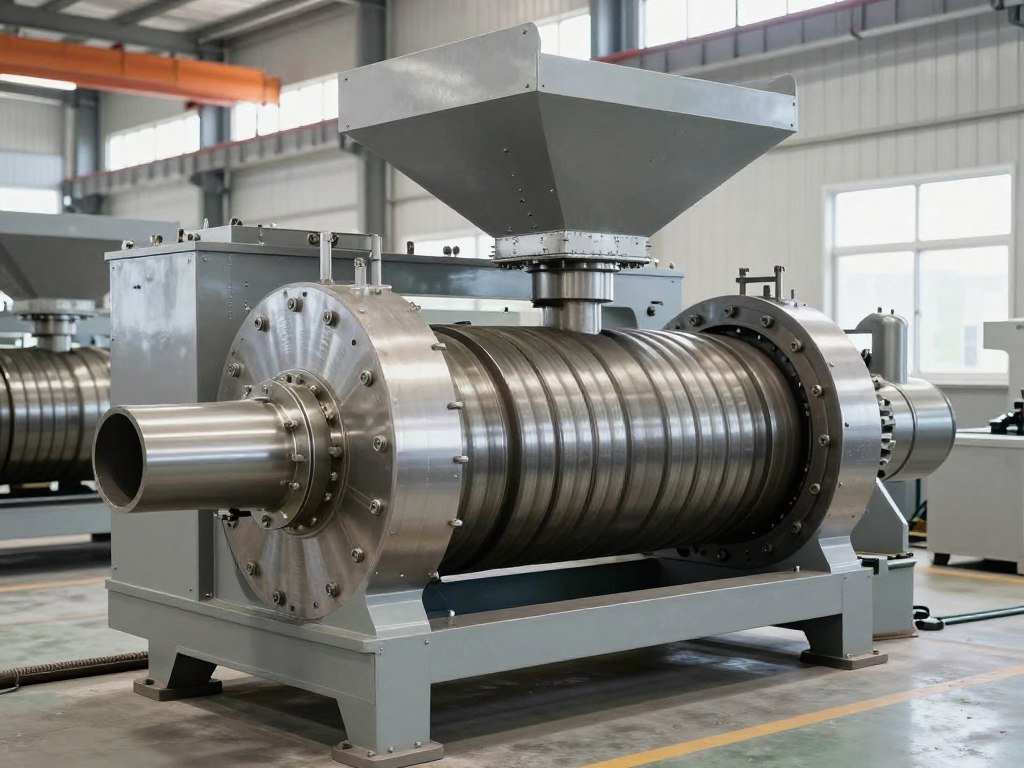
Traditional pelleting technology creates dense sinking feed through compression. Ring-die design provides high capacity with consistent pellet quality for shrimp feed and bottom-feeder species feed production.
Key Features:
- Capacity range: 500kg/h to 10,000kg/h models
- Ring die diameter: 350mm to 768mm
- Die hole diameter: 1.5mm to 8mm options
- Compression ratio: 1:9 to 1:13 for aquatic feed
- Alloy steel ring dies with 2000+ hour lifespan
- Main motor: 37kW to 315kW
Post-Processing Equipment
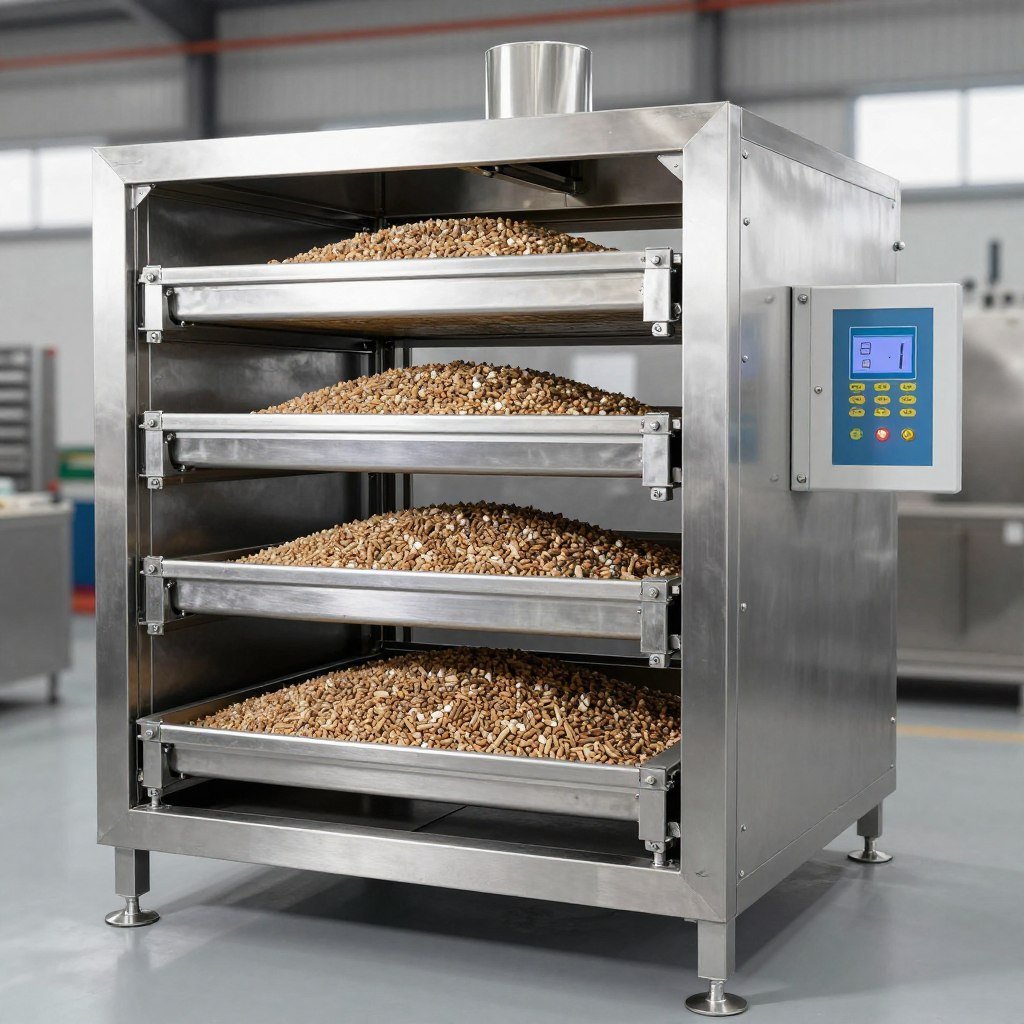
DG Series Belt Dryer
Gentle air-flow drying preserves nutrient integrity while reducing moisture efficiently. Three to five layers maximize space utilization.
- Drying capacity: 300-3000 kg/hour
- Temperature control: ±2°C accuracy
- Energy source: Electric, gas, or steam
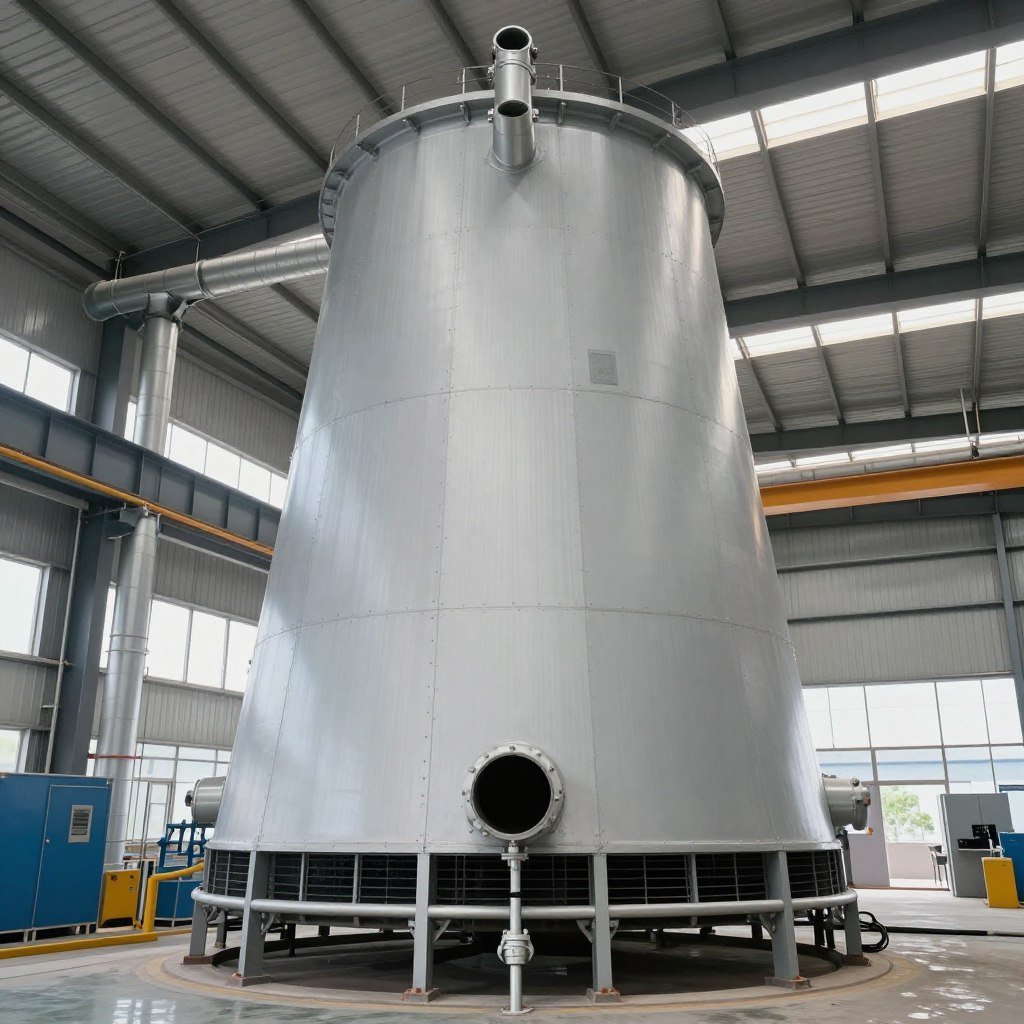
SKLN Series Counterflow Cooler
Efficient cooling extends feed shelf life and enables immediate packaging. Counterflow air design maximizes heat exchange efficiency.
- Cooling capacity: 1-12 tons per hour
- Outlet temperature: Ambient +3-5°C
- Cooling time: 8-12 minutes
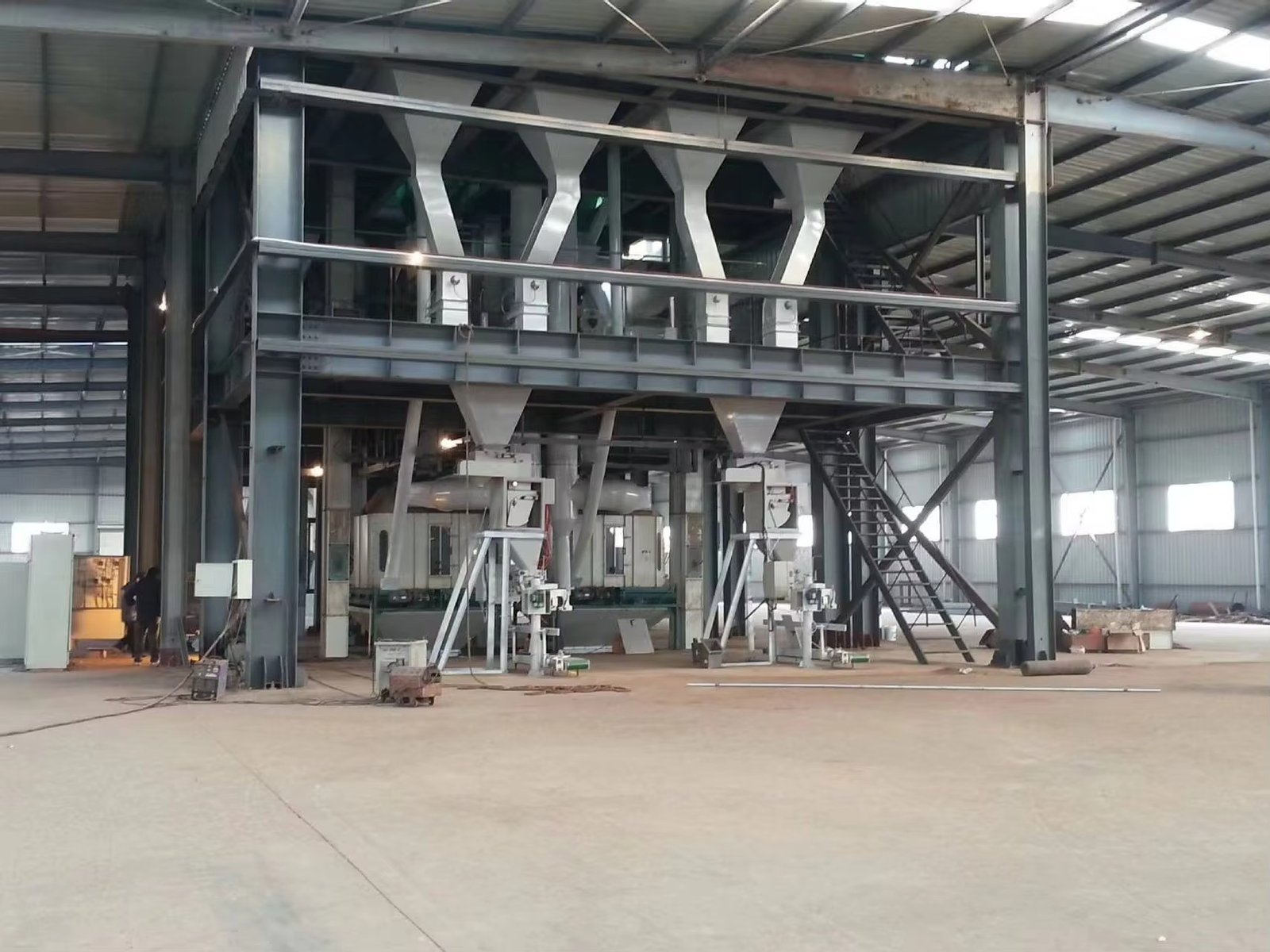
YPJ Series Vacuum Sprayer
Uniform coating application improves palatability and adds heat-sensitive nutrients. Vacuum environment ensures complete coating without residue.
- Coating capacity: 500-5000 kg/hour
- Liquid addition: 2-10% by weight
- Coating uniformity: ≥95%
Complete Equipment List and Specifications
| Equipment Name |
Model Range |
Capacity Range |
Power Range |
Key Function |
| Hammer Mill Grinder |
SFSP56×40 – SFSP138×100 |
1-10 T/H |
18.5-90 kW |
Raw material size reduction to 0.8-1.5mm |
| Twin-Shaft Mixer |
SSHJ0.5 – SSHJ3.0 |
0.5-10 T/H |
7.5-37 kW |
Uniform ingredient blending, CV ≤5% |
| Twin-Screw Extruder |
TSE65 – TSE135 |
0.2-6 T/H |
37-220 kW |
Floating feed extrusion and expansion |
| Ring-Die Pellet Mill |
SZLH320 – SZLH768 |
0.5-20 T/H |
37-315 kW |
Sinking feed pellet compression |
| Belt Dryer |
DG3-10 – DG5-30 |
0.3-3 T/H |
25-90 kW |
Moisture reduction to 10-12% |
| Counterflow Cooler |
SKLN1.5 – SKLN12 |
1-12 T/H |
1.5-7.5 kW |
Temperature reduction to ambient +5°C |
| Vacuum Sprayer |
YPJ0.5 – YPJ5 |
0.5-5 T/H |
4-15 kW |
Oil and vitamin coating application |
| Vibrating Screener |
SFJH50×3 – SFJH100×3 |
1-10 T/H |
1.5-5.5 kW |
Size classification and quality control |
| Packaging Machine |
DCS-25 – DCS-50 |
3-8 bags/min |
2.2-4 kW |
Automatic weighing and bagging |
All equipment features 304 stainless steel construction on material contact surfaces. Control systems include variable frequency drives on main motors allowing precise speed adjustment. PLC automation packages available for fully integrated production line control from central operator station.
Advanced Control Systems and Automation Technology
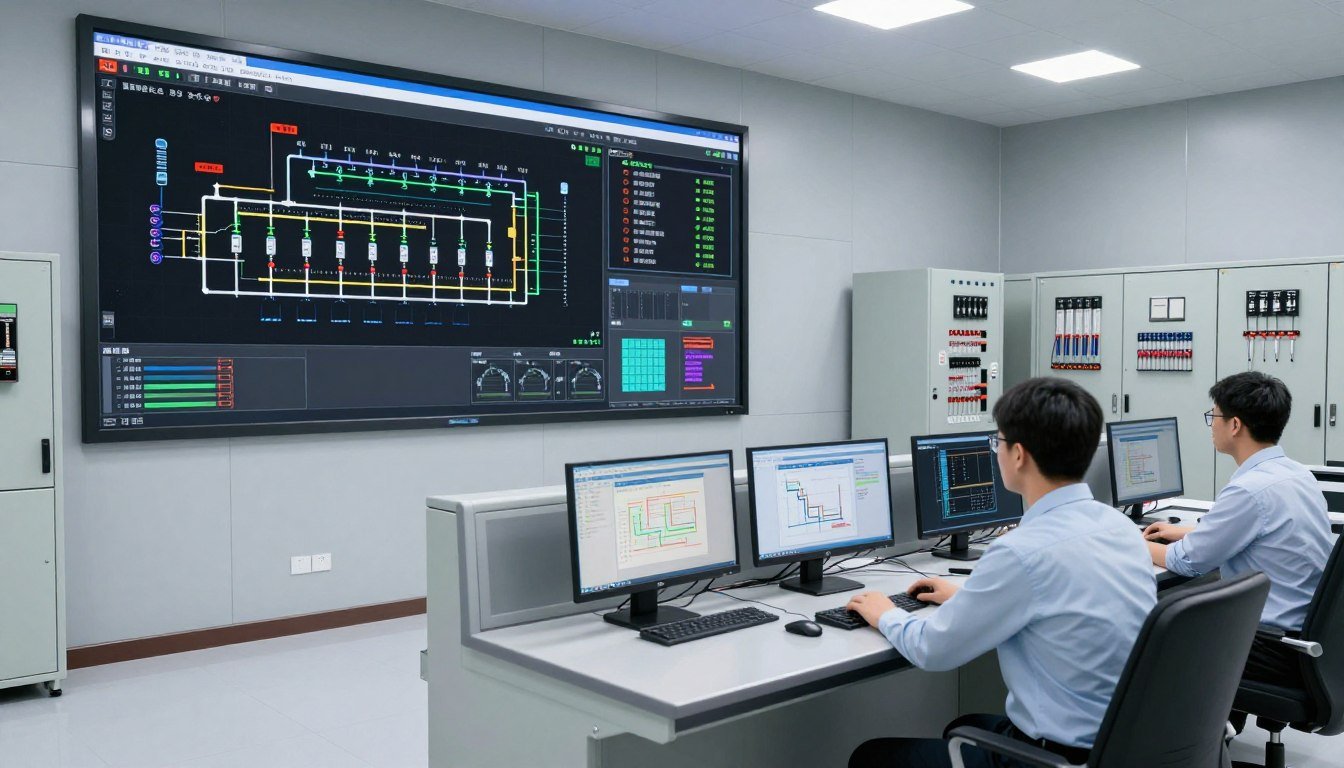
Modern aqua feed production demands precise process control impossible through manual operation alone. MAIKONG integrates Siemens or Mitsubishi PLC systems providing automated parameter monitoring and adjustment capabilities throughout production lines.
Automation Levels and Options
We offer three automation tiers matching different operation scales and technical capabilities. Each level provides increasing control sophistication and labor reduction benefits.
Basic Manual Control
Suitable for: Small capacity lines 200-600 kg/hour
- Individual motor start/stop controls
- Analog temperature gauges
- Manual ingredient weighing
- Visual process monitoring
- Labor requirement: 5-6 operators
Investment savings: $8,000-$12,000 vs semi-automatic
Semi-Automatic Control
Suitable for: Medium capacity 800kg – 3 ton/hour
- Centralized motor control panel
- Digital temperature/pressure displays
- Automatic batching system
- Basic alarm functions
- Labor requirement: 3-4 operators
Most popular choice for Philippine commercial operations
Fully Automatic PLC Control
Suitable for: Large capacity 3+ ton/hour operations
- PLC with touchscreen HMI interface
- Real-time parameter logging
- Recipe storage (50+ formulations)
- Remote monitoring capability
- Labor requirement: 2-3 operators
Highest efficiency and quality consistency
Control System Features
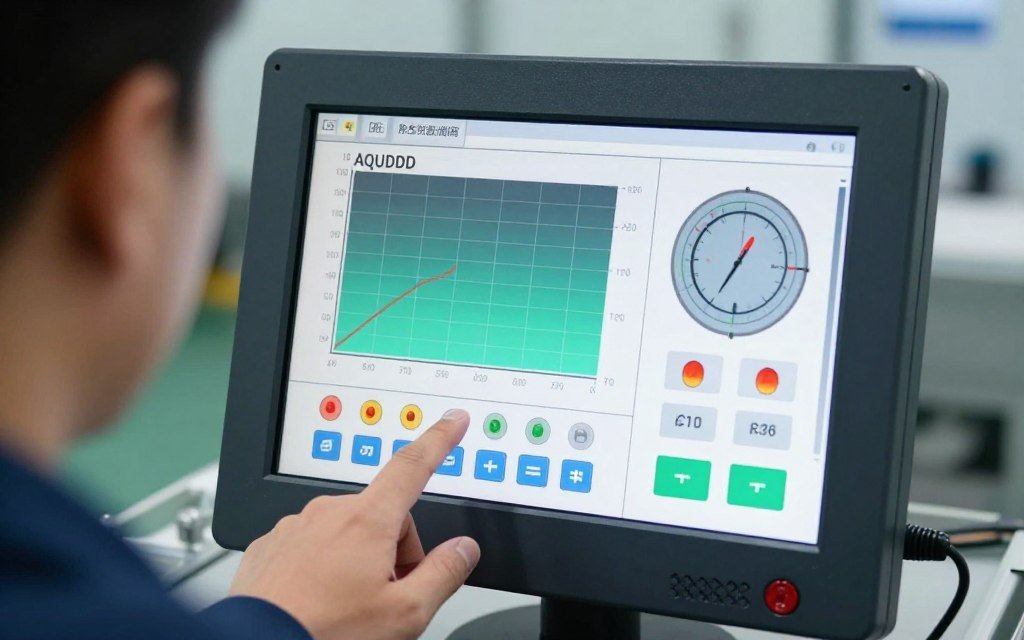
Our fully automatic PLC control systems provide comprehensive monitoring and control capabilities improving production consistency while reducing operator workload significantly.
Monitoring Capabilities
- Temperature Monitoring: 12-20 sensors tracking grinding, mixing, extrusion, and drying temperatures with ±1°C accuracy
- Pressure Monitoring: Extruder barrel pressure, steam pressure, and pneumatic system pressure continuous tracking
- Motor Load Monitoring: Current draw monitoring on all major drives detecting abnormal operation immediately
- Production Rate: Real-time throughput calculation and tracking against target production rates
- Material Flow: Level sensors in silos and bins preventing empty or overflow conditions
- Equipment Status: Running/stopped status display for all machines in production sequence
Automatic Control Functions
- Sequential Startup: Automated startup sequence initiating machines in correct order preventing jams
- Recipe Management: Formula storage with automatic ingredient batching according to saved recipes
- Temperature Control: PID loops maintaining precise extruder barrel and dryer temperatures
- Feed Rate Control: Automatic feeder speed adjustment maintaining consistent material flow
- Interlocking Protection: Safety interlocks preventing equipment damage through improper operation
- Alarm Management: Audio-visual alarms for out-of-range parameters with event logging
Software Features and Data Management
Advanced systems include production management software tracking performance metrics, maintaining quality records, and generating management reports automatically.
MAIKONG Production Management Software Features:
- Multi-Language Support: English, Filipino, Simplified Chinese, Traditional Chinese, German, Persian, French, Malay, Japanese, Korean, Portuguese interfaces
- Operating System Compatibility: Windows XP, Windows 7, Windows Vista, Windows 8, Windows 10, Windows 11
- Production Reports: 15+ standard report formats including hourly production, batch records, downtime analysis, quality metrics, material consumption
- Formula Database: Unlimited recipe storage with ingredient specifications, process parameters, and quality standards
- Traceability System: Lot number tracking from raw materials through finished products enabling quality investigation
- Remote Access: VPN connection for technical support and remote troubleshooting capability
Production data logging creates valuable records for quality certification, customer audits, and continuous improvement initiatives. Historical data analysis identifies optimization opportunities reducing costs and improving product quality over time.
Interested in Automation Upgrades for Your Existing Line?
We retrofit older equipment with modern PLC control systems, improving efficiency without complete line replacement. Our retrofits typically improve production consistency 20-35% while reducing labor requirements.
Customization for Philippine Market Specific Requirements
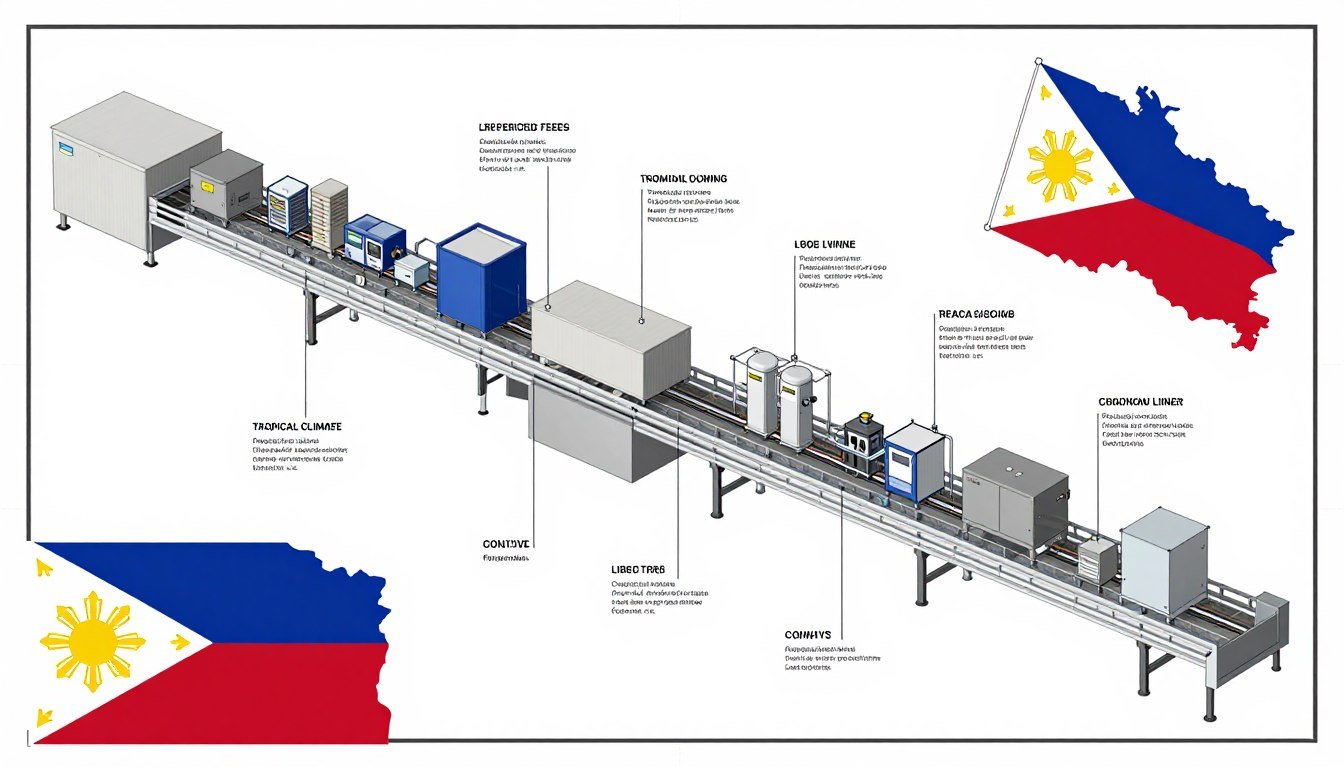
Philippine aquaculture operations face unique challenges requiring specialized equipment adaptations. Our engineering team customizes production lines addressing tropical climate conditions, local species requirements, available raw materials, and electrical infrastructure limitations.
Electrical System Customization
Philippine electrical supply varies significantly between regions. Urban areas provide stable 3-phase power while provincial locations experience frequent voltage fluctuations and temporary outages. We configure equipment matching your specific power conditions.
Standard Philippine Voltage Configurations
- Single Phase 220V 60Hz: Small capacity equipment up to 5HP motors suitable for small farm operations
- Three Phase 220V 60Hz: Most common industrial configuration for 5-25HP motor applications
- Three Phase 380V 60Hz: Larger motors 30HP and above in areas with upgraded electrical infrastructure
- Voltage Stabilizers: Integrated stabilization systems protecting sensitive control electronics from power fluctuations
- Generator Compatibility: Equipment rated for generator power source operation during outages or off-grid installations
Tropical Climate Adaptations
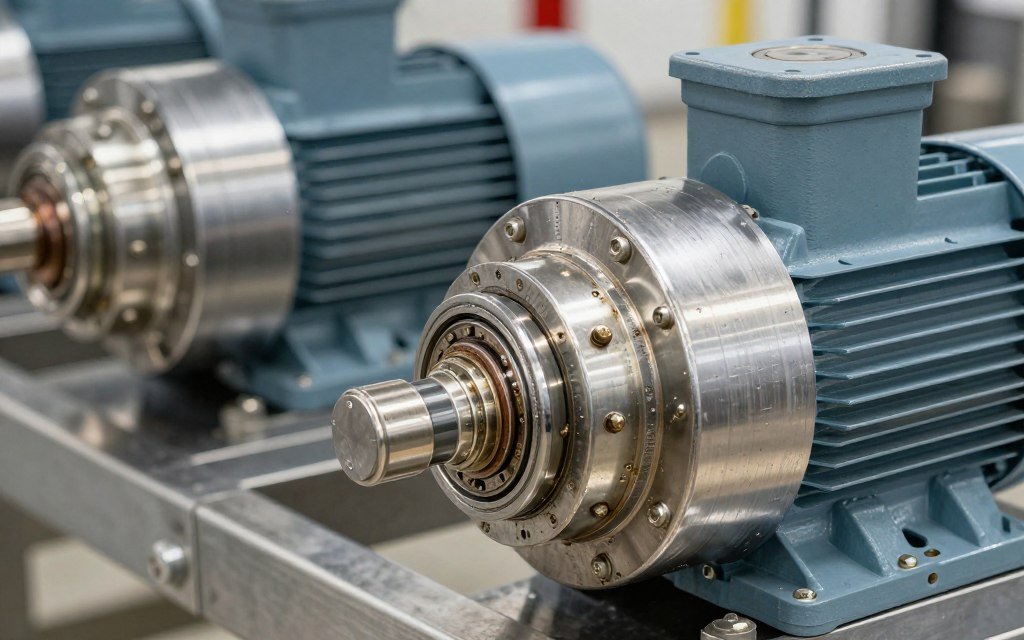
High humidity and temperatures in the Philippines accelerate corrosion and equipment wear. MAIKONG tropical climate packages include enhanced protection extending equipment lifespan significantly.
Tropical Climate Protection Features
- 316 stainless steel construction on high-exposure components
- Sealed bearings with marine-grade lubrication preventing moisture ingress
- IP55-rated electric motors with tropical insulation class
- Forced ventilation on control cabinets preventing condensation
- Powder-coated steel structures with marine-grade primer systems
- Corrosion-resistant fasteners (stainless or zinc-plated) throughout
- Enhanced cooling systems for electronics and motor drives
Problems Without Tropical Protection
- Carbon steel rusts within 6-12 months requiring replacement
- Standard bearings fail prematurely from moisture contamination
- Standard motors overheat and burn out in high temperatures
- Control electronics suffer condensation damage and failures
- Paint and coating failure exposes metal to corrosion
- Rusted fasteners seize making maintenance extremely difficult
- Electronic component failures from heat stress and humidity
Species-Specific Feed Customization
Different aquaculture species farmed in Philippines require distinct feed characteristics. We customize die designs, process parameters, and formulation handling for your target species.
| Fish Species |
Feed Type |
Pellet Size Range |
Special Requirements |
Process Adjustments |
| Tilapia |
Floating extruded |
2-6mm |
12+ hour floating stability, moderate protein 28-32% |
Medium expansion ratio 1.4:1, conditioning at 85°C |
| Milkfish (Bangus) |
Floating/slow-sinking |
3-8mm |
Herbivorous formulation with high plant protein |
Lower protein 24-28%, increased fiber content |
| Grouper |
Sinking pellets |
4-8mm |
High protein 45-50%, excellent water stability 2+ hours |
Dense pelleting, increased fish meal content |
| Catfish |
Sinking extruded |
3-6mm |
Bottom feeding, moderate protein 30-35% |
High density extrusion 1.1-1.2 g/cm³ |
| Freshwater Prawn |
Slow-sinking pellets |
1.5-3mm |
High protein 35-40%, long water stability 3+ hours |
Small die holes, high compression ratio 1:12 |
| Ornamental Fish |
Micro floating pellets |
0.5-2mm |
Color enhancement, high digestibility |
Fine grinding, spirulina/astaxanthin addition |
Raw Material Flexibility
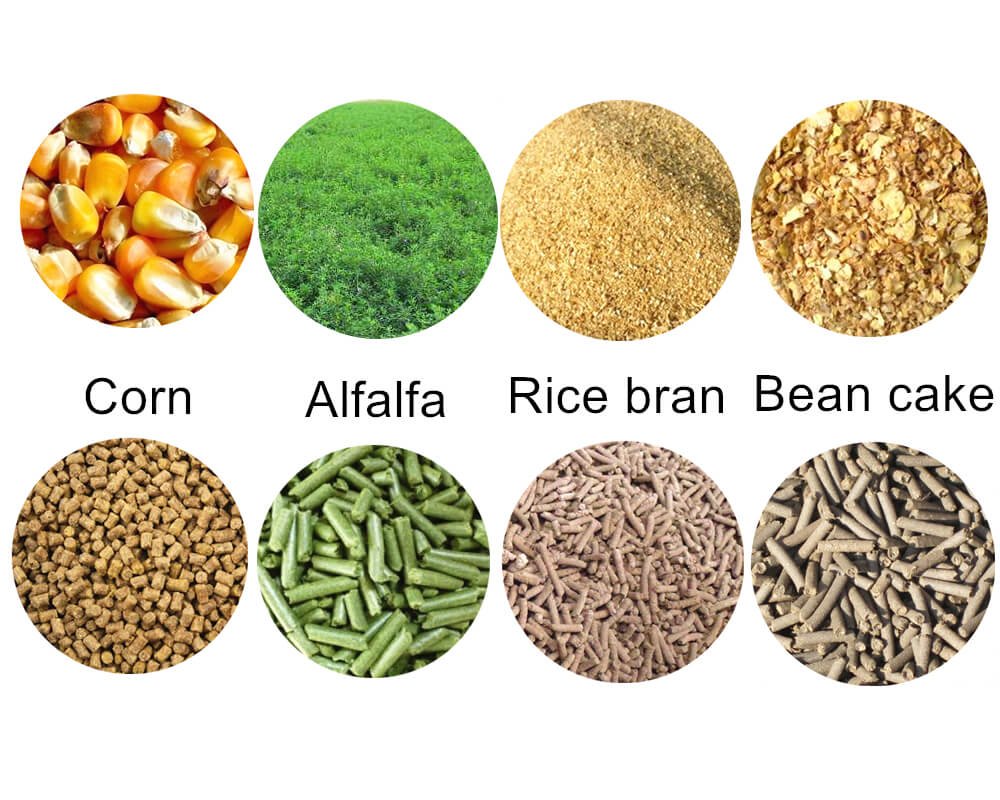
Philippine fish farmers access different raw material sources than other countries. We design processing equipment handling locally available ingredients efficiently including rice bran, copra meal, fish waste, and local fish meal varieties.
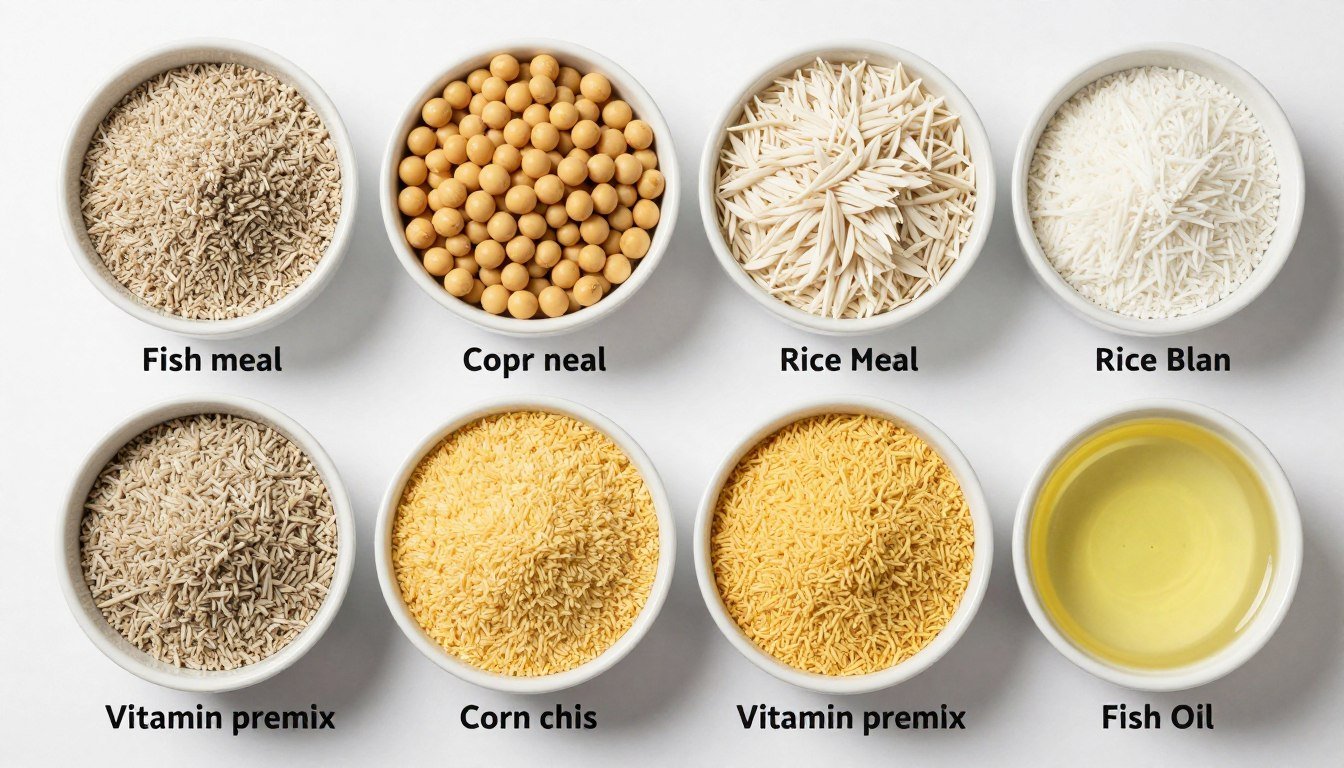
Standard Global Ingredients
Equipment processes common ingredients used worldwide in aquaculture feed manufacturing:
- Fish meal (anchovy, sardine)
- Soybean meal
- Corn meal
- Wheat flour
- Fish oil
- Vitamin-mineral premixes
Philippine-Specific Materials
Customized processing handles local ingredients abundant in Philippines:
- Rice bran (locally abundant)
- Copra meal (coconut industry byproduct)
- Local fish waste and trimmings
- Cassava flour
- Mollusk meal
- Seaweed derivatives
High-Moisture Ingredients
Special handling systems for wet ingredients common in tropical processing:
- Fresh fish waste (pre-drying systems)
- Fermented ingredients
- Silage products
- Wet processing byproducts
Alternative Proteins
Equipment accommodates emerging protein sources being developed in Philippines:
- Black soldier fly larvae meal
- Algae protein concentrates
- Single-cell proteins
- Fermented bacterial proteins
Comprehensive Installation, Training, and After-Sales Support
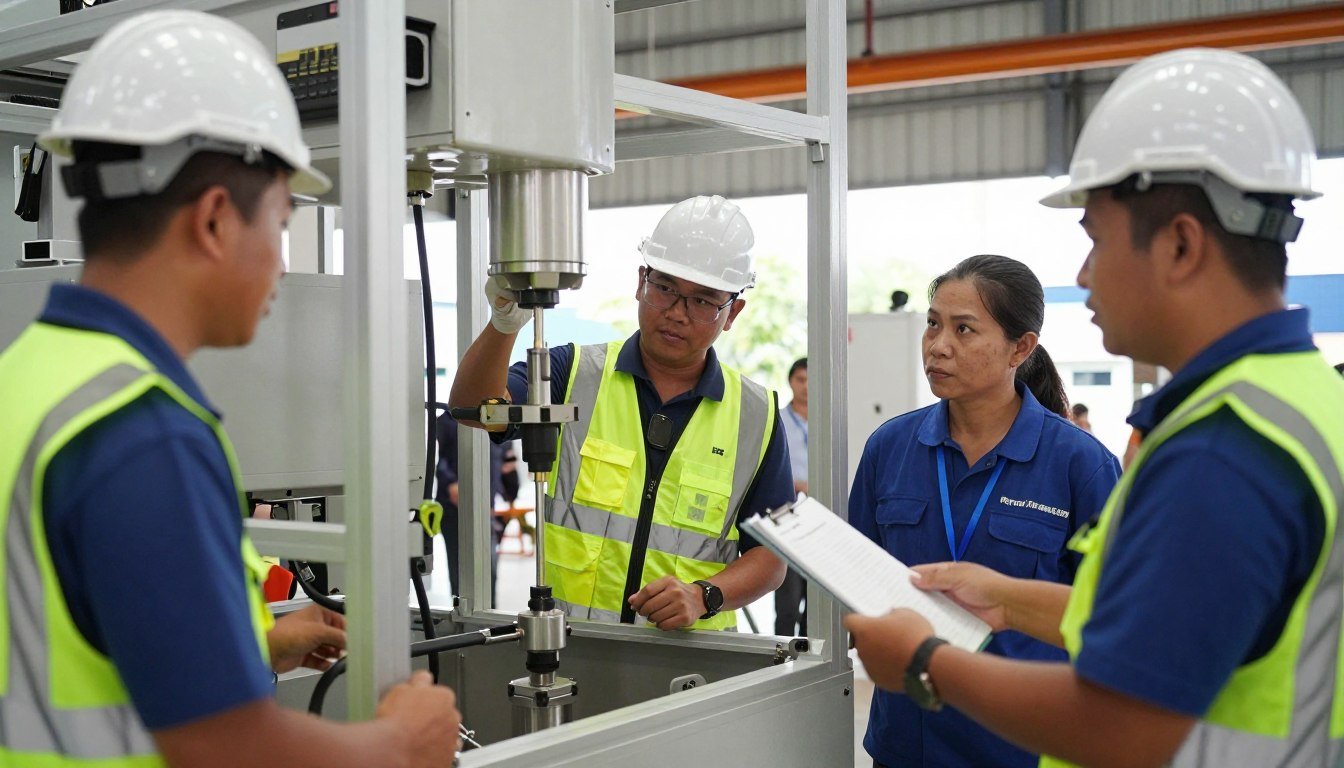
Equipment purchase represents only the beginning of our relationship with Philippine clients. MAIKONG provides complete support ensuring your production line operates successfully from day one and continues performing optimally for years.
Installation and Commissioning Services
Our experienced technicians travel to Philippines supervising installation and conducting comprehensive commissioning procedures. This hands-on support prevents common startup problems and ensures production begins smoothly.
- Pre-Installation Planning (2-3 weeks before shipment) – Site layout verification, foundation specifications, utility requirements confirmation, delivery scheduling coordination
- Equipment Delivery and Positioning (Week 1) – Container unloading supervision, equipment rigging and positioning, visual inspection for shipping damage, unpacking and inventory verification
- Mechanical Installation (Weeks 2-3) – Equipment anchoring and leveling, shaft alignment procedures, conveyor and elevator assembly, pipe and duct installation connections
- Electrical Installation (Weeks 3-4) – Motor and drive wiring, control system installation, sensor and instrument connection, power supply testing and verification
- System Testing (Week 4) – Individual machine operational testing, interlock and safety system verification, empty running tests, lubrication system checks
- Production Commissioning (Week 5) – Initial material processing runs, parameter adjustment and optimization, full-load production testing, quality sampling and evaluation
- Final Acceptance (Week 6) – Performance verification against specifications, documentation handover, operator training completion, final acceptance certification
Operator Training Program
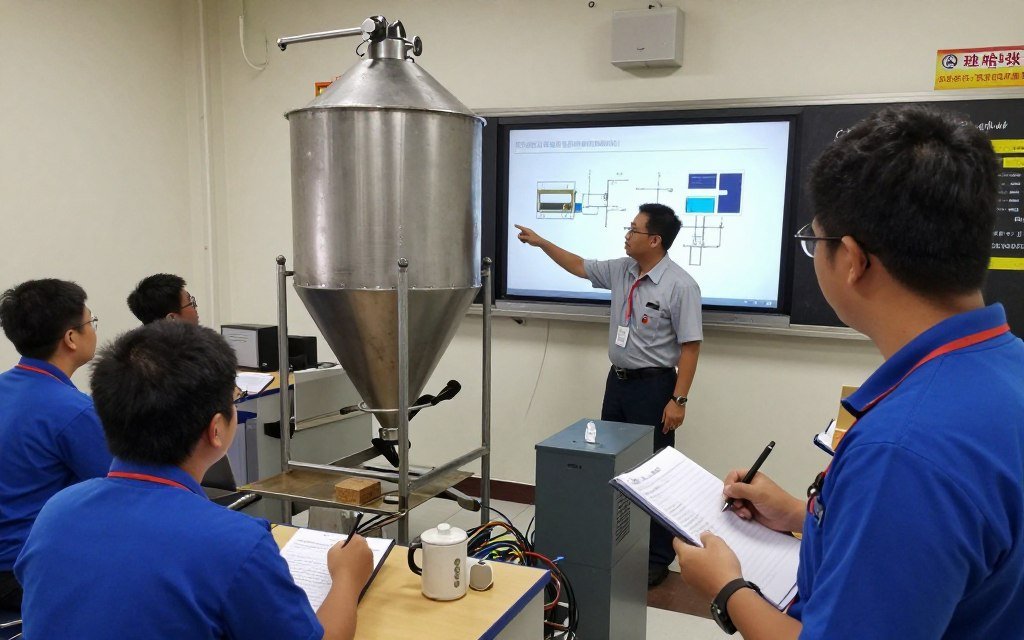
Proper operator training directly impacts production efficiency and equipment longevity. Our comprehensive training program prepares your staff for confident independent operation.
Training Curriculum (5-Day Program)
Day 1 – Equipment Overview and Safety
- Production line introduction and process flow
- Safety procedures and emergency protocols
- Personal protective equipment requirements
- Lockout-tagout procedures
Day 2 – Startup and Operation
- Pre-start inspection procedures
- Sequential startup procedures
- Parameter monitoring and adjustment
- Normal production operation
Day 3 – Process Control and Quality
- Raw material quality assessment
- Formula management and batching
- Process parameter optimization
- Quality testing procedures
Day 4 – Maintenance Procedures
- Daily maintenance tasks and checklists
- Lubrication points and schedules
- Wear part inspection and replacement
- Preventive maintenance procedures
Day 5 – Troubleshooting and Practice
- Common problems and solutions
- Alarm response procedures
- Basic troubleshooting methodology
- Supervised independent operation practice
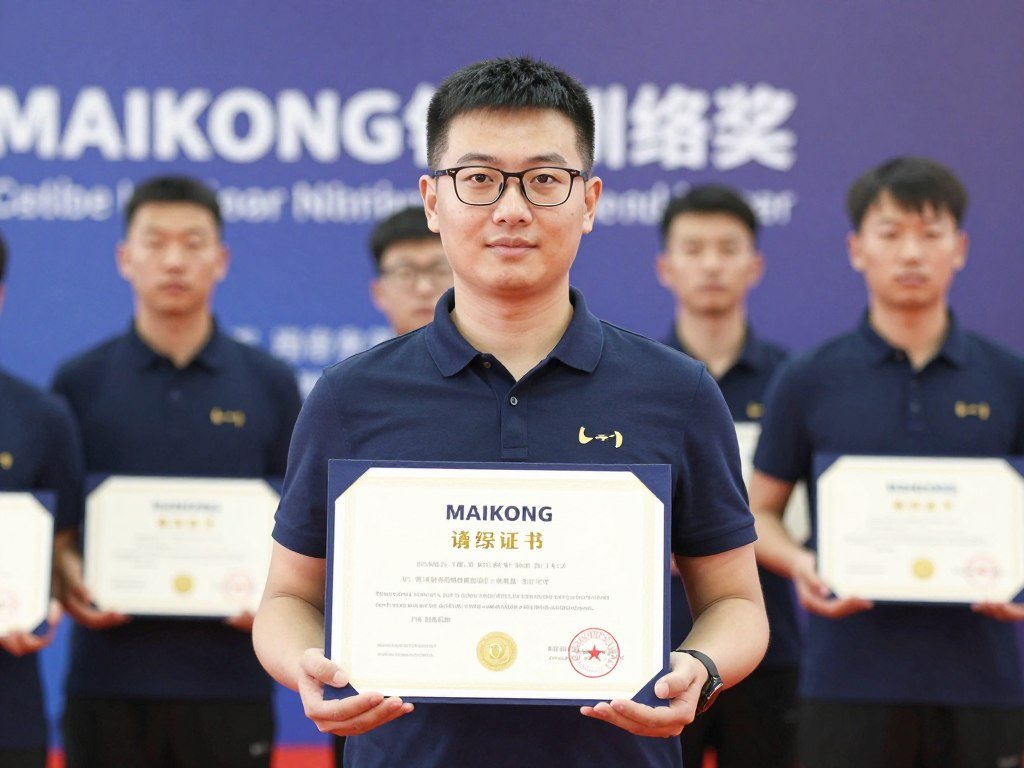
Training materials provided in English and Filipino languages include operation manuals, maintenance checklists, troubleshooting guides, and spare parts catalogs. Video tutorials supplement written documentation for operators with varying literacy levels.
After-Sales Technical Support
Production challenges arise unexpectedly. Fast, effective technical support minimizes downtime and keeps your operation running profitably. MAIKONG maintains multiple support channels ensuring help is always available.
Phone and WhatsApp Support
Direct communication with technical specialists for urgent problems requiring immediate attention.
- Response time: Under 2 hours
- Available: 24/7 emergency support
- Languages: English, Chinese, Filipino
- Contact: 008613510907401
Email Technical Support
Detailed technical questions, documentation requests, and non-urgent troubleshooting assistance.
- Response time: Within 24 hours
- Available: Monday-Saturday
- File attachments supported
- Email: lucy@mkgranulatorfuraje.ro
Remote Video Assistance
Video call troubleshooting allowing technicians to see problems directly and guide repairs remotely.
- Live video troubleshooting
- Screen sharing for software issues
- Visual inspection guidance
- Scheduled consultation sessions
Spare Parts Supply and Warranty
Equipment downtime waiting for spare parts destroys profitability quickly. We maintain spare parts inventory and provide fast shipping to Philippines ensuring minimal production interruption.
| Component Category |
Warranty Period |
Recommended Spare Parts |
Typical Replacement Interval |
| Main Equipment Structures |
12 months |
N/A – no regular replacement |
20+ years service life |
| Electric Motors and Drives |
12 months |
Cooling fans, thermal protectors |
5-8 years normal operation |
| Extruder Screws and Barrels |
6 months |
Complete screw set, barrel liners |
2000-3000 production hours |
| Pellet Mill Dies and Rollers |
6 months |
2 sets ring dies, roller shells |
2000-4000 production hours |
| Hammer Mill Screens and Hammers |
3 months |
3 screen sets, 2 hammer sets |
500-800 hours operation |
| Bearings and Seals |
6 months |
Critical bearing set, seal kit |
1-2 years depending on maintenance |
| Control System Electronics |
12 months |
Sensors, contactors, fuses |
Replace as needed when failed |
We recommend maintaining 3-6 months of critical spare parts inventory on-site. Initial spare parts packages customized for your specific equipment configuration are available at discounted prices with equipment purchase.
Shipping to Philippines: Standard spare parts ship via air courier (DHL/FedEx) with 5-7 day delivery. Larger components ship by sea freight (20-35 days). We maintain relationships with Philippine customs brokers facilitating smooth import clearance.
Exclusive Philippine Distributorship and Partnership Opportunities

MAIKONG is actively building our Philippine market presence through partnerships with local businesses. We seek qualified distributors, dealers, and agents who understand the Philippine aquaculture industry and can provide local sales and service support to customers.
Why Partner with MAIKONG?
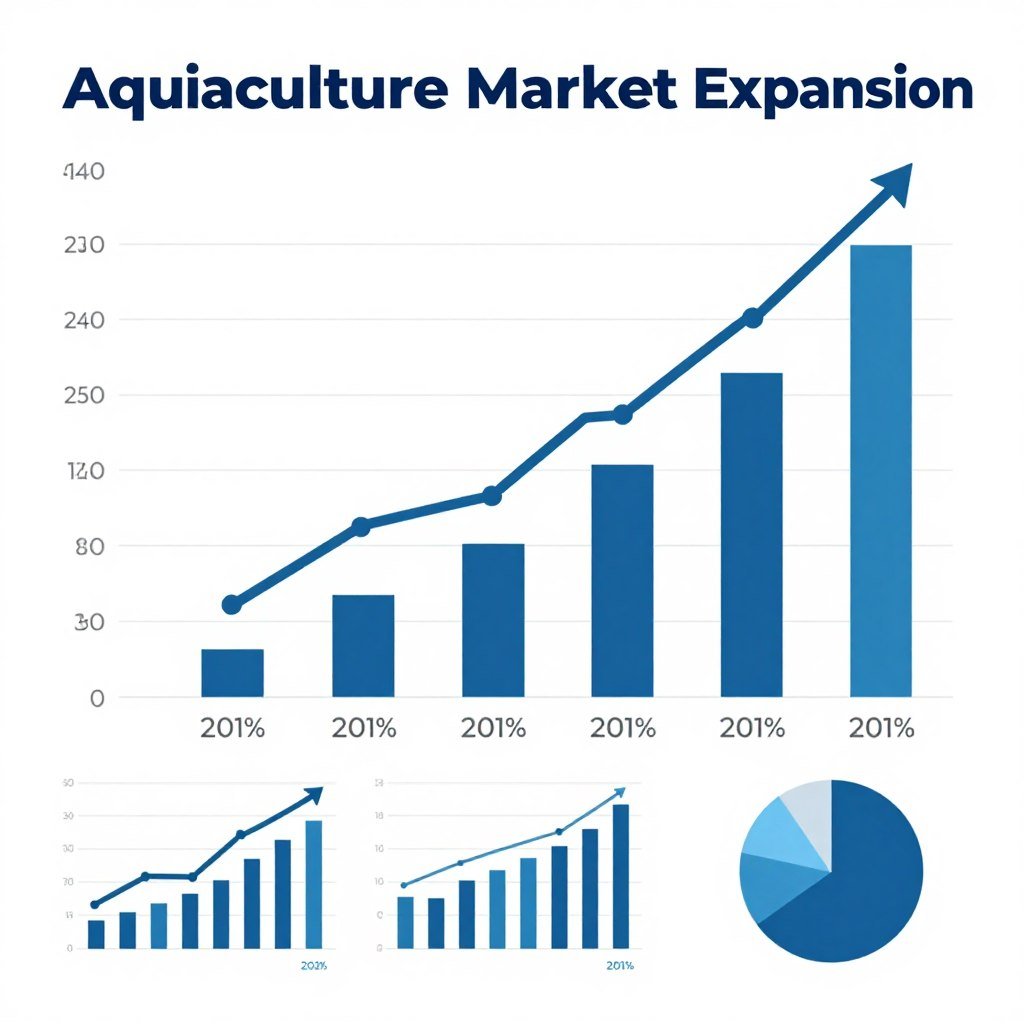
The Philippine aquaculture equipment market grows 8-12% annually as farmers transition from manual processes to mechanized production. Becoming a MAIKONG partner positions your business to capture this expanding market opportunity with industry-leading products and factory-direct pricing advantages.
Market Opportunity
- Philippine aquaculture production exceeds 2.2 million tons annually
- 60% of fish farmers currently buy expensive commercial feed
- Government supports feed mill development through financing programs
- Limited competition in provincial markets outside Metro Manila
- Growing export-oriented aquaculture demanding quality feed
MAIKONG Advantages
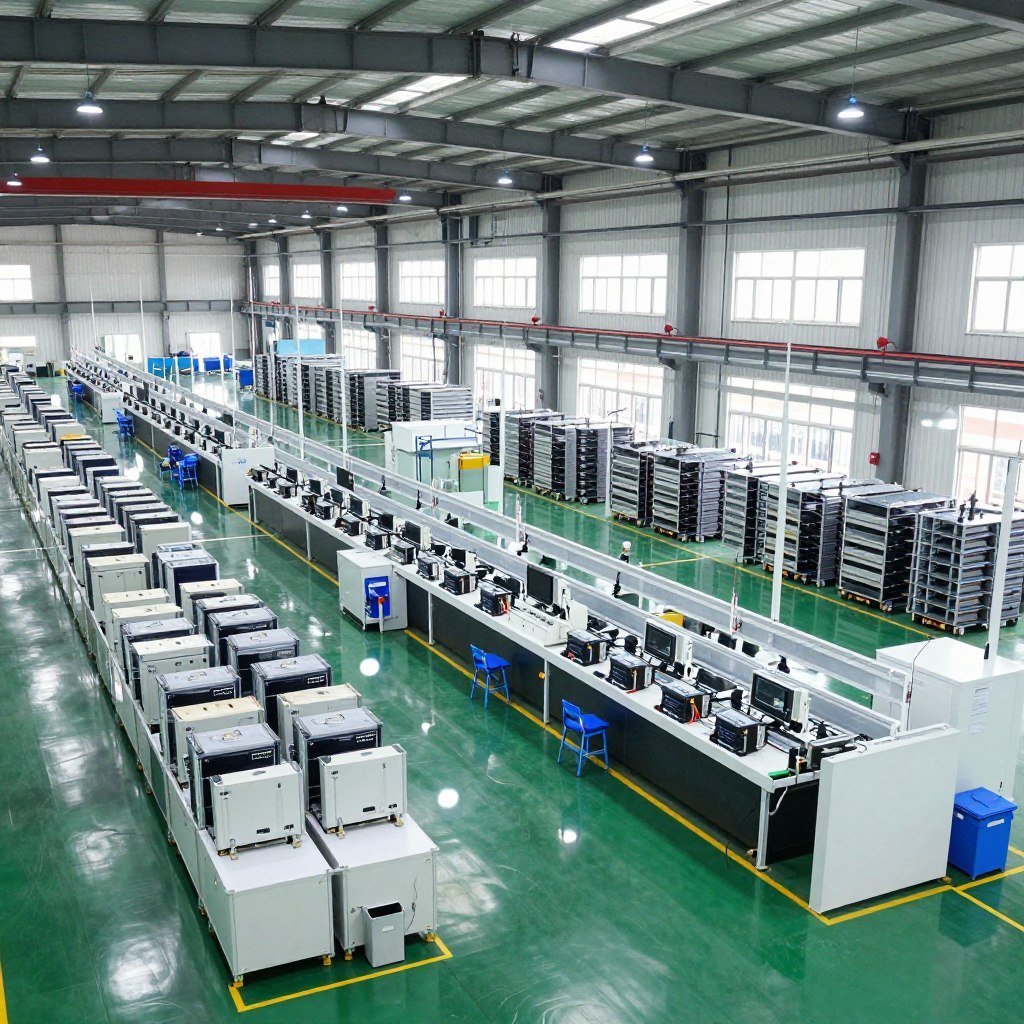
- 30 years manufacturing experience and technical expertise
- Complete product range from 200kg/h to 20-ton capacity
- Competitive factory-direct pricing 20-35% below competitors
- Proven equipment operating successfully in Southeast Asia
- Strong after-sales support and spare parts supply
Partner Benefits and Support
We provide comprehensive support ensuring partner success. MAIKONG invests in partner development through training, marketing assistance, technical backup, and attractive commercial terms creating mutually profitable long-term relationships.
Commercial Benefits
- Attractive Margins: 15-25% commission on equipment sales plus spare parts margins
- Exclusive Territories: Protected regional territories preventing internal competition
- Volume Incentives: Performance bonuses for achieving sales targets
- Demo Equipment: Loan equipment for customer demonstrations
- Payment Terms: Flexible payment arrangements supporting cash flow
Technical Support
- Product Training: Comprehensive training on all equipment models
- Sales Engineering: Technical proposal preparation assistance
- Installation Support: Technician dispatch for major projects
- After-Sales Backup: Factory support for warranty claims and repairs
- Technical Documentation: Complete manuals in English and Filipino
Marketing Support
- Marketing Materials: Brochures, catalogs, presentation materials
- Trade Show Participation: Support for aquaculture exhibitions
- Digital Marketing: Website listing and social media promotion
- Lead Generation: Direct inquiries forwarded to local partners
- Co-Branding: Dual branding options available
Ideal Partner Profile
We seek partners who bring local market knowledge, customer relationships, and service capabilities. The ideal MAIKONG partner possesses several key qualifications enabling success in the aquaculture equipment market.
Business Requirements
- Industry Experience: Background in aquaculture, agriculture equipment, or industrial machinery distribution
- Customer Base: Existing relationships with fish farms, feed mills, or agricultural businesses
- Service Capability: Technical staff capable of installation support and after-sales service
- Financial Capacity: Ability to maintain equipment inventory and provide customer credit if needed
- Infrastructure: Showroom or demonstration facility plus warehouse space
- Geographic Coverage: Sales and service capability across assigned territory
Partnership Process
- Initial Contact and Discussion – Contact us expressing partnership interest. We discuss your business background, market coverage plans, and assess mutual fit.
- Business Evaluation – Exchange business information including registration documents, facility photos, customer references, and financial capabilities.
- Product Training – Visit MAIKONG Shenzhen factory for comprehensive product training or participate in remote training program covering full equipment range.
- Agreement Negotiation – Discuss commercial terms, territory boundaries, sales targets, and support provisions. Draft distributor agreement outlining responsibilities and terms.
- Initial Order – Place first equipment order establishing business relationship. We provide startup marketing support and sales tools.
- Launch Support – Factory technician visits Philippines assisting with first customer installation and conducting local training programs.
- Ongoing Partnership – Regular communication, performance reviews, continuous training, and business development support maintaining successful partnership.
Ready to Build a Profitable Aquaculture Equipment Business?
MAIKONG Philippine partnerships offer excellent business opportunities in a growing market. Whether you’re an established equipment distributor looking to expand your product line, or an aquaculture professional wanting to start an equipment business, we provide the products, training, and support needed for success. Contact us today to discuss partnership opportunities in your region.
Start Your Aqua Feed Production Success Journey with MAIKONG
The Philippine aquaculture industry stands at a crossroads. Fish farmers and feed producers who invest in professional feed production capability today will dominate tomorrow’s market. Those who continue depending on expensive commercial feed or inefficient manual methods will struggle competing against operations with modern production advantages.
MAIKONG brings 30 years of feed machinery expertise directly to Philippine aquaculture businesses. Our customized aqua feed production lines transform raw materials into quality feed at costs 40-60% below commercial feed purchase prices. This cost advantage directly improves farm profitability whether you produce tilapia, bangus, grouper, shrimp, or ornamental species.
We’ve walked this journey with feed producers across Southeast Asia, Africa, and Latin America. The challenges Philippine operators face mirror those our clients elsewhere overcame successfully. Tropical humidity, voltage fluctuations, diverse species requirements, and varying raw material availability – we’ve solved these problems hundreds of times through thoughtful equipment customization and comprehensive support.
Why Choose MAIKONG?
- Proven Technology: 120+ successful aqua feed line installations globally demonstrating reliable performance
- Complete Customization: Every system designed specifically for Philippine voltage, species, climate, and ingredients
- Factory Direct Advantage: No middleman markups mean 20-35% lower prices than competitors
- Comprehensive Support: Installation supervision, operator training, and ongoing technical assistance
- Quality Construction: Stainless steel equipment built for tropical climate longevity
- Scalable Solutions: Start small and expand capacity as business grows
- Partnership Opportunity: Build profitable equipment distribution business as our Philippine partner
Your Next Steps
Whether you’re a fish farmer considering feed production for own use, an investor planning a commercial feed mill, or an equipment distributor exploring partnership opportunities, we’re ready to discuss how MAIKONG can support your success.
Request Project Quotation
Provide your requirements and receive detailed proposal including equipment specifications, layout design, investment estimate, and ROI calculations.
Schedule Consultation Call
Speak directly with our technical team to discuss your specific needs, ask questions, and explore customization options for your situation.
Apply for Partnership
Interested in distributing MAIKONG equipment in Philippines? Complete our partnership application to begin the evaluation process.
Transform Your Aquaculture Business with Professional Feed Production
Don’t let feed costs destroy your profitability. Take control of feed production with MAIKONG’s proven aqua feed production line solutions. Our Philippine market specialists are ready to design the perfect system for your needs. Contact us today and start your journey toward feed independence and improved profits.
Email: lucy@mkgranulatorfuraje.ro
WhatsApp: 008613510907401
Location: Shenzhen, Guangdong, China
MAIKONG – Your trusted partner for aqua feed production excellence in the Philippines

 I’ve worked directly with tilapia farmers in Batangas and bangus producers in Dagupan. They share similar concerns about feed costs eating into profits. Many struggle with imported feed prices that fluctuate unpredictably. Some tried local feed mills but faced quality inconsistency problems.MAIKONG brings 30 years of feed machinery manufacturing experience to the Philippine market. Our factory in Shenzhen, Guangdong produces customized aquatic feed production lines from 200 kilograms per hour to 20 tons per hour capacity. We design systems specifically for tropical species like tilapia, milkfish, grouper, and freshwater prawns.