
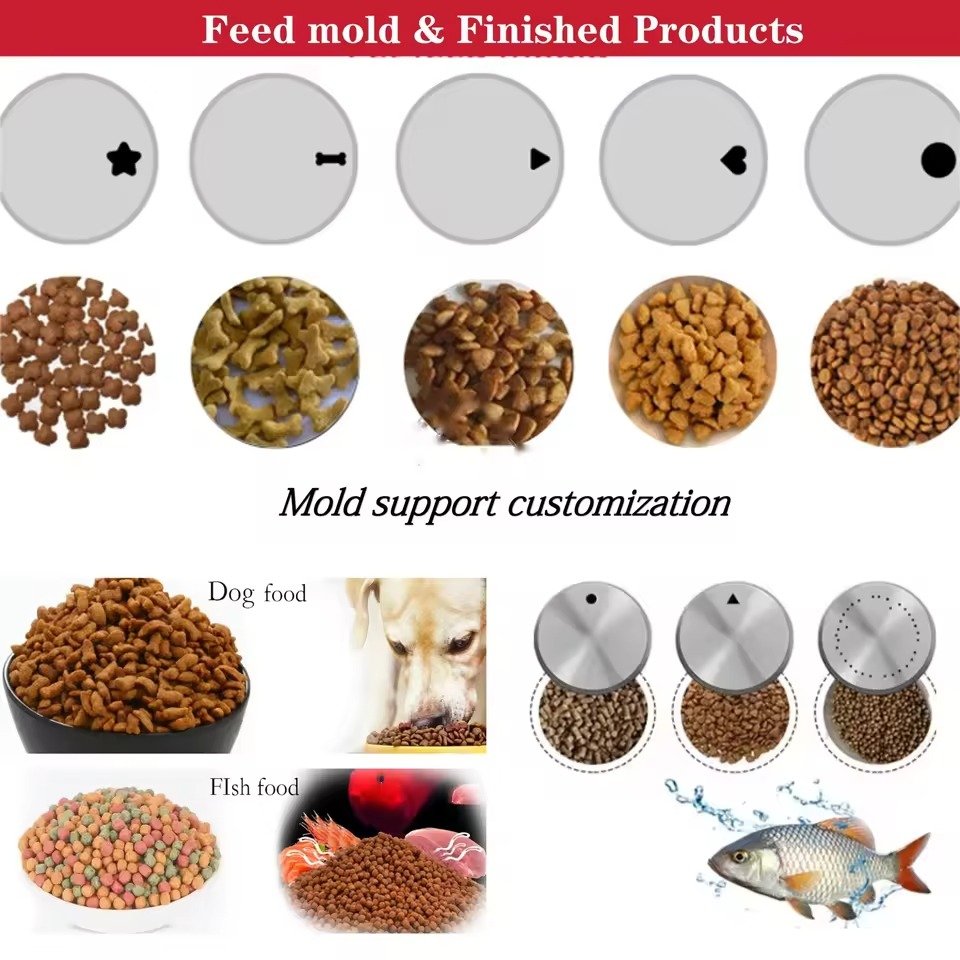
Fish farming success depends on feed quality. Your aquatic animals need consistent nutrition for optimal growth. Many Philippines aquaculture businesses face challenges with feed costs and production efficiency.
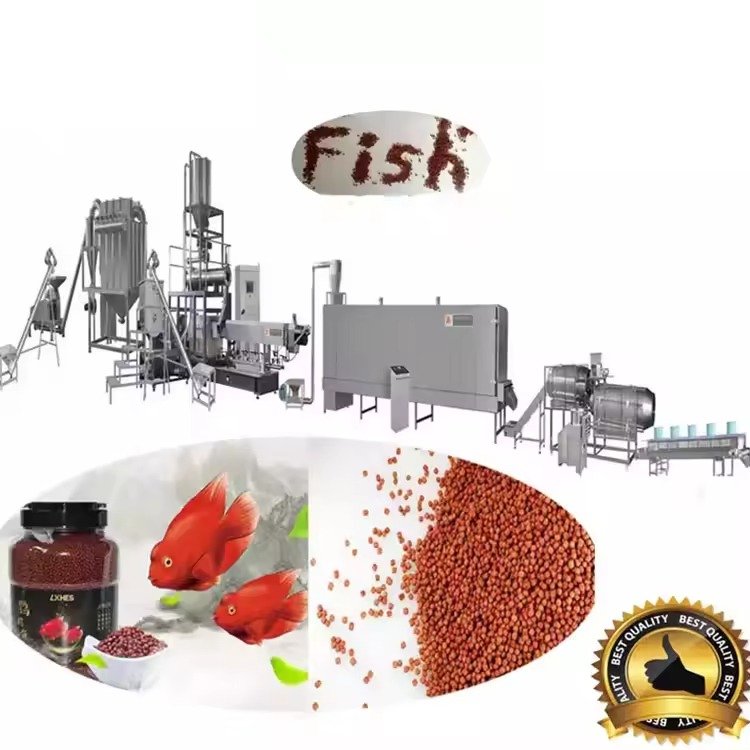
An aqua feed production line transforms raw materials into specialized feed pellets. This automated system handles everything from grinding to packaging. The right equipment ensures water stability and nutritional balance.
Local fish farms spend significant money purchasing commercial feed. Production costs keep rising. Equipment reliability becomes critical for maintaining steady operations.
What Is an Aqua Feed Production Line and Why Your Business Needs One
An aqua feed production line represents a complete manufacturing system. This automated solution processes raw ingredients into finished feed products. The system handles multiple production stages seamlessly.

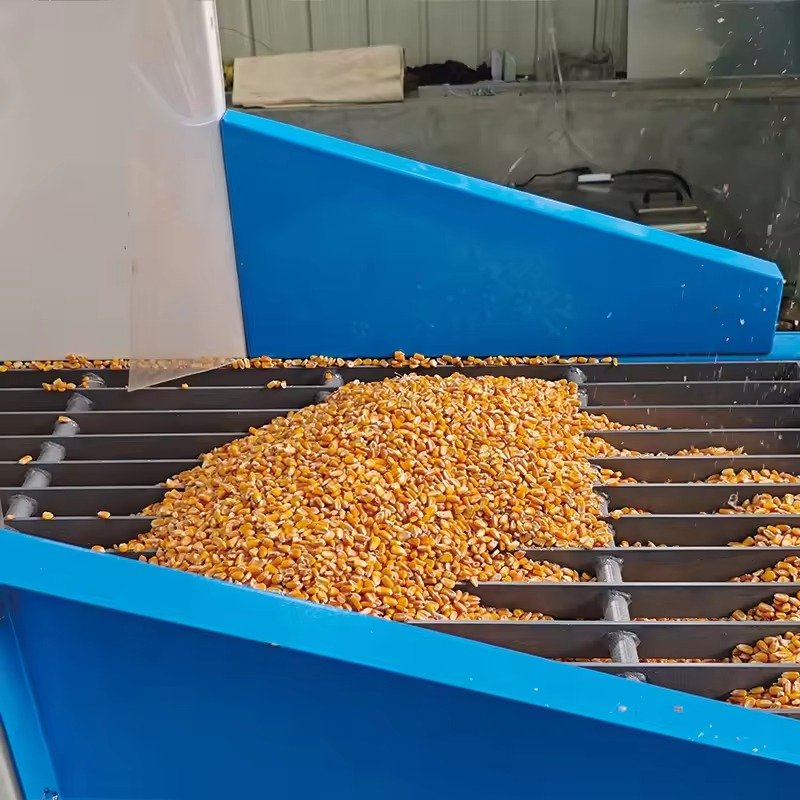
Raw materials enter the system first. Machines crush corn, fish meal, soybean meal, and other ingredients. The grinding process creates uniform particle sizes. This consistency matters for proper mixing.
A precision batching system weighs each ingredient. Computer controls ensure accurate formulations. The mixer blends everything into homogeneous material. Vitamins and minerals distribute evenly throughout.
Core Production Components
- Hammer mill crushers for raw material grinding
- Automated weighing and batching systems
- High-capacity mixing equipment
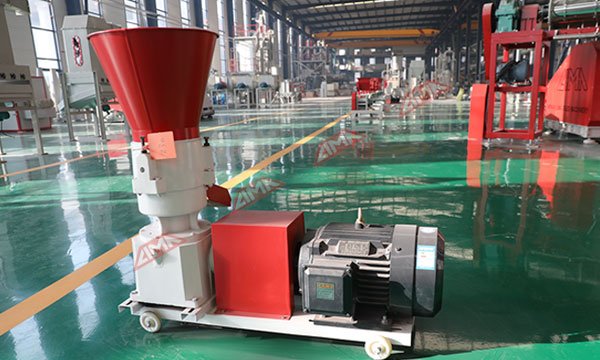
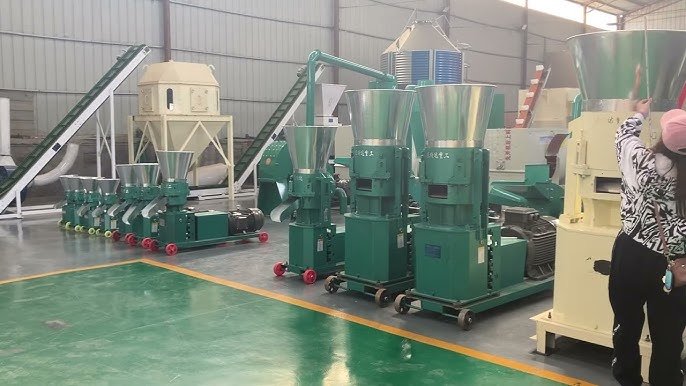
- Pellet machines or extruders for forming
- Multi-layer drying systems
- Counterflow cooling equipment
- Oil coating and vitamin spraying units
- Screening and grading machines
- Automatic packaging systems
Production Benefits
- Consistent feed quality every batch
- Reduced raw material waste
- Lower labor requirements
- Precise nutritional control
- Customizable pellet sizes
- Better water stability performance
- Higher production efficiency
- Scalable output capacity
- Cost savings over purchasing feed
The pelleting or extrusion stage shapes the feed. Heat and pressure bind ingredients together. Floating feed requires extrusion technology. Sinking feed uses ring die pelleting.
Drying removes excess moisture content. Proper moisture levels prevent mold growth. Cooling brings pellets to ambient temperature. This step stabilizes the final product.

Oil and vitamin spraying happens after cooling. This process adds heat-sensitive nutrients. The coating improves palatability and nutritional value. Fish consume coated pellets more readily.
Ready to Start Your Own Feed Production?
MAIKONG offers complete aqua feed production line solutions customized for Philippines businesses. Our systems range from 200KG to 200 tons per hour capacity.
Types of Aquatic Feed Production Line Systems for Different Needs
Philippines aquaculture operations vary significantly in scale. A small tilapia farm needs different equipment than industrial facilities. Understanding system types helps match solutions to specific requirements.
Floating Feed Production Systems
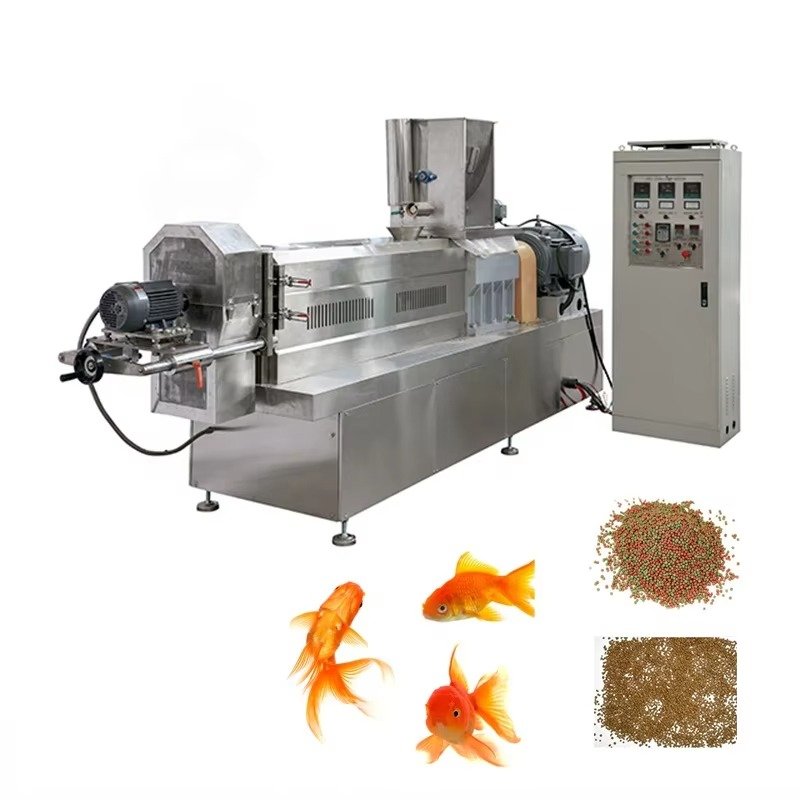
Floating feed serves surface-feeding fish species. Tilapia, milkfish, and ornamental fish prefer this feed type. The production process uses extrusion technology exclusively.
A twin-screw extruder applies high temperature and pressure. This cooking process gelatinizes starches in the raw material. The expanded structure creates buoyancy. Pellets float on water surface for 24 hours or longer.
Moisture control determines floating characteristics. The extrusion process reduces moisture to specific levels. Lower moisture content improves float duration. Proper drying maintains these properties.
Standard Floating Feed

General-purpose floating pellets for common species. Suitable for tilapia, carp, and catfish operations. Protein content ranges from 28% to 32%.
- Size range: 2mm to 8mm diameter
- Float time: 12-24 hours
- Water stability: 85-90%
- Digestibility: 75-80%
High-Protein Floating Feed

Specialized formula for carnivorous species. Designed for grouper, snapper, and premium fish. Protein levels reach 40% to 50%.
- Fish meal content: 35-45%
- Enhanced with marine oils
- Superior water stability: 95%
- Optimal for marine species
Micro Pellets for Fry

Tiny pellets for young fish and fingerlings. Particle size matches small mouth openings. Highly digestible formulation supports rapid growth.
- Size: 0.5mm to 2mm
- Protein: 40-45% for fry
- Powder-free production
- Fast water dispersion
Sinking Feed Production Systems
Bottom-dwelling fish require sinking pellets. Catfish, carp, and shrimp consume feed from pond floors. Ring die pellet mills create these dense pellets.
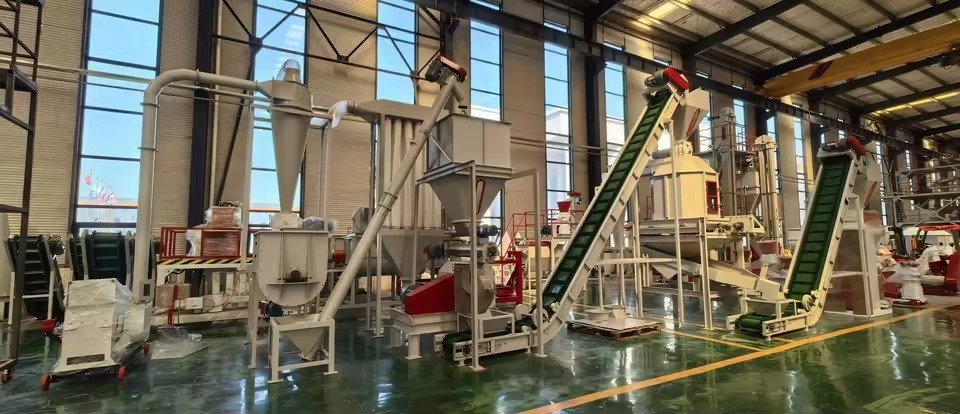
The pelleting process compresses material through die holes. Mechanical pressure and steam conditioning bind ingredients. No expansion occurs during formation. Higher density ensures sinking properties.
Steam conditioning precedes pelleting. This treatment softens raw materials and activates binding agents. The conditioner adds moisture and heat. Proper conditioning prevents pellet breakage.
Pelleted Sinking Feed

Traditional pelleting creates economical sinking feed. This method suits freshwater species operations. Production costs remain lower than extrusion.
- Equipment investment: moderate
- Energy consumption: lower
- Water stability: 70-75%
- Suitable for: carp, catfish
Extruded Sinking Feed

Extrusion produces superior sinking pellets. Better water stability and digestibility result. Premium species justify higher production costs.
- Water stability: 90-95%
- Digestibility: 85-90%
- Nutrient retention: excellent
- Ideal for: grouper, shrimp
Slow-Sinking Feed

Specialized density creates gradual sinking. Mid-water fish species benefit from extended availability. Careful formulation achieves specific gravity.
- Sink rate: 3-5 cm/second
- Feed duration: 15-20 minutes
- Reduces waste significantly
- For: mixed species ponds
Shrimp Feed Production Line Specialization
Shrimp farming demands highly specialized feed formulations. These crustaceans require different nutritional profiles than fish. Production equipment must handle delicate processing requirements.
Micro-particle technology creates tiny pellets. Shrimp fry need 0.1mm to 0.3mm particles. Juvenile shrimp consume 0.5mm to 1.5mm sizes. Adult shrimp eat 1.5mm to 2.5mm pellets.
Water stability becomes critical for shrimp feed. Pellets must maintain integrity for 4-6 hours underwater. Binding agents and proper formulation prevent rapid dissolution. Shrimp eat slowly compared to fish.
| Shrimp Stage | Pellet Size | Protein Content | Water Stability | Daily Feed Rate |
| Post-larvae (PL) | 0.1-0.3mm | 45-50% | 3-4 hours | 10-15% body weight |
| Juvenile | 0.5-1.0mm | 38-42% | 4-5 hours | 5-8% body weight |
| Grower | 1.0-1.5mm | 35-38% | 5-6 hours | 3-5% body weight |
| Adult/Market | 1.5-2.5mm | 32-35% | 6-8 hours | 2-3% body weight |
Special ingredients enhance shrimp feed performance. Squid meal improves palatability and attraction. Lecithin aids lipid digestion. Astaxanthin provides pigmentation for market appeal.
Essential Equipment Components in Complete Feed Production Systems
Understanding individual machines helps evaluate complete systems. Each component performs specific functions in the production process. Quality equipment ensures consistent final product characteristics.

Crushing and Grinding Equipment
Raw material preparation begins with size reduction. Hammer mills break down corn, grains, and fish meal. Particle size affects mixing uniformity and pellet quality.
A water drop hammer mill handles varied ingredients. Screens control output particle size. Common mesh sizes range from 1.0mm to 3.0mm. Finer grinding improves feed digestibility.
Hammer Mill Features
- Capacity: 500kg to 10 tons per hour
- Screen options: 0.8mm to 5.0mm
- Motor power: 15kW to 132kW
- Dust collection system included
- Replaceable hammer design
- Magnetic separator protection

Some operations require ultrafine grinding. Special micro pulverizers create powder under 100 microns. This equipment serves specialized applications like fry feed production.
Batching and Mixing Systems
Accurate ingredient proportioning ensures nutritional consistency. Computer-controlled batching systems weigh each component. Precision reaches ±0.1% for major ingredients.

Twin-shaft paddle mixers provide thorough blending. Mixing times range from 3 to 8 minutes per batch. Shorter cycles reduce oxidation of sensitive vitamins. Liquid addition systems spray oils and additives.
Batch mixers suit smaller operations (500kg to 2000kg capacity). Continuous mixers serve high-volume facilities. The mixing uniformity coefficient should remain below 5% variation.
Fish Feed Pellet Machine Technology
The pelleting stage creates final feed form. Two main technologies serve different feed types. Ring die pellet mills produce sinking feed. Extruders create floating and specialized products.

Ring die pellet mills compress material through cylindrical dies. Die hole diameter determines pellet size. Common sizes include 2.0mm, 3.0mm, 4.5mm, and 6.0mm. Steam conditioning prepares material before pelleting.
Twin-screw extruders handle floating feed production. Two intermeshing screws convey and cook material simultaneously. Temperature reaches 120°C to 180°C. High pressure and shear gelatinize starches.
Single-screw extruders offer economical floating feed solutions. These machines suit smaller production volumes. Output capacity ranges from 100kg to 1000kg per hour.
Drying and Cooling Systems
Freshly formed pellets contain excess moisture. Multi-layer belt dryers remove water gradually. Temperature zones range from 80°C to 50°C. Gentle drying prevents pellet cracking.

Drying time depends on feed type and size. Floating pellets require 15-25 minutes. Sinking pellets dry in 20-30 minutes. Final moisture content should reach 10-12% maximum.
Counterflow coolers bring pellets to ambient temperature. Cool air flows against hot pellet movement. This design maximizes heat exchange efficiency. Proper cooling prevents condensation during storage.
Coating and Finishing Equipment
Post-pelleting treatments enhance feed value. Vacuum coating systems apply fish oil evenly. Oil content typically reaches 6-8% for fatty fish species. Lower levels suit lean fish varieties.

Vitamin and mineral premixes spray onto cooled pellets. This stage preserves heat-sensitive nutrients. Coating equipment ensures uniform distribution. Proper application prevents nutrient degradation.
Screening and Packaging Machinery
Vibrating screens separate pellets by size. Multiple deck screens grade products simultaneously. Oversized and undersized particles return for reprocessing. This step ensures uniform product quality.
Automatic packaging scales fill bags precisely. Common package sizes include 15kg, 25kg, and 50kg. Bag sewing machines seal packages securely. Date coding equipment marks production information.
Need Help Selecting the Right Equipment Configuration?
MAIKONG technical team provides free consultation for Philippines aquaculture businesses. We design custom solutions matching your specific production requirements and budget.
Choosing the Right Production Capacity for Your Operation
Selecting appropriate production capacity requires careful analysis. Under-capacity systems create bottlenecks. Over-capacity equipment wastes capital and energy. Matching capacity to actual needs optimizes investment.

Small-Scale Production Lines (200kg to 1 ton per hour)
Family-owned fish farms benefit from compact systems. These setups serve 5 to 20 hectares of pond area. Initial investment remains manageable for small enterprises.
A basic configuration includes essential equipment only. One hammer mill, small mixer, pellet machine, simple dryer, and manual packaging. Total footprint occupies 100-150 square meters.

Small System Advantages
- Lower capital investment (PHP 2-4 million)
- Reduced operating costs
- Simple operation and maintenance
- Quick installation (2-3 weeks)
- Flexible production scheduling
- Suitable for testing formulations
- Easy to upgrade later
- Lower skill requirements
Power requirements stay modest at 50-80kW total. Standard 220V Philippines electrical supply suffices. Single-phase power handles most small equipment needs.
Labor needs remain minimal. Two to three workers operate the entire line. One person feeds raw materials. Another monitors pelleting and drying. The third handles packaging and quality checks.
Medium-Scale Production Lines (2 to 5 tons per hour)
Commercial aquaculture operations require higher capacity. These systems supply multiple farms or serve feed trading businesses. Production volumes reach 40-100 tons daily.

Automation increases significantly at this scale. Computerized control systems manage the entire process. Automatic batching eliminates manual weighing. Continuous production improves efficiency.
Equipment quality becomes more critical. Industrial-grade components ensure reliability. Higher production rates demand robust construction. Downtime costs increase with operation scale.
| Production Scale | Hourly Capacity | Daily Output (16h) | Suitable For | Investment Range | Space Required |
| Micro | 120-200kg | 2-3 tons | Small fish ponds, testing | PHP 1.5-2.5M | 80-100 sqm |
| Small | 300-500kg | 5-8 tons | Family fish farms | PHP 2.5-4M | 120-180 sqm |
| Medium-Small | 1-2 tons | 16-32 tons | Regional cooperatives | PHP 5-8M | 250-350 sqm |
| Medium | 3-5 tons | 48-80 tons | Commercial feed mills | PHP 10-18M | 500-800 sqm |
| Large | 8-15 tons | 128-240 tons | Industrial operations | PHP 25-45M | 1200-2000 sqm |
| Industrial | 20+ tons | 320+ tons | Major manufacturers | PHP 50M+ | 3000+ sqm |
Large-Scale Industrial Systems (10 to 200 tons per hour)
Major feed manufacturers operate at industrial scale. These facilities supply entire regions or export markets. Production runs continuously with minimal interruptions.
Advanced control systems monitor every production parameter. Computer vision inspects pellet quality automatically. Automated sampling and testing occurs throughout production. Real-time adjustments optimize efficiency.

Raw material storage becomes significant infrastructure. Silos hold hundreds of tons of ingredients. Pneumatic conveying systems transport materials throughout the facility. Central control rooms monitor entire operations.
Quality assurance laboratories operate on-site. Technicians test raw materials upon arrival. In-process samples verify formulation accuracy. Finished products undergo complete analysis before shipping.
MAIKONG MK-L002 Aqua Feed Production Line Technical Specifications
MAIKONG brings 22 years of manufacturing expertise to Philippines markets. Our MK-L002 model represents proven technology. This system serves medium-scale commercial operations effectively.

Complete System Configuration
The MK-L002 includes all necessary equipment components. This turnkey solution arrives ready for installation. MAIKONG provides complete technical support throughout setup.

Crushing System
- Model: MK-HM-2000
- Capacity: 2-3 tons/hour
- Motor: 45kW, 220V
- Screen: 1.0-3.0mm options
- Noise: Under 80dB

Mixing System
- Model: MK-MX-1500
- Batch: 1500kg capacity
- Mixing time: 4-6 minutes
- Uniformity: CV≤3%
- Liquid addition: 8% capacity

Pelleting System
- Model: MK-EX-200
- Output: 1.8-2.2 tons/hour
- Pellet size: 1-12mm
- Motor: 90kW main drive
- Floating or sinking capable

Drying System
- Model: MK-DR-12
- Layers: 5 drying zones
- Length: 12 meters
- Temperature: 50-90°C zones
- Residence time: 18-25 min

Cooling System
- Model: MK-CL-8
- Capacity: 2.5 tons/hour
- Cooling time: 8-12 minutes
- Output temp: Ambient +5°C
- Efficient air circulation

Coating System
- Model: MK-VC-500
- Batch: 500kg capacity
- Oil addition: 2-10%
- Vacuum level: adjustable
- Coating time: 6-10 minutes

Packaging System
- Model: MK-PK-25
- Speed: 120 bags/hour
- Bag sizes: 15kg, 25kg, 50kg
- Accuracy: ±0.2%
- Automatic sewing

Control System
- Model: MK-CS-Pro
- PLC controlled operation
- 10-inch touchscreen
- Recipe storage: 50+ formulas
- Remote monitoring capable

Conveying System
- Bucket elevators included
- Screw conveyors for materials
- Pneumatic options available
- Dust collection integrated
- Complete material flow
Technical Specifications Summary
| Parameter | Specification | Notes |
| Production Capacity | 1.8-2.2 tons/hour | Actual output varies by formula |
| Total Power | 185kW | 220V or 380V available |
| Floor Space | 450 square meters | Includes all equipment and aisles |
| Building Height | 8 meters minimum | For elevator and dryer clearance |
| Operators Required | 4-5 workers per shift | One supervisor, three technicians, one QC |
| Installation Time | 3-4 weeks | With MAIKONG technical team support |
| Pellet Size Range | 1.0mm to 12mm | Dies changed for different sizes |
| Water Stability | 90-95% (floating), 75-80% (sinking) | Depends on formulation quality |
| Floating Capability | Yes, with twin-screw extruder | Float time 12-24 hours |
| Automation Level | Semi-automatic to fully automatic | Customizable based on budget |
Customization Options for Philippines Market
MAIKONG understands Philippines aquaculture needs specifically. Our systems accommodate local requirements seamlessly. Voltage, capacity, and configuration adjust to your situation.

Electrical Customization
- 220V single-phase options
- 380V three-phase standard
- 50Hz frequency Philippines standard
- Voltage stabilizers available
- Generator-compatible designs
Capacity Scaling
- 200kg/hour micro systems
- 500kg-1 ton small lines
- 2-5 ton medium systems
- 10+ ton industrial plants
- Easy future expansion
Product Versatility
- Tilapia feed formulations
- Milkfish specialized feed
- Shrimp and prawn feed
- Ornamental fish products
- Multi-species capability
Request Detailed MK-L002 Specifications and Pricing
Get complete technical documentation, layout drawings, and customized quotation for your specific needs. MAIKONG provides comprehensive pre-sales consultation at no cost.
Successful Aqua Feed Production Line Installations Worldwide
MAIKONG systems operate successfully across five continents. Real-world performance demonstrates equipment reliability. These case studies showcase varied applications and scales.

Asia Pacific Region Projects
Southeast Asian aquaculture drives significant equipment demand. Philippines, Vietnam, Thailand, and Indonesia host numerous installations. Tropical climate conditions test equipment durability.
Philippines Tilapia Farm – Laguna Province

A 50-hectare tilapia operation installed MK-L002 system in 2021. Production capacity serves entire farm plus neighboring operations. Daily output reaches 35 tons of floating pellets.
- Investment recovered within 18 months
- Feed costs reduced by 35%
- Fish growth rates improved 20%
- Zero equipment downtime first year
Vietnam Pangasius Cooperative – Mekong Delta

Cooperative serving 200+ small farmers commissioned 5-ton system. Centralized production supplies consistent quality feed. Members purchase at wholesale pricing.
- Serves 1000+ hectares farming area
- Produces 80 tons daily
- Three-shift continuous operation
- Cooperative profits fund expansion
Thailand Shrimp Farm – Chonburi

Intensive shrimp operation requires specialized micro-pellet production. Custom configuration produces five different pellet sizes. Strict water stability requirements met consistently.
- Pellet sizes: 0.3mm to 2.5mm range
- Water stability exceeds 95%
- Automated quality monitoring
- Export-grade product quality
Americas Region Projects
Latin American aquaculture expands rapidly. Brazil leads regional production growth. Ecuador and Chile focus on export-oriented species. Equipment must meet international standards.

Brazil Commercial Feed Mill – Santa Catarina
A commercial feed manufacturer serves regional aquaculture industry. The 3-ton system produces both tilapia and poultry feed. Dual-purpose configuration maximizes equipment utilization.
- Capacity: 50 tons daily tilapia feed
- Additional 100 tons poultry feed
- Supplies 30+ fish farms
- Two years continuous operation
- Plans to add second line
Europe and Middle East Projects
European aquaculture emphasizes sustainability and traceability. Stringent food safety regulations apply. Middle Eastern operations focus on intensive recirculating systems.
UAE Indoor Fish Farm – Dubai

Recirculating aquaculture system requires precise feed formulation. Compact production line integrated into facility. Feed produced hourly for immediate use.
- Climate-controlled production
- Small batch flexibility
- Zero waste tolerance
- Automated monitoring systems
Spain Sea Bream Farm – Andalusia

Mediterranean species demand high-protein feed formulations. System produces premium marine fish feed. Export markets require consistent quality standards.
- 50% fish meal content capability
- Marine oil coating systems
- EU quality certifications
- Serves multiple farm sites
Africa Region Development Projects
African aquaculture presents tremendous growth potential. Nigeria, Egypt, and Kenya lead continental development. Equipment reliability matters in challenging infrastructure conditions.

Nigeria Catfish Project – Lagos State
Government-supported aquaculture development program. Multiple small-scale systems deployed across region. Local manufacturing partnerships established.
- 20 units of 500kg systems installed
- Cooperative ownership model
- Training programs completed
- Spare parts locally available
- Technical support network
- Catalyzing local industry growth

Essential Raw Materials for Quality Fish Feed Formulation
Feed quality starts with ingredient selection. Proper raw material sourcing ensures nutritional targets. Philippines aquaculture benefits from diverse agricultural resources. Understanding ingredients helps optimize formulations.

Protein Sources
Fish meal remains the premium protein ingredient. This highly digestible material provides essential amino acids. Quality fish meal contains 60-72% protein content. Palatability makes fish meal attractive to aquatic species.
Local Philippines sources include sardine and mackerel processing byproducts. Import options bring Peruvian and Chilean fish meal. Storage requires dry, cool conditions. Proper handling prevents rancidity.
Fish Meal

- Protein: 60-72%
- Digestibility: 85-95%
- Essential amino acids complete
- Palatability excellent
- Cost: highest protein source
Soybean Meal

- Protein: 44-48%
- Widely available Philippines
- Cost-effective protein
- Requires processing for fish
- Anti-nutritional factors present
Meat and Bone Meal

- Protein: 45-55%
- Calcium and phosphorus
- Local poultry processing source
- Moderate digestibility
- Economical option
Soybean meal provides economical plant protein. Philippines agriculture produces abundant soybeans. This ingredient requires heat treatment. Proper processing removes trypsin inhibitors and improves digestibility.
Energy Sources and Carbohydrates
Corn supplies primary energy in most formulations. Yellow corn provides 8-9% protein and abundant starch. Starch gelatinization during pelleting improves binding. Philippines corn harvest offers local sourcing.

Wheat flour enhances pellet binding properties. The gluten content acts as natural binder. Rice bran offers economical filler with moderate nutrition. Cassava provides tropical climate energy source.
| Ingredient | Protein % | Energy (kcal/kg) | Binding Properties | Philippines Availability |
| Yellow Corn | 8-9% | 3400 | Good when gelatinized | Excellent – local production |
| Wheat Flour | 11-13% | 3200 | Excellent – gluten | Good – some imports |
| Rice Bran | 12-15% | 2800 | Fair | Excellent – rice milling |
| Cassava | 2-3% | 3200 | Excellent starch | Good – tropical crop |
| Sweet Potato | 4-6% | 2900 | Good | Moderate – seasonal |
Lipid Sources and Oil Supplementation
Fish oil provides omega-3 fatty acids critical for aquatic species. These essential fatty acids support fish health and growth. Oil supplementation typically reaches 5-8% of feed formulation.
Philippines coastal processing generates fish oil byproducts. Coconut oil offers local alternative lipid source. Soybean oil provides economical plant-based option. Proper storage prevents oxidation and rancidity.
Vitamins, Minerals, and Additives
Vitamin and mineral premixes ensure complete nutrition. These concentrated supplements provide micronutrients. Typical inclusion rates range from 1-3% of total formula.

Binding agents improve pellet durability and water stability. Bentonite clay, guar gum, and specialized binders serve this purpose. Proper binder selection affects pellet performance significantly.
Essential Micronutrients
- Vitamin A – vision and immunity
- Vitamin D3 – calcium metabolism
- Vitamin E – antioxidant protection
- Vitamin C – stress resistance
- B-complex vitamins – metabolism
- Calcium and phosphorus – skeleton
- Trace minerals – various functions
Functional Additives
- Probiotics – digestive health
- Enzymes – nutrient utilization
- Immunostimulants – disease resistance
- Pigments – color enhancement
- Antioxidants – shelf life extension
- Mold inhibitors – feed preservation
- Attractants – feed palatability
Quality Control and Testing in Feed Production
Consistent feed quality requires systematic quality control. Testing procedures verify formulation accuracy. Monitoring catches problems before they affect fish health.

Raw Material Inspection
Quality control begins upon ingredient arrival. Visual inspection catches obvious problems. Moisture testing prevents storage issues. Contamination screening protects feed safety.
Fish meal requires freshness evaluation. Smell and appearance indicate quality. TVN (Total Volatile Nitrogen) testing measures decomposition. Protein analysis verifies declared content.
Physical Tests
- Moisture content measurement
- Bulk density determination
- Particle size analysis
- Color evaluation
- Foreign material detection
Chemical Analysis
- Protein content (Kjeldahl)
- Fat content (ether extract)
- Crude fiber levels
- Ash content
- pH measurement
Safety Screening
- Salmonella detection
- Mycotoxin testing
- Heavy metal analysis
- Pesticide residues
- Antibiotic screening
In-Process Quality Monitoring
Production monitoring ensures consistent processing. Temperature and moisture checks occur at critical points. Sample collection happens throughout production runs.

Pellet durability testing measures physical quality. The PDI (Pellet Durability Index) should exceed 95% for quality feed. Tumbling tests simulate handling and transportation stress.
Water stability testing verifies critical aquatic feed characteristic. Pellets submerge in water for specified time periods. Proper feed maintains integrity for minimum duration requirements.
Finished Product Analysis
Complete nutritional analysis confirms formulation accuracy. Proximate analysis determines protein, fat, fiber, moisture, and ash. Results must match target specifications within acceptable tolerances.
| Test Parameter | Method | Acceptance Criteria | Testing Frequency |
| Crude Protein | Kjeldahl method | ±1.5% of target | Every batch |
| Crude Fat | Ether extraction | ±1.0% of target | Every batch |
| Moisture Content | Oven drying | 10-12% maximum | Every 2 hours |
| Pellet Durability Index | Tumbling can | ≥95% | Every 4 hours |
| Water Stability | Immersion test | ≥2 hours floating, ≥4 hours sinking | Daily |
| Pellet Size | Caliper measurement | ±0.3mm of target | Hourly |
| Bulk Density | Weight/volume | Species-specific range | Per production run |
Microbiological testing ensures food safety standards. Pathogen screening prevents disease transmission. Shelf life studies determine storage duration under various conditions.
Philippines-Specific Considerations for Aqua Feed Business
Philippines aquaculture industry presents unique opportunities and challenges. Understanding local market conditions ensures business success. Equipment selection must match regional requirements.

Climate and Environmental Factors
Tropical climate affects equipment operation and feed storage. High humidity challenges moisture control during production and storage. Proper equipment design handles these conditions.
Typhoon season requires robust facility construction. Buildings must withstand extreme weather events. Backup power systems maintain operations during outages. Generator compatibility matters significantly.
Climate Challenges
- High humidity (75-90% year-round)
- Temperature 25-32°C constantly
- Typhoon exposure June-November
- Salt air corrosion in coastal areas
- Frequent power fluctuations
- Seasonal rainfall variation
Equipment Adaptations
- Stainless steel corrosion resistance
- Enhanced electrical protection
- Dehumidification systems
- Voltage stabilization equipment
- Weather-resistant construction
- Drainage system design
Primary Aquaculture Species in Philippines
Tilapia dominates Philippines freshwater aquaculture. This hardy species tolerates varied conditions. Milkfish (bangus) represents traditional aquaculture. Both species drive feed demand.

Shrimp farming expanded rapidly in recent years. White leg shrimp and tiger prawn cultivation increase. Specialized feed requirements differ from finfish. Production systems must handle varied formulations.
Tilapia (Nile and Red)

- Production: 300,000+ tons annually
- Feed type: Floating pellets preferred
- Protein: 28-32% requirement
- Pellet size: 2-6mm range
- Growth cycle: 5-6 months
Milkfish (Bangus)

- Production: 250,000+ tons annually
- Feed: Floating or slow-sinking
- Protein: 25-30% range
- Pellet size: 3-8mm typical
- Growth: 4-6 months cycle
Whiteleg Shrimp

- Production: Growing rapidly
- Feed: Sinking micro-pellets
- Protein: 35-40% requirement
- Pellet: 0.5-2.5mm sizes
- Water stability: Critical 4+ hours
Business Registration and Compliance
Feed manufacturing requires proper business registration in Philippines. DTI or SEC registration comes first. Bureau of Animal Industry (BAI) permits follow. Feed labeling must comply with Philippines standards.
Good Manufacturing Practices (GMP) certification builds customer trust. Quality management systems document procedures. Record keeping satisfies regulatory requirements. Regular inspections ensure continued compliance.
Market Opportunities for Local Dealers
Philippines feed market offers significant dealer opportunities. Many fish farms seek reliable local suppliers. Technical support access matters to customers. Established dealer networks capture market share effectively.

Become a MAIKONG Philippines Dealer Partner
MAIKONG seeks qualified dealers and distributors throughout Philippines. We offer exclusive territorial rights, comprehensive training, marketing support, and attractive profit margins. Join our growing network of successful partners.
Dealer Benefits and Support Package
MAIKONG provides comprehensive support to Philippines dealer partners. Our 22 years manufacturing experience backs your business success. Dealer networks receive priority service and technical assistance.
Financial Benefits
- Competitive dealer margins
- Volume-based incentives
- Protected territory rights
- Flexible payment terms
- Co-op marketing funds
- Demo unit programs
Technical Support
- Installation assistance
- Operator training programs
- Troubleshooting guidance
- Spare parts access
- Technical documentation
- Remote support available
Marketing Support
- Product literature provided
- Website listing inclusion
- Lead generation assistance
- Trade show participation
- Social media content
- Customer reference sharing
Investment and Return Analysis for Feed Production Business
Understanding investment requirements helps business planning. Equipment represents major capital expenditure. Additional costs include facility construction and working capital. Proper financial analysis predicts profitability potential.

Capital Investment Breakdown
Total project cost encompasses several major components. Equipment purchase represents 40-50% of investment. Building construction adds another 25-35%. Working capital covers initial operations.
| Investment Component | Small Scale (500kg/h) | Medium Scale (2ton/h) | Large Scale (5ton/h) |
| Equipment | PHP 2.5-3.5M | PHP 8-12M | PHP 18-25M |
| Building/Facility | PHP 1.5-2M | PHP 4-6M | PHP 8-12M |
| Installation | PHP 300-500K | PHP 800K-1.2M | PHP 1.5-2.5M |
| Electrical/Utilities | PHP 200-300K | PHP 600-800K | PHP 1.2-1.8M |
| Working Capital | PHP 500K-1M | PHP 2-3M | PHP 5-8M |
| Total Investment | PHP 5-7M | PHP 15-23M | PHP 34-49M |
Operating Cost Structure
Understanding operational expenses determines pricing strategy. Raw materials represent 70-80% of production cost. Labor, utilities, and maintenance add additional expenses. Efficient operations minimize costs per ton.
Variable Costs (per ton)
- Raw materials: PHP 25,000-35,000
- Electricity: PHP 800-1,200
- Packaging materials: PHP 400-600
- Quality testing: PHP 200-300
- Transportation: PHP 500-800
Fixed Costs (monthly)
- Labor: PHP 80,000-150,000
- Facility rent/depreciation: PHP 30,000-80,000
- Maintenance: PHP 20,000-50,000
- Insurance: PHP 10,000-25,000
- Administration: PHP 15,000-30,000
Revenue Potential and Profitability
Feed selling prices vary by species and formulation. Tilapia feed wholesale prices range PHP 38,000-45,000 per ton. Premium feeds command higher margins. Volume sales generate sustainable profits.

A 2-ton per hour system operating 16 hours daily produces 32 tons. Monthly output reaches 640-800 tons depending on efficiency. Gross margins typically range 15-25% of selling price.
| Scenario | Monthly Production | Revenue (PHP) | Costs (PHP) | Gross Profit (PHP) | Margin |
| Conservative (60% capacity) | 380 tons | 15,200,000 | 12,540,000 | 2,660,000 | 17.5% |
| Moderate (80% capacity) | 510 tons | 20,400,000 | 16,320,000 | 4,080,000 | 20.0% |
| Optimistic (100% capacity) | 640 tons | 25,600,000 | 19,840,000 | 5,760,000 | 22.5% |
Payback period typically ranges 2-4 years depending on scale and capacity utilization. Higher utilization accelerates return on investment. Market development requires 6-12 months initially. Established operations achieve better profitability.
Why Choose MAIKONG for Your Aquatic Feed Production Line
MAIKONG stands among leading aqua feed production line manufacturer companies globally. Our 22 years of experience demonstrates commitment to excellence. Philippines businesses benefit from our comprehensive approach.

Manufacturing Excellence Since 2001
MAIKONG factory operations began over two decades ago. Continuous improvement drives our manufacturing processes. Modern facilities in GD province, SZ city employ advanced technology.
Quality control systems ensure consistent product standards. ISO certifications validate our management systems. Every machine undergoes rigorous testing before shipment. Customer satisfaction remains our primary measure of success.
Comprehensive Product Range
MAIKONG manufactures complete animal feed production line solutions. Our portfolio serves diverse applications. Fish feed represents core expertise. Additional products include chicken feed production line and poultry feed production line equipment.

Individual machines also available separately. Feed pellet machine units suit existing operations. Replacement parts maintain long-term operation. Fertilizer pellet machine options serve organic waste processing needs.
Aqua Feed Solutions
- Complete production lines
- Floating feed systems
- Sinking feed systems
- Shrimp feed specialists
- Ornamental fish feed
Livestock Feed Equipment
- Cattle feed production line
- Chicken feed systems
- Pig feed production line
- Rabbit feed equipment
- Pet food processing
Supporting Equipment
- Hammer mills and grinders
- Mixers all capacities
- Dryers and coolers
- Packaging machines
- Conveying systems
OEM/ODM Customization Services
Custom equipment design meets unique requirements. MAIKONG engineering team develops specialized solutions. Your brand identity applies to customized equipment. Private label manufacturing serves established businesses.
Capacity modifications accommodate specific needs. Control systems adapt to operator preferences. Voltage and frequency match local standards. Material specifications meet customer budgets.
Technical Support and Training
Comprehensive training ensures successful operation. MAIKONG technical team provides hands-on instruction. Installation supervision guarantees proper setup. Ongoing support continues long after purchase.

Philippines customers receive local language support. English communication eliminates barriers. WhatsApp contact enables quick responses. Email provides documented assistance. Remote diagnostics solve problems efficiently.
MAIKONG Advantages
- 22 years proven manufacturing experience
- Complete turnkey solutions available
- Customization for Philippines requirements
- Comprehensive technical support included
- Competitive pricing and financing options
- Global installation experience
- Extensive spare parts availability
- Dealer network opportunities
- OEM/ODM services offered
- Multi-language customer support
Considerations
- Initial investment requires capital planning
- Technical knowledge helpful for optimization
- Regular maintenance schedule necessary
- Operator training time investment needed
About MAIKONG Philippines Operations
MAIKONG actively develops Philippines market presence. We seek qualified dealer and distributor partners. Exclusive territorial rights protect partner investments. Growing aquaculture industry creates opportunities.
Direct factory pricing benefits Philippines customers. No middleman markup increases value. Container shipping reaches Manila efficiently. Local technical support network expanding.
Frequently Asked Questions About Aqua Feed Production
What production capacity do I need for my fish farm operation?
Calculate your daily feed requirement first. Multiply fish biomass by feeding rate (typically 2-4% body weight). Add 20-30% buffer for growth. A 20-hectare tilapia farm typically needs 1.5-2.5 tons daily. Select equipment producing 30-50% above minimum needs. This allows flexibility and prevents bottlenecks during peak demand periods.
How long does installation and commissioning take?
Complete installation typically requires 3-4 weeks for medium-scale systems. Foundation preparation adds 1-2 weeks beforehand. MAIKONG technical team supervises installation and conducts operator training. Small systems install faster (2-3 weeks). Large industrial systems may require 6-8 weeks. Proper planning ensures smooth implementation.
What is the difference between floating and sinking feed production?
Floating feed requires extrusion technology using high temperature and pressure. This process gelatinizes starches creating buoyancy. Sinking feed uses pelleting through ring dies without expansion. Floating feed costs more to produce but offers better feed management and water quality. Sinking feed suits bottom-feeding species and costs less. Your target species determines which type works best.
Can I produce different pellet sizes with the same equipment?
Yes, pellet size changes by replacing dies. Ring die pellet mills use different die hole diameters. Extruders change cutting speed and die configuration. MAIKONG systems include multiple die sets. Typical range covers 2mm to 8mm for most fish species. Changing dies takes 2-4 hours. Production planning minimizes changeover frequency.
What electrical requirements does the production line need?
Medium-scale systems (2 ton/hour) require approximately 185kW total power. Philippines standard 220V or 380V three-phase supply works. Voltage stabilizers recommended for areas with fluctuations. Generator backup ensures continuous operation during outages. MAIKONG equipment adapts to local electrical standards. Power factor correction improves efficiency.
How many workers do I need to operate the production line?
A 2-ton per hour system typically requires 4-5 workers per shift. One supervisor oversees operations. Two operators manage equipment and raw materials. One quality control technician monitors output. One helper handles packaging and materials. Automated systems reduce labor needs. Proper training improves efficiency significantly.
What maintenance does the equipment require?
Daily maintenance includes cleaning and basic inspection. Weekly tasks involve lubrication and wear part checks. Monthly maintenance covers detailed inspection and adjustment. Annual overhaul replaces wear parts and major servicing. MAIKONG provides detailed maintenance schedules. Proper maintenance extends equipment life to 15+ years. Spare parts availability ensures minimal downtime.
Can the production line handle multiple feed formulations?
Yes, formula flexibility represents a key advantage. Computer control stores 50+ different recipes. Quick formula changeover takes 30-60 minutes for complete cleanout. Produce tilapia, milkfish, shrimp, and other feeds. Batch production allows multiple products daily. Formulation software calculates least-cost recipes automatically.
What quality certifications does MAIKONG equipment meet?
MAIKONG maintains ISO 9001 quality management certification. Equipment meets CE safety standards. Food-grade stainless steel construction complies with sanitary requirements. GMP (Good Manufacturing Practice) compatible designs. BAI (Bureau of Animal Industry) Philippines standards supported. Complete documentation assists regulatory compliance.
How do I become a MAIKONG dealer or distributor in Philippines?
Contact MAIKONG Philippines team via WhatsApp (8613-51090-74-01) or email (Lucy@pelletmachine.ph). We evaluate dealer applications based on territory, experience, and financial capability. Qualified dealers receive exclusive territorial rights, technical training, marketing support, and competitive margins. Minimum investment and sales targets apply. Partnership opportunities exist throughout Philippines regions.
Getting Started with Your Aqua Feed Production Line Project
Philippines aquaculture industry offers tremendous growth potential. Reliable feed supply represents competitive advantage. In-house production controls costs and ensures quality. The right equipment partner makes success possible.

MAIKONG brings 22 years of manufacturing expertise to your project. Our comprehensive solutions cover every production need. From equipment selection through installation and ongoing support, we guide your success.
Custom configurations match your specific requirements. Whether starting small or building industrial capacity, appropriate solutions exist. Philippines-specific adaptations ensure optimal performance in local conditions.
Next Steps to Start Your Project
Begin with clear requirements definition. Determine your target species and production capacity. Calculate investment budget and available space. Contact MAIKONG technical team for consultation.
Project Planning Checklist
- Define target production capacity
- Identify fish species and feed types
- Calculate feed formulation requirements
- Assess available facility space
- Confirm electrical power availability
- Determine budget and financing
- Research regulatory requirements
- Plan raw material sourcing
- Consider staffing needs
- Develop market strategy

MAIKONG provides complimentary project consultation. We analyze your requirements and recommend optimal solutions. Detailed quotations include complete specifications and pricing. Layout drawings show equipment placement. Installation timelines help project planning.
Investment in Your Aquaculture Future
An aqua feed production line represents strategic investment in your business. Control over feed quality and supply creates stability. Cost savings improve profitability long-term. Local production builds community value.
Philippines aquaculture continues expanding. Population growth drives seafood demand. Commercial opportunities exist for efficient producers. Feed manufacturing positions your business advantageously.
Ready to Transform Your Aquaculture Business?
Contact MAIKONG today to discuss your aqua feed production line project. Our Philippines team provides expert consultation, custom quotations, and comprehensive support. Join successful aquaculture businesses worldwide trusting MAIKONG equipment.
Visit our website: https://pelletmachine.ph/
Dealer and Distributor Opportunities Available – Exclusive territorial rights for qualified partners. Build your business with proven MAIKONG technology and support.
MAIKONG Commitment to Philippines Aquaculture
We understand Philippines market needs specifically. Tropical climate considerations inform our designs. Local voltage standards supported. Dealer networks provide ongoing support.
MAIKONG equipment operates successfully throughout Southeast Asia. Proven performance in similar conditions demonstrates reliability. Philippines aquaculture businesses deserve the best technology. Our commitment ensures your success.

Start your aqua feed production journey with confidence. MAIKONG partnership provides complete solutions, technical expertise, and ongoing support. Together we build Philippines aquaculture future.