
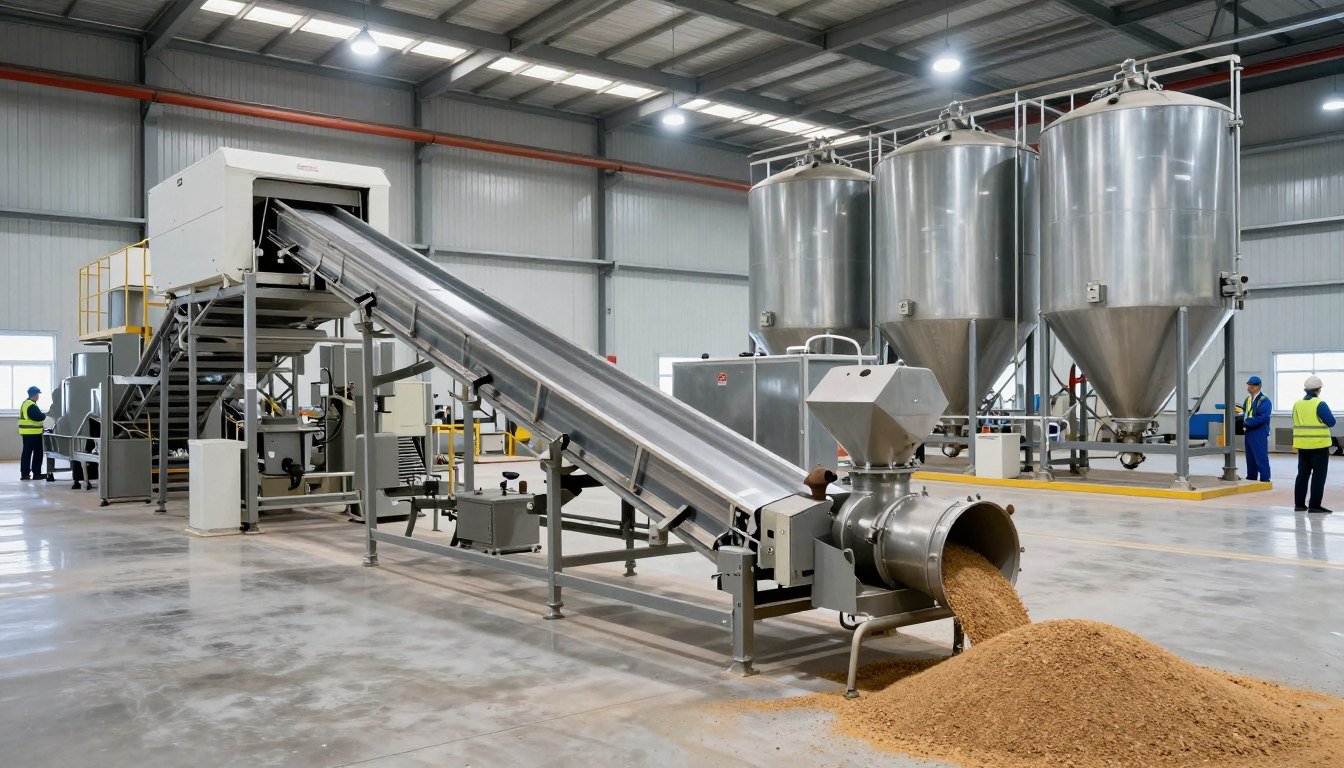
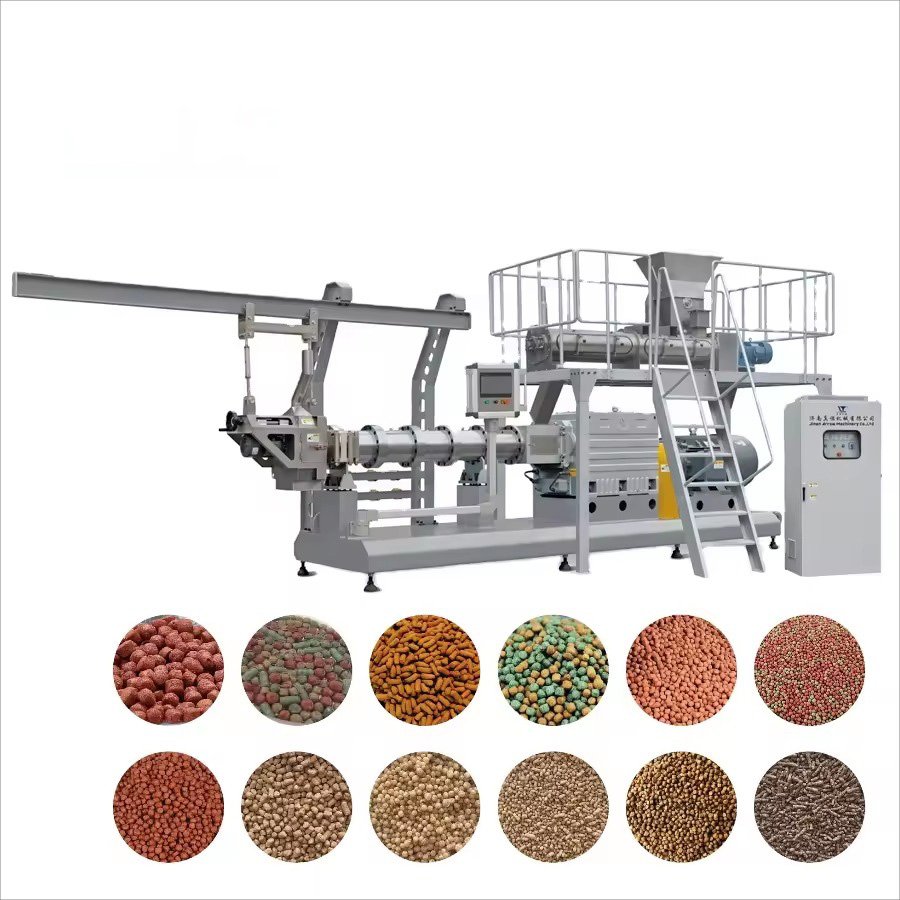
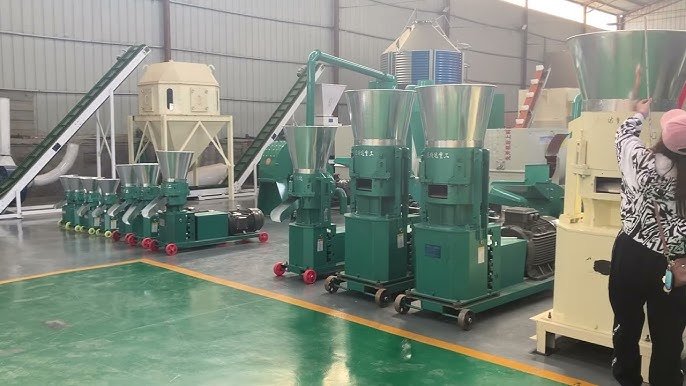
 I want to share something important with you today. A properly configured cattle feed pellet production line transforms raw agricultural materials into high-nutrition feed pellets that improve cattle growth rates by 15-25% compared to traditional mash feeding. This efficiency gain directly impacts your bottom line, whether you operate a 500-head cattle farm or manage a commercial feed mill serving multiple provinces.This guide explains everything you need to know about cattle feed pellet production lines specifically for the Philippine market. You will learn about capacity selection, equipment configuration, investment requirements, and customization options that match your unique operational needs. More importantly, you will discover how MAIKONG’s complete production solutions can help you enter or expand in the growing Philippine feed manufacturing sector.
Why Philippine Feed Manufacturers Trust MAIKONG Production Lines
We established MAIKONG in Shenzhen, Guangdong Province, with a clear mission: provide reliable, high-efficiency pellet production equipment that meets international quality standards while remaining accessible to growing markets like the Philippines. Our manufacturing facility in Shenzhen leverages China’s advanced supply chain ecosystem, allowing us to integrate premium components into production lines that deliver exceptional value.
Our Manufacturing Excellence
Every MAIKONG cattle feed pellet production line carries three internationally recognized certifications: ISO9001:2008 for quality management, EU CE for safety standards, and Customs Union CU-TR certification. These credentials verify that our equipment meets stringent international manufacturing and safety requirements.
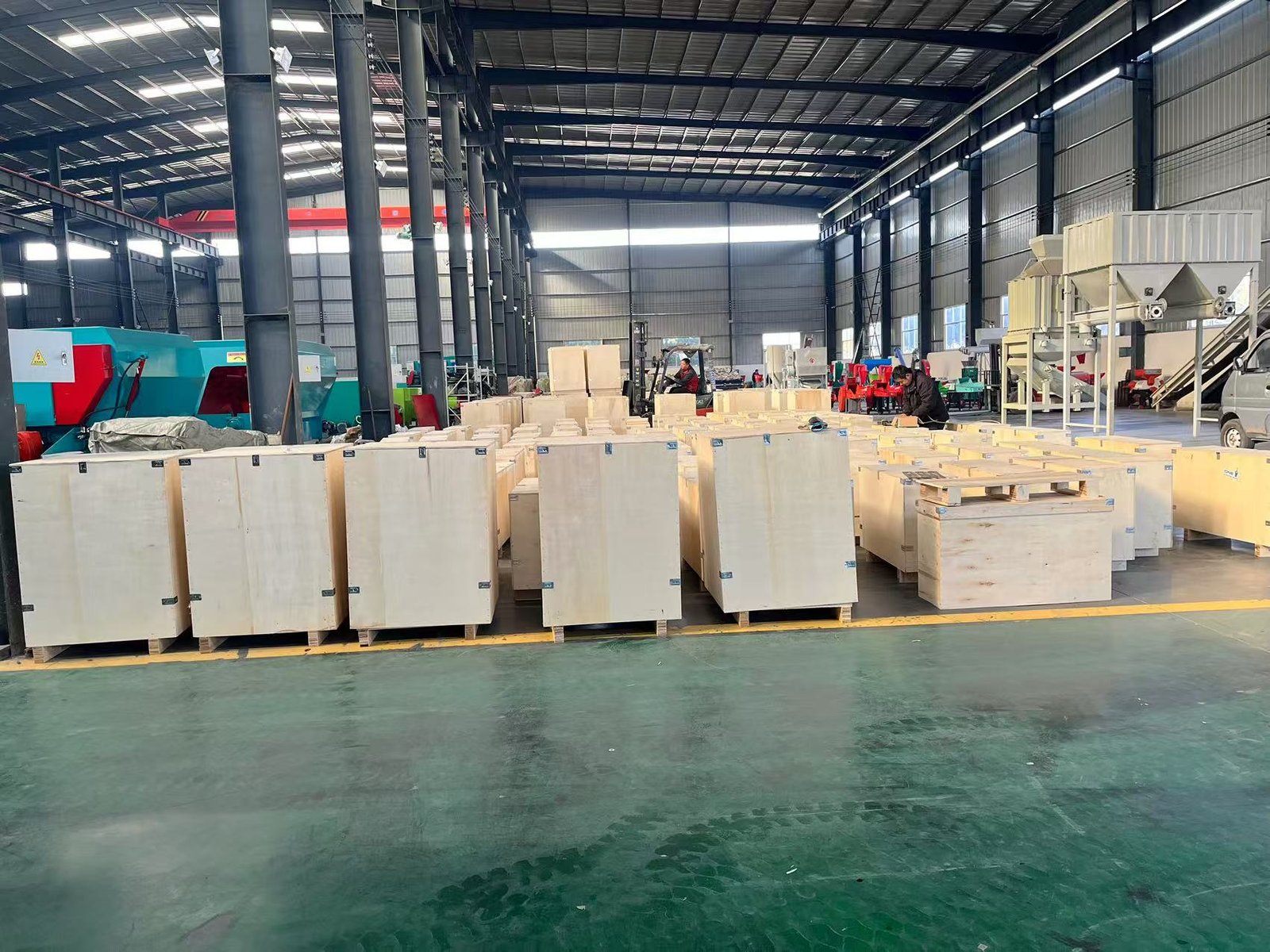
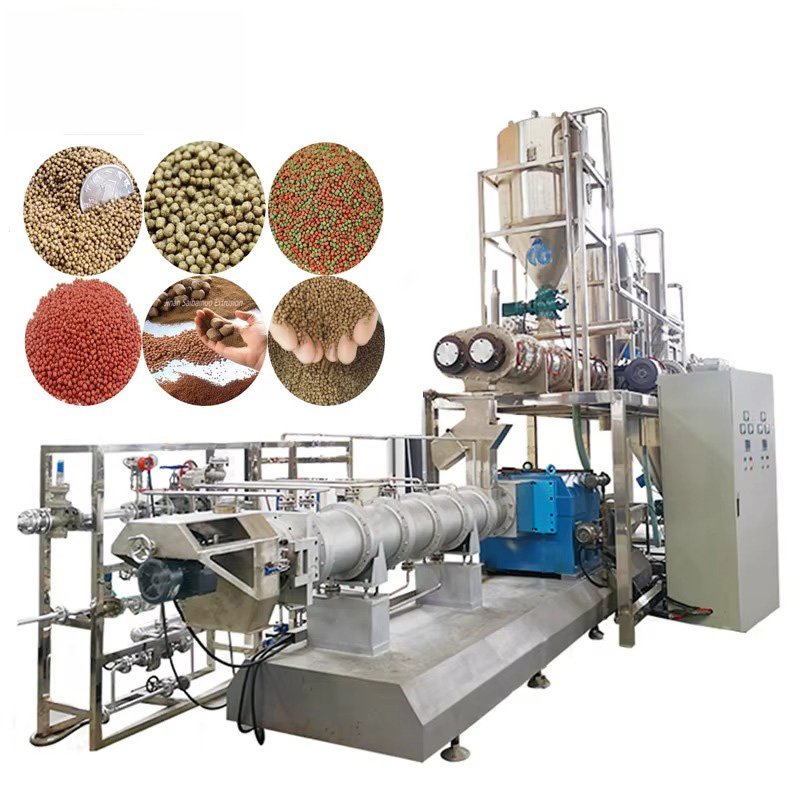
Our Shenzhen facility houses specialized production departments for different equipment categories. The pellet mill division operates dedicated machining centers for ring die manufacturing, where precision grinding ensures consistent pellet quality. The electrical department assembles control systems compatible with Philippine voltage standards (220V/380V), and our testing workshop runs 72-hour continuous operation tests on every major component before shipment.
Philippine Market Specialization
The Philippine agricultural sector presents unique requirements that generic production lines often fail to address. High humidity levels in many provinces demand corrosion-resistant components and enhanced cooling systems. Variable raw material quality from different suppliers requires flexible grinding and conditioning equipment. Local voltage fluctuations necessitate robust electrical protection systems.
We have configured over 47 complete cattle feed production lines for Southeast Asian clients, with 12 installations specifically in the Philippines. This experience taught us critical lessons about tropical climate equipment operation, local raw material characteristics, and the importance of accessible after-sales support.
Get Your Free Philippine Feed Mill Consultation
Our technical team analyzes your specific requirements – from raw material composition to target production capacity – and designs a customized cattle feed pellet production line configuration. This consultation includes site assessment recommendations, voltage compatibility verification, and preliminary ROI calculation based on your local market conditions.
Understanding Cattle Feed Pellet Production Line Components
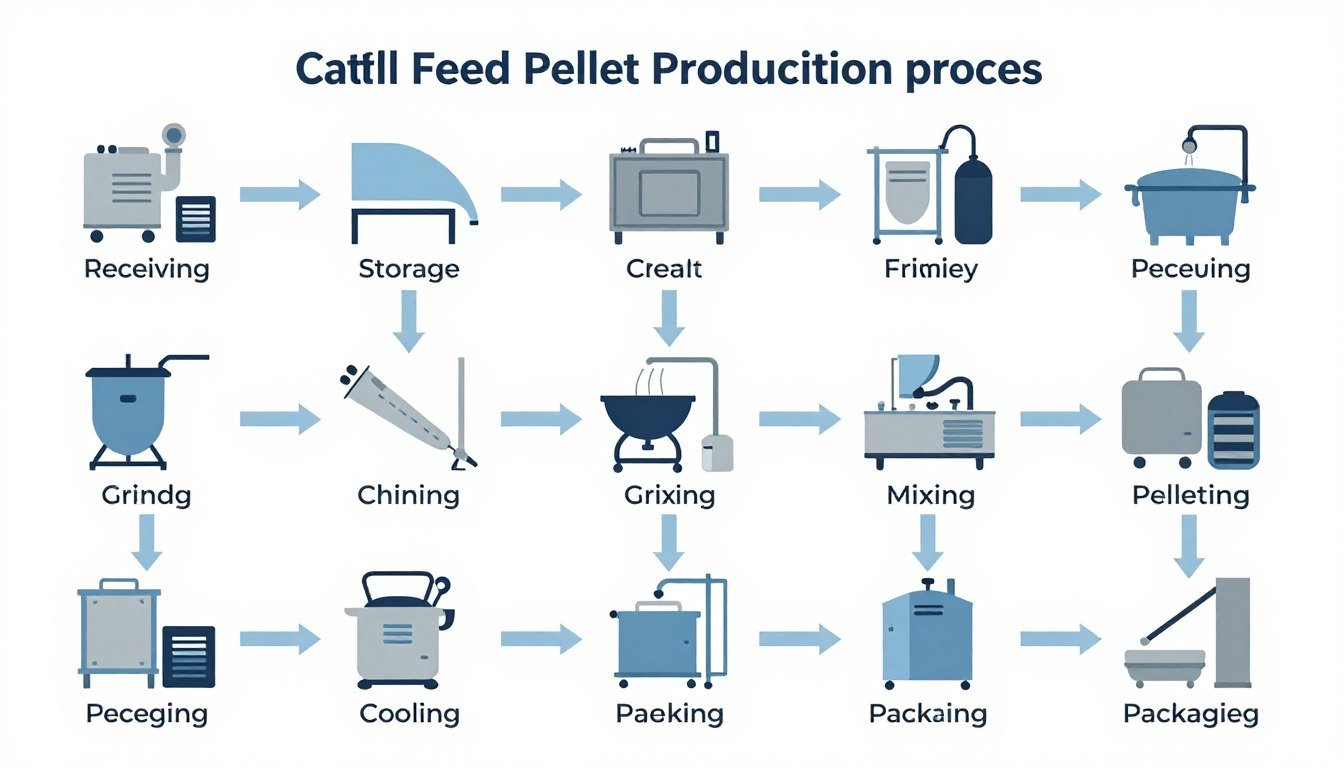
A complete cattle feed pellet production line integrates 11 distinct processing stages, each performing a specific function in transforming raw materials into finished feed pellets. The sophistication of your configuration depends on your target capacity, raw material types, and final product specifications.
Core Processing Equipment
Raw Material Preparation Systems
The front-end preparation section handles incoming raw materials before primary processing. Bale breakers disassemble compressed hay bales, grass cutters reduce forage to optimal particle sizes, and cleaning screens remove stones, metal fragments, and other contaminants. These preparatory steps protect downstream equipment from damage and ensure consistent feed composition.
For Philippine operations processing rice straw, corn stalks, or sugarcane bagasse alongside grain components, this preparation stage becomes particularly critical. The fibrous nature of these local materials demands robust cutting and cleaning systems.
Size Reduction and Mixing
Hammer mills pulverize grains, dried forages, and other solid ingredients to uniform particle sizes between 2-4mm. Particle size uniformity directly affects pelleting efficiency and final pellet quality. Following grinding, horizontal or vertical mixers blend multiple ingredients according to your nutritional formula, with mixing cycles typically completing in 3-8 minutes depending on batch size.
Our mixer designs incorporate liquid addition systems for molasses, oils, or mineral supplements. This capability allows you to produce high-energy cattle feed formulations popular in intensive finishing operations.
Pelleting and Finishing Systems
The pelleting section represents the heart of your production line. Ring die pellet mills force conditioned feed mash through die holes, creating cylindrical pellets through compression and heat. Die hole diameter selection (typically 6-12mm for cattle feed) determines final pellet size, while die length-to-diameter ratio affects pellet durability.
| Equipment Component | Capacity Range | Power Requirement | Primary Function |
| Cattle Feed Pellet Mill | 0.6-40 T/H | 22-280 KW | Forms pellets through compression |
| Grass Crusher | 0.3-3 T/H | 22-93 KW | Reduces forage particle size |
| Hammer Mill | 3-25 T/H | 30-160 KW | Grinds grains and solid materials |
| Feed Mixer | 250-2000 KG | 4-55 KW | Blends multiple ingredients uniformly |
| Pellet Cooler | 1.5-18 T/H | 0.75-2.05 KW | Reduces pellet temperature and moisture |
| Pellet Screener | 3-20 T/H | 1.5-5.5 KW | Separates fines from quality pellets |
| Bagging Machine | 6-12 Bags/Min | 1.1-5 KW | Automatic packaging of finished product |
Counter-flow coolers reduce hot pellets (80-90°C exiting the pellet mill) to near-ambient temperature, simultaneously lowering moisture content to safe storage levels below 12%. Proper cooling prevents pellet deterioration during storage and maintains structural integrity during handling.
Vibrating screeners separate undersized particles and broken pellets from quality product. Screened fines return to the mixer for reprocessing, ensuring zero waste in your operation. Final product then moves to bagging systems or bulk storage depending on your distribution model.
Selecting the Right Production Capacity for Your Operation
Production capacity selection determines your equipment configuration, facility size, power requirements, and total investment. We categorize cattle feed pellet production lines into three operational scales, each serving different market positions and business models.
Small-Scale Lines (1-4 Tons Per Hour)
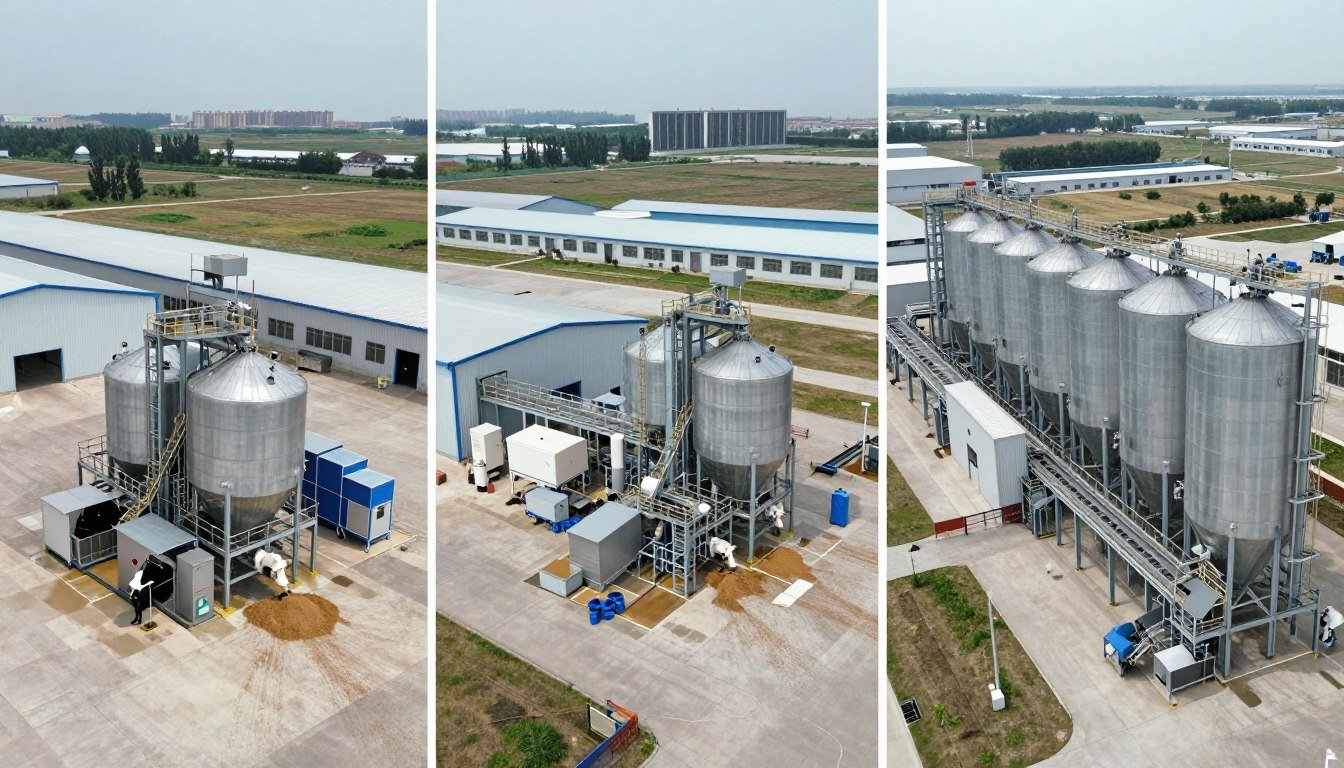
Small-capacity production lines suit on-farm feed manufacturing for cattle operations with 200-1,000 head, or micro feed mills serving local farming communities. These compact configurations occupy 300-700 square meters, making them viable for operations with limited space availability.
A typical 2-ton-per-hour line produces approximately 16 tons during an 8-hour shift, or 4,800 tons monthly operating 6 days per week. This output capacity serves medium-sized cattle farms or small commercial feed mills supplying 5-10 local livestock operations.
Small-Scale Configuration Example
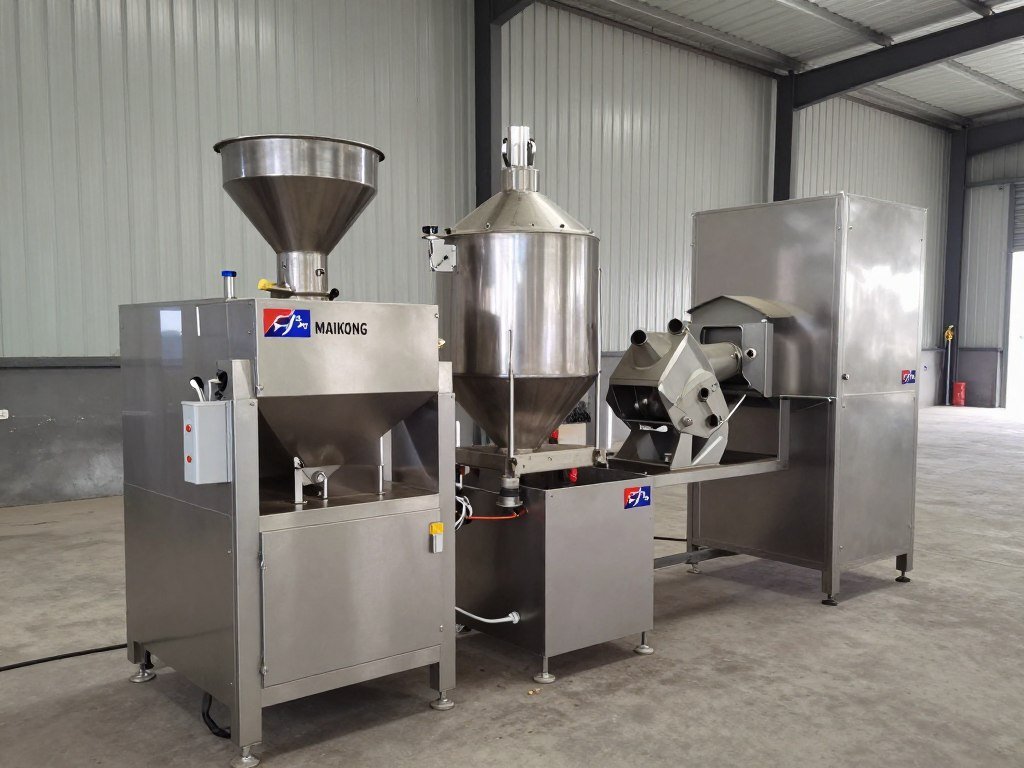
Our 1-1.2 T/H configuration includes: single grinder (9FQ56-40), 1-ton mixer (SLHY1.0A), SZLH250 pellet mill with forced feeder, compact cooler (SKLN1.0x1.0), vibrating screener, and semi-automatic bagging equipment. Total installed power reaches only 47-75KW, allowing operation with standard single-phase or three-phase electrical service available throughout the Philippines.
Medium-Scale Lines (5-20 Tons Per Hour)
Medium-capacity lines target established feed mills, agricultural cooperatives, or integrated livestock operations producing feed for multiple farms. These systems balance production efficiency with manageable capital investment, representing the most popular category among Philippine feed manufacturers.
A 10-ton-per-hour installation produces 80 tons per shift or 24,000 tons monthly. This volume supplies approximately 30-50 cattle farms or serves as captive production for a 5,000-8,000 head integrated cattle operation.
| Production Scale | Total Power | Site Requirements | Installation Cycle | Investment Range (USD) |
| 1-2 T/H | 47-75 KW | 300-500 m² | 7-15 Days | $10,000-$50,000 |
| 3-4 T/H | 53-165 KW | 300-700 m² | 15-20 Days | $50,000-$120,000 |
| 5-7 T/H | 68-259 KW | 400-800 m² | 20-40 Days | $70,000-$250,000 |
| 8-10 T/H | 125-410 KW | 800-2,000 m² | 45-60 Days | $150,000-$300,000 |
| 12-20 T/H | 358-620 KW | 1,500-3,000 m² | 60-90 Days | $250,000-$580,000 |
Large-Scale Industrial Lines (25-100 Tons Per Hour)
Large-capacity production lines serve major commercial feed manufacturers, integrated agribusiness corporations, or government agricultural development projects. These sophisticated installations incorporate multiple parallel production streams, automated material handling, and computerized process control systems.
A 50-ton-per-hour facility produces 400 tons per shift, reaching 120,000 tons monthly capacity. This industrial scale supplies entire provinces or serves as the manufacturing backbone for integrated livestock companies managing tens of thousands of cattle across multiple locations.
MAIKONG’s Complete Customization Services for Philippine Feed Mills
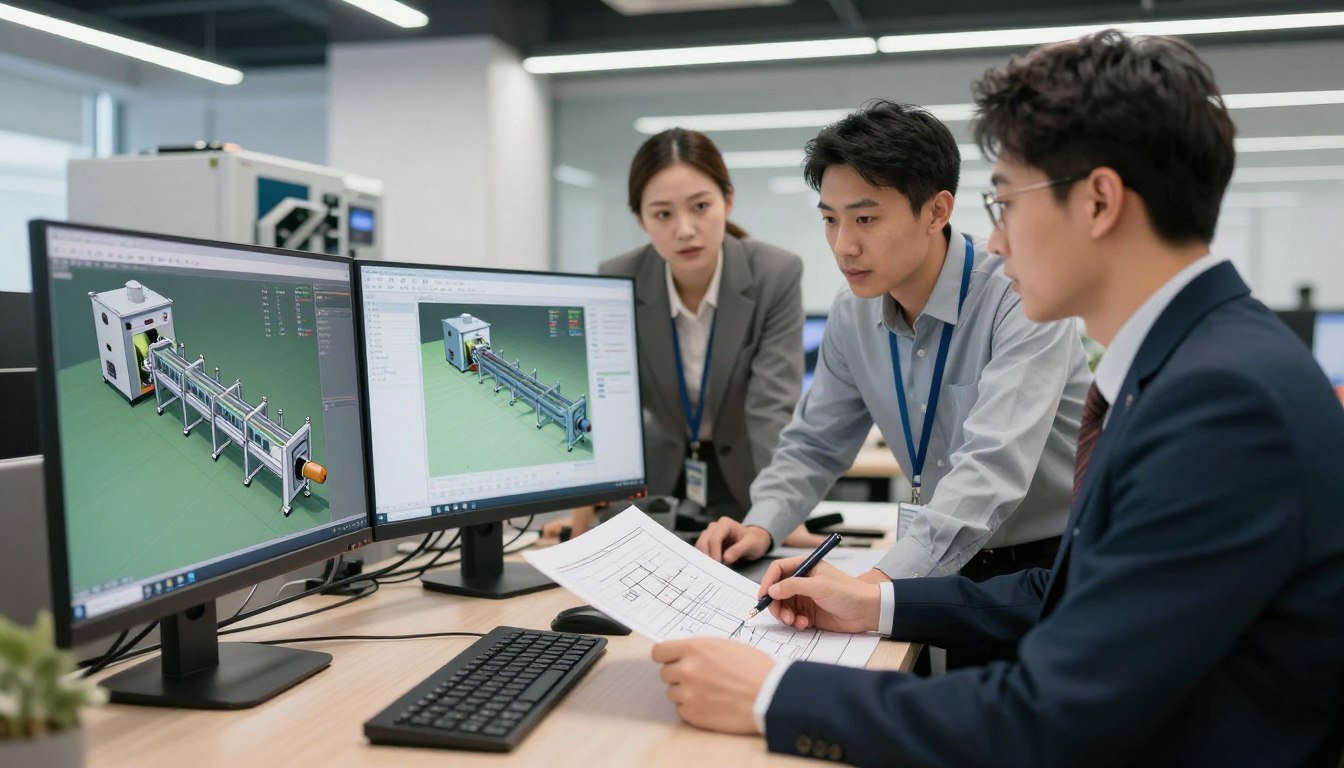
Standard production line configurations serve as starting points, but real-world feed manufacturing demands customization based on raw material characteristics, target animal categories, local infrastructure conditions, and specific product requirements. Our engineering team customizes every aspect of your cattle feed pellet production line to match your unique operational needs.
Raw Material Adaptation
The Philippines offers diverse agricultural by-products suitable for cattle feed: rice bran from milling operations, copra meal from coconut processing, sugarcane bagasse, pineapple waste, banana stems, and traditional grain ingredients. Each material presents distinct physical properties requiring specific processing approaches.
Fibrous Material Processing
For operations incorporating significant fibrous content like rice straw or corn stalks, we configure hammer mills with specialized screen perforation patterns and install heavy-duty grass crushers upstream. Die specifications shift toward larger compression ratios to handle fibrous material pelleting challenges.
Conditioning systems receive steam injection upgrades to soften fibrous materials before pelleting. This steam conditioning improves pellet binding and reduces die wear when processing high-fiber formulations common in maintenance cattle rations.
High-Moisture Material Handling
Some Philippine feed manufacturers incorporate fresh brewery waste, distillery by-products, or other high-moisture ingredients. We integrate rotary dryers (customized capacity, 3-8 RPM) into production lines handling these materials, reducing moisture from 40-50% down to pelleting-suitable levels around 12-14%.
Dryer configurations account for tropical ambient conditions, with enhanced heat exchange surfaces and airflow systems designed for high-humidity environments typical across Philippine provinces.
Electrical System Customization
Philippine electrical infrastructure varies significantly between urban industrial zones and rural agricultural areas. We configure production line electrical systems for your specific local conditions, including voltage compatibility (220V single-phase, 380V three-phase, or 440V industrial), frequency matching (60Hz standard), and power quality protection.
Voltage fluctuation protection systems safeguard sensitive electronics and motor controls from the power supply variations common in rural areas. Variable frequency drives on major motors allow operation despite voltage instability that would damage standard fixed-speed equipment.
Control System Configuration
Our standard cattle feed pellet production lines include PLC-based control systems with touchscreen HMI interfaces. The software supports operation in 11 languages including English and Filipino, allowing your operators to work in their preferred language. System compatibility spans Windows XP through Windows 11, ensuring integration with your existing computer infrastructure.
Manual Control Mode
Operator directly controls individual equipment components. Suitable for training environments, troubleshooting situations, or operations preferring hands-on process management. Each machine operates independently with local start/stop controls.
Semi-Automatic Mode
Operator initiates production sequences with automated interlocking between process stages. System prevents unsafe operations like starting pellet mill before grinder reaches capacity. Balances automation benefits with operator oversight control.
Fully Automatic Mode
Complete production automation from raw material intake through packaging. System manages recipe formulation, ingredient dosing, process sequencing, and quality parameters. Operator monitors production data with minimal intervention required.
Product Specification Customization
Different cattle categories require different pellet specifications. Calves consume smaller pellets (4-6mm diameter) with higher protein and energy density. Growing cattle transition to medium pellets (6-8mm) with balanced nutrition for efficient weight gain. Mature cattle and beef finishing operations use larger pellets (8-12mm) often incorporating more roughage content.
We customize die specifications, formula recipes, and processing parameters to produce your specific target pellet characteristics. This customization extends to bulk density requirements, pellet durability index targets, and even pellet appearance preferences important for certain premium product marketing strategies.
Complete Investment Analysis for Cattle Feed Production Lines
Understanding total project investment requirements allows proper financial planning and realistic ROI projections. Beyond equipment purchase price, complete cattle feed pellet production line projects involve facility costs, installation expenses, auxiliary systems, working capital, and operational reserves.

Equipment Investment Components
Equipment costs form the primary capital expenditure, ranging from $10,000 for minimal 1-ton-per-hour configurations to $2.8 million for sophisticated 100-ton-per-hour industrial installations. Equipment package pricing includes all machinery listed in your configuration: preparation equipment, processing machines, material handling conveyors, dust collection systems, and control panels.
| Investment Category | Percentage of Total | What’s Included |
| Production Equipment | 45-55% | Pellet mills, grinders, mixers, coolers, conveyors, electrical panels |
| Facility Construction | 20-25% | Building structure, foundation work, utilities installation |
| Auxiliary Systems | 8-12% | Dust collection, steam generation, compressed air, electrical distribution |
| Installation & Commissioning | 5-8% | Equipment erection, connection work, system testing, operator training |
| Working Capital Reserve | 12-15% | Initial raw material inventory, 2-3 months operating expenses |
Site Development Considerations
Facility requirements scale proportionally with production capacity. Small operations (1-4 T/H) function within 300-700 square meters including raw material storage, processing area, and finished product warehousing. Medium operations (5-20 T/H) require 800-3,000 square meters with segregated zones for different processing stages. Large industrial facilities (25-100 T/H) occupy 3,000-20,000 square meters with multiple buildings for various functions.
Philippine construction costs vary significantly between regions. Metro Manila and major cities command premium pricing, while provincial locations offer substantial cost advantages. We recommend consulting local contractors during planning stages to develop accurate facility budgets for your specific location.
Return on Investment Modeling
Feed manufacturing profitability depends on several variables: raw material costs, production efficiency, pellet selling prices, capacity utilization, and operational expertise. Philippine cattle feed typically sells at 15-30% premium over raw ingredient costs, with actual margins varying by formulation quality, brand reputation, and distribution efficiency.
ROI Example: 5 T/H Operation
Total Investment: $175,000 (equipment + facility + working capital)
Annual Production: 12,000 tons (5 T/H × 8 hours × 300 days)
Average Margin: $25 per ton produced
Annual Gross Profit: $300,000
Operating Expenses: $120,000 (labor, power, maintenance, overhead)
Annual Net Profit: $180,000
Simple Payback Period: 11.7 months
ROI: 103% first year
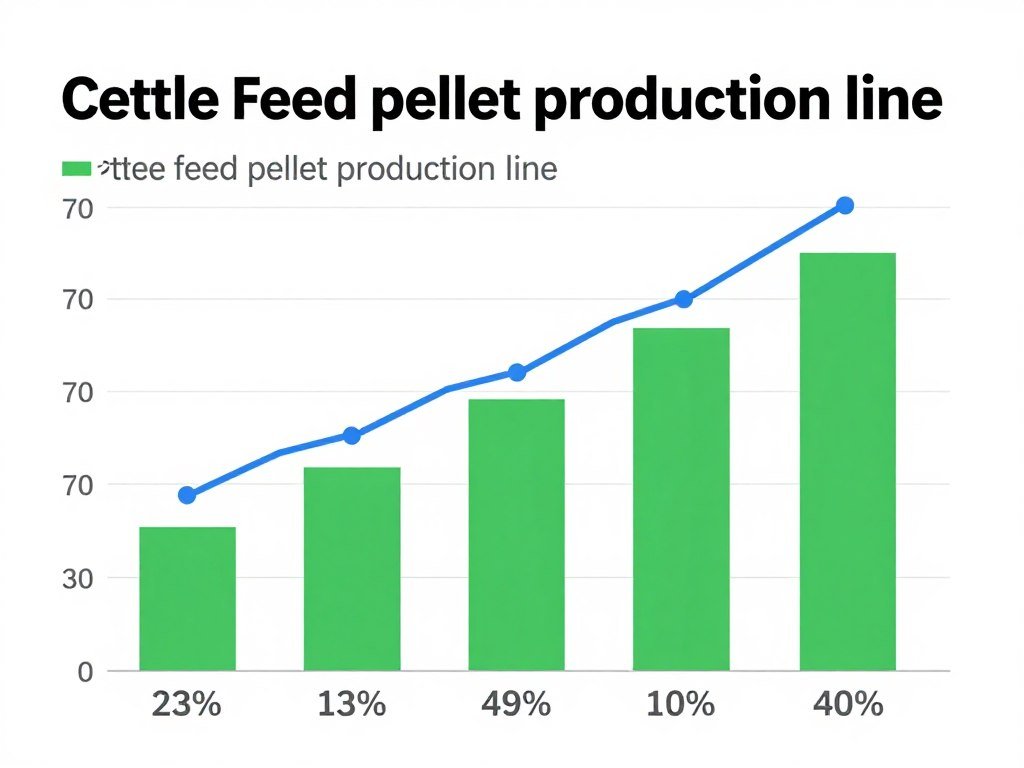
These projections assume normal market conditions and competent operational management. Actual results vary based on your specific circumstances, market positioning, and management effectiveness. We recommend conducting detailed feasibility studies accounting for your local raw material costs, competitive landscape, and target customer base before committing to major capital investments.
Calculate Your Specific Project Investment & ROI
Our project development team prepares comprehensive feasibility studies customized for your location, capacity requirements, and business model. This analysis includes equipment specifications, facility requirements, total investment breakdown, operating cost projections, and multi-year ROI modeling based on Philippine market conditions.
MAIKONG Cattle Feed Production Lines Worldwide
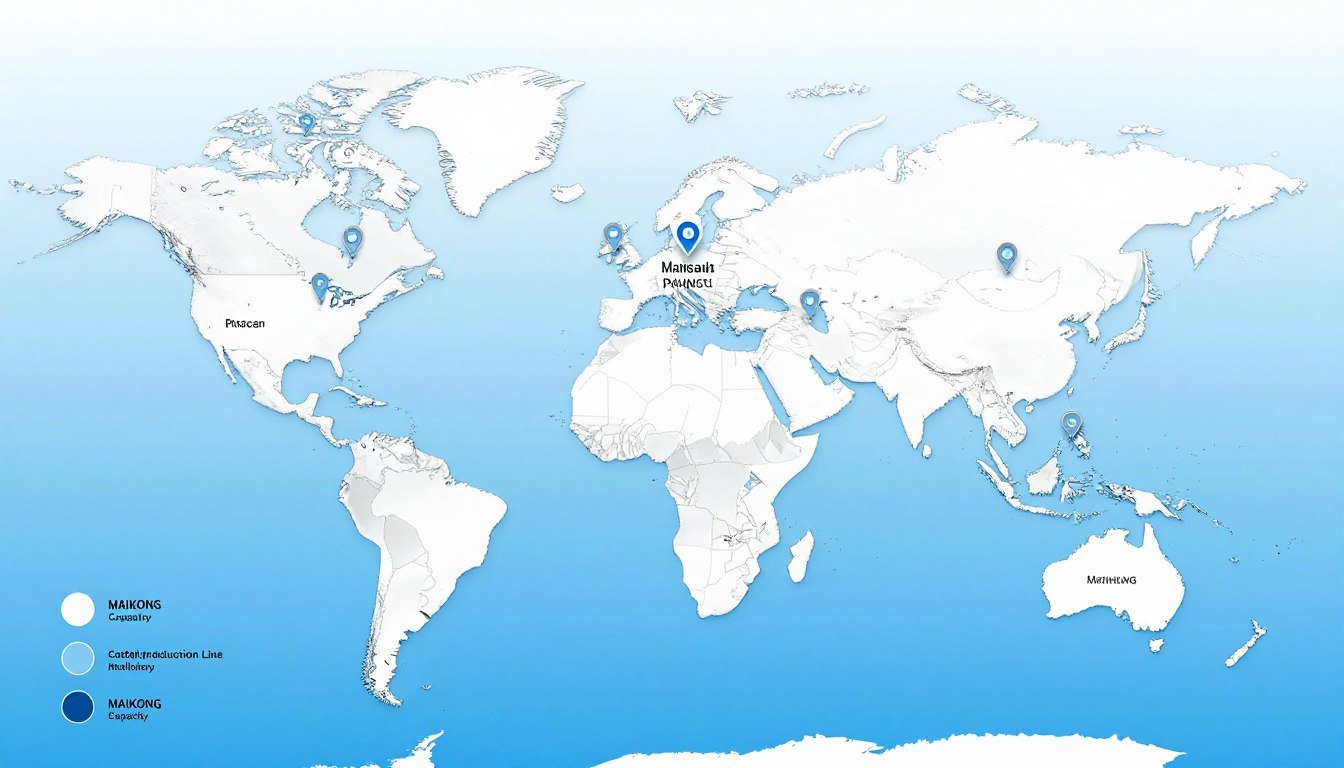
Over 25 years, we have designed, manufactured, and commissioned cattle feed pellet production lines across six continents. These installations demonstrate our equipment’s adaptability to diverse climates, raw materials, and operational requirements. Several Southeast Asian projects particularly relevant to Philippine conditions showcase our regional expertise.
Regional Project Showcase
3-5 T/H Line – Indonesia
Large livestock cooperative in Central Java operates our 4-ton-per-hour production line processing local agricultural by-products including rice bran, cassava waste, and palm kernel meal. Humid tropical conditions similar to Philippine climate tested our equipment durability.
This installation features enhanced corrosion protection, upgraded cooling capacity for hot climate operation, and customized formulation software for Indonesian ingredient combinations. Project completed 2021, currently producing 9,600 tons annually.
10-12 T/H Line – Thailand
Commercial feed mill in Nakhon Ratchasima serves beef cattle operations across northeastern provinces. Production line handles corn-based formulations with soybean meal and local forage materials. Automation level allows small operator team to manage entire production.
Special features include automated raw material dosing from multiple silo sources and sophisticated quality control monitoring. Facility produces both pelleted concentrate and textured feed products on same equipment line through die changeover system.
5 T/H Line – Australia
Cattle station in Queensland processes hay crops and grain into pellets for drought reserve feeding and backgrounding operations. Extreme temperature variations and remote location demanded exceptionally robust equipment with minimal maintenance requirements.
Unique aspects include solar power integration for auxiliary systems and extended service intervals suited to remote operation with limited technical support access. Successfully operating since 2019 with minimal downtime.
Southeast Asian Market Success Factors
Our Southeast Asian installations succeed because we address regional challenges proactively. High humidity demands corrosion-resistant materials and moisture management systems. Variable raw material quality requires flexible processing equipment tolerant of feedstock inconsistency. Limited technical expertise availability necessitates user-friendly controls and comprehensive operator training.
Distance from manufacturing support requires robust equipment design with long service intervals and readily available spare parts. We maintain spare parts inventory in regional distribution centers, ensuring critical components reach Philippine customers within 3-5 days rather than 3-4 weeks from China direct shipments.
Seven Reasons Philippine Feed Manufacturers Choose MAIKONG
Multiple Chinese and international manufacturers offer cattle feed pellet production equipment. Our competitive advantages extend beyond equipment quality to encompass comprehensive project support, post-installation service commitment, and partnership approach treating clients as long-term collaborators rather than one-time transactions.
Certified Manufacturing Quality
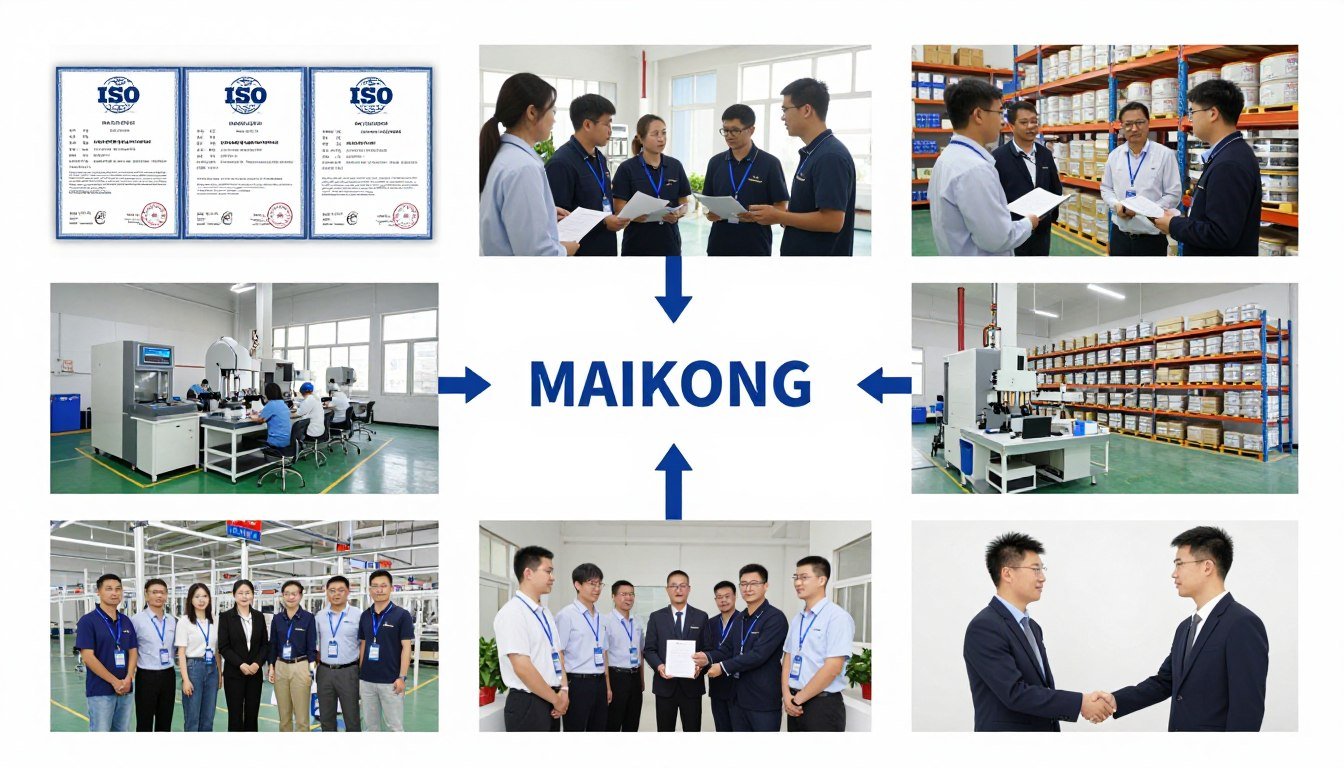
Every production line component carries ISO9001:2008, EU CE, and CU-TR certifications verifying compliance with international quality and safety standards. Our quality management system documents every manufacturing step from raw material inspection through final testing.
- 72-hour continuous operation testing before shipment
- Precision machining tolerances within 0.02mm
- Premium steel alloys in high-wear components
- International standard electrical components
Complete Customization Capability
Unlike manufacturers offering only standard configurations, we customize every aspect of your production line. From raw material handling through final packaging, equipment specifications match your unique requirements rather than forcing your operation to adapt to standardized equipment.
- Capacity range 200kg to 200 tons per hour
- Custom formulations for fish, chicken, cattle, pet, aquatic feeds
- Voltage and frequency matching for any country
- Pellet size adjustment from 2mm to 12mm diameter
Multi-Language Technical Support
Our control systems operate in 11 languages including English and Filipino, allowing operators to work in their preferred language. Technical documentation, operation manuals, and training materials are available in English tailored for Philippine technical comprehension levels.
- Software supports Simplified Chinese, Traditional Chinese, English, German, Filipino, Persian, French, Malay, Japanese, Korean, Portuguese
- Compatible with Windows XP, 7, Vista, 8, 10, 11 operating systems
- Remote diagnostics capability for troubleshooting support
- Video training libraries in multiple languages
Comprehensive Project Support
We provide complete project development assistance from initial feasibility analysis through successful commissioning and ongoing optimization. This turnkey approach reduces your project risk and accelerates time-to-production compared to assembling equipment from multiple suppliers.
- Free preliminary feasibility studies and ROI modeling
- Facility layout design and civil engineering specifications
- Installation supervision and commissioning support
- Operator and maintenance technician training programs
Accessible Spare Parts Supply
We maintain comprehensive spare parts inventory for all equipment models, with regional distribution ensuring rapid delivery to Philippine locations. Critical wear components like hammer mill screens, pellet mill dies, and mixer paddles ship within 3-5 business days, minimizing production downtime risk.
Spare parts pricing remains stable and transparent. We publish recommended spare parts kits for different maintenance intervals, allowing accurate budgeting for ongoing operational costs. Our parts warranty coverage and replacement guarantee provide additional security for your investment.
Long-Term Partnership Approach
We view equipment sales as the beginning of lasting business relationships. Our team maintains regular contact with clients, offering production optimization advice, troubleshooting support, and expansion planning assistance as your operations grow.
Annual equipment inspection programs identify potential issues before they cause failures. Production efficiency audits analyze your operation and recommend improvements maximizing output and quality. This ongoing support maximizes your equipment’s productive lifetime and return on investment.
Philippine Market Commitment
We recognize the Philippine agricultural sector’s growth potential and commit to supporting local feed manufacturing development. This commitment extends beyond equipment sales to include distributor partnership programs, technical training initiatives, and ongoing market development support.
Our goal involves establishing MAIKONG as the preferred cattle feed pellet production line supplier throughout the Philippines through superior equipment quality, comprehensive support services, and genuine partnership with local businesses and distributors.
Become MAIKONG’s Official Partner in the Philippines
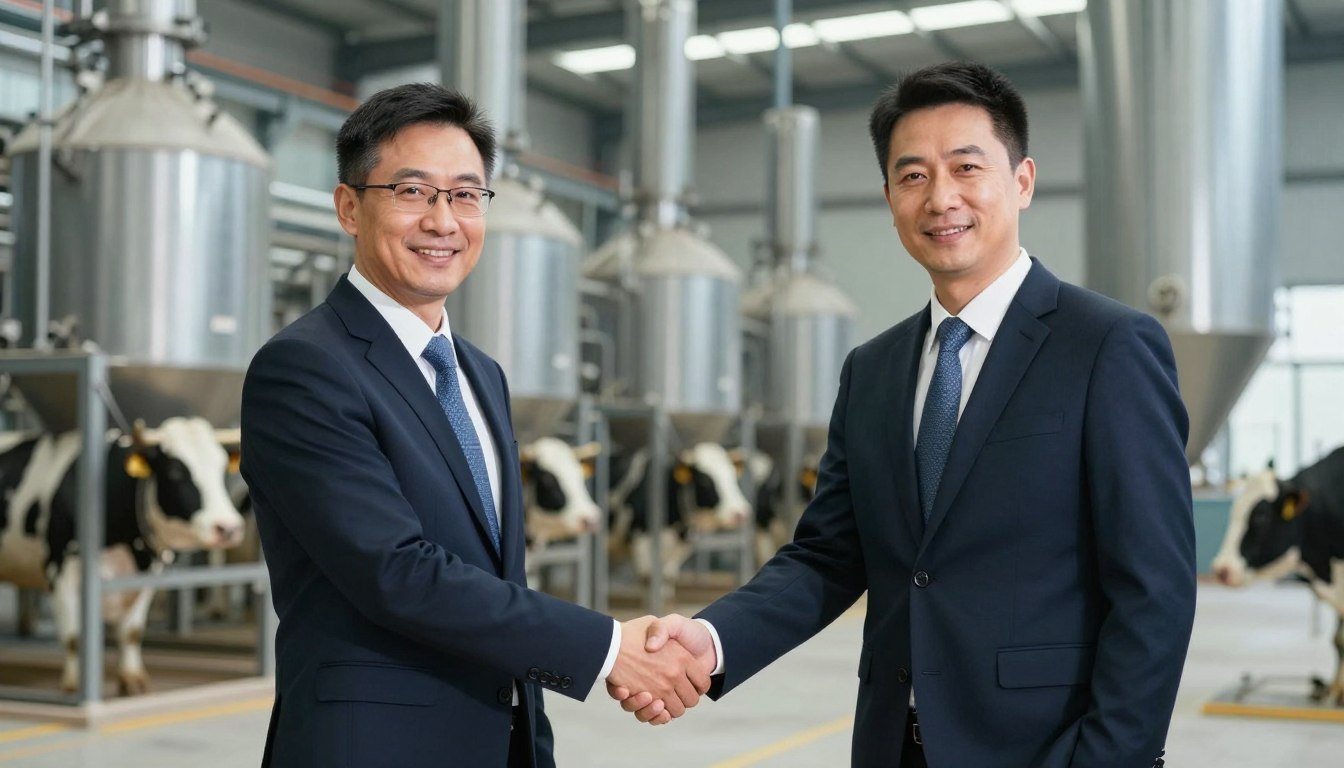
We actively seek qualified distributors, dealers, and technical service partners throughout the Philippine provinces. Our distributor program offers exclusive territorial rights, comprehensive technical training, marketing support, and attractive commercial terms for partners committed to representing MAIKONG equipment quality and service standards.
Distributor Partnership Benefits
Commercial Advantages
- Exclusive territorial rights for designated provinces or regions
- Competitive dealer pricing with volume-based incentives
- Marketing development fund support for local promotion
- Co-branded marketing materials and technical documentation
- Demonstration equipment placement programs
- Lead generation support through digital marketing
- Protected margins on equipment and spare parts sales
Technical Support
- Comprehensive product training at MAIKONG facility
- Installation and commissioning certification programs
- Technical support hotline access for customer projects
- Regular equipment updates and specification briefings
- Access to engineering team for custom project consultation
- Troubleshooting guides and diagnostic tools
- Video training library and technical documentation
Growth Support
- Business development coaching and sales training
- Joint customer visits for major project opportunities
- Showroom and demonstration facility setup guidance
- Financing program information for customer support
- Success stories and case study materials
- Regional market analysis and opportunity identification
- Annual partner conference and networking events
Ideal Partner Profile
We seek partners with established presence in agricultural equipment, feed manufacturing, or livestock industries. Ideal partners possess technical capabilities for equipment installation and basic troubleshooting, maintain customer service infrastructure, and demonstrate commitment to long-term market development rather than opportunistic short-term sales.
Current business relationships with feed mills, livestock farms, agricultural cooperatives, or government agricultural agencies provide valuable market access. Technical staff with mechanical, electrical, or agricultural engineering backgrounds strengthen service delivery capabilities essential for customer satisfaction.
Become MAIKONG’s Official Partner in the Philippines
Join our growing network of distributors and dealers across Southeast Asia. We provide everything you need to succeed in the cattle feed pellet production line market: quality equipment, comprehensive training, technical support, and attractive commercial terms. Whether you currently operate in agricultural equipment distribution or seek to expand your business into feed manufacturing equipment, we welcome your partnership inquiry.
Email our partnership team: lucy@mkgranulatorfuraje.ro
Moving Forward With Your Cattle Feed Production Project
The Philippine livestock sector continues expanding as domestic consumption grows and export opportunities develop. This growth drives demand for locally produced, quality-controlled cattle feed pellets that improve animal performance while reducing feeding costs compared to imported products or traditional loose feeding methods.
Establishing a cattle feed pellet production line positions your business to capitalize on this growth trend. Whether you operate an existing cattle farm seeking feed self-sufficiency, manage a feed mill serving local farmers, or invest in agricultural manufacturing ventures, the right production equipment and reliable manufacturing partner determine your project’s success.
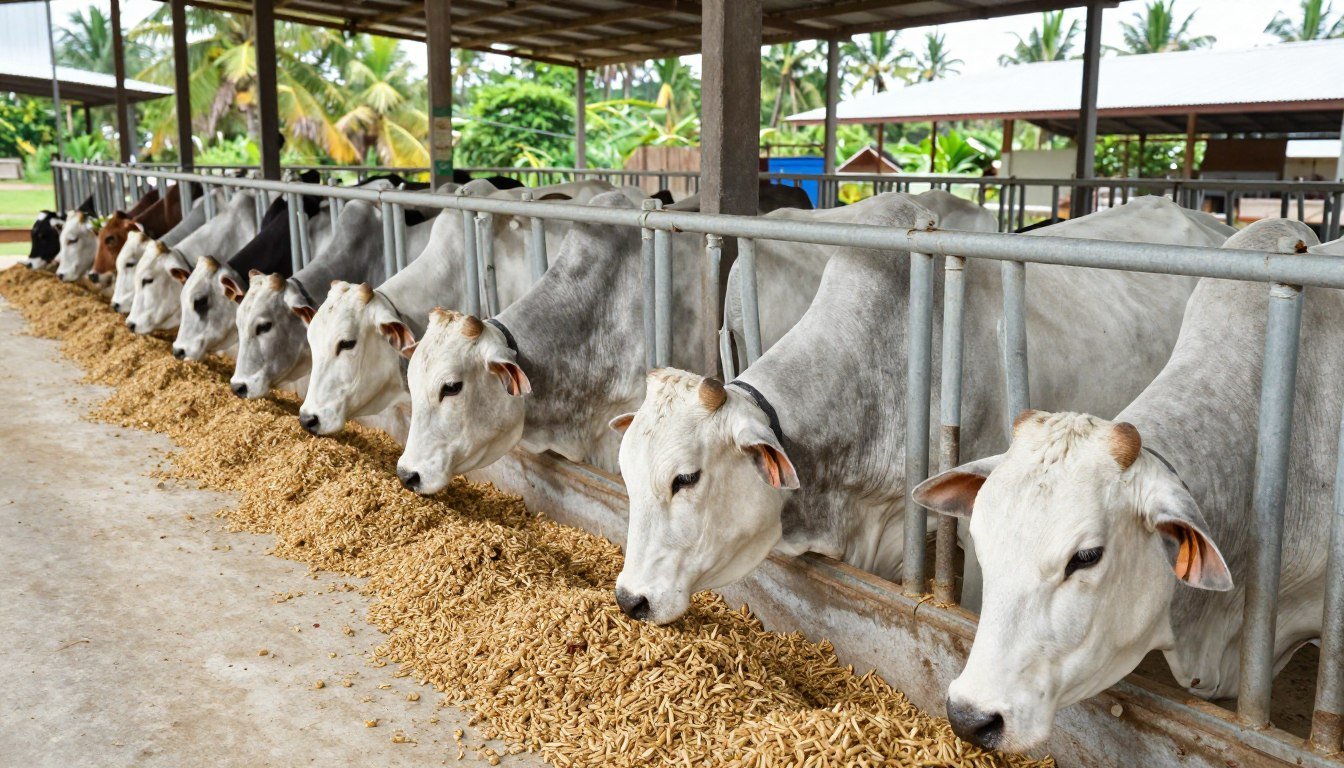
MAIKONG brings 25 years of pellet production equipment manufacturing experience, international quality certifications, and genuine commitment to Philippine market success. Our complete customization capabilities ensure your production line matches your specific raw materials, capacity requirements, and product specifications rather than forcing compromises to fit standardized equipment.
We invite you to contact our technical team to discuss your cattle feed production objectives. This consultation costs nothing and obligates you to nothing, yet provides valuable insights into equipment requirements, investment levels, and realistic return expectations for your specific circumstances. Many successful feed manufacturing businesses throughout Southeast Asia began with exactly this type of exploratory conversation with our team.
Your decision to investigate cattle feed pellet production line options represents an important step toward operational improvement or business development. We appreciate your time reviewing this comprehensive guide and hope the information helps you make informed decisions about your project. Our team stands ready to answer questions, provide additional details, and support your success in the growing Philippine cattle feed manufacturing sector.