
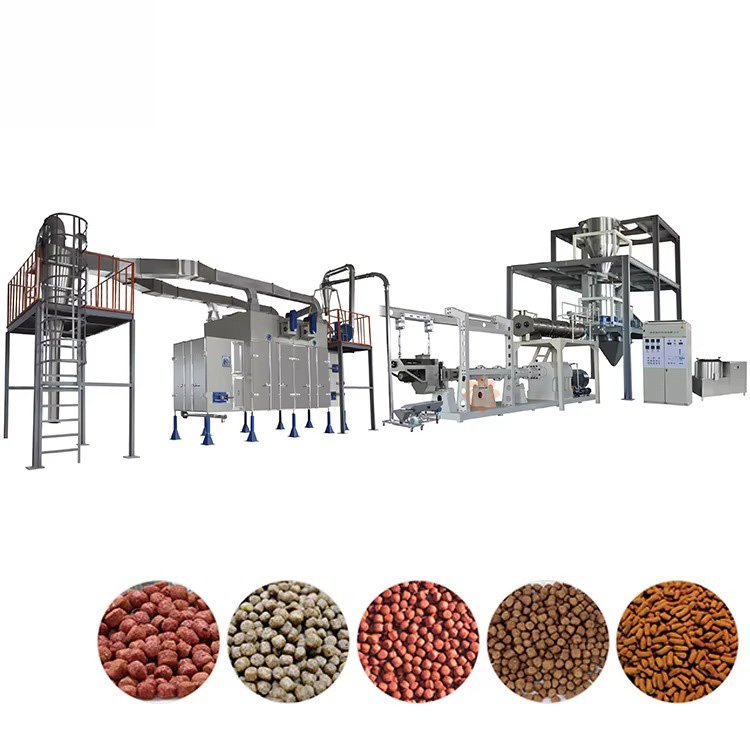
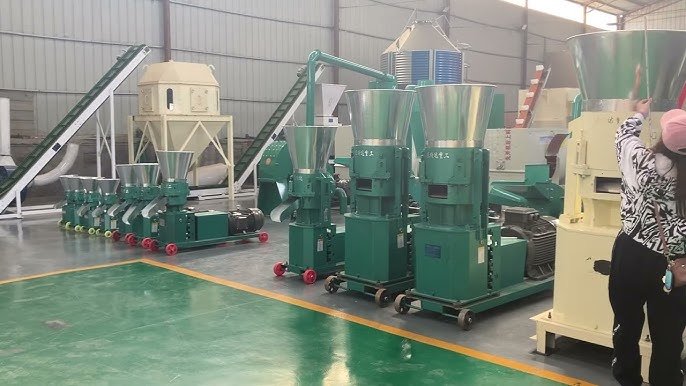
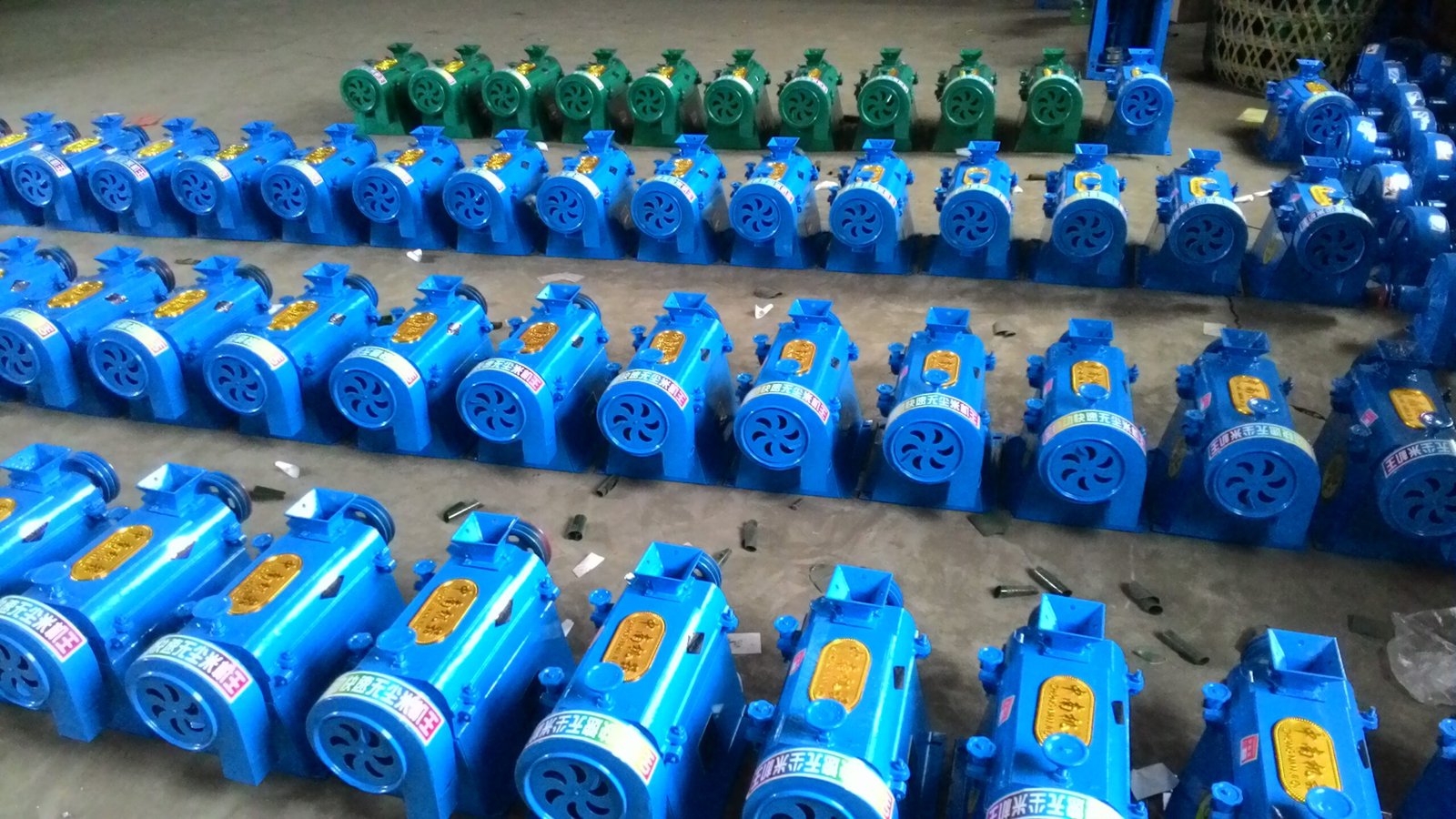
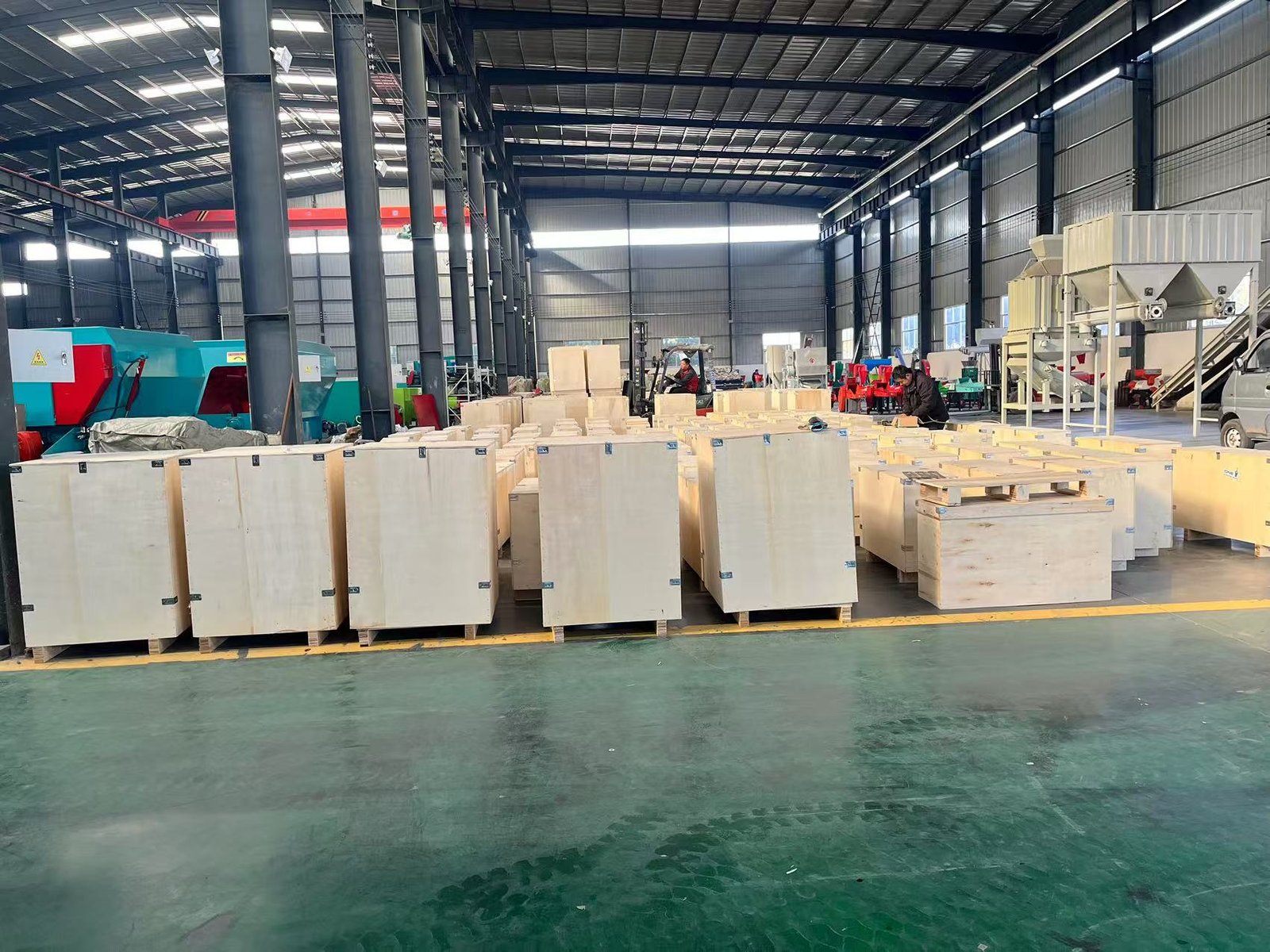
Whether you manage a growing dairy farm in Mindanao or operate a commercial beef operation in Luzon, understanding production equipment matters. The right setup reduces costs. It improves feed pellet quality. Most importantly, it supports healthier cattle growth.
Why Philippine Cattle Farms Need Pellet Production Lines
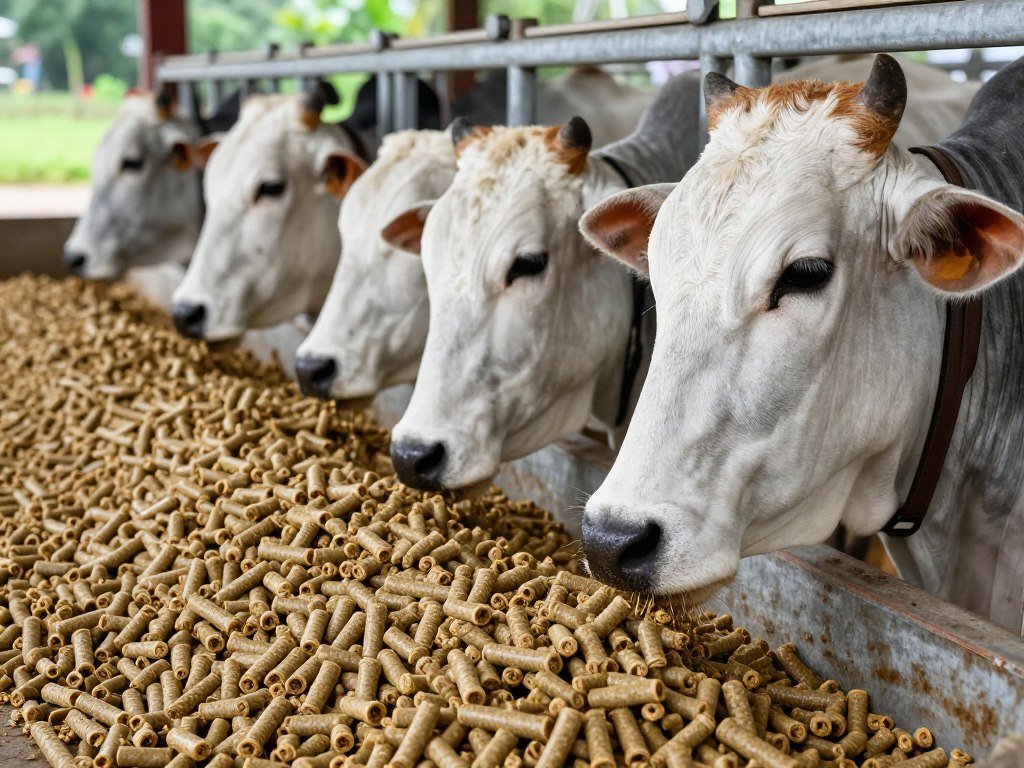
Traditional feeding methods waste valuable resources. Loose feed gets scattered. Animals select preferred ingredients. Nutritional balance suffers. A proper feed pellet production line solves these challenges.
Benefits for Your Cattle Operation
- Reduced feed waste by up to 15% compared to mash feeding
- Better nutrient absorption through proper grinding and mixing
- Easier storage and transportation of finished feed pellets
- Consistent pellet feed quality across all batches
- Lower labor costs through automation
- Improved cattle health and growth rates
Production Capacity Range
MAIKONG offers complete solutions from 200kg per hour for small family farms up to 200 tons per hour for commercial operations. Our systems adapt to your current needs. They scale as your business grows.
Each cattle feed pellet production line we design considers Philippine conditions. We account for local raw materials availability. Our equipment handles tropical climate challenges. Power requirements match Philippine electrical standards.
Essential Machines in Every Cattle Feed Production Line
A complete system includes multiple components. Each machine performs specific functions. Together they create efficient production workflows. Let us examine each essential piece of equipment.
Raw Material Receiving and Storage Section
Your production starts with proper material handling. Reception equipment unloads bulk ingredients safely. Storage silos protect raw materials from moisture and contamination. Properly designed intake systems prevent bottlenecks.
For Philippine operations, consider seasonal variations. Rainy season requires covered receiving areas. Storage capacity should match your procurement cycles. Many farms buy ingredients in bulk during harvest season.
Cleaning Equipment
Clean materials mean better pellet quality. Vibrating screens remove stones and debris. Magnetic separators extract metal particles. Destoners separate heavy contaminants. This protects downstream equipment from damage.
Grinding Section
Proper particle size ensures good pelleting. Hammer mills pulverize corn, grains, and other materials. The feed pellet machine works best with uniformly ground ingredients. Screen size determines final particle dimensions.
MAIKONG cattle feed pellet machine models work with particles between 1.5mm and 3mm. Finer grinding improves pellet density. Coarser particles may cause jamming. Your grinding setup must match your pellet mill specifications.
Batching and Mixing Section
Accurate dosing creates consistent nutrition. Electronic scales weigh each ingredient precisely. Your formula determines health outcomes. Even slight variations affect cattle performance.
Horizontal ribbon mixers blend ingredients thoroughly. Mixing time typically ranges from 3 to 7 minutes. Proper mixing ensures every pellet contains balanced nutrition. Liquid addition systems incorporate oils, molasses, or vitamins.
Mixing Quality Standards
Coefficient of variation should stay below 5%. This means ingredients distribute evenly throughout the batch. Testing random samples confirms mixing quality. Poor mixing creates nutritional inconsistencies.
Modern mixers include automated controls. They track batch history. Some models integrate with farm management software. This helps maintain quality records.
Pelleting Section – The Heart of Your Line
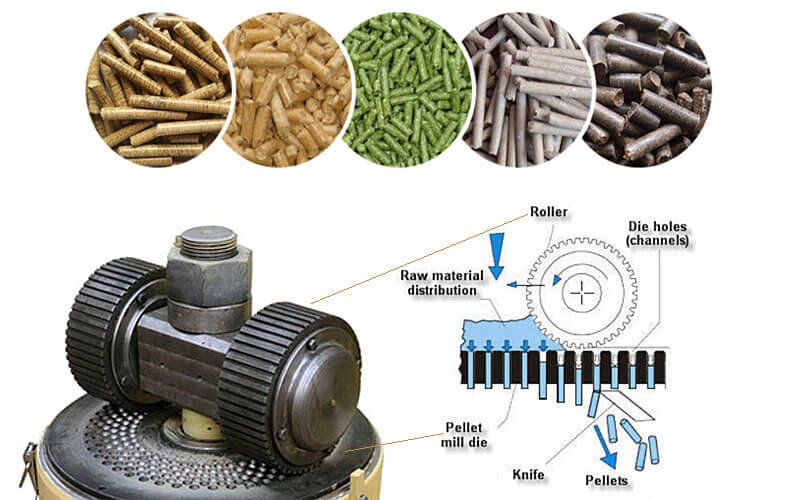
The feed pellet machine transforms mixed meal into dense pellets. Two main types exist: flat die and ring die models. Each suits different production scales.
Flat Die Pellet Mills
Smaller operations often choose flat die machines. They cost less initially. Maintenance is simpler. Production capacity typically ranges from 200kg to 1.5 tons per hour. They work well for farm-scale operations.
Ring Die Pellet Mills
Commercial operations need ring die technology. These pellet mills handle 2 to 200 tons hourly. They run continuously. Energy efficiency improves at higher capacities. Pellet quality remains more consistent.
MAIKONG manufactures both types. Our feed pellet machine models include automatic lubrication. They feature adjustable compression ratios. This accommodates different feed formulas.
Get Your Custom Production Line Quote
MAIKONG engineers will design a complete system matching your capacity needs and budget. We customize voltage, pellet size, and efficiency for Philippine operations.
Cooling and Drying Section
Fresh pellets exit the machine at 75-85°C. High moisture content makes them fragile. Counterflow coolers reduce temperature gradually. Air flows through the pellet bed. This removes excess moisture and heat.
Proper cooling prevents mold growth. It extends storage life. Cooled pellets harden completely. They resist breakage during handling. Philippine climate demands efficient cooling systems.
Screening and Grading Section
Rotary screeners separate oversized particles. They remove fine powder. Only uniform pellets proceed to packaging. Fines typically return to the mixing section. This reduces waste.
Packaging Section
Automatic scales fill bags accurately. Sewing machines seal them shut. Manual packaging works for smaller operations. Larger mills need fully automated systems. Bulk loading equipment fills delivery trucks directly.
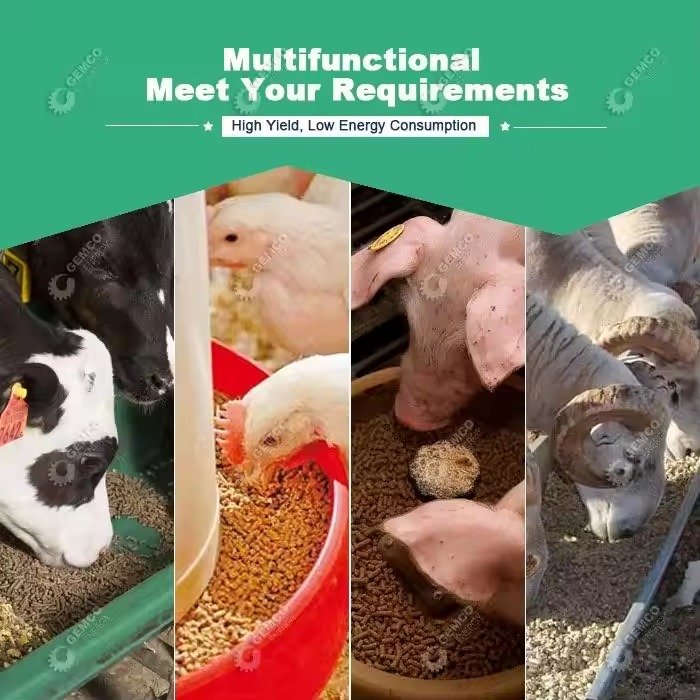
Understanding Cattle Feed Pellet Production Line Capacity Options
Choosing the right capacity prevents bottlenecks. It matches your cattle population. Consider future expansion plans. Below are standard configurations MAIKONG offers to Philippine customers.
| Production Scale | Capacity Range | Total Power | Site Requirements | Investment Range (USD) |
| Small Farm Operation | 200-500 kg/hour | 35-47 kW | 200-300 m² | $8,000 – $30,000 |
| Medium Farm Setup | 1-2 tons/hour | 47-75 kW | 300-500 m² | $30,000 – $70,000 |
| Commercial Feed Mill | 3-4 tons/hour | 53-165 kW | 300-700 m² | $70,000 – $150,000 |
| Regional Feed Producer | 8-10 tons/hour | 125-410 kW | 800-2,000 m² | $200,000 – $400,000 |
| Large Industrial Plant | 20-30 tons/hour | 358-620 kW | 1,500-3,000 m² | $500,000 – $900,000 |
These figures include complete production line equipment. Installation costs vary by location. Site preparation expenses depend on existing infrastructure. MAIKONG provides detailed quotations after assessing your specific needs.
Small Scale Benefits
Perfect for family farms with 50-200 head of cattle. Lower initial investment. Simple operation. Produces enough feed pellets for daily needs. Easy maintenance without specialized staff.
Medium Scale Advantages
Serves farms with 200-1,000 cattle. Balanced automation level. Good return on investment. Capacity for selling excess feed pellets to neighbors. Handles multiple feed formulas daily.
Commercial Scale Power
Built for large ranches or dedicated feed production businesses. High automation reduces labor. Consistent quality across thousands of tons. Multiple delivery options for customers.
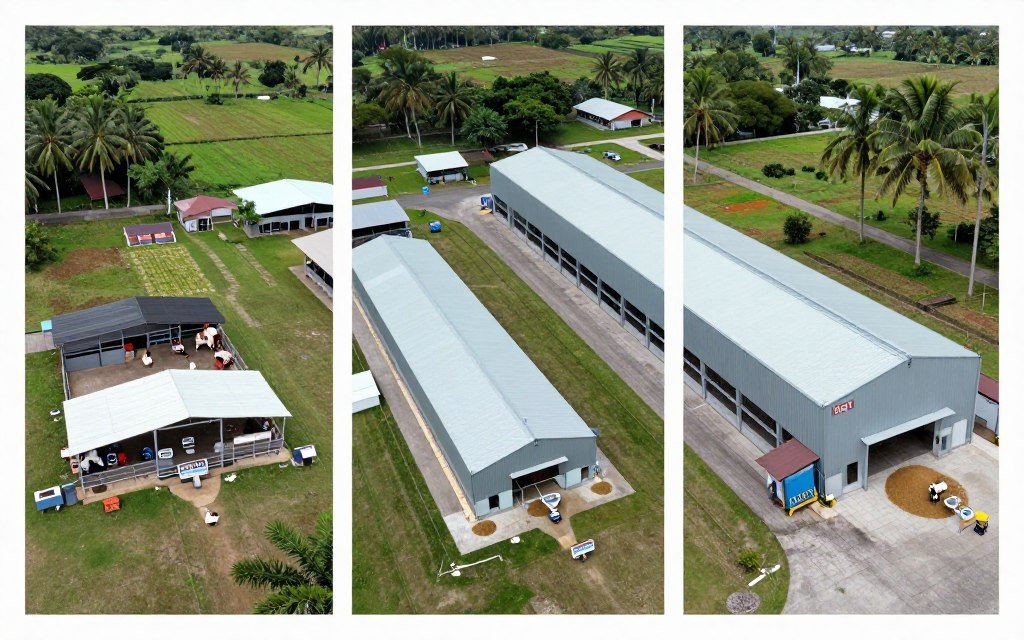
Complete Feed Pellet Production Process Flow
Understanding the workflow helps optimize your operation. Each step connects to the next. Proper sequencing ensures smooth production. Let us walk through the complete process.
Step 1: Material Reception
Trucks deliver bulk ingredients to your facility. Unloading equipment transfers materials to storage. Dust collection systems maintain air quality. Proper intake prevents contamination.
- Truck scales verify delivered quantities
- Pneumatic conveyors move materials to silos
- Quality checks sample each delivery
- Inventory management tracks stock levels
Step 2: Cleaning Process
Screening equipment removes impurities. Magnets extract metal contaminants. This protects grinding equipment. Clean materials improve final pellet quality.
- Vibrating screens separate by size
- Air separation removes light chaff
- Magnetic separators catch metal pieces
- Destoners eliminate heavy particles
Step 3: Grinding Stage
Hammer mills reduce particle size. Screen selection determines fineness. Proper grinding ensures good pelleting. Uniform particles compress better.
- Adjustable hammers control grinding intensity
- Different screens create various particle sizes
- Cyclone separators collect ground material
- Dust extraction maintains workplace safety
Step 4: Precise Batching
Electronic scales dose each ingredient. Your formula controls the system. Accuracy determines nutritional consistency. Modern systems achieve 0.2% precision.
- Load cells weigh each component
- Computer controls follow saved recipes
- Sequential batching prevents errors
- Batch records track every production run
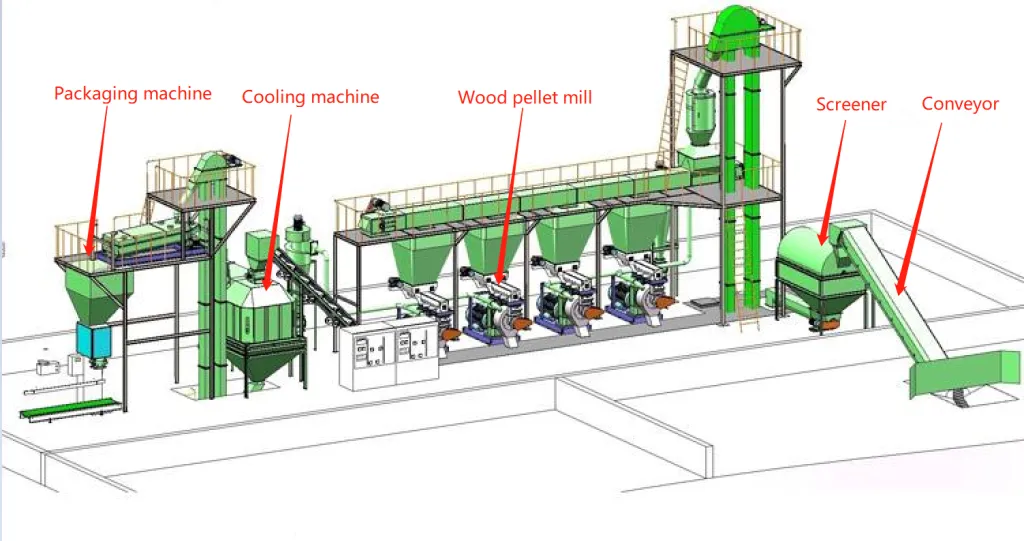
Step 5: Thorough Mixing
Ribbon mixers blend all ingredients uniformly. Mixing duration depends on batch size. Typically 4-6 minutes achieves homogeneity. Liquid additives inject during this phase. Vitamins, oils, and molasses integrate completely.
Step 6: Conditioning and Pelleting
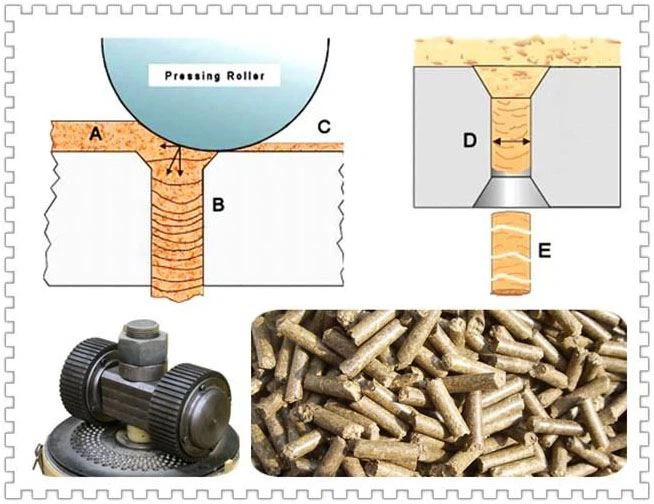
Conditioners add steam and moisture. This activates starches. It improves binding. The pellet mill then forces material through dies. High pressure creates dense cylindrical pellets.
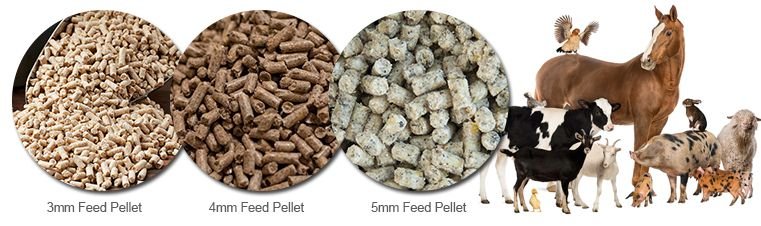
Die hole diameter determines pellet size. Most cattle feed uses 6-8mm diameter. Larger animals can handle bigger pellets. Calves need smaller sizes. MAIKONG offers interchangeable dies for flexibility.
Step 7: Cooling and Stabilizing
Hot pellets must cool before storage. Counterflow coolers work most efficiently. Cool air passes upward through descending pellets. Temperature drops to within 5°C of ambient. Moisture content reduces to 12-13%.
Step 8: Screening and Packaging
Final screening removes broken pellets and fines. Quality pellets proceed to bagging. Automated scales fill bags to exact weights. Sewing machines seal each bag. Finished products stack on pallets for shipping.
Start Your Own Feed Production Business
MAIKONG provides complete turnkey solutions. We handle design, installation, training, and ongoing support. Our 22 years of experience ensures your success in the Philippine market.
MAIKONG Model MK-L003 Cattle Feed Pellet Production Line Specifications
Our flagship model serves medium to large operations. It represents proven technology. Hundreds of installations operate worldwide. Philippine customers particularly value its reliability.
Technical Parameters
- Model Number: MK-L003
- Production Capacity: 3-5 tons/hour
- Total Installed Power: 110 kW
- Voltage Options: 220V/380V/440V (customizable)
- Pellet Size Range: 4mm – 12mm diameter
- Material: Food-grade stainless steel contact parts
- Control System: PLC with touchscreen interface
- Dimensions (L×W×H): 28m × 8m × 6m
- Color Options: Industrial gray, custom colors available
- Weight: Approximately 12,500 kg complete
Stock Status: Available – Current lead time 45-60 days
Price Range: $95,000 – $135,000 USD (varies by configuration and shipping)
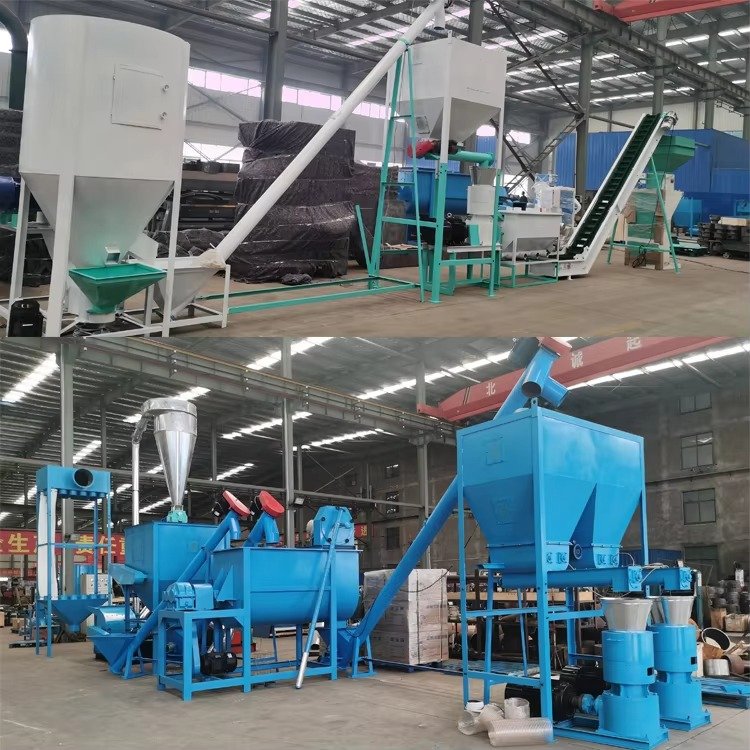
Standard Configuration Includes
Primary Equipment
- TDSJ120×600 Bale Breaker
- 9FQ56-120 Hammer Mill Grinder
- SLHY2.5L Horizontal Mixer
- MZLH520 Ring Die Pellet Mill
- SKLN20×20 Counterflow Cooler
- TDZS100 Vibrating Screener
- DCS-50 Auto Packaging Machine
Auxiliary Systems
- Belt Conveyors (4 units)
- Screw Conveyors (3 units)
- Bucket Elevators (2 units)
- Cyclone Dust Collectors
- Pulse Bag Filter System
- Electrical Control Cabinet
- Emergency Stop Systems
Optional Upgrades
- Automatic ingredient dosing system
- Liquid addition equipment
- Additional storage silos
- Bulk loading system
- Remote monitoring capability
- Backup generator connection
- Extended warranty coverage
Successful Cattle Feed Production Line Projects Worldwide
MAIKONG installations operate across six continents. Each project proves our engineering capabilities. Philippine customers benefit from this global experience. Below are representative case studies.
| Region | Country | Capacity | Feed Type | Year Installed |
| Asia | Indonesia | 3-5 T/H | Mixed cattle feed | 2022 |
| Asia | Thailand | 8-10 T/H | Dairy cow concentrate | 2021 |
| Americas | Argentina | 5 T/H | Alfalfa pellets | 2023 |
| Americas | Brazil | 400,000 T/Year | Complete animal feed | 2020 |
| Middle East | Saudi Arabia | 15-16 T/H | Beef cattle feed | 2022 |
| Middle East | UAE | 16-20 T/H | Mixed livestock feed | 2021 |
| Africa | South Africa | 10 T/H | Beef finisher pellets | 2023 |
| Europe | Russia | 20-30 T/H | Dairy cow complete feed | 2019 |
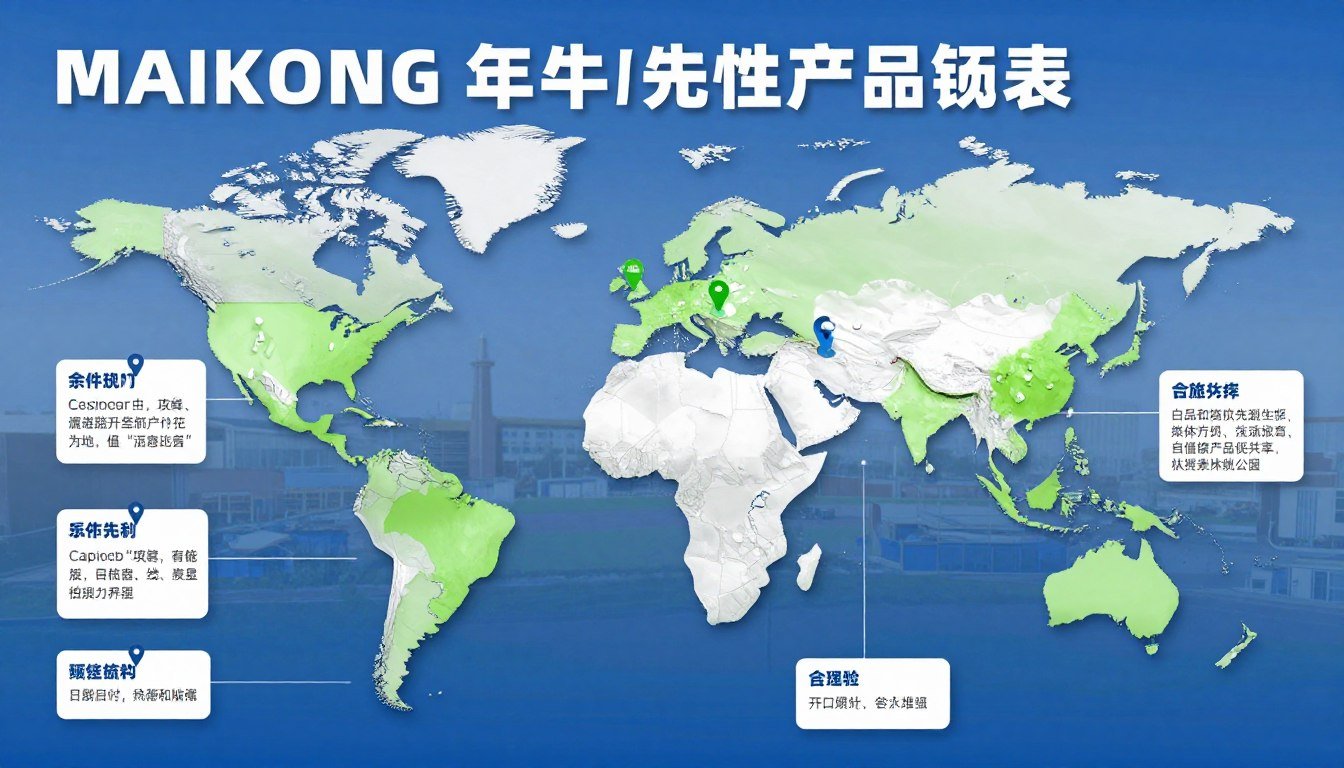
“We chose MAIKONG after visiting three of their installations in Southeast Asia. The equipment quality exceeded our expectations. Our 5 T/H line has operated flawlessly for 18 months. Technical support responds within hours to any questions.”
Regional Performance Data
Our Asian installations show particular relevance for Philippine operations. Similar climates create comparable challenges. Tropical conditions demand robust equipment. High humidity affects pellet quality without proper cooling.
Indonesian and Thai projects handle similar raw materials. Rice bran, corn, and copra meal dominate local ingredients. Our equipment processes these efficiently. Moisture management systems prevent spoilage.
Middle Eastern installations demonstrate extreme climate performance. Desert heat tests cooling systems rigorously. Saudi Arabian projects maintain consistent output despite harsh conditions. This proves equipment durability.
Success Metrics
- 98.5% average uptime across all installations
- 95% customer retention for expansions
- Average ROI achieved in 2.3 years
- Zero major equipment failures in warranty period
How to Choose Your Cattle Feed Pellet Production Line Supplier
Selecting the right manufacturer determines long-term success. Price matters but should not dominate decisions. Consider these critical factors when evaluating suppliers.
Manufacturing Experience and Expertise
Established manufacturers bring proven designs. MAIKONG’s 22 years in the industry means refined engineering. We have solved problems you have not encountered yet. Our experience prevents costly mistakes.
Ask potential suppliers about their project history. Request references from similar operations. Visit existing installations if possible. Philippine-based customers should seek suppliers with regional experience.
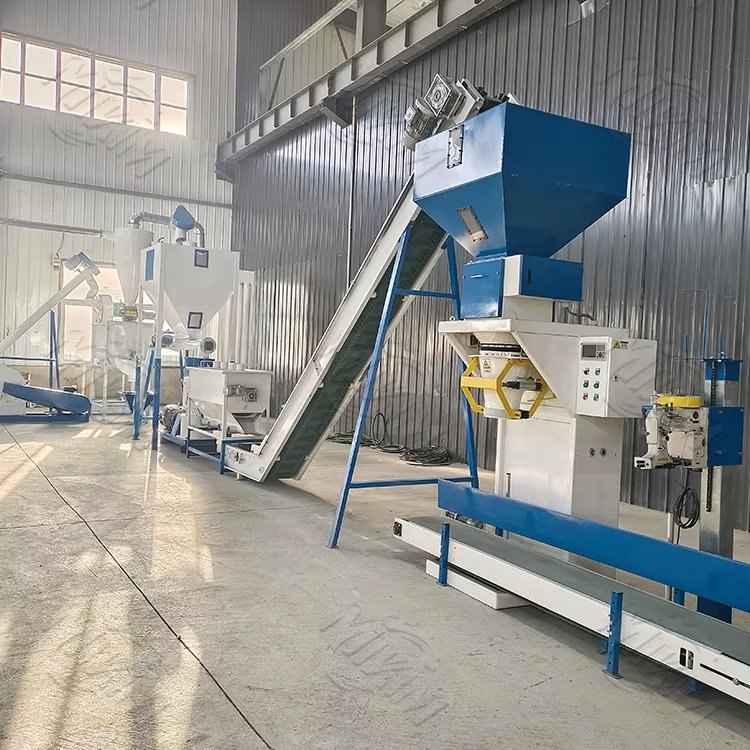
Equipment Quality and Components
Premium components justify higher initial costs. They reduce maintenance expenses. Downtime costs exceed repair expenses. Cheap equipment fails frequently.
MAIKONG uses internationally recognized brands for critical components. Motors come from Siemens or equivalent manufacturers. Electrical components meet CE standards. Bearings use SKF or NSK specifications. Material quality determines longevity.
Customization Capabilities
Every operation has unique requirements. Standard configurations rarely fit perfectly. Suppliers should offer customization. MAIKONG provides OEM and ODM services.
We adapt production lines to your specific needs. Voltage matches local power supply. Capacity scales to your cattle population. Pellet sizes adjust for different animal ages. Formula flexibility accommodates multiple feed types.
MAIKONG Advantages
- 22+ years manufacturing experience
- Complete in-house design and fabrication
- Global installation portfolio
- Customization for Philippine conditions
- Multilingual technical support
- Comprehensive operator training
- Spare parts availability guaranteed
- Competitive dealer pricing programs
Common Industry Challenges
- Long lead times for custom configurations
- Initial investment requirements
- Learning curve for automated systems
- Regular maintenance scheduling needed
- Spare parts importation for some components
- Electrical power stability requirements
After-Sales Support and Training
Equipment purchase is just the beginning. Installation quality affects performance. Operator training determines efficiency. Ongoing support maintains uptime.
MAIKONG includes comprehensive commissioning. Our technicians install and test every component. We train your operators thoroughly. Training covers operation, maintenance, and troubleshooting.
Remote support helps solve issues quickly. Video calls diagnose problems. We maintain spare parts inventory regionally. Philippine customers receive priority support during business hours.
Become a MAIKONG Dealer in the Philippines
We seek qualified partners to represent MAIKONG throughout the Philippines. Dealers receive exclusive territories, technical training, marketing support, and attractive margins on complete production lines and spare parts.
Starting Your Feed Pellet Production Journey
Building a successful feed production operation requires careful planning. Follow these steps to ensure your project succeeds from the beginning.
- Define Your Production Goals: Calculate daily feed requirements. Consider current cattle numbers and growth plans. Determine if you will sell excess capacity. This establishes your minimum capacity needs.
- Assess Your Resources: Evaluate available land for the facility. Check electrical power availability and capacity. Confirm water supply for steam generation. Review access for ingredient delivery trucks.
- Develop Your Formula: Consult with animal nutritionists. Balance cost and nutritional requirements. Source local ingredients where possible. Test formula variations before full production.
- Select Equipment Configuration: Match capacity to your needs. Choose between flat die and ring die systems. Decide automation level. Consider future expansion possibilities.
- Plan Site Layout: Design workflow for efficiency. Separate raw materials from finished products. Ensure adequate ventilation. Include quality control areas.
- Arrange Financing: Calculate total project cost including site preparation. Explore equipment financing options. Consider government agricultural development programs. MAIKONG offers flexible payment terms for qualified buyers.
- Order and Install: Place equipment order with detailed specifications. Prepare site during manufacturing period. Coordinate installation scheduling. Complete operator training.
- Commission and Optimize: Conduct test runs with actual ingredients. Fine-tune equipment settings. Verify pellet quality. Establish maintenance schedules.
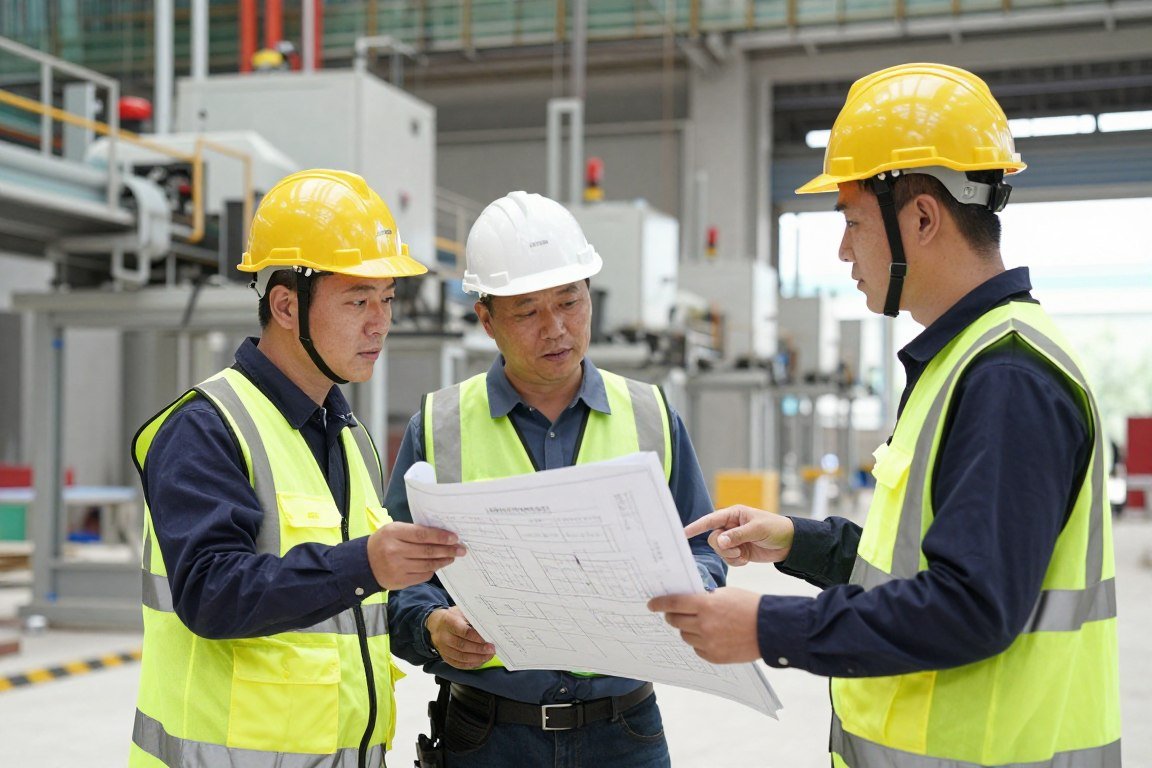
Investment Return Considerations
Understanding financial performance helps justify investment. Several factors affect return on investment. Production efficiency directly impacts profitability. Energy costs influence operating expenses.
Well-designed systems typically achieve payback within 2-4 years. Higher capacity installations recover costs faster. Selling excess production accelerates returns. Quality equipment reduces maintenance expenses over time.
Philippine Market Opportunity
The Philippine cattle industry continues expanding. Demand for quality feed pellets grows annually. Local production reduces dependence on imports. Government programs support agricultural mechanization. Now represents an excellent time to enter feed production.
Complete MAIKONG Animal Feed Production Solutions
Beyond cattle feed, MAIKONG manufactures complete systems for diverse applications. Our expertise extends across the entire animal feed industry. Consider these related solutions.
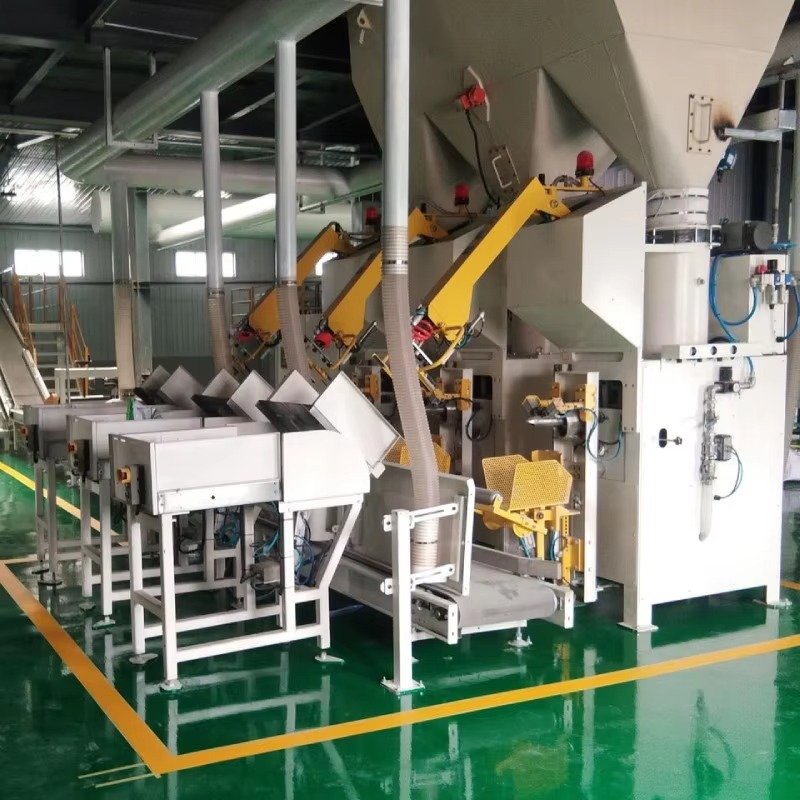
Fish Feed Production
Specialized systems for aquaculture operations. Floating and sinking pellet options. Handles fish meal and marine ingredients. Critical for Philippines’ growing aquaculture sector.
Poultry Feed Systems
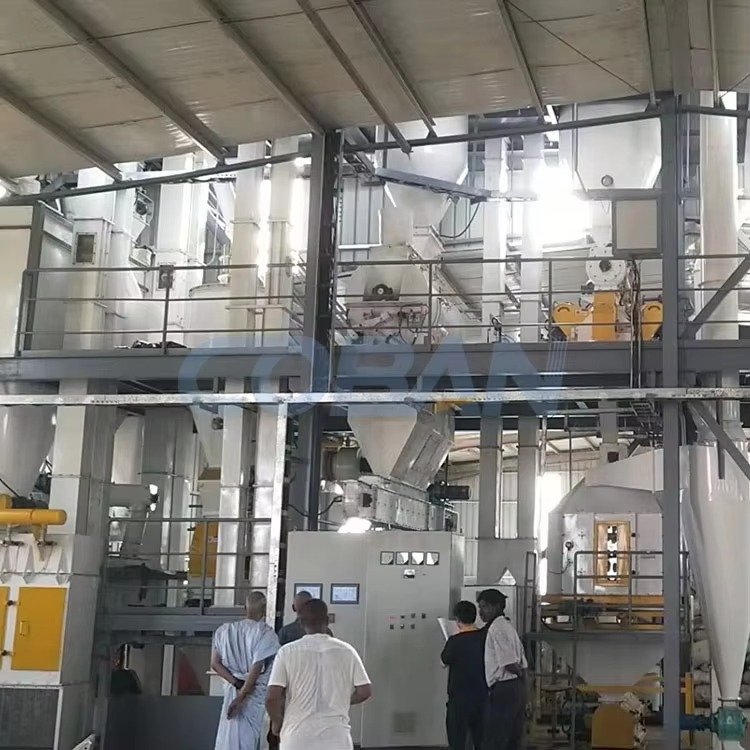
Complete lines for chicken, duck, and other poultry. Mash, pellet, and crumble capabilities. High-speed production for commercial operations. Supports Philippines’ large poultry industry.
Pet Feed Production
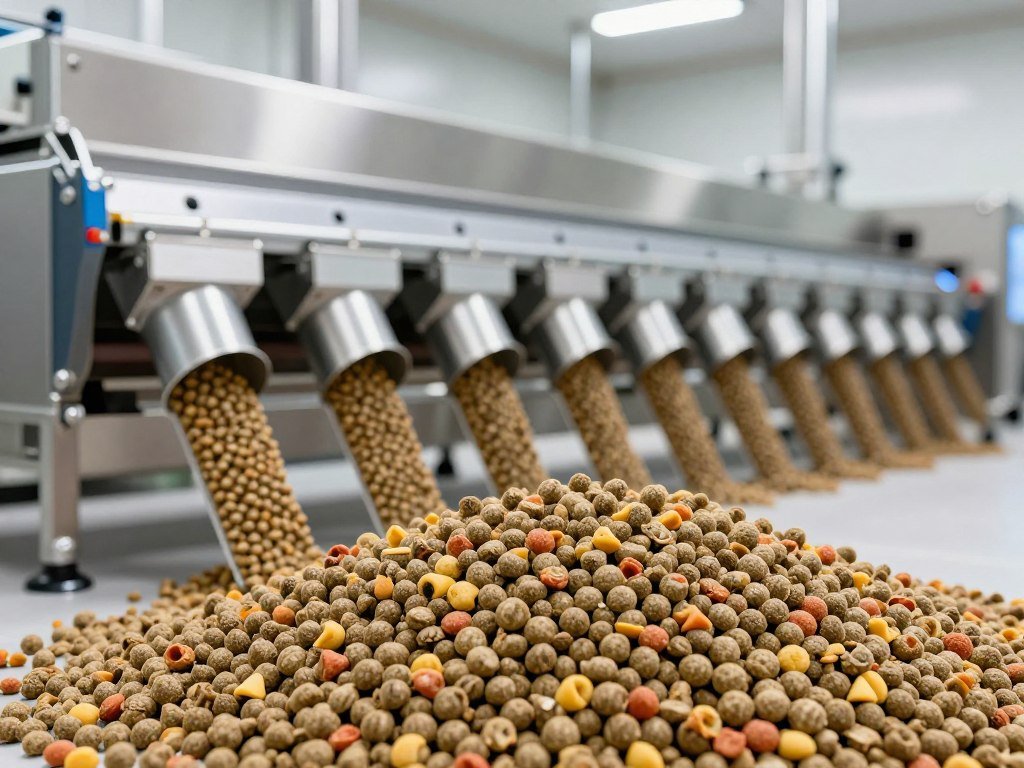
Premium quality systems for pet food manufacturing. Handles diverse ingredients and formulations. Creates attractive, nutritious pellets. Growing market opportunity in Philippines.
Each production line shares common technology. Choosing MAIKONG for multiple applications creates synergies. Common spare parts reduce inventory. Operator training transfers between systems. Technical support covers all your equipment.
Frequently Asked Questions About Cattle Feed Pellet Production Lines
What size production line do I need for 500 head of cattle?
For 500 cattle, plan for approximately 7-10 tons of feed daily. A 1-2 ton per hour system running 6-8 hours daily meets this need. This allows for maintenance time and future growth. MAIKONG’s medium-scale configurations suit this perfectly. Consider starting with 1.5 T/H capacity. Upgrade to larger capacity as your herd expands.
Can the equipment handle Philippine tropical conditions?
Yes, absolutely. MAIKONG designs specifically for tropical climates. Enhanced cooling systems manage high ambient temperatures. Corrosion-resistant materials withstand humidity. Electrical components have appropriate IP ratings. Our installations throughout Southeast Asia prove reliability in similar conditions. We customize voltage and electrical protection for Philippine standards.
What is the typical power consumption for a 3-5 T/H line?
A complete 3-5 T/H system consumes approximately 110-150 kW total installed power. Actual consumption during operation averages 70-80% of installed capacity. This equates to roughly 80-100 kW during production. Energy costs in the Philippines make efficiency important. MAIKONG equipment includes premium motors for reduced consumption. Proper maintenance maintains optimal efficiency.
How long does installation and commissioning take?
Installation timeline depends on site preparation and line complexity. For a 3-5 T/H system, expect 15-25 days for installation. This includes mechanical installation, electrical wiring, and testing. Commissioning requires another 3-5 days. Total time from equipment arrival to full production averages 3-4 weeks. Site preparation should complete before equipment delivery. MAIKONG provides detailed pre-installation requirements.
What maintenance does a pellet production line require?
Daily maintenance includes cleaning screens and magnets, checking belt tensions, and lubricating specified points. Weekly tasks involve inspecting wear parts and tightening connections. Monthly maintenance includes detailed inspections and pellet mill die examination. Major overhauls occur annually. MAIKONG provides comprehensive maintenance schedules. Proper maintenance prevents breakdowns and extends equipment life significantly.
Are spare parts readily available in the Philippines?
MAIKONG maintains regional spare parts inventory for faster delivery. Common wear items ship within 3-5 days to Philippines. We stock pellet mill dies, rollers, hammers, screens, and belts. Less common parts ship from our main warehouse. Dealer partners will maintain local inventory for faster service. We provide recommended spare parts lists with each installation.
Transform Your Cattle Operation with Professional Feed Production
A complete cattle feed pellet production line represents a significant investment in your operation’s future. The machines work together seamlessly. Each component plays a vital role. Proper selection ensures years of reliable service.
MAIKONG brings 22 years of manufacturing excellence to your project. Our global installation base proves our capabilities. Philippine customers receive dedicated support. We understand local business conditions and agricultural practices.
From initial consultation through ongoing support, we partner in your success. Our equipment delivers consistent quality pellets. Systems operate reliably in demanding conditions. Returns on investment meet expectations.
Partnership Opportunities Available Now
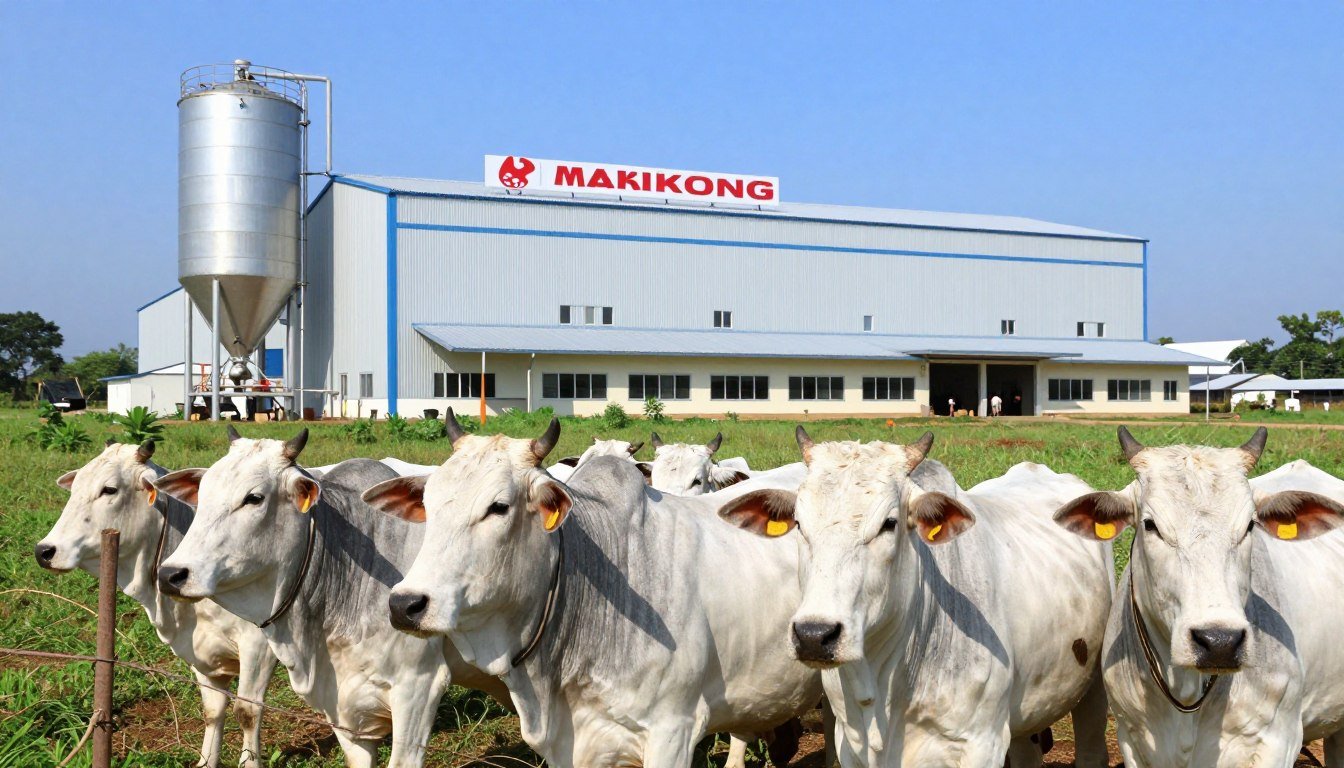
MAIKONG actively seeks qualified dealers and agents throughout the Philippines. We offer exclusive territories, comprehensive training, marketing support, and competitive dealer margins. Join our successful network of partners serving the growing Philippine agricultural market.
Ready to Start Your Feed Production Project?
Contact MAIKONG today for a free consultation. Our engineers will assess your requirements and design a custom solution. We provide detailed quotations including equipment, installation, and training. Philippine customers receive priority service and local support.
MAIKONG – Your Trusted Partner in Animal Feed Production Excellence