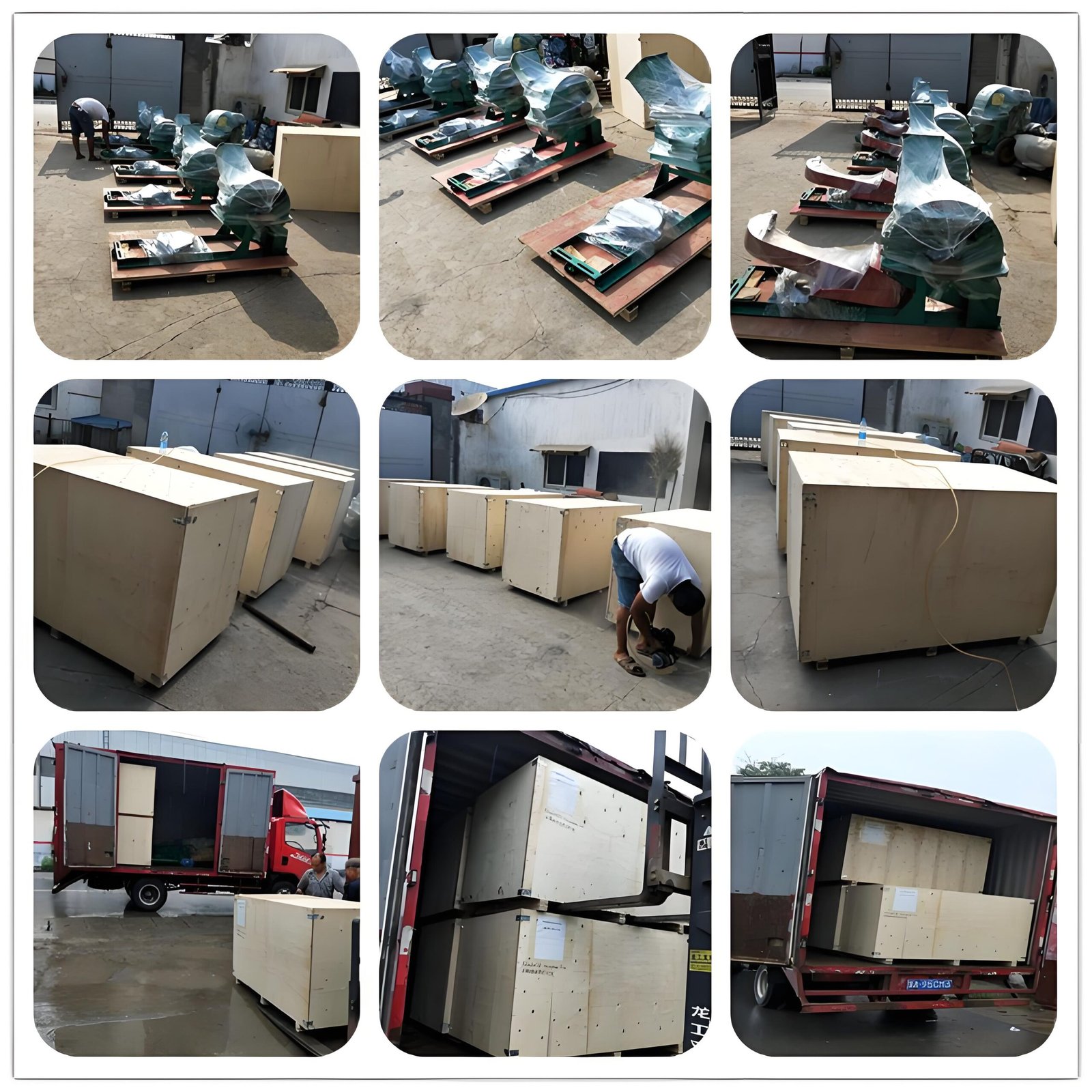
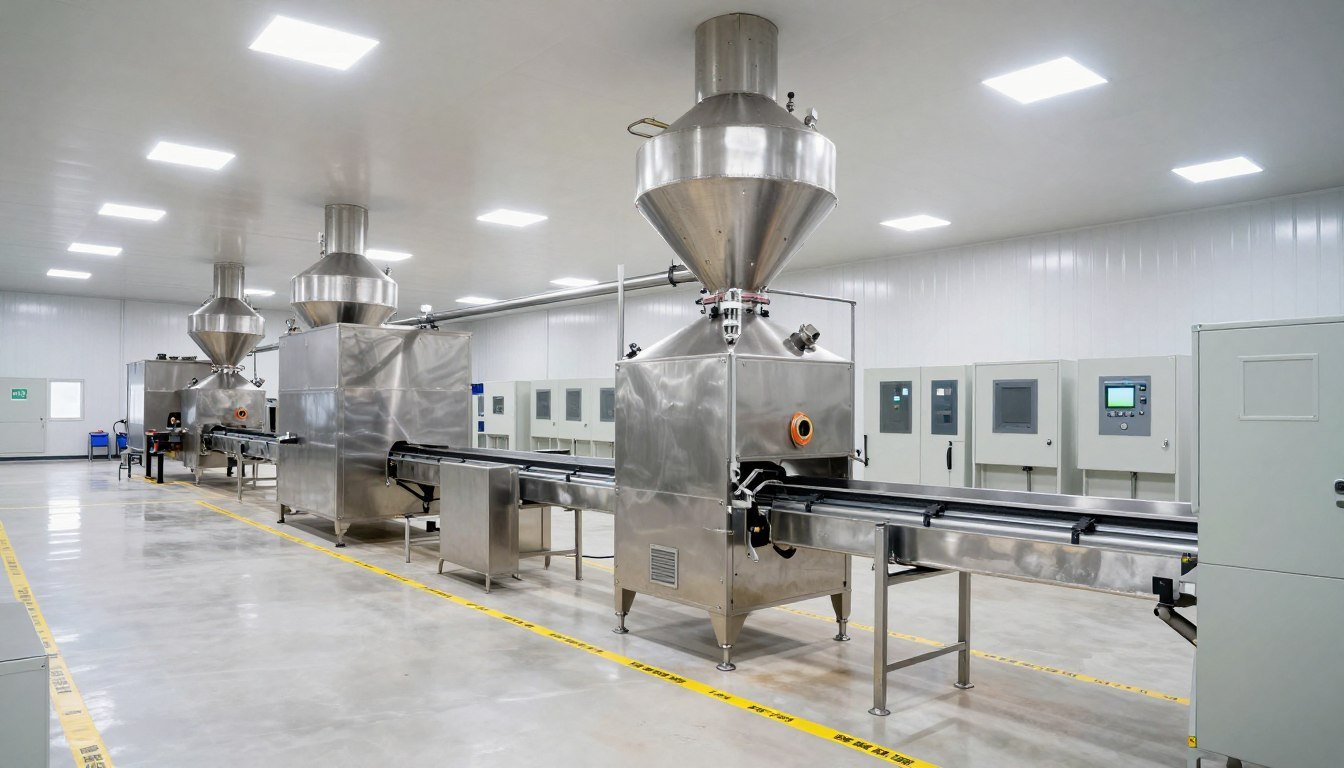
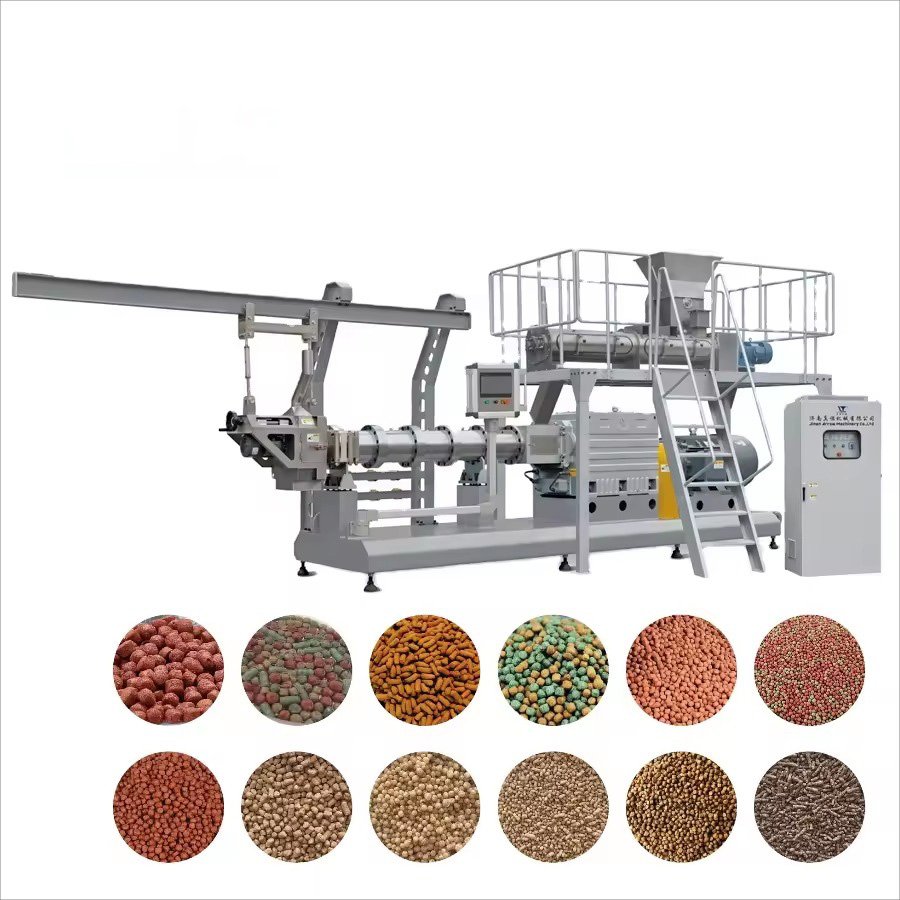
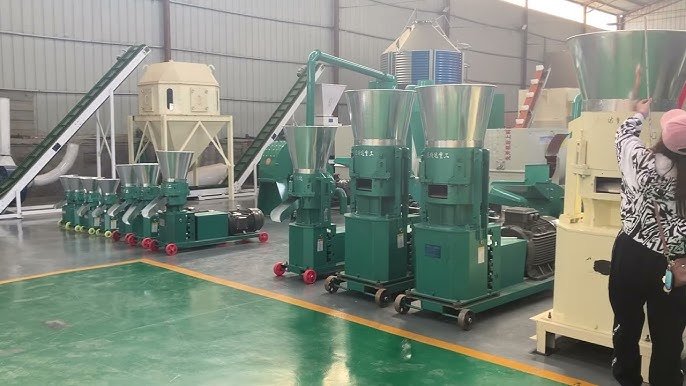
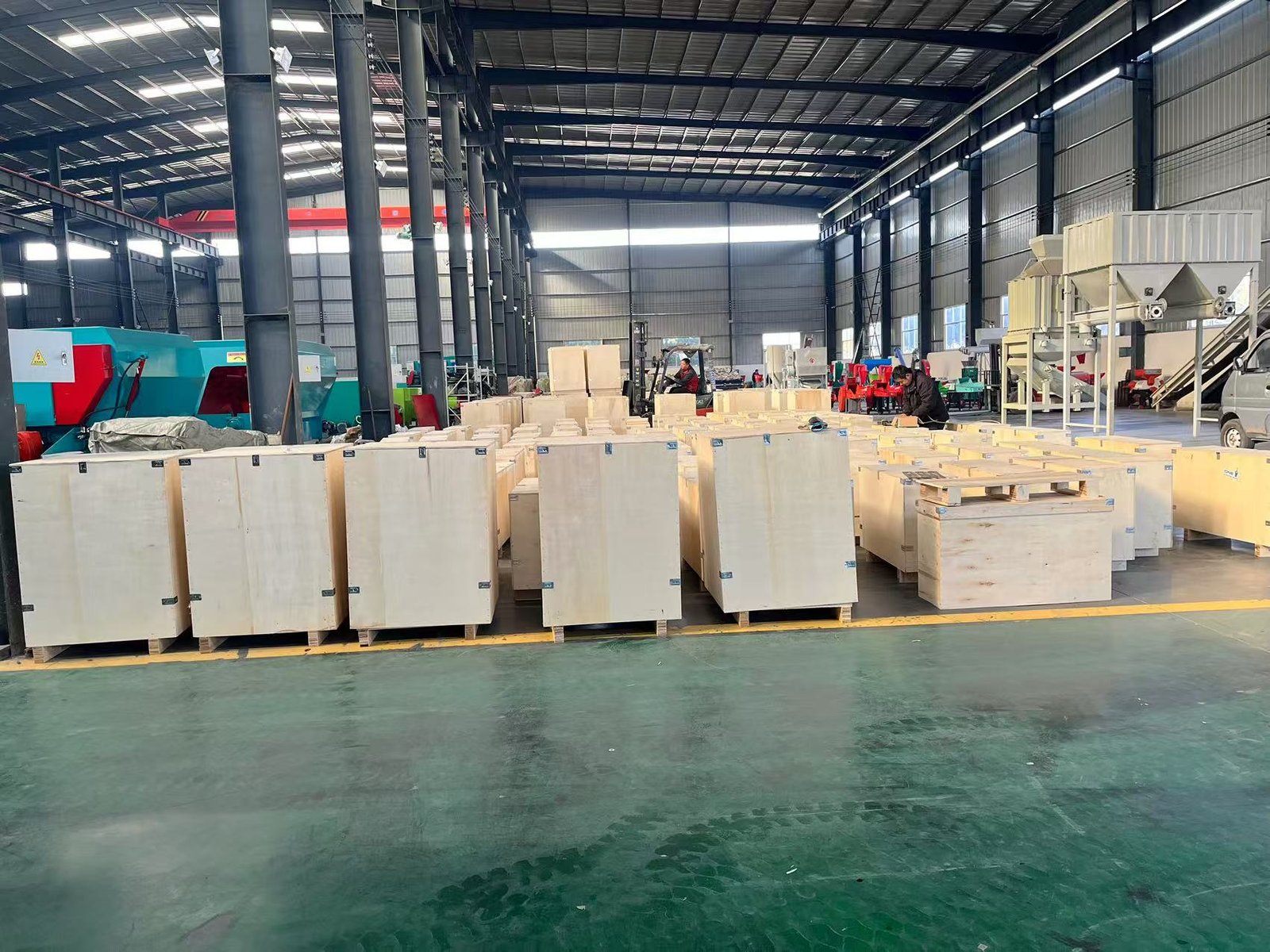
 I have worked with over 300 Philippine farms and feed mills since 2018. Each operation started with the same question: how do we produce quality feed without breaking our budget? That question led me to establish MAIKONG’s presence in your market. Our factory in GD, SZ specializes in creating custom poultry feed production lines that fit Philippine electrical standards, local ingredient availability, and your specific production targets.This guide shares everything we learned from helping Filipino businesses like yours. You will discover how to choose equipment that grows with your operation. We break down the application of poultry feed production line technology in simple terms. No technical jargon. Just practical information you can use tomorrow.
Ready to Discuss Your Custom Feed Line?
Our team responds to Philippine inquiries within 4 hours during business days. Tell us your capacity needs and we’ll design a solution that fits your budget.
Why Philippine Businesses Choose MAIKONG for Poultry Feed Production Lines
We started serving the Philippine market because we saw a gap. Many suppliers sold standard equipment that did not match local conditions. Voltage differences caused breakdowns. Capacity limitations forced businesses to buy twice. Support disappeared after the sale.
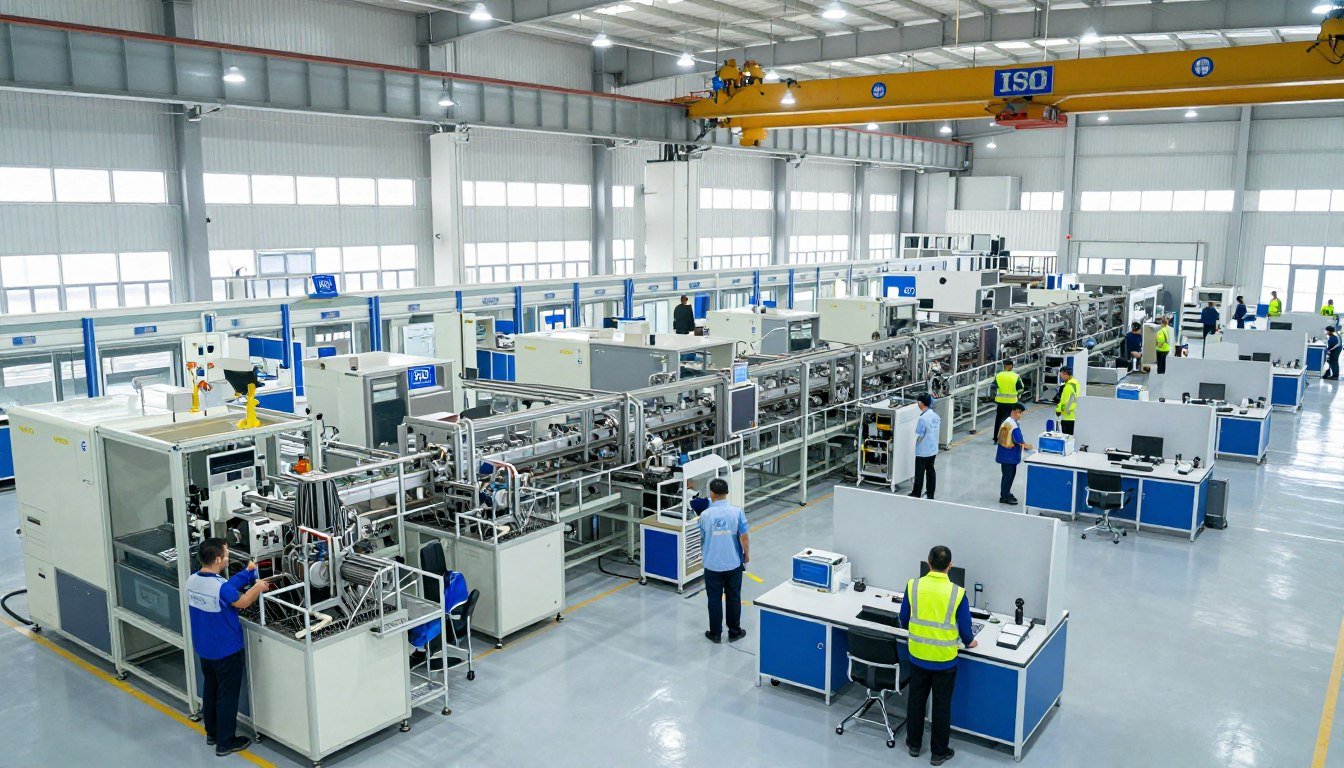
Our approach differs completely. We manufacture every poultry feed production line in our 45000-square-meter facility in SZ. This direct factory relationship means you pay manufacturer prices without middleman markups. More importantly, we control quality at every production stage.
Our Manufacturing Advantages
Philippine businesses benefit from our vertical integration. We produce components in-house rather than assembling purchased parts. This control lets us customize voltage specifications for your 220V single-phase or 380V three-phase requirements. We adjust motor sizes to match your available power supply. We configure production speeds based on your raw material characteristics.
Technical Customization Capabilities
- Voltage adaptation for Philippine electrical standards
- Capacity scaling from 200KG to 200 tons per hour
- Pellet size customization for different poultry types
- Material-specific grinding configurations
- Climate-appropriate cooling systems
- Dust control for tropical environments
Understanding Efficient Poultry Feed Production Lines
Efficiency means different things to different operations. A 500-bird farm needs different equipment than a commercial feed mill producing 10 tons daily. We measure efficiency by three factors: energy consumption per ton produced, labor hours required, and ingredient waste percentage.
Our efficient poultry feed production line designs target specific ratios. Energy consumption should not exceed 25 kWh per ton for complete lines. Labor requirements should stay under 2 workers per 5-ton-hourly capacity. Ingredient waste must remain below 1.5% throughout the process.
Complete Customization Services for Philippine Feed Producers
Choosing poultry feed production lines becomes easier when you work with a manufacturer who listens first. We begin every project with a detailed questionnaire. What animals do you feed? Chickens need different pellet sizes than ducks. Layer hens require different formulations than broilers. Fish feed demands water-stable pellets that chicken feed does not.
Species-Specific Production Line Design
The application of poultry feed production line technology varies significantly across species. We configure equipment differently for each animal type you plan to serve.
Chicken Feed Lines
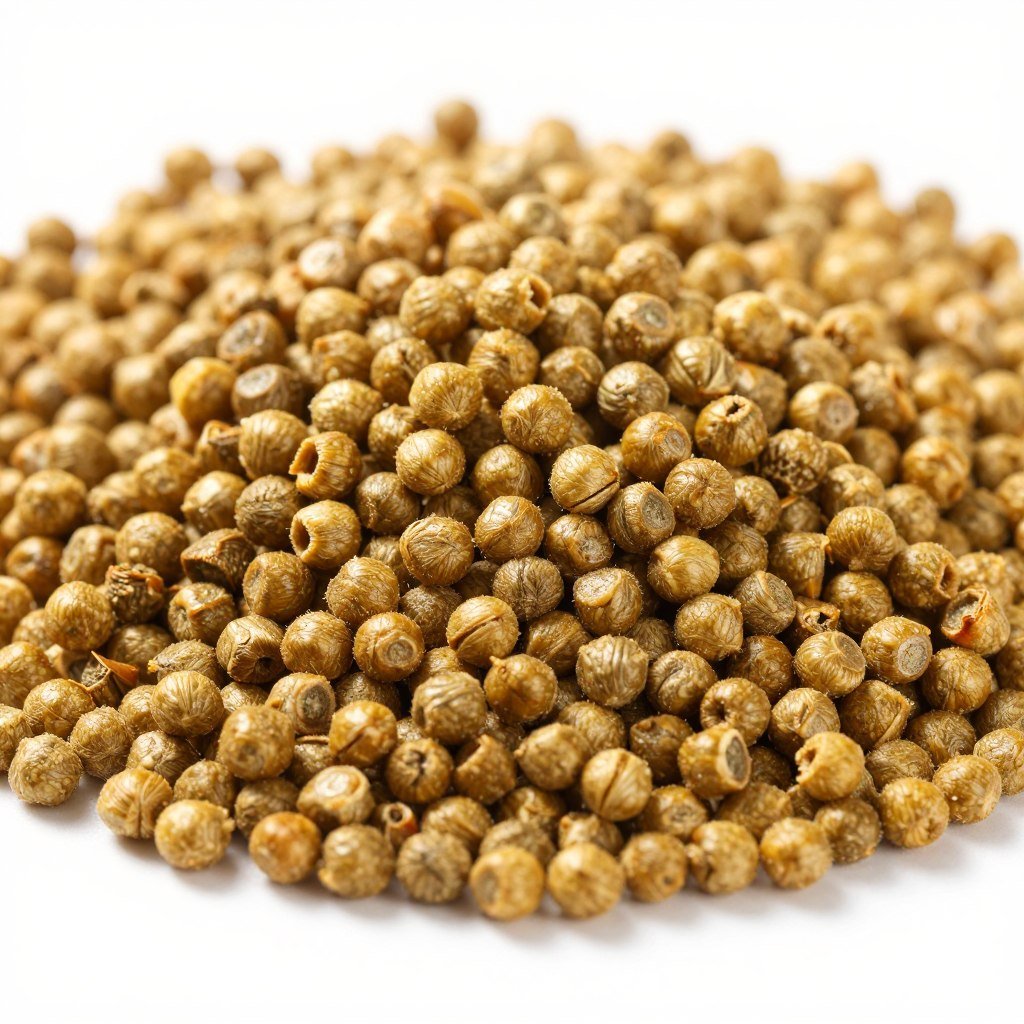
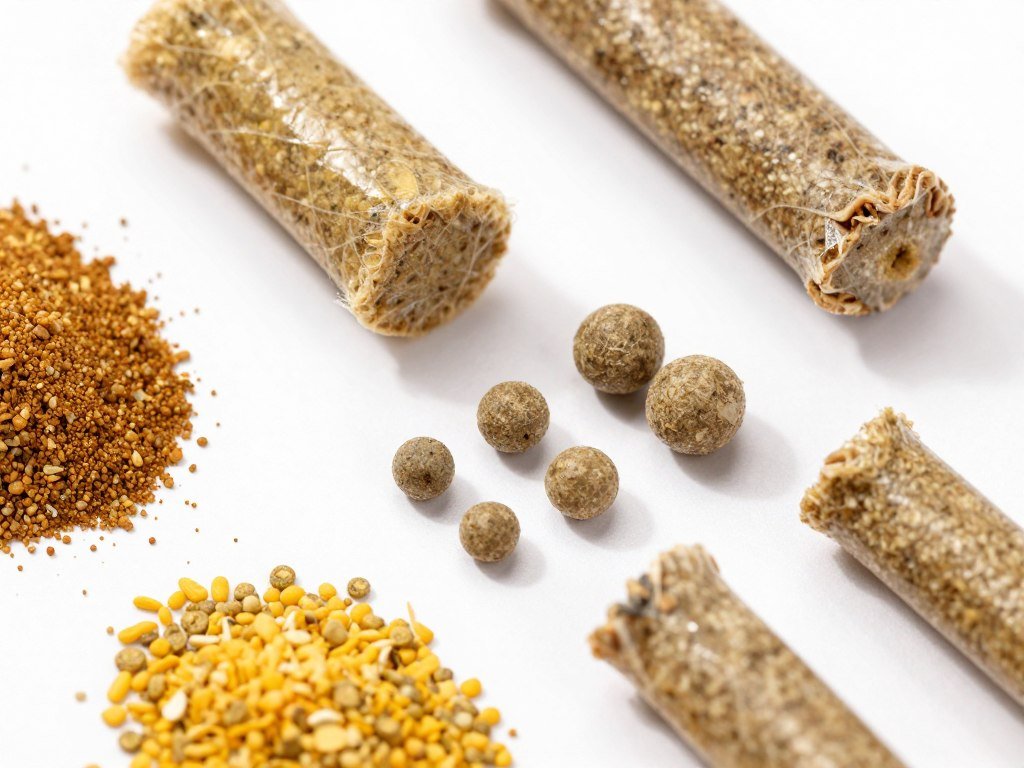
Broiler and layer chickens require pellets between 2mm and 5mm diameter. Our chicken feed production line includes specialized die configurations that produce consistent pellet density. This matters because loose pellets create dust. Dense pellets reduce waste.
Duck Feed Systems
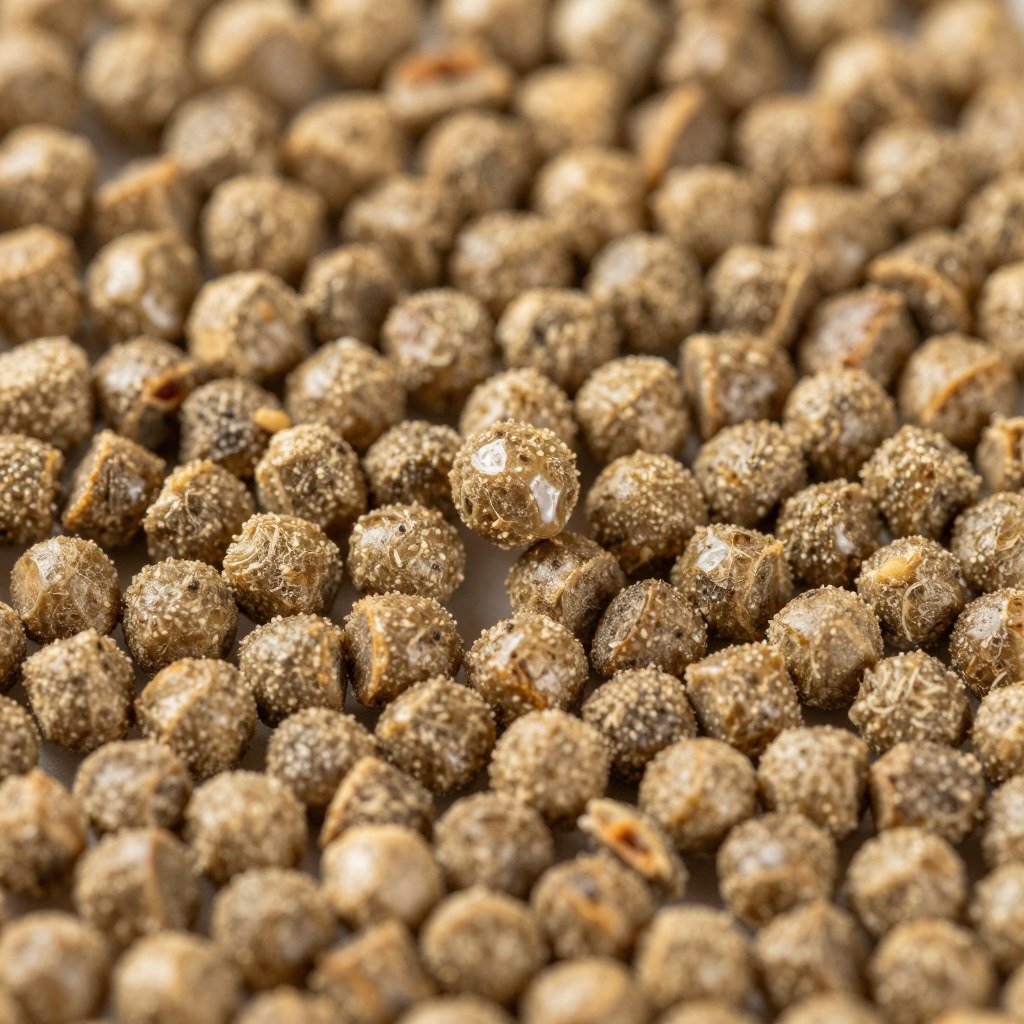
Duck operations need water-resistant pellets. Our duck feed line incorporates extended conditioning time and specialized binders. These adjustments create pellets that maintain integrity in wet feeding environments common in duck farming.
Multi-Species Flexibility
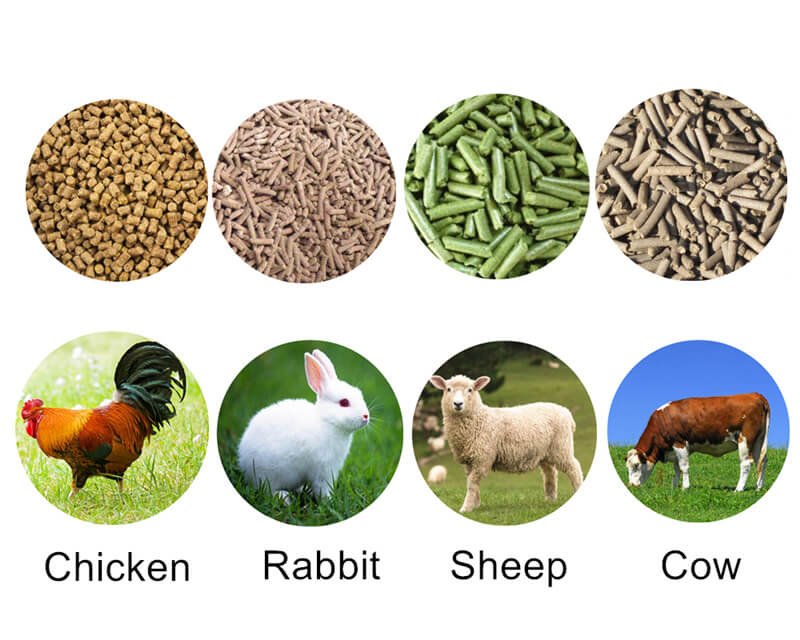
Many Philippine businesses serve multiple markets. We design flexible poultry feed production lines with quick-change die systems. Switch from chicken to duck feed in under 30 minutes. This flexibility maximizes your equipment investment.
Capacity Customization Options
The demand for poultry feed production lines in the Philippines spans a wide capacity range. Small farms need 200KG hourly output. Large commercial operations require 50-ton hourly capacity. We manufacture equipment for every point between these extremes.
| Capacity Range | Typical Application | Power Requirement | Operator Needs | Space Required |
| 200-500 KG/Hour | Small poultry farms, backyard operations | 15-25 KW | 1 person | 50-100 m² |
| 1-2 Tons/Hour | Medium farms, small commercial mills | 47-75 KW | 1-2 persons | 300-500 m² |
| 3-5 Tons/Hour | Large farms, regional feed suppliers | 68-165 KW | 2-3 persons | 400-800 m² |
| 8-10 Tons/Hour | Commercial feed mills, cooperatives | 125-410 KW | 3-4 persons | 800-2000 m² |
| 20-40 Tons/Hour | Large-scale feed manufacturing | 545-870 KW | 5-7 persons | 2000-4000 m² |
Get Your Custom Capacity Assessment
Not sure which capacity suits your business growth plans? Our team provides free production planning consultations for Philippine businesses. We analyze your current needs and future expansion goals.
Essential Equipment for Poultry Feed Production Lines
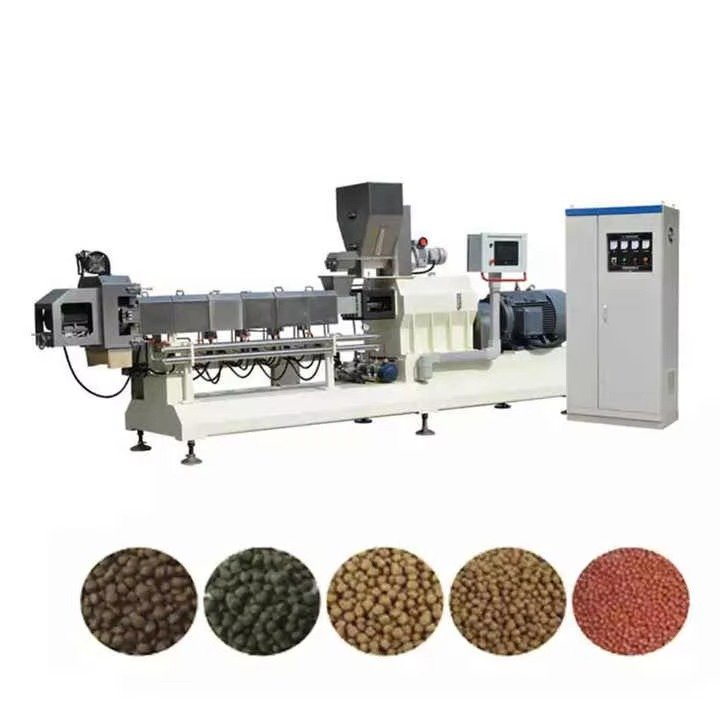
Understanding the equipment of poultry feed production line helps you make informed purchasing decisions. Each component serves a specific function in converting raw ingredients into finished pellets. We manufacture eight core equipment categories that work together as an integrated system.
Raw Material Processing Equipment
Feed production starts with cleaning and crushing raw ingredients. Philippine operations typically work with corn, soybean meal, rice bran, copra meal, and fish meal. Each ingredient has different hardness and moisture content.
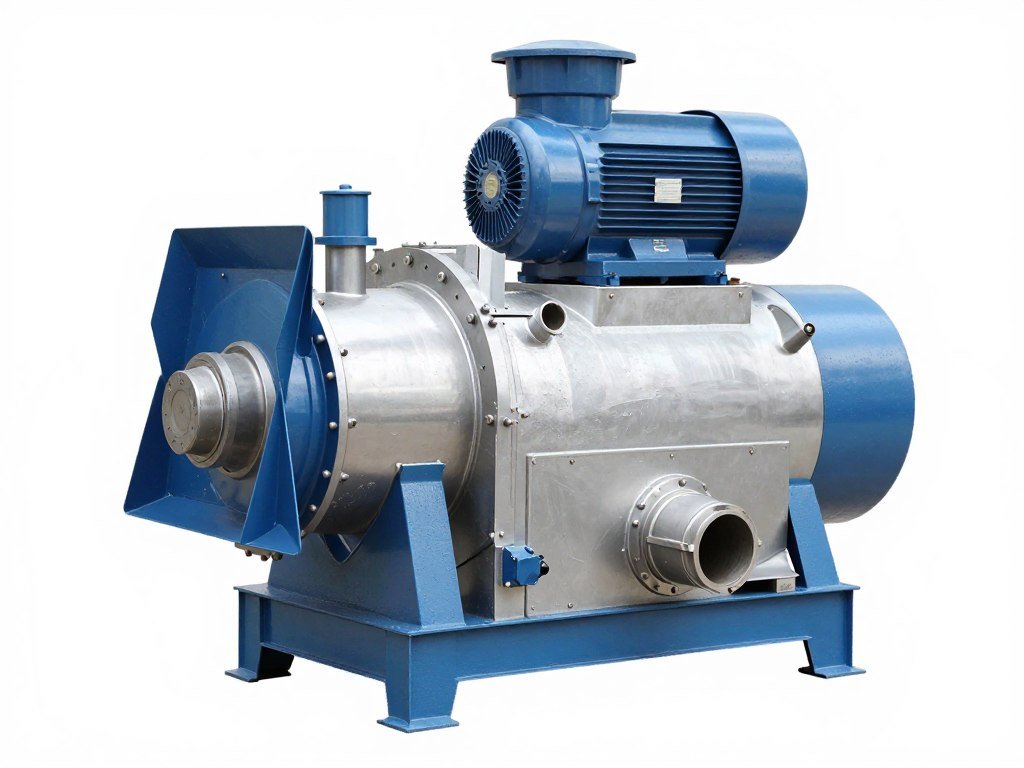
Hammer Mill Specifications
Our poultry feed hammer mills process 500KG to 25 tons hourly depending on model selection. The machine crushes whole grains into powder fine enough for pelleting. Screen size determines final particle size. We recommend 3mm screens for most poultry applications.
| Model | Capacity | Power | Screen Size |
| SFSP56×60 | 1-2 T/H | 30 KW | 2-6 mm |
| SFSP66×80 | 3-5 T/H | 75 KW | 2-8 mm |
| SFSP66×100 | 8-10 T/H | 132 KW | 3-10 mm |
Mixing and Pelleting Core Systems
The function of poultry feed production line equipment reaches its peak in mixing and pelleting stages. Proper mixing ensures every pellet contains balanced nutrition. Pelleting transforms powder into durable pellets that resist breaking during handling.
Mixing Equipment Performance
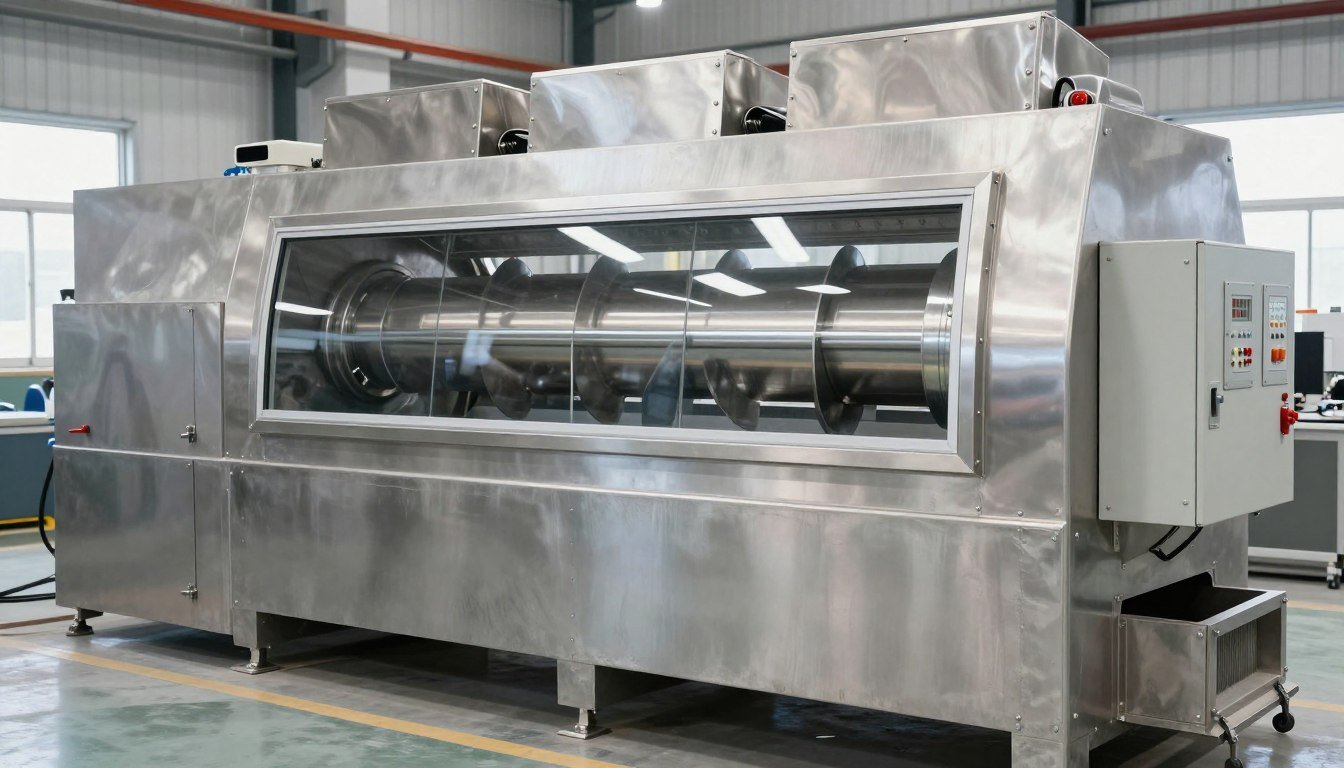
Our MAIKONG mixers achieve 95% homogeneity in under 6 minutes. This matters because uneven mixing creates pellets with inconsistent nutritional content. Some pellets become too rich in protein while others lack essential vitamins. Birds naturally select pellets they prefer, creating nutritional imbalances.
| Mixer Model | Batch Size | Mixing Time | Power | Homogeneity |
| SLHY-1 | 500 KG | 4-6 min | 11 KW | ≥95% |
| SLHJ-2 | 1000 KG | 5-7 min | 18.5 KW | ≥96% |
| SLHJ-4 | 2000 KG | 5-8 min | 37 KW | ≥97% |
Pellet Mill Technology
We manufacture ring die pellet mills that produce chicken feed pellets with 85-90% pellet durability index. This measurement indicates how well pellets withstand handling without crumbling. Higher durability means less dust and waste.
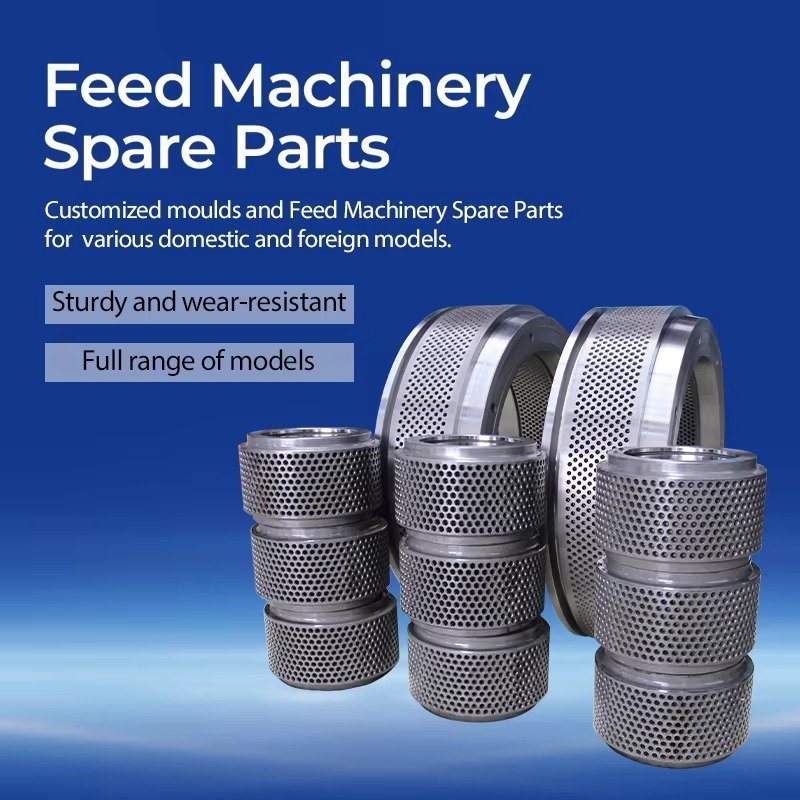
Philippine customers appreciate our pellet mill designs because they handle high-fiber local ingredients effectively. Copra meal and rice bran can challenge standard pellet mills. Our equipment incorporates larger conditioning chambers that pre-treat these materials with steam and moisture.
The energy consumption of poultry feed production lines depends heavily on pellet mill efficiency. Our latest models consume 18-22 kWh per ton of finished pellets. This represents 40% improvement over equipment designs from five years ago.
| Pellet Mill | Capacity | Power |
| SZLH-320 | 3-4 T/H | 90 KW |
| SZLH-420 | 8-12 T/H | 160 KW |
| SZLH-508 | 15-20 T/H | 280 KW |
Post-Pelleting Processing
Fresh pellets exit the pellet mill at 75-85°C temperature with 15-17% moisture. This creates two problems. Hot pellets deform during packaging. High moisture promotes mold growth during storage. Cooling and drying equipment solves both issues.
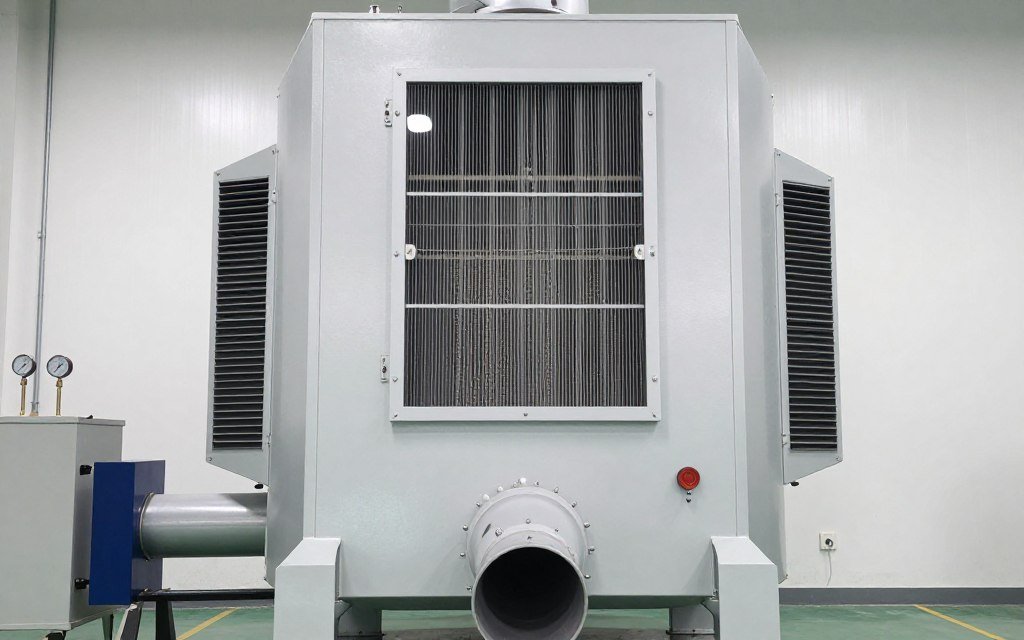
Our counterflow coolers reduce pellet temperature to ambient plus 5°C in 10-15 minutes. Moisture content drops to 12-13%. These parameters ensure 6-month shelf life under Philippine storage conditions.
Technical questions about equipment selection?
Our engineers provide equipment consultations Monday-Saturday, 8 AM-6 PM Philippine time
Step-by-Step Poultry Feed Manufacturing Process
Understanding how raw ingredients transform into finished feed pellets helps you optimize your poultry feed plant operations. We walk through each stage using a 5-ton-hourly production line as our example. This capacity suits medium-sized commercial operations in the Philippines.
Stage 1: Receiving and Storage
Raw materials arrive in trucks or bags. Our intake systems include magnetic separators that remove metal fragments. This protects downstream equipment from damage.
- Permanent magnet separators for metal removal
- Bucket elevators transfer materials to storage bins
- Storage bins hold 3-5 days ingredient supply
- First-in-first-out flow prevents ingredient aging
Stage 2: Grinding
Whole grains move from storage bins to hammer mills. The grinding process reduces particle size to optimize pelleting efficiency and animal digestion.
- Automated feeding prevents mill overload
- Variable screen sizes control final particle diameter
- Dust collection systems maintain air quality
- Ground material transfers to batching system
Stage 3: Batching and Mixing
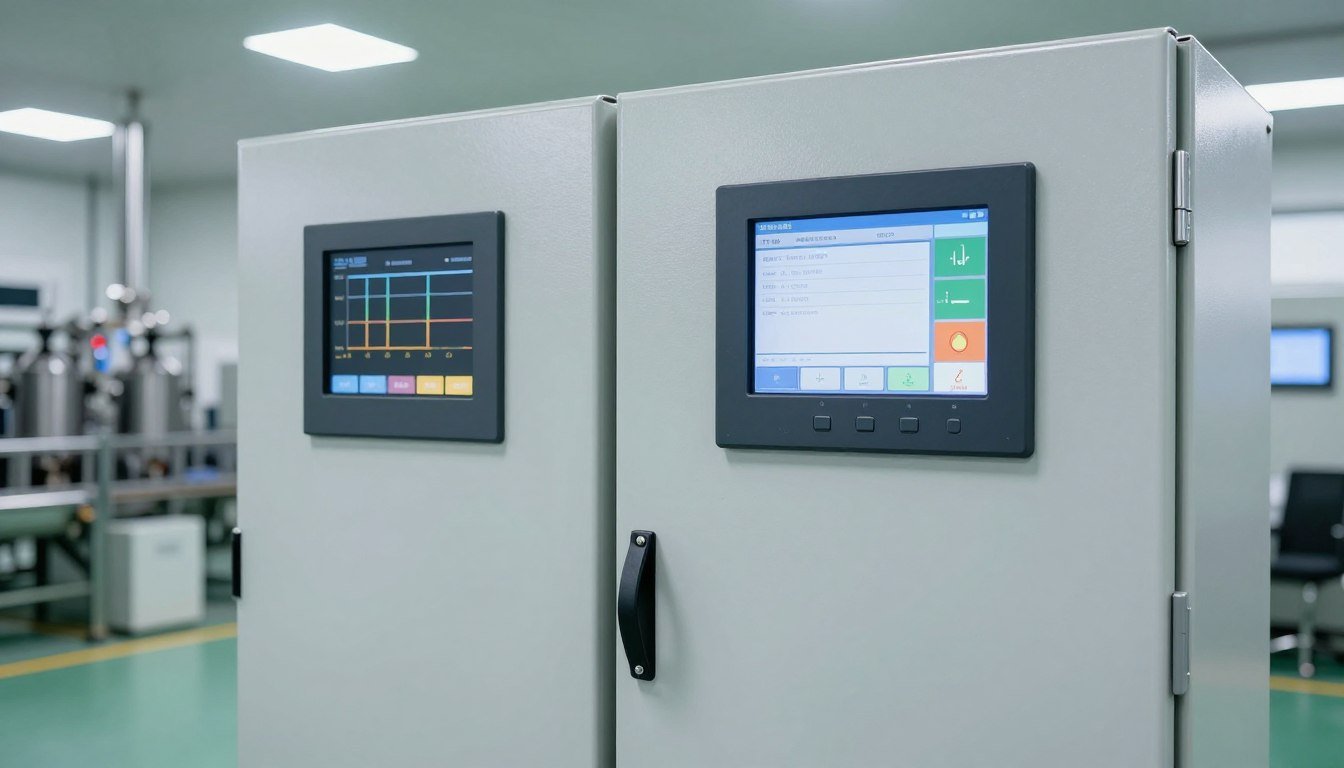
Computerized batching scales measure each ingredient according to your feed formula. Precision weighing ensures consistent nutrition batch after batch.
- Accuracy within ±0.2% for major ingredients
- Separate micro-ingredient dosing for vitamins and minerals
- Sequential ingredient addition prevents segregation
- Liquid addition system for oils and molasses
Stage 4: Pelleting
Mixed powder enters the pellet mill where heat, moisture, and pressure transform it into pellets. This stage determines final product quality.
- Steam conditioning adds heat and moisture
- Die and roller compression forms pellets
- Adjustable die thickness controls pellet length
- Different die hole sizes produce various diameters
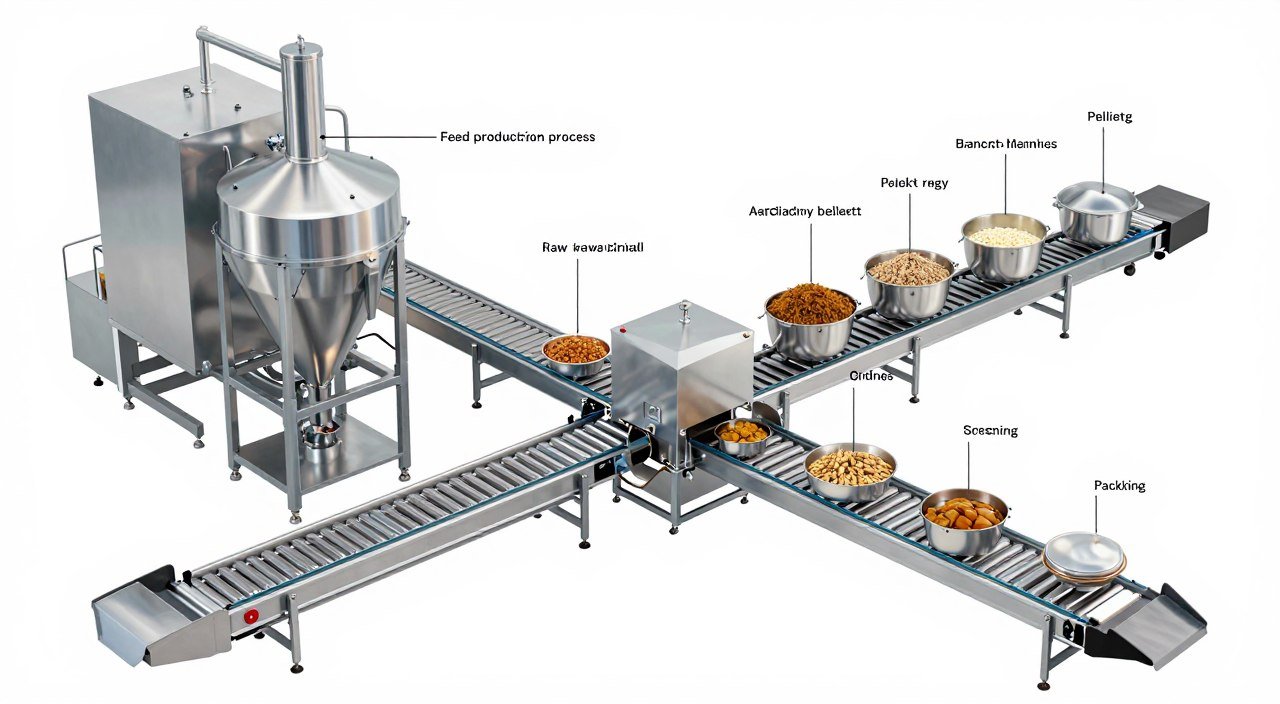
Quality Control and Packaging
After cooling, pellets pass through vibrating screens. This separates oversized pellets and fine particles. Properly sized pellets proceed to packaging. Fines return to the pellet mill for reprocessing.
Our automated packaging systems fill bags at rates up to 12 bags per minute. Electronic scales ensure accurate bag weights. Bag sewing machines seal bags for transportation.
See Your Complete Production Line in Action
We provide virtual factory tours for Philippine customers considering equipment purchases. See actual production lines processing materials similar to yours. Ask questions directly to our production managers.
Investment Analysis for Philippine Feed Production Lines
Understanding the cost-effective poultry feed production line options requires looking beyond initial equipment prices. We help Philippine customers evaluate total ownership costs including installation, training, spare parts, and ongoing support.
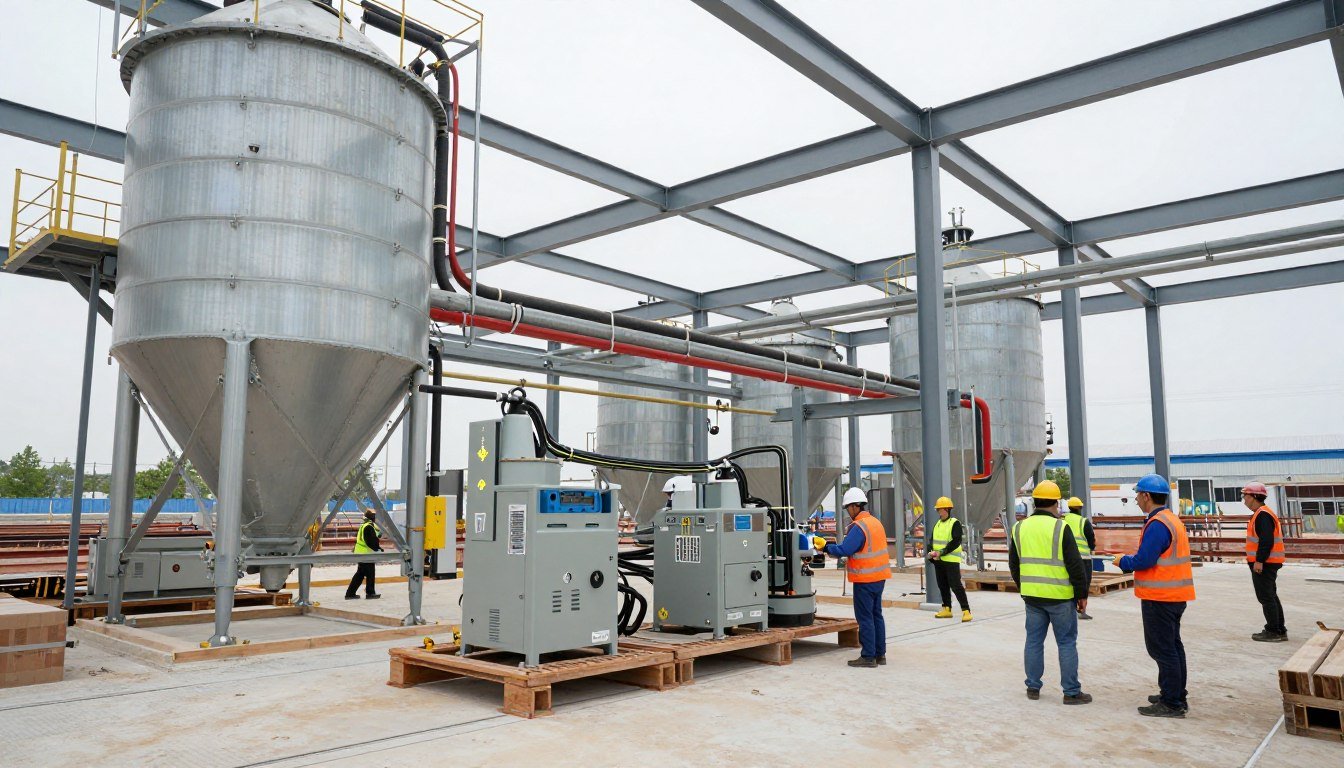
Complete Investment Breakdown
Our pricing includes everything needed for operational startup. Unlike some suppliers who quote equipment-only prices, we provide turnkey solutions. This transparency helps you budget accurately.
| Capacity | Equipment Cost | Installation | Training | Total Investment | Monthly Output Potential |
| 1-2 TPH | $35,000-45,000 | $3,000-5,000 | $1,500-2,000 | $39,500-52,000 | 480-960 tons |
| 3-5 TPH | $85,000-115,000 | $6,000-10,000 | $2,500-3,500 | $93,500-128,500 | 1,440-2,400 tons |
| 8-10 TPH | $185,000-285,000 | $12,000-18,000 | $4,000-5,000 | $201,000-308,000 | 3,840-4,800 tons |
Operating Cost Efficiency
The efficiency of poultry feed production lines directly impacts your bottom line. We calculate operating costs per ton produced to help you compare options accurately.
Major Operating Expenses
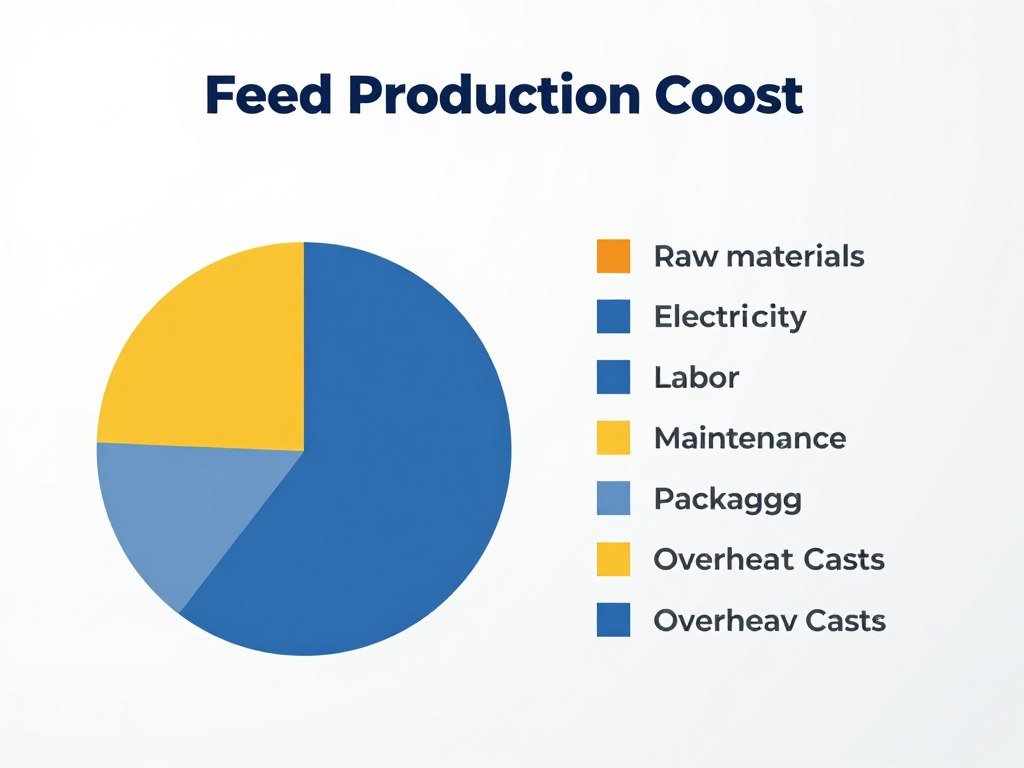
- Electricity: 18-25 kWh per ton produced
- Labor: 1 worker per 3-5 tons hourly capacity
- Maintenance: 2-3% of equipment value annually
- Spare parts: $2,000-8,000 yearly depending on capacity
- Die replacement: Every 800-1200 operating hours
- Lubrication and consumables: $50-200 monthly
Return on Investment Calculation
Philippine feed mills typically achieve 12-18 month payback periods on equipment investments. This assumes selling finished feed at 15-20% markup over raw material costs. Your specific ROI depends on several factors.
Production volume matters most. Higher capacity utilization spreads fixed costs over more tons. A 5 TPH line running 16 hours daily produces 2,400 tons monthly. The same line running 8 hours daily produces only 1,200 tons monthly. Fixed costs remain identical but per-ton costs double.
Advantages of MAIKONG Feed Lines for Philippine Operations
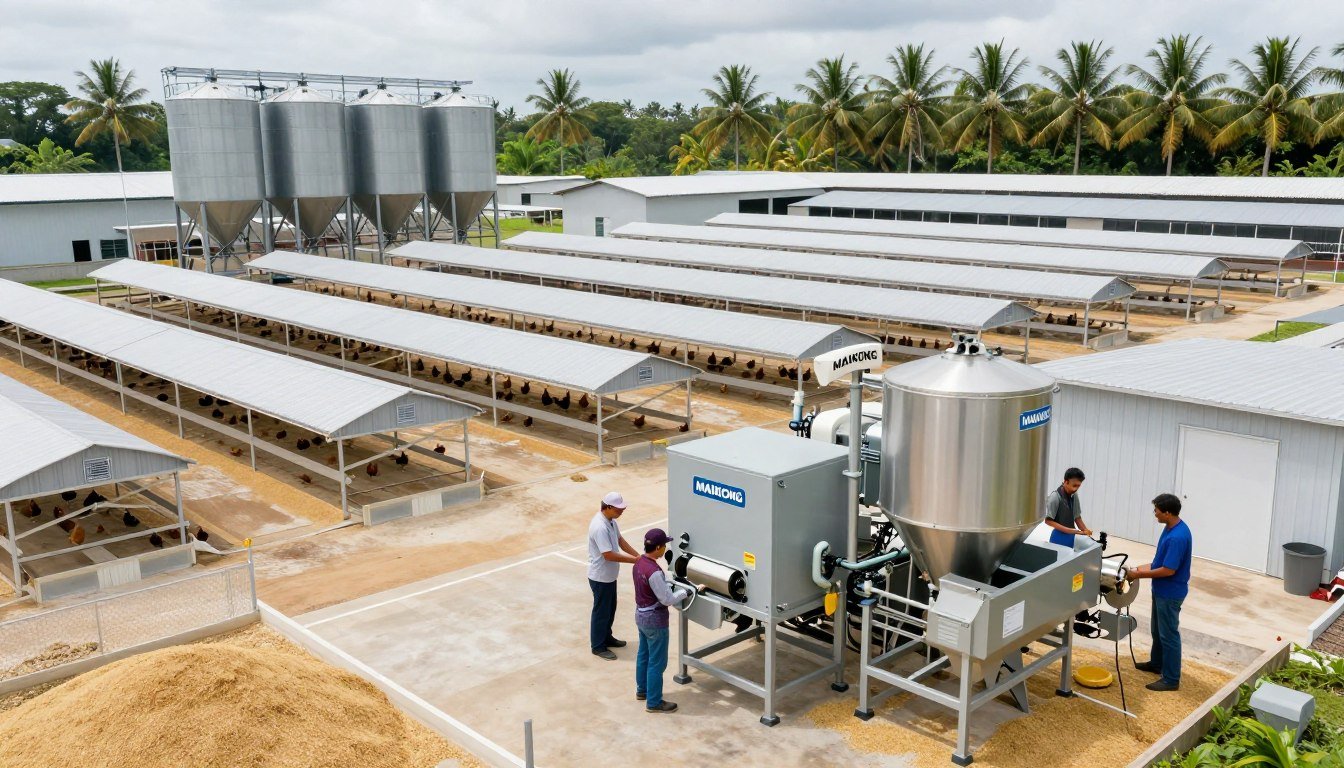
We designed specific features into our equipment based on feedback from 127 Philippine customers. These adaptations address challenges unique to your market. High humidity affects ingredient storage. Frequent power fluctuations damage electronics. Limited technical expertise requires simpler maintenance procedures.
Climate-Adapted Equipment Design
Philippine tropical conditions create moisture management challenges. Ingredients absorb humidity during storage. This affects pelleting quality and finished product shelf life. Our solutions address these issues systematically.
Humidity Control
Storage bins include ventilation systems that prevent moisture condensation. Mixing chambers incorporate dehumidification to maintain optimal moisture levels during processing.
Corrosion Resistance
Equipment components use 304 stainless steel in high-moisture areas. Painted surfaces receive marine-grade coatings that withstand humid coastal environments.
Cooling Efficiency
Our coolers account for 30-35°C ambient temperatures common in Philippine provinces. Enhanced airflow capacity ensures proper pellet cooling even during hot afternoons.
Power Management Features
Many Philippine locations experience voltage fluctuations and occasional brownouts. Standard industrial equipment often fails under these conditions. We incorporate protective measures throughout our systems.
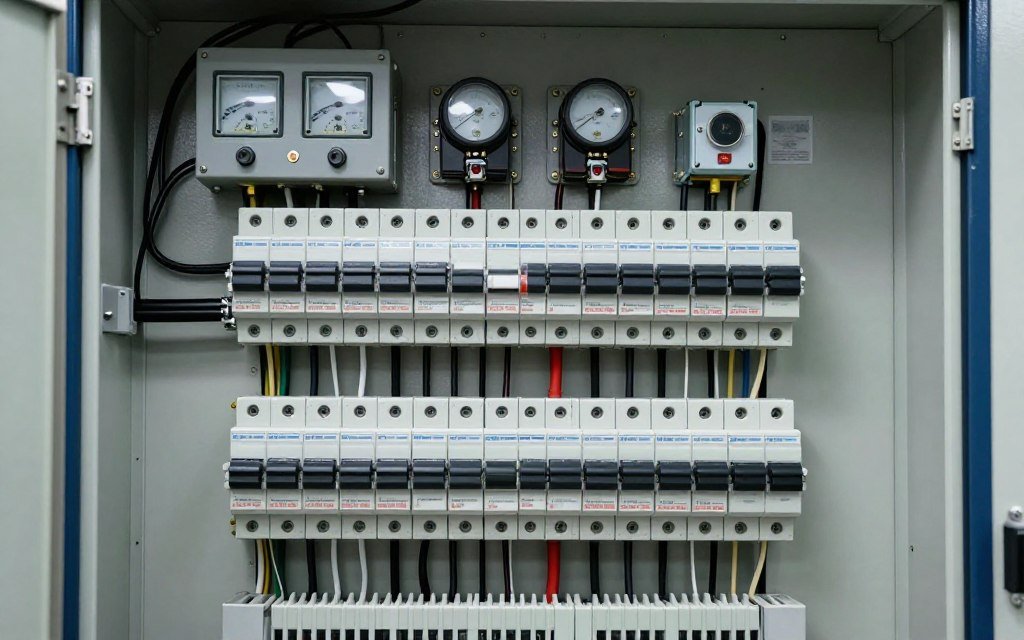
Standard Equipment Vulnerabilities
- Motor burnout from voltage spikes
- Control system errors during brownouts
- Production line shutdown without warning
- Data loss in batching computers
- Expensive repair downtime
MAIKONG Protection Systems
- Wide voltage tolerance (±15% variation)
- Automatic shutdown during severe fluctuations
- Battery backup for control systems
- Data logging preserves batch information
- Quick restart after power restoration
Maintenance Simplicity
We recognize that many Philippine operations have limited access to specialized technicians. Our equipment emphasizes user-serviceable design. Common maintenance tasks require only basic tools and standard spare parts.
Every MAIKONG poultry feed plant ships with comprehensive documentation in English. This includes illustrated maintenance manuals, troubleshooting guides, and spare parts catalogs with part numbers.
Become a MAIKONG Dealer or Distributor in the Philippines

We actively seek partnerships with established Philippine businesses who understand local feed production markets. Our dealer program offers substantial benefits to qualified partners who can provide sales support and after-sales service in their territories.
Dealer Partnership Benefits
Financial Advantages
- Wholesale pricing 25-35% below retail rates
- Exclusive territory protection in assigned regions
- Quarterly volume rebates for high performers
- Cooperative marketing fund contributions
- Extended payment terms for qualified dealers
- Demo equipment financing assistance
Business Support
- Technical training at our SZ factory
- Sales materials and product samples
- Lead generation from our Philippine inquiries
- Installation and commissioning guidance
- Warranty support and spare parts access
- Annual dealer conferences and training
Dealer Requirements and Qualifications
Successful MAIKONG dealers typically have existing businesses in agricultural equipment, livestock supplies, or feed production. We look for partners with technical competence, established customer relationships, and commitment to customer service excellence.

Technical Capability
Partners should have or be willing to develop technical staff capable of equipment installation and basic troubleshooting. We provide comprehensive training.
Market Presence
Existing relationships with poultry farms, feed mills, or agricultural cooperatives significantly accelerate market entry and initial sales success.
Service Commitment
Dealers must commit to providing timely customer support including installation assistance, operator training, and warranty service coordination.
Start Your MAIKONG Dealership Application
We review dealer applications monthly and respond within 7 business days. Territory assignments prioritize applicants with strongest market positions and technical capabilities. Limited territories remain available in Visayas and Mindanao regions.
Speak directly with our Philippine partnership manager:
Moving Forward with Your Feed Production Investment
Selecting the right poultry feed production line represents a significant business decision. We built our reputation helping Philippine businesses make informed equipment choices that support their growth objectives.
Your next step depends on where you are in your decision process. Early-stage researchers benefit from our technical guides and capacity calculators. Businesses ready to move forward should schedule consultations with our engineering team. We discuss your specific requirements, site conditions, and budget parameters.
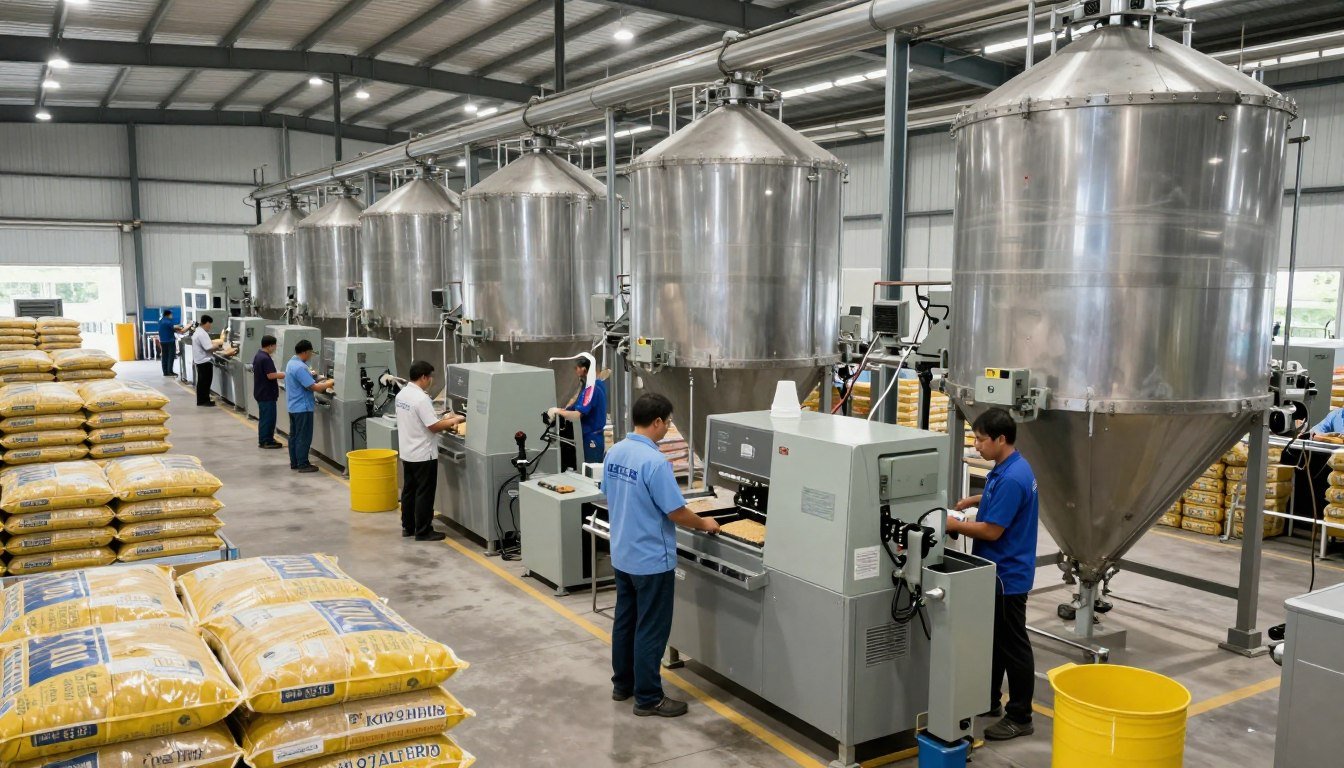
We serve customers throughout the Philippines from our regional support office. Our technical staff visits customer sites for installation supervision and operator training. This hands-on approach ensures your equipment performs as designed from day one.
MAIKONG commits to long-term partnerships with our customers. Your success drives our growth. We provide ongoing support including spare parts supply, technical consultations, and production optimization advice. Many customers who started with small 1-ton lines expanded to 10-ton operations as their businesses grew.
Contact our team today to begin planning your feed production solution. We look forward to helping your business thrive with reliable, efficient equipment backed by responsive support.
Connect with MAIKONG Philippines Team
Our support office responds to inquiries within 4 business hours. Technical questions receive detailed answers from our engineering staff. Project consultations include free preliminary layout designs and equipment recommendations.
MAIKONG Manufacturing
Location: GD, SZ, China
Philippine Support: Monday-Saturday, 8:00 AM – 6:00 PM
Website: https://pelletmachine.ph/contact/