
Running a successful poultry farm in the Philippines requires more than just healthy birds and proper housing. The foundation of productive poultry farming lies in consistent, high-quality feed. Many farm owners struggle with inconsistent feed quality when relying on external suppliers or manual mixing methods. This creates unnecessary costs and impacts bird health and growth rates.
A poultry feed production line changes everything. It gives you complete control over feed quality, ingredients, and costs. Whether you manage a small farm or operate a large commercial facility, understanding the key components helps you make informed decisions.
In this comprehensive guide, we break down every essential component of a modern poultry feed production line. You will learn how each piece of equipment works, why it matters, and how to choose the right configuration for your operation.
Need a Customized Poultry Feed Solution?
MAIKONG has 22 years of experience manufacturing feed production equipment. We help Filipino poultry farms achieve consistent quality and lower costs. Connect with our technical team to discuss your specific requirements.
Understanding Poultry Feed Production Systems
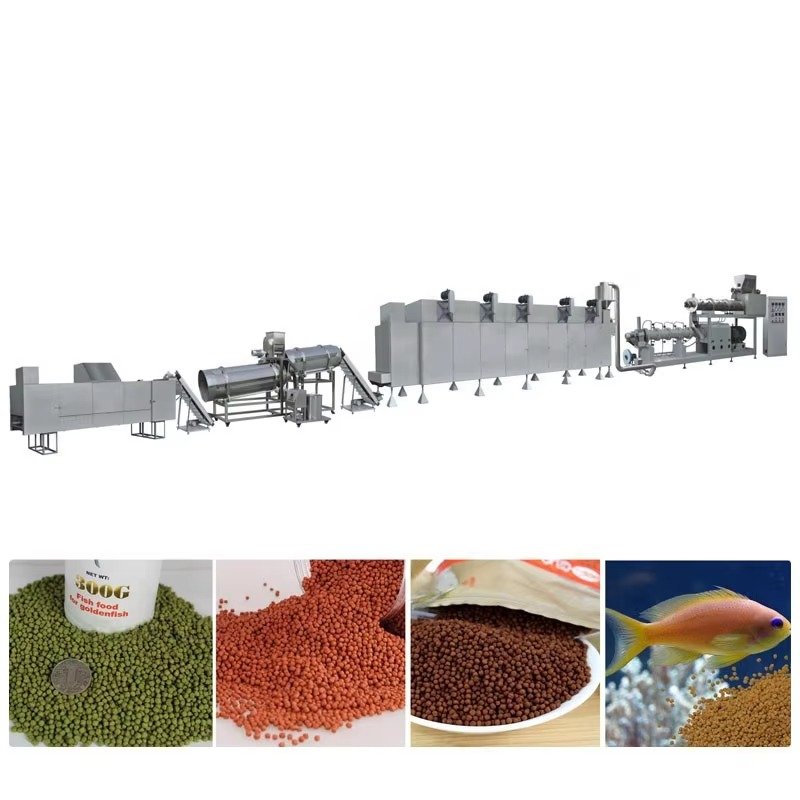
A poultry feed production line is an integrated system that transforms raw ingredients into nutritionally balanced feed pellets. The system processes grains, protein sources, vitamins, and minerals through multiple stages. Each stage serves a specific purpose in creating uniform, digestible feed.
Modern production lines handle everything from receiving raw materials to packaging finished products. Automation reduces labor costs and human error. Consistent processing ensures every batch meets your nutritional specifications.
Types of Feed Production Systems
Production lines vary based on capacity, automation level, and output type. Small-scale systems produce 200 kilograms per hour for individual farms. Large commercial operations run lines producing 200 tons per hour.
- Pellet feed production lines create compressed pellets
- Mash feed systems produce loose powder feed
- Crumble lines break pellets into smaller pieces for chicks
- Complete compound feed systems blend multiple ingredients precisely
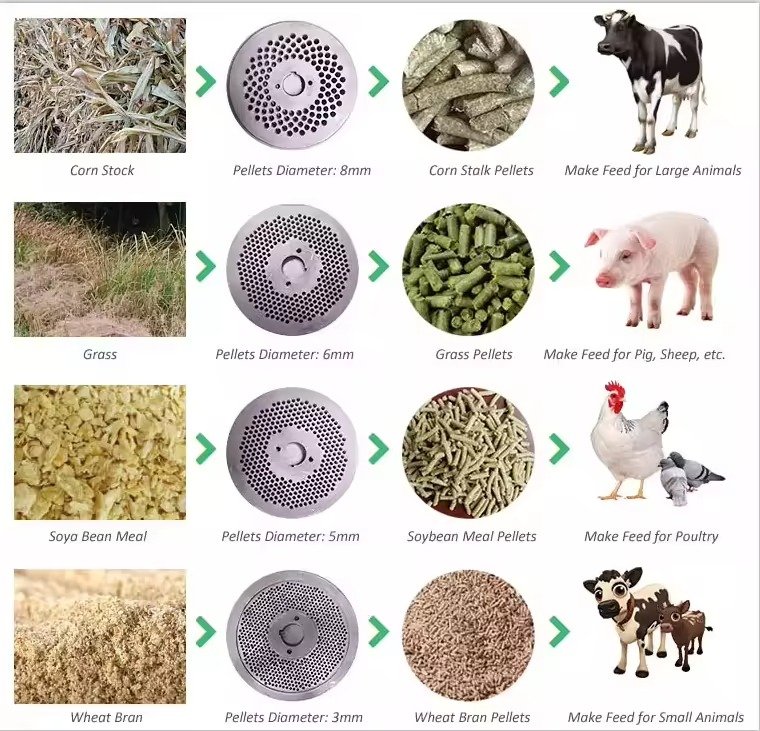
The poultry feed production line configuration you choose depends on your bird types, farm size, and budget. Layers require different feed than broilers. Young chicks need smaller particle sizes than mature birds.
Why Invest in a Complete Production Line?
Many farm owners question whether investing in a full production line makes financial sense. The answer depends on your operation scale and long-term goals. Consider these factors when evaluating cost-effective poultry feed production line options.
Cost Benefits
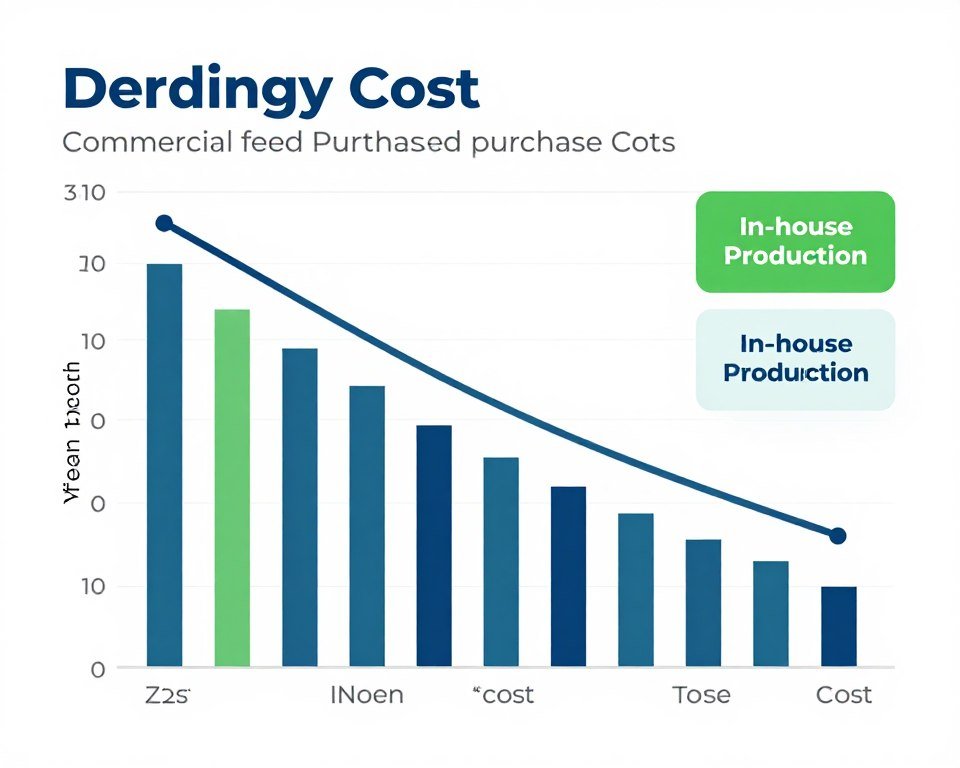
Producing your own feed eliminates middleman markup. You purchase ingredients in bulk at wholesale prices. Transportation costs decrease when you manufacture on-site.
Quality control improves dramatically. You select every ingredient and control the entire process. No more worrying about supplier shortcuts or contaminated batches.
Raw Material Receiving and Storage Systems
The journey of quality poultry feed begins with proper ingredient handling. Raw material systems ensure ingredients stay clean, dry, and free from contamination. Poor storage leads to mold growth, nutrient loss, and wasted money.
Ingredient Reception Equipment
Reception systems unload ingredients from delivery trucks efficiently. Pneumatic conveyors move materials from trucks to storage without manual labor. This reduces handling time and prevents ingredient degradation.
Receiving Pits
Ground-level or below-ground receiving areas where trucks dump bulk ingredients. Grated covers prevent foreign objects from entering the system.
Pneumatic Conveyors
Use air pressure to move ingredients through enclosed pipes. Prevents dust, contamination, and ingredient separation during transport.
Bucket Elevators
Vertical conveyors with attached buckets lift ingredients to storage silos. Energy-efficient and reliable for continuous operation.
Storage Silo Systems
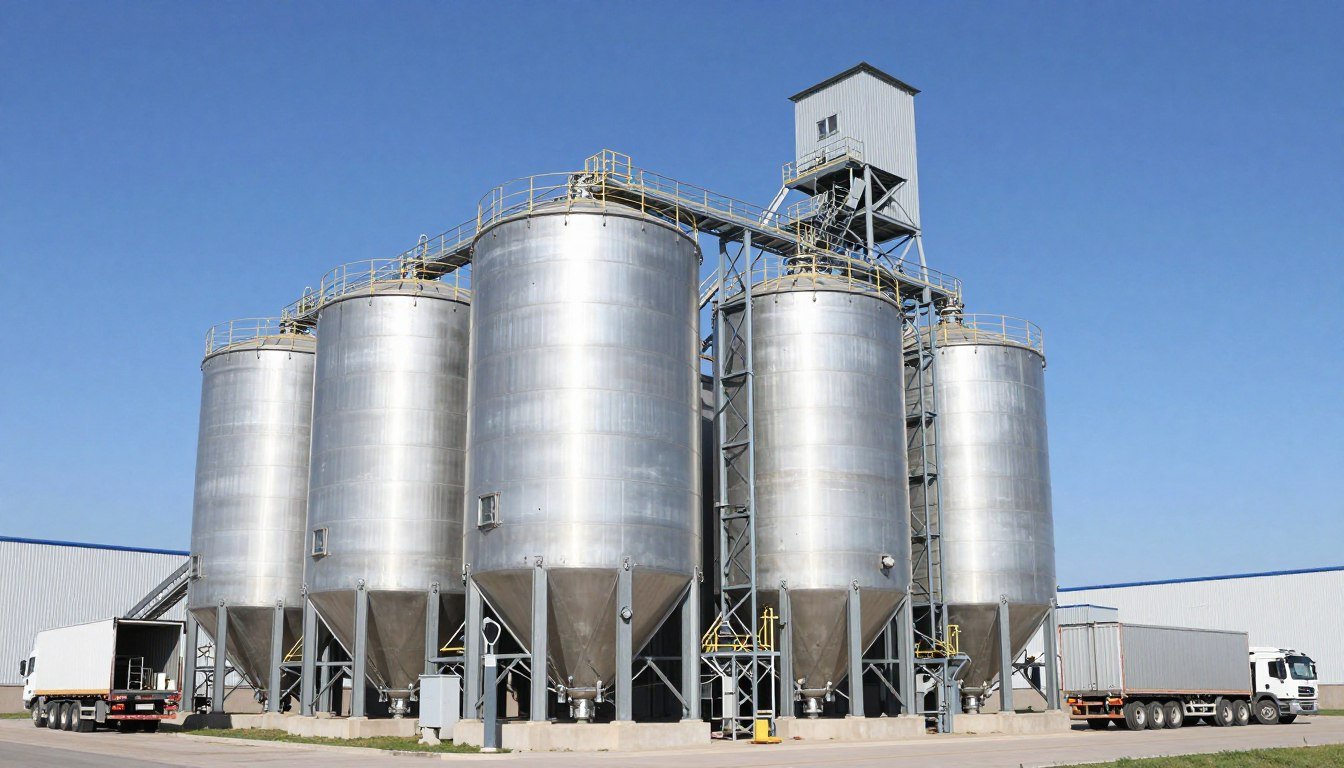
Proper storage maintains ingredient quality until processing. Silos protect ingredients from moisture, pests, and temperature fluctuations. Modern silos include monitoring systems that track inventory levels automatically.
- Corn and grain silos hold bulk cereal ingredients
- Meal silos store protein sources like soybean meal and fish meal
- Micro ingredient bins house vitamins, minerals, and additives
- Temperature monitoring systems prevent heat buildup and spoilage
- Level sensors trigger automatic reordering when supplies run low
The application of poultry feed production line storage systems extends beyond simple ingredient holding. Smart storage solutions integrate with your entire production process. They maintain first-in-first-out inventory rotation automatically.
Cleaning and Screening Equipment
Raw ingredients arrive with unwanted materials. Stones, metal pieces, dust, and broken kernels must be removed before processing. Cleaning equipment protects downstream machinery from damage and ensures quality poultry feed output.
Pre-cleaning Systems
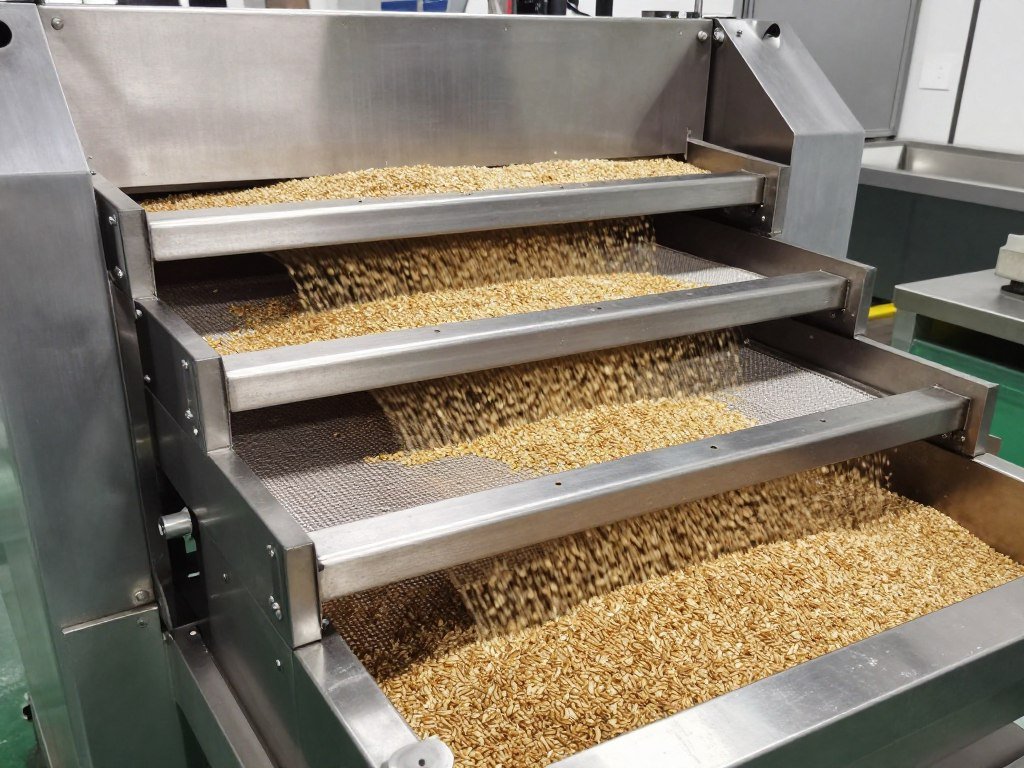
The first stage removes large foreign objects and debris. Screening equipment separates materials by size. Aspiration channels use airflow to remove dust and light particles.
- Vibrating screens separate particles by size
- Rotary screeners handle high-volume ingredient flows
- Magnetic separators remove metal contaminants
- Destoners eliminate rocks and heavy foreign materials
Importance of Thorough Cleaning
Contaminated ingredients create multiple problems in feed production. Metal fragments damage hammer mills and pellet dies. Stones jam mixers and conveyors. Dust reduces pellet quality and creates explosion hazards.
Investing in quality cleaning equipment pays for itself quickly. Reduced machinery repairs and longer equipment life offset initial costs. More importantly, clean ingredients produce safer feed for your birds.
Crushing and Grinding Components
Particle size dramatically affects feed digestibility and pellet quality. Grinding equipment reduces whole grains to uniform particle sizes. The feed pellet process requires consistent particle distribution for proper binding.
Hammer Mill Technology
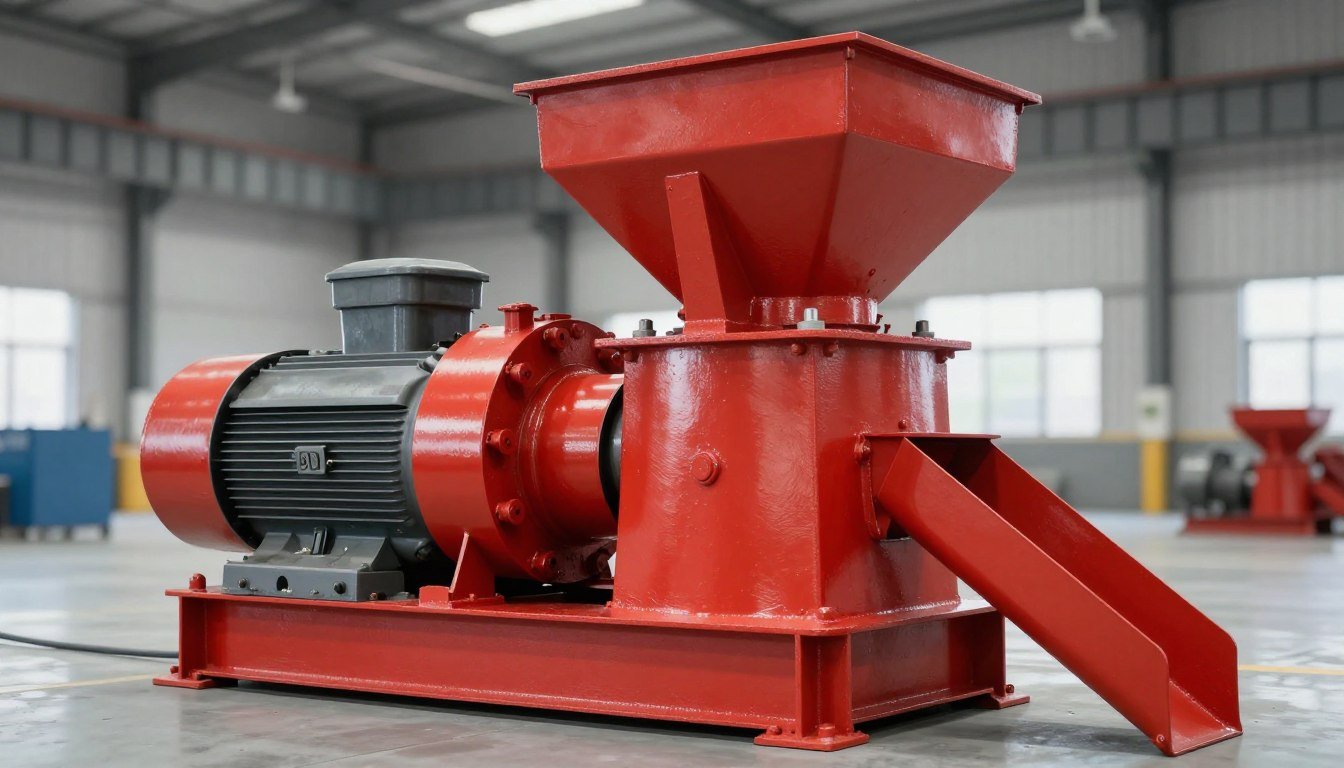
Hammer mills dominate grain crushing in feed production. High-speed rotating hammers pulverize ingredients against screens. Screen hole size determines final particle dimensions.
Modern hammer mills process 3 to 25 tons per hour depending on model size. MAIKONG feed pellet machine systems include precisely matched grinding equipment. Motor power ranges from 30 to 160 kilowatts based on capacity.
Particle size requirements vary by bird age and feed type. Chick starter feeds need 0.5 to 1.0 millimeter particles. Grower and finisher feeds use 1.5 to 3.0 millimeter particles. Coarser grinding reduces energy costs but may decrease digestibility.
Hammer Mill Benefits
- High throughput capacity
- Adjustable particle size via screen changes
- Handles various ingredient types
- Relatively low maintenance requirements
- Cost-effective operation
Alternative Grinding Methods
Some operations prefer roller mills for specific ingredients. Roller mills crack grains between rotating rollers rather than pulverizing them. This method consumes less energy and produces more uniform particle distribution.
The choice between hammer mills and roller mills affects efficiency of poultry feed production lines. Hammer mills offer versatility and lower capital costs. Roller mills provide better energy consumption of poultry feed production lines efficiency for large-scale operations.
Batching and Weighing Systems
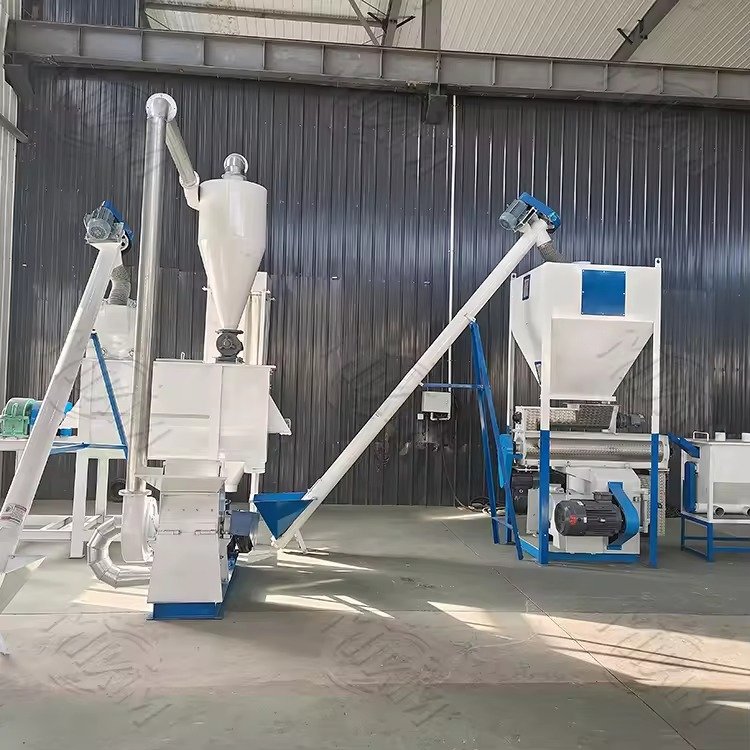
Precise ingredient measurement ensures consistent nutrition in every batch. Automated batching systems weigh and proportion ingredients according to your formulation. This eliminates human error and reduces waste.
Computerized Batching Control
Modern production lines use computerized batching systems. Operators input formulations into the control system. The system automatically dispenses correct ingredient quantities from storage bins.
Batching System Components
- Load cell scales with 0.1% accuracy
- Pneumatic or mechanical gates control ingredient flow
- Programmable logic controllers manage sequencing
- Recipe storage for multiple formulations
- Automatic adjustment for ingredient moisture content
- Batch tracking and reporting for quality records
Accuracy matters tremendously in feed production. A 2% error in vitamin premix can cause deficiency or toxicity. Consistent batching produces uniform nutrition across all bags or bulk deliveries.
Micro and Macro Ingredient Handling
Production lines separate micro and macro ingredient batching. Macro ingredients like corn and soybean meal comprise bulk feed volume. Micro ingredients include vitamins, minerals, and medications in small quantities.
Micro ingredient systems require higher precision. Scales measure to 0.01 kilogram accuracy. Pre-mixing micro ingredients improves distribution in the final mix. This ensures birds receive proper trace mineral and vitamin levels.
Need Help Selecting the Right Capacity?
MAIKONG designs customize poultry feed production lines from 200KG to 200 tons per hour. Our engineering team helps you match equipment to your exact production requirements and budget. Get expert guidance today.
Mixing and Blending Equipment
Thorough mixing distributes ingredients uniformly throughout each batch. Poor mixing creates nutritional variation between feed pellets. Birds consuming unbalanced feed show inconsistent growth and health problems.
Mixer Types and Selection
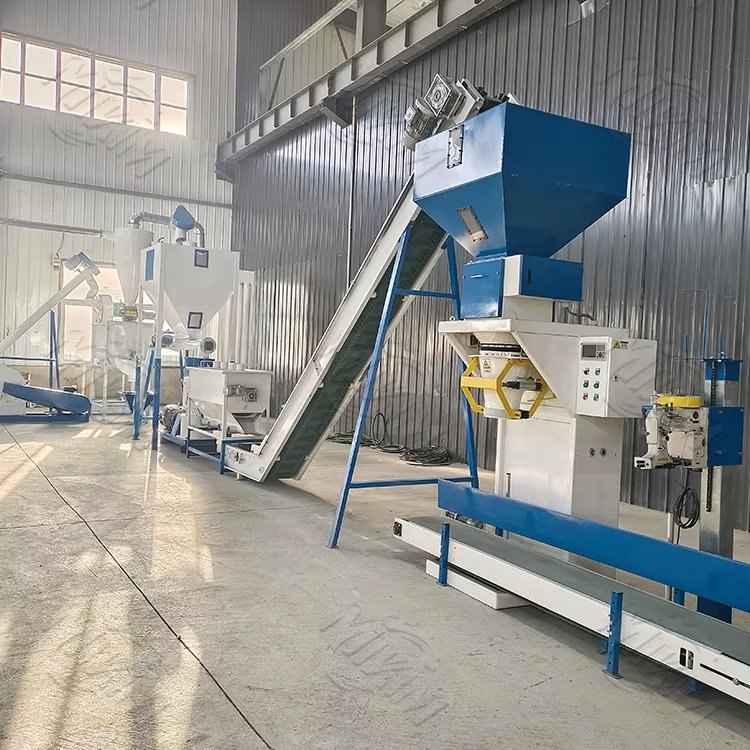
Horizontal ribbon mixers dominate poultry feed production applications. Twin counter-rotating ribbons create thorough ingredient movement. Batch sizes range from 250 kilograms to 2,000 kilograms.
Ribbon Mixers
Most common type. Outer ribbon moves ingredients toward center. Inner ribbon moves ingredients toward ends. Achieves 95% uniformity in 3-5 minutes.
Paddle Mixers
Uses paddle-shaped blades on rotating shaft. Gentler action suitable for fragile ingredients. Common in premix production facilities.
Vertical Mixers
Screw conveyor lifts ingredients vertically. Ingredients fall and remix continuously. Smaller footprint than horizontal designs.
Mixing Time and Quality
Proper mixing requires adequate time without over-mixing. Under-mixing leaves ingredient clumps. Over-mixing segregates particles by density and size. Most formulations achieve optimal uniformity in 4 to 6 minutes.
Adding liquid ingredients requires special consideration. Molasses, oils, and liquid medications must distribute evenly. Modern mixers include liquid addition systems with multiple spray nozzles. This prevents ingredient balls and ensures even coating.
- Coefficient of variation below 10% indicates acceptable mixing
- Sample testing confirms nutrient distribution uniformity
- Clean-out between batches prevents cross-contamination
- Mixer discharge gates provide complete batch removal
The animal feed production line mixing stage affects all downstream quality. Poor mixing creates pellets with varying hardness and durability. Uniform mixing improves pellet mill efficiency and feed pellet quality.
Conditioning and Pelleting Systems
Pelleting transforms loose mash into compressed pellets. The process improves digestibility, reduces waste, and facilitates handling. Feed pellet production represents the heart of most modern production lines.
Steam Conditioning Process
Conditioning prepares mash for pelleting. Steam injection adds heat and moisture to the feed. This gelatinizes starches and improves pellet binding. Proper conditioning creates durable pellets with minimal fines.
Conditioning Benefits
- Increased pellet durability and reduced crumbling
- Improved starch gelatinization for better digestibility
- Partial sterilization reduces bacterial contamination
- Enhanced pellet mill throughput and efficiency
- Better fat and liquid ingredient binding
Conditioning chambers hold feed for 30 to 60 seconds. Temperature reaches 80 to 90 degrees Celsius. Moisture content increases 2 to 4 percentage points. Retention time must be adequate for heat penetration without burning ingredients.
Pellet Mill Operation
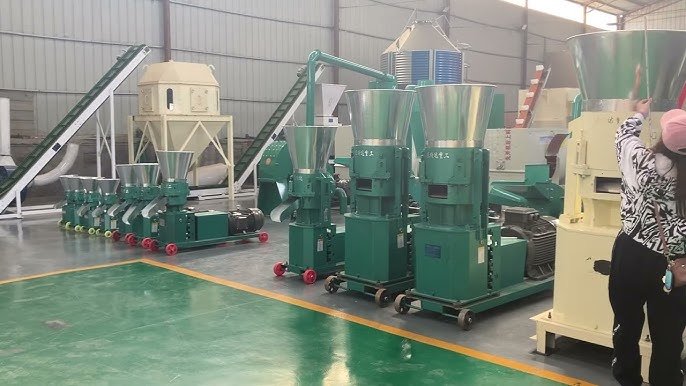
Ring die pellet mills form pellets through extrusion. Conditioned mash feeds into a chamber containing a rotating die. Rollers press mash through die holes. Knives trim pellets to length as they emerge from the die.
MAIKONG Model MK-L003 represents our advanced pelleting technology. This pellet machine produces 1 to 5 tons per hour depending on die specifications and ingredient formulation.
MAIKONG Model MK-L003 Specifications
| Specification | Details |
| Model Number | MK-L003 |
| Production Capacity | 1-5 tons per hour |
| Main Motor Power | 37-90 kW (customizable) |
| Die Diameter | 320-420 mm |
| Pellet Size Range | 2-12 mm diameter |
| Machine Weight | 2,800-3,500 kg |
| Dimensions (L×W×H) | 2,400×1,800×2,200 mm |
| Voltage Options | 220V, 380V, 440V (Philippines standard available) |
| Material | ABS housing, alloy steel die and rollers |
| Color | Industrial gray/blue (customizable) |
This pellet mill accommodates various formulations from chicken feed to duck and quail feeds. Die hole diameter determines final pellet size. Our team helps you select appropriate dies for your bird types and ages.
Die and Roller Maintenance
Pellet quality depends heavily on die and roller condition. Worn dies produce irregular pellets and reduce throughput. Regular inspection and replacement maintain production efficiency.
Dies typically last 300 to 500 production hours before requiring replacement. Roller lifespan varies based on ingredient abrasiveness. Proper lubrication extends component life significantly.
Cooling and Drying Equipment
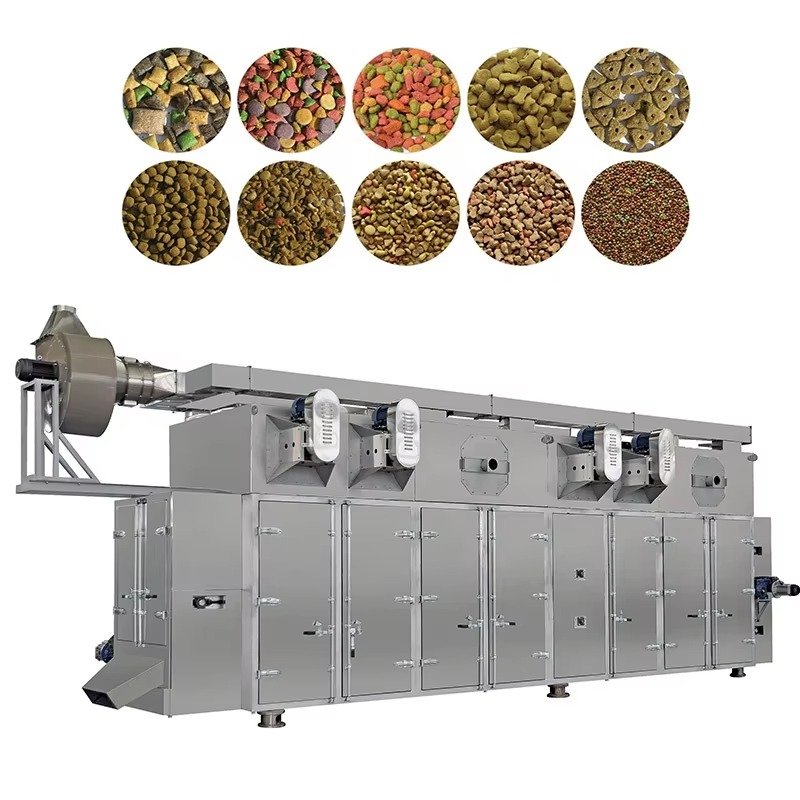
Fresh pellets exit the pellet mill at 75 to 85 degrees Celsius with elevated moisture. Immediate cooling prevents mold growth and maintains pellet integrity. Proper cooling equipment ensures safe storage and transport.
Counterflow Cooler Design
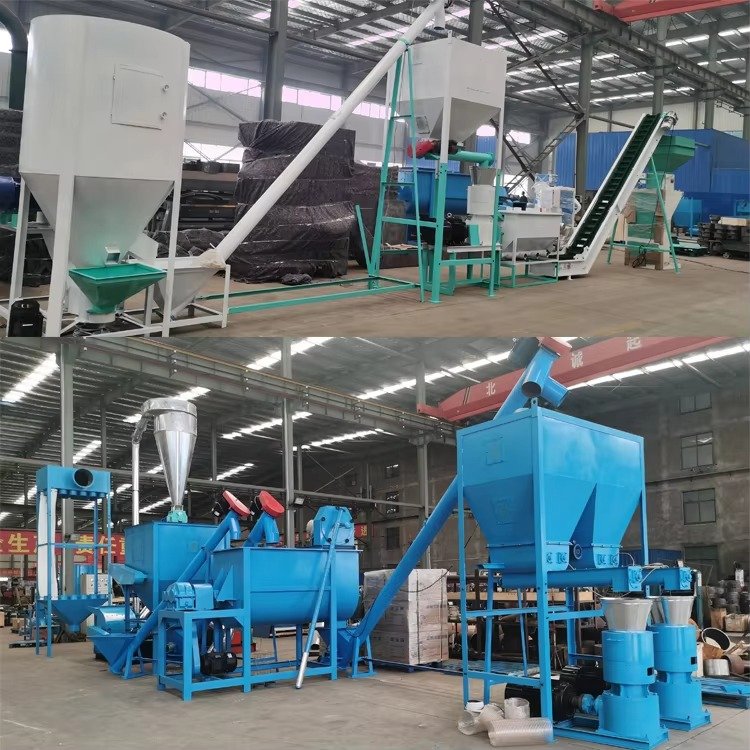
Counterflow coolers provide most efficient pellet cooling. Pellets flow downward while cool air moves upward. This design maximizes heat exchange and moisture removal. Cooled pellets emerge at ambient temperature plus 5 degrees Celsius.
Cooling capacity must match pelleting capacity. Undersized coolers create bottlenecks and force production slowdowns. Properly sized coolers process pellets at production rate plus 20% buffer capacity.
Retention time in the cooler typically ranges from 8 to 12 minutes. Longer retention improves moisture removal and temperature reduction. Shorter retention risks incomplete cooling and subsequent spoilage.
Cooling Parameters
- Inlet temperature: 75-85°C
- Outlet temperature: 30-35°C
- Moisture reduction: 2-3%
- Airflow: 50-80 m³ per ton
Air Handling Systems
Cooling requires substantial airflow. Fans draw ambient air through the pellet bed. The air absorbs heat and moisture before exhaust. Dust collection systems capture fines from the exhaust air stream.
Proper air distribution ensures uniform cooling throughout the pellet mass. Uneven cooling creates quality variation within batches. Well-designed air plenums maintain consistent airflow across the entire cooler cross-section.
Screening and Crumbling Components
Not all pellets meet size and durability standards. Screening equipment separates acceptable pellets from fines and oversized pieces. Crumbling machines break pellets into smaller particles for young birds.
Vibrating Screen Operation
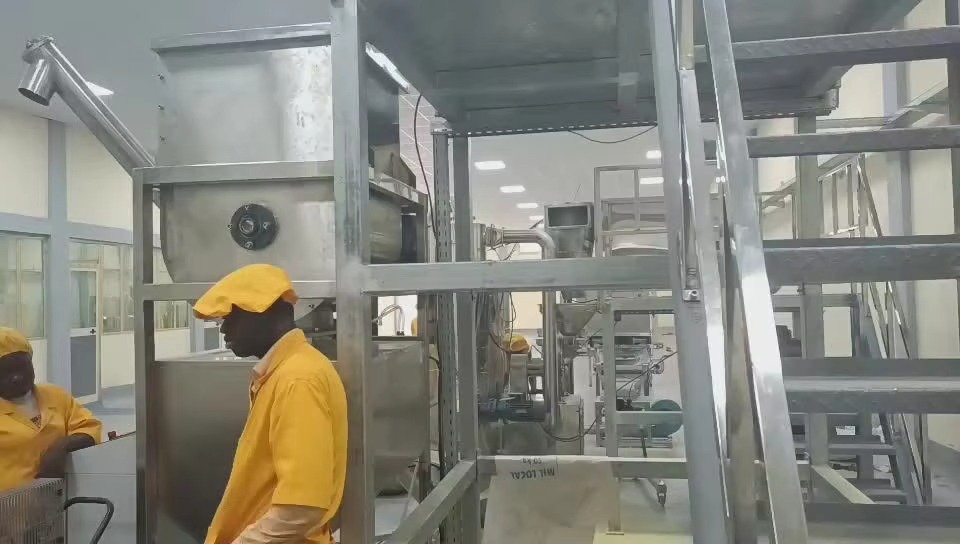
Multi-deck vibrating screens classify pellets by size. Top decks remove oversized pellets and unformed chunks. Bottom decks separate fine powder from acceptable pellets. Middle fractions return to the pellet mill for reprocessing.
Screen Specifications
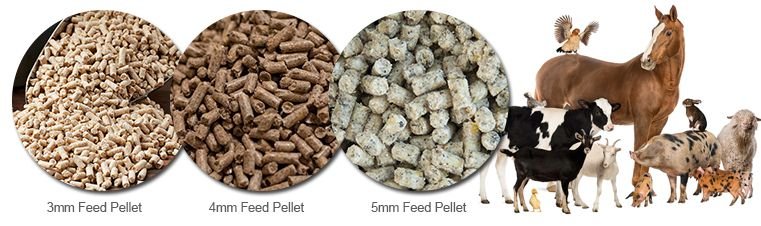
Screen hole size matches desired pellet dimensions. Chick crumbles require 1.5 to 2.0 millimeter screens. Grower pellets use 3.0 to 4.0 millimeter screens. Layer feeds typically specify 4.0 to 5.0 millimeter pellets.
Screen mesh durability affects replacement frequency. Abrasive ingredients accelerate screen wear. Stainless steel screens last longer than mild steel versions. Regular inspection prevents torn screens from contaminating finished feed.
Crumbler Machines
Crumblers convert pellets to crumble size for chicks and young birds. Rotating rollers break pellets without creating excessive fines. Crumble size typically ranges from 1.0 to 3.0 millimeters.
Many operations skip dedicated crumblers. Instead, they produce smaller diameter pellets and carefully control breakage. This approach reduces equipment for poultry feed production lines costs while meeting young bird requirements.
Fat and Liquid Coating Systems
Post-pellet coating adds fats, oils, and liquid nutrients. Coating after pelleting prevents die blocking and improves pellet durability. This process enhances energy density and ingredient flexibility.
Spray Coating Technology
Rotary coaters tumble pellets while spraying liquids evenly. Multiple nozzles ensure complete coverage. Heated systems maintain liquid viscosity for proper atomization. Coating levels typically range from 1 to 5 percent by weight.
- Vegetable oil coating improves energy content
- Molasses application enhances palatability and reduces dust
- Enzyme coating allows heat-sensitive additive application
- Antimicrobial treatments extend shelf life
- Pigment coating creates color-coded feed identification
Coating equipment requires thorough cleaning between different liquid types. Residual fats can oxidize and cause rancidity. Regular maintenance prevents nozzle clogging and ensures uniform application.
Packaging and Bagging Equipment
Finished feed requires proper packaging for storage and distribution. Automated packaging systems increase efficiency and reduce labor costs. Proper packaging maintains feed quality until consumption.
Automatic Bagging Scales
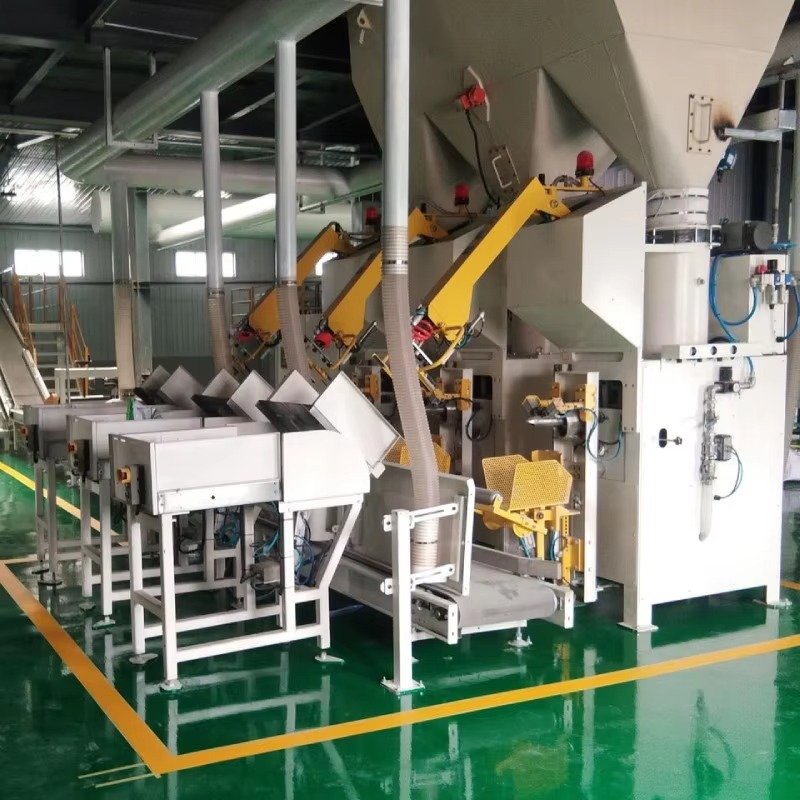
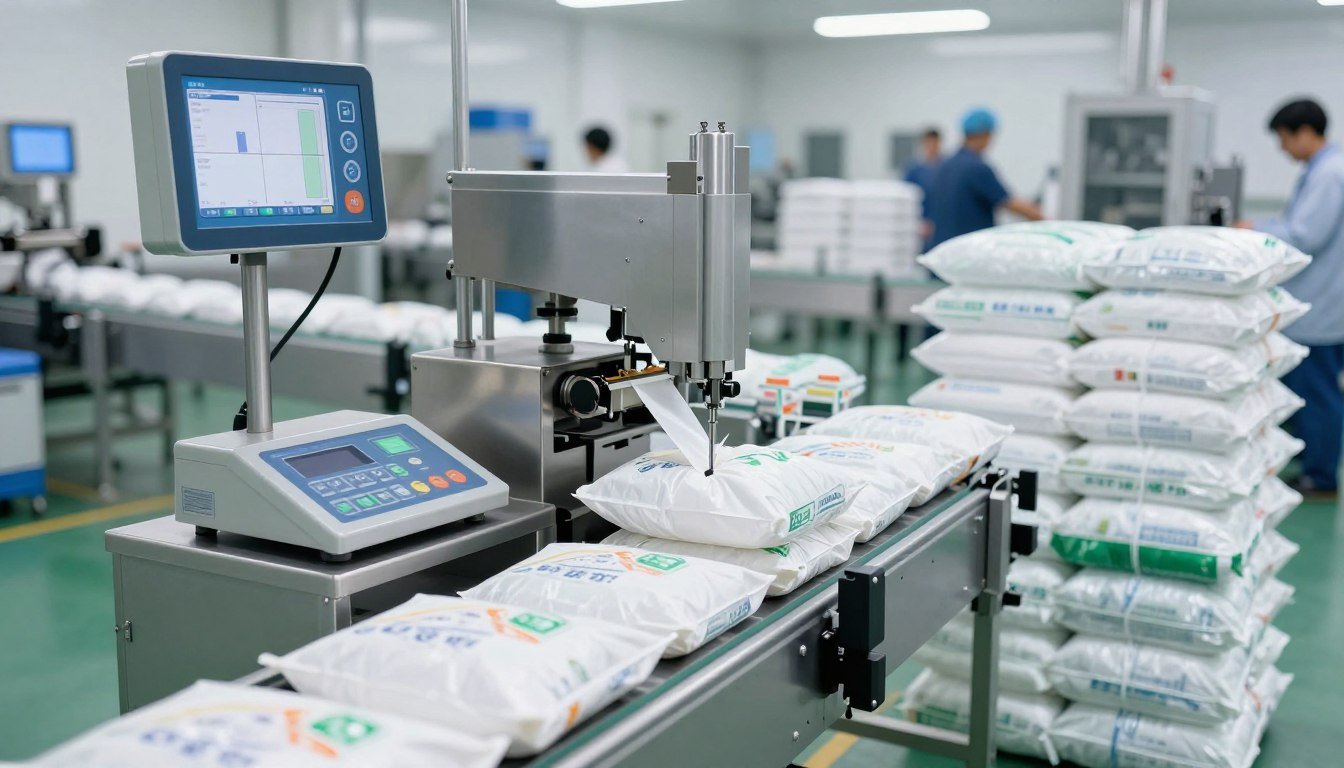
Electronic scales fill bags to precise weights automatically. Operator places empty bag on filling spout. Scale dispenses correct quantity and stops flow. This eliminates overfilling waste and underfilling complaints.
Packaging Speeds
- Manual filling: 40-60 bags per hour
- Semi-automatic: 120-180 bags per hour
- Fully automatic: 360-600 bags per hour
- Bulk loading: 20-40 tons per hour
Bag sizes vary based on market preferences. Philippines poultry farms commonly use 25 kilogram and 50 kilogram bags. Smaller hobby farms prefer 5 kilogram and 10 kilogram packages. Bulk delivery serves large commercial operations.
Bag Closing Systems
Filled bags require secure closure. Sewing machines create strong, tamper-evident seals. Some operations prefer heat-sealed plastic bags. String tying works for short-term storage and local delivery.
Automated lines integrate weighing, filling, and closing operations. Conveyors transport bags between stations. Palletizers stack finished bags automatically. This integration reduces handling and improves throughput.
Dust Collection and Air Quality Systems
Feed processing generates substantial dust. Dust creates health hazards, explosion risks, and product loss. Comprehensive dust collection protects workers and maintains facility cleanliness.
Dust Collection Points
Every feed production stage generates dust. Hammer mills produce the most dust during grinding. Pellet coolers exhaust steam and fine particles. Packaging operations create bag dust as feed flows.
Cyclone Separators
Centrifugal force separates heavy particles from airstream. Collected material returns to production. Clean air exhausts to atmosphere. Simple and reliable with no moving parts.
Bag House Filters
Fabric filter bags capture fine dust particles. Periodic pulsing dislodges collected dust. Provides highest filtration efficiency. Requires regular maintenance and filter replacement.
Wet Scrubbers
Water spray captures dust particles. Effective for sticky or problematic dusts. Creates wastewater requiring treatment. Less common in feed mills than dry systems.
Explosion Prevention
Feed dust presents explosion hazards in enclosed spaces. Proper ventilation prevents dust accumulation. Explosion vents release pressure safely if ignition occurs. Regular cleaning eliminates dust buildup on surfaces and equipment.
Grounding all equipment prevents static electricity buildup. Spark detection systems shut down production if ignition sources appear. These safety measures protect workers and facilities from catastrophic accidents.
Automation and Control Systems
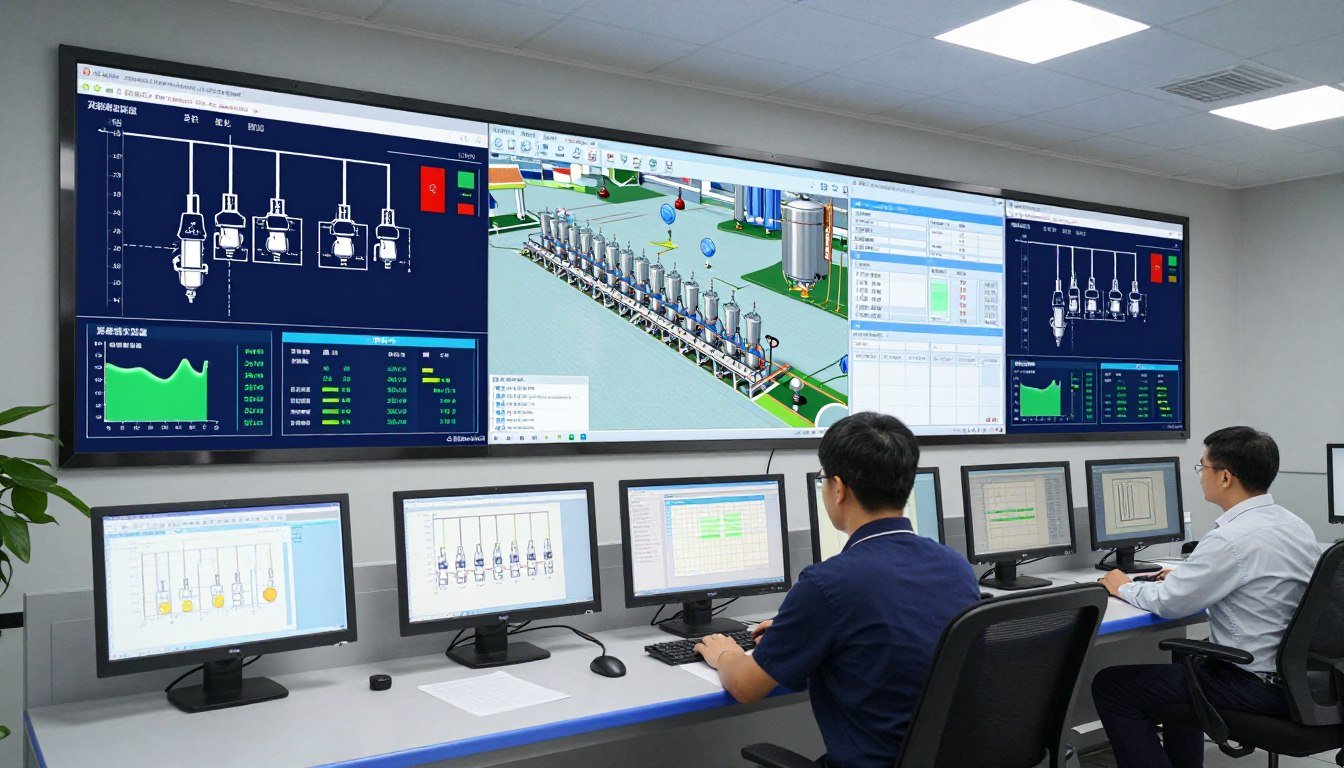
Modern poultry feed production lines rely heavily on computerized control. Automation improves consistency, reduces labor, and enables precise monitoring. Central control rooms oversee entire production processes.
Programmable Logic Controllers
PLCs coordinate equipment sequencing and timing. They monitor temperatures, flow rates, and equipment status continuously. Automatic shutdowns prevent damage when problems occur. Remote access allows troubleshooting from anywhere.
Control System Benefits
- Recipe management stores multiple formulations
- Automatic batch reporting tracks production
- Quality data logging enables trend analysis
- Predictive maintenance scheduling reduces downtime
- Integration with business management systems
- Remote monitoring via smartphone apps
MAIKONG integrates advanced control systems in all high-quality poultry feed production lines. Our systems come pre-programmed with common formulations. Operators can modify recipes easily through intuitive touchscreen interfaces.
Data logging captures every production detail. This documentation supports quality certifications and customer requirements. Historical data reveals opportunities for efficiency improvements.
Sensor Technology
Modern sensors monitor critical production parameters. Temperature sensors verify conditioning effectiveness. Flow meters confirm ingredient quantities. Level sensors prevent bin overflows and empty hopper situations.
Sensor accuracy directly impacts product consistency. Regular calibration maintains measurement reliability. Failed sensors trigger alarms before causing production problems. Redundant sensors provide backup for critical measurements.
Production Capacity and Line Configuration
Choosing appropriate capacity prevents costly mistakes. Undersized lines limit growth potential. Oversized equipment wastes capital and increases operating costs. Proper planning balances current needs with future expansion.
Capacity Determination Factors
Calculate required capacity based on bird inventory and consumption rates. Add 20-30% buffer for growth and seasonal variation. Consider operating hours per day and maintenance downtime.
| Farm Size | Bird Population | Daily Feed Consumption | Recommended Line Capacity |
| Small Scale | 5,000-10,000 birds | 500-1,000 kg | 200-500 kg/hour |
| Medium Scale | 10,000-50,000 birds | 1,000-5,000 kg | 500-2,000 kg/hour |
| Large Scale | 50,000-200,000 birds | 5,000-20,000 kg | 2-10 tons/hour |
| Commercial Mill | Multiple customer farms | 20,000+ kg | 10-200 tons/hour |
Layout Configuration Options
Production lines use horizontal or vertical layouts. Horizontal designs spread equipment across single floor levels. Vertical designs stack processes in tower structures. Each approach offers distinct advantages.
Horizontal Layout
Advantages: Easier maintenance access, simpler construction, lower building costs, better for expansion.
Disadvantages: Larger land footprint, longer conveyors, higher conveying energy costs.
Vertical Layout
Advantages: Smaller land requirement, gravity flow reduces energy, compact design, easier dust control.
Disadvantages: Higher construction costs, multi-story safety requirements, difficult equipment access, complex structural engineering.
MAIKONG engineers help you evaluate site constraints and production requirements. We design custom layouts that optimize your specific situation. Our experience includes installations across Asia, Americas, Europe, Africa, and Middle East regions.
Get Your Custom Production Line Design
Every operation has unique requirements. MAIKONG provides free consultation and layout design services. Our team analyzes your site, capacity needs, and budget to recommend the optimal configuration. Start your project with expert guidance.
Investment and Operating Cost Considerations
Understanding costs helps you make informed decisions about choosing poultry feed production lines. Total ownership costs include equipment purchase, installation, operation, and maintenance. Proper analysis reveals true return on investment.
Capital Investment Breakdown
Equipment costs vary significantly based on capacity and automation level. Small lines for 500 kg/hour start around $10,000 USD. Large commercial systems producing 20+ tons/hour exceed $500,000 USD.
| Capacity Range | Equipment Cost (USD) | Installation Cost | Building Requirements | Total Investment |
| 200-500 kg/hour | $10,000-$35,000 | $2,000-$7,000 | 150-300 m² | $15,000-$50,000 |
| 1-2 tons/hour | $35,000-$80,000 | $7,000-$15,000 | 300-500 m² | $50,000-$120,000 |
| 3-5 tons/hour | $80,000-$180,000 | $15,000-$35,000 | 500-800 m² | $120,000-$250,000 |
| 8-10 tons/hour | $180,000-$350,000 | $35,000-$70,000 | 800-1,500 m² | $250,000-$500,000 |
| 15-20 tons/hour | $350,000-$650,000 | $70,000-$130,000 | 1,500-3,000 m² | $500,000-$900,000 |
Operating Cost Components
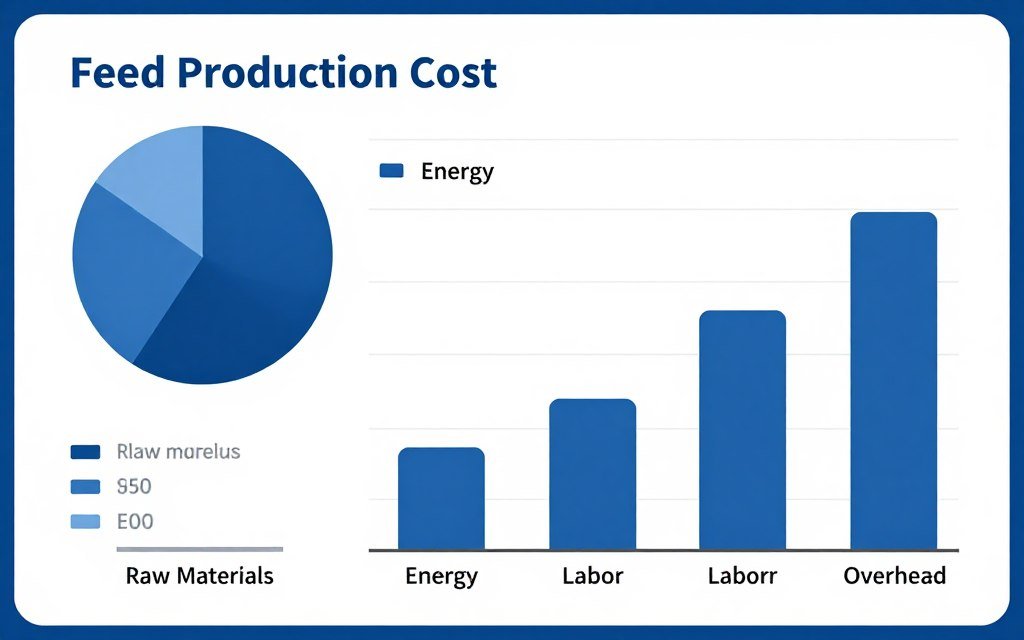
Daily operating costs include electricity, labor, maintenance, and consumables. Energy consumption of poultry feed production lines represents the largest variable cost. Efficient equipment selection reduces long-term expenses significantly.
Monthly Operating Costs (5 ton/hour line)
- Electricity: $2,500-$4,000 (165-220 kWh capacity)
- Labor: $1,500-$3,000 (3-5 operators)
- Maintenance parts: $500-$1,000
- Consumables (screens, dies): $300-$600
- Quality testing: $200-$400
Raw material costs dominate total expenses. Ingredients represent 70-85% of finished feed cost. Efficient production reduces waste and improves margins. A well-operated line maintains 1-2% processing loss versus 5-8% in poorly managed facilities.
Return on Investment Timeline
Most operations recover investment within 18-36 months. Payback depends on production volume, ingredient costs, and local feed prices. Higher volume operations achieve faster returns.
Calculate savings from producing your own feed versus purchasing commercial feed. Typical savings range from 15-30% per kilogram. Multiply daily savings by operating days per year to estimate annual benefit.
MAIKONG Global Success Stories
MAIKONG has installed poultry feed production lines across five continents. Our experience spans small farm operations to large commercial mills. Real-world results demonstrate our equipment reliability and support quality.
Asia Pacific Installations
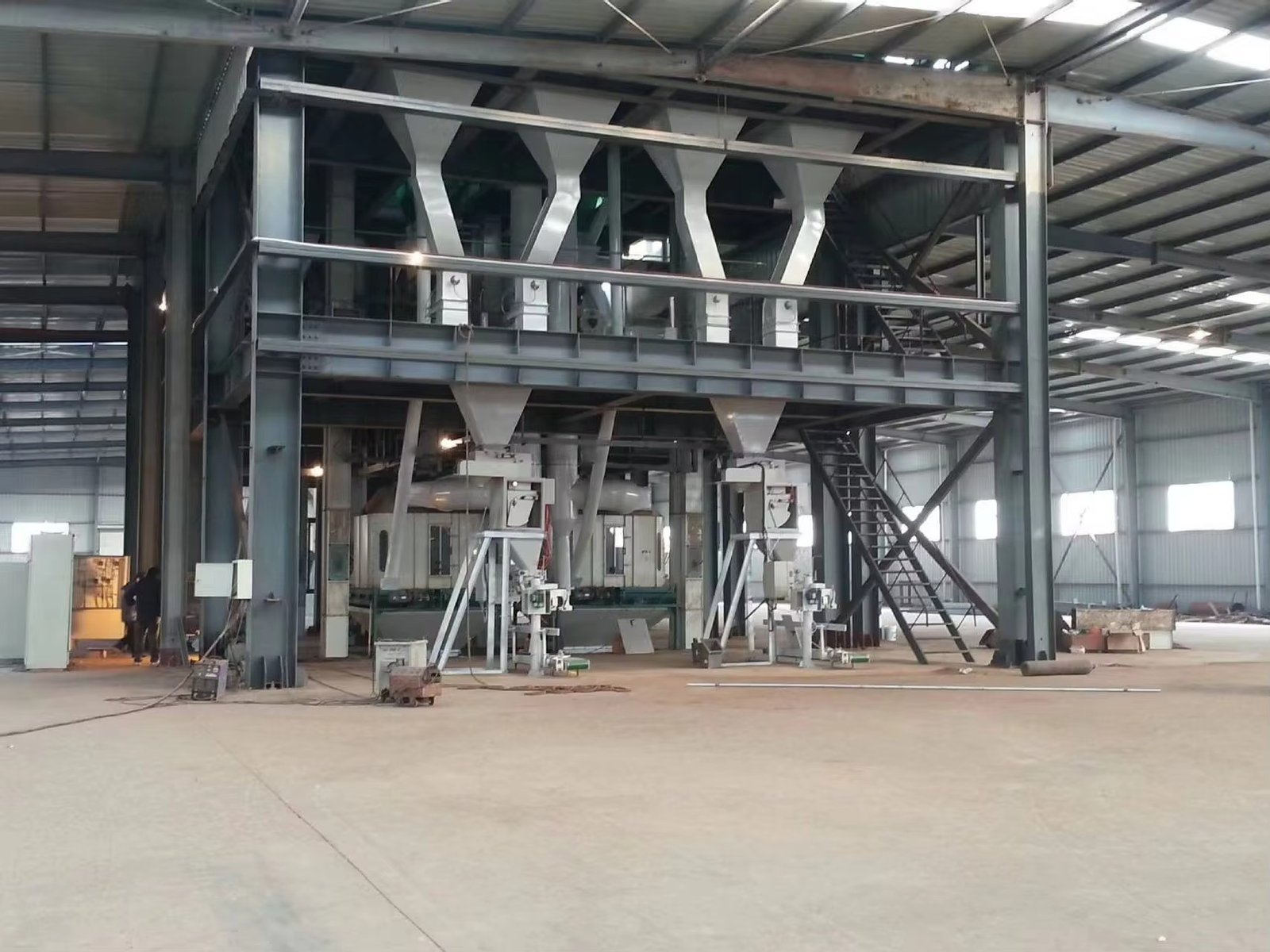
Philippines projects include both farm-scale and commercial mill installations. A 3-ton per hour line in Bulacan province serves a 50,000-bird broiler operation. The owner reports 22% feed cost reduction compared to purchased feed. Production quality consistency improved significantly.
In Thailand, a 10-ton per hour system produces feed for multiple customer farms. The operator expanded from purchased ingredients to complete fish feed production line and poultry feed production capabilities. MAIKONG provided ongoing technical support during capacity expansion.
Malaysia installations include aquaculture feed lines. One customer produces both aqua feed production line pellets and poultry feed using the same base equipment. Die changes allow flexible production scheduling.
Middle East and Africa Projects
Saudi Arabia operations face extreme heat challenges. MAIKONG designed cooling systems specifically for 45+ degree ambient temperatures. Equipment performs reliably despite harsh conditions. Remote monitoring allows our team to support operations from Philippines.
Egypt installations focus on small to medium capacity lines. Local partners distribute MAIKONG equipment throughout North Africa. Training programs ensure operators understand proper maintenance procedures.
Kenya projects support growing poultry industry development. Government agricultural programs specify quality equipment standards. MAIKONG lines meet all certification requirements for international development projects.
Americas Installations
Brazil operations include both cattle feed pellet production line and poultry feed production capabilities. Large integrated poultry companies trust MAIKONG equipment for consistent quality. Multiple lines operate 24 hours daily in high-volume production.
United States installations serve organic and specialty feed markets. Precise batching systems ensure organic certification compliance. Equipment wash-down features prevent cross-contamination between conventional and organic batches.
European Operations
Germany installations emphasize automation and energy efficiency. MAIKONG equipment integrates with existing European control systems. CE certification ensures compliance with strict safety regulations.
Poland operations produce pig feed production line pellets alongside poultry feeds. Flexible designs accommodate multiple species requirements. Quick changeover procedures minimize downtime between production runs.
Customization and OEM/ODM Services
Every operation has unique requirements. MAIKONG specializes in customize poultry feed production lines to match your exact specifications. Our engineering team adapts standard designs or creates completely custom solutions.
Voltage and Power Customization
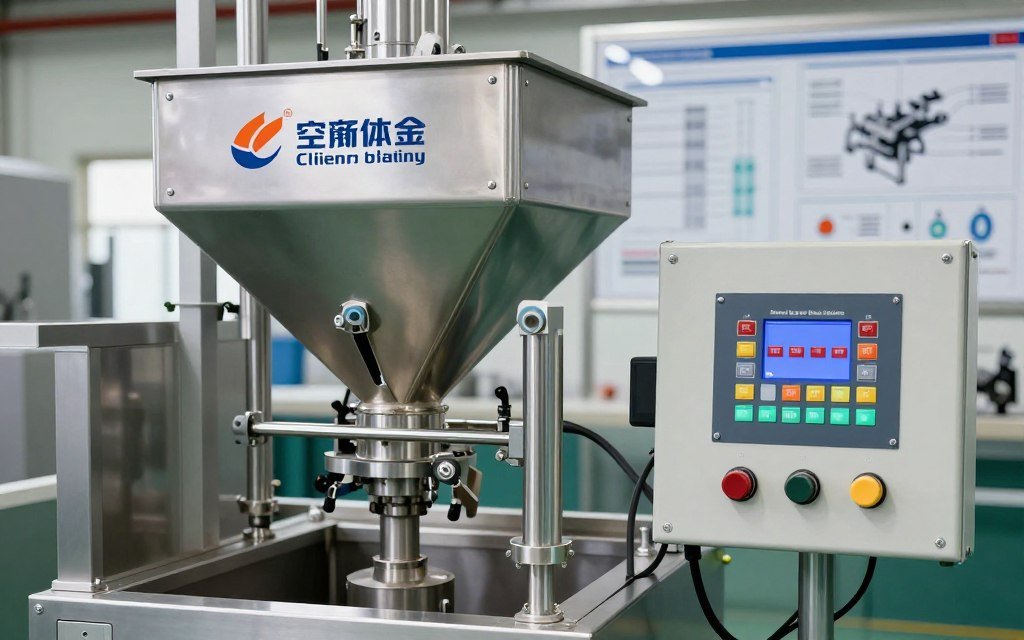
Philippines electrical standards require 220V or 380V three-phase power. MAIKONG configures all motors and controls for local specifications. We accommodate any global voltage standard from 220V to 480V.
Generator-powered operations receive special consideration. Equipment startup sequences prevent overloading limited power supplies. Soft-start systems reduce peak demand during motor activation.
Capacity Scaling Options
Production lines scale from 200 kilograms to 200 tons per hour. Modular designs allow future expansion without replacing entire systems. Start with core equipment and add capacity as your business grows.
Starter Package
Basic 500 kg/hour line with manual batching. Ideal for farms producing their own feed. Expandable with automation additions later.
Professional Package
2-5 ton/hour semi-automated system. Computer-controlled batching and packaging. Suitable for commercial feed sales.
Industrial Package
10-200 ton/hour fully automated line. Complete PLC control and monitoring. Serves large integrated operations.
Species-Specific Configurations
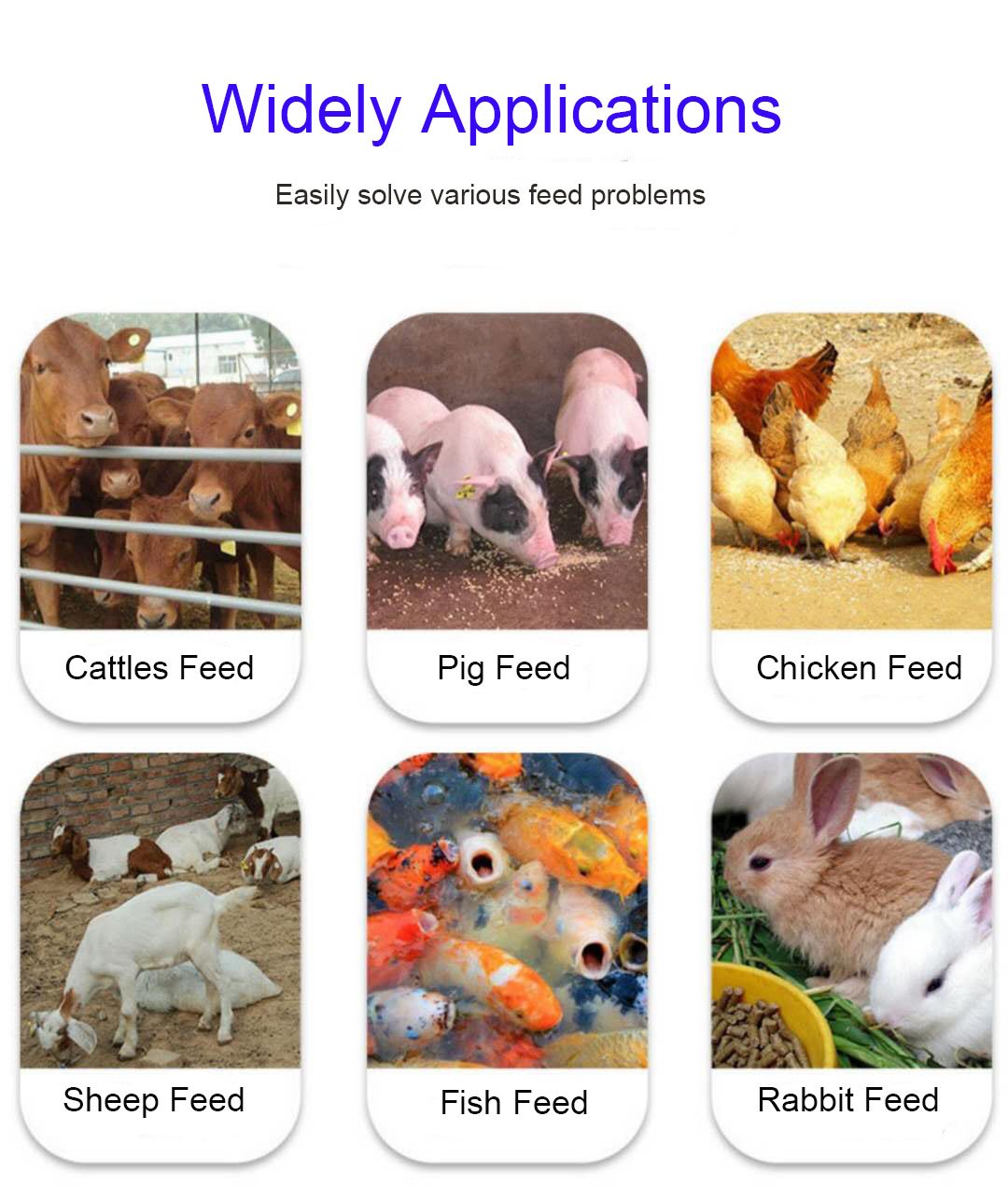
Different animals require different feed characteristics. Poultry pellets differ from cattle feed or fish feed. MAIKONG optimizes equipment for your target species.
- Chicken feed production line with 2-4mm pellet dies
- Duck feed systems with water-resistant pellet formulations
- Quail feed lines producing micro-pellets under 2mm
- Turkey feed equipment handling larger pellet sizes
- Pet feed production line for specialty animal feeds
OEM and Private Label Manufacturing
Distributors and dealers benefit from MAIKONG OEM services. We manufacture equipment under your brand name. Custom colors, logos, and control panel designs create your unique product line.
Private label programs include complete technical documentation in your language. Operator manuals, spare parts catalogs, and maintenance guides carry your branding. This positions you as the manufacturer to your customers.
Contact our OEM department at Lucy@pelletmachine.ph to discuss private label opportunities. Minimum order quantities and lead times vary by customization level.
Technical Support and Training Services
Equipment is only as good as the support behind it. MAIKONG provides comprehensive technical assistance throughout equipment life. Our commitment extends far beyond initial sale and installation.
Installation and Commissioning
MAIKONG engineers supervise initial installation for medium and large systems. We verify proper equipment positioning and connection. Commissioning includes test runs with your actual ingredients and formulations.
Training covers operation, maintenance, and troubleshooting procedures. Operators learn proper startup and shutdown sequences. Maintenance staff receive spare parts identification and replacement training.
Documentation includes detailed operation manuals in English. Electrical schematics and mechanical drawings support local technicians. Video tutorials supplement written materials for visual learners.
Training Topics
- Daily operation procedures
- Recipe programming and batch control
- Preventive maintenance schedules
- Troubleshooting common issues
- Safety procedures and emergency stops
- Quality testing and adjustment
Ongoing Technical Assistance
Remote support addresses most operational questions quickly. Email and WhatsApp provide fast response channels. Our Philippines office at +86 158-155564-22 operates during local business hours.
Spare parts availability ensures minimal downtime. Common wear items stock in Philippines for immediate delivery. Emergency parts ship via express courier from our GD province facility.
Preventive Maintenance Programs
Regular maintenance prevents costly breakdowns. MAIKONG provides detailed maintenance schedules for every component. Following these schedules maximizes equipment life and production uptime.
Annual service contracts include scheduled inspections and adjustments. Our technicians identify potential problems before failures occur. Planned maintenance happens during slow production periods to minimize impact.
Become a MAIKONG Distributor in Philippines
MAIKONG actively seeks qualified distributors and dealers throughout Philippines. The growing demand for poultry feed production lines creates significant business opportunities. Partner with an established manufacturer offering proven products and support.

Distributor Benefits and Support
Authorized MAIKONG distributors receive exclusive territory protection. We do not compete with our distribution partners. Your investment in market development stays protected within your territory.
What MAIKONG Provides
- Competitive distributor pricing structures
- Technical training for your sales and service team
- Marketing materials and product documentation
- Demo equipment loan programs
- Co-op advertising support
- Direct factory technical support for your customers
- Regular product updates and improvements
- Priority access to new product releases
Ideal Distributor Profile
We seek partners with established agricultural equipment distribution experience. Existing relationships with poultry farms, feed mills, and agricultural suppliers provide immediate market access.
Technical capability matters. Distributors should maintain service departments capable of installation and maintenance support. This ensures customer satisfaction and repeat business.
Financial stability allows proper inventory investment. Stocking common equipment sizes and spare parts serves customer needs immediately. Credit terms available for qualified distributors.
Market Opportunity in Philippines
Philippines poultry industry continues rapid growth. Commercial production increases annually as demand for protein rises. Small and medium farms modernize operations to remain competitive.
Government programs support agricultural mechanization. Financing assistance helps farmers invest in productivity improvements. This creates expanding markets for efficient poultry feed production lines.
Import costs make locally-supported equipment attractive. MAIKONG Philippine presence provides advantages over distant suppliers. Parts availability and technical support exceed competition from other countries.
Partner With MAIKONG Today
Join our successful global distribution network. MAIKONG offers proven products, excellent margins, and complete support. Contact our partnership development team to discuss exclusive distributor opportunities in your region.
Quality Standards and Certifications
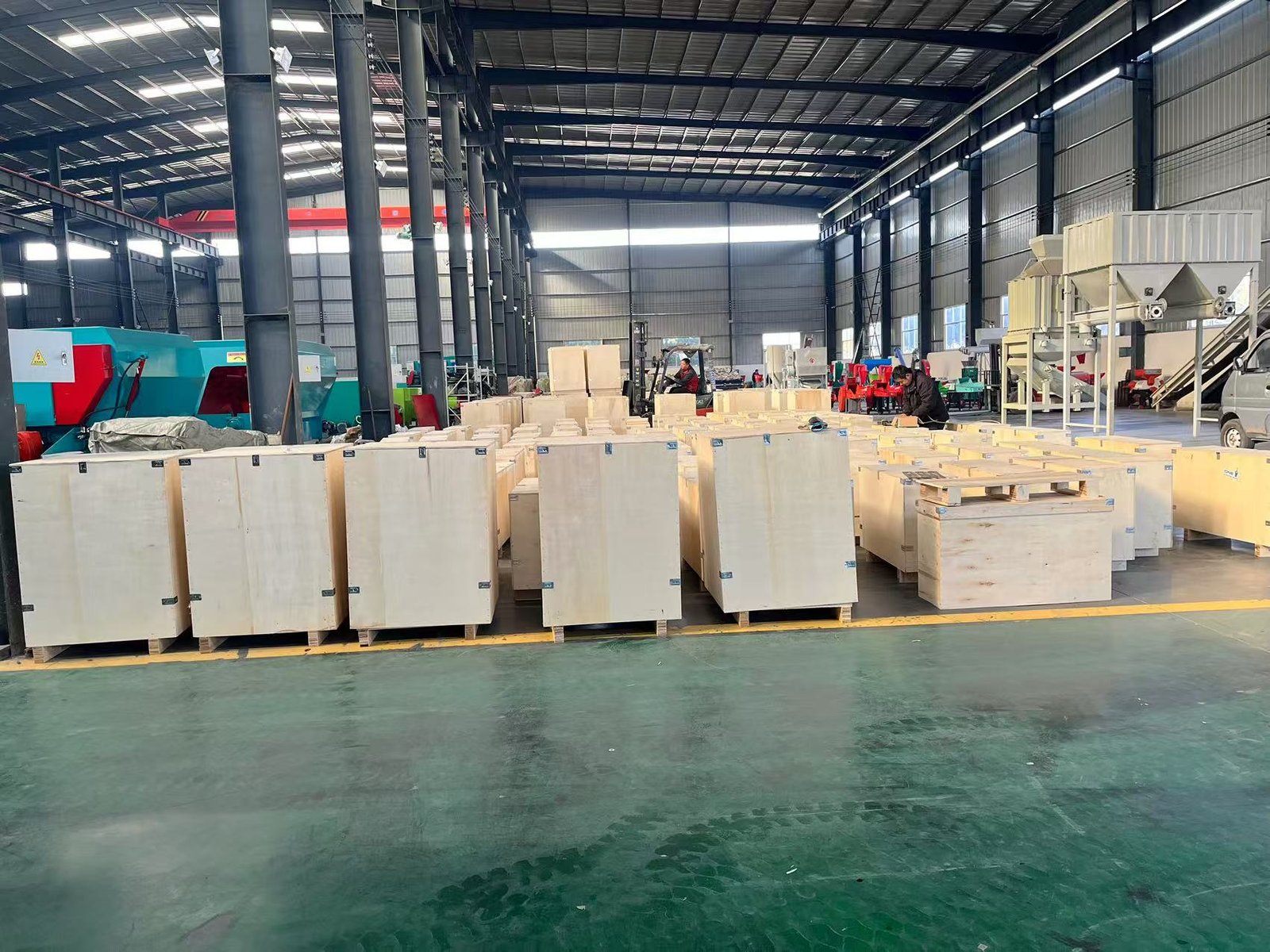
MAIKONG maintains rigorous quality control throughout manufacturing. Our 22 years of experience translates into reliable, durable equipment. Every component undergoes testing before assembly and again during final inspection.
Manufacturing Excellence
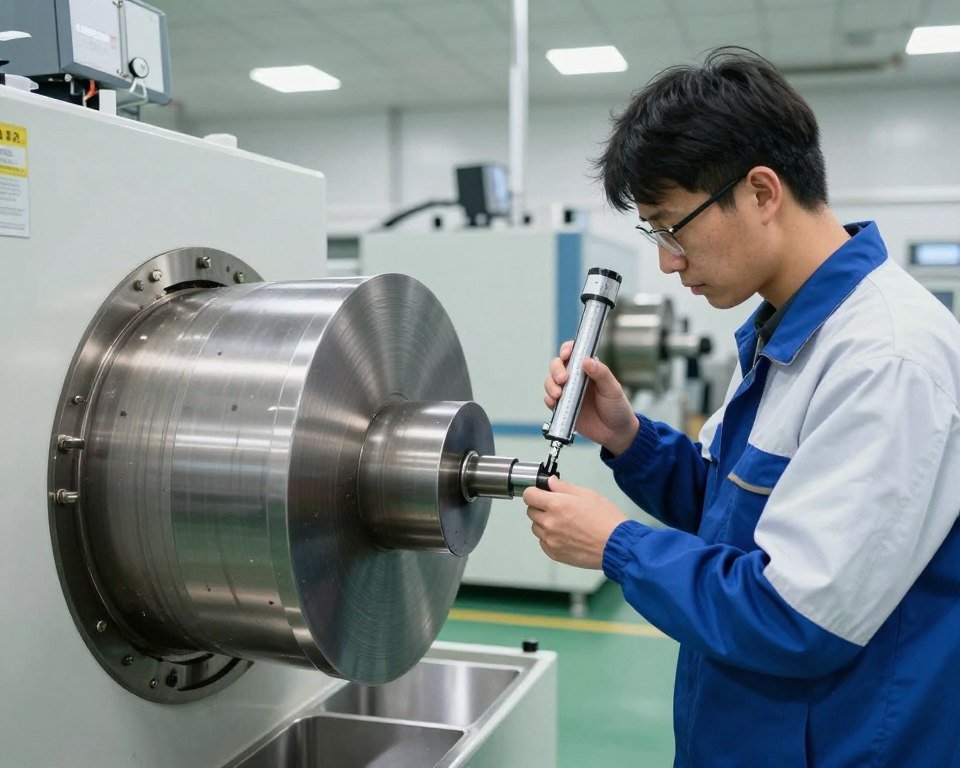
Our SZ city facility employs advanced manufacturing technology. CNC machining ensures precise component dimensions. Robotic welding creates consistent, strong joints. Quality inspectors verify specifications at multiple production stages.
Quality Certifications
- ISO 9001 quality management system
- CE certification for European markets
- SGS third-party verification
- Material certifications for steel components
- Electrical safety approvals
- Environmental compliance documentation
Material Selection Standards
Contact surfaces use food-grade stainless steel or approved coatings. This prevents contamination and simplifies cleaning. Structural components utilize high-strength alloy steels for longevity.
Critical wear parts like pellet dies and mixer ribbons receive special treatments. Heat treating and surface hardening extend component life. Premium materials justify slightly higher initial costs through reduced replacement frequency.
Performance Testing
Every pellet mill runs performance tests before shipping. We verify rated capacity using standard test materials. Power consumption measurements confirm efficiency specifications. Noise and vibration testing ensures smooth operation.
Complete production lines undergo integrated testing. All equipment operates together processing actual feed ingredients. This reveals any interface issues before equipment reaches your facility. Problems corrected at factory cost nothing for customers.
Environmental and Sustainability Features
Modern feed production must consider environmental impact. Energy efficiency reduces operating costs and carbon footprint. Proper dust collection improves air quality for workers and neighbors.
Energy Efficiency Improvements
Variable frequency drives optimize motor speeds for actual load requirements. Motors run at partial speed when full capacity isn’t needed. This reduces electricity consumption by 15-30% compared to fixed-speed designs.
Heat recovery systems capture waste heat from pellet cooling. This pre-warms conditioning steam, reducing boiler fuel consumption. Payback periods for heat recovery range from 12-24 months.
Sustainability Benefits
Producing your own feed reduces transportation emissions. Ingredients typically travel shorter distances than finished feed. Local production supports regional agriculture and reduces food miles.
Precise ingredient measurement eliminates waste. Computer-controlled batching prevents overuse of expensive supplements. Proper storage reduces spoilage and mold issues. These factors improve overall resource utilization.
Waste Reduction Strategies
Efficient screening returns usable fines to production. This recovers material that might otherwise be discarded. Screen fines typically represent 1-3% of throughput. Recycling this material improves profitability.
Proper maintenance prevents unnecessary waste. Well-adjusted equipment produces fewer broken pellets and dust. Regular calibration ensures accurate batching without material loss.
Future Trends in Feed Production Technology
Feed production technology continues advancing rapidly. Understanding trends helps you make future-proof equipment decisions. MAIKONG stays current with industry developments to serve customers better.
Automation and Artificial Intelligence
Machine learning algorithms optimize pellet mill settings automatically. Systems learn ideal parameters for different formulations over time. This removes guesswork from operation and improves consistency.
Predictive analytics forecast maintenance needs before failures occur. Vibration patterns and temperature trends indicate developing problems. Scheduled maintenance replaces reactive repairs.
Precision Nutrition Technologies
Near-infrared sensors analyze ingredient nutritional content instantly. Batching systems adjust formulations for ingredient variation. This ensures consistent nutrition despite raw material fluctuations.
Individual bird nutrition becomes possible with advanced feeding systems. Feed varies by growth stage, health status, and production goals. Poultry feed production lines prepare specialized batches for different bird groups.
Internet of Things Integration
Connected equipment enables remote monitoring and control. Operators check production status from smartphones anywhere. Alerts notify managers immediately when problems occur.
Data sharing between farm management software and production systems optimizes feed ordering. Consumption patterns trigger automatic ingredient purchases. This reduces inventory costs while preventing shortages.
Moving Forward With Your Feed Production Project
Understanding poultry feed production line components empowers better decision-making. You now recognize how each system contributes to final feed quality. This knowledge helps you evaluate suppliers and equipment options effectively.
MAIKONG brings 22 years of manufacturing excellence to every project. Our experience spans small farm systems to large commercial mills across 50+ countries. We understand diverse requirements and deliver solutions that work.
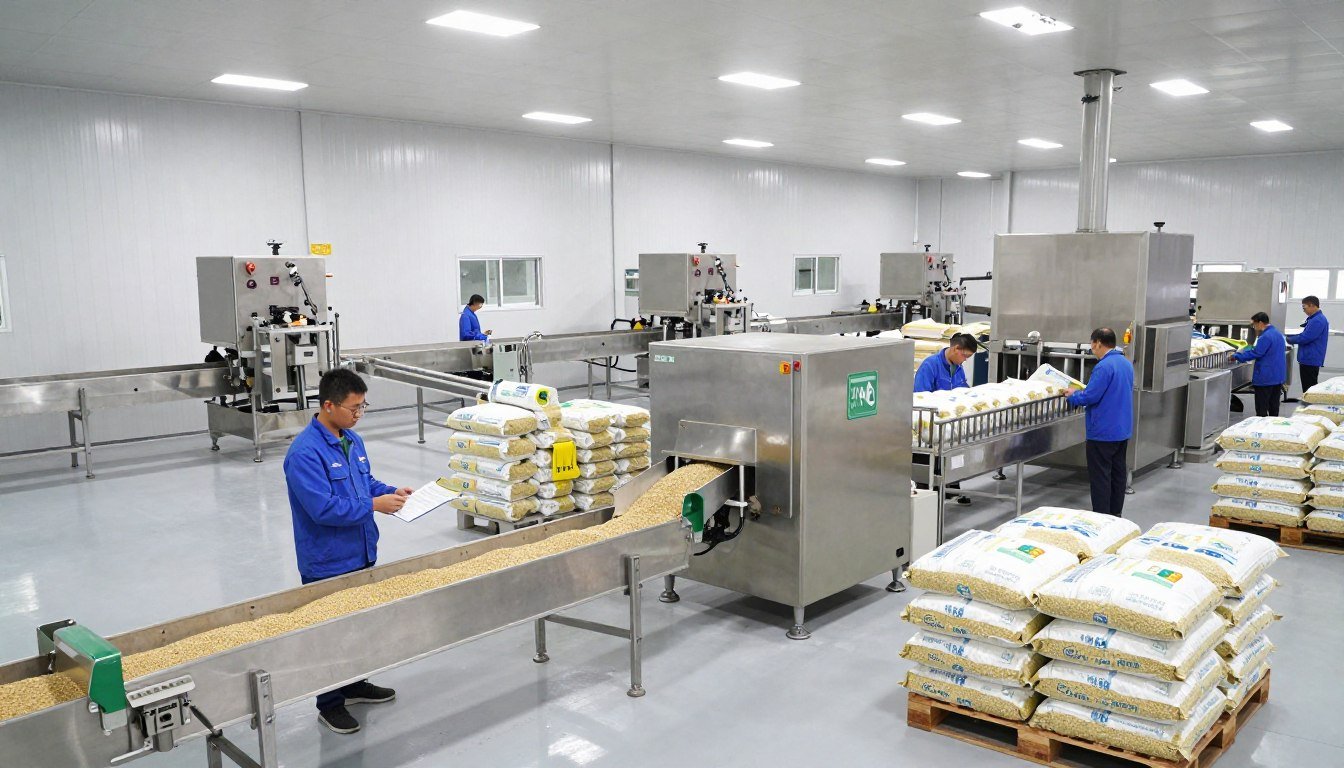
Investment in feed production equipment represents commitment to your operation’s future. Proper planning ensures you select appropriate capacity and features. Starting with expert guidance prevents costly mistakes.
Your Next Steps
Contact MAIKONG today to discuss your specific requirements. Our team asks detailed questions to understand your operation thoroughly. We provide honest recommendations based on your actual needs, not maximum equipment sales.
Free consultation includes capacity calculation, layout suggestions, and preliminary pricing. No obligation exists. We earn your business through expertise and value, not pressure tactics.
Equipment Buyers
Request detailed specifications for Model MK-L003 or other capacity options. Receive comprehensive quotations including shipping to Philippines. Ask about financing options and payment terms.
Schedule site visits to see similar installations. Video calls show our manufacturing facility and quality processes. Customer references available upon request.
Distributor Prospects
Download our distributor information package. Learn about territory availability and support programs. Understand investment requirements and profit potential.
Arrange conference calls with our partnership development team. Discuss your market position and growth plans. Explore how MAIKONG products fit your business strategy.
The Philippines poultry industry needs reliable feed production solutions. MAIKONG delivers proven technology with local support. Partner with us to strengthen your competitive position.
Start Your Feed Production Journey With MAIKONG
Transform your poultry operation with reliable, efficient feed production. MAIKONG provides complete solutions from planning through installation and beyond. Contact our expert team today for personalized guidance on your project.
Visit our website: https://pelletmachine.ph/
MAIKONG – 22 Years of Excellence in Feed Production Equipment