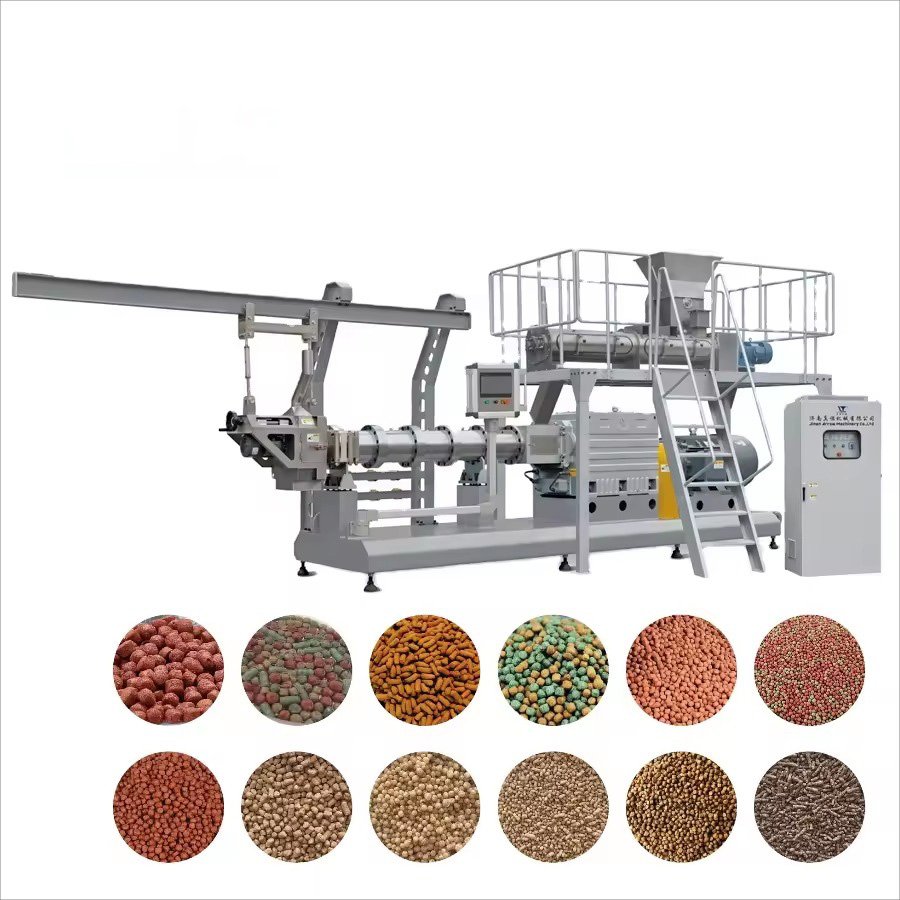
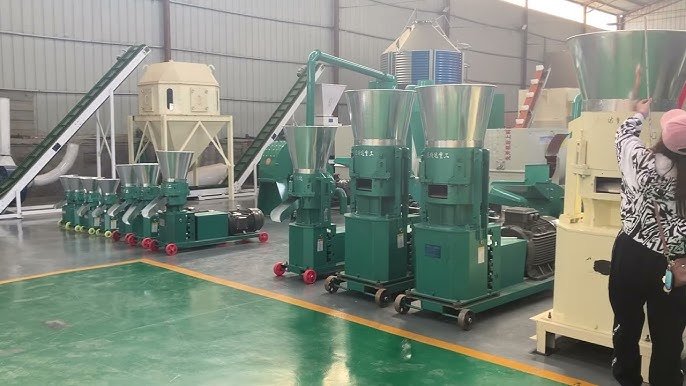
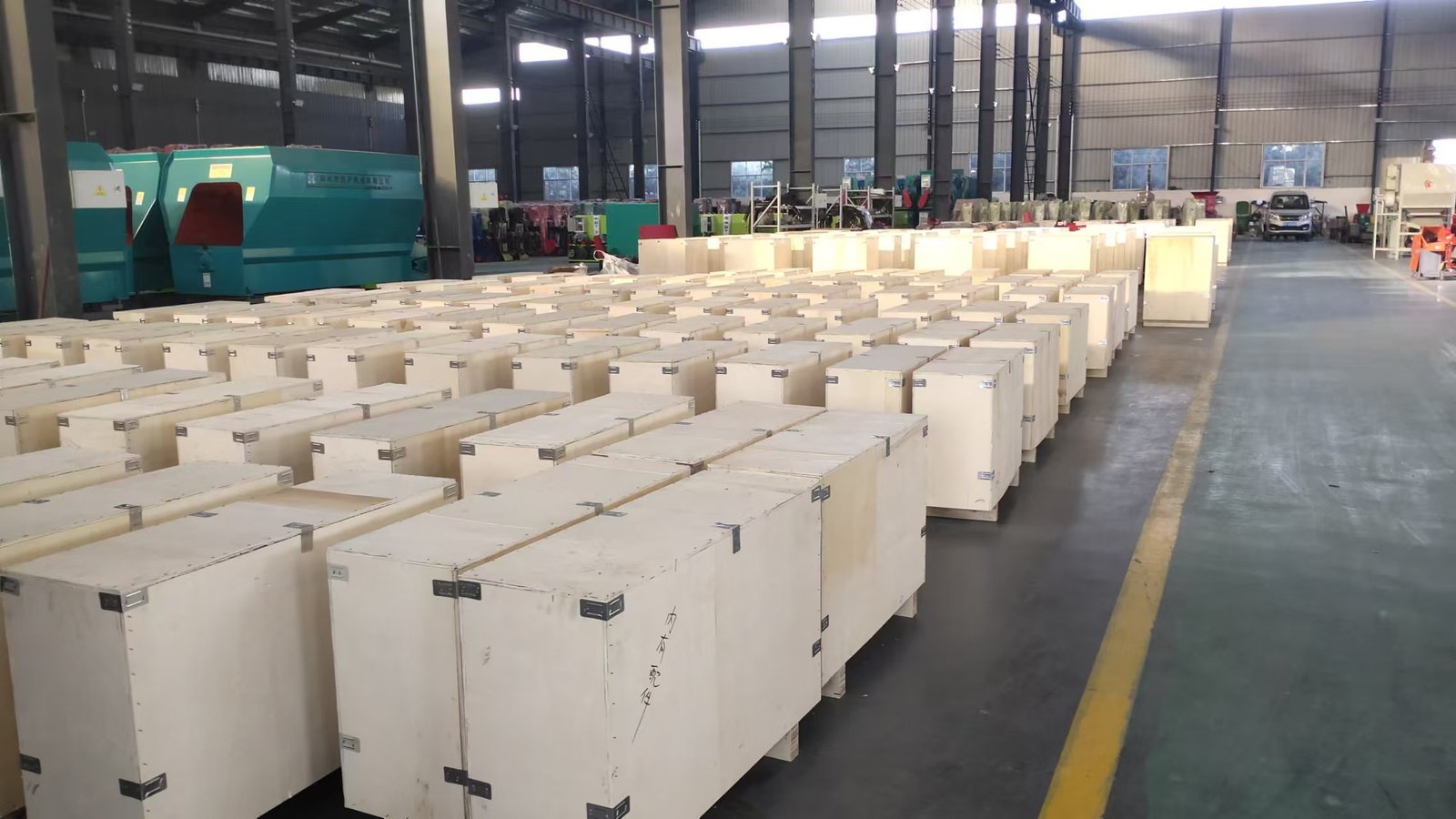
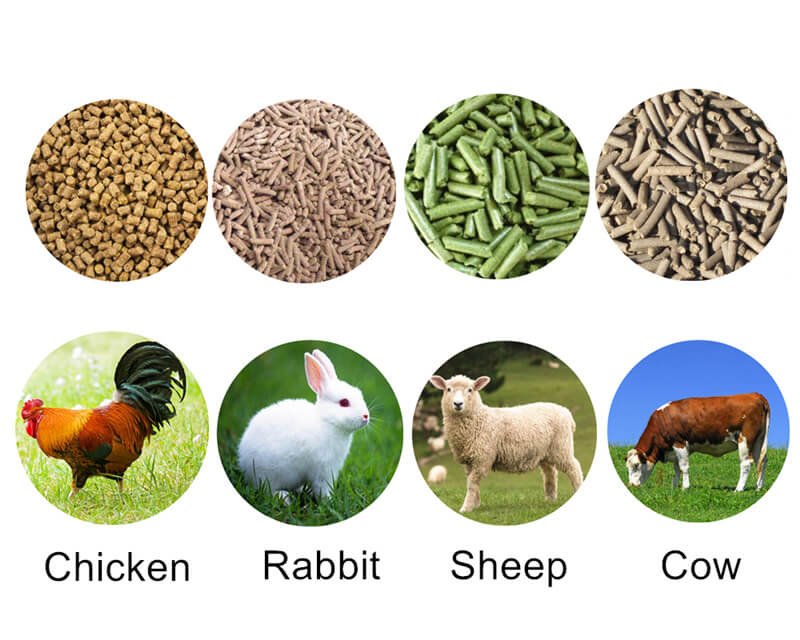
When I started working with poultry farmers across the Philippines fifteen years ago, most told me the same story. They struggled with inconsistent feed quality from external suppliers. Prices kept climbing. Delivery schedules never matched their flock needs. Many dreamed of producing their own feed but felt overwhelmed by the technical complexity.That’s exactly why we built MAIKONG. We manufacture chicken feed production line systems designed specifically for operations like yours. Our production lines range from small 200-kilogram-per-hour systems for growing farms to massive 200-ton-per-hour installations for commercial feed mills.I’ve personally overseen installations in over thirty countries. The Philippine market holds special significance for us. Your tropical climate, diverse poultry operations, and growing agriculture sector create unique requirements. Our engineering team in GD, SZ has developed specialized solutions that address your voltage specifications, humidity challenges, and local raw material characteristics.
Why Philippine Feed Mills Choose MAIKONG Manufacturing
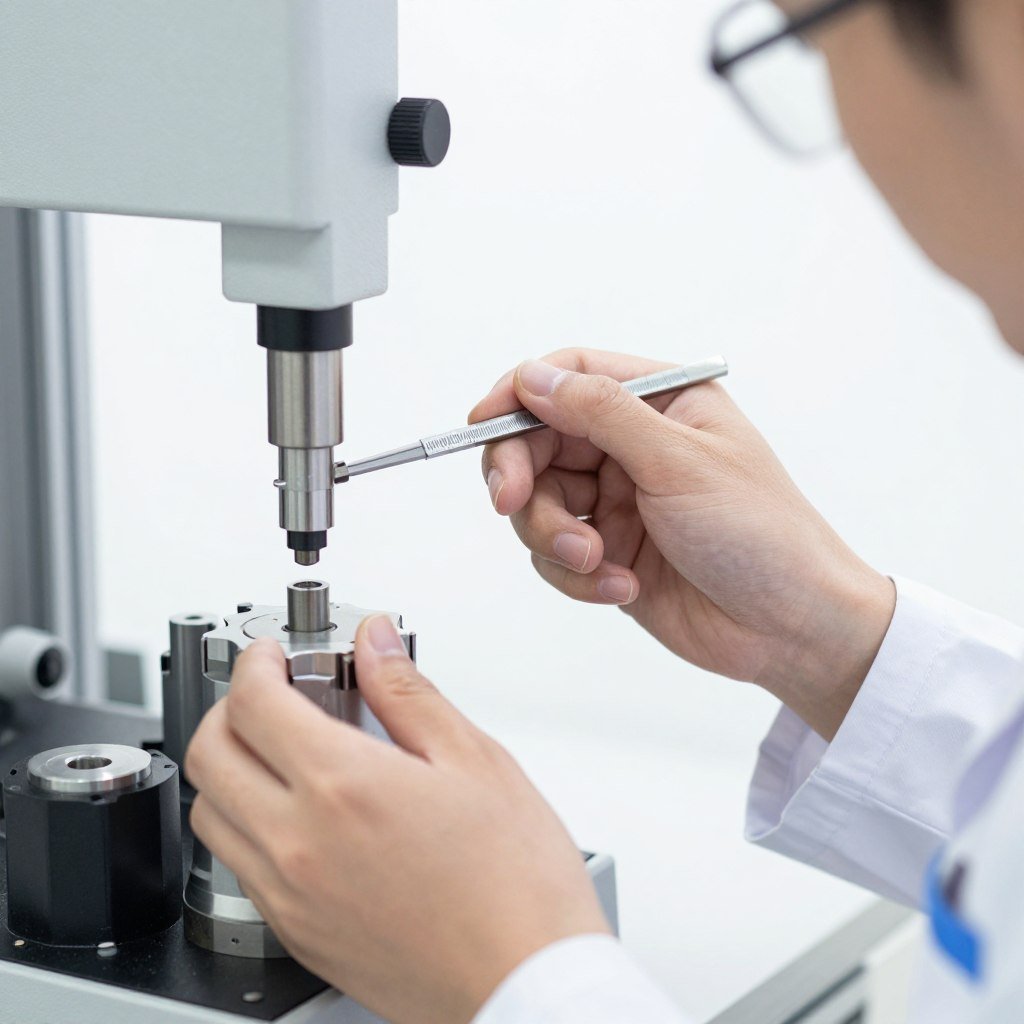
Our factory in SZ, GD operates advanced production equipment that most competitors can’t match. We invested heavily in precision machining centers, automated welding systems, and computerized quality control stations. This isn’t just marketing talk. Every component in your chicken feed production line goes through seventeen quality checkpoints before it leaves our facility.
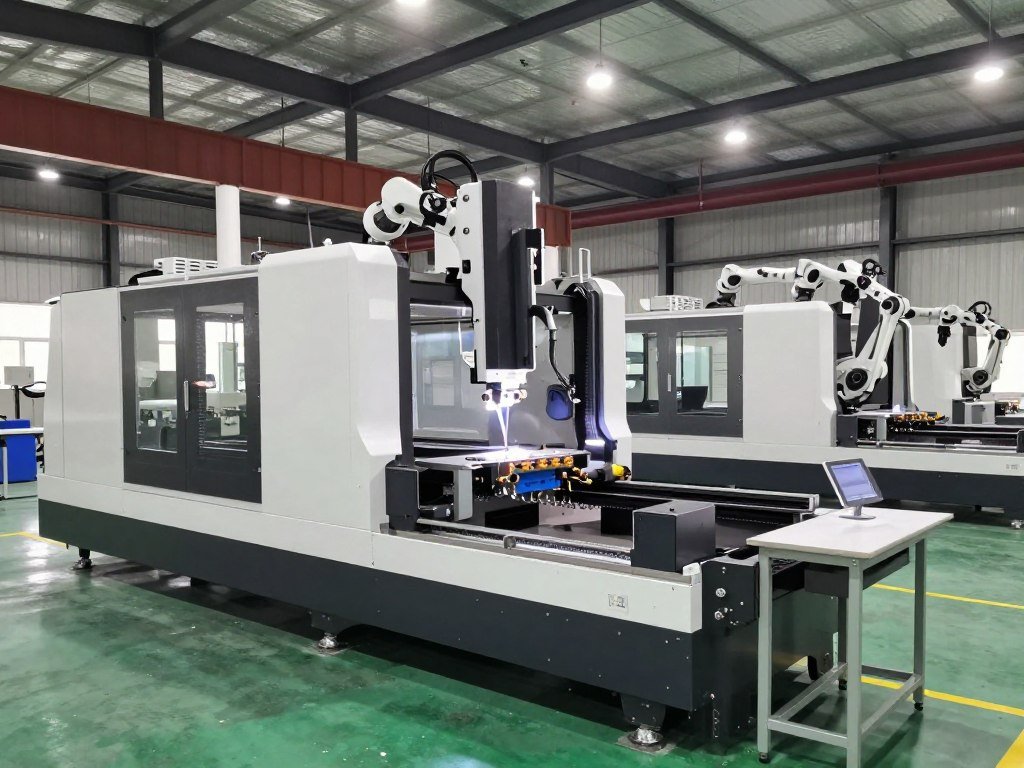
What makes us different? We handle complete customization without the typical delays. Most manufacturers force you into standard configurations. We redesign systems around your specific requirements. Need 380V three-phase power instead of 415V? We reconfigure the motors. Want to process locally available rice hulls mixed with corn? We adjust the grinding and mixing specifications. Prefer pellets sized at 3.5mm for your layer chickens? We modify the die specifications.
Our Manufacturing Advantages
- 25+ years of feed equipment manufacturing experience
- ISO 9001 certified production processes
- In-house engineering team for custom designs
- Complete supply chain control in GD province
- Advanced CNC precision machining capabilities
- Automated quality testing on all components
We maintain the lowest defect rate in the industry. Our return rate sits below 0.3%. When equipment does need adjustment, our technical support team responds within four hours. We stock critical spare parts in our Philippine partner warehouses, ensuring you never wait weeks for replacement components from China.
Customization That Matches Your Exact Production Needs
Every chicken feed production line we manufacture starts with a detailed consultation. Our engineers ask about your daily production targets, available raw materials, target animal types, and growth projections. This information shapes everything from motor specifications to storage bin sizing.

Let me give you a real example. Last year, a poultry cooperative in Bulacan contacted us. They needed to produce both broiler feed and layer feed on the same production line. Their available space measured only 800 square meters. They had access to affordable copra meal but wanted to maintain corn as the primary ingredient. Their electrical service provided 380V power.
Species-Specific Production Lines
We designed a 5-ton-per-hour system with switchable die configurations. The pellet mill could swap between 2mm dies for young chicks, 3.5mm dies for layers, and 4.5mm dies for broilers. The entire changeover takes twenty minutes. Their production flexibility increased by 300%.
Broiler Feed Production Lines
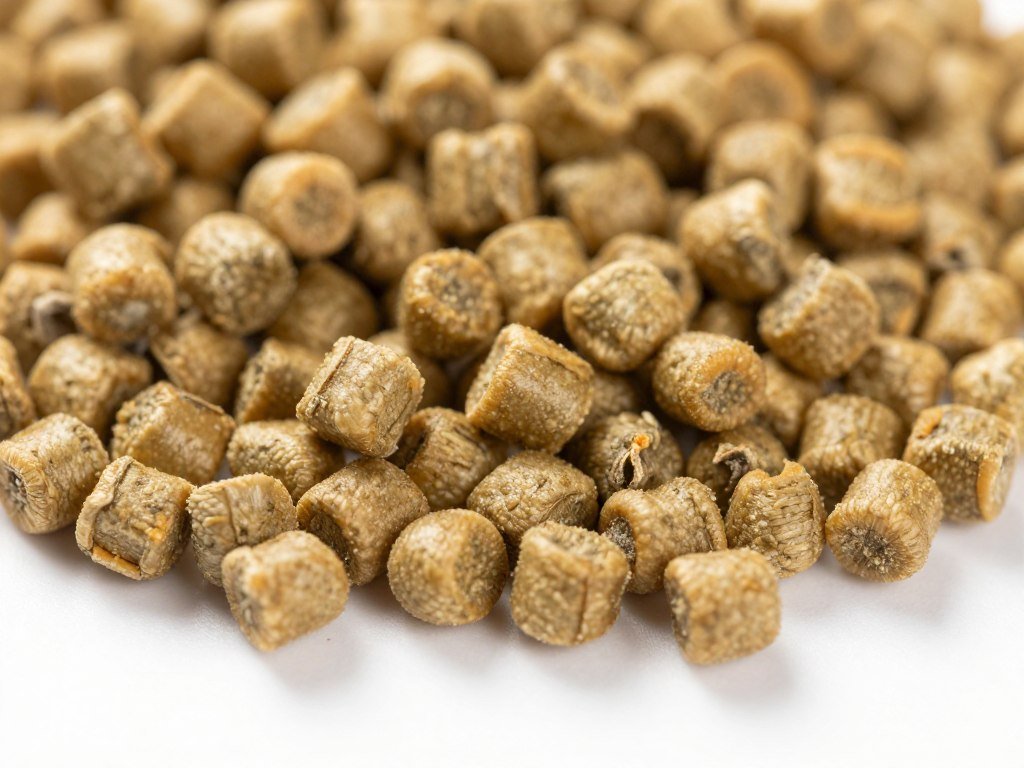
- High-protein formulation support (18-22% protein)
- Larger pellet sizes (4-6mm diameter)
- Enhanced fat coating systems for energy density
- Quick batch changeover for starter/grower/finisher feeds
- Optimized for rapid weight gain formulas
Layer Feed Production Lines
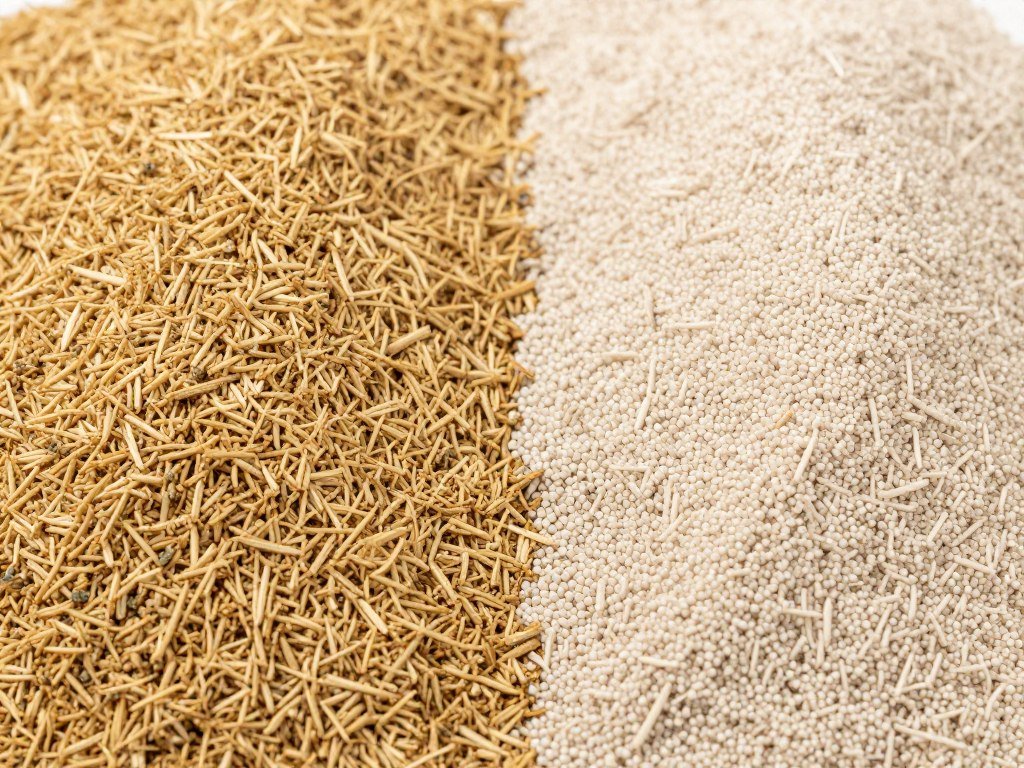
- Precision calcium addition systems (3.5-4.5%)
- Medium pellet sizing (2.5-3.5mm diameter)
- Gentle pelletizing to preserve vitamins
- Dust control for respiratory health
- Support for mash feed production option
Capacity Range Customization
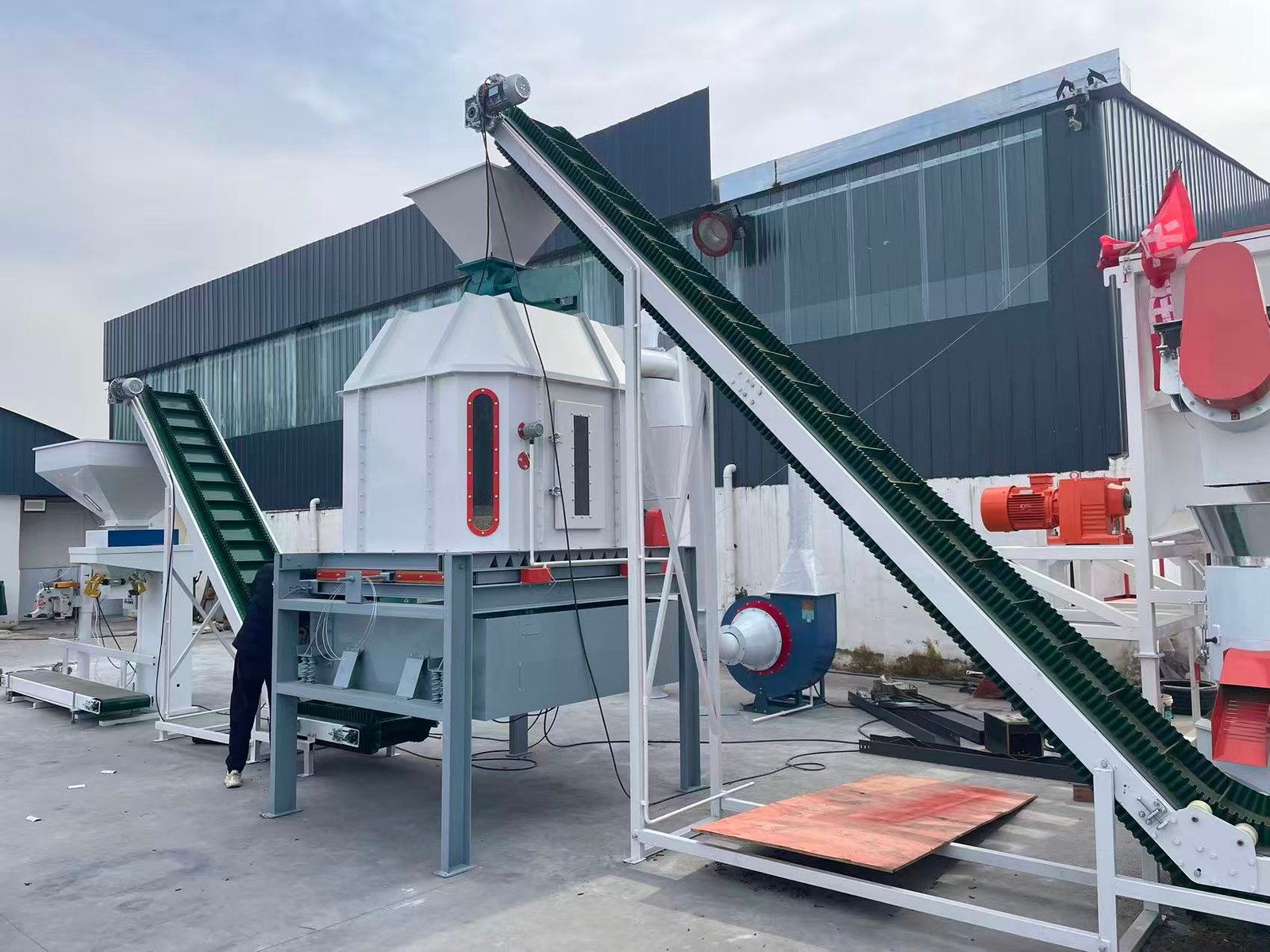
Our production line configurations span the entire operational spectrum. Small farms often start with our 200-500kg per hour systems. These compact lines fit in existing storage buildings and require minimal electrical infrastructure. A single operator can manage the entire process.
| Production Capacity |
Ideal For |
Space Requirement |
Power Requirement |
Operator Needs |
Investment Range (USD) |
| 200-500 kg/hr |
Small farms (5,000-10,000 birds) |
150-300 m² |
30-45 kW |
1 person |
$8,000-$25,000 |
| 1-2 tons/hr |
Medium farms (20,000-40,000 birds) |
300-500 m² |
47-75 kW |
1-2 people |
$15,000-$50,000 |
| 3-5 tons/hr |
Large farms (80,000-150,000 birds) |
400-700 m² |
68-165 kW |
2-3 people |
$50,000-$120,000 |
| 8-10 tons/hr |
Commercial feed mills (regional supply) |
800-2,000 m² |
125-410 kW |
3-4 people |
$150,000-$300,000 |
| 15-20 tons/hr |
Large feed manufacturers (provincial) |
1,500-3,000 m² |
358-620 kW |
5-6 people |
$250,000-$580,000 |
| 40-60 tons/hr |
Major feed producers (national distribution) |
3,000-5,000 m² |
710-1,120 kW |
8-12 people |
$900,000-$1,400,000 |
Medium-sized operations typically select our 3-5 ton per hour systems. These configurations include automated batching scales, dual-mixer setups, and advanced dust collection. You can produce multiple feed formulas in a single shift without cross-contamination.
Large commercial feed mills require our 20-50 ton per hour installations. These systems incorporate computerized control panels, automatic ingredient handling, and integrated bagging systems. Your entire operation runs from a central control room.
Ready to Design Your Production Line?
Our engineering team provides free consultation and custom system design. We’ll analyze your production requirements, available space, and budget to recommend the optimal configuration. Get detailed specifications and accurate pricing within 24 hours.
Raw Material Flexibility
Philippine feed manufacturers work with diverse ingredient sources. We design chicken feed production line systems that handle your specific materials efficiently. Our grinding systems process everything from whole corn kernels to fibrous copra meal. The mixing equipment handles ingredients with moisture contents from 8% to 14% without clogging.
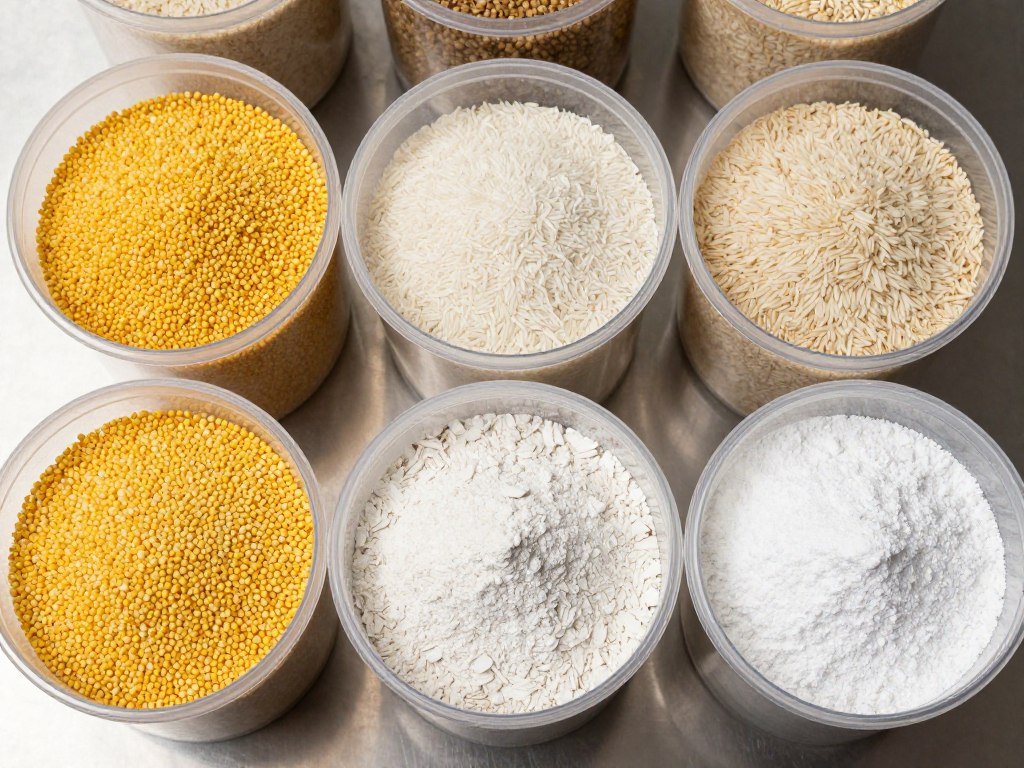
Carbohydrate Sources
- Yellow corn (whole or cracked)
- Rice bran and rice mill byproducts
- Wheat flour and wheat middlings
- Cassava meal and cassava chips
- Broken rice and rice polish
Protein Sources
- Soybean meal (imported or local)
- Copra meal and coconut cake
- Fish meal (various protein levels)
- Meat and bone meal
- Cotton seed meal (limited quantities)
Supplements & Additives
- Limestone and oyster shell calcium
- Di-calcium phosphate
- Salt and mineral premixes
- Vitamin premixes
- Feed enzymes and medications
Our hammer mills feature adjustable screens. You select hole sizes from 2mm to 10mm based on your pellet requirements. Finer grinding improves pellet quality but increases energy consumption. We help you find the optimal balance for your formula.
Voltage and Climate Adaptations
Philippine electrical standards require specific motor configurations. We manufacture all equipment for 380V/60Hz three-phase power by default. If your location uses different specifications, we adjust accordingly. Our motors include thermal overload protection designed for tropical operating temperatures.
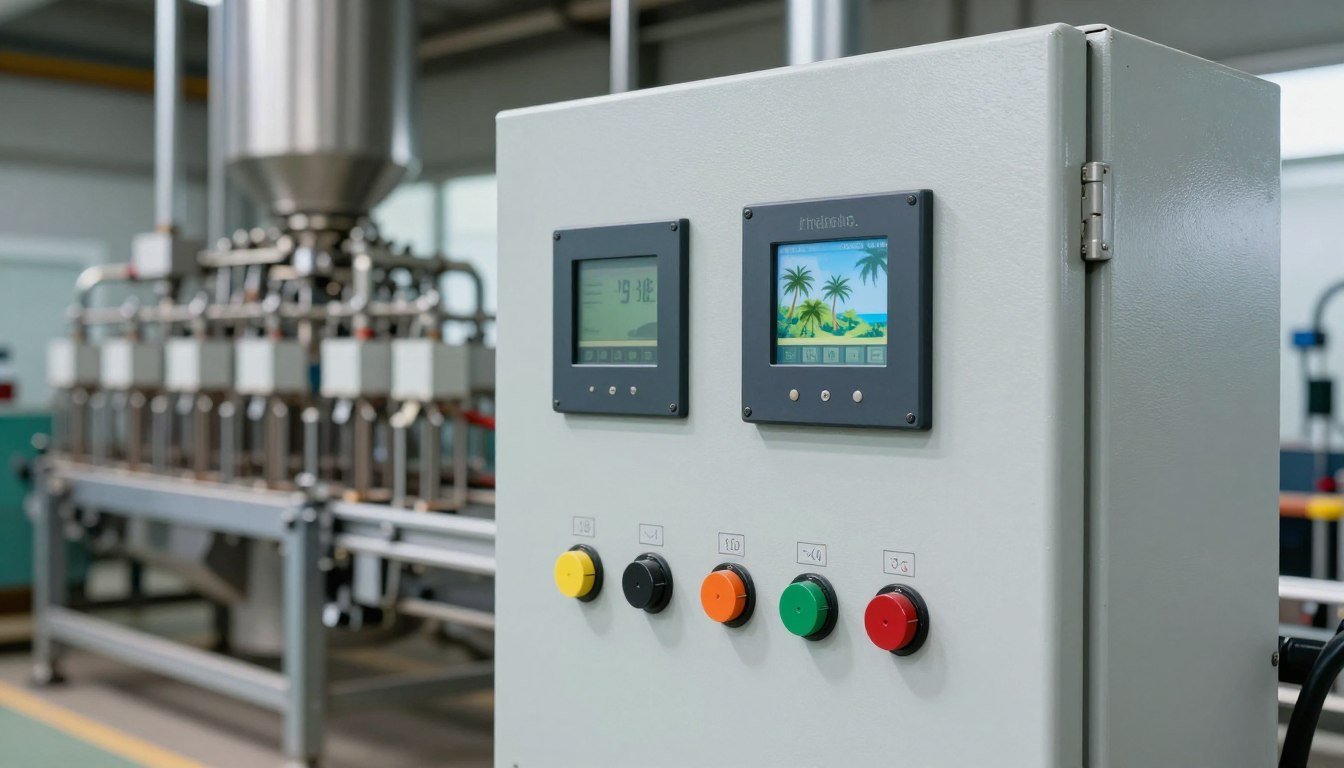
Humidity control matters significantly in Philippine facilities. We incorporate stainless steel construction in moisture-sensitive areas. The electrical control panels receive IP54 protection ratings. Bearings get tropical-grade lubrication that performs well in high humidity.
How the Complete Chicken Feed Production Line Works
Understanding the production process helps you make informed equipment decisions. I’ll walk you through each stage of feed manufacturing, from raw ingredient arrival to bagged finished product.
Stage 1: Raw Material Reception and Storage
Ingredients arrive at your facility by truck. Our receiving systems include weighbridges or platform scales for accurate inventory tracking. The raw materials move into separate storage silos. We typically design facilities with 6-12 ingredient silos based on your formula complexity.
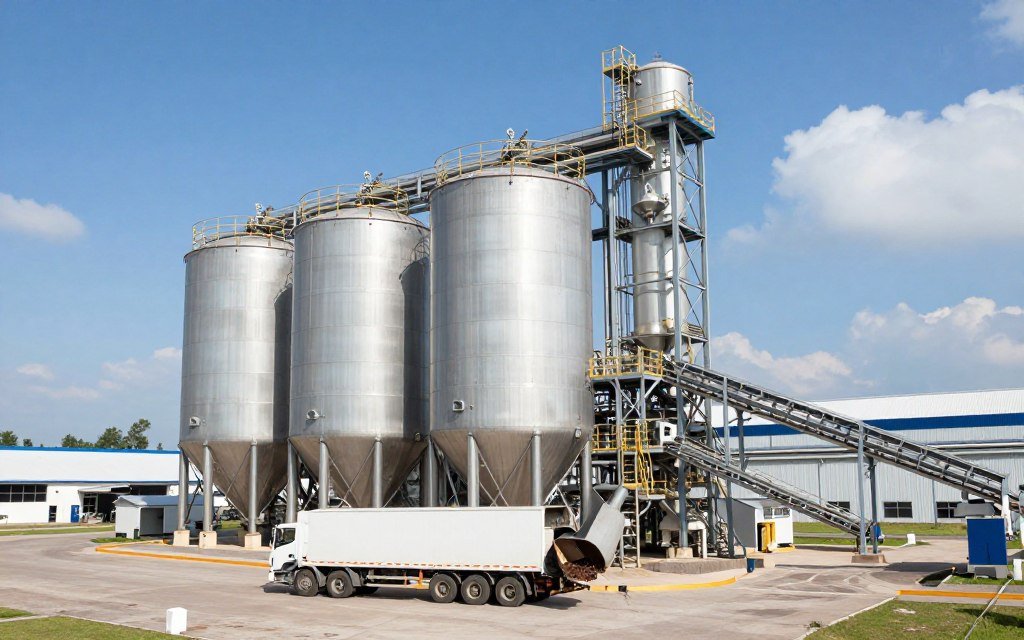
Silo capacity matches your production volume and delivery frequency. A 5-ton-per-hour chicken feed production line typically needs 50-80 tons of total storage. This provides 1-2 weeks of production buffer. Larger operations require proportionally more storage.
Stage 2: Ingredient Cleaning and Conditioning
Raw materials contain stones, metal fragments, rope pieces, and dust. These contaminants damage equipment and contaminate feed. Our cleaning systems include:
- Vibrating scalpers that remove oversized debris
- Magnetic separators that extract metal particles
- Destoners that eliminate rocks and heavy materials
- Aspirators that remove dust and lightweight impurities
The cleaning efficiency exceeds 95%. Your hammer mills and pellet mills last significantly longer when processing cleaned materials.
Stage 3: Precision Batching and Weighing
Feed quality depends on accurate ingredient proportions. Our batching systems use load cells with 0.1% accuracy. The computerized system calls ingredients from storage silos according to your programmed formula. Each ingredient discharges into the batching hopper until the target weight registers.
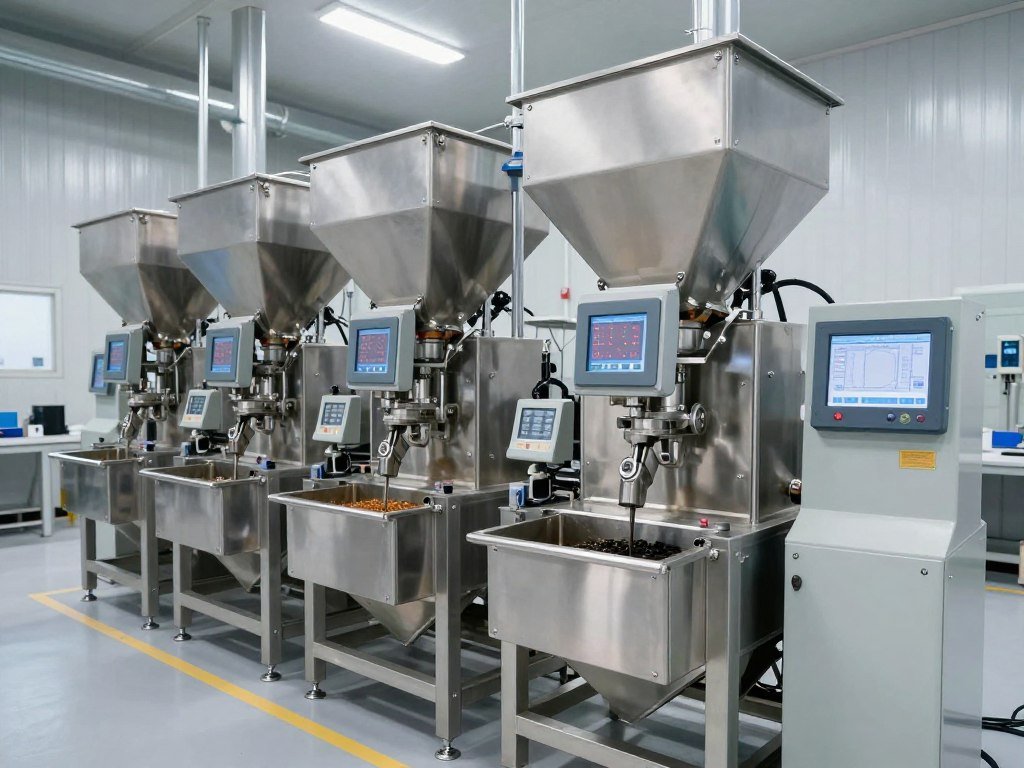
You can store hundreds of formulas in the control system. Switching between broiler starter, layer grower, and finisher feeds requires just a screen selection. The system automatically adjusts proportions.
Stage 4: Grinding for Optimal Particle Size
Grinding reduces ingredient particle size for better mixing and pelletization. Our chicken feed production line systems use heavy-duty hammer mills with hardened steel hammers. The grinding chamber features replaceable wear plates that extend operational life.
| Grind Size |
Screen Opening |
Best For |
Energy Consumption |
Production Rate Impact |
| Coarse |
6-8mm |
Large broiler pellets, whole grain supplements |
Low (8-12 kWh/ton) |
High speed |
| Medium |
3-4mm |
Standard broiler and layer feeds |
Medium (12-18 kWh/ton) |
Standard speed |
| Fine |
2-2.5mm |
Chick starter, high-quality pellets |
High (18-25 kWh/ton) |
Reduced speed |
| Super-fine |
1.5mm or less |
Premixes, special formulations |
Very high (25-35 kWh/ton) |
Significantly reduced |
We install cyclone dust collectors on grinding systems. This recovers the fine particles and returns them to the process. Your ingredient loss drops below 1%.
Stage 5: Thorough Mixing for Uniformity
Mixing blends all ingredients into a homogeneous mass. Our ribbon mixers achieve 95% uniformity in 3-6 minutes. The twin counter-rotating shafts create three-dimensional material movement. Every bird receives the same nutrition in every bite.
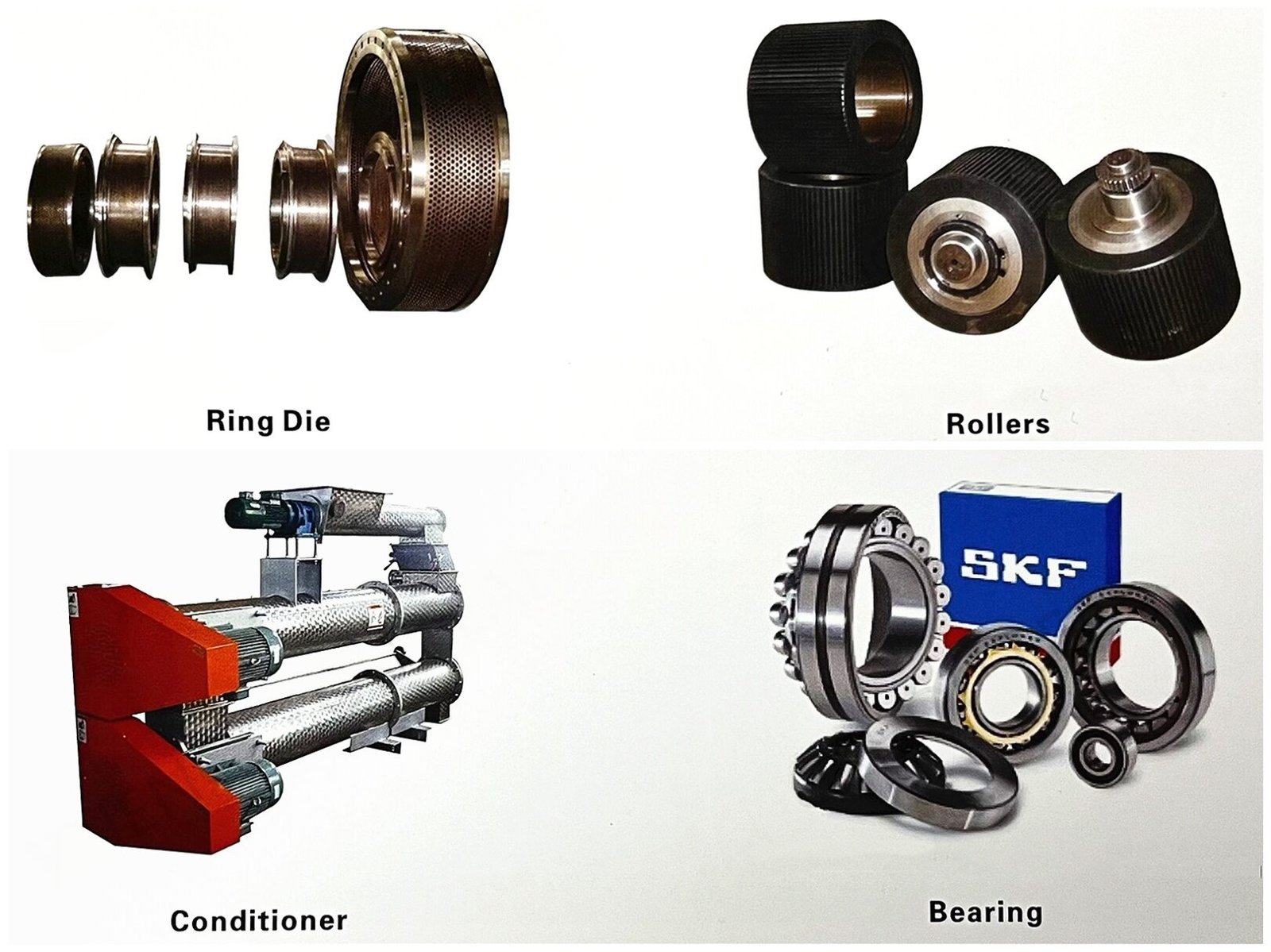
Liquid additions happen during mixing. Your system can add molasses, oils, or liquid medications. The spray nozzles distribute liquids evenly throughout the batch. Liquid inclusion improves pellet quality and allows precise medication delivery.
Questions About Your Specific Requirements?
Our technical team is available for immediate consultation
(WhatsApp Available for Instant Messaging)
Stage 6: Pelletization for Improved Feed Quality
Pelletizing transforms the mixed mash into dense pellets. This process offers multiple benefits for poultry production:
Nutritional Benefits
- Prevents ingredient separation and selective feeding
- Reduces feed wastage by 10-15%
- Improves feed conversion ratios
- Allows heat treatment that reduces pathogens
- Destroys anti-nutritional factors in raw soybeans
Operational Benefits
- Easier automated feeding system operation
- Reduced dust in poultry houses
- Better respiratory health for birds
- Simplified storage and transportation
- Longer shelf life due to reduced mold growth
Our ring die pellet mills compress the mash through die holes using rotating rollers. Steam conditioning precedes pelletization. We inject steam at 80-85°C for 30-60 seconds. This gelatinizes starches, activates natural binders, and raises the temperature.
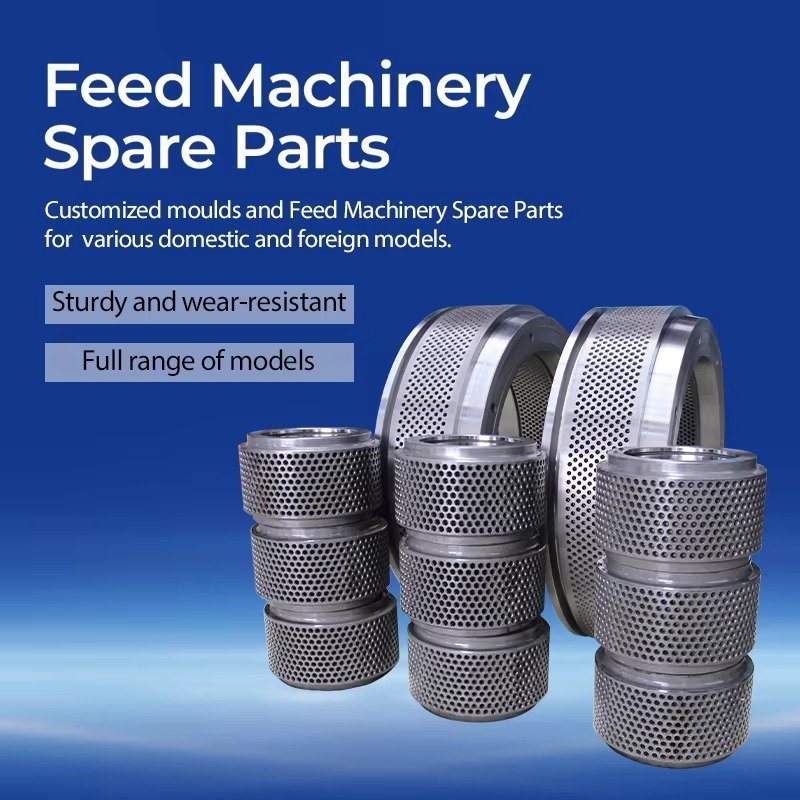
The pellets emerge at 75-80°C with 16-17% moisture. They require cooling and drying before storage.
Stage 7: Cooling and Drying
Hot pellets go directly into counterflow coolers. Cool ambient air flows upward through the descending pellet bed. The pellets cool to within 3-5°C of room temperature. Moisture content drops to 12-13%, which prevents mold growth during storage.
Our coolers include variable-speed fans. You adjust airflow based on production rate and ambient conditions. The system maintains consistent pellet quality regardless of outside temperature.
Stage 8: Crumbling (Optional)
Young chicks need smaller particle sizes than pellets provide. Crumbling breaks pellets into uniform crumbs. Our crumbler machines use corrugated rollers running at different speeds. The gap between rollers determines crumb size.
| Product Type |
Size Range |
Target Birds |
Processing Method |
| Fine Crumbles |
1-2mm |
Day-old to 2-week chicks |
Pellet → Fine crumbling |
| Medium Crumbles |
2-3mm |
2-4 week chicks |
Pellet → Standard crumbling |
| Coarse Crumbles |
3-4mm |
4-6 week pullets |
Pellet → Coarse crumbling |
| Mini Pellets |
2-2.5mm diameter |
Growing layers, small broilers |
Direct pelletizing with small die |
| Standard Pellets |
3-4mm diameter |
Adult layers, medium broilers |
Direct pelletizing |
| Large Pellets |
4-6mm diameter |
Large broilers, roosters, turkeys |
Direct pelletizing with large die |
Stage 9: Screening and Quality Control
Screening separates fines from finished product. Our vibrating screens use multiple deck levels. The top deck removes oversized particles. Lower decks separate undersized fines. Only on-spec product moves to packaging.
The fines return to the pellet mill for reprocessing. This closed-loop system ensures zero product waste. Your finished product uniformity exceeds 90%.
Stage 10: Automated Packaging
Electronic bagging scales fill bags to precise weights. Our systems handle 25kg and 50kg bag sizes common in the Philippines. The filling speed reaches 6-12 bags per minute depending on bag size and product flow characteristics.
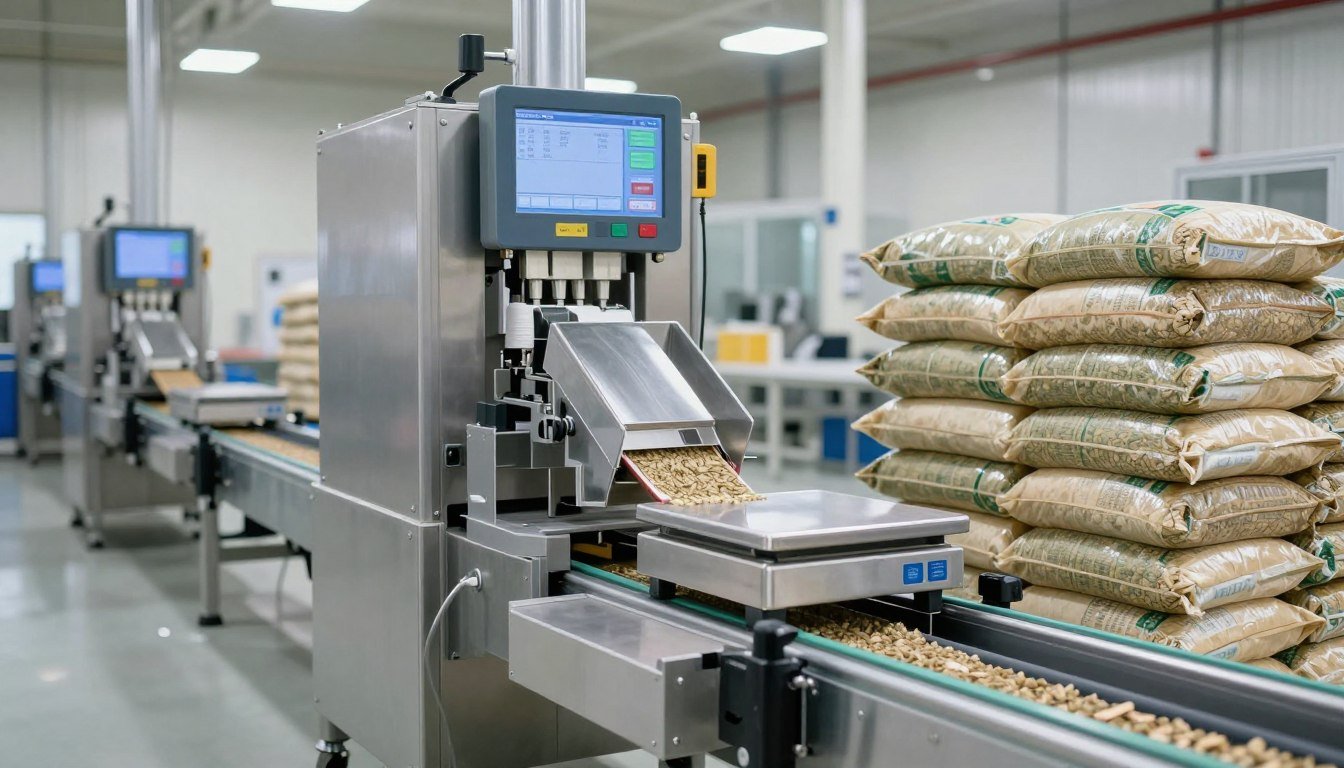
Bag sewing machines seal the bags. Optional features include automatic bag placement, print-on-bag systems for production dates, and palletizing equipment for warehouse efficiency.
Core Equipment in Your Chicken Feed Production Line
Every MAIKONG chicken feed production line includes carefully selected equipment. We manufacture most components in-house, which ensures compatibility and quality control. Let me detail the primary machines you’ll use daily.
Hammer Mills for Ingredient Grinding
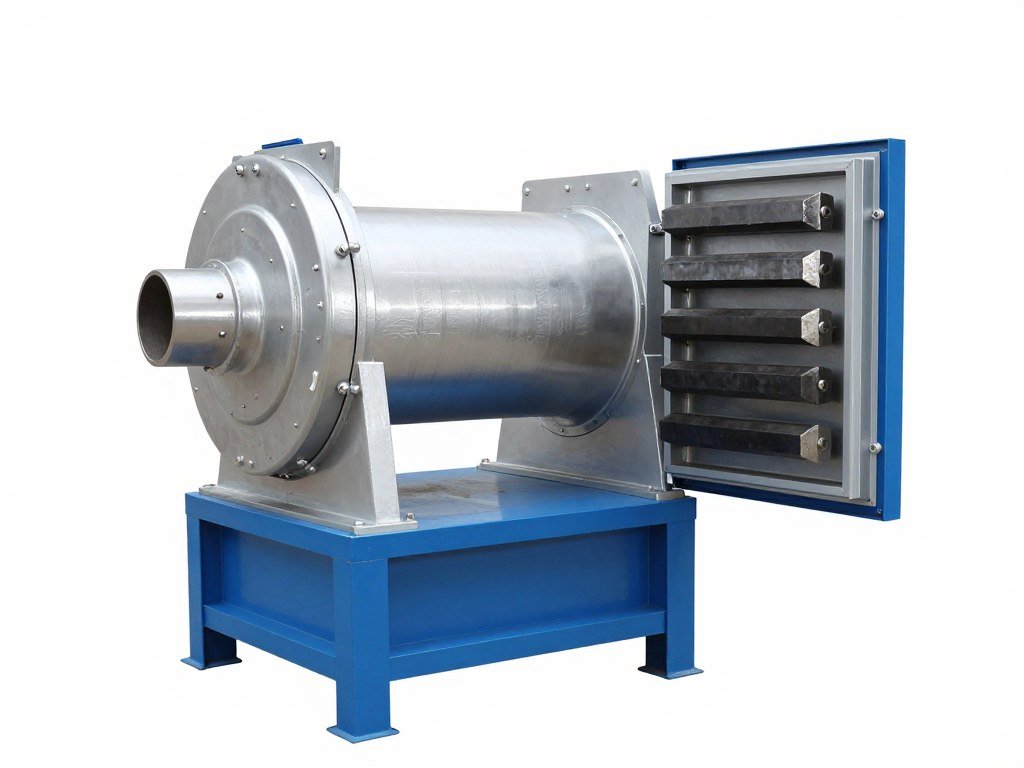
Our hammer mills feature heavy-duty construction designed for continuous operation. The rotor achieves 3,000 RPM, creating high-impact grinding action. Replaceable hammers last 800-1,200 hours depending on ingredient hardness.
| Model |
Capacity |
Main Motor Power |
Screen Area |
Dimensions (L×W×H) |
Weight |
| SFSP56×40 |
1-2 tons/hr |
30 kW |
0.48 m² |
1,450×980×1,350mm |
680 kg |
| SFSP66×80 |
3-5 tons/hr |
55 kW |
1.05 m² |
2,100×1,200×1,650mm |
1,450 kg |
| SFSP66×100 |
8-12 tons/hr |
90 kW |
1.32 m² |
2,500×1,200×1,650mm |
1,850 kg |
| SFSP138×100 |
15-25 tons/hr |
160 kW |
2.76 m² |
3,200×1,800×2,100mm |
4,200 kg |
We design the hammer mills with quick-change screens. Your maintenance team can swap screen sizes in 15 minutes without special tools. This flexibility allows production of different pellet formulas on the same day.
Ribbon Mixers for Homogeneous Blending
Mixing quality directly impacts feed performance. Our double-shaft ribbon mixers achieve CV (coefficient of variation) below 5% in standard 4-minute cycles. The ribbons move material in opposing directions, creating thorough blending.
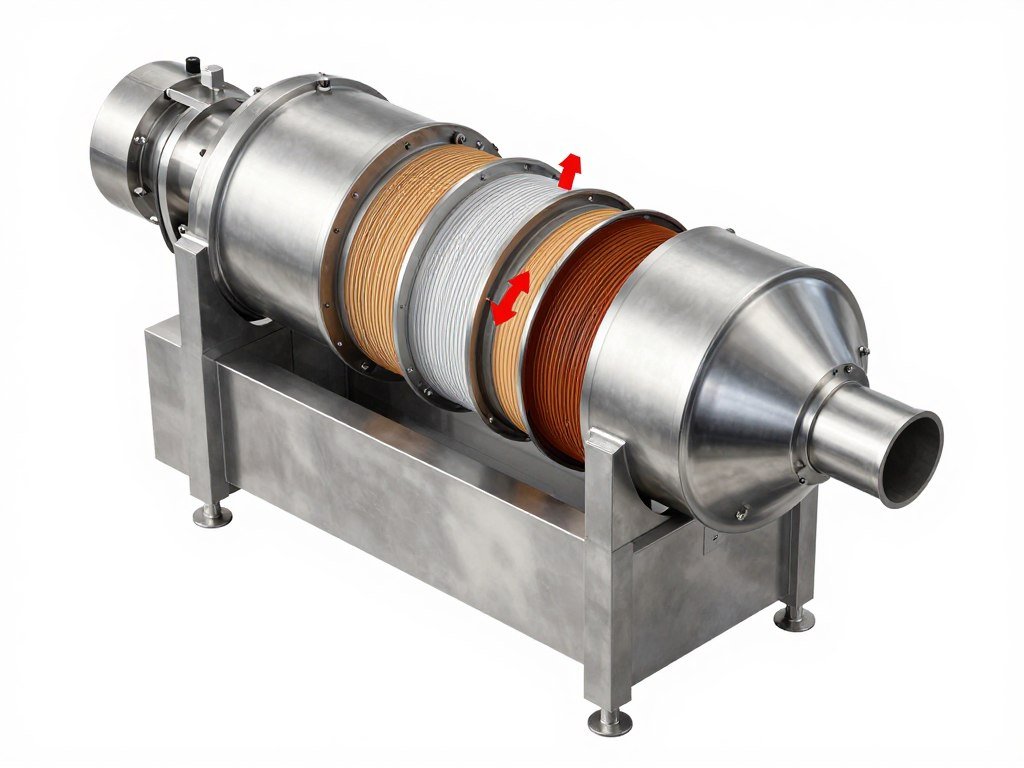
Discharge gates use pneumatic actuators for quick opening. The mixer empties completely in 15-20 seconds, minimizing cross-contamination between batches. We install spray bars for liquid addition, positioned for optimal distribution.
| Model |
Effective Volume |
Batch Size |
Motor Power |
Mixing Time |
Uniformity CV |
| SLHY0.5 |
500 liters |
250 kg |
7.5 kW |
3-5 min |
≤5% |
| SLHY1 |
1,000 liters |
500 kg |
11 kW |
3-5 min |
≤5% |
| SLHY2 |
2,000 liters |
1,000 kg |
18.5 kW |
4-6 min |
≤5% |
| SLHY4 |
4,000 liters |
2,000 kg |
30 kW |
4-6 min |
≤5% |
Ring Die Pellet Mills
The pellet mill represents the heart of your chicken feed production line. We manufacture ring die pellet mills in eight capacity ranges. The compression ratio varies by die specification to match different feed formulas.
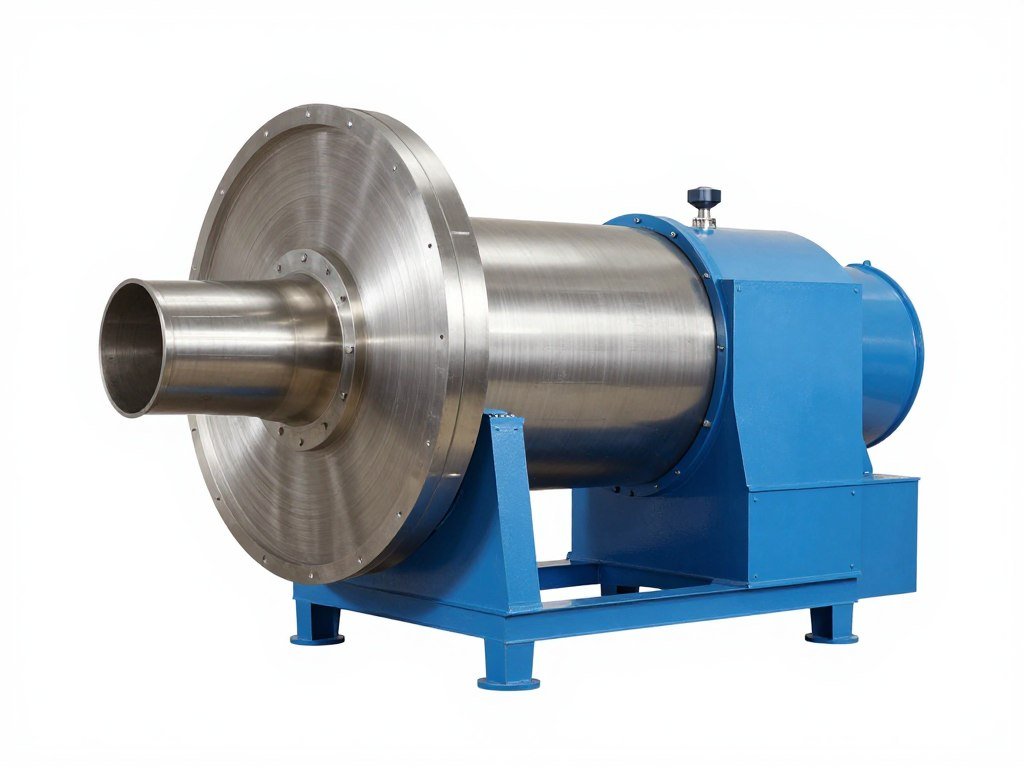
Our pellet mills include automatic lubrication systems. The bearings receive precision-timed grease application, extending service life beyond 8,000 operating hours. The die ring uses alloy steel with special heat treatment. Each die produces 800-1,500 tons before requiring replacement.
| Model |
Capacity Range |
Main Motor |
Die Diameter |
Die Speed |
Pellet Sizes |
| SZLH250 |
1-2 tons/hr |
22 kW |
250mm |
350 RPM |
2-8mm |
| SZLH320 |
3-4 tons/hr |
37 kW |
320mm |
320 RPM |
2-8mm |
| SZLH350 |
5-7 tons/hr |
55 kW |
350mm |
290 RPM |
2-8mm |
| SZLH420 |
8-12 tons/hr |
90 kW |
420mm |
260 RPM |
2-8mm |
| SZLH508 |
15-20 tons/hr |
160 kW |
508mm |
230 RPM |
2-8mm |
| SZLH678 |
25-35 tons/hr |
280 kW |
678mm |
200 RPM |
2-8mm |
Counterflow Coolers
Pellet cooling must happen quickly to prevent moisture reabsorption. Our counterflow coolers use vertical airflow through a moving pellet bed. The cooling efficiency reaches 90%, bringing pellets to safe storage temperature in 8-12 minutes.
Temperature sensors monitor inlet and outlet air. The control system adjusts fan speed automatically to maintain optimal cooling regardless of ambient conditions or production rate changes.
Bucket Elevators and Conveyors
Material handling equipment connects all process stages. We design transport systems for your specific layout, minimizing horizontal distances and elevation changes. This reduces power consumption and maintenance requirements.
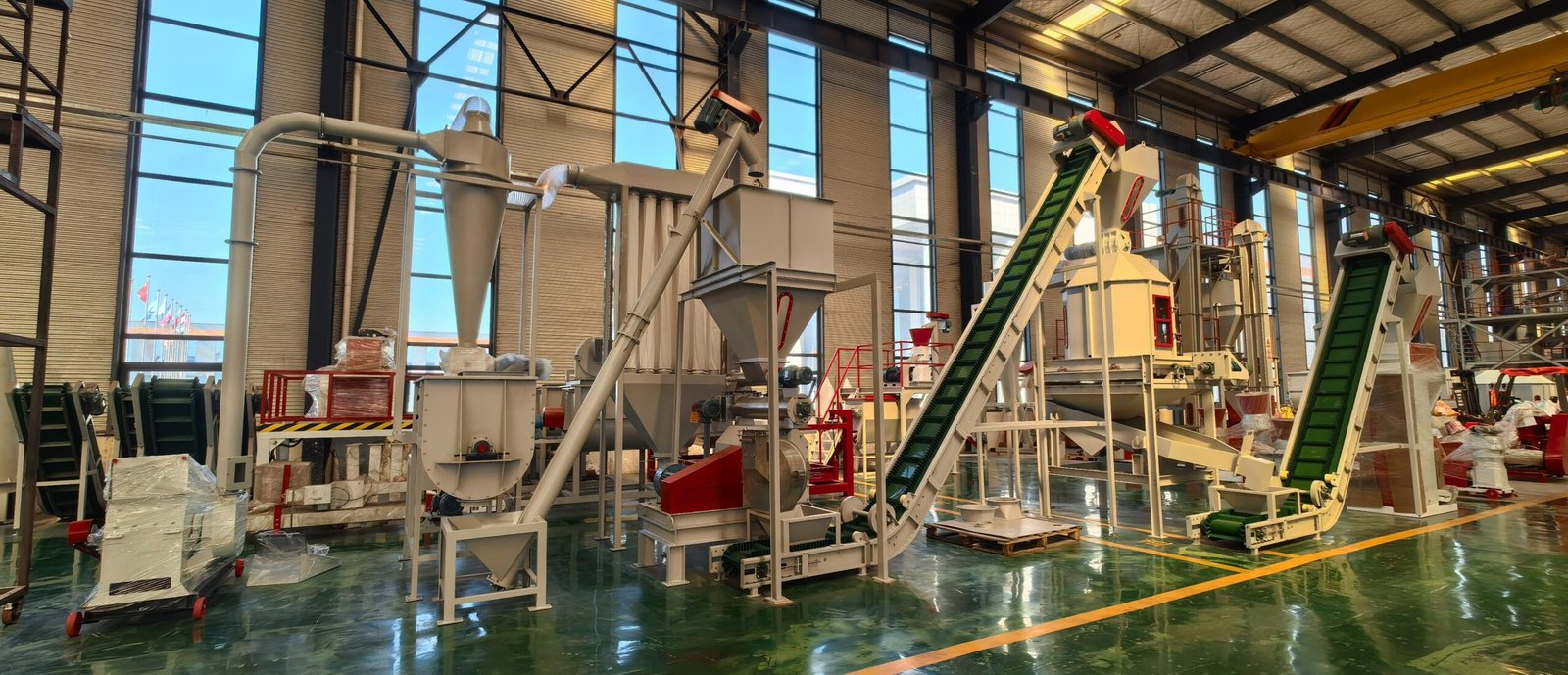
Our bucket elevators use heavy-duty steel buckets attached to rubber belting. The discharge height reaches 18 meters in standard configurations. Higher elevations require custom engineering.
Screw conveyors handle horizontal and inclined transport up to 30 degrees. We manufacture them in carbon steel or stainless steel depending on material characteristics and corrosion concerns.
Proven Projects Across Southeast Asia and Beyond
We’ve installed over 300 chicken feed production line systems globally. These installations demonstrate our capability to deliver successful projects regardless of location or scale. Let me share some Southeast Asian examples particularly relevant to Philippine operations.
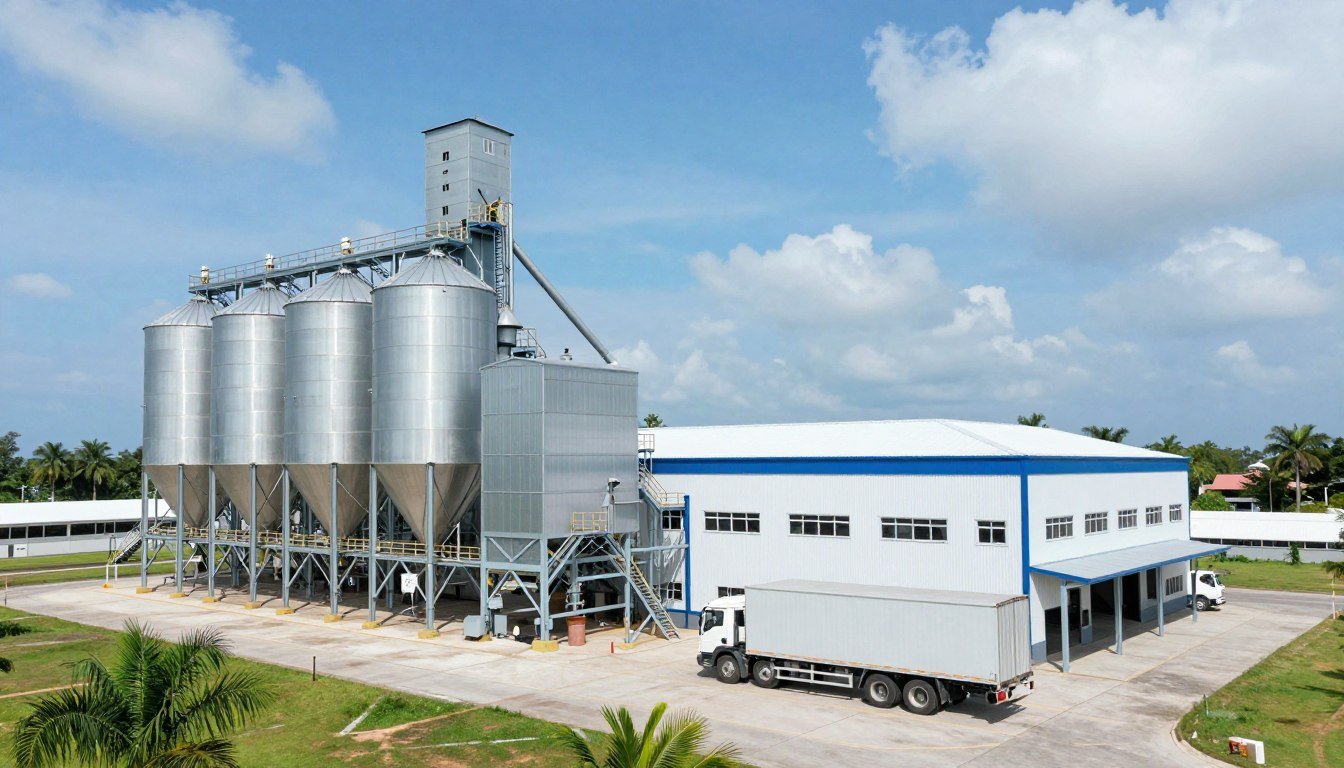
5-Ton Per Hour Installation in Batangas
A family-owned poultry operation in Batangas province contacted us in 2022. They operated 150,000 layers across three farm locations. Feed purchases consumed 60% of their operating costs. The fluctuating prices from commercial suppliers threatened their profitability.
We designed a 5-ton-per-hour system that fit their existing 600-square-meter warehouse. The installation included a SFSP66×80 hammer mill, SLHY2 ribbon mixer, and SZLH350 pellet mill. We added a crumbler to produce starter feed for their pullet replacement program.
The complete chicken feed production line commissioning took twelve days. Our technicians trained their four operators during this period. They achieved full production rate on day eight. The client reports 15% lower feed costs compared to commercial purchases. Feed quality improved based on egg production data.
15-Ton Per Hour Commercial Feed Mill in Thailand
A Thai feed distributor wanted to transition from trading to manufacturing. Their market analysis showed strong demand for quality poultry feed in their region. They needed equipment capable of producing both chicken and duck formulas.
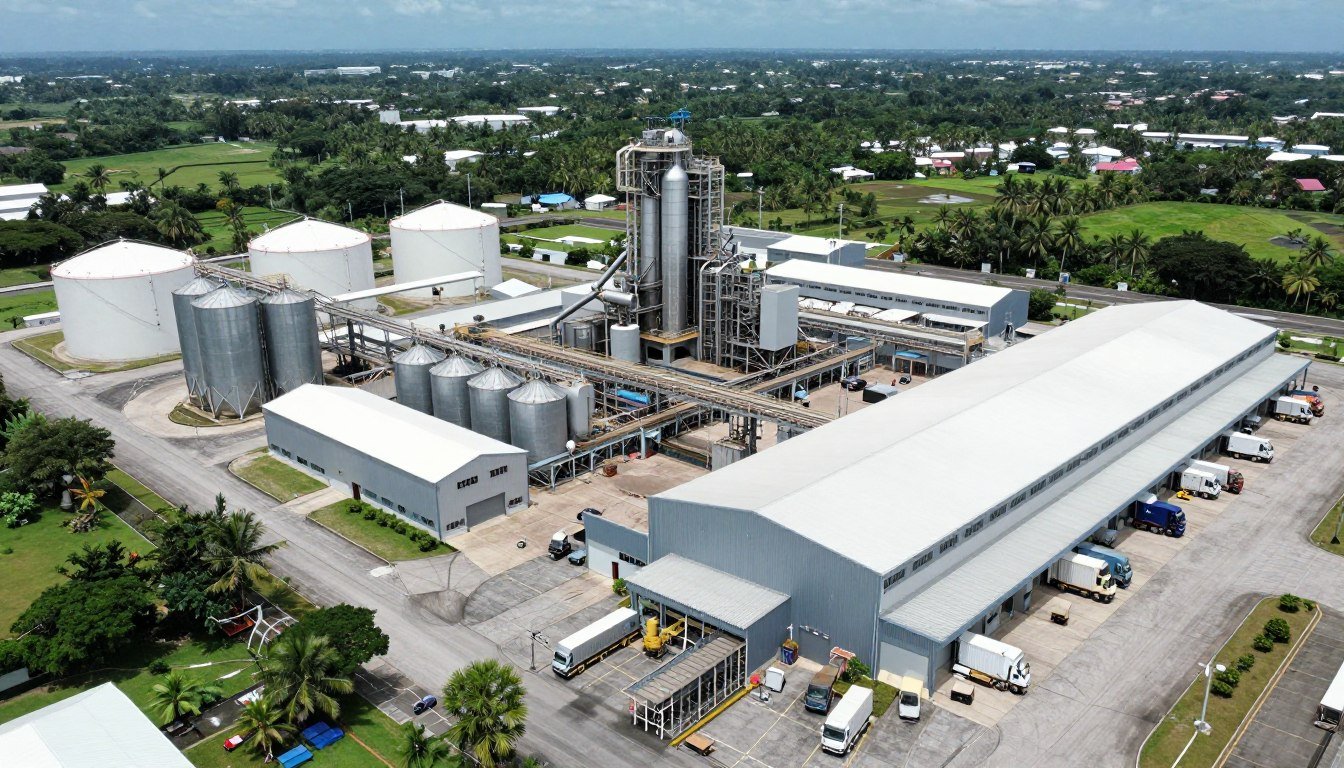
We delivered a 15-ton-per-hour system with dual pellet mills. This configuration allows simultaneous production of different formulas. The system includes automated ingredient handling that reduced labor requirements by 40%. Their operation runs two 10-hour shifts daily, producing 280 tons per day.
Production efficiency exceeds their projections. The pellet quality score averages 92% based on PDI (pellet durability index) testing. They’ve captured 18% market share in their province within eighteen months of operation.
Small Farm Project in Negros Oriental
Not all projects involve large-scale operations. A broiler farm in Negros Oriental raised 8,000 birds per cycle. They wanted to reduce dependence on commercial feed to improve margins. Their budget limited them to essential equipment only.
We configured a compact 500kg-per-hour system. The layout utilized a single 150-square-meter building. Equipment included a small hammer mill, basic mixer, and our smallest pellet mill. Total investment came to $18,000 including freight to the Philippines.
This simple chicken feed production line produces enough feed for their entire operation. The owner operates it himself with occasional help during harvest seasons. He reports the equipment paid for itself within fourteen months through feed cost savings.
Start Your Successful Project with MAIKONG
We’ve completed over 40 installations in Southeast Asia alone. Our project success rate exceeds 95% based on client satisfaction surveys. Whether you need a small farm system or a major commercial installation, we have proven experience delivering results.
Global Installation Portfolio
Beyond Southeast Asia, MAIKONG chicken feed production line systems operate on every continent. This global experience helps us understand diverse markets and requirements.
| Region |
Number of Projects |
Capacity Range |
Primary Feed Types |
| Southeast Asia (Philippines, Thailand, Indonesia, Vietnam, Malaysia) |
42 installations |
500kg/hr to 30 tons/hr |
Chicken, duck, fish, swine |
| Middle East (UAE, Saudi Arabia, Iran, Iraq) |
38 installations |
5 tons/hr to 40 tons/hr |
Poultry, cattle, sheep |
| Africa (Tanzania, Kenya, Nigeria, Algeria, Egypt, South Africa) |
56 installations |
1 ton/hr to 25 tons/hr |
Chicken, fish, cattle |
| South America (Brazil, Argentina, Peru) |
28 installations |
8 tons/hr to 60 tons/hr |
Poultry, swine, cattle |
| Central Asia (Kazakhstan, Uzbekistan, Afghanistan) |
34 installations |
3 tons/hr to 20 tons/hr |
Chicken, sheep, cattle |
| Europe (Russia, Germany, Belgium) |
18 installations |
10 tons/hr to 50 tons/hr |
Poultry, swine, pet food |
Each region presents unique challenges. Hot and humid climates like the Philippines require special attention to moisture control and corrosion resistance. Arid regions need dust suppression systems. Cold climates demand heating systems for pellet conditioning.
We adapt our chicken feed production line designs to local conditions while maintaining core quality standards. This flexibility explains our success across such diverse markets.
Understanding Your Return on Investment
The decision to invest in feed production equipment requires careful financial analysis. I’ll provide realistic numbers based on actual client data. These figures help you project your own operation’s economics.
Direct Cost Savings
Feed represents 60-70% of total poultry production costs. When you manufacture your own feed, you eliminate distributor margins and transportation costs. Our clients typically report 12-18% reduction in per-ton feed cost.
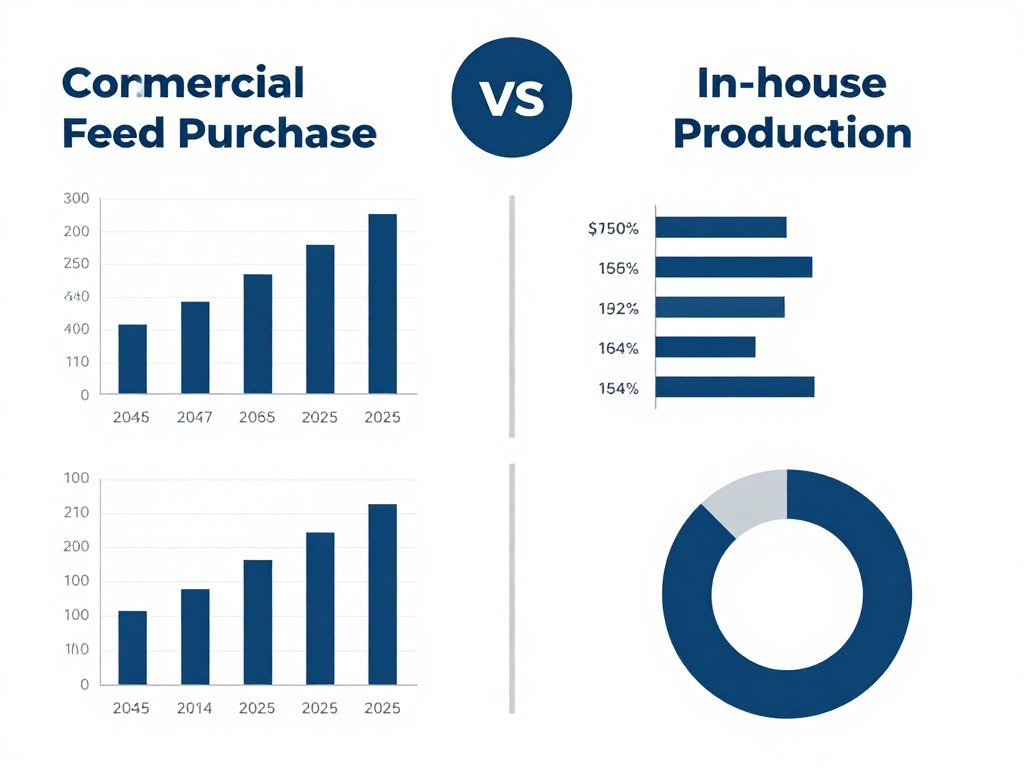
Consider a medium-sized layer operation consuming 200 tons of feed monthly. Commercial feed costs approximately ₱18,000 per ton in many Philippine regions. Manufacturing cost drops to approximately ₱15,000 per ton including ingredients, electricity, labor, and maintenance.
The monthly savings calculation: 200 tons × ₱3,000 savings = ₱600,000 monthly = ₱7,200,000 annually
A 5-ton-per-hour chicken feed production line suitable for this operation costs approximately $95,000 delivered and installed. The payback period calculates to roughly 15 months.
Quality Control Benefits
Manufacturing your own feed provides complete formula control. You adjust protein levels, medication dosages, and ingredient quality to match your specific needs. Commercial feeds use standardized formulas that may not optimize your particular genetics or management system.
Clients report improved feed conversion ratios averaging 3-5% after switching to self-manufactured feed. For a 100,000-bird broiler operation, this translates to significant revenue improvement through faster growth and lower feed consumption per kilogram of weight gain.
Supply Chain Security
Philippine poultry producers face periodic supply disruptions. Typhoons interrupt transportation. Political instability occasionally affects distribution. Disease outbreaks create panic buying and shortages.
Your own chicken feed production line provides supply security. You maintain buffer stocks of raw ingredients equal to 2-4 weeks of production. This independence protects your operation during market disruptions when competitors scramble for feed supplies.
Expansion Flexibility
Feed manufacturing capability enables business growth. Many clients start producing for their own farms, then begin selling to neighbors. This additional revenue stream often develops unexpectedly.
A Pampanga client initially installed a 3-ton-per-hour system for their 80,000-layer operation. Within two years, they were selling 40% of their production to nearby farms. This created a profitable side business that helped finance their poultry expansion.
Investment Considerations
- Initial equipment cost (see capacity table)
- Building construction or modification (₱800-₱2,000 per m²)
- Electrical infrastructure upgrades (varies by location)
- Initial ingredient inventory (2-4 weeks supply)
- Operator training (included in MAIKONG installation)
- Spare parts buffer stock ($2,000-$8,000 depending on capacity)
Ongoing Operating Costs
- Raw ingredient purchases (largest expense)
- Electricity consumption (₱0.80-₱1.20 per kg of feed)
- Labor costs (1-4 operators depending on capacity)
- Maintenance and repairs (2-3% of equipment value annually)
- Packaging materials (bags, labels, sewing thread)
- Quality testing (optional but recommended)
Comprehensive Support Throughout Your Journey
Buying equipment represents just the beginning of our relationship. MAIKONG provides ongoing support that ensures your long-term success. Our support structure includes multiple levels of assistance available whenever you need help.
Pre-Installation Consultation
Our project team begins working with you before any equipment ships. We review your site plans, electrical specifications, and raw material sources. This advance planning prevents installation delays and compatibility issues.

We provide detailed foundation drawings for all major equipment. Your local contractor can prepare the foundations while equipment is in transit. This parallel scheduling reduces total project timeline by 2-3 weeks.
Installation and Commissioning
Our installation team travels to your site for equipment setup. The team typically includes a project manager, two mechanical technicians, and an electrical specialist. They bring all necessary tools and testing equipment.
Installation timeline varies by system complexity:
- Small systems (1-2 tons/hr): 5-8 days
- Medium systems (3-7 tons/hr): 10-15 days
- Large systems (8-20 tons/hr): 18-25 days
- Major installations (20+ tons/hr): 30-45 days
Commissioning involves systematic testing of each component, then integrated system trials. We run your chicken feed production line with actual ingredients to verify all specifications before the team departs.
Operator Training Program
Technical training happens simultaneously with installation. Your operators learn equipment operation, safety procedures, basic troubleshooting, and routine maintenance. The training follows our standardized curriculum but adapts to your team’s existing knowledge level.
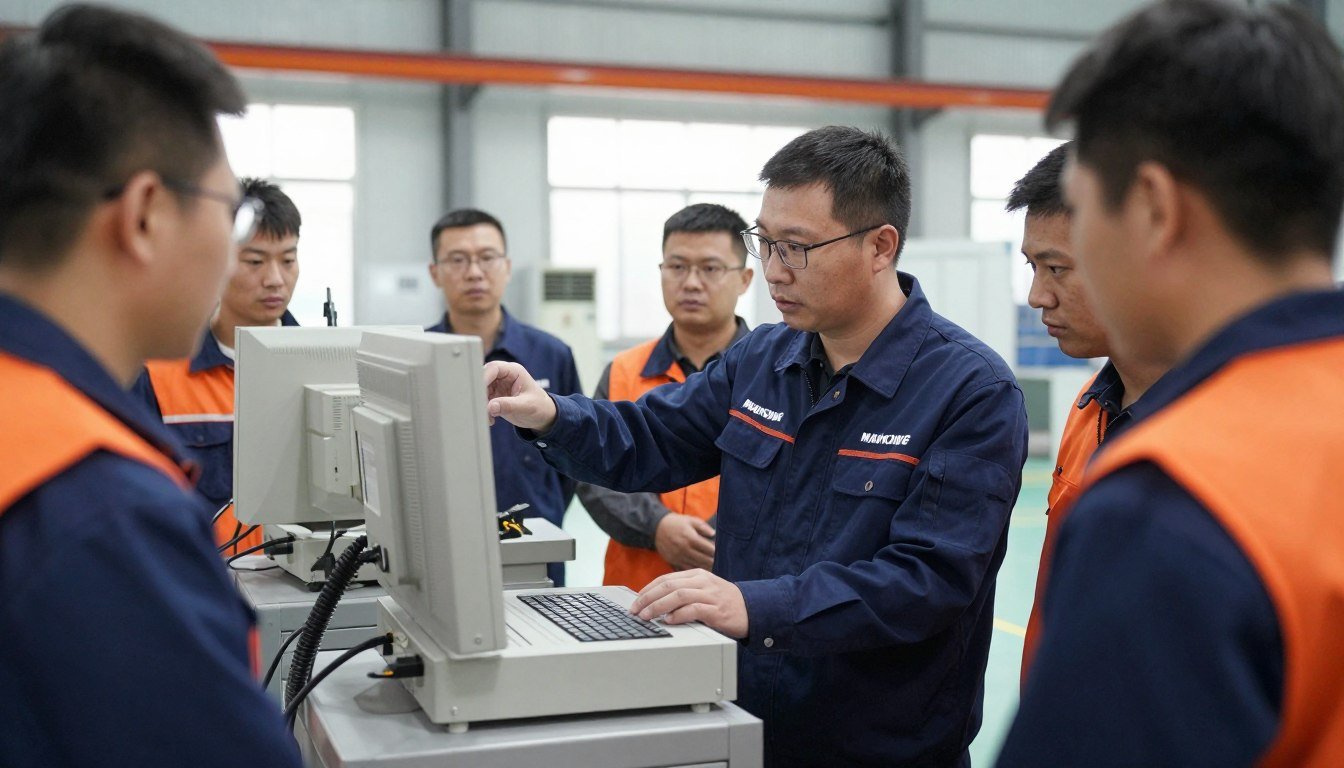
We provide printed operation manuals in English with technical diagrams. Video tutorials cover common procedures like die changes, mixer cleaning, and screen replacement. Your team can reference these materials long after our installation crew leaves.
Remote Technical Support
Questions inevitably arise during operation. Our technical support team responds through multiple channels:
Email Support
lucy@pelletmachine.ph
Response time: Within 4 hours during business hours
Best for: Non-urgent technical questions, documentation requests, formula optimization inquiries
WhatsApp Support
+86 135 1090 7401
Response time: Within 1 hour for urgent issues
Best for: Immediate troubleshooting, photo/video sharing of problems, quick consultations
Video Call Support
Available through WhatsApp or WeChat
Response time: Scheduled within 24 hours
Best for: Complex troubleshooting, remote diagnosis, operator retraining
Our support engineers speak English fluently. Many have visited the Philippines and understand local operating conditions. This cultural familiarity helps them provide relevant advice rather than generic troubleshooting steps.
Spare Parts Availability
We maintain spare parts inventory in strategic locations. Critical components ship from our GD, SZ warehouse within 24 hours. Common wear items like hammer mill screens, mixer paddles, and pellet mill rollers typically arrive within 5-7 days to Philippine destinations.
For maximum efficiency, we recommend maintaining your own spare parts buffer. We can provide a recommended initial spare parts kit based on your chicken feed production line capacity and expected production intensity.
| Component Category |
Expected Lifespan |
Replacement Frequency |
Recommended Stock |
| Hammer mill screens |
400-600 hours |
Every 1-2 months |
2 sets per screen size |
| Hammer mill hammers |
800-1,200 hours |
Every 3-4 months |
1 complete set |
| Mixer paddles/ribbons |
2,000-3,000 hours |
Every 8-12 months |
1 set of critical paddles |
| Pellet mill rollers |
1,500-2,500 hours |
Every 6-10 months |
1 complete set |
| Pellet mill die rings |
800-1,500 tons produced |
Every 3-8 months |
1 die per pellet size |
| Belt drives |
1,200-1,800 hours |
Every 4-6 months |
1 set per machine |
| Main bearings |
8,000-12,000 hours |
Every 2-4 years |
Critical bearings only |
Performance Optimization Services
After several months of operation, we often recommend a performance review. Our engineers analyze your production data, energy consumption, and product quality. We identify opportunities for efficiency improvements and capacity optimization.
This service has helped clients increase throughput by 8-15% without equipment additions. Simple adjustments to conditioning time, grinding parameters, or mixing sequences often yield significant improvements.
Become MAIKONG’s Partner in the Philippines
We’re actively seeking qualified distributors and agents throughout the Philippine archipelago. The feed manufacturing equipment market continues growing as more farms recognize the economic benefits of feed self-sufficiency. This creates an excellent business opportunity for established agriculture equipment dealers.

Why Partner with MAIKONG?
Our distributor network in other countries demonstrates the profitability of representing quality Chinese manufacturing. We provide comprehensive support that enables even smaller dealers to compete effectively.
Dealer Benefits
- Exclusive territory protection in your region
- Attractive dealer margins on all equipment sales
- Technical training for your sales and service teams
- Marketing materials and demonstration equipment support
- Priority spare parts allocation for your service customers
- Co-op advertising funding for local promotions
- Access to our complete product line beyond chicken feed equipment
Ideal Partner Profile
- Established presence in agriculture or industrial equipment
- Existing relationships with poultry farms or feed mills
- Technical service capability or willingness to develop it
- Warehouse space for inventory and demonstrations
- Financial capacity for initial inventory investment
- Commitment to customer service excellence
- Growth mindset and entrepreneurial spirit
Market Opportunity in the Philippines
The Philippine poultry sector produces over 1.5 million metric tons of chicken meat annually. Layer farms generate approximately 19 billion eggs each year. Feed consumption exceeds 4 million tons annually across all poultry categories.
Currently, less than 30% of medium and large farms produce their own feed. This represents significant untapped market potential. As commercial feed prices continue rising and supply chain reliability remains inconsistent, more operations will invest in feed production capability.
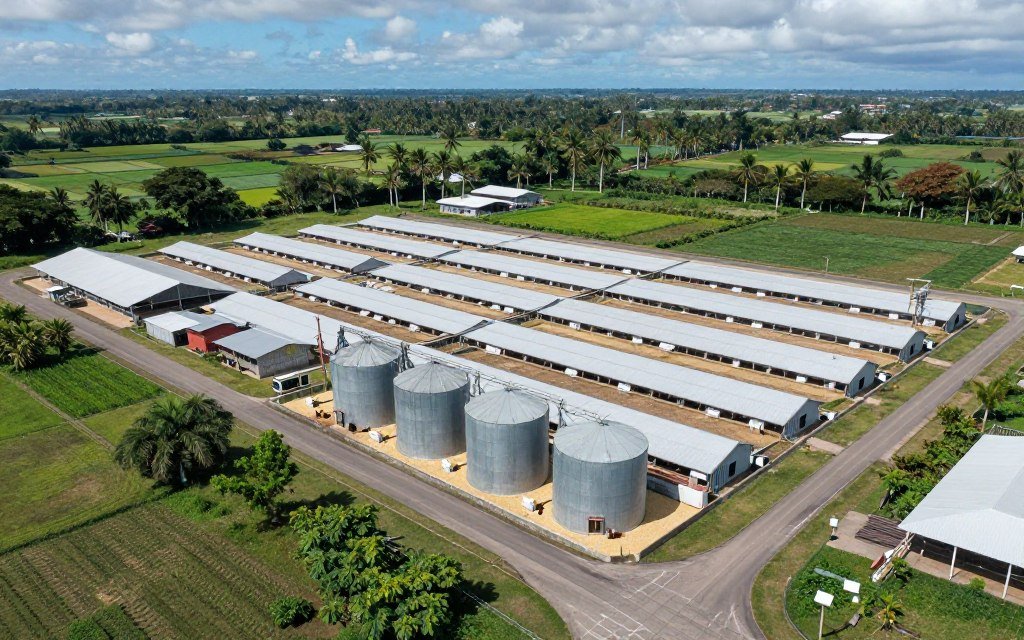
Our market analysis identifies particularly strong potential in:
- Central Luzon provinces (Nueva Ecija, Bulacan, Pampanga, Tarlac)
- Southern Luzon regions (Batangas, Laguna, Quezon)
- Visayas poultry centers (Iloilo, Negros, Cebu)
- Mindanao growing areas (Davao, Cagayan de Oro, General Santos)
Support We Provide Distributors
Unlike many manufacturers who simply sell equipment and disappear, we build genuine partnerships. Your success directly impacts our reputation and future growth in the Philippines.
Sales Support
- Comprehensive product training programs
- Technical specification sheets and brochures
- Cost calculation tools and ROI analysis templates
- Sample proposals and quotation formats
- Regular product updates and new model introductions
- Joint sales calls for major opportunities
Technical Support
- Installation training for your service technicians
- Troubleshooting guides and diagnostic procedures
- Direct engineer access for complex issues
- Video call support for on-site problems
- Annual refresher training programs
- Certification programs for technicians
Business Support
- Protected territory agreements
- Flexible payment terms for established dealers
- Consignment inventory for demonstration units
- Cooperative marketing fund contributions
- Lead sharing from direct inquiries in your territory
- Quarterly business review and planning sessions
Getting Started as a MAIKONG Distributor
The application process begins with a conversation about your business, market knowledge, and growth plans. We’re looking for partners who share our commitment to customer success rather than those seeking quick transactions.
Initial steps include:
- Submit distributor application with company background
- Preliminary discussion about territory and market potential
- Review of distributor agreement terms and expectations
- Development of initial business plan and targets
- Product training for your sales team (can be done remotely)
- Demonstration equipment selection and delivery
- Official territory launch and marketing support
Most distributors achieve profitability within their first year. The recurring revenue from spare parts and service creates stable income alongside equipment sales.
Apply to Become a MAIKONG Distributor
Join our growing network of successful partners across Southeast Asia and beyond. We’re expanding carefully in the Philippines and seeking the right representatives who will build our brand reputation through excellent customer service. This is more than equipment sales—it’s a genuine business partnership with substantial profit potential.
Contact our Partnership Development team:
Email: lucy@pelletmachine.ph
Phone/WhatsApp: +86 135 1090 7401
Contact Page: pelletmachine.ph/contactati
Your Path to Feed Production Independence
Feed costs will continue consuming the largest portion of your poultry operation budget. Commercial feed suppliers will keep raising prices as their own costs increase. Supply disruptions will periodically threaten your flock’s nutrition and your farm’s profitability.
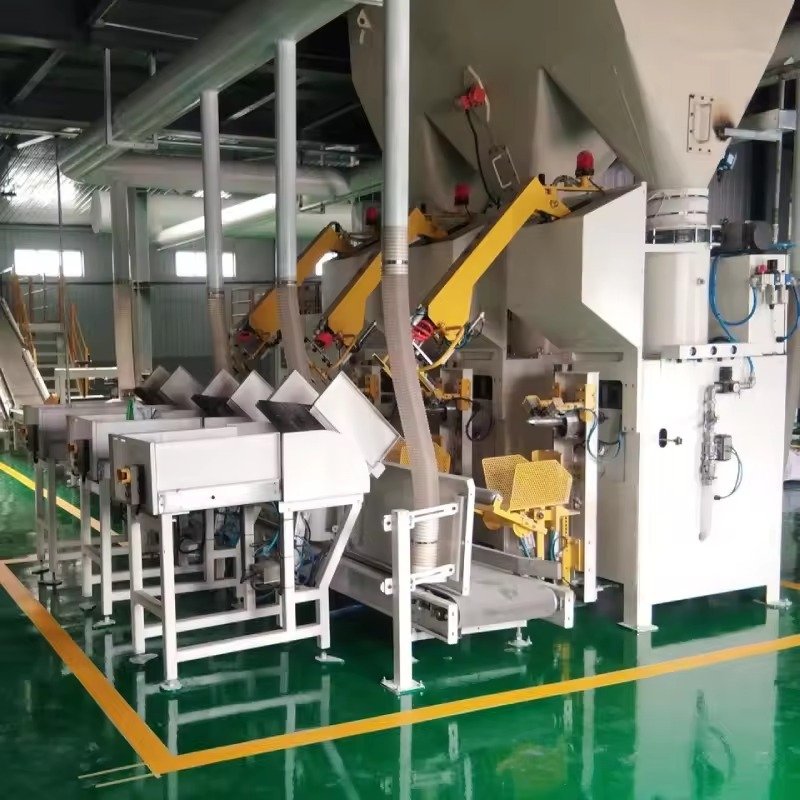
Investing in your own chicken feed production line changes this dynamic completely. You control quality. You manage costs. You ensure supply security. The equipment pays for itself through direct savings, then continues generating value for decades.
MAIKONG has manufactured feed processing equipment for over twenty-five years. We’ve installed systems across six continents and forty-eight countries. Our equipment operates in tropical heat and arctic cold, processing everything from standard corn-soy formulas to exotic local ingredients.
The Philippine market represents an important growth area for us. We’re committed to supporting the agriculture sector’s development through reliable equipment and genuine partnership. Whether you operate a small farm seeking basic equipment or manage a major feed mill requiring advanced automation, we have the engineering capability and manufacturing quality to meet your needs.
Your journey toward feed production independence starts with a conversation. Reach out to our team today. We’ll discuss your specific requirements, answer your questions, and provide honest guidance about the best path forward for your operation.
We look forward to helping you build a successful, profitable feed production operation that serves your poultry business for many years to come.