
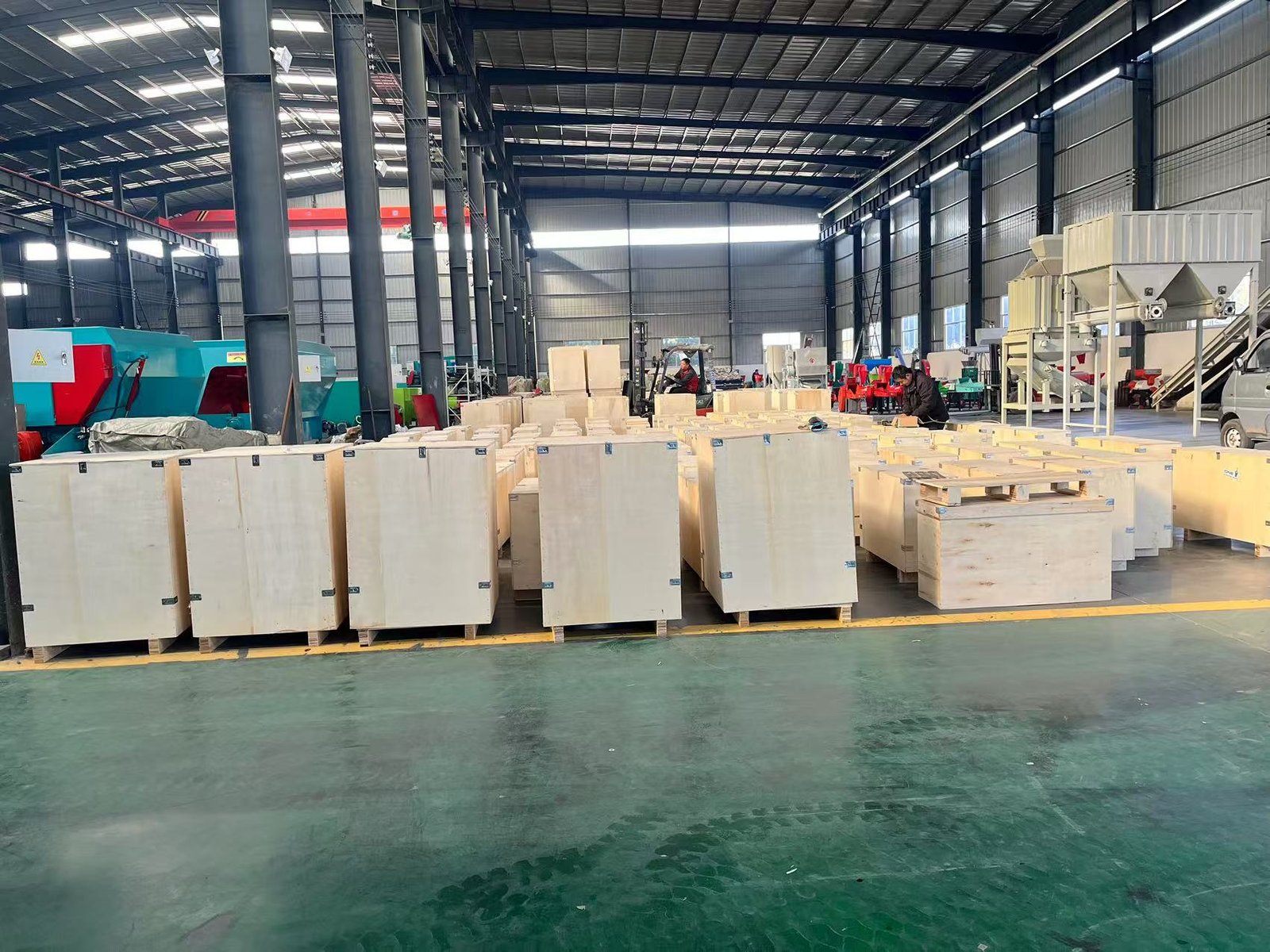
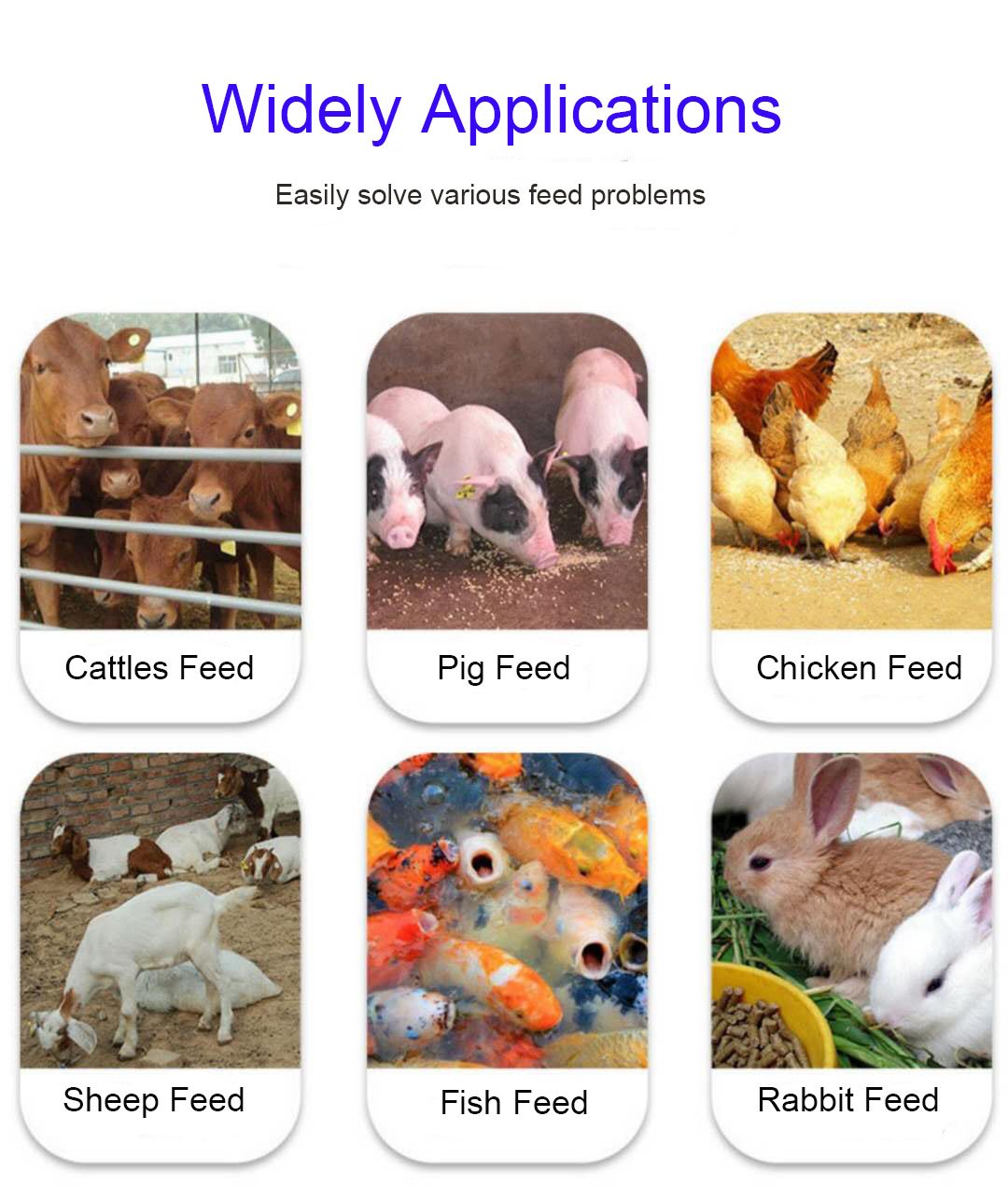
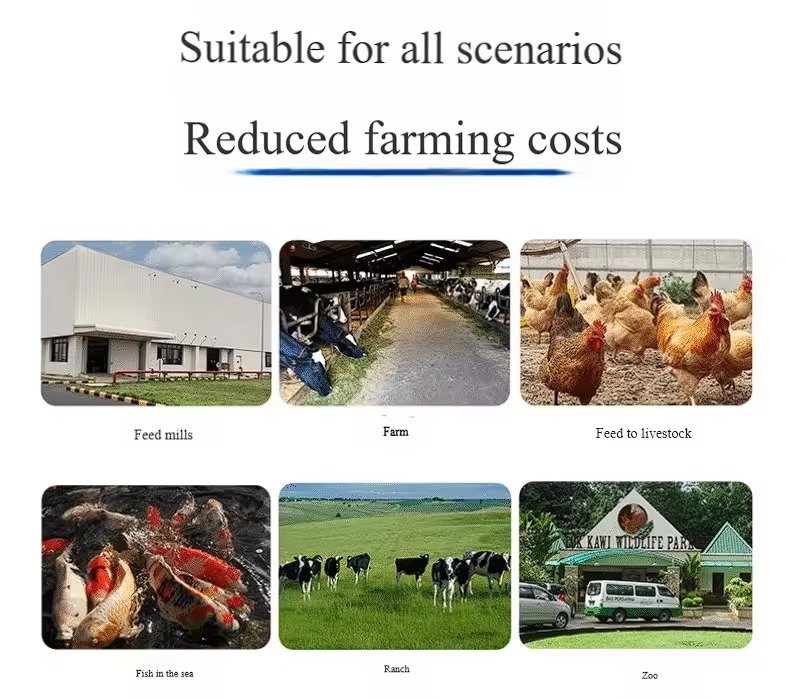
Factory-direct pricing changes everything for Philippine agricultural businesses. When you purchase a chicken feed pellet production line directly from the manufacturer, you eliminate middleman markups that can inflate costs by thirty to forty percent. MAIKONG has served the Philippine market for over two decades, understanding the unique voltage requirements, humidity considerations, and production capacities that match local farming operations.
This comprehensive guide breaks down the real costs, equipment components, customization options, and return on investment for chicken feed production systems. Whether you operate a backyard chicken operation in Bulacan or manage a commercial poultry facility in Pampanga, understanding factory-direct pricing helps you make informed equipment decisions that protect your investment.
What Components Make Up a Complete Chicken Feed Production Line
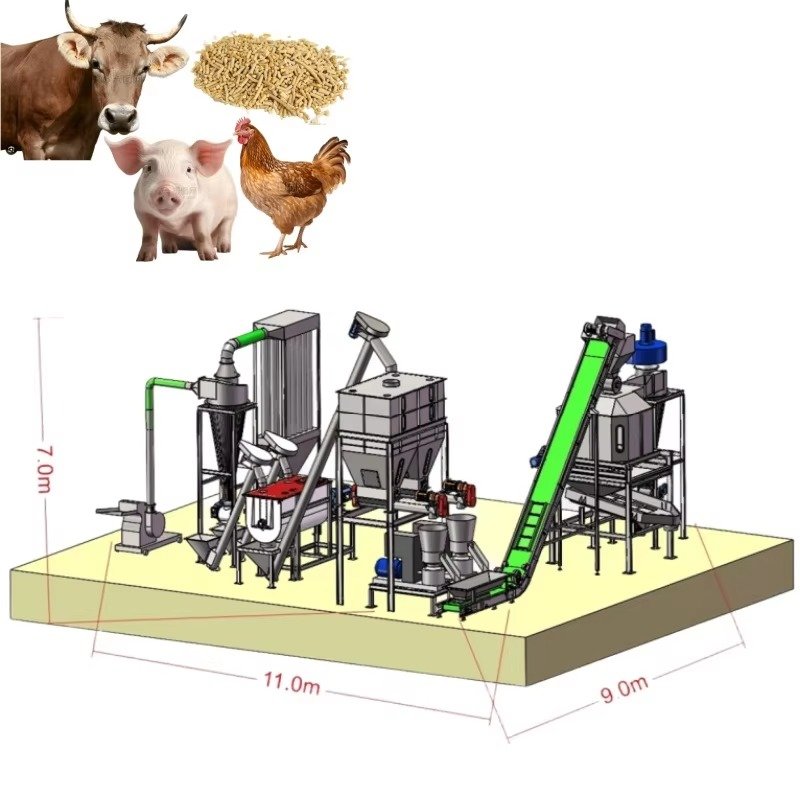
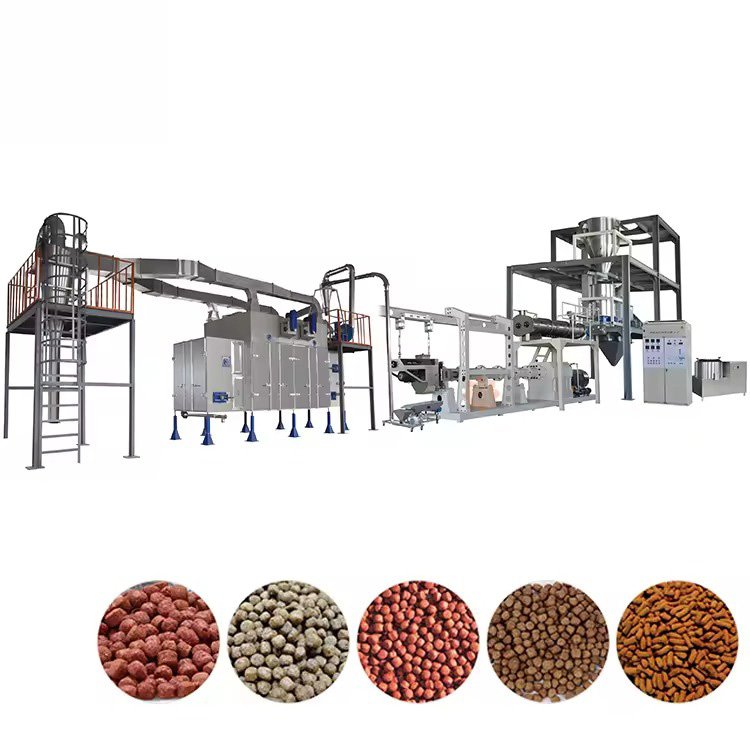
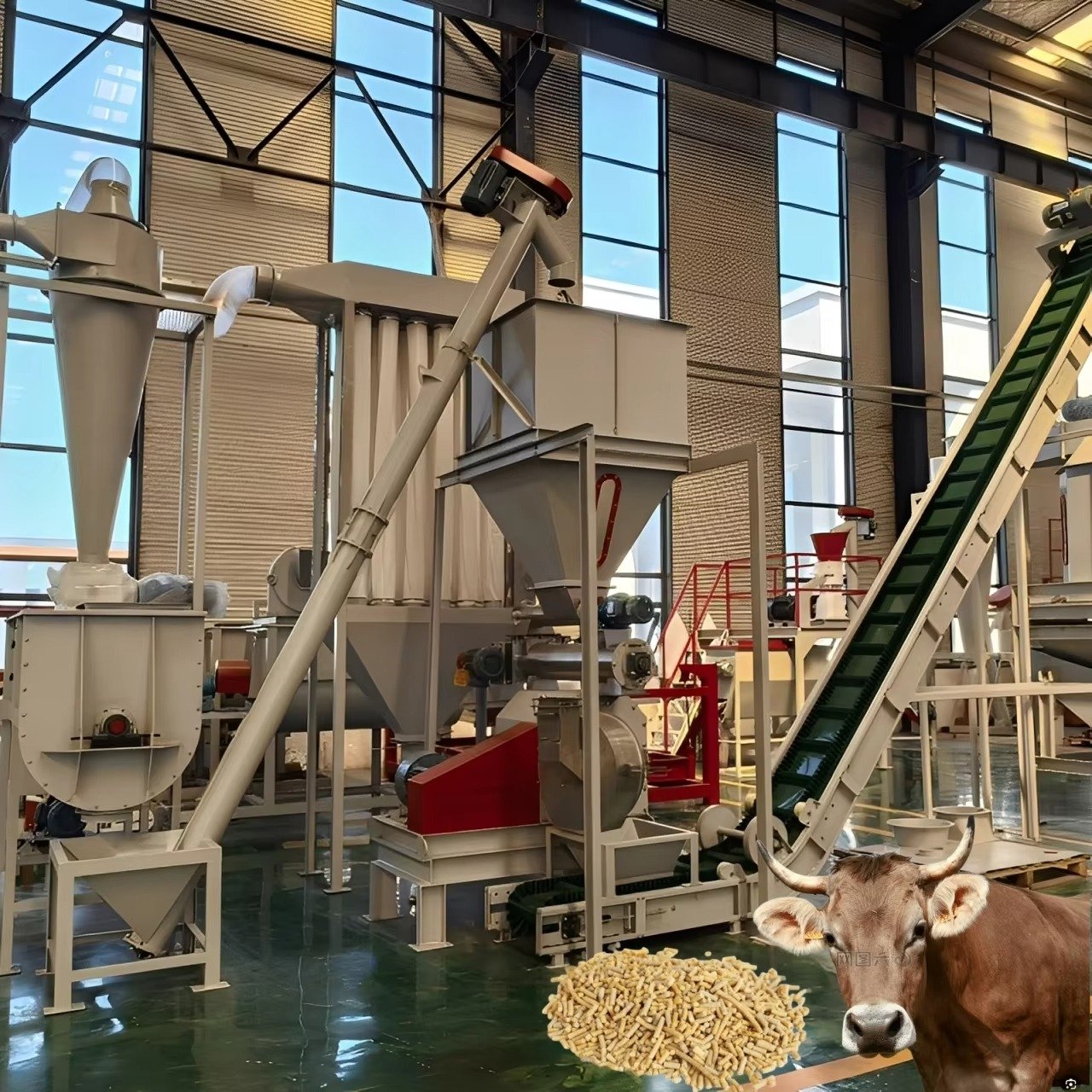
A complete chicken feed pellet production line consists of eight essential equipment categories that work together seamlessly. The raw material receiving system includes floor scales, primary cleaning screens, and cylindrical storage silos that handle incoming corn, soybean meal, and other feed ingredients. This initial stage removes impurities and foreign objects that could damage downstream machinery or contaminate your final product.
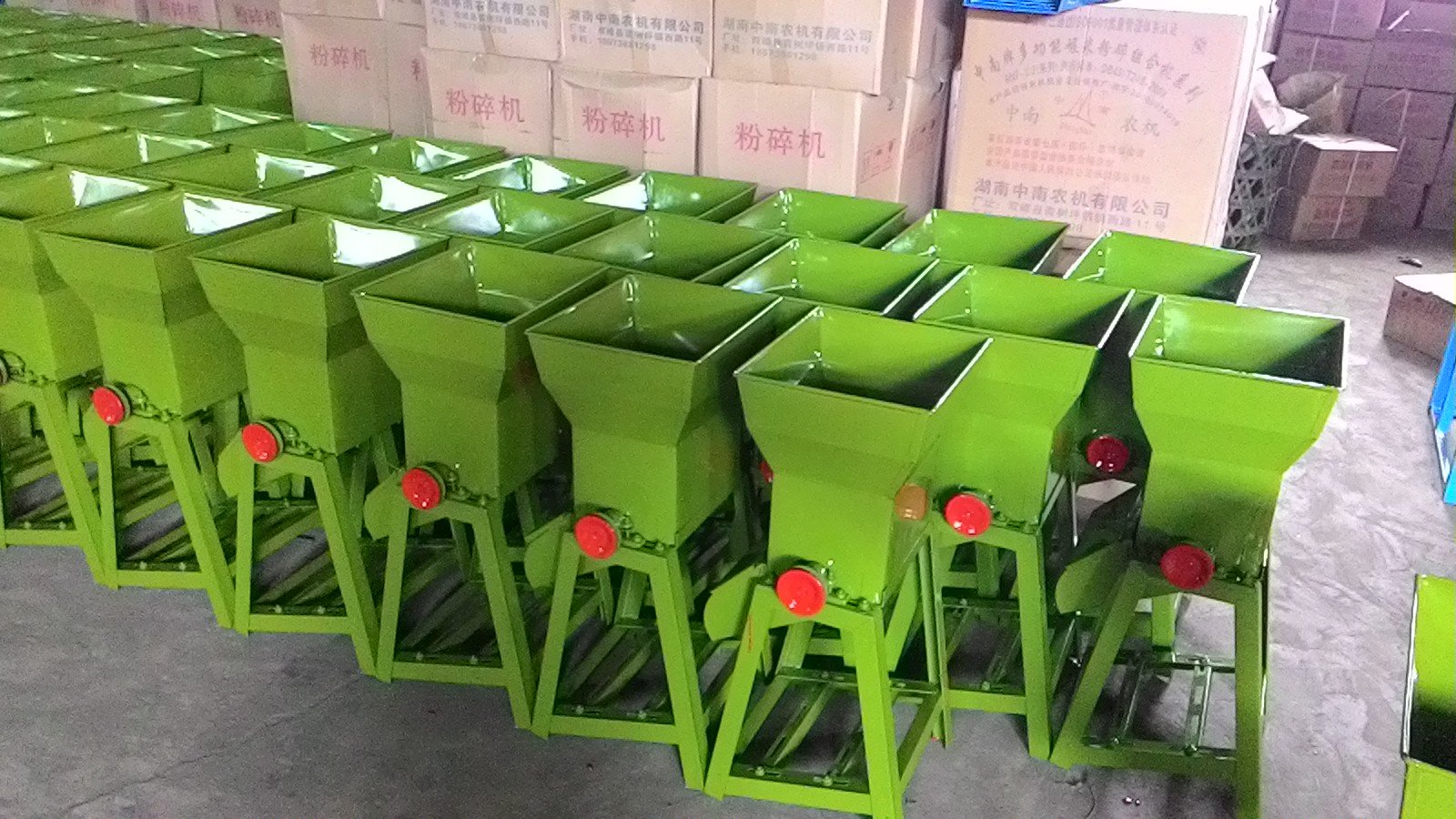
The crushing equipment represents the heart of particle size reduction. MAIKONG’s hammer mill crushers process whole grains into uniform particle sizes between one and three millimeters. Magnetic separators protect the crusher blades by removing metal fragments, while feeders ensure consistent material flow. Philippine farms processing local corn varieties benefit from adjustable screen sizes that accommodate different moisture contents common during rainy seasons.
Pre-Processing Equipment
- Primary cleaning screens remove dust and debris
- Magnetic separators extract metal contaminants
- Storage silos maintain ingredient freshness
- Automatic weighing systems ensure formula accuracy
Core Production Machinery
- Hammer mills achieve precise particle reduction
- Horizontal mixers blend ingredients uniformly
- Ring die pellet mills form consistent pellets
- Counterflow coolers stabilize pellet temperature
The mixing stage combines crushed ingredients according to your specific nutritional formula. Electronic batching scales measure each component with accuracy within zero point five percent. Horizontal double-shaft mixers ensure complete homogenization in three to five minutes, creating uniform nutrient distribution throughout every batch. This precision matters significantly when formulating starter feeds for chicks versus grower feeds for mature layers.
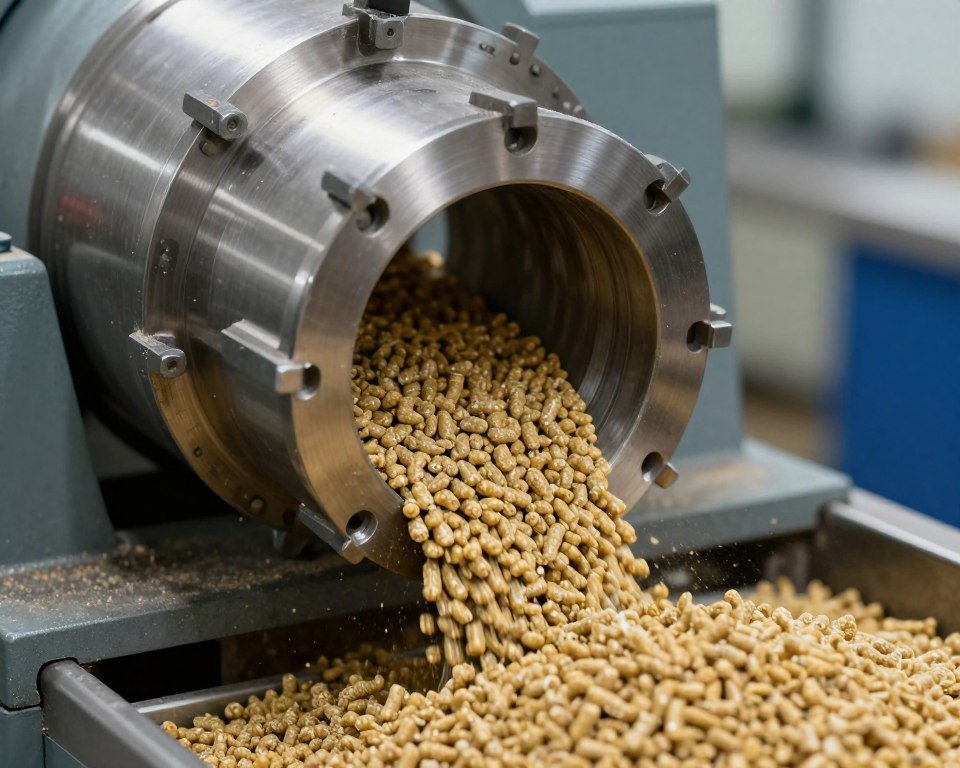
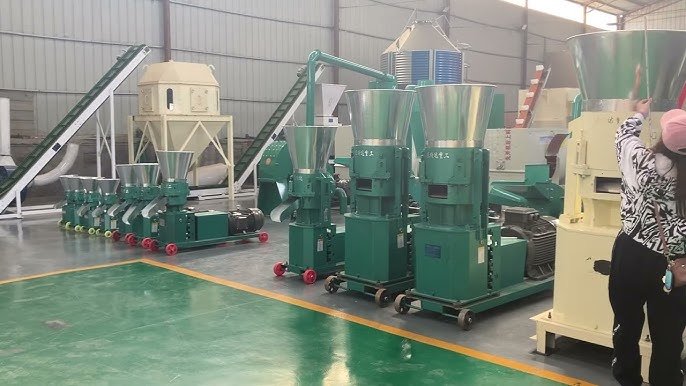
The pelletizing equipment transforms mixed mash feed into durable pellets. Steam conditioning pre-treats the mash at seventy to eighty-five degrees Celsius, improving starch gelatinization and binding properties. The ring die pellet mill then compresses the conditioned mash through die holes, forming cylindrical pellets. MAIKONG’s MK-L004 model produces pellets from two to eight millimeters diameter, suitable for chicks through mature broilers.
Post-pelletizing systems ensure product quality and shelf stability. The counterflow cooler reduces pellet temperature from eighty degrees to ambient temperature plus three degrees, while lowering moisture content to twelve to thirteen percent. Vibrating screens separate fines and oversized pellets, routing them back for reprocessing. This closed-loop system minimizes waste and maximizes your raw material utilization.
Chicken Feed Production Line Capacity Options for Philippine Farms
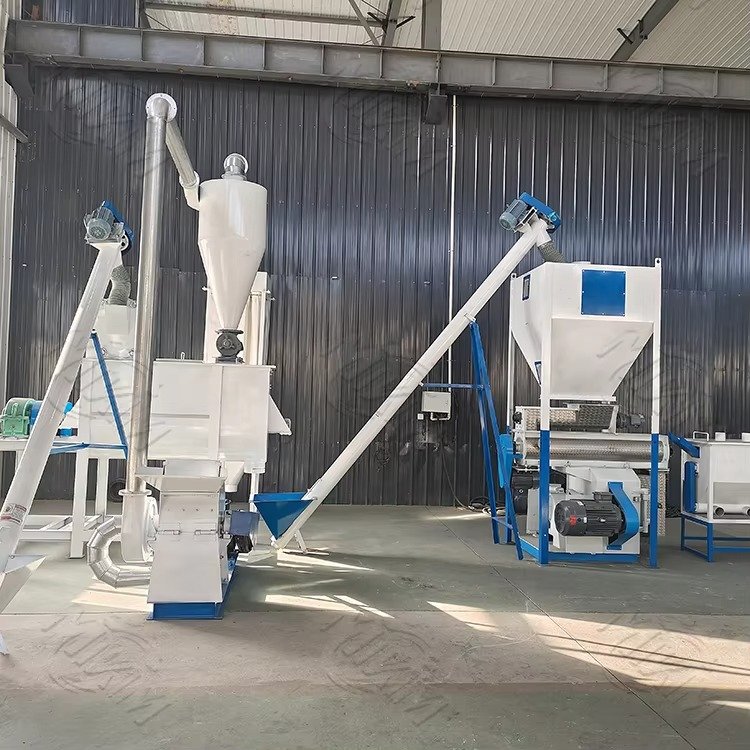
Philippine poultry operations range from backyard flocks of fifty birds to commercial facilities housing fifty thousand layers. MAIKONG designs chicken feed production line systems matching this complete capacity spectrum. Our smallest configuration produces two hundred kilograms hourly, perfect for family farms in provinces like Nueva Ecija or Batangas where land constraints limit expansion but feed quality remains paramount.
| Production Capacity | Total Power Required | Factory Space Needed | Installation Duration | Investment Range (USD) |
| 1-2 Tons/Hour | 47-75 KW | 300-500 m² | 7-15 Days | $10,000-$50,000 |
| 3-4 Tons/Hour | 53-165 KW | 300-700 m² | 15-20 Days | $50,000-$120,000 |
| 5-7 Tons/Hour | 68-259 KW | 400-800 m² | 20-40 Days | $70,000-$250,000 |
| 8-10 Tons/Hour | 125-410 KW | 800-2,000 m² | 45-60 Days | $150,000-$300,000 |
| 12-20 Tons/Hour | 358-620 KW | 1,500-3,000 m² | 60-90 Days | $250,000-$580,000 |
Mid-scale operations processing five to seven tons hourly serve integrated farms combining egg production with layer replacement pullet rearing. These systems handle daily feed requirements for ten to fifteen thousand birds while maintaining buffer inventory. The three hundred eighty square meter footprint fits standard Philippine commercial building lots, with ceiling heights accommodating bucket elevators and silo structures.
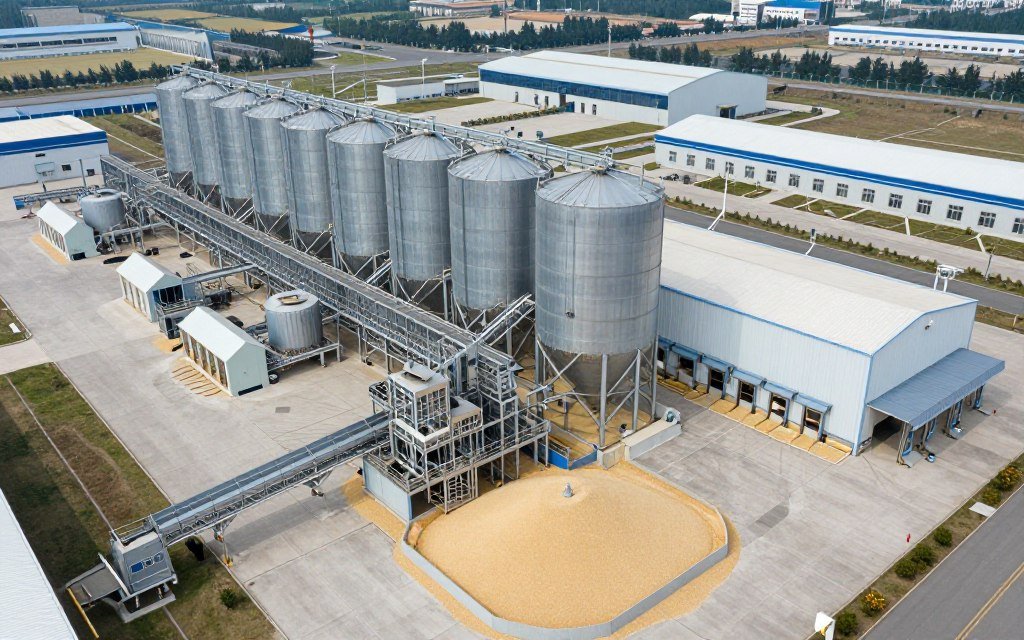
Large commercial installations producing twenty to forty tons hourly supply multiple farm sites or operate as independent feed milling businesses. These configurations include automated ingredient handling, computerized formula control, and bulk loading systems. Philippine agricultural cooperatives in regions like Central Luzon increasingly invest in shared facilities at this scale, distributing costs across multiple member farms while ensuring consistent feed quality.
Get Your Custom Capacity Quote
MAIKONG engineers calculate the exact production capacity matching your flock size, growth projections, and budget. Receive detailed equipment specifications, power requirements, and factory-direct pricing within twenty-four hours.
Factory Direct Pricing Structure for Chicken Feed Pellet Production Line Systems
Understanding the true cost of a chicken feed production line requires looking beyond the initial equipment purchase. Factory-direct pricing from MAIKONG eliminates distributor margins ranging from twenty-five to forty percent, but your total project investment includes installation, electrical infrastructure, and commissioning services. Philippine buyers benefit from transparent itemized quotations that separate equipment costs from ancillary expenses.
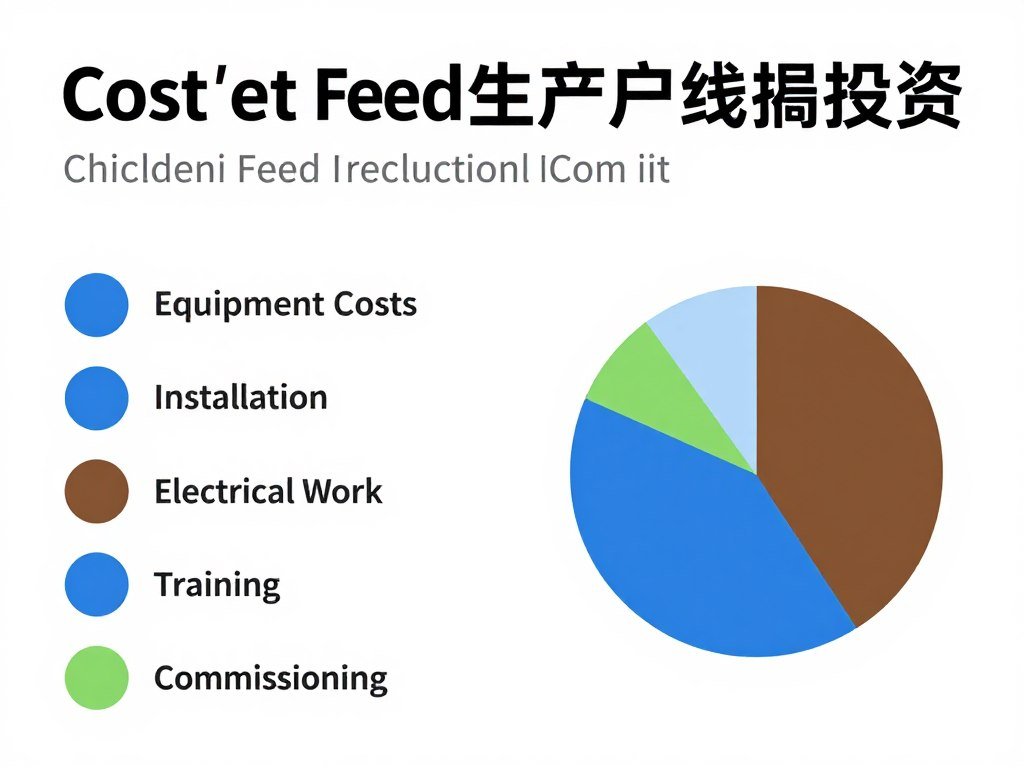
Equipment costs represent sixty to seventy percent of your total investment. A complete five-ton-per-hour system includes the primary crusher, mixer, pellet mill, cooler, and auxiliary components. MAIKONG’s MK-L004 configuration for this capacity range carries a factory price between seventy thousand and two hundred fifty thousand USD, depending on automation level and material specifications. Stainless steel contact surfaces cost fifteen to twenty percent more than carbon steel but extend equipment life significantly in humid Philippine climates.
Primary Cost Components
- Main production equipment (60-70%)
- Electrical control systems (8-12%)
- Installation and commissioning (10-15%)
- Shipping and logistics (5-8%)
- Training and documentation (2-3%)
Optional Upgrades
Automation packages add ten to fifteen thousand USD but reduce labor requirements by forty percent. Dust collection systems cost five to eight thousand USD yet become mandatory for operations near residential areas. Steam boilers for pellet conditioning range from eight to twenty thousand USD based on capacity, with Philippine propane or diesel fuel options available.
Installation expenses vary by site conditions and local labor rates. Philippine electrical contractors charge fifty to seventy-five USD per hour for three-phase power installation and motor connections. Civil works including equipment foundations, elevated platforms, and conveyance supports typically cost eight to twelve thousand USD for a five-ton system. MAIKONG provides detailed installation drawings that Philippine contractors use for accurate local quotations.
Shipping from our GD Province facility to Manila typically requires three to four weeks ocean freight. Container rates fluctuate seasonally but average two thousand five hundred to four thousand USD for a five-ton system. Provincial installations beyond Metro Manila incur additional inland transport costs of five hundred to one thousand five hundred USD depending on distance and road conditions.
Training and commissioning services ensure your operators maximize equipment performance from day one. MAIKONG includes five days of on-site training covering operation, maintenance, and troubleshooting procedures. Additional training for formula optimization and quality control costs two thousand USD but dramatically improves feed conversion ratios and reduces ingredient waste.
OEM and ODM Customization for Philippine Chicken Feed Production Line Needs
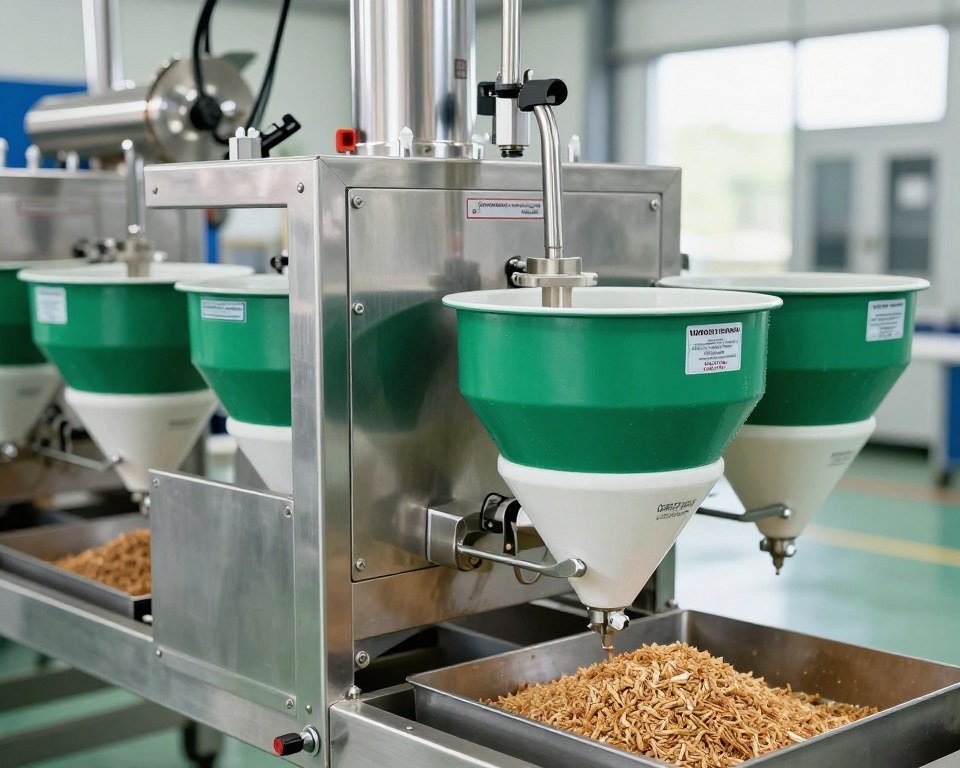
Philippine electrical infrastructure operates on 220V single-phase or 380V three-phase systems, different from many equipment manufacturing regions. MAIKONG configures all motors and control systems specifically for Philippine voltage standards. This attention to electrical compatibility prevents the costly transformer installations required when importing generic equipment designed for different power systems.
Local feed ingredients require specific processing adaptations. Philippine copra meal has higher oil content than imported alternatives, affecting pellet binding characteristics. Our engineers adjust die specifications and conditioning parameters for optimal results with locally-sourced copra, rice bran, and fishmeal. These ingredient-specific customizations reduce pellet breakage and improve feed conversion efficiency.
Pellet Size Options
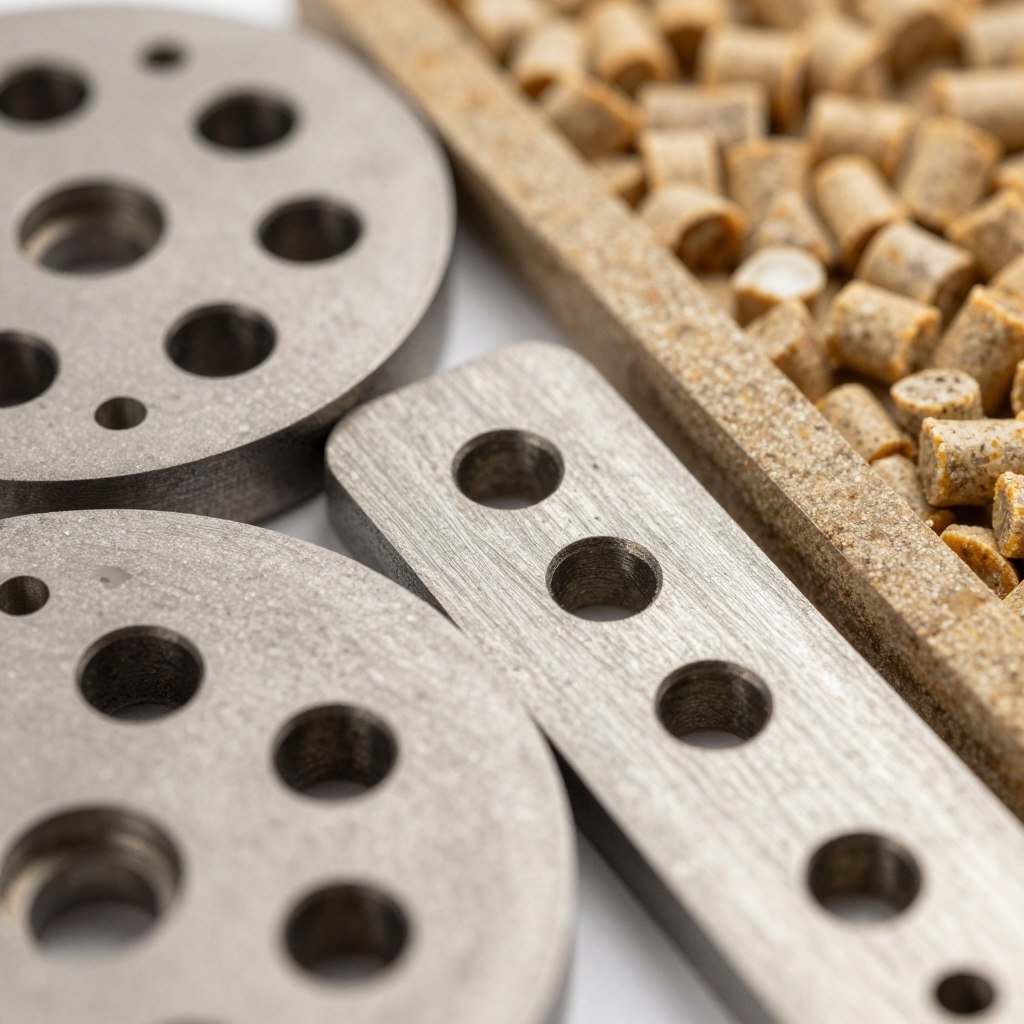
Die configurations produce pellets from 2mm for chicks through 8mm for mature broilers. Quick-change die systems allow production of multiple pellet sizes on the same line, matching different age groups in your flock.
Climate Protection
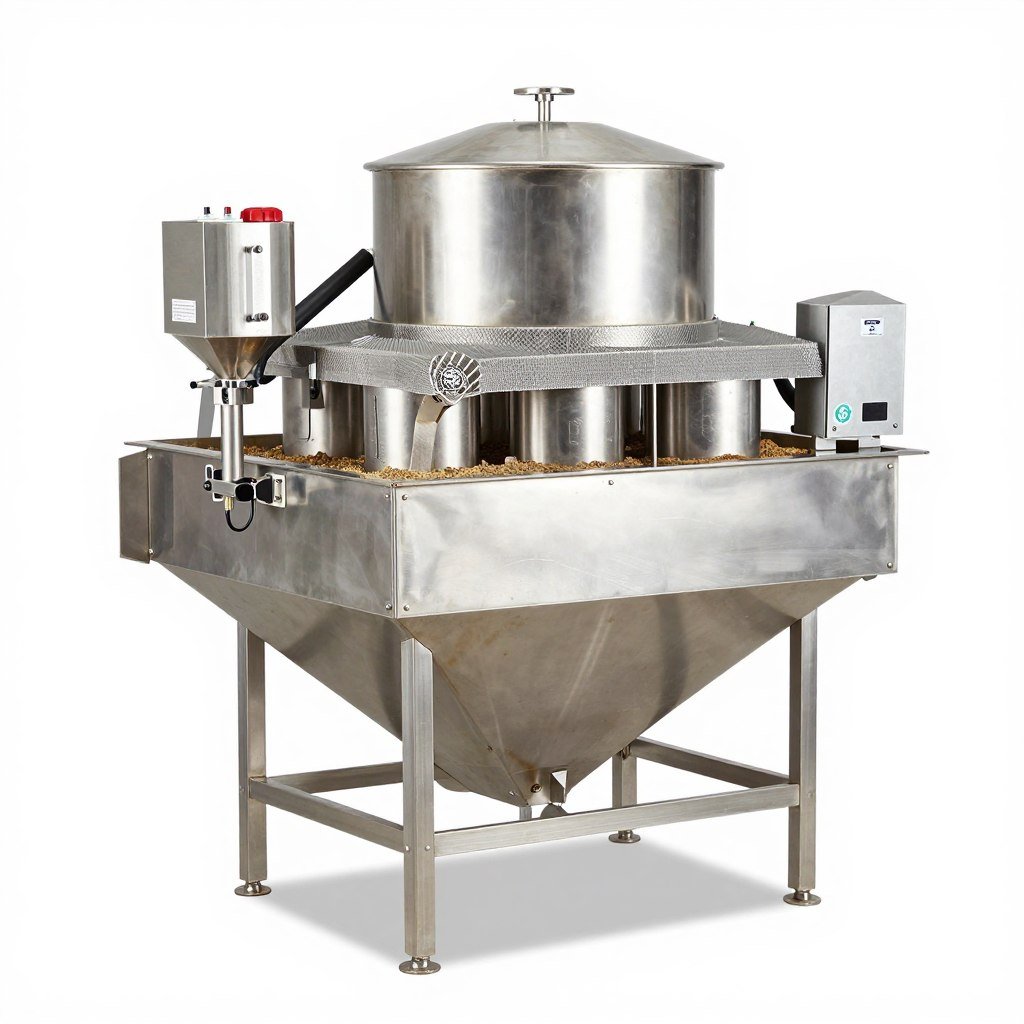
Tropical humidity requires enhanced corrosion protection. Stainless steel construction in critical areas and marine-grade powder coating prevent rust formation during the monsoon season when humidity exceeds eighty-five percent.
Automation Levels
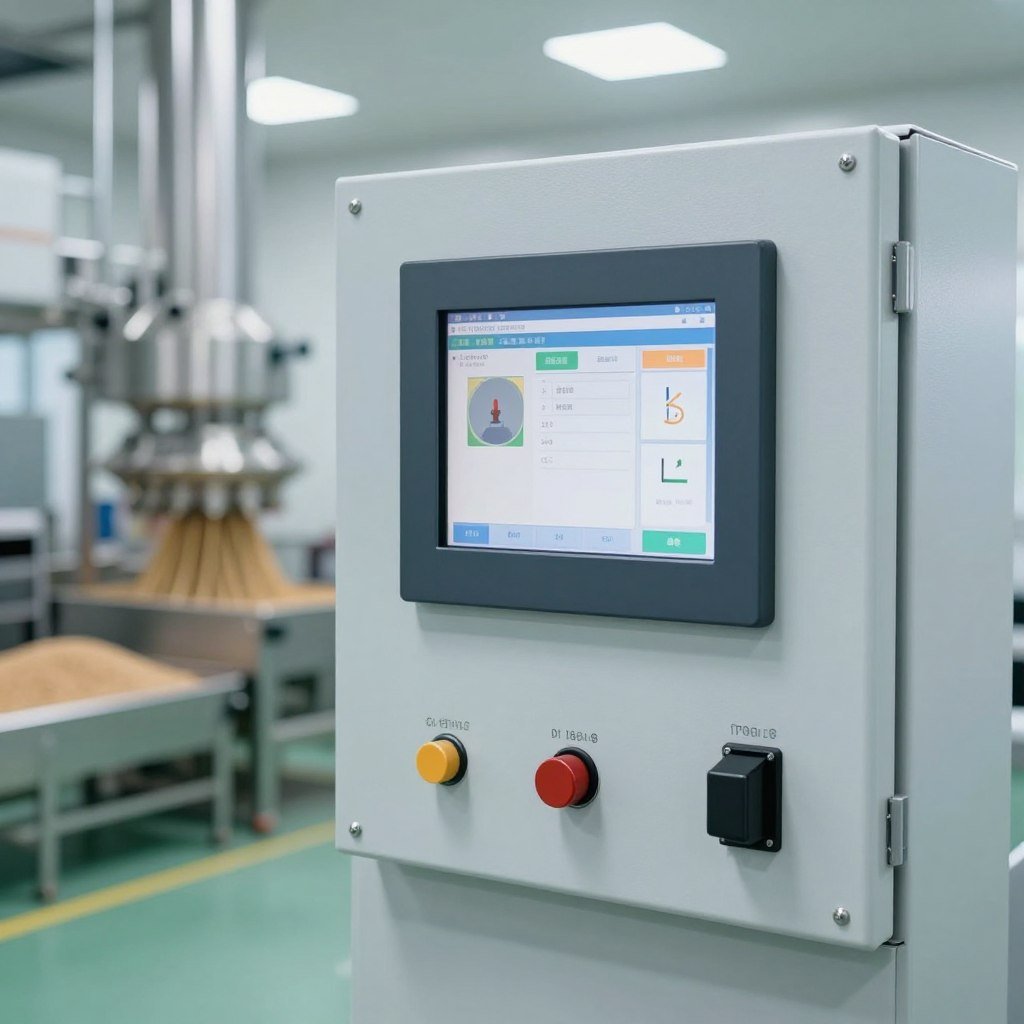
Choose from manual batching, semi-automatic, or fully automated systems. PLC control with touchscreen interfaces reduces operator error while maintaining production records for quality management and inventory tracking.
Production efficiency customization matches your operational schedule. Philippine farms often operate single shifts due to labor availability, requiring equipment that reaches full production quickly without extensive warm-up periods. MAIKONG designs start-up sequences that achieve stable production within fifteen minutes, minimizing unproductive time at shift beginning.
Brand identity matters for commercial feed producers. OEM services include custom equipment colors, logo placement, and branded control panels. Feed distributors who purchase MAIKONG production lines can market products as manufactured on their own equipment, building brand value without disclosing the equipment source.
Proven Chicken Feed Pellet Production Line Installations Worldwide
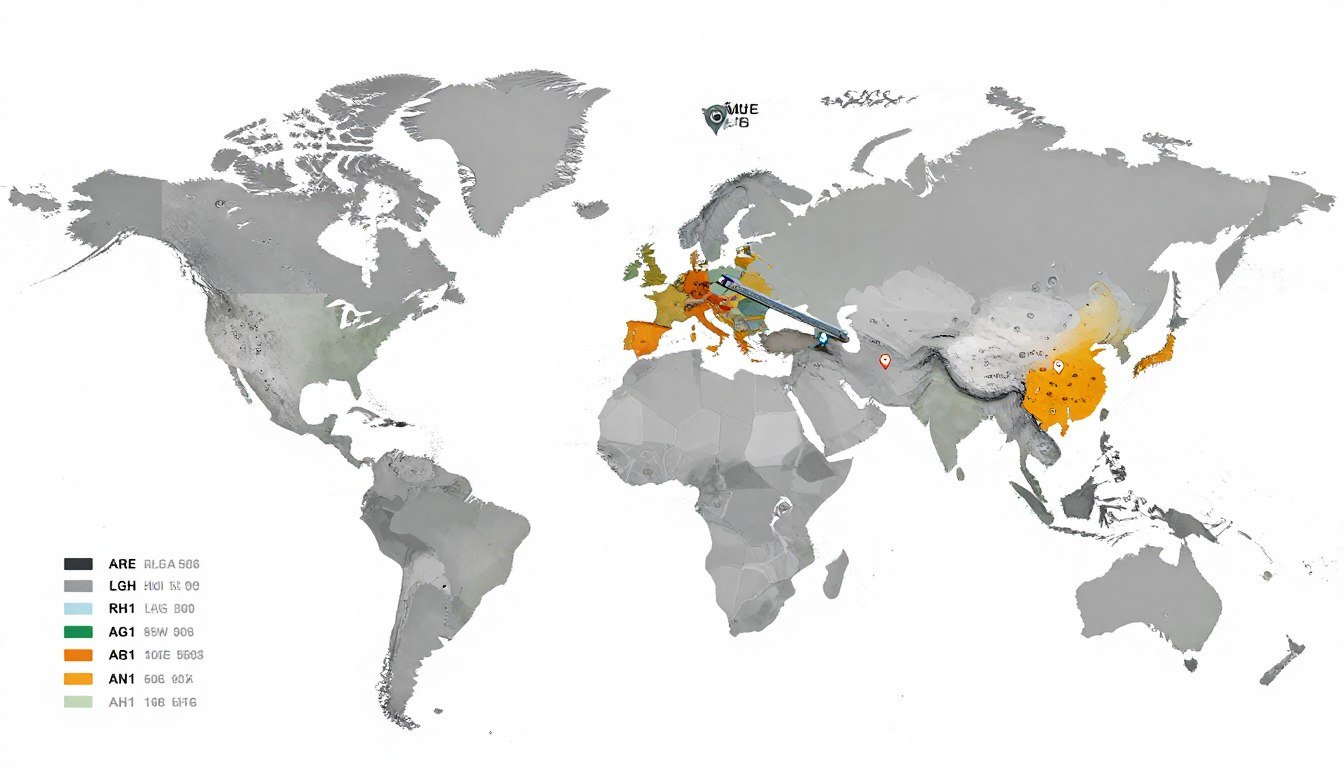
MAIKONG has completed over five hundred chicken feed production line installations across thirty-two countries during our twenty-two-year manufacturing history. The Philippine market represents our strongest Southeast Asian presence, with twelve operational facilities ranging from two-ton hourly systems in Cavite to twenty-ton installations serving Visayan cooperatives. These projects demonstrate proven performance under tropical conditions matching Philippine climate challenges.
| Region | Capacity Range | Representative Projects | Climate Conditions |
| Southeast Asia | 1-25 T/H | 12T/H Philippines, 5T/H Malaysia, 10T/H Thailand | Tropical, High Humidity |
| Middle East | 15-20 T/H | 16T/H UAE, 15T/H Saudi Arabia, 10T/H Iraq | Arid, Extreme Heat |
| Africa | 1-15 T/H | 5T/H Kenya, 10T/H Algeria, 12T/H Morocco | Variable, Dust Exposure |
| Latin America | 5-25 T/H | 25T/H Mexico, 5T/H Peru, 15T/H Argentina | Diverse Climates |
| Eastern Europe | 10-40 T/H | 30T/H Russia, 40T/H Kazakhstan, 25T/H Vietnam | Cold Winters |
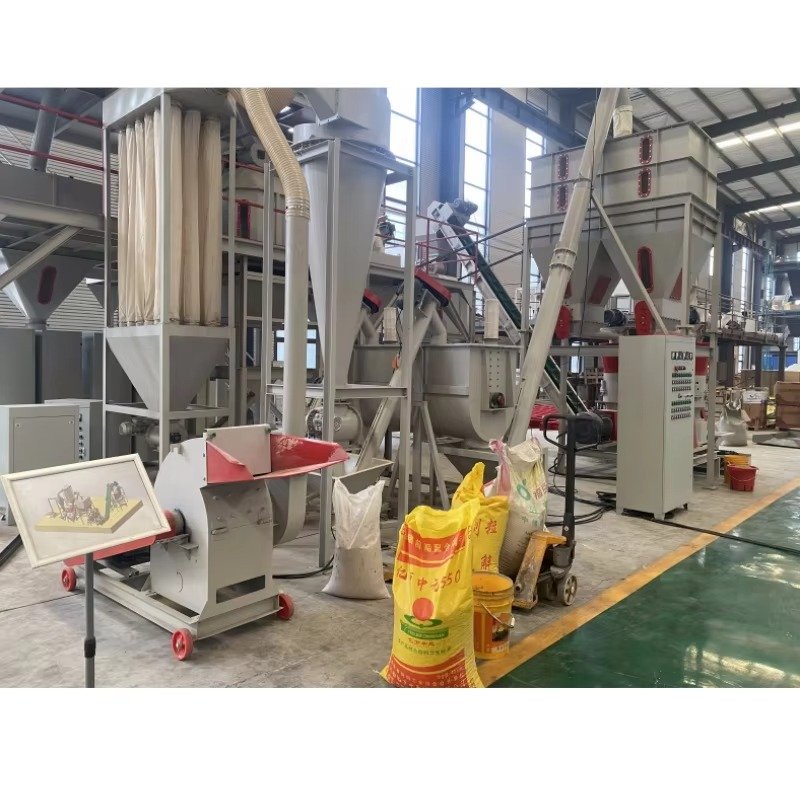
The twelve-ton-per-hour facility in Central Luzon serves as our Philippine reference installation. This cooperative-owned operation processes local corn, copra meal, and imported soybean meal for fifteen member farms totaling eighty thousand layers. Operating costs average one point two USD per ton of finished feed, delivering thirty-five percent savings compared to commercial feed purchases. The payback period for their three hundred thousand USD investment reached eighteen months through feed cost reduction alone.
African installations demonstrate equipment durability under challenging conditions. Our five-ton system in Kenya operates in an area with unreliable grid power, utilizing an integrated generator backup system. After four years of continuous operation in dusty conditions, the installation maintains original production capacity with only routine maintenance. This reliability record validates our equipment design for demanding environments similar to rural Philippine agricultural settings.
“MAIKONG’s technical support made the difference. When we encountered pellet quality issues with our local rice bran, their engineers remotely diagnosed the problem and adjusted our conditioning parameters. Production stabilized within two days without a site visit.”
Middle Eastern projects showcase climate adaptation engineering. The sixteen-ton UAE installation operates in ambient temperatures exceeding forty-five degrees Celsius. Enhanced cooling systems and temperature-compensated control algorithms maintain consistent pellet quality despite extreme heat. These same technologies benefit Philippine installations during the dry season when daytime temperatures stress conventional equipment.
Calculating ROI for Your Chicken Feed Production Line Investment
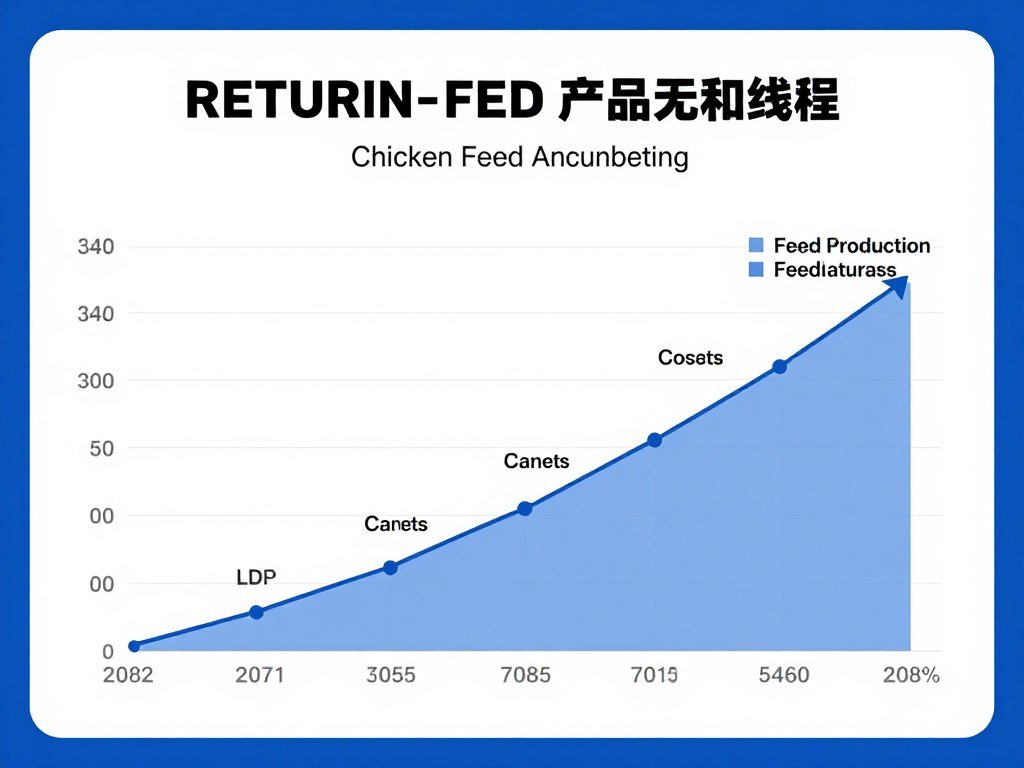
Philippine commercial feed prices range from eighteen to twenty-four pesos per kilogram for quality broiler and layer formulations. A five-thousand-bird layer operation consuming one hundred twenty kilograms daily spends two thousand four hundred pesos on commercial feed. Over one year, this totals eight hundred seventy-six thousand pesos, representing a substantial operational expense that affects overall farm profitability.
Operating your own chicken feed production line reduces per-kilogram costs to ten to thirteen pesos. The same five-thousand-bird operation producing feed on-site spends approximately one thousand four hundred forty pesos daily on ingredients and processing. Annual feed costs drop to five hundred twenty-five thousand six hundred pesos, creating three hundred fifty thousand pesos in savings. These calculations assume local ingredient prices without major market disruptions.
Commercial Feed Costs
- Purchase price: ₱22/kg average
- Transportation surcharges
- Minimum order quantities
- Limited formula customization
- Price volatility exposure
- Annual cost: ₱876,000
On-Site Production Costs
- Raw ingredients: ₱9.50/kg
- Electricity: ₱1.20/kg
- Labor: ₱0.80/kg
- Maintenance: ₱0.30/kg
- Total: ₱11.80/kg
- Annual cost: ₱525,600
Your Annual Savings
- Cost reduction: ₱350,400
- Quality control improvement
- Formula flexibility gains
- Reduced dependency risk
- Inventory management control
- Competitive advantage
Equipment investment payback depends on production volume and utilization rate. A five-ton-per-hour system costing one hundred fifty thousand USD serves operations consuming fifteen to twenty tons daily. At three hundred fifty thousand pesos annual savings, the payback period extends to approximately twenty-four to thirty months. Higher utilization accelerates payback proportionally.
Additional revenue opportunities enhance ROI calculations. Farms with excess production capacity often sell finished feed to neighboring farms or operate as contract manufacturers. Philippine feed sales generate margins between two to four pesos per kilogram above production cost. A system producing twenty tons daily with fifty percent utilization for external sales adds five hundred forty thousand to one million pesos annual revenue.

Quality improvements deliver indirect financial benefits. Consistent pellet size and uniform nutrient distribution improve feed conversion ratios by eight to twelve percent. For a five-thousand-bird operation, this efficiency gain saves approximately forty thousand pesos annually in reduced feed waste. Better gut health from fresh feed reduces medication costs and mortality rates.
Calculate Your Exact ROI
MAIKONG provides customized ROI calculators using your specific flock size, current feed costs, and local ingredient prices. Receive a detailed financial analysis showing payback period, annual savings, and five-year cost projections within forty-eight hours.
Become a MAIKONG Chicken Feed Production Line Distributor in the Philippines
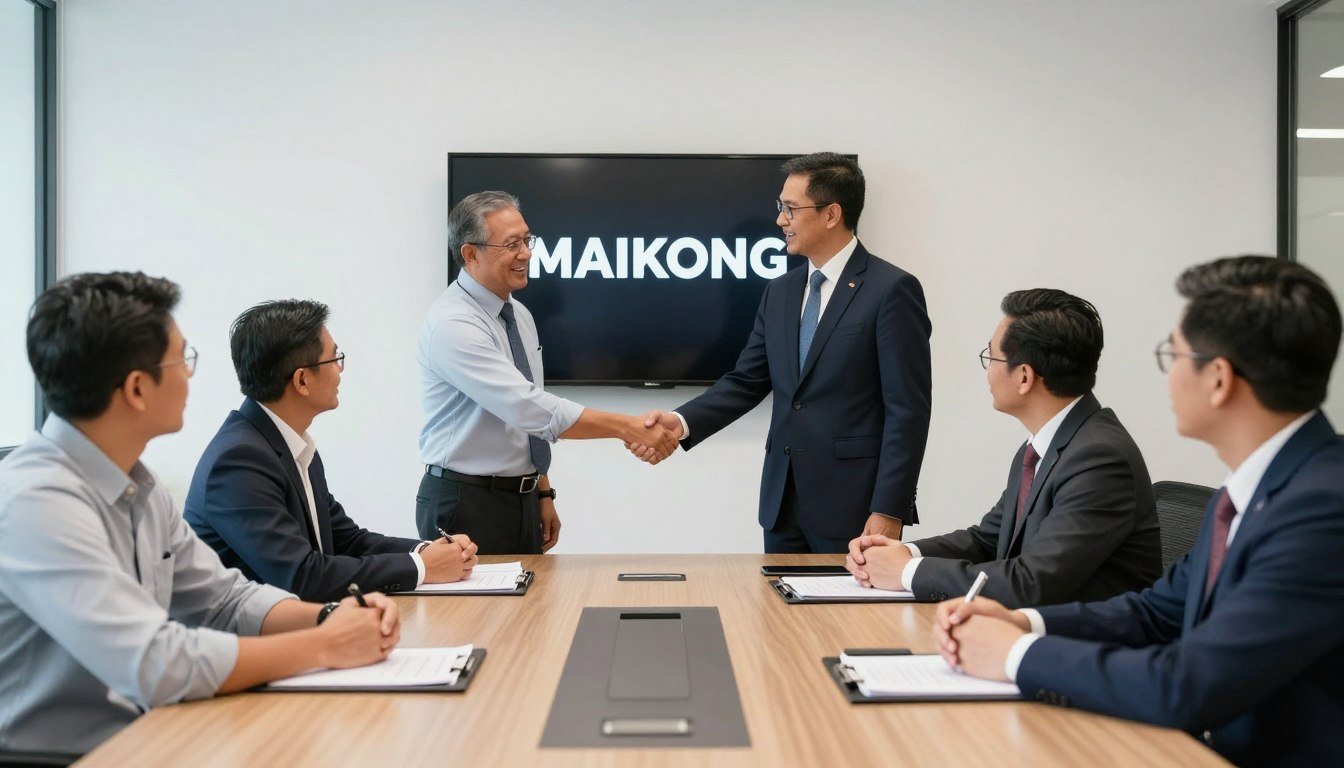
The Philippine poultry industry continues expanding as domestic meat and egg demand grows. MAIKONG seeks qualified distributors and agents across Luzon, Visayas, and Mindanao to serve this growing market. Our distributor partnerships provide exclusive territory rights, technical training, marketing support, and competitive margins that build profitable long-term businesses.
Ideal distributor partners bring agricultural equipment sales experience, established customer relationships in the poultry sector, and technical service capabilities. MAIKONG provides comprehensive product training at our GD facility, covering equipment operation, maintenance procedures, and troubleshooting protocols. This knowledge transfer enables distributors to provide high-quality local support that customers value.
Distributor Benefits
- Exclusive territory protection
- Factory-direct pricing with attractive margins
- Technical training and certification
- Marketing materials and sales support
- Spare parts inventory support
- Co-op advertising programs
- Lead generation assistance
- OEM branding options
Partner Requirements
- Registered Philippine business entity
- Agricultural equipment sales experience
- Technical service infrastructure
- Minimum annual purchase commitment
- Customer financing relationships
- Warehouse and demo facility
- Qualified technical staff
- Market development investment
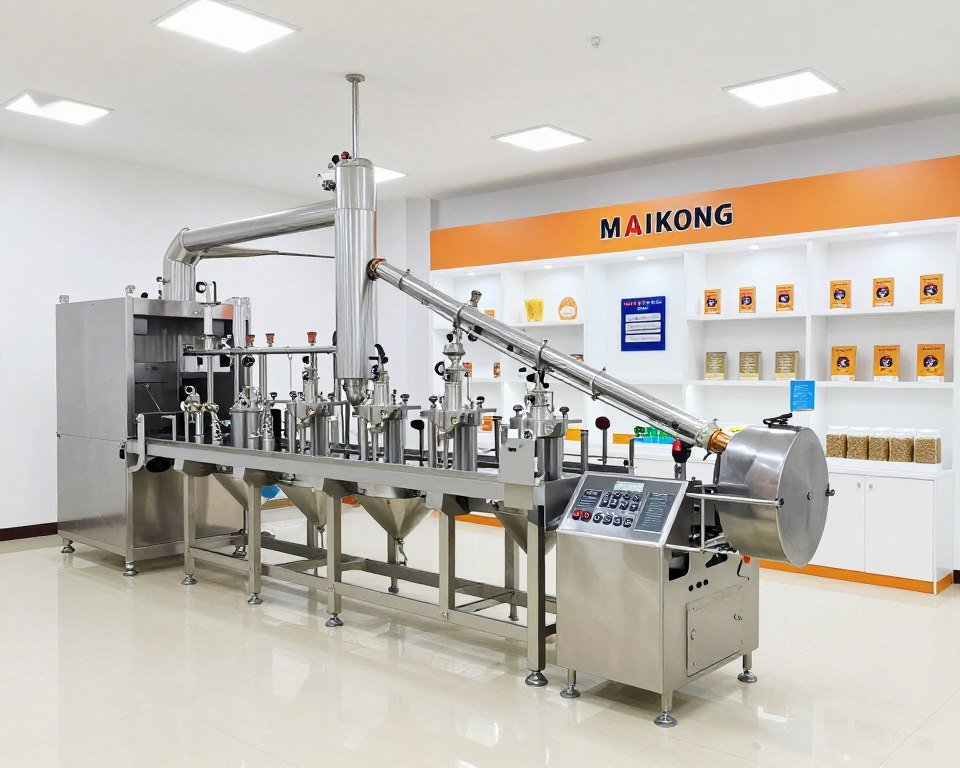
Marketing support includes product literature, technical specifications, case studies, and demonstration videos in English and Tagalog. MAIKONG maintains a comprehensive digital asset library that distributors access for local advertising campaigns, social media content, and customer presentations. Our marketing team assists with trade show participation and agricultural expo coordination.
Spare parts inventory support reduces customer downtime and builds service reputation. MAIKONG consigns initial spare parts inventory to qualified distributors, including wear components like hammer mill screens, mixer paddles, and pellet die assemblies. This local parts availability provides competitive advantage over importers requiring extended lead times for replacement components.
Apply for Exclusive Distribution Rights
Limited distributor territories remain available across the Philippines. Submit your company profile and territory interest for evaluation. MAIKONG responds to qualified applications within seventy-two hours to discuss partnership structure and requirements.
Making Your Chicken Feed Production Line Investment Decision
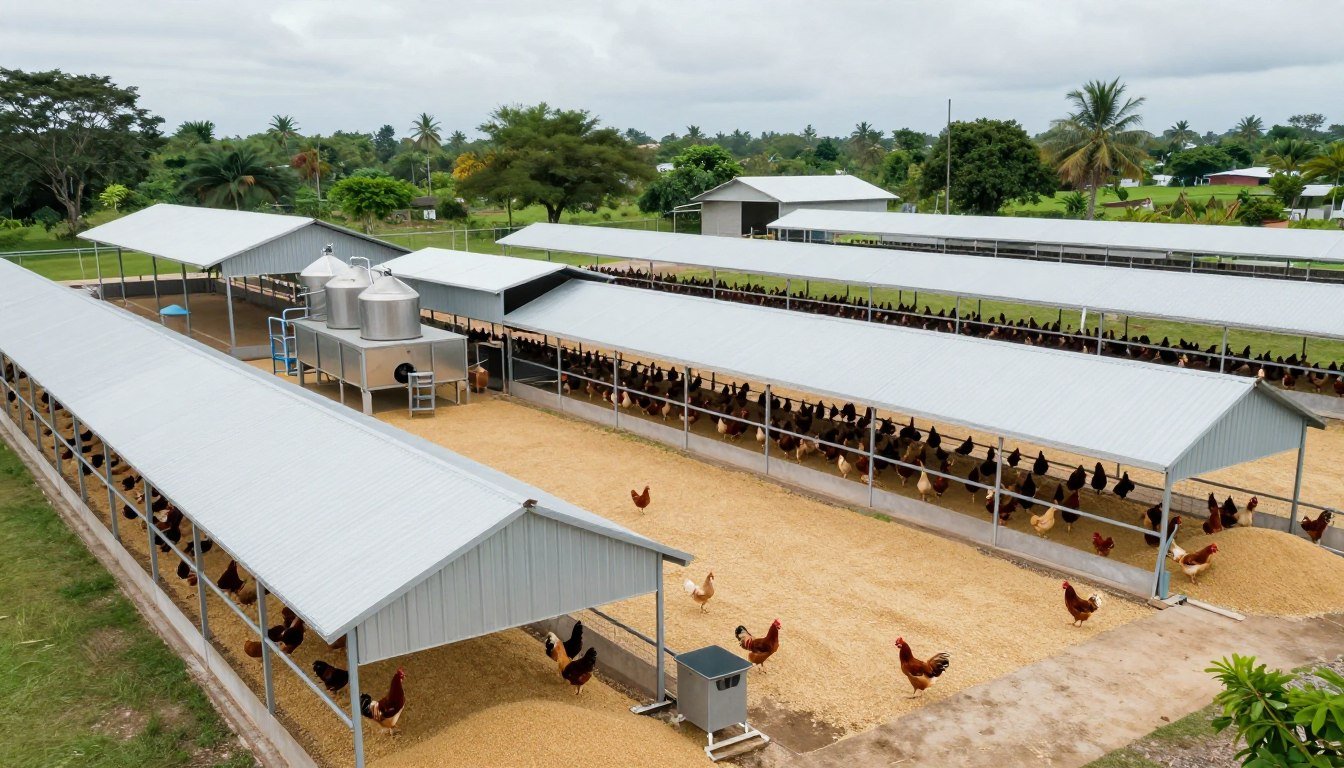
Investing in a chicken feed production line represents a strategic decision that affects your farm’s profitability for decades. Factory-direct pricing from MAIKONG eliminates unnecessary costs while ensuring you receive equipment specifically configured for Philippine operating conditions. Our twenty-two years of manufacturing experience and five hundred completed installations worldwide demonstrate proven reliability and performance.
The path forward begins with defining your production requirements. Contact MAIKONG’s technical team to discuss your flock size, feed consumption patterns, available space, and budget parameters. We provide detailed proposals showing exact equipment configurations, capacity calculations, power requirements, and comprehensive pricing. This information enables confident decision-making supported by accurate financial projections.
Technical support continues long after installation. MAIKONG maintains Philippines-based service representatives who provide remote troubleshooting, arrange spare parts delivery, and coordinate on-site service when necessary. Our commitment to customer success means your investment maintains value through reliable operation and professional support throughout the equipment lifecycle.
Contact MAIKONG Today
Email: Lucy@pelletmachine.ph
WhatsApp/Phone: 8613-51090-74-01
Website: pelletmachine.ph
Factory Location: SZ City, GD Province
Business Hours: Monday-Saturday, 8:00 AM – 6:00 PM PHT
Your success in the Philippine poultry industry depends on controlling costs while maintaining quality. A chicken feed pellet production line from MAIKONG delivers both advantages through proven technology, comprehensive support, and factory-direct value. Take the next step toward feed independence and improved farm profitability by contacting our team today.