Philippines Pellet Machine Manufacturer | OEM Feed Pellet Line Supplier
Pellet Machine Distributor Wanted in Philippines | MAIKONG Feed Machinery

» Products – Pellet Machine & Feed Pellet Production Line Solutions » MAIKONG Alfalfa Pellet Machine MK-002: Transform Your Feed Production in the Philippines
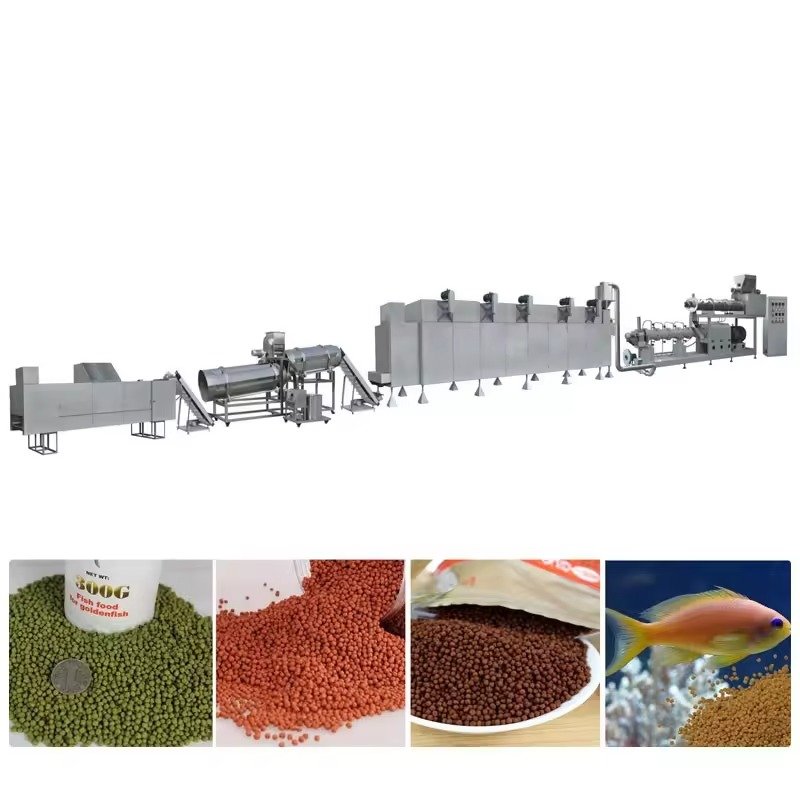
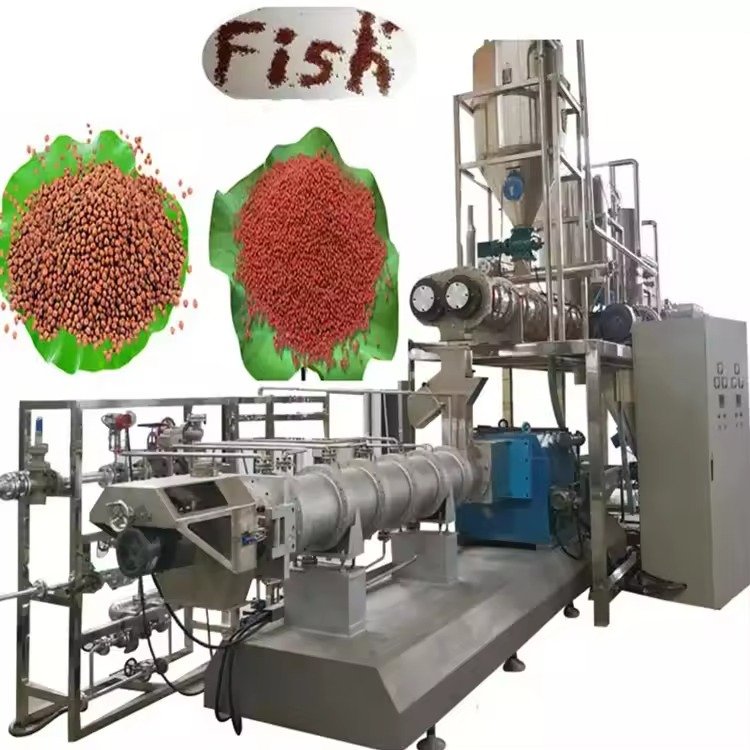
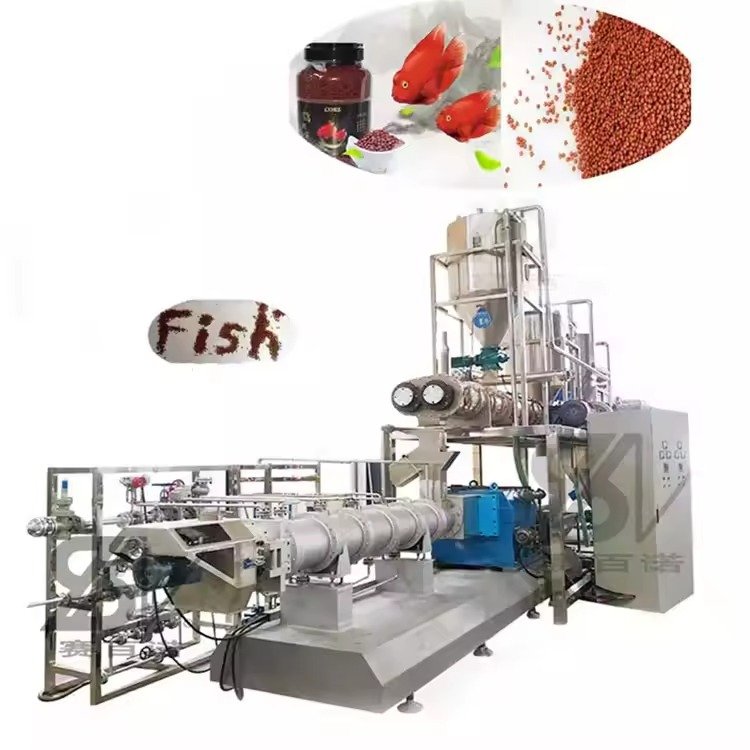
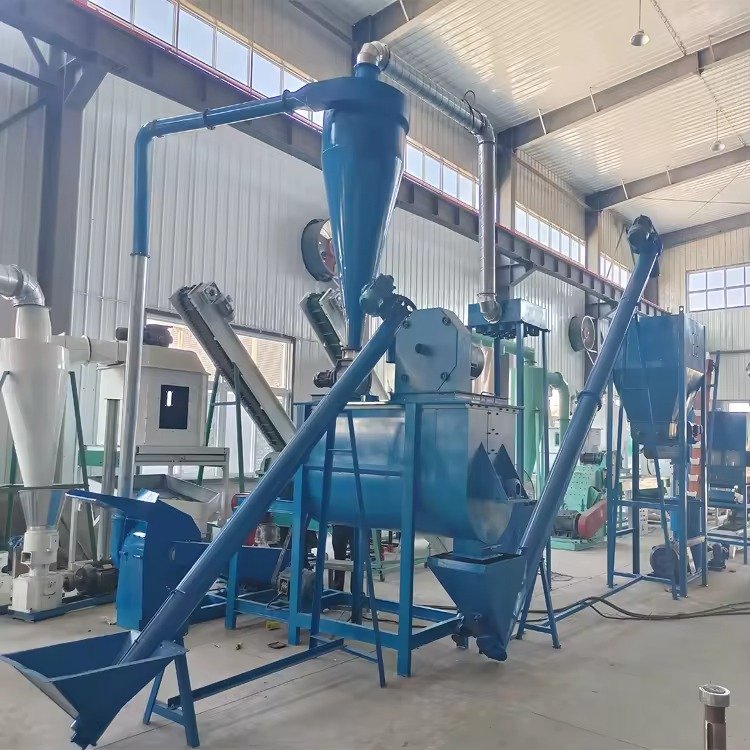
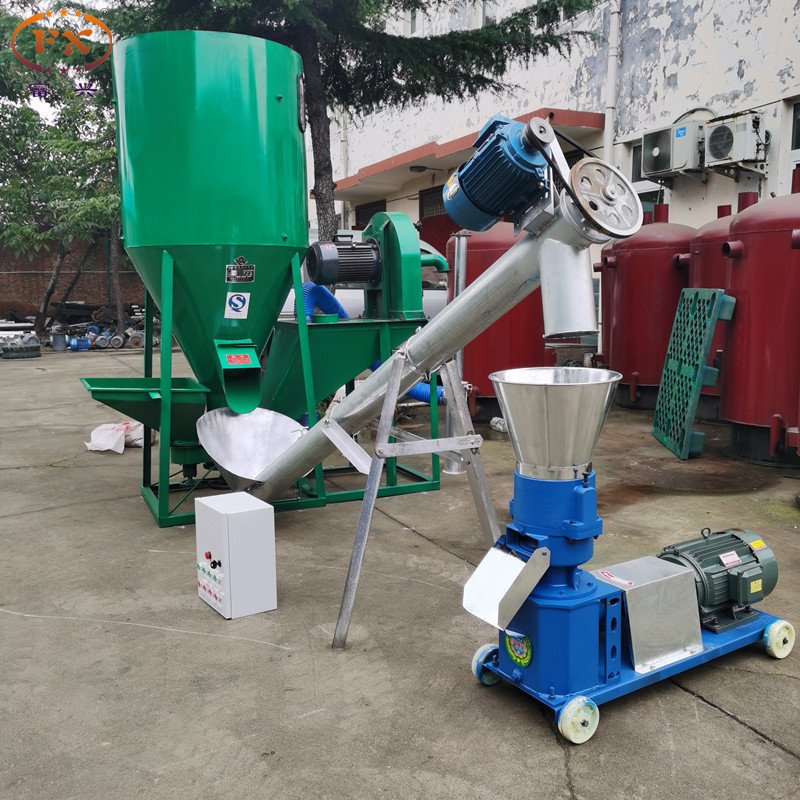
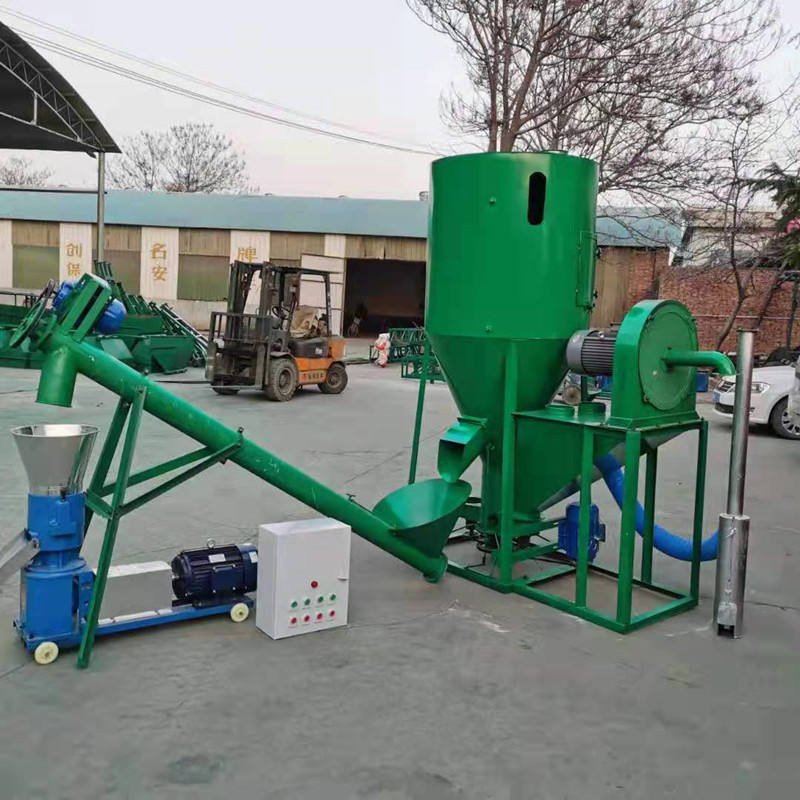
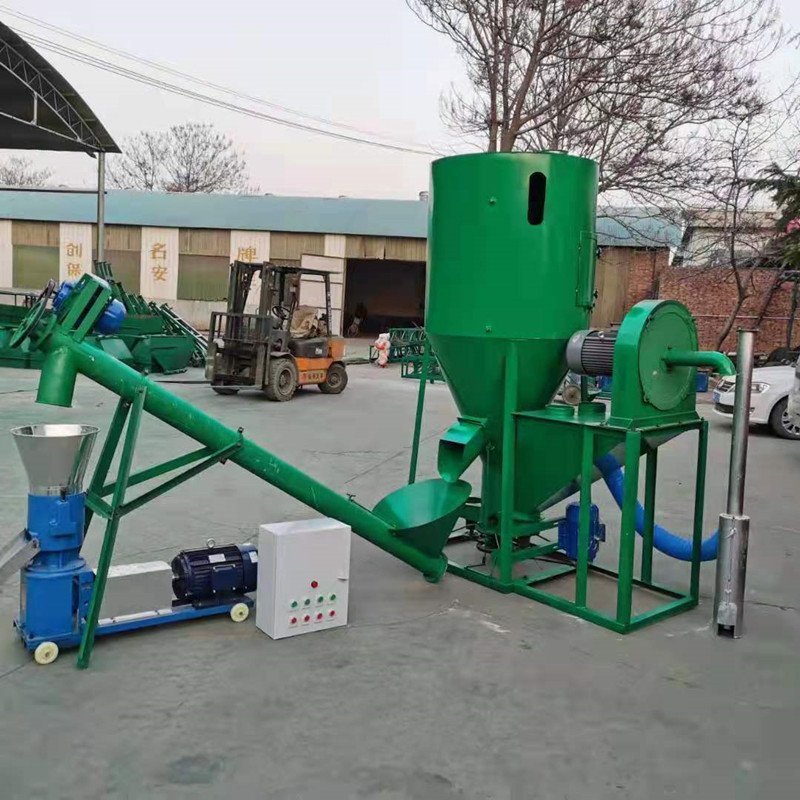
MAIKONG Alfalfa Pellet Machine MK-002: Transform Your Feed Production in the Philippines
CATEGORY AND TAGS:Products – Pellet Machine & Feed Pellet Production Line Solutions Request Your Quote Today
- Specifications
What Is an Alfalfa Pellet Machine and Why Your Farm Needs One
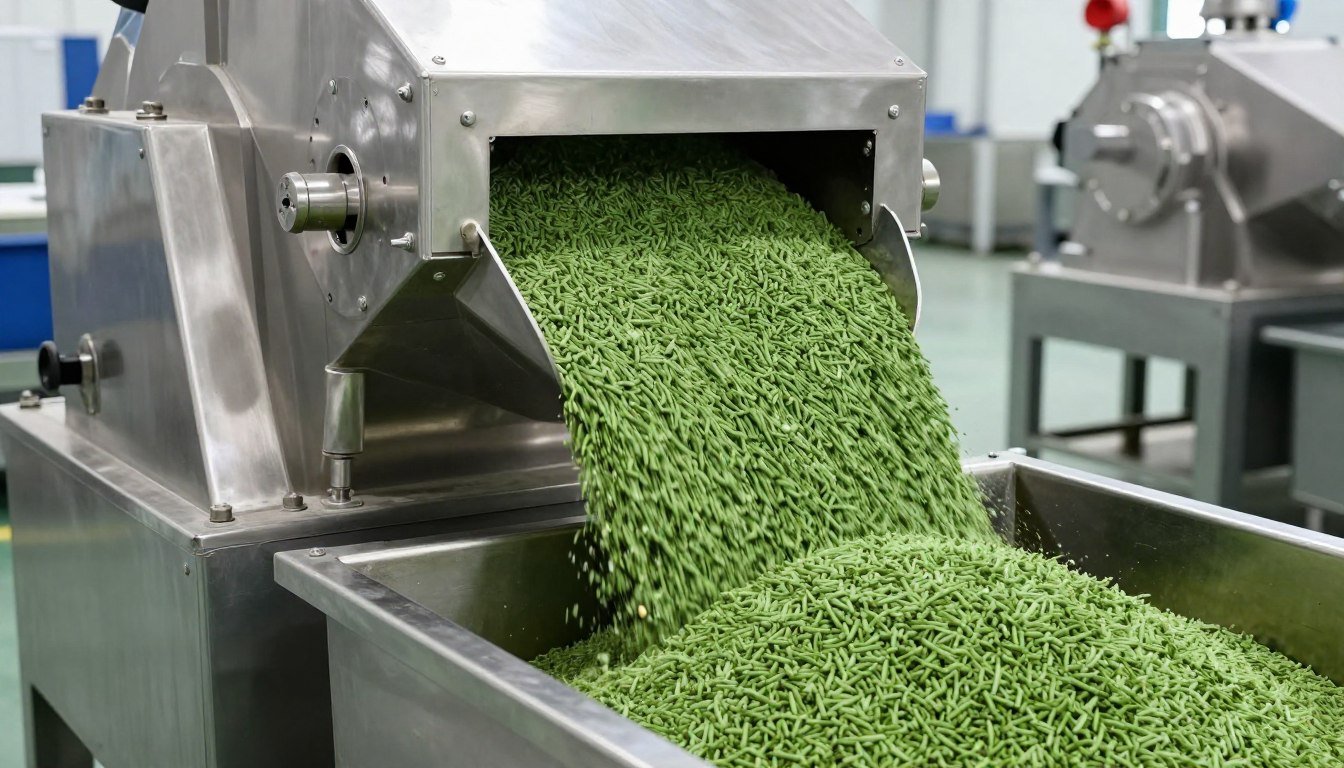
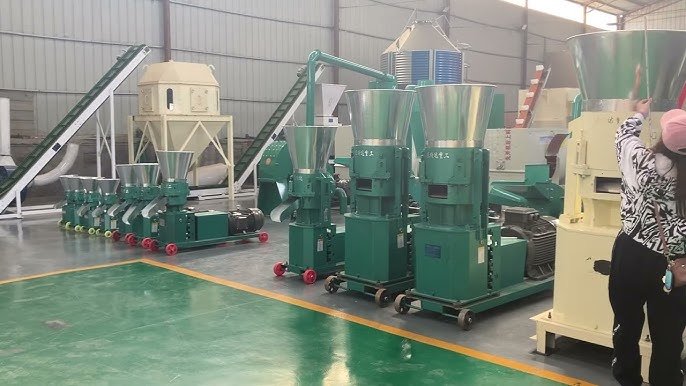
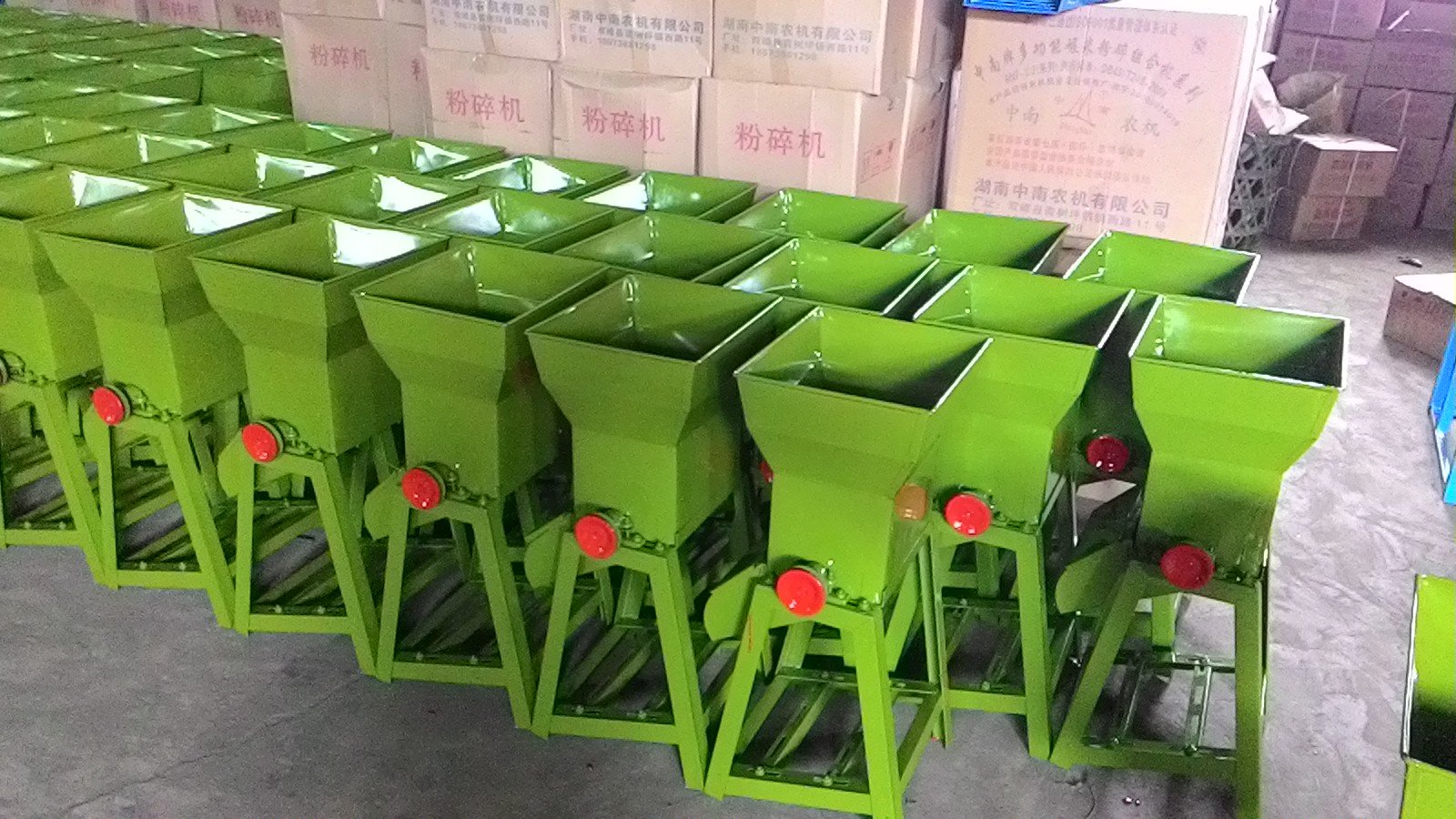
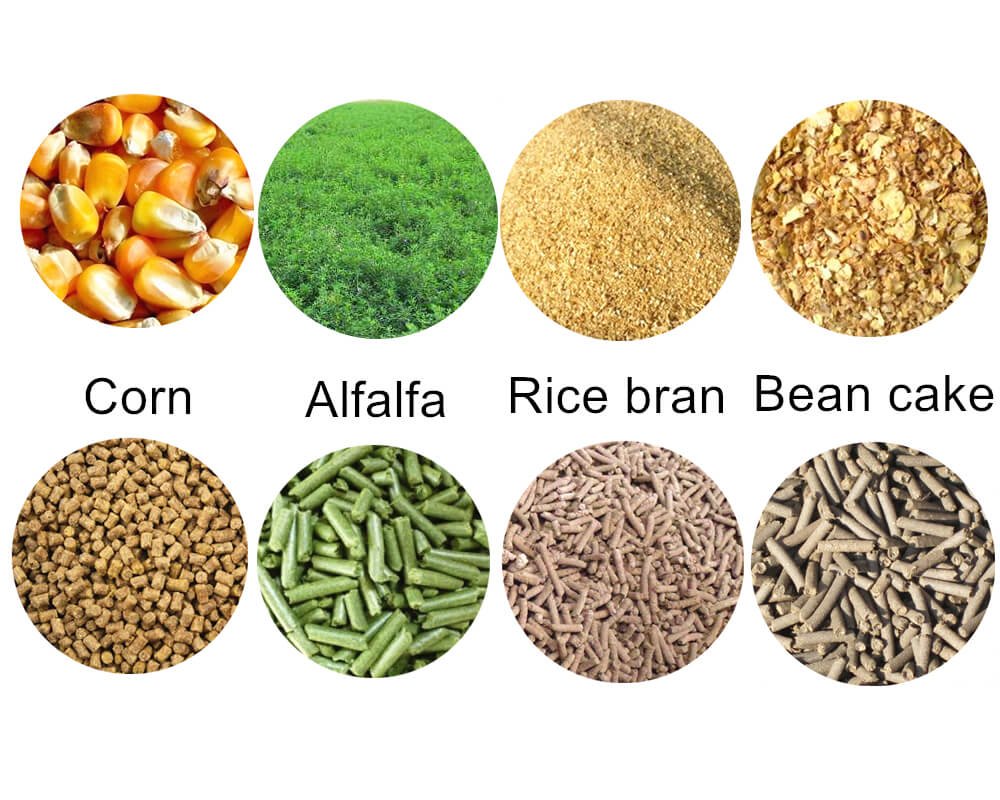
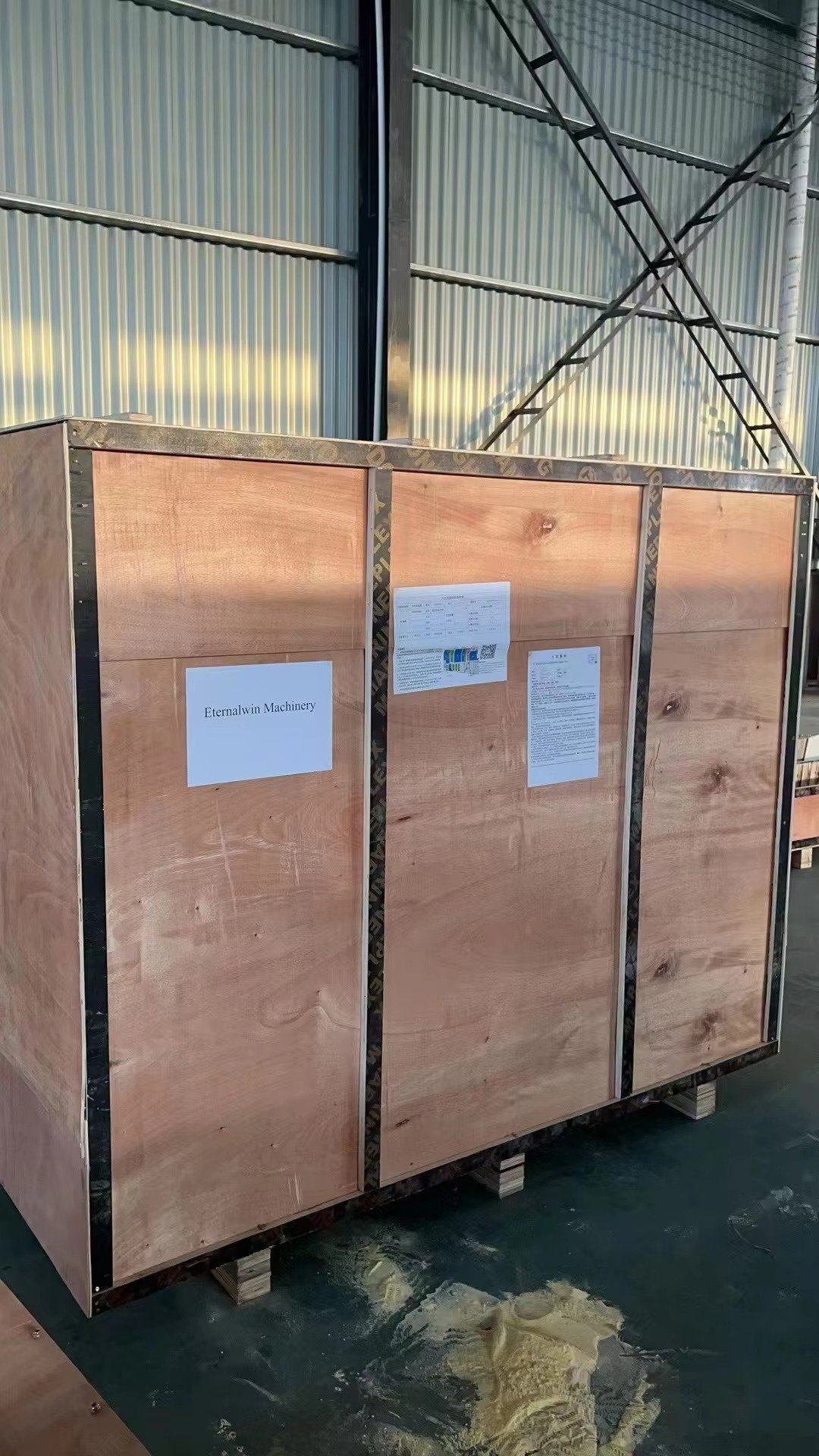
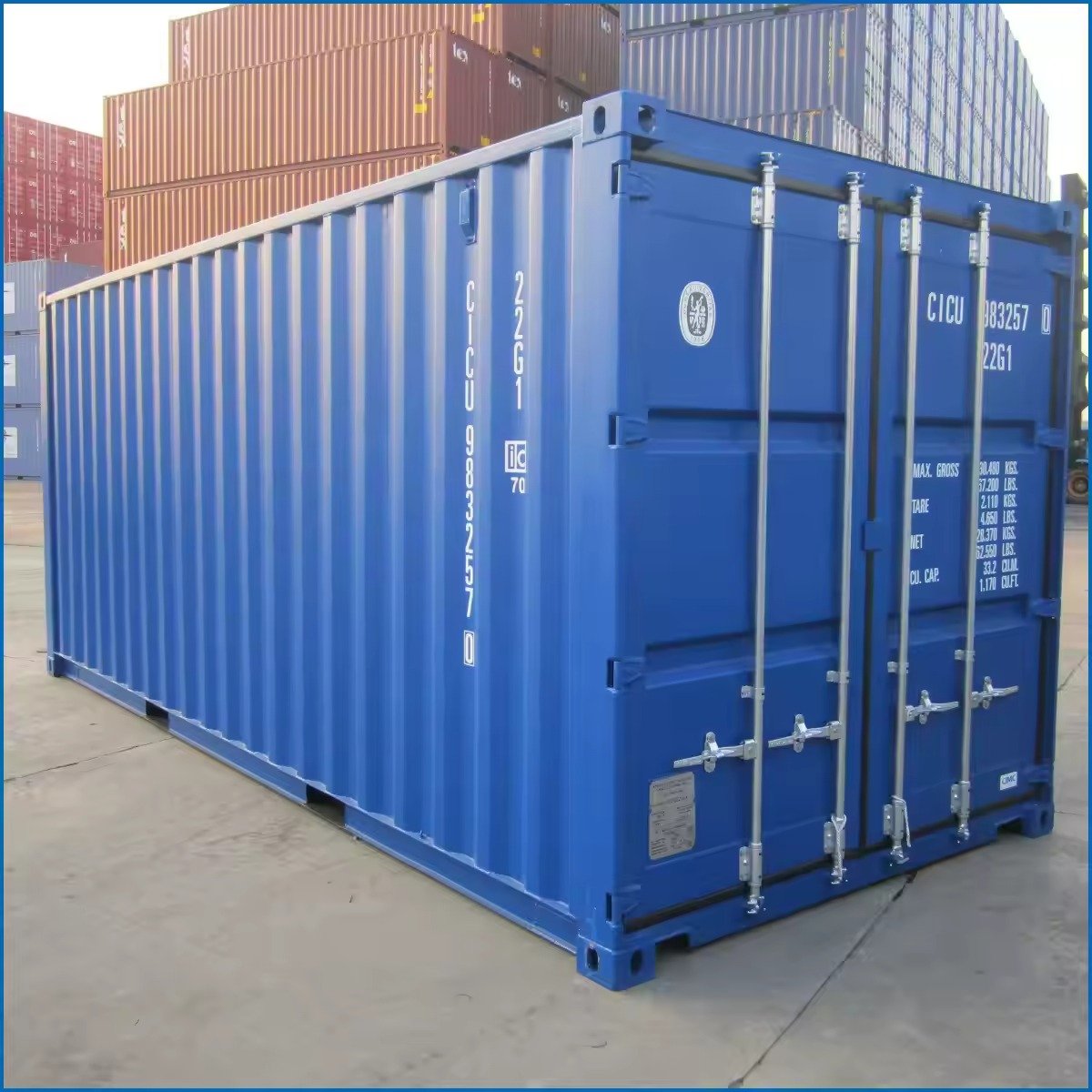 An alfalfa pellet machine compresses loose alfalfa hay, grass, and other forage materials into dense, uniform pellets. This process solves multiple problems Philippine farmers face daily.
The Challenge Without Pelletizing
Loose alfalfa and grass deteriorate quickly in tropical humidity. Animals waste up to 30% through selective feeding. Storage requires massive space. Transportation costs spike due to low bulk density.The Solution With Pellets
Compressed alfalfa pellets resist moisture and mold. Animals consume complete nutrition with zero waste. Storage space drops by 60%. Transport efficiency improves dramatically.MAIKONG MK-002 Alfalfa Pellet Machine Technical Specifications
Understanding equipment specifications helps you choose the right pellet machine for your production scale. The MK-002 balances capacity with affordability for small to medium operations.| Specification | MK-002 Details | Benefit for Your Operation |
| Model Number | MK-002 | Mid-range capacity for growing farms |
| Production Capacity | 300-500 kg/hour | Produces 2,400-4,000 kg per 8-hour shift |
| Motor Power | 22 kW (30 HP) | Efficient power consumption for Philippine electricity rates |
| Die Diameter | 320mm | Large die surface increases hourly output |
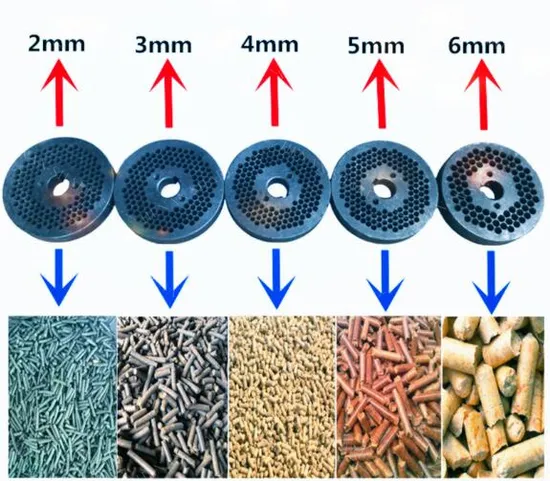
| Pellet Diameter Options | 4mm, 6mm, 8mm, 10mm, 12mm | Customize pellet size for different animals |
| Voltage Options | 220V/380V/440V (customizable) | Matches Philippine electrical standards |
| Machine Weight | 850 kg | Stable operation without excessive floor load |
| Dimensions (L×W×H) | 1,800mm × 800mm × 1,600mm | Fits standard Philippine farm building layouts |
| Main Material | Reinforced ABS housing, stainless steel contact parts | Resists tropical humidity and corrosion |
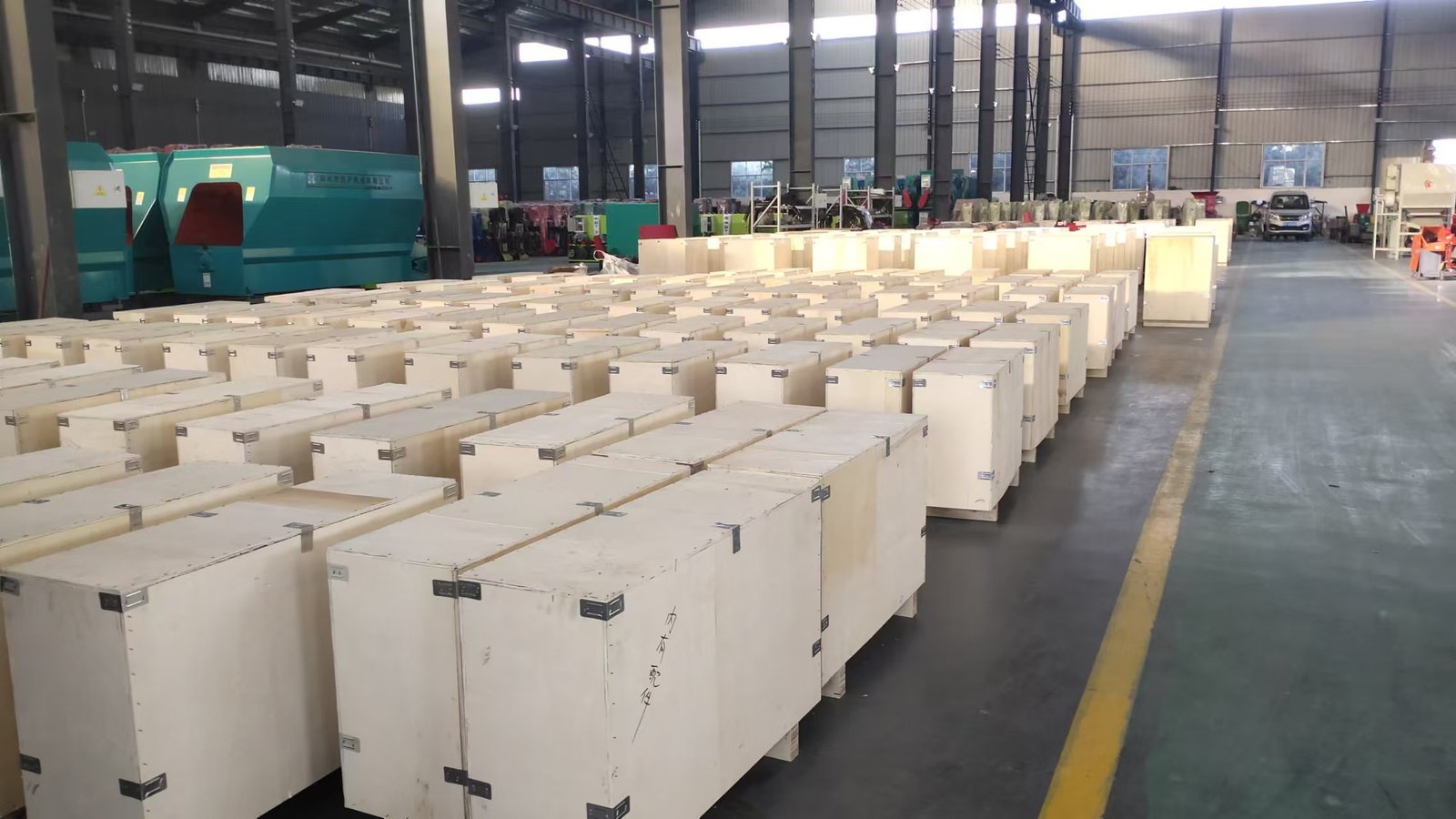
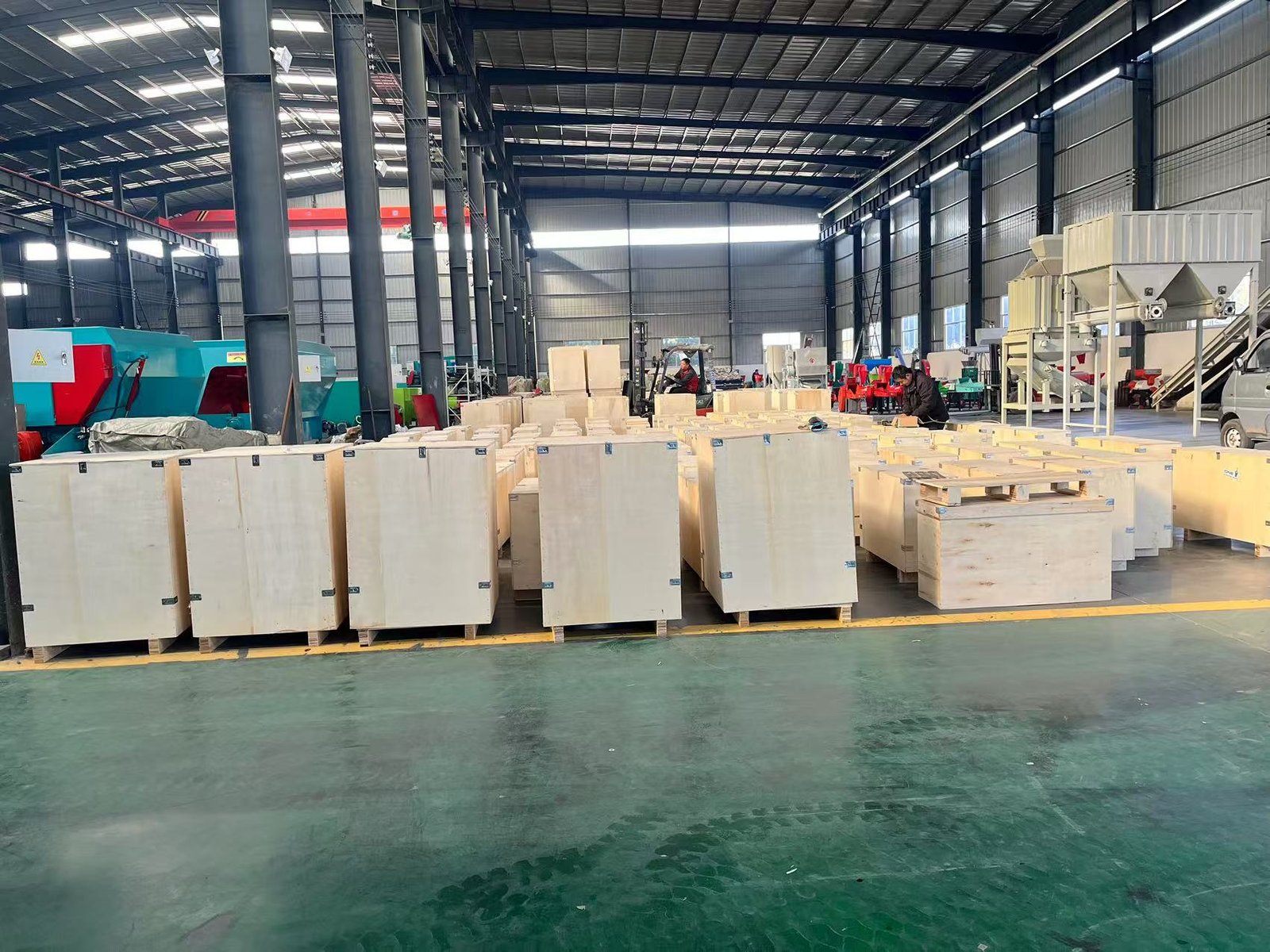
| Stock Availability | In stock - GD Province warehouse | Fast delivery to Philippine buyers |
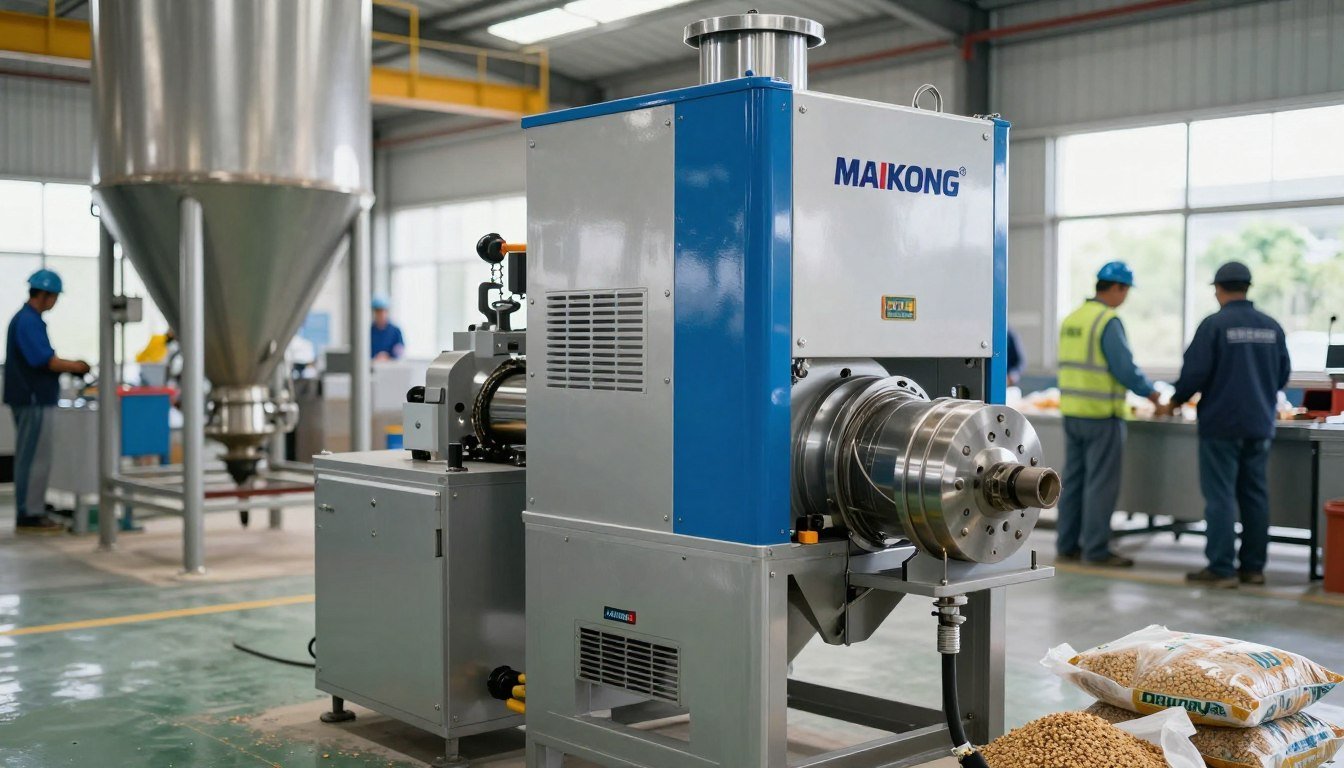
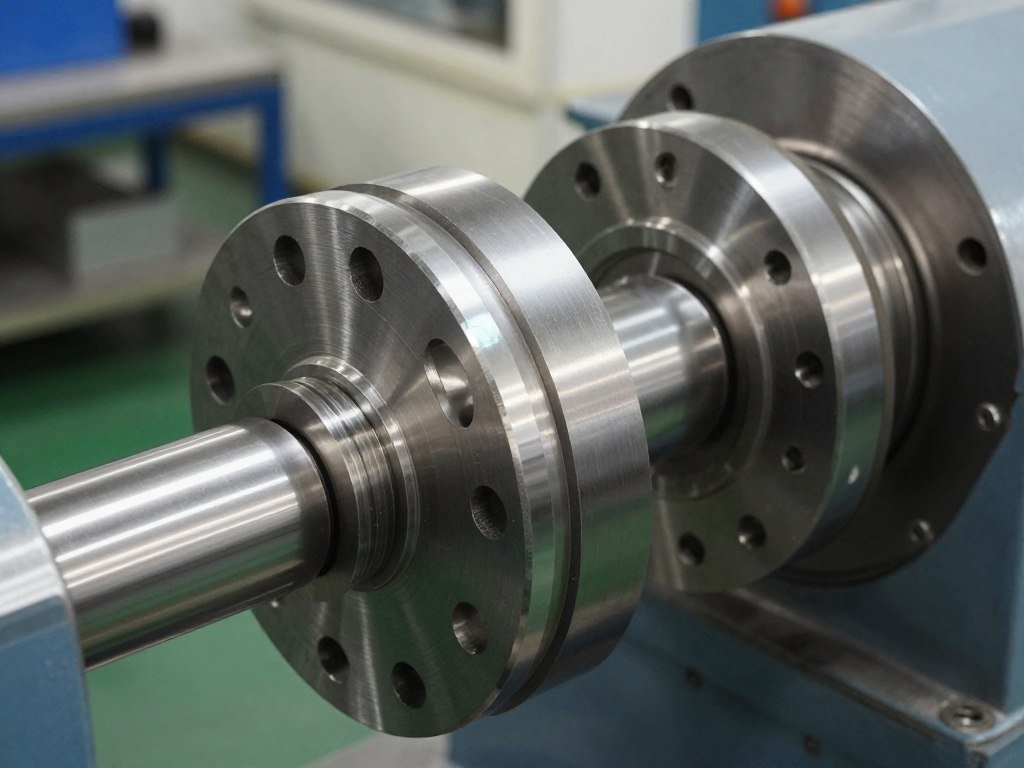 The MK-002 uses a ring die design rather than a flat die. This configuration delivers higher output and better pellet quality for commercial operations. The die rotates while stationary rollers press material through the holes.
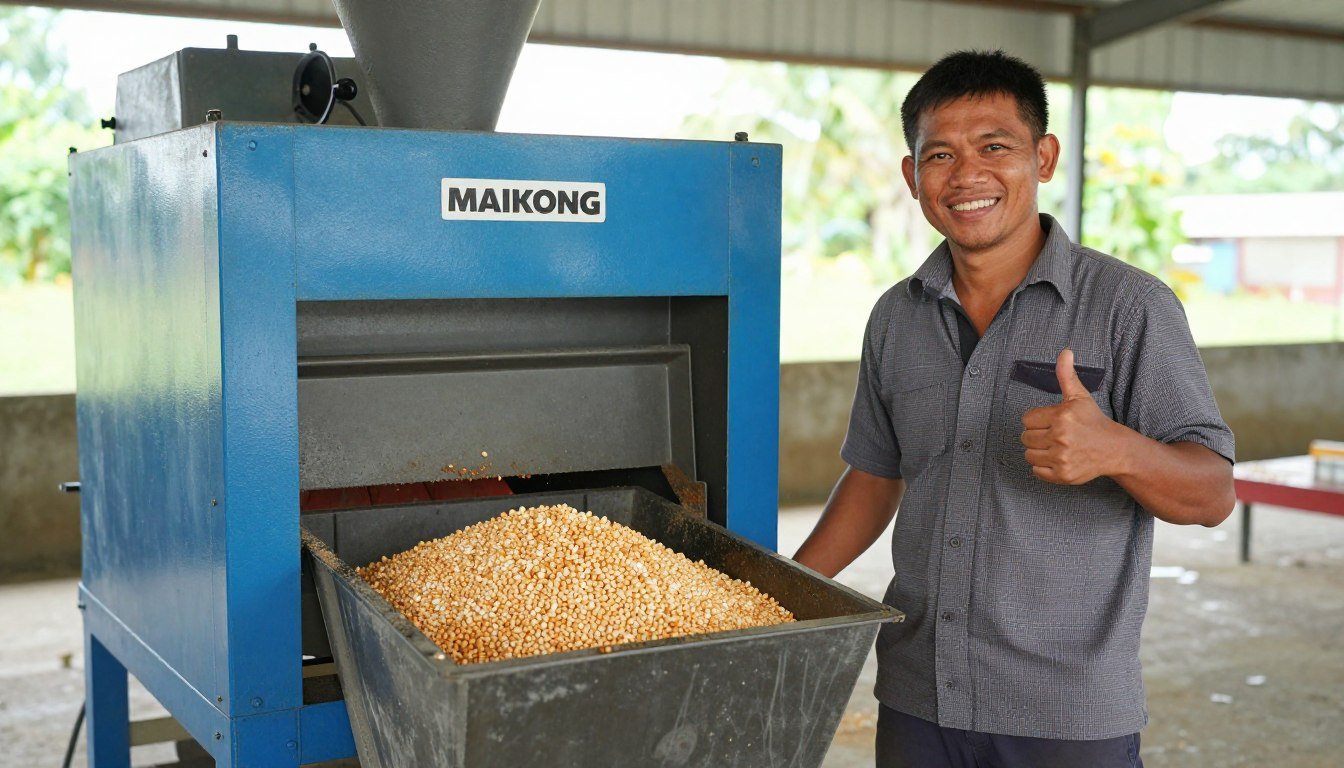
Philippine Farm Success: A 500-head cattle operation in Batangas province uses two MK-002 units to produce 6 tons of alfalfa pellets daily. They recovered their investment cost within 14 months through feed savings alone.
How the Alfalfa Pellet Machine Transforms Grass into Premium Feed
Understanding the pelleting process helps you optimize production and troubleshoot issues. The MAIKONG MK-002 follows a proven four-stage compression system.- Stage 1 - Material Preparation: Fresh or dried alfalfa enters through a large-diameter feeder. The moisture level should be 13-15% for optimal pelleting. Too wet creates mushy pellets; too dry produces dust.
- Stage 2 - Conditioning: Steam conditioning (optional on MK-002) raises material temperature to 65-75°C. This activates natural protein binders in alfalfa and softens fibrous grass for easier compression.
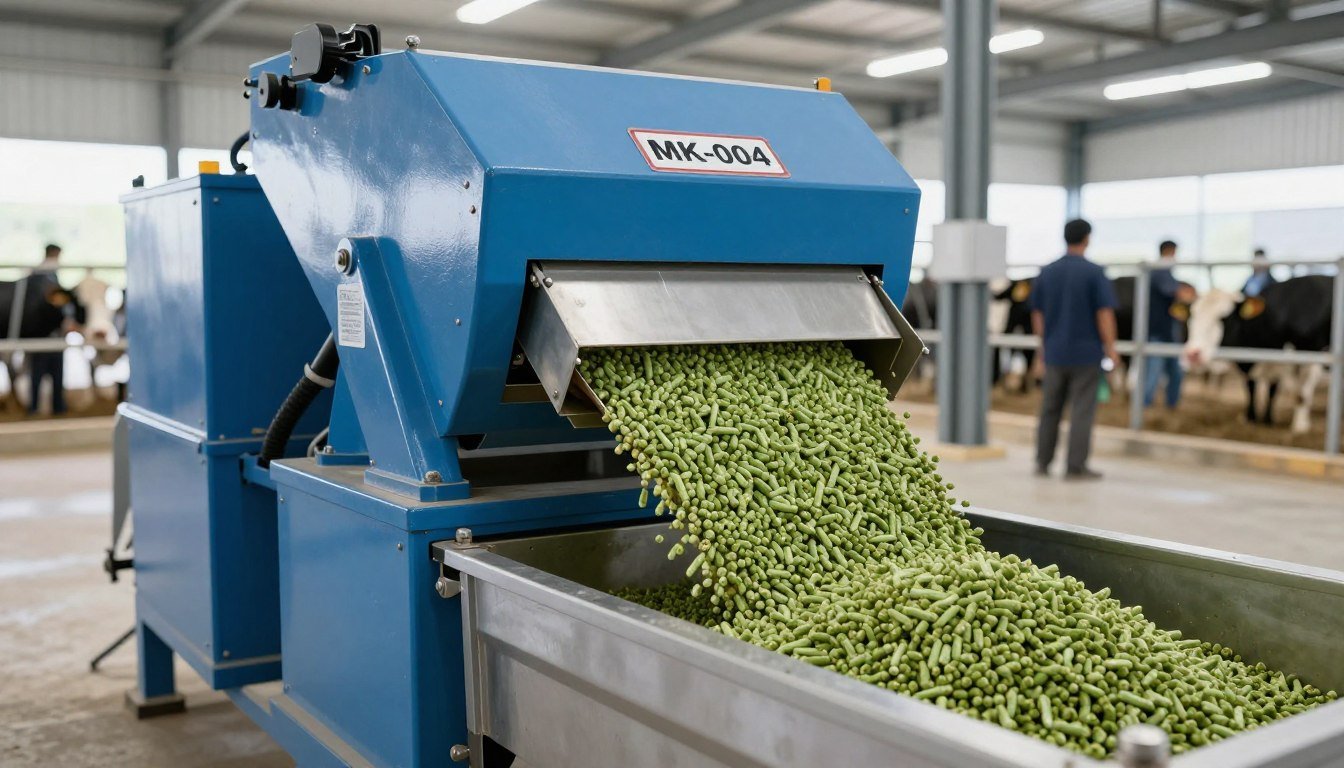
- Stage 3 - Compression: The rotating ring die and stationary rollers create extreme pressure (up to 3,000 PSI). Alfalfa fibers compress through die holes, forming dense cylindrical pellets.
- Stage 4 - Cutting & Cooling: A cutting knife slices extruded pellets to desired length. Hot pellets (75-85°C) pass through a cooler to room temperature, hardening the pellets and preventing crumbling.
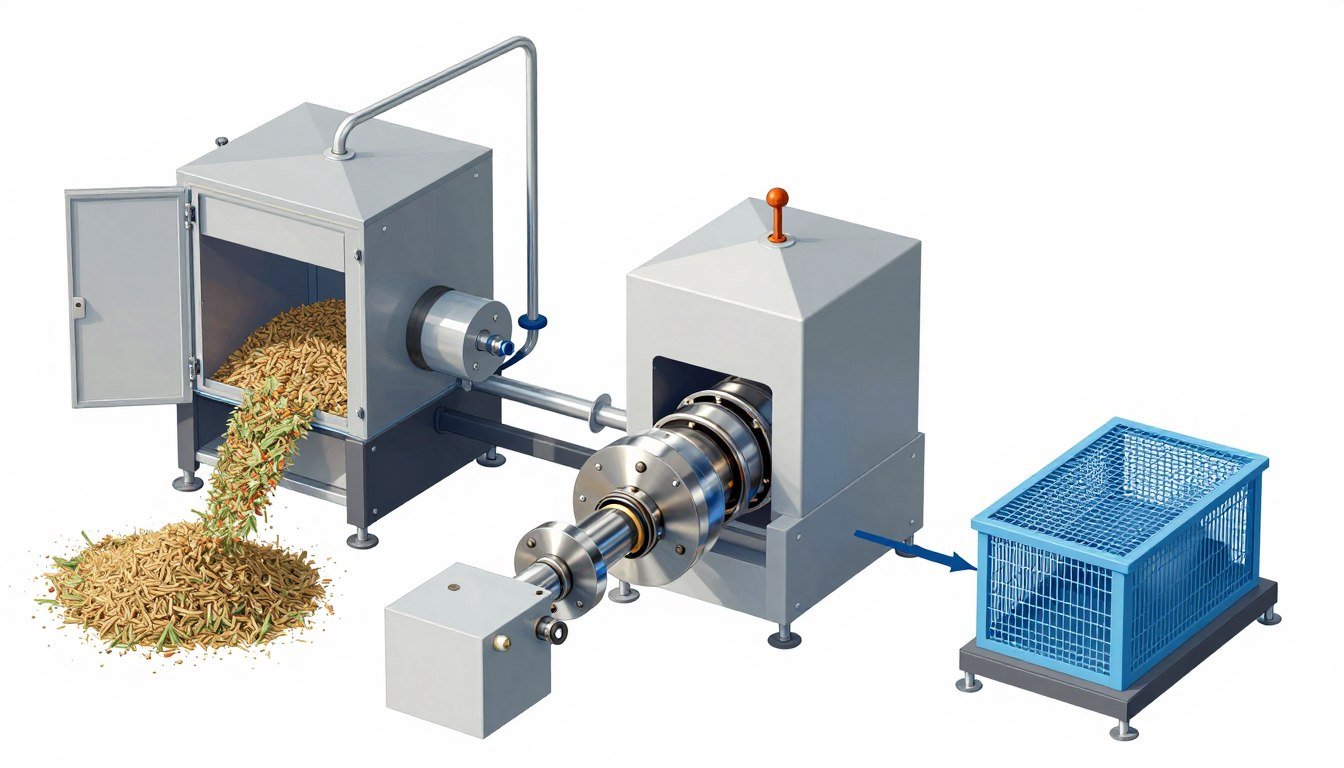 The entire process happens continuously. Raw alfalfa enters one end while finished pellets exit the other. Production remains steady at 300-500 kg per hour depending on material characteristics.
Critical Factors for Quality Alfalfa Pellets
Moisture content affects everything. Philippine farmers often struggle with this in the rainy season. Alfalfa with 20%+ moisture won't pellet properly. A simple dryer solves this problem. MAIKONG offers complete production line solutions including rotary dryers sized for your operation. Particle size matters too. Grind alfalfa to 3-5mm before pelleting. Larger particles create uneven pellets. The feed pellet production line includes hammer mills calibrated for optimal grinding.
Technical Tip: Philippine grass species like napier contain more moisture than imported alfalfa hay. Adjust your drying process accordingly. Contact our technical team at Lucy@pelletmachine.ph for moisture testing guidance.
Customization Options: Tailored Pellet Machine Solutions for Philippine Farms
MAIKONG offers extensive customization beyond the standard MK-002 configuration. Our 22 years of manufacturing experience taught us that no two farms operate identically.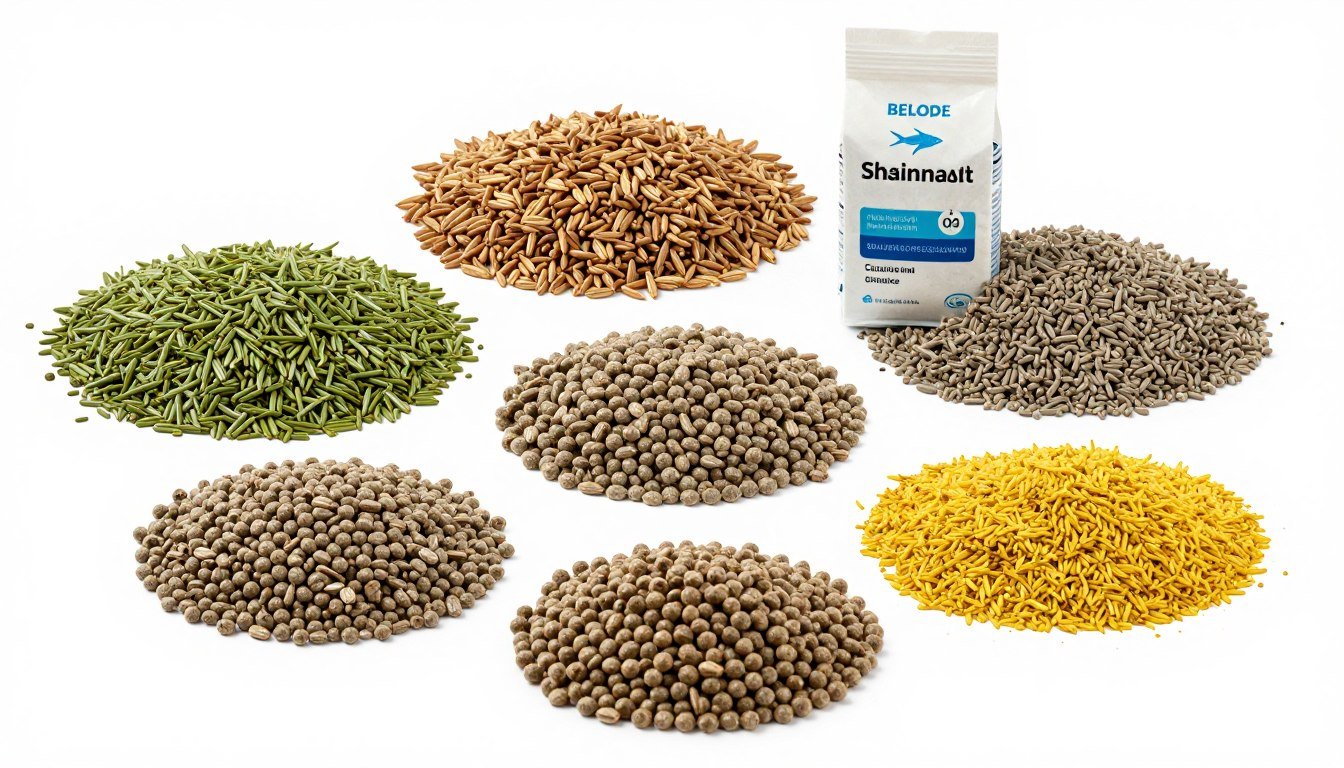
Pellet Size Customization by Animal Type
Poultry (Chickens, Ducks)
Small birds need smaller pellets they can easily consume without waste.- Chicks: 2-3mm diameter pellets
- Growers: 4-5mm diameter pellets
- Layers: 6mm diameter pellets
- Broilers: 6-8mm diameter pellets
Cattle & Large Livestock
Larger animals benefit from bigger pellets that reduce eating time while maintaining digestibility.- Calves: 6-8mm diameter pellets
- Growing cattle: 10mm diameter pellets
- Dairy cows: 10-12mm diameter pellets
- Beef cattle: 12mm diameter pellets
Aquaculture (Fish, Shrimp)
Aquatic animal feed requires water-stable pellets with controlled sinking rates.- Fingerlings: 2-3mm floating pellets
- Growing fish: 4-6mm slow-sinking pellets
- Market fish: 6-8mm sinking pellets
- Shrimp: 3-5mm water-stable pellets
Rabbits & Small Animals
Small herbivores thrive on uniform-sized alfalfa pellets that prevent selective feeding.- Young rabbits: 4-5mm diameter pellets
- Adult rabbits: 6-8mm diameter pellets
- Guinea pigs: 4-6mm diameter pellets
- Pet herbivores: 6mm diameter pellets
Voltage and Power Customization
Philippine electrical infrastructure varies by region. Metro Manila runs stable 380V three-phase power. Provincial areas sometimes face voltage fluctuations. Remote farms may only have 220V single-phase available. The MAIKONG MK-002 adapts to your situation. We configure the motor for your exact voltage before shipping. Voltage converters add unnecessary cost and inefficiency. Our factory customization eliminates that problem.Need Custom Feed Production Solutions?
Tell us your specific requirements - animal types, daily volume, available power, building constraints. Our engineers design a complete system matching your operation perfectly.
Complete Alfalfa Pellet Production Line Systems
A standalone pellet machine produces pellets. A complete production line transforms your raw materials into packaged, marketable feed products efficiently.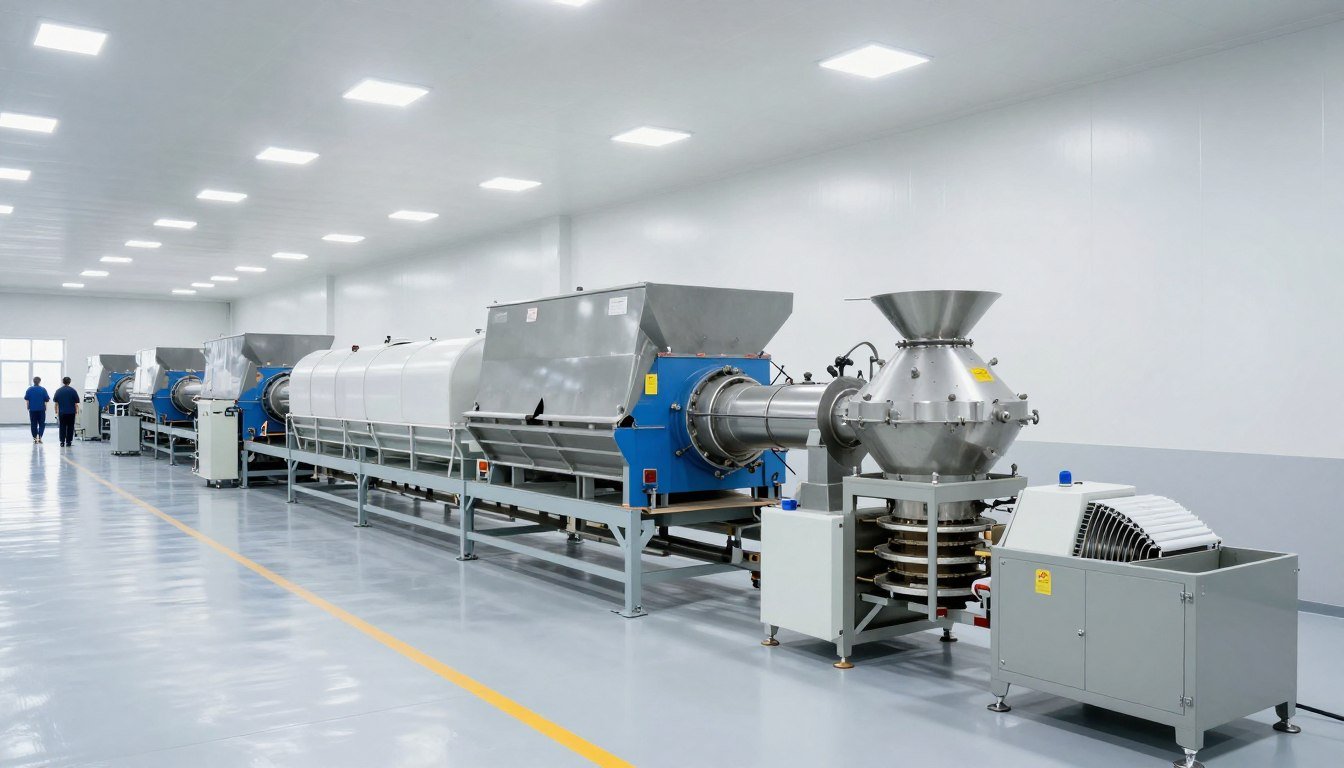 MAIKONG designs integrated systems from 200 kg/hour to 200 tons/hour. Philippine operations typically choose systems in the 500 kg to 5 ton per hour range. Here's what a complete line includes:
Essential Components in Every Production Line
- Crusher/Hammer Mill: Reduces raw alfalfa bales and grass to optimal particle size (3-5mm). Oversized particles jam the pellet mill. Our crushers handle fibrous materials Philippine farms work with daily.
- Dryer (Rotary or Belt Type): Controls moisture content to the critical 13-15% range. Tropical humidity adds 5-10% moisture to stored materials. Drying prevents mold and ensures consistent pelleting.
- Mixer (Optional): Blends alfalfa with grains, vitamins, or minerals for complete animal feed formulations. Useful for poultry and pig operations requiring balanced rations.
- Pellet Machine (MK-002 or larger): The core unit that compresses material into pellets. Sized based on your target hourly output.
- Cooler: Reduces hot pellets from 80°C to room temperature. This step hardens pellets and extends shelf life. Without cooling, pellets crumble during handling.
- Screener: Separates finished pellets from fines and broken pieces. Fines return to the crusher for reprocessing, ensuring zero waste.
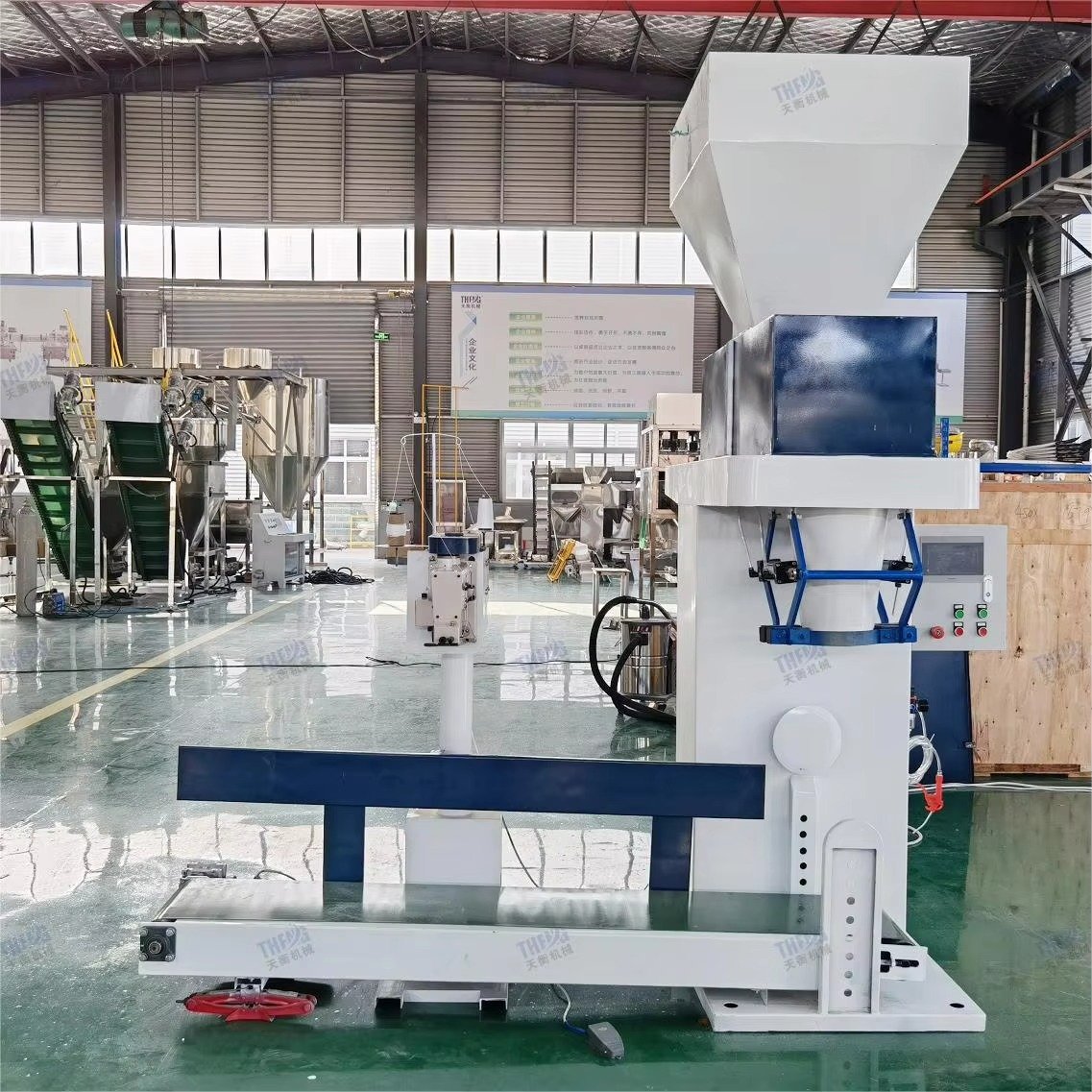
- Packing Machine: Bags finished pellets in your chosen size (5kg, 10kg, 25kg, 50kg bags common in Philippines). Automated packing speeds up distribution.
- Conveyors & Elevators: Move materials between processing stages. Reduces manual labor and contamination risk.
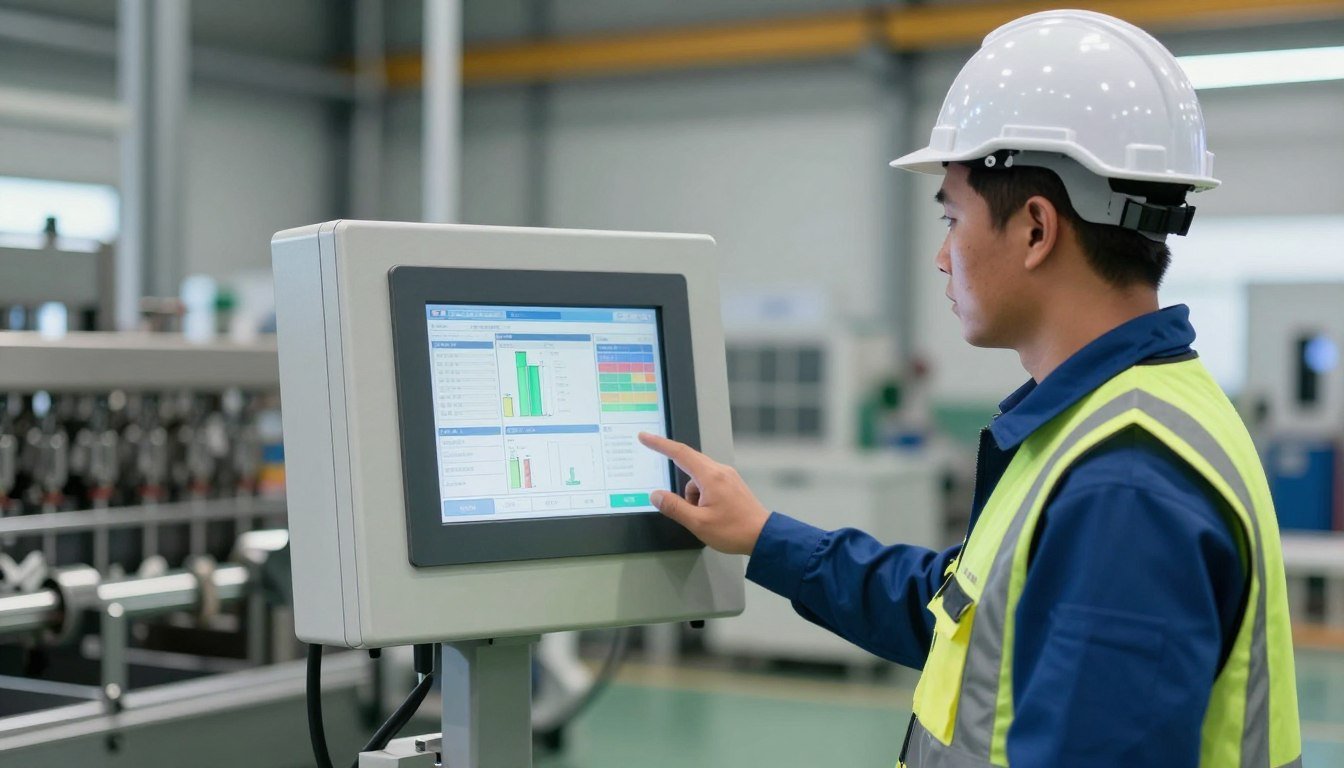
Capacity Scaling Examples
Match your production line to your current and projected needs. These real Philippine installations show typical configurations:Small Farm Operation
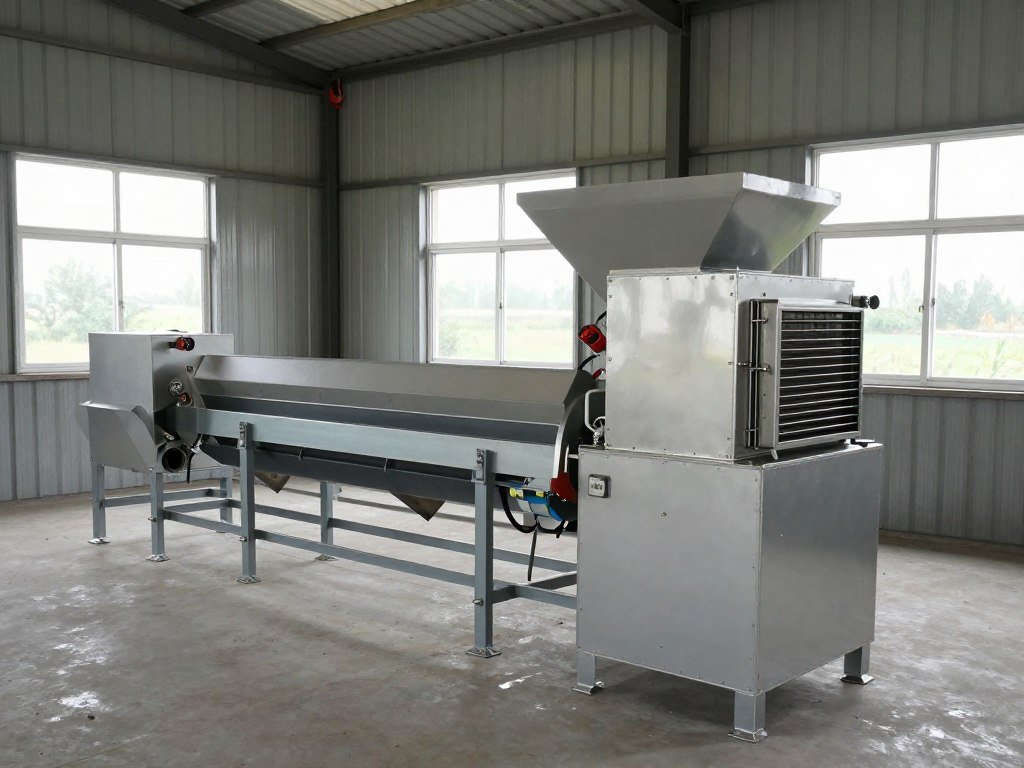
Capacity: 300-500 kg/hour
Equipment: Hammer mill + MK-002 pellet machine + Cooler + Manual packing
Typical User: 200-500 head cattle ranch or 5,000-10,000 layer hen operation producing own feed
Investment: Entry-level system with room to expand
Medium Commercial Line
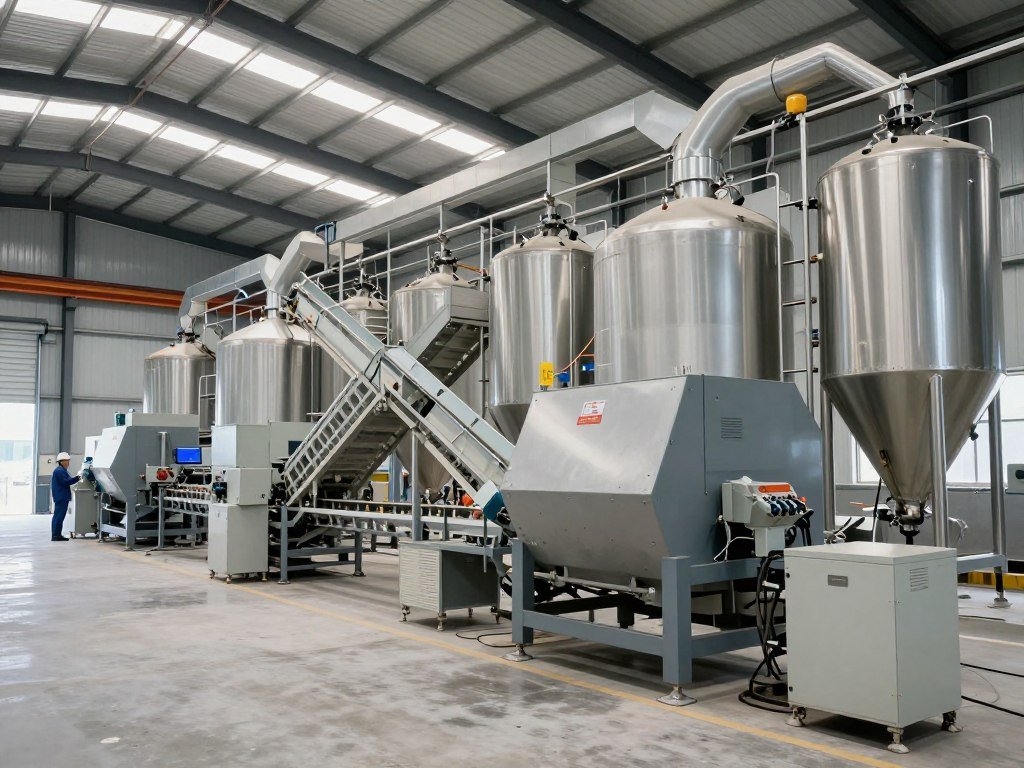
Capacity: 1-2 tons/hour
Equipment: Crusher + Dryer + Mixer + Two MK-002 units + Cooler + Auto packer + Conveyor system
Typical User: Contract feed miller serving multiple farms or large integrated farm operation
Investment: Full automation with consistent quality control
Large Industrial Plant
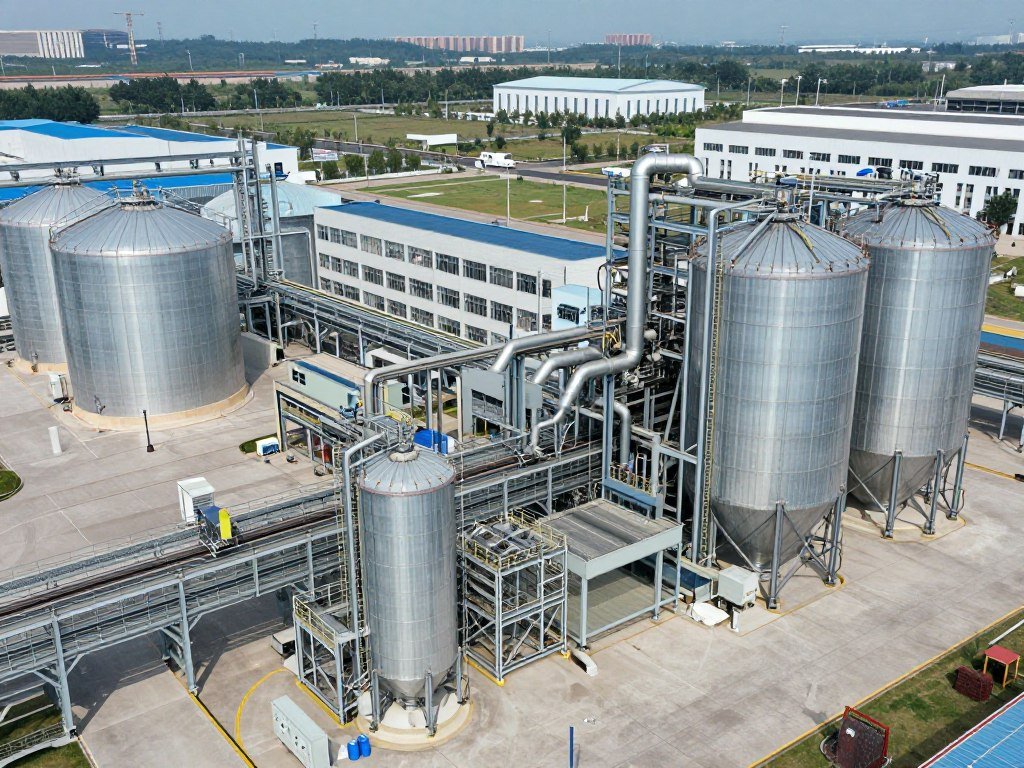
Capacity: 5-10 tons/hour
Equipment: Complete automated line with multiple crushers, dryers, large-capacity pellet mills, cooling towers, bagging lines, bulk storage
Typical User: Regional feed manufacturer, commercial biomass pellet producer, export-focused operation
Investment: Turn-key industrial plant with full technical support
Why Choose MAIKONG Philippines for Your Alfalfa Pellet Machine
Twenty-two years manufacturing feed processing equipment taught us what Philippine customers need. We're not resellers marking up imported machines. MAIKONG owns the factory in GD Province, SZ City.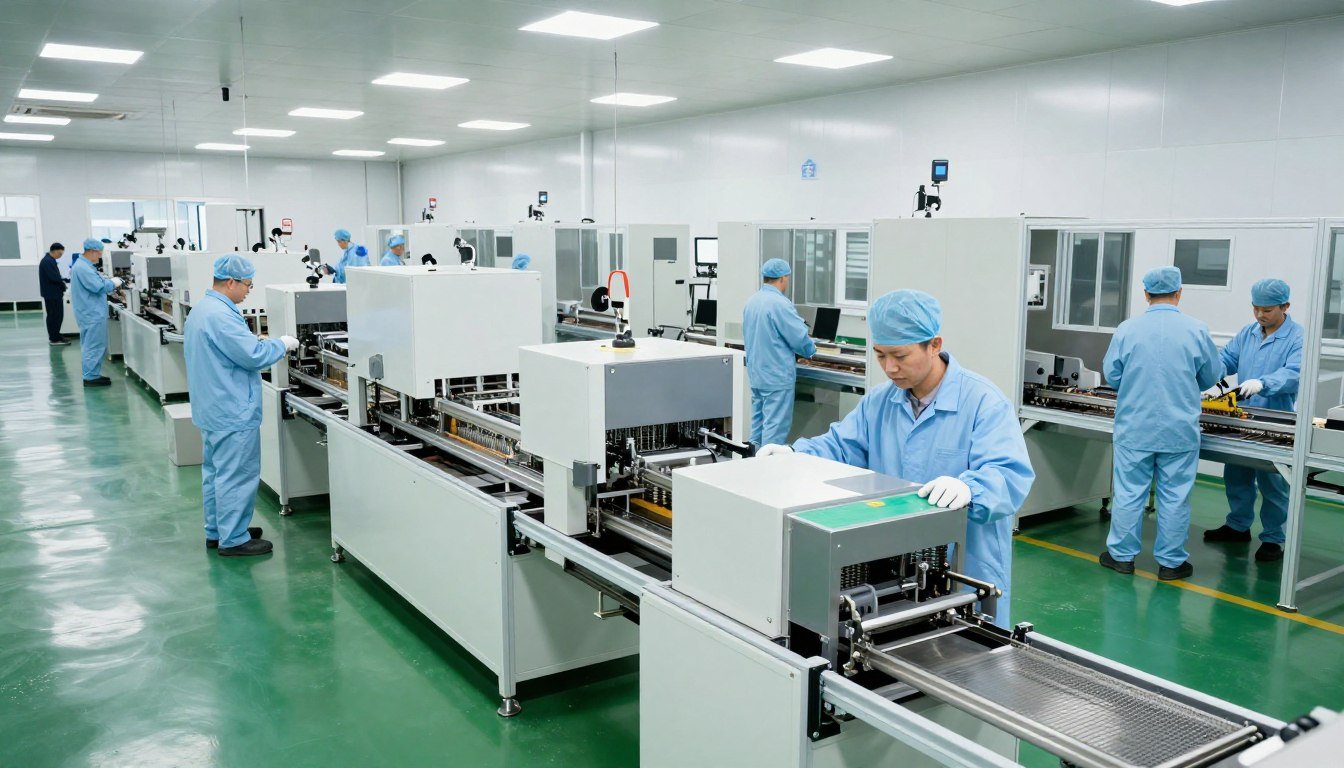
Factory-Direct Advantages
Cost Savings
No middleman markups. You pay factory price. Typical savings run 20-30% compared to Philippine importers who add distribution margins.Quality Control
Every MK-002 undergoes 48-hour continuous run testing before shipment. We catch problems at the factory, not after delivery to your farm.Customization Flexibility
Our engineering team modifies designs to your exact specifications. Need a special voltage? Unusual pellet size? Tropical-climate modifications? We handle it during manufacturing.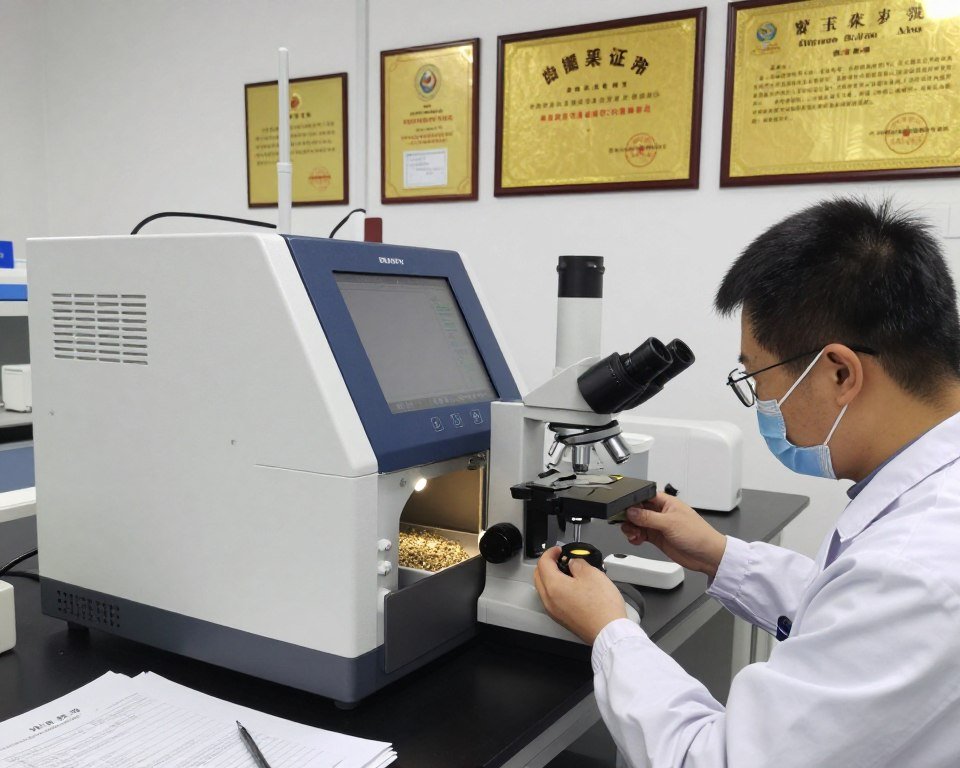
Philippine Market Support
Buying equipment starts the relationship. Keeping it running matters more. MAIKONG provides ongoing support specifically for Philippine customers:What You Get with MAIKONG
- English-language technical documentation and videos
- WhatsApp technical support in Philippine business hours
- Spare parts inventory in GD warehouse (faster than ocean freight)
- On-site installation support for production line projects
- Operator training via video call or in-person
- Dealer network development across Philippine regions
- OEM/ODM options for branded private-label equipment
What Other Suppliers Often Lack
- Chinese-only manuals requiring translation
- Time zone differences making support difficult
- Long spare parts delivery (6-8 weeks typical)
- No installation assistance beyond shipping
- Limited training on complex operations
- No local dealer presence for service
- Rigid product specifications, no customization
Proven Track Record Across Asia-Pacific
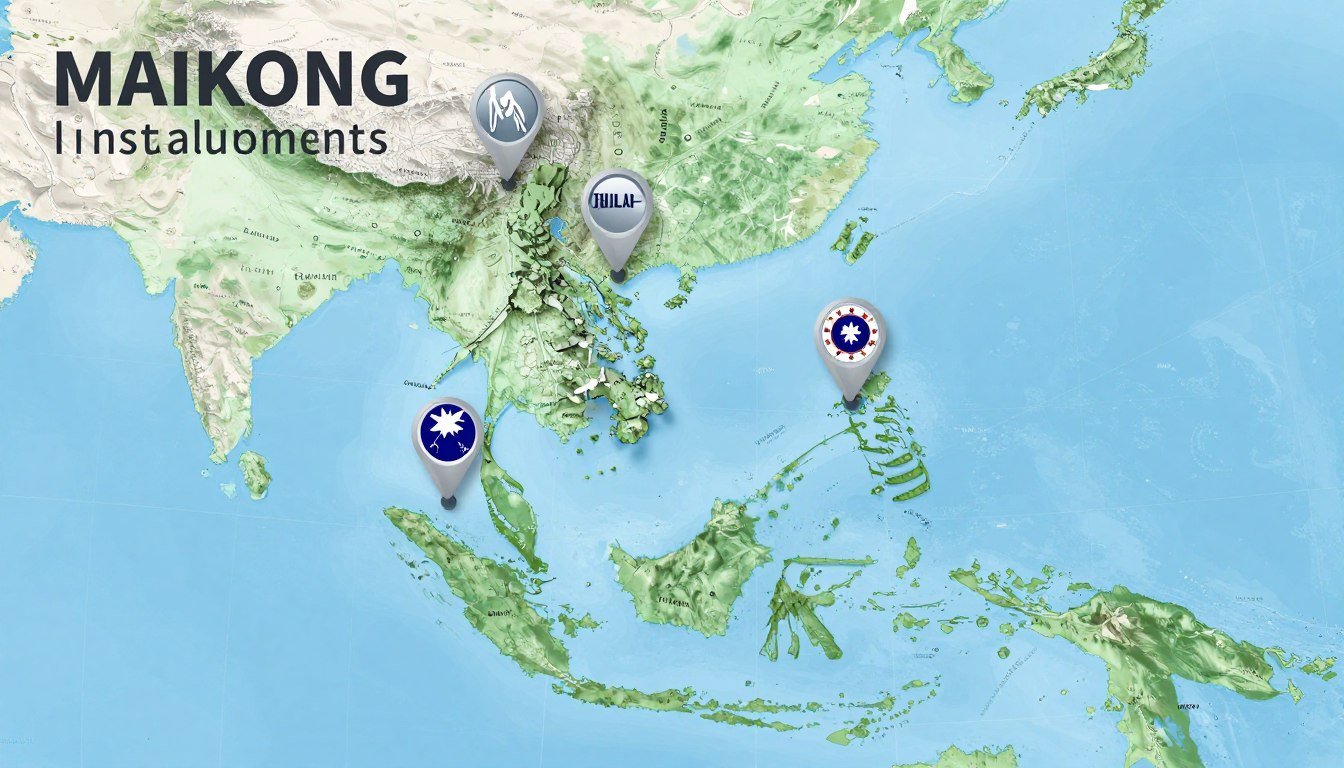
MAIKONG equipment operates in over 40 countries. Philippine customers include:- Bulacan province: 3-ton/hour chicken feed production line for integrator supplying 50+ contract growers
- Cebu City: fish feed pellet machine producing high-protein aqua feed for tilapia and bangus operations
- Davao region: cattle feed pellet machine network serving dairy cooperatives
- Laguna: Rabbit farm using MK-002 for complete alfalfa-based pellet rations
Applications Beyond Animal Feed: Versatile Pellet Machine Uses
While alfalfa pellets primarily serve livestock nutrition, the MK-002 handles other profitable applications Philippine entrepreneurs explore.Biomass Fuel Pellets
Rising electricity costs push industrial users toward alternative energy. Biomass pellets made from agricultural waste burn in boilers and furnaces. Rice mills combine rice husks with alfalfa or grass for dense fuel pellets. The same MK-002 that makes feed produces biomass fuel. Process coconut shells, corn cobs, sawdust, or mixed agricultural residues. Biomass pellets compete with coal on cost while reducing emissions. Learn more about biomass pellet machine applications for energy production.Organic Fertilizer Pellets
Organic farming expands in the Philippines. Certified organic farms need pelleted fertilizers for easy application. The MK-002 pelletizes composted animal manure, alfalfa meal, and organic amendments. Fertilizer pellets resist moisture better than powders. They spread evenly through mechanical applicators. Storage and transport costs drop significantly. Check our fertilizer pellet machine page for specialized configurations.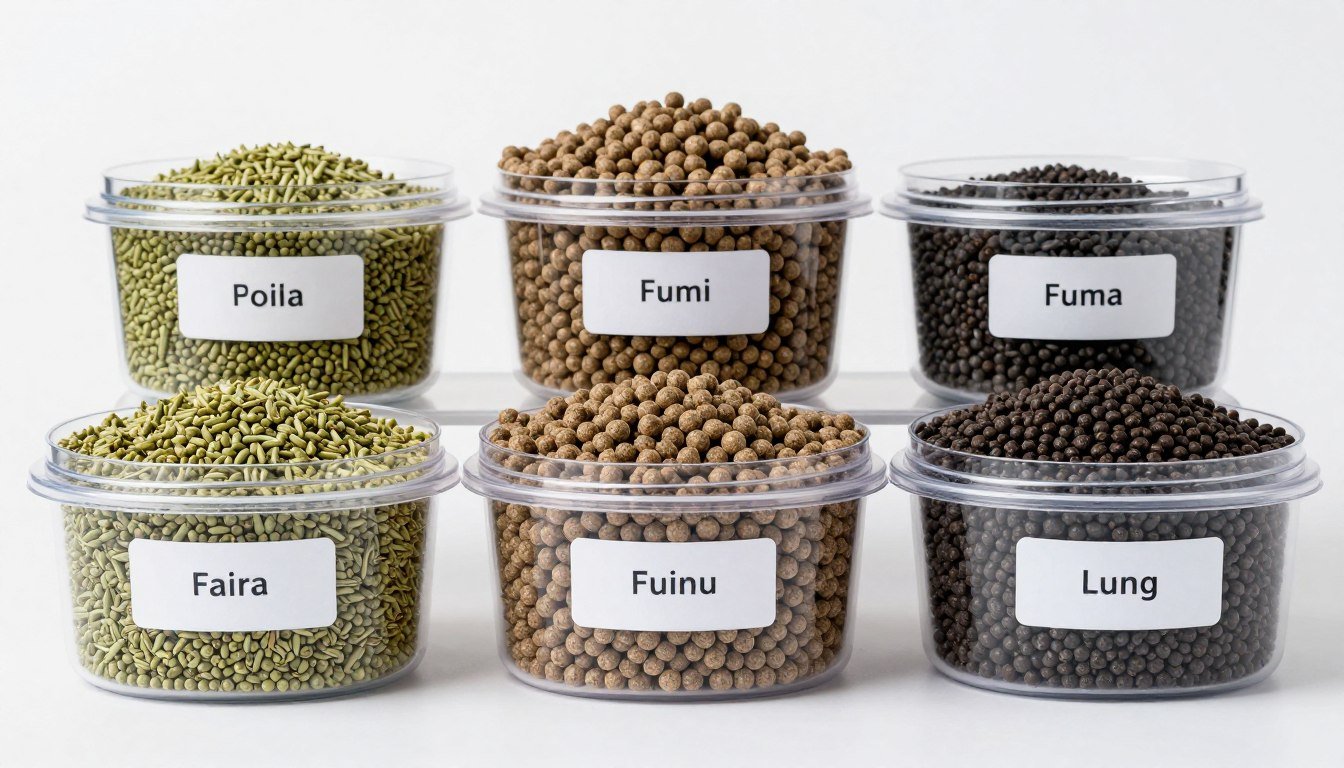
Commercial Pet Food Production
Philippine pet ownership grows annually. Imported pet feed dominates shelves at premium prices. Local manufacturers spot opportunities producing quality pet pellets at competitive costs. Alfalfa forms the base for rabbit, guinea pig, and herbivorous pet foods. Blend with grains and supplements for complete nutrition. The MK-002 produces uniform pellets meeting pet food standards. Explore our pet feed production line options for commercial pet food manufacturing.Operating and Maintaining Your Pellet Machine for Maximum Lifespan
Proper operation extends equipment life and maintains pellet quality. Filipino operators sometimes skip maintenance due to time pressure. This shortcut costs more in breakdowns and repairs.Daily Operating Checklist
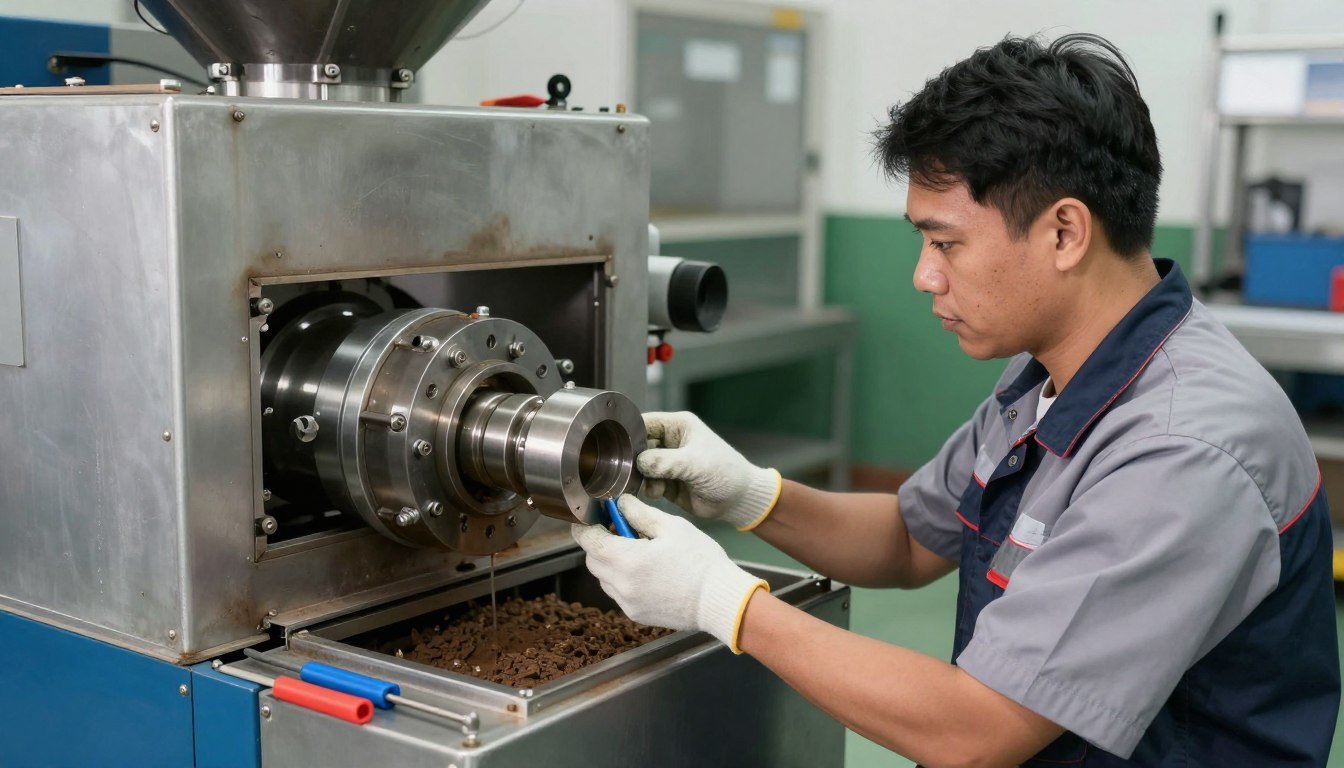
- Pre-Start Inspection (5 minutes): Check die and roller condition. Look for cracks or wear. Verify all bolts remain tight from previous operation. Inspect drive belts for proper tension.
- Lubrication (5 minutes): Apply grease to bearing points per the manual schedule. Check oil level in gearbox. Top up if needed. Proper lubrication prevents 80% of mechanical failures.
- Material Preparation: Verify moisture content meets 13-15% specification. Check particle size from crusher. Remove any metal objects that could damage the die.
- Start-Up Sequence: Turn on main motor without material feed first. Listen for unusual sounds. Feed material gradually, not in sudden large amounts. Monitor amperage on motor.
- During Production: Check pellet quality every 30 minutes. Adjust conditioner temperature if pellets crumble or appear too soft. Watch for blockages in the die holes.
- Shutdown Procedure: Stop material feed but keep machine running until all material processes through. Run some rice bran or oil-rich material through to clean die holes. Turn off motor. Clean exterior surfaces.
Weekly Maintenance Tasks
Set aside 2-3 hours weekly for thorough maintenance. These tasks prevent major breakdowns:- Inspect die and rollers closely. Worn surfaces reduce output and pellet quality. Replace when wear depth exceeds 2mm.
- Check all electrical connections. Tropical humidity causes corrosion. Clean and tighten connections.
- Examine drive belts for cracks or glazing. Replace before failure to avoid downtime.
- Clean the conditioner thoroughly. Built-up material harbors mold and reduces efficiency.
- Test all safety switches and emergency stops. These protect operators and prevent damage.
Troubleshooting Common Issues
| Problem | Likely Cause | Solution |
| Pellets crumble easily | Material too dry (below 12% moisture) | Add water during mixing or reduce dryer temperature |
| Pellets emerge soft and mushy | Material too wet (above 16% moisture) | Increase drying time or temperature |
| Low output (below 300 kg/hour) | Worn die/rollers or wrong particle size | Replace worn parts; check crusher settings |
| Motor overheating | Overloading or poor ventilation | Reduce feed rate; clean cooling fans; check voltage |
| Excessive dust production | Material too dry or die holes partially blocked | Adjust moisture; clean die holes; check roller pressure |
| Uneven pellet length | Dull cutting knife or inconsistent die rotation | Sharpen or replace knife; check motor/gearbox |
Safety Warning: Always disconnect power before opening the pellet machine for maintenance. Wear protective gloves when handling the die and rollers. These components remain hot for 30+ minutes after shutdown.
MAIKONG provides detailed maintenance videos for MK-002 owners. Our technical support team via WhatsApp (+86 135-1090-7401) helps diagnose problems remotely. For complex issues, we coordinate with Philippine dealers for on-site service.
Become a MAIKONG Dealer in the Philippines
The Philippine agricultural sector needs reliable feed processing equipment suppliers. Farmers currently depend on expensive imports or unreliable local fabricators. MAIKONG seeks partners to build a nationwide dealer network.
Dealer Partnership Advantages
What MAIKONG Provides
- Exclusive Territory Rights: Protected geographic areas prevent dealer competition
- Factory-Direct Pricing: Competitive margins supporting profitable business
- Marketing Support: Brochures, demo units, technical specifications, website listings
- Technical Training: Equipment operation, maintenance, troubleshooting certification
- After-Sales Backup: Factory support for warranty claims and technical issues
- Inventory Flexibility: Stock popular models or order-to-order based on capital
Ideal Dealer Profile
- Established business in agricultural supplies or equipment
- Existing customer base in farming, feed milling, or livestock sectors
- Showroom or warehouse space for demonstration units
- Technical staff capable of basic installation support
- Financial capacity to stock inventory (not always required)
- Commitment to representing MAIKONG quality standards
Current Dealer Opportunities by Region
MAIKONG currently seeks dealers in these high-priority Philippine regions:Luzon Regions
- Central Luzon (Bulacan, Pampanga, Nueva Ecija)
- Calabarzon (Batangas, Laguna, Cavite)
- Ilocos Region (Ilocos Norte, Ilocos Sur)
- Cagayan Valley (Isabela, Cagayan)
Visayas Regions
- Central Visayas (Cebu, Bohol)
- Western Visayas (Iloilo, Negros Occidental)
- Eastern Visayas (Leyte, Samar)
Mindanao Regions
- Davao Region (Davao del Sur, Davao del Norte)
- Northern Mindanao (Bukidnon, Misamis Oriental)
- SOCCSKSARGEN (South Cotabato, Sultan Kudarat)
Join the MAIKONG Philippines Dealer Network
Profitable margins on proven equipment. Factory training and support. Protected territories. Growing market demand. Start building your feed equipment business with a trusted 22-year manufacturer.
Investment Analysis: Alfalfa Pellet Machine Pricing and ROI
Philippine farmers and feed mill operators need clear financial justification before purchasing equipment. Let's examine real numbers based on actual customer experiences.MK-002 Pricing Structure
MAIKONG MK-002 base price ranges from $4,800 to $6,200 USD depending on customization level and order quantity. This includes:- Complete alfalfa pellet machine with one standard die set (specify pellet size)
- Electric motor configured for your voltage specification
- English operation manual and maintenance guide
- Installation video tutorials
- One-year warranty on major components
- Remote technical support via WhatsApp/email
Return on Investment Calculation
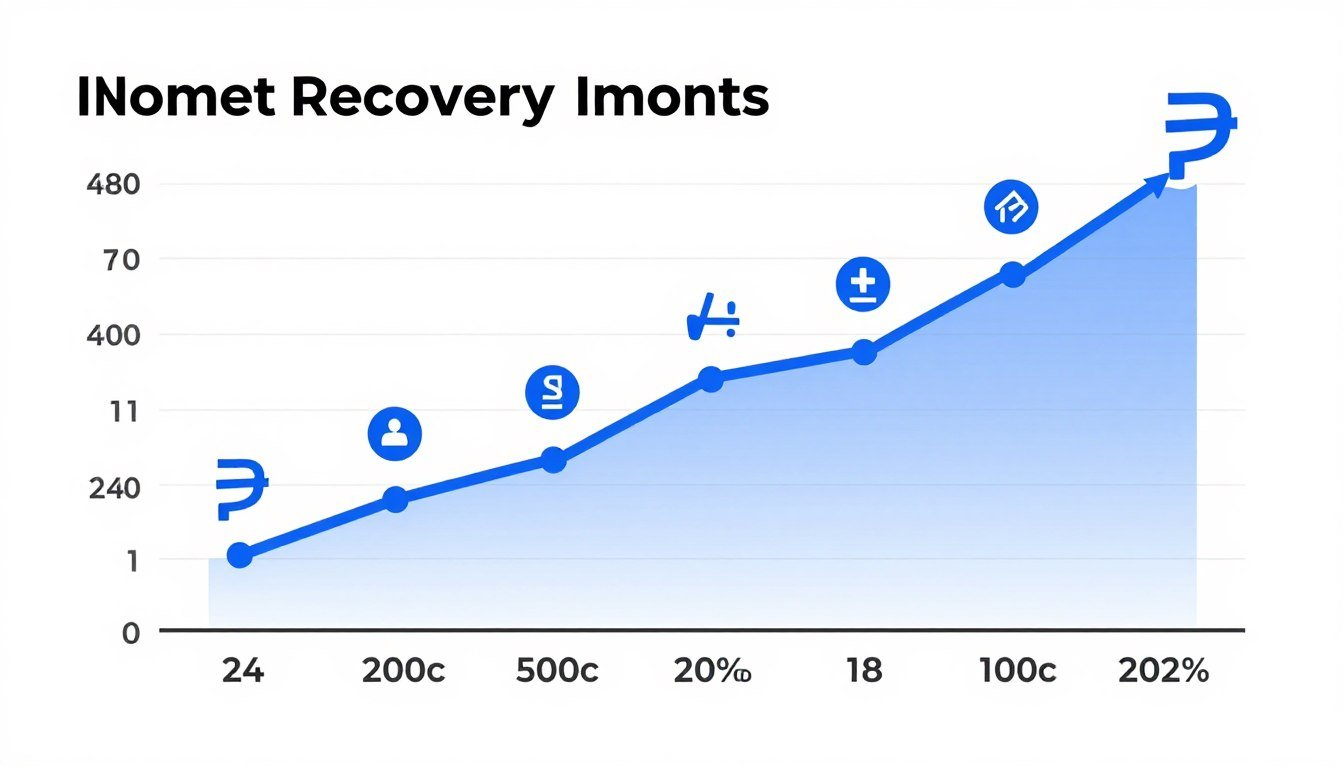
A 300-head cattle operation provides a realistic example. This farm previously purchased commercial alfalfa pellets at ₱28 per kilogram. Daily consumption averaged 750 kg.| Cost Category | Before MK-002 | After MK-002 | Monthly Savings |
| Feed Cost (750 kg daily) | ₱21,000/day (₱630,000/month) | ₱8,250/day raw materials (₱247,500/month) | ₱382,500 |
| Electricity (8 hours operation) | ₱0 | ₱2,640/day (₱79,200/month) | -₱79,200 |
| Labor (1 operator) | ₱0 | ₱15,000/month | -₱15,000 |
| Maintenance/Repairs | ₱0 | ₱8,000/month average | -₱8,000 |
| Net Monthly Savings | ₱280,300/month | ||
Hidden Benefits Beyond Direct Savings
Financial calculations miss several valuable advantages:- Feed Quality Control: You determine exactly what goes into pellets. No concerns about adulterants or low-quality ingredients from commercial suppliers.
- Formulation Flexibility: Adjust protein levels, add supplements, or create specialty feeds without waiting for supplier minimums.
- Supply Security: No dependence on distributor availability. Produce feed whenever needed, avoiding stockout losses.
- Additional Revenue: Excess capacity enables selling pellets to neighboring farms. Several MAIKONG customers turned into local feed suppliers.
- Waste Utilization: Convert farm waste (crop residues, vegetable trimmings) into valuable feed rather than disposal costs.
MAIKONG Quality Standards and Certifications
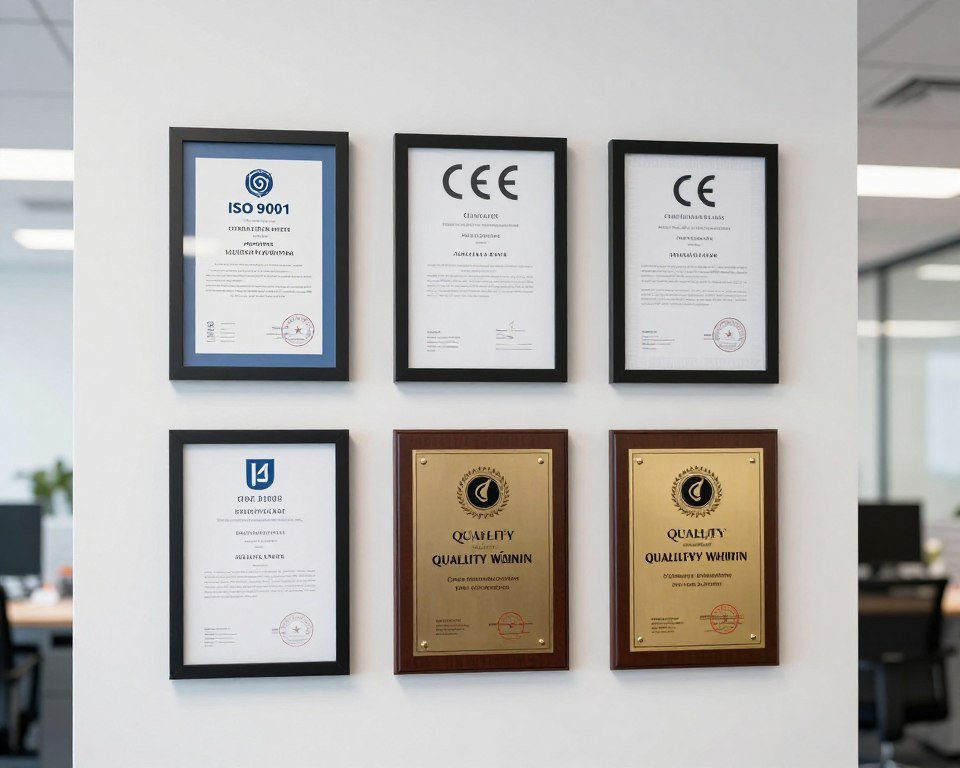
Manufacturing excellence requires more than good intentions. MAIKONG maintains certifications proving our commitment to quality, safety, and environmental responsibility.Manufacturing Certifications
- ISO 9001:2015 Quality Management: Systematic quality control throughout manufacturing
- CE Certification: European safety standards for electrical and mechanical safety
- SGS Factory Audit: Third-party verification of production capabilities
- Environmental Compliance: Meets waste management and emission standards
Material Quality Standards
Component quality determines equipment longevity. Philippine tropical conditions demand corrosion-resistant materials. MAIKONG specifications include:- Ring Die: Alloy steel (42CrMo) heat-treated to HRC 55-60 hardness. Resists wear from abrasive alfalfa fibers.
- Pressure Rollers: Same alloy steel with precision grinding. Bearing-supported for smooth rotation and even pressure distribution.
- Main Shaft: Forged 42CrMo steel, not cast. Forging eliminates internal voids that cause failures under stress.
- Gearbox: HT250 cast iron housing with precision-machined gears. Oil bath lubrication extends life.
- Housing & Frame: Reinforced ABS polymer resists UV degradation and humidity. Stainless steel used where material contact occurs.
- Bearings: SKF (Swedish) brand on main shaft. Premium domestic bearings on secondary components.
- Electrical Components: Schneider or Siemens brand contactors and protection devices.
Environmental Benefits of Alfalfa Pellet Production
Sustainable farming practices gain importance in the Philippines. Alfalfa pellets and on-farm pellet production contribute to environmental goals while improving farm economics.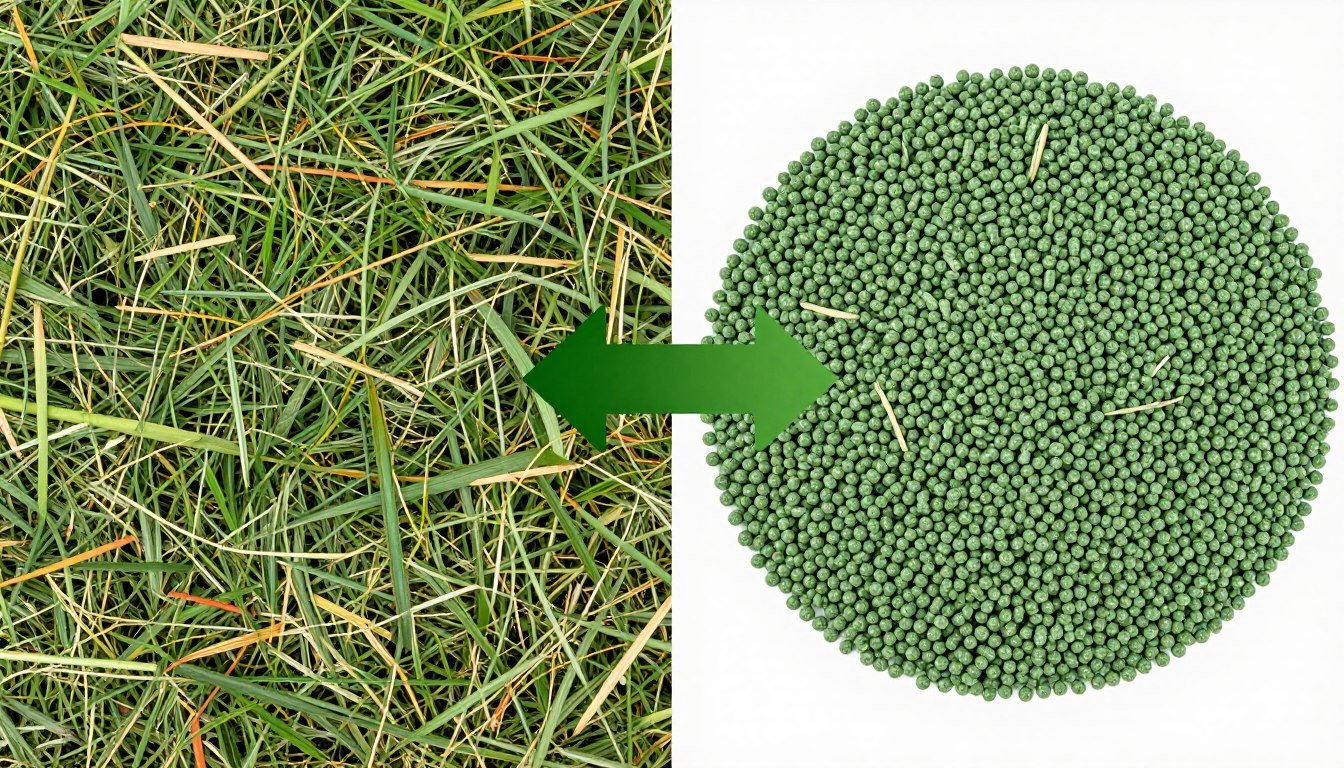
Waste Reduction Through Pelleting
Traditional livestock feeding wastes 25-30% of forage through spillage and selective consumption. Pellets eliminate this waste entirely. Animals eat the complete ration, getting balanced nutrition while farmers save on feed costs. Philippine farms generate enormous quantities of agricultural residues. Corn straw, rice straw, vegetable waste, and fruit processing byproducts typically burn (creating air pollution) or decompose (producing methane). The MK-002 converts these materials into valuable feed or biomass fuel.Carbon Footprint Reduction
Local pellet production reduces transportation emissions. Commercial feed often travels hundreds of kilometers from central mills to farms. On-farm pelleting eliminates these transport miles. Biomass pellets made from agricultural waste provide carbon-neutral energy. Burning biomass pellets releases only the carbon the plants absorbed during growth. This contrasts with fossil fuel use that adds buried carbon to the atmosphere.Soil Health Benefits
Alfalfa grows as a perennial crop, rebuilding soil rather than depleting it. Deep alfalfa roots break up compacted soil layers and fix atmospheric nitrogen through root nodules. Philippine farmers rotating alfalfa with corn or rice report improved yields in subsequent crops. Pelleting alfalfa makes this valuable crop economically viable. Fresh alfalfa deteriorates rapidly in tropical heat. Pellets store for months, enabling year-round alfalfa feeding even when the crop grows seasonally.
Government Incentive: Philippine Department of Agriculture offers support programs for farmers adopting sustainable feed production. MAIKONG equipment purchases may qualify for partial subsidies or low-interest financing. Contact your regional agricultural office for current programs.
Getting Started with Your Alfalfa Pellet Machine Investment
Ready to reduce feed costs and improve your farm's profitability? Here's the step-by-step process for acquiring and implementing MAIKONG equipment.- Initial Consultation: Contact us via WhatsApp (+86 135-1090-7401) or email (Lucy@pelletmachine.ph). Describe your operation: animal types, current feed consumption, available space, electrical supply. Our team asks questions to understand your specific needs.
- Needs Assessment: We analyze your requirements and recommend the optimal configuration. This might be a standalone MK-002 or a complete production line. You receive a detailed quotation including equipment specifications, pricing, and shipping estimates.
- Customization Discussion: If you need custom voltage, special pellet sizes, or OEM branding, we refine the specifications. Our engineering team confirms feasibility and any cost adjustments for customization.
- Order Placement: Once you approve the quotation, we prepare a formal sales contract. Payment terms typically involve 30-50% deposit with balance before shipment. We accommodate letter of credit for larger orders.
- Manufacturing & QC: Production begins immediately upon deposit. The MK-002 requires approximately 15-20 days to manufacture and test. We send progress photos during production. Final QC includes 48-hour continuous run testing.
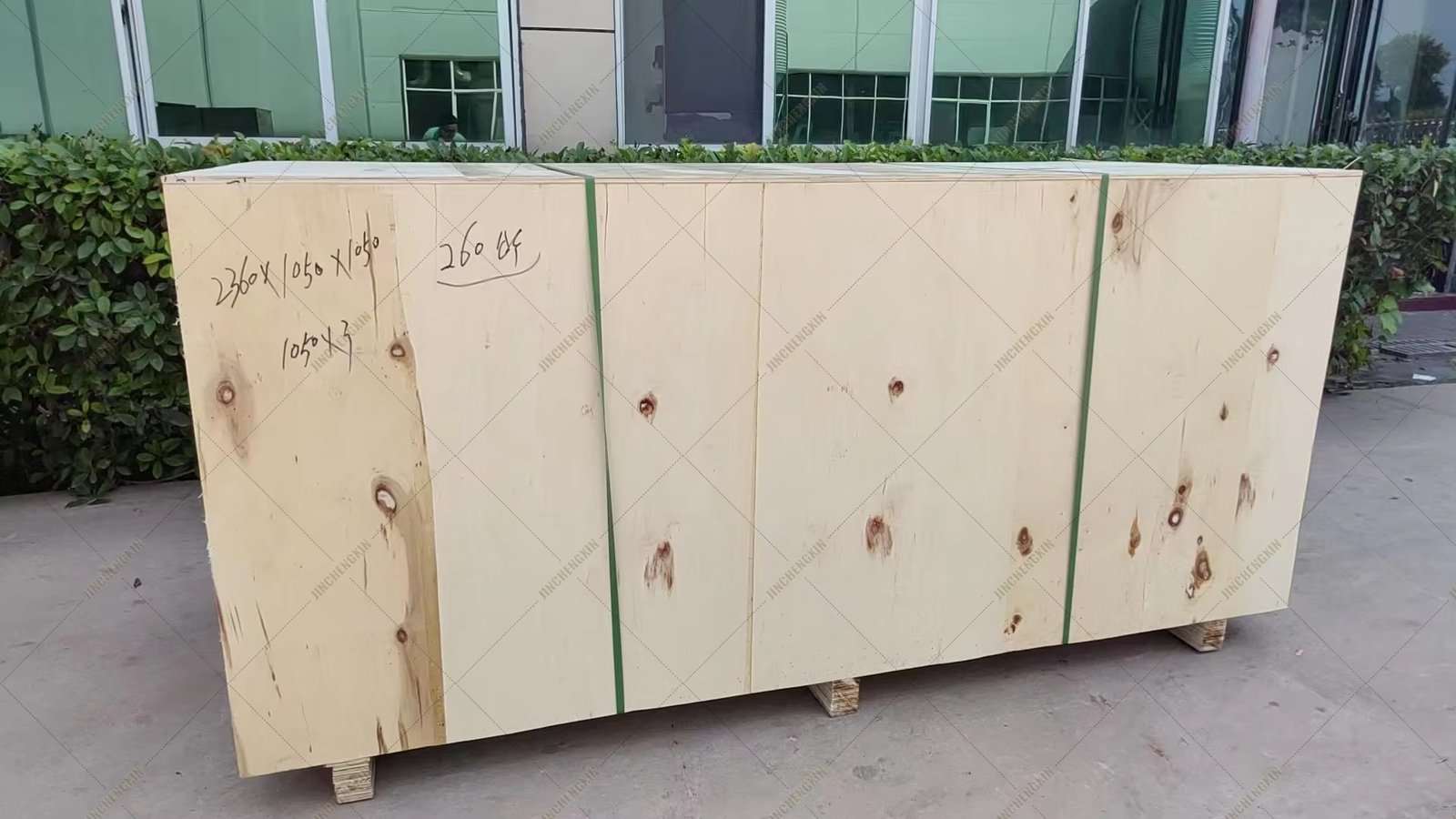
- Shipping & Logistics: MAIKONG arranges ocean freight to Manila or your preferred Philippine port. We handle all export documentation. Typical sea transit from GD Province takes 7-10 days. We provide tracking information throughout.
- Customs & Delivery: You handle Philippine customs clearance (or hire a broker - we can recommend reliable ones). Once cleared, arrange inland transport to your farm. The MK-002 ships as a complete unit requiring only mounting and electrical connection.
- Installation & Training: Our detailed video tutorials guide installation. For production line projects, we provide on-site technical support. Initial training covers operation, maintenance, troubleshooting, and safety procedures.
- Start Production: Begin with test batches to optimize settings for your specific materials. Our technical team remains available via WhatsApp to answer questions during your first weeks of operation.
- Ongoing Support: MAIKONG provides lifetime technical support. Order spare parts as needed from our GD warehouse. Join our customer network to share experiences and learn from other Philippine operators.
Financing Options
Philippine banks and agricultural lending programs offer equipment financing. MAIKONG provides all documentation needed for loan applications:- Detailed quotation with specifications
- ROI calculation templates
- Product certifications and quality documentation
- Company registration and financial statements
Frequently Asked Questions About Alfalfa Pellet Machines
Can the MK-002 process materials other than alfalfa?
Yes, absolutely. The MK-002 handles virtually any fibrous biomass material: napier grass, guinea grass, corn straw, rice straw, wheat straw, peanut vines, vegetable waste, tree leaves, and many others. Mixed formulations combining alfalfa with grains also work well. The key is maintaining proper moisture content and particle size regardless of material type.
What moisture level works best for pelleting?
Optimal moisture ranges between 13-15% for most materials. Below 12% creates excessive dust and crumbly pellets. Above 16% produces soft pellets that deteriorate quickly. Philippine farmers should test material moisture before pelleting, especially during rainy season when field-dried alfalfa absorbs humidity. Simple moisture meters cost ₱1,500-3,000 and pay for themselves immediately through consistent pellet quality.
How long do the die and rollers last before replacement?
With proper operation and maintenance, expect 1,500-2,000 operating hours from die and rollers. At 8 hours daily operation, that's 6-8 months. Abrasive materials like rice hulls reduce life to 1,000-1,500 hours. Soft materials like pure alfalfa extend life beyond 2,000 hours. Warning signs of wear include declining output, irregular pellet length, and increased motor amperage. MAIKONG stocks replacement dies and rollers for quick Philippine delivery.
Can I run the MK-002 on single-phase 220V power?
The standard MK-002 requires three-phase power due to the 22 kW motor size. However, MAIKONG offers a modified version with a smaller 15 kW motor that runs on single-phase 220V. This reduces capacity to approximately 200-300 kg/hour but enables operation on standard household electricity. We also configure units for 440V three-phase if your facility uses that standard. Specify your power requirements when ordering.
What's included in the one-year warranty?
The warranty covers all manufacturing defects in materials and workmanship. This includes the motor, gearbox, main shaft, frame, and electrical components. Wear parts like the die, rollers, and belts are not covered as they naturally wear during normal use. Damage from improper operation, insufficient maintenance, or unauthorized modifications voids the warranty. MAIKONG ships replacement parts at our cost if warranty claims prove valid. Extended warranty options are available for purchase.
Do you provide installation service in the Philippines?
For individual MK-002 units, we provide detailed video tutorials and remote support via WhatsApp. The machine ships fully assembled requiring only mounting and electrical connection - most customers complete installation without assistance. For complete production line projects, we provide on-site installation supervision. Our technician coordinates with your local electrician and contractor to ensure proper setup. Installation service is quoted separately based on project complexity and location.
How does the MK-002 compare to smaller flat-die pellet mills?
Flat-die pellet machines cost less initially but produce only 50-150 kg/hour. They require more maintenance and produce less uniform pellets. The ring die design in MK-002 delivers triple the output, better pellet quality, and longer component life. For serious feed production, ring die machines prove more economical despite higher purchase price. Small hobby farmers or those producing under 200 kg daily might prefer flat-die units. Check our mini pellet machine philippines page for compact options.
Can I make floating fish feed pellets with the MK-002?
The standard MK-002 produces sinking pellets. Creating floating pellets requires an extruder with steam injection and expansion chamber. MAIKONG manufactures specialized fish feed pellet machines designed specifically for floating aqua feed. These use different technology than the alfalfa pellet machine. Contact us to discuss your fish feed requirements - we'll recommend the appropriate equipment for your aquaculture operation.
Transform Your Feed Production with MAIKONG Today
Feed costs don't have to consume your farm profits. The MAIKONG alfalfa pellet machine MK-002 puts you in control of feed quality and cost. With 22 years of manufacturing excellence, we deliver reliable equipment backed by comprehensive support.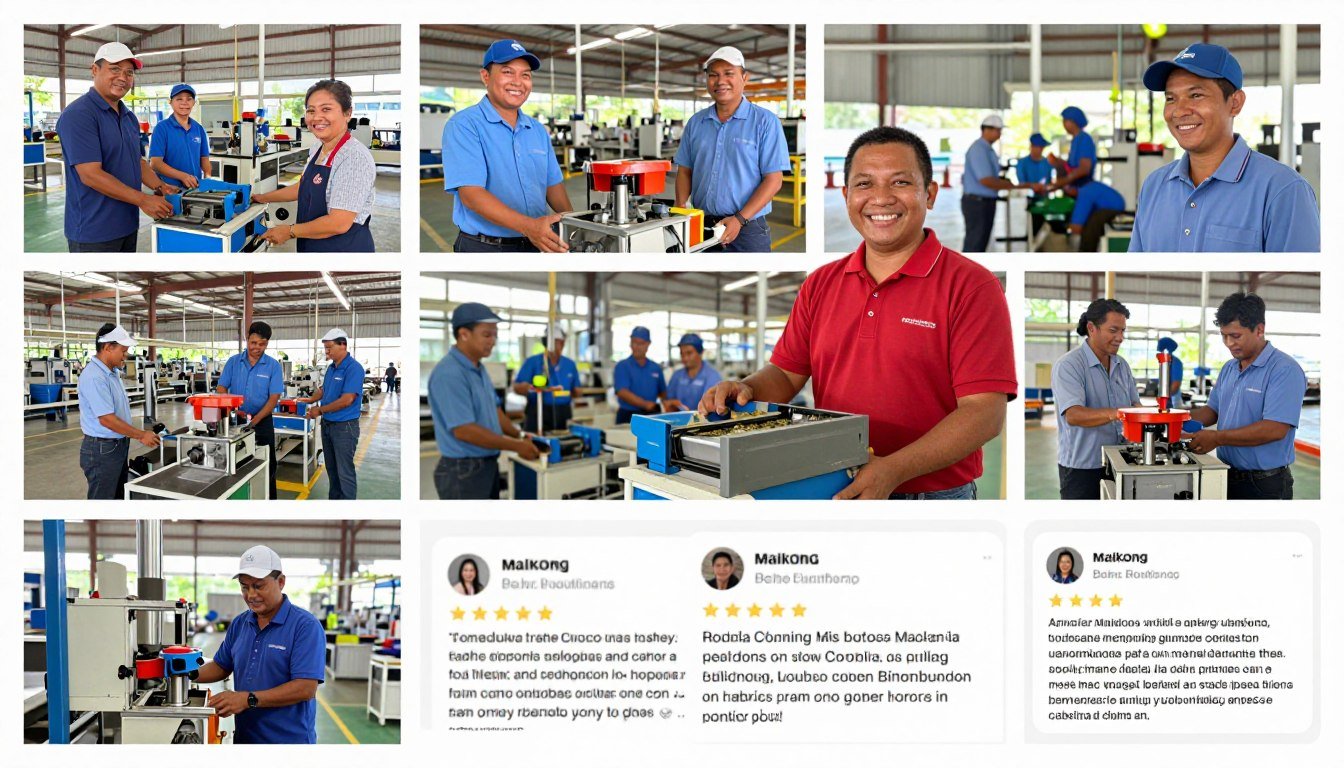 Philippine farms across Luzon, Visayas, and Mindanao trust MAIKONG for their feed processing needs. From small family farms to commercial feed mills, our equipment proves its value through years of reliable operation.
Ready to Start?
Connect with our Philippine equipment specialists today. We'll analyze your specific needs and recommend the optimal solution. Whether you need a standalone MK-002 or a complete feed pellet production line, MAIKONG delivers exactly what your operation requires.Dealer Partnership Opportunities
Build a profitable agricultural equipment business with MAIKONG. We seek motivated partners in key Philippine regions. Factory-direct pricing, marketing support, technical training, and protected territories await qualified dealers.
Start Your Alfalfa Pellet Production Journey with MAIKONG
Twenty-two years of manufacturing expertise. Philippine market knowledge. Factory-direct pricing. Complete technical support. OEM/ODM customization. Nationwide dealer network development. Everything you need for successful feed production starts here.
Limited Time Offer: New MAIKONG customers in the Philippines receive free shipping to Manila port on complete production line orders over $15,000. Plus, mention this article when contacting us for priority technical support enrollment. Contact us today!
Conclusion: Your Path to Feed Independence
The decision to invest in an alfalfa pellet machine represents more than purchasing equipment. It's a strategic choice to control costs, improve feed quality, and build long-term farm sustainability. MAIKONG brings 22 years of manufacturing excellence to the Philippine market. Our MK-002 model delivers the perfect balance of capacity, reliability, and affordability for growing farm operations. From poultry to cattle, fish to rabbits, our equipment serves diverse Philippine agriculture sectors. Whether you operate a small family farm or manage commercial feed production, MAIKONG provides solutions matching your scale and budget. Our commitment extends beyond the sale - we partner with customers through installation, training, and ongoing technical support. The Philippine agricultural sector demands reliable partners who understand local conditions and challenges. MAIKONG stands ready to support your success with proven equipment, competitive pricing, and genuine customer service. Take the first step toward feed independence. Contact MAIKONG today and discover how the right pellet machine transforms your farm's profitability and sustainability. MAIKONG Philippines 📱 WhatsApp/Phone: +86 135-1090-7401 📧 Email: Lucy@pelletmachine.ph 🌐 Website: https://pelletmachine.ph/ Join hundreds of satisfied Philippine customers who chose MAIKONG for their feed production needs. Your farm's success story starts here.Contact US By WhatsApp/Tele:
 --
--
Maybe you like also
Copy©2026-2030