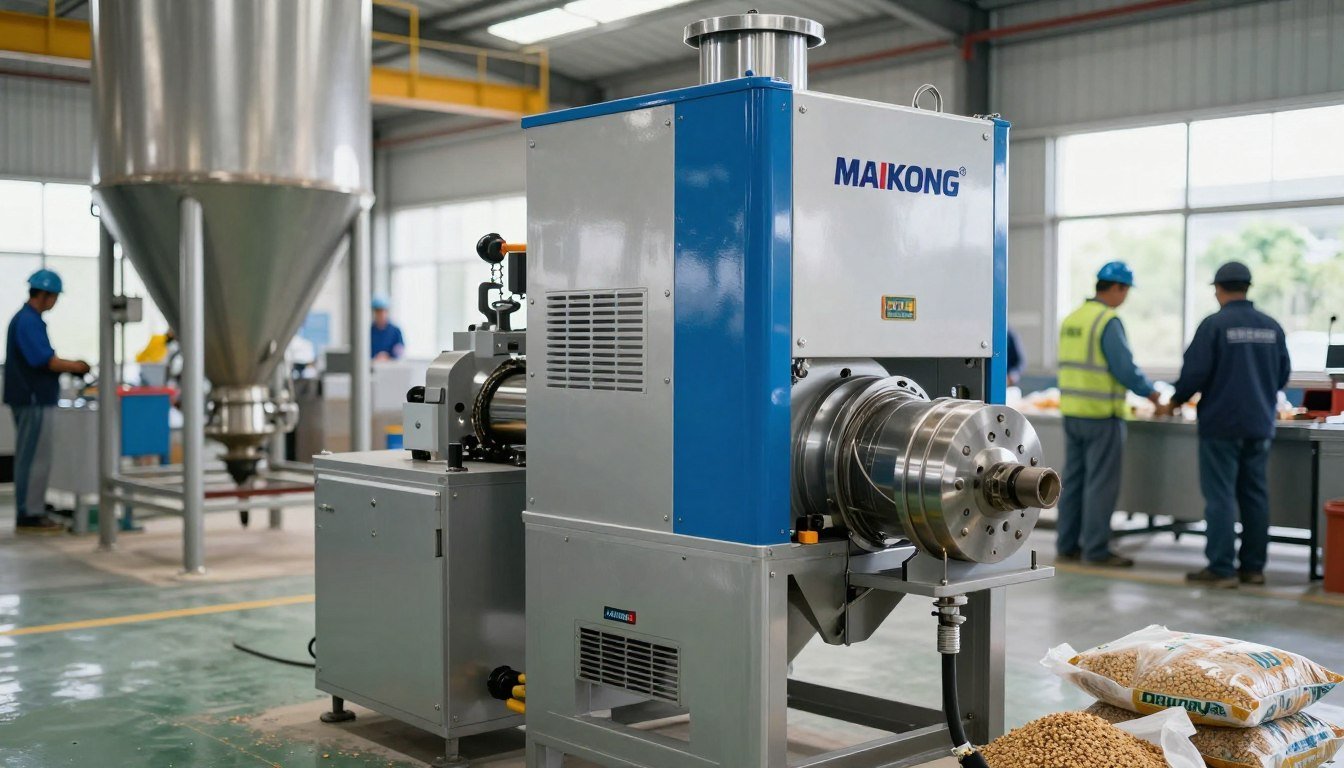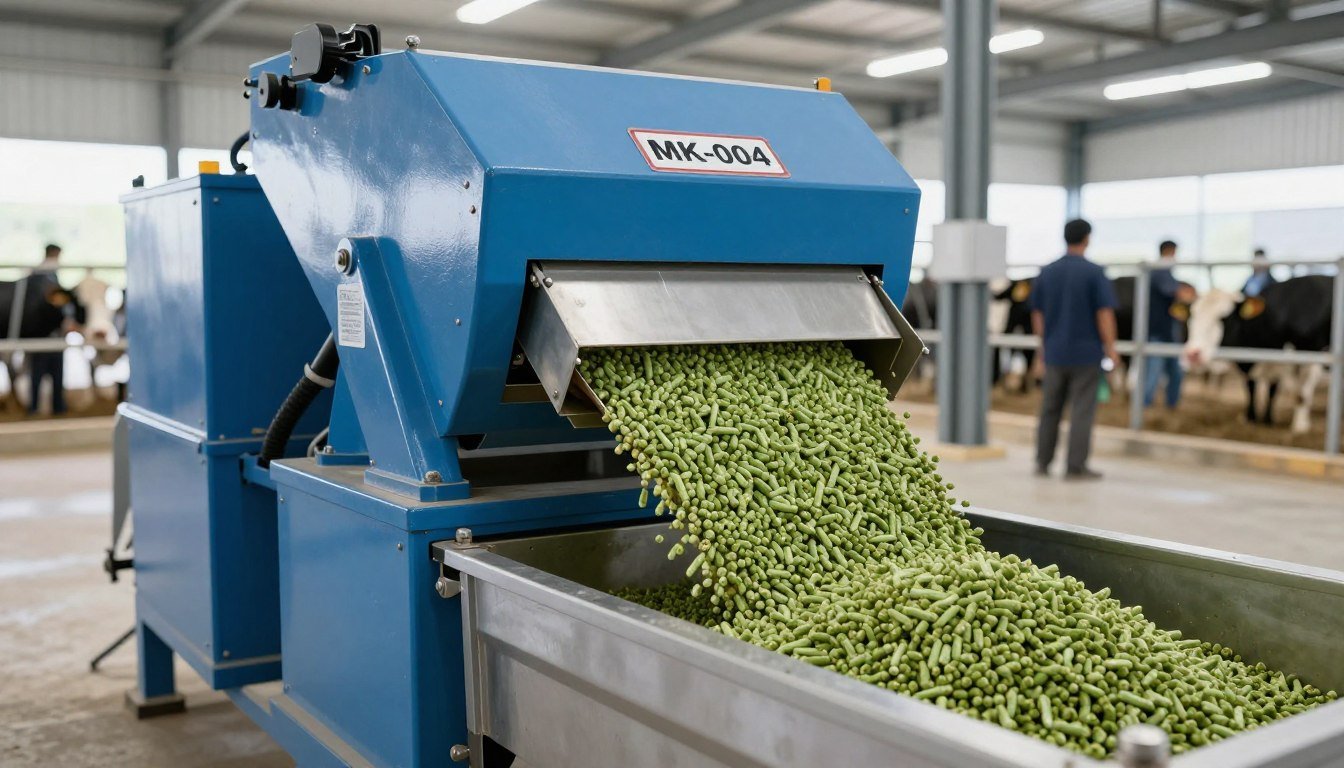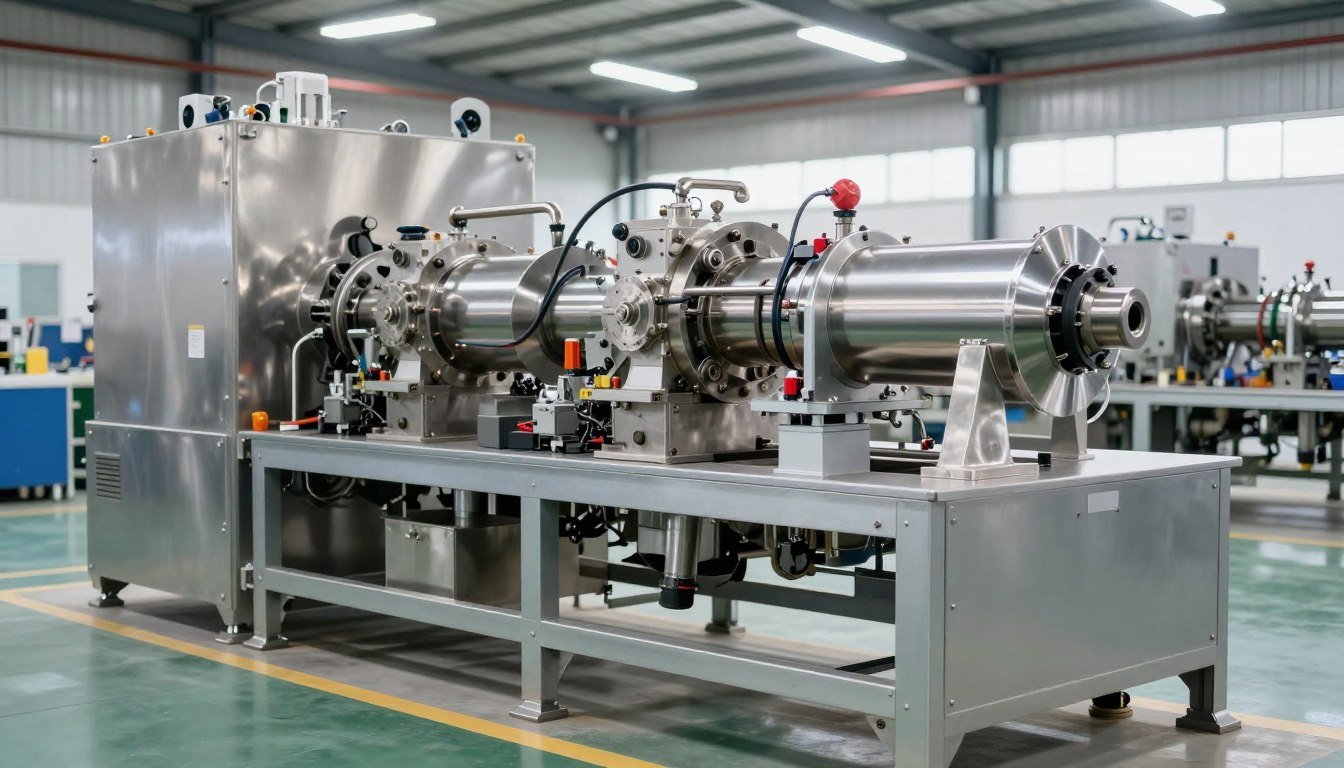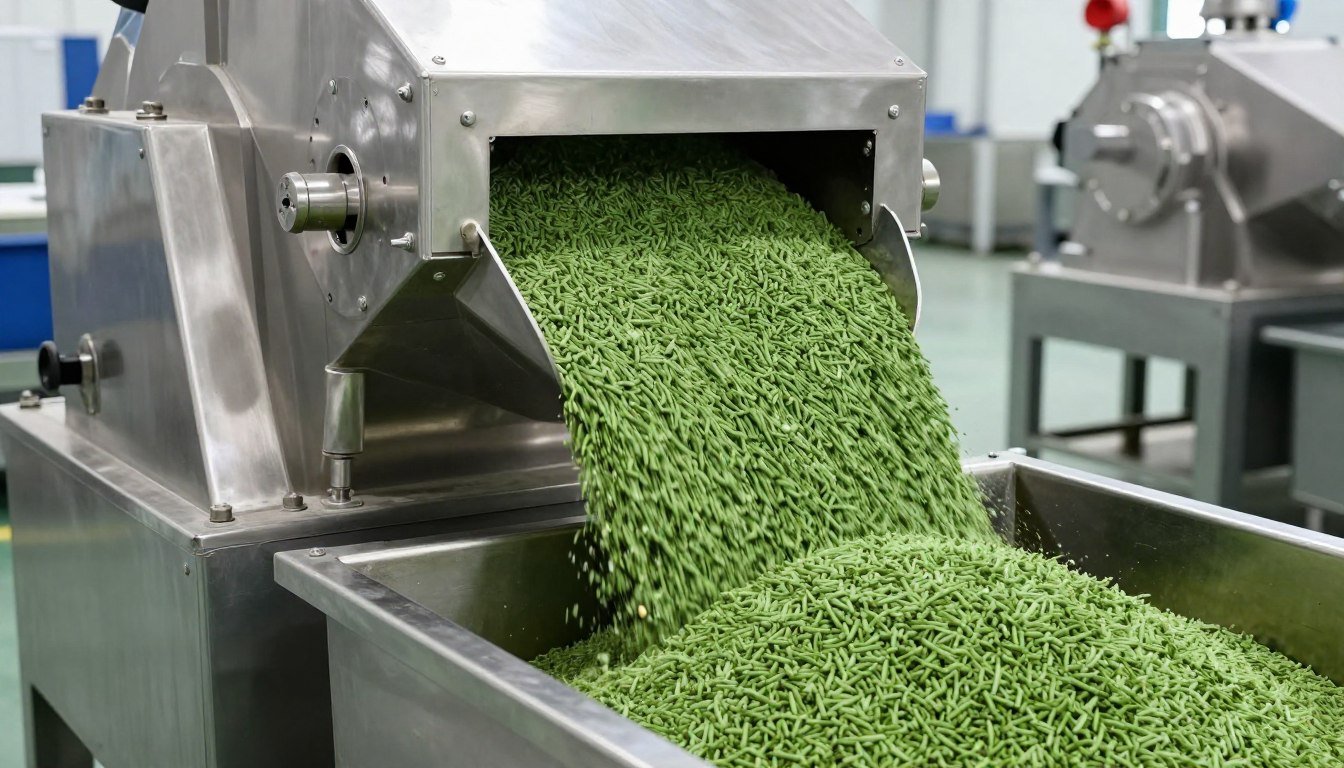
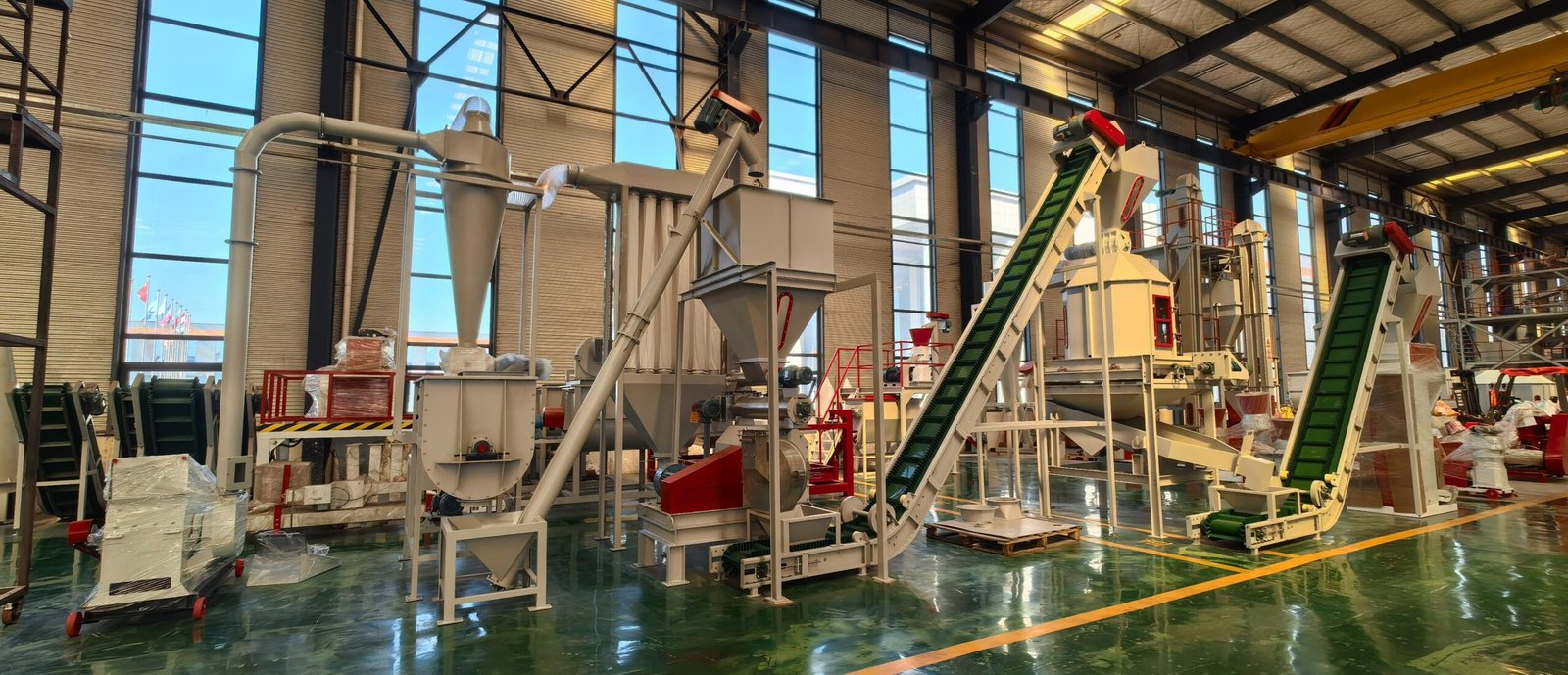
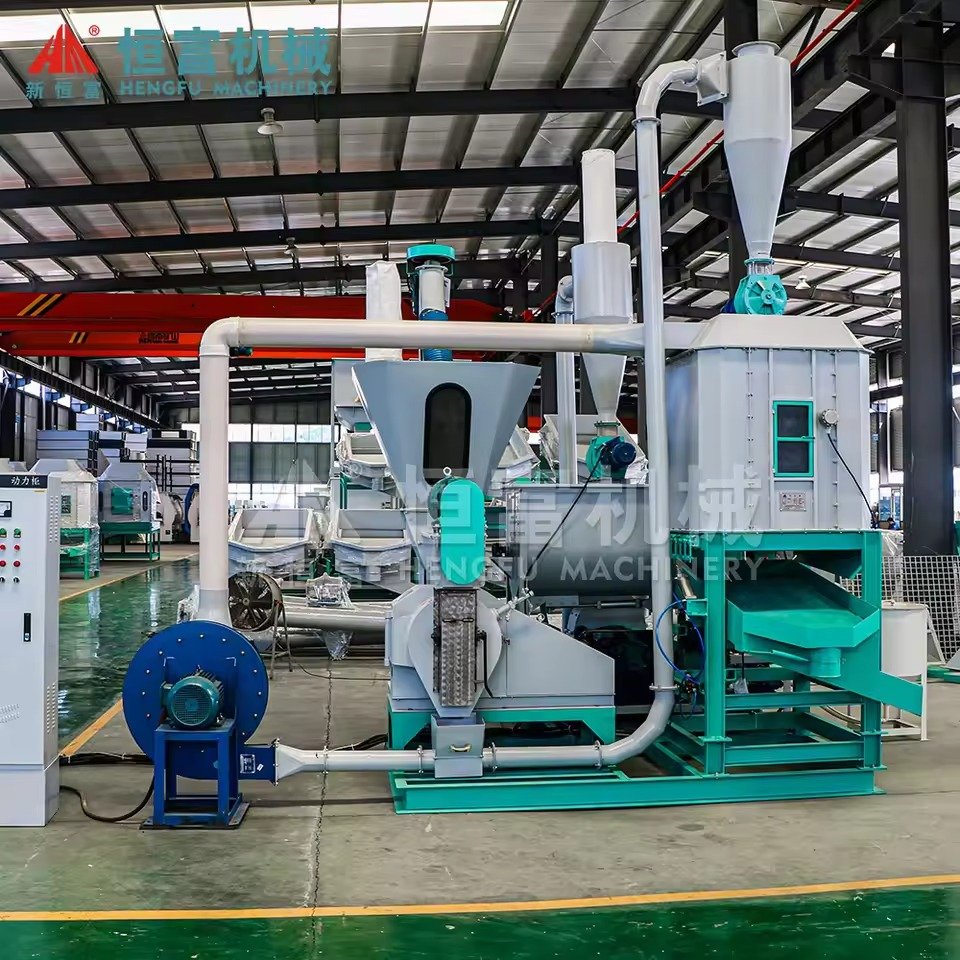
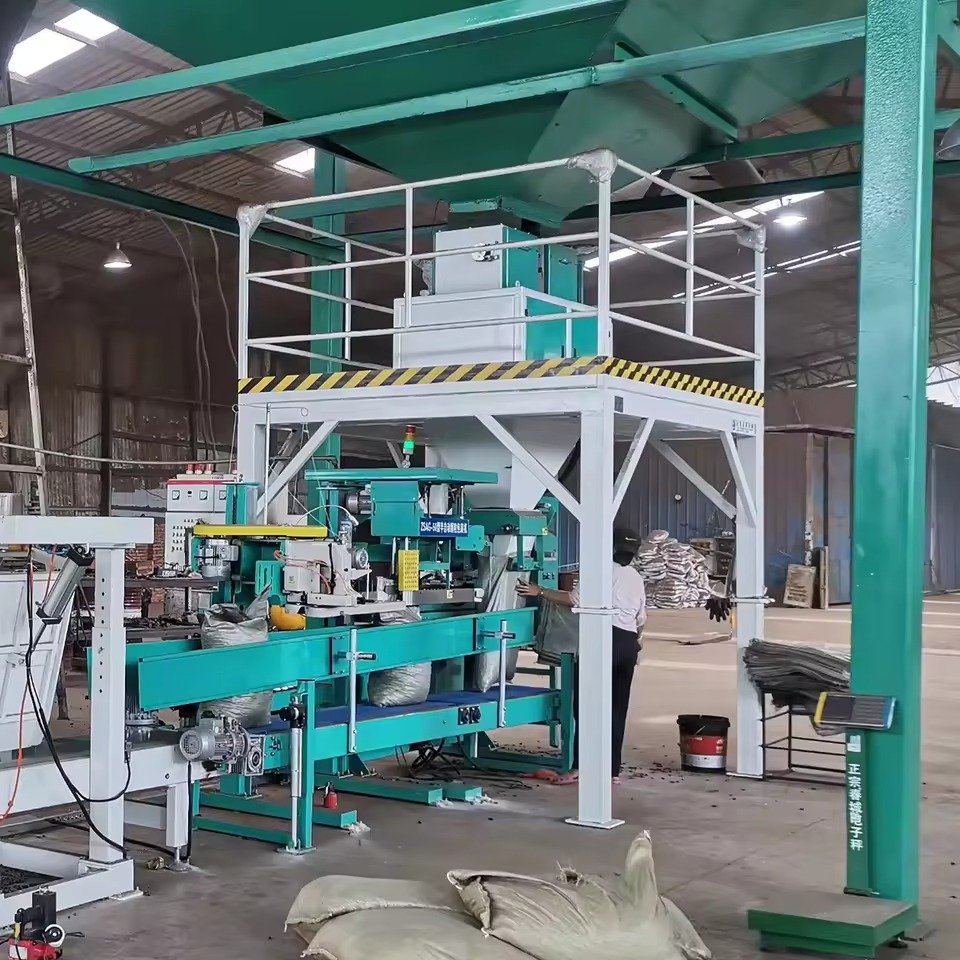
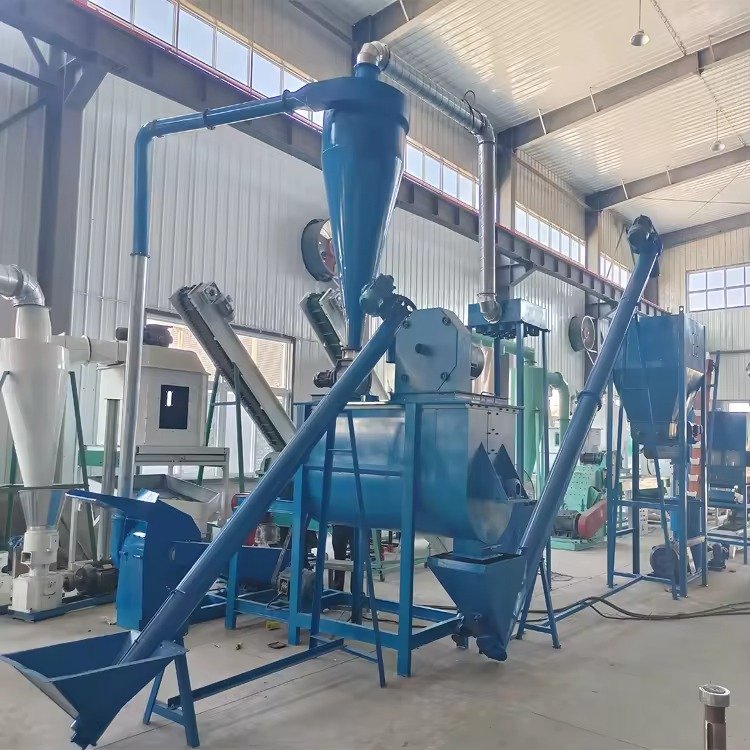
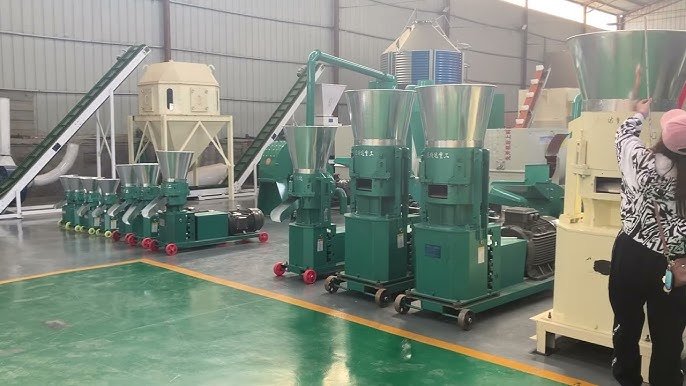
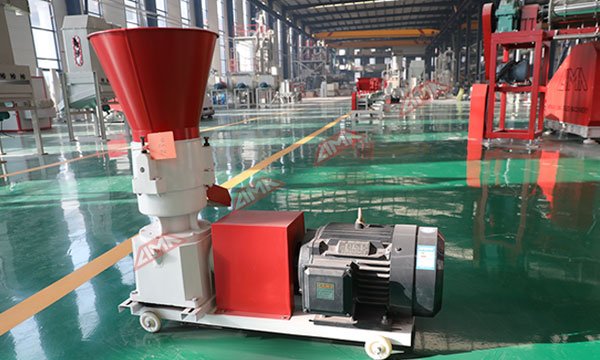
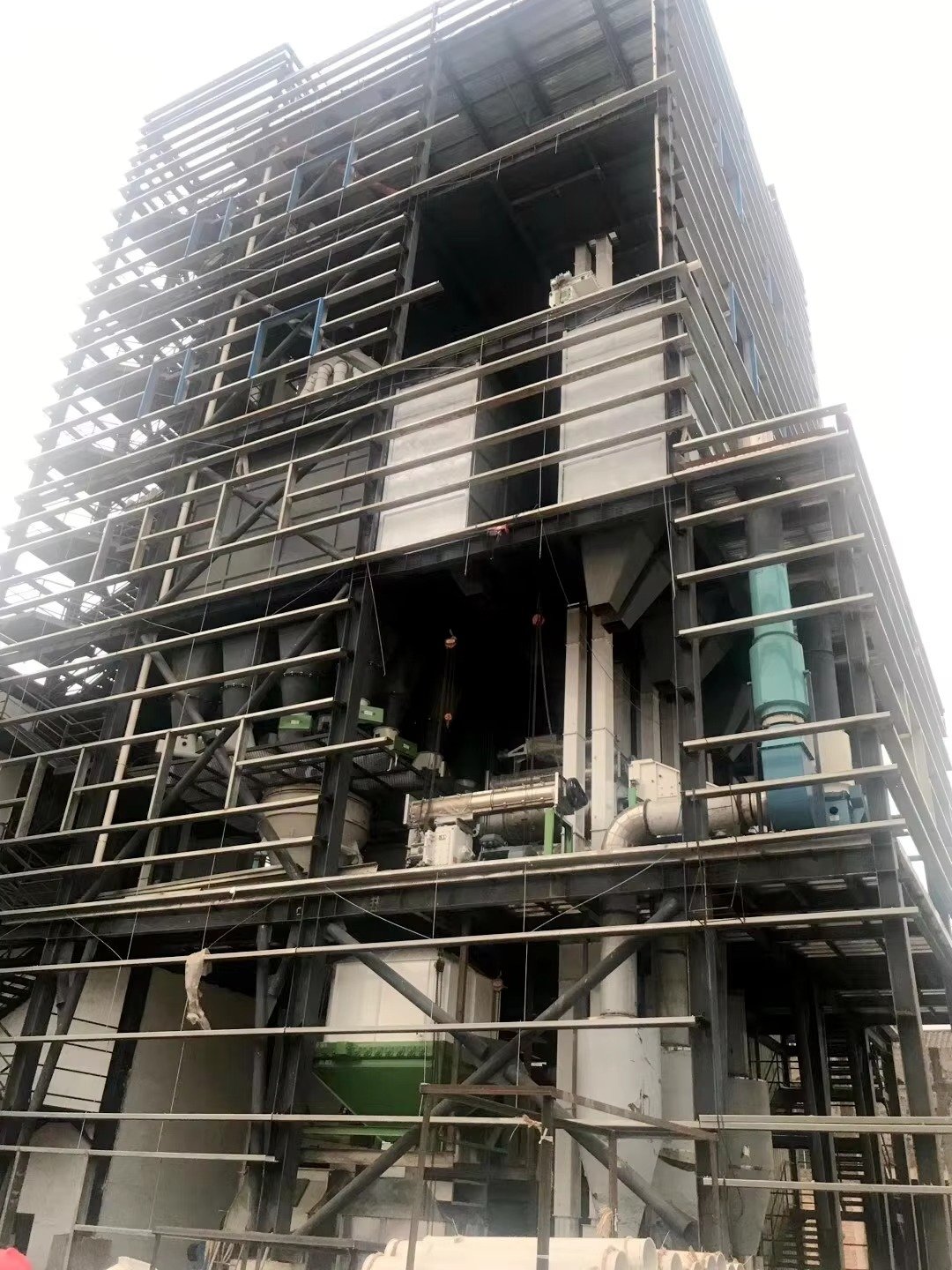
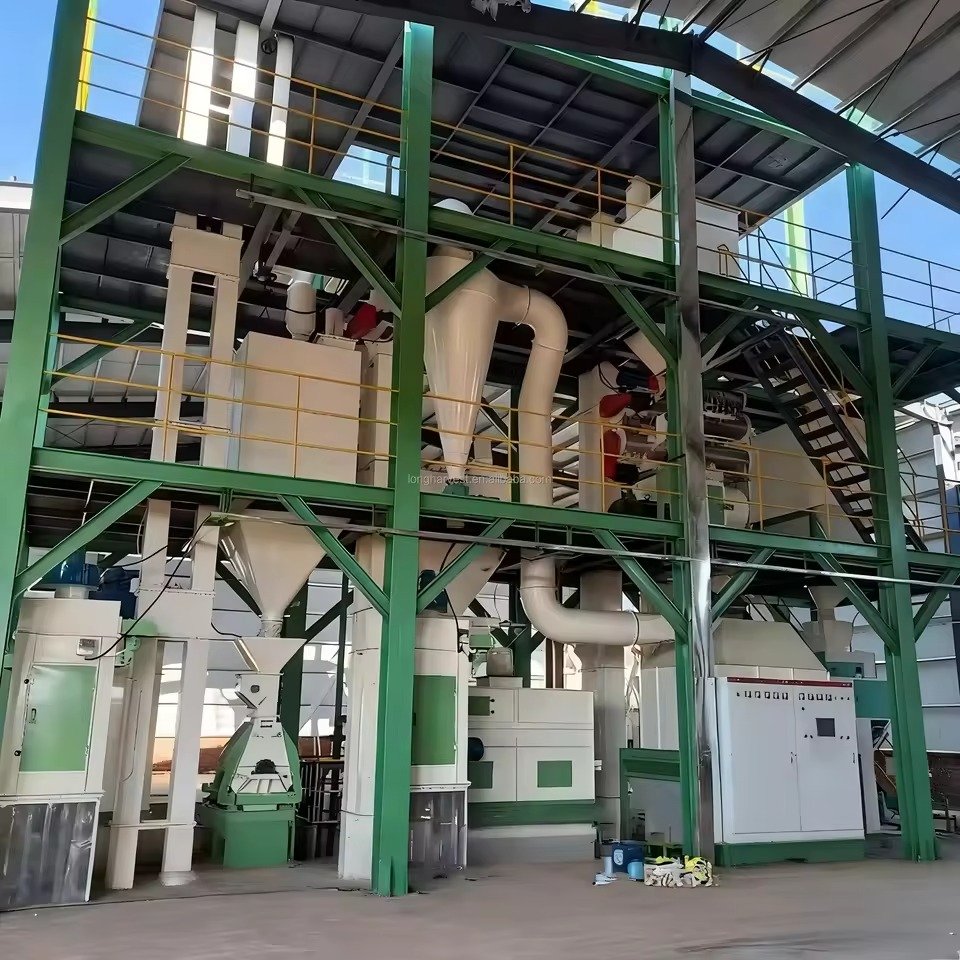
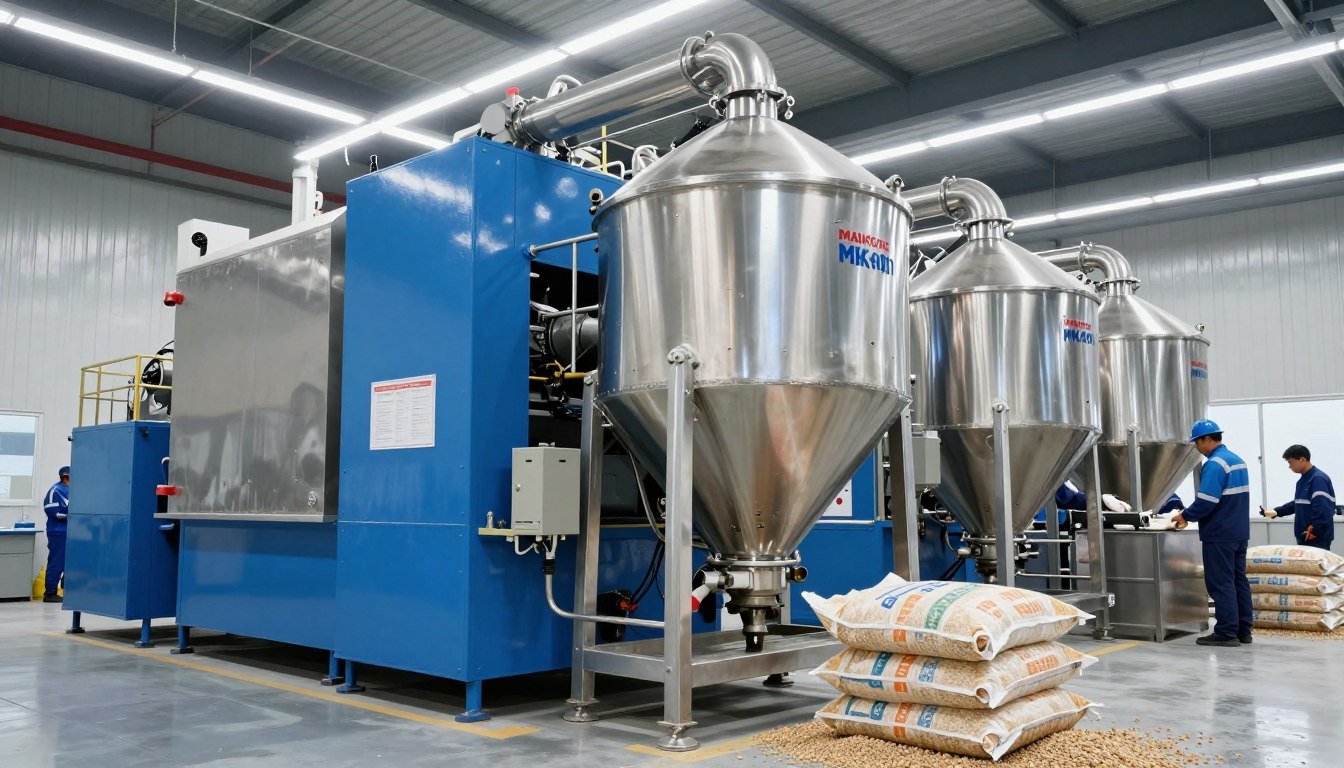
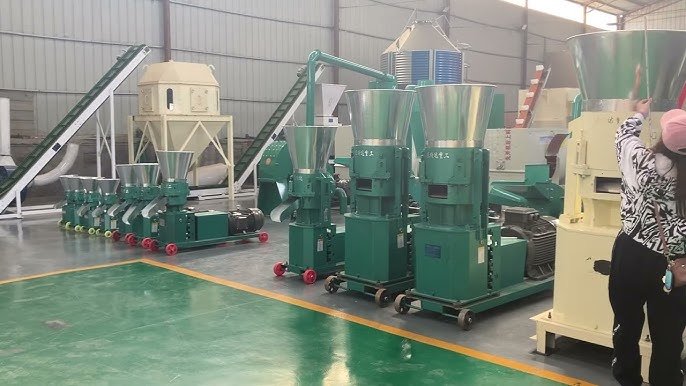
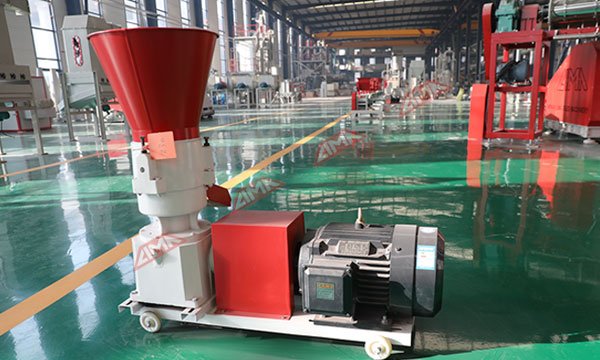
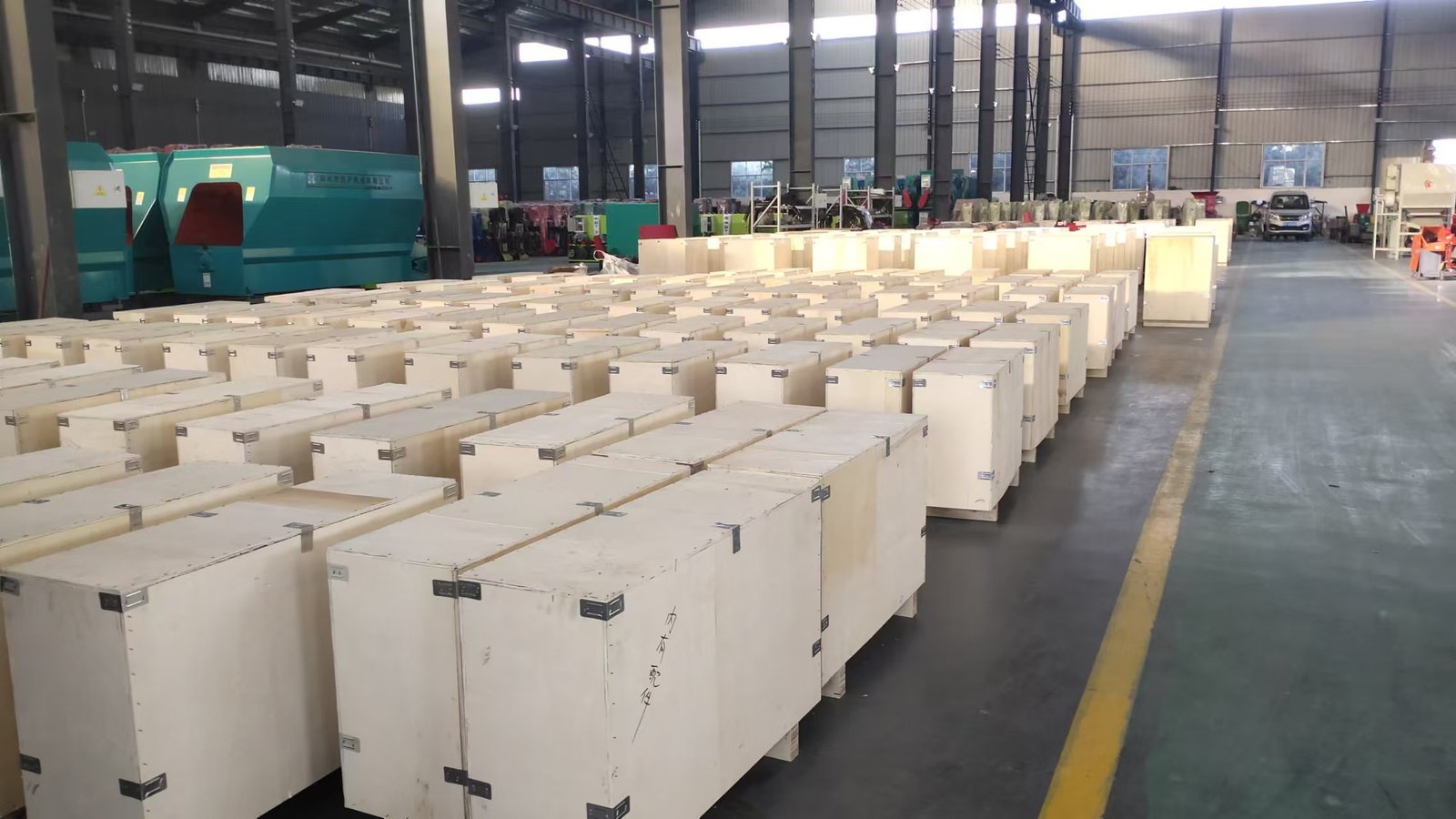
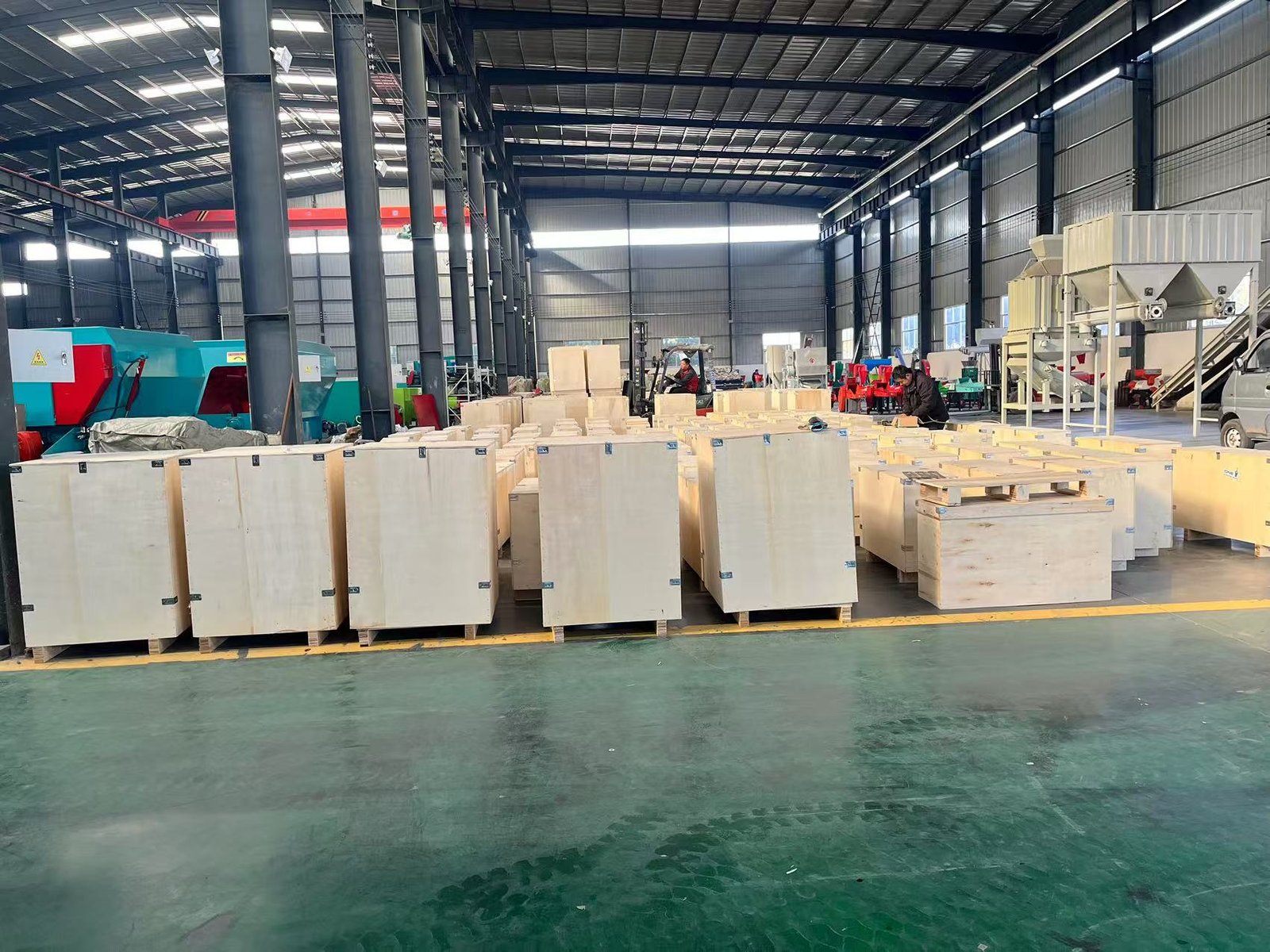
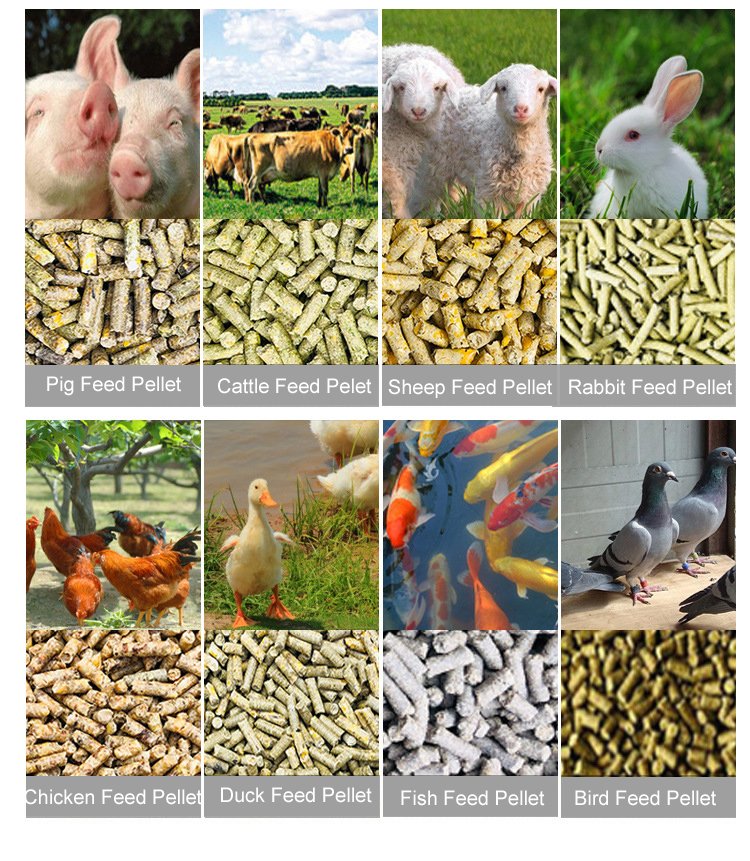
 This comprehensive guide examines the MAIKONG MK-001 fish feed pellet machine, engineered specifically for Philippine market conditions. With 22 years of manufacturing expertise and successful installations across Asia, Americas, Europe, Africa, and the Middle East, MAIKONG delivers industrial-grade solutions for operations from small family farms to large commercial feed mills.
Ready to Transform Your Feed Production?
Get expert guidance on the perfect fish feed pellet machine for your Philippine operation.
Fish Feed Pellet Machine Technology
[video width="1072" height="720" mp4="https://pelletmachine.ph/wp-content/uploads/2026/03/00061(厂内-大型生产线-包装-生产饲料视频-银色机器).mp4"][/video] fish feed pellet machine compresses powdered feed ingredients into uniform cylindrical pellets through mechanical pressure and heat. The process transforms loose meal into dense, water-stable pellets that fish, poultry, and livestock consume efficiently.How Fish Feed Pellet Machines Work
The pelletizing process involves several critical stages. Raw materials enter the machine through a feeding hopper. Inside the conditioning chamber, steam and heat pre-cook the ingredients at 75-85°C for 30-60 seconds. This conditioning step gelatinizes starches and denatures proteins. The softened material then enters the pressing chamber where rotating rollers force it through die holes under immense pressure (300-500 MPa).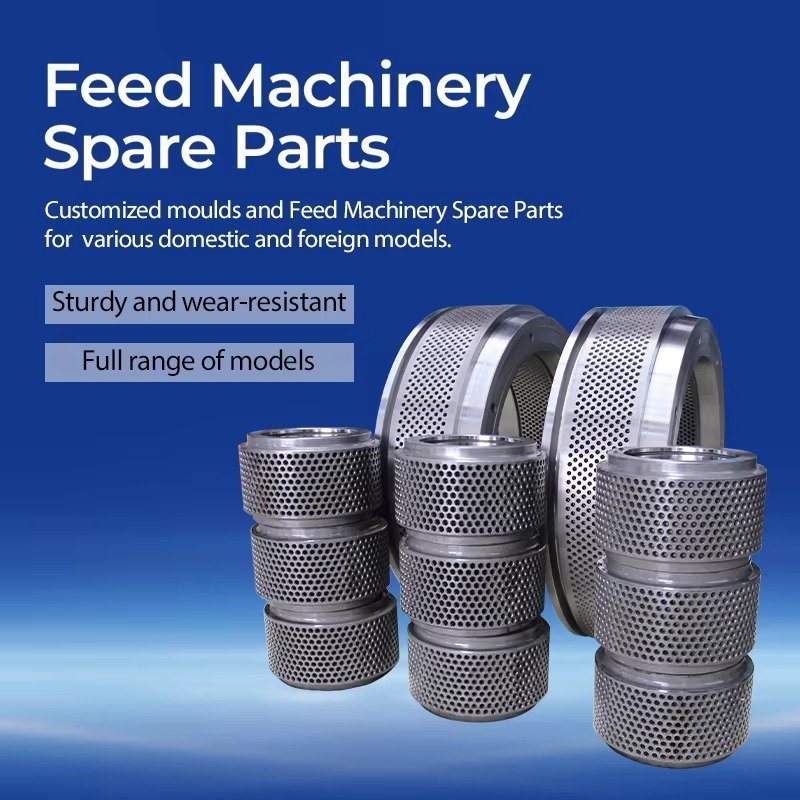 As material passes through the die holes, friction generates additional heat (80-90°C). The high temperature and pressure bond ingredients without requiring additional binders for most formulations. A rotating knife cuts emerging pellets to desired length.
Fresh pellets exit at 75-85°C with 15-18% moisture. They pass through a cooler where ambient air reduces temperature to 30°C and moisture to 12-13%. This cooling process hardens pellets and prevents mold growth during storage.
As material passes through the die holes, friction generates additional heat (80-90°C). The high temperature and pressure bond ingredients without requiring additional binders for most formulations. A rotating knife cuts emerging pellets to desired length.
Fresh pellets exit at 75-85°C with 15-18% moisture. They pass through a cooler where ambient air reduces temperature to 30°C and moisture to 12-13%. This cooling process hardens pellets and prevents mold growth during storage.
Types of Feed Pellet Machines
The feed manufacturing industry employs two main pelletizer categories: flat die and ring die machines. Each serves different production scales and applications.Flat Die Pellet Mills
- Capacity: 50-500 kg per hour
- Best for: Small farms, home use, startups
- Die orientation: Horizontal or vertical
- Power consumption: 3-15 kW
- Maintenance: Simple, user-serviceable
- Investment: Lower initial cost
- Pellet quality: Good for basic applications
Ring Die Pellet Mills
- Capacity: 500 kg - 30 tons per hour
- Best for: Commercial operations, feed mills
- Die orientation: Vertical ring configuration
- Power consumption: 22-315 kW
- Maintenance: Professional service recommended
- Investment: Higher but better ROI at scale
- Pellet quality: Superior density and durability
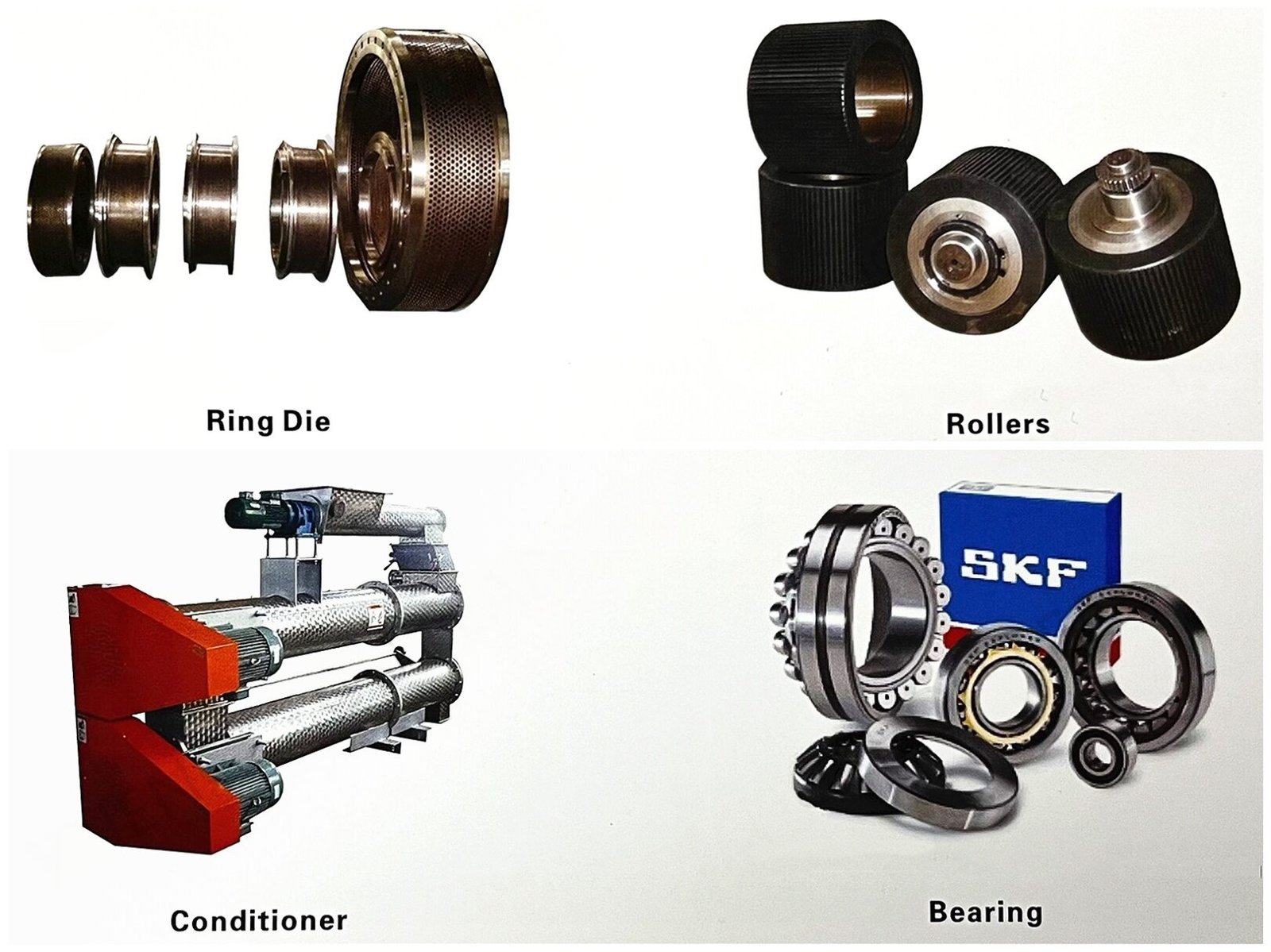 The MAIKONG MK-001 employs advanced ring die technology. This design delivers higher output, better pellet quality, and longer equipment lifespan compared to flat die alternatives.
Sinking vs. Floating Fish Feed Pellets
Fish feed pellets fall into two categories based on water behavior. Understanding the difference helps you select appropriate equipment for your target species. Sinking pellets drop through the water column immediately after entering the pond or tank. Traditional pellet machines like the MK-001 produce sinking feed through compression and cooling. These pellets suit bottom-feeding fish species including catfish, carp, tilapia (when bottom-feeding), and shrimp. Sinking fish feed pellets offer several advantages. They cost less to produce because they require only a standard pellet mill, not an extruder. The manufacturing process uses lower temperatures, preserving heat-sensitive nutrients like vitamins.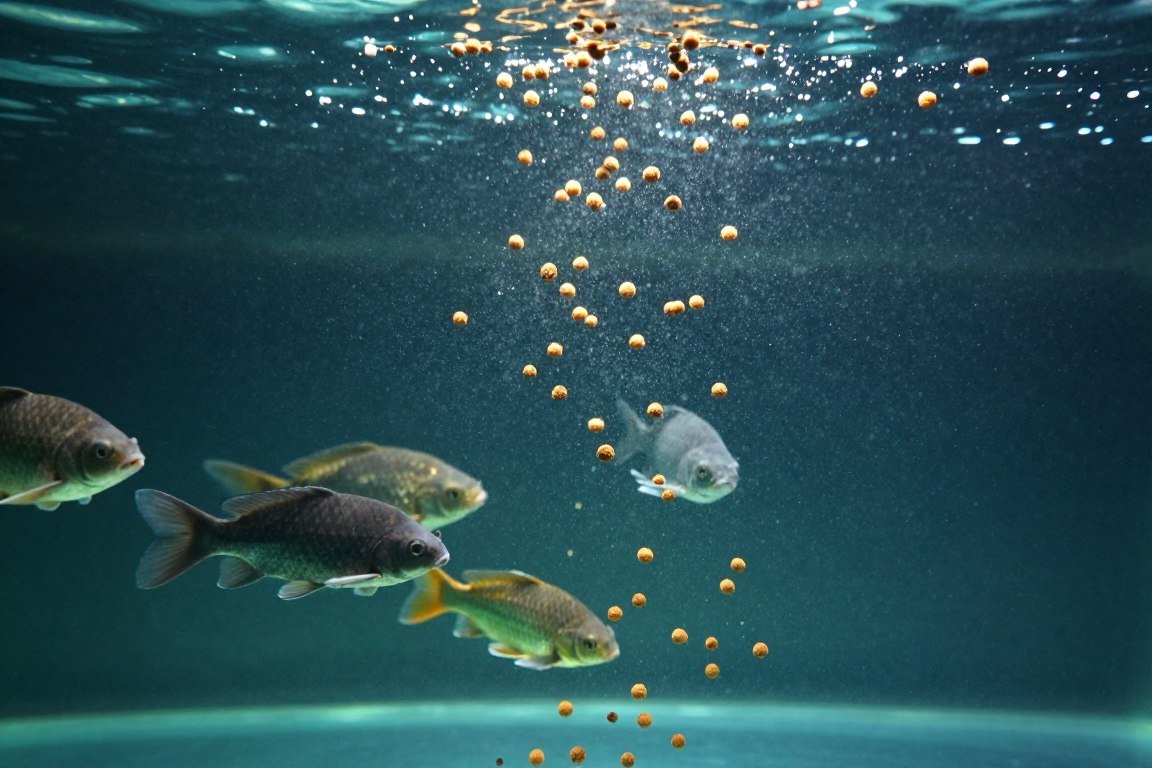 Floating pellets remain on the water surface for 15-30 minutes, allowing observation of feeding behavior. Extruders create floating feed by injecting steam under high pressure (30-40 bar) at elevated temperatures (120-180°C). This process expands starches, creating air pockets that provide buoyancy.
Floating feed benefits surface-feeding species like milkfish, certain tilapia life stages, ornamental fish, and some shrimp larvae. Farmers can monitor consumption and adjust feeding rates, reducing waste and water quality issues.
However, floating feed requires specialized extruder equipment costing 3-5 times more than traditional pellet mills. Energy consumption runs 40-60% higher due to extreme temperature and pressure requirements.
The MAIKONG MK-001 specializes in high-quality sinking pellets. For operations requiring floating feed, MAIKONG offers dedicated extruder models in the complete fish feed production line series.
Floating pellets remain on the water surface for 15-30 minutes, allowing observation of feeding behavior. Extruders create floating feed by injecting steam under high pressure (30-40 bar) at elevated temperatures (120-180°C). This process expands starches, creating air pockets that provide buoyancy.
Floating feed benefits surface-feeding species like milkfish, certain tilapia life stages, ornamental fish, and some shrimp larvae. Farmers can monitor consumption and adjust feeding rates, reducing waste and water quality issues.
However, floating feed requires specialized extruder equipment costing 3-5 times more than traditional pellet mills. Energy consumption runs 40-60% higher due to extreme temperature and pressure requirements.
The MAIKONG MK-001 specializes in high-quality sinking pellets. For operations requiring floating feed, MAIKONG offers dedicated extruder models in the complete fish feed production line series.
Key Components of Industrial Pellet Machines
Professional fish feed pellet machines integrate multiple subsystems working in coordination. Each component plays a critical role in pellet quality and production efficiency.Feeding System
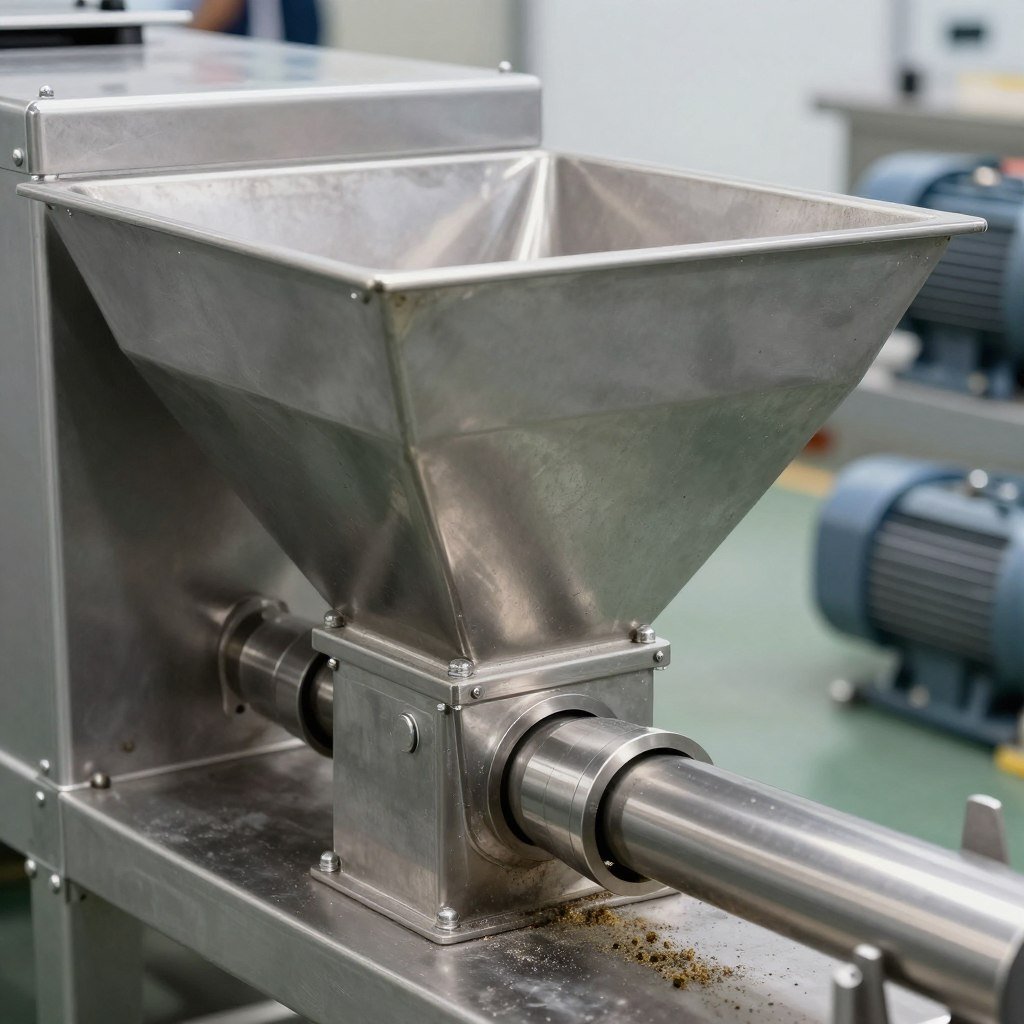
Variable-speed screw conveyor controls material flow into the conditioner. Consistent feeding prevents die blockages and ensures uniform pellet density. MAIKONG systems include level sensors that automatically adjust feed rate based on chamber fill.
Conditioning Chamber
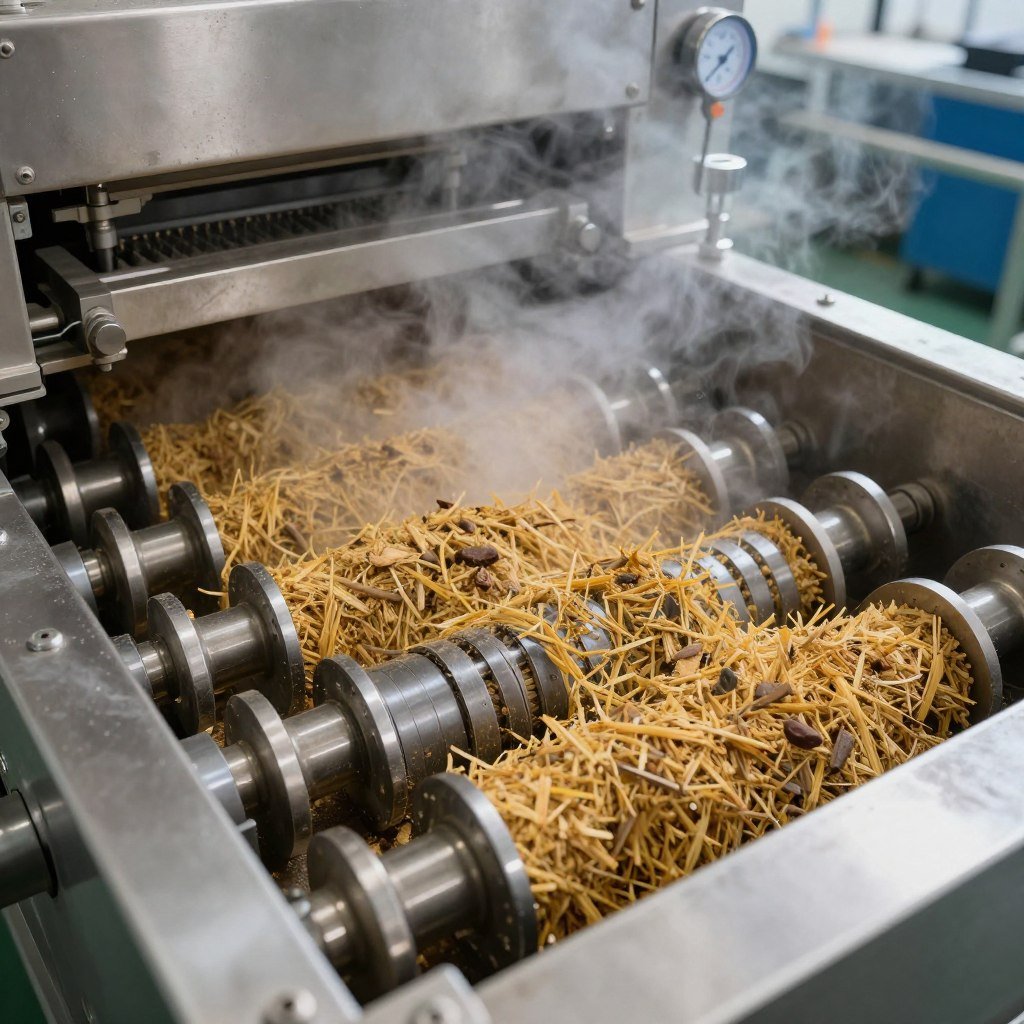
Single or multi-stage conditioners add steam and heat to partially cook ingredients. Aquatic feed requires 2-3 stage conditioning for adequate starch gelatinization (35-55%) and protein denaturation. Conditioning time ranges from 30 seconds (livestock feed) to 2 minutes (fish feed).
Die and Roller Assembly
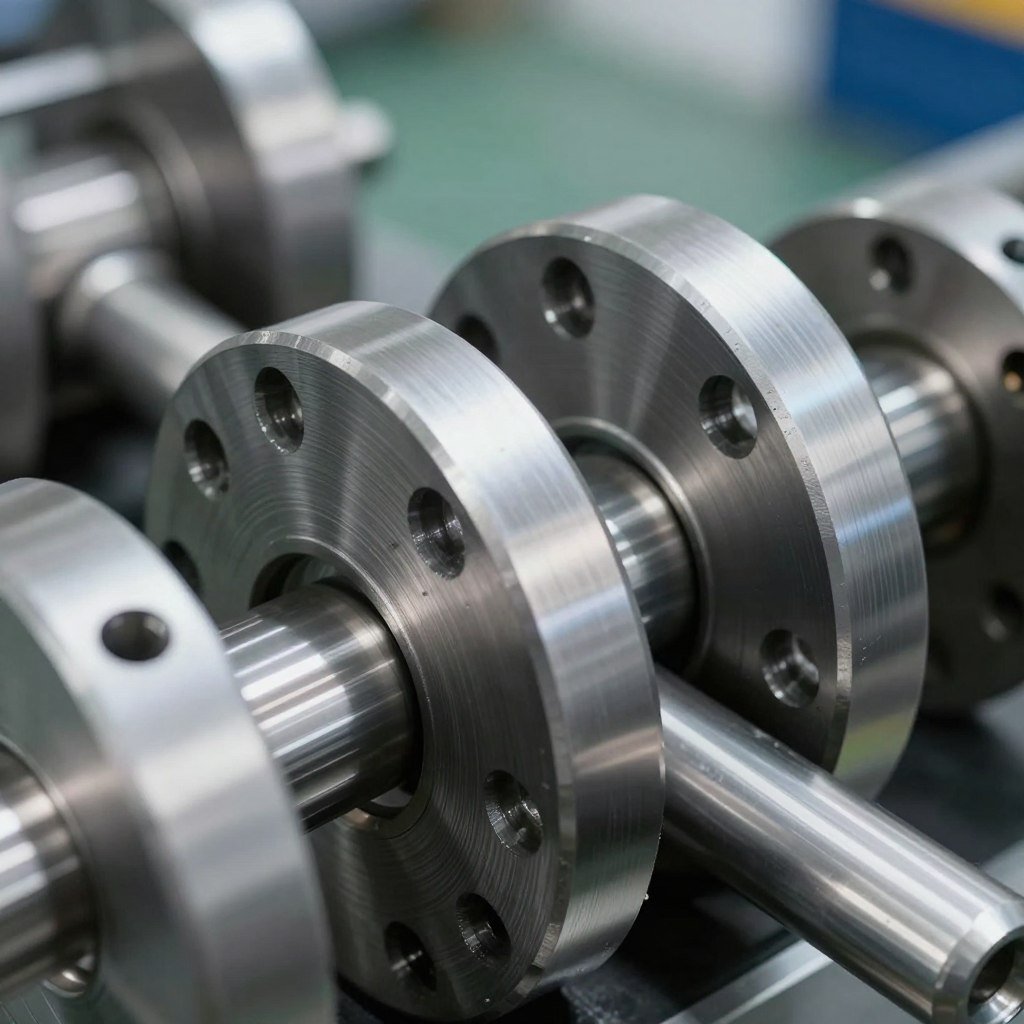
The heart of the pelletizer. Ring dies range from 250mm to 858mm diameter with hole sizes from 1.5mm to 12mm. Compression rollers apply 300-500 MPa pressure. Die hole length-to-diameter ratio determines pellet density: 6:1-10:1 for livestock feed, 10:1-16:1 for aquatic feed requiring superior water stability.
Main Drive System
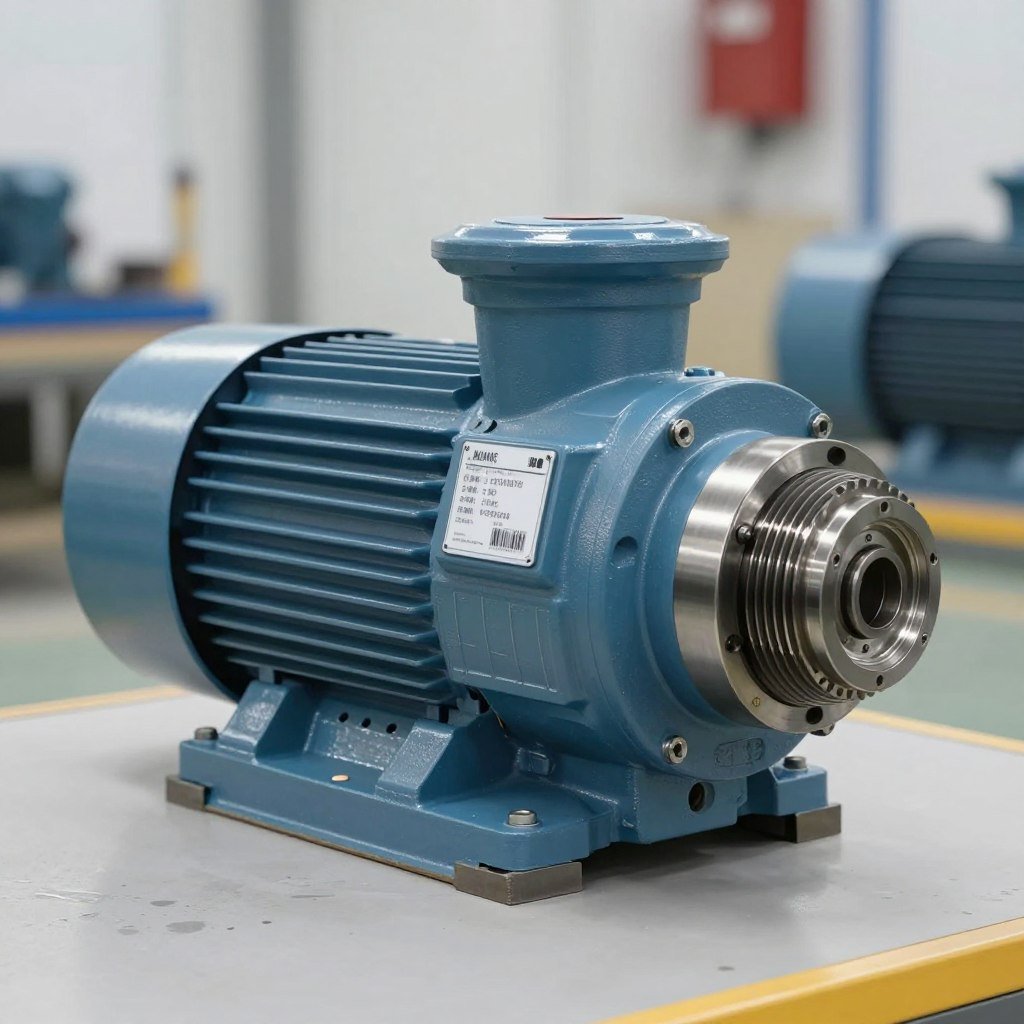
High-efficiency electric motors (22-315 kW) drive the ring die through precision gear reducers. MAIKONG employs helical gear systems with 95-97% transmission efficiency. This design reduces energy waste and operational noise compared to belt-drive alternatives.
Cutting Mechanism
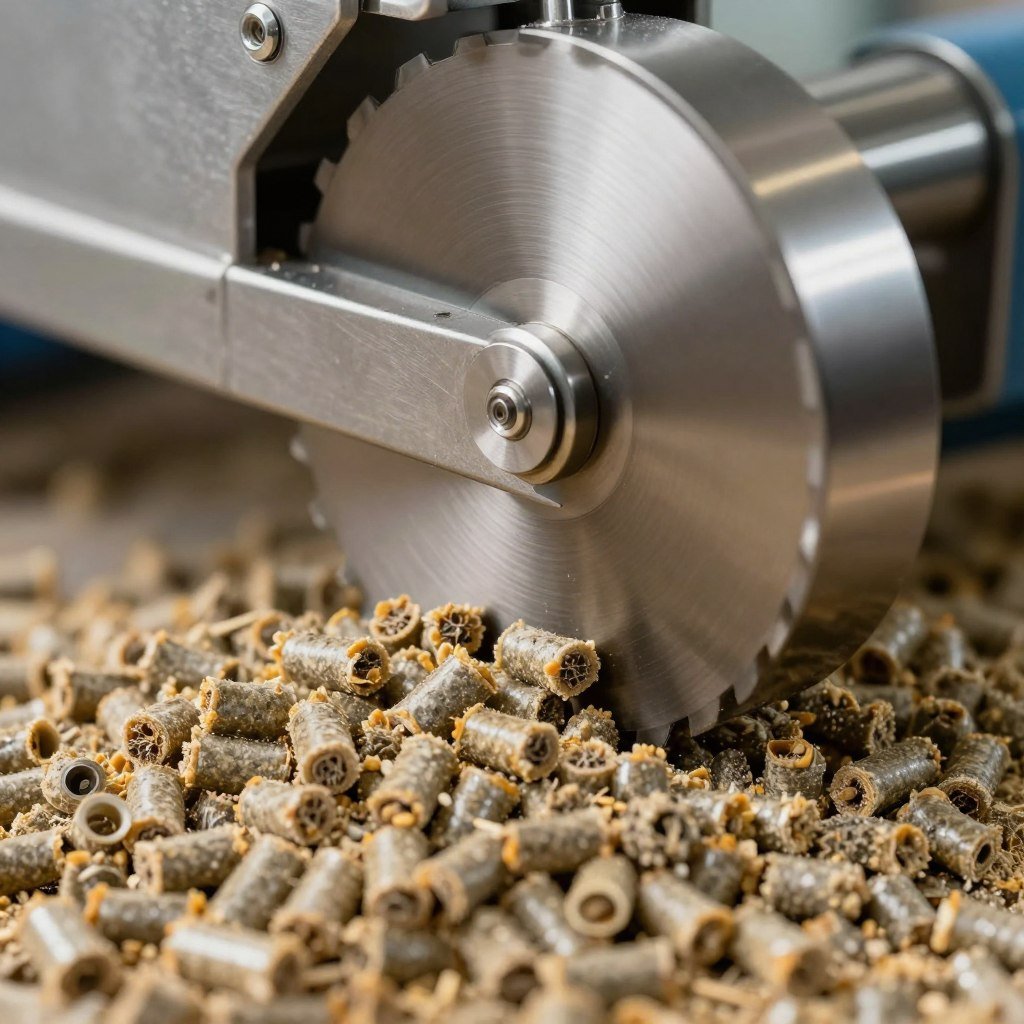
Adjustable knife blades rotate at die speed, cutting emerging pellets to specified length (5-20mm typical). Blade material (high-speed steel or carbide) and sharpness directly impact pellet uniformity and machine power consumption.
Discharge and Cooling
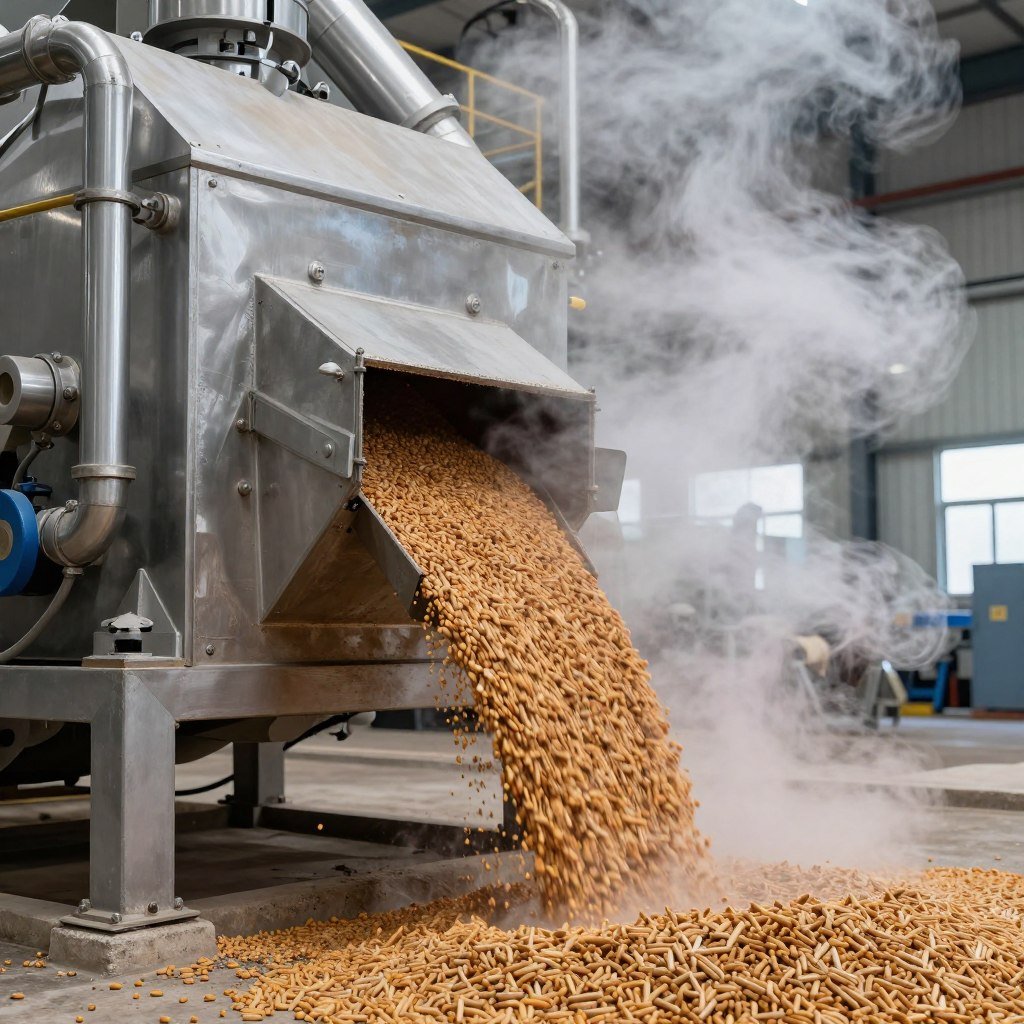
Hot pellets (75-85°C) discharge into counterflow coolers. Ambient air flows opposite to pellet movement, gradually reducing temperature to 25-30°C and moisture to 12-13%. Proper cooling prevents condensation, mold growth, and pellet crumbling during storage.
MAIKONG MK-001 Fish Feed Pellet Machine: Technical Specifications
The MAIKONG MK-001 represents the latest generation of industrial fish feed pelletizer machine technology designed specifically for Philippine market requirements. This model balances production capacity, energy efficiency, and operational flexibility.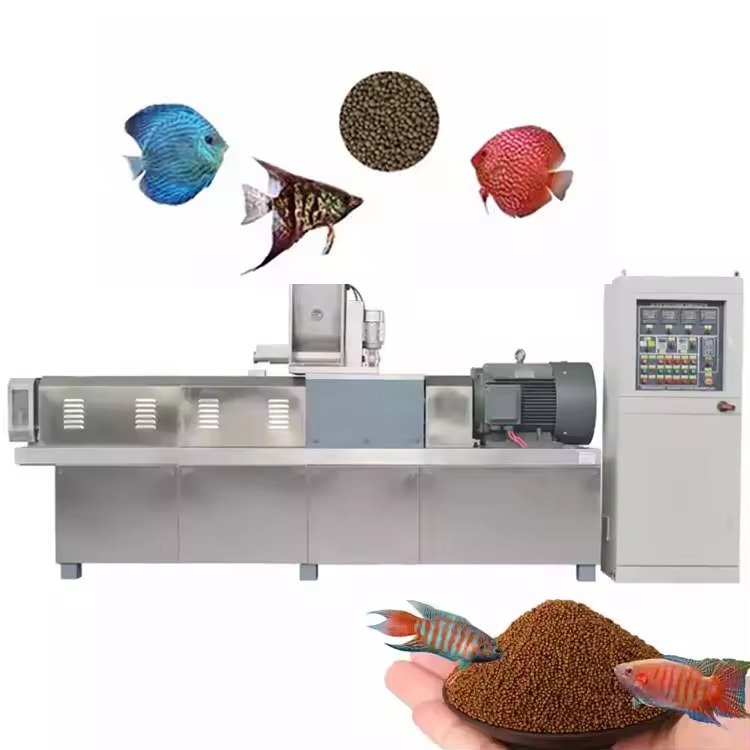
Complete Technical Parameters
| Specification | MK-001 Parameters | Details |
| Model Number | MK-001 | Industrial ring die configuration |
| Production Capacity | 800-1,200 kg/hour | Varies by material moisture and formula |
| Main Motor Power | 37 kW (50 HP) | Three-phase, 380V/220V selectable |
| Feeder Motor | 1.5 kW | Variable frequency drive (VFD) |
| Conditioner Motor | 2.2 kW | Single-stage standard, 3-stage optional |
| Ring Die Diameter | 320 mm | Alloy steel, heat-treated |
| Die Hole Size Range | 1.5 - 12 mm | Interchangeable dies available |
| Pellet Length | 5 - 20 mm | Adjustable via knife position |
| Machine Dimensions (L×W×H) | 1,850 × 850 × 1,650 mm | Without feeder and conditioner |
| Machine Weight | 1,250 kg | Net weight, main unit only |
| Housing Material | High-strength ABS composite | Corrosion-resistant, easy cleaning |
| Available Colors | Blue, Gray, Custom | Powder-coated finish |
| Noise Level | ≤ 75 dB | At 1 meter distance, full load |
| Voltage Options | 220V/380V/415V | Philippine standard: 220V single, 380V three-phase |
| Frequency | 50/60 Hz | Auto-sensing |
| Price Range | USD 12,800 - 15,500 | Varies by configuration and accessories |
| Warranty Period | 24 months | Main components, excludes consumables |
| Stock Availability | In Stock | Philippines warehouse, 5-7 day delivery |
Production Capacity by Feed Type
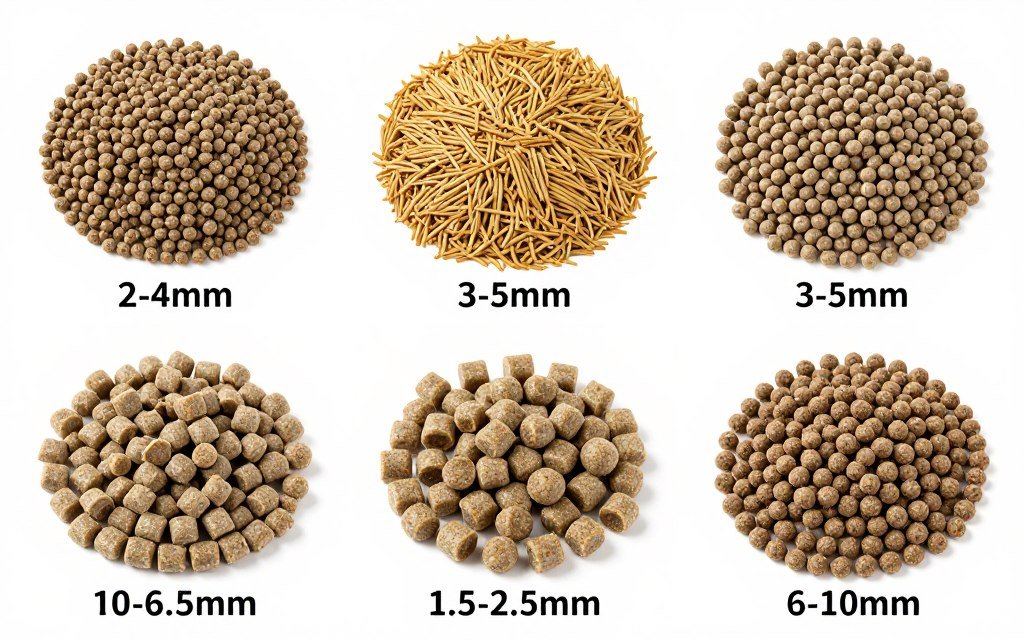
Actual output varies based on raw material characteristics, formula composition, and pellet specifications. The following table shows typical production rates for common Philippine feed applications.| Feed Type | Pellet Size | Typical Output (kg/hour) | Energy Consumption (kWh/ton) |
| Fish feed (tilapia, carp) | 2-4 mm | 900-1,100 | 18-22 |
| Catfish feed | 4-6 mm | 1,000-1,200 | 16-20 |
| Shrimp feed | 1.5-2.5 mm | 800-950 | 20-24 |
| Chicken feed | 3-5 mm | 1,100-1,300 | 14-18 |
| Pig feed | 4-8 mm | 1,200-1,400 | 12-16 |
| Cattle feed | 6-10 mm | 1,300-1,500 | 10-14 |
| Rabbit feed | 3-4 mm | 1,000-1,200 | 15-19 |
| Pet food (dogs, cats) | 5-8 mm | 950-1,150 | 16-20 |
Customization Options for Philippine Market
MAIKONG offers extensive customization to match specific operational requirements. Every aspect of the MK-001 can be tailored to your production needs.Voltage Configurations
- 220V single-phase (small operations)
- 380V three-phase (standard industrial)
- 415V three-phase (some industrial parks)
- Dual-voltage systems with auto-switching
- Voltage stabilizer integration for unstable power areas
- Generator compatibility packages
Production Capacity Scaling
- 200-500 kg/hour: Small farm package
- 500-1,000 kg/hour: Medium farm package
- 1,000-2,000 kg/hour: Commercial package (MK-001 standard)
- 2-5 tons/hour: Multiple unit installation
- 5-200 tons/hour: Complete feed pellet production line
Die Specifications
- Standard hole sizes: 1.5, 2, 2.5, 3, 4, 5, 6, 8, 10, 12 mm
- Custom hole sizes: Any diameter 1.5-12 mm
- Length-to-diameter ratios: 6:1, 8:1, 10:1, 12:1, 14:1, 16:1
- Multi-hole pattern optimization for different materials
- Quick-change die systems for multi-product operations
- Extended-life hardened steel dies for abrasive ingredients
Control Systems
- Manual control panel (basic package)
- Semi-automatic PLC control
- Fully automatic PLC with touchscreen HMI
- Remote monitoring via smartphone app
- Production data logging and analysis
- Predictive maintenance alerts
Conditioning Upgrades
- Single-stage conditioner (livestock feed)
- Double-stage conditioner (improved aquatic feed)
- Triple-stage conditioner (premium fish feed, shrimp feed)
- Steam injection system integration
- Temperature control modules
- Retention time adjustment systems
Material Handling Add-ons
- Automatic ingredient batching system
- Bucket elevators for multi-level installations
- Pneumatic conveying for dust-free operation
- Liquid addition systems for fats, oils, molasses
- Micro-ingredient dosing for vitamins, minerals
- Automated packaging systems
Get Your Customized Solution & Quote
Every farm has unique needs. Our engineers will design a fish feed pellet machine configuration specifically for your:
- Production capacity requirements (200kg to 200 tons/hour)
- Feed types (fish, poultry, livestock, aquaculture)
- Pellet sizes and specifications
- Power requirements (Philippine voltage standards)
- Budget and timeline
Raw Material Requirements and Processing
Successful pellet production begins with proper raw material preparation. The MK-001 fish feed pellet machine accepts a wide range of ingredients, but each requires specific processing to achieve optimal results.Acceptable Raw Materials
Philippine feed manufacturers work with diverse ingredient sources. Understanding which materials suit your pellet machine prevents equipment damage and quality issues.Cereal Grains

- Corn (yellow, white)
- Rice bran
- Wheat bran
- Broken rice
- Sorghum
- Barley
- Millet
Protein Sources
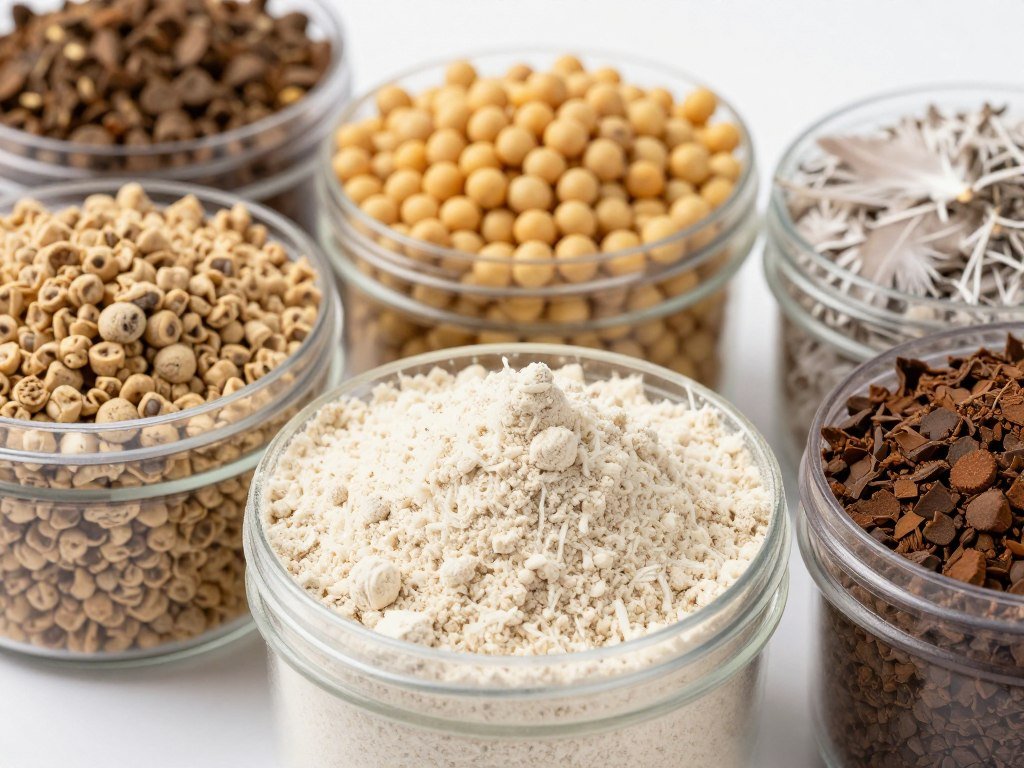
- Fish meal (anchovy, sardine)
- Soybean meal
- Copra meal (coconut)
- Meat and bone meal
- Feather meal
- Blood meal
- Shrimp head meal
Fiber Components
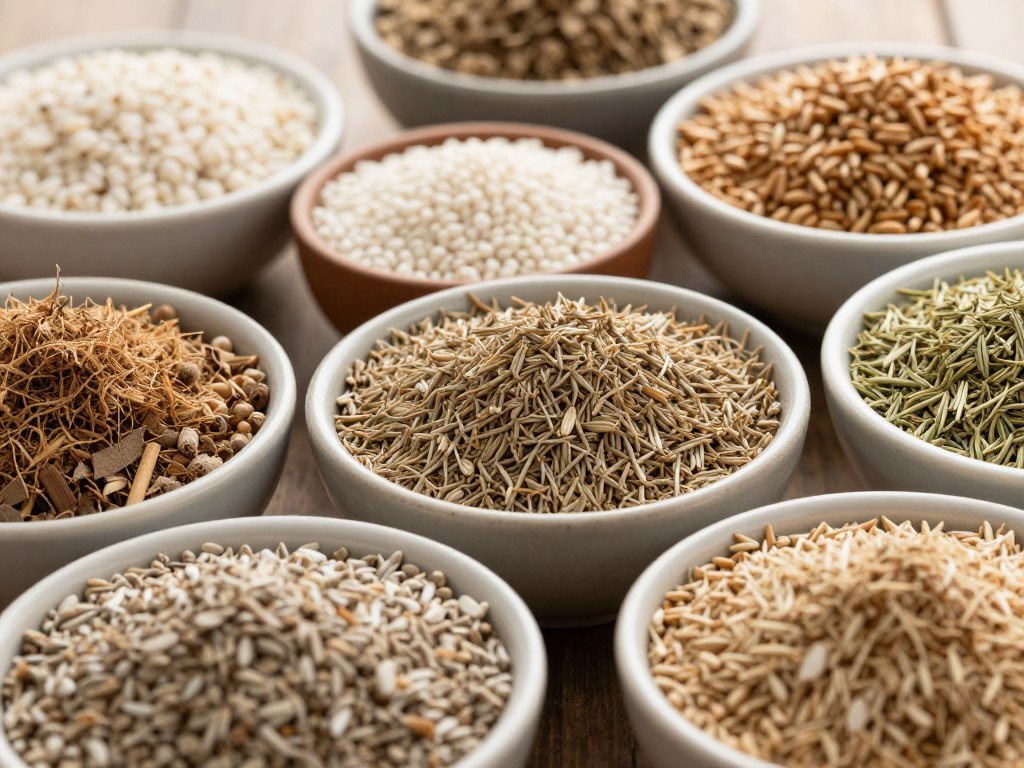
- Rice hulls
- Wheat middlings
- Alfalfa meal
- Cassava residue
- Copra cake
- Palm kernel cake
- Sugarcane bagasse
Fats and Oils
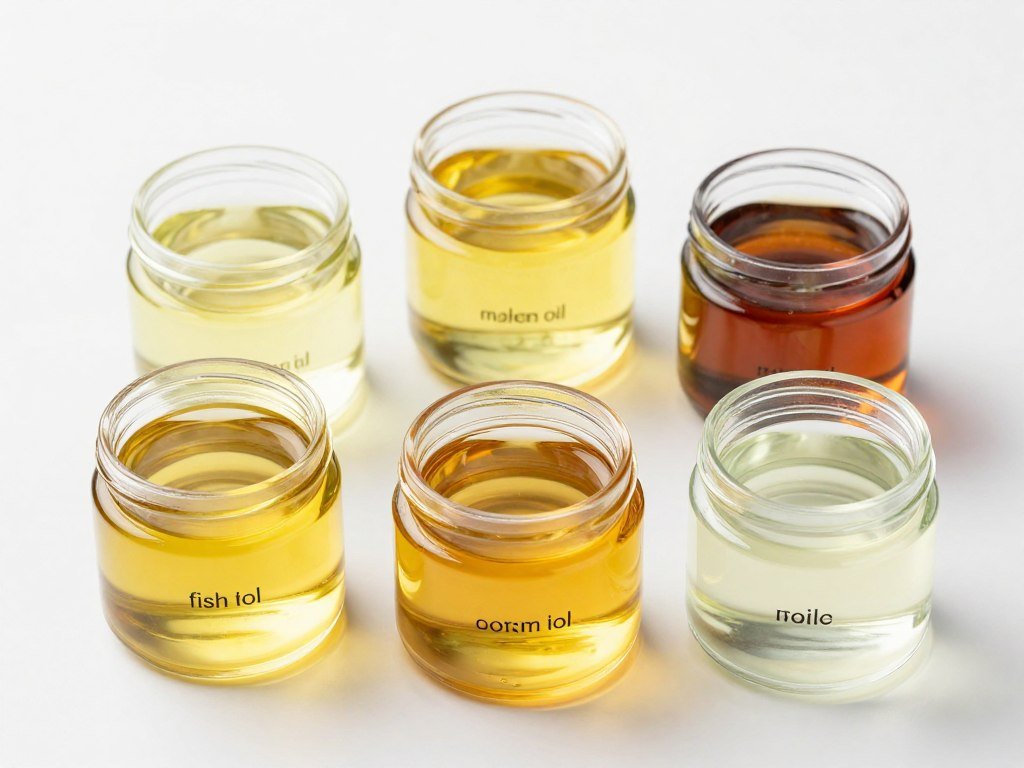
- Fish oil
- Soybean oil
- Palm oil
- Coconut oil
- Poultry fat
- Tallow
- Vegetable oil blends
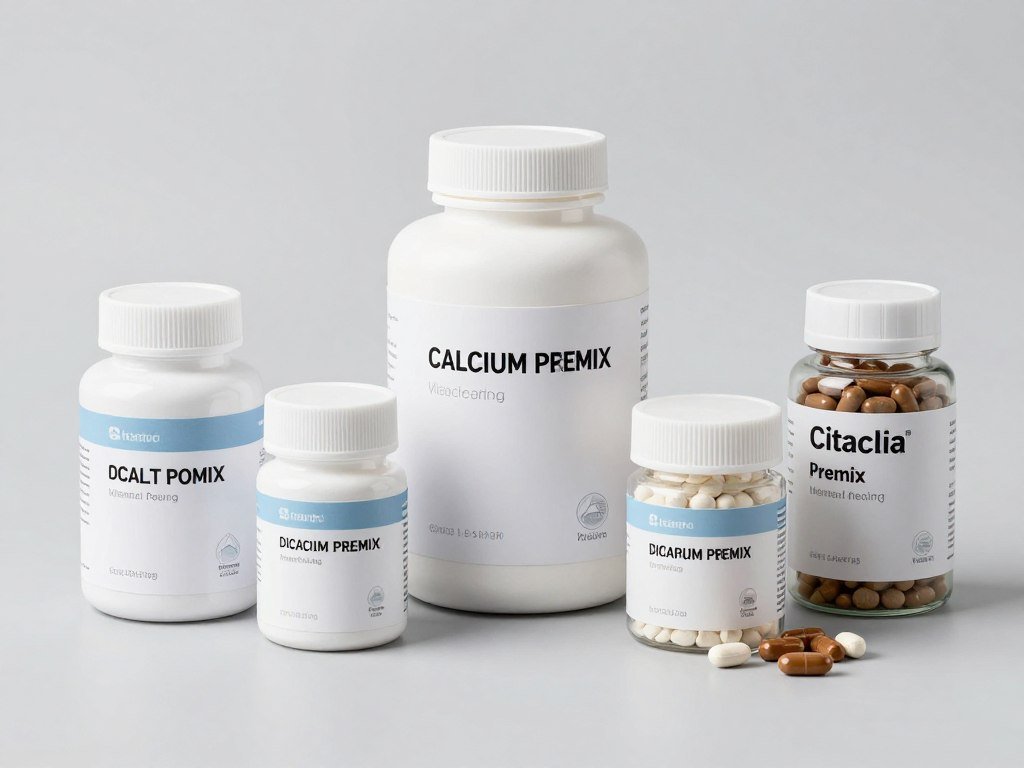
Vitamins and Minerals
- Vitamin premixes
- Mineral premixes
- Calcium carbonate
- Dicalcium phosphate
- Salt (sodium chloride)
- Trace element blends
- Choline chloride
Binders and Additives
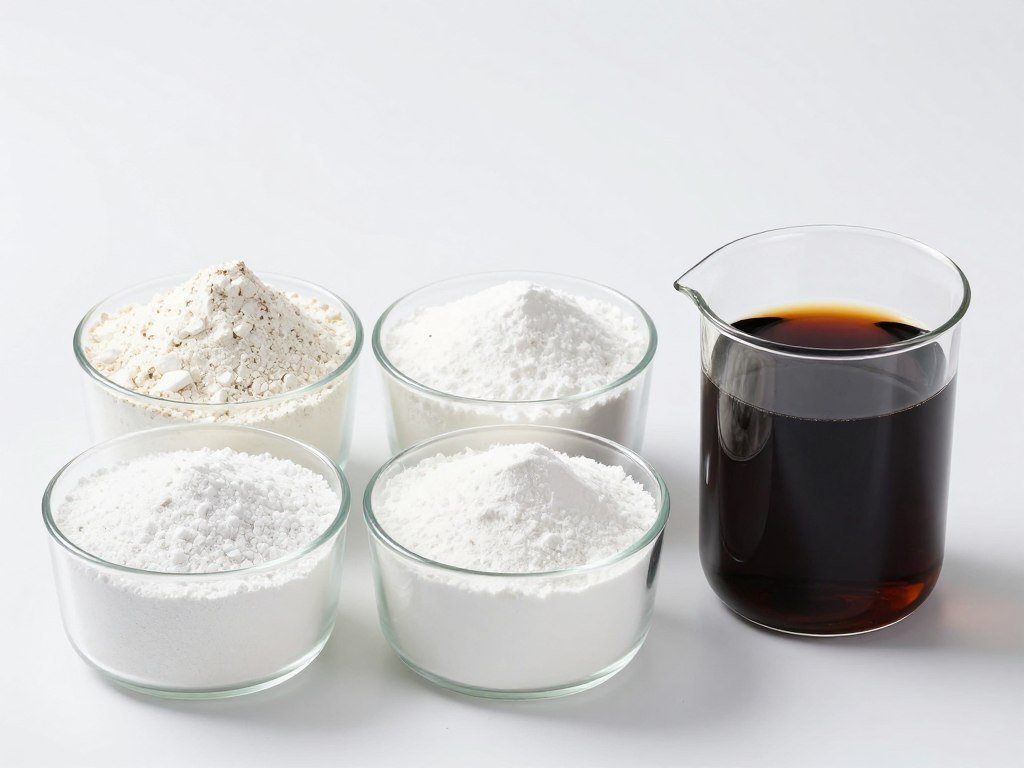
- Bentonite clay
- Cassava starch
- Wheat gluten
- Lignosulfonate
- Molasses
- Enzymes
- Probiotics
Particle Size Requirements
Ingredient grinding directly impacts pellet quality, machine performance, and feed digestibility. Fish and aquatic species require finer particle sizes than poultry or livestock due to shorter digestive tracts.| Animal Category | Required Mesh Size | Particle Size (mm) | Sieve Requirement |
| Livestock (cattle, pigs) | 8 mesh minimum | 2.0-2.5 mm | ≤20% on 16 mesh sieve |
| Poultry (chickens, ducks) | 20 mesh minimum | 0.85-1.0 mm | ≤15% on 30 mesh sieve |
| Regular fish feed | 40 mesh minimum | 0.38-0.42 mm | ≤20% on 60 mesh sieve |
| Premium fish feed | 60 mesh minimum | 0.25-0.30 mm | ≤15% on 80 mesh sieve |
| Shrimp, prawn feed | 60 mesh minimum | 0.25-0.30 mm | 100% through 60 mesh |
| Larval fish, fry feed | 80 mesh minimum | 0.18-0.21 mm | 100% through 80 mesh |
- Pigs: 14:1 ratio - extensive digestion time
- Chickens: 10:1 ratio - moderate digestion capability
- Cattle: 26:1 ratio - very long digestion time
- Sheep: 27:1 ratio - extensive fermentation chambers
- Silver carp: 6:1 ratio - limited digestion time
- Bighead carp: 5:1 ratio - fast feed passage
- Grass carp: 2.5-3:1 ratio - very short intestines
- Common carp: 2.5:1 ratio - rapid transit
- Herring: 1.2-2:1 ratio - minimal digestion time
- Mandarin fish: 0.6:1 ratio - extremely short tract
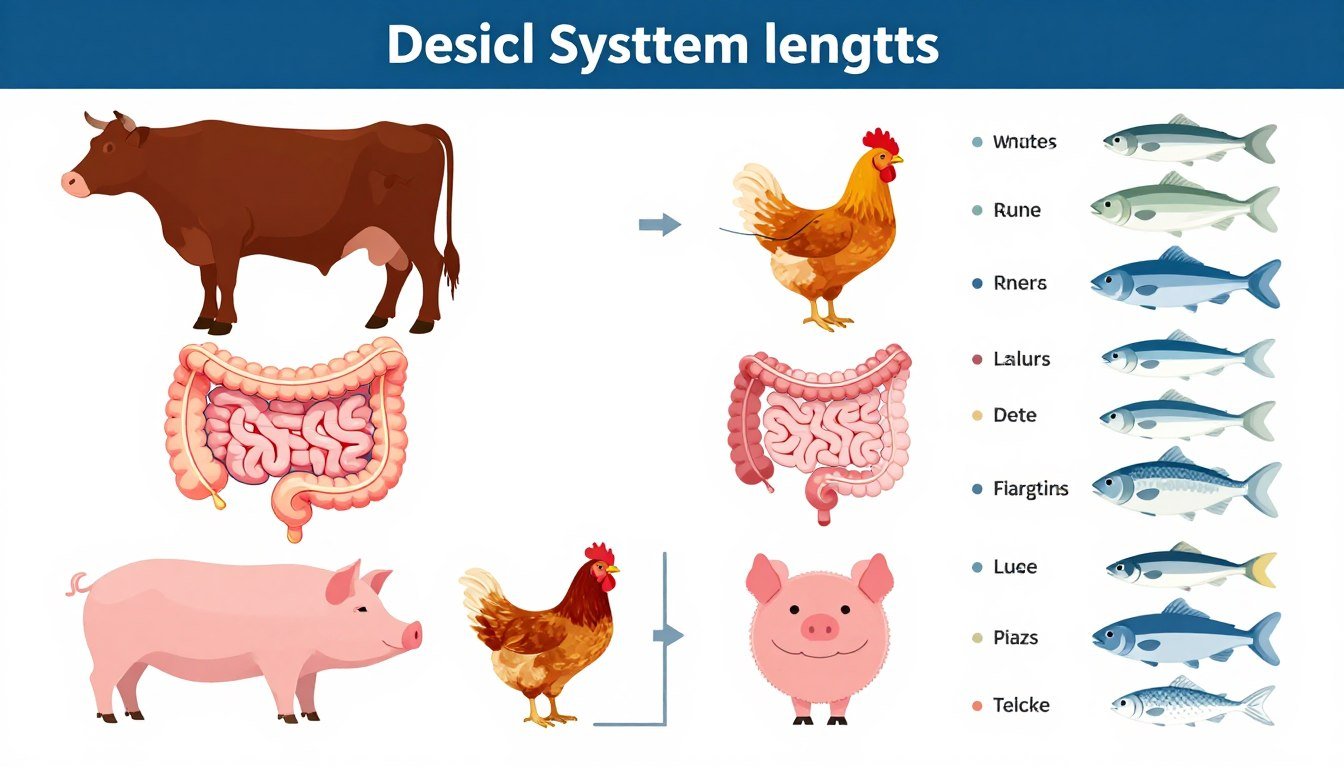 Additionally, fish maintain lower body temperatures than mammals and birds. This reduces digestive enzyme activity. Intestinal bacteria populations remain smaller and less diverse in aquatic species. Food residence time in the digestive tract runs much shorter: pigs digest feed over 72-96 hours, poultry over 48 hours, but carnivorous salmon digest in just 15-26 hours and catfish in 24 hours.
Fine grinding increases surface area exposure to digestive enzymes. This compensates for short transit times and lower body temperatures. Properly ground ingredients improve nutrient absorption by 15-25% compared to coarsely ground materials.
Additionally, fish maintain lower body temperatures than mammals and birds. This reduces digestive enzyme activity. Intestinal bacteria populations remain smaller and less diverse in aquatic species. Food residence time in the digestive tract runs much shorter: pigs digest feed over 72-96 hours, poultry over 48 hours, but carnivorous salmon digest in just 15-26 hours and catfish in 24 hours.
Fine grinding increases surface area exposure to digestive enzymes. This compensates for short transit times and lower body temperatures. Properly ground ingredients improve nutrient absorption by 15-25% compared to coarsely ground materials.
Moisture Content Management
Ingredient moisture dramatically affects pelletizing performance. Too dry, and pellets crumble. Too wet, and the die clogs. Optimal moisture varies by ingredient type.| Material Type | Optimal Storage Moisture | Pre-Pelleting Moisture | Post-Conditioning Moisture |
| Grains (corn, wheat, rice) | 12-14% | 13-15% | 15-17% |
| Protein meals (fish, soy) | 8-10% | 10-12% | 14-16% |
| Fiber sources (brans, hulls) | 10-12% | 12-14% | 15-18% |
| Complete feed mix | - | 12-14% | 15-18% |
| Finished pellets | - | - | 12-13% (after cooling) |
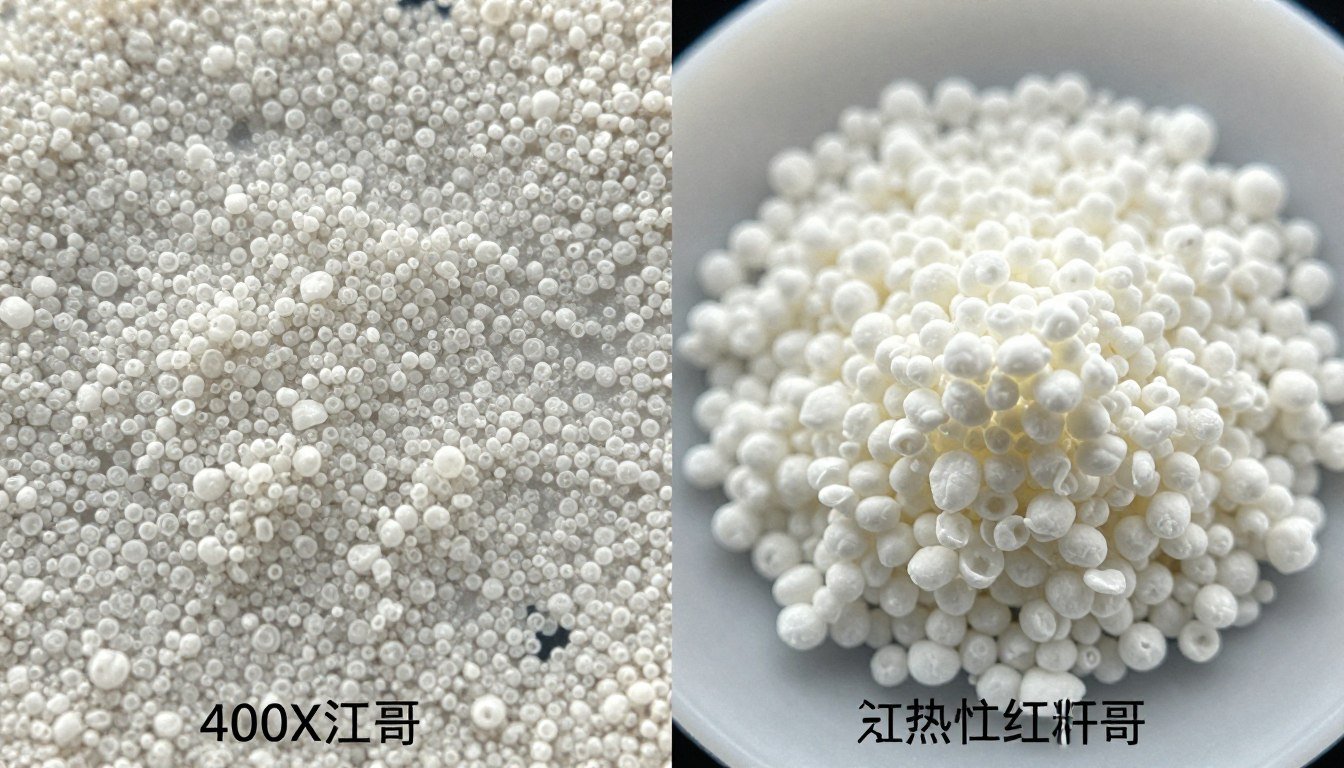
Formula Optimization for Pellet Quality
Not all formulas pelletize equally well. Ingredient composition affects binding strength, pellet durability, and water stability. Understanding these relationships allows you to design formulas that produce excellent pellets without artificial binders.Ingredients That Improve Pellet Quality
- Wheat: High gluten content provides natural binding (5-15% inclusion improves durability 20-30%)
- Corn starch: Gelatinizes readily, excellent binder when heated (native starch works better than pre-gelatinized)
- Fish meal: High protein denatures under heat, creates strong bonds (10-20% inclusion standard in aquatic feed)
- Soybean meal: Contains lecithin (emulsifier) and protein that binds well (20-40% inclusion typical)
- Molasses: Sticky liquid provides binding and improves palatability (2-5% inclusion)
- Bentonite clay: Swells when wet, provides binding and improves water stability (1-3% inclusion)
Ingredients That Challenge Pellet Formation
- Rice bran: High oil content (15-20%) lubricates particles, reduces friction needed for binding
- Copra meal: Fibrous structure resists compression (limit to 15-20% of formula)
- Fish oil: Excess oil (>6-8%) prevents particle bonding, causes soft pellets
- Rice hulls: Very high fiber (35-40%), low nutritional value, resists compression (use sparingly,
- Palm kernel cake: Hard fibrous particles don't bind well without fine grinding
- Feather meal: Hydrophobic protein doesn't gelatinize easily (limit to 5-10%)
Complete Feed Pellet Production Line Components
The pellet machine represents just one component in a complete feed production system. Professional operations require additional equipment for receiving, processing, and packaging finished products.Essential Pre-Pelleting Equipment
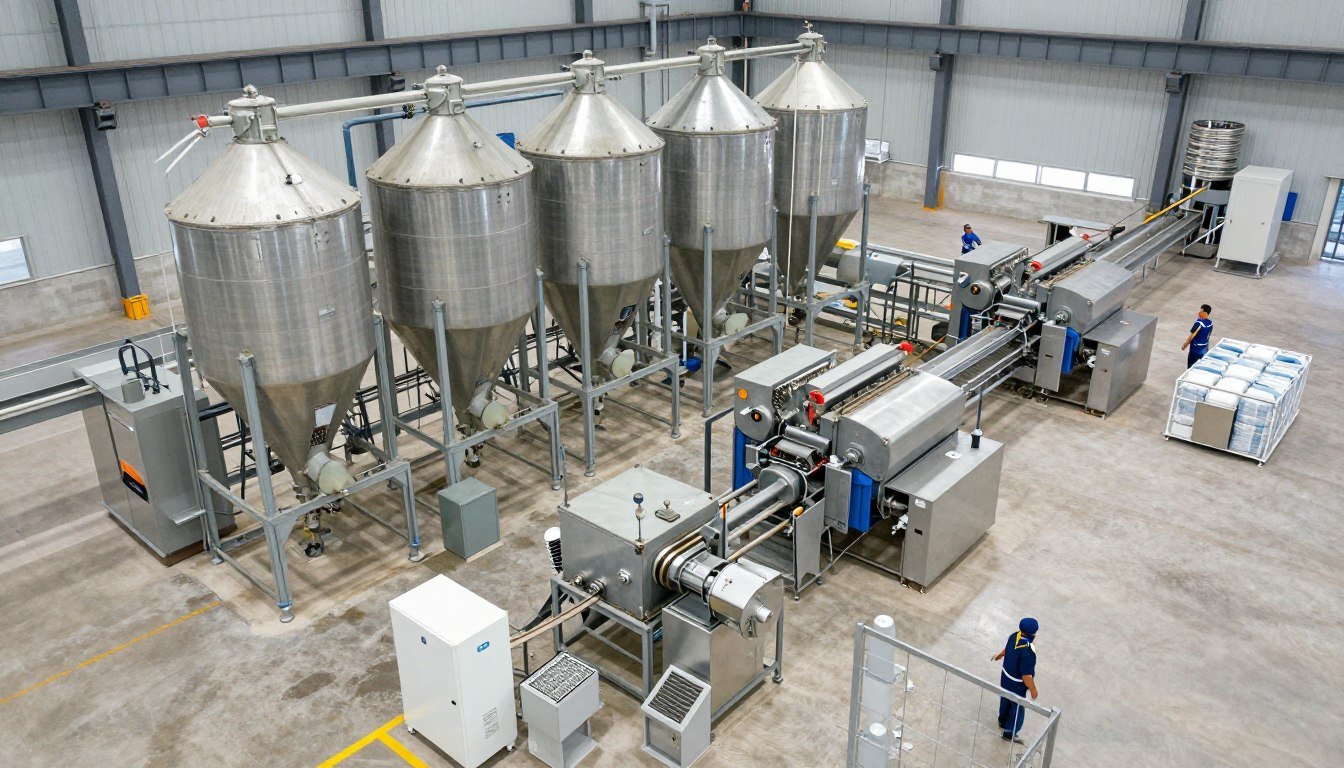
Receiving and Storage System
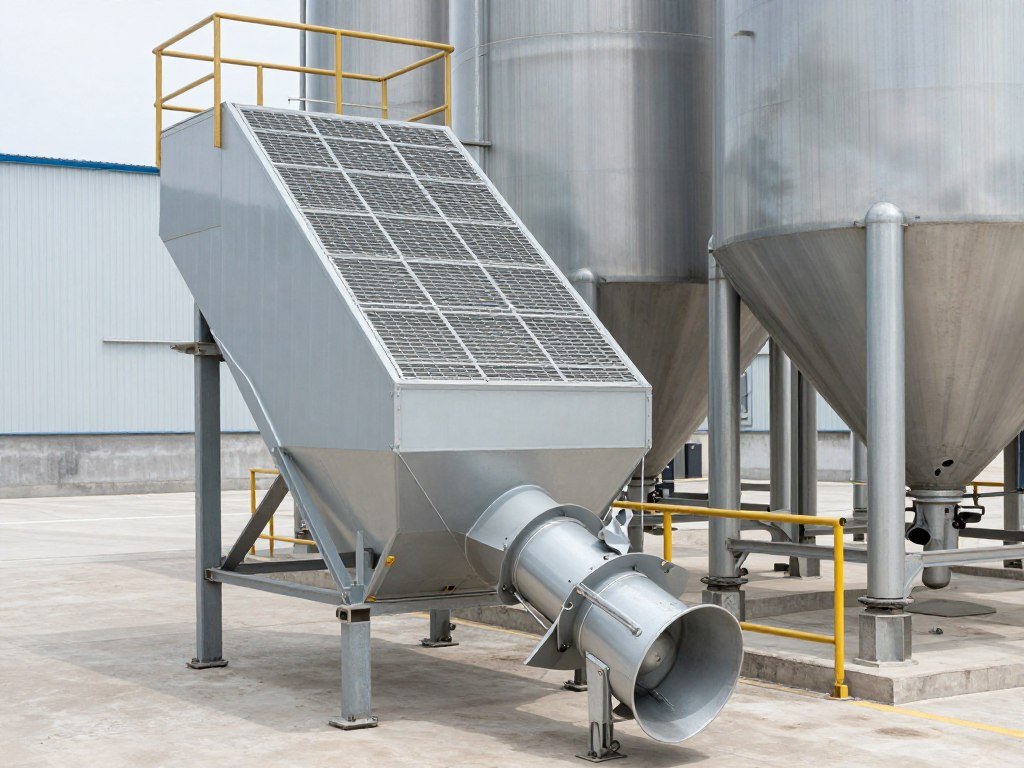
Ingredient reception begins production. Receiving pits, bucket elevators, and storage silos organize raw materials. Capacity should hold 7-14 days of ingredient inventory. Steel silos prevent pest damage and moisture infiltration better than bags.
- Receiving pit with grating (5-10 ton capacity)
- Bucket elevator (10-50 ton/hour capacity)
- Overhead storage silos (20-200 ton capacity each)
- Dust collection system for clean operation
Cleaning Equipment
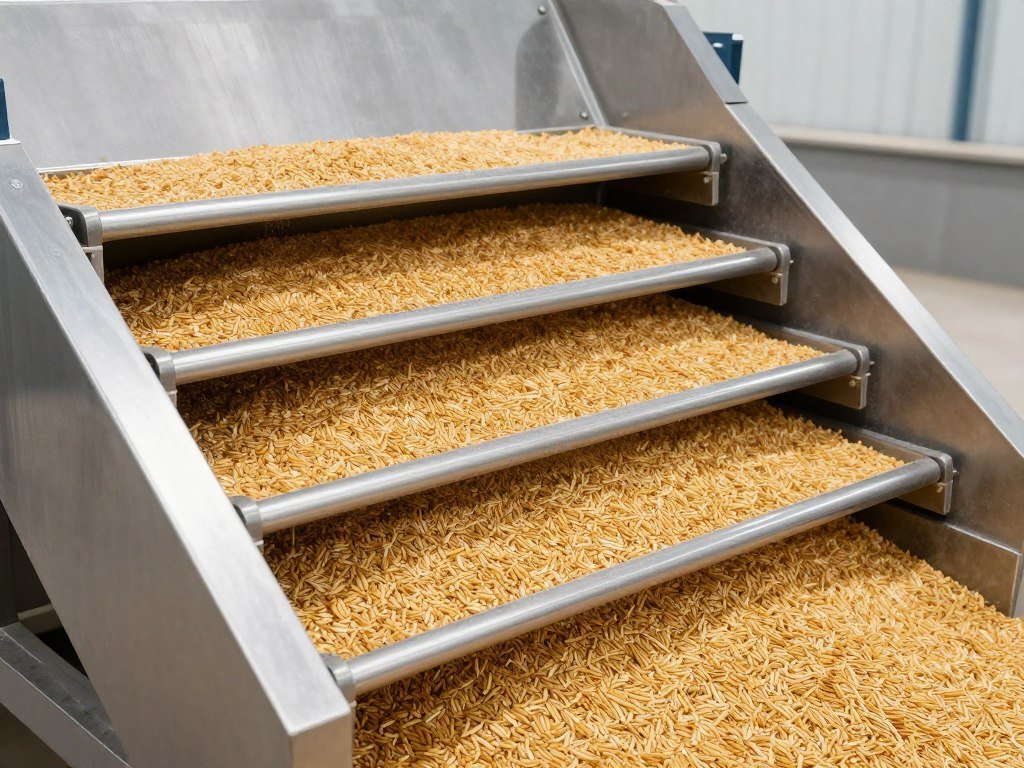
Raw ingredients contain stones, metal fragments, sticks, and foreign matter. Cleaning prevents machine damage and improves feed safety. Magnetic separators remove metal. Vibrating screens remove oversize and undersize particles. Destoners separate rocks from grains.
- Magnetic separator (permanent magnet or electromagnetic)
- Vibrating screen cleaner (2-3 decks)
- Destoner (for grain cleaning)
- Aspirator (removes dust and light impurities)
Grinding Equipment
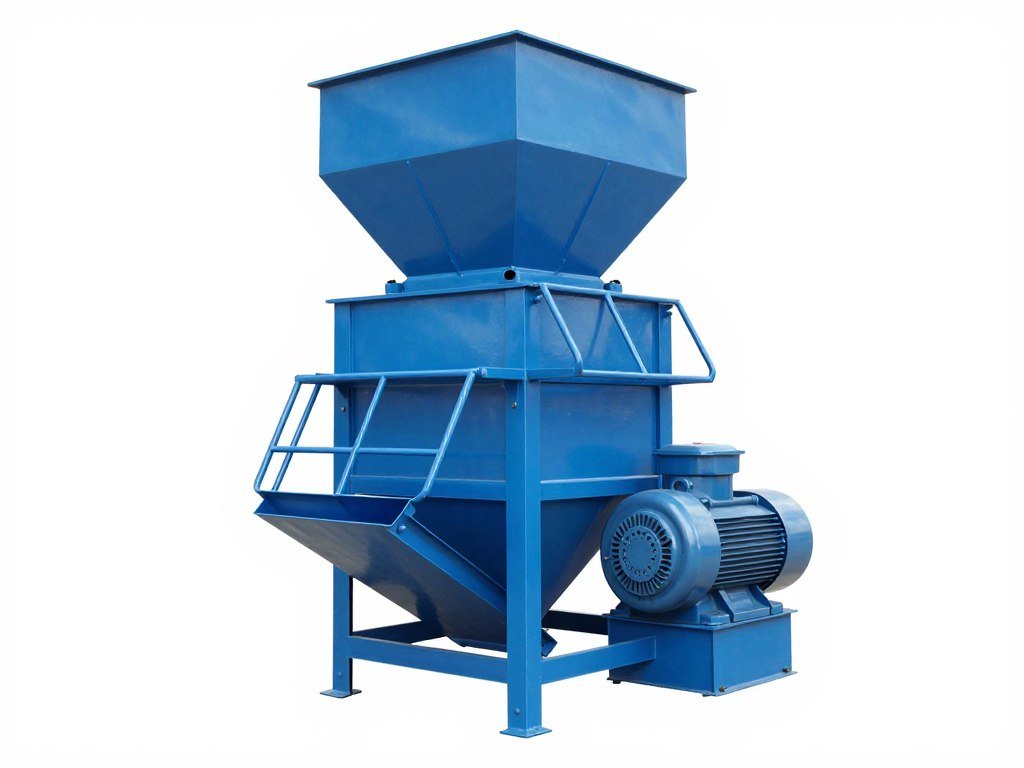
Hammer mills pulverize ingredients to required fineness. Screen size selection determines particle size. Aquatic feed requires finer grinding than livestock feed. Variable speed drives optimize energy consumption. Dust collection systems maintain air quality.
- Hammer mill (5-50 ton/hour capacity)
- Screen kits (2mm, 3mm, 4mm, 6mm for livestock; 1mm, 1.5mm for aquatic)
- Cyclone dust collector
- Air-lock rotary valve
Batching and Mixing System
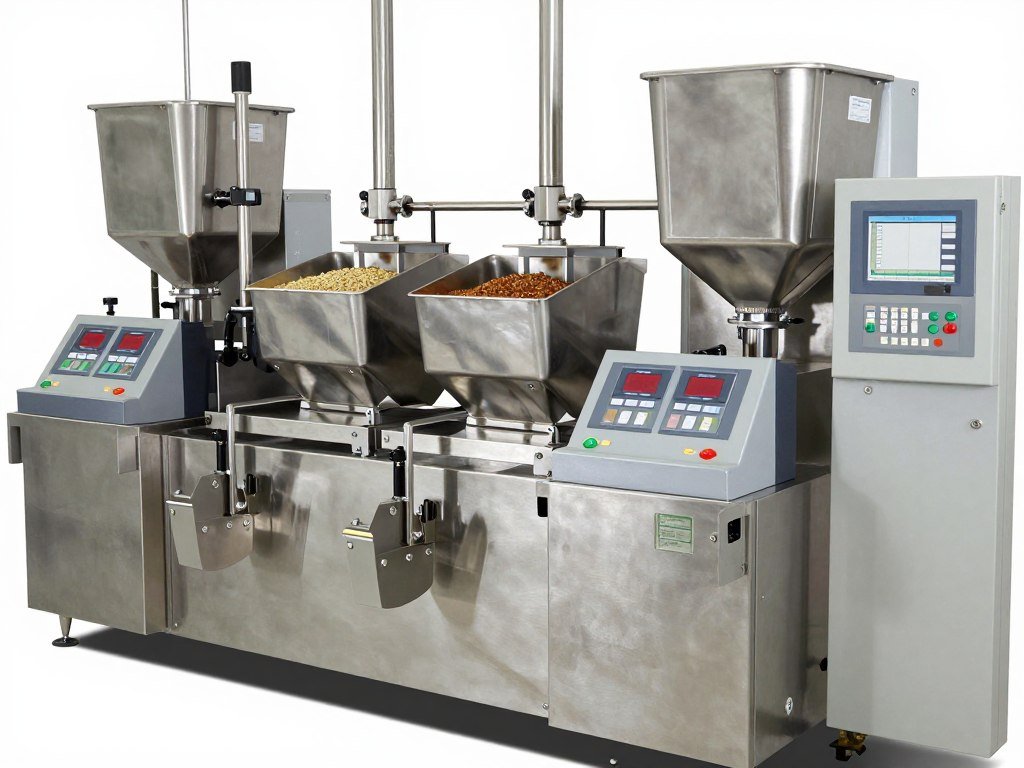
Accurate ingredient proportioning ensures consistent feed quality. Computer-controlled batching systems weigh ingredients to 0.1% accuracy. Horizontal ribbon mixers blend ingredients in 3-5 minutes. Liquid addition systems inject oils, molasses, and vitamins. Batch mixers range from 500 kg to 5 tons per batch.
- Automatic batching system (6-12 ingredient bins)
- Load cell scales (0.1% accuracy)
- Horizontal ribbon mixer (500kg - 5 ton capacity)
- Liquid addition system for fats and vitamins
- Micro-ingredient dosing for vitamins, minerals
Post-Pelleting Equipment
After pelleting, feed requires cooling, screening, and sometimes coating before packaging. These finishing steps ensure product quality and shelf life.Counterflow Cooler
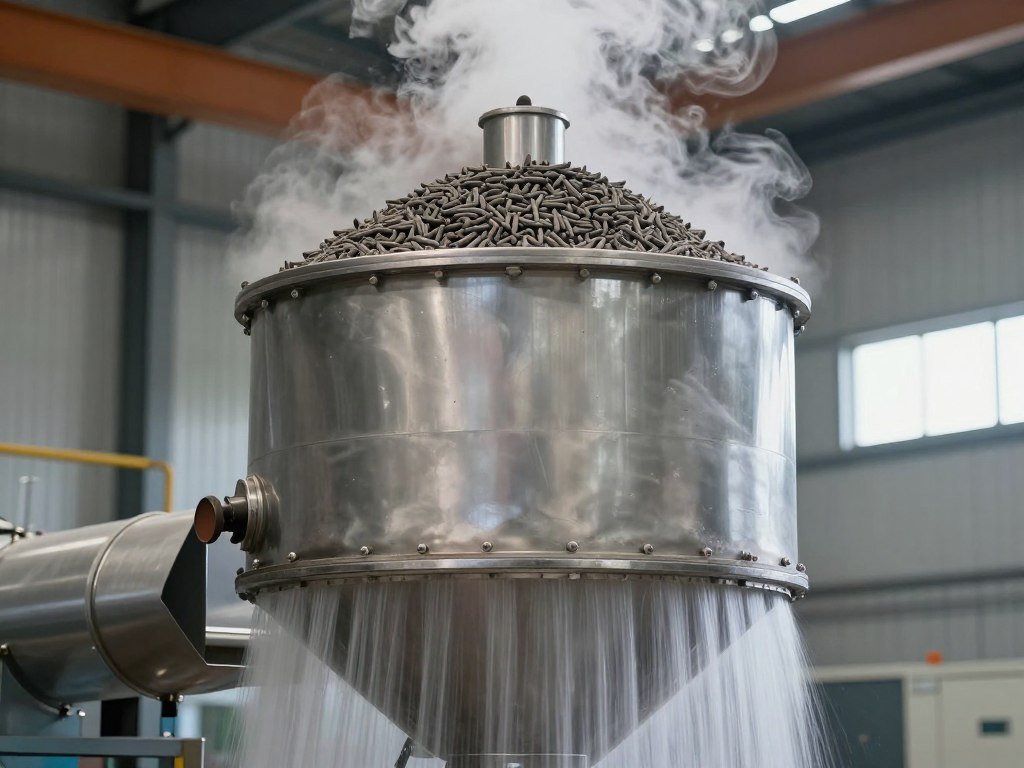 Hot pellets exit the pellet machine at 75-85°C with 15-18% moisture. Rapid cooling hardens pellets and reduces moisture to safe storage levels (12-13%). Counterflow coolers pass ambient air opposite to pellet flow direction.
Cooling time runs 10-15 minutes. Insufficient cooling causes condensation during storage, promoting mold growth. Over-cooling wastes energy. Temperature sensors and variable-speed fans optimize the process.
Hot pellets exit the pellet machine at 75-85°C with 15-18% moisture. Rapid cooling hardens pellets and reduces moisture to safe storage levels (12-13%). Counterflow coolers pass ambient air opposite to pellet flow direction.
Cooling time runs 10-15 minutes. Insufficient cooling causes condensation during storage, promoting mold growth. Over-cooling wastes energy. Temperature sensors and variable-speed fans optimize the process.
- Capacity: 1-30 ton/hour
- Cooling time: 10-15 minutes
- Exit temperature: ≤ 30°C (ambient + 5-8°C)
- Exit moisture: 12-13%
- Investment: $4,000-$25,000
Pellet Crumbler and Screener
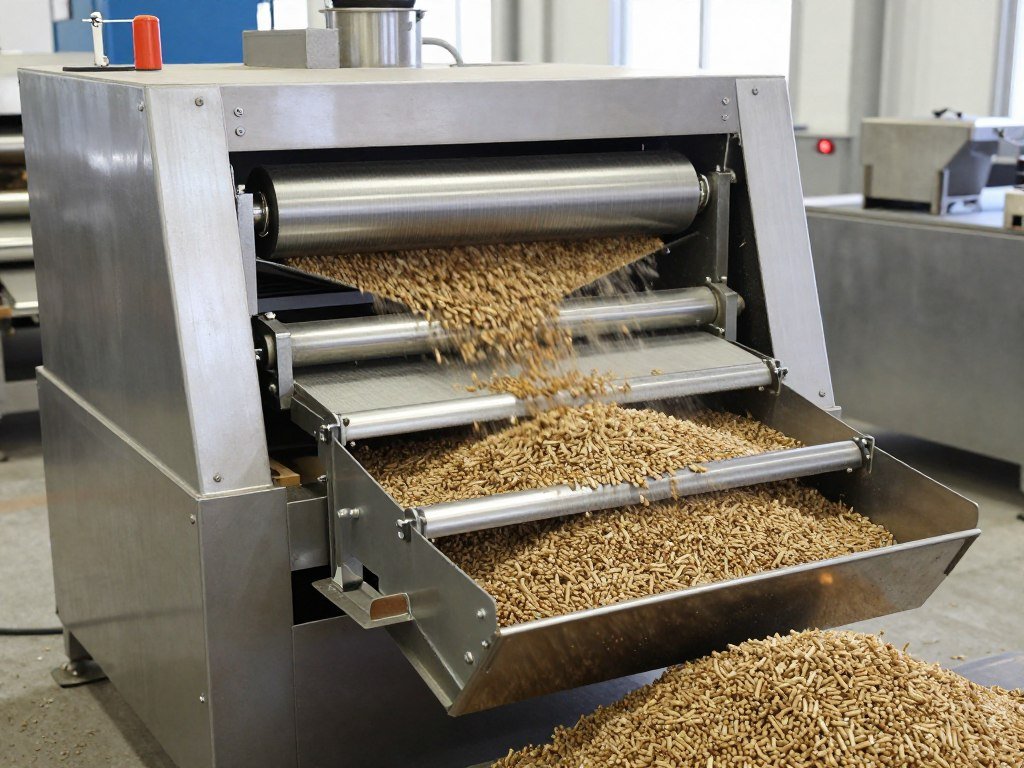 Some applications require smaller pellets than the die produces. Crumblers crush standard pellets (4-6mm) into smaller particles (1-3mm) for young animals. Vibrating screens then classify particles by size.
This process produces uniform crumbles for chicks, fingerlings, and small aquatic species. Oversized particles recycle to the crumbler. Fines either remix into new batches or sell as a separate grade.
Some applications require smaller pellets than the die produces. Crumblers crush standard pellets (4-6mm) into smaller particles (1-3mm) for young animals. Vibrating screens then classify particles by size.
This process produces uniform crumbles for chicks, fingerlings, and small aquatic species. Oversized particles recycle to the crumbler. Fines either remix into new batches or sell as a separate grade.
- Capacity: 1-20 ton/hour
- Crumble sizes: 1-3mm typical
- Screen decks: 2-3 levels
- Recirculation rate: 10-20%
- Investment: $3,000-$15,000
Post-Pelleting Liquid Application (PPLA)
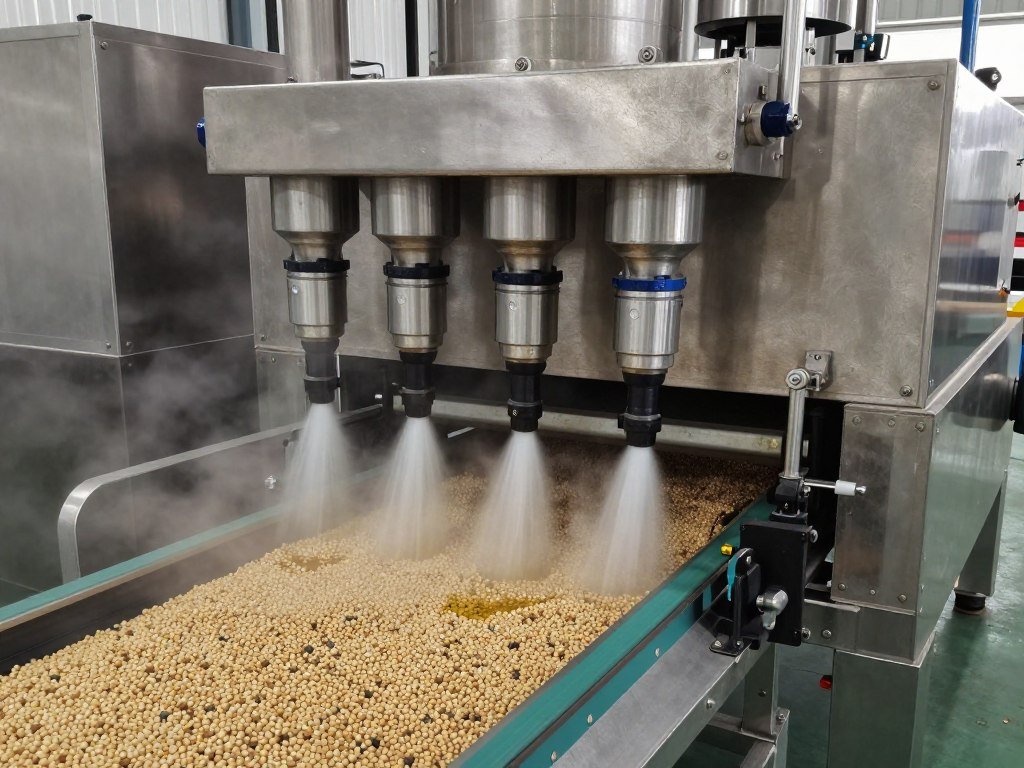 Adding fats and oils before pelleting softens pellets and reduces die life. Post-pelleting liquid application (PPLA) systems spray oils, fats, and liquid vitamins onto cooled pellets. This technique allows higher oil inclusion (8-12%) without compromising pellet quality.
Vacuum coating systems improve oil penetration and reduce dust. Heated oil systems maintain viscosity for even application. This investment pays back through formula flexibility and improved pellet durability.
Adding fats and oils before pelleting softens pellets and reduces die life. Post-pelleting liquid application (PPLA) systems spray oils, fats, and liquid vitamins onto cooled pellets. This technique allows higher oil inclusion (8-12%) without compromising pellet quality.
Vacuum coating systems improve oil penetration and reduce dust. Heated oil systems maintain viscosity for even application. This investment pays back through formula flexibility and improved pellet durability.
- Capacity: 1-30 ton/hour
- Oil addition: 2-12% of pellet weight
- Application methods: Spray, vacuum coating
- Oil heating: 40-60°C for viscosity control
- Investment: $8,000-$40,000
Packaging System
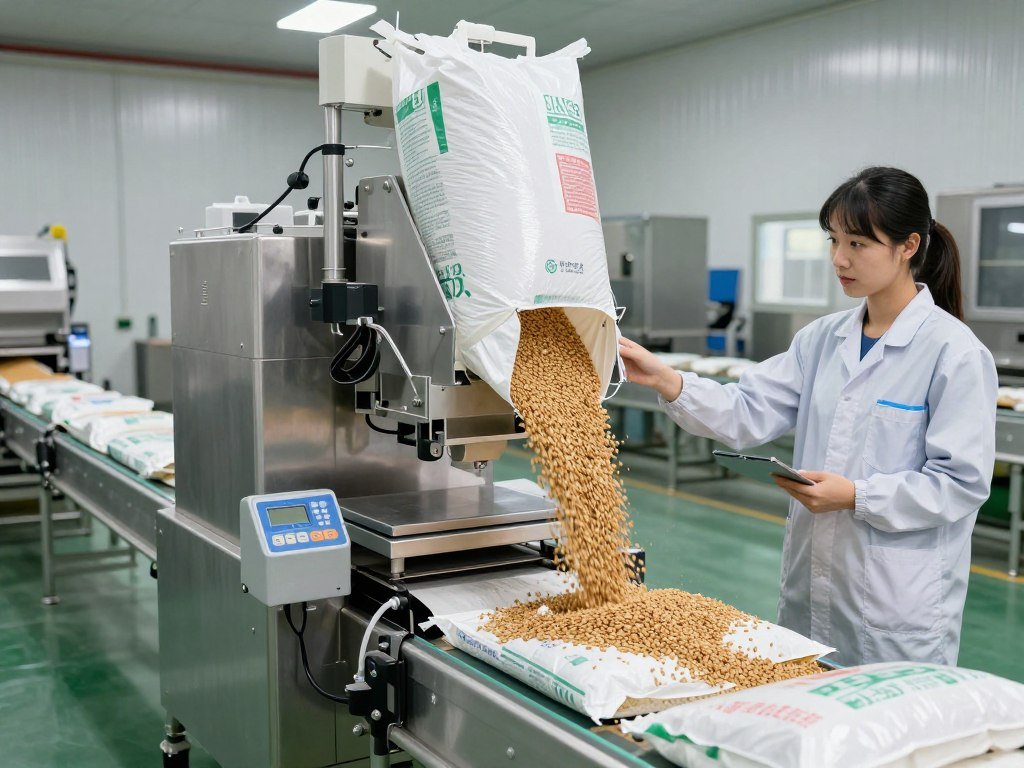 Finished pellets require proper packaging for transport and storage. Manual systems suit small operations (50-200 kg/hour). Semi-automatic baggers weigh and fill 10-20 bags per hour. Fully automatic systems handle 40-120 bags per hour.
Bag sizes in the Philippines typically run 25kg or 50kg. Polyethylene or polypropylene bags prevent moisture entry. Automatic bag sewers seal bags quickly. Palletizers stack bags for warehouse storage or truck loading.
Finished pellets require proper packaging for transport and storage. Manual systems suit small operations (50-200 kg/hour). Semi-automatic baggers weigh and fill 10-20 bags per hour. Fully automatic systems handle 40-120 bags per hour.
Bag sizes in the Philippines typically run 25kg or 50kg. Polyethylene or polypropylene bags prevent moisture entry. Automatic bag sewers seal bags quickly. Palletizers stack bags for warehouse storage or truck loading.
- Manual bagging: 50-200 kg/hour, $500-$2,000
- Semi-automatic: 500-1,000 kg/hour, $3,000-$8,000
- Fully automatic: 2-6 ton/hour, $15,000-$50,000
- Bag types: 25kg, 50kg PE or PP woven bags
- Optional: Auto bag sewer, palletizer
Complete Production Line Configurations
MAIKONG designs turnkey feed production lines matching your scale, budget, and product requirements. Below are typical configurations for Philippine operations.| Line Type | Capacity | Key Equipment | Investment Range | Best For |
| Small Farm Line | 200-500 kg/hour | Hammer mill, mixer, flat die pellet machine, simple cooler, manual packing | $8,000-$18,000 | Family farms, cooperatives, small poultry/fish operations |
| Medium Farm Line | 500-1,000 kg/hour | Hammer mill, batching system, mixer, ring die pellet machine (MK-001), cooler, semi-auto packing | $25,000-$45,000 | Medium fish farms, commercial poultry growers, multi-farm cooperatives |
| Commercial Feed Mill | 1-2 ton/hour | Cleaning system, hammer mill, auto batching, mixer, ring die pelletizer, cooler, screener, auto packing | $60,000-$120,000 | Feed distributors, large farm groups, contract feed manufacturers |
| Large Feed Factory | 3-5 ton/hour | Complete receiving, cleaning, grinding, batching, mixing, pelleting, cooling, coating, packing systems with automation | $150,000-$300,000 | Regional feed suppliers, integrated aquaculture companies, multi-species producers |
| Industrial Complex | 10-30 ton/hour | Multiple production lines, ingredient silos, computerized control, laboratory, complete automation | $500,000-$2,000,000+ | National feed companies, export-oriented manufacturers, diversified agricultural corporations |
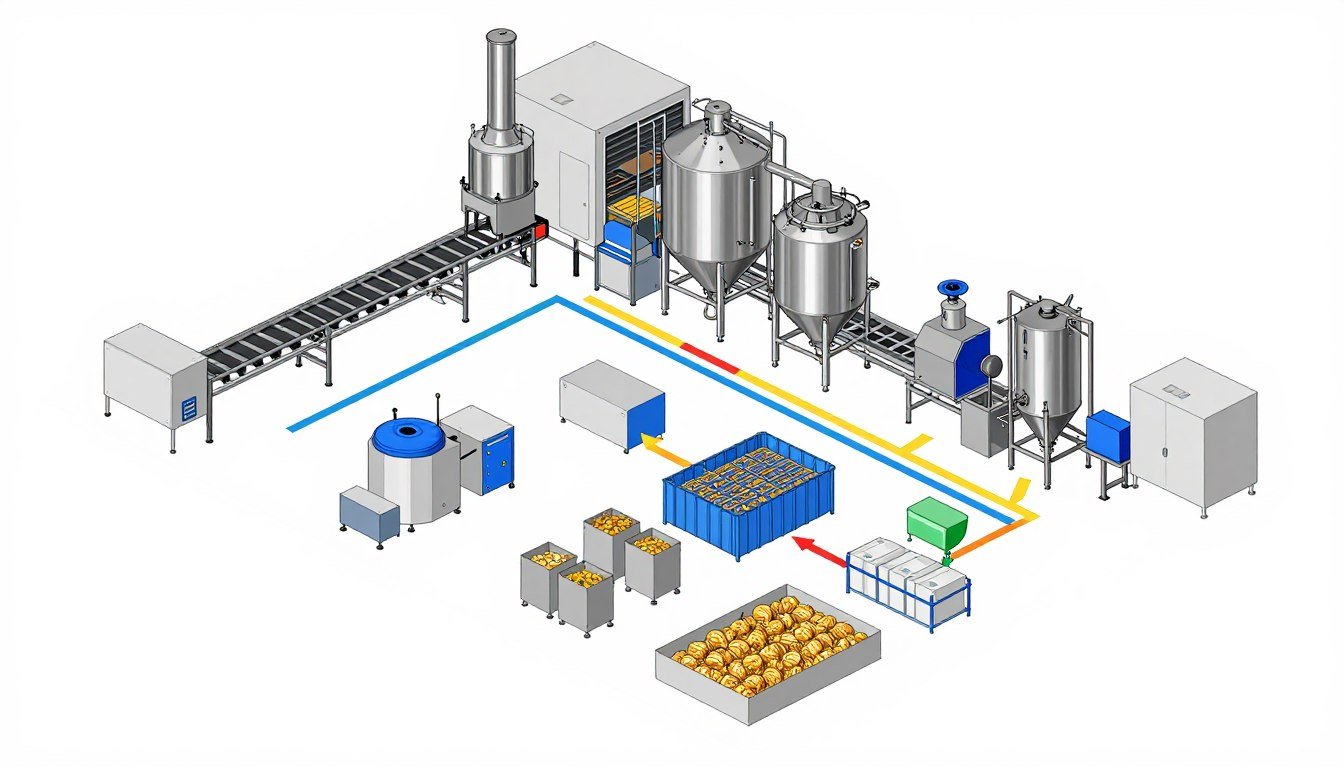 Each production line includes control systems appropriate to its automation level. Basic lines use manual controls and simple on/off switches. Medium lines incorporate PLCs (programmable logic controllers) with touchscreen interfaces. Advanced facilities deploy SCADA systems enabling remote monitoring, data logging, and predictive maintenance.
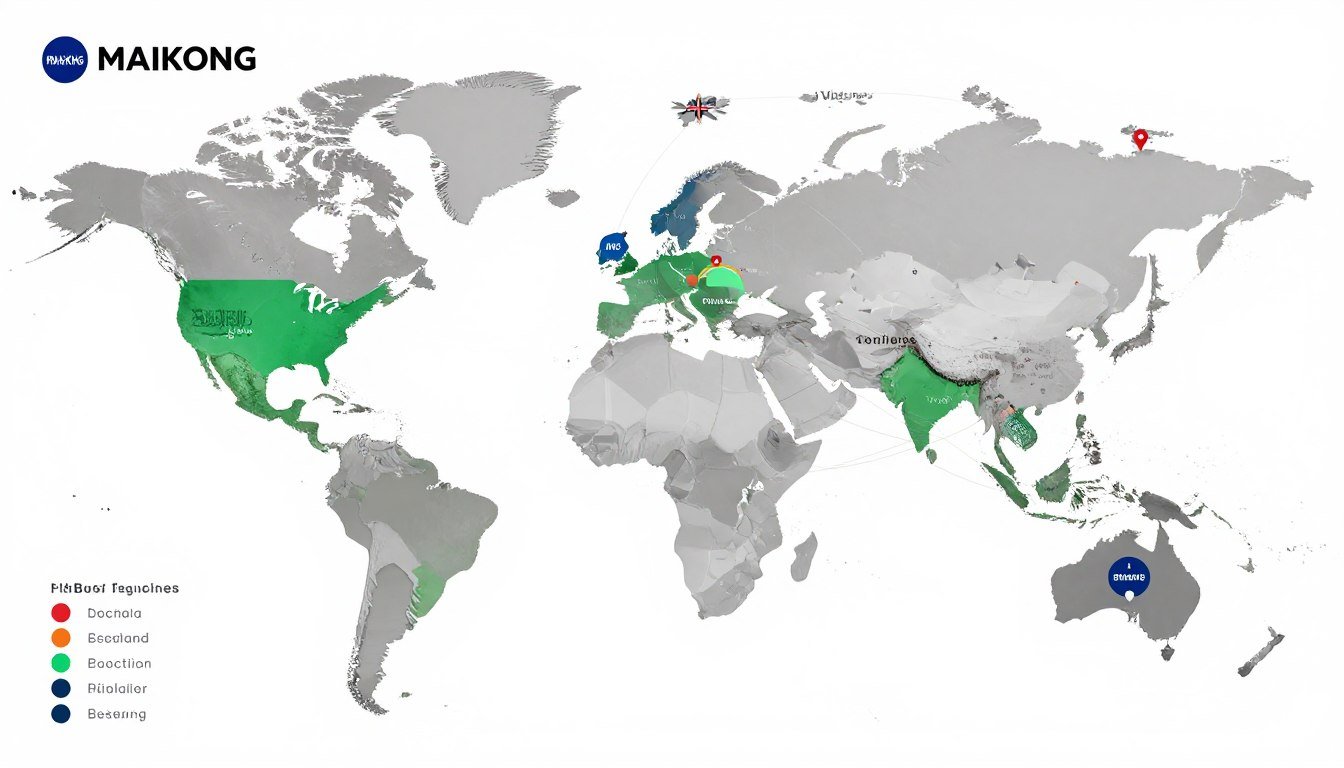
MAIKONG Global Success Cases
MAIKONG has installed over 3,000 feed pellet production lines across 68 countries since 2002. These real-world installations demonstrate equipment reliability, versatility, and performance in diverse conditions.Asian Market Installations
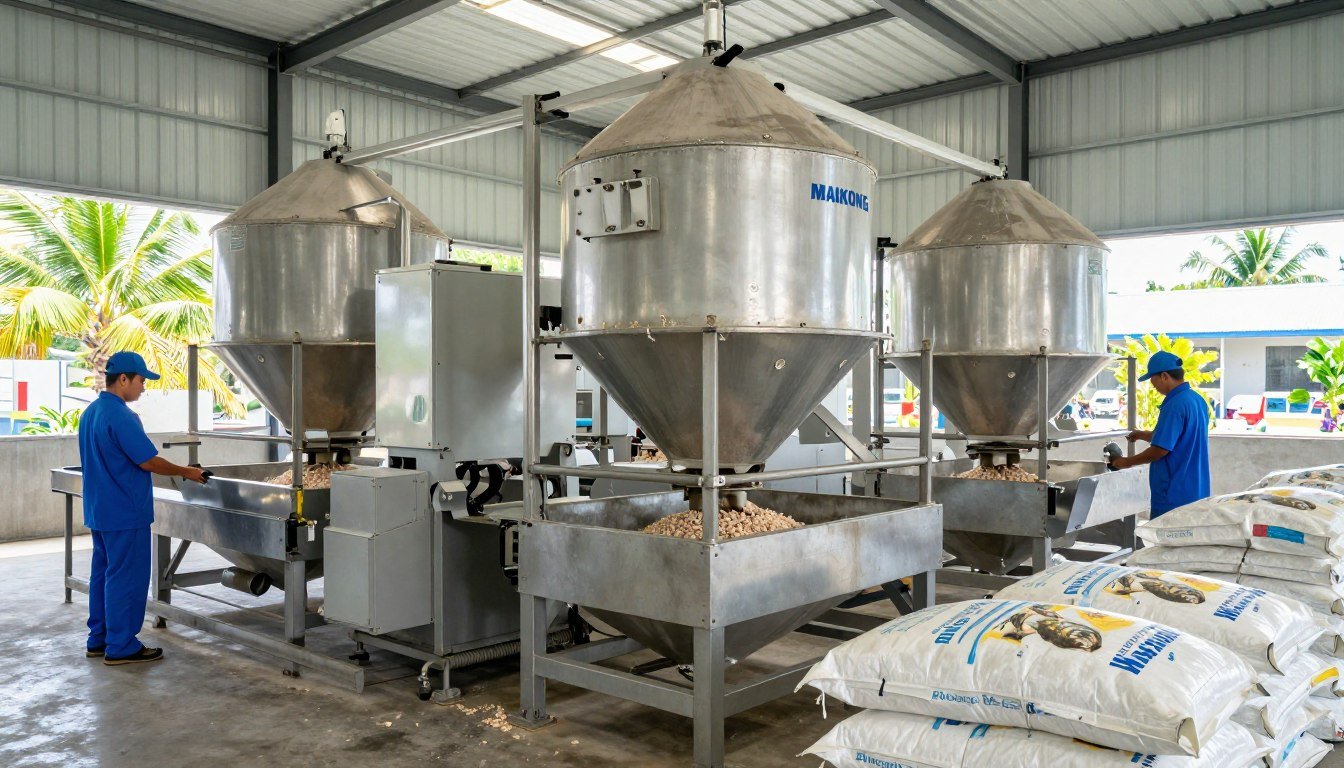
Philippines: Batangas Tilapia Farm Cooperative
Configuration: 1.5 ton/hour fish feed production line
Equipment: MK-001 pelletizer, 3-stage conditioner, counterflow cooler, auto bagger
Products: Tilapia grower feed (3mm, 5mm pellets), bangus starter feed (2mm)
Results: Reduced feed costs by 35%, improved fish growth rates 18%, ROI achieved in 14 months. Cooperative now supplies 12 member farms plus 8 commercial clients.
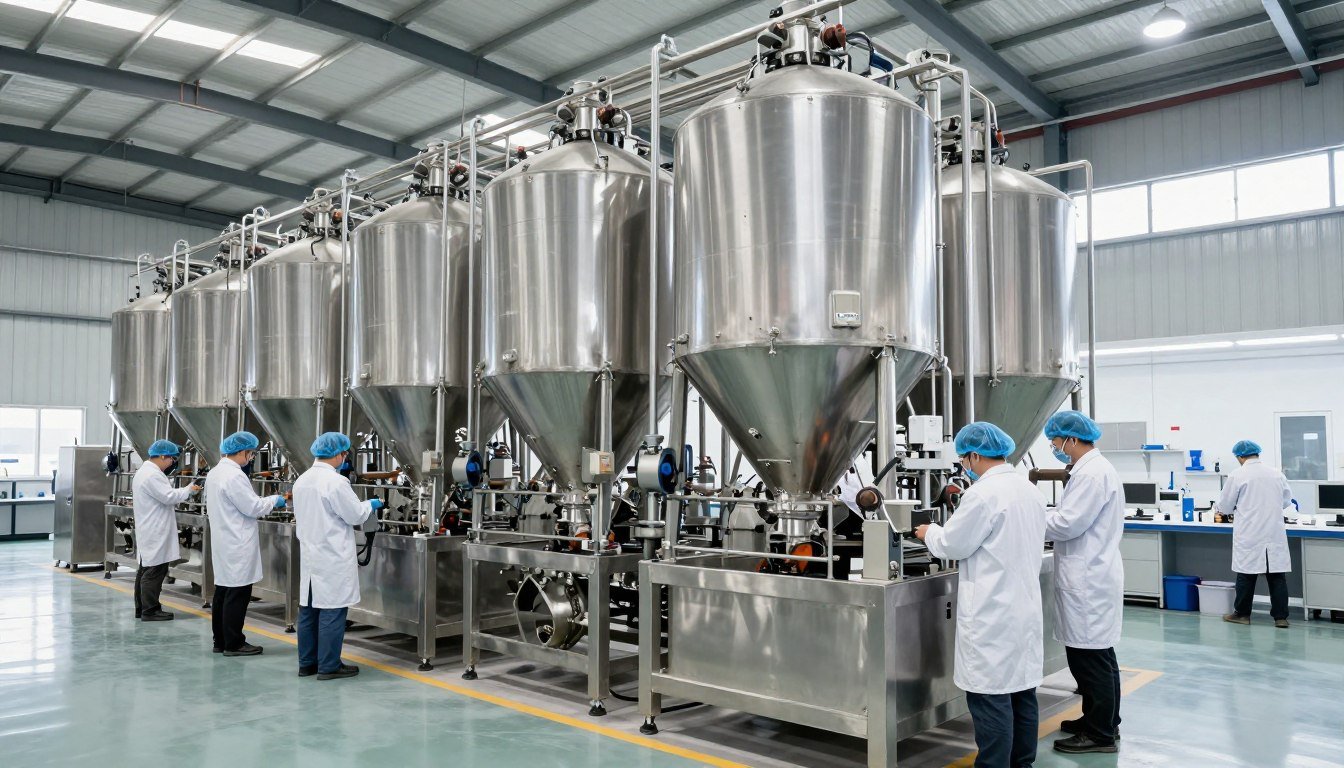
Vietnam: Mekong Delta Shrimp Feed Producer
Configuration: 3 ton/hour aqua feed production line
Equipment: Two MK-001 units parallel operation, micro hammer mill (80 mesh), triple-stage conditioning, post-pellet coating system
Products: Vannamei shrimp feed (1.5mm, 2mm, 2.5mm), black tiger prawn feed (3mm)
Results: Water stability >3 hours, pellet durability index (PDI) 96%, serving 150+ shrimp farms. Expanded from 1 shift to 24-hour operation within 8 months due to demand.
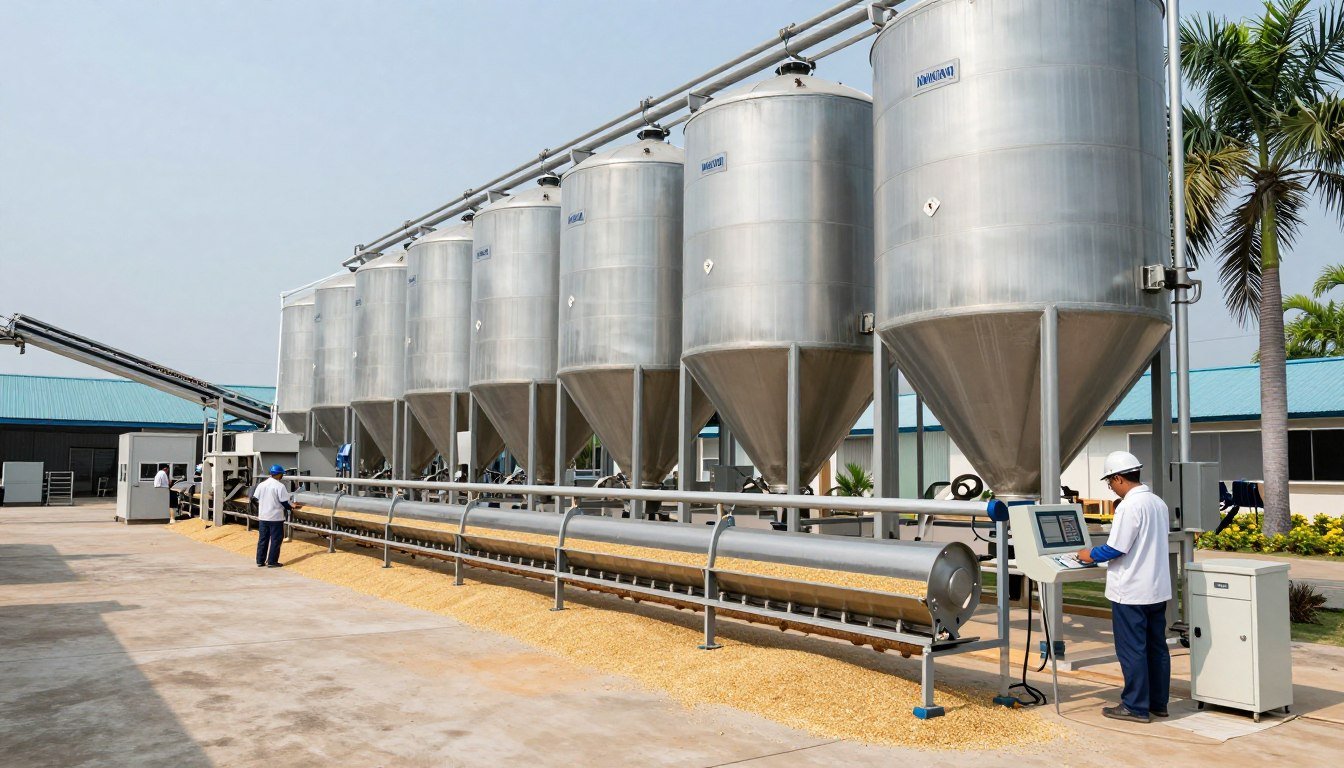
Thailand: Central Region Poultry Integrator
Configuration: 5 ton/hour chicken feed production line
Equipment: Three MK-001 pelletizers, automated batching (12 bins), crumbler-screener, double-deck cooler
Products: Broiler starter crumbles (2mm), grower pellets (4mm), finisher pellets (5mm), layer mash
Results: Produces 400 tons daily for 2 million bird capacity. Feed conversion ratio improved from 1.85 to 1.72. Pellet quality consistency reduced feed waste 12%.
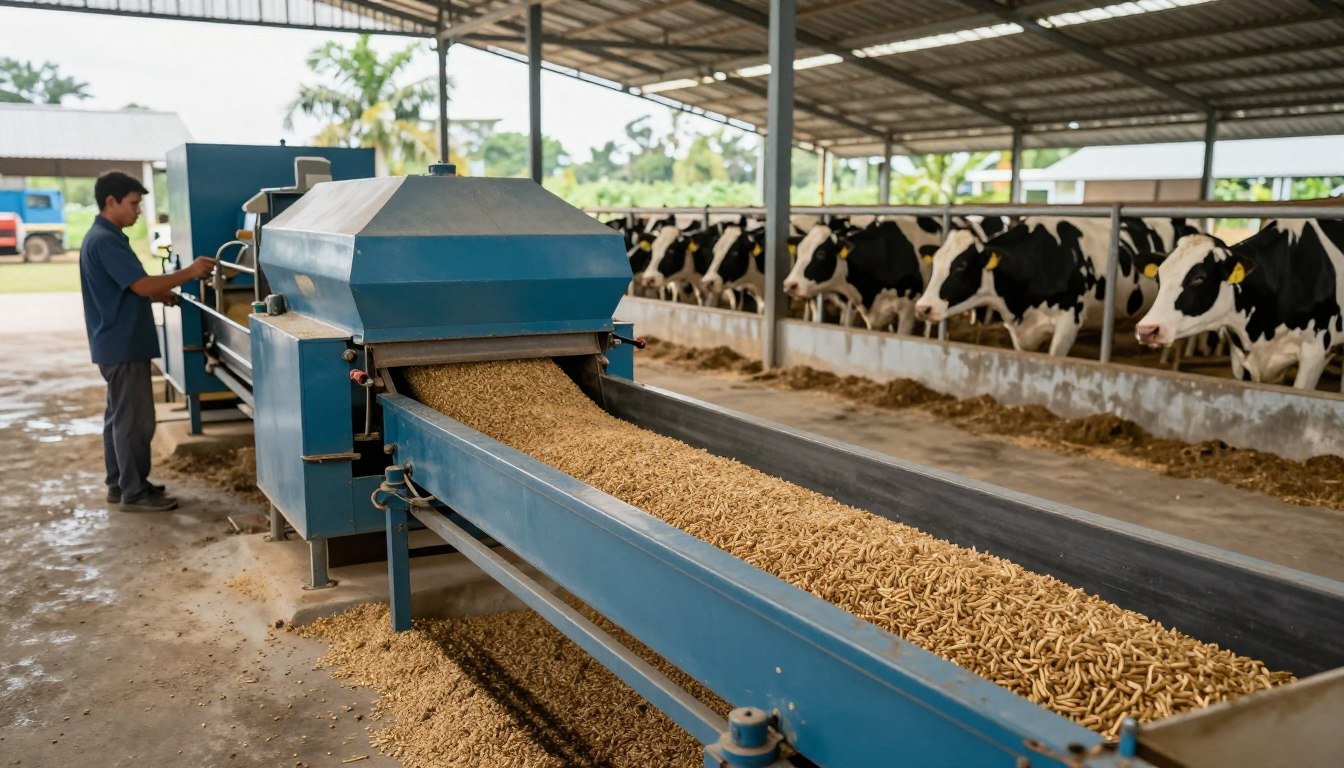
Indonesia: Java Dairy Cattle Cooperative
Configuration: 2 ton/hour cattle feed pellet production line
Equipment: MK-001 with large die holes (8mm, 10mm), standard conditioning, dedicated cooler
Products: Dairy concentrate pellets (8mm), beef fattening feed (10mm)
Results: Replaced imported concentrate, saving members $180,000 annually. Milk production increased 2.1 liters/cow/day. Now supplying 45 cooperative members (3,200 cattle total).
Middle East and African Installations
Egypt: Nile Delta Fish Farm Cluster
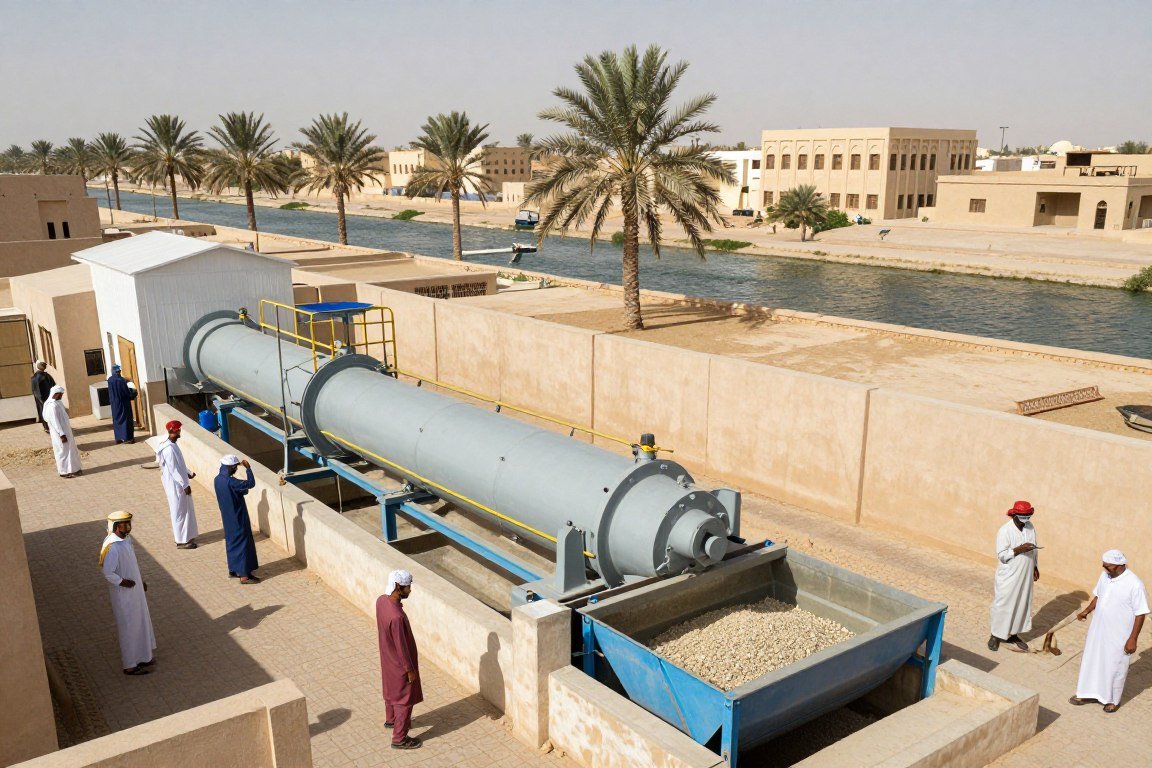 Configuration: 1.2 ton/hour tilapia feed line
Equipment: MK-001 pelletizer, double conditioning, Egyptian voltage (380V)
Products: Nile tilapia feed (3mm, 4mm, 5mm)
Results: Serves 28 fish farms across 450 hectares of ponds. Reduced imported feed dependency. Operating 16 hours daily, 6 days weekly. Pellet water stability meets demanding Egyptian summer conditions (42°C water temperatures).
Configuration: 1.2 ton/hour tilapia feed line
Equipment: MK-001 pelletizer, double conditioning, Egyptian voltage (380V)
Products: Nile tilapia feed (3mm, 4mm, 5mm)
Results: Serves 28 fish farms across 450 hectares of ponds. Reduced imported feed dependency. Operating 16 hours daily, 6 days weekly. Pellet water stability meets demanding Egyptian summer conditions (42°C water temperatures).
Nigeria: Lagos Catfish Feed Producer
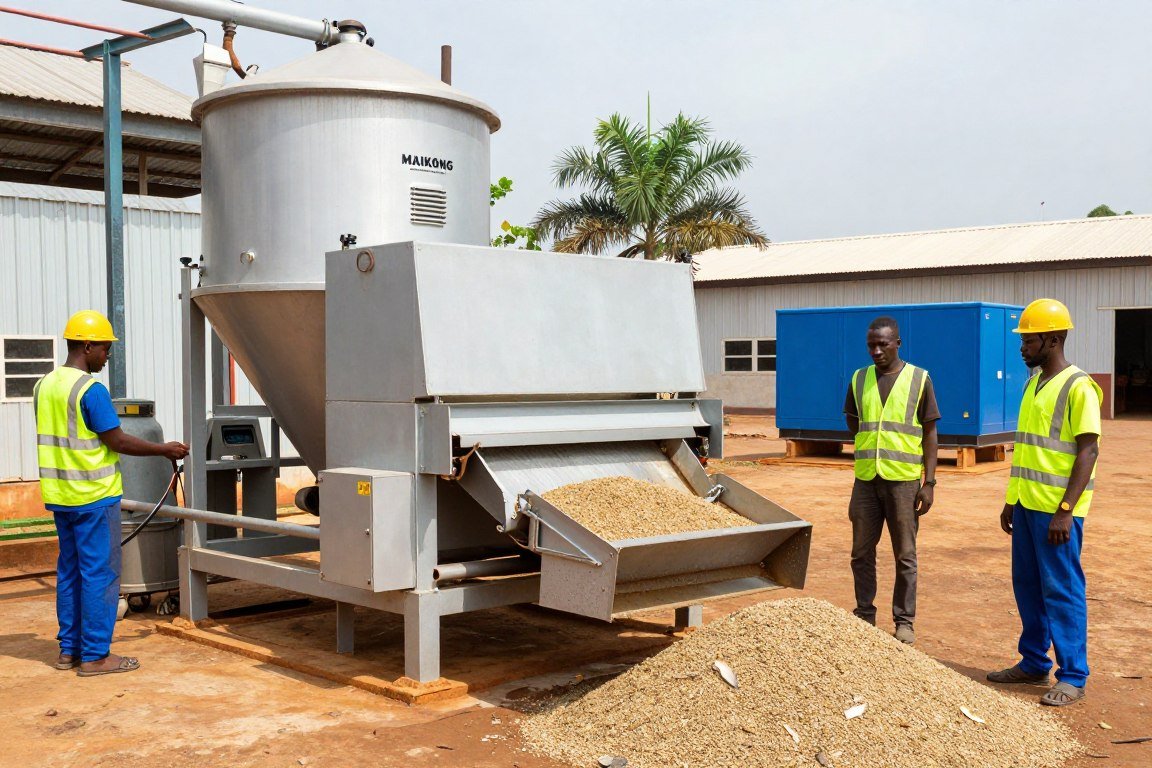 Configuration: 800 kg/hour catfish feed line
Equipment: MK-001 compact version, generator-compatible, single conditioning
Products: African catfish (Clarias) feed (4mm, 6mm)
Results: Operates reliably despite irregular power supply (diesel generator backup). Produces 6 tons daily. Supplies 40+ catfish farmers in Lagos and Ogun states. Pellet floating time (15-20 seconds before sinking) allows farmers to observe feeding behavior, a critical factor for Nigerian catfish culture.
Configuration: 800 kg/hour catfish feed line
Equipment: MK-001 compact version, generator-compatible, single conditioning
Products: African catfish (Clarias) feed (4mm, 6mm)
Results: Operates reliably despite irregular power supply (diesel generator backup). Produces 6 tons daily. Supplies 40+ catfish farmers in Lagos and Ogun states. Pellet floating time (15-20 seconds before sinking) allows farmers to observe feeding behavior, a critical factor for Nigerian catfish culture.
Saudi Arabia: Jeddah Aquaculture Project
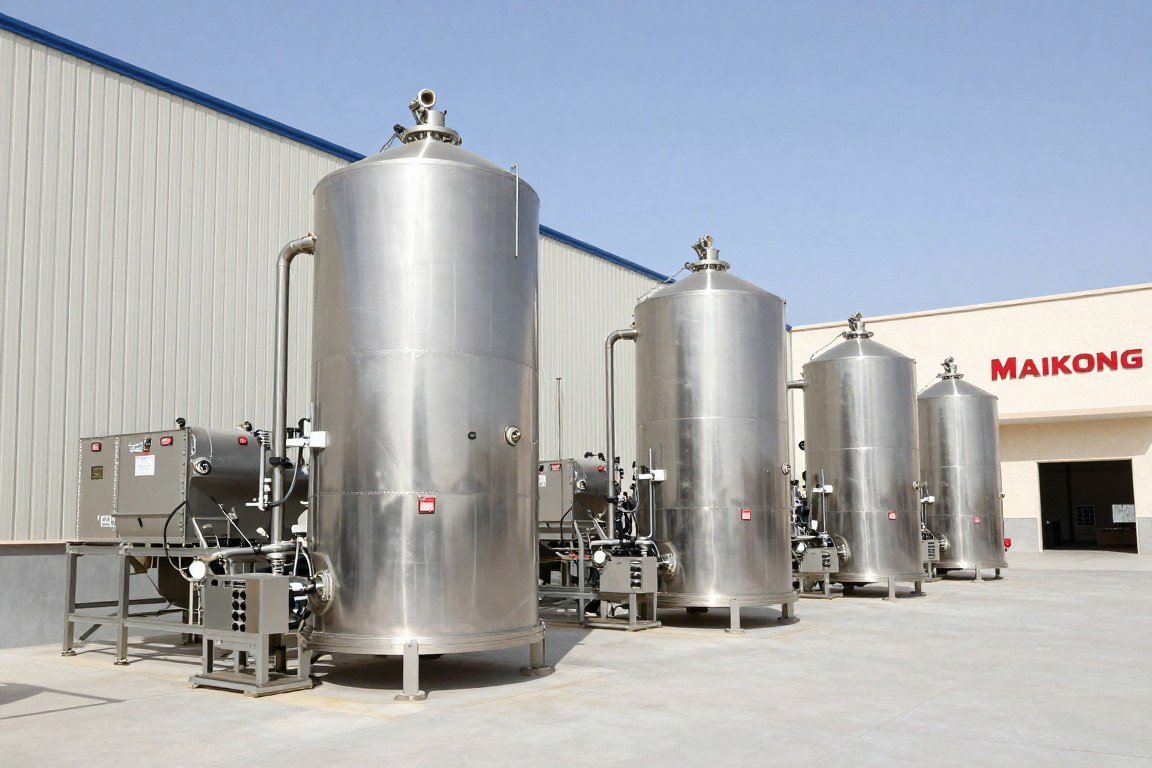 Configuration: 1 ton/hour marine fish feed line
Equipment: MK-001 with stainless steel upgrade (corrosion resistance), triple conditioning, climate-controlled facility
Products: Seabream feed (3mm, 5mm), seabass feed (4mm, 6mm)
Results: Operating in extreme desert conditions (50°C ambient). Climate control maintains 25°C processing environment. Pellet quality meets European export standards. Facility achieves 98.5% uptime despite challenging climate.
Configuration: 1 ton/hour marine fish feed line
Equipment: MK-001 with stainless steel upgrade (corrosion resistance), triple conditioning, climate-controlled facility
Products: Seabream feed (3mm, 5mm), seabass feed (4mm, 6mm)
Results: Operating in extreme desert conditions (50°C ambient). Climate control maintains 25°C processing environment. Pellet quality meets European export standards. Facility achieves 98.5% uptime despite challenging climate.
Kenya: Rift Valley Poultry Farmers Association
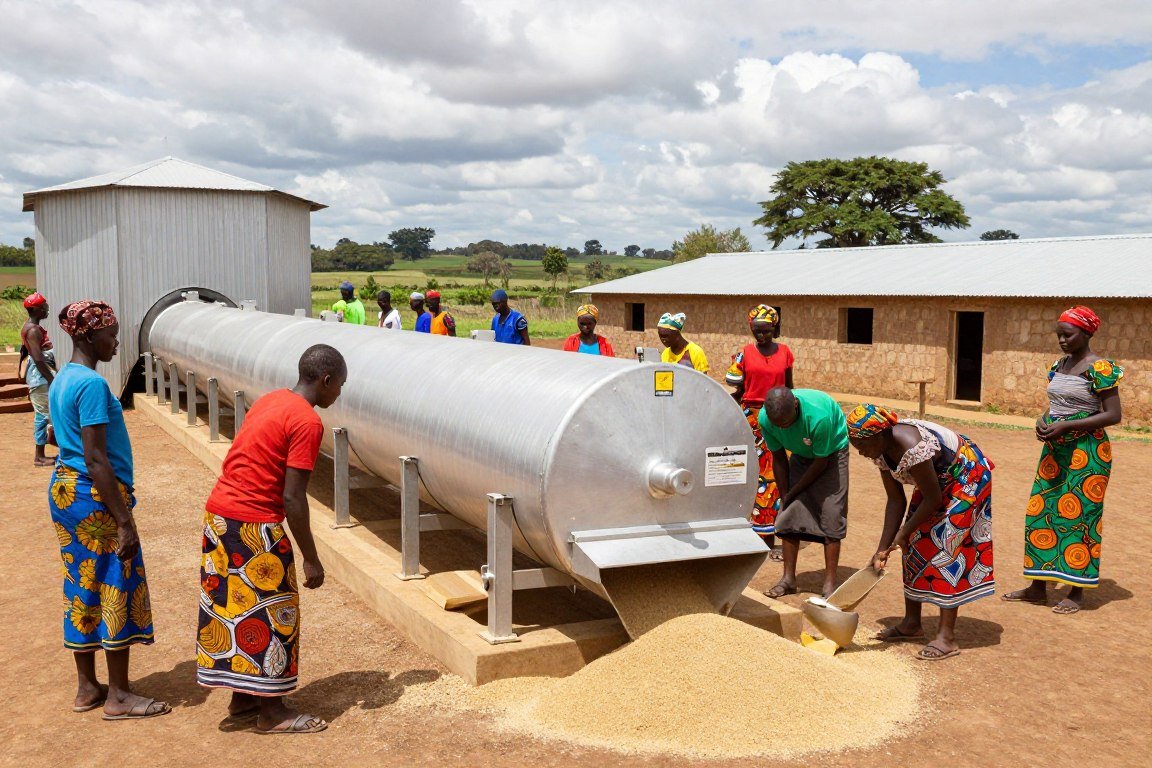 Configuration: 1.5 ton/hour poultry feed production line
Equipment: MK-001 pelletizer, local corn emphasis, crumbler for chick starter
Products: Layer mash and pellets, broiler starter crumbles, grower pellets
Results: Cooperative of 120 small farmers now controls feed costs. Produces 12 tons daily. Members report 22% cost savings vs. commercial feed. Facility also provides custom mixing services for non-members, generating additional revenue for cooperative operations.
Configuration: 1.5 ton/hour poultry feed production line
Equipment: MK-001 pelletizer, local corn emphasis, crumbler for chick starter
Products: Layer mash and pellets, broiler starter crumbles, grower pellets
Results: Cooperative of 120 small farmers now controls feed costs. Produces 12 tons daily. Members report 22% cost savings vs. commercial feed. Facility also provides custom mixing services for non-members, generating additional revenue for cooperative operations.
European and American Installations
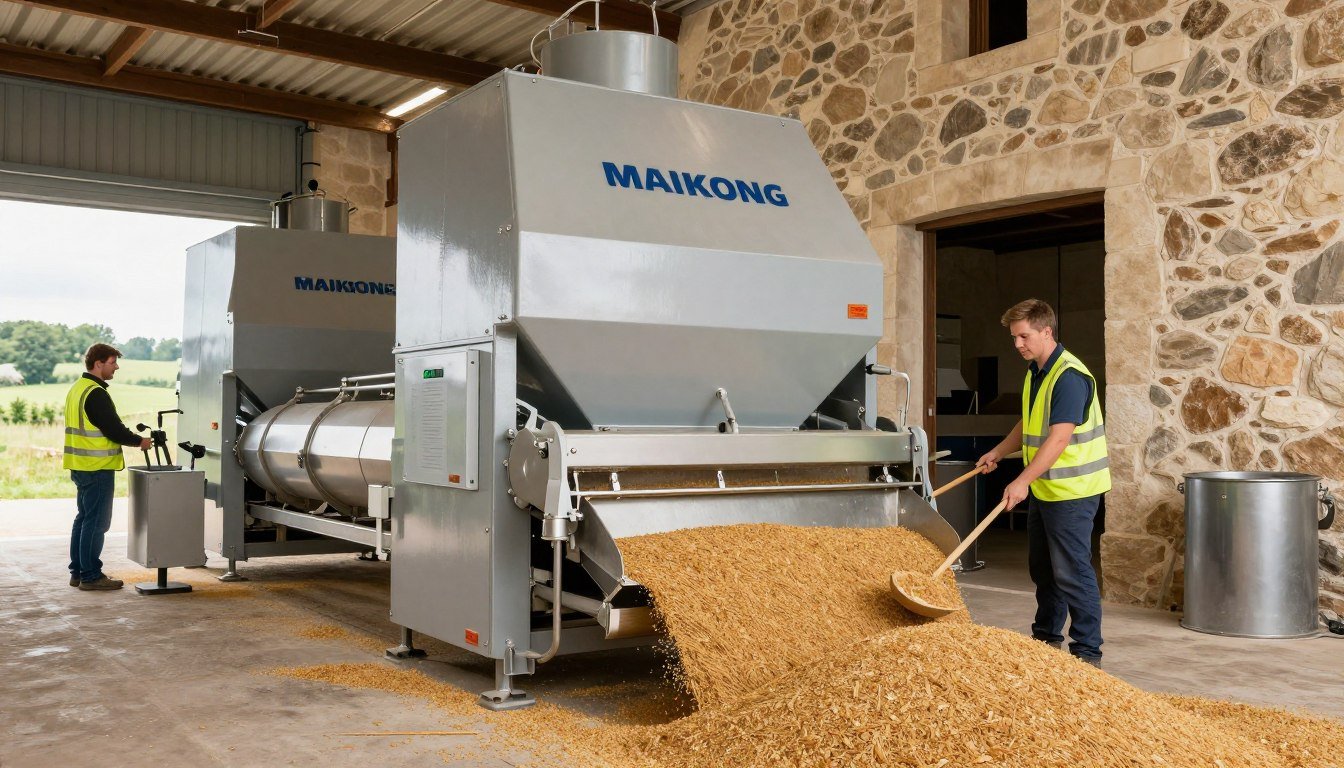
France: Organic Poultry Feed Producer
Configuration: 600 kg/hour organic feed line
Equipment: MK-001 with organic certification compliance, European CE marking, 230V/400V configuration
Products: Certified organic layer feed, organic broiler feed, free-range poultry supplements
Results: Meets strict EU organic regulations. Supplies 35 organic poultry farms. Premium pricing for organic pellets achieves excellent profitability despite smaller scale. Equipment adapted to process high-fiber organic ingredients (peas, lupins, organic corn).
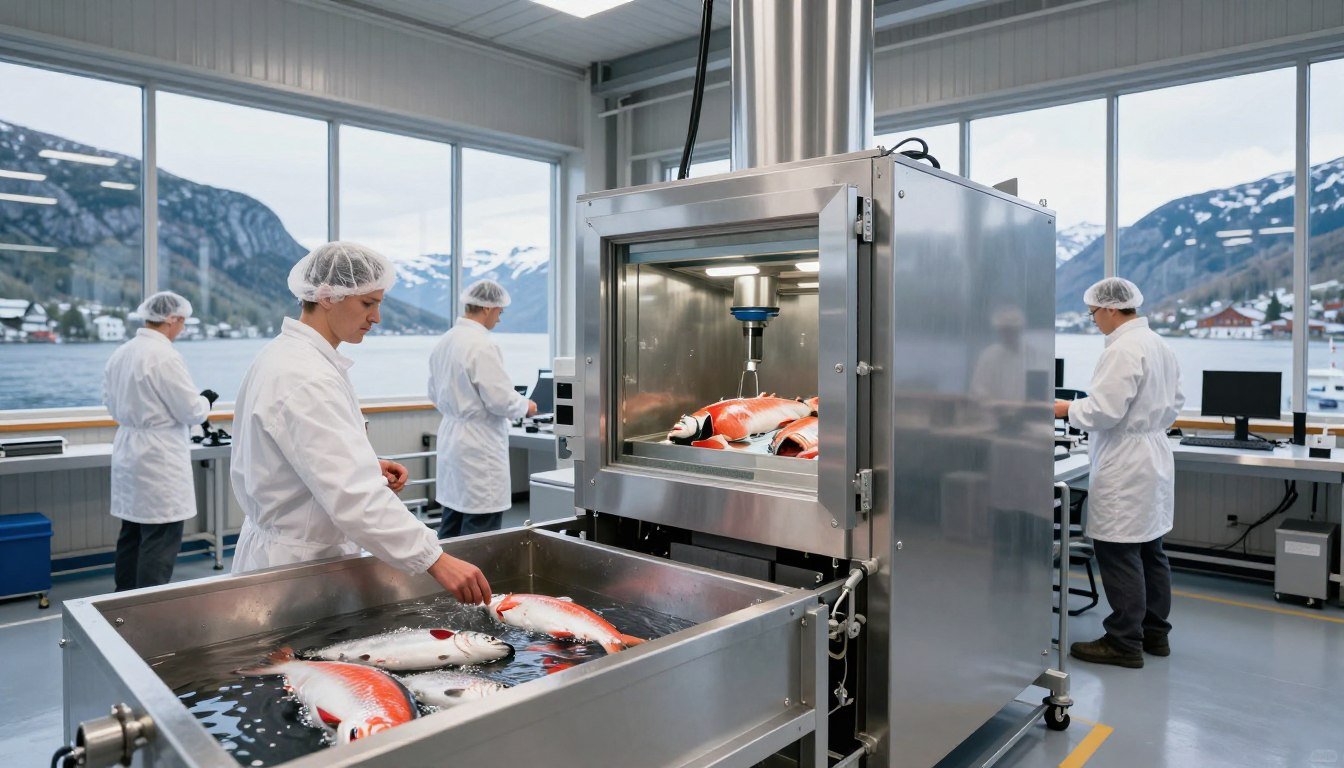
Norway: Trout Farm Feed Mill
Configuration: 2.5 ton/hour trout feed line
Equipment: MK-001 series with cold-climate package, specialized conditioning for high-protein formulas (45-50% protein)
Products: Rainbow trout starter (2mm), grower (4mm), broodstock feed (6mm)
Results: Operates in sub-zero ambient conditions (facility heating minimized). High-oil formulas (18-22% fat) handled without pellet softening. Water stability exceeds 24 hours in cold water (8-12°C). Farm achieved Superior taste rating in Norwegian quality program.
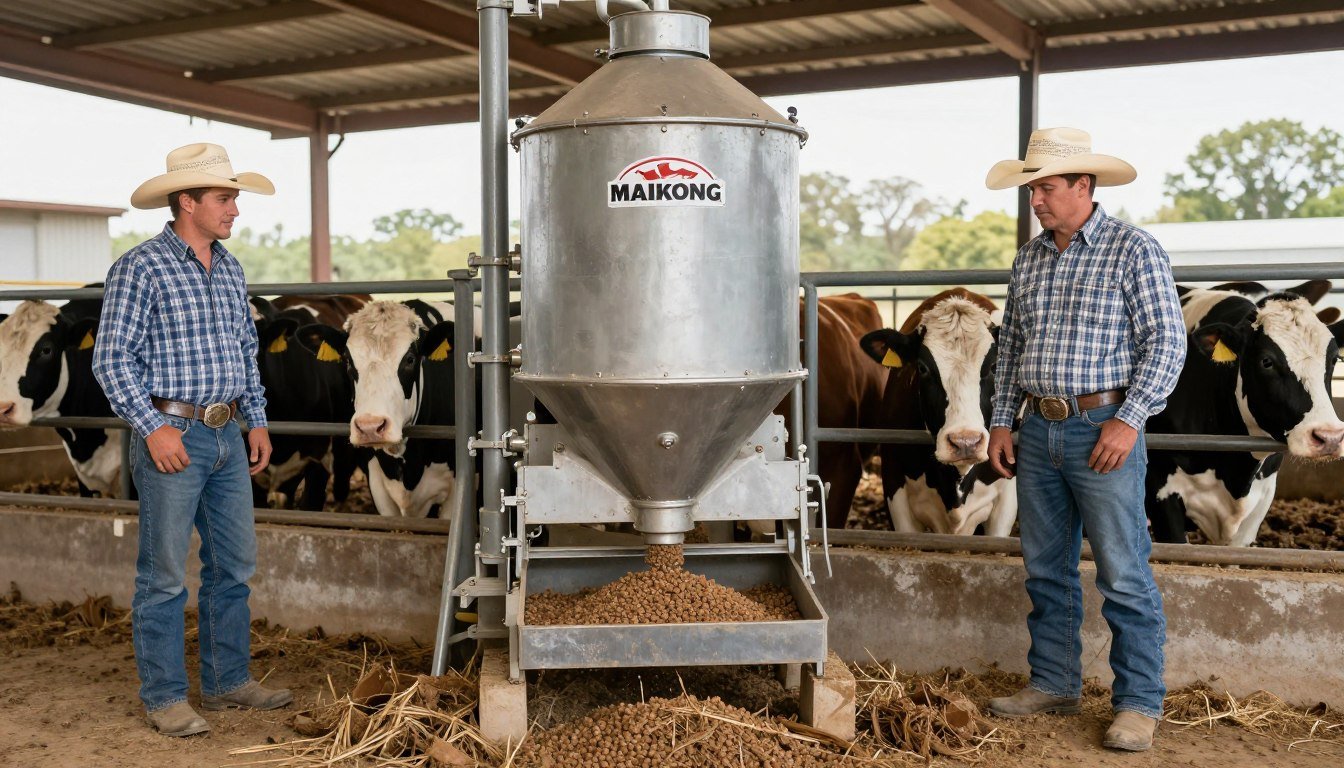
USA: Texas Beef Cattle Ranch
Configuration: 3 ton/hour cattle feed supplement line
Equipment: MK-001 heavy-duty version, large die capacity (10mm, 12mm holes), 220V/460V dual voltage
Products: Beef cattle range cubes (12mm), feedlot supplement pellets (10mm), mineral blocks
Results: Ranch eliminated commercial supplement purchases for 5,000-head feedlot. Custom formulations improve average daily gain 0.3 lbs/day. Pellet hardness withstands rough handling and outdoor feeding conditions. System paid for itself in 18 months through savings and improved cattle performance.
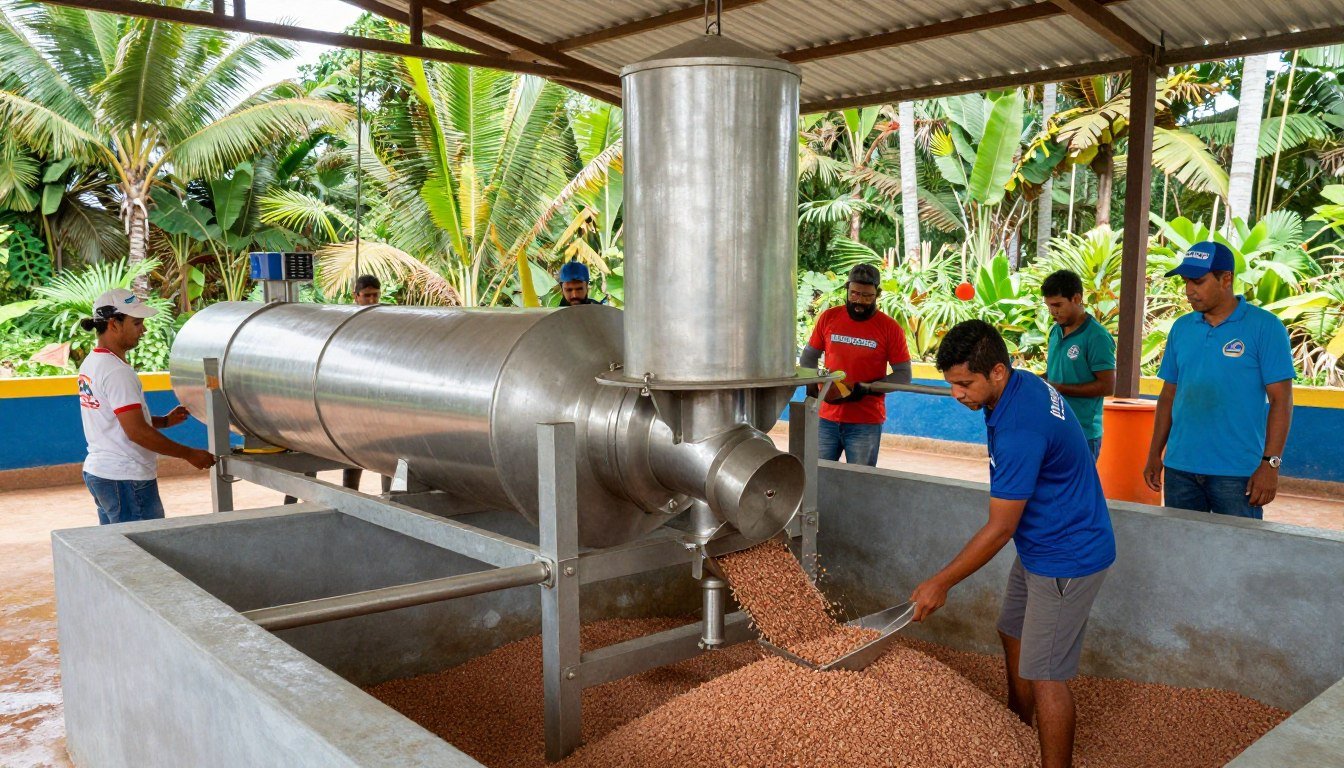
Brazil: Amazon Basin Fish Feed Producer
Configuration: 1.8 ton/hour tropical fish feed line
Equipment: MK-001 with tropical climate package (extra cooling, humidity resistance), 220V Brazilian standard
Products: Tambaqui feed (4mm, 6mm), pacu feed (5mm), tilapia feed (3mm)
Results: Operates in 35-40°C ambient, 80-95% humidity. Mold-resistant pellet formulations critical for tropical storage. Serves native species aquaculture expanding rapidly in Brazil. Facility runs 24/6 schedule, producing 250 tons weekly during peak season.
Let's Design Your Perfect Feed Production Solution
With successful installations across 50+ countries and 22 years of engineering expertise, we've solved challenges similar to yours. Whether you're producing fish feed for tilapia farms, chicken feed for poultry operations, or specialized aquaculture pellets, our team will create an optimized solution.
Free consultation includes: Production capacity analysis, equipment recommendations, ROI projections, and Philippine market insights.
Operation and Maintenance Guide
Proper operation and regular maintenance extend equipment life, maintain pellet quality, and prevent costly breakdowns. The MK-001 requires straightforward care that any farm staff can learn.Daily Operating Procedures
Pre-Start Checklist (10 minutes)
- Visually inspect machine for loose bolts, unusual wear, or damage
- Check oil levels in gearbox (should be at marked level on sight glass)
- Verify die bolts are tight (hand-check resistance)
- Ensure feeding system is empty of previous batch materials
- Check emergency stop button functions (test and reset)
- Verify cooler fan operation (listen for unusual bearing noise)
- Confirm steam supply (if using conditioner) reaches 2-4 bar pressure
- Remove any material buildup around die and discharge area
Start-Up Sequence (5 minutes)
- Start cooler fans and conveyors first (establish downstream flow)
- Activate conditioner (allow steam to reach proper temperature)
- Start pelletizer main motor (no load, 30 seconds warm-up)
- Begin feeding material slowly (10-20% rate initially)
- Monitor ammeter - current should rise gradually as die fills
- When current stabilizes (3-5 minutes), increase to full feed rate
- Check pellet quality - adjust knife clearance if needed
- Monitor pellet temperature (should reach 75-85°C within 10 minutes)
Normal Operation Monitoring
- Ammeter reading: Should remain steady at 70-85% of rated motor current. Sudden drops indicate die blockage clearing. Gradual increases suggest die wear.
- Pellet temperature: Monitor with infrared thermometer. 75-85°C is ideal. Below 70°C suggests inadequate conditioning. Above 90°C risks scorching.
- Pellet appearance: Smooth surface, uniform diameter, consistent length. Rough surface indicates insufficient conditioning. Variable length suggests dull knives.
- Noise level: Steady hum normal. Squealing suggests bearing issues. Rattling indicates loose components. Investigate unusual sounds immediately.
- Vibration: Minimal vibration normal. Excessive shaking suggests imbalanced die, worn bearings, or loose mounting bolts.
Shut-Down Procedure
- Stop ingredient feeding (allow feeding system to empty)
- Continue running pelletizer until chamber clears (2-3 minutes)
- Feed 2-3 kg of corn or wheat (cleans die holes of protein/oil residue)
- Stop main motor when grain pellets discharge cleanly
- Stop conditioner and steam supply
- Allow cooler to run additional 10 minutes (clear all pellets)
- Stop all auxiliary equipment
- Clean external surfaces and discharge area
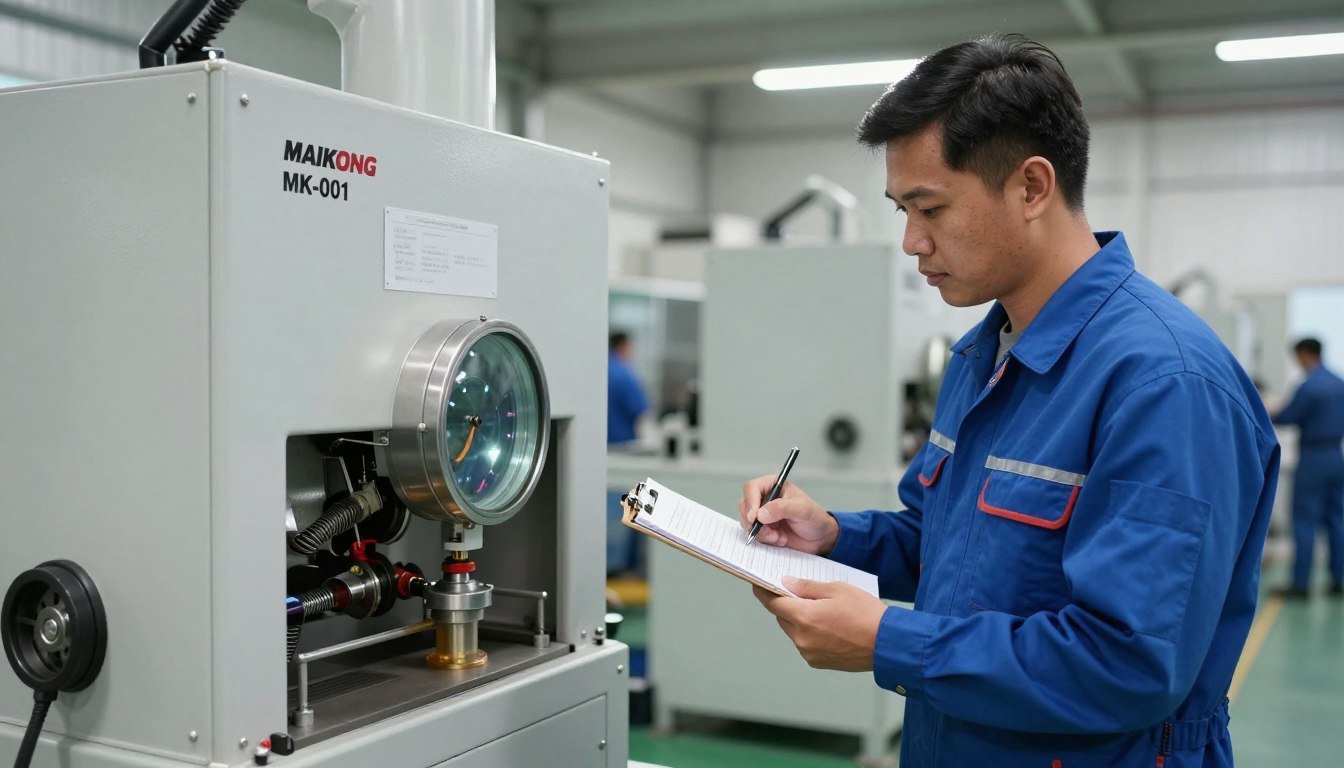
Weekly Maintenance Tasks
| Task | Frequency | Time Required | Procedure |
| Die inspection | Weekly | 15 minutes | Remove die, inspect holes for blockage or wear. Clean with wire brush and compressed air. Measure hole diameter - replace when worn 0.5mm oversized. |
| Roller inspection | Weekly | 10 minutes | Check roller surface for flat spots or grooving. Ensure even gap (0.3-0.5mm) around die circumference. Adjust roller position if needed. |
| Bearing lubrication | Weekly | 5 minutes | Apply grease to bearing points per lubrication chart. Use high-temperature grease (EP2 lithium complex). Avoid over-greasing. |
| Belt tension check | Weekly | 5 minutes | Press belt midpoint - deflection should be 10-15mm. Adjust tensioner if needed. Check for cracks or fraying. Replace worn belts. |
| Knife sharpness test | Weekly | 10 minutes | Examine pellet cut ends - clean cuts indicate sharp knives. Ragged ends require knife sharpening or replacement. |
| Electrical connections | Weekly | 5 minutes | Check all terminal tightness. Look for discoloration (indicates overheating). Verify ground connections secure. |
Monthly Maintenance Schedule
Gearbox Service
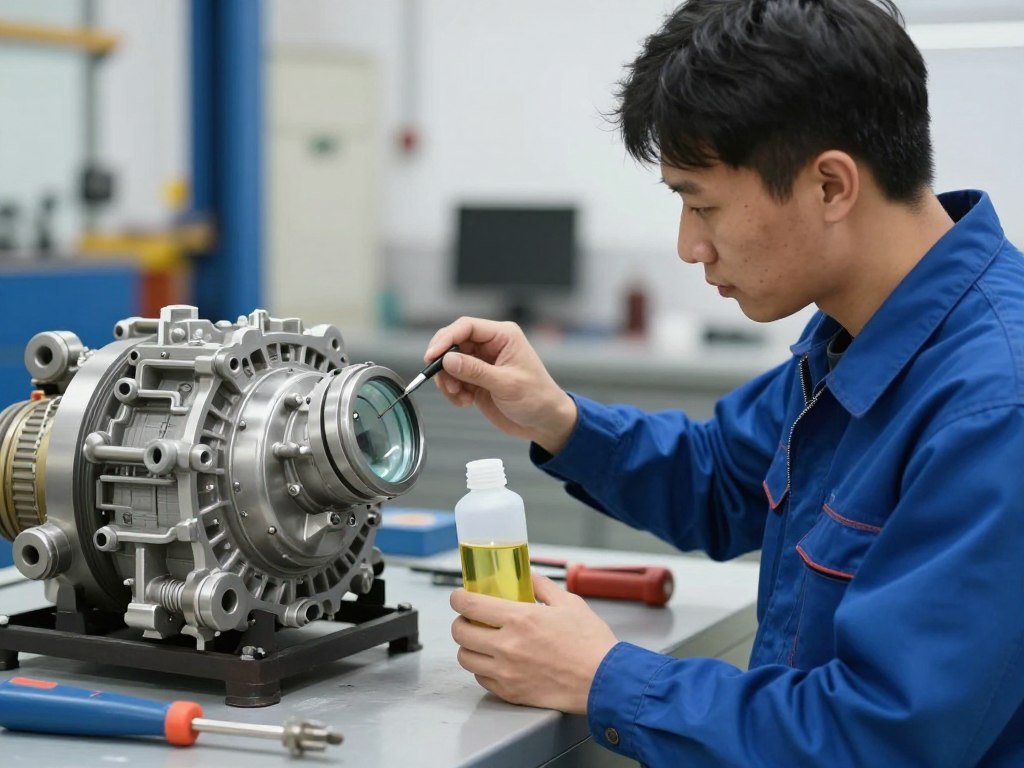
Frequency: Monthly inspection, quarterly oil change
Procedure: Check oil level and color. Dark or milky oil indicates contamination - change immediately. Use ISO VG 320 gear oil. Capacity: 8-12 liters depending on model. Check for metal particles on magnetic drain plug (indicates gear wear).
Motor and Electrical System
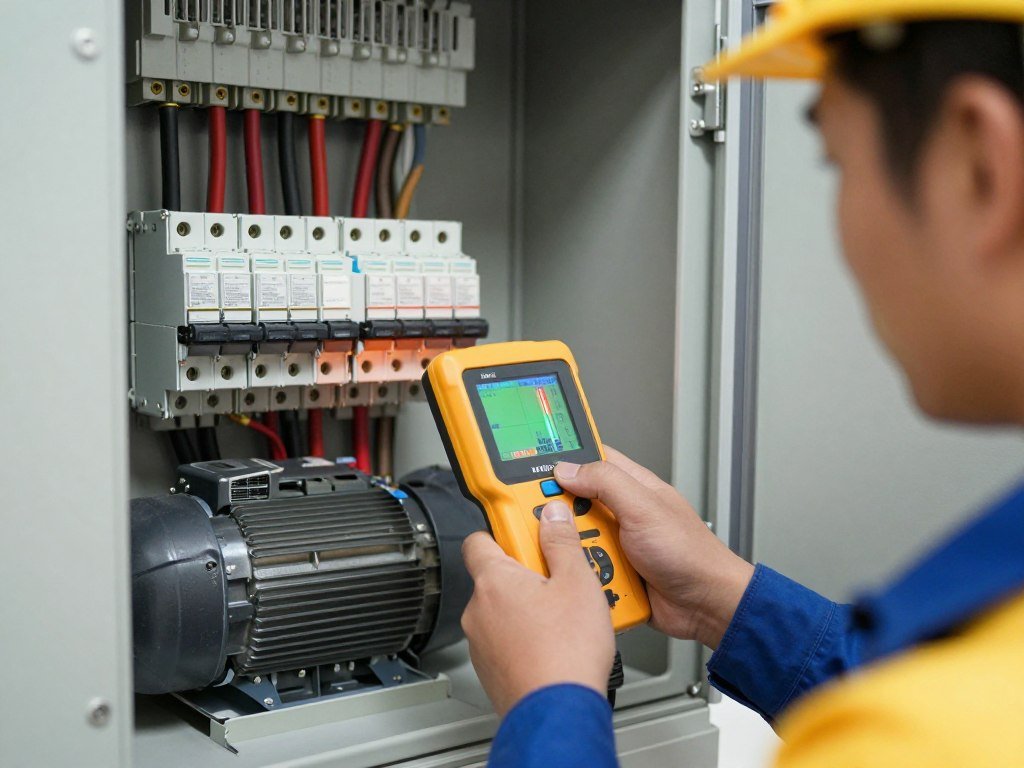
Frequency: Monthly
Procedure: Measure motor bearing temperature during operation (should not exceed 80°C). Check for unusual noise or vibration. Inspect cooling fan - clean dust from fins. Verify all relay and contactor operation. Tighten any loose terminal connections.
Conditioning System
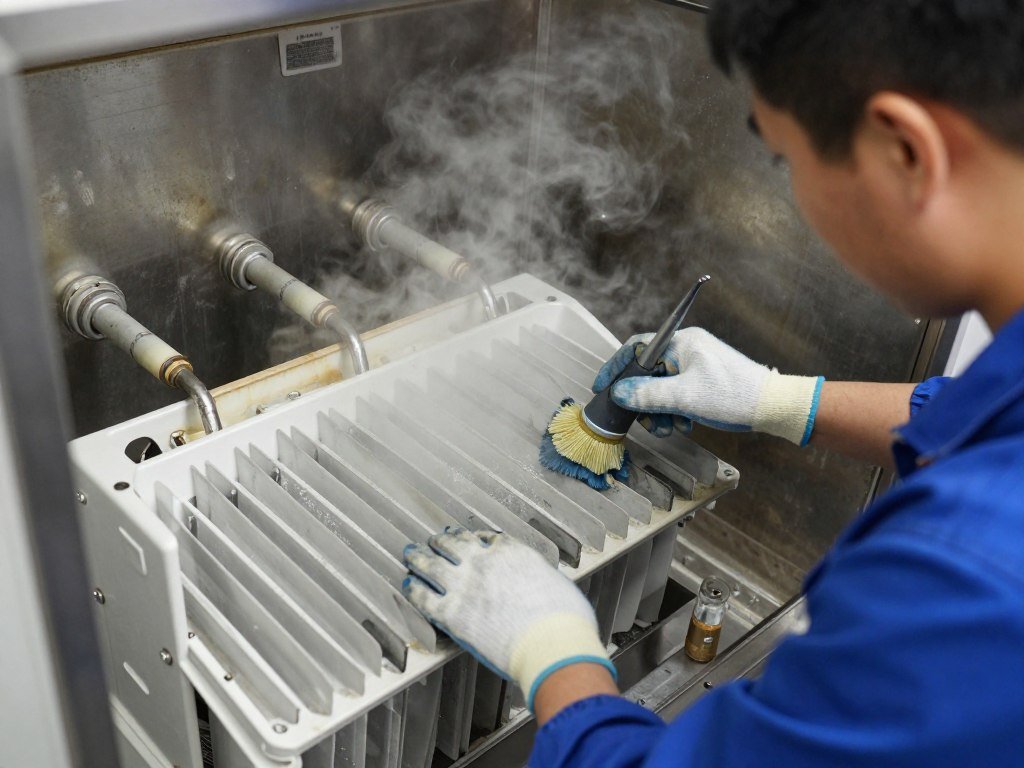
Frequency: Monthly deep cleaning
Procedure: Disassemble conditioner (if possible). Remove buildup from paddles and chamber walls. Check steam nozzle openings - clean any blockages. Inspect paddle shaft bearings for play. Verify shaft seal prevents steam leakage. Replace worn components.
Safety System Test
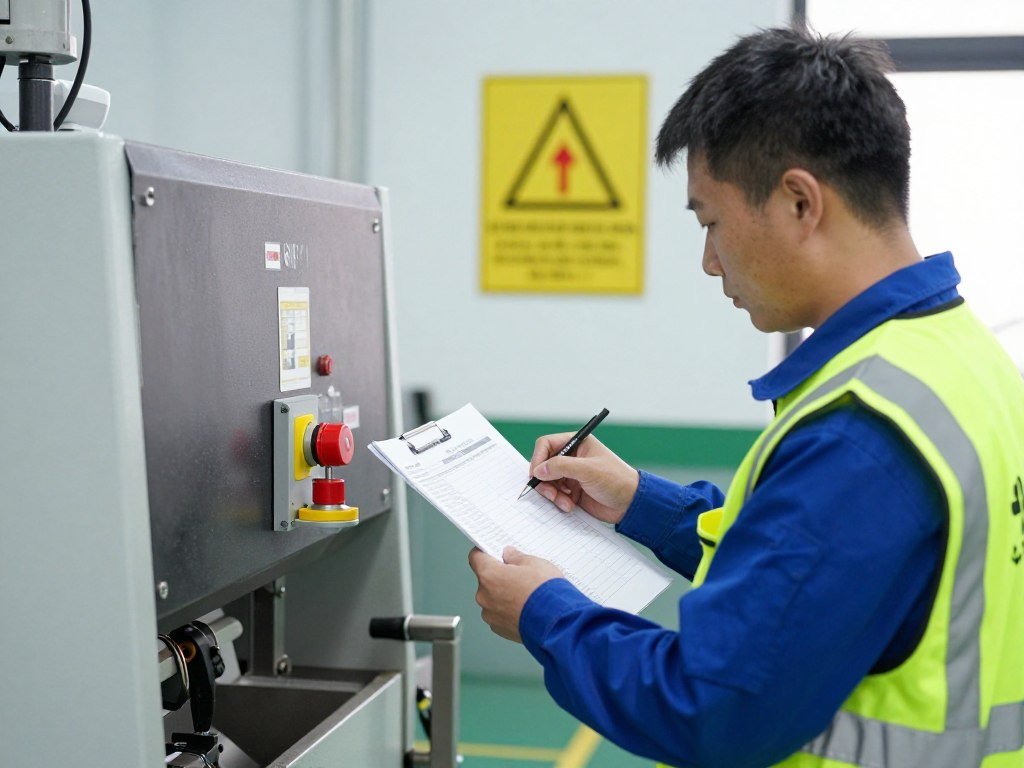
Frequency: Monthly
Procedure: Test all emergency stop buttons (should cut power instantly). Verify safety guards in place and interlocks functional. Check overload protection on main motor. Test temperature sensors and alarms. Document all safety tests in maintenance log.
Common Problems and Solutions
Problem: Pellets Are Too Soft or Crumble Easily
- Insufficient conditioning time or temperature
- Material moisture too high or too low
- Formula lacks binding ingredients
- Die holes worn oversized
- Inadequate cooling
- Increase conditioner residence time (reduce feed rate or add conditioning stage)
- Adjust steam flow to achieve 75-85°C in conditioner
- Check material moisture - should be 13-15% pre-pelleting, 15-18% post-conditioning
- Add 5-10% wheat or corn to formula (improves binding)
- Replace worn die if holes exceed specification by >0.5mm
- Verify cooler reducing pellet temperature to
Problem: Low Production Output
- Die holes partially blocked
- Feeder not delivering material consistently
- Formula too dry or difficult to compress
- Motor power insufficient
- Knife dull or poorly adjusted
- Remove and clean die thoroughly - use wire brush and compressed air for each hole
- Check feeder variable speed drive - should maintain steady flow without surging
- Increase material moisture or improve conditioning
- Verify motor running at full rated power - check ammeter against nameplate
- Sharpen or replace cutting knives - adjust clearance to 0.5-1.0mm from die surface
- Consider larger motor if consistently operating at >90% capacity
Problem: Excessive Dust or Fines in Finished Product
- Pellets too brittle due to over-drying
- Rough handling during cooling or conveying
- Formula lacks cohesiveness
- Inadequate starch gelatinization
- Reduce cooling air flow (slower, gentler cooling improves durability)
- Lower drop heights in conveying systems
- Increase conditioning temperature by 5-10°C to improve starch gelatinization
- Add 1-2% molasses or vegetable oil (improves binding and reduces dust)
- Grind ingredients finer - better particle size distribution improves pellet integrity
- Consider pellet durability index (PDI) testing - should be >85% for aquatic feed, >90% for poultry
Problem: Pellets Have Poor Water Stability (For Fish Feed)
- Insufficient starch gelatinization
- High fiber content in formula
- Die hole length-to-diameter ratio too small
- Inadequate cooling allowing surface moisture
- Increase conditioning to 3-stage system for better gelatinization (target 45-55% starch gelatinization)
- Raise conditioning temperature to 85-90°C (monitor for scorching)
- Replace die with longer holes - use 12:1 or 14:1 length-to-diameter ratio for aquatic feed
- Add post-pelleting heat treatment (hold pellets at 80°C for 10-15 minutes before cooling)
- Reduce fiber sources (rice hulls, copra meal) in formula
- Add water-stable binder like wheat gluten (2-3% inclusion)
- Test water stability - good aquatic pellets should maintain integrity >2 hours in water
Problem: Machine Vibrates Excessively
- Die imbalanced or damaged
- Loose mounting bolts
- Worn bearings
- Misaligned drive components
- Foundation issues
- Inspect die for cracks or uneven wear - replace if damaged
- Tighten all mounting bolts to specified torque
- Check main shaft bearings for play - replace if excessive clearance detected
- Verify belt alignment and tension
- Inspect coupling alignment between motor and gearbox
- Ensure machine foundation is level, solid, and bolted securely
- Consider vibration analysis if problem persists - may indicate internal component failure
Spare Parts Inventory
Maintaining critical spare parts minimizes downtime. The following components should be stocked based on your operation scale and remoteness from supplier.| Component | Recommended Quantity | Replacement Frequency | Approximate Cost (USD) |
| Ring die (standard holes) | 1-2 units | Every 800-1,200 operating hours | $450-$650 |
| Ring die (special holes) | 1 unit | Every 600-1,000 hours (harder materials) | $500-$750 |
| Roller shells | 1 set (2 pieces) | Every 1,000-1,500 hours | $280-$420 |
| Cutting knives | 2-3 sets | Sharpen weekly, replace every 200-300 hours | $35-$60 per set |
| Main shaft bearings | 1 set | Every 3,000-5,000 hours | $180-$320 |
| V-belts (drive) | 2 sets | Every 1,500-2,500 hours | $45-$85 per set |
| Feeder motor | 1 unit | Every 8,000-12,000 hours | $120-$200 |
| Conditioner paddles | 1 set | Every 2,000-3,000 hours | $90-$150 |
| Steam nozzles | 3-5 pieces | Clean monthly, replace as needed | $15-$25 each |
| Oil seals | 1 set (5-8 pieces) | Replace during bearing service | $8-$15 each |
About MAIKONG: 22 Years of Feed Manufacturing Excellence
MAIKONG has specialized in pellet machine design and manufacturing since 2002. What began as a small engineering workshop in GD province, SZ city has grown into a globally recognized feed equipment manufacturer serving 68 countries.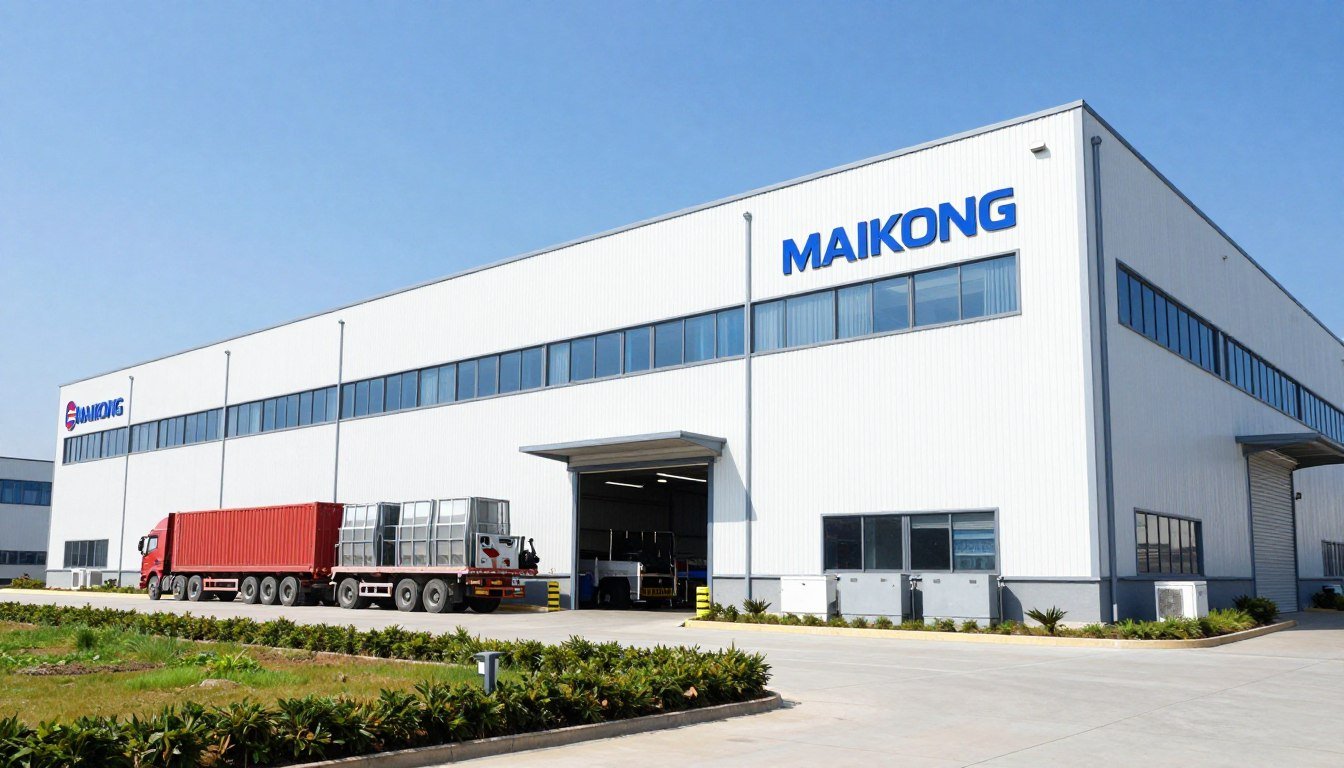
Manufacturing Capabilities
MAIKONG operates a 48,000 square meter production facility employing 280 skilled workers and engineers. The factory integrates modern CNC machining centers, heat treatment furnaces, and assembly lines producing 600+ complete pellet machines annually.Engineering Department
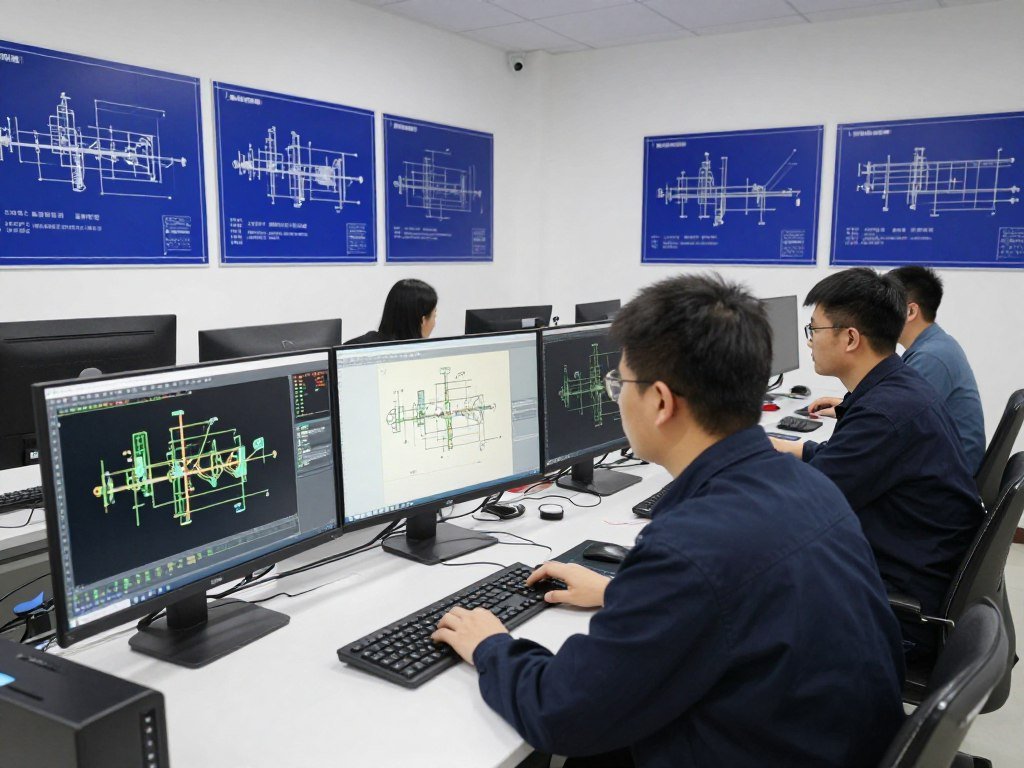
- 45 mechanical and electrical engineers
- Custom solution design capability
- 3D CAD modeling and simulation
- Finite element analysis (FEA) for stress testing
- Prototype development and testing lab
Quality Control
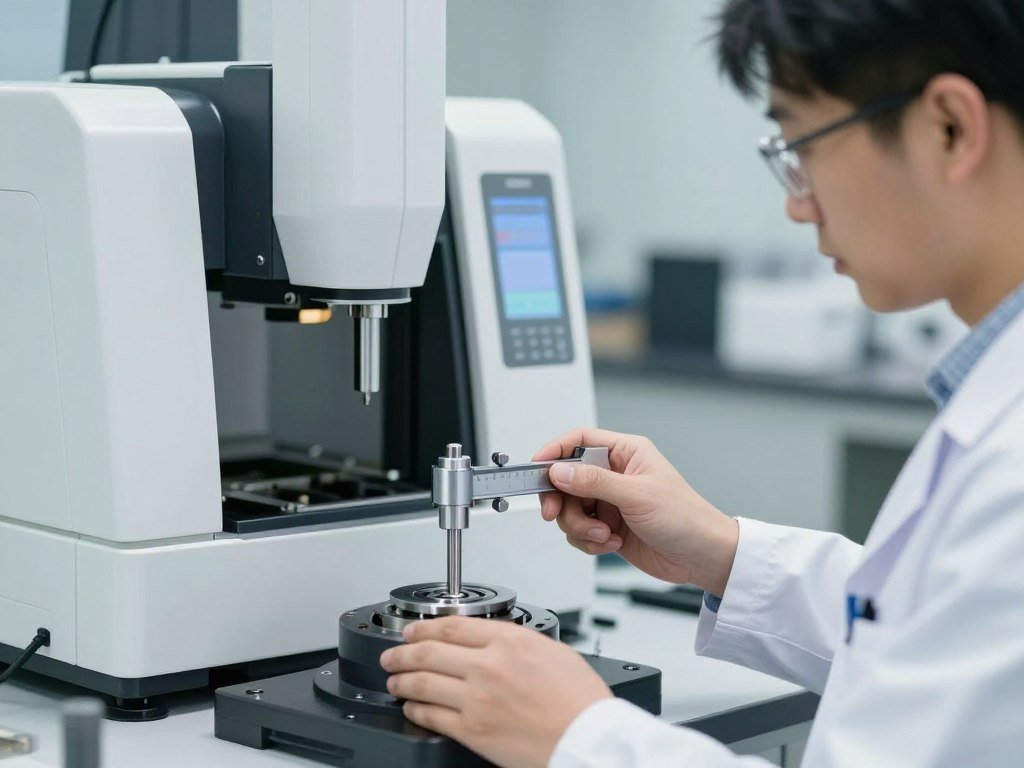
- ISO 9001:2015 certified manufacturing
- 100% component inspection before assembly
- Full-load testing of every machine
- CE, SGS, and BV certifications
- Traceability system for all parts
Production Capacity
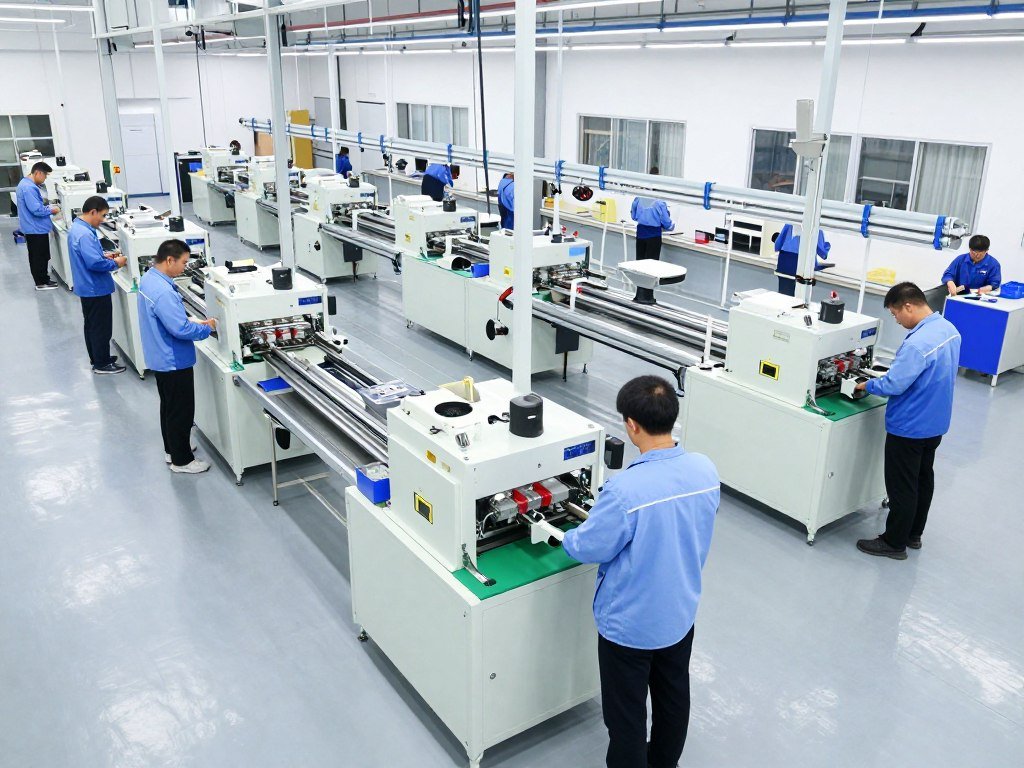
- 600+ pellet machines per year
- 50+ complete production lines annually
- Custom OEM/ODM orders: 30% of production
- Spare parts warehouse: 10,000+ SKUs
- Average delivery: 15-25 days ex-works
Research and Development
MAIKONG invests 6% of annual revenue in R&D activities. The company holds 23 patents for pellet machine improvements including advanced conditioning systems, energy-efficient drive mechanisms, and wear-resistant die alloys. Recent innovations include the triple-stage conditioner specifically for aquatic feed (achieving 55% starch gelatinization vs. 33% for single-stage), variable-frequency drives reducing energy consumption 18-24%, and quick-change die systems cutting changeover time from 45 minutes to 8 minutes.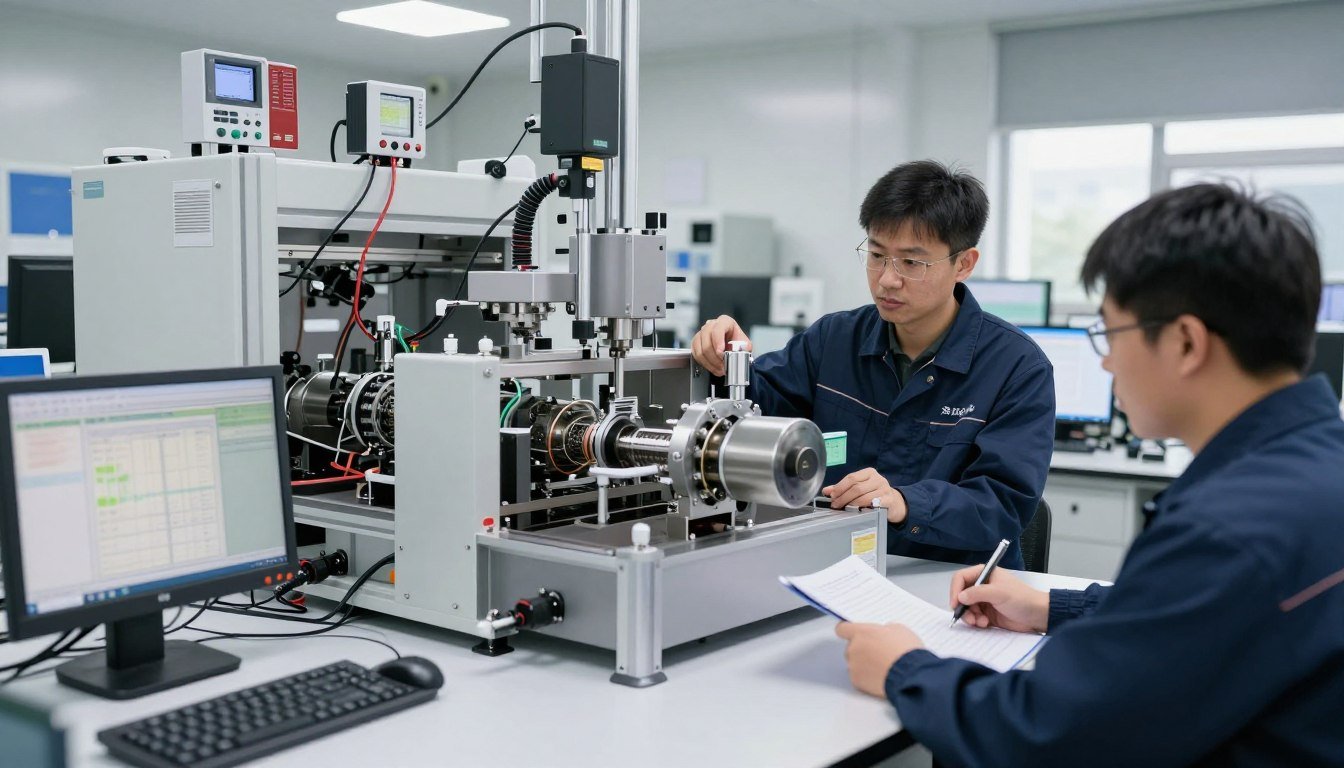
Global Service Network
MAIKONG maintains service centers and parts warehouses in 12 countries including the Philippines. This local presence ensures rapid response for technical support, parts delivery, and on-site service.Philippine Operations
MAIKONG Philippines office opened in 2019 to better serve the growing Southeast Asian market. The Manila-based team provides:- Pre-sales consultation and facility planning
- Local installation and commissioning services
- Operator training programs (3-5 day courses)
- Spare parts inventory for 2-day delivery nationwide
- Emergency technical support (24/7 hotline)
- Annual maintenance contracts available
Technical Support
All MAIKONG customers receive comprehensive technical support:- Remote assistance: WhatsApp, email, video call support during business hours
- On-site service: Technician dispatch within 48 hours for Philippines locations
- Training: Operator and maintenance training included with purchase
- Documentation: Complete manuals in English, operation videos, troubleshooting guides
- Warranty: 24 months parts and labor (excludes wear items)
- Extended service: Annual maintenance contracts provide priority support and discounted parts
Product Range
Beyond the MK-001 fish feed pellet machine, MAIKONG manufactures complete equipment lines for diverse applications:Feed Pellet Machines
Ring die and flat die models from 200 kg/hour to 30 tons/hour for all livestock, poultry, and aquatic species.Complete Production Lines
Turnkey solutions from ingredient receiving through finished product packaging.Specialized Equipment
Biomass, fertilizer, and alternative pelletizing applications.Support Equipment
Auxiliary systems for complete feed manufacturing solutions.- Hammer mills (5-50 ton/hour)
- Horizontal mixers (500kg-5 ton batch)
- Coolers (counterflow, 1-30 T/H)
- Packaging systems (manual to fully automatic)
Become MAIKONG's Exclusive Philippine Partner
Join a network of successful distributors across Asia, Americas, Europe, Africa, and the Middle East. Partner with 22 years of manufacturing excellence.
Dealer Benefits:
- Exclusive territorial rights
- Factory-direct pricing
- Comprehensive technical training
- Marketing support materials
- After-sales service backing
- Priority parts delivery
OEM/ODM Opportunities:
- Custom branding options
- Tailored specifications
- Flexible order quantities
- Product development support
- Private label manufacturing
- Co-engineering projects
Frequently Asked Questions
How much does the MAIKONG MK-001 fish feed pellet machine cost?
- Multi-stage conditioning systems: +$2,000-$4,500
- Automated control systems: +$1,500-$5,000
- Spare die sets (different hole sizes): $450-$750 each
- Installation and commissioning: $1,200-$2,500 (Philippines)
- Operator training: Included with purchase
Can I make floating fish feed with the MK-001?
- Bottom-feeding fish (catfish, carp, tilapia in grow-out stage)
- Shrimp and prawns
- Most freshwater aquaculture species
- Young fish that prefer sinking starter feeds
How to make fish pellets without using machine - is it possible?
- Mix ingredients: Combine finely ground fish meal, flour, and water into thick dough
- Form pellets: Roll dough into small balls or cylinders by hand
- Dry pellets: Sun-dry or use low-temperature oven (50-60°C) for 4-6 hours
- Store: Keep in airtight container to prevent mold
- Extremely labor-intensive (1-2 kg/hour maximum)
- Inconsistent pellet size and density
- Poor water stability (typically disintegrates in 5-15 minutes)
- Difficult to achieve balanced nutrition
- High contamination risk without proper drying
- Not economically viable above hobby scale
What power supply do I need for the MK-001 in the Philippines?
- Voltage: 380V three-phase (standard industrial) or 220V three-phase (some areas)
- Frequency: 60 Hz (Philippine standard)
- Main motor: 37 kW (50 HP)
- Total connected load: ~42 kW (including feeder, conditioner, auxiliaries)
- Recommended supply: 60-80 kVA transformer or generator capacity
- Install phase converter (adds $800-$1,500 to setup cost)
- Use diesel generator (requires 80-100 kVA capacity, fuel cost ~$8-12/hour operation)
- Consider smaller flat die model compatible with single-phase power
How long does it take to produce 1 ton of feed with the MK-001?
- At minimum capacity (800 kg/hour): 1.25 hours for 1 ton
- At average capacity (1,000 kg/hour): 1 hour for 1 ton
- At maximum capacity (1,200 kg/hour): 50 minutes for 1 ton
- Startup: 10-15 minutes
- Pelleting: 50-75 minutes
- Cooling: 10-15 minutes
- Shutdown and cleaning: 10 minutes
- Total: ~1.5-2 hours for 1 ton finished feed
- Single 8-hour shift: 6-8 tons
- Double shift (16 hours): 12-16 tons
- 24-hour operation: 18-24 tons
What's the difference between the MK-001 and cheaper Chinese pellet machines I see online?
| Feature | MAIKONG MK-001 | Budget Models |
| Ring die material | Alloy steel (40Cr, heat-treated to HRC 55-60) | Mild steel or unhardened alloy (HRC 35-45) |
| Die lifespan | 800-1,200 hours typical | 200-400 hours |
| Gearbox | Precision helical gears (97% efficiency) | Spur gears or belt drive (85-90% efficiency) |
| Main bearing | SKF or NSK (rated 10,000+ hours) | Generic bearings (2,000-4,000 hours) |
| Motor | Siemens or equivalent (IE3 efficiency) | Standard efficiency motors |
| Conditioning | Multi-stage option for aquatic feed | Single-stage only |
| Technical support | 24/7 hotline, Philippine office, English manual | Limited support, Chinese manual only |
| Warranty | 24 months parts and labor | 6-12 months, parts only |
| Typical price | $12,800-$15,500 | $6,000-$9,000 |
Can the MK-001 process ingredients available in the Philippines?
Locally Abundant Ingredients:
- Corn (yellow and white) - excellent binding, widely available
- Rice bran (D1, D2 grades) - requires oil management but works well
- Copra meal - fibrous but processable when properly ground
- Fish meal (sardine, anchovy) - local supply supports aqua feed
- Broken rice - affordable energy source
- Cassava meal - good binder, locally produced
- Soybean meal - imported but readily available
- Ipil-ipil (Leucaena) - protein supplement for ruminants
Formula Recommendations:
Tilapia Grower (example):- Fish meal: 15%
- Soybean meal: 25%
- Corn: 30%
- Rice bran: 15%
- Broken rice: 10%
- Vitamins/minerals: 5%
Is training provided with the machine purchase?
Standard Training Package (No Additional Cost):
- Installation training: 2 days on-site during equipment commissioning
- Operation training: 3 days covering startup, normal operation, shutdown procedures
- Maintenance training: 2 days including preventive maintenance, troubleshooting, basic repairs
- Safety training: 1 day covering lockout/tagout, emergency procedures, PPE requirements
- Trainees: Up to 5 personnel included
Training Materials Provided:
- Complete operation manual (English)
- Maintenance checklist templates
- Troubleshooting guide with photos
- Spare parts catalog with part numbers
- Video tutorials (operation and maintenance)
- Formula examples for common Philippine species
Advanced Training (Optional, Additional Cost):
- Formula development workshop (3 days): $800
- Quality control certification (2 days): $500
- Advanced troubleshooting (2 days): $600
- Production management (2 days): $500
What's the ROI (return on investment) timeline for the MK-001?
Example: 5-Hectare Tilapia Farm
Current Situation:- Fish population: 50,000 fish (5 crops per year)
- Commercial feed cost: ₱45/kg
- Monthly feed consumption: 12 tons
- Monthly feed expense: ₱540,000
- Ingredient cost: ₱28/kg (₱336,000/month)
- Labor (1 operator, part-time): ₱15,000/month
- Electricity (320 kWh): ₱4,800/month
- Maintenance and depreciation: ₱12,000/month
- Total monthly cost: ₱367,800
- MK-001 pellet machine: $14,000 (₱784,000)
- Hammer mill: $3,500 (₱196,000)
- Mixer: $2,000 (₱112,000)
- Installation: $1,500 (₱84,000)
- Total investment: $21,000 (₱1,176,000)
Can I produce feed for multiple species with one machine?
Multi-Species Production Capability:
Aquaculture Feeds:
- Tilapia (2-5mm)
- Catfish (4-6mm)
- Milkfish/Bangus (3-5mm)
- Shrimp (1.5-3mm)
- Carp (3-6mm)
- Ornamental fish (1-2mm)
Poultry Feeds:
- Broiler starter (2mm crumbles)
- Broiler grower (3-4mm)
- Layer pellets (4-5mm)
- Duck feed (4-6mm)
- Quail feed (2-3mm)
- Fighting cock (5mm)
Livestock Feeds:
- Pig starter (3mm)
- Pig grower (5-6mm)
- Cattle supplements (8-10mm)
- Goat feed (6-8mm)
- Rabbit pellets (3-4mm)
- Pet food (5-8mm)
Quick-Change System:
Switching between species requires only die change (8-15 minutes with quick-change system). Example daily schedule for diversified operation:- 6:00-10:00 AM: Tilapia feed production (4mm die)
- 10:00-10:15 AM: Die change to 3mm
- 10:15-2:00 PM: Chicken starter production (3mm die)
- 2:00-2:15 PM: Die change to 8mm
- 2:15-5:00 PM: Cattle supplement production (8mm die)
Conclusion: Invest in Quality Feed Production with MAIKONG
Philippine aquaculture and livestock industries face mounting cost pressures. Commercial feed prices continue rising while product sale prices remain relatively flat. Profit margins shrink year after year. Farm operators who control feed costs gain competitive advantage. The MAIKONG MK-001 fish feed pellet machine delivers professional-grade pellet production at mid-market investment levels. With 22 years of manufacturing refinement, this equipment balances initial cost, operational efficiency, and long-term reliability.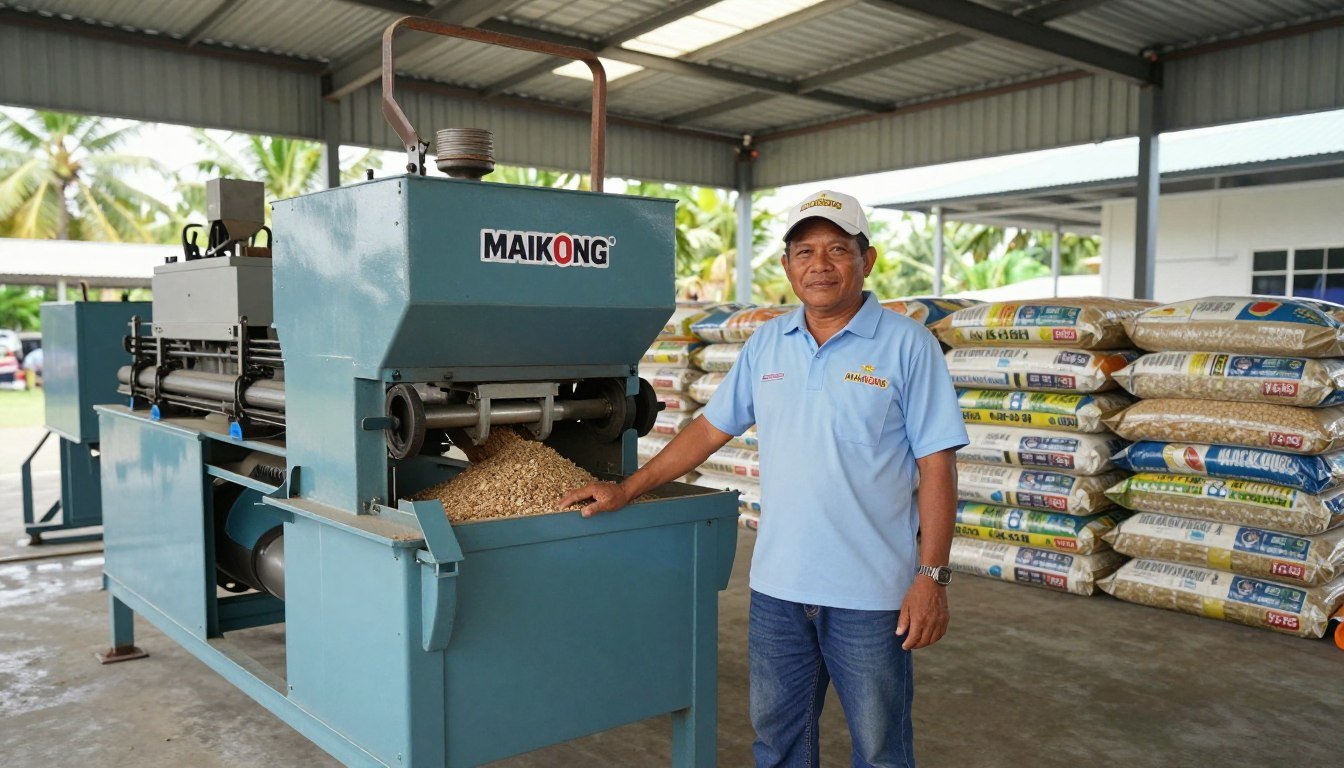 Key advantages of the MK-001 for Philippine operations include:
- Cost reduction: 30-40% savings vs. commercial feed
- Quality control: Customize formulas for your specific needs
- Ingredient flexibility: Use locally available Philippine materials
- Production capacity: 800-1,200 kg/hour meets most farm scales
- Multi-species capability: One machine serves fish, poultry, livestock
- Voltage compatibility: Configured for Philippine electrical standards
- Local support: Philippine office provides rapid response
- Complete training: Operators ready within one week
- Spare parts availability: 2-day delivery nationwide
- Proven reliability: 3,000+ installations globally
- Fast ROI: Typical payback in 8-14 months
- Warranty coverage: 24 months comprehensive protection
Why Choose MAIKONG as Your Partner?
Equipment purchases represent significant investments. Choosing the right supplier matters as much as selecting the right machine. MAIKONG brings:- Manufacturing expertise: 22 years designing and building feed equipment
- Engineering capability: Custom solutions for unique requirements
- Global experience: 68 countries, 3,000+ installations inform our designs
- Quality commitment: ISO 9001 certified production, international component standards
- Philippine presence: Local office eliminates language and time zone barriers
- Complete solutions: From ingredient handling to finished product packaging
- Technical support: 24/7 hotline, remote assistance, on-site service
- Partnership approach: We succeed when you succeed
Dealer and Distributor Opportunities
MAIKONG actively recruits qualified dealers and distributors throughout the Philippines. If you currently serve the agricultural, aquaculture, or livestock industries, partnering with MAIKONG adds a profitable product line with strong market demand. Dealer benefits include exclusive territories, factory-direct pricing, technical training, marketing support, and priority parts delivery. OEM/ODM opportunities available for private label programs or custom specifications. We seek partners who understand local markets, maintain customer relationships, and provide after-sales support. Experience in agricultural equipment, feed distribution, or farming supplies preferred but not required.Start Your Feed Production Journey with MAIKONG Today
Join hundreds of successful feed manufacturers, fish farms, and poultry operations across the Philippines and worldwide who trust MAIKONG for reliable, high-quality fish feed pellet machines and complete production solutions.
Contact Our Team:
WhatsApp/Telegram: +86 135-1090-7401 Email: Lucy@pelletmachine.ph Website: pelletmachine.ph Office Hours: Monday-Saturday, 8:00 AM - 6:00 PM (Philippine Time)What Happens Next?
- Contact us via your preferred channel
- Discuss your specific production needs and challenges
- Receive customized equipment recommendations
- Get detailed quotation with timeline and payment terms
- Arrange factory visit or video demonstration (optional)
- Finalize order with comprehensive technical support plan
- Installation, training, and ongoing partnership begin
 --
--