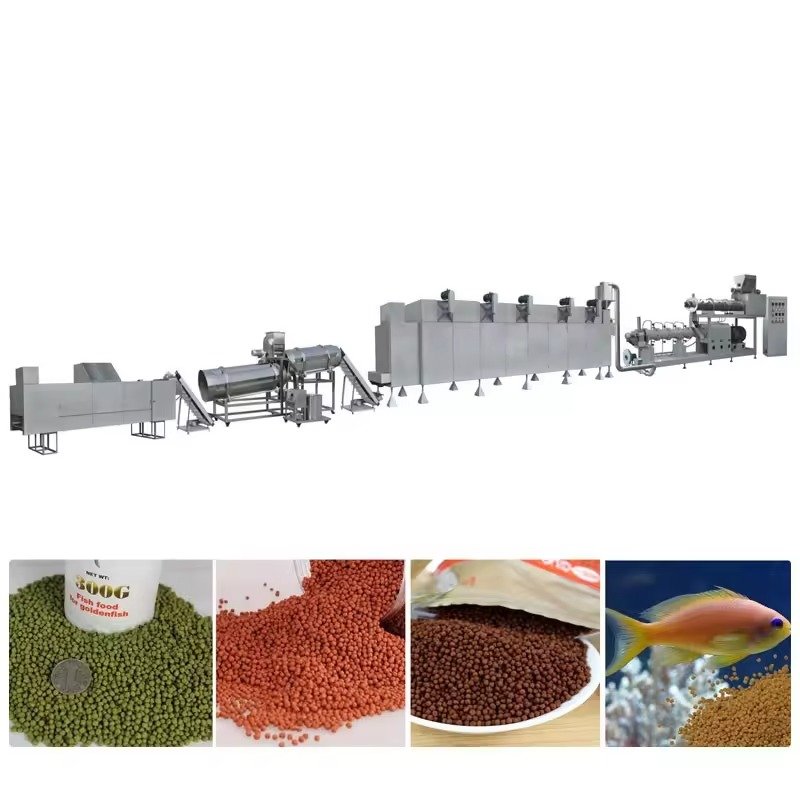
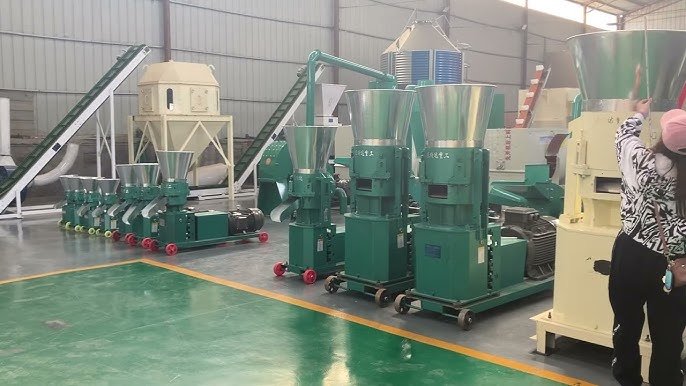
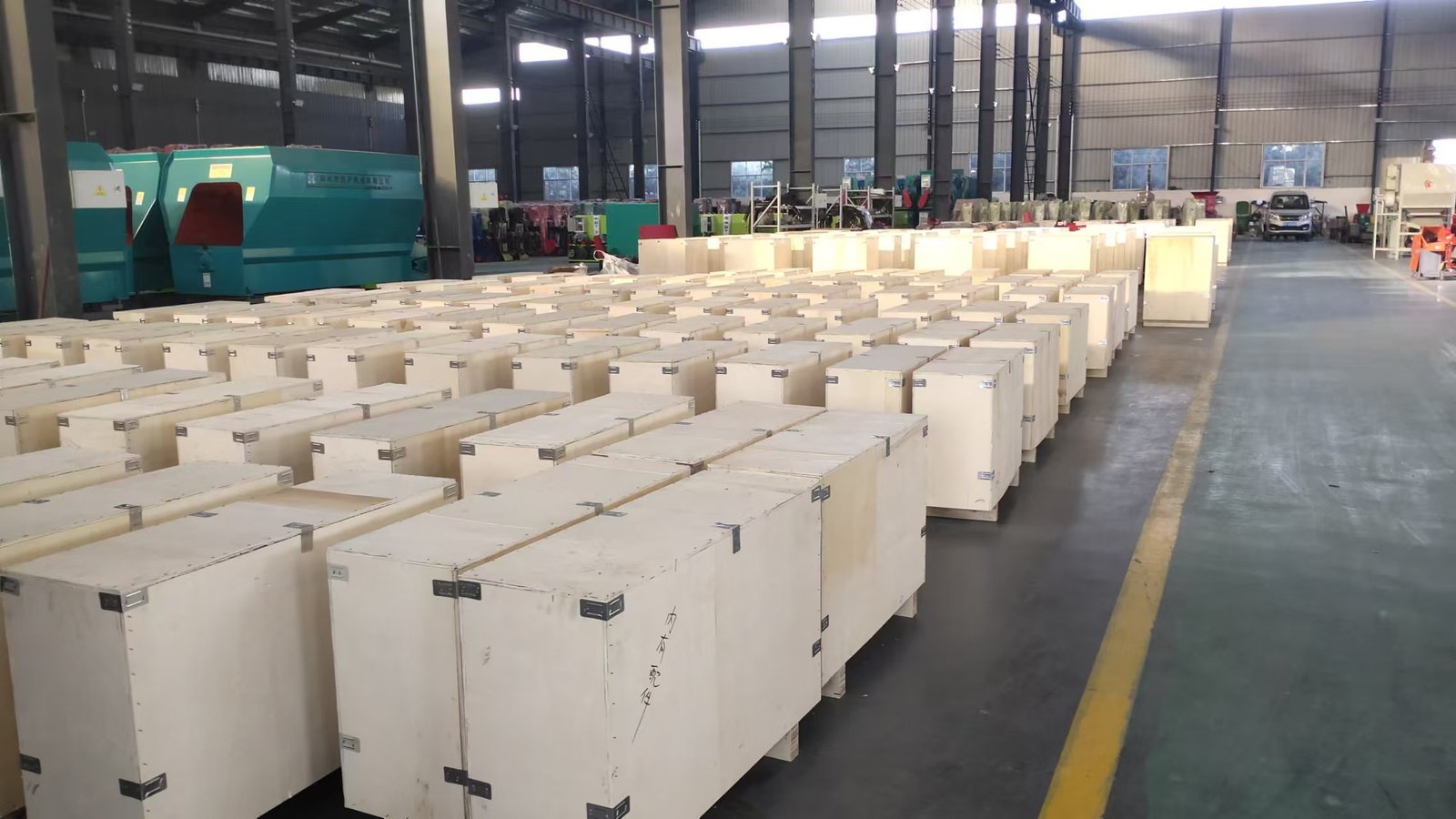
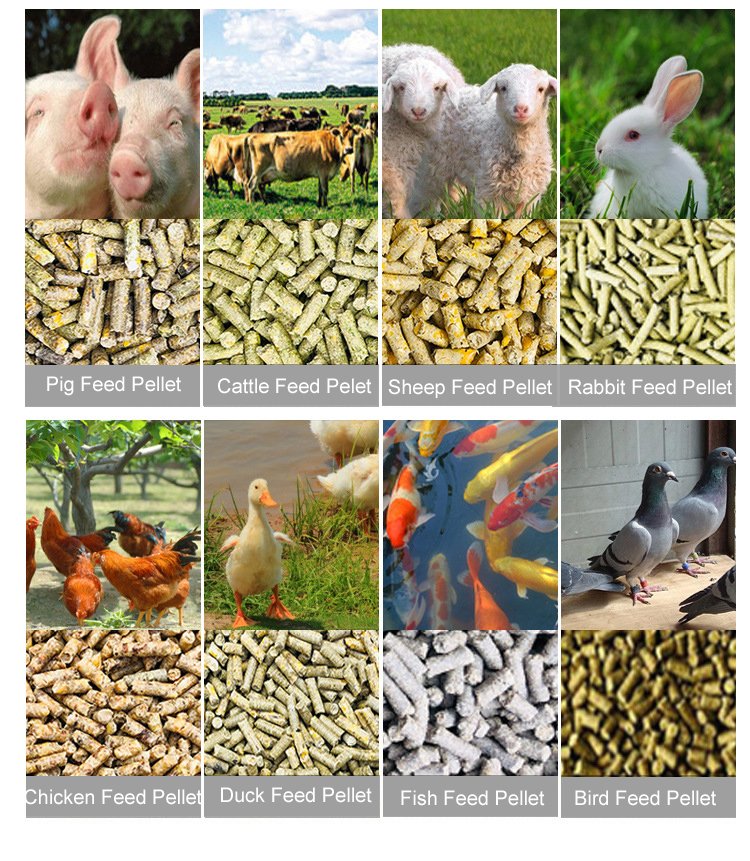
 You’ll discover the exact equipment configurations, production processes, investment requirements, and ROI calculations that successful Philippine aquaculture businesses use. From 200-kilogram hourly capacity systems for family operations to 10-ton industrial lines for commercial feed manufacturers, we’ll explore solutions matched to your specific needs.
Understanding Aqua Feed Production Line Requirements in Philippine Context
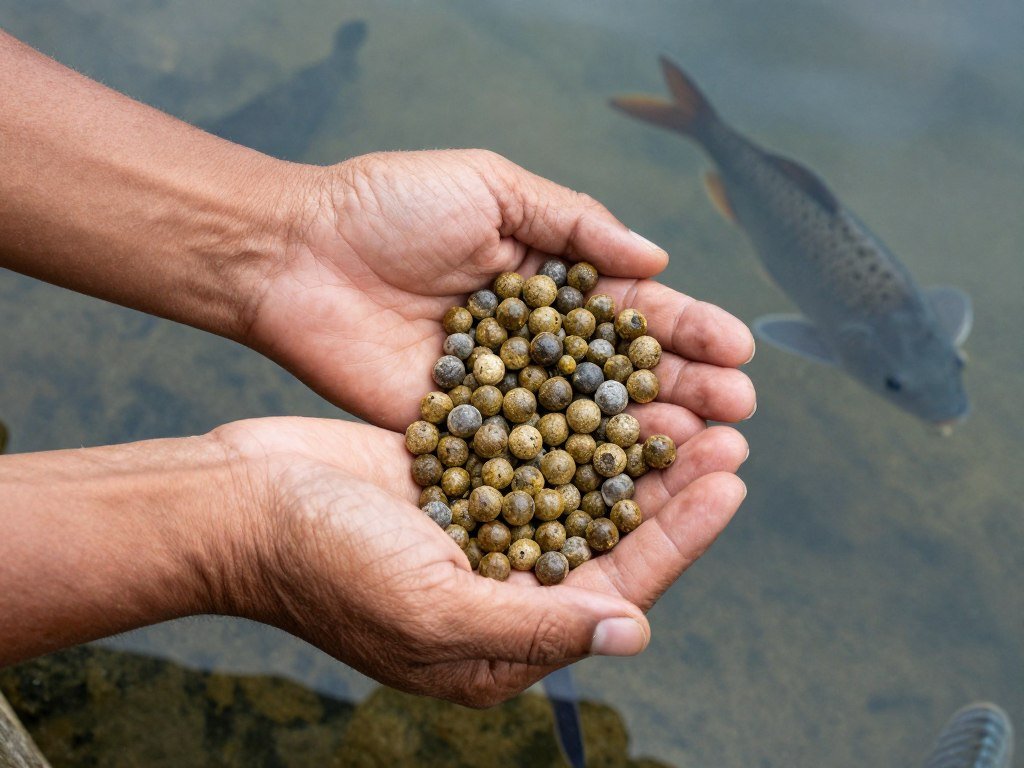
Starting an aqua feed production line requires understanding five fundamental requirements specific to Philippine aquaculture operations. These foundations determine your system’s success and profitability.
Production Capacity Planning Based on Farm Size
Your production capacity should match your current consumption plus 20-30% for future expansion and potential sales to neighboring farms. A typical 1-hectare intensive tilapia farm consumes approximately 150-200 kilograms of feed daily. Calculate your requirements using this framework:
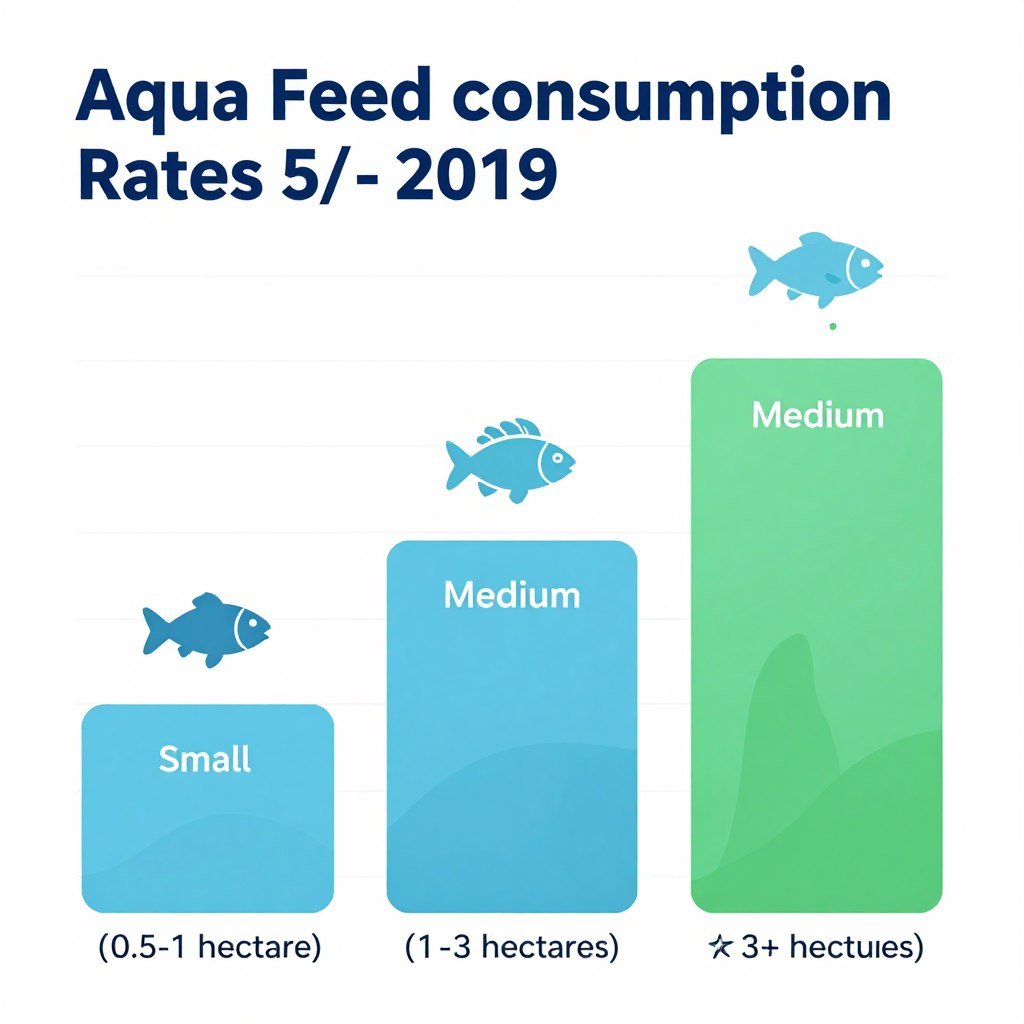
Daily Feed Consumption Guidelines
Small operations (0.5-1 hectare) typically need 100-200 kg daily. Medium farms (1-3 hectares) require 300-800 kg per day. Large commercial operations (3+ hectares) consume 1,000-3,000 kg daily. These figures assume intensive farming with proper stocking density.
Your aqua feed production line capacity should exceed daily consumption by at least 50% to accommodate production scheduling flexibility and emergency stockpiling during typhoon season.
Raw Material Sourcing in Philippines
Philippine aqua feed formulations typically combine locally available ingredients with imported protein sources. Understanding local raw material availability determines your formula options and cost structure.
- Fish meal (15-25% of formula) – Imported from Peru, Chile, or local fishmeal plants in Navotas, Zamboanga
- Soybean meal (20-30%) – Imported from USA, Brazil, Argentina; local crushing limited
- Corn (15-25%) – Abundant locally from Isabela, Cagayan Valley, Mindanao regions
- Rice bran (10-15%) – Readily available from local rice mills nationwide
- Wheat flour (5-10%) – Imported; used as binder for pellet stability
- Vitamin-mineral premix (2-5%) – Specialized imports from Europe, USA, China
- Fish oil (3-8%) – Supports omega-3 content; mostly imported
Establishing reliable supplier relationships before starting your aqua feed production line ensures consistent production without material shortages that halt operations.
Space and Infrastructure Requirements
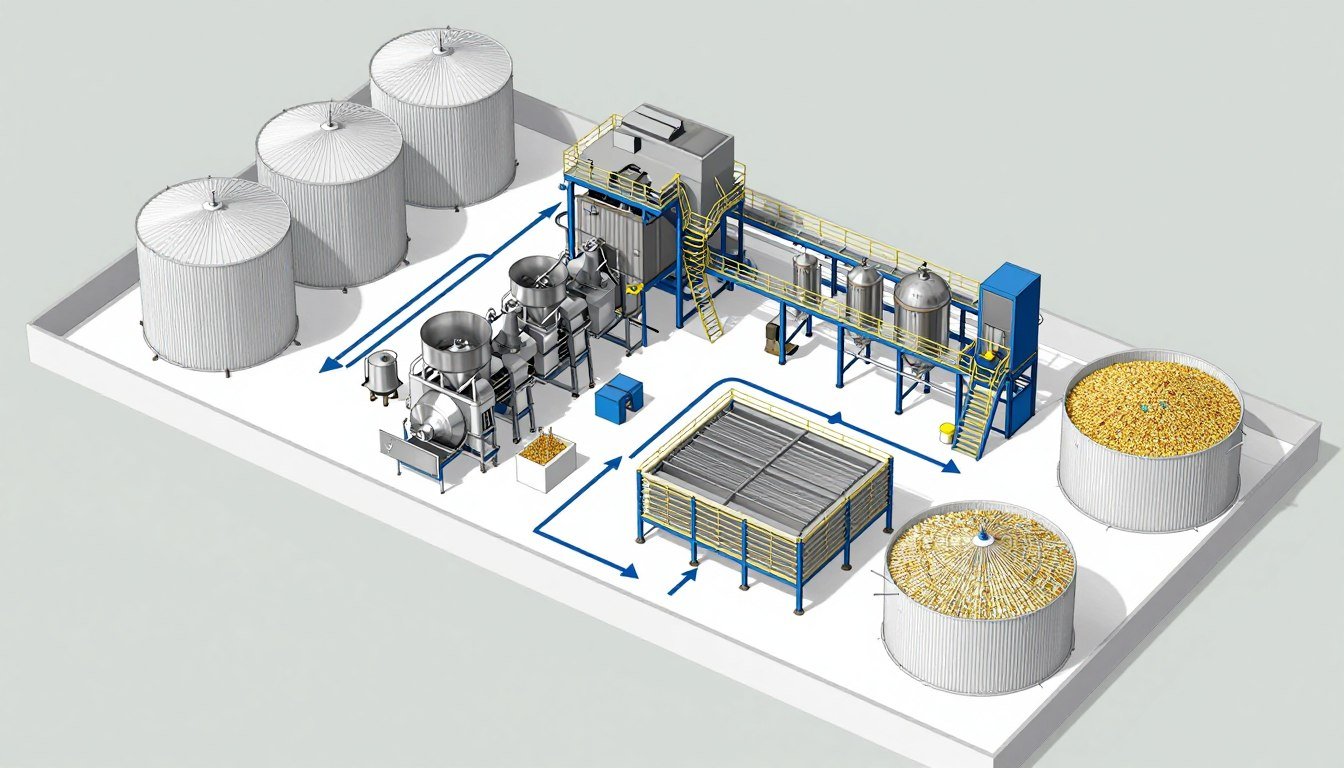
Production facilities require adequate space for raw material storage, processing equipment, finished product warehousing, and quality control areas. Minimum space requirements scale with production capacity:
| Production Capacity | Minimum Floor Space | Raw Material Storage | Finished Product Storage | Total Facility Size |
| 200-500 kg/hour | 80-120 sqm | 40-60 sqm | 30-50 sqm | 150-230 sqm |
| 500-1,000 kg/hour | 150-200 sqm | 80-100 sqm | 60-80 sqm | 290-380 sqm |
| 1-2 tons/hour | 250-350 sqm | 120-180 sqm | 100-150 sqm | 470-680 sqm |
| 3-5 tons/hour | 400-600 sqm | 200-300 sqm | 150-250 sqm | 750-1,150 sqm |
| 8-10 tons/hour | 800-1,000 sqm | 400-500 sqm | 300-400 sqm | 1,500-1,900 sqm |
Electrical Power and Utilities
Production equipment requires three-phase electrical power with voltage stabilization to protect sensitive electronic controls. Philippine power supply varies by region, with Luzon generally having more stable electricity than Visayas and Mindanao areas.
A 1-ton per hour aquatic feed production line typically requires 120-150 kW installed power with actual consumption around 80-100 kW during operation. Include backup generator capacity for areas with frequent power interruptions to prevent production losses and raw material spoilage.
Regulatory Compliance and Permits
Operating an aqua feed manufacturing facility in Philippines requires several permits and registrations. Begin the permit process 3-4 months before equipment installation to avoid delays.
- Business permit from local Municipal/City Government
- Bureau of Food and Drugs (BFAD) registration for feed products
- Department of Agriculture – Bureau of Animal Industry (DA-BAI) feed mill license
- Environmental Compliance Certificate (ECC) from DENR for facilities above certain capacity
- Fire safety inspection certificate from Bureau of Fire Protection
- Sanitary permit from local health office
- Quality certification (optional but recommended for commercial sales)
MAIKONG provides documentation support and compliance guidance throughout the permitting process, ensuring your facility meets all Philippine regulatory requirements from day one.
Get Your Custom Aqua Feed Production Solution
Tell us your production needs—fish type, capacity, budget—and we’ll design the perfect line for your operation. Our Philippine team understands local requirements and can guide you through every step.
Complete Aqua Feed Production Line Equipment Components
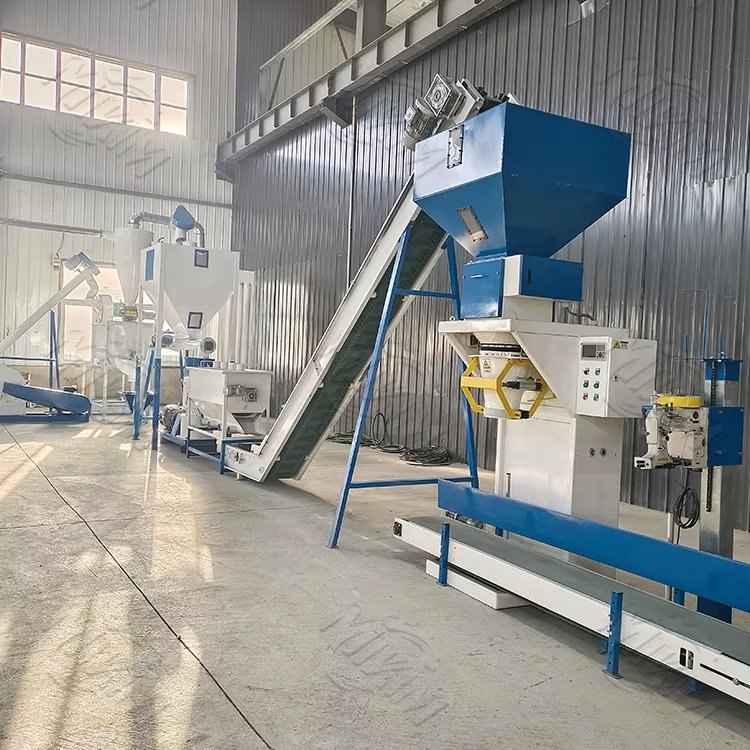
A complete aqua feed production line integrates six to eight major equipment categories, each performing specific functions in transforming raw materials into finished feed pellets. Understanding these components helps you evaluate different system configurations and identify the optimal setup for your production requirements.
Raw Material Receiving and Storage System
The production process begins with proper raw material handling and storage. This system protects ingredient quality while enabling efficient batching for production runs.
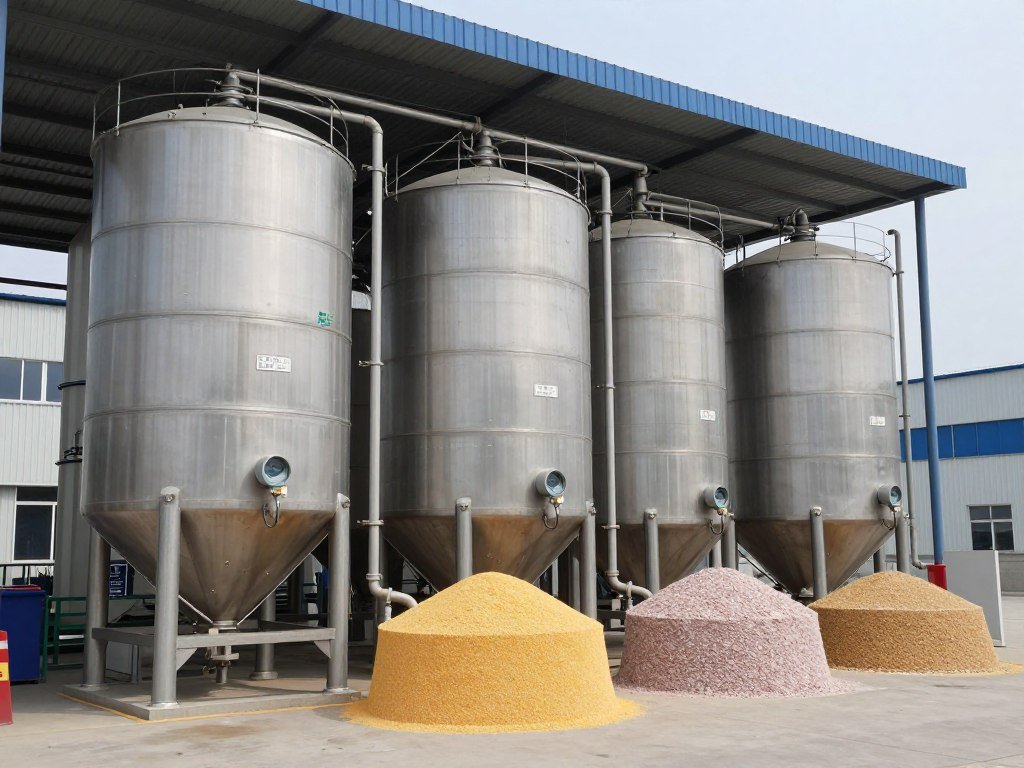
Storage Silos
Steel silos provide bulk storage for dry ingredients like corn and soybean meal. Capacity ranges from 5 to 50 tons per silo depending on your production scale and ingredient turnover rate.
- Moisture-proof construction prevents ingredient degradation
- Level sensors monitor inventory automatically
- Discharge systems enable controlled ingredient release
- Proper ventilation prevents condensation and spoilage
Ingredient Bins and Hoppers
Smaller bins store specialized ingredients like vitamin premixes, fish meal, and additives. These require careful environmental control to maintain potency and prevent oxidation.
- Climate-controlled storage for heat-sensitive ingredients
- Segregated bins prevent cross-contamination
- First-in-first-out (FIFO) design ensures freshness
- Easy cleaning between different ingredient batches
Crushing and Grinding Equipment
Raw materials require size reduction to ensure uniform mixing and proper pellet formation. Grinding fineness affects nutrient digestibility and final pellet quality significantly.
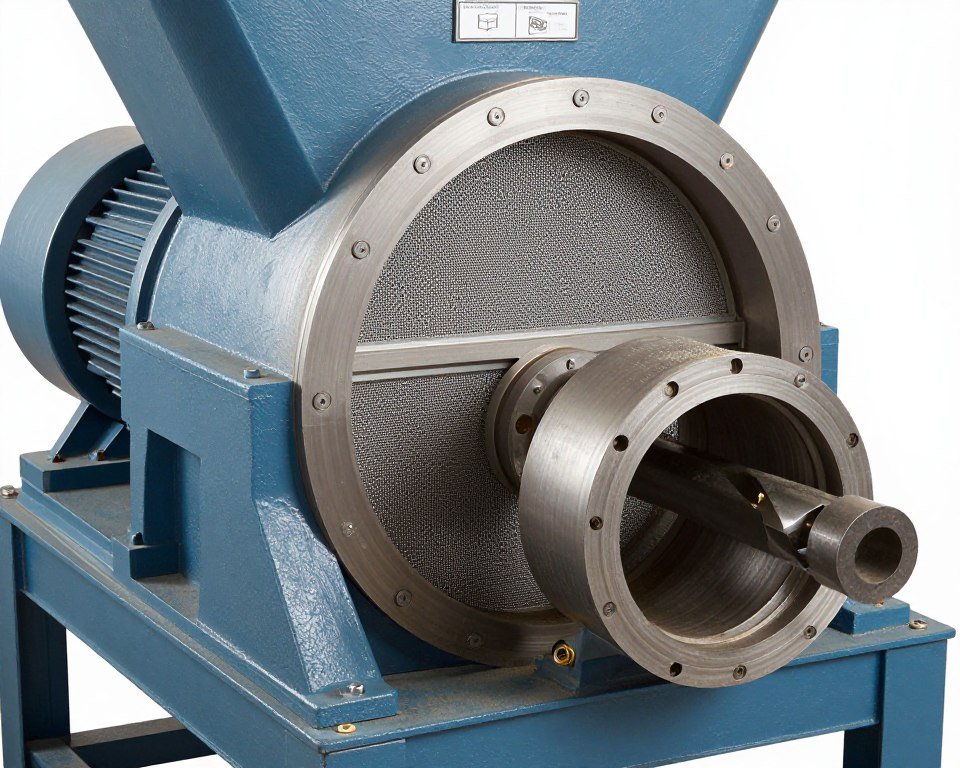
The feed pellet machine system starts with proper grinding. MAIKONG hammer mills achieve particle sizes from 0.5mm to 3mm depending on screen selection, with grinding capacity matching your overall production rate.
Hammer Mill Advantages
- High grinding capacity (200kg to 10 tons/hour)
- Adjustable particle size via screen changes
- Handles various ingredient hardness levels
- Relatively low maintenance requirements
- Energy-efficient operation
Considerations
- Regular hammer replacement needed (every 800-1200 hours)
- Noise levels require hearing protection in operation area
- Dust generation necessitates collection system
- Very hard materials may reduce grinding efficiency
Mixing and Batching System
Precise ingredient proportioning and thorough mixing ensure nutritional consistency across every batch of feed produced. This stage determines the uniformity of your final product quality.
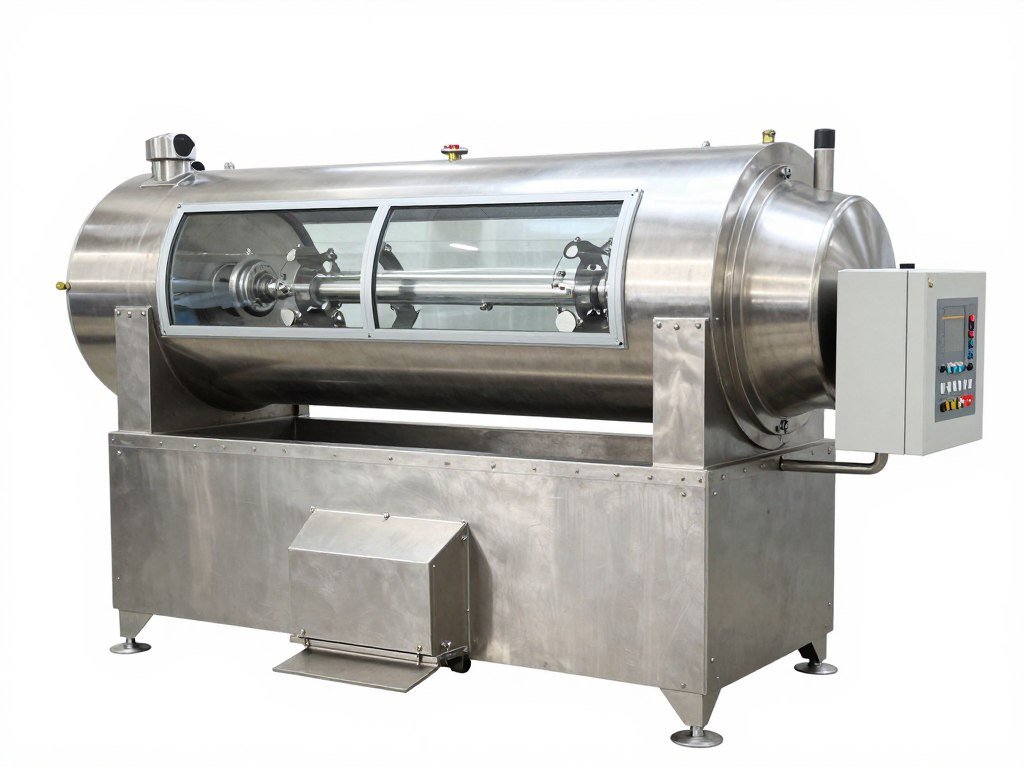
MAIKONG batching systems employ electronic weighing with ±0.5% accuracy, critical for expensive ingredients like vitamin premixes where precise dosing affects both product quality and production costs. The system sequences ingredient addition automatically based on your saved formulations.
Mixing Performance Specifications
| Mixer Type | Batch Capacity | Mixing Time | CV (Uniformity) | Best Application |
| Single Shaft Ribbon | 100-500 kg | 5-8 minutes | ≤ 7% | Small-scale operations |
| Twin Shaft Paddle | 300-2,000 kg | 3-5 minutes | ≤ 5% | Medium production lines |
| Double Ribbon (MAIKONG) | 500-3,000 kg | 4-6 minutes | ≤ 3% | High-volume commercial |
Liquid addition systems inject fish oil and liquid vitamins during mixing. These require temperature control (30-40°C) for proper oil distribution without ingredient degradation.
Pelleting or Extrusion Equipment – The Core of Your Production Line
This equipment transforms mixed ingredients into the shaped pellets fish consume. Two technologies dominate: traditional pelleting and extrusion. Your choice fundamentally affects product characteristics, production costs, and market positioning.
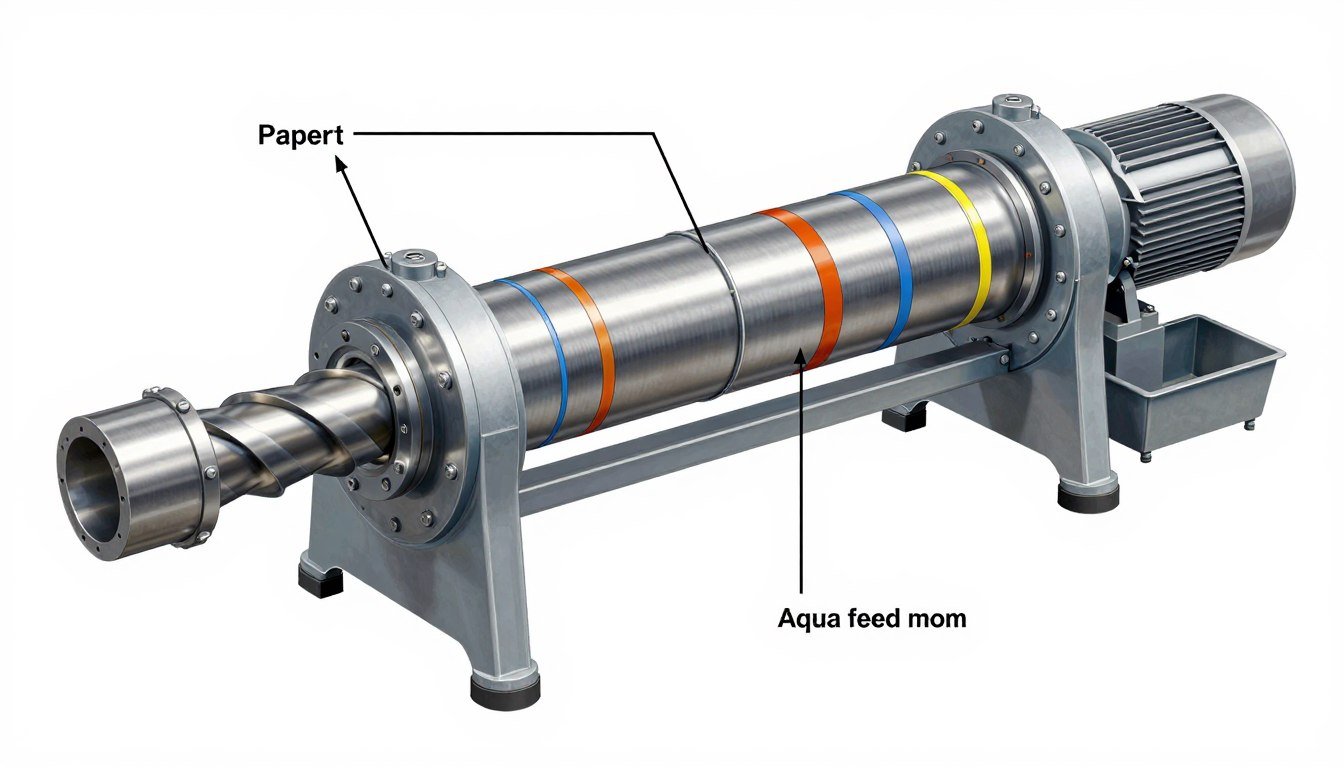
Pelleting Technology (Traditional Method)
Ring die pellet mills compress mixed ingredients through dies under high pressure (30-40 MPa), creating dense sinking pellets. This established technology suits bottom-feeding species like catfish and shrimp.
Extrusion Technology (Modern Method)
Twin-screw extruders cook ingredients under high temperature (120-180°C) and pressure, then expansion upon die exit creates floating pellets. This technology dominates modern fish feed production line installations for surface-feeding species.
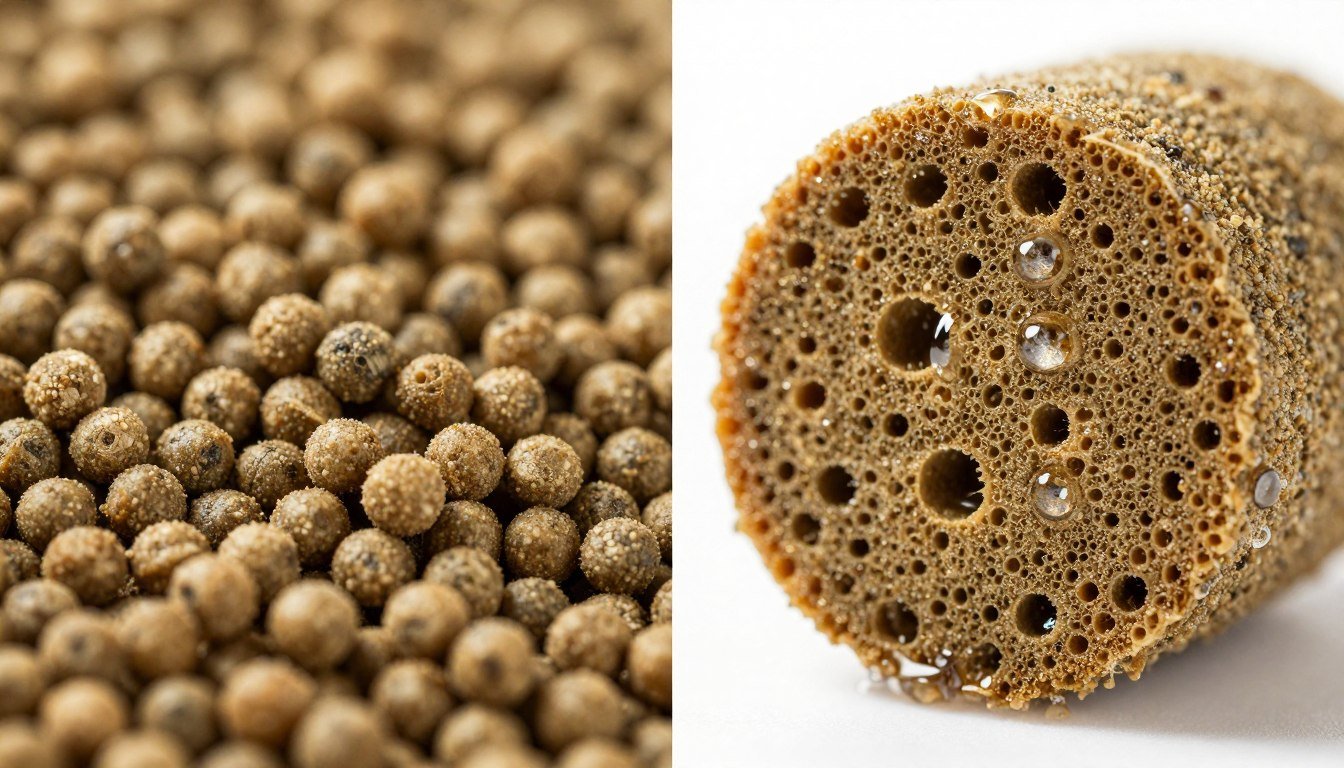
Pelleting Benefits
- Lower equipment investment cost (40-50% less than extrusion)
- Simpler operation and maintenance
- Lower energy consumption per ton produced
- Excellent for shrimp and bottom-feeding fish species
- Proven technology with established spare parts supply
- Suitable for small to medium production scales
Extrusion Advantages
- Produces floating feed for surface-feeding species (tilapia, bangus)
- Cooking process improves nutrient digestibility by 15-25%
- Better feed conversion ratios reduce overall feed costs
- Floating pellets reduce water pollution and waste
- Longer water stability (12+ hours vs 2-4 hours)
- Allows observation of feeding behavior for management optimization
For Philippine aquaculture focusing on tilapia and bangus—species that naturally feed at the surface—extrusion technology offers superior results despite higher initial investment. The improved feed conversion ratio typically recovers the additional equipment cost within 18-24 months of operation.
Drying and Cooling Systems
Freshly produced pellets contain 18-25% moisture and reach temperatures of 70-90°C. Proper drying and cooling preserve pellet quality during storage and prevent mold growth.
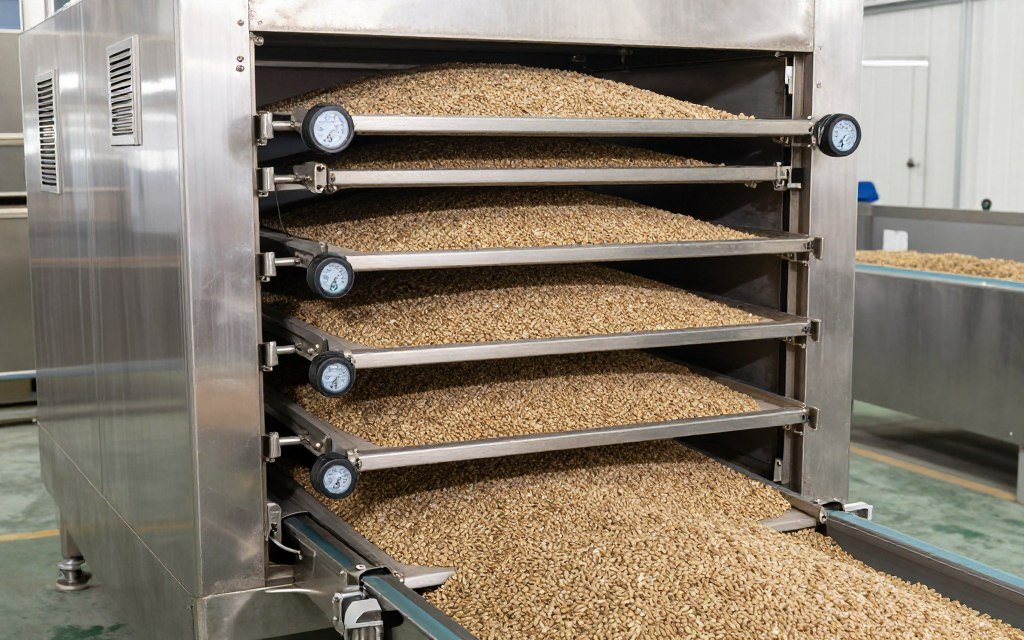
MAIKONG belt dryer systems reduce pellet moisture from 18-22% to target levels of 10-12% required for ambient storage. The drying process occurs across multiple temperature zones (80°C → 65°C → 50°C) preventing pellet cracking from rapid moisture removal.
Counterflow coolers then reduce pellet temperature from 70-80°C to ambient temperature plus 3-5°C. This step stabilizes pellet structure and prepares feed for oil coating or direct packaging.
Oil Spraying and Coating System
Post-pelleting oil application adds heat-sensitive nutrients (fish oil, vitamins A and D) without exposing them to high processing temperatures. This step also improves pellet palatability and reduces dust formation.
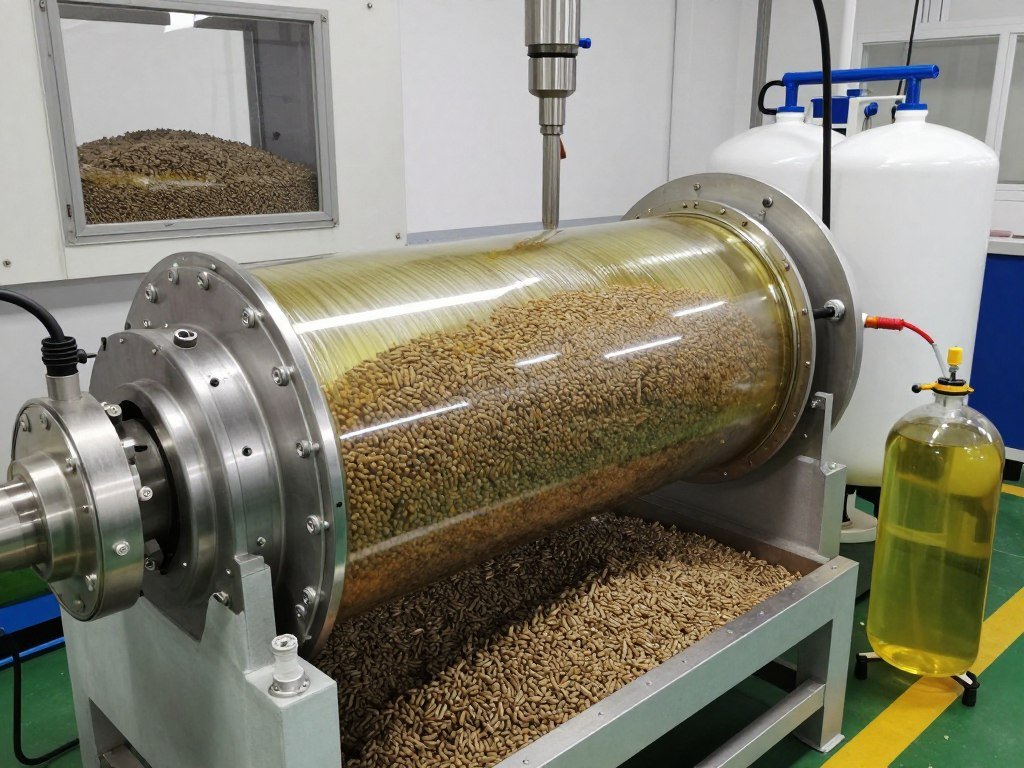
Vacuum coating ensures uniform oil distribution across pellet surfaces. MAIKONG systems achieve absorption rates exceeding 95%, meaning minimal oil waste and consistent fatty acid content across production batches.
Screening and Quality Control
Vibrating screens separate finished pellets by size, removing fines (broken particles) and oversized pellets that don’t meet specifications. This ensures uniform pellet size crucial for proper fish feeding and prevents waste from size inconsistency.
Quality control stations test each production batch for:
- Pellet durability index (PDI) – measures pellet integrity during handling (target ≥ 95%)
- Water stability – measures time before pellet disintegration (target 8-12 hours for floating, 2-4 hours for sinking)
- Bulk density – affects packaging volume and shipping costs
- Moisture content – critical for storage life (target 10-12%)
- Protein, fat, and fiber content – nutritional verification
Packaging and Bagging System
Automated packaging systems weigh, fill, and seal bags with accuracy of ±0.2% or better. Standard package sizes in Philippines range from 10kg for small retail sales to 25-50kg for commercial farms.
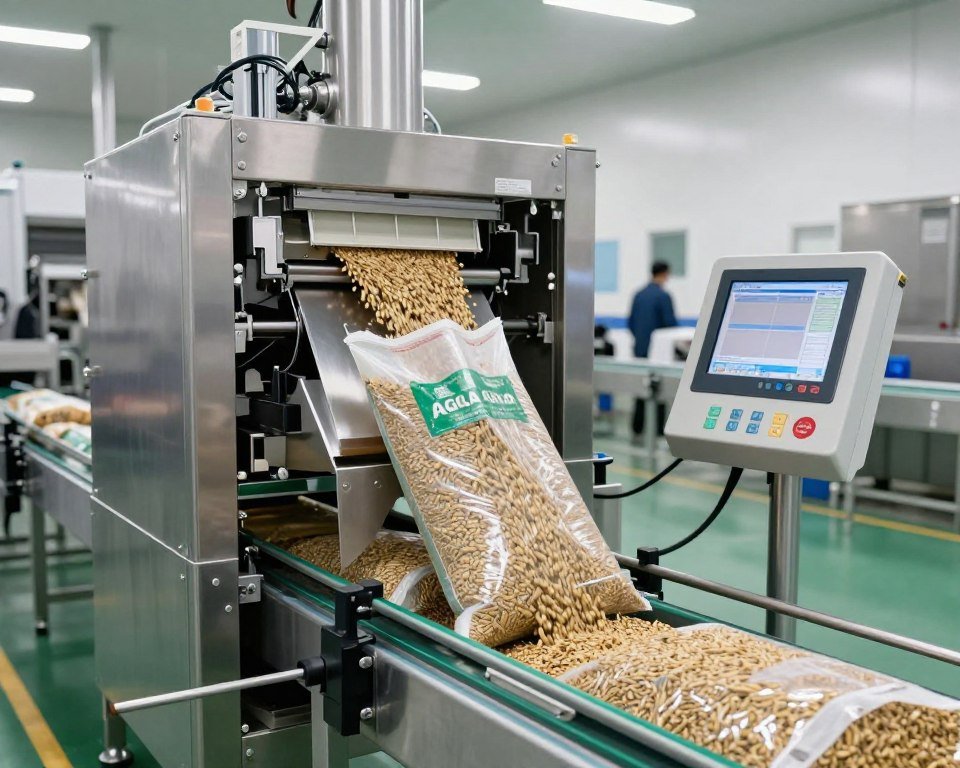
MAIKONG packaging systems include:
- Electronic weighing with automatic tare compensation
- Bag filling speeds from 4 to 12 bags per minute depending on system size
- Sewing or heat-sealing closure systems
- Batch coding and date stamping for traceability
- Integration with inventory management systems
Download Complete MK-L002 Technical Specifications
Get detailed specifications, layout drawings, power requirements, and pricing for our complete aqua feed production systems. Choose the configuration that matches your production goals.
Production Capacity Options and ROI Analysis for Philippine Aquaculture
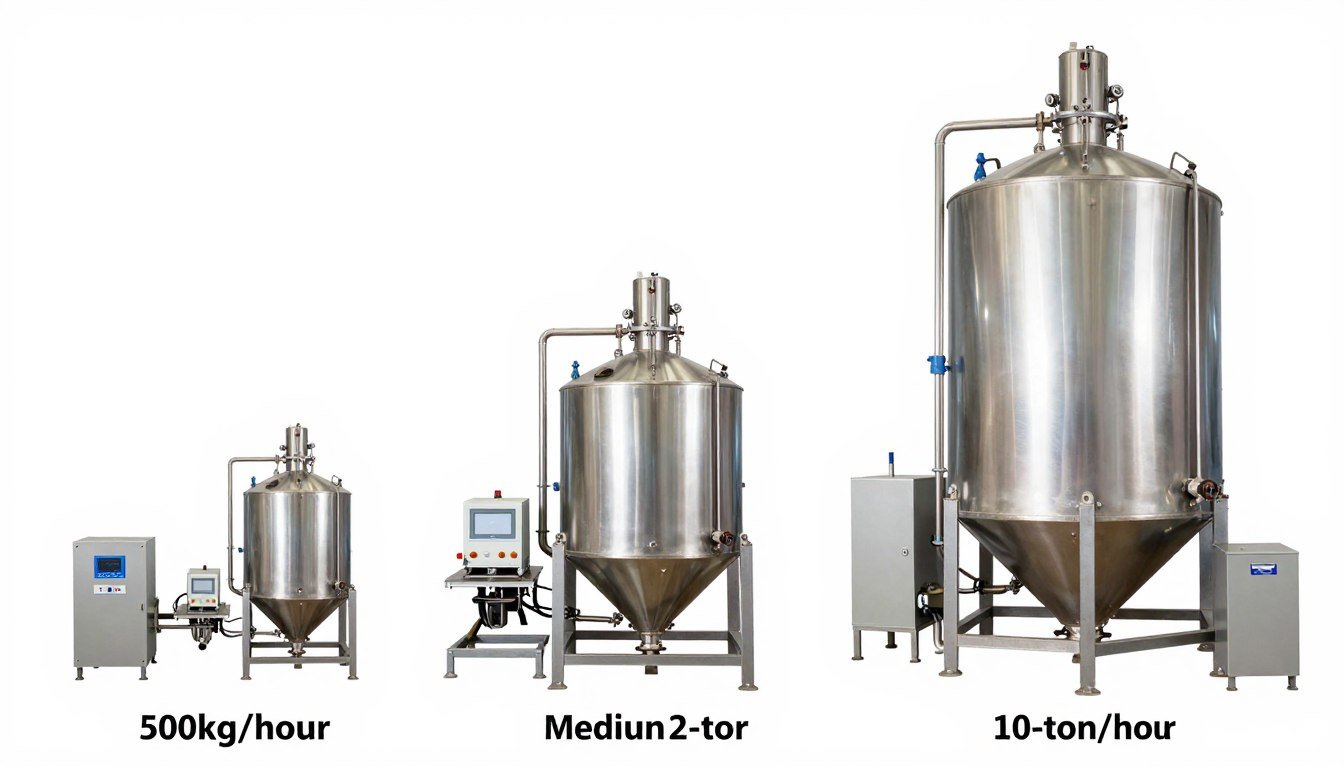
Selecting the right production capacity for your aqua feed production line balances current needs with future growth potential while managing capital investment efficiently. This section analyzes six common capacity ranges with real-world ROI calculations based on Philippine aquaculture economics.
Small-Scale Systems (200-500 kg/hour)
Entry-level systems suit individual fish farms consuming 200-800 kg feed daily. These compact lines fit into 150-250 square meter facilities and require 2-3 operators.
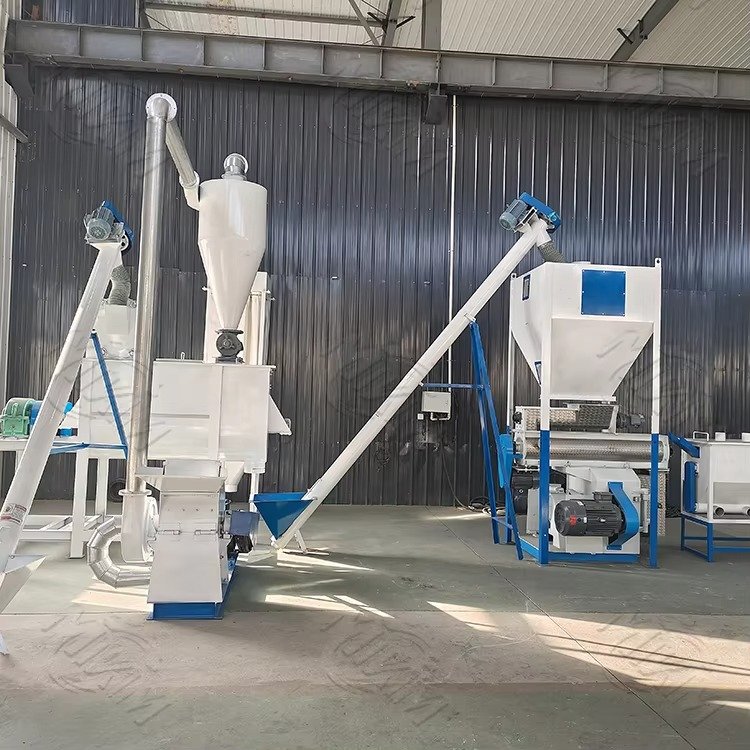
200-300 kg/hour Configuration
Ideal for 1-2 hectare fish farms. Produces 1.5-2.4 tons per 8-hour shift, meeting the needs of 3,000-5,000 tilapia or bangus fingerlings to marketable size.
- Investment range: ₱1.8-2.5 million
- Monthly production capacity: 40-60 tons (20 working days)
- Typical payback period: 12-18 months
- Operating cost per kg: ₱18-22
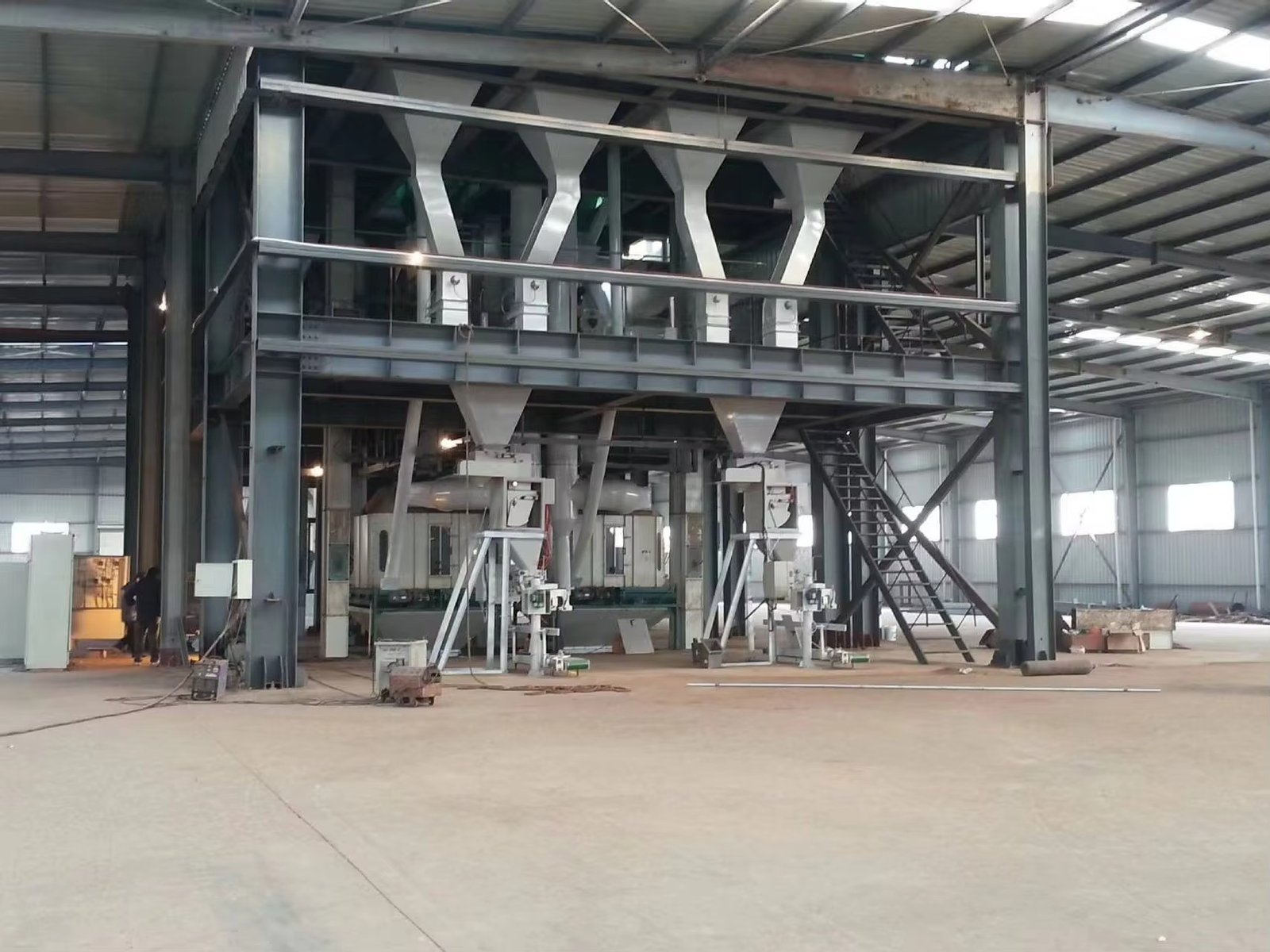
400-500 kg/hour Configuration
Supports 3-4 hectare operations or serves as commercial starter line selling to neighboring farms. Produces 3-4 tons per shift with room for production expansion.
- Investment range: ₱2.8-3.8 million
- Monthly production capacity: 80-100 tons
- Typical payback period: 14-20 months
- Operating cost per kg: ₱16-20
ROI Case Study: Small Fish Farm in Tarlac
Farm Profile: 2.5-hectare intensive tilapia farm, Tarlac Province. Previously purchasing 400kg commercial feed daily at ₱38/kg.
MAIKONG Solution: 300 kg/hour production line installed November 2022. Total investment ₱2.3 million including installation and training.
Results After 12 Months:
- Own-production feed cost: ₱24/kg (37% reduction vs. commercial feed)
- Daily savings: (₱38 – ₱24) × 400kg = ₱5,600
- Monthly savings: ₱5,600 × 26 days = ₱145,600
- Annual savings: ₱1,747,200
- Actual payback: 15.8 months
Additional Benefits: Farm began selling excess production to 3 neighboring farms, generating ₱80,000-120,000 monthly additional revenue. Feed conversion ratio improved from 1.8:1 to 1.5:1 due to fresher feed and customized formulation for local water conditions.
Medium-Scale Systems (1-2 tons/hour)
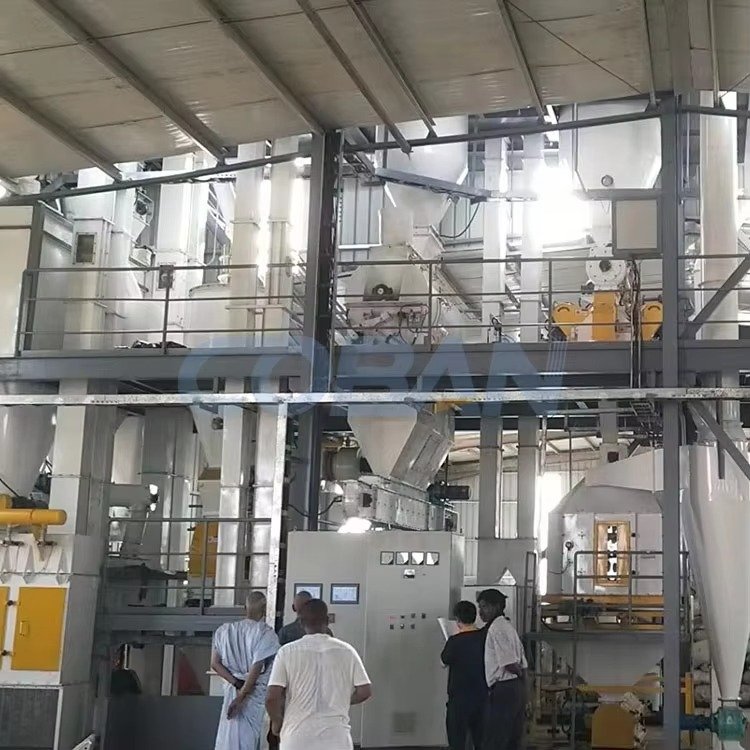
Mid-range capacity serves larger fish farms (5-10 hectares) or emerging commercial feed manufacturers supplying multiple farms. These systems balance production efficiency with manageable capital requirements.
| Specification | 1 Ton/Hour System | 1.5 Ton/Hour System | 2 Ton/Hour System |
| Daily Output (8hr) | 8 tons | 12 tons | 16 tons |
| Monthly Capacity | 160-200 tons | 240-300 tons | 320-400 tons |
| Investment Range | ₱5.5-7.2M | ₱7.8-9.5M | ₱9.2-11.8M |
| Power Requirement | 120-150 kW | 180-220 kW | 240-280 kW |
| Floor Space Needed | 350-450 sqm | 450-550 sqm | 550-700 sqm |
| Operators Required | 4-5 persons | 5-6 persons | 6-7 persons |
| Production Cost/kg | ₱14-17 | ₱13-16 | ₱12-15 |
Medium-scale aquatic feed production line systems benefit from improved economies of scale while remaining accessible to successful farm operations ready to expand or entrepreneurs entering commercial feed manufacturing.
Large Commercial Systems (3-10 tons/hour)
Industrial-scale production serves established feed manufacturers, large integrated aquaculture operations, or cooperative ventures consolidating multiple farms’ feed requirements.
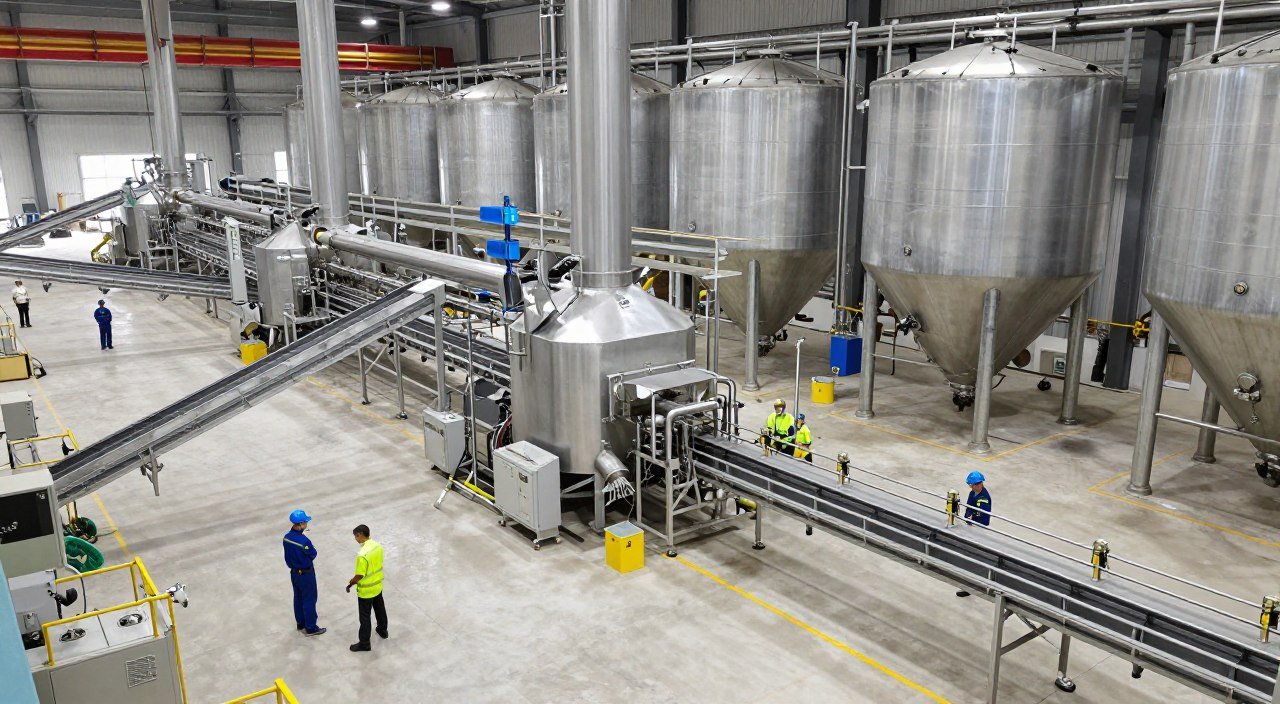
These systems achieve the lowest per-kilogram production costs through maximized efficiency and bulk raw material purchasing power. A 5-ton/hour system can produce 1,000 tons monthly, sufficient for 200+ hectares of intensive fish farming or commercial sales across multiple provinces.
Investment Considerations for Large Systems
Capital requirements for 3-10 ton/hour systems range from ₱15 million to ₱65 million depending on automation level and ancillary equipment included. These installations require professional feasibility studies accounting for:
- Market demand analysis – ensuring sufficient sales volume to utilize capacity
- Raw material supply chain – securing reliable ingredient sources at competitive prices
- Distribution logistics – warehouse and transportation infrastructure
- Working capital – funding 60-90 days inventory and receivables
- Regulatory compliance – feed registration, quality certifications
Commercial Feed Manufacturer Case Study: Pampanga
“We started with a 1-ton per hour line in 2019 serving our own 15-hectare fish farm complex. Within 18 months, neighboring farms were requesting our feed due to better FCR results they observed. We expanded to 5 tons/hour capacity in 2021 and now supply over 80 farms across Pampanga and Bulacan provinces. The MAIKONG equipment reliability has been exceptional—98.5% uptime over three years of operation.”
Calculating Your Optimal Production Capacity
Determining the right capacity for your operation requires analyzing current consumption, growth projections, and potential commercial sales opportunities.
Capacity Planning Formula
Minimum Capacity = (Daily Consumption × 1.3) ÷ 6 hours
The 1.3 multiplier provides 30% buffer for production efficiency losses and growth. Dividing by 6 hours (rather than 8) accounts for startups, shutdowns, and changeovers between formulations.
Example: A farm consuming 800 kg/day should consider minimum 173 kg/hour capacity (800 × 1.3 ÷ 6 = 173). In practice, a 200-300 kg/hour system would be appropriate, providing room for expansion to commercial sales.
MAIKONG’s Philippine team provides free capacity analysis and ROI modeling based on your specific farm profile, local raw material costs, and growth objectives.
Calculate Your Feed Production Investment & Returns
Our technical team will analyze your farm’s feed consumption, growth plans, and local costs to determine optimal production capacity and provide detailed ROI projections. Get your customized feasibility study within 48 hours.
Choosing the Right Aqua Feed Production Line for Your Philippine Business
Selecting the optimal aqua feed production line configuration requires matching equipment capabilities to your business model, target species, production scale, and growth strategy. This decision fundamentally affects operational efficiency, product quality, and long-term profitability.
Business Model Considerations
Your primary business objective determines the production line features and capabilities you should prioritize. Three common models dominate Philippine aquaculture feed production.
Self-Supply Model
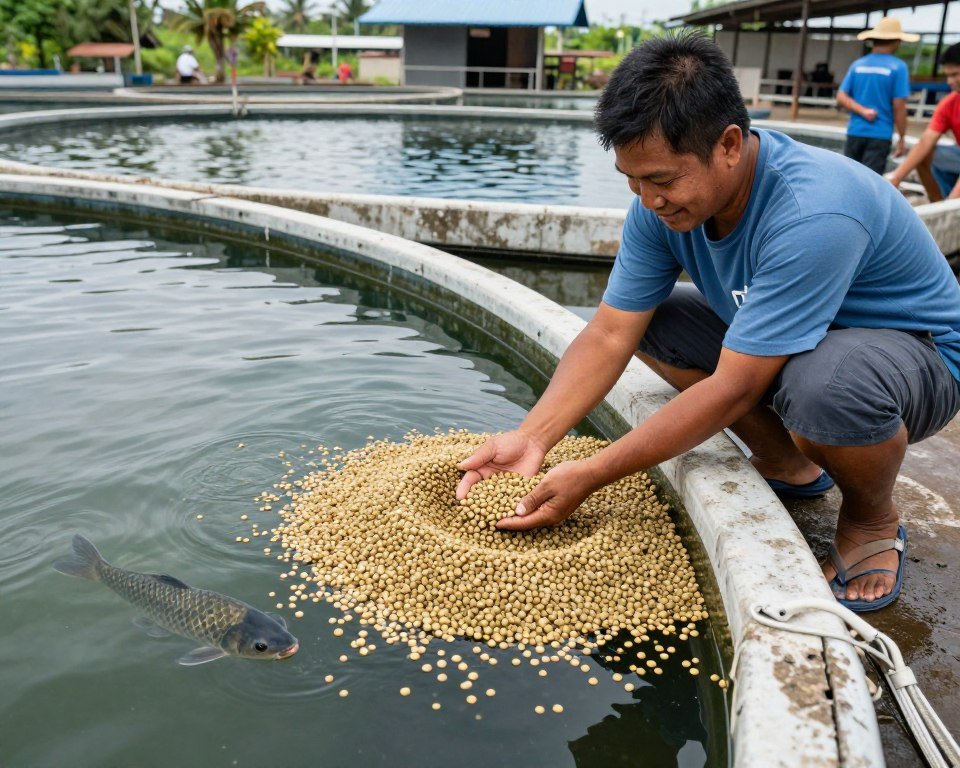
Producing feed exclusively for your own fish farming operations. This model prioritizes cost reduction and quality control over production volume and variety.
Equipment Priorities: Reliability over speed, single-formula focus, minimal changeover requirements. Pelleting or extrusion depending on species farmed.
Capacity Sizing: Match current consumption plus 20-30% buffer. Example: 600 kg daily consumption → 200-300 kg/hour line sufficient.
Farm + Local Sales Model
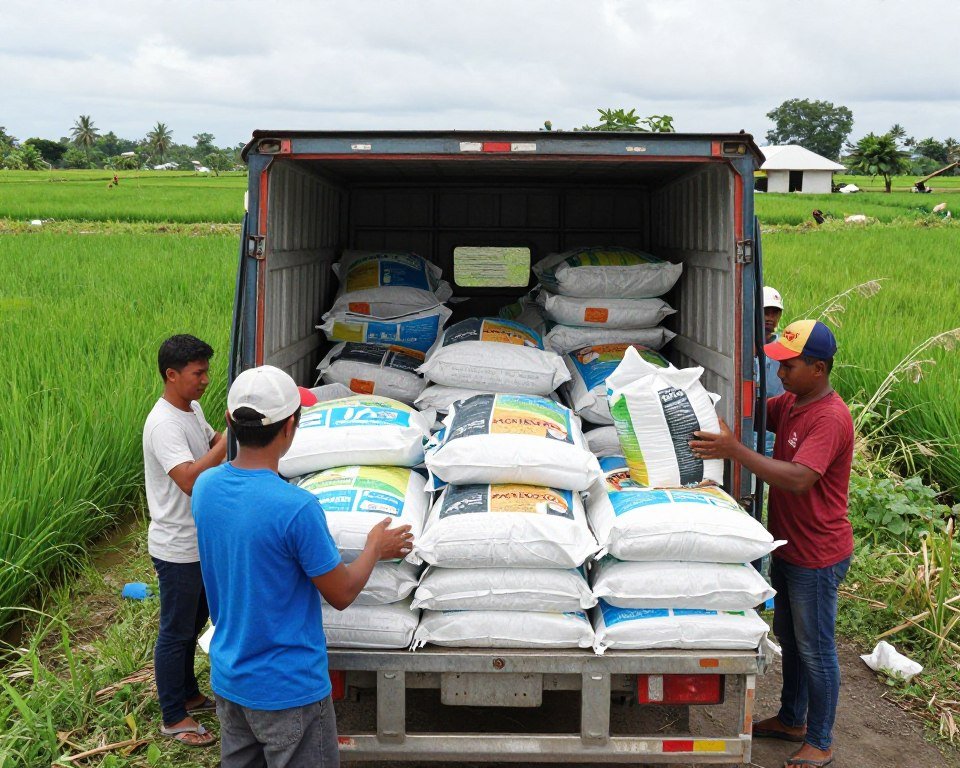
Producing for your operation while selling excess to neighboring farms. This hybrid model generates additional revenue while building toward commercial feed manufacturing.
Equipment Priorities: Multi-formula capability, higher capacity than self-supply alone, quality consistency for brand building, packaging systems for retail sales.
Capacity Sizing: 2-3× your farm’s consumption to support meaningful commercial sales. Example: 600 kg own use → 500-800 kg/hour line enables 200-400 kg daily sales.
Commercial Feed Manufacturer
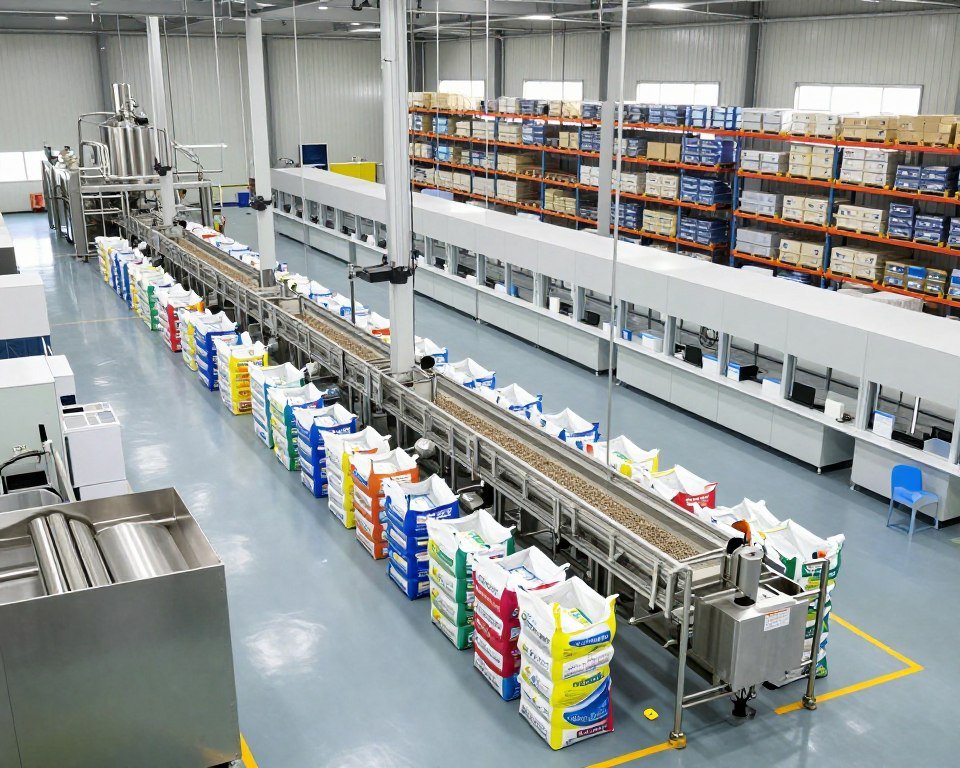
Full commercial operation producing diverse feed formulations for multiple species and customer segments. Requires maximum flexibility and production capacity.
Equipment Priorities: High automation, quick formula changeovers, multiple pellet size capabilities, robust quality control systems, high-speed packaging.
Capacity Sizing: Market analysis-based. Minimum 1-2 tons/hour for viable commercial operation, scaling to 5-10 tons/hour for regional distribution.
Species-Specific Production Requirements
Different aquatic species require distinct feed characteristics. Your target species significantly influences equipment selection, particularly the pelleting versus extrusion decision.
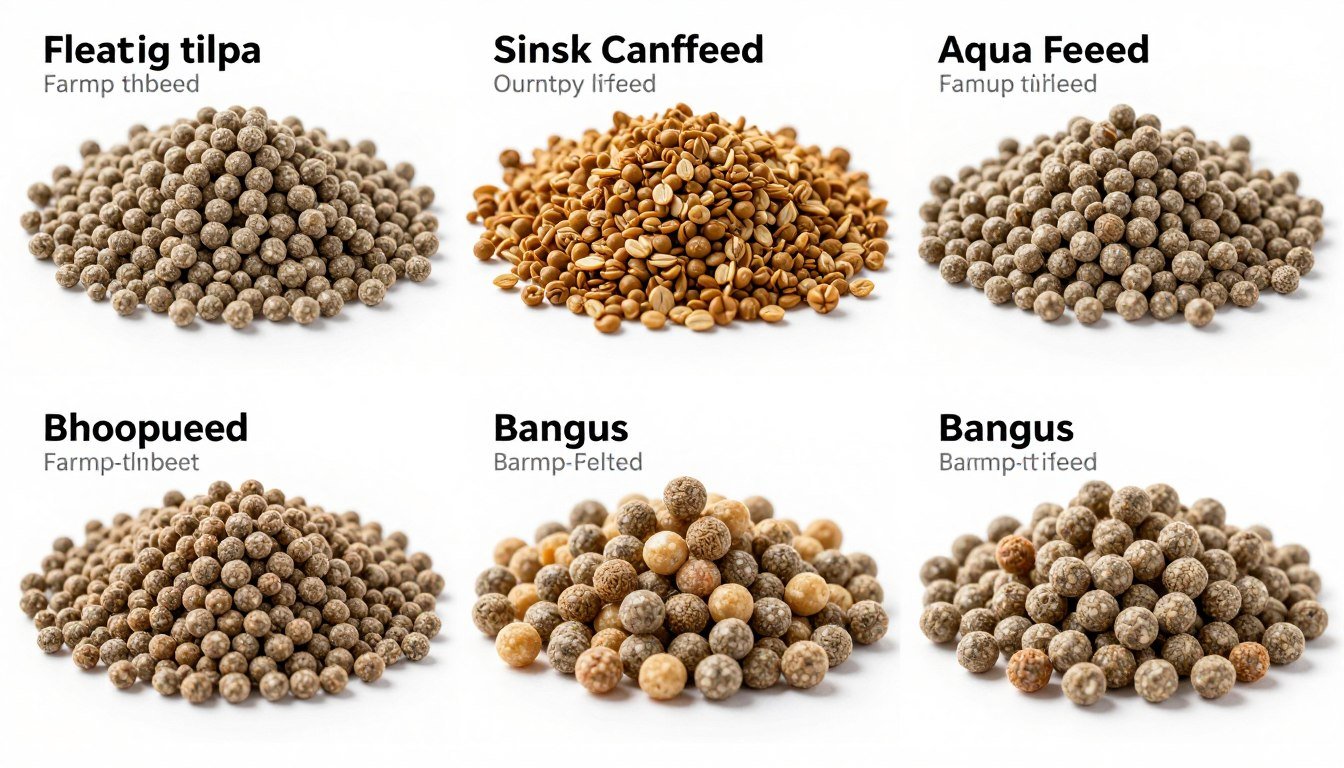
| Species | Feed Type | Pellet Size | Water Stability | Recommended Technology |
| Tilapia (Fingerling) | Floating | 0.5-1.5mm | 8-10 hours | Extrusion (twin-screw) |
| Tilapia (Grower) | Floating | 2-4mm | 10-12 hours | Extrusion (twin-screw) |
| Bangus (Milkfish) | Floating/Slow-sinking | 2-5mm | 6-8 hours | Extrusion or High-quality pelleting |
| Catfish (Hito) | Sinking | 3-6mm | 3-4 hours | Ring die pelleting |
| Shrimp (Vannamei) | Slow-sinking | 0.3-2mm | 2-3 hours | Specialized pelleting or micro-extrusion |
| Carp (Koi, Goldfish) | Floating | 2-6mm | 8-12 hours | Extrusion (twin-screw) |
| Grouper | Slow-sinking | 4-8mm | 4-6 hours | High-protein extrusion |
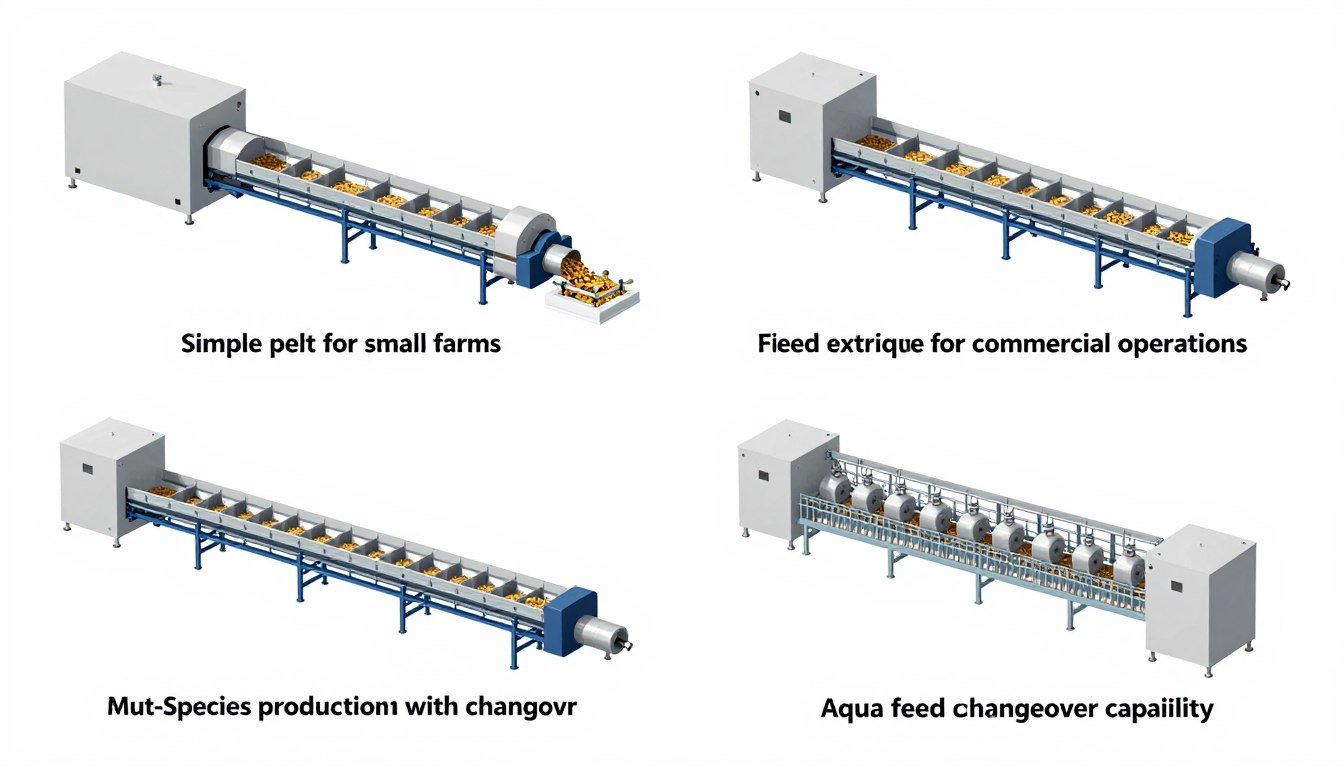
For operations targeting multiple species, MAIKONG shrimp feed production line and general aqua feed systems offer die changeover capabilities, allowing production of different pellet sizes and formulations on the same equipment with 30-45 minute changeover times.
Production Flexibility and Multi-Product Capability
Market demands evolve and diversification reduces business risk. Production lines with multi-product capability offer strategic advantages despite higher initial investment.
Single-Purpose Systems
Dedicated production lines optimized for one feed type deliver maximum efficiency for that specific product but limit market flexibility.
- Lower equipment investment (15-20% less than flexible systems)
- Faster production speeds for optimized product
- Simpler operation with fewer adjustment requirements
- Best for farms with consistent single-species focus
Multi-Formula Systems
Flexible production capabilities enable manufacturing different feed types, pellet sizes, and formulations on the same equipment line.
- Die changeover for 8-10 different pellet sizes (30-45 min changeover)
- Formula storage for 50+ different formulations in control system
- Adjustable processing parameters (temperature, pressure, moisture)
- Enables response to market opportunities and seasonal demand shifts
Specialized Niche Systems
Equipment configured for premium or specialized feed segments commands higher product pricing but serves smaller markets.
- Organic certified feed production (requires segregated processing)
- Medicated feed capabilities (pharmaceutical-grade controls)
- Ornamental fish specialty feeds (micro-pellets, color-enhancing)
- Premium probiotic-enhanced formulations
Integrated Production Systems
Combining animal feed production line capabilities enables diversified feed manufacturing across aquaculture and livestock sectors.
- Shared raw material handling and storage (economy of scale)
- Separate pelleting/extrusion for aqua vs. poultry/swine feeds
- Seasonal production balancing (aqua summer, livestock year-round)
- Market risk diversification across multiple agricultural sectors
Automation Level and Labor Considerations
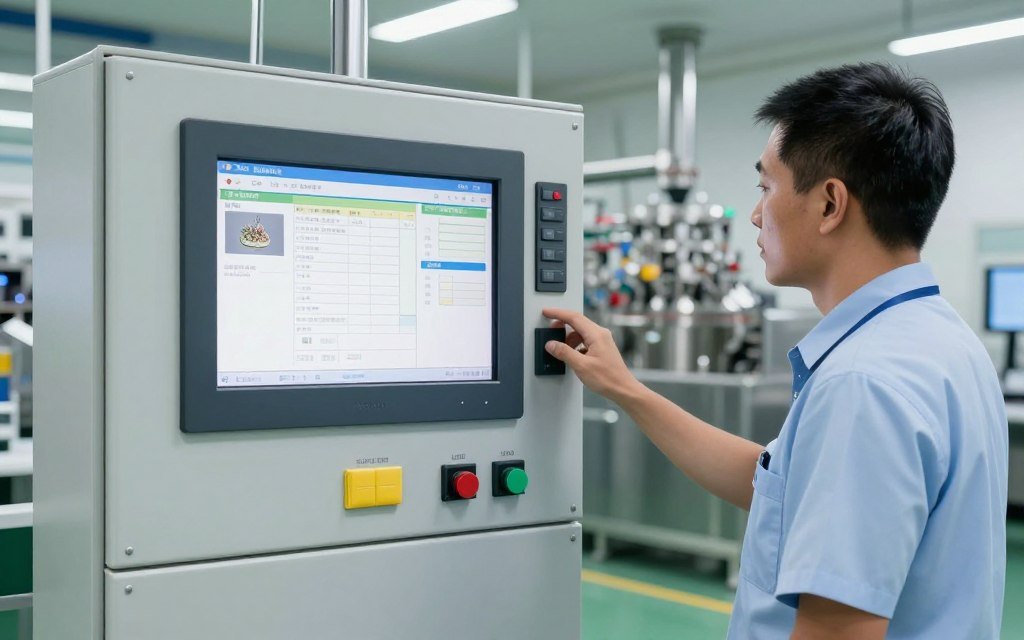
Production lines range from manual operation with 8-10 workers to fully automated systems requiring 2-3 operators. The optimal automation level balances labor availability, wages, production volume, and quality consistency requirements.
Automation Levels and Tradeoffs
Manual/Semi-Automated Systems
- Investment: 30-40% lower than fully automated
- Labor requirement: 6-10 operators per shift
- Production consistency: Depends on operator skill (CV 8-12%)
- Best for: Small-scale operations, areas with low labor costs
- Flexibility: Easy manual adjustments during production
- Maintenance: Simpler systems, local technician repairs
Fully Automated Systems
- Investment: Premium pricing but lower operating costs
- Labor requirement: 2-4 operators per shift
- Production consistency: High uniformity (CV 3-5%)
- Best for: Large-scale commercial operations
- Flexibility: Programmed formula changeovers (5-10 minutes)
- Maintenance: Requires specialized technical support
MAIKONG offers semi-automated systems as optimal balance for Philippine market conditions—automated batching, mixing, and control with manual packing and material handling. This configuration reduces labor from 8-10 to 4-6 operators while keeping investment moderate and maintenance manageable.
Quality Control and Testing Equipment
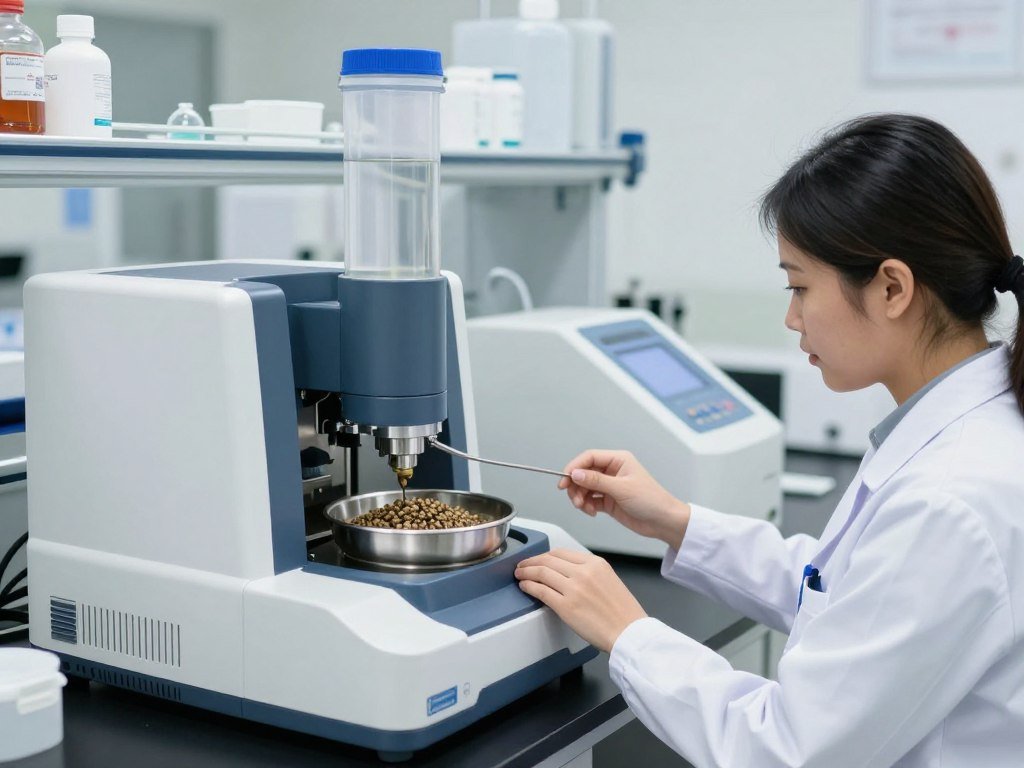
Commercial feed sales require quality consistency and documentation. Production lines should incorporate testing equipment appropriate to your market positioning.
Essential Quality Tests
- Pellet Durability Index (PDI): Measures pellet integrity during handling. Target ≥95% for commercial sales. Equipment investment: ₱120,000-180,000.
- Moisture Content: Critical for storage stability. Target 10-12%. Basic moisture meter: ₱15,000-25,000; precision oven method: ₱80,000-120,000.
- Water Stability: Time-to-disintegration testing ensures specifications are met. Simple tank test: ₱5,000; automated system: ₱250,000-400,000.
- Pellet Size Distribution: Sieve analysis verifies specification compliance. Manual sieve set: ₱20,000; automated analyzer: ₱180,000-280,000.
Advanced Quality Analysis
- Near-Infrared (NIR) Analysis: Rapid nutritional content verification (protein, fat, moisture, fiber) in 60 seconds. Investment: ₱1.2-2.5 million. Essential for commercial operations with quality guarantees.
- Microbiological Testing: Salmonella, E.coli, total bacteria count for export-quality production. Lab setup: ₱300,000-600,000.
- Mycotoxin Testing: Aflatoxin detection protects fish health and product reputation. ELISA kit method: ₱50,000 initial + ₱500 per test.
- Heavy Metal Testing: Required for export markets and premium positioning. Atomic absorption spectrophotometer: ₱800,000-1.5 million.
Installation and Commissioning Services
Proper installation determines long-term equipment performance and reliability. MAIKONG provides comprehensive installation support including foundation drawings, equipment positioning, utility connections, and operator training.
Common Installation Mistakes to Avoid
Inadequate Foundation: Equipment vibration damages foundations not properly engineered for loads. MAIKONG provides specific foundation requirements for each equipment item.
Improper Equipment Alignment: Conveyor and elevator misalignment causes premature wear and frequent breakdowns. Professional installation ensures proper alignment within tolerance specifications.
Insufficient Electrical Infrastructure: Undersized electrical service, improper grounding, or inadequate voltage stabilization leads to equipment damage and production interruptions. Electrical engineering review prevents costly problems.
Poor Ventilation and Dust Control: Inadequate dust collection creates health hazards and product contamination. Proper system design from start avoids retrofit expenses.
MAIKONG installation teams complete equipment setup in 15-25 days depending on system complexity, including commissioning, testing, and 5-day operator training program covering operation, maintenance, troubleshooting, and quality control procedures.
Need Help Choosing the Right Production Line Configuration?
Our aqua feed production specialists review your business model, target species, production goals, and budget to recommend the optimal equipment configuration. Get expert consultation at no cost.
MAIKONG Aqua Feed Production Line Solutions and Advantages
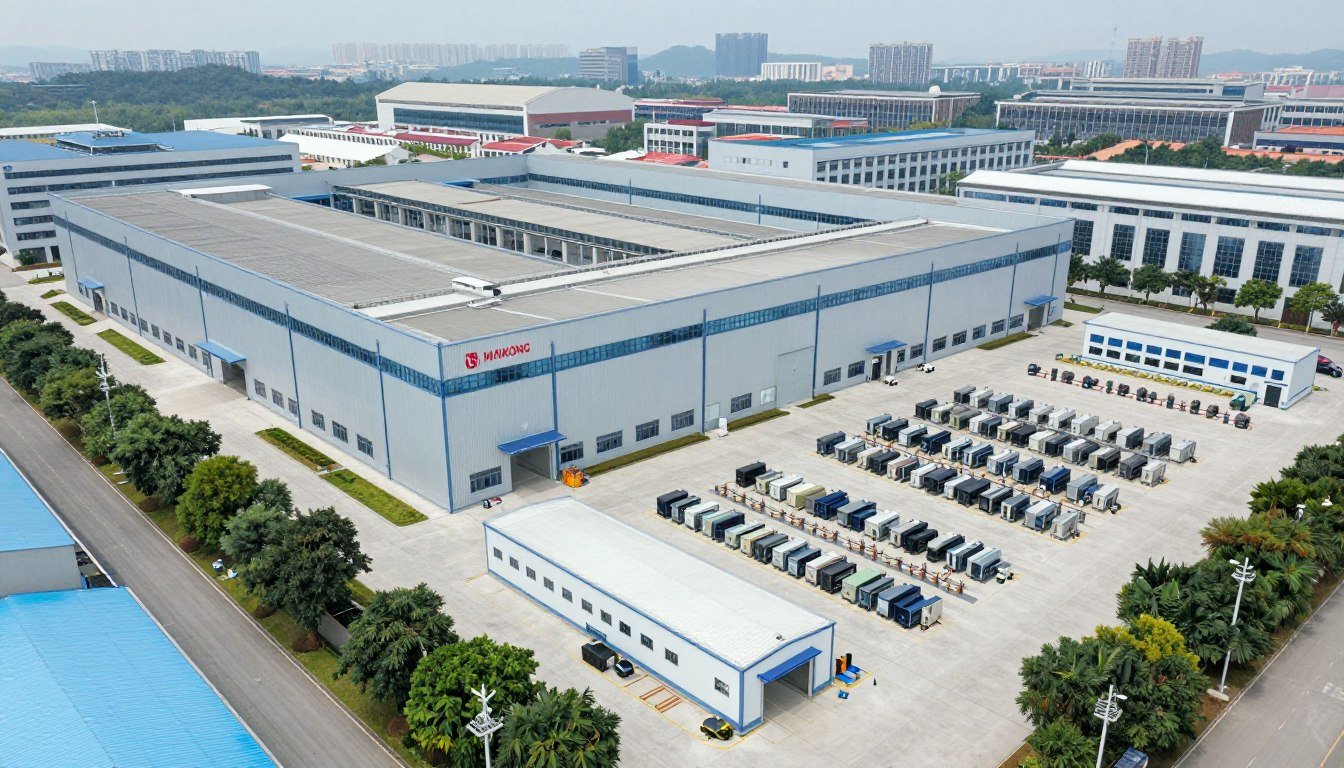
MAIKONG brings 22 years of specialized experience in feed pellet production line manufacturing to the Philippine aquaculture market. Our comprehensive approach combines proven equipment technology, local market understanding, and long-term partnership commitment.
MAIKONG Model MK-L002 Complete Production Line Specifications
Our flagship aqua feed production line model MK-L002 represents the optimal balance of capacity, flexibility, and investment for Philippine commercial aquaculture operations.
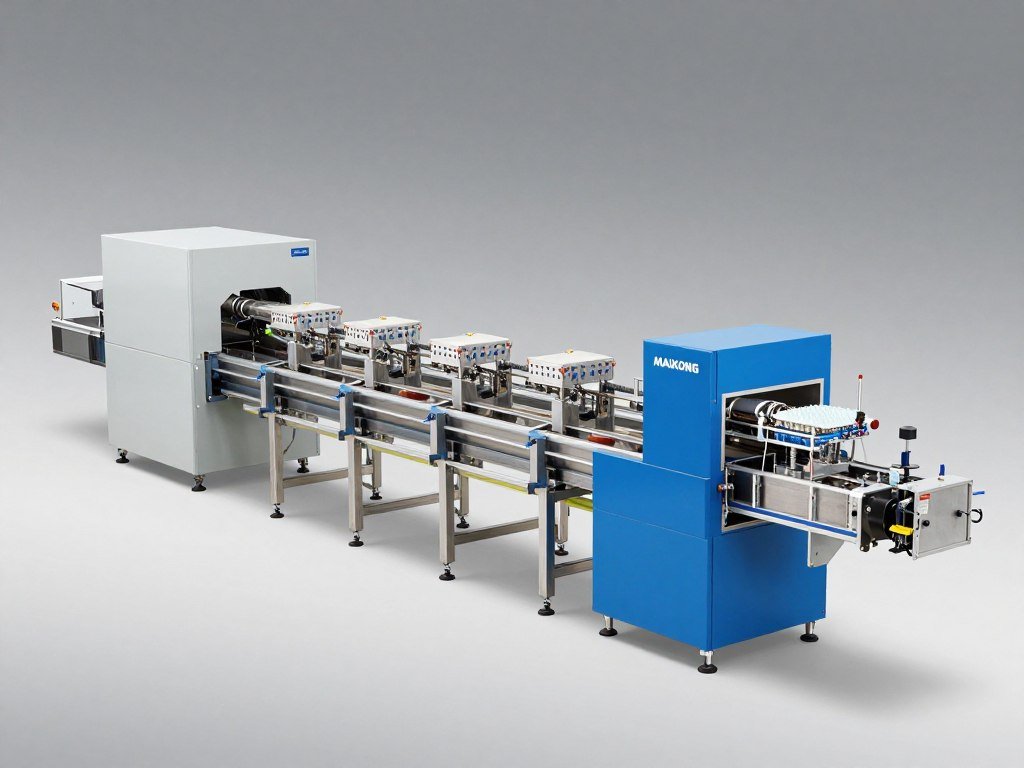
MK-L002 Technical Specifications
| Model Number | MK-L002 |
| Production Capacity | 1.5-2 tons/hour |
| Pellet Size Range | 0.5mm – 12mm (changeable dies) |
| Power Requirement | 220-240 kW (380V, 3-phase, 60Hz) |
| Dimensions (L×W×H) | 28m × 8m × 6.5m |
| Total Weight | 18,500 kg |
| Main Material | 304 Stainless Steel (food contact), Carbon Steel (structure) |
| Control System | Siemens PLC with 10″ touchscreen HMI |
| Color Options | Industrial Blue, Custom colors available |
| Stock Status | In Stock – Ready to Ship |
| Price Range | ₱8.5M – ₱11.2M (configuration dependent) |
| Warranty | 24 months parts + lifetime technical support |
Complete Equipment Package Included in MK-L002 System
The MK-L002 aquatic feed production line arrives as complete turnkey system including all major processing equipment, conveyors, controls, and quality testing instruments.
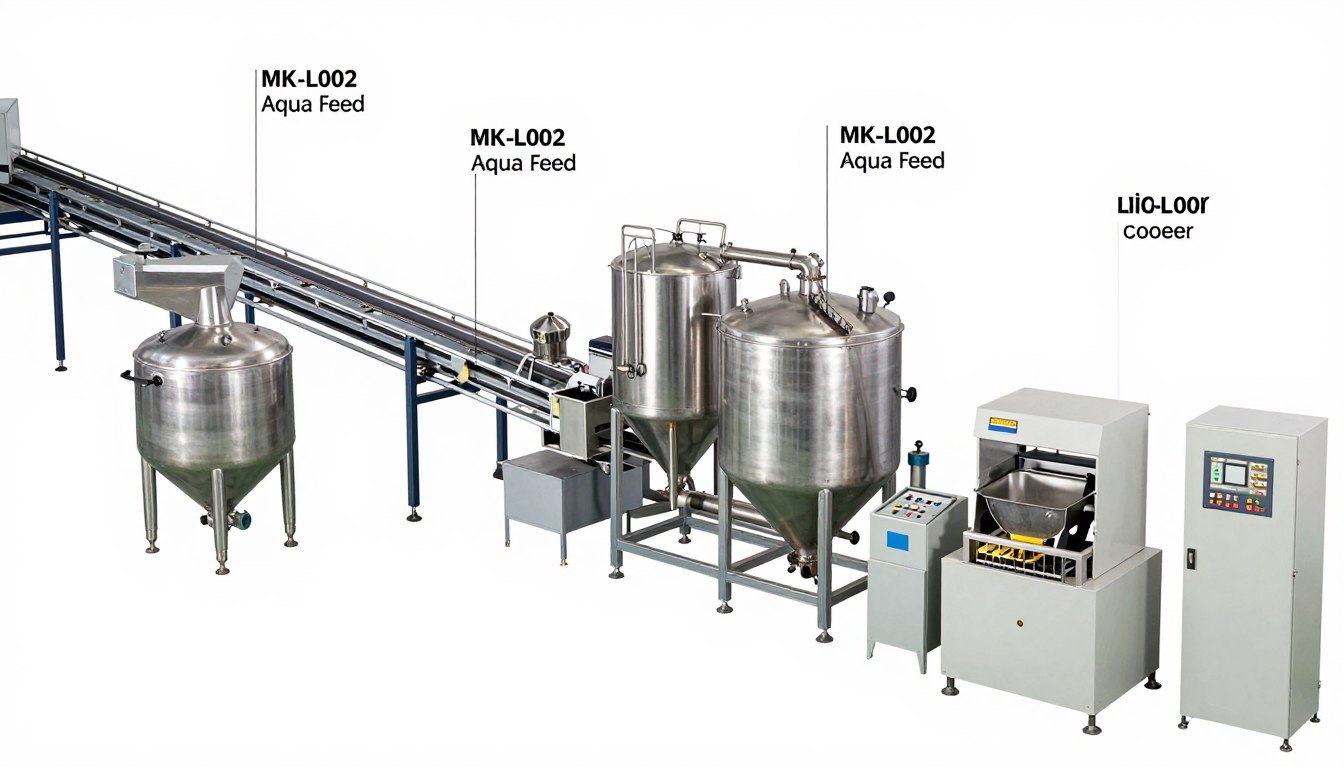
Pre-Processing Equipment
- Raw Material Receiving Hopper – 2 cubic meter capacity with magnetic separator and vibrating screen for foreign object removal
- Hammer Mill Crusher – 500 kg/hour capacity, variable speed drive, interchangeable screens (1.0mm, 1.5mm, 2.0mm, 3.0mm)
- Pulse Dust Collector – Captures grinding dust, maintains clean work environment, meets Philippine environmental standards
- Crushed Material Storage Bin – 1.5 cubic meter capacity, pneumatic discharge
Batching and Mixing Section
- Automatic Batching System – 8 ingredient bins with electronic weighing (±0.3% accuracy), PLC-controlled sequencing
- Micro-Ingredient Dosing – Separate system for vitamins, minerals, additives (±0.5g accuracy)
- Twin-Shaft Paddle Mixer – 500 kg batch capacity, 4-minute mixing cycle, CV ≤5%, liquid addition capability
- Mixed Material Surge Bin – 800 kg capacity buffer between mixing and conditioning
Extrusion and Forming Section
- Steam Conditioning Unit – Prepares material for extrusion, 85-95°C treatment, moisture addition control
- Twin-Screw Extruder – 2 ton/hour capacity, variable speed (200-500 RPM), temperature zones controlled independently, die quick-change system
- Pellet Cutter – Pneumatic knife adjustment, produces uniform pellet lengths
- Vibrating Feeder – Distributes pellets evenly to dryer
Drying, Cooling, and Finishing
- Five-Layer Belt Dryer – Reduces moisture 18-20% to 10-12%, three temperature zones, 15-minute retention
- Counterflow Pellet Cooler – Reduces temperature to ambient +5°C, 8-minute retention
- Vacuum Oil Coating Drum – Applies 3-8% fish oil uniformly, 95%+ absorption rate
- Vibrating Screen Classifier – Separates finished product, recycles fines, removes oversized pellets
- Finished Product Silo – 3 ton capacity, level indicator
- Automatic Packaging Machine – 10kg, 15kg, 25kg, 50kg bag options, 6-8 bags/minute speed
Control and Safety Systems
- Central Control Cabinet – Siemens S7-1200 PLC, 10-inch color touchscreen, stores 100 formulations, production data logging
- Safety Interlocks – Emergency stop system, overload protection on all motors, temperature alarms, level sensors prevent overfilling
- Remote Monitoring – Optional 4G connectivity for smartphone production monitoring and alerts
Philippine Market-Specific Customizations
MAIKONG adapts equipment configurations specifically for Philippine operating conditions and market requirements, differentiating our solutions from generic imported systems.
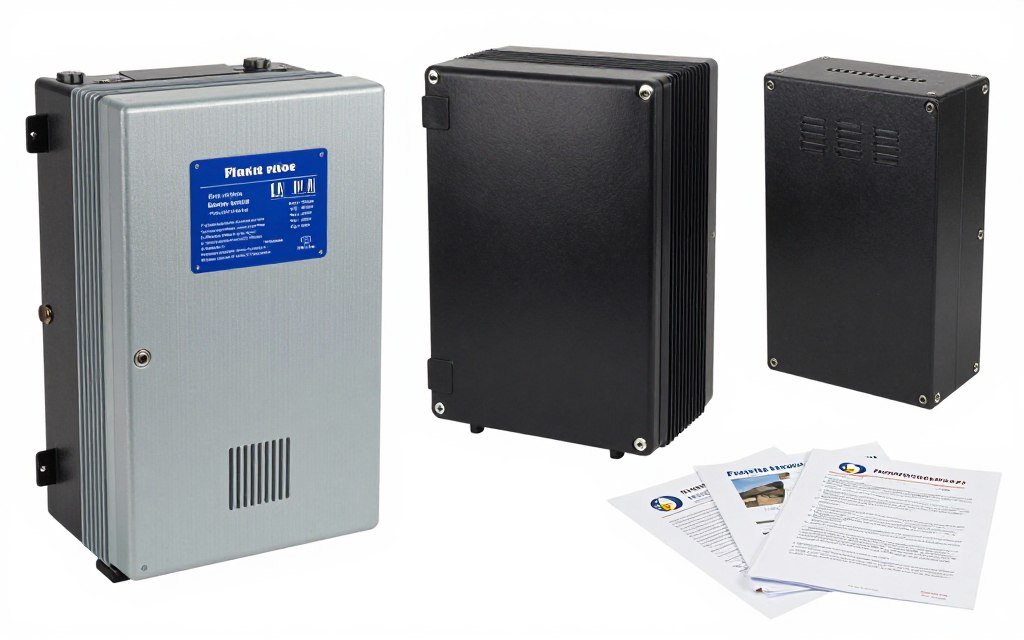
Electrical Adaptations
Philippine power supply variability requires protective measures standard in MAIKONG installations but often overlooked by competitors.
- Voltage stabilization (±20% tolerance) protects sensitive controls
- Surge protection on all electronic components
- Motor soft-starters reduce startup current draw
- Backup power integration for generators
Climate Considerations
Tropical Philippine climate with high humidity and temperature requires equipment designed for harsh environmental conditions.
- Enhanced motor cooling for 35-40°C ambient operation
- Corrosion-resistant coatings on all exposed metal
- Sealed electrical enclosures (IP54 rating minimum)
- Tropical-grade lubrication specifications
Local Service Support
Equipment design facilitates maintenance by local technicians with commonly available tools and readily sourced consumables.
- Metric fasteners and standard tooling requirements
- Wear parts stocked in Philippines (hammers, screens, bearings)
- English and Tagalog operation manuals
- Video training library for maintenance procedures
Why Philippine Aquaculture Businesses Choose MAIKONG
Over 30 successful installations across Luzon, Visayas, and Mindanao demonstrate MAIKONG’s understanding of Philippine market requirements and commitment to long-term customer success.
Competitive Advantages
- 22 Years Manufacturing Experience – Established 2001, MAIKONG has refined feed production technology across 120+ countries including 8+ years serving Philippine market specifically.
- Philippine Local Support Team – Technical representatives based in Manila and Cebu provide rapid response for installation support, troubleshooting, and maintenance assistance in English and Tagalog.
- Cost-Effective Solutions – Direct factory pricing without multiple distributor markups. MK-L002 systems deliver 25-35% cost advantage versus European brands with comparable quality and performance.
- Proven Performance – 98.2% average uptime across Philippine installations. Equipment reliability reduces production interruptions and maintenance costs significantly.
- Comprehensive Warranty – 24-month parts coverage plus lifetime technical support ensures protected investment and ongoing expert assistance.
- OEM/ODM Capability – Custom equipment modifications for unique formulations, specialized products, or integration with existing facilities. Brand your equipment with your company identity.
- Fast Delivery – Stock availability in GD warehouse enables 30-45 day delivery to Philippine ports versus 90-120 days for made-to-order European equipment.
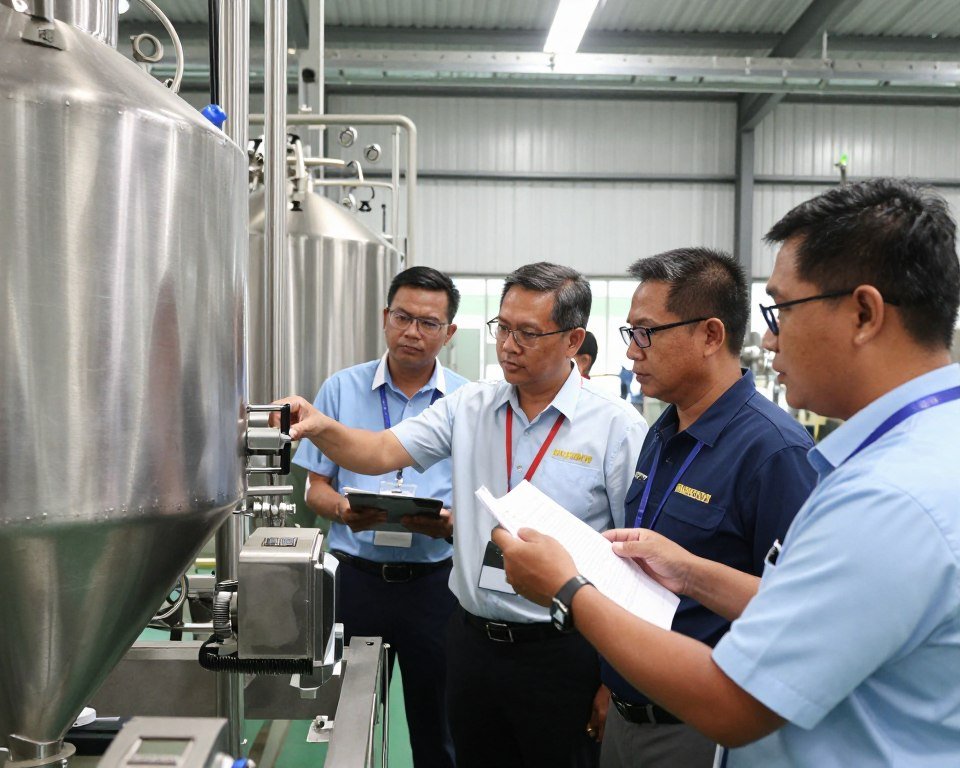
- Training and Knowledge Transfer – 5-day onsite training during installation plus ongoing remote support. We ensure your team masters operation, quality control, and routine maintenance for maximum self-sufficiency.
Quality Certifications and Standards Compliance
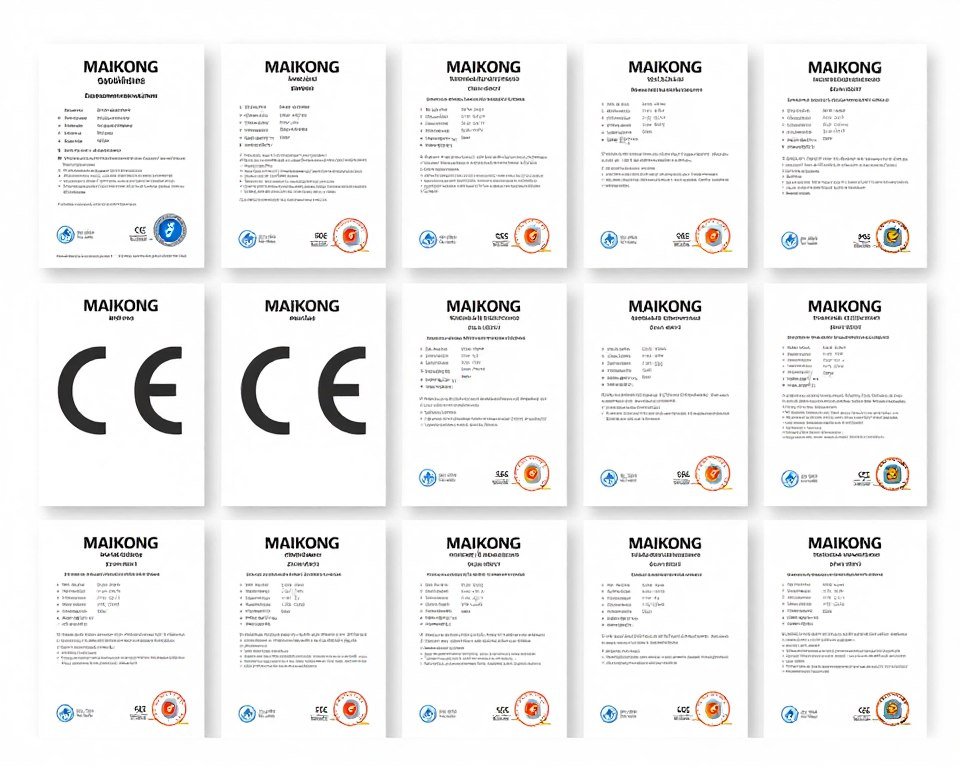
MAIKONG manufacturing adheres to international quality standards ensuring equipment safety, reliability, and compliance with Philippine importation and operation requirements.
ISO 9001:2015Quality Management System certification validates consistent manufacturing processes and quality control.
CE CertificationEuropean Conformity marks verify equipment safety standards for machinery and electrical components.
SGS InspectionIndependent third-party verification of equipment performance specifications and build quality.
GMP CompatibleEquipment design facilitates Good Manufacturing Practice compliance for feed quality certification.
Global Aqua Feed Production Line Success Stories and Case Studies
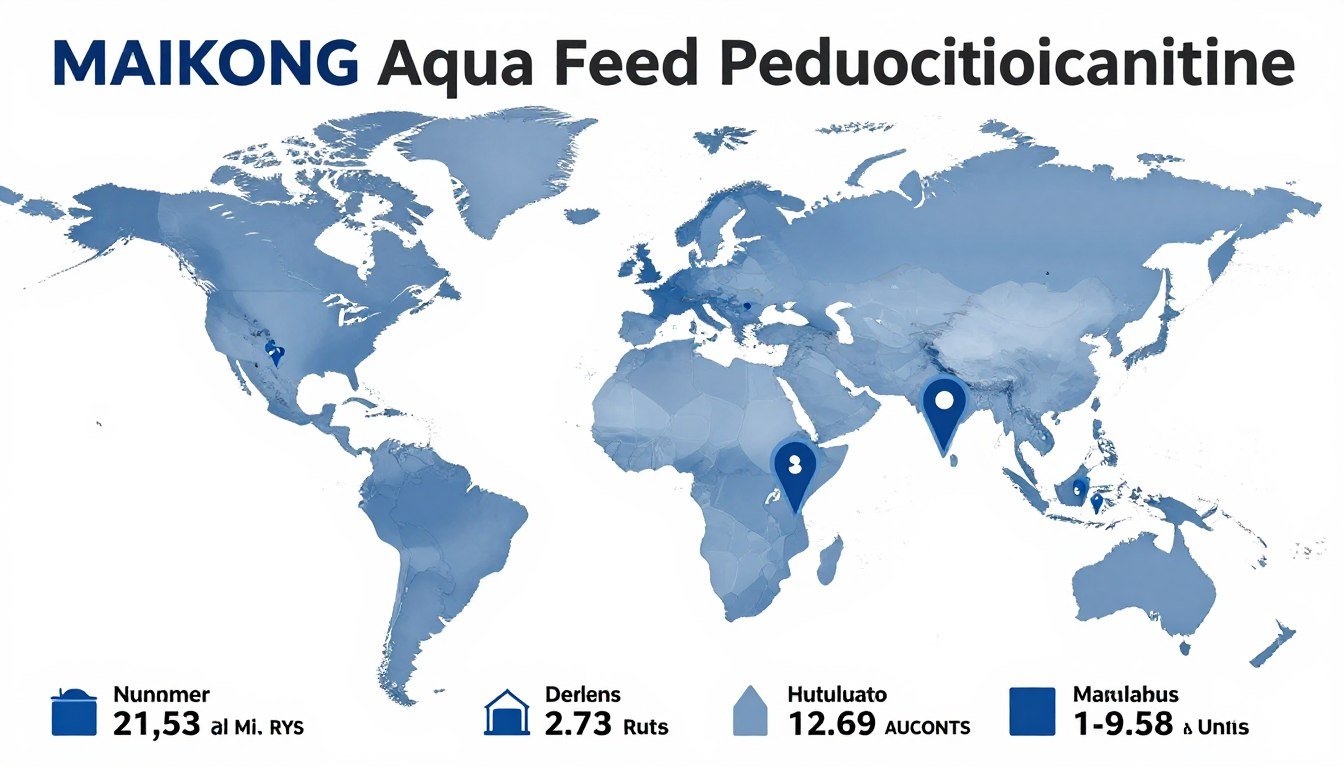
MAIKONG aqua feed production line equipment operates successfully across 50+ countries with installations ranging from small 300 kg/hour farm operations to industrial 20-ton/hour commercial feed manufacturing facilities. These real-world case studies demonstrate proven performance in diverse markets and operating conditions.
Asia-Pacific Success Stories
The Asia-Pacific region represents MAIKONG’s largest market with 70+ aqua feed production installations serving the world’s most productive aquaculture industries.
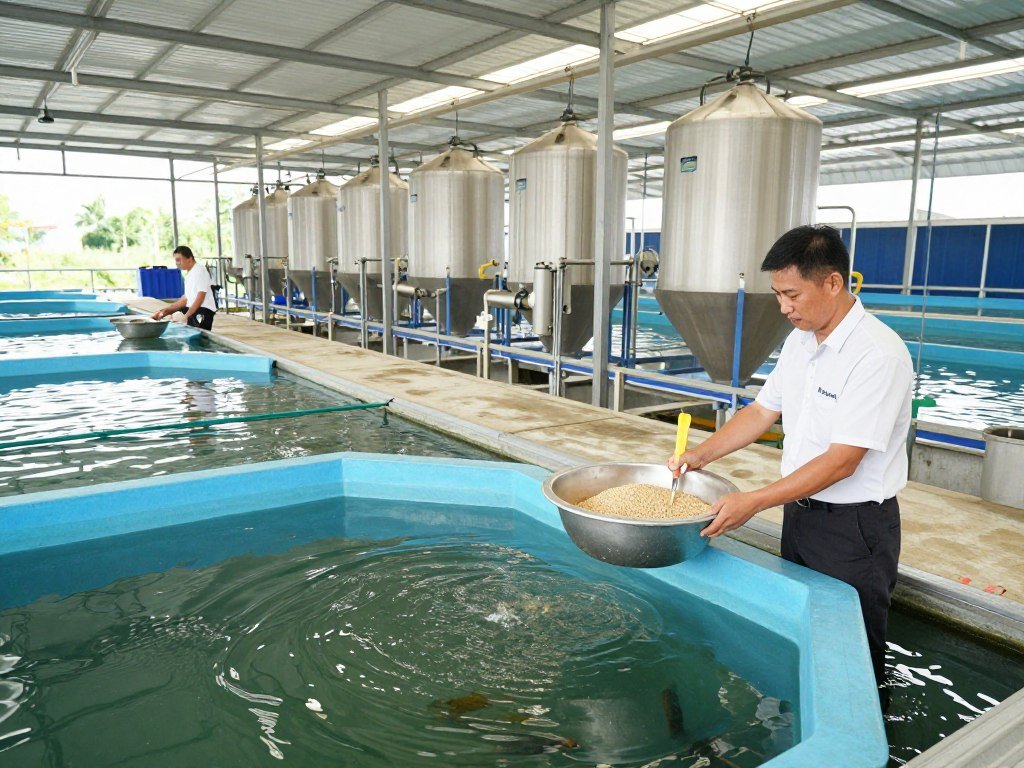
Vietnam – Mekong Delta Tilapia Operation
Client: An Giang Aquaculture Development Corp.
Location: An Giang Province, Vietnam
Installation Date: March 2021
System: 3-ton/hour floating feed extrusion line
Background: 45-hectare integrated tilapia farm previously purchasing 90 tons monthly commercial feed at $650/ton. Sought feed cost reduction and quality control improvement.
MAIKONG Solution: MK-L003 (3 ton/hour) twin-screw extrusion line with automated batching and packaging. Local Vietnamese corn and rice bran integration with imported protein sources.
Results After 18 Months:
- Own-production feed cost: $420/ton (35% reduction)
- Monthly savings: ($650-$420) × 90 tons = $20,700
- Feed conversion ratio improved from 1.65:1 to 1.42:1
- Equipment payback: 16 months actual vs. 24 months projected
- Began selling 40 tons monthly to neighboring farms at $580/ton generating additional $23,200 monthly revenue
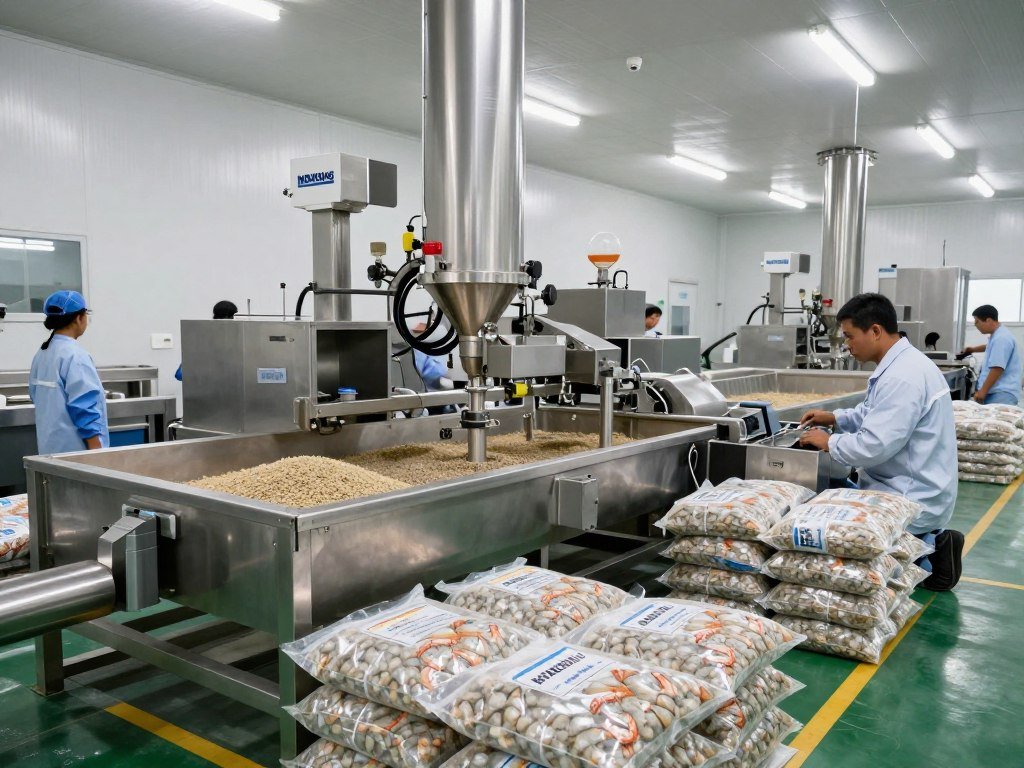
Indonesia – Commercial Shrimp Feed Manufacturer
Client: PT Makanan Udang Sejahtera
Location: Lampung Province, Indonesia
Installation Date: September 2020
System: 5-ton/hour specialized shrimp feed line
Background: New commercial feed manufacturer entering Indonesia’s rapidly expanding whiteleg shrimp (Litopenaeus vannamei) farming industry. Required proven technology with local service support.
MAIKONG Solution: Custom 5 ton/hour system with micro-pellet capability (0.3-2.5mm), water stability optimization for tropical climate, automated quality testing integration.
Results After 24 Months:
- Production reached 2,800 tons monthly (operating 20 days/month)
- Achieved 98.7% uptime over two-year period
- Successfully passed Indonesian National Standard (SNI) feed certification
- Captured 12% market share in Lampung and South Sumatra provinces
- Equipment performance exceeded specifications – actual 5.2 tons/hour vs. rated 5 tons/hour
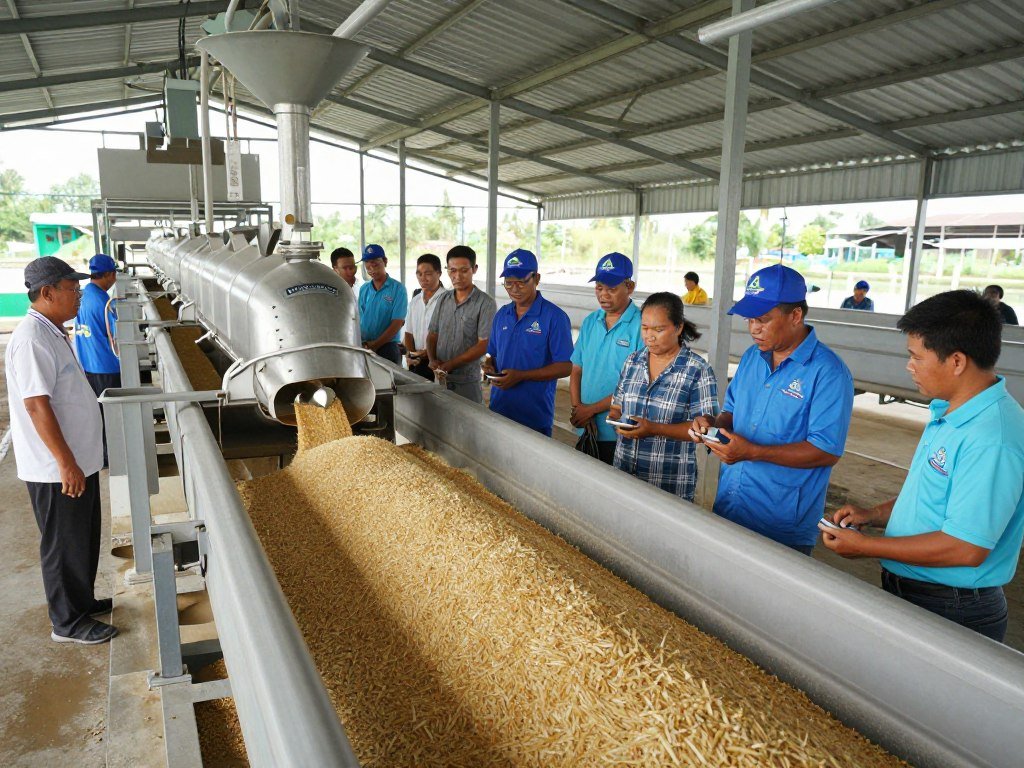
Thailand – Aquaculture Cooperative Project
Client: Chachoengsao Province Fisheries Cooperative
Location: Chachoengsao, Thailand
Installation Date: January 2022
System: 1.5-ton/hour multi-species feed line
Background: Cooperative serving 180 small fish farm members (0.5-3 hectares each). Government-supported project to reduce member feed costs through cooperative production.
MAIKONG Solution: MK-L002 system with multi-formula capability producing tilapia, catfish, and snakehead feeds. Training program for cooperative staff and technical support for formula development.
Results After 12 Months:
- Producing 320 tons monthly distributed to 180 member farms
- Member feed costs reduced average 28% versus commercial purchases
- Cooperative generating ฿450,000 monthly surplus from sales to non-members
- Created 12 permanent jobs in local community
- Cooperative voted to expand capacity with second 1.5-ton line (ordered October 2023)
Americas Region Installations
MAIKONG serves the Americas aquaculture industry with specialized solutions for both warm-water species (tilapia, catfish) and salmonid production (trout, salmon).
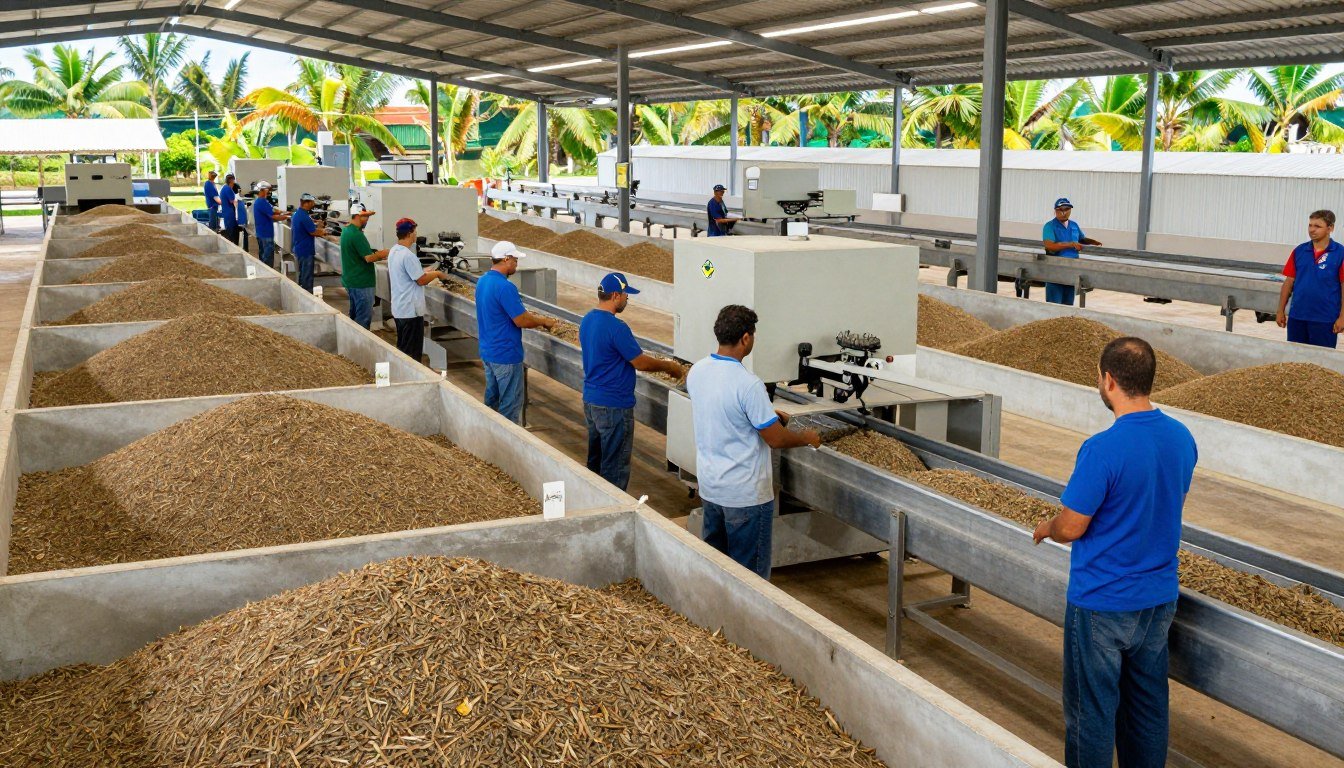
Brazil – Largest Tilapia Feed Operation in South America
Client: AquaBrasil Nutrição Ltda., Santa Catarina
System: Two parallel 8-ton/hour extrusion lines (16 tons/hour combined capacity) installed July 2019. Upgraded to 24 tons/hour with third line addition June 2023.
Market Position: Supplies over 2,200 tilapia farms across Southern Brazil states. Produces 9,500 tons monthly with plans to reach 15,000 tons by 2025.
Client Testimonial: “MAIKONG equipment reliability has been exceptional. Over four years, our uptime averages 97.8% across all three production lines. Their technical team’s responsiveness—including remote troubleshooting via video call—minimizes any disruption to our production schedule. The equipment investment has paid for itself three times over.” – Carlos Mendes, Production Director
European Market Penetration
MAIKONG successfully competes in Europe’s demanding market with installations meeting strict EU quality, safety, and environmental standards.
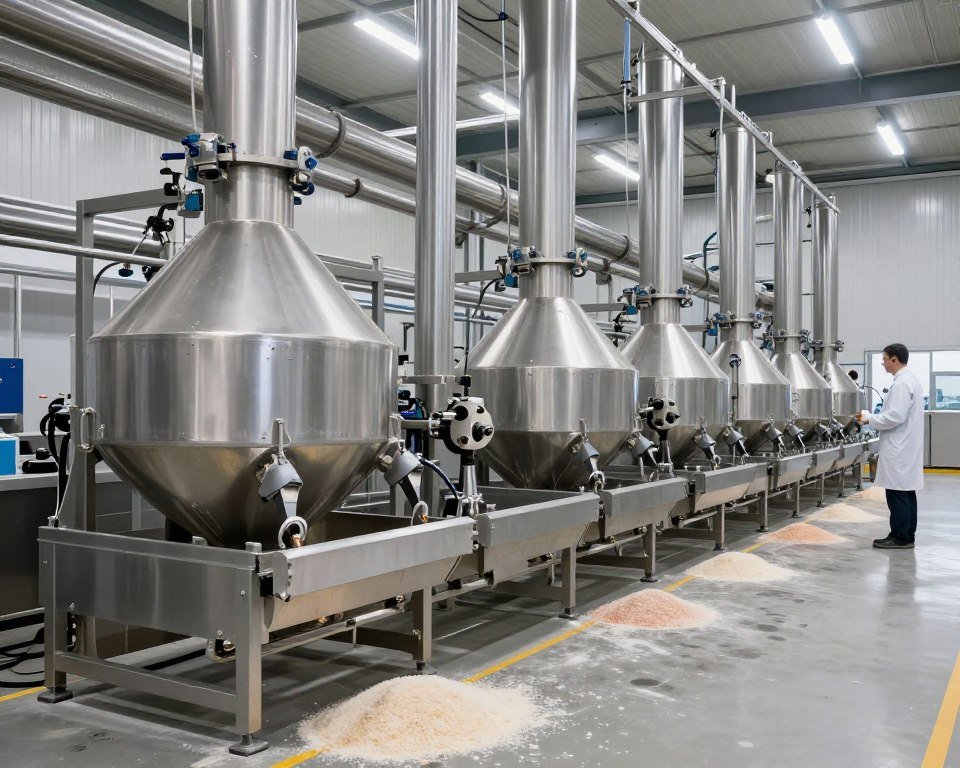
Poland – Premium Trout Feed Production
Client: Polski Pokarm Pstrąg Sp. z o.o.
Location: Kashubian Lake District, Poland
System: 2-ton/hour specialized trout feed line
Challenge: European market demands exceptionally high quality standards. Client required equipment meeting CE safety certification, GMP compliance capability, and environmental standards for discharge and emissions.
MAIKONG Solution: Customized production line with enhanced quality control systems, enclosed processing to minimize environmental emissions, wastewater treatment integration, full documentation for EU regulatory compliance.
Achievement: First non-European aqua feed equipment to achieve Polish National Fisheries Quality certification. Equipment operates at 99.1% uptime serving premium trout operations across Poland, Czech Republic, and Germany.
African Aquaculture Development Projects
Africa’s rapidly growing aquaculture industry relies on MAIKONG technology to establish local feed manufacturing capacity, reducing dependence on expensive imports.
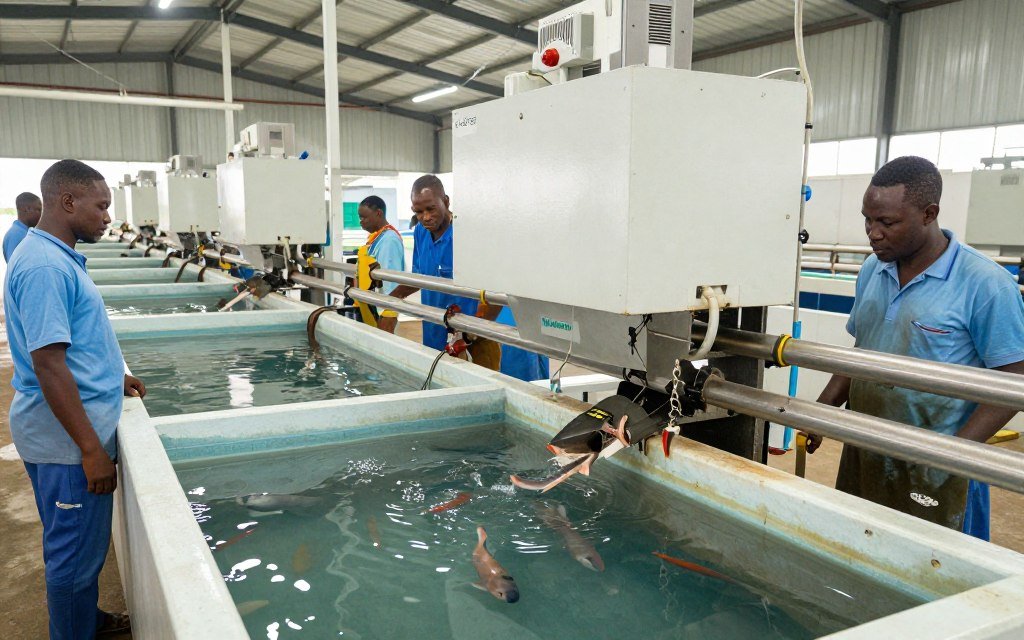
Nigeria – Catfish Feed Manufacturing
Client: Lagos State Aquaculture Development Authority
System: 1-ton/hour pelleting line (sinking feed for African catfish)
Impact: Government project providing affordable feed to 400+ small catfish farms. Reduced average feed costs from ₦380/kg (imported) to ₦220/kg (local production)—42% savings enabling farm profitability and industry growth.
Egypt – Nile Tilapia Feed Production
Client: Delta Fish Feeds, Kafr El-Sheikh
System: 4-ton/hour floating feed extrusion line
Market: Egypt’s booming tilapia industry (largest African producer). Facility produces 2,200 tons monthly serving Nile Delta region fish farms. Plans expansion to 6-ton/hour capacity based on excellent first-year performance.
Kenya – Integrated Aquaculture Project
Client: Western Kenya Fish Farmers Cooperative Union
System: 500 kg/hour multi-species line
Innovation: Solar power integration (60% of electrical consumption) combined with diesel backup for Africa’s unreliable grid. System produces tilapia and catfish feeds using locally available ingredients (omena fish, sunflower cake, maize).
Middle East Aquaculture Solutions
MAIKONG serves the Middle East’s unique requirements including halal certification, desert climate operations, and high-salinity water species specialization.
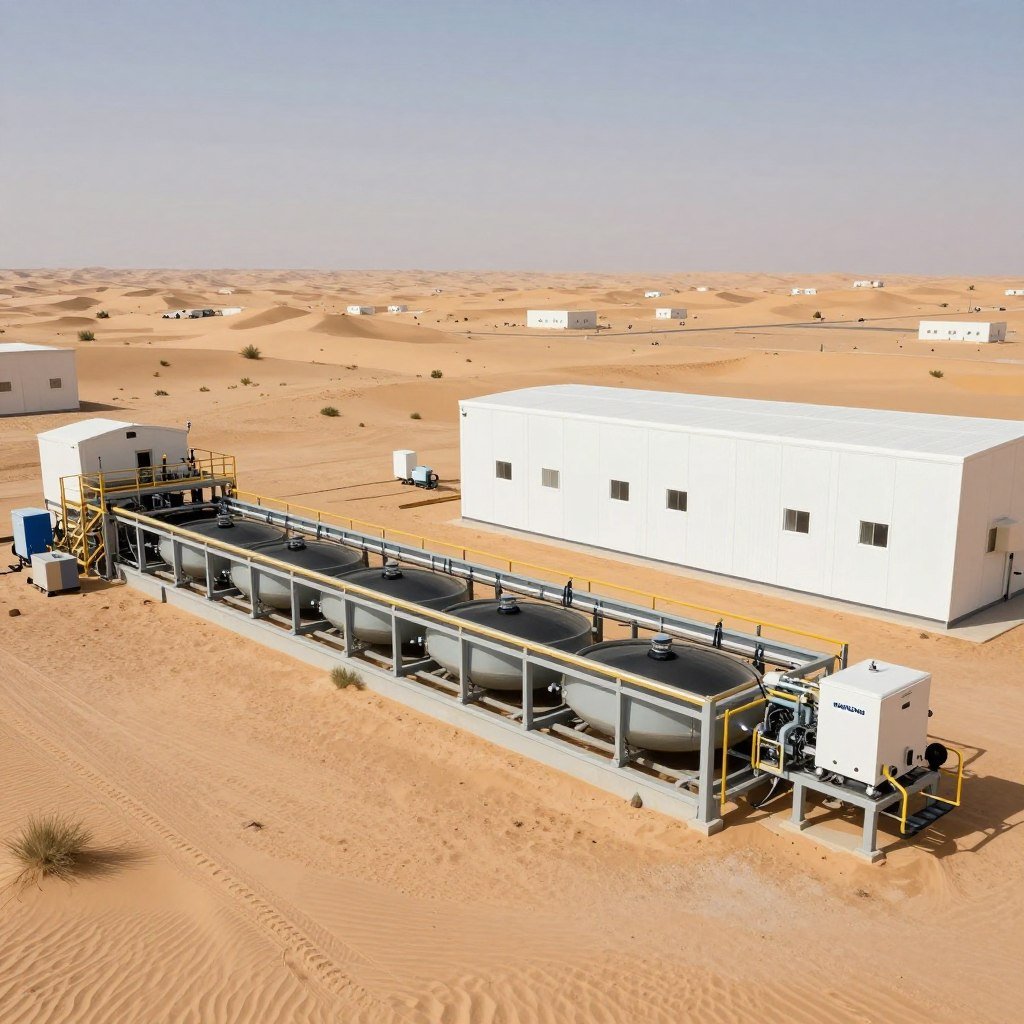
Saudi Arabia – Shrimp Feed for Red Sea Farms
Client: Al-Laith Seafood Industries
Location: Al-Laith, Western Saudi Arabia
System: 3-ton/hour shrimp feed specialized line
Special Requirements:
- Halal-certified production processes and ingredient handling
- Extreme ambient temperature operation (45-50°C summer)
- Dust control for desert environment protection
- High-salinity species formulation capability (Red Sea farming)
Results: Successfully producing 1,800 tons monthly premium shrimp feed for Saudi Arabia’s expanding marine aquaculture industry. Equipment withstands harsh desert conditions with specialized cooling systems and sealed enclosures preventing sand infiltration.
Performance Metrics Across Global Installations
Aggregated data from 120+ MAIKONG aqua feed production line installations worldwide demonstrates consistent performance reliability and customer satisfaction.
| Performance Metric | Asia-Pacific | Americas | Europe | Africa | Middle East | Global Average |
| Average Uptime | 98.3% | 97.8% | 99.1% | 96.4% | 98.6% | 98.2% |
| Avg. Payback Period | 16 months | 22 months | 28 months | 14 months | 19 months | 18 months |
| Customer Satisfaction | 4.7/5.0 | 4.6/5.0 | 4.8/5.0 | 4.5/5.0 | 4.7/5.0 | 4.7/5.0 |
| Repeat/Expansion Orders | 34% | 28% | 31% | 22% | 29% | 31% |
“After evaluating equipment from five different manufacturers across Europe, China, and USA, we selected MAIKONG based on the best combination of technology, price, and proven performance in similar applications. Three years later, that decision continues proving correct. The equipment performs exactly as specified, MAIKONG’s technical support responds within hours to any question, and our production costs are 18% below our business plan projections.”
See How MAIKONG Can Transform Your Aquaculture Business
Connect with our team to discuss your production requirements, review case studies from similar operations, and receive detailed ROI projections for your specific situation.
Become a MAIKONG Dealer or Agent in Philippines
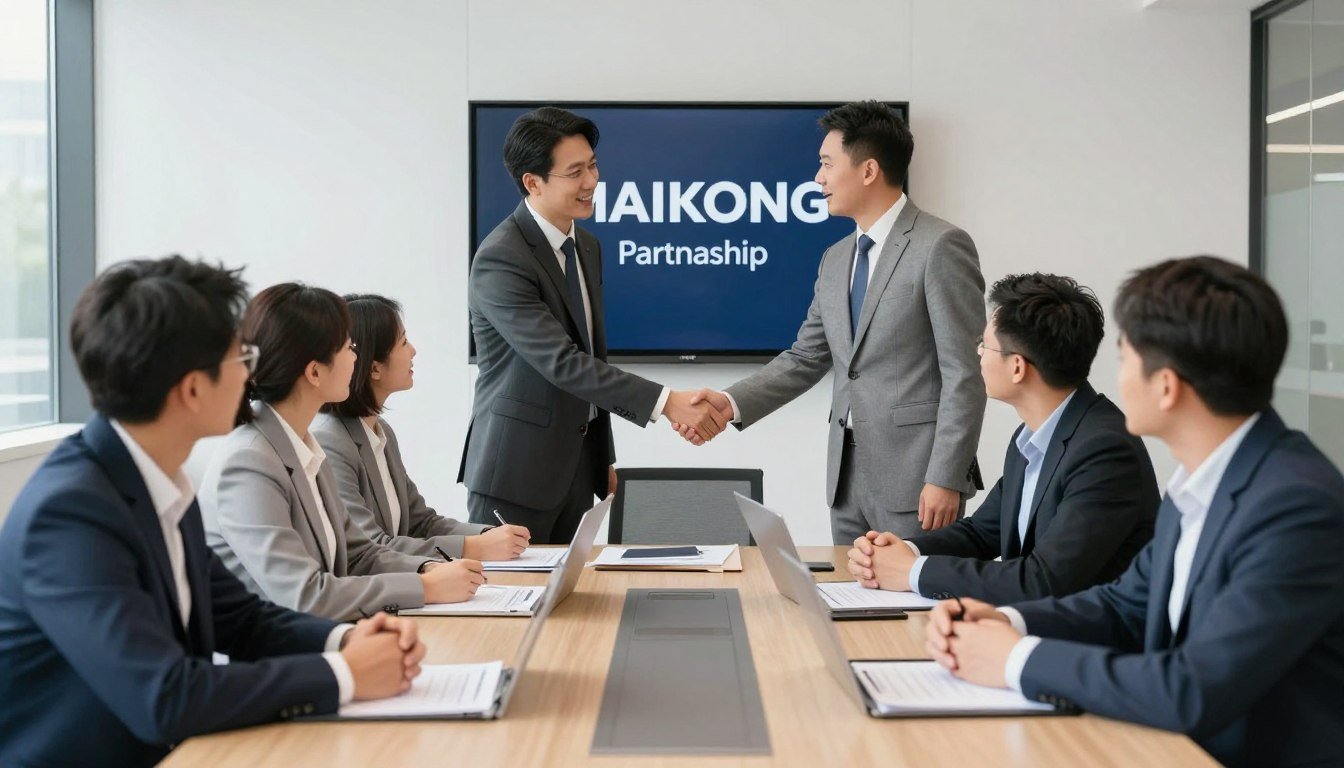
MAIKONG actively seeks qualified distributors and agents throughout Philippines to expand our market presence and provide superior local service to aquaculture businesses. This partnership opportunity offers established businesses a proven product line with strong margins, comprehensive support, and growing market demand.
Why Partner with MAIKONG?
The Philippine aquaculture industry continues expanding rapidly with government support and increasing domestic and export demand. Feed production equipment represents a high-value, recurring-revenue business with strong profit potential.
Market Opportunity
- Growing Industry: Philippine aquaculture production increasing 8-12% annually with government targets of 20% growth through 2028
- Import Substitution: 70% of feed production equipment currently imported; opportunity to capture market share with competitive local pricing
- Fragmented Competition: No dominant local brand; opportunity to establish MAIKONG as preferred choice
- Government Support: DA-BFAR programs providing financing assistance to aquaculture businesses for equipment purchases
- Expanding Customer Base: 45,000+ registered fish farms plus emerging commercial feed manufacturers
Dealer Benefits Package
- Protected Territory: Exclusive representation rights in assigned province or region
- Attractive Margins: Dealer pricing provides 25-35% gross margin on equipment sales
- Recurring Revenue: Spare parts, consumables, and service contracts provide ongoing income stream
- Marketing Support: Co-branded materials, demonstration equipment, trade show support, digital marketing assets
- Technical Training: Comprehensive product knowledge and installation training at MAIKONG facility
- Sales Support: Assistance with major project quotations, financing arrangements, customer presentations
- Inventory Consignment: Select demonstration and quick-ship inventory available on consignment terms
Ideal Dealer Profile
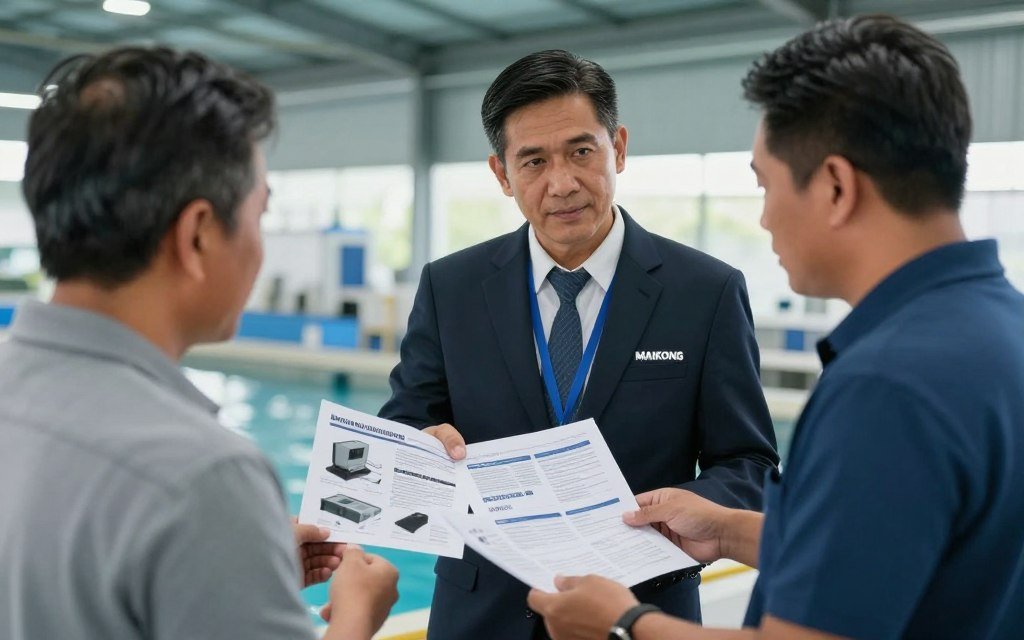
MAIKONG seeks partners with established presence in Philippine agriculture, aquaculture, or industrial equipment sectors who can effectively represent our brand and support customer success.
Business Experience
Established company (3+ years operating) with proven track record in B2B sales, preferably in agricultural equipment, aquaculture supplies, or industrial machinery sectors.
Market Access
Existing customer relationships with fish farms, feed manufacturers, agricultural cooperatives, or government agencies involved in aquaculture development.
Technical Capability
Technical staff capable of product demonstrations, basic installation support, and after-sales service. Engineering background preferred but not required with MAIKONG training.
Financial Strength
Adequate working capital to support inventory investment, demonstration equipment, and customer financing arrangements. Good business credit standing.
Dealership Investment and Support
MAIKONG provides comprehensive support to ensure dealer success from initial onboarding through ongoing business development.
| Dealer Level | Territory Coverage | Initial Investment | Demo Equipment | Annual Target | Support Package |
| Silver Dealer | Single Province | ₱500K – 1.2M | 1 small system | 4-6 systems | Basic training + marketing |
| Gold Dealer | Regional (3-5 provinces) | ₱1.5M – 3.5M | 2 systems (different capacities) | 10-15 systems | Advanced training + co-marketing + technical support |
| Platinum Dealer | Island Group (Luzon/Visayas/Mindanao) | ₱4M – 8M | 3+ systems + parts inventory | 20+ systems | Complete package + exclusive territory + financing support |
Dealer Support Services
MAIKONG commits to dealer success through comprehensive support programs addressing sales, technical, and marketing requirements.
Sales Training & Tools
- Product knowledge certification program (online + onsite)
- Sales methodology training for consultative selling approach
- Quotation and proposal templates
- ROI calculation spreadsheets
- Customer financing arrangement guidance
- CRM system access for lead management
Technical Support
- Installation training and certification
- Troubleshooting and diagnostics training
- Spare parts identification and ordering system
- Remote technical assistance (phone, video, email)
- Annual refresher training programs
- Equipment upgrade and expansion consultation
Marketing Support
- Co-branded brochures, catalogs, specification sheets
- Trade show booth support and materials
- Digital marketing assets (website content, social media)
- Customer success stories and case studies
- Press release templates for local announcements
- Dealer locator listing on MAIKONG website
Revenue Opportunities Beyond Equipment Sales
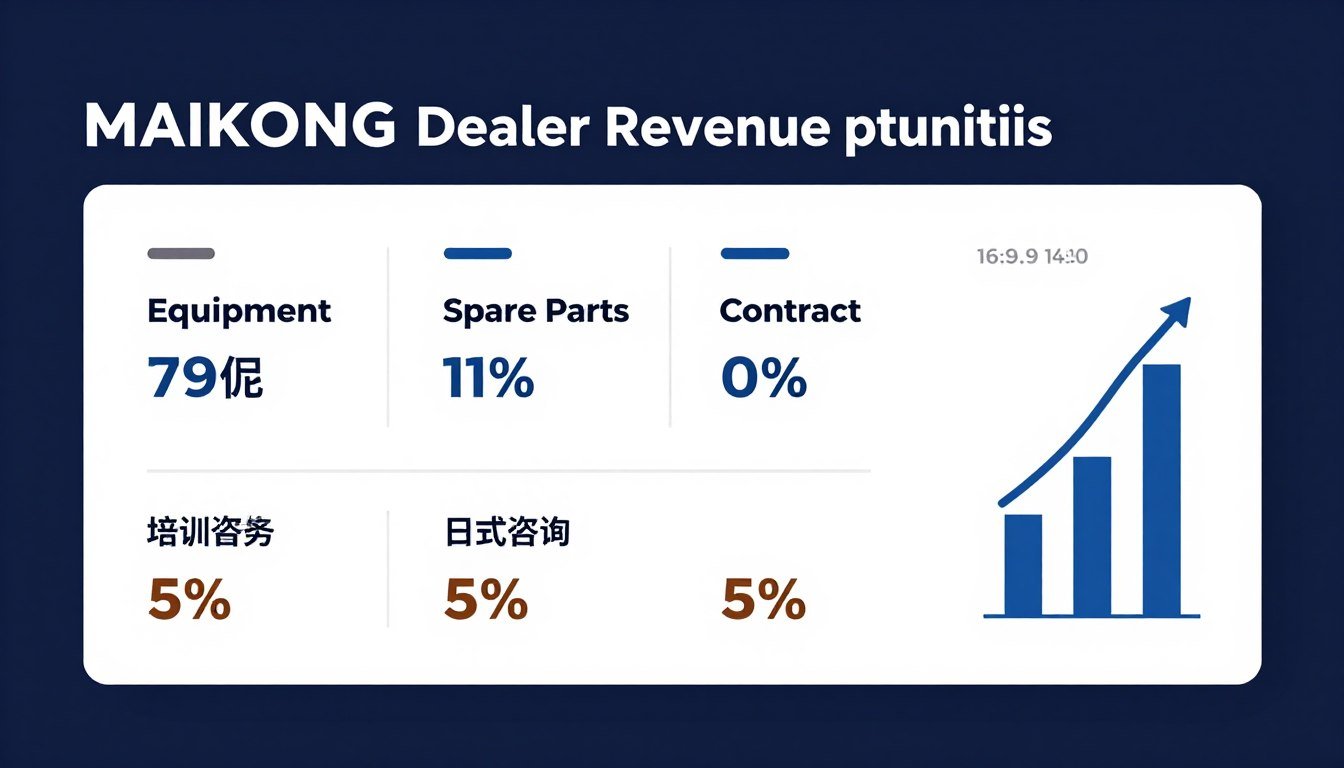
Successful MAIKONG dealers develop multiple revenue streams maximizing lifetime customer value and building sustainable recurring income.
Primary Revenue Streams
- New Equipment Sales: 40-50% of dealer revenue. Margins 25-35% on equipment packages
- Spare Parts & Consumables: 20-25% of revenue. Hammers, screens, bearings, seals—recurring purchases. 30-40% margins
- Installation Services: 8-12% of revenue. Professional installation services charged separately. 50-60% margins
- Maintenance Contracts: 10-15% of revenue. Annual preventive maintenance agreements. 60-70% margins
Value-Added Services
- Formula Development: Custom feed formulation consulting for customer operations. Premium fee-based service
- Operator Training: Training programs for customer staff beyond basic installation training
- Production Optimization: Consulting to improve efficiency, reduce costs, enhance quality for existing installations
- Equipment Upgrades: Capacity expansions, automation additions, technology updates for existing lines
Success Story: Existing MAIKONG Dealer in Pampanga
AgriTech Solutions Philippines Inc. – Gold Dealer, Central Luzon
Background: Established agricultural equipment distributor added MAIKONG aqua feed production equipment to product portfolio in January 2021. Previous focus on irrigation equipment and rice processing machinery.
Territory: Pampanga, Bulacan, Nueva Ecija, Tarlac, Zambales provinces (Central Luzon region)
Performance:
- Year 1 (2021): 7 systems sold, ₱18.5M revenue, ₱4.8M gross profit
- Year 2 (2022): 14 systems sold, ₱42.2M revenue, ₱12.1M gross profit
- Year 3 (2023): 21 systems sold, ₱68.7M revenue, ₱19.8M gross profit
- Recurring Revenue: Parts and service contracts generating ₱2.8M annually by Year 3
Dealer Principal Testimonial: “Adding MAIKONG to our product line was our best business decision in 10 years. The aquaculture market was underserved for quality equipment at fair prices. MAIKONG’s product quality, competitive pricing, and excellent factory support enabled us to capture significant market share quickly. We’re now planning to expand to Southern Luzon provinces.” – Engineer Ramon Santos, Managing Director
Application Process and Next Steps
MAIKONG carefully evaluates dealer applications to ensure mutual success and market coverage balance. The application and approval process typically completes within 2-3 weeks.
- Initial Inquiry: Contact MAIKONG via email or WhatsApp expressing interest in dealership opportunity. Provide brief company background and target territory.
- Information Exchange: MAIKONG provides detailed dealer program information, territory maps, investment requirements. Prospective dealer submits formal application with business documentation.
- Application Review: MAIKONG evaluates application considering territory availability, business qualifications, market potential, existing dealer network balance.
- Discussion and Negotiation: Video conference or in-person meeting to discuss specific terms, territory boundaries, support requirements, investment details.
- Agreement Execution: Dealer agreement finalized covering territory rights, performance expectations, pricing, support services, renewal terms.
- Onboarding and Training: Dealer team receives comprehensive training via online modules plus optional onsite training at MAIKONG GD facility or existing Philippine dealer location.
- Market Launch: Coordinated launch activities including local announcements, customer introduction, marketing material distribution, demonstration equipment delivery.
Start Your MAIKONG Dealer Partnership Journey
Join MAIKONG’s growing Philippine dealer network and build a profitable business representing premium aqua feed production equipment. Complete the inquiry form or contact our partnership development team directly.
Or Contact Partnership Development Directly:
Start Your Aqua Feed Production Success Story with MAIKONG
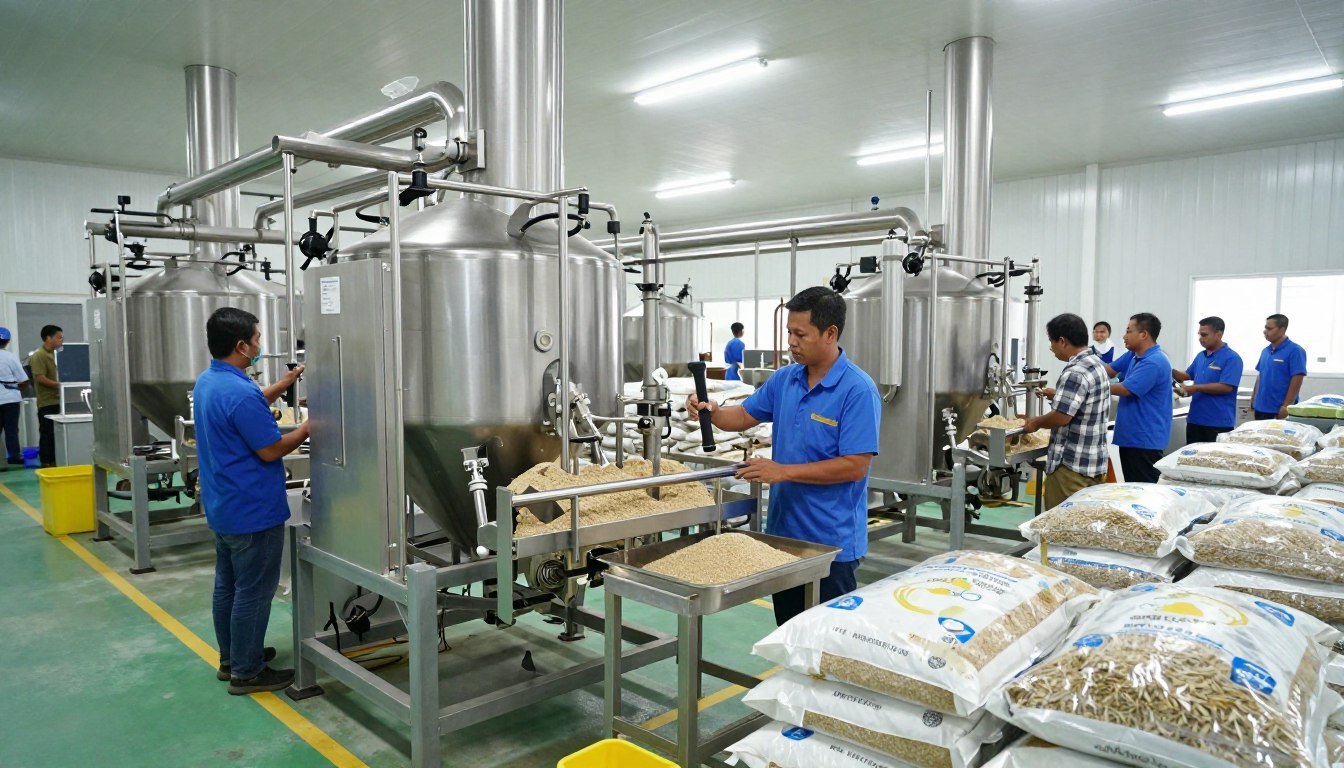
The Philippine aquaculture industry presents exceptional opportunities for forward-thinking fish farm operators and entrepreneurs willing to invest in feed production capabilities. As commercial feed prices continue rising and quality concerns persist, establishing your own aqua feed production line transforms a major operational expense into a competitive advantage and potential profit center.
This comprehensive guide has explored the complete journey from understanding production requirements through equipment selection, capacity planning, business models, and real-world success stories across global markets. The evidence is clear: properly planned and executed feed production investments deliver strong returns—typically 12-24 month payback periods with ongoing cost savings of 30-45% versus commercial feed purchases.
Key Takeaways for Your Decision
Production Planning Essentials
- Match equipment capacity to consumption plus 30-50% buffer for growth and flexibility
- Choose pelleting vs. extrusion based on target species feeding behavior
- Plan adequate facility space including raw material storage and finished product warehousing
- Ensure reliable electrical power with voltage stabilization and backup capability
- Begin permit and regulatory compliance process 3-4 months before equipment installation
Equipment Selection Criteria
- Prioritize proven reliability over lowest initial price—uptime determines profitability
- Select suppliers with demonstrated local support capability and spare parts availability
- Invest in quality control equipment appropriate to your market positioning
- Consider multi-formula capability for future market flexibility
- Evaluate automation level based on labor availability, skills, and production volume
Business Success Factors
- Secure reliable raw material supply relationships before production start
- Develop feed formulations matched to local ingredient availability and target species
- Implement rigorous quality control to ensure consistent product performance
- Calculate production costs accurately including all overhead and labor
- Consider commercial sales opportunities beyond own-farm consumption
Why MAIKONG Stands Apart
- 22 years specialized experience manufacturing feed production equipment
- 120+ successful global installations demonstrating proven performance
- Philippine local support team providing rapid assistance in English and Tagalog
- Competitive pricing delivering 25-35% cost advantage versus European brands
- Comprehensive warranty (24 months) plus lifetime technical support
- Complete solutions from small 200 kg/hour to industrial 20 ton/hour systems
Your Next Steps
Whether you’re a fish farm owner seeking to reduce feed costs, an entrepreneur evaluating commercial feed manufacturing opportunities, or an established business considering pellet machine equipment distribution, MAIKONG provides the expertise, equipment, and support to achieve your goals.
For Fish Farm Owners
Schedule a free consultation to evaluate whether own-feed production makes financial sense for your operation. We’ll analyze your current feed consumption, costs, and growth plans to provide customized ROI projections.
What You’ll Receive:
- Production capacity recommendation
- Equipment configuration proposal
- Detailed cost-benefit analysis
- Feed formulation suggestions
- Facility layout planning
For Commercial Manufacturers
Request a detailed technical proposal including complete equipment specifications, installation requirements, training programs, and business development support for your commercial feed manufacturing venture.
Proposal Includes:
- Complete system design and layout
- Production process flowcharts
- Equipment specifications and pricing
- Installation timeline and requirements
- Operator training program details
- Ongoing support services overview
For Dealer Prospects
Apply for MAIKONG dealer partnership to represent premium aqua feed production equipment in your territory. Build a profitable business with strong margins and comprehensive factory support.
Partnership Benefits:
- Protected territory rights
- Dealer pricing (25-35% margins)
- Demonstration equipment program
- Sales and technical training
- Marketing support and materials
- Ongoing partnership development
Contact MAIKONG Philippines Team
Our Philippine-based team stands ready to assist with any questions, provide detailed information, arrange equipment demonstrations, or schedule facility visits to existing installations. We respond to all inquiries within 24 hours (typically much faster via WhatsApp).
Let’s Discuss Your Aqua Feed Production Goals
Connect with MAIKONG’s Philippine team today. Whether you have specific questions, want to request a quotation, or simply need expert guidance on starting your feed production journey, we’re here to help you succeed.
📧 Email: Lucy@pelletmachine.ph
🌐 Website: pelletmachine.ph
About MAIKONG – Your Trusted Feed Production Equipment Partner
MAIKONG has served the global feed manufacturing industry since 2001, delivering reliable feed pellet production line equipment to customers in 50+ countries. Our manufacturing facility in GD province, China, combines advanced production technology with rigorous quality control to ensure every system meets our exacting standards.
In the Philippines, MAIKONG supports a growing network of successful installations across Luzon, Visayas, and Mindanao. Our local technical team provides rapid response support, ensuring your production continues smoothly and profitably.
Beyond aqua feed production line systems, MAIKONG manufactures complete solutions for chicken feed production line, cattle feed pellet production line, poultry feed production line, pet feed production line, and specialized applications including biomass pellet machine and fertilizer pellet machine systems.
We invite you to learn more about MAIKONG, explore our comprehensive product range, and discover why successful aquaculture businesses throughout Philippines and worldwide choose MAIKONG as their equipment partner.
Transform your aquaculture business with MAIKONG. Contact us today and let’s build your feed production success story together.