Understanding Traditional Feed Production Methods Still Used in Philippine Farms
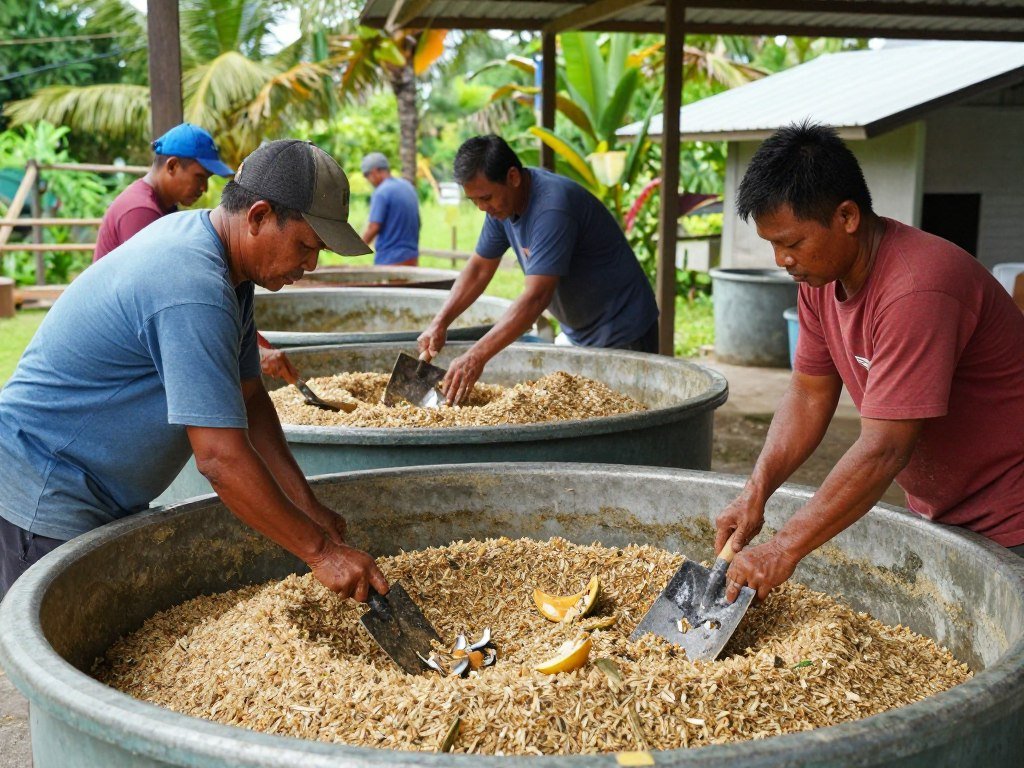
Traditional feed production remains common across smaller Philippine aquaculture operations. Workers manually weigh ingredients on analog scales. Rice bran, fishmeal, and copra meal get mixed in concrete mixers or even manually with shovels. The mixture passes through simple grinders.
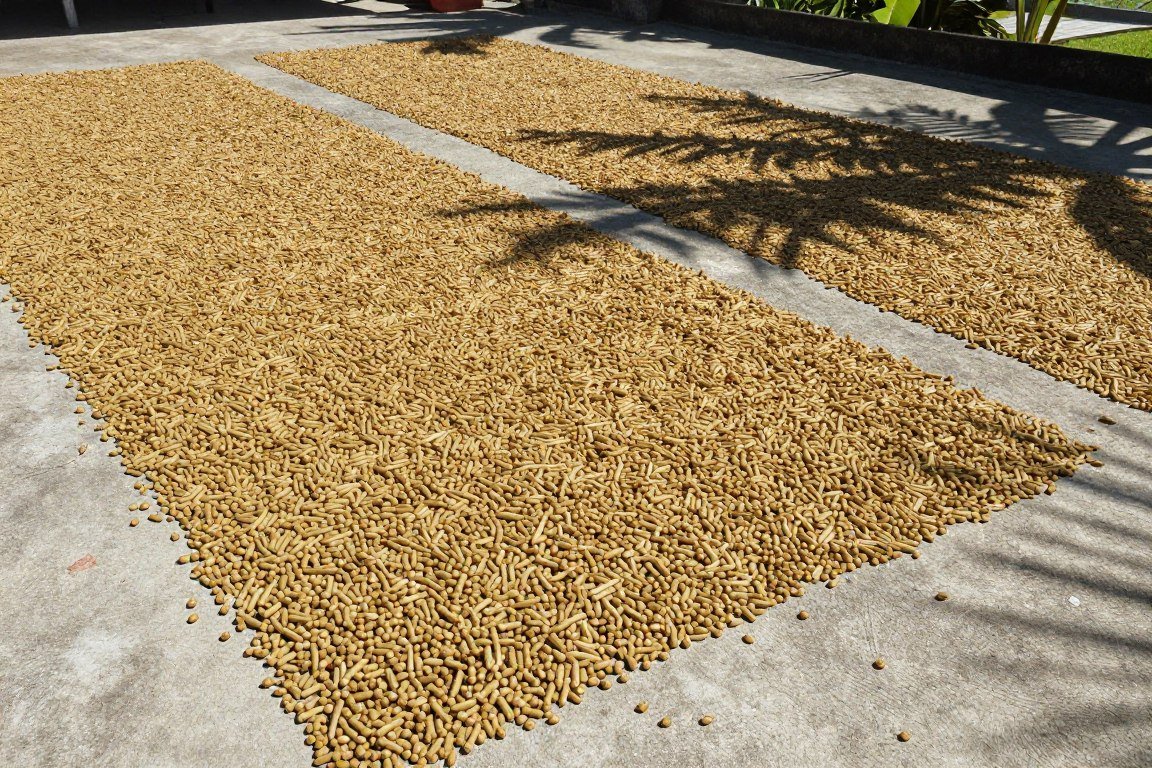
Moisture gets added through feel and experience rather than precise measurement. Workers form pellets by hand or push the mixture through basic meat grinders. These fresh pellets dry under the sun on concrete slabs or tarps. Birds, insects, and sudden rain threaten the drying process.
Core Components of Traditional Feed Making
The basic setup requires minimal equipment investment. A concrete mixer costs around ₱15,000 to ₱25,000. Manual grinders range from ₱8,000 to ₱18,000. Drying space uses existing concrete areas. Storage relies on sacks in covered sheds.
- Analog weighing scales for raw material batching
- Concrete mixers or manual mixing in large drums
- Hand-operated or electric meat grinders for pelletizing
- Open-air sun drying on concrete or tarpaulin surfaces
- Sack storage in ambient temperature warehouses
- Manual packaging and transport to feeding areas
Labor Requirements and Daily Production Capacity
A team of three to four workers produces approximately 200-400 kilograms daily. Each batch takes 45-60 minutes from weighing to pellet formation. Sun drying extends the timeline by 6-8 hours in good weather. Rainy season operations face constant disruptions.
Worker costs total ₱1,800-₱2,400 daily for the team. Physical strain limits working hours. Quality consistency depends entirely on worker experience and attention. Recipe adjustments happen through trial and error rather than precise formulation.
Raw Material Handling and Storage Limitations
Ingredients arrive in 50-kilogram sacks stored in basic warehouses. Temperature and humidity control does not exist. Rice weevils and moisture damage spoil materials regularly. First-in-first-out rotation depends on manual tracking.
Fishmeal quality varies between suppliers and batches. Oil content in ingredients separates during storage. Vitamins and minerals degrade in the tropical heat. Inventory losses reach 8-12% monthly from spoilage and pests.
Quality Control Challenges in Manual Production
Pellet size varies within each batch and between batches. Some pellets crumble immediately while others stay intact. Water stability ranges from 15 minutes to 2 hours unpredictably. Fish show selective feeding behaviors with inconsistent pellets.
Nutritional content cannot be verified without laboratory testing. Farmers adjust formulas based on fish growth observations over weeks. By the time problems appear, multiple batches already fed out. Vitamin and mineral distribution stays uneven throughout batches.
Philippine Farm Reality: Small family-operated fishponds in Pampanga and Bulacan still use traditional methods for bangus and tilapia. Their daily output serves 2-5 hectare operations. Scaling beyond this size makes manual production impractical.
How Modern Aquatic Feed Production Lines Transform Philippine Aquaculture
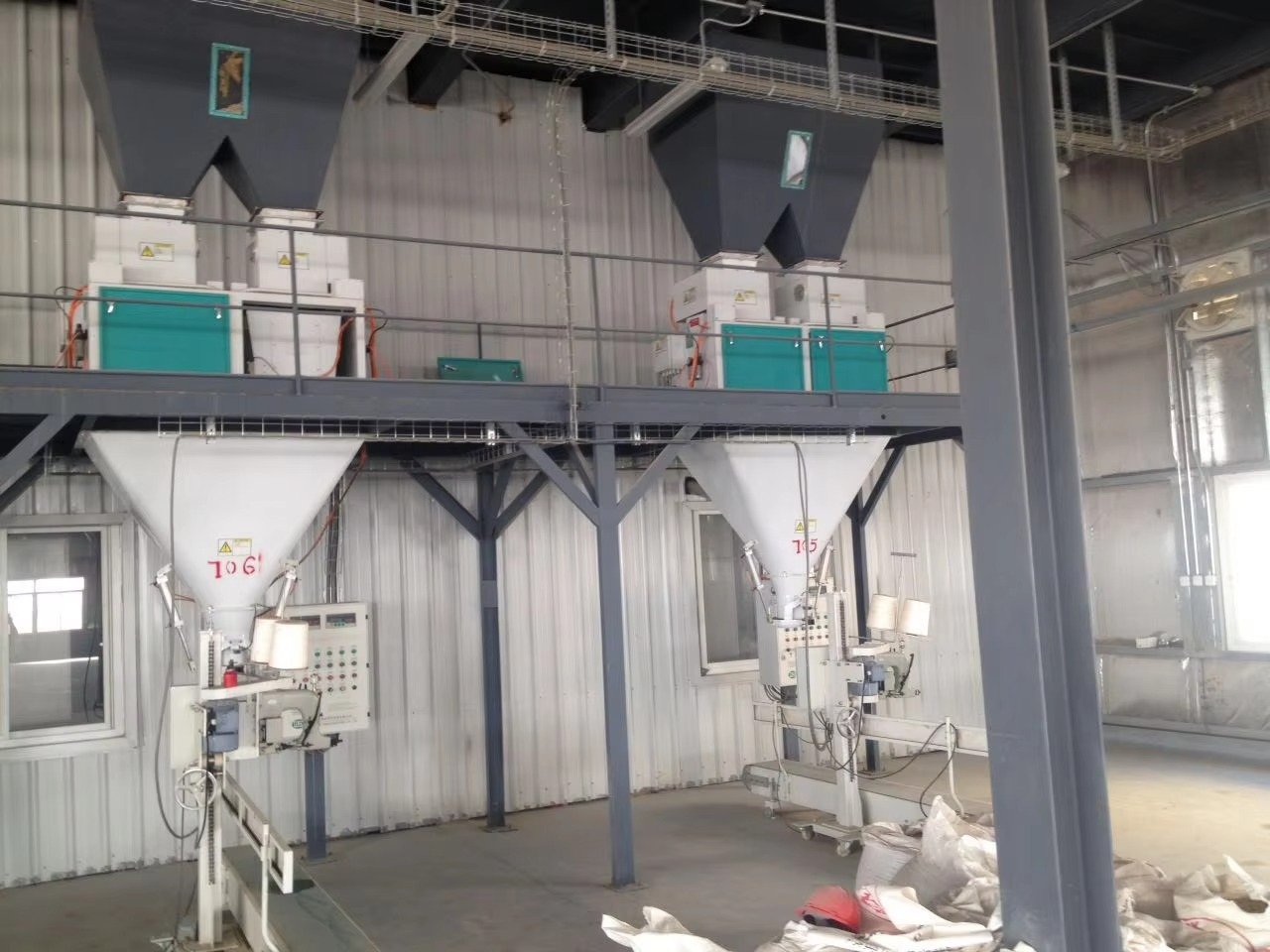
An aquatic feed production line automates the entire feed manufacturing process. Raw materials flow through connected equipment without manual handling. Computer controls maintain exact parameters at each production stage. The system operates continuously with minimal labor supervision.
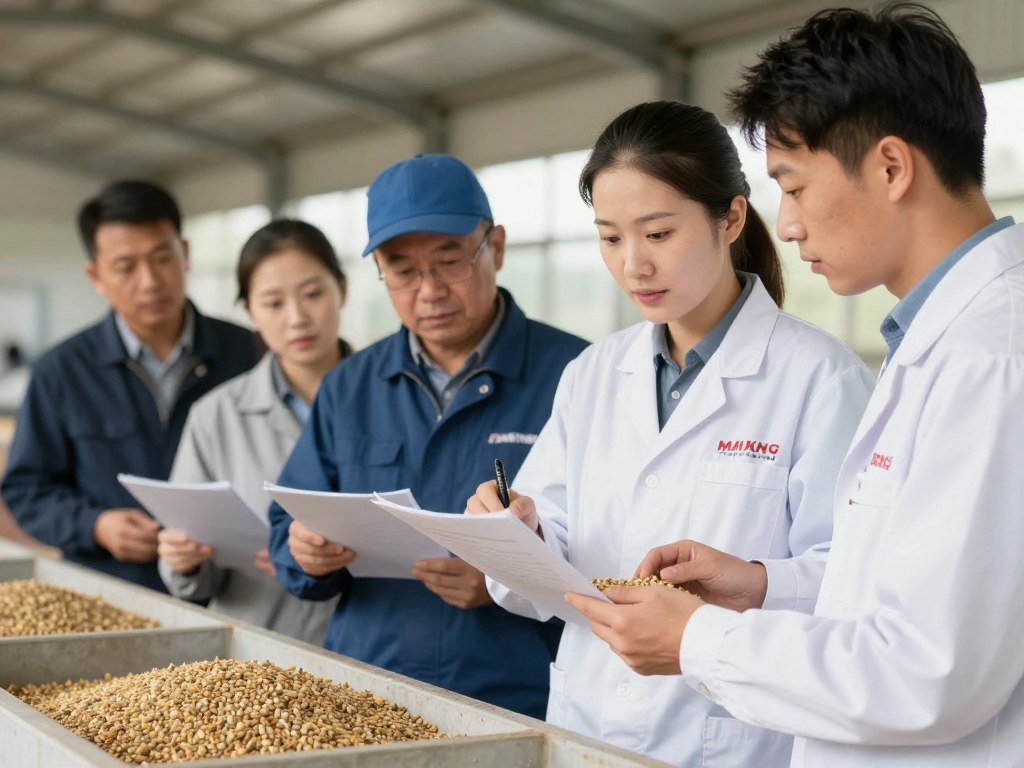
Modern aqua feed production lines from manufacturers like MAIKONG integrate multiple specialized machines. Each component performs a specific function with precision sensors and controls. Production data logs automatically for quality tracking and formula optimization.
Essential Components of a Complete Production Line
The production line starts with raw material receiving and storage silos. Automated dosing systems weigh ingredients to 0.1% accuracy. Hammermills or crushers reduce particle size to specified micron ranges. Mixing equipment blends ingredients to CV values below 5%.
- Receiving hoppers and pneumatic conveying systems
- Automated batching scales with load cells
- Hammermill crushers for particle size reduction
- Twin-shaft or ribbon mixers for homogeneous blending
- Conditioning chambers for moisture and temperature control
- Pellet mills or extruders for feed formation
- Multi-layer dryers with temperature control
- Counterflow coolers to stabilize pellets
- Coating systems for oil and vitamin application
- Automated packaging and palletizing equipment
Pelletizing vs Extrusion Technology Explained
Ring die pellet mills compress feed through dies using mechanical pressure. This process suits sinking feeds for bottom-feeding fish like tilapia and catfish. Pellet density ranges from 550-650 kg/m³. Production costs stay lower than extrusion.
Twin-screw extruders cook ingredients under high pressure and temperature. The mixture expands upon exiting the die, creating floating pellets. Bangus, grouper, and other surface feeders benefit from this feed type. Water stability exceeds 12 hours with proper formulation.
Automation and Control Systems Integration
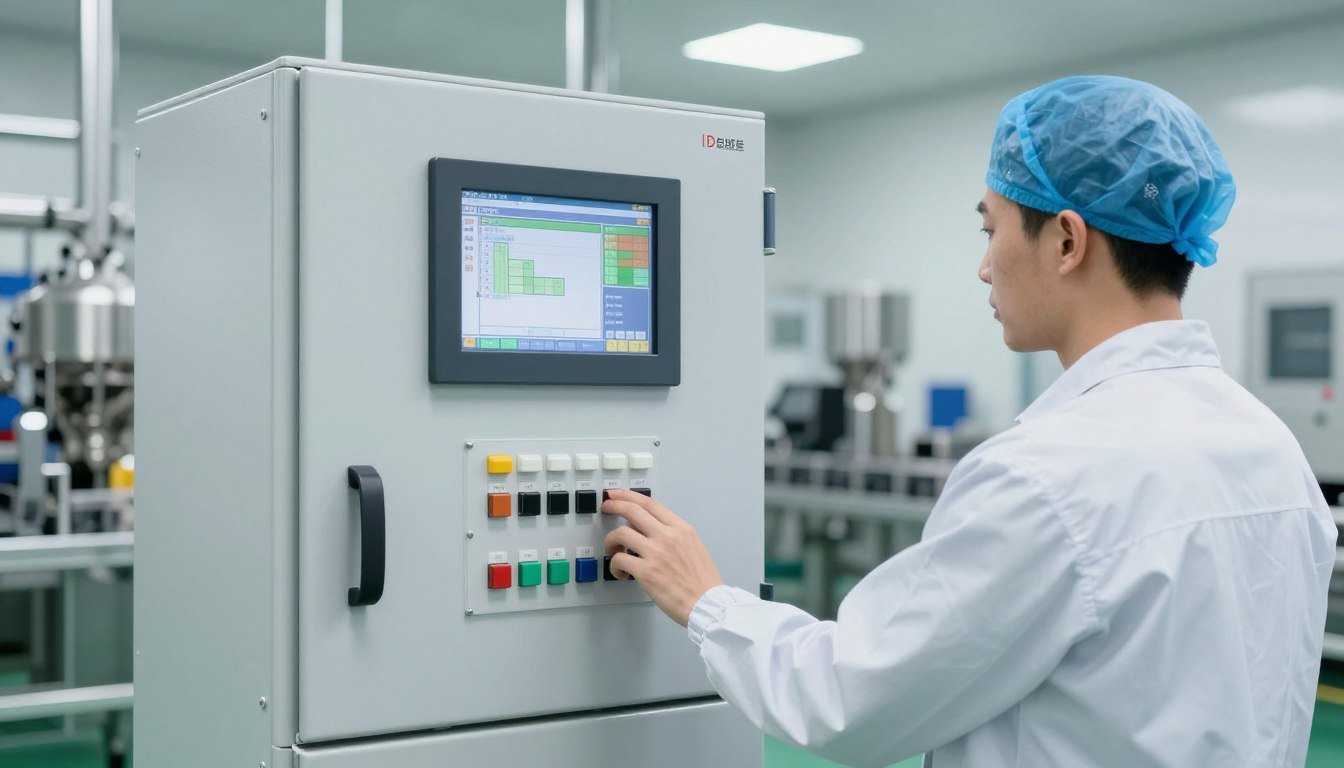
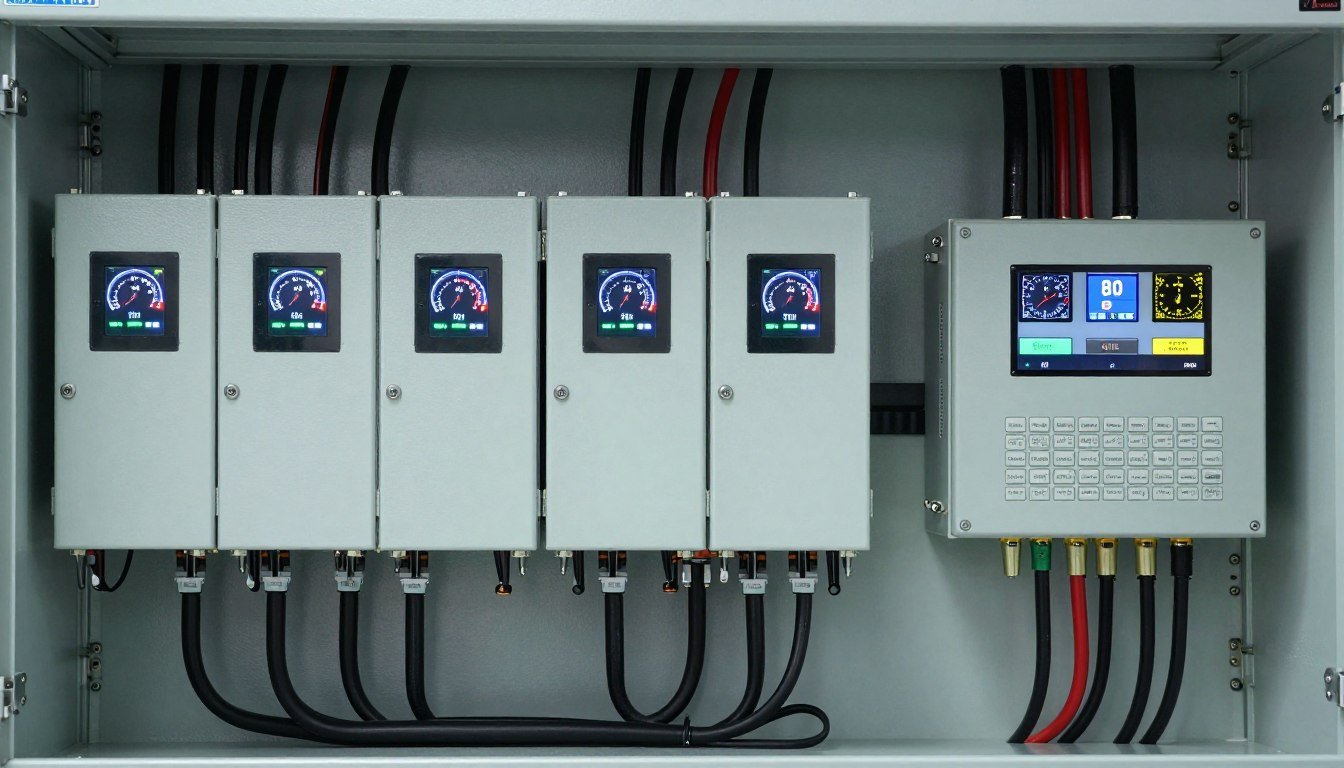
Programmable logic controllers manage the entire production sequence. Operators input recipes through touchscreen interfaces. The system auto-adjusts motor speeds, temperatures, and feed rates. Alarms trigger when parameters drift outside set ranges.
Data logging tracks production volumes, ingredient usage, and energy consumption. Batch reports print automatically for quality records. Remote monitoring lets managers check production status via smartphone. Integration with enterprise software streamlines inventory and planning.
Traditional Method Workflow
- Manual weighing of each ingredient
- Batch mixing in concrete mixer
- Hand-feeding through grinder
- Manual pellet collection
- Sun drying with frequent turning
- Hand bagging and storage
- Total time: 8-10 hours per batch
Production Line Workflow
- Automated ingredient dosing
- Continuous precision mixing
- Controlled pelleting/extrusion
- Automated drying at optimal temperature
- Cooling to storage temperature
- Auto-bagging with weight verification
- Total time: 15-25 minutes continuous
Production Capacity Options for Different Farm Sizes
Small-scale lines process 200-500 kilograms per hour. These systems suit operations farming 5-15 hectares. Medium capacity lines handle 1-5 tons hourly for 20-100 hectare facilities. Large industrial operations use 10-20 ton per hour systems.
MAIKONG offers the MK-L002 model with capacity configurations from 200 kilograms to 200 tons per hour. Philippine customers select capacity based on current needs with expansion capability. Modular design allows adding equipment as operations grow.
Customize Your Aquatic Feed Production Line
MAIKONG engineers design systems matching your exact requirements. Specify your target species, daily production needs, and available space. We configure voltage for Philippine electrical standards and source local installation support.
Complete Cost Comparison: Traditional Methods vs Aquatic Feed Production Lines
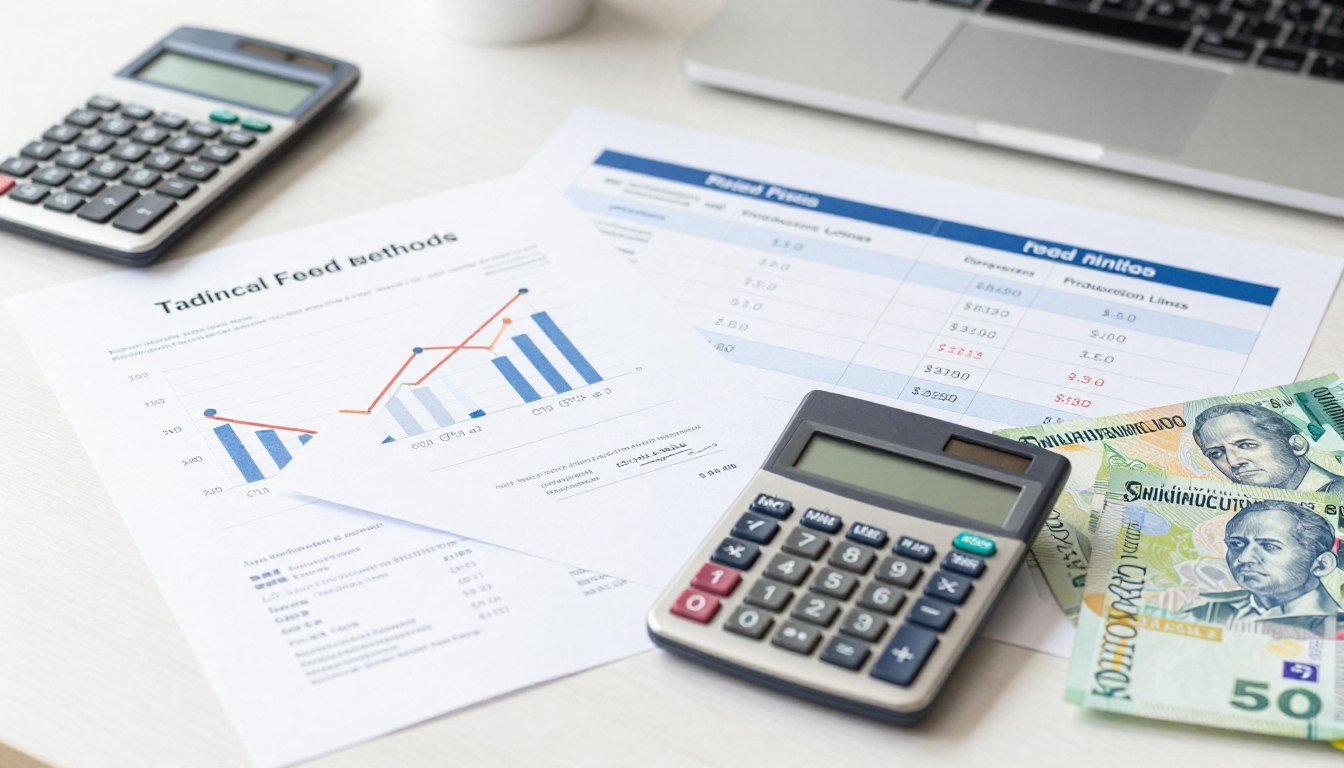
Initial investment creates the biggest perception gap between methods. Traditional setups require ₱50,000-₱150,000 for basic equipment. An entry-level feed production line starts at ₱2,500,000 for 500kg/hour capacity. This difference stops many farmers from deeper analysis.
Operating costs tell a different story over time. Labor, energy, and material waste shift the equation significantly. A comprehensive three-year analysis reveals the true economics. Philippine operations shared actual data for this comparison.
Initial Capital Investment Breakdown
| Cost Category |
Traditional Method |
500kg/h Production Line |
2-ton/h Production Line |
| Equipment Purchase |
₱45,000 – ₱120,000 |
₱2,200,000 – ₱2,800,000 |
₱8,500,000 – ₱11,000,000 |
| Installation & Setup |
₱5,000 – ₱15,000 |
₱180,000 – ₱250,000 |
₱650,000 – ₱900,000 |
| Building/Shed |
₱80,000 – ₱200,000 |
₱450,000 – ₱750,000 |
₱1,800,000 – ₱2,500,000 |
| Electrical Installation |
₱12,000 – ₱25,000 |
₱120,000 – ₱180,000 |
₱400,000 – ₱600,000 |
| Total Initial Investment |
₱142,000 – ₱360,000 |
₱2,950,000 – ₱3,980,000 |
₱11,350,000 – ₱15,000,000 |
Daily Operating Cost Comparison
Labor represents the largest variable cost in traditional production. Three to four workers earn ₱500-₱600 daily each. An automated aqua feed production line operates with one technician and one helper. This reduction alone saves ₱36,000-₱48,000 monthly.
Energy consumption follows different patterns. Traditional methods use minimal electricity but require fuel for transport and frequent equipment movement. Production lines consume 45-65 kWh per ton of feed produced. At Philippine industrial rates of ₱8-₱10 per kWh, energy costs ₱360-₱650 per ton.
| Operating Expense |
Traditional (per ton) |
Production Line (per ton) |
Monthly Savings (20 tons) |
| Direct Labor |
₱1,200 – ₱1,600 |
₱180 – ₱250 |
₱20,400 – ₱27,000 |
| Energy Costs |
₱180 – ₱280 |
₱360 – ₱650 |
-₱3,600 to -₱7,400 |
| Material Waste |
₱450 – ₱720 |
₱80 – ₱120 |
₱7,400 – ₱12,000 |
| Equipment Maintenance |
₱120 – ₱200 |
₱220 – ₱350 |
-₱2,000 to -₱3,000 |
| Quality Losses |
₱320 – ₱580 |
₱40 – ₱80 |
₱5,600 – ₱10,000 |
| Total per Ton |
₱2,270 – ₱3,380 |
₱880 – ₱1,450 |
₱27,800 – ₱38,600 |
Return on Investment Timeline Analysis
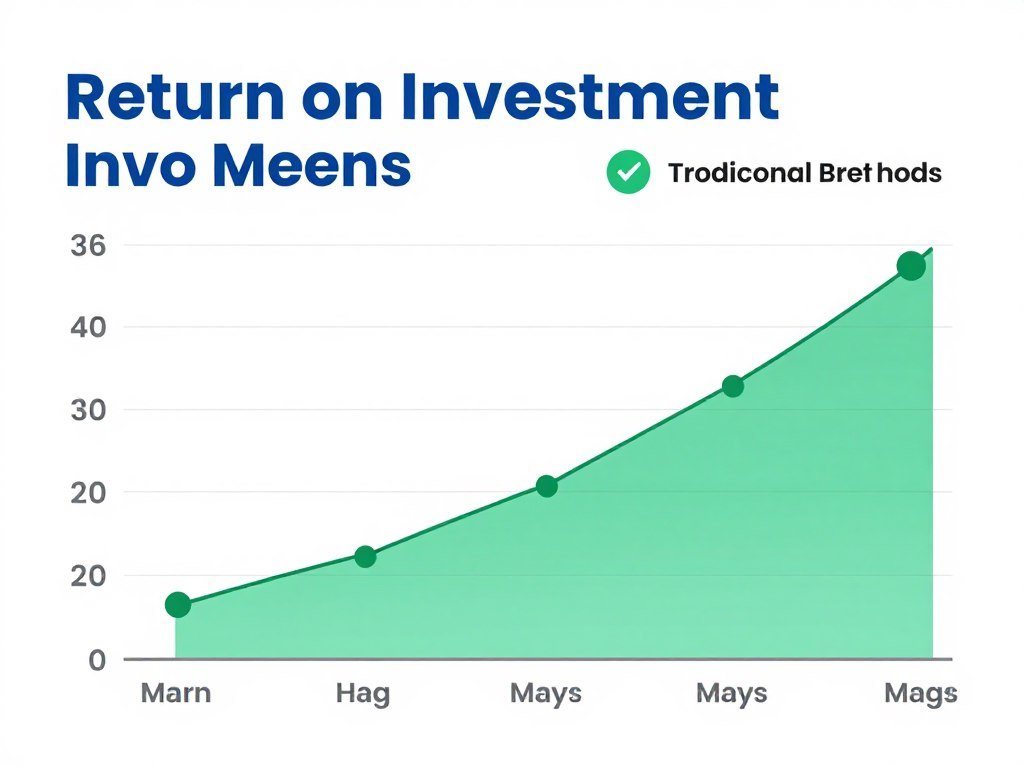
A 500kg/hour line producing 20 tons monthly saves approximately ₱30,000-₱35,000 in operating costs. Additional revenue comes from improved feed quality. Fish reach market size 15-20% faster with consistent nutrition. This reduces overall production costs per kilogram harvested.
Commercial operations selling excess feed capacity generate additional income. Neighboring farms purchase high-quality pellets at ₱38-₱45 per kilogram. A small feed mill operating at 70% capacity for own use can sell 30-40% of output profitably.
ROI Factors Favoring Production Lines
- Reduced labor costs by 65-75%
- Lower ingredient waste by 8-10%
- Better feed conversion ratios (1.2-1.4 vs 1.6-2.0)
- Faster fish growth reducing cycle time
- Ability to produce premium feeds for higher prices
- Excess capacity for commercial feed sales
- Consistent quality reduces disease and mortality
Typical Payback Periods
Small operations (5-10 hectares) producing solely for own use see payback in 4-6 years. Medium farms (15-30 hectares) with some commercial sales achieve ROI in 2.5-3.5 years. Large facilities (50+ hectares) or dedicated feed mills recover investment within 18-24 months.
Philippine government programs offer financing for agricultural equipment. ACPC and LBP agricultural loans reduce the capital barrier. Interest rates of 5-7% make monthly payments manageable against operational savings.
Hidden Costs Often Overlooked in Comparisons
Traditional production creates hidden losses that farmers rarely quantify. Weather disruptions stop production 40-60 days annually during rainy season. Each stoppage forces purchase of commercial feed at premium prices or temporary underfeeding.
Inconsistent pellet quality leads to selective feeding behavior. Fish sort through pellets, leaving inferior ones to dissolve in the water. This uneaten feed degrades water quality and increases disease pressure. Treatment costs and mortality losses can reach ₱80,000-₱150,000 per production cycle.
Real Philippine Case Study: A 25-hectare tilapia farm in Batangas installed a 1-ton/hour MAIKONG production line in 2021. Initial investment was ₱5,800,000 including building. Monthly savings exceeded ₱95,000 from labor and waste reduction. Additional income of ₱120,000 monthly came from selling excess feed to neighboring farms. Total payback achieved in 28 months.
Feed Quality and Consistency: Why It Matters for Philippine Aquaculture Profits
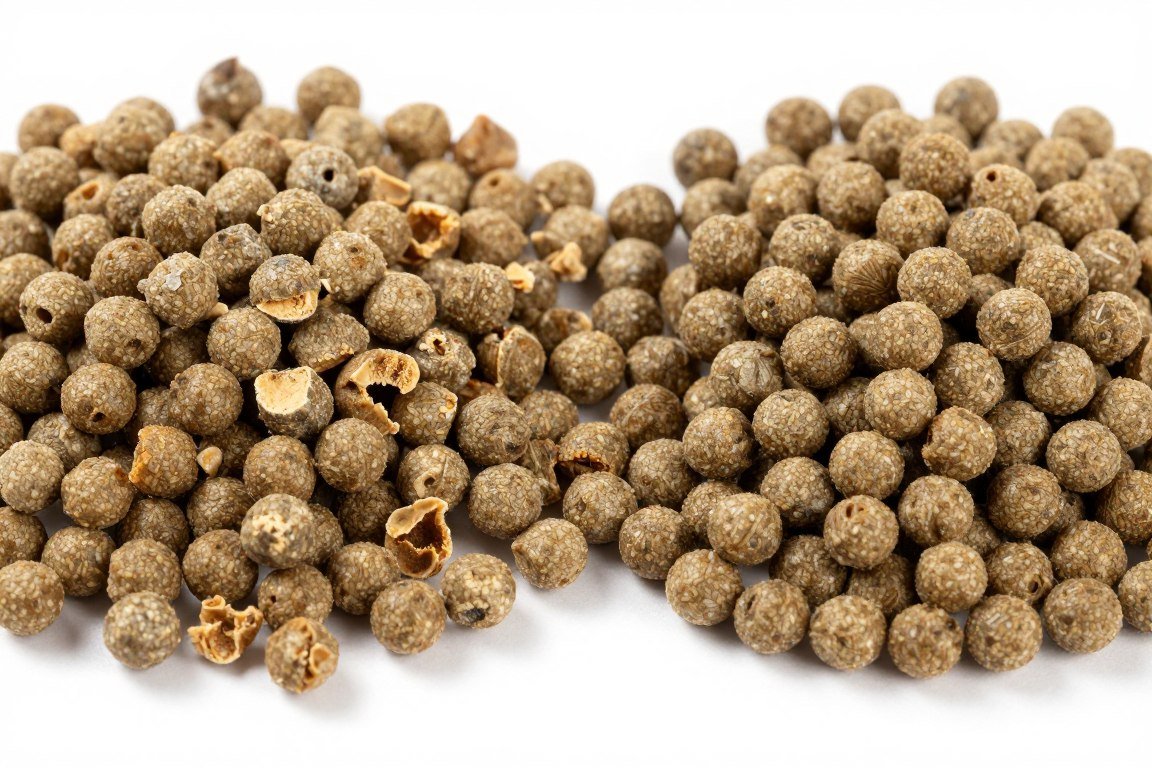
Feed quality directly determines fish growth rates and farm profitability. Inconsistent nutrition stresses fish, weakening immune systems. Poor pellet structure wastes expensive ingredients through dissolution and uneaten feed. The quality gap between production methods impacts every aspect of aquaculture economics.
Philippine tilapia and bangus farms measure success in feed conversion ratio. Traditional feeds typically achieve FCR of 1.8-2.2. Modern aquatic feed production lines produce pellets delivering FCR of 1.2-1.5. This difference means 30-40% less feed needed to reach the same harvest weight.
Nutritional Uniformity Across Batches
Automated batching systems weigh ingredients to 0.05-0.1% accuracy. Every pellet contains the same nutritional profile. Fish receive consistent protein, energy, vitamins, and minerals throughout the growth cycle. Growth rates stay predictable and uniform across ponds.
Traditional mixing achieves only 15-25% uniformity coefficient. Some pellets contain excess protein while others lack adequate vitamins. Fish fed inconsistent nutrition show varying growth rates. Harvests contain mixed sizes requiring additional grading labor.
Pellet Physical Characteristics and Water Stability
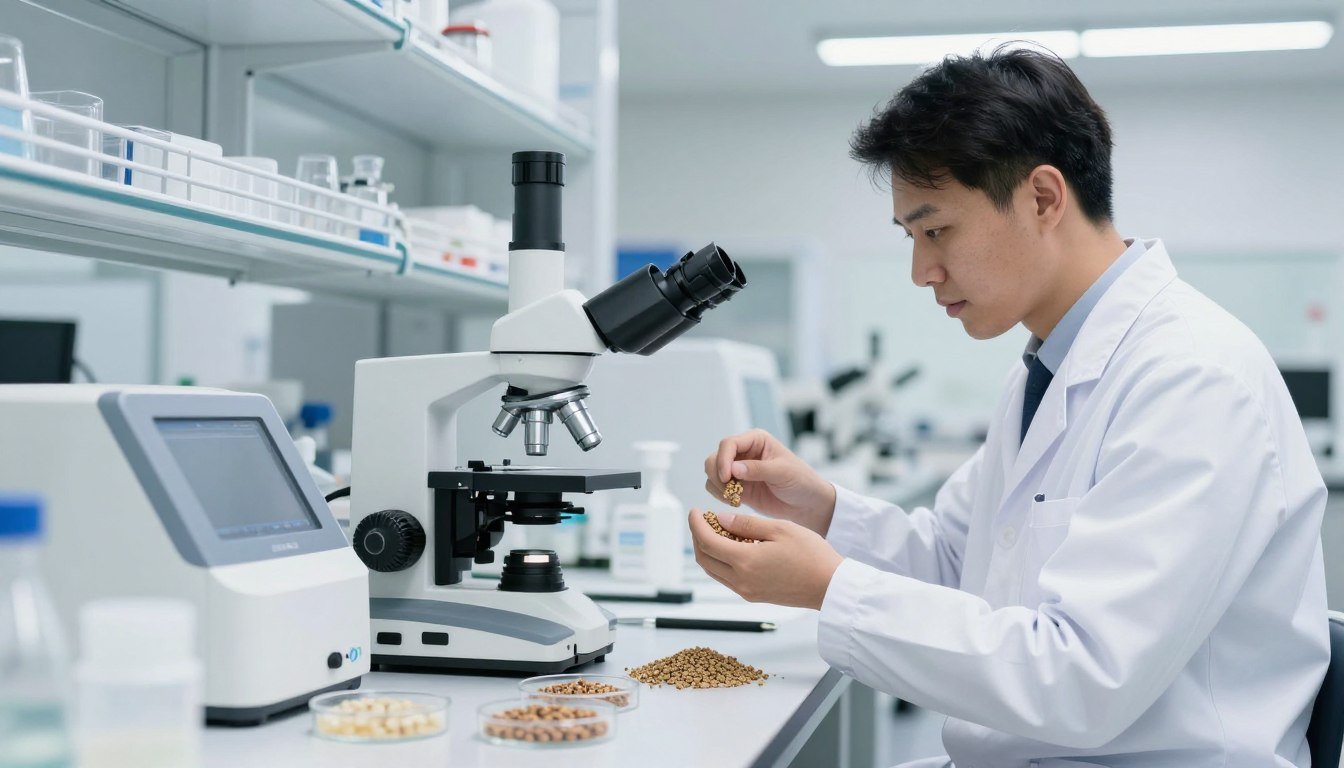
Water stability determines how much nutrition fish actually consume versus what dissolves wastefully. Properly processed pellets from fish feed pellet machines maintain integrity for 6-12 hours. Extruded floating feeds stay intact even longer.
Hand-formed or basic grinder pellets begin dissolving within 30-90 minutes. A study of Pampanga tilapia farms found 18-25% of traditional feed dissolved before consumption. This represents direct financial loss of ₱180-₱250 per ton of feed used.
| Quality Parameter |
Traditional Method |
Production Line Output |
Impact on Results |
| Pellet Size Uniformity |
±40-60% variation |
±3-5% variation |
Reduced sorting, even feeding |
| Water Stability |
30-90 minutes |
6-24 hours |
Minimal waste, better water quality |
| Nutrient Distribution CV |
15-25% |
3-5% |
Consistent growth, predictable FCR |
| Pellet Durability Index |
45-65% |
92-98% |
Less handling damage, reduced fines |
| Moisture Content |
14-22% |
10-12% |
Extended shelf life, less mold |
| Bulk Density |
380-520 kg/m³ |
550-650 kg/m³ |
Better sinking properties, storage |
Feed Conversion Ratio Impact on Production Economics
FCR measures kilograms of feed required to produce one kilogram of fish weight gain. Lower numbers mean better efficiency and profitability. The difference between FCR 2.0 and FCR 1.3 is substantial over a complete production cycle.
A 10,000-kilogram tilapia harvest requires 20,000 kilograms of feed at FCR 2.0. The same harvest needs only 13,000 kilograms at FCR 1.3. At ₱35 per kilogram feed cost, this saves ₱245,000 per harvest cycle. Most farms complete 2-3 cycles annually.
Pathogen Control and Feed Hygiene Standards
Heat treatment during pelleting or extrusion kills harmful bacteria. Processing temperatures of 75-90°C eliminate salmonella, E. coli, and other pathogens. The feed manufacturing line maintains sanitary conditions throughout production.
Traditional methods cannot guarantee pathogen elimination. Sun-drying may or may not reach temperatures sufficient for sterilization. Contamination occurs during manual handling and open-air processing. Some disease outbreaks trace directly to contaminated feed.
Vitamin and Mineral Stability During Processing
Heat-sensitive vitamins degrade rapidly in traditional sun-drying. Vitamin C losses reach 40-60% during extended exposure. B-complex vitamins oxidize in open air. Fish fed degraded vitamins show poor immune response and slower growth.
Modern production lines apply vitamins through post-pelleting coating systems. Oil-based spraying protects sensitive nutrients from heat damage. Vacuum coating ensures even distribution. Encapsulated vitamins withstand processing temperatures in the main pellet matrix.
Improve Your Feed Quality Today
MAIKONG production lines deliver consistent feed quality that transforms farm profitability. Our systems produce pellets with water stability exceeding 12 hours and FCR improvement of 25-35%. See detailed specifications for your target species and production scale.
Essential Components of a Complete Aquatic Feed Production Line System
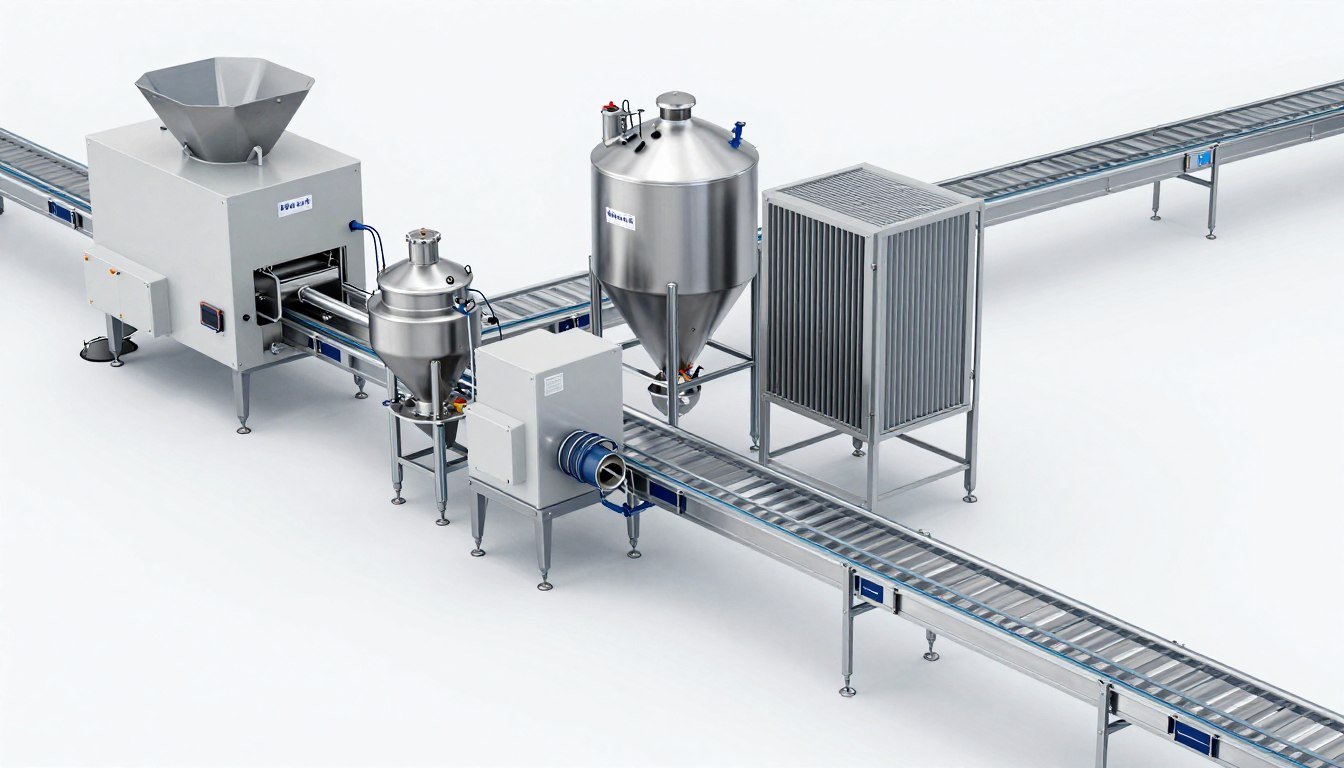
A complete feed production line integrates multiple specialized machines into a continuous system. Each component performs a critical function. Understanding these elements helps in making informed equipment decisions. The configuration varies based on target feed types and production capacity.
Raw Material Receiving and Storage Systems
Bulk ingredients arrive by truck and transfer into storage silos. Pneumatic conveying moves materials without manual labor. Separate silos prevent cross-contamination between ingredients. Temperature and humidity sensors monitor storage conditions automatically.
Inventory management systems track ingredient levels in real-time. Automated reordering triggers when quantities drop below set points. First-in-first-out rotation happens systematically. Typical storage capacity supports 15-30 days of production depending on facility size.
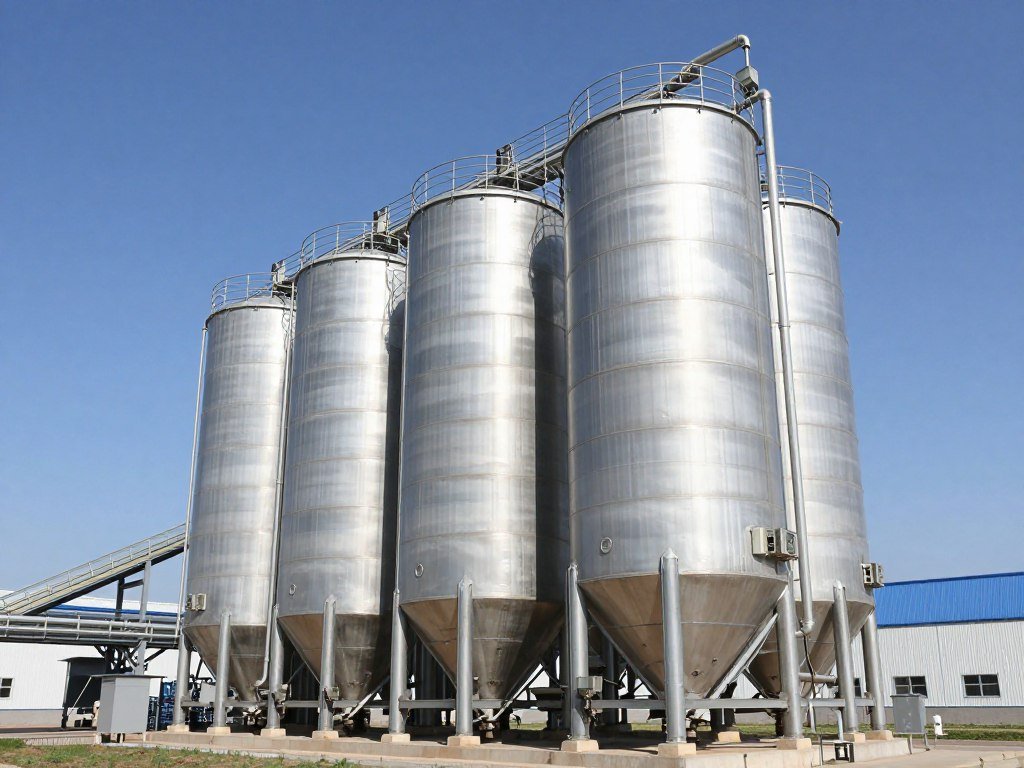
Crushing and Grinding Equipment for Particle Size Control
Hammermills reduce ingredient particle size to specified ranges. Fish feed typically requires 0.5-2.0mm particles depending on fish size. Screen sizes determine final particle dimensions. Multiple screen options allow quick changeover between formulas.
Energy-efficient designs minimize power consumption per ton processed. Dust collection systems capture fine particles for reuse. Magnetic separators remove metal contaminants protecting downstream equipment. Regular screen replacement maintains consistent grinding performance.
Grinding Equipment Types
- Hammermill crushers for general use (most common)
- Roller mills for gentle particle reduction
- Pin mills for ultra-fine grinding
- Pulverizers for specialty ingredients
Screen Size Selection Guide
- 0.8-1.0mm: Fry and fingerling feeds
- 1.5-2.0mm: Juvenile fish feeds
- 2.5-3.0mm: Grower stage feeds
- 3.5-4.5mm: Market size fish feeds
Precision Batching and Mixing Technology
Automated batching scales weigh each ingredient to 0.05% accuracy. Recipes stored in computer memory ensure consistency across batches. Micro-ingredient scales handle vitamins and minerals requiring gram-level precision. Sequential batching prevents cross-contamination.
Twin-shaft paddle mixers achieve homogeneity in 90-180 seconds. Mixing uniformity coefficients reach 3-5% CV. Liquid addition systems inject oils, molasses, or binding agents evenly. Variable speed drives optimize mixing for different formula types.
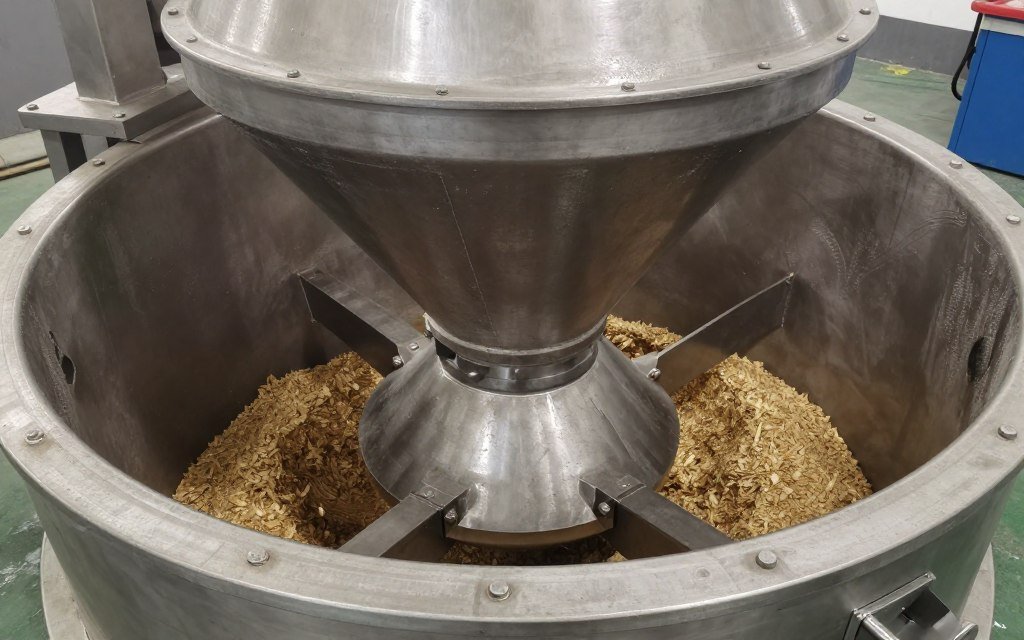
Pelleting Mills and Extrusion Systems
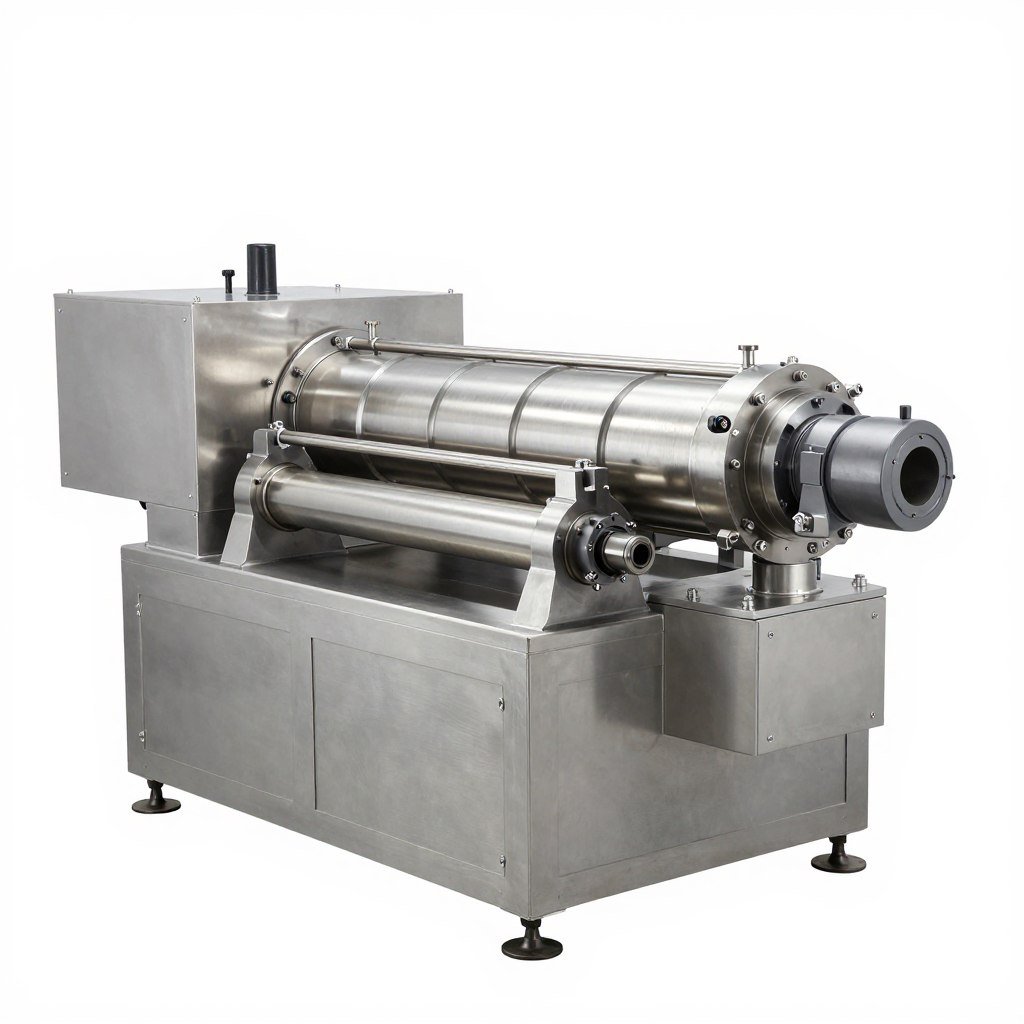
Ring die pellet mills compress material through die holes using mechanical pressure. Die hole diameters range from 1.5mm to 12mm for different fish sizes. Steam conditioning adds moisture and heat before pelleting. Production rates reach 500kg to 10 tons per hour depending on model.
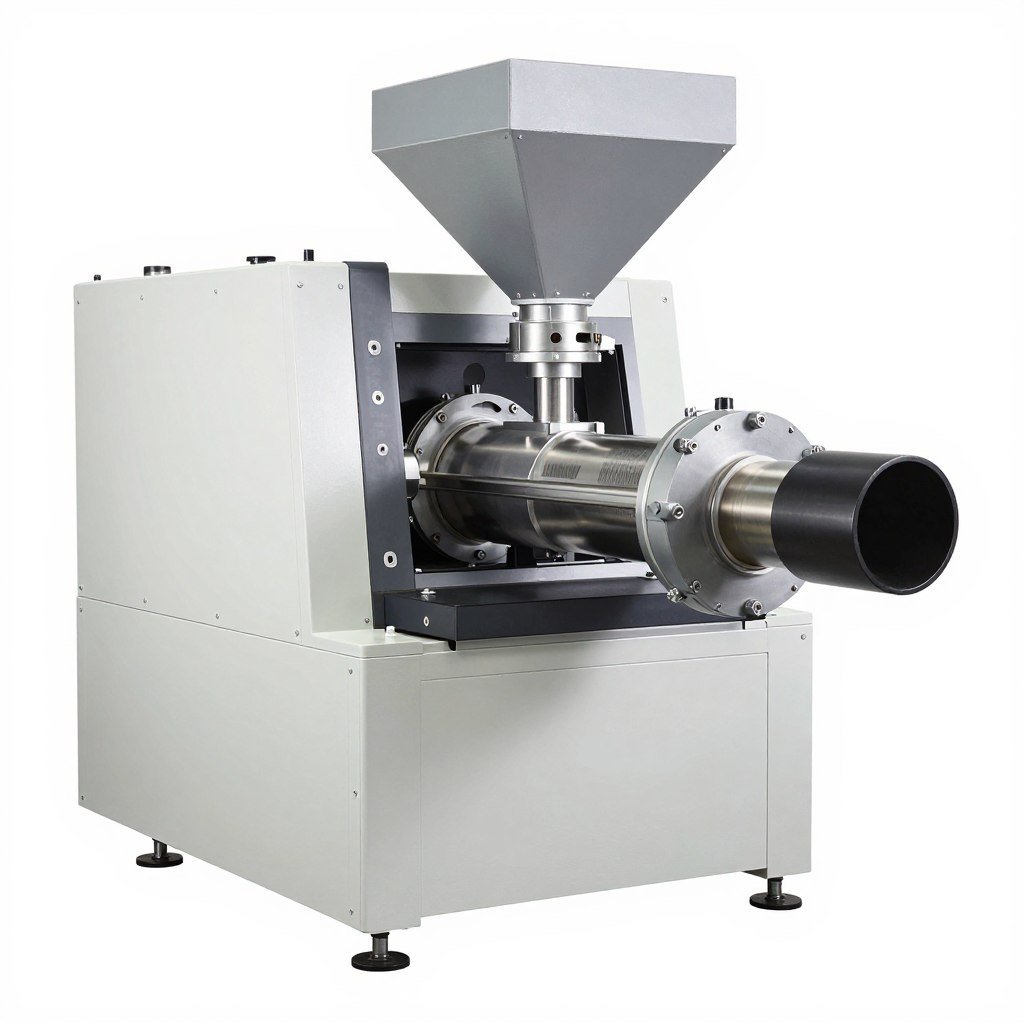
Twin-screw extruders cook ingredients under high temperature and pressure. The mixture expands upon exiting, creating floating pellets. Screw configurations adjust for different formulas. Extruded feeds offer superior digestibility and water stability compared to pellets.
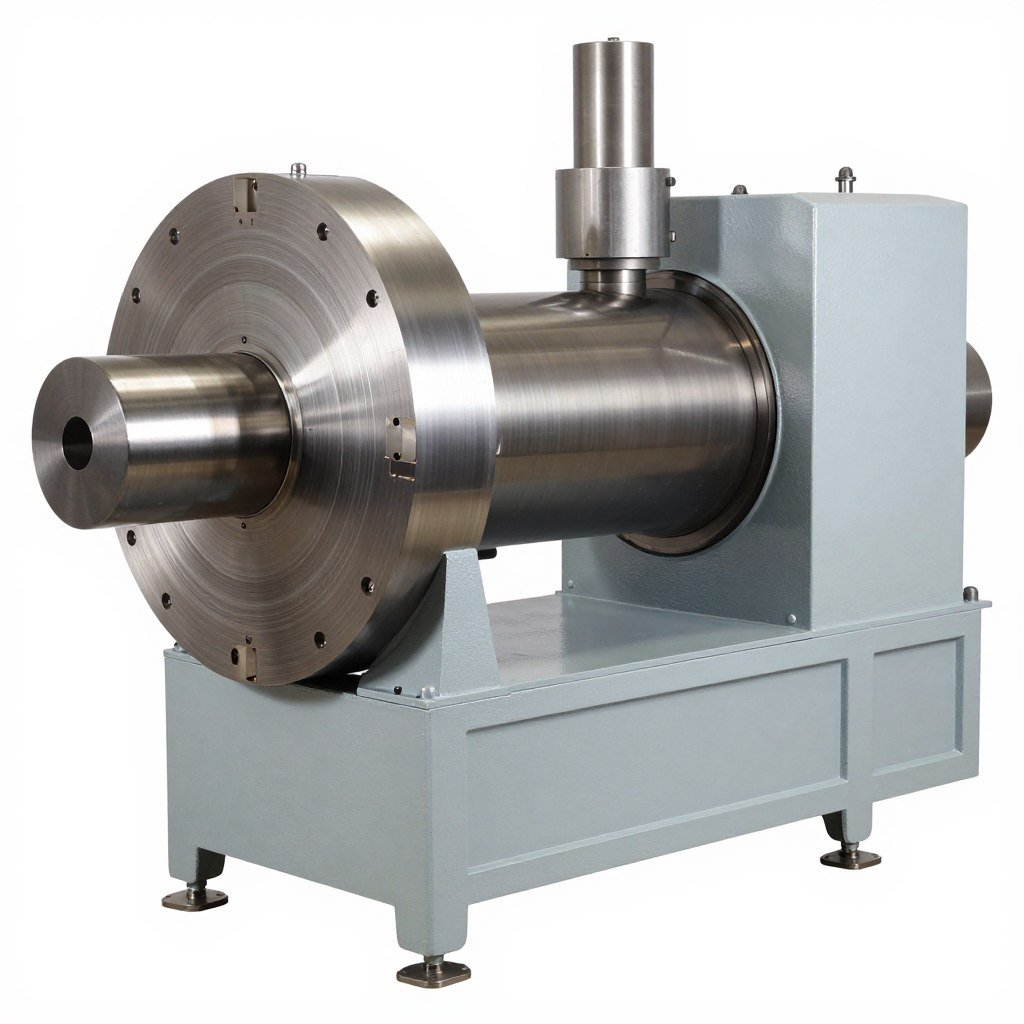
Ring Die Pellet Mill
- Produces sinking pellets
- Lower operating costs
- Suitable for most species
- Capacity: 500kg-8 tons/hour
- Power consumption: 18-185 kW
Twin-Screw Extruder
- Creates floating pellets
- Enhanced digestibility
- Premium feed quality
- Capacity: 300kg-5 tons/hour
- Power consumption: 75-250 kW
Single-Screw Extruder
- Medium expansion pellets
- Energy efficient operation
- Flexible processing
- Capacity: 200kg-2 tons/hour
- Power consumption: 35-95 kW
Drying and Cooling Equipment Functions
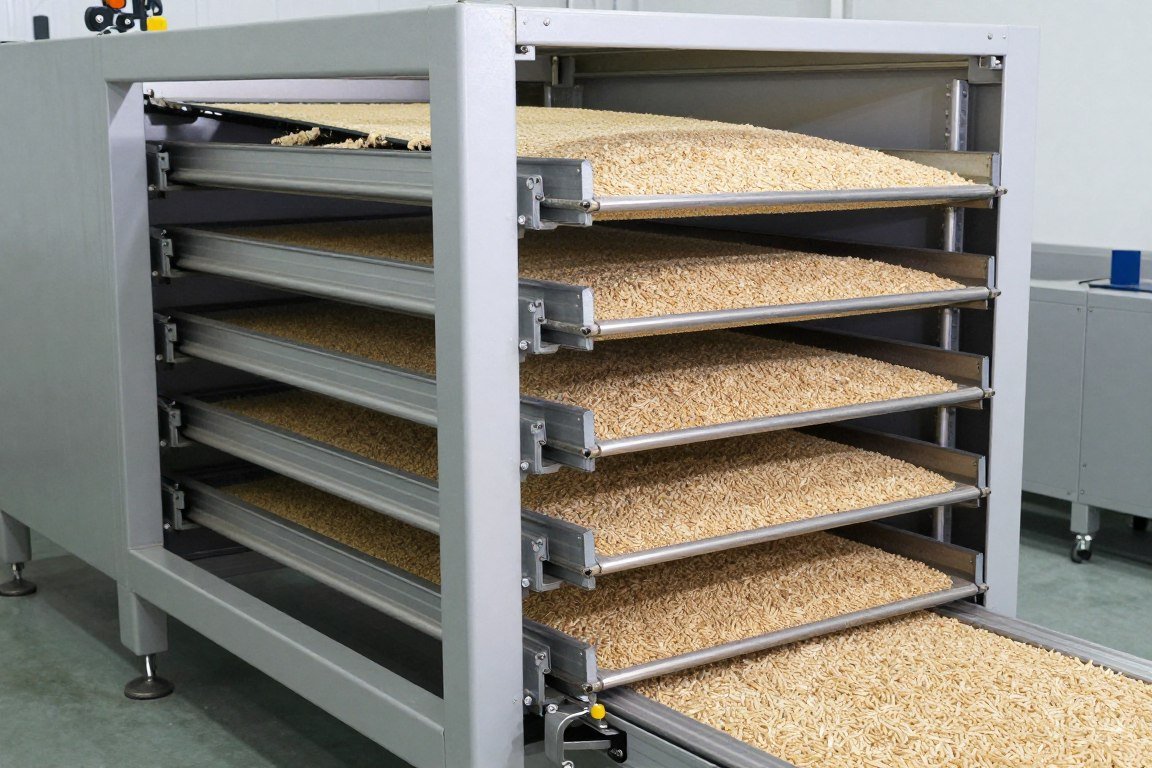
Multi-layer belt dryers remove moisture to target levels of 10-12%. Temperature control prevents vitamin degradation while ensuring adequate drying. Hot air circulation provides uniform drying across all pellets. Drying time ranges from 8-15 minutes depending on pellet size.
Counterflow coolers reduce pellet temperature to ambient +5°C. Cool air flows upward through descending pellets. This stabilizes pellets and prepares them for coating or packaging. Proper cooling prevents condensation in storage bags that causes mold growth.
Oil and Vitamin Coating Systems
Vacuum coaters apply fish oil, vegetable oil, and liquid vitamins after pelleting. This protects heat-sensitive nutrients from processing temperatures. Coating adds 2-8% oil content for energy density. Even distribution prevents some pellets being over-oiled while others stay dry.
Drum coaters tumble pellets while spraying coating liquids. Atomizing nozzles create fine mist for complete coverage. Temperature-controlled coating prevents oxidation. Coating improves palatability and final pellet appearance.
Packaging and Bagging Automation
Automatic weighing and filling machines package finished feed. Weights accurate to ±0.2% specification. Standard bag sizes include 15kg, 20kg, 25kg, and 50kg options. Heat sealers or sewing machines close bags securely.
Palletizing robots stack bags for warehouse storage. Barcode printing tracks batch numbers and production dates. Metal detectors provide final quality check before packaging. Complete automation reduces manual labor to supervision only.
MAIKONG MK-L002 Configuration Example: A 1.5-ton/hour line includes: receiving hoppers (4 bins), automated batching system (8 ingredients), twin-shaft mixer (500kg batch), steam conditioner, ring die pellet mill (1.5T/h), 3-layer belt dryer, counterflow cooler, coating drum, and automatic bagging system. Complete installation ready in 45-60 days.
Design Your Custom Production Line
MAIKONG engineers configure systems precisely for your requirements. Choose pellet or extruded feed capability. Select capacity from 200kg to 200 tons hourly. We adapt voltage and controls for Philippine electrical standards. Complete installation and training included.
Choosing the Right Production Capacity for Your Philippine Aquaculture Operation
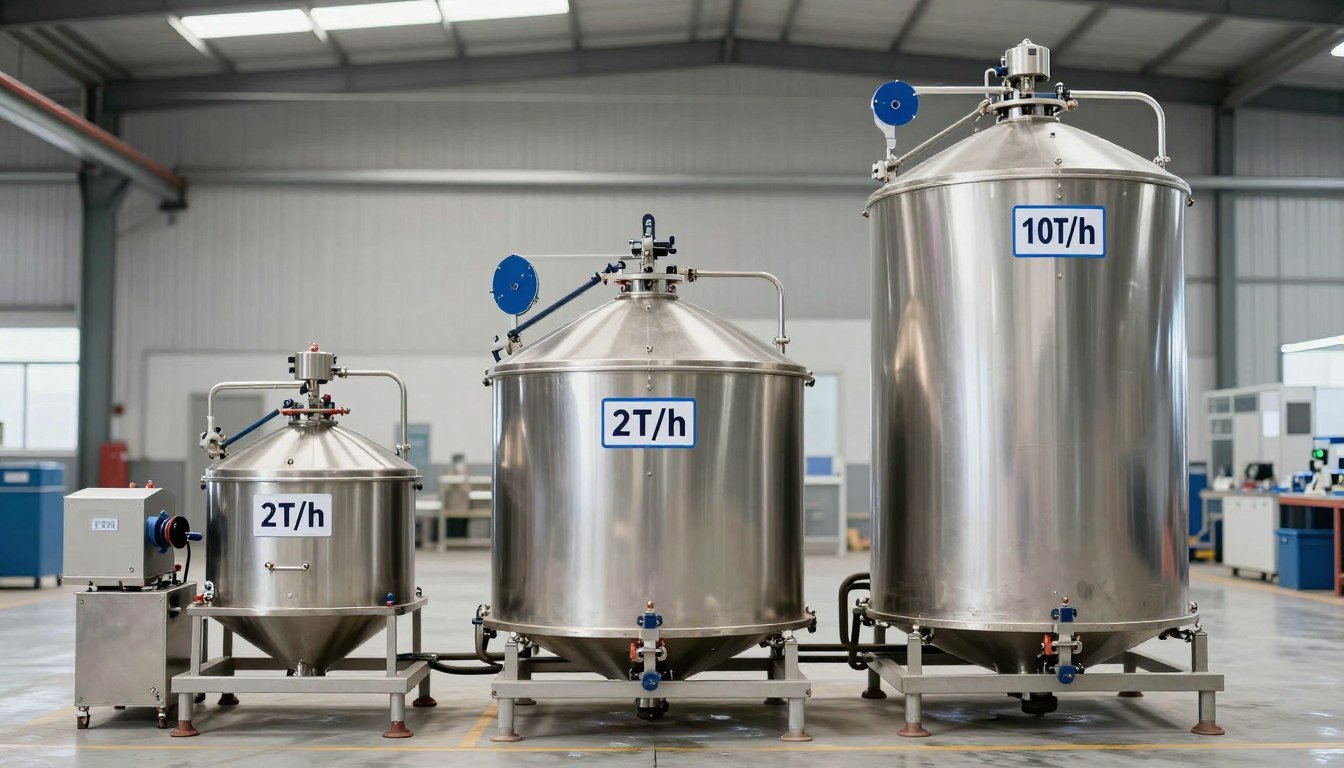
Selecting appropriate production capacity prevents costly mistakes. Oversized equipment wastes capital and operating costs. Undersized systems create bottlenecks and quality compromises. The decision requires analyzing current needs plus realistic growth projections.
Philippine aquaculture operations range from 2-hectare family fishponds to 200-hectare commercial facilities. Each scale demands different production approaches. MAIKONG offers capacity options from 200 kilograms to 200 tons per hour to match every operation size.
Small-Scale Systems: 200-500 kg/hour Capacity
Entry-level lines suit farms managing 5-15 hectares of fish ponds. Daily production of 1.5-4 tons covers feeding needs with reserve capacity. These compact systems fit in 120-180 square meter buildings. Power requirements stay within standard three-phase service limits.
Small systems offer flexibility for mixed species operations. A tilapia farm can produce both floating and sinking feeds by changing dies. The same equipment processes feeds for bangus, catfish, or ornamental fish. Investment costs range from ₱2,500,000-₱3,800,000 installed.
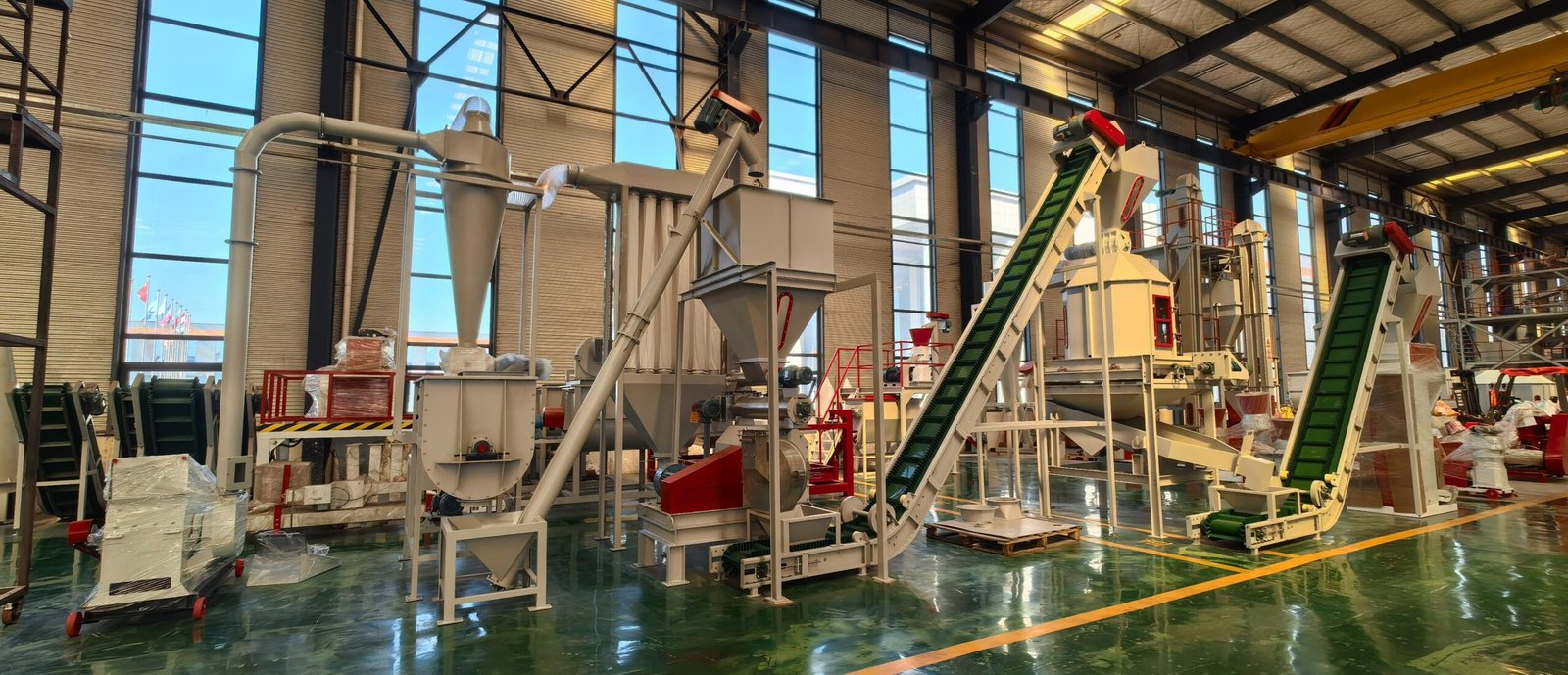
200-300 kg/hour System
Ideal for 5-8 hectare operations producing primarily for own use.
- Daily output: 1.6-2.4 tons
- Power requirement: 65-85 kW
- Building space: 100-120 m²
- Operating crew: 2 workers
- Investment: ₱2,200,000-₱2,900,000
400-500 kg/hour System
Suitable for 10-15 hectare farms with potential for commercial feed sales.
- Daily output: 3.2-4.0 tons
- Power requirement: 95-125 kW
- Building space: 150-180 m²
- Operating crew: 2-3 workers
- Investment: ₱3,200,000-₱4,200,000
Medium-Scale Systems: 1-5 Tons/hour Capacity
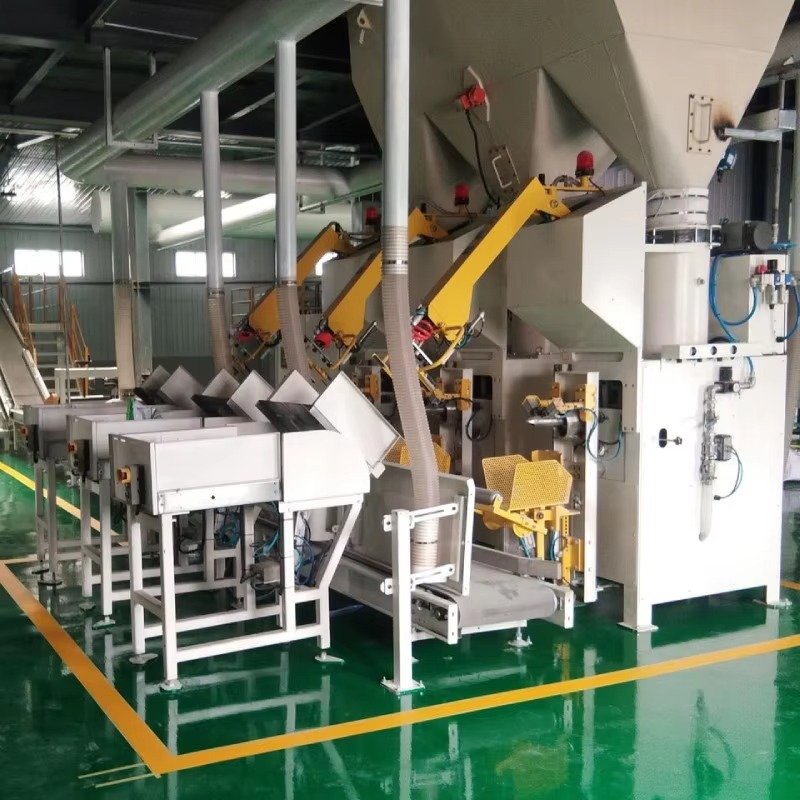
Medium capacity lines serve commercial farms of 20-100 hectares. These operations often sell excess feed to neighboring farms. Daily production reaches 8-40 tons depending on configuration. Building requirements expand to 250-500 square meters.
This scale introduces advanced automation and control systems. Recipe management software stores multiple formulas. Production scheduling optimizes equipment utilization. Quality control systems monitor and record all process parameters automatically.
| Capacity |
Farm Size |
Daily Output |
Power Need |
Investment Range |
| 1-1.5 T/h |
20-35 hectares |
8-12 tons |
180-240 kW |
₱5,500,000-₱7,200,000 |
| 2-2.5 T/h |
35-60 hectares |
16-20 tons |
280-350 kW |
₱8,800,000-₱11,500,000 |
| 3-4 T/h |
60-90 hectares |
24-32 tons |
420-520 kW |
₱13,500,000-₱17,200,000 |
| 5 T/h |
90-120 hectares |
40 tons |
650-780 kW |
₱19,800,000-₱24,500,000 |
Large-Scale Industrial Systems: 10-20 Tons/hour
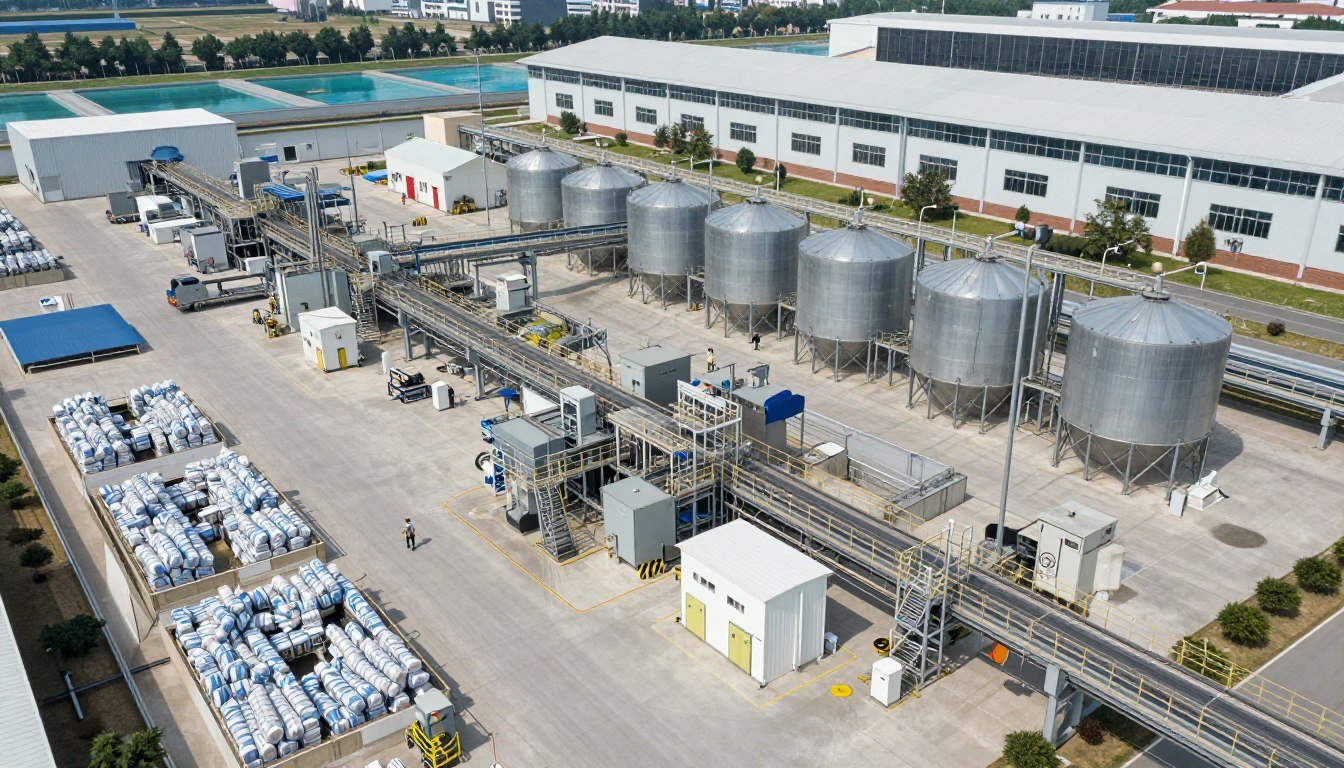
High-capacity lines support operations exceeding 150 hectares or dedicated feed manufacturing facilities. These systems run multiple shifts producing 80-160 tons daily. Sophisticated automation minimizes labor while maintaining strict quality standards.
Large installations often include multiple production lines for different feed types. One line produces floating feeds while another handles sinking pellets. Separate systems for different species prevent cross-contamination. Complete installations occupy 800-1,500 square meters.
Modular Expansion Strategies
Smart operators plan for growth from the beginning. Initial installation includes infrastructure for future expansion. Building designs accommodate additional equipment. Electrical service sized for ultimate capacity prevents costly upgrades later.
MAIKONG production lines use modular construction principles. Start with basic pelleting capacity and add coating systems later. Begin with manual bagging then automate when volume justifies investment. Upgrade mixing equipment as formula complexity increases.
Expansion Path Example
- Year 1: Install 500kg/h basic pellet line (₱3,200,000)
- Year 2: Add oil coating system (₱680,000)
- Year 3: Upgrade to 1-ton/h pellet mill (₱1,450,000)
- Year 4: Install automated packaging (₱890,000)
- Year 5: Add parallel 1-ton/h extruder line (₱5,200,000)
Total Investment Spread
This staged approach invests ₱11,420,000 over five years instead of ₱15,000,000 upfront. Cash flow from operations funds each expansion phase. Equipment matches actual production needs at each stage. Final capacity reaches 2 tons/hour pelleted plus 1 ton/hour extruded feeds.
Calculating Your Actual Capacity Requirements
Base calculations on actual fish biomass and daily feeding rates. Tilapia consume 2-3% body weight daily. A 50-hectare farm stocking 20,000 fish per hectare at 250-gram average size needs approximately 750-1,125 kilograms daily. Add 20-30% buffer for growth and peak demand periods.
Consider production schedule efficiency. An 8-hour shift at 500kg/hour produces 4 tons. This exceeds daily needs for the example farm above. Excess capacity allows commercial feed sales or production days off for maintenance.
Free Capacity Planning Consultation
MAIKONG technical team analyzes your specific operation and recommends optimal capacity. We consider current production, growth plans, and potential commercial opportunities. Receive a customized proposal with equipment specifications and investment breakdown.
Customizing Feed Production for Different Philippine Aquaculture Species
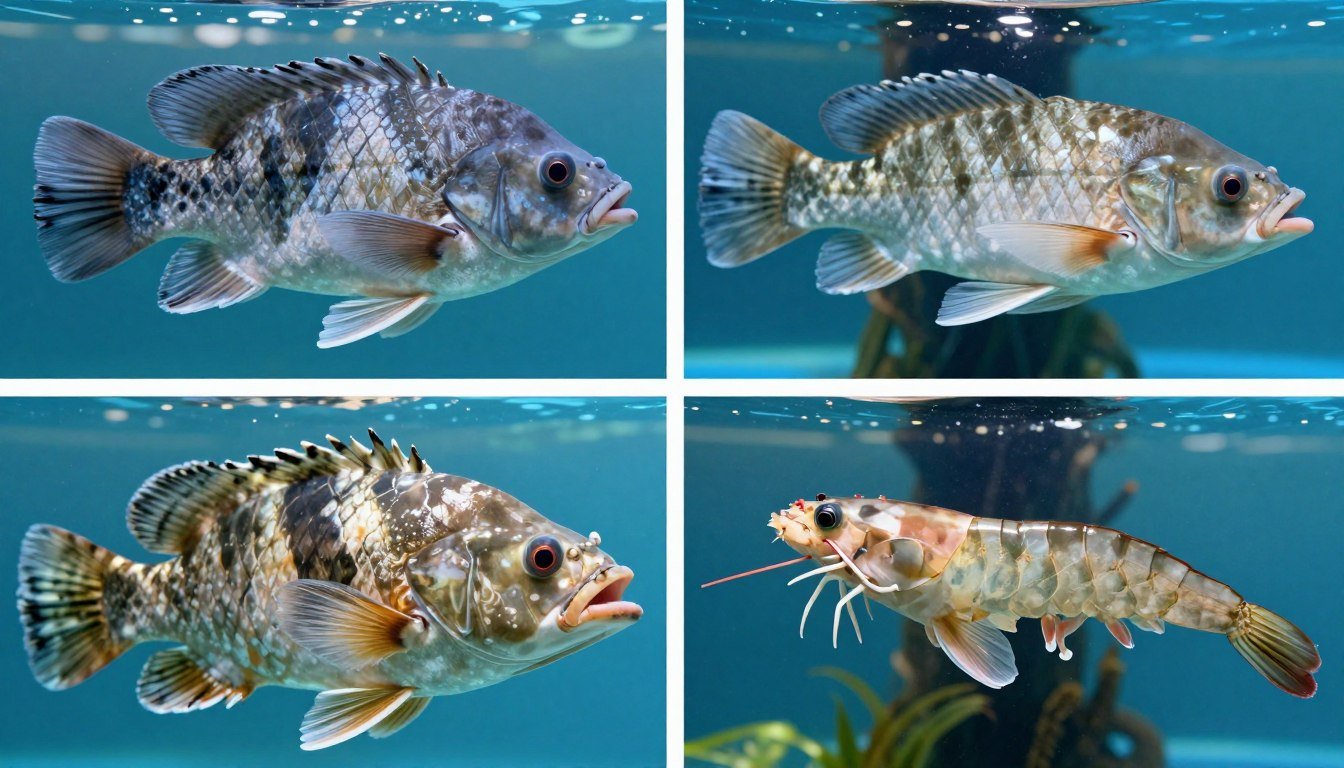
Each fish species demands specific feed characteristics. Tilapia prefer sinking pellets of 2-4mm diameter. Bangus feed better with floating pellets staying intact for hours. Shrimp require smaller particles with high protein content. A versatile aquatic feed production line accommodates these differences through adjustable settings.
Tilapia Feed Specifications and Production Parameters
Tilapia farming dominates Philippine freshwater aquaculture. These fish accept both floating and sinking feeds but sinking pellets reduce waste in pond culture. Protein requirements range from 28-32% for fingerlings down to 24-28% for market-size fish.
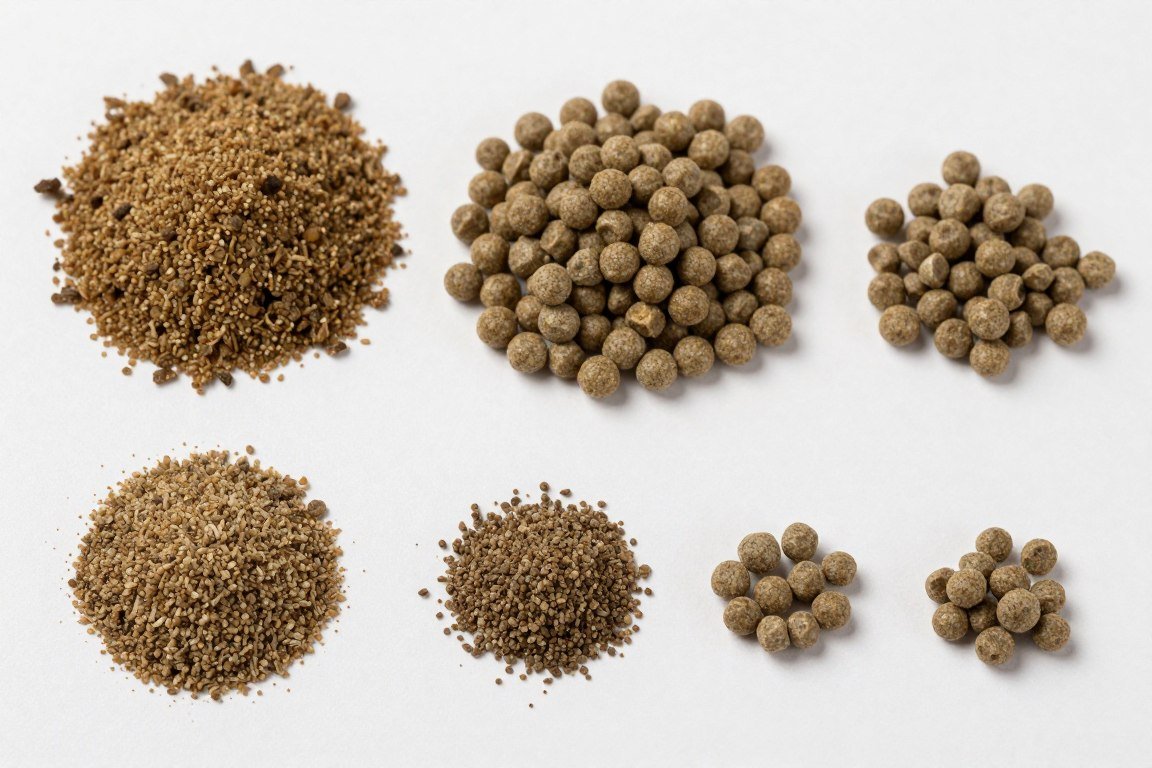
Pellet diameter increases with fish size. Fry start with 0.5-1.0mm crumbles. Fingerlings transition to 1.5-2.0mm pellets. Growers consume 3-4mm pellets efficiently. Pellet mills equipped with different dies accommodate the full size range.
| Growth Stage |
Fish Size |
Pellet Size |
Protein % |
Feeding Rate |
| Fry |
0.5-2 grams |
0.5-1.0mm crumble |
35-38% |
8-12% body weight |
| Fingerling |
2-20 grams |
1.5-2.0mm pellet |
30-34% |
5-8% body weight |
| Juvenile |
20-100 grams |
2.5-3.0mm pellet |
28-32% |
3-5% body weight |
| Grower |
100-250 grams |
3.5-4.5mm pellet |
26-30% |
2-3% body weight |
| Market Size |
250+ grams |
4.0-5.0mm pellet |
24-28% |
1.5-2.5% body weight |
Bangus (Milkfish) Floating Feed Production
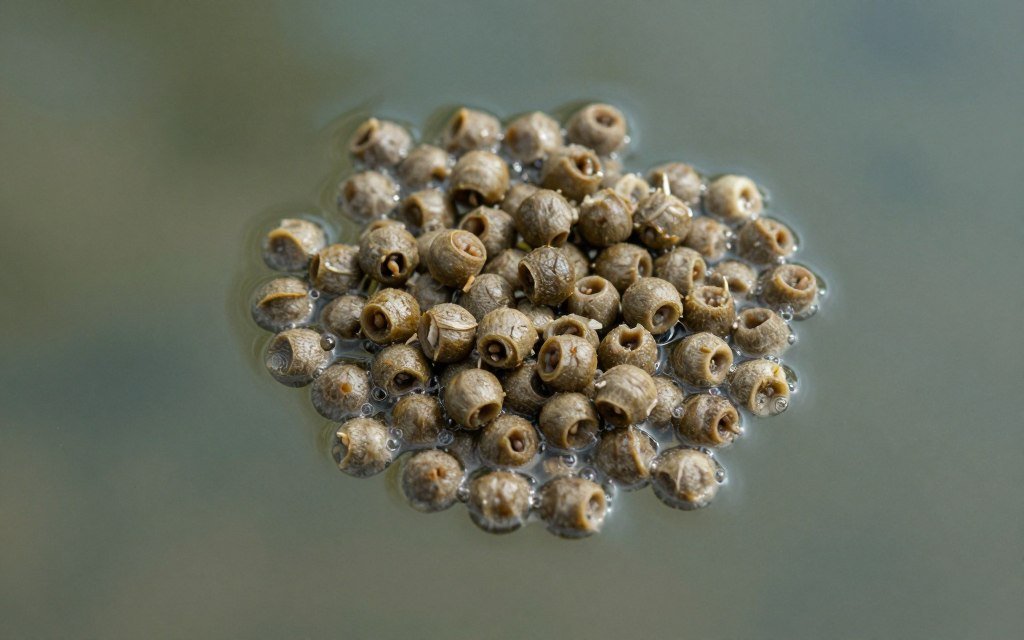
Bangus naturally surface feed in brackish water ponds and marine cages. Floating pellets suit their feeding behavior perfectly. Extrusion processing creates buoyant feeds maintaining integrity for 8-12 hours. This extended stability matters in tidal waters where uneaten sinking feed disappears.
Protein levels of 26-30% support good growth rates. Lipid content reaches 8-12% for energy density. Bangus feeds include fishmeal (15-20%), soybean meal (25-30%), rice bran (15-20%), and wheat flour as binder. Vitamin and mineral premixes ensure complete nutrition.
Shrimp Feed Formulation and Particle Size Requirements
Shrimp production expanded rapidly in Negros, Iloilo, and Mindanao provinces. Black tiger prawns and vannamei shrimp dominate commercial operations. These crustaceans require slow-sinking pellets with exceptional water stability exceeding 4 hours.
Particle size varies dramatically with shrimp growth stage. Post-larvae consume 0.3-0.5mm micro-pellets. Juvenile stages need 0.8-1.2mm particles. Adult shrimp accept 1.8-2.5mm pellets. Protein requirements reach 35-42% with strict amino acid balancing. Extrusion produces pellets with the necessary water resistance.
Black Tiger Prawn Feed Specs
- Protein: 38-42% (high fishmeal)
- Lipid: 6-8% (marine oils preferred)
- Pellet size: 1.5-2.5mm slow-sinking
- Water stability: minimum 4 hours
- Attractants: squid meal, shrimp meal
- Immunostimulants for disease resistance
Vannamei Shrimp Feed Specs
- Protein: 35-38% (flexible sources)
- Lipid: 7-9% (balance omega-3/6)
- Pellet size: 1.2-2.2mm slow-sinking
- Water stability: minimum 3 hours
- Probiotics for gut health
- Lower fishmeal reduces costs
Grouper and High-Value Marine Species
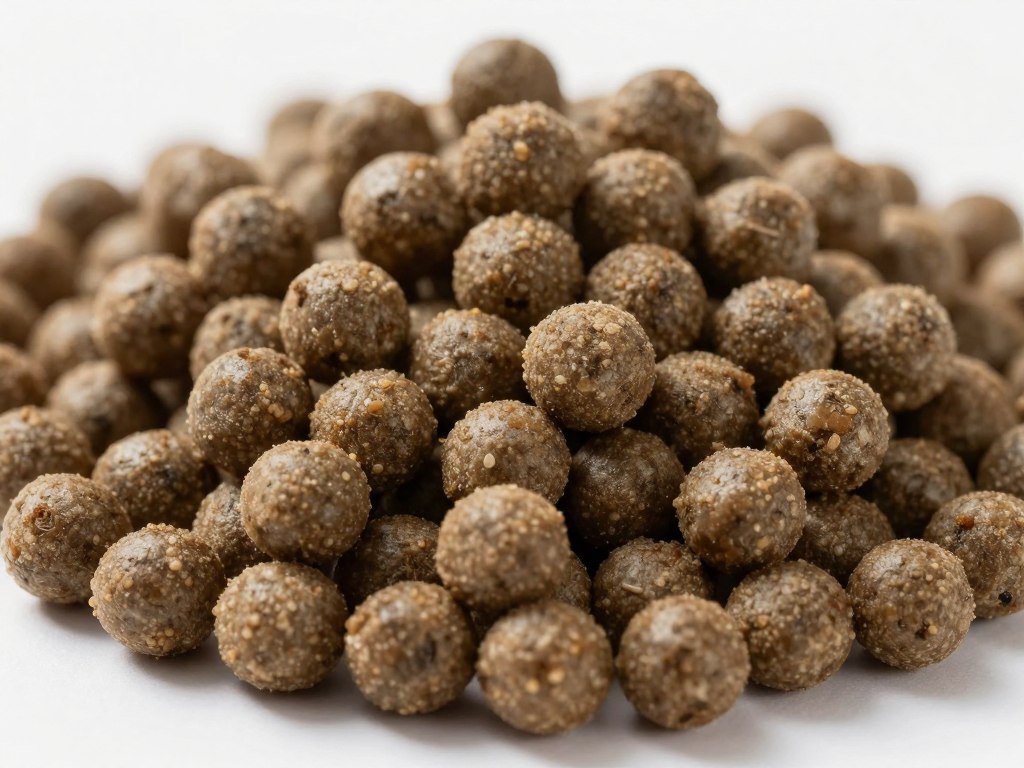
Grouper farming in marine cages requires premium quality feeds. These carnivorous fish demand high protein (45-52%) and lipid (12-16%) content. Fresh fishmeal comprises 40-50% of formulas. Slow-sinking or floating pellets suit cage culture where feed observation matters.
Production costs run higher due to expensive ingredients. Extrusion processing improves protein digestibility justifying the equipment investment. Pellet sizes of 3-8mm accommodate various grouper sizes. Many farms produce moist pellets by adding fresh fish to dry feeds.
Catfish and Freshwater Carnivorous Species
Freshwater catfish including hito and native mudfish varieties prefer high-protein sinking feeds. Formulations contain 32-38% protein primarily from animal sources. These bottom feeders require dense pellets reaching pond bottoms quickly. Pellet size ranges from 2-6mm depending on fish size.
Ornamental Fish Feed Production Considerations
The ornamental fish export industry represents significant value. Koi, goldfish, guppies, and tropical species each need specialized feeds. Small pellet sizes (0.5-2.0mm) demand precise die specifications. Color-enhancing ingredients like spirulina and astaxanthin command premium prices.
Ornamental feeds emphasize appearance and palatability over cost efficiency. Vitamin E levels stay elevated for color development. Slow-sinking pellets allow observation of feeding behavior. Small-batch production accommodates multiple specialty formulas.
Multi-Species Production Capability
MAIKONG production lines handle all species requirements through die changes and formula adjustments. One system produces tilapia pellets in the morning and shrimp feed in the afternoon. Quick changeover procedures minimize downtime between products. Configure your line for maximum flexibility.
Automation Benefits: How Modern Feed Production Lines Reduce Labor and Errors
Labor represents the largest operational expense in traditional feed production. Automation shifts costs from ongoing wages to one-time equipment investment. The transition delivers immediate savings while improving consistency. Understanding automation capabilities helps justify the production line investment.
Automated Ingredient Batching and Weighing
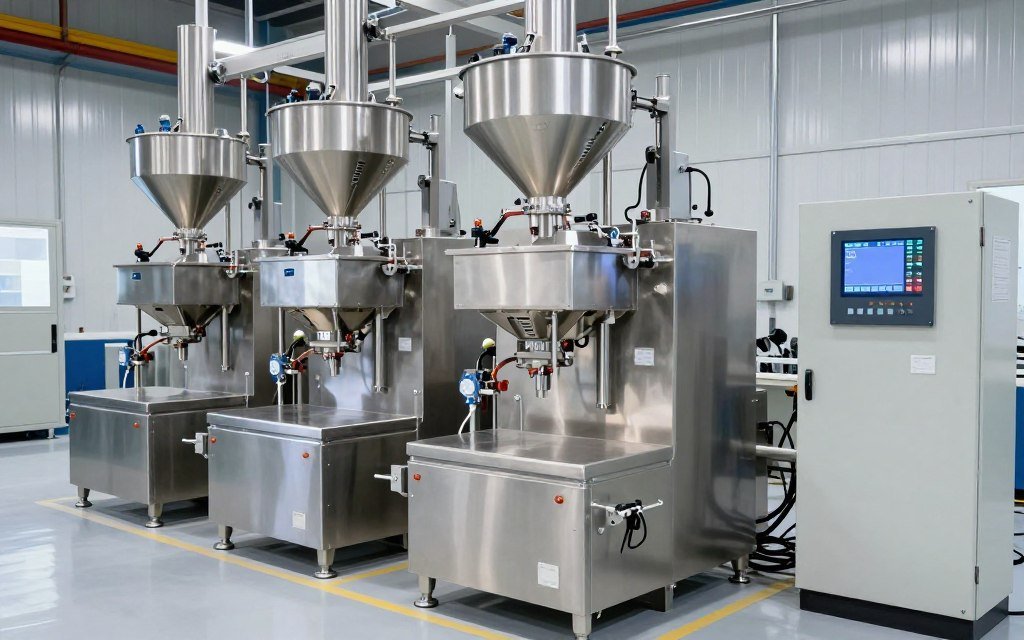
Manual weighing introduces 3-8% error in ingredient proportions. Workers tire during repetitive tasks. A distraction or misread scale creates formula errors affecting entire batches. Automated systems eliminate human measurement mistakes completely.
Load cell scales weigh ingredients to 0.05% accuracy every time. The control system prevents operation if any ingredient quantity falls outside tolerance. Recipe libraries store hundreds of formulas. Operators select recipes through touchscreen menus rather than following paper worksheets.
- Eliminates manual weighing errors saving 5-8% ingredient waste
- Reduces batching time from 15-20 minutes to 3-5 minutes
- Stores unlimited formula recipes in digital memory
- Creates automatic batch records for quality documentation
- Prevents operation with incorrect ingredient quantities
- Tracks ingredient inventory levels in real-time
Process Parameter Control and Monitoring
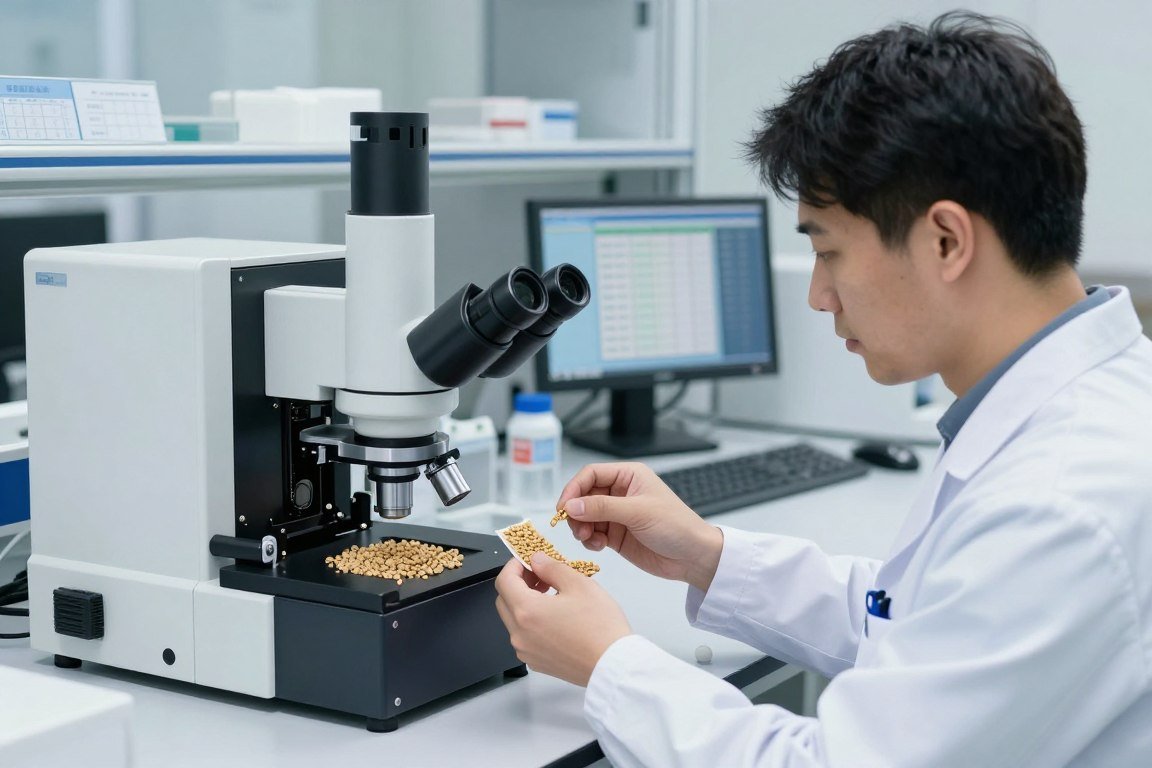
Traditional methods rely on operator experience to judge conditioning temperature, mixing time, or drying completion. This inconsistency causes quality variation between batches. Sensors measure actual conditions continuously. Control systems maintain exact parameters automatically.
Temperature probes monitor conditioning chambers to ±1°C accuracy. Moisture sensors check pellet water content after drying. Variable frequency drives adjust motor speeds maintaining optimal throughput. Automated systems respond to changes faster than human operators possibly could.
Parameters Under Automatic Control
- Conditioning temperature (75-95°C)
- Steam pressure and flow rate
- Mixer retention time (90-180 seconds)
- Pellet mill die pressure and speed
- Dryer temperature profile (3 zones)
- Cooler air flow and temperature
- Coating liquid addition rate
- Final moisture content (10-12%)
Real-Time Monitoring Features
- Production rate (kg/hour actual vs target)
- Equipment motor current draw
- Bearing temperatures on critical equipment
- Product temperatures throughout process
- Ingredient consumption versus formula
- Energy consumption per ton produced
- Equipment runtime and downtime tracking
- Alarm history and fault logging
Quality Consistency Across Production Runs
The same formula produces identical results every production run. Automation removes the variable of operator skill and attention. A newly hired worker achieves the same quality as a veteran technician. Consistent quality builds customer confidence and brand reputation for commercial feed operations.
Statistical process control tracks quality metrics automatically. The system alerts operators when measurements drift toward specification limits. Corrective action happens before producing out-of-spec product. Historical data analysis identifies opportunities for continuous improvement.
Labor Requirement Reduction Analysis
Traditional 500kg/hour manual production requires 4-5 workers per shift. These workers handle ingredient bags, operate mixers, form pellets, and spread materials for drying. An automated line producing the same output operates with 1 equipment operator and 1 helper. Labor costs drop by 60-75%.
| Production Capacity |
Traditional Labor |
Automated Labor |
Monthly Savings (₱) |
| 500 kg/hour |
4-5 workers |
2 workers |
₱36,000-₱48,000 |
| 1 ton/hour |
7-9 workers |
2-3 workers |
₱72,000-₱96,000 |
| 2 tons/hour |
12-15 workers |
3-4 workers |
₱132,000-₱168,000 |
| 5 tons/hour |
25-30 workers |
4-6 workers |
₱288,000-₱372,000 |
Remote Monitoring and Management Capabilities
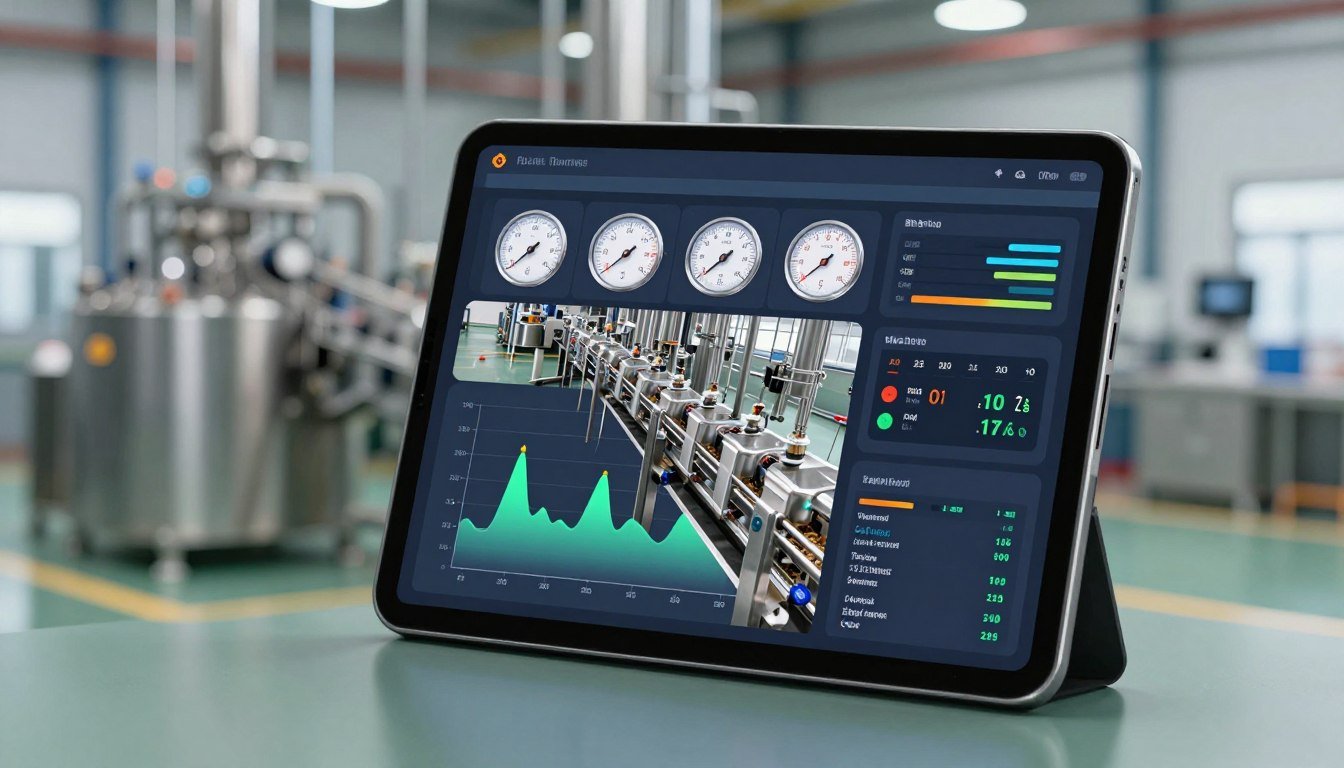
Modern production lines connect to internet-enabled monitoring systems. Farm managers check production status from smartphones or computers anywhere. Real-time dashboards show current output rates, equipment status, and any alarms. This capability proves valuable for operations with multiple locations.
Historical production reports generate automatically. Management analyzes trends in efficiency, ingredient usage, and energy consumption. Data-driven decisions optimize operations continually. Remote technical support allows MAIKONG engineers to diagnose issues without site visits in many cases.
Predictive Maintenance and Downtime Reduction
Sensors monitor equipment health continuously. Bearing temperature increases signal potential failure before breakdown occurs. Motor current draw changes indicate worn components needing replacement. Predictive maintenance prevents unexpected downtime and costly emergency repairs.
Automated systems schedule maintenance based on actual runtime rather than calendar dates. This optimizes parts replacement timing and reduces unnecessary service. Maintenance history logs help identify recurring issues needing permanent solutions.
Experience Automation Advantages
MAIKONG incorporates the latest automation technology in all production lines. From entry-level 300kg/hour systems to industrial 20-ton/hour installations, automation reduces labor costs and improves consistency. Schedule a demonstration at our GD facility or view video presentations of our automation capabilities.
Energy Consumption Comparison and Operating Cost Impact
Energy costs significantly impact feed production economics. Philippine industrial electricity rates range from ₱8-₱12 per kilowatt-hour depending on location and provider. Understanding the energy profile of different production methods reveals hidden operating expenses.
Traditional Method Energy Requirements
Small-scale traditional operations consume minimal electricity. A concrete mixer uses 3-5 kW. Electric grinders draw 2-4 kW during operation. Total connected load stays under 10 kW. However, labor-intensive processes consume human energy that must be compensated through wages.
Fuel costs for transport represent hidden energy consumption. Moving ingredients between processing steps burns diesel. Sun-drying depends on solar energy but weather variability creates inefficiency. Rain events force reprocessing or product loss.
Production Line Energy Consumption Profile
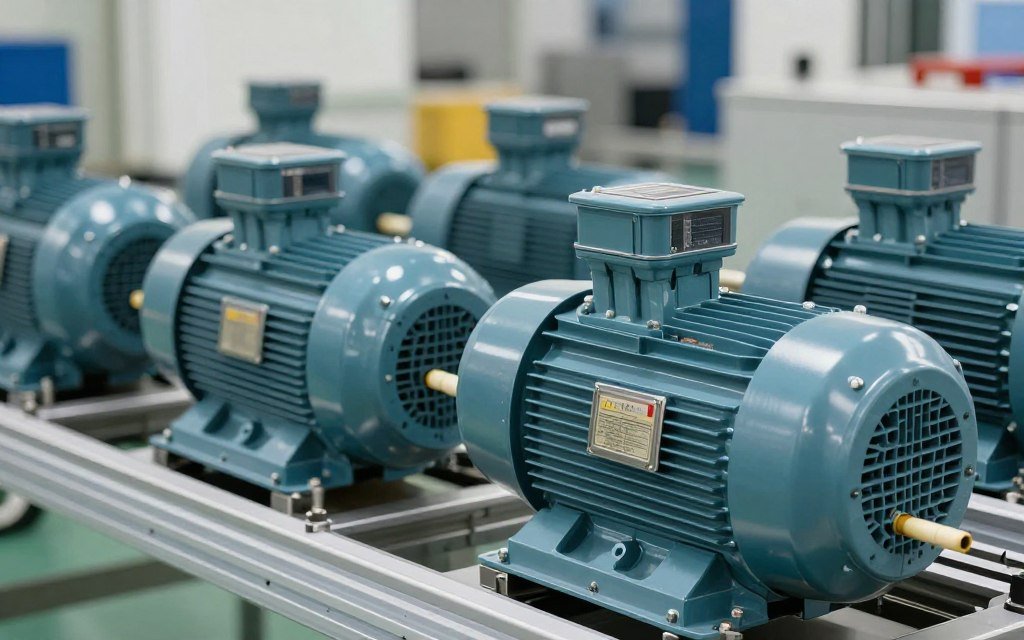
A 500kg/hour pelleting line requires 60-85 kW total connected load. Actual consumption during operation averages 45-65 kWh per ton of finished feed. Larger systems achieve better energy efficiency through economies of scale. A 5-ton/hour line consumes only 35-45 kWh per ton produced.
| Equipment Component |
Power Rating |
Operating % |
Energy per Ton |
| Hammermill Crusher |
22-37 kW |
100% |
18-25 kWh |
| Mixer |
7-15 kW |
60% |
3-6 kWh |
| Pellet Mill Motor |
37-55 kW |
85% |
12-18 kWh |
| Dryer System |
15-25 kW |
100% |
8-12 kWh |
| Cooler Fans |
5-11 kW |
100% |
3-5 kWh |
| Conveyors & Elevators |
8-15 kW |
70% |
2-4 kWh |
| Coating System |
3-7 kW |
40% |
1-2 kWh |
| Total Energy Consumption |
97-165 kW |
– |
47-72 kWh |
Extrusion vs Pelleting Energy Differences
Twin-screw extruders consume more energy than ring die pellet mills. Extrusion requires 90-150 kWh per ton compared to 45-65 kWh for pelleting. This energy cooks ingredients and creates expansion for floating feeds. The premium quality and price of extruded feeds justify higher energy costs.
Some operations install both pelleting and extrusion capabilities. Sinking feeds for tilapia run through the pellet mill. Floating bangus feeds use the extruder. This flexibility optimizes energy usage while meeting all product requirements.
Energy Efficiency Optimization Strategies
Variable frequency drives on major motors reduce energy consumption by 15-25%. Motors operate at optimal speeds rather than constant maximum. Proper die selection and conditioning reduce pelleting resistance and power draw. Regular maintenance keeps equipment operating efficiently.
- Install VFDs on crushers, mixers, and pellet mill motors
- Optimize conditioning temperature and moisture levels
- Maintain proper die clearances and replace worn dies promptly
- Use high-efficiency motors (IE3 or better rating)
- Recover waste heat from dryers for building heating
- Install power factor correction to reduce demand charges
- Schedule production during off-peak electricity rate periods
- Monitor real-time energy consumption per ton for optimization
Cost-Benefit Analysis Including Energy Expenses
At ₱10 per kWh electricity cost, automated production energy totals ₱550-₱650 per ton. Traditional methods avoid direct electricity costs but incur ₱1,200-₱1,600 per ton in labor. The ₱600-₱1,000 per ton savings more than offsets energy consumption. Factor in quality improvements and total cost advantages become compelling.
Solar panel installations offset electricity costs for feed mills. Philippine sunshine supports excellent solar generation. A 50kW solar array producing 200kWh daily covers significant production energy needs. Government incentives and net metering programs improve solar economics further.
Energy Efficiency Achievement: A Pampanga feed mill installed a MAIKONG 2-ton/hour line with VFDs and optimized dies. Energy consumption measured 48 kWh per ton, well below industry averages. Combined with solar panels covering 40% of electricity needs, operating costs dropped by ₱850 per ton compared to their previous traditional production method.
Real Philippine Success Stories: Production Line ROI and Business Growth
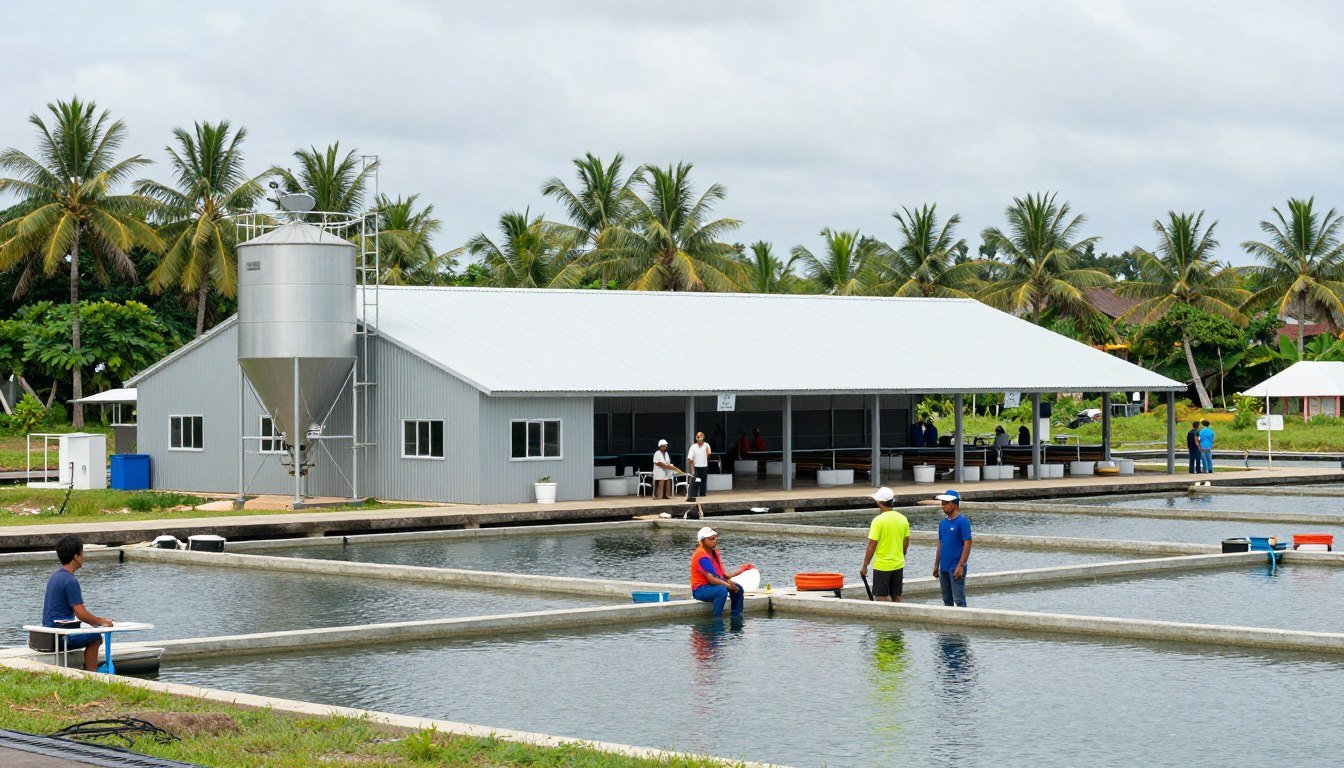
Theory and calculations matter little compared to actual results. Philippine operations that transitioned from traditional methods to automated production lines share their experiences. These case studies reveal realistic timelines, challenges faced, and ultimate outcomes.
Case Study 1: Medium-Scale Tilapia Farm in Bulacan
This 35-hectare tilapia operation previously purchased all feed commercially at ₱42-₱45 per kilogram. Annual feed costs exceeded ₱18,000,000. Quality inconsistency between suppliers caused FCR variation from 1.6 to 2.2. Management decided to install feed production capability.
Investment Details
- MAIKONG MK-L002: 1.5 T/h capacity
- Total equipment cost: ₱6,200,000
- Building construction: ₱1,800,000
- Installation & training: ₱650,000
- Working capital (ingredients): ₱2,000,000
- Total investment: ₱10,650,000
Results After 18 Months
- Feed cost reduced to ₱28-₱31/kg
- Annual savings: ₱6,800,000
- Improved FCR to consistent 1.4
- Production cycle reduced 12 days
- Selling excess feed: ₱180,000/month
- Payback achieved in 22 months
The farm manager reported unexpected benefits beyond cost savings. Consistent feed quality reduced disease outbreaks previously attributed to environmental factors. Ability to adjust formulas quickly allowed optimization for different growth stages. Neighboring farms became regular customers creating new revenue stream.
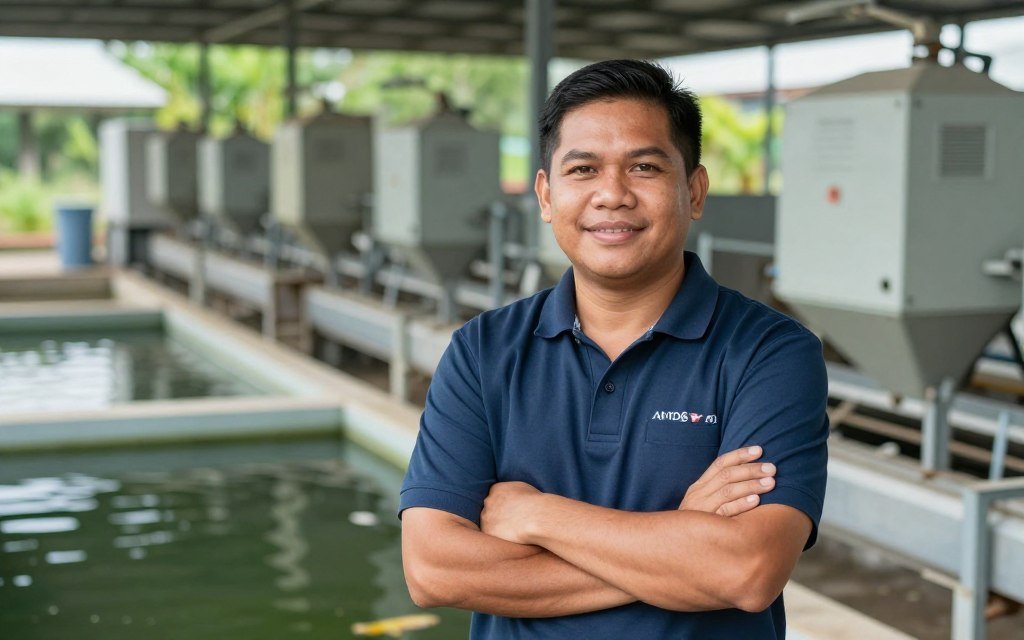
Case Study 2: Dedicated Feed Mill Serving Multiple Farms in Laguna
An agricultural cooperative representing 15 small fish farms decided to establish a centralized feed mill. Individual farms ranged from 3-12 hectares. Combined annual feed demand reached 2,400 tons. The cooperative installed a 2-ton/hour production line.
Initial investment totaled ₱14,500,000 with members contributing proportionally. The mill operates 8 hours daily, 6 days weekly producing 9-10 tons daily. Member farms purchase feed at ₱33 per kilogram compared to ₱44 commercial prices previously paid.
| Financial Metric |
Year 1 |
Year 2 |
Year 3 |
| Feed Produced (tons) |
2,180 |
2,520 |
2,850 |
| Production Cost/kg |
₱29.50 |
₱28.20 |
₱27.80 |
| Selling Price/kg |
₱33.00 |
₱34.00 |
₱35.00 |
| Gross Margin |
₱7,630,000 |
₱14,616,000 |
₱20,520,000 |
| Operating Expenses |
₱4,200,000 |
₱4,580,000 |
₱4,920,000 |
| Net Profit |
₱3,430,000 |
₱10,036,000 |
₱15,600,000 |
By year three, the cooperative paid off the complete investment and began distributing profits to members. Several non-member farms began purchasing feed, creating additional revenue. The cooperative now considers expanding capacity to serve the broader community commercially.
Case Study 3: Bangus Cage Operation in Pangasinan
A marine cage operation raising bangus struggled with floating feed costs exceeding ₱52 per kilogram. The farm operated 180 cages producing 850 tons annually. Feed represented 62% of total production costs. Management installed a small extruder system specifically for floating feed production.
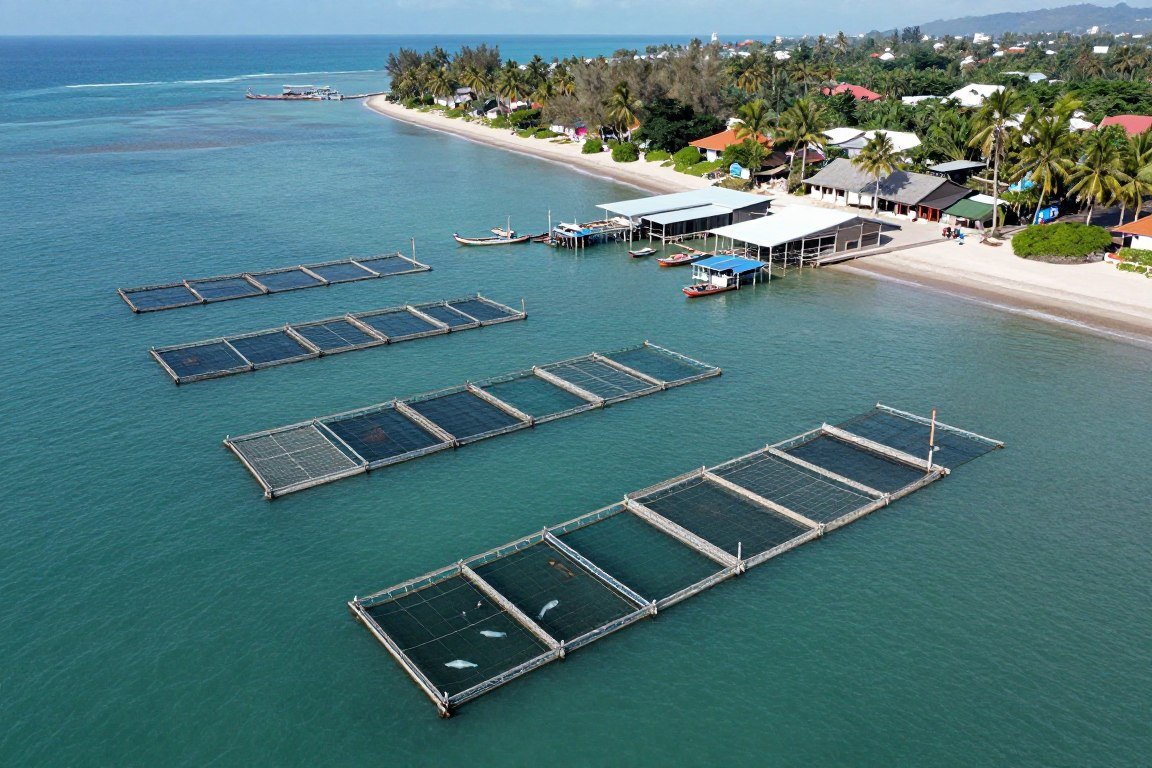
The investment of ₱8,200,000 included a 600kg/hour extruder, dryer, and basic packaging equipment. Production costs stabilized at ₱35-₱38 per kilogram. Annual savings exceeded ₱11,900,000. The investment recovered in just 11 months – one of the fastest paybacks in Philippine aquaculture.
Quality control over formulation allowed precise adjustment for different growth stages. The farm now produces three distinct bangus feeds: starter (high protein), grower, and finisher formulas. Growth rates improved 18% while FCR dropped from 1.9 to 1.5. These improvements exceeded the direct cost savings in value creation.
Common Themes Across Successful Installations
All successful operations shared several characteristics. They conducted thorough planning including formula development and ingredient sourcing before equipment purchase. Management committed to operating feed production as a serious business function rather than an afterthought.
- Comprehensive financial analysis before investment decision
- Proper training of dedicated personnel to operate equipment
- Consistent quality control and record-keeping practices
- Willingness to invest in ongoing technical support and maintenance
- Formula optimization based on actual farm results
- Exploration of commercial feed sales to maximize capacity utilization
“Installing the MAIKONG production line transformed our operation completely. We stopped being price-takers buying whatever feed the market offered. Now we control our largest input cost and optimize nutrition for our specific conditions. The investment paid for itself faster than projected, and we’re now profitable selling feed to 12 neighboring farms.”
— Roberto Santos, Bulacan Tilapia Cooperative Manager
Lessons Learned and Recommendations
Farms that struggled typically underestimated working capital requirements for ingredient inventory. Raw materials must be purchased 15-30 days before production. Starting with inadequate inventory creates operational disruptions and lost sales opportunities.
Another common mistake involved selecting capacity based on current needs without growth allowance. Several operations outgrew their initial equipment within 18 months. Modular systems allowing future expansion prove more cost-effective than complete line replacement.
Technical support relationship with the equipment supplier matters significantly. MAIKONG provides ongoing support through remote monitoring, phone consultation, and periodic site visits. This partnership approach prevents minor issues from becoming major problems.
Start Your Success Story
Join successful Philippine aquaculture operations benefiting from MAIKONG production lines. Our team works with you from initial feasibility analysis through installation, training, and ongoing optimization. We share detailed case studies and connect you with existing customers for reference discussions.
Why Philippine Aquaculture Operations Choose MAIKONG Production Lines
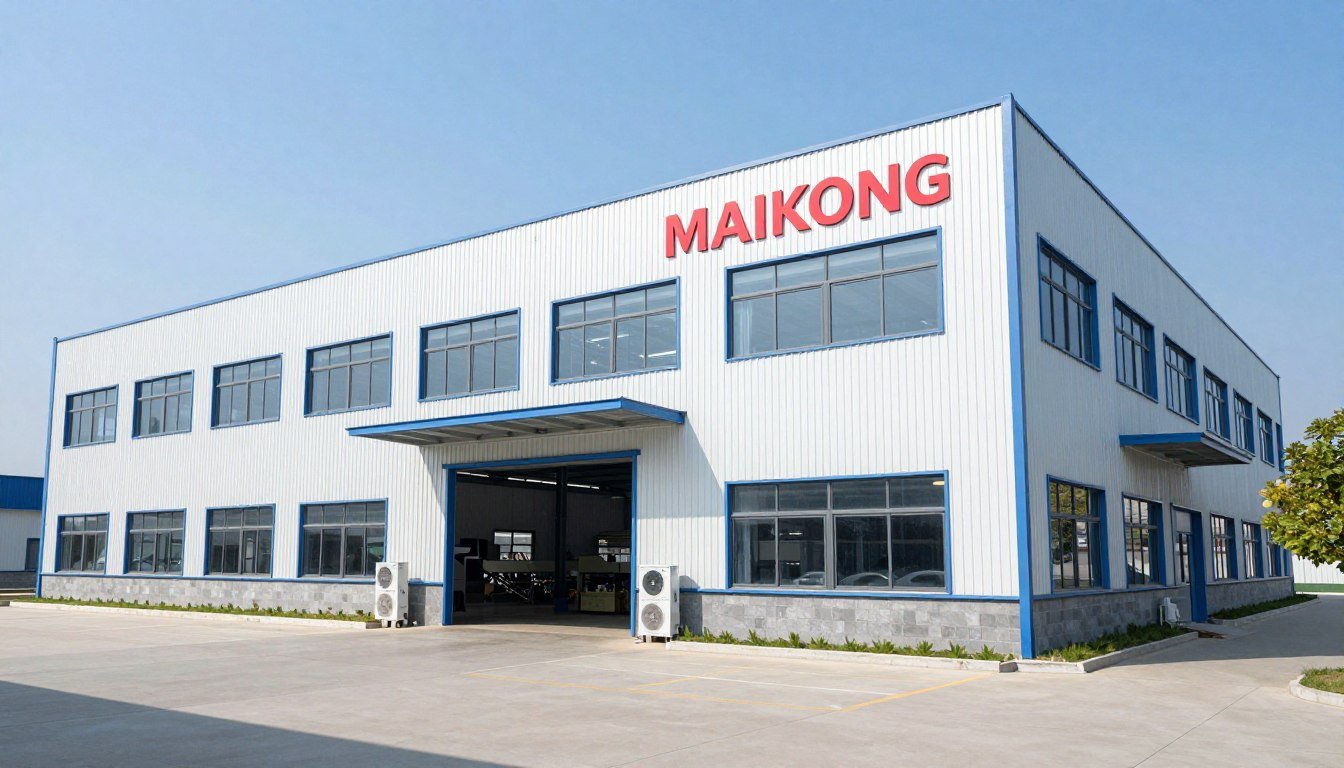
Selecting the right equipment supplier impacts long-term success as much as the equipment itself. MAIKONG brings 22 years of manufacturing experience specifically in feed processing machinery. Our understanding of aquaculture feed requirements combined with engineering expertise delivers reliable solutions.
22 Years of Manufacturing Excellence and Innovation
MAIKONG established operations in 2001 in GD province, SZ city, China. The company focused exclusively on pellet processing equipment from inception. This specialization developed deep expertise unmatched by general machinery manufacturers. Over two decades, we refined designs based on feedback from thousands of installations worldwide.
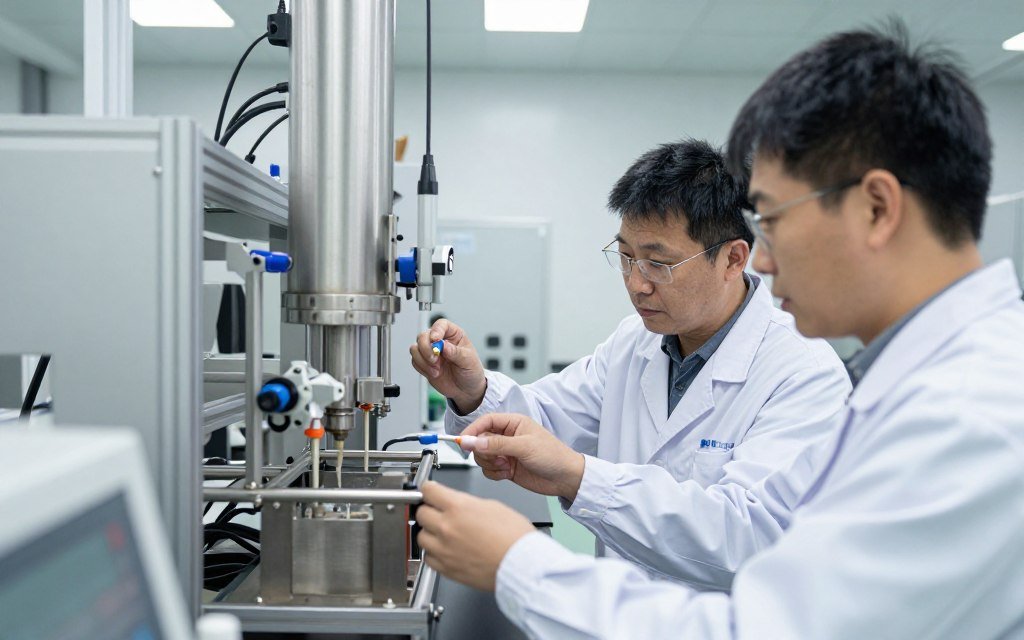
Our engineering team continuously improves equipment efficiency and reliability. The current MK-L002 series represents the fifth generation design. Energy consumption decreased 30% compared to our 2015 models while production capacity increased 40%. These improvements translate directly into customer profitability.
Complete Product Range for All Capacity Requirements
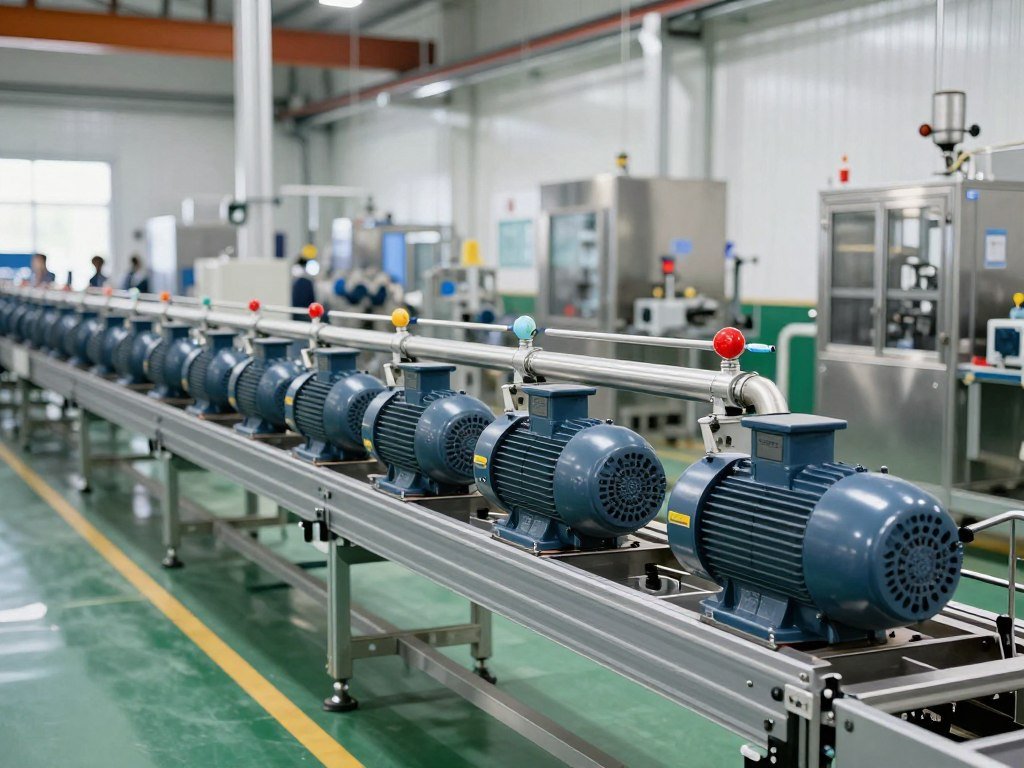
MAIKONG manufactures equipment spanning the complete capacity spectrum. Small farms access professional technology through affordable 200kg/hour systems. Large industrial operations deploy our 20-ton/hour production lines. This range ensures every customer finds the right-sized solution.
| Product Category |
Models Available |
Capacity Range |
Primary Applications |
| Small Pellet Mills |
MK-200, MK-300, MK-400 |
200-400 kg/hour |
Farm-scale production, testing |
| Medium Pellet Mills |
MK-500, MK-800, MK-1000 |
500-1,500 kg/hour |
Commercial farms, small mills |
| Large Pellet Mills |
MK-2000, MK-3000, MK-5000 |
2-5 tons/hour |
Feed mills, large operations |
| Industrial Lines |
MK-8000, MK-10000, MK-20000 |
8-20 tons/hour |
Industrial feed production |
| Extruders |
MK-EXT-300 to MK-EXT-5000 |
300kg-5 tons/hour |
Floating feed production |
Customization Capabilities for Philippine Market Needs
Philippine electrical systems operate on 220V/380V, 60Hz power. MAIKONG configures all motors and control systems to match these specifications exactly. We also accommodate requests for specific features addressing local conditions and preferences.
Voltage stabilization equipment protects sensitive electronics from power fluctuations common in rural areas. Tropical-rated motors withstand high humidity and temperatures. Stainless steel construction resists corrosion in coastal installations. These customizations ensure reliable operation in Philippine environments.
- Electrical systems matched to Philippine power standards
- Tropical-rated motors and humidity-resistant controls
- Stainless steel construction for coastal environments
- Custom die configurations for specific fish species
- Capacity optimization for exact farm requirements
- Building layout design for available space
- Integration with existing farm infrastructure
- Training materials and manuals in English
Comprehensive OEM and ODM Partnership Programs
MAIKONG actively seeks distributor and dealer partnerships throughout the Philippines. We support partners with competitive pricing, technical training, and marketing materials. Local dealers provide customers with convenient service and parts availability.
OEM customers can brand MAIKONG equipment with their own company identity. We manufacture to your specifications and quality standards. ODM partnerships allow collaborative development of specialized equipment for unique applications. These programs create mutually beneficial long-term relationships.
Dealer Partnership Benefits
- Exclusive territory rights available
- Competitive dealer pricing structure
- Comprehensive product training
- Marketing materials and support
- After-sales technical backup
- Co-op advertising programs
- Regular new product introductions
OEM/ODM Capabilities
- Custom branding and labeling
- Specification modifications
- Collaborative product development
- Quality certification support
- Flexible order quantities
- Confidentiality agreements
- Long-term supply commitments
Installation Support and Operator Training Programs
MAIKONG provides complete installation supervision for all production line projects. Our technicians travel to customer sites ensuring proper equipment placement and connection. We verify all systems operate correctly before commissioning. This hands-on approach prevents installation errors causing future problems.
Operator training occurs at customer facilities using their actual equipment. Training covers normal operation, basic troubleshooting, routine maintenance, and quality control procedures. We provide comprehensive manuals and quick reference guides. Follow-up support continues after initial training completion.
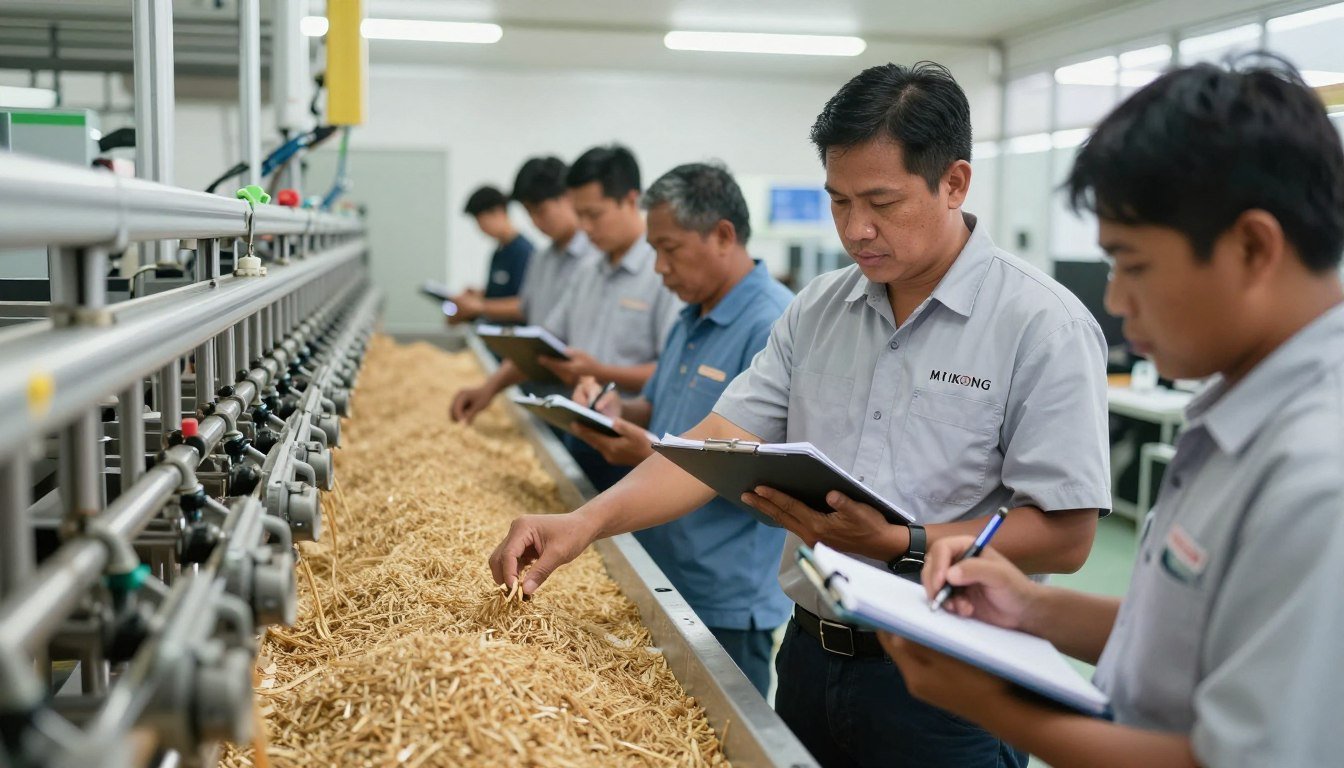
Ongoing Technical Support and Spare Parts Availability
Equipment ownership extends decades beyond initial purchase. MAIKONG maintains complete spare parts inventory for all models including those manufactured 15+ years ago. Standard wear parts ship from our warehouse within 48 hours. Specialized components arrive within 5-7 business days.
Technical support operates through multiple channels. Phone and WhatsApp provide immediate assistance during production issues. Email handles less urgent questions with detailed written responses. Remote monitoring capabilities allow our engineers to diagnose many problems without site visits.
Response Time Commitment: MAIKONG guarantees response to urgent technical inquiries within 4 hours during Philippine business hours. Standard questions receive replies within 24 hours. Critical spare parts ship same day when ordered before 2:00 PM. This service level ensures minimal production disruption.
Quality Certifications and International Standards
All MAIKONG equipment meets international quality and safety standards. Our manufacturing facility holds ISO 9001:2015 certification. Individual machine models carry CE certification for European markets. This commitment to quality assurance protects customer investments.
Material selection follows strict specifications. Main structural components use high-grade steel to relevant standards. Motors source from tier-one suppliers. Electrical components meet IEC standards. Quality inspection occurs at multiple points during manufacturing before final equipment testing.
Competitive Pricing with Transparent Cost Structure
MAIKONG offers competitive pricing reflecting our efficient manufacturing and direct sales approach. We publish clear specifications eliminating confusion about what’s included. Installation, training, and commissioning costs are detailed separately. This transparency allows accurate budget planning.
Payment terms accommodate customer cash flow needs. Standard terms include 30% deposit, 60% before shipment, and 10% after successful commissioning. Long-term customers and larger orders qualify for extended payment arrangements. We work with Philippine banks familiar with agricultural equipment financing.
Partner with MAIKONG Philippines
We’re actively building our Philippine dealer network. Established agricultural equipment distributors, farm supply companies, and aquaculture industry businesses are ideal partners. MAIKONG provides comprehensive support turning partnerships into profitable long-term relationships.
Complete Implementation Guide: From Decision to Operation
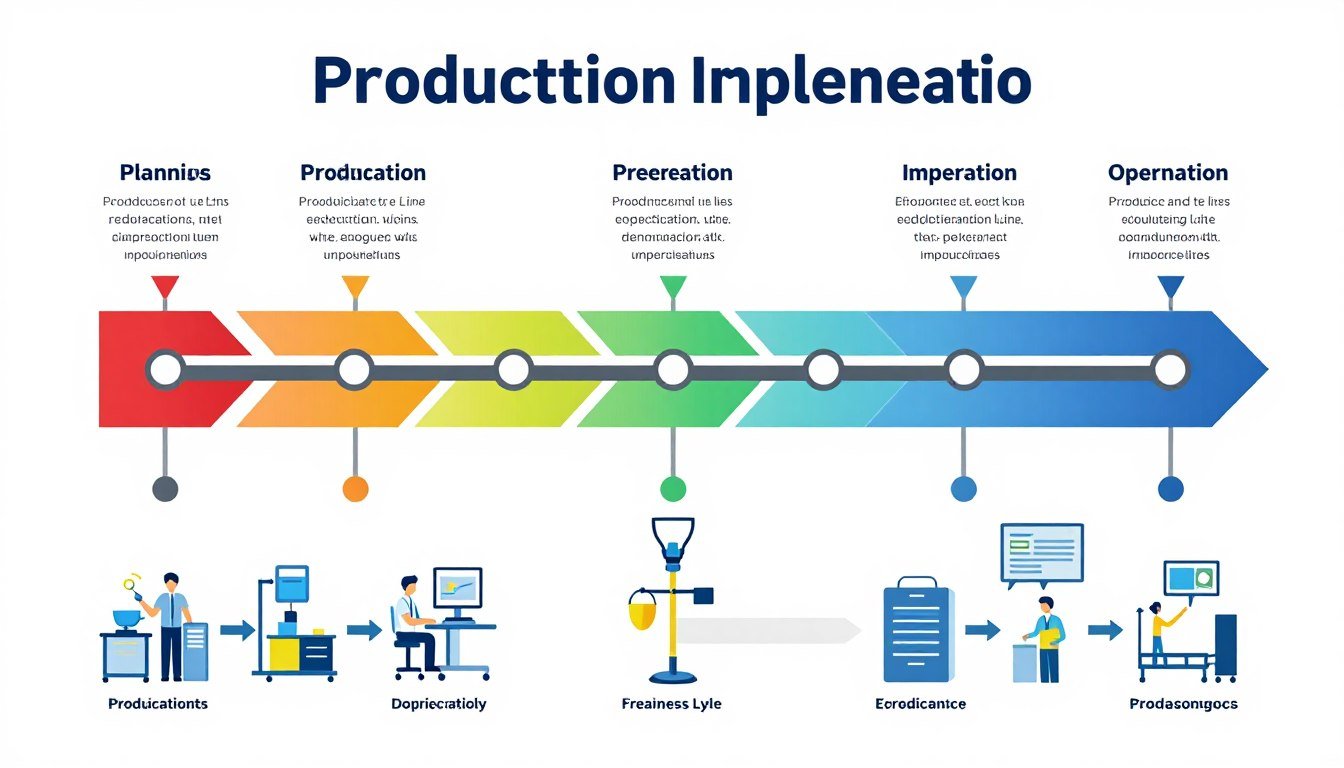
The path from deciding to install a production line through full operational capability follows a logical sequence. Understanding this process helps realistic planning and prevents delays. MAIKONG guides customers through each phase ensuring successful outcomes.
Phase 1: Needs Assessment and Feasibility Analysis
Begin by documenting current feed consumption and costs. Calculate annual feed volumes by species and growth stage. Analyze your cost structure including ingredient prices, labor, and commercial feed expenses. This baseline establishes the financial justification for investment.
Determine available space for production facility. Measure dimensions carefully including ceiling height. Verify electrical service capacity and water availability. Assess access for ingredient deliveries and finished product distribution. Site limitations influence equipment configuration decisions.
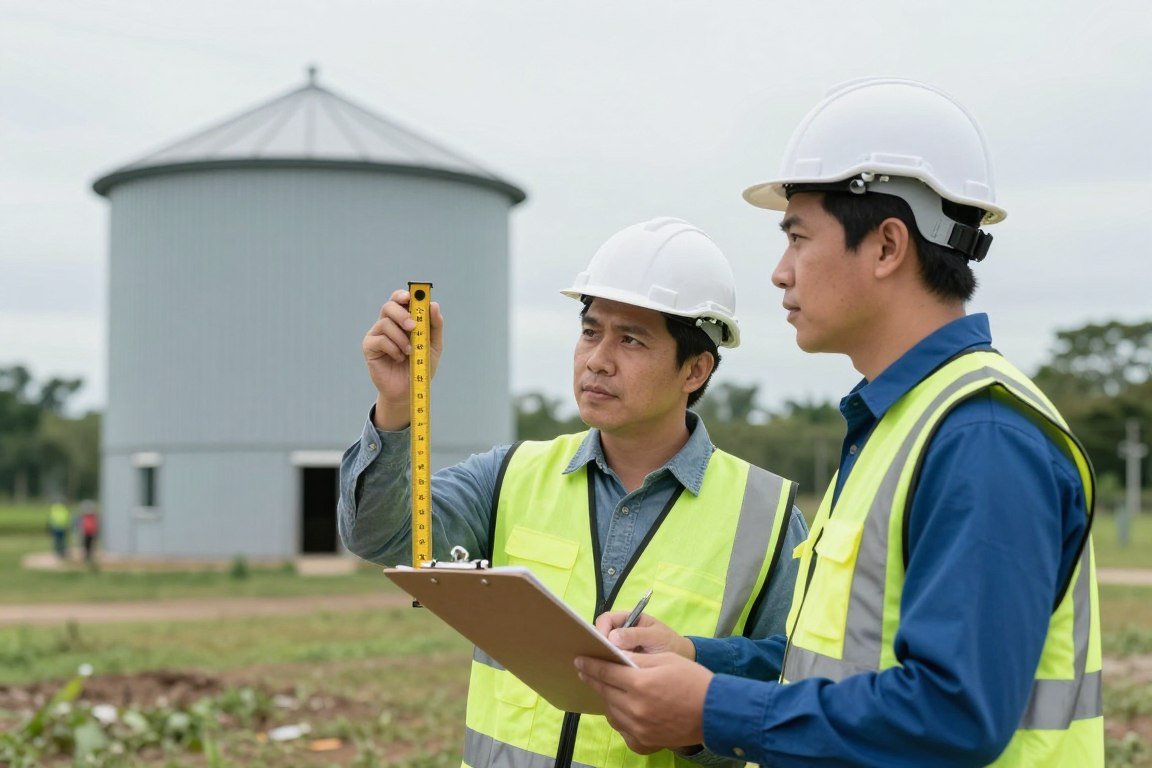
- Document current annual feed consumption by species and size
- Calculate actual feed costs including commercial purchase and handling
- Survey available building space and utility infrastructure
- Determine realistic production capacity requirements with growth allowance
- Establish preliminary budget including equipment, building, and working capital
- Identify potential funding sources and financing options
- Develop business case with projected ROI timeline
Phase 2: Equipment Selection and Specification
Share your needs assessment with MAIKONG technical team. We analyze your requirements and recommend appropriate equipment configuration. This proposal includes detailed specifications, layout drawings, and cost breakdown. Review proposals carefully asking questions about any unclear items.
Consider future expansion possibilities during equipment selection. A modular system costs slightly more initially but saves substantially if capacity additions become necessary. Building design should accommodate equipment additions without major structural modifications.
Information to Provide MAIKONG
- Target production capacity (kg/hour or tons/day)
- Fish species and size ranges
- Pellet type preference (floating vs sinking)
- Available building dimensions
- Electrical power specifications
- Budget parameters and timeline
- Commercial feed sales intentions
What MAIKONG Provides
- Equipment recommendations with specifications
- Facility layout drawings
- Detailed cost quotation
- Production capacity analysis
- Operating cost projections
- Installation timeline estimate
- Training and support overview
Phase 3: Building Design and Construction
Production lines require proper housing protecting equipment from weather and contamination. MAIKONG provides facility layout drawings showing equipment placement, material flow, and utility connections. Local contractors construct buildings to these specifications.
Building requirements vary by capacity. Small 500kg/hour systems need 120-180 m² enclosed space. Medium 2-ton/hour lines require 300-450 m². Large operations exceed 800 m². Ceiling height must accommodate vertical equipment like bucket elevators typically 5-7 meters tall.
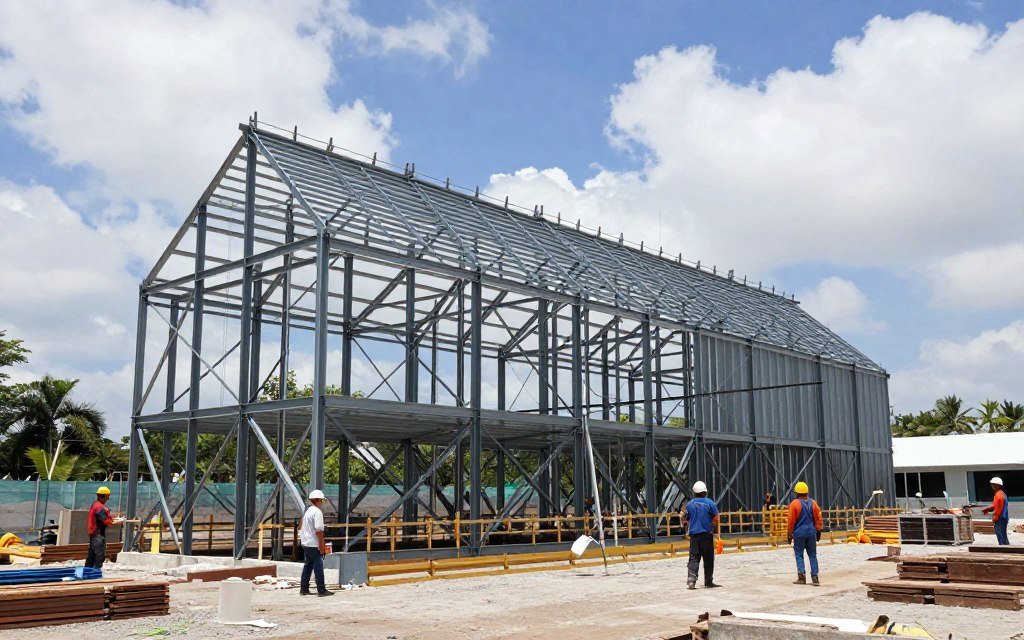
- Reinforced concrete foundation for heavy equipment mounting
- Adequate floor loading capacity (typically 500-800 kg/m²)
- Weather-tight construction preventing moisture and pest entry
- Proper ventilation and dust control systems
- Electrical room separate from production area
- Raw material receiving and finished product storage areas
- Office space for quality control and administration
- Adequate access for ingredient delivery trucks
Phase 4: Equipment Installation and Commissioning
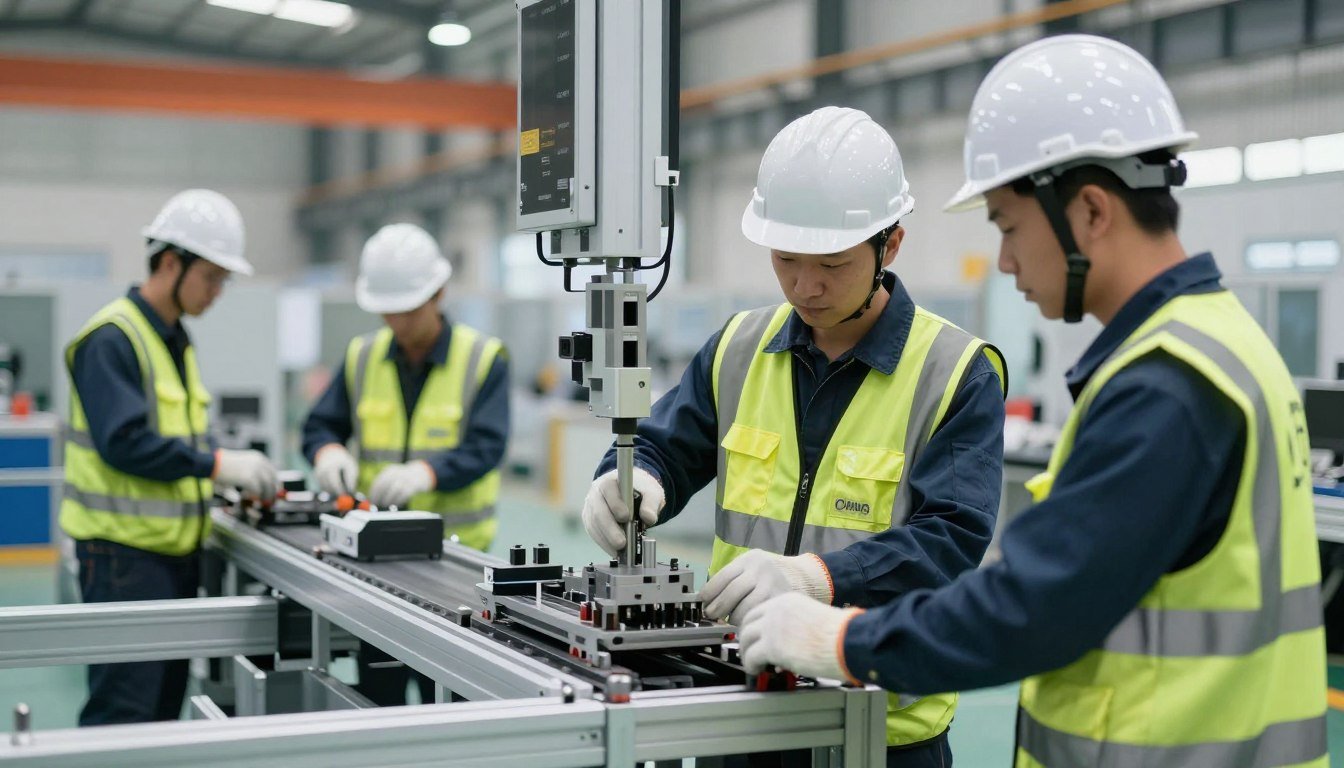
MAIKONG technicians supervise complete installation process. Equipment arrives crated and ships to customer site. Local riggers position heavy components following our layout drawings. Our team makes all final connections and alignments.
Electrical contractors wire equipment per provided schematics. We verify all connections before initial power-up. Control systems undergo programming and testing. Sequential startup brings equipment online gradually ensuring proper operation at each stage.
| Installation Phase |
Duration |
Key Activities |
Completion Criteria |
| Site Preparation |
5-7 days |
Foundation installation, utility rough-in |
Ready for equipment delivery |
| Equipment Positioning |
3-5 days |
Unpack, move, and mount major equipment |
All equipment in place and level |
| Mechanical Installation |
5-8 days |
Connect conveyors, piping, ducting |
Complete mechanical assembly |
| Electrical Connection |
4-6 days |
Wire motors, install controls, testing |
All systems powered and safe |
| Commissioning |
3-5 days |
Sequential startup, adjustments, testing |
Producing quality feed to specification |
| Training |
5-7 days |
Operator training, documentation handover |
Staff competent for independent operation |
Phase 5: Operator Training and Documentation
Comprehensive training ensures staff can operate equipment safely and effectively. MAIKONG conducts training on actual customer equipment using real production runs. Operators learn normal procedures, basic troubleshooting, routine maintenance, and quality control methods.
Training materials include detailed operations manuals, maintenance schedules, and troubleshooting guides. We provide quick reference cards for common procedures. Safety training covers lockout/tagout procedures, emergency stops, and proper personal protective equipment use.
Phase 6: Production Optimization and Fine-Tuning
Initial production runs rarely achieve optimal efficiency immediately. Formula adjustments improve pellet quality and production rate. Die selection fine-tuning enhances throughput. Operator experience grows with repetition.
MAIKONG provides remote support during the first three months of operation. We analyze production data and recommend adjustments. Many issues resolve through parameter changes rather than equipment modifications. This optimization phase typically requires 30-60 days.
Ready to Start Your Project?
MAIKONG project managers guide you through every implementation phase. From initial feasibility analysis through full production optimization, we ensure successful outcomes. Our systematic approach minimizes delays and prevents common mistakes. Contact us to begin your needs assessment.
Frequently Asked Questions About Aquatic Feed Production Lines

What is the minimum farm size that justifies installing a feed production line?
Farms consuming 1.5-2 tons of feed daily (approximately 500-600 tons annually) typically reach the economic threshold for production line investment. This corresponds to 12-20 hectares of intensive tilapia culture or 8-15 hectares of bangus production. Smaller operations may justify installation if they plan expansion within 2-3 years or intend commercial feed sales to neighboring farms. The key factor is achieving sufficient production volume to amortize equipment costs over reasonable quantities.
How long does it take to recover the investment in a production line?
Payback periods range from 18 months to 4 years depending on several factors. Operations producing solely for own use at 60-70% capacity see 3-4 year ROI. Farms running at higher utilization (80-90%) and selling excess capacity recover investment in 2-2.5 years. Dedicated feed mills serving multiple farms or commercial markets achieve payback in 18-24 months. The calculation depends on feed volume, ingredient costs versus commercial feed prices, labor savings, and quality improvement benefits. Philippine operations average 24-30 months ROI.
Can one production line make different types of feed for multiple species?
Yes, modern production lines accommodate multiple formulas and feed types through die changes and parameter adjustments. Changing from tilapia sinking pellets to bangus floating feed requires swapping dies (15-30 minutes) and adjusting control settings. A single line can produce feeds for tilapia, bangus, catfish, and shrimp by maintaining different die sets. Formula changes for different growth stages happen even faster through computerized recipe selection. Most operations schedule production runs by type, producing 1-2 tons of each formula rather than frequent switching.
What ongoing maintenance does a feed production line require?
Daily maintenance includes cleaning screens and dies, checking belt tension, and lubricating specified points (15-30 minutes). Weekly tasks cover more thorough cleaning, inspection of wear parts, and oil level checks (2-3 hours). Monthly maintenance involves detailed inspection, replacement of worn components, and calibration verification (4-6 hours). Annual major service includes complete equipment inspection, bearing replacement, and alignment checks. MAIKONG provides detailed maintenance schedules and training. Many farms perform daily and weekly tasks with their own staff while scheduling MAIKONG technicians for major service intervals.
How difficult is it to formulate quality fish feed?
Basic formulation follows established guidelines for protein, energy, and nutrient levels by species and growth stage. MAIKONG provides starter formulas proven in Philippine conditions. Many customers use these recipes with minor adjustments for local ingredient availability. Advanced formulation for optimal performance requires nutritional knowledge. We offer formula development services and connect customers with aquaculture nutritionists. Most operations start with standard formulas and optimize gradually based on fish performance. The production line ensures whatever formula you use produces consistent quality pellets.
What happens if equipment breaks down during production?
MAIKONG maintains comprehensive spare parts inventory for all equipment models. Common wear parts like screens, dies, and belts stock locally through Philippine dealers for same-day availability. Mechanical issues often resolve through remote technical support guiding your staff. For complex problems, MAIKONG dispatches technicians to customer sites. Service response time averages 24-48 hours for urgent situations. Most customers maintain a small spare parts inventory of high-wear items preventing extended downtime. Equipment design emphasizes reliability with mean time between failures exceeding 2,000 operating hours for major components.
Is special building construction required for the production line?
Production lines require weather-tight enclosure but not exotic construction. Standard industrial building practices suffice. The foundation must support equipment weight (reinforced concrete 150-200mm thick). Floor loading capacity should reach 500-800 kg/m² for areas under heavy equipment. Adequate ceiling height (5-7 meters) accommodates vertical conveyors. Proper ventilation controls dust and temperature. Electrical service must supply required power capacity. MAIKONG provides complete building specifications and layout drawings. Most customers hire local contractors familiar with agricultural construction to build facilities.
Can I start with a small system and expand capacity later?
Absolutely. MAIKONG recommends planning for growth from the beginning. Install a building sized for your ultimate capacity vision but equip it with appropriate starter equipment. For example, build a 250 m² facility but initially install a 500kg/hour line. Add a second parallel line or upgrade the pellet mill to 1-ton capacity when volume justifies expansion. This approach spreads capital investment over time while avoiding costly building additions later. Many successful operations followed this path. Design electrical service, foundations, and material flow for final configuration even if not initially fully equipped.
What about financing options for production line investment?
Several Philippine banks offer agricultural equipment financing. Land Bank of the Philippines (LBP) and Agricultural Credit Policy Council (ACPC) provide loans specifically for aquaculture development including feed production facilities. Interest rates range from 5-8% for qualified borrowers. Terms extend to 7-10 years matching equipment life. Some programs offer grace periods on principal payments. MAIKONG works with customers to prepare documentation supporting loan applications. Government programs sometimes provide grants or subsidies for agricultural modernization projects. We assist customers identifying and applying for available support programs.
How do I ensure consistent ingredient quality and availability?
Establish relationships with 2-3 suppliers for each major ingredient creating supply security and price competition. Purchase ingredients in bulk quantities (multiple tons) when prices favor forward buying. Your production line’s storage silos accommodate 15-30 days inventory. Develop ingredient specifications including protein content, moisture levels, and acceptable contaminants. Test incoming ingredients regularly verifying quality. Join cooperative buying groups pooling purchasing power for better pricing. MAIKONG helps customers identify reliable Philippine ingredient suppliers. Our network includes connections developed over years of local installations.
Transform Your Aquaculture Operation with MAIKONG Production Lines
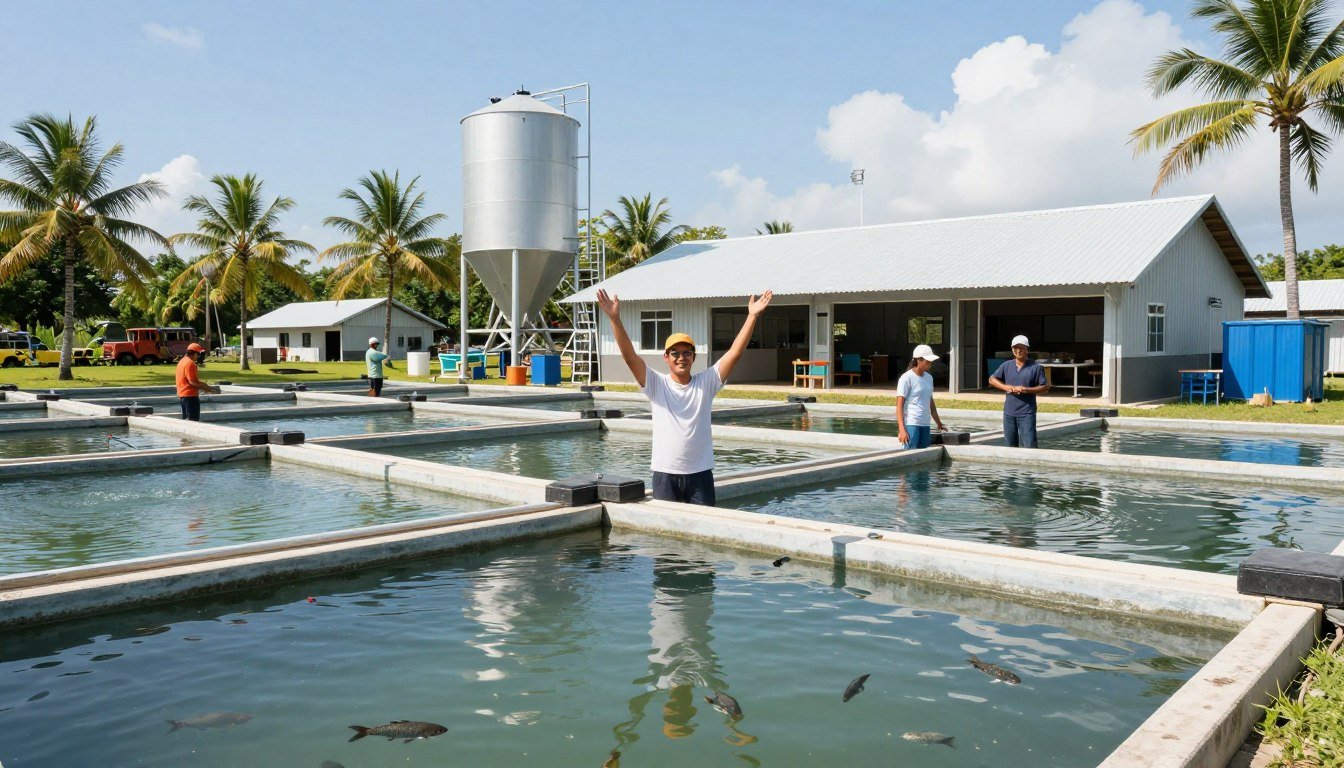
The evidence clearly demonstrates automated aquatic feed production lines deliver superior economics compared to traditional methods. Lower operating costs, improved feed quality, and production consistency create competitive advantages. Philippine farms transitioning to automated production report payback periods averaging 24-30 months with ongoing profitability improvements thereafter.
MAIKONG brings 22 years of specialized expertise to your operation. Our comprehensive approach covers needs assessment, equipment selection, installation, training, and ongoing support. We customize solutions precisely for your requirements including Philippine electrical standards, tropical environmental protection, and species-specific feed capabilities.
Your Next Steps Toward Feed Production Independence
Starting your production line project begins with honest assessment of your operation. Calculate current feed consumption and costs. Evaluate available space and budget. MAIKONG provides complimentary feasibility analysis helping you make informed decisions.
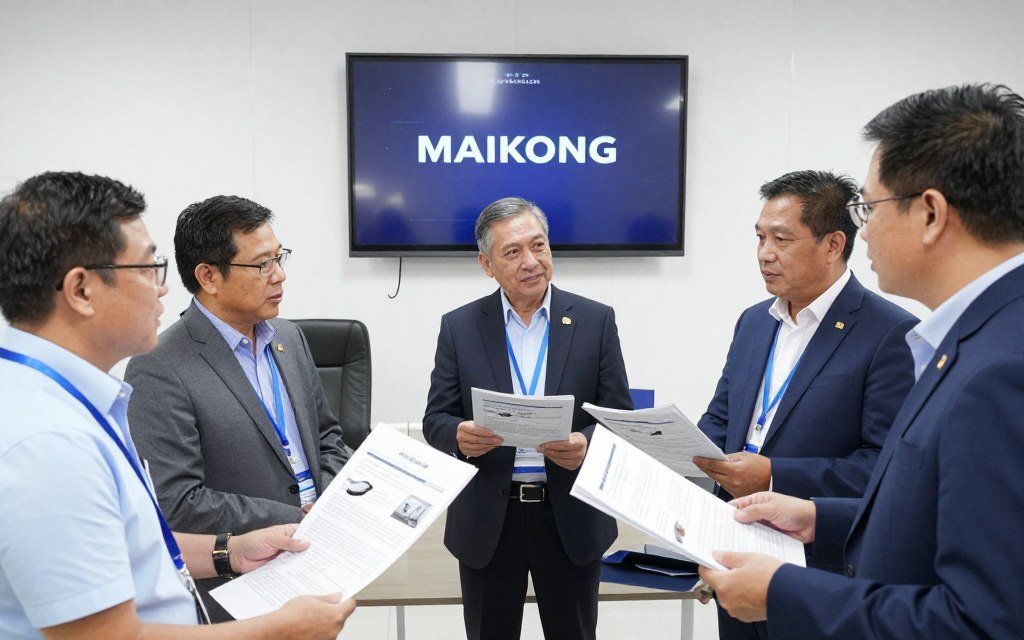
Our team connects you with existing Philippine customers for reference discussions. Visit operating installations seeing equipment performance firsthand. Review actual production data and financial results. This transparency builds confidence in your investment decision.
What MAIKONG Provides
- Free needs assessment and feasibility analysis
- Customized equipment recommendations
- Detailed quotations with transparent pricing
- Facility layout and design support
- Complete installation supervision
- Comprehensive operator training programs
- Ongoing technical support and consultation
- Spare parts supply and service
- Formula development assistance
- Customer reference connections
Investment Protection Guarantee
- ISO 9001:2015 certified manufacturing
- CE certified equipment quality
- 12-month comprehensive warranty
- Lifetime technical support availability
- Performance guarantees in writing
- Parts availability for equipment life
- Training for multiple staff members
- Remote monitoring capability
- Upgrade and expansion pathways
- Trade-in programs for future upgrades
Become a MAIKONG Dealer or Distributor in the Philippines
MAIKONG actively develops our Philippine distribution network. We seek partners sharing our commitment to customer success and technical excellence. Established agricultural equipment distributors, farm supply companies, and aquaculture industry businesses are ideal partners.
Dealer benefits include exclusive territory rights, competitive pricing, comprehensive training, marketing support, and technical backup. We invest in partner success through cooperative advertising, lead generation programs, and continuous product development. Join the MAIKONG family and participate in the aquaculture feed revolution.
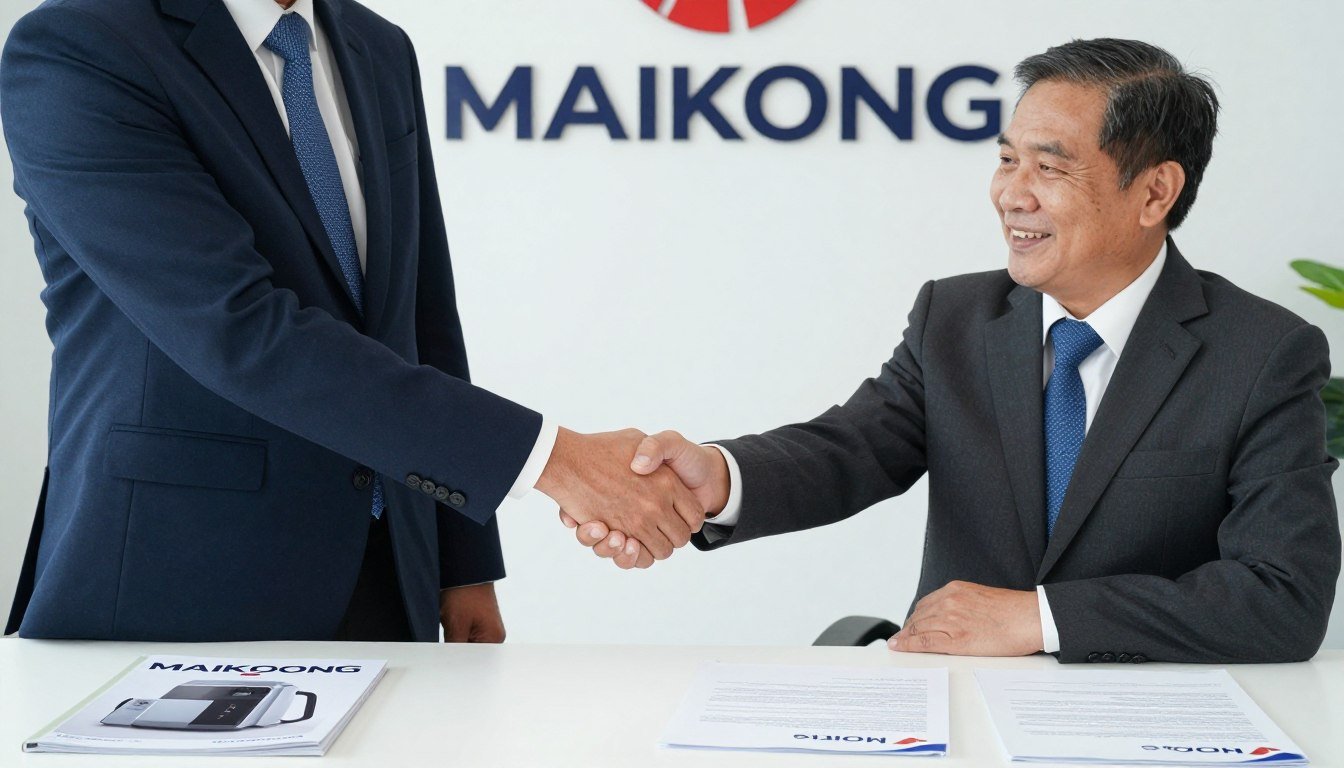
Contact MAIKONG Philippines Today
Take the first step toward feed production independence and improved profitability. Our team responds to inquiries within 4 hours during business hours. We provide detailed information, answer your questions, and schedule consultations at your convenience. Whether you’re exploring options or ready to proceed, we’re here to help.
Inquiry Topics We Address
- Equipment recommendations and quotations
- Technical specifications and capabilities
- Installation timeline and requirements
- Financing and payment arrangements
- Customer references and site visits
- Dealer partnership opportunities
- OEM/ODM collaboration programs
- After-sales support and service
Special Offer for Serious Inquiries: Philippine customers requesting detailed quotations receive complimentary feed formula consultation worth ₱45,000. Our aquaculture nutritionist reviews your operation and recommends optimized formulas for your target species. This offer includes ingredient sourcing guidance and quality specification development. Valid for quotation requests received before end of quarter.
The transition from traditional feed preparation to automated production represents a pivotal moment for Philippine aquaculture operations. Farms making this investment report not just cost savings but fundamental business transformation. Production predictability improves. Quality consistency builds market reputation. Capacity to scale meets growing demand.
MAIKONG has supported this transformation for thousands of operations worldwide over 22 years. Our Philippines presence is growing rapidly as more farmers recognize the benefits. Join this movement toward operational excellence and financial strength. Your competitors are already planning their transition. The question is not whether to modernize, but when and with whom.
Contact MAIKONG today and start your journey toward feed production independence. Our team is ready to help you analyze your situation, design your optimal solution, and guide you through successful implementation. Together we will transform your aquaculture operation into a model of efficiency and profitability.

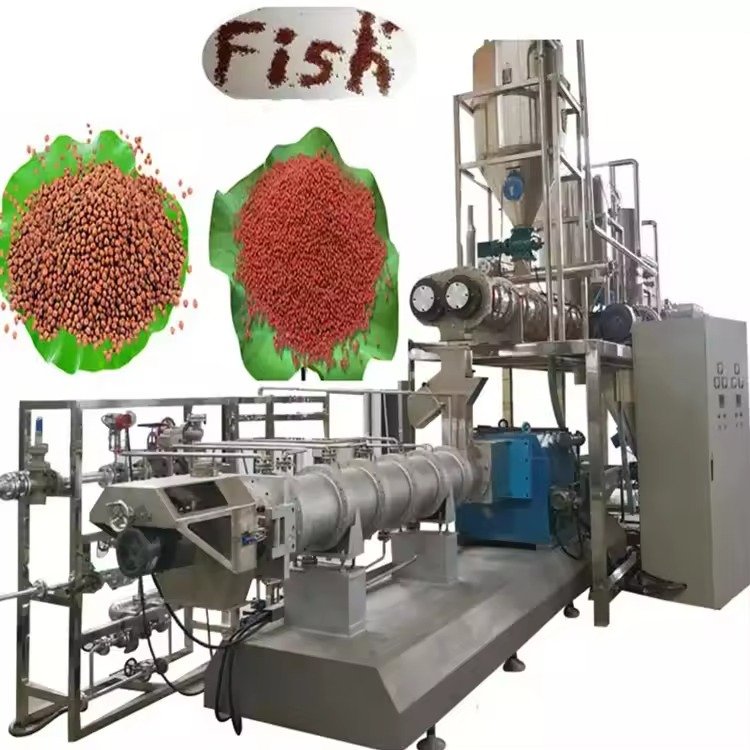
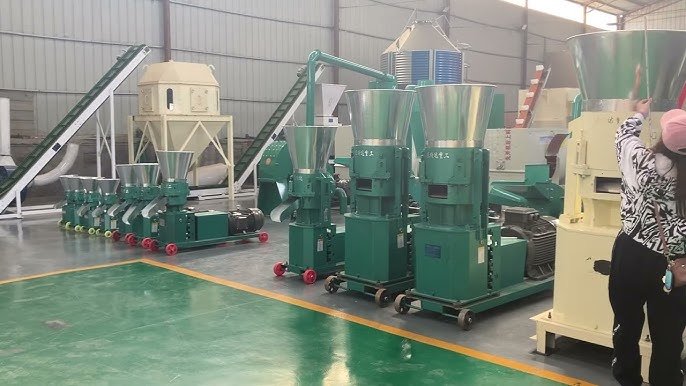
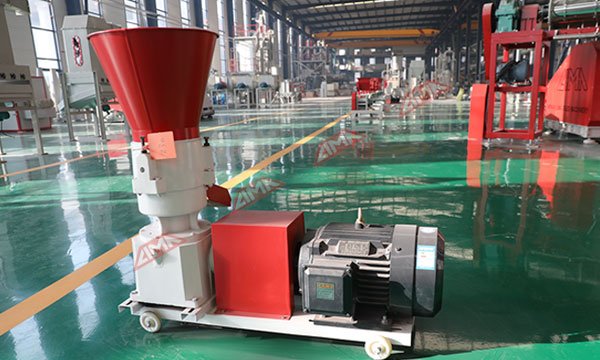
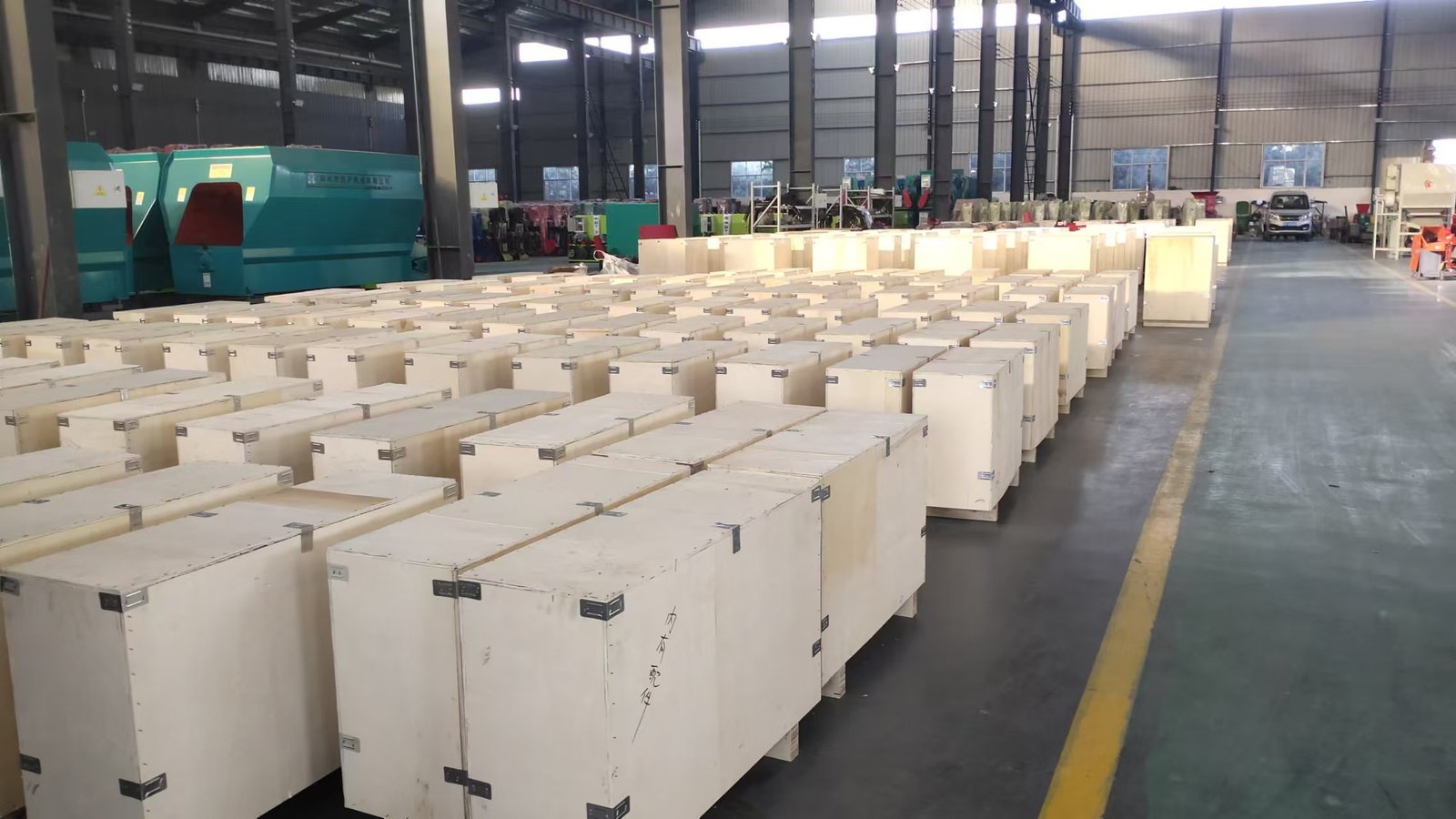 Modern aqua feed production lines changed everything for farms across Luzon, Visayas, and Mindanao. Automated systems now produce consistent pellets. Fish growth rates improved by 30-40% with standardized nutrition. Production scales from 200 kilograms to 200 tons per hour.