Philippines Pellet Machine Manufacturer | OEM Feed Pellet Line Supplier
Pellet Machine Distributor Wanted in Philippines | MAIKONG Feed Machinery

Difference Between Cattle Feed Production Line and Poultry Feed Line

» Cattle Feed Pellet Production Line for Philippine Feed Mills » Difference Between Cattle Feed Production Line and Poultry Feed Line
Selecting the right feed pellet production line makes a significant impact on your livestock or poultry operation’s profitability and efficiency. While both Cattle Feed Production Line systems and poultry feed lines share similar core equipment, their design parameters, pellet specifications, and production processes differ substantially. Understanding these differences helps Philippine farm owners, feed mill operators, and agricultural investors make informed purchasing decisions.MAIKONG, with 22 years of manufacturing excellence in the Philippines, specializes in customized feed pellet production lines for cattle, poultry, fish, and other livestock. Our engineering team designs complete solutions from 200KG to 200 tons per hour capacity, tailored to Philippine voltage requirements and local raw material characteristics.

Start Your Feed Production Project Today

Contact MAIKONG’s technical team to discuss your specific cattle or poultry feed requirements. We provide free consultation and custom design solutions.

Cattle Feed Production Line Fundamentals

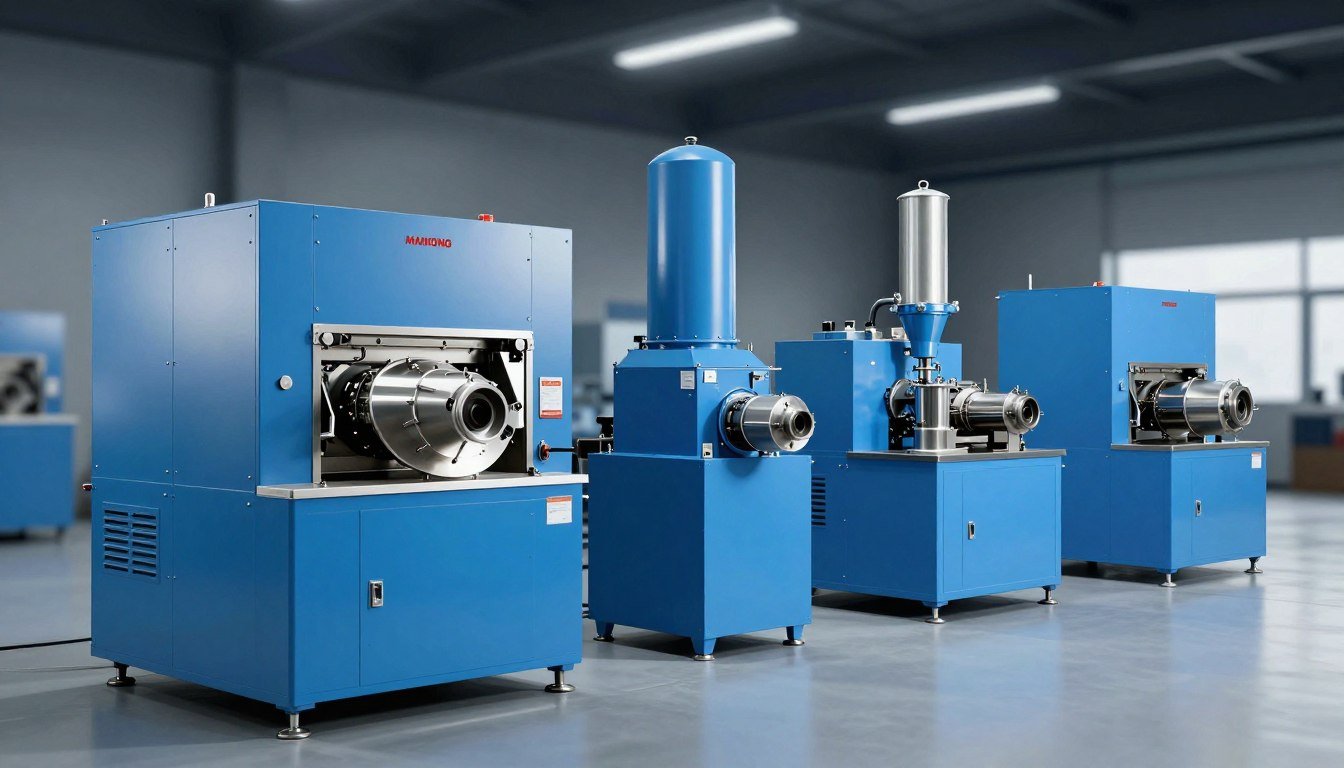
Modern cattle feed production facility showing complete production line equipmentDifference Between Cattle Feed Production Line and Poultry Feed LineSZLH320 pellet machine producing feed pellets MAIKONG company headquarters building in Shenzhen MAIKONG company headquarters building in Shenzhen

A complete Cattle Feed Production Line transforms raw ingredients like corn, wheat, soybean meal, rice bran, and forage materials into nutritionally balanced feed pellets suitable for different cattle types. The animal feed production line handles both grain-based concentrates and roughage-containing feeds.

Core Components of MAIKONG MK-L003 Cattle Feed Pellet Production Line

The MAIKONG Model MK-L003 represents our standard configuration for medium-scale cattle operations. This system integrates multiple specialized machines into a seamless production workflow.

Primary Processing Equipment

  • Bale breaker for compacted forage materials
  • Hammer mill grinder (adjustable screen sizes)
  • Batching and dosing systems for precise ingredient measurement
  • Horizontal ribbon mixer for thorough blending

Pelletizing and Finishing Equipment

  • Cattle feed pellet machine with force feeder
  • Counterflow cooling system
  • Vibrating screener for quality control
  • Automatic bagging and weighing system

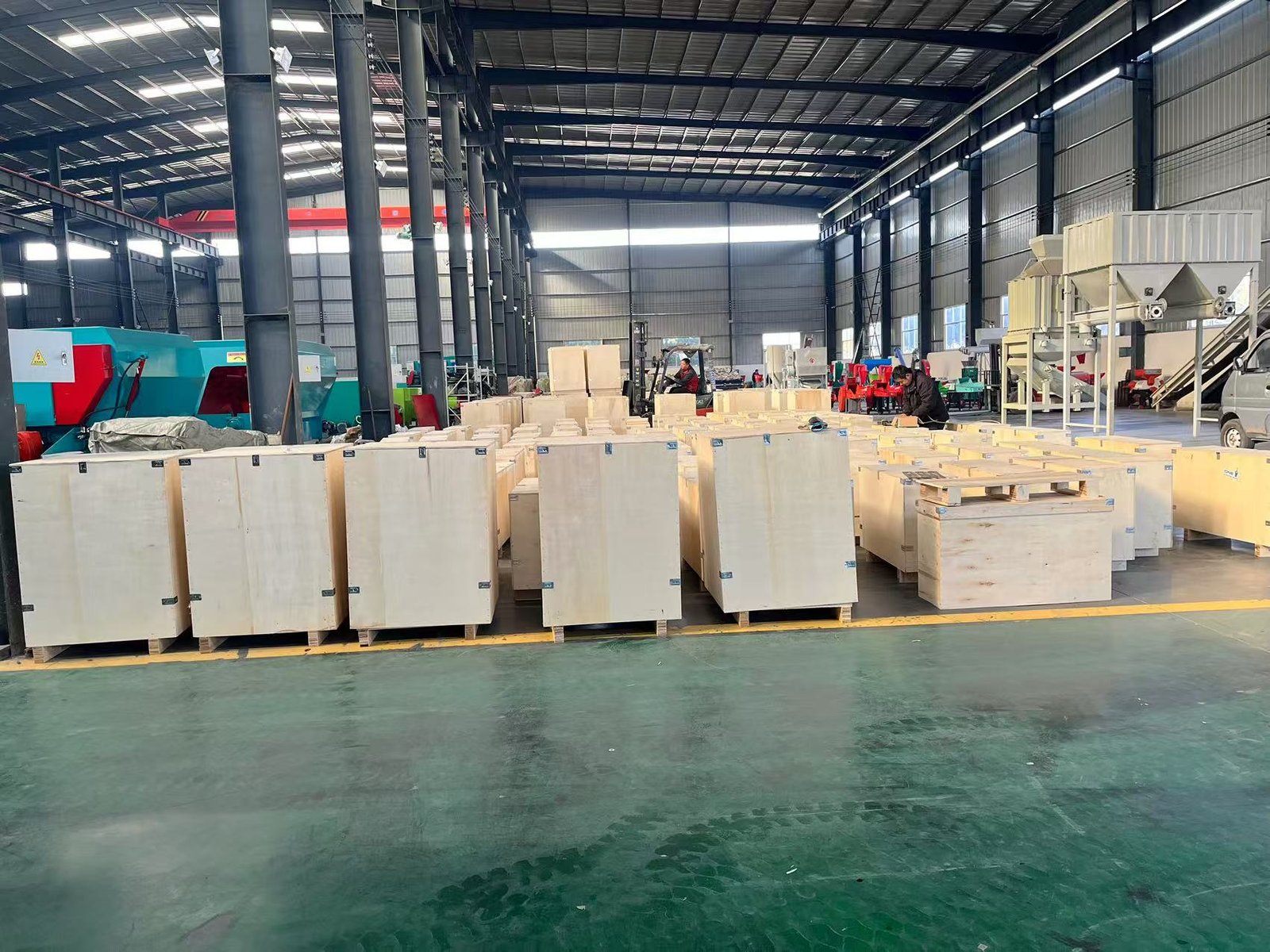
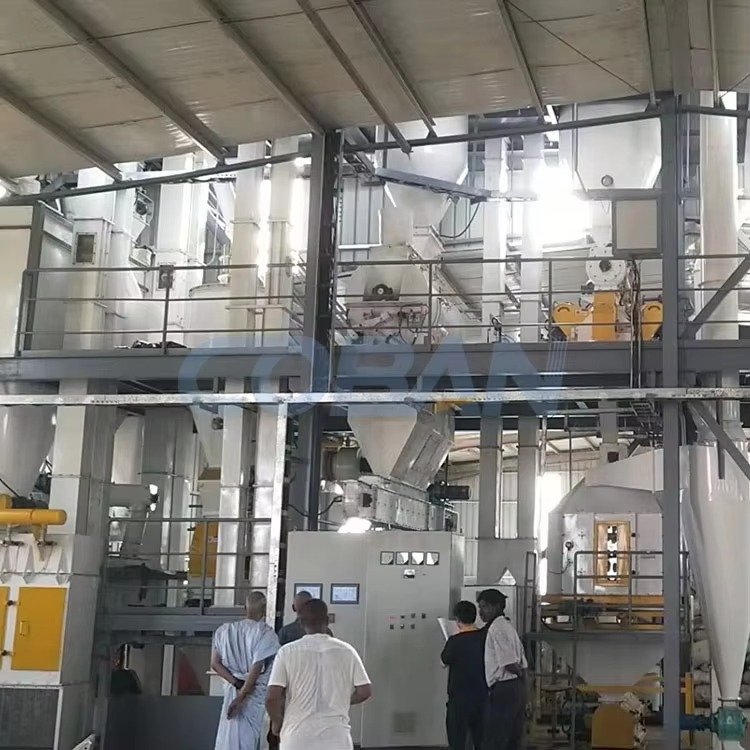
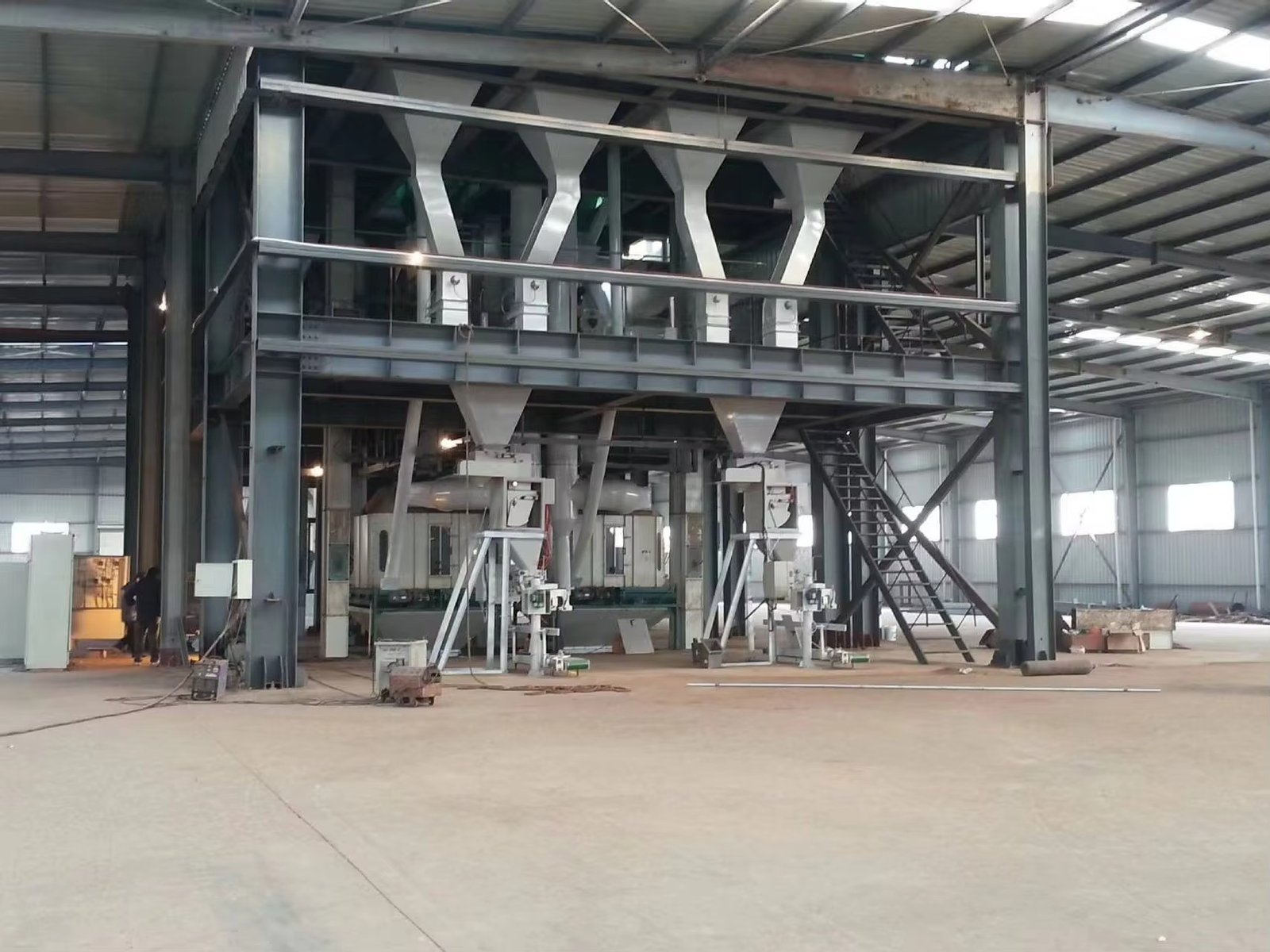
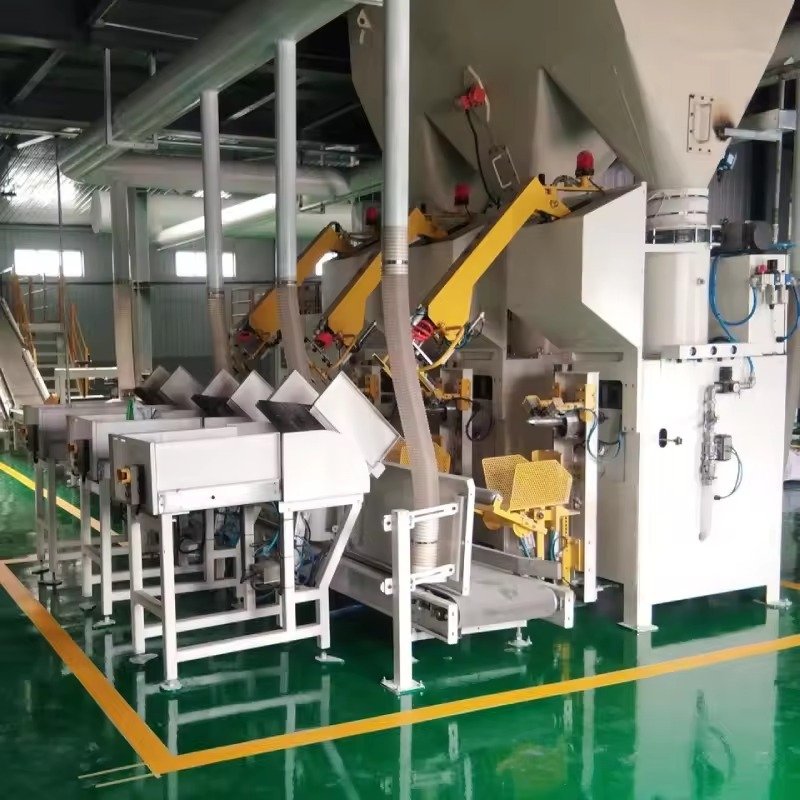
Modern cattle feed production facility showing complete production line equipment

Technical Specifications: MK-L003 Model

Specification Details
Model Number MAIKONG MK-L003
Production Capacity 3-5 tons per hour
Pellet Diameter 6mm, 8mm, 10mm, 12mm (customizable)
Total Power Consumption 120-150 KW
Voltage Compatibility 220V/380V/customized for Philippines
Material Construction ABS control panels, stainless steel contact surfaces
Dimensions (L×W×H) 18m × 8m × 6m (complete line layout)
Weight (Complete System) Approximately 12,500 kg
Available Colors Industrial blue, custom colors available
Quality Rating 4.8/5.0 based on customer feedback

Why Pellet Size Matters for Cattle

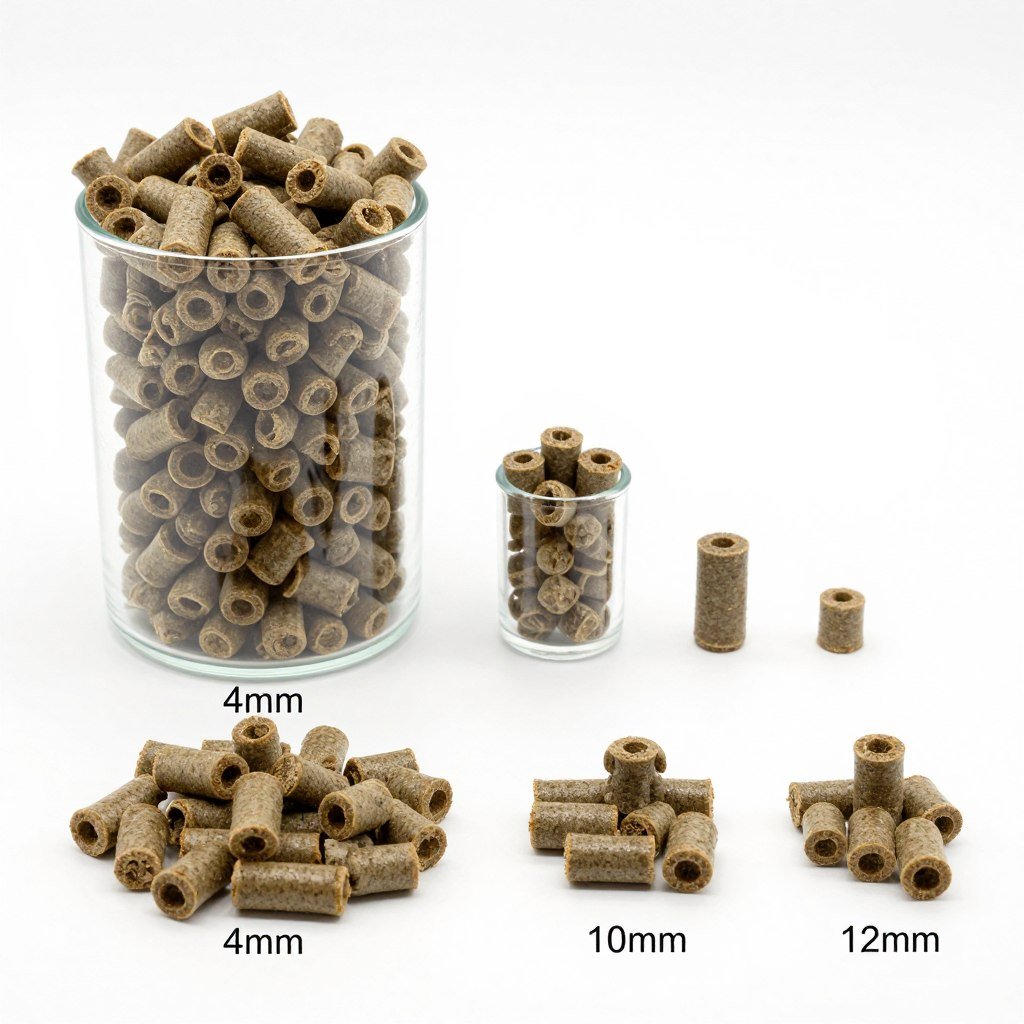
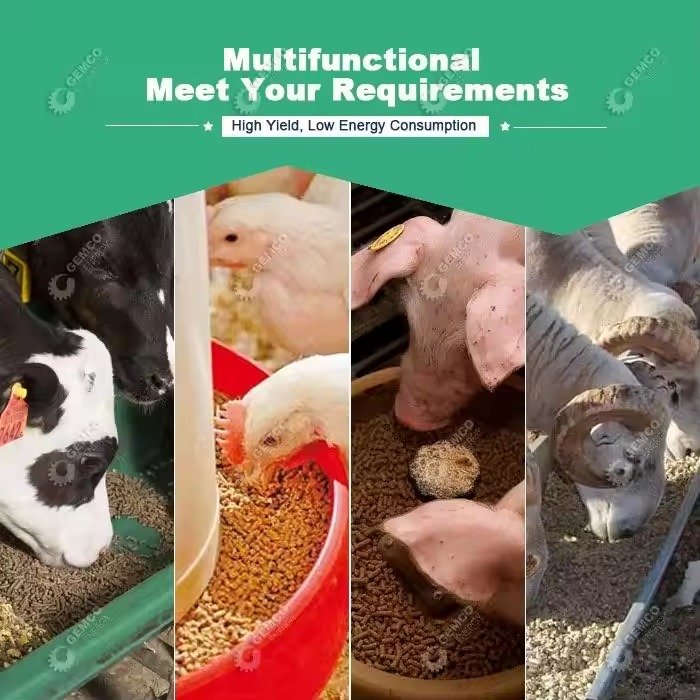
Cattle at different life stages require different pellet specifications. Young calves perform better with smaller 4-6mm pellets, while adult beef cattle and dairy cows efficiently consume 8-12mm pellets. The MAIKONG production line allows quick die changes to accommodate various pellet sizes.

Different sizes of cattle feed pellets displayed for comparison

Poultry Feed Line Characteristics and Differences

A poultry feed production line produces significantly smaller pellets with different nutritional profiles compared to cattle feed systems. Chickens, ducks, and other poultry require precisely sized feed particles that match their digestive capacity.

Key Distinctions in Equipment Design

Grinding Requirements

Poultry feed demands finer grinding compared to cattle feed. While cattle feed production lines typically grind materials to 3-5mm particles before pelleting, poultry lines require 1-2mm particle size. This necessitates different hammer mill screen configurations and higher grinding energy consumption.

The finer grinding creates more dust, requiring enhanced dust collection systems in chicken feed production lines compared to cattle feed operations.

Pellet Size Comparison

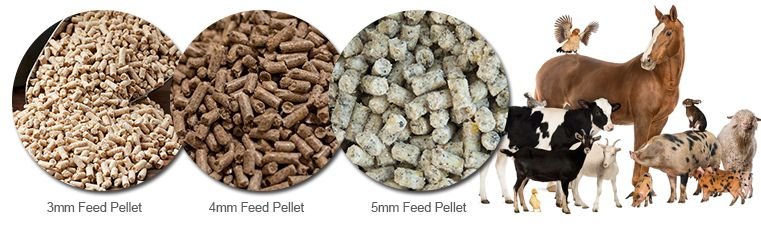
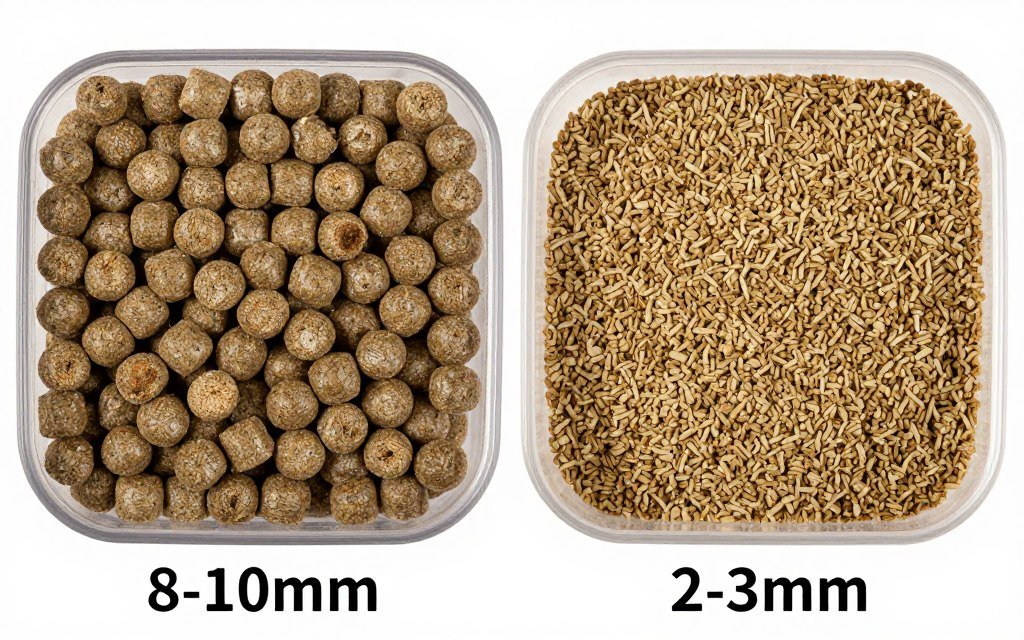
  • Cattle Feed: 6-12mm diameter pellets
  • Poultry Feed: 2-4mm diameter pellets (crumbles or mini-pellets)
  • Cattle Pellet Length: 10-25mm typical
  • Poultry Pellet Length: 3-8mm typical

Side-by-side comparison of cattle feed pellets and poultry feed pellets

Production Process Variations

Cattle Feed Production Line Process

  • Coarse grinding acceptable (3-5mm particles)
  • Can incorporate long fiber materials
  • Lower compression pressure pelleting
  • Longer cooling time due to larger pellet mass
  • Less critical pellet durability requirements
  • Often includes roughage mixing capability

Poultry Feed Line Process

  • Fine grinding essential (1-2mm particles)
  • Limited fiber content capacity
  • Higher compression pressure needed
  • Faster cooling due to smaller pellet size
  • Critical pellet durability to prevent fines
  • Focused on grain and protein concentrates

Moisture Content Management

Moisture control represents another significant difference between cattle and poultry feed pellet production. Cattle feed typically maintains 12-14% moisture content, while poultry feed requires stricter control at 10-12% to prevent mold growth in the smaller, more tightly packed pellets.

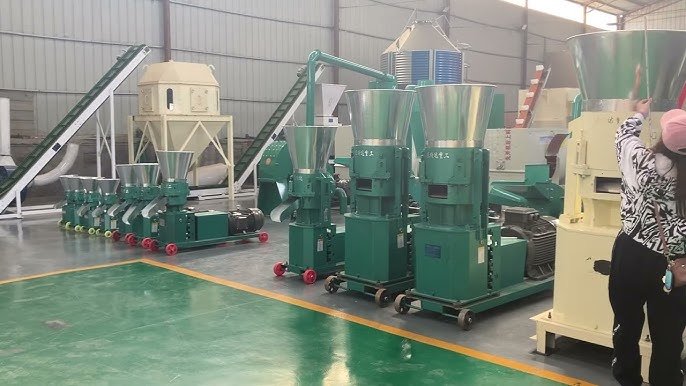
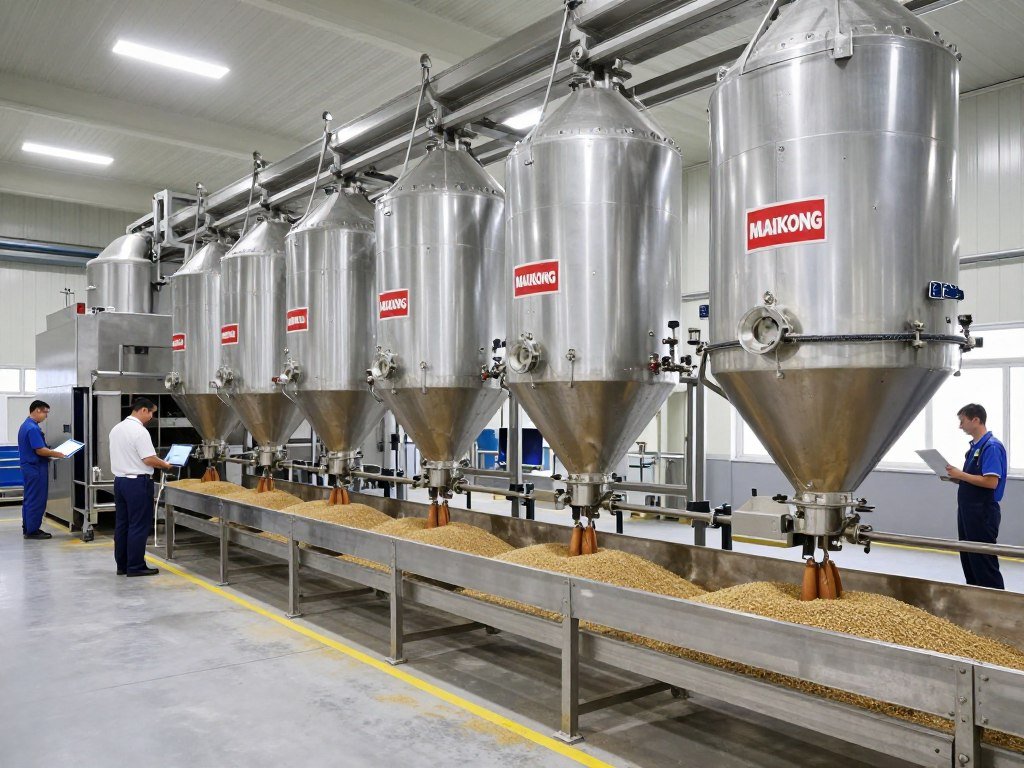
Complete cattle feed pellet production line facility showing multiple machines

Nutritional Formulation Differences Affecting Production

The distinct nutritional requirements of cattle versus poultry directly influence production line design and capability. Understanding these differences helps operators select appropriate equipment configurations.

Ingredient Composition Impact

Cattle feed commonly includes 30-50% roughage materials (hay, straw, silage) combined with grain concentrates. This high-fiber composition requires specialized bale breaking and chopping equipment not necessary in poultry lines. MAIKONG’s Cattle Feed Production Line incorporates robust bale breakers and forage cutters designed for these fibrous materials.

Poultry feed consists primarily of grains (corn, wheat), protein meals (soybean, fish meal), and vitamin-mineral premixes. The absence of long-fiber materials simplifies the grinding process but demands more precise micro-ingredient dosing systems.

Cattle Feed Typical Composition

Representative formula for beef cattle finishing feed:

  • Corn or grain: 35-45%
  • Roughage (hay/silage): 30-40%
  • Protein supplement: 15-20%
  • Minerals and vitamins: 3-5%

Poultry Feed Typical Composition

Representative formula for broiler chicken feed:

  • Corn or grain: 55-65%
  • Protein meal: 25-30%
  • Fat/oil: 3-5%
  • Minerals, vitamins, additives: 3-5%

Fiber Content Comparison

Crude fiber percentage in finished feed:

  • Cattle feed: 8-18% crude fiber
  • Poultry feed: 3-5% crude fiber
  • Impact: Affects grinding, mixing, pelleting
  • Equipment design: Cattle lines need fiber handling capability

Protein and Energy Density

Nutritional density affects production parameters:

  • Cattle feed: 12-16% protein typical
  • Poultry feed: 18-24% protein typical
  • Higher protein affects pellet binding
  • Influences steam conditioning requirements

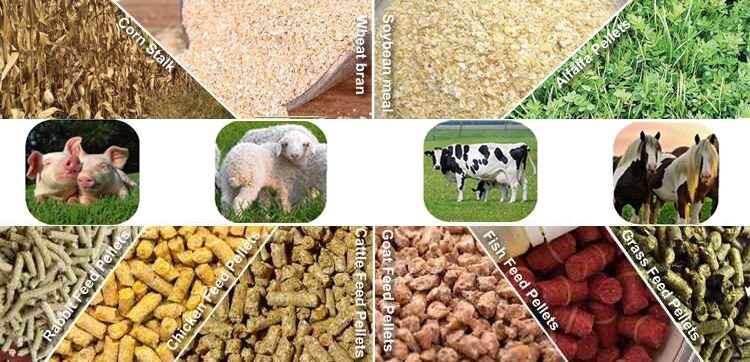
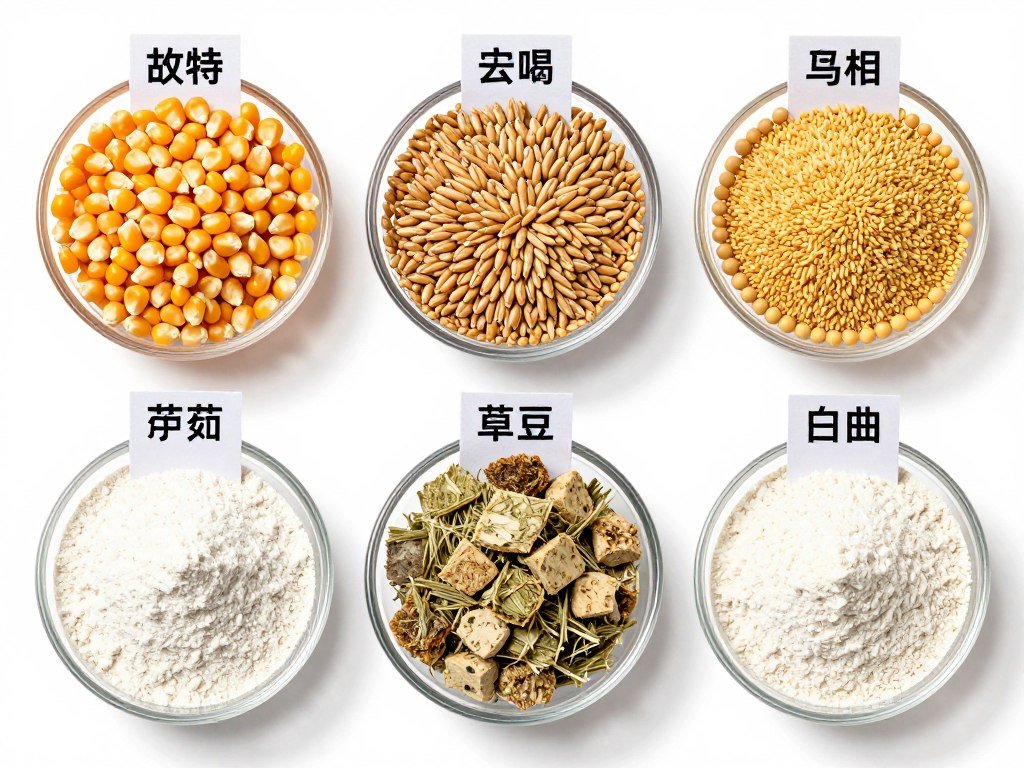
Different raw materials used in cattle feed and poultry feed production

Equipment Configuration and Automation Levels

Modern feed pellet production lines offer varying automation levels depending on production scale and budget. MAIKONG designs systems ranging from semi-automated small-scale units to fully automated large-capacity installations.

Automation Options for Different Scales

Production Scale Capacity Range Automation Level Labor Requirements Typical Application
Small-Scale 200-500 kg/hour Semi-automated 2-3 operators Small cattle farms, family operations
Medium-Scale 1-5 tons/hour Automated batching and mixing 1-2 operators Medium cattle ranches, cooperative feed mills
Large-Scale 10-30 tons/hour Fully automated PLC control 1 operator + maintenance Commercial feed mills, large ranches
Industrial-Scale 50-200 tons/hour Computer-controlled, remote monitoring Supervisory only Major commercial feed producers

Philippine cattle operations typically benefit most from medium-scale systems (3-5 tons/hour) that balance automation benefits with reasonable investment costs. MAIKONG’s MK-L003 model fits this category perfectly.

Control System Capabilities

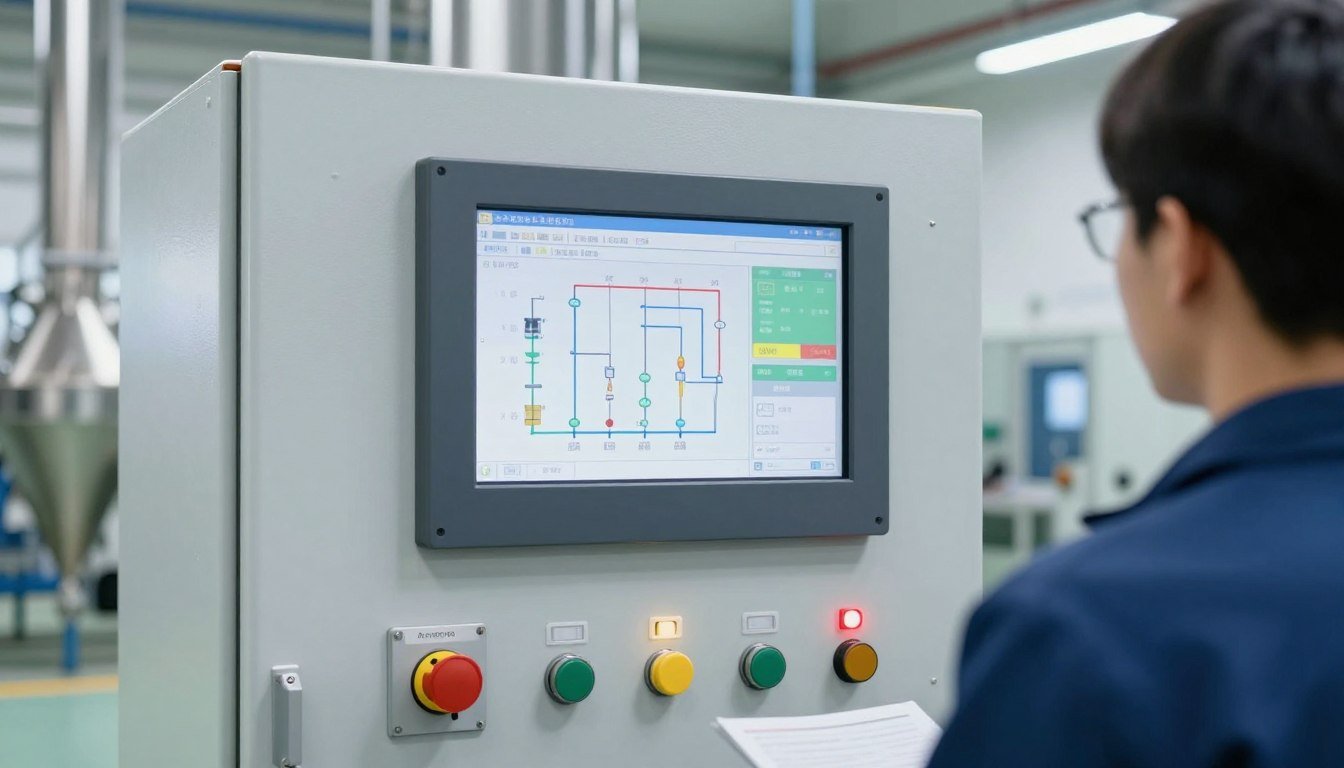
Advanced cattle feed pellet production line systems incorporate MCC (Motor Control Center) panels with programmable logic controllers. These systems provide:

Operational Control Features

  • Automated recipe management with storage for multiple formulas
  • Precise ingredient batching (±0.5% accuracy)
  • Process sequencing and interlocking safety systems
  • Production rate monitoring and adjustment
  • Pellet quality parameter tracking

Safety and Maintenance Features

  • Emergency stop systems throughout the line
  • Overload protection for all motors
  • Dust explosion prevention measures
  • Predictive maintenance alerts
  • Production data logging for analysis

Control panel and automation system for cattle feed production line

Need a Custom Automation Solution?

MAIKONG engineers design control systems matched to your operational needs and budget. From basic semi-automated systems to advanced PLC control, we customize the right solution for your Philippine cattle operation.

Global Success Stories: MAIKONG Installations

Over 22 years, MAIKONG has installed cattle feed pellet production lines across five continents, serving diverse climate conditions and operational requirements. These case studies demonstrate our capability to deliver customized solutions worldwide.

Regional Installation Highlights

Modern aqua fish feed production line facility in Philippines

Asia-Pacific Installations

Thailand dairy cooperative operates a 10-ton/hour MAIKONG line producing pellets for 5,000+ dairy cows. The system handles local rice bran, cassava, and imported protein supplements.

  • Indonesia beef ranch: 3-ton/hour capacity
  • Vietnam integrated farm: 5-ton/hour multi-species line
  • Philippine Mindanao ranch: 2-ton/hour custom configuration

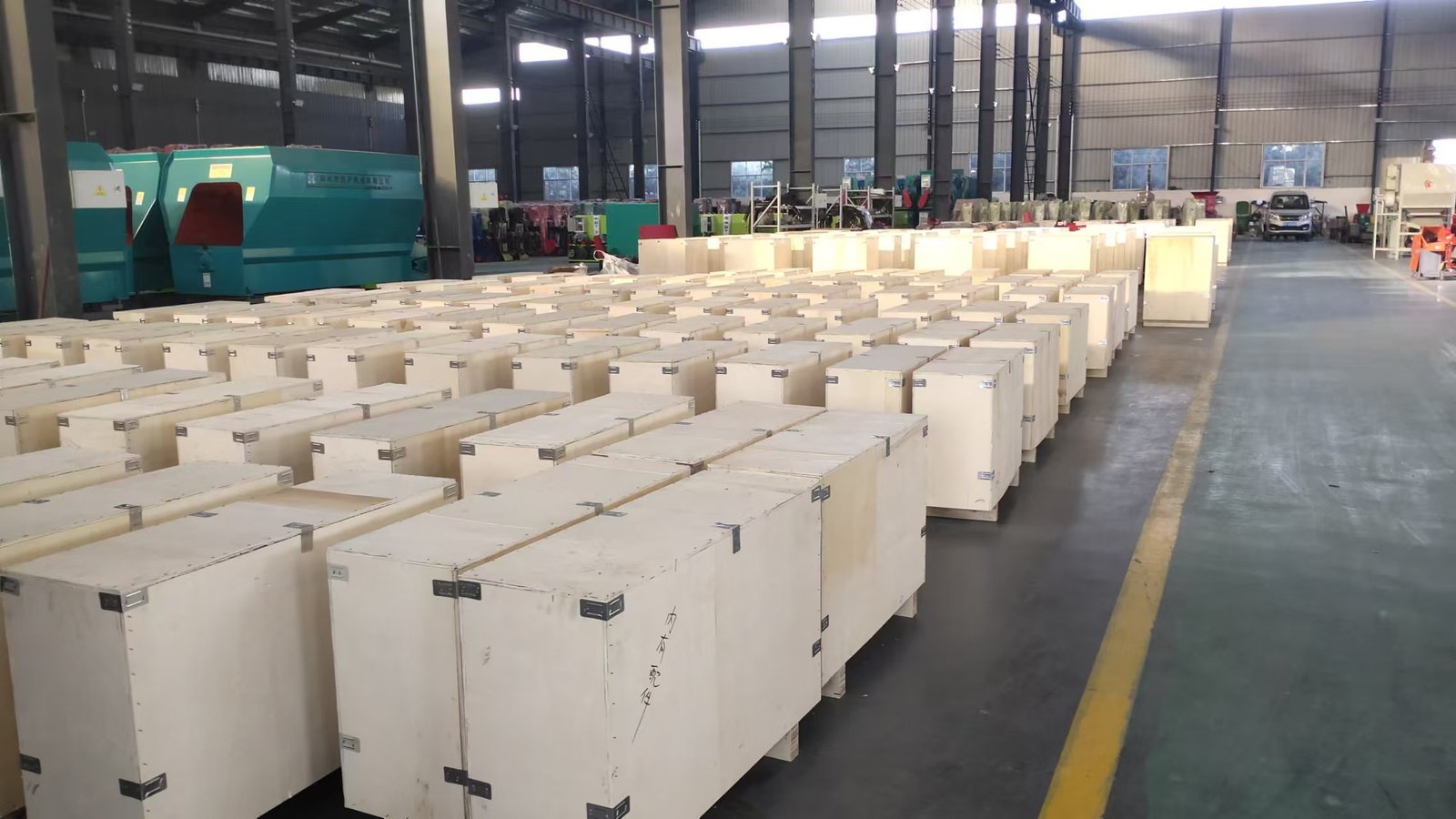
MAIKONG factory facility in Shenzhen showing manufacturing capabilities

Americas Region Projects

Argentina’s beef production sector relies on multiple MAIKONG installations. A 15-ton/hour facility in Buenos Aires province produces feed for 20,000 head finishing operation.

  • Brazil integrated farm: 8-ton/hour complete line
  • USA cattle feedlot: 12-ton/hour automated system
  • Colombia dairy cooperative: 6-ton/hour installation

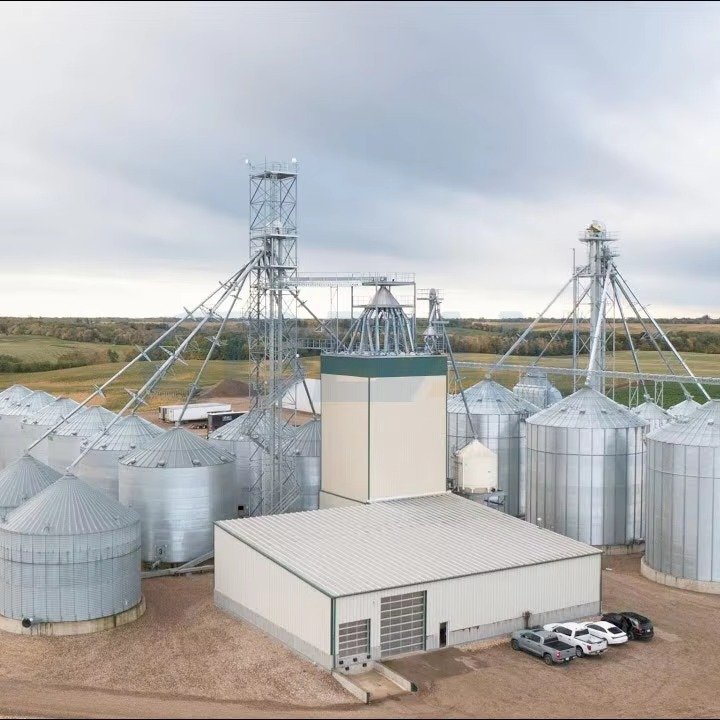
European cattle feed production facility with MAIKONG equipment

European Market Presence

Russia’s dairy industry has adopted MAIKONG technology for cold-climate operations. A 20-ton/hour automated line near Moscow operates year-round in sub-zero temperatures.

  • Russia dairy farms: Multiple 10-15 ton/hour installations
  • Eastern Europe cooperatives: 5-8 ton/hour systems
  • UK specialized organic feed: 3-ton/hour custom line

Middle Eastern cattle feed production installation

Middle East and Africa

Saudi Arabia’s expanding dairy sector utilizes MAIKONG’s heat-resistant configurations. A 16-ton/hour installation operates in 45°C+ ambient temperatures with specialized cooling systems.

  • UAE dairy operations: 12-ton/hour capacity
  • South Africa beef ranches: 10-ton/hour installations
  • Kenya mixed farming: 4-ton/hour versatile system

Installation Success Factors

MAIKONG’s global track record stems from comprehensive project management that addresses regional challenges:

Pre-Installation Planning

Site surveys assess electrical infrastructure, raw material characteristics, climate considerations, and operational requirements before equipment design finalization.

Customized Engineering

Voltage compatibility, climate adaptation, local raw material optimization, and regulatory compliance ensure each system performs optimally in its specific environment.

Comprehensive Training

On-site operator training, maintenance staff certification, troubleshooting protocols, and ongoing technical support establish long-term success.

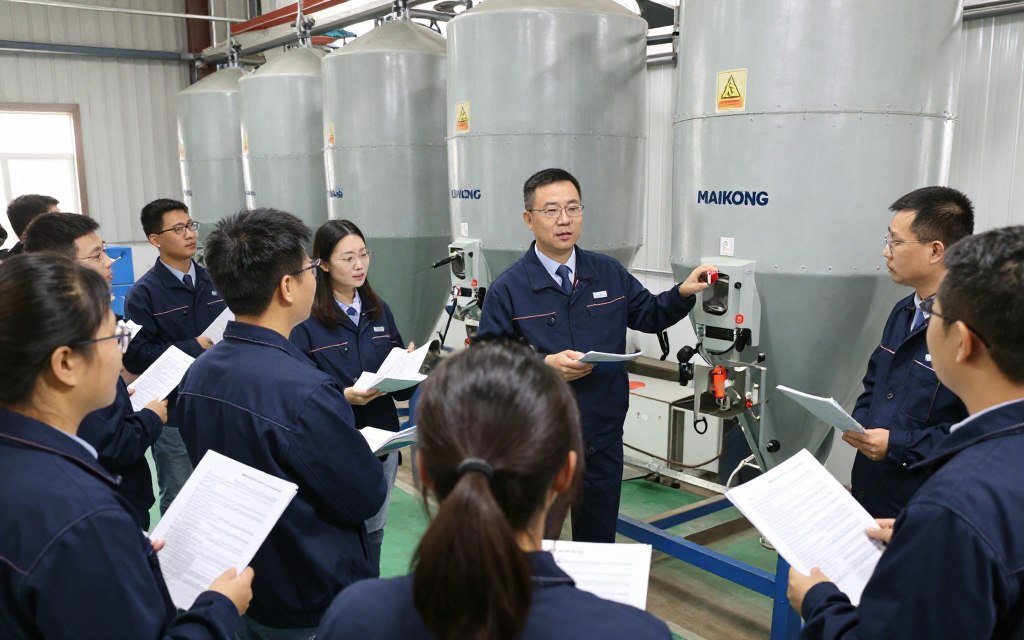
MAIKONG training session with international clients

Investment Considerations and Return on Investment

Establishing a cattle feed pellet production facility requires careful financial planning. MAIKONG provides transparent pricing and realistic ROI projections to help Philippine investors make informed decisions.

Complete Investment Breakdown

Capacity Scale Total Power Site Requirements Installation Cycle Investment Cost (USD)
1-2 T/H 47-75 KW 300-500 m² 7-15 Days $10,000-$50,000
3-4 T/H 53-165 KW 300-700 m² 15-20 Days $50,000-$120,000
5-7 T/H 68-259 KW 400-800 m² 20-40 Days $70,000-$250,000
8-10 T/H 125-410 KW 800-2,000 m² 45-60 Days $150,000-$300,000
12-20 T/H 358-620 KW 1,500-3,000 m² 60-90 Days $250,000-$580,000
25-40 T/H 545-870 KW 2,000-4,000 m² 90-120 Days $450,000-$850,000

These costs include complete equipment, installation, commissioning, and initial operator training. Additional expenses may include building construction, electrical infrastructure, and raw material storage facilities.

Operating Cost Analysis

Understanding operational expenses helps project accurate profitability. A typical 5-ton/hour Cattle Feed Production Line (MAIKONG MK-L003 configuration) incurs the following monthly costs:

Fixed Monthly Costs

  • Equipment financing/depreciation: $2,000-3,000
  • Labor (2 operators): $800-1,200 (Philippine rates)
  • Facility lease/mortgage: $500-1,500
  • Insurance and permits: $200-400
  • Total fixed costs: $3,500-6,100/month

Variable Costs per Ton Produced

  • Electricity (150 KW system): $8-12 per ton
  • Raw materials: $280-350 per ton
  • Packaging materials: $5-8 per ton
  • Maintenance and repairs: $3-5 per ton
  • Total variable cost: $296-375 per ton

Profitability Projection Example

A medium-scale Philippine cattle operation producing 600 tons of feed monthly (5 tons/hour × 6 hours/day × 20 days) can achieve the following financial performance:

Monthly Production Revenue Model

Production volume: 600 tons/month

Average selling price: $420 per ton (commercial cattle feed market rate)

Gross revenue: $252,000

Variable costs: $196,800 (600 tons × $328 average)

Fixed costs: $4,800 (mid-range estimate)

Net profit: $50,400 per month

Profit margin: 20% (industry standard for efficient operations)

ROI period: 18-24 months for $150,000 investment

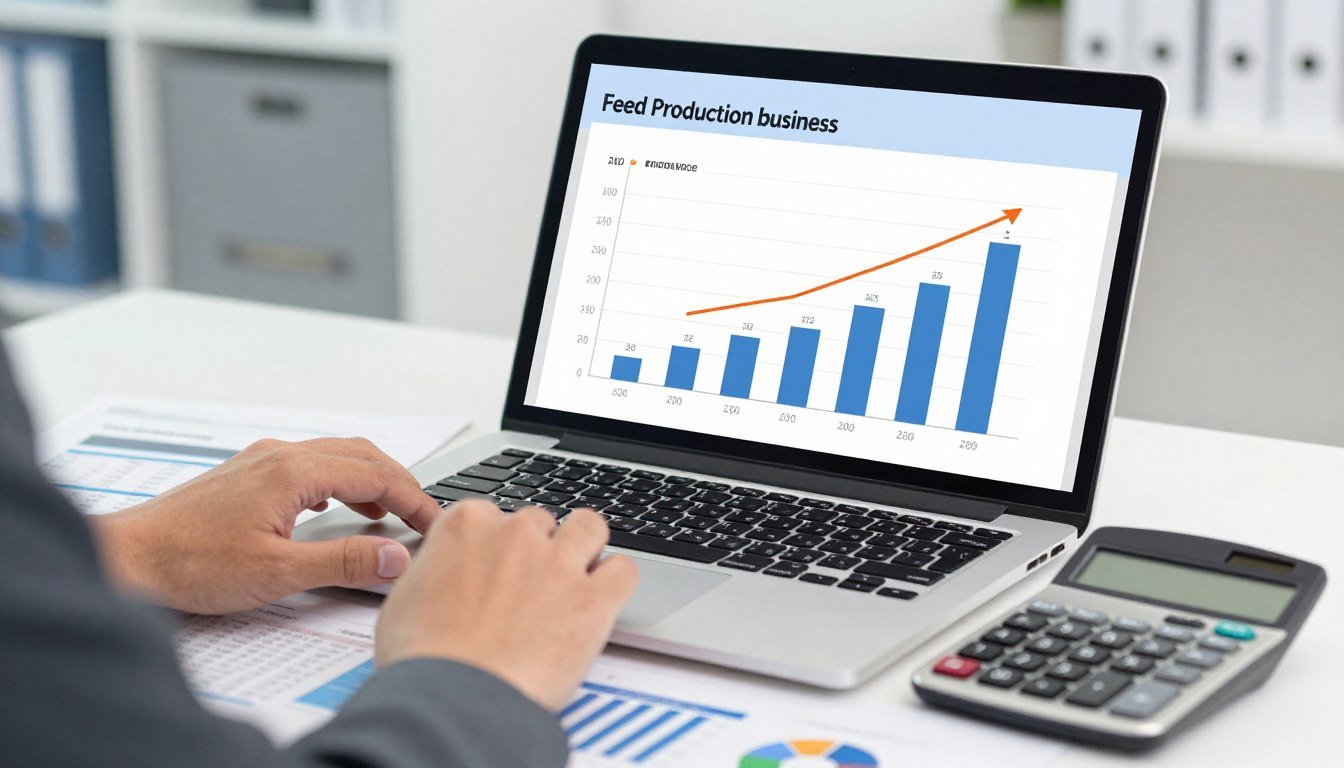
Financial analysis dashboard for cattle feed production

Get Detailed ROI Analysis for Your Project

MAIKONG’s technical consultants prepare customized financial projections based on your specific capacity needs, local raw material costs, and market conditions in the Philippines.

Selecting the Right Production Line for Your Operation

Choosing between cattle feed production and poultry feed systems—or determining if a multi-purpose line suits your needs—requires analyzing several operational factors specific to Philippine agricultural businesses.

Decision Criteria Framework

When to Choose Dedicated Cattle Feed Production Line

  • Primary business focuses on cattle (beef or dairy)
  • Monthly production exceeds 200 tons cattle feed
  • Need to process high-roughage materials (silage, hay)
  • Require larger pellet sizes (8-12mm)
  • Plan to produce TMR (Total Mixed Ration) products
  • Operate commercial feed mill serving cattle ranches

When to Choose Multi-Species Flexible Line

  • Integrated farm raising multiple livestock types
  • Smaller production volumes (under 200 tons/month)
  • Need to produce both cattle and chicken feed
  • Limited initial capital investment
  • Testing feed production before specialization
  • Serving diverse small-farm customer base

Raw Material Availability Assessment

Philippine feed producers benefit from abundant local ingredients. Matching your production line to available raw materials maximizes profitability and efficiency.

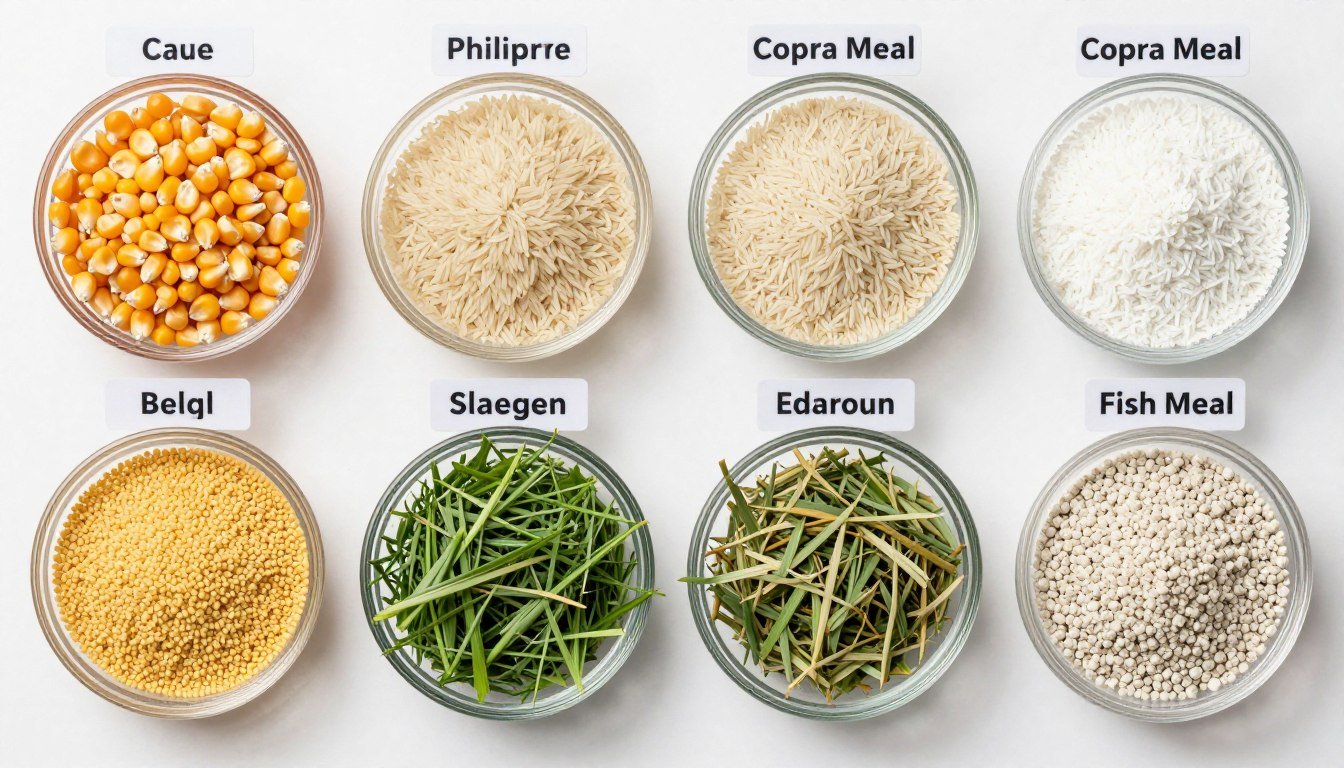
Raw Material Type Philippine Availability Best Use Processing Requirements
Corn (yellow, white) High – locally produced Both cattle and poultry Standard hammer mill grinding
Rice bran Very high – rice processing byproduct Cattle feed (energy source) Minimal processing needed
Copra meal High – coconut processing byproduct Cattle feed (protein supplement) Fine grinding recommended
Soybean meal Medium – some imported Both cattle and poultry (protein) Pre-ground, minimal processing
Grass/forage materials High – tropical growth Cattle feed only Bale breaking, chopping required
Fish meal Medium – coastal areas Poultry and fish feed Fine grinding for quality

Common Philippine feed raw materials displayed

Capacity Planning Methodology

Accurate capacity calculation prevents over-investment or undersized systems. Use this methodology to determine appropriate production line scale:

Step 1: Calculate Current Feed Needs

Determine monthly consumption: Number of animals × daily feed per animal × 30 days. Example: 500 cattle × 10kg/day × 30 = 150,000 kg = 150 tons/month

Step 2: Add Growth Projection

Factor in herd expansion plans over 3-5 years. Conservative planning adds 20-30% capacity buffer for growth without over-investment.

Step 3: Consider Commercial Sales

If planning to sell feed to other farms, research local demand. Start conservative—easier to add second shift than purchase undersized equipment.

Step 4: Calculate Required Capacity

Divide monthly needs by operating days and hours. Example: 180 tons/month ÷ 20 days ÷ 6 hours = 1.5 tons/hour minimum capacity needed.

MAIKONG recommends selecting equipment capacity 20-30% above calculated minimum to accommodate inefficiencies, maintenance downtime, and peak demand periods.

Quality Control and Testing Procedures

Consistent feed quality directly impacts livestock performance and profitability. Professional feed pellet production operations implement systematic quality control throughout the manufacturing process.

Critical Quality Parameters for Cattle Feed Pellets

4.8
MAIKONG Production Quality Standard
Pellet Durability Index (PDI)
96%
Moisture Content Control
12-13%
Pellet Length Uniformity
94%
Fines Content (waste)
Nutritional Accuracy
±0.5%

Testing Equipment and Procedures

MAIKONG Cattle Feed Production Line installations include quality testing capabilities integrated into the production workflow:

Incoming Raw Material Testing

  • Moisture meters: Verify raw material moisture before processing (target: 10-14%)
  • Particle size analysis: Ensure grinder performance consistency
  • Visual inspection: Detect contamination, mold, foreign objects
  • Sample retention: Archive samples for traceability
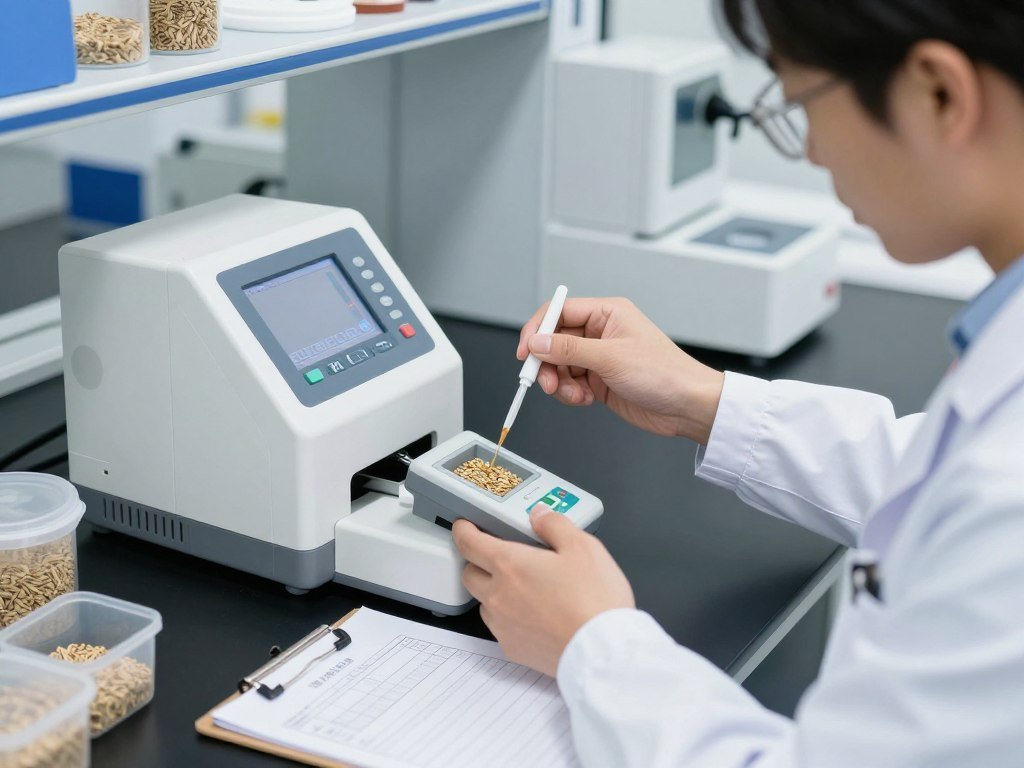
Quality control testing of cattle feed raw materials

Finished Product Quality Checks

  • PDI testing: Tumbling can test measures pellet hardness and durability
  • Pellet size verification: Caliper measurements ensure specification compliance
  • Cooling effectiveness: Temperature checks post-cooling (target: ambient +5°C)
  • Weight accuracy: Verify packaging system calibration
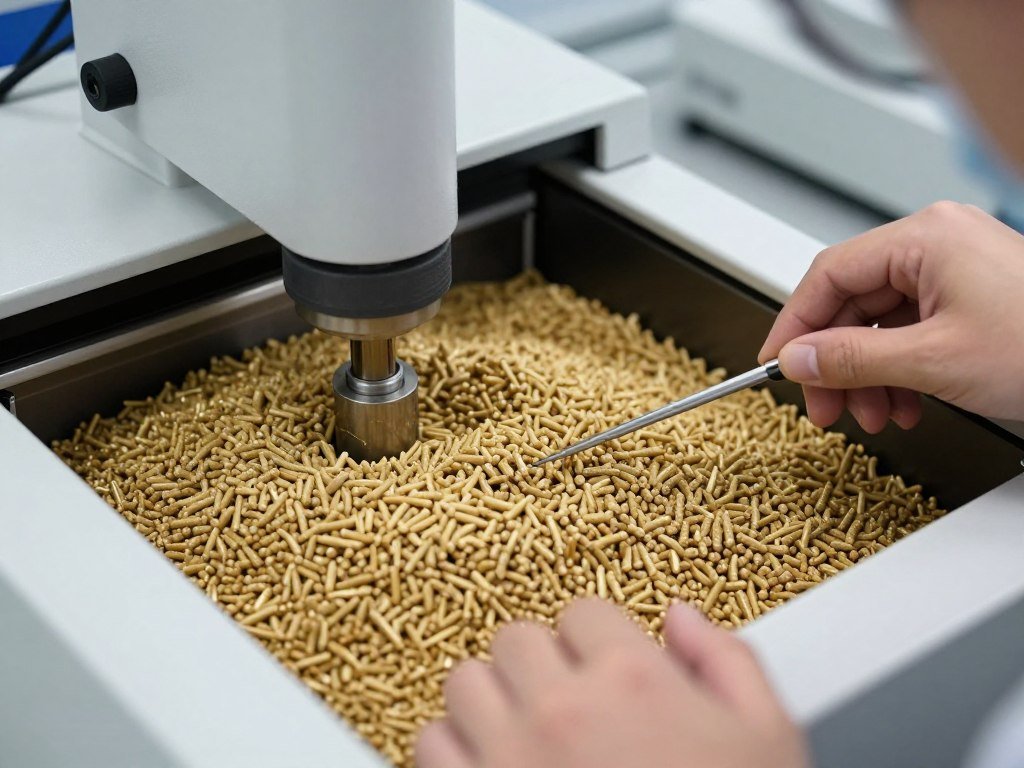
Testing pellet durability and quality

Common Quality Issues and Solutions

High fines content (excessive broken pellets)

Causes: Insufficient steam conditioning, worn pellet die, improper cooling, rough handling during conveying

Solutions: Increase steam conditioning time, replace worn dies every 800-1000 production hours, reduce conveyor drop heights, adjust cooling air flow

Inconsistent pellet length

Causes: Worn or damaged pellet mill knives, variable material flow rate, moisture content fluctuations

Solutions: Maintain sharp cutting knives, install mass flow feeders for consistent material delivery, stabilize raw material moisture through controlled storage

Poor pellet binding (soft, crumbly pellets)

Causes: Insufficient natural binders in formula, inadequate steam conditioning, low compression pressure

Solutions: Adjust formula to include binding ingredients (wheat, molasses), increase steam pressure and conditioning time, verify die compression ratio matches material type

Maintenance Requirements and Lifecycle Costs

Proper maintenance extends equipment life, reduces downtime, and maintains consistent feed pellet quality. MAIKONG designs production lines for easy maintenance with Philippine service availability in mind.

Preventive Maintenance Schedule

Maintenance Task Frequency Estimated Time Critical Components
Lubrication points service Daily 30 minutes Bearings, chain drives, gearboxes
Dust collection system cleaning Daily/Weekly 45 minutes Filter bags, cyclones, ductwork
Hammer mill screen inspection Weekly 1 hour Screens, hammers, rotor balance
Mixer paddle and shaft check Monthly 2 hours Paddles, seals, discharge doors
Pellet mill die and roller inspection Every 500 hours 3-4 hours Die condition, roller shells, bearings
Complete electrical system check Quarterly 4 hours Connections, controls, sensors
Major mechanical overhaul Annually 2-3 days All major assemblies, alignment

Critical Wear Parts and Replacement Costs

Understanding replacement part costs and lifecycles helps budget operational expenses accurately. MAIKONG maintains spare parts inventory in the Philippines for rapid service response.

High-Wear Components (Regular Replacement)

  • Hammer mill screens: $150-300, replace every 200-300 production hours
  • Hammer mill hammers: $200-400 set, replace every 400-600 hours
  • Pellet mill die: $800-2,500, replace every 800-1,200 hours
  • Pellet mill rollers: $400-1,200 set, replace every 1,000-1,500 hours

Moderate-Wear Components (Periodic Replacement)

  • Mixer paddles: $300-600 set, replace every 2,000-3,000 hours
  • Conveyor belts: $200-500, replace every 8,000-12,000 hours
  • Elevator buckets: $150-300 set, replace every 5,000-8,000 hours
  • Filter bags (dust collector): $400-800 set, replace every 6,000-10,000 hours
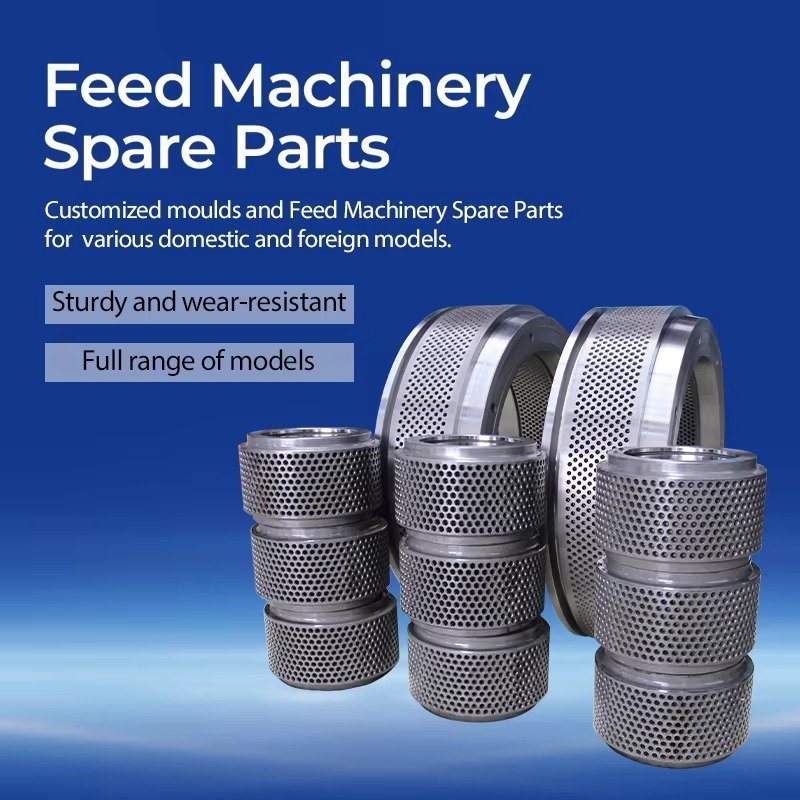
Fish feed production line maintenance parts and components

Annual Maintenance Cost Projection

For a 5-ton/hour cattle feed production line operating 6 hours daily, 20 days monthly (1,440 hours annually), expect these maintenance expenses:

Typical Annual Maintenance Budget (MAIKONG MK-L003)

  • Replacement wear parts: $4,500-6,000
  • Lubrication and consumables: $800-1,200
  • Electrical components and sensors: $500-800
  • Preventive maintenance labor: $2,000-3,000 (if outsourced)
  • Unexpected repairs (contingency): $1,500-2,500
  • Total annual maintenance cost: $9,300-13,500
  • Cost per ton produced: $5.40-7.80 (based on 1,728 tons annual production)

This maintenance cost represents approximately 1.5-2% of equipment value annually, which aligns with industry standards for well-maintained production facilities.

Environmental Considerations and Philippine Regulations

Modern animal feed production facilities must comply with environmental regulations while maintaining operational efficiency. MAIKONG designs systems that meet Philippine environmental standards and international best practices.

Dust Control and Air Quality Management

Feed production generates significant dust, requiring effective control systems to protect worker health and meet environmental requirements. MAIKONG integrates multi-stage dust control in every Cattle Feed Production Line.

Primary Dust Control

Cyclone separators capture coarse particles at grinding and screening points, recovering 70-80% of dust for return to production process, reducing waste.

Secondary Filtration

Pulse-jet bag filter systems remove fine particulates before exhaust, achieving >99% dust removal efficiency, meeting Philippine emission standards.

Workplace Safety

Enclosed conveyors, sealed transfer points, and negative pressure systems minimize worker exposure to dust, improving workplace air quality significantly.

Noise Reduction Strategies

Feed production equipment generates substantial noise, particularly hammer mills and pellet machines. MAIKONG employs multiple noise control approaches:

  • Acoustic enclosures: Sound-dampening housing around noisiest equipment (hammer mills, pellet mills)
  • Vibration isolation: Rubber mounting pads reduce structure-borne noise transmission
  • Quieter equipment design: Modern motor and fan technology reduces operational noise levels
  • Strategic equipment placement: Distance noisiest operations from worker areas and property boundaries
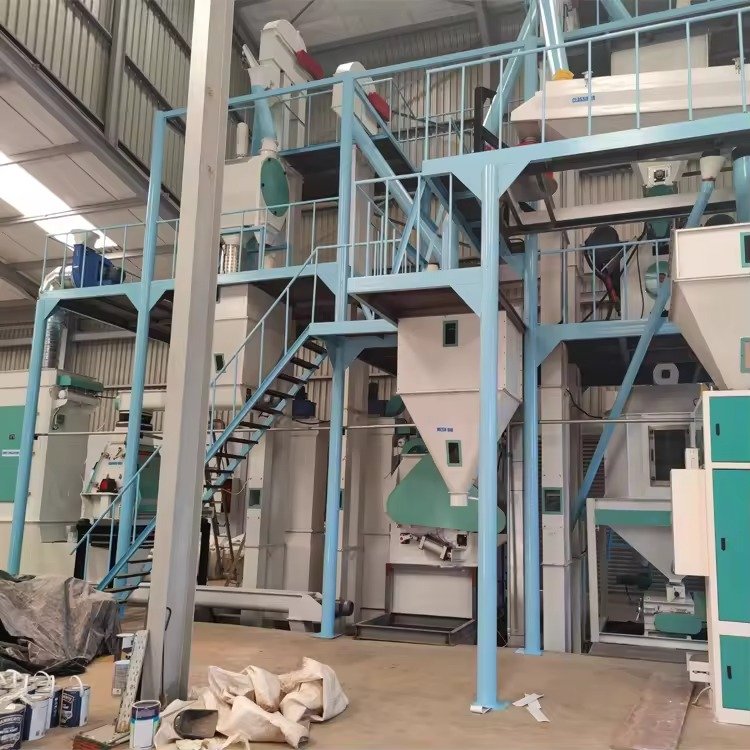
Dust collection and environmental control systems

Energy Efficiency and Sustainability

With increasing electricity costs in the Philippines, energy-efficient design delivers significant operational savings. MAIKONG’s latest cattle feed pellet production line models incorporate energy-saving features:

Energy-Efficient Technologies

  • High-efficiency motors (IE3 or IE4 classification)
  • Variable frequency drives (VFD) on major motors
  • Optimized grinding chamber design reduces power consumption
  • Heat recovery from pellet cooler for steam generation
  • LED lighting throughout facility

Typical Energy Consumption (5 T/H Line)

  • Grinding section: 45-55 KW (30-35% of total)
  • Pelleting section: 60-75 KW (40-45% of total)
  • Conveying and handling: 20-25 KW (15-18% of total)
  • Auxiliary systems: 10-15 KW (8-10% of total)
  • Total: 135-170 KW during full production

MAIKONG Company Profile and Competitive Advantages

MAIKONG has established itself as a leading cattle feed pellet production line manufacturer serving the Philippine market and global customers. Our 22-year track record demonstrates consistent innovation, quality manufacturing, and customer-focused service.

Manufacturing Excellence and Certifications

Operating from our facility in GD Province, SZ City, MAIKONG maintains international quality standards across all production processes. Our manufacturing capabilities include complete in-house fabrication, assembly, and testing of pellet machines and complete production lines.
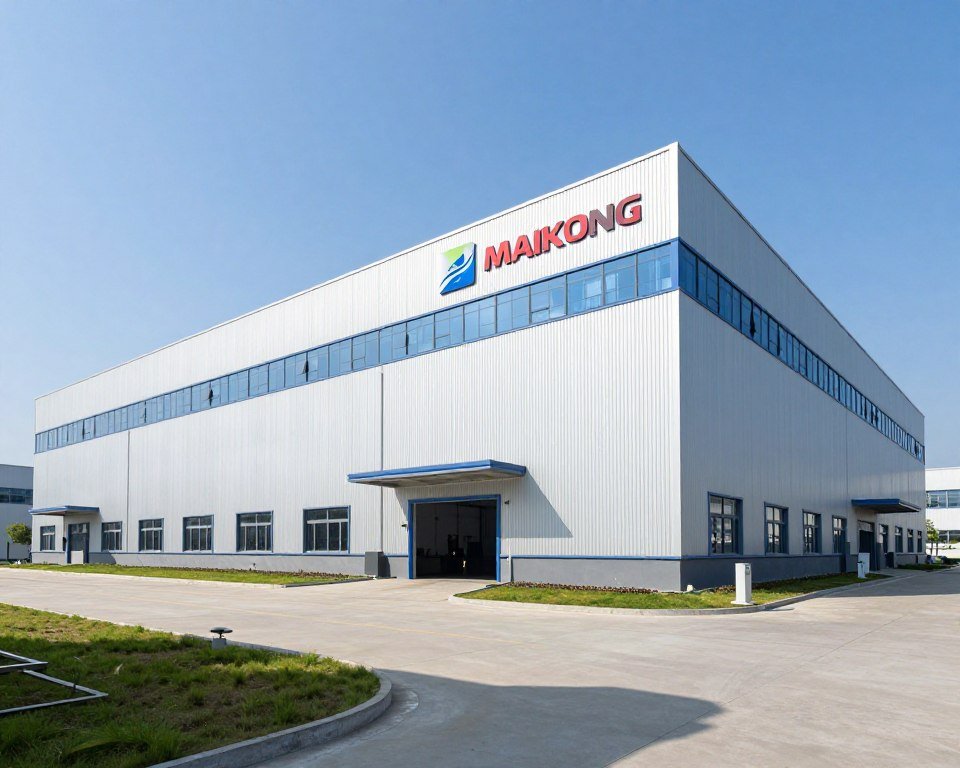
MAIKONG manufacturing facility exterior

Quality Certifications

  • ISO 9001:2015 Quality Management System
  • CE certification for European markets
  • SGS factory audit compliance
  • Philippine regulatory compliance

MAIKONG engineering and design team

Engineering Capabilities

  • In-house design and R&D team
  • Custom engineering for unique requirements
  • Computer-aided design (CAD) optimization
  • Continuous product improvement program
Detailed technical diagram of MAIKONG MK-004 cattle feed pellet machine showing all major components

Production Capacity

  • 200+ complete production lines annually
  • 2,000+ individual pellet machines yearly
  • Rapid production for urgent projects
  • Scalable manufacturing for any order size

Comprehensive Product Portfolio

MAIKONG offers complete solutions beyond cattle feed production, serving diverse agricultural and industrial applications throughout the Philippines and Asia-Pacific region.

Specialized Pellet Machines

Individual equipment for specific applications:

Supporting Equipment

Complete auxiliary systems and components:

  • Hammer mills and grinders (all sizes)
  • Horizontal and vertical mixers
  • Conveying systems (belt, screw, bucket)
  • Cooling and drying equipment
  • Packaging and bagging systems
  • Dust collection and filtration

Custom Solutions

Tailored engineering for unique requirements:

  • Voltage customization (any Philippine standard)
  • Capacity scaling (200KG to 200 tons/hour)
  • Climate adaptation (tropical, high-humidity)
  • Raw material optimization
  • Space-constrained installations
  • Multi-product production flexibility

Range of MAIKONG pellet production equipment

Why Philippine Customers Choose MAIKONG

MAIKONG Competitive Advantages

  • 22 years proven experience in feed equipment manufacturing
  • Philippine market understanding and local support presence
  • Comprehensive OEM/ODM customization capabilities
  • Complete production line solutions (not just individual machines)
  • Rapid spare parts availability in Philippines
  • Technical support in English and local languages
  • Competitive pricing with excellent quality-to-cost ratio
  • Proven global installations across five continents
  • Training programs for operators and maintenance staff
  • Dealer and distributor partnership programs

Partner with MAIKONG Philippines

MAIKONG actively seeks qualified dealers and distributors throughout the Philippines. Join our partner network to offer proven feed production solutions to your local market with full technical and business support.

Implementation Timeline and Project Phases

Establishing a new cattle feed production line involves multiple coordinated phases from initial planning through full production operation. MAIKONG’s project management team guides customers through each stage, ensuring smooth implementation.

Complete Project Timeline (5-Ton/Hour System Example)

Project Phase Duration Key Activities Customer Involvement
Initial Consultation 1-2 weeks Needs assessment, capacity determination, site evaluation, preliminary design Provide production requirements, site information, budget parameters
Engineering and Quotation 2-3 weeks Detailed system design, equipment selection, layout planning, pricing Review proposals, select configuration, approve final design
Contract and Manufacturing 6-8 weeks Equipment fabrication, quality testing, pre-shipment inspection Advance payment, site preparation, electrical infrastructure
Shipping and Logistics 3-4 weeks Container loading, ocean freight, customs clearance, inland transport Coordinate customs, arrange site access, prepare receiving area
Installation and Assembly 2-3 weeks Equipment positioning, mechanical assembly, piping and wiring Provide utilities, labor assistance, site access
Commissioning 1 week System testing, calibration, trial production runs, adjustments Provide raw materials for testing, observe procedures
Training and Handover 1 week Operator training, maintenance instruction, documentation handover Assign personnel for training, final acceptance

Total Project Timeline: 16-21 weeks (approximately 4-5 months) from initial contact to full production operation.

Site Preparation Requirements

While MAIKONG handles equipment supply and installation, customers must prepare the site according to specifications. Proper preparation prevents delays and ensures optimal equipment performance.

Civil Works Required

  • Foundation preparation: Reinforced concrete pads for heavy equipment (pellet mill, mixer), thickness 200-300mm
  • Floor loading capacity: Minimum 5,000 kg/m² for equipment areas, 2,000 kg/m² for storage areas
  • Drainage system: Floor drains for cleaning, proper slope for water runoff
  • Building structure: Adequate height clearance (6-8m minimum), weather protection, ventilation openings

Utility Infrastructure

  • Electrical supply: 380V three-phase, 200-250 KVA capacity for 5 T/H line
  • Water supply: Clean water for steam generation, cleaning (if using steam conditioning)
  • Compressed air: 0.6-0.8 MPa pressure, 1-2 m³/min flow for controls and dust system
  • Steam boiler: 0.5-1.0 ton/hour capacity if producing steam-conditioned pellets
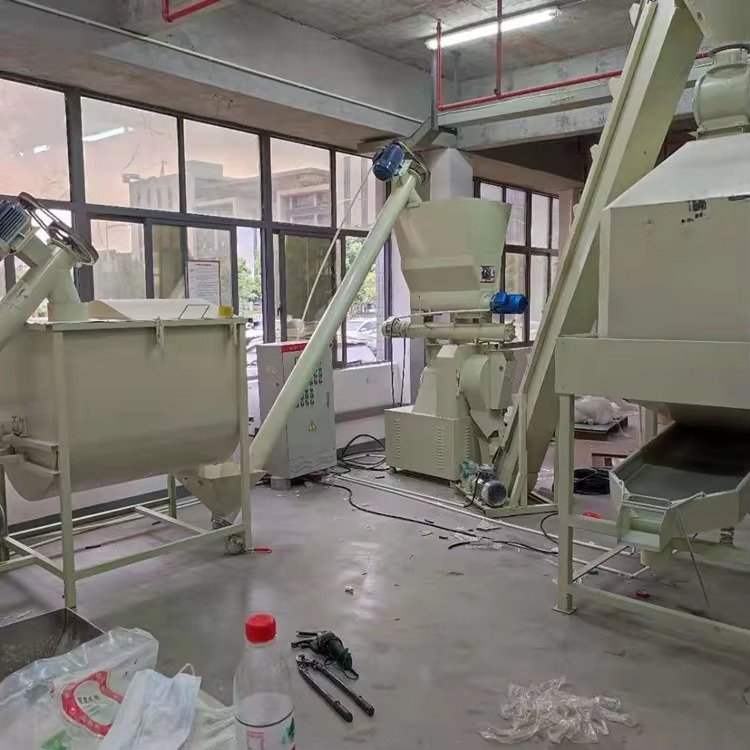
MAIKONG Site preparation for feed production line installation

Making the Right Choice for Your Feed Production Future

Selecting between a dedicated Cattle Feed Production Line and poultry feed system—or choosing a flexible multi-species solution—represents a significant business decision that impacts operational efficiency and profitability for years to come. The key differences in grinding fineness, pellet size, equipment configuration, and raw material handling capability clearly distinguish these production approaches.

Philippine cattle operations, feed mills, and agricultural entrepreneurs benefit from MAIKONG’s 22 years of manufacturing expertise and comprehensive understanding of local market conditions. Our customized solutions address specific challenges including tropical climate considerations, Philippine voltage standards, local raw material characteristics, and competitive pricing requirements.

Key Takeaways for Philippine Buyers

Technical Considerations

Match equipment capacity to actual needs plus 20-30% growth buffer. Consider raw material availability in your region and select systems designed for those specific ingredients.

Financial Planning

Calculate complete project costs including equipment, installation, and site preparation. Realistic ROI projections show 18-24 month payback for well-planned operations.

Operational Success

Commit to proper operator training and preventive maintenance. Quality control systems ensure consistent product that maximizes livestock performance and customer satisfaction.

Whether you operate a growing cattle ranch seeking self-sufficiency in feed production, manage a commercial feed mill serving multiple farms, or envision starting a feed manufacturing business, MAIKONG provides complete solutions tailored to Philippine market requirements. Our Model MK-L003 represents proven technology delivering consistent results across hundreds of global installations.

Start Your Cattle Feed Production Line Project Today

Contact MAIKONG’s Philippine technical team for personalized consultation. We provide free project assessment, customized system design, transparent pricing, and complete implementation support from initial planning through production startup and beyond.

Dealer and Distributor Opportunities

MAIKONG actively expands our Philippine dealer network, seeking qualified partners who understand local agricultural markets and maintain technical service capabilities. Authorized dealers receive comprehensive support including technical training, marketing materials, competitive pricing structures, territory protection, and ongoing engineering assistance.

Ideal dealer partners include agricultural equipment suppliers, feed mill operators considering equipment sales, technical service providers with customer bases in livestock sectors, and entrepreneurs with agricultural industry connections. MAIKONG provides complete business support to help partners succeed in the growing Philippine feed equipment market.

Dealer Program Benefits

  • Product Training: Comprehensive technical education on all MAIKONG equipment and systems
  • Sales Support: Technical documentation, demonstration equipment, project engineering assistance
  • Competitive Margins: Attractive dealer pricing with volume incentives and performance bonuses
  • Marketing Materials: Professional brochures, technical specifications, case studies, digital content
  • Territory Protection: Defined geographic areas with exclusivity for qualified dealers
  • After-Sales Support: Technical hotline, spare parts availability, warranty administration
  • OEM/ODM Services: Custom branding options, specialized configurations, private label opportunities

For dealer and distributor inquiries, contact Lucy@pelletmachine.ph with information about your company, technical capabilities, customer base, and territory of interest. MAIKONG evaluates each application individually to ensure mutual success and market development.
MAIKONG dealer partner meeting

Thank you for considering MAIKONG for your cattle feed production line needs. We look forward to supporting your success in Philippine livestock feed manufacturing with proven technology, responsive service, and genuine partnership commitment. Contact us today to begin your journey toward efficient, profitable feed production.

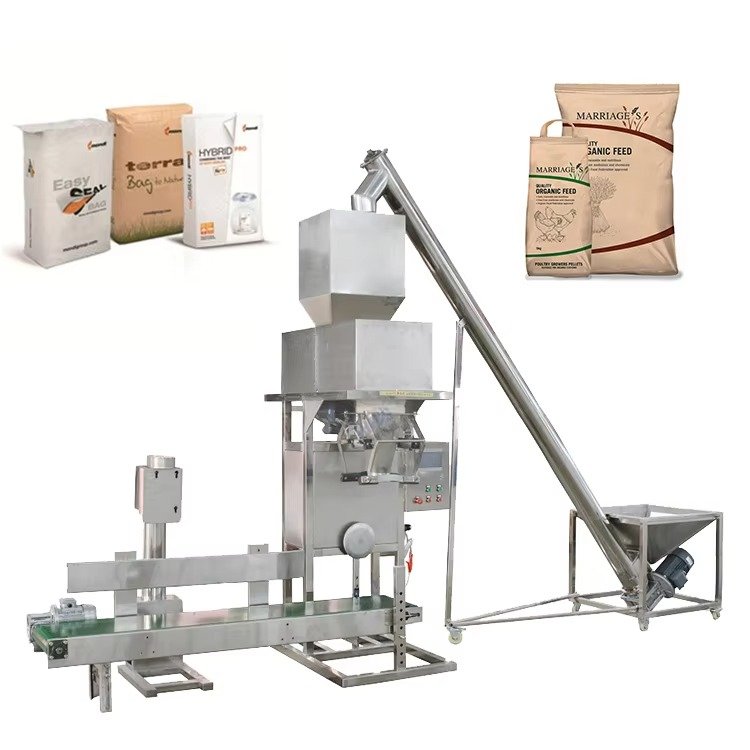
Best Pellet Machine Price in Philippines –Get Your Pellet Machine Solution & Price Now .!


All fields marked with * are required.
*
*
*

User Type *

Please select the option that best describes you (choose one)

Products of Interest *

0

Select one or more products you are interested in

* + * = ?
Please enter the result of the sum and click “Submit” to verify your submission..

If the form does not submit successfully, please refresh the page and try again..