
Chicken Feed Production Systems for Philippine Operations
A complete chicken feed production line consists of integrated machinry working together to transform raw agricultural materials into nutritious pellets or mash. The Philippine market primarily demands three feed types: broiler pellets for meat production, layer mash for egg-laying hens, and starter crumbles for young chicks.
MAIKONG systems process local ingredients efficiently. Corn, rice bran, soybean meal, fish meal, and various supplements combine through precise formulation. Our equipment handles the moisture content variations common in tropical climates, ensuring consistent output quality regardless of seasonal humidity changes.
Complete Production Line Components
- Raw material receiving and cleaning equipment removes debris and foreign objects
- Grinding machines reduce particle size for optimal digestibility
- Automated batching scales ensure precise formula accuracy
- Mixing equipment achieves thorough ingredient distribution
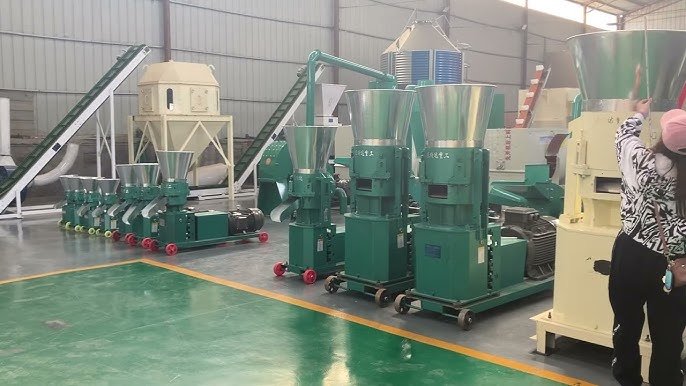
- Pellet mills compress materials into uniform shapes
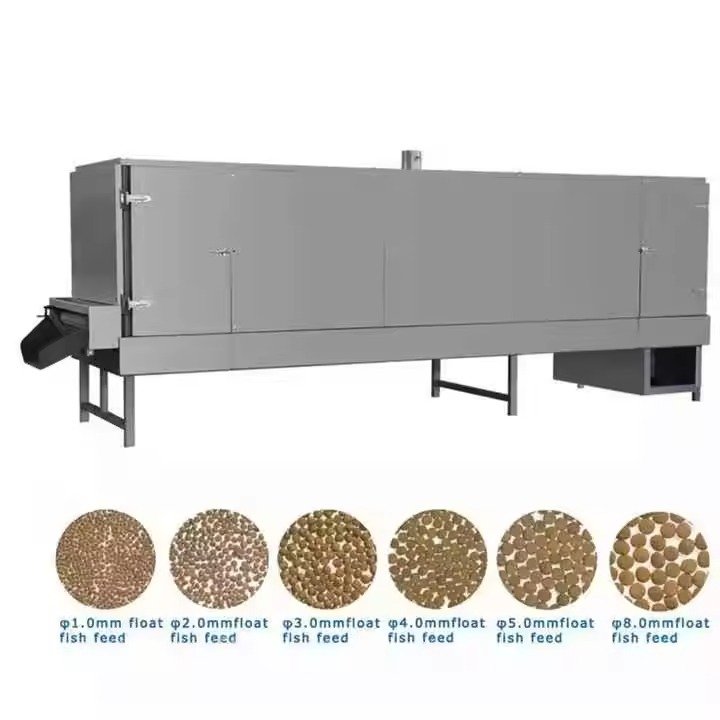
- Cooling systems reduce temperature and moisture content
- Screening equipment separates fines from finished pellets
- Packaging machinery prepares products for storage or distribution
Key Performance Factors
- Production capacity matching your current and future needs
- Energy efficiency reducing operational costs
- Pellet durability preventing waste during handling
- Formula flexibility accommodating different bird ages and purposes
- Automation level determining labor requirements
- Maintenance accessibility minimizing downtime
- Parts availability ensuring quick repairs
- Technical support access solving problems rapidly
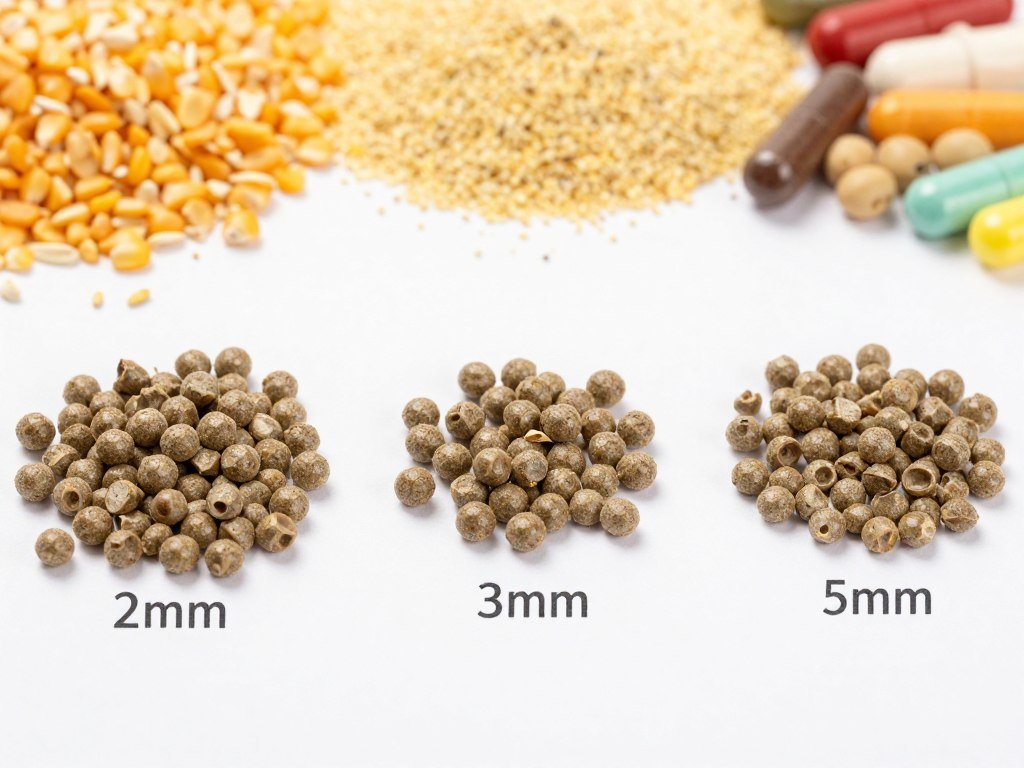
The choice between mash and pellet production depends on your target market. Layer operations often prefer mash for its lower production cost and reduced equipment investment. Broiler farms typically choose pellets because they improve feed conversion ratios and reduce selective feeding behavior. MAIKONG designs accommodate both formats, with quick changeover capabilities for operations serving multiple market segments.
MAIKONG Model MK-L004 Complete Technical Specifications
Our flagship chicken feed production line model MK-L004 delivers reliable performance for medium-scale operations. This system represents the optimal balance between production capacity, operational efficiency, and investment cost for Philippine market conditions.
| Specification Parameter | Technical Detail | Practical Benefit |
| Model Number | MK-L004 | Standardized replacement parts |
| Production Capacity | 3-5 Tons/Hour | Serves 10,000-20,000 birds daily |
| Total Power Requirement | 53-165 KW | Compatible with Philippine industrial supply |
| Voltage Configuration | 220V/380V/Custom | Matches local electrical standards |
| Installation Space | 300-700 m² | Fits typical Philippine warehouse facilities |
| Equipment Weight | 8,500-12,000 kg | Standard foundation requirements |
| Primary Material | Stainless Steel 304/Carbon Steel | Corrosion resistance in humid climate |
| Control System | PLC with HMI touchscreen | Simple operation, reduced training time |
| Pellet Size Range | 2-8 mm diameter | Suitable for all chicken growth stages |
| Installation Timeline | 15-20 Days | Quick production startup |
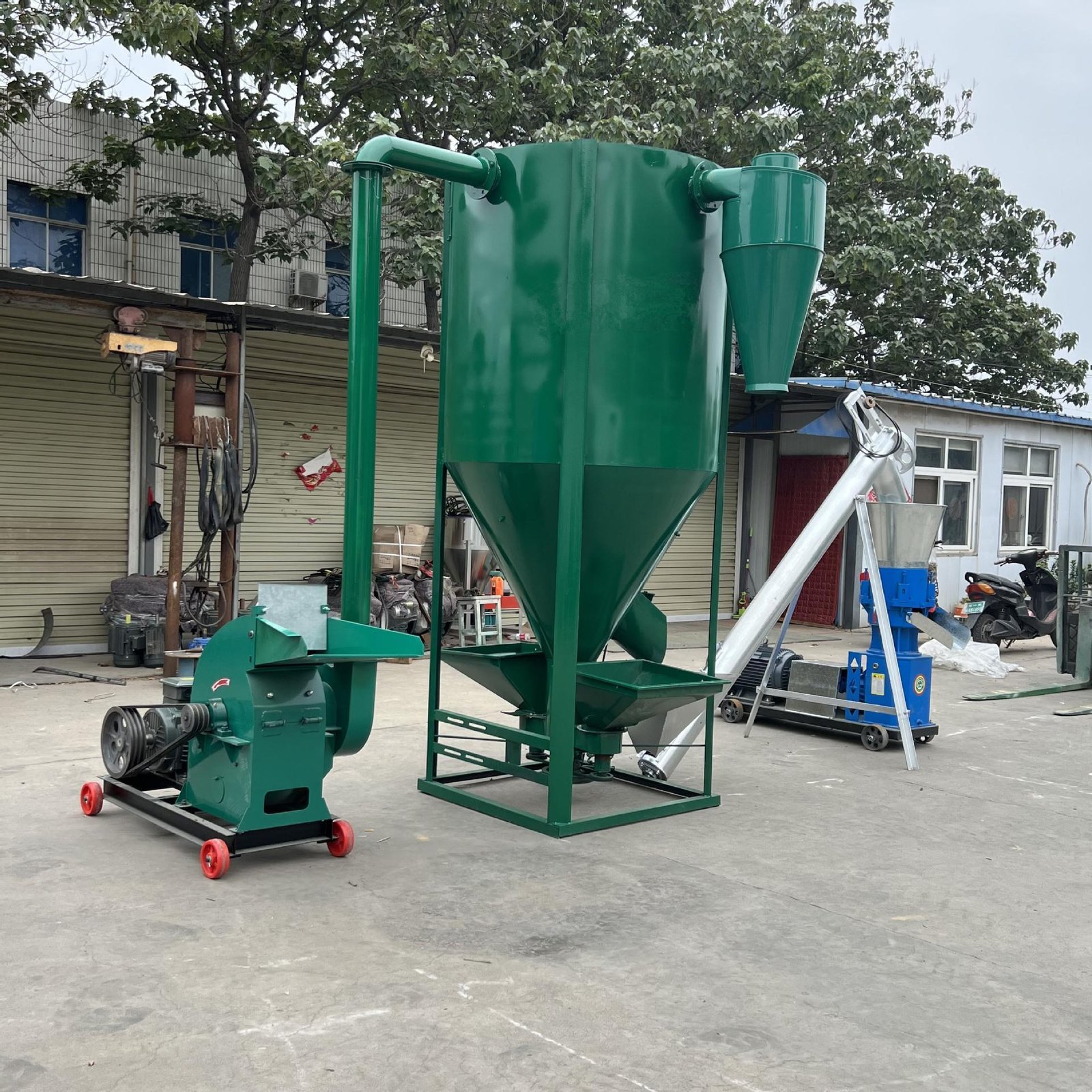
Get Customized Solution for Your Operation
Our engineering team will design the perfect chicken feed production line configuration matching your capacity needs, space limitations, and budget. Free consultation includes ROI analysis and production planning.
Customer satisfaction ratings for MK-L004 average 4.7 out of 5 stars across Asia-Pacific markets. The system earns particular praise for reliable performance in challenging tropical conditions and responsive technical support availability.
Chicken Feed Production Line Cost Investment Analysis
Understanding total investment requirements helps farm operators make informed decisions. Chicken feed production line cost varies based on capacity, automation level, and customization needs. Philippine buyers should consider both initial equipment purchase and ongoing operational expenses.
| Capacity Scale | Total Power | Space Required | Installation Time | Investment Range (USD) |
| 1-2 T/H | 47-75 KW | 300-500 m² | 7-15 Days | 10,000-50,000 |
| 3-5 T/H | 53-165 KW | 300-700 m² | 15-20 Days | 50,000-120,000 |
| 5-7 T/H | 68-259 KW | 400-800 m² | 20-40 Days | 70,000-250,000 |
| 8-10 T/H | 125-410 KW | 800-2000 m² | 45-60 Days | 150,000-300,000 |
| 12-20 T/H | 358-620 KW | 1500-3000 m² | 60-90 Days | 250,000-580,000 |
| 25-40 T/H | 545-870 KW | 2000-4000 m² | 90-120 Days | 450,000-850,000 |
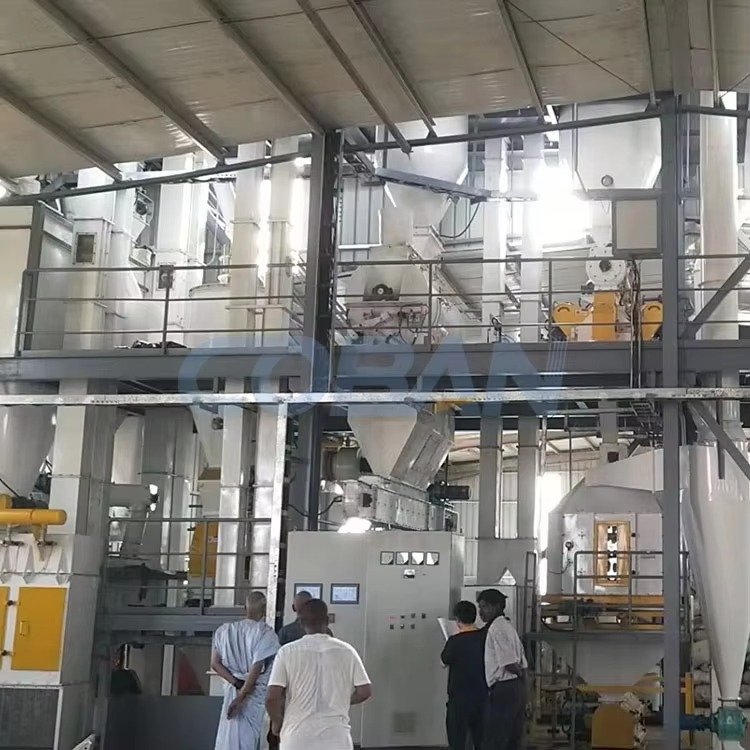
Return on investment calculations demonstrate strong financial benefits. A 5-ton-per-hour system processing 40 tons daily saves approximately PHP 8-12 per kilogram compared to purchasing commercial feed. With operating costs around PHP 6,000-8,000 daily, most operations achieve payback within 12-18 months.
Total Cost of Ownership Considerations
- Equipment purchase represents 60-70% of initial investment
- Installation and commissioning adds 10-15% to total cost
- Raw material inventory requires working capital allocation
- Electricity consumption averages PHP 2.50-3.50 per kilogram produced
- Maintenance supplies cost approximately 3-5% of equipment value annually
- Labor requirements range from 2-6 operators depending on automation level
- Spare parts inventory should equal 5-8% of equipment investment
Chicken Feed Production Process Design and Workflow
Efficient poultry feed manufacturing follows systematic processing steps. Understanding this workflow helps operators optimize production schedules and maintain consistent quality standards. MAIKONG systems accommodate both mash and pellet production within the same facility.
Mash Feed Production Steps
- Raw material reception cleans incoming ingredients using screening equipment and magnetic separators
- Grinding reduces particle size, with hammer mills processing corn, grains, and other coarse materials to specified fineness
- Batching measures precise quantities according to nutritional formulas using electronic scales with 0.1% accuracy
- Mixing combines all ingredients thoroughly, typically requiring 4-6 minutes for homogeneous distribution
- Packaging fills bags or bulk containers, with automatic systems sealing and labeling finished products
Pellet Feed Additional Processing
- Conditioning adds steam and moisture, preparing mash for pelletization at 75-85°C temperature
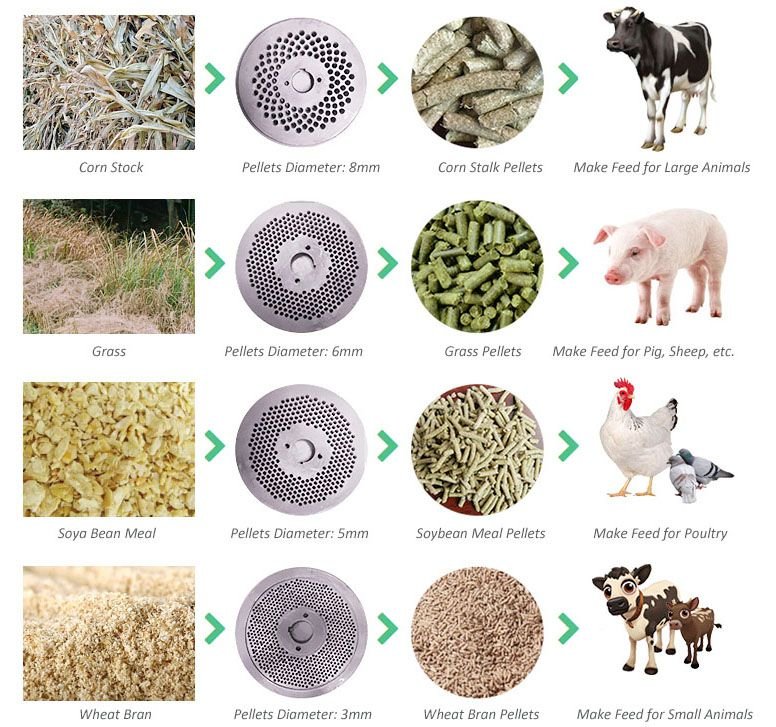
- Pelleting compresses material through die holes, forming cylindrical shapes with 2-8mm diameter options
- Cooling reduces pellet temperature to ambient levels plus 3-5°C using counterflow air systems
- Crumbling breaks larger pellets into smaller pieces for young chicks when required
- Screening separates fines from finished pellets, recycling undersized material back to pellet mill
- Final packaging prepares sorted, cooled pellets for distribution or storage
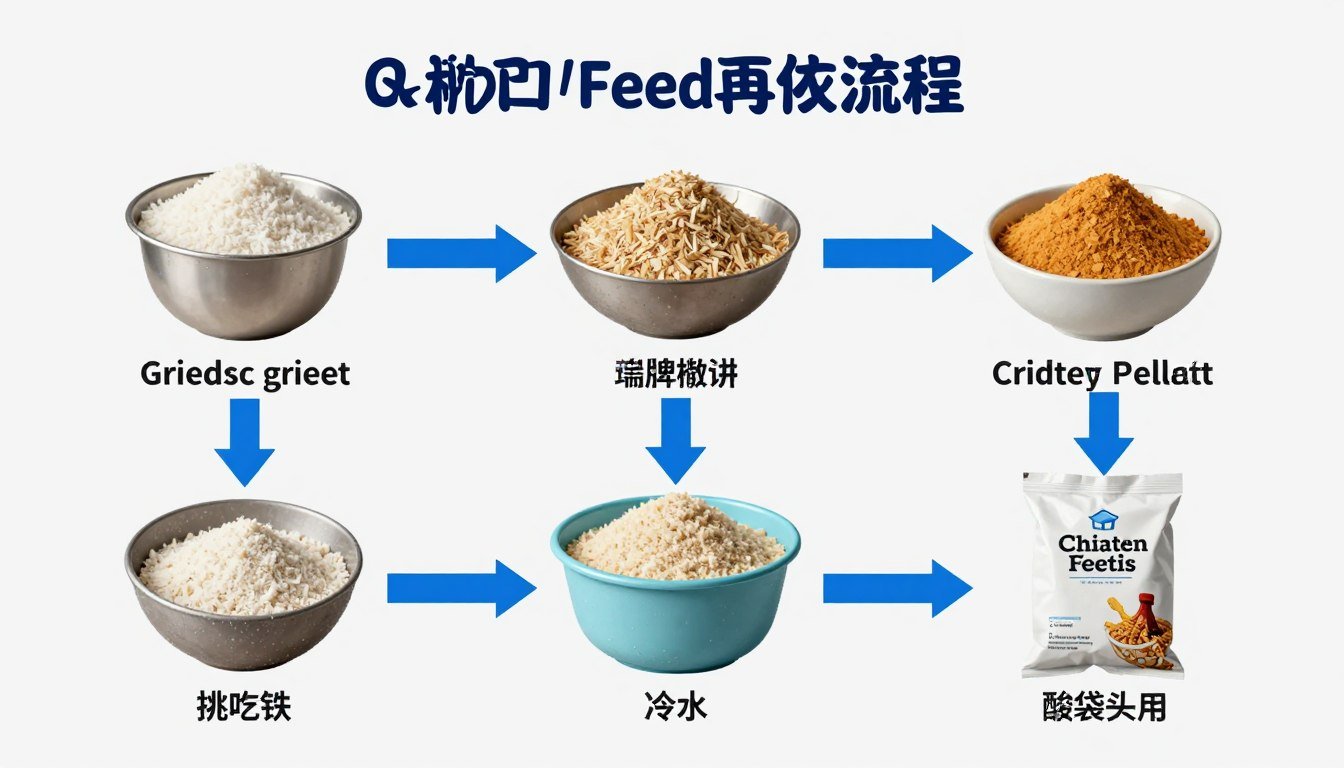
Quality control testing occurs at multiple production stages. Raw materials undergo incoming inspection for moisture content, contamination, and nutritional value. In-process monitoring tracks pellet durability, size consistency, and temperature parameters. Finished products receive final testing before release to ensure they meet specified standards.
Critical Process Parameters
Temperature Management: Steam conditioning at 75-85°C optimizes starch gelatinization without destroying heat-sensitive vitamins. Cooling must reduce pellet temperature below 30°C to prevent mold growth during storage.
Moisture Control: Ideal pellet moisture content ranges from 12-13%. Higher moisture causes mold problems, while lower moisture increases brittleness and dust generation during handling.
Pellet Durability: Quality pellets withstand handling without excessive breakage. Durability index should exceed 95%, measured using standardized tumbling tests that simulate transportation stress.
MAIKONG Chicken Feed Production Line Global Success Stories
Our installation experience spans six continents, serving diverse market requirements. These case studies demonstrate proven performance across different operational scales and climate conditions similar to the Philippines.
| Region | Project Location | Capacity | Application Type | Key Success Factor |
| Asia | Mindanao, Philippines | 12-15 T/H | Layer farm cooperative | 30% cost reduction vs commercial feed |
| Asia | Indonesia | 20 T/H | Integrated broiler operation | Improved feed conversion ratio by 8% |
| Asia | Thailand | 10 T/H | Commercial feed mill | Expanded to 3 product lines within 2 years |
| Middle East | Saudi Arabia | 15-16 T/H | Desert climate operation | Equipment reliability in extreme heat |
| Africa | Kenya | 5 T/H | Rural development project | Simple operation with limited technical staff |
| Africa | Tanzania | 3-5 T/H | Smallholder cooperative | Profitable operation at small scale |
| Americas | Peru | 5 T/H | Mountain region facility | Altitude-adjusted equipment performance |
| Americas | Mexico | 25 T/H | Regional distribution center | Multiple formula flexibility |
| Europe | Russia | 30 T/H | Cold climate operation | Year-round consistent performance |
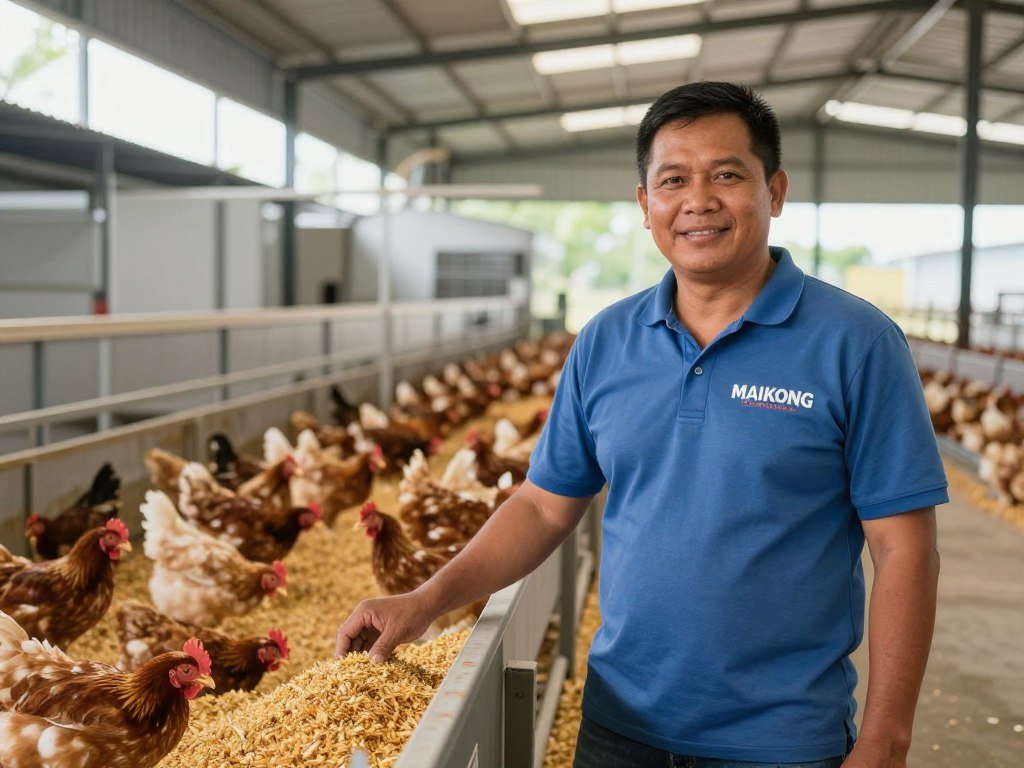
“MAIKONG equipment transformed our cooperative’s economics. We now produce quality feed at 35% below market prices, allowing member farms to significantly improve profitability. The technical support team resolved our initial questions quickly, and the system runs smoothly with minimal supervision.”
Philippine installations demonstrate particular success with customized voltage configurations and humidity-resistant materials. Our engineering team modifies standard designs to address local electrical infrastructure limitations and tropical climate challenges that affect equipment longevity.
See How MAIKONG Can Improve Your Operation
Request detailed case studies from Philippine installations similar to your operation size. We’ll provide production data, ROI calculations, and contact information for reference customers who can share their experience.
Complete Equipment Components in MAIKONG Production Lines
Understanding individual machine functions helps operators maintain optimal performance. Each component serves specific processing requirements, with quality affecting overall system efficiency and product quality.
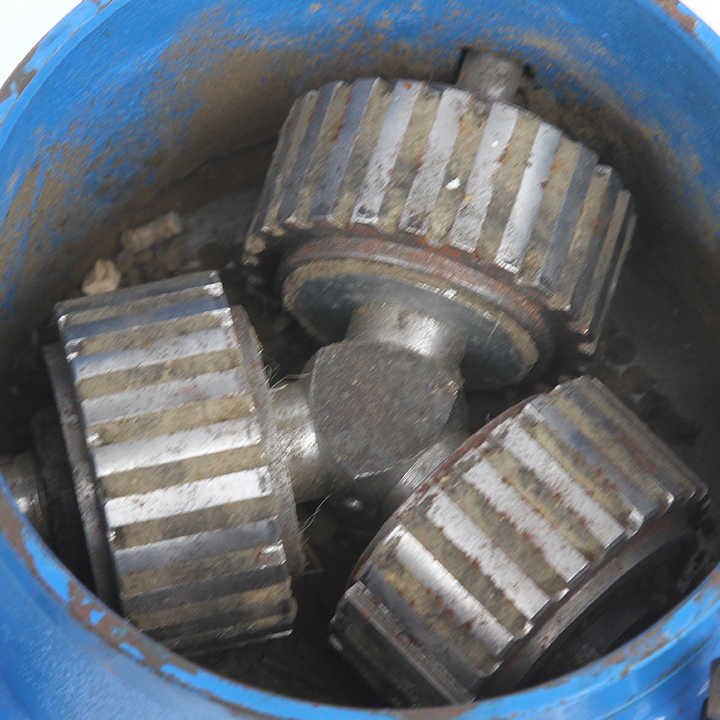
Grinding System – SFSP Series Hammer Mills
Particle size reduction improves digestibility and mixing uniformity. MAIKONG hammer mills process corn, grains, and other ingredients efficiently. Variable screen sizes from 1.5mm to 5mm accommodate different formula requirements. Heavy-duty construction handles continuous operation with minimal wear.
- Production capacity from 1 to 25 tons per hour depending on model
- Replaceable hammers and screens reduce maintenance costs
- Dust collection integration maintains clean working environment
- Magnetic separators protect against metal contamination damage
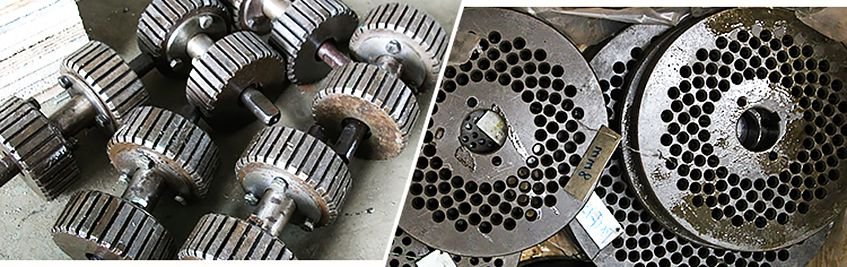
Mixing System – SLHJ Series Ribbon Mixers
Thorough ingredient blending ensures nutritional consistency. Double-ribbon design achieves homogeneous mixing within 4-6 minutes. Gentle action prevents particle degradation while accommodating liquid additive injection for vitamins and medications.
- Mixing uniformity coefficient reaches 95% or higher
- Batch sizes from 250kg to 6000kg match different production scales
- Quick-discharge gates minimize residual material between batches
- Stainless steel contact surfaces prevent contamination and corrosion
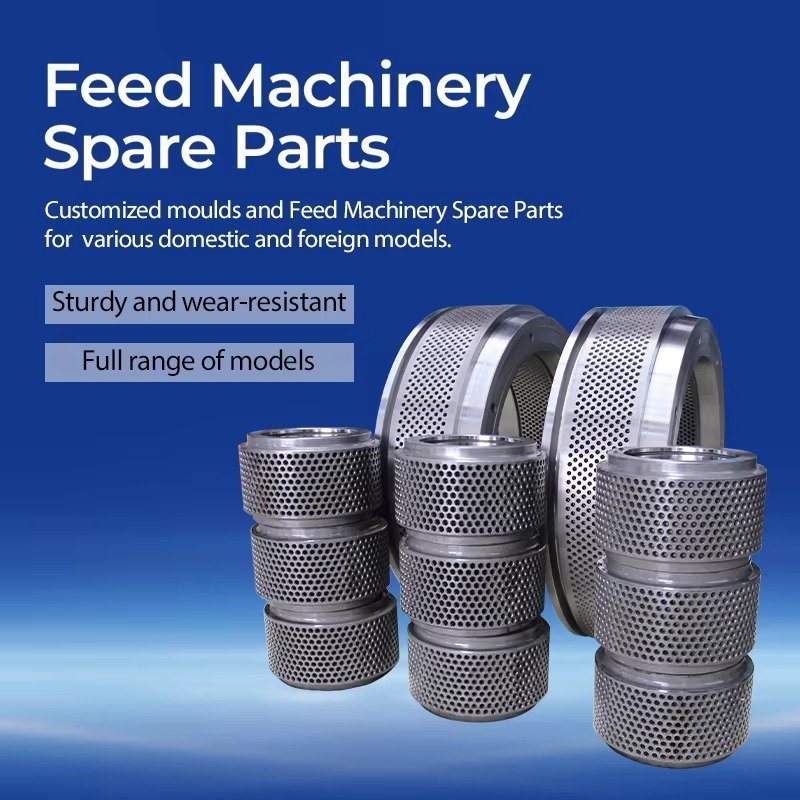
Pelleting System – SZLH Series Ring Die Mills
The pellet mill represents the production line’s core component. Ring die design provides superior capacity and pellet quality compared to flat die alternatives. Steam conditioning prepares material for optimal compression, while adjustable die specifications accommodate different pellet sizes.
- Production rates from 1 to 42 tons per hour across model range
- Die lifespan exceeds 2000 operating hours with proper maintenance
- Quick-change die system allows rapid product transitions
- Pellet durability index consistently exceeds 96% when properly adjusted
Cooling and Screening Systems
Counterflow coolers reduce pellet temperature from 75-85°C to ambient plus 3-5°C. Air circulation removes excess moisture while preventing thermal shock that causes pellet cracking. Vibratory screens separate finished pellets from fines, which recycle to the pellet mill for reprocessing.
Packaging and Material Handling
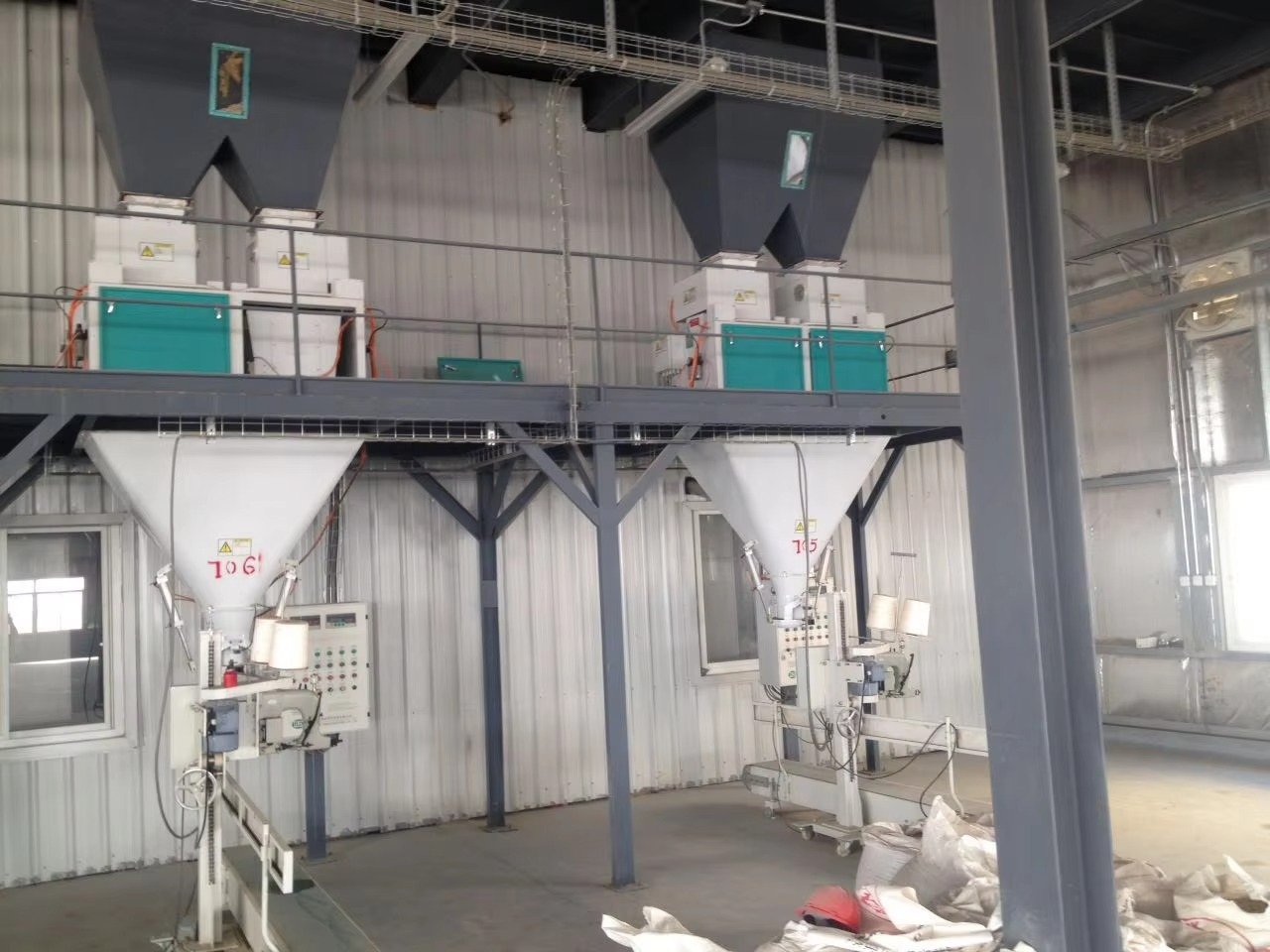
Automated packaging systems fill 25kg or 50kg bags with electronic weighing accuracy within ±0.2%. Bag sewing or heat sealing completes the process. Bucket elevators, screw conveyors, and pneumatic transport systems move materials between processing stages efficiently.
Bucket Elevators
- Vertical transport up to 30 meters height
- Gentle handling prevents pellet breakage
- Enclosed design controls dust emissions
- Capacities matching production line throughput
Screw Conveyors
- Horizontal and inclined material movement
- Multiple discharge points for flexibility
- Enclosed construction prevents contamination
- Variable speed control for flow adjustment
Raw Material Selection for Philippine Chicken Feed Formulations
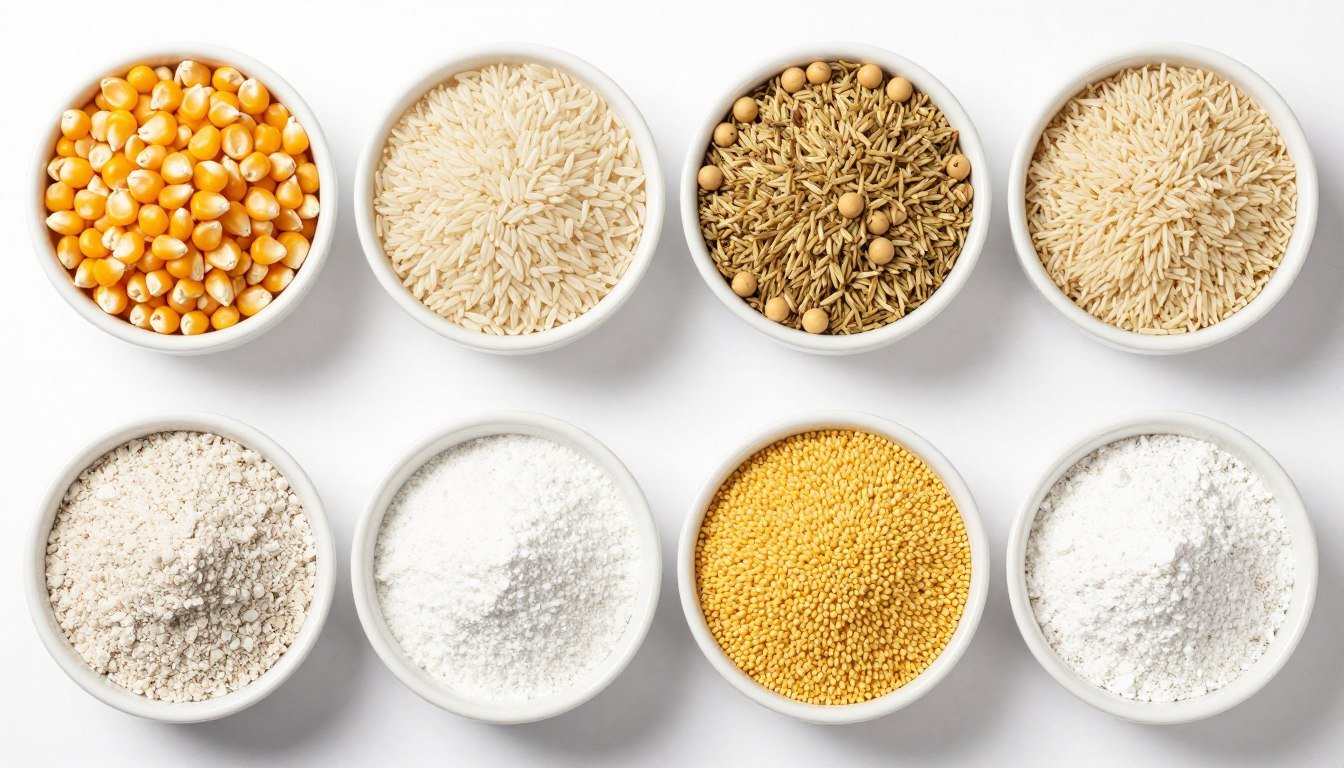
Local ingredient availability influences formula development. Philippine operators access abundant corn, rice bran, copra meal, and fish meal at competitive prices. Understanding nutritional characteristics helps create cost-effective formulations meeting bird requirements.
Energy Sources
Carbohydrates provide the majority of caloric content. These ingredients typically comprise 45-70% of total formula weight.
- Yellow corn offers highest energy density at lowest cost
- Rice bran adds fiber and B-vitamins economically
- Wheat by-products improve pellet binding quality
- Cassava meal provides alternative starch source
Protein Sources
Amino acid content determines growth performance and egg production. Protein ingredients constitute 20-35% of formulations.
- Soybean meal delivers complete amino acid profile
- Fish meal provides high-quality marine protein
- Copra meal offers economical local option
- Meat and bone meal supplements animal protein
Supplements
Vitamins, minerals, and additives optimize health and performance. These micronutrients require precise measurement.
- Limestone supplies calcium for bone and shell
- Dicalcium phosphate provides phosphorus
- Salt delivers sodium and chloride
- Premix concentrates add vitamins and trace minerals
Formula development balances nutritional requirements against ingredient costs. MAIKONG provides technical consultation helping customers optimize formulations for their specific circumstances. Our experience with Philippine market conditions guides ingredient selection and proportion recommendations.
Quality Standards for Raw Materials
Moisture Content: Grains should contain less than 14% moisture to prevent mold growth during storage. Higher moisture levels reduce pellet quality and increase production energy costs.
Contamination Control: Screen all incoming materials for stones, metal, and foreign objects. Aflatoxin testing of corn and other susceptible ingredients protects bird health and production performance.
Storage infrastructure protects raw material quality. Proper warehousing prevents moisture absorption, pest infestation, and nutritional degradation. MAIKONG can recommend storage solutions appropriate for Philippine climate conditions as part of complete facility planning.
Why Philippine Operations Choose MAIKONG
Two decades of manufacturing experience translates into reliable equipment and comprehensive support. Our commitment to the Philippine market includes local technical assistance, rapid parts availability, and customization addressing regional requirements.
MAIKONG Advantages
- 22 years proven manufacturing experience since 2003
- Complete customization for Philippine electrical standards
- Tropical climate corrosion-resistant materials
- Rapid response technical support via WhatsApp and email
- Spare parts inventory maintained in region
- OEM and ODM services for distributor partnerships
- Comprehensive training programs for operators
- Flexible payment terms for qualified buyers
- Installation supervision and commissioning included
- Proven performance in similar climate conditions
Common Alternative Supplier Issues
- Limited experience with tropical climate challenges
- Standard voltage configurations require expensive modification
- Corrosion problems from humidity and salt air exposure
- Slow response times across multiple time zones
- Extended parts delivery from distant warehouses
- Rigid standard offerings without customization
- Minimal training support after installation
- Difficult payment terms for developing markets
- Remote installation oversight reducing quality
- Unproven performance in Philippine conditions
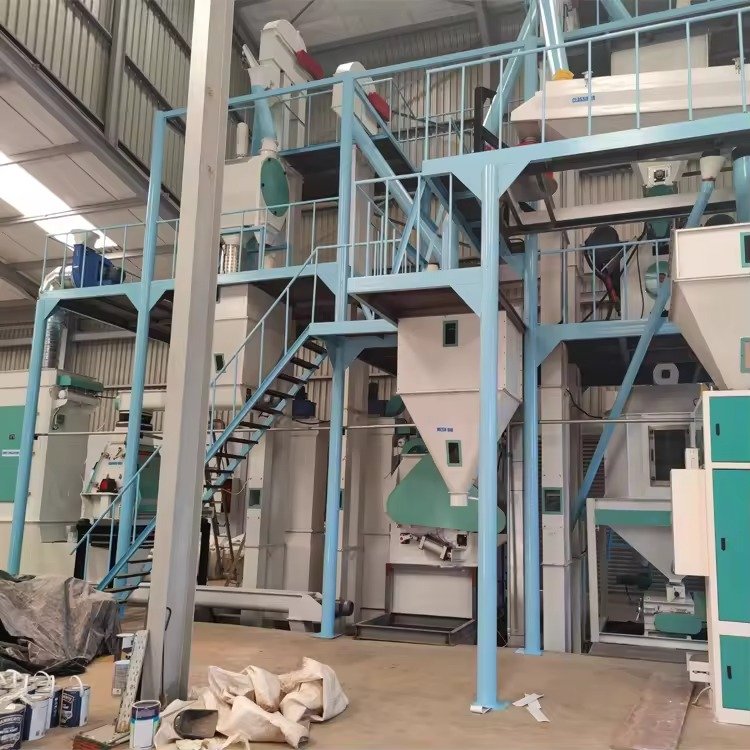
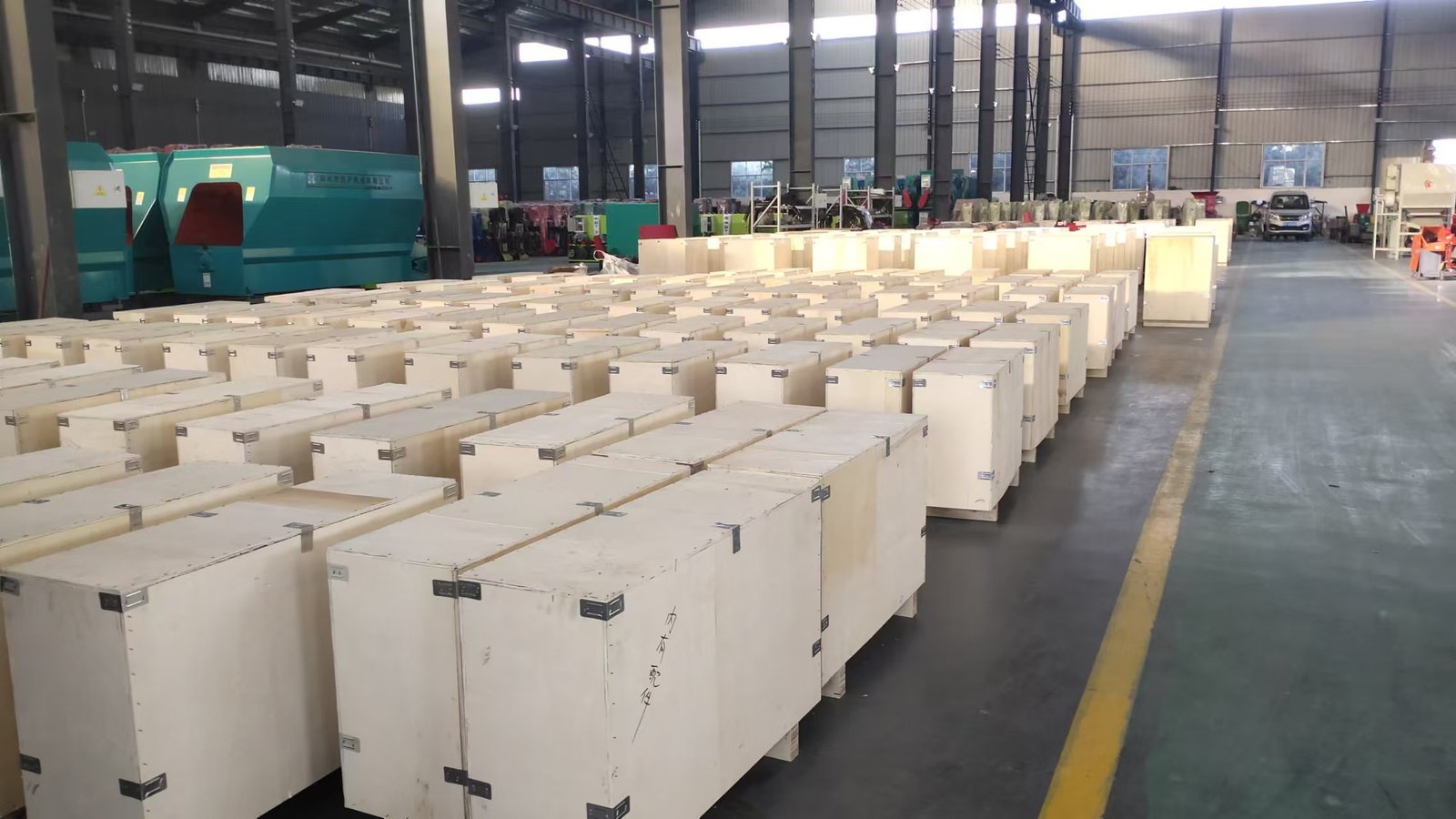
Our GD Province, SZ City manufacturing facility maintains ISO 9001 quality certification. Production processes incorporate advanced automation and quality testing at multiple stages. Every system undergoes factory testing before shipment, ensuring performance meets specifications.
Comprehensive Support Throughout Ownership
MAIKONG support begins during initial consultation and continues throughout equipment lifespan. Our team assists with facility planning, equipment selection, installation supervision, operator training, and ongoing technical assistance. This complete approach reduces startup risks and accelerates production optimization.
MAIKONG Philippine Distributor Partnership Opportunities
We actively seek qualified distributors and agents throughout the Philippines. The growing demand for poultry feed production equipment creates substantial business opportunities for partners with agricultural market access and technical service capabilities.
Ideal Partner Profile
- Established presence in Philippine agricultural sector
- Existing customer relationships with poultry operations
- Technical service capabilities or willingness to develop them
- Warehouse facilities for spare parts inventory
- Financial capacity for demonstration unit investment
- Marketing resources to promote MAIKONG brand
- Commitment to long-term partnership development
Partnership Benefits Offered
- Exclusive territory rights for qualified distributors
- Competitive dealer pricing with volume incentives
- Marketing materials and technical documentation
- Factory training for sales and service staff
- Lead generation support and referrals
- Co-marketing funding for promotional activities
- Priority access to new product introductions

Successful distributors generate recurring revenue through equipment sales, installation services, spare parts supply, and technical support contracts. The growing Philippine poultry industry ensures expanding market opportunities for well-positioned partners.
Become MAIKONG Authorized Philippines Dealer
Join our growing network of successful distributors serving the Philippine agricultural market. We provide complete support helping you build a profitable feed mill equipment business. Contact our partnership development team to discuss exclusive territory opportunities.
Current dealer network spans Asia, Africa, and Latin America. Partners benefit from MAIKONG’s established reputation, proven equipment reliability, and comprehensive technical support infrastructure. We invest in partner success through training, marketing support, and responsive communication.
Frequently Asked Questions About Chicken Feed Production Lines
What production capacity should I choose for my operation?
Calculate daily feed consumption by multiplying bird count by average consumption per bird. Broilers consume 100-120 grams daily, while layers need 110-130 grams. Add 20% capacity buffer for growth and production flexibility. A 10,000-bird operation consuming 1,200kg daily would benefit from a 1.5-2 ton per hour system operating 8-10 hours.
How long does installation and commissioning require?
Installation timeline depends on system capacity. Small systems (1-2 T/H) typically require 7-15 days. Medium systems (3-7 T/H) need 15-40 days. Large installations (8+ T/H) may extend to 45-120 days. Preparation including foundation work, electrical infrastructure, and material storage should occur before equipment arrival to minimize total project duration.
What ongoing maintenance does equipment require?
Daily maintenance includes lubrication checks, visual inspection for wear, and cleaning of processing areas. Weekly tasks involve detailed inspection of pellet mill die and rollers, mixer ribbon condition, and elevator buckets. Monthly maintenance includes complete system inspection, replacement of worn screens and hammers, and electrical connection verification. Annual servicing replaces bearings and other wear components preventively.
Can the same equipment produce different feed types?
Yes, MAIKONG systems handle multiple formulations. Changing between broiler and layer feeds requires thorough cleaning between batches but uses identical equipment. Different pellet sizes need die changes, which skilled operators complete in 1-2 hours. Most operations produce 2-4 different formulations using one production line, scheduling batches to minimize changeover frequency.
What electrical infrastructure do I need?
MAIKONG equipment accommodates 220V or 380V three-phase power. A 5-ton-per-hour system typically requires 100-150kW capacity with appropriate circuit protection. We can customize voltage specifications matching Philippine electrical standards. Generator backup is recommended for operations where power reliability affects production schedules.
How does pellet quality affect bird performance?
High-quality pellets improve feed conversion ratios by 5-10% compared to mash. Durable pellets reduce waste from fine dust generation. Consistent pellet size prevents selective feeding, ensuring birds consume balanced nutrition. Proper pellet quality translates directly to improved growth rates, reduced feed costs per kilogram of weight gain, and better overall profitability.
What training do operators need?
MAIKONG provides comprehensive training during installation covering equipment operation, safety procedures, basic troubleshooting, and routine maintenance. Most operators become proficient within 2-3 weeks. We supply detailed operation manuals in English and provide ongoing technical support via phone, WhatsApp, and email. Advanced training for maintenance technicians is available at our factory or customer site.
How quickly can I expect return on investment?
ROI depends on current feed costs, production volume, and raw material pricing. Most Philippine operations achieve payback within 12-24 months. Larger operations with higher volumes typically see faster returns. Cost savings of PHP 8-12 per kilogram compared to commercial feed accumulate significantly across thousands of birds. Additional revenue from selling excess production to neighboring farms further improves ROI.
Partner with MAIKONG for Your Chicken Feed Production Line Success
Establishing in-house feed production capabilities represents a strategic investment in your poultry operation’s future. The combination of cost reduction, quality control, and formula flexibility delivers compelling financial and operational benefits. MAIKONG’s proven equipment reliability and comprehensive support minimize implementation risks while accelerating success.
Our 22 years of manufacturing experience serves customers across six continents. Philippine market understanding guides our customization approach, ensuring equipment performs optimally in local conditions. From initial consultation through installation, training, and ongoing technical support, MAIKONG partners with you throughout the journey.
Whether you operate a small family farm seeking to reduce feed costs or manage a large commercial operation requiring multiple production lines, MAIKONG has proven solutions matching your needs. Our flexible approach accommodates diverse requirements, from basic manual systems to fully automated facilities with sophisticated process control.
Start Your Chicken Feed Production Journey Today
Contact MAIKONG now for personalized consultation. Our engineering team will analyze your requirements, recommend optimal equipment configuration, and provide detailed quotation including installation, training, and support. We’re ready to help you achieve feed production independence and improved profitability.
Contact MAIKONG Philippines
- Phone/WhatsApp: +86-135-1090-7401
- Email: Lucy@pelletmachine.ph
- Website: pelletmachine.ph
- Location: SZ City, GD Province
- Business Hours: Monday-Saturday, 8:00 AM – 6:00 PM
Related Production Solutions
Join hundreds of satisfied customers worldwide who trust MAIKONG for their feed production needs. We look forward to supporting your success in the Philippine poultry industry.