
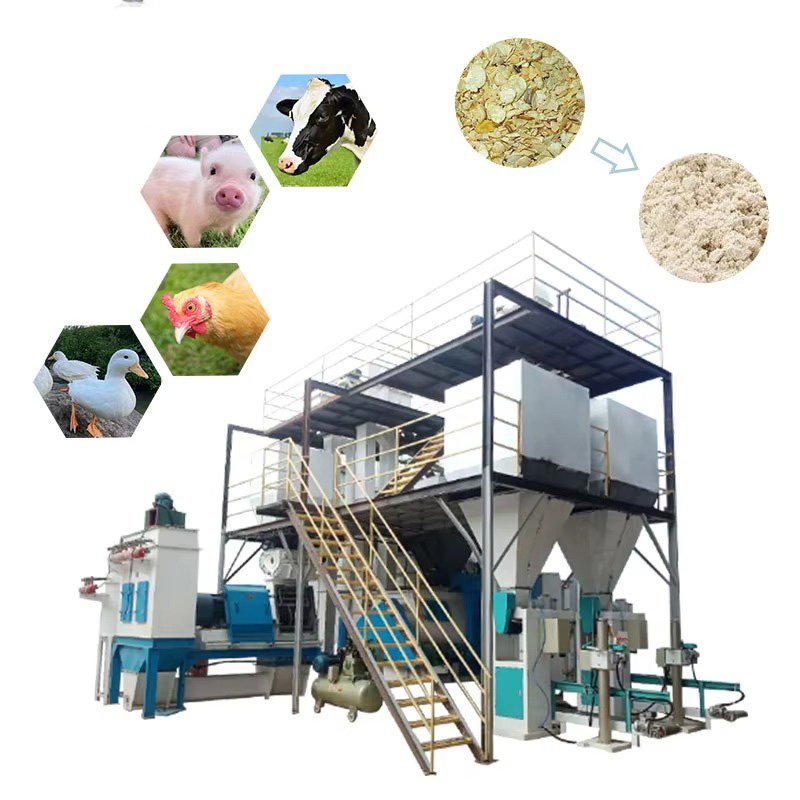
Feed costs represent the largest expense in poultry operations. Many Philippine farm owners spend significant money on ready-made feed without understanding exactly what ingredients their birds consume. The solution lies in establishing your own production capability. With the right equipment and knowledge, you can reduce feed costs while improving bird health and productivity.
MAIKONG brings 22 years of manufacturing expertise to Philippine farms. Our customizable production lines serve operations from small family farms processing 200 kilograms per hour to large commercial facilities handling 200 tons hourly. Every system we build reflects our commitment to quality, efficiency, and long-term partnership success.
Start Your Feed Production Journey
Connect with MAIKONG technical specialists to discuss your specific poultry farming needs and production goals
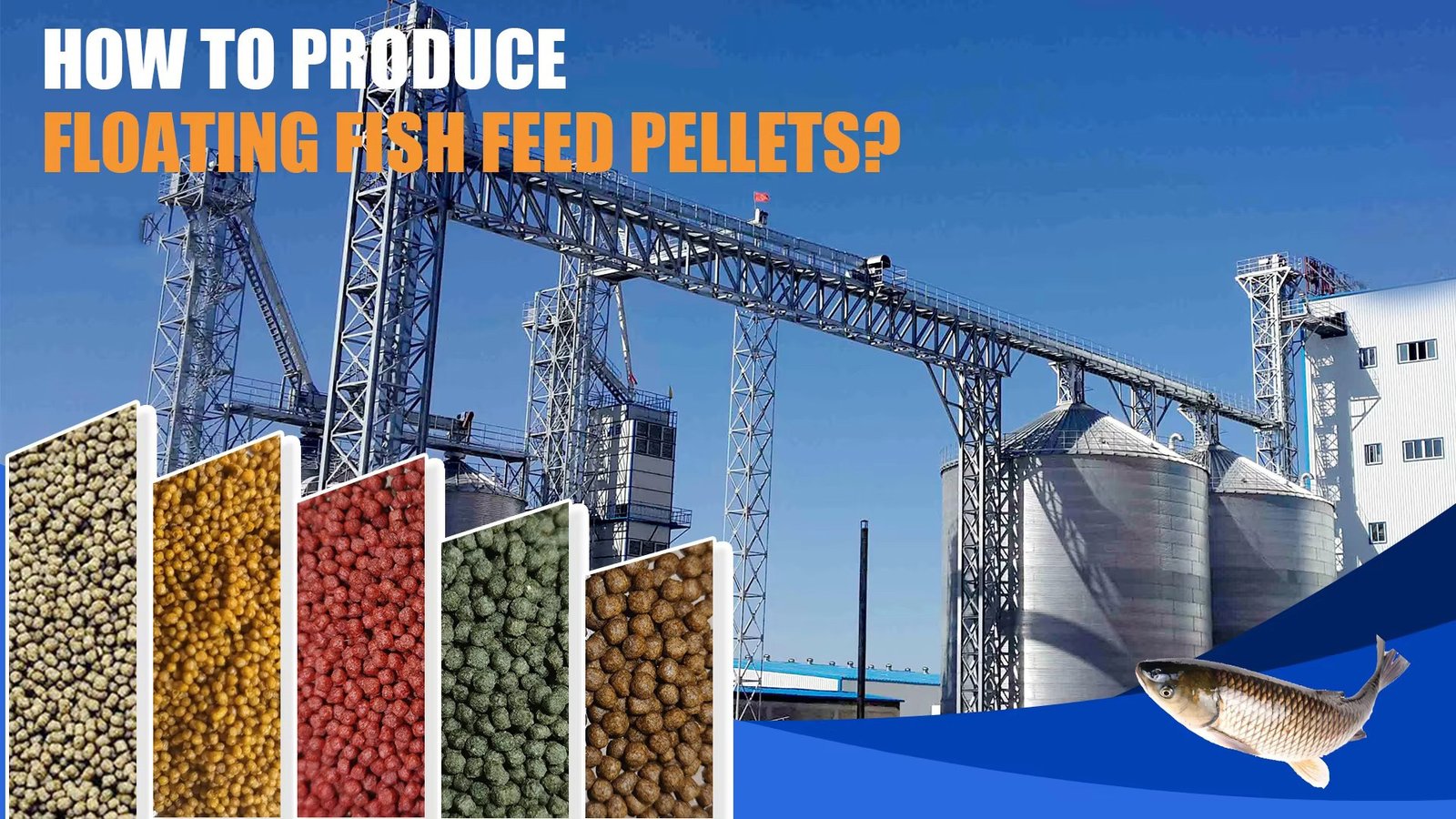
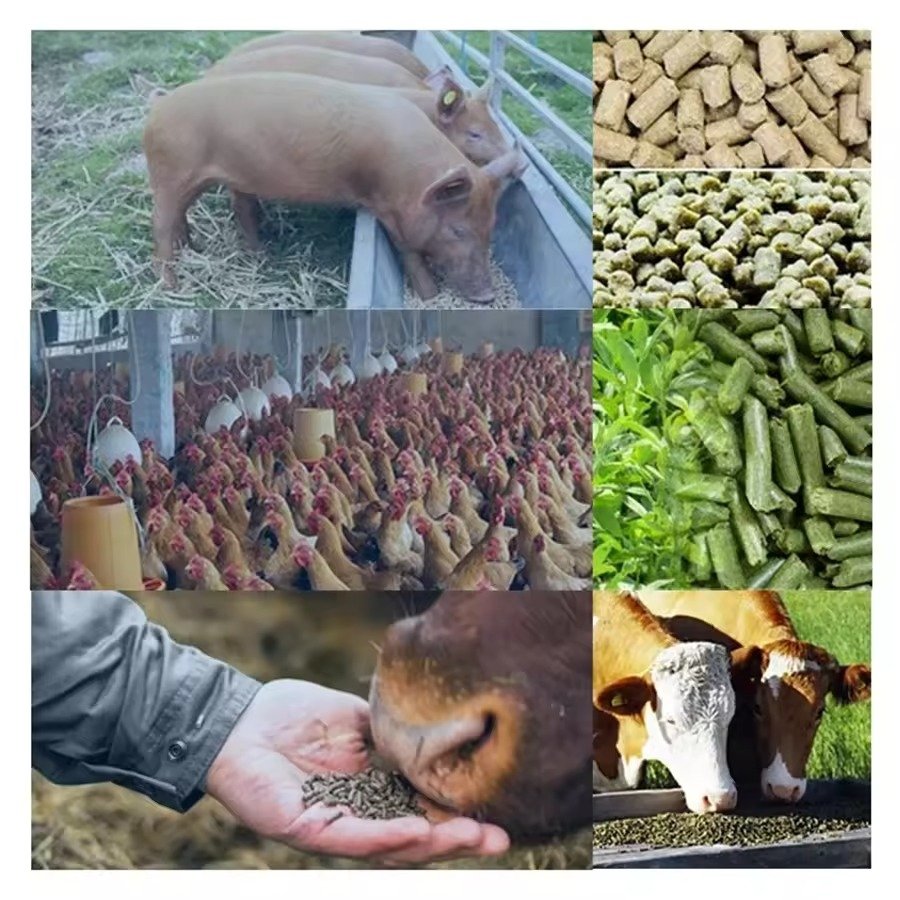
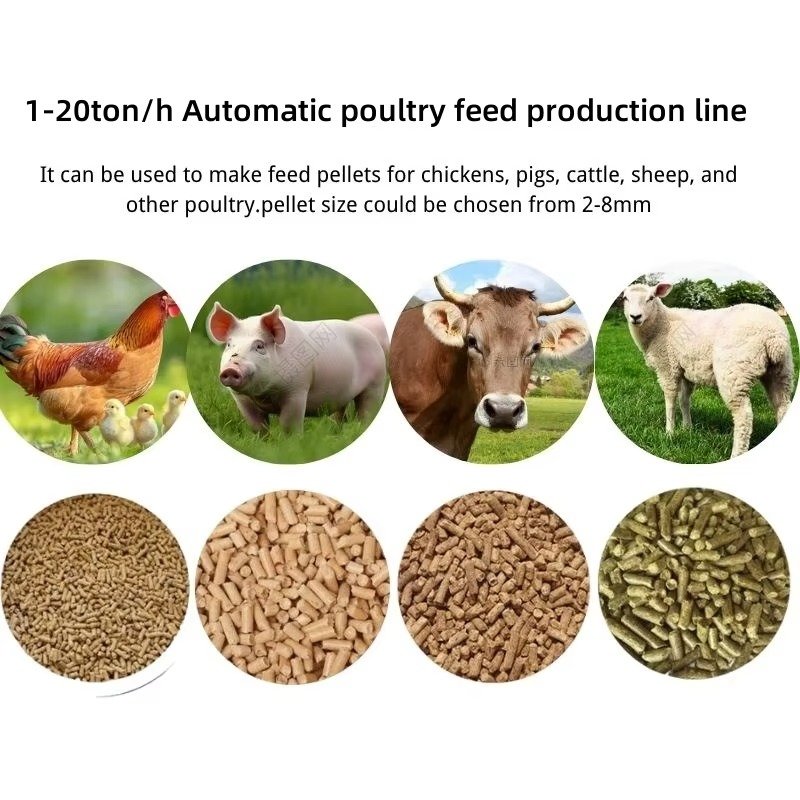
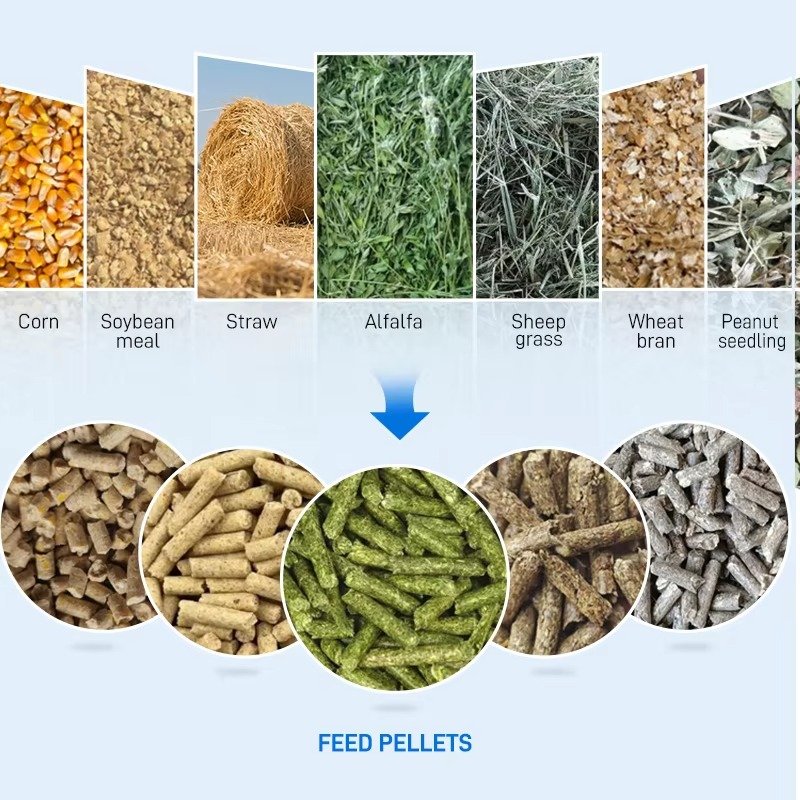
What Is a Poultry Feed Production Line
A poultry feed production line represents a complete manufacturing system. This integrated equipment setup converts raw materials like corn, soybean meal, fish meal, and vitamins into finished feed products. The system handles everything from receiving ingredients to packaging the final product ready for your birds.
Think of it as your personal feed factory. Instead of buying pre-made feed at high prices, you create custom formulations tailored to your flock’s specific needs. Different bird ages require different nutrition. Layer chickens need different feed than broilers. Growing ducks have different requirements than adult ducks. Your production line adapts to all these needs.
Core System Components
Every effective production line includes several essential machines working together. The raw material receiving system accepts and stores ingredients. Cleaning equipment removes unwanted materials and contaminants. Grinding machines reduce particle size for better digestibility. Mixing equipment blends ingredients according to your formulation.
The feed pellet machine forms the mixture into uniform pellets. Cooling systems remove excess heat and moisture. Screening separates products by size. Finally, packaging equipment prepares feed for storage or distribution.
Production Flexibility
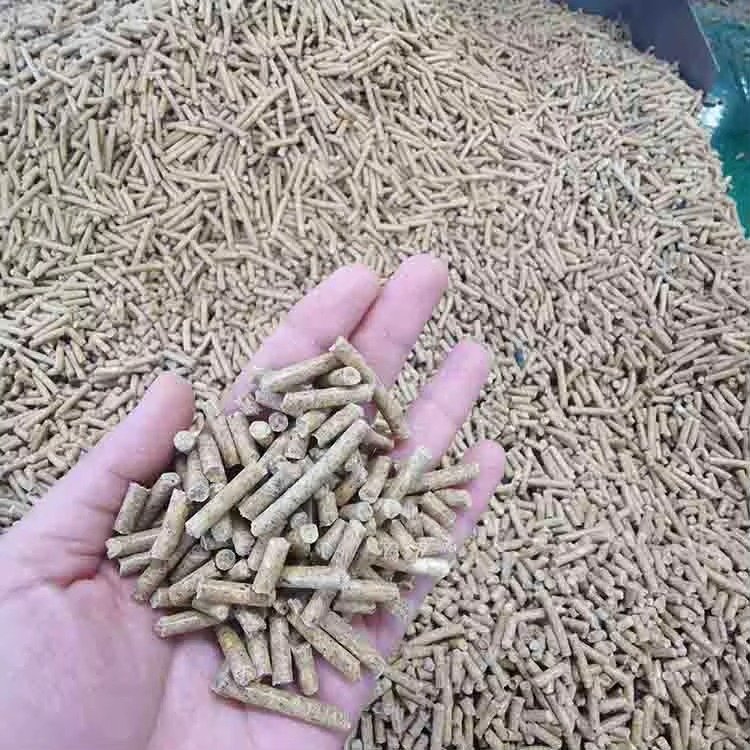
Modern systems offer remarkable versatility. You can produce several feed formats including pellets, mash (powder), crumbles, and premixes. Pellet diameter adjusts from 2mm for chicks to 8mm for adult birds. Production capacity scales based on your operation size and growth plans.
MAIKONG systems accommodate various poultry types. Our chicken feed production line configurations work equally well for layers, broilers, native chickens, and fighting cocks. We also design specialized lines for ducks, geese, quails, and other birds.
Application of Poultry Feed Production Line in Different Settings
Philippine poultry operations vary dramatically in scale and purpose. The application of poultry feed production line technology spans from small backyard operations to major commercial facilities. Understanding where these systems fit helps you make informed investment decisions.
Small-Scale Farm Applications
Family farms raising 500 to 5,000 birds benefit tremendously from compact production lines. A system processing 200-500 kilograms per hour meets most small farm needs. These operations typically focus on one or two bird types, making equipment selection straightforward.
Small producers gain several advantages. You control ingredient quality and freshness. Feed formulations adjust quickly based on bird performance. Production scheduling matches consumption rates, ensuring fresh feed always. Most importantly, you eliminate dependence on commercial feed suppliers who may raise prices or experience shortages.
Medium Commercial Operations
Farms managing 10,000 to 50,000 birds require more sophisticated equipment. Production capacity between 1-5 tons per hour handles these volumes efficiently. These operations often raise multiple bird types simultaneously, requiring flexible formulation capabilities.
Medium-scale producers frequently supply feed to neighboring smaller farms. This creates additional revenue streams while maximizing equipment utilization. The poultry feed production line becomes a profit center rather than just a cost-saving measure.
Large Industrial Facilities
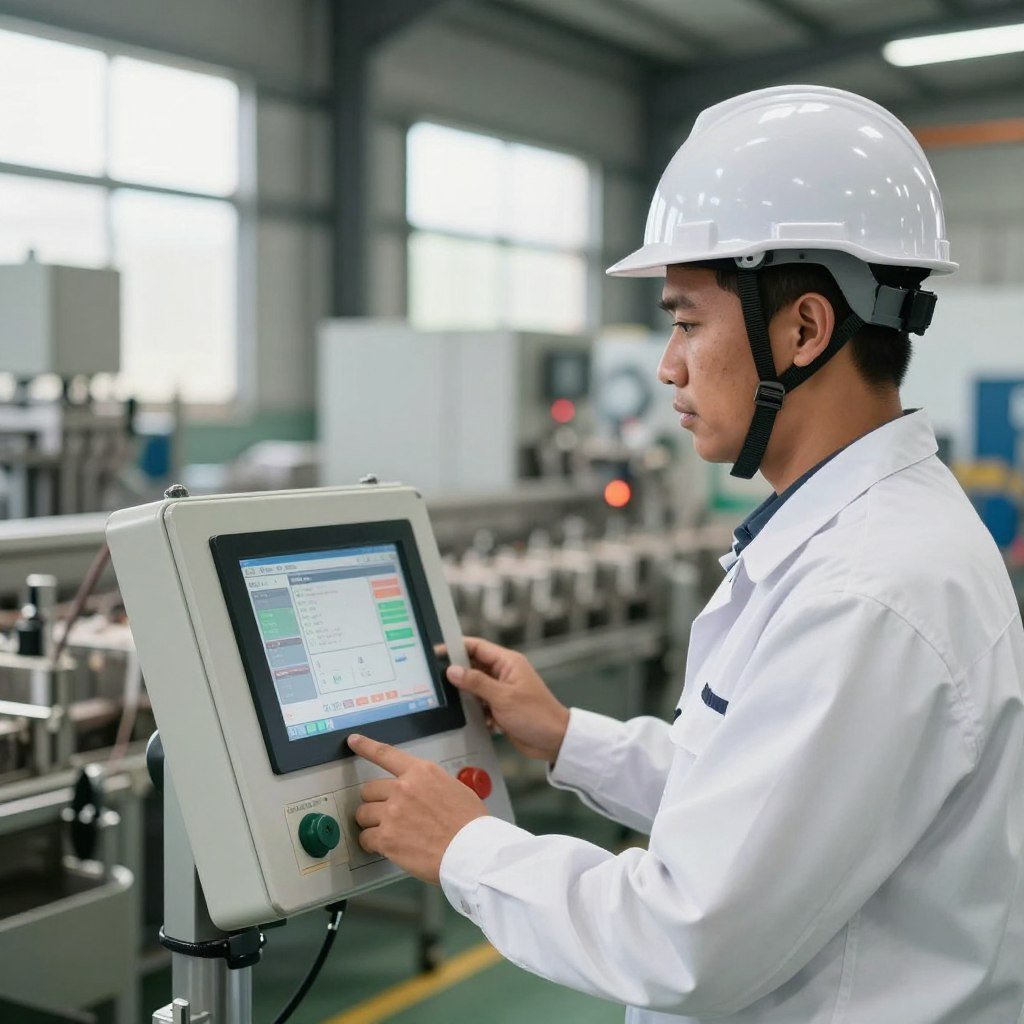
Major poultry integrators and commercial feed manufacturers operate facilities processing 10-100 tons hourly. These highly automated systems run continuously, producing thousands of tons monthly. Advanced controls maintain consistent quality across massive production volumes.
Large operations typically serve multiple farms or sell feed commercially. They require robust equipment that withstands heavy use. MAIKONG industrial-grade machinery delivers reliability that large producers demand. Our systems operating in Thailand, Malaysia, and Vietnam demonstrate this proven track record.
Specialized Applications
Some producers focus on premium markets. Organic poultry operations need production lines that prevent contamination from conventional ingredients. Heritage breed farms require equipment capable of producing specialized formulations. Game bird operations demand precise pellet sizes for different bird ages.
Research facilities and agricultural colleges use production lines for experimental purposes. These applications prioritize flexibility and precise control over maximum throughput. MAIKONG engineering team customizes equipment configurations for these unique requirements.
Find Your Perfect Production Solution
MAIKONG designs customized systems matching your operation size, bird types, and production goals
Choosing Poultry Feed Production Lines That Match Your Needs
Selecting equipment represents a significant investment decision. Choosing poultry feed production lines requires careful evaluation of multiple factors. The right system balances current needs with future growth potential while fitting your budget constraints.
Capacity Assessment
Start by calculating your daily feed requirements. Count your current birds and multiply by their daily consumption rates. Chicks consume approximately 20-50 grams daily. Growing birds eat 80-120 grams. Adult layers need 110-130 grams. Broilers at market weight consume 150-180 grams daily.
Add a growth buffer to your calculations. Most successful operations expand within 2-3 years. Purchasing equipment sized only for current needs creates bottlenecks quickly. We recommend systems sized for 150-200% of current capacity. This provides room for growth without excessive initial investment.
| Farm Size | Bird Population | Daily Consumption | Recommended Capacity | MAIKONG Model |
| Small | 500-2,000 | 50-200 kg | 200-500 kg/hour | MK-L003-200 |
| Medium | 5,000-20,000 | 500-2,000 kg | 1-3 tons/hour | MK-L003-1T |
| Large | 50,000-200,000 | 5,000-20,000 kg | 5-10 tons/hour | MK-L003-5T |
| Industrial | 500,000+ | 50,000+ kg | 20-50 tons/hour | MK-L003-20T |
Equipment Quality Considerations
Low-quality equipment creates endless headaches. Frequent breakdowns stop production when your birds need feeding. Poor durability means replacing components constantly. Inadequate processing capability results in inconsistent feed quality affecting bird performance.
MAIKONG machinery uses premium materials throughout. Critical wear components feature hardened steel construction. Motors carry industrial ratings suitable for continuous operation. Electrical systems meet international safety standards. Every component selection prioritizes longevity and reliability.
Automation Level
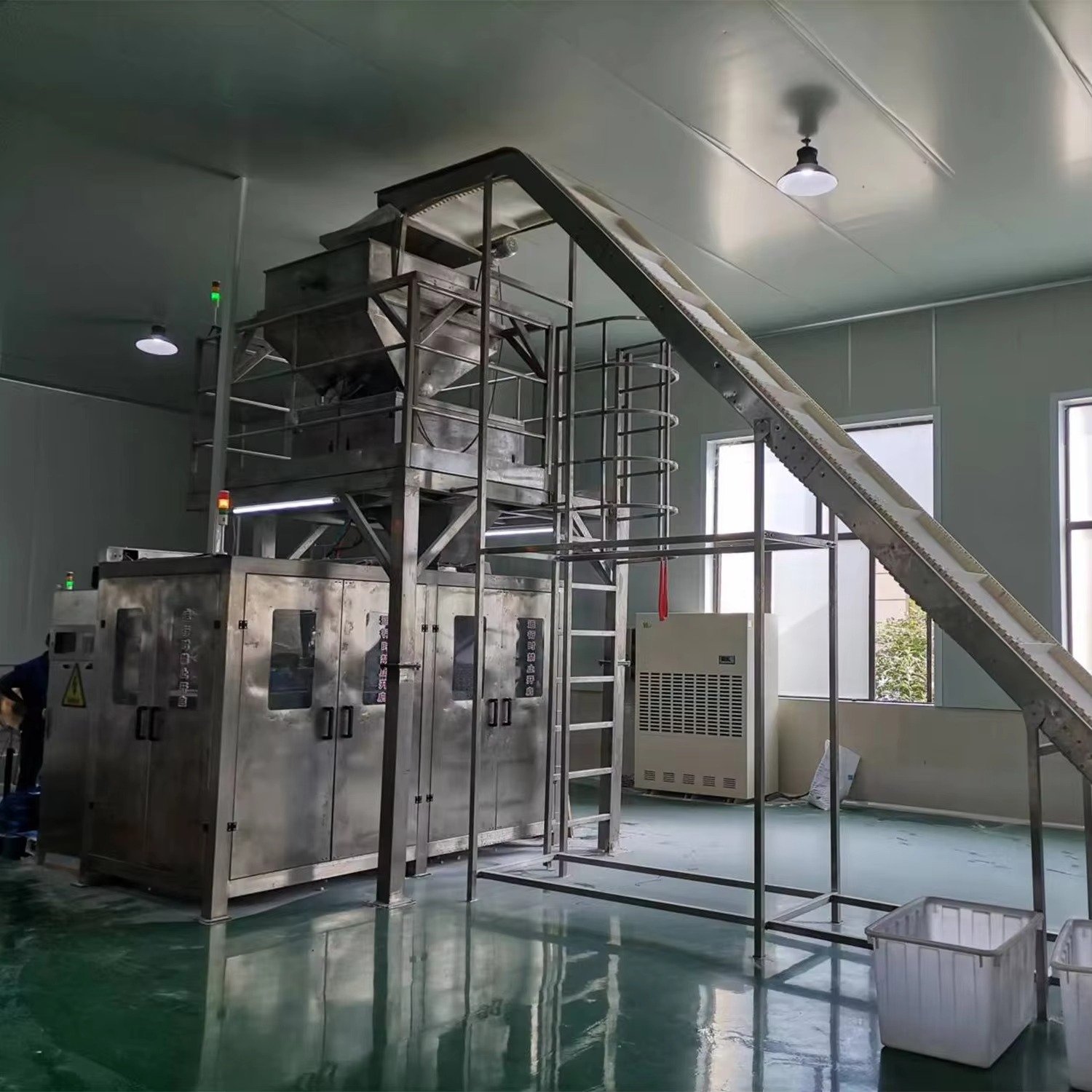
Production lines range from manual to fully automated. Manual systems require operators for each step. Semi-automated lines handle material movement automatically while operators control processing. Fully automated systems run with minimal supervision.
Your labor availability and costs influence this decision. Philippine farms with readily available workers may prefer semi-automated systems offering lower initial costs. Operations facing labor shortages benefit from higher automation despite increased upfront investment. Consider your specific situation carefully.
Customization Requirements
Standard configurations suit many operations. However, unique situations demand customization. Perhaps you want to produce both regular pellets and specialized organic feed requiring separate processing lines. Maybe you need equipment compatible with local power standards or special voltage requirements.
MAIKONG specializes in OEM and ODM solutions. Our engineering team modifies equipment specifications, adds custom features, or designs completely unique systems. We have configured systems for unusual ingredients, extreme climate conditions, and specialized production requirements across Asia, Africa, and the Americas.
Essential Equipment of Poultry Feed Production Line
Understanding individual components helps you evaluate complete systems. Each piece of equipment of poultry feed production line serves specific functions. Together, they create an integrated manufacturing process transforming raw materials into quality feed.
Raw Material Handling Equipment
Production begins with receiving and storing ingredients. Bulk bins or silos hold grains like corn and wheat. Smaller hoppers store protein sources, minerals, and additives. Bucket elevators and screw conveyors move materials between storage and processing areas.
Cleaning equipment removes debris, dirt, and foreign objects. Magnetic separators extract metal contamination. Vibrating screens separate oversized or undersized particles. This pre-processing protects downstream equipment and ensures feed safety.
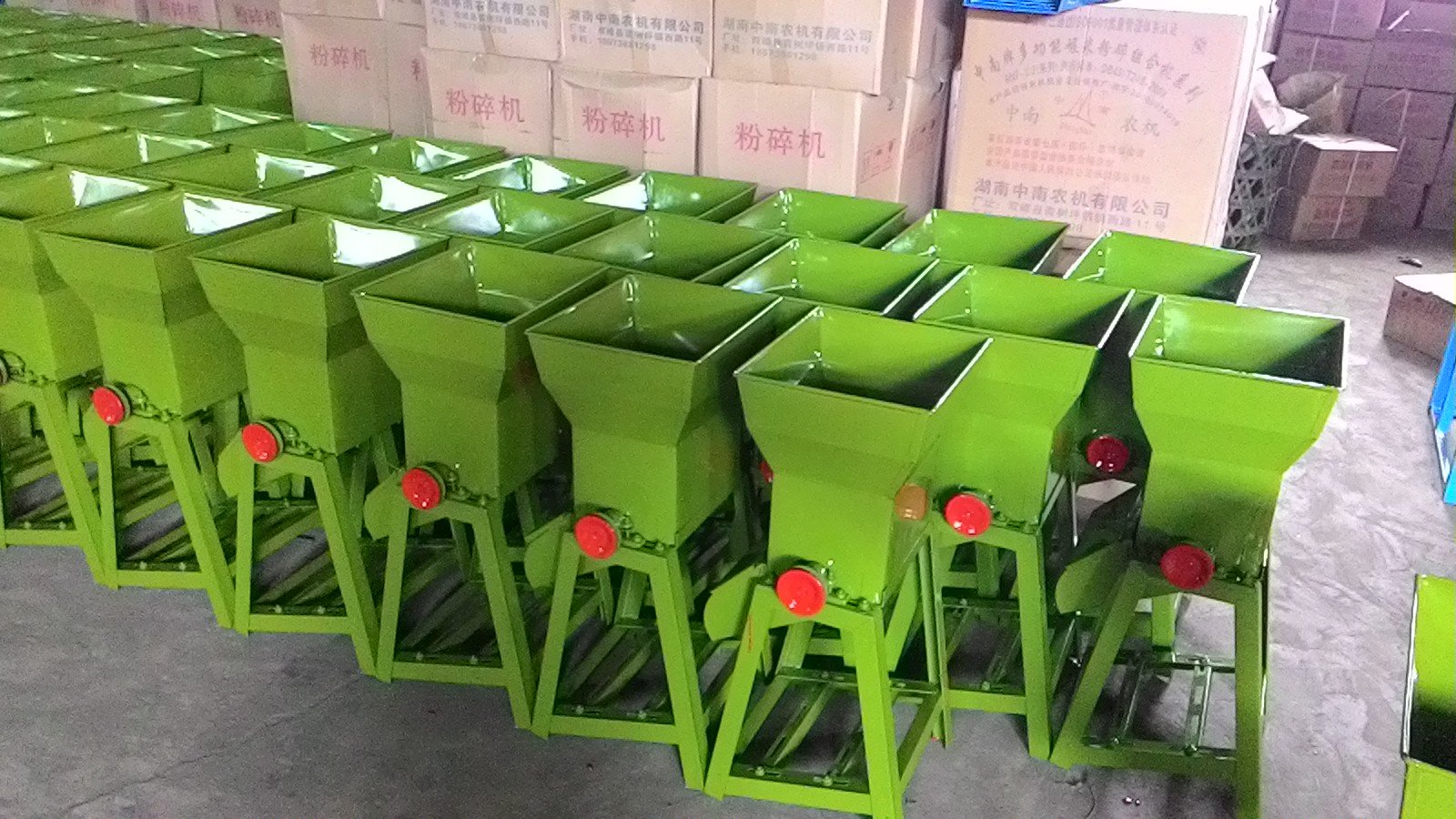
Hammer Mill Grinder
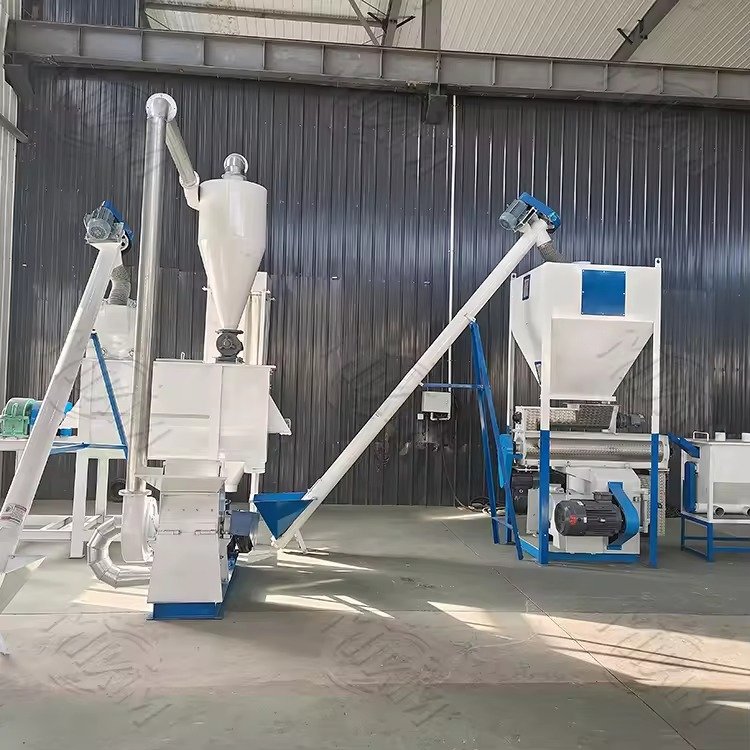
The feed pellet machine works best with properly ground ingredients. Hammer mills reduce particle size through high-speed impact. Rotating hammers strike materials against screens. Different screen sizes produce coarse, medium, or fine grinding.
Grinding affects feed quality significantly. Finer particles mix more uniformly and pellet more efficiently. However, extremely fine grinding increases dust and reduces pellet durability. Most poultry feed uses medium grinding balancing these factors.
Feed Mixing System
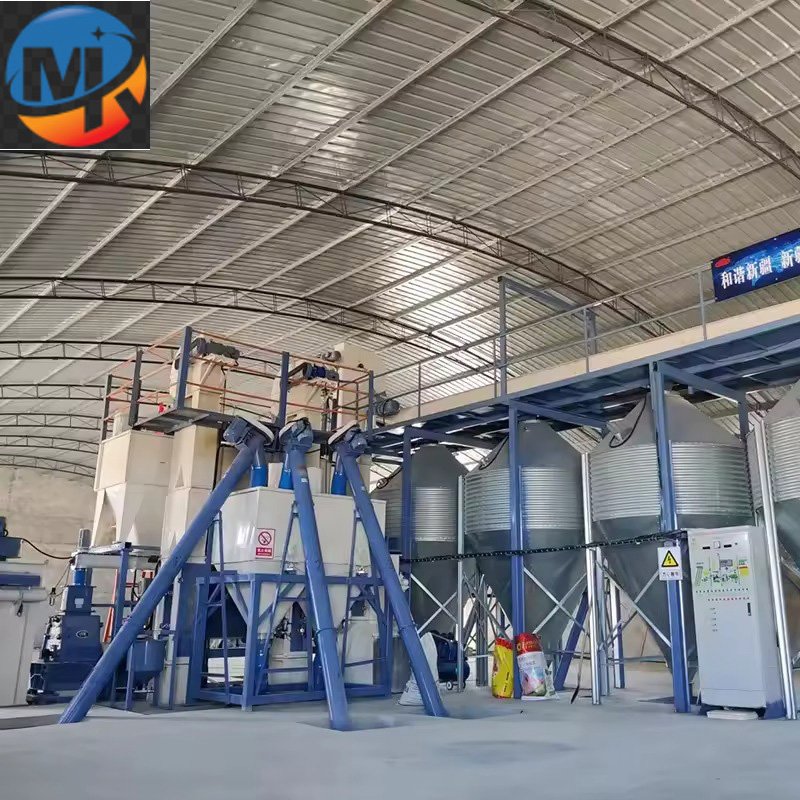
Uniform mixing ensures every pellet contains the correct nutrient balance. Horizontal ribbon mixers offer excellent performance for poultry feed. Twin counter-rotating shafts create thorough blending action. Mixing times typically range from 3-8 minutes depending on batch size.
Quality mixers achieve 95%+ homogeneity. This consistency means your birds receive identical nutrition regardless of which pellets they consume. Poor mixing creates nutritional imbalances reducing flock performance.
Pellet Mill Press
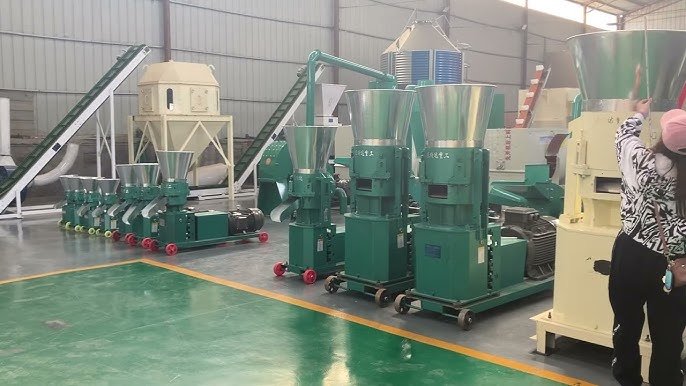
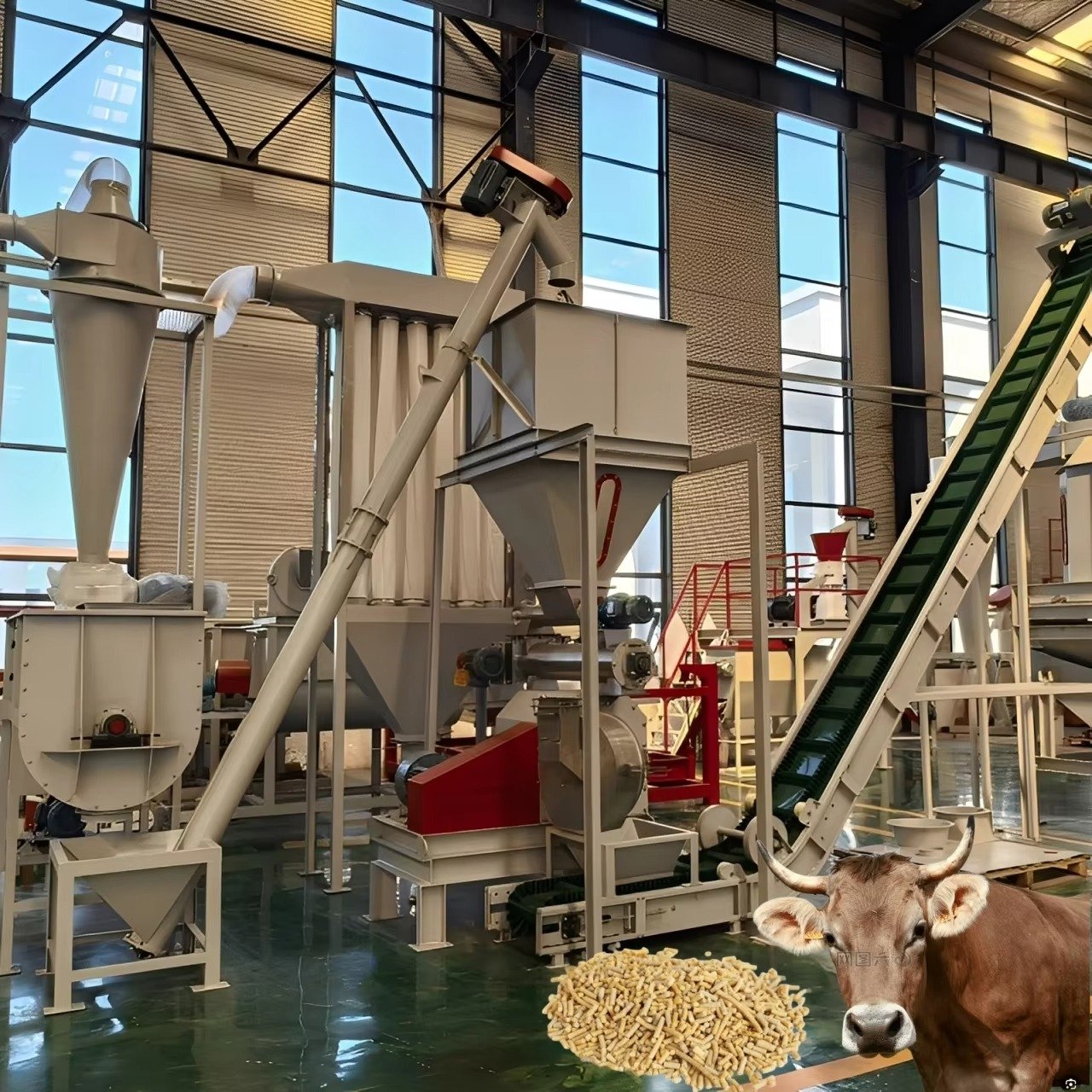
This machine forms the heart of any poultry feed production line. Ring die pellet mills force conditioned feed through die holes under pressure. The extrusion process creates dense, durable pellets. Die hole diameter determines final pellet size.
Steam conditioning before pelleting improves results. Steam adds heat and moisture, gelatinizing starches and improving pellet durability. MAIKONG pellet mills handle production rates from 300 kg/hour to 20 tons/hour with consistent quality.
Post-Pelleting Equipment
Fresh pellets exit the mill hot (75-85°C) and moist. Counter-flow coolers reduce temperature to near ambient while removing excess moisture. Cooling prevents pellet degradation during storage and improves handling characteristics.
Crumblers break pellets into smaller pieces suitable for chicks and young birds. Vibrating screens separate fines from acceptable pellets. Fines return to the mixer for reprocessing. Screened pellets move to packaging or bulk storage.
Packaging and Material Handling
Automatic bagging scales weigh and fill bags accurately. Systems range from simple manual bag filling to fully automatic bagger-palletizers. Bag sizes typically range from 25-50 kilograms for commercial distribution or bulk bins for on-farm use.
Dust collection systems maintain clean working conditions. Bucket elevators, screw conveyors, and pneumatic systems move materials between processing steps. Control panels centralize operation and monitoring. Modern systems offer PLC controls with touchscreen interfaces.
Get Detailed Equipment Specifications
Receive comprehensive technical documentation for MAIKONG production line components and complete system configurations
Critical Function of Poultry Feed Production Line Components
Each equipment piece performs specific roles. Understanding the function of poultry feed production line components reveals how they work together creating finished feed products. This knowledge helps you maintain equipment and troubleshoot problems.
Size Reduction Functions
Grinding breaks ingredients into smaller particles. This serves multiple purposes. Smaller particles expose more surface area for digestive enzymes. Birds absorb nutrients more efficiently from properly ground feed. Fine grinding also improves mixing uniformity and pellet quality.
Different ingredients require different grinding approaches. Hard grains like corn need aggressive grinding. Soft ingredients like wheat bran require gentler treatment. Variable-speed hammer mills adjust to ingredient characteristics. Screen selection controls final particle size precisely.
Batching and Mixing Functions
Accurate batching ensures consistent formulations. Electronic scales weigh ingredients according to your recipe. Batching systems range from simple manual weighing to fully automated computer-controlled systems. Accuracy within 0.5-1% maintains nutritional consistency.
Thorough mixing distributes ingredients uniformly. Proper mixing prevents ingredient segregation during handling. The ribbon mixer’s gentle action preserves ingredient integrity while achieving homogeneity. Liquid additions like oils and molasses require special attention to ensure even distribution.
Pelleting Process Functions
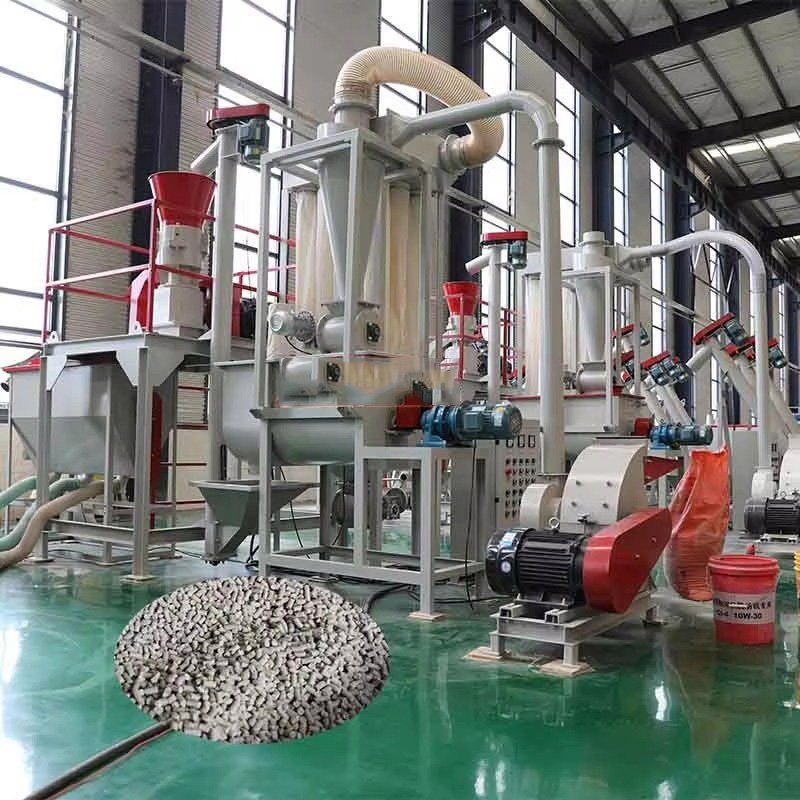
Conditioning prepares feed for pelleting. Steam injection adds heat and moisture. This softens ingredients, gelatinizes starches, and improves binding. Retention time in the conditioner affects final pellet quality. Most systems condition feed for 30-90 seconds.
The pelleting process compresses conditioned feed through die openings. Pressure and friction generate additional heat. Feed particles bind together forming solid pellets. Knife blades cut pellets to desired lengths as they exit the die.
Cooling and Finishing Functions
Cooling stabilizes pellets after formation. Hot pellets remain soft and fragile. Rapid cooling hardens pellets and removes moisture added during conditioning. Counter-flow coolers pass ambient air through falling pellets. This gentle process prevents pellet damage while achieving thorough cooling.
Screening separates quality pellets from fines and oversized pieces. Fines result from pellet breakage and incomplete formation. Removing fines improves feed appearance and handling. Fines recycling back to the mixer maintains production efficiency and reduces waste.
Quality Control Functions
Modern production lines incorporate multiple quality checkpoints. Metal detectors prevent contamination. Magnets remove ferrous materials. Scales verify batch weights. Temperature sensors monitor conditioning and cooling. These controls ensure consistent, safe feed production.
Data logging systems track production parameters. You can review batch records, identify quality trends, and optimize processes. MAIKONG advanced systems offer remote monitoring capabilities. Check production status from your office or home through smartphone apps.
Building an Efficient Poultry Feed Production Line
Efficiency determines profitability. An efficient poultry feed production line minimizes waste, reduces energy consumption, and maximizes output quality. Several factors contribute to overall system efficiency.
Layout Optimization
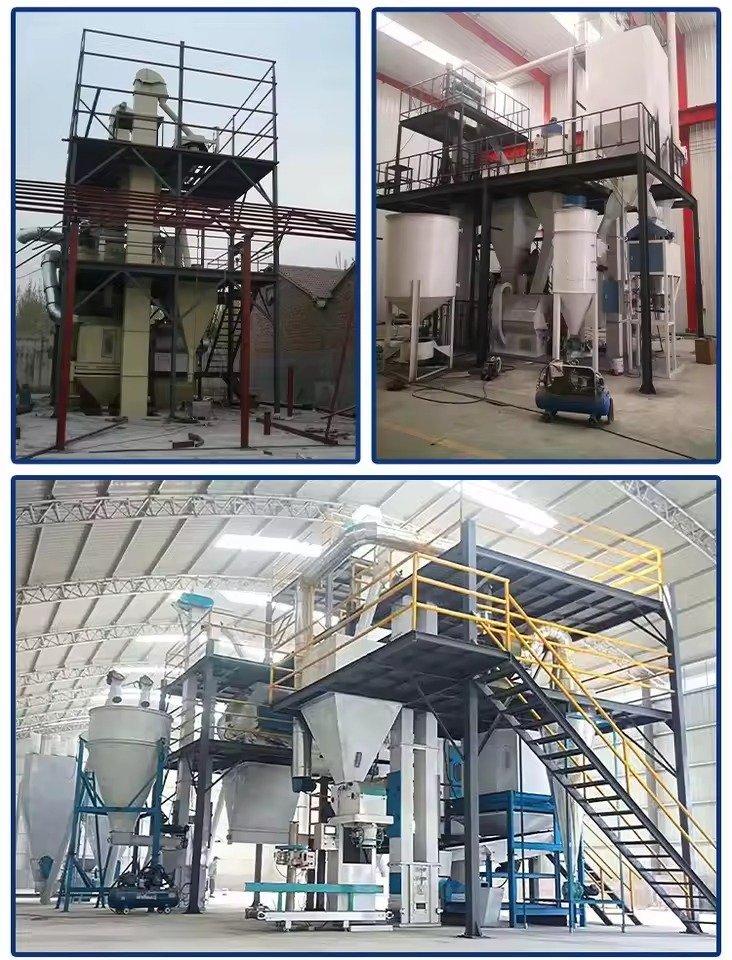
Proper equipment arrangement reduces material handling. Gravity flow designs minimize conveying requirements. Placing equipment vertically uses less floor space while simplifying material movement. Raw materials start at the top level and flow downward through processing stages.
MAIKONG engineers design layouts matching your facility. We consider building dimensions, structural limitations, and workflow patterns. Our 3D modeling shows exactly how equipment fits your space before installation begins.
Energy Management
Electrical consumption impacts operating costs significantly. Energy consumption of poultry feed production lines varies based on equipment selection and operation. Efficient motors, proper equipment sizing, and optimized processes reduce power usage.
Grinding typically consumes the most energy. Selecting appropriate screen sizes balances grinding efficiency with pellet quality needs. Oversized pellet mills waste energy. Undersized mills struggle to maintain production rates. Proper matching improves overall efficiency.
Maintenance Planning
Regular maintenance prevents costly breakdowns. Scheduled inspections identify wear before failures occur. Replacing consumable parts proactively avoids production interruptions. MAIKONG equipment features easy maintenance access and readily available replacement parts.
Lubrication schedules keep machinery running smoothly. Drive chain tensioning maintains power transmission efficiency. Die and roller replacement intervals depend on production volume and ingredient abrasiveness. We provide detailed maintenance schedules for every system component.
Process Optimization
Fine-tuning operating parameters improves results. Conditioning temperature affects pellet durability. Steam addition rates influence moisture content. Die selection impacts production rate and pellet quality. Small adjustments create significant improvements.
MAIKONG provides comprehensive training covering process optimization. Our technicians teach your operators to recognize quality indicators and adjust parameters accordingly. This knowledge transfer ensures long-term success.
Understanding Cost-Effective Poultry Feed Production Line Investment
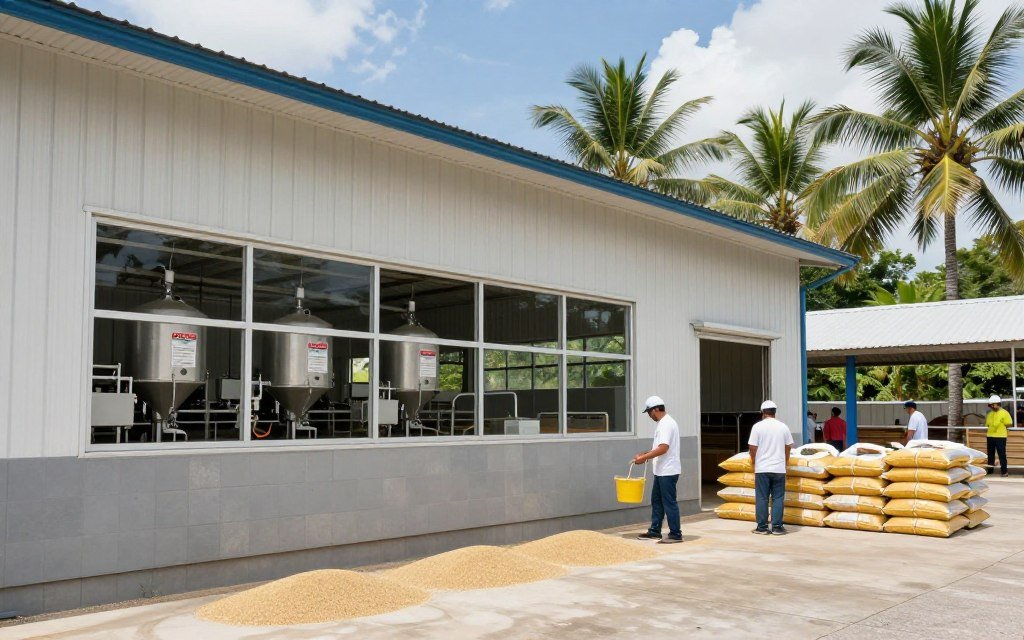
Investment decisions require clear cost understanding. A cost-effective poultry feed production line balances initial purchase price against long-term operating expenses and benefits. Multiple factors influence total investment requirements.
Equipment Costs by Capacity
Production capacity drives equipment pricing. Larger systems cost more but offer lower per-ton operating costs. Smaller systems require less initial capital but may limit growth. The following table outlines typical investment ranges for different capacities.
| Capacity | Total Power | Space Required | Installation Time | Investment Range (USD) |
| 1-2 T/H | 47-75 KW | 300-500 m² | 7-15 Days | $10,000-$50,000 |
| 3-4 T/H | 53-165 KW | 300-700 m² | 15-20 Days | $50,000-$120,000 |
| 5-7 T/H | 68-259 KW | 400-800 m² | 20-40 Days | $70,000-$250,000 |
| 8-10 T/H | 125-410 KW | 800-2000 m² | 45-60 Days | $150,000-$300,000 |
| 12-20 T/H | 358-620 KW | 1500-3000 m² | 60-90 Days | $250,000-$580,000 |
Operating Cost Components
Daily expenses include electricity, labor, maintenance, and raw materials. Electricity costs depend on local utility rates and production volume. Labor requirements vary with automation level. More automated systems need fewer operators but cost more initially.
Raw material costs dominate operating expenses. Purchasing ingredients in bulk reduces prices. Seasonal buying takes advantage of harvest-time discounts. Storage capacity allows stockpiling during favorable market conditions. Many producers recover operating costs through superior bird performance and reduced commercial feed purchases.
Return on Investment
Most Philippine operations achieve payback within 18-36 months. Factors affecting ROI include flock size, commercial feed prices, ingredient costs, and production efficiency. Larger operations typically achieve faster payback due to economies of scale.
Beyond direct cost savings, feed production provides intangible benefits. You control feed freshness and quality. Formulations adjust immediately to bird performance or market conditions. Feed availability never depends on supplier deliveries. These advantages contribute value beyond simple cost calculations.
Calculate Your Investment and Savings
MAIKONG financial specialists help you analyze costs, project savings, and determine optimal system sizing for your operation
Poultry Feed Production Process Design and Workflow
Understanding production workflow helps you operate systems effectively. Well-designed poultry feed production processes flow logically from raw materials to finished products. Each step builds on previous operations.
Ingredient Receiving and Storage
Production begins when ingredients arrive. Bulk trucks deliver major components like corn and soybean meal. Bagged materials supply minerals, vitamins, and additives. Proper receiving procedures include inspection for quality and contamination.
Storage systems protect ingredients from moisture, pests, and contamination. Silos work well for grains. Covered bins store meals and supplements. Climate control prevents spoilage in humid Philippine conditions. Inventory management ensures ingredient freshness through proper rotation.
Grinding and Size Reduction
Grinding prepares ingredients for mixing and pelleting. The hammer mill processes one ingredient at a time or handles pre-blended mixtures. Screen selection determines final particle size. Typical poultry feed uses 2-3 mm screens producing medium-fine grinding.
Ground material moves to temporary storage or directly to mixing. Dust collection systems capture fine particles preventing losses and maintaining air quality. Magnetic separation removes any metal contamination protecting downstream equipment.
Batching and Mixing
Accurate batching follows your formulation recipe. Electronic scales weigh each ingredient precisely. Computer-controlled systems automate this process reducing human error. Manual systems use platform scales requiring careful operator attention.
All ingredients enter the mixer where ribbon agitators blend thoroughly. Mixing time varies from 3-8 minutes depending on batch size and ingredient characteristics. Liquid additions like oils require special injection systems ensuring even distribution. The final mixture should appear uniform without ingredient segregation.
Conditioning and Pelleting
Mixed feed enters the conditioner where steam injection adds heat and moisture. Temperature reaches 75-85°C. Moisture content increases to 15-17%. Retention time allows starches to gelatinize improving binding properties.
Conditioned feed flows to the pellet mill die. Rollers press material through die holes. Friction and pressure generate additional heat. Pellets form continuously as long as feed flows. Knife blades cut pellets to desired lengths. Production rates depend on die size, hole configuration, and feed formulation.
Cooling and Screening
Fresh pellets exit the mill hot and soft. The counter-flow cooler reduces temperature while removing excess moisture. Cool air flows upward through falling pellets. Cooling time typically runs 8-12 minutes. Final pellet temperature should reach within 5°C of ambient.
Cooled pellets pass through vibrating screens. Acceptable pellets move to packaging or storage. Oversized pieces and fines separate for reprocessing. This quality control step ensures consistent product appearance and handling characteristics.
Packaging and Storage
Finished feed flows to packaging equipment. Automatic scales fill bags to preset weights. Bag sewers or heat sealers close packages. Conveyors move filled bags to pallets. Palletizers stack bags automatically in larger systems.
Bulk storage works well for on-farm consumption. Large bins hold several days’ production. Auger systems transfer feed directly to feeding equipment. This eliminates packaging costs while maintaining freshness.
Why Choose MAIKONG for Your Poultry Feed Production Line
MAIKONG stands apart in the competitive equipment market. Our 22 years serving Philippine and global customers demonstrates proven capability. We understand tropical operating conditions, local ingredient characteristics, and Philippine business practices.
Manufacturing Excellence
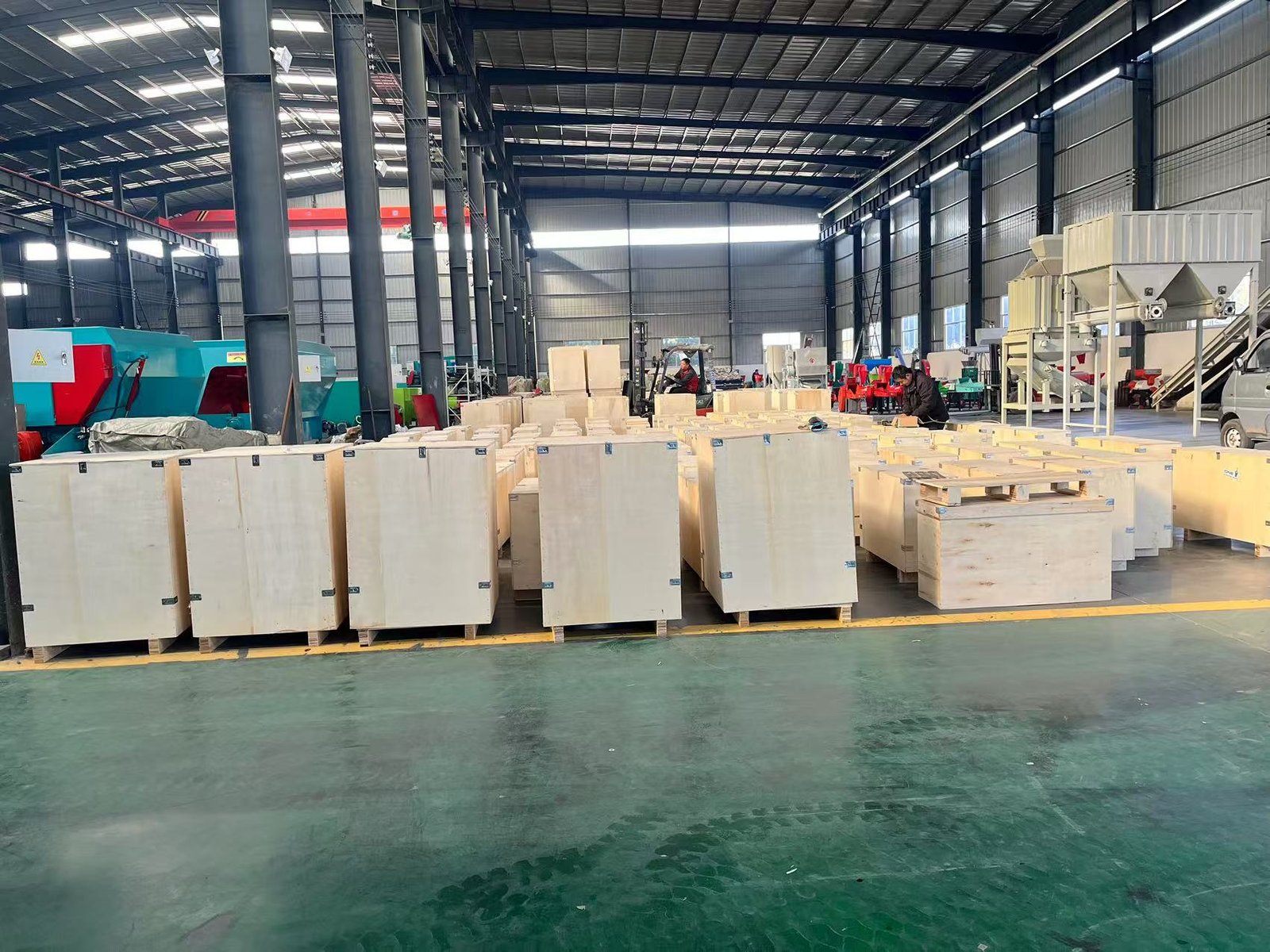
Our GD province facility spans 50,000 square meters. Modern CNC machining centers produce precision components. Quality control inspections occur at every manufacturing stage. Final assembly includes comprehensive testing before shipment. This attention to detail ensures reliable equipment performance.
We manufacture complete component ranges in-house. Dies, rollers, hammers, mixers, conveyors – everything carries MAIKONG quality standards. This vertical integration controls quality while reducing costs. You benefit from better equipment at competitive prices.
Technical Expertise
Our engineering team holds decades of combined experience. They have designed systems for tropical climates, high-altitude locations, and extreme temperature environments. This expertise allows creative solutions to unique challenges. We solve problems other manufacturers cannot.
Installation supervision ensures correct setup. Our technicians travel to your location overseeing installation and commissioning. They train your operators on proper equipment use and maintenance. This hands-on support provides confidence in your new system.
Customization Capabilities
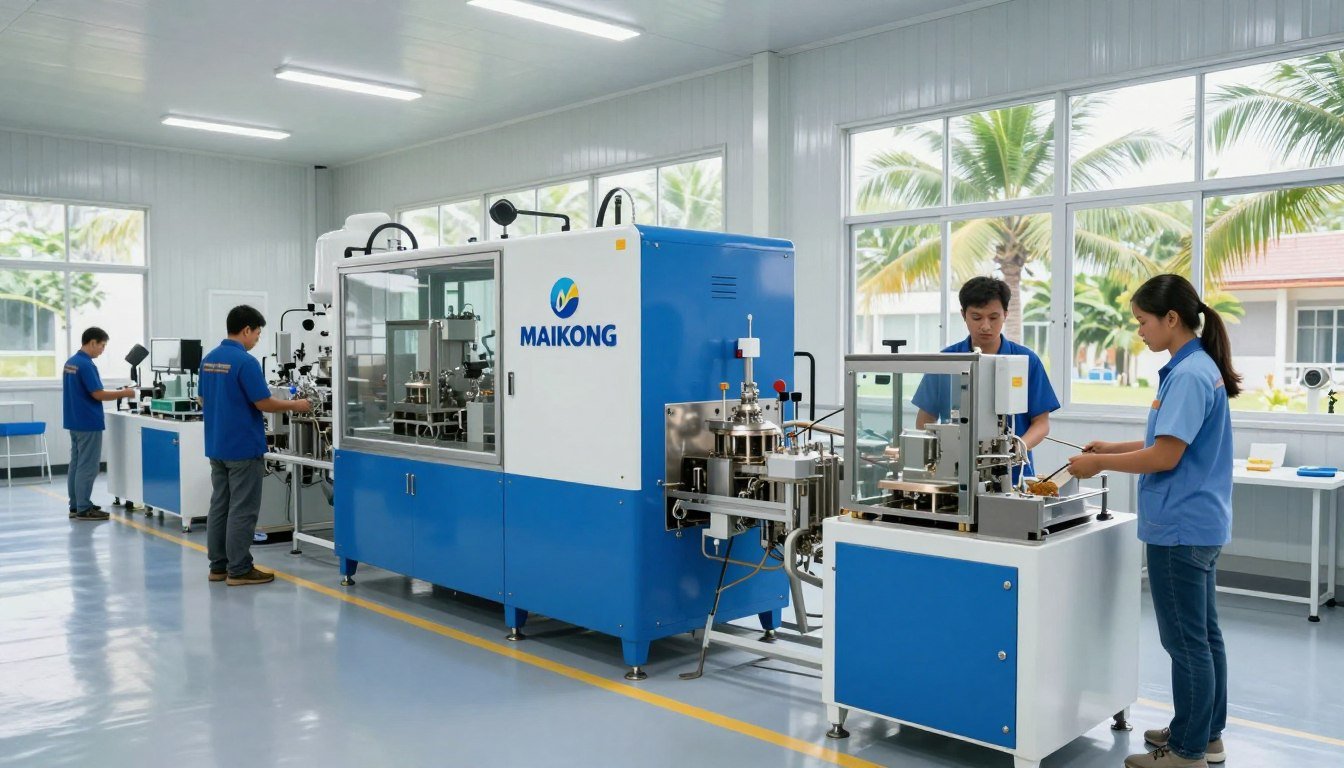
Standard systems suit many applications. However, unique requirements need custom solutions. MAIKONG OEM and ODM services modify equipment to your specifications. We adjust capacities, change configurations, add special features, or design completely unique systems.
Philippine customers appreciate our flexibility. Need equipment compatible with your electrical system? We configure motors for your voltage and frequency. Require special pellet sizes? We manufacture custom dies. Want to process unusual ingredients? We test formulations and adjust equipment accordingly.
Global Success Stories
MAIKONG equipment operates successfully across Asia, Africa, the Americas, Europe, and the Middle East. Our systems process feed in Thailand’s humid climate, Kenya’s altitude, Brazil’s heat, and Russia’s cold. This geographic diversity proves equipment versatility and reliability.
Asia Pacific Installations
- 500+ systems operating in Philippines supporting local poultry industry
- Large-scale operations in Thailand and Vietnam producing 50+ tons daily
- Small farm systems throughout Indonesia and Malaysia
- Aquaculture feed lines in Bangladesh and Myanmar
Other Regions
- Industrial facilities in Nigeria and Kenya serving regional markets
- Research installations at universities in USA and Europe
- Commercial operations in Brazil and Argentina
- Middle East projects in UAE and Saudi Arabia
Comprehensive Support
Our relationship continues long after installation. Technical support helps troubleshoot issues quickly. Spare parts availability ensures minimal downtime. Equipment upgrades keep systems current with technology advances. We invest in long-term customer success.
Philippine customers receive special attention. Local time zone alignment means support during your business hours. English communication eliminates language barriers. We understand your market conditions, ingredient availability, and regulatory environment.
MAIKONG Dealer and Distributor Opportunities
MAIKONG actively recruits qualified Philippine dealers and distributors. The growing poultry industry creates strong demand for quality feed equipment. Partnering with MAIKONG positions you in this expanding market with industry-leading products.
Partnership Benefits
Authorized MAIKONG dealers receive comprehensive support. Competitive pricing enables healthy profit margins. Marketing materials help promote products effectively. Technical training ensures you can support customers properly. We succeed together through mutual commitment.
Dealer Advantages
- Exclusive territory protection in your region
- Factory-direct pricing with attractive margins
- Comprehensive product training and certification
- Marketing support including materials and co-op advertising
- Technical backup from MAIKONG engineering team
- Demo equipment availability for customer trials
- Fast spare parts supply chain
- New product early access
Support Provided
- Initial dealer training at MAIKONG facility
- Ongoing technical education programs
- Sales and marketing guidance
- Customer lead generation assistance
- Installation support for major projects
- Warranty administration help
- Regular factory updates and communications
- Annual dealer conference and recognition
Ideal Partner Profile
- Established business in agricultural equipment or poultry industry
- Technical staff capable of installation and service
- Warehouse and display facility
- Service vehicle for customer support
- Financial stability for inventory investment
- Commitment to customer satisfaction
- Growth mindset and market development focus
- Willingness to invest in training and certification
Application Process
Becoming a MAIKONG dealer starts with submitting your application. We review your business background, capabilities, and market area. Qualified candidates receive detailed partnership information including terms, pricing, and territory details.
Selected dealers complete training at our facility or through virtual programs. This ensures thorough product knowledge and sales capability. Upon completion, you receive dealer certification and marketing materials. Your territory listing on our website drives customer inquiries to your business.

Join the MAIKONG Dealer Network
Build a profitable business representing premium feed production equipment in the growing Philippine agricultural market
MAIKONG Model MK-L003 Specifications
Our flagship poultry feed production line model offers versatility for medium-scale operations. The MK-L003 system balances capacity, quality, and affordability making it ideal for growing Philippine farms.
| Specification | Details |
| Model Number | MK-L003 |
| Production Capacity | 1-3 Tons per hour (customizable to 200kg – 200 tons/hour) |
| Total Power Requirement | 53-165 KW (voltage customizable: 220V, 380V, 440V) |
| Dimensions (L×W×H) | 12m × 6m × 8m (customizable to facility) |
| Weight | 8,500 kg (complete system) |
| Main Material | ABS components, carbon steel frame, stainless steel contact surfaces |
| Pellet Size Range | 2mm – 8mm diameter (interchangeable dies) |
| Feed Types | Chicken, duck, quail, goose, turkey, all poultry varieties |
| Automation Level | Semi-automatic with PLC control option |
| Installation Time | 15-20 days including commissioning |
| Warranty Period | 12 months parts and labor |
| Price Range | $50,000 – $120,000 USD (depending on configuration) |
| Stock Availability | Standard configurations in stock, custom builds 45-60 days |
| Color Options | Industrial blue (standard), custom colors available |
System Components Included
Primary Equipment
- SFSP66×80 Hammer Mill (55 KW motor)
- SHSJ2 Horizontal Ribbon Mixer (11 KW motor)
- SZLH420 Ring Die Pellet Mill (75 KW main drive)
- SKLN Counter-flow Cooler (3 KW fan motor)
- DCS-50 Automatic Packaging Scale
- SCY80 Vibrating Screen Classifier
Supporting Equipment
- TDTG Bucket Elevators (multiple stations)
- Screw Conveyors (material transfer)
- Pulse Dust Collection System
- PLC Control Panel with HMI touchscreen
- Steam Conditioning System
- Magnetic Separators (safety protection)
Request Detailed Technical Documentation
Receive complete specifications, CAD drawings, electrical schematics, and installation guides for MAIKONG MK-L003 system
Frequently Asked Questions About Poultry Feed Production Lines
How much space do I need for a poultry feed production line?
Space requirements depend on production capacity. Small systems processing 1-2 tons hourly need approximately 300-500 square meters. This includes equipment installation, ingredient storage, finished product storage, and working aisles. Medium capacity systems (3-5 tons/hour) require 400-800 square meters. Large industrial operations need 1,500+ square meters.
Building height matters too. Vertical equipment arrangements reduce floor space but need adequate ceiling clearance. Most systems require 6-8 meter ceiling heights. MAIKONG engineers design layouts optimizing your available space regardless of limitations.
Can I produce different types of poultry feed on the same line?
Yes, modern production lines handle multiple formulations. You can produce layer feed, broiler feed, chick starter, duck feed, and other varieties using the same equipment. Production scheduling separates different products. Thorough cleaning between formulation changes prevents cross-contamination.
Some operations maintain separate smaller systems for specialty products. This works well if you produce organic feed alongside conventional feed or manufacture medicated feeds requiring isolation. MAIKONG helps determine the best approach for your specific product mix.
What maintenance does a poultry feed production line require?
Regular maintenance ensures reliable operation. Daily tasks include equipment inspection, cleaning, and lubrication checks. Weekly maintenance involves thorough cleaning, belt tension verification, and wear component inspection. Monthly activities include detailed inspections, oil changes, and calibration verification.
Major components need periodic replacement. Hammer mill screens last 3-6 months depending on production volume. Mixer ribbon paddles require replacement annually. Pellet mill dies and rollers last 500-2000 operating hours based on ingredient abrasiveness. MAIKONG provides detailed maintenance schedules and trains your staff on proper procedures.
How long does installation and commissioning take?
Installation duration varies with system size and complexity. Small systems install in 7-15 days including foundation work, equipment placement, piping, electrical connections, and initial testing. Medium systems require 15-30 days. Large industrial installations take 60-120 days for complete commissioning.
Proper site preparation before equipment arrival speeds installation. Having foundations, electrical service, and building ready when machinery arrives minimizes delays. MAIKONG provides detailed preparation guidelines ensuring smooth installation progress.
What electrical requirements do feed production lines have?
Power requirements scale with production capacity. A 1-2 ton/hour system needs 47-75 KW total connected load. Actual operating consumption runs 60-70% of connected load. Medium systems (3-5 tons/hour) require 68-165 KW. Large operations need 200-500+ KW electrical service.
MAIKONG equipment accommodates various electrical standards. We configure motors for 220V, 380V, 440V, or other voltages matching Philippine electrical specifications. Three-phase power suits most systems, though some small units operate on single-phase. Your electrical contractor should review our requirements during planning.
Can I start small and expand my production line later?
Absolutely. Many successful operations begin with basic systems and add capacity gradually. Start with a simple mixer and pellet mill producing 300-500 kg/hour. Add grinding equipment when volume justifies the investment. Incorporate cooling and screening as quality demands increase. Install automation as labor costs rise.
MAIKONG designs systems with expansion in mind. We ensure adequate space and utility capacity for future additions. Equipment selections consider compatibility with potential upgrades. This staged approach minimizes initial investment while supporting long-term growth.
Partner with MAIKONG for Your Poultry Feed Production Line
Success in Philippine poultry farming requires reliable feed supply at manageable costs. MAIKONG poultry feed production lines deliver this capability with proven equipment backed by 22 years of manufacturing excellence. Our systems operate successfully across Asia, Africa, the Americas, Europe, and the Middle East.
Whether you manage a small family farm or operate a large commercial facility, we offer solutions matching your requirements. Our engineering team customizes equipment specifications, production capacities, and automation levels. Installation support and comprehensive training ensure successful system startup. Ongoing technical assistance keeps your operation running smoothly.
Comprehensive Product Range
MAIKONG manufactures complete equipment lines supporting diverse agricultural needs. Beyond poultry feed production lines, we produce specialized systems for fish, cattle, pigs, rabbits, and pets. Our fish feed production line serves aquaculture operations. The cattle feed pellet production line supports livestock farms. Every system reflects the same quality standards and customer focus.
Individual equipment components are available for those building custom systems or upgrading existing lines. Choose from our feed pellet machine range, animal feed pellet machine options, or complete feed pellet production line packages. Everything integrates smoothly for optimal performance.
Take the Next Step
Ready to improve your poultry operation with reliable feed production capability? Contact MAIKONG today. Our team discusses your specific requirements, recommends appropriate equipment, and provides detailed proposals. Site visits help us understand your facility and design optimal layouts.
Dealer and distributor inquiries receive special attention. We actively seek qualified Philippine partners to expand our local presence. If you have agricultural equipment experience and want to represent premium products, we want to hear from you. Partnership opportunities offer attractive margins and comprehensive support.
Direct Contact Information
Prefer speaking directly with our team? Use any of the contact methods below. Our Philippine support specialists respond quickly to all inquiries.
Phone and WhatsApp
Available during Philippine business hours. WhatsApp messages receive responses within 2-4 hours.
Email Contact
General Inquiries & Dealer Applications:
Lucy@pelletmachine.ph
Email responses typically within 12-24 hours. Include your phone number for faster response.
Website Resources
Main Website:
https://pelletmachine.ph/
About MAIKONG:
Company Background & Facilities
Contact Page:
Additional Contact Options
Office Location
MAIKONG Manufacturing Facility
SZ City, GD Province
Production Capacity: 500+ systems annually
Facility Size: 50,000 square meters
Start Your Poultry Feed Production Line Project Today
Join hundreds of successful Philippine farms and feed producers who trust MAIKONG equipment for reliable, efficient feed production
Call or WhatsApp: +86 135-1090-7401
Email: Lucy@pelletmachine.ph
Conclusion
Modern Philippine poultry farming demands efficient feed production capabilities. A properly designed poultry feed production line reduces costs, improves feed quality, and gives you complete control over nutrition. Whether you operate a small family farm or a large commercial facility, the right equipment investment pays dividends through improved bird performance and profitability.
MAIKONG brings proven expertise to your operation. Our 22 years of manufacturing experience serves customers across 130 countries. We understand tropical operating conditions, local ingredient characteristics, and Philippine business practices. Every system we build reflects this knowledge combined with engineering excellence.
Take control of your feed supply. Contact MAIKONG today to discuss your specific requirements. Our team provides expert guidance selecting equipment, designing layouts, and planning implementation. Whether you need a complete turnkey system or individual components, we deliver solutions matching your needs and budget. Together, we build the foundation for your poultry operation success.