Running a successful poultry operation in the Philippines means finding smart solutions for feed costs. Commercial poultry feed prices keep rising. Many farm owners discover that producing their own poultry feed cuts expenses by 30-40% compared to buying ready-made products.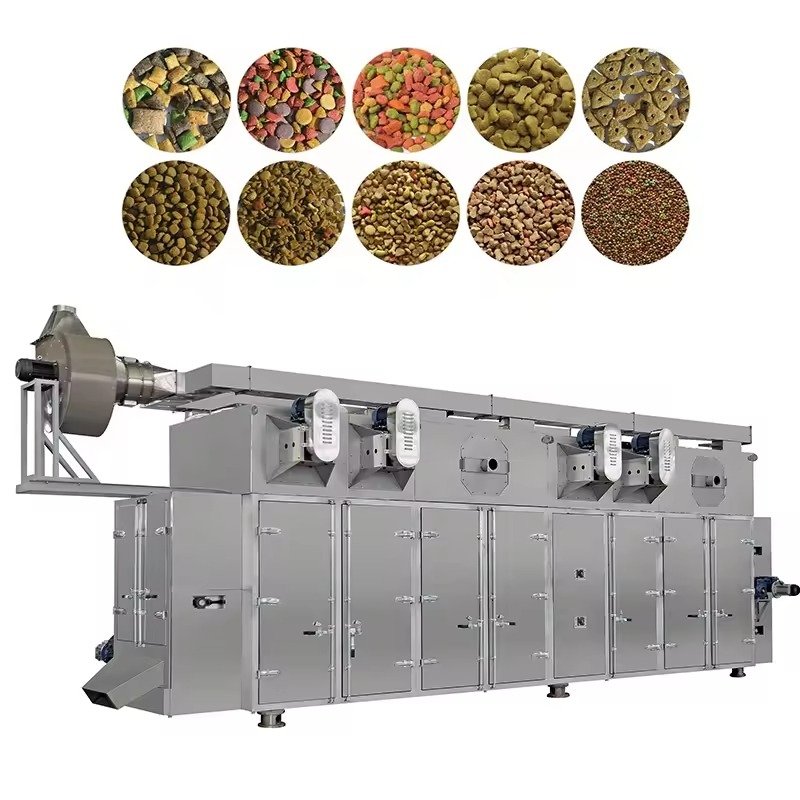
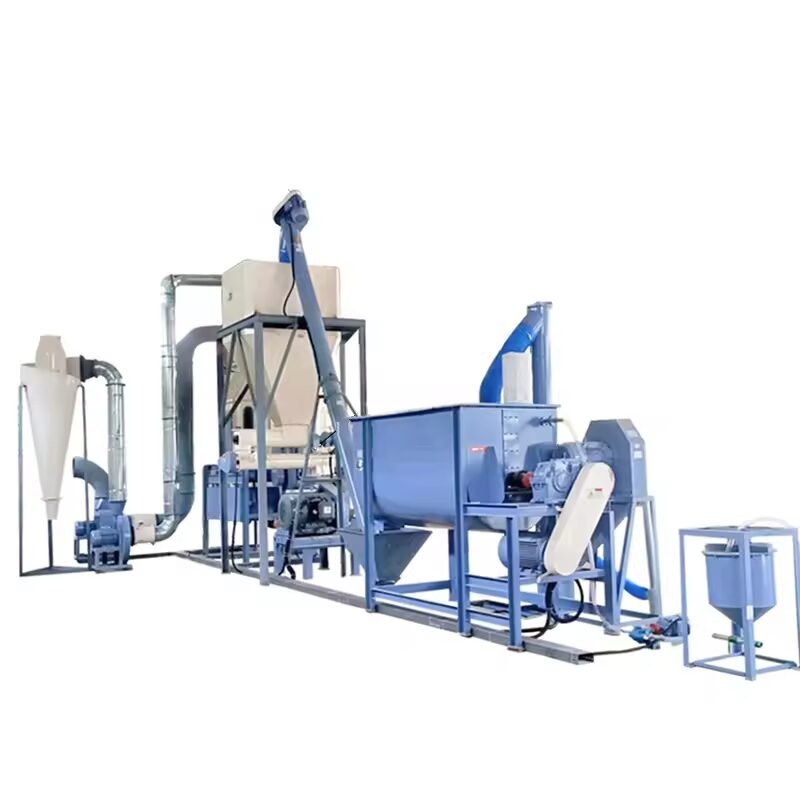
A poultry feed production line transforms raw ingredients into nutritious, uniform feed pellets that chickens, ducks, and other birds need to grow healthy and productive. This complete system handles everything from grinding corn and mixing ingredients to forming pellets and packaging finished poultry feed.
Whether you manage a small backyard farm with 500 birds or operate a commercial facility with 50,000 chickens, understanding how feed production lines work helps you make better decisions about equipment investments. This guide explains the complete process, equipment options, costs, and benefits specifically for Philippine poultry farmers and feed mill operators.
Understanding the Poultry Feed Production Line System
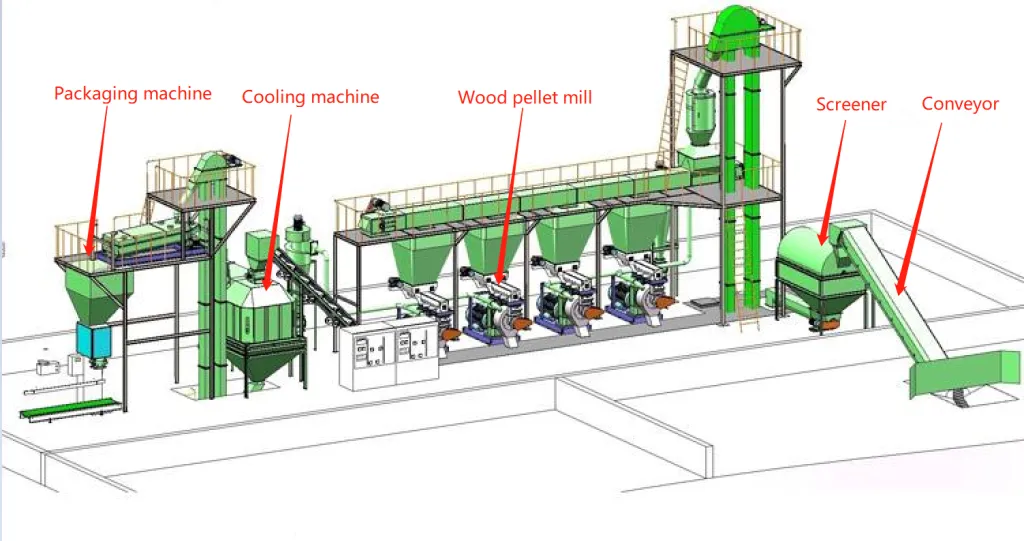
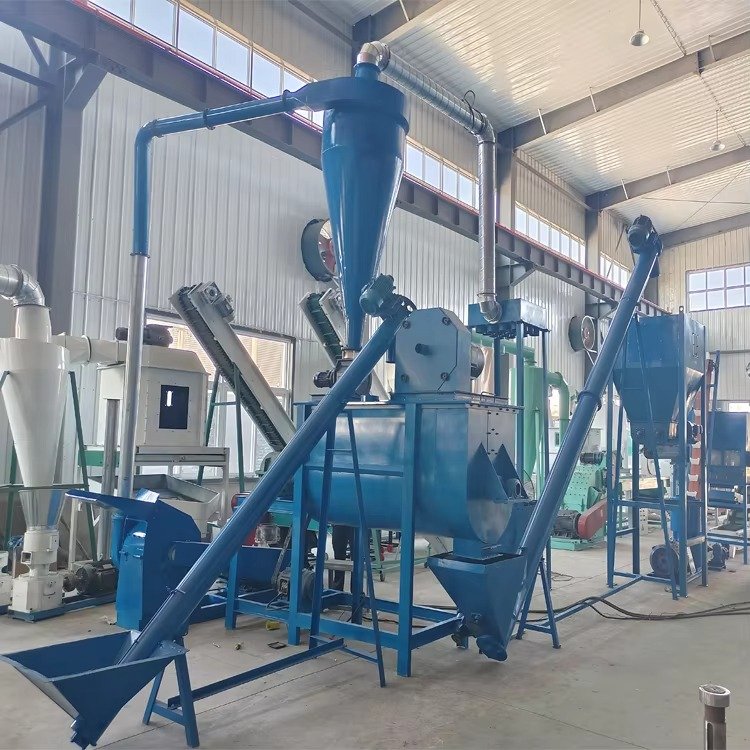
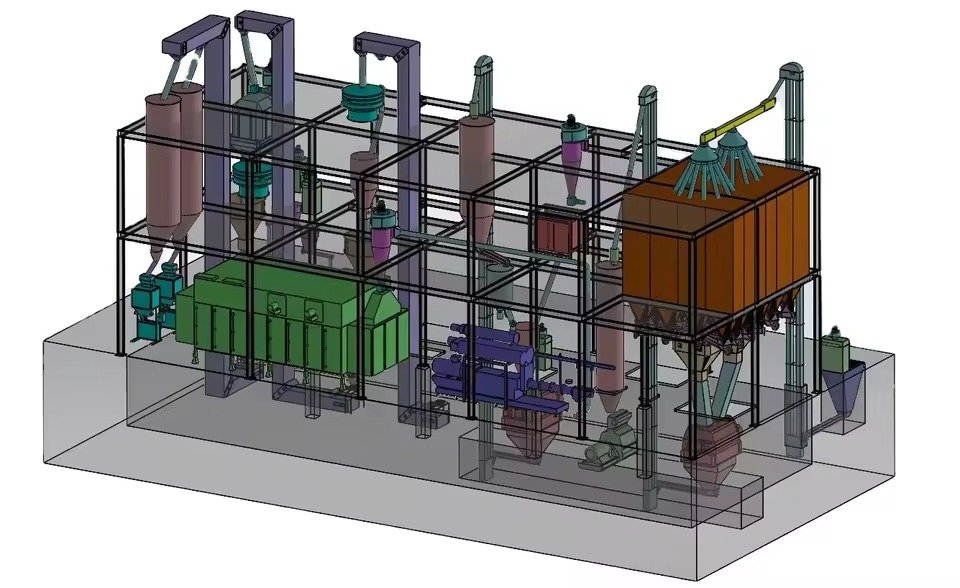
A poultry feed production line is an integrated manufacturing system that converts raw agricultural materials into finished feed pellets or mash suitable for chickens, ducks, geese, quail, and other poultry species. The system combines multiple specialized machines working together in a coordinated sequence.
Think of it as an assembly line for animal feed. Raw ingredients enter at one end. They pass through cleaning, grinding, mixing, pelleting, cooling, and packaging stages. Finished poultry feed emerges at the other end, ready for storage or immediate use.
Key Components of Modern Production Lines
Every feed production line includes these essential equipment types:
- Material receiving and storage systems (silos, hoppers)
- Cleaning and pre-treatment equipment (screeners, magnetic separators)
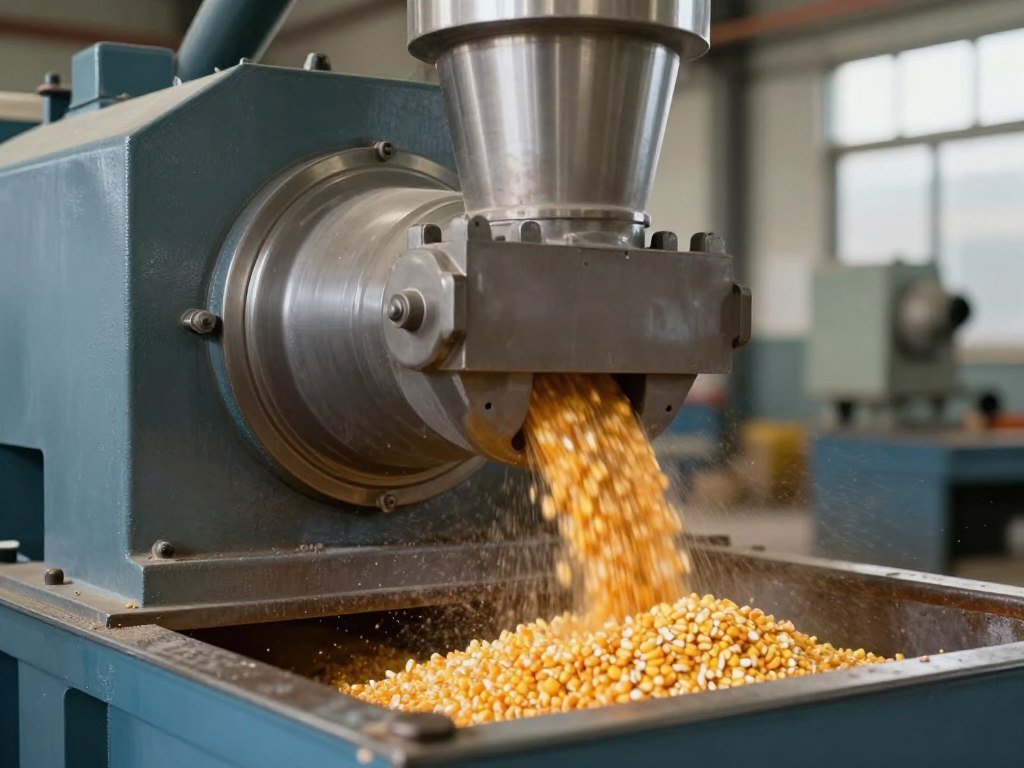
- Size reduction machines (hammer mills, grinders)
- Weighing and batching systems (automated scales)
- Mixing equipment (paddle or ribbon mixers)
- Pellet forming machines (ring die or flat die types)
- Cooling and drying systems (counterflow coolers)
- Finishing equipment (crumblers, screeners)
- Packaging and weighing stations
- Control systems and automation panels
The specific configuration depends on your production capacity needs, available space, budget, and the types of feed you want to manufacture. Small operations might start with basic equipment handling 200-500 kg per hour. Large commercial feed mills process 20-100 tons hourly.
Why Philippine Farms Choose Poultry Feed Production Lines
The demand for poultry feed production lines continues growing across the Philippines for several practical reasons. Feed costs typically represent 60-70% of total poultry farming expenses. Producing your own feed immediately reduces this major cost burden.
You gain complete control over ingredient quality and nutritional formulation. No more worrying about inconsistent commercial feed batches or questionable ingredients from suppliers. Your birds receive exactly the nutrition they need at each growth stage.
Real Philippine Cost Savings: A 5,000-bird layer operation in Bulacan reduced feed costs from ₱28 per kg (commercial feed) to ₱18 per kg (own production), saving approximately ₱750,000 annually on feed alone.
Production flexibility matters too. You can quickly adjust formulations based on bird age, breed requirements, or ingredient availability. When corn prices spike, you can substitute alternative grains. When your layers need more calcium for strong eggshells, you can increase limestone immediately.
Application of Poultry Feed Production Line in Different Operations
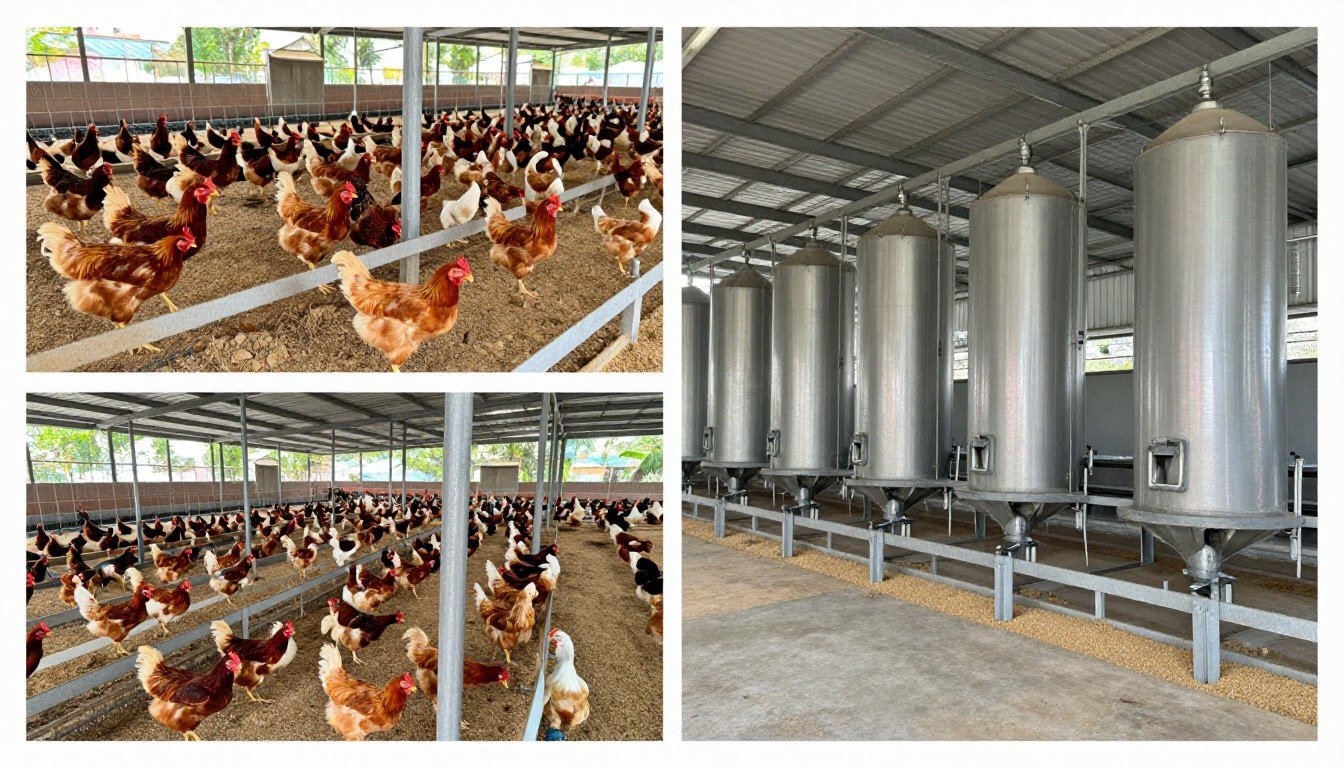
Modern poultry feed production lines serve diverse operations across the Philippine agriculture sector. The versatility and customization options make these systems suitable for various business models and farm sizes.
Commercial Feed Mill Operations
Dedicated feed mills represent the largest users of complete production lines. These businesses manufacture poultry feed for sale to multiple farms and distributors. They typically run continuous operations producing 10-100 tons per hour across multiple shifts.
A commercial feed mill needs high automation levels, consistent quality control, and the ability to produce multiple formulations efficiently. Equipment must handle frequent formula changes without contamination between batches. Modern feed pellet production lines accomplish this through automated cleaning cycles and quick-change systems.
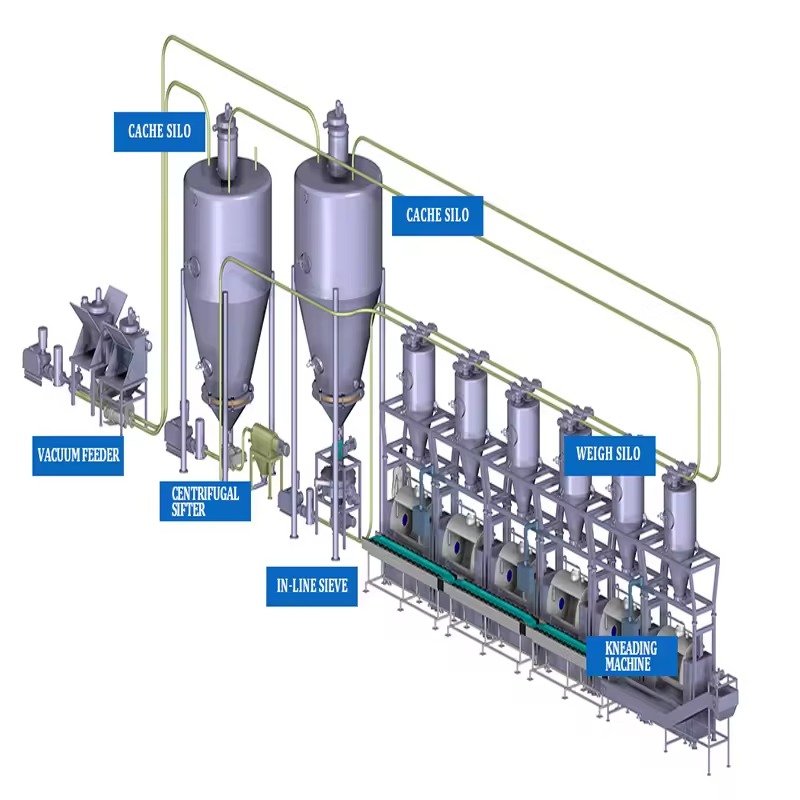
Large-Scale Poultry Farm Integration
Integrated poultry companies operating 50,000+ birds find tremendous value in onsite feed production. These operations achieve:
- Immediate cost savings on bulk ingredient purchasing
- Zero transportation costs from external feed mills
- Complete nutritional control for optimal bird performance
- Ability to quickly adjust formulas for flock health needs
- Fresh feed delivery directly from production to feeding systems
Cooperative Feed Production Centers
Agricultural cooperatives pool resources to establish shared feed production facilities. Member farms benefit from:
- Lower equipment investment through cost-sharing
- Professional operation and maintenance support
- Bulk ingredient purchasing power
- Access to technical expertise and formulation services
- Scheduled production slots for each member
Custom Feed Contract Manufacturing
Some feed mills offer toll manufacturing services. Farmers provide their own ingredients and formulations. The mill charges processing fees to convert raw materials into finished pellets. This arrangement works well for medium-sized farms (5,000-20,000 birds) wanting custom feed without full equipment investment.
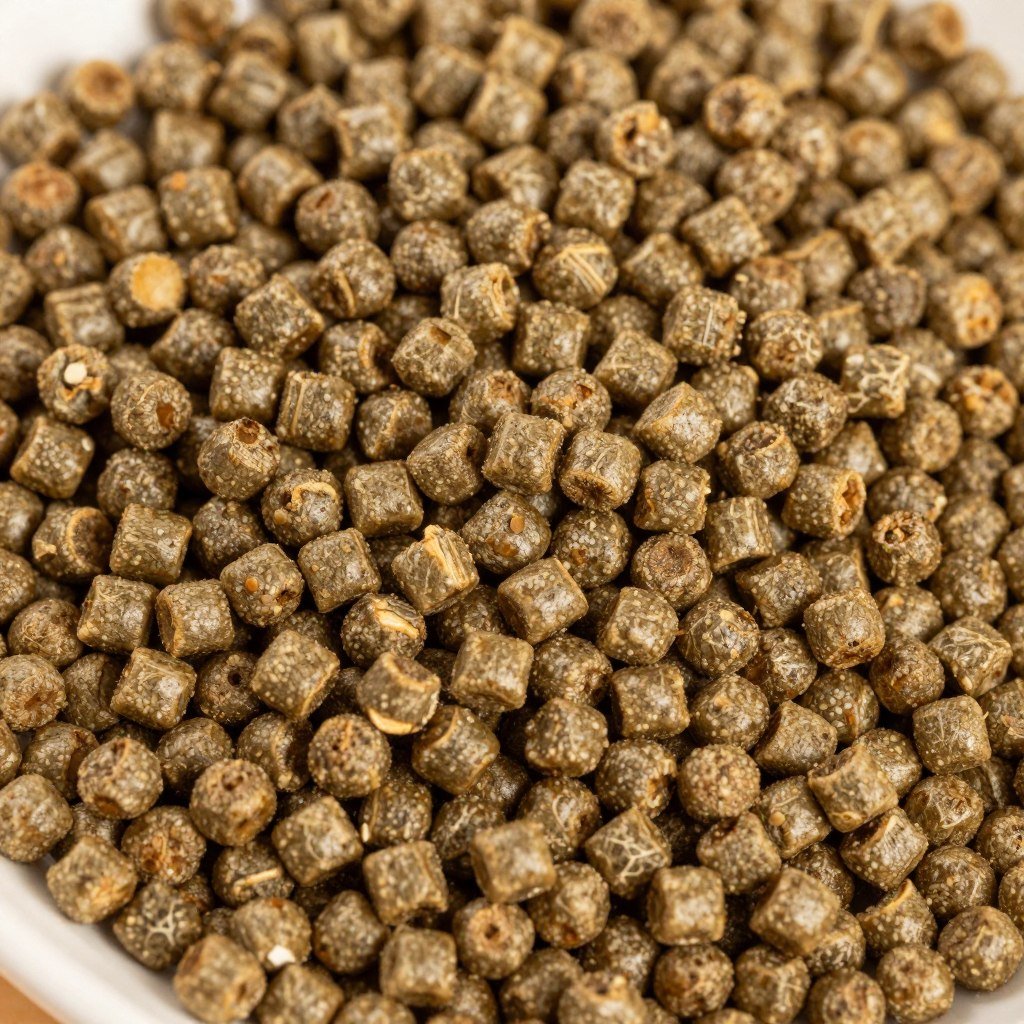
Layer Chicken Feed
Specialized formulations for egg-laying hens requiring high calcium content and sustained energy levels for consistent egg production.
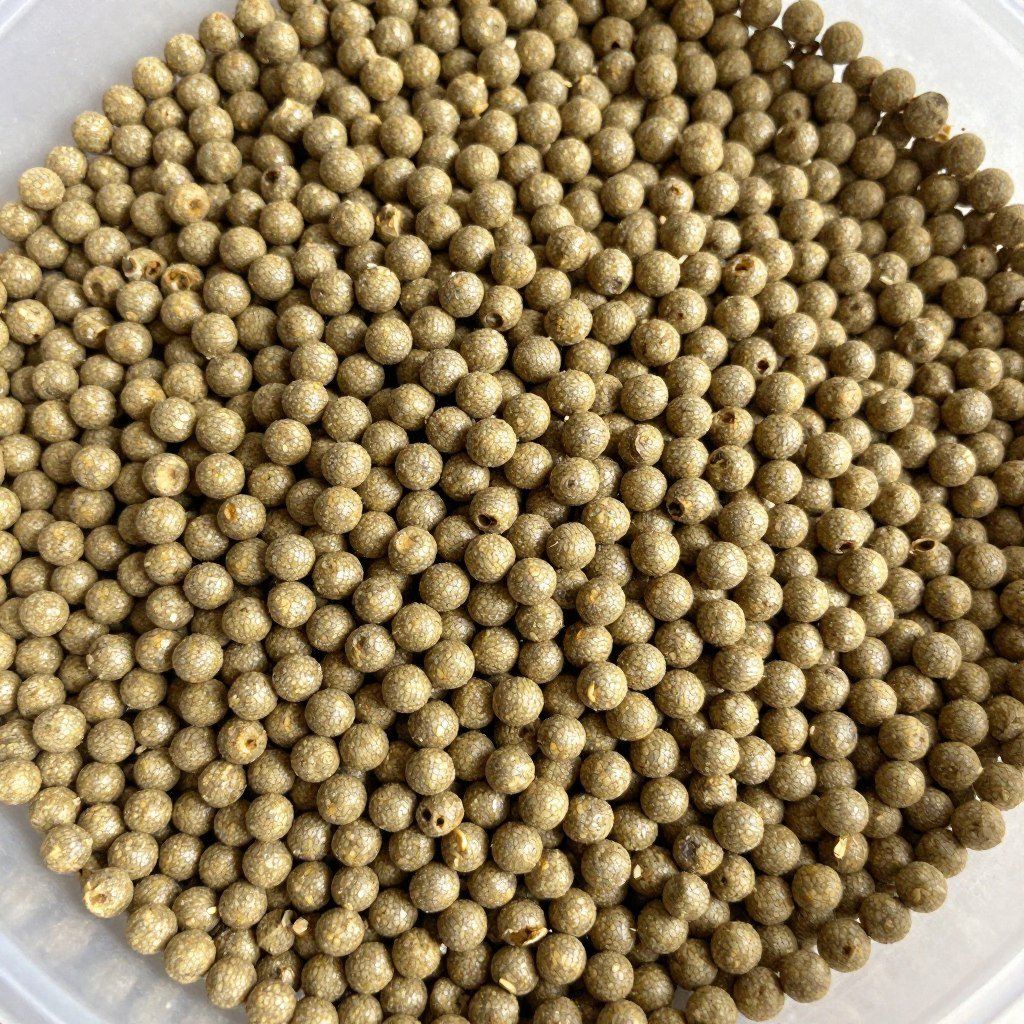
Broiler Chicken Feed
High-protein formulations designed for rapid growth and optimal feed conversion ratios in meat-producing chickens.
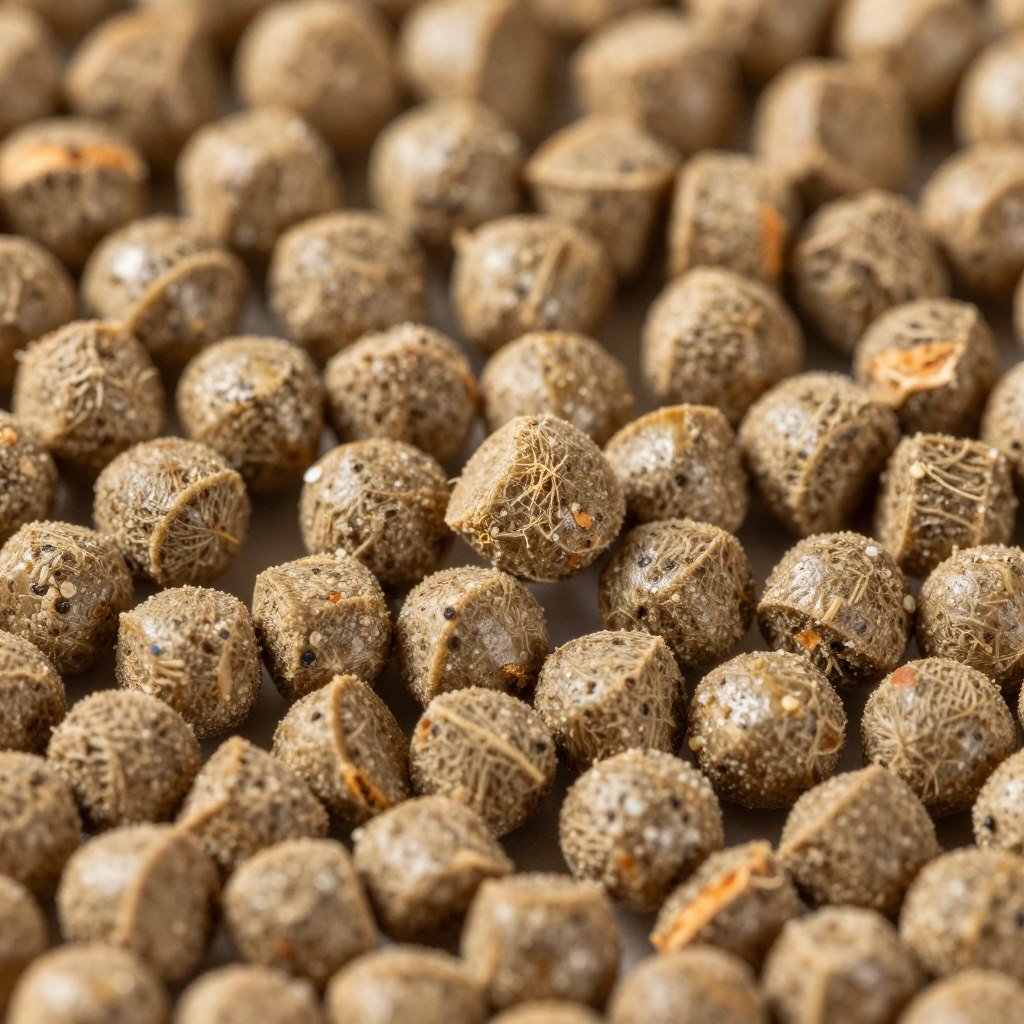
Duck and Waterfowl Feed
Formulations accounting for waterfowl nutritional needs including higher niacin levels and appropriate pellet durability for water feeding.
Mobile and Semi-Portable Production Solutions
Innovative Filipino entrepreneurs deploy container-based or trailer-mounted feed production equipment. These mobile units travel between rural farming communities, offering on-demand pellet manufacturing services. Farmers bring ingredients to the mobile mill for same-day processing.
This approach brings feed production line benefits to remote areas where permanent mill facilities aren’t economically viable. It also serves disaster recovery situations where existing feed supply chains have been disrupted.
Explore Customized Poultry Feed Production Line Solutions
MAIKONG designs efficient poultry feed production lines specifically for Philippine poultry operations. Whether you’re starting a commercial feed mill or adding production capacity to your farm, our engineering team creates solutions matching your exact requirements.
Types of Poultry Feed Production Lines Available
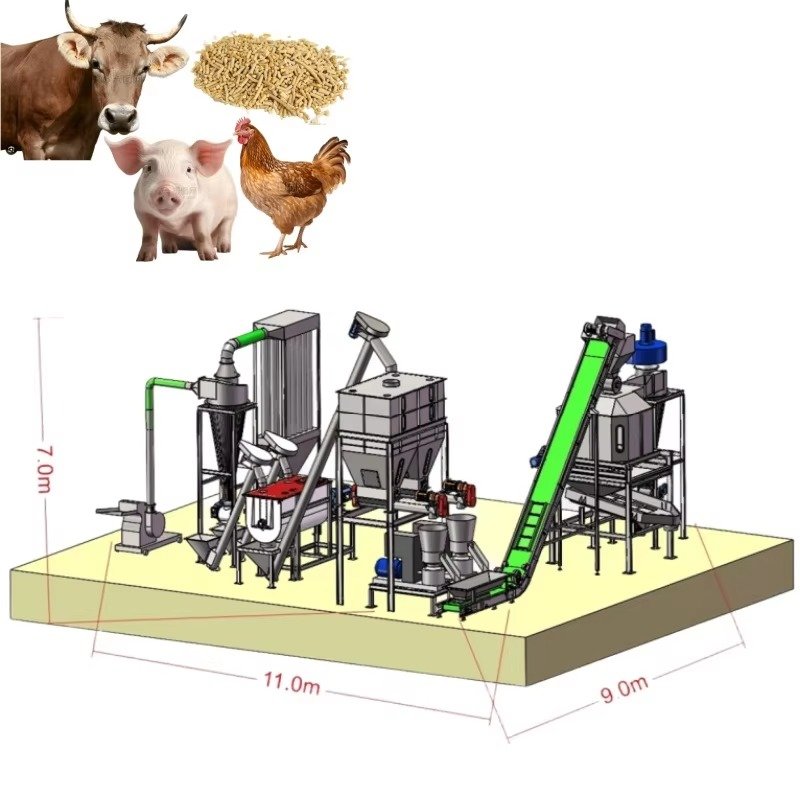
Selecting the right poultry feed production line type depends on your production volume needs, automation preferences, budget, and available facility space. Philippine operations choose from several proven configurations.
Feed Form Classifications
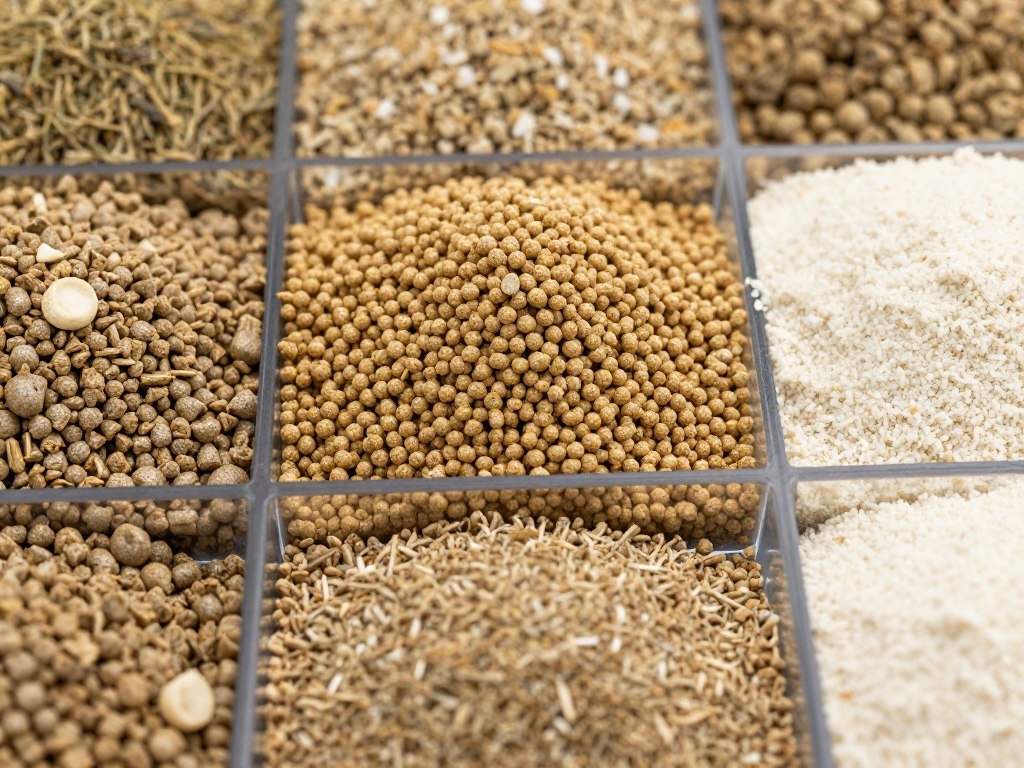
Pellet Feed Production Line
The most common type produces cylindrical feed pellets through compression and extrusion. Pellets offer numerous advantages:
- Reduced ingredient waste (birds can’t selectively pick)
- Better feed conversion ratios (3-5% improvement typical)
- Easier automated feeding system compatibility
- Reduced dust in feeding areas
- Longer storage life with less spoilage
- Higher nutrient density per unit volume
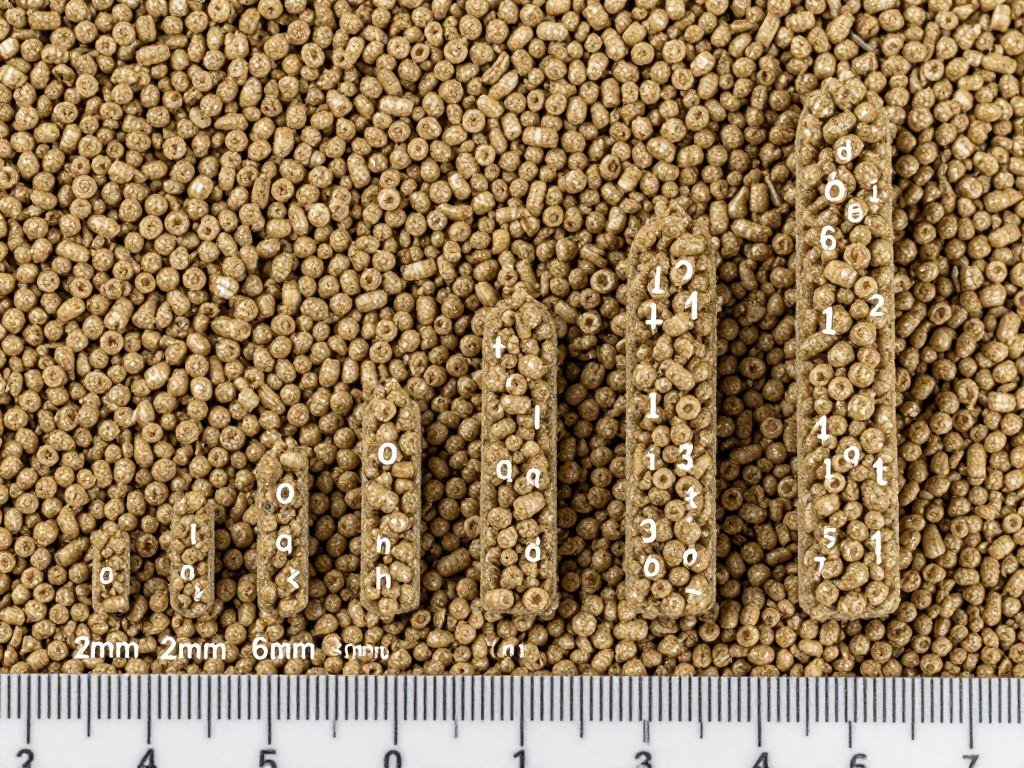
Pellet diameter varies by bird age: 2-3mm for chicks, 3-4mm for growing birds, 4-6mm for adult poultry. The poultry feed pellet production process uses heat and pressure to gelatinize starches, improving digestibility.
Mash Feed Production Line
Mash feed is finely ground and mixed but not pelleted. Production costs run 15-20% lower since the pellet machine and cooling stages are eliminated. Some operations choose mash for specific situations:
Very young chicks (1-7 days old) often start on fine mash before transitioning to crumbles or micro-pellets. Certain traditional farming practices in rural Philippines prefer mash feeding methods. Cost-sensitive operations with manual feeding systems sometimes select mash to minimize equipment investment.
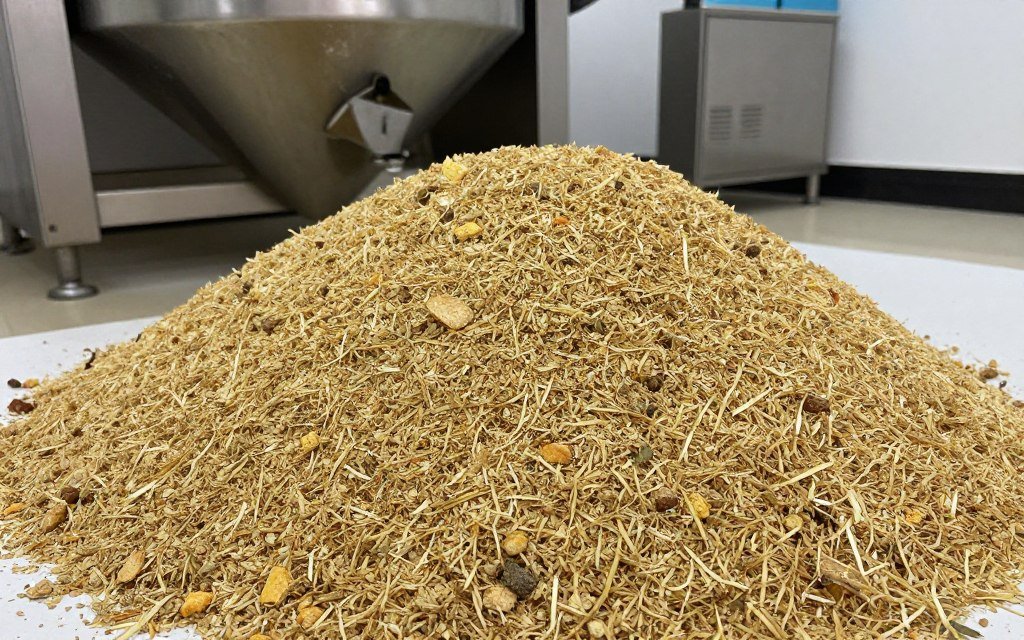
Crumble Feed Production Line
Crumbles are pellets that have been re-crushed into smaller irregular pieces. This form bridges the gap between mash and whole pellets. Young birds transition easily from starter crumbles to grower pellets.
The production process first creates standard pellets, then passes them through a crumbler machine before cooling and screening. This adds equipment cost but provides ideal feed form for 2-4 week old birds.
Automation Level Classifications
Manual Feed Production Line
Entry-level systems for small farms (200-500 kg/hour). Operators manually control each process stage, move materials between machines, and adjust settings.
Investment range: ₱500,000-₱1,500,000
Labor needs: 3-4 workers per shift
Best for: Farms with 2,000-5,000 birds
Semi-Automatic Production Line
Mid-range systems (1-5 tons/hour) with automated material handling between machines. Operators control formulations and monitor equipment, but conveyors move materials automatically.
Investment range: ₱2,000,000-₱8,000,000
Labor needs: 2-3 workers per shift
Best for: Farms with 10,000-30,000 birds or small commercial mills
Fully Automatic Production Line
Advanced systems (5-100+ tons/hour) with computerized control of all processes. PLC systems manage formulations, sequencing, and quality monitoring with minimal operator intervention.
Investment range: ₱10,000,000-₱100,000,000+
Labor needs: 1-2 operators per shift
Best for: Large farms (50,000+ birds) or commercial feed mills
Specialized Production Line Types
Aquatic Poultry Feed Lines: Modified systems producing water-stable pellets for ducks and geese that feed in water. These use specialized binders and longer conditioning times to create durable, floating or sinking pellets depending on feeding behavior.
Organic Poultry Feed Lines: Dedicated systems for certified organic feed production requiring complete traceability, contamination prevention from conventional ingredients, and special cleaning protocols between batches.
Medicated Feed Lines: Controlled-environment systems for producing feed containing therapeutic additives. These require isolated production areas, specialized mixing equipment for uniform drug distribution, and regulatory compliance documentation.
Choosing Poultry Feed Production Lines for Your Operation
Several factors determine the optimal production line type for Philippine operations:
- Current and projected bird population: Calculate daily feed consumption (layers: 110-120g/day, broilers: 140-160g/day) and multiply by bird numbers to determine required hourly capacity
- Available capital investment: Balance equipment costs against payback period through feed cost savings
- Technical expertise availability: More automated systems require fewer workers but need higher skill levels for maintenance
- Facility space and infrastructure: Vertical production lines need less floor space but more building height; horizontal layouts require more area
- Power supply reliability: Areas with unstable electrical supply may need backup generators or less automation
- Ingredient sourcing patterns: If you purchase pre-mixed concentrates, simpler equipment suffices; producing from base ingredients needs complete systems
MAIKONG has helped over 300 Philippine poultry operations select and install appropriate feed production equipment since 2002. Our engineering team conducts detailed assessments of your operation before recommending specific configurations.
Complete Poultry Feed Production Line Process Explained
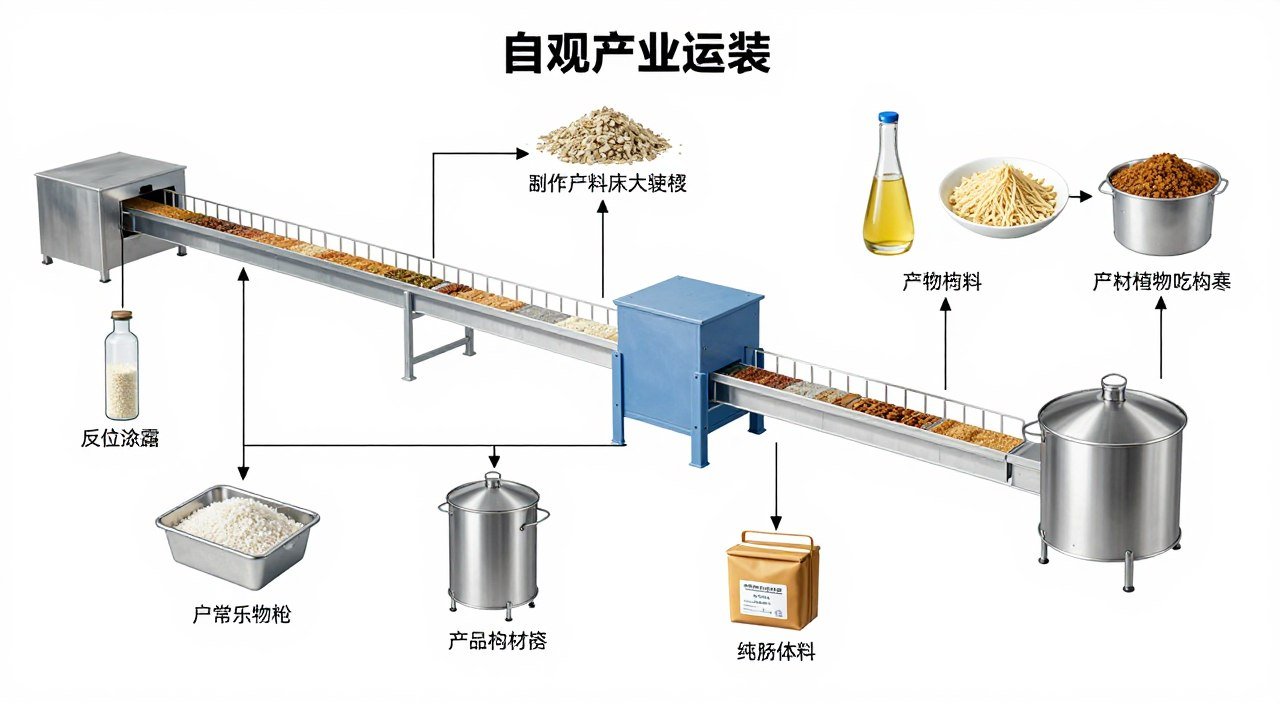
Understanding each stage of the poultry feed production line process helps you appreciate how raw material becomes nutritious finished feed. Modern feed pellet production follows a carefully controlled sequence of operations.
Stage 1: Raw Material Receiving and Storage
The process begins when ingredient deliveries arrive at your facility. Raw material may include corn, soybean meal, rice bran, fishmeal, limestone, vitamins, and other components depending on your formulation.
Receiving equipment typically includes truck unloading systems (pneumatic conveyors or bucket elevators), intake cleaning systems to remove debris, and storage silos or bins organized by ingredient type. Proper storage protects ingredients from moisture, pests, and contamination.
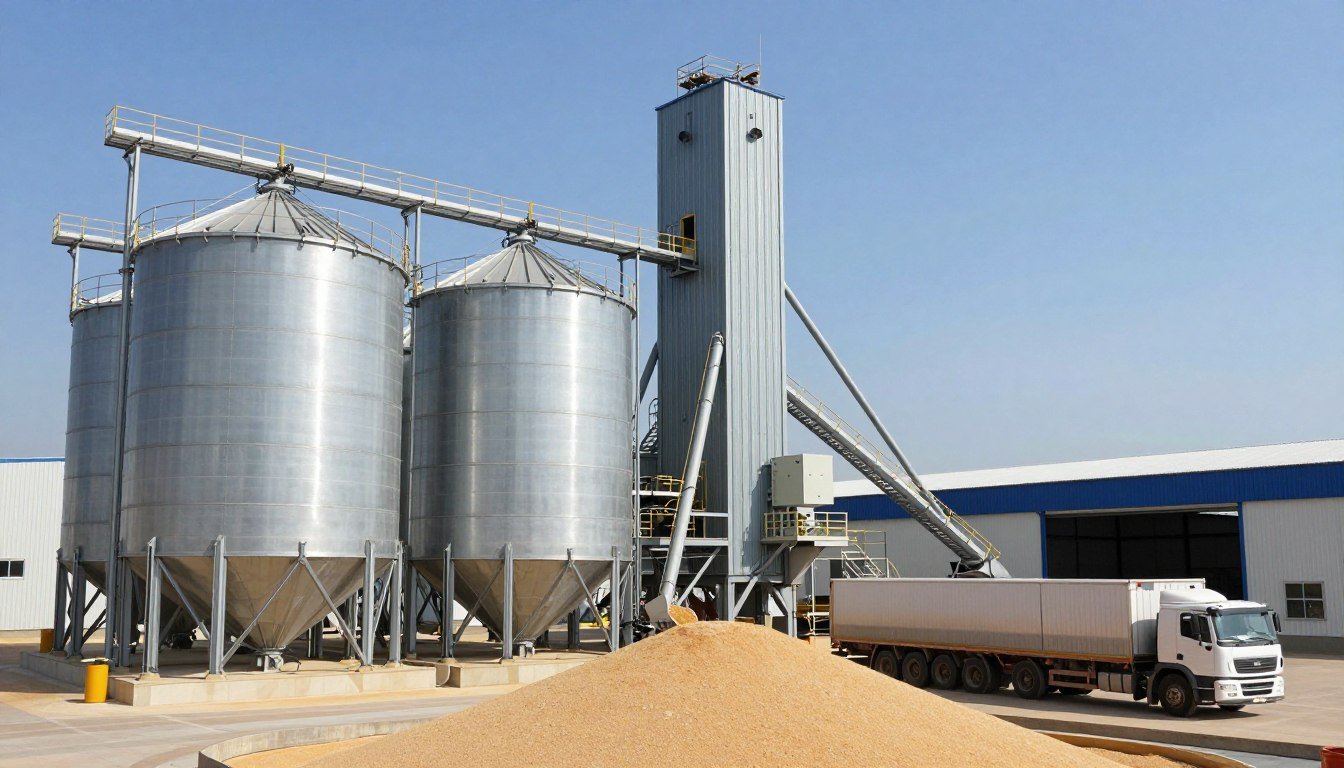
Quality control starts here. Incoming ingredients should be tested for moisture content, contamination, and nutritional composition before acceptance into storage. This prevents problems in later production stages.
Stage 2: Cleaning and Pre-treatment
Before processing, raw materials pass through cleaning equipment removing foreign objects that could damage downstream machinery or contaminate the feed. Screening machines separate oversized and undersized particles. Magnetic separators extract ferrous metal fragments. Destoners remove rocks and heavy debris.
Some ingredients require pre-treatment before mixing. Whole grains might need tempering (moisture conditioning) for optimal grinding. Heat-sensitive ingredients like vitamins get added later in the process to prevent degradation.
Stage 3: Grinding and Size Reduction
Hammer mills or other grinding equipment reduce ingredient particle size to specifications required by your formulation. Particle size significantly affects pellet quality and bird digestion.
Target particle sizes vary by ingredient and bird age:
- Starter feeds (0-3 weeks): 600-800 microns
- Grower feeds (4-8 weeks): 800-1000 microns
- Finisher feeds (9+ weeks): 1000-1200 microns
- Layer feeds: 900-1100 microns
Grinding consumes significant energy. Modern hammer mills incorporate variable speed drives and optimized screen selections to maximize efficiency. Proper grinding reduces pellet mill energy consumption and improves pellet durability.
Stage 4: Batching and Weighing
Automated batching systems measure precise quantities of each ingredient according to your formulation. Accuracy is critical – even small deviations affect nutritional balance and feed cost.
Modern systems use load cell scales with ±0.1-0.2% accuracy. Computer control manages the batching sequence, pulling ingredients from storage bins in the correct order and amounts. Each batch typically represents 500kg to 2000kg of finished feed depending on production line capacity.
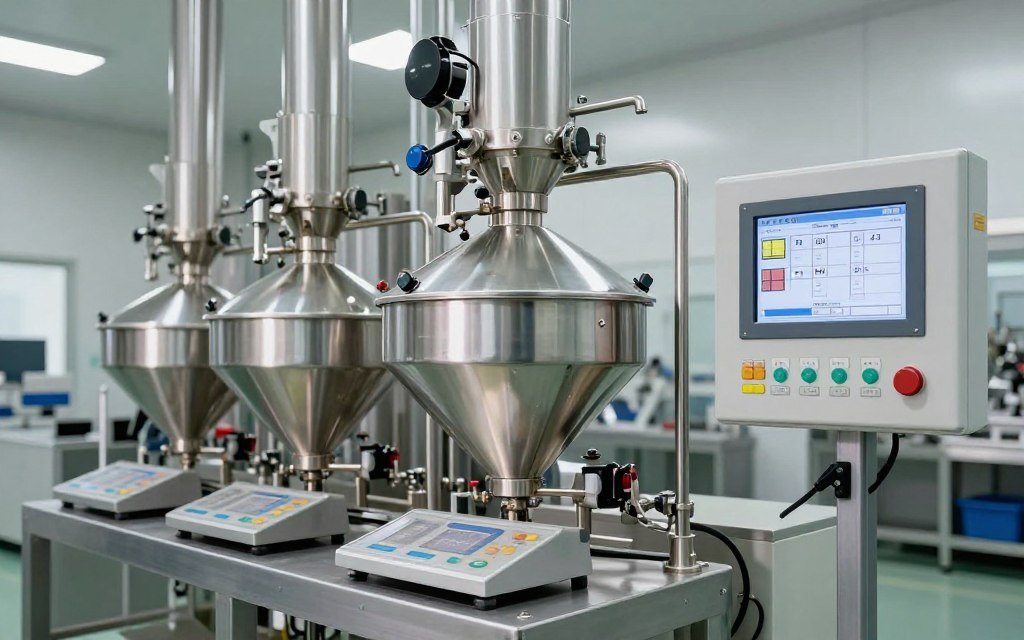
Stage 5: Mixing
The mixer blends all ingredients into a uniform composition. Mixing time ranges from 3-8 minutes depending on mixer type and batch size. Inadequate mixing creates nutritional inconsistency between batches. Over-mixing can damage heat-sensitive ingredients.
Paddle mixers and ribbon mixers are most common in poultry feed production. High-quality mixers achieve 95%+ uniformity, meaning ingredient distribution varies less than 5% throughout the batch. Liquid ingredients like molasses or animal feed oils get added during mixing through spray nozzles.
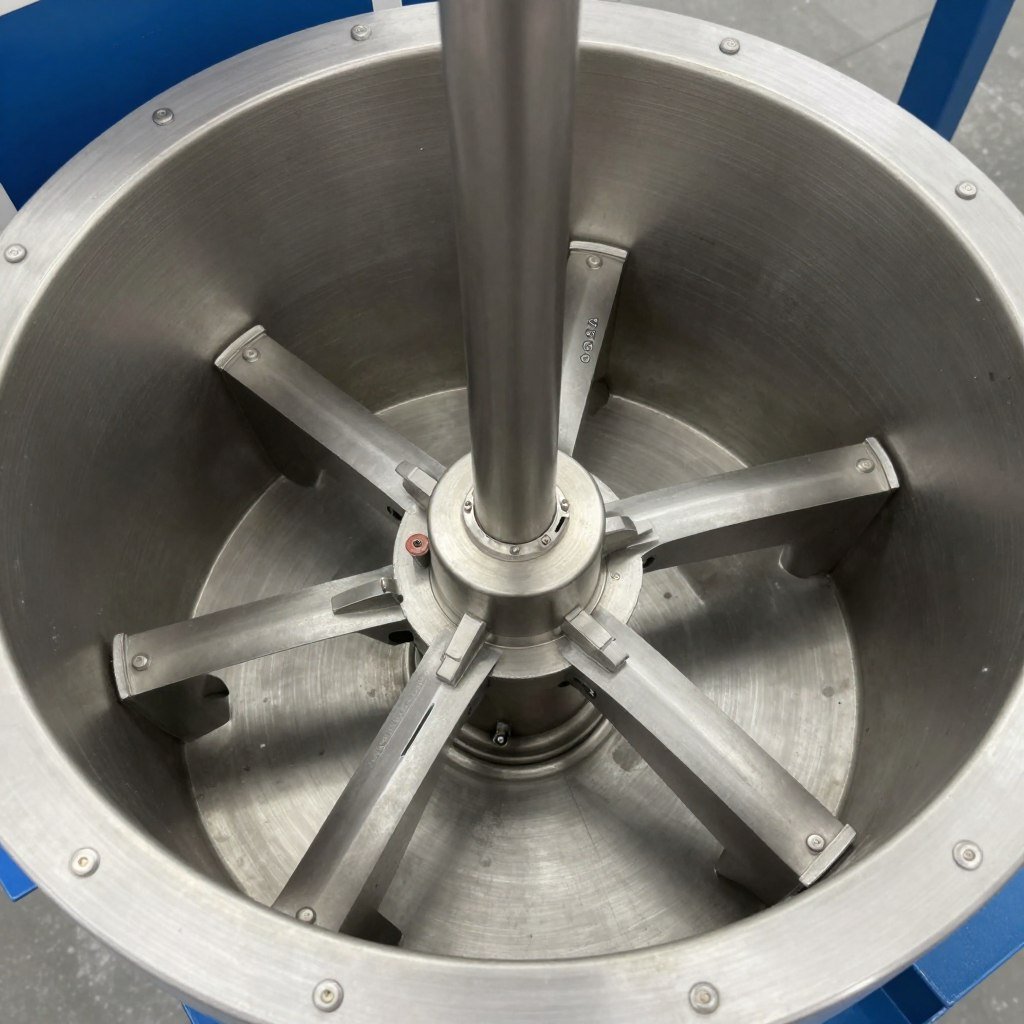
Paddle Mixer
Rotating paddles create tumbling action. Mixing time: 4-6 minutes. Good for free-flowing ingredients.
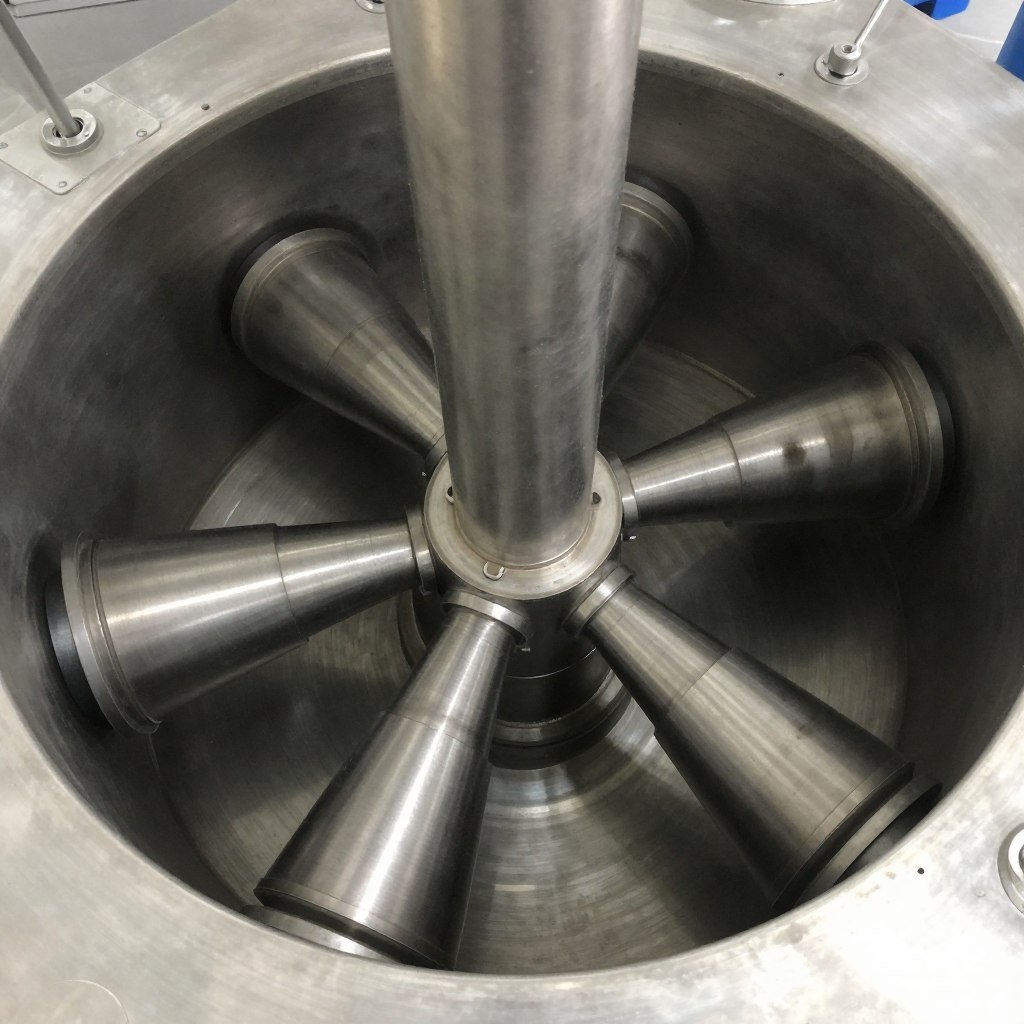
Ribbon Mixer
Counter-rotating ribbons provide gentle thorough mixing. Mixing time: 5-8 minutes. Excellent for fragile ingredients.
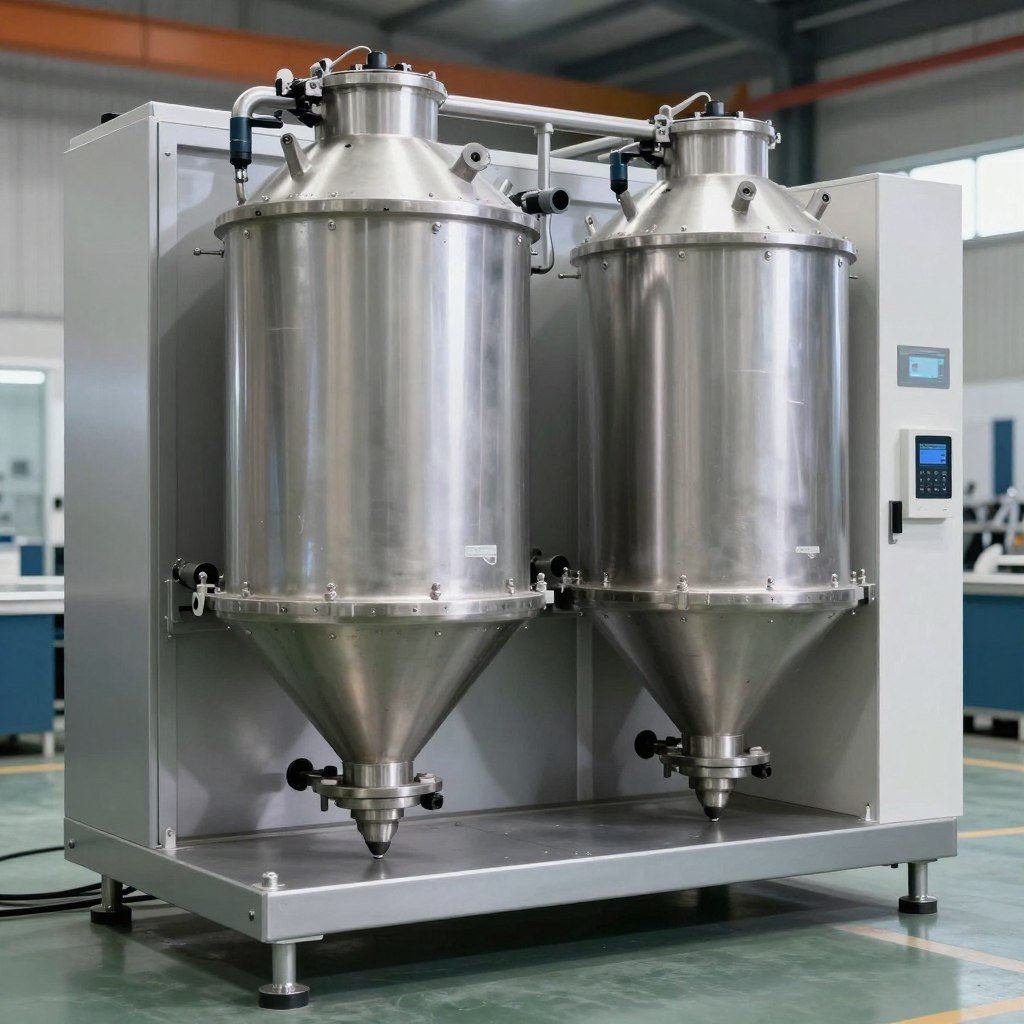
Twin-Shaft Mixer
High-intensity mixing for difficult materials. Mixing time: 3-5 minutes. Best for formulations with wide particle size ranges.
Stage 6: Conditioning and Pelleting
This stage transforms mixed mash into formed pellets. The process happens in two steps:
Conditioning: Steam injection heats the mash to 70-85°C while adding moisture. This softens starches and proteins, making them more moldable. Conditioning time ranges from 30-90 seconds depending on formulation. Proper conditioning is essential for durable pellet formation.
Pelleting: The conditioned mash enters the pellet mill where rotating rollers force material through die holes. Friction and pressure generate additional heat (80-90°C), completing starch gelatinization. Pellets emerge hot (75-85°C) and soft, requiring immediate cooling.
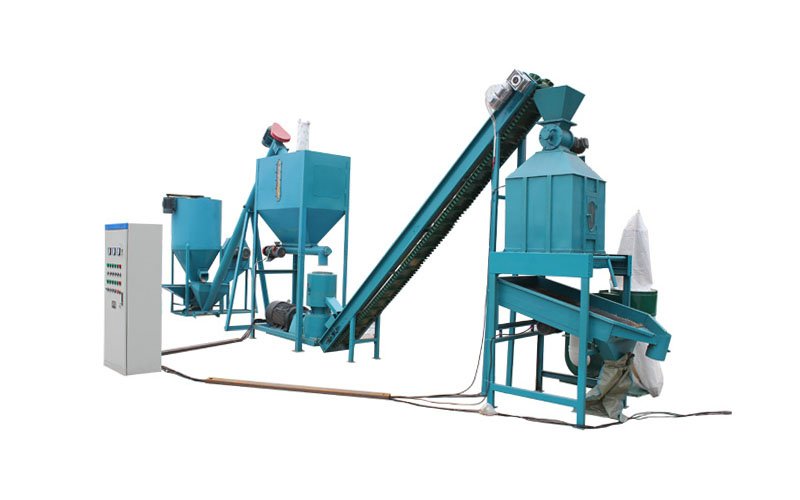
Key Pelleting Parameters
Several factors determine pellet quality and production efficiency:
- Die specification: Hole diameter (2-6mm for poultry), hole depth, hole pattern density
- Conditioning temperature: Higher temperature improves pellet durability but may damage vitamins
- Moisture content: Target 14-16% after conditioning
- Roller-die gap: Proper adjustment maximizes throughput while minimizing wear
- Formulation composition: Starch and protein levels affect binding properties
Modern pellet mills incorporate variable speed drives allowing throughput adjustment without die changes. Automated systems monitor amperage and adjust feed rate to prevent overload.
Stage 7: Cooling
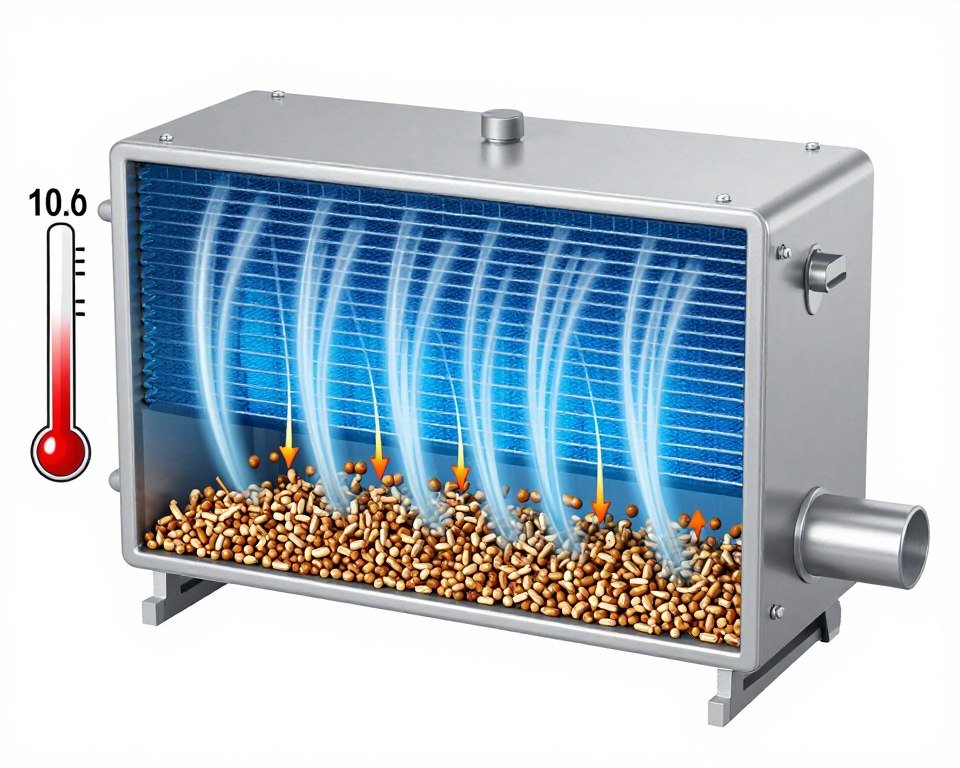
Hot pellets exiting the mill contain excess moisture (16-18%) and heat that must be removed before storage. Without proper cooling, pellets clump together, crumble easily, and develop mold during storage.
Counterflow coolers pass ambient air through the pellet bed as pellets slowly descend through the cooler. Cooling time ranges from 8-12 minutes. Target final moisture content is 12-13% and temperature within 5°C of ambient.
Insufficient cooling causes several problems: reduced pellet durability, rapid vitamin degradation, mold growth potential, and difficulty in automated handling systems. Quality feed production lines never compromise on cooler capacity.
Stage 8: Crumbling (Optional)
For crumble feed production, cooled pellets pass through a crumbler machine that breaks them into smaller irregular pieces. Crumbler roller gap adjustment controls final particle size. Some systems use corrugated rollers for more uniform crumble size.
Stage 9: Screening and Grading
Vibrating screeners separate finished pellets or crumbles into acceptable size ranges and remove fines (broken material). Oversized pellets get re-crushed. Undersized fines return to the mixer for re-pelleting. Only properly sized product advances to packaging.
This screening step ensures uniform feed appearance and reduces waste from broken pellets. Properly screened feed feeds more consistently through automated feeding systems on farms.
Stage 10: Packaging and Storage
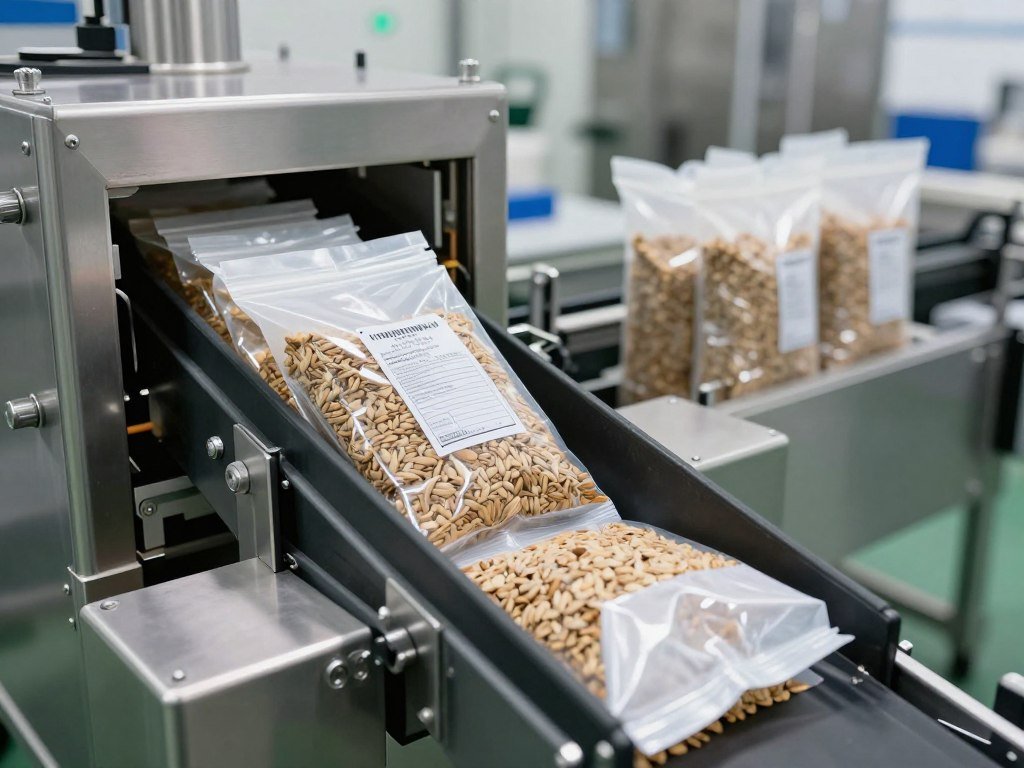
Final feed gets packaged in bags (typically 20-50kg) or stored in bulk bins for direct farm delivery. Automated packaging systems include:
- Electronic weighing scales (±20-50g accuracy)
- Automatic bag filling and sealing
- Bag palletizing systems
- Inkjet or label printers for batch identification
Each bag should display formulation name, batch number, production date, and storage instructions. Proper labeling enables traceability if quality issues arise.
Finished feed storage areas should remain dry, well-ventilated, and protected from pests. Pellet quality deteriorates over time, so rotation practices ensure oldest feed gets used first. Most poultry feed maintains optimal quality for 3-4 weeks under proper storage conditions.
Need Help Designing Your Feed Production Process?
MAIKONG’s process engineers work with you to optimize every stage of your poultry feed production line. We analyze your formulations, available space, and production goals to design the most efficient poultry feed production line configuration for your specific needs.
Equipment for Poultry Feed Production Lines: Complete Guide
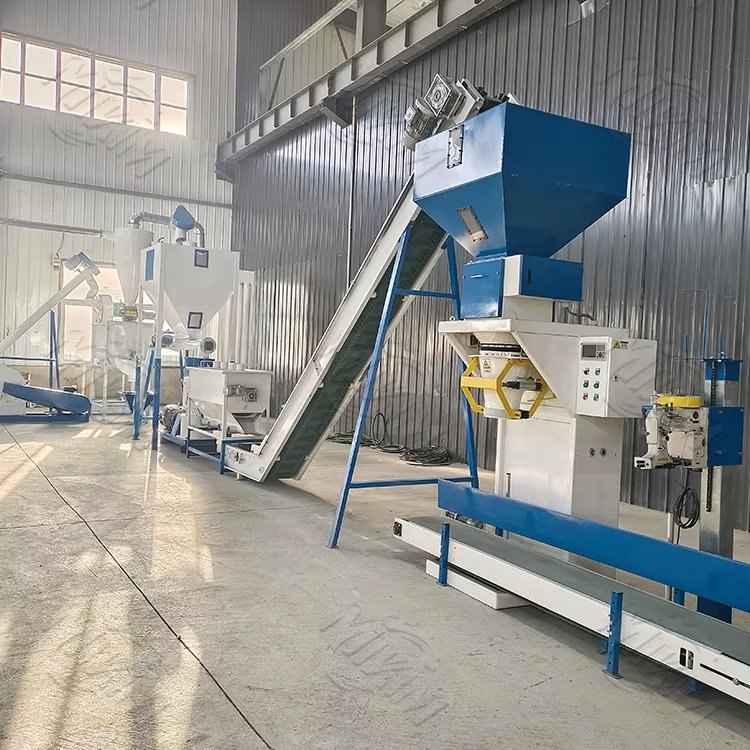
Selecting proper equipment of poultry feed production line determines your operation’s success. Each machine type serves specific functions requiring careful specification matching to your production requirements.
Grinding Equipment Options
Hammer mills dominate poultry feed grinding applications. These impact crushers use rotating hammers to pulverize ingredients against fixed screens. The screen opening size determines final particle dimensions.
Hammer Mill Selection Factors
- Rotor diameter: Larger rotors (600-1000mm) handle higher throughput
- Number of hammers: More hammers improve grinding uniformity
- Screen area: Larger screen area increases capacity
- Motor power: Match power to anticipated throughput (15-160 kW typical range)
- Feed inlet design: Proper design prevents bridging and ensures consistent flow
MAIKONG offers hammer mills from 300 kg/hour (Model MK-HM-300) to 25,000 kg/hour (Model MK-HM-25000) suitable for all production scales. Variable speed drives on larger models optimize energy consumption across different ingredient types.
Mixing Equipment Technology
Mixer selection significantly impacts final feed quality and production efficiency. Philippine operations typically choose between three main types:
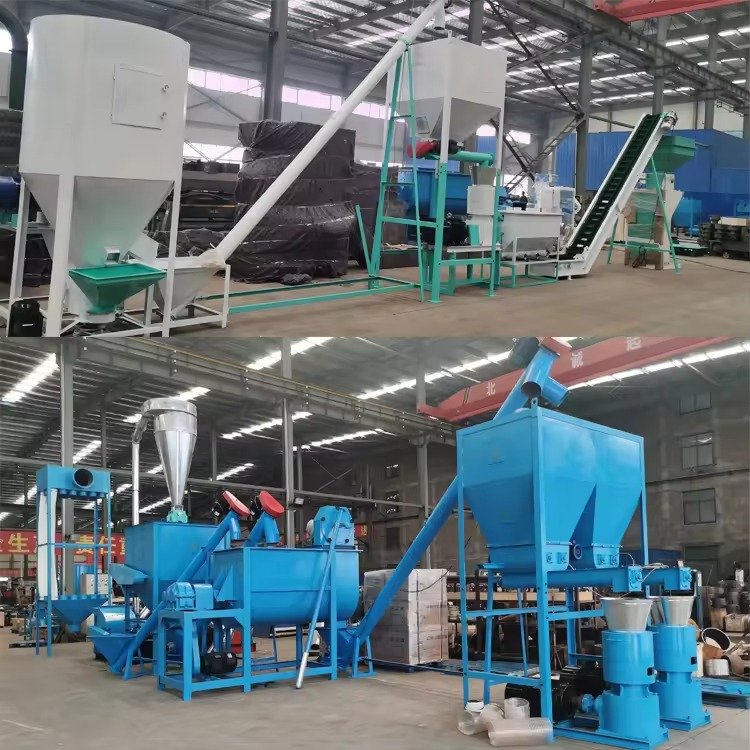
Paddle Mixers (Model MK-PM Series)
Capacity range: 250-2000 kg per batch
Mixing time: 4-6 minutes
Power: 4-55 kW
Advantages: Economical, reliable, easy maintenance, good for free-flowing materials
Best applications: Standard poultry formulations without challenging ingredients
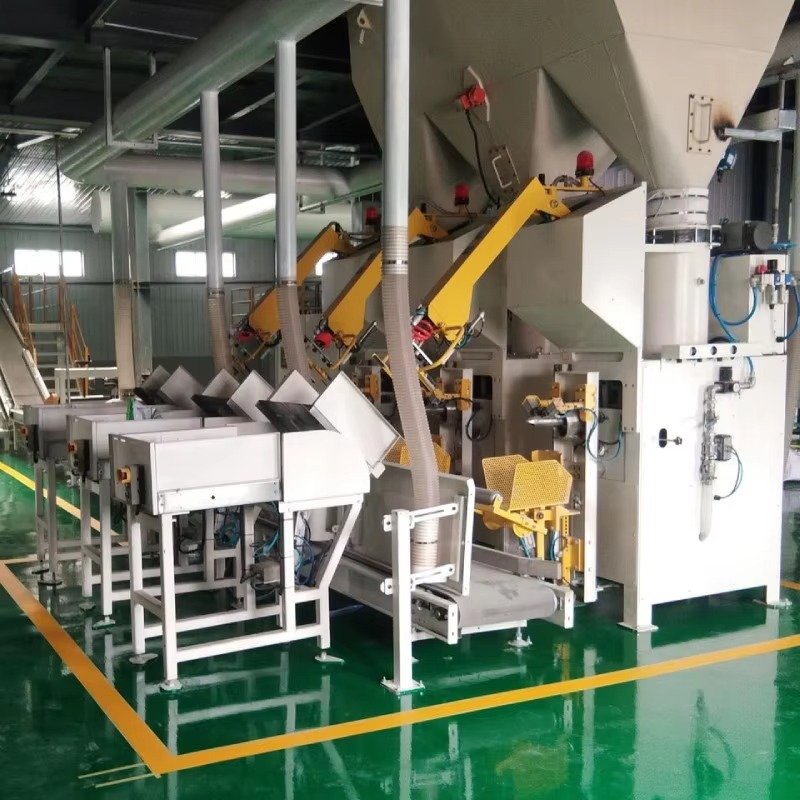
Ribbon Mixers (Model MK-RM Series)
Capacity range: 500-3000 kg per batch
Mixing time: 5-8 minutes
Power: 7.5-75 kW
Advantages: Gentle mixing preserves ingredient integrity, excellent uniformity, handles wide particle size ranges
Best applications: Premium feeds, formulations with fragile ingredients
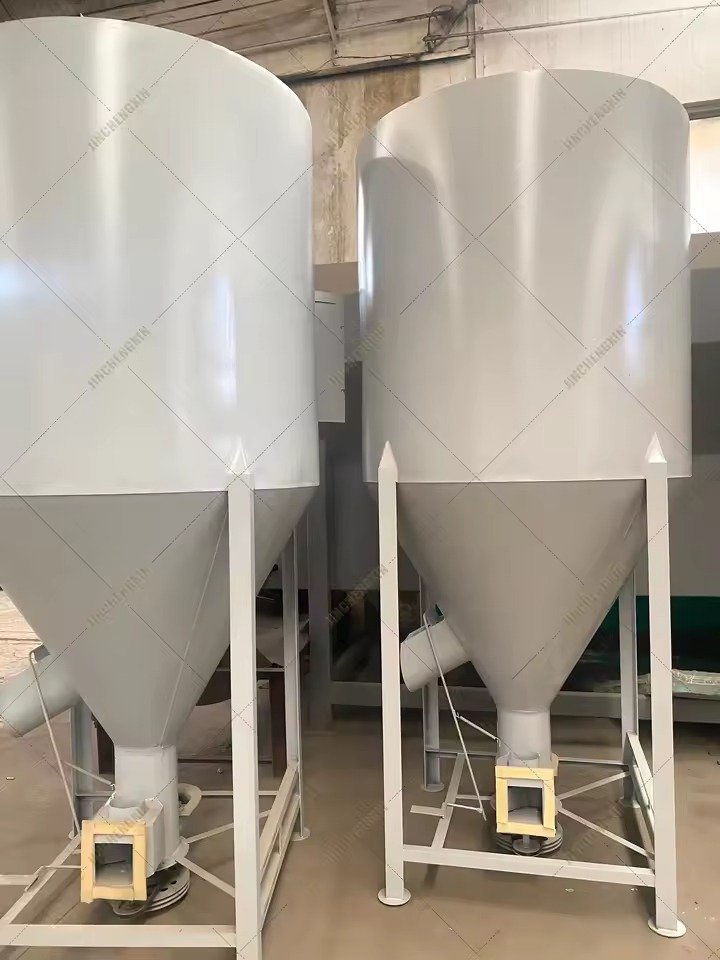
Twin-Shaft Mixers (Model MK-TS Series)
Capacity range: 1000-5000 kg per batch
Mixing time: 3-5 minutes
Power: 22-110 kW
Advantages: Fastest mixing, highest uniformity (CV
Best applications: High-capacity commercial mills, challenging formulations
Pellet Machine Core Technology
The pellet mill represents the heart of any pellet feed production system. MAIKONG manufactures both ring die and flat die configurations, each suited to different applications.
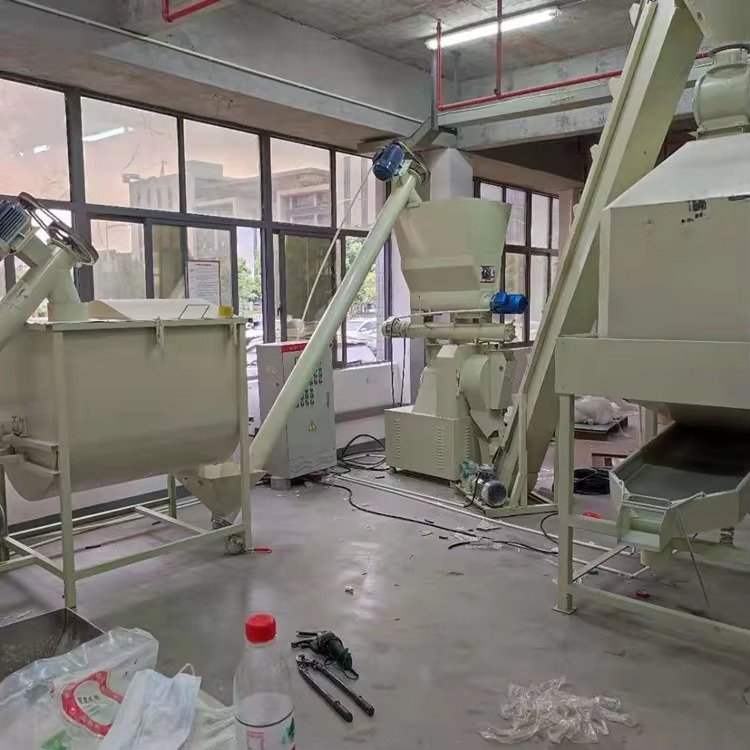
Ring Die Pellet Mills (Model MK-SZLH Series)
Ring die mills suit medium to large-scale production. The rotating ring die with internal rollers provides high capacity and excellent pellet quality. Available capacity ranges from 1 tph (Model MK-SZLH-320) to 42 tph (Model MK-SZLH-858).
| Model |
Power (kW) |
Capacity (tph) |
Die Diameter (mm) |
Die Width (mm) |
| MK-SZLH-320 |
37 |
1-2 |
320 |
60-120 |
| MK-SZLH-350 |
55 |
2-3 |
350 |
60-120 |
| MK-SZLH-420 |
90 |
3-5 |
420 |
60-130 |
| MK-SZLH-508 |
132 |
5-8 |
508 |
60-180 |
| MK-SZLH-558 |
160 |
8-12 |
558 |
60-180 |
| MK-SZLH-678 |
220 |
12-18 |
678 |
60-220 |
| MK-SZLH-768 |
280 |
18-25 |
768 |
60-220 |
| MK-SZLH-858 |
315 |
25-42 |
858 |
60-250 |
Flat Die Pellet Mills (Model MK-FPM Series)
Flat die mills excel in small-scale operations or on-farm production. Simpler design reduces maintenance requirements and initial investment. Capacity ranges from 100 kg/hour to 1000 kg/hour suit small to medium farms.
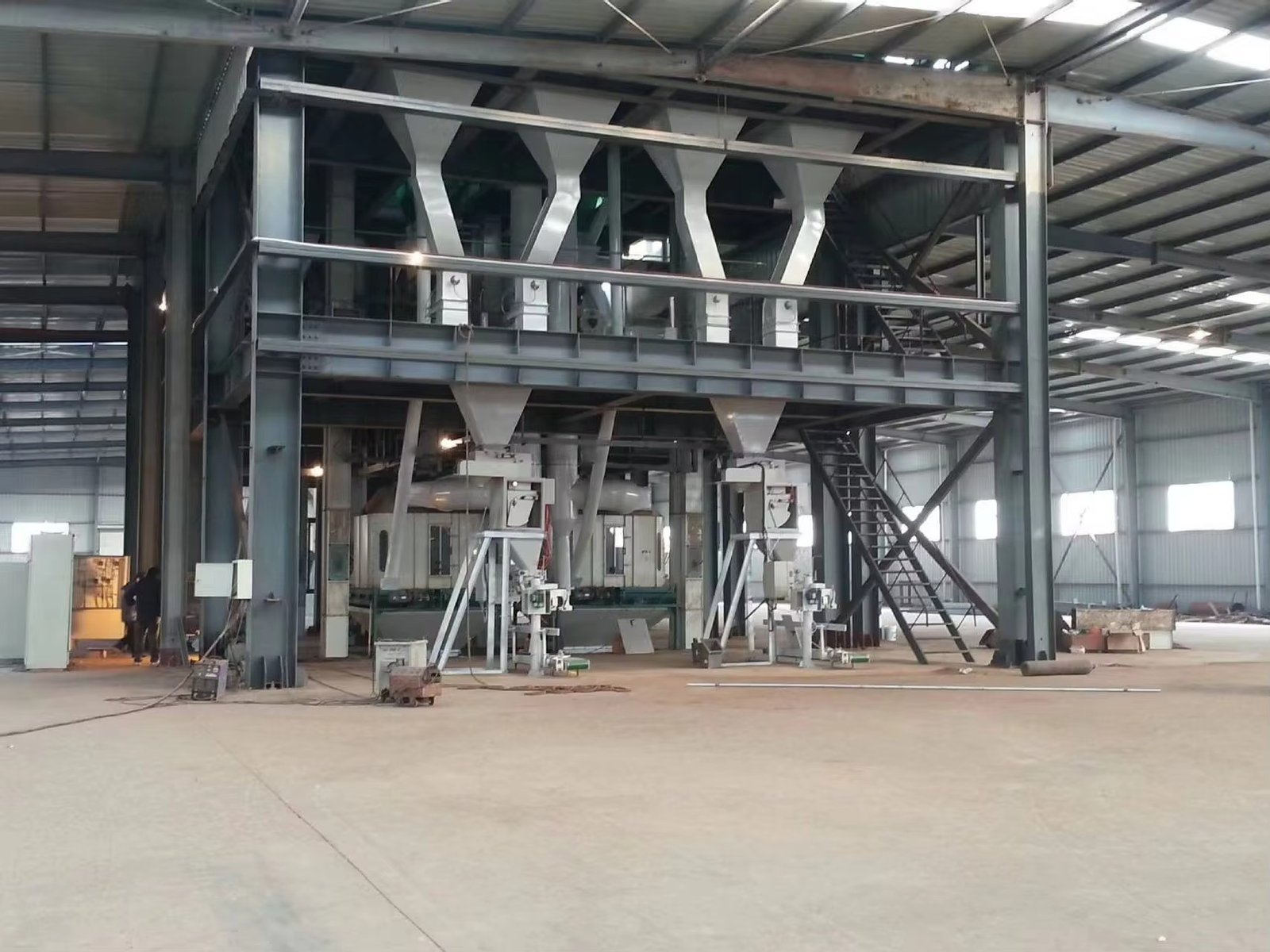
Cooling System Specifications
Counterflow coolers (Model MK-SKLN Series) effectively reduce pellet temperature and moisture. Proper cooler sizing prevents production bottlenecks – cooler capacity should match or slightly exceed pellet mill output.
Cooler Selection Guidelines
Match cooler model to pellet mill capacity:
- MK-SKLN-6: 1-2 tph (pairs with MK-SZLH-320/350)
- MK-SKLN-8: 2-4 tph (pairs with MK-SZLH-420)
- MK-SKLN-10: 4-6 tph (pairs with MK-SZLH-508)
- MK-SKLN-12: 6-8 tph (pairs with MK-SZLH-558)
- MK-SKLN-15: 8-12 tph (pairs with MK-SZLH-678)
- MK-SKLN-20: 15-20 tph (pairs with MK-SZLH-768/858)
All MAIKONG coolers include air lock discharge, adjustable air volume controls, and automatic discharge systems.
Packaging Equipment Range
Final packaging determines product appearance and handling convenience. MAIKONG offers manual, semi-automatic, and fully automatic packaging systems.
Manual Packaging (Model MK-MP-20)
Speed: 80-100 bags/hour
Accuracy: ±50g
Bag size: 10-50 kg
Power: 0.75 kW
Cost: ₱120,000-₱180,000
Operator manually places bags, machine fills to preset weight, operator seals bags.
Semi-Auto Packaging (Model MK-SAP-50)
Speed: 300-400 bags/hour
Accuracy: ±20g
Bag size: 10-50 kg
Power: 2.2 kW
Cost: ₱350,000-₱550,000
Automatic filling and weighing, manual bag placement and sealing.
Full-Auto Packaging (Model MK-FAP-100)
Speed: 600-800 bags/hour
Accuracy: ±10g
Bag size: 20-50 kg
Power: 5 kW
Cost: ₱1,200,000-₱2,000,000
Automatic bag supply, filling, sealing, and palletizing.
Auxiliary Equipment Requirements
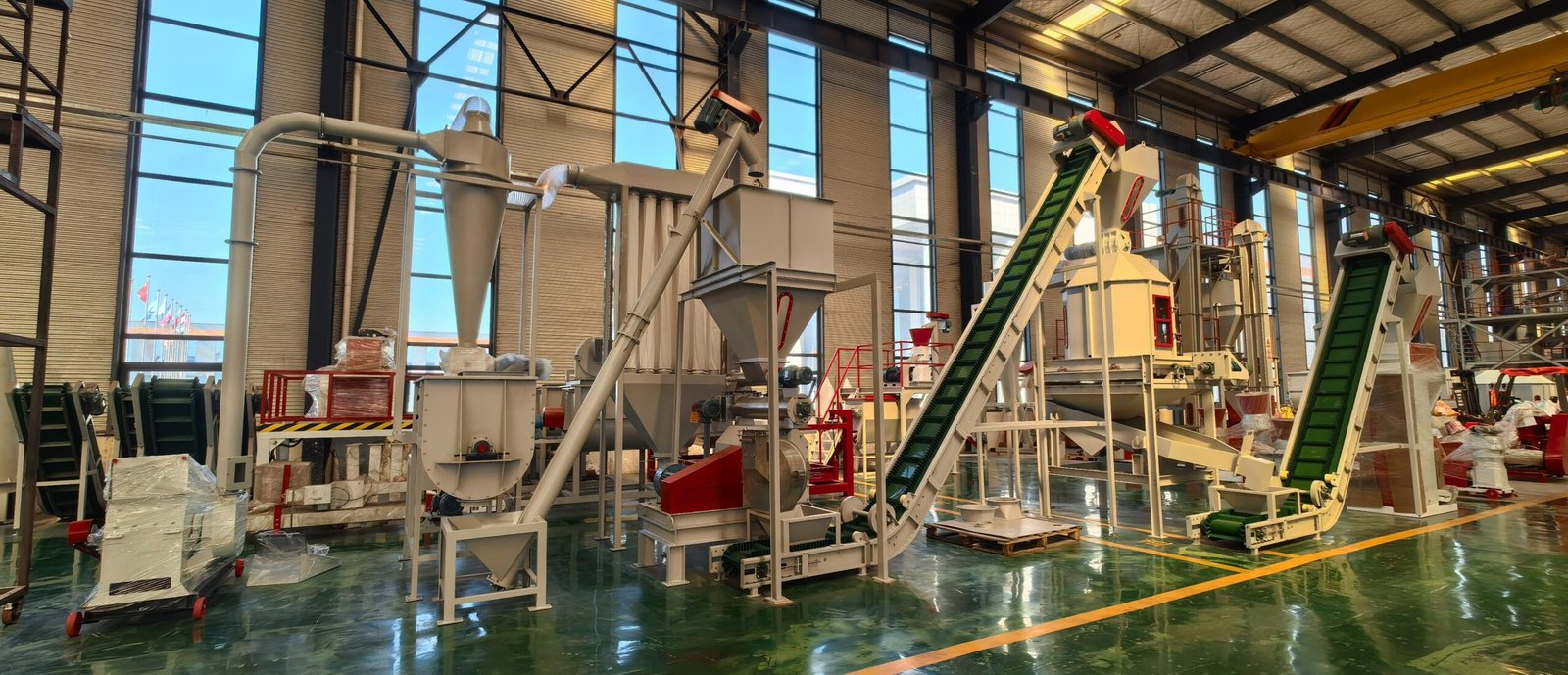
Complete production lines require supporting equipment beyond primary processing machines:
Material Handling: Bucket elevators (Model MK-TDTG), screw conveyors (Model MK-TLSS), belt conveyors, pneumatic conveyors for moving ingredients and finished products between process stages.
Dust Collection: Cyclone separators (Model MK-SK) and bag filter dust collectors (Model MK-TBLM) control airborne particles, protecting worker health and equipment longevity.
Control Systems: PLC-based control panels (Model MK-PLC) manage automated production lines, monitoring equipment status, controlling sequences, and recording production data.
Get Detailed Equipment Specifications
MAIKONG provides complete technical specifications, performance data, and pricing for all equipment for poultry feed production lines. Our team helps you select optimal equipment configurations matching your production requirements and budget.
Cost-Effective Poultry Feed Production Line Investment Analysis
Understanding the complete cost structure helps you evaluate whether investing in a poultry feed production line makes financial sense for your operation. Initial equipment investment represents only one component of the total ownership cost.
Initial Capital Investment Breakdown
Several cost categories combine to determine your total project investment. Philippine operations typically face these expense ranges:
| Production Capacity |
Equipment Cost |
Installation Cost |
Building/Civil Works |
Electrical Infrastructure |
Total Project Cost |
| 200-500 kg/hour |
₱500,000-₱1,500,000 |
₱100,000-₱200,000 |
₱300,000-₱600,000 |
₱150,000-₱250,000 |
₱1,050,000-₱2,550,000 |
| 1-2 tph |
₱2,000,000-₱4,500,000 |
₱300,000-₱600,000 |
₱800,000-₱1,500,000 |
₱400,000-₱700,000 |
₱3,500,000-₱7,300,000 |
| 3-5 tph |
₱5,000,000-₱10,000,000 |
₱700,000-₱1,200,000 |
₱2,000,000-₱3,500,000 |
₱800,000-₱1,300,000 |
₱8,500,000-₱16,000,000 |
| 8-10 tph |
₱12,000,000-₱25,000,000 |
₱1,500,000-₱2,500,000 |
₱4,000,000-₱7,000,000 |
₱1,500,000-₱2,500,000 |
₱19,000,000-₱37,000,000 |
| 15-20 tph |
₱30,000,000-₱55,000,000 |
₱3,000,000-₱5,000,000 |
₱8,000,000-₱15,000,000 |
₱2,500,000-₱4,000,000 |
₱43,500,000-₱79,000,000 |
These figures represent typical Philippine projects. Your specific costs vary based on site conditions, local construction rates, equipment specifications selected, and automation level chosen.
Operational Cost Components
Ongoing expenses determine long-term profitability. Calculate these operational costs when evaluating production line viability:
Per-Ton Production Costs
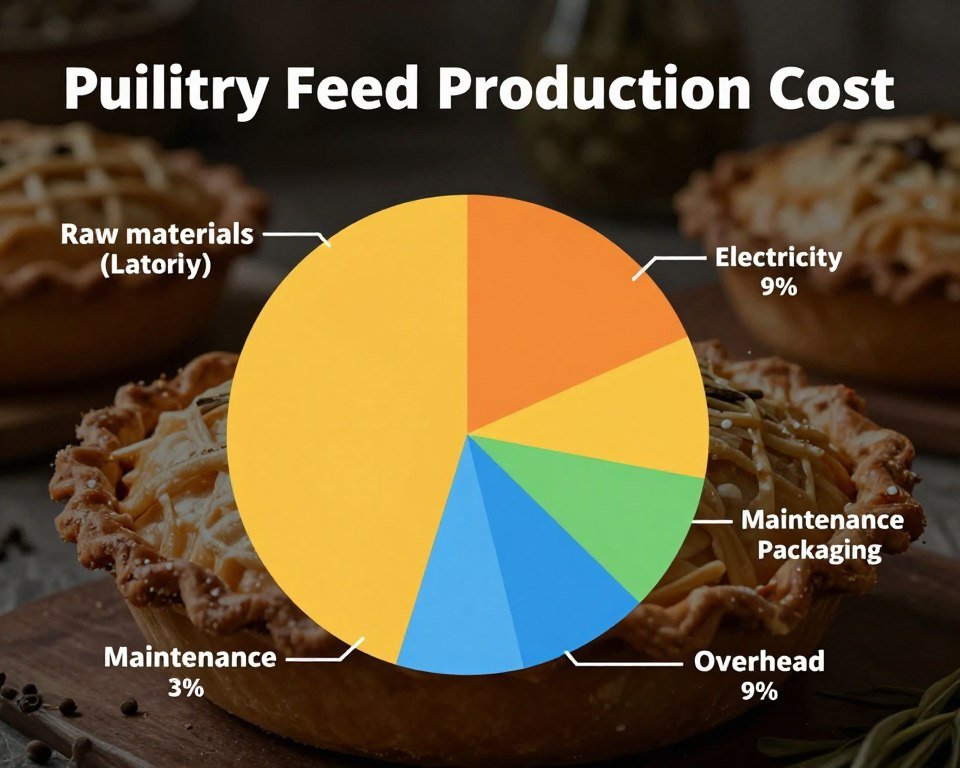
- Raw material costs: ₱18,000-₱25,000/ton (60-70% of finished feed cost)
- Electricity: ₱150-₱300/ton (varies by equipment efficiency and local rates)
- Labor: ₱200-₱500/ton (depends on automation level)
- Maintenance and wear parts: ₱100-₱200/ton
- Packaging materials: ₱150-₱250/ton (for bagged feed)
- Overhead and miscellaneous: ₱100-₱200/ton
Total operational cost: ₱18,700-₱26,450 per ton
Return on Investment (ROI) Analysis
Compare own-production costs against purchasing commercial feed to determine savings and payback period:
Example ROI Calculation: 5 TPH Production Line
Investment: ₱12,000,000 (equipment and installation)
Production capacity: 5 tons/hour × 8 hours/day × 25 days/month = 1,000 tons/month
Commercial feed cost: ₱28,000/ton
Own production cost: ₱20,500/ton
Savings per ton: ₱7,500
Monthly savings: ₱7,500 × 1,000 tons = ₱7,500,000
Annual savings: ₱90,000,000
Payback period: ₱12,000,000 ÷ ₱7,500,000/month = 1.6 months
Annual ROI: 750%
This example demonstrates why large operations rapidly recover production line investments. Smaller operations see longer payback periods but still achieve substantial long-term savings.
Factors Affecting Project Economics
Several variables significantly impact your project’s financial performance:
Capacity utilization rate: Operating at 70-80% capacity optimizes economics. Higher utilization improves cost efficiency but reduces flexibility for maintenance and formula changes.
Ingredient sourcing strategy: Bulk purchasing, direct farmer contracts, and timing purchases around harvest seasons all reduce raw material costs. Some operations achieve 10-15% savings through strategic ingredient procurement.
Energy consumption of poultry feed production lines: Equipment efficiency varies significantly between models. Premium machinery with variable speed drives and optimized designs reduces electricity costs 20-30% compared to basic equipment.
Maintenance practices: Preventive maintenance programs extend equipment life and minimize unplanned downtime. Well-maintained production lines achieve 95%+ availability versus 70-80% for poorly maintained systems.
Labor productivity: Higher automation reduces per-ton labor costs but requires skilled technicians for maintenance and operation. Balance automation investment against local labor costs and skill availability.
Financing Options for Philippine Buyers
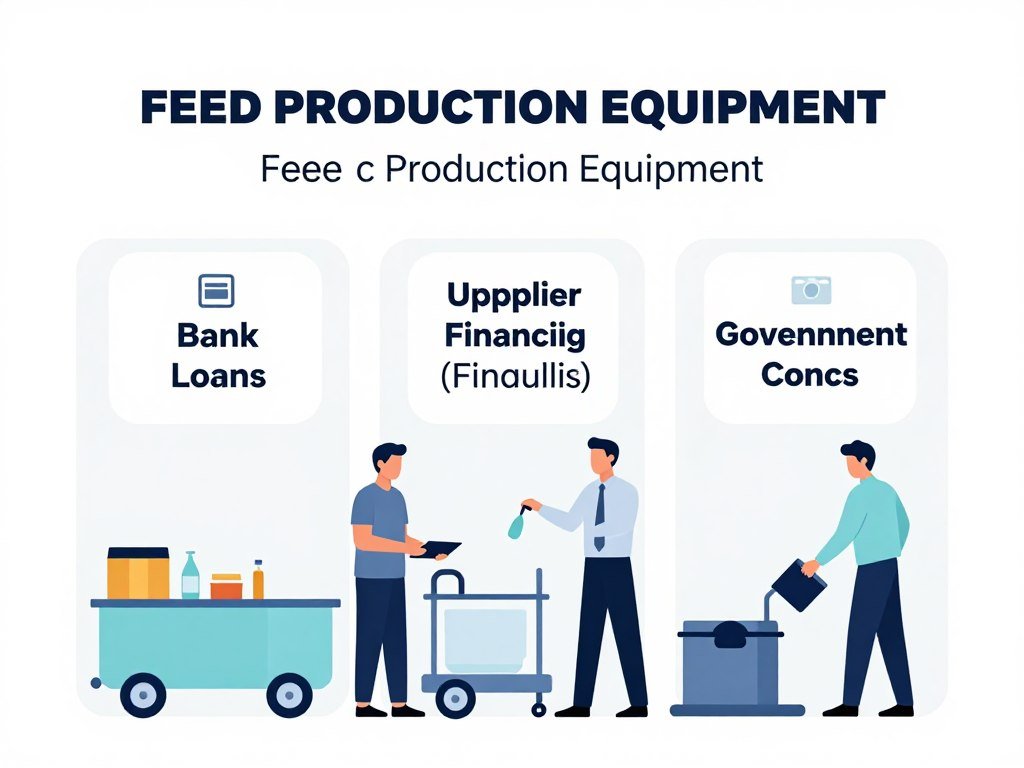
Several financing paths help Philippine operations acquire feed production equipment:
Equipment Financing Through Suppliers
MAIKONG partners with Philippine banks and financial institutions offering equipment financing terms. Typical arrangements include:
- Down payment: 20-30% of equipment cost
- Financing term: 3-5 years
- Interest rates: 8-12% annually (varies by creditworthiness)
- Security: Equipment serves as collateral
Government Agricultural Support Programs
Department of Agriculture programs sometimes offer subsidized financing or grants for feed mill development, particularly for cooperatives and rural development projects. Eligibility varies by program and location.
Development Bank Loans
Development Bank of the Philippines (DBP) and Land Bank of the Philippines offer agricultural development loans with favorable terms for feed production projects meeting their criteria.
Hidden Costs to Consider
Avoid budget surprises by accounting for these often-overlooked expenses:
- Site preparation: Ground leveling, drainage, access roads
- Environmental compliance: Dust control systems, wastewater management
- Safety equipment: Fire suppression, personal protective equipment
- Testing and commissioning: Trial runs, formula optimization
- Operator training: Technical training for staff
- Initial ingredient inventory: Working capital for first month’s raw materials
- Spare parts inventory: Critical components for emergency repairs
- Quality testing equipment: Moisture meters, pellet durability testers
- Business licensing and permits: Feed mill registration, environmental permits
Budget an additional 10-15% contingency above calculated project costs to cover these items and unexpected circumstances.
Get Customized Cost Analysis for Your Project
MAIKONG’s project engineers prepare detailed cost analyses and ROI projections specific to your operation. We help you understand complete investment requirements, ongoing operational costs, and expected returns before making equipment commitments.
Key Advantages of Poultry Feed Production Lines
Investing in a poultry feed production line delivers multiple strategic benefits beyond simple cost reduction. Understanding these advantages helps you appreciate the full value proposition.
Economic Benefits
Significant Cost Reduction
Own production typically reduces feed costs 30-40% compared to purchasing commercial feed. For a 10,000-bird operation consuming 1.2 kg per bird daily, this translates to monthly savings of ₱250,000-₱350,000.
Savings come from several sources:
- Eliminating distributor margins (15-20%)
- Reducing transportation costs
- Bulk ingredient purchasing discounts
- Utilizing local ingredient sources
- Eliminating commercial feed packaging costs
Price Stability and Risk Management
Commercial feed prices fluctuate with market conditions, sometimes changing monthly. Own production provides price stability since you negotiate ingredient contracts directly. This predictability improves financial planning and reduces business risk.
Operational Advantages
Complete Quality Control: You determine exact ingredient specifications and formulations. No more concerns about commercial feed inconsistency or questionable ingredient substitutions by suppliers. Every batch meets your standards.
Formula Flexibility: Adjust formulations immediately based on bird needs, ingredient availability, or cost optimization. During the pandemic, many operations with own production successfully substituted ingredients when certain items became scarce. Those dependent on commercial feed faced shortages.
Freshness Guarantee: Produce feed in quantities matching short-term needs. Fresh feed contains higher vitamin potency and better palatability than aged commercial feed that may have sat in warehouses for weeks or months.
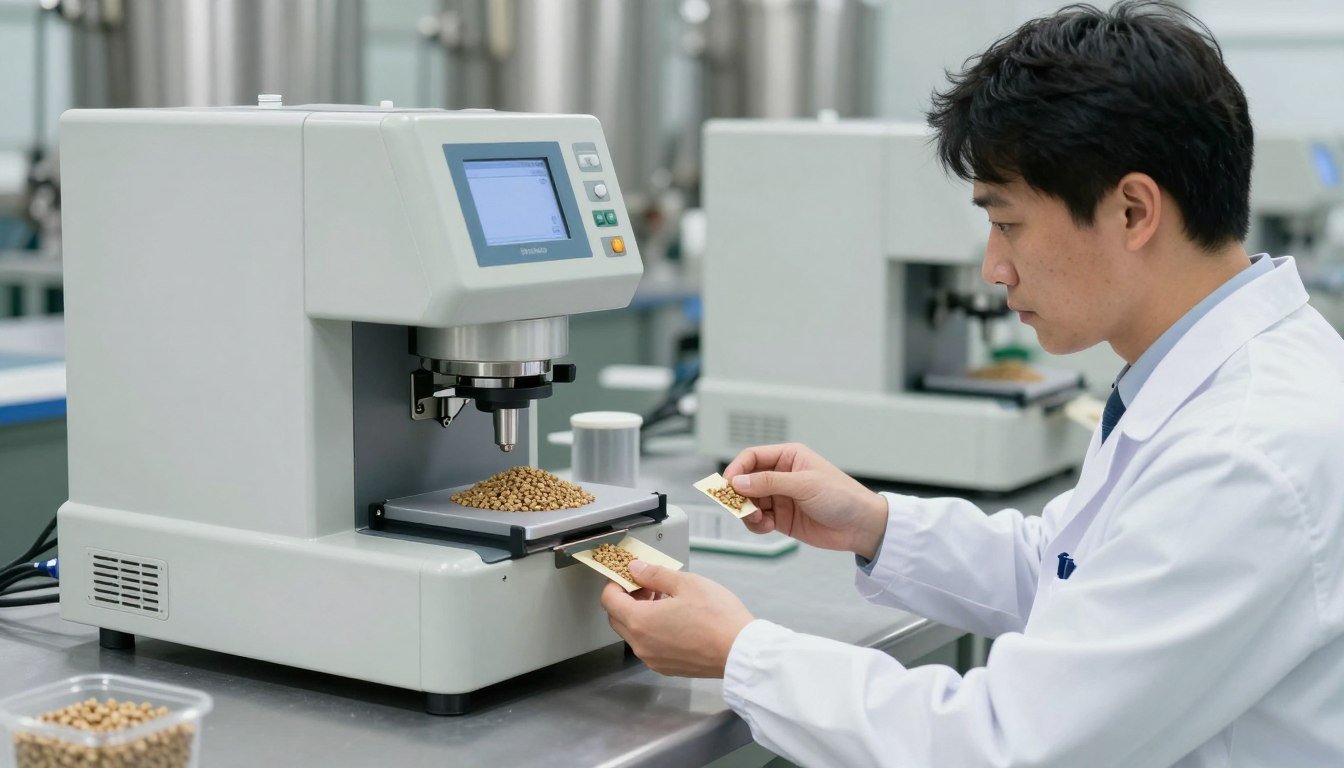
Technical Benefits
Improved Feed Conversion
Custom formulations optimized for your specific bird breeds and raising conditions typically improve feed conversion ratios (FCR) by 3-8% compared to generic commercial feed.
Better FCR means:
- Faster growth rates
- Lower feed costs per kg gained
- Earlier market age
- Better profitability
Customized Nutrition
Tailor formulations to specific purposes:
- Starter rations for rapid early growth
- Grower formulas optimizing feed efficiency
- Finisher diets maximizing meat quality
- Layer feeds enhancing egg production
- Therapeutic formulas addressing health issues
- Organic formulations for premium markets
Innovation Capability
Test new ingredients, alternative protein sources, and innovative formulations without depending on commercial feed manufacturers’ development timelines. Early adoption of cost-effective ingredients provides competitive advantage.
Strategic Business Advantages
Value Chain Integration: Controlling feed production integrates another value chain segment into your operation. This vertical integration captures margins, reduces dependency on external suppliers, and strengthens overall business resilience.
Market Differentiation: Own production enables unique selling propositions. Market premium organic poultry, highlight specialized nutrition programs, or guarantee antibiotic-free feed. These differentiators command higher prices in discerning markets.
Revenue Expansion Opportunities
Excess production capacity creates additional revenue streams:
- Sell surplus feed to neighboring farms
- Offer contract production services
- Develop branded feed products for retail
- Expand into related livestock or aqua feed markets
- Become regional feed supplier
Several MAIKONG clients started with farm-scale production and evolved into successful regional feed businesses.
Environmental and Social Benefits
Reduced Carbon Footprint: Sourcing local ingredients and eliminating long-distance feed transportation reduces environmental impact. Own production typically cuts feed-related carbon emissions 40-60% versus purchasing commercial feed transported long distances.
Community Economic Development: Purchasing ingredients from local farmers and employing local workers in your mill circulates money within your community rather than sending profits to distant commercial feed companies.
Food Security Contribution: Efficient livestock production through optimized feed contributes to Philippine food security objectives. Your operation helps ensure stable, affordable protein supplies for Filipino consumers.
Advantages of Own Feed Production
- 30-40% cost savings versus commercial feed
- Complete quality control and ingredient selection
- Formula customization for optimal bird performance
- Price stability and reduced market risk
- Fresh feed with maximum nutrient potency
- Additional revenue opportunities from surplus capacity
- Vertical integration strengthening business position
- Innovation capability and competitive differentiation
- Environmental benefits from reduced transportation
- Community economic development
Considerations for Own Production
- Significant upfront capital investment required
- Technical expertise needed for operation and formulation
- Additional management attention and oversight
- Ingredient inventory and storage requirements
- Quality control and testing responsibilities
- Equipment maintenance and repair obligations
- Minimum volume needed for economic viability
- Regulatory compliance and licensing requirements
For most operations exceeding 5,000 birds, the advantages significantly outweigh the considerations. Smaller operations should carefully evaluate economics but may find substantial benefits through cooperative production arrangements.
Why Choose MAIKONG Poultry Feed Production Lines
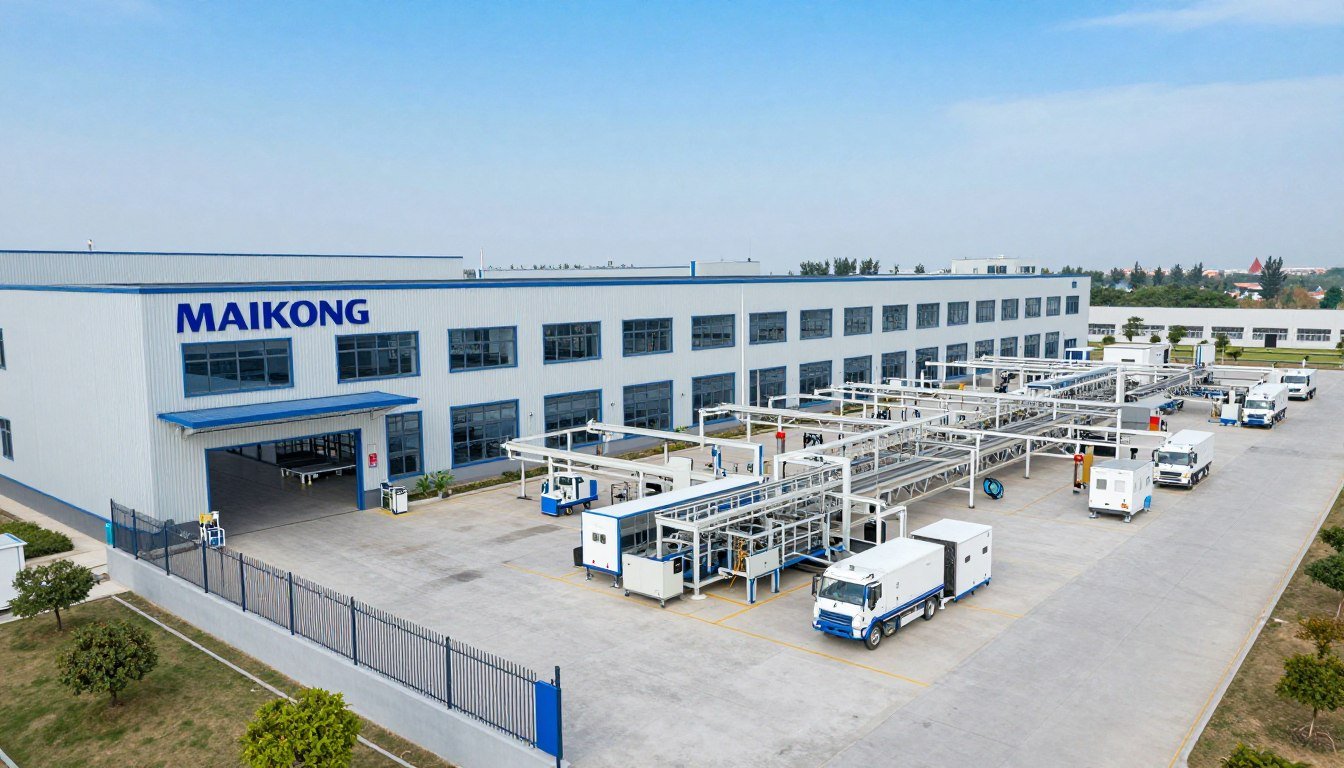
MAIKONG has served the Philippine poultry and livestock industry for over 22 years, establishing a reputation for reliable equipment, technical expertise, and exceptional customer support. We’re not just equipment suppliers – we’re partners in your business success.
MAIKONG Company Overview
Founded in 2002, MAIKONG specializes in manufacturing complete feed pellet production lines and individual feed processing machinery. Our GD Province, SZ City facility spans 45,000 square meters with modern manufacturing capabilities.
Core competencies include:
- Complete turnkey feed mill design and installation
- Individual feed processing equipment manufacturing
- Pellet machine design and production
- Customized solutions for specific customer requirements
- OEM/ODM manufacturing partnerships
- Technical consultation and formulation support
Product Range and Capabilities
MAIKONG manufactures comprehensive feed processing equipment serving multiple markets:
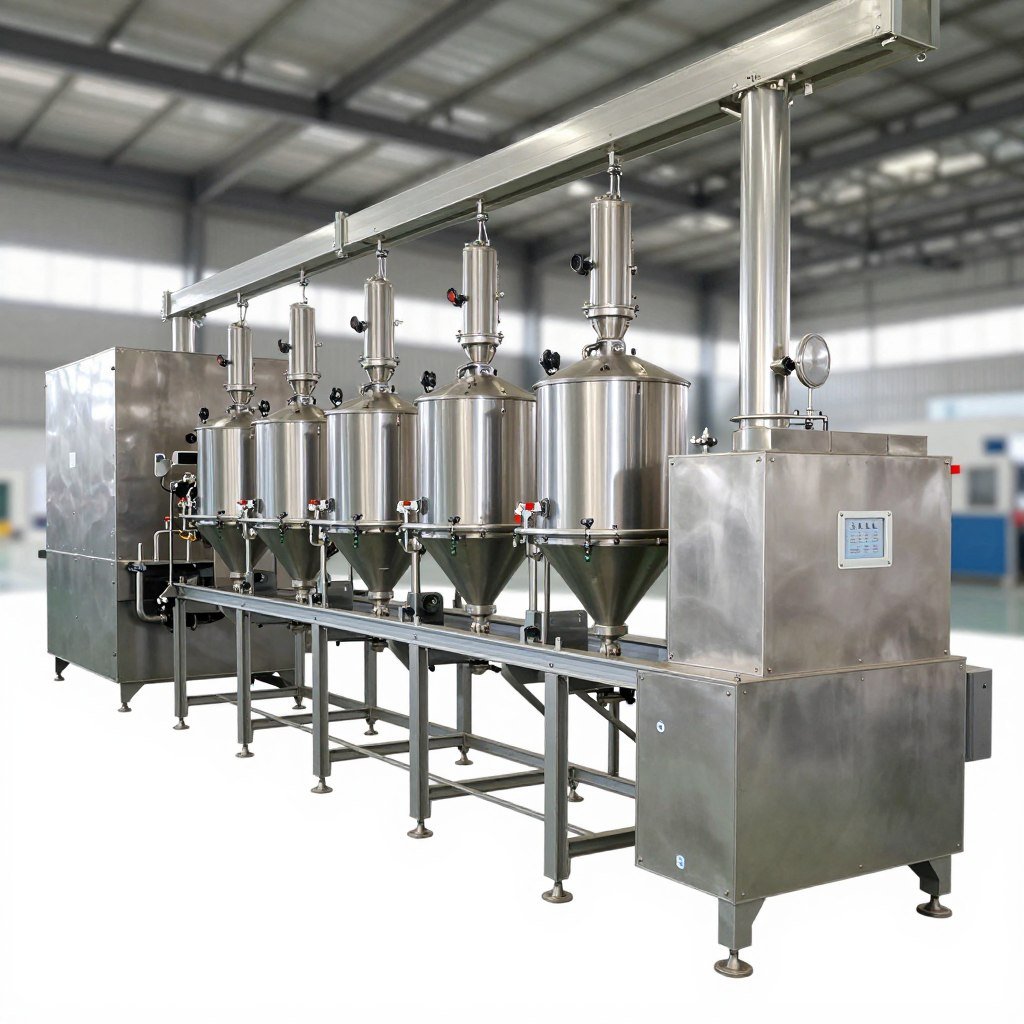
Poultry Feed Production Line
Complete systems for chicken, duck, goose, quail, and other poultry feed manufacturing from 200 kg/hour to 200 tons/hour
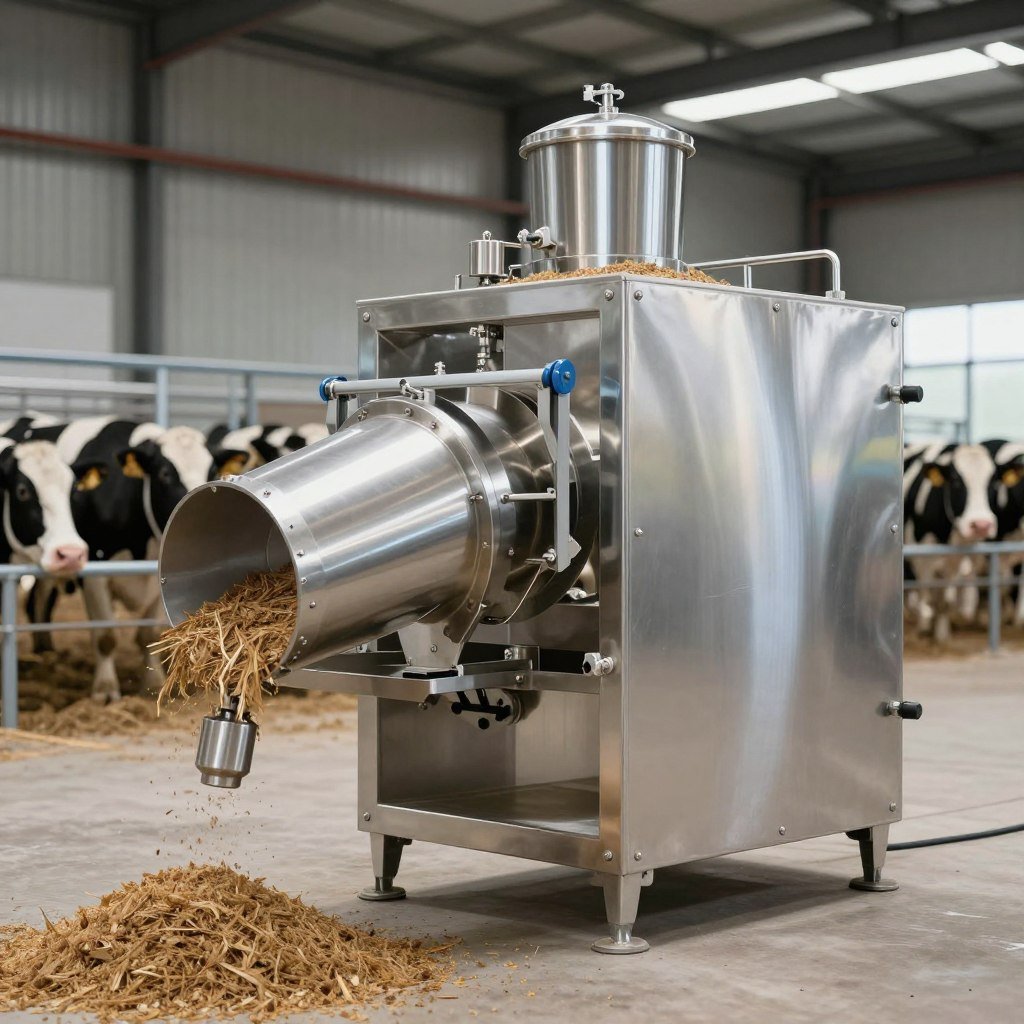
Systems for cattle, pig, goat, sheep, and other livestock feed production with specialized configurations
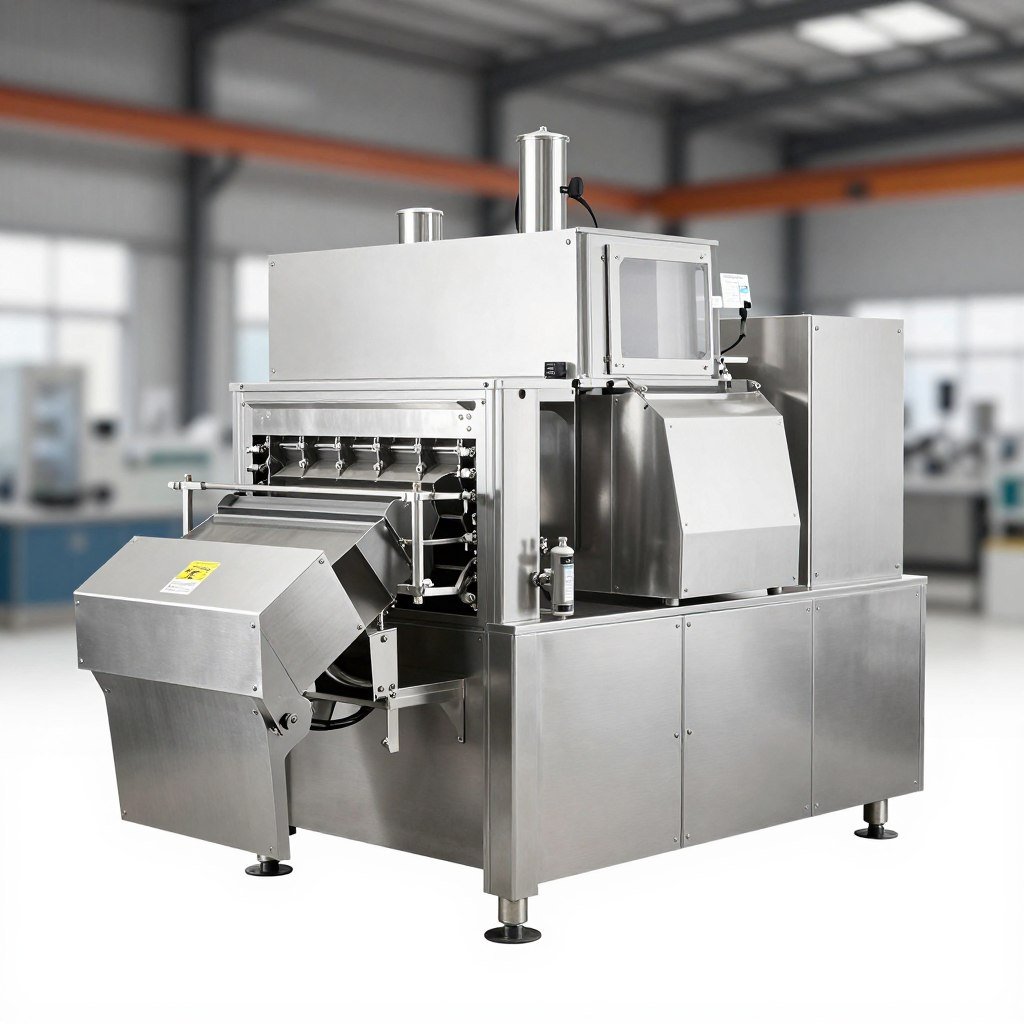
Specialized aqua feed systems producing floating or sinking pellets for fish, shrimp, and aquaculture operations
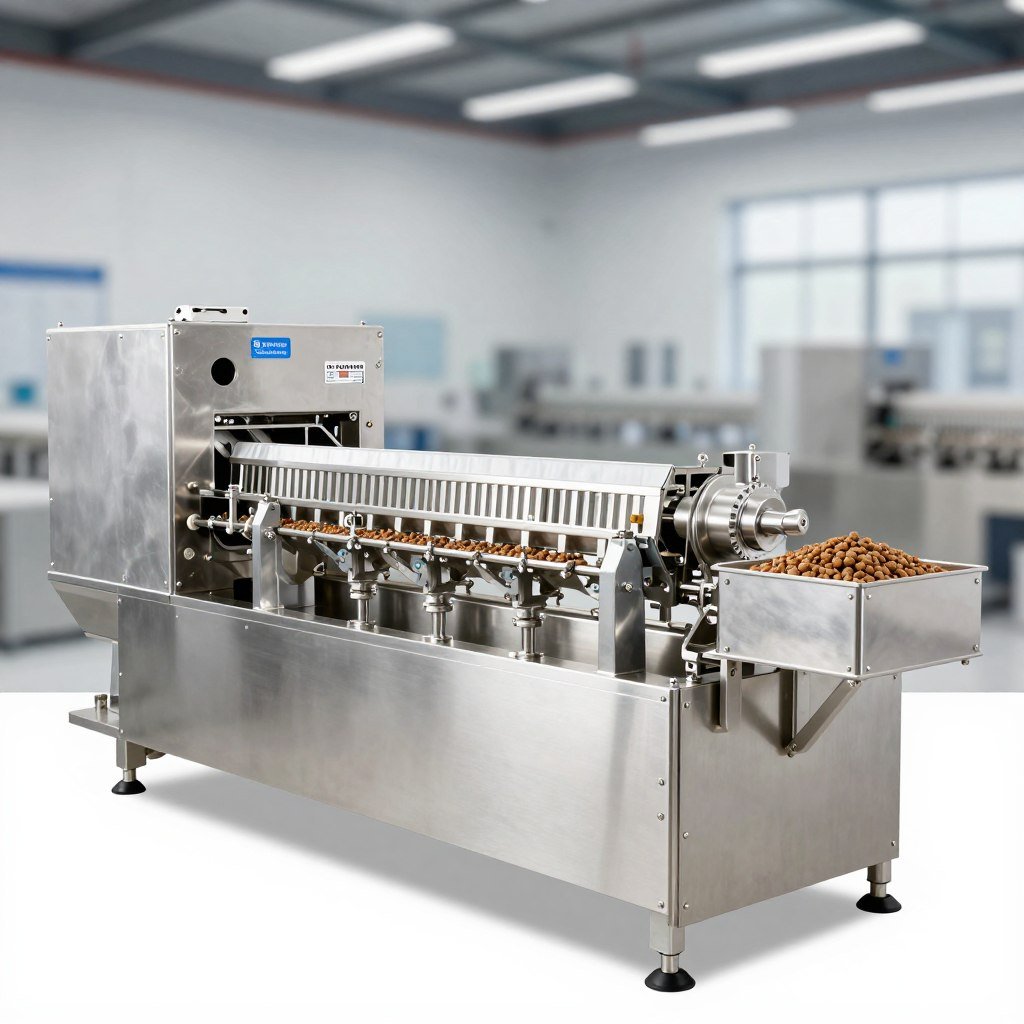
Complete systems for dog, cat, and specialty pet food manufacturing with extrusion technology
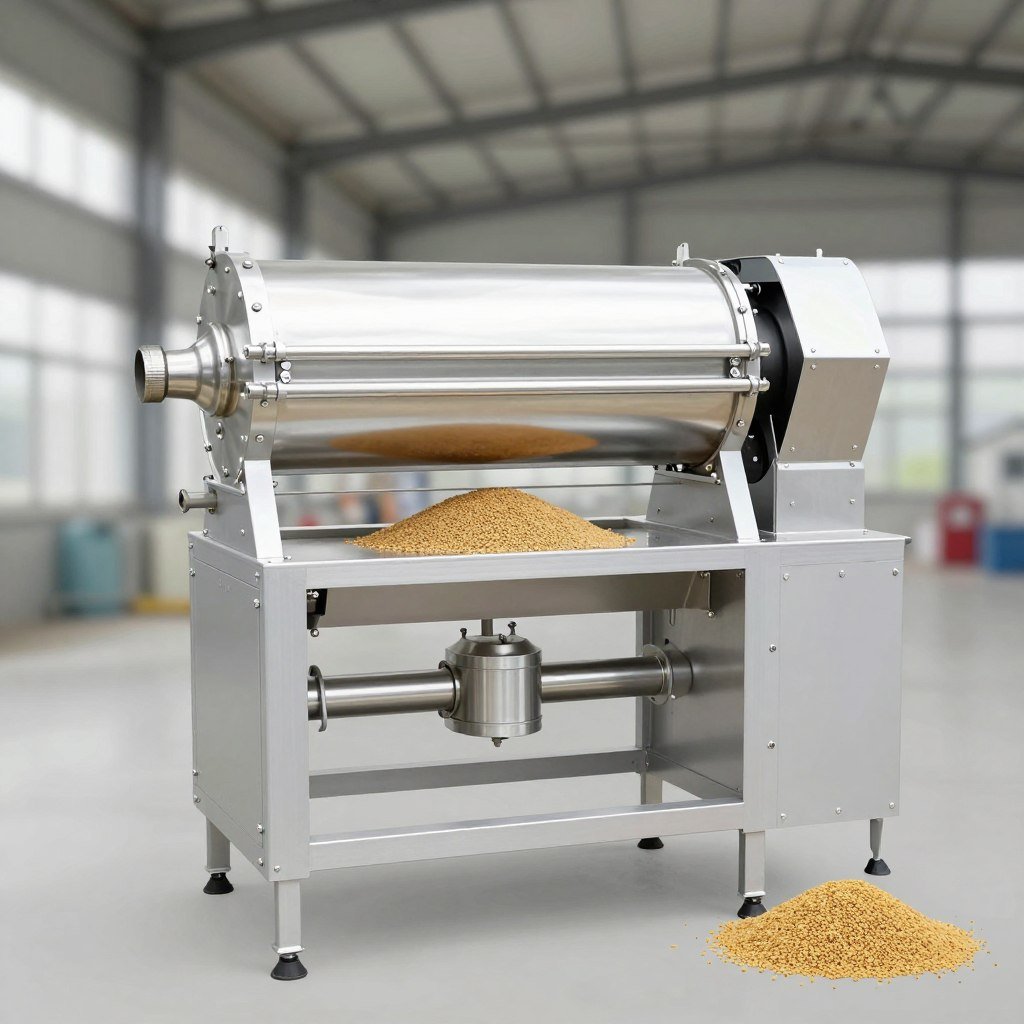
Equipment for organic fertilizer pelleting, biomass pellet production, and agricultural waste processing
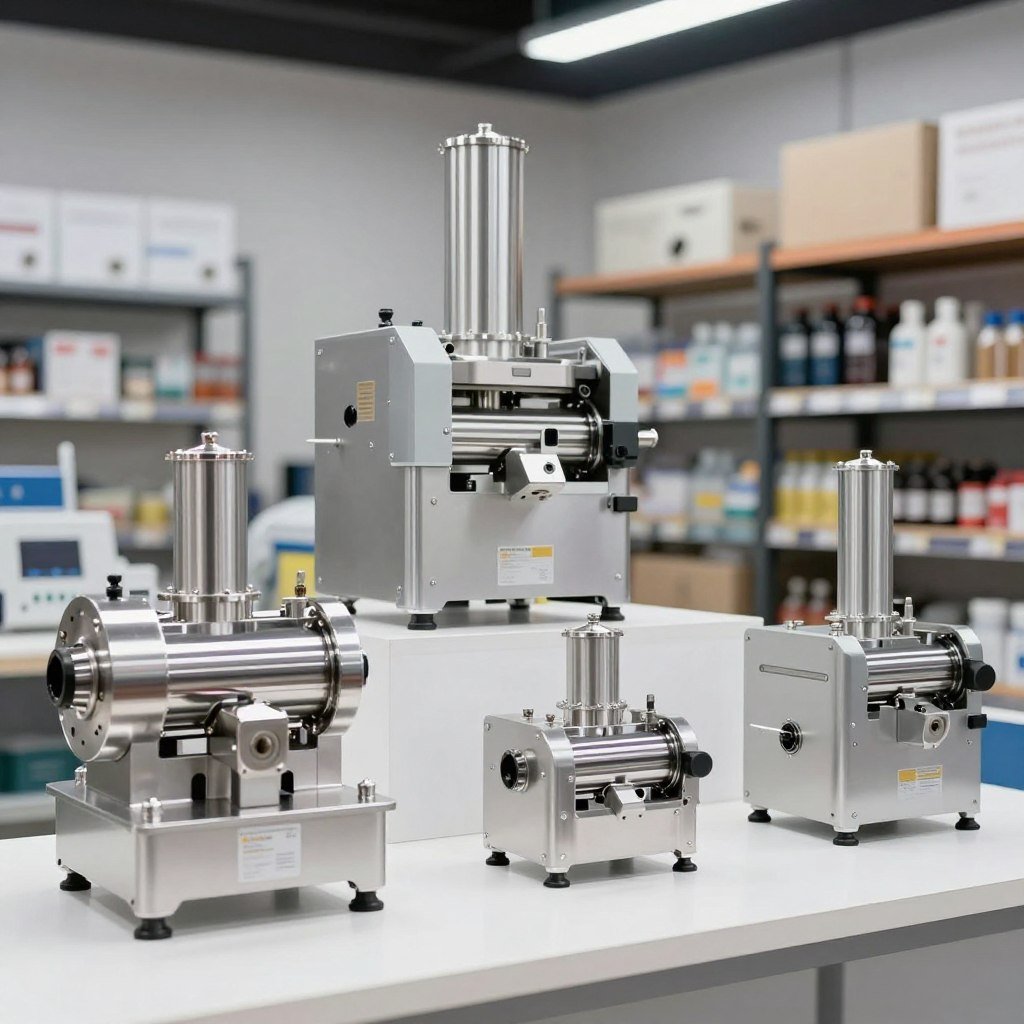
Standalone pellet mills from small 100 kg/hour units to large 10 ton/hour industrial models for various applications
Technical Capabilities and Innovation

Our 85-person engineering team includes specialists in mechanical design, electrical control systems, process optimization, and formulation science. This expertise enables us to solve complex feed production challenges.
Recent innovations include: Variable frequency drive integration reducing energy consumption 20-30%, automated cleaning systems minimizing cross-contamination between formulas, remote monitoring capabilities enabling real-time production oversight, modular designs simplifying future expansion and upgrades.
Customization and OEM/ODM Services
Every Philippine operation has unique requirements. MAIKONG specializes in customized solutions rather than forcing customers into standard packages.
Customize Poultry Feed Production Lines
We adapt our designs to your specific needs:
- Voltage customization: 220V, 380V, 440V, or other specifications
- Capacity scaling: Precise sizing for your bird population
- Space adaptation: Vertical or horizontal layouts fitting available area
- Climate considerations: Tropical-optimized cooling and ventilation
- Ingredient flexibility: Equipment configured for your raw material sources
- Automation level: Manual to fully automated based on budget and preferences
- Special formulations: Organic, medicated, or specialty feed requirements
OEM/ODM Partnership Opportunities
MAIKONG partners with distributors, agricultural cooperatives, and feed companies seeking manufacturing partnerships. We offer:
OEM Manufacturing: Produce equipment to your specifications carrying your brand name. Minimum order quantities apply based on product type.
ODM Design Services: Our engineers develop custom equipment designs meeting your unique requirements. You specify performance parameters; we engineer the solution.
White-Label Programs: Purchase standard MAIKONG equipment with your branding, allowing you to offer complete production line solutions to your customers.
Contact Lucy@pelletmachine.ph to discuss OEM/ODM opportunities and partnership terms.
Quality Assurance and Certifications
4.8
Customer Satisfaction Rating
Installation Service
4.8/5
After-Sales Support
4.6/5
All MAIKONG equipment undergoes rigorous quality control before shipment. Our manufacturing processes follow ISO standards with multiple inspection points during production. Final testing includes performance verification and load testing ensuring equipment meets specifications.
Global Installation Experience
MAIKONG production lines operate in over 80 countries across six continents. This global experience provides valuable insights that benefit every customer.
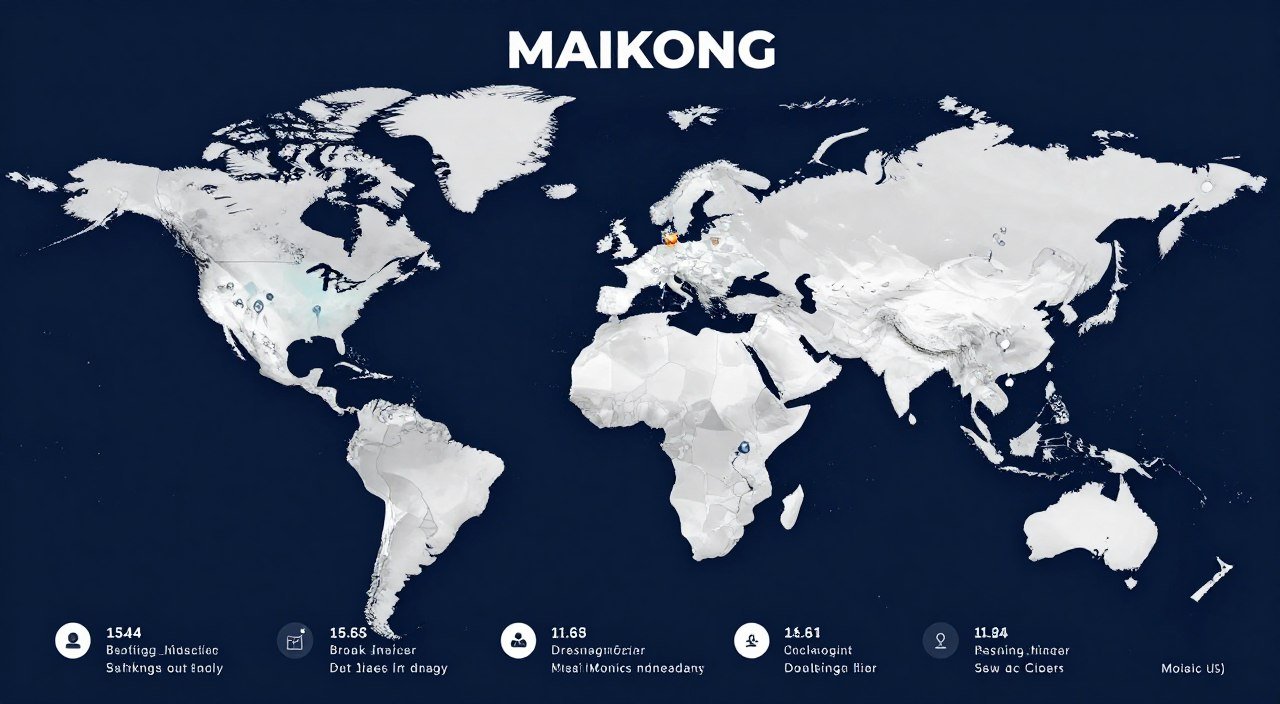
Philippine Installations: Over 150 complete feed production lines operating across Luzon, Visayas, and Mindanao. Reference site visits can be arranged to operating facilities near your location.
Asia-Pacific Region: Major installations in Thailand, Vietnam, Indonesia, Malaysia, Bangladesh, and India demonstrate our understanding of tropical climate requirements and regional feed formulations.
Other Regions: Successful projects in Nigeria, Tanzania, Kenya, Egypt (Africa), United States, Brazil, Argentina (Americas), and Australia prove equipment adaptability across diverse conditions.
Comprehensive Support Services
MAIKONG’s commitment extends far beyond equipment delivery. We provide complete support throughout your production line lifecycle:
Pre-Sales Support
- Free technical consultation
- Site evaluation and recommendations
- Customized design proposals
- Detailed quotations and cost analysis
- ROI projections and financial modeling
- Reference site visits
Installation and Commissioning
- Equipment delivery and logistics
- Professional installation team deployment
- Complete system commissioning
- Performance testing and optimization
- Operator training programs
- Documentation and manuals
After-Sales Support
- 24/7 technical hotline
- Remote troubleshooting assistance
- Spare parts supply and logistics
- Annual maintenance programs
- Formula optimization support
- Equipment upgrade options
Competitive Advantages
Several factors distinguish MAIKONG from other feed equipment suppliers:
Philippine Market Focus: Unlike suppliers treating Philippines as just another export market, we’ve invested specifically in understanding Philippine poultry practices, ingredient availability, and business requirements. Our designs reflect this knowledge.
Practical Engineering: Equipment designed for real-world conditions, not just laboratory performance. We prioritize reliability, ease of maintenance, and operational simplicity alongside technical specifications.
Long-Term Partnership Approach: We measure success by your business success. Our goal is becoming your trusted partner for decades, not just making a one-time sale.
Continuous Innovation: Ongoing investment in research and development keeps MAIKONG equipment at the forefront of feed production technology.
Become a MAIKONG Distributor or Agent in Philippines

MAIKONG actively seeks qualified distributors and agents throughout the Philippines to expand our local market presence and provide better service to Filipino farmers and feed producers.
Distributor Partnership Benefits
Financial Opportunities
- Attractive margins: Competitive distributor pricing enables healthy profits
- Recurring revenue: Spare parts, maintenance, and consumables provide ongoing income
- Market exclusivity: Protected territories prevent internal competition
- Growing market: Philippine poultry sector expanding 6-8% annually
- Product diversity: Complete equipment range serves multiple customer segments
Business Support
- Technical training: Comprehensive product and application education
- Marketing materials: Brochures, presentations, demonstration videos
- Sales support: Engineering assistance for complex projects
- Demo equipment: Display units for showroom or customer demonstrations
- Cooperative advertising: Shared marketing investment programs
Ideal Distributor Profile
MAIKONG seeks partners with these characteristics:
Industry Knowledge: Understanding of poultry farming, livestock operations, or agricultural equipment markets. Existing relationships with farms, cooperatives, or agricultural businesses preferred.
Technical Capability: Ability to provide basic technical support, equipment demonstration, and customer education. Engineering background or willingness to develop technical skills essential.
Business Infrastructure: Established business with adequate facilities for equipment display, spare parts inventory, and customer service operations. Financial capacity to maintain inventory and working capital.
Geographic Coverage: Ability to effectively serve designated territory through direct sales team or dealer network. Regional presence and market knowledge important.
Customer Service Commitment: Dedication to providing excellent pre-sales consultation and post-sales support maintaining MAIKONG’s reputation for customer service.
Available Territory Opportunities
MAIKONG seeks distributors for these Philippine regions:
Luzon Territories
- Metro Manila and NCR
- Central Luzon (Bulacan, Pampanga, Nueva Ecija)
- Calabarzon (Cavite, Laguna, Batangas)
- Ilocos Region
- Cagayan Valley
Visayas Territories
- Western Visayas (Iloilo, Capiz)
- Central Visayas (Cebu, Bohol)
- Eastern Visayas (Leyte)
Mindanao Territories
- Northern Mindanao (Cagayan de Oro)
- Davao Region
- Soccsksargen (General Santos)
- Zamboanga Peninsula
Partnership Process
Becoming a MAIKONG distributor follows a straightforward process:
- Initial Contact: Contact Lucy@pelletmachine.ph or WhatsApp +86-135-1090-7401 expressing distributor interest. Provide information about your business, experience, territory, and capabilities.
- Preliminary Discussion: Video conference or phone call with MAIKONG’s Philippine market manager to discuss opportunity details, requirements, and mutual expectations.
- Business Evaluation: Submit formal distributor application including business registration documents, financial information, references, and territory plan.
- Agreement Negotiation: Discuss and finalize distributor agreement terms including territory, pricing, support provisions, and performance expectations.
- Training Program: Attend comprehensive training covering product knowledge, technical specifications, sales techniques, and service procedures. Training conducted at customer site or MAIKONG facility.
- Launch Support: MAIKONG provides launch assistance including initial marketing campaigns, joint customer visits, and demonstration support.
Start Your MAIKONG Distributor Partnership Today
Join the growing network of successful MAIKONG distributors serving the Philippine agricultural equipment market. We’re seeking motivated partners who share our commitment to customer success and quality equipment solutions.
Frequently Asked Questions About Poultry Feed Production Lines

What minimum bird population justifies investing in a poultry feed production line?
Economic viability typically begins around 3,000-5,000 birds for layer operations or 5,000-10,000 birds for broiler operations. At these scales, monthly feed consumption reaches levels where cost savings offset equipment investment within 18-24 months. Smaller operations should consider cooperative production arrangements or contract manufacturing services. Larger operations see faster payback periods – 10,000+ bird operations often recover investment within 6-12 months.
How much space do I need for a poultry feed production line?
Space requirements depend on production capacity and layout orientation. Small systems (500-1000 kg/hour) need 100-200 square meters. Medium systems (2-5 tph) require 300-600 square meters. Large commercial mills (10+ tph) need 1,000-3,000 square meters. Vertical designs minimize floor space but require adequate building height (6-12 meters). Include additional space for ingredient storage, finished product warehouse, and truck access. MAIKONG engineers optimize layouts for your available space during design phase.
What electrical power requirements should I plan for?
Power needs scale with production capacity. Small lines (500 kg/hour) require 30-50 kW. Medium systems (3-5 tph) need 100-200 kW. Large mills (10+ tph) consume 300-600+ kW. Three-phase power essential for all except smallest systems. Voltage customization available (220V, 380V, 440V). Factor power quality – areas with unstable supply may need voltage stabilizers or backup generators. MAIKONG designs accommodate Philippine electrical standards and can optimize for energy efficiency.
How long does installation and commissioning take?
Installation timelines vary by system complexity. Small systems (under 1 tph) typically complete in 1-2 weeks. Medium systems (3-5 tph) require 3-4 weeks. Large commercial installations (10+ tph) may need 6-10 weeks. Timeline assumes completed building and electrical infrastructure. Add commissioning time (3-7 days) for testing, adjustments, and operator training. MAIKONG provides detailed project schedules during planning phase and manages installation teams ensuring on-time completion.
What technical skills do operators need?
Manual systems need operators with basic mechanical aptitude and attention to detail. Semi-automatic systems benefit from technical school or equivalent training. Fully automated systems require computer literacy and understanding of process control concepts. MAIKONG provides comprehensive operator training regardless of automation level. Training covers equipment operation, routine maintenance, troubleshooting, safety procedures, and formula management. Most operators become proficient within 1-2 weeks. Ongoing support available via phone and remote assistance.
How do I develop feed formulations for my production line?
Several approaches work depending on your expertise level. Start with proven standard formulas available from Philippine Bureau of Animal Industry, agricultural universities, or formulation guides. Hire animal nutrition consultant to develop custom formulas optimized for your birds and local ingredients. Use commercial formulation software accounting for ingredient costs, nutritional requirements, and bird performance goals. MAIKONG provides basic formulation guidance and can recommend nutrition consultants in Philippines. Many customers begin with standard formulas then refine based on results.
What ongoing maintenance do production lines require?
Daily maintenance includes visual inspections, lubrication of key points, and cleaning of accessible areas. Weekly tasks involve detailed cleaning, checking belt tensions, and inspecting wear components. Monthly maintenance includes changing lubricants, checking electrical connections, and testing safety systems. Annual maintenance requires professional inspection, major component replacement, and complete system review. Budget approximately 2-3% of equipment value annually for routine maintenance and wear parts. MAIKONG offers maintenance training, provides detailed service manuals, and supplies spare parts for all equipment.
Can I produce different feed types on one production line?
Yes, flexible production is a key advantage. Most systems easily produce starter, grower, and finisher formulations for different bird ages. You can manufacture both layer and broiler feeds with formula changes. Pellet size changes require die replacement (15-30 minute process). Switching between poultry, livestock, and aqua feeds possible with thorough cleaning between runs. Dedicated systems recommended for medicated feeds or organic certification due to contamination prevention requirements. MAIKONG engineers design multi-purpose flexibility into most systems.
How do MAIKONG prices compare to other suppliers?
MAIKONG provides excellent value balancing equipment quality, performance, and price. Our prices typically position 10-20% below premium European brands while offering comparable quality and better local support. Compared to economy Chinese brands, MAIKONG equipment costs 15-25% more but delivers superior reliability, efficiency, and longevity. Philippine customers consistently report better long-term value from MAIKONG equipment versus cheaper alternatives requiring frequent repairs. We provide detailed quotations showing equipment costs, installation, and lifetime ownership costs for accurate comparison.
What financing options help purchase production line equipment?
Multiple financing paths available for Philippine buyers. MAIKONG partners with local banks offering equipment financing with 20-30% down payment and 3-5 year terms at 8-12% interest rates. Development banks (DBP, Land Bank) sometimes offer favorable agricultural equipment loans. Department of Agriculture programs may provide subsidized financing or grants for qualifying projects, particularly cooperatives. Some customers use working capital loans from existing banking relationships. Leasing arrangements occasionally available for larger projects. MAIKONG can provide documentation supporting financing applications and connect you with lending partners.
Start Your Poultry Feed Production Success Story
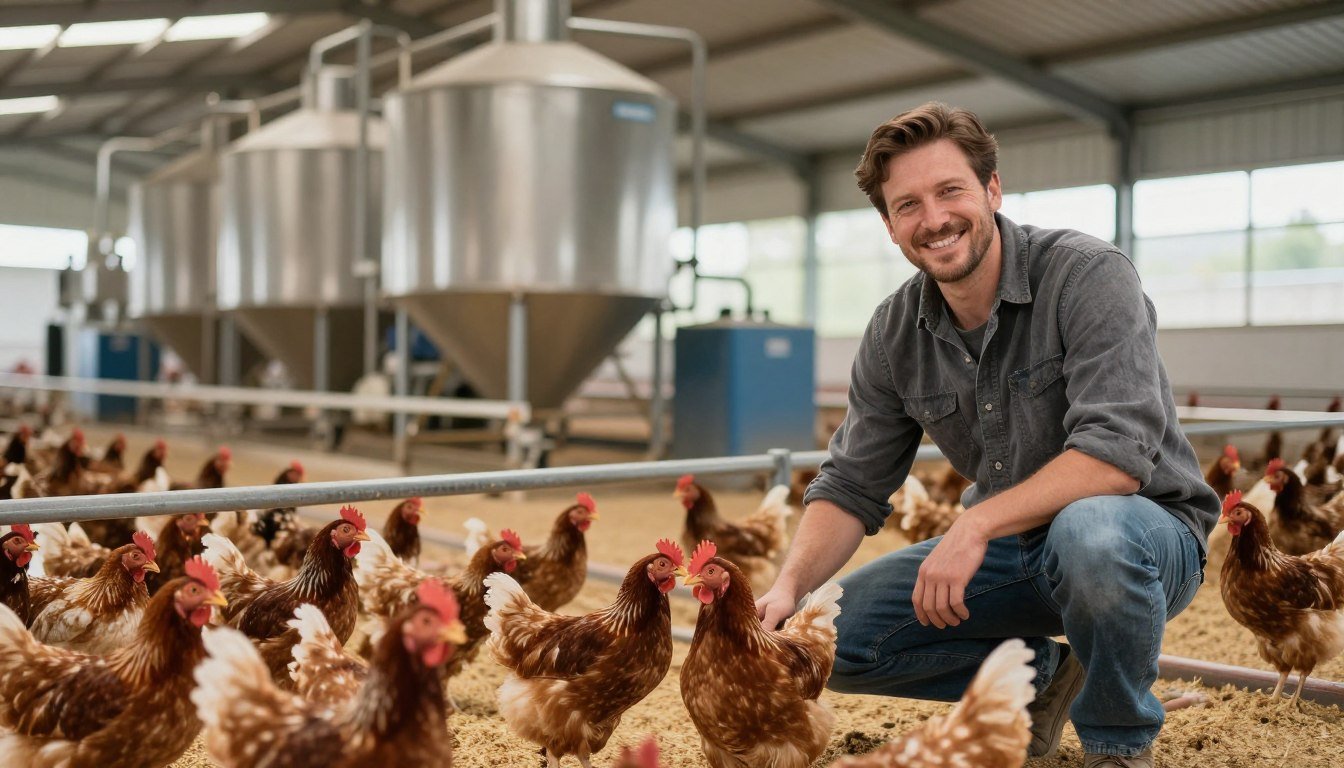
Investing in a poultry feed production line represents one of the most impactful decisions you can make for your Philippine poultry operation. The combination of cost savings, quality control, operational flexibility, and strategic advantages creates compelling value that extends far beyond simple economics.
Throughout this guide, we’ve explored every aspect of poultry feed production – from understanding basic systems to analyzing costs, selecting equipment, and optimizing operations. The evidence clearly demonstrates that properly planned and executed feed production delivers exceptional returns for operations of virtually any scale.
Key Takeaways
- Feed costs dominate poultry expenses (60-70%), making cost reduction here highly impactful
- Own production typically saves 30-40% versus purchasing commercial feed
- Payback periods range from 6-24 months depending on operation scale
- Complete quality control ensures consistent nutrition and bird performance
- Formula flexibility enables rapid adaptation to market conditions
- Technology ranges from manual to fully automated fitting any budget and skill level
- Systems scale from 200 kg/hour to 200+ tons/hour serving all operation sizes
- Customization addresses specific Philippine requirements including voltage, climate, and ingredients
- Proper equipment selection critically impacts success – match capacity, quality, and support
- Experienced suppliers like MAIKONG provide comprehensive support ensuring project success
- Financing options make projects accessible to qualified buyers
- Distributor opportunities exist for qualified agricultural equipment businesses
Your Next Steps
Moving from consideration to action requires careful planning. Follow this practical path forward:
- Assess your current situation: Calculate current feed consumption and costs. Determine potential savings from own production. Evaluate available capital and financing options.
- Define your requirements: Establish target production capacity based on bird population and growth plans. Identify available space, utilities, and infrastructure. Determine desired automation level and technical capabilities.
- Engage expert consultation: Contact MAIKONG engineers for professional assessment and recommendations. Discuss your specific needs, constraints, and objectives. Review customized design proposals and cost analyses.
- Visit reference installations: See operating systems similar to your planned configuration. Talk with existing users about their experience and results. Understand practical considerations beyond technical specifications.
- Make informed decision: Compare options based on complete ownership cost, not just purchase price. Evaluate supplier capabilities, support, and track record. Consider long-term partnership value beyond initial transaction.
Why Partner with MAIKONG
Over 22 years serving the Philippine poultry industry has taught MAIKONG what Filipino farmers and feed producers need. We don’t just supply equipment – we partner in your success through:
Philippine-Focused Solutions: Equipment designed specifically for Philippine conditions, ingredients, and business practices rather than generic export models.
Comprehensive Support: From initial consultation through installation, training, and ongoing technical support, we’re with you every step.
Proven Track Record: Over 150 successful Philippine installations demonstrate our understanding and capability.
Complete Product Range: From small farm systems to large commercial mills, we manufacture solutions for every scale.
Technical Expertise: 85-person engineering team provides deep technical knowledge solving complex challenges.
Quality Commitment: Rigorous manufacturing standards and quality control ensure reliable, durable equipment.
Fair Pricing: Competitive pricing delivering excellent value without compromising quality or support.
Contact MAIKONG Today – Start Your Feed Production Journey
Whether you’re exploring possibilities, ready for detailed proposals, or prepared to move forward with equipment purchase, MAIKONG’s team stands ready to help. We provide free consultation, customized design proposals, detailed quotations, and comprehensive support throughout your project.
Get Your Free Consultation
Speak with our technical team about your specific requirements. We’ll help you understand options, costs, and expected returns for your situation.
Request Detailed Information
Receive comprehensive technical specifications, pricing, case studies, and project proposals customized for your operation.
MAIKONG Philippines Contact Information
Company: MAIKONG Manufacturing Co., Ltd.
Address: GD Province, SZ City (Manufacturing Facility)
Phone/WhatsApp: +86-135-1090-7401
Email: Lucy@pelletmachine.ph
Website: https://pelletmachine.ph/
Business Hours: Monday-Saturday, 8:00 AM – 6:00 PM (Philippine Time)
Services: Complete turnkey feed mills, individual equipment, OEM/ODM manufacturing, technical support, spare parts supply
Explore Related Solutions
MAIKONG manufactures complete equipment lines for various feed production applications. Explore these related solutions:
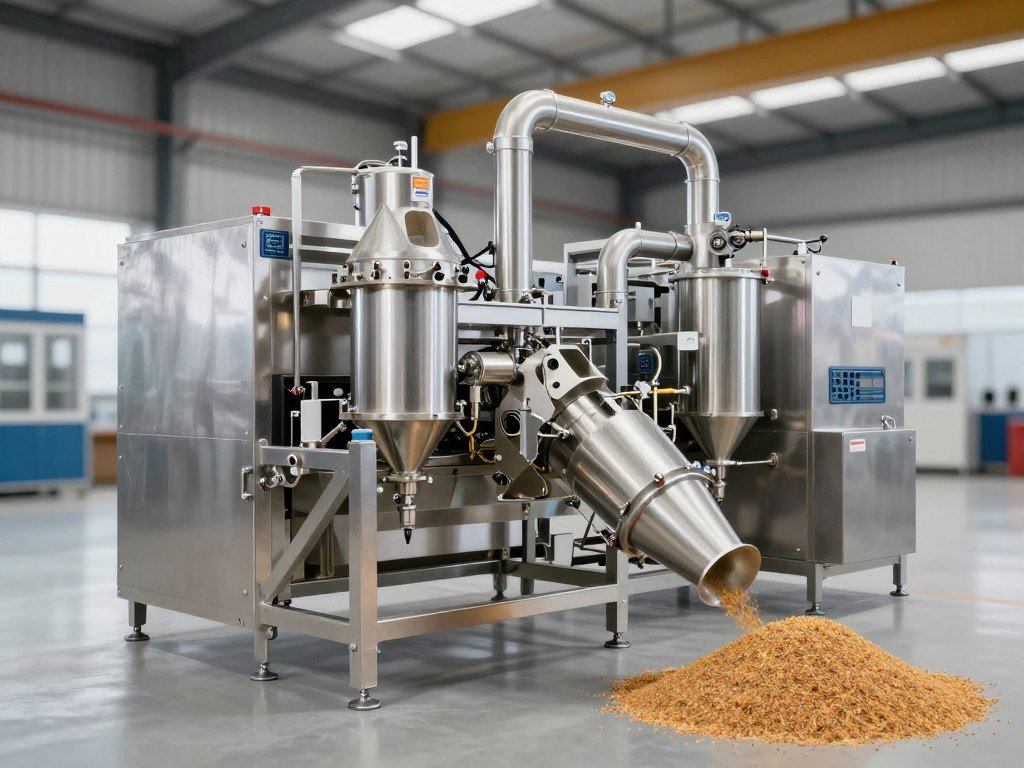
Specialized systems optimized specifically for layer and broiler chicken feed manufacturing with precise nutritional control.
Versatile systems for cattle, pig, goat, sheep, and other livestock feed production serving diversified farms.
Specialized aqua feed systems producing floating or sinking pellets for fish farming and aquaculture operations.
The decision to invest in poultry feed production represents a strategic commitment to your operation’s long-term success and profitability. With proper planning, quality equipment, and expert support, you’ll join thousands of successful Philippine operations achieving remarkable results through own feed manufacturing.
Contact MAIKONG today and take the first step toward greater control, lower costs, and improved performance in your poultry operation. Your success is our success – let’s build it together.