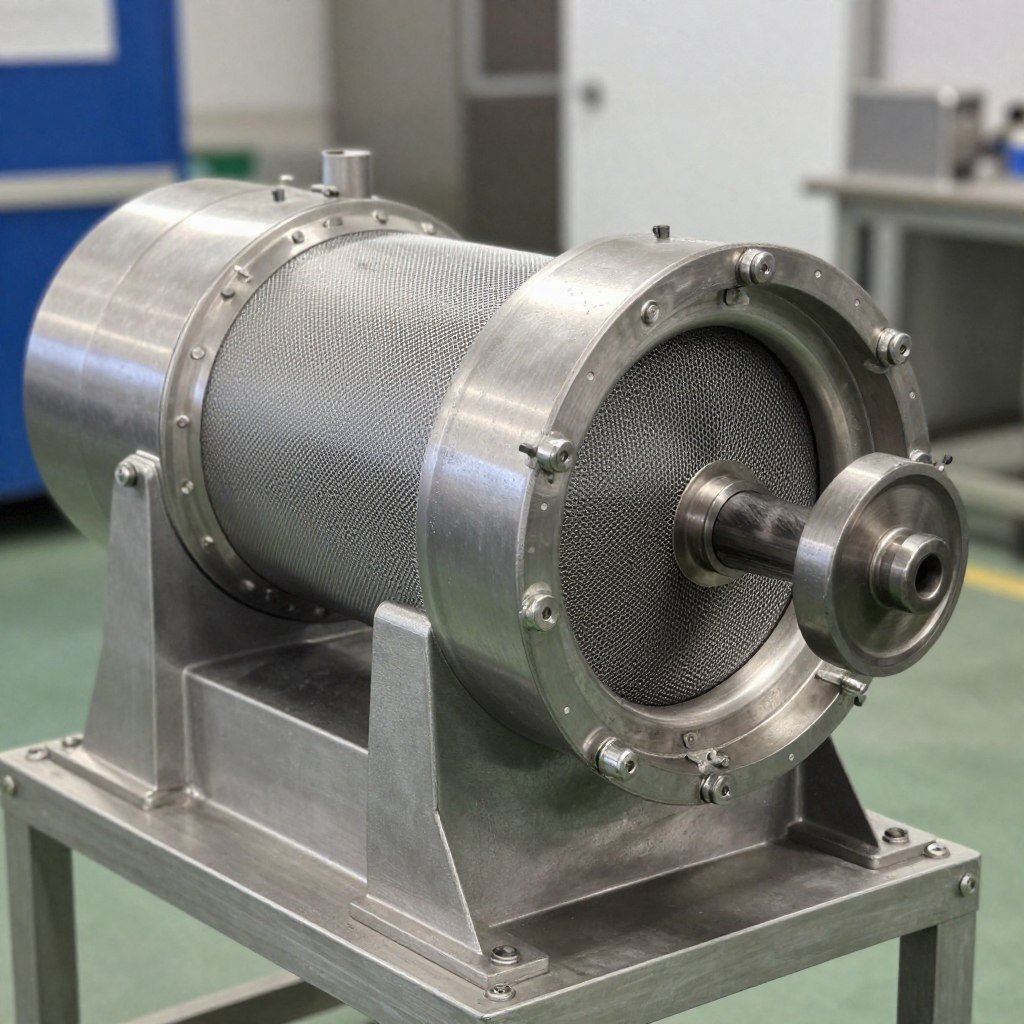
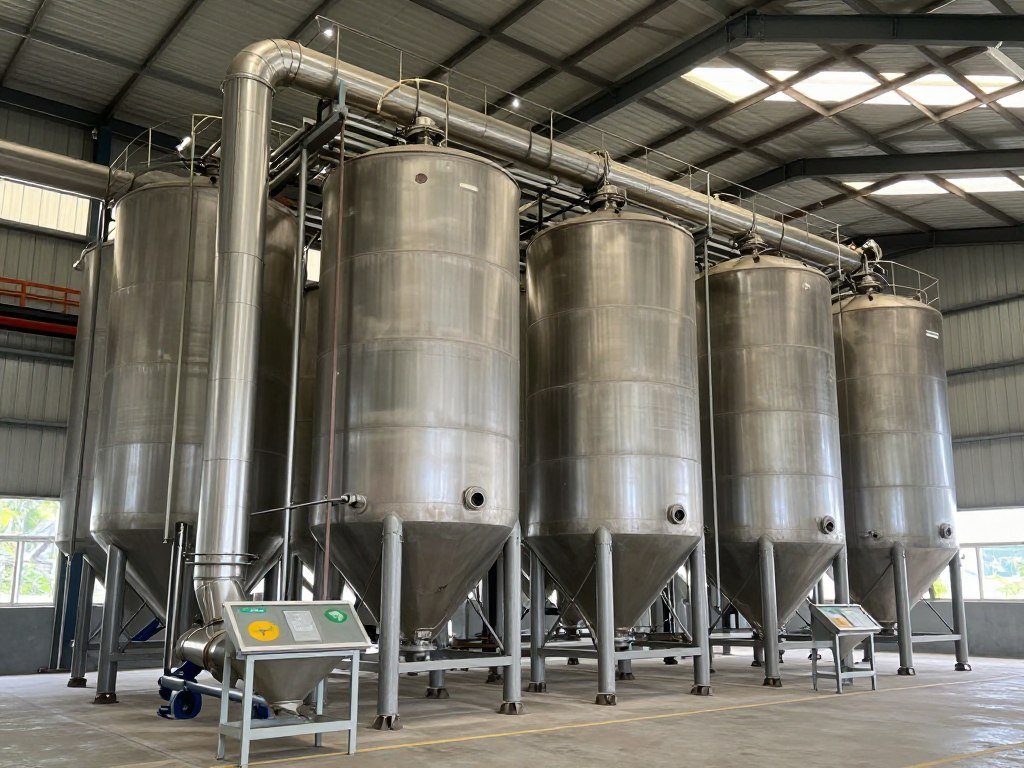
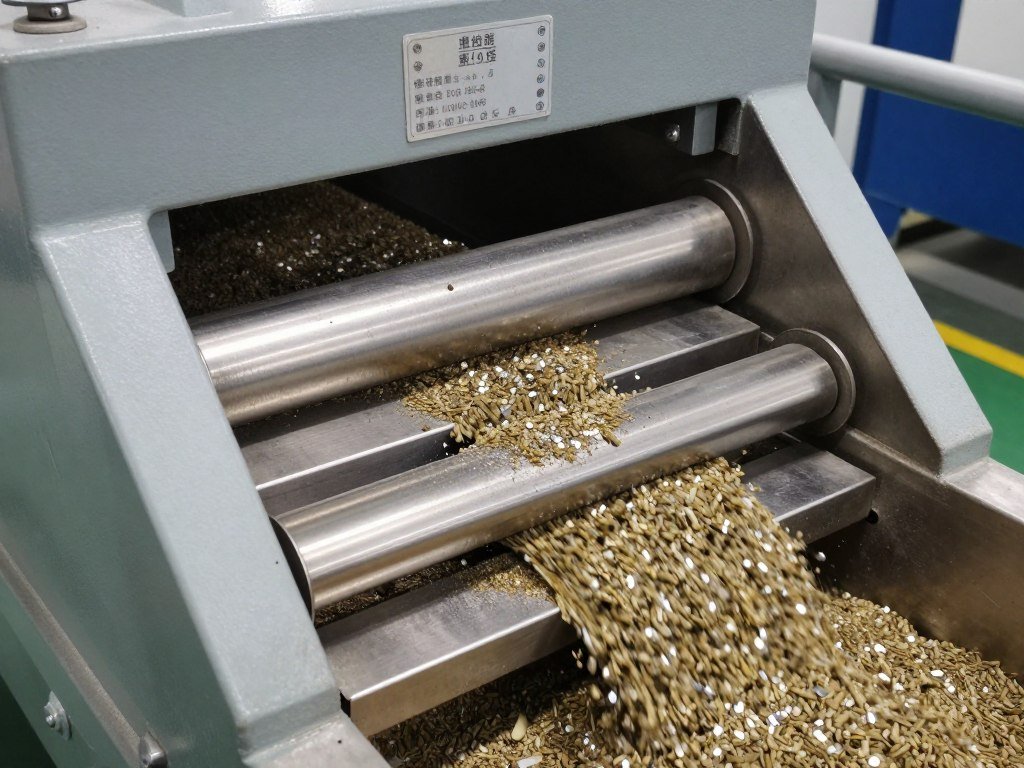
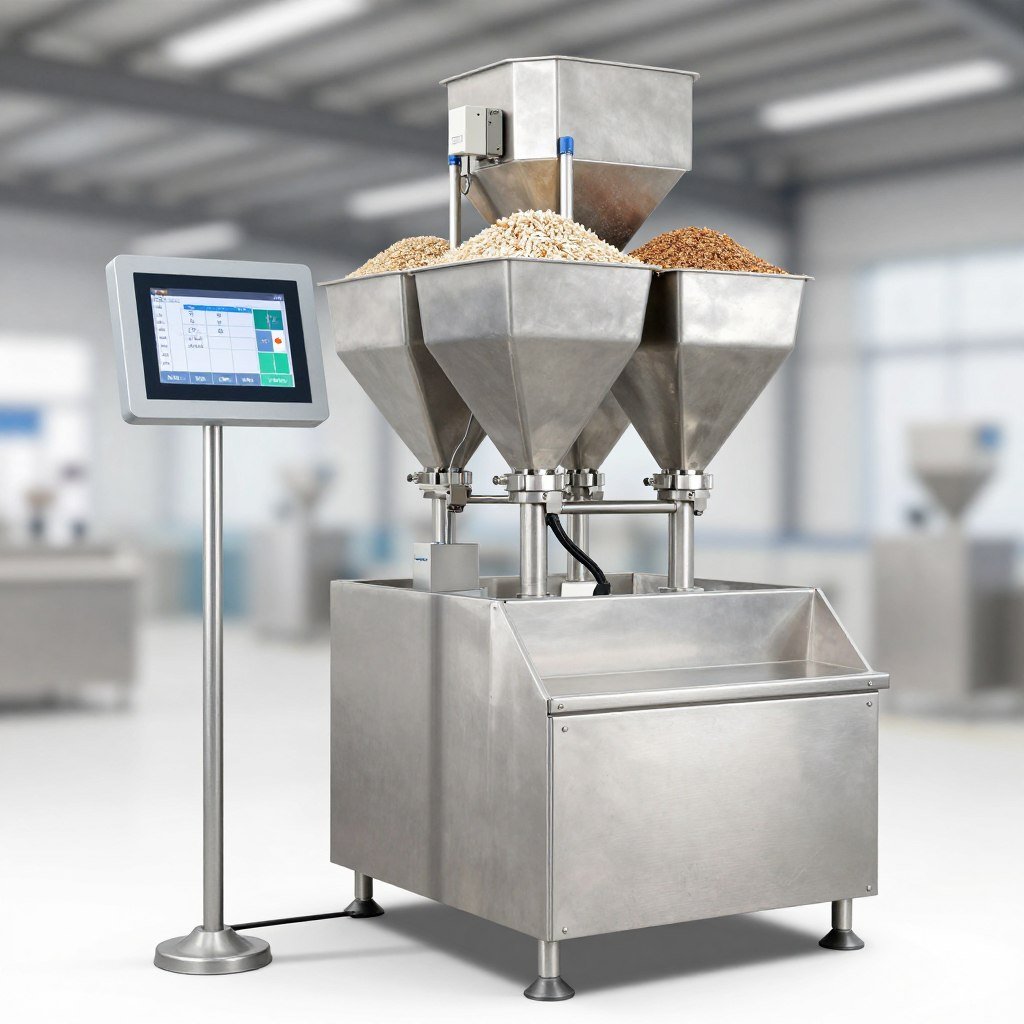
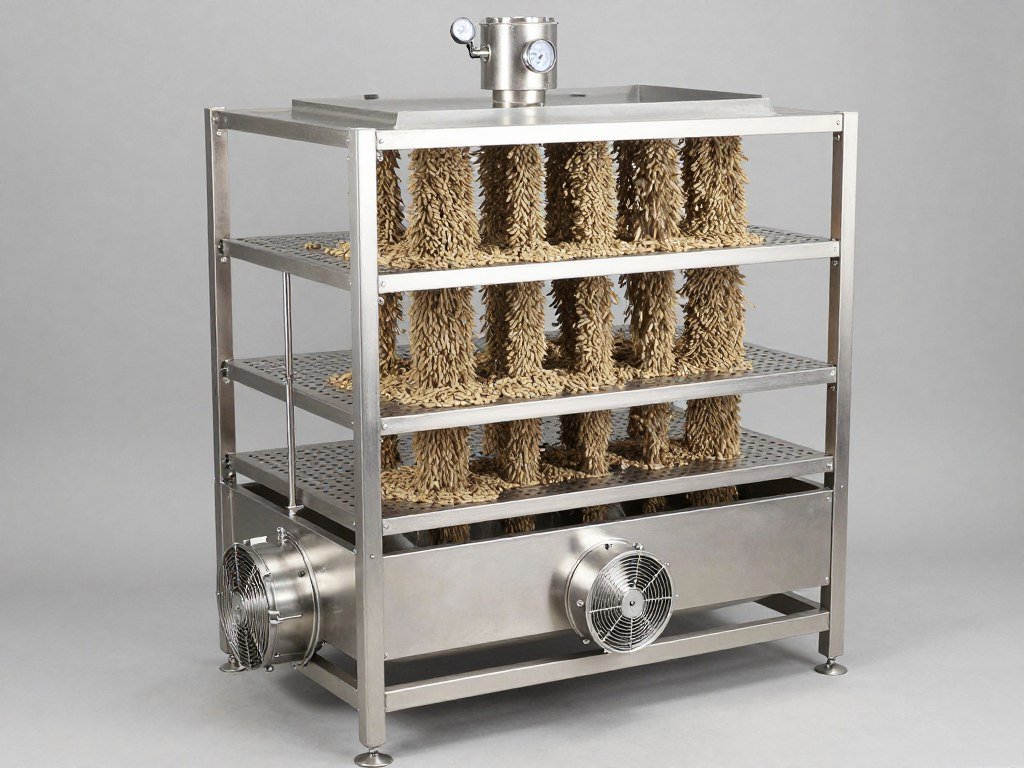
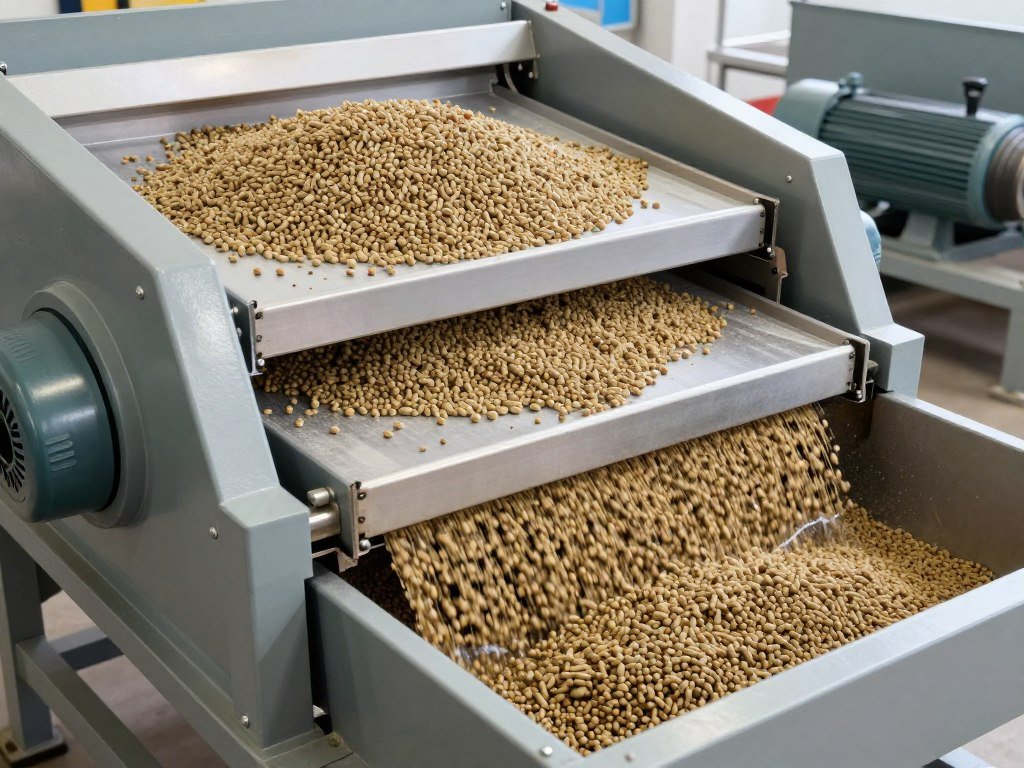
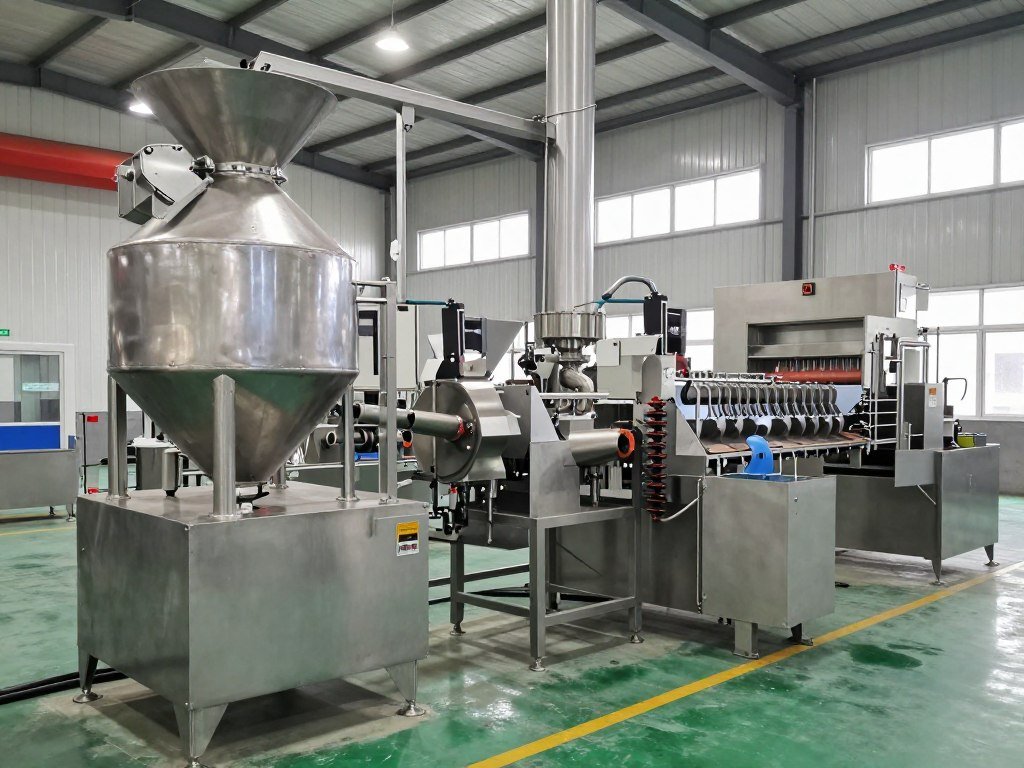
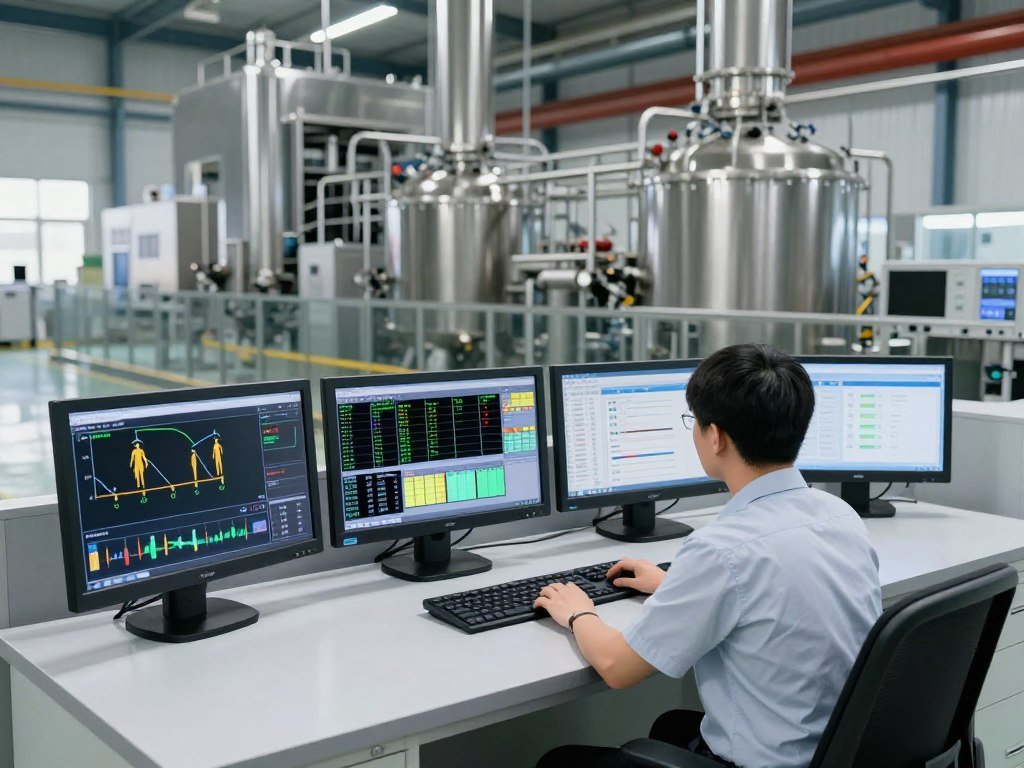
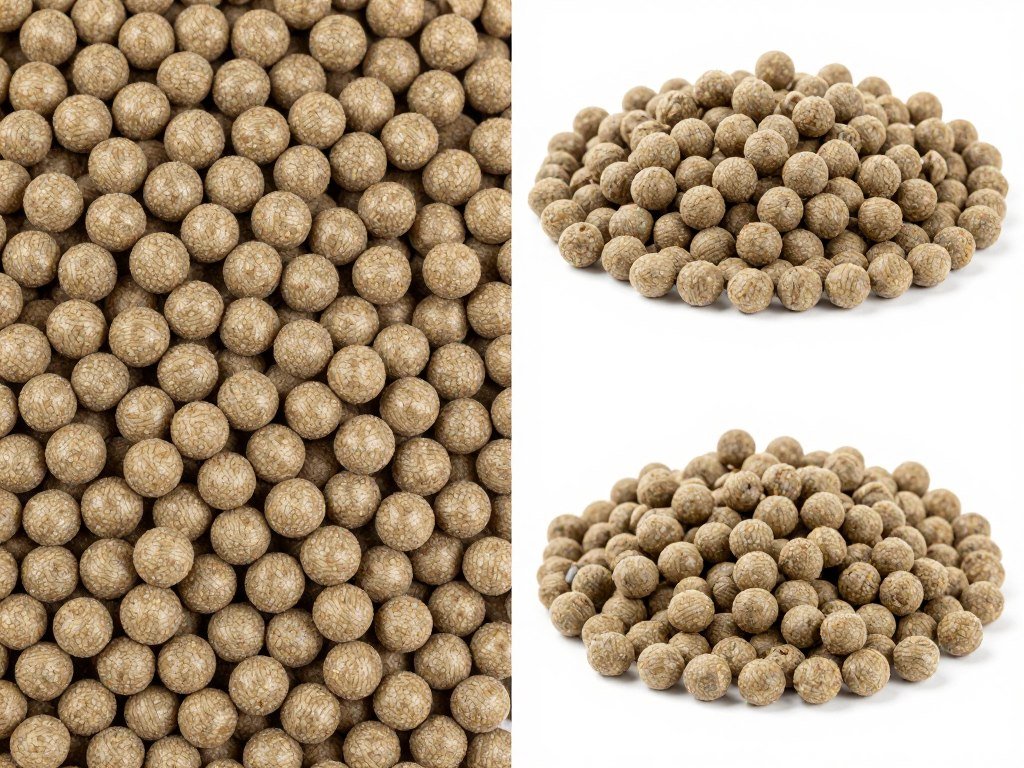
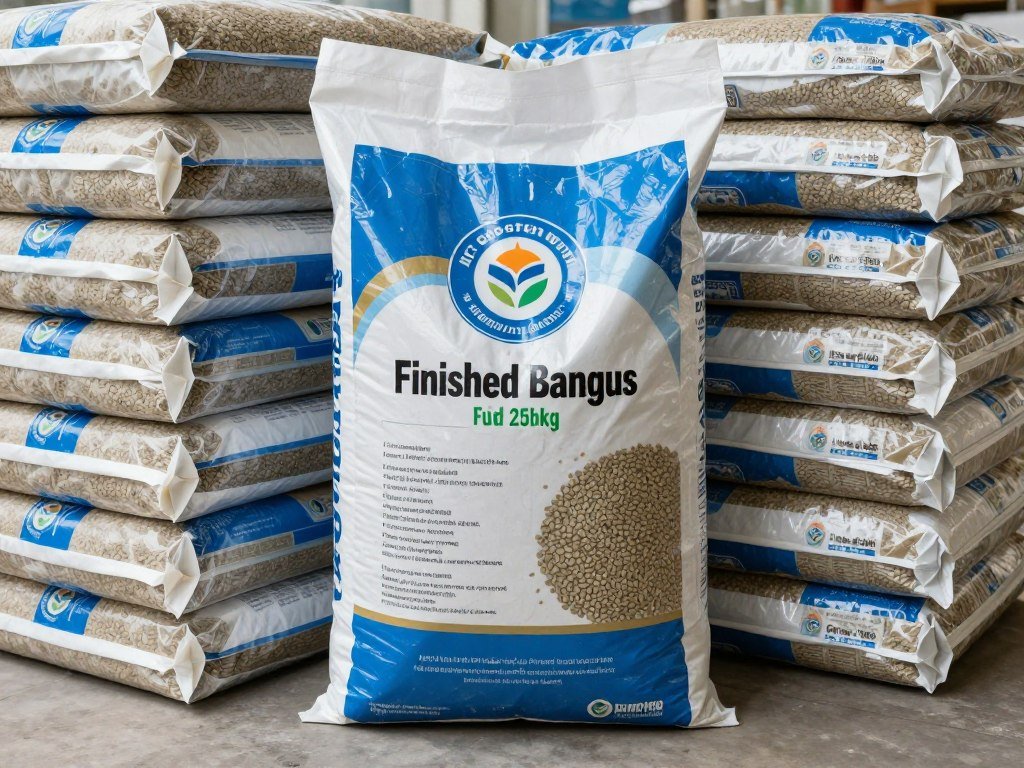
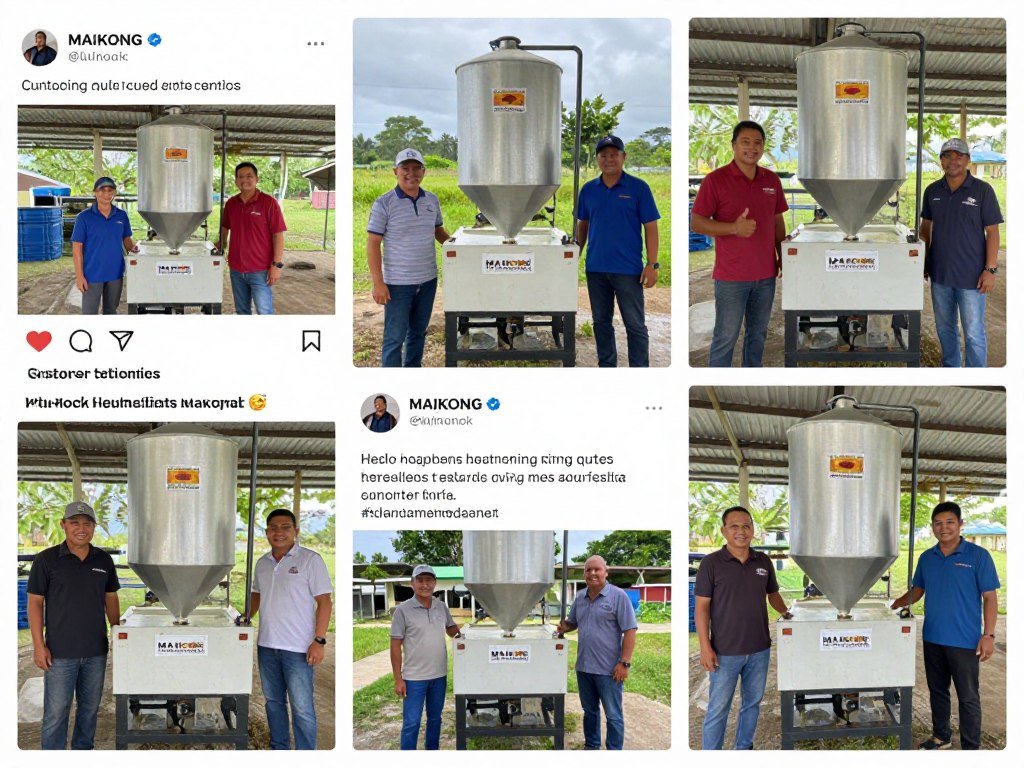
Choosing the right aqua fish feed production line price point can make or break your feed business in the Philippines. After working with over 500 fish farms across Luzon, Visayas, and Mindanao, we understand that the number one concern keeping aquaculture entrepreneurs awake is not just the upfront cost. The real question is whether the line you are paying for will actually produce pellets that float properly for bangus, sink correctly for tilapia, and hold together in your fish pond water for more than fifteen minutes.
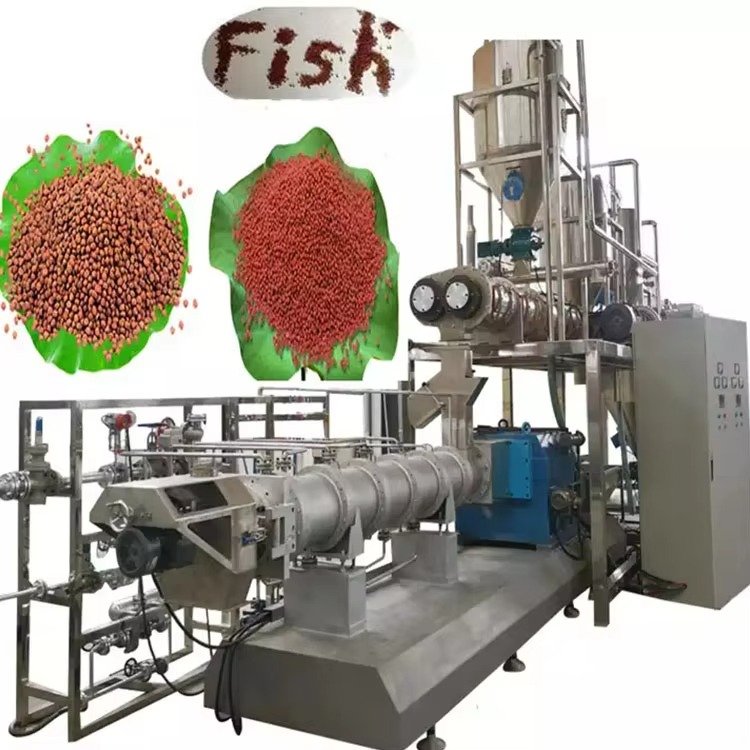
The truth about aqua fish feed production line price in the Philippines goes deeper than capacity charts and motor specifications. Between voltage fluctuations in provincial areas, high humidity affecting pellet cooling, and the unique requirements of local fish species, a line that works perfectly in China or Vietnam might struggle here. That is why understanding exactly what you are paying for, and what adjustments are needed for Philippine conditions, will save you from costly mistakes.This guide breaks down every factor affecting your investment. From the hammer mill that determines particle size consistency to the cooler that prevents mold growth in tropical weather, you will see exactly where your money goes in a complete production line.
Get Your Free Price Estimate in 24 Hours
MAIKONG provides transparent pricing for complete aqua feed lines tailored to Philippine conditions. No hidden costs, no surprises. Over 22 years serving Southeast Asian aquaculture.
Why Aqua Fish Feed Production Line Price Varies So Much in Philippines Market
Walk into three different equipment suppliers in Manila, and you will receive three wildly different quotes for what appears to be the same fish feed production line capacity. One quote might be ₱800,000 for a “complete 500kg/hour line.” Another comes in at ₱2,400,000. A third sits at ₱4,100,000. All claim similar output. What gives?
The difference is not just markup or brand name. The aqua fish feed production line price reflects fundamental equipment choices that directly impact your pellet quality, production efficiency, and long-term operating costs. Here is what separates a budget line from a properly engineered system:
Equipment Stage Complexity Determines Base Cost
A complete feed production line consists of seven to twelve distinct processing stages. The most basic configuration includes only crushing, mixing, pelleting, and bagging. This might suffice if you are pressing simple chicken scratch feed. For aqua feed production line applications, this is inadequate.
Quality fish feed requires proper particle size control. Raw materials like fishmeal, soybean meal, and rice bran must be ground to specific mesh sizes. Bangus feed needs 40-60 mesh. Tilapia starter feed demands 80-100 mesh for fingerling consumption. A hammer mill with interchangeable screens and robust construction costs significantly more than a basic grinder. This single component can represent a ₱150,000 to ₱450,000 price difference.
Critical Grinding Stage Investment
The hammer mill controls every downstream process. Inconsistent particle size means inconsistent pellet density. Some pellets float when they should sink. Others disintegrate within minutes in water. Philippine fish farmers lose thousands of pesos weekly on wasted feed because their grinding stage was the cheapest option.
Proper fish feed mill operations require variable speed control, dust collection, and magnetic separation to remove metal contaminants. These features add cost but prevent production shutdown and equipment damage.
Pellet Machine Quality Creates Massive Price Gaps
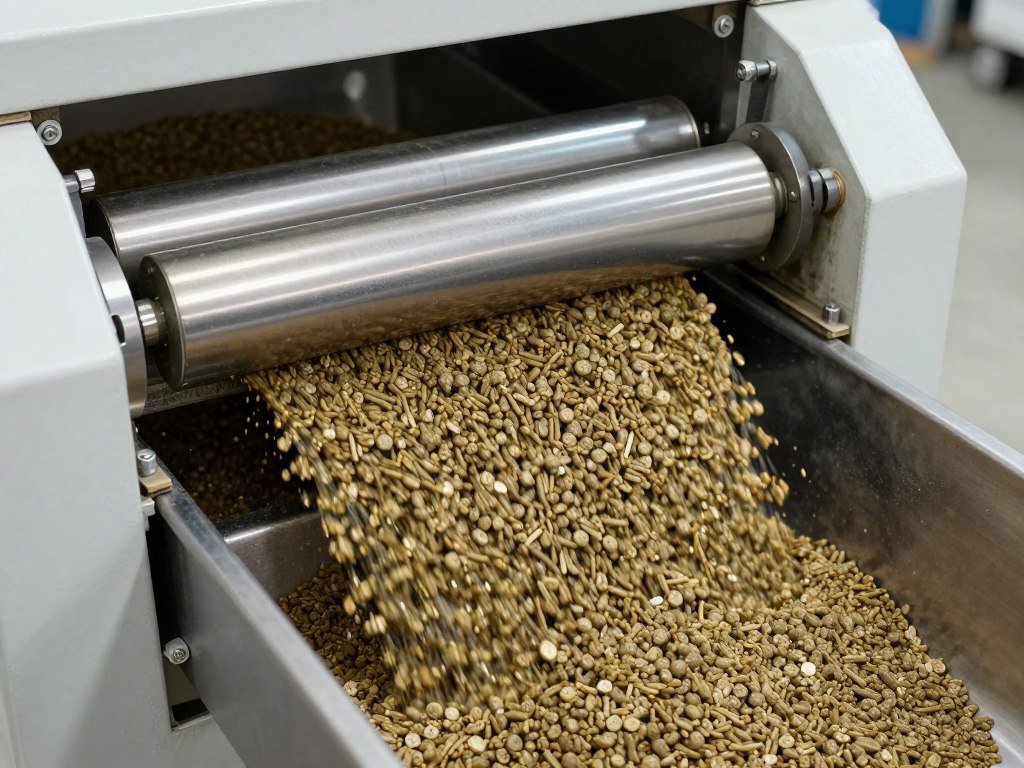
The heart of any fish feed pellet machine system is the ring die pelleting press. This is where mixed ingredients get compressed into durable pellets. Two machines might both claim “1 ton per hour capacity,” yet one costs ₱280,000 while the other is ₱920,000.
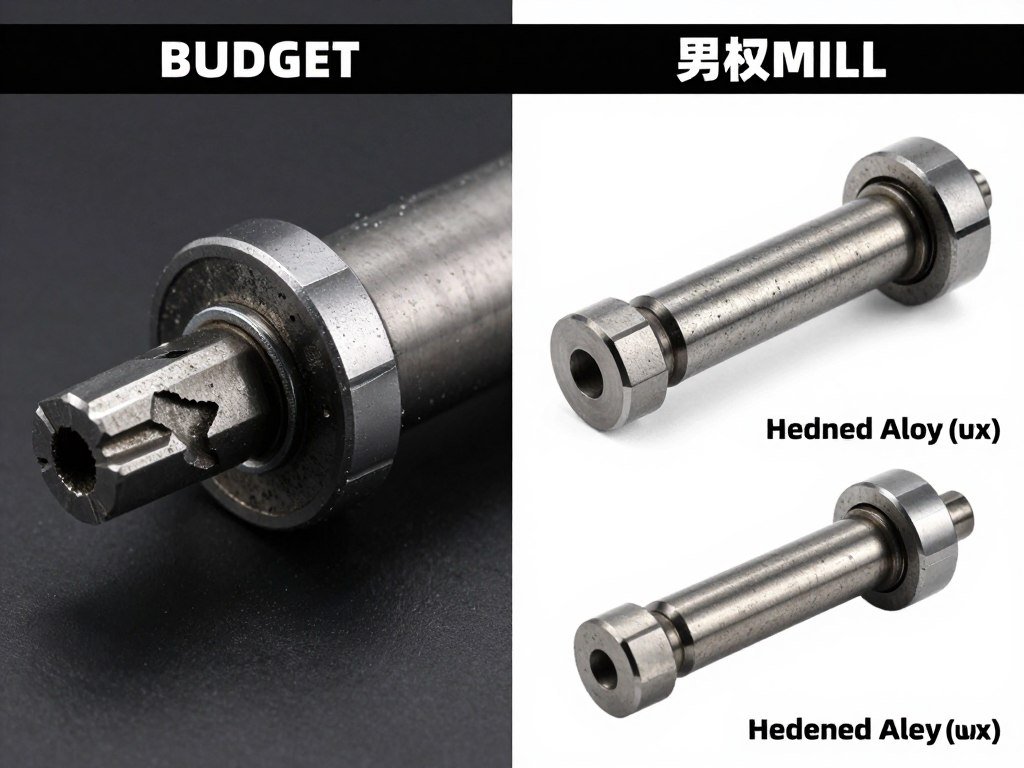
The expensive machine uses hardened alloy steel rollers and dies. The die holes are precision-drilled with specific compression ratios for aquatic feed. The cheaper machine uses standard carbon steel with generic drilling. Here is why this matters for your business:
- Hardened dies last 2,000-3,000 production hours before replacement needed
- Standard dies wear out after 300-600 hours in the abrasive environment of fish feed ingredients
- Die replacement costs ₱35,000 to ₱85,000 each time depending on size
- Production downtime during die changes loses you ₱15,000-25,000 per day in lost output
- Worn dies produce inconsistent pellet length and density that fish reject
The cheaper machine ends up costing significantly more over two years of operation. This is the hidden trap in low aqua fish feed production line price offers. For serious feed pellet production line operations, the pelleting stage deserves 35-40% of your total equipment budget.
Automation Level Changes Operating Economics
Manual systems require three to five operators per shift. Semi-automated lines need one to two people. Fully automated systems run on a single supervisor watching the control panel. The automation level directly affects both purchase price and ongoing labor costs.
| Automation Level |
Equipment Cost Range |
Operators Required |
Monthly Labor Cost |
Annual Labor Savings |
| Manual Operation |
₱800K – ₱1.5M |
4-5 workers |
₱100,000+ |
Baseline |
| Semi-Automated |
₱2.2M – ₱3.8M |
2 workers |
₱50,000 |
₱600,000/year |
| Fully Automated |
₱5.5M – ₱8.2M |
1 supervisor |
₱30,000 |
₱840,000/year |
A fully automated feed production line good price might look expensive upfront. However, a 5-ton-per-hour line running 20 days monthly saves ₱70,000 in labor costs every single month compared to manual operation. The automation premium pays for itself in 18-24 months while dramatically improving consistency.
Philippine Adaptation Requirements Add Necessary Costs
Equipment designed for Chinese 380V three-phase power needs voltage conversion for Philippine 220V/440V systems. Tropical humidity demands sealed motors and electrical enclosures that cost more than standard housings. Coastal locations require corrosion-resistant stainless steel components instead of painted carbon steel.
These adaptations are not optional extras. They are essential for reliable operation in Philippine conditions. Suppliers offering suspiciously low prices on imported lines often omit these modifications. You discover the oversight only after equipment failures begin three to six months into operation.
MAIKONG includes Philippine-specific adaptations as standard in our aqua fish feed production line price quotes. This includes voltage matching, sealed electrical systems rated for tropical humidity, and stainless steel construction on all components exposed to feed ingredients or moisture. These features cost approximately 12-18% more than standard export configurations, but they prevent the expensive breakdowns that plague improperly adapted equipment.
Download Complete Technical Specifications
Get detailed spec sheets showing exactly what equipment stages are included at each capacity level, plus Philippine adaptation features that protect your investment.
Complete Aqua Feed Production Line Components That Determine Final Price
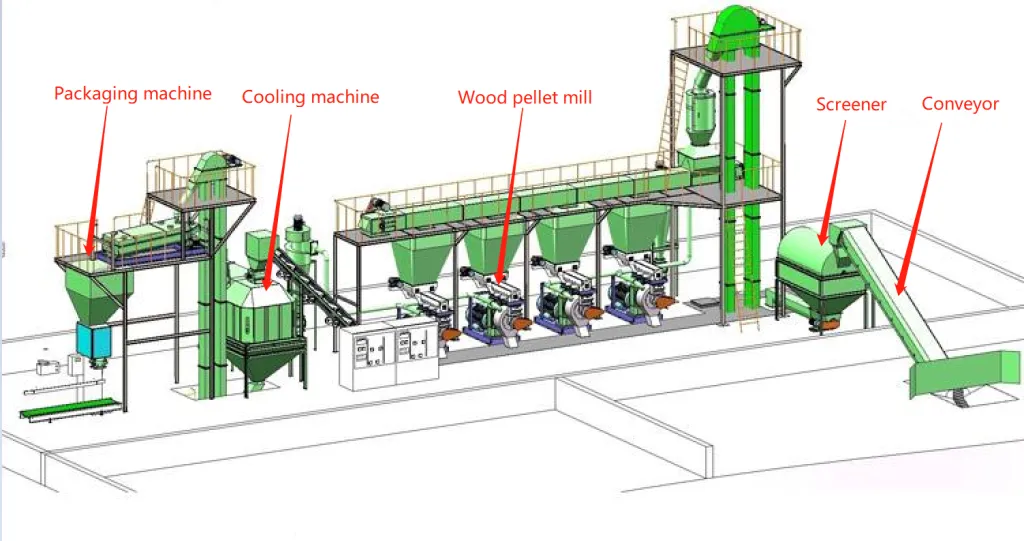
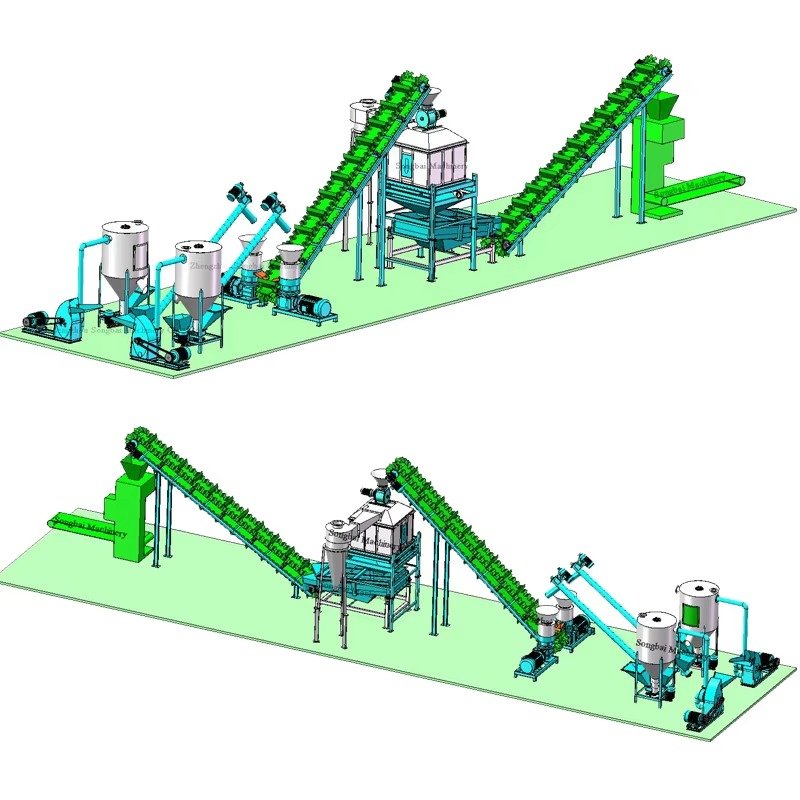
Understanding what actually makes up a complete aqua feed production line is essential before evaluating any price quote. Many suppliers advertise a “complete line” that omits critical stages, forcing you to purchase additional equipment later at marked-up prices. A properly configured system for fish feed production includes specific equipment at each processing stage.
Raw Material Receiving and Pre-Processing Stage
Quality feed starts with proper ingredient handling. Raw materials arrive in various forms: 50kg bags of fishmeal, bulk soybean meal deliveries, broken rice by the ton. The receiving system must weigh incoming materials accurately and store them properly until production.
A complete receiving stage includes:
- Platform scales or weighbridge for incoming material verification (prevents supplier short-delivery)
- Magnetic separator at intake point to remove metal contamination from harvest equipment
- Dust collection system to prevent respiratory issues and maintain clean facility
- Storage silos or bins with moisture monitoring (critical for tropical humidity control)
- Screw conveyors or bucket elevators to move material to processing area
This stage represents approximately 8-12% of total aqua fish feed production line price for a properly equipped facility. Budget systems often skip proper storage and handling, leading to ingredient degradation, pest contamination, and worker health problems.
Grinding and Particle Size Reduction Stage
The grinding stage determines pellet consistency and fish digestibility. Aquatic animals cannot consume large particles efficiently. Fingerlings require extremely fine powder. Grow-out fish need medium grinding. A versatile fish feed mill operation needs the flexibility to produce multiple particle sizes.
Professional grinding systems include:
- Heavy-duty hammer mill with 37-75kW motor capacity for tough ingredients like copra meal
- Interchangeable screen sets (1.5mm, 2.5mm, 4mm, 6mm) for different fish life stages
- Forced air cooling to prevent heat damage to heat-sensitive vitamins
- Vibrating screener to remove oversized particles and ensure uniform particle distribution
- Cyclone dust collector with bag filter to capture fine particles and keep air clean
The hammer mill alone costs ₱180,000 to ₱480,000 depending on capacity and construction quality. This component experiences the harshest operating conditions in the entire line. Abrasive ingredients like fish bone meal and rice bran wear down hammers and screens rapidly. Cheap grinders fail within months, while properly built units run for years with only scheduled maintenance.
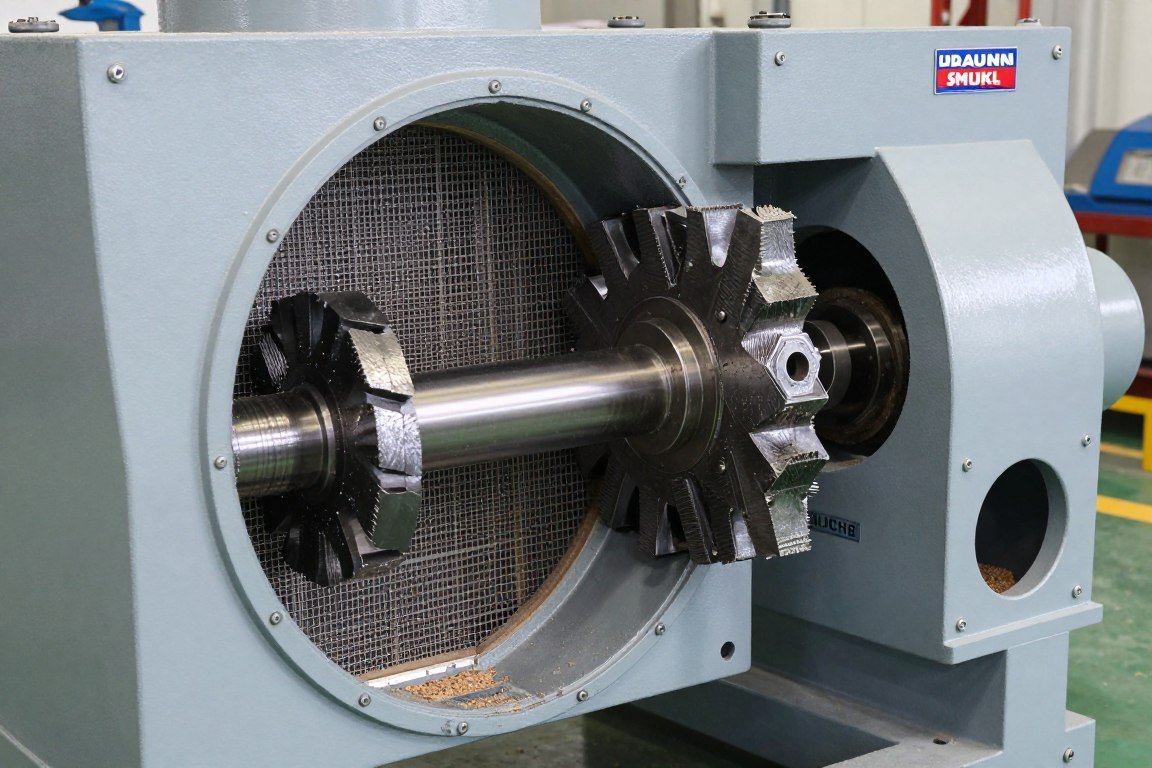
MAIKONG hammer mills use 65 manganese steel for hammers (not standard carbon steel) and spring steel for screens. This material choice increases component life by 300-400% in the abrasive fish feed environment, dramatically reducing your replacement parts spending.
Batching and Mixing Stage
Proper mixing ensures every pellet contains the correct nutrition profile. Poor mixing creates “hot spots” with concentrated vitamins or minerals and “dead zones” lacking essential nutrients. Fish receive inconsistent nutrition, affecting growth rates and health.
A proper mixing system includes:
- Computerized batching system with load cells for ingredient weighing (accuracy ±0.5%)
- Micro-ingredient dosing system for vitamins, minerals, and additives in small quantities
- Paddle or ribbon mixer with 5-7 minute retention time for thorough blending
- Liquid addition system for fish oil or molasses incorporation
- Post-mix holding bin to buffer the pelleting stage
Mixing accuracy directly affects feed conversion ratio (FCR) in your fish ponds. A ₱580,000 automated batching system prevents the ±3-5% ingredient variation common with manual weighing. Over a year producing 500 tons of feed, this accuracy saves approximately ₱145,000 in reduced ingredient waste while improving fish growth consistency.
Mixing Technology Impact on Feed Quality
The mixer type affects nutrient distribution uniformly. Paddle mixers work well for dry ingredients. Ribbon mixers handle liquid addition better. For complete fish feed production operations serving multiple species, a combination system provides maximum flexibility.
Mixing time is also critical. Under-mixing leaves ingredient clumps. Over-mixing generates excess heat and can damage heat-sensitive components like enzymes and probiotics. Properly designed systems include temperature monitoring and programmable mixing cycles.
Conditioning and Pelleting Stage
This is the core value-creation stage where loose mash becomes finished pellets. The process involves steam conditioning followed by mechanical compression through the fish feed pellet machine die. Quality here determines whether your pellets hold together in water or dissolve into expensive waste.
A professional pelleting stage includes:
- Steam boiler (typically 100-500kg/hour capacity depending on line throughput)
- Conditioner with variable retention time (30-90 seconds) and steam injection control
- Ring die pellet mill with hardened alloy steel die and rollers
- Variable frequency drive (VFD) for precise speed and load control
- Automatic die gap adjustment system
- Safety magnetic separator immediately before pelleting chamber
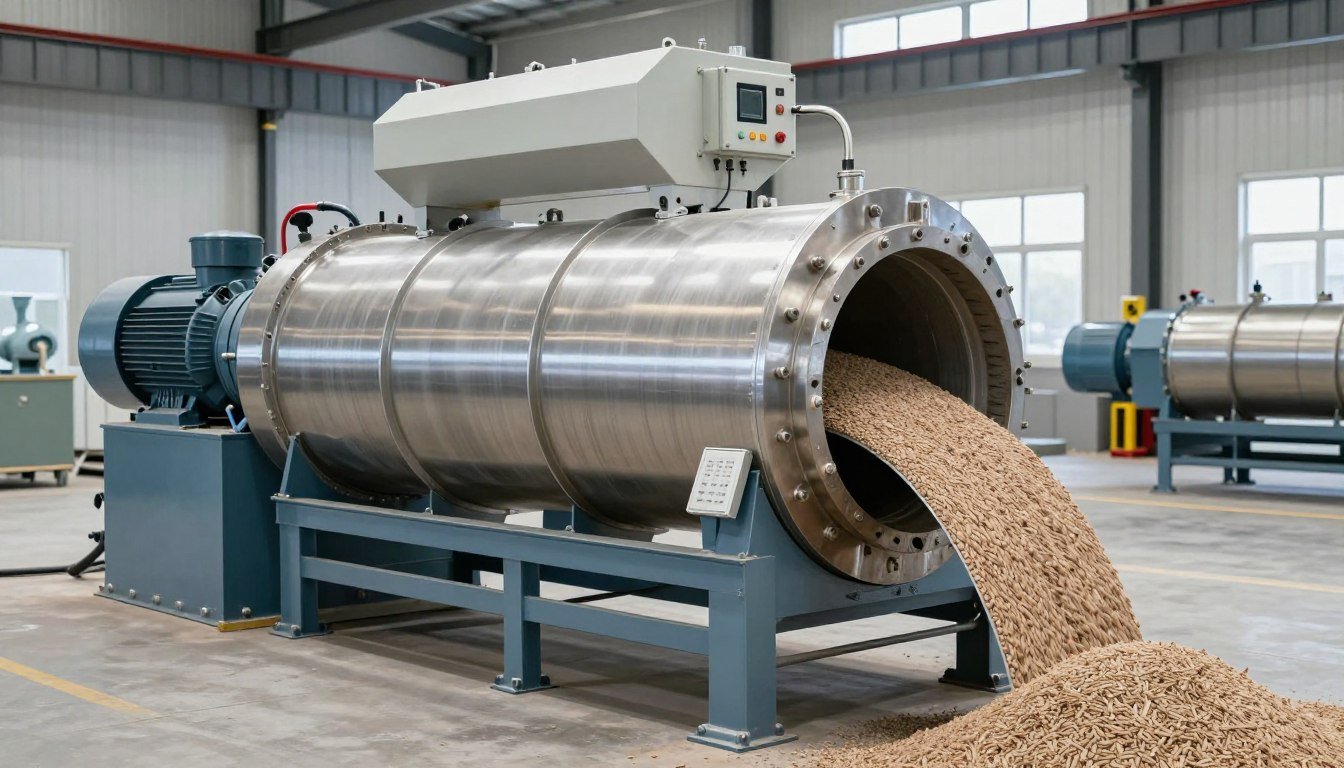
The pelleting stage represents 35-40% of total aqua fish feed production line price in a quality system. This is where you absolutely cannot compromise on quality. A robust fish feed pellet machine with proper conditioning produces water-stable pellets with 90%+ durability. Budget machines create soft pellets that disintegrate quickly, wasting expensive ingredients and polluting pond water.
For floating fish feed production, the system requires an extruder instead of a standard pellet mill. Extruders cost significantly more (₱1,200,000 to ₱3,500,000 depending on capacity) but create the expanded structure necessary for floating pellets. Many tilapia and bangus operations need both sinking fish feed for bottom feeders and floating pellets for surface feeders, requiring dual pelleting capability.
Cooling and Drying Stage
Fresh pellets exit the die at 75-85°C with 15-18% moisture content. In Philippine tropical conditions, bagging hot pellets leads to condensation inside bags, creating perfect conditions for mold growth. A proper cooling system is not optional—it is essential for product shelf life.
Complete cooling systems include:
- Counterflow cooler with controlled ambient air circulation
- Vibrating discharge system to separate fines from whole pellets
- Temperature sensors monitoring outfeed product
- Moisture content monitoring (target: 10-12% for storage stability)
A properly sized counterflow cooler for a 2-ton-per-hour line costs ₱320,000 to ₱480,000. This seems expensive until you calculate the value of preventing mold contamination. One batch of moldy feed can contaminate your entire storage area and destroy your reputation with fish farmers. The cooler pays for itself by preventing a single contamination incident.
Finished Product Handling and Packaging Stage
The final stage moves cooled pellets into bags for distribution. Manual bagging works for small operations but becomes a bottleneck as production grows. Automated systems improve speed, accuracy, and bag sealing quality.
Professional packaging systems include:
- Automated weighing and bagging machine (25kg or 50kg bag sizes)
- Bag sealing system (heat seal or sewing machine depending on bag type)
- Conveyor system for bag transport to storage
- Label applicator or date coding system
- Metal detector for final product quality assurance
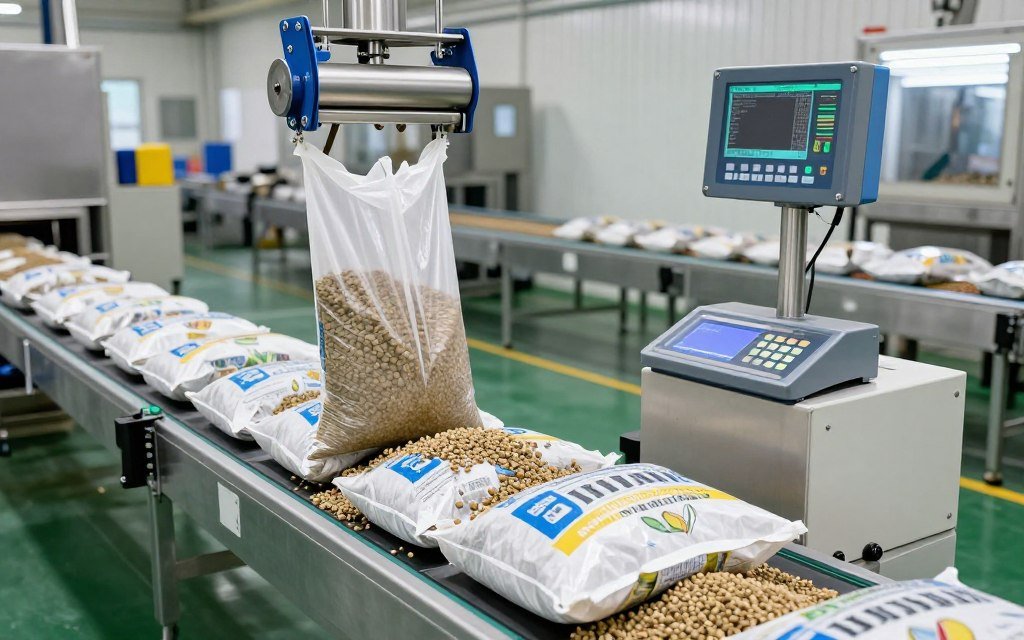
Packaging automation costs ₱380,000 to ₱680,000 for a system handling 8-12 bags per minute. Manual bagging typically achieves 3-4 bags per minute with two workers, creating production bottlenecks and inconsistent bag weights. Automated systems pay for themselves through labor savings and improved bag weight accuracy (reducing product giveaway).
Auxiliary Systems Often Overlooked in Budget Quotes
Beyond the main processing equipment, a complete feed pellet production line requires supporting systems that budget suppliers often omit from initial quotes:
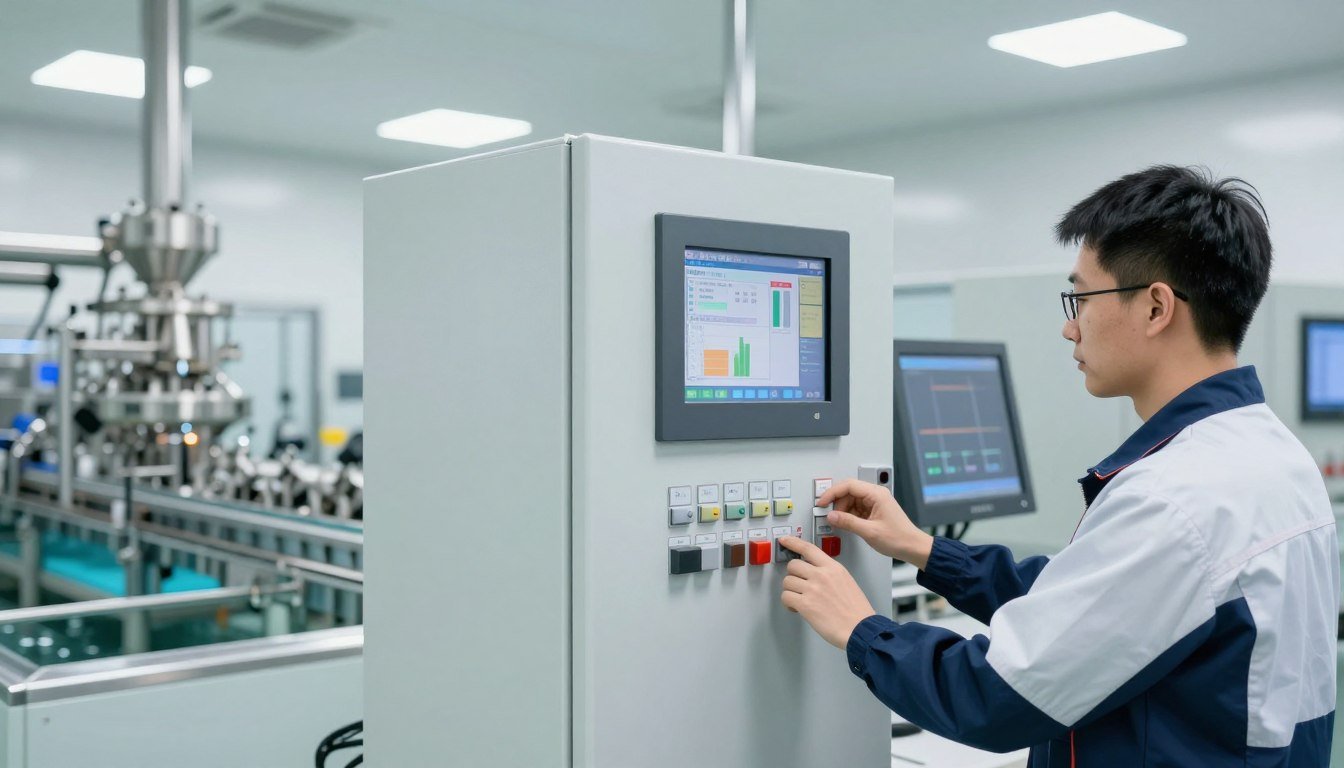
- Electrical control panel with PLC and touchscreen HMI (₱180,000-420,000)
- Compressed air system for pneumatic controls and bag inflation (₱85,000-150,000)
- Facility dust collection and ventilation system (₱220,000-480,000)
- Fire suppression system for dust explosion prevention (₱140,000-280,000)
- Emergency stop systems and safety interlocks (₱45,000-95,000)
These auxiliary systems add approximately ₱670,000 to ₱1,425,000 to a complete installation. Reputable suppliers like MAIKONG include these in comprehensive quotes. Budget suppliers omit them from initial pricing, then add them as “necessary extras” during installation, inflating your actual costs by 20-35% above the advertised price.
Production Capacity Ranges and Corresponding Price Brackets
The aqua fish feed production line price scales roughly proportionally with capacity, but not linearly. A 10-ton-per-hour line does not cost exactly ten times more than a 1-ton line. Economies of scale reduce per-ton-capacity costs as size increases, while small lines include proportionally higher control system and installation costs.
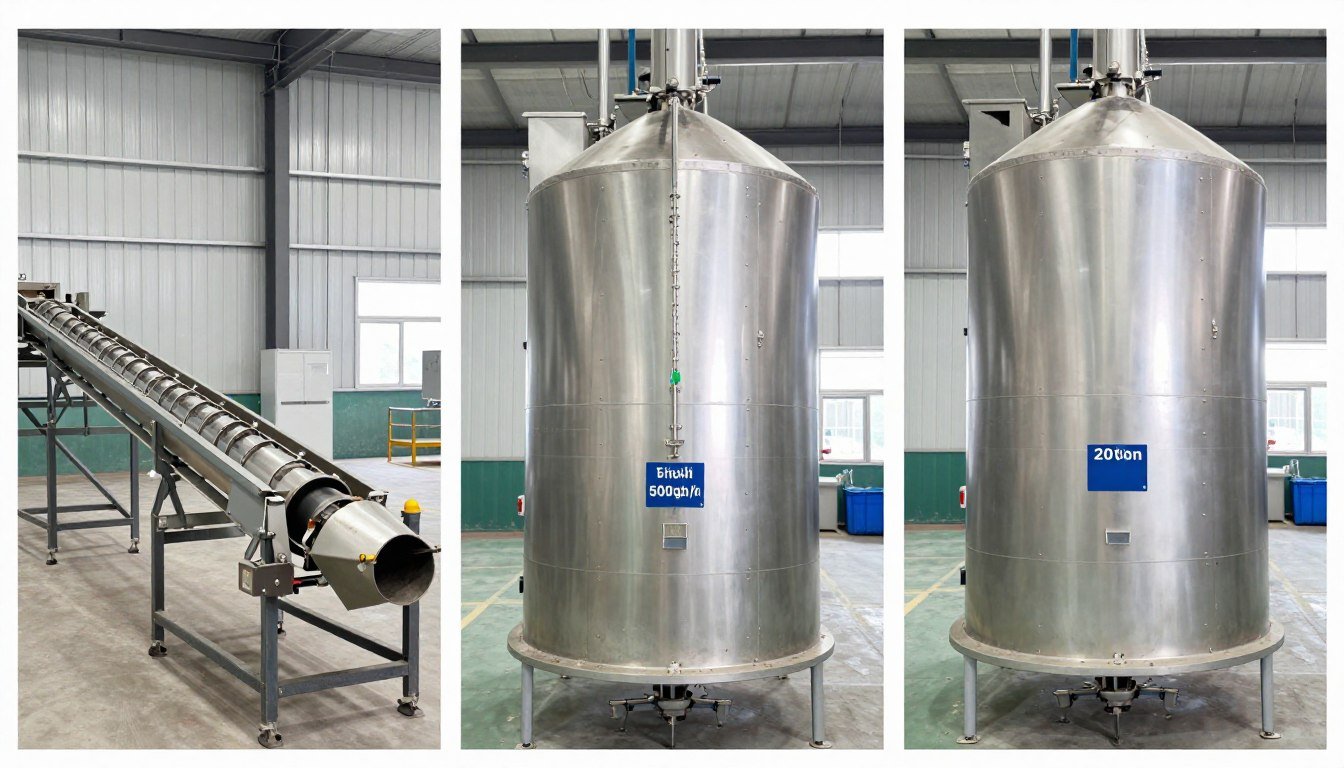
Small Scale Entry Lines: 200kg to 2 Tons Per Hour
Small-capacity systems serve single fish farms, small cooperatives, or businesses entering fish feed production to test market demand before expanding. These lines typically operate 8-12 hours daily, producing 1,500 to 20,000kg of feed per day.
| Capacity Range |
Daily Output (8hr) |
Equipment Configuration |
Typical Price Range |
Best For |
| 200-400 kg/hr |
1,600-3,200 kg |
Basic manual system, single mixer, small pellet mill |
₱850,000 – ₱1,400,000 |
Small fish farms, on-farm feed production |
| 500-800 kg/hr |
4,000-6,400 kg |
Semi-automated batching, improved grinding |
₱1,600,000 – ₱2,400,000 |
Small cooperatives, multi-farm supply |
| 1-2 tons/hr |
8,000-16,000 kg |
Automated controls, proper cooling system |
₱2,800,000 – ₱4,200,000 |
Small commercial operations, regional distribution |
At the 200-400kg/hour level, equipment tends to be more manual with individual machines operated separately. Ingredients are weighed manually, mixer is loaded by hand, and bagging is done with simple fill spouts. This labor-intensive approach works when labor costs are low and production volumes do not justify automation.
As you move toward the 1-2 ton per hour range, automated batching becomes essential. Manual weighing cannot keep pace with the pelleting capacity, creating production bottlenecks. Similarly, cooling becomes critical at higher volumes because holding large quantities of hot pellets for air cooling is impractical.
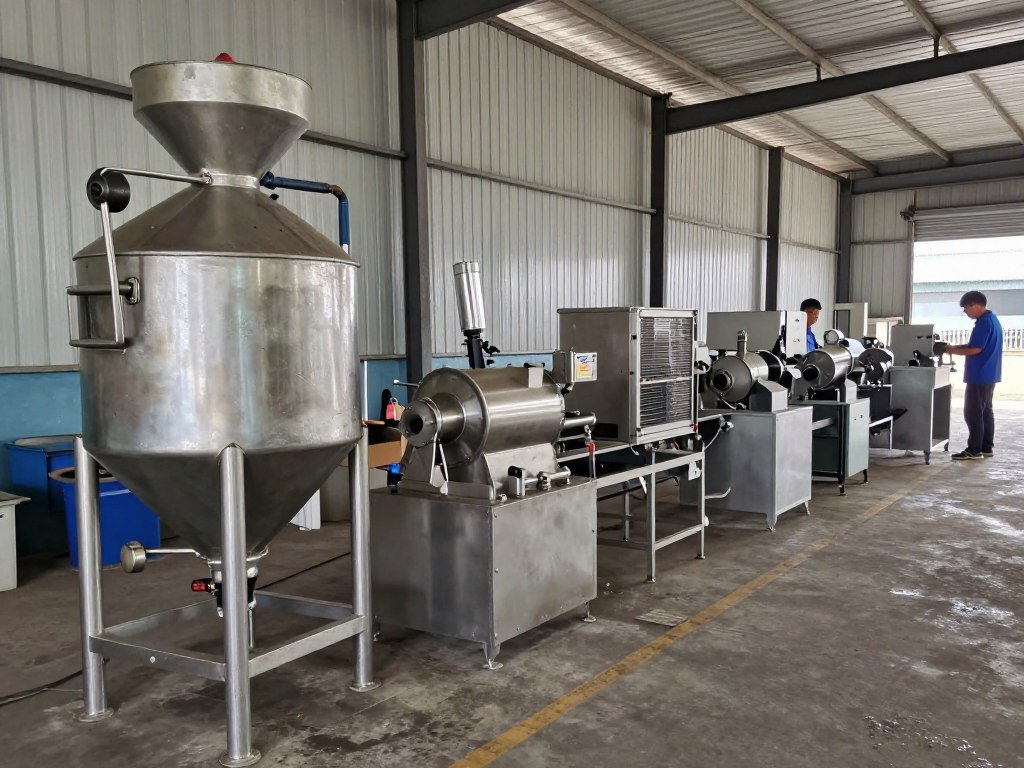
MAIKONG Model MK-001 small-scale line (500-800kg/hour) is specifically configured for Philippine fish farm operations. At ₱1,850,000 complete, it includes Philippine voltage adaptation (220V single phase and 380V three-phase compatible), tropical humidity electrical sealing, and locally serviceable components. This configuration produces high-quality sinking fish feed pellets for tilapia and catfish with excellent water stability.
Medium Scale Commercial Lines: 2 to 20 Tons Per Hour
Medium capacity represents the most common commercial feed production line installations in the Philippines. These systems serve commercial feed mills supplying multiple fish farms, integrated aquaculture operations with large pond acreage, or businesses producing both aquatic and livestock feeds.
| Capacity Range |
Daily Output (16hr) |
Equipment Configuration |
Typical Price Range |
Application |
| 2-5 tons/hr |
32-80 tons |
Fully automated PLC control, complete cooling |
₱4,500,000 – ₱7,200,000 |
Medium feed mills, integrated farms |
| 5-10 tons/hr |
80-160 tons |
Dual production lines, advanced automation |
₱8,500,000 – ₱13,500,000 |
Commercial feed mills, regional distributors |
| 10-20 tons/hr |
160-320 tons |
Multiple pellet mills, bulk handling systems |
₱15,000,000 – ₱24,000,000 |
Large feed mills, national distributors |
At the medium scale, automation becomes essential for economic operation. Manual systems require 8-12 workers per shift. Automated systems reduce this to 2-3 operators plus a supervisor. With labor costs in Metro Manila running ₱18,000-25,000 per worker monthly, automation pays for itself rapidly at this production volume.
Medium-scale lines also require substantial electrical infrastructure. A 5-ton-per-hour line draws approximately 180-240kW during operation. Philippine power supply often requires backup generation in provincial areas where brownouts are common. Budget an additional ₱1,200,000-2,400,000 for a properly sized diesel generator if your location experiences frequent power interruptions.
Large Scale Industrial Lines: 20 to 200 Tons Per Hour
Large-scale systems represent major industrial investments serving provincial or national feed markets. These installations typically include multiple complete lines, extensive raw material storage, automated ingredient micro-dosing systems, and sophisticated quality control laboratories.
| Capacity Range |
Daily Output (20hr) |
Equipment Configuration |
Investment Range |
Typical Investors |
| 20-50 tons/hr |
400-1,000 tons |
Multiple parallel lines, bulk receiving, advanced QC |
₱28,000,000 – ₱55,000,000 |
Major feed corporations, agricultural conglomerates |
| 50-100 tons/hr |
1,000-2,000 tons |
Fully integrated plant, computer recipe control |
₱65,000,000 – ₱110,000,000 |
Integrated aquaculture operations, export producers |
| 100-200 tons/hr |
2,000-4,000 tons |
Multiple specialized lines, rail/truck logistics |
₱120,000,000 – ₱180,000,000 |
National feed companies, government projects |
Large-scale projects involve extensive civil works beyond just equipment costs. Foundation requirements for heavy machinery, specialized buildings for dust control and fire safety, truck scales and loading systems, and wastewater treatment for equipment cleaning all add substantial costs to the base equipment price.
At this scale, aqua fish feed production line price discussions shift from equipment lists to total project financing. Banks and development institutions often provide project finance for large feed mill investments due to their critical role in food security. MAIKONG works with Philippine development banks to structure financing packages for qualified large-scale projects.
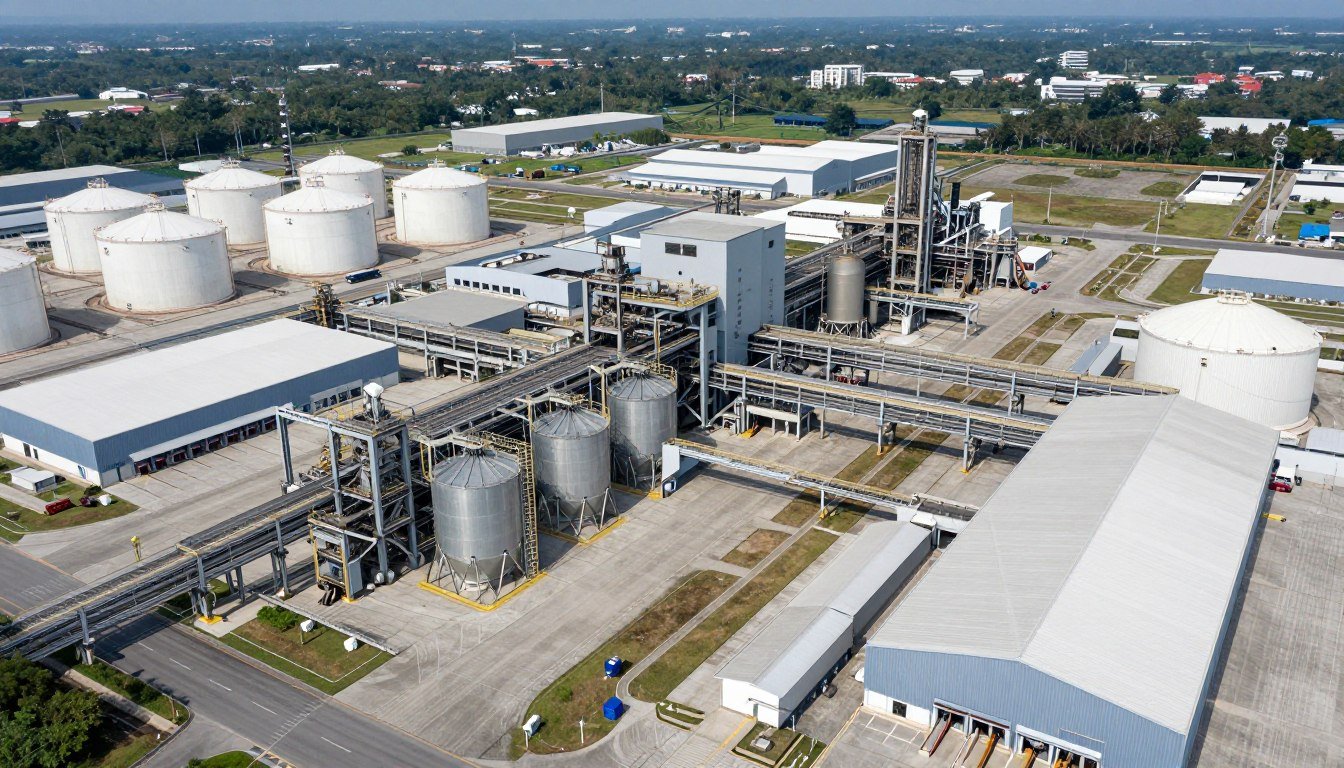
Capacity Selection Guidelines for Philippine Market
Choosing the right capacity avoids both over-investment (paying for unused capacity) and under-capacity (running 24-hour schedules to meet demand). Here are practical guidelines based on Philippine aquaculture market conditions:
- Small Scale (200kg-2T/hr): Suitable for farms with 5-15 hectares fish pond area, or serving 50-200 hectares of distributed farms within 30km radius
- Medium Scale (2-20T/hr): Appropriate for commercial distribution covering 200-1,500 hectares production area, or integrated operations with 20-100 hectares owned ponds
- Large Scale (20-200T/hr): Required for provincial or regional distribution networks, export production, or government food security programs
A common mistake is selecting capacity based solely on current demand. Philippine aquaculture is growing rapidly. A line sized just for today’s volume will be inadequate within 18-24 months as your business grows. Industry best practice is selecting capacity 30-50% above current requirements to accommodate 3-5 years of growth without major equipment upgrades.
See Your Complete Cost Breakdown – No Hidden Fees
MAIKONG provides transparent itemized quotations showing equipment costs, Philippine adaptations, shipping, installation, and commissioning. Over 500 Philippine businesses chose our clear pricing approach over competitors’ misleading “base price” quotes.
Raw Material Requirements That Impact Production Line Configuration and Cost
The raw materials you plan to process significantly affect equipment selection and final aqua fish feed production line price. A line designed for grain-based poultry feed will struggle with fish feed ingredients like fishmeal, shrimp head meal, and seaweed. Philippine fish feed formulations use locally available ingredients that present specific processing challenges.
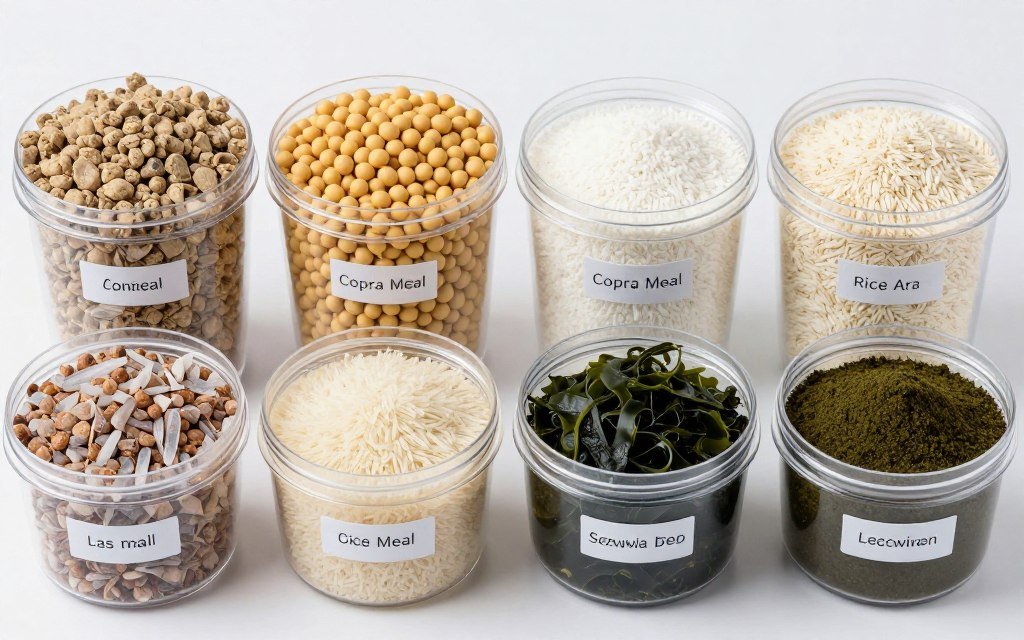
Common Philippine Aqua Feed Ingredients and Processing Requirements
Philippine fish feed production typically uses a base formula of 30-40% protein sources, 30-40% carbohydrate/energy sources, 5-10% fats/oils, and 5-10% vitamin/mineral premix. The specific ingredients available locally determine equipment requirements.
Protein Sources and Grinding Challenges
Fish meal remains the primary protein source for quality aqua feeds. Philippine fish meal from sardines, anchovies, and processing waste contains bone fragments and scales that are extremely abrasive to grinding equipment. Cheap hammer mills using standard carbon steel hammers wear out in weeks. Professional equipment uses high-chrome alloy or tungsten carbide-tipped hammers that last 10-20 times longer.
- Fishmeal: Requires high-speed hammer mill (3,000-3,600 RPM) with fine screens (2mm or less), abrasive to equipment, dust generation is significant
- Soybean meal: Relatively easy to grind but generates heat during processing that can damage amino acids, requires forced cooling
- Copra meal (coconut): High oil content causes caking in equipment, requires de-oiling or specialized mixers, widely available in Philippines at low cost
- Shrimp head meal: Excellent protein source for aquatic feeds, very abrasive, high chitin content requires extra conditioning time
- Squid meal: Premium protein for marine fish feeds, expensive, sticky characteristics require anti-caking agents
A fish feed mill focused on high-fishmeal formulations (40%+ fishmeal content) requires approximately 20-30% higher investment in grinding equipment compared to grain-based feeds. The abrasion resistance and dust control features necessary for fishmeal processing add substantial cost but are absolutely required for reliable operation.
Equipment Upgrades for Abrasive Ingredients
Processing fishmeal and shrimp meal requires specific equipment upgrades that increase the aqua fish feed production line price by approximately ₱280,000 to ₱520,000 for a medium-scale system:
- High-chrome alloy hammers and screens (₱85,000-140,000)
- Enhanced dust collection system (₱120,000-180,000)
- Wear-resistant pelleting die coating (₱75,000-120,000)
- Stainless steel construction on high-wear components
Carbohydrate and Energy Sources
Starch sources provide the binding properties that hold pellets together. Philippine operations typically use broken rice, cassava flour, wheat flour, or corn meal. Each has different gelatinization temperatures and moisture requirements affecting conditioning parameters.
- Broken rice: Excellent binder, widely available in Philippines, requires grinding to fine powder for maximum binding effectiveness
- Cassava flour: Good starch source, economical, requires higher conditioning temperature (85-90°C) for gelatinization
- Wheat flour: Premium binder with excellent gluten for pellet integrity, more expensive, often imported
- Corn meal: Common in livestock feeds, moderate binding properties, economical in corn-growing regions
- Rice bran: By-product from rice milling, high in oil, economical but creates soft pellets without proper conditioning
The conditioning system must be designed for the specific starch characteristics of your carbohydrate source. Wheat-based formulas condition well at 75-80°C. Cassava requires 85-90°C. If your line cannot reach adequate conditioning temperature, pellets will be soft and water-unstable regardless of formulation quality.
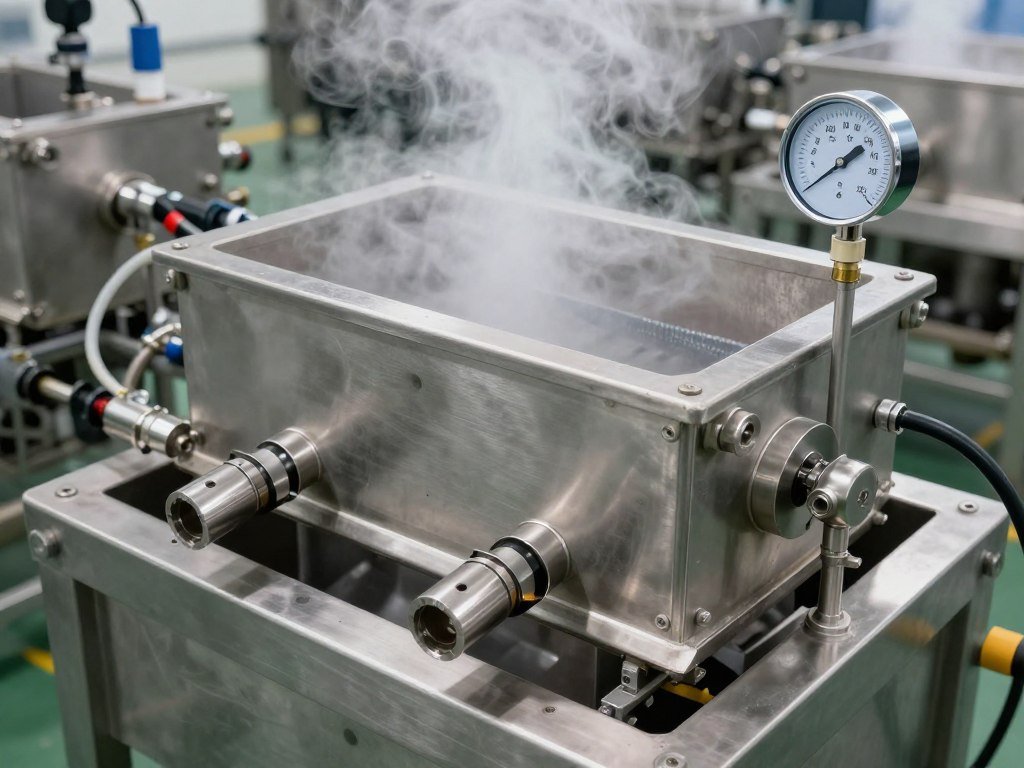
Fats and Oils Addition Systems
Fish oil and coconut oil improve palatability and provide essential omega-3 fatty acids for aquatic species. However, oil addition creates processing challenges. Too much oil makes pellets slippery and difficult to cool. Oil added before pelleting reduces die throughput. Oil added after pelleting requires specialized coating equipment.
Professional aqua feed production line installations include liquid addition systems:
- Pre-pelleting oil addition (2-4% by weight) mixed during batching stage
- Post-pelleting vacuum coating system (additional 3-6% oil) applied after cooling
- Temperature-controlled oil storage and pumping systems
Post-pelleting oil coating equipment adds ₱450,000 to ₱850,000 to the line cost but enables higher oil inclusion rates (up to 10% total) without affecting pellet mill performance. This is essential for marine fish feeds and high-energy grow-out formulations.
Formulation Flexibility and Equipment Investment
Many Philippine feed operations want to produce multiple feed types from the same production line. A tilapia grower might produce starter crumbles (0.5-1.5mm), grower pellets (2-3mm), and finisher pellets (4-6mm) from one facility. Achieving this flexibility requires specific equipment features:
- Multiple interchangeable die sets with different hole diameters
- Variable conditioning time and temperature control
- Adjustable grinding screen sets for different particle sizes
- Crumbler system to break pellets into smaller particles for starter feeds
A truly flexible feed pellet production line costs approximately 25-35% more than a single-recipe dedicated system. However, this flexibility allows you to serve multiple market segments and adjust formulations based on ingredient availability and pricing. For most commercial operations, the flexibility investment is highly worthwhile.
Moisture Management in Tropical Philippine Conditions
Philippine humidity creates unique challenges for fish feed production. Ingredients arrive with moisture content of 12-14%. During processing, steam conditioning adds moisture. Finished pellets must be dried back to 10-12% moisture for storage stability. All this happens in an environment where ambient humidity routinely exceeds 75-85%.
Proper moisture management requires:
- Climate-controlled raw material storage (dehumidification systems)
- Extended cooling time (Philippine ambient air is warm and humid, reducing cooling efficiency)
- Oversized cooler capacity (30-40% larger than temperate climate recommendations)
- Sealed finished product storage to prevent moisture reabsorption
- Oxygen absorber packets or vacuum packaging for long-term storage
These Philippine-specific moisture control features add approximately ₱350,000 to ₱680,000 to a complete medium-scale line installation. Suppliers offering “standard” imported equipment without tropical adaptation are setting you up for quality problems and mold contamination issues within months of operation.
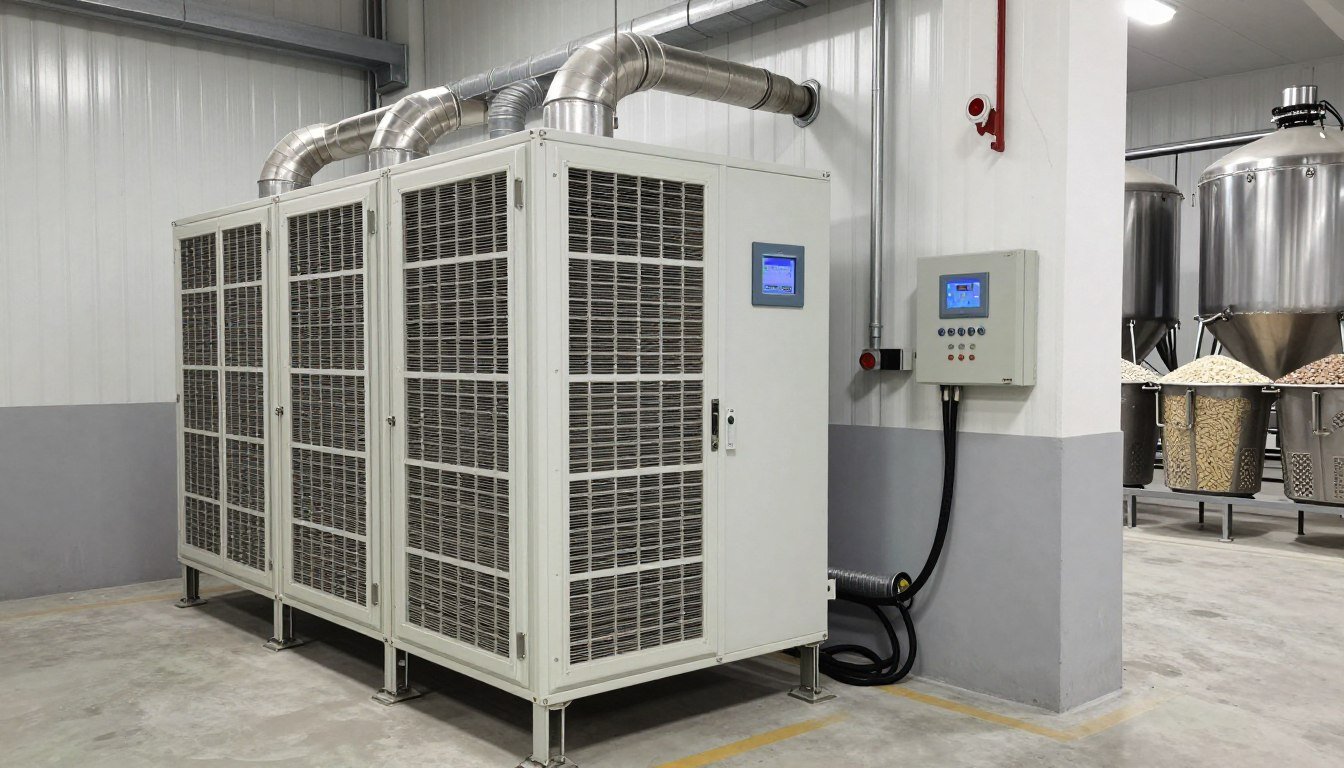
Philippine Voltage, Shipping, and Installation Factors Affecting Total Investment
The equipment price is only part of your total project cost. Getting a fish feed production line from the factory to full operation in your Philippine facility involves voltage adaptation, international shipping, customs clearance, installation, and commissioning. These costs can add 25-40% to the base equipment price depending on your location and site conditions.
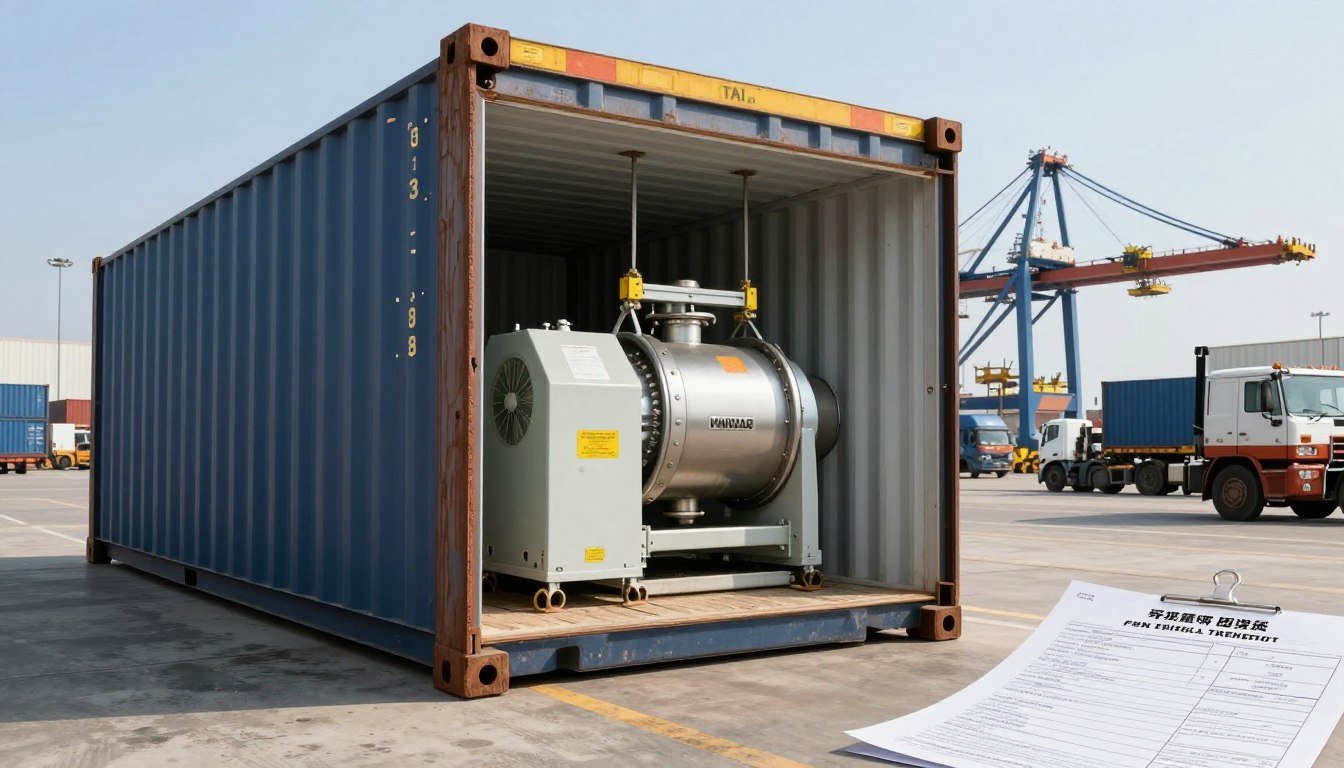
Philippine Electrical System Compatibility Requirements
Philippine electrical standards differ from the Chinese 380V three-phase systems that most imported equipment uses as standard. Proper voltage adaptation is not optional—it is required for safe and reliable operation.
Voltage Configurations Across Philippines
The Philippines uses 220V single-phase for residential and small commercial, and 220V/380V or 440V three-phase for industrial applications. However, the specific voltage available at your site depends on your location and electrical service type.
| Location Type |
Available Voltage |
Typical Power Quality |
Recommended Solution |
| Metro Manila Industrial Zone |
440V three-phase |
Good, ±5% variation |
Direct connection with voltage regulator |
| Provincial City Commercial |
380V three-phase |
Fair, ±10% variation, occasional brownouts |
Automatic voltage regulator (AVR) required |
| Rural Agricultural Area |
220V single-phase or 220V three-phase |
Poor, ±15% variation, frequent outages |
Transformer + AVR + backup generator |
| Remote Island Location |
Variable, often generator-based |
Very poor, unstable frequency |
Dedicated generator with frequency stabilizer |
A small-scale fish feed pellet machine system (500kg-1T/hour) typically requires 30-60kW total connected power. This can run on 220V three-phase in most locations with proper wiring. Medium scale (2-10T/hour) requires 100-300kW and needs 380V or 440V three-phase industrial service. Large scale (20T+/hour) requires dedicated substation and power company coordination.
Voltage Adaptation Costs and Options
Adapting imported equipment to Philippine voltage involves three main approaches, each with different costs and suitability:
- Motor Rewinding: Physically rewinding electric motors for Philippine voltage (₱8,000-18,000 per motor), lowest cost but voids original motor warranties, acceptable for budget projects
- Transformer Installation: Step-up/step-down transformers convert voltage (₱45,000-150,000 depending on kVA rating), reliable solution, adds energy losses, requires space and maintenance
- Motor Replacement: Replace all motors with Philippine-voltage models (₱12,000-35,000 per motor), best solution but most expensive, maintains original warranties, recommended for quality installations
MAIKONG manufactures equipment specifically for Philippine market with correct voltage motors as standard. This eliminates voltage adaptation costs and complications. When we install a line, every motor is designed for your specific site voltage from the factory. No transformers cluttering your facility. No rewound motors with uncertain reliability. Just clean power connections and reliable operation.
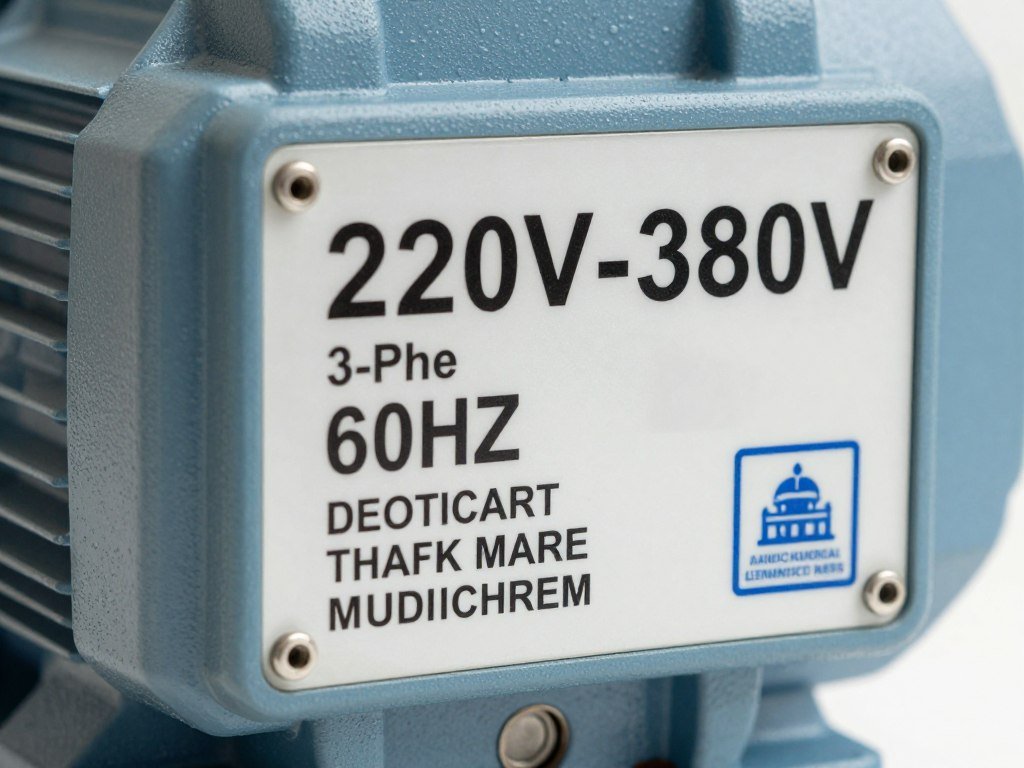
Shipping and Logistics From Factory to Your Site
Getting equipment from the manufacturer to your Philippine location involves ocean freight, port charges, customs clearance, and inland transportation. Each step adds costs and potential delays that must be planned for.
International Ocean Freight Costs
Most fish feed production equipment ships from China ports (Guangzhou, Shenzhen) to Philippine ports (Manila, Cebu, Davao). Shipping costs depend on equipment volume (cubic meters) and weight, not just the purchase price.
| Line Capacity |
Approximate Shipping Volume |
Typical Freight Cost to Manila |
Transit Time |
| 500kg-1T/hour |
1-2 twenty-foot containers |
₱180,000 – ₱280,000 |
7-12 days |
| 2-5T/hour |
2-4 twenty-foot containers |
₱350,000 – ₱550,000 |
7-12 days |
| 5-10T/hour |
4-7 forty-foot containers |
₱680,000 – ₱950,000 |
7-12 days |
| 10-20T/hour |
8-15 containers or bulk cargo |
₱1,200,000 – ₱2,100,000 |
10-15 days |
Shipping to provincial ports (Cebu, Davao, Iloilo) adds 2-4 days transit and approximately 15-25% cost premium compared to Manila direct shipping. However, this may still be more economical than Manila port clearance plus long-distance trucking to distant provinces.
Customs Duties and Import Taxes
Philippine customs duties on feed production machinery typically fall under ASEAN trade agreement preferential rates for equipment imported from China. Current rates are approximately 0-3% for most equipment components, plus 12% VAT on total landed cost.
Total customs and port costs typically amount to 15-20% of CIF (Cost, Insurance, Freight) value:
- Customs duties: 0-3% on FOB value
- VAT: 12% on (FOB + Freight + Insurance + Duties)
- Brokerage fees: ₱25,000-80,000 depending on shipment size
- Port handling charges: ₱15,000-45,000
- Documentation and processing: ₱8,000-20,000
Working with an experienced customs broker is essential. MAIKONG assists Philippine customers with customs documentation and works with reliable licensed brokers to minimize clearance time and costs. Expect 5-10 business days for customs clearance in Manila, longer in provincial ports.
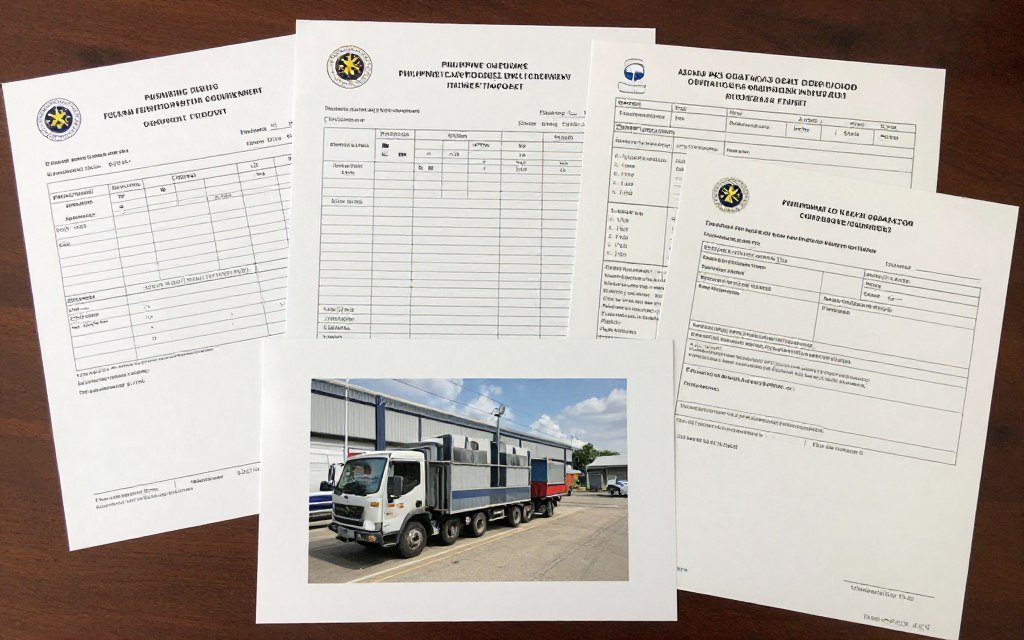
Inland Transportation to Your Facility
After port clearance, equipment must reach your production site. Heavy machinery requires specialized hauling, particularly for large components like silos, mixers, and coolers that may exceed standard truck dimensions.
Transportation Cost Factors
- Distance from port: Base trucking rates approximately ₱45-65 per kilometer for full truckload, with minimum charges
- Road conditions: Poor roads require slower speeds and may limit load sizes, increasing costs 25-50%
- Permits for oversized loads: Large equipment requires special permits and police escort (₱15,000-45,000 per load)
- Multiple trips: Complete lines rarely fit in one truck; budget for 2-5 truckloads depending on capacity
Example transportation costs from Manila port to common provincial locations:
| Destination |
Distance |
Road Quality |
Small Line (1-2 trucks) |
Medium Line (3-5 trucks) |
| Batangas |
110 km |
Good |
₱18,000-28,000 |
₱55,000-85,000 |
| Pampanga |
85 km |
Excellent |
₱15,000-22,000 |
₱45,000-68,000 |
| Pangasinan |
240 km |
Good |
₱35,000-48,000 |
₱95,000-145,000 |
| Iloilo (via Cebu port) |
95 km from port |
Fair-Good |
₱22,000-32,000 |
₱65,000-95,000 |
| Davao region |
120 km from port |
Fair |
₱25,000-38,000 |
₱75,000-110,000 |
Installation and Commissioning Services
Equipment delivery to site is not the end of the investment. Proper installation by experienced technicians is critical for safe operation and equipment longevity. Budget installations skip critical steps that lead to vibration problems, premature wear, and safety hazards.
Professional Installation Scope of Work
Complete installation includes foundation work, equipment positioning and alignment, utility connections, and system integration:
- Foundation preparation: Concrete pads with vibration isolation for rotating equipment, anchor bolt installation, floor drainage
- Equipment positioning: Rigging and setting heavy machinery, precision alignment of coupled components
- Electrical connections: Power distribution to all motors, control panel wiring, grounding systems, safety interlocks
- Pneumatic/hydraulic systems: Compressed air lines, lubrication systems, dust collection ducting
- System testing: Individual component testing, integrated system operation, adjustments and calibration
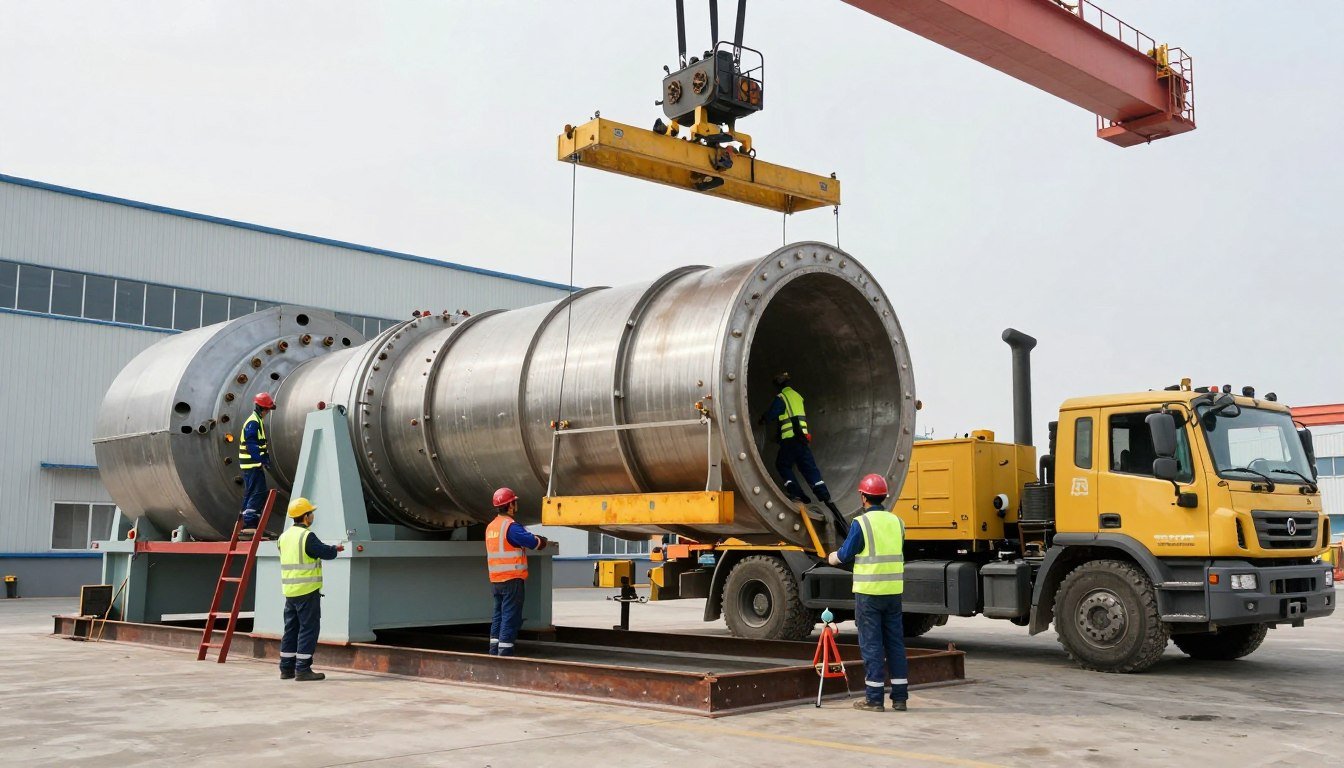
Installation time ranges from 10-15 days for small lines to 45-60 days for large complex systems. Installation costs typically run 8-15% of equipment value:
| Line Capacity |
Installation Duration |
Installation Cost Range |
Commissioning Period |
| 500kg-2T/hour |
10-15 days |
₱120,000 – ₱280,000 |
3-5 days |
| 2-5T/hour |
15-25 days |
₱350,000 – ₱650,000 |
5-7 days |
| 5-10T/hour |
25-35 days |
₱680,000 – ₱1,200,000 |
7-10 days |
| 10-20T/hour |
35-60 days |
₱1,500,000 – ₱2,800,000 |
10-15 days |
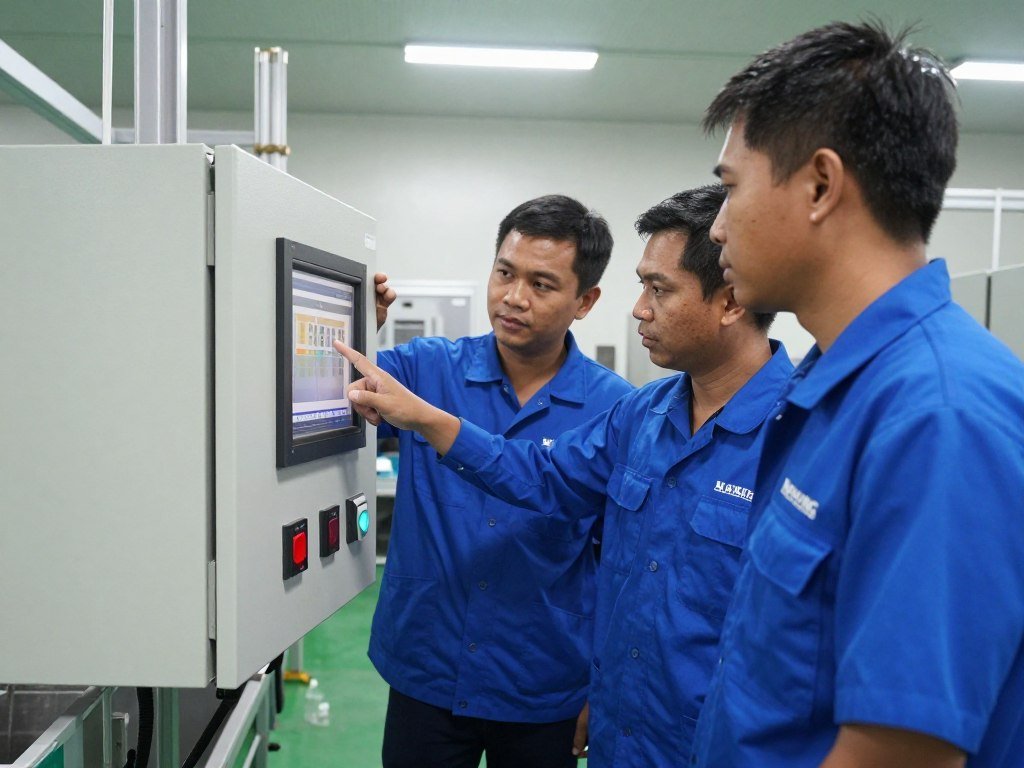
Operator Training and Initial Production Support
Equipment operation requires trained personnel. Attempting to run a feed pellet production line without proper training leads to operating mistakes, quality problems, and potential safety incidents.
Comprehensive training includes:
- Equipment operation procedures for each station
- Startup and shutdown sequences
- Recipe programming and batch control
- Quality testing and adjustment procedures
- Routine maintenance tasks and schedules
- Troubleshooting common problems
- Safety protocols and emergency procedures
MAIKONG provides 7-14 days onsite training as part of installation service. Our technicians work alongside your operators during initial production runs to ensure they fully understand all systems. This training period is included in the installation cost, not charged separately.
Get Philippine Installation & Shipping Quote
MAIKONG provides complete door-to-door pricing including voltage adaptation, Philippine shipping, customs handling, professional installation, and operator training. One price covers everything to operational status.
Key Factors That Determine Your Actual Aqua Fish Feed Production Line Price
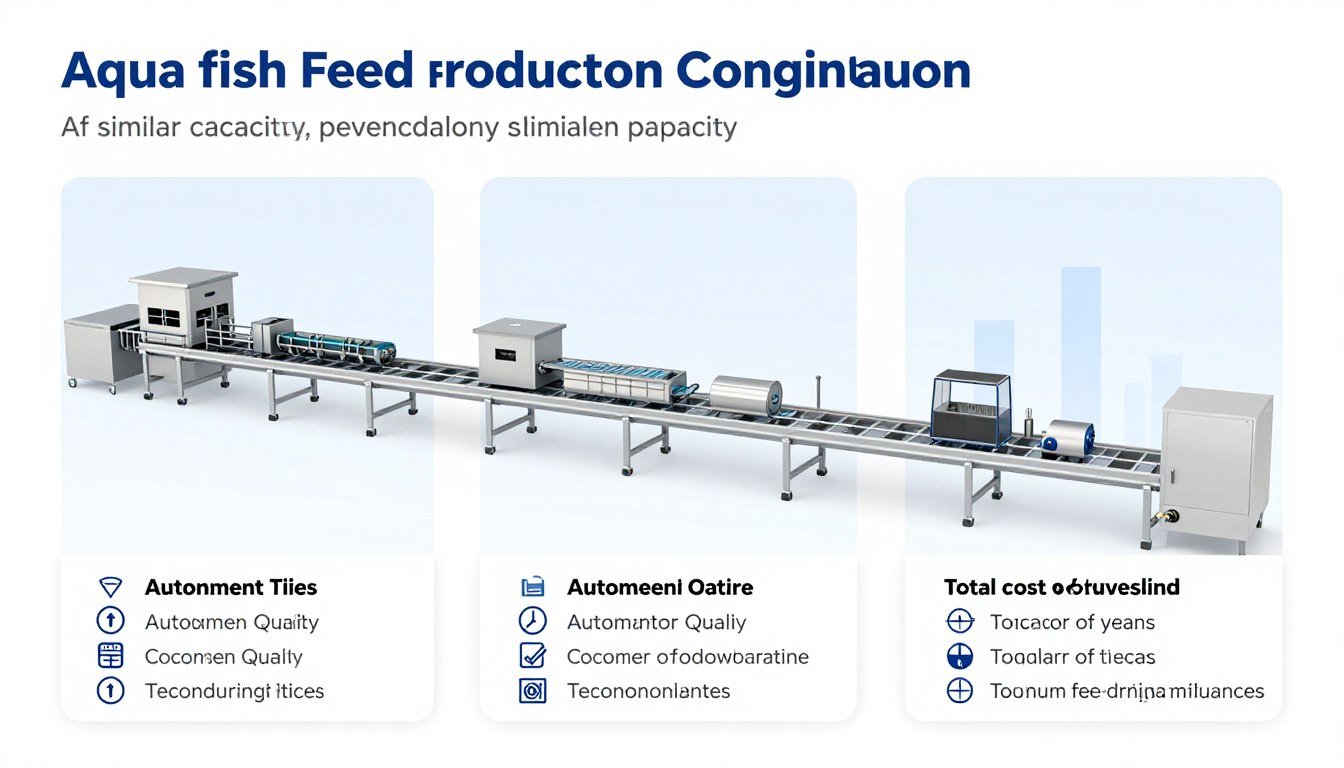
Two businesses ordering similar capacity aqua fish feed production line systems can receive quotes differing by ₱1,000,000 or more. The price variation reflects real differences in equipment quality, automation features, and long-term operating economics. Understanding these factors helps you evaluate quotes accurately instead of simply choosing the lowest number.
Equipment Quality Grade Dramatically Affects Initial and Long-Term Costs
Production equipment comes in distinct quality tiers. The differences are not superficial brand positioning; they reflect fundamental engineering and material choices affecting reliability and lifespan.
Entry-Level Equipment Characteristics
Budget fish feed production equipment uses cost-minimized designs and materials:
- Standard carbon steel construction throughout (prone to corrosion in humid Philippines)
- Generic motors without brand warranty or service support
- Simple on/off controls with no process optimization capabilities
- Manual adjustments for all settings (recipe changes require mechanical modifications)
- Basic dies and rollers with short service life
- Minimal safety features and environmental controls
Initial cost is 30-45% lower than professional-grade equipment. However, operating costs are substantially higher. Typical entry-level line experiences 15-25% downtime in first year, requires major component replacement within 18 months, and produces inconsistent pellet quality affecting customer satisfaction.
Professional-Grade Equipment Characteristics
Professional feed pellet production line equipment uses proven industrial-grade components:
- Stainless steel construction on all food-contact and high-moisture areas
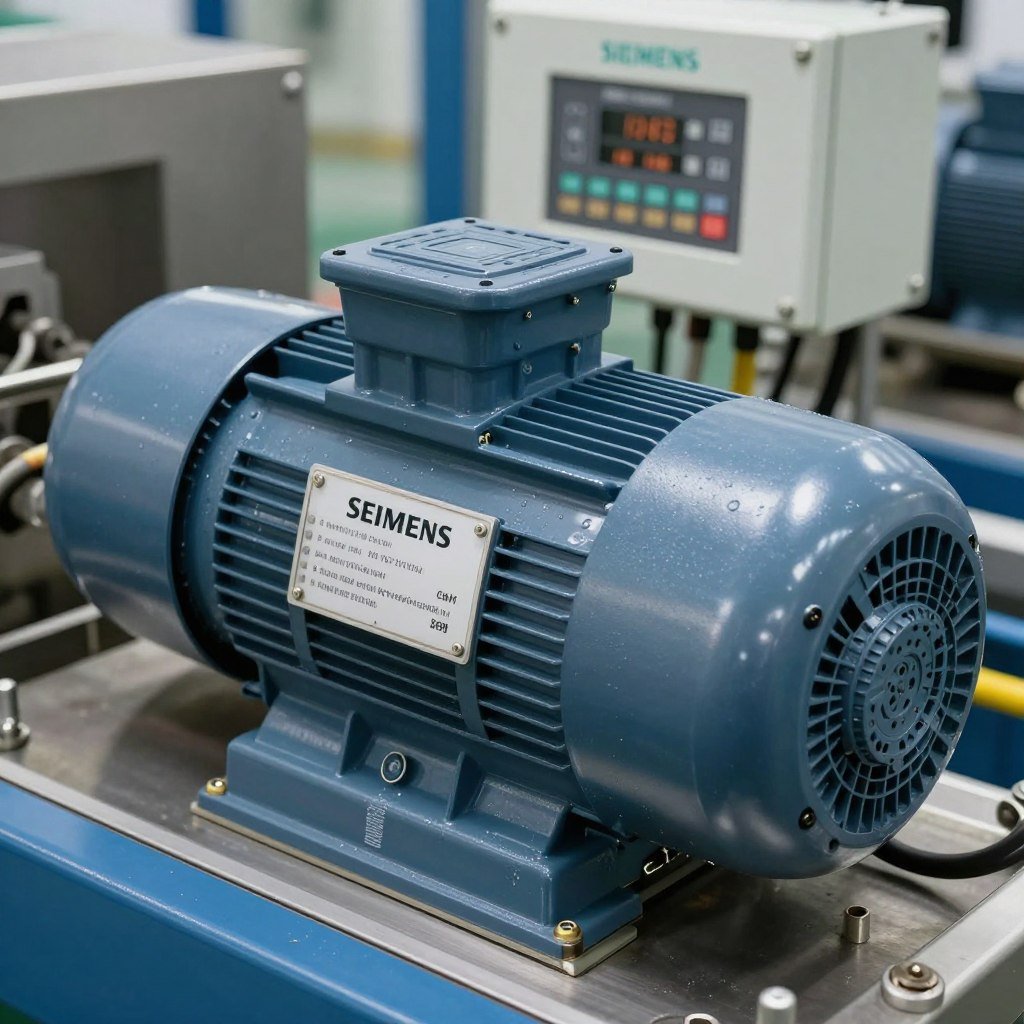
- Branded motors from Siemens, ABB, or equivalent with factory support
- PLC-based automation with recipe memory and process control
- Variable frequency drives allowing speed and load optimization
- Hardened alloy steel dies and rollers engineered for extended life
- Comprehensive safety systems and environmental compliance features
Initial cost premium of 30-45% over entry-level. Operating costs are dramatically lower with typical 96-98% uptime, 3-5 year component life, and consistent quality output. Five-year total cost of ownership is typically 25-40% lower than entry-level equipment despite higher purchase price.
Premium Industrial Equipment Characteristics
Top-tier systems incorporate the latest automation and efficiency technologies:
- Complete stainless steel construction meeting pharmaceutical GMP standards
- Servo-driven systems for precise control of all functions
- Integrated quality monitoring with real-time adjustments
- Predictive maintenance systems monitoring wear and performance
- Advanced die materials and coatings maximizing service intervals
- Full environmental control maintaining optimal processing conditions
Premium systems cost 60-90% more than professional-grade equipment initially. They are specified for critical applications where consistent quality is paramount, such as pharmaceutical-grade pet food, export products under strict specifications, or very large-scale operations where downtime costs are extreme.
For most Philippine aqua fish feed production line applications, professional-grade equipment represents the optimal balance of initial investment, operating costs, and product quality. MAIKONG manufactures in the professional grade category, providing industrial reliability without premium pricing for features that most feed operations do not require.
Automation Level Trade-offs Between Investment and Operating Costs
Automation reduces labor requirements, improves consistency, and enables quality monitoring. However, automated systems cost more initially and require more sophisticated maintenance. The right automation level depends on your production scale and labor cost environment.
| Automation Level |
Control Method |
Cost Premium |
Labor Requirement |
Best Application |
| Manual Control |
Operator starts/stops each machine individually, watches process, adjusts manually |
Baseline |
4-6 workers per shift |
Small farm operations, low volumes, low labor costs |
| Semi-Automated |
Central control panel, automatic sequencing, manual batching and bagging |
+25-35% |
2-3 workers per shift |
Small-medium commercial operations |
| Fully Automated |
PLC control with touchscreen, automatic batching, integrated packaging |
+60-85% |
1 supervisor per shift |
Medium-large commercial operations, multi-shift production |
| Advanced Automated |
Full SCADA system, quality monitoring, predictive control, remote monitoring |
+100-140% |
1 supervisor, minimal intervention |
Large industrial operations, export producers, 24/7 operation |
For Philippine operations, semi-automated or fully automated systems usually provide the best return on investment at capacities above 1-2 tons per hour. Labor costs in industrial areas make automation economically attractive. In very rural locations with abundant low-cost labor, semi-automated systems may be more appropriate.
Capacity Oversizing Strategy Balances Investment Against Future Growth
A critical decision affecting aqua fish feed production line price is whether to size equipment exactly for current demand or build in growth capacity. The traditional approach suggests sizing for current needs plus 30-50% growth margin. However, Philippine market dynamics often justify more aggressive capacity planning.
Factors Favoring Conservative Sizing (Current Demand + 30%)
- Capital constraints limit investment ability
- Market demand is uncertain or seasonal
- Testing market response before full commitment
- Site constraints limit expansion possibilities
Factors Favoring Aggressive Sizing (Current Demand + 50-100%)
- Confirmed contracts or letters of intent from major customers
- Growing market with limited competition
- Lower per-ton equipment cost at larger scale
- Difficulty adding capacity later (permitting, site constraints)
- Competitive advantage from being able to serve large orders
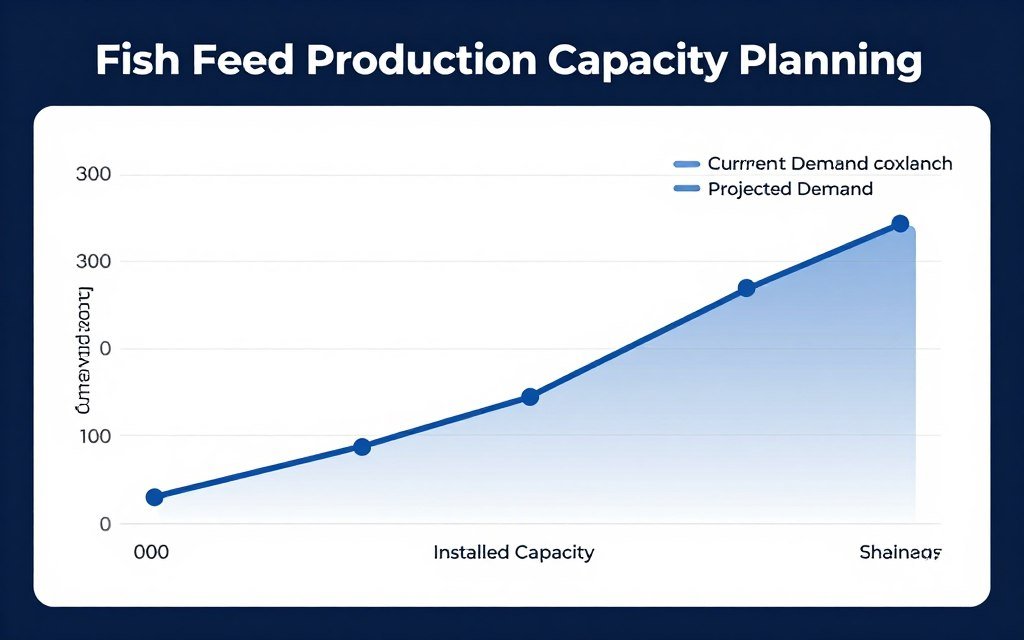
Philippine aquaculture is growing rapidly, typically 8-12% annually in most regions. A line sized exactly for today’s 3 tons per day demand will be inadequate within 2-3 years. Adding capacity later requires either purchasing additional equipment (expensive) or running extended hours (increasing labor and energy costs). Most commercial operations benefit from sizing 40-60% above current demand.
Component Brand Choices Impact Price and Service Availability
Production line assembly involves components from multiple suppliers. Motors, control systems, sensors, and specialized parts come from different manufacturers. Brand choices affect both initial price and long-term service availability.
Critical Component Categories
- Motors and Drives: Siemens, ABB, and Schneider brands cost 30-50% more than generic Chinese motors but offer warranty support, spare parts availability, and service centers in Philippines
- Control Systems: Siemens or Allen-Bradley PLCs cost 40-60% more than Chinese PLC brands but provide better reliability and local programming support
- Sensors and Instruments: European brands (Endress+Hauser, SICK, Pepperl+Fuchs) provide better accuracy and durability in harsh feed mill environments
- Bearings and Mechanical Components: NSK, SKF, and Timken brands significantly outlast generic bearings in continuous-operation applications
A complete line using premium global brands costs approximately 18-25% more than equivalent capacity using Chinese components throughout. The premium pays for reduced downtime, longer service intervals, and the ability to source replacement parts locally rather than waiting for China shipments.
MAIKONG uses a hybrid approach: European branded motors, drives, and control systems where reliability and service matter most, combined with proven Chinese brands for structural and mechanical components where performance is equivalent at lower cost. This strategy provides excellent reliability at competitive pricing.
Service and Parts Availability Considerations
Component brand choices affect your ability to maintain the line over 10-15 year operational life. Key considerations:
- Can replacement parts be sourced locally or require import waiting?
- Are service technicians available in Philippines or only in China?
- Will the brand still manufacture compatible parts in 5-10 years?
- Can local electricians and mechanics service the components or require factory training?
Philippine-Specific Adaptations Add Necessary Value
Standard export equipment works adequately in China or Vietnam but struggles in Philippine conditions without specific adaptations. These modifications cost money but prevent expensive problems.
Essential Philippine Adaptations
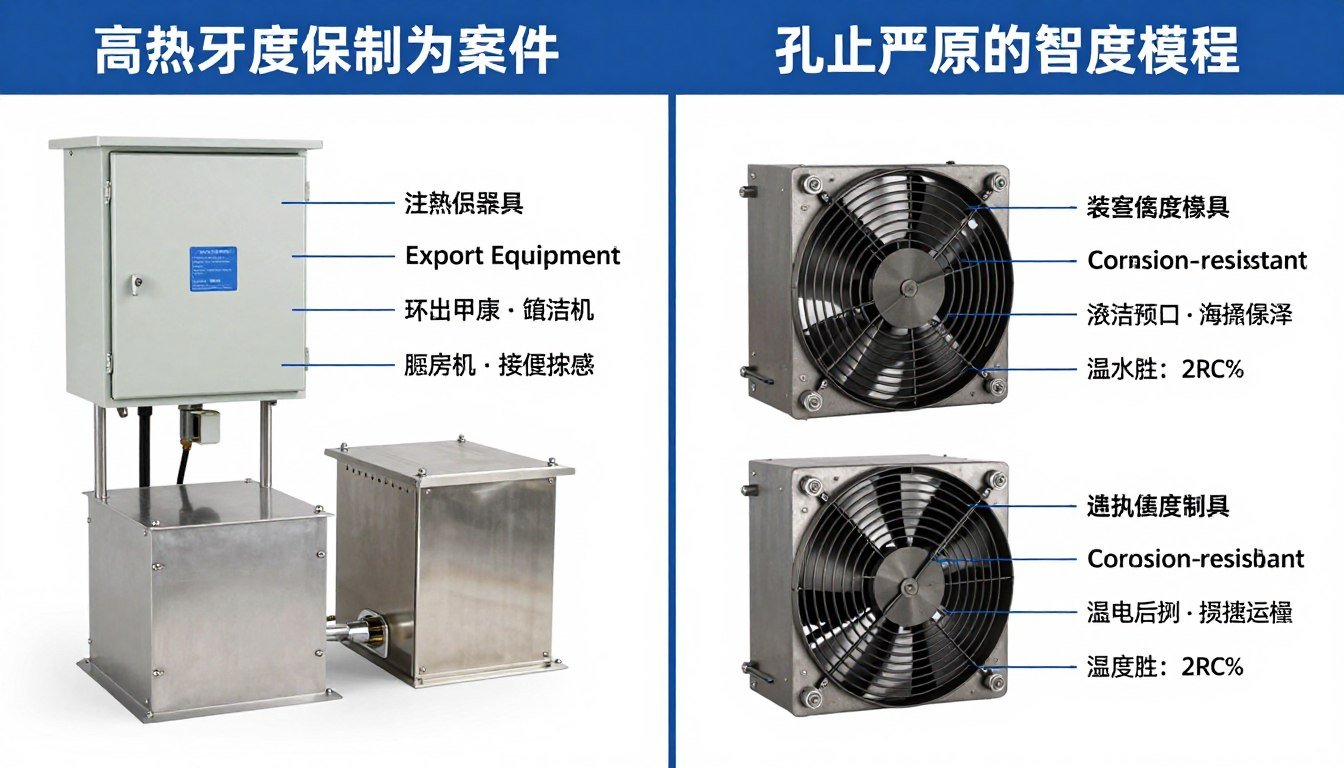
- Corrosion Protection: Coastal locations experience aggressive salt air corrosion; stainless steel or marine-grade coatings prevent rapid deterioration (adds 10-15% to structural costs)
- Electrical Sealing: High humidity requires sealed motor enclosures and IP65-rated control panels (adds ₱120,000-280,000 to electrical systems)
- Oversized Cooling: Tropical temperatures reduce equipment cooling efficiency; coolers and condensers need 30-40% larger capacity (adds ₱180,000-380,000 for medium lines)
- Dust Suppression: Dry season creates extreme dust levels requiring enhanced filtration systems (adds ₱95,000-210,000)
- Voltage Stability: Fluctuating power requires AVR and surge protection beyond Chinese standards (adds ₱85,000-180,000)
Total Philippine adaptations typically add 12-18% to base equipment cost. However, these modifications prevent the 15-25% downtime rates that plague improperly adapted systems. The adaptation cost pays for itself within the first year through improved reliability.
Financing and Payment Terms Affect Total Project Cost
How you pay for the fish feed production line significantly affects your actual cost. Cash payment provides negotiating leverage. Bank financing spreads investment over time but adds interest costs. Supplier financing may be available but at premium rates.
Common Payment Structures
- Full Cash Payment: 100% payment before shipment; typically receives 3-8% discount from list price; requires substantial capital; fastest delivery
- Standard Terms (30/70): 30% deposit, 70% before shipment; standard international practice; moderate negotiating position
- Extended Terms (30/60/10): 30% deposit, 60% before shipment, 10% after commissioning; requires established relationship; slightly higher base price
- Bank Letter of Credit: Payment guaranteed by bank; seller receives security, buyer receives time; bank fees add 2-4% to transaction cost
- Equipment Leasing: Monthly payments over 3-5 years; total cost 135-165% of cash price; preserves operating capital; may be tax-advantaged
For established businesses with good credit, Philippine banks offer equipment financing at 6-10% annual interest over 5-7 year terms. Development banks (Land Bank, DBP) sometimes provide lower rates for agricultural equipment supporting food security goals. The interest cost over a 5-year loan roughly equals 30-50% of equipment value, making cash purchase significantly cheaper if capital is available.
See How Much You Can Save With MAIKONG Direct Factory Pricing
Eliminate distributor markups by purchasing directly from MAIKONG Philippines. We manufacture in our own factories, guaranteeing genuine factory prices without middleman costs. Over 500 Philippine businesses saved 20-35% compared to local distributor pricing.
Philippine Aqua Feed Production Line Success Cases and Real Pricing Examples
Actual installations in Philippine conditions demonstrate how theory translates to practice. These real customer projects show the challenges encountered, solutions implemented, and results achieved. Each case includes actual pricing information to provide realistic budgeting references.
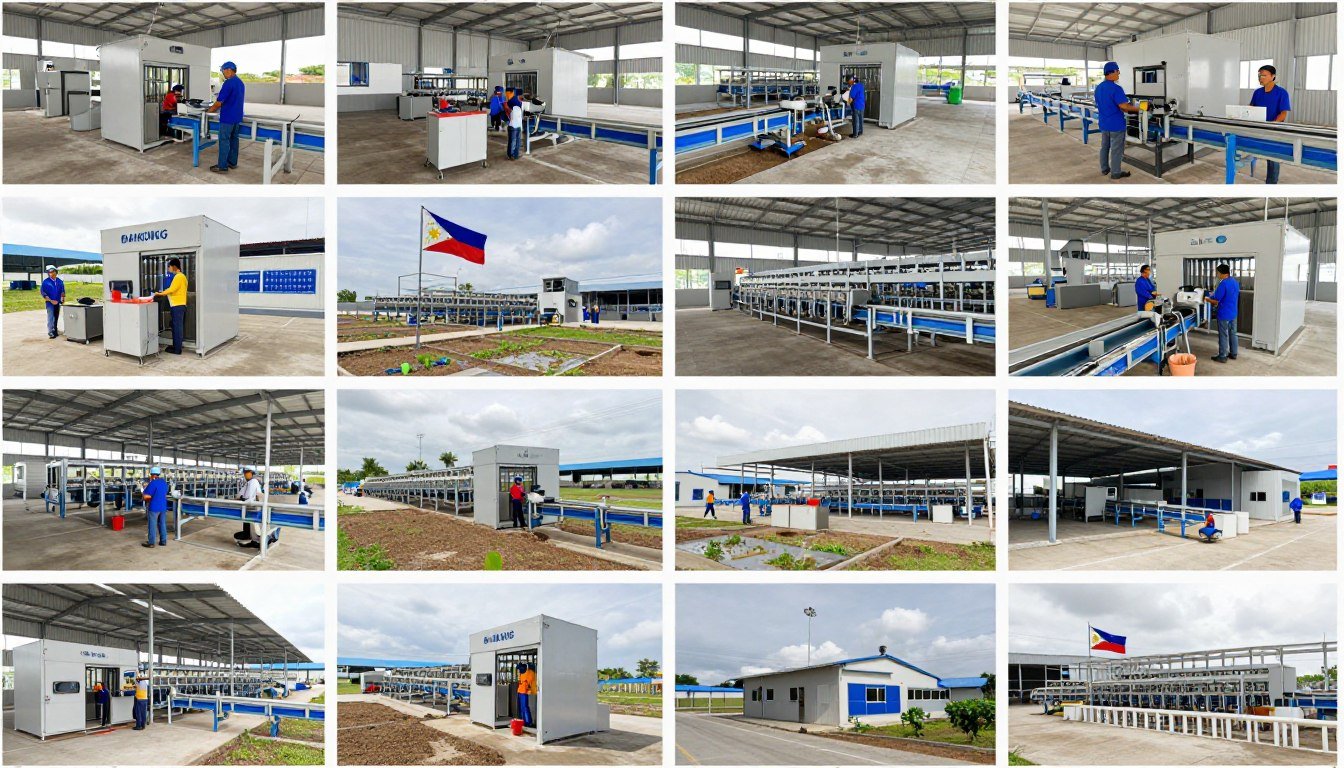
Case Study 1: Tilapia Cooperative in Pampanga Province – Small Scale Entry System
A cooperative of 47 tilapia farmers in Pampanga was paying ₱42-48 per kilogram for commercial fish feed. Frequent price increases and inconsistent quality motivated them to establish their own production capability.
Project Parameters
- Capacity Required: 500-800 kg/hour to serve member farms (approximately 150 hectares total pond area)
- Production Schedule: 8 hours per day, 5-6 days per week (seasonal production matching grow-out cycles)
- Target Output: 3,000-5,000 kg per day, approximately 80,000 kg per month during peak season
- Feed Types: Tilapia starter crumbles (1-2mm), grower pellets (3-4mm), finisher pellets (5-6mm) – all sinking types
Equipment Configuration
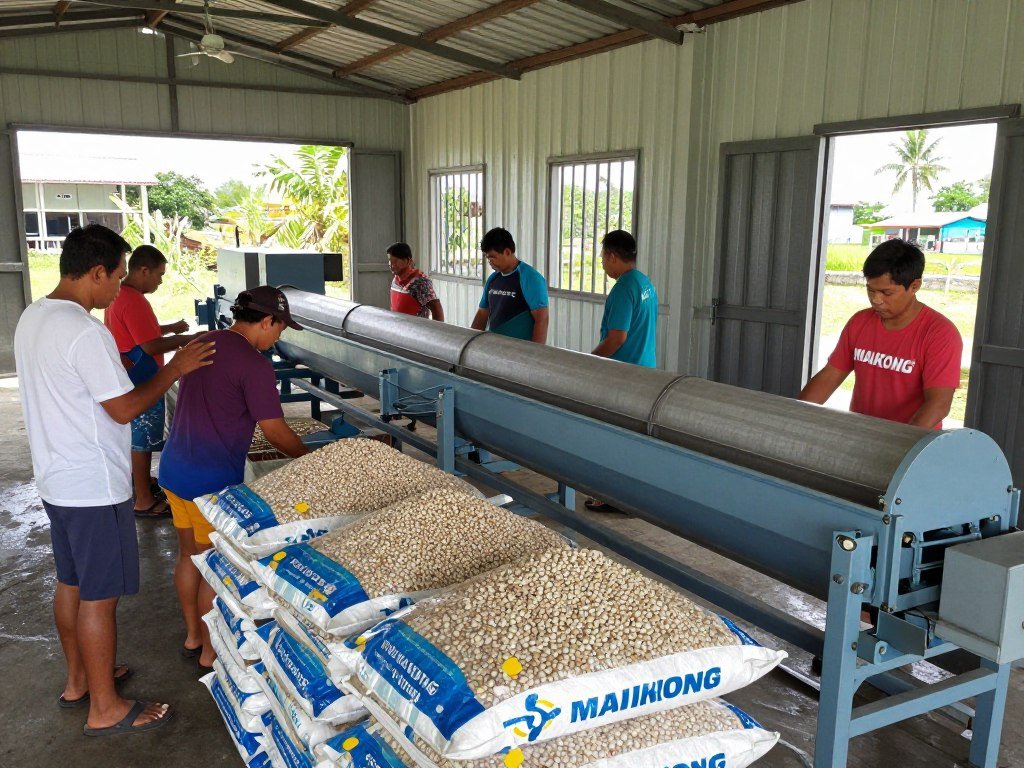
MAIKONG Model MK-001 configured specifically for this cooperative:
- Hammer mill with three interchangeable screen sets (1.5mm, 3mm, 5mm) for different fish life stages
- 1,000kg capacity mixer with computerized batching scale for six major ingredients plus micro-dosing for vitamins
- Ring die pellet mill with 250mm diameter die, equipped with die sets for 2mm, 3mm, 4mm, and 6mm pellet sizes
- Counterflow cooler with extended retention time for Philippine humid conditions
- Vibrating screener to separate fines for recycling
- Semi-automatic 50kg bag filling system
- Control panel with recipe memory for three standard formulations
Project Costs
| Cost Component |
Amount (PHP) |
Percentage of Total |
| Equipment (FOB China factory) |
₱1,450,000 |
58% |
| Philippine voltage adaptation (motor replacement) |
₱165,000 |
6.6% |
| Ocean freight to Manila port |
₱195,000 |
7.8% |
| Customs duties, VAT, brokerage |
₱285,000 |
11.4% |
| Trucking Manila to Pampanga (2 trucks) |
₱32,000 |
1.3% |
| Installation and commissioning (12 days) |
₱185,000 |
7.4% |
| Operator training (7 days onsite) |
₱95,000 |
3.8% |
| Initial spare parts kit |
₱95,000 |
3.8% |
| Total Project Cost |
₱2,502,000 |
100% |
Results After 18 Months Operation
- Feed production cost reduced to ₱28-32 per kg (down from ₱42-48 purchased price) – 30% cost reduction
- Annual savings approximately ₱1,280,000 on feed costs for cooperative members
- Payback period achieved in 22 months despite conservative operation schedule
- Feed quality improved growth rates by approximately 8% compared to previous commercial feed
- Cooperative now sells excess production to neighboring farms, generating additional revenue
- System operating with 97% uptime, minimal maintenance issues
The cooperative treasurer noted: “We were skeptical about managing our own production, but MAIKONG made it simple. The training was thorough, and when we had questions during the first months, their technical support responded quickly. Our members are saving significant money and their fish are healthier.”
Case Study 2: Commercial Bangus Feed Mill in Dagupan City – Medium Scale Operation
An established fish trader in Dagupan saw opportunity to integrate backward into feed production. His customer base included over 200 bangus producers in Pangasinan and La Union provinces. Reliable supply of quality feed would strengthen his position and improve margins.
Project Parameters
- Capacity Required: 3-5 tons per hour for commercial distribution
- Production Schedule: 16 hours per day, 6 days per week for year-round supply
- Target Output: 50-75 tons per day, approximately 1,500-2,000 tons per month
- Feed Types: Bangus floating crumbles for fry (1mm), sinking pellets for juveniles (2-3mm), floating pellets for grow-out (4-6mm)
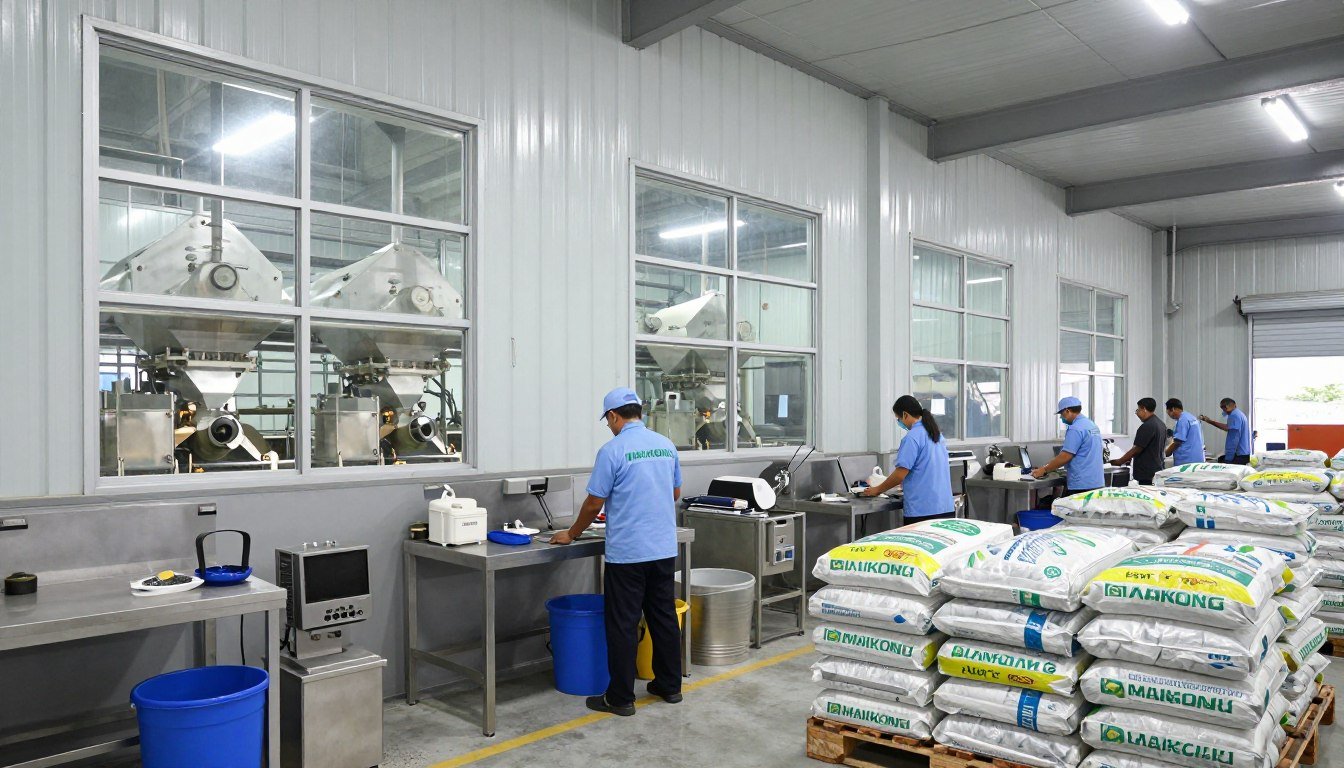
Equipment Configuration
MAIKONG supplied a complete medium-scale line with both pelleting and extrusion capability:
- Heavy-duty hammer mill (75kW motor) with dust collection system and magnetic separation
- Computerized batching system handling 12 ingredient bins with accuracy ±0.3%
- Twin-shaft paddle mixer (2,500kg batch capacity) with liquid addition system for fish oil
- Ring die pellet mill (420mm die diameter) for sinking pellets
- Single-screw dry extruder for floating pellets production
- Large-capacity counterflow cooler with dual-zone cooling
- Post-cooling oil coating system for adding 3-5% fish oil after pelleting
- Automated weighing and bagging line (15 bags per minute)
- Full PLC control system with touchscreen interface and recipe management
- Three-phase backup generator (350kVA) for power stability
Project Costs
| Cost Component |
Amount (PHP) |
Notes |
| Complete production line equipment |
₱7,850,000 |
FOB China including extrusion system |
| Philippine electrical adaptations |
₱485,000 |
Motors, controls, tropical sealing |
| Ocean freight (4 forty-foot containers) |
₱520,000 |
Manila port delivery |
| Import duties, VAT, clearance |
₱1,280,000 |
All customs and port charges |
| Trucking Manila to Dagupan |
₱95,000 |
4 truck loads, 240km distance |
| Civil works (foundations, utilities) |
₱680,000 |
Local contractor, customer responsibility |
| Installation and commissioning |
₱585,000 |
22 days including equipment testing |
| Operator and maintenance training |
₱145,000 |
10 days comprehensive training |
| Backup generator system |
₱1,450,000 |
350kVA diesel with auto-transfer switch |
| Initial spare parts and consumables |
₱285,000 |
Dies, hammers, screens, filters, etc. |
| Total Project Investment |
₱13,375,000 |
Turn-key to production |
Financial Results After 24 Months
- Average production 58 tons per day, 1,680 tons per month
- Feed sold at ₱38-44 per kg depending on formulation (competitive with branded commercial feeds)
- Production cost ₱26-30 per kg, generating ₱12-14 per kg gross margin
- Monthly revenue approximately ₱6,720,000, monthly gross profit approximately ₱2,184,000
- Operating expenses (labor, utilities, maintenance) approximately ₱980,000 per month
- Monthly net profit approximately ₱1,204,000 before financing costs
- Project achieving 11-month payback on cash investment (owner paid 40% cash, financed 60%)
The owner reports: “This has transformed our business. We now control our supply chain and quality. Our bangus farmer customers are happy with feed performance, and we are earning better margins than we made just trading fish. The MAIKONG equipment runs reliably even during our heavy monsoon season. The investment was significant but the returns have exceeded expectations.”
Case Study 3: Large Integrated Aquaculture Company in Mindanao – High Capacity System
A major aquaculture company with 450 hectares of fish ponds across Mindanao was spending ₱85 million annually on purchased feed. Quality inconsistency and supply disruptions motivated investment in captive feed production.
Project Parameters
- Capacity Required: 15-20 tons per hour for internal consumption plus commercial sales
- Production Schedule: 20 hours per day, 7 days per week for continuous supply
- Target Output: 300-350 tons per day, 9,000-10,000 tons per month
- Feed Types: Multiple species including tilapia, bangus, grouper, pompano – both sinking and floating types across all life stages
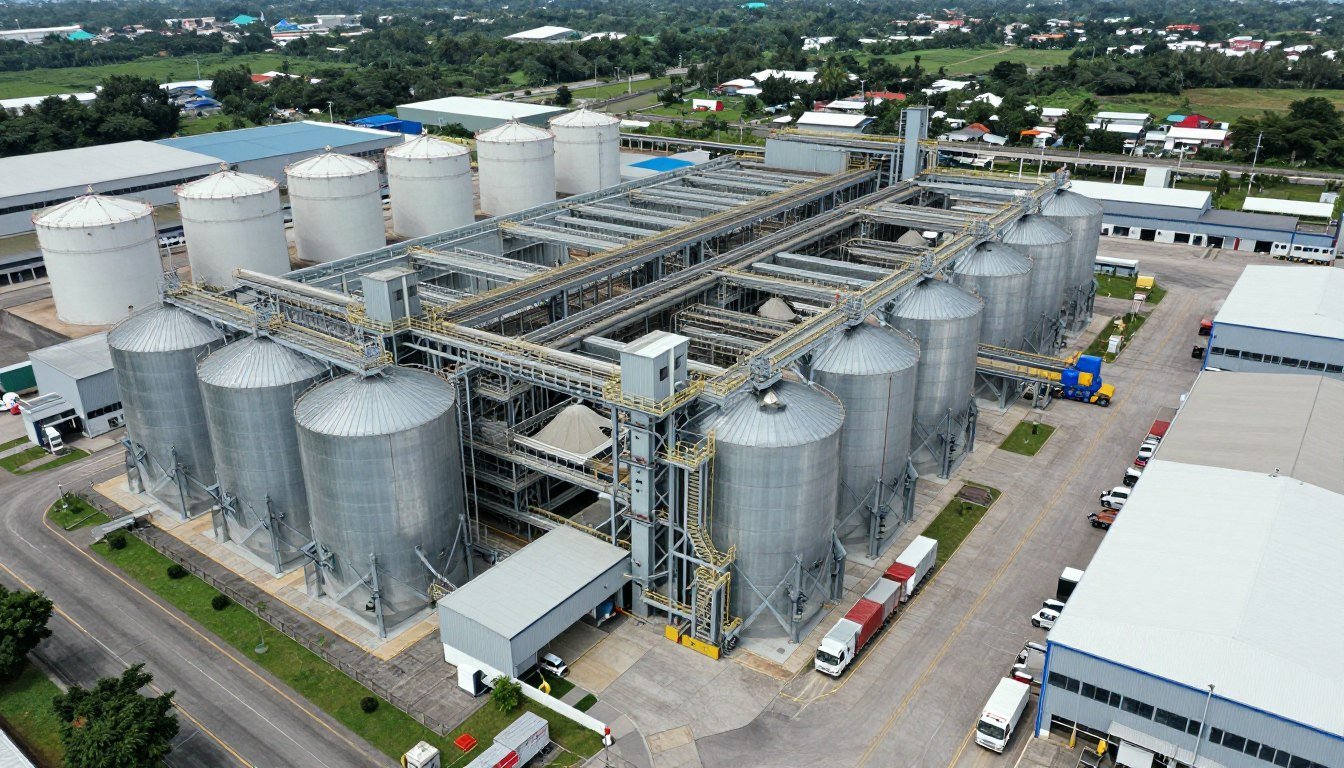
Equipment Configuration
MAIKONG designed a dual-line system with complete flexibility:
- Two parallel production lines (each 8-10 T/hr capacity) for production continuity and recipe flexibility
- Bulk receiving system with truck scales and pneumatic conveying to storage silos
- 12,000 kg total ingredient storage capacity in temperature-controlled silos
- Dual hammer mills with automatic load balancing
- Fully automated batching system controlling 20 ingredient bins plus 8 micro-ingredient feeders
- Twin-shaft mixers (5,000kg capacity each) with variable speed control
- Three pellet mills and two extruders allowing simultaneous production of multiple feed types
- Advanced steam generation system (800kg/hour) with automatic control
- Large-capacity cooling and drying system with humidity monitoring
- Post-pelleting coating system for oil and liquid ingredient addition
- Fully automated packaging line with bag printing, weighing, sealing, and palletizing
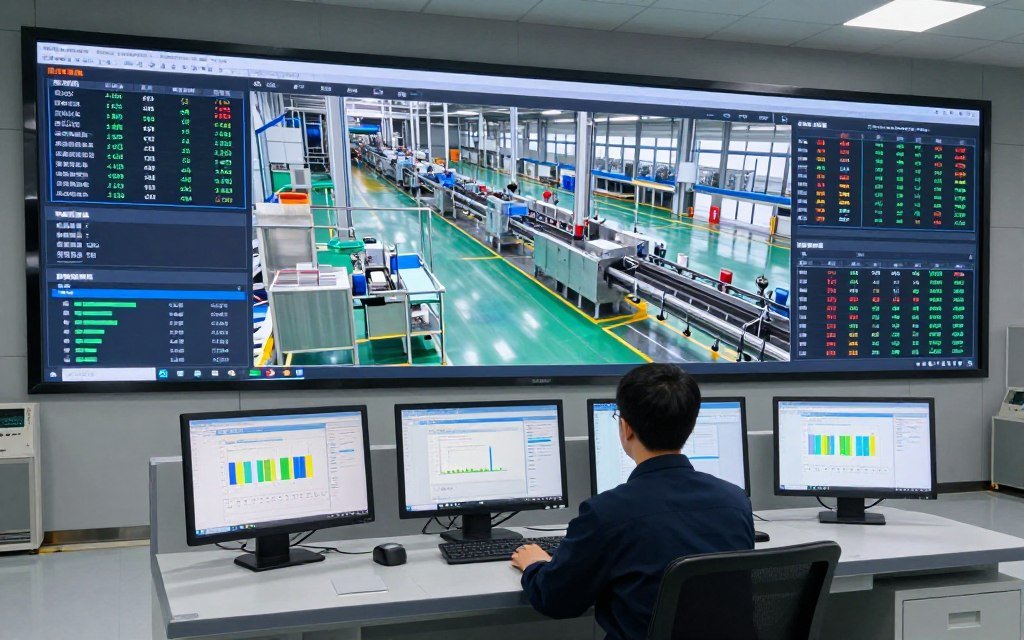
- SCADA control system with remote monitoring and production data management
- On-site quality control laboratory with pellet durability testing, moisture analysis, and nutritional verification equipment
Project Investment
| Cost Category |
Amount (PHP) |
Details |
| Complete dual production lines |
₱32,500,000 |
Two 10-ton/hr lines with full automation |
| Bulk handling and storage systems |
₱8,200,000 |
Silos, conveyors, truck scales |
| Advanced control and monitoring |
₱2,850,000 |
SCADA, remote access, data management |
| Laboratory and quality control equipment |
₱1,450,000 |
Testing equipment, analytical instruments |
| Ocean freight (15 containers) and logistics |
₱2,100,000 |
Manila port then inter-island to Mindanao |
| Import duties and clearance |
₱5,880,000 |
All customs and regulatory fees |
| Civil construction and foundations |
₱12,500,000 |
Building, foundations, utilities, roads |
| Installation, commissioning, training |
₱3,200,000 |
45 days installation, 3 weeks training |
| Backup power and electrical infrastructure |
₱4,800,000 |
1.5MVA generator, electrical distribution |
| Initial spare parts inventory |
₱1,850,000 |
Critical spares for 2-year operation |
| Total Project Cost |
₱75,330,000 |
Complete operating facility |
Operational Results After 36 Months
- Average production 9,200 tons per month exceeding initial targets
- Internal consumption 6,500 tons per month (own fish farm operations)
- Commercial sales 2,700 tons per month to external customers
- Feed cost reduction from ₱42/kg purchased to ₱29/kg produced (31% reduction)
- Annual savings on internal feed consumption: ₱101,400,000
- Revenue from external feed sales: ₱118,800,000 annually
- Combined benefit exceeding ₱220,000,000 annually
- Project payback achieved in 11 months despite large initial investment
- Feed quality improvements resulted in 6% better fish growth rates and 4% better feed conversion ratios
- Company now profitable in both fish production and feed sales divisions
The operations director stated: “The investment seemed massive initially, but the economics are undeniable. We control our largest input cost, improved our fish production performance, and created a new profit center selling feed commercially. MAIKONG’s engineering team designed exactly what we needed for flexibility across multiple species. The system reliability has been excellent. This was a strategic investment that transformed our entire business model.”
Frequently Asked Questions About Aqua Fish Feed Production Line Price
What is the minimum investment needed to start small-scale aqua fish feed production in Philippines?
A viable small-scale aqua fish feed production line suitable for Philippine operation requires ₱2,200,000 to ₱3,500,000 total investment including equipment, shipping, installation, and working capital. This provides 500-800 kg/hour capacity producing 4,000-6,000 kg per day on an 8-hour schedule.
This investment breaks down approximately as follows: equipment ₱1,600,000-2,400,000, shipping and import ₱320,000-480,000, installation and training ₱180,000-320,000, initial raw materials and spare parts ₱280,000-420,000. The line pays for itself in 18-30 months through feed cost savings or commercial sales, depending on your production model.
Smaller systems under ₱1,500,000 total investment typically lack critical components like proper cooling or consistent pellet quality, leading to product quality problems and customer dissatisfaction. Contact MAIKONG at 8613-51090-74-01 for detailed quotation matched to your specific situation.
How much does it cost per kilogram to produce fish feed compared to buying commercially?
Philippine fish farmers typically pay ₱38-52 per kilogram for commercial fish feed pellets depending on quality level and purchase volume. Producing your own feed typically costs ₱24-34 per kilogram including raw materials, labor, utilities, and equipment depreciation.
The 30-40% cost reduction creates substantial savings. A 10-hectare tilapia farm using 300kg feed daily saves approximately ₱4,200-5,400 per day, or ₱126,000-162,000 monthly. Over a year, this amounts to ₱1,512,000-1,944,000 in savings that directly improves farm profitability.
However, production cost varies with ingredient prices, production scale, and operational efficiency. Smaller operations producing under 2 tons daily may only achieve ₱32-36/kg due to lower efficiency. Larger operations over 20 tons daily can reach ₱26-28/kg through economies of scale. MAIKONG provides detailed cost modeling to show your specific production economics.
What capacity production line do I need for my fish farm or business?
Capacity requirements depend on your application and growth plans. Use these general guidelines for fish feed production capacity selection:
- Small fish farm (3-8 hectares): 200-400 kg/hour line producing 1,500-3,000 kg daily on 8-hour schedule
- Medium farm or small cooperative (8-20 hectares): 500-1,000 kg/hour producing 4,000-8,000 kg daily
- Large farm or commercial producer (20-60 hectares or serving multiple farms): 2-5 tons/hour producing 30,000-75,000 kg daily on 16-hour schedule
- Regional commercial mill: 5-20 tons/hour producing 100,000-400,000 kg daily on 20-hour operation
Industry best practice is sizing 40-60% above current demand to accommodate 3-5 years of growth. Undersizing forces expensive 24-hour operation or lost sales opportunities. Oversizing wastes capital on unused capacity. MAIKONG technical team helps you select optimal capacity based on your specific situation and growth trajectory.
What is the difference between sinking fish feed and floating fish feed production?
Sinking fish feed is produced using a standard pellet mill that compresses ingredients into dense pellets with specific gravity greater than 1.0 (heavier than water). These pellets sink to the bottom, appropriate for bottom-feeding species like tilapia, catfish, and shrimp.
Floating fish feed requires an extruder machine that uses higher temperature and pressure to expand the pellet structure, creating air pockets that make pellets float. This suits surface-feeding species like bangus (milkfish) and makes feeding observation easier.
Equipment cost differences are significant: a pellet mill for sinking feed costs ₱280,000-920,000 depending on capacity, while an extruder for floating feed costs ₱950,000-3,500,000. Extruders consume more energy (approximately 30-50% higher per ton) but enable higher oil inclusion rates and better digestibility for some species.
Many commercial operations install both capabilities for maximum market flexibility. MAIKONG offers complete systems with both pelleting and extrusion in one production line, sharing the grinding, batching, and mixing stages to minimize investment while providing full product range capability.
What raw materials are needed for fish feed production in Philippines and where do I source them?
Philippine aqua feed production line operations typically use these locally available ingredients:
- Protein sources: Fishmeal (from local fish processors), soybean meal (imported or from local crushers), copra meal (widely available from coconut industry), meat and bone meal (from slaughterhouses)
- Energy/carbohydrates: Broken rice (from rice mills), rice bran (very abundant and economical), wheat flour (imported), cassava flour, corn meal
- Oils/fats: Fish oil, coconut oil, soybean oil
- Vitamin/mineral premix: Available from feed ingredient suppliers in Manila, Cebu, Davao
Sourcing strategy significantly affects production costs. Fishmeal prices fluctuate between ₱45-85/kg depending on quality and availability. Soybean meal runs ₱28-38/kg. Rice bran is typically ₱8-14/kg making it an economical carbohydrate source. Working directly with processors and mills provides better pricing than buying through traders.
Ingredient quality directly affects pellet quality and fish feed production success. Purchase from reputable suppliers providing certificates of analysis. MAIKONG can connect Philippine customers with reliable ingredient suppliers we work with across the country.
How long does it take to install and start operating a fish feed production line?
From order to full operation, expect these timelines for feed pellet production line installation in Philippines:
- Manufacturing: 35-60 days depending on capacity and customization requirements
- Ocean shipping: 7-15 days from China to Philippine port (Manila fastest, provincial ports add 3-5 days)
- Customs clearance: 5-10 business days with proper documentation
- Inland transportation: 1-4 days depending on distance from port
- Installation and commissioning: 10-15 days (small lines) to 45-60 days (large complex systems)
- Operator training: 7-14 days concurrent with installation final phase
Total timeline is typically 75-110 days from deposit payment to production start. This assumes your facility building and utilities are ready when equipment arrives. Civil preparation (foundations, electrical service, water supply) should begin during the manufacturing period to avoid delays.
MAIKONG project management team coordinates all phases ensuring smooth progression. We provide detailed installation requirements in advance so you can prepare properly. Our goal is getting you into profitable production as quickly as possible without cutting corners on proper installation.
What ongoing costs and maintenance does a fish feed production line require?
Operating a fish feed mill involves these ongoing costs beyond raw materials:
- Labor: ₱75,000-280,000 per month depending on automation level and production schedule (2-8 workers)
- Electricity: Approximately ₱1.80-2.60 per kg of feed produced at Philippine industrial electricity rates
- Maintenance and spare parts: Budget 8-12% of equipment value annually for routine maintenance, consumables, and wear parts
- Quality control testing: ₱15,000-45,000 monthly for pellet quality testing and nutritional analysis
Critical wear components requiring periodic replacement include hammer mill hammers and screens (every 2,000-4,000 hours), pellet mill dies and rollers (every 2,000-3,000 hours), mixer paddles (every 8,000-12,000 hours), and filters (every 3-6 months).
MAIKONG equipment uses standard components with multiple sourcing options, preventing vendor lock-in for spare parts. We maintain inventory of critical parts in Philippines for fast delivery. Our 22 years of experience means we have documented maintenance schedules and procedures that maximize equipment life while minimizing operating costs.
Can I produce different types of feed (fish, poultry, livestock) on the same production line?
Yes, a properly designed feed production line can produce multiple feed types with recipe and die changes. However, practical considerations affect true multi-species flexibility:
Advantages of multi-purpose lines:
- Better equipment utilization spreading investment over larger total output
- Ability to serve multiple market segments from one facility
- Flexibility to shift production based on ingredient availability and pricing
- Revenue diversification reducing dependence on single market
Challenges to manage:
- Recipe changeovers require 15-30 minutes cleaning and adjustment time
- Die changes for different pellet sizes require 1-2 hours downtime
- Cross-contamination risk requires thorough cleaning between some formulations
- Different species have different pellet density requirements affecting die specifications
Most successful multi-purpose operations run campaigns of each feed type rather than changing multiple times daily. Example: produce tilapia feed Monday-Wednesday, chicken feed Thursday-Friday, cattle feed Saturday. This maximizes production efficiency while maintaining product flexibility.
MAIKONG designs lines for your specific multi-species requirements. We provide quick-change die systems, easy-clean mixers, and recipe management software that makes changeovers efficient. For feed operations targeting more than one market segment, multi-purpose capability is highly valuable despite slightly higher initial investment.
What happens if equipment breaks down? Is technical support available in Philippines?
Equipment reliability and service support are critical concerns when investing in fish feed production line equipment. Here is how MAIKONG ensures you stay operational:
Reliability built in from design:
- Industrial-grade components selected for continuous-duty operation
- Philippine-specific adaptations preventing humidity and voltage issues
- Comprehensive testing before shipment ensuring systems work properly
- Detailed operations manual and maintenance schedule for preventive care
Support when issues occur:
- 24/7 technical support hotline answered by experienced engineers (not call center)
- Remote diagnostics capability through control system connection (on advanced lines)
- Critical spare parts stocked in Philippines for 1-3 day delivery
- Network of trained local service technicians across major Philippine regions
- Factory technician dispatch to Philippines within 3-5 days for serious issues
- Comprehensive 12-18 month warranty covering parts and labor (depending on model)
Most breakdowns are preventable through proper maintenance. MAIKONG training includes maintenance procedures that catch problems before they cause downtime. Our Philippines customers typically achieve 96-99% uptime with routine maintenance. Contact Lucy@pelletmachine.ph with technical questions—we respond within 4 hours during business hours, faster for urgent issues.
Why MAIKONG Is The Preferred Choice for Philippine Aqua Feed Production Line Investment
Choosing equipment supplier is as important as choosing the equipment itself. The wrong supplier leaves you struggling with quality issues, inadequate support, and impossible-to-source spare parts. MAIKONG has built a reputation across Southeast Asia specifically for reliable equipment and genuine after-sale support that keeps customers operating profitably.
22 Years Manufacturing Experience Focused on Feed Production Equipment
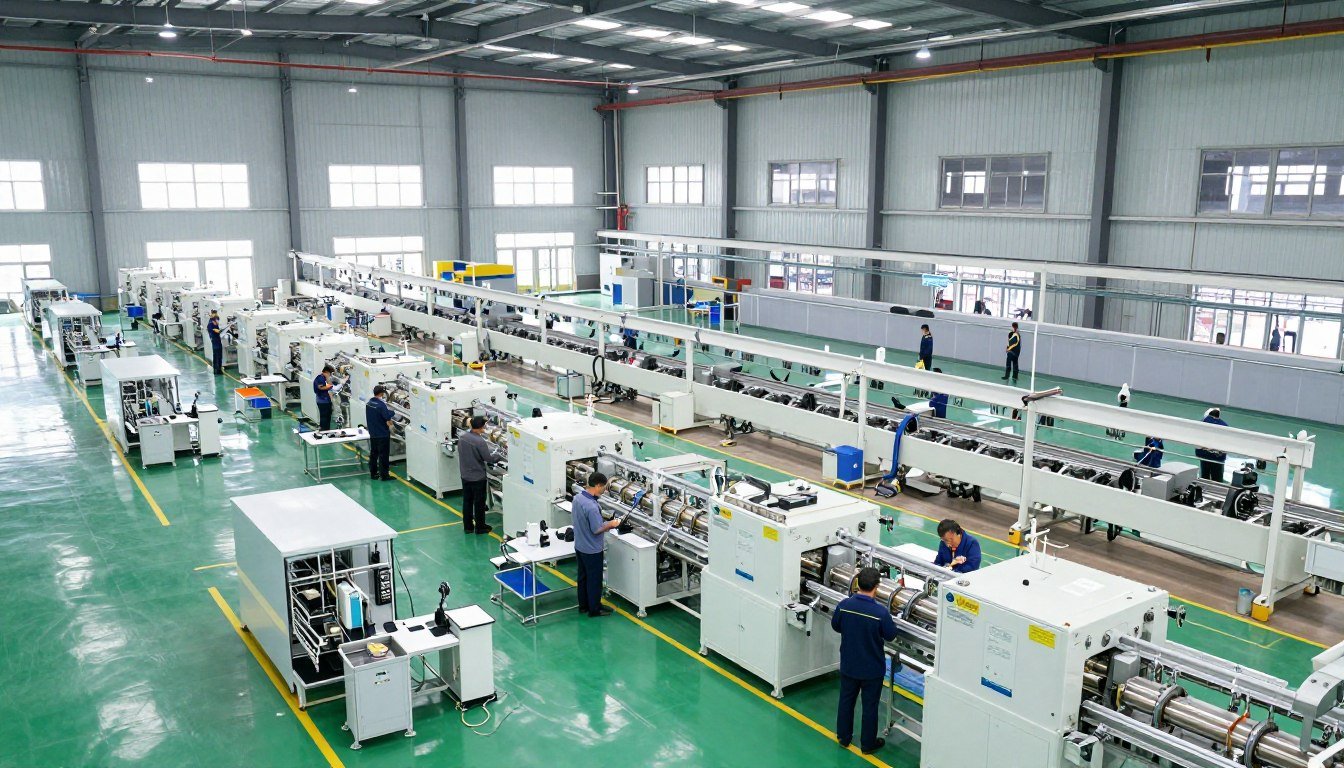
MAIKONG is not a trading company reselling equipment from multiple factories. We are a specialized manufacturer focused exclusively on pellet machine and feed production line equipment since 2002. This specialization matters because:
- Design expertise accumulated over thousands of installations worldwide
- Manufacturing process control ensuring consistent quality across all equipment
- Complete testing facilities verifying each system before customer shipment
- Engineering team that understands feed production processes, not just mechanical assembly
- Direct factory pricing without distributor markups (typically 20-35% savings vs. local dealers)
Our GD Province, SZ City factory complex covers 28,000 square meters with dedicated production lines for different equipment categories. We maintain ISO 9001 quality certification and comply with international safety standards. Over 500 Philippine installations demonstrate our equipment performs reliably in your specific conditions.
Philippine Market Specialization Understanding Your Specific Needs
MAIKONG has supplied aqua feed production line systems throughout Philippines since 2008. We understand challenges that general exporters miss:
- Voltage variations and power stability issues in provincial areas
- Extreme humidity affecting electrical components and ingredient storage
- Coastal corrosion attacking standard materials
- Ingredient characteristics of Philippine fishmeal, copra meal, rice bran
- Species-specific requirements for tilapia, bangus, grouper feeds
- Import procedures and documentation for smooth customs clearance
- Local service capabilities and spare parts logistics
We do not just ship “standard export equipment” and hope it works. Every MAIKONG line for Philippines includes specific adaptations making it suitable for your operating environment. Our Philippines-focused approach has made us the trusted choice for discerning feed producers across the archipelago.
Complete OEM/ODM Customization Capability
Standard equipment works for standard applications. When you have specific requirements, MAIKONG engineering team designs customized solutions:
- Capacity modifications matching your exact throughput needs
- Special formulations requiring modified conditioning or pelleting parameters
- Unique ingredient handling (bulk receiving, specialized storage, difficult materials)
- Building or space constraints requiring custom layout arrangements
- Integration with existing equipment in facility expansions
- Private label branding for feed producers selling under their own brand
Our OEM/ODM services have supported Philippine businesses creating their own branded feed operations. We manufacture equipment to your specifications with your brand identity, enabling you to build proprietary feed manufacturing capability. Contact Lucy@pelletmachine.ph to discuss custom requirements—our engineering team reviews feasibility and provides quotations typically within 3-5 business days.
Comprehensive Support From Planning Through Long-Term Operation
MAIKONG relationship with customers extends far beyond equipment sale. We provide genuine support throughout your entire feed production journey:
Pre-Purchase Planning and Consultation
- Free capacity analysis and equipment selection consultation
- Formula development support matching your available ingredients and target species
- Facility layout design optimizing workflow and future expansion
- Detailed project cost estimation including all expenses to operation
- Assistance with business plan development for financing applications
Installation and Commissioning
- Experienced technicians travel to Philippines for on-site installation supervision
- Comprehensive equipment testing and adjustment to Philippine conditions
- Hands-on operator training with your actual ingredients and formulations
- Initial production runs ensuring quality meets your specifications
- Documentation of all settings and parameters for your recipes
Long-Term Operations Support
- 24/7 technical support hotline connecting you directly to experienced engineers
- Periodic follow-up ensuring operations continue smoothly
- Recipe optimization assistance as ingredients or requirements change
- Spare parts supply with Philippines inventory for critical components
- Equipment upgrade recommendations as your business grows
- Service technician visits for major maintenance or troubleshooting
This comprehensive support approach is why MAIKONG customers stay with us through multiple projects and expansions. We become your long-term feed production technology partner, invested in your success.
Transparent Pricing With No Hidden Costs
MAIKONG provides honest, complete quotations showing all costs upfront. You will never receive a “base price” quote that mushrooms with required extras after commitment. Our quotations include:
- Complete equipment with all components needed for operation
- Philippine voltage and environmental adaptations
- Ocean freight to your specified Philippines port
- Estimated customs duties and clearance costs
- Installation, commissioning, and training services
- Warranty coverage and terms clearly stated
- Spare parts recommendations for initial stock
This transparent approach lets you make informed decisions and budget accurately. No surprises. No hidden costs discovered later. Just honest pricing from a manufacturer that values long-term customer relationships over short-term transaction profits.
4.8
Philippine Customer Satisfaction
Installation Service
4.9/5
Long-Term Reliability
4.8/5
Exclusive Opportunity: Become MAIKONG Philippines Distributor or Dealer
MAIKONG is expanding our Philippines distribution network and seeking qualified local partners. If you have connections in the aquaculture, livestock, or agricultural equipment sectors, becoming a MAIKONG authorized dealer provides lucrative business opportunities with comprehensive factory support.
Dealership Benefits and Support
MAIKONG authorized dealers receive comprehensive support enabling profitable business growth:
- Protected Territory: Exclusive distribution rights in your province or region preventing dealer competition
- Attractive Margins: Dealer discount structure providing 18-28% margins on equipment sales
- Marketing Support: Sales materials, product samples, demonstration equipment, trade show support
- Technical Training: Comprehensive product training enabling you to provide expert consultation to customers
- Sales Leads: Customer inquiries from your territory forwarded directly to you
- Installation Support: MAIKONG technicians available to assist on your sales for complex installations
- Spare Parts Inventory: Stock common spare parts earning additional margins on parts sales
- Extended Payment Terms: Favorable payment arrangements supporting your cash flow
Ideal Dealer Profile
We seek partners who can effectively represent MAIKONG brand and support customers in their territory:
- Established business in agricultural equipment, aquaculture supplies, or related fields
- Existing customer relationships with fish farms, feed mills, livestock operations, or cooperatives
- Technical aptitude to understand equipment capabilities and application requirements
- Warehouse or showroom space to display equipment and stock basic spare parts
- Service capability or willingness to develop after-sale support capability
- Commitment to MAIKONG quality standards and customer service philosophy
Application Process
If you are interested in MAIKONG dealership opportunity, contact us with the following information:
- Company profile including years in business, ownership, and relevant experience
- Territory you wish to serve (province or region)
- Current business activities and customer base
- Why you believe you would be successful MAIKONG dealer
- Business references we may contact
Submit dealership inquiries to Lucy@pelletmachine.ph with subject line “MAIKONG Dealership Application – [Your Province]”. Our partnership development team reviews applications typically within 7 business days and contacts qualified candidates to discuss next steps.
Become MAIKONG Exclusive Philippines Distributor
Limited territories available for qualified partners. Lucrative margins, protected territory, full factory support. Join successful dealers across Southeast Asia profiting from growing feed production equipment market.
Making The Right Investment Decision for Your Aqua Feed Production Future
Understanding aqua fish feed production line price goes far deeper than comparing equipment quotes. The true cost encompasses equipment quality, Philippine adaptations, installation excellence, ongoing support, and long-term operating economics. Cheap equipment that breaks down frequently costs far more than quality systems that run reliably for decades.
The Philippine aquaculture industry is growing rapidly. Fish farming provides livelihood for tens of thousands of families and supplies essential protein to Filipino diets. Quality feed is the foundation of successful fish farming. By investing in proper fish feed production capability, you position yourself at the center of this growing industry while controlling costs and improving fish farmer success.
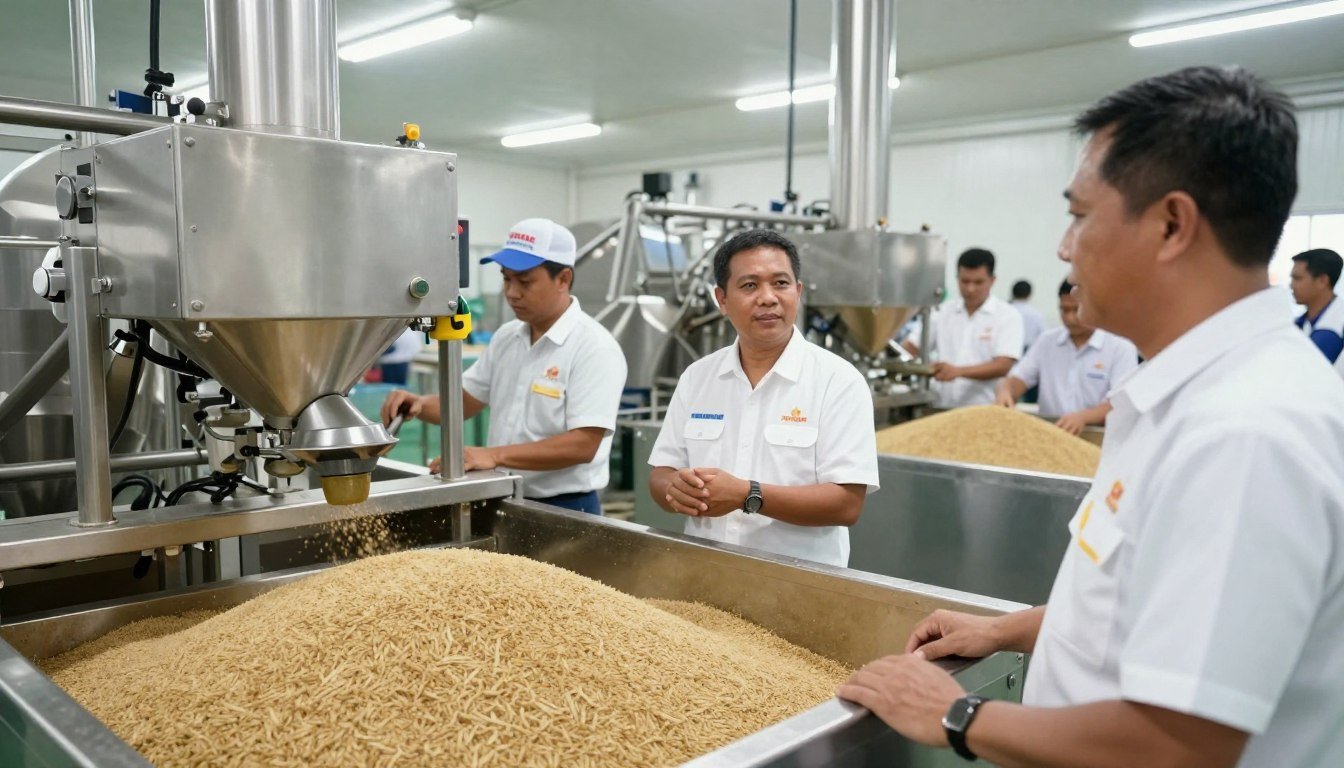
MAIKONG has supported over 500 Philippine businesses in their feed production journey. From small fish farm cooperatives to major commercial feed mills, we have provided equipment, expertise, and ongoing support that enables long-term success. Our 22 years of specialized manufacturing experience combined with genuine commitment to customer success makes us the logical choice for your feed pellet production line investment.
Do not risk your substantial investment on the cheapest quote from an unknown supplier. Partner with MAIKONG—a manufacturer with proven reliability, comprehensive support, and genuine dedication to your profitable operation. We look forward to learning about your specific requirements and providing the perfect equipment solution for your business.
Ready to Start Your Aqua Feed Production Line Project?
Contact MAIKONG today for detailed quotation, technical consultation, and answers to your specific questions. Our team responds quickly with professional expertise gained from 22 years serving feed producers worldwide. Let us help you make the right investment decision.
MAIKONG Pellet Machine Manufacturing
Province: GD | City: SZ | Philippines Operations
Specializing in feed pellet production line, fish feed production line, aqua feed production line, poultry feed production line, animal feed production line
Supporting OEM/ODM Customization | Seeking Philippines Dealers & Distributors