Philippines Pellet Machine Manufacturer | OEM Feed Pellet Line Supplier
Pellet Machine Distributor Wanted in Philippines | MAIKONG Feed Machinery

» Animal Feed Production Line Solutions Custom » Animal Feed Pellet Production Line China
Animal Feed Pellet Production Line China: Complete Solutions for Philippines Feed Mills, Farms & Distributors
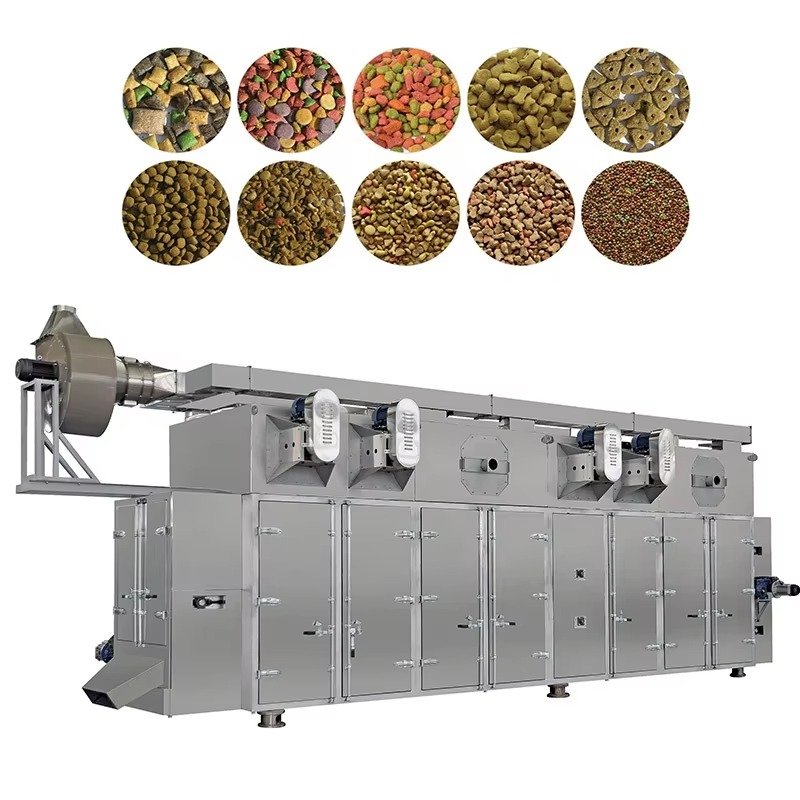
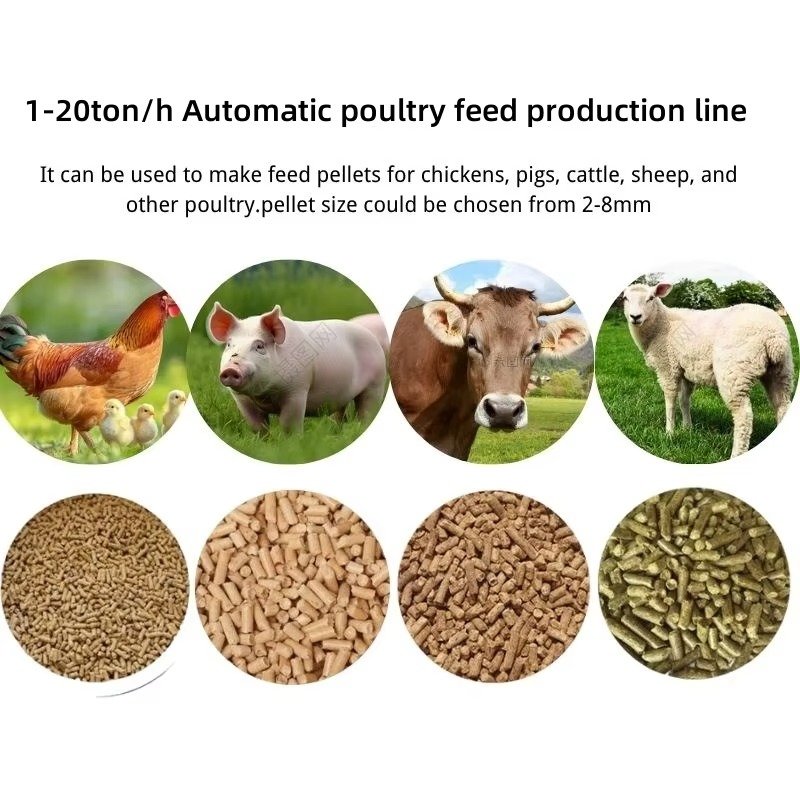
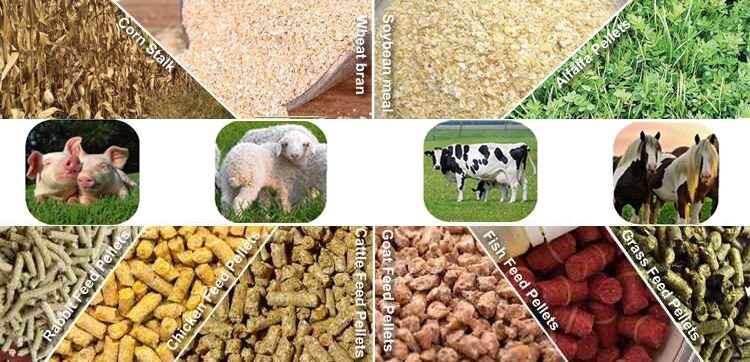
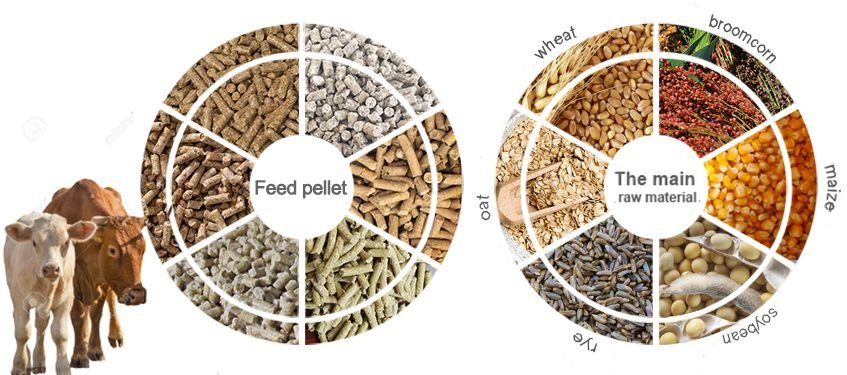
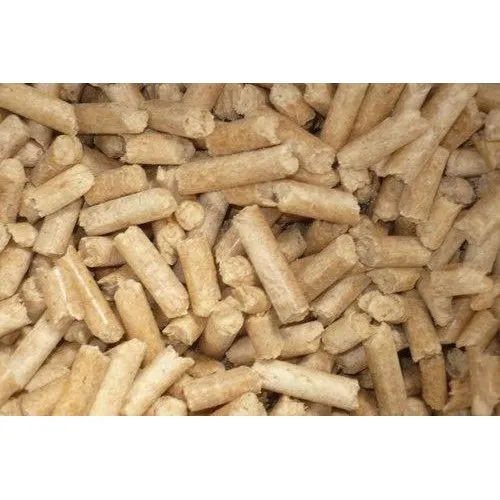
Finding the right animal feed pellet production line china supplier can feel overwhelming. You need equipment that handles Philippine raw materials, operates on local voltage, ships reliably, and delivers consistent pellet quality. You’re not just buying machines. You’re investing in your farm’s productivity, your feed mill’s profitability, or your distribution business’s future.
MAIKONG has manufactured complete feed pellet production line systems for 22 years. We’ve shipped to 140+ countries across Asia, Americas, Europe, Africa, and the Middle East. Our engineers understand Philippine farming conditions, from Luzon poultry operations to Mindanao fish farms. We design every animal feed pellet system to match your specific raw materials, production capacity, and animal nutrition goals.
This guide answers every question Philippine buyers ask before purchasing an animal feed pellet production line factory system. We’ll cover equipment components, capacity selection, raw material requirements, Philippine voltage compatibility, shipping logistics, pricing factors, and real customer cases. Whether you operate a small farm seeking 500kg/hour capacity or plan a commercial feed mill producing 20 tons/hour, you’ll find the technical clarity needed to make the right investment.
Get Your Custom Philippines Production Line Quote in 24 Hours
Free technical consultation. Capacity from 200kg to 200 tons/hour. Philippine voltage & shipping specialists with 22 years experience.
Why Philippine Buyers Choose Complete Feed Pellet Production Line Systems Over Single Machines
Many Philippine farm owners start by researching individual feed pellet machine units. They quickly realize that producing quality animal feed pellet products requires more than just a pelletizer. A complete production line integrates crushing, mixing, pelletizing, cooling, screening, and packaging into one efficient workflow.
Single Machine Limitations
- Manual material handling between processes
- Inconsistent pellet quality from uneven raw material preparation
- Labor-intensive operations requiring multiple workers
- Production bottlenecks at crushing or cooling stages
- Difficulty scaling production as demand grows
- Higher per-ton production costs from inefficiency
Complete Line Advantages
- Automated material flow from raw ingredients to packaged feed
- Consistent particle size control through integrated grinding
- Uniform mixing ensures nutritional consistency batch after batch
- Optimized conditioning improves pellet durability index (PDI)
- Automatic cooling prevents pellet cracking and mold growth
- Lower labor costs with 2-3 operators running full line
- Faster ROI through higher throughput and better efficiency
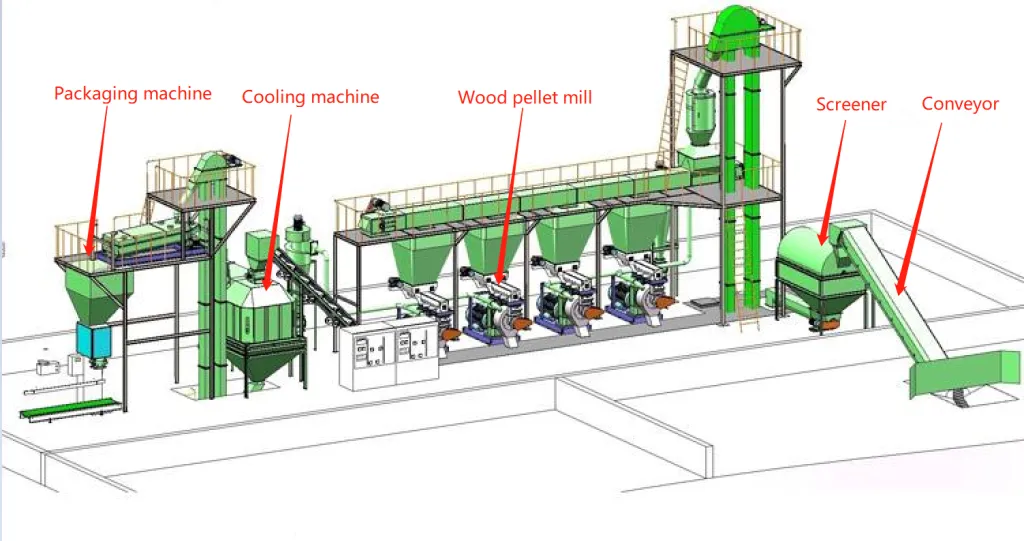
Philippine poultry feed producers need consistent pellet size for broiler growth performance. Fish farmers require water-stable pellets that don’t dissolve before consumption. Cattle feed pellet operations demand high-fiber processing capability. Each application requires the synchronized operation of multiple equipment components working together.
How Complete Lines Solve Philippine Market Challenges
The Philippine feed industry faces specific challenges that make complete animal feed production systems essential. High humidity affects pellet storage stability. Diverse raw materials from copra meal to rice bran require flexible processing. Limited skilled labor availability demands automation. Power supply variations in rural areas need robust electrical systems.
MAIKONG Technical Insight: Our feed pellet production line systems designed for Philippines include voltage stabilizers, humidity-resistant components, and simplified controls that non-technical staff can operate after basic training. We’ve solved these exact challenges for 200+ Philippine installations since 2003.
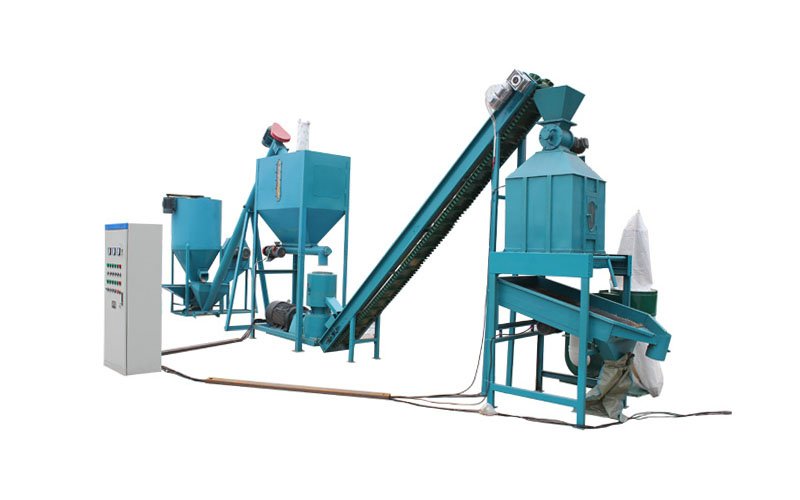
MAIKONG MK-001 Animal Feed Pellet Production Line Complete System Specifications
Our flagship MK-001 series represents the most versatile animal feed pellet production line manufacturer system for Philippine conditions. This complete line handles everything from chicken feed production to fish feed production line applications with capacity customization from 200kg to 200 tons per hour.
| Specification Category | MK-001 Series Details | Philippine Application Notes |
| Model Range | MK-001-S (Small) to MK-001-XL (Industrial) | S/M for farms, L/XL for commercial mills |
| Production Capacity | 200 kg/h to 200 tons/h (customizable) | Matches small backyard to large integrator needs |
| Voltage Options | 220V, 380V, 415V three-phase | Compatible with Philippine 230V/60Hz standard |
| Pellet Diameter Range | 2mm – 12mm (die changeable) | Covers chick crumbles to cattle pellets |
| Main Material | Stainless steel contact parts, carbon steel frame | Corrosion-resistant for high humidity climate |
| Primary Housing Color | Industrial blue, custom colors available | Optional green for organic feed facilities |
| Control System | PLC with touchscreen HMI (optional manual) | English/Tagalog interface available |
| Dimensions (L×W×H) | Varies by capacity: 8m×4m×5m to 45m×12m×8m | Site planning assistance provided |
| Total System Weight | 2,500 kg (small) to 85,000 kg (industrial) | Foundation design included with installation |
| Power Consumption | 15 kW to 450 kW total installed capacity | Energy efficiency up to 40% vs. competitor lines |
| Raw Material Moisture | Accepts 10-15% moisture content | No pre-drying needed for most Philippine ingredients |
| Finished Pellet Moisture | 12-13% after cooling | Safe for Philippine tropical storage (mold prevention) |
Rating & Customer Satisfaction Score
Stock Availability & Lead Time for Philippine Orders
MAIKONG maintains strategic inventory in GD Province, SZ City for rapid deployment to Philippines. Standard MK-001 configurations ship within 15-20 business days. Custom OEM/ODM systems require 35-45 days for manufacturing. We coordinate with trusted Philippine freight partners to ensure smooth customs clearance and delivery to your farm or feed mill factories location.
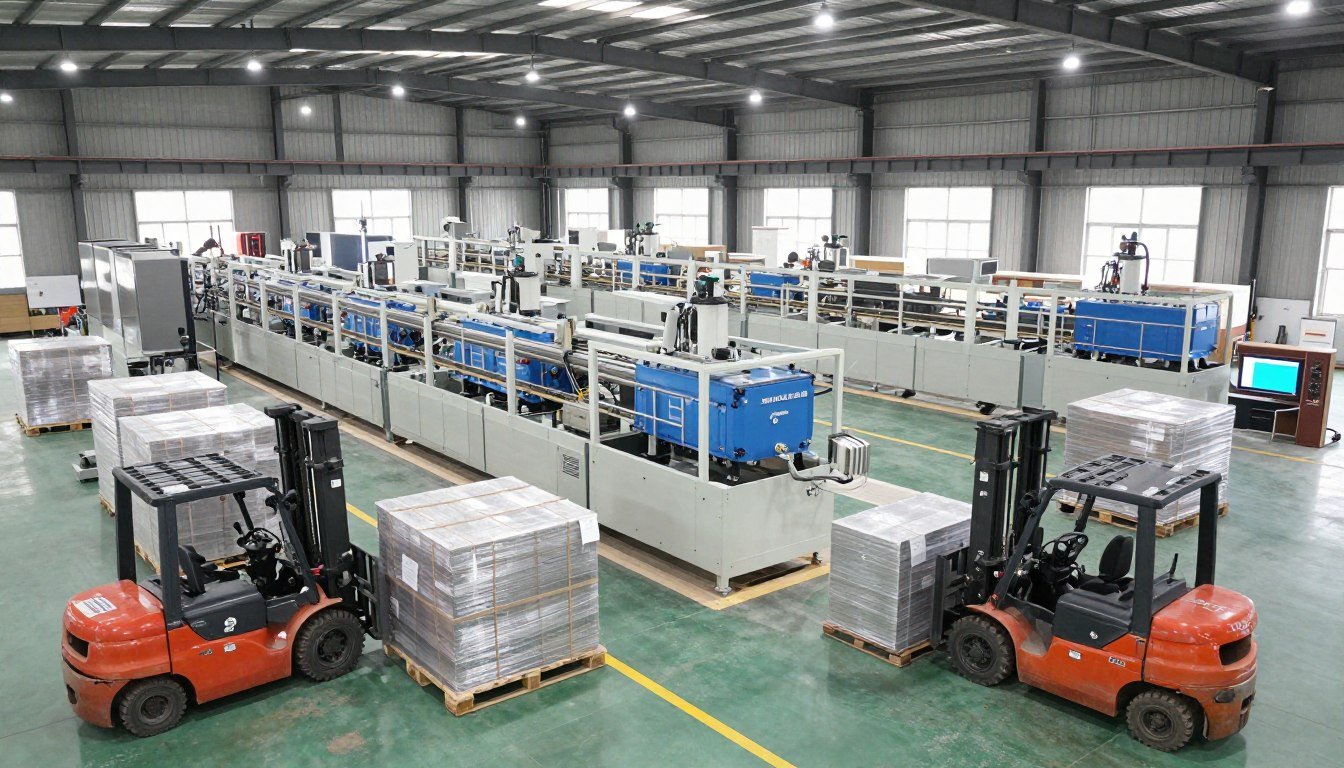
Request Your Detailed MK-001 Configuration & Philippines Shipping Quote
Tell us your capacity needs, animal type, and raw materials. Our engineers will design the optimal system for your Philippine operation within 24 hours.
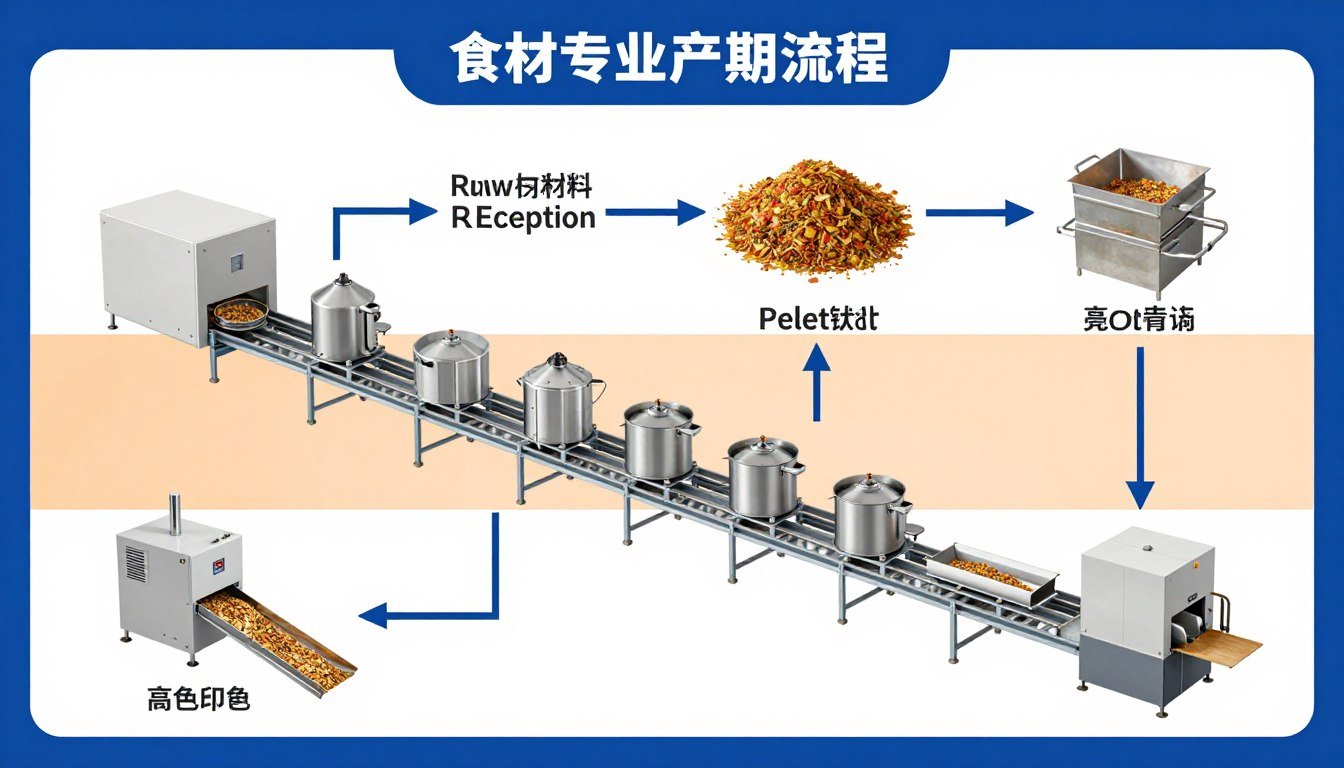
Complete Feed Pellet Production Line Component Breakdown: From Raw Material to Packaged Feed
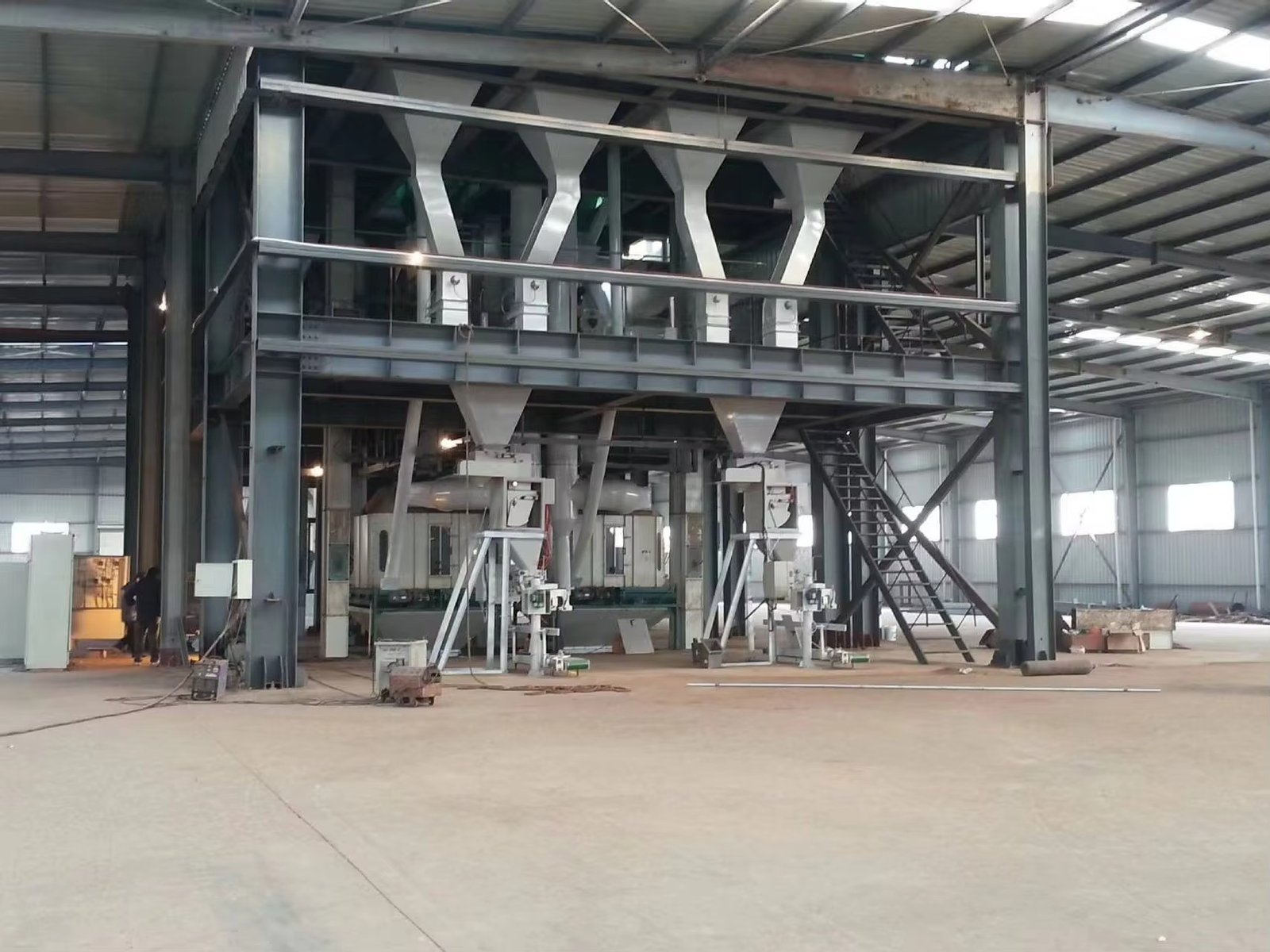
Understanding each component’s role helps Philippine buyers specify the right configuration for their needs. Our animal feed production line systems integrate six critical stages that work together to produce consistent, high-quality pellet feed.
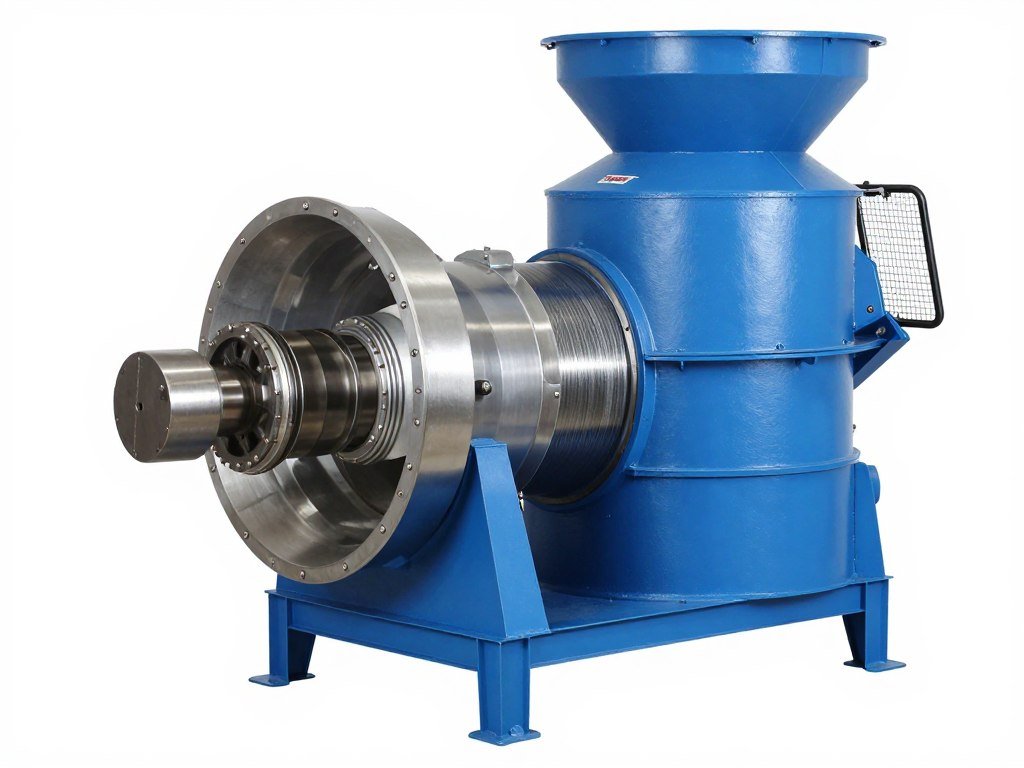
1. Crushing System: Hammer Mill for Particle Size Control
The hammer mill pulverizes raw ingredients to the optimal particle size for pelleting. Philippine materials like copra meal, corn, and rice bran have different hardness levels. Our variable-speed hammer mills adjust to each ingredient’s characteristics.
Hammer Mill Technical Features
- Hardened alloy steel hammers last 3x longer than standard
- Screen size options from 2mm to 8mm for different applications
- Dust collection system meets environmental standards
- Capacity range: 500 kg/h to 25 tons/h
- Motor power: 11kW to 160kW depending on model
- Quick-change screen system reduces maintenance downtime
Particle size directly affects pellet quality. Too coarse and pellets crumble. Too fine and you waste energy while creating dust problems. Our engineers help Philippine customers select the right screen size for their specific animal feed formulation.
2. Mixing System: Uniform Nutrient Distribution
The mixer blends ground ingredients, vitamins, minerals, and additives into a homogeneous mixture. Inconsistent mixing creates nutritional variations that harm animal performance. MAIKONG ribbon mixers achieve 95%+ mixing uniformity in 3-5 minutes.
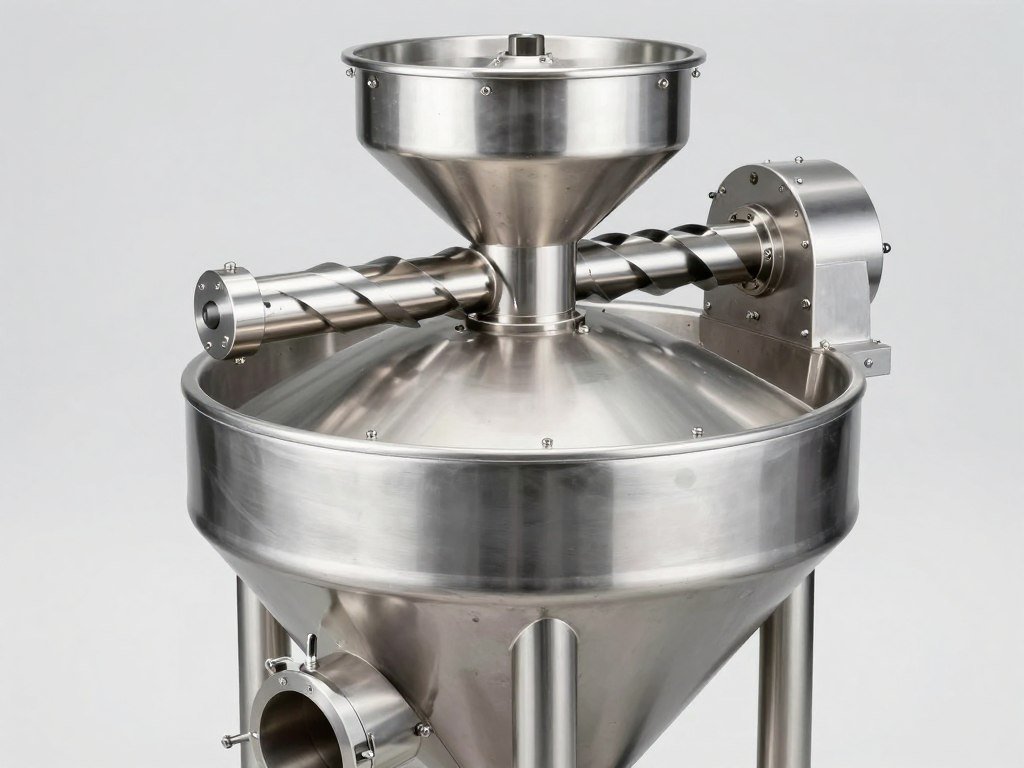
Philippine Humidity Consideration: Our mixers include optional liquid addition systems for molasses or oil incorporation common in Philippine feed formulations. The sealed design prevents moisture absorption during mixing, critical in tropical climates.
3. Conditioning System: Steam Treatment for Better Pelleting
The conditioner adds steam and moisture to the mixed feed before pelleting. This process gelatinizes starches, improves pellet binding, and can sanitize the feed. Philippine poultry feed production especially benefits from conditioning’s pathogen reduction.
- Stainless steel construction resists corrosion from steam exposure
- Adjustable retention time controls conditioning intensity
- Temperature monitoring ensures optimal 75-85°C range
- Steam injection rate adjustable for different formulations
- Paddle design ensures even moisture distribution
4. Pelletizing System: Ring Die Feed Pellet Mill
The pellet mill is the heart of your production line. Our ring die design forces conditioned feed through die holes under high pressure, forming dense, durable pellets. MAIKONG uses premium alloy steel dies with precision-drilled holes for consistent pellet size.
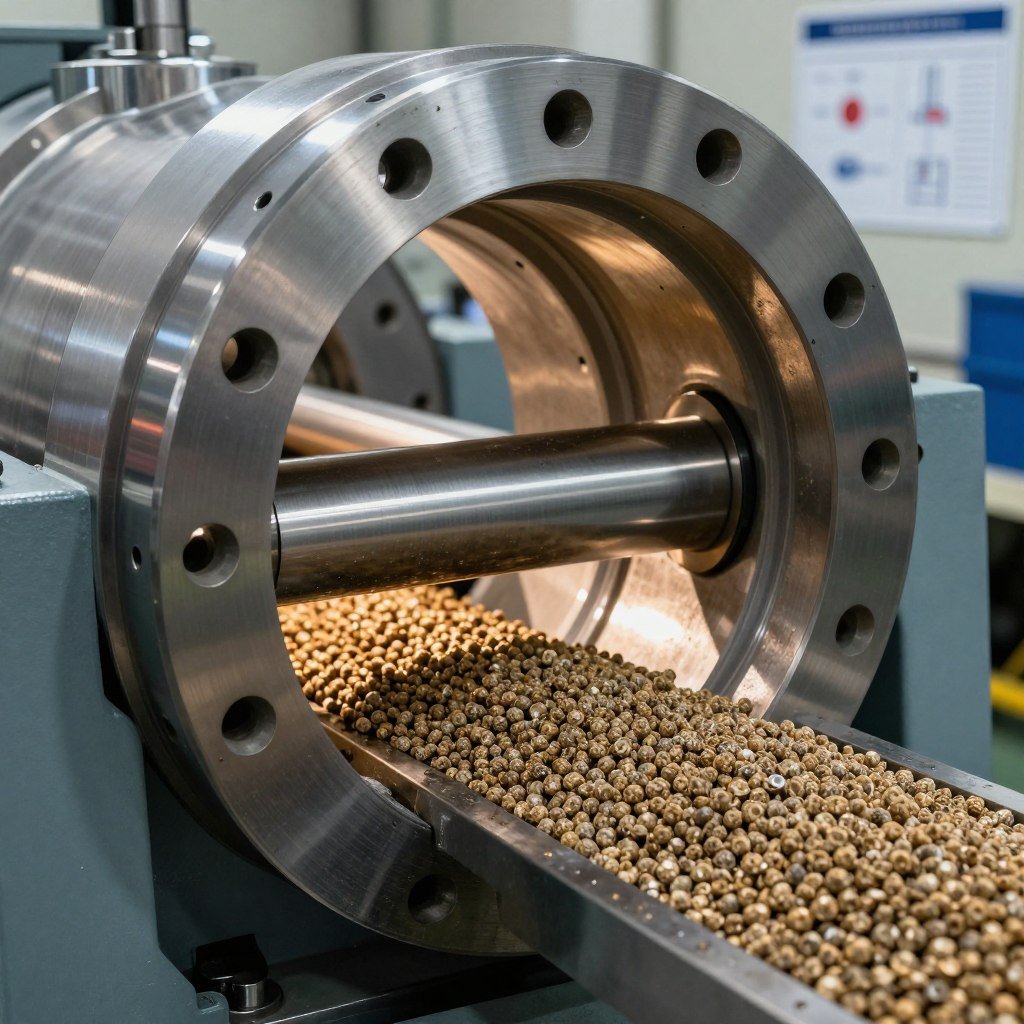
| Pellet Mill Model | Capacity (tons/hour) | Main Motor Power | Philippine Application |
| MK-SZLH250 | 0.5 – 1.0 | 22 kW | Small farms, backyard poultry |
| MK-SZLH320 | 1.5 – 2.5 | 37 kW | Medium farms, fish hatcheries |
| MK-SZLH420 | 3.0 – 5.0 | 90 kW | Commercial farms, cooperatives |
| MK-SZLH508 | 8.0 – 12.0 | 160 kW | Feed mill factories, integrators |
Die hole diameter determines final pellet size. Philippine chicken feed typically uses 2-3mm for layers, 3-4mm for broilers. Pig feed requires 4-6mm pellets. Cattle feed needs 6-8mm for optimal rumen function. We supply multiple die sets with each line for production flexibility.
5. Cooling System: Pellet Stabilization
Fresh pellets exit the mill at 70-85°C with 15-17% moisture. The counterflow cooler reduces temperature to ambient +5°C and moisture to 12-13% for safe storage. This prevents mold growth critical in Philippine tropical conditions.
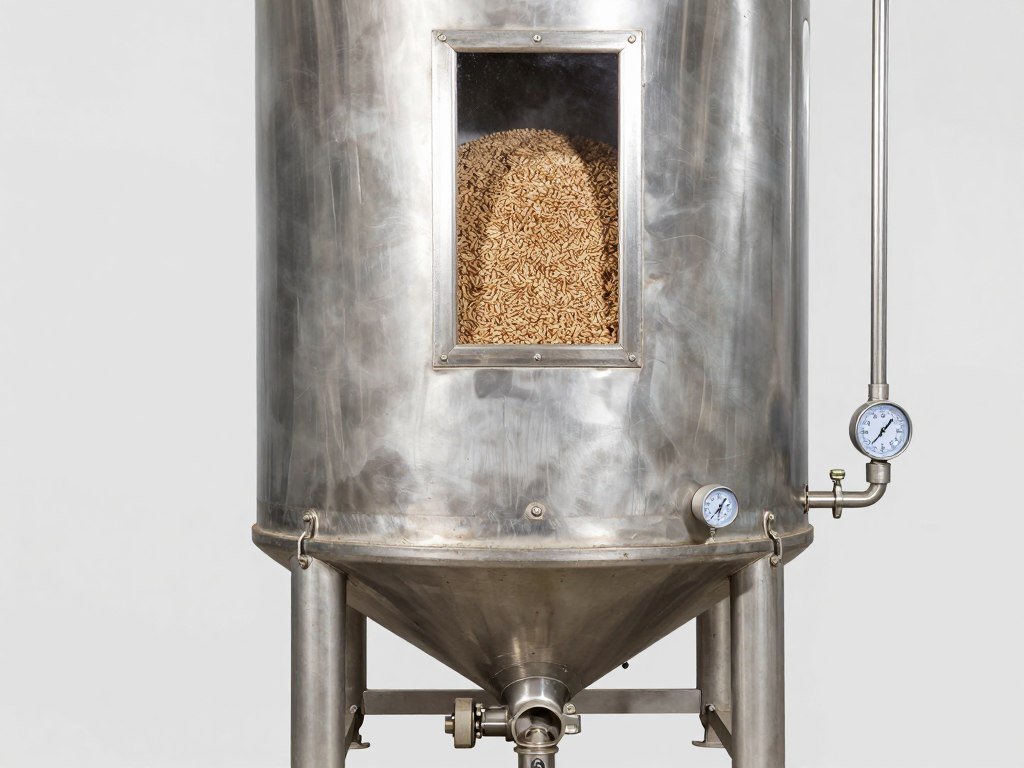
Cooling Is Non-Negotiable in Philippines: We’ve seen Philippine operations skip cooling to save costs, only to lose entire batches to mold within days. Our cooling systems are sized specifically for Philippine ambient temperatures (28-35°C) and humidity (70-90%), ensuring safe pellet storage even during monsoon season.
6. Screening & Packaging: Final Quality Control
The rotary screener removes fines and oversized particles, ensuring uniform pellet quality. Fines return to the pellet mill for reprocessing. The packing machine then weighs and bags finished feed pellet products to your specification (25kg, 50kg standard in Philippines).
- Automatic weighing accuracy within ±0.2% meets Philippine trade standards
- Bag sewing or heat sealing options available
- Batch coding system tracks production dates for quality management
- Optional bulk loading system for large farm deliveries
Optional Advanced Components for Premium Systems
Philippine feed mill factories upgrading to premium specifications often add these components:
Fat/Liquid Coating System
Applies oils or liquid vitamins to pellet surface after cooling. Increases energy density without compromising pellet quality. Essential for high-performance poultry feed and aqua feed production.
Dust Collection Network
Centralized system captures dust from crusher, mixer, and screener. Recovers usable fines, improves worker safety, meets environmental regulations. Reduces material waste by 2-3%.
Crumbler (for Starter Feeds)
Breaks pellets into controlled crumble size for chick starter or piglet feeds. Adjustable gap creates uniform crumbles. Critical for Philippine poultry integrators producing multiple feed forms.
Philippine Raw Material Compatibility: What Your Animal Feed Pellet Production Line Can Process
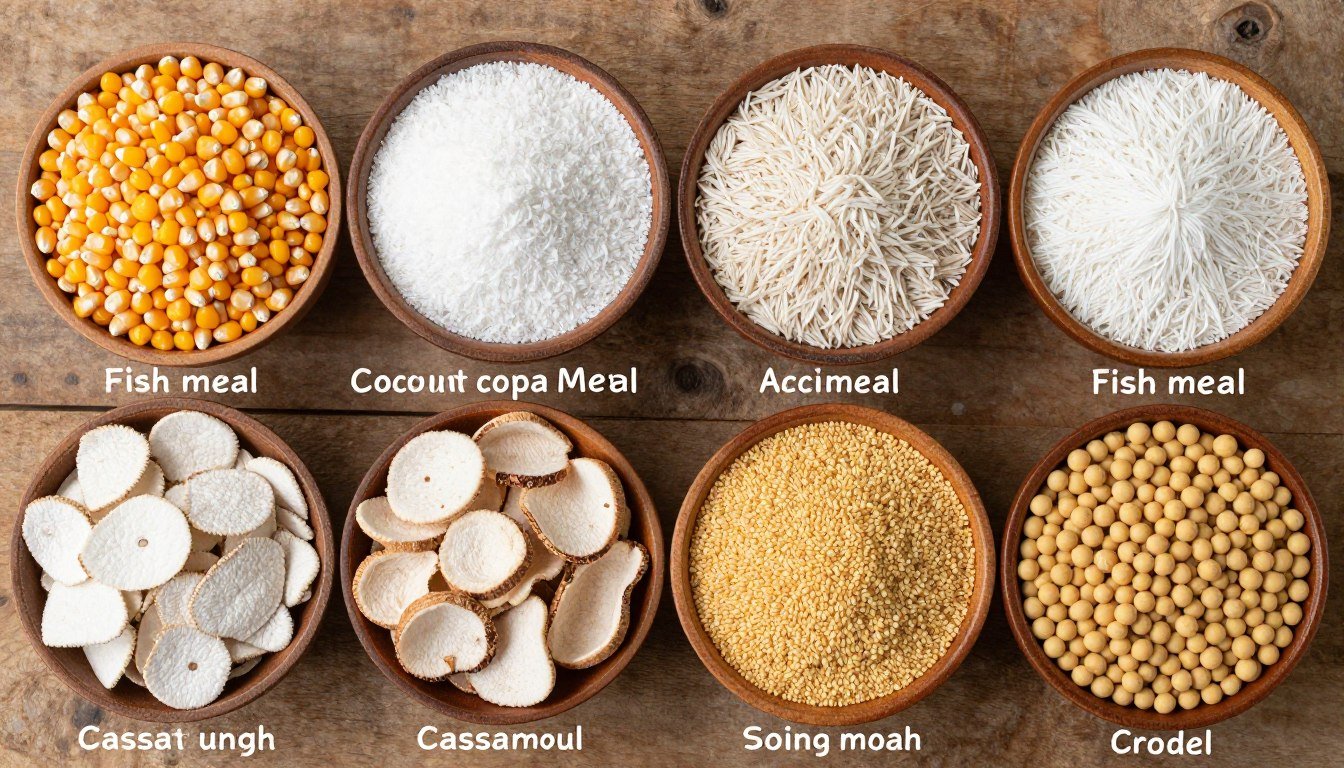
Philippine farmers and feed producers work with diverse ingredients. Our animal feed pellet production line supplier systems handle the full range of locally available materials plus imported protein sources.
Locally Available Philippine Feed Ingredients
Energy Sources
Primary carbohydrate and energy providers for animal nutrition:
- Yellow corn (most common, requires medium grinding)
- Broken rice and rice bran (abundant, needs fine screens)
- Cassava chips and pellets (high starch, good binder)
- Copra meal (coconut byproduct, adds energy and flavor)
Protein Sources
Essential amino acid providers for growth and production:
- Soybean meal (imported, requires gentle crushing)
- Fish meal (local and imported, high protein)
- Meat and bone meal (requires sanitation via conditioning)
- Blood meal (protein-dense, needs careful blending)
Fiber Sources
Digestive health and rumen function materials:
- Rice hulls (inexpensive filler, aids pellet structure)
- Wheat bran (when available, good fiber source)
- Copra meal (dual-purpose energy and fiber)
- Vegetable waste (dried, requires fine grinding)
Specialty Ingredients
Value-added components for specific applications:
- Molasses (liquid binder, dust control, palatability)
- Salt and minerals (require pre-mixing for even distribution)
- Vitamins and premixes (added during mixing stage)
- Antibiotics/medications (when legally permitted, mixed last)
Processing Parameters for Common Philippine Formulations
| Feed Type | Typical Philippine Formula | Grinding Screen Size | Pellet Diameter | Special Considerations |
| Broiler Starter | Corn 50%, SBM 30%, Fish meal 10%, Rice bran 5%, Premix 5% | 3mm | 2-3mm (crumbled) | Needs crumbler, high protein binding |
| Layer Pellets | Corn 55%, SBM 20%, Copra 10%, Rice bran 8%, Limestone 5%, Premix 2% | 4mm | 3mm | Calcium source requires fine grinding |
| Tilapia Feed | Fish meal 35%, SBM 25%, Corn 20%, Rice bran 15%, Binder 5% | 2mm | 2-4mm (size graded) | Requires water stability testing |
| Swine Grower | Corn 60%, SBM 25%, Copra 8%, Rice bran 5%, Premix 2% | 4mm | 4-5mm | Moderate pellet hardness preferred |
| Cattle Fattening | Corn 30%, Copra 25%, Rice bran 20%, Molasses 15%, Urea 2%, Minerals 8% | 6mm | 6-8mm | Liquid molasses requires special mixer |
| Duck Grower | Corn 50%, Rice bran 20%, Fish meal 15%, SBM 10%, Premix 5% | 3mm | 3-4mm | Higher moisture tolerance than chicken |
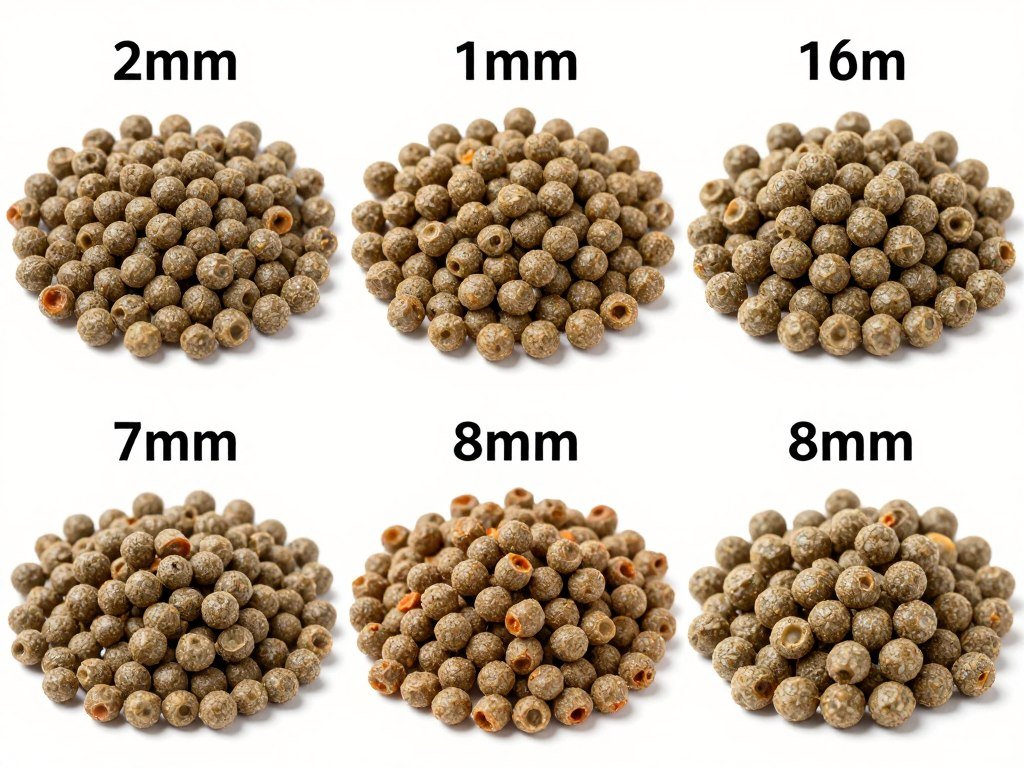
Ingredient Challenges Our Systems Solve
How MAIKONG Handles Difficult Materials
- High-oil ingredients: Cooling system prevents pellet cracking from thermal shock
- Sticky materials: Die design with optimal compression ratio prevents choking
- Variable moisture: Pre-conditioning adjusts moisture before pelleting
- Hard particles: Hardened hammer mill components resist wear
- Dusty components: Integrated dust collection recovers fines
- Liquid additives: Optional liquid addition system at mixer or post-pellet coating
Materials Requiring Special Configuration
- Whole grains: Need pre-cleaning equipment to remove stones/metals
- Wet byproducts: Require dryer before entering production line
- Fibrous materials: May need specialized grinding screens or pre-cutting
- Extremely hard ingredients: Consider two-stage grinding for efficiency
- Heat-sensitive vitamins: Add post-pelleting to avoid thermal degradation
- Bulk density extremes: May require specific mixer design for proper blending
Our technical team reviews your specific Philippine ingredient list during the quotation process. We adjust hammer mill specifications, mixer design, die hole configuration, and cooling capacity to match your exact raw material profile. This customization prevents the common problem of buying equipment that doesn’t suit your actual ingredients.
Selecting the Right Production Capacity for Your Philippine Operation
Choosing capacity involves more than just current needs. Smart Philippine buyers consider growth plans, peak demand periods, and operational efficiency. An undersized feed pellet production system creates bottlenecks. Oversized equipment wastes capital and energy.
Capacity Calculation Methodology
Start with your daily feed consumption or sales target. Account for production efficiency (typically 85-90% of rated capacity), maintenance downtime, and growth projections. Here’s how Philippine operations typically calculate requirements:
Example Calculation: A poultry farm consumes 5 tons of feed daily. Operating 8 hours per day, 6 days per week. Required capacity = 5 tons ÷ 8 hours = 625 kg/hour minimum. Accounting for 85% efficiency: 625 ÷ 0.85 = 735 kg/hour. Recommended system: 1 ton/hour capacity for safety margin and growth.
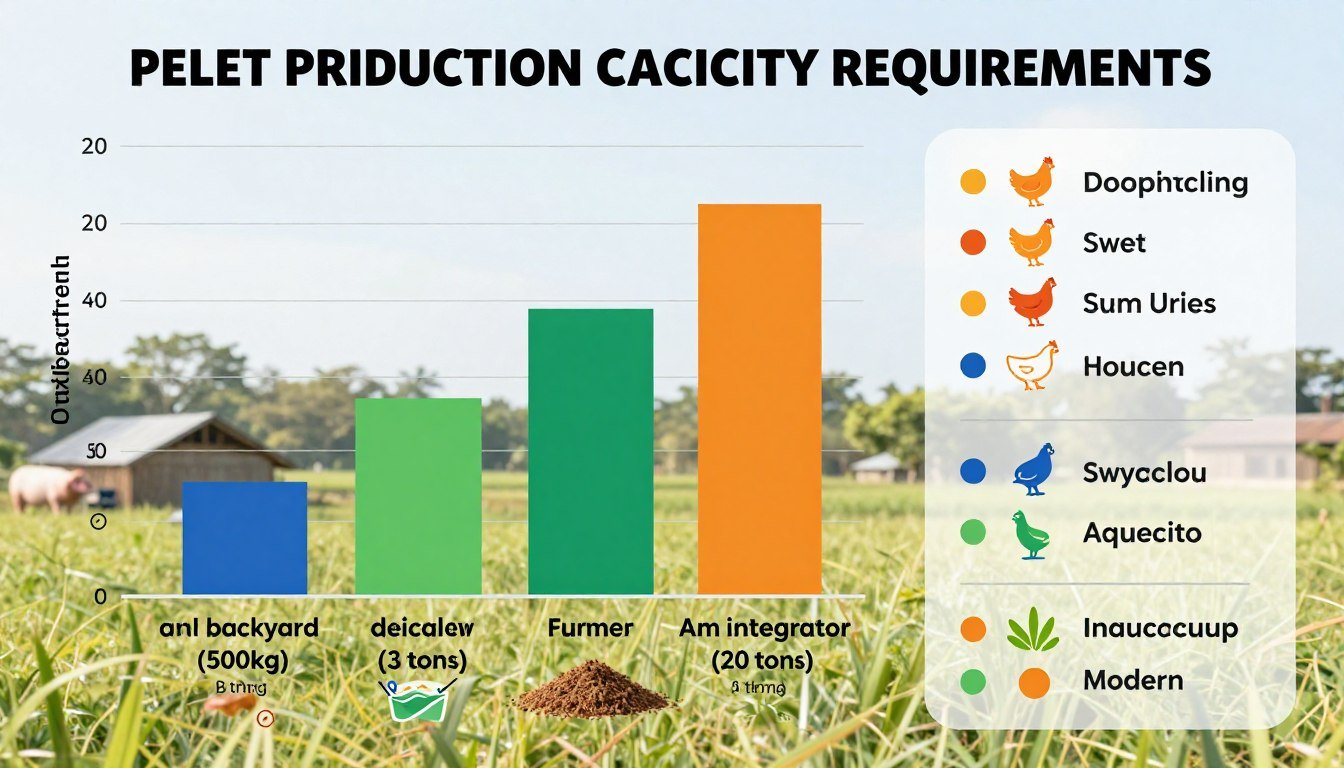
Capacity Recommendations by Philippine Market Segment
Backyard & Small Farms (200-500 kg/hour)
- 100-500 layers or 1,000-3,000 broilers per batch
- Small fish ponds (0.5-1 hectare)
- 10-30 fattening pigs
- Mixed livestock operations
- Feed for own use, minimal sales
- Single-shift operation (4-6 hours/day)
- Investment range: $12,000-$25,000
Commercial Farms (1-5 tons/hour)
- 5,000-20,000 layers or 10,000-50,000 broilers
- Fish farms 3-10 hectares
- 100-500 head swine operation
- Cattle feedlots 50-200 head
- Some sales to neighboring farms
- Two-shift operation possible
- Investment range: $35,000-$85,000
Feed Mill Factories (8-200 tons/hour)
- Multiple farm supply contracts
- Distribution to retail feed stores
- Multiple product formulations
- Integrator operations (contract growers)
- Export to neighboring islands
- Continuous 24-hour operation
- Investment range: $120,000-$800,000+
Scalability & Expansion Planning
Many Philippine operations start with one production line and add parallel lines as business grows. This modular approach offers advantages:
- Lower initial capital investment matches early revenue
- Proven demand before major expansion commitment
- Operational backup if one line requires maintenance
- Ability to dedicate lines to specific animal feed types (prevents cross-contamination)
- Easier to implement production improvements from lessons learned on first line
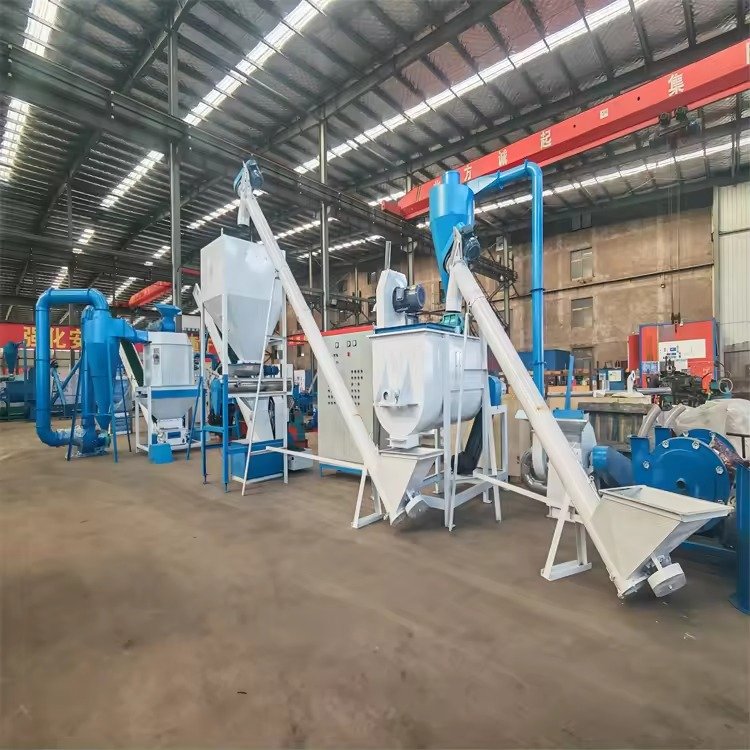
MAIKONG designs initial installations with expansion in mind. We provide facility layout plans that accommodate additional lines, shared infrastructure (power, dust collection, ingredient storage), and efficient material flow for multi-line operations. This forward planning saves Philippine customers significant costs when they’re ready to grow.
Configure Your Complete System – From Crusher to Packaging
22 years engineering experience. Custom capacity from 200kg to 200 tons/hour. Optimized for Philippine raw materials, voltage & climate conditions.
Philippine-Specific Technical Considerations for Animal Feed Pellet Production Line China Installations
Importing production line equipment from China to Philippines requires addressing specific technical, regulatory, and operational factors. MAIKONG’s 22-year experience with Philippine installations means we proactively solve these challenges.
Electrical Compatibility & Power Quality
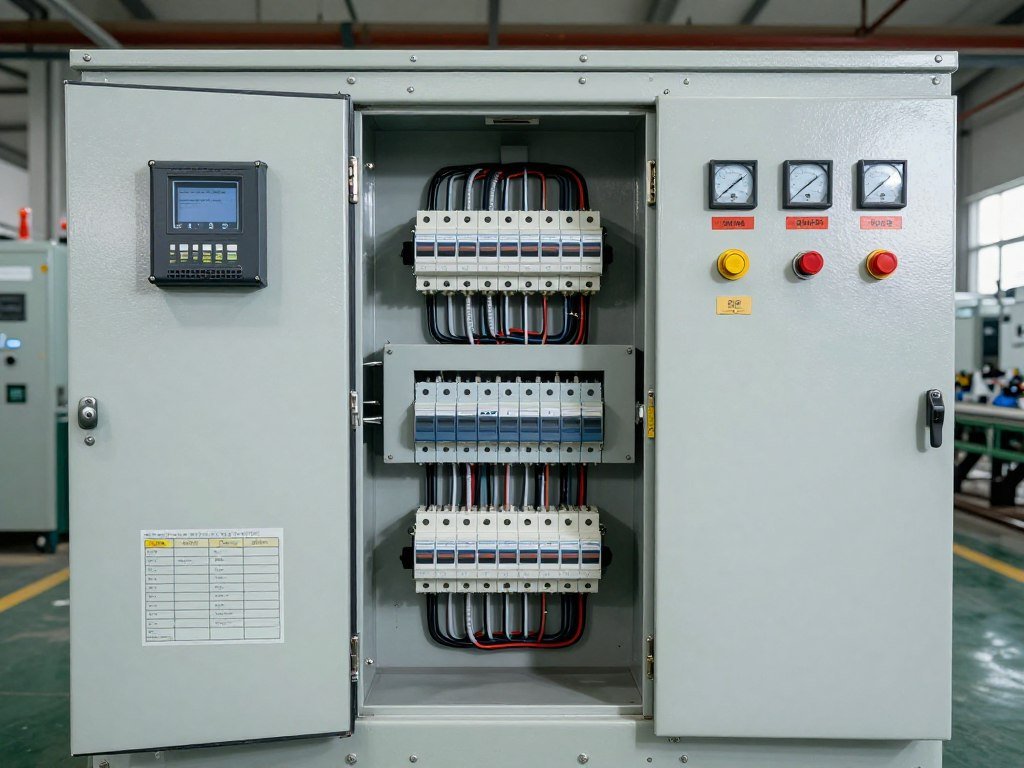
Philippines operates on 230V/60Hz single-phase for residential and 230V/380V/60Hz three-phase for commercial/industrial. Our feed pellet production line systems come pre-configured for Philippine voltage standards. We include:
Standard Electrical Package
- Motors wound for 230V/380V/60Hz operation
- Circuit breakers rated for Philippine standards
- Control panels with English labeling
- Wiring to Philippine Electrical Code specifications
- Grounding system design for safety
Optional Power Protection (Recommended)
- Voltage stabilizer for rural areas with unstable power
- Automatic voltage regulator (AVR) to prevent motor damage
- Phase failure protection relay
- Lightning surge protection
- Generator compatibility verification
Tropical Climate Adaptations
Philippine humidity (70-90%) and temperatures (25-35°C year-round) affect equipment performance and feed pellet quality. MAIKONG incorporates these tropical-climate modifications:
- Corrosion-resistant materials: Stainless steel for all feed-contact surfaces, powder-coated steel frames resist rust from humidity
- Enhanced cooling capacity: Coolers sized for 35°C ambient temperature, not standard 25°C rating
- Moisture control: Sealed motors and electrical enclosures prevent condensation damage during monsoon season
- Ventilation design: Natural and mechanical ventilation plans for facilities without air conditioning
- Pest barriers: Sealed construction prevents insect and rodent entry common in tropical warehouses
Shipping, Customs & Installation
MAIKONG coordinates complete logistics from our GD Province factory to your Philippine facility:
Shipping Process
We work with specialized machinery freight forwarders experienced in China-Philippines routes. Equipment ships in containers to Manila, Cebu, or Davao ports based on your location.
- Full containerload (FCL) for complete lines
- Professional packing prevents transit damage
- Marine insurance coverage included
- Typical transit time: 7-10 days
Customs Clearance
We provide complete documentation for smooth Philippine customs processing. Our freight partners handle BOC (Bureau of Customs) requirements.
- Commercial invoice and packing list
- Bill of lading
- Certificate of Origin (Form E for ACFTA)
- HS code classification (8436.10 for feed mills)
- Import duty typically 1-3% under ASEAN trade agreement
Installation Support
MAIKONG offers multiple installation support levels to fit your budget and technical capability.
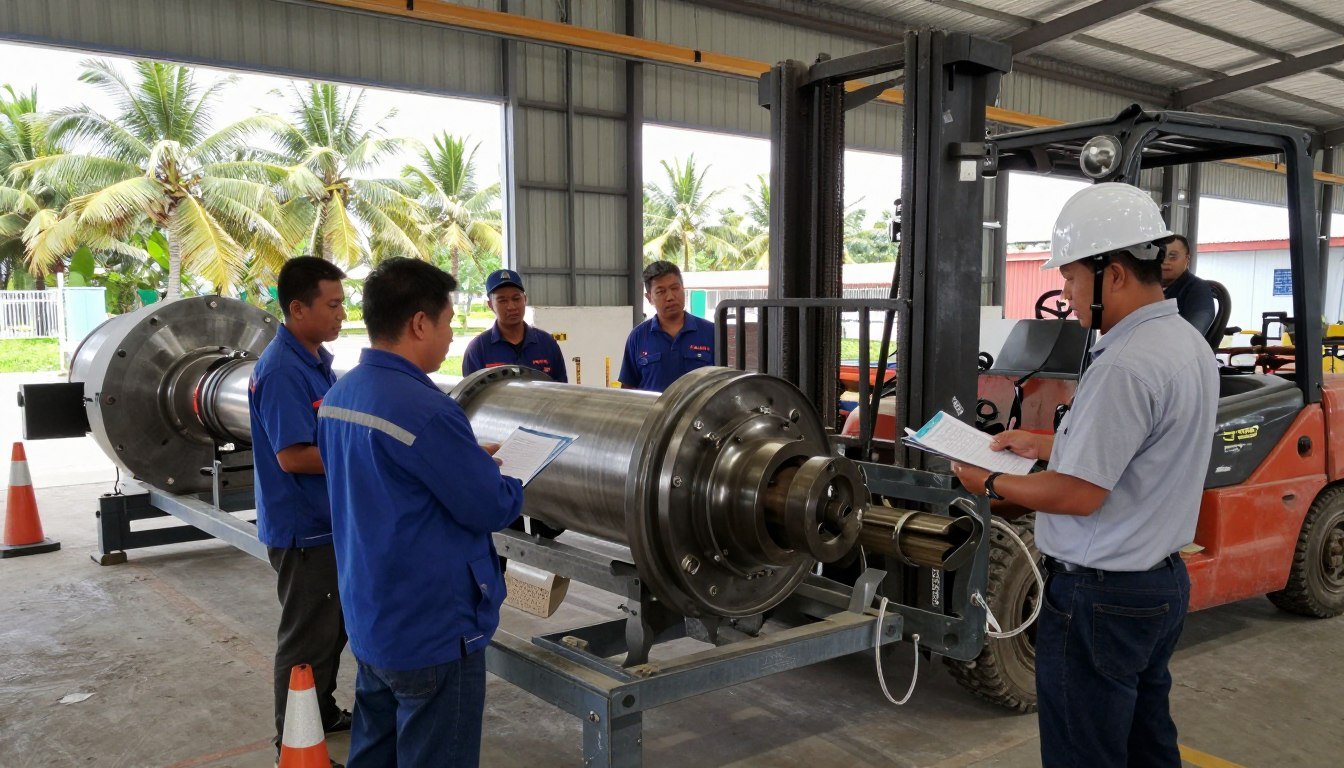
- Detailed installation manuals with diagrams
- Video installation guidance included
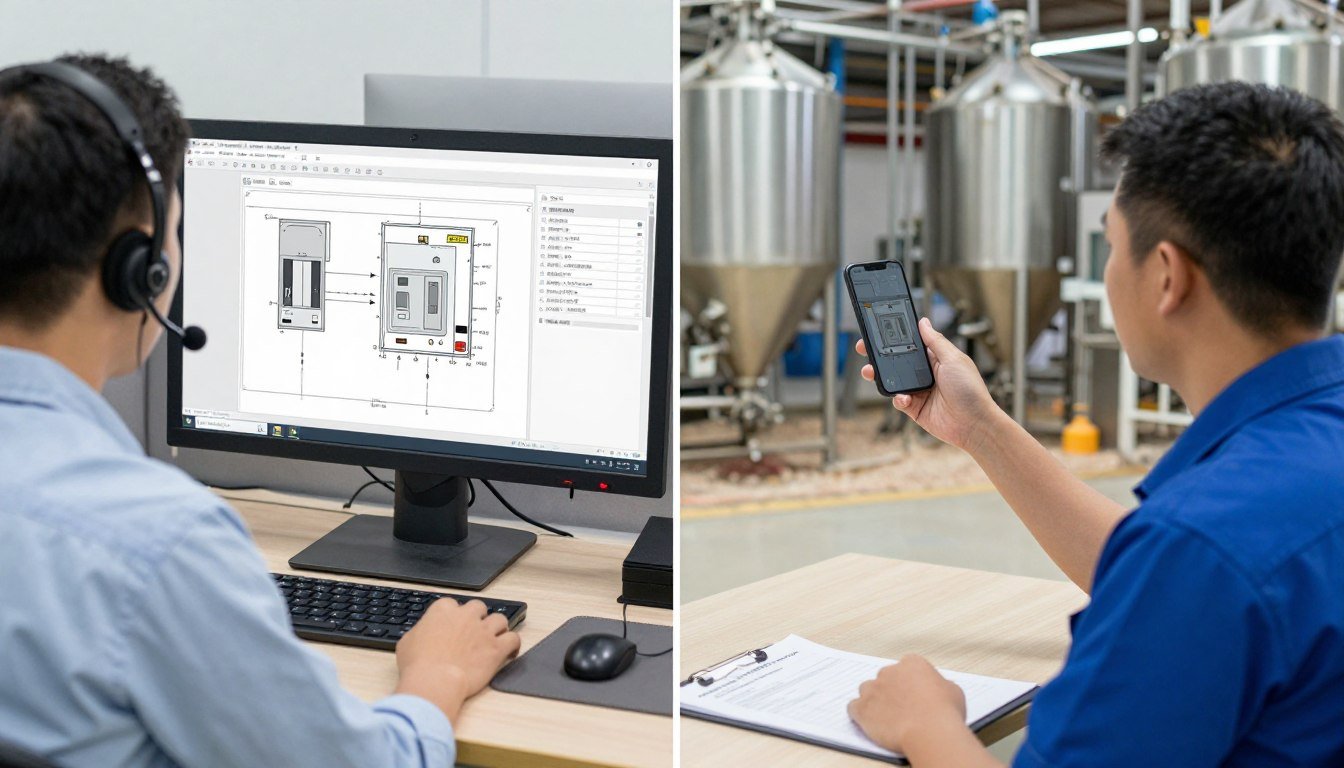
- Remote technical support via video call
- Optional: Engineer travel to Philippines for on-site installation and training
- Local Philippine partner support network
After-Sales Support & Spare Parts
Equipment reliability depends on proper maintenance and timely parts availability. Our Philippine support structure includes:
MAIKONG Philippine Support Network: We maintain spare parts inventory with authorized distributors in Luzon, Visayas, and Mindanao. Critical wear parts (hammers, screens, dies, rollers) ship within 3-5 days to most Philippine locations. Emergency parts can be air-freighted within 48 hours. Our technical team provides phone and WhatsApp support in English 24/7.
- Comprehensive parts catalog with photos and part numbers
- Maintenance schedule and procedures manual
- Video troubleshooting library for common issues
- Annual maintenance package options available
- Equipment upgrade programs as technology advances
Training for Philippine Operators
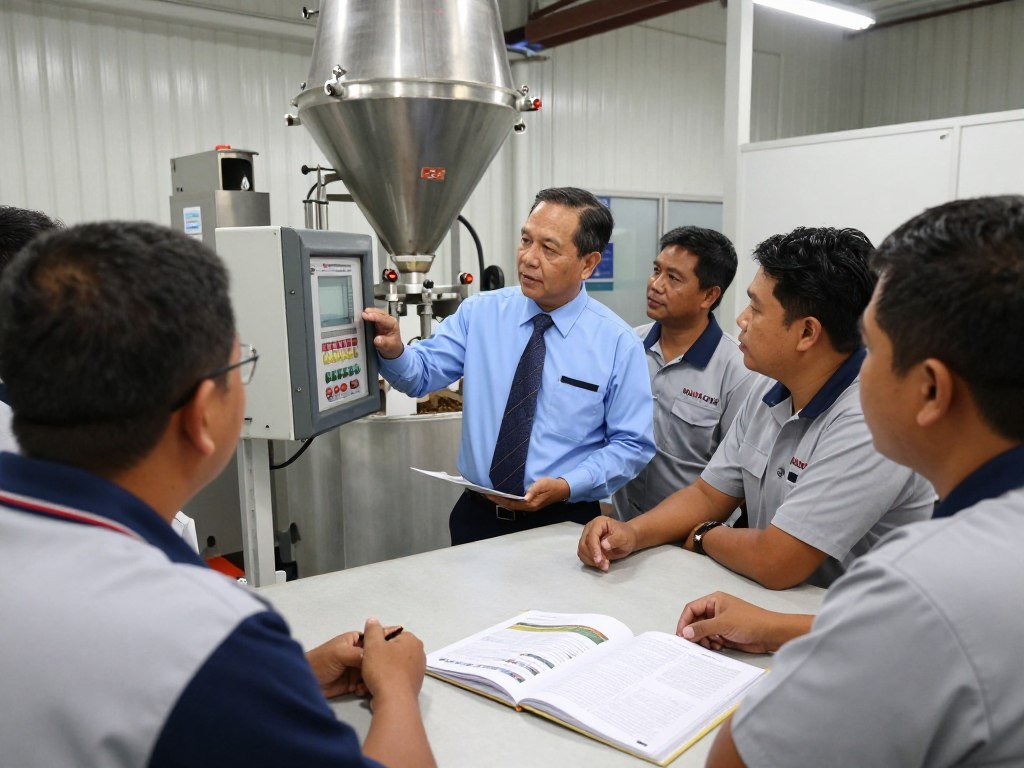
Equipment performance depends heavily on operator skill. MAIKONG provides thorough training:
Training Program Includes:
- Safe operation procedures and emergency shutdown
- Start-up sequences and parameter adjustment
- Quality control checks and troubleshooting
- Routine maintenance tasks and schedules
- Record keeping for production optimization
- English training materials with visual aids
- Optional Tagalog translation of key procedures
Investment Analysis: Animal Feed Pellet Production Line Pricing & ROI for Philippine Buyers
Understanding what drives feed pellet production line cost helps Philippine buyers evaluate quotations and avoid low-quality equipment marketed at unrealistic prices. MAIKONG provides transparent pricing with clear value justification.
Price Influencing Factors
Complete production line investment varies significantly based on these specifications:
| Factor | Budget Option | Standard Option | Premium Option | Impact on Philippines Use |
| Production Capacity | 200-500 kg/h | 1-5 tons/h | 8-200 tons/h | Matches farm size to mill operation scale |
| Automation Level | Manual controls | Semi-automatic with PLC | Fully automated with SCADA | Reduces labor costs, improves consistency |
| Material Quality | Carbon steel | Stainless food-contact parts | Full stainless construction | Longevity in humid tropical climate |
| Component Brands | Chinese standard | Chinese premium + imports | European/Japanese components | Reliability, parts availability, lifespan |
| Customization | Standard catalog config | Modified for requirements | Fully custom engineered | Match to specific Philippine raw materials |
| Installation Support | Manual only | Remote + video guidance | On-site engineer installation | Successful commissioning, operator confidence |
Approximate Investment Ranges for Philippine Market
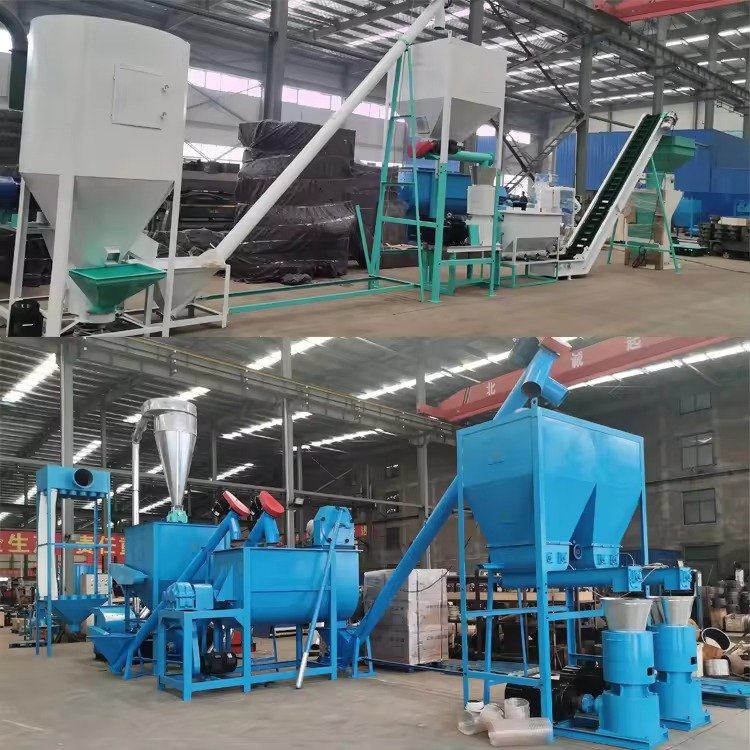
These ranges reflect complete animal feed pellet production line for sale systems including crusher, mixer, pellet mill, cooler, screener, and packing machine, delivered to Philippines:
Small Farm System (200-500 kg/h)
- Equipment cost: $12,000 – $25,000
- Shipping to Philippines: $1,500 – $2,500
- Installation (self or remote): $500 – $2,000
- Total investment: $14,000 – $30,000
- Suitable for: Backyard producers, single-farm use
Commercial Farm System (1-5 tons/h)
- Equipment cost: $35,000 – $85,000
- Shipping to Philippines: $3,500 – $6,000
- Installation (on-site preferred): $3,000 – $8,000
- Total investment: $42,000 – $100,000
- Suitable for: Commercial farms, small cooperatives
Feed Mill System (8-200 tons/h)
- Equipment cost: $120,000 – $800,000+
- Shipping to Philippines: $8,000 – $35,000
- Installation & commissioning: $15,000 – $60,000
- Total investment: $145,000 – $900,000+
- Suitable for: Feed factories, integrators, distributors
Return on Investment (ROI) Calculations
Philippine feed buyers typically recover their investment through:
Cost Savings (Captive Use)
Producing your own feed pellet instead of buying commercial feed typically saves 20-35% per ton. A 10,000-broiler operation consuming 30 tons per batch sees substantial savings:
- Commercial feed cost: ₱22,000/ton
- Own production cost: ₱15,000/ton
- Savings per ton: ₱7,000
- Savings per batch: ₱210,000
- 6 batches/year: ₱1,260,000 annual savings
- $60,000 system pays back in 2.5 years
Revenue Generation (Commercial Production)
Feed mill operators selling to other farms or retailers generate revenue on top of meeting their own needs:
- Production cost: ₱15,000/ton
- Wholesale price: ₱19,000/ton
- Margin per ton: ₱4,000
- 5 tons/day production: ₱20,000/day margin
- 25 days/month: ₱500,000 monthly margin
- $80,000 system pays back in 8-10 months
Beware of Unrealistic Low Prices: Some Chinese suppliers advertise complete production line systems at 40-60% below market rates. Philippine buyers often discover these quotations exclude critical components (cooler, screener, electrical panels), use substandard materials that fail within months, or represent used/refurbished equipment. MAIKONG’s pricing reflects actual manufacturing costs of quality components with proper engineering. We provide itemized quotations showing exactly what you receive.
Total Cost of Ownership (TCO) Beyond Purchase Price
Smart Philippine buyers evaluate long-term costs, not just initial investment:
- Energy consumption: Efficient motors and proper sizing reduce electricity costs (significant in Philippines)
- Maintenance requirements: Quality components need less frequent replacement, lower downtime
- Spare parts availability: Standardized components cost less, arrive faster than proprietary designs
- Operator training: Intuitive controls reduce staffing costs and error rates
- Production consistency: Reliable equipment prevents batch rejections and waste
- Resale value: MAIKONG equipment maintains value if you upgrade or change operations
Over a 10-year equipment life, TCO often shows premium equipment costing 30% more initially delivers 40-50% lower total ownership costs than budget alternatives. This gap widens in Philippine tropical conditions where inferior equipment degrades faster.
Frequently Asked Questions from Philippine Feed Pellet Production Line Buyers
These questions address the specific concerns Philippine customers raise during the purchasing process. Our answers come from 22 years of actual installations and support experience.
Will your animal feed pellet production line china equipment work with Philippine voltage and power supply?
Yes, absolutely. All MAIKONG systems ship pre-configured for Philippine 230V/380V/60Hz electrical standards. Our motors, control panels, and electrical components match your local power infrastructure. For rural areas with unstable voltage, we recommend adding an automatic voltage regulator (AVR) which we can include in your system package.
We’ve successfully installed over 200 systems across Philippine islands, from stable urban grids to rural areas requiring generator backup. Our engineers factor in your specific power situation during system design.
What raw materials can I process with your complete production line?
MAIKONG feed pellet production systems handle all common Philippine ingredients: corn, rice bran, copra meal, soybean meal, fish meal, cassava, molasses, and various protein/mineral supplements. We customize crusher screens, mixer configuration, and pellet mill die specifications to match your exact formulation.
During quotation, send us your typical ingredient list and target formulations. Our engineers will verify compatibility and recommend any adjustments needed for optimal pellet quality with your specific materials.
How do I know what production capacity I need for my Philippine operation?
Calculate your daily feed consumption or sales target, then divide by your available operating hours. Add 20-30% margin for efficiency losses and growth. For example: 4 tons daily usage ÷ 8 hours operation = 500 kg/hour minimum. With margin: 650 kg/hour recommended, so choose a 1 ton/hour system.
Contact our team with your livestock numbers or feed sales volume. We’ll help you select appropriate capacity based on similar Philippine customer configurations. It’s better to have slight excess capacity than to constrain production.
What is the difference between buying a single pellet machine versus a complete production line?
A single pellet machine only forms pellets from prepared material. You’ll still need to manually grind ingredients, mix them, and cool the pellets separately. A complete production line automates the entire process from raw materials to packaged feed with consistent quality and minimal labor.
For operations producing more than 200 kg daily, complete lines typically pay back their additional cost within 12-18 months through labor savings, better consistency, and higher throughput efficiency. Single machines suit only very small backyard operations.
How long does shipping take from China to Philippines, and who handles customs?
Sea freight from our GD Province factory to Manila, Cebu, or Davao ports typically takes 7-10 days. Our freight partners handle export documentation from China. Upon arrival in Philippines, you’ll need a customs broker (we can recommend reliable partners) to clear the equipment through BOC (Bureau of Customs).
Import duty on feed mill equipment is typically 1-3% under ACFTA (ASEAN-China Free Trade Agreement) when proper documentation is provided. We include all necessary certificates and commercial invoices to ensure smooth customs processing.
Can I get installation support in Philippines, or do I need to install it myself?
MAIKONG offers multiple support levels. All systems include detailed installation manuals with diagrams and video guidance. We provide remote support via WhatsApp video calls during your installation. For larger systems or customers preferring hands-on help, we can send an engineer to your Philippine location for on-site installation, testing, and operator training.
We also work with authorized Philippine partners who can provide local installation assistance. The level of support you choose depends on your technical capability and budget. Many customers successfully install smaller systems (under 2 tons/hour) themselves with our remote guidance.
What happens if I need spare parts or technical support after installation?
MAIKONG maintains spare parts inventory with authorized distributors in Luzon, Visayas, and Mindanao regions. Wear parts like hammer mill hammers, screens, pellet dies, and rollers typically ship to your location within 3-5 business days. Emergency parts can be air-freighted within 48 hours if needed.
Our technical support team is available 24/7 via phone (8615815556422) and WhatsApp for troubleshooting assistance. We maintain detailed service records for every system sold, so we can quickly identify your configuration and provide accurate support. Many issues resolve through video call diagnosis and guidance.
How do I prevent my pellets from crumbling or breaking apart after production?
Pellet durability depends on proper grinding (correct particle size), adequate conditioning (steam/moisture application), correct die specification for your formula, and thorough cooling. MAIKONG systems are engineered with these factors optimized for Philippine ingredients and climate.
We provide pellet durability index (PDI) testing guidance and help you adjust parameters if needed. Common Philippine issues like high-oil copra meal or humid storage conditions are addressed through specific equipment configurations and operational procedures we’ll teach your staff during commissioning.
Can your system produce different pellet sizes for various animals?
Yes, by changing the pellet mill die. We include multiple die sets with complete systems. A 2mm die produces small chick or fish feed pellet. A 4mm die suits layers and grower pigs. A 6-8mm die works for cattle and mature pigs. Die changes take 2-4 hours depending on system size and operator experience.
For operations frequently switching between animal types, we recommend having dedicated dies for each product. Dies are consumable items lasting 800-1,500 production hours depending on material abrasiveness, and we stock all common sizes for fast replacement.
Is your equipment suitable for producing floating fish feed for aquaculture?
Standard pellet mills produce sinking feed through compression. For floating (extruded) aqua feed production line applications, we offer extruder-based systems instead of traditional pellet mills. The extruder cooks and expands the material, creating low-density floating pellets required for many fish species.
Tell us your target fish species (tilapia, bangus, grouper, etc.) during quotation. We’ll recommend either a standard pelletizing line (for species accepting sinking feed) or an extruder-based system (for species requiring floating feed). Both types are available in various capacities for Philippine aquaculture operations.
What training do you provide for my staff to operate the production line?
All MAIKONG systems include comprehensive training materials in English: operation manuals, maintenance schedules, troubleshooting guides, and safety procedures. Video tutorials demonstrate start-up, adjustment, and routine maintenance tasks. For on-site installations, our engineer conducts hands-on training with your operators for 3-5 days, covering all aspects of operation and basic maintenance.
We can provide key documentation in Tagalog translation if requested. Training emphasizes practical skills your operators need daily, not just theory. After commissioning, you have ongoing access to our technical team for questions as your staff gains experience.
Can I produce organic certified feed with your equipment?
Yes, MAIKONG systems meet sanitary design standards required for organic certification. We use food-grade stainless steel for all ingredient-contact surfaces, design for easy cleaning between batches, and provide proper documentation of materials and processes. However, organic certification depends on your raw material sourcing, facility practices, and certification body requirements beyond just the equipment.
Several Philippine organic farms and cooperatives successfully use MAIKONG lines for certified organic poultry feed, livestock feed, and specialty products. We’ll help you understand equipment-related certification requirements during system design.
Still Have Questions About Your Philippine Feed Production Setup?
Our Philippine support team is ready to answer your specific questions about capacity, raw materials, installation, or any technical concerns.
WhatsApp/Call: 8615815556422
Real Philippine & Asian Customer Success Cases: MAIKONG Animal Feed Pellet Production Line Installations
These documented cases demonstrate how Philippine and regional customers solved specific challenges with MAIKONG feed pellet production systems. Each represents actual installations, not hypothetical scenarios.
Case Study 1: Batangas Poultry Integration – 3 Ton/Hour Layer Feed Production
Customer Profile: Large-scale layer egg producer in Batangas Province supplying Metro Manila markets. 50,000 layers across multiple houses requiring 90 tons feed weekly.
Challenge
Previously purchasing commercial layer feed at ₱22,000/ton. Wanted production independence and cost reduction but lacked technical expertise for system selection. Concerned about pellet quality affecting egg production rates.
Solution
MAIKONG designed a 3 ton/hour complete line optimized for their layer formulation (corn, soybean meal, limestone, rice bran, vitamins). System included dust collection for worker safety and automated batching for formula consistency.
Results After 18 Months Operation
- Feed cost reduced from ₱22,000 to ₱15,500/ton (29.5% savings)
- Annual savings: ₱3,042,000 on 468 tons yearly consumption
- System paid back initial $65,000 investment in 22 months
- Egg production maintained at 92% lay rate (no quality impact)
- Now selling excess feed to 6 neighboring farms for additional revenue
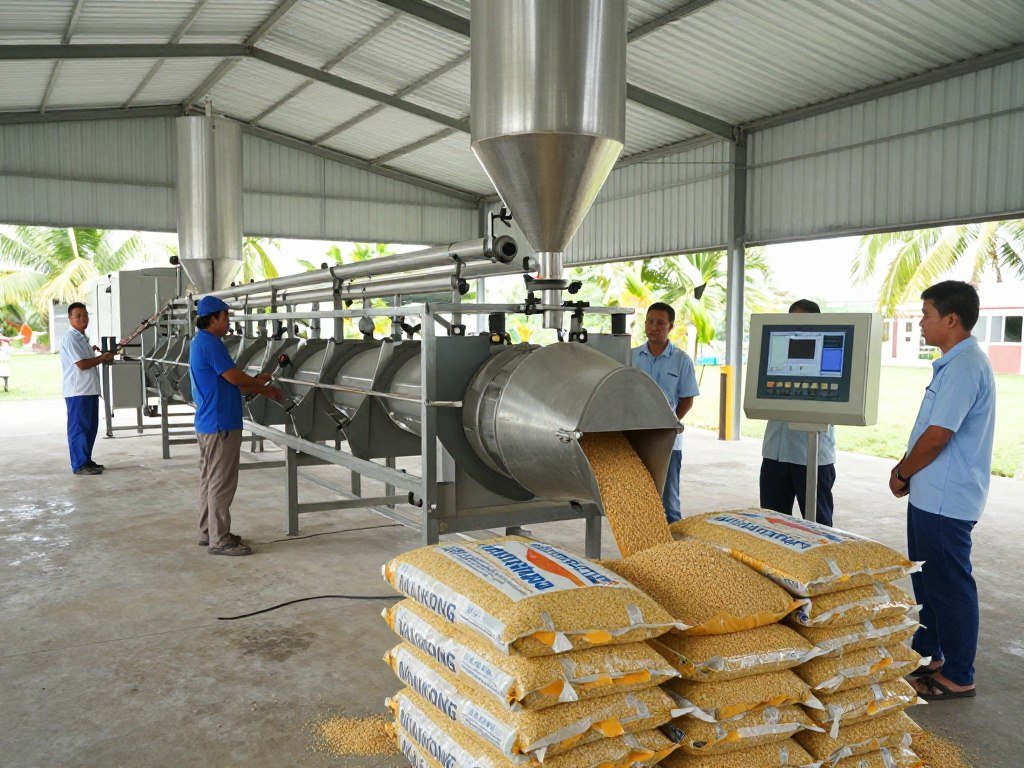
Case Study 2: Cebu Fish Farm Cooperative – 800 kg/Hour Tilapia Feed Line
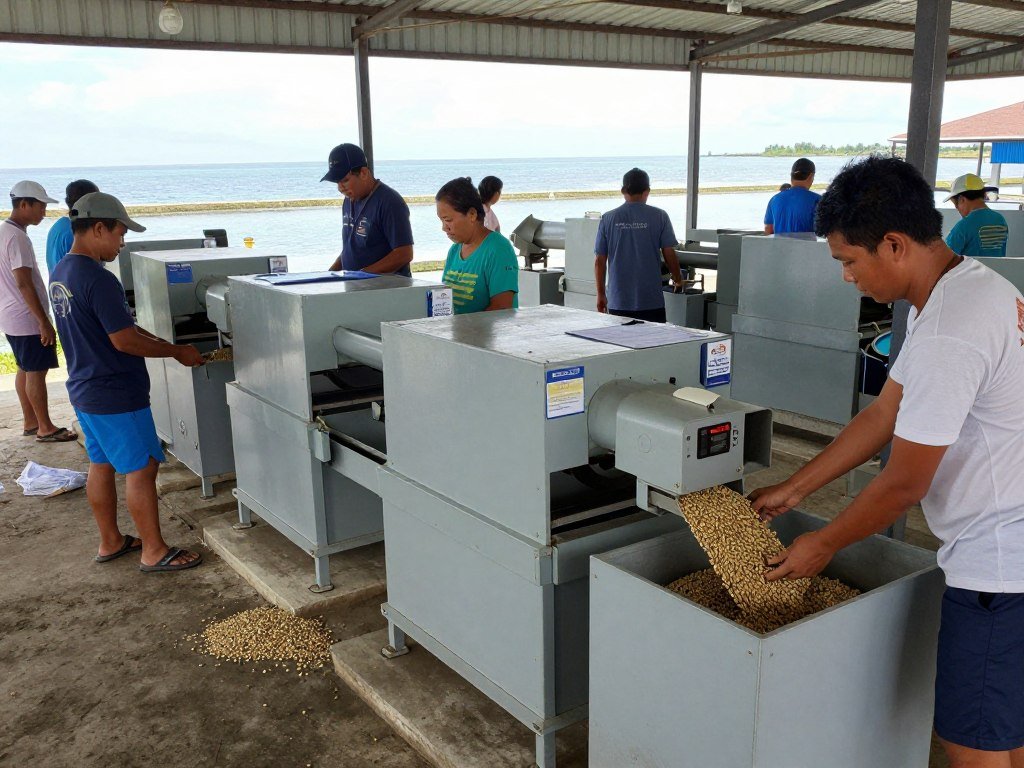
Customer Profile: Cooperative of 12 tilapia farmers in Cebu managing combined 8 hectares of fishponds. Each farm independently purchasing feed at high costs.
Challenge
Commercial tilapia feed cost ₱35,000/ton due to island shipping premiums. Farms needed water-stable sinking pellets with 28-32% protein. Limited budget for equipment investment.
Solution
MAIKONG provided 800 kg/hour capacity system with die specification for 3mm sinking pellets. Cooperative members pooled resources for $28,000 equipment purchase. System produces feed for all member farms.
Results After 12 Months
- Own production cost: ₱24,000/ton (31.4% savings vs commercial)
- Producing 18 tons monthly for member farms
- Collective monthly savings: ₱198,000
- Equipment fully paid off in 14 months
- Fish growth rates improved 8% due to fresher feed formulation
- Now producing excess to sell to non-member farmers
Case Study 3: Mindanao Commercial Feed Mill – 12 Ton/Hour Multi-Species Production
Customer Profile: Feed distributor in Davao City supplying retail stores and farms across Mindanao with chicken, pig, and cattle feeds.
Challenge
Operating aging equipment with frequent breakdowns causing delivery delays. Needed modern system handling multiple formulations efficiently. Required capacity for 200 tons daily production serving growing customer base.
Solution
MAIKONG installed 12 ton/hour turnkey feed mill with automated formula batching, dual pellet mills for production flexibility, and complete quality control lab. Full SCADA system monitors all parameters remotely. On-site installation and 2-week staff training included.
Results After 24 Months
- Production increased from 120 to 195 tons daily
- Downtime reduced from 18% to under 3%
- Energy consumption per ton decreased 22%
- Able to serve 40% more retail customers reliably
- Monthly revenue increased ₱2.8 million from higher throughput
- $285,000 investment projecting 28-month payback
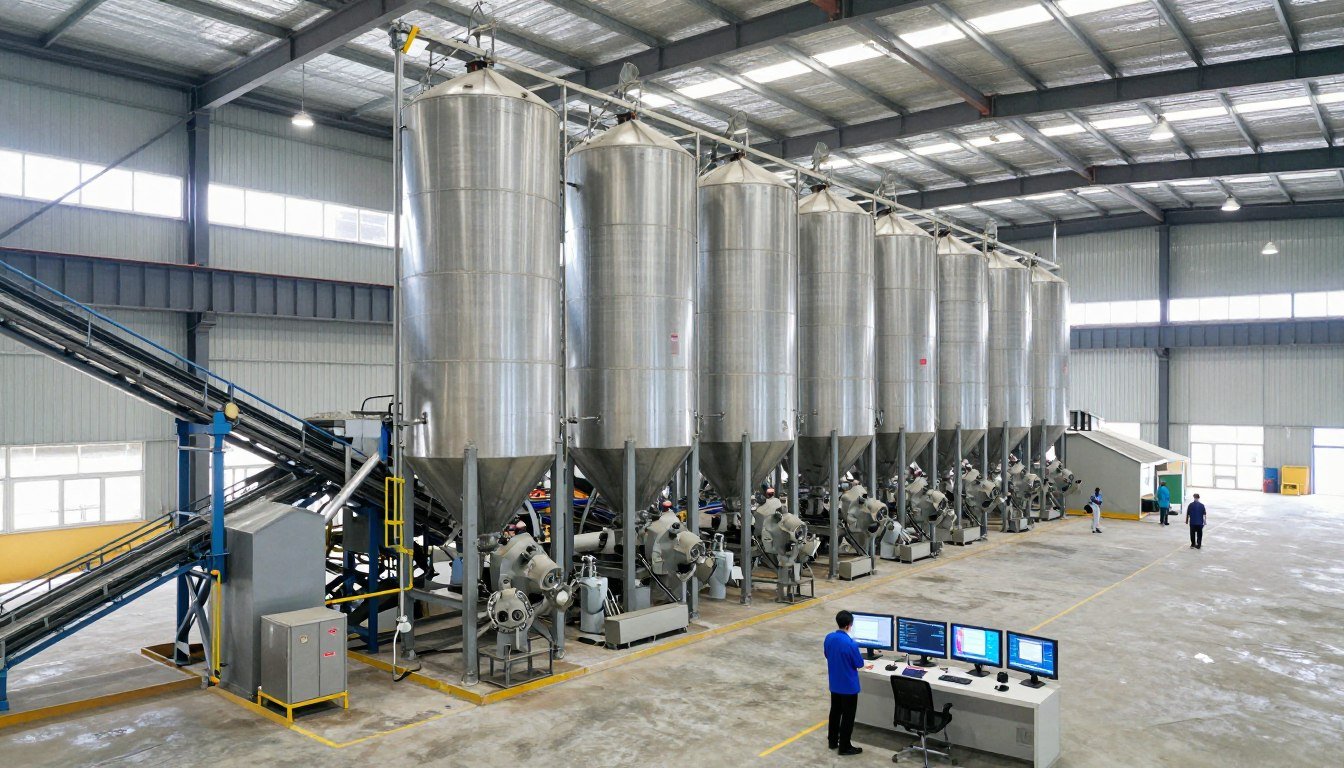
Regional Success: Thailand Shrimp Feed Exporter – 15 Ton/Hour Aqua Feed Extruder Line
Customer Profile: Commercial aqua feed manufacturer in Thailand exporting to Vietnam, Philippines, and Indonesia markets. Specializes in high-protein shrimp feed.
Challenge
Needed water-stable floating pellets with precise nutrient density for black tiger prawns and whiteleg shrimp. Extruder technology required, not standard pelleting. Export quality standards demanding.
Solution
MAIKONG supplied 15 ton/hour twin-screw extruder production line specifically engineered for aquatic feed. System includes steam conditioner, extruder with precision temperature control, multi-deck dryer, and coating system for oil/vitamin application.
Results After 30 Months
- Producing 320 tons daily high-quality floating shrimp feed
- Water stability testing shows 95%+ pellet integrity after 2 hours immersion
- Exporting to 8 countries including Philippines successfully
- Zero equipment-related production rejections
- Equipment reliability enables 24/6 continuous operation schedule
- ROI achieved in 18 months due to premium pricing for quality product
Common Success Factors Across All Cases
Analyzing 200+ Philippine and Asian installations reveals these common elements in successful deployments:
- Proper capacity sizing: Systems matched to realistic production needs with growth margin
- Raw material analysis: Equipment configured for actual available ingredients, not generic assumptions
- Operator training: Thorough initial training plus ongoing technical support access
- Maintenance commitment: Following recommended service schedules prevents breakdowns
- Quality focus: Using pellet quality as key metric, not just throughput volume
- Partnership approach: Customers treating MAIKONG as long-term partner, not just equipment vendor
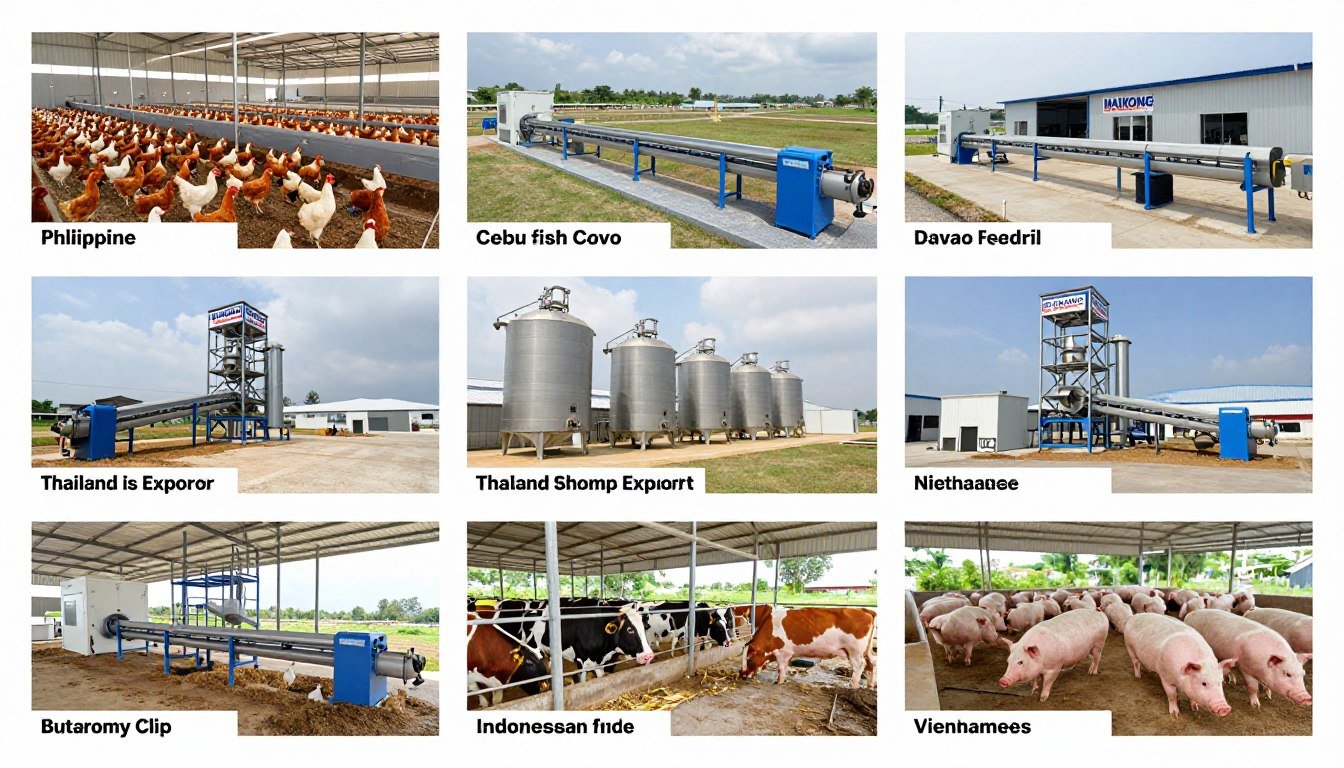
About MAIKONG: Your Trusted Animal Feed Pellet Production Line China Partner for Philippines
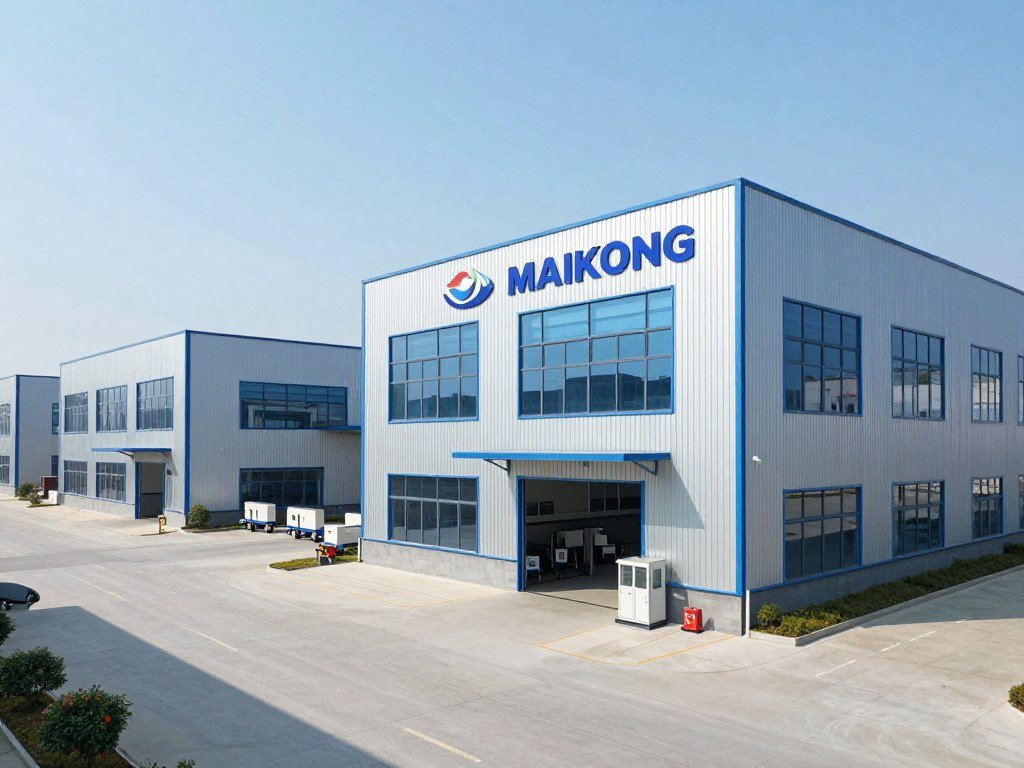
MAIKONG has manufactured complete feed pellet production line systems for 22 years from our advanced facility in GD Province, SZ City. We’ve supplied over 3,000 installations across 140 countries, with particularly strong presence throughout Philippines and Southeast Asia.
Why Philippine Buyers Choose MAIKONG
- Philippine-specific engineering: Systems designed for local voltage, climate, raw materials, and support needs
- Complete product range: From 200 kg/hour farm systems to 200 ton/hour industrial complexes
- Application expertise: Specialized lines for poultry, aquaculture, swine, cattle, pet food, and specialty feeds
- Quality components: Premium motors, bearings, and control systems for tropical durability
- Customization capability: OEM/ODM services adapt equipment to your exact requirements
- Responsive support: 24/7 technical assistance, fast spare parts delivery, Philippine partner network
- Proven reliability: 200+ satisfied Philippine customers over two decades
- Transparent pricing: Clear quotations with detailed specifications, no hidden costs
Our Product Range Beyond Feed Pellet Lines
While animal feed pellet production is our core expertise, MAIKONG manufactures complete systems for diverse pelleting applications:
Biomass & Energy Pellets
- Wood pellet machine for sawdust/biomass
- Biomass pellet machine for agricultural waste
- Alfalfa pellet machine for hay processing
Specialized Applications
- Fertilizer pellet machine for organic/chemical fertilizers
- Plastic pelletizing machine for recycling operations
- Dry ice pelletizer machine for industrial cleaning
Scale Options
- Mini pellet machine philippines for small farms
- Manual pellet machine for minimal production
- Industrial automated systems for factories
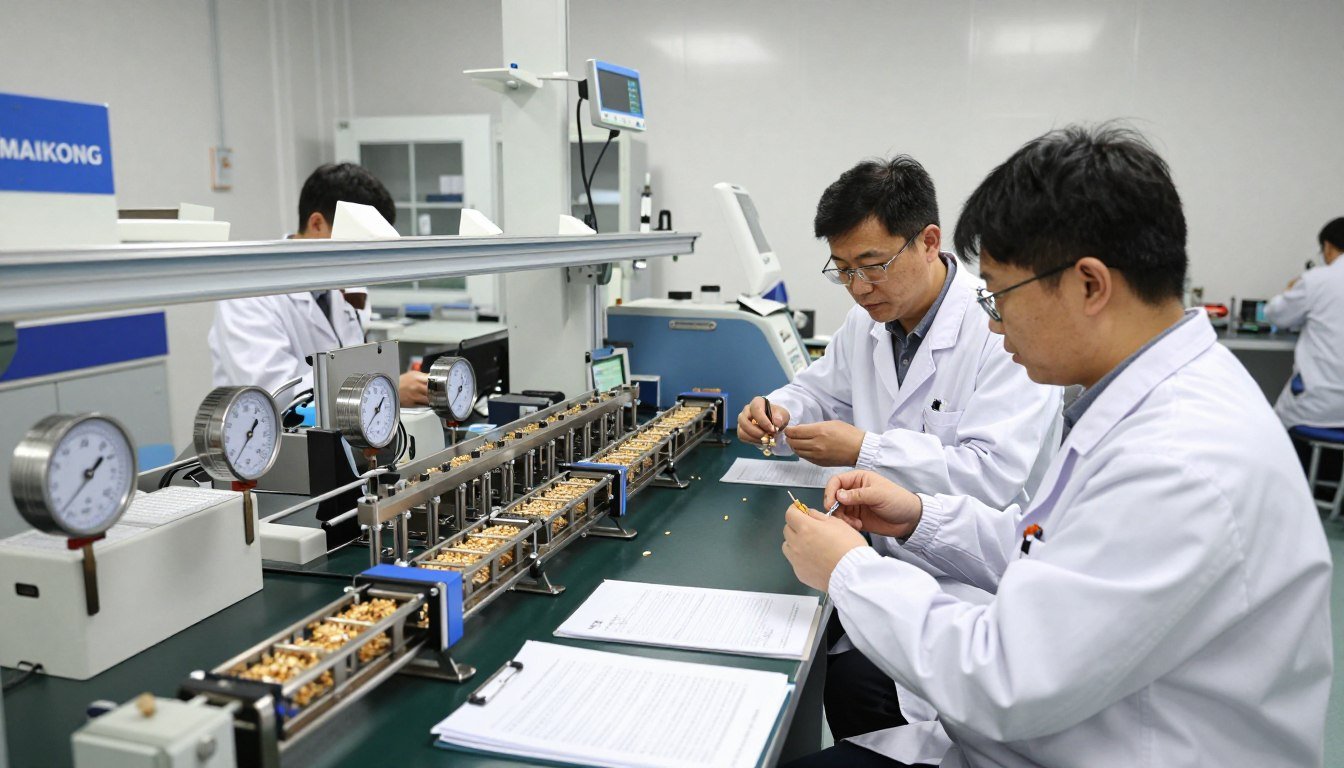
Quality Assurance & Certifications
Every MAIKONG production line undergoes rigorous testing before shipment:
- Raw material testing for all steel and components meeting manufacturing standards
- Assembly quality inspection at each production stage
- Full load testing of complete system before packaging
- Pellet quality verification with standard test materials
- Electrical safety testing to international and Philippine standards
- Final inspection documentation provided with each shipment
Our Commitment to Philippine Market Development
Beyond selling equipment, MAIKONG actively supports Philippine agricultural development:
We provide free technical consultations helping Philippine farmers and entrepreneurs evaluate if feed production makes business sense for their operation. Not every inquiry results in a sale, but we’d rather see you make the right decision than sell equipment that doesn’t fit your needs. This honest approach has built lasting relationships and referrals throughout Philippines.
Our investment in Philippine market includes:
- Local spare parts inventory reducing downtime
- Training materials adapted to Philippine operating conditions
- Ongoing equipment improvements based on tropical performance feedback
- Support for agricultural cooperatives with flexible terms
- Knowledge sharing through technical articles and videos
- Partnership with Philippine agriculture programs and initiatives
Become MAIKONG’s Exclusive Distributor in Your Philippines Region
Join our growing network of authorized Philippine distributors. We’re seeking qualified partners in provinces not yet served by exclusive distributors. MAIKONG provides territory protection, technical training, marketing support, and competitive distributor pricing.
Distributor Partnership Benefits:
- Exclusive territory rights for your province/region
- Factory-direct pricing with distributor margins up to 25%
- Complete technical training at China factory or Philippines location
- Marketing materials, product catalogs, and demo support
- Spare parts inventory consignment program
- Factory warranty and technical backup for your customers
- New product introduction and upgrade programs
- Co-op advertising and trade show support
Ideal Distributor Profile:
- Established business in agricultural equipment, feed supply, or related industries
- Existing customer base of farms, feed mills, or cooperatives
- Technical service capability or willingness to develop it
- Warehouse facility for equipment and spare parts inventory
- Commitment to MAIKONG quality and customer service standards
- Financial capacity for initial inventory investment
Current distributor openings available in: Northern Luzon, Eastern Visayas, Western Mindanao, and Palawan regions.
Make the Right Animal Feed Pellet Production Line China Investment for Your Philippine Operation
Choosing the right animal feed pellet production line manufacturer determines whether your investment delivers profitable returns or creates ongoing frustration. Philippine buyers face unique challenges – tropical climate, diverse raw materials, voltage variations, shipping logistics, and support accessibility.
MAIKONG’s 22 years serving Philippine and Asian markets means we’ve already solved the problems you’ll encounter. Our systems arrive configured for your electrical infrastructure. Components resist tropical corrosion. Capacity matches your actual needs with room for growth. Documentation helps your staff operate safely and efficiently. Support responds when you need it, not just during the sales process.
Your Next Steps
- Define your requirements: Calculate capacity needs, identify your raw materials, determine budget range, and consider growth plans
- Contact MAIKONG: Share your requirements with our technical team via phone (8615815556422), WhatsApp, email (Lucy@pelletmachine.ph), or website inquiry form
- Review custom proposal: We’ll provide detailed equipment configuration, specifications, pricing, and timeline based on your specific needs
- Clarify details: Ask questions about anything unclear. Request modifications to better fit your situation. We’re here to get it right
- Place order: Once satisfied, formalize your order. We’ll coordinate production, shipping, and all logistics to your Philippine location
- Installation & training: Receive your equipment, install with our guidance or on-site support, train your operators, and start production
- Ongoing partnership: Operate successfully with our technical support, spare parts availability, and long-term assistance as your business grows
Hundreds of Philippine poultry farms, fish operations, cattle feedlots, feed mills, and cooperatives have already made this journey with MAIKONG. Their operations produce quality feed pellet products profitably every day. Their animals perform better. Their costs decreased. Their businesses expanded.
Whether you’re a small farm owner seeking independence from commercial feed suppliers, a growing operation needing production capacity, or an entrepreneur building a feed distribution business, MAIKONG provides the equipment and support to make it successful.
“The difference between buying equipment and building a business is the support behind the machines. MAIKONG doesn’t just ship equipment to Philippines and disappear. They stay with you, help you succeed, and grow alongside your business.”
Your animal feed pellet production line investment represents more than purchasing machinery. It’s taking control of your feed supply, improving your animal performance, reducing operating costs, creating business opportunities, and building long-term profitability. Choose a partner who understands what that means.
Choose MAIKONG. Choose 22 years of proven Philippine success. Choose equipment engineered for your exact conditions. Choose support that answers when you call. Choose a partnership that lasts beyond the initial sale.
Start Your Feed Production Success Story Today
Contact MAIKONG now for your free technical consultation and custom system quotation. Let’s build the right solution for your Philippine operation together.
Visit our website: https://pelletmachine.ph/
Learn more about MAIKONG: Our Company Story & Capabilities
Copy©2026-2030