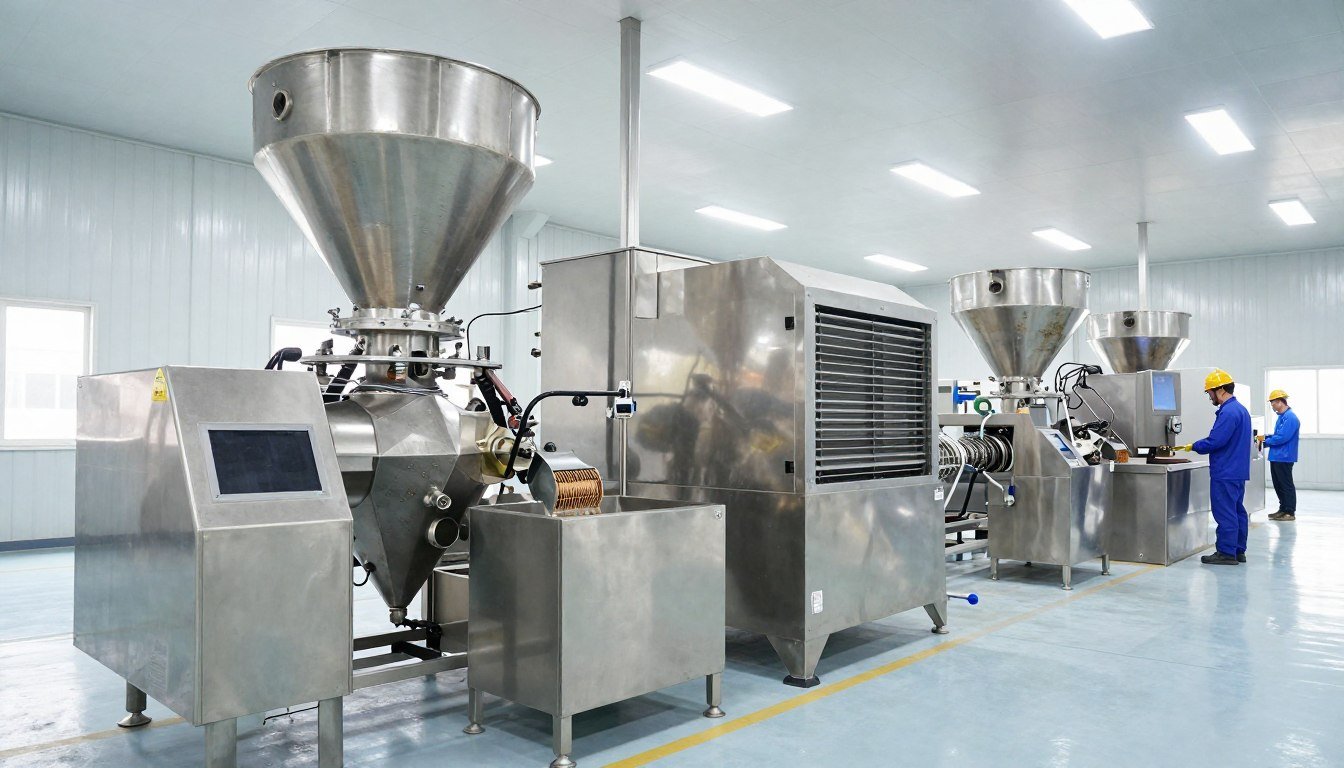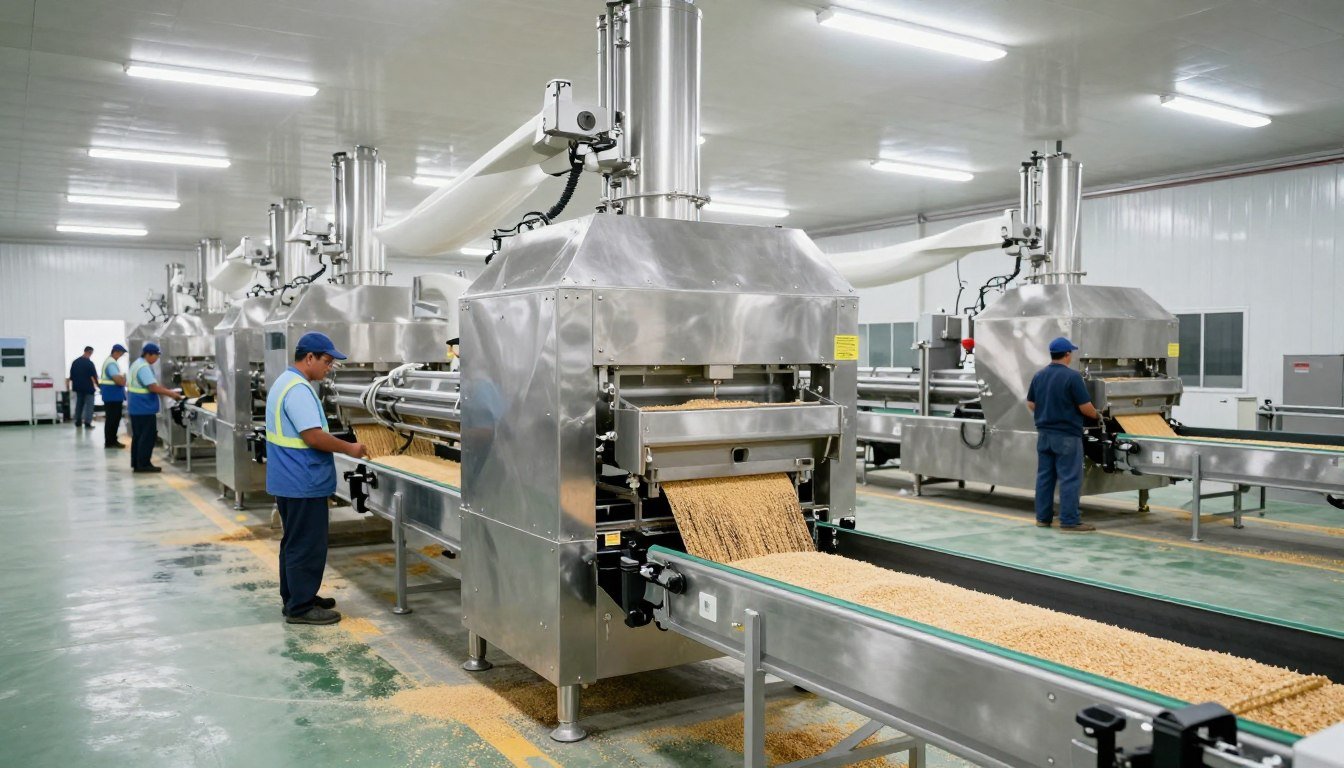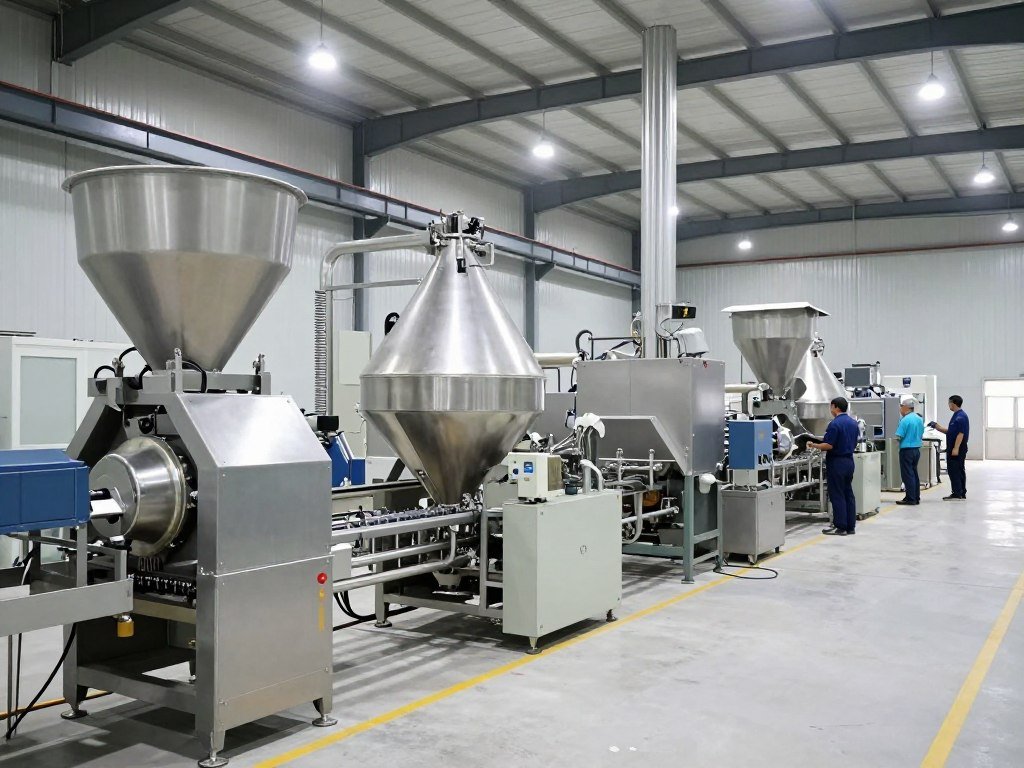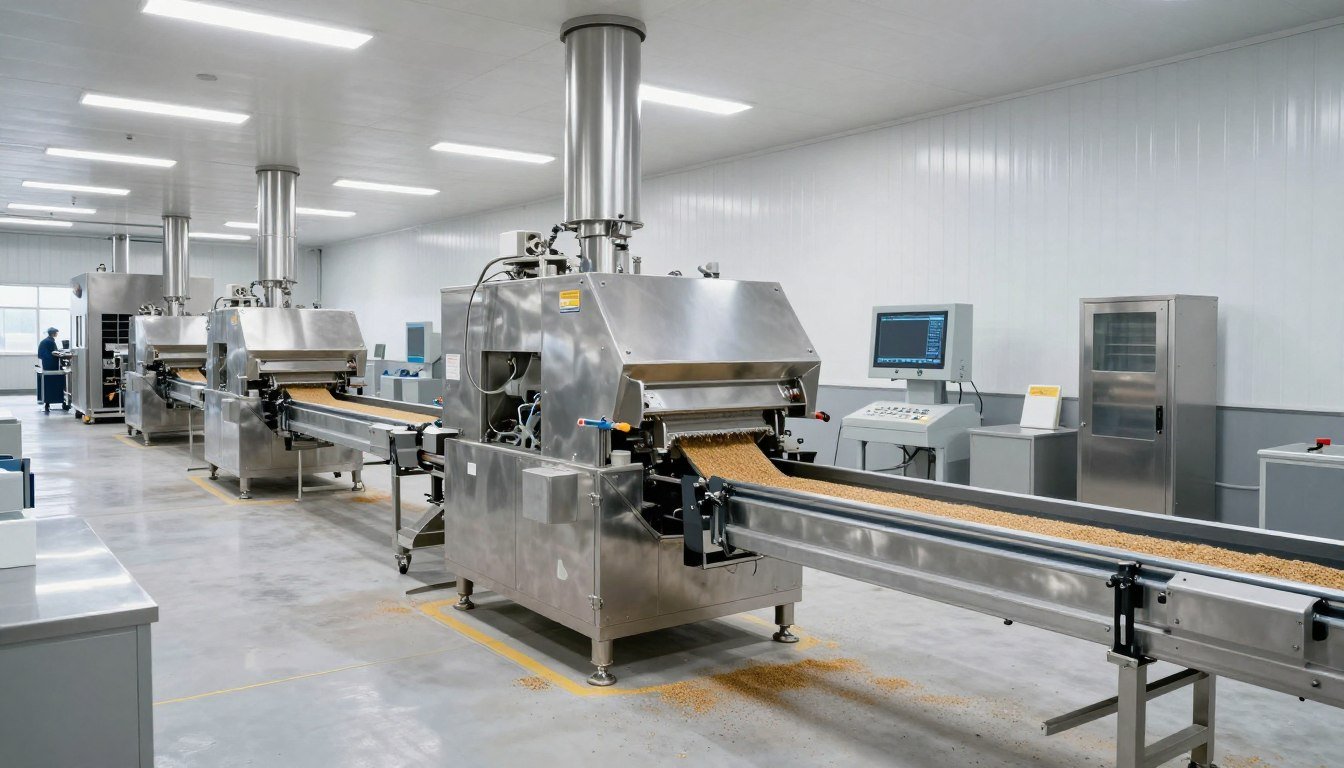
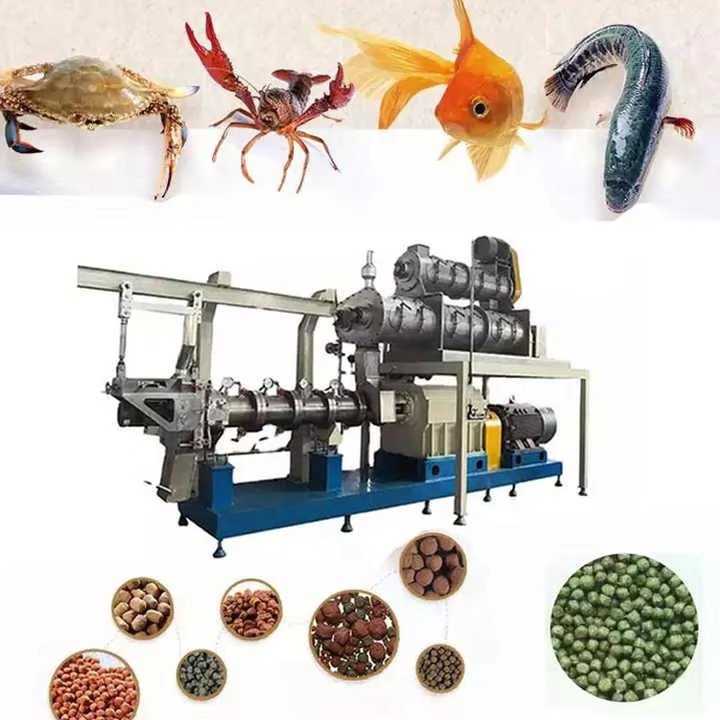
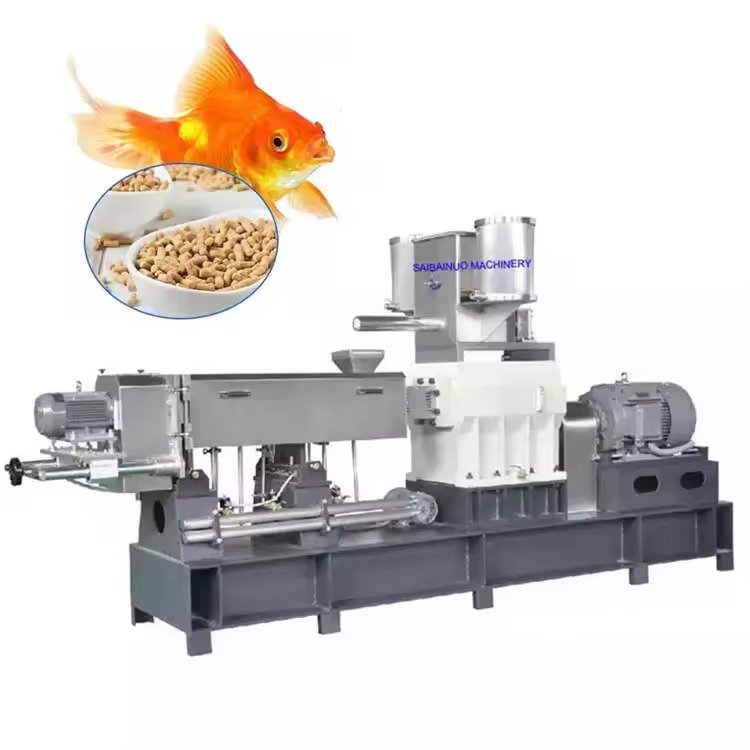
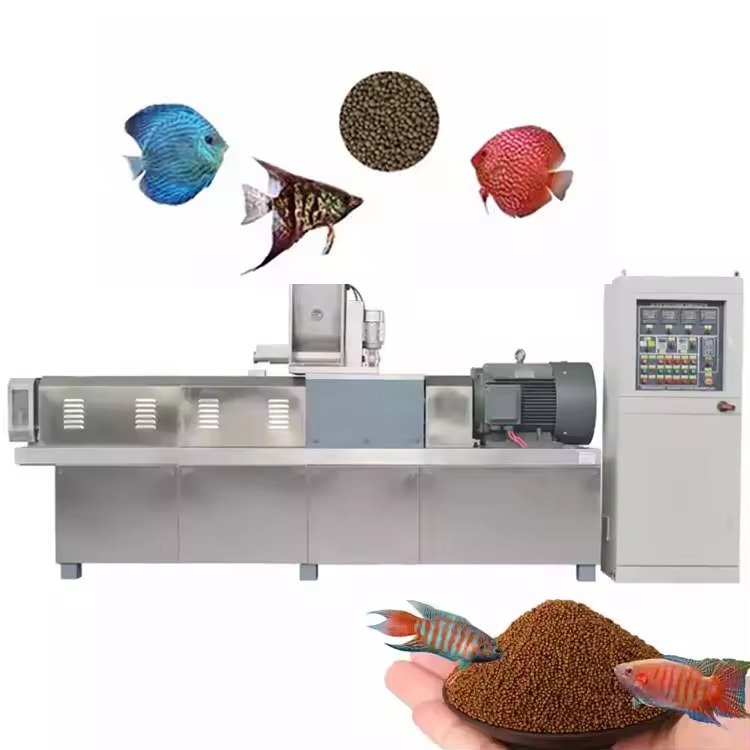
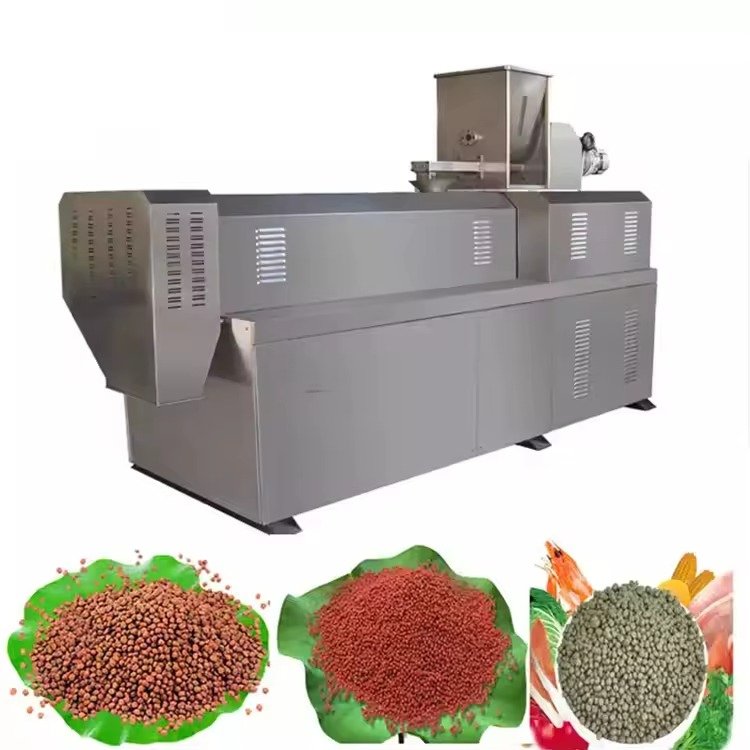
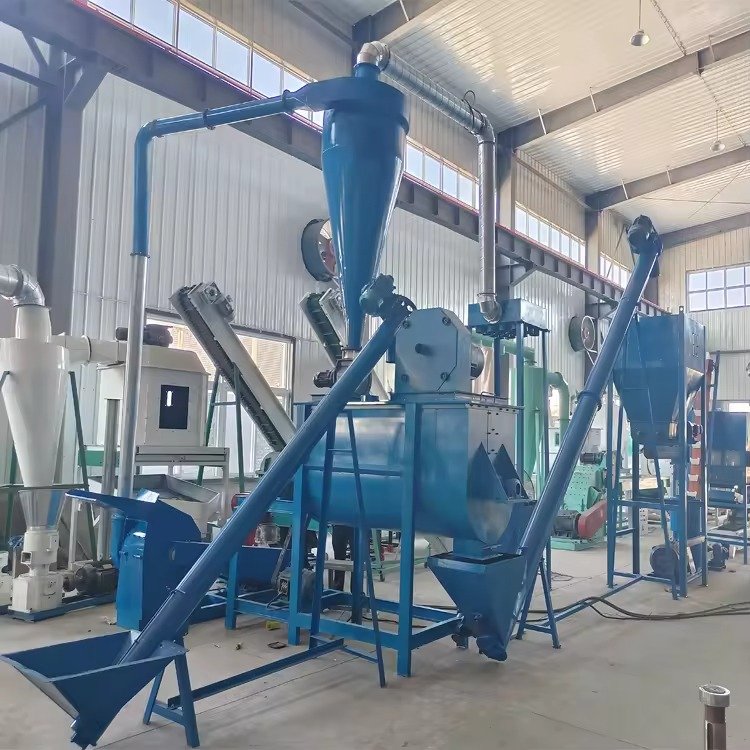
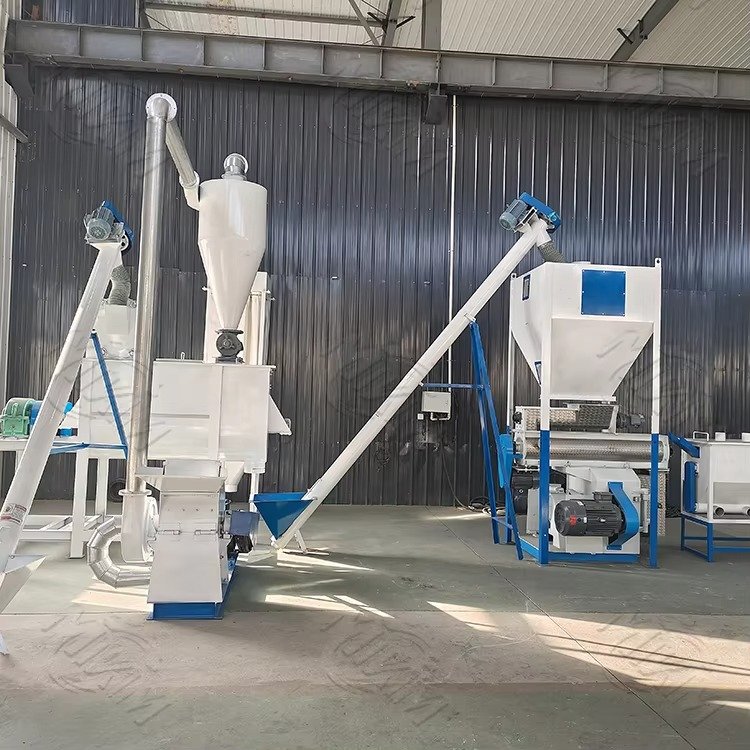
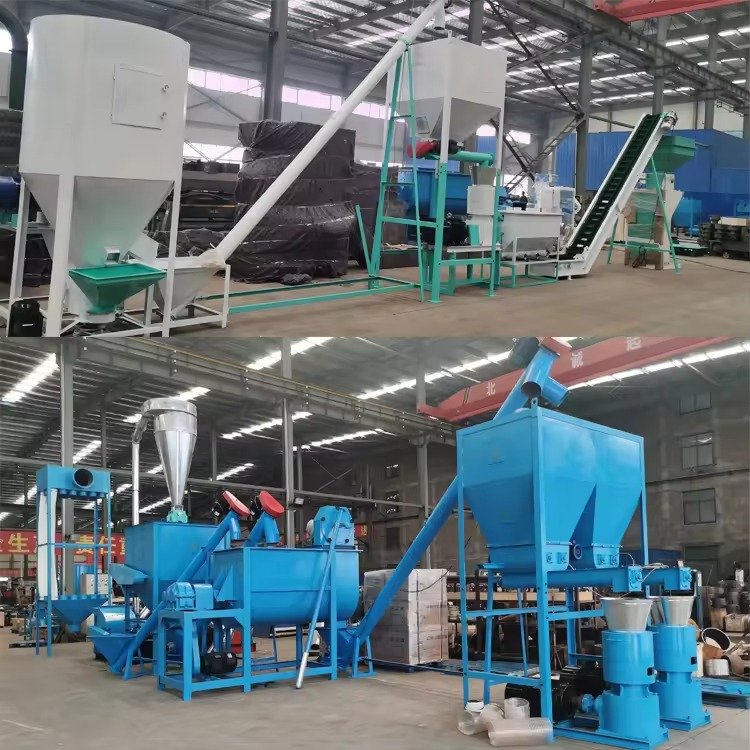
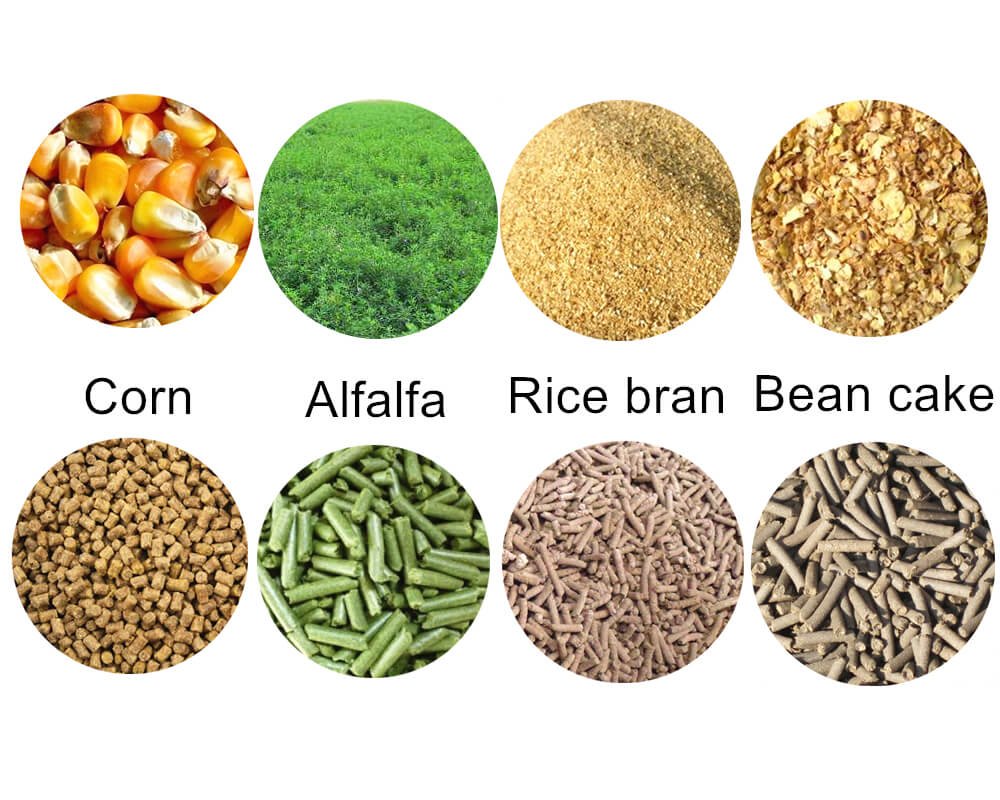
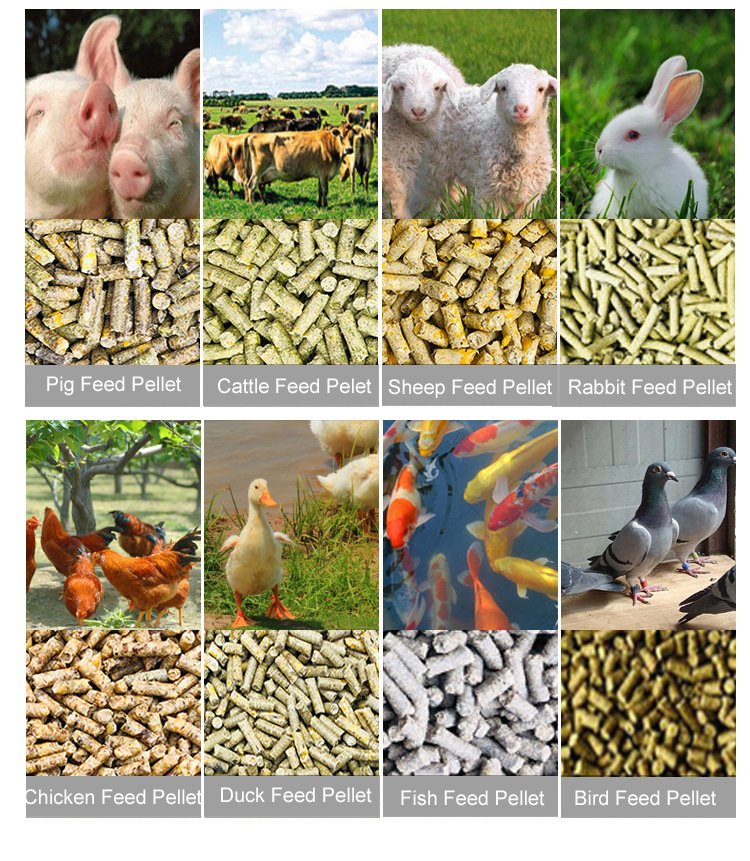
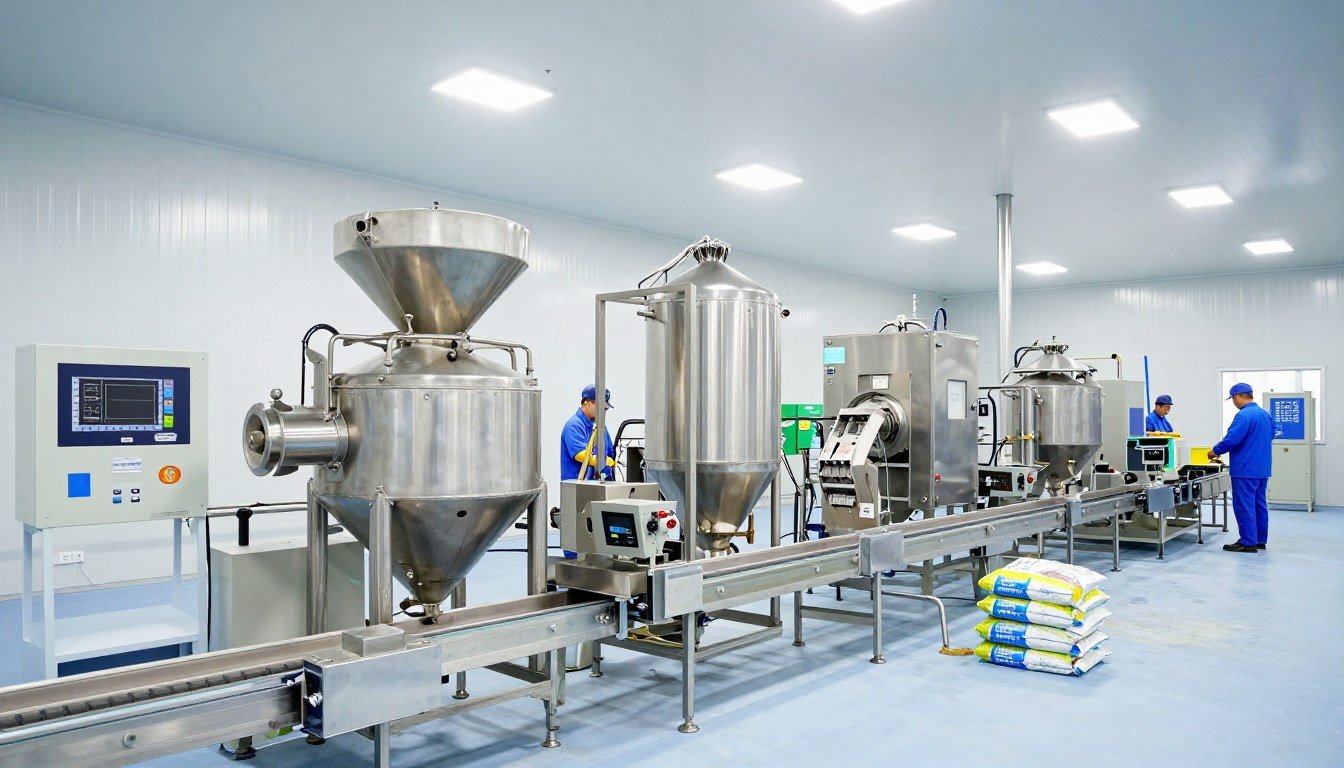
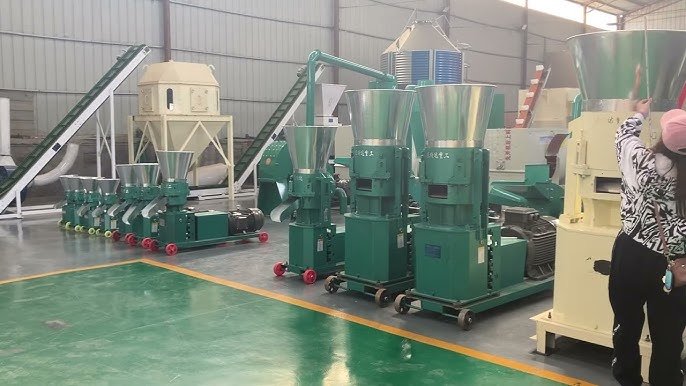
 MAIKONG offers a proven solution. Our aqua feed production line MK-002 transforms raw materials into high-quality pellets. This system delivers complete control over feed formulation, pellet size, and production capacity.Philippine fish farm owners now produce their own feed. Feed mill factories expand capacity with reliable equipment. Agriculture investors enter the growing aquaculture sector with confidence.Need a customized aqua feed solution? WhatsApp our team for immediate consultation at 8613-51090-74-01
MAIKONG MK-002 Aqua Feed Production Line: Complete System Specifications
The MK-002 represents 22 years of manufacturing expertise. This aquatic feed production line combines advanced extrusion technology with practical design for Philippine market conditions.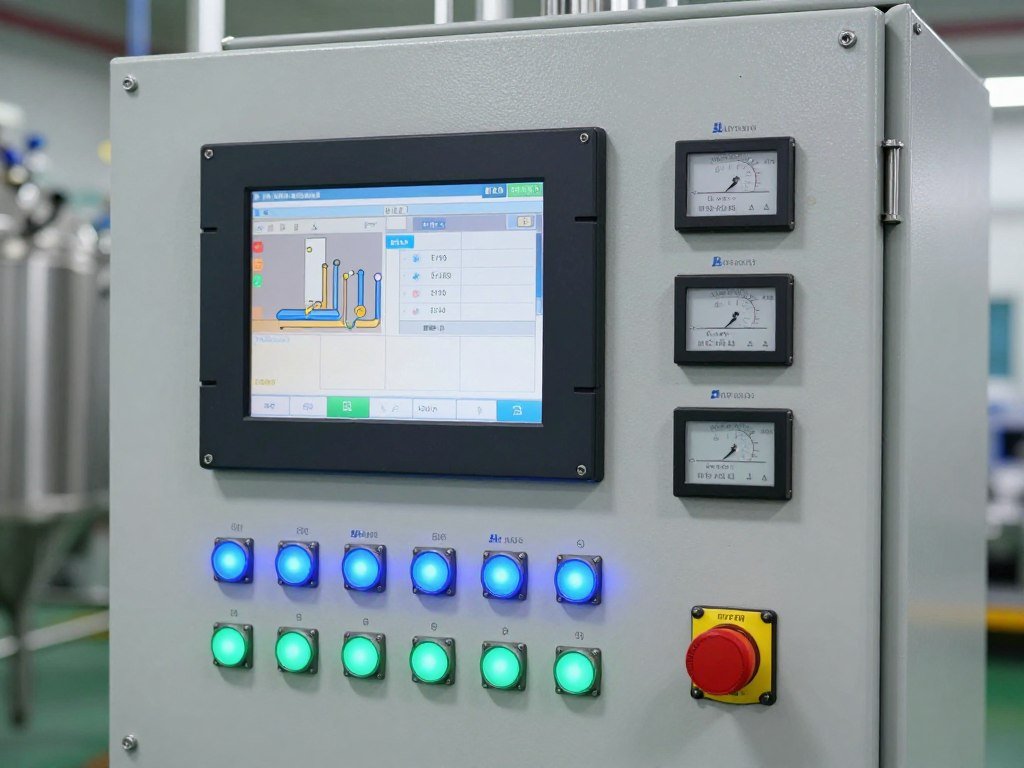
Core System Components
Every production line includes these essential machines. Each component fulfills a specific role in the feed manufacturing process.- Water drop crusher with 1.0mm screen for uniform raw material fineness
- Twin-shaft mixer achieving CV value ≤5% mixing uniformity
- Twin-screw extruder with temperature control 120-150°C and pressure management
- Three-layer crawler dryer with gradient temperature control
- Vacuum spraying system for oil and vitamin coating
- Countercurrent cooler reducing pellet temperature to ambient conditions
- Three-layer vibrating screen ensuring 98% qualified product rate
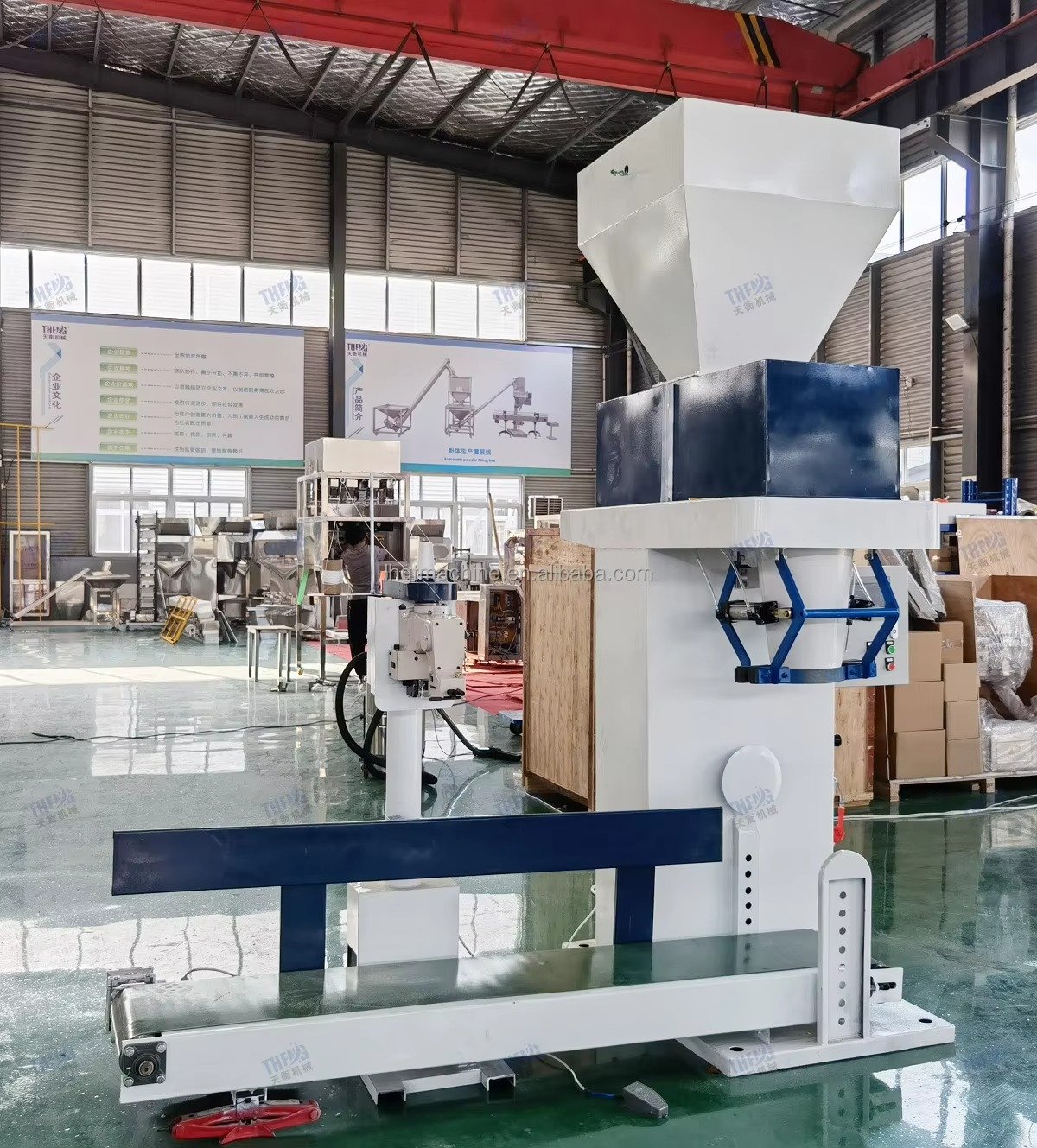
- Automatic packaging machine handling 15kg and 25kg bag sizes
Technical Specifications MK-L001
| Specification | Details |
| Model Number | MK-L001 |
| Production Capacity | 200kg/hour to 200 tons/hour (customizable) |
| Pellet Size Range | 0.1mm to 12mm diameter |
| Material | ABS components with stainless steel contact surfaces |
| Voltage Options | 220V/380V (customizable for Philippine standards) |
| Machine Weight | Varies by configuration (2,500kg - 45,000kg total system) |
| Dimensions (L×W×H) | Customized based on capacity selection |
| Color Options | Industrial blue/silver (standard), custom colors available |
| Stock Status | Made-to-order with 45-60 day lead time |
| Warranty | 12 months parts and technical support |
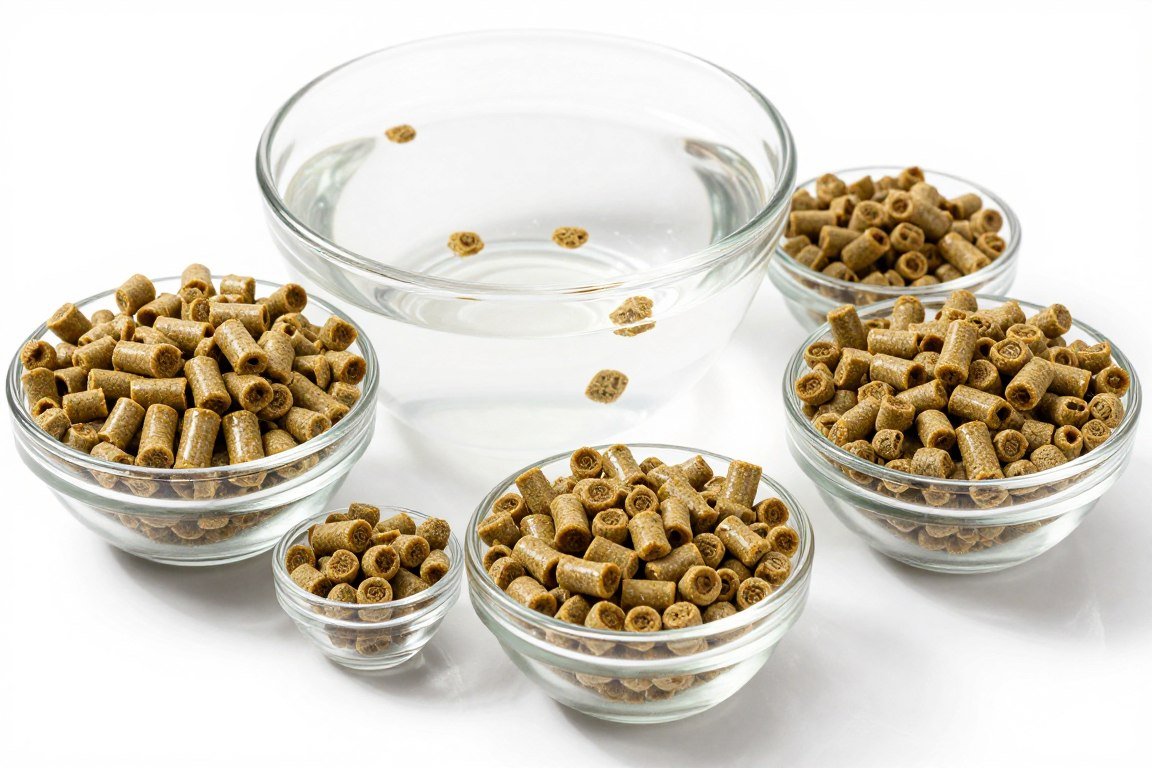
Customization Options for Philippine Aquaculture Needs
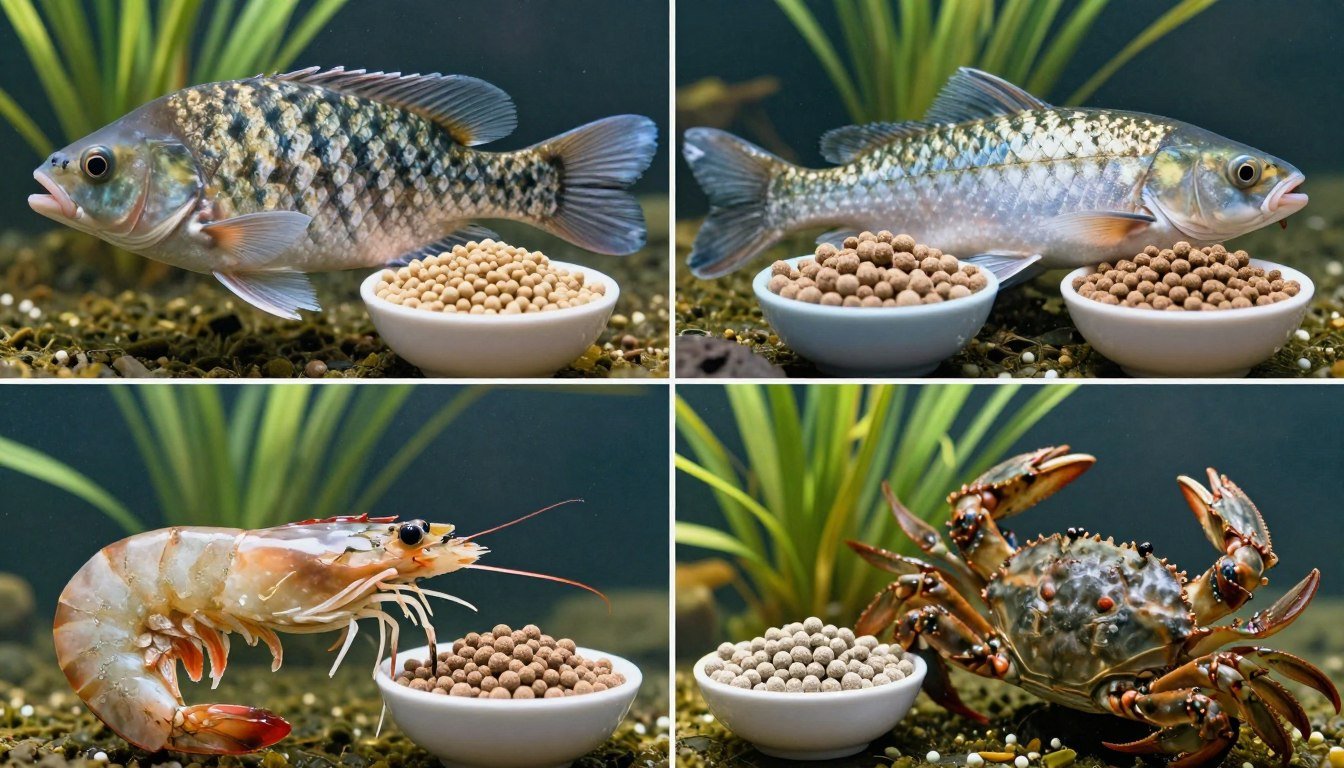
Philippine fish farms raise diverse species. Each requires specific feed formulations and pellet characteristics. The MK-002 adapts to these varied requirements.Species-Specific Feed Production
Freshwater Species
- Tilapia feed (floating pellets 2-6mm)
- Bangus feed (slow-sinking pellets 3-8mm)
- Catfish feed (sinking pellets 4-10mm)
- Carp feed (floating pellets 2-5mm)
Marine and Brackish Species
- Shrimp feed (water-stable pellets 0.5-2.5mm)
- Grouper feed (slow-sinking pellets 4-8mm)
- Mudcrab feed (high-protein pellets 3-6mm)
- Seabass feed (floating pellets 4-10mm)
 From 200kg/hour for small farms to 200-ton industrial operations, we configure the exact capacity you need. Contact Lucy@pelletmachine.ph to discuss your specific requirements.
Voltage and Power Customization
Philippine electrical systems vary by region. Island locations face unique power supply challenges. Our engineering team configures motor specifications to match your available infrastructure.- Standard 220V single-phase for small capacity systems
- 380V three-phase for medium to large operations
- Generator-compatible configurations for off-grid locations
- Voltage stabilization recommendations for areas with fluctuating power
Complete Feed Manufacturing Process Flow
Understanding the process helps operators maximize output quality. Each stage transforms raw materials into finished pellets with precise nutritional profiles.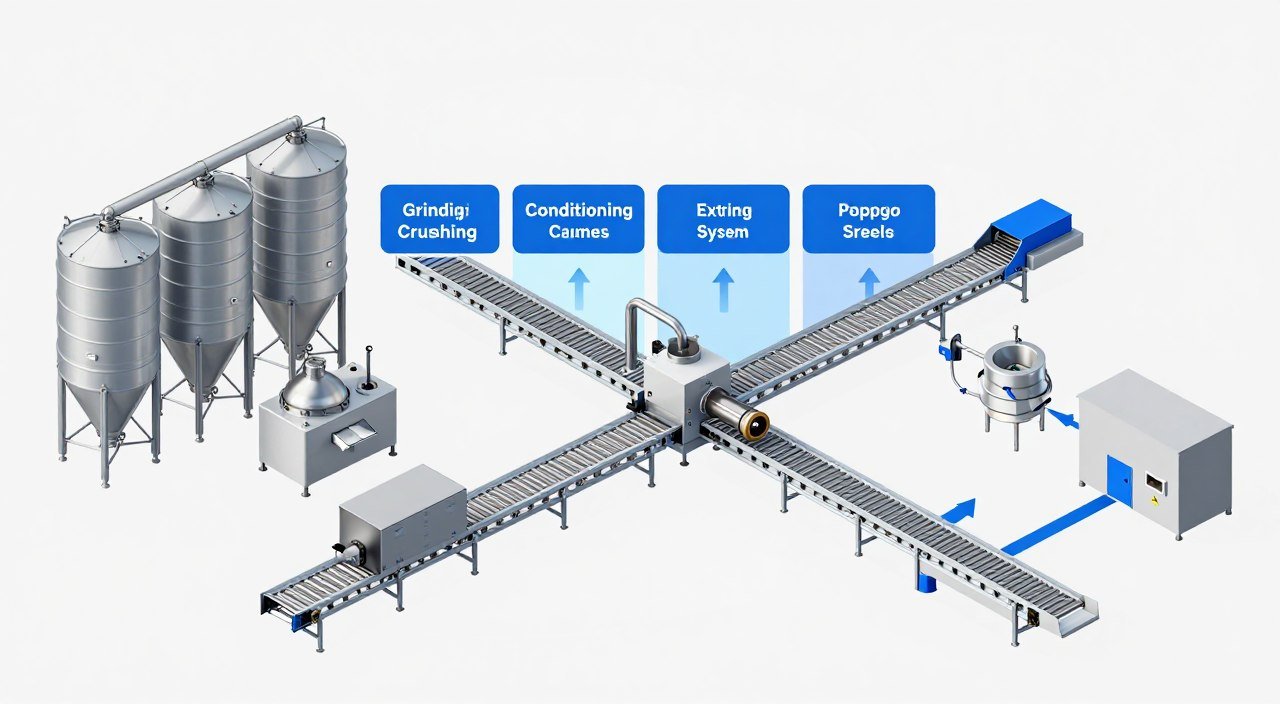
Stage-by-Stage Production
- Raw Material Reception and Storage - Separate storage bins for fish meal, soybean meal, corn, wheat, and additives prevent cross-contamination. Climate-controlled areas maintain ingredient freshness.
- Grinding and Crushing - Water drop hammers reduce particle size to 1.0mm or finer. Uniform grain size ensures consistent pellet quality and digestibility.
- Precise Batching - Computer-controlled scales measure each ingredient. Formula accuracy within 0.5% maintains nutritional consistency across batches.
- Mixing - Twin-shaft mixers achieve thorough ingredient blending in 3-5 minutes. Liquid addition systems incorporate fish oil at 6-8% concentration.
- Conditioning - Steam injection raises material temperature to 80-95°C. Moisture content adjusts to optimal levels for extrusion.
- Extrusion or Pelleting - Twin-screw extruders produce floating feed through expansion. Ring die pellet mills create sinking feed with controlled density.
- Drying - Three-layer belt dryers reduce moisture from 25% to 10-12%. Gradient temperature control prevents pellet cracking.
- Cooling - Countercurrent air flow brings pellet temperature down to ambient plus 3°C. This step prevents condensation in bags.
- Oil and Vitamin Coating - Vacuum spraying applies heat-sensitive nutrients after drying. Absorption rates exceed 95% with minimal waste.
- Screening and Grading - Vibrating screens separate oversized and undersized particles. Only pellets meeting size specifications advance to packaging.
- Packaging - Automatic baggers fill 15kg or 25kg bags at rates up to 120 bags per hour. Sealing ensures product freshness during storage and transport.
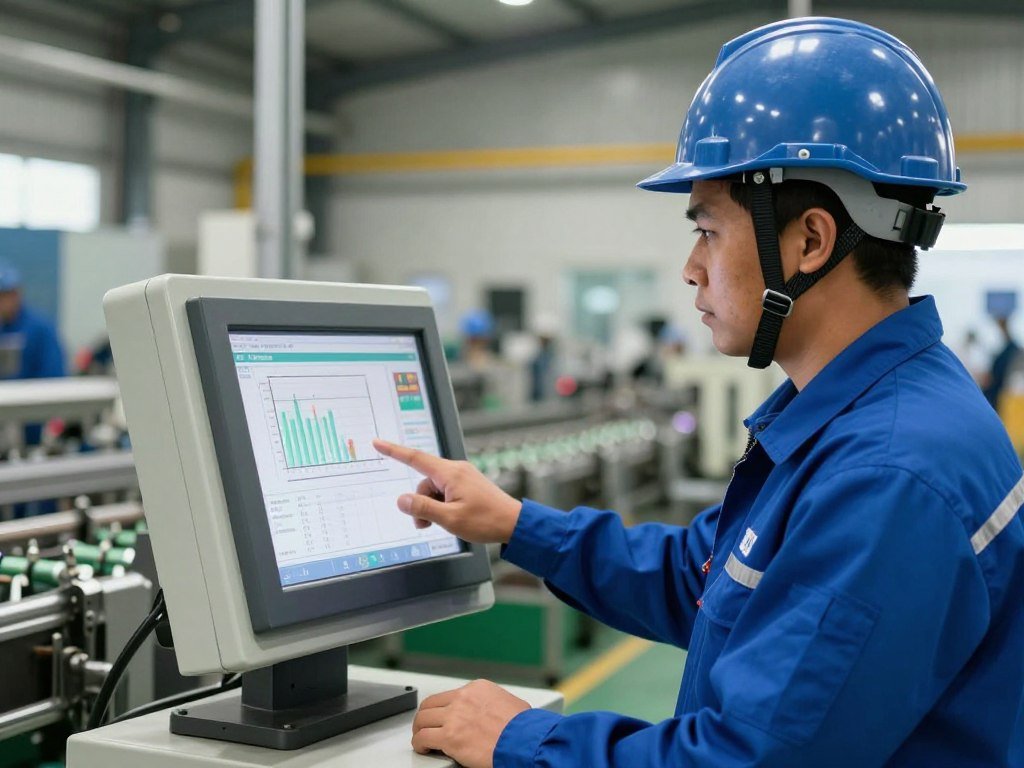
Configure Your Custom Production Line
Our engineers will help you select optimal capacity, pellet sizes, and voltage for your operation. Get personalized recommendations based on your fish species, farm size, and production goals.
Complete Range of Aqua Feed Products You Can Manufacture
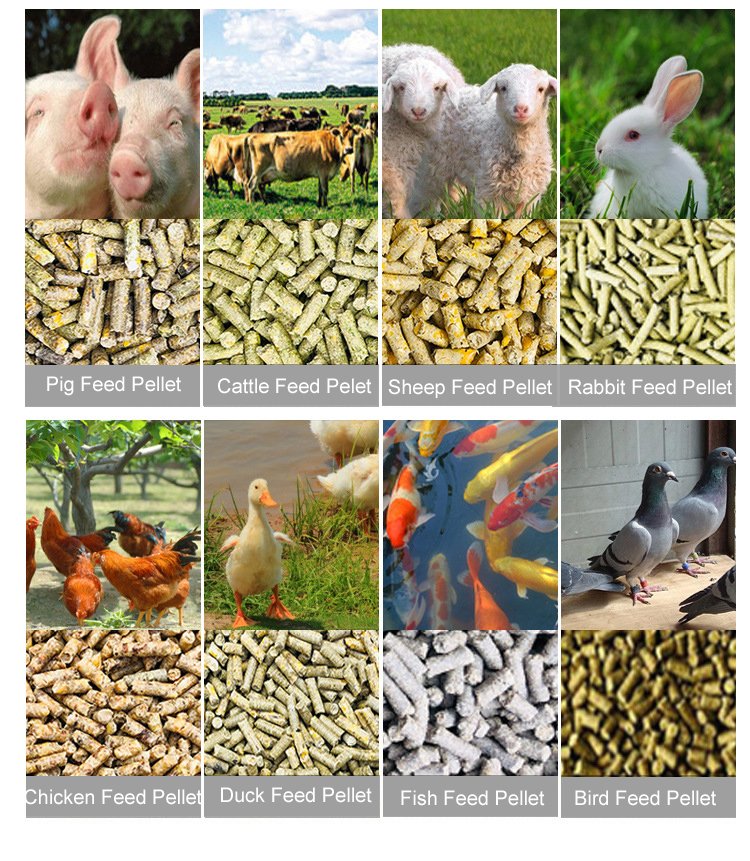
The MK-002 system produces every major feed category. Philippine aquaculture operations benefit from this versatility.Floating Extruded Feed
Surface-feeding species like tilapia and bangus thrive on floating pellets. Farmers observe feeding behavior easily. Waste reduces because uneaten pellets remain visible.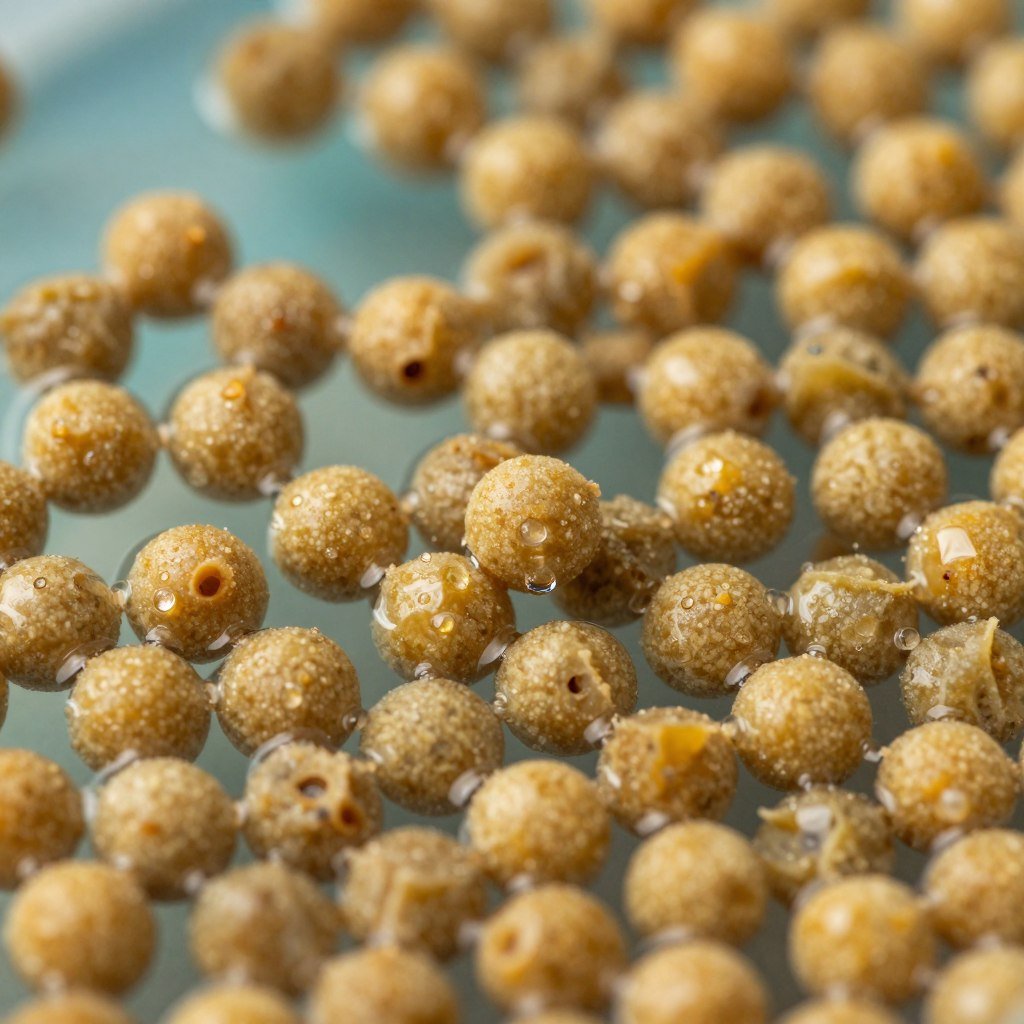 [video width="1280" height="720" mp4="https://pelletmachine.ph/wp-content/uploads/2026/03/00071(厂内-大型生产线-出饲料的视频、-白色-).mp4"][/video]
- Pellet sizes from 1.5mm to 10mm diameter
- Buoyancy maintained for 2-4 hours
- Expansion ratio controlled between 1.3 to 1.8
- Protein content customizable from 25% to 45%
Sinking Pellet Feed
Bottom-dwelling species require pellets that descend rapidly. Shrimp, catfish, and grouper feed most efficiently with sinking formulations.- Density maintained above 1.2 g/cm³
- Water stability exceeding 4 hours without disintegration
- Pellet hardness optimized for species-specific mouth structures
- Available in sizes from 0.5mm to 8mm
Slow-Sinking Feed
Mid-water species benefit from pellets that sink gradually. This feed type suits mixed-species pond environments common in the Philippines.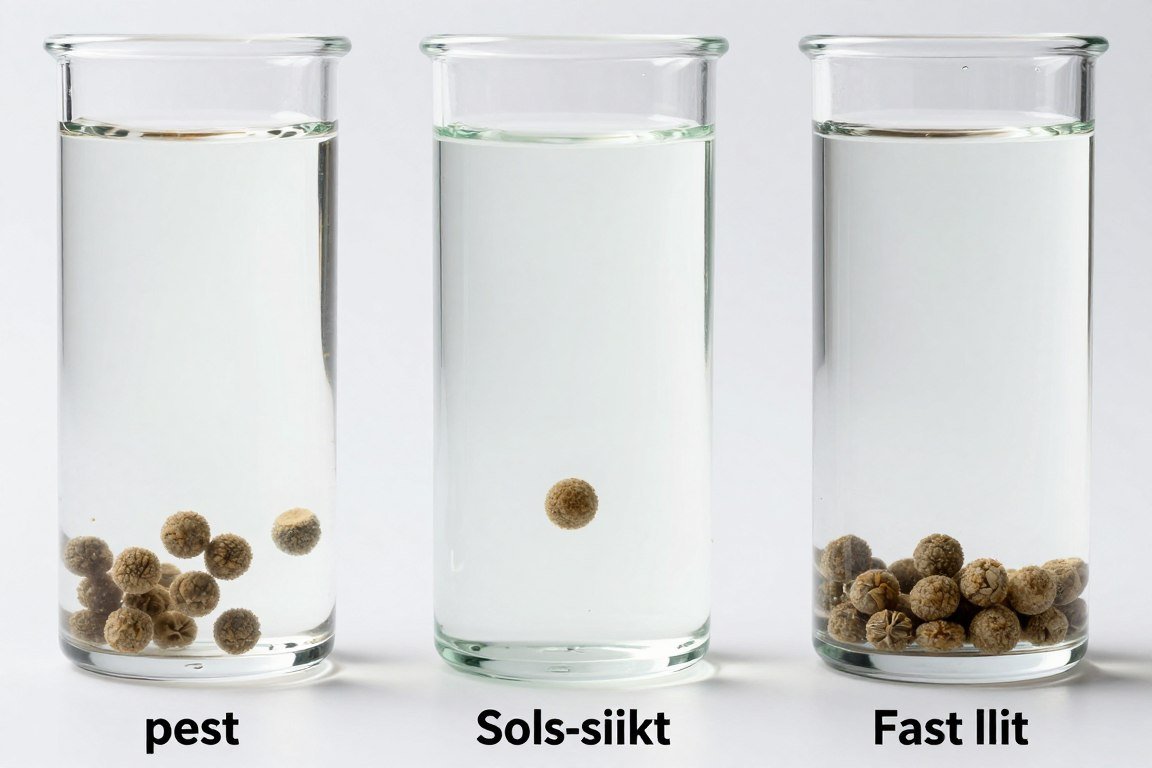
Micro-Pellet Feed for Fry
Newly hatched fish require extremely small particle sizes. The MK-002 produces pellets as fine as 0.1mm for larval feeding programs.- Particle size graduation from 0.1mm to 1.5mm
- High protein formulations (48-55%) for rapid growth
- Enhanced digestibility through fine grinding and thorough cooking
- Minimal water pollution from uneaten particles
Functional Feed with Health Additives
Disease prevention and growth optimization drive demand for specialized feeds. Our system accommodates these advanced formulations.- Immune-boosting formulations with beta-glucans and vitamins
- Liver protection feeds with herbal extracts
- Color-enhancing feeds for ornamental and market fish
- Probiotic-enriched feeds for gut health
Proven Success: Global Aqua Feed Production Line Case Studies
MAIKONG installations operate successfully across five continents. These projects demonstrate real-world performance under diverse conditions.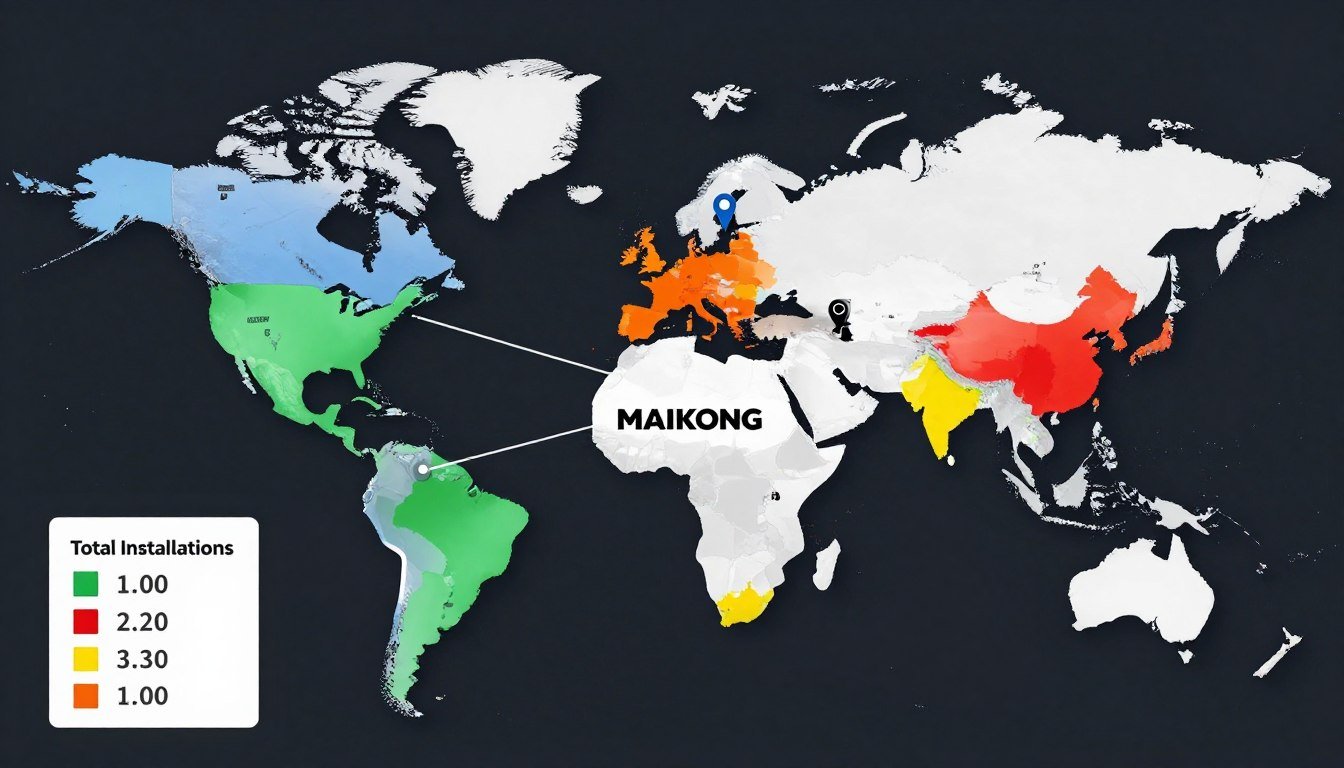
Asia Region Success Stories
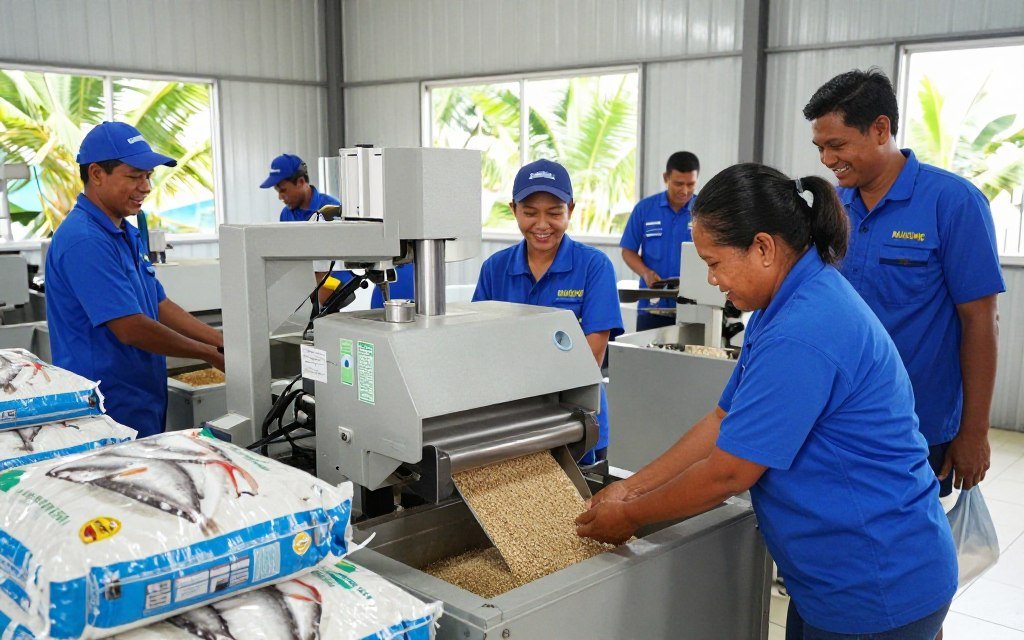
Philippines Tilapia Farm Cooperative - Laguna Province
A farmers' cooperative serving 45 tilapia producers installed a 1.2-ton/hour system in 2021. The group previously purchased commercial feed at ₱32 per kilogram. Results after 18 months:- Feed cost reduced to ₱18.50 per kilogram
- Production capacity: 9.6 tons daily
- Equipment uptime: 94% (maintenance included)
- ROI achieved in 22 months
- Fish growth rates improved 12% due to fresh feed
Vietnam Shrimp Feed Manufacturer - Mekong Delta
A commercial feed producer serving intensive shrimp farms commissioned a 5-ton/hour extruded feed line in 2020. The facility produces specialized vannamei shrimp feed. System specifications:- Capacity: 5 tons per hour
- Pellet sizes: 0.5mm to 2.5mm diameter
- Product types: Starter, grower, and finisher feeds
- Operating hours: 16 hours daily, 6 days weekly
- Annual output: 24,000 tons
Americas Region Installations
Brazil Tilapia Operation - Santa Catarina State
This 1.5-2 ton/hour installation serves both tilapia aquaculture (1.5-2T/H) and poultry feed production (5-6T/H). The facility exemplifies multi-species feed production versatility.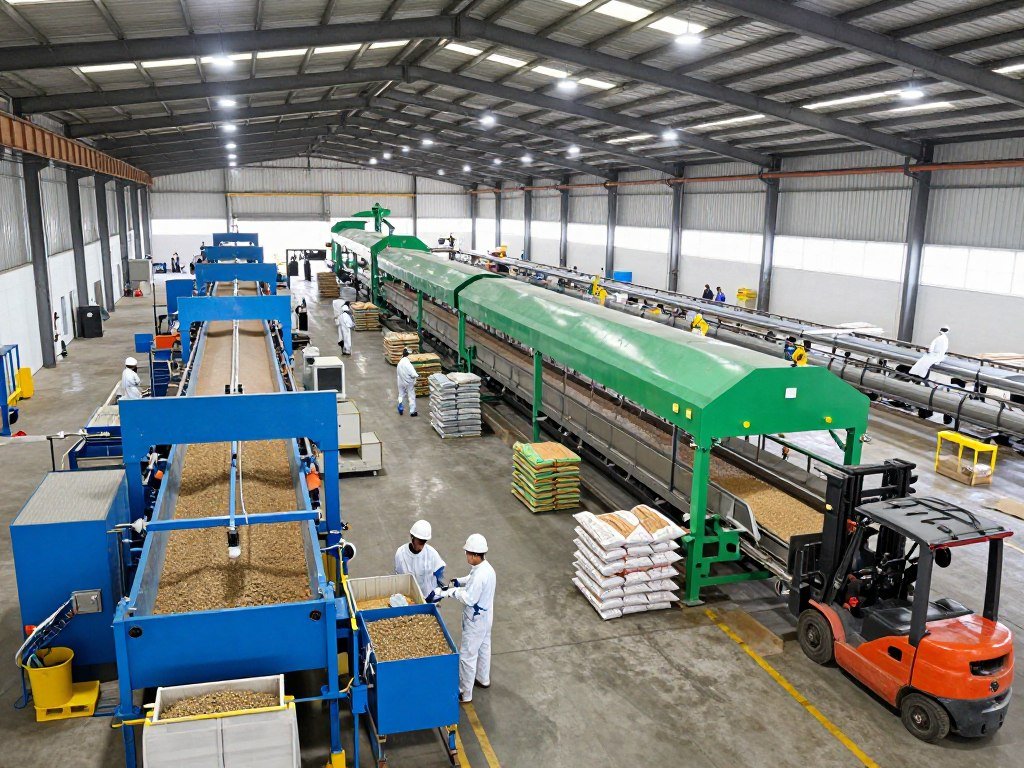 Raw material formula:
- Fish meal: 15-20%
- Soybean meal: 25-30%
- Corn: 20-25%
- Wheat flour: 10-15%
- Premix vitamins and minerals: 5%
Ecuador Coastal Shrimp Producer
A 3-ton/hour system produces feed for 200 hectares of shrimp ponds. Ecuador ranks among the world's top shrimp exporters. Feed quality directly impacts export product value. Performance metrics:- Water stability: 6+ hours without pellet breakdown
- Protein content: 35-40% (high-protein shrimp formula)
- Pellet hardness: Optimized to prevent rapid disintegration
- Production efficiency: 97% uptime during harvest seasons
Europe Region Projects
Spain Mediterranean Aquaculture - Catalonia
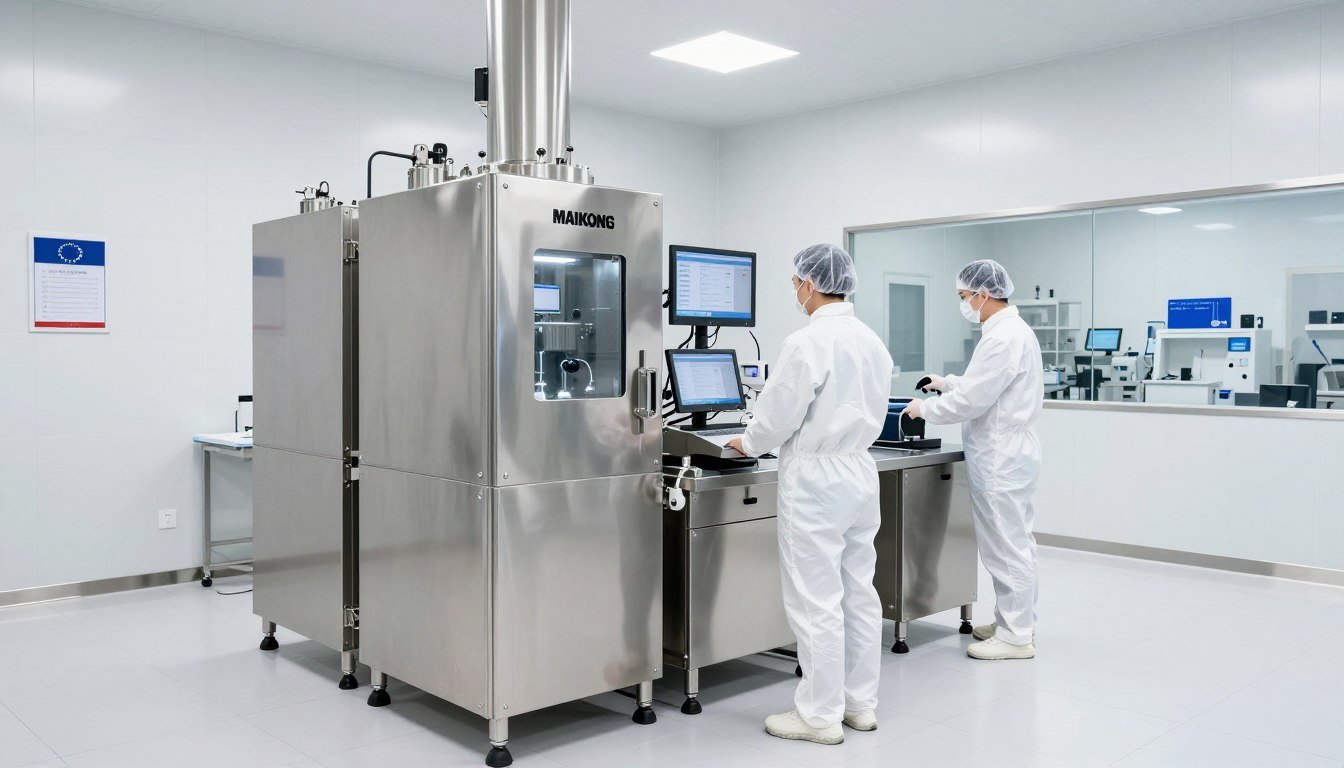
European Union food safety standards demand rigorous quality control. This 2-ton/hour facility produces feed for seabass and seabream operations.- HACCP-compliant production environment
- Automated cleaning systems between batches
- Traceability systems tracking raw material sources
- Laboratory testing protocols for each production run
Africa Region Growth
Nigeria Catfish Feed Mill - Lagos
Africa's growing aquaculture sector drives demand for local feed production. This 800kg/hour system serves catfish farmers across Lagos and surrounding states. Project impact:- Local employment: 12 permanent staff plus seasonal workers
- Catfish farmers served: 200+ operations
- Feed cost reduction for farmers: 35% compared to imports
- Monthly production: 180-200 tons
Middle East Operations
Saudi Arabia Aquaculture Project - Red Sea Coast
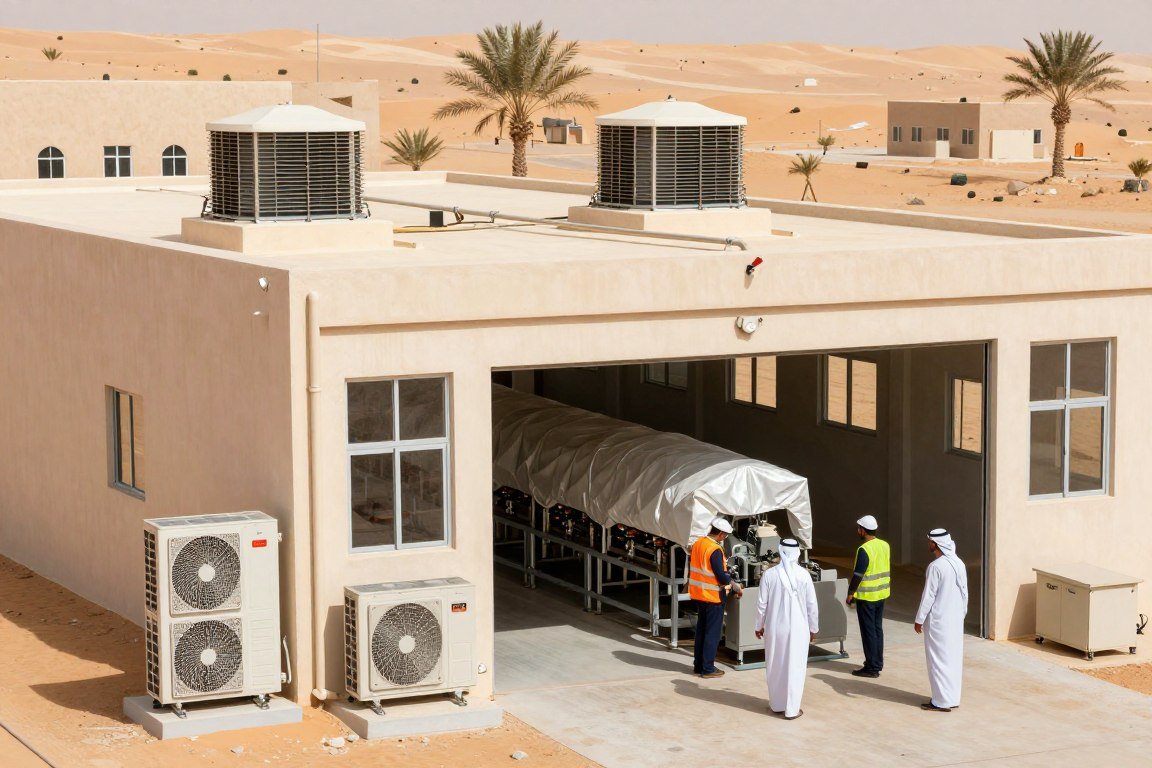
Desert aquaculture presents unique challenges. This 1.5-ton/hour facility produces feed for marine species in recirculating aquaculture systems.- Climate adaptations: Enhanced cooling systems for 45°C+ ambient temperatures
- Dust protection: Sealed equipment housing for desert environment
- Species focus: Grouper, seabream, shrimp
- Water-conserving pellet formulations: Minimal waste, maximum stability
Achieve Similar Results for Your Philippines Aqua Feed Operation
Join successful feed producers across Asia, Americas, Europe, Africa, and the Middle East who trust MAIKONG equipment for their operations.
- Customized production capacity from 200kg to 200 tons/hour
- Proven success across Asia, Americas, Europe, Africa, and Middle East
- 22+ years manufacturing expertise with local support
- Species-specific formulations for Philippine aquaculture (tilapia, bangus, shrimp)
Raw Materials and Feed Formulation Guidance
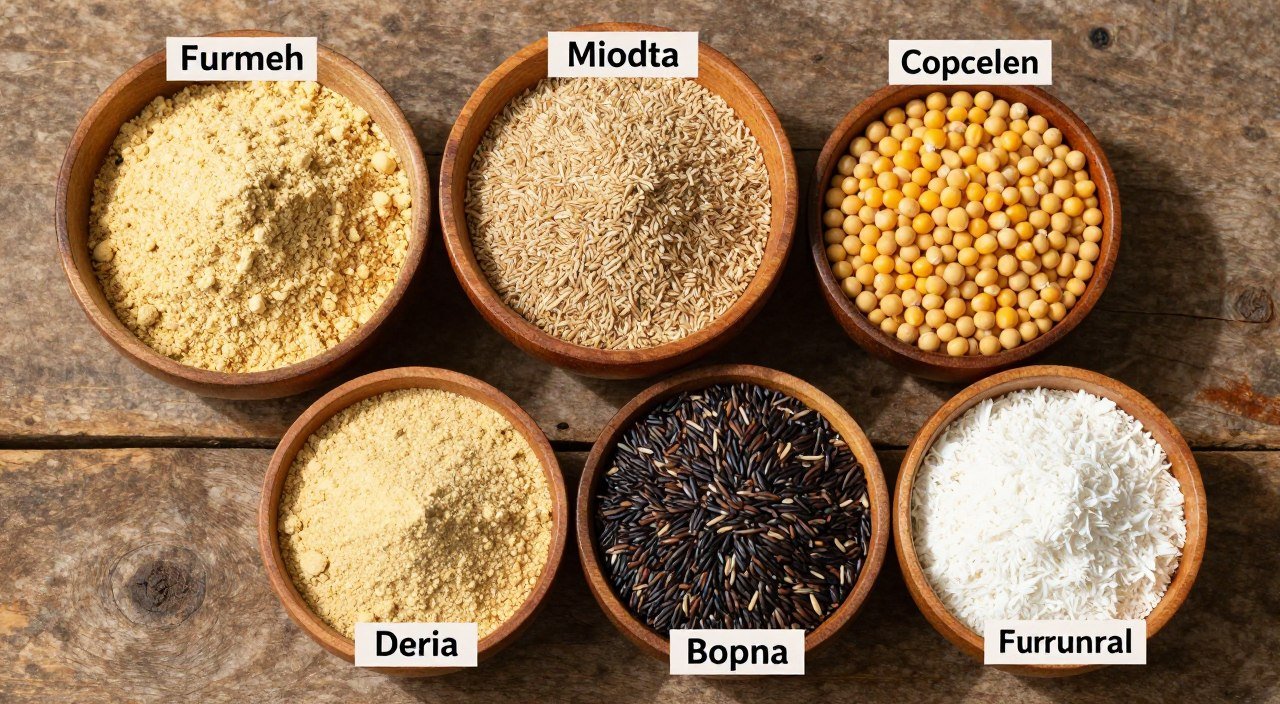
Philippine aquaculture benefits from locally available feed ingredients. Strategic sourcing reduces costs and ensures freshness.Primary Protein Sources
Marine Protein
- Fish meal (local and imported)
- Squid meal
- Shrimp head meal
- Blood meal
Plant Protein
- Soybean meal (widely available)
- Copra meal (coconut industry byproduct)
- Rice bran
- Corn gluten meal
Energy Sources
Carbohydrates provide energy for fish metabolism and pellet binding. Philippine agriculture produces these commodities abundantly.- Corn (yellow and white varieties)
- Wheat flour and wheat bran
- Rice flour and broken rice
- Cassava meal
- Sweet potato meal
Lipid Sources
Fats and oils deliver concentrated energy and essential fatty acids. Addition occurs post-extrusion to preserve nutritional value.- Fish oil (anchovy, tuna processing byproducts)
- Soybean oil
- Coconut oil
- Palm oil
Vitamin and Mineral Premixes
Micronutrient supplementation ensures complete nutrition. Philippine suppliers offer premixes formulated for tropical fish species.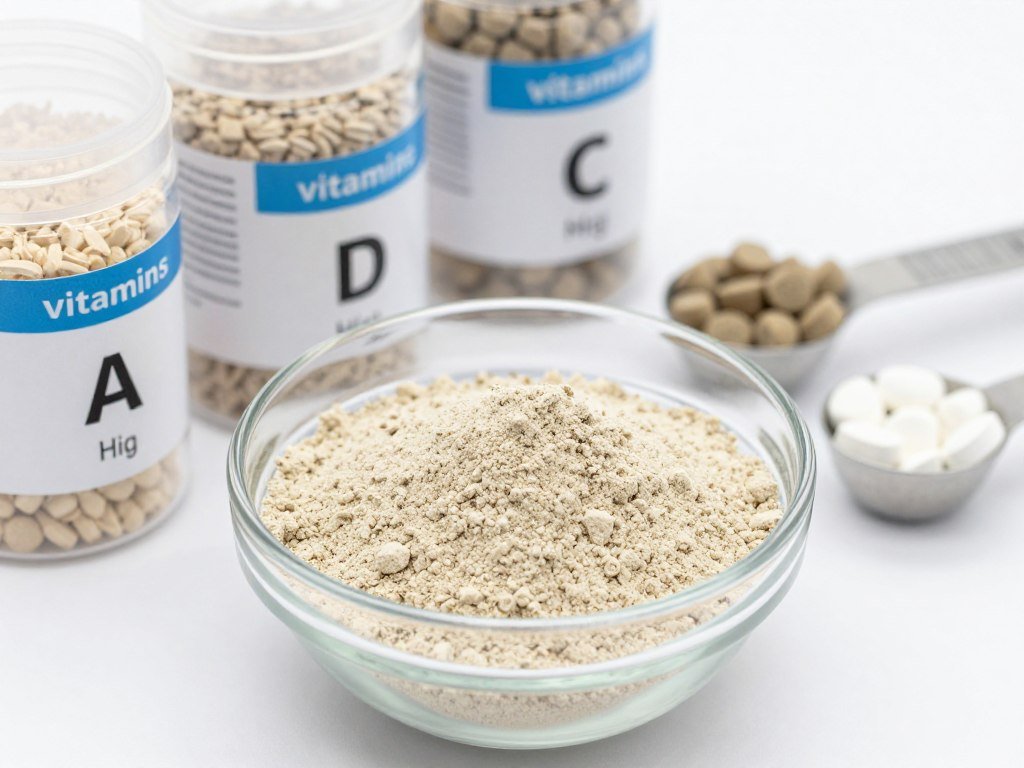
Sample Formulations by Species
Tilapia Grower Feed (28% Protein)
| Ingredient | Percentage |
| Fish meal | 8% |
| Soybean meal | 30% |
| Corn | 25% |
| Rice bran | 20% |
| Wheat flour | 10% |
| Fish oil | 4% |
| Vitamin/mineral premix | 3% |
Shrimp Feed (38% Protein)
| Ingredient | Percentage |
| Fish meal | 25% |
| Squid meal | 10% |
| Soybean meal | 20% |
| Wheat flour | 25% |
| Corn | 10% |
| Fish oil | 6% |
| Vitamin/mineral premix | 4% |
Detailed Component Equipment Analysis
Each machine in the production line performs critical functions. Understanding these components helps operators maximize efficiency.Crusher/Grinder System
The grinding stage determines final pellet quality. Particle size uniformity affects pellet durability and nutrient digestibility.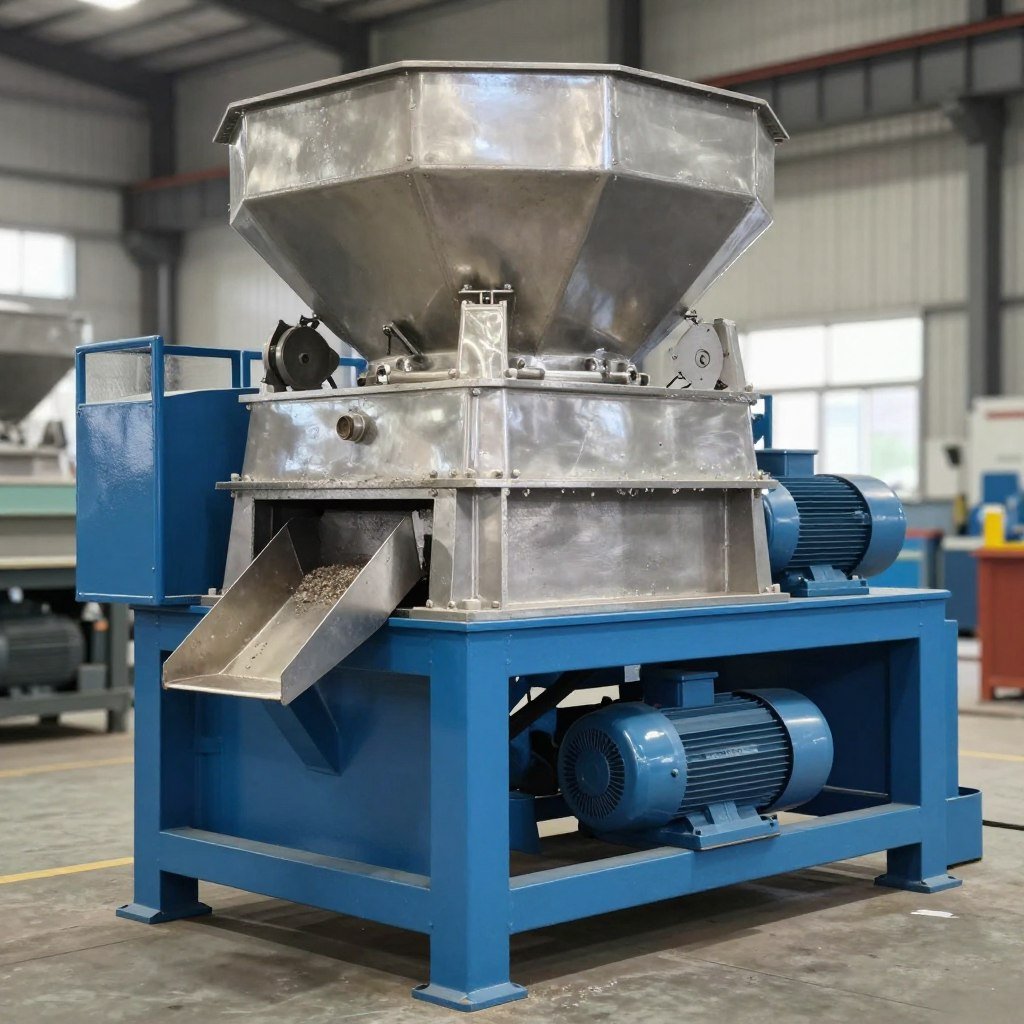 Water Drop Hammer Mill Features:
- Hammer configuration: 32-48 swinging hammers depending on capacity
- Screen options: 0.8mm to 3.0mm openings for different fineness requirements
- Motor power: 15kW to 90kW based on throughput
- Production capacity: 500kg/hour to 8 tons/hour
- Dust collection: Integrated cyclone separator reduces airborne particles
Mixing Equipment
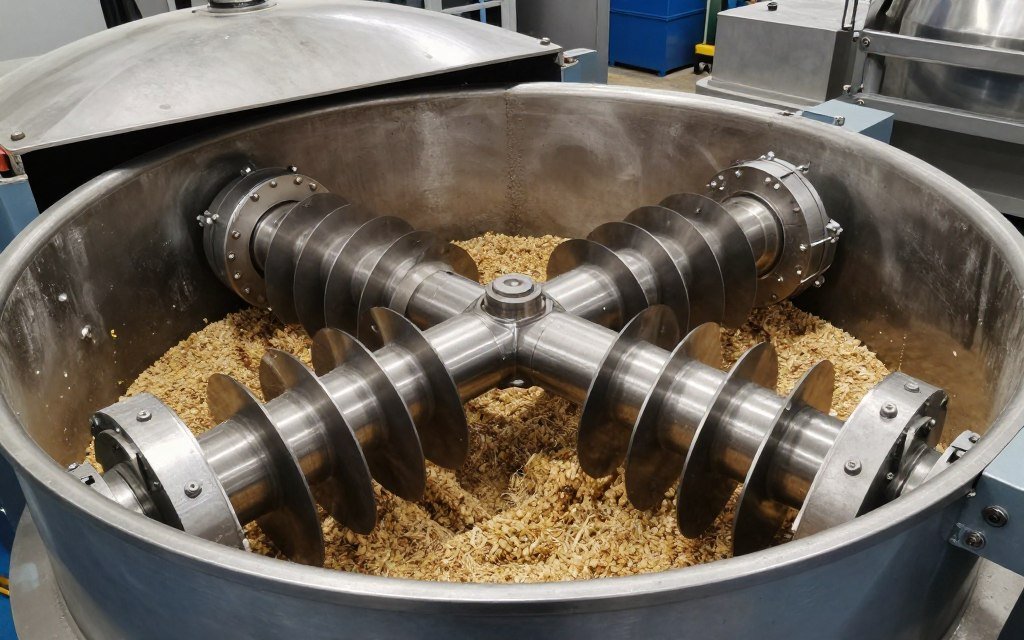
Thorough ingredient blending ensures every pellet contains the correct nutrient ratio. Poor mixing creates feeding inefficiencies and nutritional imbalances. Twin-Shaft Mixer Advantages:- Mixing time: 3-5 minutes per batch achieves CV ≤5% uniformity
- Batch sizes: 250kg to 2,000kg depending on model
- Liquid addition: Spray nozzles add oils and molasses uniformly
- Discharge mechanism: Full-length door ensures complete emptying
- Construction: Stainless steel contact surfaces prevent contamination
Extruder Technology
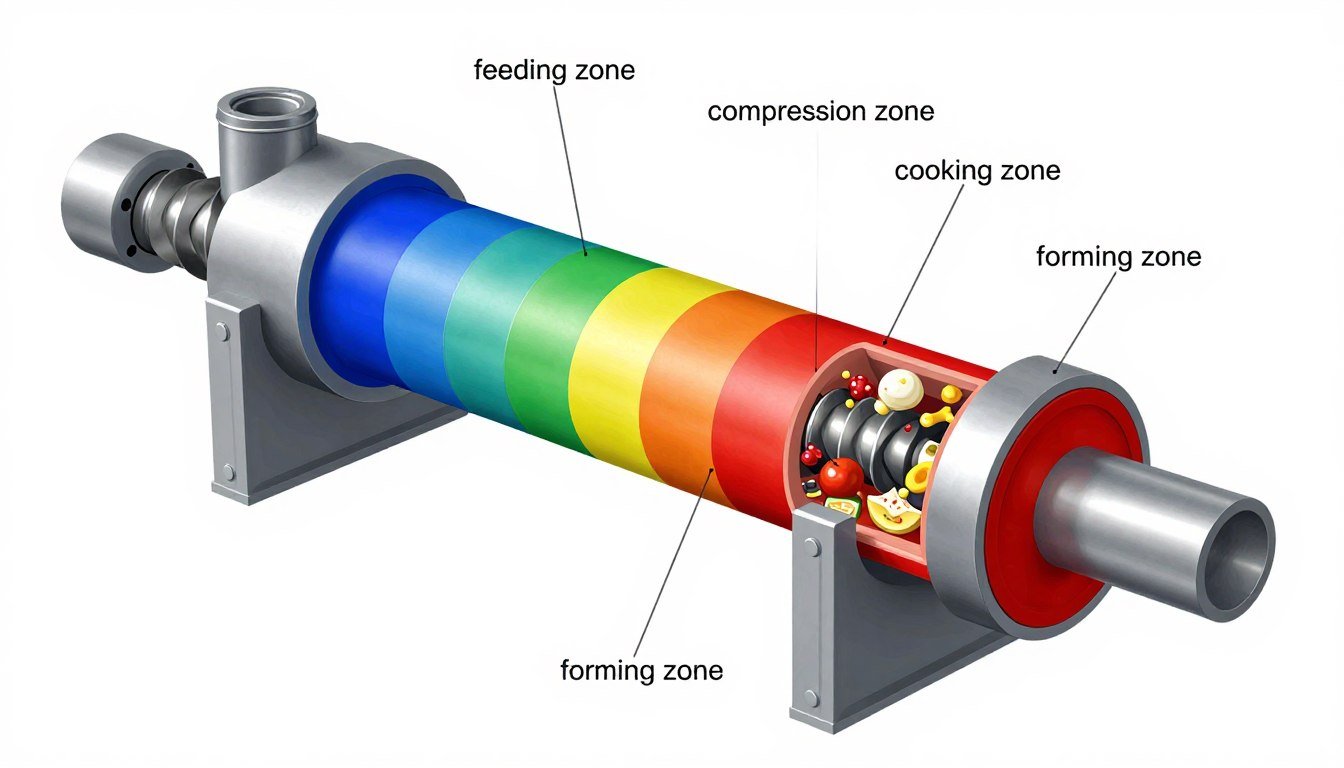
The twin-screw extruder represents the system's technological core. This machine transforms mixed ingredients into expanded, digestible pellets. Extrusion Process Control:| Parameter | Range | Impact on Product |
| Barrel Temperature | 120-150°C | Controls starch gelatinization and expansion |
| Screw Speed | 250-450 RPM | Affects residence time and pellet density |
| Feed Rate | Adjustable 50-100% | Determines throughput and pellet quality |
| Die Size | 1.5mm to 12mm | Sets final pellet diameter |
| Steam Input | 15-25 kg/hour | Provides moisture and heat for expansion |
Drying System
Removing moisture to 10-12% prevents mold growth during storage. Gradual drying prevents pellet cracking and nutrient degradation. Three-Layer Belt Dryer Operation:- Layer 1 (top): 80°C - initial rapid moisture removal
- Layer 2 (middle): 65°C - continued drying with reduced temperature
- Layer 3 (bottom): 50°C - final drying to target moisture
- Residence time: 20-30 minutes total
- Air circulation: Counterflow design maximizes efficiency
Cooling Equipment
Countercurrent coolers reduce pellet temperature to safe packaging levels. Hot pellets create condensation inside bags, promoting mold growth.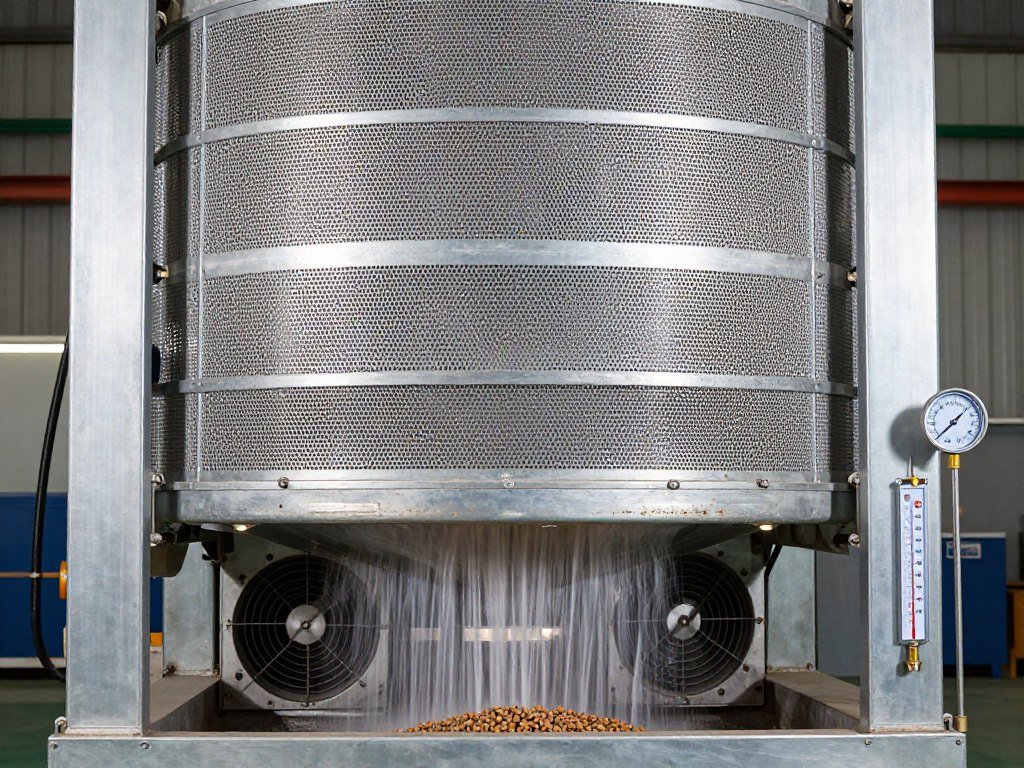 Cooling Specifications:
- Inlet temperature: 75-85°C (from dryer)
- Outlet temperature: Ambient +3°C
- Cooling time: 8-12 minutes
- Air volume: 5,000-15,000 m³/hour depending on capacity
- Pellet retention: Gravity flow prevents pellet damage
Spraying System
Vacuum spraying applies heat-sensitive nutrients after cooling. This technique preserves vitamin potency and adds palatability enhancers. Spray Application Benefits:- Oil absorption rate exceeds 95%
- Vitamin retention maintained (no heat degradation)
- Application uniformity: CV ≤3%
- Attractants added: Betaine, amino acids, flavor compounds
- Fat-soluble vitamin integration: A, D, E, K
Screening and Packaging
Final quality control removes oversized and undersized particles. Automated packaging maintains product freshness.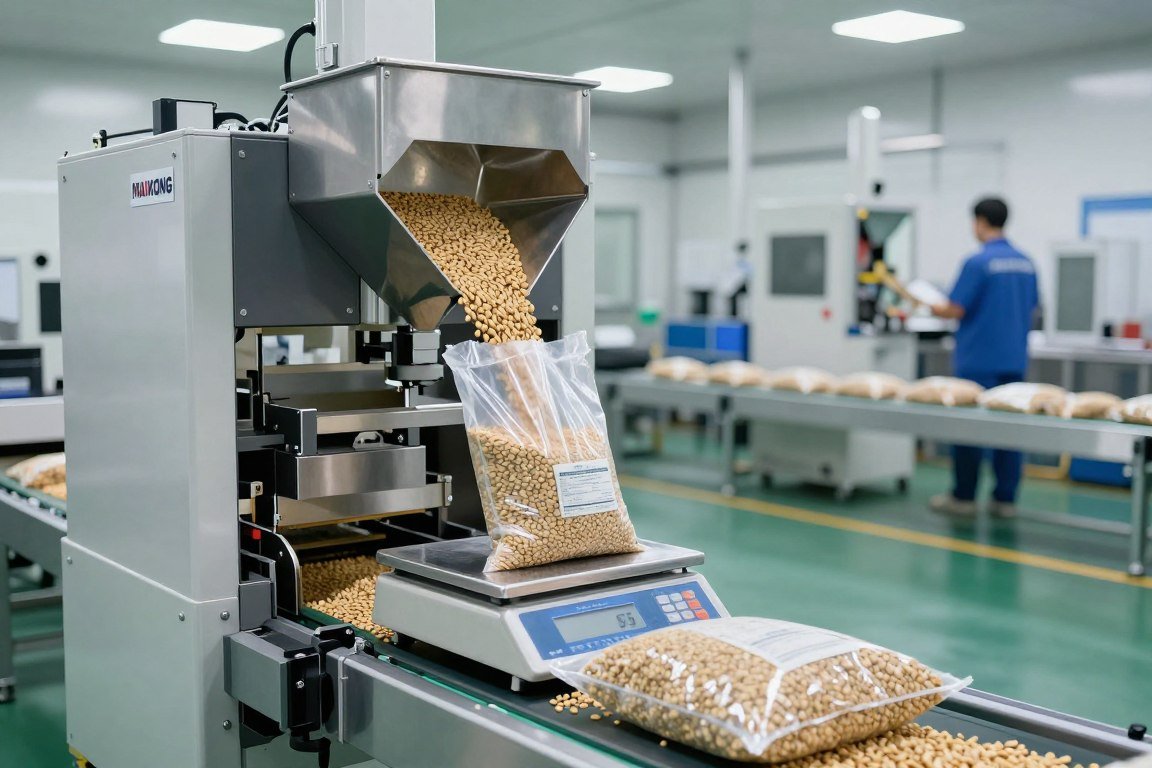 Three-Layer Vibrating Screen:
- Top screen: Removes oversized pellets
- Middle screen: Retains specification-size product
- Bottom screen: Separates fines for reprocessing
- Qualified product rate: ≥98%
- Throughput: Matches production line capacity
- Bag sizes: 15kg and 25kg (adjustable)
- Filling accuracy: ±0.2% of target weight
- Sealing: Heat seal or sewing options
- Output: 60-120 bags per hour
- Bag material: Woven polypropylene with PE liner
About MAIKONG: 22 Years of Feed Equipment Manufacturing Excellence
MAIKONG established operations in GD province, SZ city in 2002. Two decades of focused development created expertise in feed processing equipment.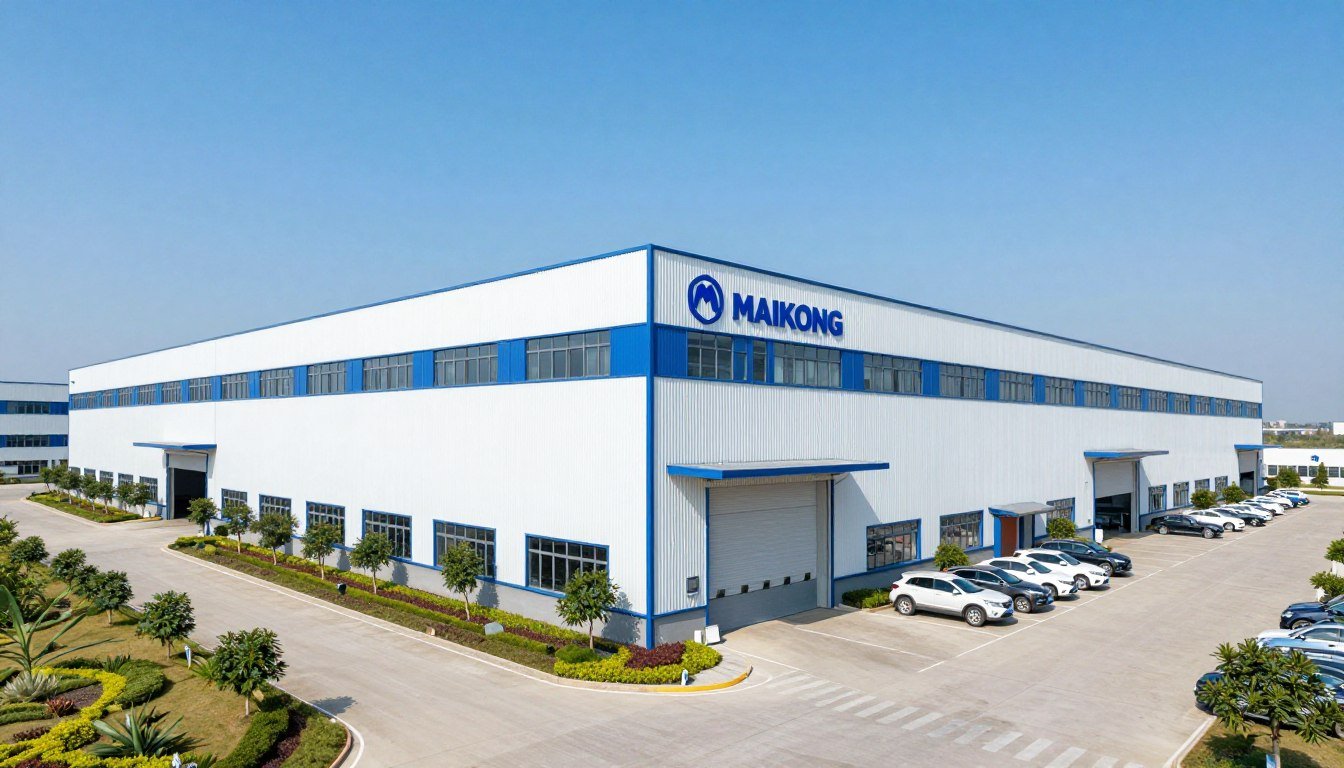
Manufacturing Capabilities
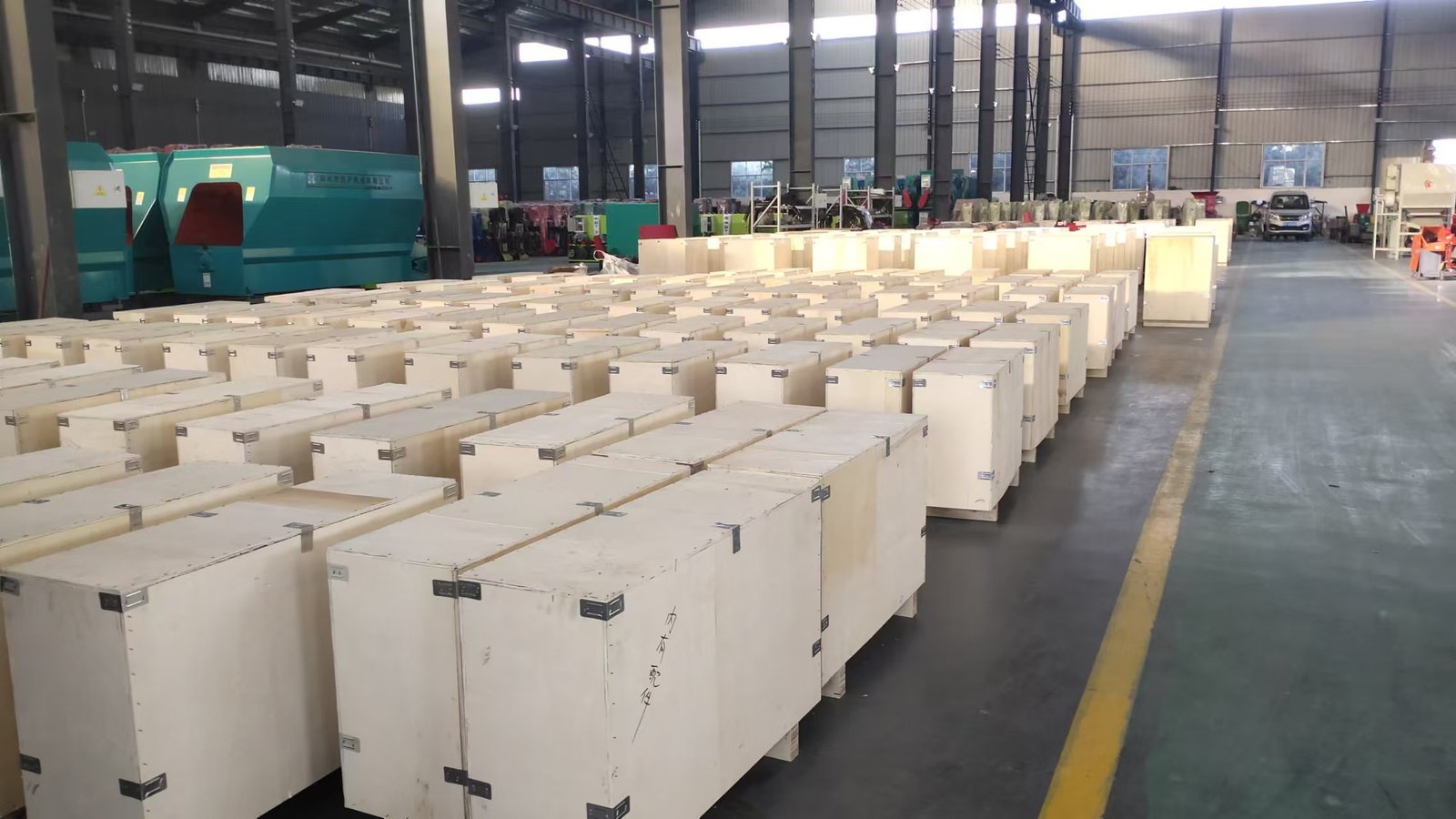
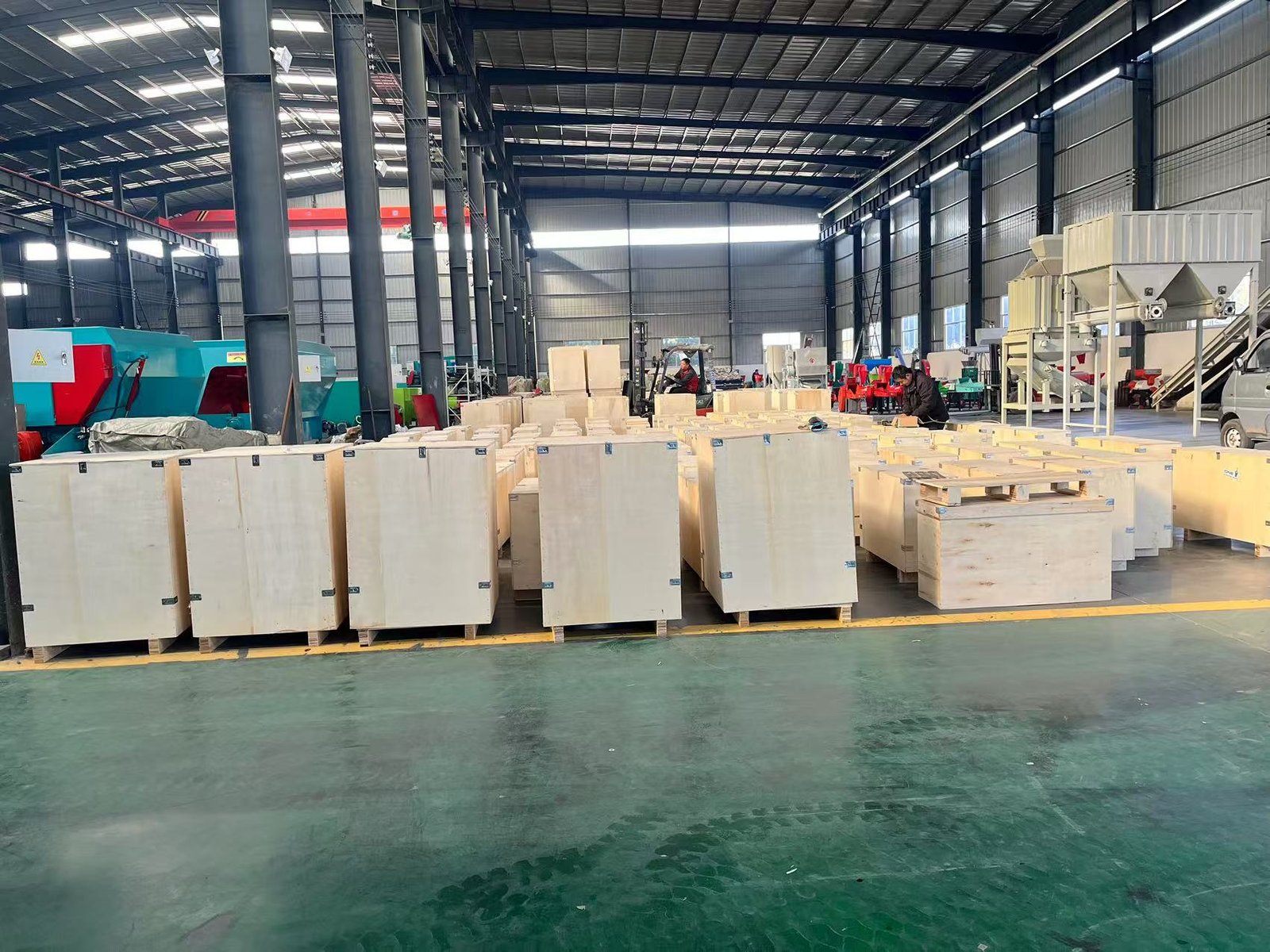
Our 85,000 square meter facility houses complete production capabilities. Vertical integration ensures quality control and competitive pricing.- CNC machining centers for precision component manufacturing
- Heat treatment facilities for critical wear parts
- Assembly lines for complete system integration
- Testing facilities replicating customer operating conditions
- Quality inspection at multiple production stages
Product Range Beyond Aqua Feed
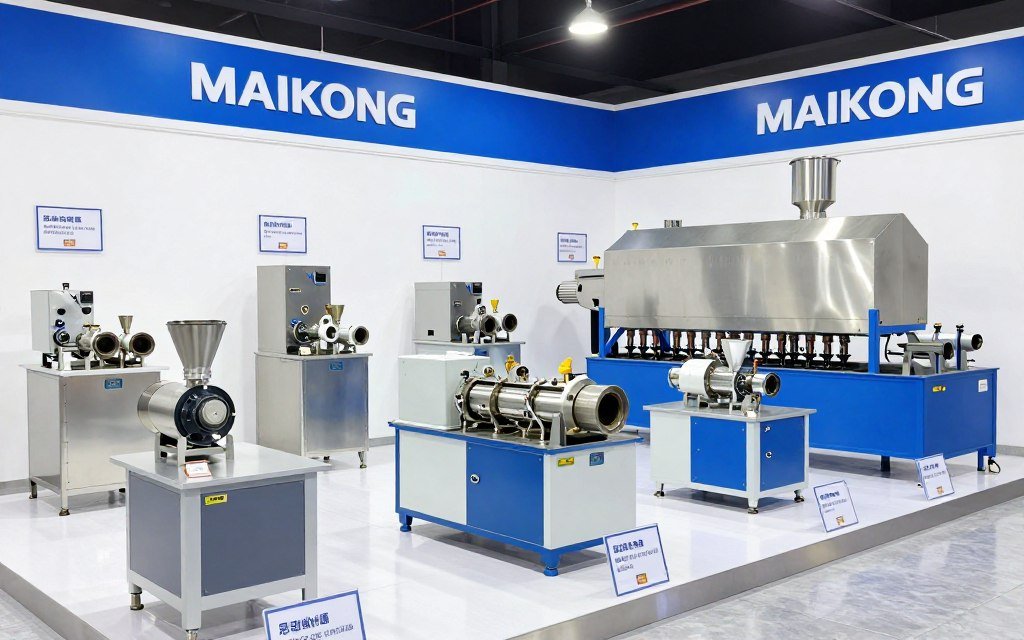
MAIKONG serves diverse feed production needs across multiple industries. This breadth demonstrates engineering versatility.Animal Feed Equipment
Specialized Applications
Technical Support and Training
Equipment purchase includes comprehensive technical assistance. Success depends on proper operation and maintenance. Training Programs:- Pre-installation site assessment and preparation guidance
- Equipment installation supervision by factory technicians
- 3-5 day operator training at customer facility
- Feed formulation consultation for target species
- Troubleshooting protocols and maintenance schedules
- Remote technical support via WhatsApp, email, and video calls
Quality Certifications and Standards
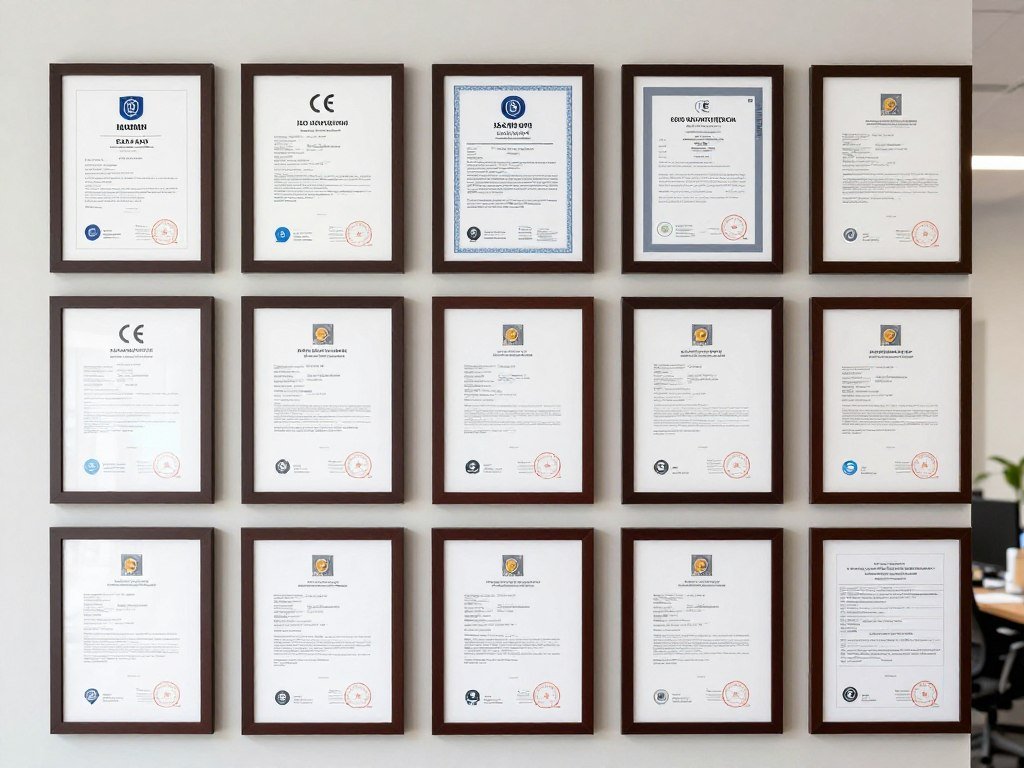
International certifications verify manufacturing quality and food safety compliance.- ISO 9001:2015 Quality Management System certification
- CE certification for European market compliance
- SGS factory inspection reports
- Compliance with international feed safety standards
Global Service Network
MAIKONG equipment operates in over 50 countries across six continents. This international presence supports local service. Philippines Market Strategy:- Establishing local dealer and agent network
- Spare parts inventory positioned regionally
- Technical support in English and key Philippine languages
- Competitive pricing accounting for local market conditions
- Flexible payment terms for qualified buyers
Become a MAIKONG Philippines Dealer or Agent
Exclusive opportunities available for feed equipment distributors, importers, and local agents to represent our established brand in your region.
Partnership Benefits
- Represent 22-year established brand with proven Asia-region success
- Competitive dealer pricing and attractive margin structure
- OEM/ODM customization support for your local market
- Comprehensive technical training and after-sales support
- Marketing materials and sales tools provided
- Exclusive territory protection (limited regions available)
Ideal Partner Profile
- Existing agricultural equipment distribution network
- Technical service capabilities or willingness to develop
- Understanding of Philippine aquaculture industry
- Financial capacity for inventory and spare parts
- Commitment to customer service excellence
- Long-term business development perspective
Limited territories available - secure your region today. Contact Lucy@pelletmachine.ph for confidential partnership discussions.
OEM/ODM Customization for Brand Builders
MAIKONG supports partners developing branded feed equipment lines. White-label manufacturing enables market entry without factory investment.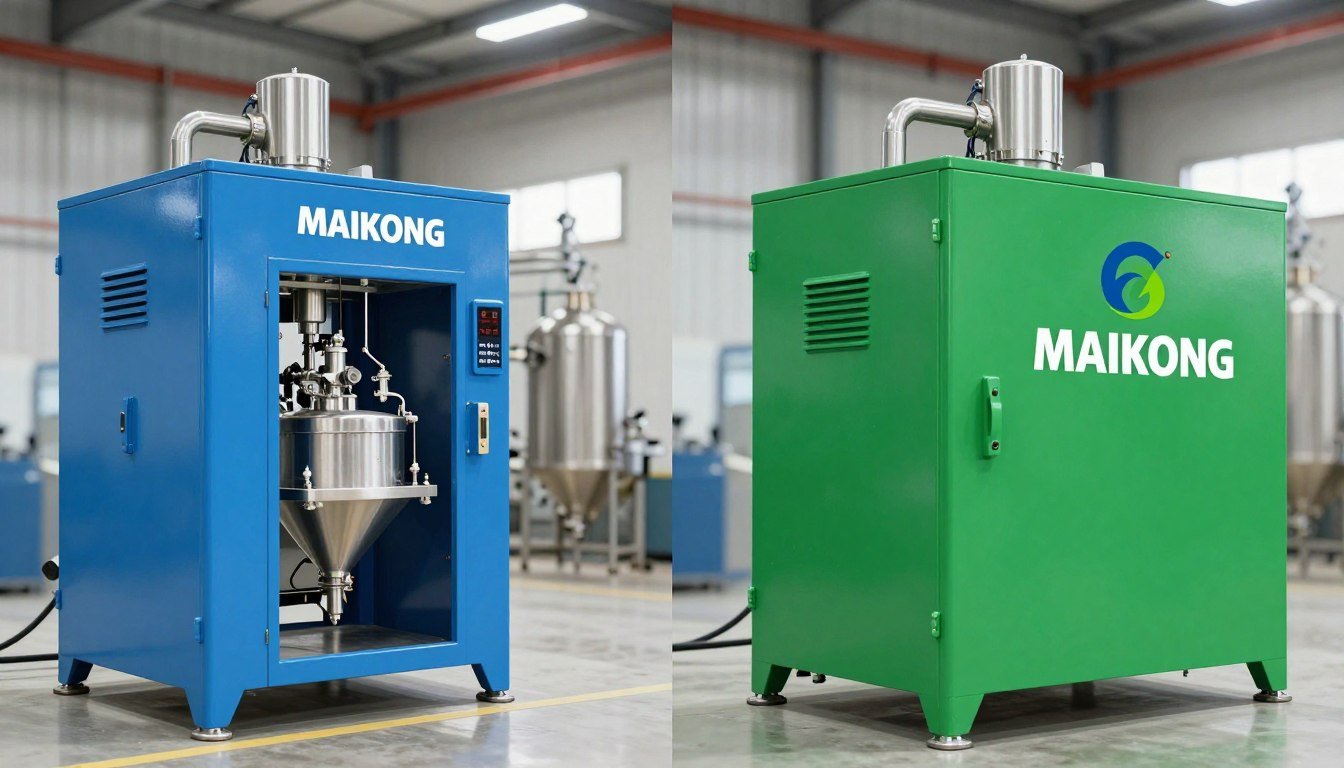
OEM Manufacturing Services
Original Equipment Manufacturer services allow your brand on proven MAIKONG technology.- Custom color schemes matching your brand identity
- Your company name and logo prominently displayed
- Customized control panel interfaces and labeling
- Packaging and documentation with your branding
- Technical specifications adjusted to your market requirements
ODM Development Services
Original Design Manufacturer services create unique equipment configurations for specific applications. ODM Capabilities Include:- Capacity modifications beyond standard offerings
- Integration of proprietary control systems or software
- Specialized component selections for unique raw materials
- Custom automation levels (semi-automatic to fully automated)
- Compact designs for space-constrained facilities
- Mobile or containerized production units
Development Process
- Requirements Discussion - Define your market needs, target capacity, unique specifications, and branding requirements.
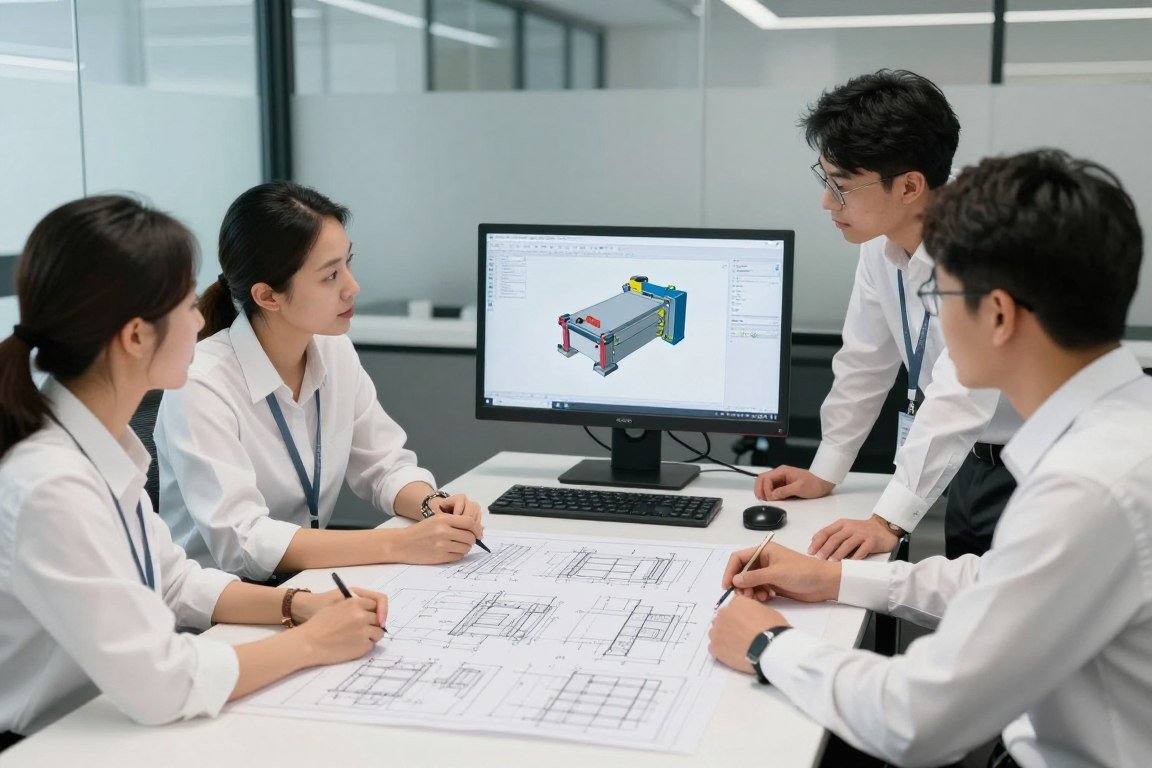
- Technical Proposal - MAIKONG engineers create detailed designs, specifications, and 3D renderings for approval.
- Prototype Development - First unit manufactured for testing and validation at our facility or yours.
- Testing and Refinement - Performance verification, adjustments based on test results, final approval.
- Production Launch - Series manufacturing begins, quality control throughout production, delivery scheduling.
- After-Sales Support - Technical documentation in your branding, spare parts supply agreements, ongoing technical consultation.
Minimum Order Quantities
OEM/ODM services require commitment levels based on customization extent.| Customization Level | Minimum Order | Lead Time |
| Color and branding only | 1 complete line | 45-60 days |
| Minor specification changes | 2-3 complete lines | 60-75 days |
| Major design modifications | 5+ complete lines | 90-120 days |
| Completely new design | Negotiable | 4-6 months |
Investment Analysis and Return on Investment
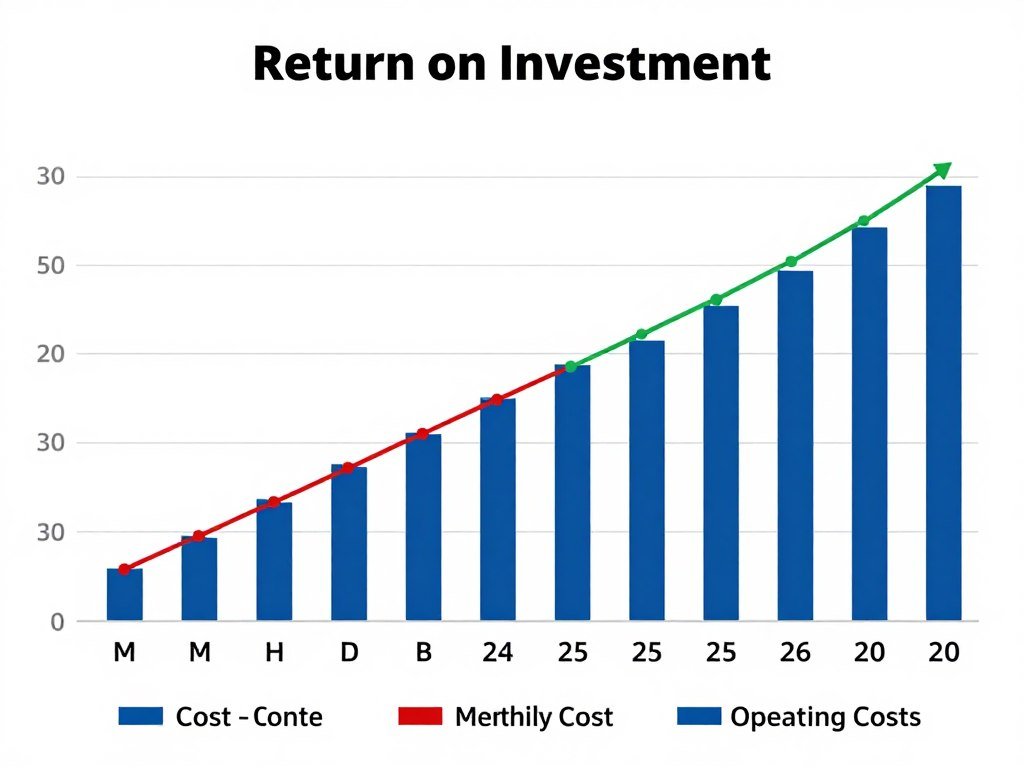
Understanding financial performance guides equipment selection. Philippine aquaculture operators evaluate total cost versus revenue potential.Sample Investment Breakdown: 1-Ton/Hour System
This example models a typical Philippine fish farm cooperative investment.| Cost Category | Amount (PHP) | Notes |
| Equipment (complete line) | ₱2,800,000 | FOB China price, approximate conversion |
| Shipping to Philippines | ₱180,000 | Container freight, insurance |
| Customs and duties | ₱140,000 | Variable by classification |
| Installation and commissioning | ₱120,000 | Foundation, electrical, water, setup |
| Initial raw material inventory | ₱200,000 | One month supply |
| Working capital reserve | ₱160,000 | Utilities, labor for first month |
| Total Initial Investment | ₱3,600,000 | Approximate total |
Monthly Operating Costs
| Operating Expense | Monthly Cost (PHP) |
| Raw materials (20 tons feed production) | ₱360,000 |
| Labor (3 operators + 1 supervisor) | ₱80,000 |
| Electricity (8 hours daily operation) | ₱35,000 |
| Packaging materials | ₱18,000 |
| Maintenance and spare parts | ₱12,000 |
| Miscellaneous (water, transport, etc.) | ₱10,000 |
| Total Monthly Operating Cost | ₱515,000 |
Revenue Projection
Assuming 1-ton/hour capacity operating 8 hours daily, 25 days monthly:- Monthly production: 200 tons (1 ton/hr × 8 hrs × 25 days)
- Production cost per kg: ₱25.75 (₱515,000 ÷ 20,000 kg)
- Market selling price: ₱32.00 per kg (competitive with commercial feeds)
- Gross profit per kg: ₱6.25
- Monthly gross profit: ₱125,000 (20,000 kg × ₱6.25)
- Payback period: Approximately 29 months (₱3,600,000 ÷ ₱125,000)
- Annual return: 41.7% after payback
- 5-year profit projection: ₱7,500,000 (after initial investment recovery)
Factors Improving ROI
Several strategies accelerate investment recovery:- Capacity utilization: Operating 16 hours daily doubles revenue
- Premium pricing: Fresh, custom formulations command higher prices
- By-product sales: Screenings and fines sold as lower-grade feed
- Contract production: Toll manufacturing for other farms
- Diversification: Producing poultry feed during slow aquaculture seasons
- Cooperative model: Shared investment and guaranteed off-take by members
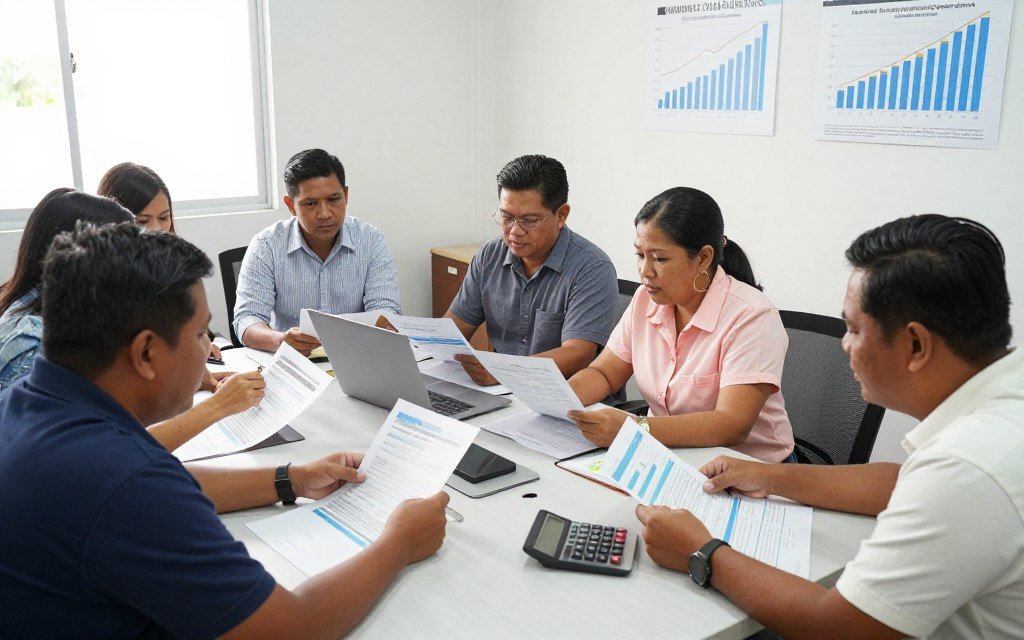 Financial projections vary based on local conditions. Request customized ROI analysis from our team.
Installation, Commissioning, and Training Process
Successful equipment deployment requires proper installation and operator training. MAIKONG provides comprehensive support throughout this process.Pre-Installation Site Requirements
Preparing your facility before equipment arrival ensures smooth installation. Facility Specifications for 1-Ton/Hour System:| Requirement | Specification |
| Building space | Minimum 200 m² (production area + storage) |
| Ceiling height | Minimum 5 meters for conveyor clearance |
| Floor strength | Concrete floor rated 500 kg/m² minimum |
| Electrical power | 380V three-phase, 150 kVA capacity |
| Water supply | Clean water, 2-3 m³/hour at 3 bar pressure |
| Compressed air | Optional: 0.8 MPa, 1 m³/min for automation |
| Ventilation | Natural or mechanical, 10 air changes/hour |
| Dust extraction | Cyclone or bag filter for crusher/mixer areas |
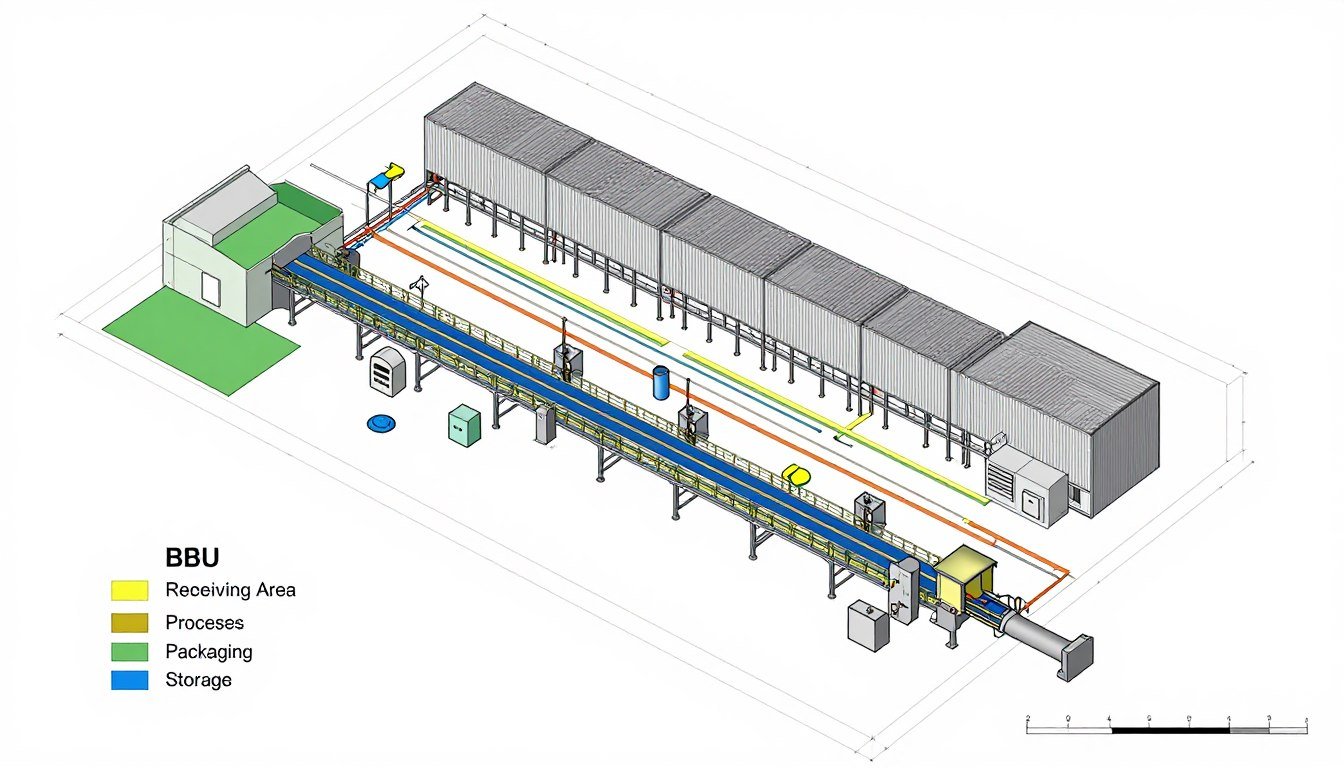
Installation Timeline
- Container arrival and unloading (Day 1) - Inspect equipment for shipping damage, organize components by installation sequence.
- Foundation and anchor work (Days 2-3) - Install concrete pads and anchor bolts for heavy equipment, allow concrete curing time if needed.
- Main equipment positioning (Days 4-6) - Position crusher, mixer, extruder, dryer, cooler in production sequence, verify leveling and alignment.
- Conveyor and connection installation (Days 7-9) - Install bucket elevators, screw conveyors, pneumatic lines, connect equipment stages.
- Electrical wiring and control systems (Days 10-12) - Wire motors and sensors to control panels, install safety interlocks and emergency stops, test electrical functions.
- Plumbing and utilities (Days 13-14) - Connect water lines for steam generation and cleaning, install compressed air distribution if applicable.
- No-load testing (Day 15) - Run all equipment empty to verify mechanical operation, adjust belt tensions, bearing lubrication, alignment.
- Load testing and calibration (Days 16-17) - Process sample batches, calibrate scales and meters, adjust process parameters, verify output quality.
- Training and handover (Days 18-20) - Operator training sessions, safety procedures review, maintenance schedules established, final acceptance.
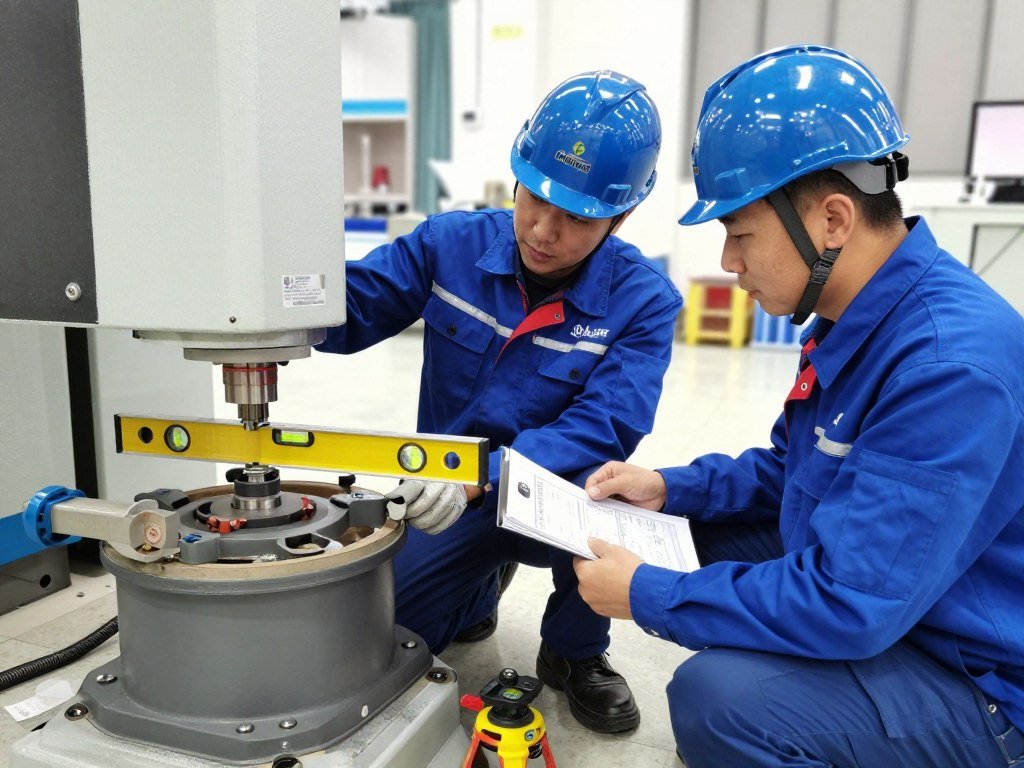
Operator Training Program
Comprehensive training ensures operators maximize equipment performance and maintain safety standards. Day 1: Safety and Basic Operation- Safety protocols and emergency procedures
- Personal protective equipment requirements
- Equipment start-up and shutdown sequences
- Basic troubleshooting for common issues
- Understanding process parameters and their effects
- Adjusting temperature, pressure, speed for different formulas
- Quality control testing methods
- Record keeping and production reporting
- Daily, weekly, and monthly maintenance tasks
- Lubrication schedules and points
- Wear part inspection and replacement
- Advanced troubleshooting techniques
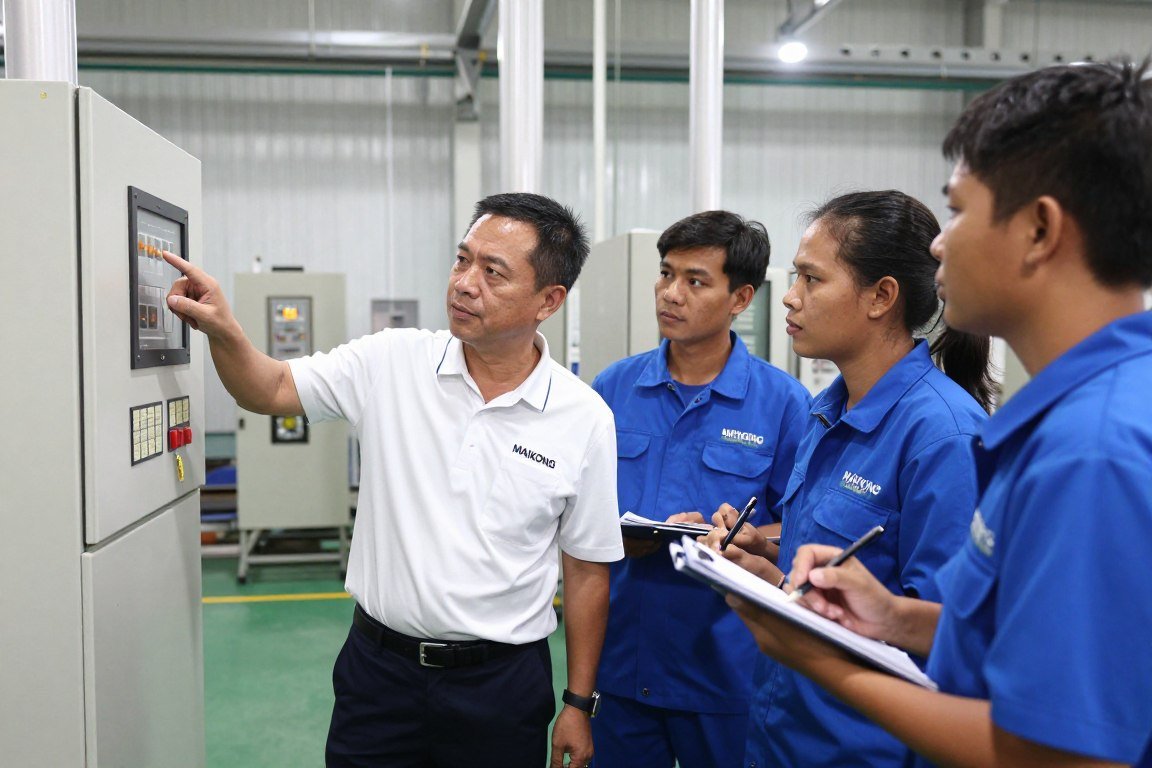
Post-Installation Support
MAIKONG's commitment extends beyond installation completion.- 30-day on-site support period (technician available for immediate assistance)
- Remote technical support via WhatsApp video calls
- Quarterly performance check-ins during first year
- Spare parts supply with express shipping options
- Software updates for control systems when applicable
- Annual maintenance visit option (additional service contract)
Maintenance Best Practices for Equipment Longevity
Proper maintenance extends equipment lifespan and maintains output quality. Philippine tropical climate and dust conditions require specific attention.Daily Maintenance Tasks
Operators perform these checks each production day:- Inspect all safety guards and interlocks before starting
- Check oil levels in gearboxes and bearing housings
- Verify belt tensions on conveyors and drives
- Clean dust accumulation from motors and electrical panels
- Empty dust collection bins from crusher and mixer
- Inspect pellets for quality issues indicating equipment problems
- Record production quantities and any operational issues
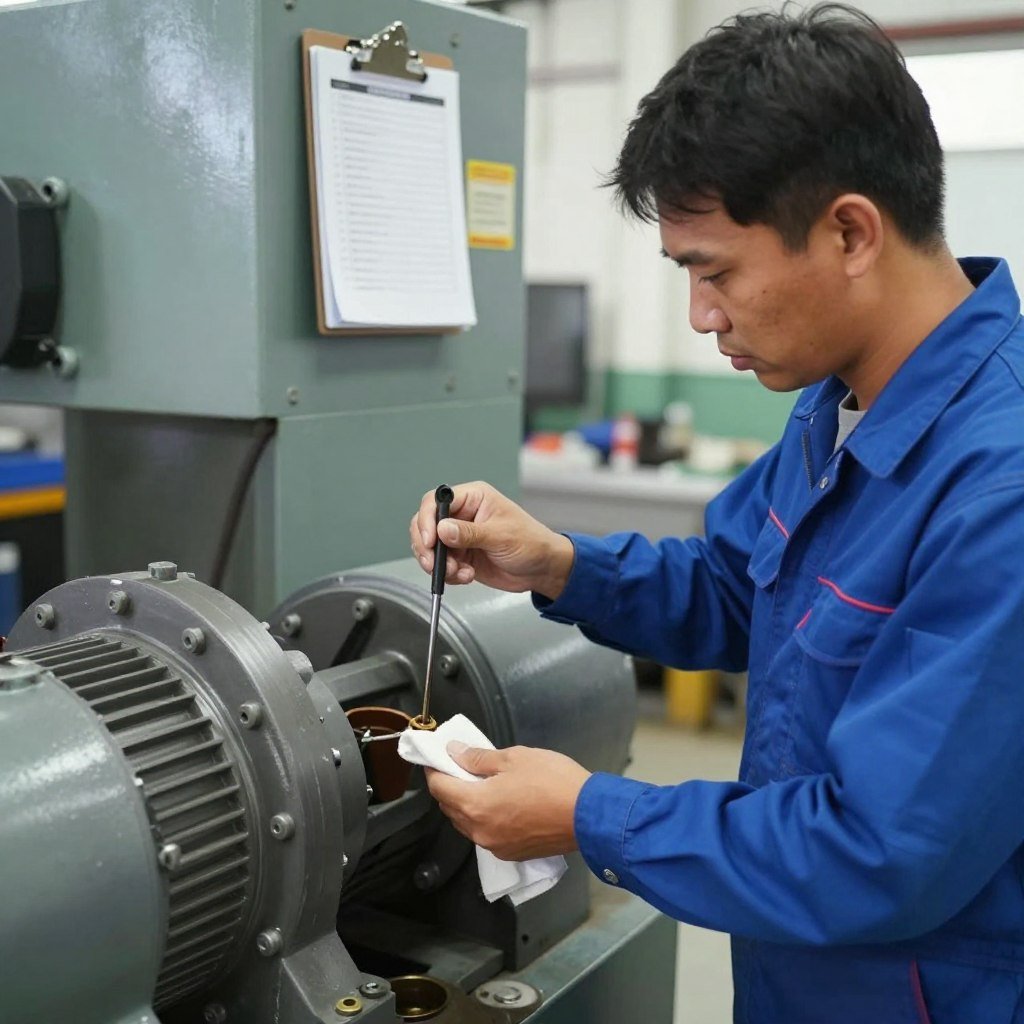
Weekly Maintenance Schedule
Dedicate 2-3 hours weekly for thorough inspection:- Lubricate all grease points per lubrication chart
- Inspect mixer paddles and shaft seals for wear
- Check extruder screw and barrel for excessive wear
- Clean dryer conveyor belts and scraper blades
- Test emergency stop buttons and safety interlocks
- Inspect electrical connections for looseness or corrosion
- Clean control panel air filters (prevent heat buildup)
Monthly Maintenance Procedures
- Replace crusher screens if worn (check particle size distribution)
- Inspect hammer mill hammers for wear (replace when thin)
- Check gearbox oil condition (change if contaminated)
- Inspect chain drives and sprockets for wear and alignment
- Calibrate weighing scales and meters
- Test all temperature and pressure sensors
- Thoroughly clean entire production line
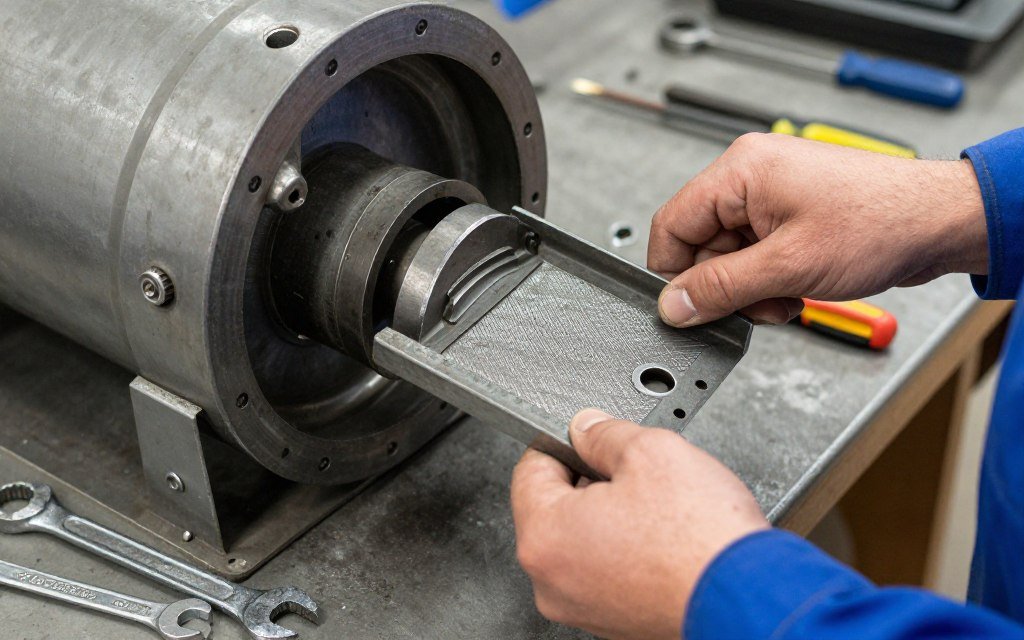
Tropical Climate Considerations
Philippine humidity and temperature affect equipment performance: Rust Prevention:- Apply anti-rust coating to unpainted surfaces every 3-6 months
- Keep electrical panels dry (install dehumidifiers if necessary)
- Store spare parts in sealed containers with desiccant
- Inspect stainless steel components for pitting corrosion
- Seal building openings to prevent rodent and insect entry
- Clean spilled raw materials immediately (attracts pests)
- Implement regular facility sanitation program
- Inspect wiring for rodent damage monthly
- Ensure adequate ventilation in production area
- Monitor motor temperatures during operation
- Clean dust from motor cooling fins weekly
- Consider air conditioning for control panel area
Wear Parts Inventory
Maintain these spare parts on-site for minimal downtime:| Part | Recommended Inventory | Replacement Frequency |
| Crusher screens | 2-3 sets | Every 400-600 operating hours |
| Hammer mill hammers | 1 complete set | Every 800-1200 hours |
| Mixer paddle seals | 2 sets | Every 1000-1500 hours |
| Extruder screw segments | 1 set (most worn sections) | Every 3000-5000 hours |
| Dryer conveyor belts | 1 spare belt | Every 2000-3000 hours |
| Bearings (common sizes) | 2 each of frequent types | As needed (inspect quarterly) |
| Drive belts | 1 each size used | Every 1500-2000 hours |
| Temperature sensors | 2 spares | As needed (test monthly) |
Environmental and Sustainability Considerations
Modern aqua feed production addresses environmental responsibility. The MK-002 system incorporates eco-friendly features.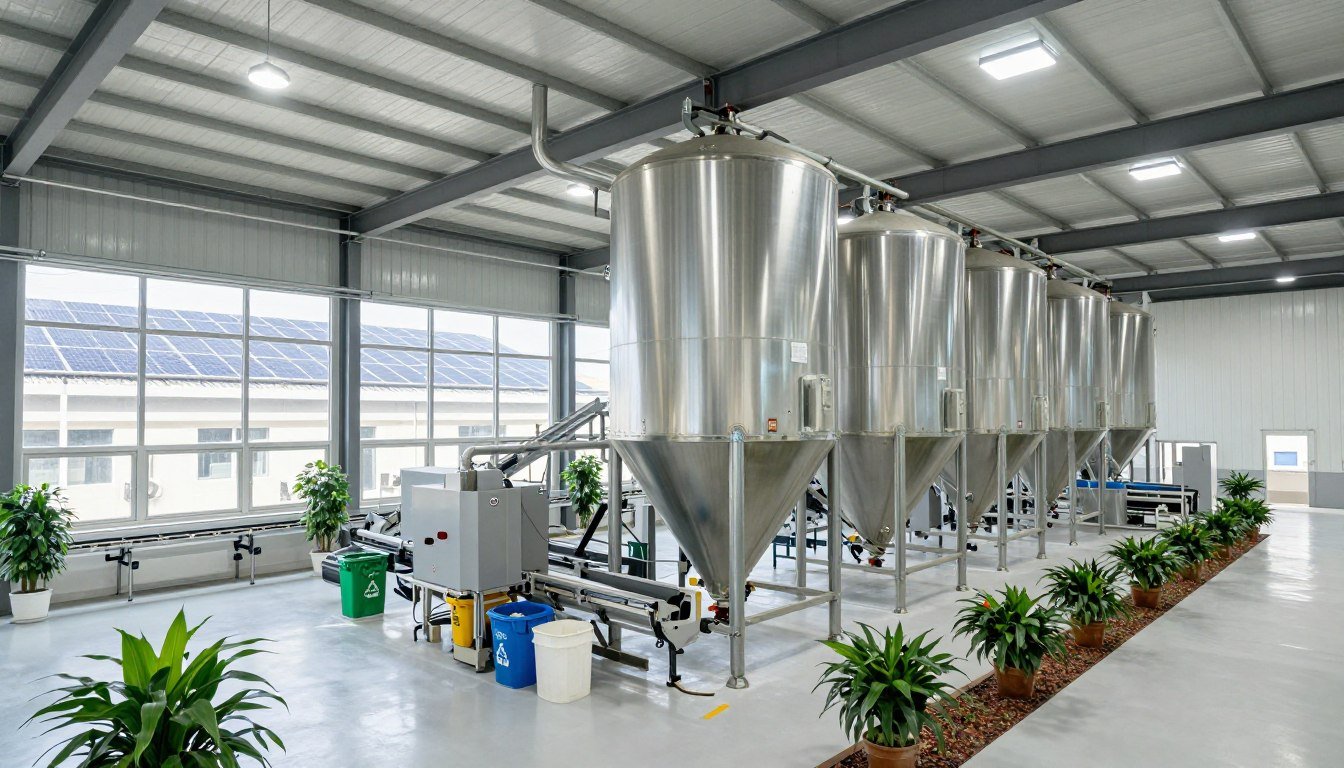
Dust and Emission Control
Fine particles from grinding and handling create air quality concerns. Integrated systems minimize emissions. Dust Collection Features:- Cyclone separators on crusher and mixer reduce airborne particles by 95%
- Bag filter options for ultra-clean environments (99.5% collection efficiency)
- Collected dust returned to production (zero waste)
- Enclosed conveying systems prevent material spillage
- Negative pressure zones in grinding areas contain dust
Energy Efficiency
Electricity costs significantly impact operating expenses. The MK-002 optimizes power consumption.- Variable frequency drives on major motors (20-30% energy savings)
- High-efficiency motors exceeding Philippine energy standards
- Waste heat recovery from dryer exhaust (optional steam generation)
- LED lighting in control panels and work areas
- Power factor correction reduces electrical demand charges
| System Type | kWh per Ton Produced |
| Standard pelleting line | 45-55 kWh/ton |
| MAIKONG MK-002 with efficiency upgrades | 35-42 kWh/ton |
| Energy savings | 22-24% reduction |
Water Conservation
Philippine water resources face increasing pressure. Responsible production minimizes consumption.- Closed-loop cooling water recirculation (where applicable)
- Steam condensate recovery for boiler feed water
- High-pressure, low-volume wash-down systems
- Dry cleaning methods prioritized over water washing
- Rainwater collection for non-process uses (optional)
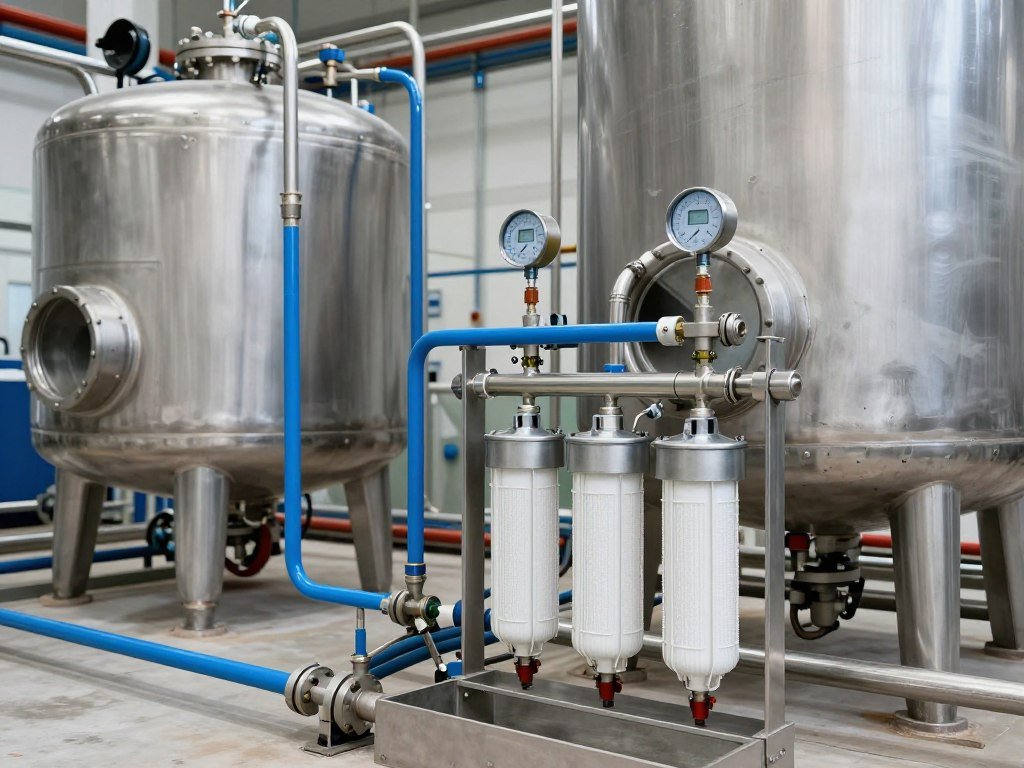
Waste Reduction and By-Product Utilization
Minimizing waste improves profitability and environmental performance. Waste Stream Management:- Oversized particles from screening reground and reprocessed
- Dust collection fines incorporated into feed batches
- Off-specification pellets sold as discounted lower-grade feed
- Packaging materials (bags, cardboard) segregated for recycling
- Oil-soaked rags disposed properly (prevent contamination)
Sustainable Ingredient Sourcing
Raw material selection impacts environmental footprint.- Local sourcing reduces transportation emissions
- Agricultural by-products (rice bran, copra meal) utilize waste streams
- Sustainably-harvested fish meal (MSC or equivalent certification)
- Plant protein emphasis reduces marine resource pressure
- Non-GMO ingredient options available for premium feeds
Frequently Asked Questions
What is the minimum production capacity available for small Philippine fish farms?
Can the MK-002 produce both floating and sinking pellets?
How long does shipping from China to the Philippines typically take?
What voltage and electrical requirements does the equipment need?
Do you provide feed formulation guidance for specific fish species?
What warranty and after-sales support does MAIKONG provide?
Can I visit your factory in China before purchasing?
What is the typical return on investment timeline for a 1-ton/hour system?
Do you offer financing or payment plans for Philippine customers?
How much space do I need for a complete 1-ton/hour production line?
Can the system produce feeds for other animals besides fish?
What certifications or permits do I need to operate a feed mill in the Philippines?
Ready to Transform Your Aqua Feed Production?
Get a customized quote for the MAIKONG MK-002 aqua feed production line tailored to your capacity, species, and budget requirements. Our team will design the optimal solution for your Philippine aquaculture operation.
Product Inquiry & Custom Quote
- Capacity from 200kg to 200 tons per hour
- Customized for tilapia, bangus, shrimp, or other species
- Voltage configured for Philippine electrical standards
- Complete technical specifications and pricing
- Installation and training support included
Dealer & Agent Partnership Opportunity
- Exclusive territories in Philippines
- Competitive dealer margins on proven equipment
- OEM/ODM white-label options available
- Comprehensive technical training provided
- Marketing support and sales tools
Contact MAIKONG Philippines
Email: Lucy@pelletmachine.ph Phone/WhatsApp: 📞 8613-51090-74-01 WhatsApp Direct: 💬 Chat on WhatsApp Website: https://pelletmachine.ph/ Location: GD Province, SZ City, China - Serving Philippines and Southeast AsiaJoin successful aqua feed producers across Asia who trust MAIKONG equipment. Our 22 years of manufacturing experience ensures you receive reliable, high-quality production systems backed by comprehensive support. Whether you're a fish farm owner seeking to reduce feed costs, a feed mill expanding capacity, or an entrepreneur entering the aquaculture industry, MAIKONG provides the technology and partnership for your success.
Limited dealer territories available in the Philippines. Contact us today to discuss how MAIKONG can support your aquaculture feed production goals or business partnership opportunities.
 --
--