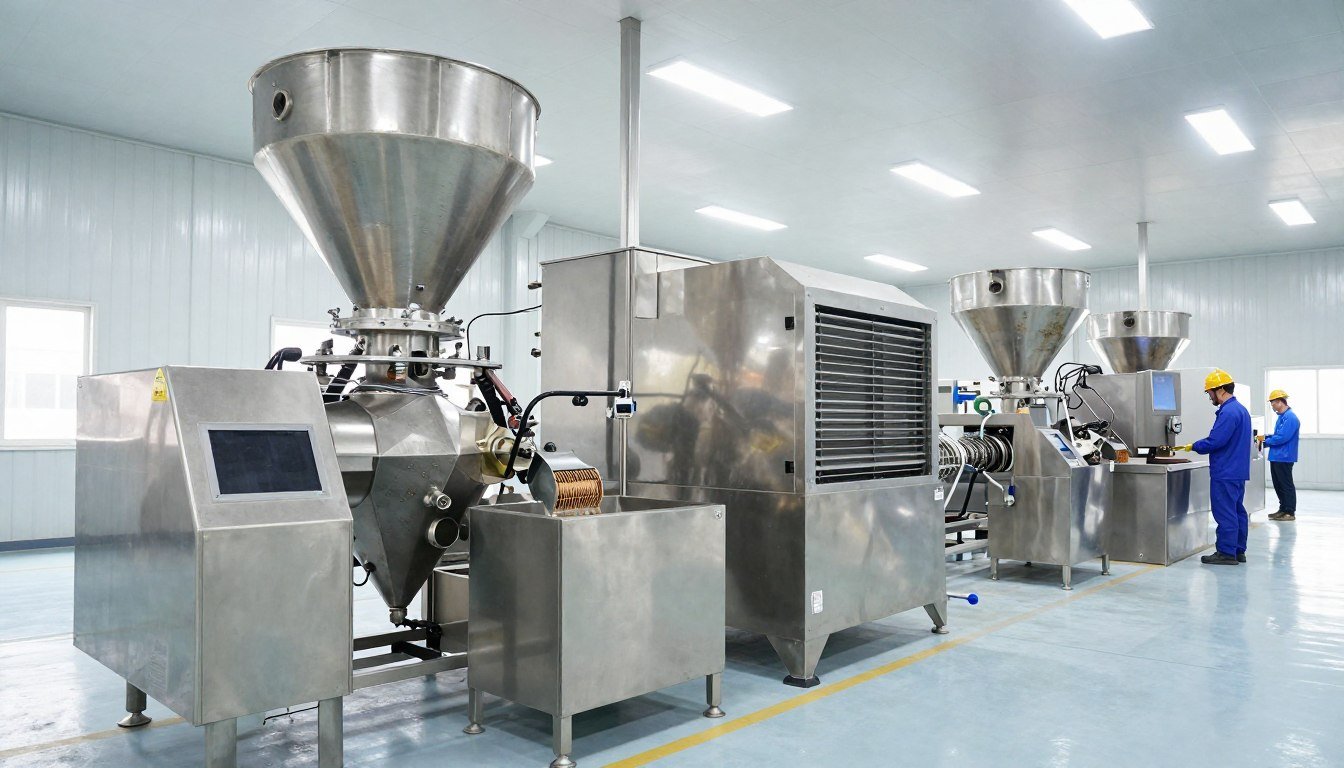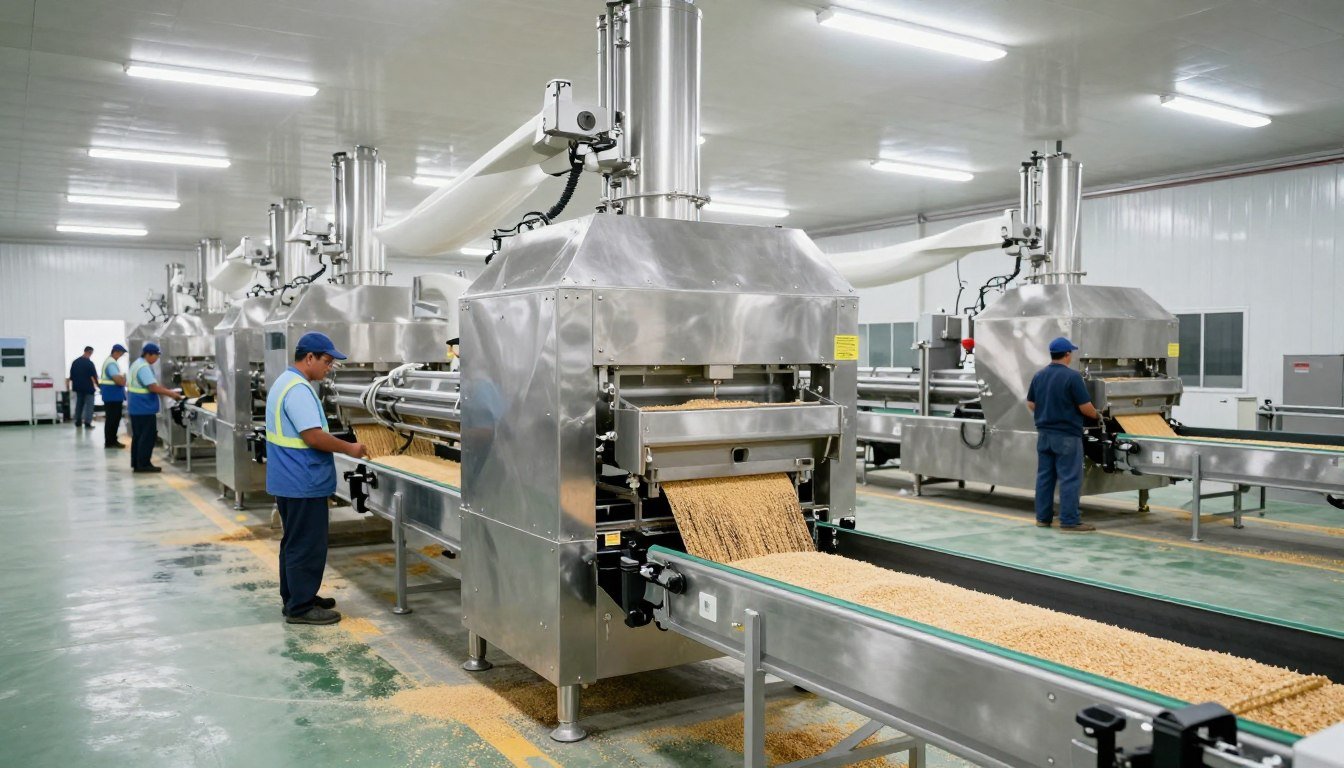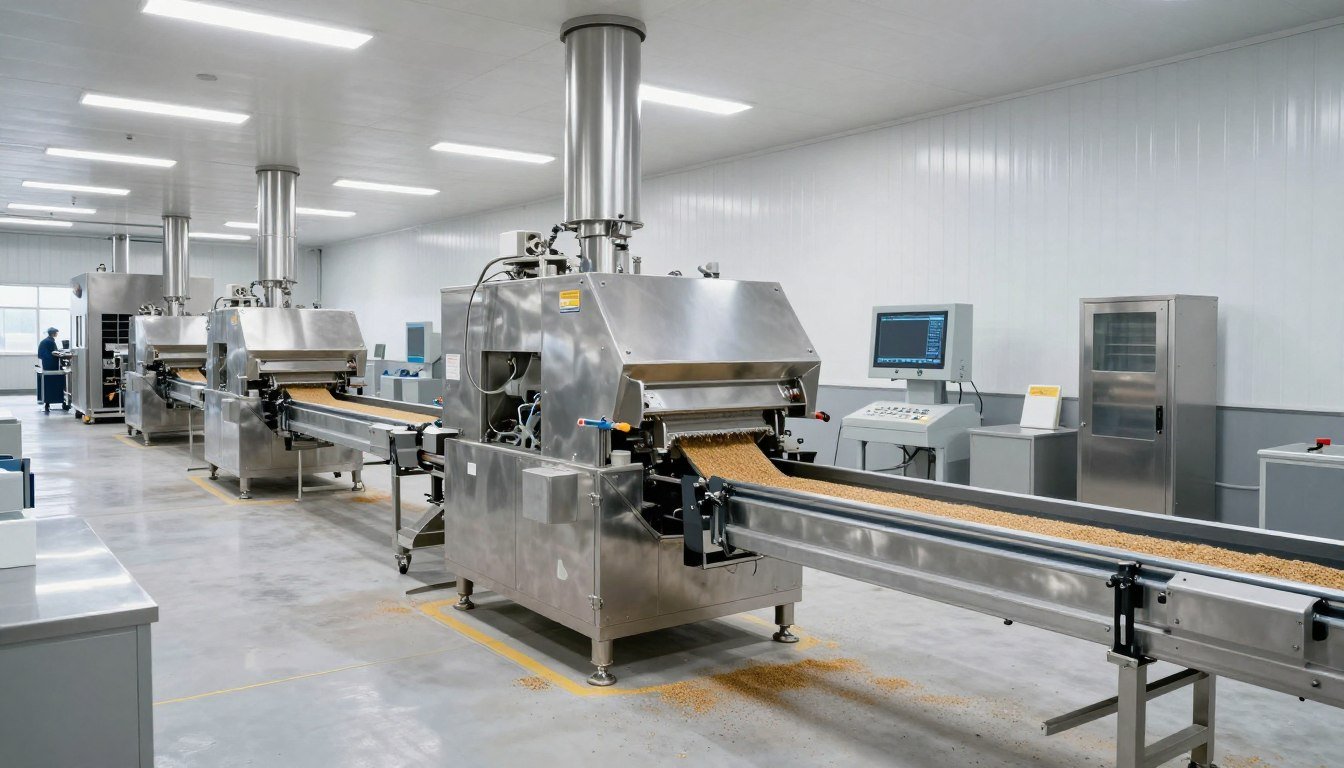
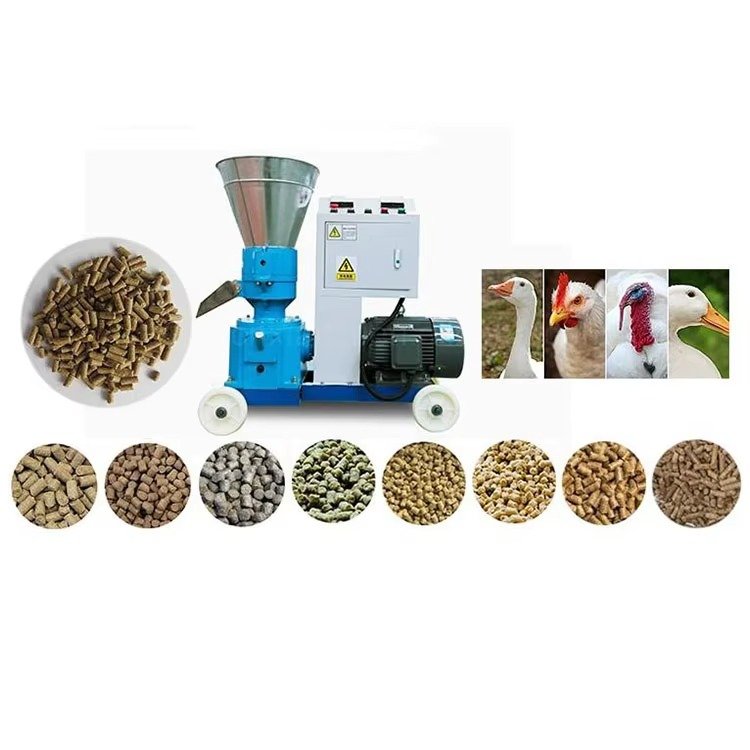
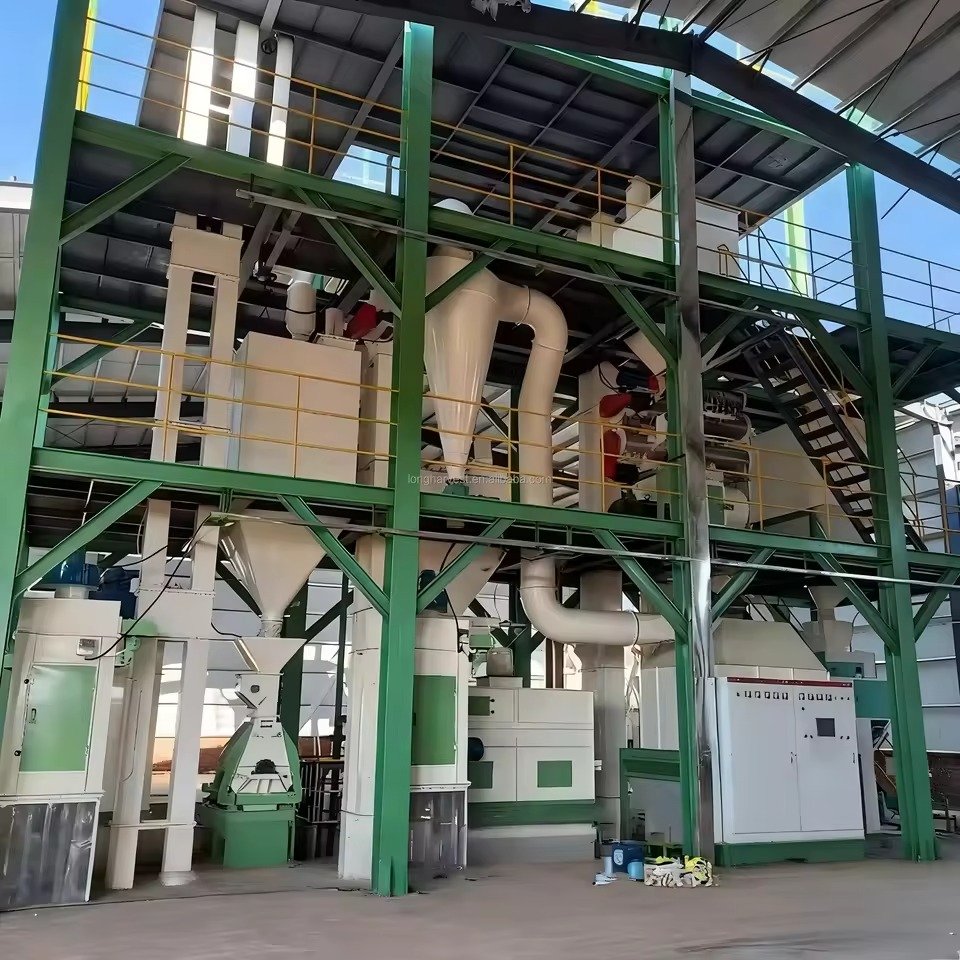
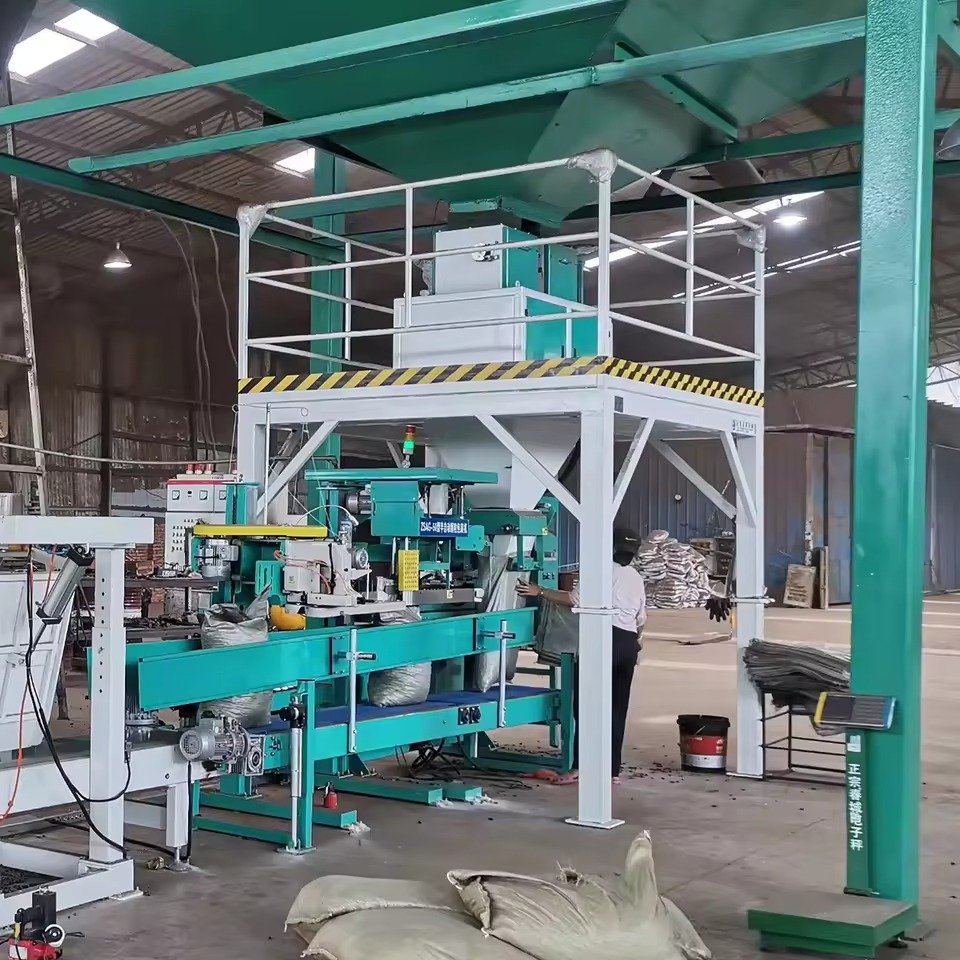
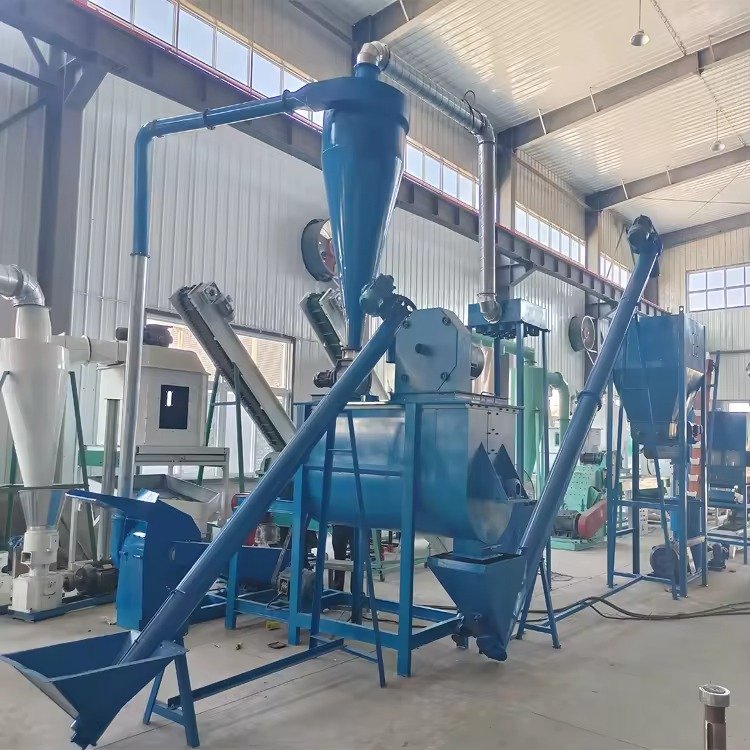
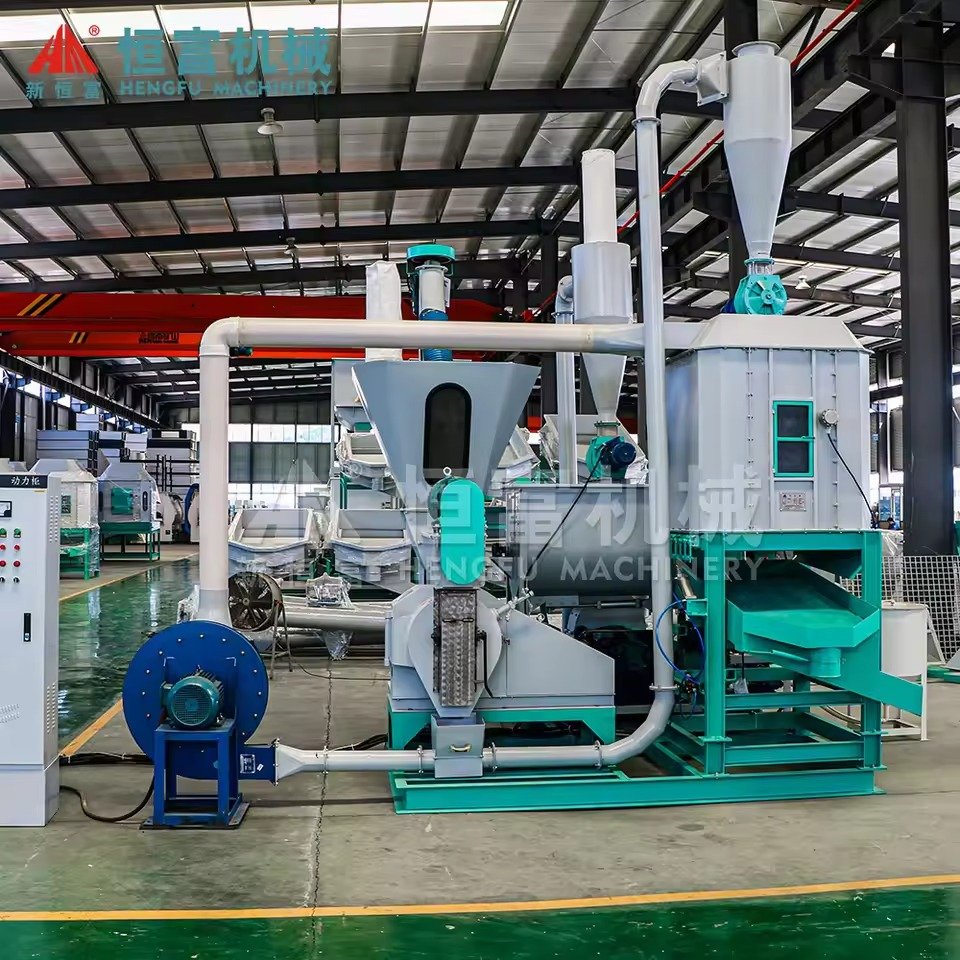
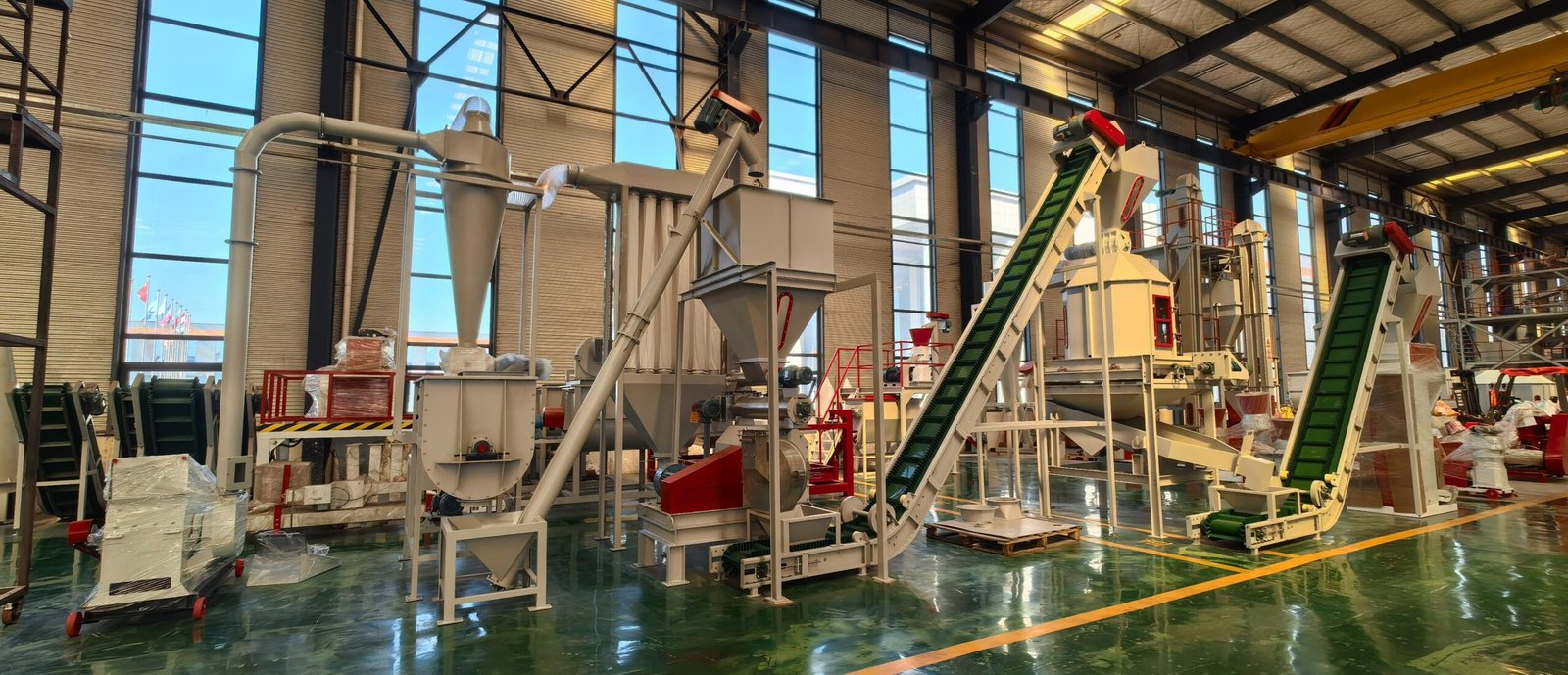
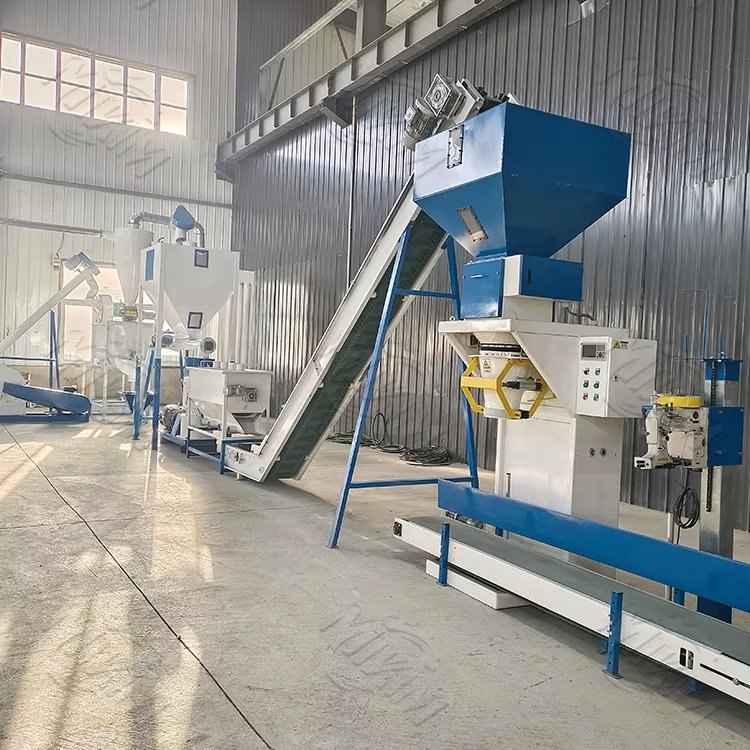
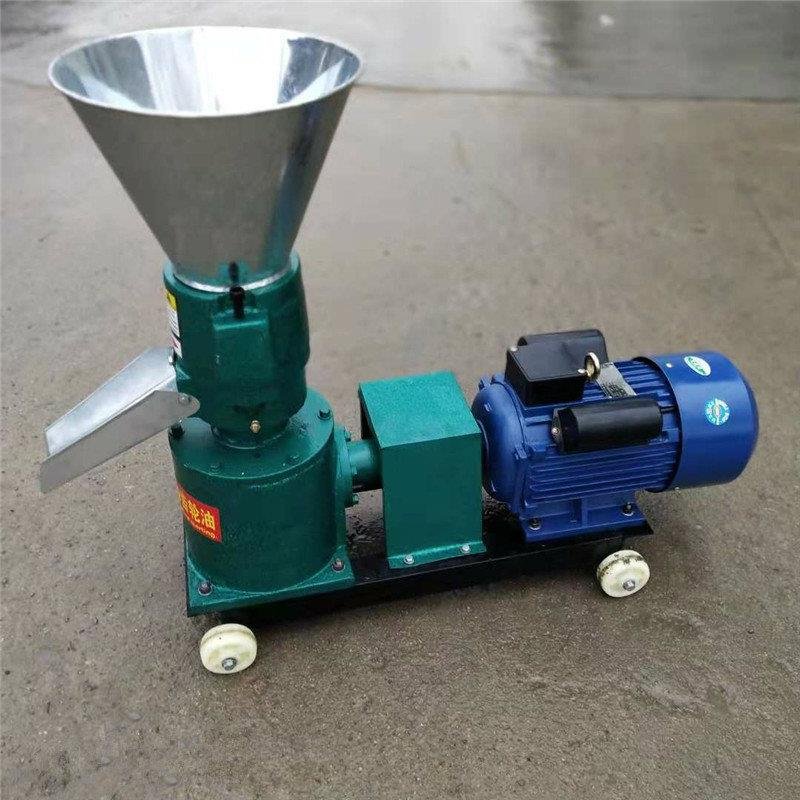
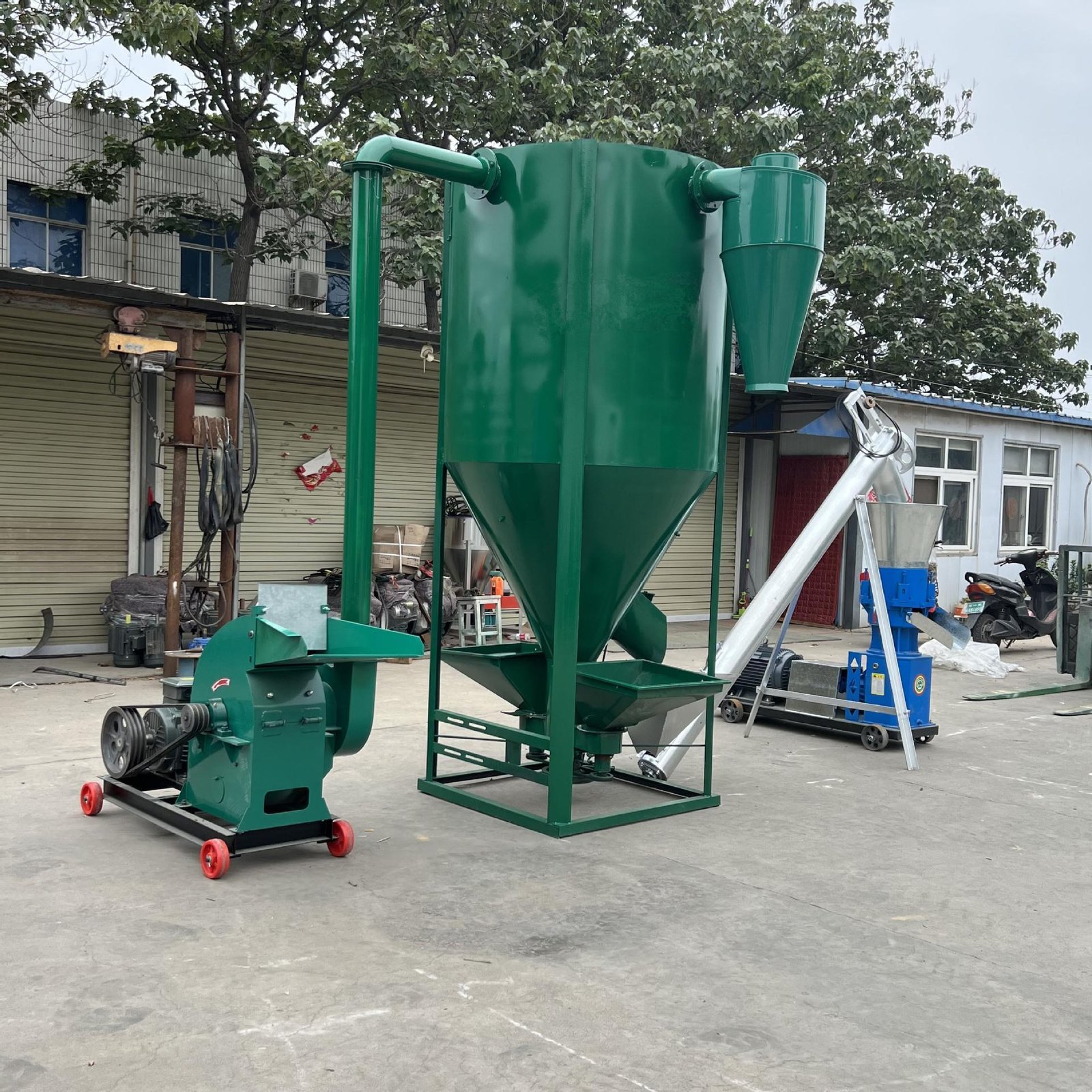
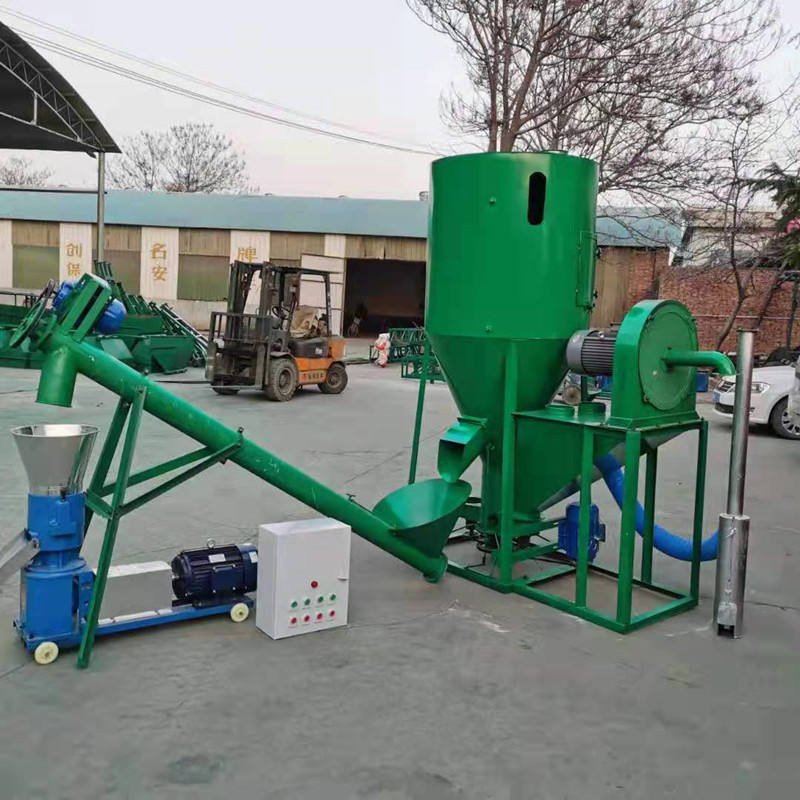
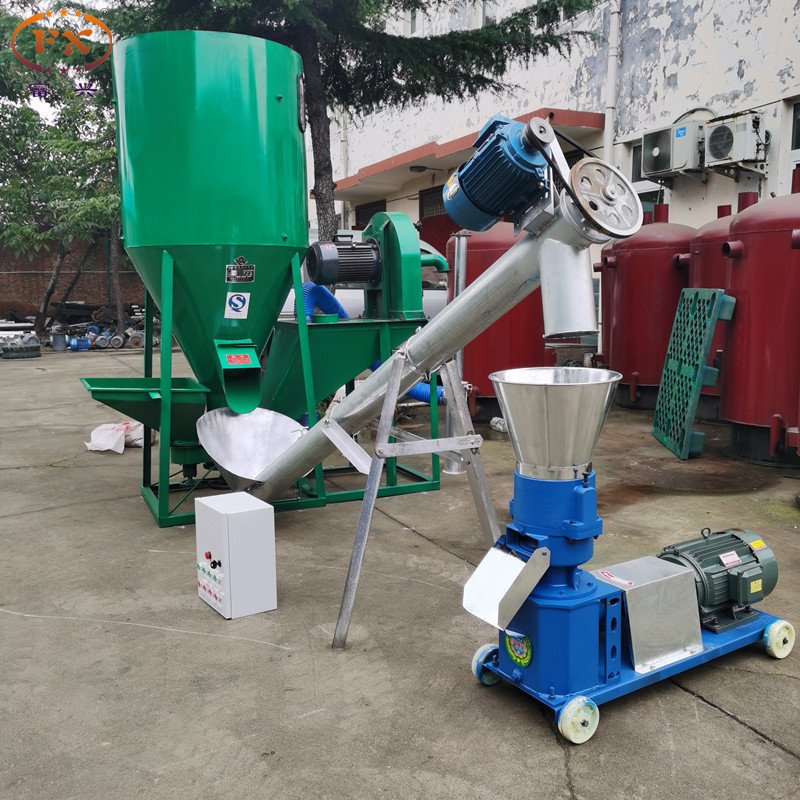
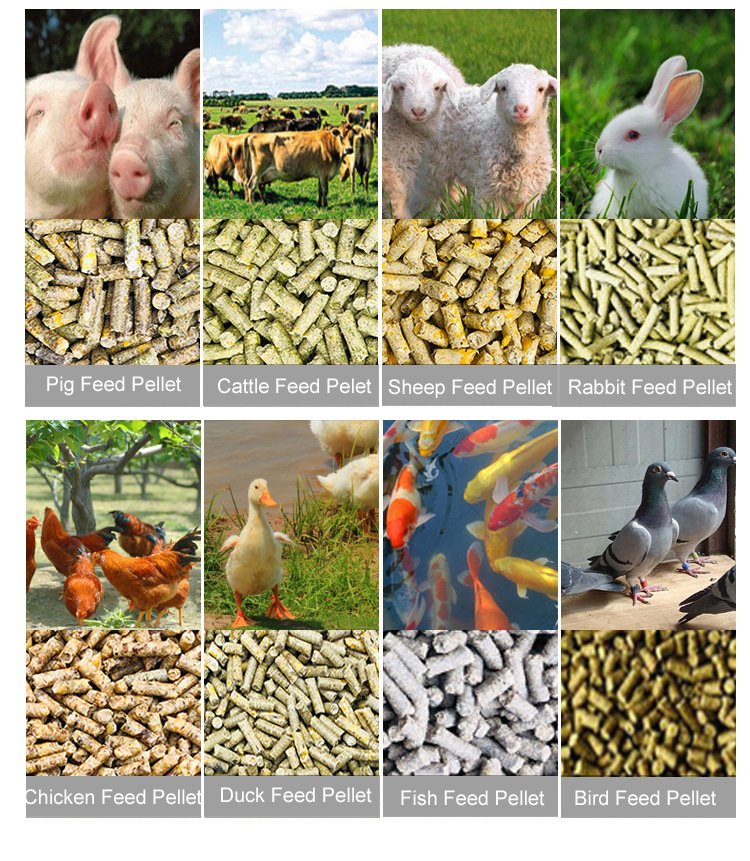
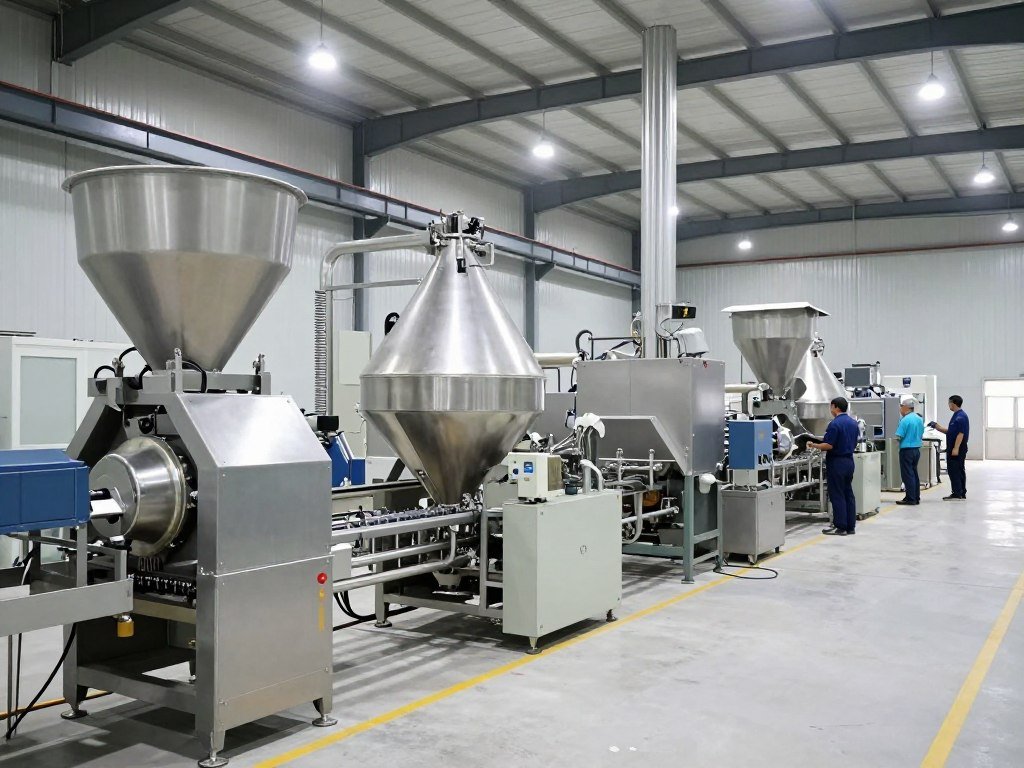
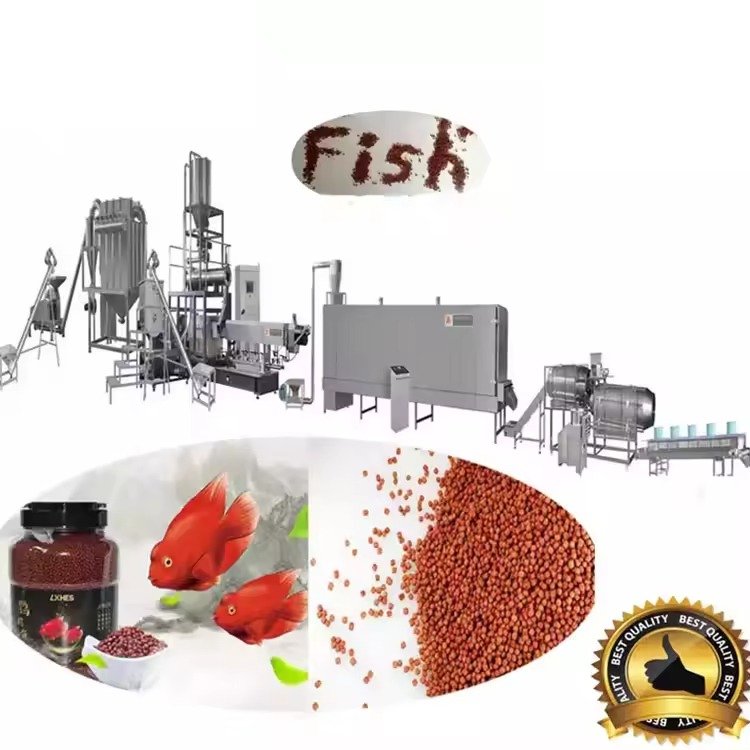
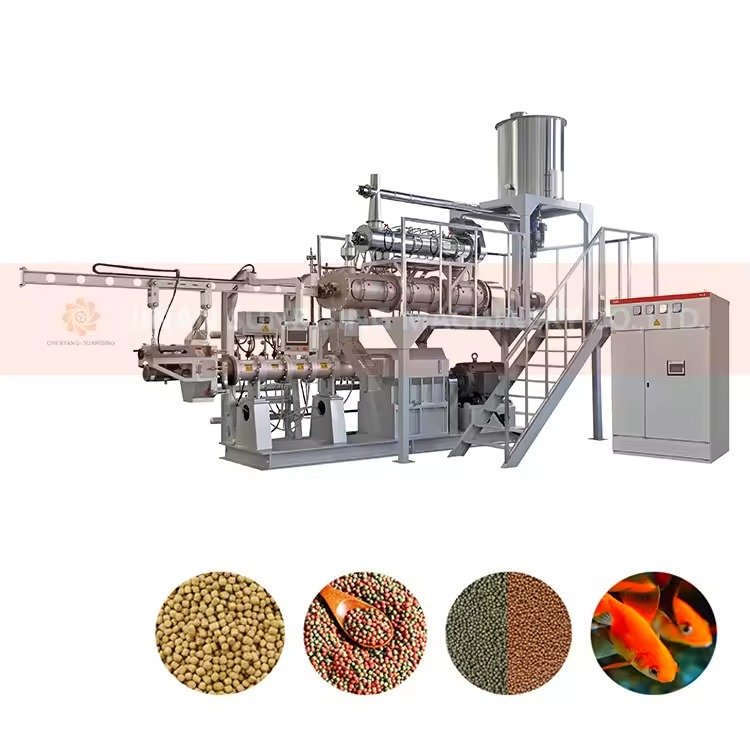
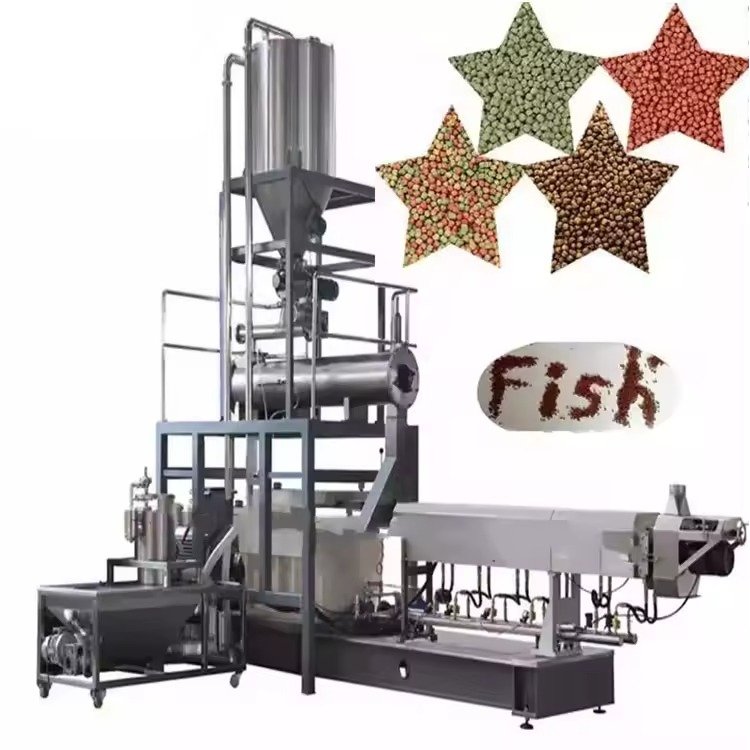
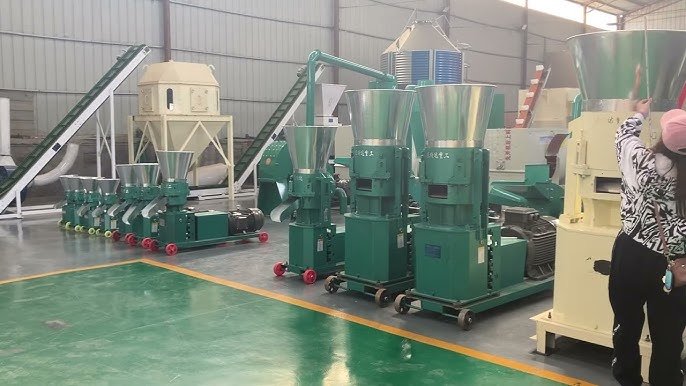
 This turnkey approach eliminates compatibility issues between separate equipment pieces. Every component works together seamlessly. Philippine operators gain complete control over feed formulation, quality, and cost structure through our integrated systems.
Free Production Line Consultation
Why Integrated Fish Feed Production Line Systems Outperform Individual Equipment
The Hidden Costs of Mismatched Equipment
Many Philippine operators start by purchasing individual machines from different suppliers. This approach creates expensive problems. Capacity mismatches cause bottlenecks. A crusher producing 800 kg hourly paired with a 400 kg pellet machine wastes half your grinding capacity. Incompatible electrical systems require costly adaptations. Voltage differences between machines damage sensitive components. Material handling between non-integrated units needs manual intervention. Labor costs multiply when workers must move materials between processing stages. Quality inconsistencies emerge when equipment lacks coordinated controls. Temperature variations between conditioning and pelleting affect pellet density. Moisture content fluctuations reduce water stability in finished fish feed pellets.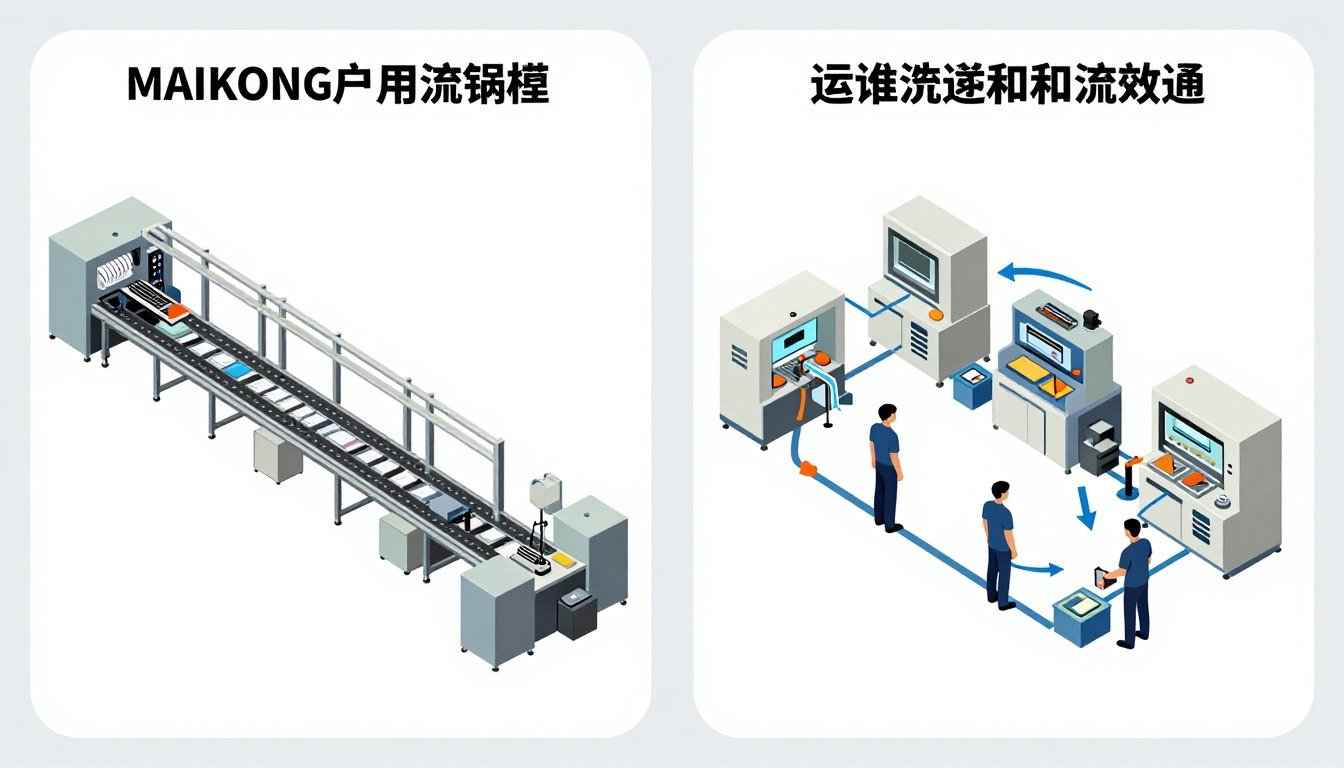
Integrated System Advantages
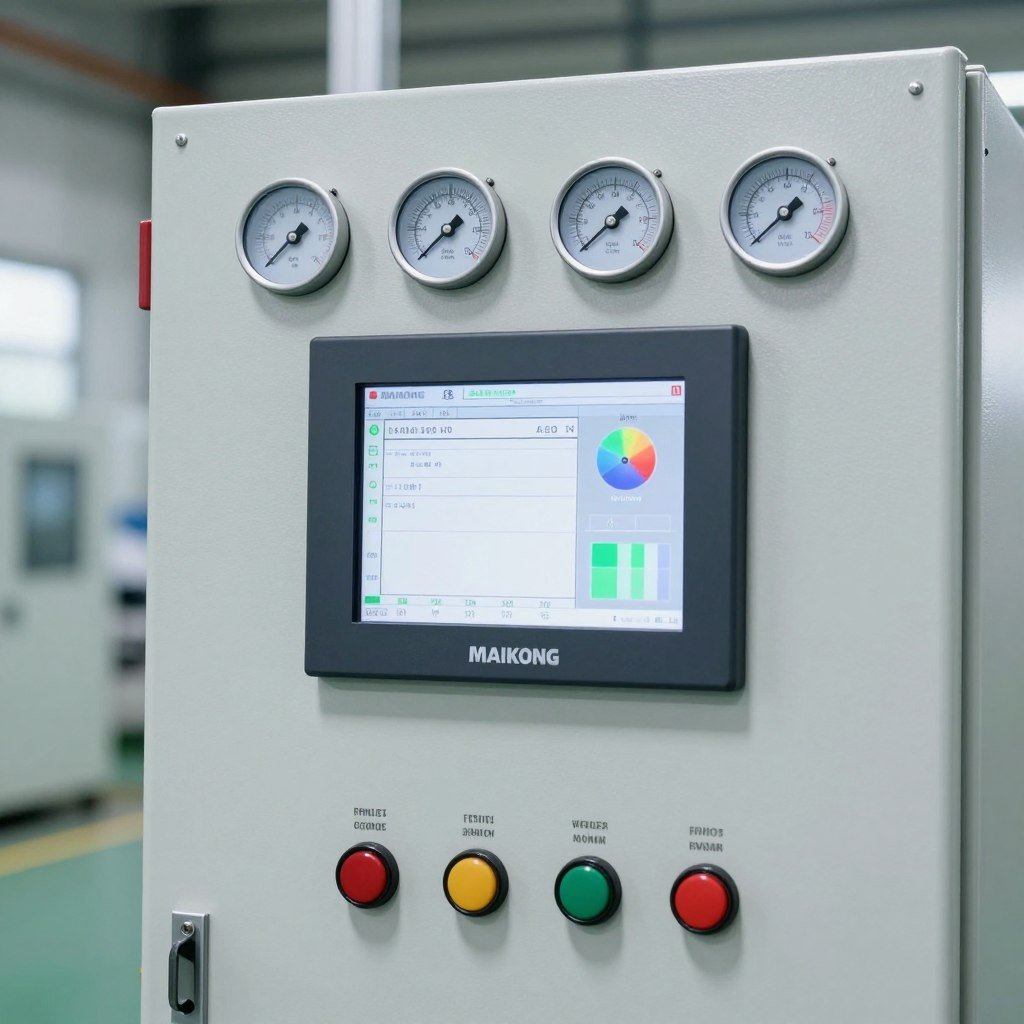
The MAIKONG MK-L001 solves these challenges through factory-coordinated design. Every component matches capacity precisely. A 2-ton hourly system delivers 2 tons through each processing stage without bottlenecks.- Electrical systems standardized to Philippine 220V/60Hz throughout
- Automated material flow eliminates manual handling
- Centralized control panel manages entire production line
- Coordinated temperature and moisture controls optimize quality
- Single-source warranty and technical support
- Reduced installation time with pre-engineered connections
Philippine Market Cost Realities
Commercial fish feed prices in the Philippines average 52-68 pesos per kilogram. Operating your own aqua feed production line reduces costs to 29-38 pesos per kilogram. This 40-55% savings compounds dramatically across thousands of tons. A typical 50-hectare tilapia operation consumes 300 tons of feed annually. At 60 PHP/kg commercial pricing, annual feed expense reaches 18 million pesos. In-house production at 35 PHP/kg reduces this to 10.5 million pesos. The 7.5 million peso annual savings pays for a complete MK-L001 system within 18-24 months.Calculate Your Specific ROI
MAIKONG engineers will analyze your current feed consumption, costs, and growth projections. Receive a detailed financial model showing payback period and 5-year profit projections within 48 hours.
MAIKONG MK-L001 Fish Feed Production Line: Complete System Specifications
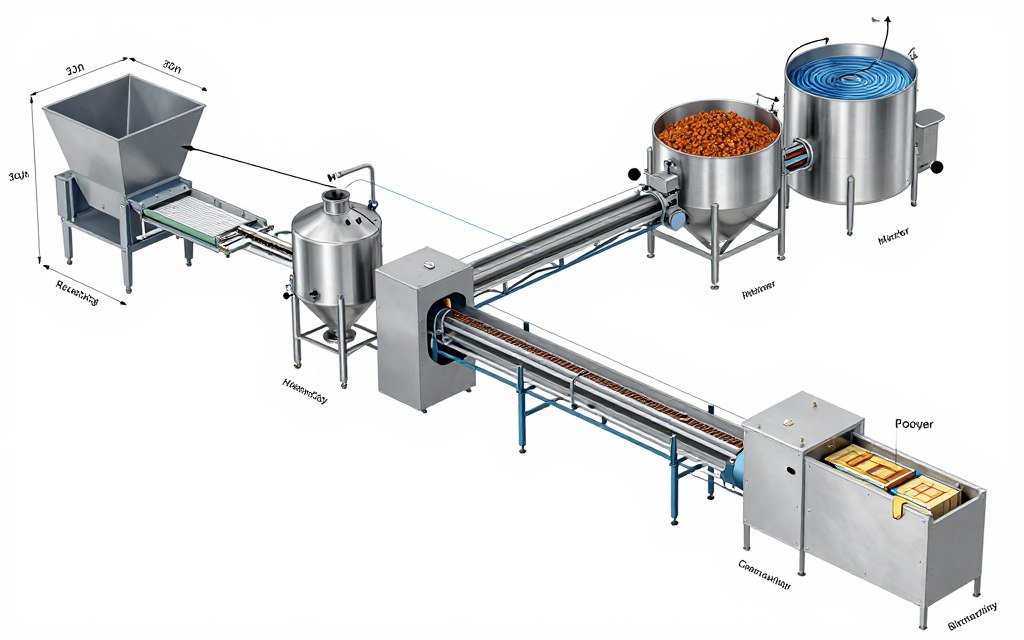
Standard Configuration Components
The MK-L001 fish feed production line integrates seven essential processing stages. Each component undergoes factory testing before shipment to ensure seamless operation in your facility.1. Raw Material Reception
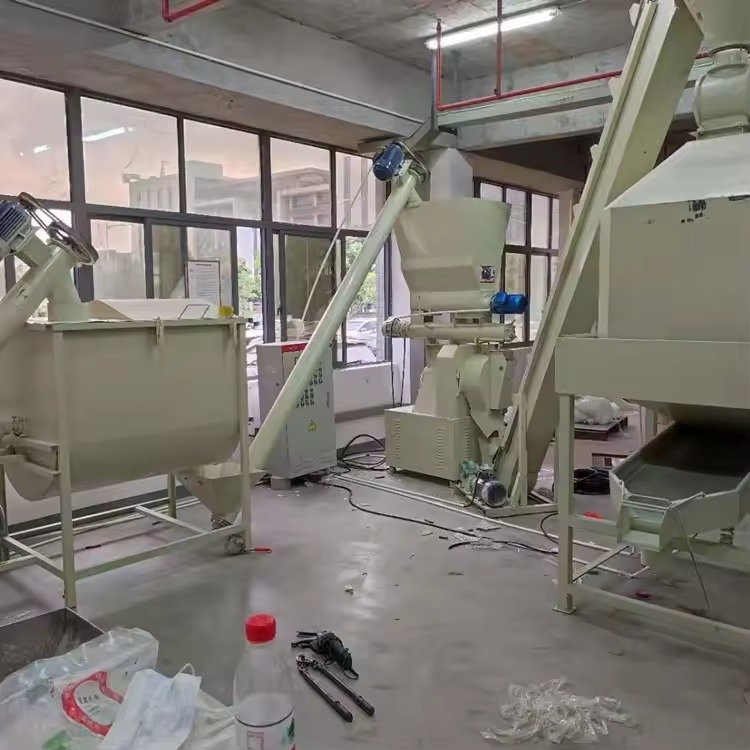 Bulk receiving hoppers accept corn, soybean meal, fish meal, and other ingredients. Integrated weighing systems track inventory precisely. Dust collection prevents material loss and maintains clean working conditions.
- Capacity: 5-50 ton storage depending on system size
- Automated level sensors prevent overflow
- Separate hoppers for different raw materials
2. Cleaning and Screening
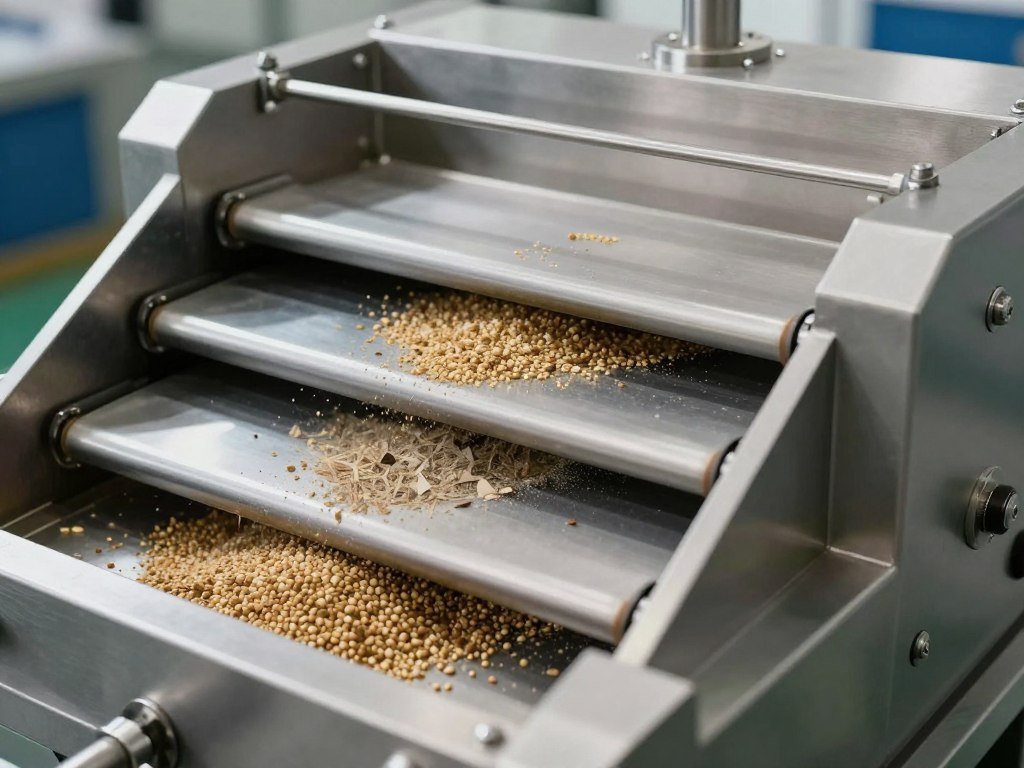 Vibrating screens remove stones, metal fragments, and oversized particles. Magnetic separators extract ferrous contamination. Clean materials ensure equipment longevity and feed safety.
- Multi-deck screening for thorough cleaning
- Magnetic intensity: 8,000-12,000 gauss
- Processing capacity matches line throughput
3. Hammer Mill Crushing
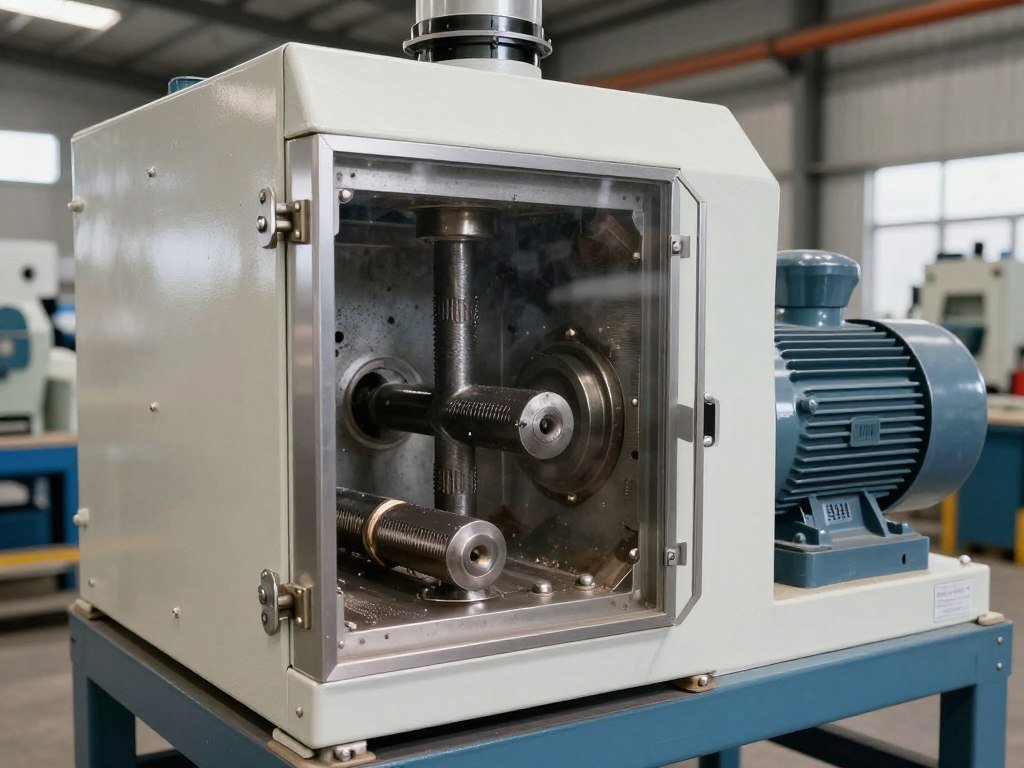 High-efficiency hammer mill crushers reduce particle size to optimal levels for fish digestion. Interchangeable screens allow adjustment for different species requirements. The feed pellet machine downstream requires properly sized materials.
- Screen sizes: 1.5mm to 6mm available
- Crushing fineness: 40-80 mesh for aquatic feeds
- Output: 500-5,000 kg/hour models
4. Automatic Batching & Mixing
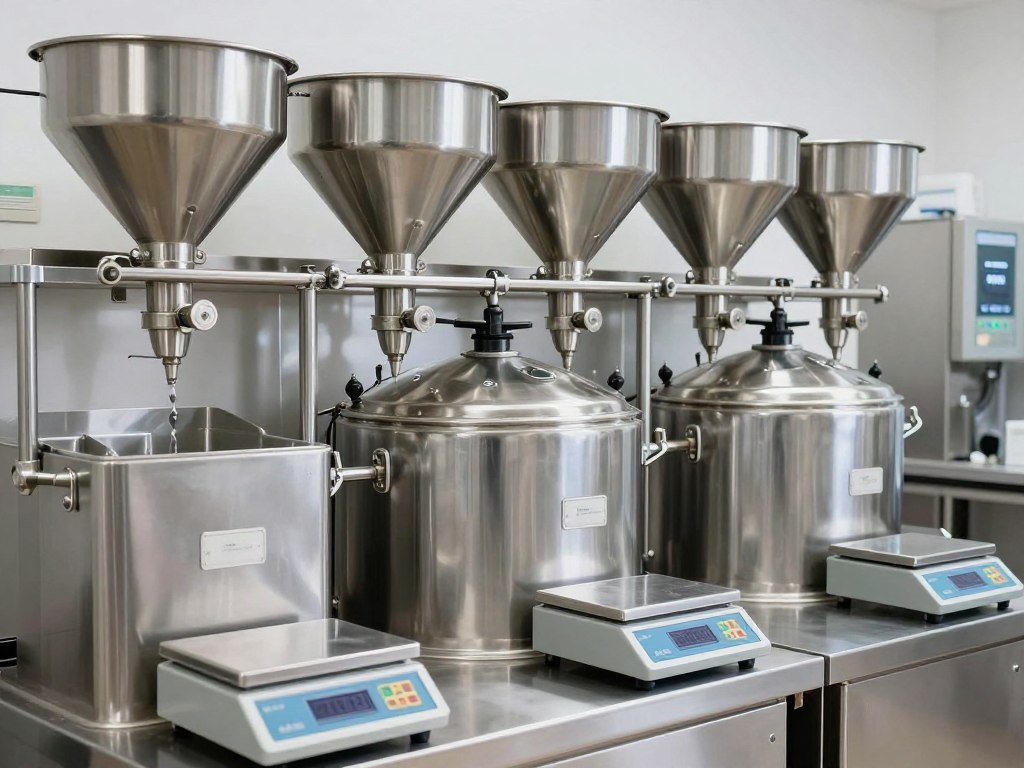 Computerized batching systems measure ingredients with 0.2% accuracy. Ribbon mixers blend powders, liquids, and micro-ingredients uniformly. Mixing coefficient of variation stays below 5% ensuring nutritional consistency.
- Batch sizes: 200-2,000 kg capacity
- Mixing time: 4-8 minutes per batch
- Liquid addition systems for oils and binders
5. Fish Feed Pellet Machine
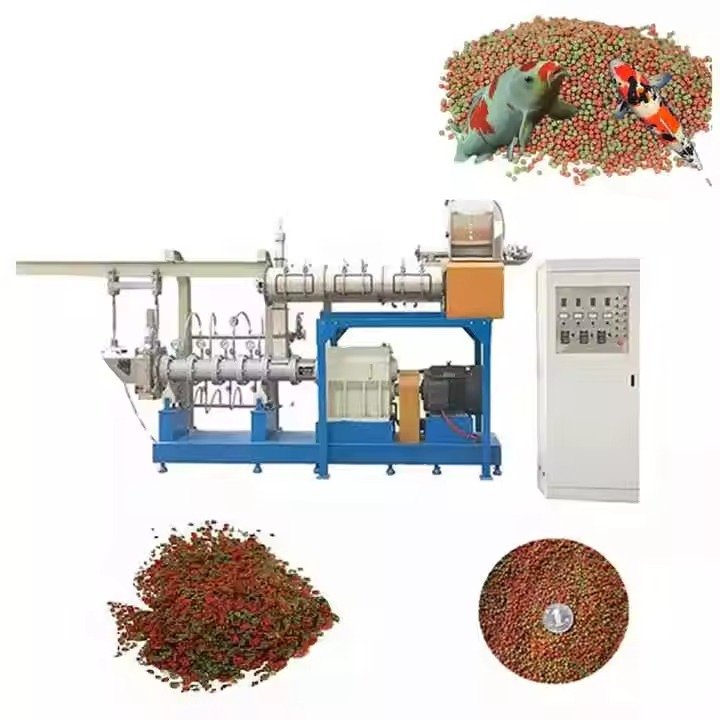 Ring die pellet machines form the heart of every production line. Steam conditioning gelatinizes starches for water stability. Variable die configurations produce 1.5mm to 12mm diameter pellets for different fish species and growth stages.
- Models: SZLH250 through SLZH858 series
- Capacity: 0.6 to 30 tons per hour
- Die length-to-diameter ratio: 10:1 to 16:1
6. Counterflow Cooling
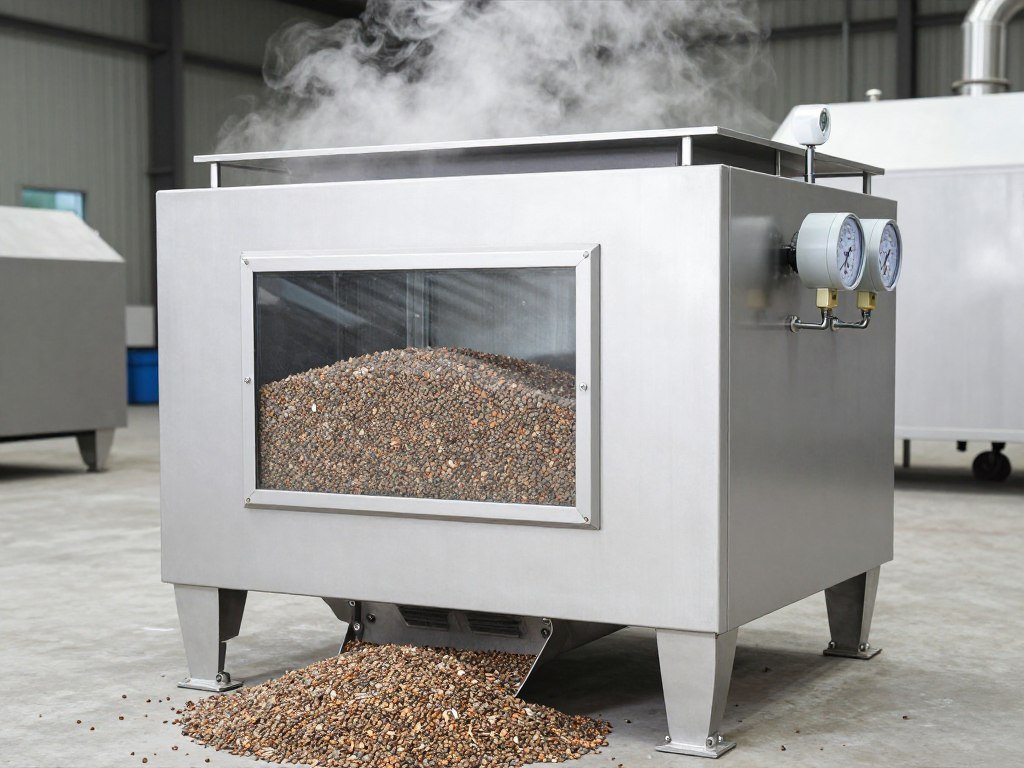 Hot pellets exit the pelletizer machine for fish at 75-90°C. Counterflow coolers reduce temperature to 25-30°C through controlled air circulation. Proper cooling prevents moisture condensation during storage.
- Cooling time: 10-15 minutes
- Final moisture: 10-12% maximum
- Air filtration prevents contamination
7. Screening and Packaging
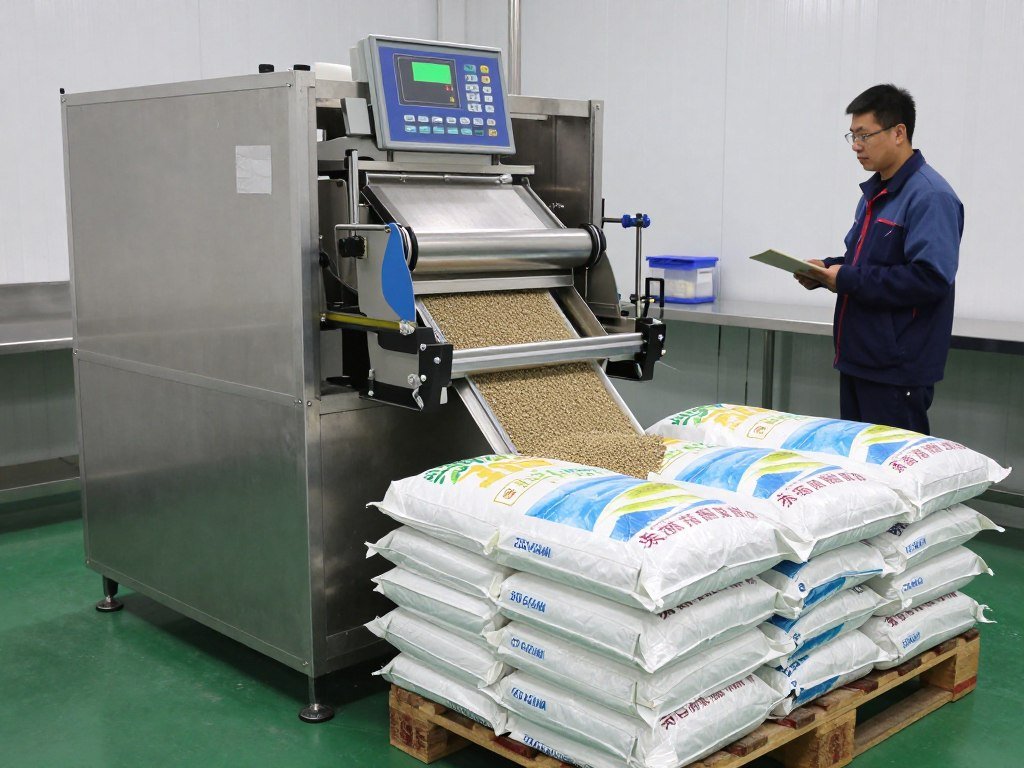 Vibrating screens classify pellets by size. Crumbles and fines return for reprocessing. Automatic weighing and bagging systems package finished products in 5kg to 50kg bags with heat-sealed closures.
- Weighing accuracy: ±0.3% of target weight
- Packaging speed: 4-12 bags per minute
- Bag sealing ensures freshness
8. Central Control System
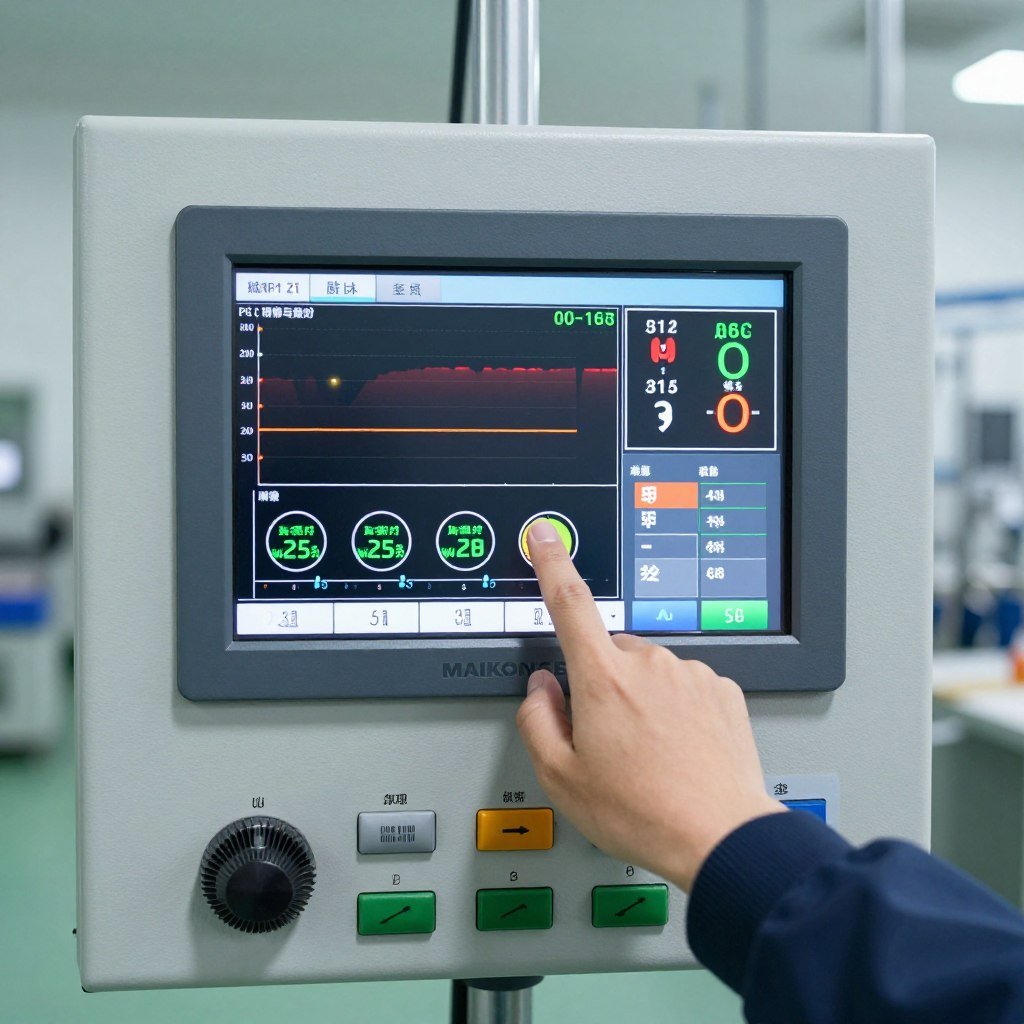 Programmable logic controllers coordinate all processing stages. Touchscreen interfaces display real-time parameters. Automated safety interlocks prevent equipment damage and ensure operator protection.
- Remote monitoring capability
- Production data logging and reporting
- Alarm systems for maintenance alerts
9. Dust Collection Network
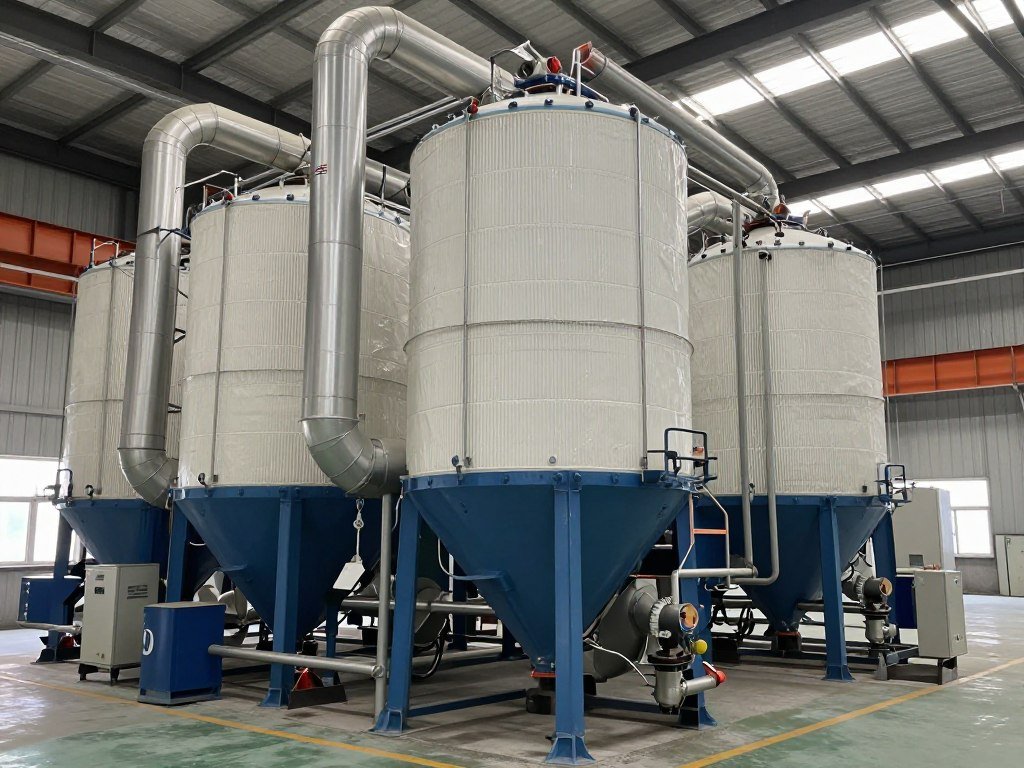 Centralized dust collection maintains clean working conditions. Cyclone separators and bag filters capture fine particles. Recovered material returns to production, eliminating waste.
- Filtration efficiency: >99.5%
- Multiple collection points throughout line
- Reduces airborne particle levels below safety limits
Technical Specifications by Capacity
| System Model | Hourly Output | Main Components | Total Power | Floor Space Required | Investment Range (USD) |
| MK-L001-Small | 200-500 kg | Crusher + SZLH250 + Cooler + Bagger | 40-55 kW | 120-180 m² | $22,000-$35,000 |
| MK-L001-Medium | 800-2,000 kg | Full 9-component integrated line | 95-145 kW | 280-420 m² | $58,000-$95,000 |
| MK-L001-Large | 5-10 tons | Dual pelletizers + automation | 320-480 kW | 650-950 m² | $220,000-$385,000 |
| MK-L001-Industrial | 15-30 tons | Multiple parallel lines + SCADA | 750-1,200 kW | 1,500-2,200 m² | $580,000-$950,000 |
Request Complete Technical Documentation
Receive detailed CAD drawings, electrical schematics, foundation requirements, and full equipment specifications for the MK-L001 system matching your capacity needs. Technical package delivered within 24 hours.
Proven Performance: MAIKONG Fish Feed Production Line Global Installations
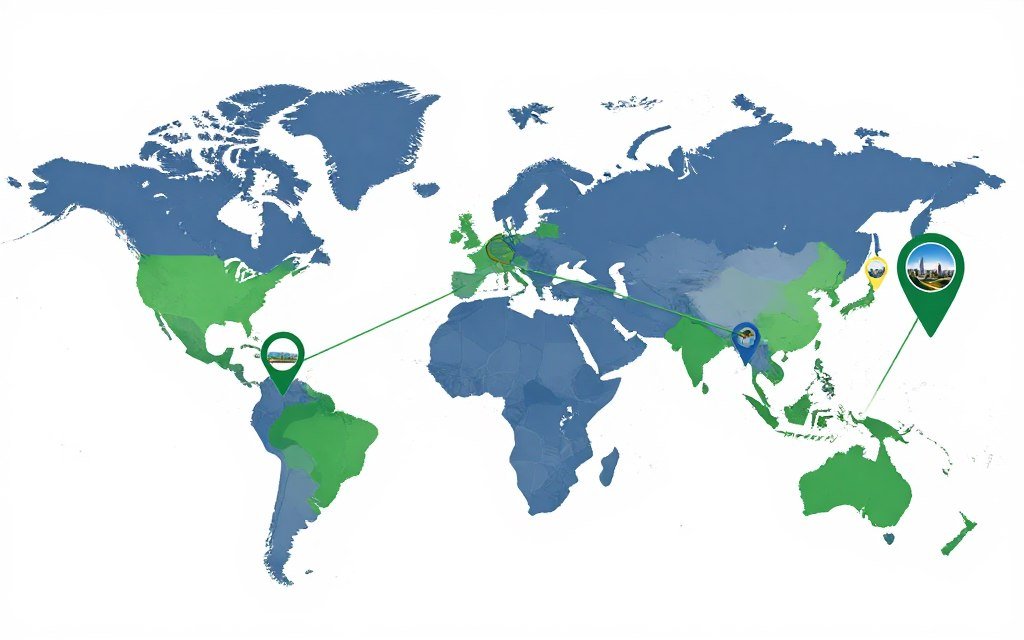
Southeast Asia Success Stories
3-Ton System for Mindanao Tilapia Cooperative
A farming cooperative in Davao del Sur consolidated purchasing power through shared infrastructure. Fifteen member farms contributed to a 3-ton hourly MK-L001 installation in March 2022. The system produces specialized tilapia starter feeds (1.5mm), grower feeds (3mm), and finisher feeds (5mm). Custom formulations include higher protein levels for faster growth rates. Members purchase feed at cost plus minimal cooperative overhead. Results after 18 months operation:- Average feed cost: 31 PHP/kg versus 58 PHP/kg previously
- Feed conversion ratio improved from 1.7 to 1.4
- System operational 96.3% of scheduled production time
- Cooperative now supplies feed to non-member farms for additional revenue
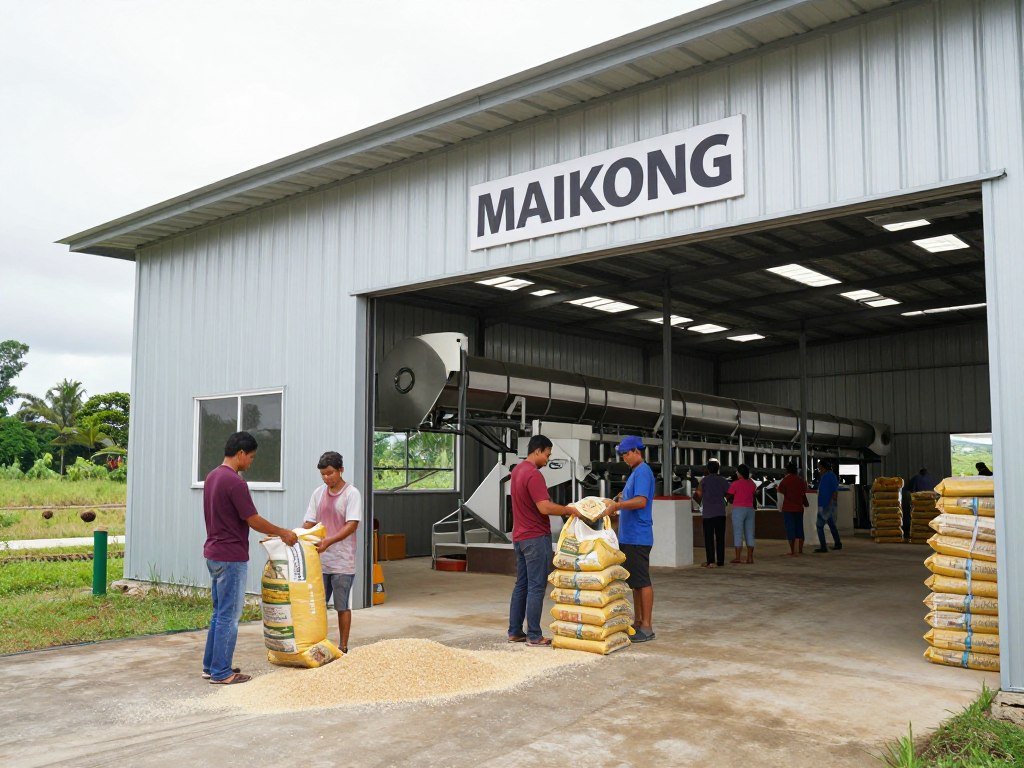
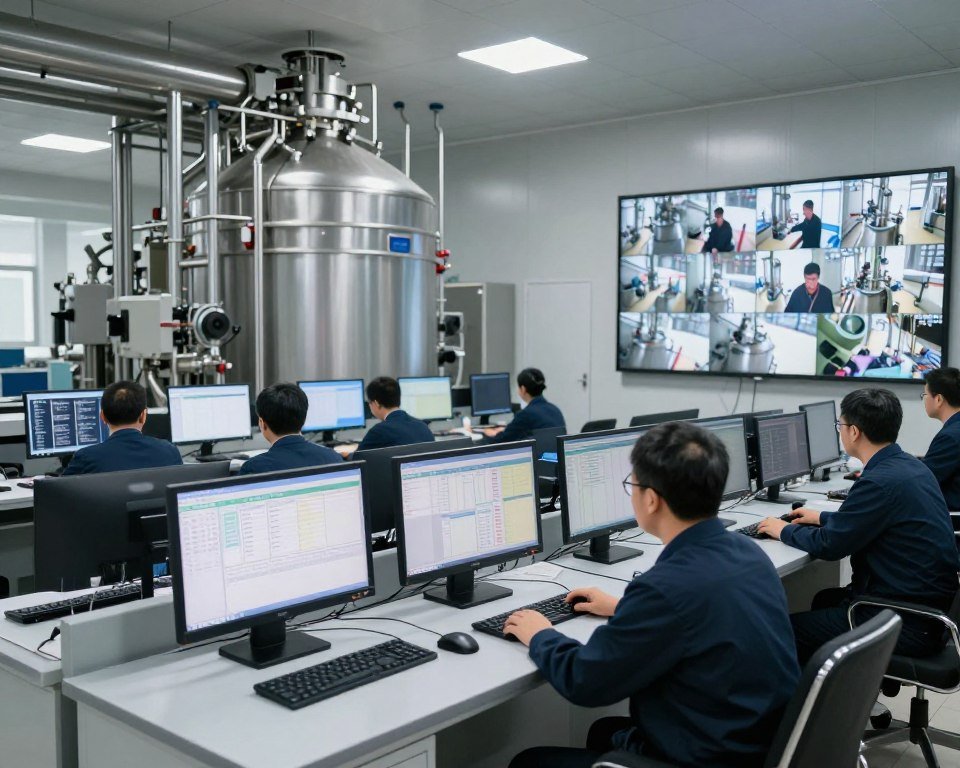
15-Ton Integrated Plant - Vietnam Mekong Delta
A commercial aqua feed production line operator in Vietnam's Can Tho province needed capacity expansion. MAIKONG installed dual 7.5-ton lines operating in parallel during 2021. The facility produces floating fish feed for pangasius catfish and sinking pellets for tiger shrimp.- Automated raw material receiving with truck scales
- Computer-controlled batching for 12 different formulations
- Post-pellet liquid coating system for fish oil application
- Fully automated packaging line with palletization
- SCADA monitoring accessible via mobile devices
Americas Installations
Ecuador Shrimp Feed Facility - 8 Tons Hourly
Ecuadorian shrimp aquaculture demands extremely water-stable pellets. MAIKONG engineered a specialized 8-ton system installed near Guayaquil in 2020. Extended conditioning chambers and high-compression dies create pellets maintaining integrity for 6+ hours submersion.System Specifications
- Triple-conditioner design for maximum starch gelatinization
- Die length-to-diameter ratio: 16:1 for density
- Post-pellet vacuum coating for oils and attractants
- Specialized 1.8mm and 2.5mm shrimp pellet dies
- Automated quality testing every 30 minutes
Performance Results
- Water stability: 6.5 hours average (4-hour requirement)
- Pellet hardness: 12-15 kg force (optimal for shrimp)
- Production uptime: 94.7% across first 24 months
- Feed conversion ratio: 1.3 (industry-leading)
- Customer expanded with second 8-ton line in 2023
African Market Projects
Nigeria Catfish Feed Production - 2-Ton System
Nigerian catfish farming grows rapidly, creating demand for affordable quality feed. A Lagos-based entrepreneur installed a 2-ton MK-L001 system in 2021 targeting the small farm market segment. The animal feed production line produces both fish feed and poultry feed for market diversification.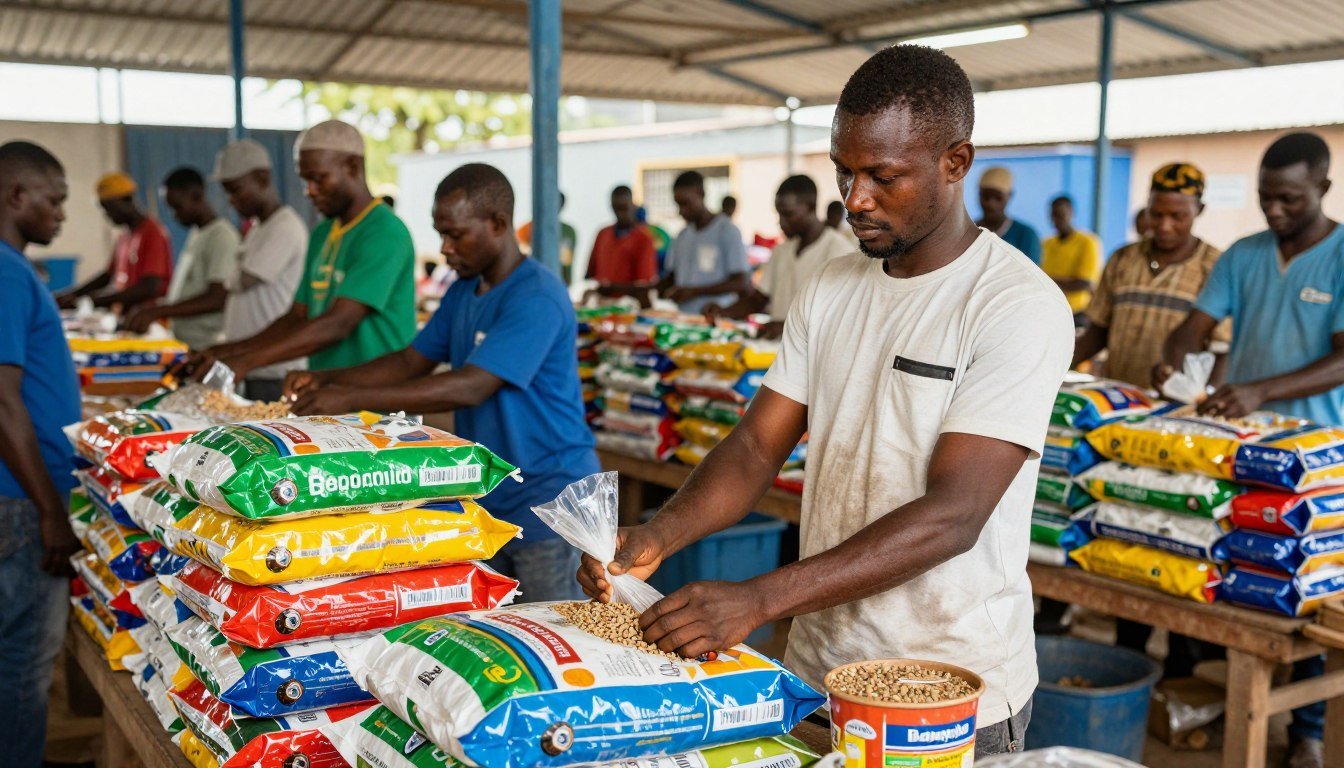 Business model innovation: The operator sells feed on credit to trusted farm customers. Farmers pay after harvest when cash flow improves. This arrangement builds loyalty and ensures steady demand. Monthly production averages 960 tons across catfish and layer chicken formulations.
"MAIKONG's training program made the difference. Our operators learned everything from raw material quality inspection to preventive maintenance schedules. Technical support responds within hours when we need guidance. The system reliability exceeds our expectations."
Customization Options: Tailoring Fish Feed Production Line Systems to Your Exact Requirements
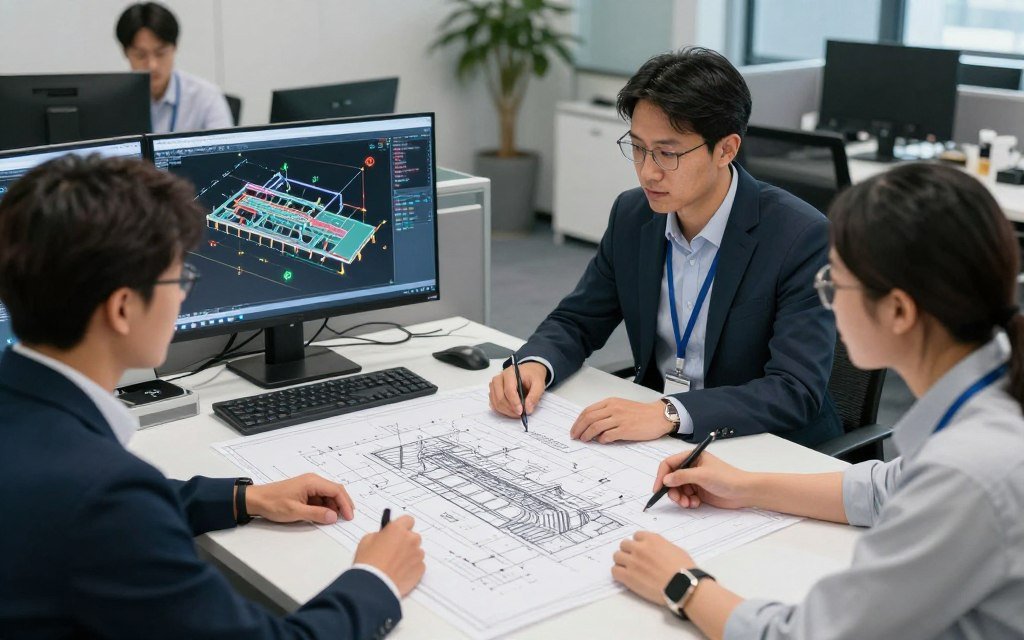
Species-Specific Line Configurations
Different aquaculture species require different pellet characteristics. MAIKONG optimizes each production line component for target species requirements. The pelletizer machine for fish uses specialized dies while conditioning systems adjust temperature and moisture profiles.Tilapia Feed Systems
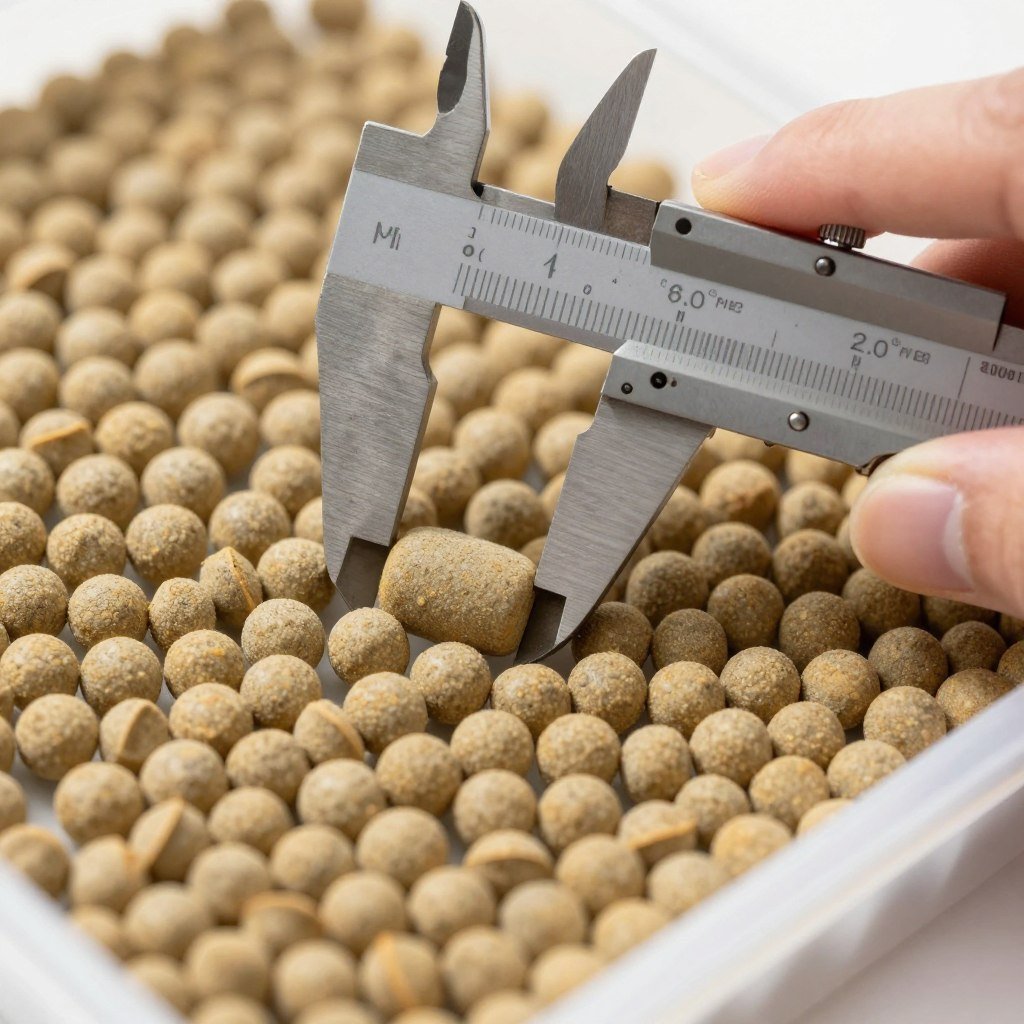 Tilapia tolerate wider nutrient ranges than carnivorous species. Systems emphasize cost efficiency while maintaining adequate quality.
- Pellet sizes: 2mm, 4mm, 6mm standard
- Protein content: 28-32% typical
- Water stability: 2-3 hours sufficient
- Emphasis on vegetable protein sources
Milkfish Production Lines
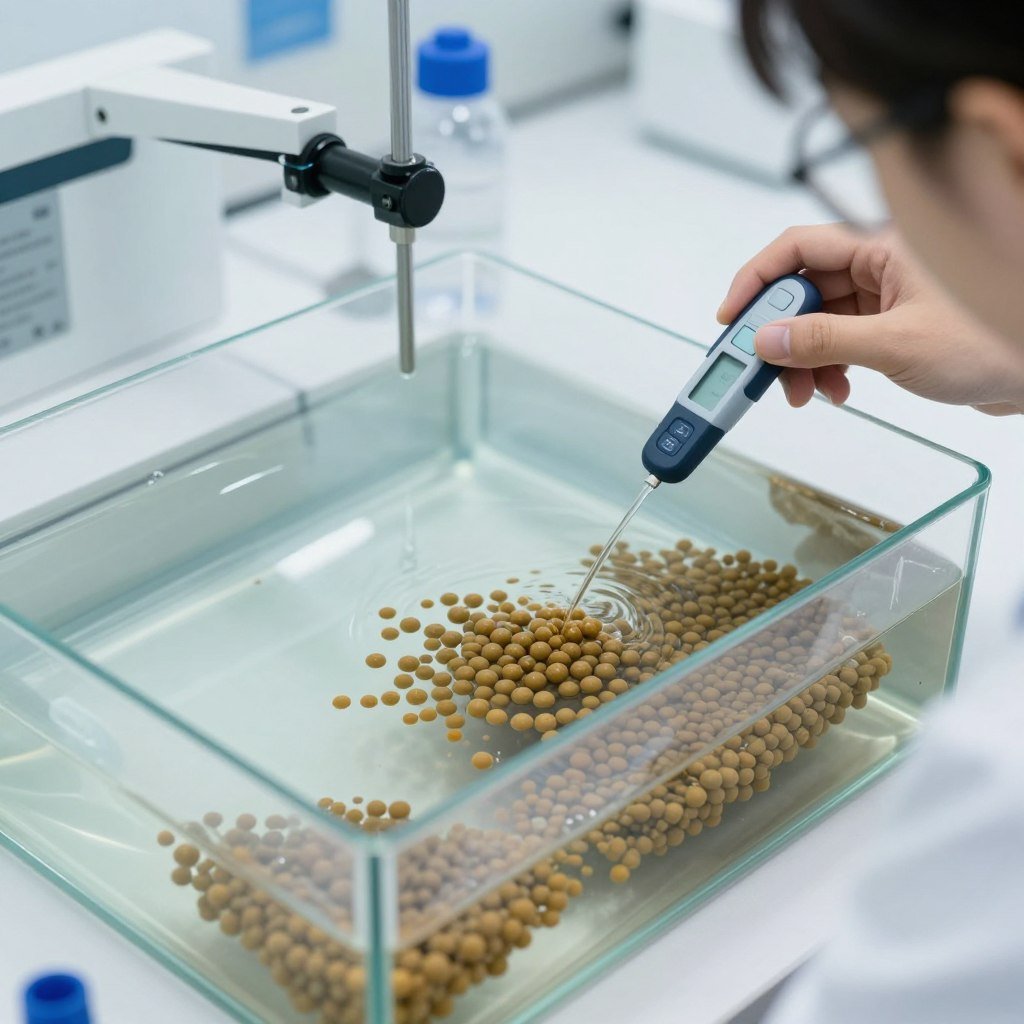 Milkfish operations benefit from floating fish feed capability. Surface feeding allows monitoring of consumption rates and reduces waste.
- Floating pellet production through expansion
- Pellet sizes: 3mm, 5mm, 8mm range
- Lower protein formulations (24-28%)
- Extended shelf life requirements
Shrimp Feed Specialization
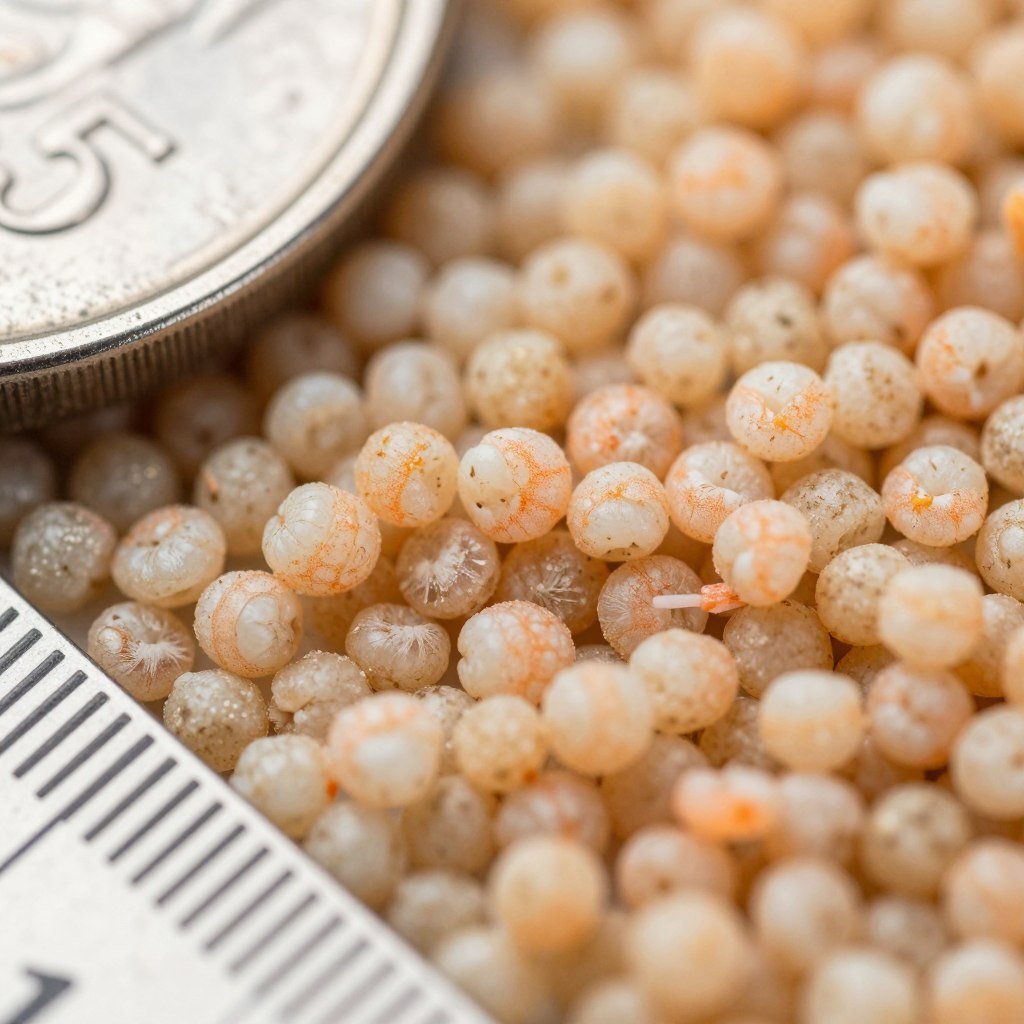 Shrimp demand highest quality standards. Water stability prevents pollution and ensures shrimp access feed over extended periods.
- Micro-pellet capability: 1.5mm, 2.0mm, 2.5mm
- High protein formulations: 35-42%
- Extended water stability: 4-6 hours minimum
- Slow-sinking density for bottom feeding
Capacity Scalability and Future Expansion
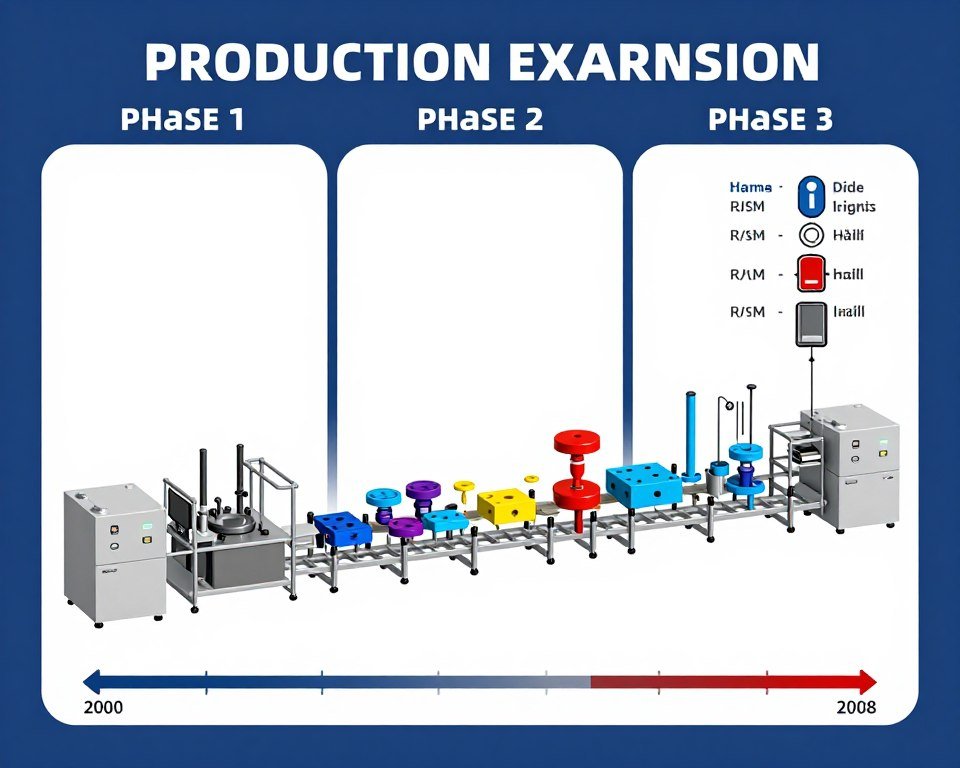
Smart operators plan for growth when specifying initial systems. MAIKONG designs production lines with expansion capability built in from the start. This approach minimizes future investment while allowing current budget optimization.Modular Expansion Strategy
Start with core components matching current demand. Foundation and electrical infrastructure accommodate future additions. When market demand grows, add capacity without disrupting existing operations. Example expansion path:- Year 1: Install 1-ton system with oversized mixer and controls
- Year 2: Add second pellet machine for 2-ton total capacity
- Year 3: Upgrade crusher and add automated packaging
- Year 4: Install parallel production line for 4-ton capability
Electrical System Customization for Philippine Grid
Philippine electrical infrastructure varies significantly between regions. Urban Luzon facilities enjoy stable 3-phase power. Rural Mindanao operations face voltage fluctuations and occasional outages. MAIKONG configures systems for local conditions.Voltage and Power Options
Standard Philippine Configuration: 220V/380V 3-phase, 60Hz frequency. Most industrial areas support this specification directly. Rural Installation Adaptations: Voltage regulators protect sensitive electronics from grid fluctuations. Automatic shutdown prevents equipment damage during brown-outs. Generator backup systems maintain production during outages. Solar Hybrid Systems: Remote locations benefit from solar-assisted operation. Battery storage provides stable power for control systems. Diesel generators supplement during peak loads or extended cloudy periods.Manual vs. Automated Operation Levels
Not every operation requires full automation initially. MAIKONG offers three operational levels matching technical capabilities and budget constraints. You can upgrade automation as staff skills develop and production volume increases.| Automation Level | Control Method | Operator Skill Required | Typical Applications | Cost Premium |
| Manual Operation | Individual machine switches and adjustments | Basic training (1 week) | Small farms, startup operations | Baseline pricing |
| Semi-Automatic | Central panel with manual sequencing | Moderate training (2-3 weeks) | Medium commercial operations | +12-18% investment |
| Fully Automated | PLC with touchscreen HMI and recipe management | Technical training (4-6 weeks) | Large mills, multiple-shift operations | +25-35% investment |
Design Your Custom Production Line
MAIKONG application engineers will configure the optimal system for your species mix, capacity requirements, budget, and facility constraints. Receive detailed system proposal with layout drawings, equipment specifications, and investment breakdown.
Why MAIKONG Leads Fish Feed Production Line Manufacturing
22 Years of Specialized Experience
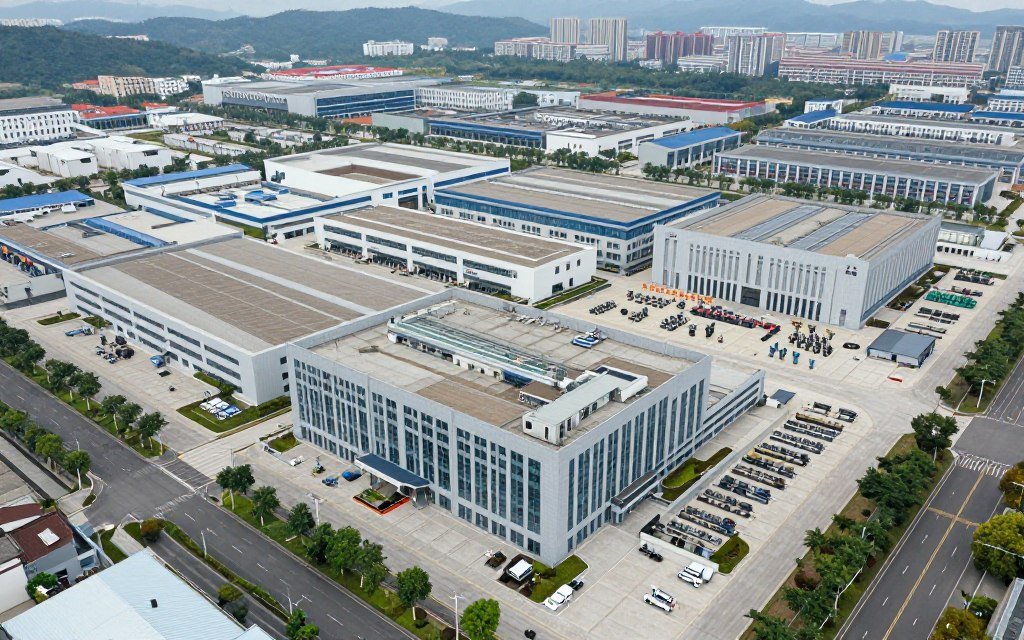
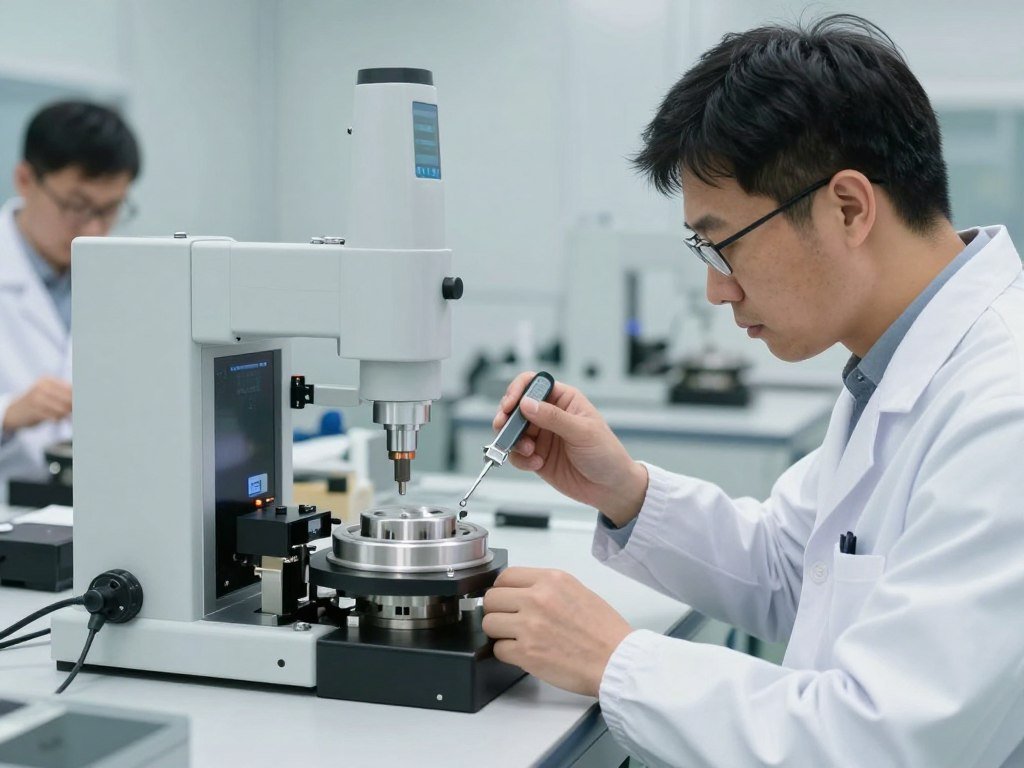
MAIKONG established operations in GD Province, SZ City in 2002. Over two decades, we've focused exclusively on pellet machine technology and feed production systems. This specialized focus delivers expertise that general machinery manufacturers cannot match. Our engineering team includes veterans with 15-20 years dedicated to aquaculture feed challenges. They understand the biochemistry of starch gelatinization, protein denaturation, and lipid binding. This knowledge translates into equipment that produces superior pellet quality.Manufacturing Capabilities
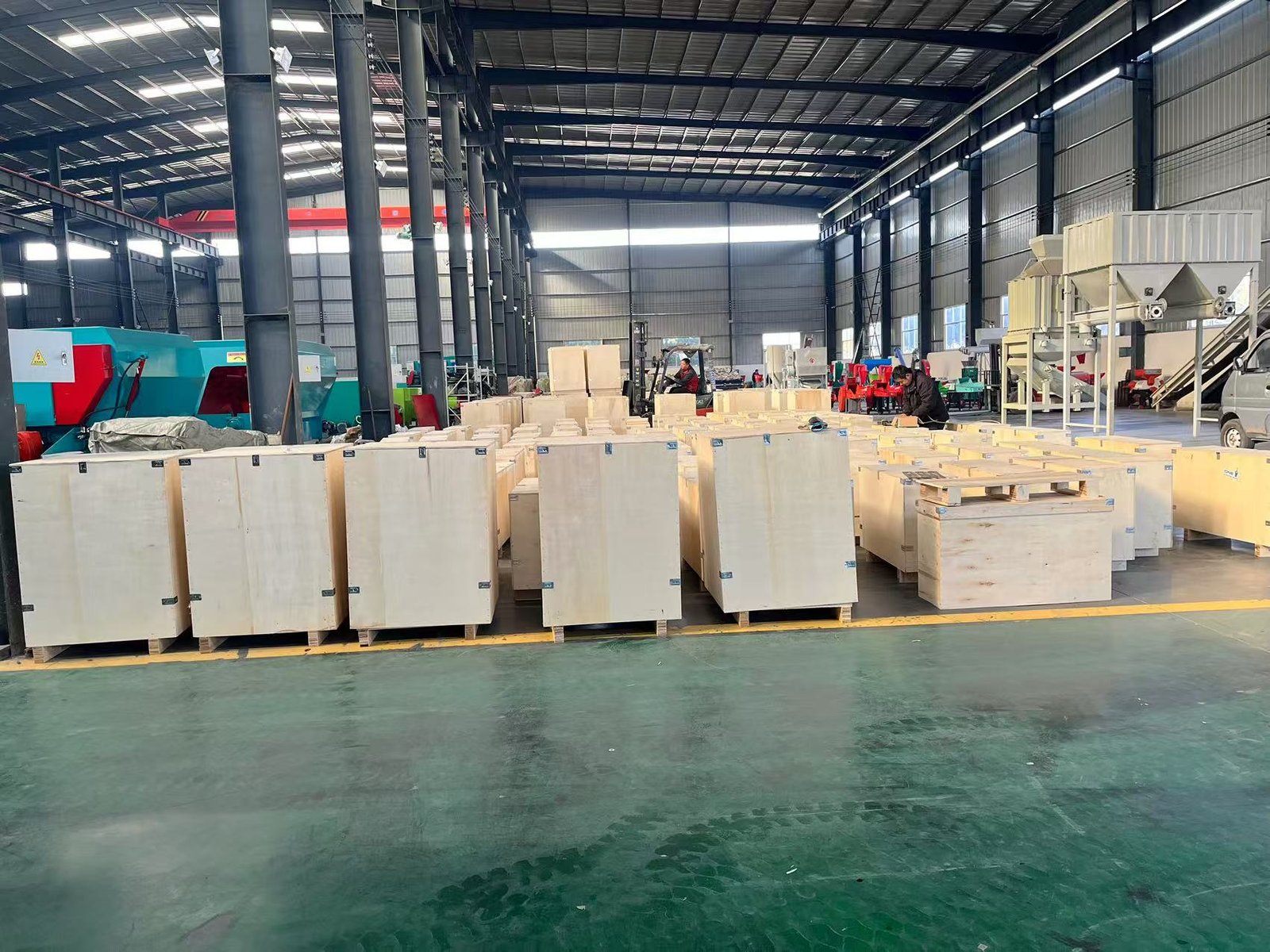
The MAIKONG facility spans 35,000 square meters with specialized production zones:- CNC machining center for precision die manufacturing
- Heat treatment facility for component hardening
- Assembly workshops with quality control checkpoints
- Testing laboratory for pellet quality verification
- Complete system testing area before shipment
Global Market Presence
MAIKONG equipment operates in 87 countries across six continents. This international experience exposes our engineers to diverse raw materials, climate conditions, and operational requirements. Solutions developed for challenging environments worldwide benefit Philippine customers.Asia Pacific
Strong presence in Philippines, Vietnam, Thailand, Indonesia, and Malaysia markets. Local warehousing in Manila ensures parts availability.Latin America
Major installations in Ecuador, Bolivia, Honduras for shrimp and tilapia feed production. Tropical climate expertise directly applicable to Philippines.Africa
Growing network in Nigeria, Egypt, Uganda serving rapidly expanding African aquaculture sector. Experience with infrastructure challenges.Middle East
Systems operating in UAE, Qatar, Iran under extreme temperature conditions. Advanced cooling and dust control solutions.Comprehensive Support Services
Equipment purchase represents the beginning of our relationship. MAIKONG provides ongoing support throughout your system's operational life. Our goal is your long-term success and profitability.Pre-Installation Planning
- Site survey and layout optimization
- Foundation design and specifications
- Electrical load calculations
- Raw material sourcing recommendations
- Formulation development assistance
Installation and Commissioning
- On-site supervision by experienced engineers
- Equipment assembly and alignment
- System testing and optimization
- Performance verification
- Complete documentation handover
Training Programs
- Operator training for daily production
- Maintenance technician certification
- Formulation optimization workshops
- Troubleshooting and diagnostics
- Advanced automation programming
Ongoing Technical Support
- 24-hour technical hotline
- Remote diagnostics via video call
- Regular maintenance reminders
- Spare parts supply from Manila warehouse
- Periodic performance audits
Quality Certifications and Standards
MAIKONG maintains international quality certifications ensuring product reliability and safety compliance. Our systems meet or exceed Philippine regulatory requirements for feed mill operations.- ISO 9001:2015 Quality Management System certification
- CE marking for European safety standards
- SGS factory inspection approvals
- Philippine electrical safety certifications
- Environmental management certifications
Profitable Partnership: Become MAIKONG Philippines Dealer
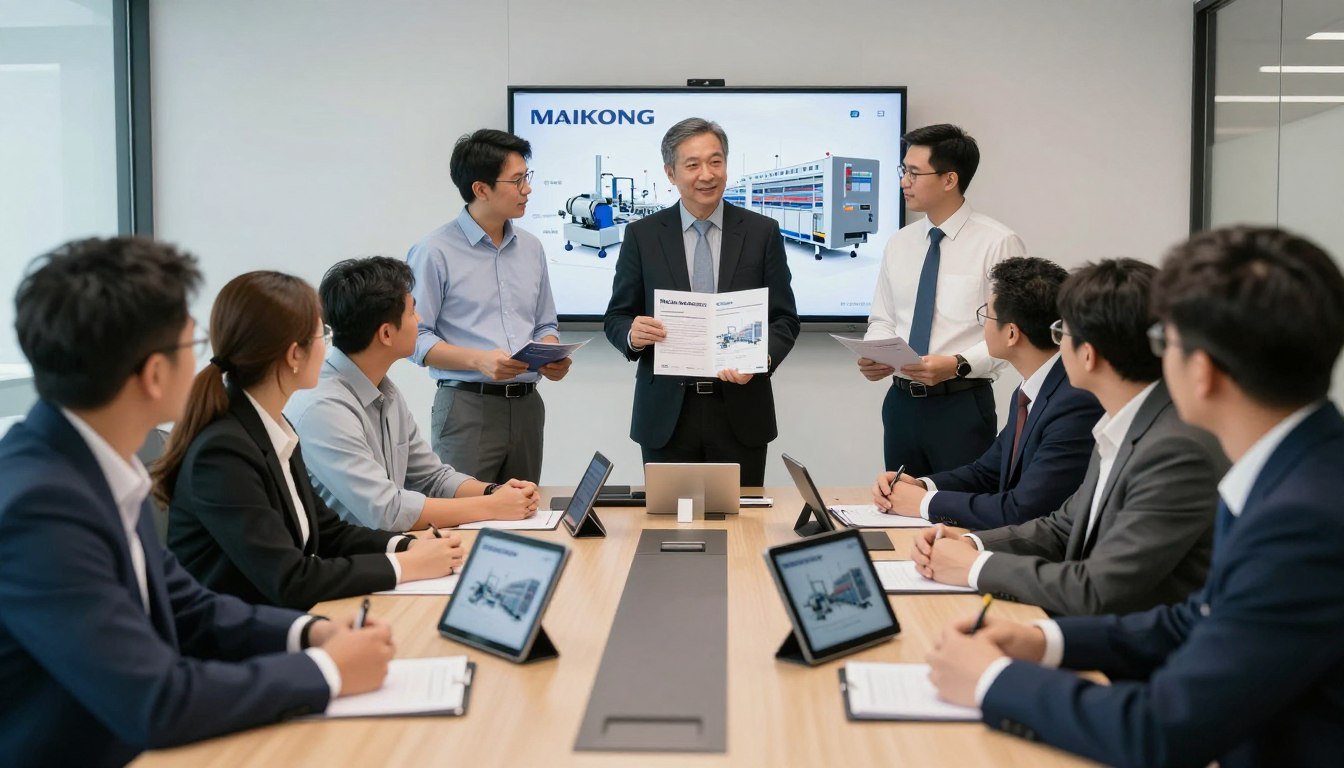 The Philippine aquaculture and livestock sectors create substantial demand for quality feed production equipment. MAIKONG seeks established partners to serve this growing market. Authorized dealers enjoy exclusive territories, attractive margins, and comprehensive support.
Dealer Benefits and Advantages
Business Development Support
- Protected Territory Rights: Exclusive regions prevent dealer competition. Build customer relationships without internal conflict.
- Attractive Margin Structure: Dealer pricing allows healthy profits. Volume incentives reward business growth.
- Marketing Assistance: Co-branded promotional materials provided. Digital assets and product photography supplied.
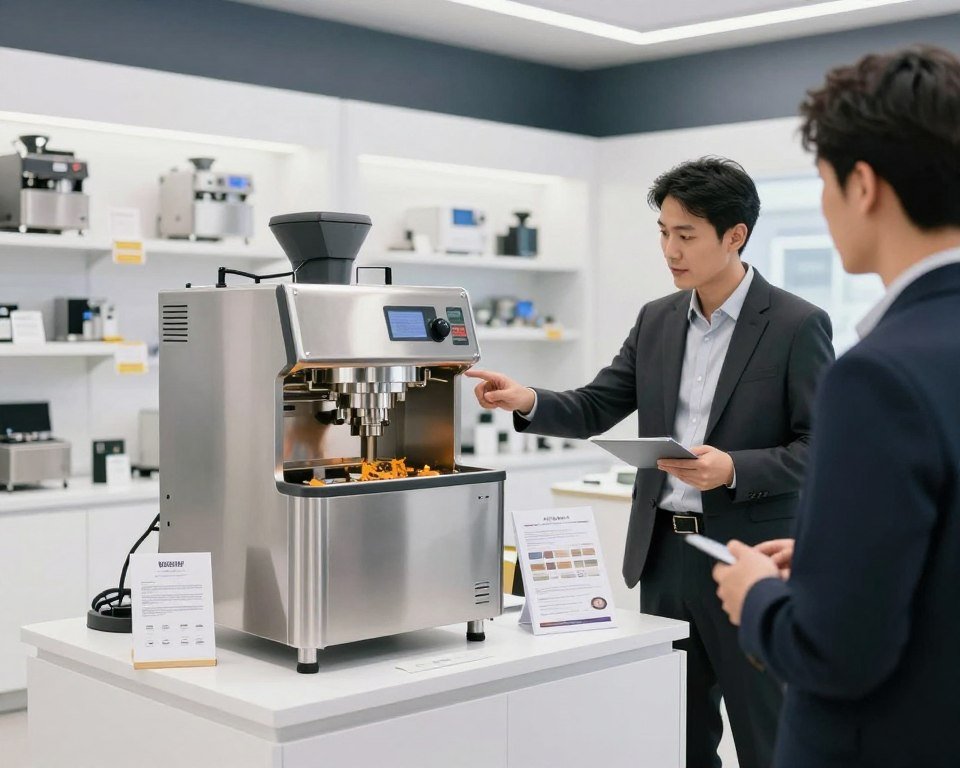
- Demo Equipment Programs: Discounted demonstration units for showrooms. Let prospects see operating equipment before commitment.
- Lead Sharing: Inquiries from your territory directed to you. We support your sales process rather than competing.
Technical and Operational Support
MAIKONG equips dealers with knowledge and tools for success. We want your customers satisfied because that builds long-term business for both parties.- Comprehensive product training on all equipment lines
- Technical certification programs for your service staff
- Sales training covering customer needs assessment
- Access to engineering support for complex inquiries
- Warranty processing and claims support
- Regular product updates and new technology introductions
Ideal Partner Profile
We seek partners with existing market presence and technical capabilities. Successful MAIKONG dealers typically possess:Desired Qualifications
- Established presence in agriculture, aquaculture, or industrial equipment sectors
- Existing customer relationships with farms, mills, or cooperatives
- Service and technical support capabilities
- Warehouse space for equipment and parts inventory
- Financial stability for inventory investment
- Commitment to long-term business development
Common Challenges We Help Overcome
- Limited initial product knowledge (we provide training)
- Concerns about technical complexity (certification programs available)
- Inventory investment requirements (flexible terms for qualified partners)
- Competition from established brands (our technology advantages win comparisons)
- After-sales support concerns (we back dealers with direct technical assistance)
Dealer Success Story
"We added MAIKONG to our agricultural equipment portfolio in 2020. The fish feed production line quickly became our fastest-growing category. Customers appreciate the quality and reliability. MAIKONG's technical support helps us close sales and keep customers satisfied. Our pellet machine revenue grew 285% in three years. The partnership delivers results for both companies."
Application Process
Becoming a MAIKONG authorized dealer involves straightforward steps ensuring mutual compatibility and success potential.- Initial Contact: Reach out to our dealer development team. Discuss your market, capabilities, and business objectives.
- Qualification Review: We evaluate territory availability and partnership fit. You review dealer agreement terms and pricing structures.
- Agreement Execution: Finalize territorial rights, sales targets, and support provisions. Legal and financial terms negotiated transparently.
- Training and Onboarding: Attend comprehensive product and sales training. Receive initial marketing materials and demonstration equipment.
- Market Launch: Begin promoting MAIKONG solutions in your territory. Ongoing support from dealer development team.
- Growth and Development: Regular business reviews and planning sessions. Access to new products and continuous training opportunities.
Apply for MAIKONG Dealership
Contact our dealer development team to explore partnership opportunities. Receive information package detailing territorial availability, pricing structures, and support programs within 48 hours.
Frequently Asked Questions: Fish Feed Production Line Systems
Can I produce fish pellets without expensive machinery using manual methods?
- Hand-operated manual fish feed pellet machine: Crank-powered units produce 8-20 kg hourly. Cost ranges $200-$800 USD. Suitable only for hobby aquariums or experimental batches.
- Meat grinder adaptation: Force mixed ingredients through pasta-making attachments. Creates soft, irregular pellets with poor water stability. Output limited to 5-10 kg hourly.
- Hand-rolling method: Form dough-like mixture into cylinders and cut manually. Extremely labor-intensive. Inconsistent size and quality. Water stability very poor.
What's the realistic payback period for a complete fish feed production line in the Philippines?
| Operation Scale | Monthly Feed Need | System Investment | Monthly Savings | Payback Period |
| Small Farm (5 hectares) | 8-12 tons | $28,000 USD | ₱200,000-250,000 | 14-18 months |
| Medium Farm (25 hectares) | 40-60 tons | $75,000 USD | ₱850,000-1,100,000 | 11-14 months |
| Commercial Mill | 300+ tons | $280,000 USD | ₱6,500,000-8,200,000 | 8-11 months |
How much factory space does a fish feed production line require?
What raw material quality standards must I maintain for consistent pellet quality?
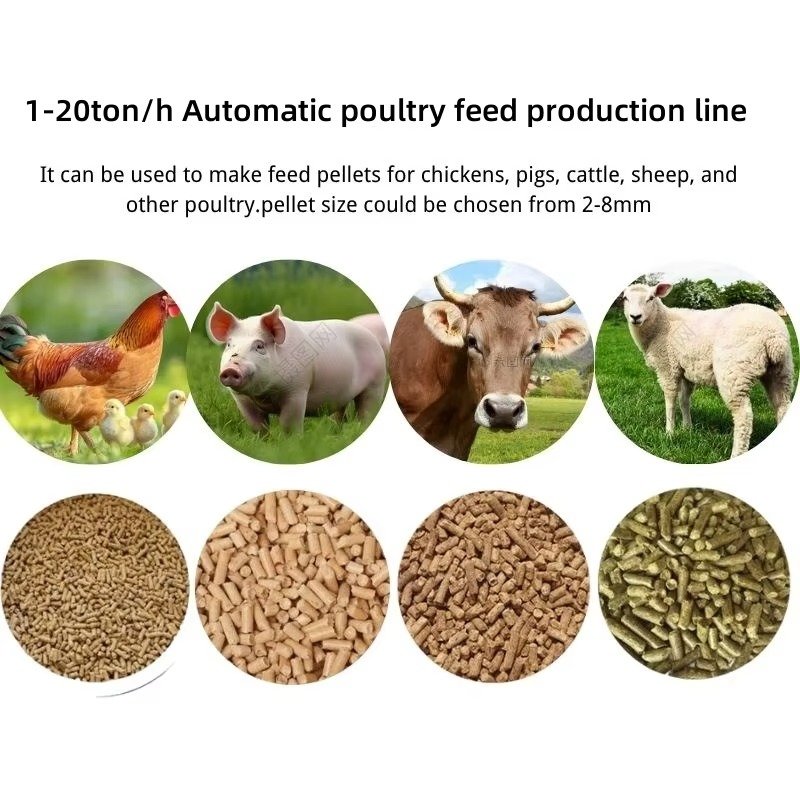
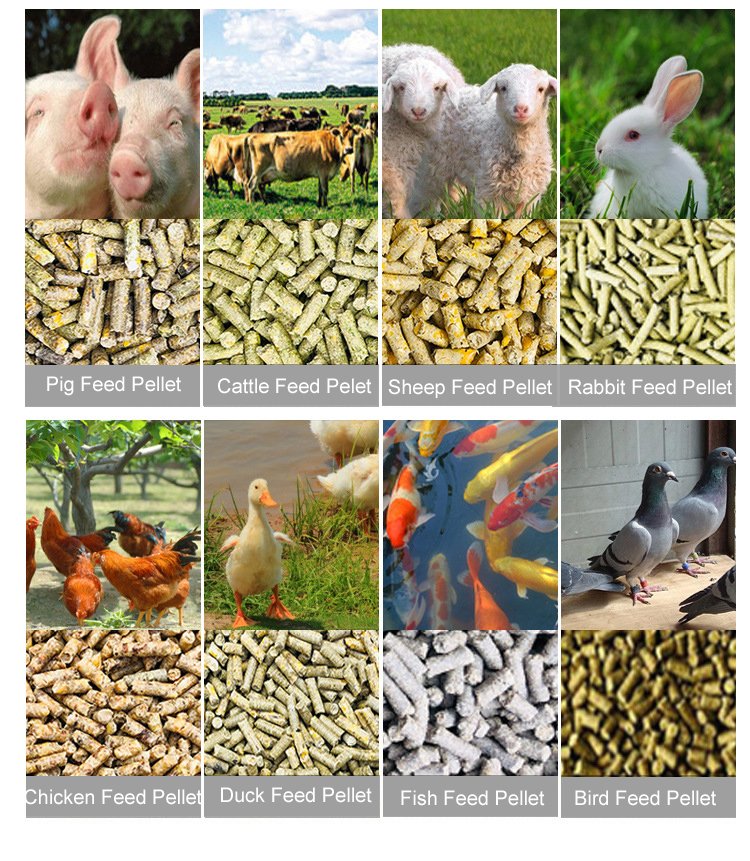
Can one production line make different types of animal feed or only fish feed?
- Chicken feed production line formulations for broilers and layers
- Poultry feed production line products for ducks, quail, geese
- Pig feed production line formulations for swine operations
- Cattle feed pellet production line for dairy and beef cattle
- Pet feed production line for dog and cat foods
- Rabbit, goat, and sheep feeds
What ongoing maintenance does a fish feed production line require?
- Visual inspection of all equipment before startup
- Check and clear any material buildup in system
- Verify proper lubrication levels in gearboxes
- Clean pellet samples collection points
- Record production quantities and any anomalies
- Lubricate all grease fittings per manual specifications
- Check drive belt tensions and condition
- Inspect electrical connections for tightness
- Clean dust collection filters
- Test safety interlocks and emergency stops
- Change gearbox oil in pellet machine and other rotating equipment
- Inspect die and roller surfaces for wear
- Check mixer blade clearances and wear
- Calibrate weighing systems
- Deep clean entire production line
- Replace worn dies and rollers proactively
- Comprehensive bearing inspection and replacement
- Electrical system testing and calibration
- Complete machine alignment verification
- Professional service technician inspection
Transform Your Aquaculture Operation with MAIKONG Fish Feed Production Line
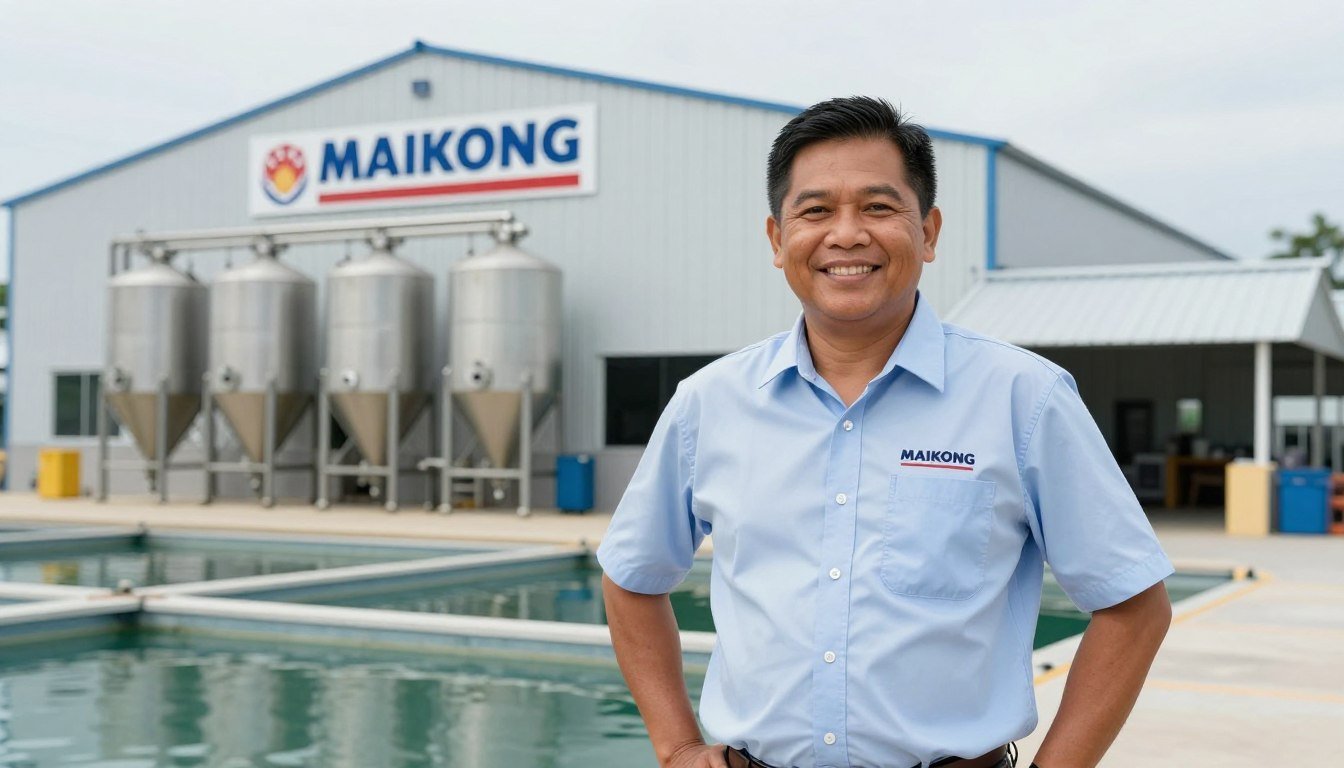 Philippine aquaculture offers substantial opportunity for operators controlling feed costs and quality. Rising commercial feed prices squeeze profit margins. Variable feed quality affects growth rates and harvest outcomes. A complete fish feed production line solves both challenges.
MAIKONG delivers integrated systems backed by 22 years of specialized engineering experience. Our MK-L001 production lines operate successfully across 87 countries in diverse conditions. Philippine customers benefit from local warehouse support, rapid parts availability, and technical teams understanding tropical operating environments.
Philippine aquaculture offers substantial opportunity for operators controlling feed costs and quality. Rising commercial feed prices squeeze profit margins. Variable feed quality affects growth rates and harvest outcomes. A complete fish feed production line solves both challenges.
MAIKONG delivers integrated systems backed by 22 years of specialized engineering experience. Our MK-L001 production lines operate successfully across 87 countries in diverse conditions. Philippine customers benefit from local warehouse support, rapid parts availability, and technical teams understanding tropical operating environments.
Three Partnership Pathways
Purchase Complete System
Invest in MK-L001 production line for your farm or mill operation:- Custom capacity and species configuration
- Installation supervision and commissioning
- Comprehensive operator training programs
- 24-month parts and service warranty
- Lifetime technical support access
Authorized Dealer Program
Represent MAIKONG in your Philippine region:- Exclusive protected territory rights
- Attractive dealer pricing and margins
- Complete sales and technical training
- Marketing support and lead sharing
- Demo equipment program availability
OEM/ODM Custom Manufacturing
Build your brand with MAIKONG engineering:- Your brand name and color schemes
- Custom specifications and features
- Complete design and engineering support
- Quality manufacturing and testing
- Minimum order quantities apply
Contact MAIKONG Philippines Team
Experienced engineers and sales specialists ready to answer questions and provide detailed proposals. All inquiries receive professional attention within 24 hours regardless of project size.
Direct Line - Sales & Technical Support
Visit our company profile: About MAIKONG Philippines
Main website: https://pelletmachine.ph/
 --
--