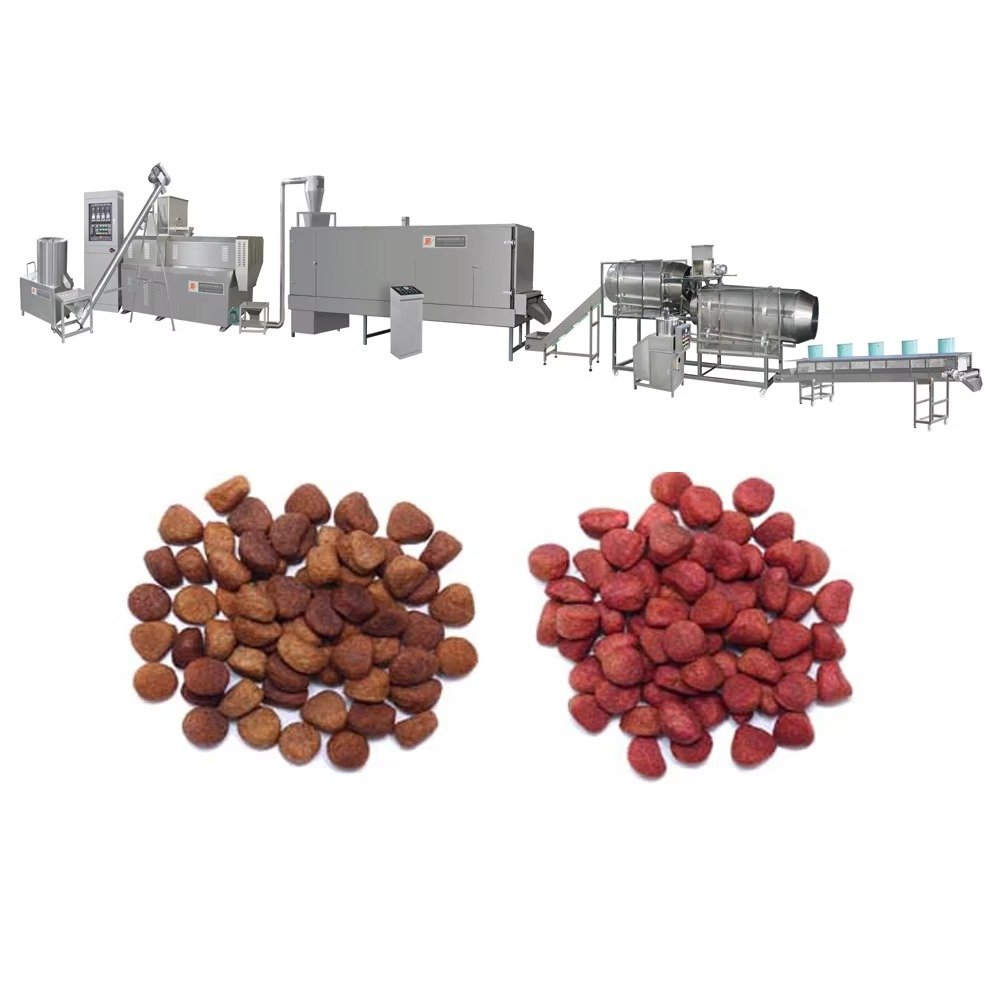
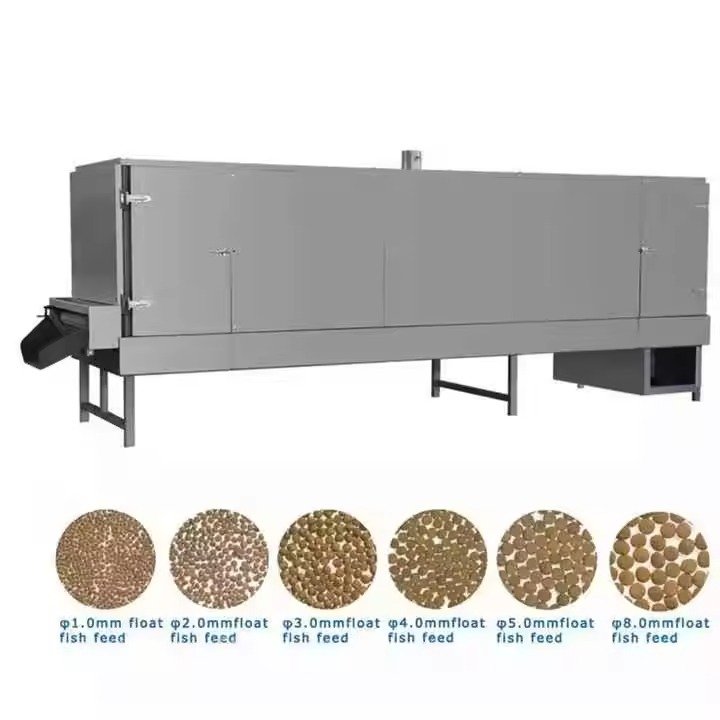
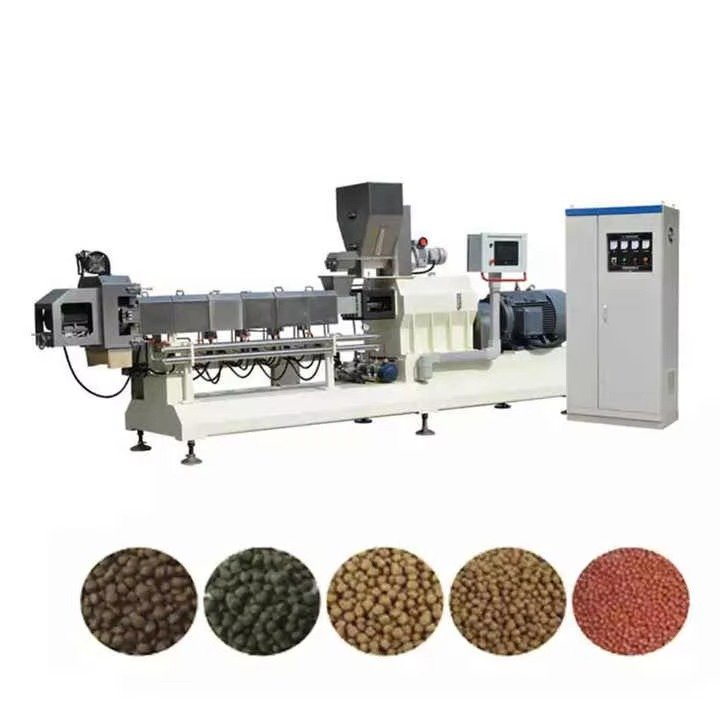
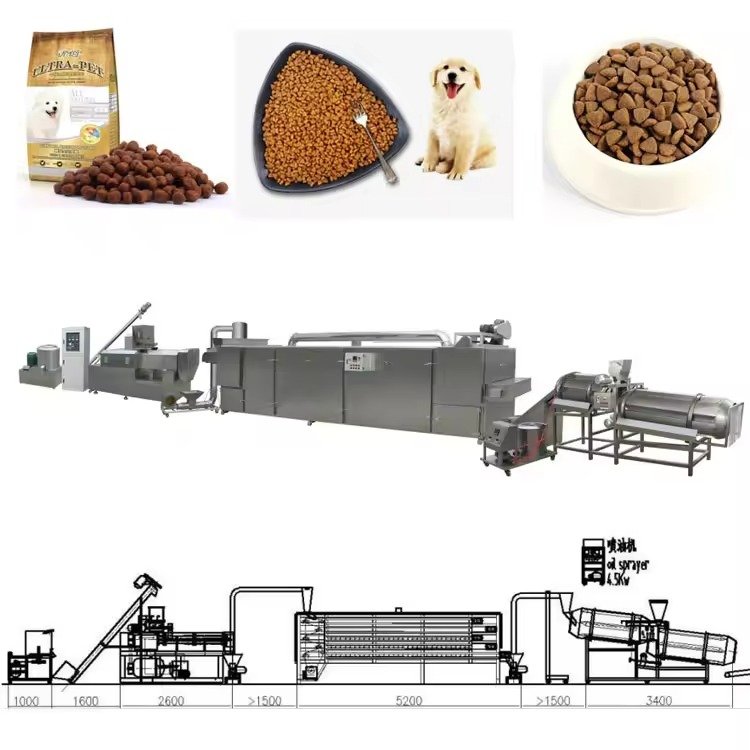
Become a MAIKONG Authorized Dealer in the Philippines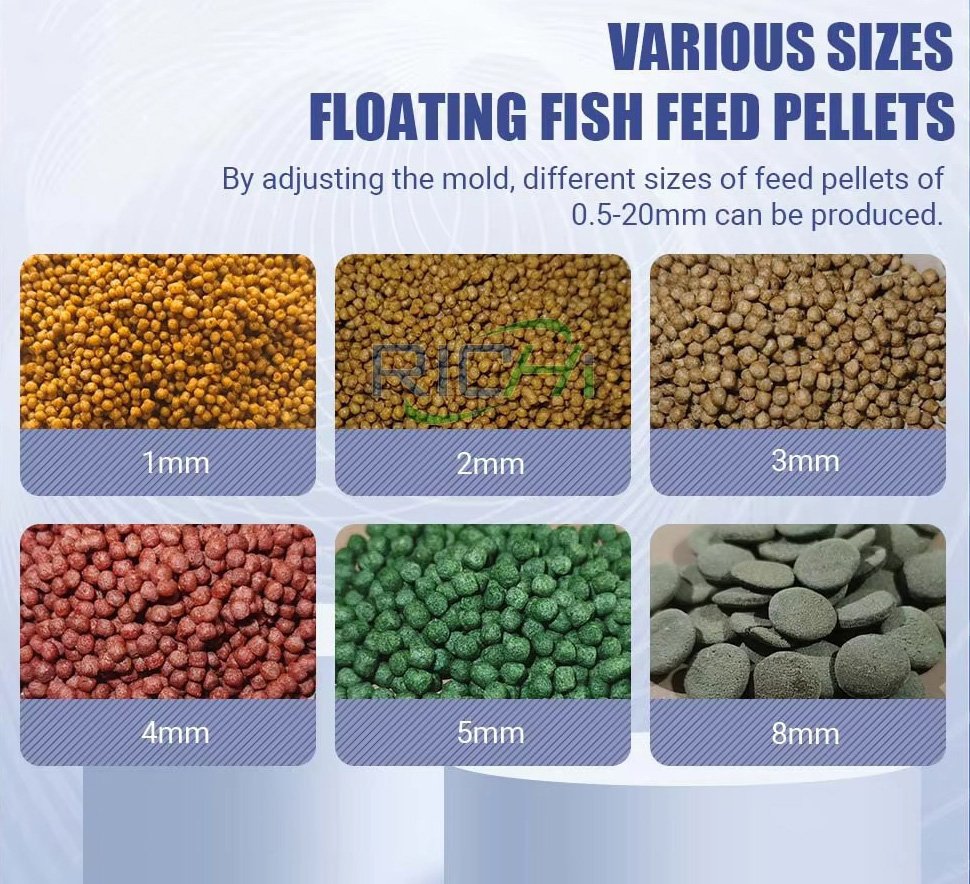
Exclusive Partnership Opportunities Now Available
MAIKONG is expanding our dealer network across the Philippines. Join 150+ successful partners in Asia, Europe, Africa, and the Middle East who have built profitable businesses representing our feed pellet production line equipment. We provide comprehensive training, technical support, marketing materials, and exclusive territory rights.

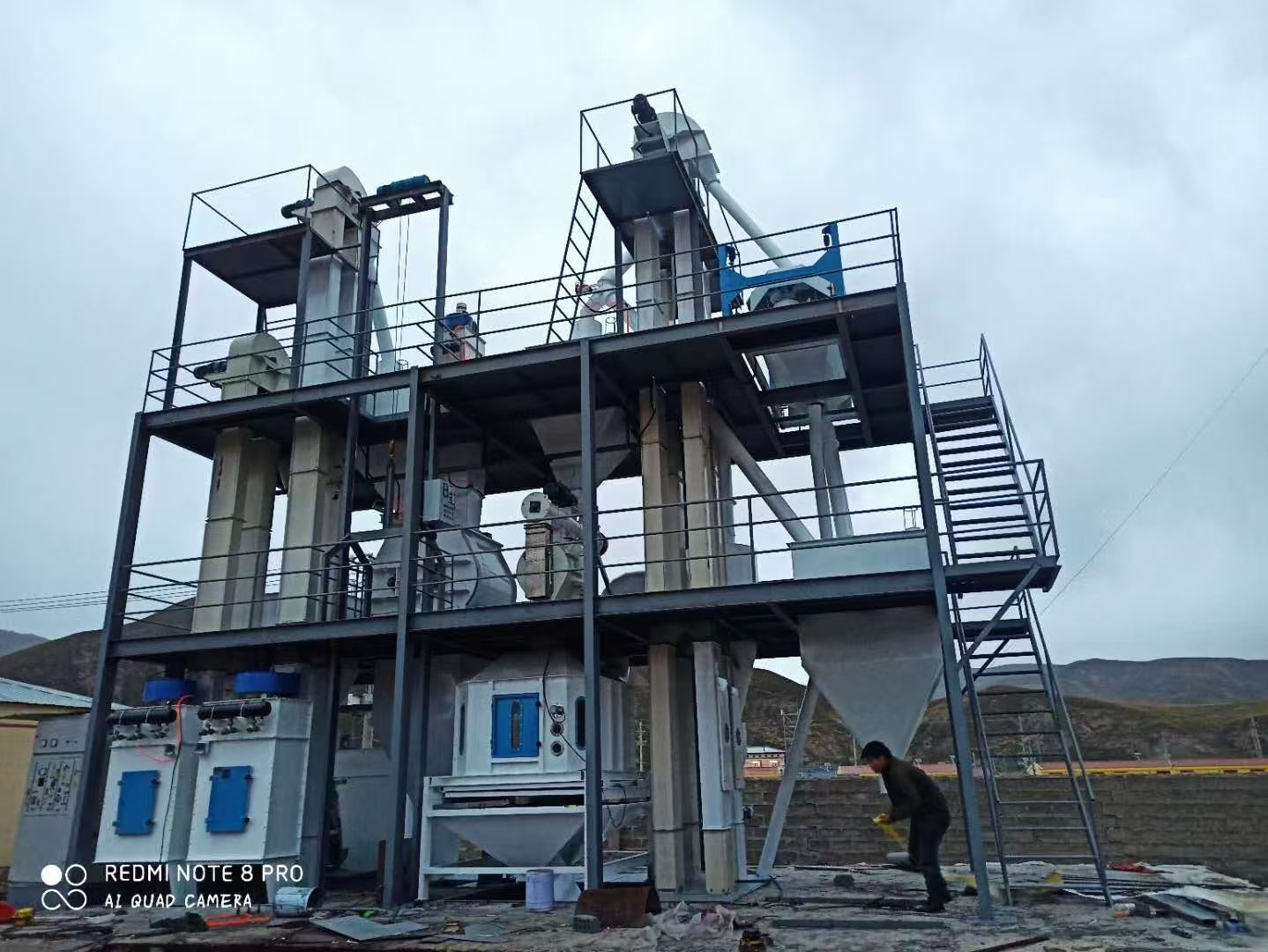
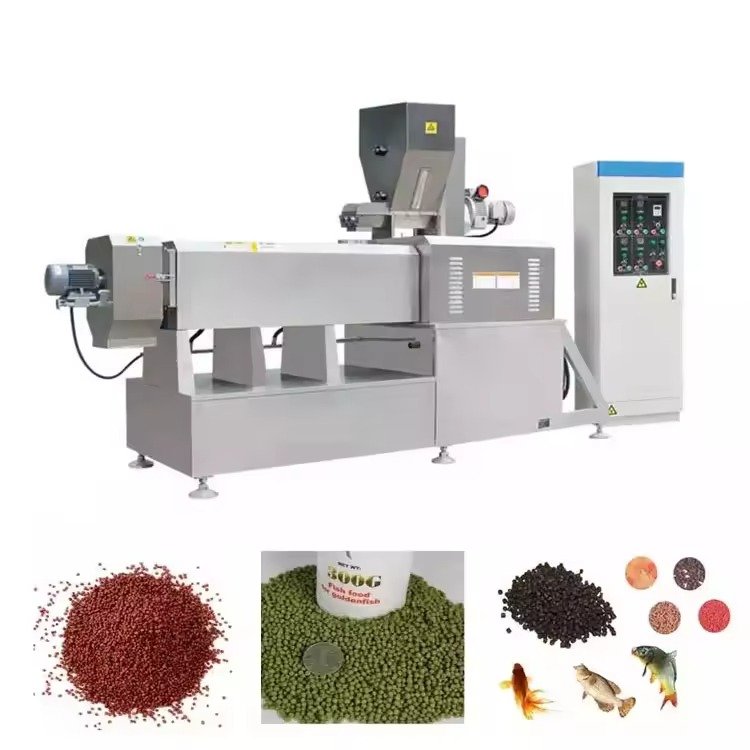
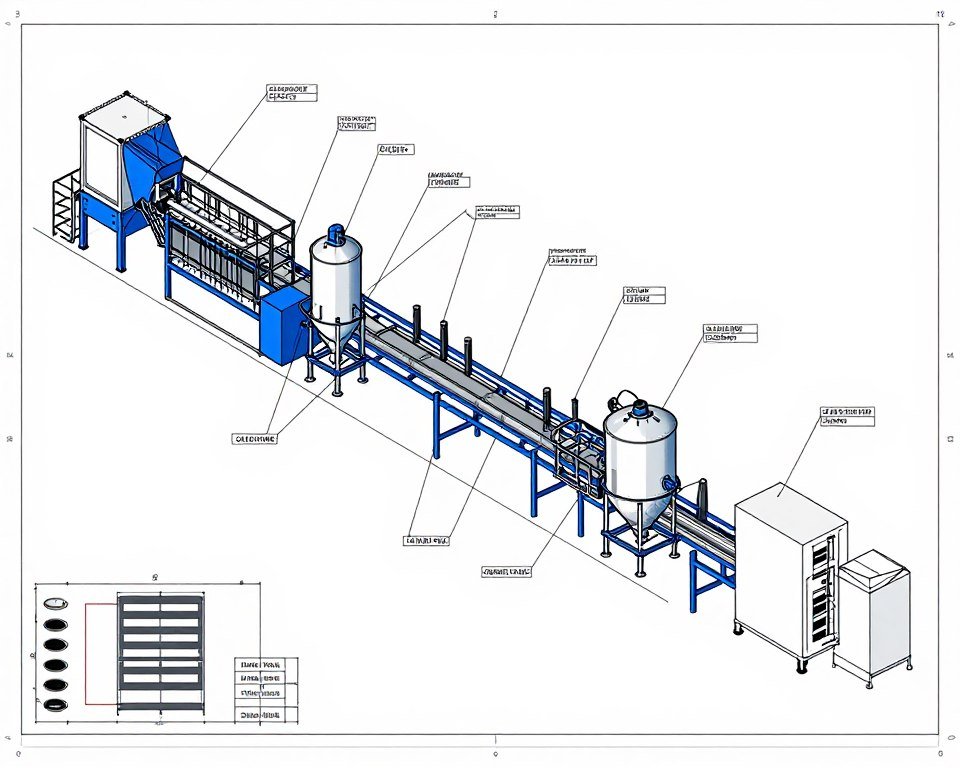
MAIKONG MK-L001 Poultry Feed Production Line Technical Specifications
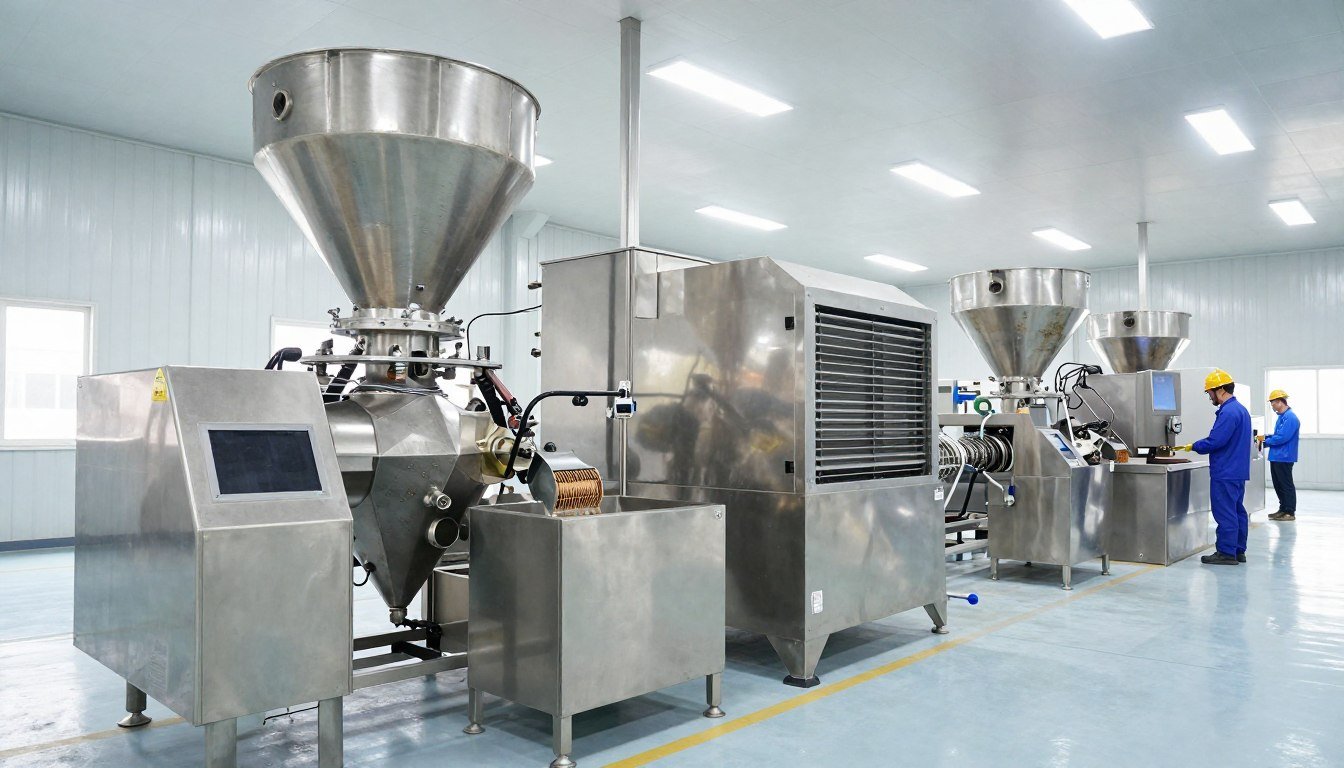
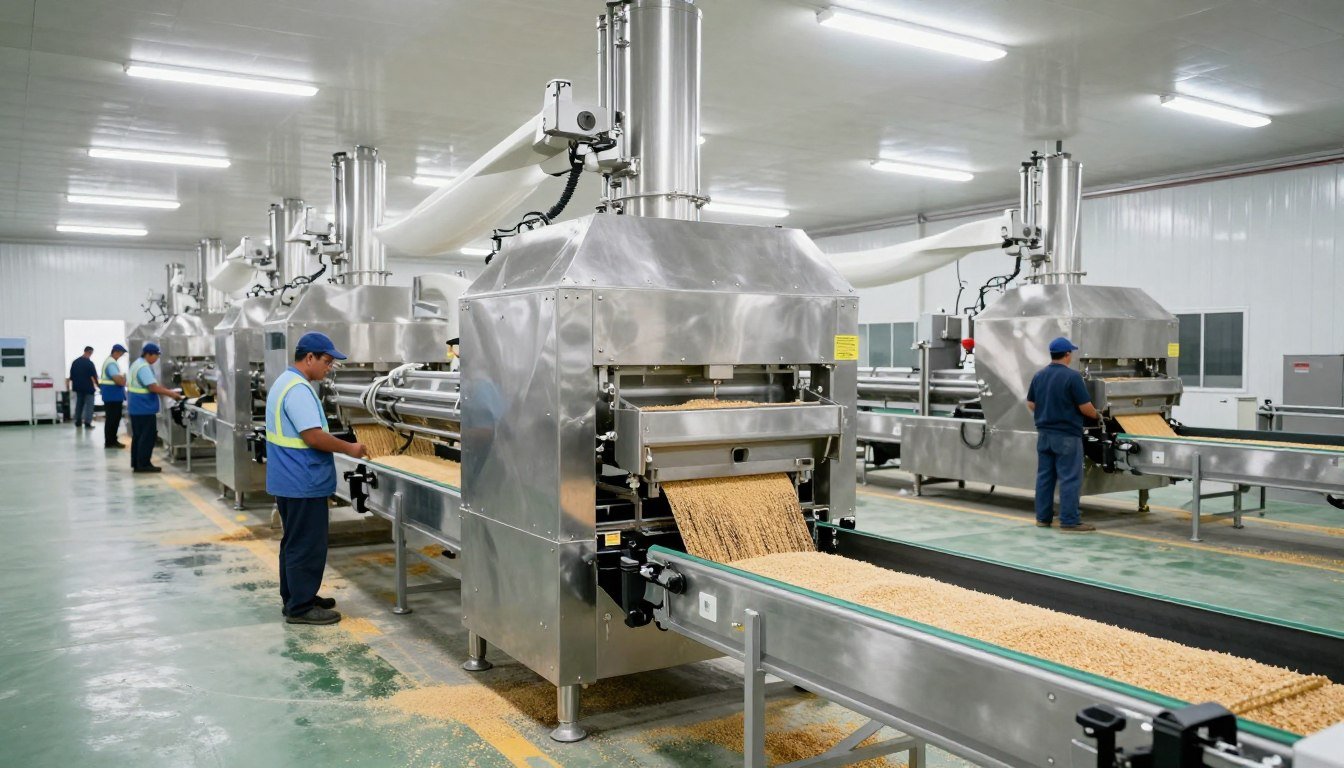
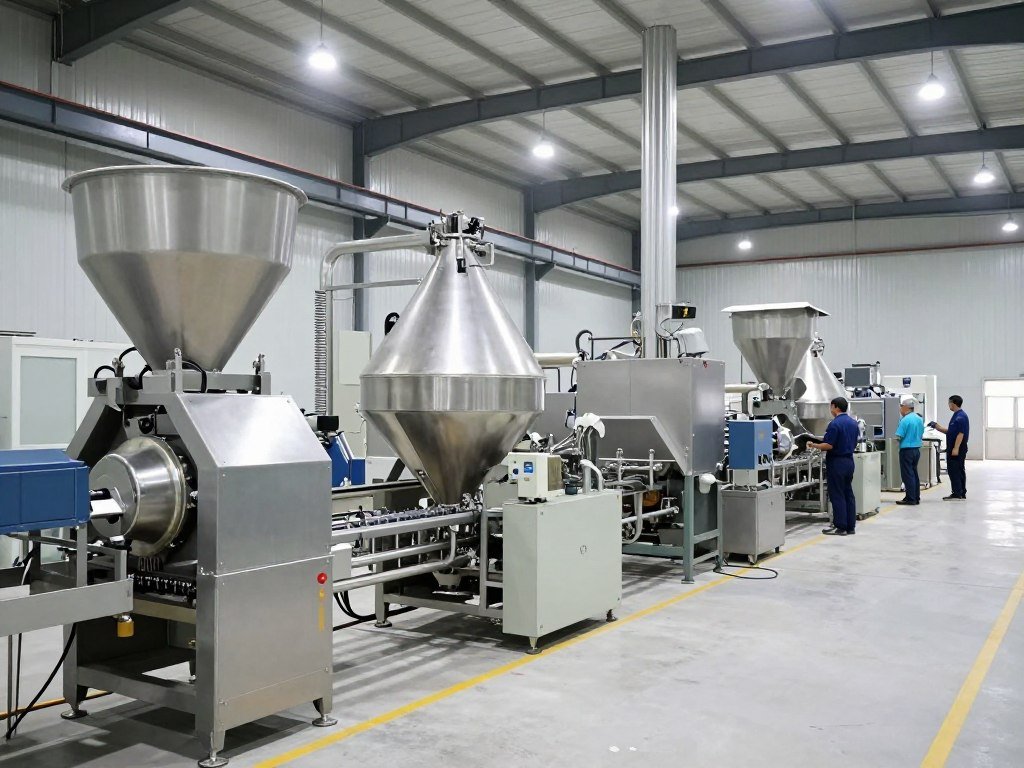
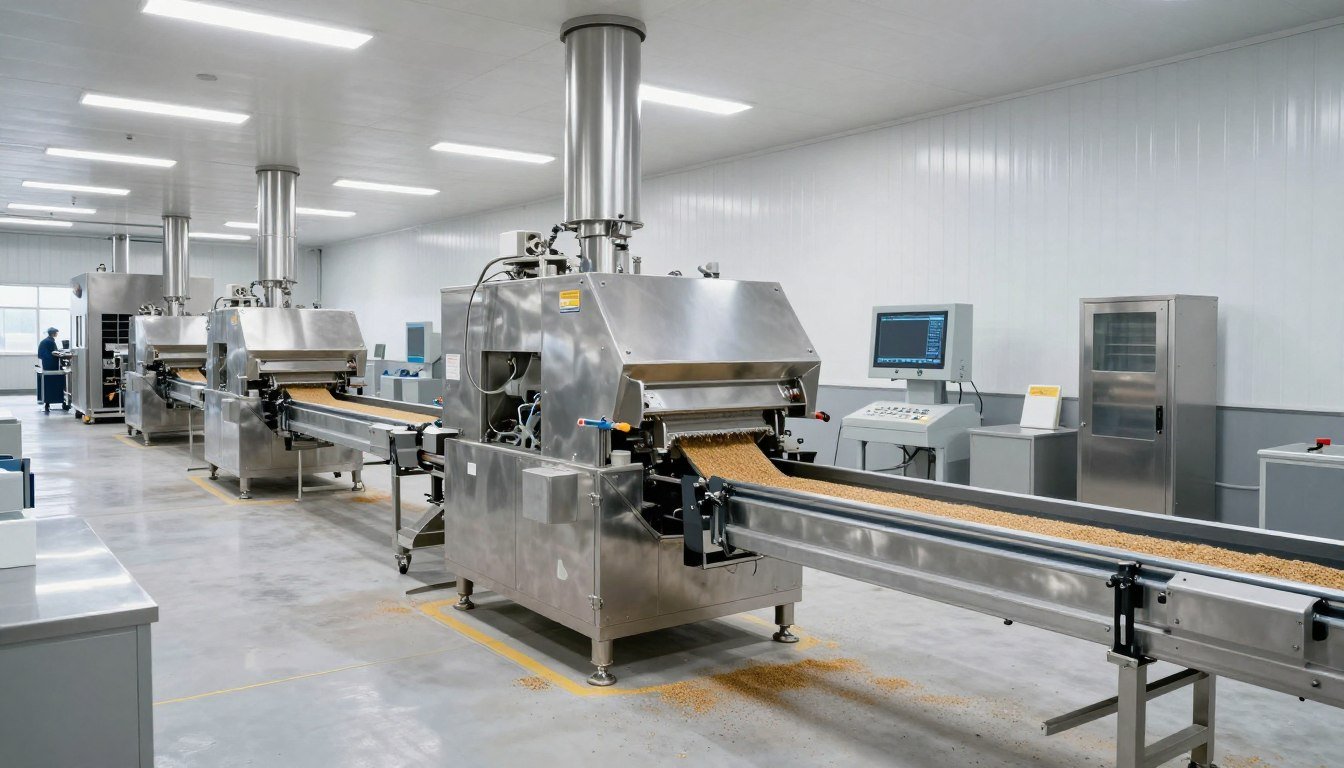
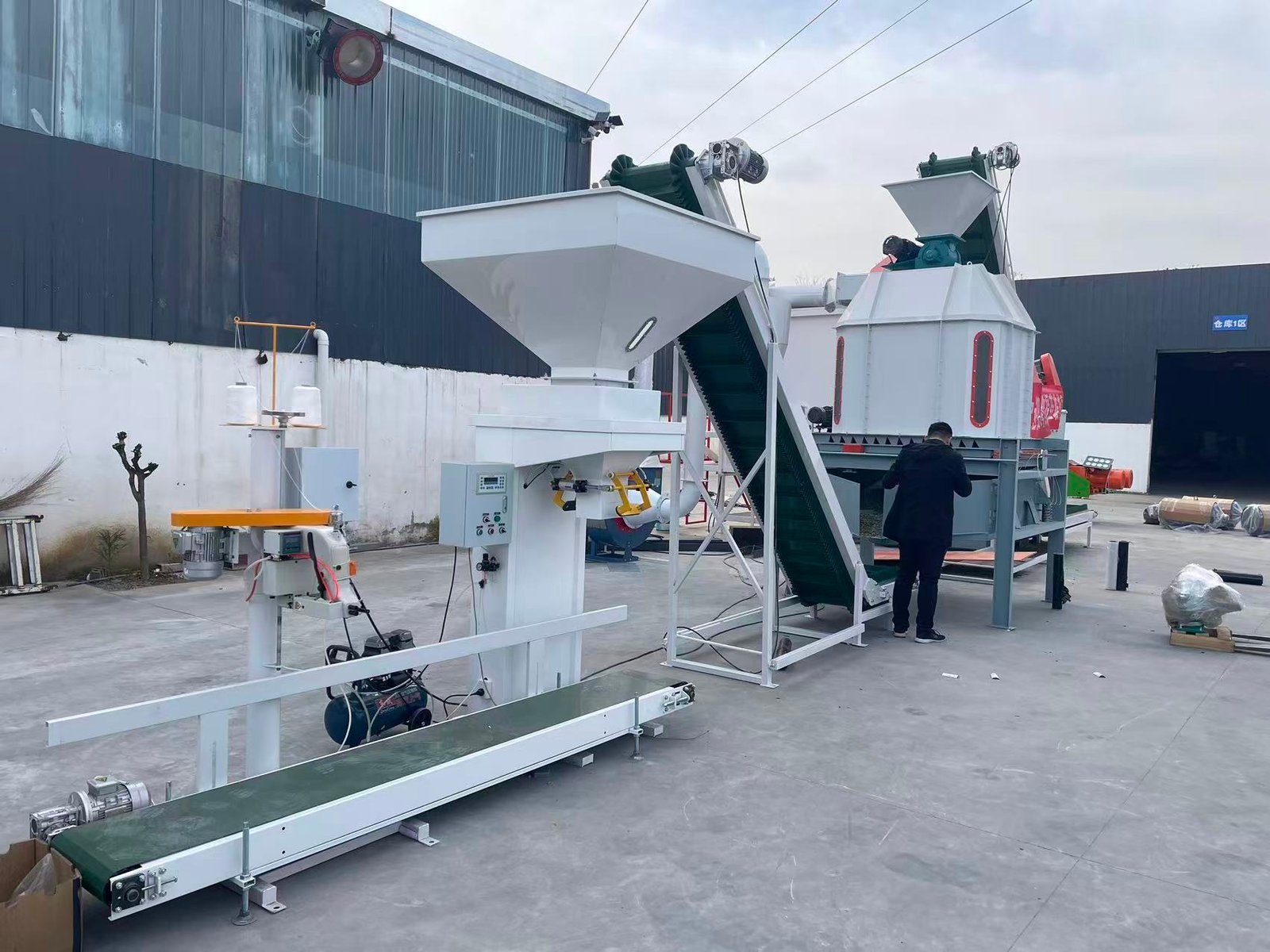
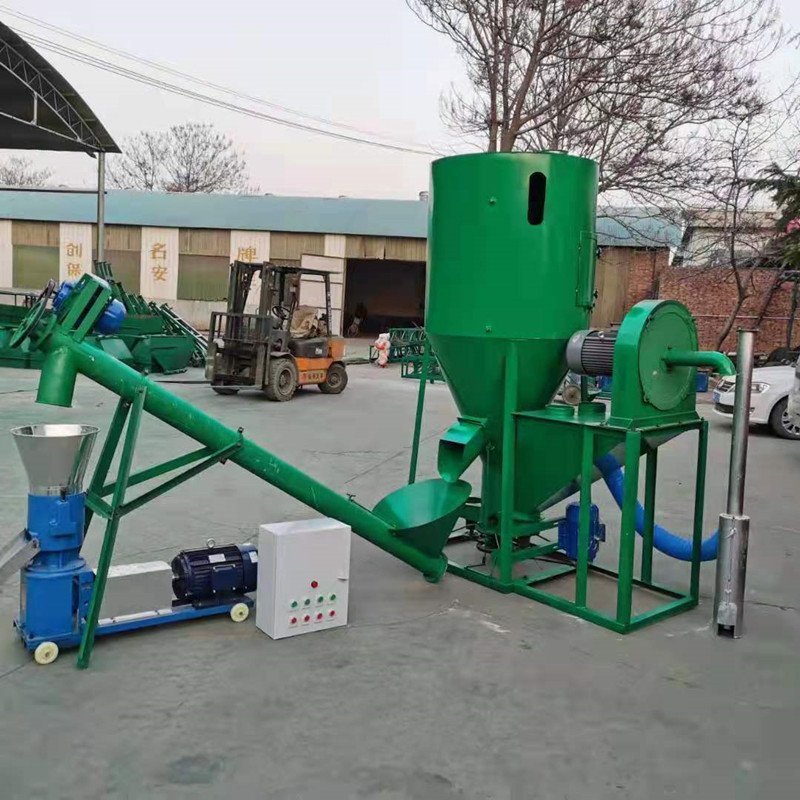
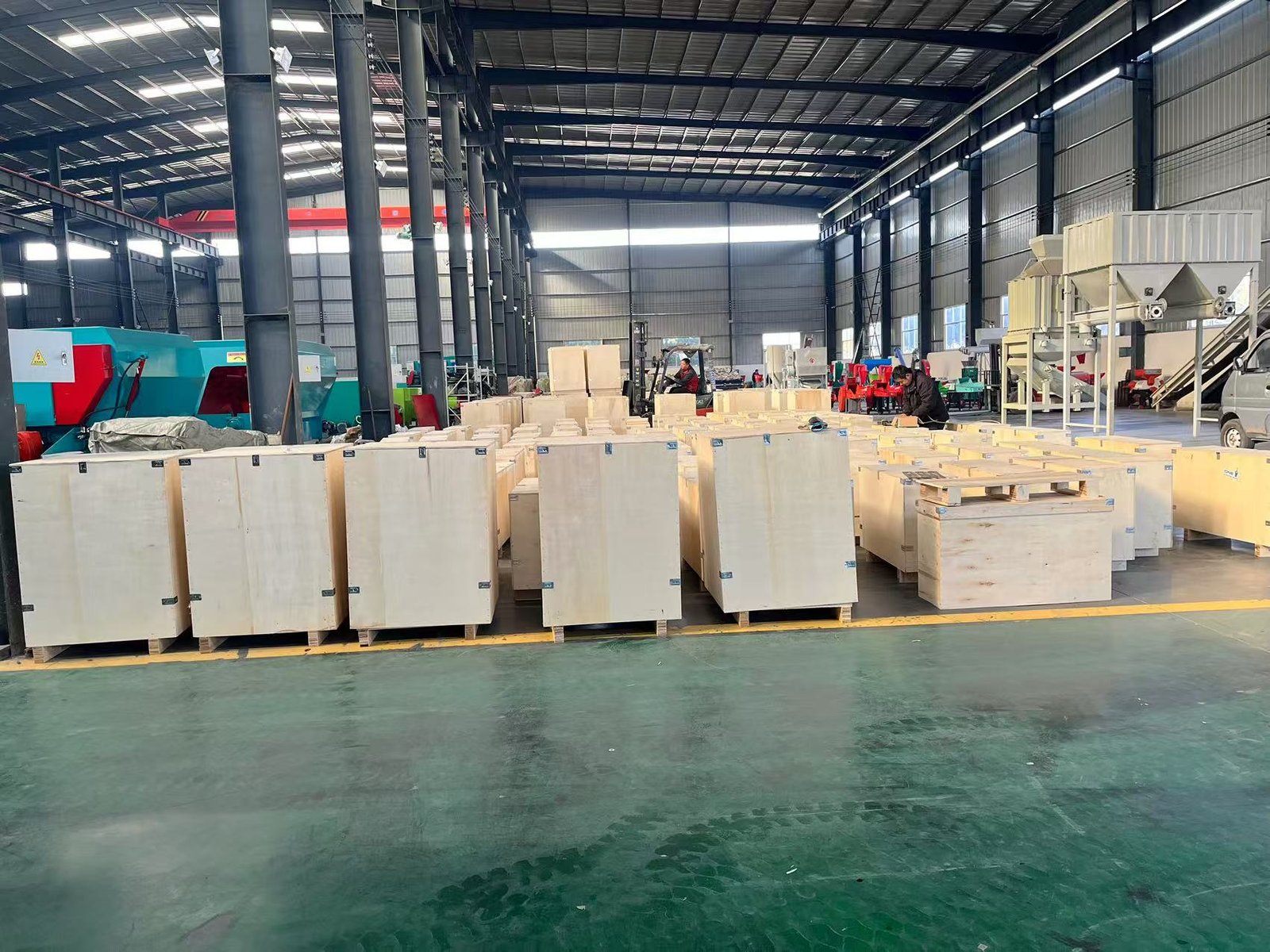
[video width="1280" height="720" mp4="https://pelletmachine.ph/wp-content/uploads/2026/03/00074(厂内-大型生产线-室内生产线展示、-白色-).mp4"][/video] The MK-L001 model delivers industrial-grade performance tailored for Philippine operating conditions. This complete feed production line handles everything from raw material intake to finished pellet packaging.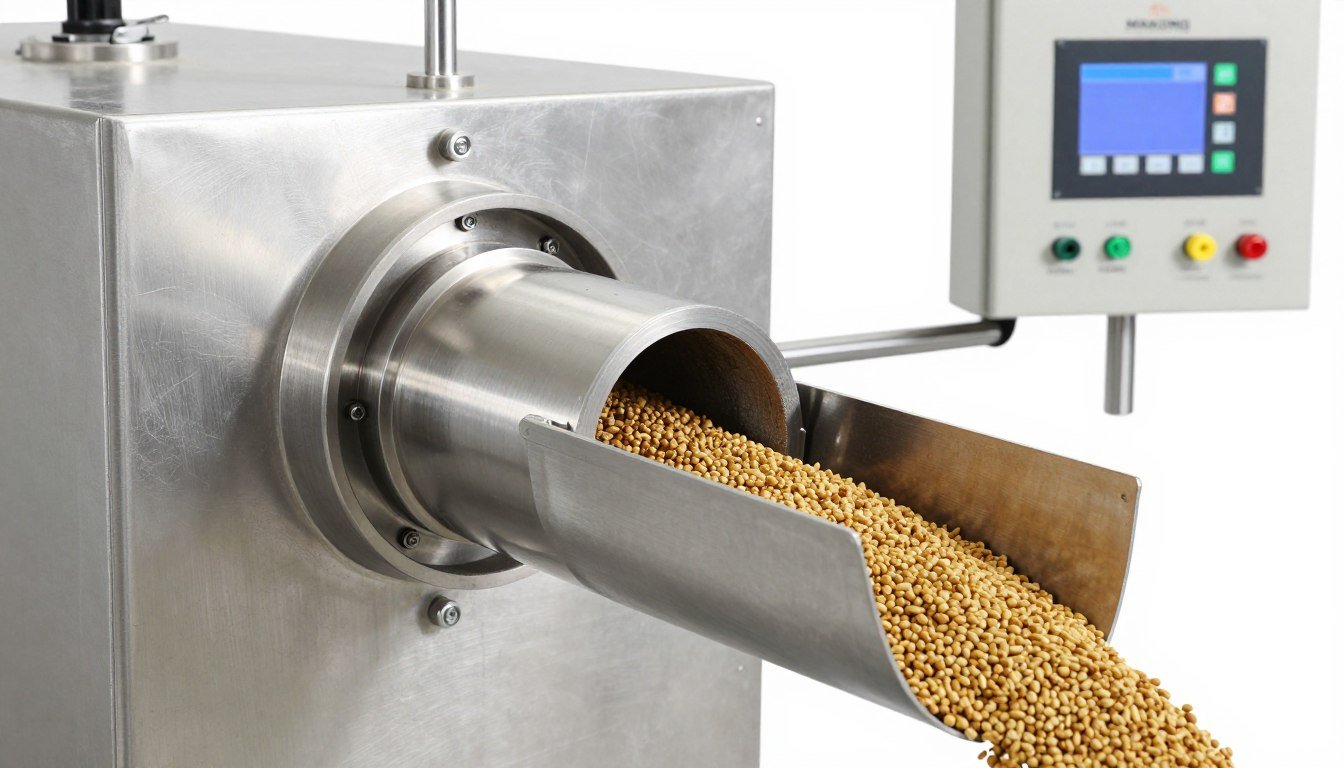
Core Product Details
| Specification | Details |
| Model Number | MK-L001 |
| Production Capacity Range | 200 kg/hour to 200 tons/hour (customizable) |
| Dimensions (L×W×H) | Varies by configuration (8-50 meters line length) |
| Weight | 5,000 - 85,000 kg (depends on capacity) |
| Primary Material | Industrial-grade steel with ABS control panels |
| Color Options | Industrial Gray, Custom colors available (OEM) |
| Voltage Compatibility | 220V/380V/415V (Philippine standard 220V available) |
| Power Consumption | 15-500 kW (varies by capacity) |
| Pellet Size Range | 2mm - 12mm (customizable dies) |
| Current Stock Status | Available - 4-6 week delivery to Philippines |
| Price Range | Contact for quote (varies by configuration) |
| Warranty | 2-year comprehensive parts and service |
What Makes MAIKONG Poultry Feed Production Lines Different
- Fully customizable capacity from small farm operations to large commercial mills
- Philippine voltage and climate-optimized electrical systems
- Modular design allows future expansion without complete system replacement
- Energy-efficient motors reduce operational costs by up to 35%
- Automated control systems minimize labor requirements
- Dust collection systems meet Philippine environmental standards
- Easy-access maintenance points reduce downtime
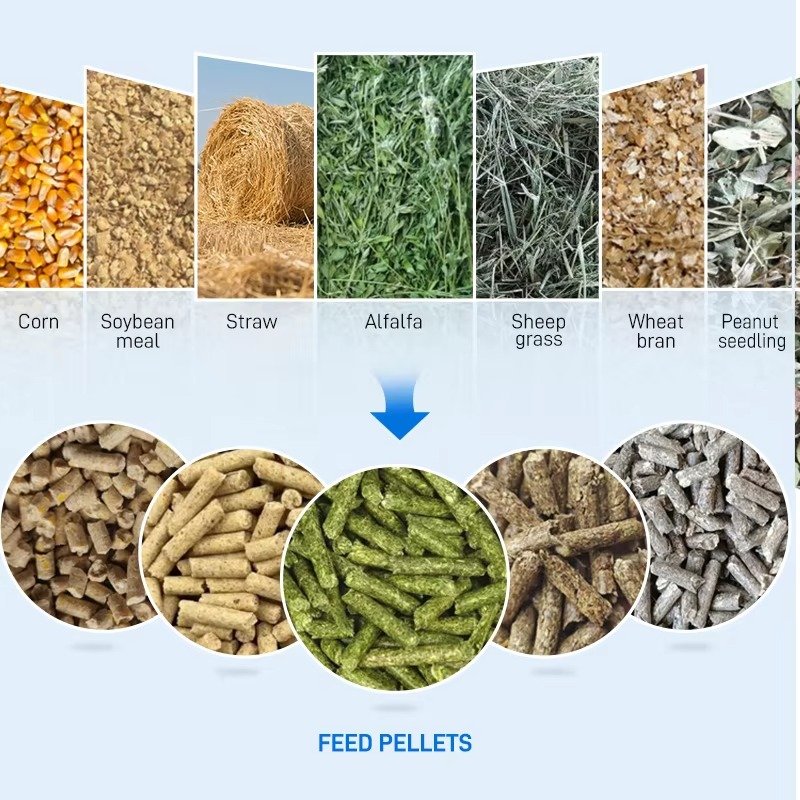
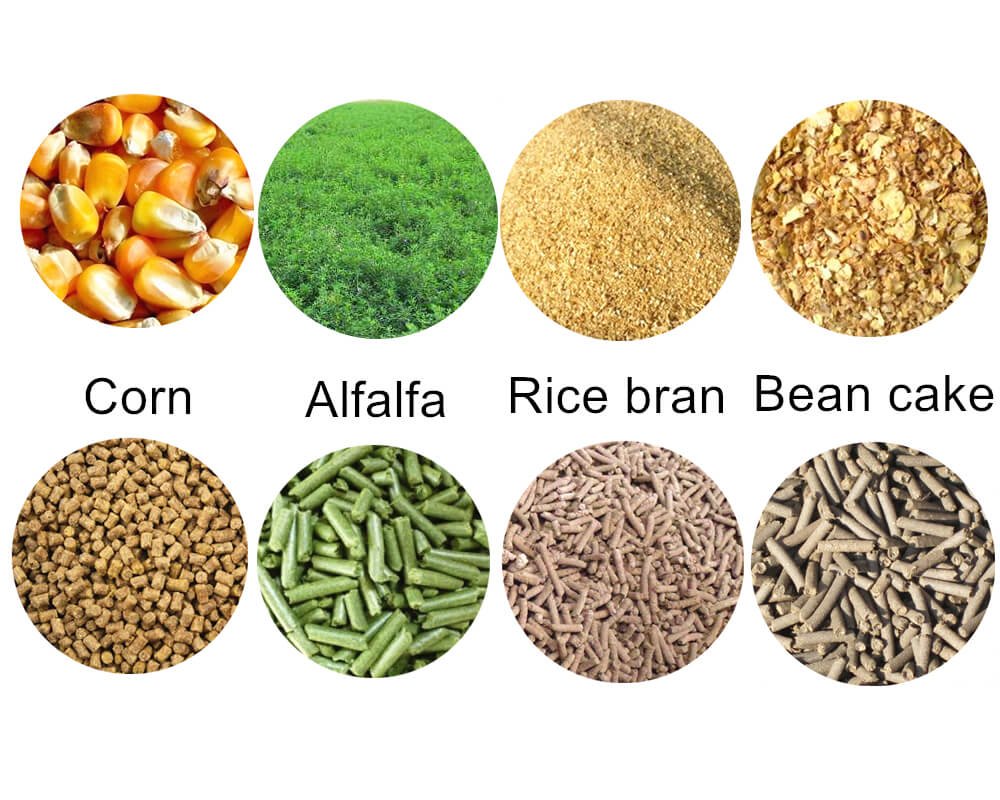
- Compatible with various raw materials common in Philippine agriculture
Get Your Customized Feed Line Quote Within 24 Hours
Every farm has unique requirements. Our engineers provide free consultations to design the perfect poultry feed production line for your specific needs and budget. No obligation, just expert advice.
Complete Equipment for Poultry Feed Production Lines
A professional poultry feed production line consists of integrated machinery working in sequence. Each component performs a specific function in transforming raw grains into finished pellets.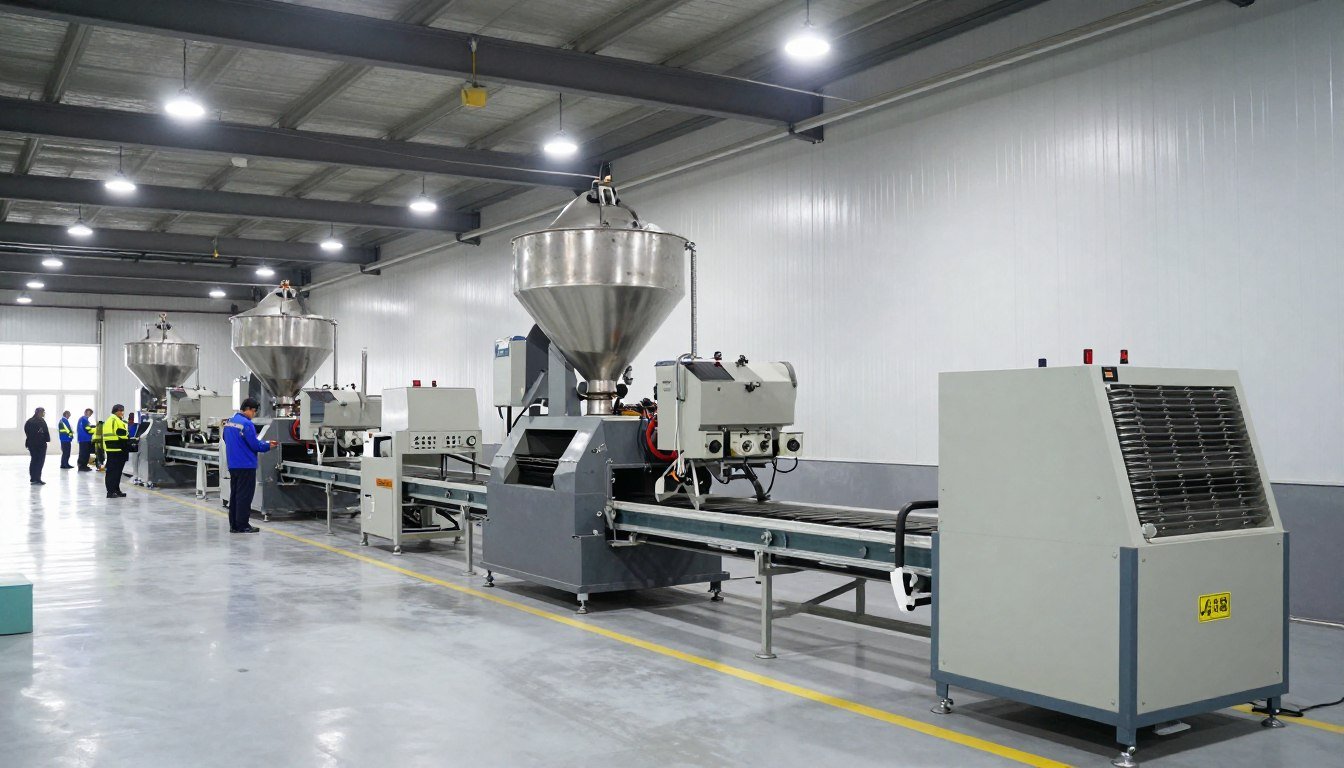
Primary Production Equipment
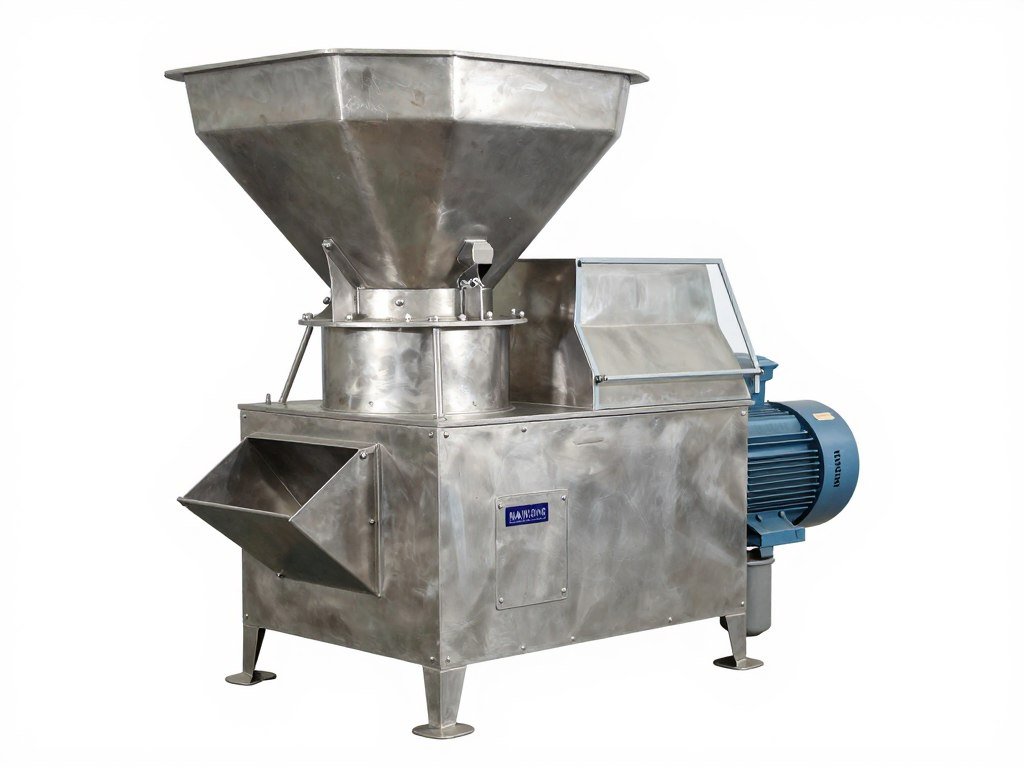
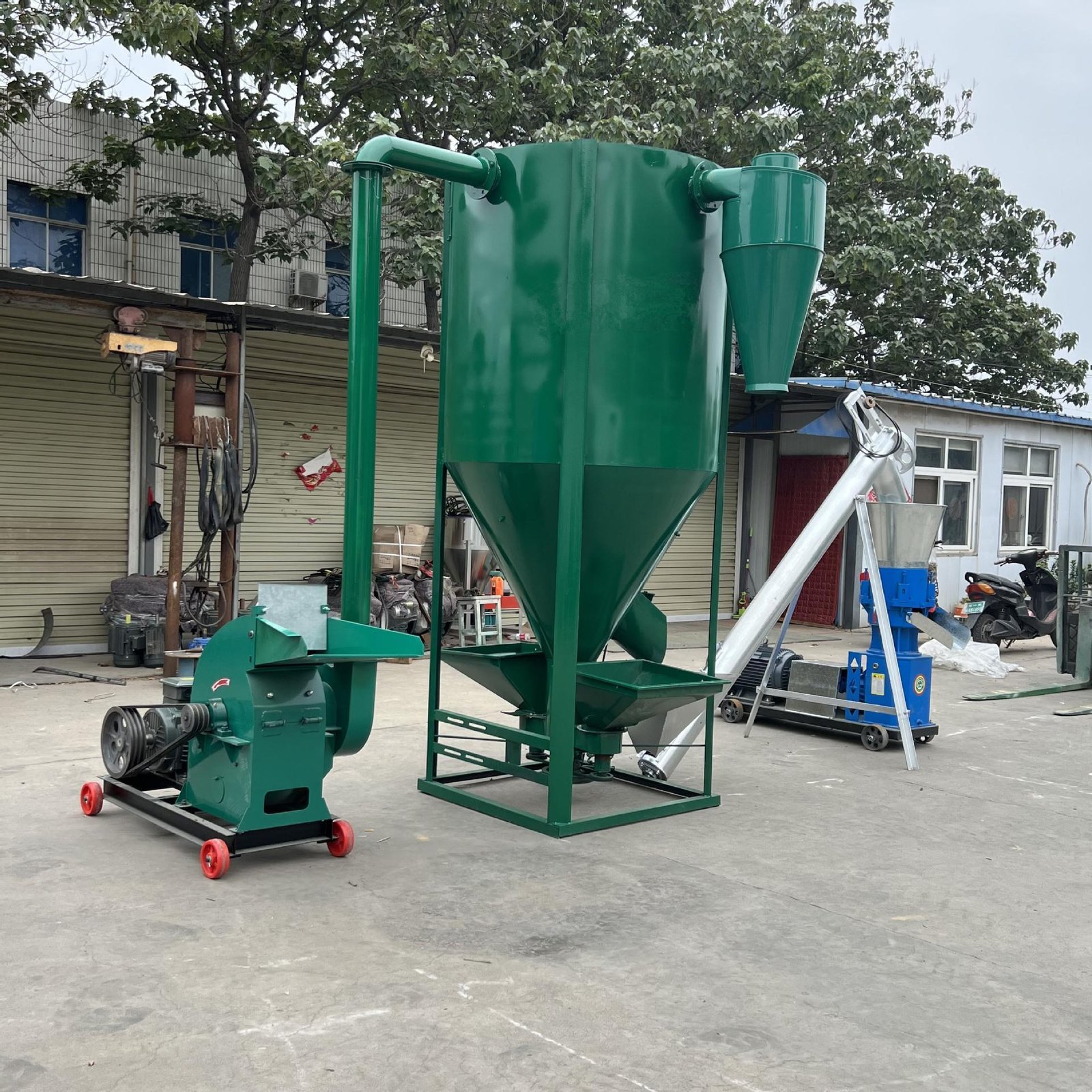
Feed Hammer Mill Crusher
Reduces corn, grains, and other raw materials into uniform powder. The feed pellet machine requires consistent particle size for optimal pellet formation. MAIKONG crushers feature replaceable screens and hardened hammers lasting 2000+ operating hours.
- Capacity: 500 kg/h - 10 tons/h
- Screen sizes: 2mm - 10mm
- Power: 7.5 kW - 90 kW
- Low noise operation under 75 dB
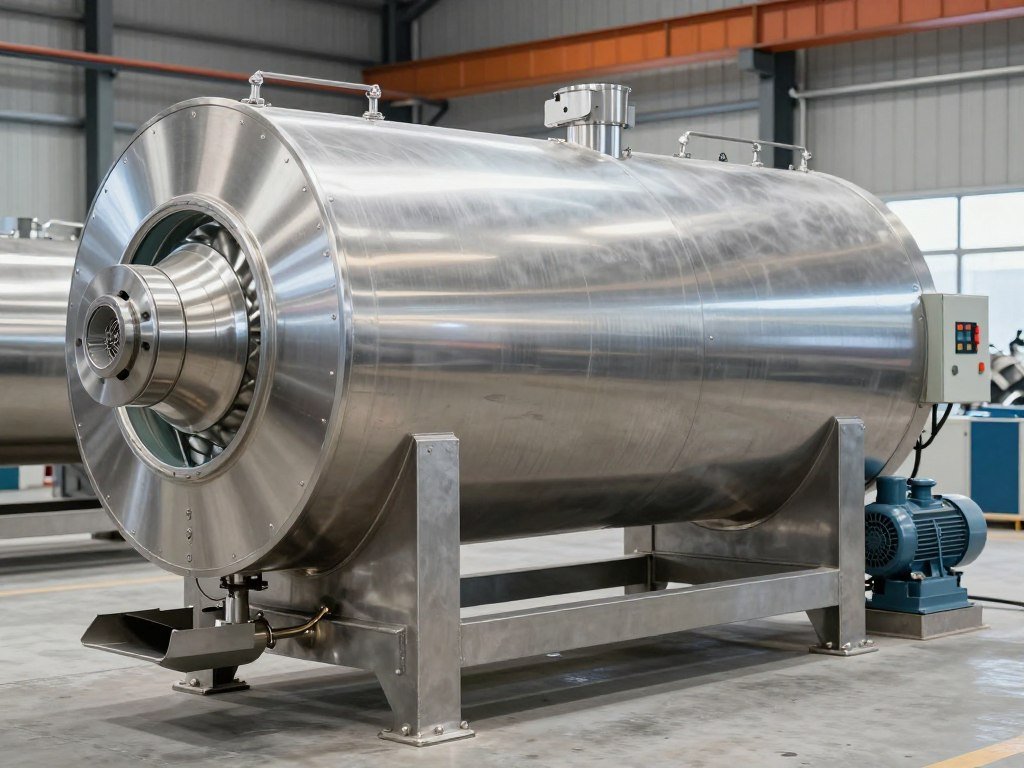
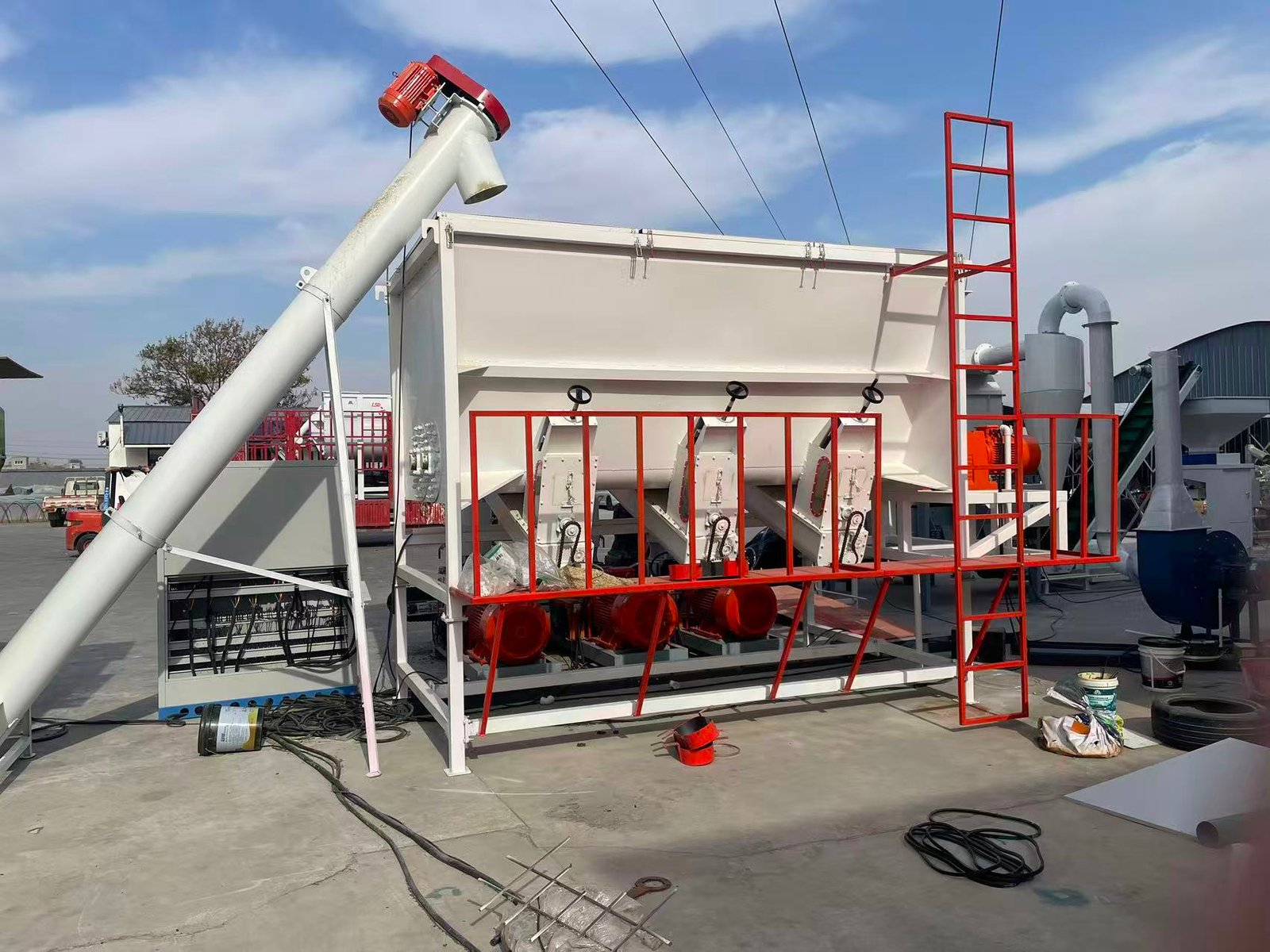
High-Efficiency Feed Mixer
Ensures uniform distribution of ingredients, vitamins, and minerals. Critical for consistent poultry feed pellet quality. Our mixers achieve 95%+ homogeneity in under 6 minutes, reducing batch time and energy costs.
- Batch sizes: 250 kg - 2000 kg
- Mixing time: 4-8 minutes
- Power: 4 kW - 55 kW
- Discharge system: Pneumatic or manual
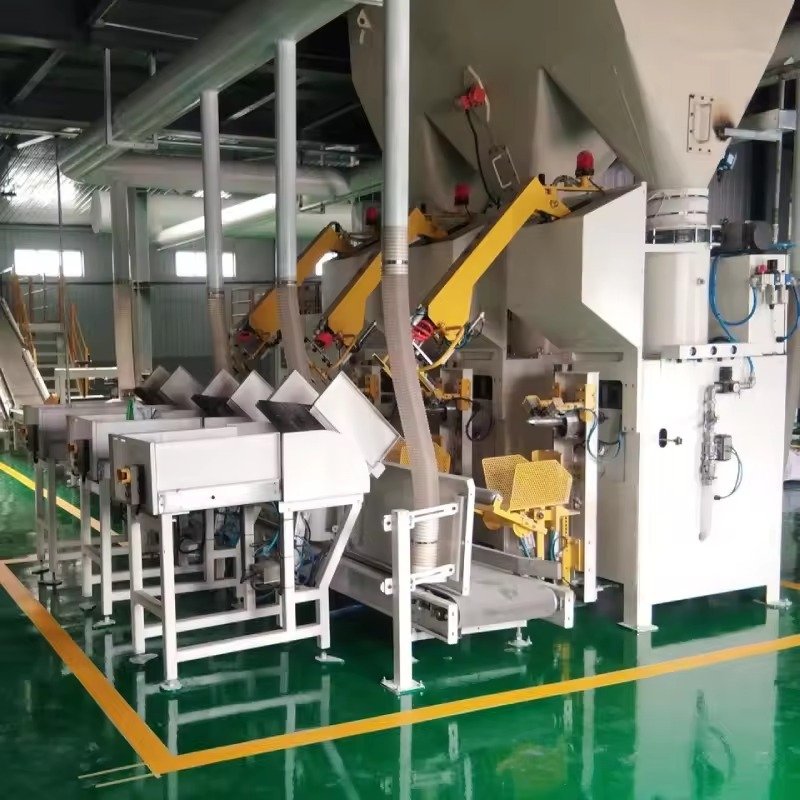
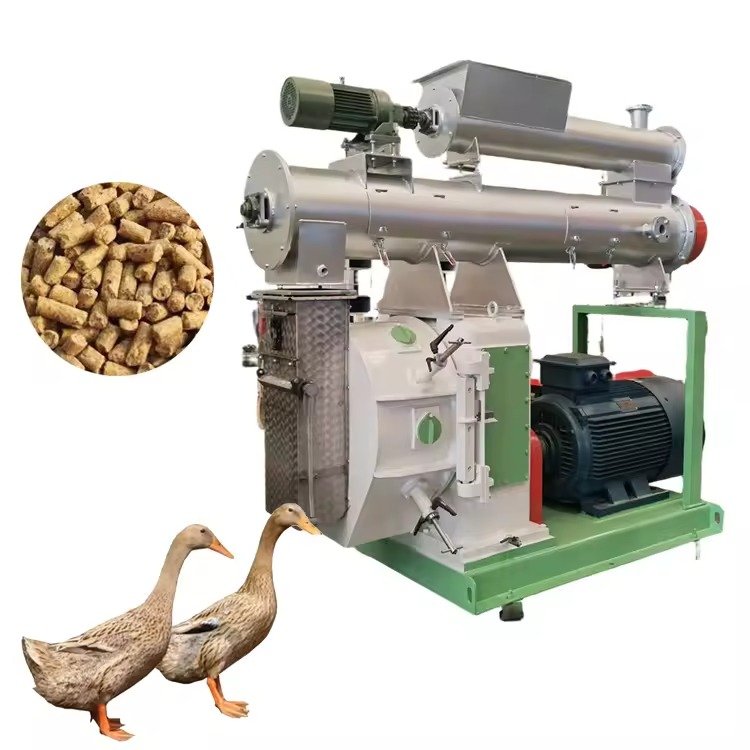
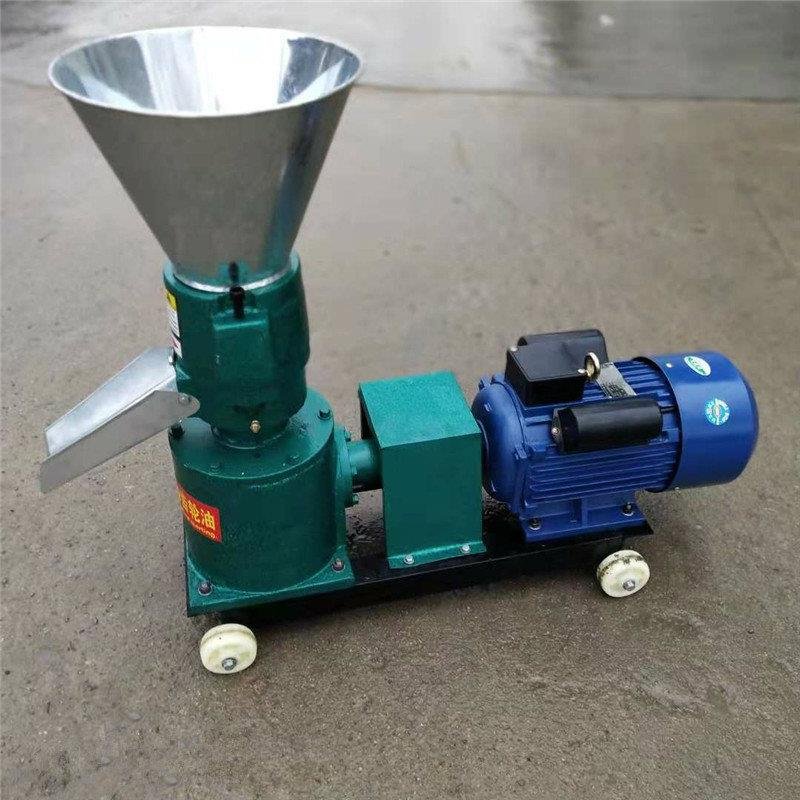
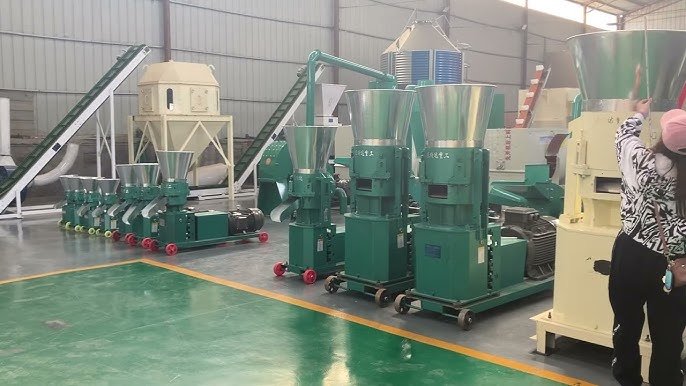
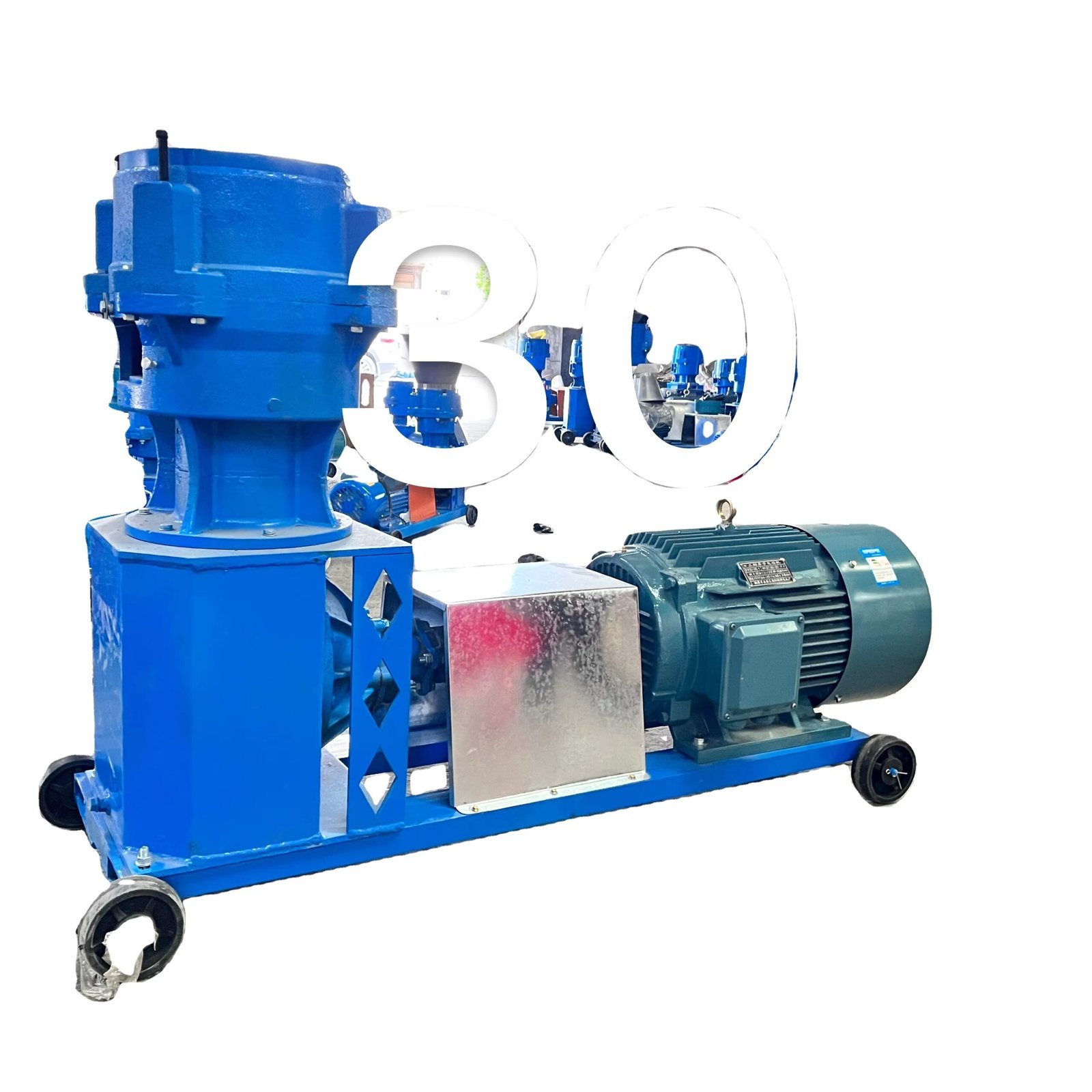
Ring Die Pellet Making Machine
The heart of any feed production line. Compresses mixed feed through heated dies to form dense, durable pellets. MAIKONG uses German-engineered roller systems and proprietary die steel for maximum output and longevity.
- Output: 1 ton/h - 42 tons/h
- Die diameter: 250mm - 858mm
- Power: 22 kW - 315 kW
- Pellet density: 600-700 kg/m³
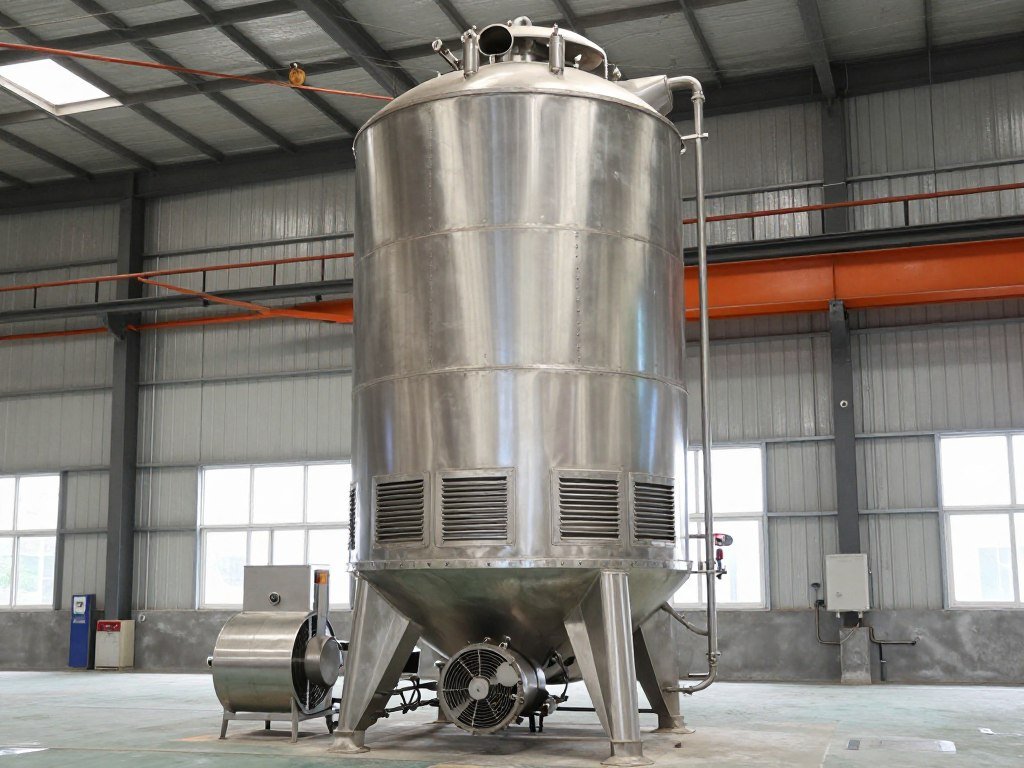
Counterflow Pellet Cooler
Fresh pellets exit the press at 75-85°C. Rapid cooling to ambient temperature prevents mold growth and extends shelf life. Our coolers reduce moisture content from 15% to 12% while preventing pellet cracking.
- Cooling capacity: 3 tons/h - 25 tons/h
- Cooling time: 8-12 minutes
- Final temperature: Ambient +3-5°C
- Air consumption: 1500-3500 m³/h
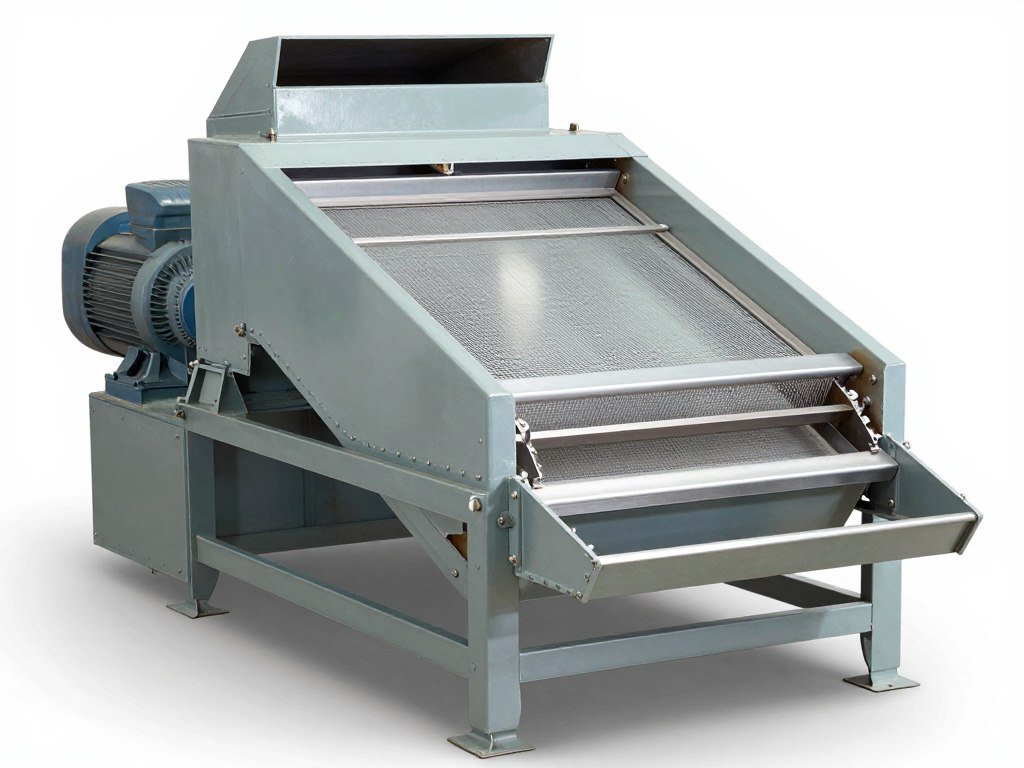
Vibrating Screen Classifier
Separates finished pellets from fines and oversized particles. Ensures consistent product size for different poultry ages. Fines return to the mixer for reprocessing, eliminating waste in your chicken feed production process.
- Screening capacity: 3 tons/h - 20 tons/h
- Screen layers: 1-3 decks
- Power: 1.5 kW - 5.5 kW
- Separation efficiency: 98%+
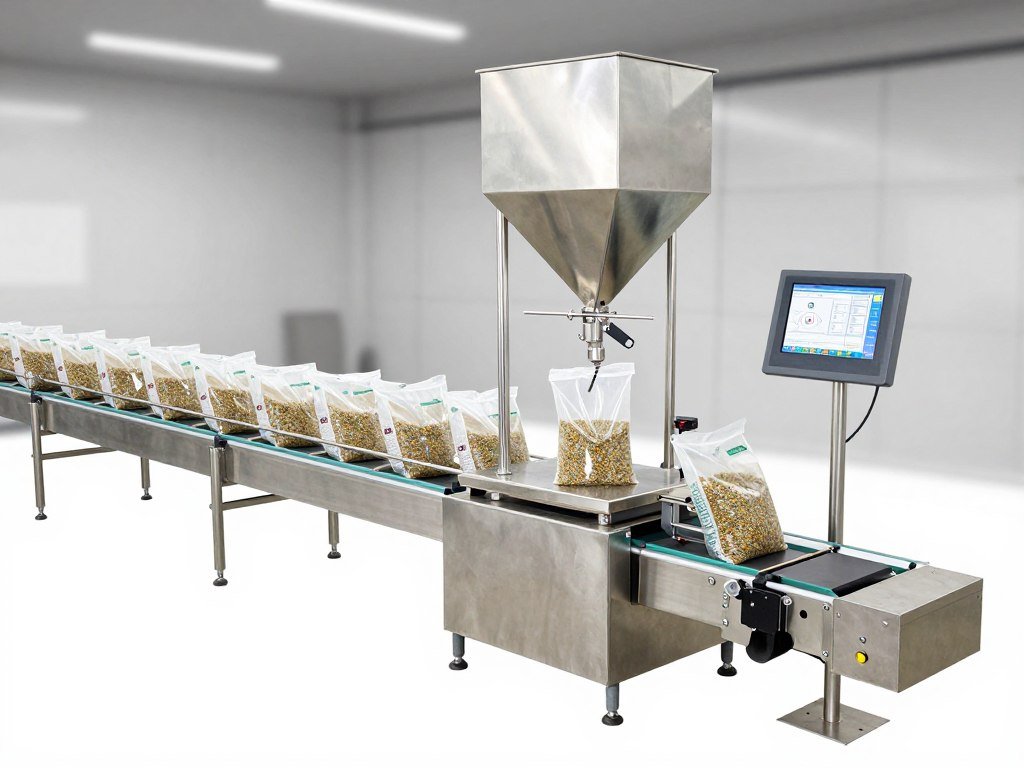
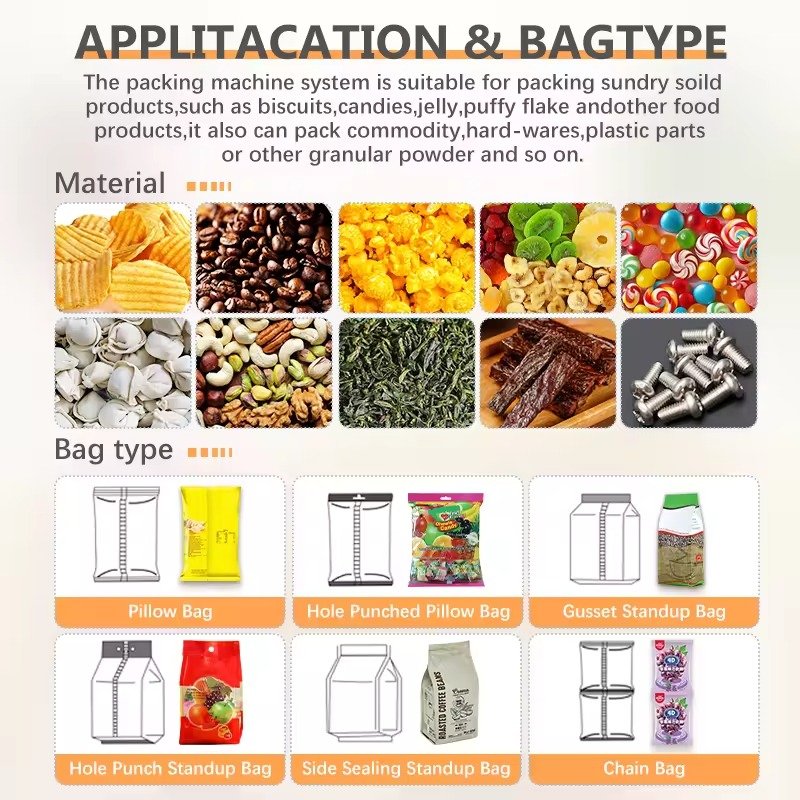
Automatic Packaging System
Precision weighing and bag filling accelerates distribution. Our systems handle 6-12 bags per minute with ±0.2% accuracy. Compatible with 10kg, 25kg, and 50kg bags standard in Philippine markets.
- Packing speed: 6-12 bags/minute
- Weighing accuracy: ±50-200 grams
- Power: 1.1 kW - 5 kW
- Bag size range: 10-50 kg
Essential Auxiliary Equipment
Material Handling Systems
- Bucket elevators for vertical transport
- Screw conveyors for horizontal movement
- Pneumatic conveying for dust-free transfer
- Automatic batching scales for precise ingredient dosing
- Storage silos with moisture control
Quality Control Components
- Permanent magnet separators remove metal contaminants
- Dust collection systems maintain clean air
- Temperature sensors prevent overheating
- Moisture meters ensure proper pellet formation
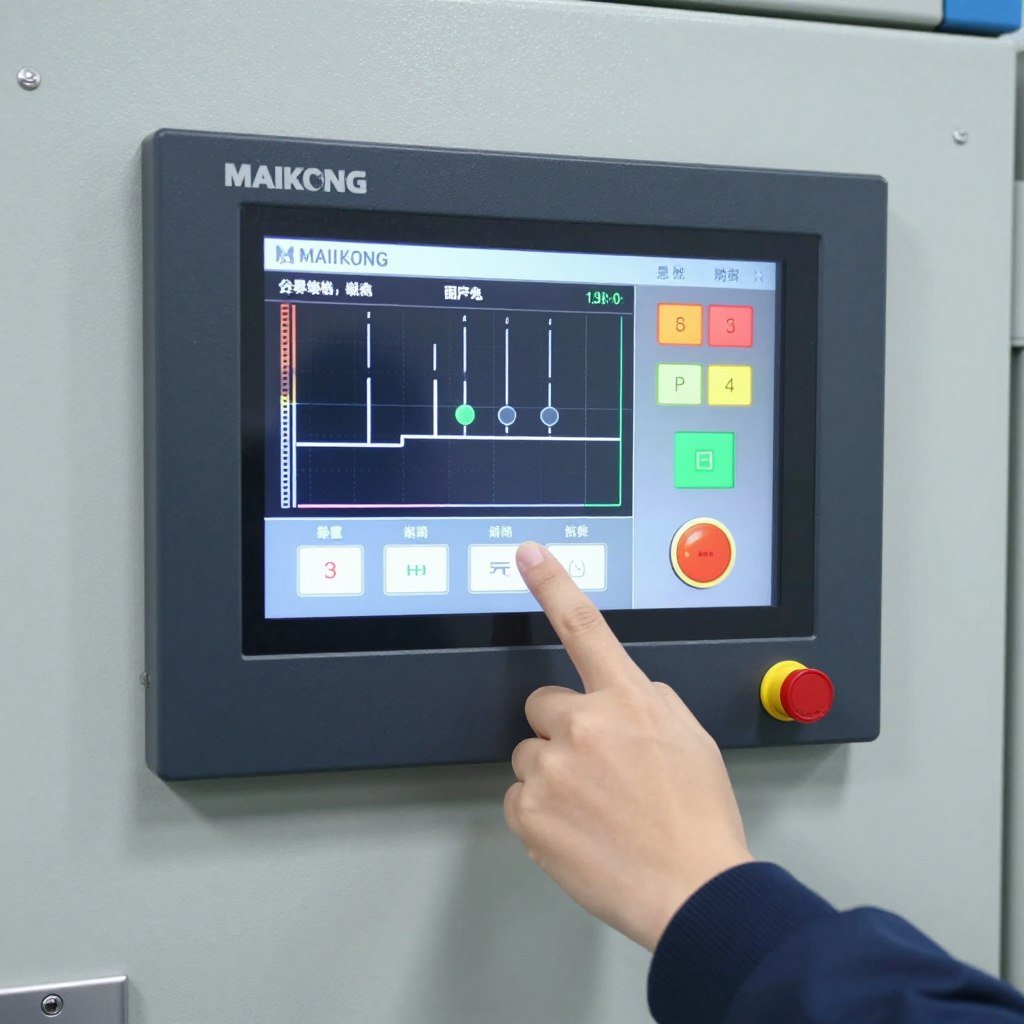
- PLC control systems for automated operation
Automation and Control
Modern poultry feed production lines rely on sophisticated control systems. MAIKONG equipment includes programmable logic controllers that manage the entire process. Operators monitor production rates, ingredient usage, and equipment status from a central panel. Automatic adjustments maintain consistent pellet quality despite variations in raw materials. Safety interlocks prevent equipment damage. If grain moisture exceeds parameters, the system pauses production and alerts operators. This automation reduces waste and protects your investment.Understanding the Poultry Feed Production Process
Transforming raw ingredients into nutritious pellets involves precise steps. Each stage affects final product quality and production costs.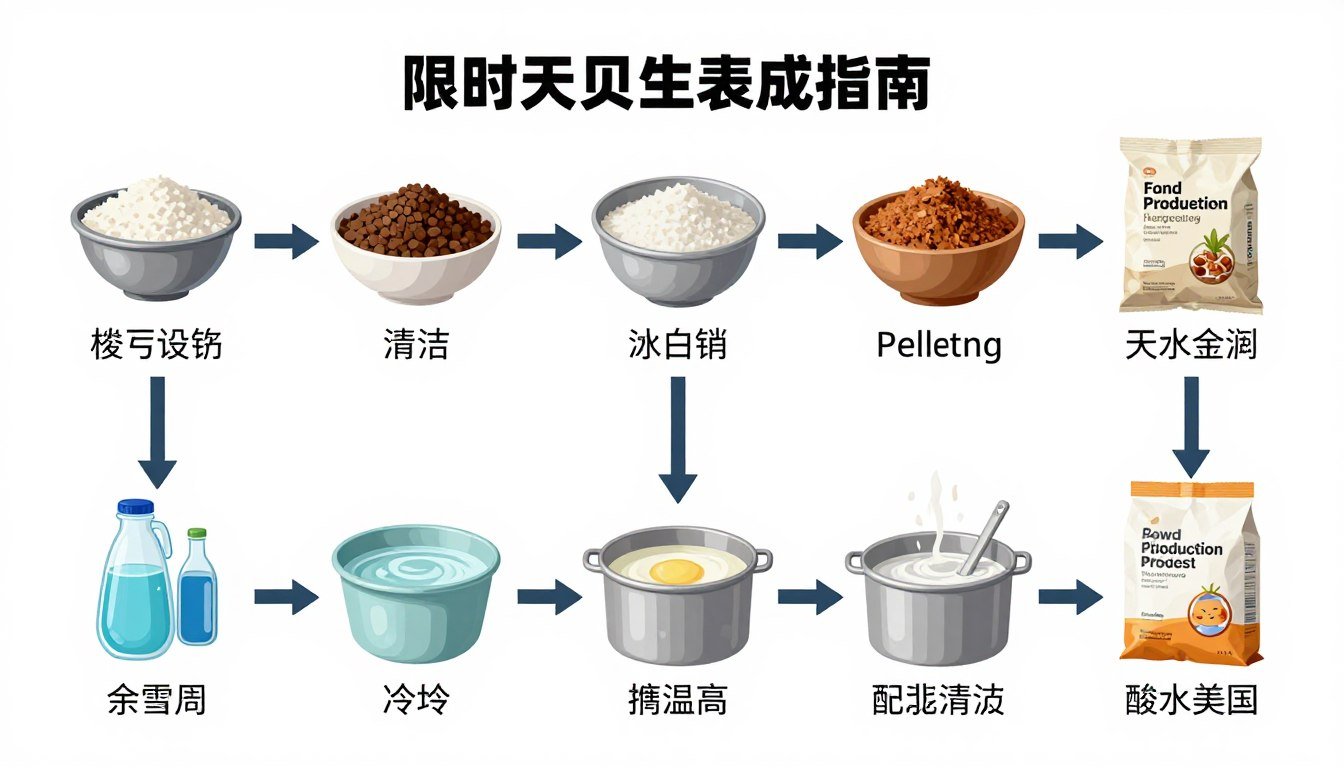
Raw Material Reception and Storage
Your feed production line begins with ingredient delivery. Corn, soybean meal, rice bran, and other components arrive in bulk trucks or bags. Proper storage prevents spoilage. Silos maintain dry conditions and protect against pests. Temperature monitoring systems alert you to moisture buildup that could trigger mold growth. Philippine humidity presents challenges. MAIKONG storage solutions include ventilation systems that keep ingredients in optimal condition even during rainy seasons.Pre-Cleaning and Impurity Removal
Before processing, raw materials pass through cleaning equipment. Vibrating screens remove stones, dirt, and debris. Magnetic separators extract any metal fragments. This step prevents damage to downstream equipment. A single stone entering the crusher can shatter hammers worth thousands of pesos. Pre-cleaning is essential equipment protection.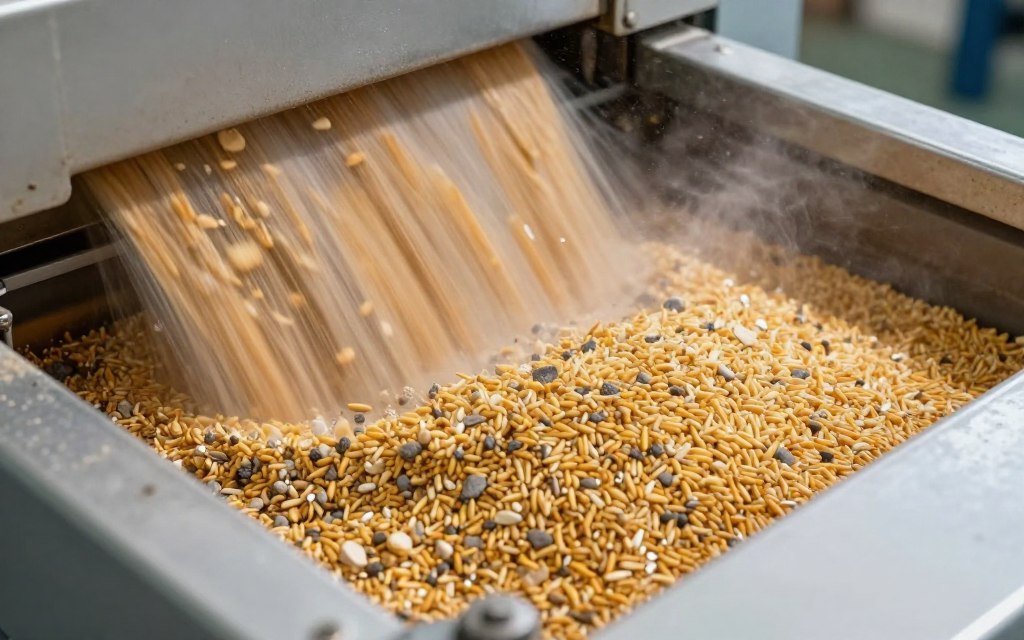
Crushing and Grinding
The hammer mill reduces ingredients to powder. Particle size directly affects pellet quality. Too coarse, and pellets crumble. Too fine, and the pellet making machine clogs. MAIKONG crushers use interchangeable screens. For starter feed requiring small pellets, install a 2mm screen. Growing birds need larger pellets made from 4-6mm ground meal. Grinding consumes significant energy. Our high-efficiency motors and optimized hammer designs reduce power consumption by 30% compared to older technology.Precise Batching and Mixing
Computer-controlled scales measure each ingredient according to your formulation. A typical chicken feed production recipe might include:- Corn: 50-60%
- Soybean meal: 20-25%
- Rice bran or wheat bran: 8-12%
- Fish meal: 3-5%
- Limestone: 1-2%
- Vitamin-mineral premix: 0.5-1%
- Salt and other additives: 0.3-0.5%
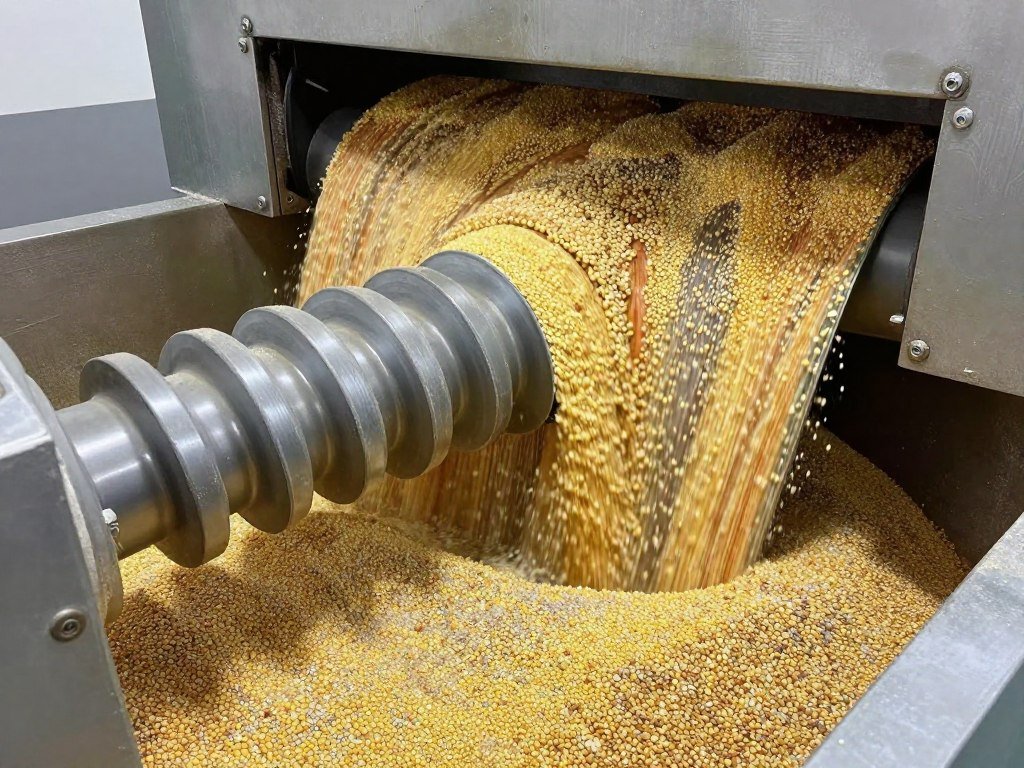
Conditioning with Steam
Before pelleting, the mixed feed enters a conditioner. Steam injection serves multiple purposes in your poultry feed production line. Heat gelatinizes starches, improving digestibility. Moisture softens particles for easier compression. Steam also reduces bacteria count, creating safer feed. Conditioning temperature typically reaches 65-85°C. Duration lasts 30-60 seconds. These parameters vary based on ingredients and desired pellet characteristics.Pellet Formation
The conditioned mash flows into the pellet making machine. Rollers press material through die holes. Friction generates additional heat, reaching 75-90°C. As feed exits the die, a cutting knife slices pellets to length. Die hole diameter determines pellet size. Chick starter uses 2-3mm. Adult layers need 4-5mm. Breeding stock receives 6-8mm pellets. Die lifespan depends on abrasiveness of ingredients. Philippine corn is relatively gentle on dies. You can expect 800-1200 hours of operation before replacement.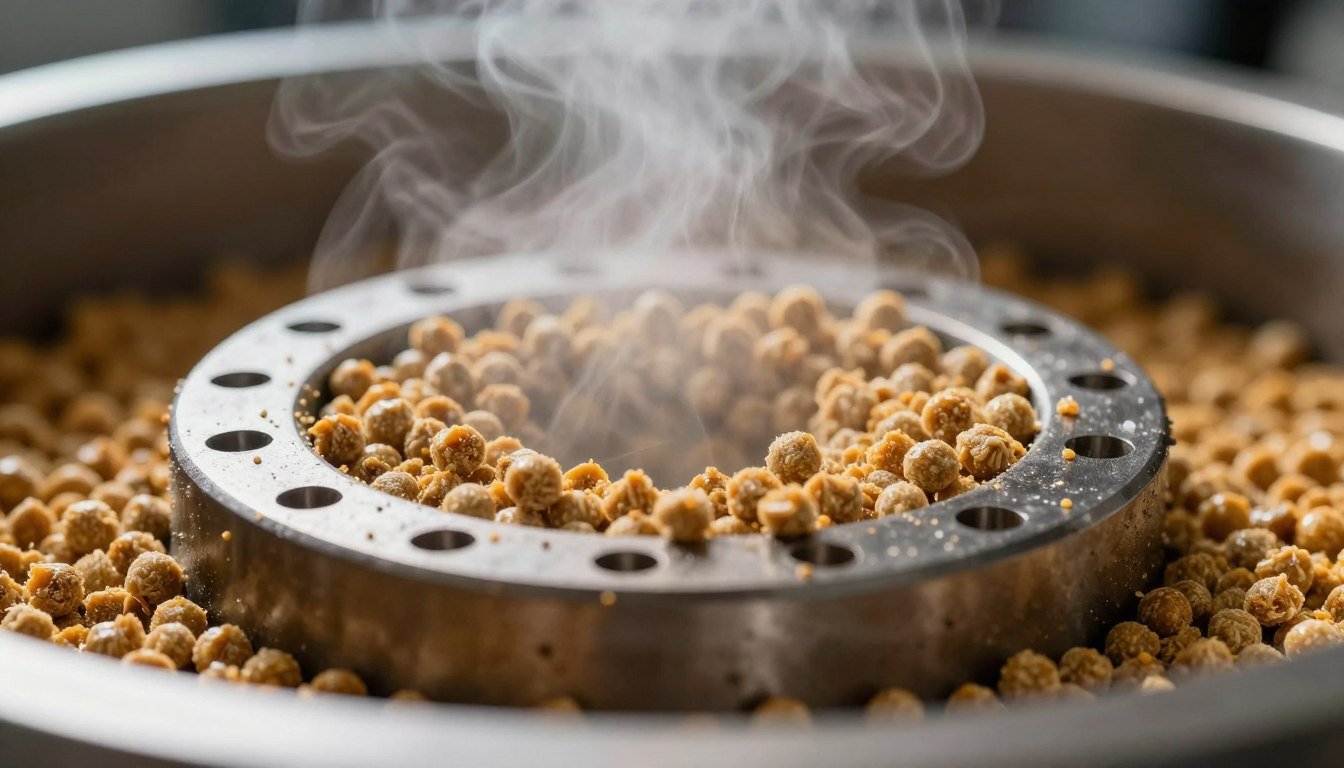
Cooling for Stability
Hot pellets contain 14-16% moisture and are fragile. The cooler reduces temperature to within 5°C of ambient and moisture to 12-13%. Counterflow design maximizes efficiency. Cool air enters the bottom while hot pellets descend. This gentle process prevents thermal shock that cracks pellets. Proper cooling extends shelf life from weeks to months. In Philippine heat, uncooled pellets would mold within days.Screening and Quality Control
The vibrating screen separates acceptable pellets from fines (broken pieces) and dust. Fines typically represent 3-8% of output. Rather than waste, these return to the mixer. The next batch incorporates them, eliminating loss. This closed-loop approach is standard in efficient feed pellet production line operations.Final Packaging
Finished pellets flow to the packaging system. Electronic scales weigh predetermined quantities. Bags fill, seal, and transfer to pallets. Proper packaging prevents moisture absorption and pest infestation during storage. Most Philippine poultry farms prefer 50kg bags for easy handling.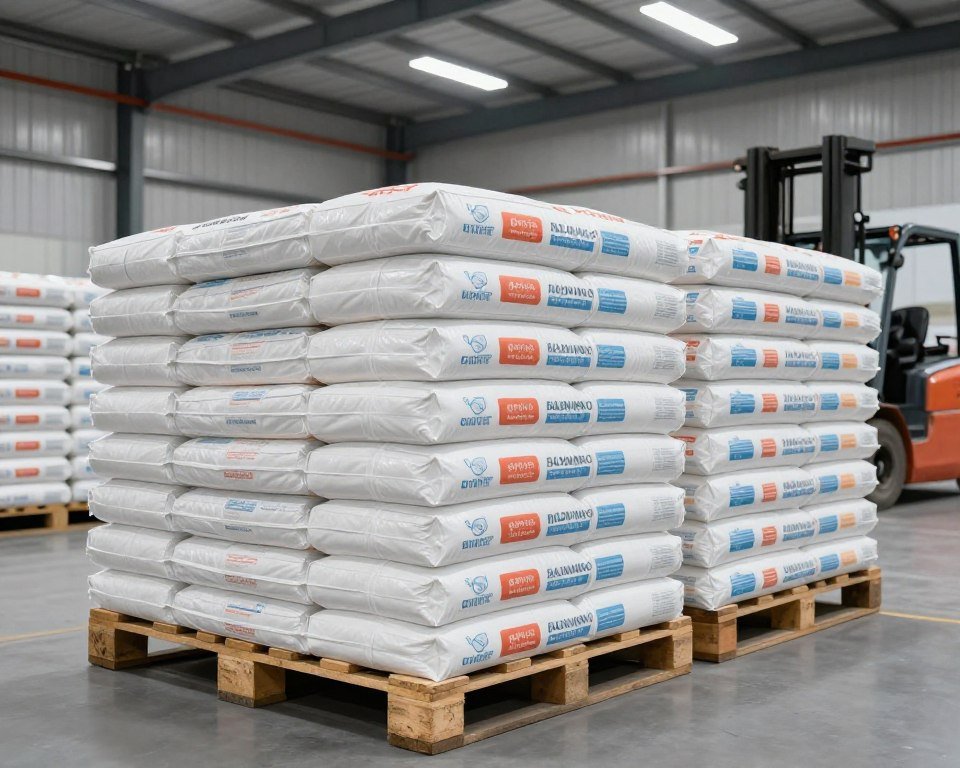
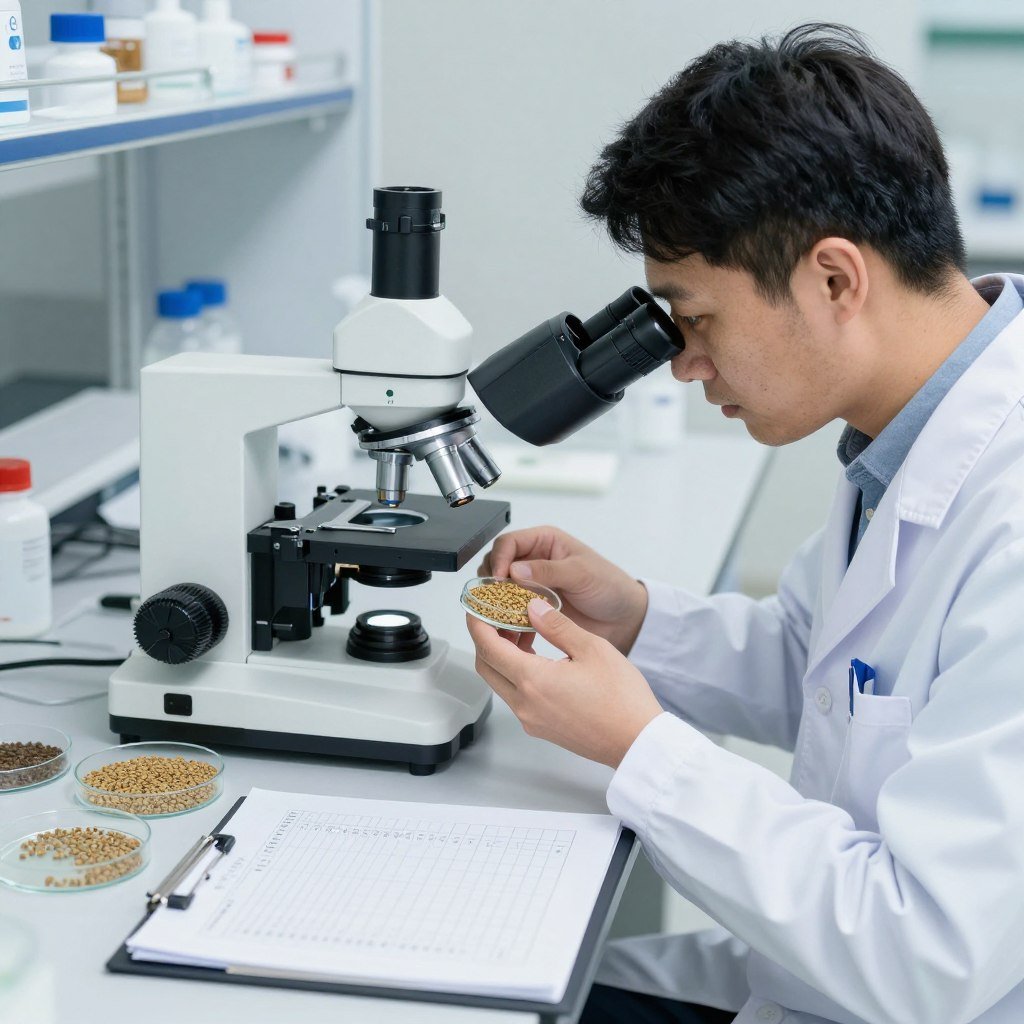
Quality Monitoring Throughout Production
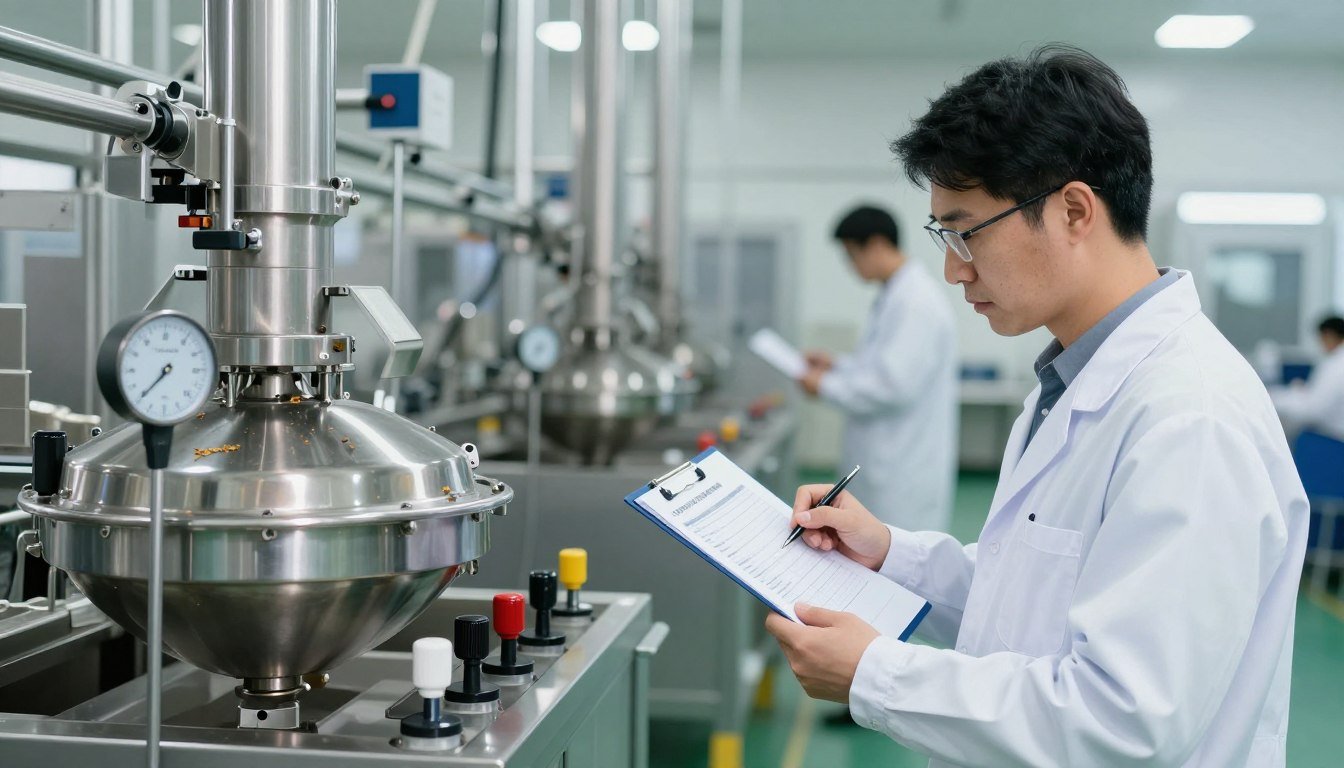
Professional operations test samples at multiple points. Check particle size after grinding. Verify mixing uniformity before pelleting. Measure pellet durability index after cooling. MAIKONG provides training on these quality control procedures. Consistent testing prevents problems before they affect your flock's performance. Simple tests require minimal equipment. A pellet durability tester costs less than one ton of wasted feed. The investment pays for itself quickly.Not Sure Which Capacity Suits Your Operation?
Our engineers have designed poultry feed production lines for operations from small 500-bird farms to commercial facilities processing 200 tons daily. Get expert guidance on selecting the right equipment configuration for your specific needs.
Customizable Poultry Feed Production Line Configurations
No two farming operations have identical requirements. MAIKONG designs systems matching your specific situation rather than forcing you into standard packages.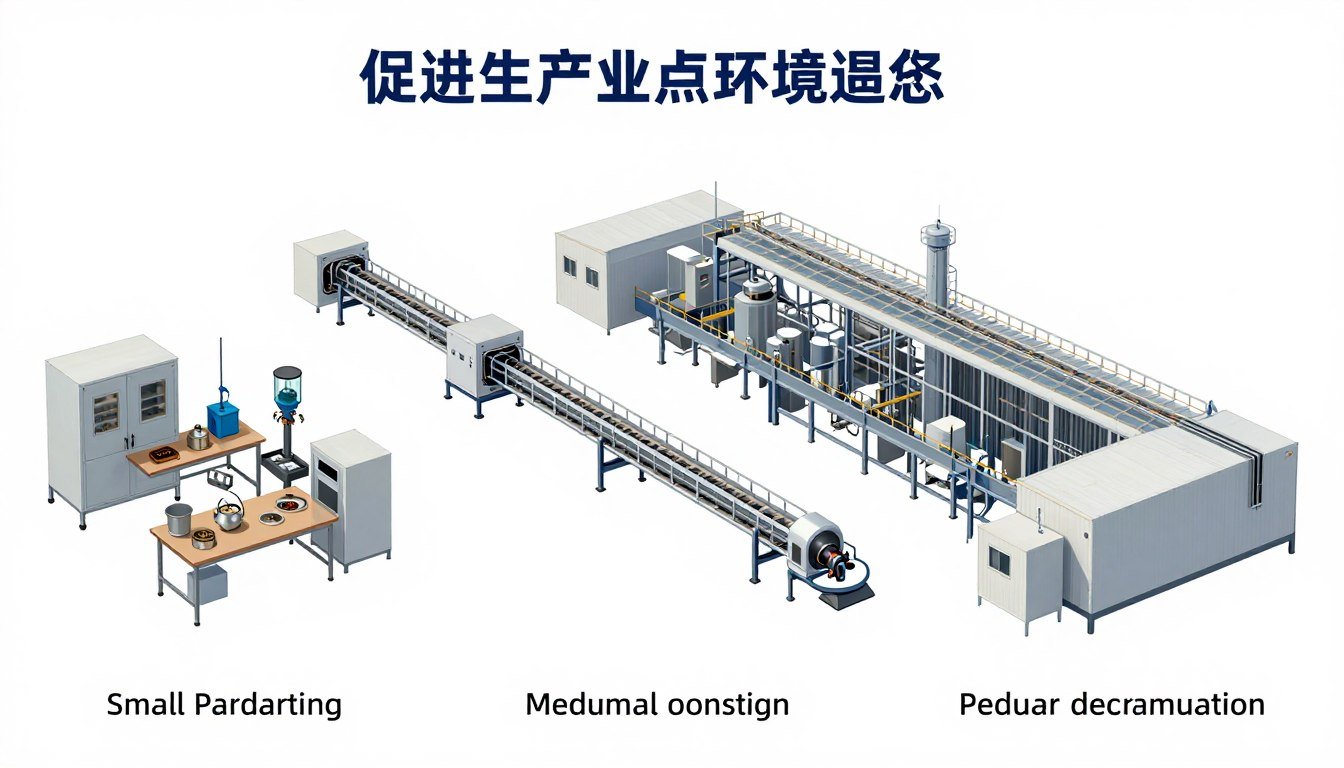
Capacity Range Options
Production capacity represents the most crucial specification. Calculate your needs based on flock size and consumption rates.| Farm Size | Daily Feed Requirement | Recommended Line Capacity | Typical Configuration |
| 1,000 - 5,000 birds | 120 - 600 kg/day | 200 - 500 kg/hour | Small-scale, manual batching |
| 5,000 - 20,000 birds | 600 - 2,400 kg/day | 500 kg - 2 tons/hour | Semi-automated, basic controls |
| 20,000 - 50,000 birds | 2.4 - 6 tons/day | 2 - 5 tons/hour | Fully automated, PLC controls |
| 50,000 - 200,000 birds | 6 - 24 tons/day | 5 - 15 tons/hour | Commercial scale, computerized |
| 200,000+ birds or feed mill | 24+ tons/day | 15 - 200 tons/hour | Industrial, fully integrated |
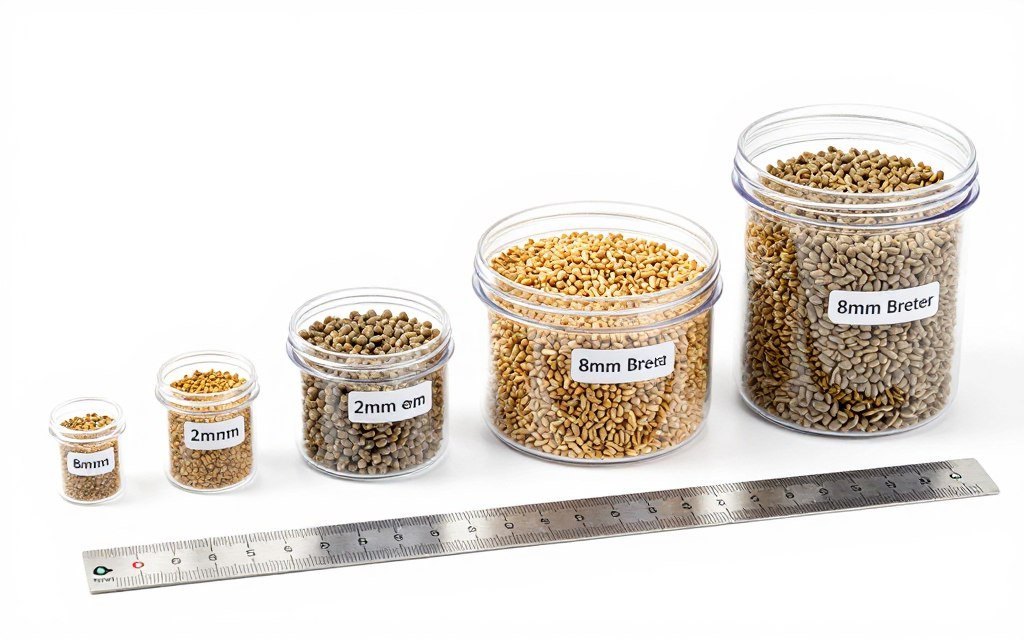
Pellet Size Customization
Different poultry types and growth stages require specific pellet sizes. Your poultry feed production line should accommodate this variation.Chick Starter (0-4 weeks)
- Pellet diameter: 2.0 - 2.5 mm
- Length: 3 - 5 mm
- Crumble option available
- Higher protein content
- Requires finer grinding
Grower Feed (4-16 weeks)
- Pellet diameter: 3.0 - 4.0 mm
- Length: 5 - 8 mm
- Standard pellet form
- Balanced nutrition
- Medium grinding requirement
Layer/Finisher (16+ weeks)
- Pellet diameter: 4.0 - 5.0 mm
- Length: 8 - 12 mm
- Dense, durable pellets
- Calcium fortified for layers
- Optimized for egg production
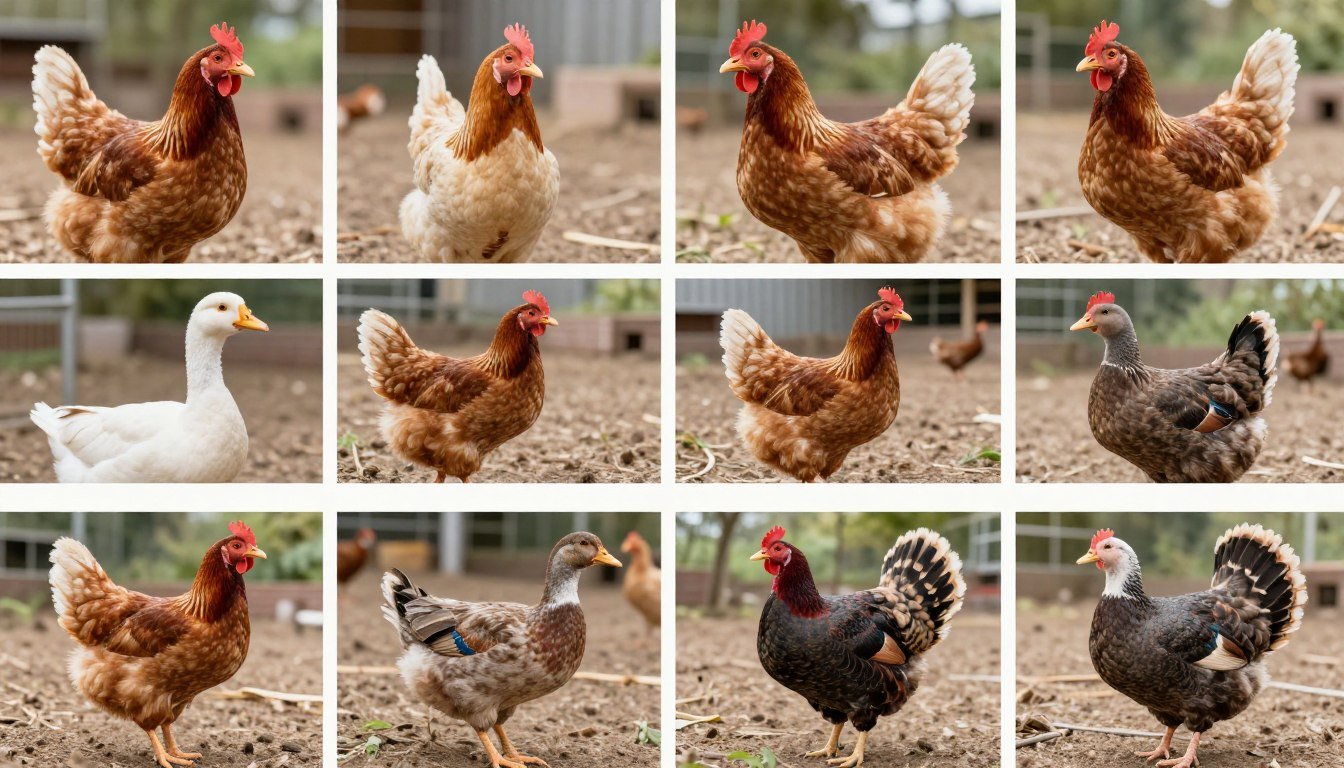
Feed Type Versatility
Beyond chickens, your equipment can produce feed for other poultry species. Minor formulation adjustments accommodate ducks, geese, quails, turkeys, and game birds.- Duck feed requires higher niacin levels and coarser texture
- Goose feed incorporates more roughage and green feed components
- Quail feed uses ultra-small 1.5-2.0mm pellets with specialized protein ratios
- Turkey feed needs larger 6-8mm pellets for rapid growth requirements
- Game bird feed varies by species but typically uses 3-4mm pellets
Voltage and Power Configuration
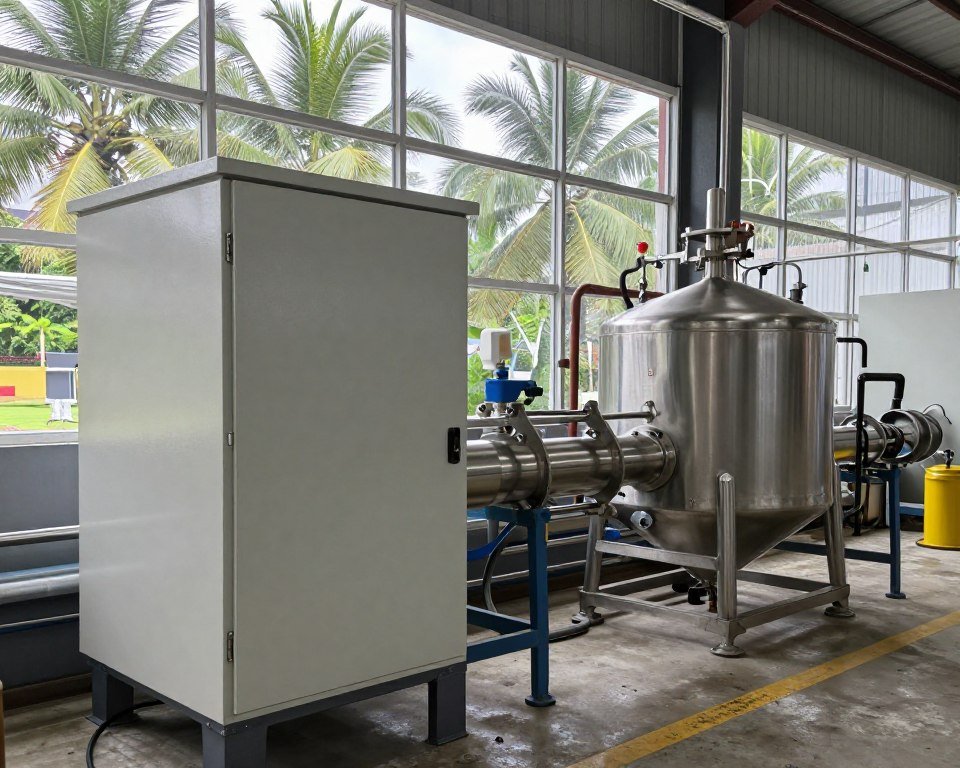
Philippine electrical infrastructure varies by region. MAIKONG configures equipment for your specific power supply.Standard Philippine Power Options
- 220V single-phase for small systems (under 5 HP)
- 220V three-phase for medium systems (5-25 HP)
- 440V three-phase for large installations (25+ HP)
- Generator-compatible designs for off-grid farms
- Voltage stabilizers for areas with fluctuating power
Energy Efficiency Features
- High-efficiency IE3 motors reduce consumption
- Variable frequency drives optimize motor speeds
- Power factor correction reduces utility charges
- Automated shutdown during idle periods
- LED lighting throughout the system
Climate-Specific Adaptations
Philippine tropical conditions demand special considerations in feed production line design.- Moisture-resistant electrical components prevent corrosion in humid environments
- Enhanced cooling capacity compensates for high ambient temperatures
- Sealed bearing assemblies exclude dust and moisture
- Stainless steel construction in critical areas resists tropical deterioration
- Oversized dust collection prevents buildup in ventilation systems
- Insulated control cabinets maintain electronics in air-conditioned environment
OEM and ODM Customization Services
MAIKONG offers complete white-label manufacturing for distributors and larger operations developing their own brands. OEM (Original Equipment Manufacturer) services include your branding on standard MAIKONG designs. We apply your company name, logos, and colors to equipment. This option suits dealers establishing market presence without engineering overhead. ODM (Original Design Manufacturer) services create custom solutions from scratch. Specify unique requirements. Our engineers design equipment meeting those exact specifications. This suits large operations with specialized needs not met by standard products.Standard Equipment Purchase
- MAIKONG branding and specifications
- Proven designs with 22 years refinement
- Fastest delivery (4-6 weeks)
- Comprehensive warranty coverage
- Standard training and support
- Best value for most buyers
OEM Custom Branding Popular Choice
- Your brand name and logo on equipment
- Custom color schemes available
- Modified packaging and documentation
- Supports dealer market development
- Minimum order quantities apply
- 8-10 week delivery typical
ODM Full Customization
- Complete custom engineering
- Unique specifications and features
- Proprietary designs owned by you
- Ideal for large-scale operations
- Higher investment requirement
- 12-16 week development timeline
Custom Feed Production Solutions for Your Brand
Whether you need equipment branded for your dealership or completely custom-engineered systems, MAIKONG's OEM/ODM services deliver professional solutions. Our team works directly with you from initial concept through production and delivery.
MAIKONG Poultry Feed Production Line Success Stories Worldwide
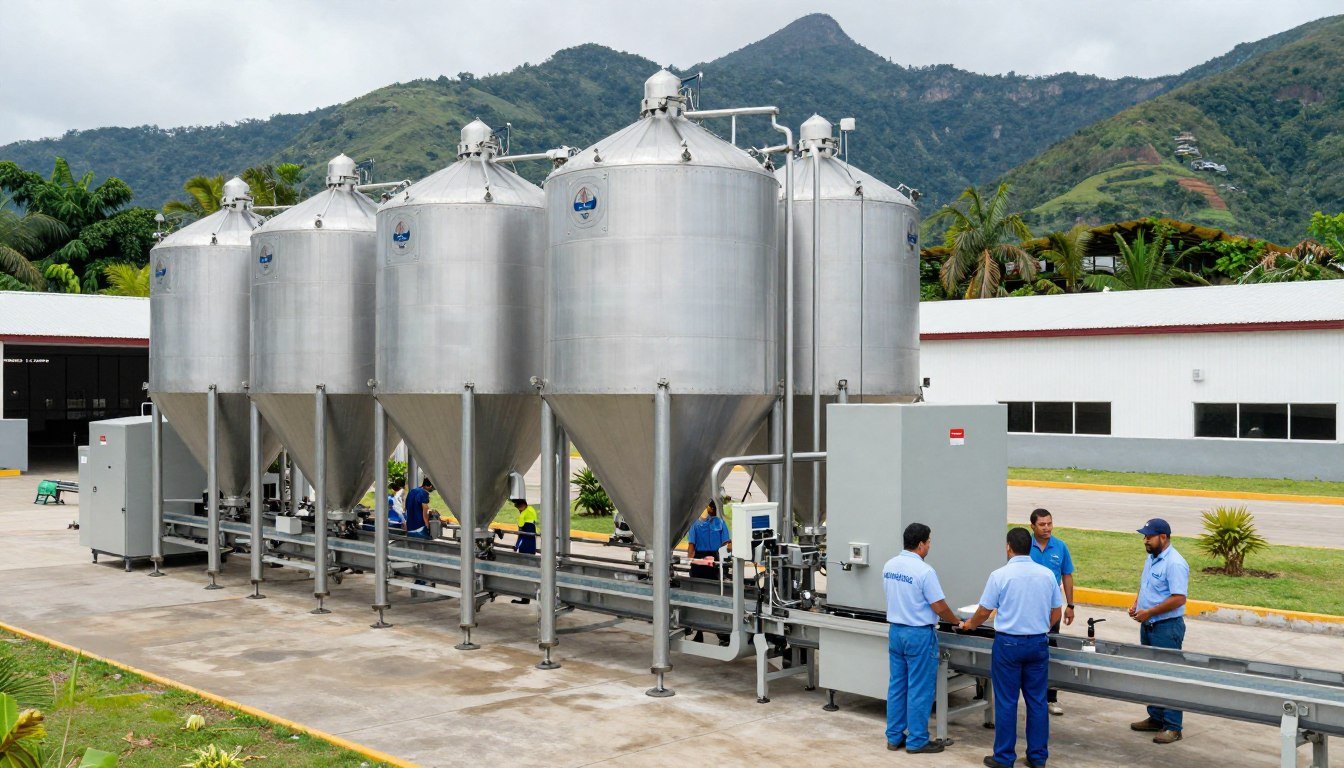
Over 130 countries host MAIKONG installations. These real projects demonstrate equipment performance across diverse conditions and applications.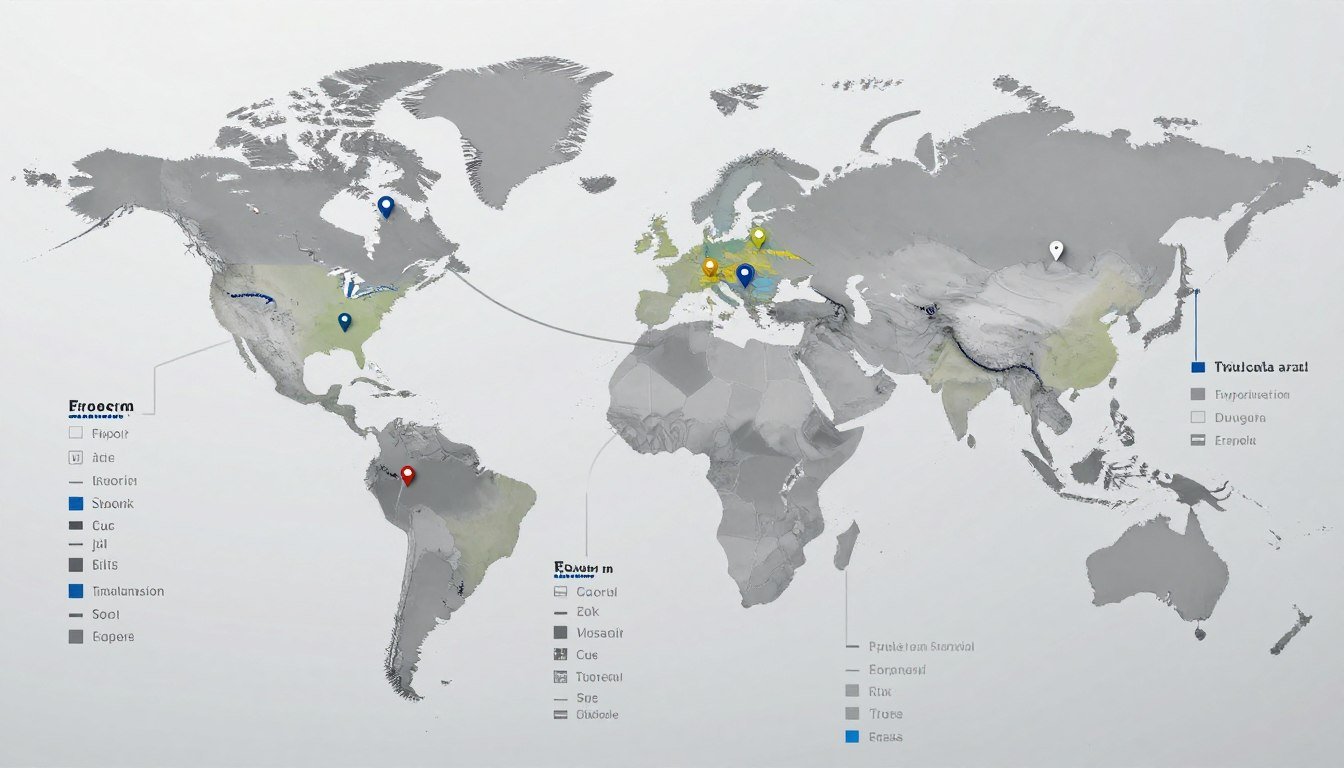
Asian Market Installations
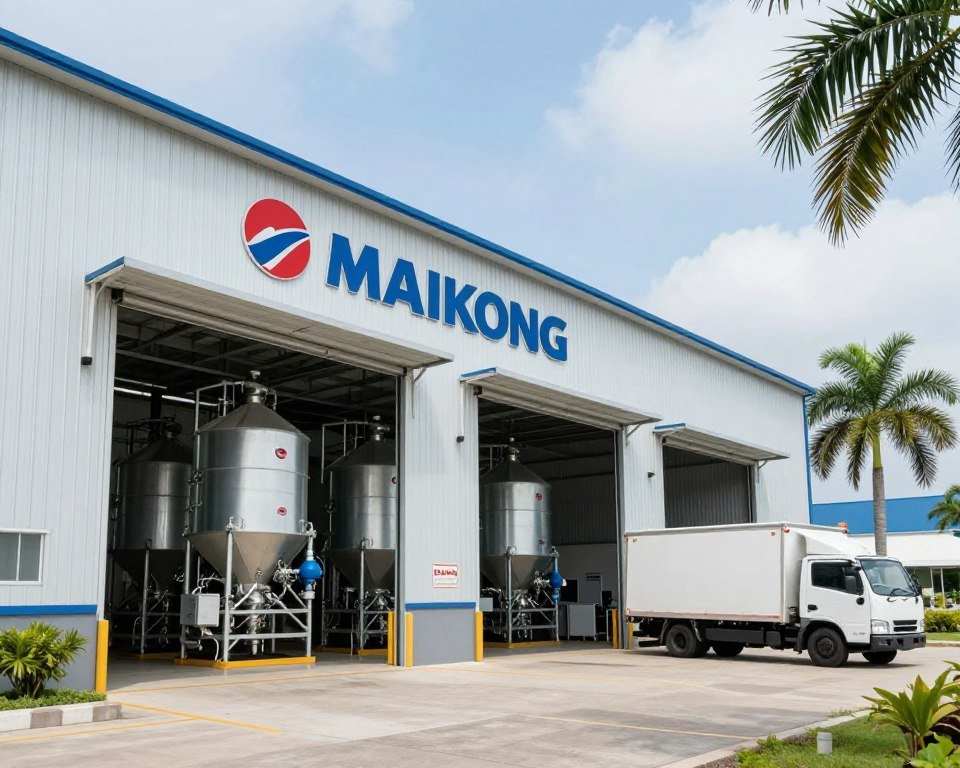
Malaysia - 5 Ton/Hour Commercial Feed Mill
A Kuala Lumpur-based cooperative installed a complete 5-ton-per-hour line serving 15 member farms totaling 200,000 layers. The system produces both pellets and crumbles for different age groups.
- Capacity: 5 tons/hour
- Products: Layer mash, grower pellets, starter crumbles
- Investment ROI: 18 months
- Operational since: 2021
"Feed costs dropped 35% compared to purchasing commercial products. The MAIKONG system paid for itself in under two years through savings and selling excess production to neighboring farms."
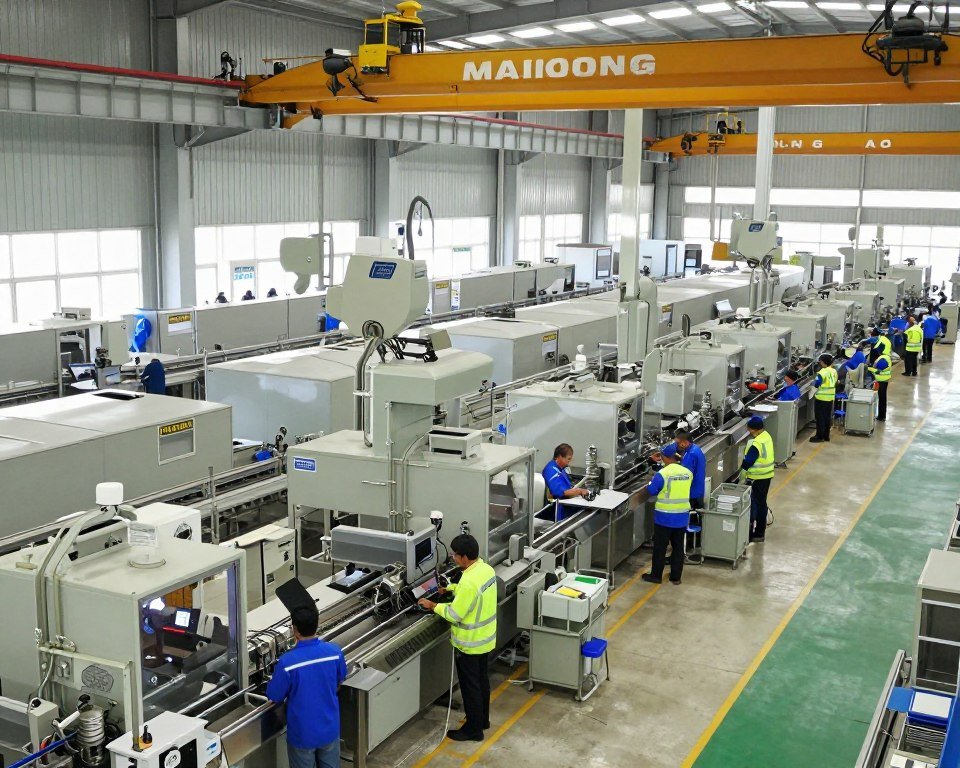
Thailand - 15 Ton/Hour Integrated Poultry Complex
One of Thailand's largest broiler producers operates three MAIKONG lines producing feed for 500,000 birds across multiple grow-out houses in Chonburi province.
- Capacity: 15 tons/hour per line (45 tons total)
- Products: Broiler starter, grower, finisher
- Daily output: 360 tons
- Operational since: 2019
"Reliability is critical at our scale. MAIKONG equipment runs 22 hours daily with minimal downtime. Parts availability and technical support have been excellent throughout Southeast Asia."
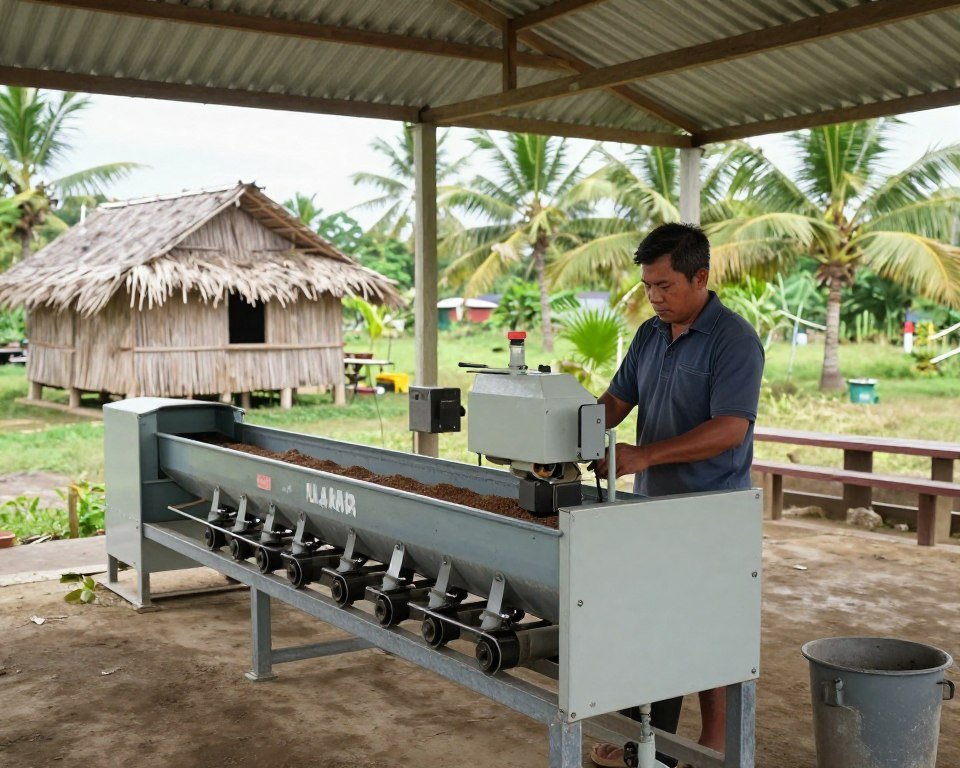
Philippines - 800 kg/Hour Farm-Scale System
A Bulacan egg producer with 8,000 layers installed a compact system eliminating dependence on commercial feed suppliers. Production flexibility allows seasonal formula adjustments.
- Capacity: 800 kg/hour
- Products: Layer pellets, custom formulations
- Operates: 4 hours daily, 5 days weekly
- Operational since: 2022
"I control exactly what goes into my birds' feed now. Egg production increased 8% after switching to our own formulation. The MAIKONG team provided excellent installation training."
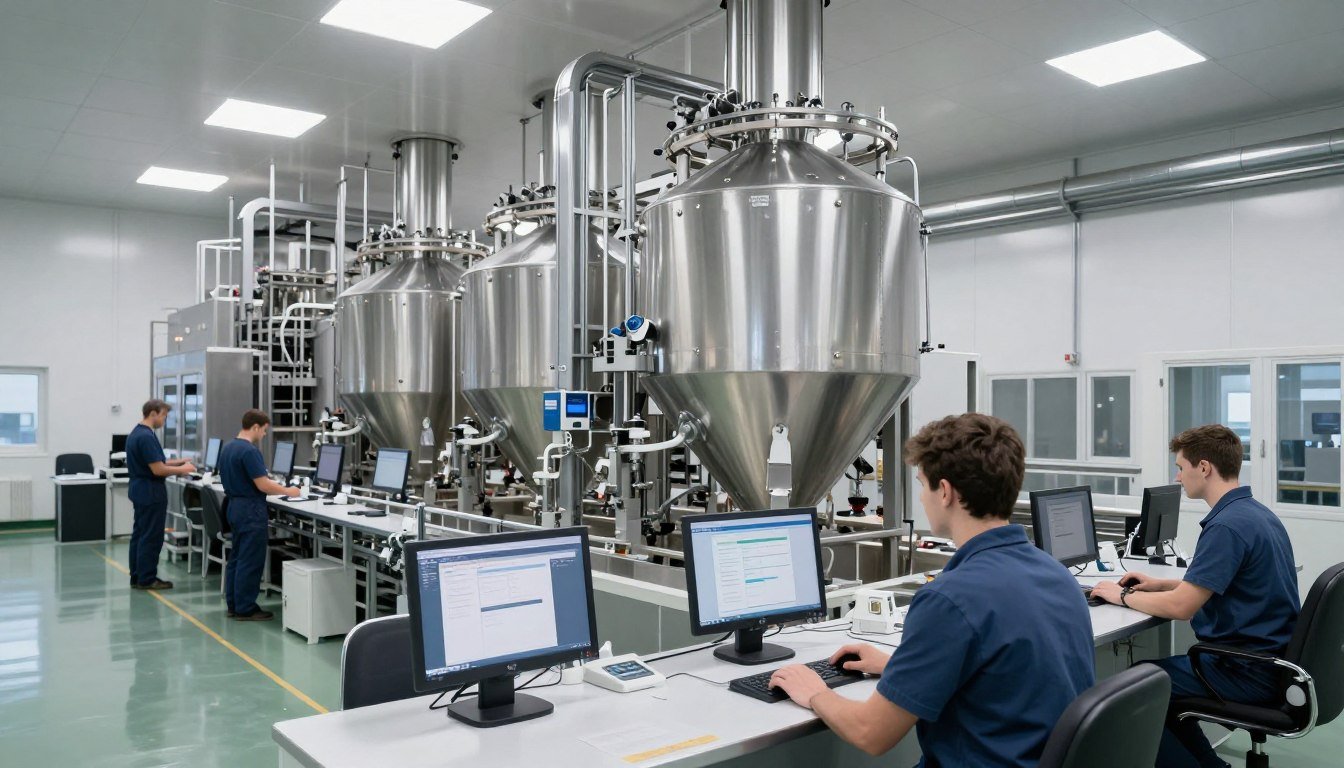
European Precision Agriculture Projects
European customers prioritize automation, energy efficiency, and environmental compliance. MAIKONG systems meet stringent EU standards while delivering performance.Germany - Organic Poultry Feed Specialist
A certified organic producer near Munich operates a 3-ton-per-hour line exclusively processing organic grains. Special cleaning protocols prevent cross-contamination. Automated traceability systems track every ingredient batch through production. This documentation satisfies organic certification requirements. Energy recovery systems capture waste heat from pelleting. This preheats incoming grain, reducing overall energy consumption by 22%.Netherlands - Research Institution
Wageningen University operates a flexible 500kg/hour MAIKONG system for nutritional research. Quick changeover capability allows testing multiple formulations daily. Precise ingredient dosing enables experiments with novel protein sources including insect meal and algae supplements. Data logging integration provides detailed production metrics supporting academic research publication.African Agricultural Development Initiatives
Feed production infrastructure supports livestock sector growth across Africa. MAIKONG equipment operates in challenging conditions from Saharan heat to tropical rainforests.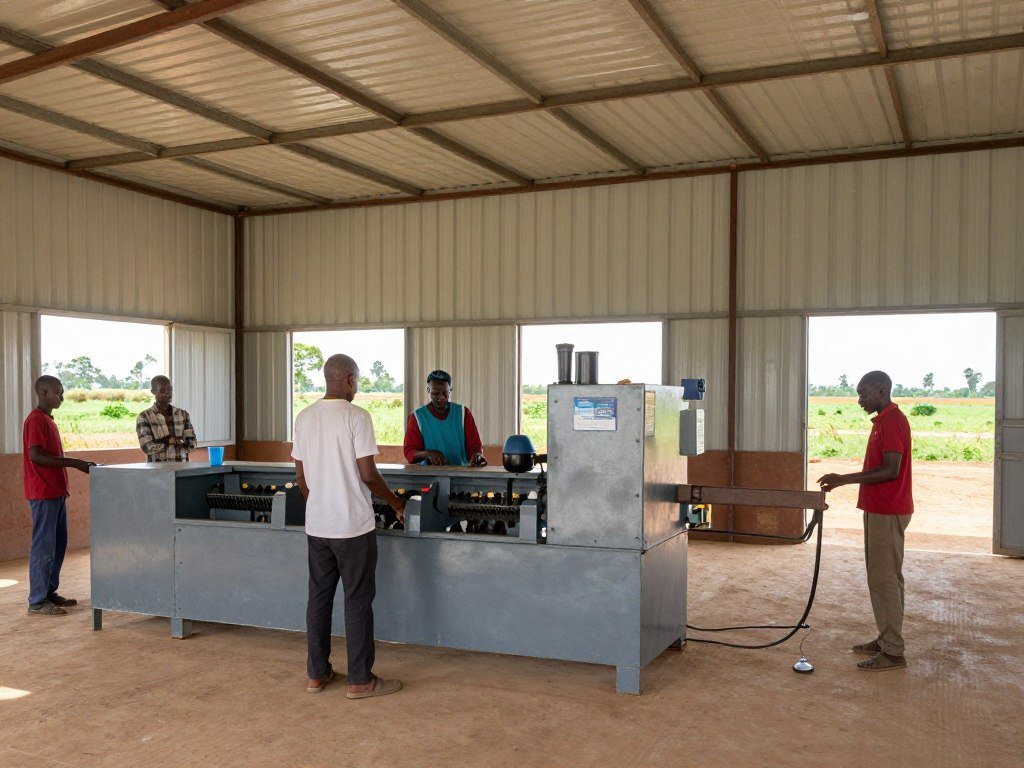
Tanzania - Cooperative Feed Mill
A 2-ton-per-hour system serves 45 small-scale farmers around Arusha. The cooperative model allows resource sharing impossible for individual farmers.
- Members save 40% on feed costs
- Employment for 12 local workers
- Sells excess capacity to regional market
- Solar hybrid power system
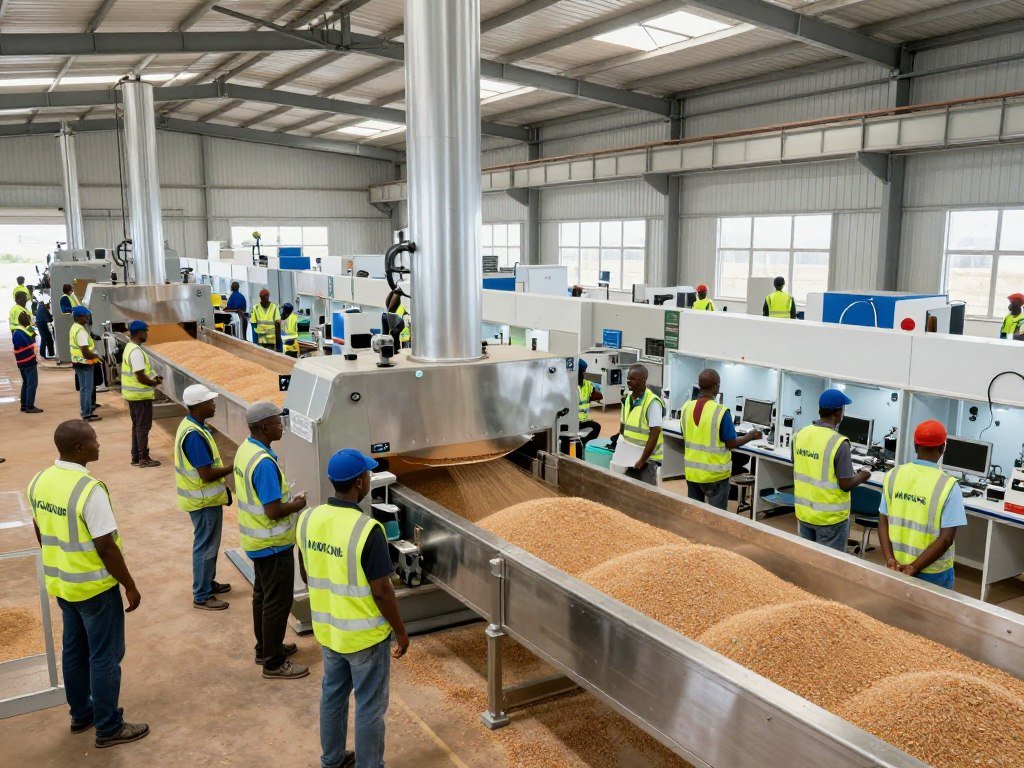
Kenya - Commercial Feed Factory
Nairobi's largest independent feed producer operates 10-ton and 20-ton lines serving poultry farms nationwide. Bagged products reach retailers across East Africa.
- Daily production: 400+ tons
- 15 different formulations
- Employs 85 people
- Exports to Uganda and Rwanda
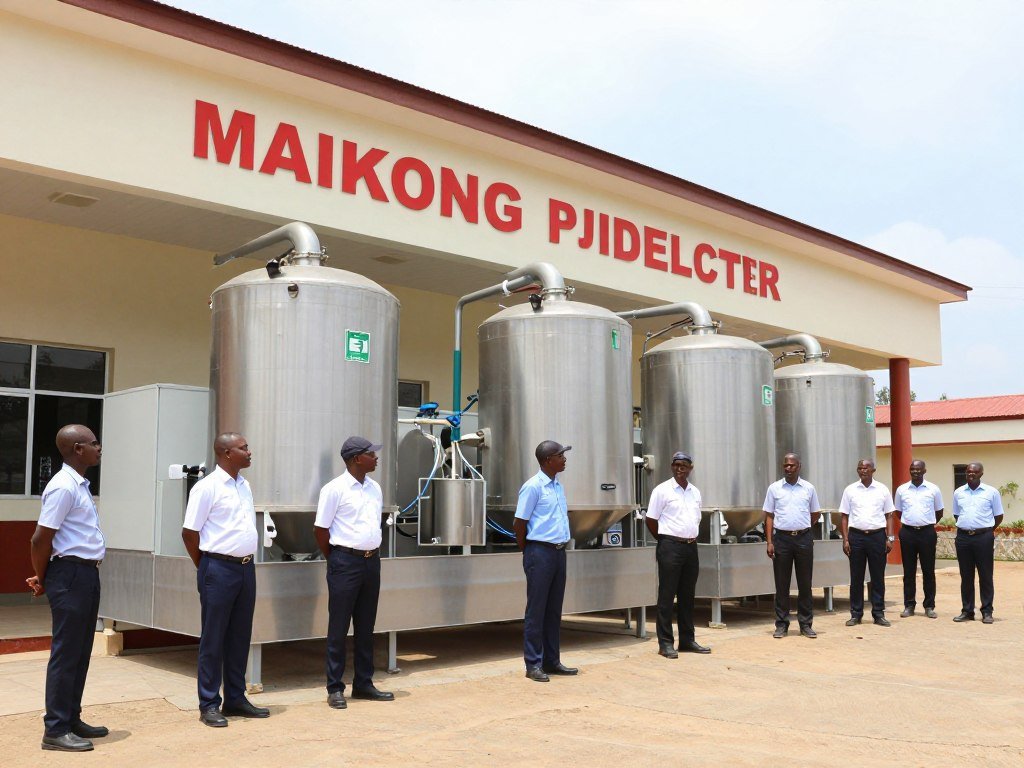
Zimbabwe - Government Extension Program
The Ministry of Agriculture installed demonstration units at three regional centers. Farmers receive training on feed production as part of poultry development initiatives.
- Training throughput: 200+ farmers annually
- Hands-on production experience
- Supports small business startups
- Equipment financing assistance
Americas Agricultural Expansion
Both North and South American markets demand high-capacity, reliable systems. Scale varies from small organic farms to massive commercial operations.United States - Specialty Poultry Producer
A California free-range poultry operation uses a 4-ton MAIKONG line producing non-GMO, soy-free formulations. Premium product positioning justifies custom feed investment. Direct farm store sales and farmers market distribution create higher margins than conventional production. Custom feed formulation supports brand differentiation.Brazil - Integrated Poultry Corporation
A Paraná-based company operates 30-ton-per-hour capacity across two MAIKONG installations. Production supports 2 million broilers annually for domestic and export markets. Vertical integration from breeding through processing makes feed cost control critical to competitiveness in global markets.Middle East Climate Challenges
Extreme temperatures and arid conditions test equipment durability. MAIKONG Middle Eastern installations include climate-specific modifications.- Saudi Arabia: Enhanced cooling systems compensate for 45°C+ ambient temperatures
- UAE: Dust-sealed enclosures protect electronics from fine desert sand
- Iran: Wide voltage tolerance handles unstable grid power
- Turkey: Energy recovery systems offset high electricity costs
Join 130+ Successful Feed Producers in 40+ Countries
MAIKONG poultry feed production line installations operate successfully from tropical Philippines to arid Middle East, from European precision agriculture to African development projects. Your operation can benefit from this proven global track record.
Cost-Effective Poultry Feed Production Line Investment Planning
Understanding total investment requirements enables sound financial decisions. A feed production line involves more than equipment purchase price.
Complete Investment Components
Budget planning should account for all project elements from initial equipment through operational readiness.| Investment Category | Percentage of Total | Details |
| Equipment Purchase | 45-55% | Core machinery, auxiliary equipment, spare parts kit |
| Facility Construction | 15-25% | Building or shed, foundation, electrical installation |
| Installation & Commissioning | 5-8% | Technical team travel, setup, testing, training |
| Initial Raw Materials | 8-12% | First month ingredient inventory, packaging supplies |
| Working Capital Reserve | 10-15% | Operating expenses until revenue flows |
| Permits & Fees | 2-5% | Business registration, environmental permits, safety inspections |
Equipment Cost by Capacity Range
MAIKONG provides systems across wide capacity spectrum. Pricing reflects sophistication and output capability.| Production Capacity | Equipment Cost Range (USD) | Typical Configuration | Suitable For |
| 200-500 kg/hour | $10,000 - $25,000 | Basic manual/semi-auto | Small farms, startups |
| 500 kg - 2 tons/hour | $25,000 - $65,000 | Semi-automated | Medium farms, cooperatives |
| 2-5 tons/hour | $65,000 - $150,000 | Fully automated, PLC | Large farms, small mills |
| 5-10 tons/hour | $150,000 - $300,000 | Commercial, computerized | Feed mills, integrators |
| 10-20 tons/hour | $300,000 - $600,000 | Industrial scale | Regional feed producers |
| 20-50 tons/hour | $600,000 - $1,200,000 | Multi-line, advanced automation | Major commercial operations |
| 50+ tons/hour | $1,200,000+ | Custom engineered systems | National feed corporations |
Return on Investment Analysis
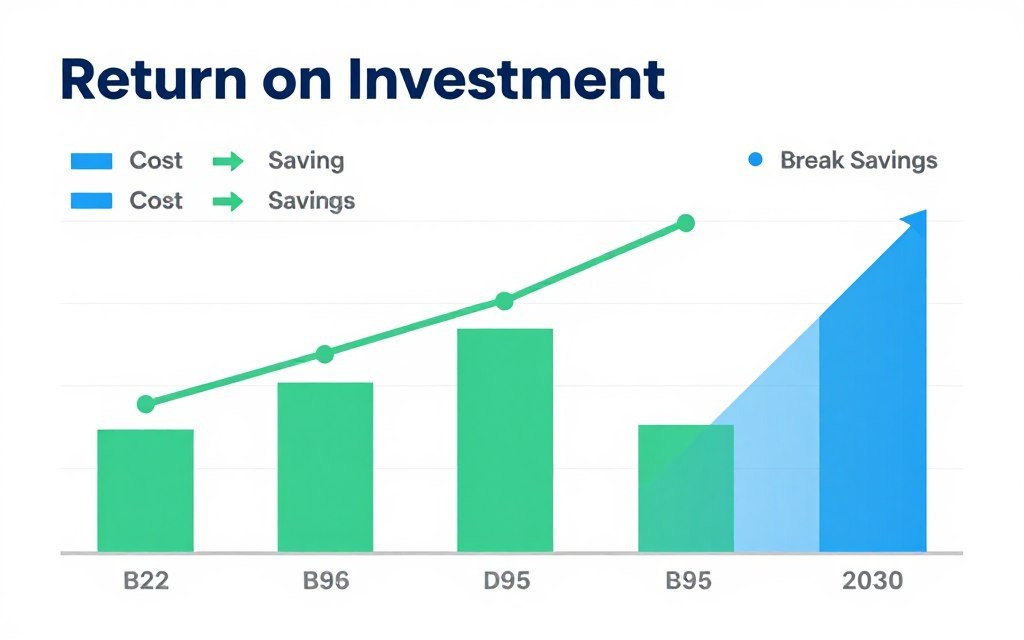
Feed production economics favor on-farm manufacturing for most commercial operations. Savings accumulate quickly.Cost Comparison Example
Scenario: 20,000 layer farm consuming 2.4 tons feed daily Commercial Feed Purchase:- Cost per ton: ₱24,000
- Daily cost: ₱57,600
- Annual cost: ₱21,024,000
- Raw materials: ₱16,500/ton
- Labor: ₱1,200/ton
- Energy: ₱800/ton
- Maintenance: ₱500/ton
- Total: ₱19,000/ton
- Annual cost: ₱16,644,000
Financial Benefits
Annual Savings: ₱4,380,000 Equipment Investment: ₱5,500,000 (2-ton/hour line) Payback Period: 15 months 5-Year Savings: ₱21,900,000 Net Benefit: ₱16,400,000 after equipment cost This calculation excludes additional benefits like quality control, formula customization flexibility, and potential revenue from selling excess production.Key ROI Factors
Investment returns improve with larger operations. A 50,000-bird farm typically achieves payback in 12 months. Smaller 5,000-bird operations may require 24-30 months but still realize substantial long-term savings. Feed quality improvements often increase egg production 5-8%. This additional revenue accelerates payback beyond direct cost savings alone.Financing Options for Philippine Buyers
Several financing mechanisms make poultry feed production line investment accessible to operations of varying sizes.- Commercial bank equipment loans: Philippine banks offer agricultural equipment financing with 3-5 year terms at 8-12% annual interest
- Government agricultural programs: Department of Agriculture provides subsidized loans and grants for feed mill establishment
- Cooperative financing: Member cooperatives pool resources for shared equipment investment
- Supplier credit arrangements: MAIKONG works with financing partners offering installment plans for qualified buyers
- Lease-to-own programs: Operating leases convert to ownership after predetermined payment schedule

Operating Cost Management
Ongoing expenses determine long-term profitability. Efficient operations minimize costs while maintaining quality.Raw Material Costs (75-80%)
- Corn: 50-60% of formula
- Protein sources: 20-25%
- Minerals and vitamins: 2-3%
- Other ingredients: 12-15%
- Bulk purchasing reduces unit costs
- Seasonal buying captures price lows
Energy Costs (5-8%)
- Electricity for motors and lighting
- Fuel for dryers (if applicable)
- Off-peak operation reduces rates
- Efficient motors minimize consumption
- Solar options available in Philippines
- Typical: ₱800-1,200 per ton produced
Labor & Overhead (12-15%)
- Operators: 2-4 workers per shift
- Quality control personnel
- Maintenance staff
- Administrative support
- Benefits and insurance
- Automation reduces headcount needs
Calculate Your Feed Production ROI
Every operation has unique economics. Our investment analysis team provides customized financial projections showing exactly how a MAIKONG poultry feed production line performs for your specific flock size, ingredient costs, and market conditions. Free analysis, no obligation.
Guide to Choosing Poultry Feed Production Lines
Selecting appropriate equipment determines operational success for years. Several critical factors deserve careful evaluation.
Capacity Planning Considerations
Right-sizing equipment prevents both bottlenecks and wasteful overcapacity. Calculate requirements carefully before selecting capacity.Current Production Needs
Start with your existing flock size and consumption patterns. Account for all birds across different ages and production stages. Layers consume approximately 110-130 grams daily. Broilers eat more, reaching 150-180 grams in final weeks. Breeders need 140-160 grams. Add a safety margin of 15-20% above calculated needs. This buffer accommodates variations and prevents production bottlenecks during peak demand.Future Growth Projections
Consider expansion plans over the next 3-5 years. Equipment should serve both current and near-future requirements. Modular MAIKONG systems allow capacity additions. Start with one production line, add a second when volume justifies expansion. This phased approach reduces initial investment while maintaining growth flexibility.Technical Specifications That Matter
Beyond capacity numbers, several technical factors affect operational success and equipment longevity.Build Quality and Materials
- Main frame construction: Structural steel vs. lighter materials
- Contact surfaces: Stainless steel in critical areas
- Bearings: Sealed industrial-grade vs. standard
- Motors: IE3 efficiency vs. standard efficiency
- Electrical: IP54+ rating for humid environments
Quality materials extend equipment life by 40-60% in tropical conditions. Initial premium pays back through reduced maintenance and replacement costs.
Power and Energy Efficiency
- Total power consumption at rated capacity
- Energy per ton of finished product
- Variable frequency drives for motor control
- Power factor correction equipment
- Standby power draw when idle
Energy-efficient designs reduce operating costs by ₱15,000-30,000 monthly on medium-scale systems. Over equipment lifetime, efficiency savings can equal initial purchase price.
Maintenance Accessibility
- Quick-access panels for inspection
- Standardized fasteners and tools
- Wear parts designed for rapid replacement
- Clear maintenance documentation
- Local spare parts availability
Easy maintenance reduces downtime from hours to minutes. MAIKONG designs prioritize serviceability, with most routine tasks completable by farm personnel without specialist technicians.
Automation Level Selection
Production automation ranges from fully manual to completely computer-controlled. Choose the level matching your operation's sophistication and labor availability.| Automation Level | Labor Required | Initial Cost | Best For |
| Manual Operation | 4-6 workers per shift | Lowest | Small farms, low labor costs, simple operations |
| Semi-Automated | 2-3 workers per shift | Moderate | Medium operations, balanced labor/capital |
| Fully Automated (PLC) | 1-2 workers per shift | Higher | Large operations, high labor costs, consistent quality needs |
| Computer Integrated | 1 operator + maintenance | Highest | Feed mills, multi-line facilities, data-driven management |
Supplier Evaluation Criteria
Equipment performance depends not just on machinery but on supplier support throughout ownership. Evaluate these factors when choosing poultry feed production lines.- Manufacturing experience: Years in business, total installations, customer references
- Technical expertise: Engineering team depth, R&D capabilities, innovation track record
- After-sales support: Local service network, response time guarantees, parts inventory
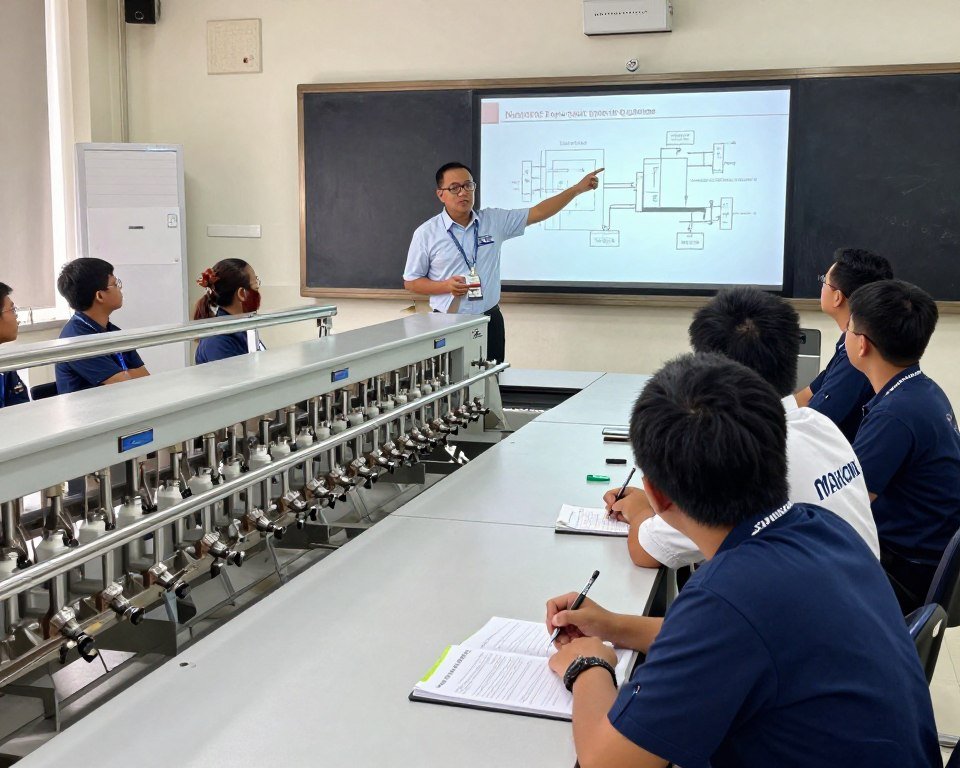
- Training programs: Operator training comprehensiveness, ongoing support availability
- Warranty terms: Coverage duration, included components, claim process clarity
- Spare parts pricing: Reasonable costs, long-term availability commitments
- Customization capability: Willingness to modify designs for specific needs
- Financial stability: Company longevity prospects, ability to honor warranties
Why Local Support Matters in the Philippines
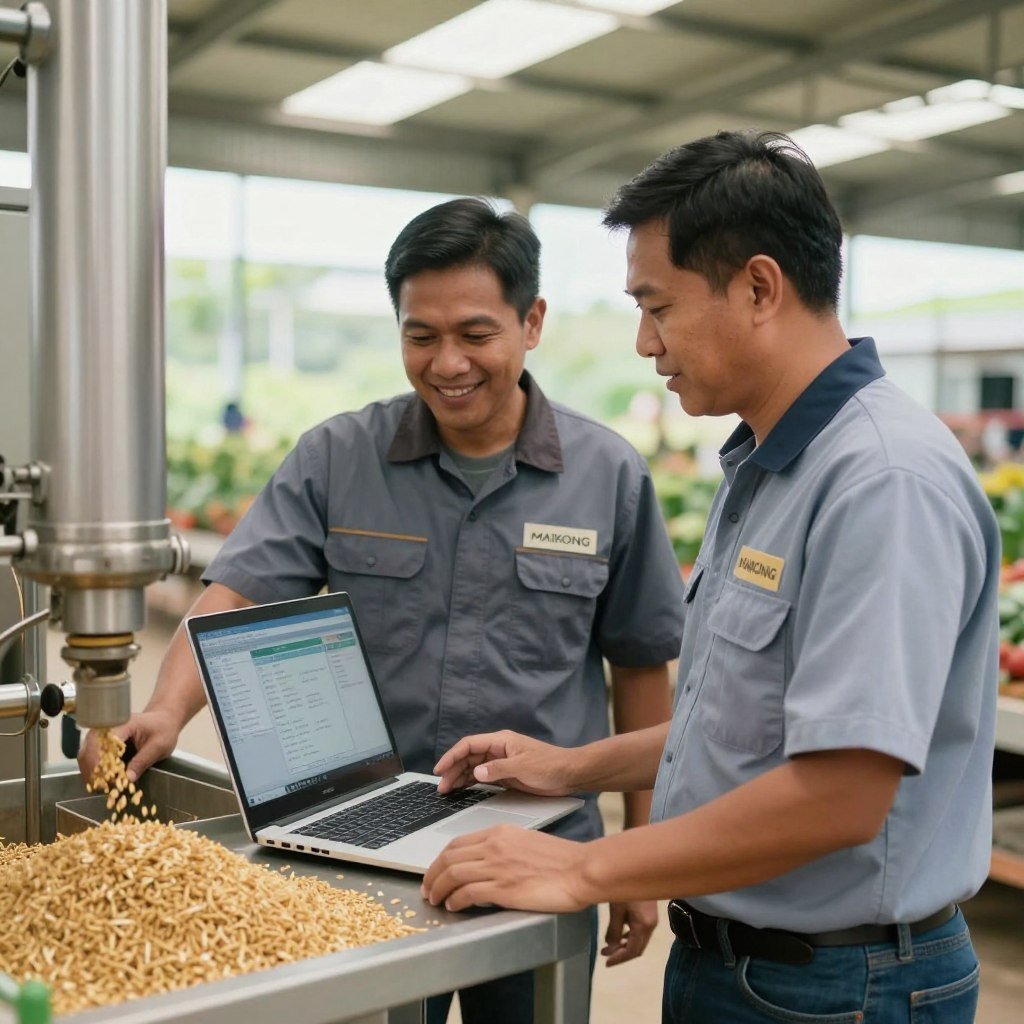
Equipment breakdowns cost more than repair expenses. Production downtime means you cannot feed your flock. Birds continue eating, forcing expensive emergency feed purchases. MAIKONG maintains service partnerships across the Philippines. Technical support reaches most areas within 24-48 hours. Common spare parts ship from local inventory, not requiring weeks-long international delivery. This support infrastructure separates professional suppliers from importers who disappear after equipment sale.Understanding Your Raw Material Supply Chain
Equipment selection must align with ingredient availability in your region. Different raw materials require different processing approaches.Corn-Based Formulations
Philippine poultry feed traditionally uses corn as the primary energy source. Corn is relatively soft and easy to process. Standard hammer mill screens and moderate motor power suffice. Corn-based systems have lower equipment demands than harder grains.Alternative Ingredients
Rising corn prices drive interest in alternatives like cassava, sweet potato, and broken rice. Some producers incorporate wheat or sorghum when prices favor these grains. Harder ingredients require more robust crushers and higher horsepower. Discuss your actual ingredient mix with suppliers to ensure appropriate equipment sizing.Climate Considerations for Philippine Installations
Tropical humidity and temperature extremes affect poultry feed production line performance. Moisture in raw materials varies seasonally. Electrical components face corrosion risks. Dust extraction becomes critical in enclosed spaces. MAIKONG Philippine-market equipment includes climate-specific modifications as standard. These adaptations prevent problems common with equipment designed for temperate climates.Maximizing Efficiency of Poultry Feed Production Lines
Equipment capability means little without proper operational practices. These strategies extract maximum value from your feed production line investment.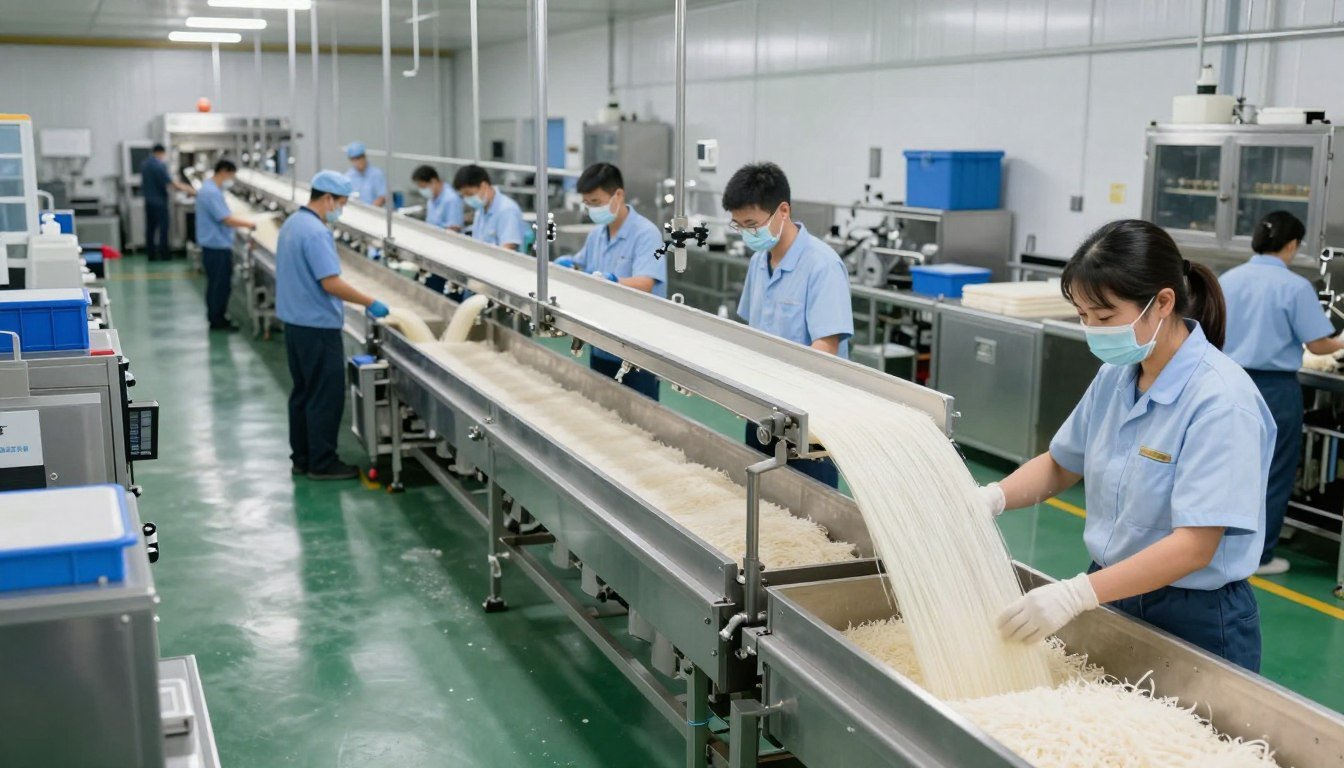
Production Scheduling Optimization
Strategic batch planning reduces setup time and maximizes throughput. Poor scheduling wastes capacity and increases costs.Batch Sequencing
Produce similar formulations consecutively. Running starter, then grower, then layer feed minimizes equipment cleaning between batches. Schedule medicated feeds last in production runs. This prevents cross-contamination into non-medicated products. Align production with feed consumption patterns. Produce high-volume products when raw material inventories are fullest.Equipment Utilization
Target 85-90% capacity utilization for optimal efficiency. Running at 100% continuously accelerates wear and increases breakdown risk. Brief maintenance windows between production runs prevent unplanned downtime. A 10-minute inspection saves hours of breakdown repairs. Track production per operating hour. This metric reveals efficiency trends and highlights improvement opportunities.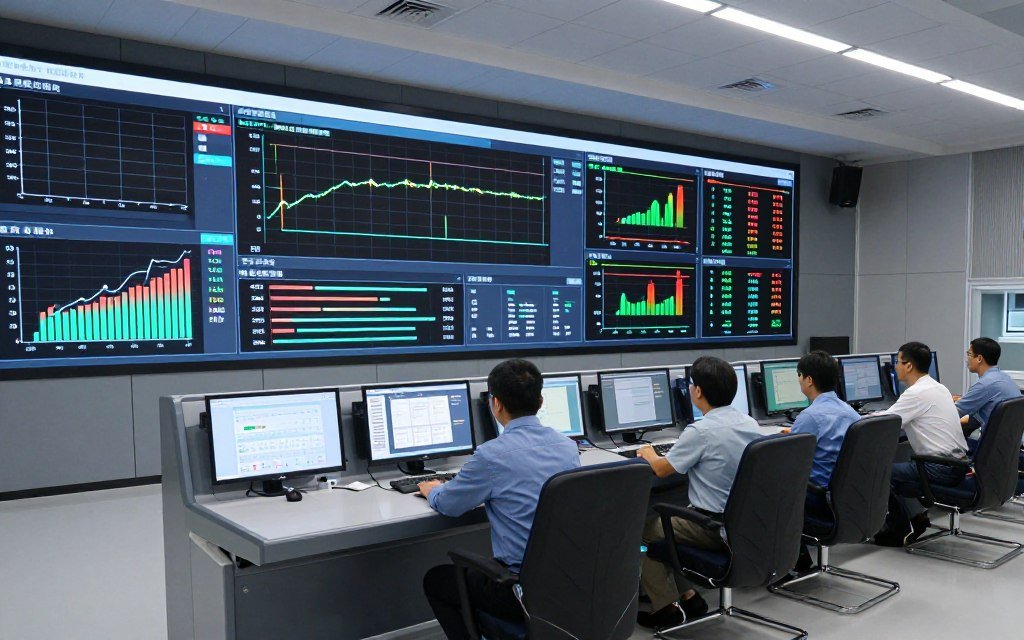
Raw Material Management Best Practices
Ingredient quality and handling directly affect final product. Implement these practices for consistent results.- Moisture testing on arrival: Reject corn above 14% moisture to prevent mold and equipment clogging
- First-in-first-out inventory: Use older stock before newer deliveries to maintain freshness
- Proper storage conditions: Keep silos sealed, dry, and pest-free with regular inspections
- Pre-production screening: Remove foreign materials before ingredients reach processing equipment
- Ingredient segregation: Store different materials separately to prevent mixing errors
- Regular quality testing: Verify protein content, moisture, and contamination levels periodically
Energy Consumption Reduction Strategies
Electricity represents a significant operating cost. Small efficiency improvements compound into substantial savings.Equipment-Level Savings
- Install variable frequency drives on major motors
- Use energy-efficient lighting (LED throughout)
- Ensure proper motor sizing (oversized motors waste power)
- Maintain equipment alignment to reduce friction losses
- Replace worn belts and bearings promptly
- Use power factor correction equipment
Operational Practices
- Schedule production during off-peak rate hours
- Batch multiple production runs to reduce start/stop cycles
- Turn off equipment during extended idle periods
- Maintain proper grain moisture (excessive drying wastes energy)
- Optimize steam pressure in conditioners
- Regular cleaning prevents motor strain from blockages
Renewable Options
- Solar panel installation for daytime production power
- Biogas from poultry waste for steam generation
- Waste heat recovery from pelleting process
- Natural ventilation design reduces cooling fan use
- LED task lighting instead of area flooding
- Government renewable energy incentives in Philippines
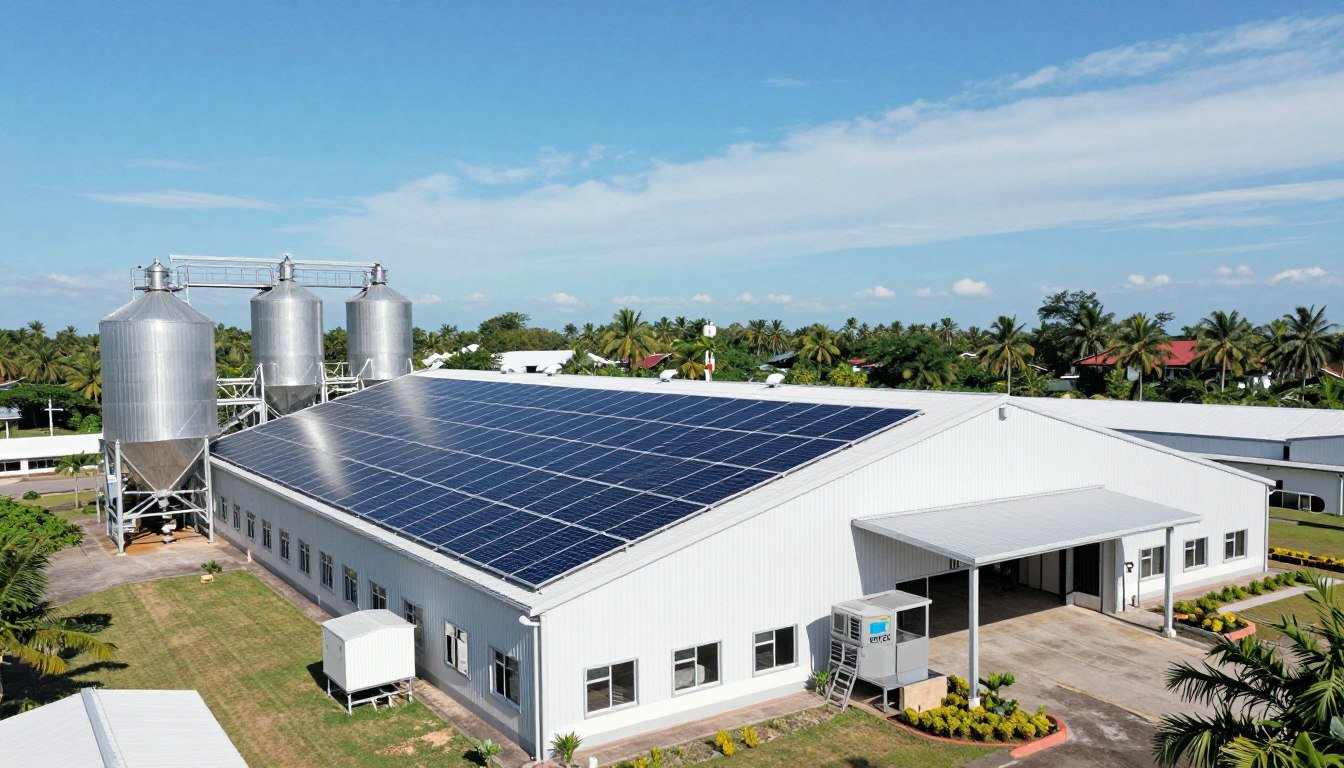
Quality Control Systems
Consistent poultry feed pellet quality requires systematic monitoring and testing at critical control points.Incoming Material Testing
- Moisture content verification
- Visual contamination inspection
- Protein level spot testing
- Mycotoxin screening (periodic)
- Weight verification against delivery documents
Document all incoming material quality. This data traces quality issues to specific ingredient batches.
In-Process Monitoring
- Grind particle size checks
- Mixer uniformity samples
- Pellet temperature monitoring
- Production rate tracking
- Equipment performance logs
Identify problems during production when adjustments can prevent waste. Post-production testing finds issues too late.
Finished Product Analysis
- Pellet durability index testing
- Moisture content verification
- Nutrient analysis (periodic lab testing)
- Pellet size distribution
- Visual quality assessment
Maintain records proving product meets specifications. This documentation supports customer claims and troubleshooting.
Preventive Maintenance Programs
Scheduled maintenance prevents expensive breakdowns and extends equipment life. Implement a systematic program.| Frequency | Maintenance Tasks | Estimated Time |
| Daily | Visual inspection, lubrication points, belt tension, clean dust buildup, check safety systems | 30-45 minutes |
| Weekly | Detailed cleaning, screen inspection, bearing temperature checks, electrical connection tightness | 2-3 hours |
| Monthly | Hammer replacement (as needed), motor alignment, chain/belt replacement, thorough equipment cleaning | 4-6 hours |
| Quarterly | Die inspection/replacement, major bearing service, electrical system testing, safety equipment calibration | 1-2 days |
| Annually | Complete system overhaul, replace all wear components, electrical safety certification, update documentation | 3-5 days |
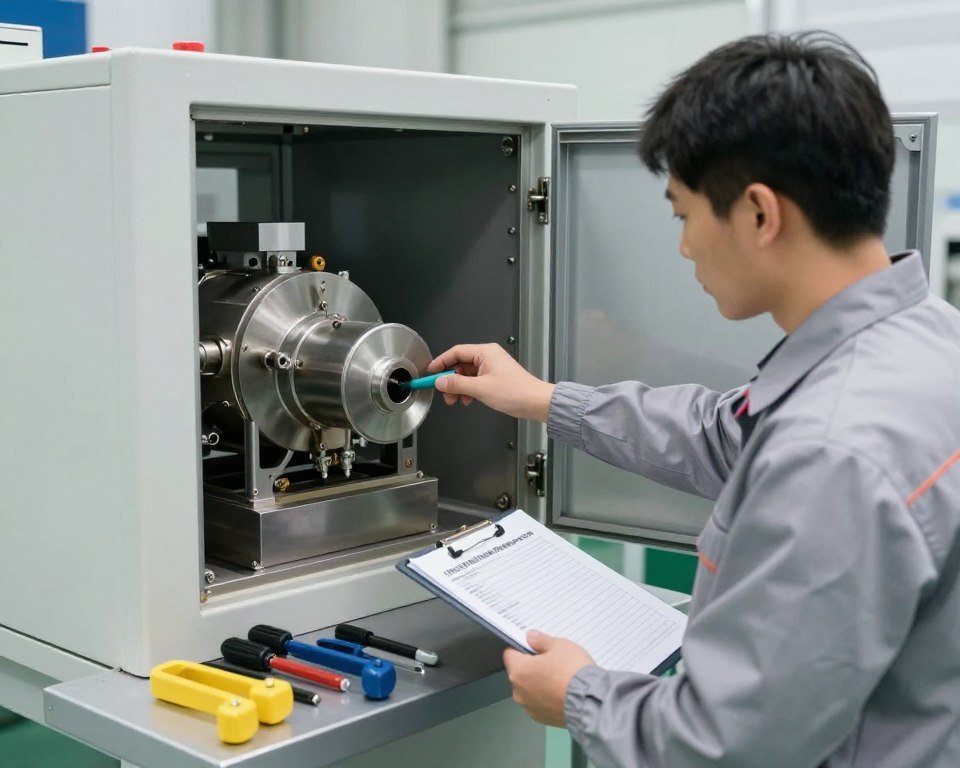
MAIKONG Maintenance Support
All MAIKONG equipment includes comprehensive maintenance manuals with Philippine English instructions. Training programs teach your staff proper maintenance procedures. Preventive maintenance schedules are customized for your operating intensity and local conditions. Follow these programs to maximize the efficiency of poultry feed production lines throughout their service life.Why Choose MAIKONG for Your Poultry Feed Production Line
MAIKONG delivers complete solutions backed by two decades of specialized manufacturing experience. Our commitment extends beyond equipment sales to long-term partnership success.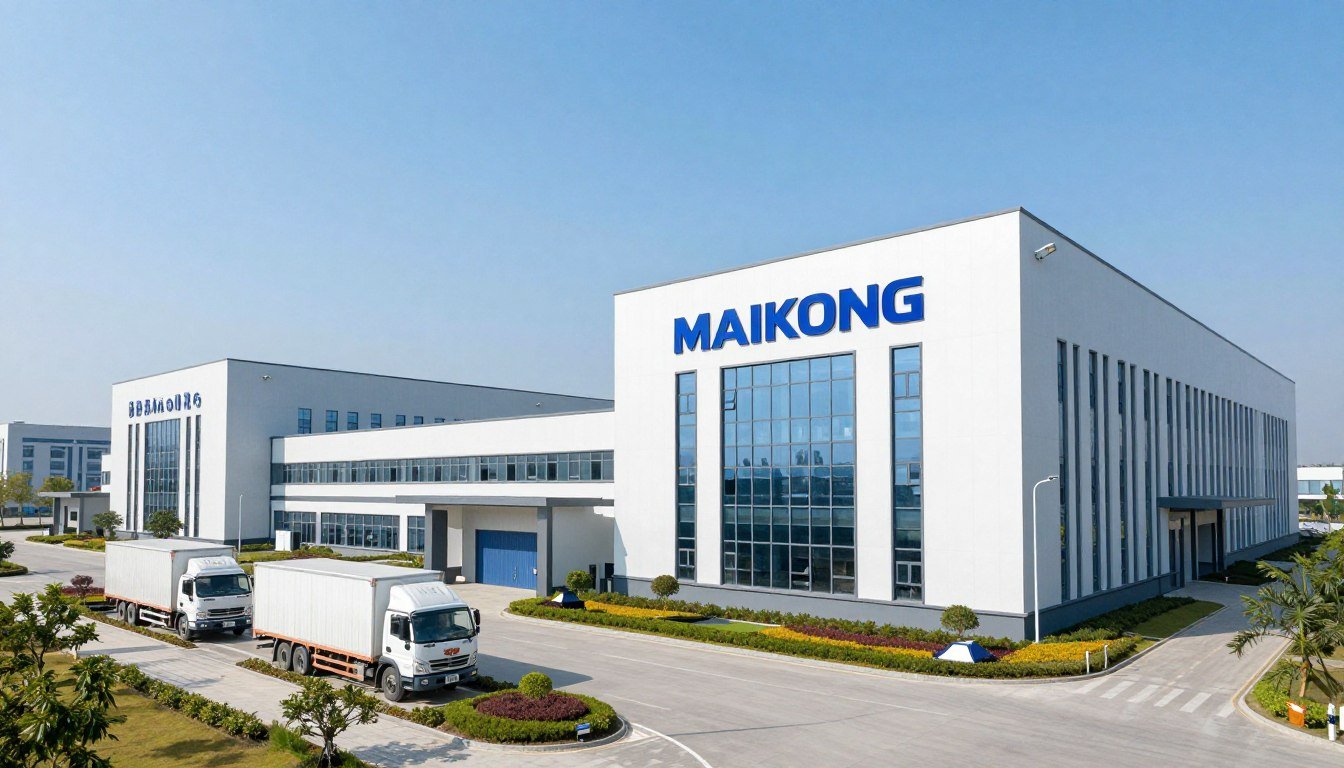
22 Years of Manufacturing Excellence
Since 2001, MAIKONG has specialized exclusively in feed pellet production line equipment and related agricultural machinery. This focused expertise translates to superior products.Technical Innovation
Our engineering team continuously improves designs based on field feedback from thousands of installations worldwide. Current models incorporate solutions to problems that plagued earlier generations. Investment in research and development exceeds industry averages. This commitment keeps MAIKONG technology ahead of competitors still using decades-old designs.Production Capability
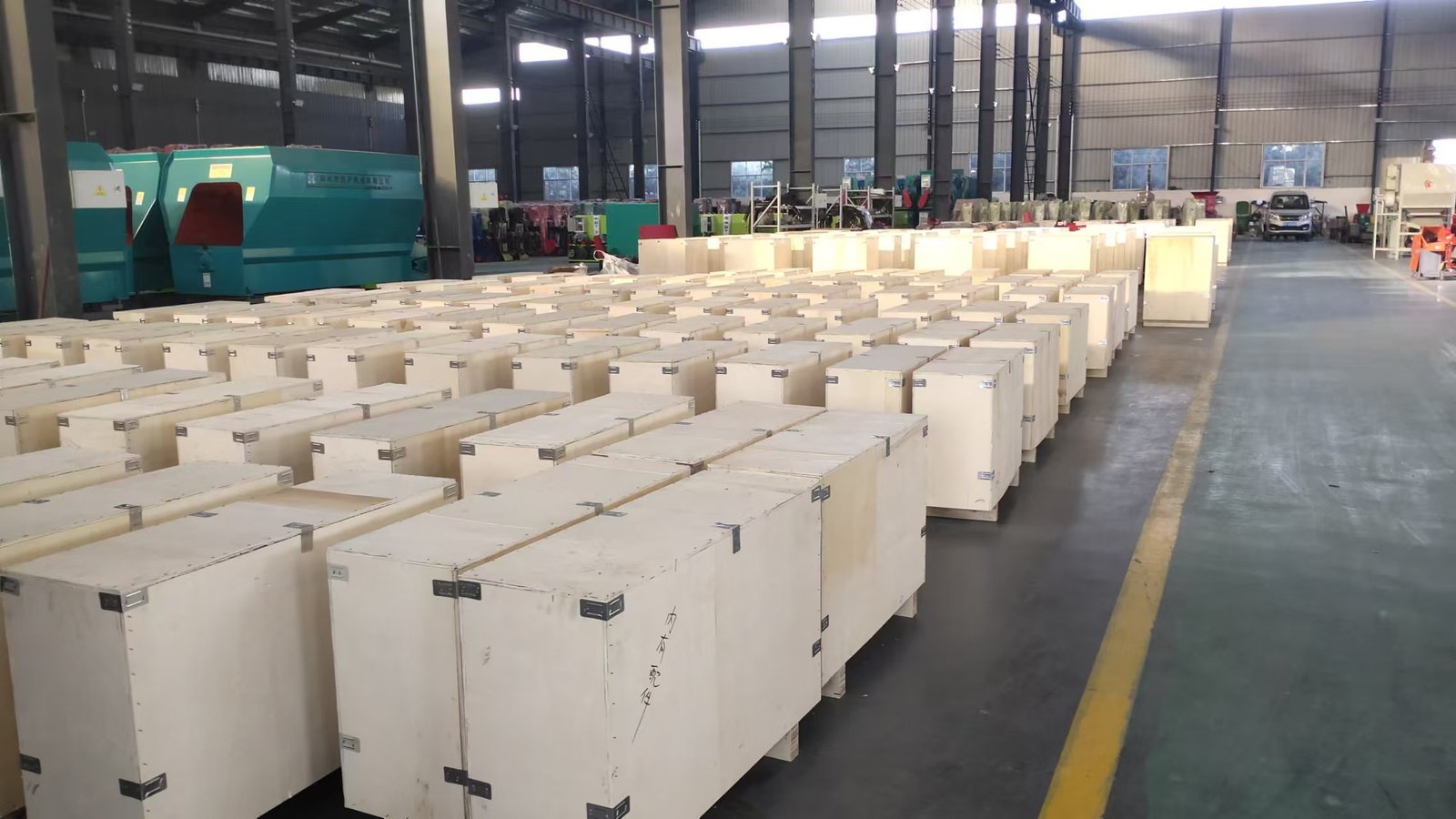
Modern manufacturing facilities in Guangdong Province employ advanced CNC machining centers ensuring precision and consistency. Quality control testing occurs at multiple production stages. Annual capacity exceeds 500 complete production lines across all size ranges. This volume provides economies of scale benefiting customers through competitive pricing.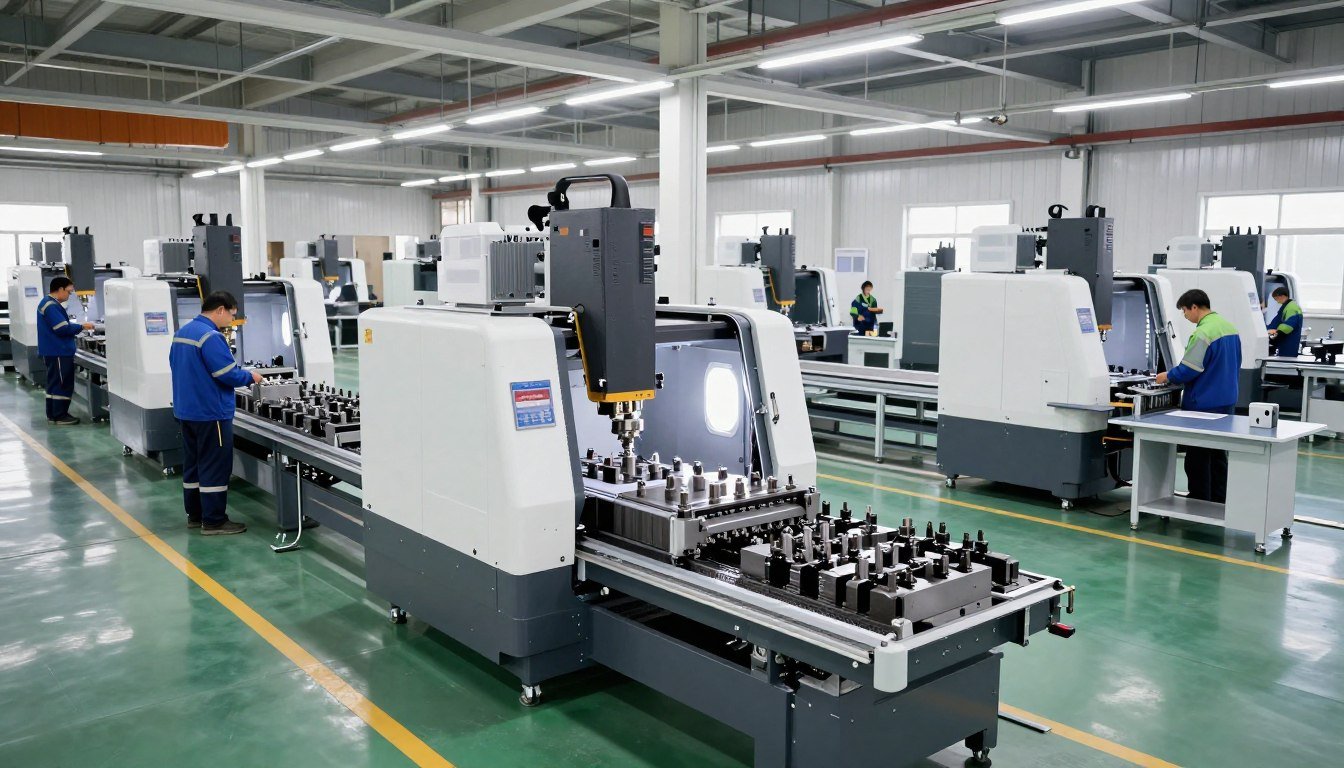
Global Reach with Local Support
MAIKONG installations operate successfully in 130 countries across six continents. This international experience proves equipment reliability in diverse conditions.- Philippine presence: Dedicated support team understands local farming practices and regulatory requirements
- Regional service network: Partnership with Philippine distributors provides rapid response to technical needs
- Spare parts inventory: Common components stock locally, eliminating weeks-long international shipping delays
- Technical training: Filipino-language training materials and hands-on operator education programs
- Cultural understanding: Experience serving Southeast Asian markets guides appropriate business practices
Comprehensive Product Range
Beyond poultry feed production lines, MAIKONG manufactures complete equipment solutions for diverse applications.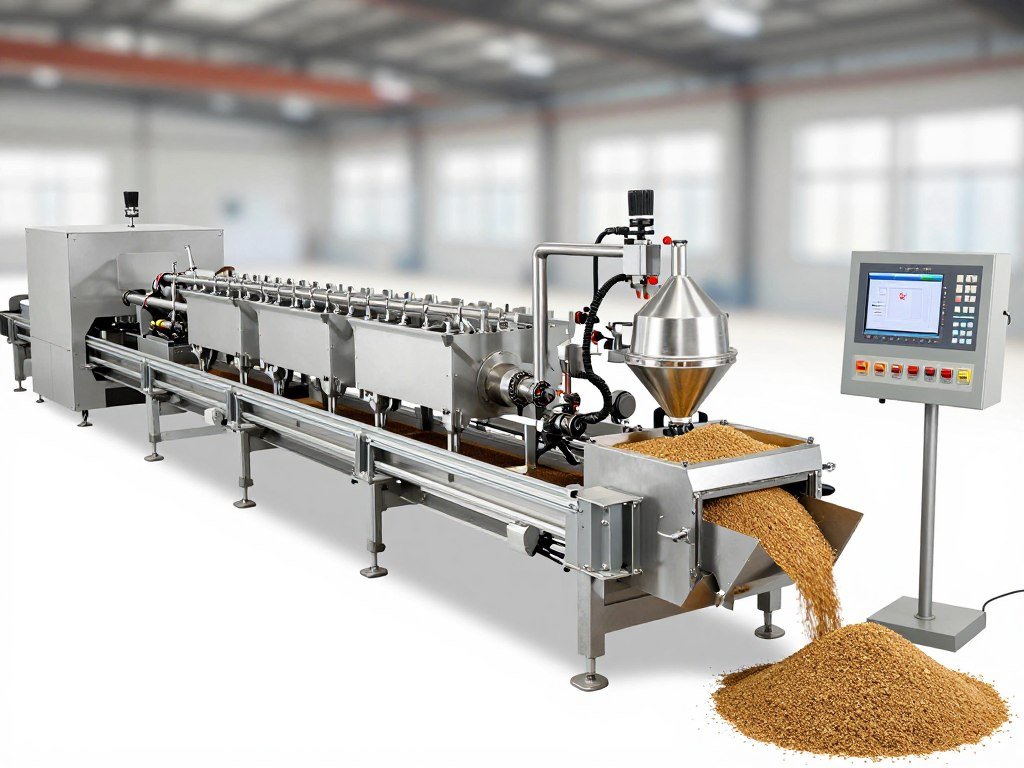
Aquaculture Feed Systems
Specialized equipment produces floating and sinking pellets for fish, shrimp, and other aquatic species. Critical for Philippines' growing aquaculture industry.
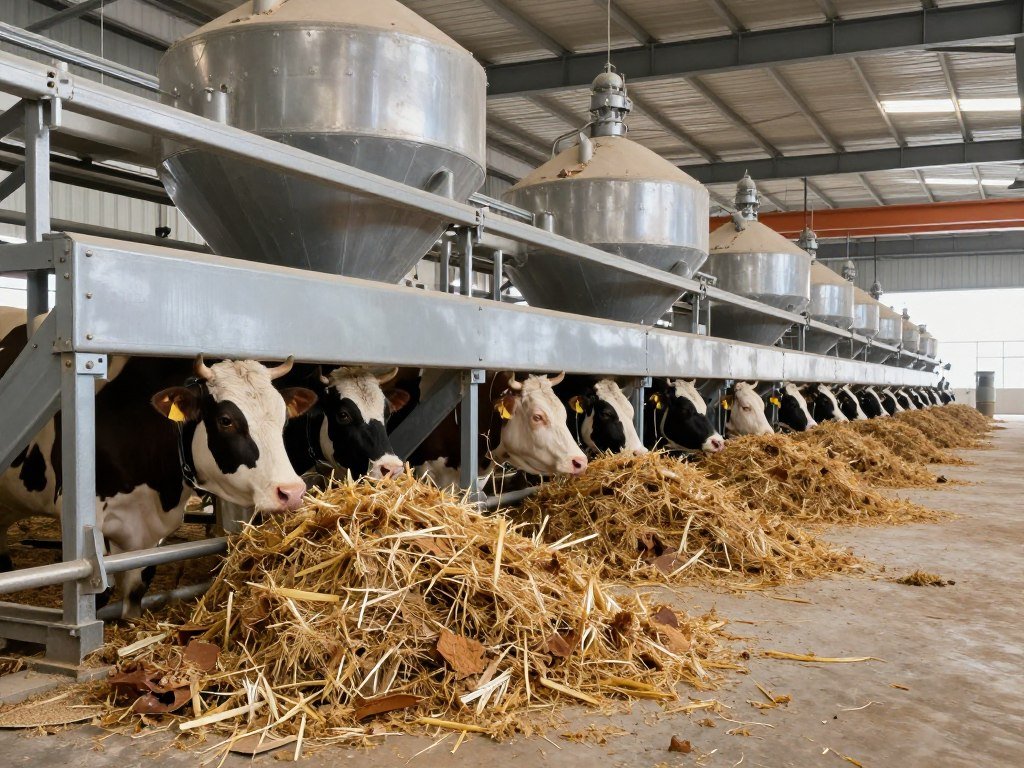
Livestock Feed Equipment
Heavy-duty systems handle cattle, swine, and other livestock feed production. Processes fibrous materials and produces large-diameter pellets.
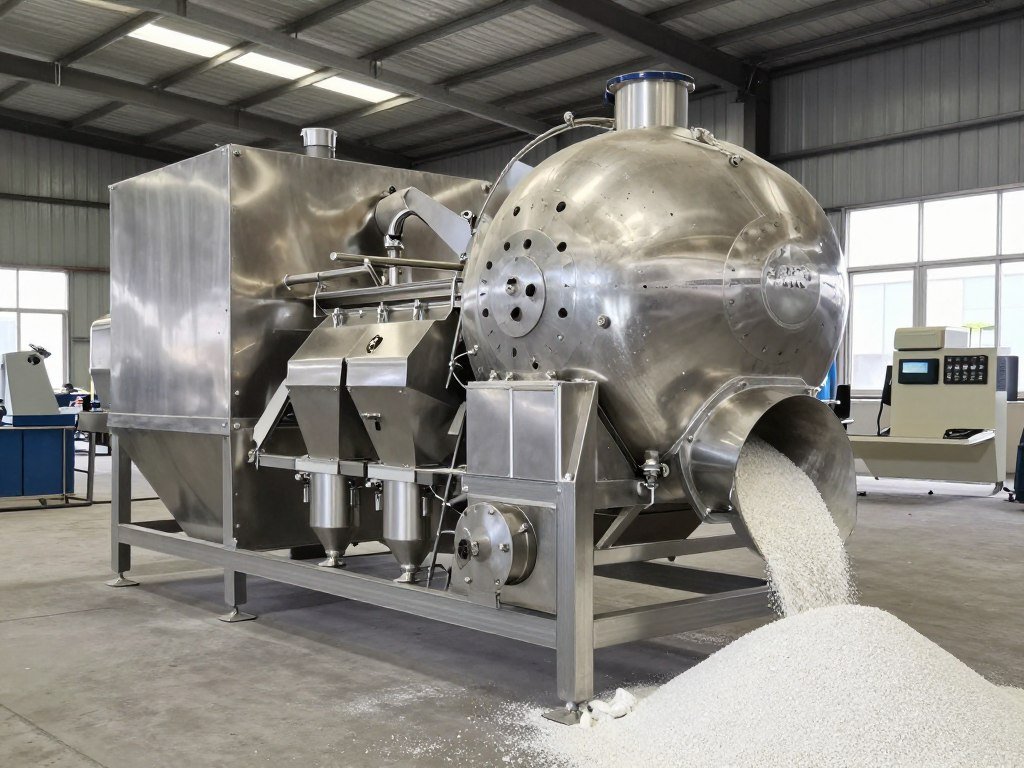
Fertilizer Pelletizing
Convert poultry manure and agricultural waste into organic fertilizer pellets. Adds revenue stream while solving waste management challenges.

Flexible Customization Capabilities
Standard products serve most applications well. When unique requirements arise, MAIKONG engineering team develops custom solutions.OEM Partnership Benefits
- Build your brand recognition in Philippine market
- Custom color schemes match corporate identity
- Private labeling on all equipment and documentation
- Exclusive territory protection for authorized dealers
- Marketing materials customized with your branding
- Competitive dealer pricing structure
ODM Engineering Services
- Complete custom system design from specifications
- Proprietary features for competitive differentiation
- Integration with existing farm infrastructure
- Special material handling requirements accommodated
- Capacity configurations beyond standard offerings
- Intellectual property protection for your designs
After-Sales Support Commitment
Equipment purchase represents the beginning of our relationship, not the end. MAIKONG provides comprehensive ongoing support ensuring your success.- Installation supervision: Technical team oversees setup and commissioning, training your operators on-site
- 24-hour technical hotline: Rapid response to operating questions or troubleshooting needs
- Spare parts program: Genuine MAIKONG components available with fast Philippines delivery
- Preventive maintenance guidance: Customized schedules and procedures for your specific equipment
- Performance optimization: Ongoing consultation to maximize efficiency and output quality
- Upgrade pathways: Equipment expansion and modernization options as your business grows
- Warranty support: Two-year comprehensive coverage with straightforward claim process
Warranty Coverage Details
MAIKONG provides industry-leading 24-month comprehensive warranty on all major components. This coverage includes parts replacement and technical support at no additional cost. Extended warranty programs available for customers seeking longer coverage periods. Preventive maintenance contracts ensure optimal performance throughout equipment life. Unlike competitors who disappear after sale, MAIKONG maintains long-term relationships supporting your ongoing success.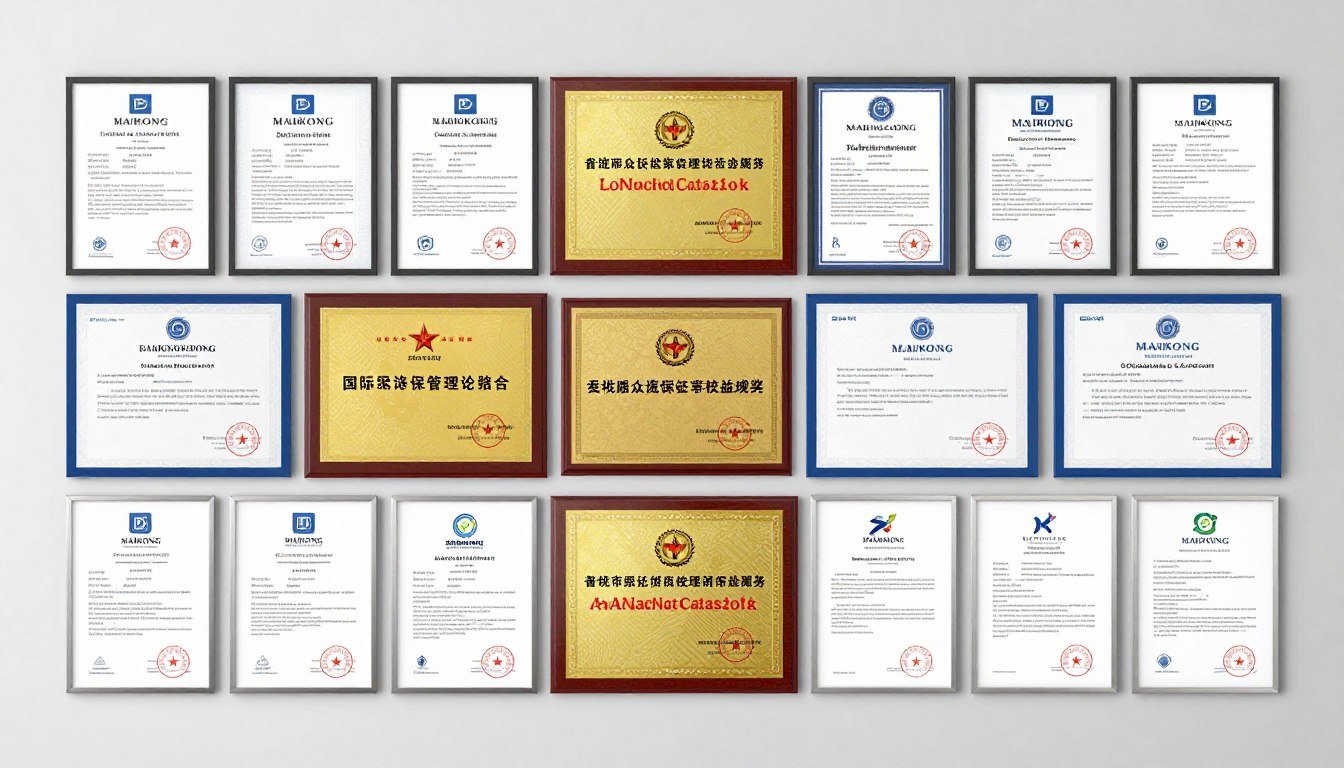
Quality Certifications and Standards
MAIKONG maintains rigorous quality management systems ensuring consistent manufacturing standards.- ISO 9001 Quality Management System certification
- CE compliance for electrical safety and environmental standards
- Third-party equipment testing and validation
- Continuous improvement programs based on customer feedback
- Supplier quality audits for critical component sourcing
Partner With 22 Years of Manufacturing Excellence
MAIKONG's proven track record across 130 countries demonstrates our commitment to customer success. Whether you need standard equipment or custom-engineered solutions, our team delivers professional results. Join our growing network of satisfied customers and authorized dealers throughout the Philippines and globally.
Frequently Asked Questions About Poultry Feed Production Lines
Common questions from Philippine customers cover technical specifications, operation, and investment considerations.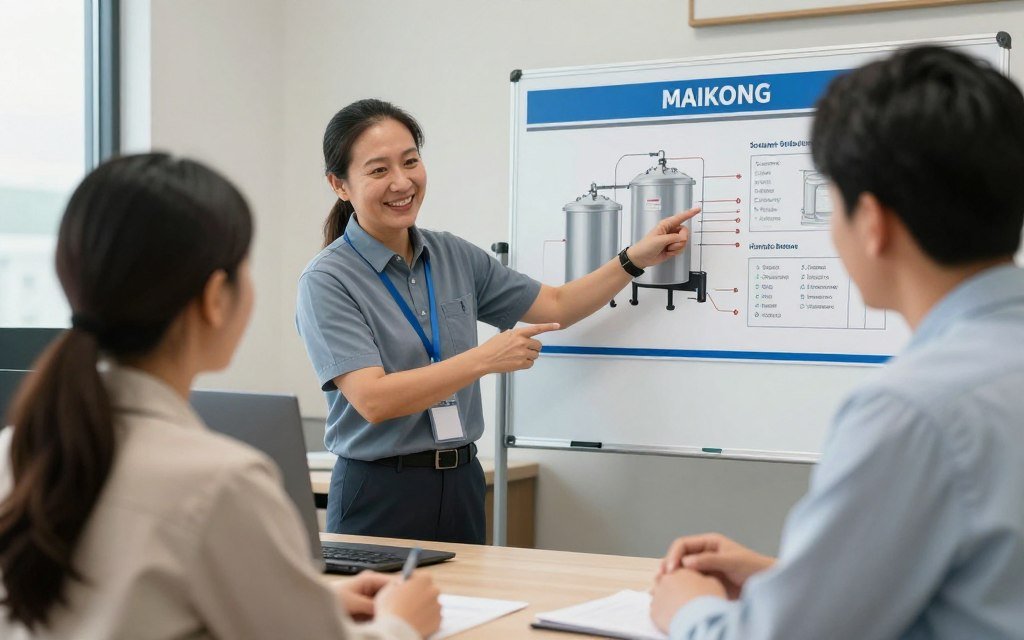
What capacity poultry feed production line do I need for my farm size?
How much does it cost to set up a complete feed production facility?
What's the expected return on investment timeline?
Can the system produce different pellet sizes for various poultry ages?
What raw materials can I use in the production line?
How much electricity does a feed production line consume?
Do I need special technical skills to operate the equipment?
What about spare parts availability in the Philippines?
Can I produce feed for other animals besides poultry?
What warranties and support does MAIKONG provide?
Start Your Poultry Feed Production Journey with MAIKONG
Taking control of feed production represents a significant business decision. MAIKONG makes the process straightforward with comprehensive support from initial consultation through long-term operation.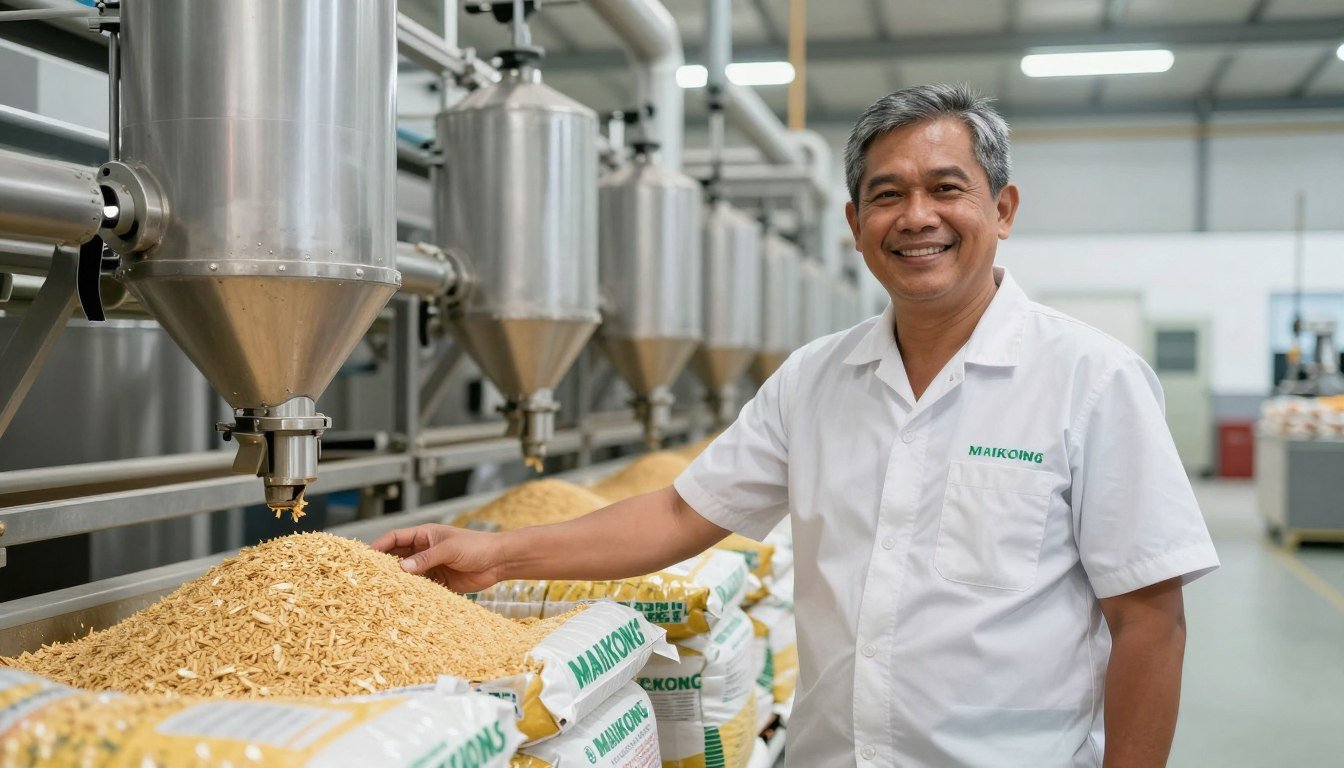
Your Path to Feed Independence
Philippine poultry producers face challenging economics. Commercial feed prices continue rising while egg and meat prices face market pressure. Producing your own feed breaks this cost squeeze. Beyond cost savings, own production provides complete control over feed quality. You select ingredients, adjust formulations for optimal flock performance, and ensure freshness impossible with purchased feed. MAIKONG equipment makes professional feed production accessible to operations of all sizes. From small family farms to large commercial integrators, appropriate solutions exist.Multiple Partnership Opportunities
MAIKONG offers several ways to engage based on your goals and capabilities.Equipment Purchase for Own Use
Farm owners and operators purchase systems for on-site feed production. This option suits those focused on reducing costs and improving feed quality for their own livestock operations.
- Direct equipment purchase
- Installation and training included
- Standard warranty coverage
- Technical support access
Authorized Dealer Partnership Featured Opportunity
Business-minded individuals and companies build profitable enterprises representing MAIKONG in Philippine markets. Dealers receive territory protection, marketing support, and competitive pricing.
- Exclusive territory rights
- Dealer pricing structure
- Sales and technical training
- Marketing materials provided
- Ongoing business development support
OEM/ODM Custom Manufacturing
Established agricultural equipment distributors and large-scale operators develop branded product lines or custom-engineered solutions through MAIKONG's manufacturing capabilities.
- Private label manufacturing
- Custom engineering services
- Bulk production pricing
- Intellectual property protection
- Long-term supply agreements
Why Philippine Businesses Choose MAIKONG
MAIKONG Advantages
- 22 years specialized manufacturing experience
- Proven performance in 130 countries worldwide
- Complete capacity range from 200 kg to 200 tons/hour
- Philippine-specific voltage and climate adaptations
- Local support network for rapid technical assistance
- Comprehensive 2-year warranty coverage
- Flexible customization and OEM/ODM capabilities
- Competitive pricing with financing options
- Energy-efficient designs reduce operating costs
- Training and ongoing support included
Competitor Limitations
- Limited after-sales support infrastructure
- Equipment not optimized for tropical conditions
- Longer spare parts delivery times
- Higher energy consumption
- Less customization flexibility
- Limited operator training provided
- Shorter warranty periods
- Higher long-term operating costs

Next Steps to Get Started
Beginning your feed production journey requires just a few simple steps. MAIKONG guides you through the entire process.- Initial Consultation: Contact our Philippines team to discuss your requirements, flock size, production goals, and budget parameters. This conversation helps identify the most appropriate equipment configuration.
- Site Assessment: Provide basic information about your installation location including available space, power supply, and infrastructure. For larger projects, site visits ensure optimal system design.
- Custom Quotation: Receive detailed proposal including equipment specifications, pricing, delivery timeline, and installation requirements. Technical team answers all questions to ensure complete understanding.
- Order Finalization: Review and approve final specifications. Arrange payment terms and delivery scheduling. For dealers, establish territory agreements and support structure.
- Manufacturing and Delivery: Equipment production typically requires 4-6 weeks for standard configurations, 8-10 weeks for OEM projects. Shipping to Philippines takes approximately 2-3 weeks.
- Installation and Training: MAIKONG technical team supervises installation and provides comprehensive operator training. Ensure your staff can operate and maintain equipment properly.
- Ongoing Support: Maintain contact with technical support team for optimization advice, troubleshooting assistance, and parts ordering as needed throughout equipment life.
Ready to Start Your Feed Production Journey?
Whether you're a poultry farm owner looking to reduce feed costs, an investor exploring agricultural business opportunities, or an entrepreneur interested in equipment distribution, MAIKONG provides solutions and support for success. Contact us today to discuss how our poultry feed production line equipment can power your business growth in the Philippines.
For Farm Owners
Get customized equipment quote and ROI analysis for your operation Request QuoteFor Potential Dealers
Learn about exclusive territory opportunities and partnership benefits Partner With UsFor Technical Questions
Speak directly with our engineering team about specific requirements WhatsApp EngineersContact MAIKONG Philippines Team
Phone/WhatsApp: +86 135 1090 7401 (Click to call) WhatsApp Direct: https://wa.me/861351090701 Email: Lucy@pelletmachine.ph Website: https://pelletmachine.ph/ Our team responds to inquiries within 24 hours. For urgent technical support, WhatsApp provides fastest response.Transform Your Poultry Operation with Professional Feed Production
The Philippine poultry industry faces constant cost pressures. Feed represents 60-70% of total production expenses. Taking control of this critical input through your own poultry feed production line offers the most effective path to improved profitability. MAIKONG brings 22 years of specialized manufacturing experience to your project. Our equipment operates successfully across 130 countries in conditions ranging from Arctic winters to tropical heat. This proven global track record ensures your investment performs reliably for years to come.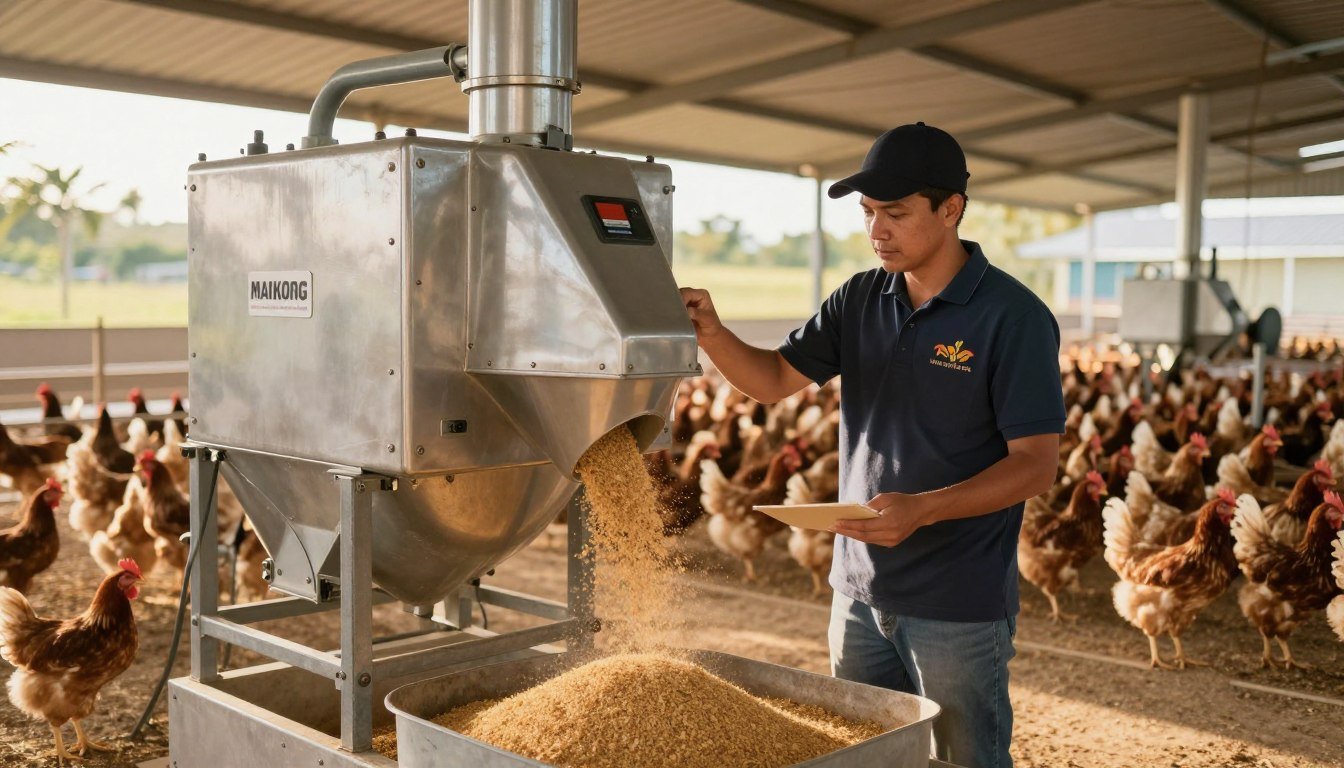 Whether you operate a small family farm, manage a large commercial operation, or seek business opportunities as an equipment dealer, MAIKONG provides appropriate solutions and comprehensive support. From initial consultation through installation, training, and long-term technical assistance, we partner in your success.
The journey to feed independence begins with a single conversation. Contact the MAIKONG Philippines team today to discuss how professional feed production equipment can transform your operation's economics and performance. Your poultry deserve the best nutrition. Your business deserves the best equipment and support.
Take the first step toward feed independence. Reach out to MAIKONG now.
Whether you operate a small family farm, manage a large commercial operation, or seek business opportunities as an equipment dealer, MAIKONG provides appropriate solutions and comprehensive support. From initial consultation through installation, training, and long-term technical assistance, we partner in your success.
The journey to feed independence begins with a single conversation. Contact the MAIKONG Philippines team today to discuss how professional feed production equipment can transform your operation's economics and performance. Your poultry deserve the best nutrition. Your business deserves the best equipment and support.
Take the first step toward feed independence. Reach out to MAIKONG now.
 --
--