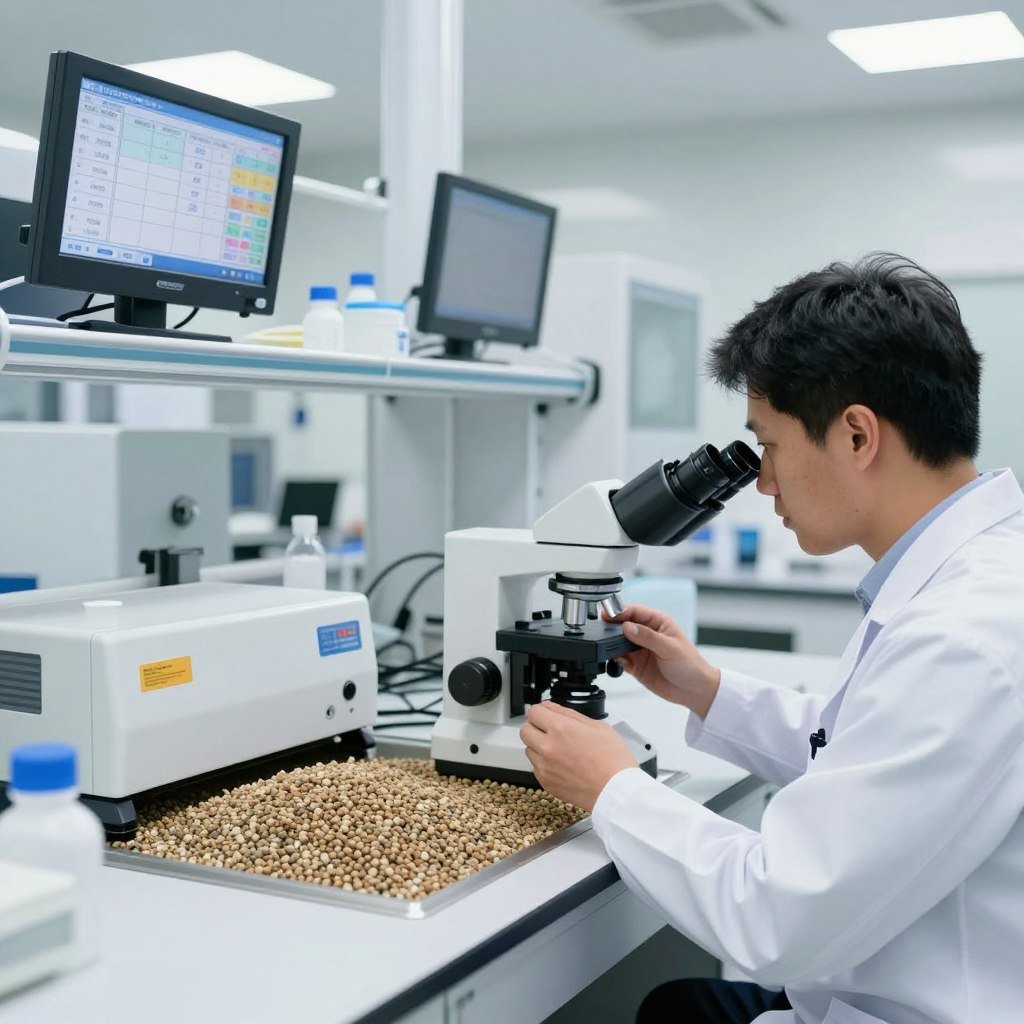
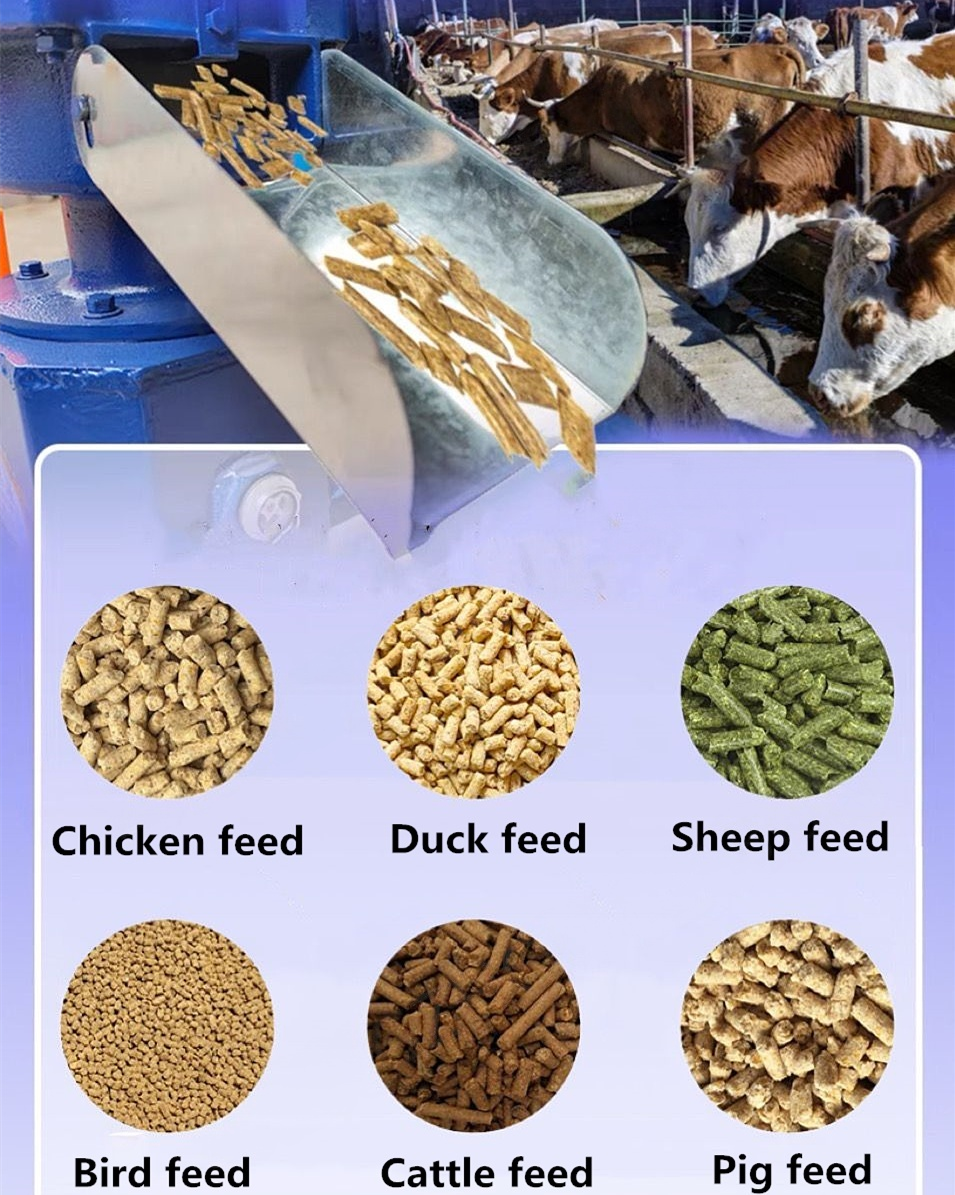
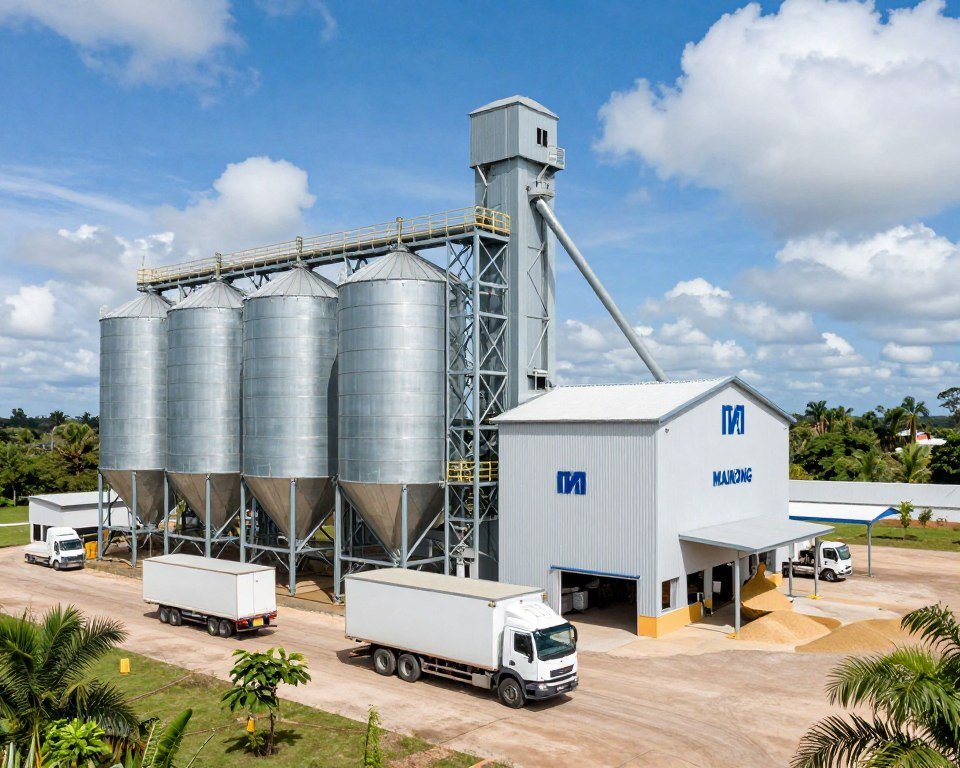
The demand for quality fish feed continues to grow across the Philippines as aquaculture expands rapidly. Whether you operate a small tilapia farm in Laguna or manage a commercial bangus facility in Bulacan, controlling your feed production directly impacts your profitability.A ***fish feed production line*** transforms raw ingredients into nutritionally balanced pellets that meet the specific needs of your aquatic species. This complete system integrates multiple machines working together to crush, mix, pelletize, cool, and package feed with consistent quality.For Philippine fish farmers and feed mill operators, understanding how these production systems work helps you make informed investment decisions. The technology has evolved significantly, offering customizable solutions from small 200KG per hour units perfect for family farms to massive 200-ton per hour industrial plants serving regional distribution networks.
What Is a Fish Feed Production Line?
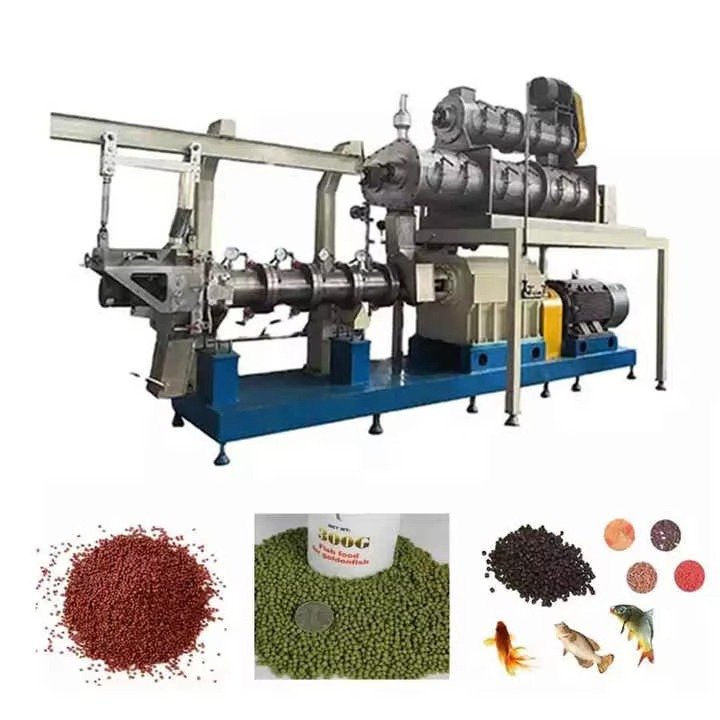
A ***fish feed production line*** is an integrated manufacturing system designed to convert raw materials into finished aquatic feed pellets. This automated process combines mechanical equipment, quality control systems, and production management protocols to create consistent, nutritious feed products.
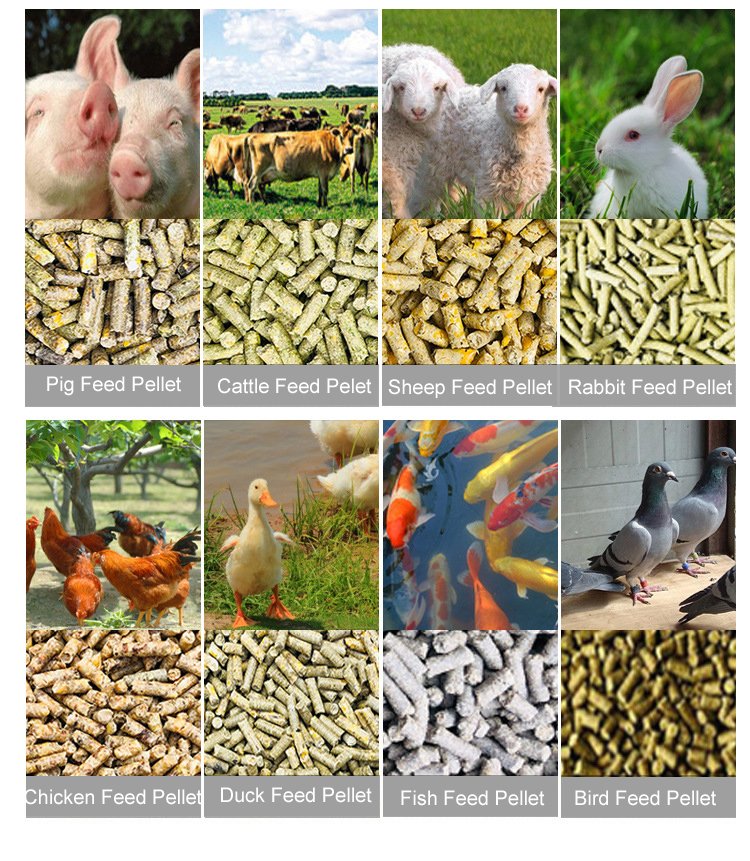
The system handles the complete transformation process. Raw ingredients like fishmeal, soybean meal, corn, vitamins, and minerals enter one end. Finished, packaged feed pellets exit the other end, ready for immediate use or storage.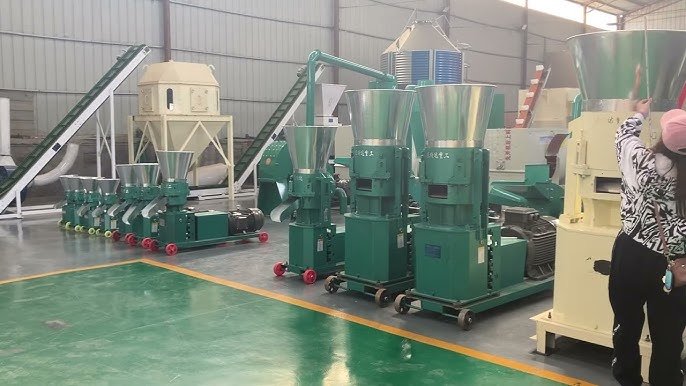
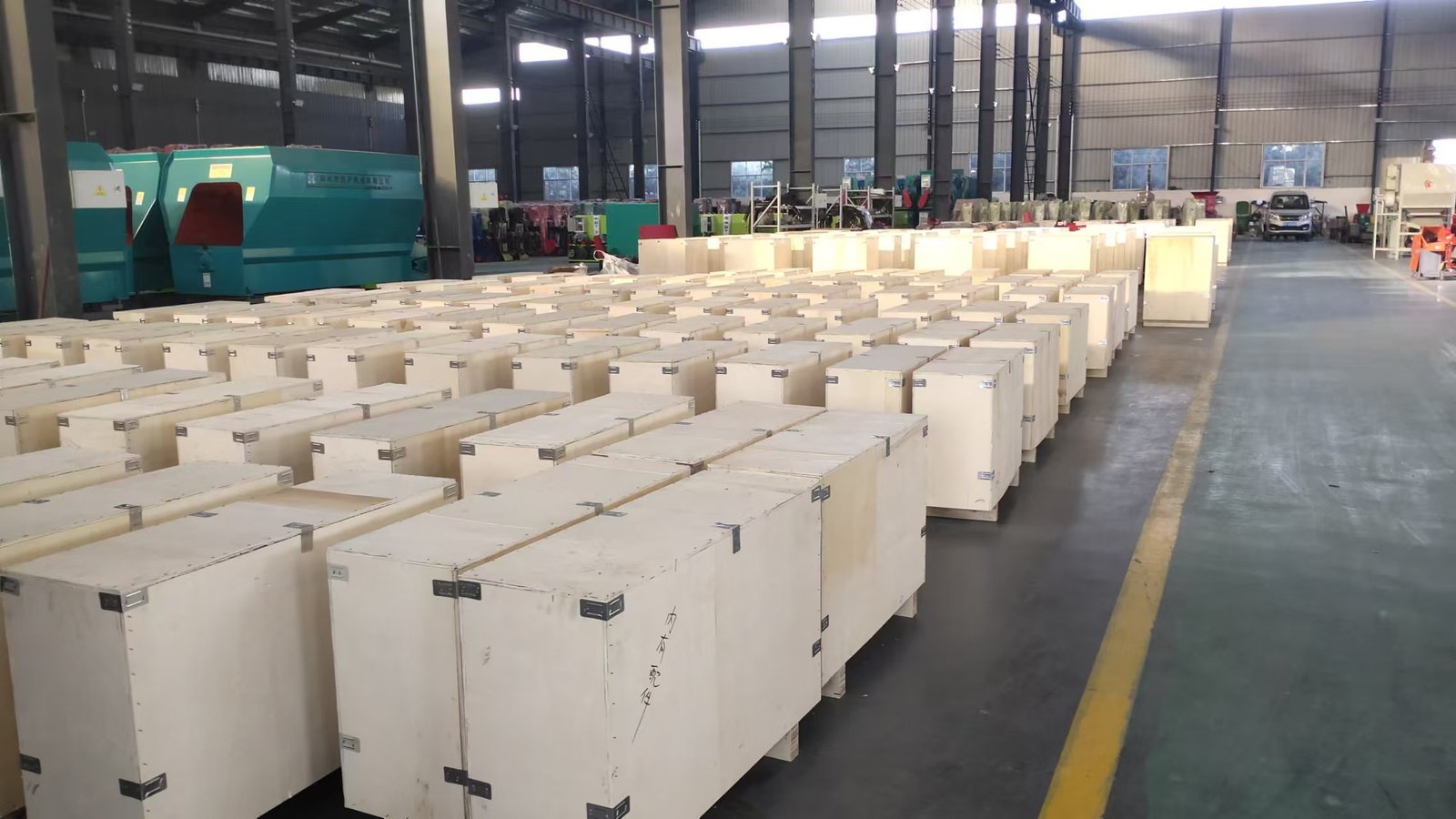
Core Components of a Complete System
Material Handling Equipment
Reception and storage systems manage incoming raw materials before processing begins.
- Raw material silos with capacity monitoring
- Bucket elevators for vertical transport
- Screw conveyors for horizontal movement
- Dosing and batching systems for precision
Processing Machinery
The production core where raw materials become finished pellets through mechanical transformation.
- Hammer mills for grinding ingredients
- Mixers for homogeneous blending
- Pellet machines creating formed feed
- Cooling systems stabilizing pellets
Quality Control Systems
Monitoring and adjustment equipment ensures consistent output meeting specifications.
- Screening machines removing fines and oversized particles
- Metal detectors protecting end users
- Automated sampling points for testing
- Temperature and moisture monitoring
Finishing Equipment
Final processing stages prepare products for distribution and sale.
- Coating systems for specialty feeds
- Packaging machines with accurate weighing
- Bag sealing and palletizing equipment
- Finished product storage systems
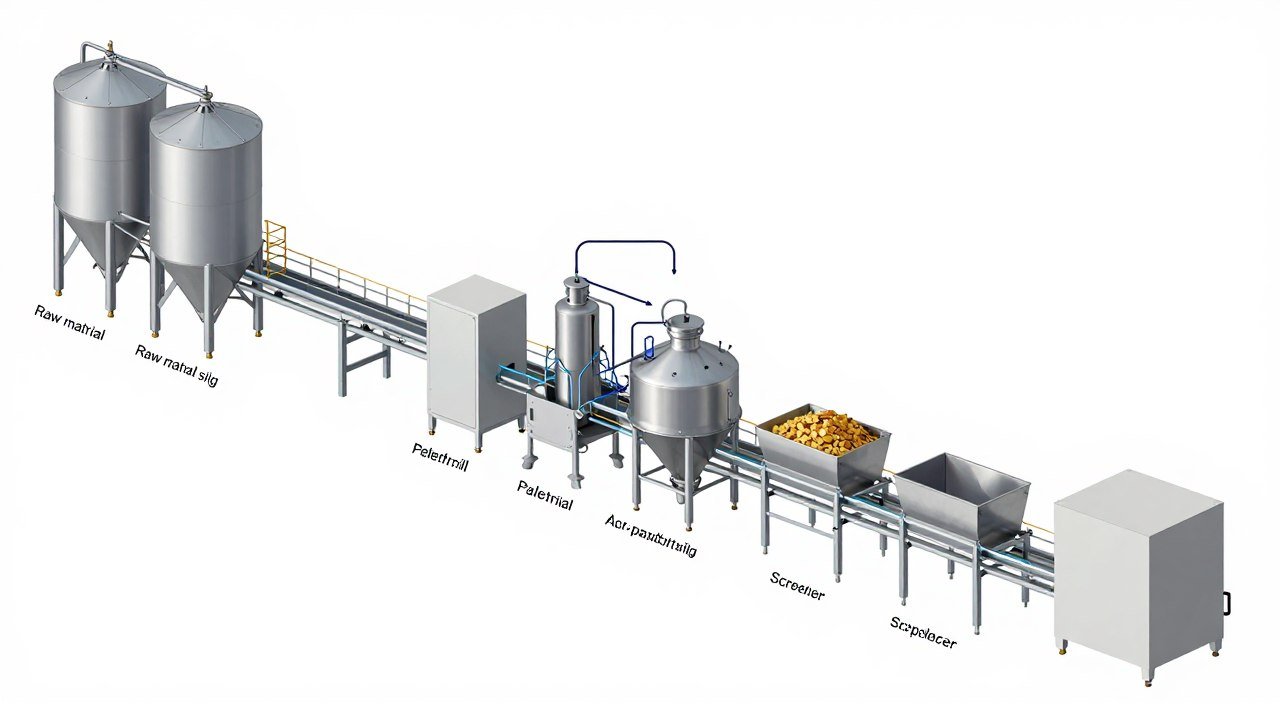
Types of Fish Feed Production Systems
Production lines vary based on output capacity, automation level, and feed type specialization. Philippine operations typically choose from these categories:
| Production Line Type |
Capacity Range |
Typical Applications |
Automation Level |
| Small-Scale Manual |
200-500 KG/hour |
Family fish farms, small cooperatives |
Manual operation with basic controls |
| Medium Semi-Automatic |
1-10 Tons/hour |
Commercial farms, regional feed mills |
Semi-automated with PLC controls |
| Large Fully Automatic |
20-200 Tons/hour |
Industrial feed manufacturers, export operations |
Fully automated with SCADA systems |
| Floating Feed Specialist |
500KG-50 Tons/hour |
Extruded floating pellets for surface feeders |
Variable based on capacity |
| Sinking Feed Specialist |
1-100 Tons/hour |
Traditional pelleted feed for bottom feeders |
Variable based on capacity |
Modern ***floating fish feed production line*** systems use extrusion technology that cooks ingredients under high temperature and pressure. This process creates buoyant pellets ideal for tilapia, bangus, and other surface-feeding species common in Philippine aquaculture.
Conversely, ***sinking fish feed production line*** equipment produces denser pellets through traditional pelleting methods. These feeds work better for catfish, grouper, and bottom-dwelling species.
Need Expert Guidance on Choosing the Right Fish Feed Production Line?
MAIKONG’s technical team helps Philippine aquaculture operators select optimal systems based on species, scale, and budget. Get personalized recommendations from our 22 years of industry experience.
Why Philippine Fish Farmers Invest in Feed Production Lines
The economics of fish farming in the Philippines shift dramatically when you control your own feed production. Commercial feed represents 60-70% of total aquaculture operating costs. Producing feed in-house reduces this expense by 30-40% in most operations.
Financial Benefits Beyond Cost Reduction
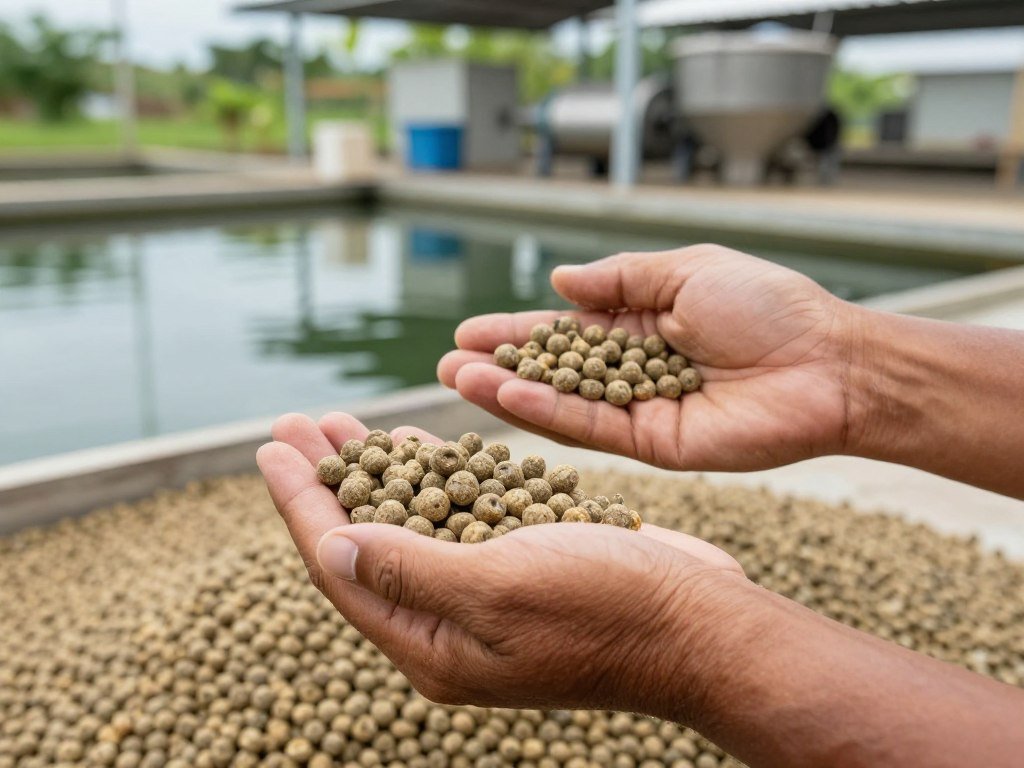
Direct financial advantages extend beyond simple per-kilogram savings:
- Elimination of distributor markups ranging from 25-40%
- Reduced transportation costs from feed suppliers
- Ability to sell excess production to neighboring farms
- Better cash flow management through production scheduling
- Protection from feed price volatility in commodity markets
- Tax incentives available for agricultural equipment investments
Operational Advantages
Control over ***fish feed production*** creates operational flexibility impossible when relying on external suppliers:
Quality Control
You determine exact ingredient ratios and quality standards. This precision directly impacts fish growth rates, feed conversion ratios, and ultimately profitability. Philippine fish species have specific nutritional requirements that generic commercial feeds may not address optimally.
Your production team can immediately adjust formulations based on fish performance data. If growth rates decline or you notice nutritional deficiencies, reformulation happens within hours, not weeks.
Common Production Challenges Solved
Without Own Production Line
- Dependent on supplier delivery schedules
- Limited formulation options
- Minimum order quantities strain cash flow
- Cannot respond quickly to fish health issues
- Storage space required for large orders
- Feed freshness degradation over time
With MAIKONG Production System
- Produce feed on-demand matching consumption
- Unlimited formulation flexibility
- Produce only quantities needed immediately
- Instant formulation adjustments possible
- Minimal finished feed storage needed
- Always-fresh feed maximizes fish performance
For operations managing multiple species or production stages, a ***fish feed pellet production line*** enables creation of specialized feeds for each requirement. Fingerlings need different pellet sizes and nutrition than grow-out stock. In-house production accommodates these variations effortlessly.
How Does a Fish Feed Production Line Work? Step-by-Step Process
Understanding the production workflow helps operators optimize efficiency and troubleshoot issues. The ***feed production line*** follows a logical sequence where each stage builds on the previous one.
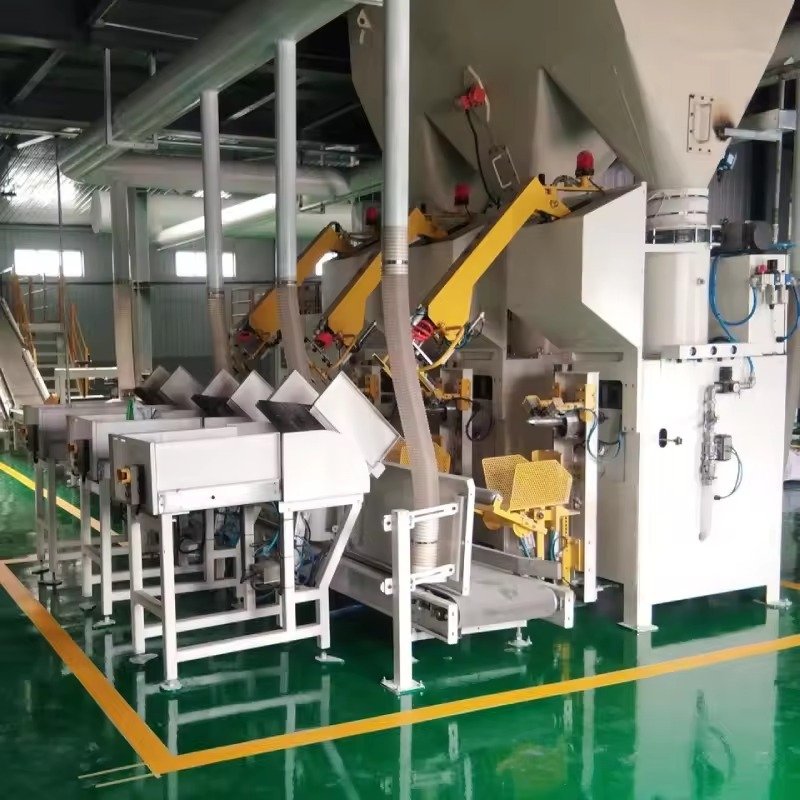
Stage 1: Raw Material Reception and Storage
The process begins when raw materials arrive at your facility. Proper handling at this initial stage prevents contamination and ensures ingredient quality throughout production.
Ingredients typically include fishmeal, soybean meal, rice bran, wheat flour, corn, vitamins, minerals, and binding agents. Each material requires specific storage conditions to prevent spoilage.
- Separate silos for each ingredient prevent cross-contamination
- Climate control maintains optimal temperature and humidity
- First-in-first-out inventory rotation ensures freshness
- Pre-cleaning removes foreign materials and debris
Stage 2: Crushing and Grinding
The feed pellet machine process requires ingredients ground to specific particle sizes. Larger materials pass through hammer mills that reduce them to consistent dimensions.
Particle size dramatically affects pellet quality. Too coarse, and pellets crumble. Too fine, and dust creates handling problems. Philippine operations typically target 2-4mm particle size for most ingredients.
Crushing Parameters
- Screen size selection determines final particle dimensions
- Hammer tip speed affects grinding efficiency
- Feed rate controls throughput and energy consumption
- Regular screen replacement maintains consistent output
Stage 3: Batching and Weighing
Precision batching ensures every batch meets nutritional specifications exactly. Automated systems weigh ingredients according to your formulation, achieving accuracy within 0.5% for most components.
The batching system pulls from individual ingredient bins in the correct proportions. Micronutrients, vitamins, and medicines require micro-dosing equipment for accurate inclusion at low percentages.
Stage 4: Mixing
Thorough mixing distributes ingredients evenly throughout the batch. Incomplete mixing creates pellets with varying nutritional profiles, leading to inconsistent fish performance.
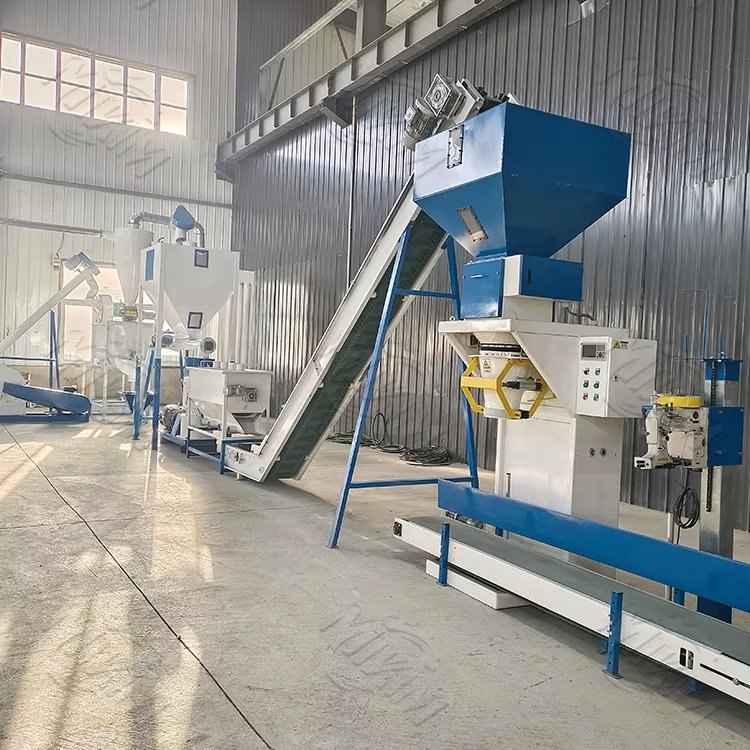
Ribbon mixers or paddle mixers operate for 5-10 minutes per batch. Liquid ingredients like fish oil or molasses add during mixing to coat dry particles evenly. Mixing time depends on batch size and ingredient characteristics.
Stage 5: Conditioning
Before pelleting, the mixed material enters a conditioner where steam and moisture prepare it for compression. This critical step often determines final pellet quality.
Conditioning serves multiple purposes:
- Heat gelatinizes starches, improving binding and pellet durability
- Moisture addition lubricates material for easier pelleting
- Temperature elevation reduces bacteria and pathogens
- Partial cooking improves nutrient digestibility for fish
Temperature typically reaches 75-85°C for traditional ***sinking fish feed*** pellets. ***Floating fish feed*** extrusion requires higher temperatures of 120-150°C to create the expanded structure that provides buoyancy.
Stage 6: Pelleting or Extrusion
The conditioned material enters the pellet mill where dies and rollers compress it into cylindrical shapes. As material exits the die holes, a knife cuts pellets to the desired length.
| Pellet Type |
Production Method |
Temperature |
Pressure |
Water Stability |
| Sinking Feed |
Ring die pelleting |
75-85°C |
30-50 MPa |
2-4 hours |
| Floating Feed |
Twin-screw extrusion |
120-150°C |
50-100 MPa |
12-24 hours |
| Slow-Sinking Feed |
Single-screw extrusion |
90-110°C |
40-70 MPa |
6-10 hours |
Die hole diameter determines pellet size. Philippine tilapia farms typically use 2-4mm pellets for fingerlings and 6-8mm for grow-out fish. The fish feed pellet machine can quickly change dies to produce different sizes.
Stage 7: Cooling
Fresh pellets exit the mill at 75-90°C with 15-18% moisture. Immediate cooling prevents mold growth and extends shelf life. Counterflow coolers pass ambient air through descending pellets, reducing temperature to within 5°C of room temperature.
Proper cooling also removes excess moisture, bringing pellets to the 10-12% moisture content ideal for storage. Philippine’s tropical climate demands efficient cooling to prevent spoilage.
Stage 8: Screening and Crumbling
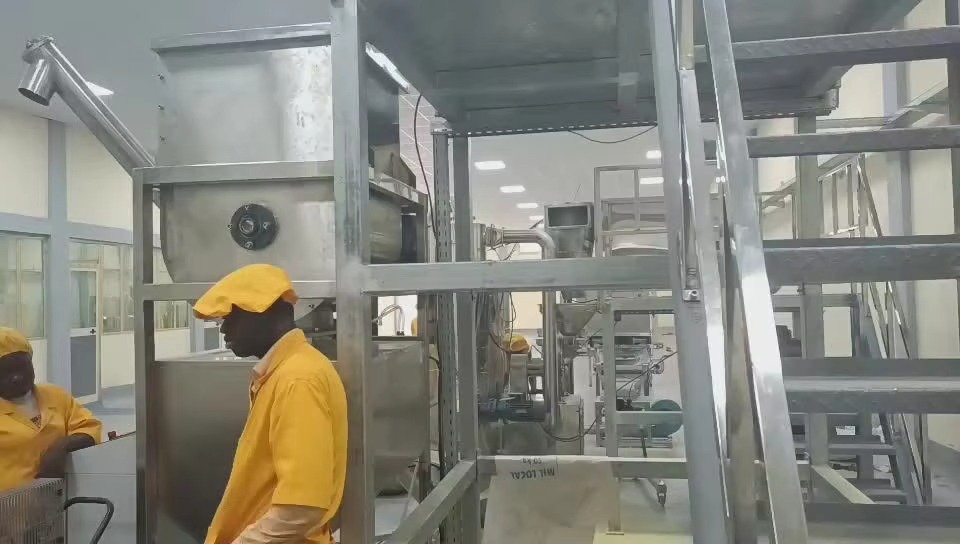
Cooled pellets pass through screens that remove fines (broken pellets and dust) and oversized particles. Fines typically re-enter the production process, while properly sized pellets continue to packaging.
For smaller fish requiring crumbles rather than whole pellets, a crumbler breaks cooled pellets into uniform pieces. This equipment produces consistent crumble sizes impossible to achieve through simple crushing.
Stage 9: Coating (Optional)
Some specialty feeds benefit from post-pelleting oil coating. This process adds fish oil or other attractants to the pellet surface after cooling. Coating enhances palatability and allows higher fat levels without interfering with pelleting.
Stage 10: Packaging and Storage
Final packaging protects feed quality until use. Automated baggers weigh precise quantities into bags, which then proceed to sewing or heat-sealing stations.
Package sizes vary based on market needs. Philippine fish farms commonly use 25kg and 50kg bags for convenient handling. Larger commercial operations may opt for bulk storage and pneumatic delivery directly to feeding systems.
Want to Know the Exact Cost for Your Capacity Requirements?
MAIKONG provides customized quotations for ***aqua fish feed production line*** systems sized specifically for Philippine operations. Get detailed pricing including installation, training, and warranty coverage.
Key Equipment Components in a Fish Feed Production Line
Each machine in the production sequence performs specialized functions. Understanding component roles helps operators maintain equipment properly and troubleshoot production issues effectively.
Hammer Mill / Crusher
The hammer mill reduces raw ingredient particle size through high-speed impact. Rotating hammers strike materials repeatedly until particles become small enough to pass through the bottom screen.
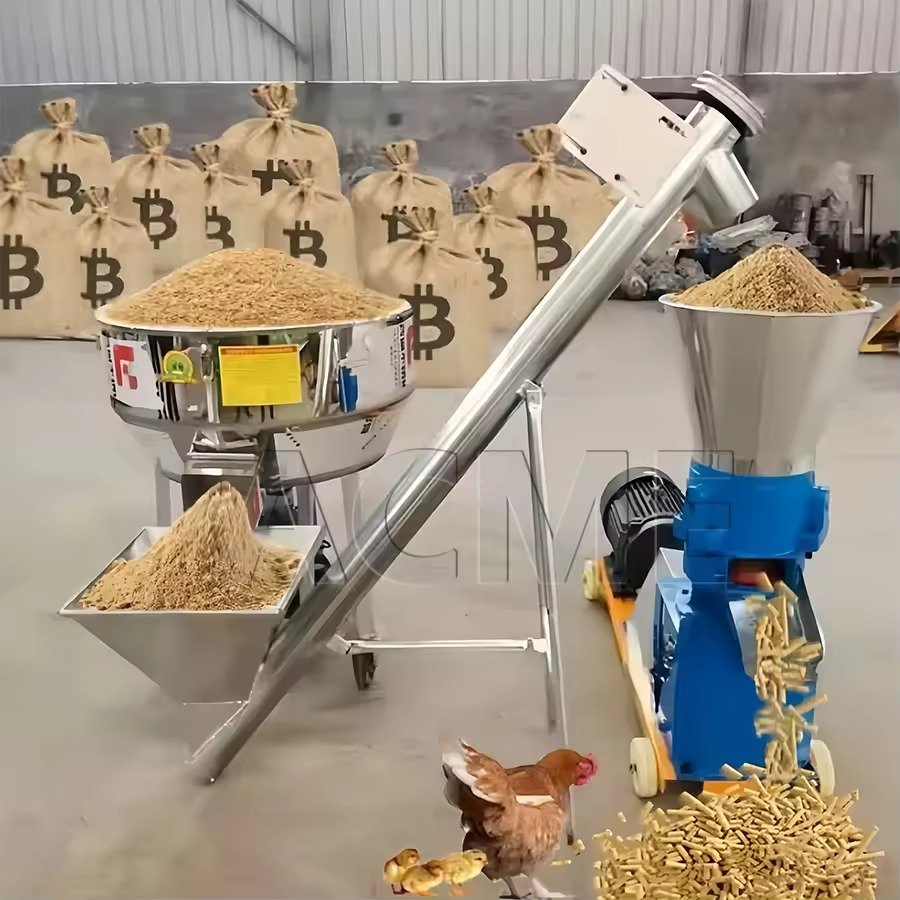
Critical specifications for hammer mill selection include:
- Motor power (typically 22-160 KW for fish feed applications)
- Screen hole size (determines final particle dimensions)
- Rotor diameter and tip speed (affects grinding efficiency)
- Production capacity (must match downstream equipment)
- Hammer material and replacement cycle
MAIKONG hammer mills feature quick-change screen systems that reduce changeover time from 2 hours to 15 minutes compared to traditional designs.
Maintenance Tip: Monitor hammer wear weekly during initial operation to establish replacement schedules. Dull hammers increase energy consumption by 30-50% and reduce throughput significantly.
Batching Scale System
Accurate ingredient proportioning determines nutritional consistency. Modern batching systems use load cells with digital controls achieving ±0.2% accuracy for major ingredients and ±0.5% for micronutrients.
The system typically includes separate bins for each ingredient, pneumatic or mechanical discharge gates, and a programmable controller storing multiple formulations. Operators simply select the desired recipe, and the system automatically weighs and delivers ingredients to the mixer.
Mixer
Two main mixer types serve fish feed production:
Ribbon Mixer Advantages
- Gentle mixing action preserves particle integrity
- Excellent for dry ingredients with minimal liquid addition
- Lower power consumption than paddle mixers
- Easy cleaning and maintenance access
- Uniform discharge minimizes batch variation
Paddle Mixer Benefits
- More aggressive action for difficult-to-mix materials
- Better incorporation of liquid ingredients
- Shorter mixing cycle times
- Effective for high-density batches
- Suitable for adding oils and molasses
Mixing capacity should match your production targets. A 1-ton per hour line typically uses a 500-1000kg batch mixer, producing 2-3 batches hourly allowing time for discharge and reload.
Conditioner
The conditioner prepares mixed material for pelleting by adding moisture and heat. Steam injection provides both, with retention time of 30-60 seconds allowing moisture absorption and starch gelatinization.
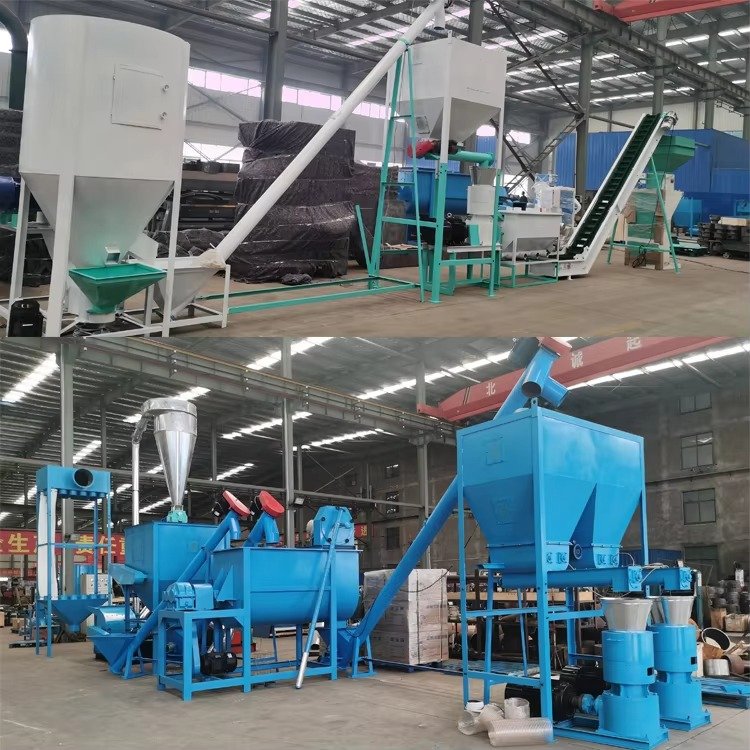
Key conditioner parameters include:
- Retention time (adjustable through paddle configuration)
- Steam pressure (typically 3-5 bar for fish feed)
- Temperature control (target ranges vary by feed type)
- Discharge consistency monitoring
Pellet Mill
The pellet mill represents the heart of the feed pellet production line. Ring die pellet mills dominate commercial production due to their high capacity and durability.
| Pellet Mill Model |
Ring Die Diameter |
Main Motor Power |
Production Capacity |
Suitable Scale |
| MK-320 |
320mm |
37 KW |
500-800 KG/hour |
Small farms |
| MK-420 |
420mm |
75 KW |
1-2 Tons/hour |
Medium operations |
| MK-508 |
508mm |
132 KW |
3-5 Tons/hour |
Commercial mills |
| MK-678 |
678mm |
280 KW |
8-12 Tons/hour |
Large industrial |
Die hole configuration affects pellet characteristics significantly. Smaller holes (2-3mm) require more power but produce feed suitable for fingerlings and juvenile fish. Larger holes (6-10mm) allow higher throughput for grow-out feed production.
Fish Feed Extruder (For Floating Feed)
Producing ***floating fish feed*** requires specialized extrusion equipment rather than traditional pellet mills. Fish feed extruder machines cook material at higher temperatures and pressures, creating expanded pellets with internal air pockets providing buoyancy.
Twin-screw extruders offer advantages for commercial floating feed production:
- Precise temperature control through multiple heating zones
- Better fat incorporation (up to 25% in formulation)
- Improved starch gelatinization and protein denaturation
- Wider range of pellet densities and expansion ratios
- Higher production capacity per unit volume
Cooler
Counterflow pellet coolers provide the most efficient cooling for commercial operations. Cool air enters from the bottom, flowing upward through descending pellets in the chamber. This configuration maximizes heat transfer while using minimal floor space.
Cooler capacity must match or exceed pellet mill output. Insufficient cooling creates bottlenecks, forcing the mill to operate intermittently. Oversized coolers waste energy and floor space without improving product quality.
Packaging Equipment
Automated packaging systems include electronic scales, bag filling stations, and sealing equipment. Throughput ranges from 6-12 bags per minute for smaller operations to 20-30 bags per minute for high-volume production.
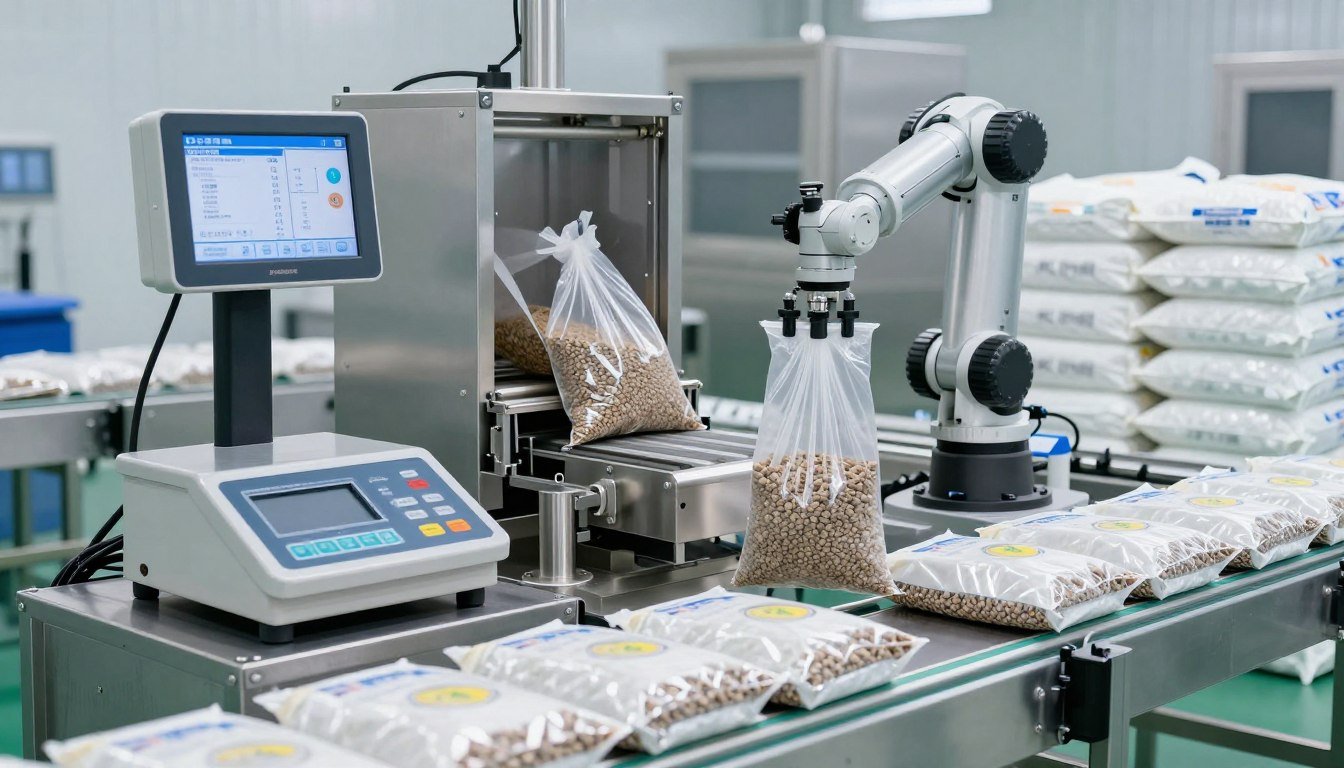
Advanced systems integrate with production management software, printing batch numbers, production dates, and nutritional information directly on bags during filling.
Talk to our technical team about equipment customization options for your specific requirements
+86 135 1090 7401
Production Capacities and System Configurations for Philippine Operations
Selecting the right capacity prevents both overcapacity waste and production bottlenecks. Philippine fish farmers should calculate requirements based on current stock levels plus 30-40% growth capacity for business expansion.
Capacity Calculation Method
Use this formula to determine required hourly capacity:
Required Capacity (KG/hour) = (Total Fish Biomass × Daily Feeding Rate × Safety Factor) / Operating Hours
Example: 50,000kg fish biomass, 3% daily feeding rate, 1.3 safety factor, 8 hour operation
= (50,000 × 0.03 × 1.3) / 8 = 244 KG/hour minimum capacity
This calculation suggests a 300-500 KG/hour system provides adequate capacity with room for growth.
Complete System Configurations by Scale
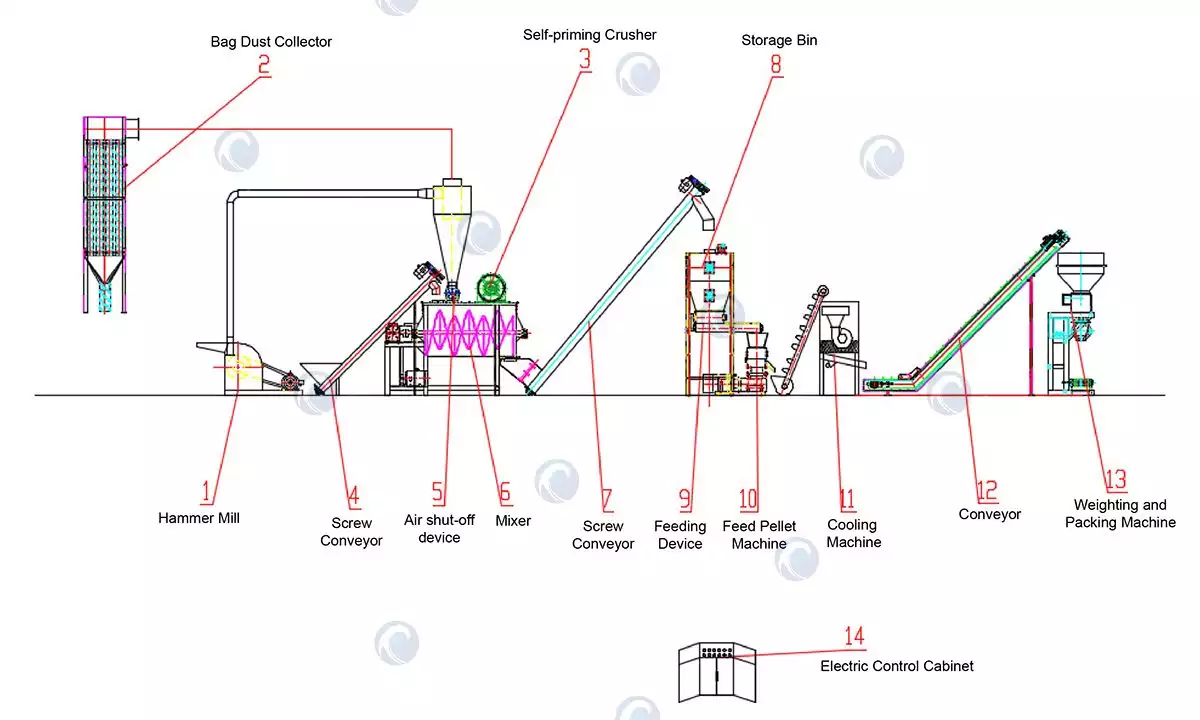
Small-Scale System (200-500 KG/hour)
Ideal for family-owned fish farms producing 10-30 tons monthly. This configuration balances affordability with capability.
Equipment List
- Hammer mill (15-22 KW motor)
- Manual batching system or small automatic batcher
- Ribbon mixer 250-500kg capacity
- Simple steam conditioner
- Ring die pellet mill MK-320 model
- Counterflow cooler 500kg/hr capacity
- Vibrating screen for fines removal
- Semi-automatic packaging scale
Investment Range
Complete system: $15,000 – $35,000 USD
Total installed power: 50-75 KW
Floor space required: 150-250 square meters
Installation time: 10-15 days
Operator requirement: 2-3 personnel
Return on investment: Typically 18-24 months for farms using 80%+ of production internally
Medium-Scale System (1-5 Tons/hour)
Suitable for commercial aquaculture operations and small feed mills serving local farming communities. This scale achieves economies of scale while remaining manageable for family businesses.
Standard Configuration
- Hammer mill SFSP66×80 (55-75 KW)
- Automatic PLC batching system
- Horizontal ribbon mixer 1-2 ton capacity
- Steam conditioning with boiler
- MK-420 or MK-508 pellet mill
- SKLN cooler 3-5 ton/hr capacity
- Crumbler for small pellet production
- Automated packaging system
- Dust collection system
- Screw conveyors and bucket elevators
System Specifications
- Total installed power: 150-250 KW
- Floor space: 400-800 square meters
- Building height requirement: 8-12 meters
- Installation period: 25-40 days
- Commissioning and training: 5-7 days
- Operating staff: 4-6 personnel per shift
- Monthly production potential: 200-1000 tons
Optional Enhancements
- Twin-screw extruder for floating feed production
- Oil coating system for specialty feeds
- Additional storage silos
- Laboratory quality control equipment
- SCADA automation and monitoring
- Vehicle loading system
- Dust removal and environmental controls
Large-Scale Industrial System (10-50 Tons/hour)
Designed for major feed manufacturers serving regional markets or large integrated aquaculture corporations. These fully automated plants maximize efficiency and minimize labor requirements.
| Capacity Range |
Investment Range |
Power Requirement |
Floor Space |
Key Features |
| 10-15 T/hour |
$250,000 – $450,000 |
350-500 KW |
1,500-2,500 m² |
Dual pellet mill lines, automated batching, centralized control |
| 20-30 T/hour |
$500,000 – $850,000 |
600-900 KW |
2,500-4,000 m² |
Multiple production lines, ingredient pre-processing, bulk loading |
| 40-50 T/hour |
$900,000 – $1,500,000 |
1,100-1,500 KW |
4,000-6,000 m² |
Fully automated, multiple product lines, extensive quality control |
Large systems typically include specialized equipment not found in smaller operations:
- Dedicated receiving pits with automatic discharge
- Magnetic separators and destoners for raw materials
- Multiple hammer mills for different ingredient types
- Separate micro-ingredient dosing systems
- Multiple pellet mills operating in parallel
- Fat coating systems with precise spray control
- Automated quality sampling and testing integration
- Palletizing robots and automated warehousing
Voltage and Power Considerations for Philippines
Philippine electrical systems operate at 220V single-phase or 380V three-phase, 60Hz frequency. MAIKONG configures all equipment specifically for Philippine voltage standards during manufacturing.
Important: Verify your facility’s electrical capacity before ordering. A 5-ton/hour system requires approximately 200-250 KW total connected load. Your electrical service must provide this capacity with 20-30% overhead for motor starting currents.
Customization Options
Every aqua feed production line from MAIKONG can be customized to your specific requirements:
- Feed type specialization (floating, sinking, or combination capability)
- Pellet size range (1mm fingerling feed to 12mm grow-out pellets)
- Automation level (manual, semi-automatic, or fully automatic)
- Production capacity (scalable from 200kg to 200 tons hourly)
- Building layout adaptation (vertical or horizontal configuration)
- Climate control integration for tropical conditions
- Multiple species capability (fish, shrimp, poultry, livestock)
From 200KG to 200 Tons Per Hour – MAIKONG Customizes Production Lines for Any Scale Philippine Fish Farm
Our engineering team designs systems matched precisely to your capacity needs, available space, budget, and growth plans. Every component specified for Philippine voltage and environmental conditions.
Why Philippine Aquaculture Operators Choose MAIKONG Fish Feed Production Lines
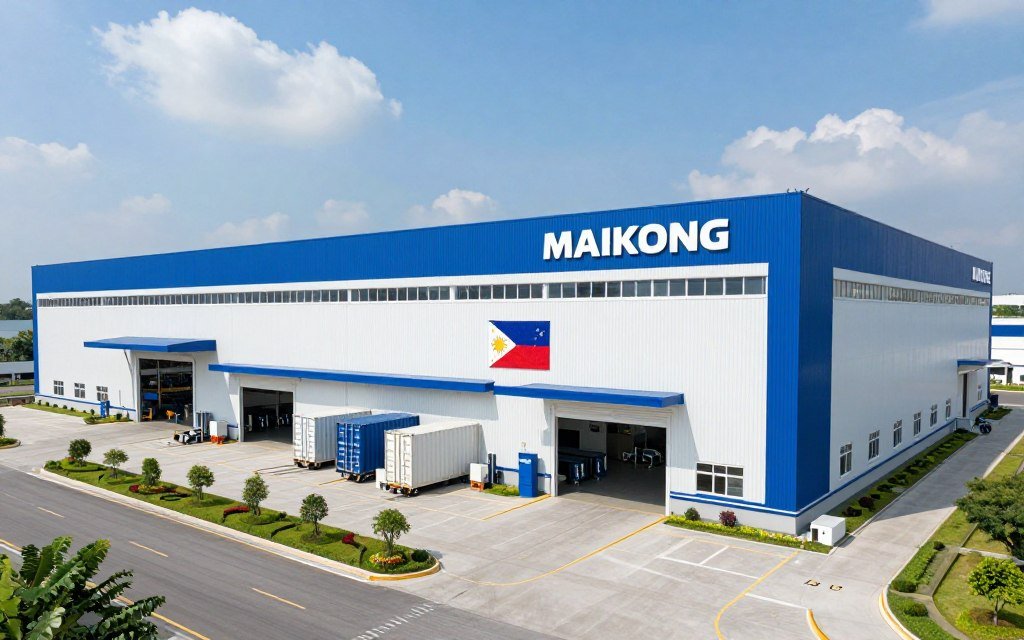
MAIKONG brings 22 years of feed equipment manufacturing experience to the Philippine market. Our GD Province facility in SZ City produces over 500 complete production lines annually, with installations across 130 countries worldwide.
Technical Advantages That Matter
4.8
Overall Customer Rating
Installation Support
4.7/5
After-Sales Service
4.5/5
Delivery Timeliness
4.8/5
Comprehensive Support Throughout Project Lifecycle
Philippine customers receive complete support from initial inquiry through years of operation:
Pre-Sales Consultation
Our technical team helps you determine optimal system configuration based on your specific requirements. We provide detailed proposals including equipment specifications, layout drawings, power requirements, and investment analysis.
Custom Engineering
Every system receives individual engineering attention. We adapt equipment to your building dimensions, power availability, and workflow preferences. CAD layouts ensure efficient use of your facility space.
Manufacturing Quality
All equipment undergoes rigorous testing before shipment. Motors, bearings, and electrical components meet international standards. Welding inspection, dimensional verification, and trial runs ensure reliability.
Installation Support
MAIKONG technicians supervise installation at your facility, working with local contractors. We verify proper equipment alignment, electrical connections, and safety systems before commissioning.
Operator Training
Comprehensive training covers equipment operation, routine maintenance, troubleshooting, and safety protocols. Your team learns formulation principles, quality control procedures, and production optimization techniques.
Ongoing Technical Support
After commissioning, MAIKONG provides lifetime technical support. Contact our team via WhatsApp, email, or phone for troubleshooting assistance. Video consultations solve most issues without site visits.
OEM/ODM Capabilities for Dealers and Distributors
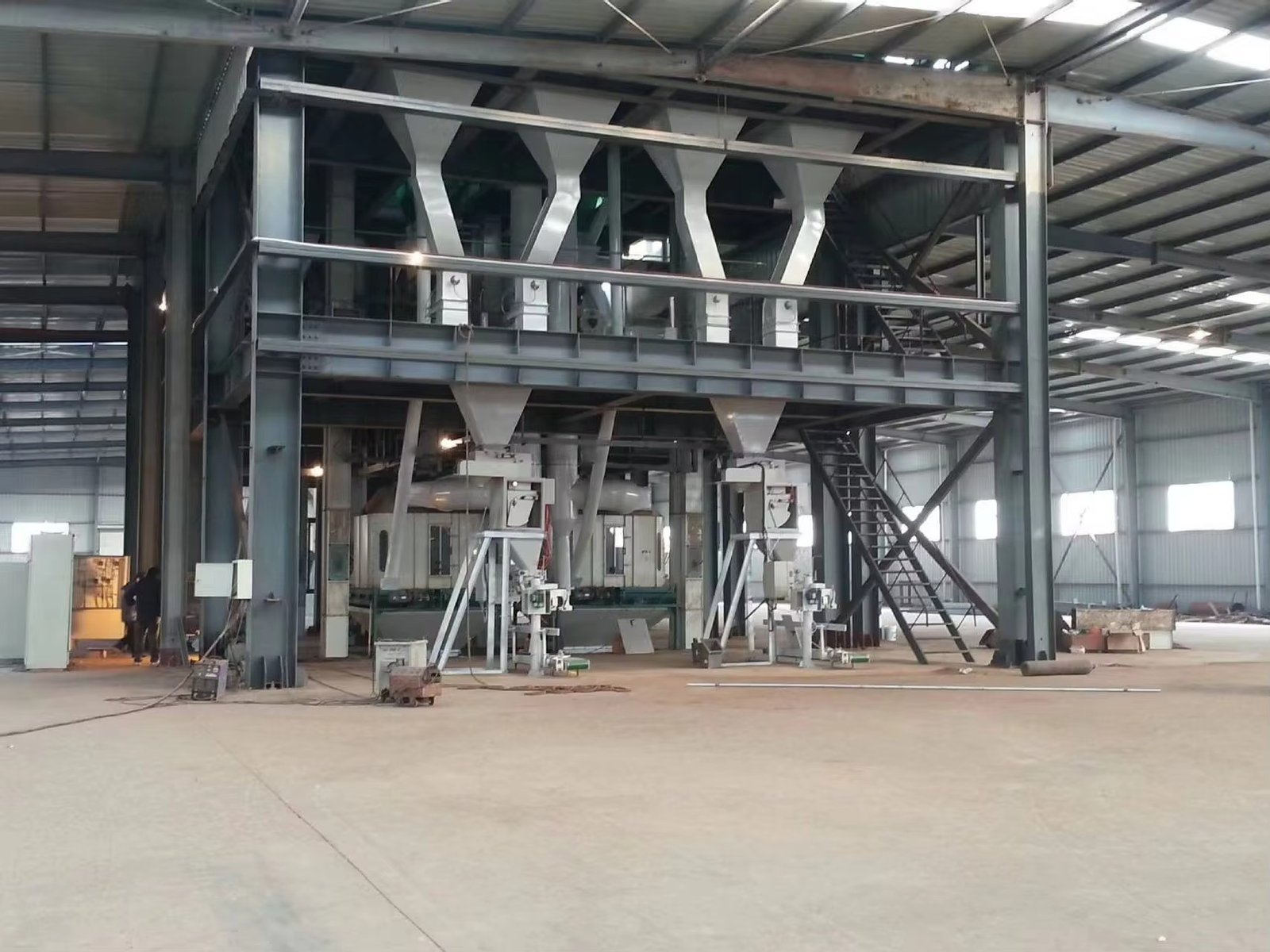
MAIKONG offers attractive opportunities for Philippine equipment dealers and agricultural distributors. Our OEM/ODM programs allow you to market feed production equipment under your own brand while leveraging our manufacturing expertise.
OEM Services Include
- Custom color schemes matching your brand identity
- Logo placement on all major equipment components
- Branded control panels and operator interfaces
- Custom packaging and documentation with your branding
- Exclusive territory agreements for qualified dealers
- Co-branded marketing materials and technical literature
Dealer Support Programs
- Competitive wholesale pricing with volume discounts
- Technical training for your sales and service teams
- Demonstration equipment and sample pellets
- After-sales parts supply and warranty administration
- Joint customer visits and project consultations
- Regular product updates and technology transfers
Product Specifications: MK-L001 Model Showcase
| Specification |
Details |
| Model Number |
MK-L001 Complete Production Line |
| Production Capacity |
1-2 Tons/hour (customizable) |
| System Dimensions (L×W×H) |
18m × 6m × 8m (typical configuration) |
| Total Weight |
Approximately 8,500 kg |
| Main Material |
Stainless steel food-contact surfaces, carbon steel frame with ABS control panels |
| Power Requirement |
380V, 3-phase, 60Hz, 150 KW total connected load |
| Control System |
PLC with HMI touchscreen interface |
| Color Options |
Industrial blue (standard), custom colors available for OEM |
| Pellet Size Range |
2mm – 10mm (die changes required) |
| Stock Availability |
Made-to-order, 45-60 day production lead time |
| Price Range |
$85,000 – $125,000 USD FOB (varies with configuration) |
| Warranty |
24 months parts and labor, lifetime technical support |
| Certification |
ISO 9001, CE marking, electrical safety certifications |
Quality Assurance and Testing
Every MAIKONG production line undergoes comprehensive testing before shipment:
- Individual component testing at sub-assembly stage
- Complete system trial run with actual feed materials
- Electrical safety verification and insulation testing
- Vibration analysis on rotating equipment
- Dimensional inspection of all mechanical components
- Control system functionality and safety interlock verification
- Documentation package including test reports and certifications
Join 130+ Countries Trusting MAIKONG Feed Production Technology
Get your Philippine operation started with 22 years of manufacturing experience backing your investment. MAIKONG provides complete project support from design through commissioning and beyond.
MAIKONG Fish Feed Production Line Success Stories Worldwide
Our production lines operate successfully across diverse climates and markets. These case studies demonstrate proven performance in conditions similar to the Philippines.
Asia Region Installations
Thailand – Tilapia Farm Cooperative
Capacity: 3 tons/hour
Investment: $110,000 USD
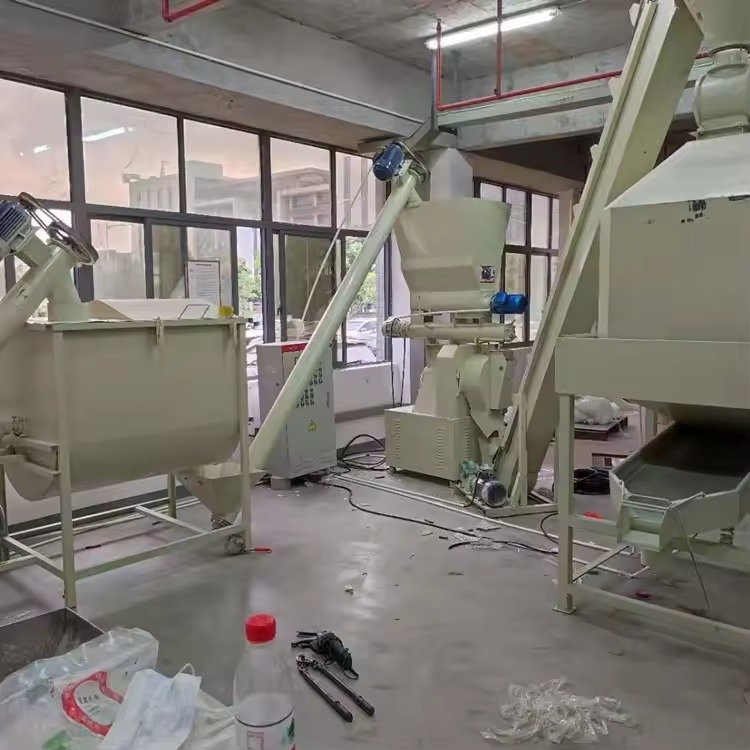
Application: Serving 47 member farms with combined 650 tons monthly feed requirement
This cooperative replaced purchased commercial feed with in-house production, reducing feed costs by 38%. Members report improved feed conversion ratios due to freshness and customized formulations for local tilapia strains.
Results after 18 months:
- Monthly production: 720 tons average
- Selling excess production to non-members generating additional revenue
- Complete ROI achieved in 16 months
- Planning capacity expansion to 5 tons/hour
Indonesia – Commercial Catfish Operation
Capacity: 1.5 tons/hour
Investment: $72,000 USD
Application: Integrated catfish farm producing 200 tons fish annually
This operation previously spent $45,000 monthly on commercial feed. In-house production reduced costs to $28,000 monthly for equivalent nutrition, saving $17,000 monthly ($204,000 annually).
Additional benefits:
- Customized sinking pellets optimized for catfish feeding behavior
- Reduced medication costs through better nutrition
- Improved growth rates shortened production cycle by 12 days
- Selling formulated feed to nearby farms created new revenue stream
Malaysia – Multi-Species Aquaculture
Capacity: 5 tons/hour dual-line system
Investment: $185,000 USD
Application: Producing feeds for tilapia, grouper, and shrimp operations
This facility operates two parallel lines – one for floating tilapia/surface fish feed, one for sinking shrimp/grouper feed. The flexibility allows species-specific optimization impossible with single-line systems.
Performance metrics:
- Monthly output: 900-1100 tons across all products
- Serving internal needs plus 15 contract farming partners
- Feed quality consistency improved survival rates by 8%
- System operating 22 hours daily with 97% uptime
Americas Region Performance
Brazil – Large-Scale Tilapia Producer
Configuration: 15 tons/hour fully automated system
Project Value: $420,000 USD
Brazil’s largest tilapia producer installed MAIKONG equipment to support their 8,000-ton annual fish production. The system replaced purchased feed costing $2.8 million annually with in-house production costing $1.9 million – a $900,000 annual saving.
Advanced automation allows 24-hour operation with minimal staffing. Production planning software coordinates with fish biomass data to produce precisely required quantities daily.
European Aquaculture Applications
European customers prioritize automation, environmental compliance, and precise quality control. MAIKONG systems meet strict EU regulations while delivering consistent performance.
Spain – Seabass and Seabream Feed Production
A Mediterranean aquaculture company operates a 3-ton/hour extruded floating feed line producing specialized marine fish feeds. The system incorporates high fish meal percentages (45-55%) required for carnivorous species while maintaining pellet stability in saltwater.
Automated oil coating adds omega-3 supplements post-pelleting without affecting pellet integrity. Quality control integration samples every batch for nutritional analysis verification.
African Market Success
Nigeria – Catfish Feed Mill
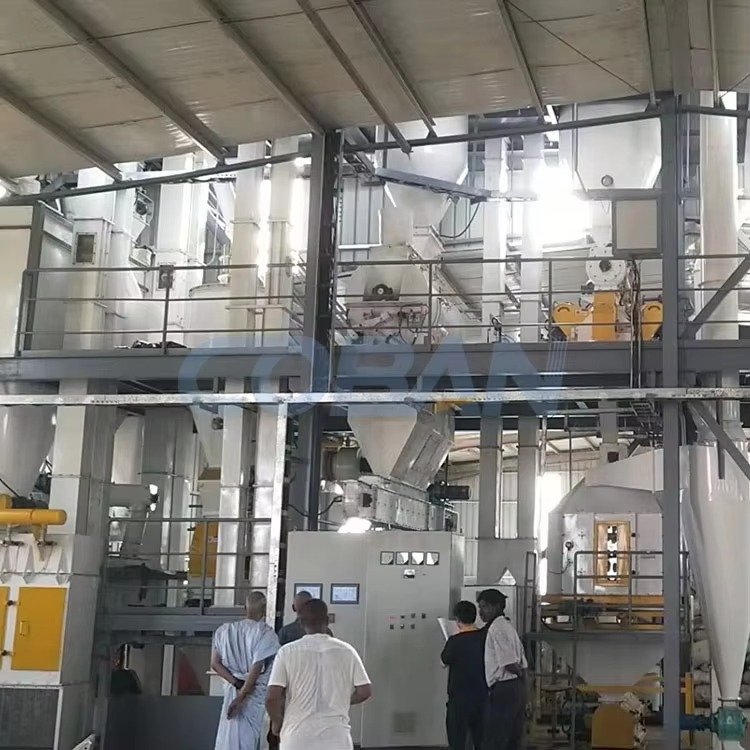
Nigeria’s rapidly growing catfish industry relies heavily on quality feed availability. A Lagos-based feed mill installed a 5-ton/hour MAIKONG system serving commercial catfish farmers across southern Nigeria.
Production Statistics
- Daily production: 80-100 tons
- Product range: 2mm to 9mm sinking pellets
- Distribution: 200+ customer farms
- Employment: 18 production staff
- Monthly revenue: $450,000
Business Impact
- Market leadership in Lagos region
- Consistent quality builds customer loyalty
- Capacity utilization: 85% average
- Expansion planned for second production line
- Training local technicians creates skilled workforce
Middle East Climate Adaptation
Saudi Arabia – Desert Aquaculture Support
Extreme temperatures challenge feed production in Middle Eastern climates. A Saudi Arabian intensive shrimp farm operates a MAIKONG 2-ton/hour system with enhanced cooling and dust control for desert conditions.
Climate-specific modifications include:
- Insulated equipment enclosures maintaining stable temperatures
- Enhanced dust filtration preventing sand ingress
- Upgraded cooling systems handling 45°C+ ambient temperatures
- Stainless steel construction resisting corrosion in coastal humidity
The system produces high-protein shrimp feeds (38-42% protein) with precise pellet size control critical for shrimp farming success.
Get Similar Results for Your Philippine Aquaculture Business
These success stories demonstrate MAIKONG equipment performance across tropical, temperate, and extreme climates. Your Philippine operation can achieve comparable results with properly configured systems and comprehensive support.
Our engineering team applies lessons learned from 130 countries to optimize your specific installation. Regional climate data, local ingredients, and species requirements all factor into system design.
Operating and Maintaining Your Fish Feed Production Line
Proper operation and preventive maintenance maximize equipment lifespan and production efficiency. Philippine operators should establish clear procedures and training protocols from day one.
Daily Operating Procedures
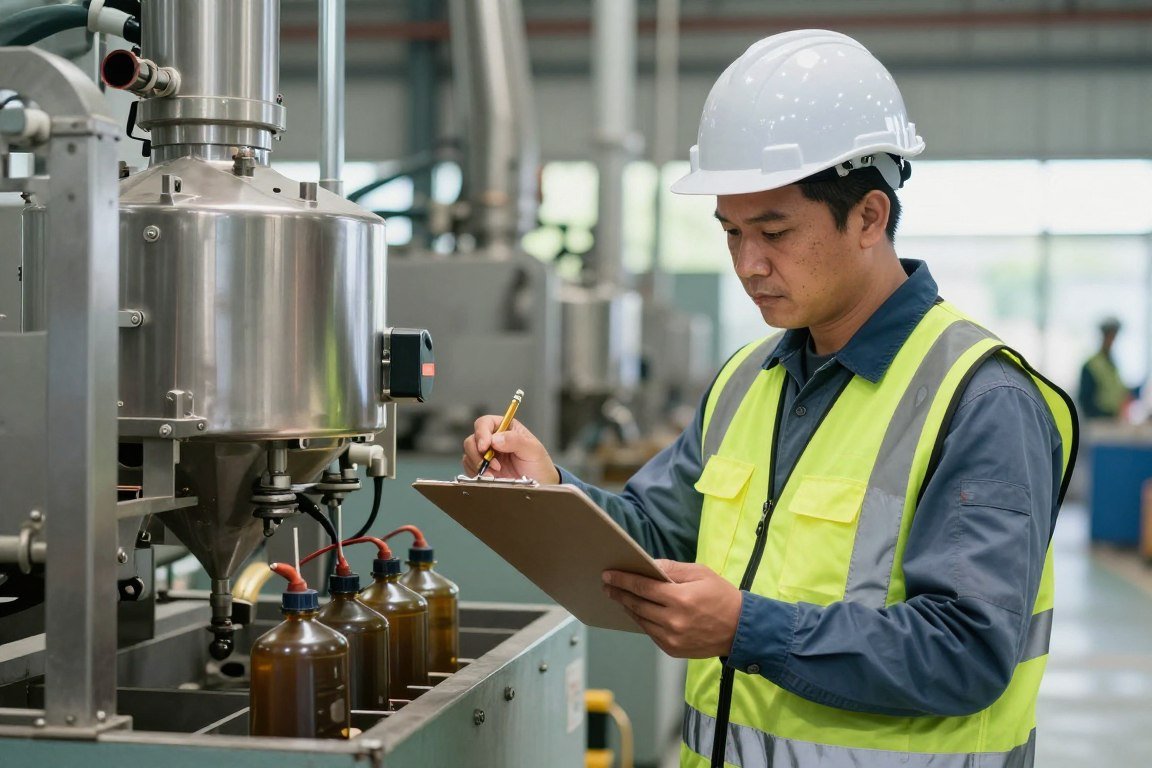
Consistent daily routines prevent most equipment problems. Train all operators on these essential pre-operation checks:
- Pre-Start Inspection (15-20 minutes before production) – Walk the entire line checking for loose bolts, unusual sounds from bearings, proper belt tension, and clean work areas. Verify all emergency stops function correctly.
- Lubrication Verification – Check oil levels in gearboxes and bearing housings. Listen for dry bearings during manual rotation of accessible shafts. Top up any low lubricant levels before starting.
- Safety System Check – Test all safety interlocks, emergency stops, and warning lights. Never bypass safety systems even temporarily.
- Material Inventory – Verify sufficient raw materials available for planned production run. Check ingredient quality for any signs of spoilage or contamination.
- Start-Up Sequence – Follow manufacturer’s recommended start-up order. Generally conveyors and elevators start first, then mixers, then pellet mill last. This sequence prevents jamming.
- Production Monitoring – Observe initial production closely. Check pellet quality, monitor temperatures, verify correct ingredient flow. Adjust as needed before continuous operation.
- Quality Sampling – Collect samples every 30-60 minutes during production. Test pellet durability, moisture content, and dimensions against specifications.
- Production Logging – Record production quantities, any adjustments made, downtime incidents, and quality test results. This data identifies trends and optimization opportunities.
- Shutdown Procedure – Stop equipment in reverse order from start-up. Allow complete discharge of all material before shutting down. Clean critical areas while equipment accessible.
- Post-Operation Inspection – Check for any damage, excessive wear, or developing problems. Address minor issues immediately before they become major failures.
Weekly Maintenance Tasks
Dedicated weekly maintenance prevents most unexpected breakdowns:
| Equipment |
Weekly Task |
Time Required |
Critical Points |
| Hammer Mill |
Inspect hammers, check screen condition, clean dust buildup |
45-60 minutes |
Replace hammers when worn to half original thickness |
| Mixer |
Check ribbon or paddle wear, clean residue, verify discharge gates |
30-45 minutes |
Ensure complete discharge to prevent cross-contamination |
| Pellet Mill |
Inspect die and rollers, check belt tension, clean feed chute |
60-90 minutes |
Monitor die hole wear, replace when diameter increases 15% |
| Cooler |
Clean air intake filters, check fan bearings, verify damper operation |
30 minutes |
Restricted airflow reduces cooling efficiency significantly |
| Conveyors |
Inspect belts/chains for wear, check alignment, tighten loose components |
20-30 minutes |
Misalignment causes premature wear and material spillage |
| Elevators |
Check bucket condition, verify chain tension, clean housing |
25-35 minutes |
Replace damaged buckets immediately to prevent chain damage |
Monthly Deep Maintenance
Schedule monthly maintenance during planned downtime to address items requiring more extensive work:
- Complete lubrication service of all gearboxes and bearing assemblies
- Electrical connection tightness verification and contact cleaning
- Belt replacement on any showing significant wear or damage
- Calibration verification of batching scales and weighing systems
- Steam system inspection including traps, valves, and connections
- Control system backup and software updates if available
- Comprehensive cleaning of entire production line
- Safety system functional testing and documentation
Spare Parts Inventory Management
Maintain adequate spare parts inventory to minimize downtime when failures occur:
Critical Spares (Keep On-Site)
- Hammer mill screens (2 sets minimum)
- Hammer mill hammers (complete set)
- Pellet mill die (1 spare per size used)
- Pellet mill rollers (1 complete set)
- Drive belts for all equipment
- Bearing assemblies for high-wear points
- Electrical contactors and relays
- Mixer discharge gate seals
Secondary Spares (Order as Needed)
- Gearbox rebuild kits
- Motor bearing replacements
- Conveyor chain sections
- Bucket elevator buckets
- Pneumatic cylinder rebuild kits
- Solenoid valve assemblies
- Temperature and pressure sensors
- Control panel components
Troubleshooting Common Issues
Recognize these common problems and their typical solutions:
Problem: Pellets crumbling or breaking easily
Likely Causes:
- Insufficient steam conditioning (temperature too low)
- Inadequate moisture content in mix
- Worn pellet mill die creating rough pellets
- Incorrect formulation (insufficient binders)
- Over-cooling removing too much moisture
Solutions: Increase conditioning temperature to 80-85°C. Verify steam pressure reaches 3-4 bar. Add 1-2% moisture to mix. Replace worn dies. Review formulation for adequate starch content.
Problem: Pellet mill producing low output or jamming frequently
Likely Causes:
- Die and roller gap too wide from wear
- Insufficient conditioning creating hard-to-pellet material
- Foreign material jamming die holes
- Incorrect roller positioning
- Motor power insufficient for formulation
Solutions: Inspect die and rollers for wear, replace if gap exceeds specifications. Increase steam temperature and retention time. Install magnetic separator upstream. Adjust roller-to-die gap per manufacturer specs. Consider die hole size reduction if formulation particularly difficult.
Problem: Inconsistent pellet sizes in finished product
Likely Causes:
- Worn pellet cutter knife creating irregular cuts
- Varying material consistency entering pellet mill
- Improper mixer operation creating non-homogeneous batches
- Die wear creating different sizes from different holes
Solutions: Sharpen or replace pellet cutter knife. Verify consistent conditioning temperature and moisture. Increase mixing time by 2-3 minutes. Replace die if hole wear exceeds 10-15% of original diameter.
Problem: Excessive dust generation throughout system
Likely Causes:
- Over-grinding creating too-fine particle sizes
- Pellets breaking during cooling or handling
- Inadequate dust collection system
- Excessive conveying speed damaging pellets
Solutions: Install coarser screens in hammer mill. Improve pellet quality to reduce breakage. Clean/replace dust collector filters. Reduce conveyor and elevator speeds to minimize impact damage.
Operator Training Program
Comprehensive training ensures safe, efficient operation. MAIKONG provides initial training during commissioning, covering:
Safety Procedures
Lockout/tagout protocols, emergency stop procedures, safe material handling, personal protective equipment requirements, and hazard recognition.
Equipment Operation
Start-up and shutdown sequences, normal operating parameters, adjustment procedures, and production optimization techniques.
Quality Control
Sampling procedures, pellet quality testing, specification adherence, and corrective action protocols when issues arise.
Routine Maintenance
Daily and weekly maintenance tasks, lubrication schedules, wear part inspection, and when to request technical support.
Troubleshooting
Common problem recognition, systematic diagnosis methods, when operator intervention appropriate, and escalation procedures.
Record Keeping
Production logging, maintenance documentation, quality records, and data analysis for continuous improvement.
Getting Started: Ordering Your MAIKONG Fish Feed Production Line
Starting your feed production journey with MAIKONG follows a clear, supportive process designed to ensure your success from initial contact through years of operation.
Step-by-Step Ordering Process
- Initial Consultation – Contact our team via WhatsApp (+86 135 1090 7401) or email (Lucy@pelletmachine.ph). Discuss your requirements including production capacity, feed types, available space, and budget parameters.
- Needs Assessment – Our technical team asks detailed questions about your operation: fish species, current feed consumption, growth projections, facility characteristics, and electrical service capacity.
- System Recommendation – Based on your requirements, we propose specific equipment configurations with capacity calculations, power requirements, and space layouts. Multiple options often provided at different price points.
- Quotation Preparation – Detailed quotation includes itemized equipment list, specifications, pricing (FOB and CIF), payment terms, delivery timeline, and warranty coverage.
- Engineering Review – You review proposals with our engineering team. Video calls allow detailed discussion of technical aspects and customization options.
- Contract Finalization – Once configuration agreed, formal contract prepared covering all specifications, delivery terms, installation support, training, and warranty provisions.
- Production Commencement – Upon deposit payment (typically 30%), manufacturing begins. Production photos and progress updates provided throughout manufacturing cycle.
- Quality Inspection – Complete system testing at our factory. Customers welcome to witness testing or arrange third-party inspection.
- Shipment Arrangement – Upon balance payment, equipment shipped to Philippine port. Full documentation provided for customs clearance.
- Installation Support – MAIKONG technician supervises installation at your facility. Local contractors handle physical installation under our technical guidance.
- Commissioning – System testing with your raw materials producing actual feed. All adjustments made to achieve specified performance.
- Operator Training – Comprehensive training program conducted at your facility. Hands-on instruction ensures your team confident operating equipment independently.
- Ongoing Support – After commissioning, lifetime technical support continues via phone, WhatsApp, email, and video consultation.
Investment and Financing Considerations
Understanding total investment requirements helps with planning and financing:
| Cost Category |
Typical Percentage of Total |
Example (1T/hr system) |
| Equipment Purchase |
60-70% |
$60,000 – $70,000 |
| Shipping and Import Duties |
8-12% |
$8,000 – $12,000 |
| Building/Facility Preparation |
10-15% |
$10,000 – $15,000 |
| Installation Labor |
5-8% |
$5,000 – $8,000 |
| Initial Raw Materials Inventory |
5-7% |
$5,000 – $7,000 |
| Working Capital Reserve |
5-8% |
$5,000 – $8,000 |
| Total Project Cost |
100% |
$93,000 – $120,000 |
Philippine banks and agricultural financing institutions often support feed production equipment investments. Government programs like the Department of Agriculture’s machinery loan programs may provide favorable terms for qualified applicants.
Payment Terms and Options
MAIKONG offers flexible payment structures accommodating different financial situations:
- Standard Terms: 30% deposit with order, 70% balance before shipment
- Letter of Credit: Accepted from established Philippine banks
- Installment Options: Available for qualified dealers and larger orders
- Trade-In Programs: Credit allowed for qualifying used equipment
Delivery Timeline Expectations
Realistic timeline planning prevents disappointment:
Manufacturing Phase
- Small systems (200-500kg/hr): 30-45 days
- Medium systems (1-5T/hr): 45-60 days
- Large systems (10T/hr+): 60-90 days
- Custom OEM projects: Add 15-30 days
Logistics Phase
- Sea freight to Philippines: 15-25 days
- Customs clearance: 5-10 days
- Domestic transport: 2-5 days
- Installation: 10-20 days
- Commissioning and training: 5-7 days
Total timeline from order placement to production start typically ranges 90-150 days depending on system complexity and logistics efficiency.
Documentation Required
Prepare these documents to facilitate smooth ordering and import:
- Business registration documents (SEC registration for corporations, DTI for sole proprietors)
- Tax identification number (TIN)
- Import license (if required for your business category)
- Bank account information for international transactions
- Site photos and building plans for installation planning
- Electrical service specifications (voltage, phase, available capacity)
BECOME A MAIKONG DEALER IN THE PHILIPPINES
Earn substantial income representing premium fish feed production line equipment in your region. MAIKONG provides technical training, marketing support, attractive wholesale pricing, and comprehensive OEM/ODM options for qualified dealers and distributors.
We seek partners in key Philippine aquaculture regions including Bulacan, Pampanga, Laguna, Batangas, Cavite, Rizal, Nueva Ecija, Tarlac, Pangasinan, Iloilo, and Negros Occidental.
Frequently Asked Questions About Fish Feed Production Lines
What is the difference between floating and sinking fish feed production?
Floating fish feed production uses extrusion technology that cooks ingredients at high temperature (120-150°C) and pressure, creating expanded pellets with internal air pockets that provide buoyancy. These pellets float on water surfaces for 12-24 hours, ideal for tilapia, bangus, and other surface-feeding species. The extrusion process also improves starch gelatinization and nutrient digestibility.
Sinking fish feed production uses traditional ring die pelleting at lower temperatures (75-85°C). The denser pellets sink quickly, suitable for catfish, grouper, and bottom-feeding species. Sinking feed production requires less sophisticated equipment and lower energy input, making it more economical for basic applications.
Many Philippine operations benefit from dual-capability systems that can produce both types, offering maximum flexibility for mixed-species operations.
How much space do I need for a fish feed production line?
Space requirements vary significantly based on production capacity:
- Small systems (200-500 kg/hour): 150-250 square meters, 6-8 meter ceiling height
- Medium systems (1-5 tons/hour): 400-800 square meters, 8-12 meter ceiling height
- Large systems (10+ tons/hour): 1,500-5,000 square meters, 12-15 meter ceiling height
Vertical configurations require less floor space but taller buildings. Horizontal layouts need more floor area but work with lower ceilings. MAIKONG engineers can adapt systems to your available building dimensions.
Additional space needed for raw material storage (typically 2-3 weeks supply) and finished product warehouse (1-2 weeks production). Office and quality control laboratory space should also be considered.
Can I produce different pellet sizes with one production line?
Yes, pellet size changes easily by replacing the pellet mill die. Most operations maintain 2-3 die sizes covering their range requirements (for example: 2mm for fry, 4mm for juveniles, 8mm for grow-out fish).
Die changes typically require 30-60 minutes depending on equipment design and operator experience. MAIKONG pellet mills feature quick-change die systems reducing changeover time to under 30 minutes.
For operations requiring frequent size changes, some customers install dual pellet mill systems allowing production of two sizes simultaneously or quick switching without downtime for die changes.
What power supply do I need for a fish feed production line in the Philippines?
Philippine electrical standards use 220V single-phase for small equipment and 380V three-phase for industrial machinery, both at 60Hz frequency. MAIKONG configures all equipment specifically for Philippine voltage during manufacturing.
Total power requirements by system size:
- Small systems (200-500 kg/hr): 50-75 KW connected load, recommend 100 KVA transformer capacity
- Medium systems (1-5 T/hr): 150-300 KW connected load, recommend 300-400 KVA transformer
- Large systems (10+ T/hr): 400-1,500 KW connected load, dedicated substation often required
Motor starting currents can reach 6-8 times running current. Your electrical service must accommodate these peaks. We recommend consulting a Philippine licensed electrical engineer to verify service adequacy before ordering.
How long does a fish feed production line last?
With proper maintenance, MAIKONG production lines provide 15-25 years of productive service. Critical components have different service lives:
- Structural frames and housing: 20-30 years (minimal wear)
- Motors and gearboxes: 10-15 years with proper lubrication
- Pellet mill dies: 300-800 hours depending on formulation abrasiveness
- Pellet mill rollers: 1,500-3,000 hours typical
- Hammer mill screens: 200-500 hours depending on materials
- Mixer ribbons/paddles: 2-5 years depending on abrasiveness
- Belts and bearings: 1-3 years depending on usage intensity
Regular maintenance extending component life significantly. Well-maintained systems often exceed expected service life by 30-50%. MAIKONG provides comprehensive spare parts support throughout equipment lifetime.
What is the return on investment for a fish feed production line?
ROI varies based on operation scale and feed prices, but typical Philippine scenarios show:
Small fish farm (30 tons fish biomass):
- Monthly feed requirement: ~27 tons
- Commercial feed cost: ₱45/kg = ₱1,215,000 monthly
- Production cost (including labor): ₱28/kg = ₱756,000 monthly
- Monthly savings: ₱459,000 (38% reduction)
- Investment: ₱1,500,000 for 500kg/hr system
- ROI period: 3-4 months
Commercial operation (200 tons fish biomass):
- Monthly feed requirement: ~180 tons
- Commercial feed cost: ₱42/kg = ₱7,560,000 monthly
- Production cost: ₱25/kg = ₱4,500,000 monthly
- Monthly savings: ₱3,060,000 (40% reduction)
- Investment: ₱4,500,000 for 3T/hr system
- ROI period: 1.5-2 months
These calculations assume 80%+ internal consumption. Operations selling excess production to other farms achieve even faster ROI through revenue generation beyond cost savings.
Does MAIKONG provide installation and training in the Philippines?
Yes, comprehensive installation support and operator training are included with every MAIKONG system. Our service includes:
Installation Support:
- MAIKONG technician supervises complete installation at your Philippine facility
- Detailed installation drawings and instructions provided in English
- Technical guidance for local contractors handling physical installation work
- Equipment alignment verification and commissioning
- System testing with your raw materials producing actual feed pellets
Training Program:
- 5-7 days comprehensive on-site training after installation
- Hands-on operation instruction covering all equipment
- Safety procedures and emergency protocols
- Routine maintenance training
- Quality control and troubleshooting techniques
- Training materials provided in English
- Video call support available after initial training
Additional training visits can be arranged if needed. Many customers send operators to our GD facility for advanced training on specific aspects.
What warranty coverage does MAIKONG provide?
Standard warranty coverage includes:
24-Month Parts and Labor Warranty:
- Covers all manufacturing defects in materials and workmanship
- Free replacement parts shipped to Philippines
- Technical support for installation of warranty parts
- Excludes normal wear items (dies, screens, hammers, belts)
- Begins from commissioning date or 30 days after delivery, whichever first
Lifetime Technical Support:
- Phone, WhatsApp, and email support continues indefinitely
- Video consultation for troubleshooting
- Access to updated operating manuals and procedures
- Parts availability guaranteed for minimum 15 years
- Paid service visits available when needed
Extended warranty programs available for additional coverage beyond standard terms. Dealer and distributor programs include enhanced warranty provisions.
Start Your Fish Feed Production Journey with MAIKONG
The decision to invest in your own ***fish feed production line*** transforms your aquaculture operation from price-taker to price-maker. You gain control over feed quality, formulation flexibility, production timing, and ultimately, profitability.
Philippine fish farmers and aquaculture entrepreneurs choosing MAIKONG benefit from proven technology backed by 22 years of manufacturing experience. Our systems operate successfully across 130 countries in climates ranging from Arctic cold to tropical heat, demonstrating reliability and adaptability.
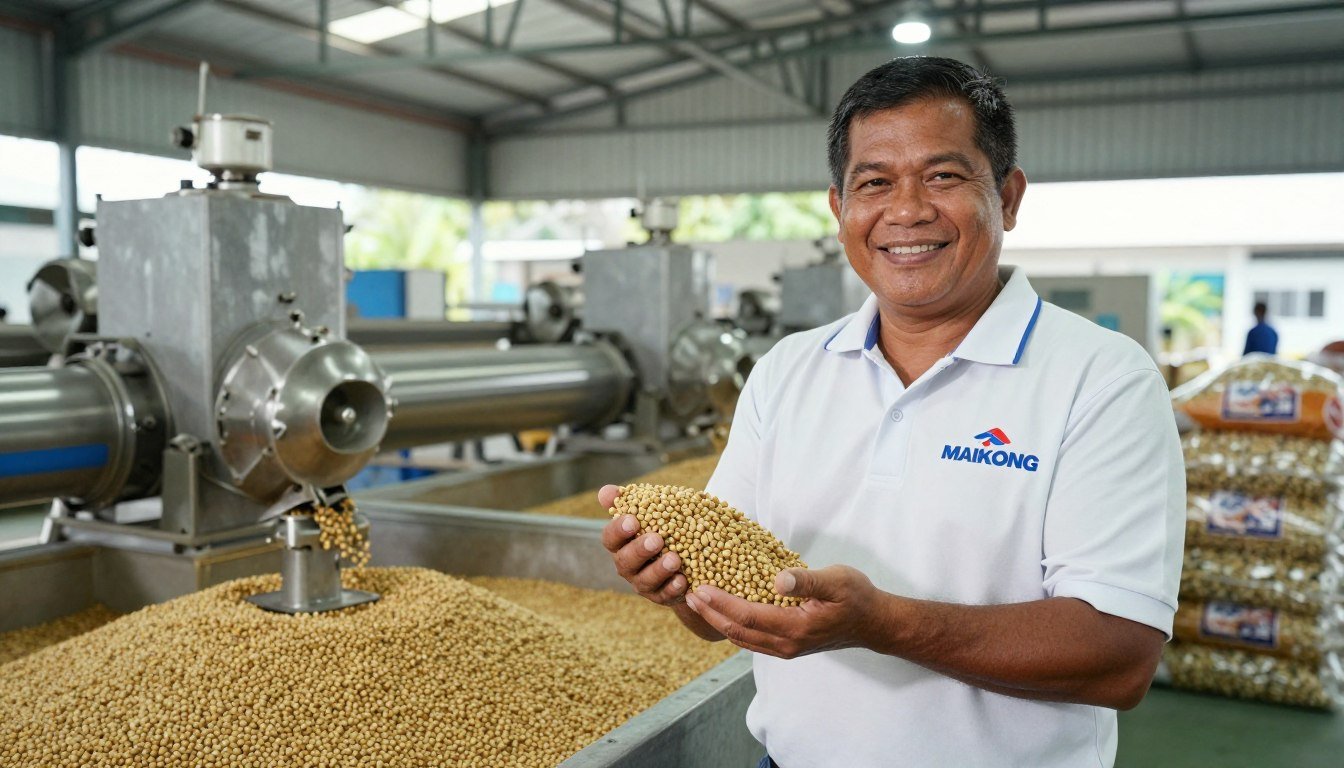
Whether you operate a family fish farm requiring 200 kilograms hourly or manage a commercial operation needing 20 tons per hour, MAIKONG engineers design systems precisely matched to your requirements. We adapt capacity, automation level, building layout, and equipment specifications to your unique situation.
Your Next Steps
Starting your feed production project requires simply reaching out to our team:
Information to Prepare
- Current or planned fish production volume
- Primary species being farmed
- Current monthly feed consumption or projected needs
- Available building space and electrical capacity
- Timeline for project implementation
- Budget parameters
Our technical team responds to inquiries within 24 hours, typically much faster via WhatsApp. Initial consultations involve no obligation – we genuinely enjoy helping Philippine aquaculture operators evaluate options and make informed decisions.
Additional Resources
Learn more about MAIKONG capabilities and product range:
The Philippine aquaculture industry continues its rapid growth trajectory. Fish consumption increases annually while capture fisheries decline, creating expanding opportunities for commercial fish farming. Those who control their feed production position themselves competitively for this growth.
MAIKONG looks forward to supporting your success with reliable equipment, comprehensive training, and ongoing technical assistance throughout your production journey.
Transform Your Aquaculture Operation Today
Contact MAIKONG now to discuss your fish feed production line requirements. Our Philippine-focused team understands local conditions, species requirements, and business realities. Get personalized recommendations from 22 years of global feed equipment manufacturing experience.