The aquaculture industry in Philippines continues to grow rapidly. Fish farmers and feed mill operators face a critical decision when investing in equipment. Understanding the true cost of a fish feed production line requires looking beyond the initial price tag.
This comprehensive guide breaks down pricing factors, equipment specifications, and return on investment. You will learn what affects costs and how to choose the right system for your operation.
Whether you run a small tilapia farm or manage a commercial feed mill, this information helps you make informed investment decisions.
Understanding the Components That Affect Fish Feed Production Line Price
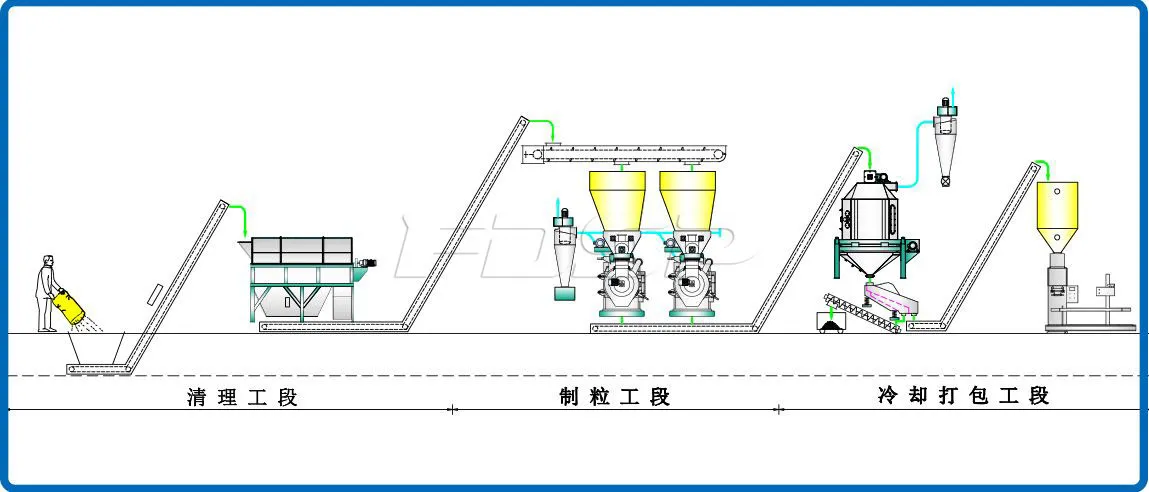
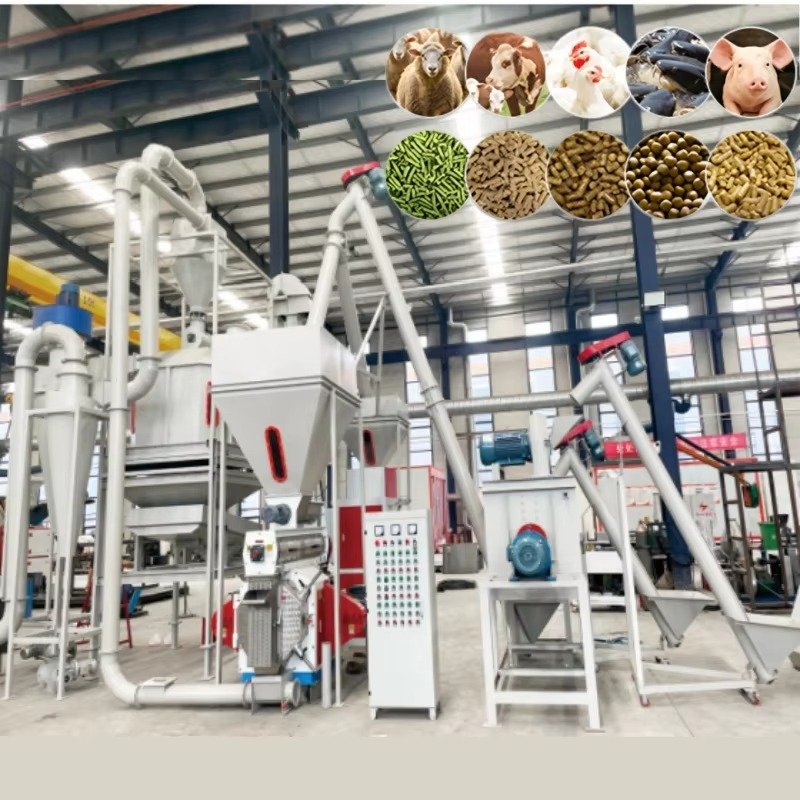
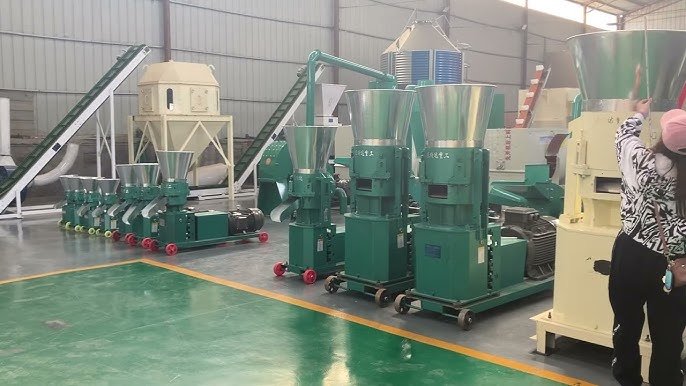
A complete fish feed production line consists of multiple integrated machines. Each component contributes to the total investment. The main equipment includes crushers, mixers, pellet machines, coolers, and packaging systems.
Production capacity significantly influences pricing. Lines range from small 200KG per hour systems to large industrial 200-ton operations. Your specific needs determine which configuration makes financial sense.
Core Equipment Components
The primary machines handle material processing from raw ingredients to finished pellets. Understanding each component helps you evaluate quotes accurately.
- Hammer mill crusher for grinding raw materials
- Horizontal mixer for uniform ingredient blending
- Ring die pellet machine for pellet formation
- Counterflow cooler for temperature reduction
- Vibrating screener for size classification
- Automatic packaging system for final product
Supporting Infrastructure
Beyond core machines, additional systems ensure smooth operation. These elements often get overlooked in initial budgeting.
- Bucket elevators and screw conveyors
- Dust collection and air filtration systems
- Control panels and automation equipment
- Steam boilers for conditioning process
- Raw material storage silos
- Electrical installation and wiring
Material quality affects longevity and maintenance costs. Stainless steel components cost more initially but reduce replacement frequency. Philippine operations benefit from equipment designed for tropical humidity and temperature conditions.
Automation level represents another cost variable. Semi-automatic lines require more manual labor but have lower equipment costs. Fully automatic systems minimize labor while increasing initial investment. For most Philippine operations, finding the right balance maximizes efficiency and profitability.
Fish Feed Production Line Price Ranges by Capacity in Philippines
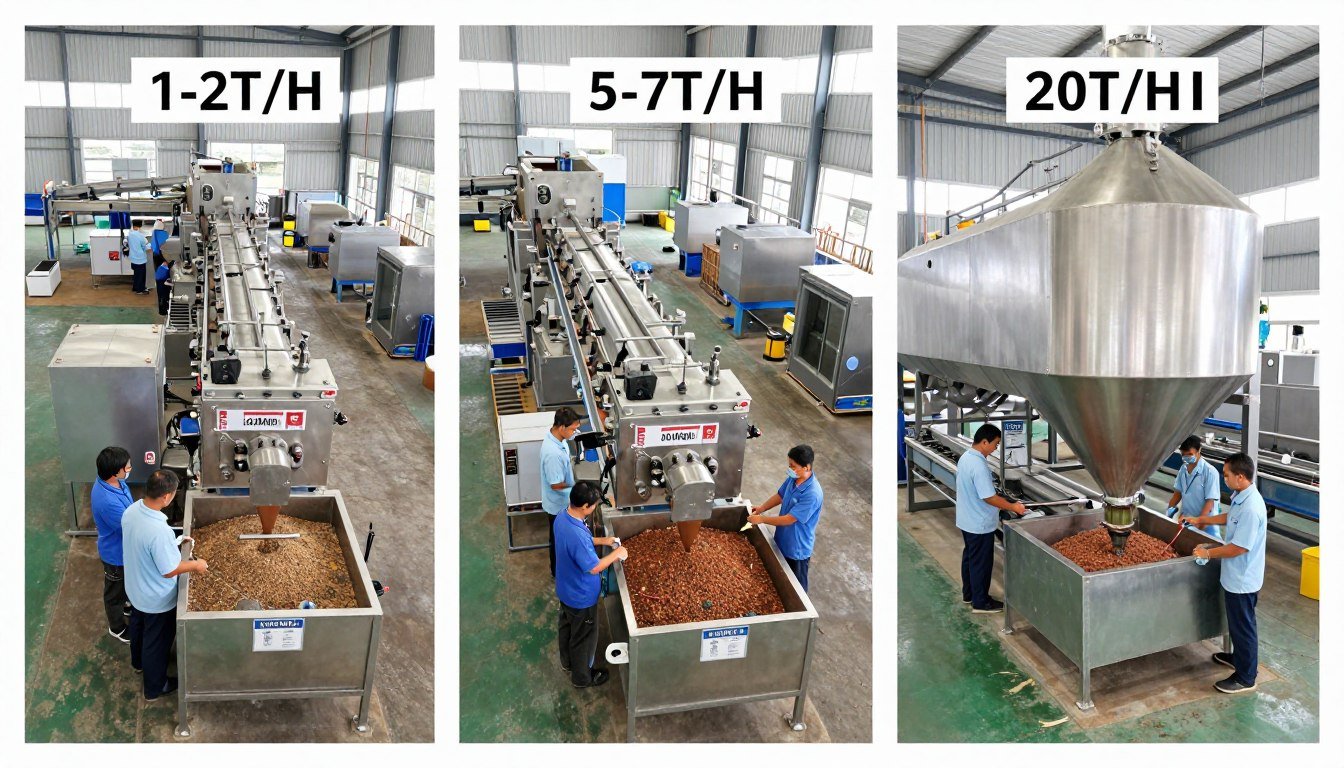
Investment requirements vary dramatically based on production capacity. The table below shows realistic fish feed production line price ranges for different scales in the Philippine market.
| Capacity Range | Total Power | Space Required | Installation Time | Price Range (USD) |
| 1-2T/H | 47-75KW | 300-500m² | 7-15 Days | $10,000-$50,000 |
| 3-4T/H | 53-165KW | 300-700m² | 15-20 Days | $50,000-$120,000 |
| 5-7T/H | 68-259KW | 400-800m² | 20-40 Days | $70,000-$250,000 |
| 8-10T/H | 125-410KW | 800-2000m² | 45-60 Days | $150,000-$300,000 |
| 12-20T/H | 358-620KW | 1500-3000m² | 60-90 Days | $250,000-$580,000 |
| 25-40T/H | 545-870KW | 2000-4000m² | 90-120 Days | $450,000-$850,000 |
Small-scale operations (1-2T/H) suit family-owned fish farms and startup feed producers. These systems provide entry-level production capability with manageable investment. Medium capacity lines (5-10T/H) serve growing commercial operations and regional distributors.
Large industrial systems (20T/H and above) meet the demands of major aquaculture companies and export-focused operations. These installations require significant facility planning and electrical infrastructure. MAIKONG has successfully installed systems across all capacity ranges throughout Asia, Europe, and the Americas.
Get Your Customized Quote for Philippines
Every operation has unique requirements. Our team provides detailed quotations based on your specific capacity needs, fish species, and facility constraints. With 22 years of experience, MAIKONG delivers solutions designed for Philippine market conditions.
MAIKONG Model MK-L001: Complete Specifications and Pricing
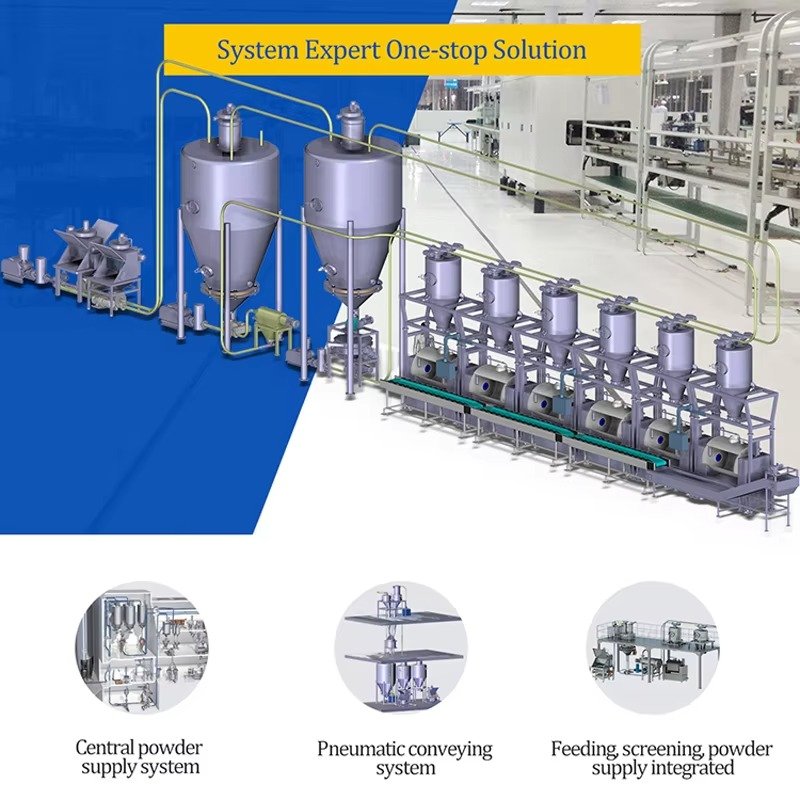
The MAIKONG MK-L001 represents a mid-capacity solution ideal for Philippine aquaculture operations. This system balances production capability with reasonable investment requirements.
Technical Specifications
| Model Number | MK-L001 |
| Production Capacity | 3-5 Tons/Hour |
| Total Power | 85KW |
| Dimensions (L×W×H) | 18m × 6m × 8m |
| Weight | 12,500 kg |
| Material | ABS housing, Stainless steel contact parts |
| Voltage | 380V/50Hz (Customizable for Philippines) |
| Pellet Size Range | 1.5mm – 10mm |
| Color Options | Industrial Blue, Custom |
| Stock Status | Available – 30 day delivery |
| Price Range | $75,000 – $95,000 USD |
| Customer Rating | 4.7/5.0 (based on 43 installations) |
Key Features and Benefits
This production line includes everything needed for complete fish feed production operations. All components integrate seamlessly for reliable performance.
- Complete turnkey system with installation support
- Produces both floating and sinking pellets
- Adjustable pellet diameter for different fish species
- Energy-efficient motor systems reduce operating costs
- Automatic temperature control for optimal pellet quality
- Dust collection system maintains clean environment
- Touch screen control panel with Filipino language option
- Remote technical support from MAIKONG Philippines team
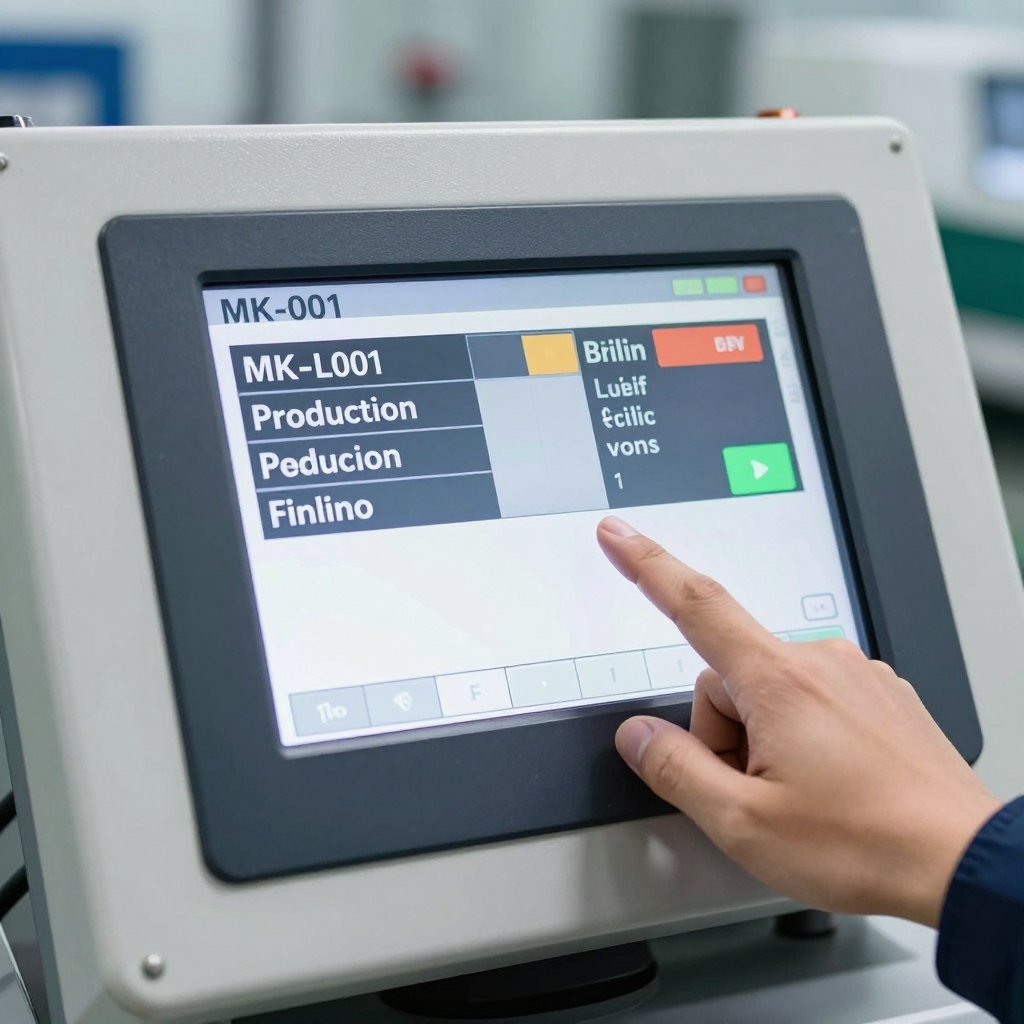
The MK-L001 suits operations producing feed for tilapia, bangus, catfish, and ornamental fish. Customization options include different die sizes, additional grading screens, and packaging configurations.
Understanding Complete Fish Feed Production Line Components
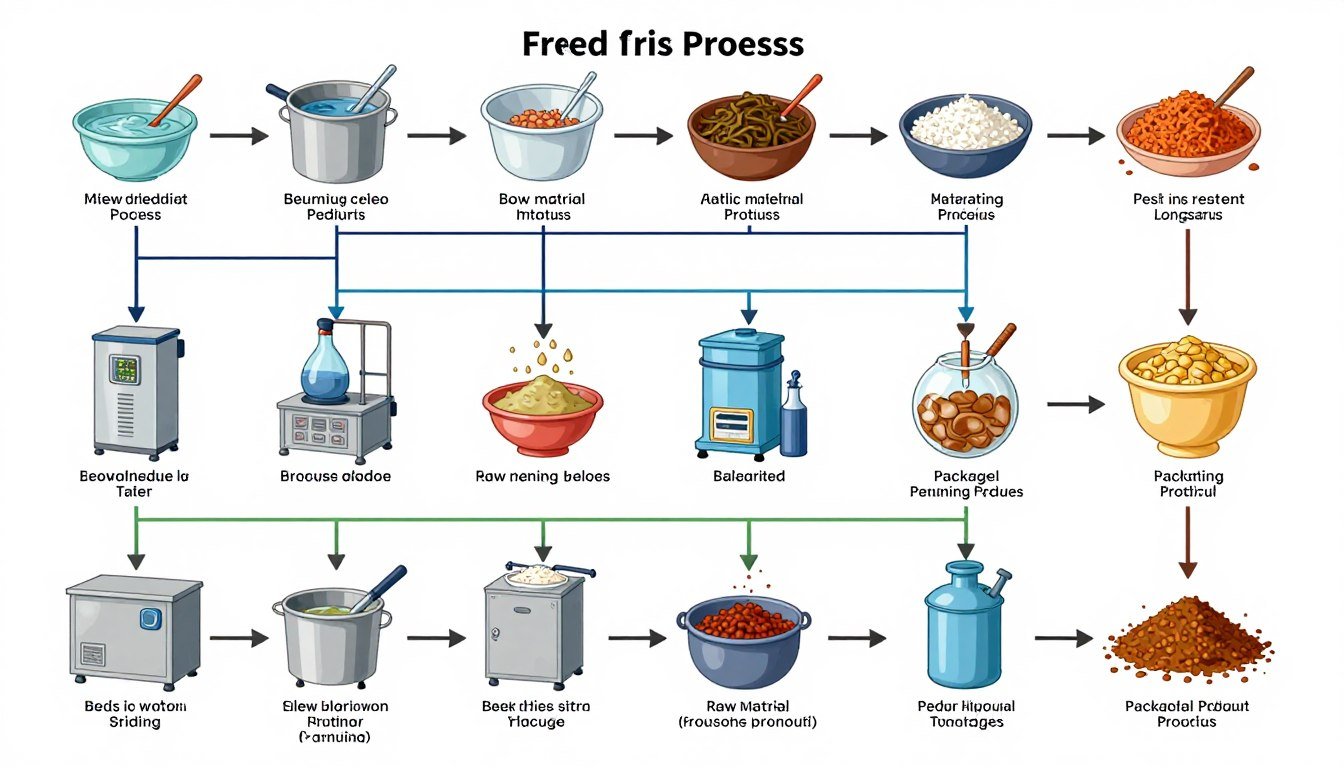
A professional feed production line requires multiple integrated machines working in sequence. Each component performs specific functions critical to producing quality fish feed pellets.
Pre-Processing Equipment
Raw materials arrive in various forms and sizes. Pre-processing equipment standardizes these materials before mixing and pelleting begins.
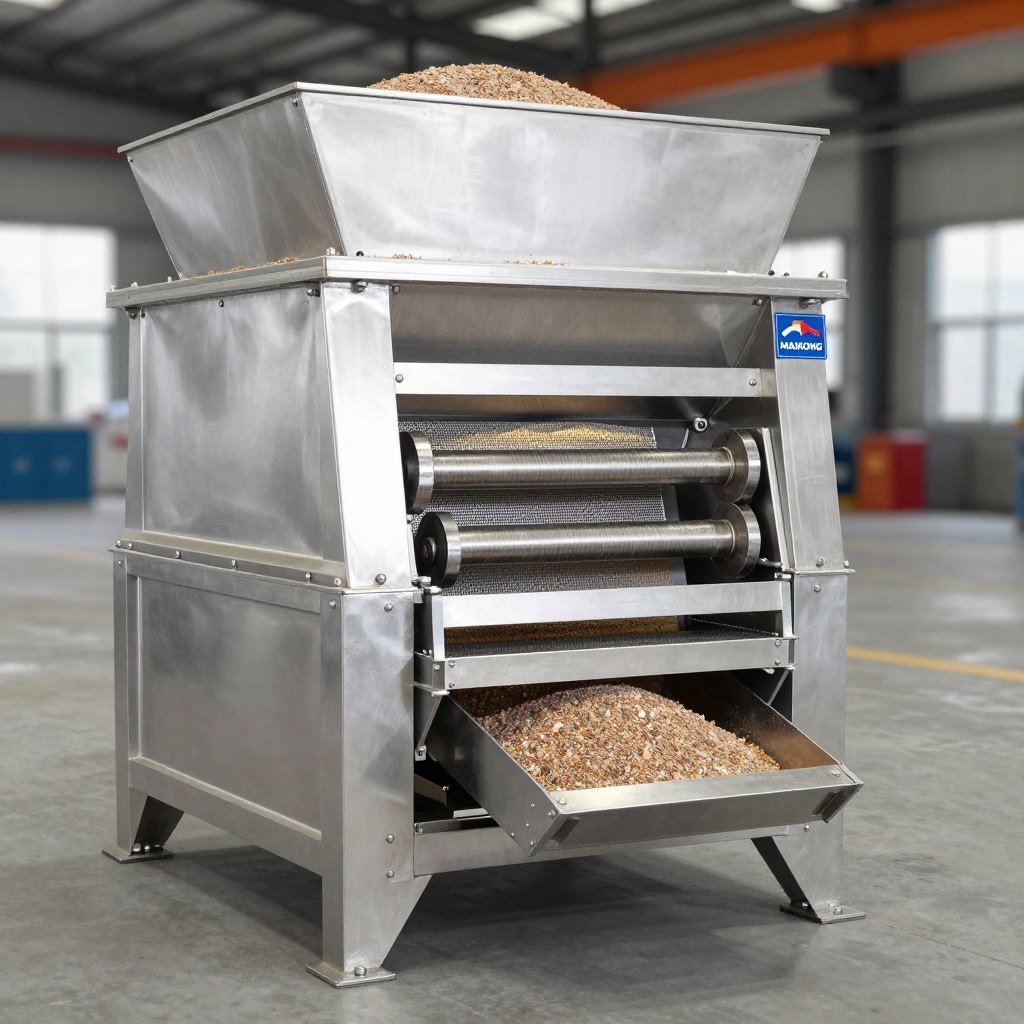
Hammer Mill Crusher
Crushes corn, grains, and other ingredients into uniform particle size. The MK-series crushers handle 3-25 tons per hour with main power ranging from 30-160KW depending on capacity.
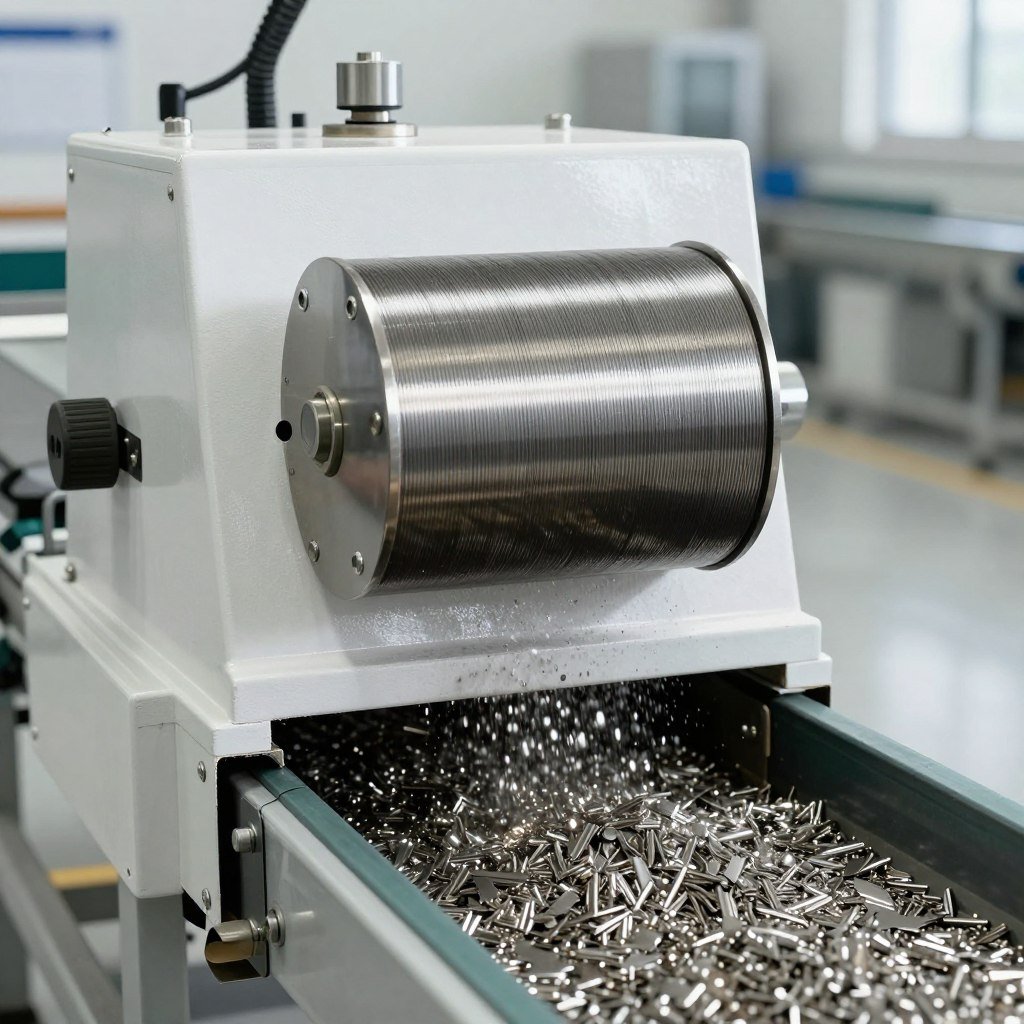
Magnetic Separator
Removes metal contaminants that could damage downstream equipment. This critical safety component protects expensive pellet mill dies from premature wear.
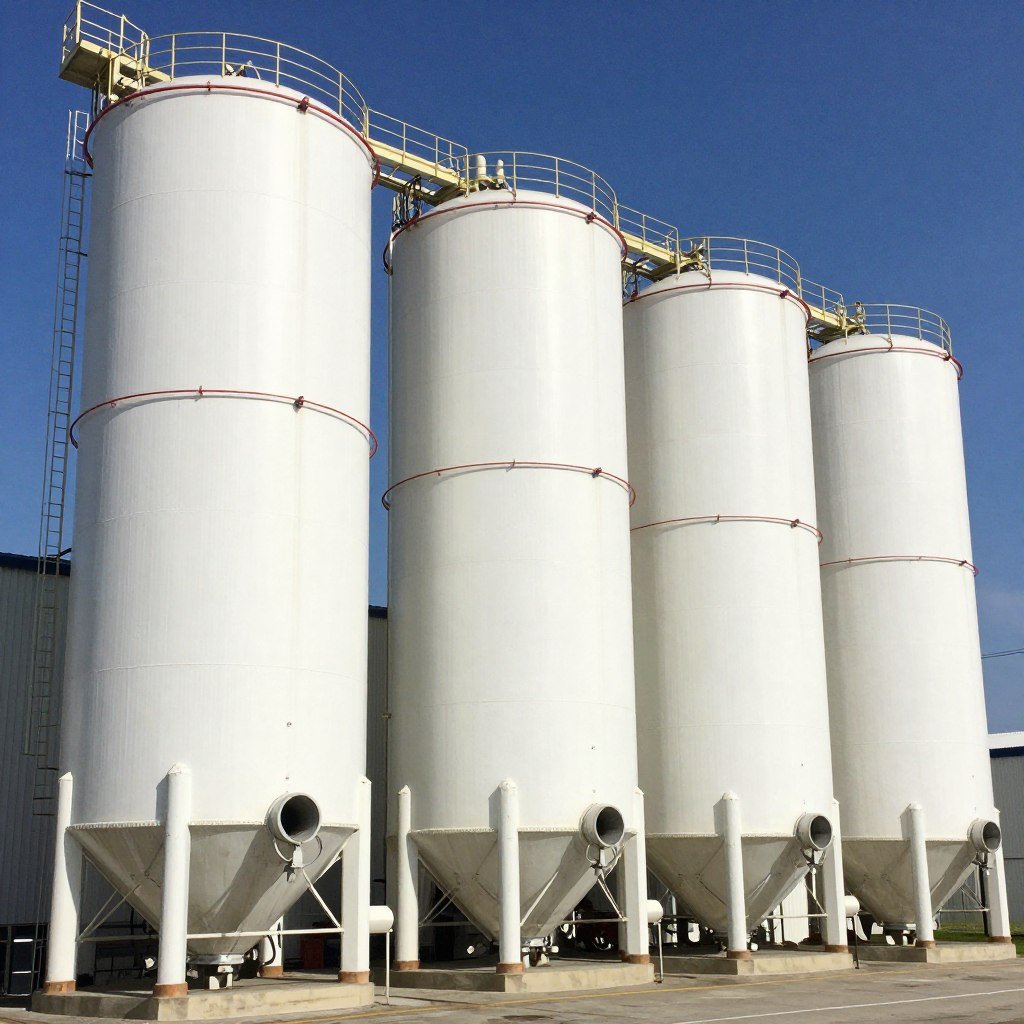
Storage Silos
Store crushed ingredients before mixing. Properly sized silos ensure consistent production flow without frequent raw material deliveries.
Mixing and Pelleting Section
This core section transforms individual ingredients into uniform finished pellets. The quality of mixing and pelleting directly affects final product nutritional consistency.
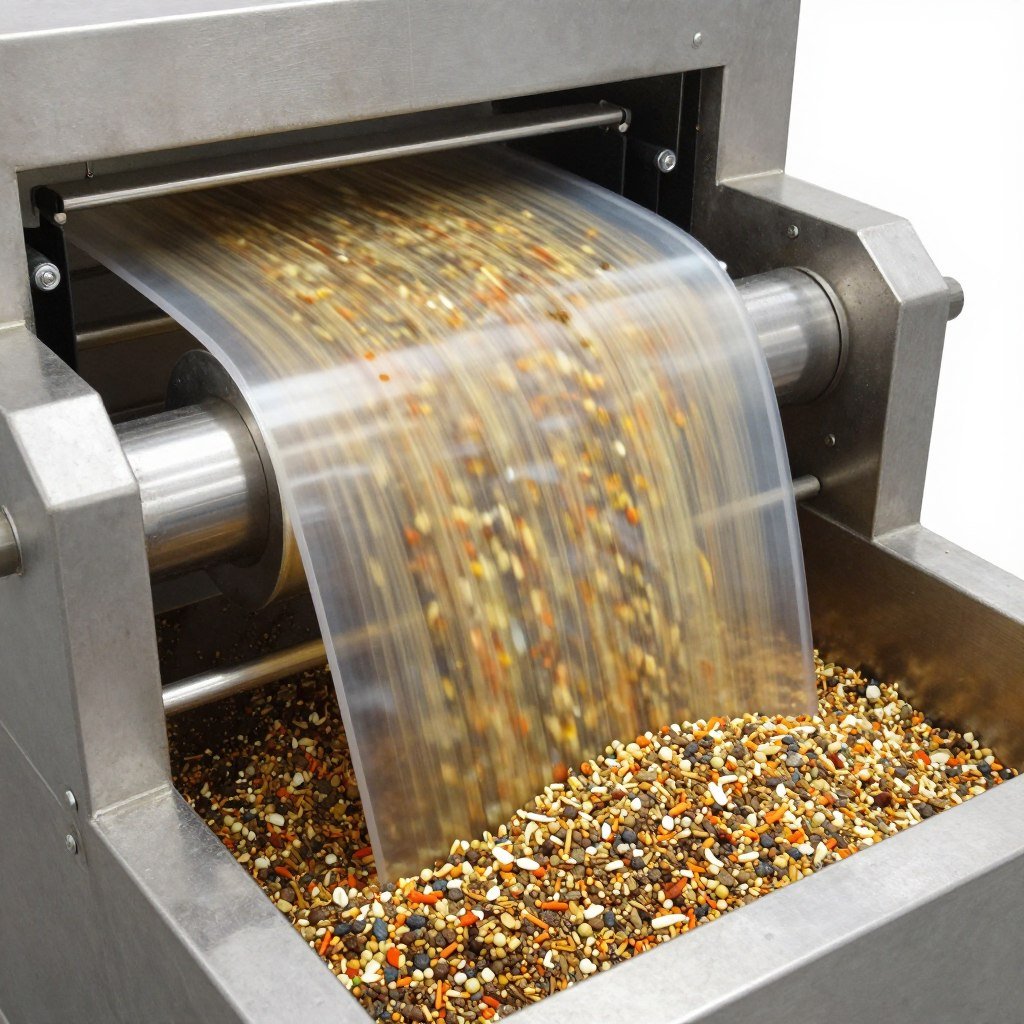
Horizontal Mixer
Blends crushed ingredients with vitamins, minerals, and liquid additives. MAIKONG mixers achieve 95% uniformity in 3-5 minutes with capacities from 250kg to 2000kg per batch.
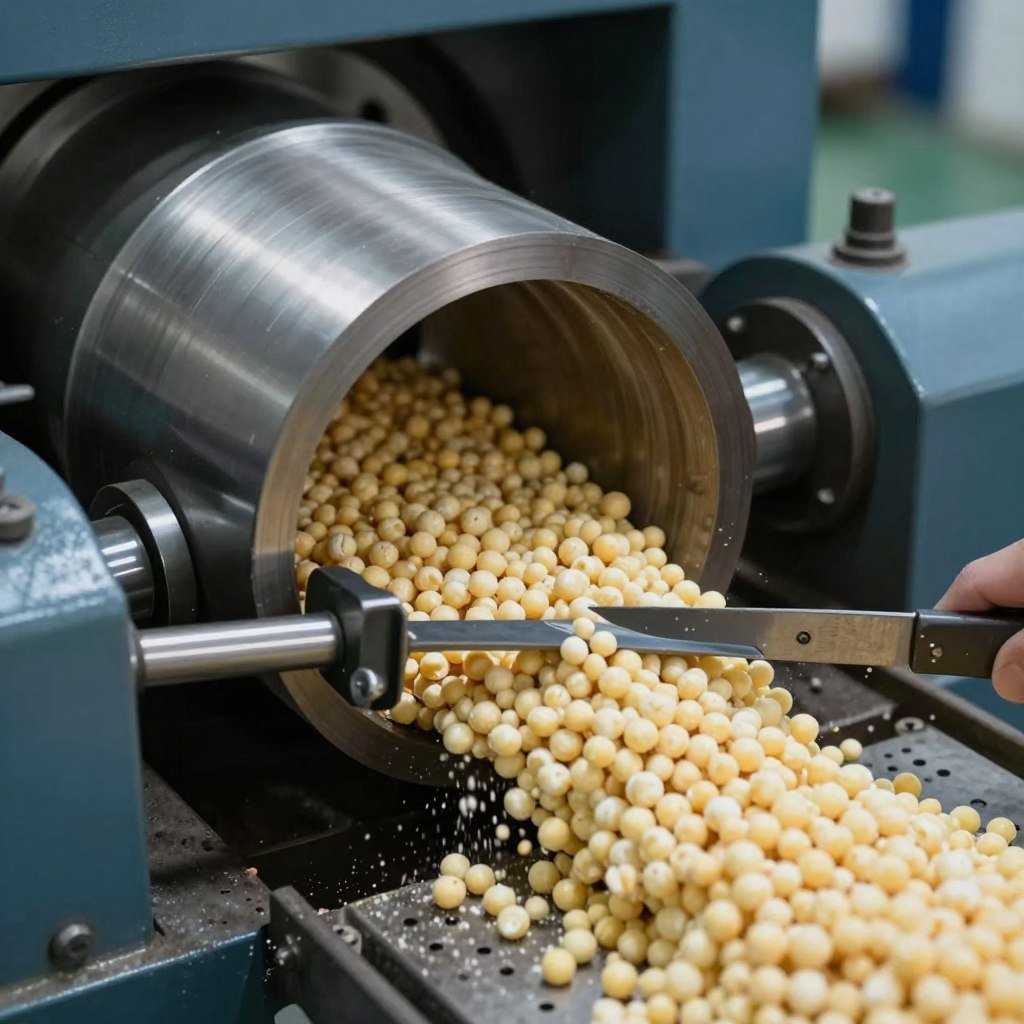
Pellet Machine
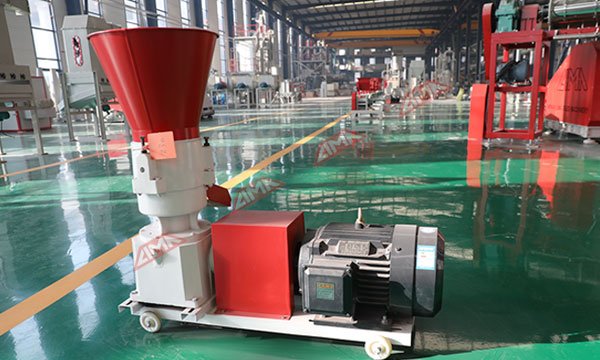
Compresses mixed materials through dies to form cylindrical pellets. Our fish feed pellet machine models handle 1-42 tons per hour with main power from 22-315KW.
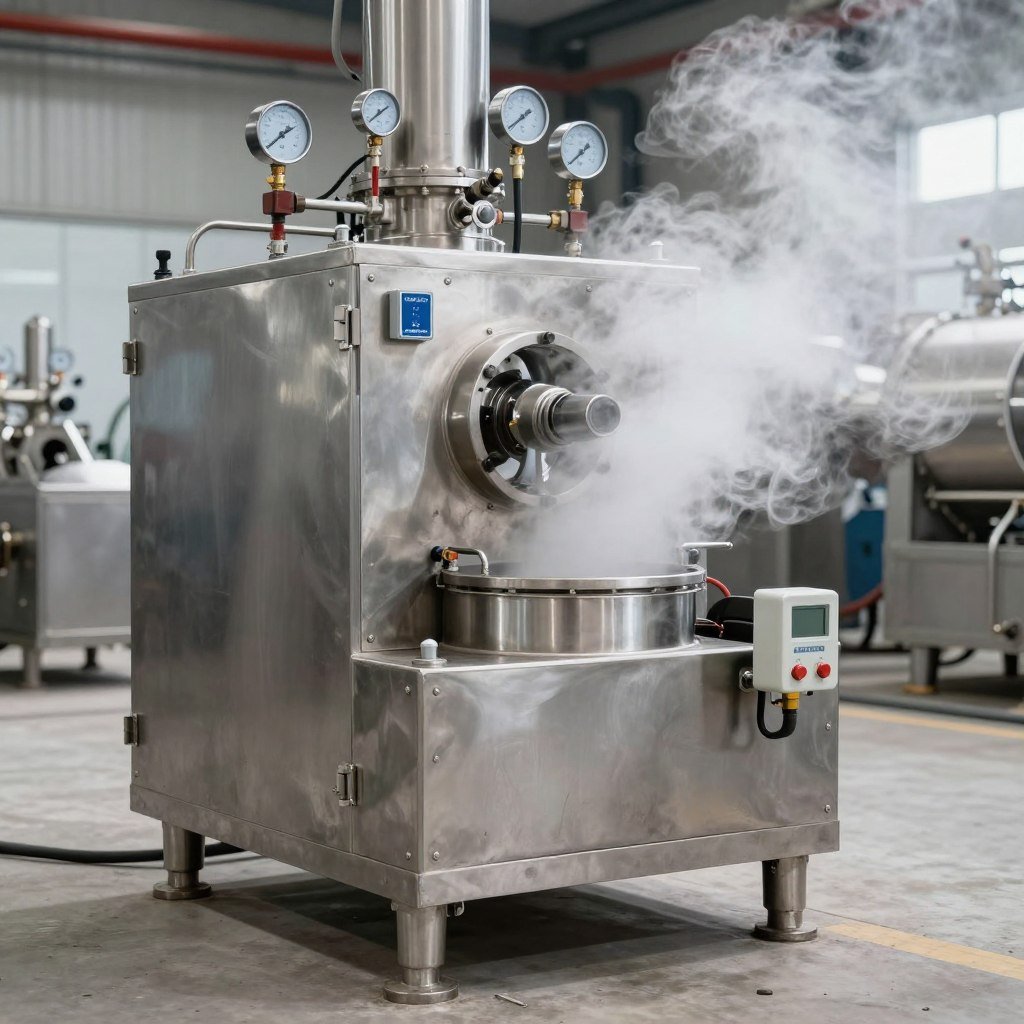
Steam Conditioner
Adds moisture and heat before pelleting. This improves pellet durability and activates starches for better nutritional availability. Essential for producing quality aquatic feed.
Post-Processing Equipment
Newly formed pellets require cooling, sizing, and packaging. Post-processing equipment ensures finished product meets quality standards and stays fresh during storage.
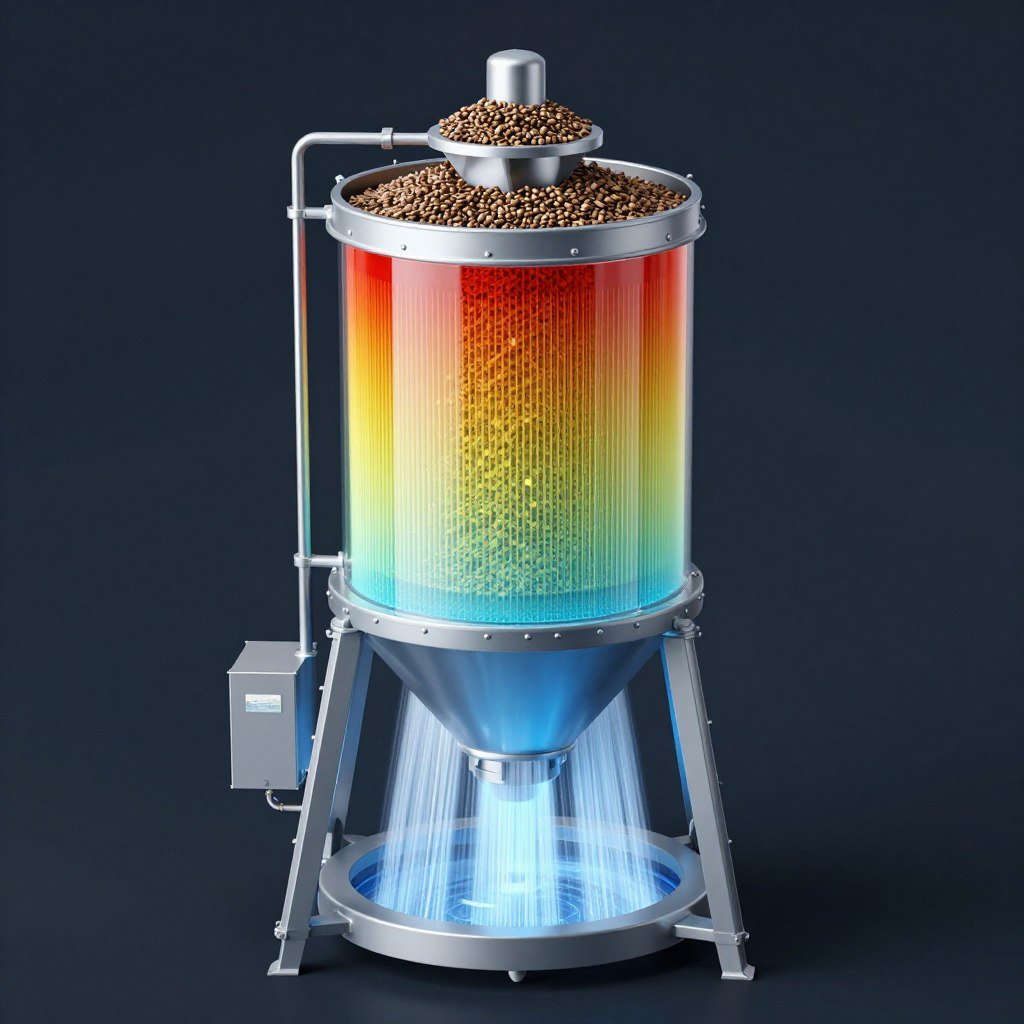
Counterflow Cooler
Reduces pellet temperature from 80-90°C to ambient plus 5°C. Proper cooling prevents moisture condensation in packaging and extends shelf life. Capacities range from 3-25 tons per hour.
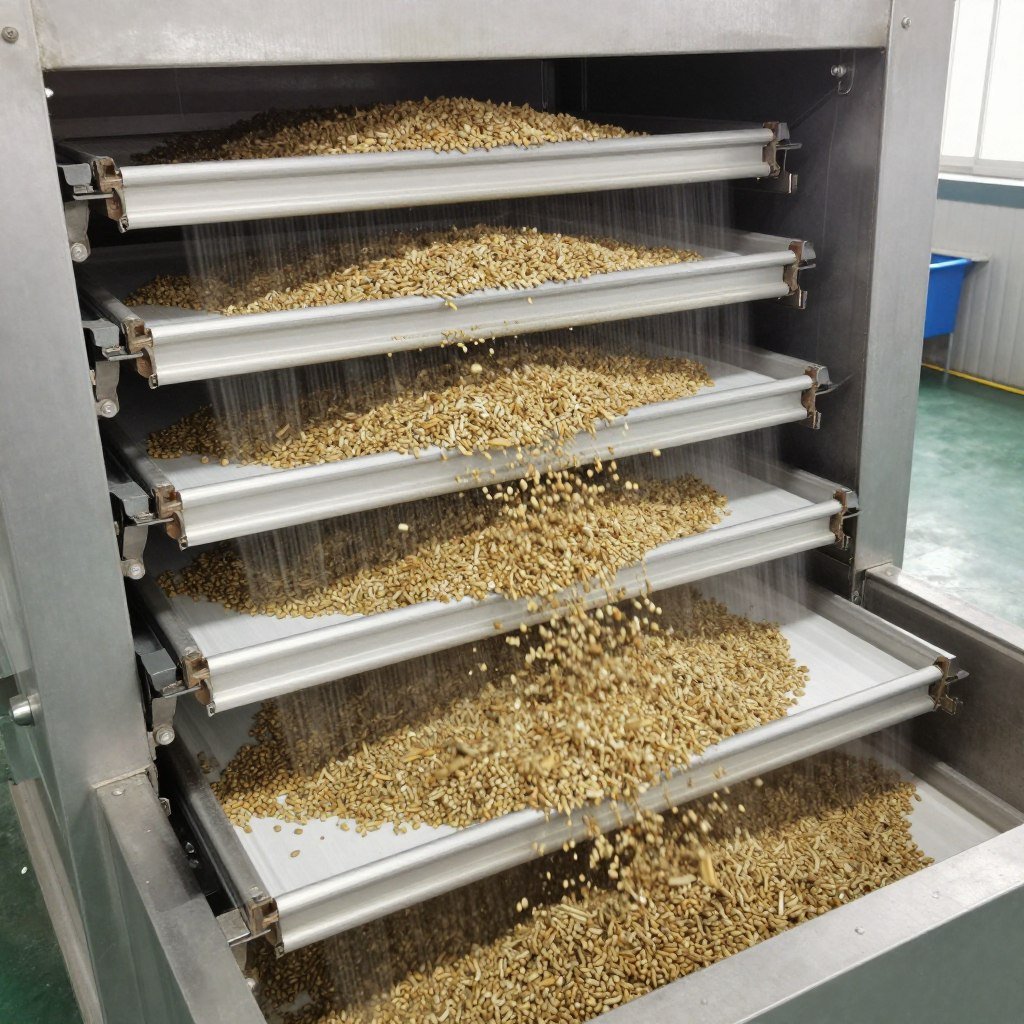
Vibrating Screener
Separates undersized fines and oversized pieces from properly formed pellets. Recycles fines back to the pellet mill. Ensures uniform product quality.
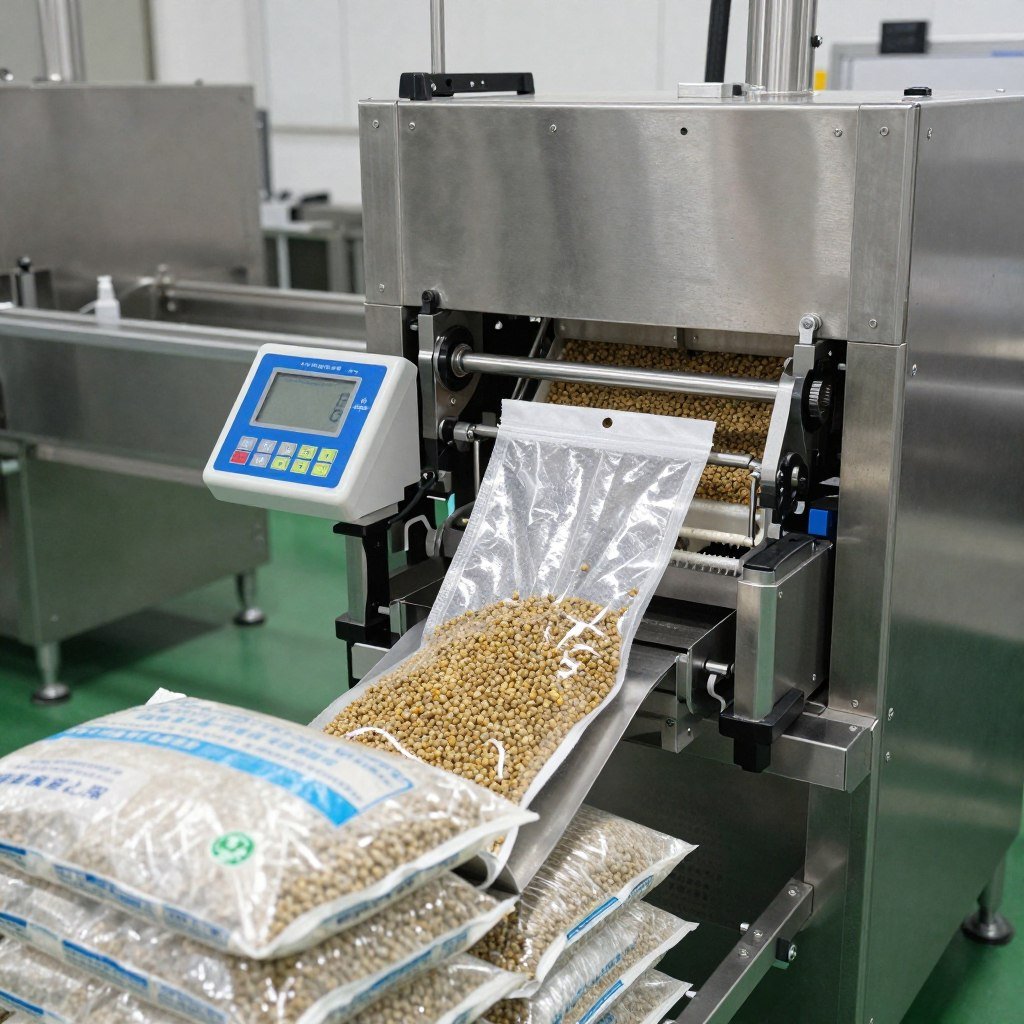
Packaging System
Weighs and fills bags automatically at 6-12 bags per minute. Electronic scales ensure accurate weights. Reduces labor costs and improves consistency.
Complete systems also include bucket elevators, screw conveyors, control panels, and dust collection equipment. MAIKONG provides fully integrated solutions customized for your specific production requirements and facility layout.
Speak with Our Production Specialists
WhatsApp Available | Technical Consultation
Floating Fish Feed vs Sinking Feed Production Lines
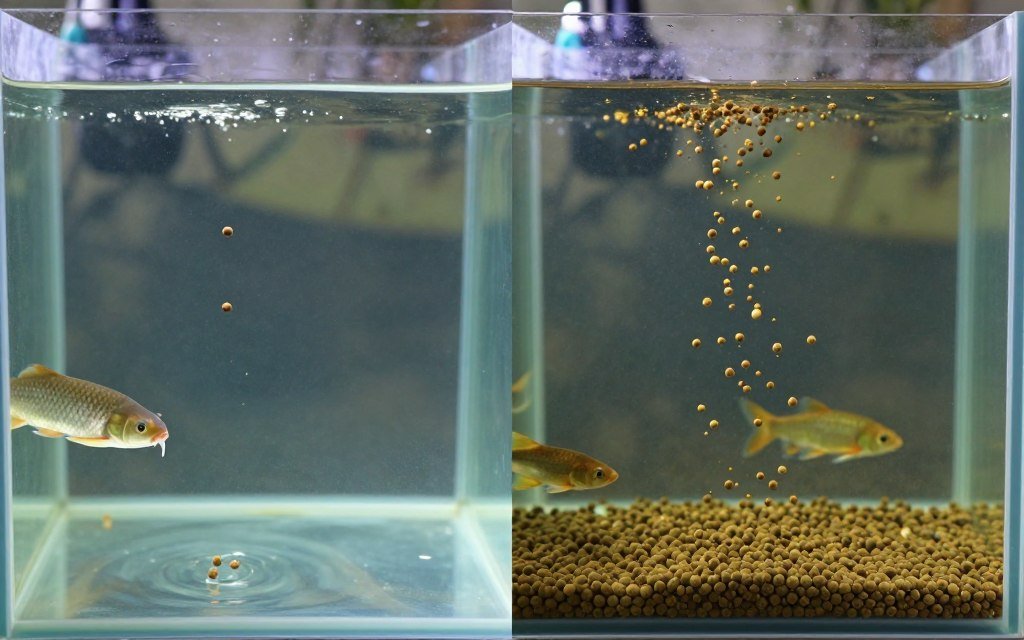
Different fish species require different feed types. The production line configuration varies significantly between floating fish feed and sinking feed systems.
Floating Fish Feed Production
Floating pellets remain on water surface longer. This allows farmers to observe feeding behavior and adjust portions accurately. Most modern tilapia and bangus operations prefer floating feed.
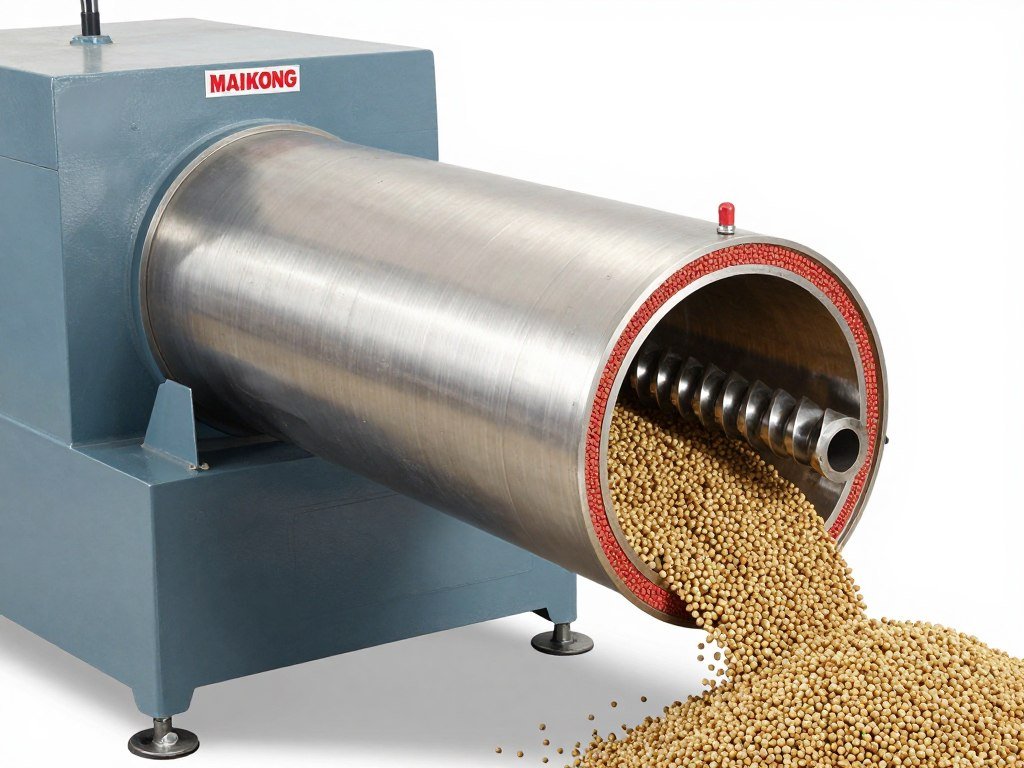
- Requires extruder with expansion chamber
- Higher temperature processing (120-180°C)
- Steam and moisture injection for expansion
- Longer cooling time needed
- Higher equipment investment
- Better feed conversion ratios reported
- Reduced water pollution from uneaten feed
The aqua feed production line for floating pellets includes specialized extruder technology. Investment typically runs 15-25% higher than sinking feed lines of equivalent capacity.
Sinking Fish Feed Production
Sinking pellets suit bottom-feeding species like catfish and shrimp. Production equipment operates at lower temperatures with simpler technology.
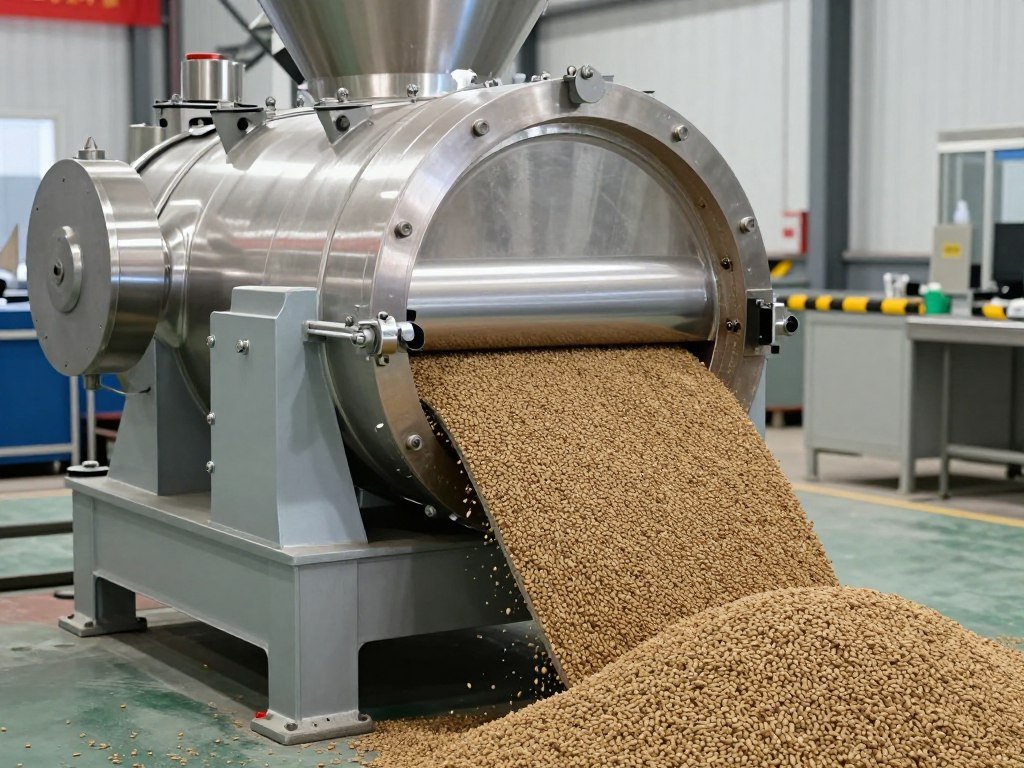
- Standard ring die pellet mill sufficient
- Lower temperature processing (70-90°C)
- Simple steam conditioning
- Faster cooling cycle
- Lower equipment costs
- Easier operation and maintenance
- Suitable for smaller operations
Sinking feed lines represent a more affordable entry point for new feed producers. MAIKONG offers both configurations with the ability to upgrade sinking systems to floating production as businesses grow.
Choosing the Right System for Your Operation
Your fish species determines which system makes sense. Many Philippine operators choose dual-capability lines that produce both floating and sinking feed. This flexibility allows serving multiple market segments.
Best for Floating Feed
- Tilapia farming operations
- Bangus aquaculture
- Ornamental fish producers
- Surface-feeding species
- Quality-focused operations
- Premium market positioning
Best for Sinking Feed
- Catfish farming
- Shrimp aquaculture
- Bottom-feeding fish
- Cost-sensitive markets
- Startup operations
- Limited initial investment
Dual-Capability Benefits
- Market flexibility
- Multiple customer segments
- Revenue diversification
- Seasonal adaptation
- Future-proof investment
- Competitive advantage
How to Calculate Required Production Capacity
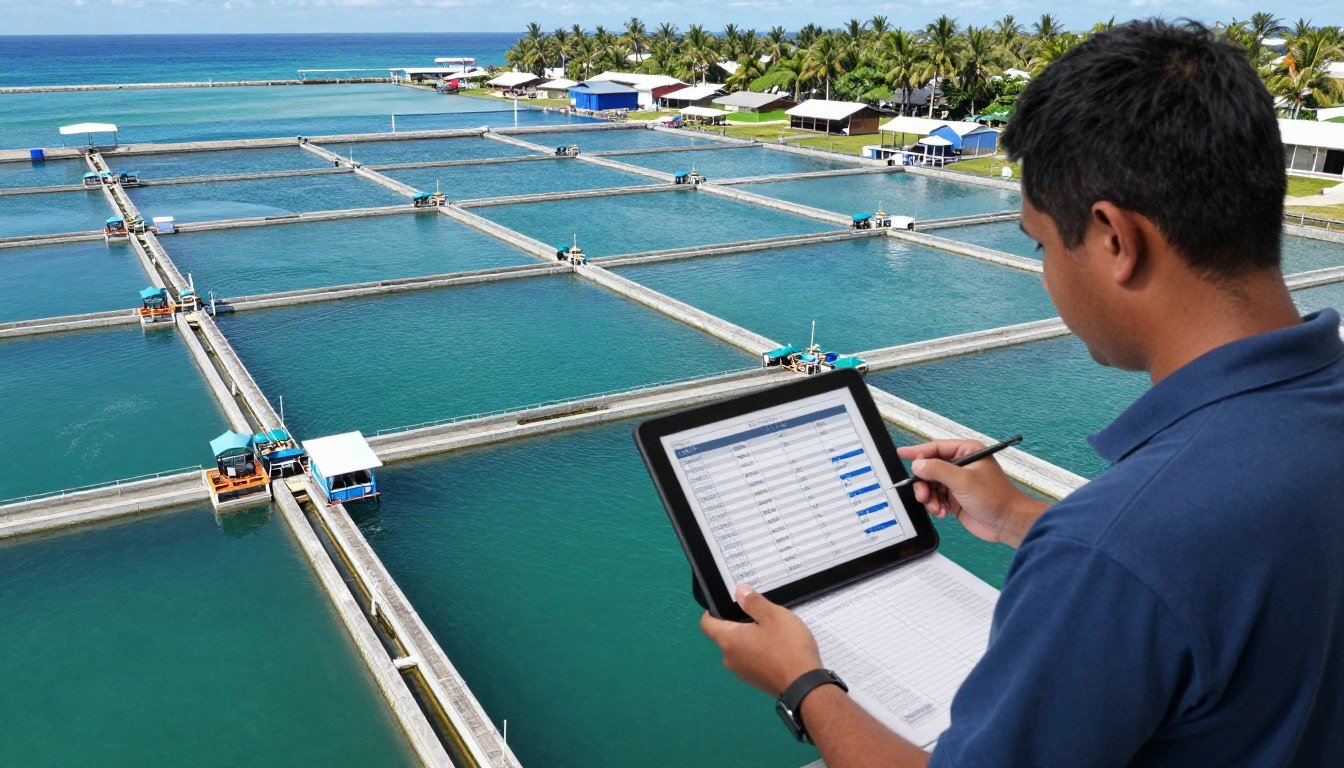
Selecting the wrong capacity leads to either insufficient production or wasted investment. Proper calculation ensures your feed production line meets actual operational needs.
Basic Capacity Calculation Formula
Start with your daily feed requirements. Fish consumption varies by species, size, and water temperature. Philippine tropical conditions typically increase feeding rates compared to temperate climates.
Daily Production Needed = (Total Fish Biomass × Daily Feed Rate × 1.15 Safety Margin)
Example: 50,000 kg fish × 2.5% daily feed rate × 1.15 = 1,437 kg daily production requirement
Convert daily requirements to hourly capacity based on realistic operating hours. Most feed mills run 8-10 hours per day, five or six days per week. Account for downtime, maintenance, and cleaning.
Small Farm Example
Operation Profile:
- 5 hectares tilapia ponds
- Fish biomass: 25,000 kg
- Daily feed rate: 2.5%
- Daily requirement: 625 kg
- Operating schedule: 8 hours/day
Recommended Capacity: 1-2 T/H production line
Investment Range: $10,000-$50,000 USD
Commercial Operation Example
Operation Profile:
- 50 hectares mixed aquaculture
- Fish biomass: 250,000 kg
- Daily feed rate: 3.0%
- Daily requirement: 7,500 kg
- Operating schedule: 10 hours/day
Recommended Capacity: 8-10 T/H production line
Investment Range: $150,000-$300,000 USD
Growth Planning Considerations
Plan for business expansion when selecting capacity. Many operators choose equipment one size larger than current needs. This prevents early replacement as operations scale up.
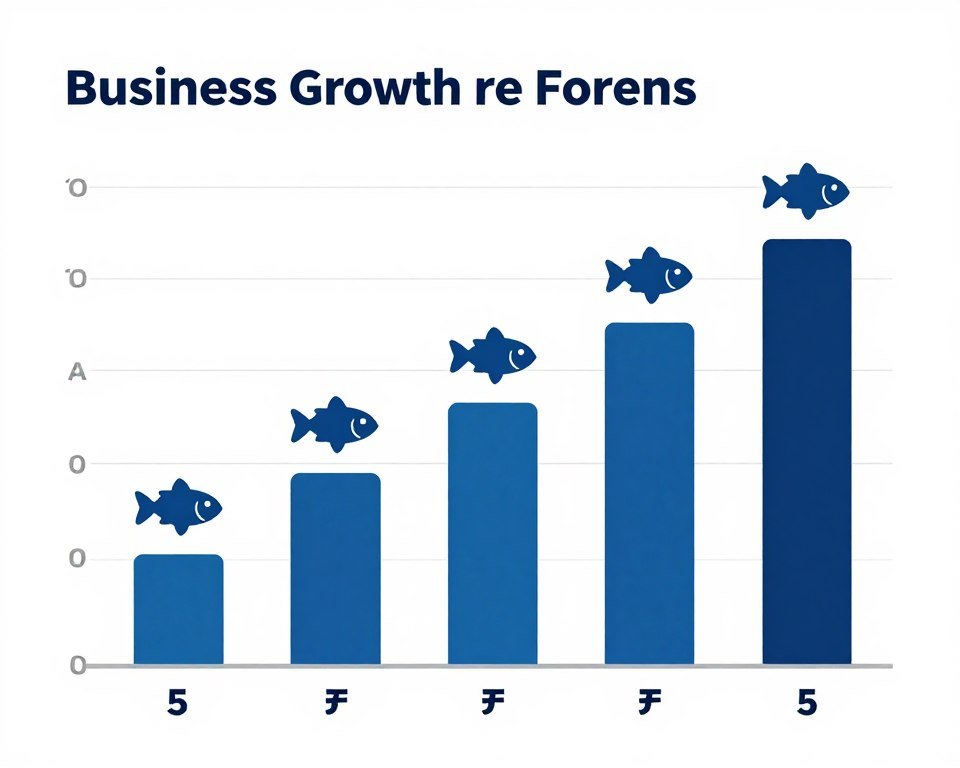
- Assess Current Needs – Calculate precise daily and weekly feed requirements based on existing fish populations and feeding protocols.
- Project 3-Year Growth – Estimate fish farm expansion plans realistically considering land availability, market demand, and capital access.
- Add Safety Margin – Include 15-25% extra capacity for peak demand periods, unexpected growth opportunities, and equipment downtime.
- Consider Secondary Revenue – Factor in potential contract manufacturing for other farms or selling excess production to local markets.
- Evaluate Upgrade Path – Verify whether your chosen supplier offers modular expansion options to increase capacity without replacing the entire line.
MAIKONG provides free capacity planning consultation. Our engineers analyze your operation and recommend optimal equipment configurations. This service ensures you invest in the right solution from the start.
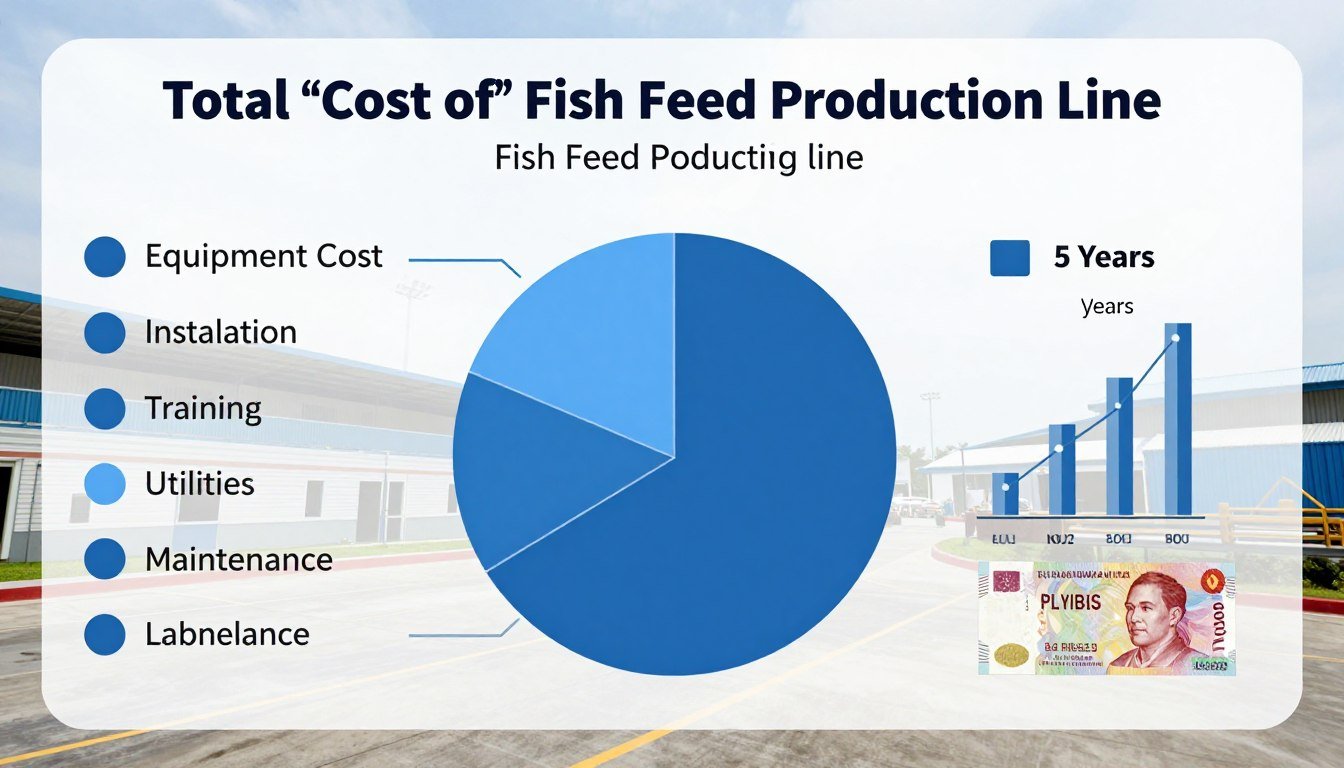
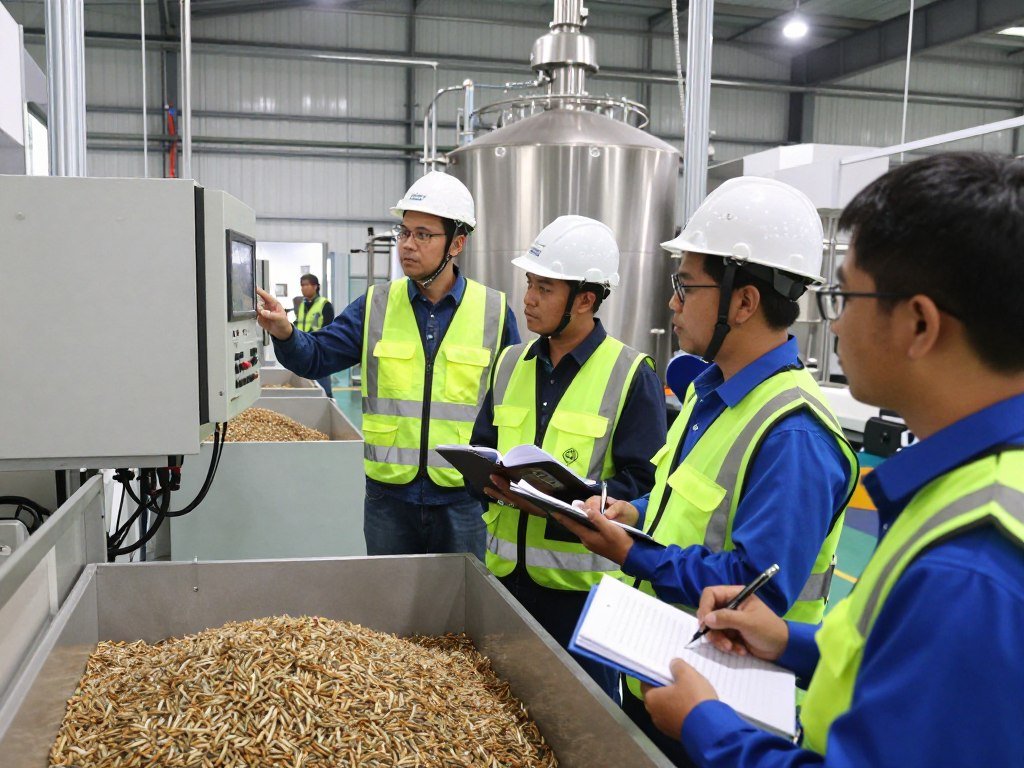
Return on Investment and Payback Period Analysis
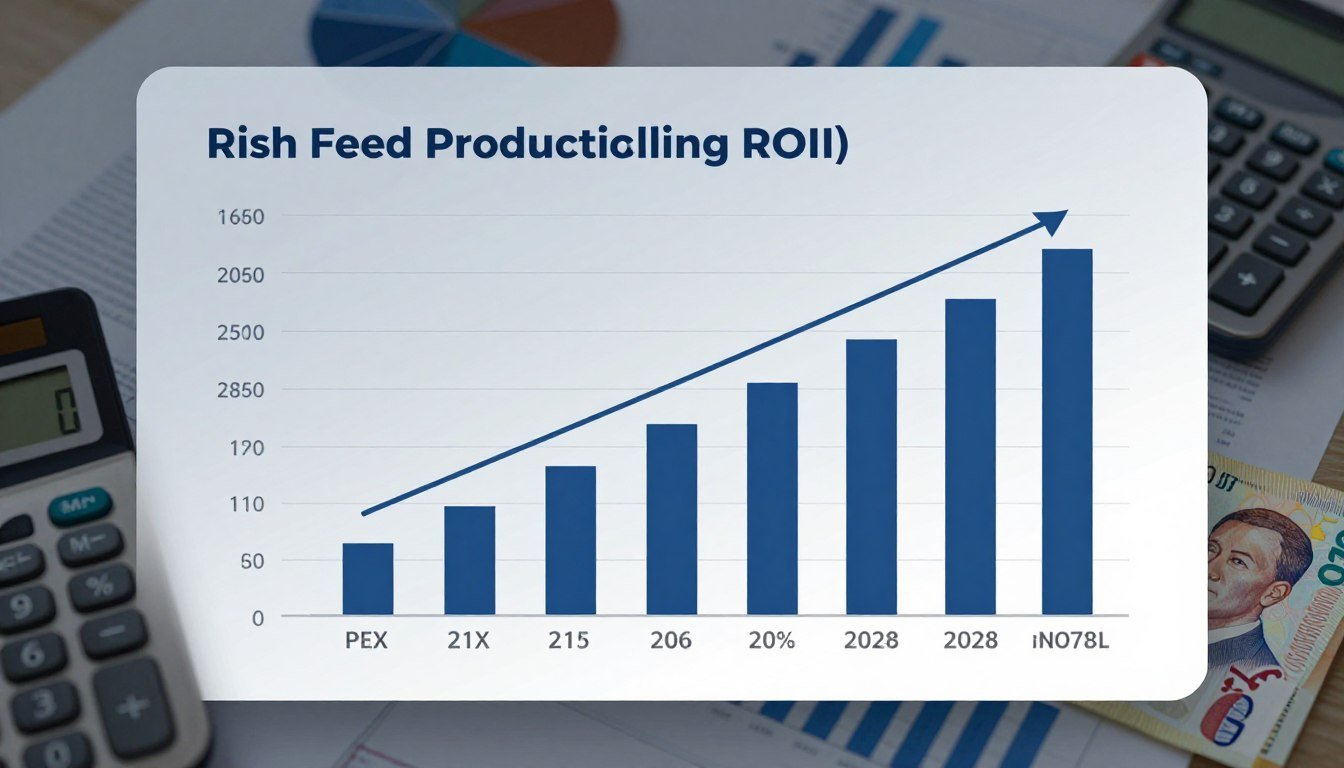
Understanding financial returns helps justify the investment in a feed pellet production line. Most Philippine operations achieve positive returns within reasonable timeframes.
Revenue Calculation Model
Feed production generates revenue through direct farm savings or commercial sales. Calculate potential income based on realistic market conditions.
Cost Savings Model (Own Farm Use)
Producing your own feed eliminates commercial feed purchase costs and markup. The savings go directly to profit.
Monthly Savings Calculation:
Commercial feed cost: ₱35/kg
Your production cost: ₱22/kg
Savings per kg: ₱13
Monthly production: 30,000 kg
Monthly savings: ₱390,000 ($7,000 USD)
These savings accumulate monthly and continue throughout the equipment lifespan. Quality improvements often increase fish growth rates by 8-15%, adding further value.
Revenue Generation Model (Commercial Sales)
Selling feed to other farms or the local market generates direct income. Pricing depends on volume and relationships.
Monthly Revenue Calculation:
Selling price: ₱32/kg
Production cost: ₱22/kg
Gross margin: ₱10/kg
Monthly sales: 40,000 kg
Monthly gross profit: ₱400,000 ($7,200 USD)
Commercial feed sales require marketing effort and consistent quality. Building a customer base takes 3-6 months but provides sustainable income streams.
Typical Payback Periods by Scale
Investment recovery timeframe varies by operation size and business model. Larger operations typically achieve faster payback due to economies of scale.
| Production Scale | Investment Range | Monthly Net Benefit | Payback Period |
| 1-2 T/H (Small Farm) | $10,000-$50,000 | $1,200-$2,500 | 8-24 months |
| 3-5 T/H (Medium Operation) | $50,000-$120,000 | $3,500-$6,000 | 14-28 months |
| 8-10 T/H (Commercial Mill) | $150,000-$300,000 | $10,000-$18,000 | 12-22 months |
| 20 T/H (Industrial Scale) | $450,000-$850,000 | $35,000-$65,000 | 10-18 months |
These projections assume reasonable capacity utilization and stable raw material costs. Actual results vary based on management efficiency and market conditions. Most MAIKONG customers report achieving calculated payback periods or better.
Calculate Your Specific ROI
Every operation has unique economics. Our team provides customized financial analysis based on your fish species, production volumes, and local market prices. Get realistic projections that help make confident investment decisions.
MAIKONG Fish Feed Production Line Success Cases Worldwide
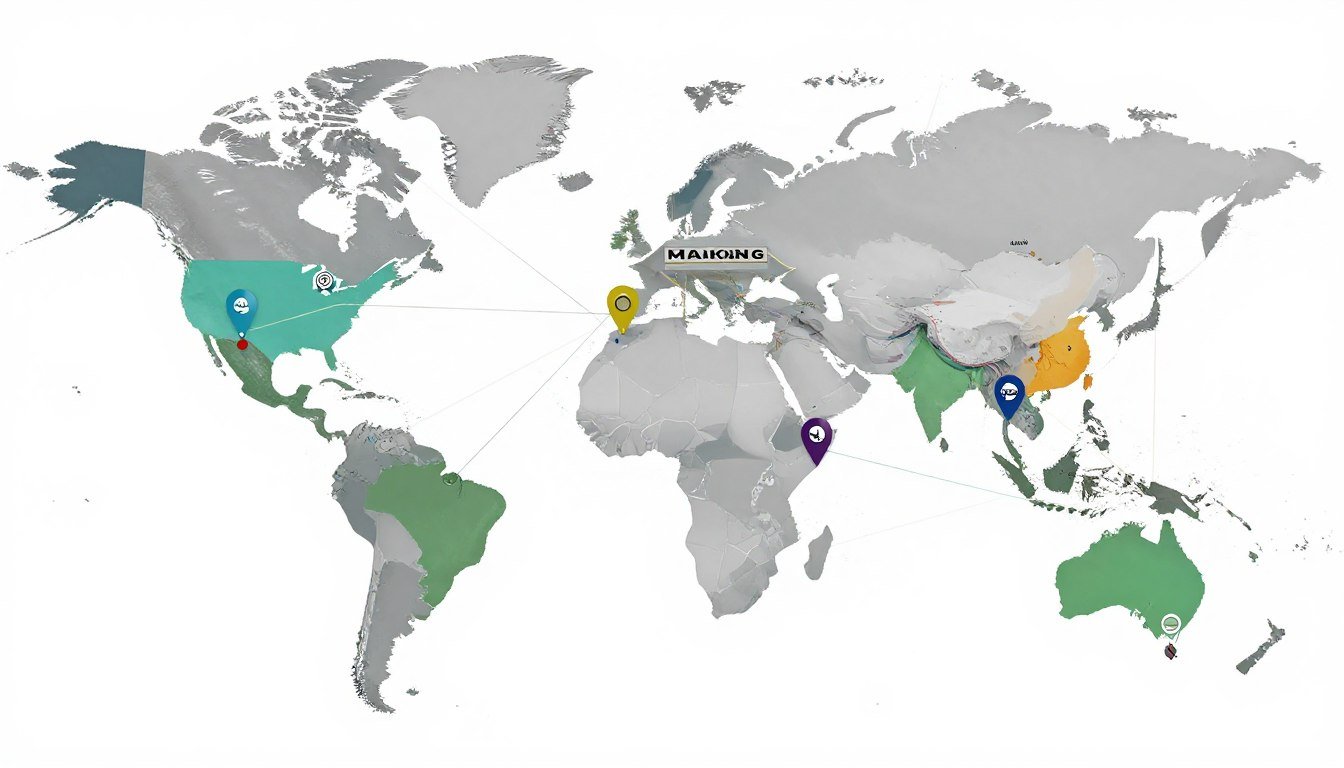
MAIKONG has installed fish feed production systems across five continents over 22 years. These proven installations demonstrate equipment reliability and performance in diverse conditions.
Asia-Pacific Installations
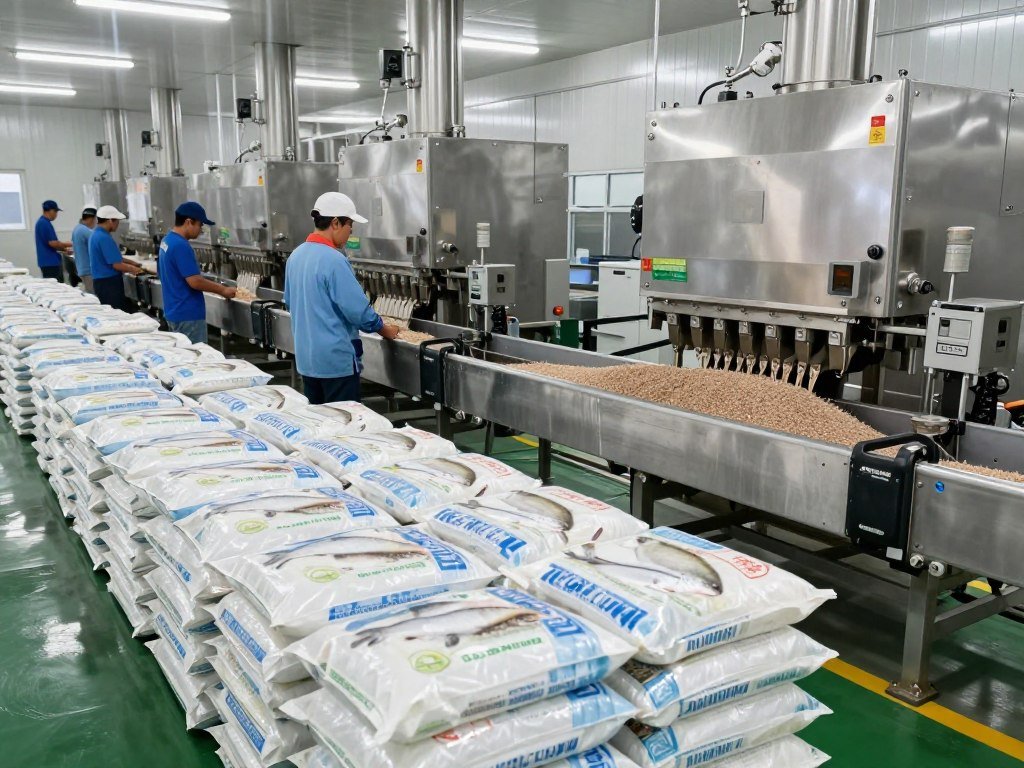
Thailand – Tilapia Feed Mill
Location: Nakhon Pathom Province
Capacity: 8 T/H floating feed production
Installation: March 2021
Results: Produces 60 tons daily of premium tilapia feed. Customer expanded with second line in 2023. Reports 23% cost reduction versus purchased feed.
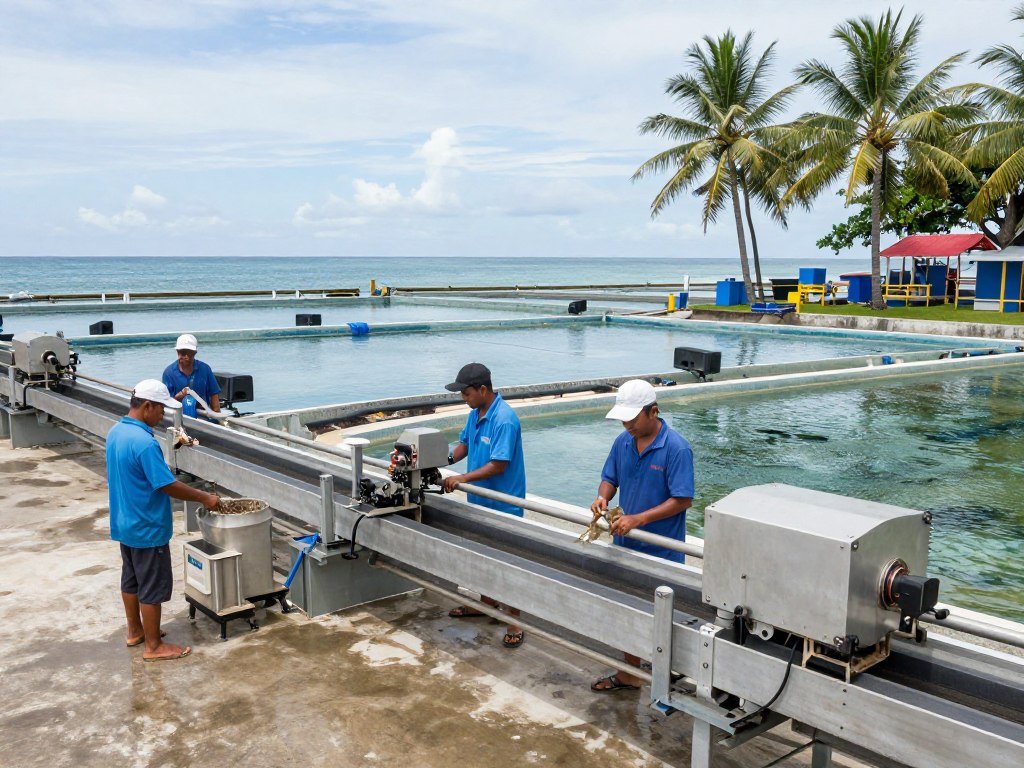
Indonesia – Shrimp Feed Production
Location: East Java
Capacity: 12 T/H sinking pellet line
Installation: September 2020
Results: Supplies 15 shrimp farms in region. Achieved payback in 14 months. Now operates two shifts daily meeting strong regional demand.
Americas Region Projects
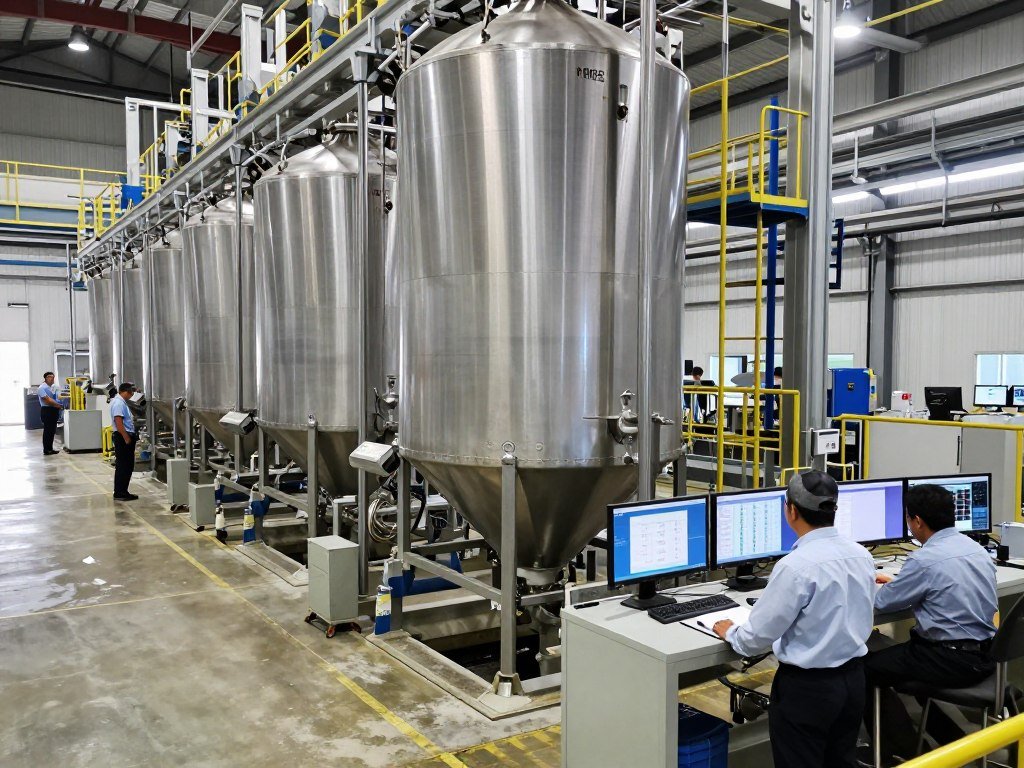
Brazil – Catfish Commercial Mill
Location: Mato Grosso State
Capacity: 25 T/H complete line
Installation: June 2019
Results: Serves 200+ fish farms in region. Processes local corn and soybean. Operates 16 hours daily at 85% capacity. Major regional supplier.
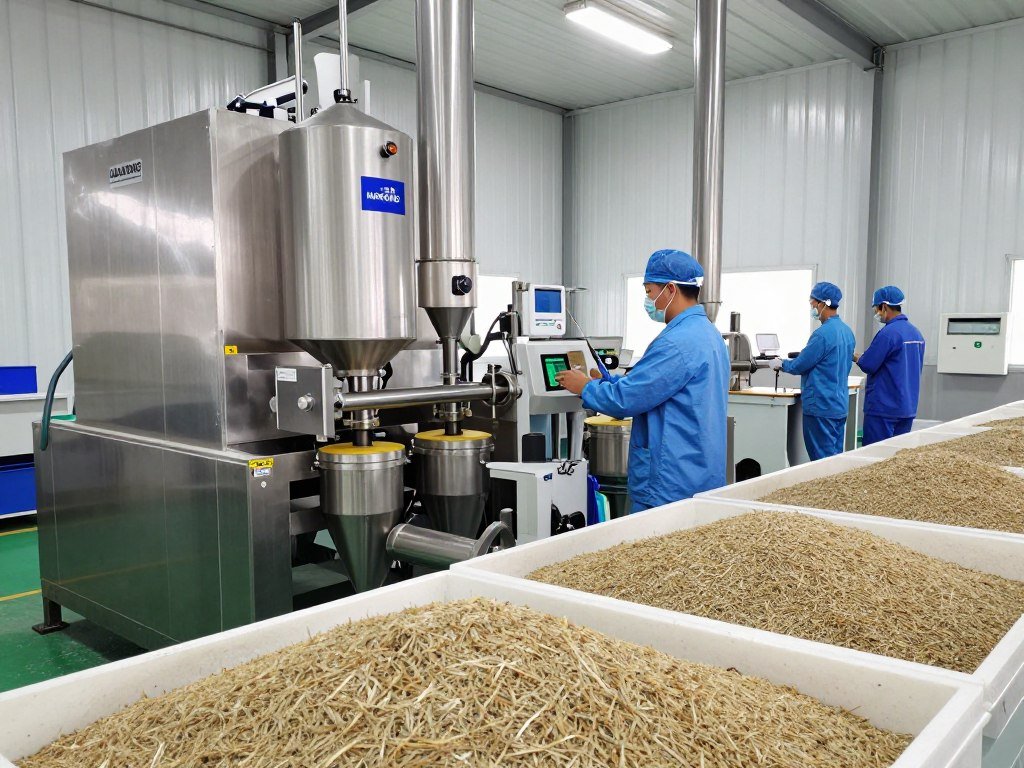
Ecuador – Export Quality Shrimp Feed
Location: Guayas Province
Capacity: 15 T/H extruded floating feed
Installation: February 2022
Results: Produces premium shrimp feed for export market. Achieved international quality certifications. Customer reports 18% better feed conversion than imports.
African Market Expansion
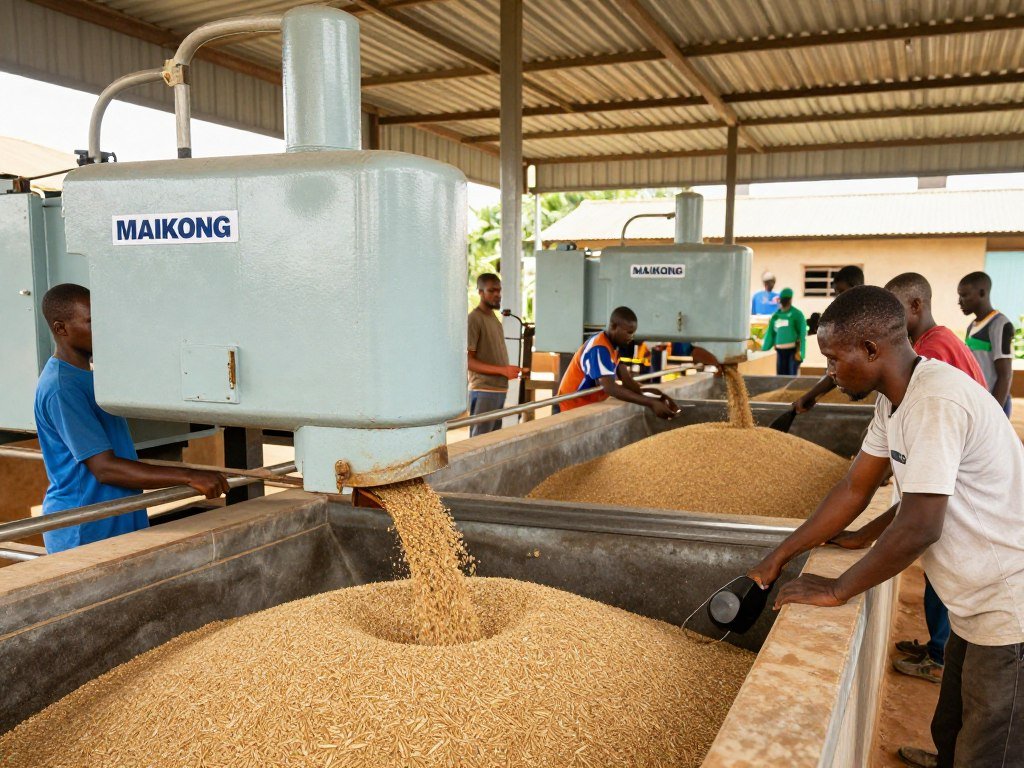
Nigeria – Cooperative Feed Mill
Location: Lagos State
Capacity: 5 T/H dual-capability line
Installation: November 2021
Results: Serves 80+ cooperative member farms. Produces both catfish and tilapia feeds. Reduced member feed costs by 35%. Model for other cooperatives.
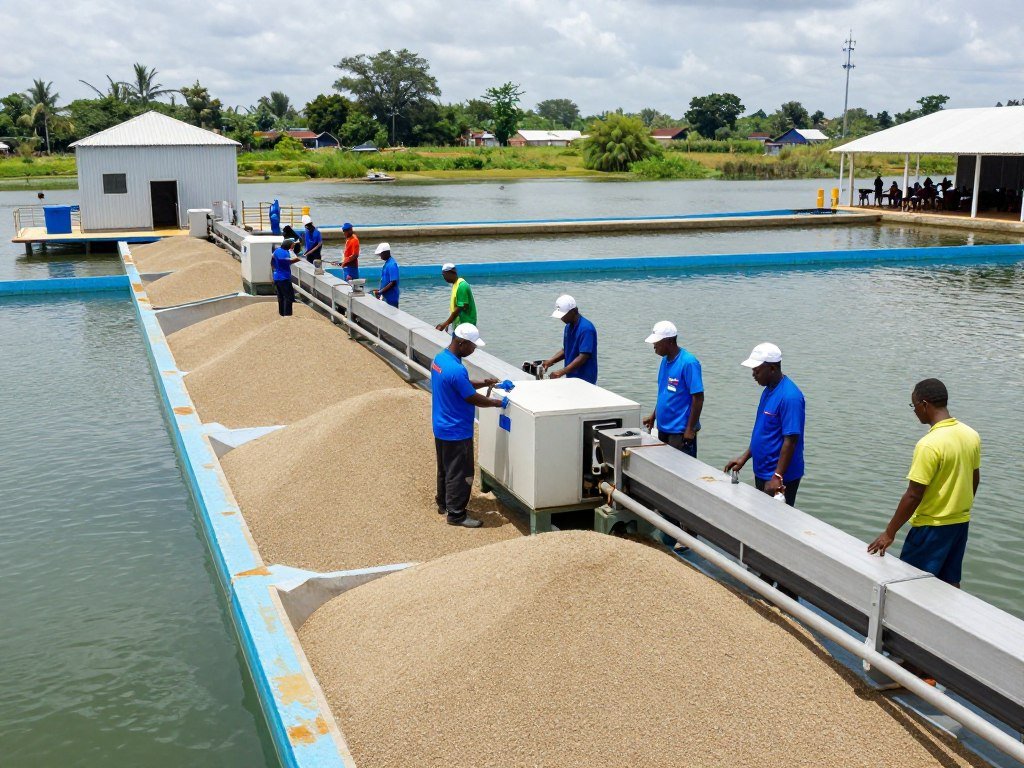
Tanzania – Commercial Tilapia Producer
Location: Mwanza Region
Capacity: 10 T/H floating feed line
Installation: April 2020
Results: Integrated farm-to-feed operation. Produces feed for own 100+ hectare tilapia farm. Sells excess to neighboring operations. Profitable within 16 months.
Middle East Installations
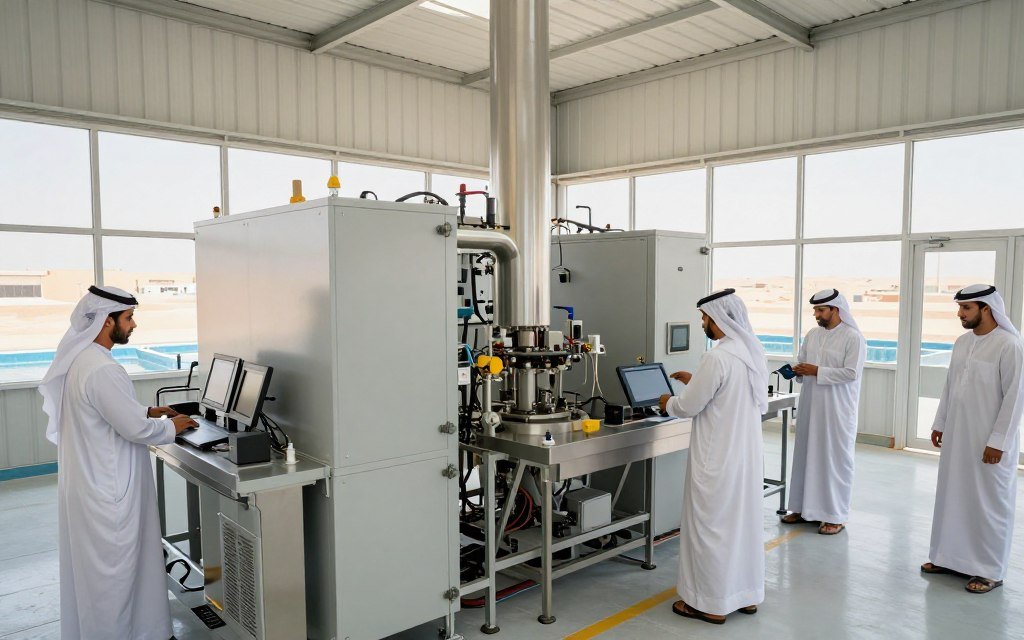
Saudi Arabia and UAE operations focus on high-quality feed for premium fish species. Installations include advanced climate control for extreme temperatures. Three major facilities installed 2020-2023, total capacity exceeding 30 tons per hour combined.
All installations include MAIKONG standard support package: on-site commissioning, operator training, spare parts kits, and ongoing technical assistance. Global customers access 24/7 support through regional service centers and remote diagnostics.
How to Choose a Reliable Production Line Supplier
The supplier relationship impacts success as much as the equipment quality. Selecting the right partner requires evaluating multiple factors beyond initial price.
Critical Evaluation Criteria
Manufacturing Experience
Years in business indicates stability and accumulated knowledge. MAIKONG’s 22 years of production experience means proven designs and refined processes.
- Company establishment date
- Total installations completed
- Range of capacities offered
- Technology evolution timeline
Technical Capabilities
Engineering depth determines customization ability and problem-solving capacity when challenges arise.
- In-house design team
- Testing and R&D facilities
- Patent portfolio
- Customization options available
After-Sales Support
Equipment breaks down. Support quality determines downtime duration and overall operational reliability.
- Response time commitments
- Spare parts availability
- Technical training provided
- Warranty terms and coverage
Warning Signs of Unreliable Suppliers
Avoid suppliers who:
- Cannot provide verifiable installation references
- Offer prices significantly below market average
- Lack physical factory for inspection visits
- Show no customization capability
- Provide vague warranty terms
- Have no local service presence
- Cannot demonstrate equipment operation
Questions to Ask Potential Suppliers
- Can you provide contact information for 3-5 recent customers in similar industries? Verifiable references indicate satisfied customers and proven performance.
- What is your standard warranty coverage and what does it include? Comprehensive warranties demonstrate confidence in product quality and commitment to customer success.
- How do you handle spare parts supply and what is typical delivery time? Fast parts availability minimizes production downtime during maintenance or repairs.
- What training do you provide for our operators and maintenance staff? Proper training ensures optimal performance and extends equipment lifespan significantly.
- Can we visit your factory and see similar equipment in production? Factory visits reveal manufacturing quality and allow evaluation of actual capabilities.
- Do you offer customization for our specific fish species and capacity needs? Customization capability indicates engineering depth and ensures proper solution fit.
- What is your process for technical support after installation? Clear support procedures prevent confusion when problems arise and ensure quick resolution.
- Can you provide detailed operating cost projections for your equipment? Honest suppliers provide realistic cost estimates that prove accurate in actual operation.
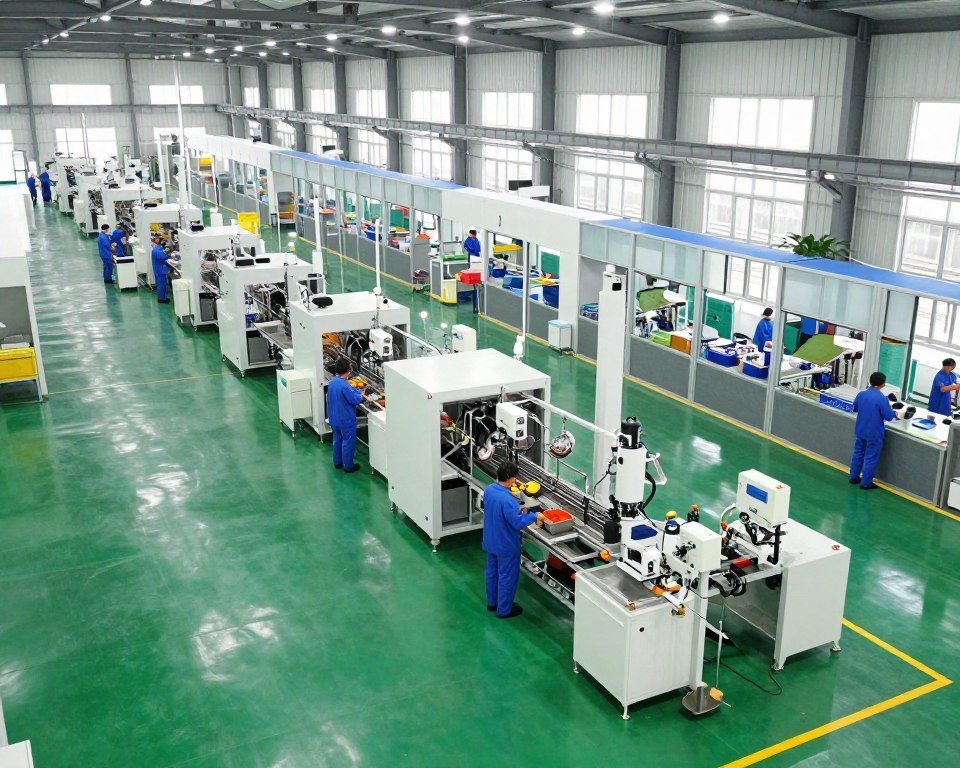
Why Choose MAIKONG for Your Philippines Operation
MAIKONG brings specific advantages relevant to Philippine aquaculture businesses:
Experience and Expertise
- 22 years manufacturing feed equipment
- Over 2,000 installations worldwide
- Specific Philippines market experience
- Understanding of tropical operating conditions
- Expertise in common Philippine fish species
Support and Service
- Dedicated Philippines support contact
- English and Filipino communication
- Rapid spare parts logistics
- Remote diagnostics capability
- Regular customer training programs
Our company commitment extends beyond equipment sales. We partner with customers for long-term success through ongoing technical assistance, operational optimization support, and continuous product improvements based on field feedback.
OEM/ODM Customization Options for Your Brand
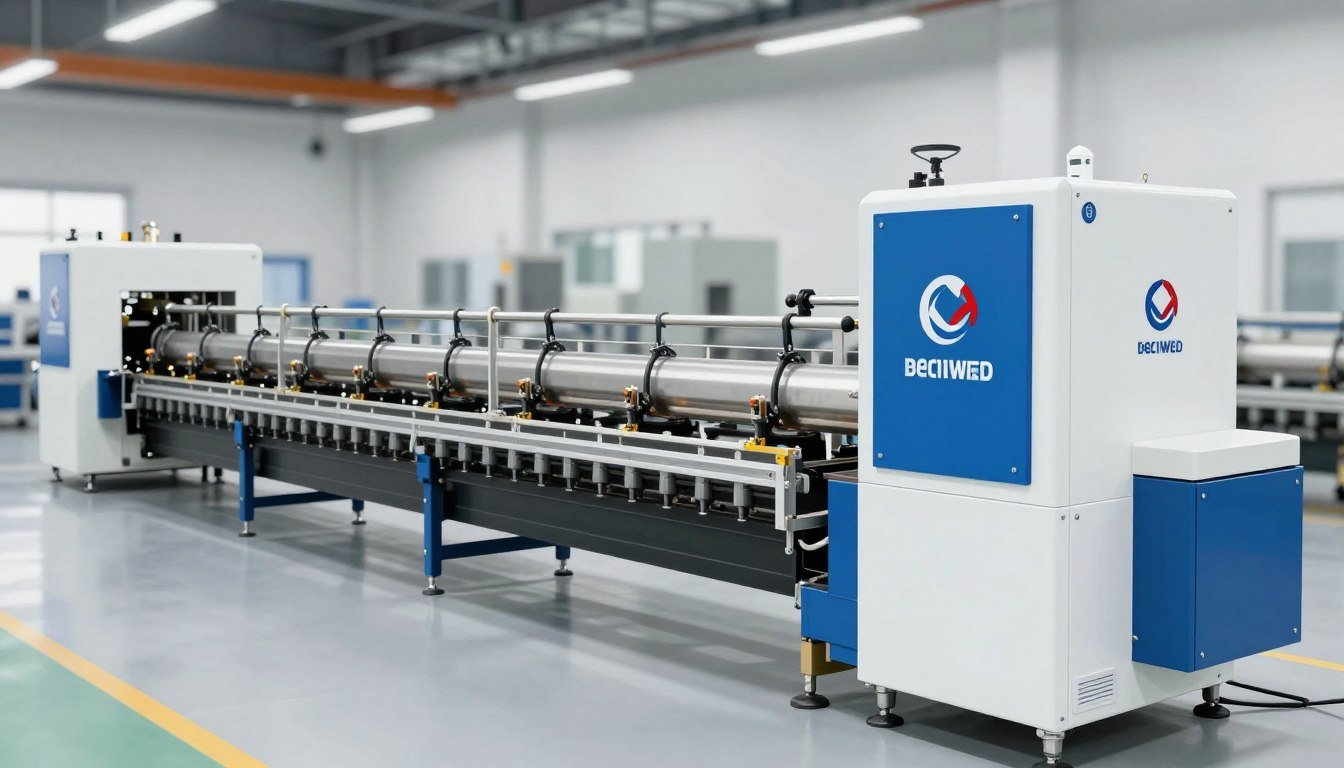
MAIKONG offers comprehensive OEM (Original Equipment Manufacturer) and ODM (Original Design Manufacturer) services. Build your own branded feed equipment line with our manufacturing expertise.
Available Customization Options
Branding Customization
- Your company logo on all equipment
- Custom color schemes
- Branded nameplates and decals
- Private label packaging
Technical Modifications
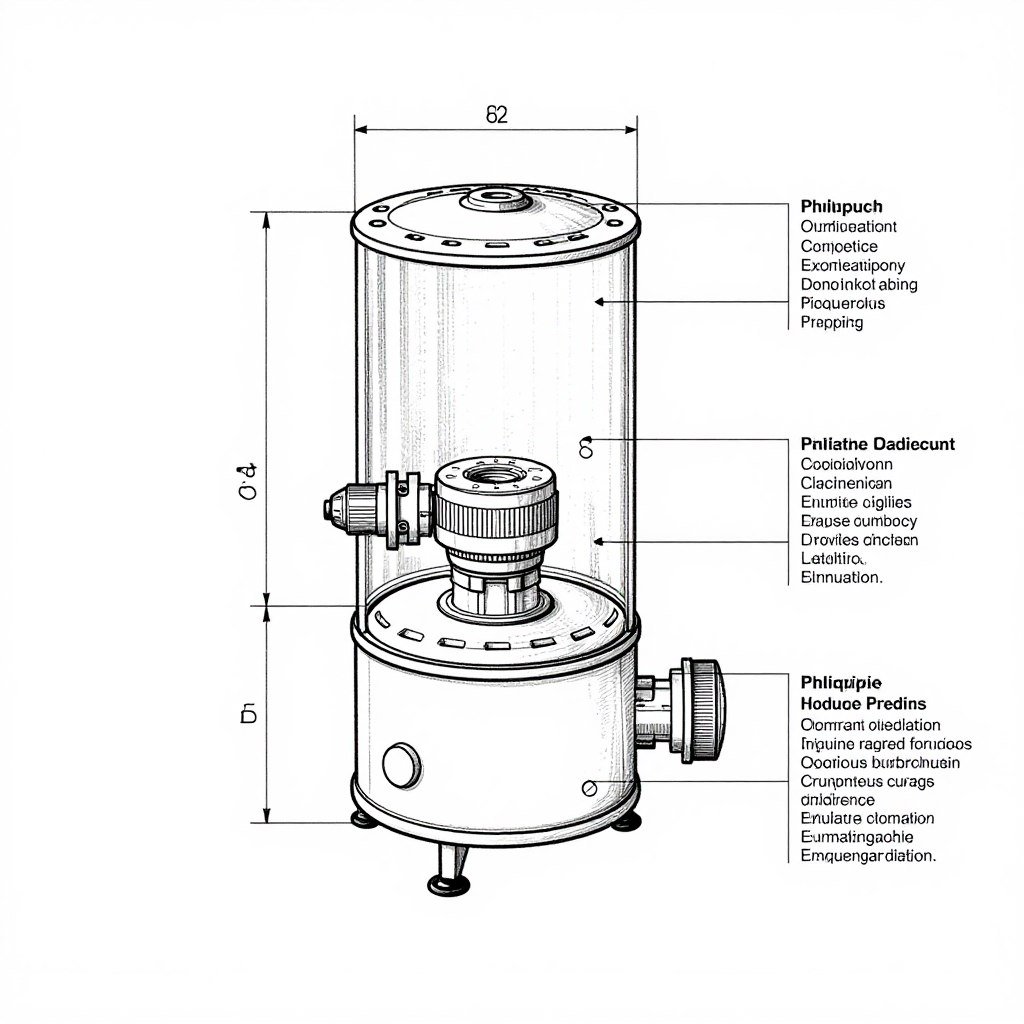
- Voltage and frequency matching
- Capacity adjustments
- Special material requirements
- Unique die configurations
Design Adaptations
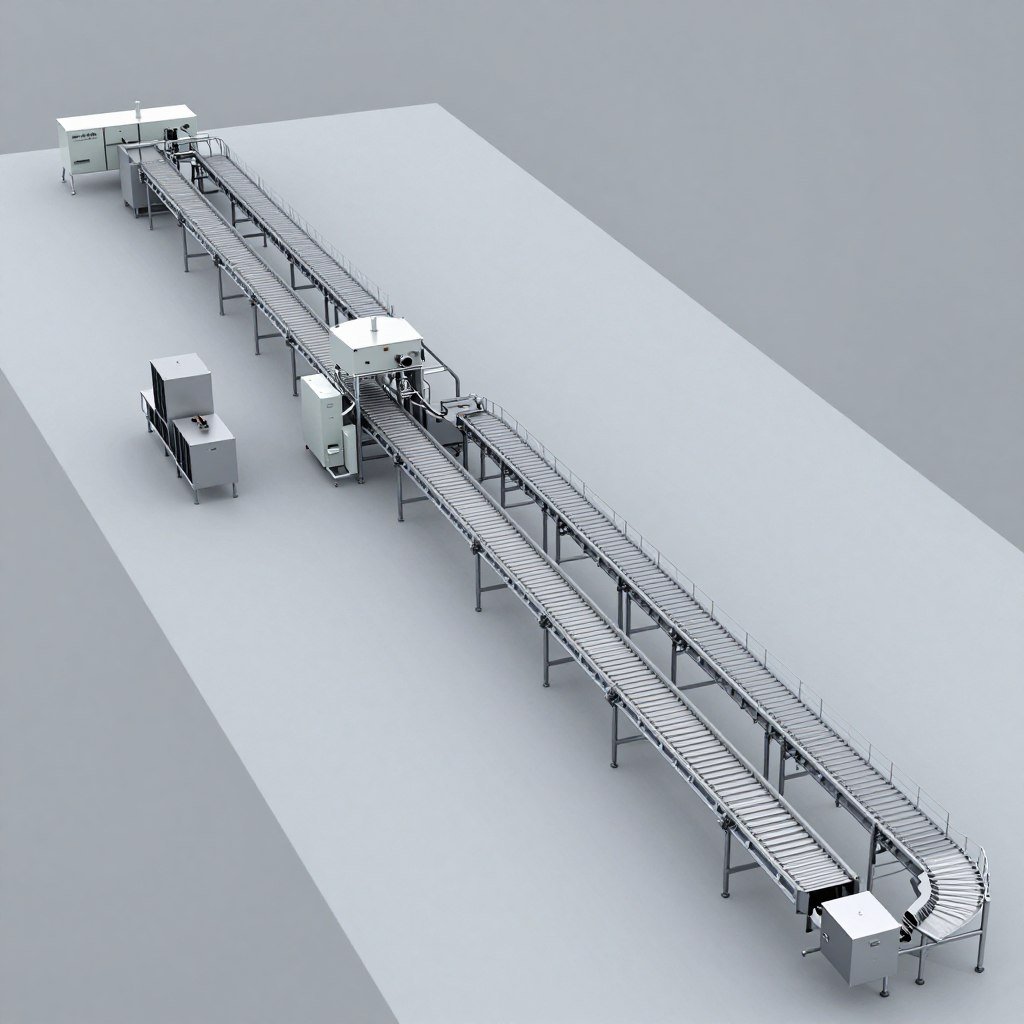
- Layout adapted to your facility
- Integration with existing equipment
- Special automation features
- Custom control systems
OEM Partnership Benefits
Partnering with MAIKONG for OEM production offers several strategic advantages for distributors and dealers in the Philippines market.
Partnership Advantages
- Build your own brand equity and recognition
- Competitive pricing on volume orders
- Exclusive territory protection available
- Technical support under your brand name
- Marketing materials customization
- Flexible payment terms for partners
- Priority production scheduling
- Co-development of new models
Partnership Requirements
- Minimum order quantities apply
- Longer lead times for custom orders
- Initial tooling costs for unique features
- Commitment to quality standards
- Marketing and sales responsibilities
- Local inventory management
Distributor and Agent Opportunities
MAIKONG actively seeks qualified distributors and agents throughout the Philippines. We offer comprehensive support for partners building feed equipment businesses.

Distributor Partnership Includes:
- Exclusive territory rights in qualified regions
- Comprehensive product training and certification
- Marketing support and promotional materials
- Technical training for your service team
- Demonstration equipment availability
- Co-op advertising programs
- Lead sharing and referral programs
- Competitive pricing with volume discounts
Successful distributor partners typically handle:
- Local market development – Identifying and engaging potential customers in your territory through direct sales and relationships.
- Sales and quotations – Providing initial customer consultations, facility assessments, and preliminary equipment recommendations.
- Installation coordination – Managing site preparation, coordinating with MAIKONG installation teams, and ensuring smooth project execution.
- After-sales service – Providing first-level technical support, routine maintenance services, and spare parts supply to end customers.
- Customer training – Conducting operator training sessions and ongoing education programs for client operations teams.
Ideal Distributor Profile:
- Established presence in aquaculture or agricultural equipment sectors
- Technical team capable of equipment installation and service
- Financial capacity for inventory and customer financing
- Strong relationships with fish farms, cooperatives, or feed mills
- Commitment to quality and customer satisfaction
- Sales and marketing capabilities in local markets
For OEM/ODM inquiries and distributor applications, contact our partnership team directly:
Partnership Development Contact
Email: Lucy@pelletmachine.ph
WhatsApp Available | Partnership Inquiries
Frequently Asked Questions About Fish Feed Production Line Price
What factors most significantly affect fish feed production line price?
Production capacity represents the single largest price determinant. A 1-2 ton per hour line costs $10,000-$50,000, while a 20 ton per hour system ranges from $250,000-$580,000. Other major factors include automation level, material quality (stainless steel vs. carbon steel), extruder type (floating vs. sinking feed capability), and included accessories like dust collection and packaging systems.
How long does it take to install and commission a complete production line?
Installation timeframes vary by system size. Small 1-2T/H lines typically require 7-15 days from delivery to production-ready status. Medium 5-7T/H systems need 20-40 days. Large 20T/H+ industrial installations take 90-120 days including civil works, equipment installation, testing, and operator training. MAIKONG provides detailed project timelines during quotation phase.
What is the expected lifespan of fish feed production equipment?
Well-maintained equipment typically operates 15-20 years. Critical wear components like pellet mill dies require replacement every 1,000-2,000 operating hours depending on material hardness. Main structural components and motors last the full equipment lifespan. MAIKONG provides detailed maintenance schedules that maximize longevity and minimize unplanned downtime.
Can one production line make both floating and sinking fish feed?
Yes, but requires specific equipment configuration. Lines designed for floating feed use extruder technology with expansion chambers. These systems can produce sinking feed by adjusting temperature and moisture parameters. However, lines built only for sinking feed (using standard pellet mills) cannot produce floating pellets without major equipment addition. MAIKONG recommends dual-capability systems for maximum flexibility.
What training does MAIKONG provide with equipment purchase?
Comprehensive training packages include 3-5 days on-site instruction during installation covering equipment operation, maintenance procedures, troubleshooting, and safety protocols. We provide English and Filipino language documentation, video training materials, and ongoing remote support. Advanced training for technicians and additional operator sessions available upon request.
Are spare parts readily available in the Philippines?
MAIKONG maintains spare parts inventory for common wear items accessible through our Philippines support network. Critical components ship within 3-5 business days. We recommend customers maintain basic spare parts inventory (dies, hammers, bearings) to minimize downtime. Distributor partners stock commonly needed parts for immediate availability to their customers.
What electrical power requirements should I plan for?
Power requirements scale with production capacity. Small 1-2T/H lines need 47-75KW (three-phase 380V standard, customizable to Philippine voltage). Medium 5-7T/H systems require 68-259KW. Large 20T/H installations need 358-620KW. MAIKONG engineers assess your facility’s electrical capacity and recommend any necessary upgrades during the quotation and planning phase.
Can I start small and expand production capacity later?
Yes, modular expansion represents a smart investment approach. Start with capacity meeting current needs, then add parallel lines or upgrade components as business grows. MAIKONG designs systems with expansion in mind, ensuring compatibility between phases. Many customers begin with 3-5T/H systems and add second lines within 2-3 years as demand increases.
What warranty coverage comes with MAIKONG equipment?
Standard warranty covers 12 months from commissioning date or 18 months from shipment, whichever comes first. Coverage includes manufacturing defects in materials and workmanship. Wear parts (dies, hammers, screens) excluded as these are consumables. Extended warranty options available. All warranty terms detailed in purchase agreement with clear coverage specifications.
How do I calculate the right production capacity for my operation?
Calculate daily feed requirements based on total fish biomass multiplied by daily feeding rate (typically 2-3% for most species). Add 15-25% safety margin for growth and peak demand. Divide by realistic operating hours (8-10 hours daily) to determine required hourly capacity. MAIKONG provides free capacity planning consultation considering your specific operation, growth projections, and potential secondary revenue opportunities. Contact our team for personalized analysis.
Taking the Next Step in Your Fish Feed Production Journey
Understanding fish feed production line price represents just the beginning of your investment journey. The right equipment, proper support, and reliable partnership determine long-term success far more than initial cost alone.
MAIKONG brings 22 years of manufacturing experience specifically focused on aquaculture feed equipment. Our installations across Philippines, Southeast Asia, and 50+ countries demonstrate proven performance in diverse conditions. We understand tropical operating environments, common fish species requirements, and the specific challenges facing Filipino aquaculture operations.
Why Philippine Operators Choose MAIKONG
- Competitive pricing without compromising quality
- Customization for your specific fish species and scale
- Complete turnkey solutions from design to commissioning
- Comprehensive operator and maintenance training
- Ongoing technical support in English and Filipino
- Rapid spare parts supply and service response
- Proven track record with verifiable references
- OEM/ODM partnership opportunities available
- Exclusive distributor territories for qualified partners
- Production capacity range from 200KG to 200 tons/hour
- Both floating and sinking feed capabilities
- Energy-efficient designs reducing operating costs
- Quality certifications and international standards compliance
- Long-term partnership commitment beyond equipment sale
Whether you operate a family fish farm seeking to reduce feed costs, manage a commercial aquaculture operation planning capacity expansion, or represent a distributor exploring equipment lines to offer customers, MAIKONG provides solutions matched to your needs and budget.
Start Your Project Today
Take the first step toward feed production independence and improved profitability. Our team stands ready to discuss your specific requirements, provide detailed quotations, and develop customized solutions for your operation.
Partner With MAIKONG Philippines
Join successful aquaculture operations across the Philippines already benefiting from MAIKONG feed production solutions. Whether you need equipment for your own farm or seek distributor partnership opportunities, we provide the expertise, quality, and support that ensures your success. Let’s discuss how we can help your operation thrive.
Contact Information:
📧 Email: Lucy@pelletmachine.ph
📱 Phone/WhatsApp: +86 135-1090-7401
🌐 Website: https://pelletmachine.ph/
📍 Location: SZ City, GD Province
⏰ Response Time: Within 4 hours during business days
Special Opportunities:
- Equipment Buyers: Get customized quotes with detailed ROI analysis for your specific operation
- Potential Distributors: Inquire about exclusive territory partnerships and OEM/ODM programs
- Technical Questions: Speak directly with experienced engineers who understand Philippine market conditions
- Existing Customers: Access ongoing support, spare parts, and expansion consultation
MAIKONG Equipment – Your Trusted Partner in Aquaculture Feed Production Excellence. Let’s build your success together.